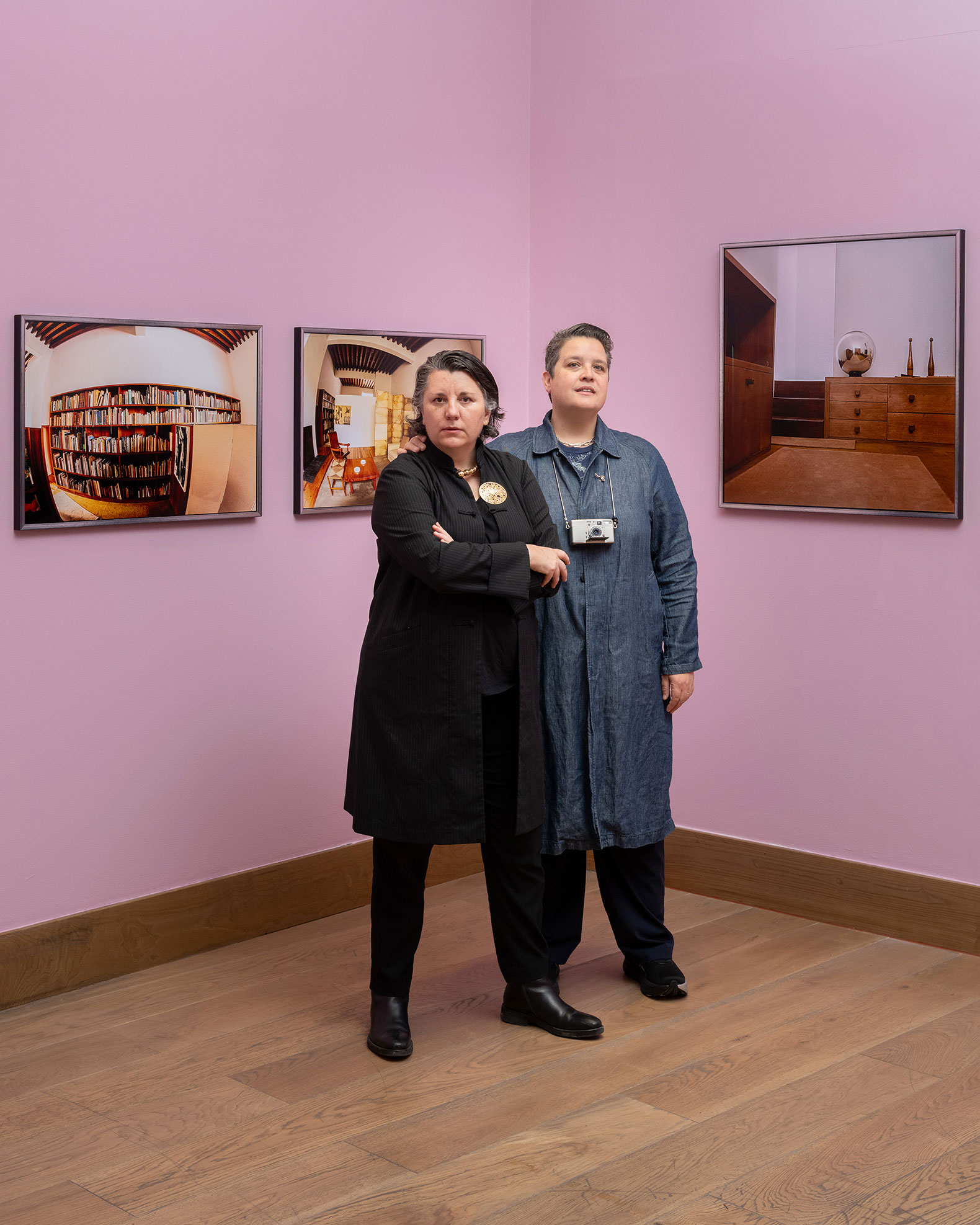
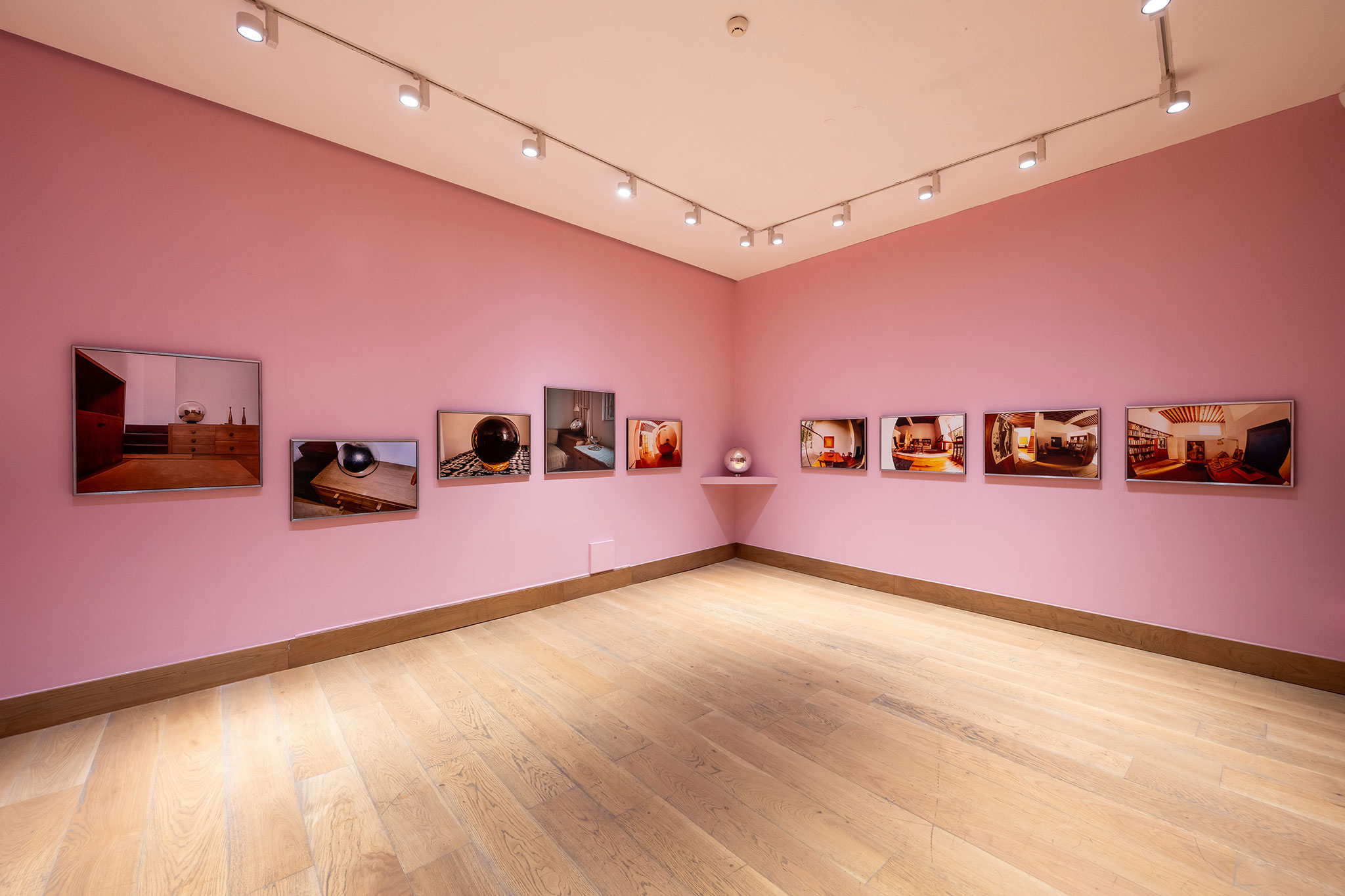
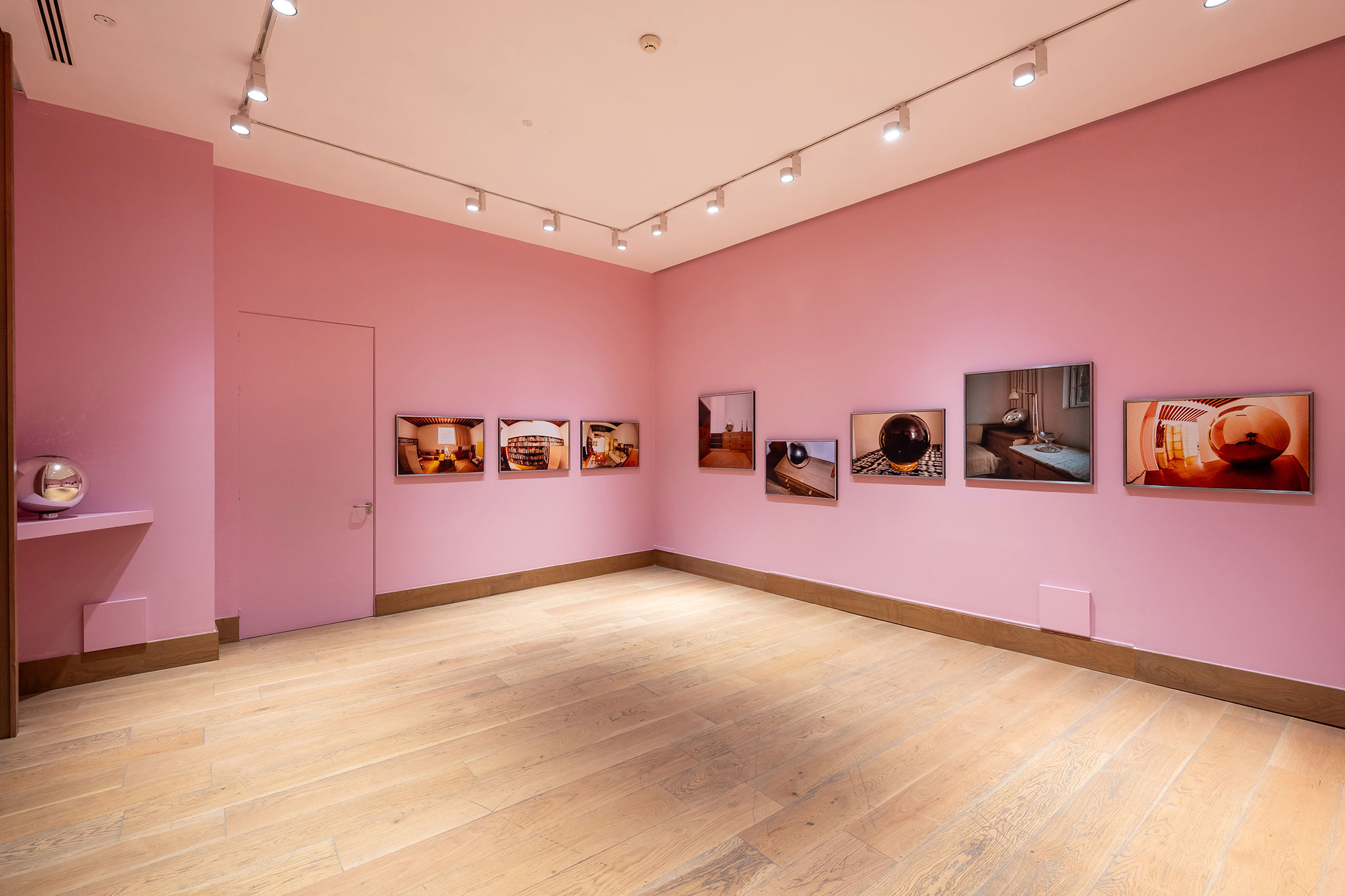
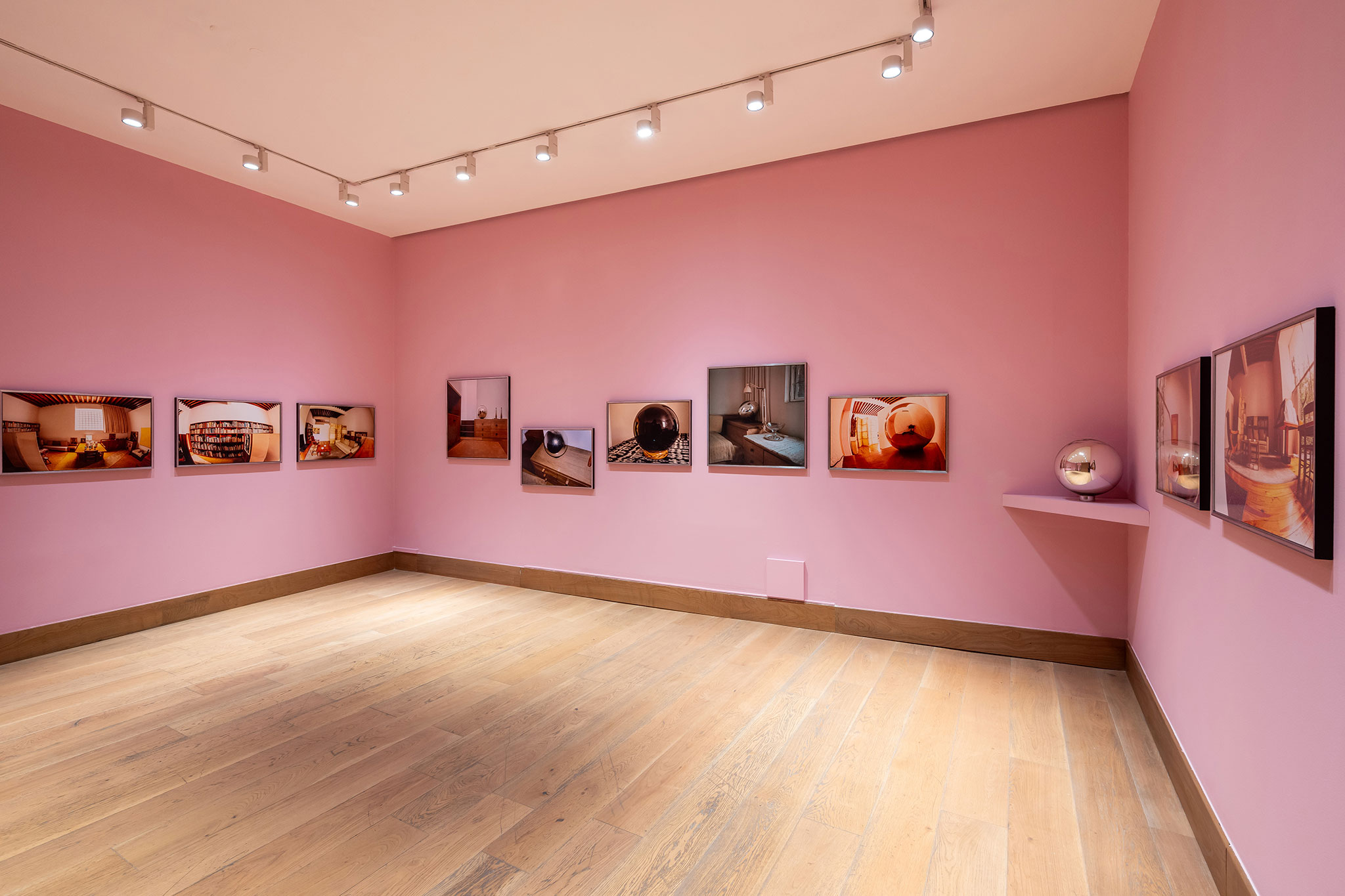
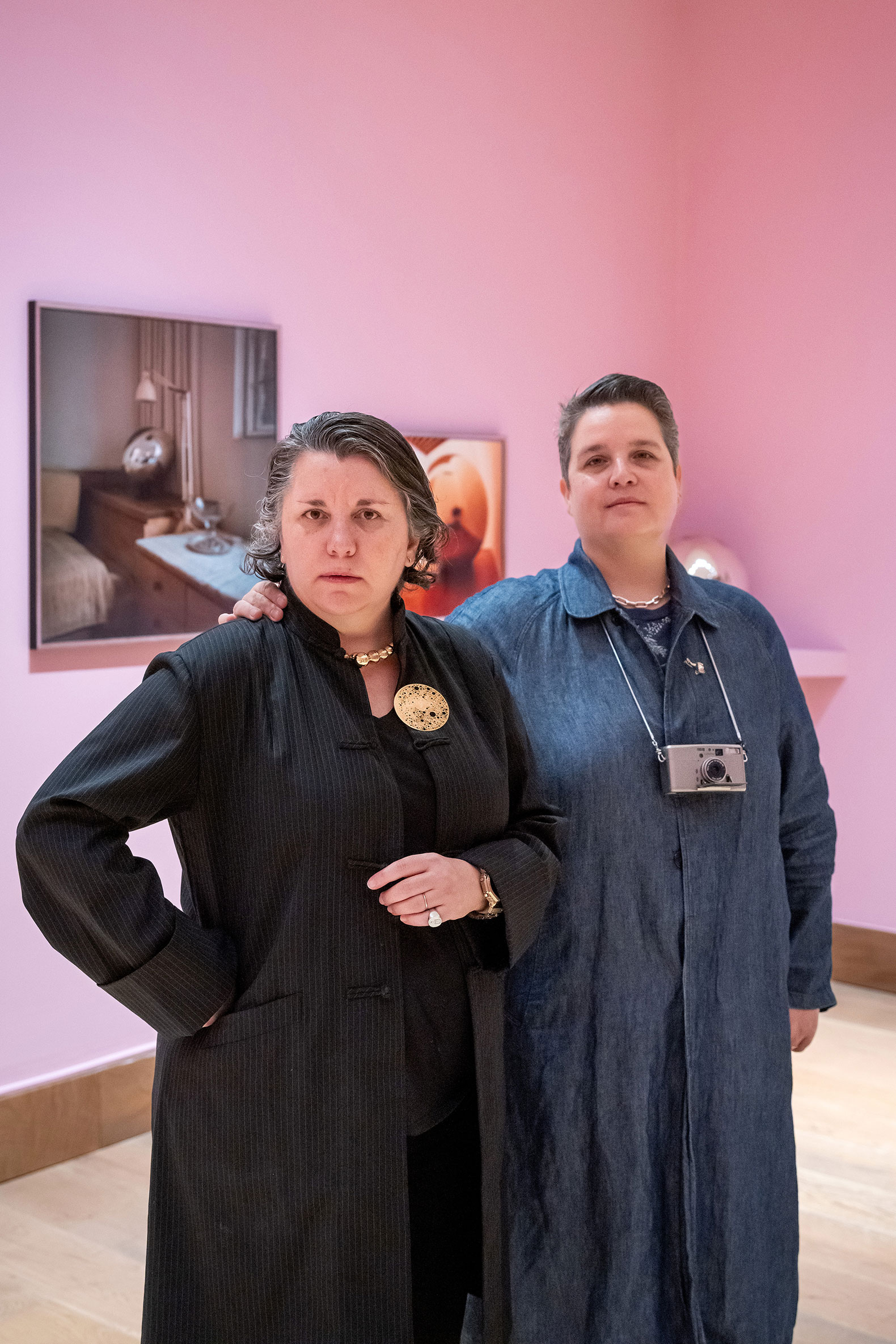
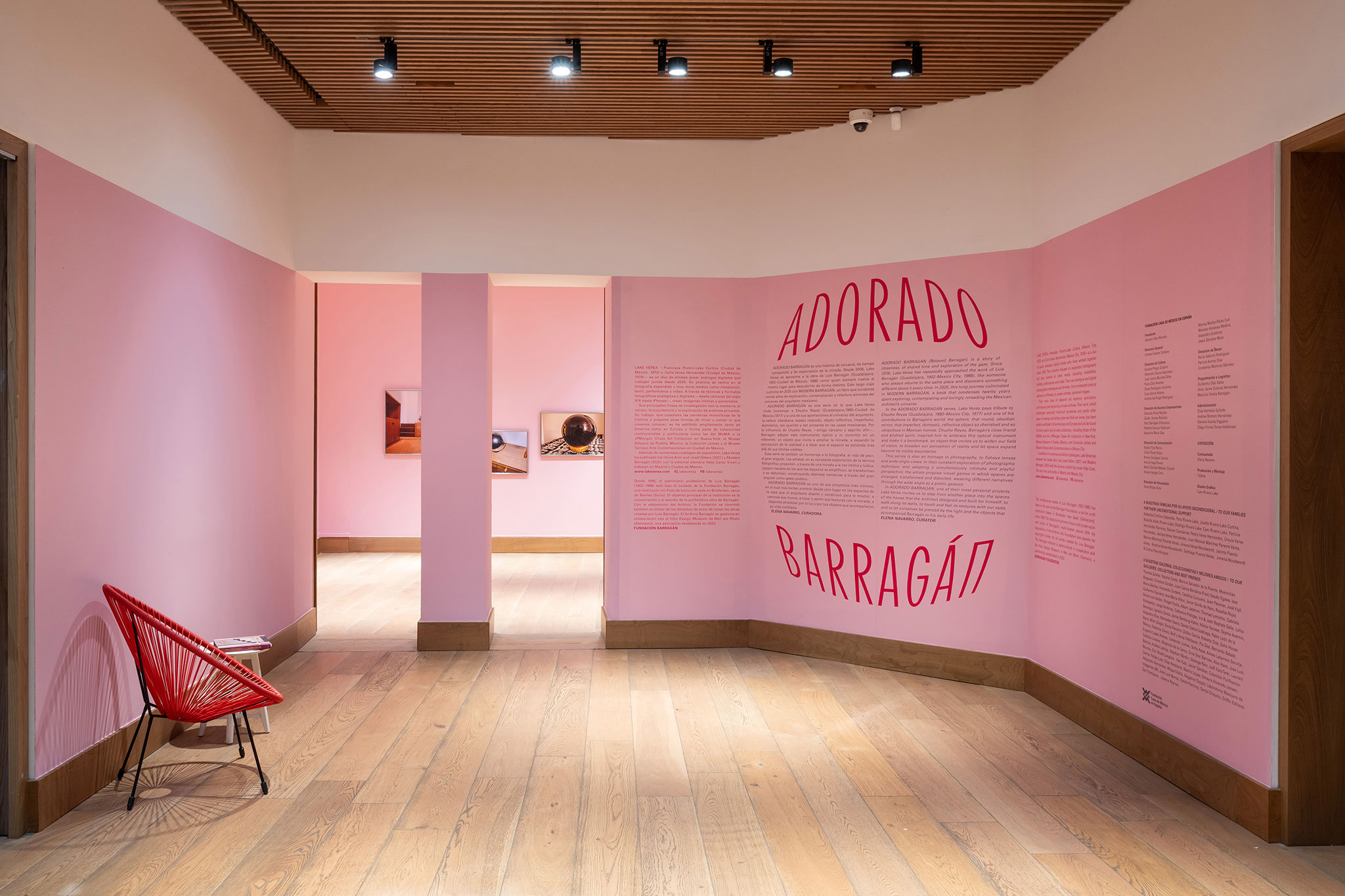
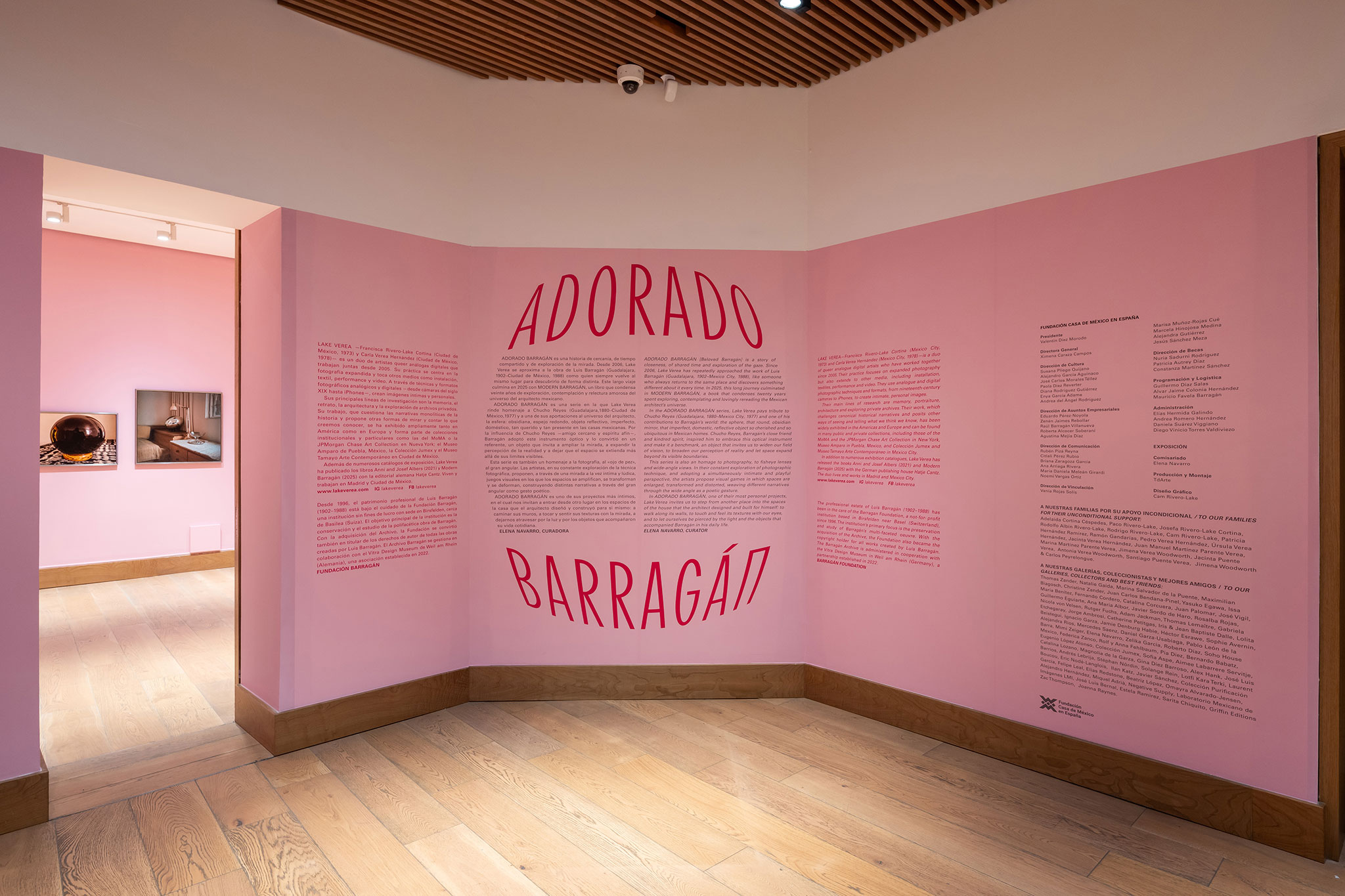
Lake Verea, a leading Mexican duo in contemporary photography in the Americas, pays homage to architect Luis Barragán with the exhibition "Adorado Barragán," comprised of 12 photographs of his home and studio. The Casa de México Foundation in Spain presents the exhibition as part of the "ARCO Guest" program until May 10 at the Casa de México in Madrid.

The work of Lake Verea, a duo comprised of Francisca Rivero Lake-Cortina and Carla Verea Hernández, is included in major collections such as those of MoMA, the JPMorgan Chase Corporate Art Collection, and the Jumex Collection.

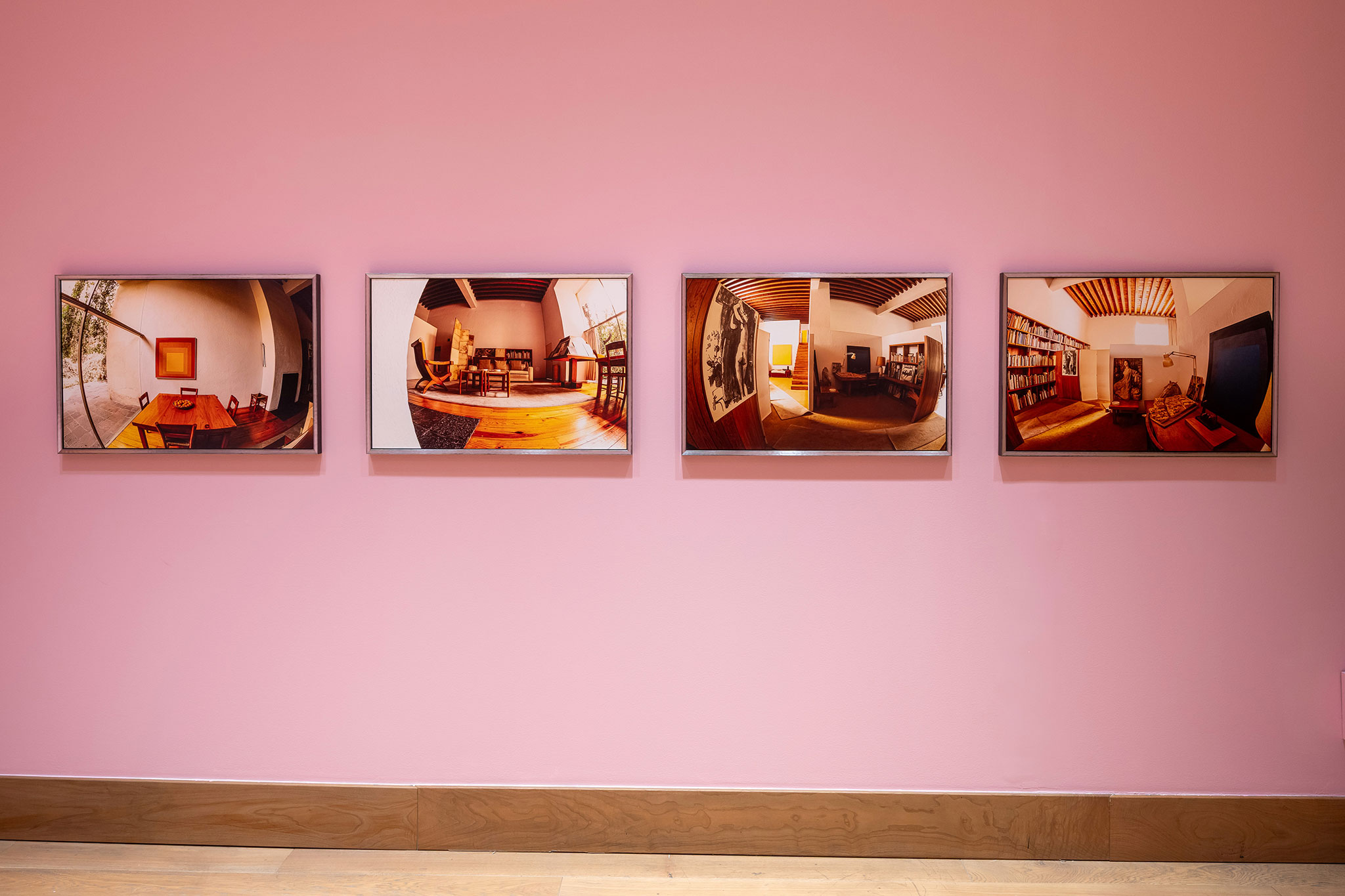
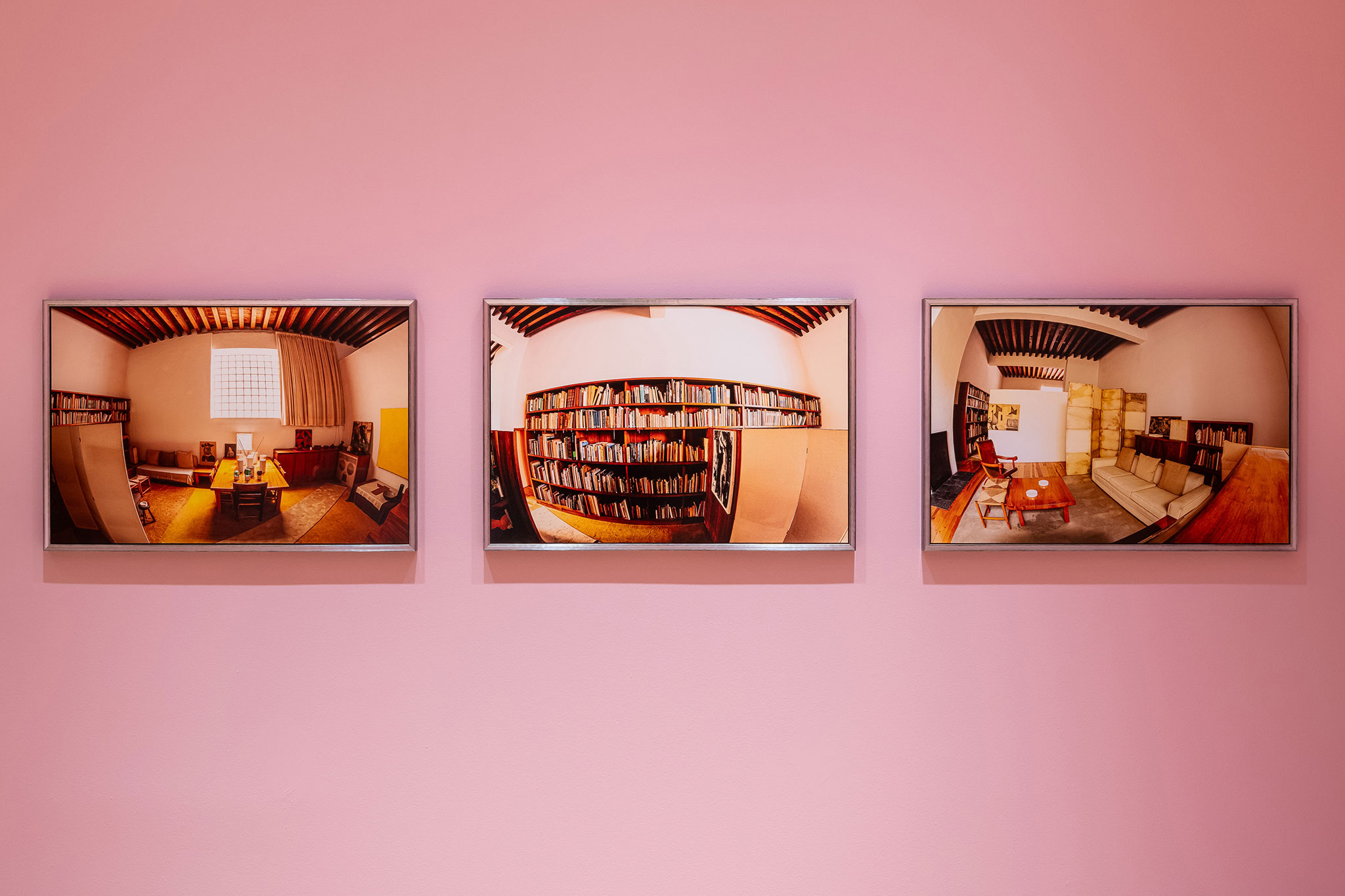
"Adorado Barragán" is an exhibition of 12 photographs of Luis Barragán's house and studio, a UNESCO World Heritage Site since 2004. Lake Verea's work on the project began in 2006 and is part of a larger undertaking based on the study of the work of the renowned Mexican architect Luis Barragán.

Curated by Elena Navarro, the exhibition is one of the couple's most intimate projects, showcasing different viewpoints and perspectives to understand the spaces of the house that the architect designed and built for himself.

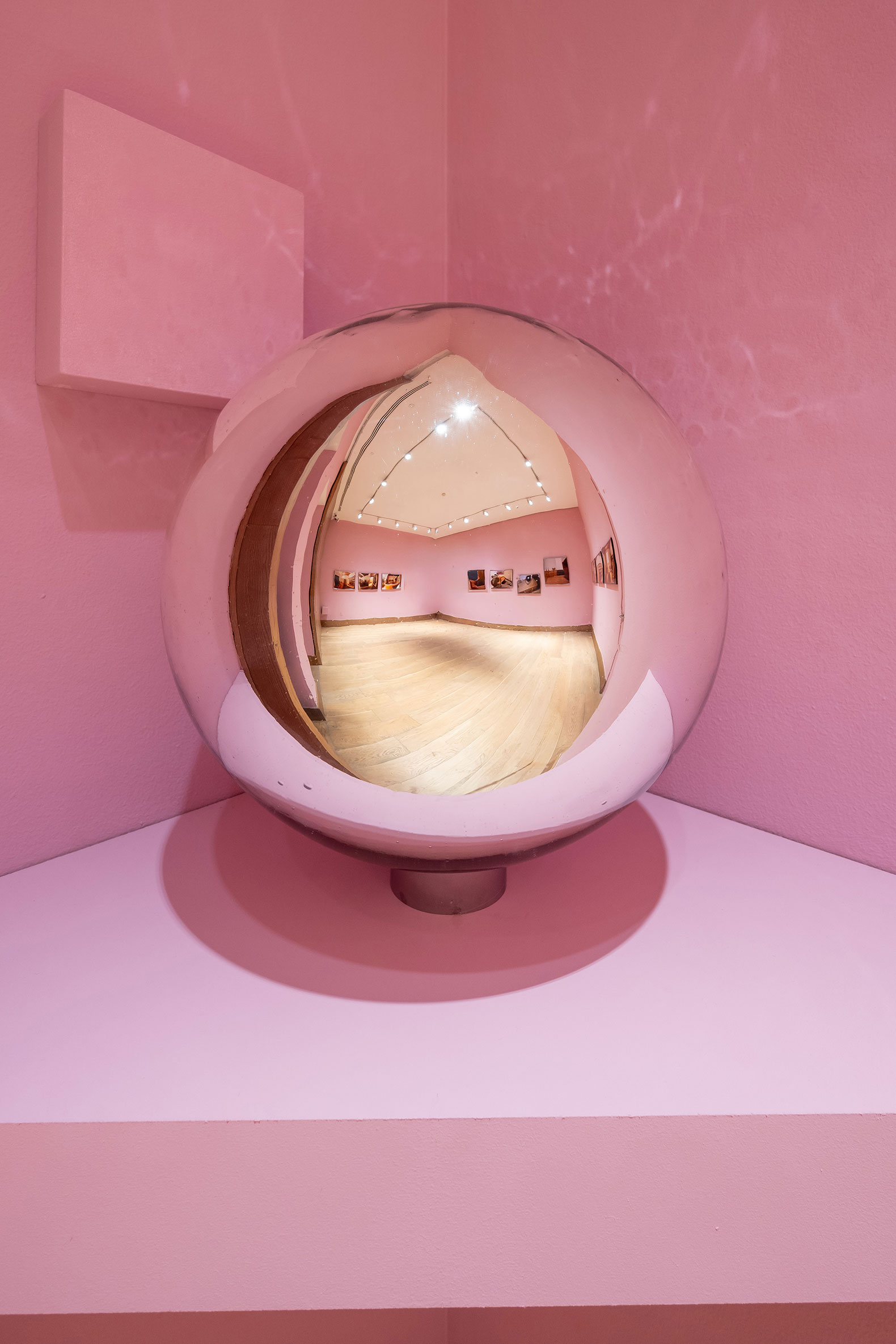
The photographs, taken between 2006 and 2013 with analogue and digital cameras, printed on C-prints, and framed in silver leaf, are complemented by two glass spheres, a key element in the architect's universe. These spheres are the work of his friend and collaborator Chucho Reyes, who introduced him to the world of obsidian and round mirror spheres. Barragán adopted this instrument and made it one of his defining elements, an object that invites us to broaden our perspective beyond its visible limits. Barragán transformed spheres into a characteristic feature of his work, presenting them as a way to see an entire room at once and from every angle.

The exhibition is also a tribute to fisheye photography, to the wide-angle lens. The artists, in their constant exploration of photographic technique, propose, through an intimate and playful gaze, visual games in which spaces are amplified, transformed, and distorted, constructing different narratives through the wide-angle lens as a poetic gesture. The public can visit the exhibition free of charge from February 26 to May 10, 2026. The book launch for Modern Barragán will take place on March 13 at 7:00 p.m.

More information

Label
Exhibition
Text

Adorado Barragán.

+ + copy Created with Sketch.
- + copy Created with Sketch.
Label
Artists
+ + copy Created with Sketch.
- + copy Created with Sketch.
Label
Curator
+ + copy Created with Sketch.
- + copy Created with Sketch.
+ + copy Created with Sketch.
- + copy Created with Sketch.
Label
Dates
Text

From February 26 to May 10, 2026.

+ + copy Created with Sketch.
- + copy Created with Sketch.
Label
Venue / Location
Text

C/ Alberto Aguilera 20. Madrid, Spain.

+ + copy Created with Sketch.
- + copy Created with Sketch.
Label
Photography
Text

Fundación Casa de México in Spain.

+ + copy Created with Sketch.
- + copy Created with Sketch.

Lake Verea is a queer art duo founded in Mexico City in 2005, comprised of Francisca Rivero-Lake Cortina (Mexico City, December 11, 1973) and Carla Verea Hernández (Mexico City, February 3, 1978). Their artistic practice focuses on experimentation with expanded photography, incorporating other media such as installation, textiles, performance, and video. 

They experiment with photographic techniques and formats to create intimate and personal portraits. Memory, portraiture, modern architecture, and the exploration of artists' archives are their main themes of research. Their photographic work is characterized by the use of analogue and digital cameras of various formats, depending on the project, ranging from 19th-century cameras to iPhones. 

The cameras become allies and extensions of their own bodies. In many of their projects, they work with two cameras simultaneously, which they exchange during the session, to eliminate the issue of authorship while reinforcing their identity as a duo. In other projects, they create characters that they embody during the research phase and photo shoots in order to create alternative narratives. Their areas of interest intertwine and reinforce each other. The main objective is to approach the subject or object of research in the pursuit of intimacy and to tell stories from a different, personal perspective, one that questions monolithic history and seeks to shed light on other ways of seeing what we think we know.

Read more

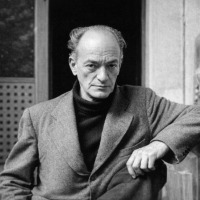
Luis Barragán (Guadalajara, Jalisco, Mexico, March 9, 1902 - Mexico City, November 22, 1988) was born in a family of ranchers of Jalisco. Son of Juan José Barragán and Ángela Morfín. He spent his childhood next to his father in the Santa Monica neighbourhood of Guadalajara, his hometown. He had six brothers and three women. He used to spend his vacations and extended stays at the hacienda of Corrales, located near La Manzanilla de la Paz, Jalisco. The children's experience of these stays in the countryside would leave a deep mark that would be reflected in their subsequent work.

Between 1919 and 1923, Luis Barragán studied civil engineering at the Escuela Libre de Ingeniería de Guadalajara, following the optional courses to simultaneously obtain the degree of architect under the tutelage of Agustín Basave, whom Barragán himself recognized provoked his interest in Architecture. During that period, he met Rafael Urzúa Arias and Pedro Castellanos.

He travelled extensively in France and Spain. When he arrived in Paris, he saw the Exhibition of Decorative Arts of 1925. He got to know the work of gardens by Ferdinand Bac, who in that year had published a book entitled "Jardins enchantés", and then a personal relationship between them began. His journey through Europe was completed later with his trip to Morocco, where he aroused interest in the architecture of North Africa. His travels in the south, especially in the Mediterranean cities, allowed him to get to know the gardening, the expressive use of water, and to pay special attention to the Alhambra in Granada. In 1931, he lived in Paris for a time, where he met Le Corbusier, attending his lectures and having the opportunity to know his work.

Between 1927 and 1936, he practiced in Guadalajara, where he was associated with a movement known as the Escuela Tapatía or Guadalajara School, which espoused a theory of architecture dedicated to the vigorous adherence to regional traditions. There, he remodelled and designed houses, with a style in which he mixed the influences of Mediterranean architecture, like the local ones. His first work was the remodelling of the house of Emiliano Robles León, lawyer, whose house was located in the heart of the city of Guadalajara. In this reform, he highlighted the work of the wood in rails and doors, designed by Barragan himself, as well as the central courtyard, equipped with a fountain. Robles León would later commission the project of several rental houses, as well as the project for his house in Chapala.

In 1931, he travelled to New York, where he met Frederick Kiesler and published, for the first time and abroad, his work in Architectural Review and House and Gardens. Later, he moved to Mexico City, where he remained until his death. His first projects in the capital were residential, of functionalist inspiration and with a purely commercial character, in his stage known as rationalist. His interest in gardens and landscape architecture and his desire not to depend financially on his client,s led him to act as a real estate developer. In 1945, he designed and created the urbanisation plan for Pedregal de San Ángel, together with other architects, including Max Ludwig Cetto Day, whose house was the first one built in the area. In 1940 he acquired some land in Tacubaya where he built a first house (later known as Casa Ortega), and subsequently his own residence annexed to a workshop in 1947, which would later be included by UNESCO in 2004, on the list of World Heritage in the year 2004.

Between 1955 and 1960, he restored the Convent of the Capuchinas Sacramentarias in Tlalpan. In 1957, he made the urban sculpture project of the Torres de Satélite in collaboration with the sculptor Mathias Goeritz and the painter Jesús Reyes Ferreira. Later, in 1976, he built Casa Gilardi. His speech on vernacular architecture was recognized when, in 1976, on the occasion of the exhibition at the Museum of Modern Art in New York entitled "The Architecture of Luis Barragán", his work was definitively internationalized. He was a member of the SAM and the AIA, and as a result of the exhibition of the MoMA that same year, he would receive the national prize of architecture. In 1980, he received the second Pritzker Prize. He died on November 22, 1988, suffering from Parkinson's disease.

Barragán called himself a landscape architect and has had a profound influence not only on three generations of Mexican architects but many more throughout the world. In his acceptance of the Pritzker Architecture Prize, he called it "alarming" that publications devoted to architecture seemed to have banished the words "Beauty, Inspiration, Magic, Spellbound, Enchantment, as well as the concepts of Serenity, Silence, Intimacy and Amazement." He apologised for perhaps not having done these concepts complete justice, but said: "They have never ceased to be my guiding lights." As he closed his remarks, he spoke of the art of seeing. “It is essential to an architect to know how to see—to see in such a way that vision is not overpowered by rational analysis."

Read more

Elena Navarro (born in Madrid, 1969) holds a degree in Geography and History (specializing in Art History) from the Complutense University of Madrid (1987-1992). She also holds a Master's degree in Museology and Exhibition Techniques (1993-1994). Since 2000, she has worked as a curator, producer, consultant, and photography manager, based in Mexico City and Madrid. She is the founder and artistic director of the FOTOMÉXICO International Photography Festival, a platform dedicated to reflection, dissemination, and photographic production. Previously, she directed the Centro de la Imagen in Mexico City before founding Espacio V, a non-profit foundation dedicated to increasing the presence of contemporary photography in the daily lives of people in Latin America.

Throughout her career, Elena Navarro has established and strengthened collaborative relationships within the cultural ecosystem of photography and image creation, fostering projects between institutions, museums, public and private collections, artists, and creators. For the past decade, she has focused on showcasing the work of women artists and creators from Mexico and Latin America, in dialogue with Europe, the United States, and the rest of the world.

Navarro has also served as a juror, nominator, and portfolio reviewer for various awards, and was the Cultural Director of Magnum Photos' 75th Anniversary Project in New York in 2022. She is currently the Ambassador for Latin America and Spain for Paris Photo, and in 2024 she was the guest curator of Voices, the fair's new section. In 2025, she curated the most comprehensive retrospective of Graciela Iturbide for Kyotographie, Japan's most prestigious photography festival.

Read more

Chucho Reyes Ferreira, artistic name of José Jesús Benjamín Buenaventura de los Reyes Ferreira (Guadalajara, Jalisco, October 17, 1880 – Mexico City, August 5, 1977), was a Mexican painter, collector, and antique dealer. He incorporated references, materials, and color palettes inspired by Mexican crafts and folk culture into his work. He worked with a variety of materials, most notably his gouache paintings on tissue paper.

He was a central figure in Barragán's work. It is speculated that he was the one who convinced the architect to paint the walls of his buildings pink, and he also introduced him to the world of folk art and glass spheres. Reyes was a great collector of these spheres, in all their sizes, colors, and materials.

Read more
Published on: March 5, 2026
Cite:
metalocus, JOSÉ JUAN BARBA
"Tribute to Luis Barragán: Beloved Barragán by Lake Verea" METALOCUS. Accessed
<http://www.metalocus.es/en/news/tribute-luis-barragan-beloved-barragan-lake-verea> ISSN 1139-6415
Loading content ...
Loading content ...
Loading content ...
Loading content ...
Loading content ...
Loading content ...
Loading content ...
Loading content ...
Loading content ...
Loading content ...
Loading content ...
Loading content ...
Loading content ...
Loading content ...
Loading content ...
Loading content ...
Loading content ...
Loading content ...
Loading content ...
Loading content ...
Loading content ...
Loading content ...
Loading content ...
Loading content ...
Loading content ...
Loading content ...
Loading content ...
Loading content ...
Loading content ...
Loading content ...
Loading content ...
Loading content ...
Loading content ...
Loading content ...
Loading content ...
Loading content ...
Loading content ...
Loading content ...
Loading content ...
Loading content ...
Loading content ...
Loading content ...
Loading content ...
Loading content ...
Loading content ...
Loading content ...
Loading content ...
Loading content ...
Loading content ...
Loading content ...
Loading content ...
Loading content ...
Loading content ...
Loading content ...