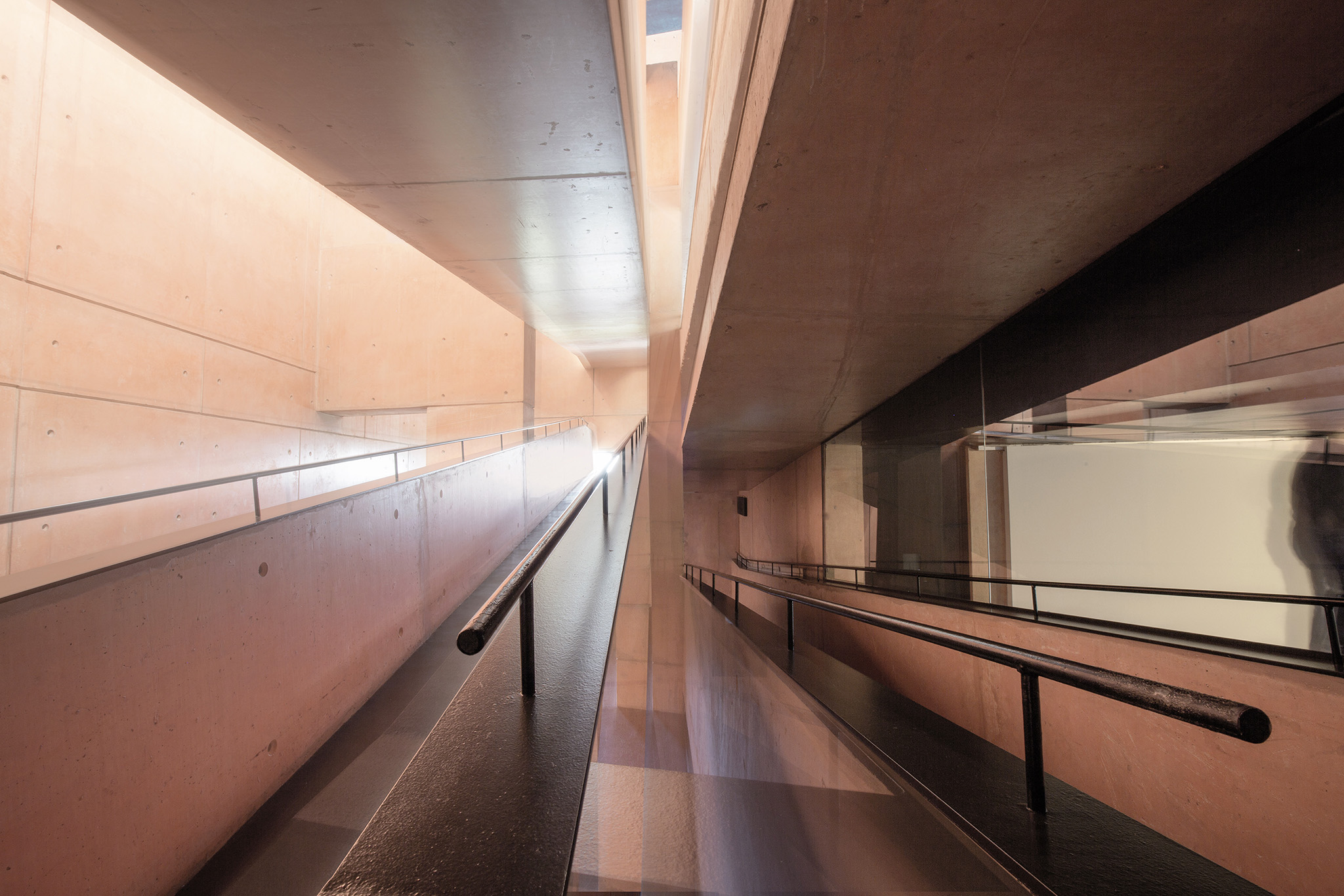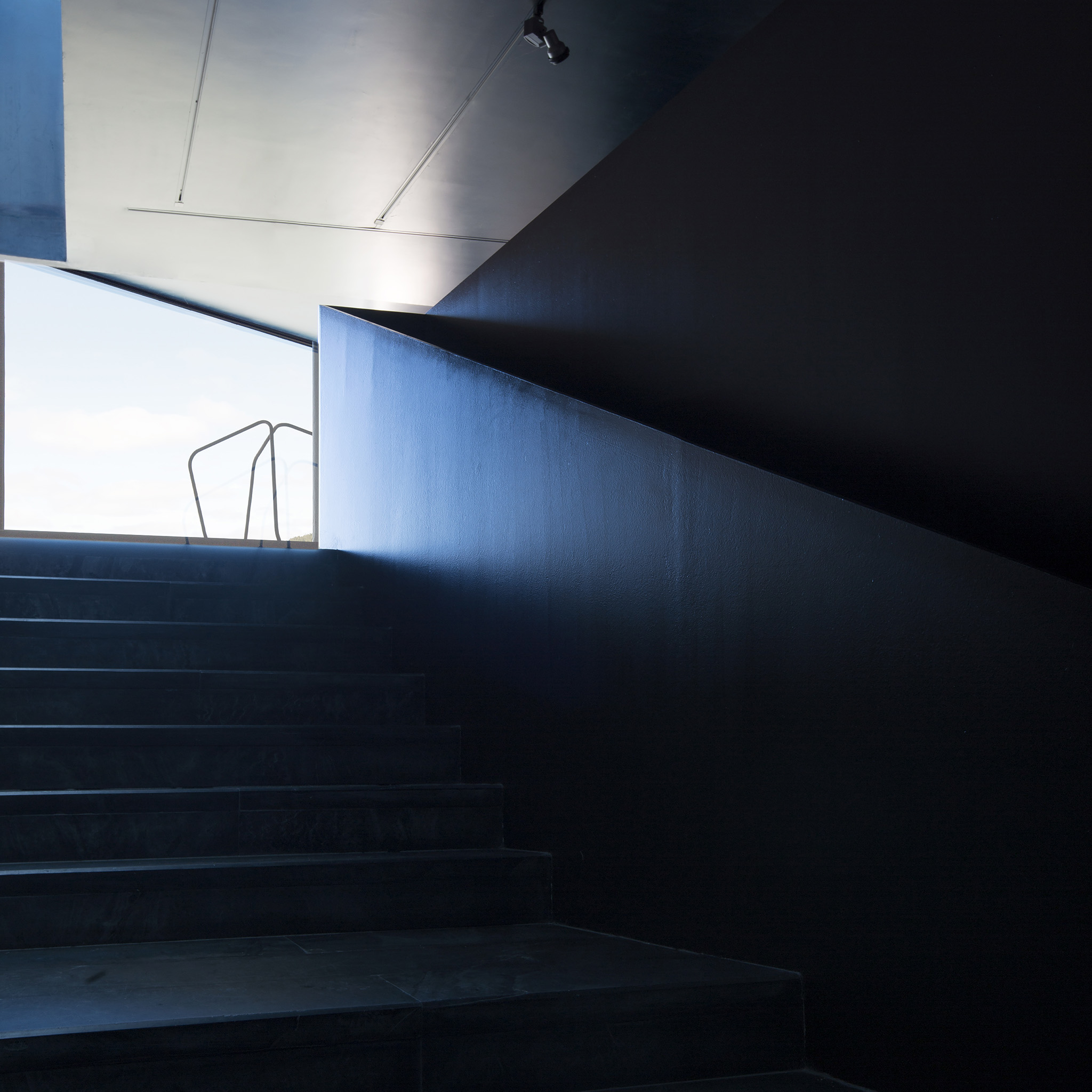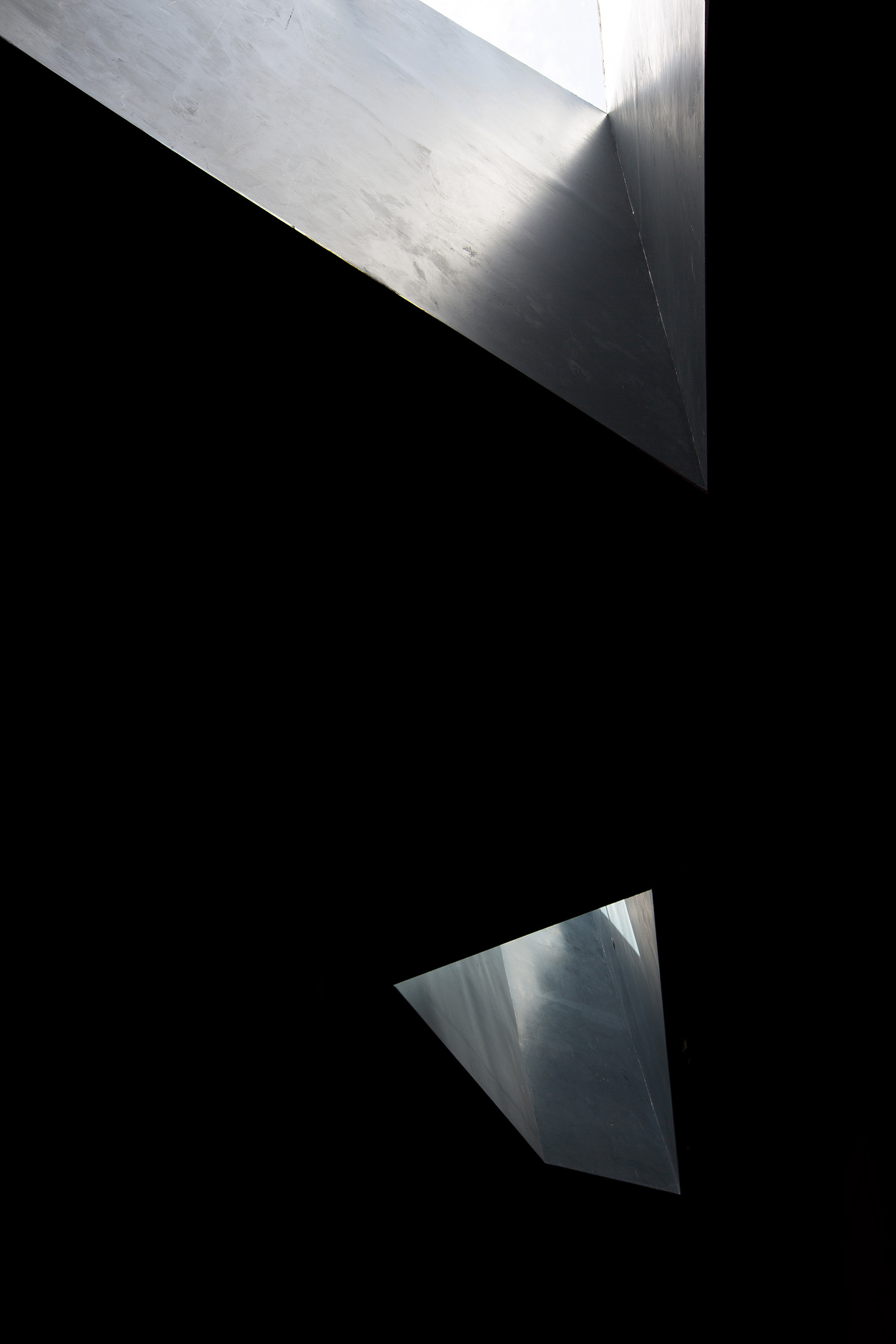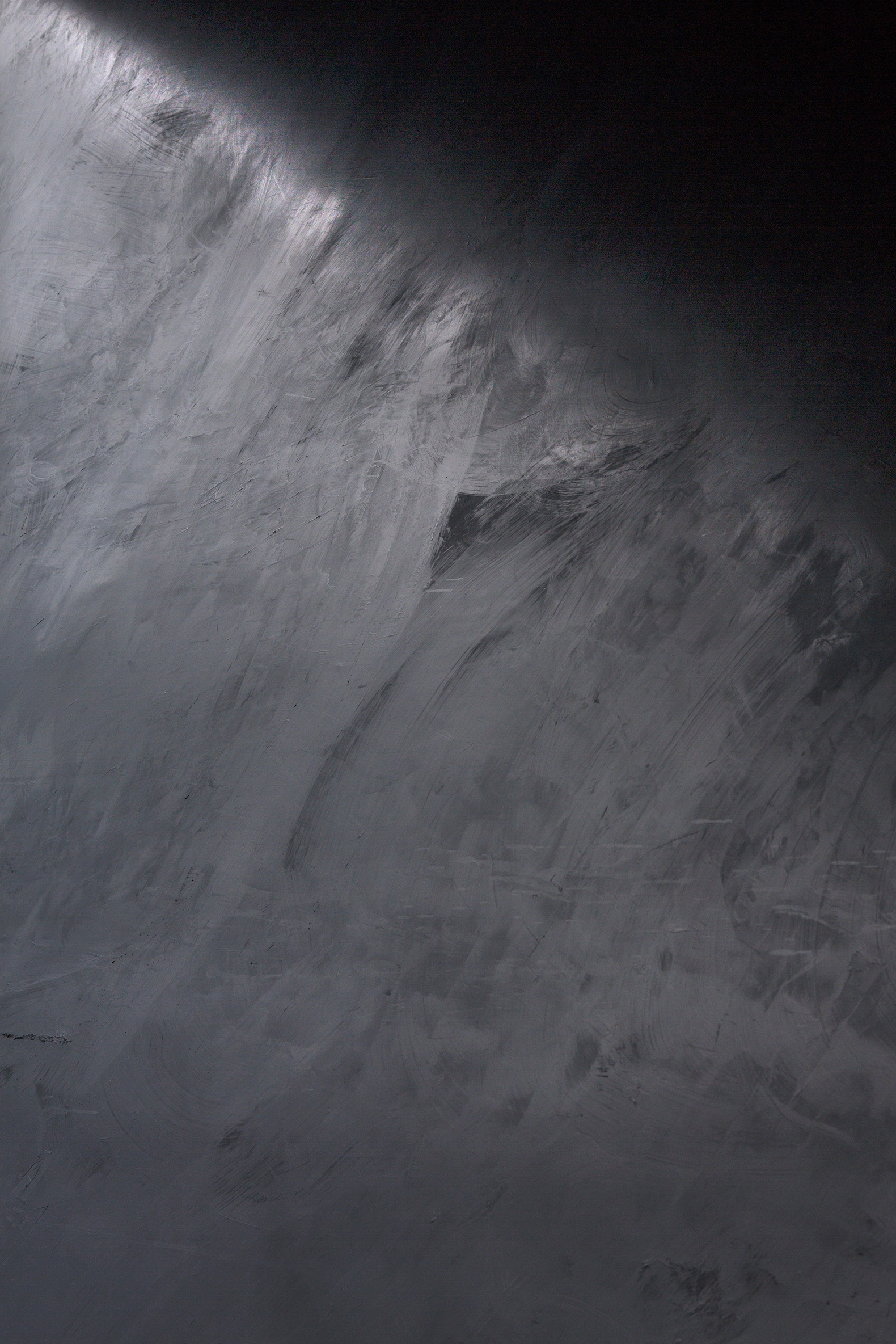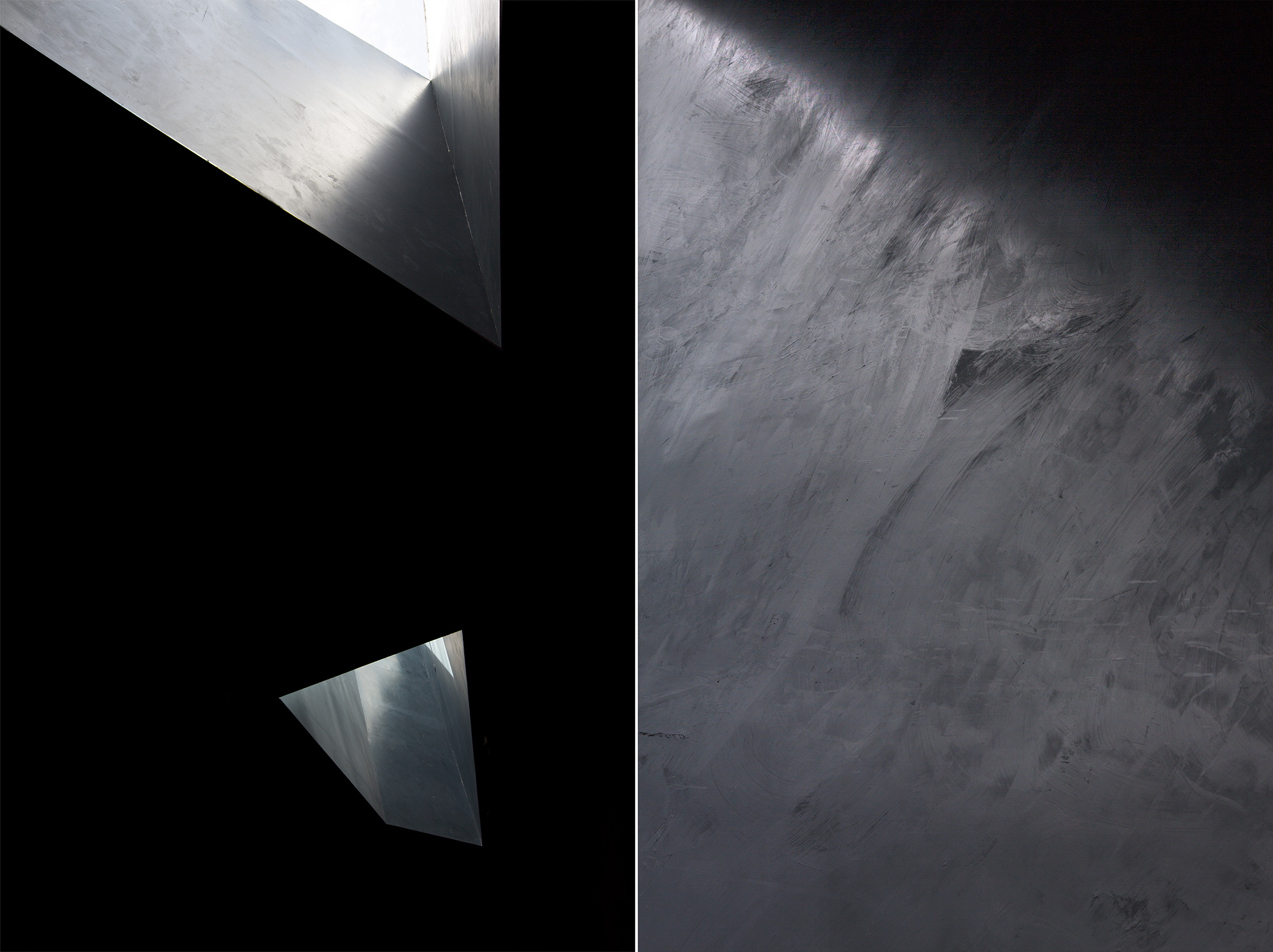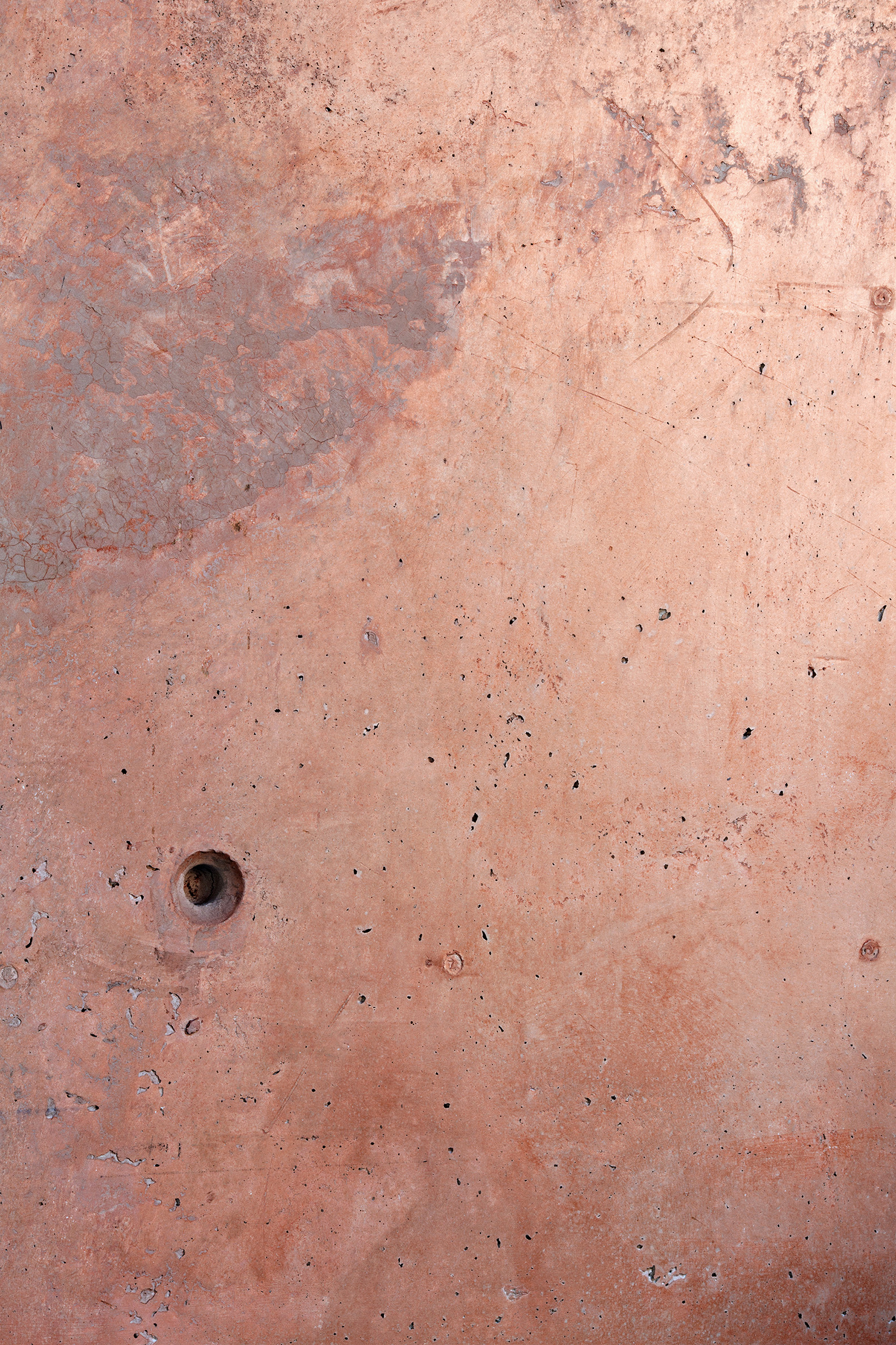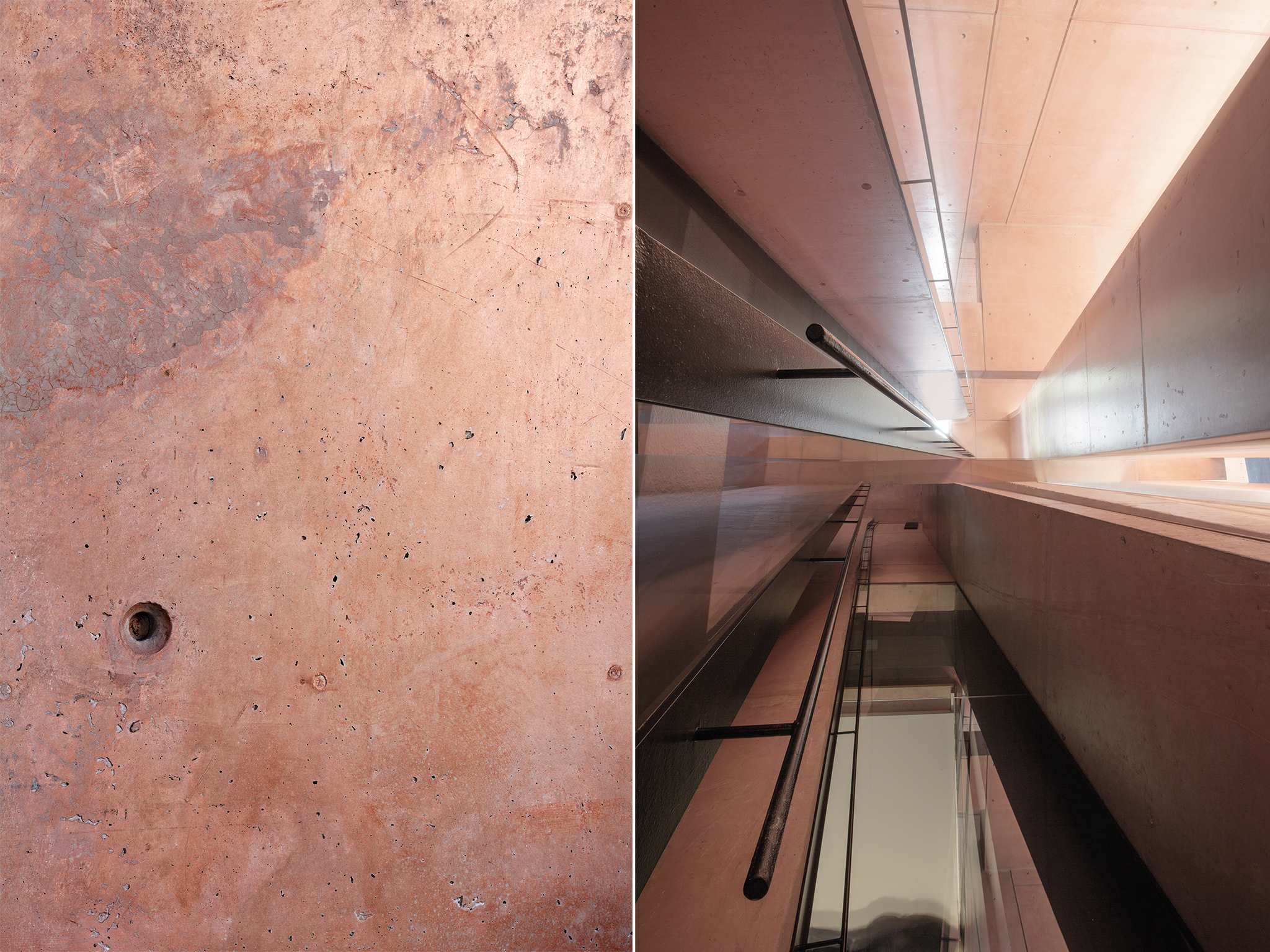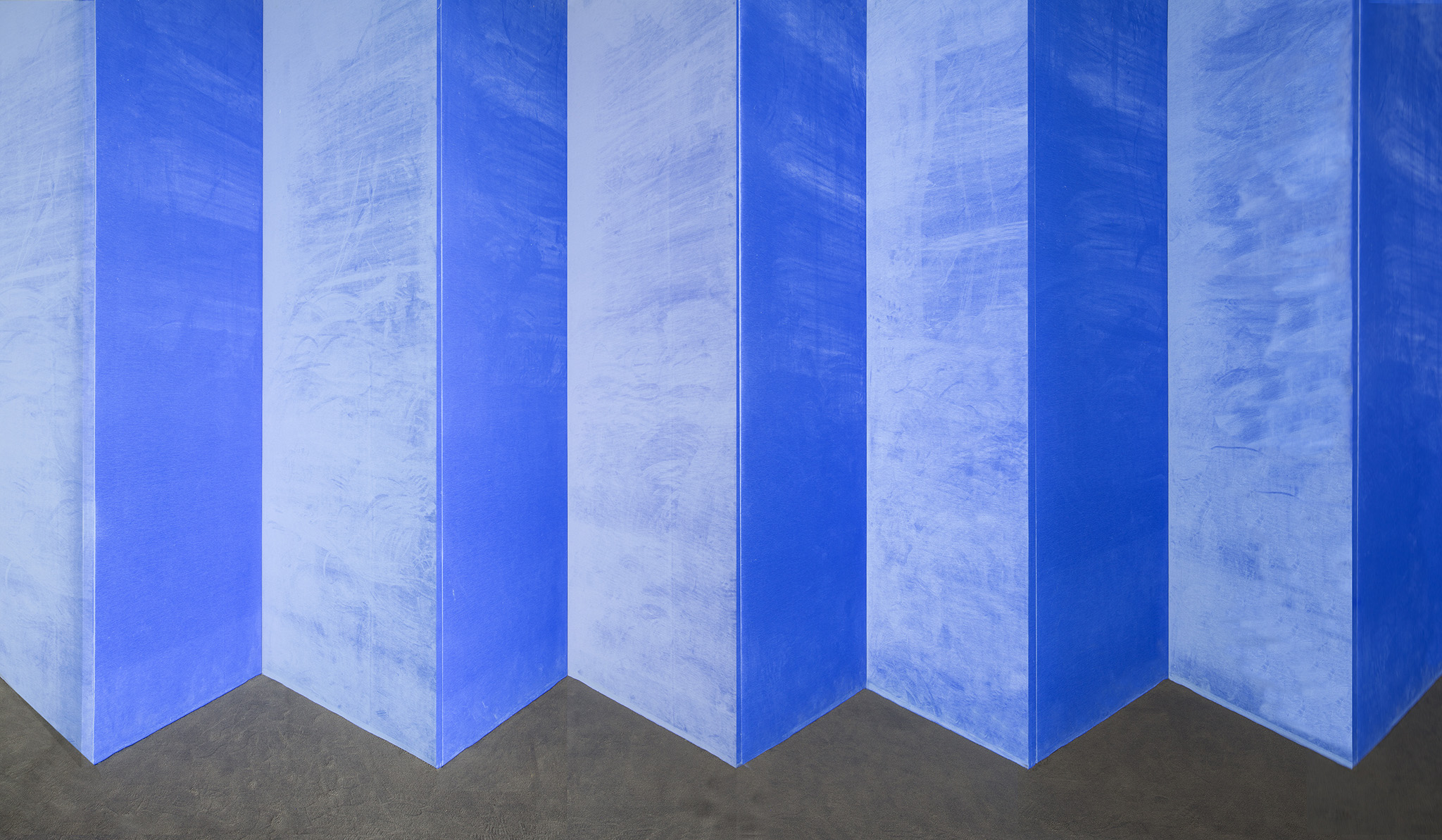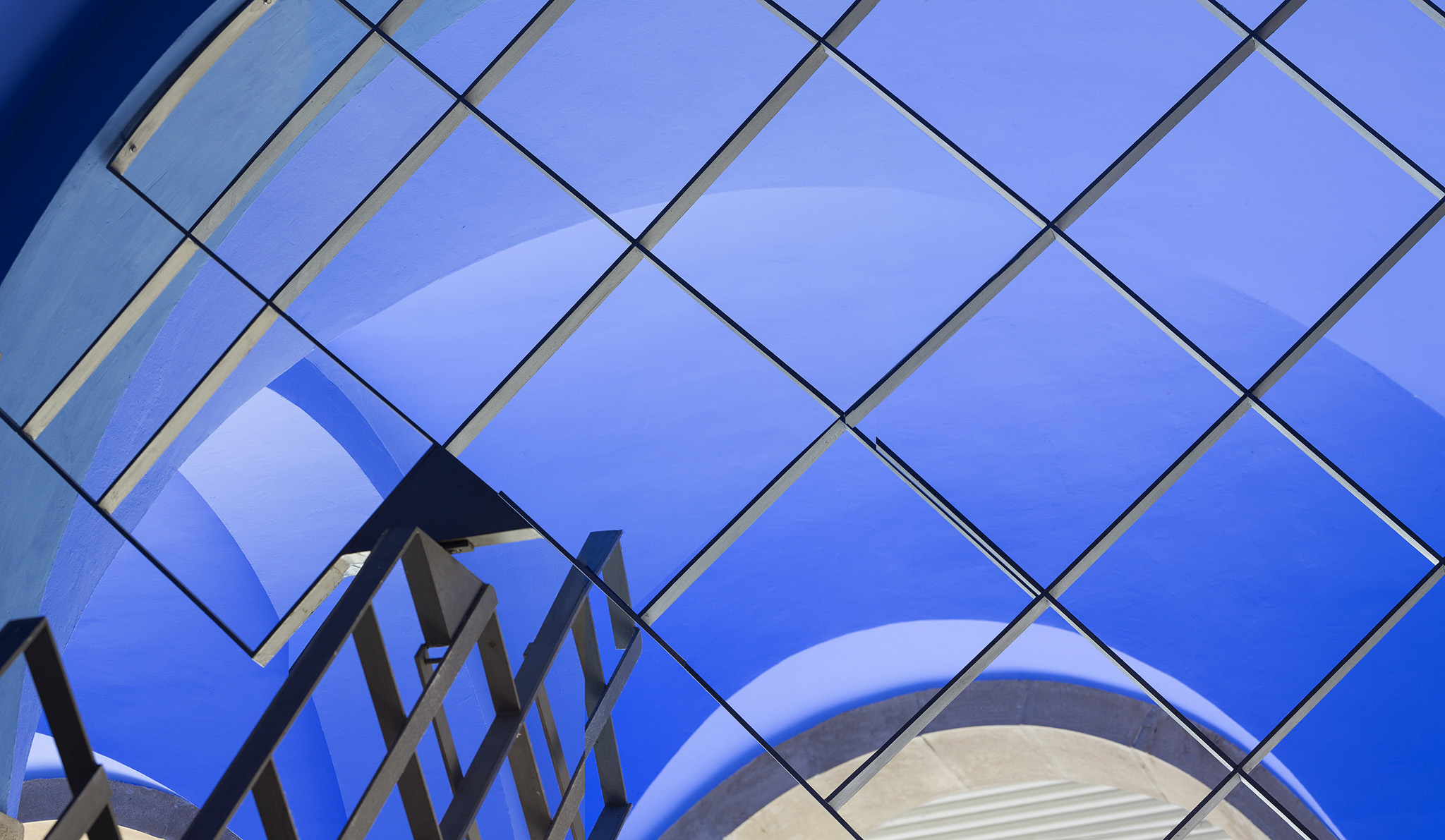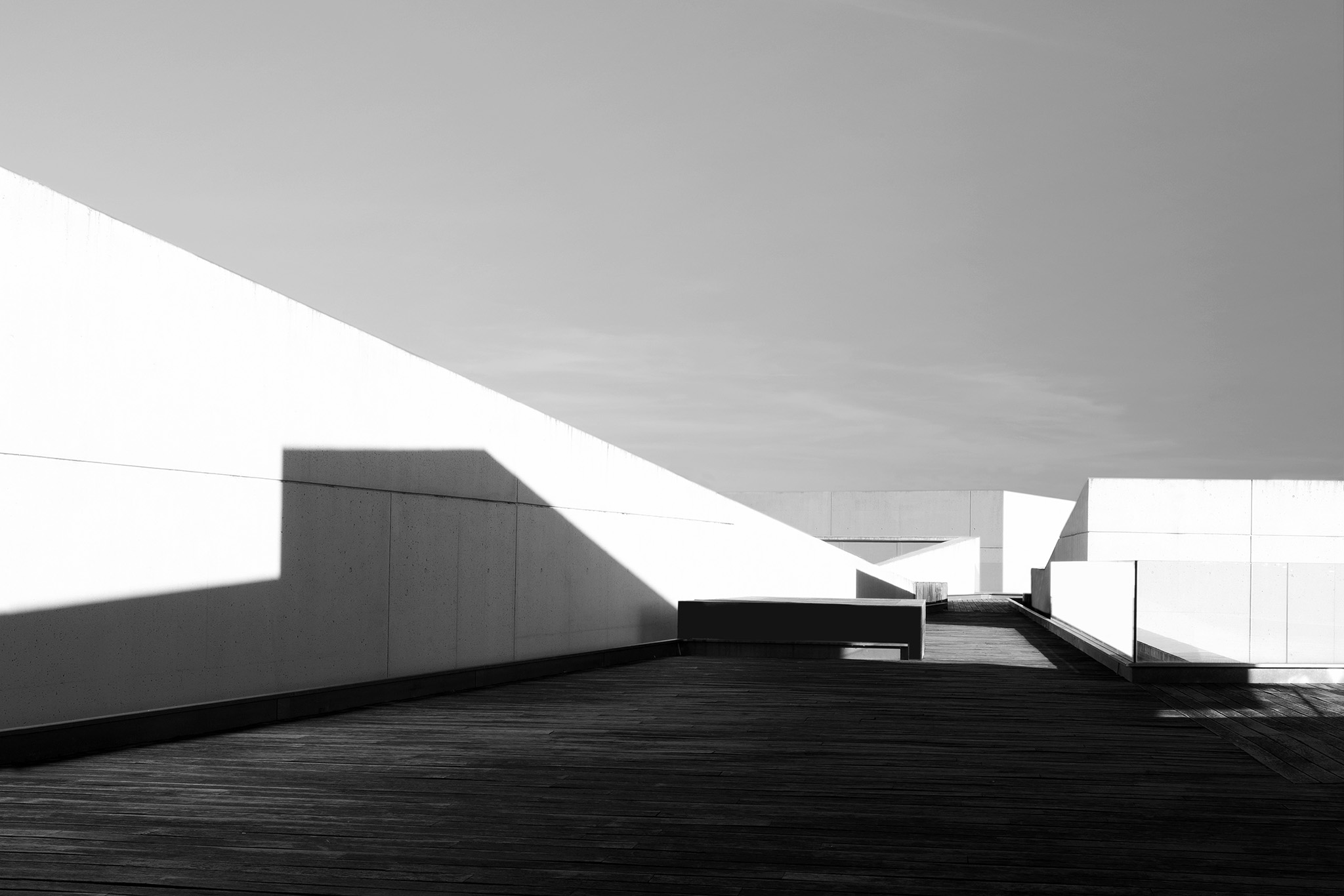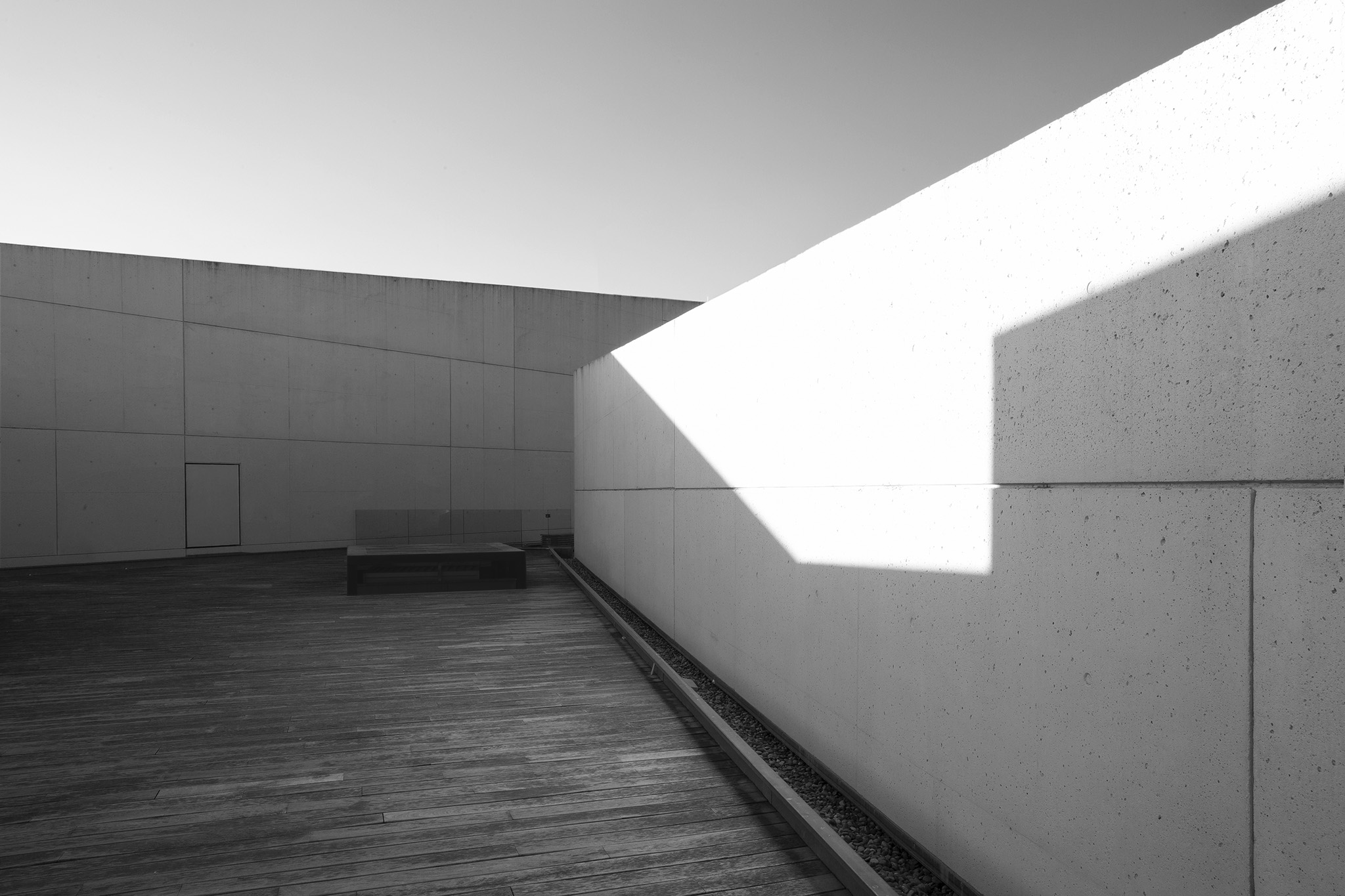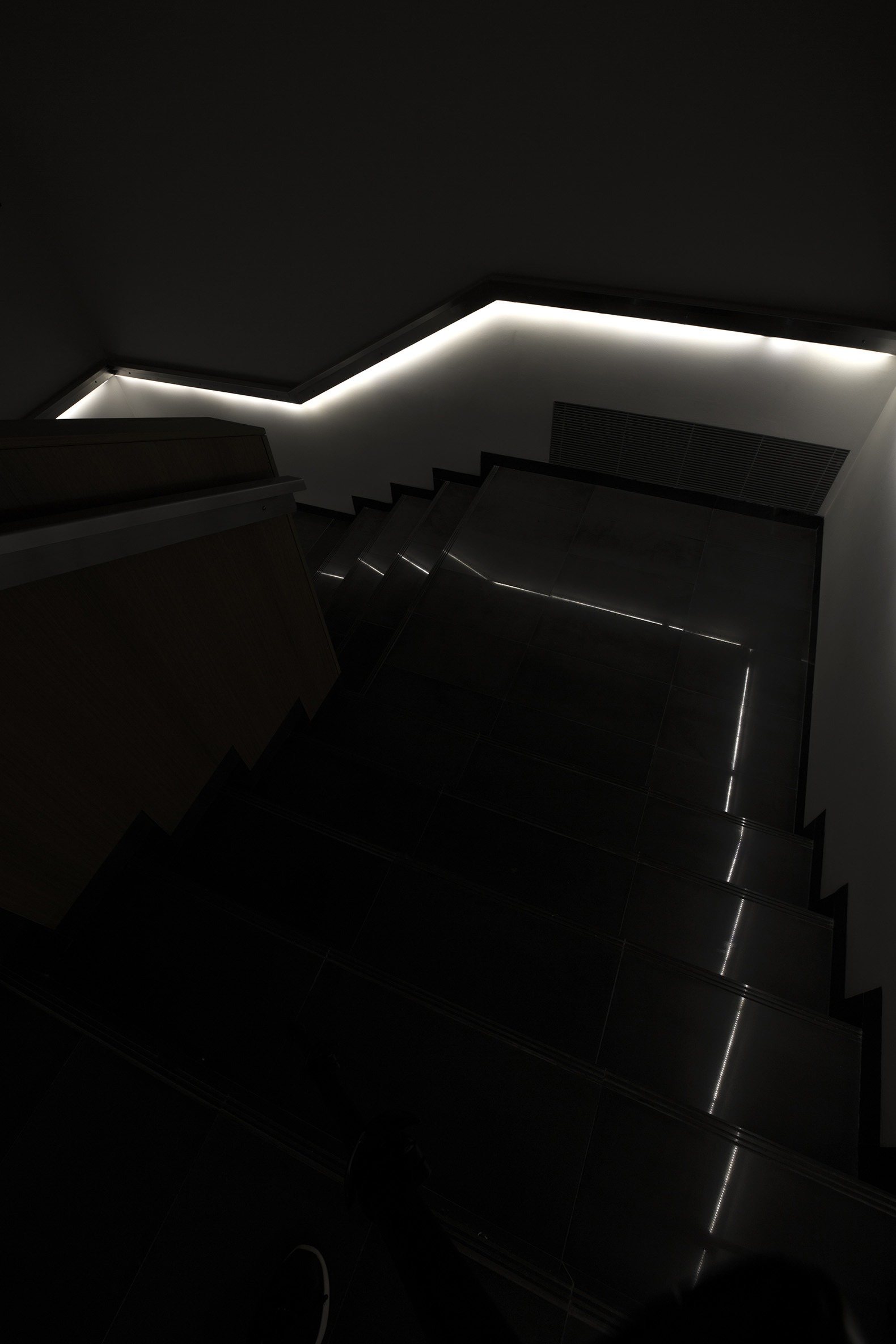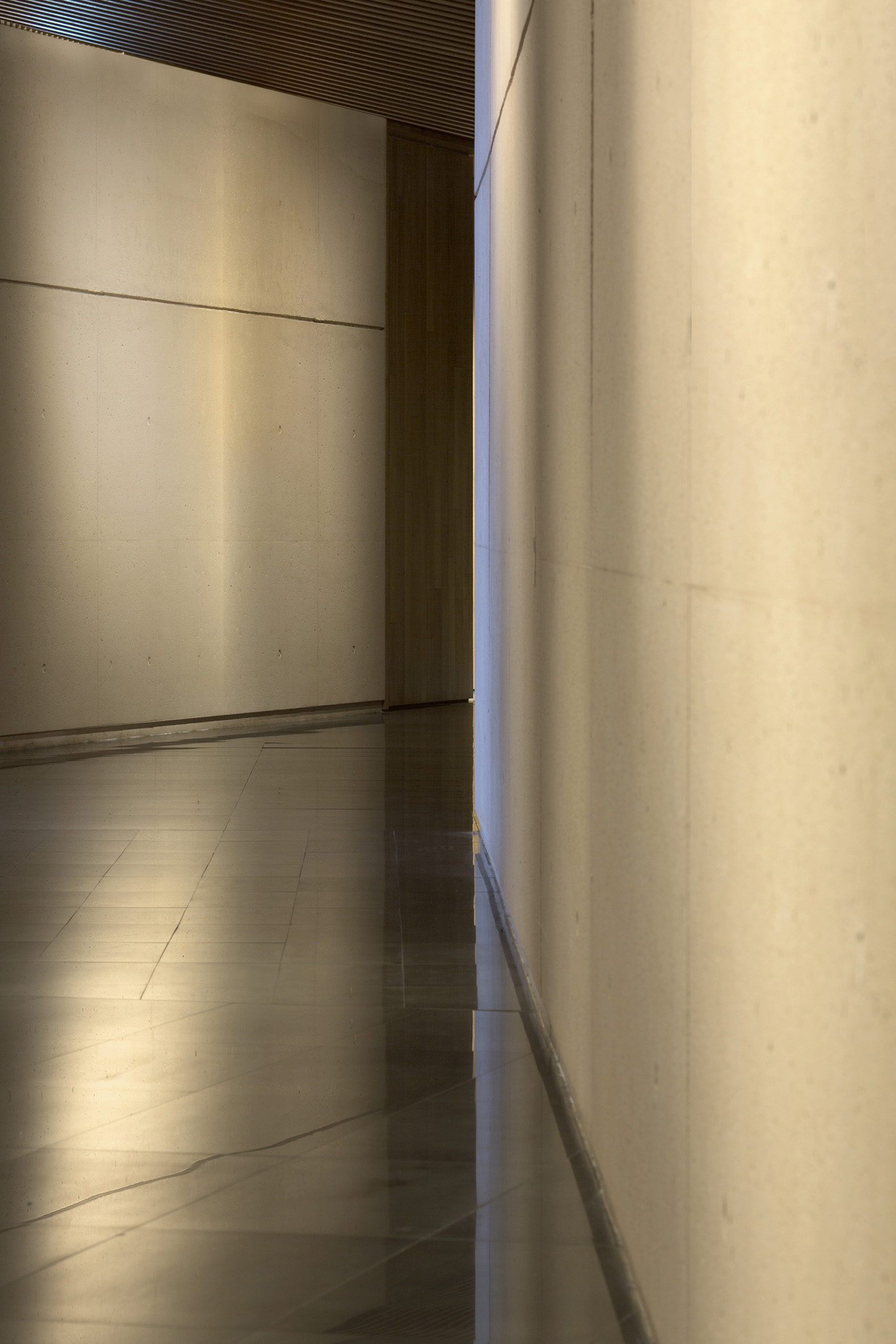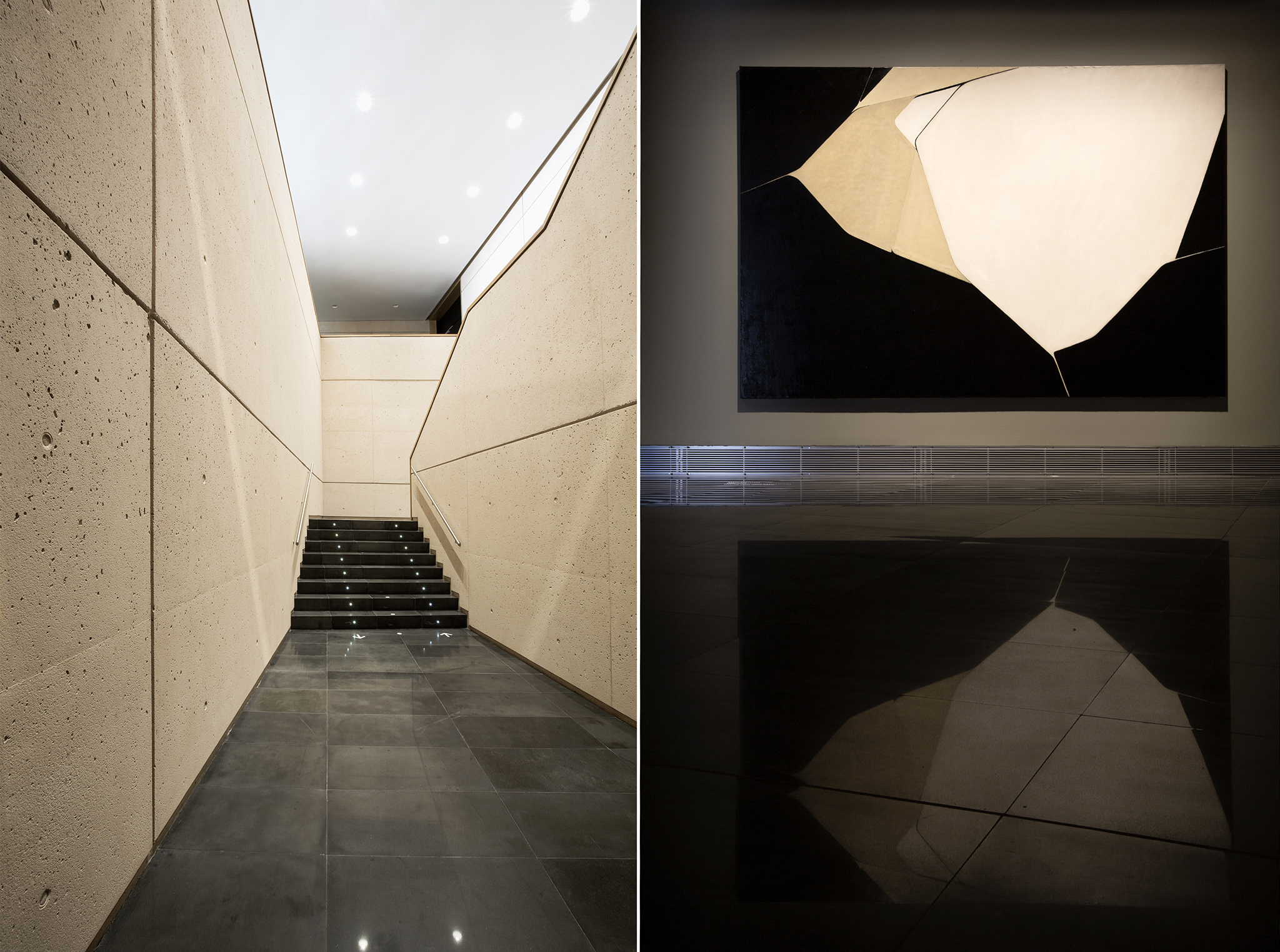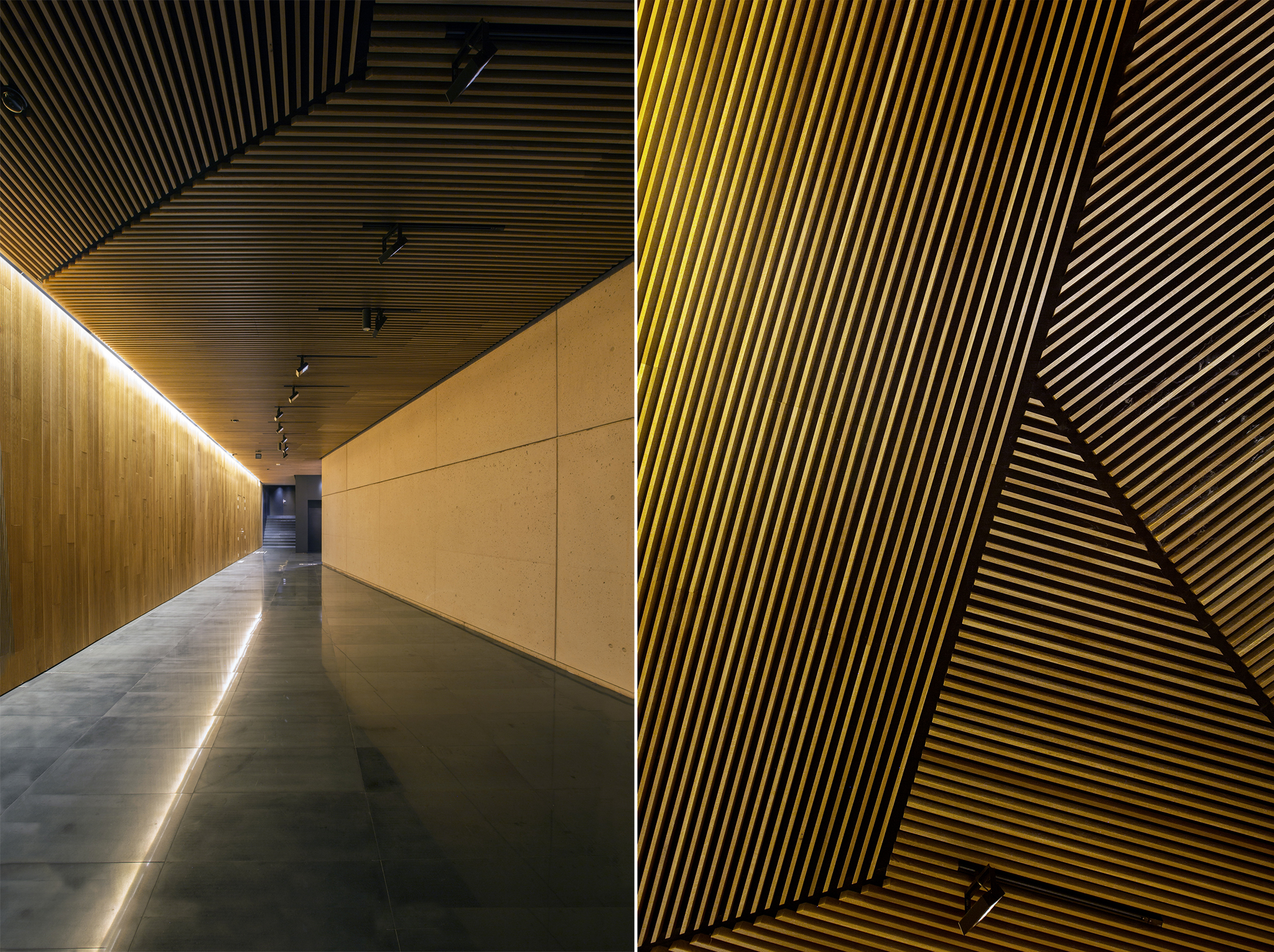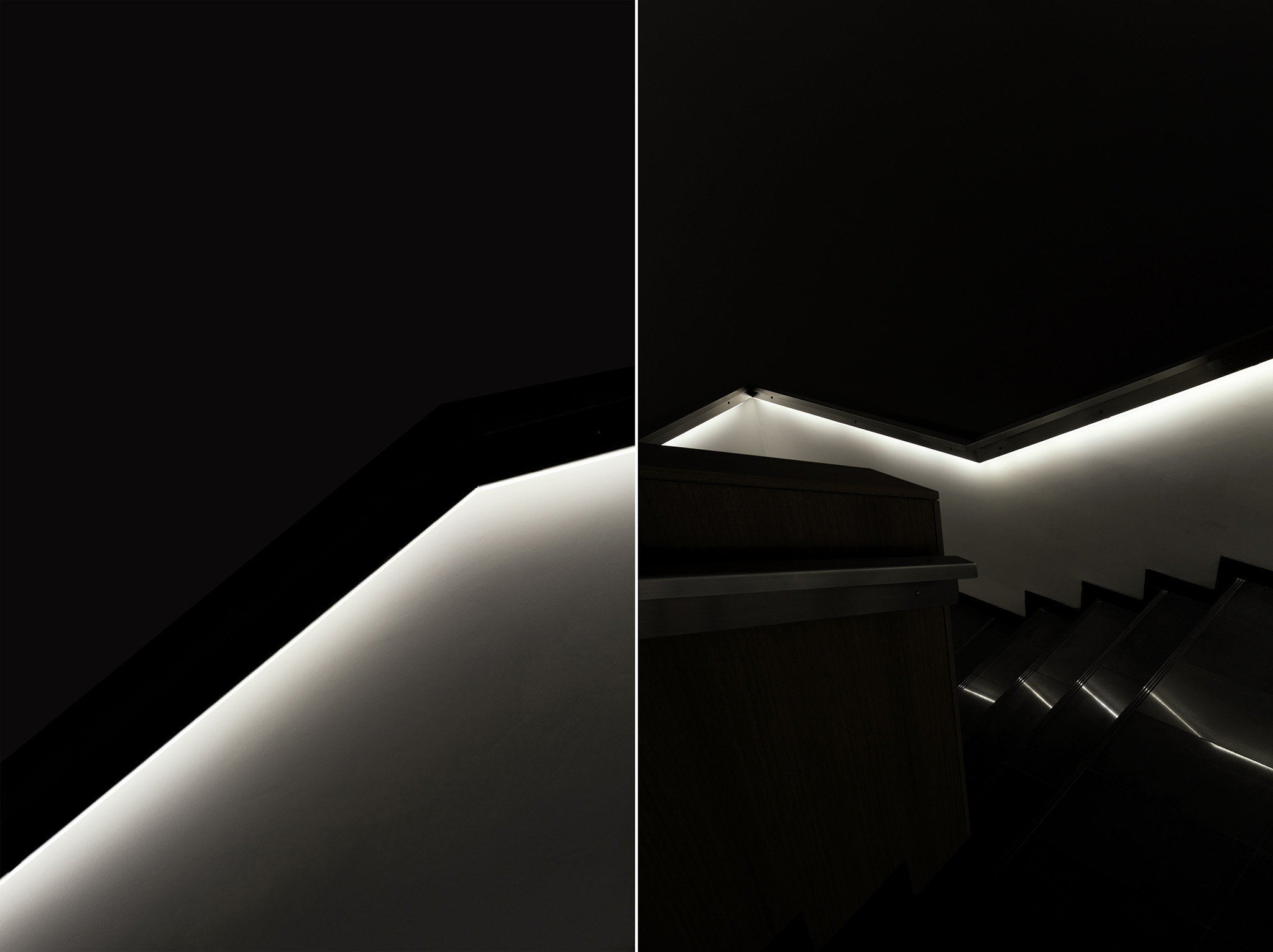
“Ibidem,” meaning “in the same place,” is a word borrowed from Latin by María José Gurbindo, used in texts to refer to a quote repeated elsewhere. In this project, however, it is reinterpreted to express the opposite: although the gaze rests on the same place, it is never the same, but rather transformed through the photographer’s perception.
The project, focused on museum architecture, began in 2021 with the exhibition “Ibidem Museo Oteiza” at the Citadel of Pamplona. After receiving the Innova Cultural grant from the La Caixa Foundation and the Caja Navarra Foundation, it expanded to two more museums, establishing itself as an artistic research project encompassing the Museum of Navarra, by Enric Soria and Jordi Garcés (with renovations by Luis Tena); the Oteiza Museum, by Javier Sáenz de Oiza; and the University of Navarra Museum, by Rafael Moneo.
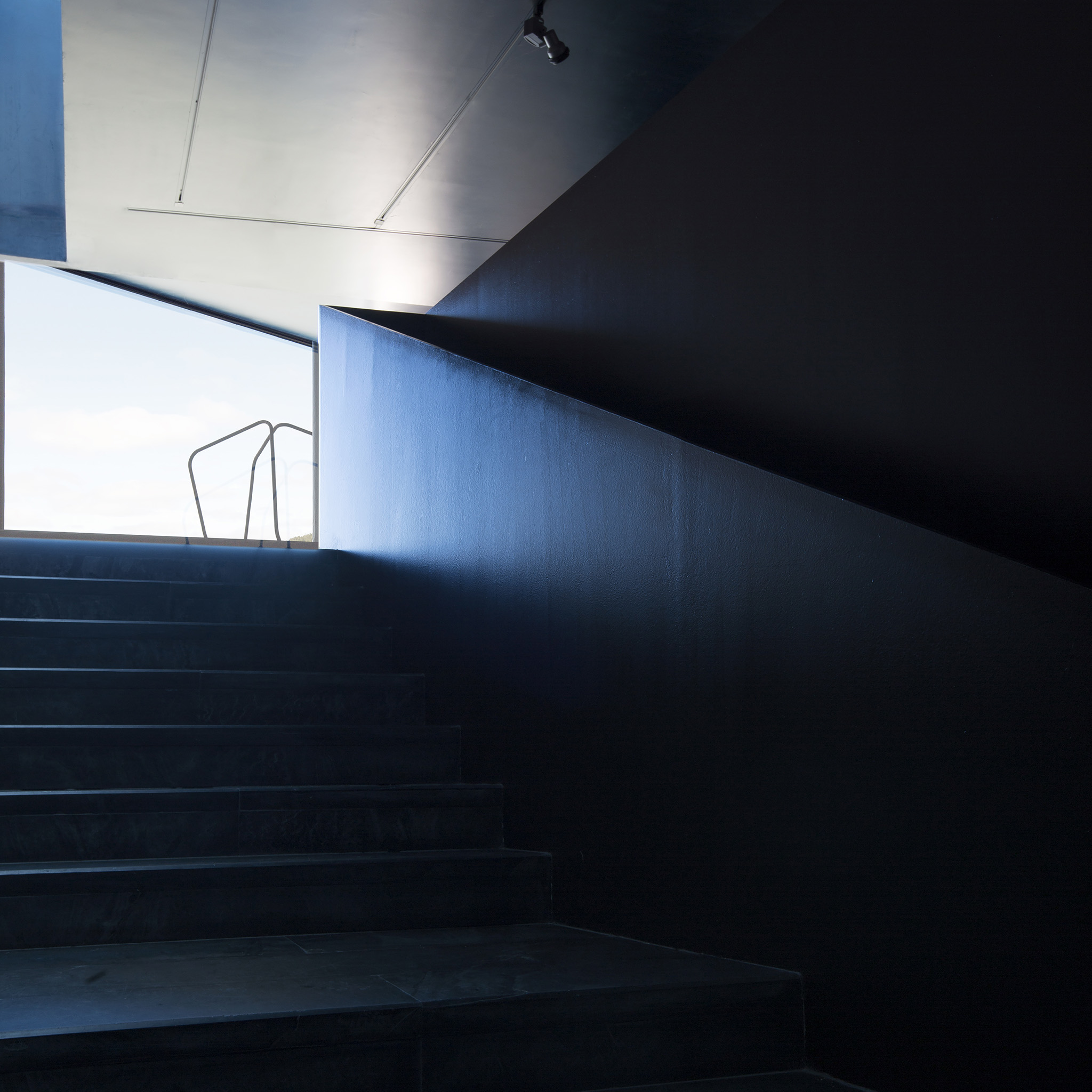
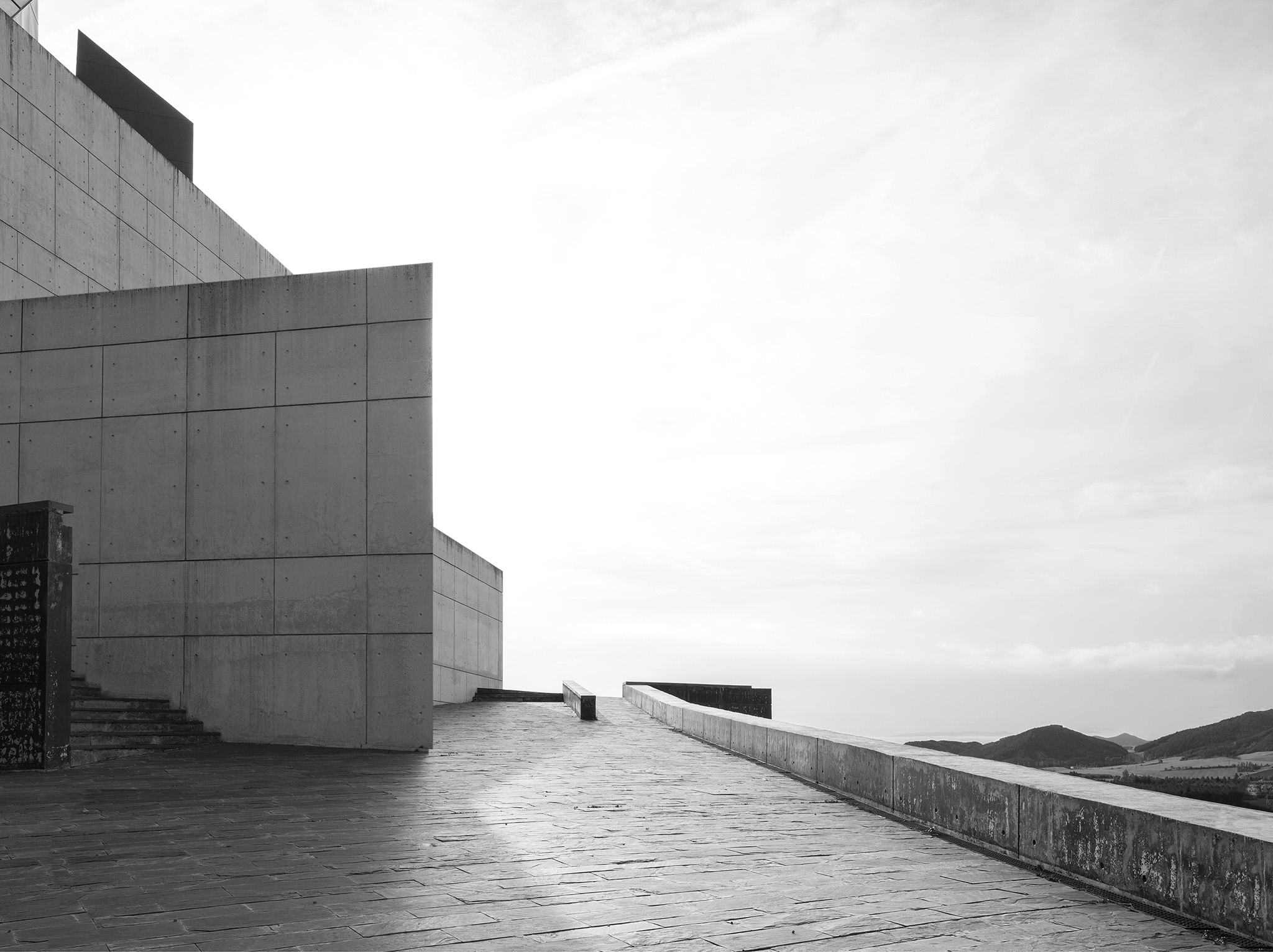
Oteiza Museum by Javier Sáenz de Oiza. Photography by María José Gurbindo.
Project description by María José Gurbindo
“Architecture is the learned, correct, and magnificent play of volumes in light.”
Le Corbusier.
Memory
“Ibidem, Museums” proposes a new way of looking at and experiencing three well-known museums in Navarre.
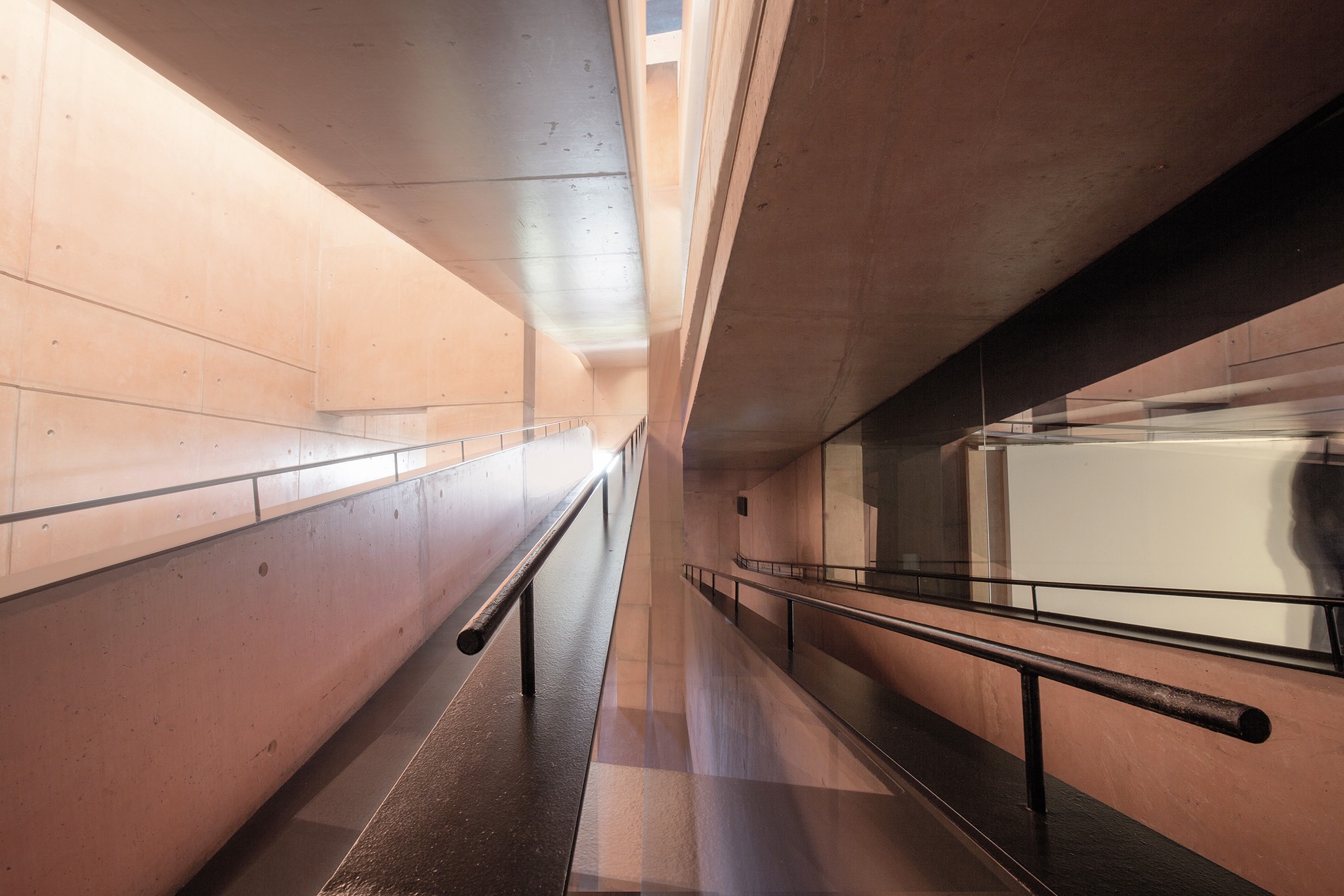
It proposes doing so through the language of architecture: through forms, volumes, and textures, to discover stories that may have accompanied the architect, consciously or unconsciously, when they designed them.
It is an artistic work because it engages with cultural and artistic content, but it also has an educational purpose by highlighting the valuable heritage and architectural significance of the three museums photographed: the Oteiza Museum, by architect Saenz de Oiza; the University of Navarre Museum, by Rafael Moneo; and the Museum of Navarre, by architects Garcés and Soria, remodeled by architect Luis Tena.
The work presents architectural space as an environment in which to experience the versatility of what we call “the real.” Architecture is created or reinvented through the lens of the photographer or each person who experiences it, depending on the moment and the intention of the visit.
"Ibidem" began in 2021 with the exhibition "Ibidem Museos Oteiza" at the Citadel of Pamplona, which received the 2021 Creation Grant from the Pamplona City Council.
With the Innova Grant from the La Caixa Foundation and the Caja Navarra Foundation, it expanded to two more museums and became a work of artistic research.
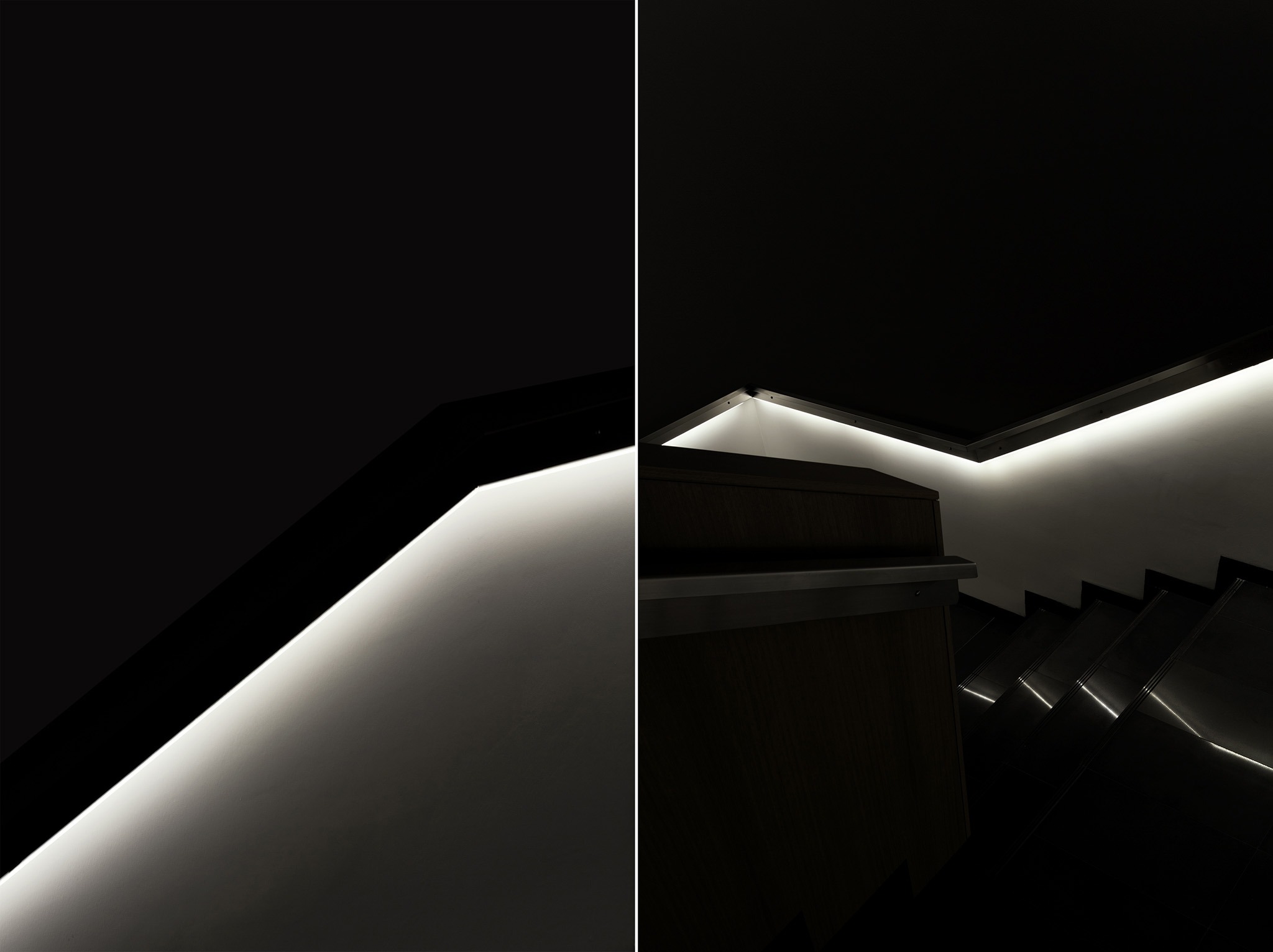
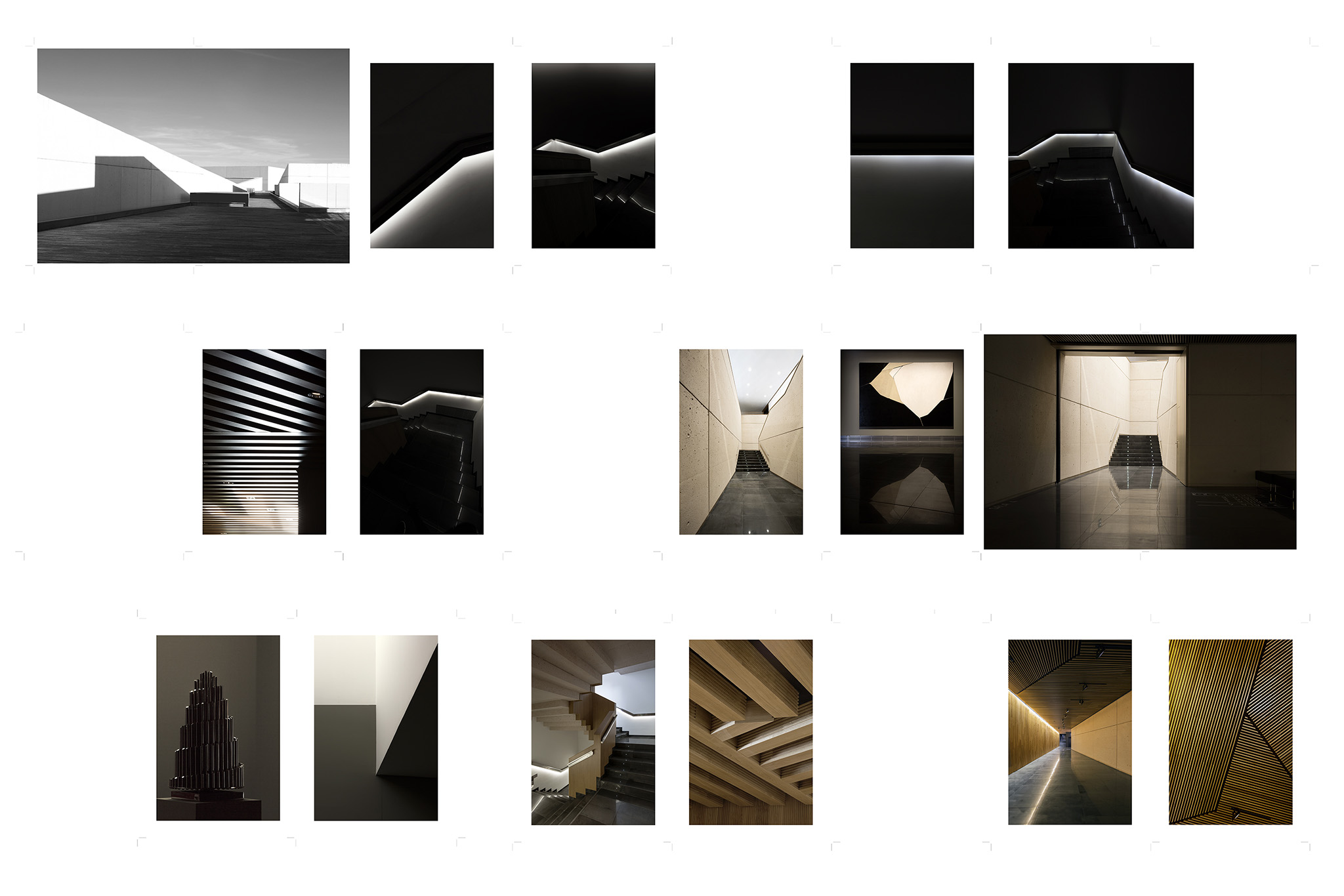
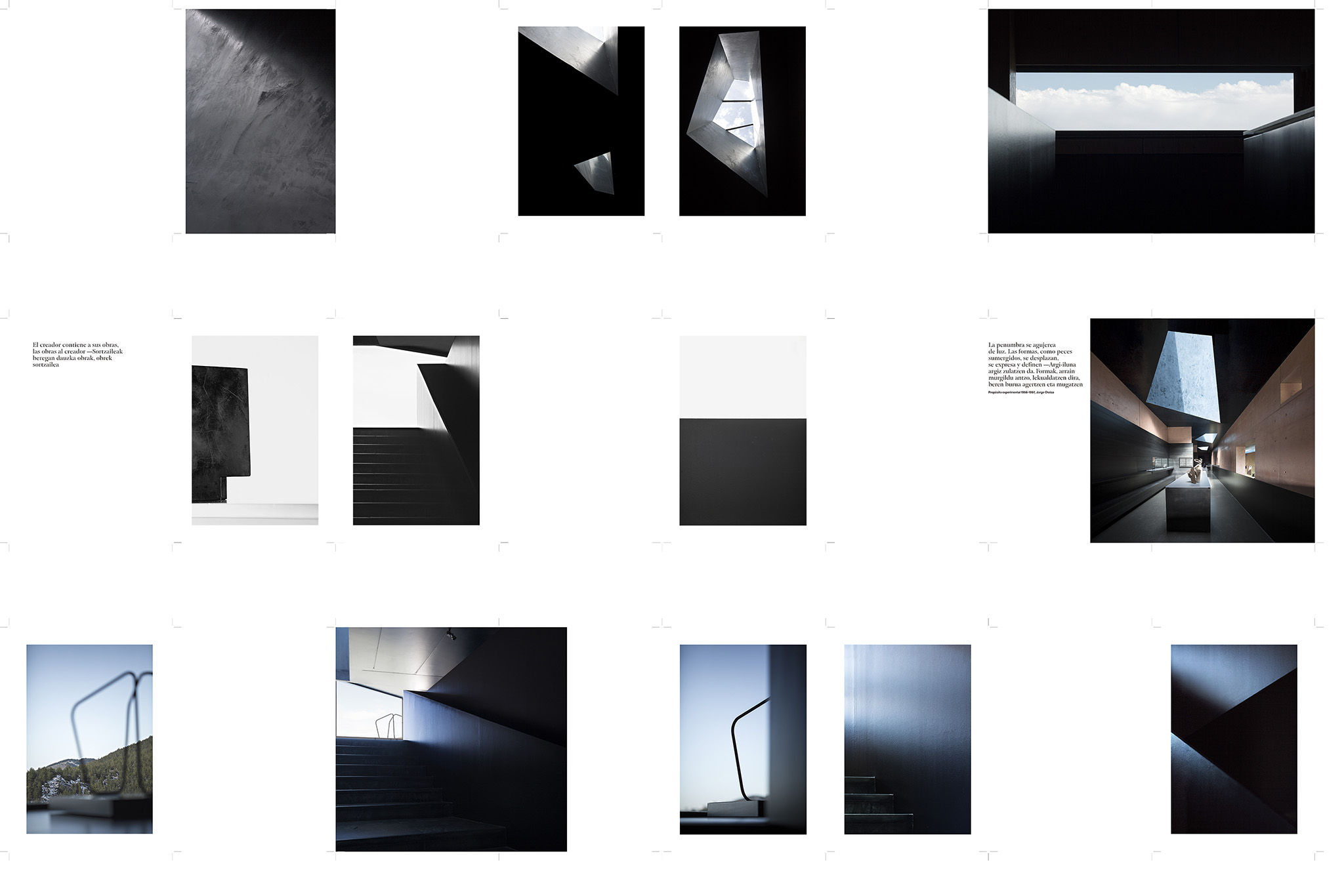
For this reason, because each photo essay reveals a story, the author has materialized them in the form of unfolded books, or "leporellos." She aims to create photobooks.
Stories that were waiting to be told, or stories imagined with the camera, that can enrich the collective imagination surrounding the Museum.
The intention is to tour the exhibition and, with it, organize talks about the power of architectural language to create experiences and transmit symbolic and cultural content. That is, to defend the artistic character of architecture.
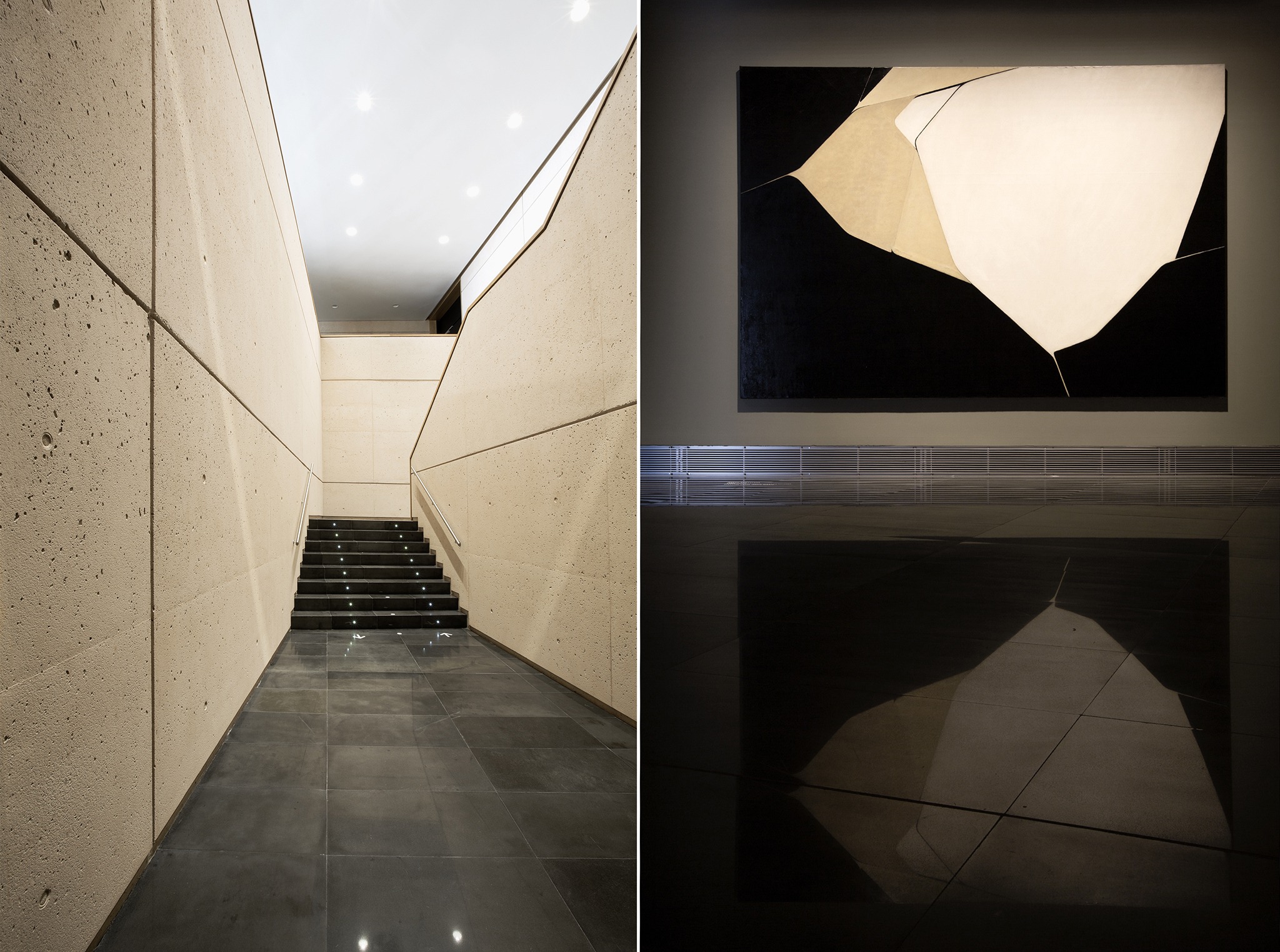
Materialization
Both the Oteiza Museum and the University of Navarra Museum (MUN) are presented in two distinct ways.
On the one hand, as an unfolded book, or leporello, to showcase the narrative that gives it meaning as a work of artistic research. On the other hand, as images printed on paper mounted on Dibond, measuring 50 x 75 cm.
The unfolded book is displayed hanging on the wall like a large paper frieze. The individual images are distributed in three groups, one for each museum. The University of Navarra Museum is not presented as a leporello.
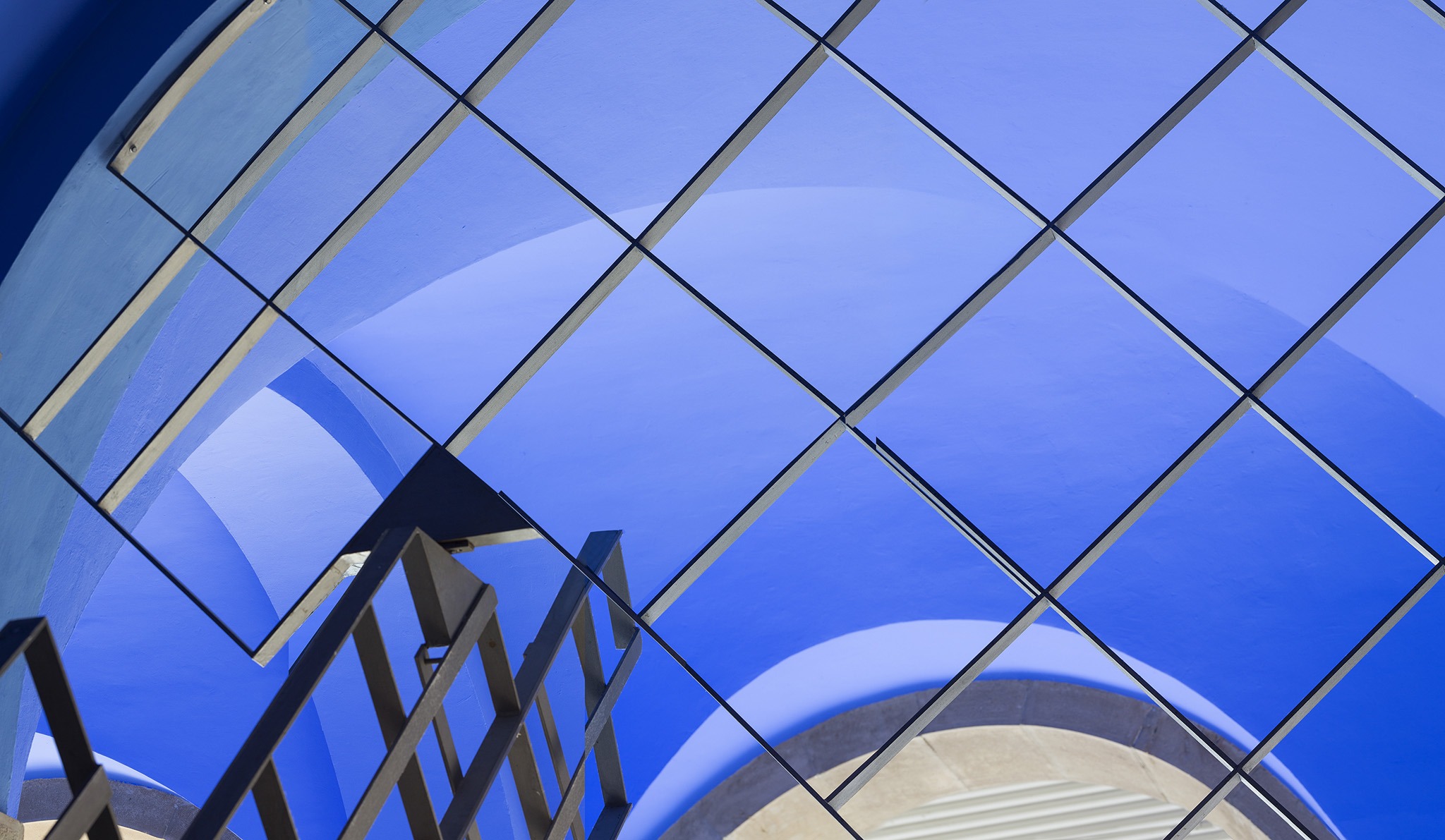
Oteiza Museum. The unfolded book consists of 21 images distributed across double pages measuring 42 x 28.8 cm, organized into six modules. The total length of the modules reaches 8.15 m. It is printed on Photo Rag paper. Nine images on the wall, printed on Photo Rag and baryta photographic paper, are arranged in three triptychs.
Museum of Navarre. Four images on the wall are printed on Photo Rag and baryta photographic paper. It does not have a booklet or fold-out display.
University of Navarre Museum. The folded-out display consists of 25 images distributed across double pages measuring 42 x 28.9 cm, organized into six modules.
The total length of the modules reaches 8 meters. It is printed on Photo Rag paper. Five images on the wall are printed on Photo Rag and baryta photographic paper.