The most surprising thing about the Pritzker election this year was not the choice but the reaction of many to it.
La sorpresa demostraba la limitada cultura arquitectónica que se está transmitiendo a pesar de la globalización y de la supuesta masiva difusión de proyectos. Algún medio de difusión masiva “online”, de arquitectura, se quedaba atónito porque a pesar de publicar cerca de 30 proyectos diarios, desde hace más de una década, no tenían proyectos con los que explicar a sus lectores ¿quiénes eran los ganadores? Igualmente la estupefacción de algunos críticos se traducía en explicaciones inverosímiles hablando de decisiones políticas o de una elección de unos arquitectos que habían pasado inadvertidos al “radar general”. En realidad, todo no dejaba de ser sino la evidencia de un inmenso agujero negro y de un profundo desconcierto arquitectónico, mucho más que el de una elección. En realidad todo era el reflejo que se podía ver en las caras de estos desconcertados y atribulados gurús al comprobar su propio desconocimiento sobre la arquitectura.

 
...Madrid y no en Barcelona, porque fue en la capital donde los tres arquitectos de Olot invitaron un día a una visita particular a Marta Thorne...


Lo sorprendente era que esas misma críticas de desconcierto no se produjesen en el Pritzker de 2016 que reflejaba un perfil muchísimo más inconsistente, pero que al ser un referente de uno de estos medios de comunicación se intentó generar la sensación de normalidad, algo que resultaba claramente anacrónico.

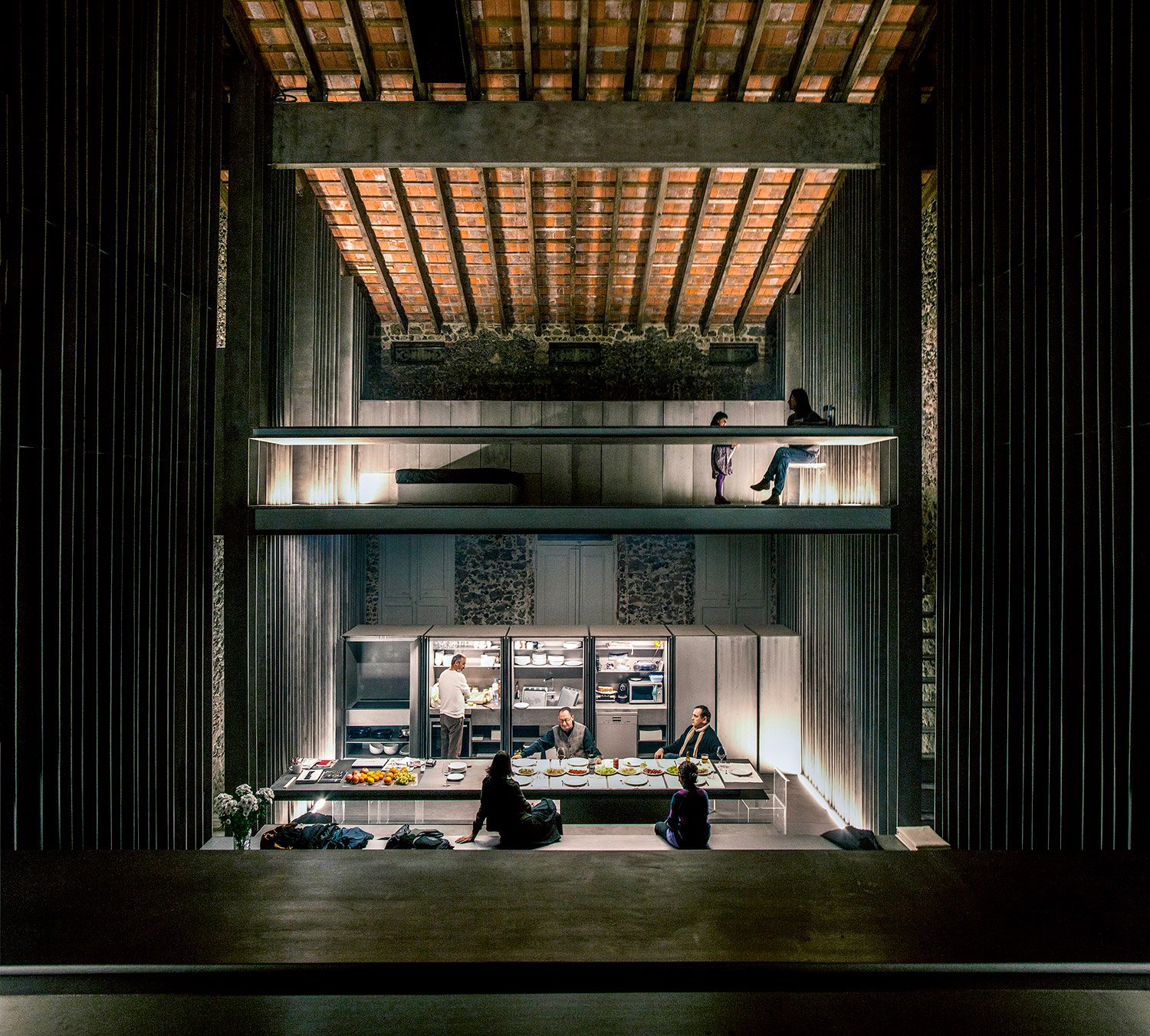
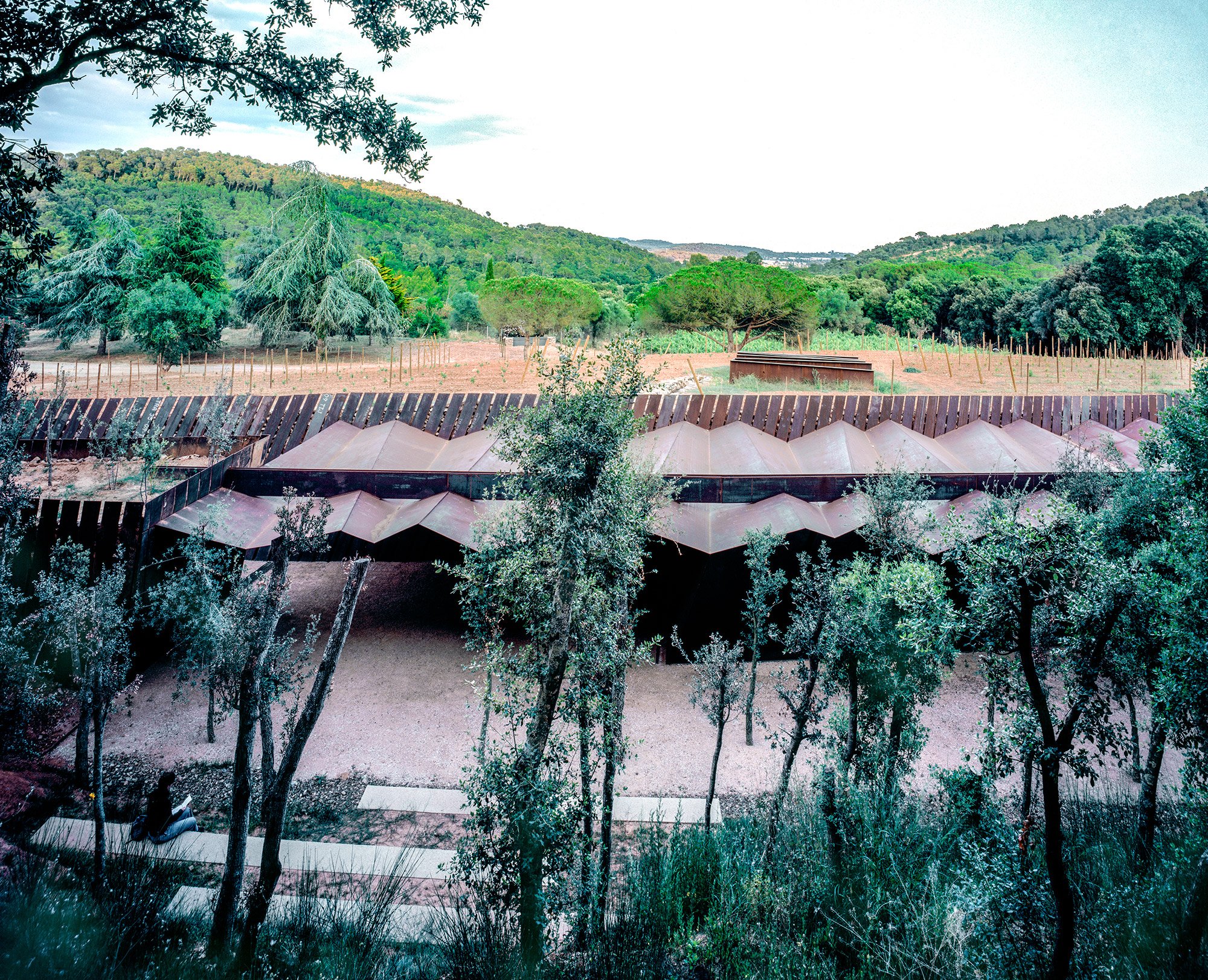
La realidad del Pritzker de este año también tiene su propia historia y se pergeñó de manera muy diferente. RCR arquitectes son un trío de arquitectos que ha trabajado desde hace mucho tiempo al margen de los procesos mediáticos que se han desarrollado en los últimos diez años. Pertenecen a una generación antigua en su manera de comunicar,  en ese sentido son dinosaurios de otro tiempo, y en ese sentido son también un modelo irrepetible. Su difusión  tuvo un gran éxito cuando la revista El Croquis, en  la década de los noventa, del siglo pasado, era un referente mundial, el santo santorum al que todos miraban para reconocer a los señalados por su dedo, un momento en el que dedicaron uno de sus números a la obra de estos arquitectos.

Aquel momento del papel ya pasó hace tiempo. El Croquís es una magnífica revista pero reconozcamos la realidad, su influencia se ha ido desdibujando y su capacidad de señalar se ha reducido casi hasta el anonimato elitista, recordando situaciones parecidas en la historia reciente de la comunicación, a como cuando el poderoso The New York Times señalaba críticamente a finales de los cuarenta a Jackson Pollock como el “drappeador" / "el goteador”. Aquella crítica era su canto de cisne en su poder para decidir figuras y líneas de acción, es decir, la desaparición de su capacidad para pontificar de manera radical cuando  apareció la comunicación a través de la televisión.

Seamos honestos, los coqueteos con Marta Thorne son habituales en Madrid, en algunos casos me imagino que incluso ella se puede sentir abochornada por tanto adulador y seguramente no es fácil que buenos arquitectos encuentren un rato para enseñar su obra a la directora ejecutiva del Pritzker.  Algunos sí lo consiguen, cuando tienen buenas excusas, y qué mejor argumento que una exposición.

Seguramente el camino hacia el Pritzker comenzó  hace un año cuando la exposición de RCR arquitectes llegó a Madrid, al Museo ICO, después de haberse estrenado en Barcelona, comisariada por Josep María Montaner, en el Palau Robert. Digo que comenzó en Madrid y no en Barcelona porque fue en la capital donde los tres arquitectos de Olot invitaron un día a una visita particular a Marta Thorne haciendo de cicerones para explicarle la exposición, no hay foto de aquel encuentro, pero sí muchos ojos.

Que algunos no se hayan enterado de la existencia de estos brillantes arquitectos,  no ha sido porque desde hace años ellos no hayan optado por una forma de trabajar diferente y bastante local, ellos al igual que todos han ido eligiendo a quiénes mostraban su obra y cómo la mostraban y ninguno de esos actos ha sido gratuito o casual. Si alguno no se ha enterado es seguramente porque no interesaba, o para los interesados su capacidad crítica era irrelevante.

El Pritzker tampoco ha señalado ningún camino nuevo, aunque para algunos sus referentes sean tan limitados que consideren este premio como el sumun de la  profecía arquitectónica. Otros premios igualmente relevantes, como el Mies van der Rohe, también han girado en una línea de reconocimiento de otros valores como la “memoria”, los “materiales” más sostenibles y locales o “programas” menos estridentes como los de viviendas. Sin embargo, lo que menos ha cambiado es que la mayoría de los buenos arquitectos ya hacen ese tipo de arquitectura. Tan solo necesitan, para volver a conectar a la arquitectura con la sociedad, que el ruido de las estridencias y cacareo arquitectónico deje ser el único protagonista en la imagen de la arquitectura.
More information

José Juan Barba (1964). Architect from the Madrid School of Architecture (ETSAM) in 1991. He received his PhD in Architecture from ETSAM in 2004, graduating summa Cum laude with the doctoral thesis "Inventions: New York vs. Rem Koolhaas, Bernard Tschumi, Piranesi." In 1991, he received a Special Mention in the Spanish National Graduation Awards. Until 1997, he worked as an advisor to several NGOs. In 1992, he founded his architectural practice in Madrid (www.josejuanbarba.com). 

He is an architectural critic and, since 1998, Editor-in-Chief of the internationally acclaimed bilingual architecture journal METALOCUS (Spanish/English), recipient of several national and international awards.

Barba is an Associate Professor at the University of Alcalá and a member of several research groups. He has been invited to participate in numerous international forums on architecture and urbanism, including the II Forum of Mexican World Heritage Cities, Urban Development, History and Modernity, organized by the Pan-American Committee for Urban Development and Historical Heritage; the World Urban Development Forum (FMDU), held in Culiacán, Sinaloa, Mexico; and the International Conference on Architecture and Urbanism from the Perspective of Women Architects. He has also been invited as lecturer and guest critic at numerous national and international institutions, including the National Building Museum, Roma Tre University, Politecnico di Milano, University of Genoa, Université Pierre Mendès France Grenoble, the Madrid and Barcelona Schools of Architecture, National Autonomous University of Mexico, the Faculty of Architecture in Montevideo, the Schools of Architecture of Medellín and Ecuador, Universidad Iberoamericana, IE University, as well as the Schools of Architecture of Zaragoza, Valladolid, Málaga, Granada, Seville, and A Coruña, among others.

He has extensive professional experience in architecture, urbanism, landscape intervention, and territorial regeneration. His work has received numerous awards, including First Prize in the “Gran Vía Posible” competition for Delirious Gran Vía, Madrid; recognition for the Rivers Interpretation Centre in Zamora, awarded and exhibited at the World Architecture Festival 2008; and recognition for the Santa Bárbara Park project in Toledo. He was also awarded the Erich Degner Prize for Architecture (1995), promoted by the BBVA Foundation. His project for a Day Centre for the Elderly was included in Volume 3 of the Madrid Architecture Guide published by the Official College of Architects of Madrid (COAM) in 2007. His work has been widely published in national and international books and journals.

He served as Maître de Conférences at the Institut d’Urbanisme de Grenoble, Université Pierre Mendès France Grenoble, during the 2013–14 academic year, following his appointment through a European open competition. His work has been published internationally. He regularly serves on academic and professional juries, including the editorial competition jury for the journal Quaderns (2011), the selection committee for the European Union Prize for Contemporary Architecture – Mies van der Rohe Awards (2007–present), and the jury panels for EUROPAN 13 (2015–16) and TRANSFER, Zurich (2019). He was also invited to participate in the Biennale di Venezia 2016 as part of the exhibition Spaces of Exception / Spazi d’Eccezione.

He has authored several books, including "The Dark Line. michele&miquel, dA Vision Design" (2024), "CONGRESO ANYWAY. La ciudad de las ciudades" (2020), "#Positions" (2016), and "Inventions: New York vs. Rem Koolhaas, Bernard Tschumi, Piranesi" (2015). He has also contributed to publications such as "Espacio público Gran Vía. La Ciudad del Turismo" (2020), "Spaces of Exception / Spazi d’Eccezione" (2016), "La manzana de la discordia" (2015), and "Contemporary Japanese Architecture: New Territories" (2015), as well as chapters in numerous books, including "Women Architects: A Professional Challenge" (2009), "21st Century Architectures" (2007), "Ruta de la Plata, New Conquerors of Space" (2019), and "The City of Tourism" (2020).

Selected awards include:

•    “SANTIAGO AMÓN” AWARD, award for the promotion of architecture, COAM Madrid, 2000.
•    “PANAYIOTI MIXELI AWARD,” SADAS-PEA, award for the promotion of architecture, Athens, 2005.
•    “PIERRE VAGO” ICAC. International Committee of Art Critics Award, London, 2005.
•    FAD Award 07, Ephemeral Interventions, First Prize, M.C. Escher Exhibition, Arquin-FAD, Barcelona, 2007.
•    World Architecture Festival, Center for Research and Interpretation of the Rivers, Tera, Esla, and Órbigo, Finalist, Barcelona, 2008.
•    Gran Vía Posible, First Prize, Delirious Gran Vía, Madrid, 2010.
•    Reform of the Río Segura Surroundings, Award, Murcia, 2010.

Read more

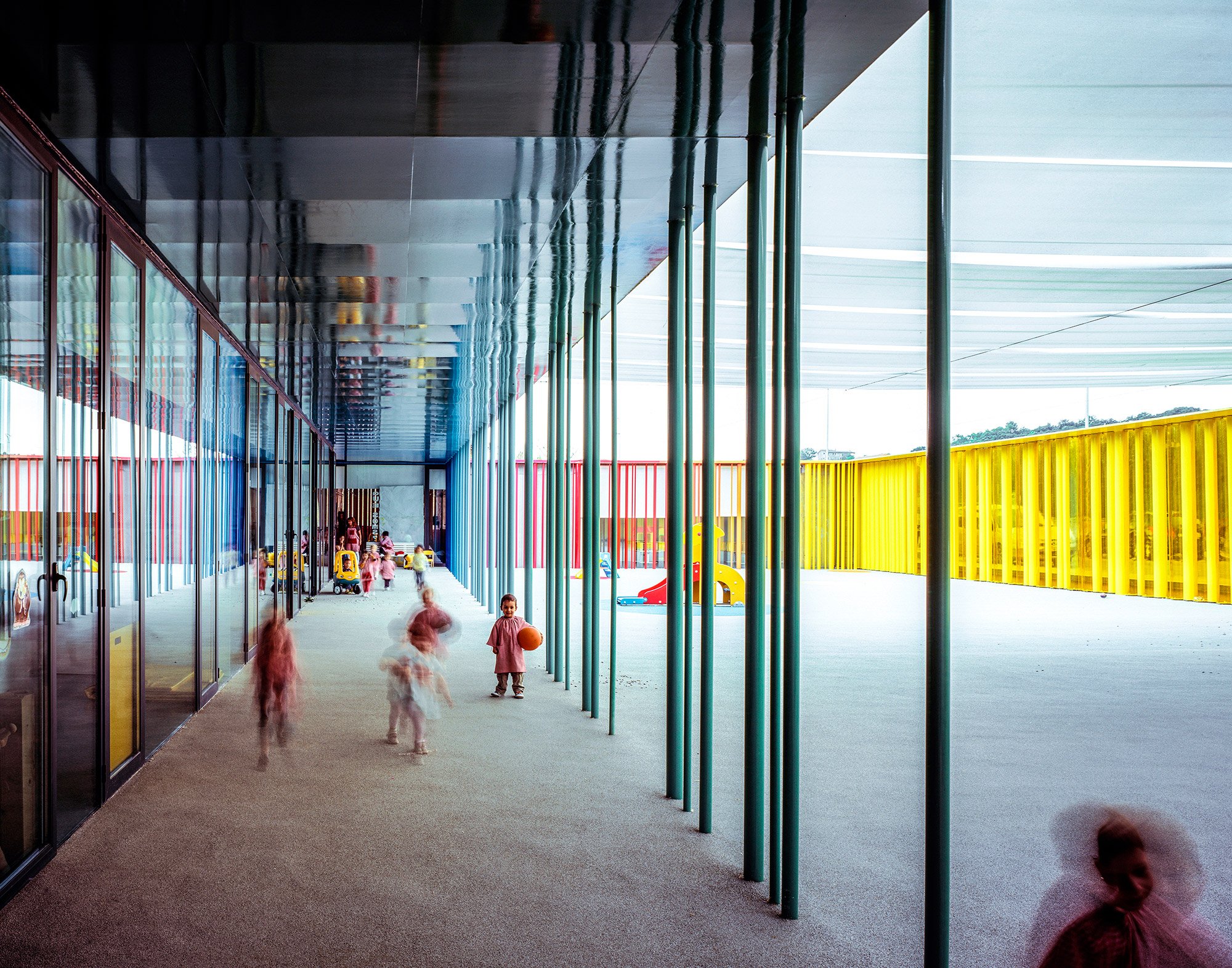
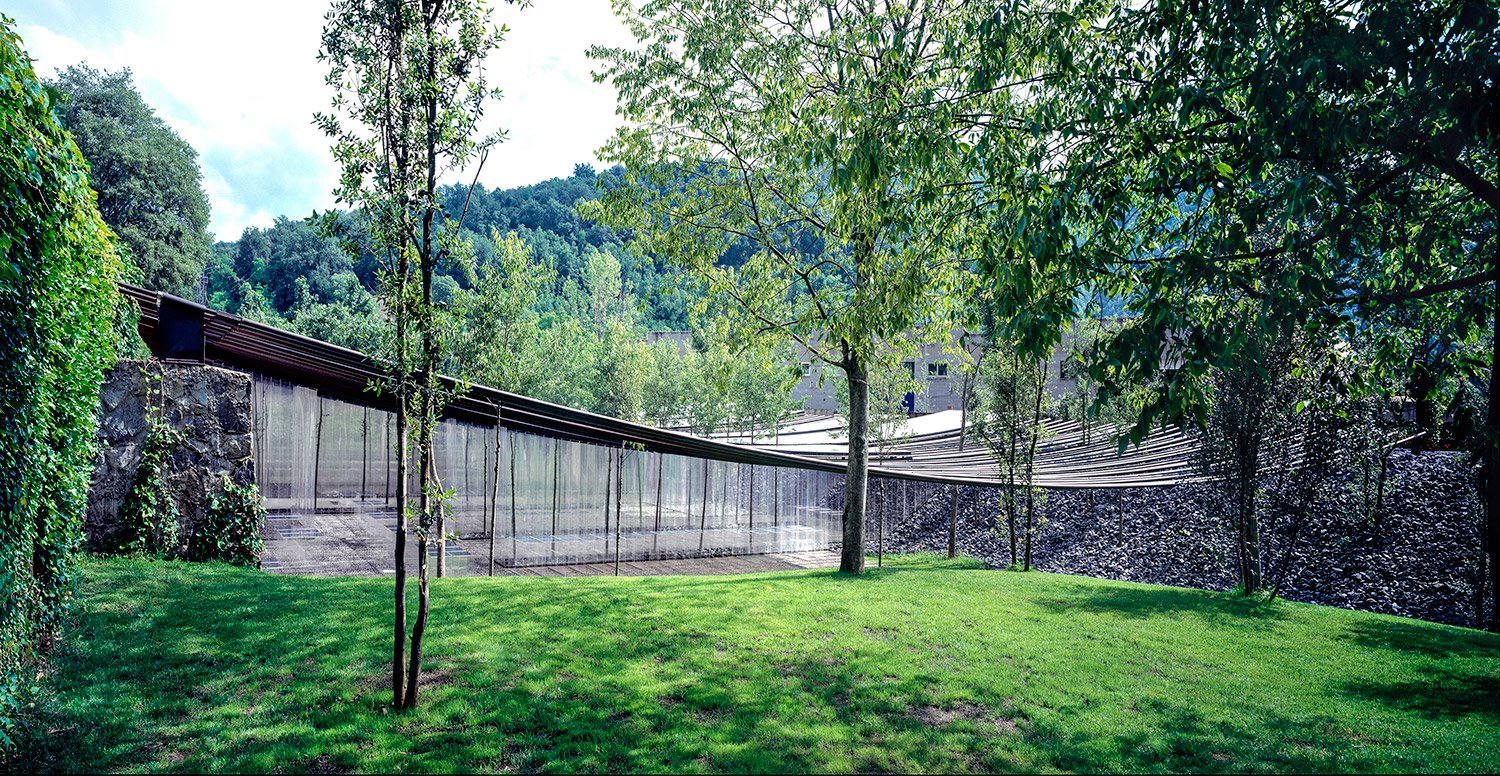
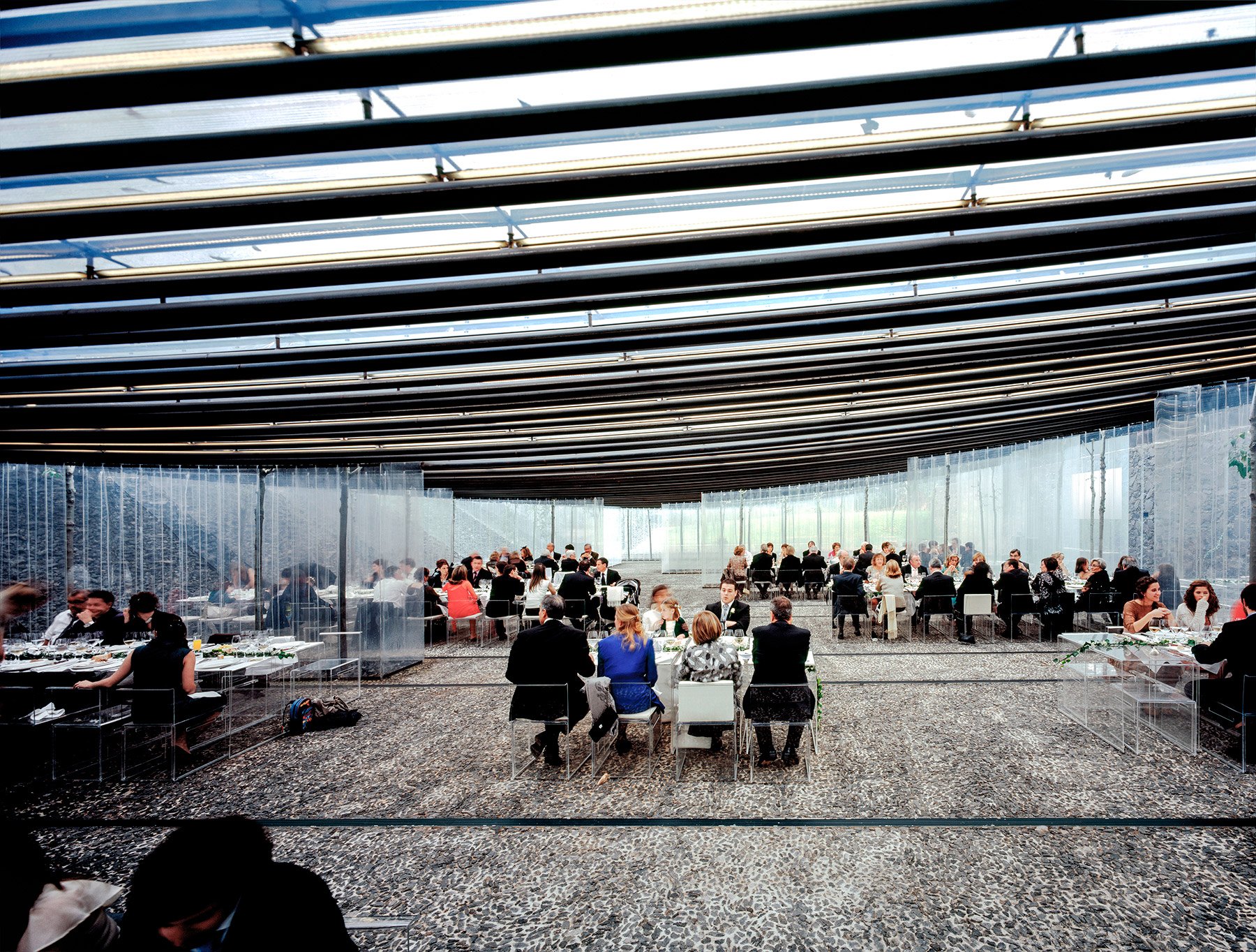
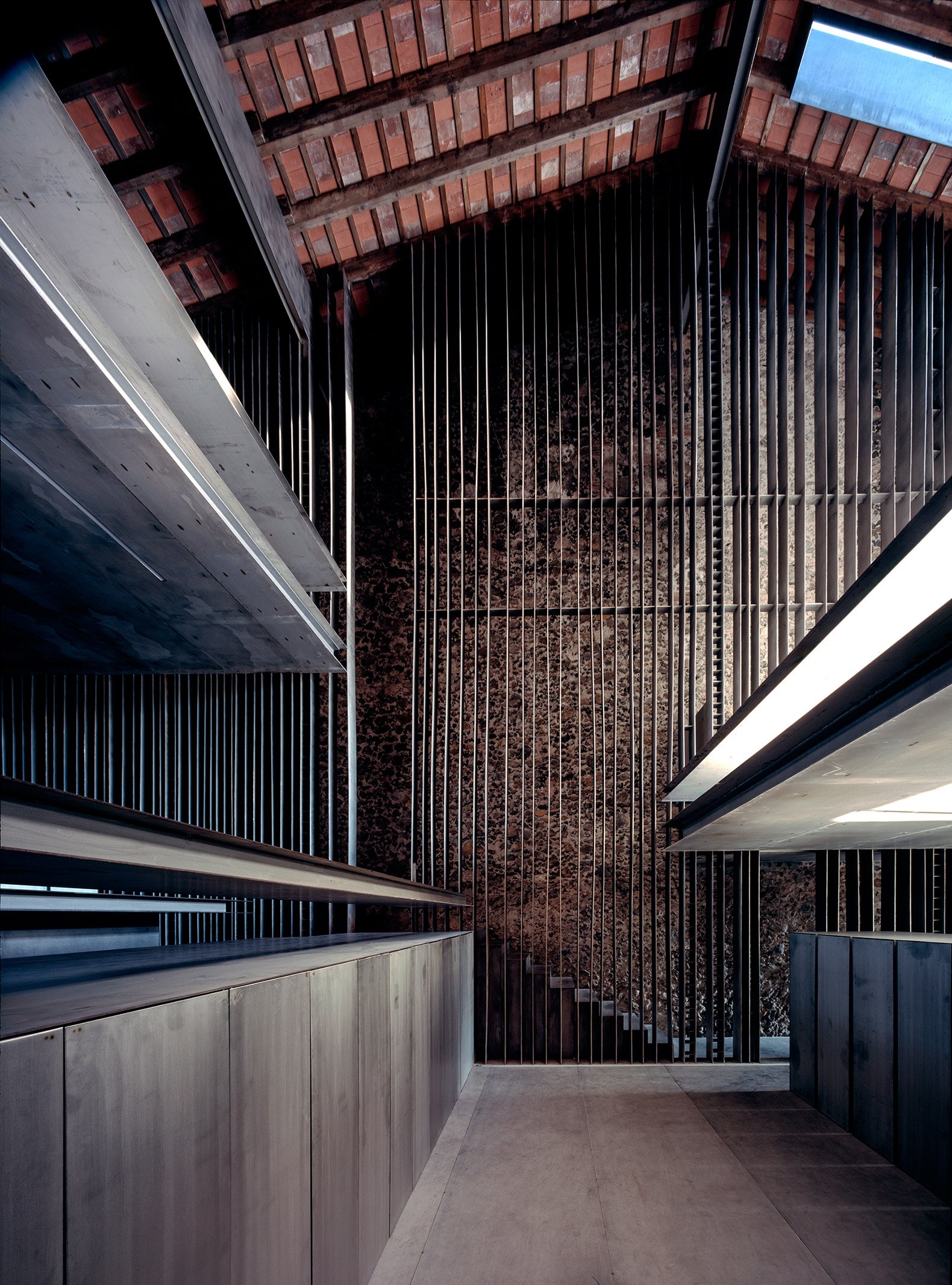
Rafael Aranda, Carme Pigem and Ramon Vilalta, work together since 1988 under the name RCR ARQUITECTES in Olot. They are Premio Nacional de Cultura en Arquitectura 2005 by Generalitat de Catalunya, Chevaliers de l'Ordre des Arts et des Lettres by Republique Française in 2008, honorary members by the AIA American Institute of Architecture 2010 and International Award 2011 "Belgian Building Awards". Since 1989 are architects advisors at Parque Natural de la Zona Volcánica de la Garrotxa and have been teachers of Urban Planning and Landscape Architecture and Project. They have won different international competitions (the latter, the Waalsekrook media library in Belgium, the Soulages museum in France, Hofheide's crematorium in Belgium and The Edge Bussiness Bay in Dubai). They have received awards in his work among which two finalists positions in the awards of the European Union Mies Van der Rohe. Some of their awarded works have been exhibited in different events and published in several monographs.

RCR has shown the ability to think and transform that bring teamwork and the promotion of cultural initiatives from Bunka Foundation and workshops within the LAB-A in the Espacio Barberí, and have proven that it is possible to do international architecture from a rural environment, which is what has stimulated his imagination.

Following the work of RCR there is a philosophy which works for harmony between humans and nature. The most advanced technologies and materials such as steel or glass, with established rhythms and light that acts in opposition to each, are those that allow RCR this return to the essence of space that is the subject of architecture.

Read more
Published on: March 5, 2017
Cite:
metalocus, JOSÉ JUAN BARBA
"The bewilderment of some gurus by the choice of good Pritzkers" METALOCUS. Accessed
<http://www.metalocus.es/en/news/bewilderment-some-gurus-choice-good-pritzkers> ISSN 1139-6415
Loading content ...
Loading content ...
Loading content ...
Loading content ...
Loading content ...
Loading content ...
Loading content ...
Loading content ...
Loading content ...
Loading content ...
Loading content ...
Loading content ...
Loading content ...
Loading content ...
Loading content ...
Loading content ...
Loading content ...
Loading content ...
Loading content ...
Loading content ...
Loading content ...
Loading content ...
Loading content ...
Loading content ...
Loading content ...
Loading content ...
Loading content ...
Loading content ...
Loading content ...
Loading content ...
Loading content ...
Loading content ...
Loading content ...
Loading content ...
Loading content ...
Loading content ...
Loading content ...
Loading content ...
Loading content ...
Loading content ...
Loading content ...
Loading content ...
Loading content ...
Loading content ...
Loading content ...
Loading content ...
Loading content ...
Loading content ...
Loading content ...
Loading content ...
Loading content ...
Loading content ...
Loading content ...
Loading content ...