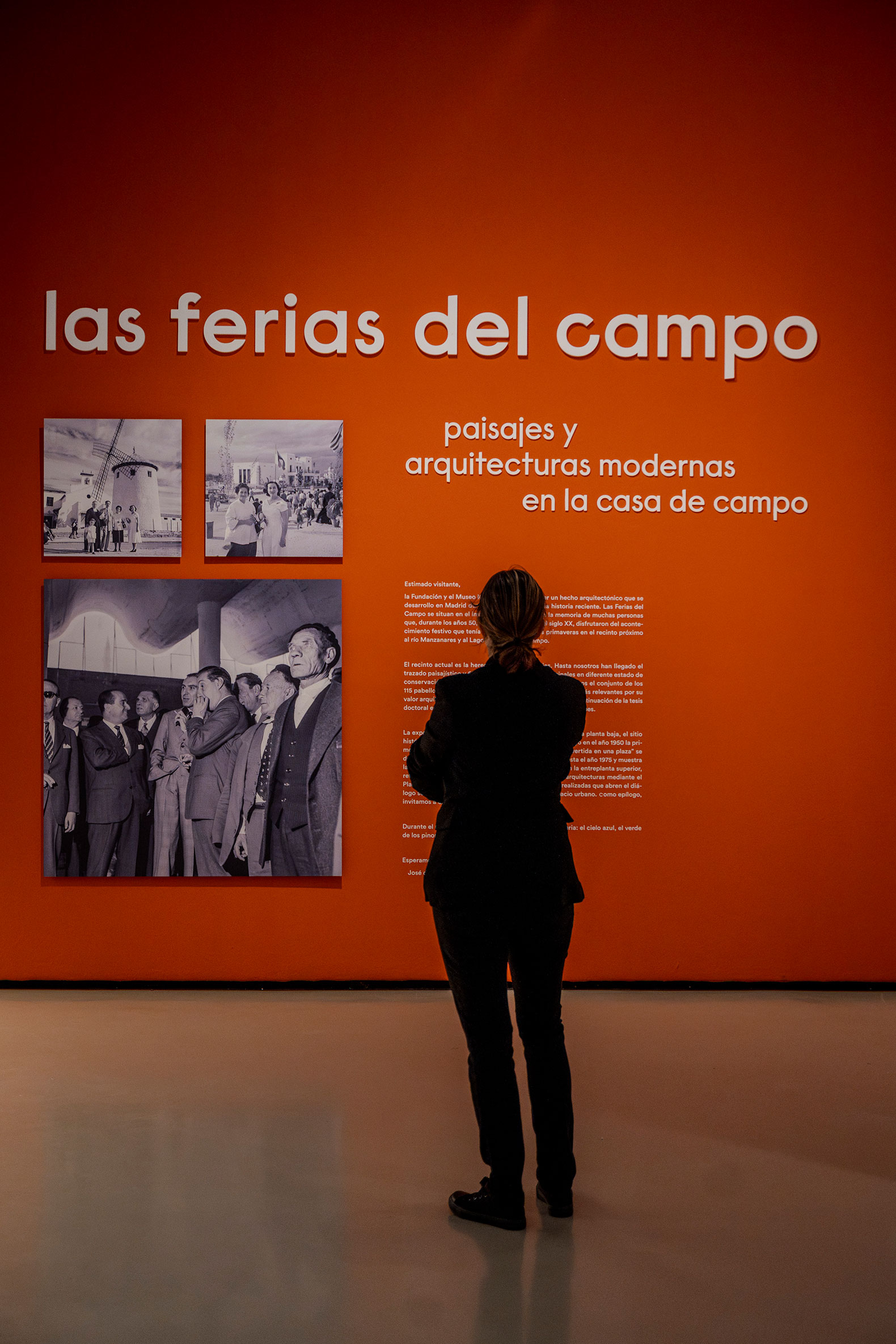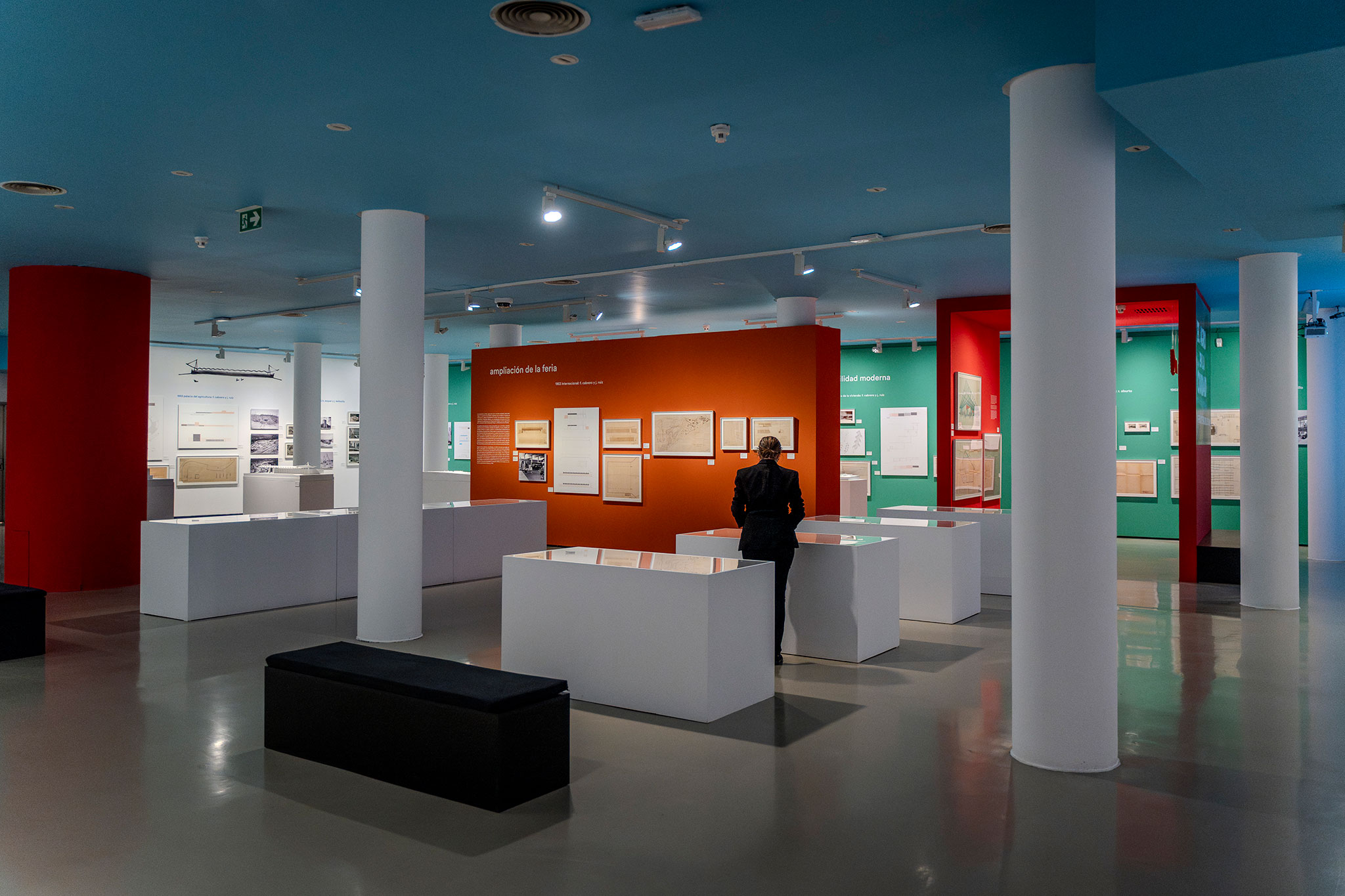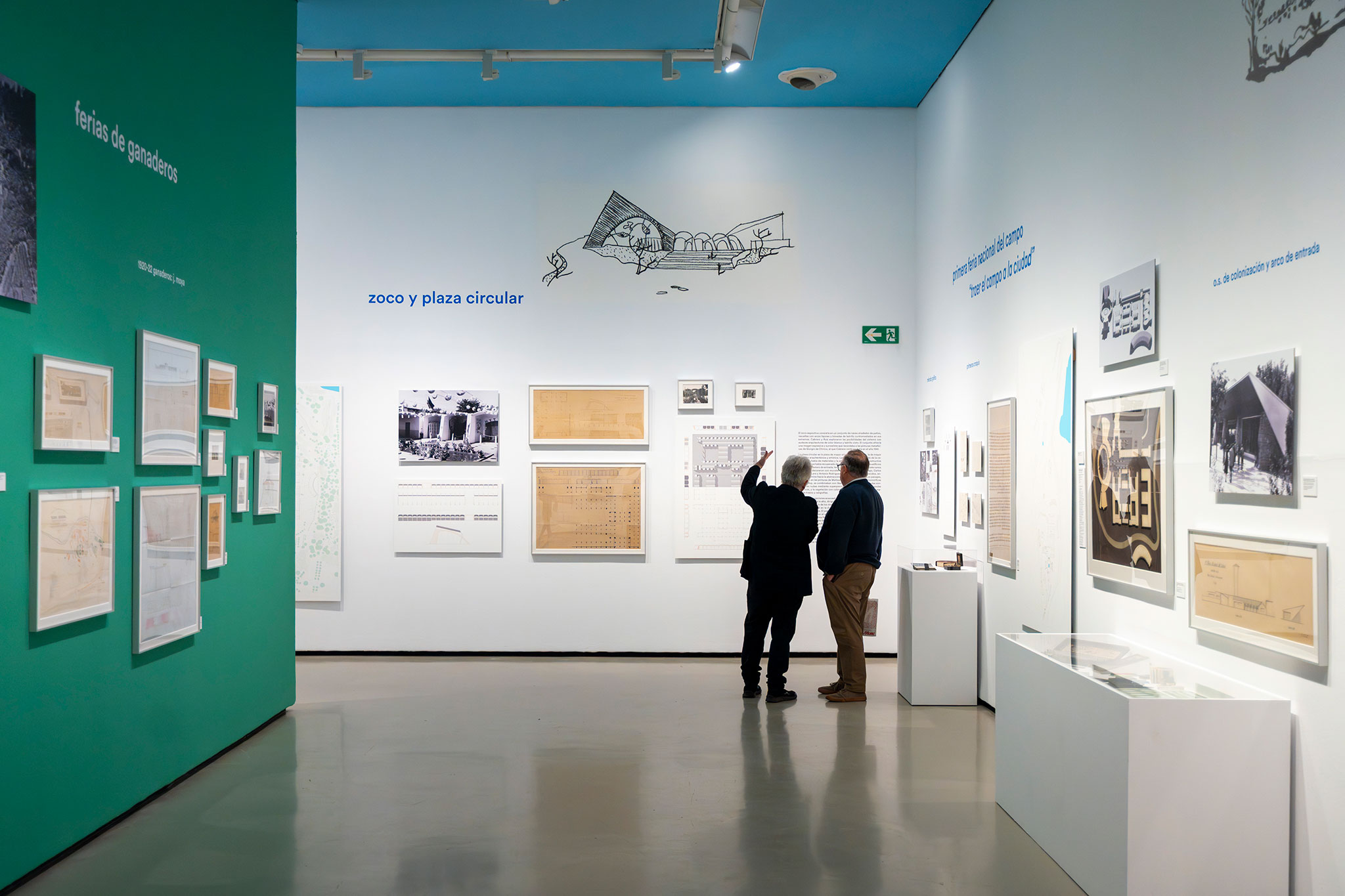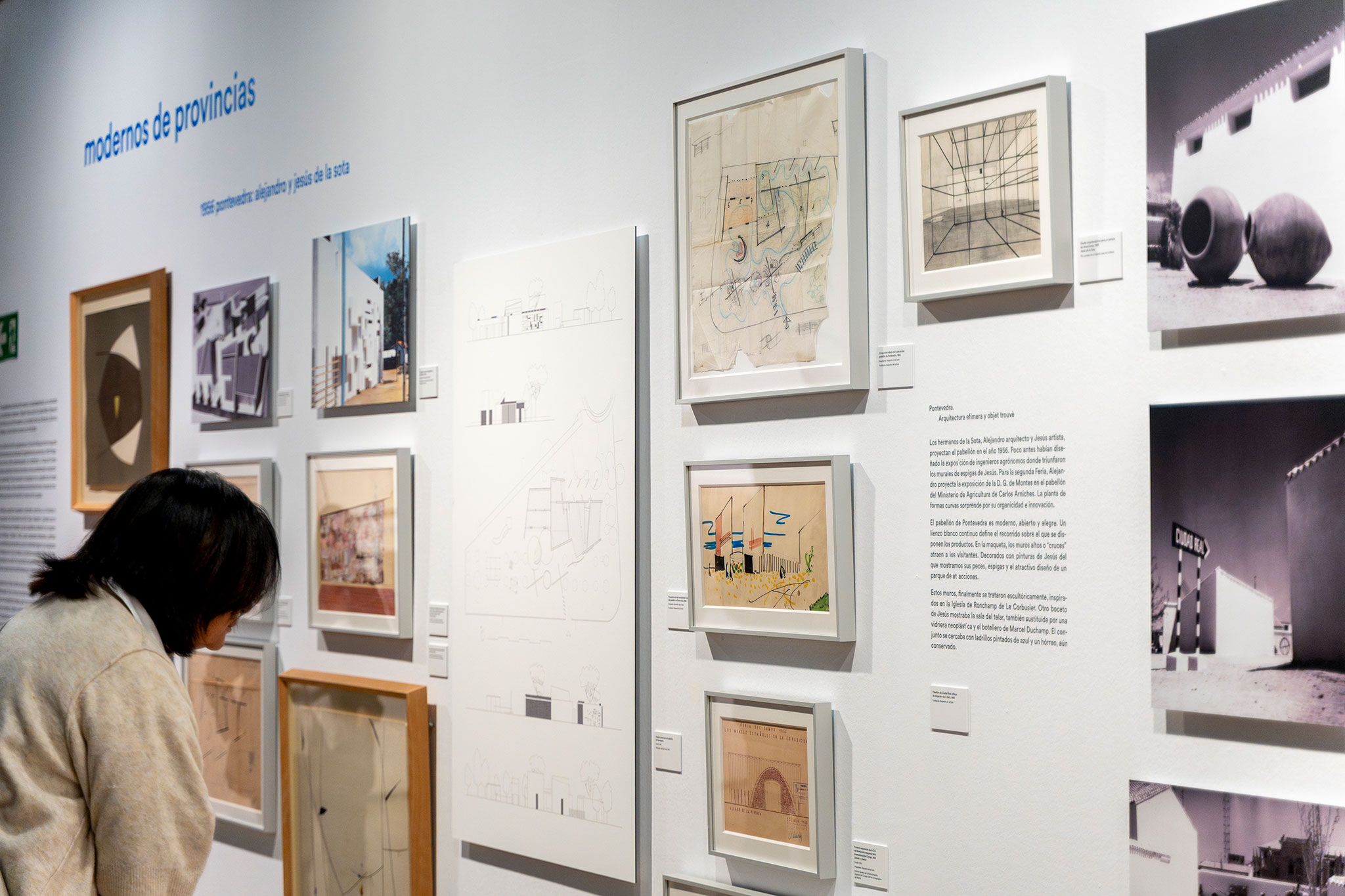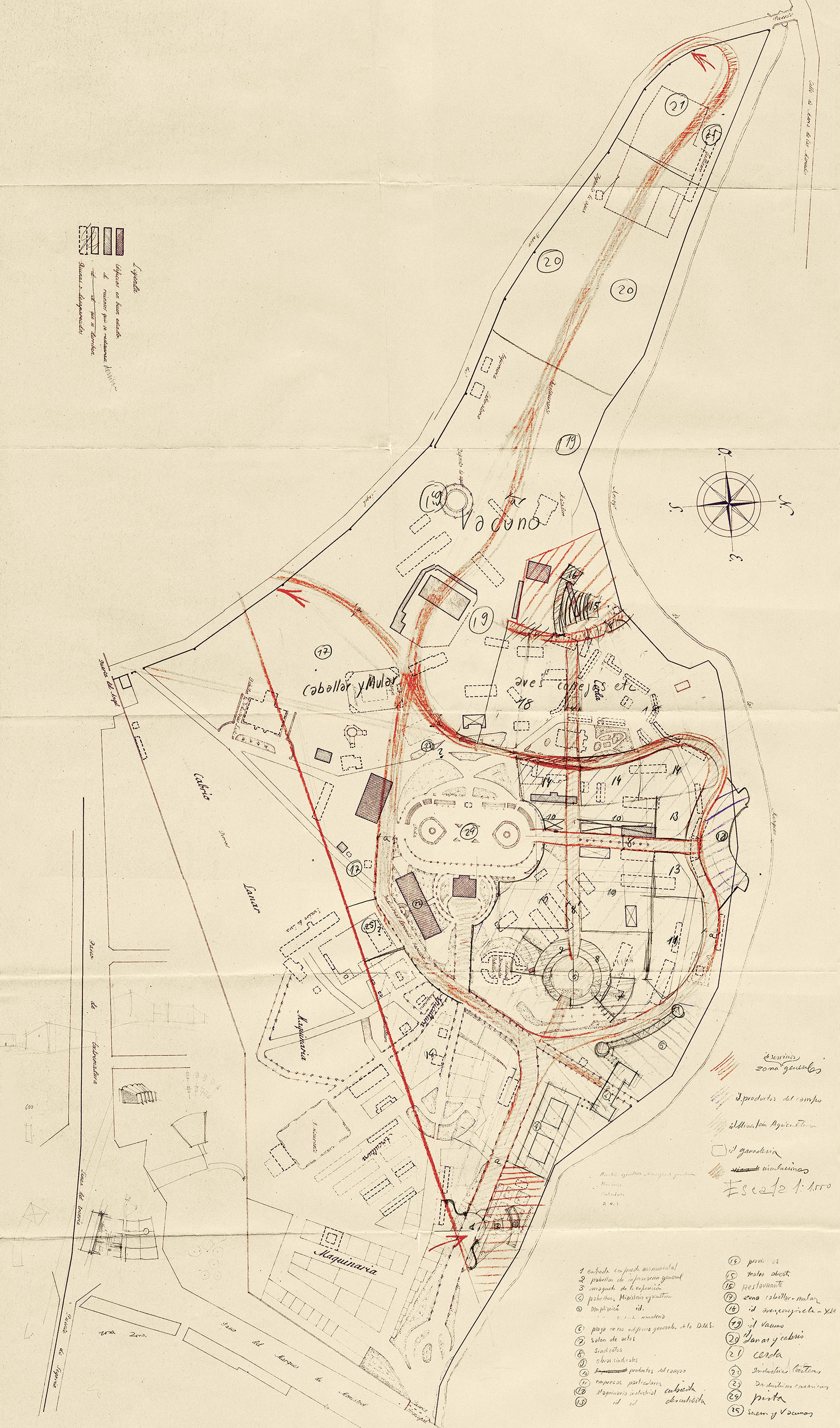
Through a historical and artistic journey, the exhibition curated by José de Coca Leicher brings together more than 300 pieces, including photographs, plans, models, unpublished documents, and works of art. Far from being a nostalgic contemplation of the past, the exhibition proposes a dialogue about the present and future of the site. In this sense, it also includes a photographic series by Luis Asín, created specifically for the project and shown in video format, articulating the historical memory and the current state of the complex.
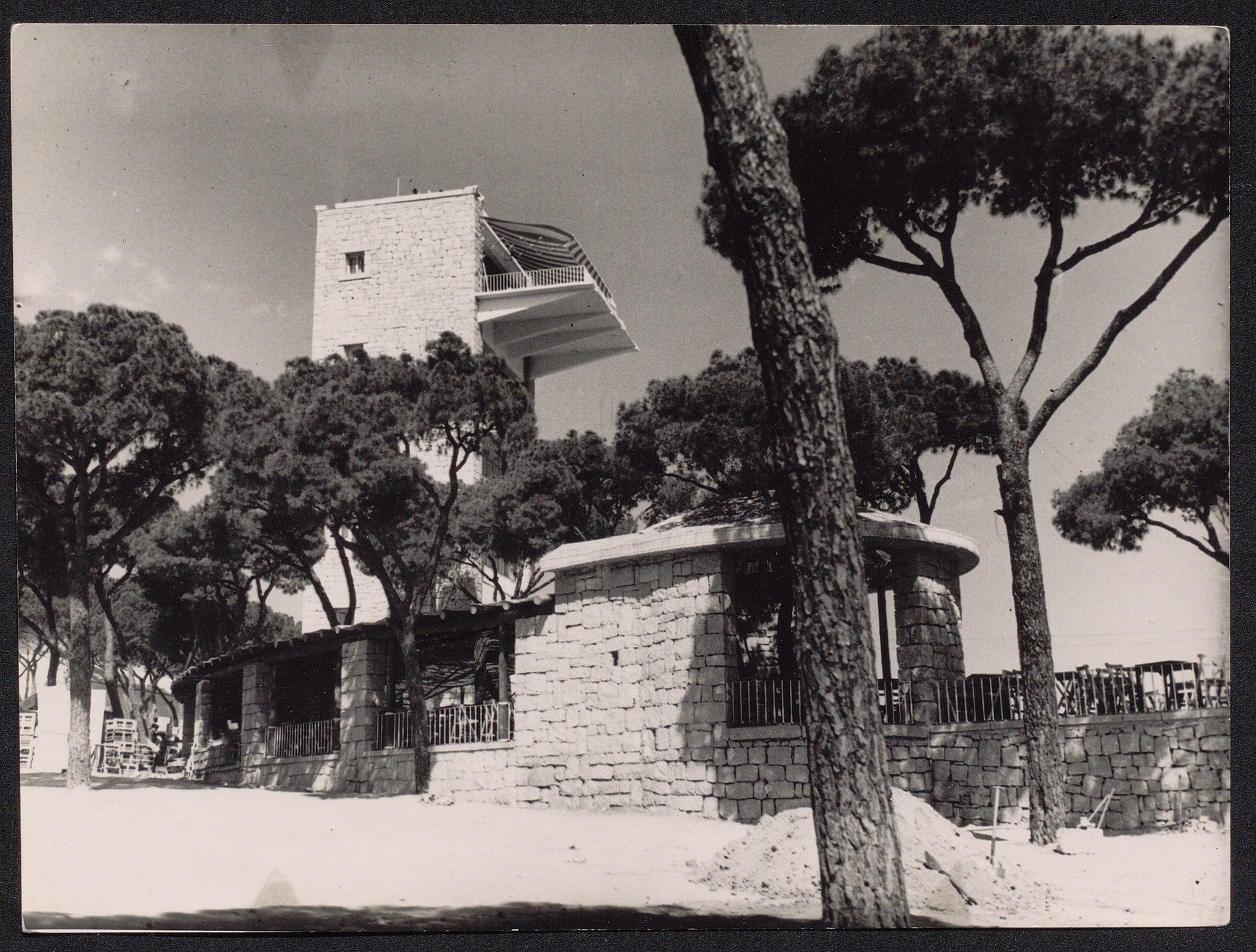
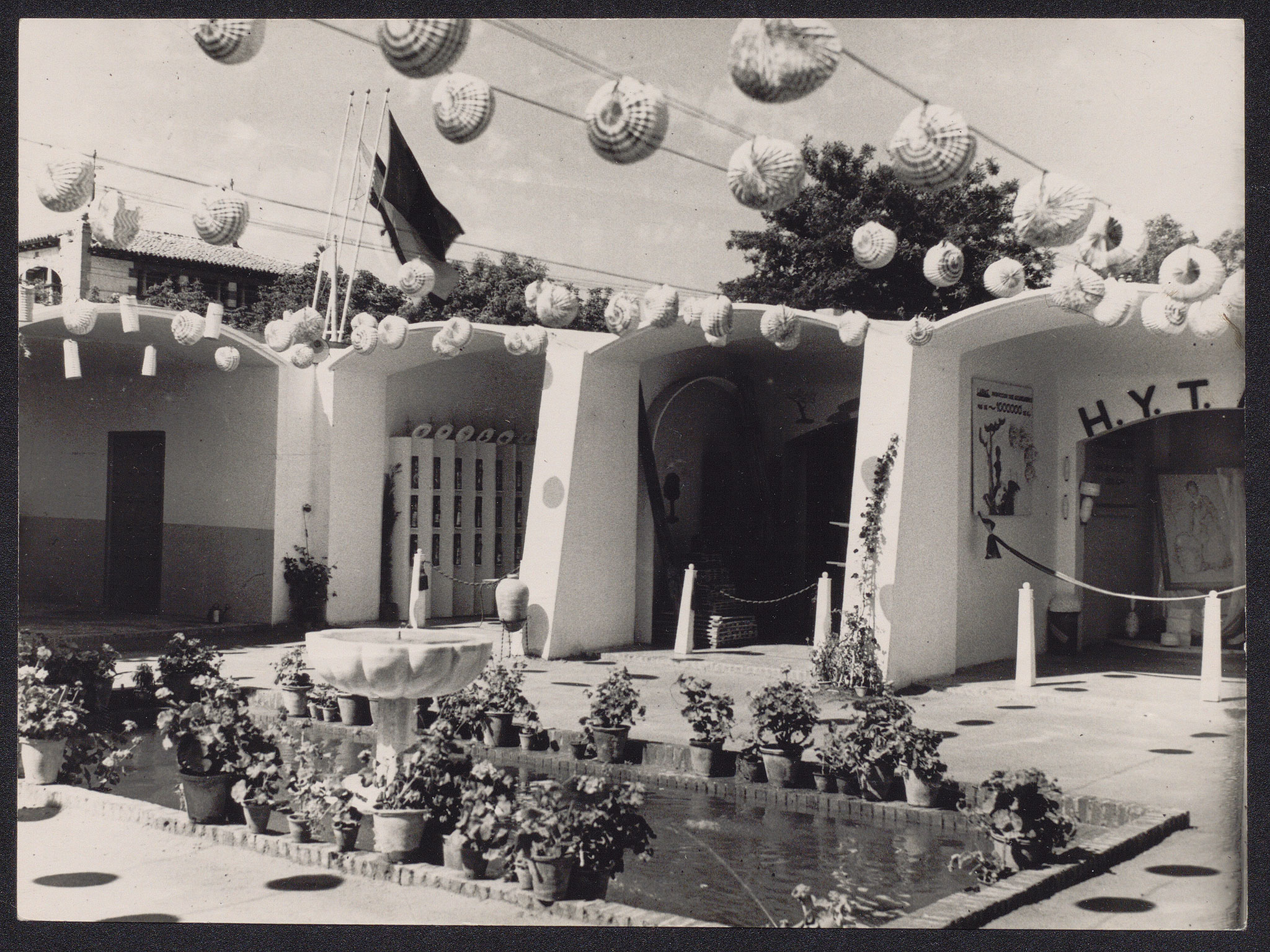
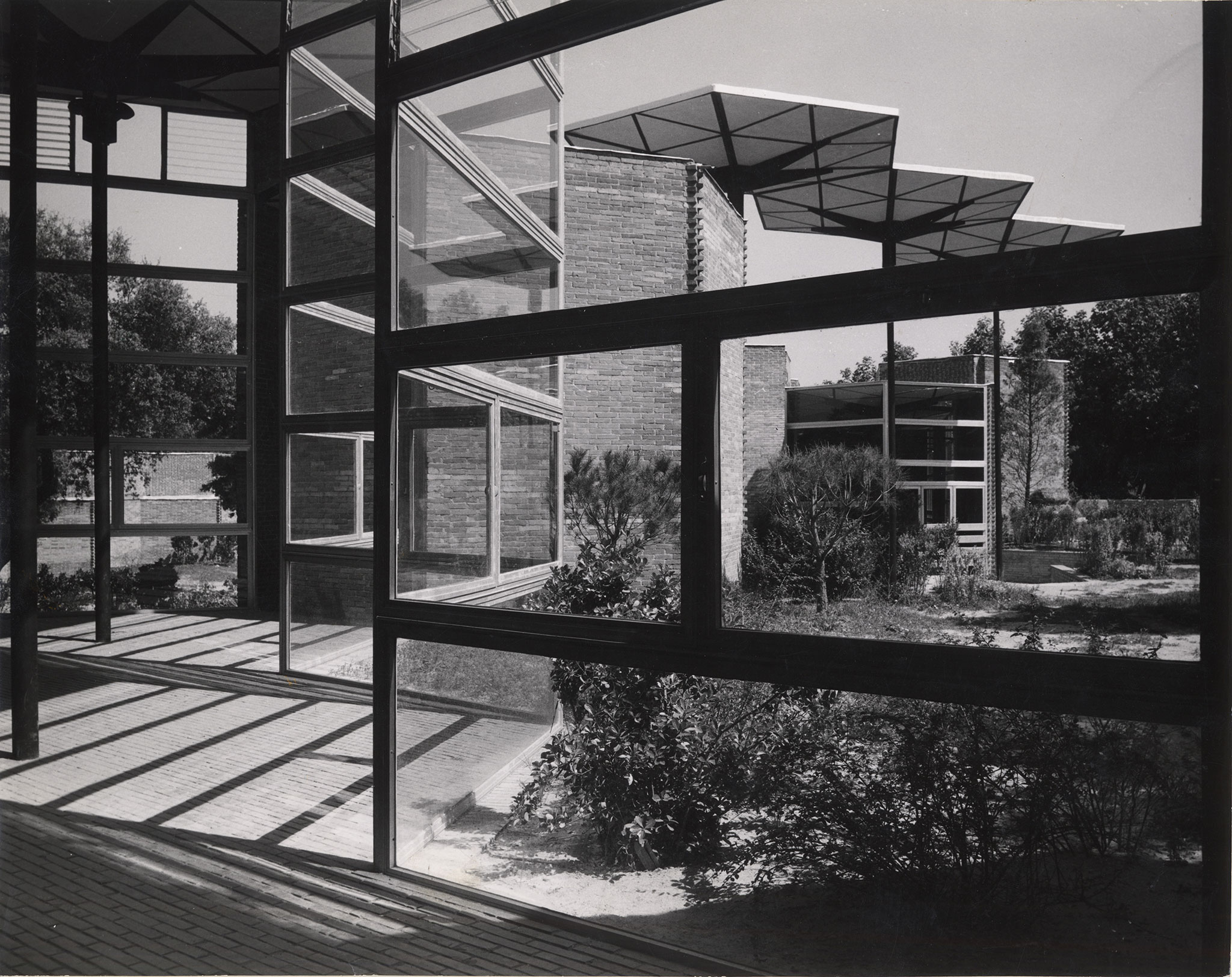
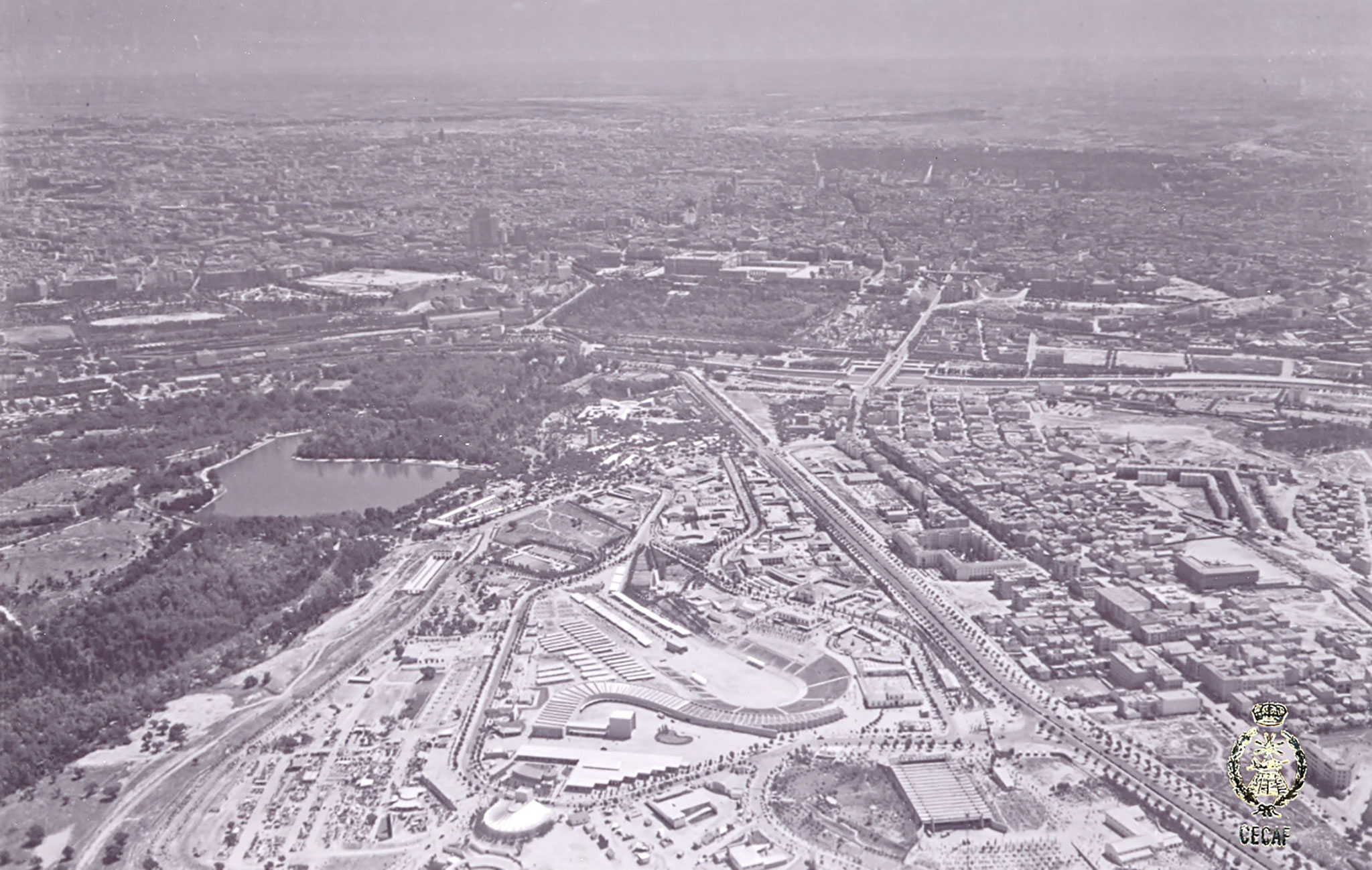
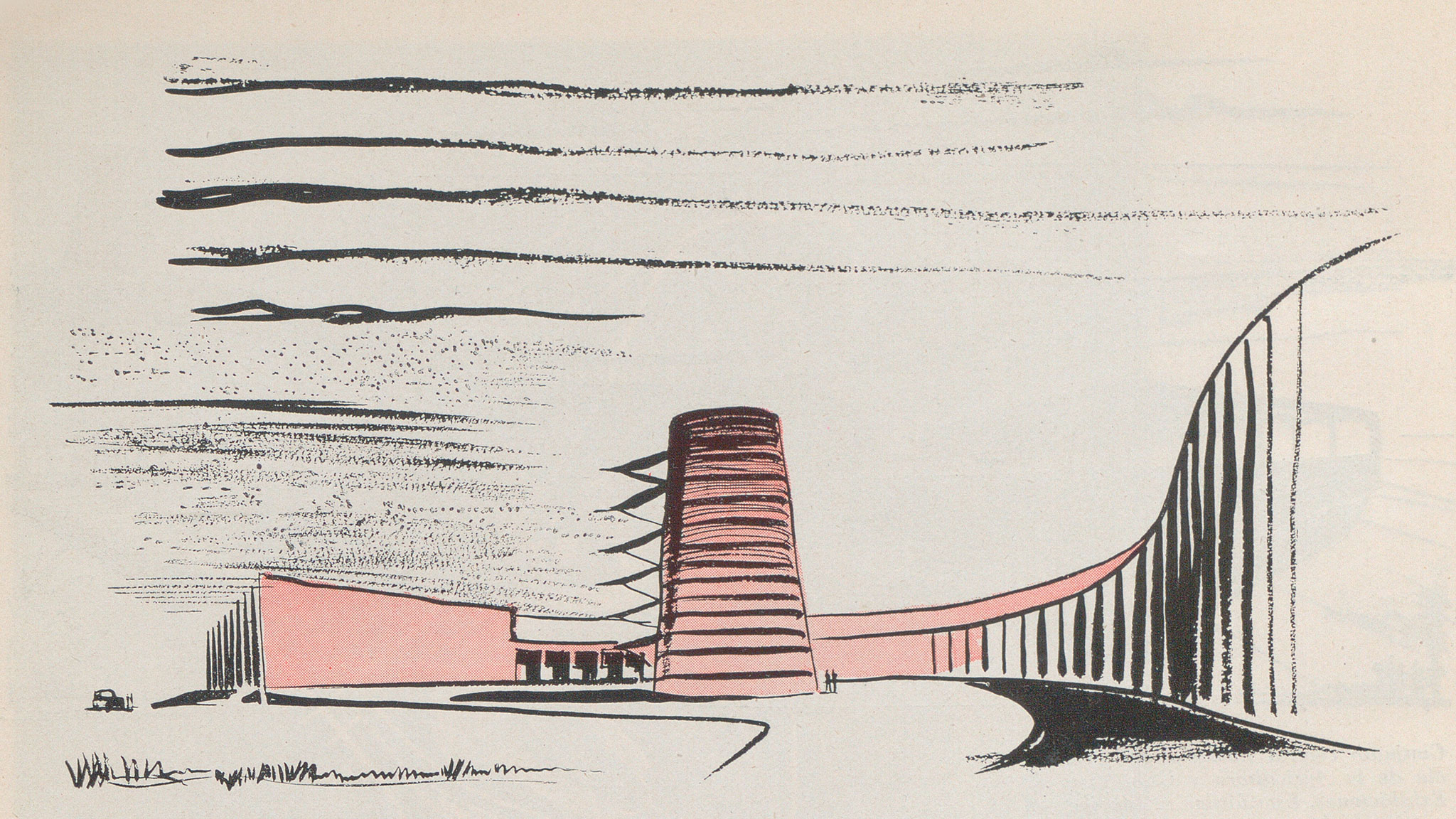
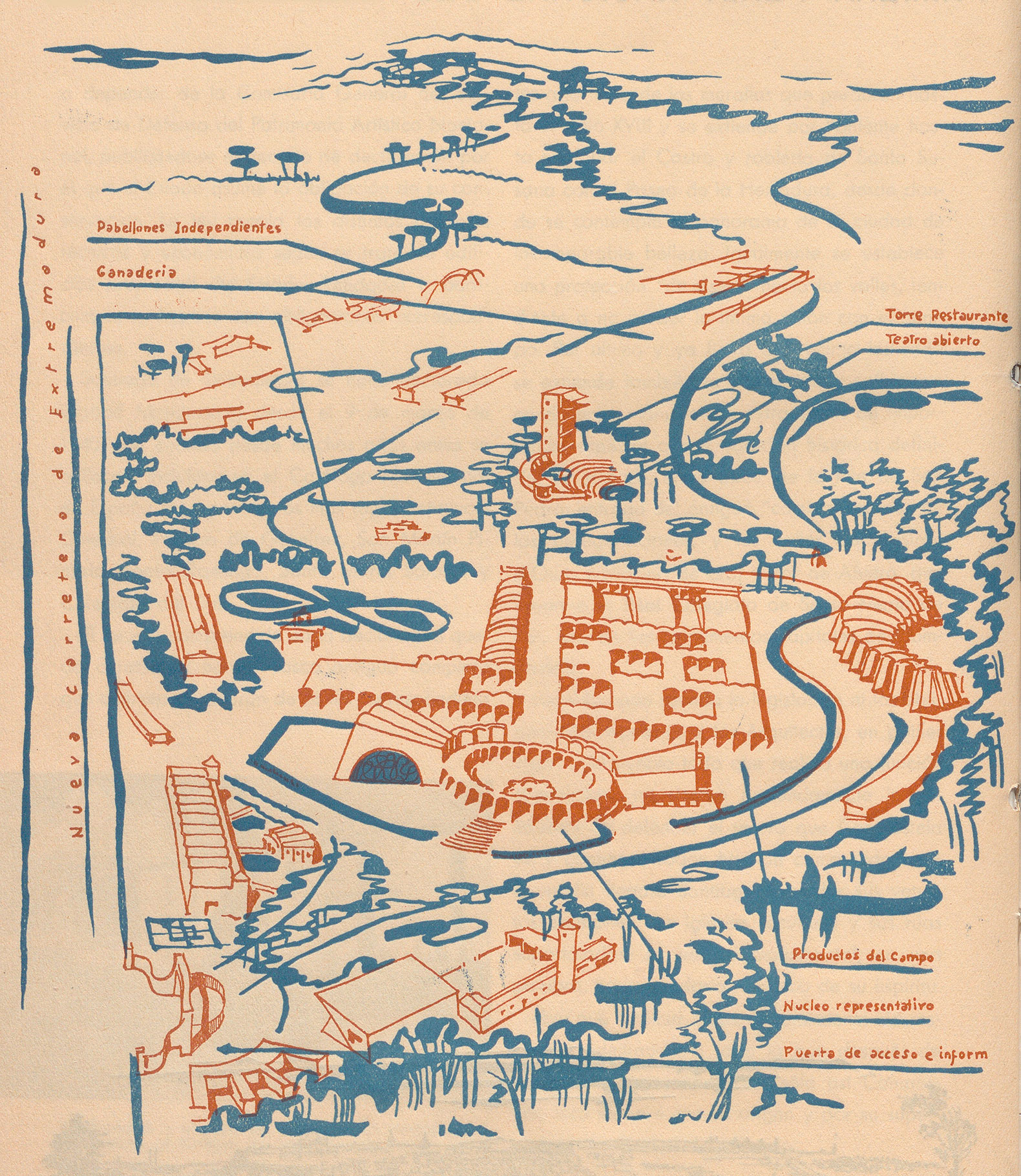
The site, inaugurated in 1950, hosted the first National Country Fair. Its original design included brick arches and vaults, with a modern aesthetic that was radically different from the language of Spanish architecture at the time.
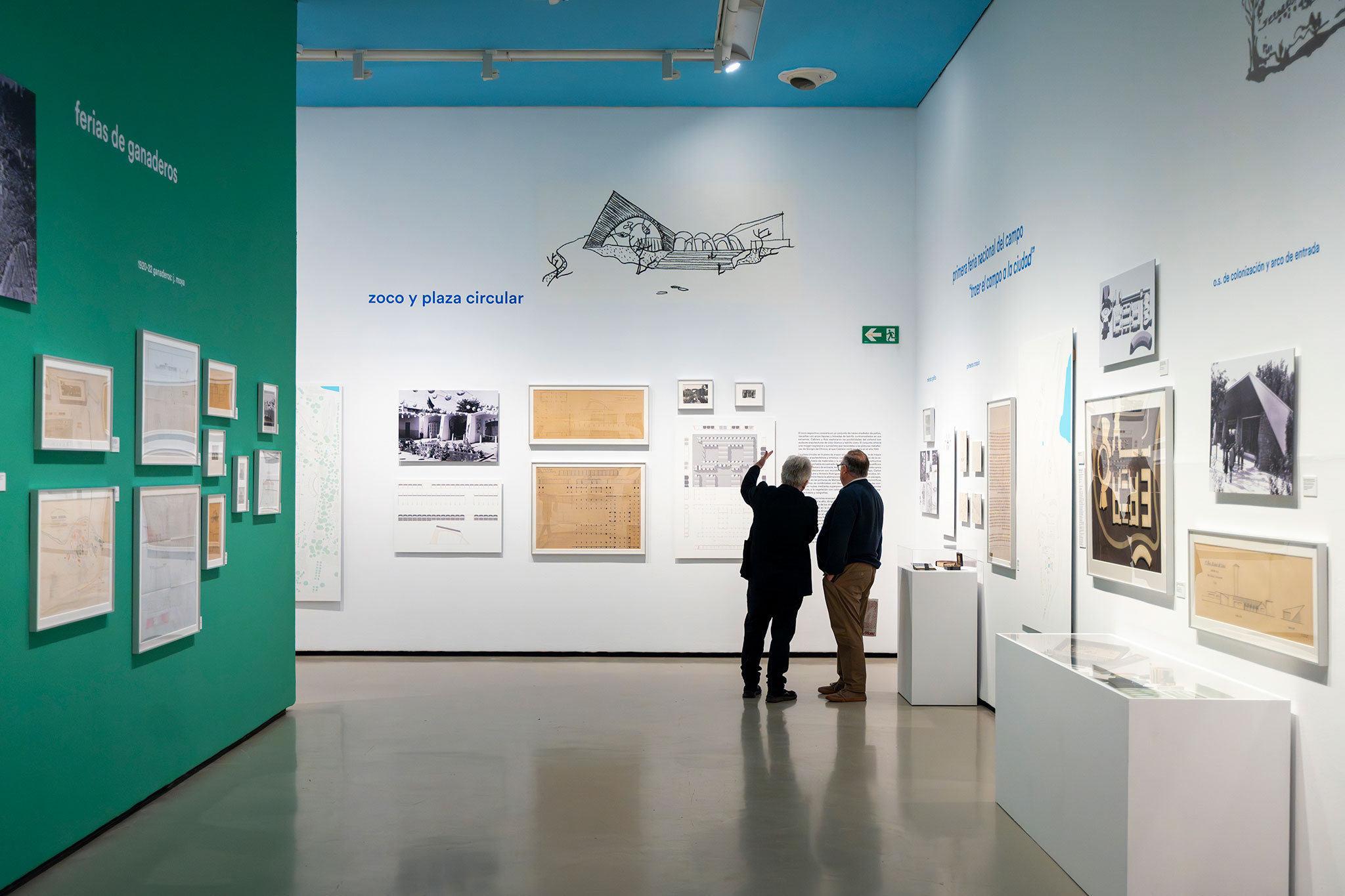
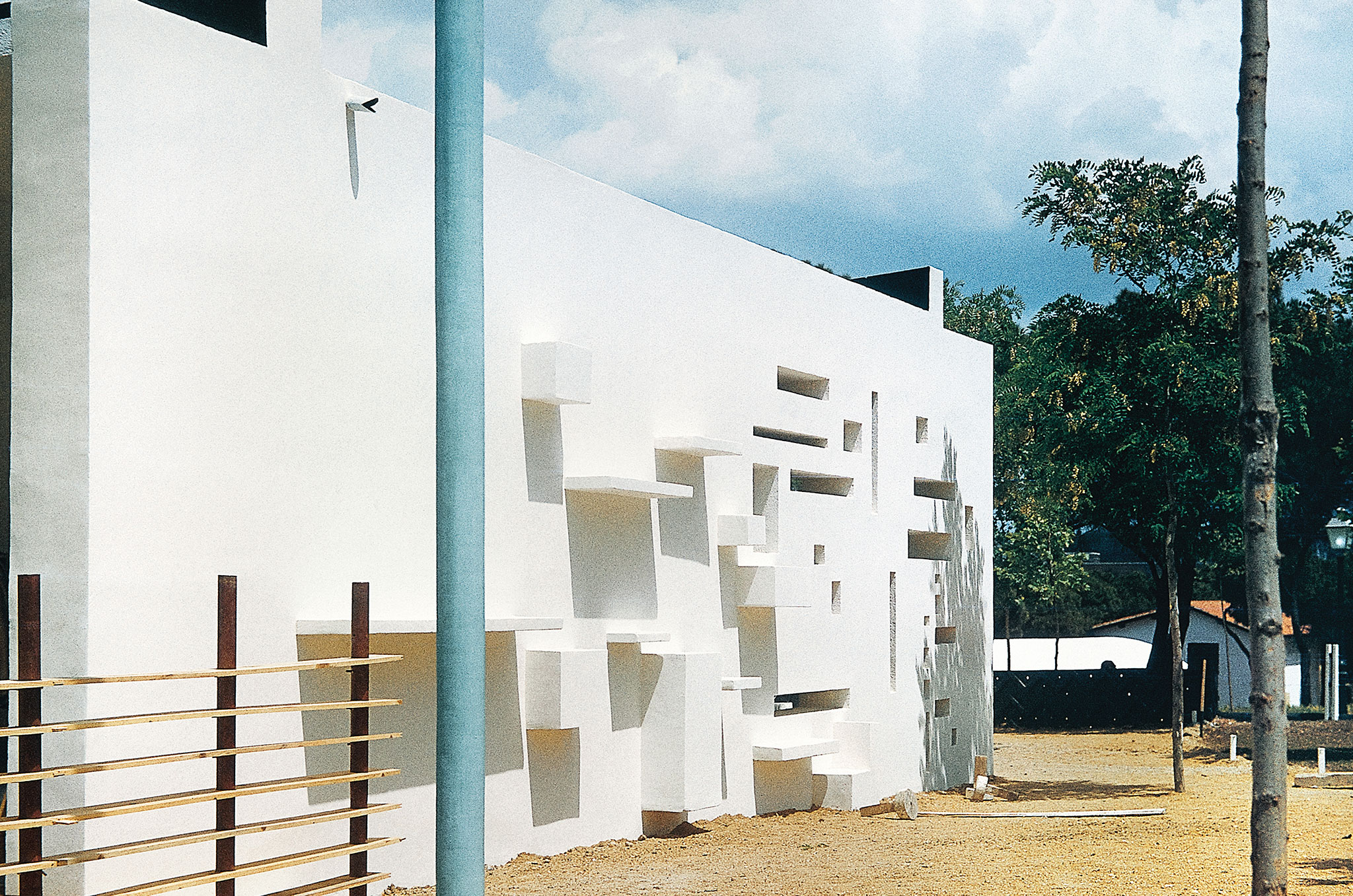
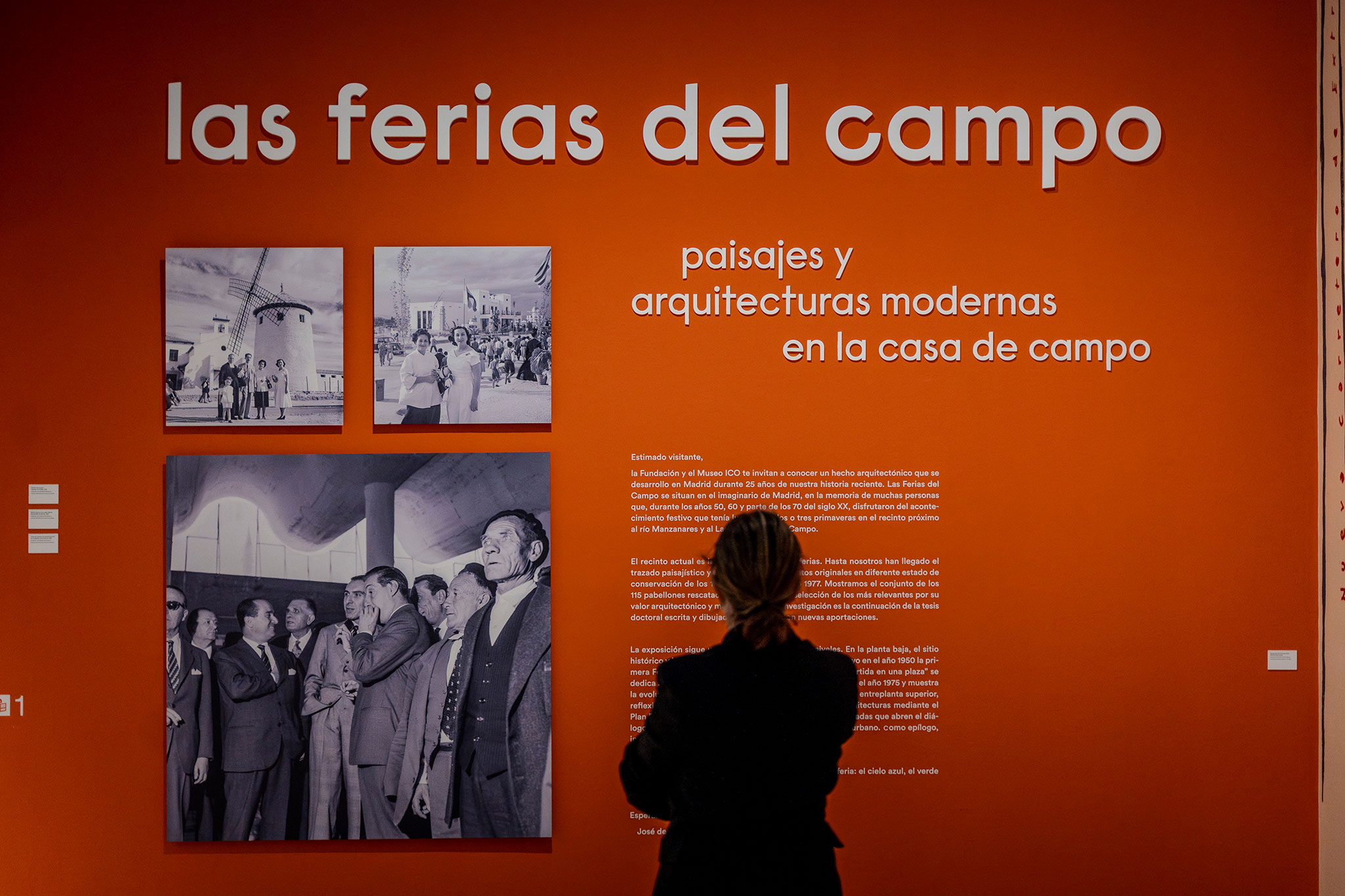
Exhibition hall view of the Country Fairs. Landscapes and modern architecture at the Casa de Campo. Photograph by Julio César González.
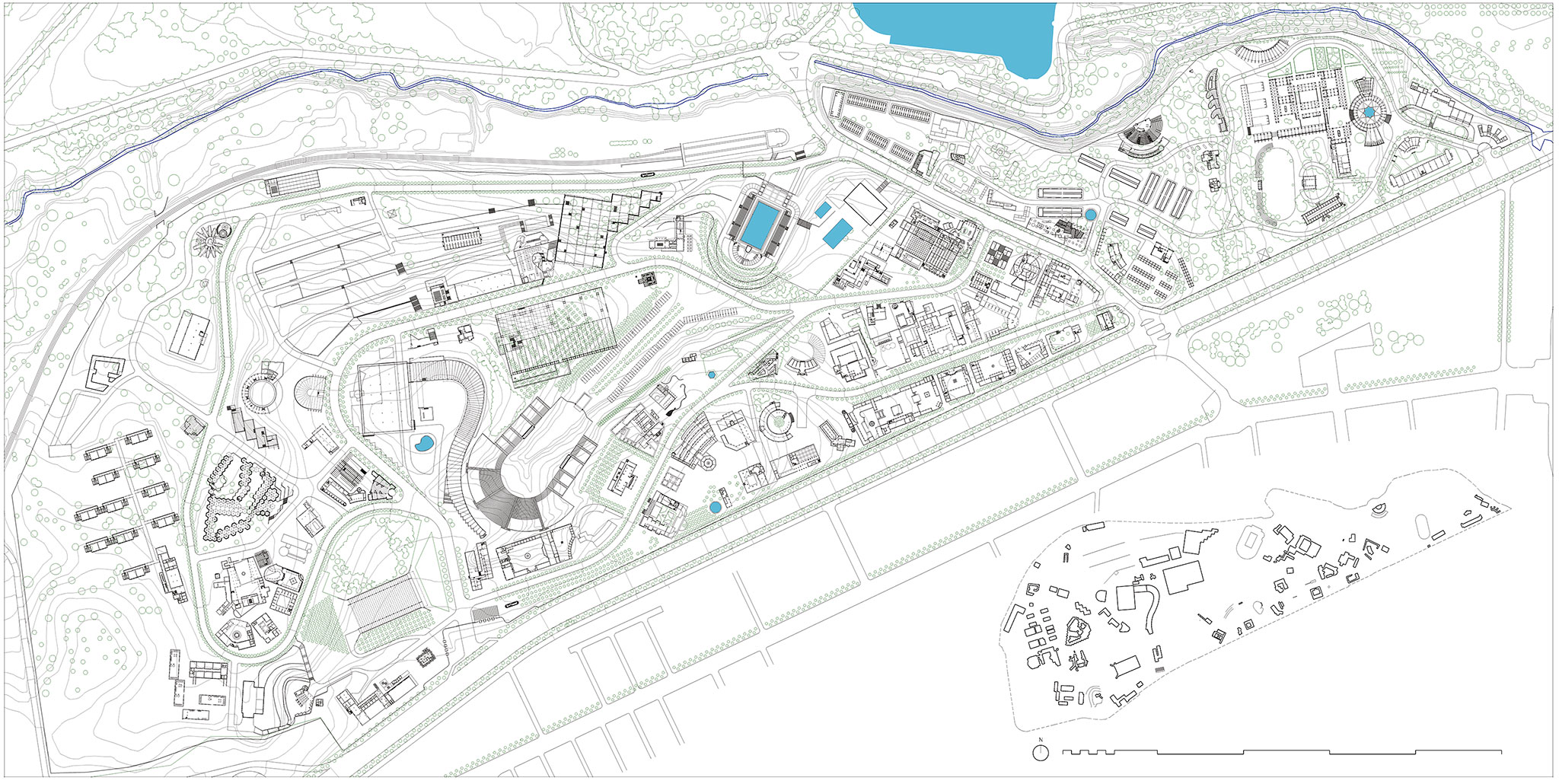
Between 1953 and 1975, coinciding with the end of autarky, the site expanded its area to host new editions of the International Country Fair, organized by the National Delegation of Trade Unions. Pavilions designed by young architects were built on this landscape layout, transforming the space into a true "architectural laboratory."
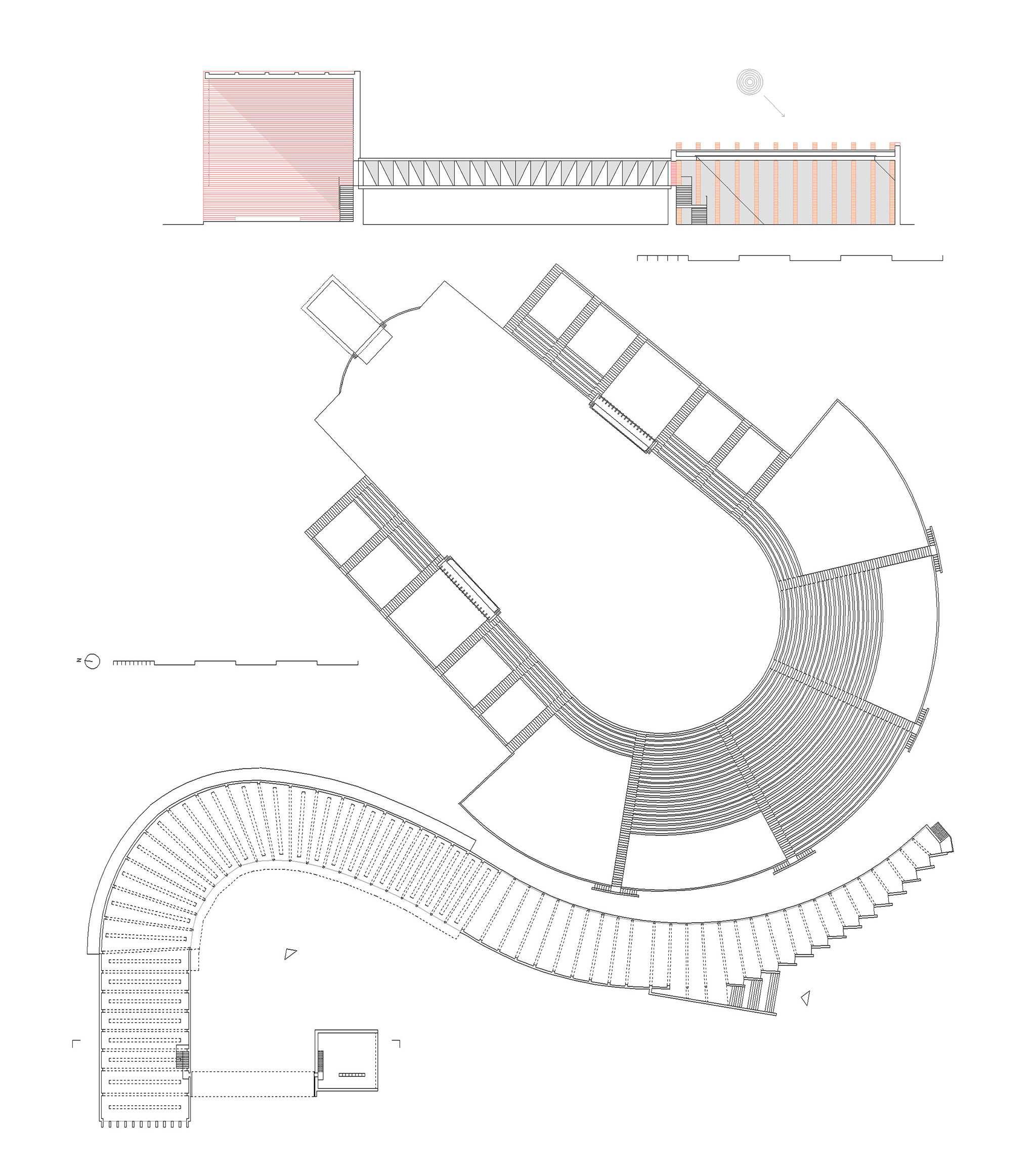
The site thus became a space for experimentation for some of the pioneers of modern architecture in Spain, such as Francisco de Asís Cabrero and Jaime Ruiz—designers of the site's layout and main pavilions—Miguel Fisac, Alejandro de la Sota, José Antonio Corrales, and Ramón Vázquez Molezún, among others.
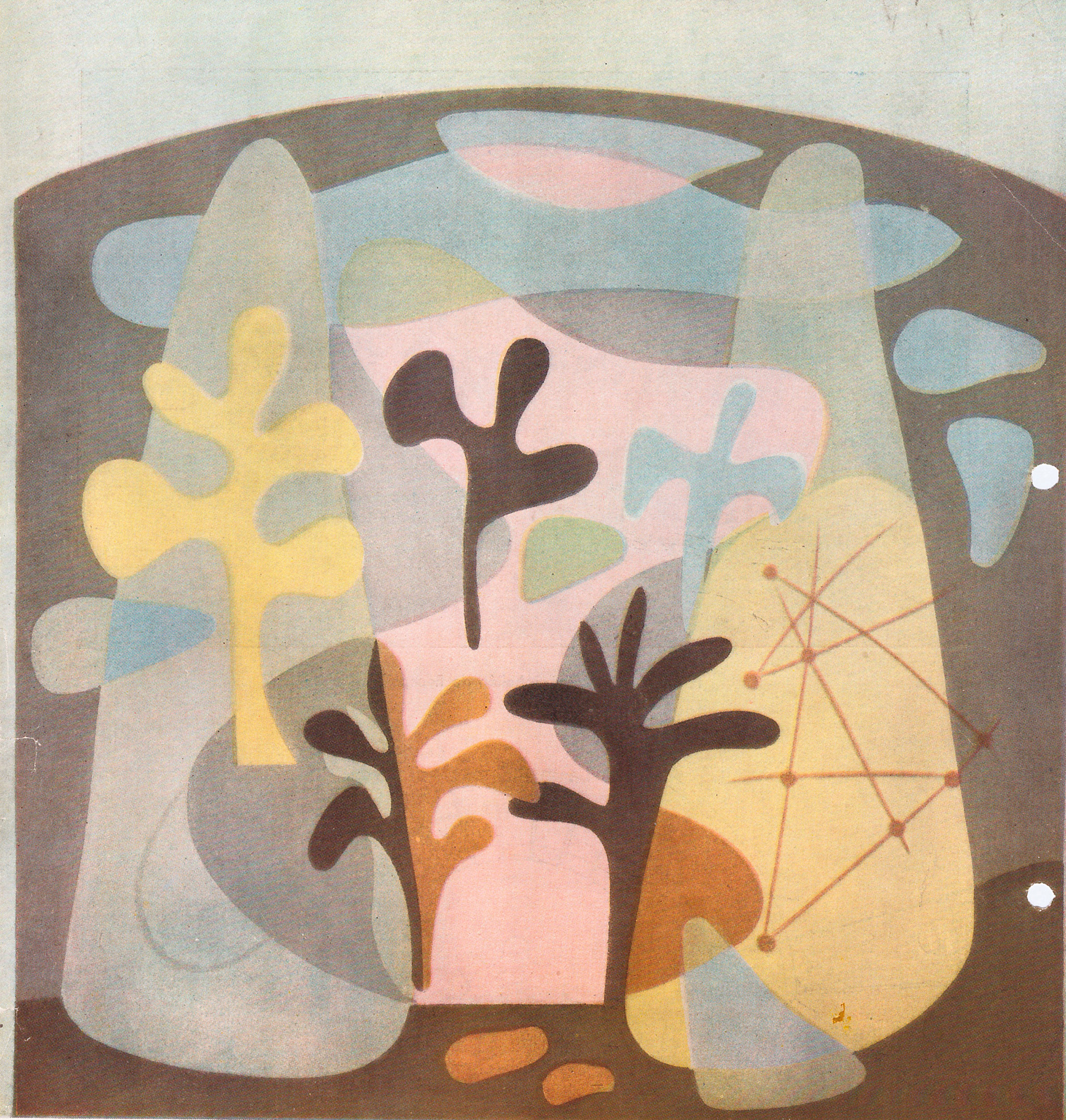
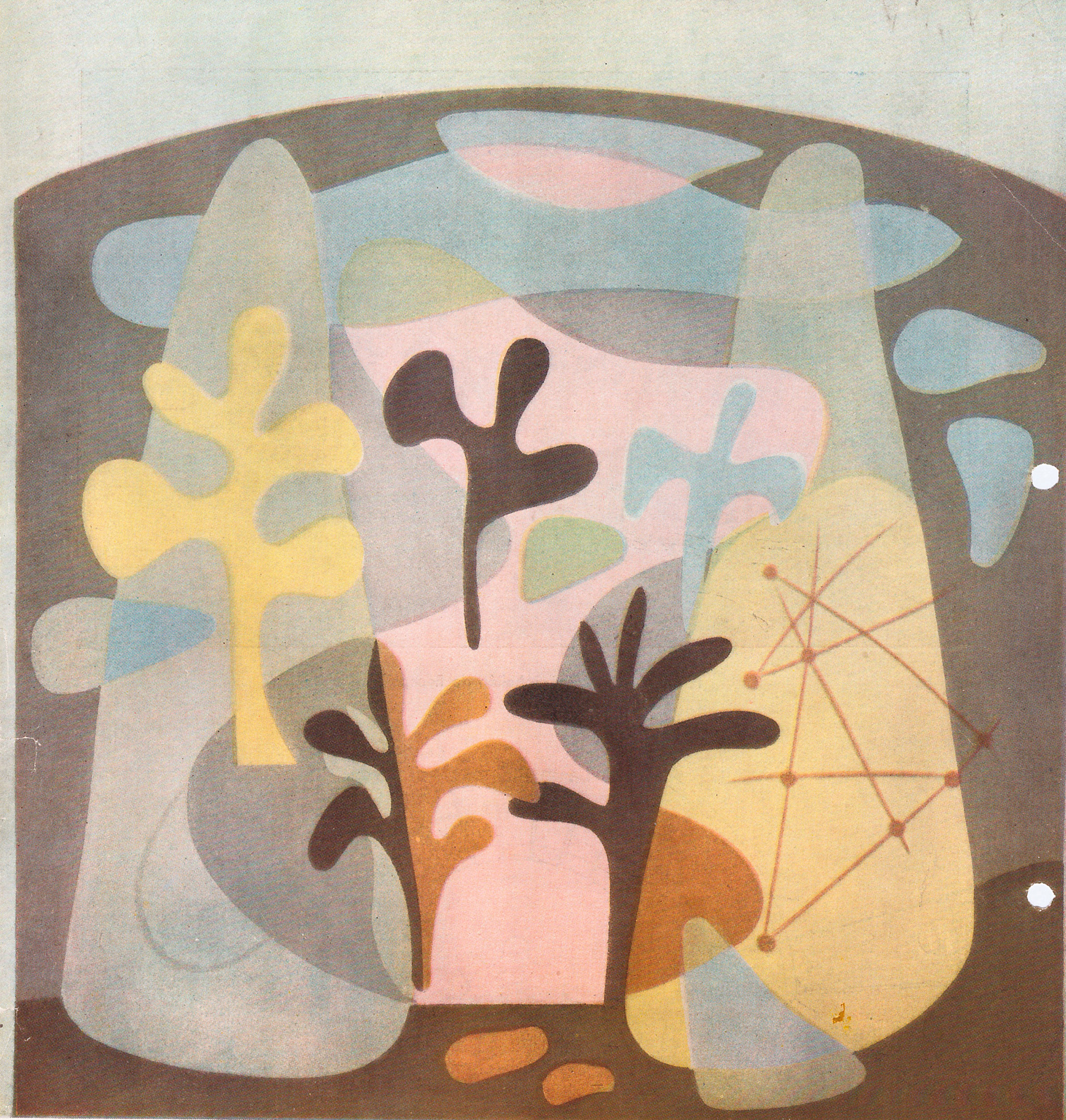
Carlos Pascual de Lara and Antonio Lago, First National Countryside Fair, architects Jaime Ruiz-Ruiz and Francisco A. Cabrero. Construction Reports No. 27, 1951.
The exhibition explores the collaboration between architects and artists, responsible for the decorative arts of the pavilions, another of the fairs' great attractions. Prominent among them are painters Carlos Pascual de Lara, Antonio Rodríguez Valdivieso, Antonio Lago Rivera, Amadeo Gabino, Manuel Suárez-Pumariega Molezún, and Jesús de la Sota.
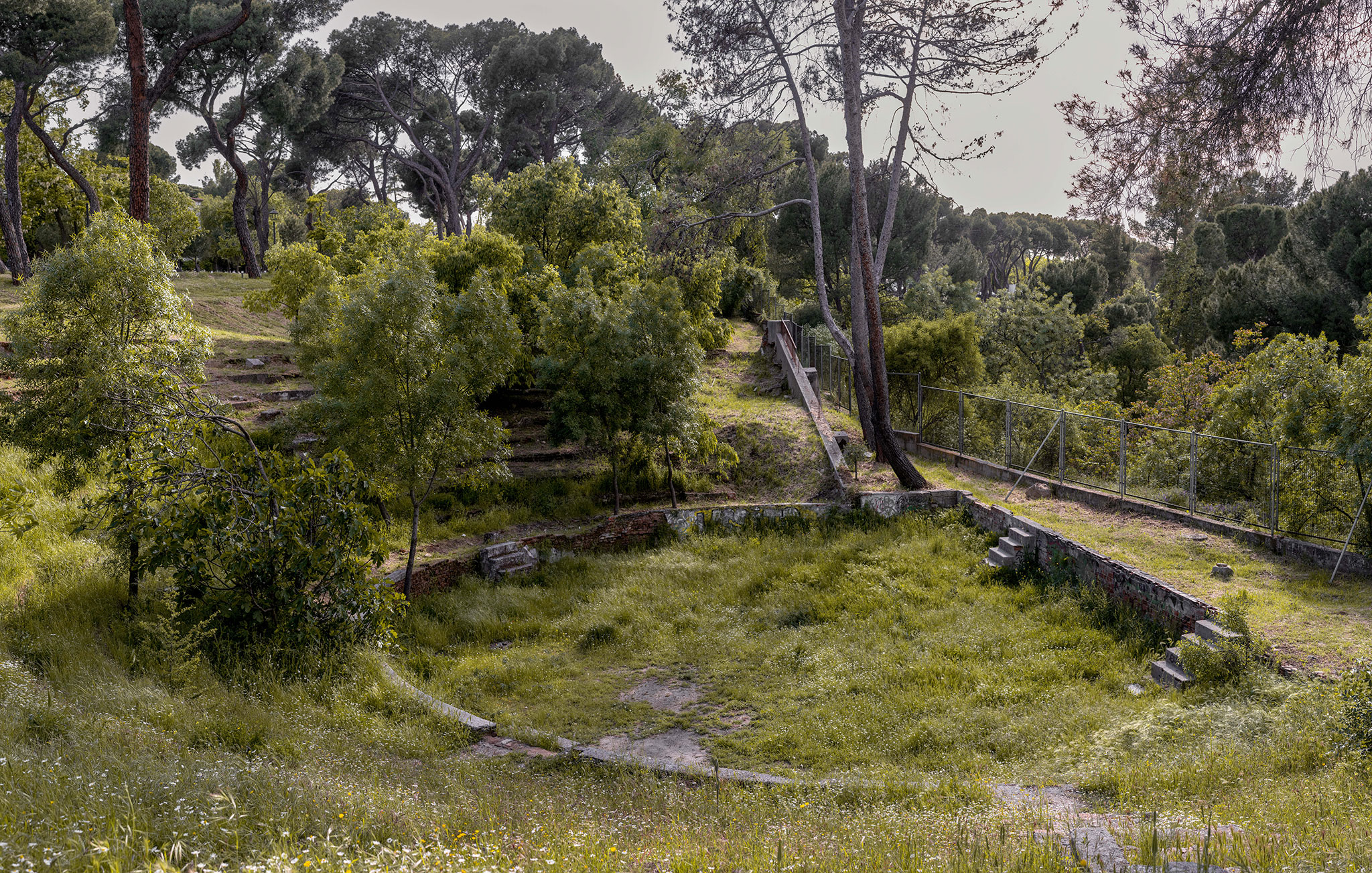
"Las Ferias del Campo" invites us to rediscover a unique space where architectural innovation, landscape, and collective memory converge. The exhibition vindicates the value of these architectures: some have been reused, others have fallen into oblivion or have disappeared. The project thus opens new avenues for understanding, preserving, and activating this heritage.
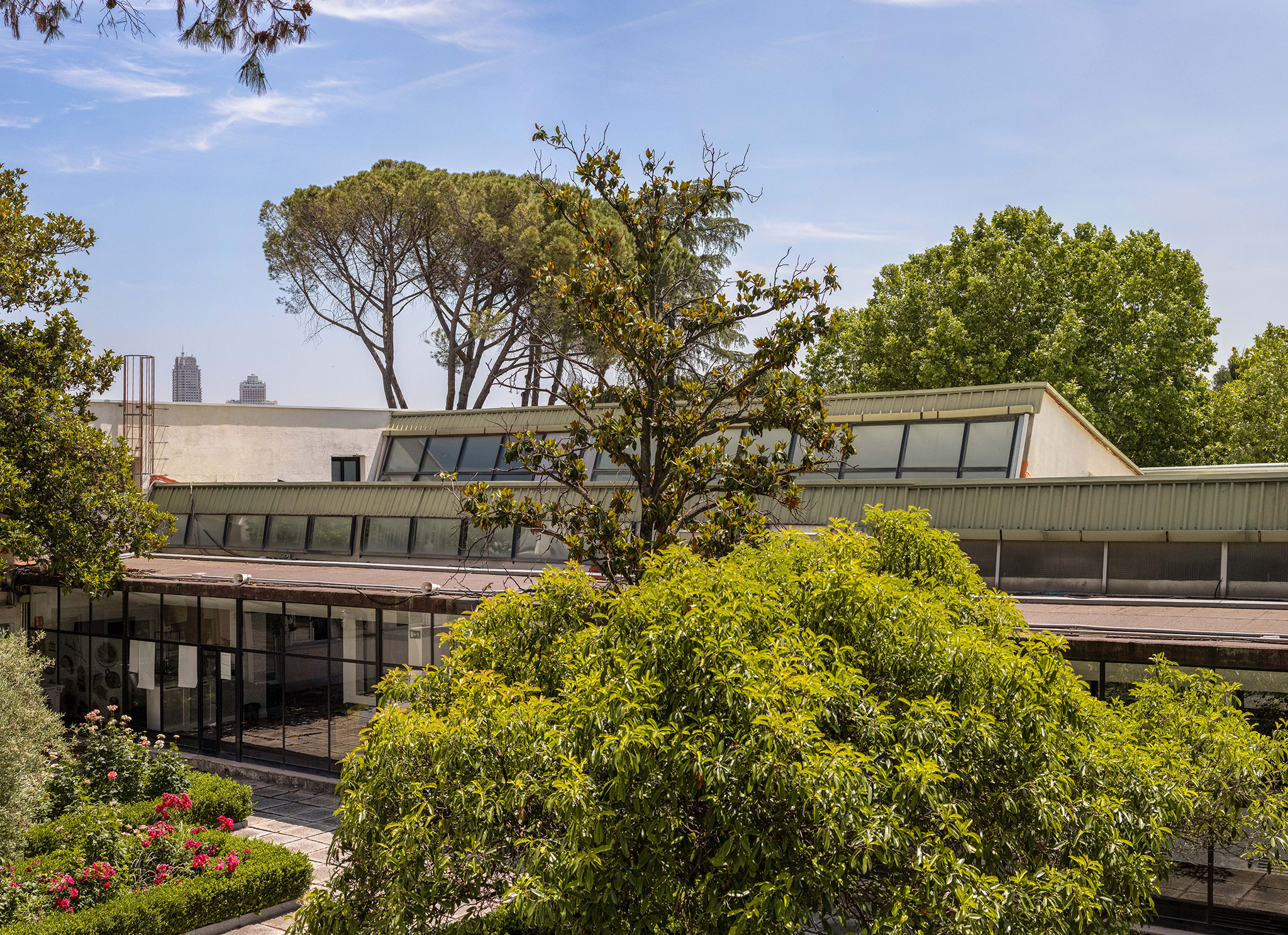
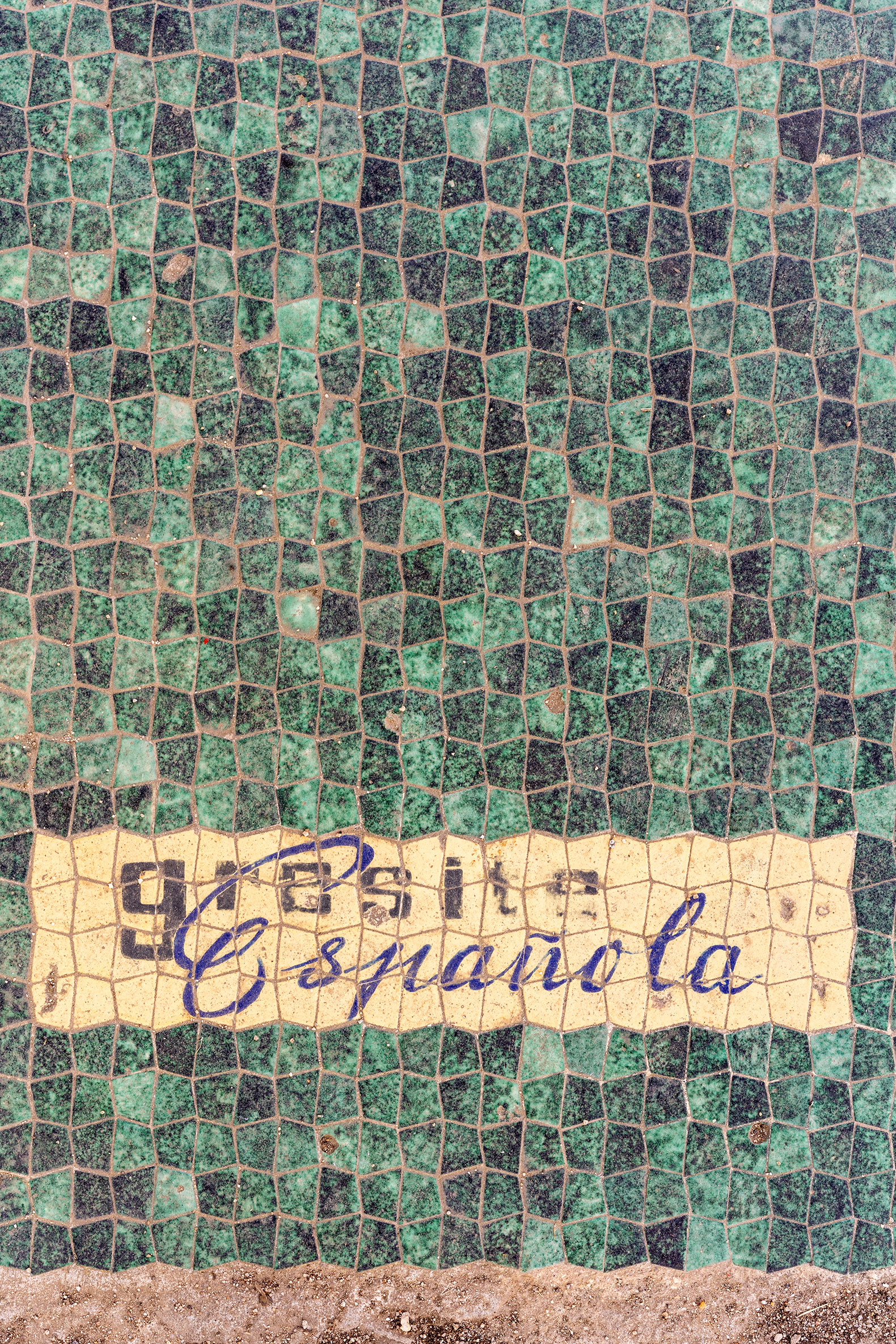
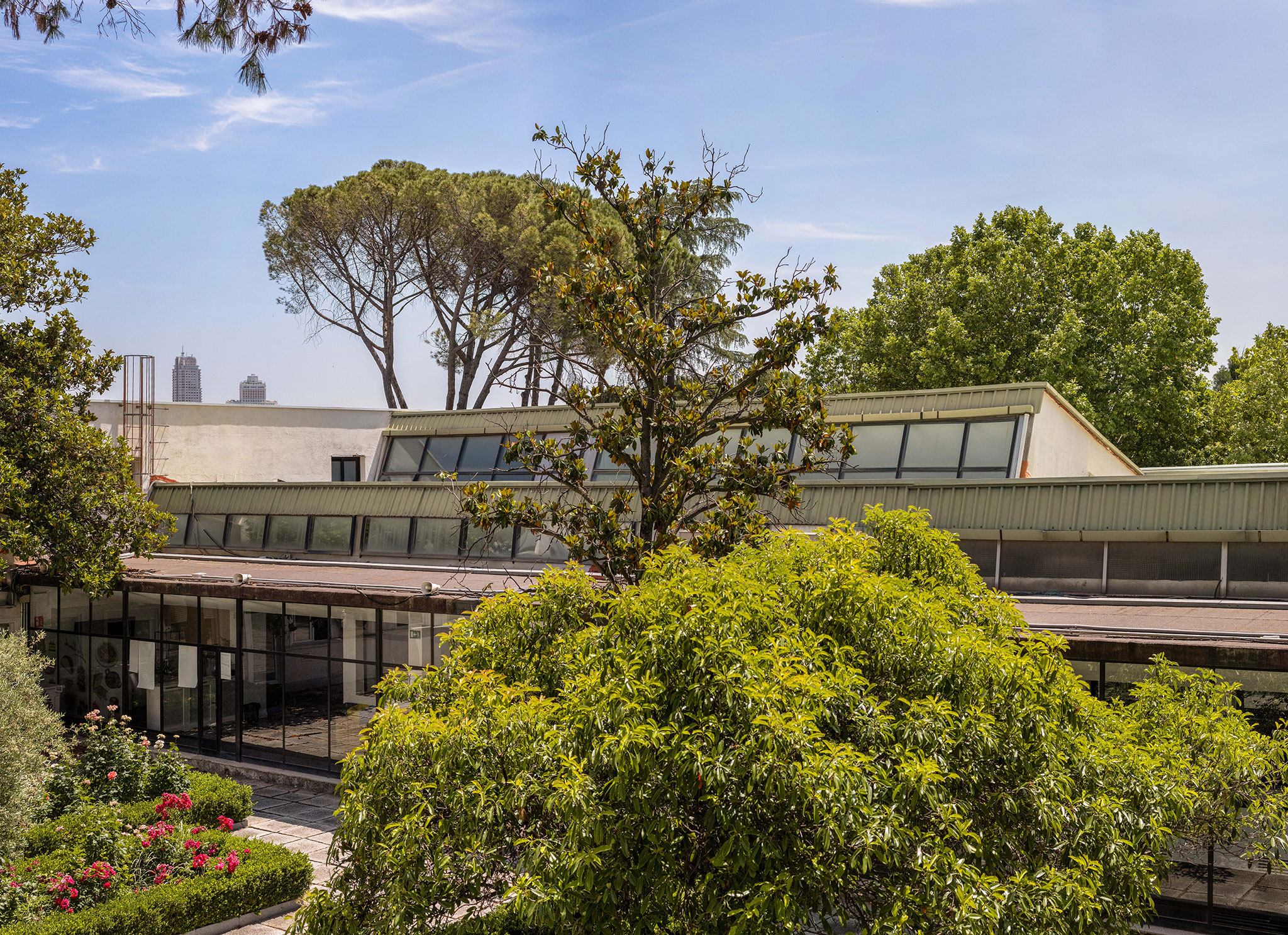
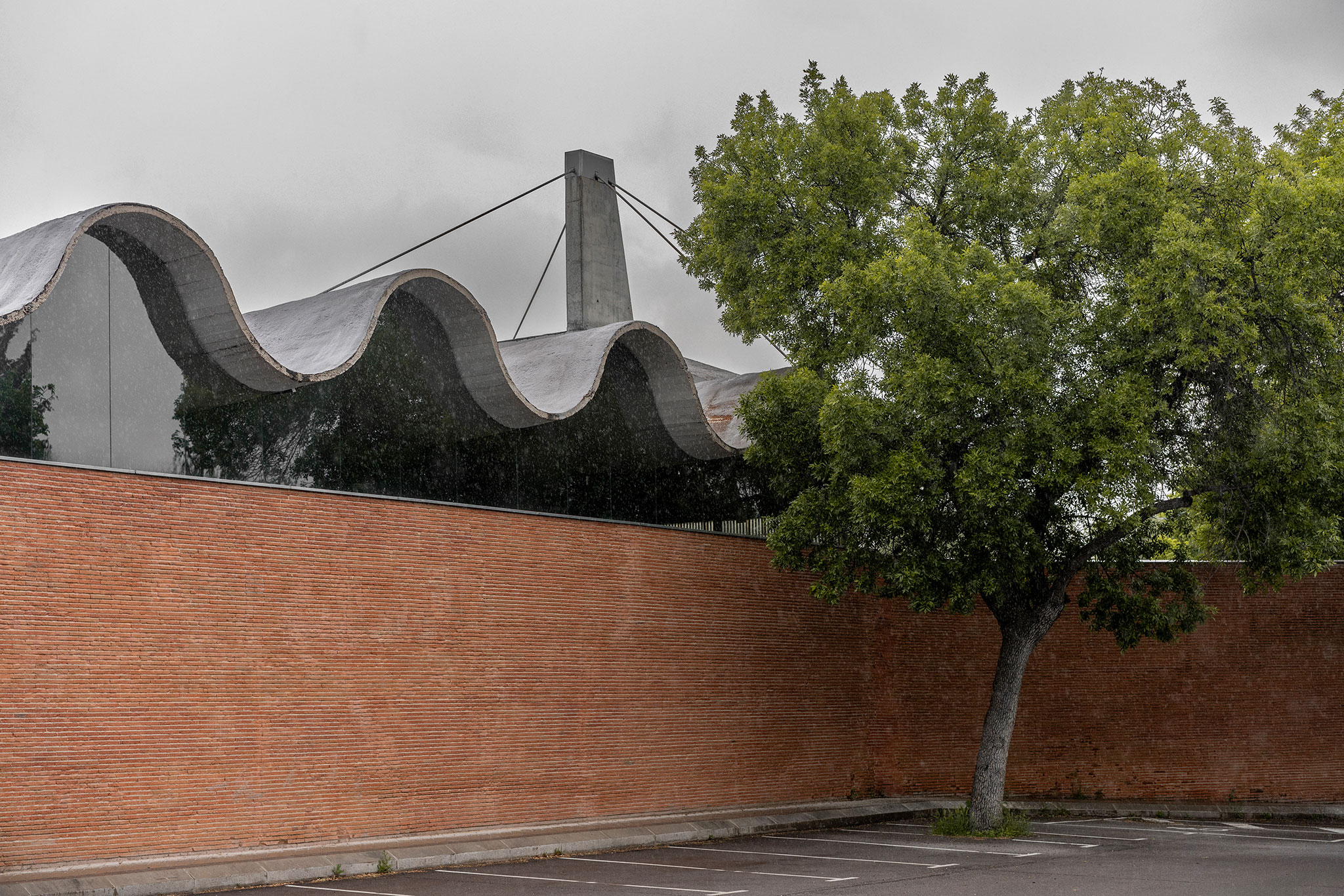
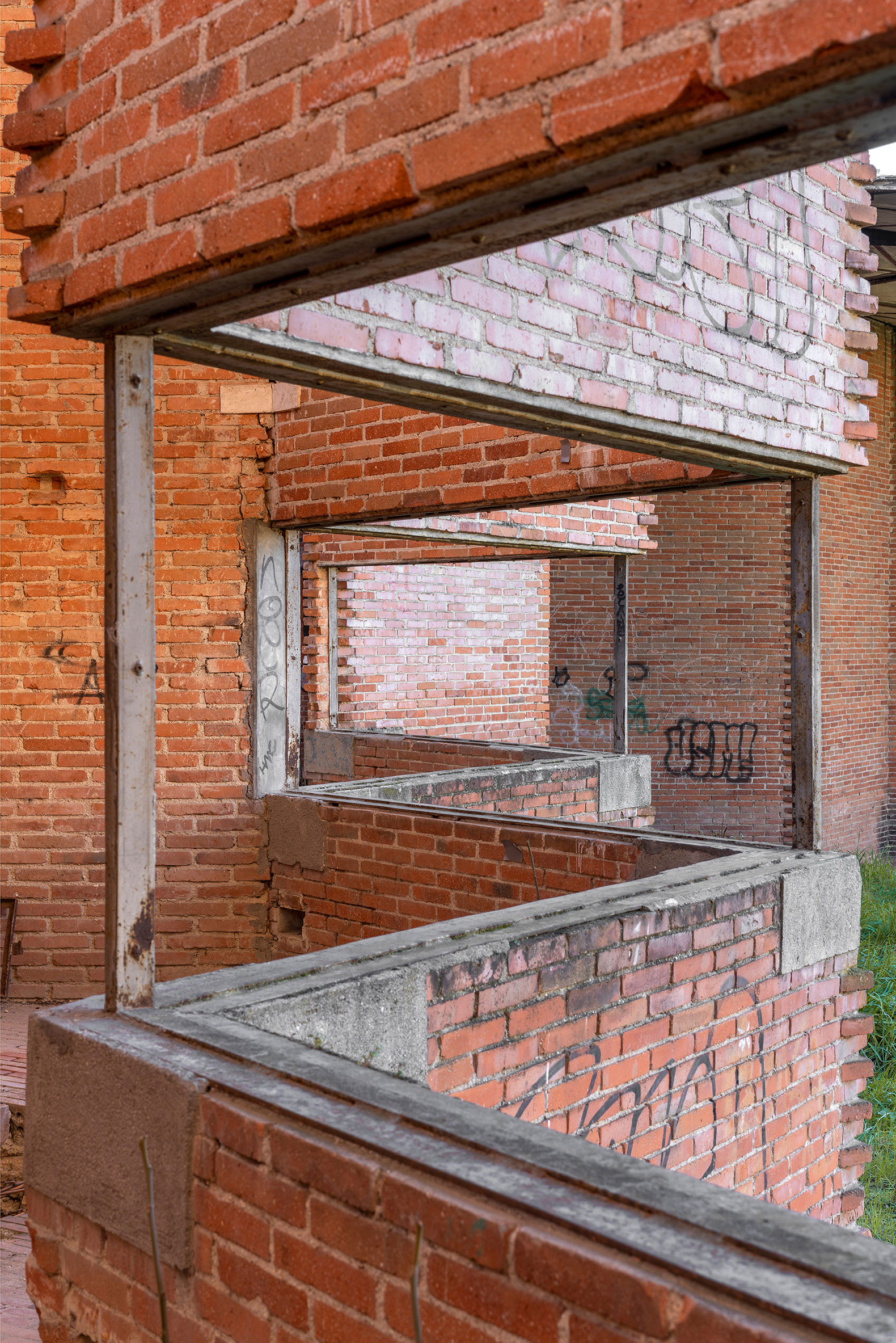
Views of the Casa de Campo fairgrounds in Madrid today. Photograph by Luis Asín.
With this exhibition and the publication of the catalog, the ICO Foundation once again demonstrates its commitment to raising awareness of the architecture that connects us to our history. It does so through rigorous research that sheds light on the past and enriches our interpretation of the present and the future.