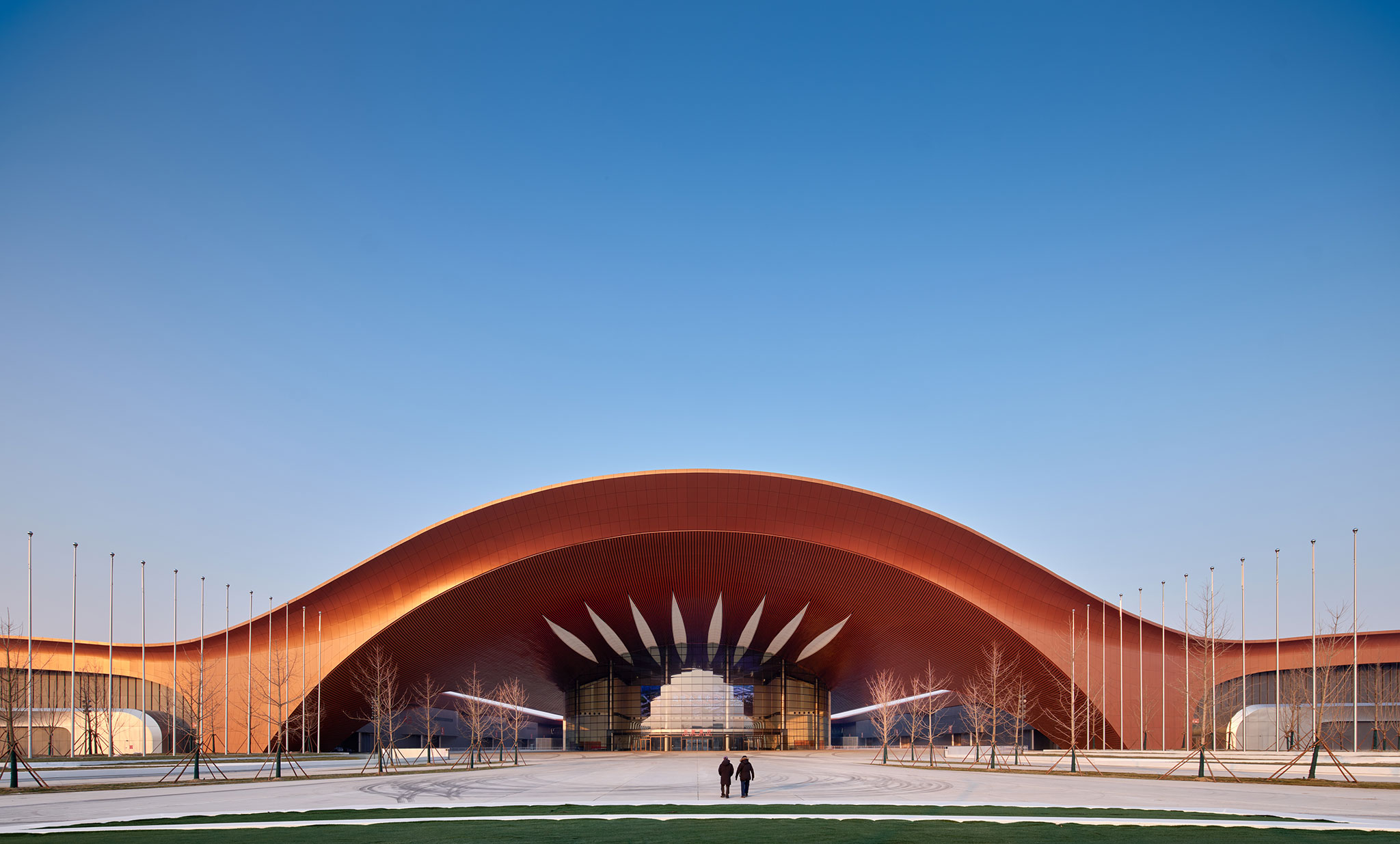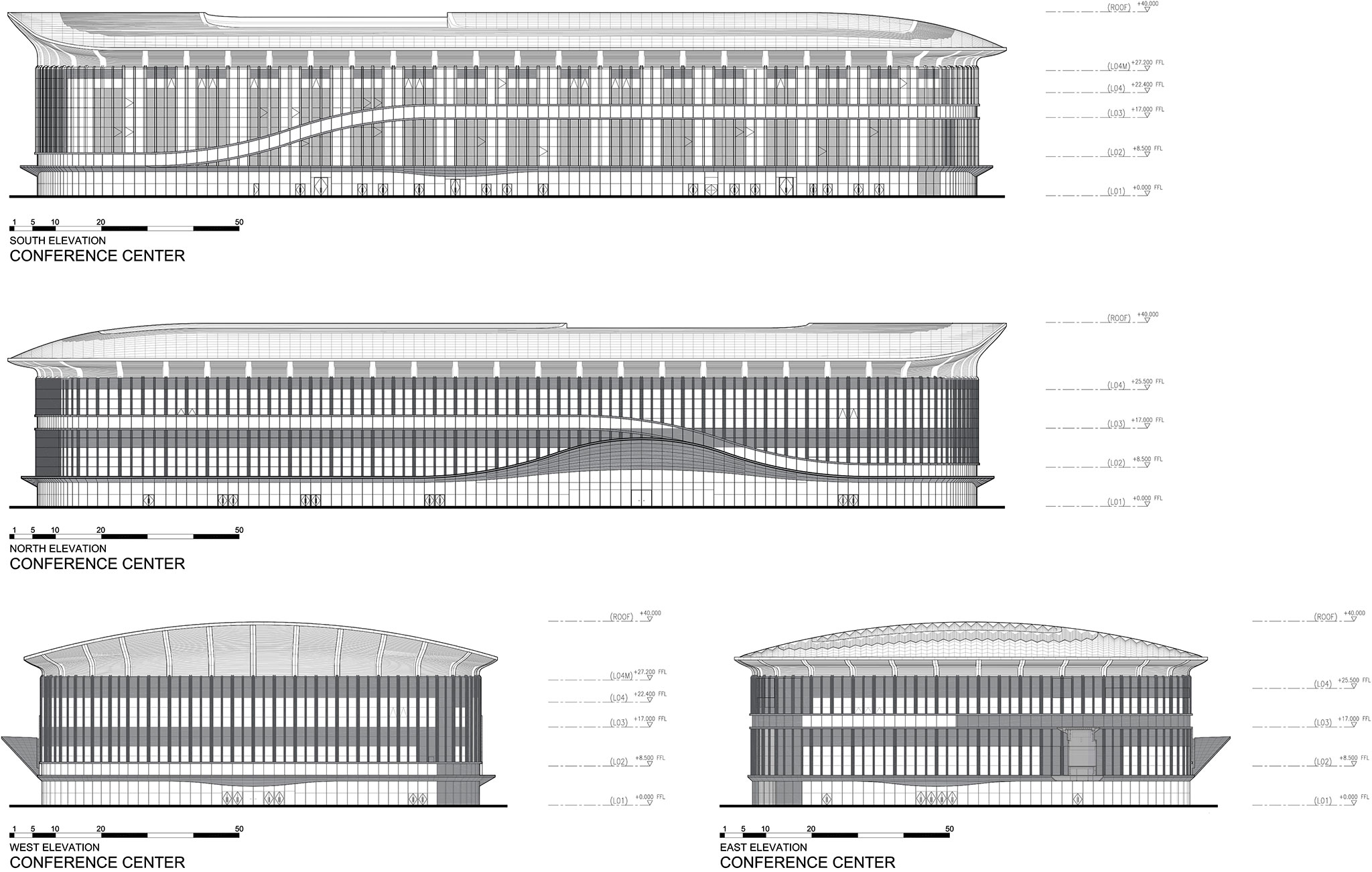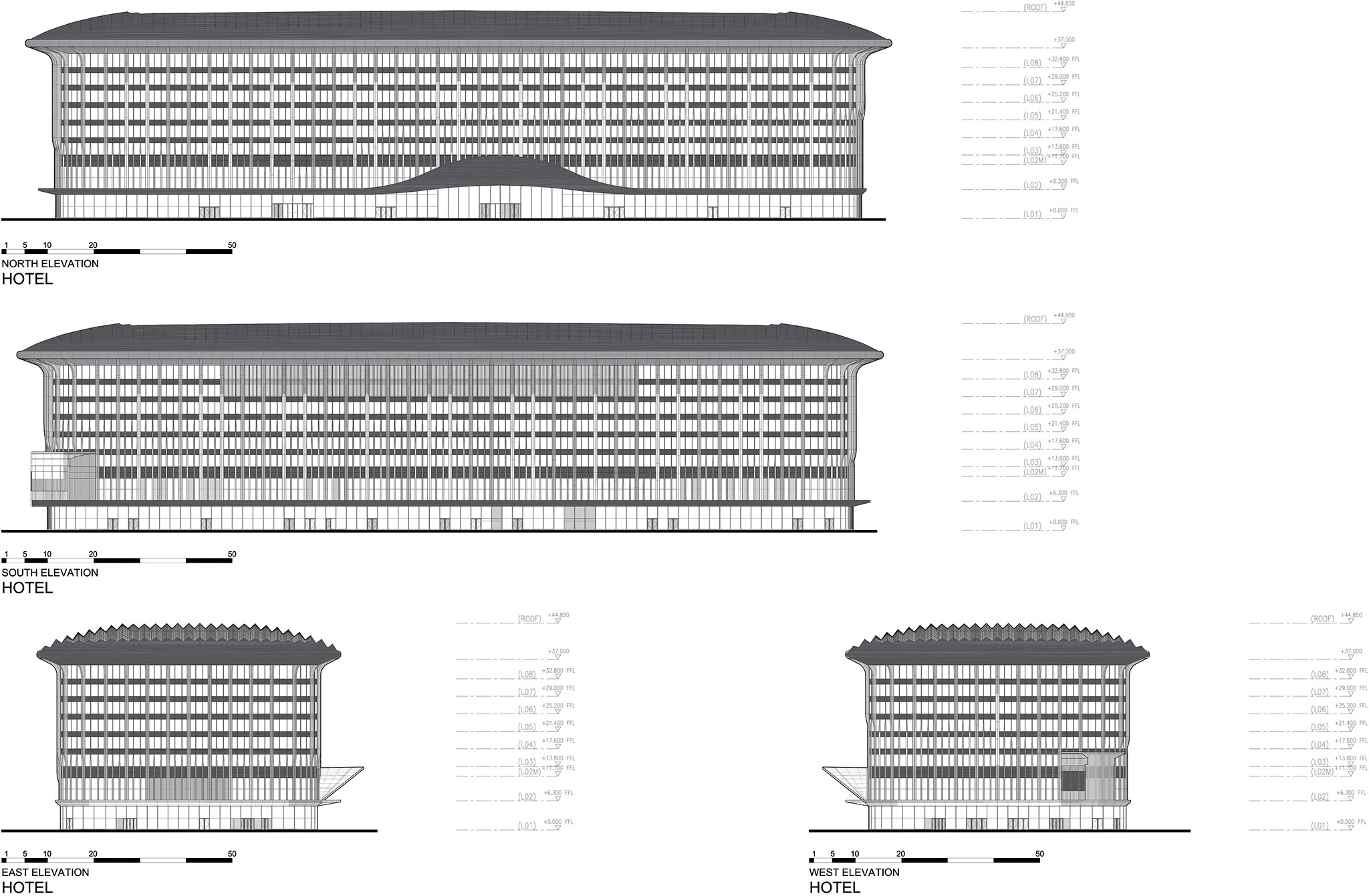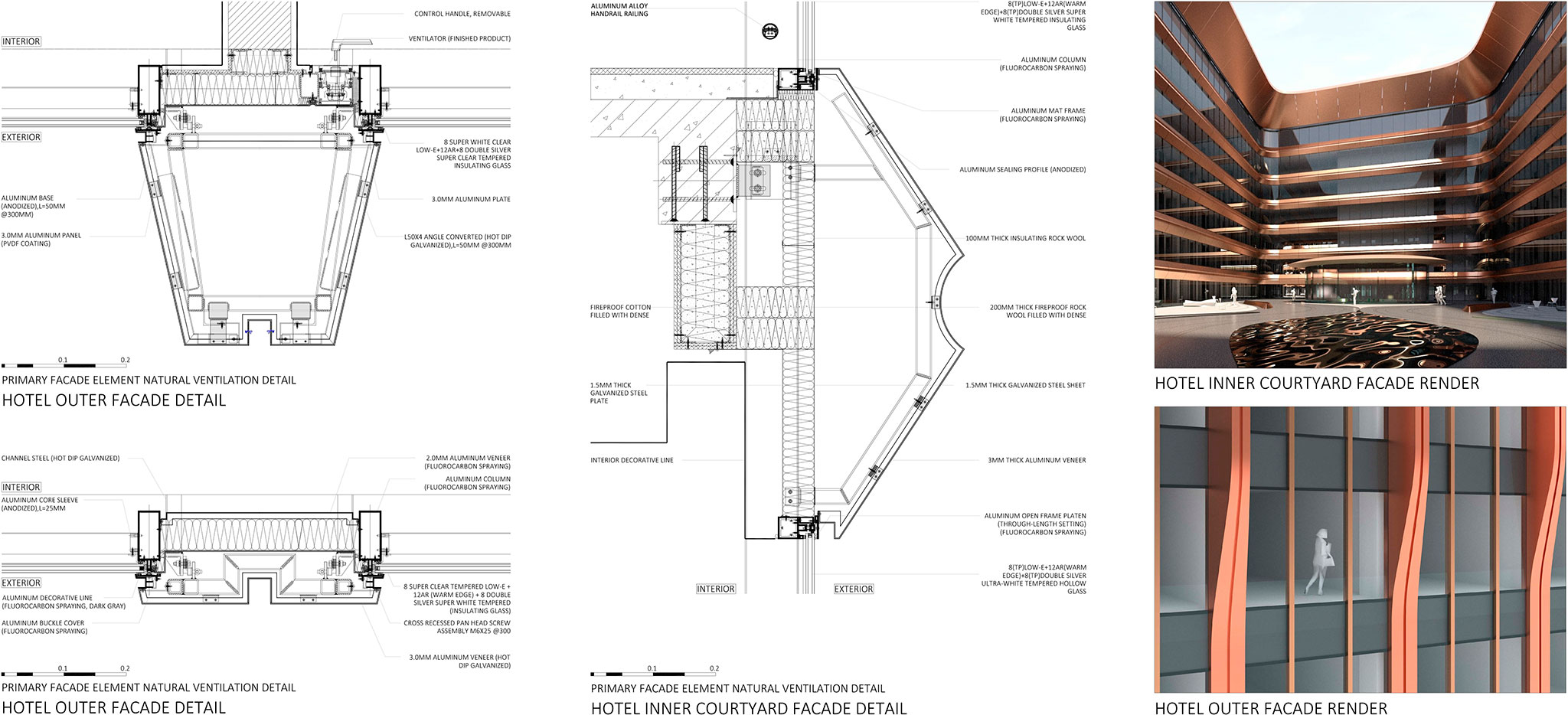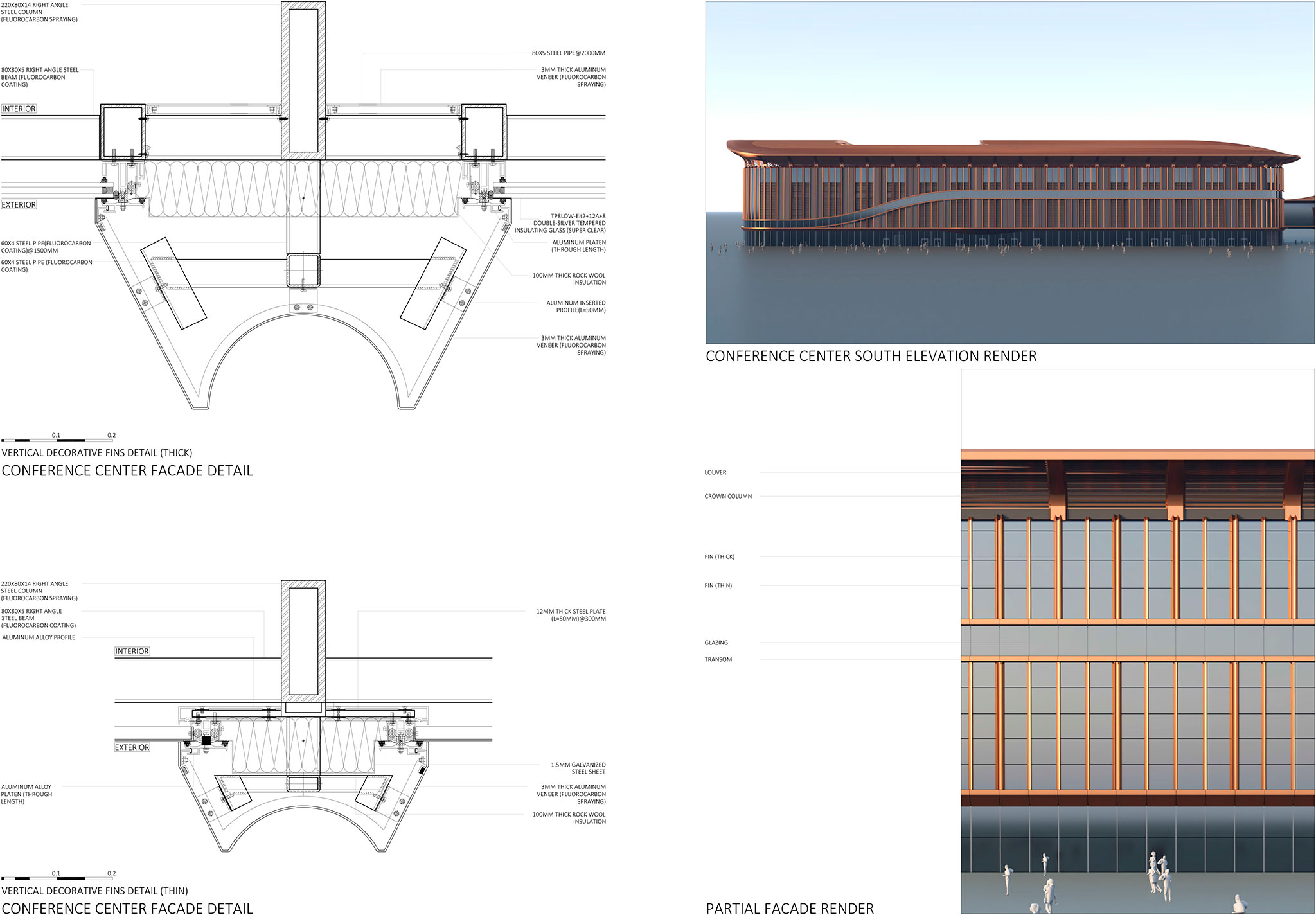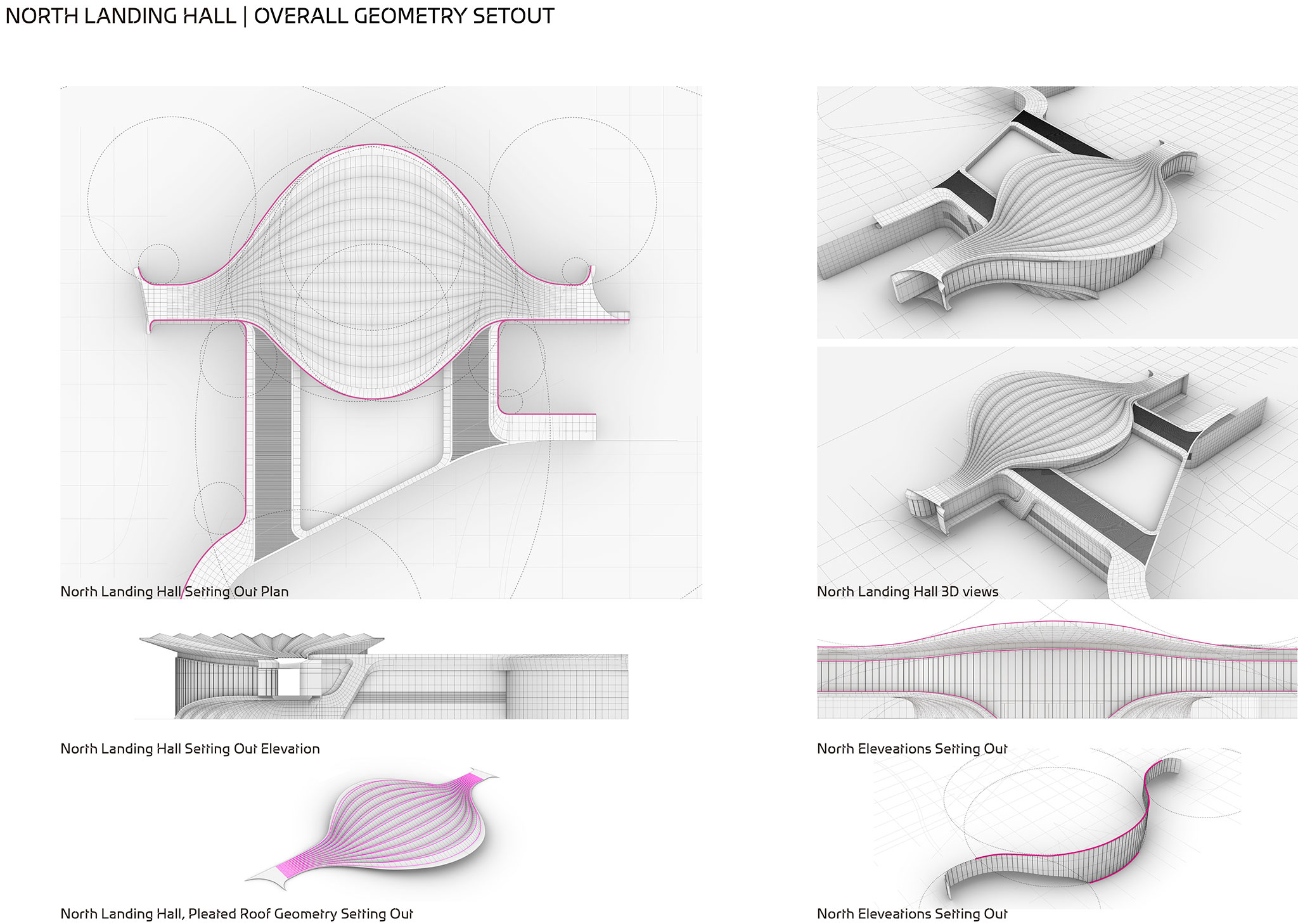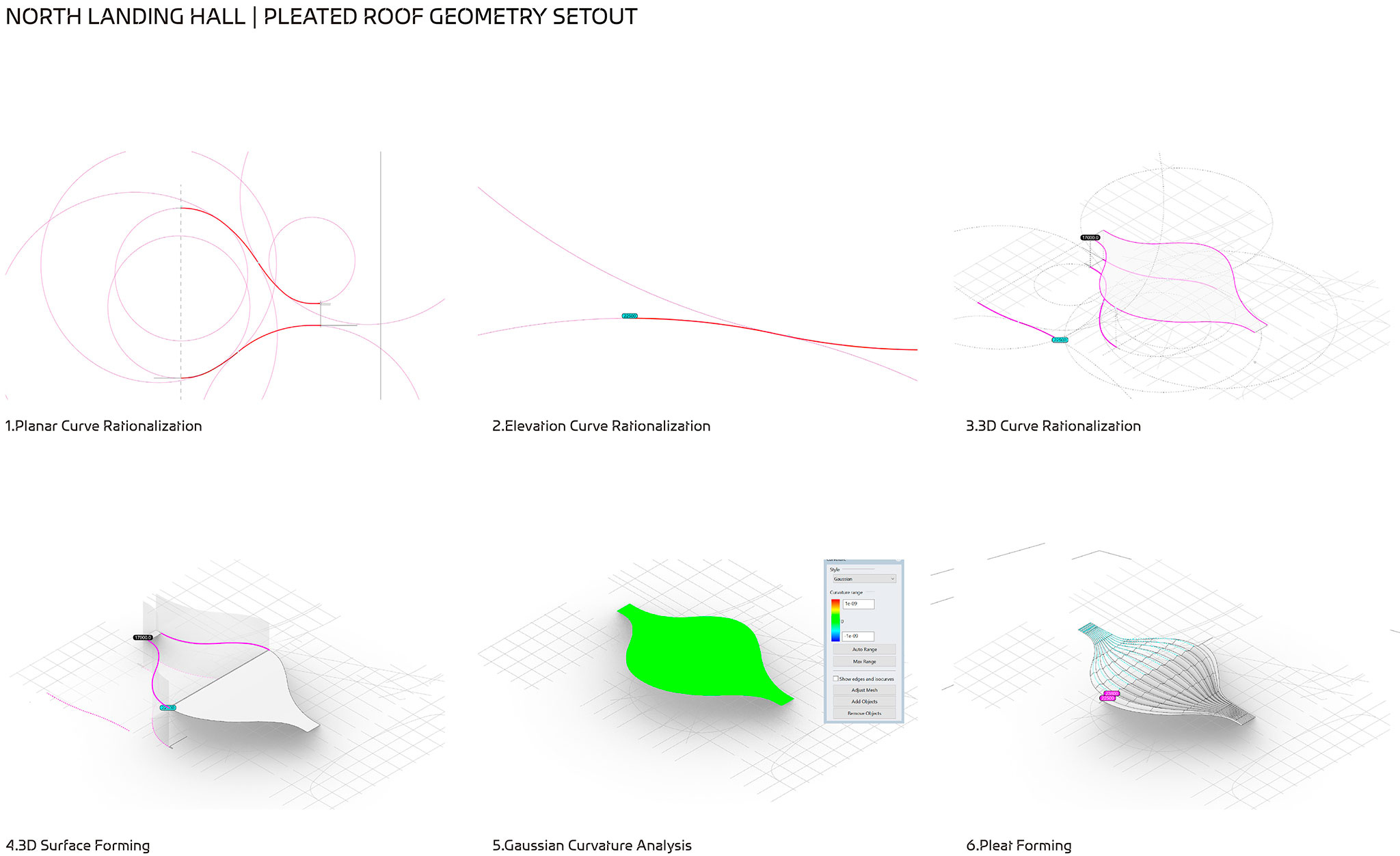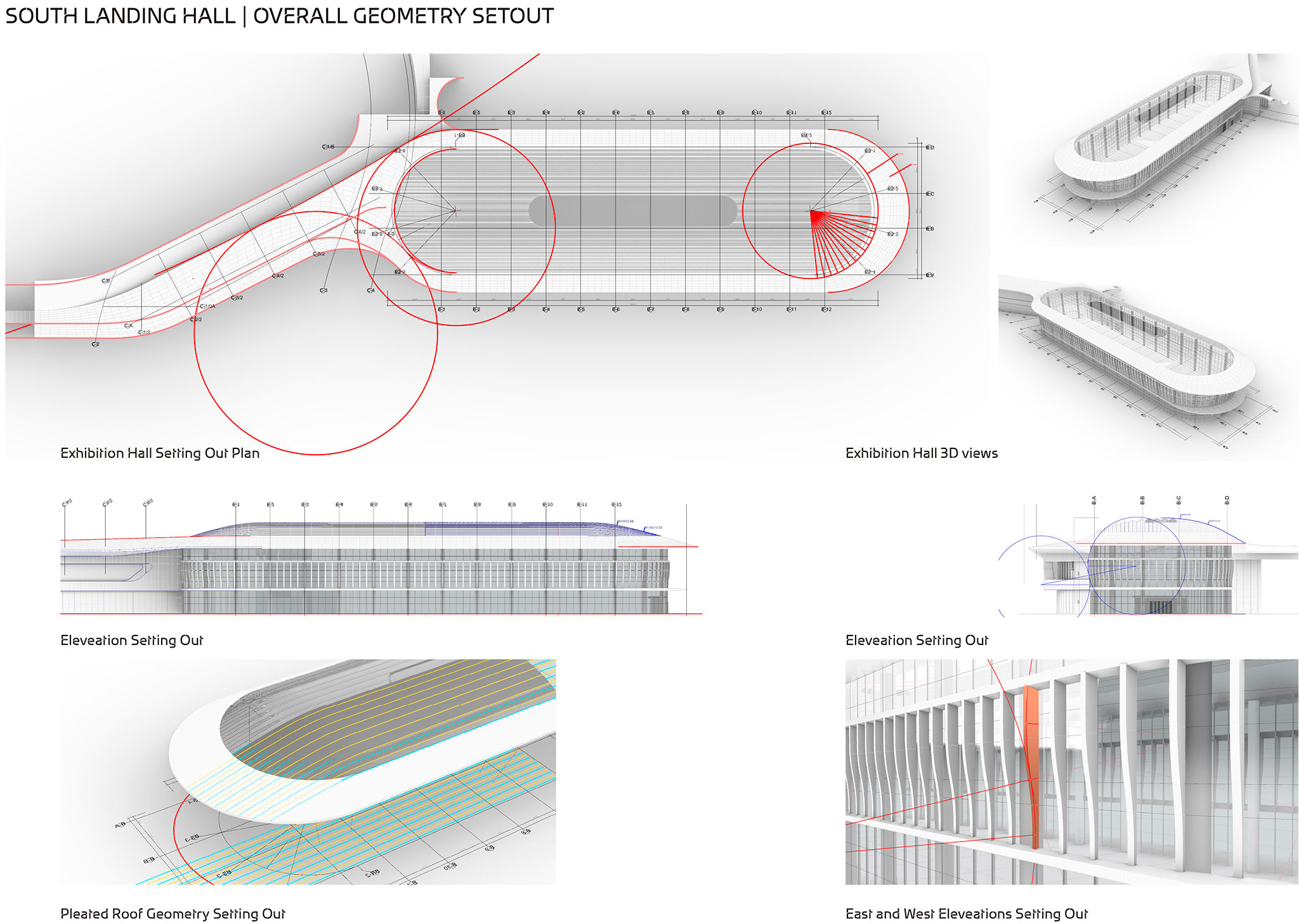
The team at Zaha Hadid Architects has designed the new Capital International Exhibition & Convention Center (CIECC) in Beijing, China's capital. This pioneering commercial, cultural, and governmental center, specializing in the service and technology sectors, hosts conventions, international conferences, and industrial fairs.

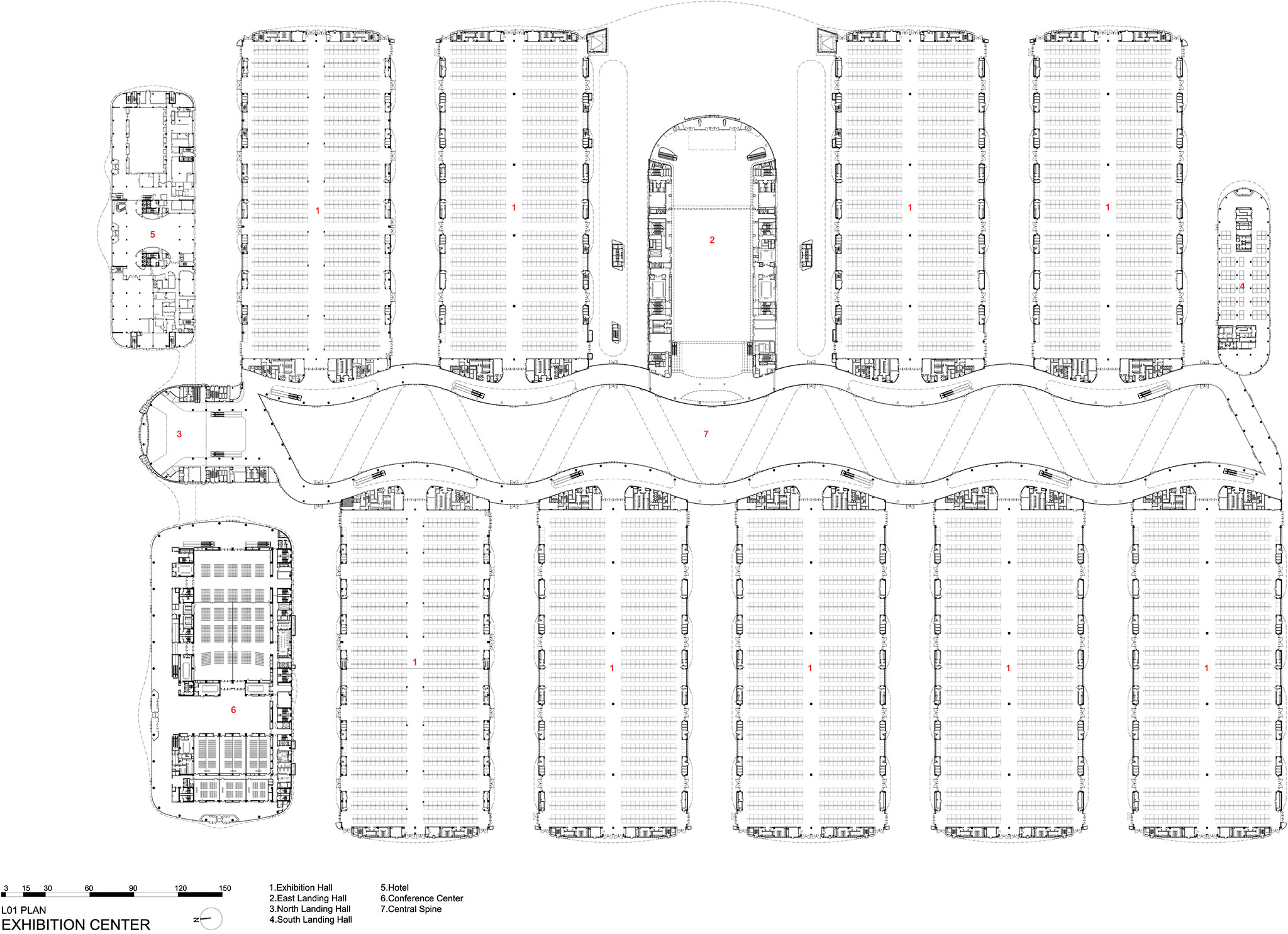
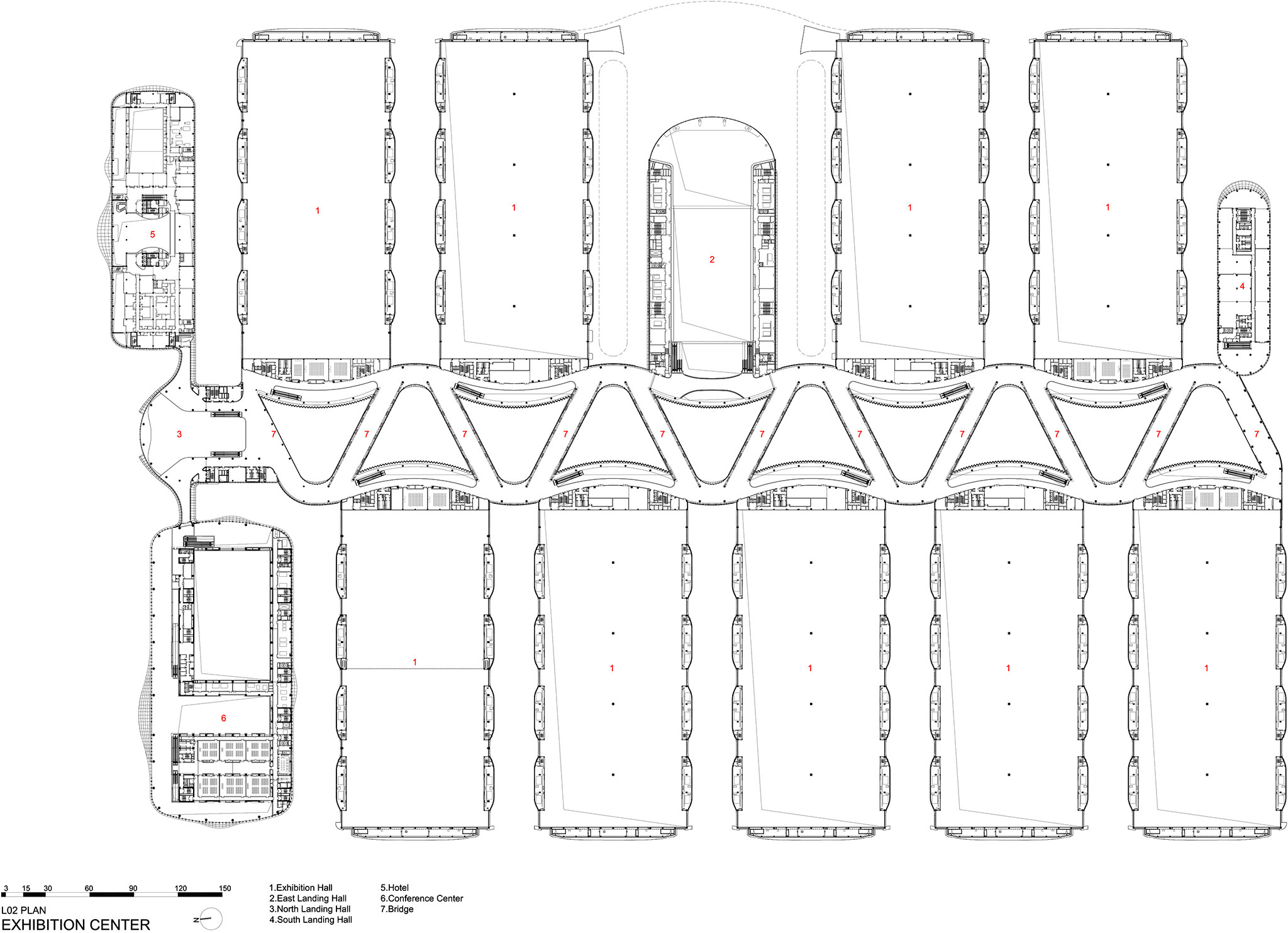
Located on Line 15 of the Beijing Subway, the building is the city's largest and most advanced convention and exhibition venue, boasting over 611,000 square meters of built space, including nine exhibition halls, three reception halls, and a conference center.

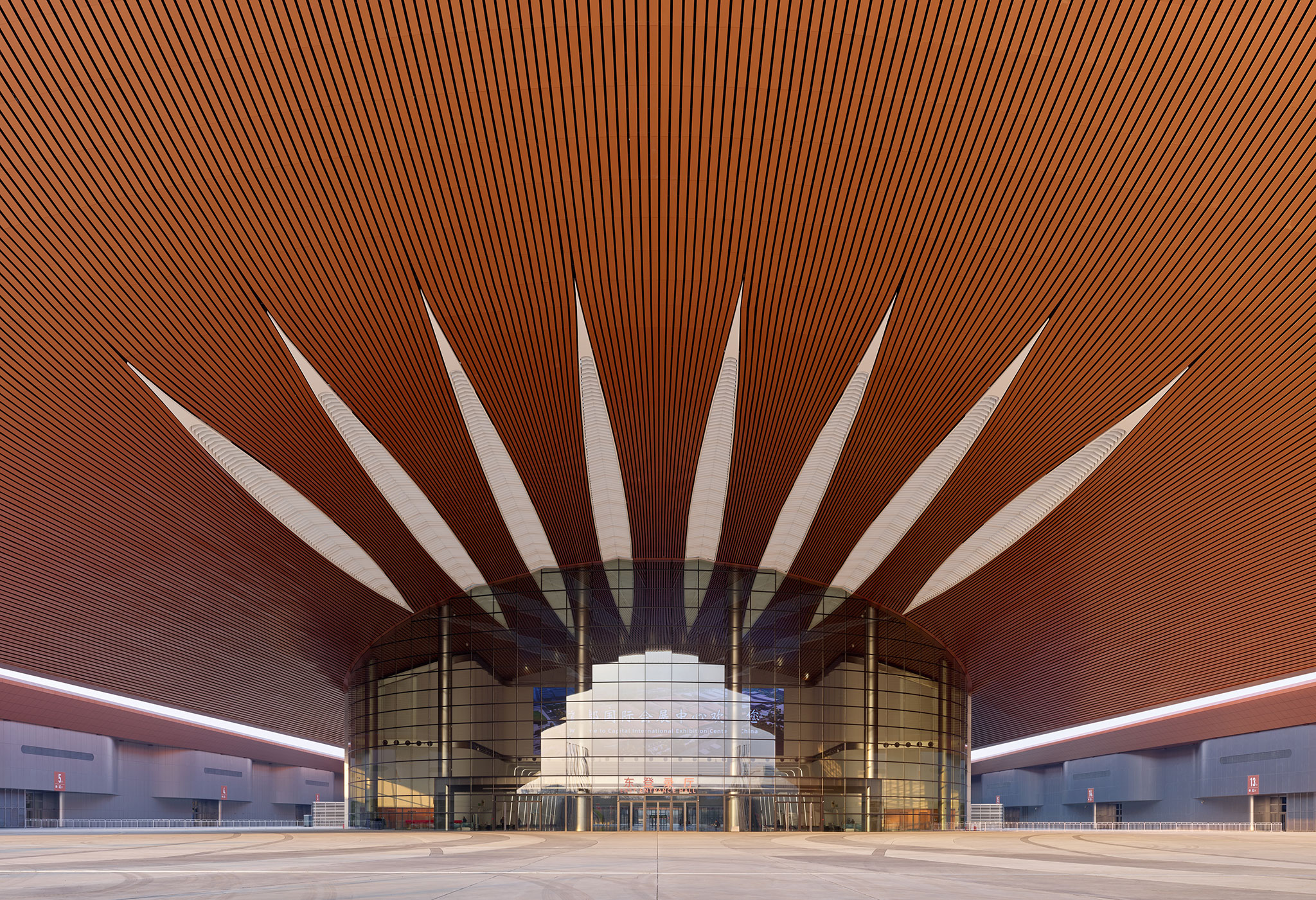
The new Capital International Exhibition & Convention Center (CIECC), designed by Zaha Hadid Architects, is conceived as "ribbons" that intertwine the different facilities and the central courtyard. The circulation routes for people, goods, and vehicles are separated to facilitate movement and avoid disruptions to the various concurrent events.

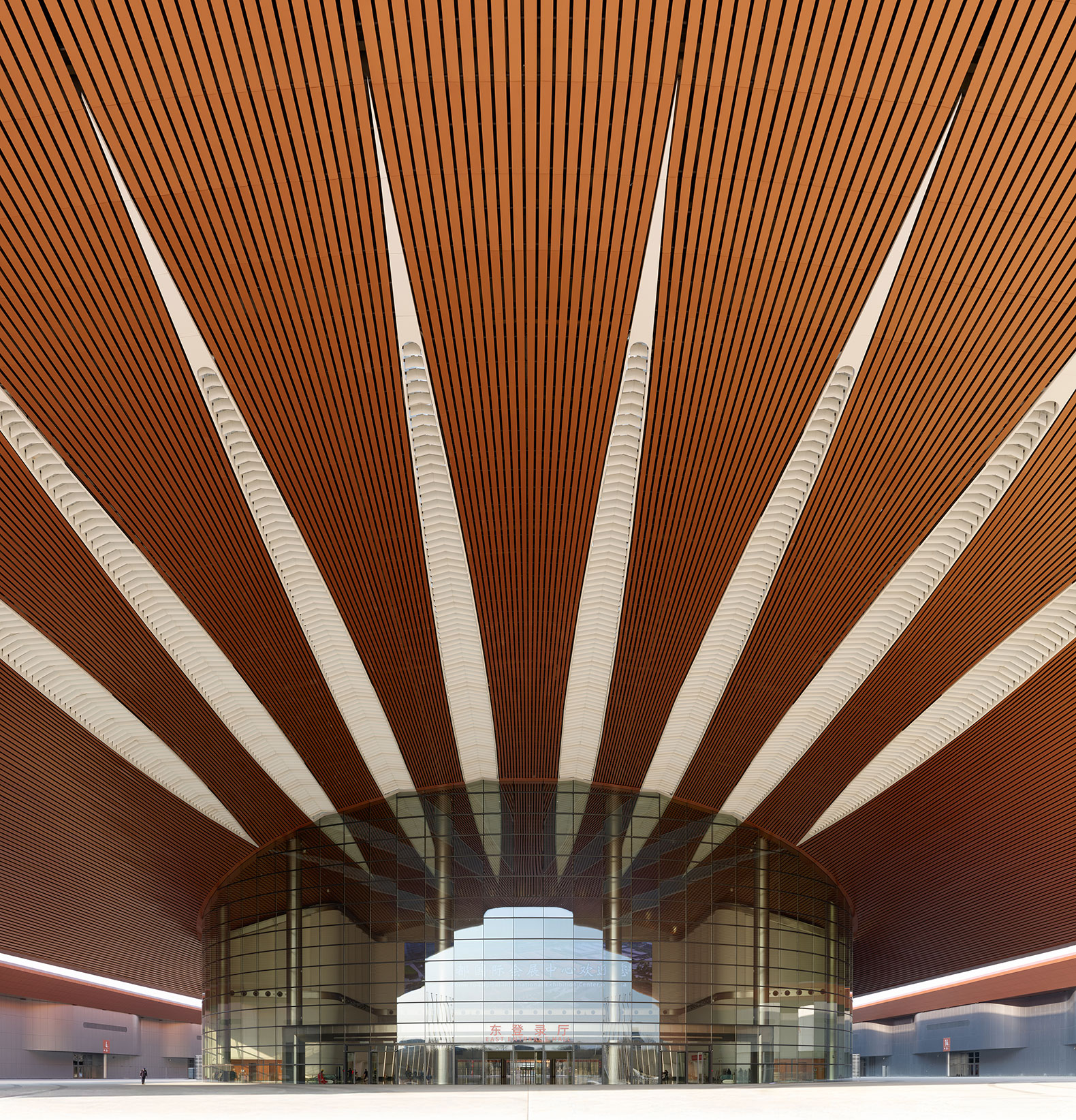
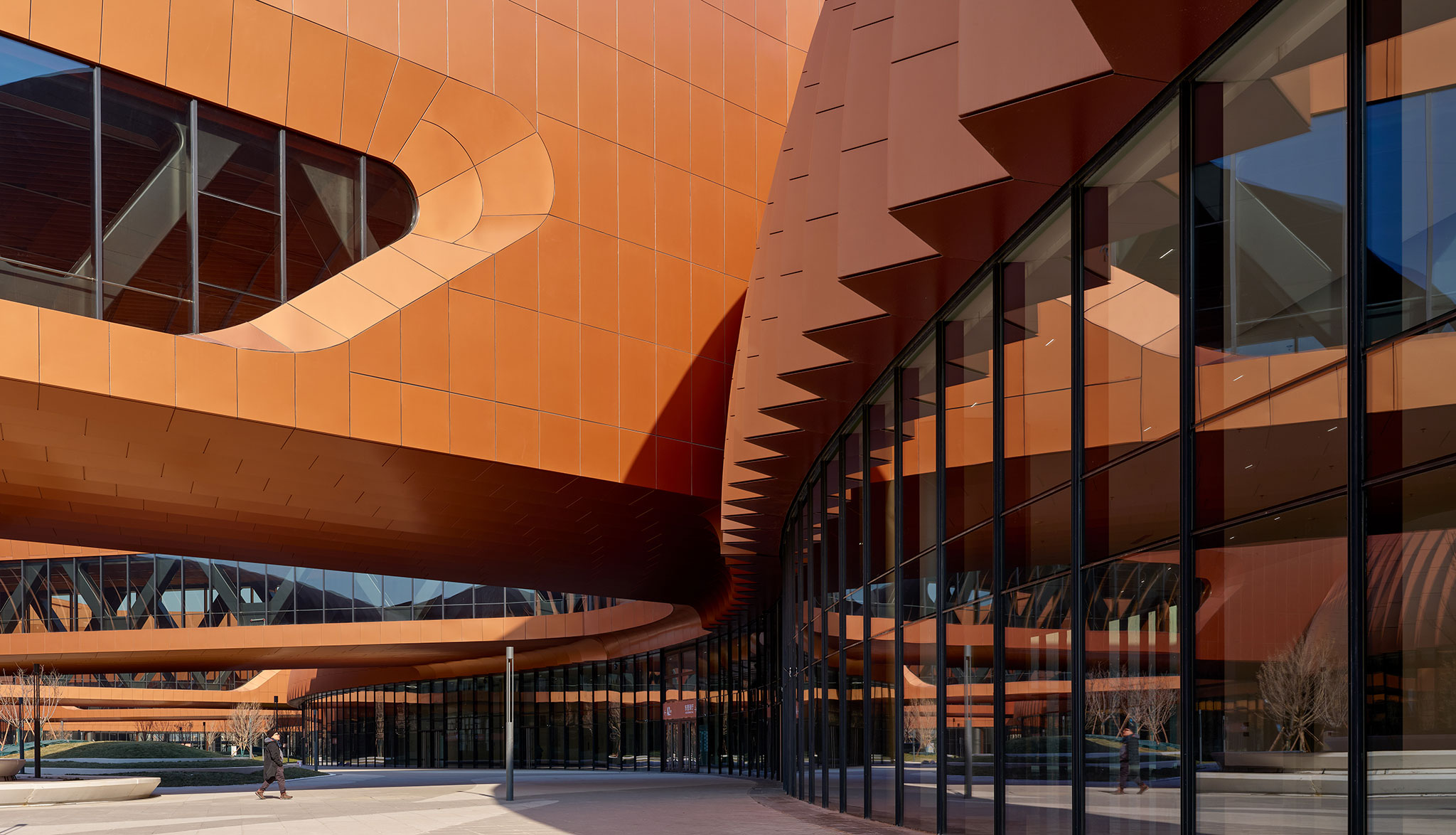
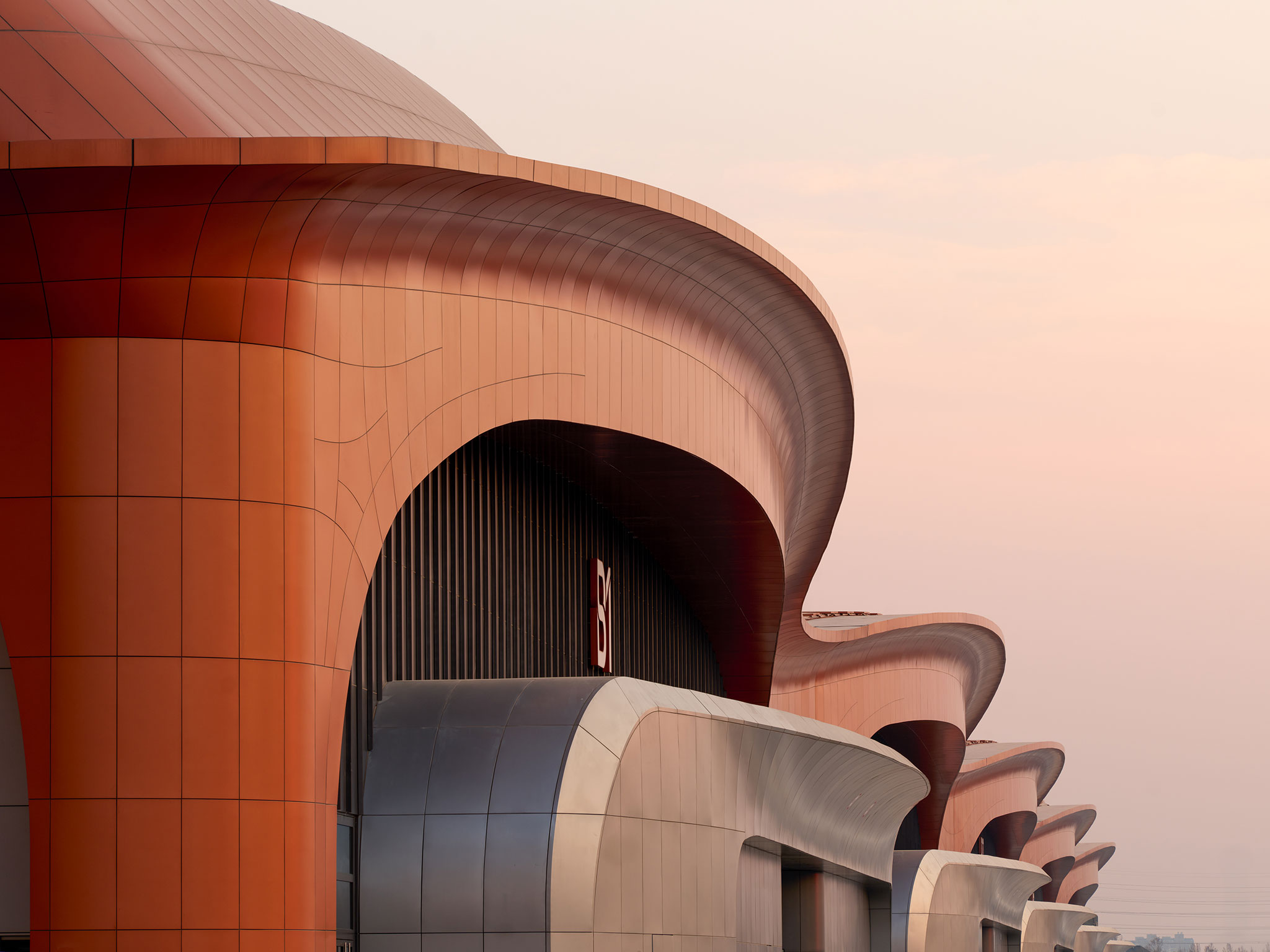
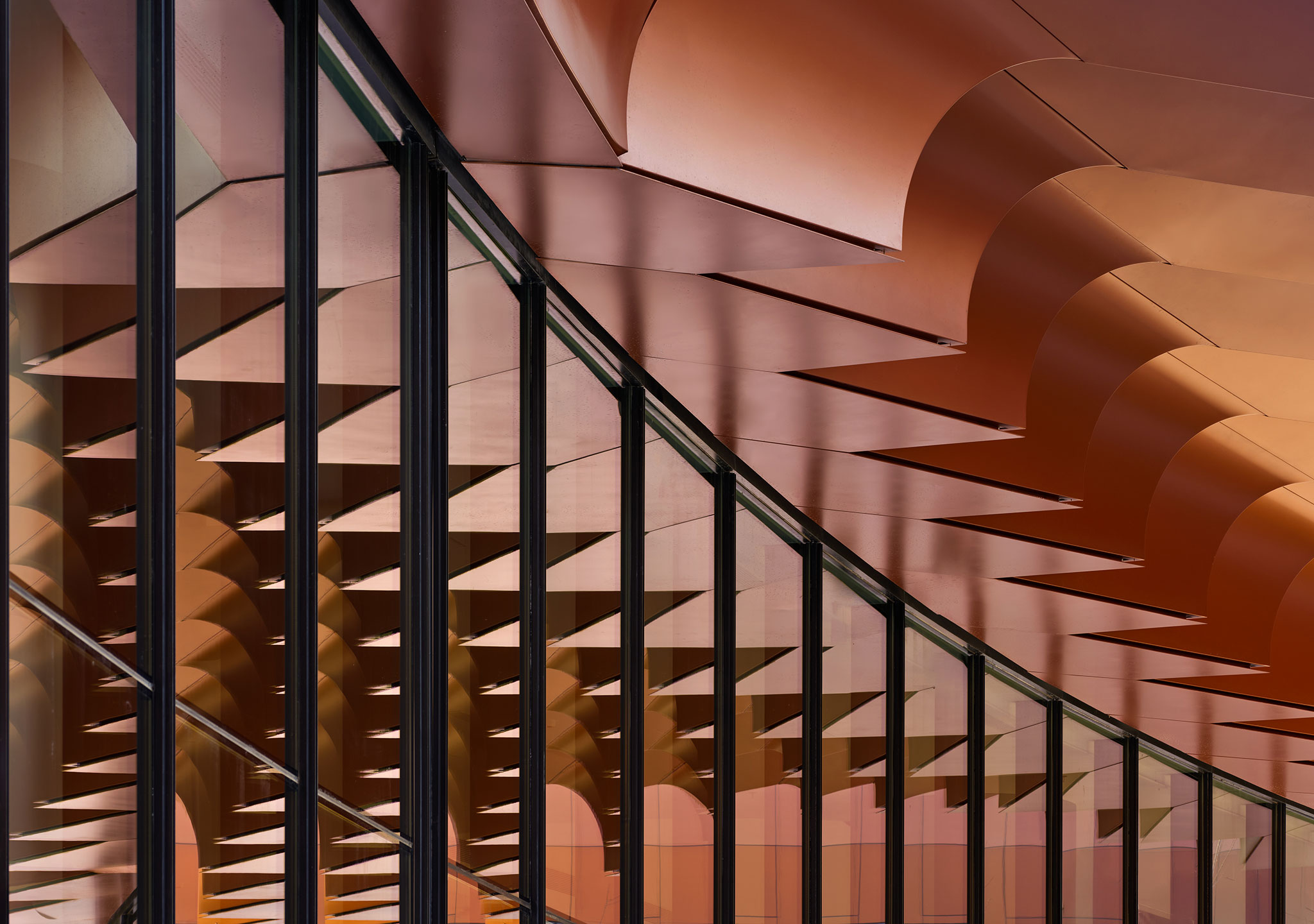
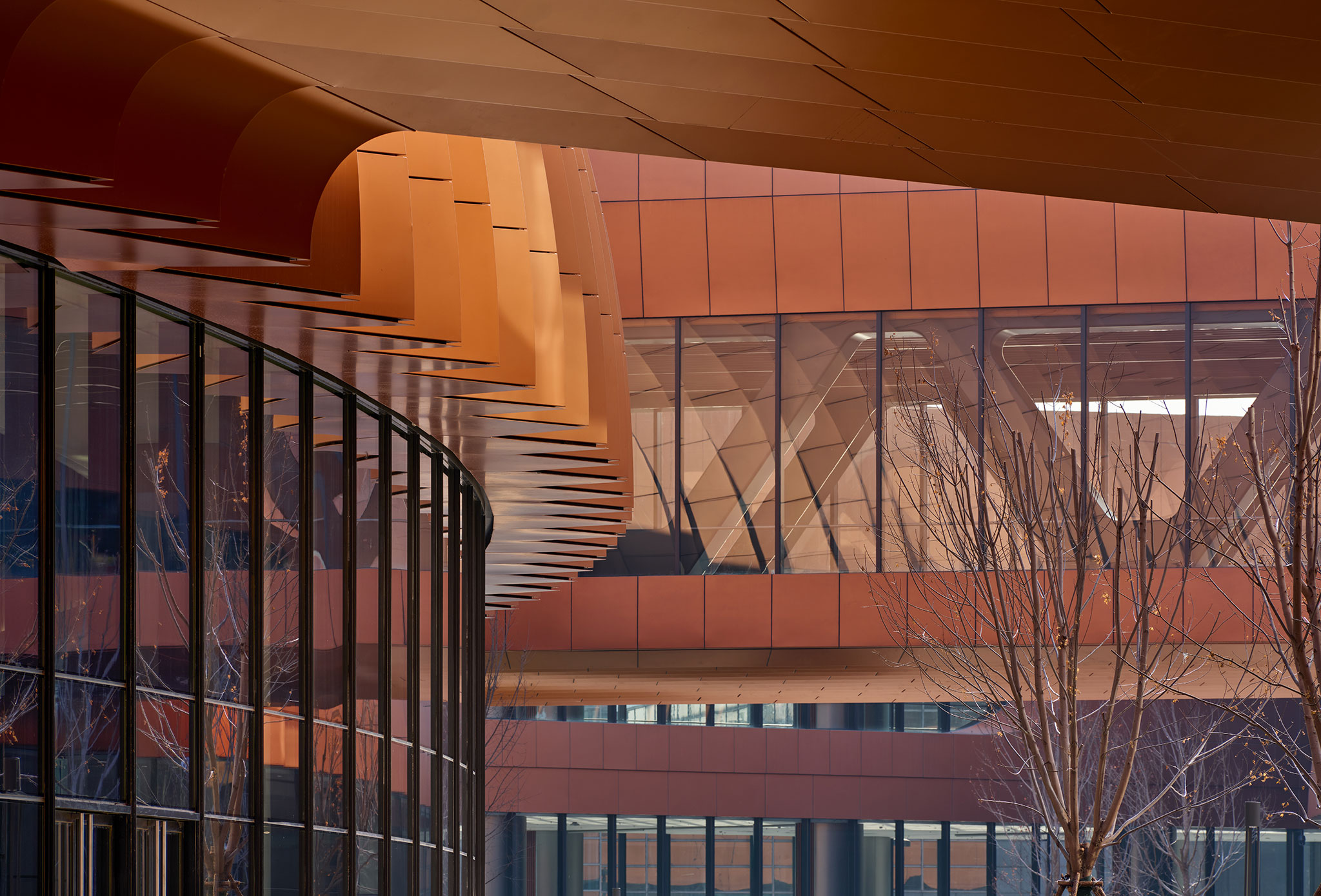
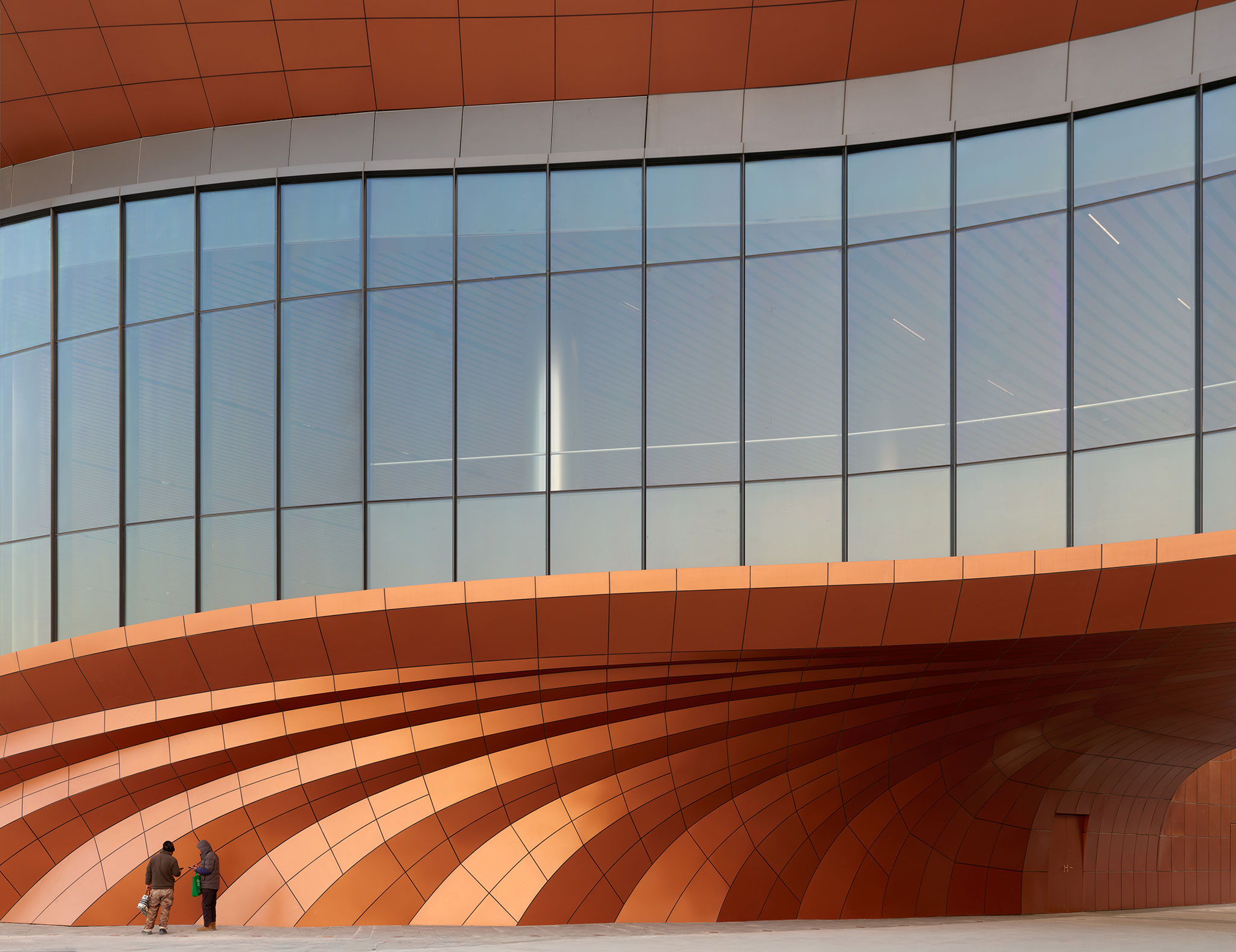
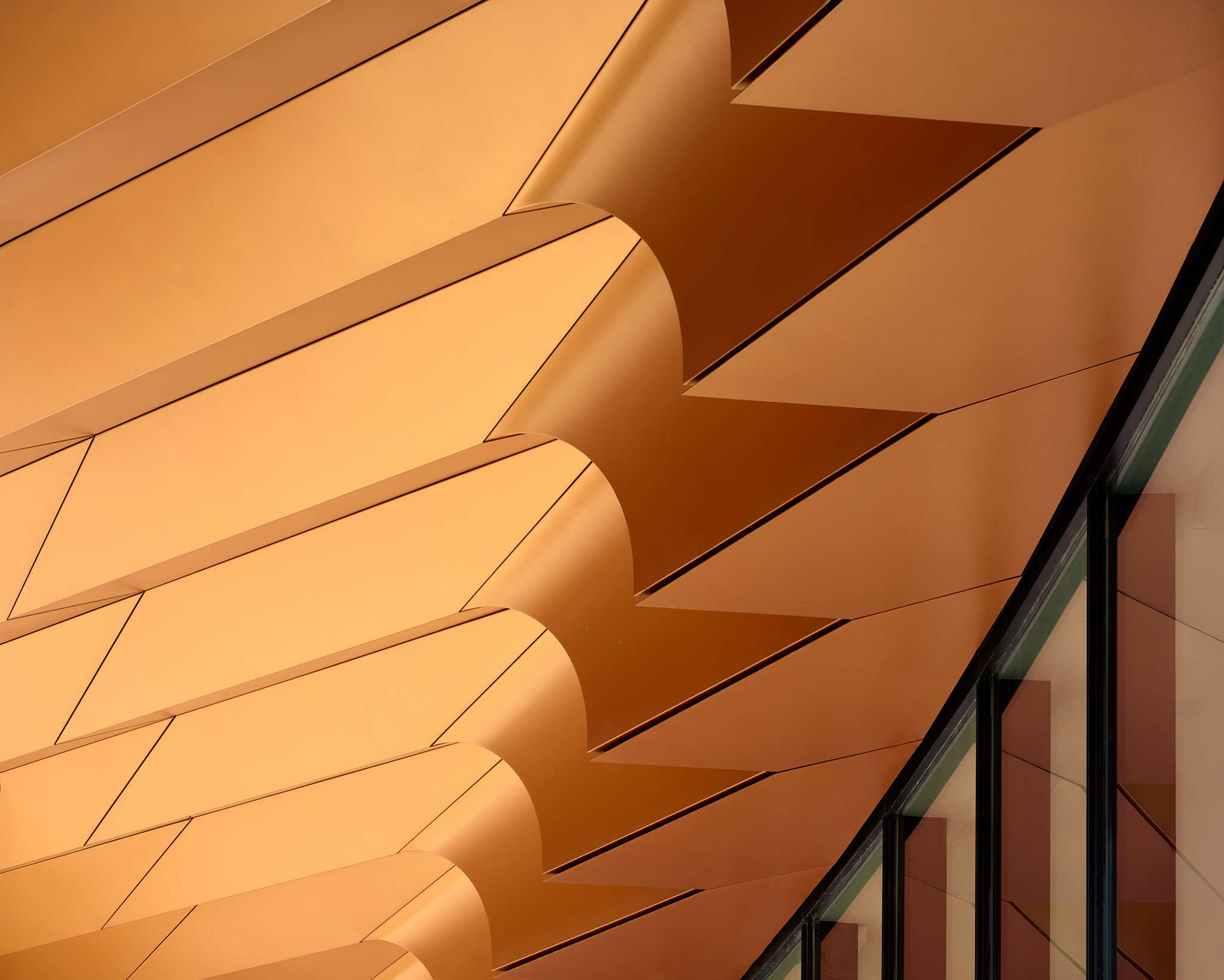
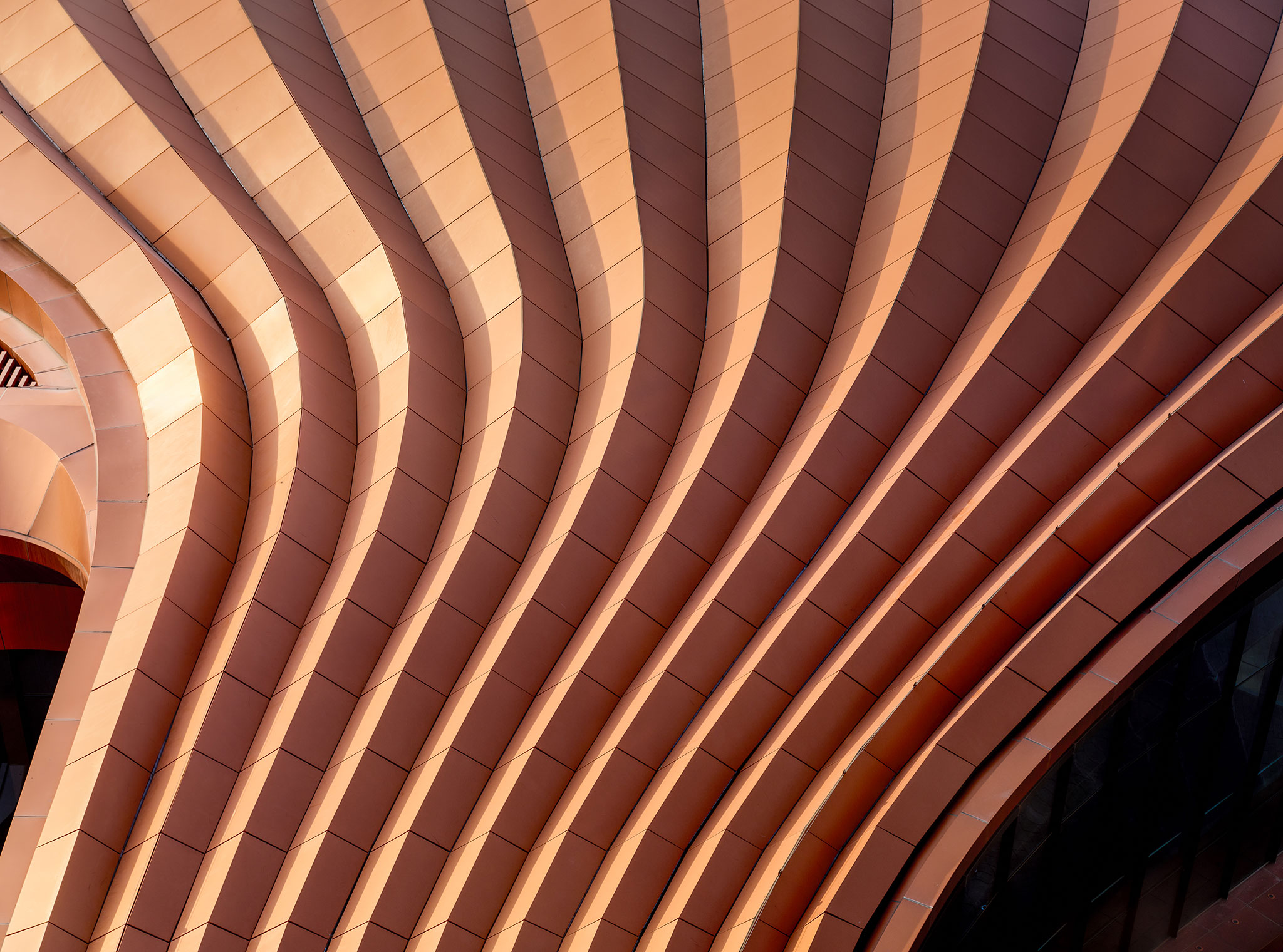
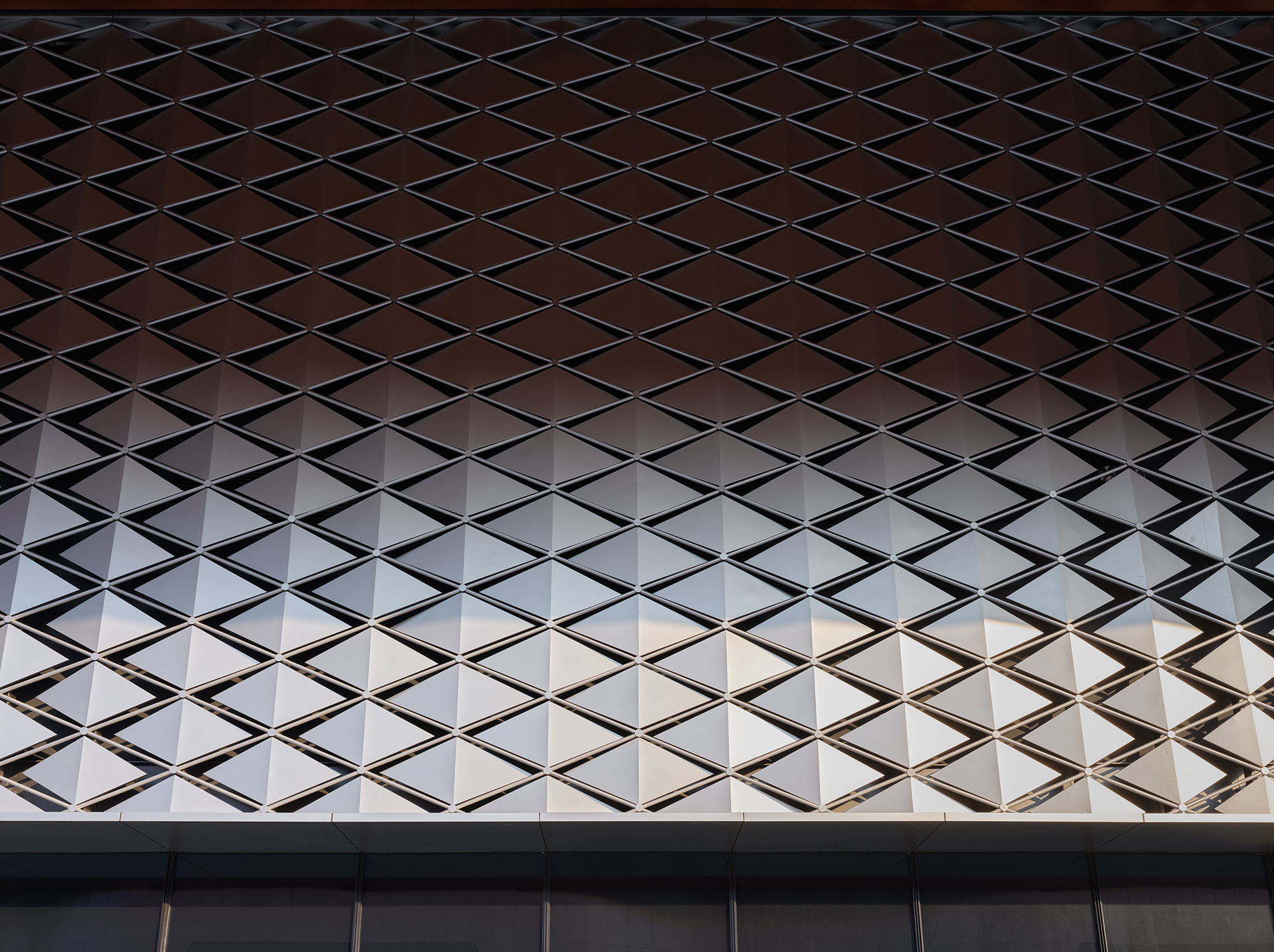
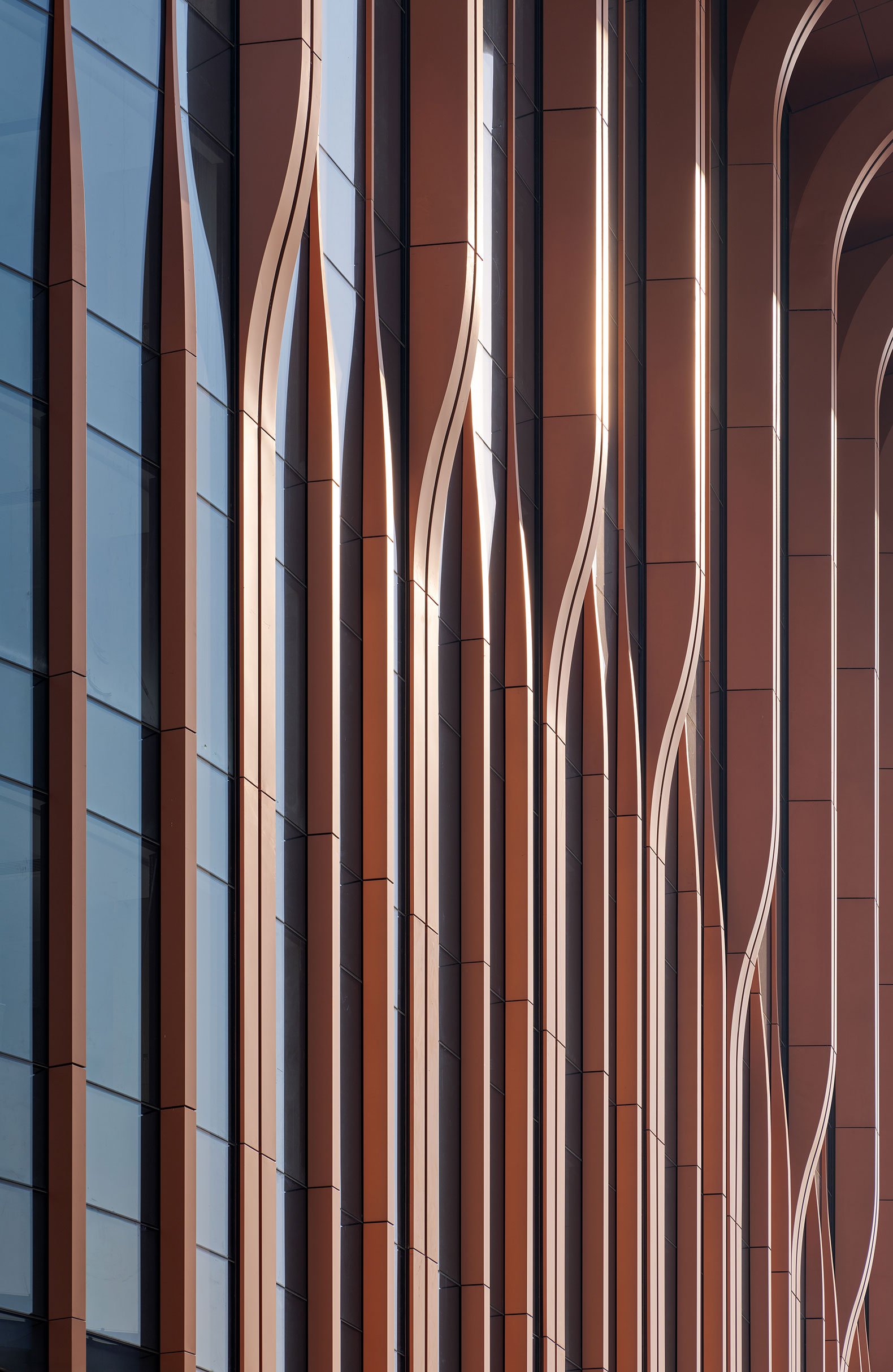
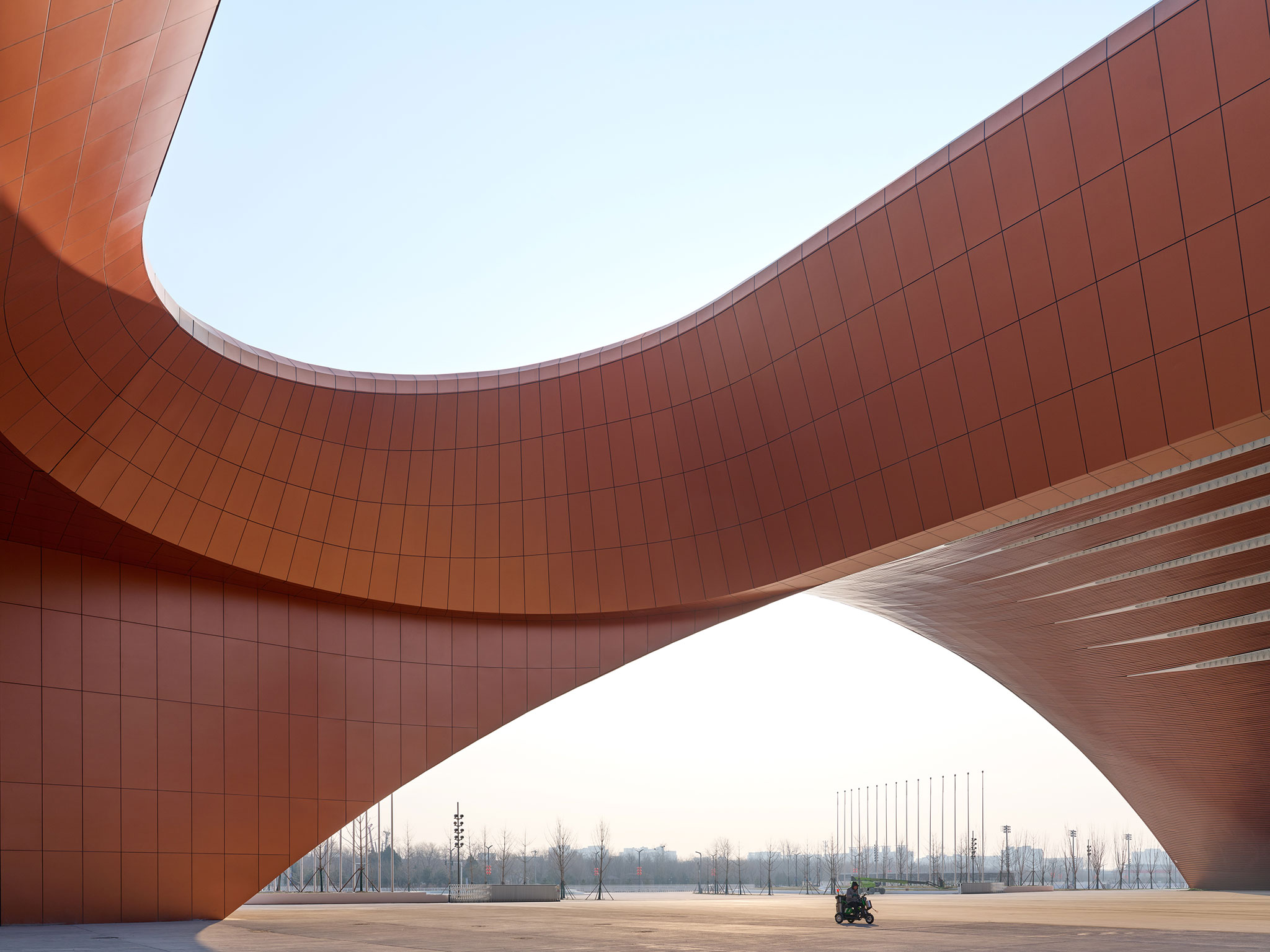
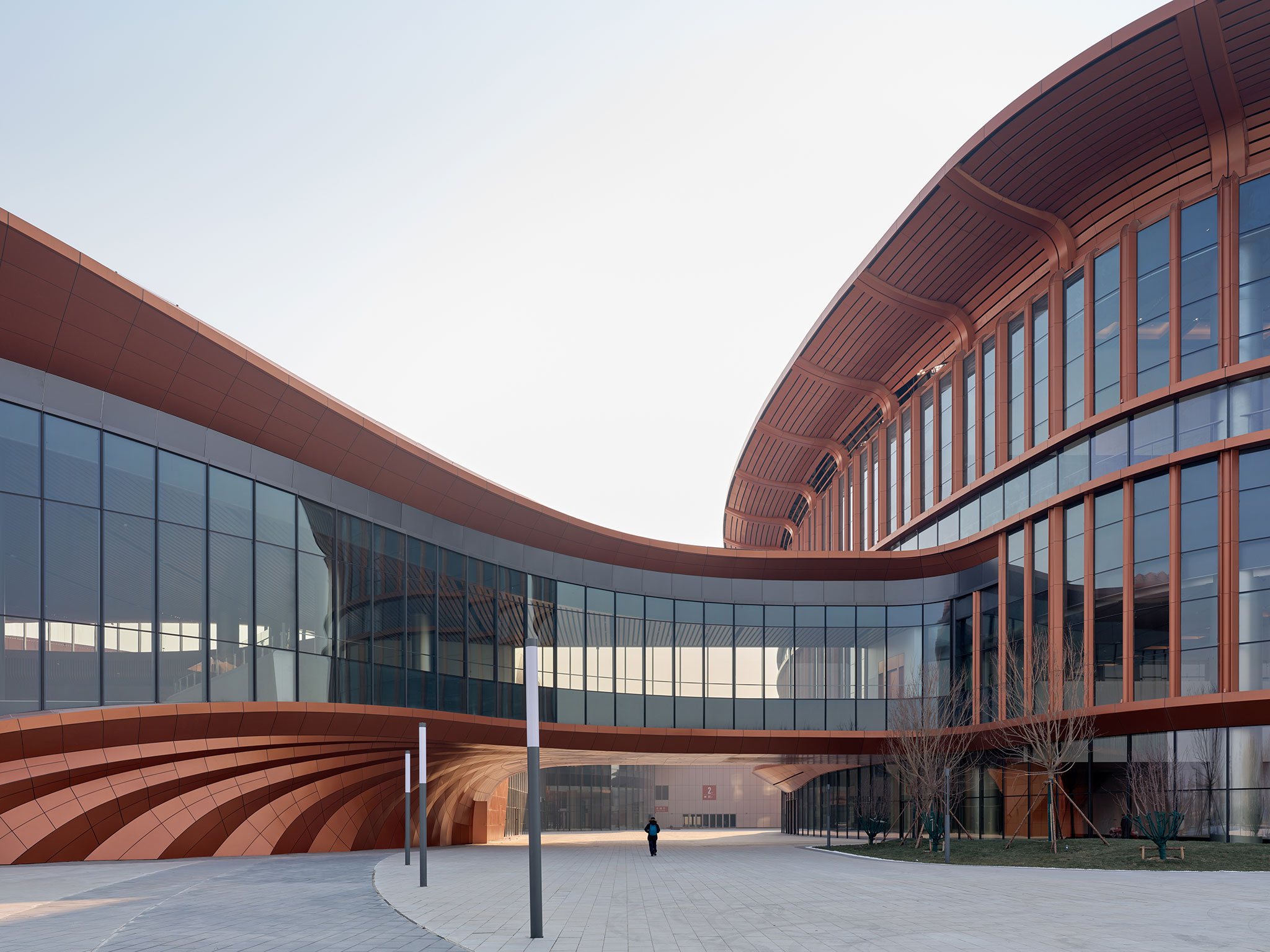
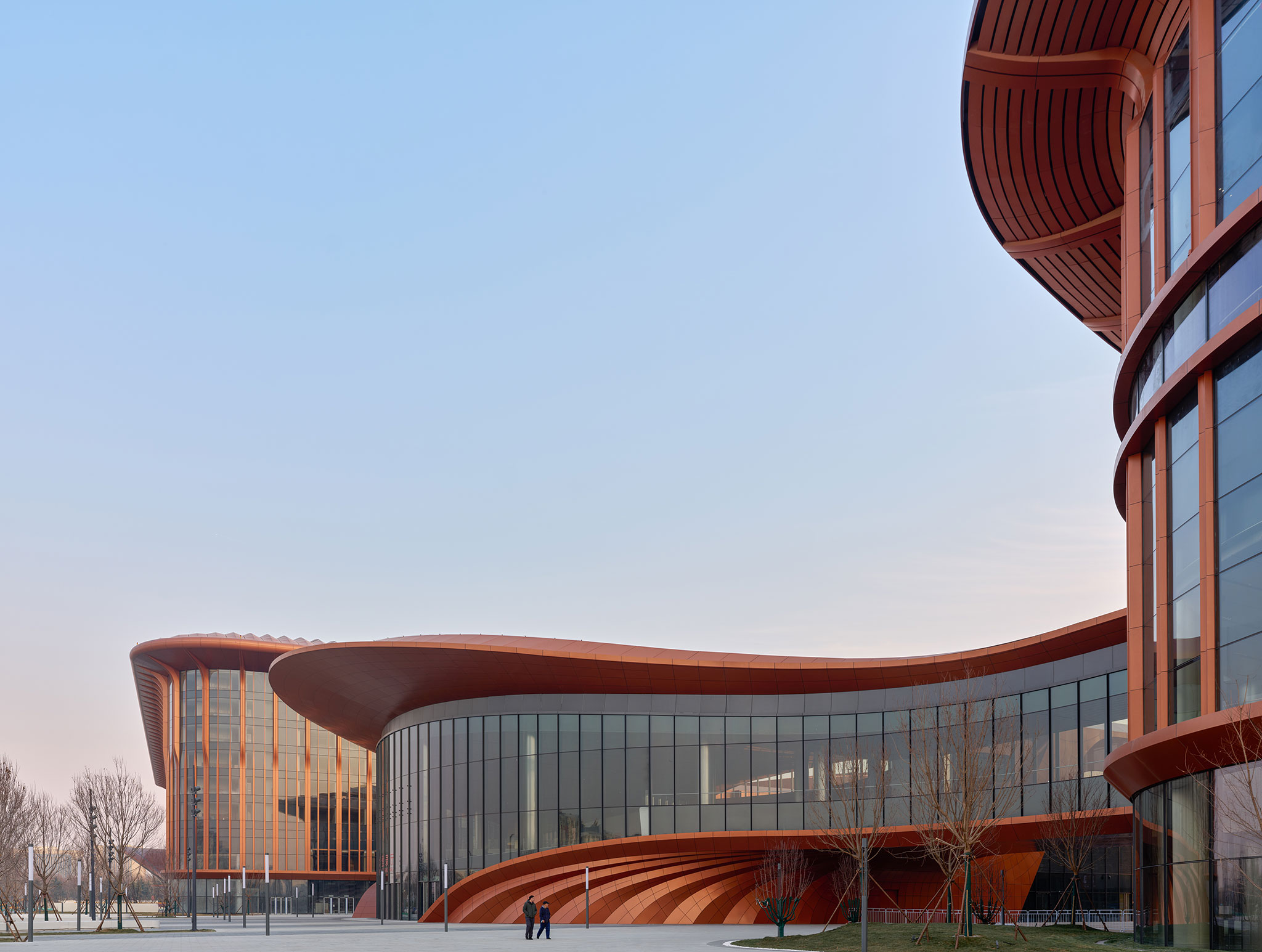
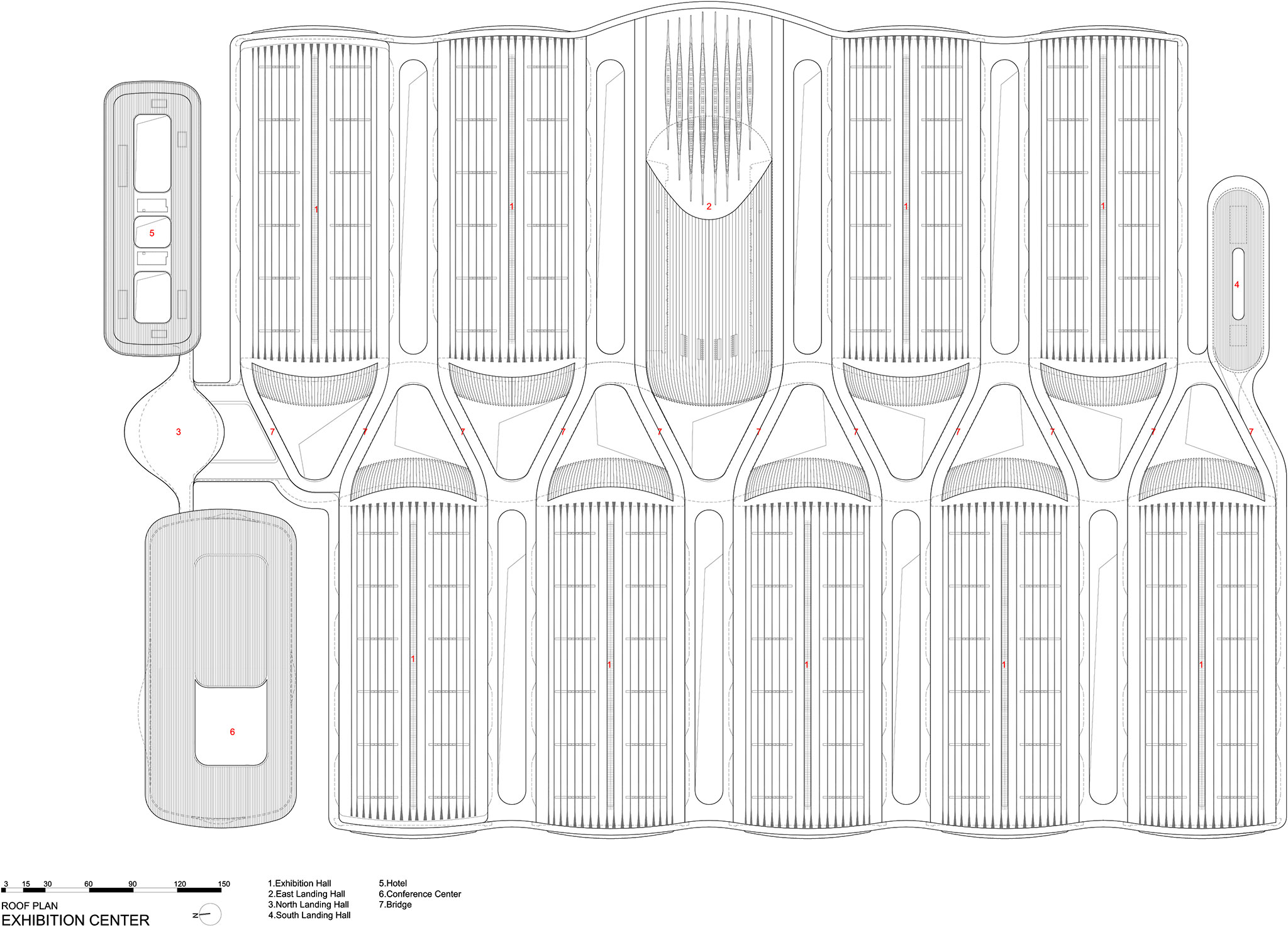
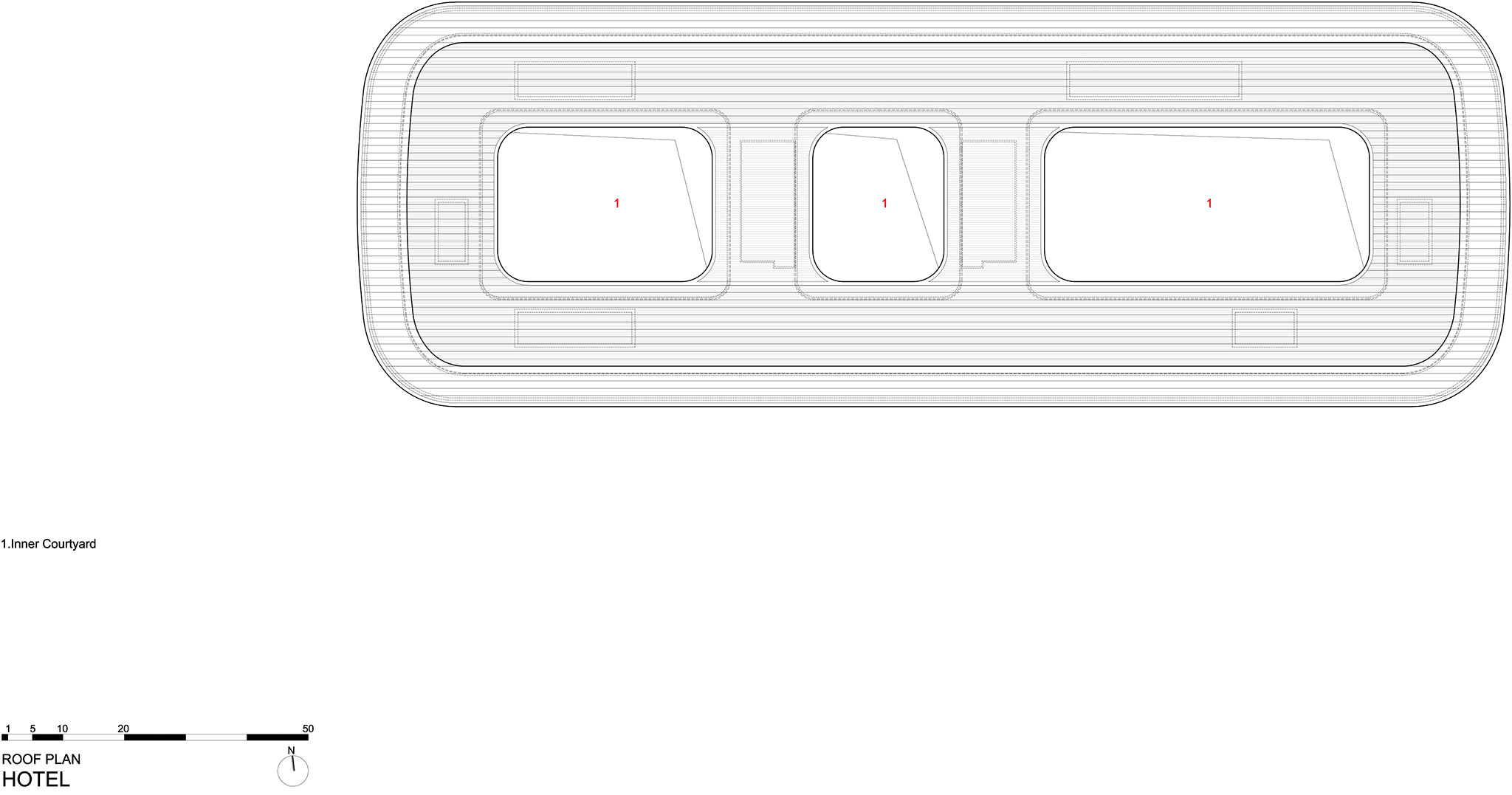
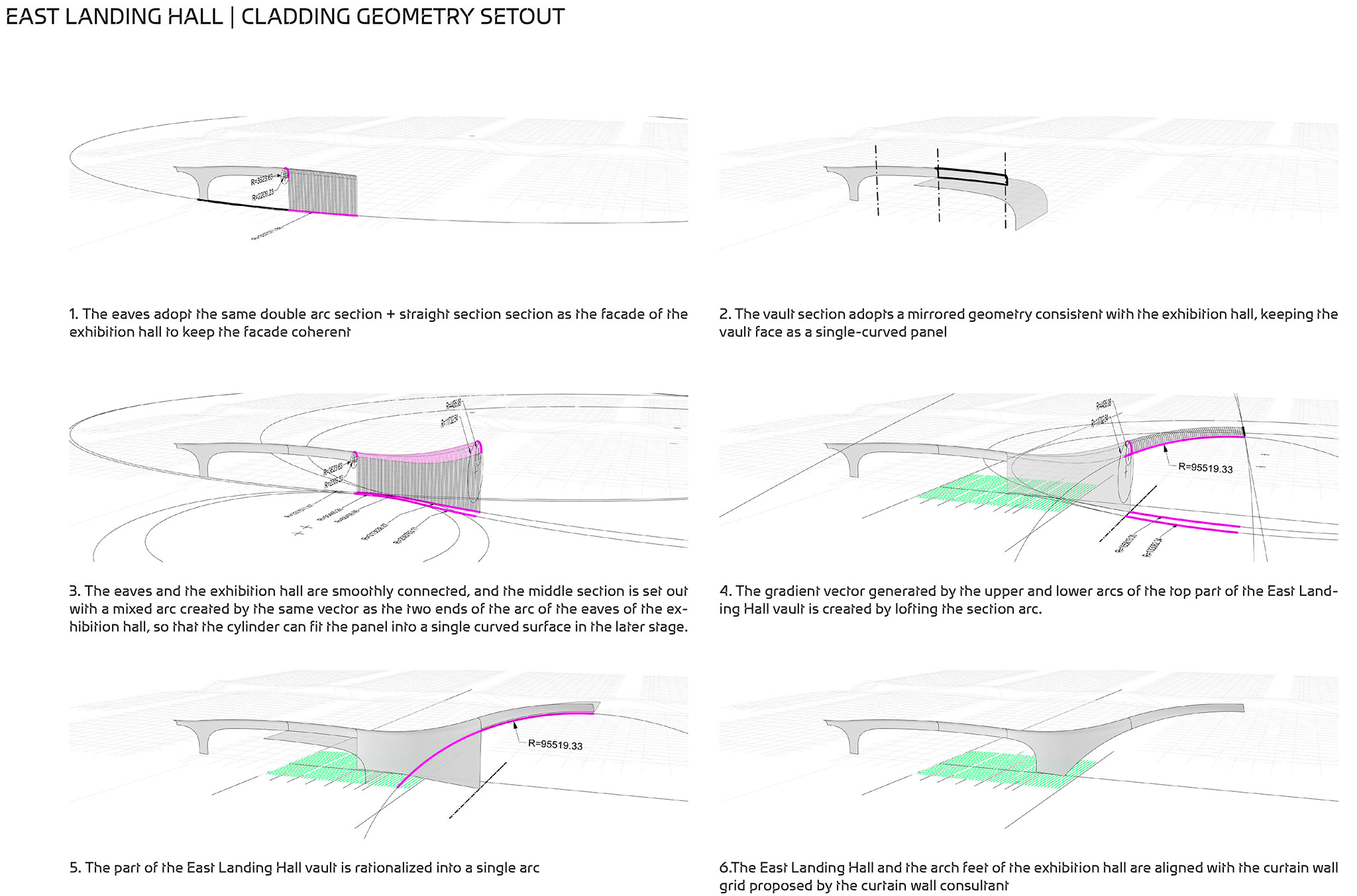
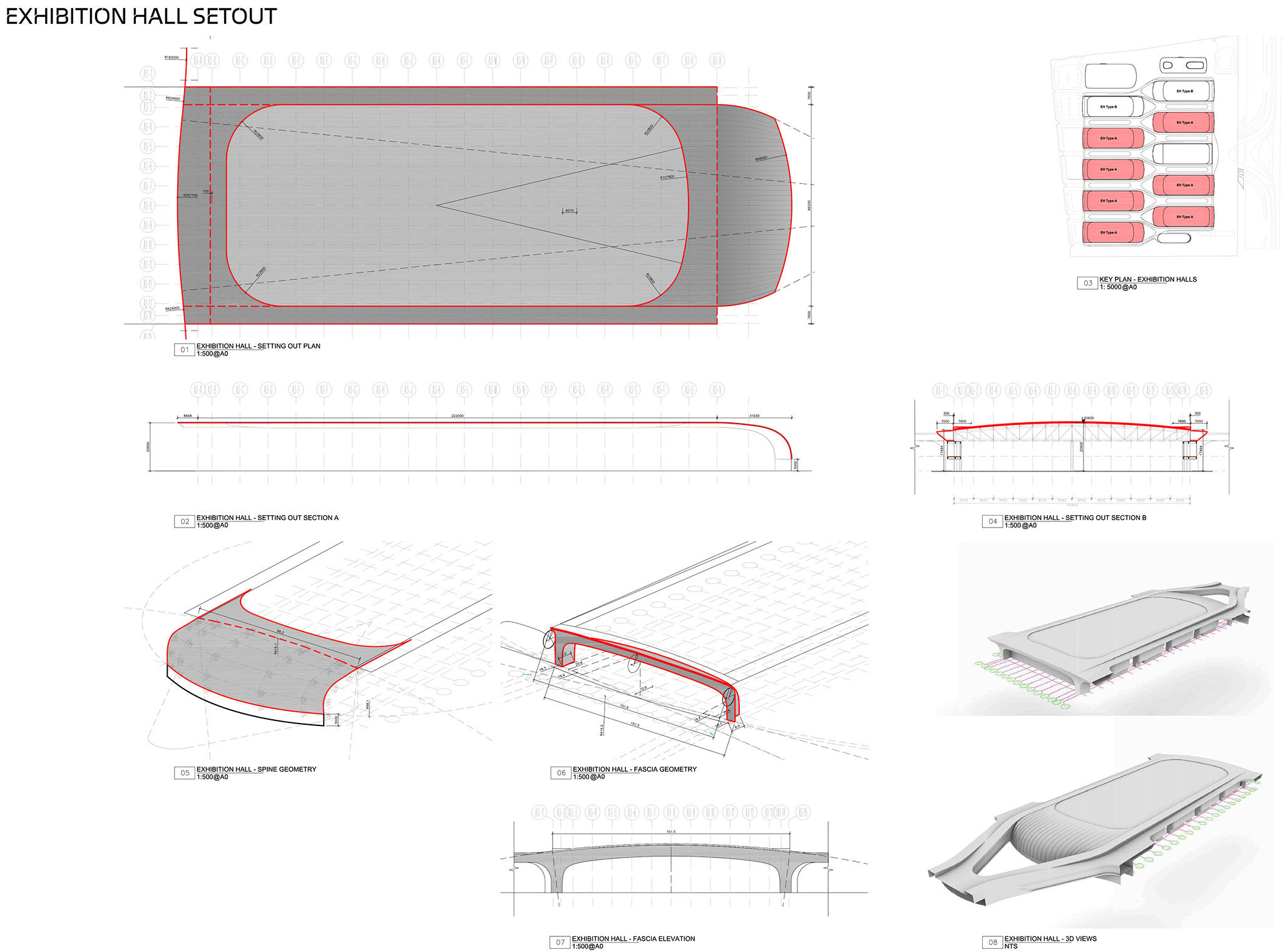
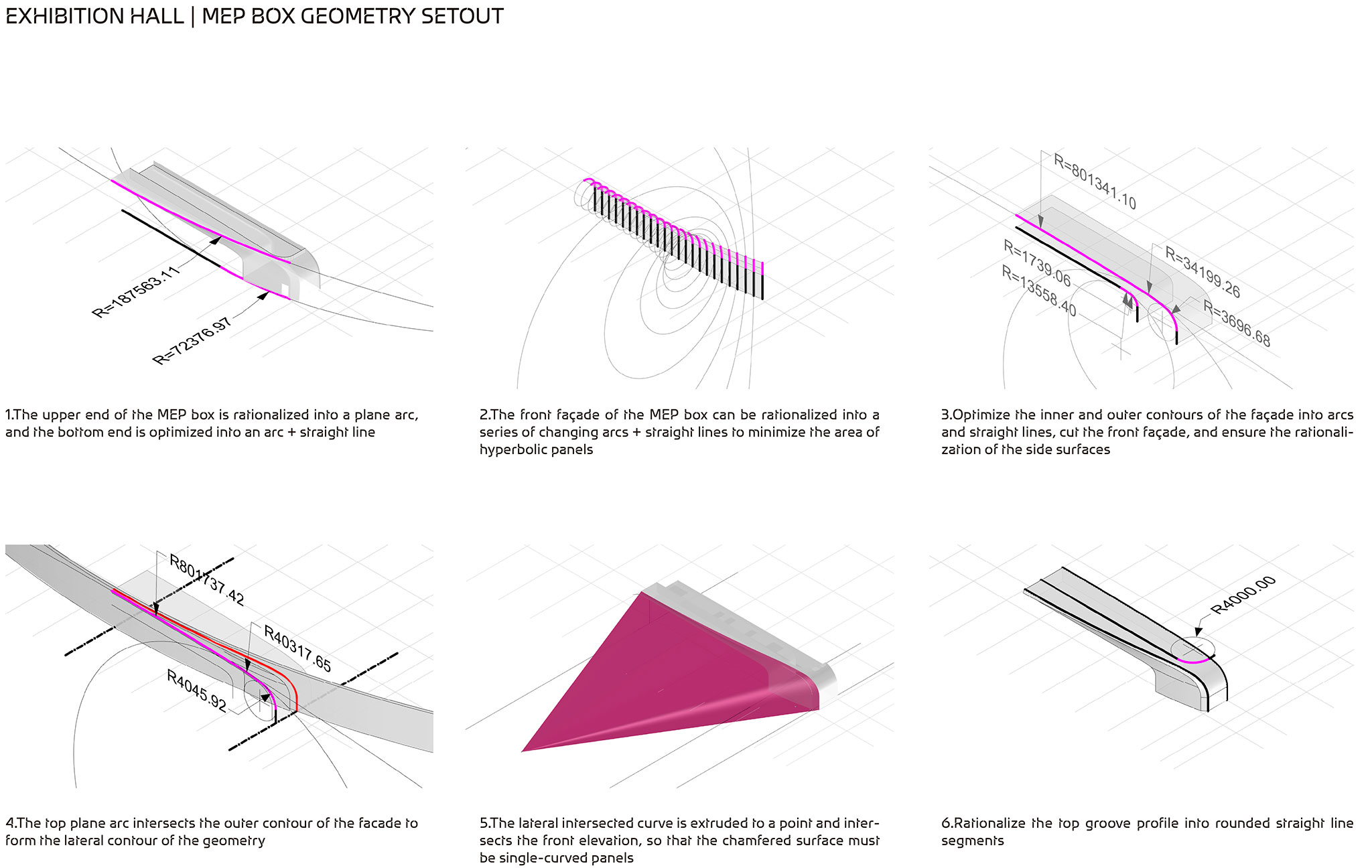
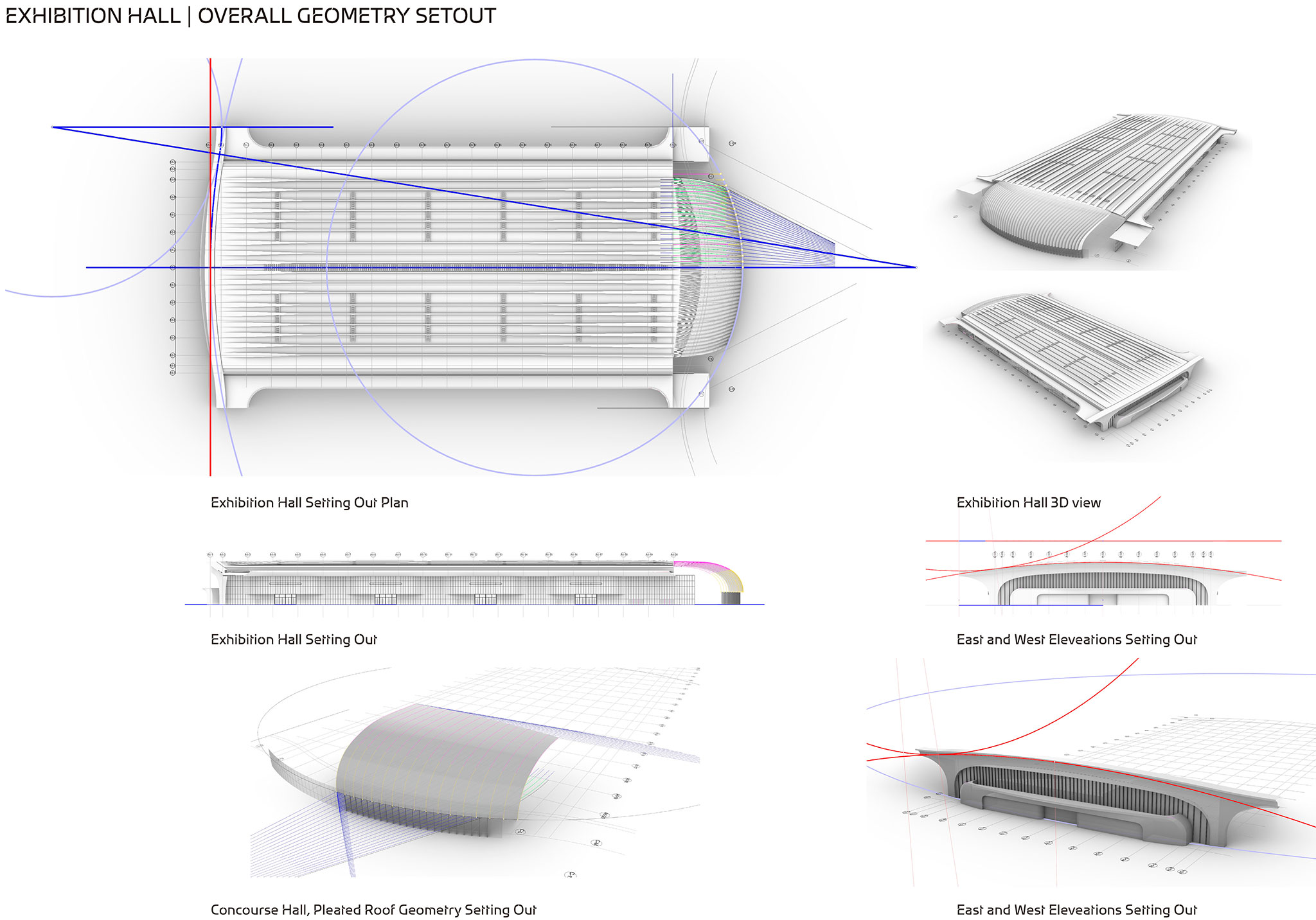
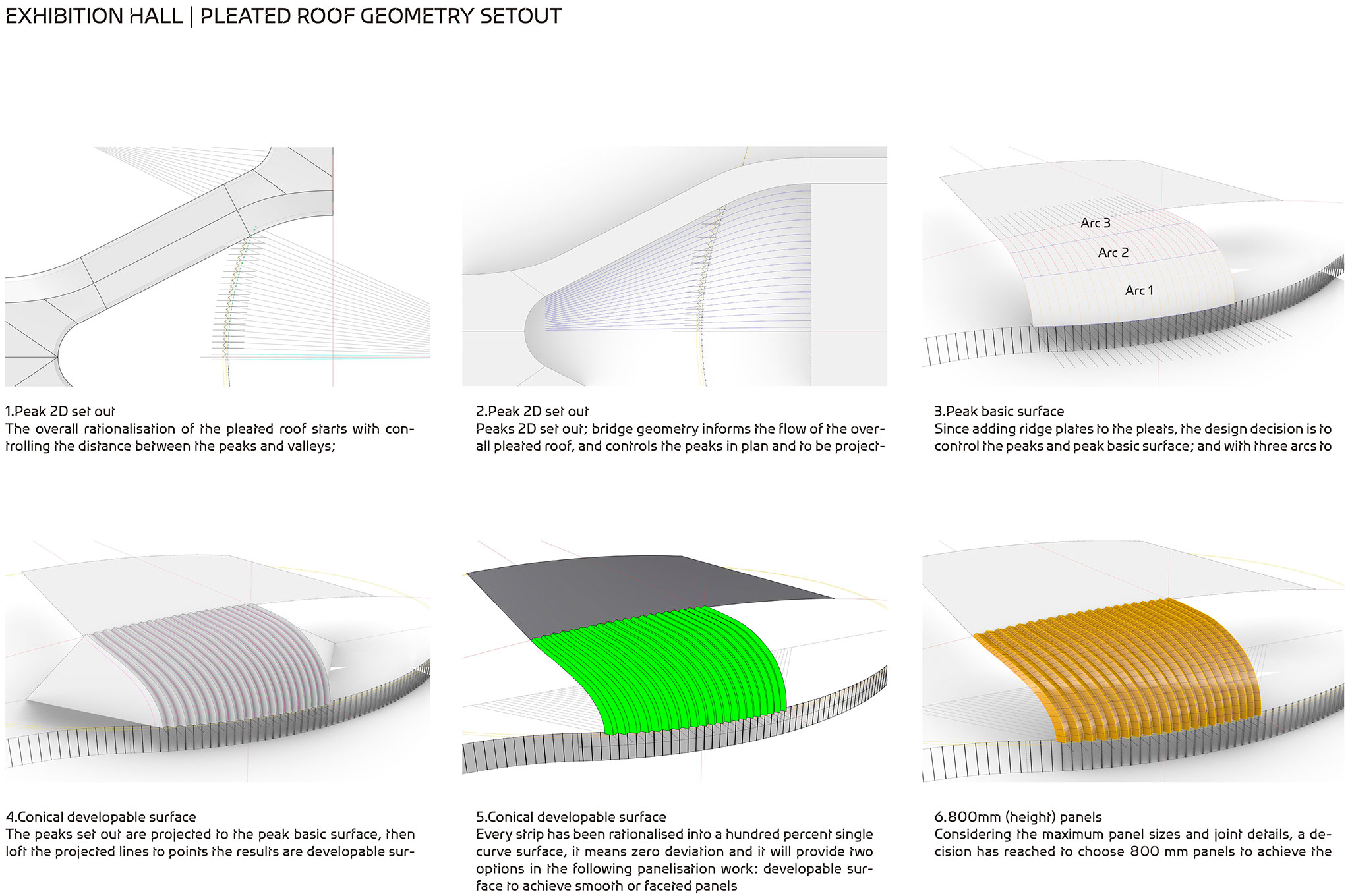
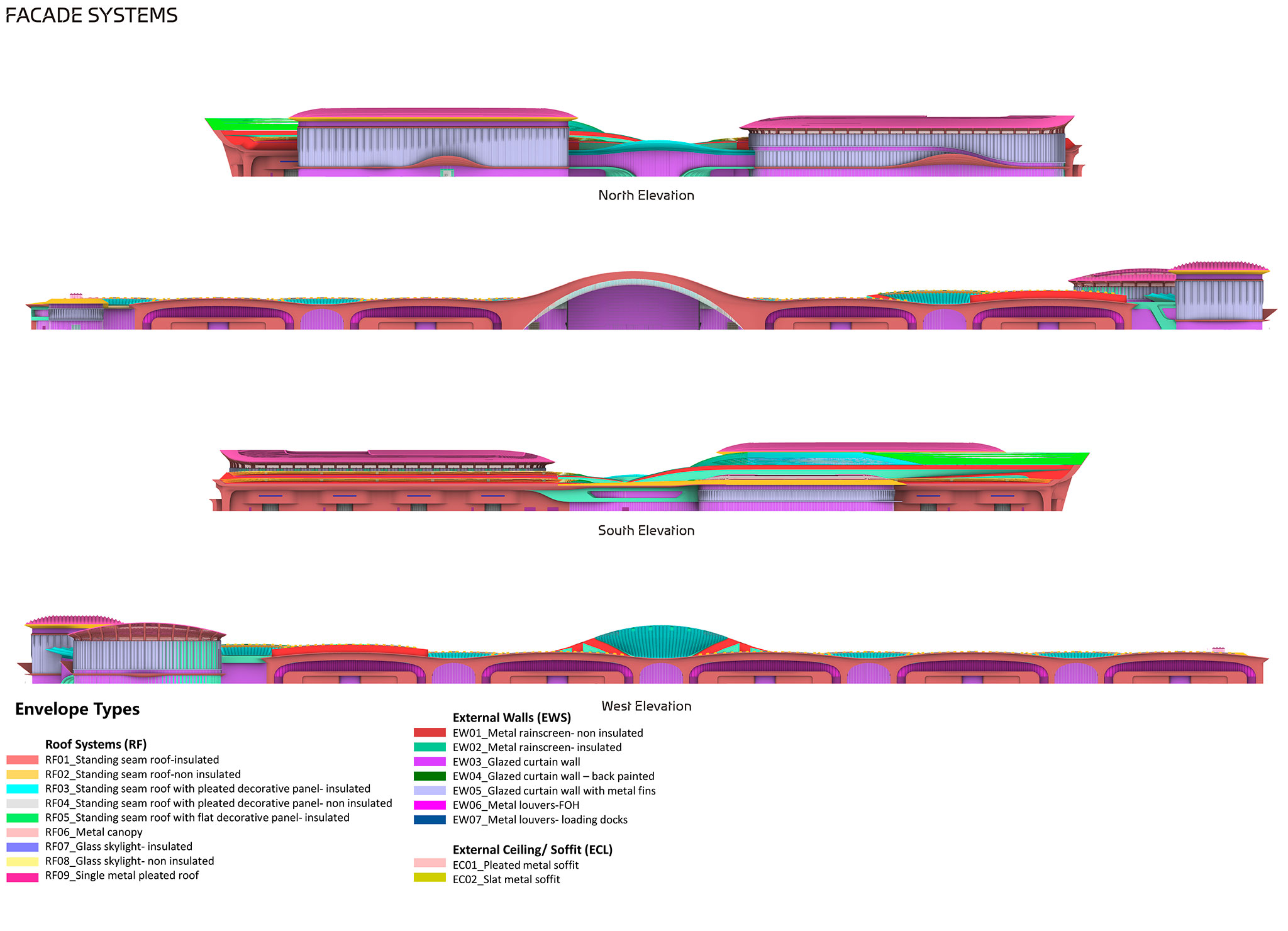
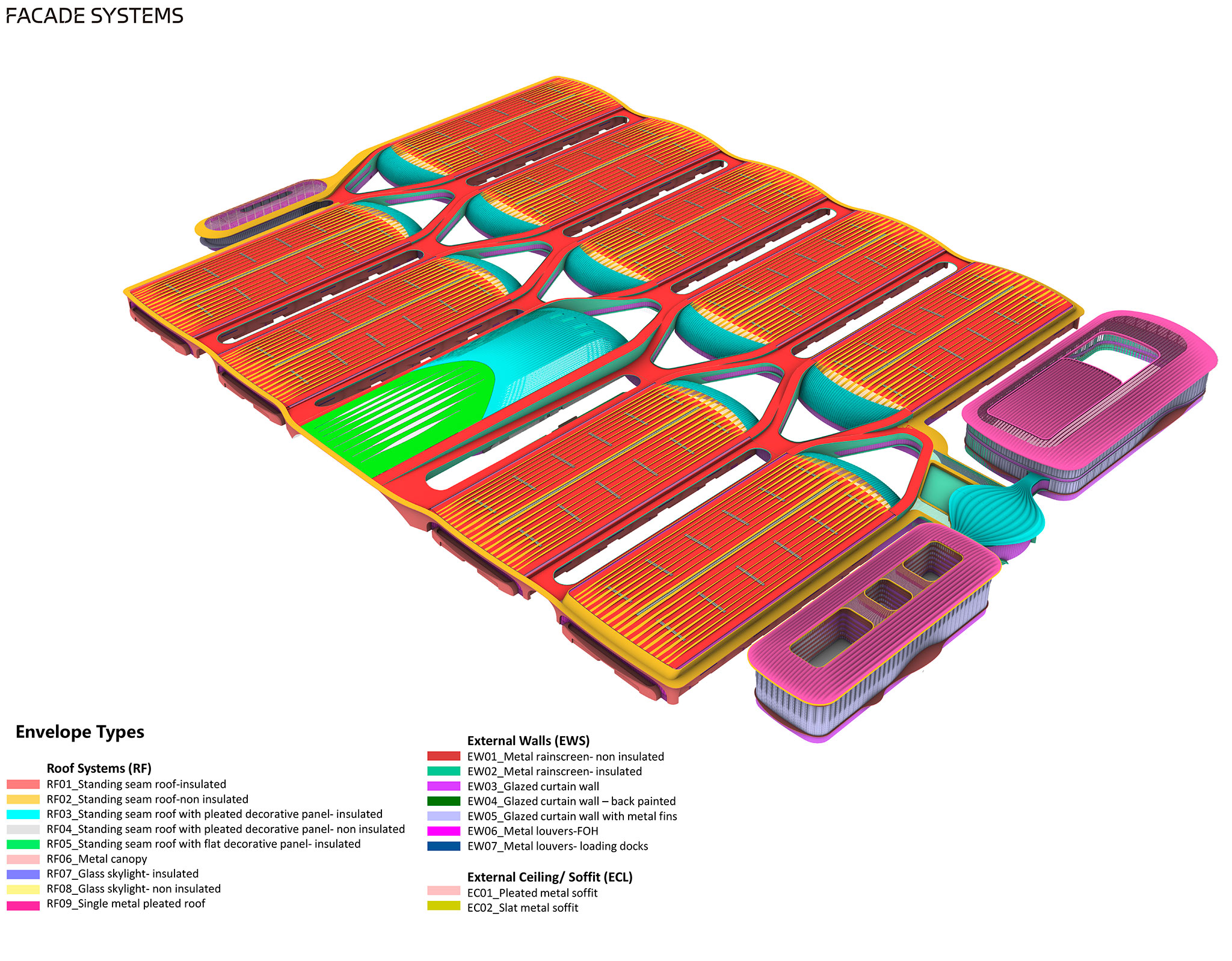
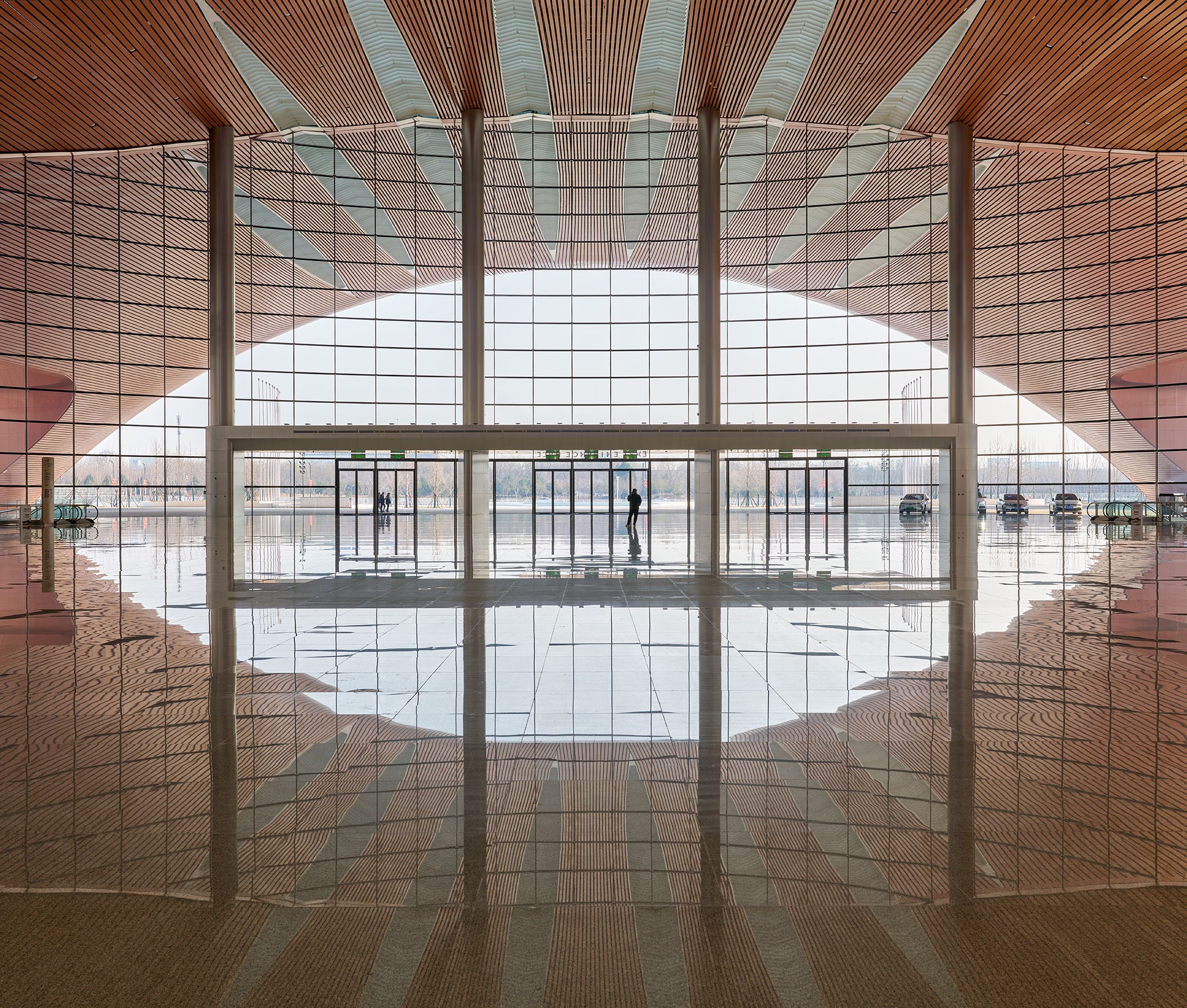
The composite roof system creates an isolated, lightweight, and large-span structure that frees up the floor plan. It is constructed in modules, minimizing time, investment, and costs. The fluid, pleated copper-colored façade features large, recessed metal panels.
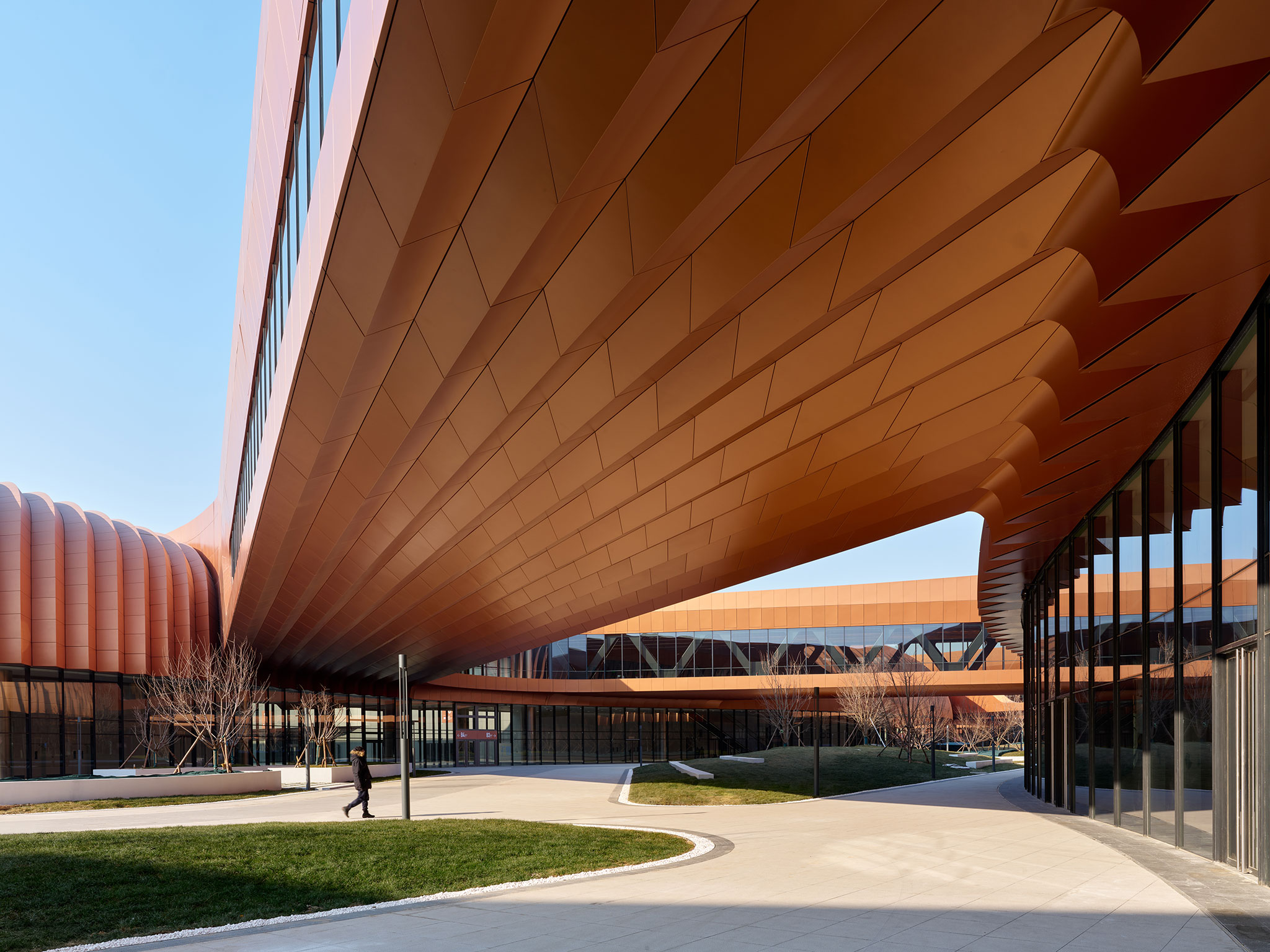
CIECC by Zaha Hadid Architects. Photograph by Virgile Simon Bertrand.

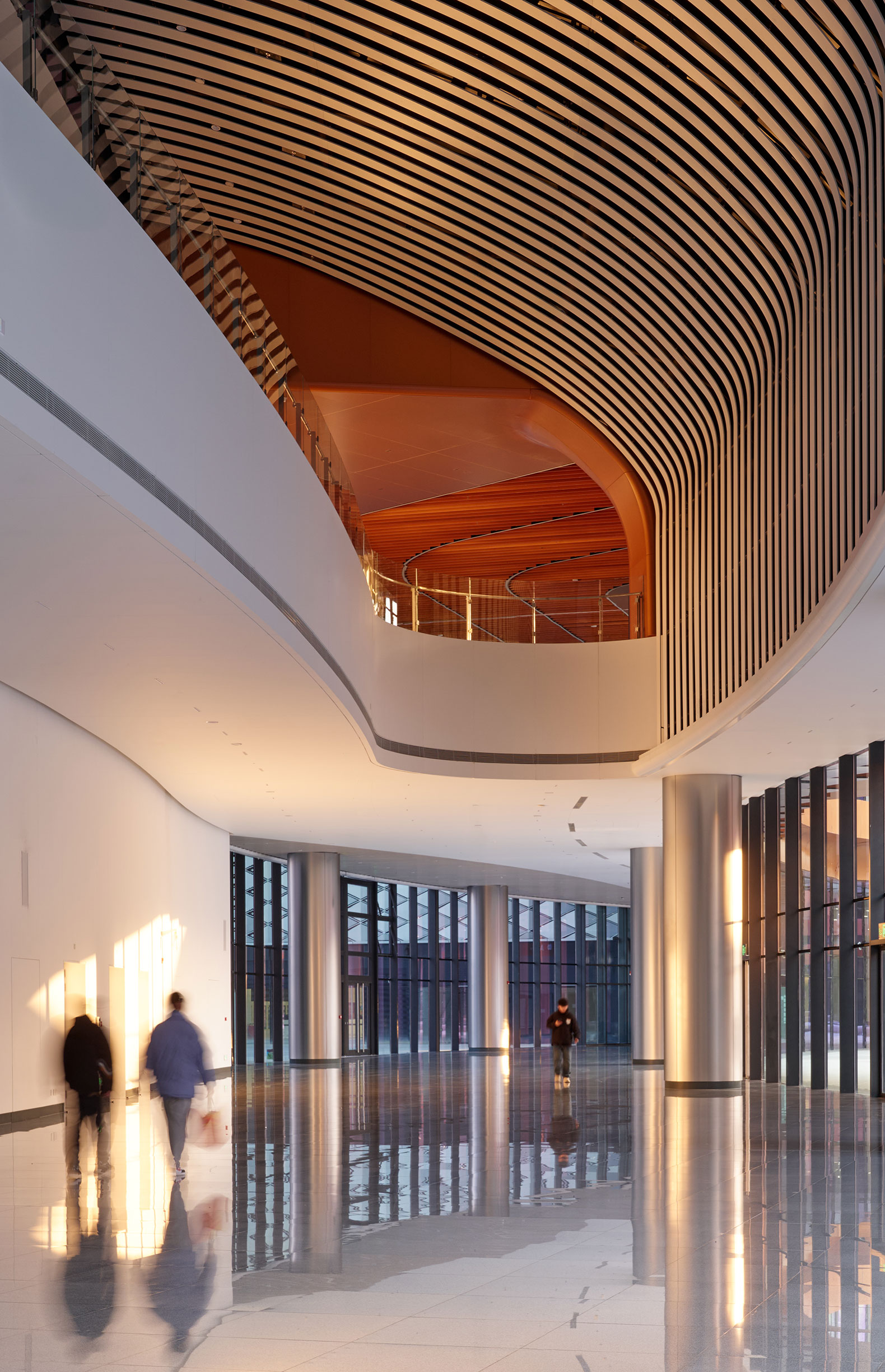
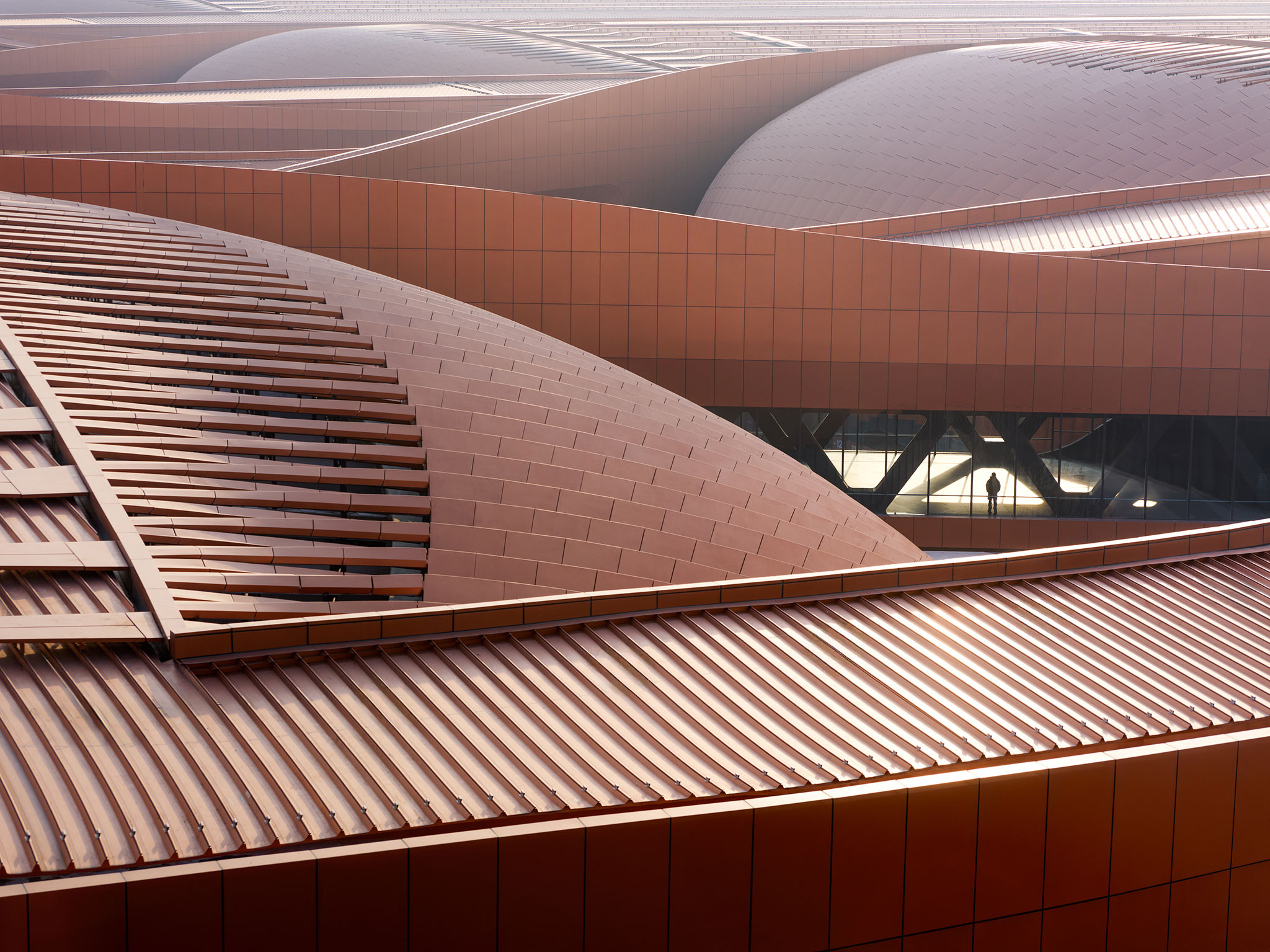
CIECC by Zaha Hadid Architects. Photograph by Virgile Simon Bertrand.

The building has received China's highest sustainable building certification due to its reduced demand for water and energy from the city's supply, achieved through natural ventilation, rainwater harvesting and recycling, and on-site photovoltaic energy generation.

Project description by Zaha Hadid Architects

A leading centre of commerce, culture and government, Beijing has seen significant growth in the city’s service and digital technology industries. This continued expansion of Beijing’s corporate sectors has increased demand for the city to host conventions, international conferences and industry expos attended by delegates from throughout China and around the world.

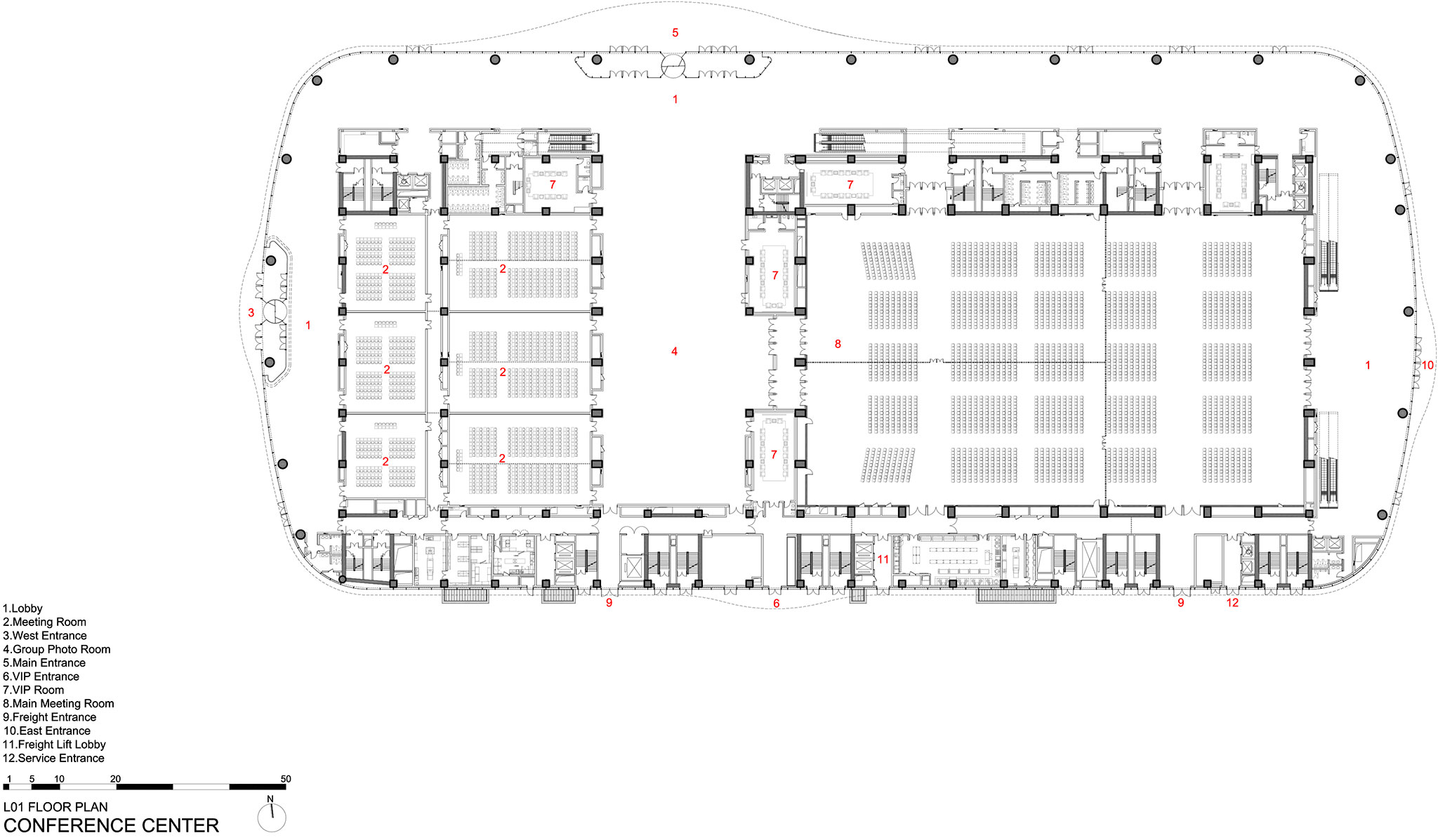
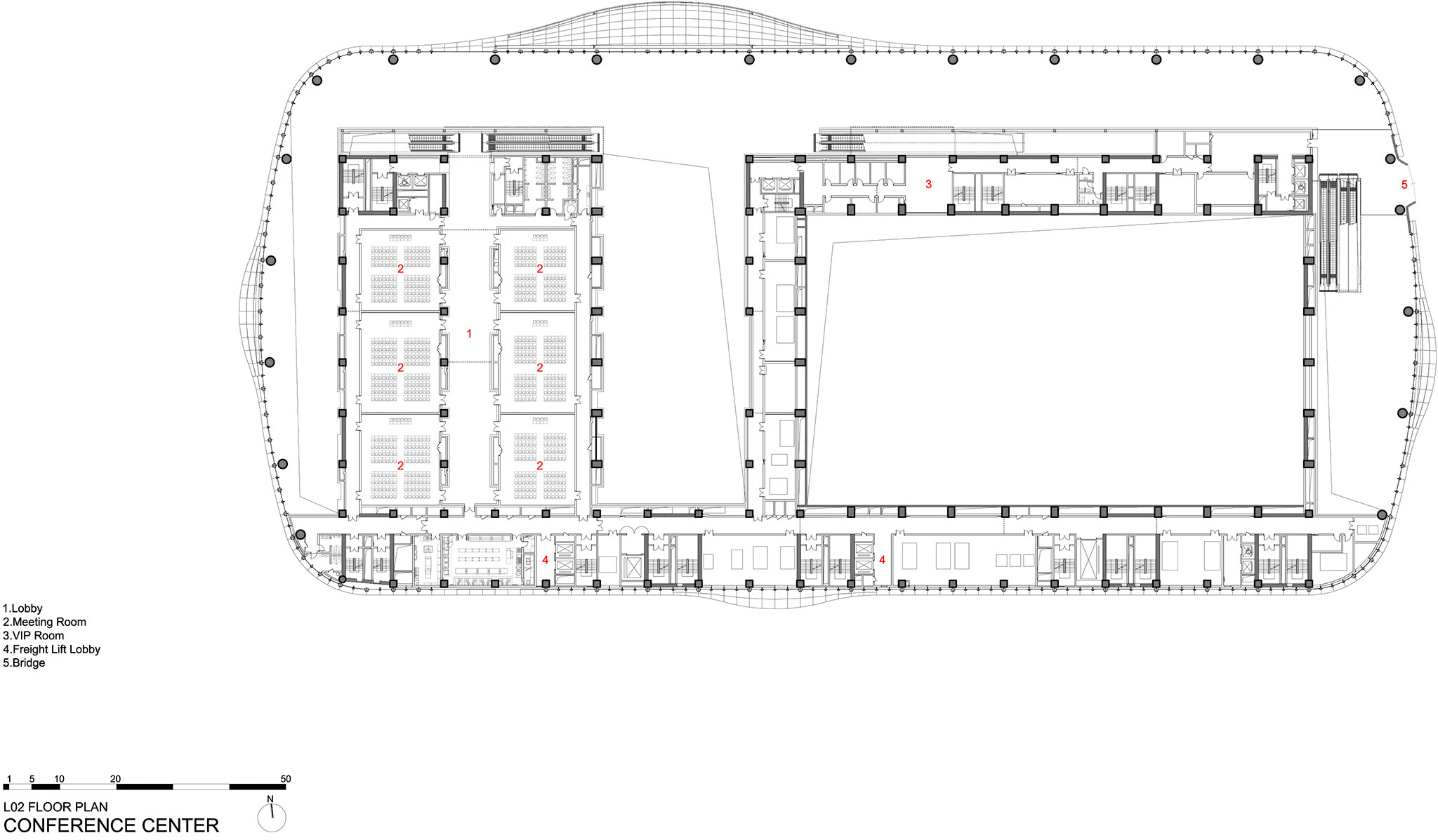
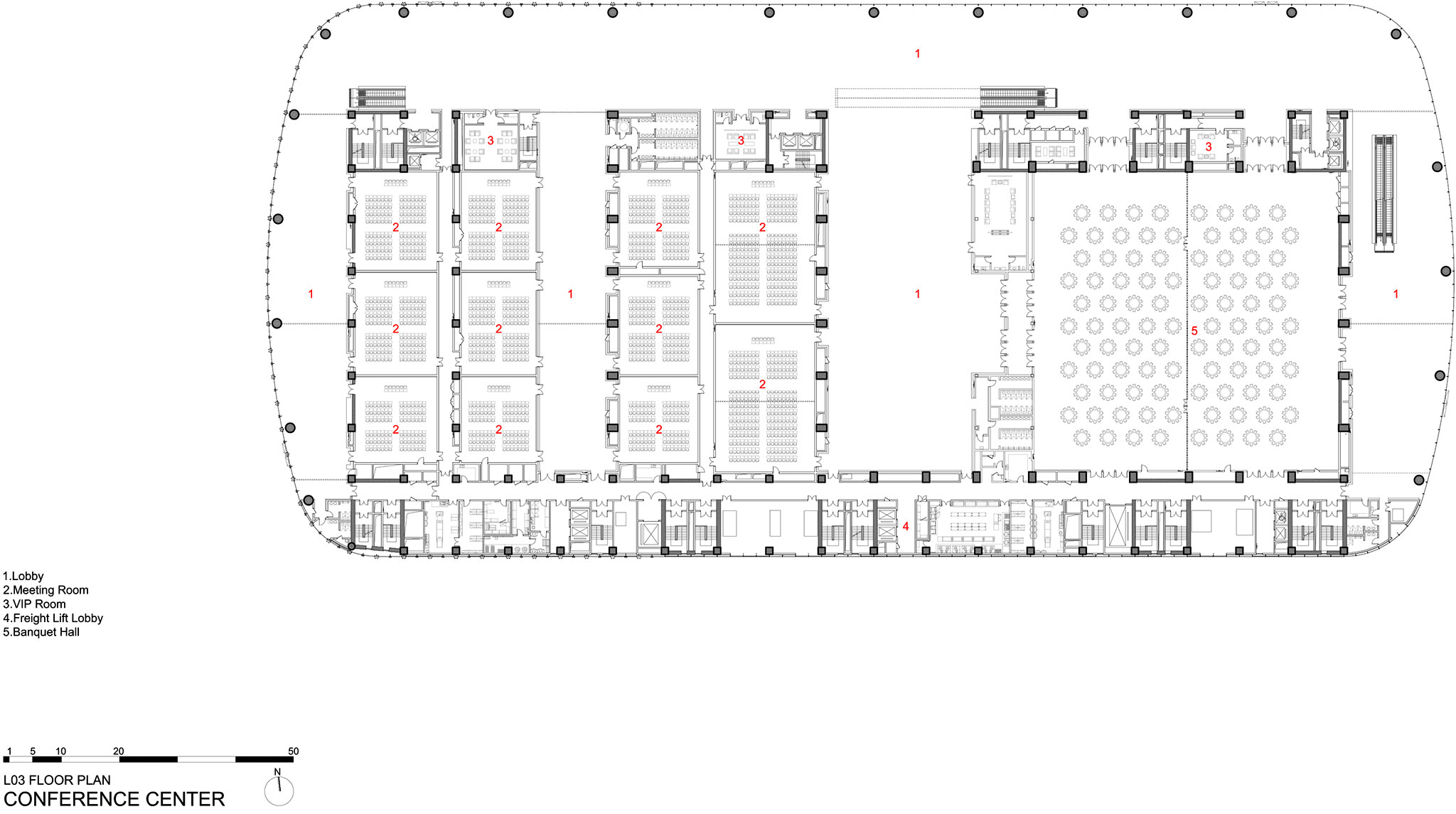
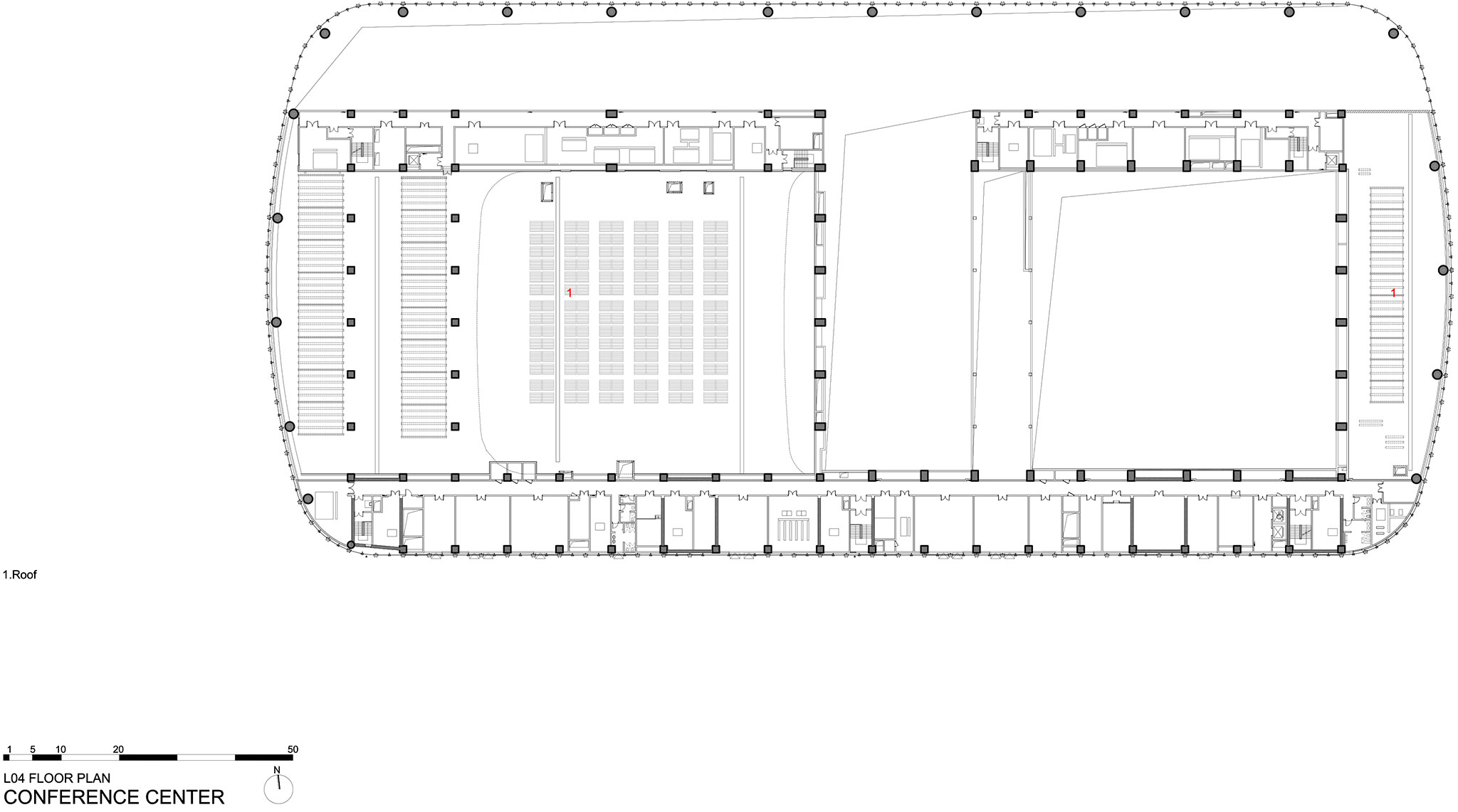
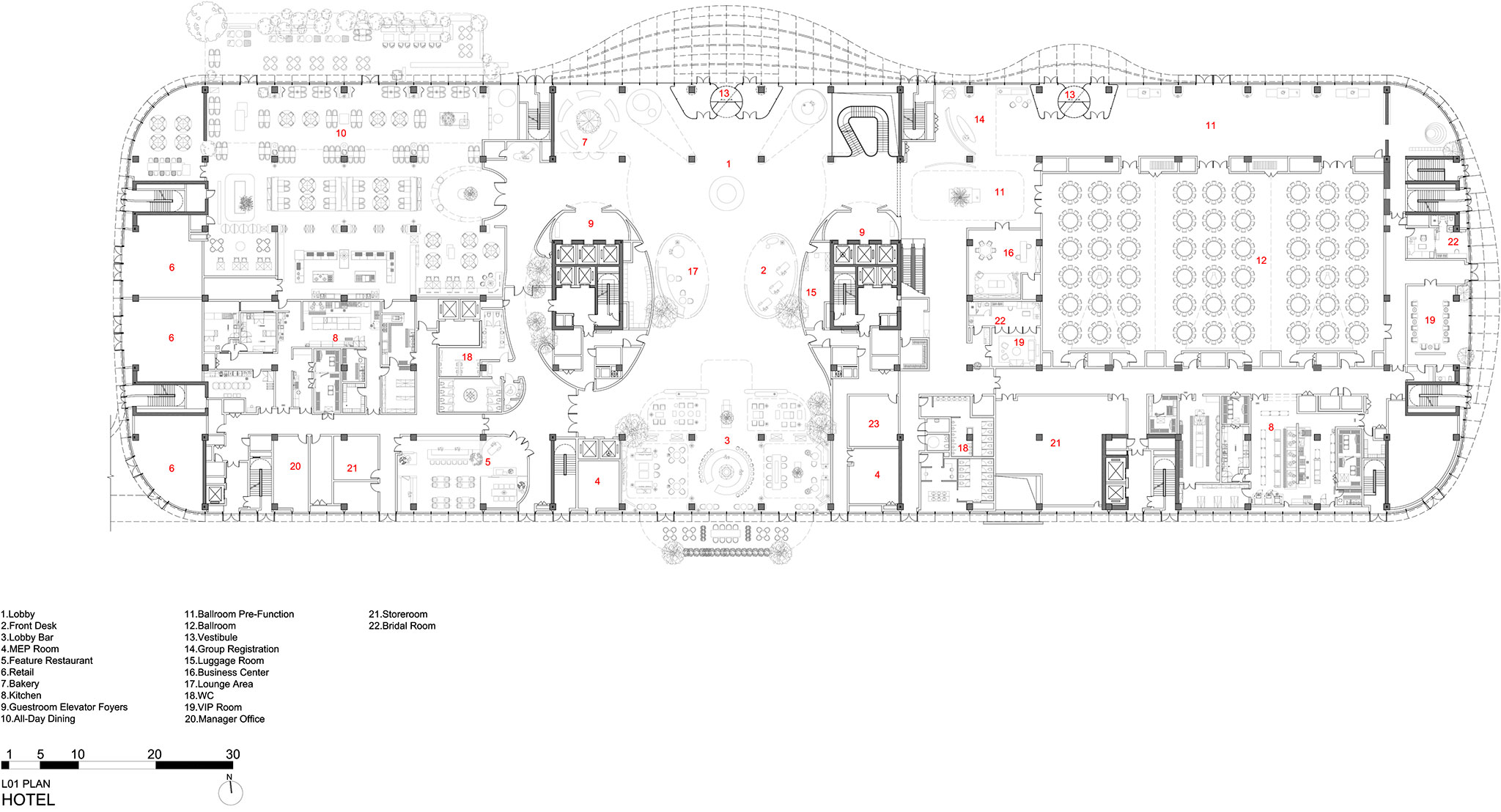
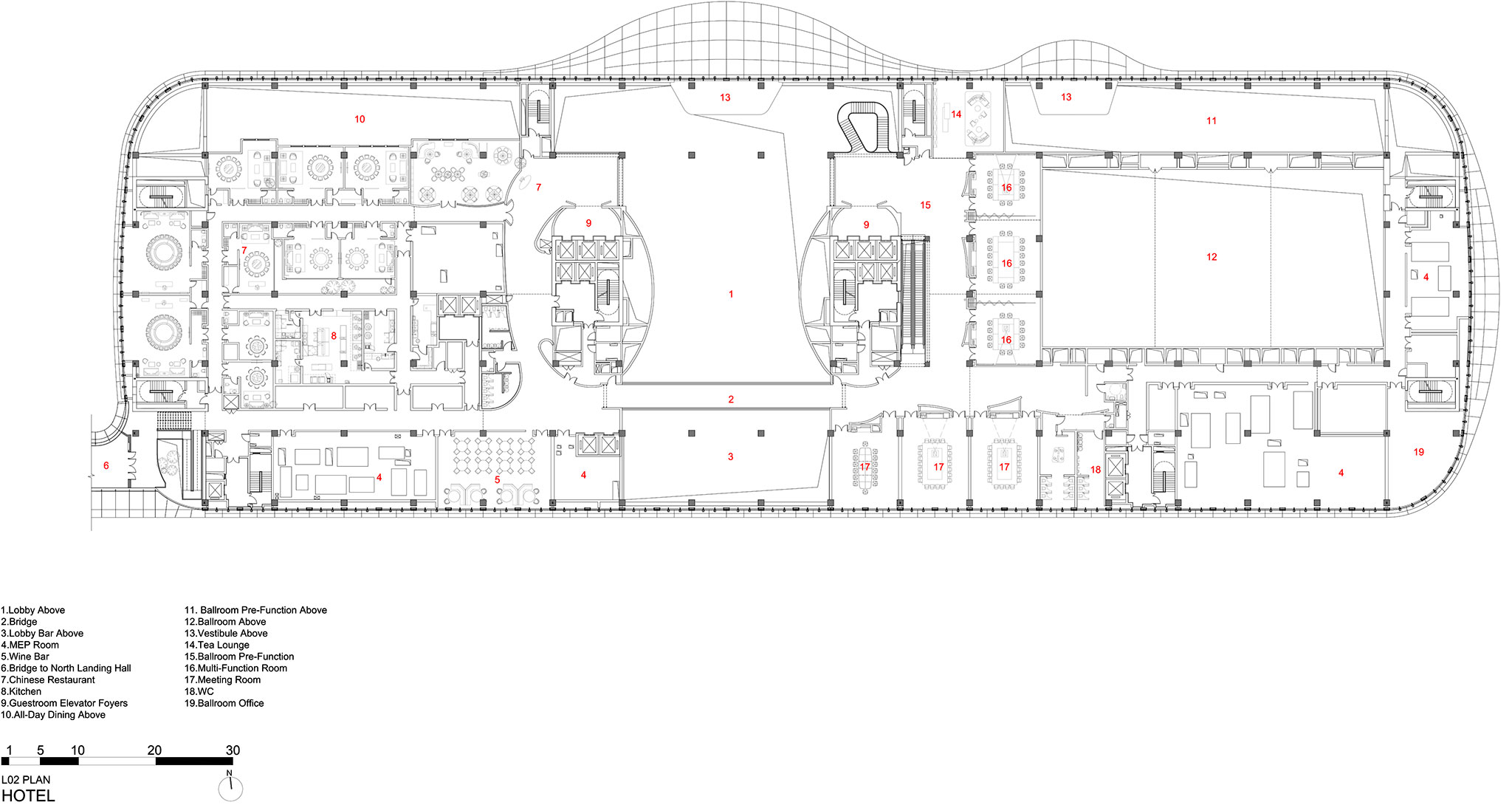
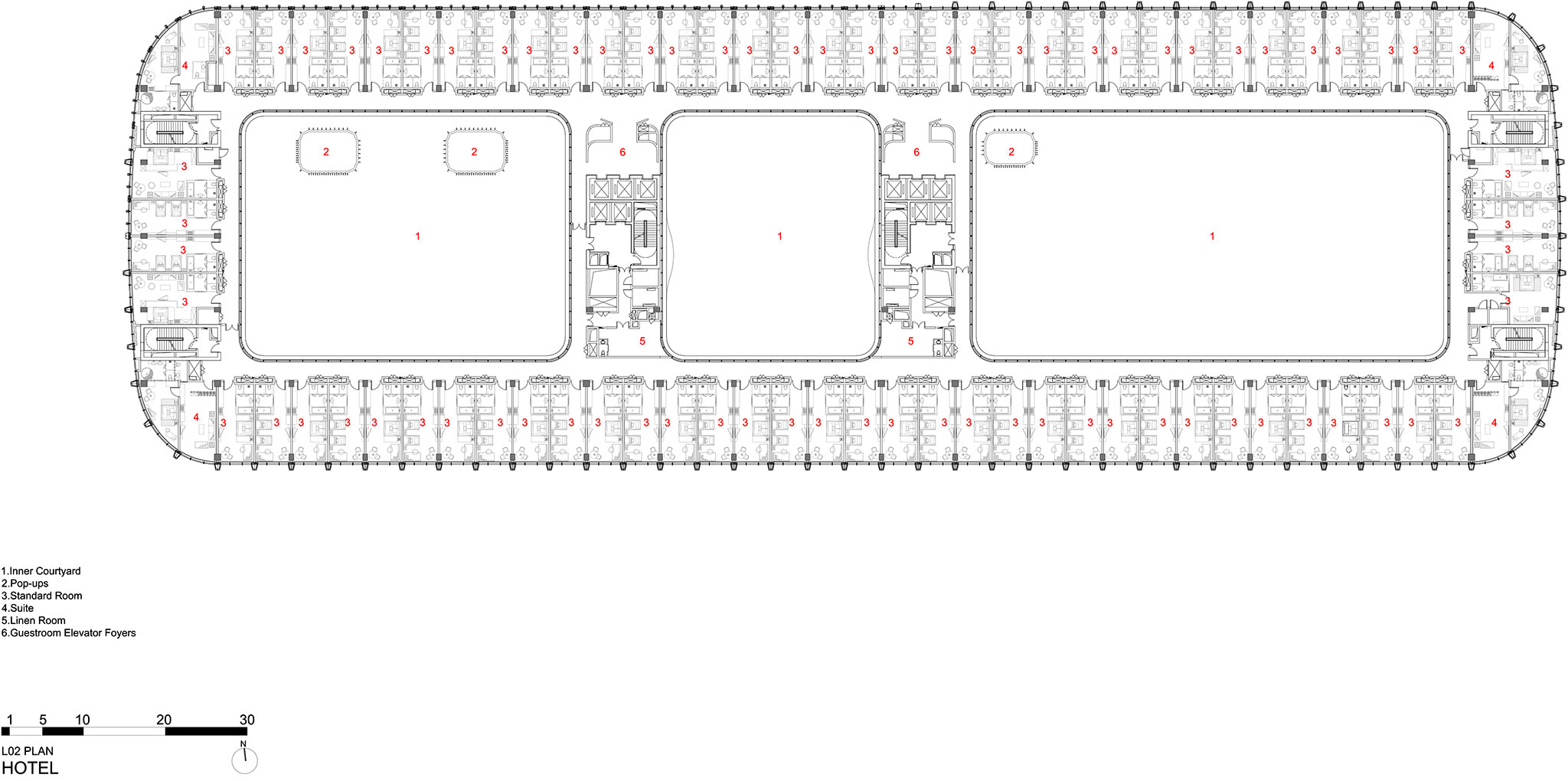
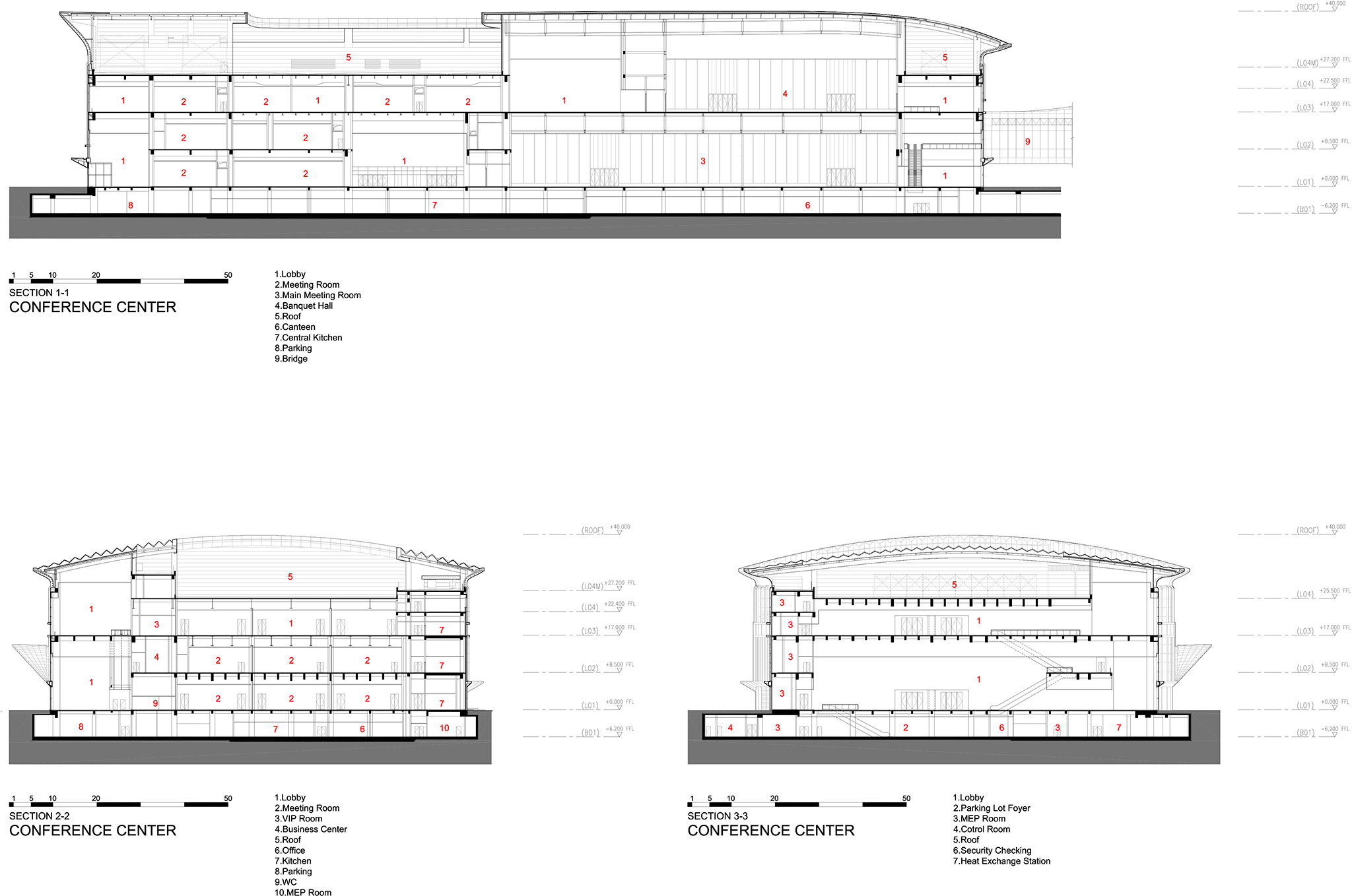
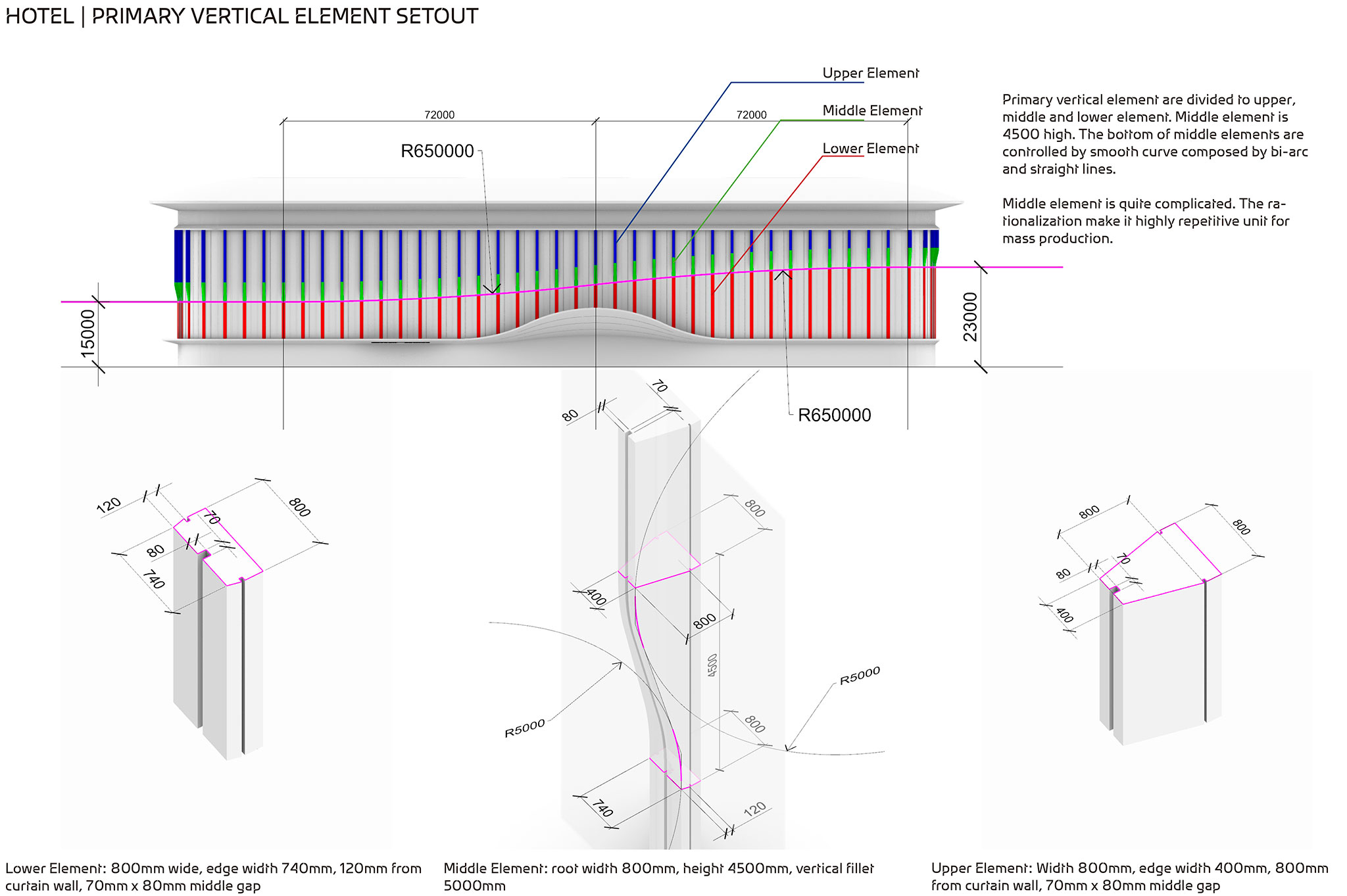
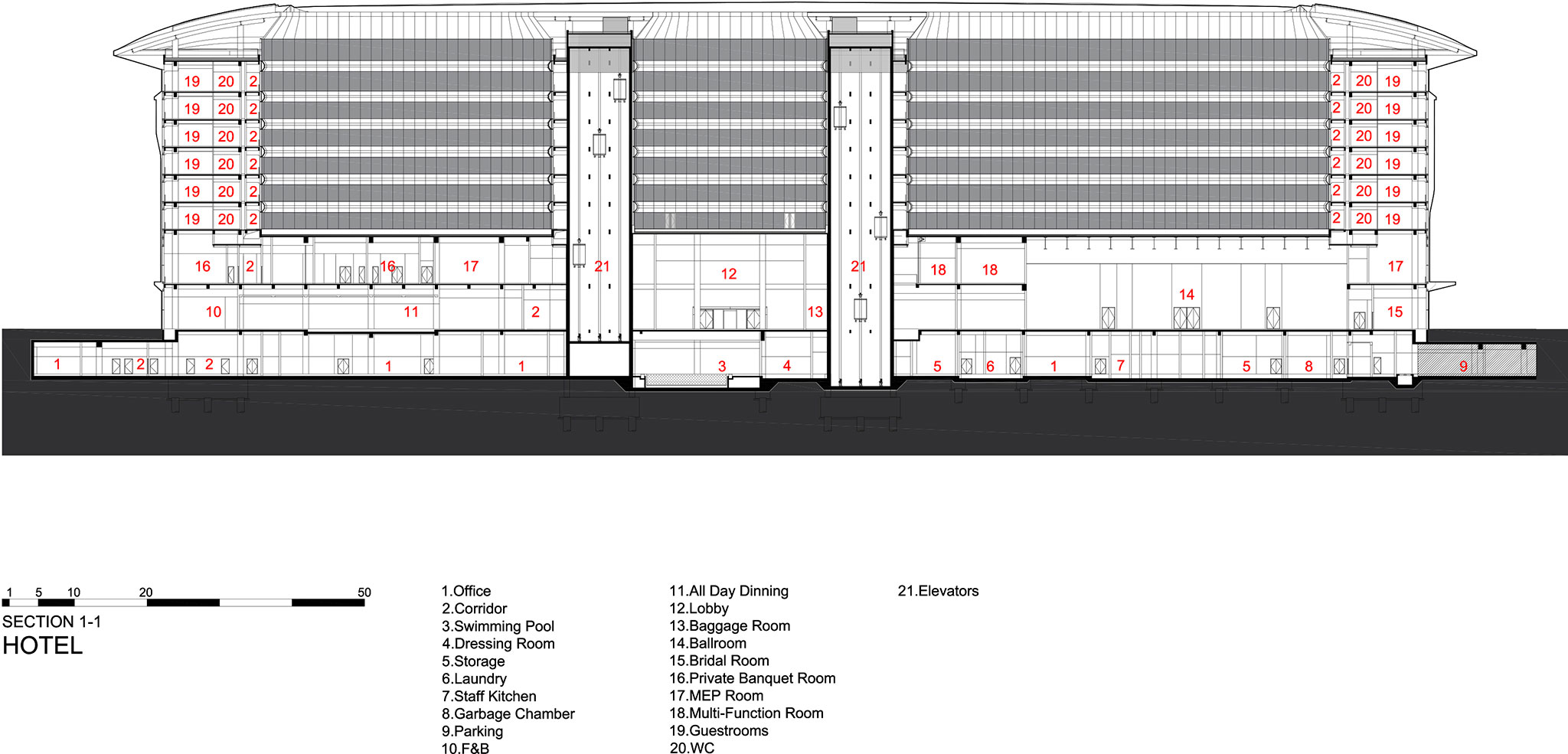
Meeting this growth, the new Capital International Exhibition & Convention Center (CIECC) by Zaha Hadid Architects is Beijing’s largest and most advanced exhibition and convention venue; expanding the city’s existing facility to over 611,000 sq. m with nine new exhibition halls as well as three new reception halls, a conference centre for 9,000 delegates and a hotel with 410 rooms.

CIECC por Zaha Hadid Architects. Fotografía por Virgile Simon Bertrand.
CIECC by Zaha Hadid Architects. Photograph by Virgile Simon Bertrand.

Located on Line 15 of the Beijing Subway network within the city’s Shunyi District adjacent to Capital International Airport, the CIECC’s central north-south axis serves as the primary connector between the nine exhibition halls; providing navigational clarity, maximum flexibility and efficiency, as well as creating a central courtyard and gathering place within sheltered outdoor event spaces and landscaped gardens.

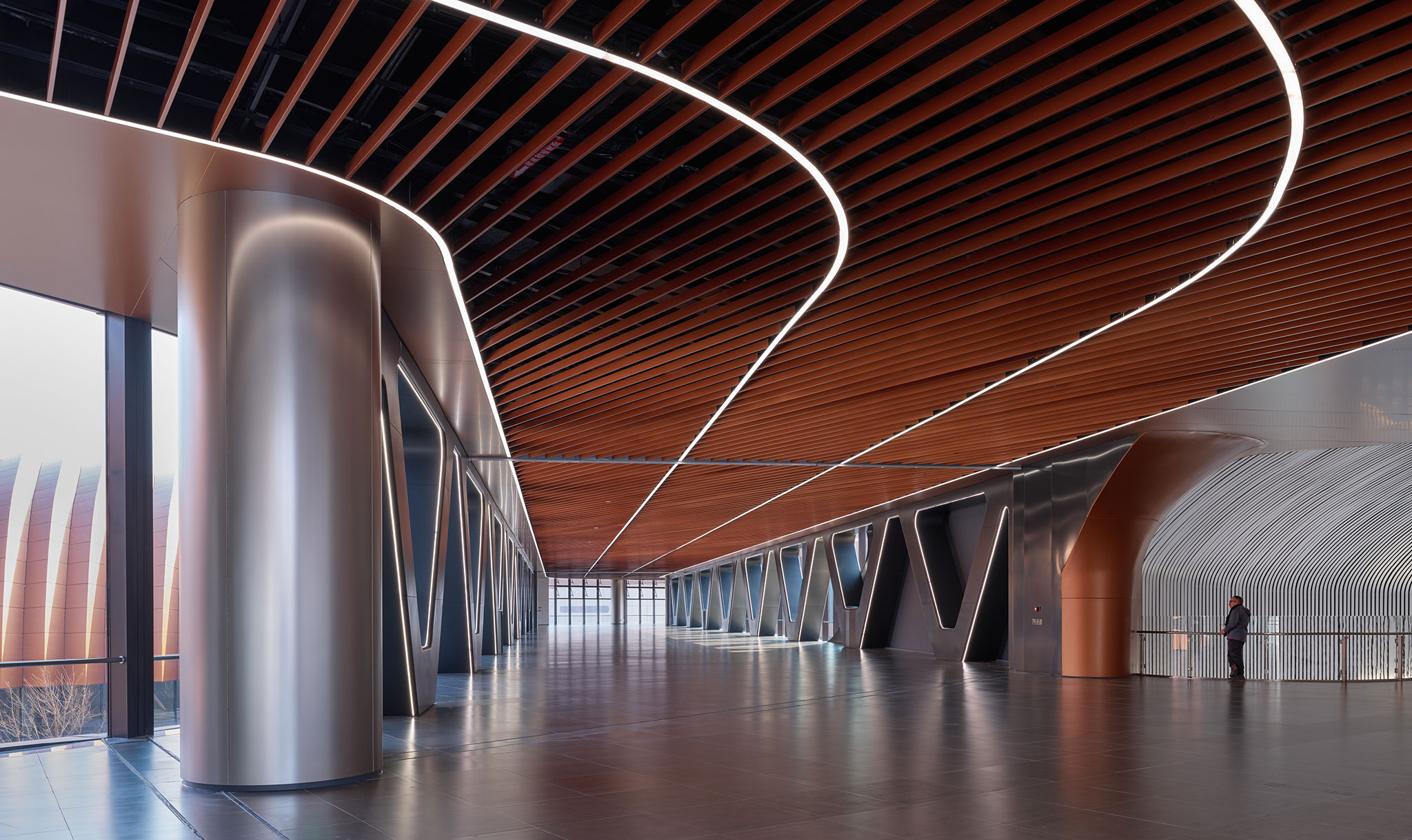
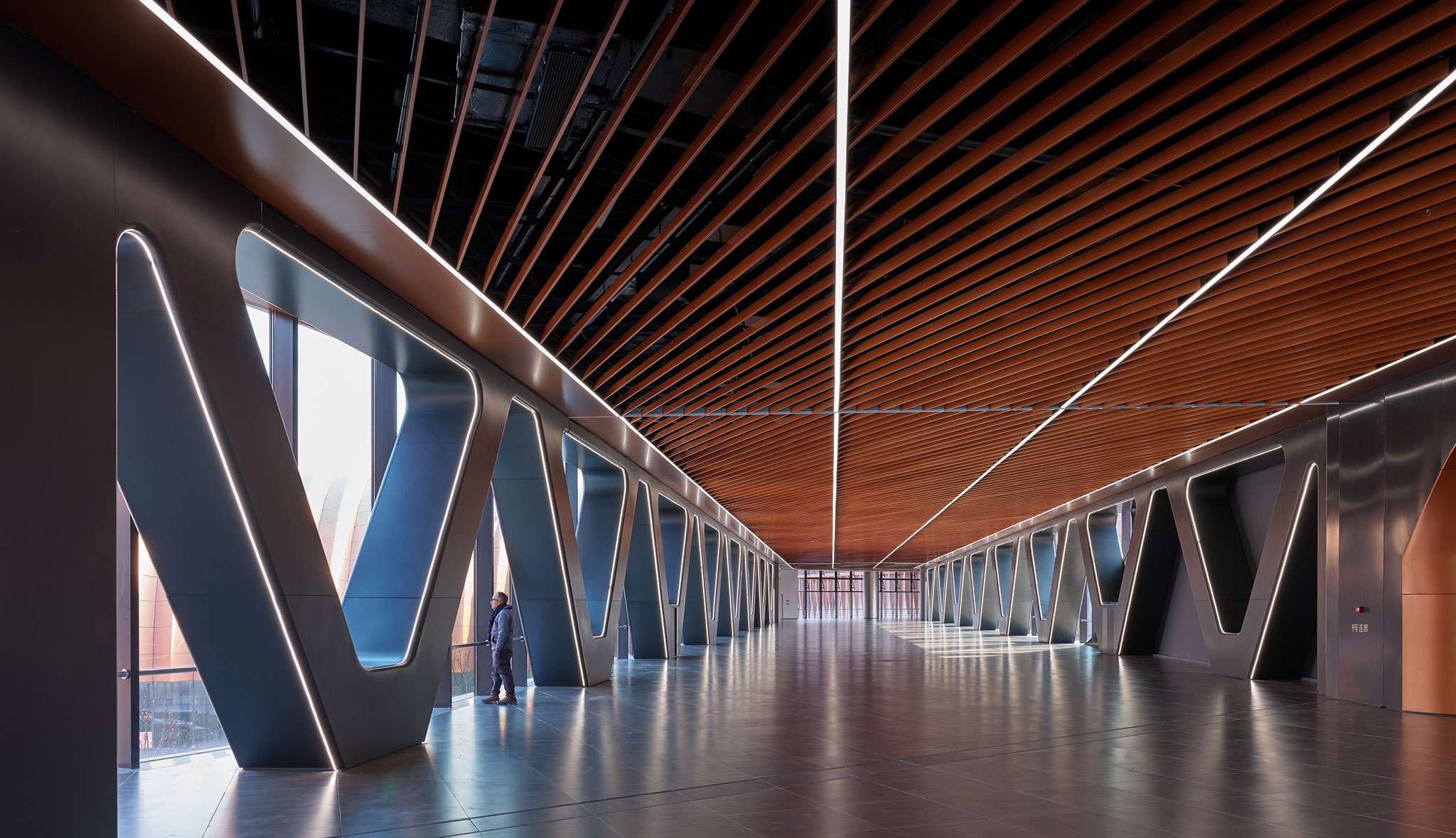
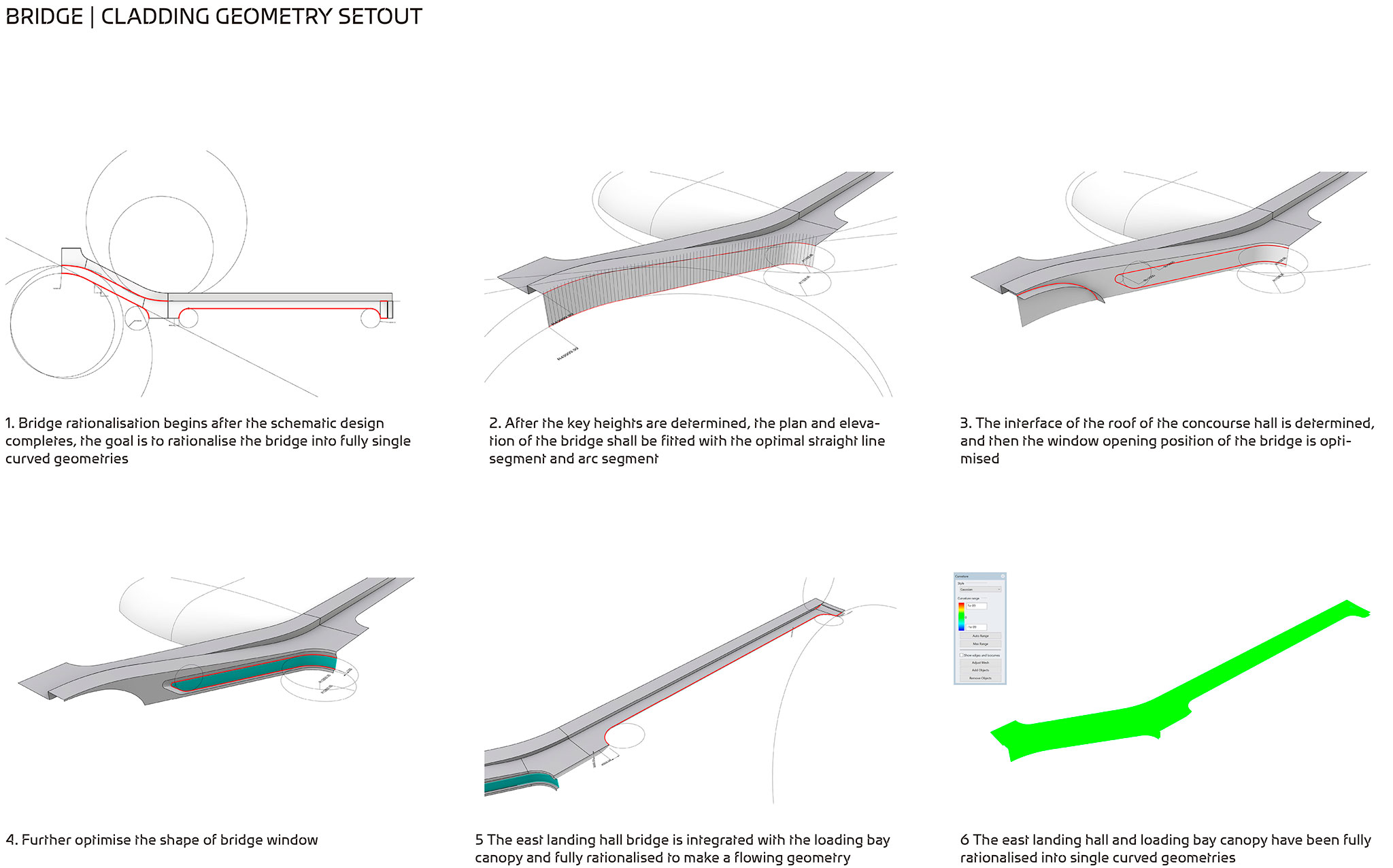
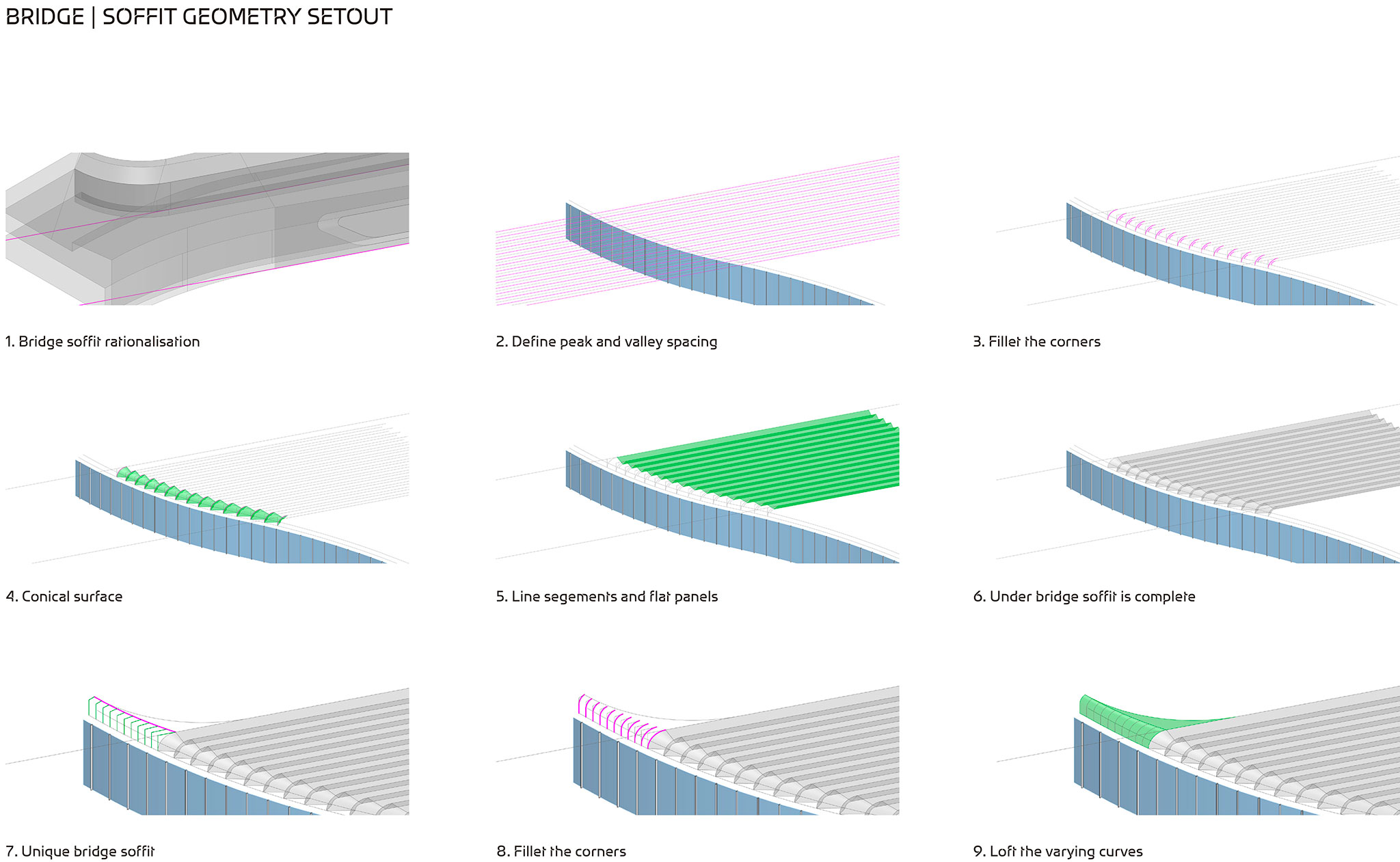
Conceived as "ribbons" that weave together all the new facilities, bridges above this central courtyard also connect the exhibition halls, conference centre and hotel, to provide indoor circulation between event spaces. The conference centre and hotel are located to the north of the site, defining a new public square for exhibitions and events. The movement of people, goods, and vehicles throughout the CIECC is divided into three distinct routes to aid circulation, provide optimal adaptability and avoid disruption to different concurring events.

CIECC by Zaha Hadid Architects. Photograph by Virgile Simon Bertrand.

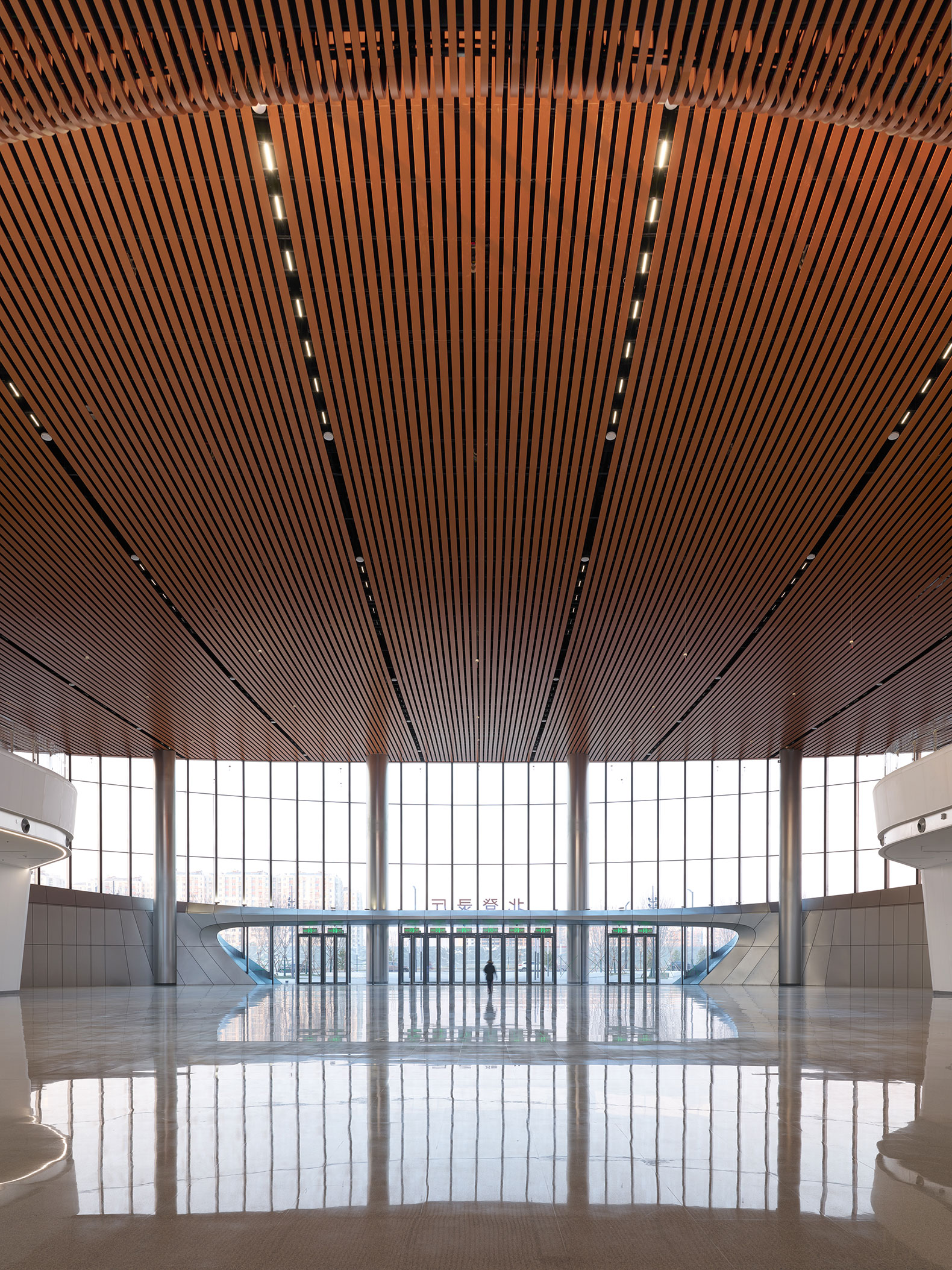
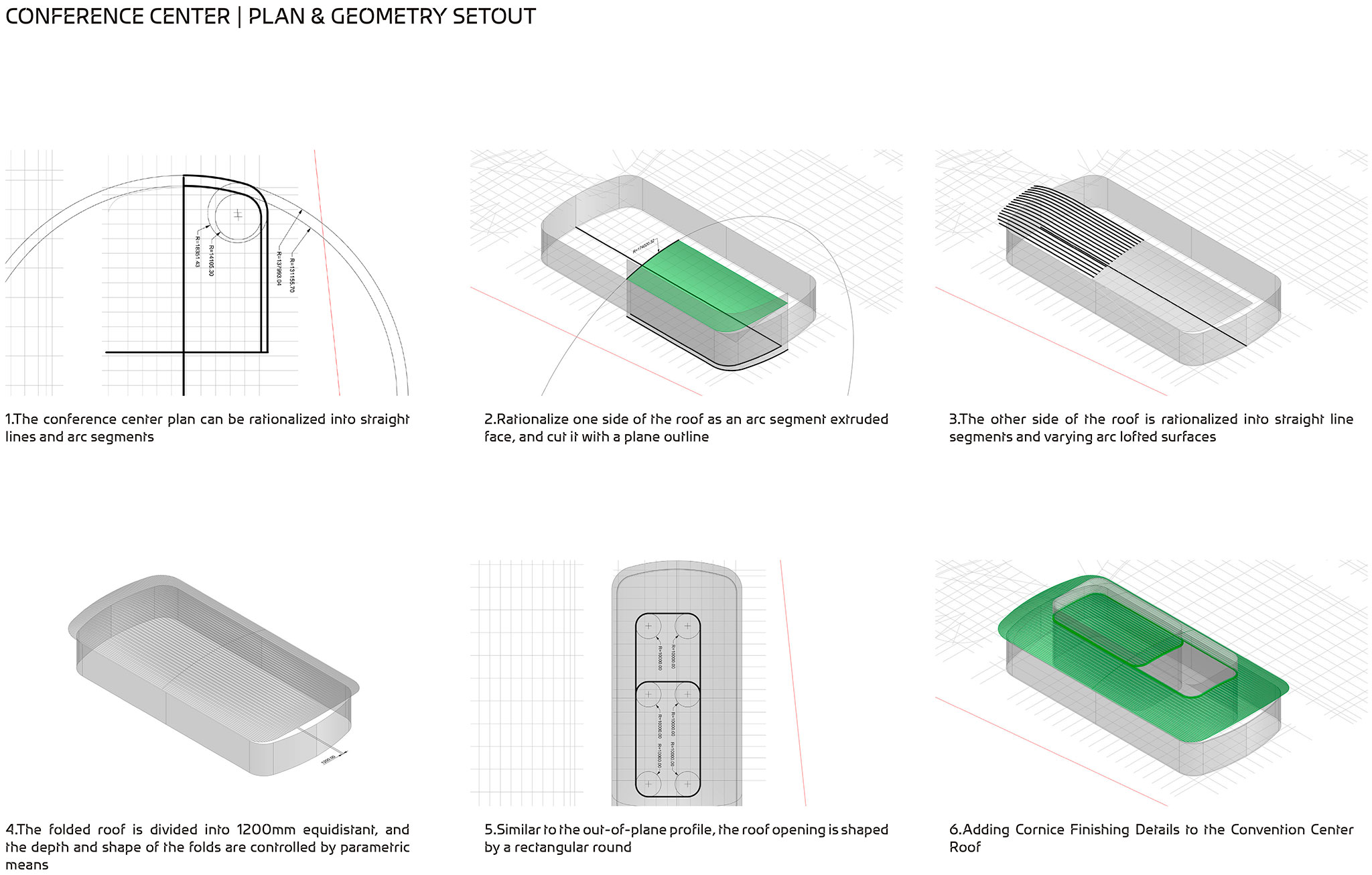
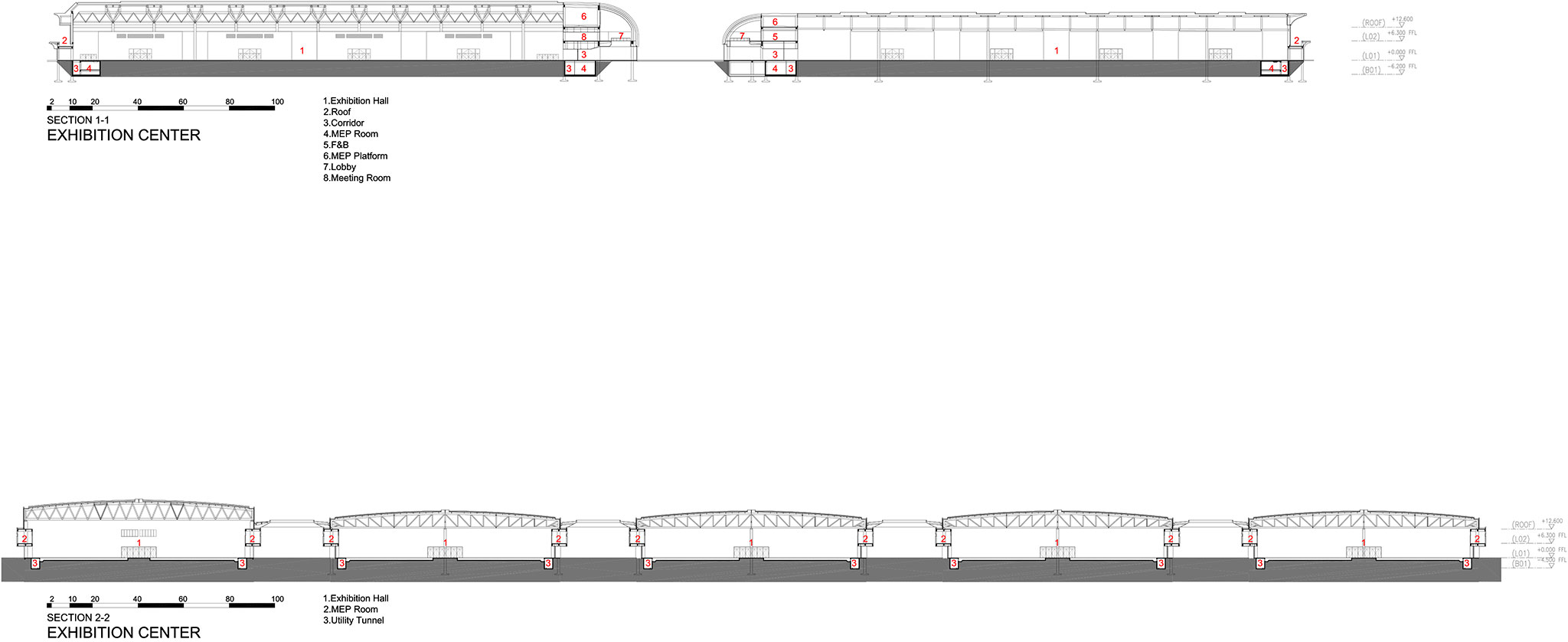
The CIECC’s composite roof system of symmetric geometries creates an insulated, lightweight, large-span structure providing column-free spaces that can be quickly adapted to changes in exhibitions and nature of use. This modular fabrication and construction minimized the centre’s development time, investment, and operational costs.

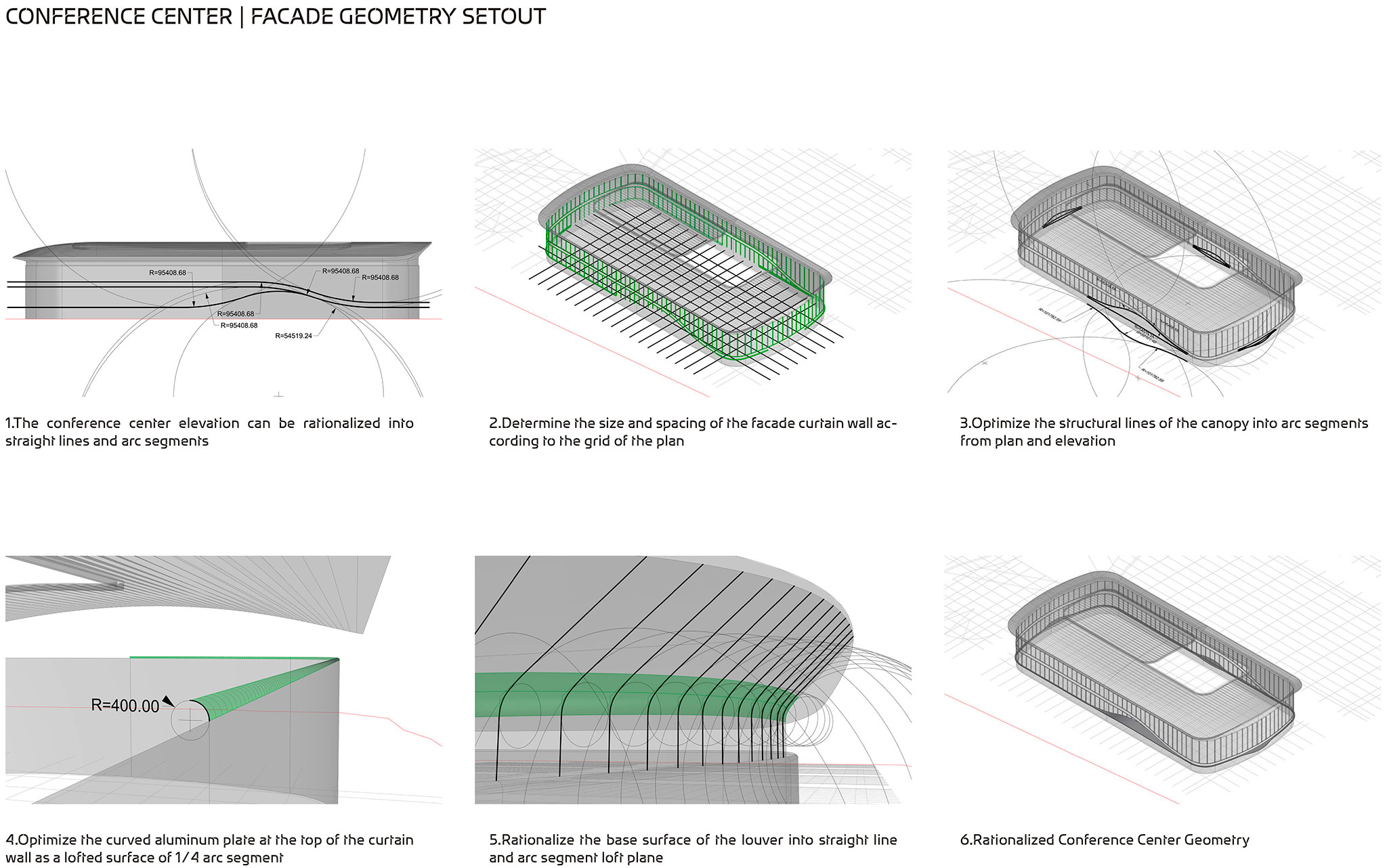
The centre’s fluid architectural language and pleated, deep copper-coloured façade incorporating large, recessed windows, have been designed to balance the CIECC’s immense industrial scale and materiality.

CIECC por Zaha Hadid Architects. Fotografía por Virgile Simon Bertrand.
CIECC by Zaha Hadid Architects. Photograph by Virgile Simon Bertrand.

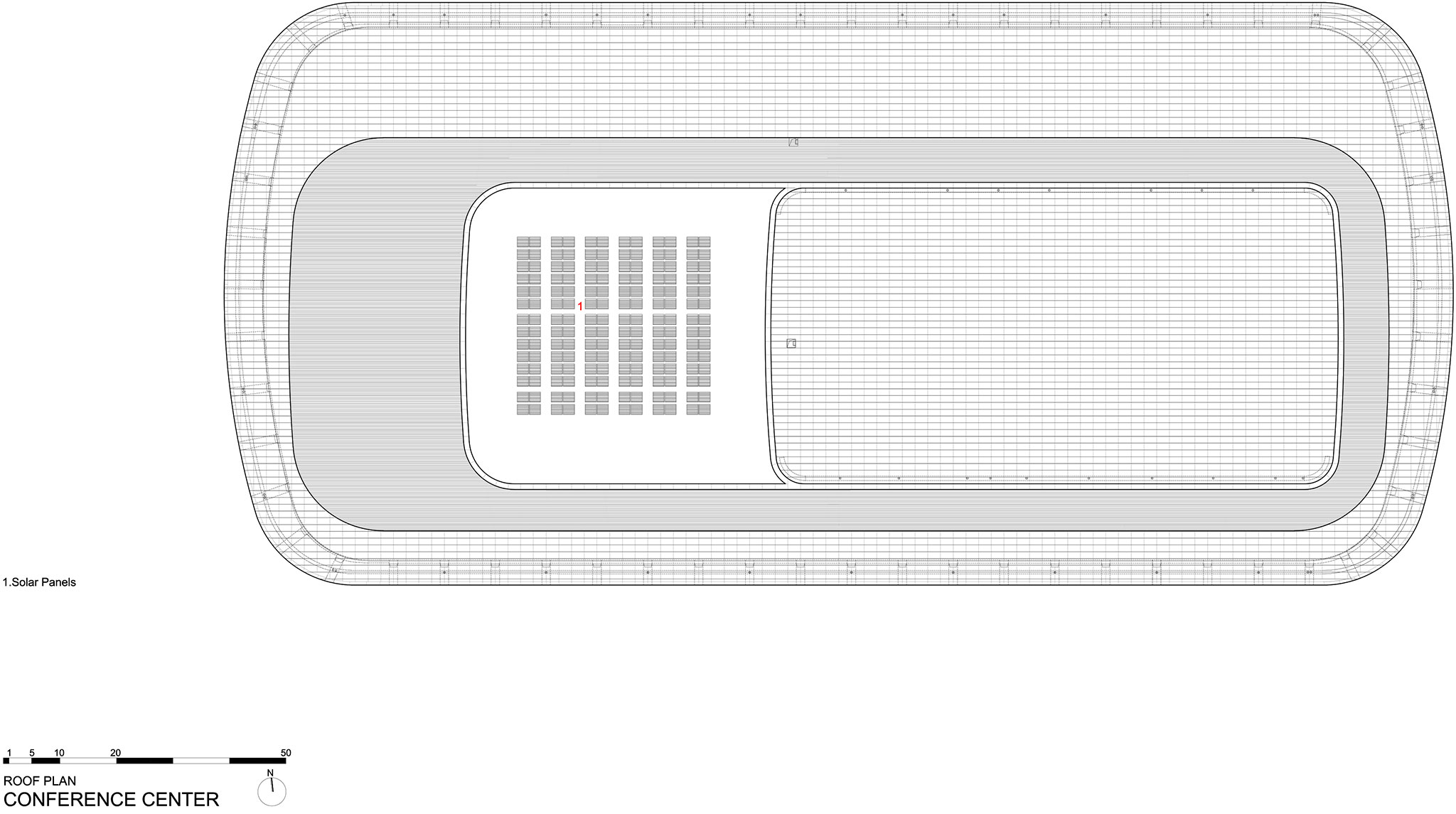
Achieving the highest certification of China’s Green Building Program, the centre uses smart building management systems with hybrid ventilation, ensuring optimum natural ventilation supported by high efficiency HVAC equipment to enhance indoor air quality and minimise energy consumption. Rainwater collection throughout CIECC’s extensive footprint, grey water recycling, and photovoltaics for on-site energy generation will reduce water and energy demand from the city’s municipal supply.
More information

Label
Architects
Text

Zaha Hadid Architects (ZHA)
Design.- Patrik Schumacher.
ZHA Project Directors.- Satoshi Ohashi, Paulo Flores.
ZHA Project Associates.- Di Ding, Martin Pfleger, Clara Martins.
ZHA Project Leads.- Leo Alves, I-Chun Lin, Eduardo Camarena, Juan Montiel.
ZHA Site Team.- Di Ding, I-Chun Lin.
ZHA Competition Project Directors.- Satoshi Ohashi, Paulo Flores.
ZHA Competition Associates.- Yang Jingwen, Michail Desyllas.
ZHA Competition Project Architect.- Di Ding.

+ + copy Created with Sketch.
- + copy Created with Sketch.
Label
Project team
Text

ZHA Project Team.- Satoshi Ohashi, Paulo Flores, Yang Jingwen, Di Ding, Cristiano Ceccato, Martin Pfleger, Clara Martins, Leo Alves, I-Chun Lin, Eduardo Camarena, Juan Montiel, Yihui Wu, Cristina Barrios Cabrera, Chen Lian, Dilara Yurttas, Felix Amiss, Gaoqi Lou, Hao Yang, Haotian Man, Huiyuan Li, Shuaiwei Li, John Kanakas, Kate Hunter, Nessma Al Ghoussein, Qiren Lu, Thomas Bagnoli, Meysam Ehsanian, Yushan Chen, Zhe Zhong, Xinying Zhang.
ZHA Competition Team.- Satoshi Ohashi, Paulo Flores, Yang Jingwen, Di Ding, Michail Desyllas, Eduardo Camarena, Enoch Kolo, Che-Hung Chien, Felix Amiss, Genci Sulo, IChun Lin, Jiaxing Lu, Juan Liu, Mariana Custodio dos Santos, Meng Zhao, Michael On, Nastasja Mitrovic, Nicolas Tornero, Ying Xia, Zheng Xu.

+ + copy Created with Sketch.
- + copy Created with Sketch.
Label
Collaborators
Text

Executive Architect.- Beijing Institute of Architectural Design CO., LTD.
Local Architect.- Beijing Institute of Architectural Design CO., LTD, Beijing BIAD Decoration Engineering and Design CO., LTD (Conference Center Interior), Beijing E.Scene Art Design Co. LTD (Exhibition Interior), Cheng Chung Design (Hotel Interior).
Structural Engineers.- Beijing Institute of Architectural Design CO., LTD.
Façade Engineering.- China Academy of Building Research.
MEP.- Beijing Institute of Architectural Design.
Transport Consultant.- Parking Management Organisation (Shanghai).
Fire Engineer.- Tianjin Taida Fire Science and Technology LTD.
Landscape Consultant.- Ecoland.
Lighting Design.- Toryo International Lighting Design Center.
Site Supervision.- RFR,CCAT.
Urban Planning.- AECOM.

+ + copy Created with Sketch.
- + copy Created with Sketch.
Label
Client
Text

Beijing Chenxing International Exhibition Co., Ltd.

+ + copy Created with Sketch.
- + copy Created with Sketch.
Label
Builder
Text

China Construction Second Engineering Bureau LTD. and Beijing Construction Engineering Group.

+ + copy Created with Sketch.
- + copy Created with Sketch.
Label
Area
Text

Site Area.- 637,413.74 sqm.
Gross Floor Area.- 611,034 sqm.
Building Footprint.- 316,706.87 sqm.

+ + copy Created with Sketch.
- + copy Created with Sketch.
Label
Dates
Text

2015 to 2025.

+ + copy Created with Sketch.
- + copy Created with Sketch.
Label
Location
Text

Beijing, China.

+ + copy Created with Sketch.
- + copy Created with Sketch.
Label
Photography
+ + copy Created with Sketch.
- + copy Created with Sketch.

Zaha Hadid Architects (ZHA) is a British architectural firm founded in 1979 by Iraqi-British architect Zaha Hadid. Following her death in 2016, the studio continued her legacy under the direction of Patrik Schumacher, who had been Hadid's close collaborator and partner since 1988. Schumacher led the firm as Principal and Chief Designer. In 2023, Stéphane Vallotton took over as studio principal, having been with ZHA since 2005 and involved in significant projects in Europe, China, and North Africa.

Headquartered in Clerkenwell, London, ZHA maintains an international network of offices in cities such as New York, Dubai, Hong Kong, Mexico City, and Beijing. The firm employs over 400 professionals from diverse disciplines and nationalities, working on projects ranging from cultural and residential buildings to urban infrastructure and digital environments.

Throughout its history, ZHA has completed more than 950 projects in 44 countries, establishing itself as one of the most influential and cutting-edge architectural firms on the contemporary scene.

Zaha Hadid (Baghdad, 31 October 1950 – Miami, 31 March 2016), founder of Zaha Hadid Architects, was awarded the Pritzker Architecture Prize (considered to be the Nobel Prize of architecture) in 2004 and is internationally known for both her theoretical and academic work.

Each of her dynamic and innovative projects builds on over thirty years of revolutionary exploration and research in the interrelated fields of urbanism, architecture and design. Hadid’s interest lies in the rigorous interface between architecture, landscape and geology as her practice integrates natural topography and human-made systems, leading to experimentation with cutting-edge technologies. Such a process often results in unexpected and dynamic architectural forms.

Education: Hadid studied architecture at the Architectural Association from 1972 and was awarded the Diploma Prize in 1977.

Teaching: She became a partner of the Office for Metropolitan Architecture, taught at the AA with OMA collaborators Rem Koolhaas and Elia Zenghelis, and later led her own studio at the AA until 1987. Since then, she has held the Kenzo Tange Chair at the Graduate School of Design, Harvard University; the Sullivan Chair at the University of Illinois, School of Architecture, Chicago; guest professorships at the Hochschule für Bildende Künste in Hamburg; the Knolton School of Architecture, Ohio and the Master's Studio at Columbia University, New York. In addition, she was made Honorary Member of the American Academy of Arts and Letters, Fellow of the American Institute of Architecture and Commander of the British Empire, 2002. She is currently a Professor at the University of Applied Arts in Vienna, Austria and was the Eero Saarinen Visiting Professor of Architectural Design at Yale University, New Haven, Connecticut.

Awards: Zaha Hadid’s work of the past 30 years was the subject of critically-acclaimed retrospective exhibitions at New York’s Solomon R. Guggenheim Museum in 2006, London’s Design Museum in 2007 and the Palazzo della Ragione, Padua, Italy in 2009. Her recently completed projects include the MAXXI Museum in Rome, which won the Stirling award in 2010. Hadid’s outstanding contribution to the architectural profession continues to be acknowledged by the world’s most respected institutions. She received the prestigious ‘Praemium Imperiale’ from the Japan Art Association in 2009, and in 2010, the Stirling Prize – one of architecture’s highest accolades – from the Royal Institute of British Architects. Other recent awards include UNESCO naming Hadid as an ‘Artist for Peace’ at a ceremony in their Paris headquarters last year. Also in 2010, the Republic of France named Hadid as ‘Commandeur de l’Ordre des Arts et des Lettres’ in recognition of her services to architecture, and TIME magazine included her in their 2010 list of the ‘100 Most Influential People in the World’. This year’s ‘Time 100’ is divided into four categories: Leaders, Thinkers, Artists and Heroes – with Hadid ranking top of the Thinkers category.
(*) Zaha Hadid. Photograph by Steve Double. Image courtesy of Zaha Hadid Architects.
Read more
Published on: January 15, 2026
Cite:
metalocus, ELVIRA PARÍS FERNÁNDEZ
"Pleated flexibility. CIECC by Zaha Hadid Architects" METALOCUS. Accessed
<http://www.metalocus.es/en/news/pleated-flexibility-ciecc-zaha-hadid-architects> ISSN 1139-6415
Loading content ...
Loading content ...
Loading content ...
Loading content ...
Loading content ...
Loading content ...
Loading content ...
Loading content ...
Loading content ...
Loading content ...
Loading content ...
Loading content ...
Loading content ...
Loading content ...
Loading content ...
Loading content ...
Loading content ...
Loading content ...
Loading content ...
Loading content ...
Loading content ...
Loading content ...
Loading content ...
Loading content ...
Loading content ...
Loading content ...
Loading content ...
Loading content ...
Loading content ...
Loading content ...
Loading content ...
Loading content ...
Loading content ...
Loading content ...
Loading content ...
Loading content ...
Loading content ...
Loading content ...
Loading content ...
Loading content ...
Loading content ...
Loading content ...
Loading content ...
Loading content ...
Loading content ...
Loading content ...
Loading content ...
Loading content ...
Loading content ...
Loading content ...
Loading content ...
Loading content ...
Loading content ...
Loading content ...