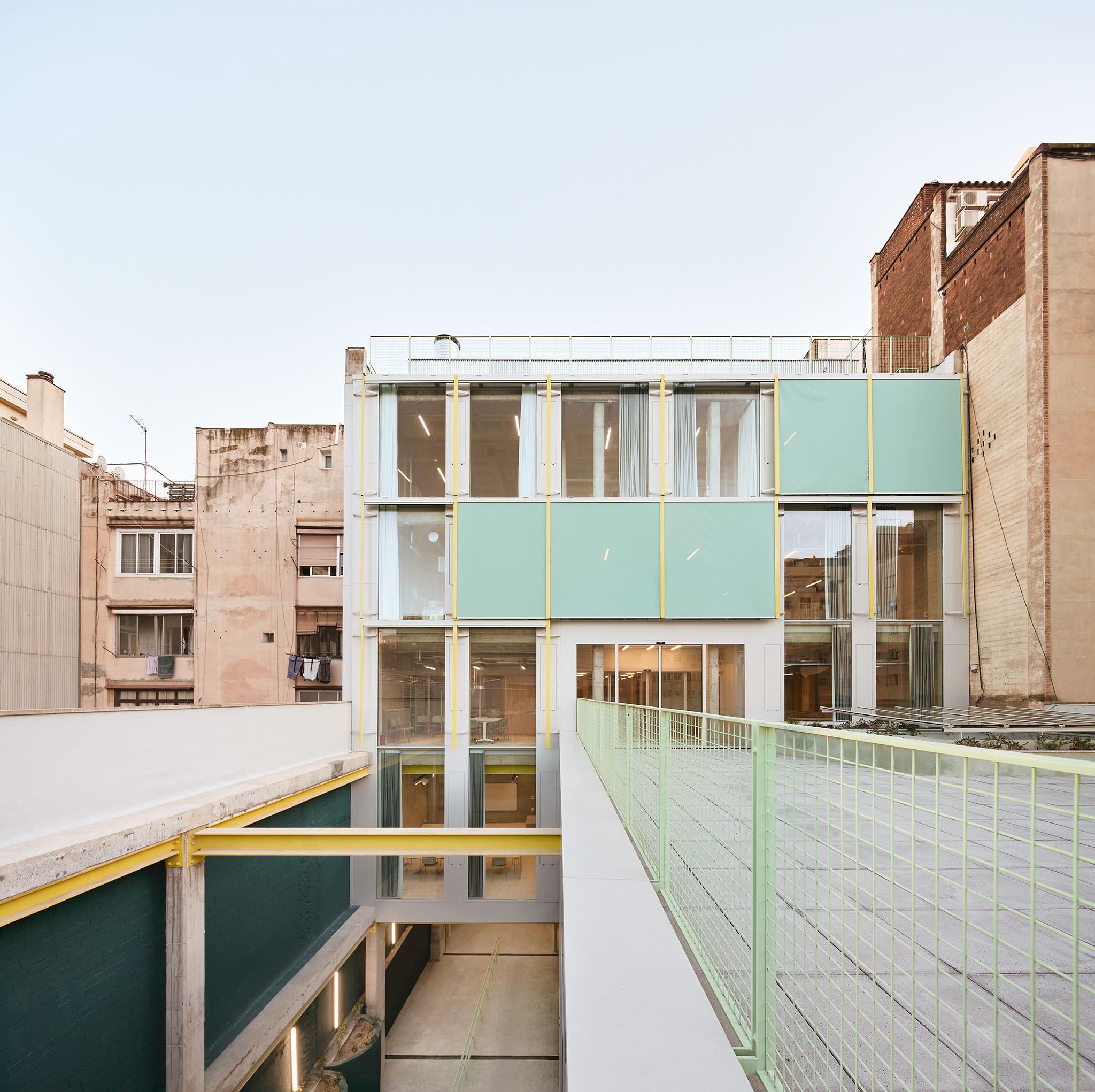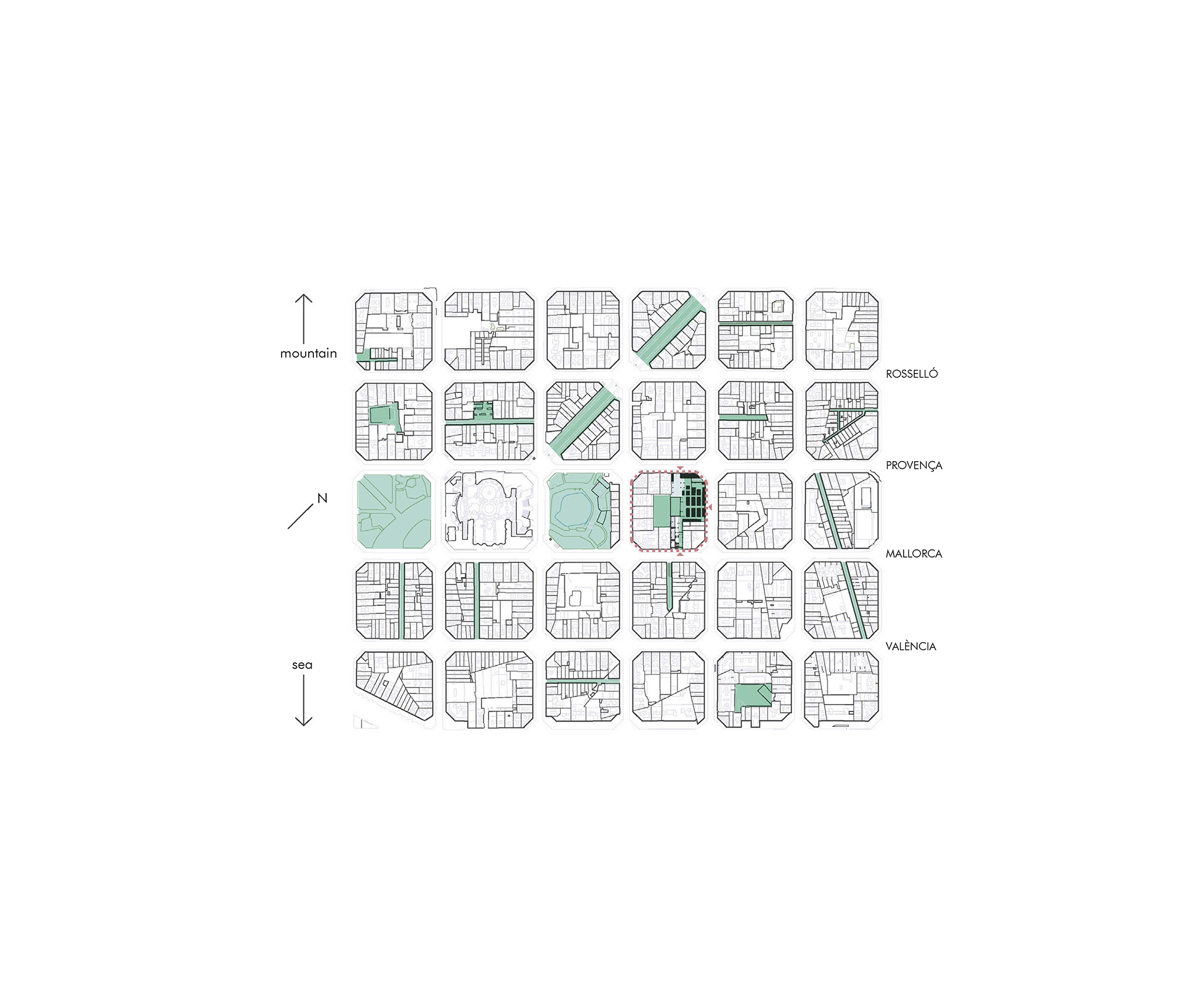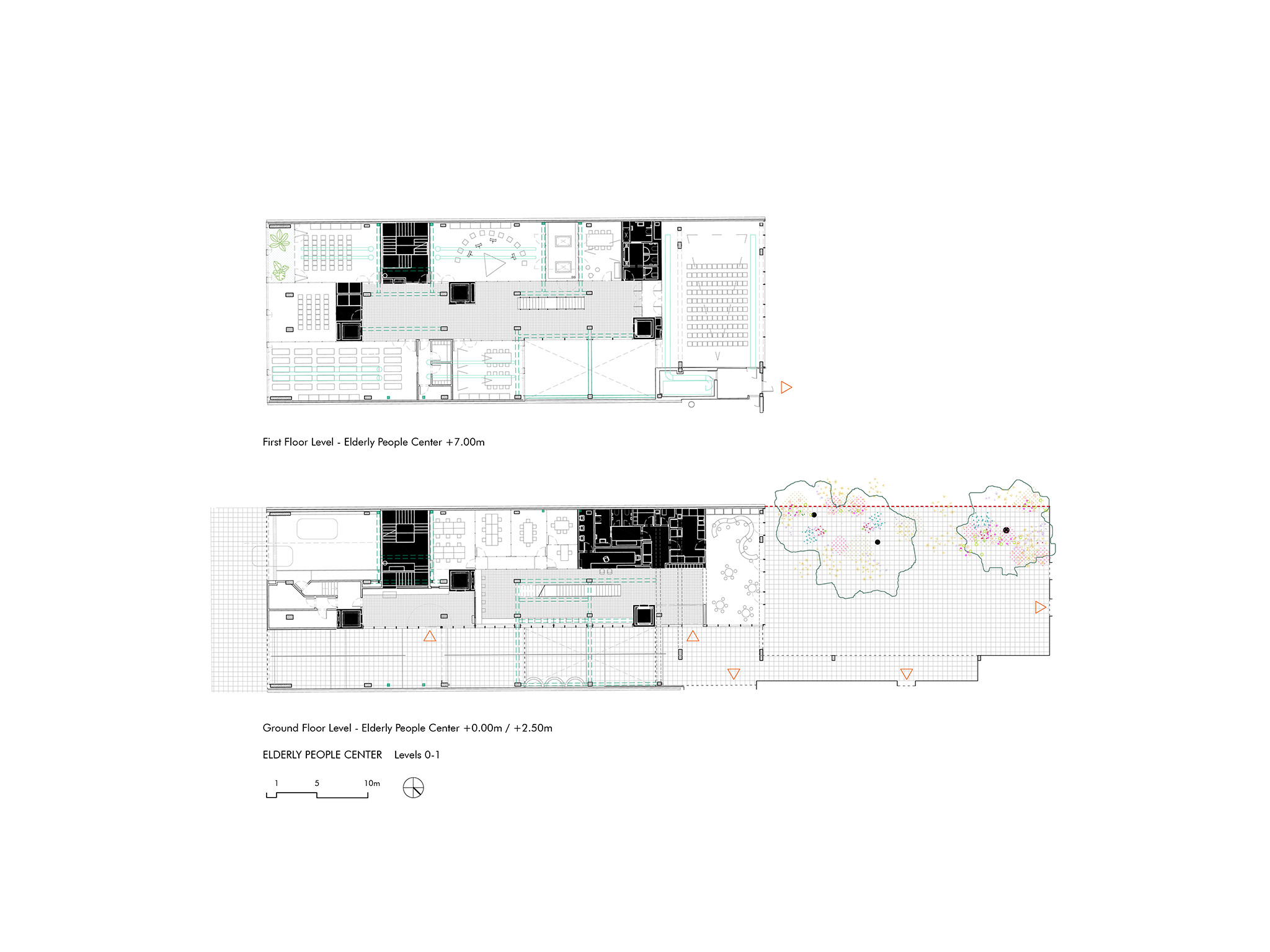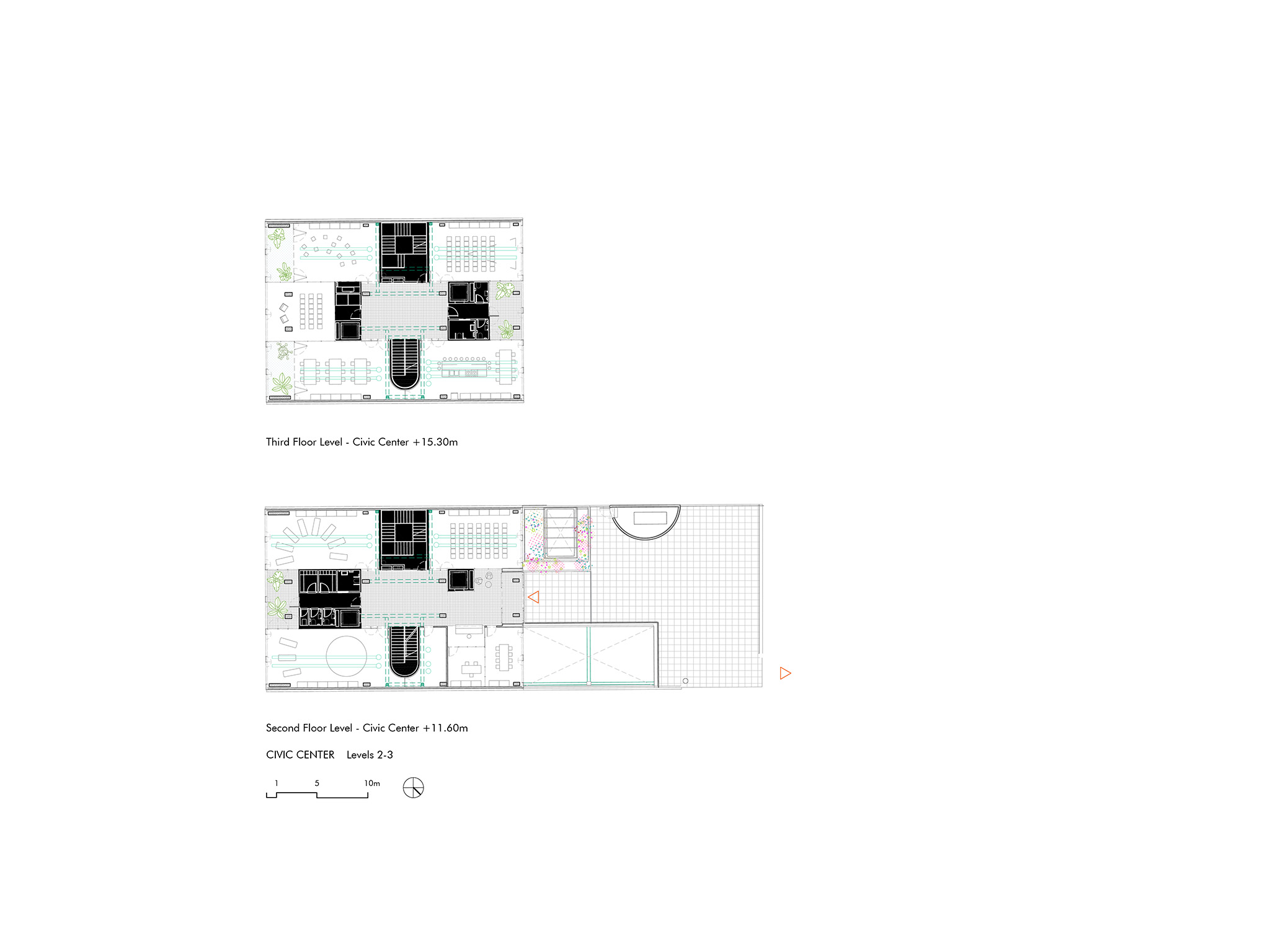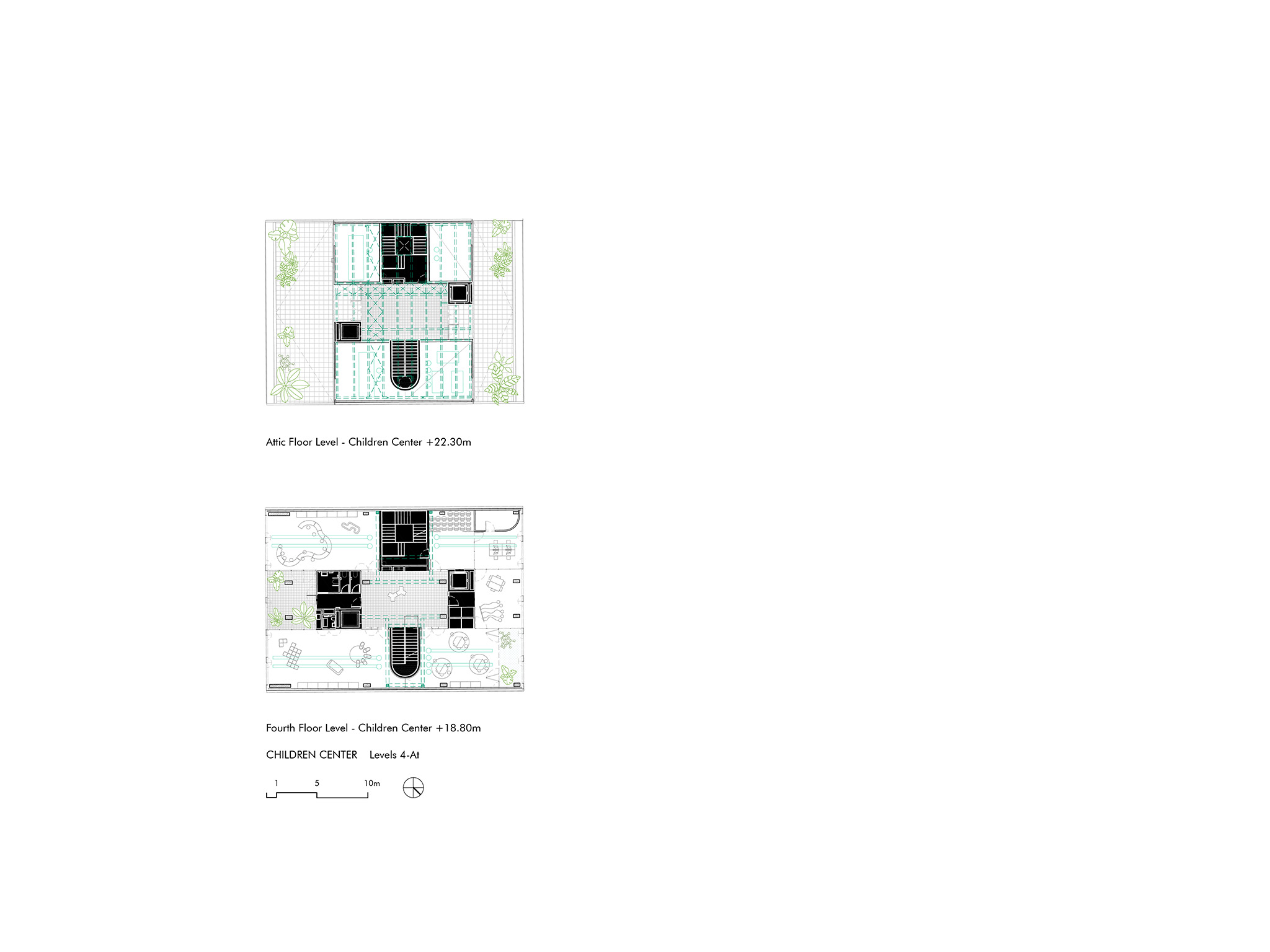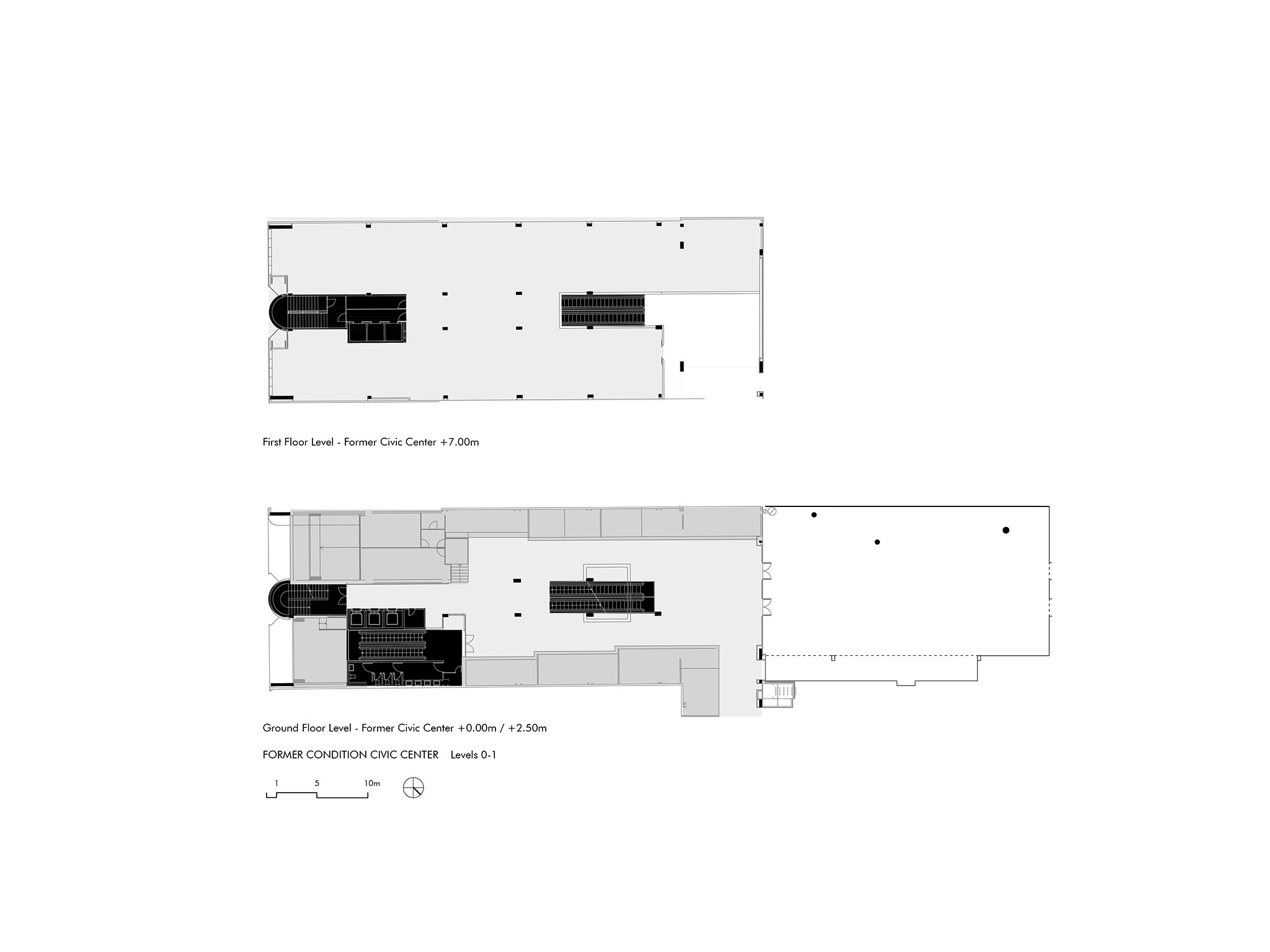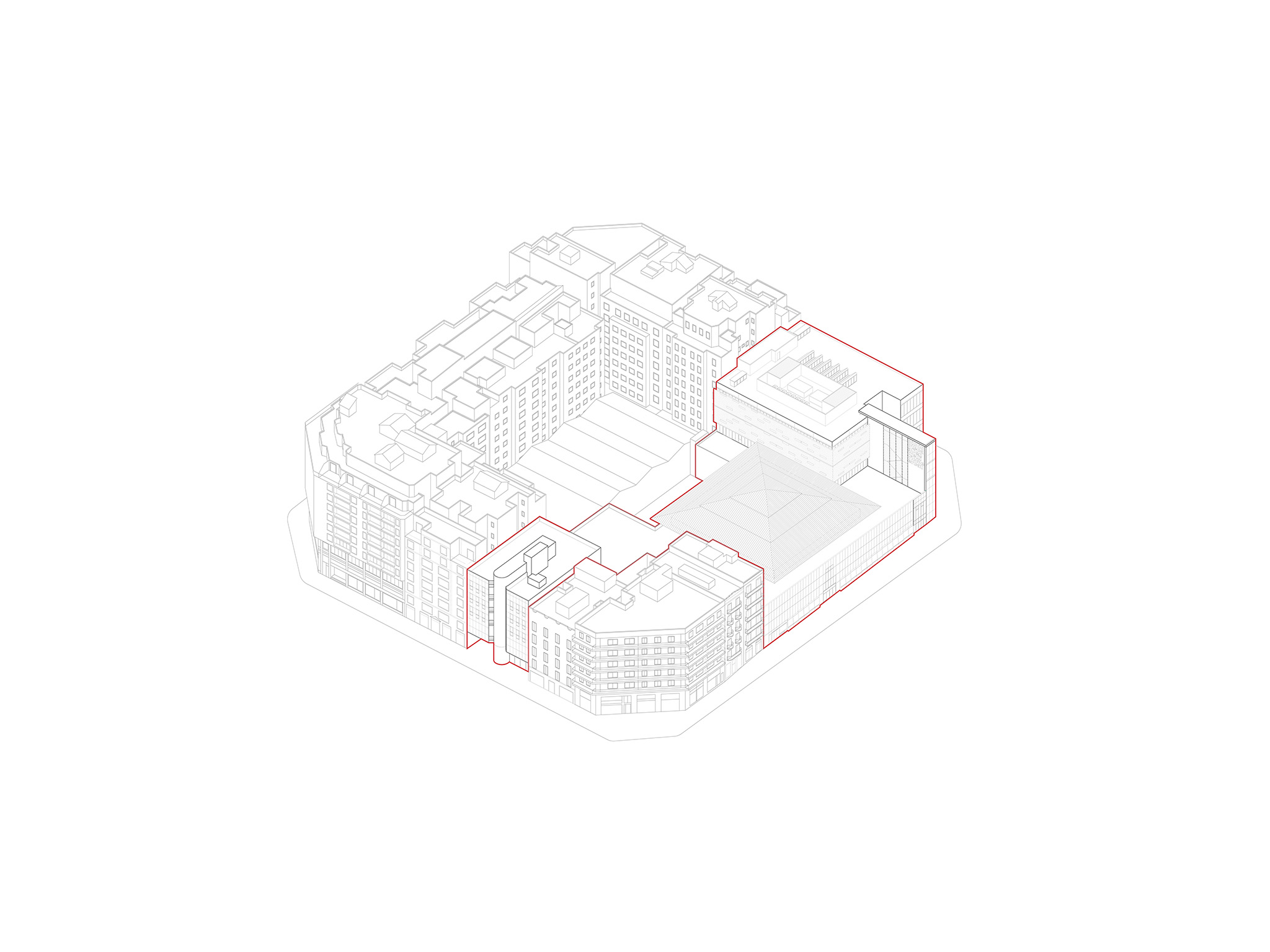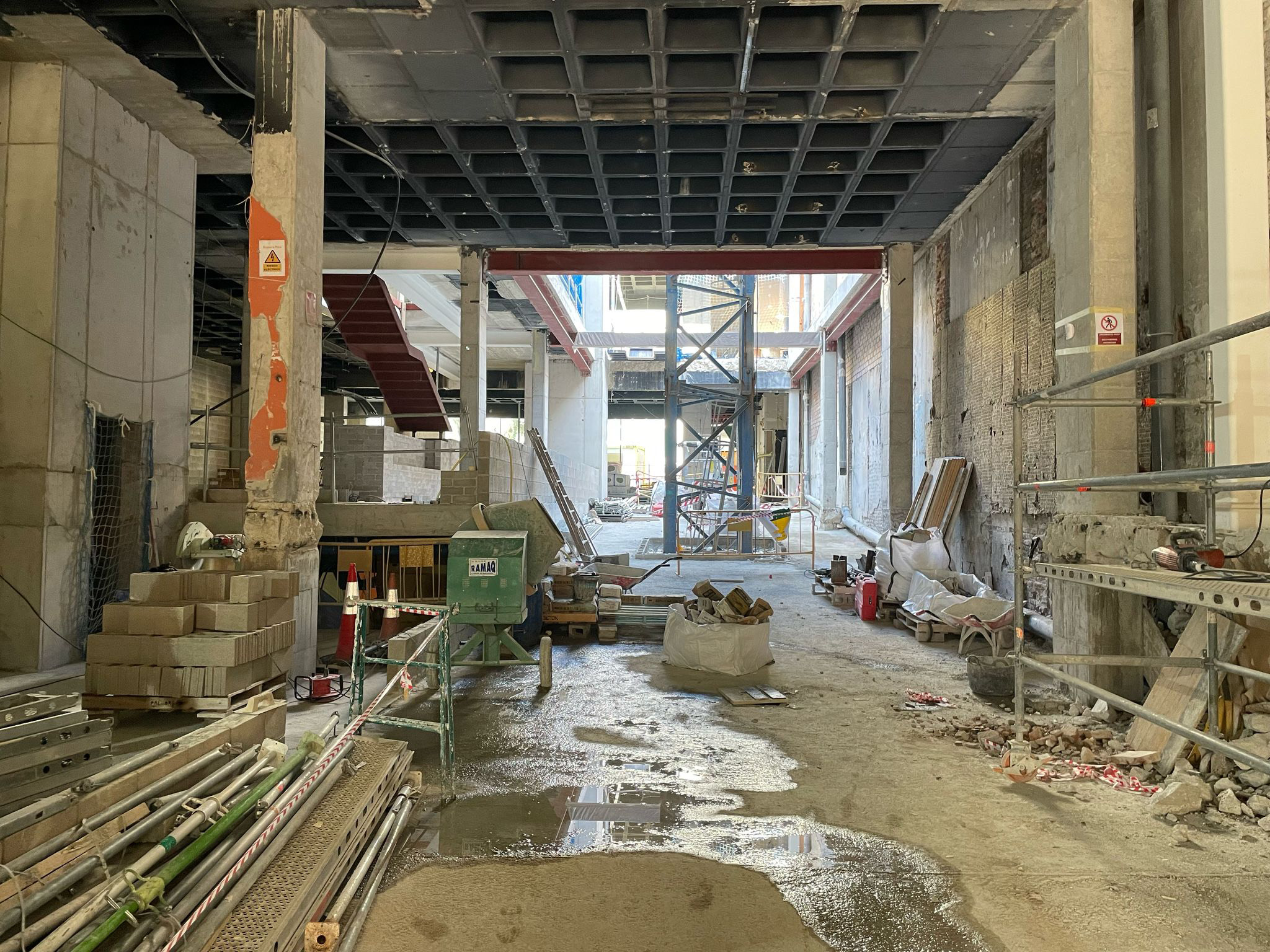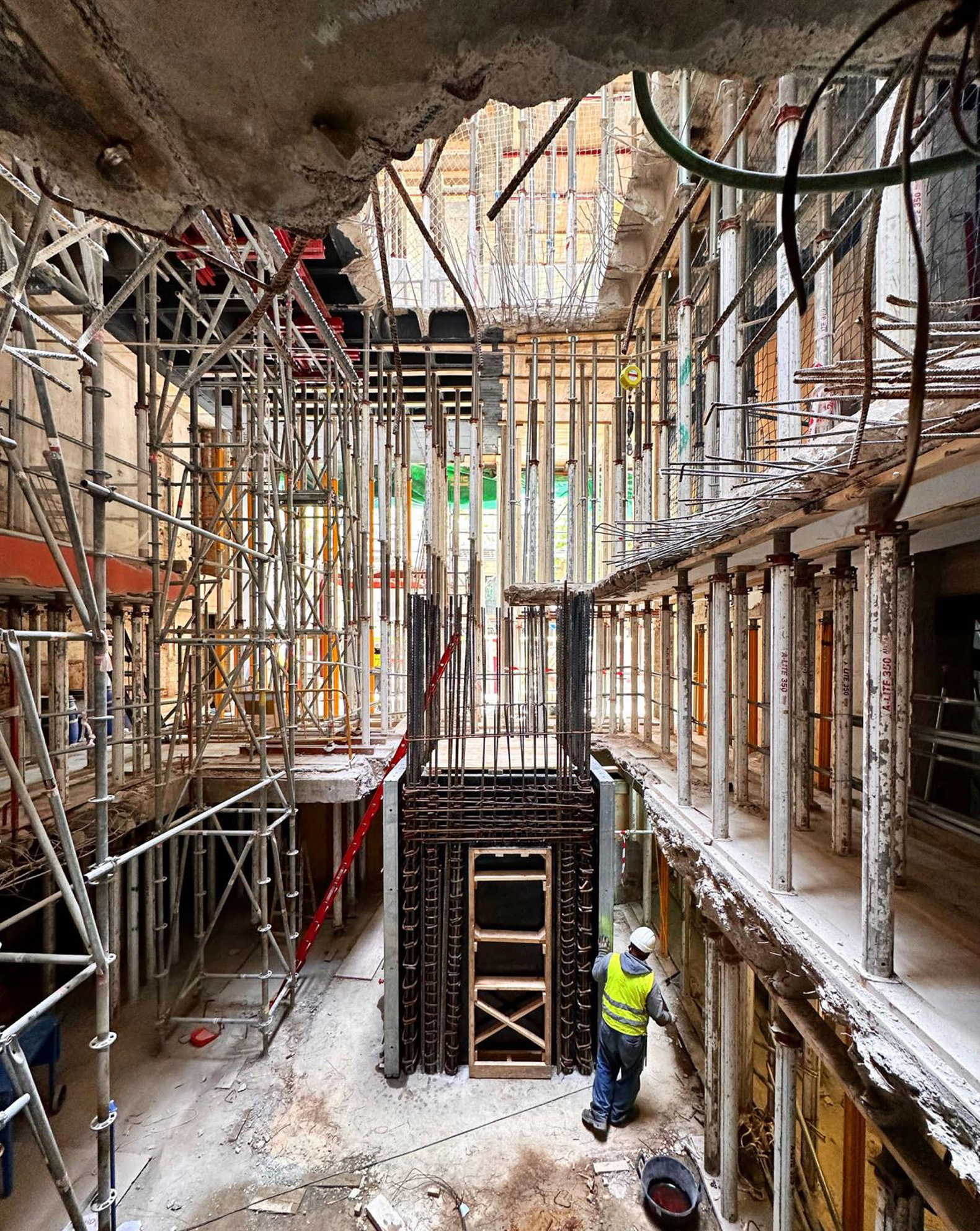
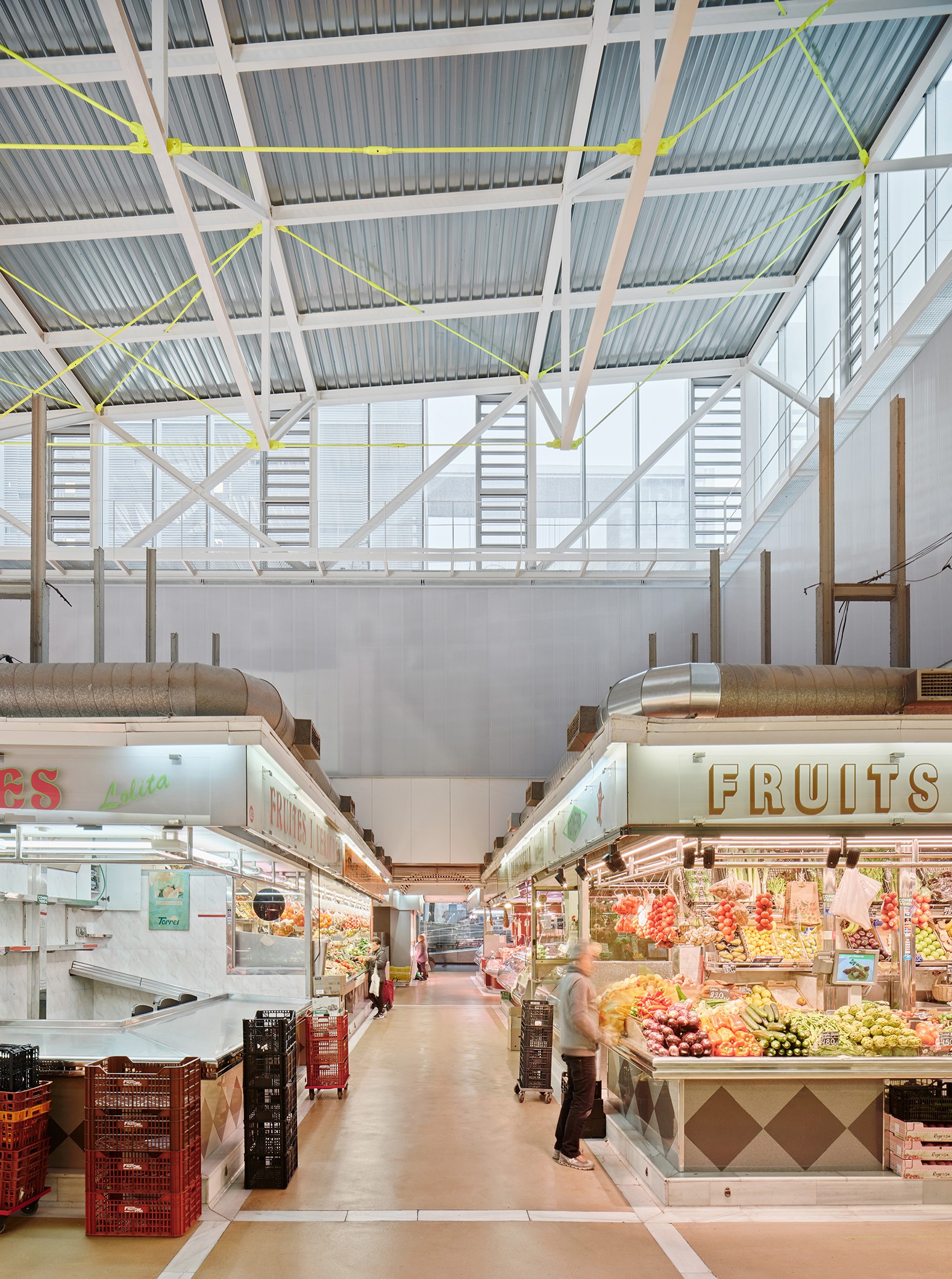
Located in the Sagrada Familia neighborhood of Barcelona's Eixample district, the project by Addenda Architects + Flexo Arquitectura transforms a unique city block that houses a variety of public facilities, including a library, a market, and a multipurpose civic building. Selected as a finalist for the 2026 FAD Awards, the proposal aims to renew and revitalize this complex, reinforcing its public character and redefining its relationship with the neighborhood and the city.

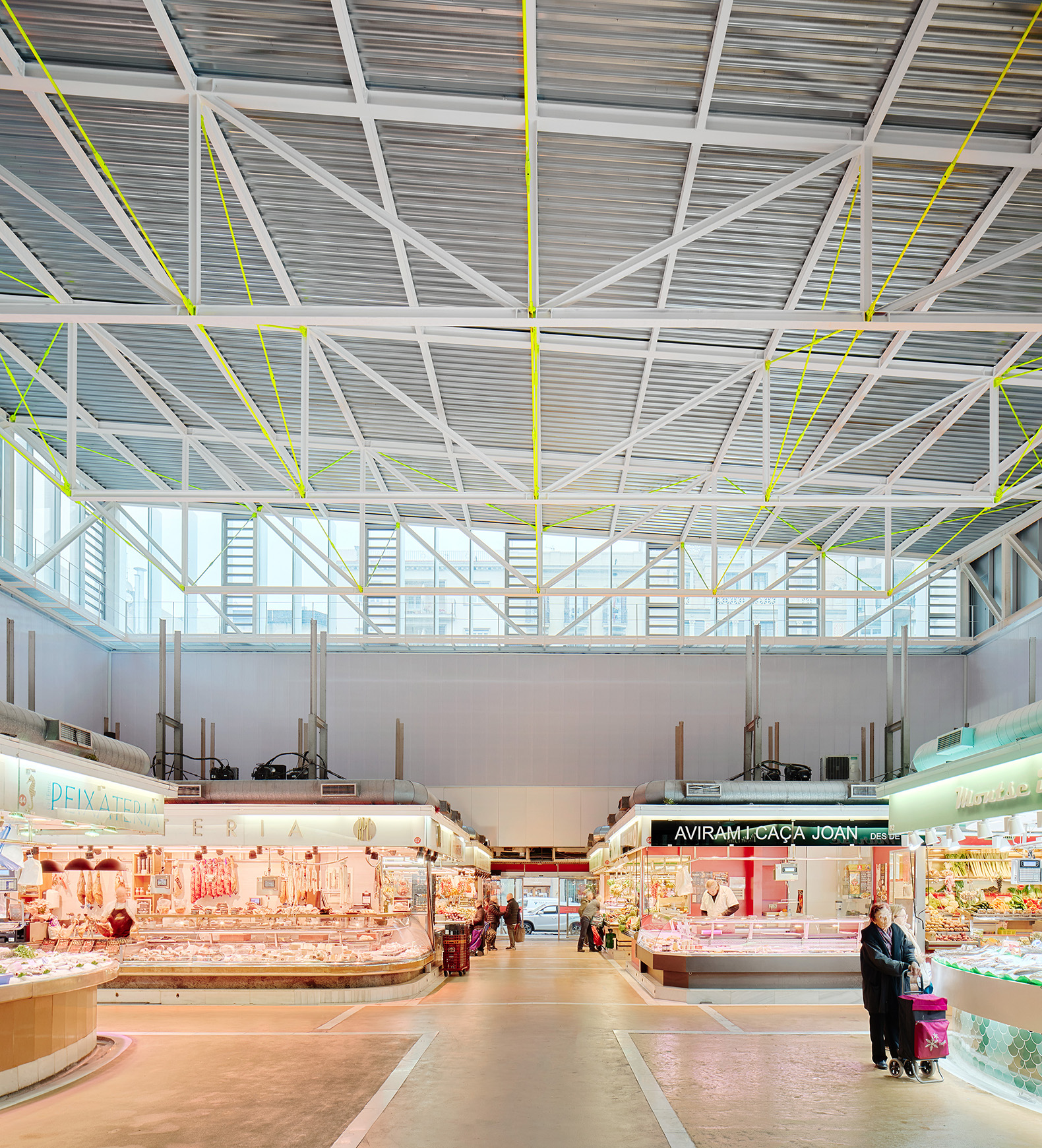
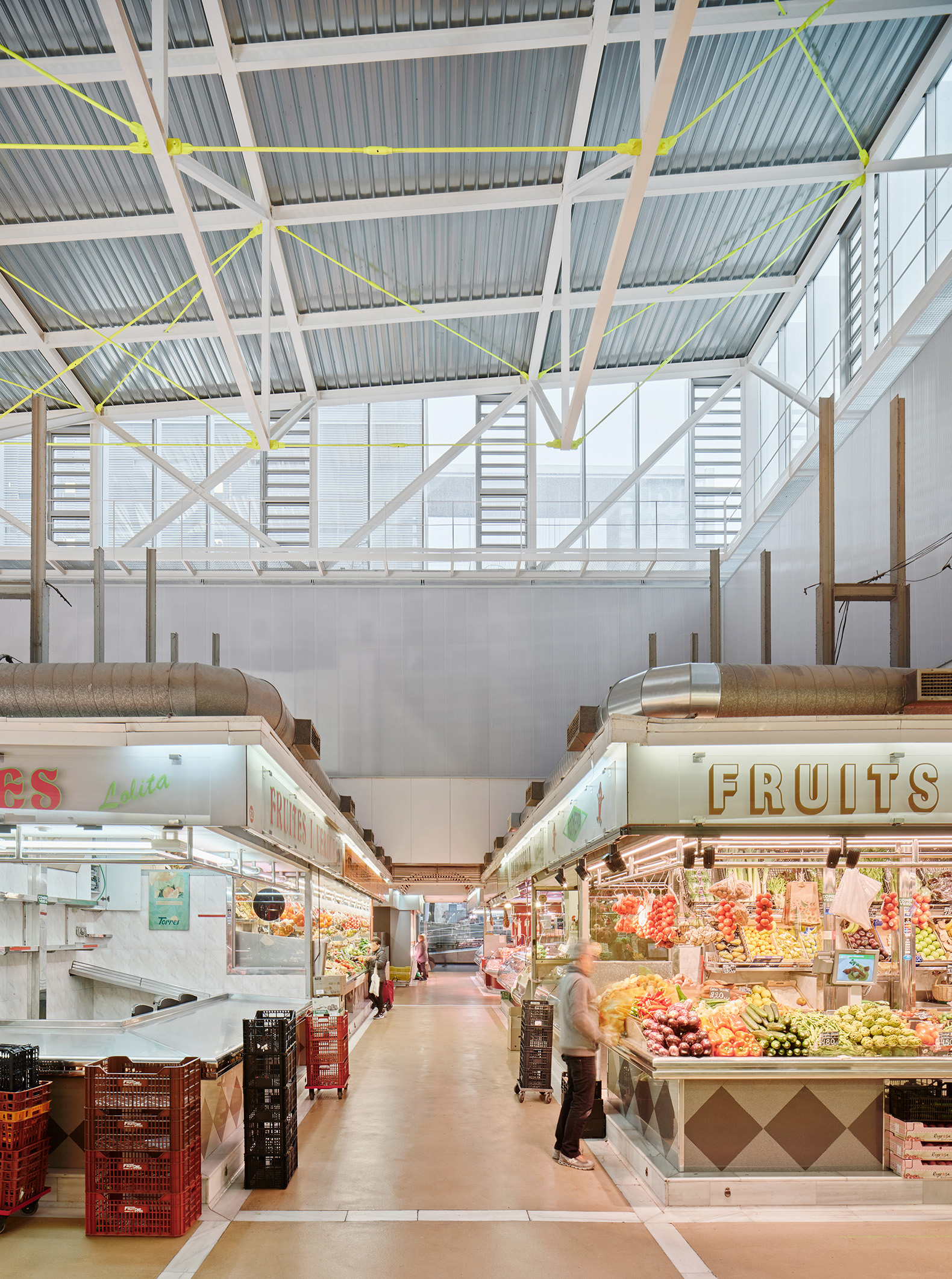
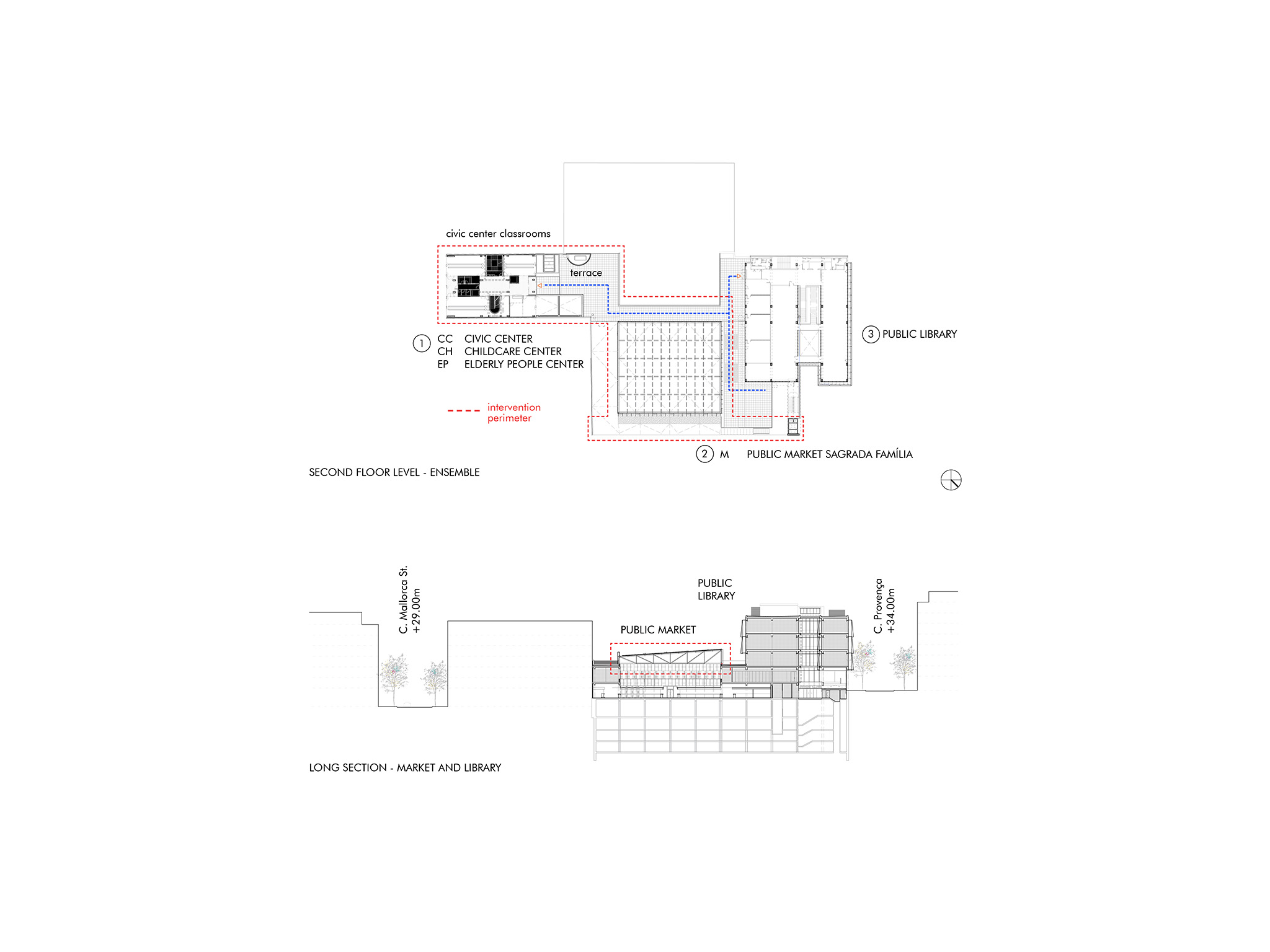
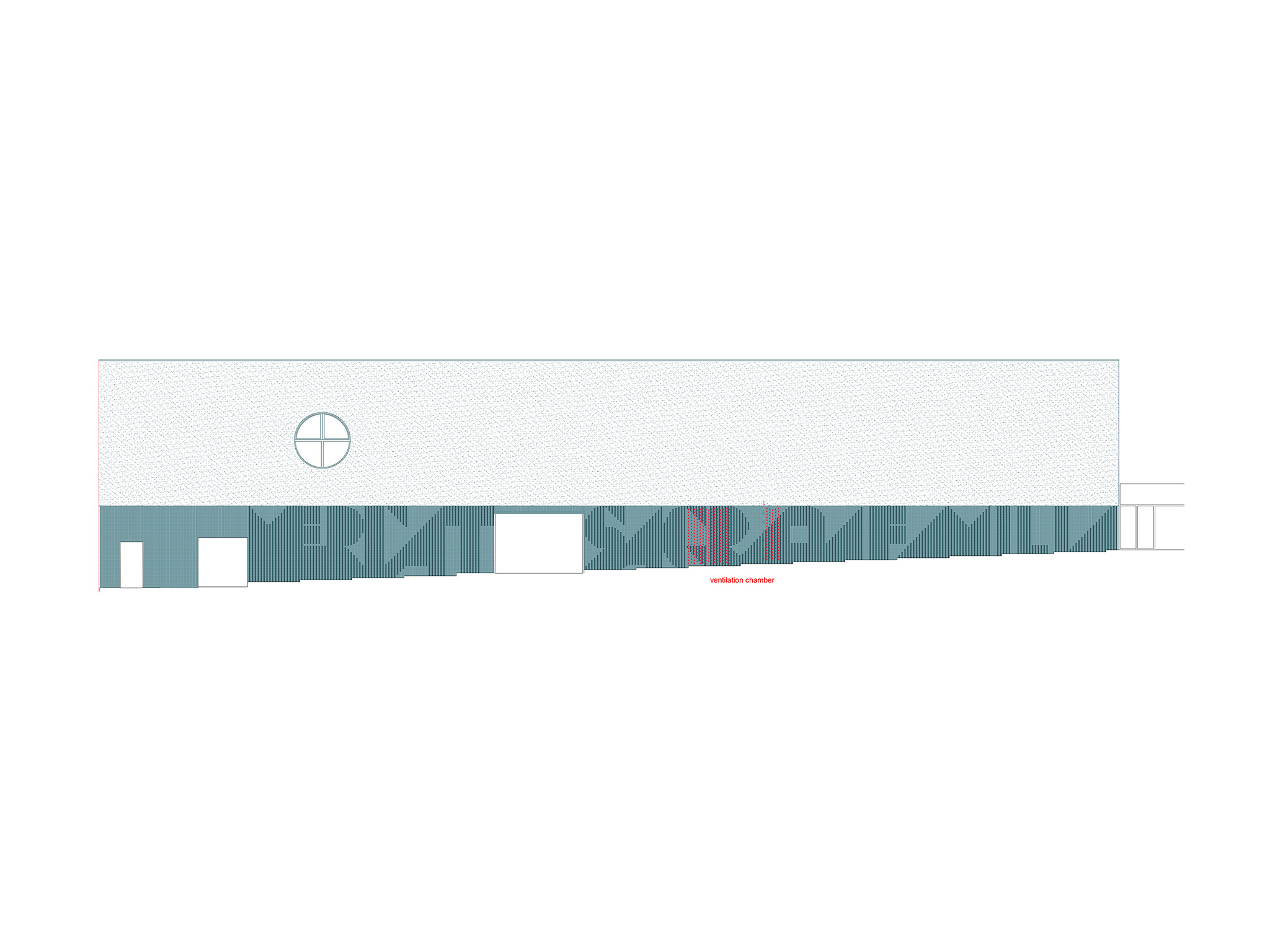
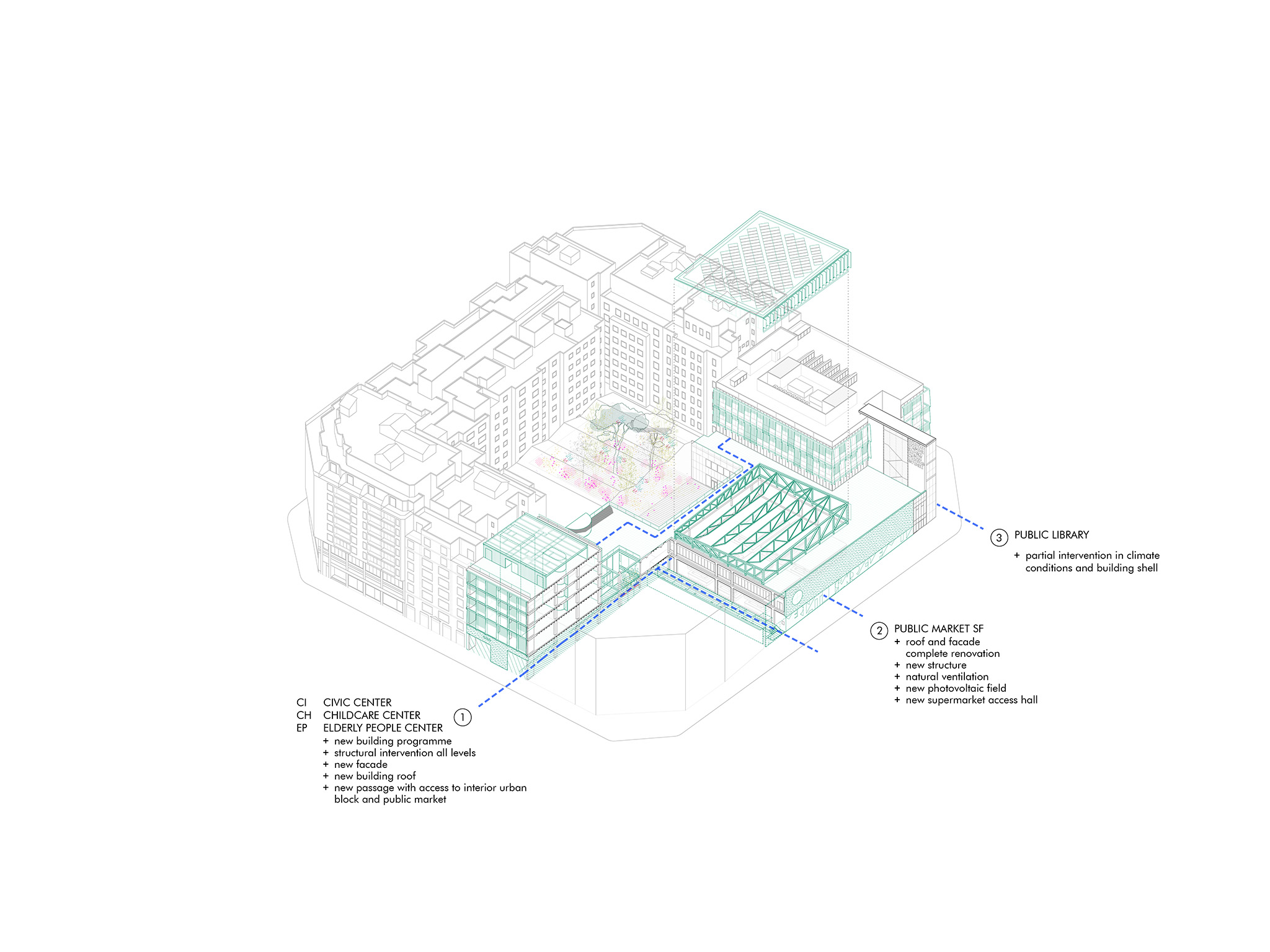
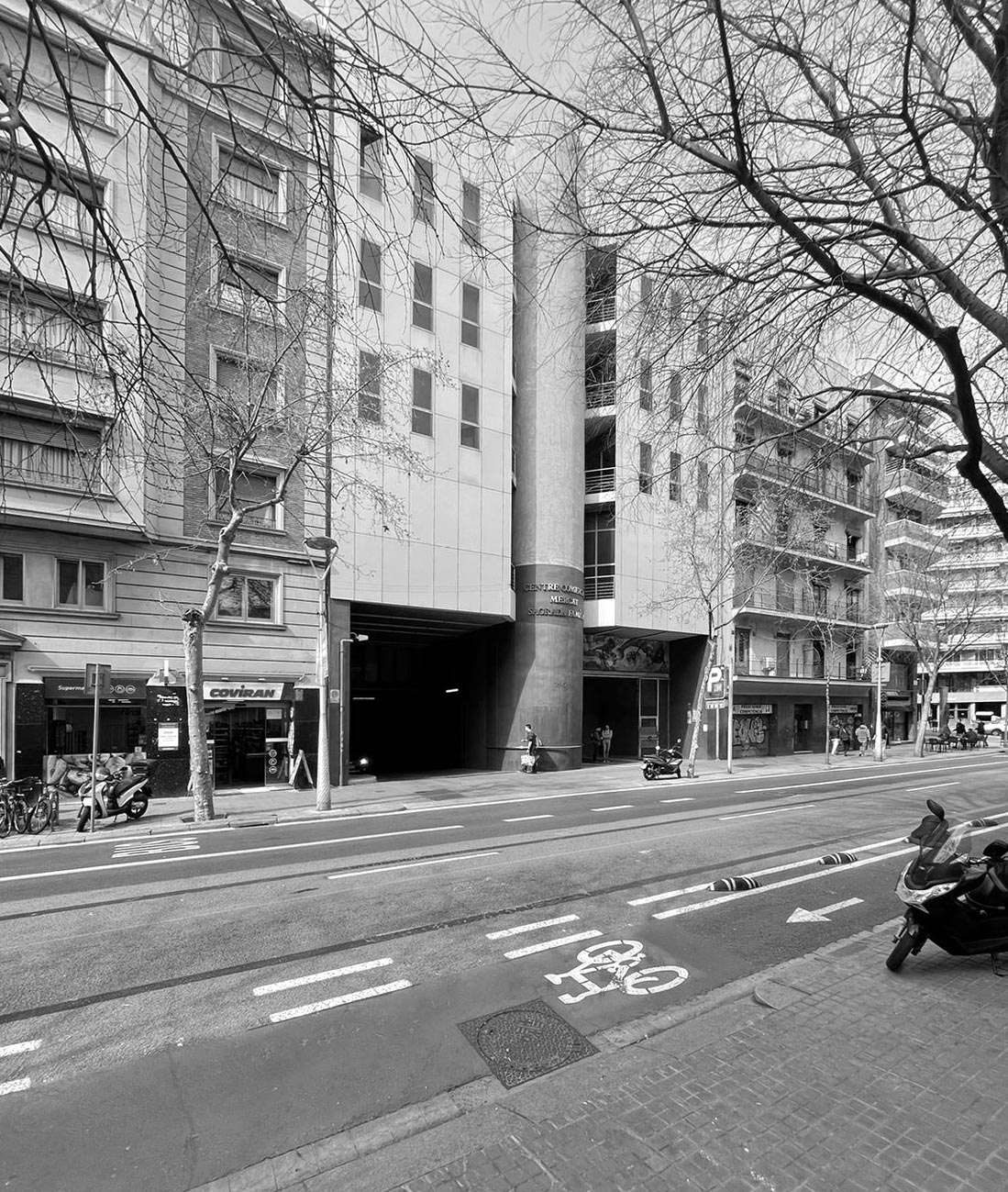
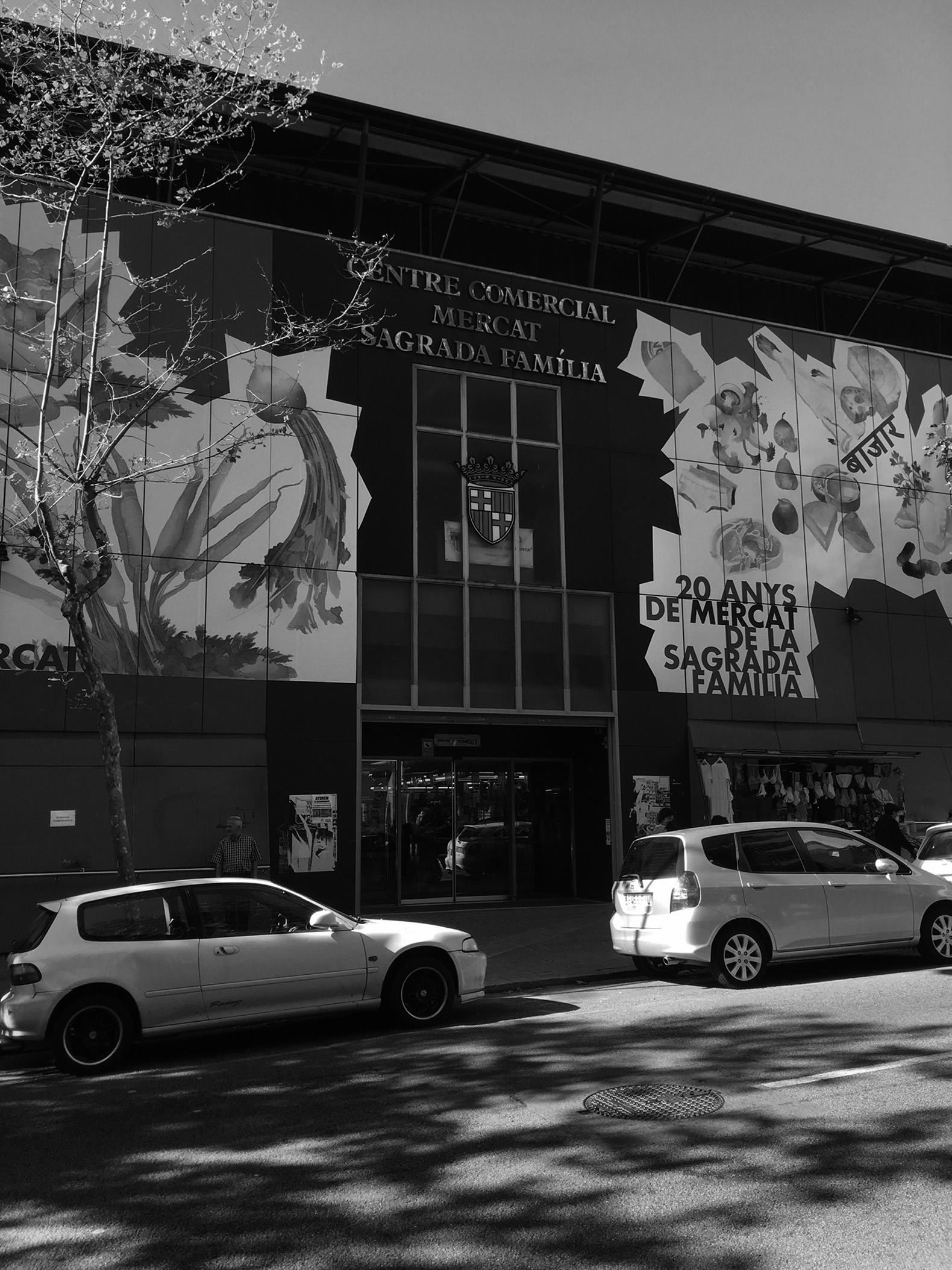
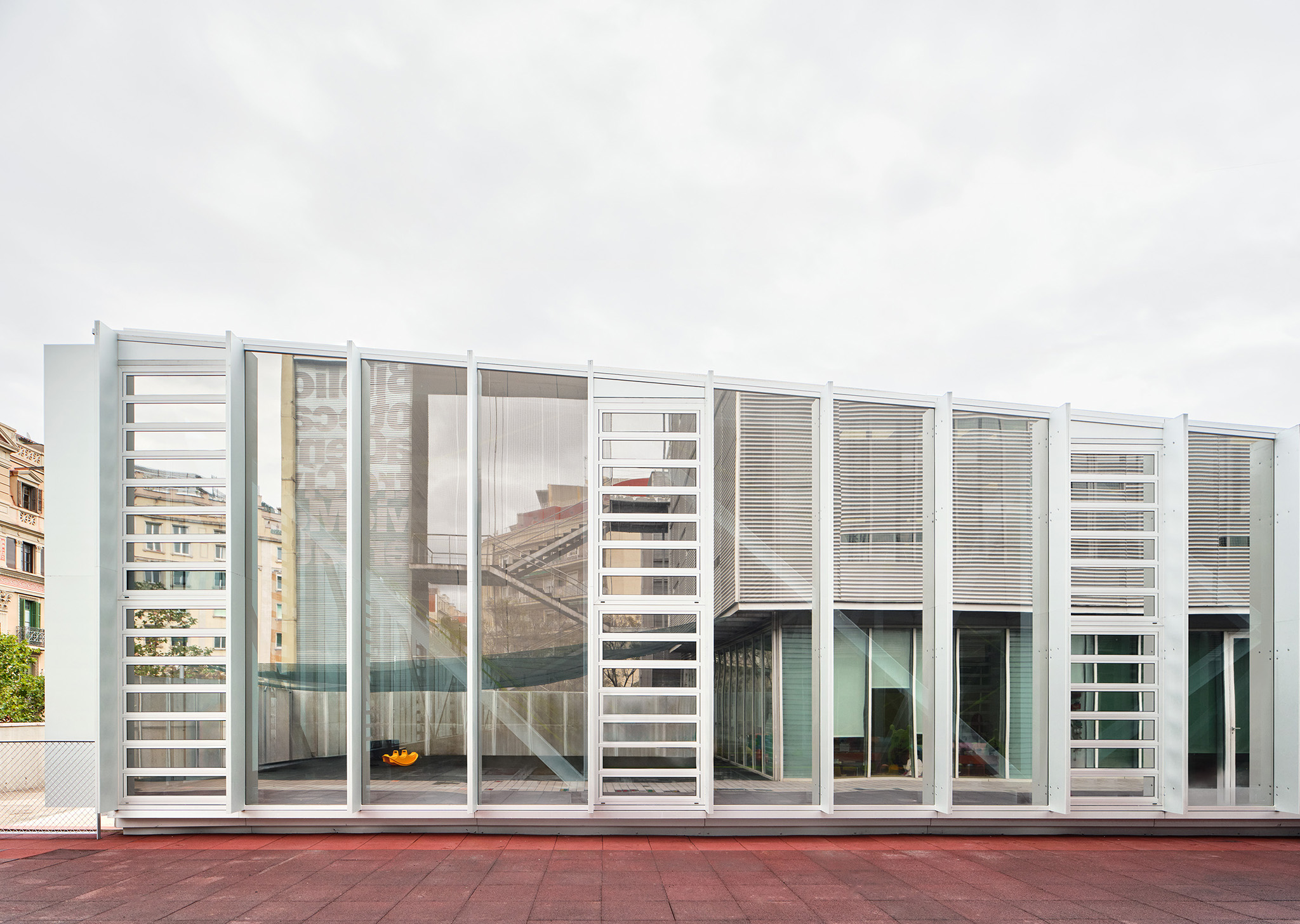
The main intervention strategy focuses on improving the complex's environmental performance and increasing accessibility. In this context, the work included upgrading the library's climate control systems, renovating the market's façade and roof, and installing a photovoltaic solar array. Facing Mallorca Street, the building was transformed into a multipurpose center with a near-zero environmental impact, integrating programs for senior citizens, civic activities, and children's spaces.

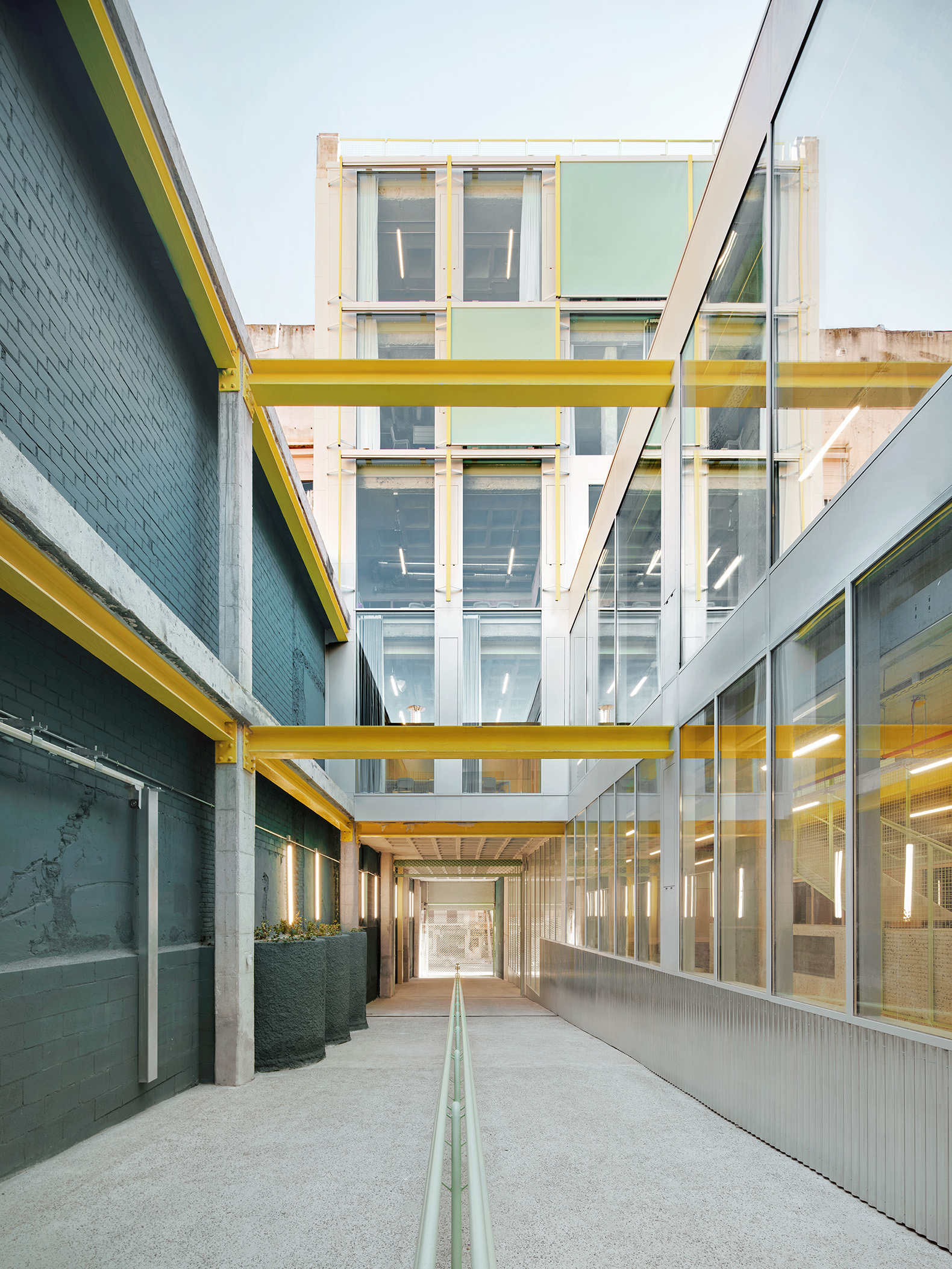
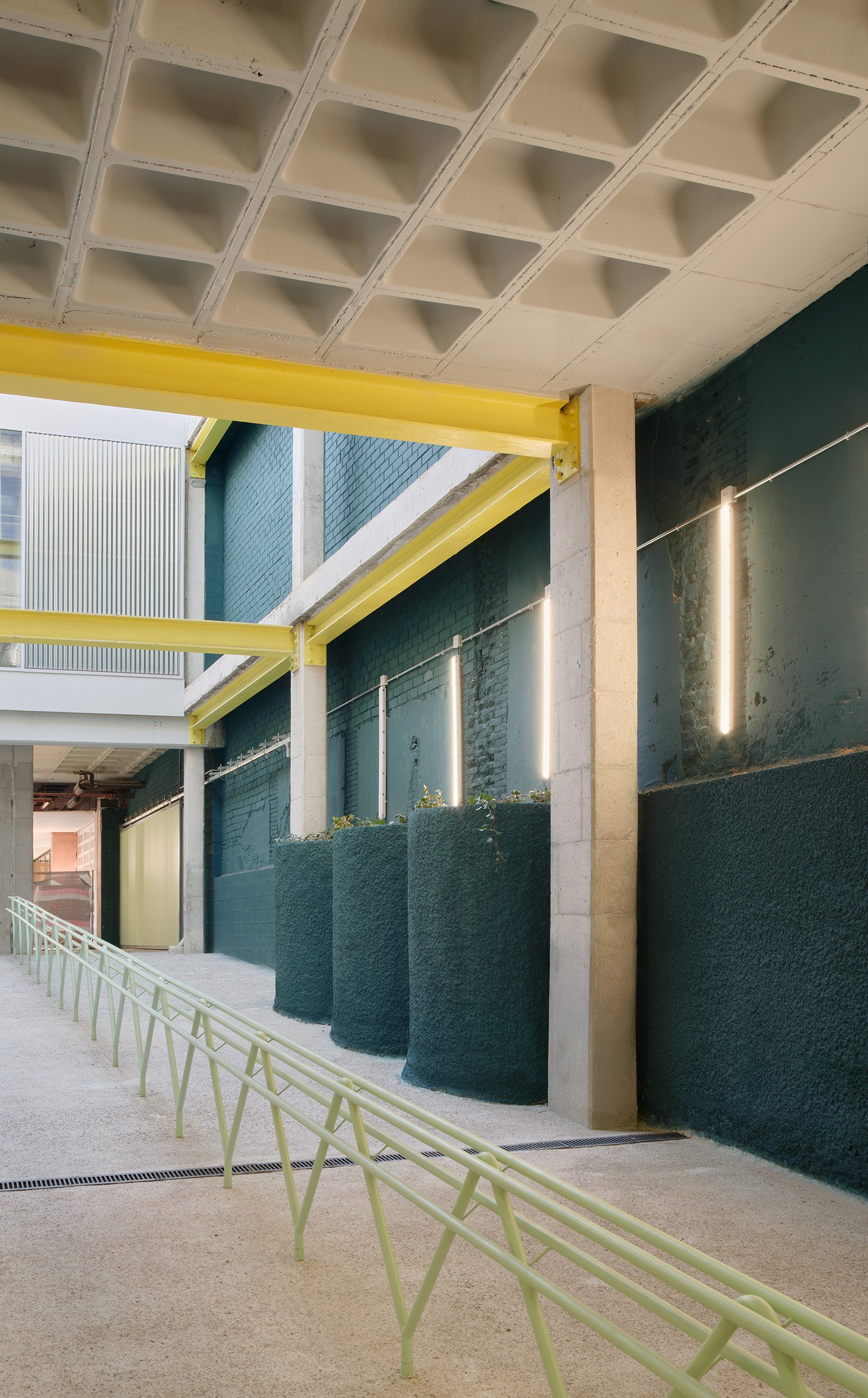
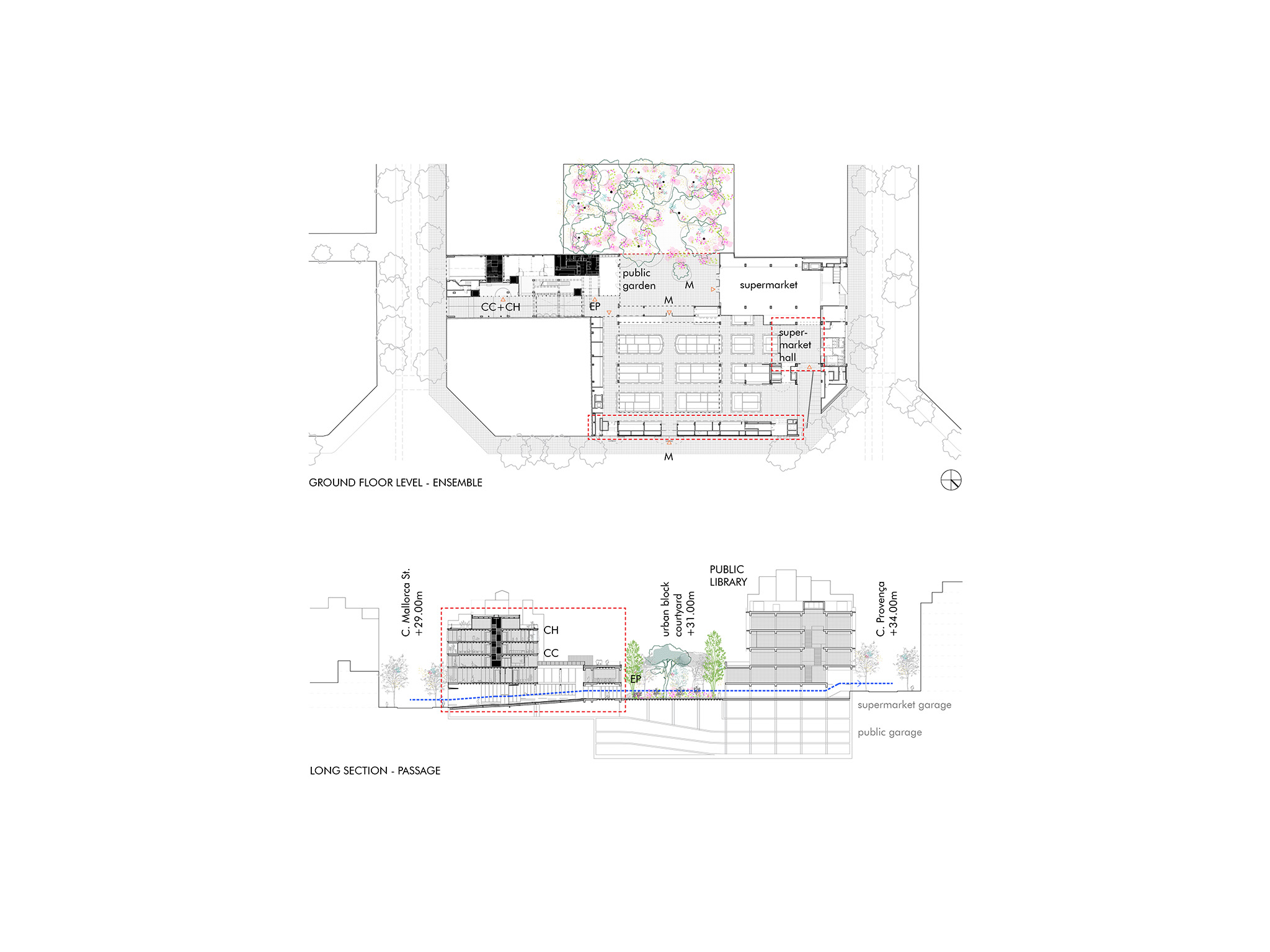
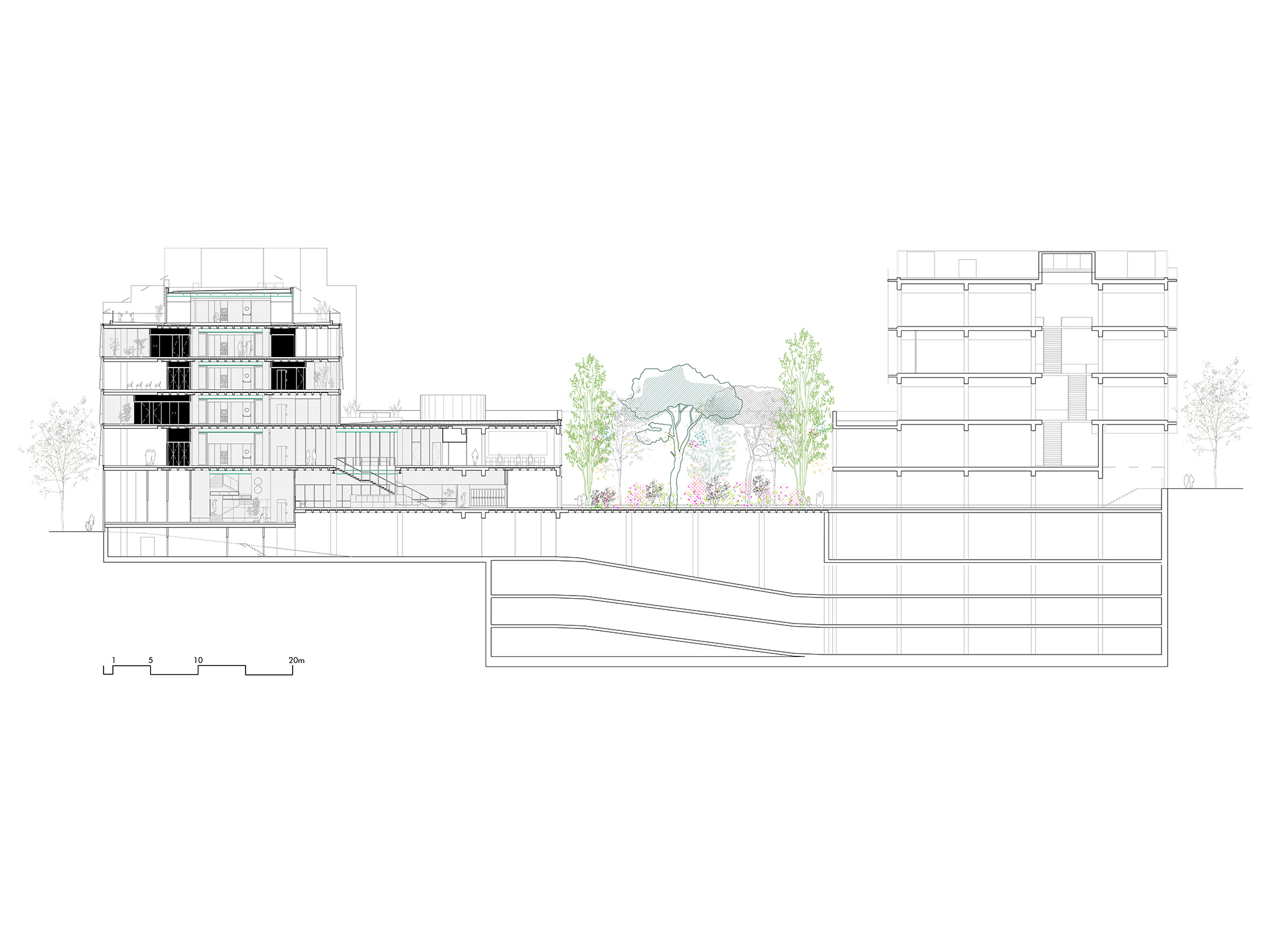
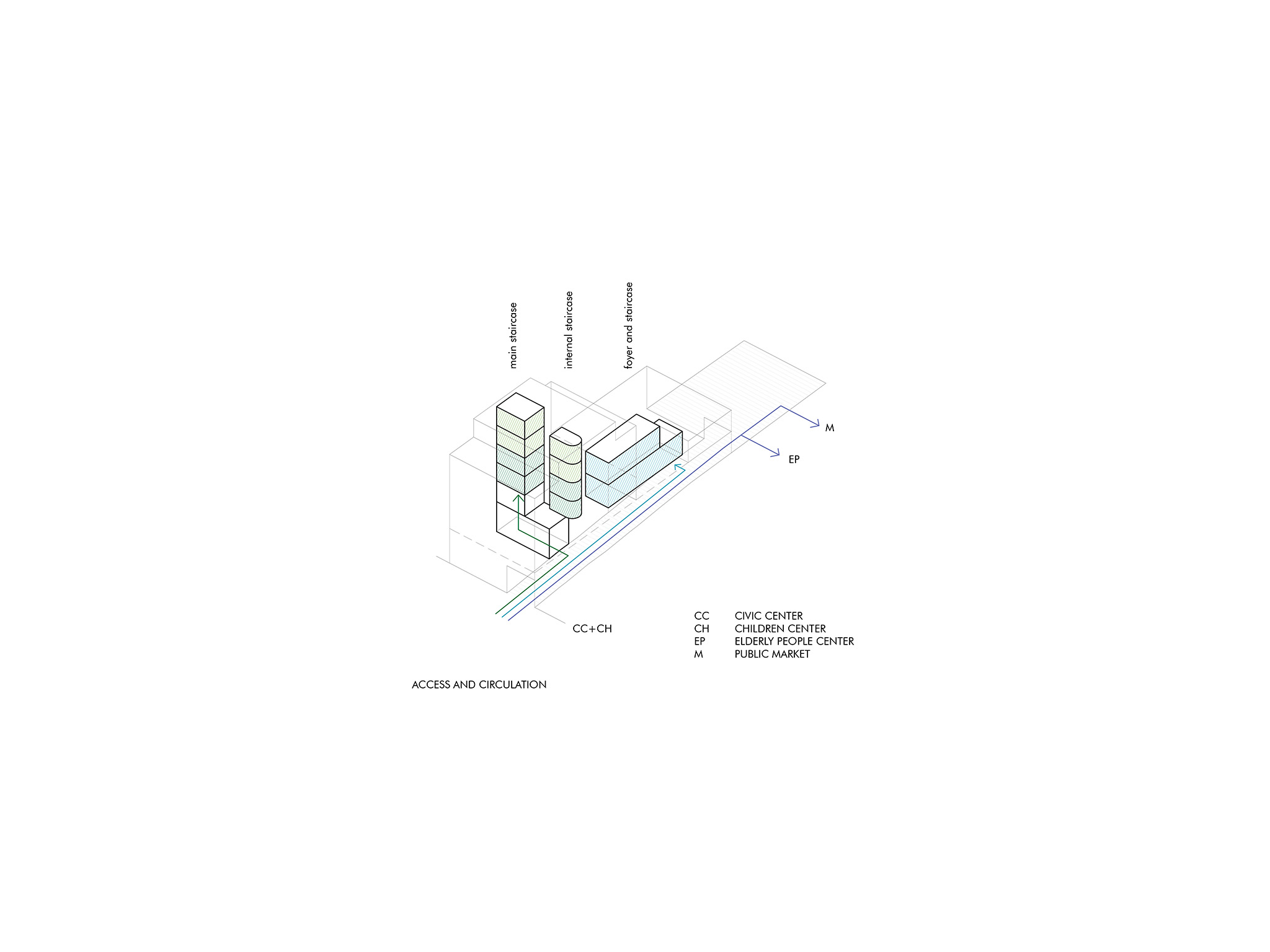
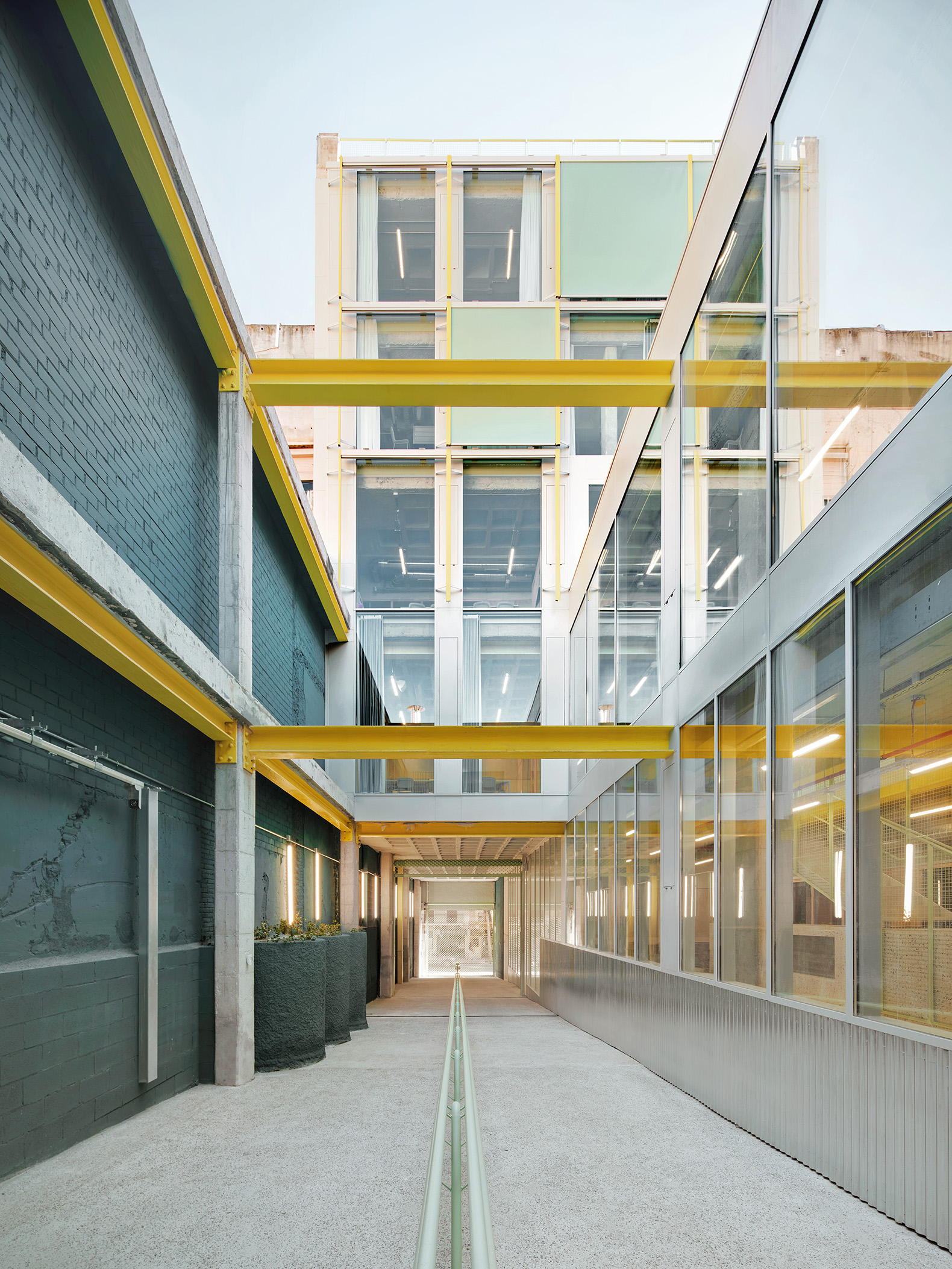
At an urban scale, the project developed by Addenda Architects + Flexo Arquitectura introduces a large public passageway connected by ramps and access points from Mallorca Street, ensuring universal accessibility and extending the public space into the interior of the block. This network of pathways and open spaces not only fosters neighborly interaction but also enhances the social character of the complex. Furthermore, the use of the rooftops as accessible areas for citizens increases the available public space and reinforces the commitment to urban biodiversity.

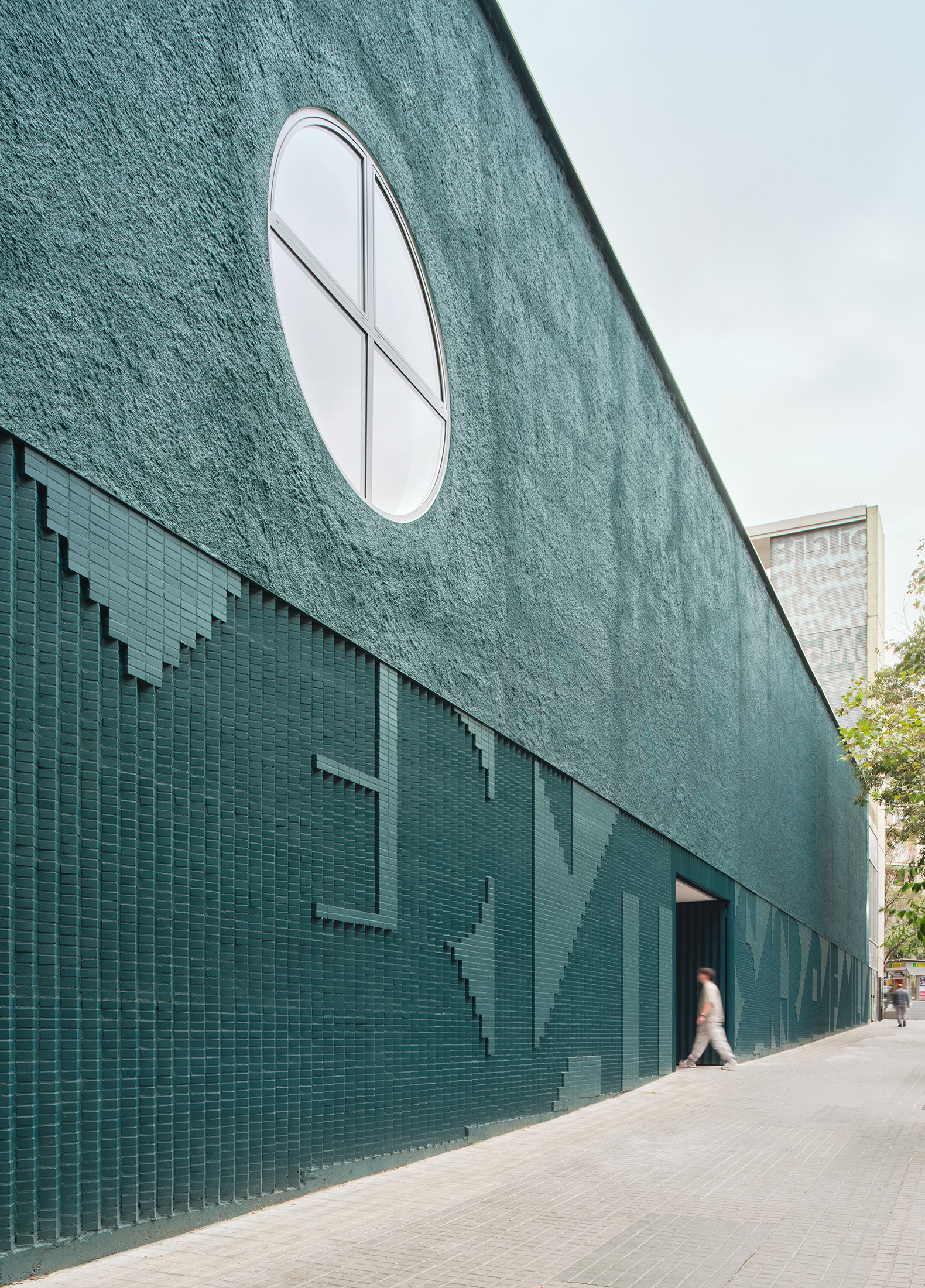
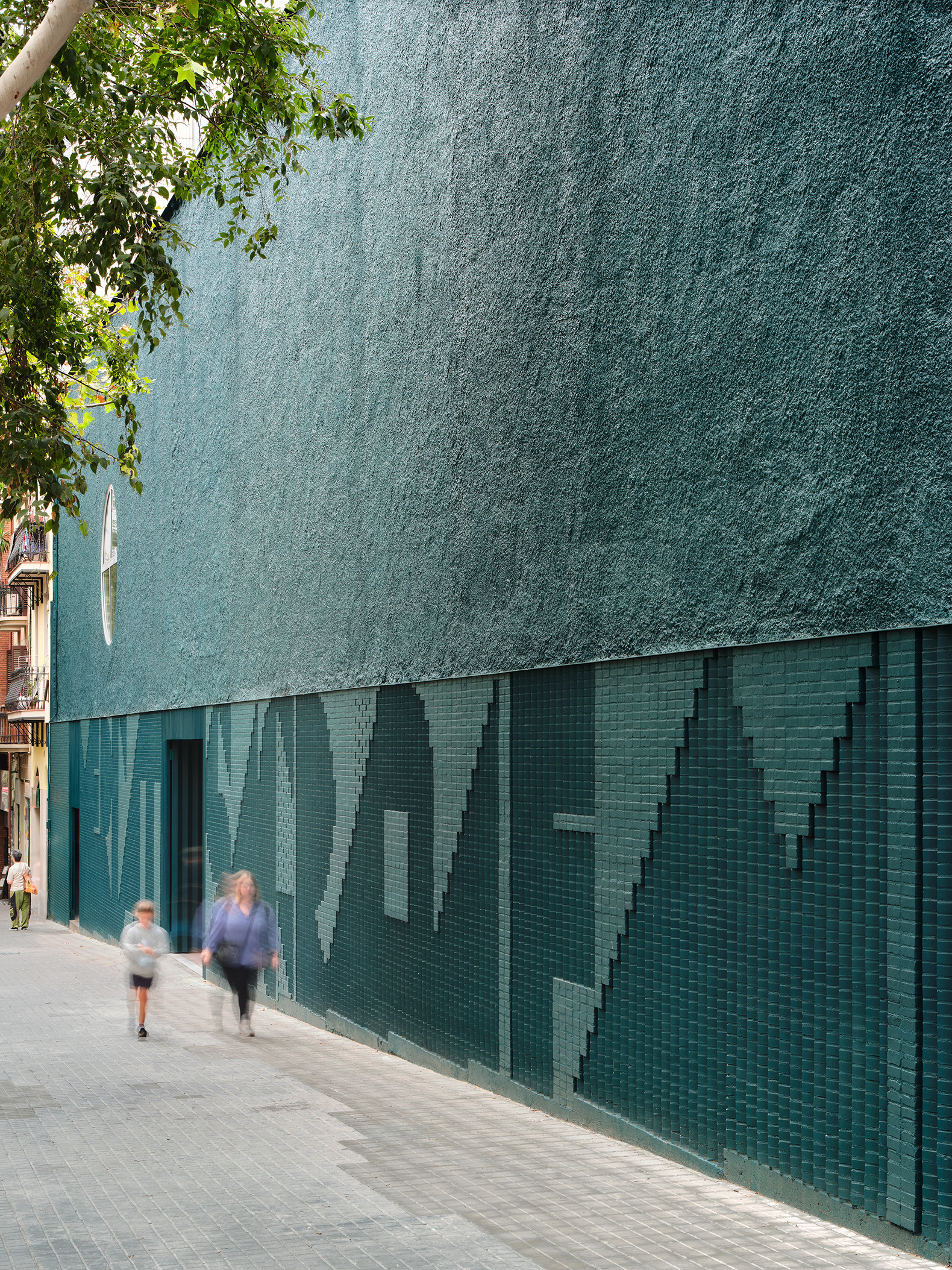
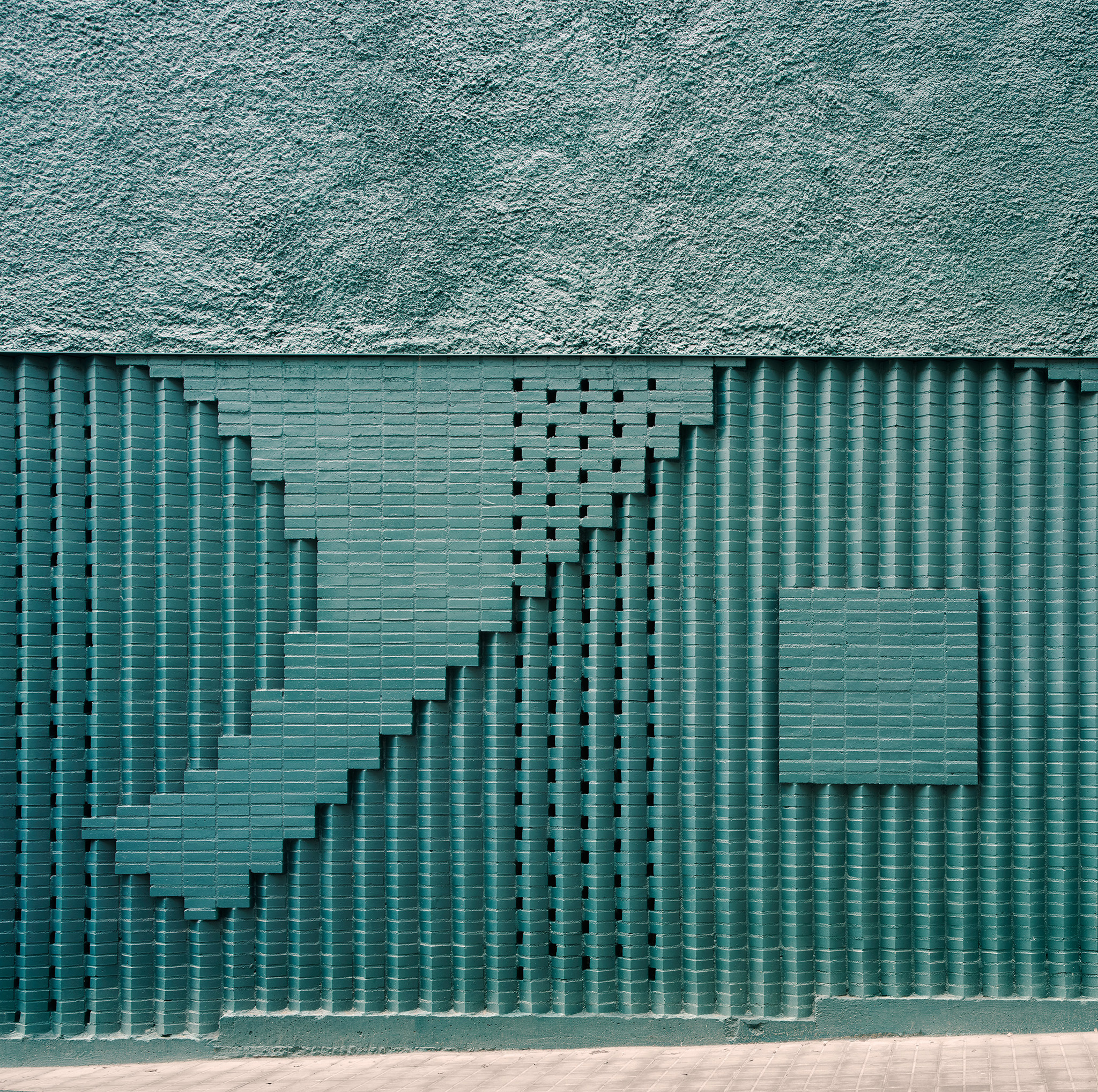
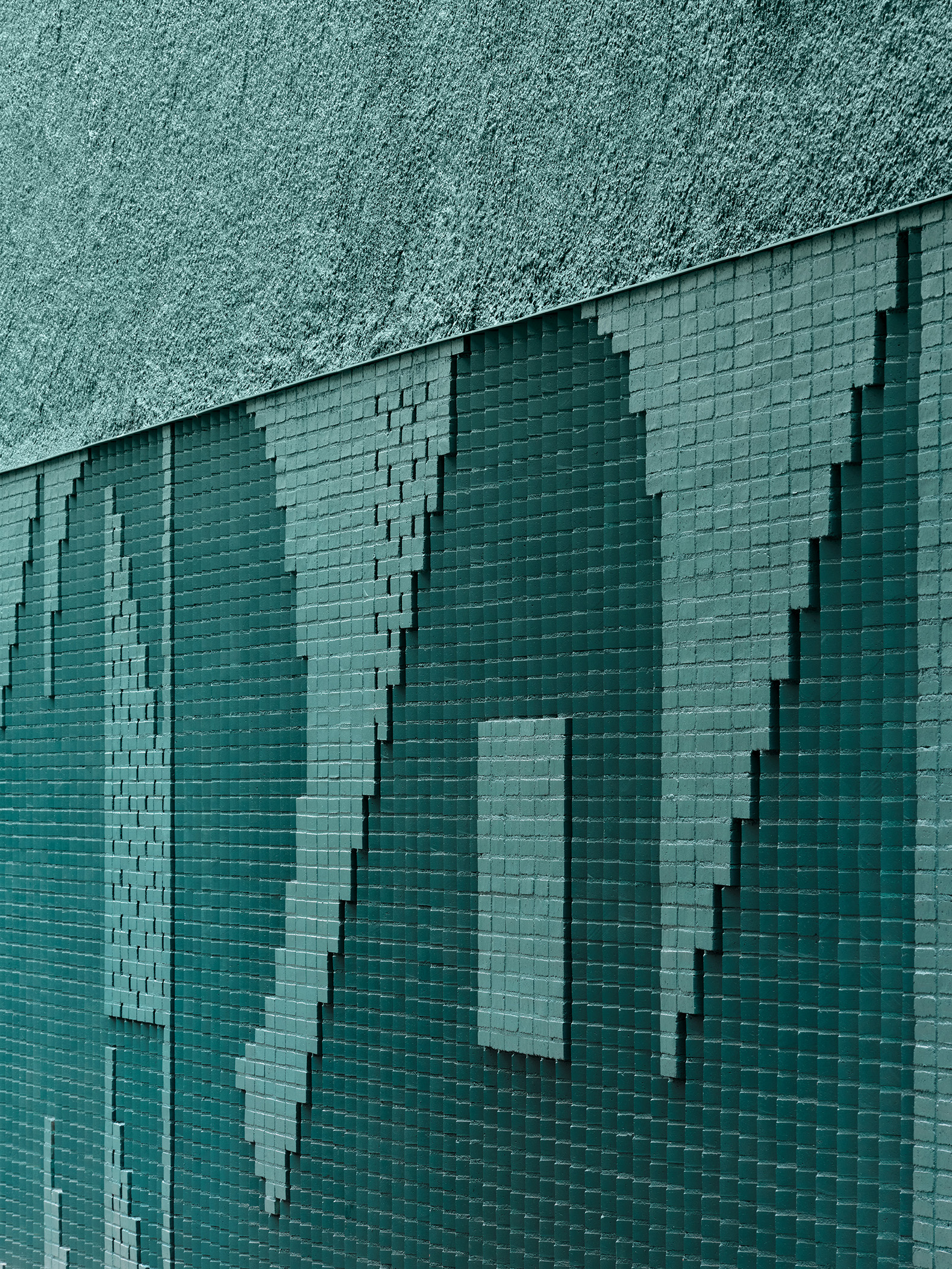
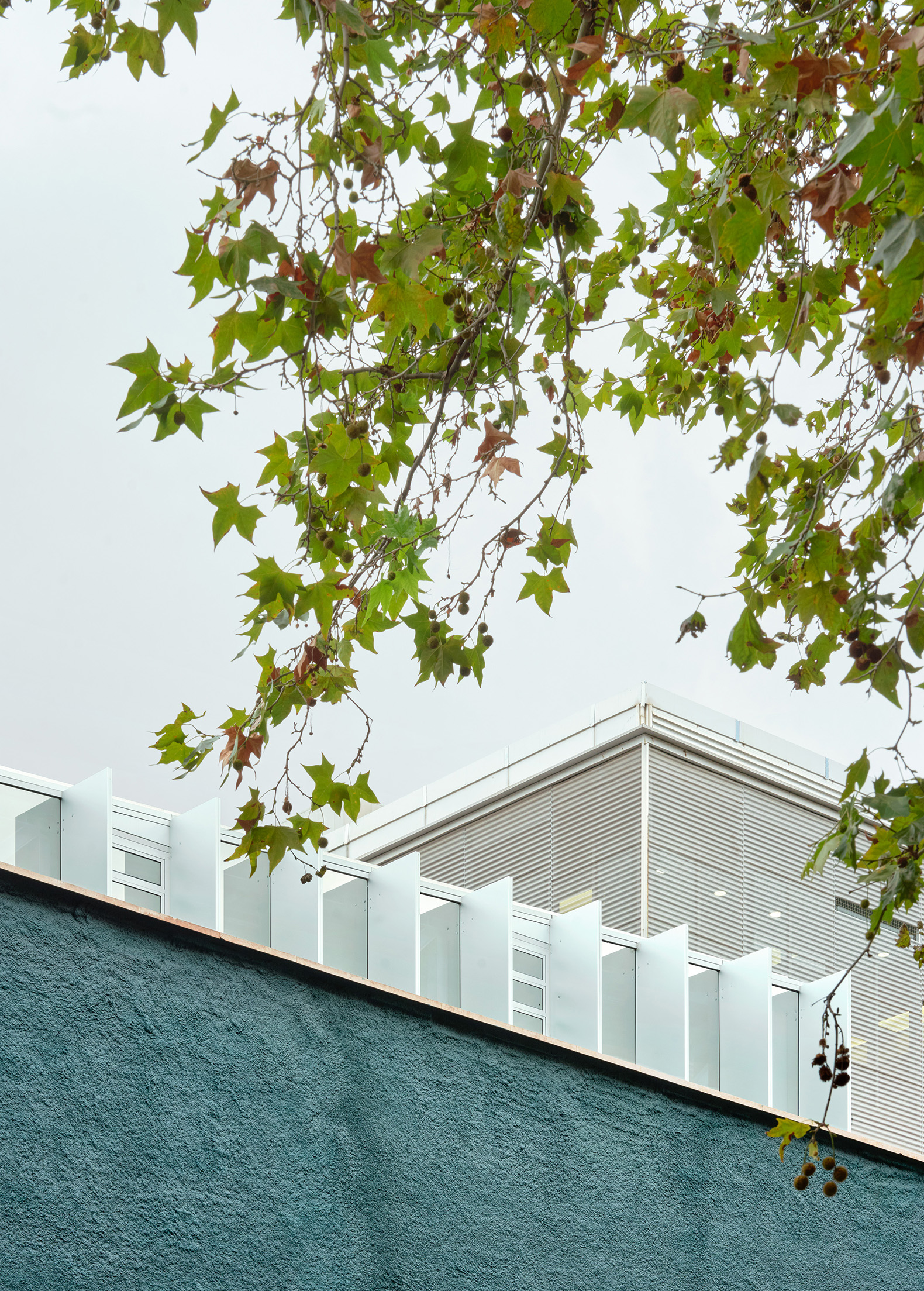
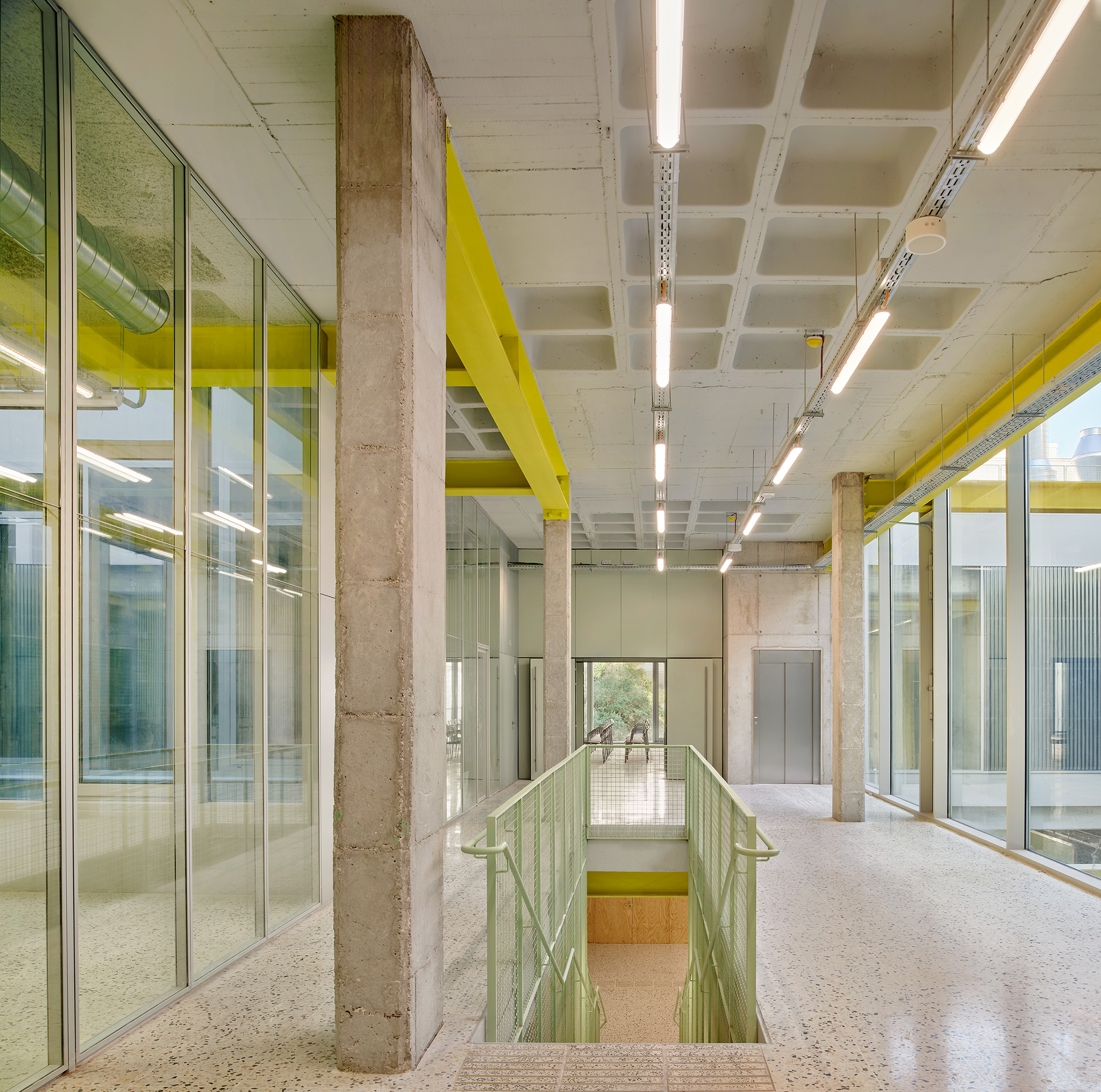
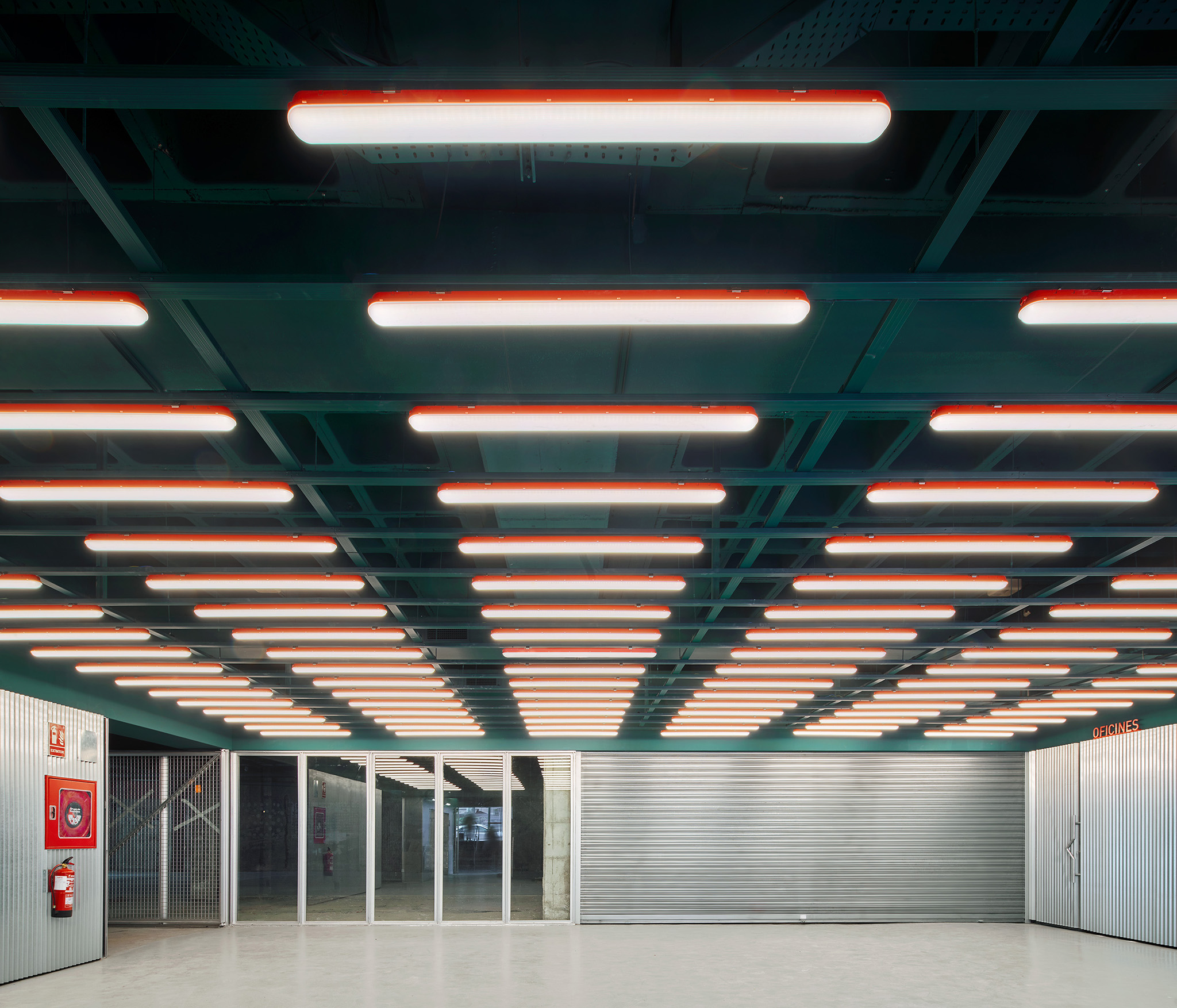
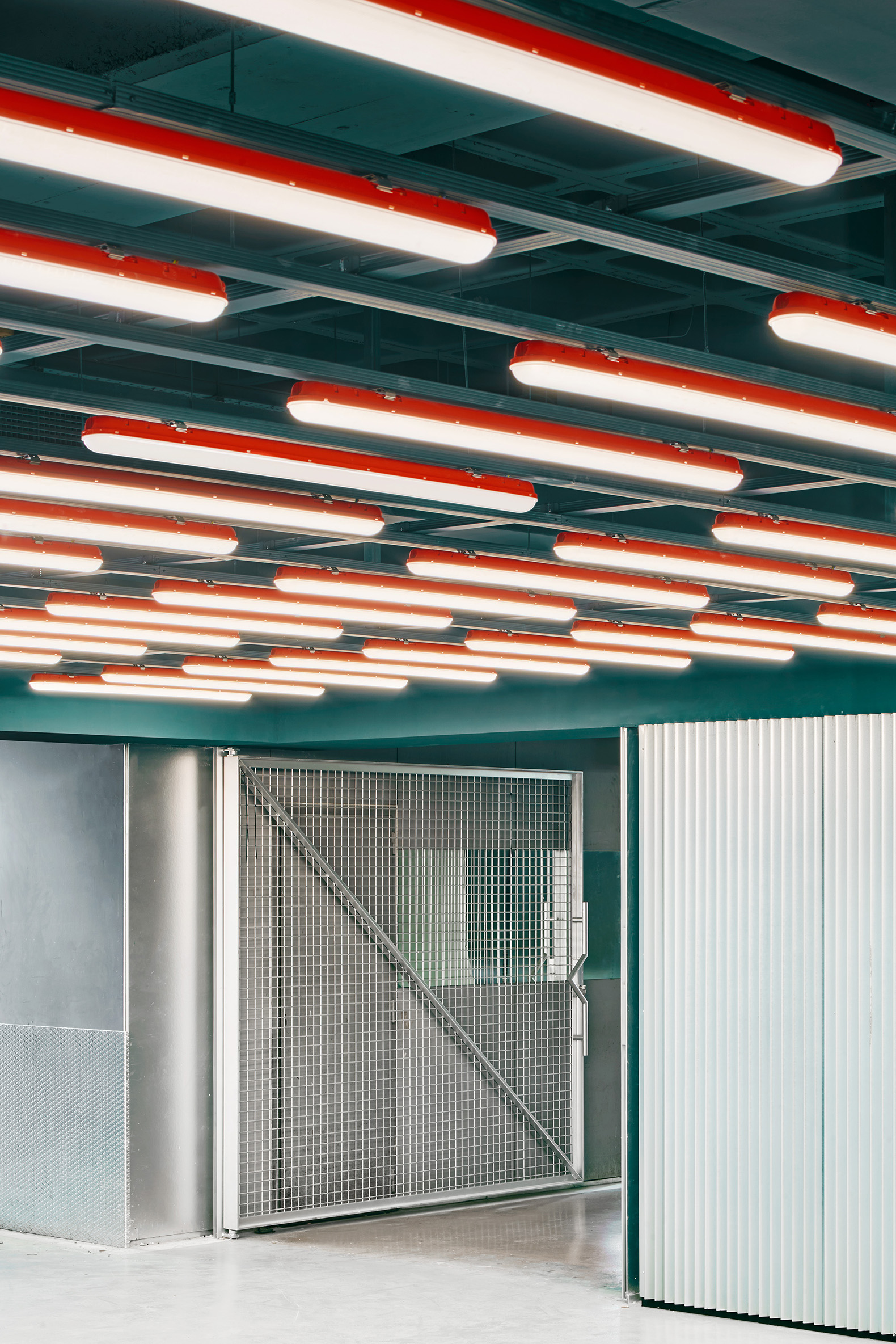
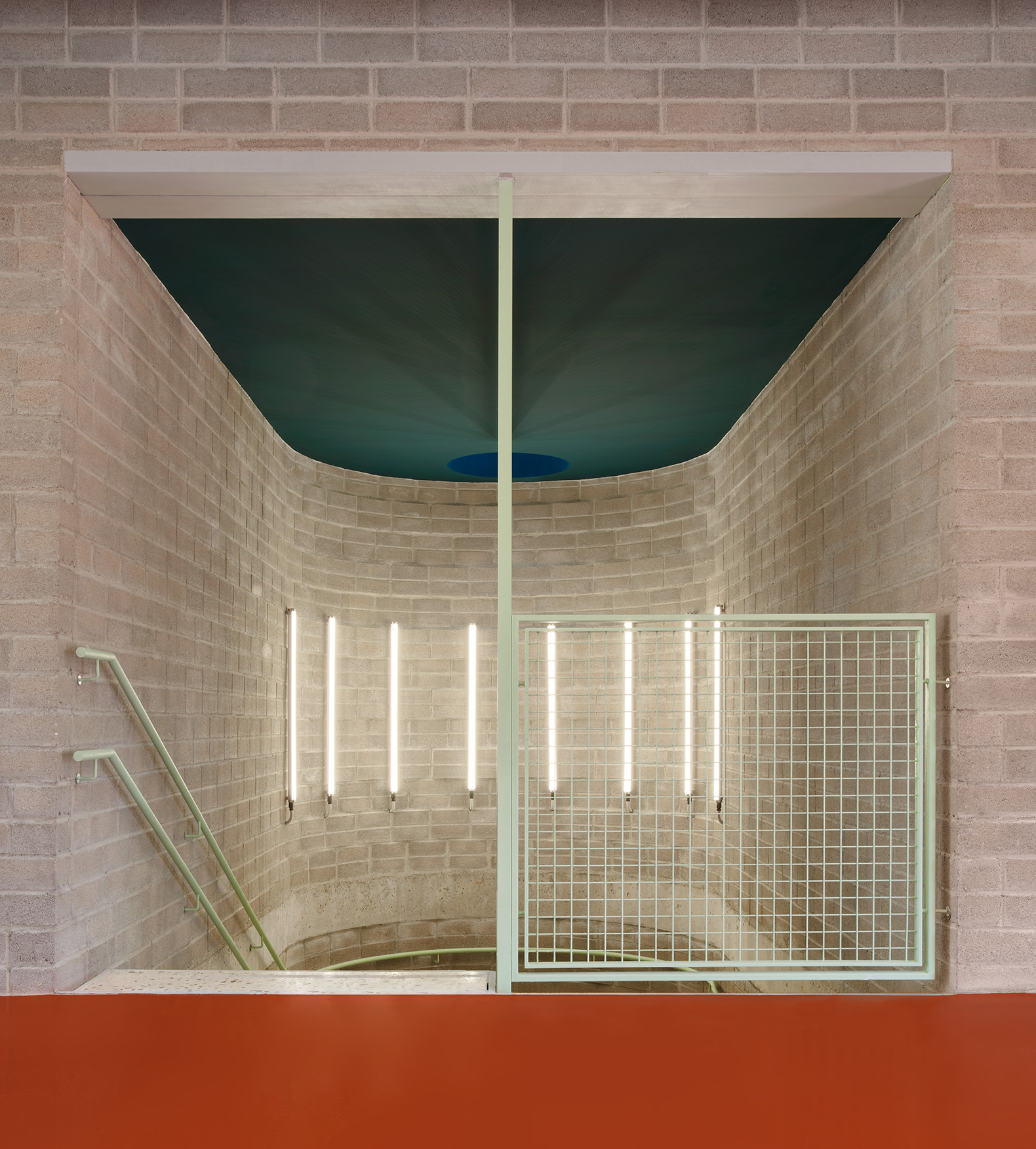
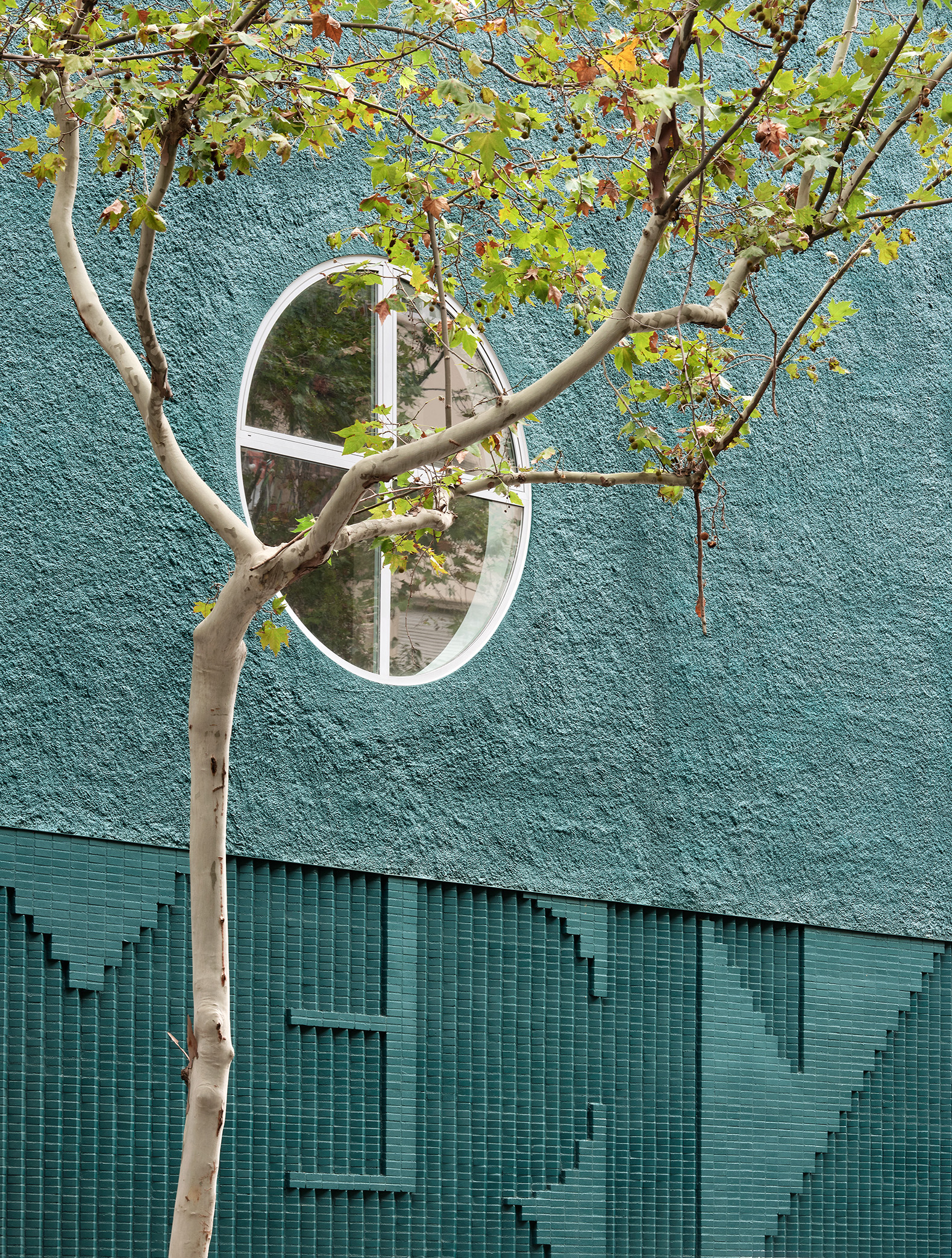
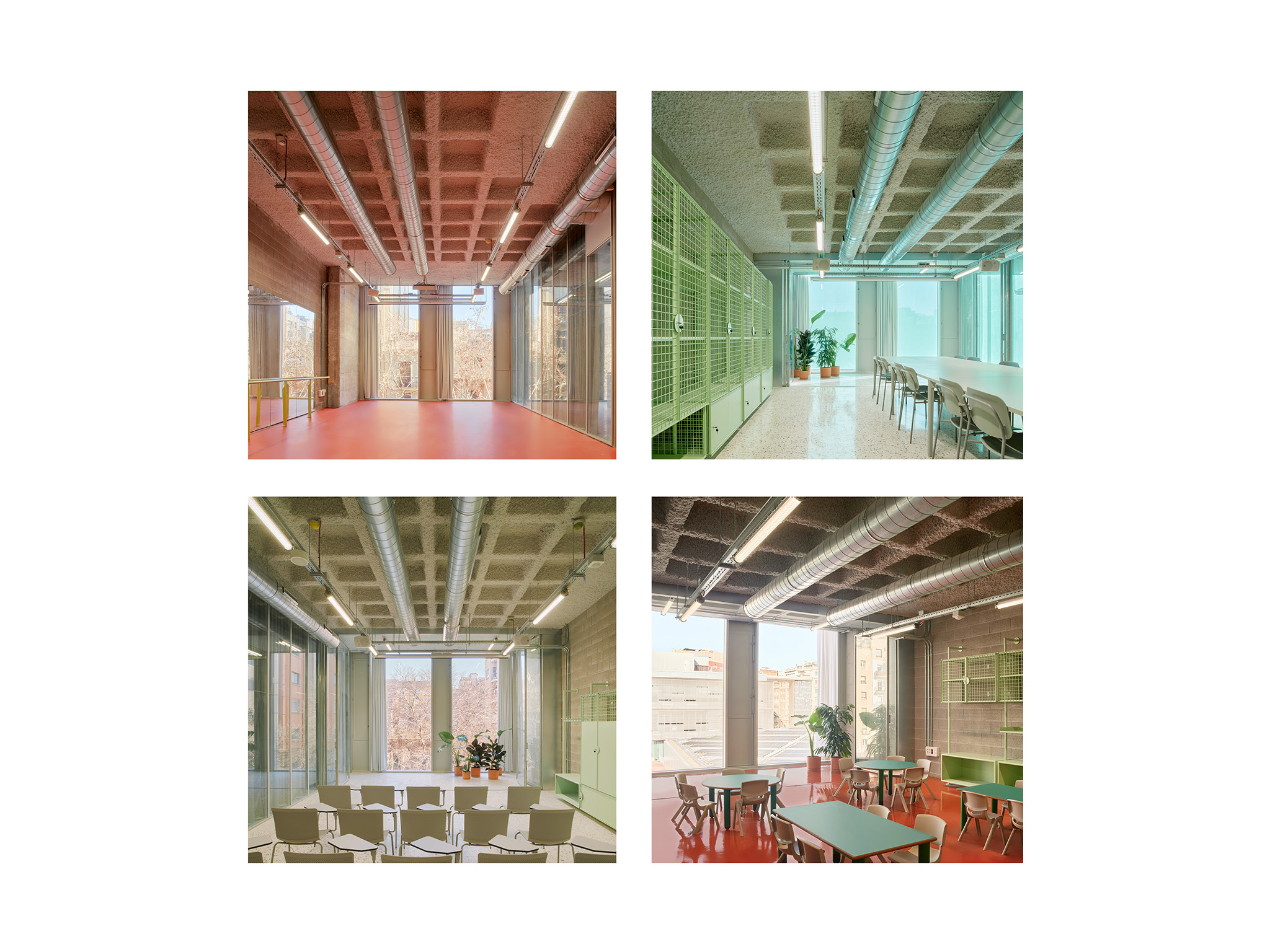
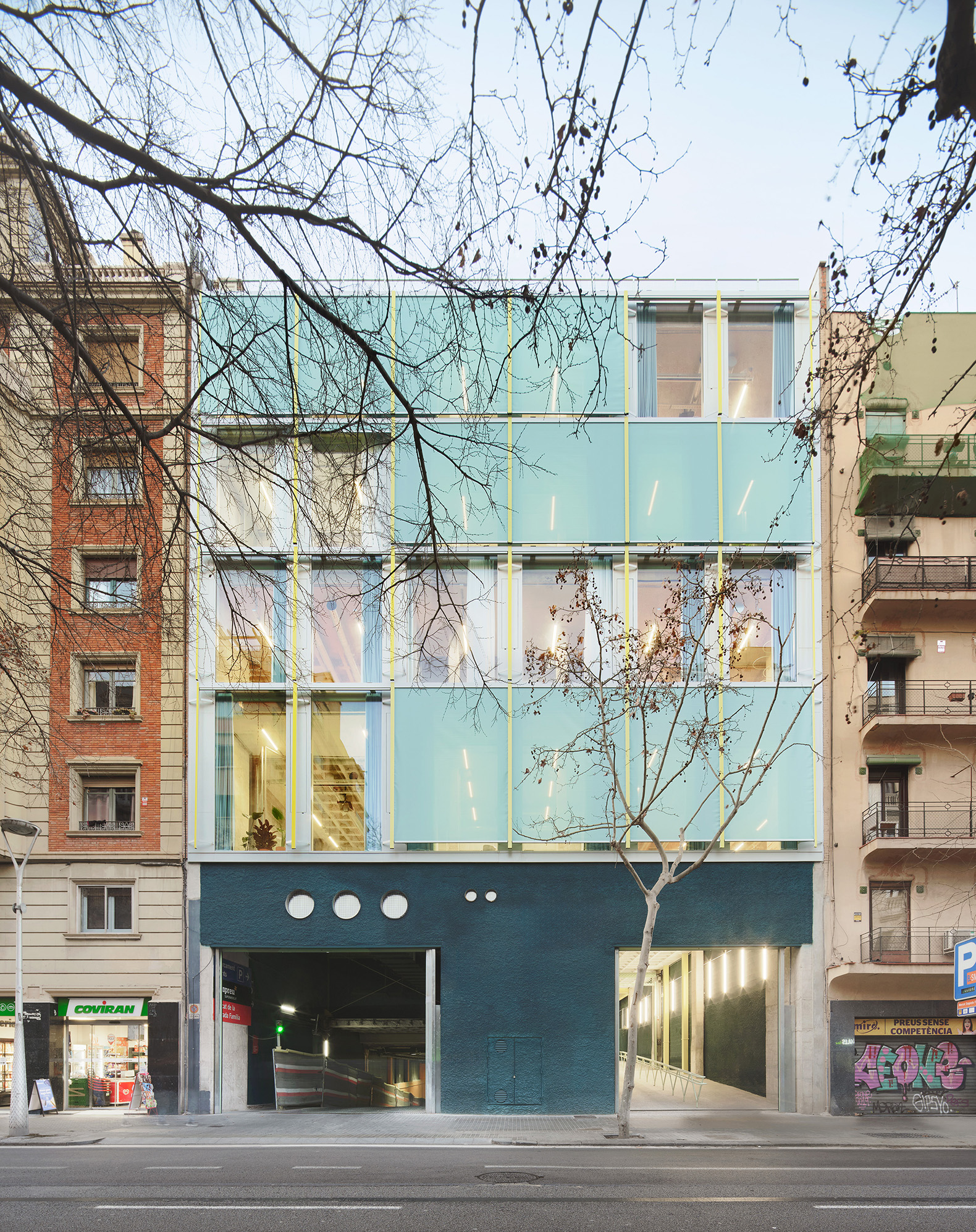
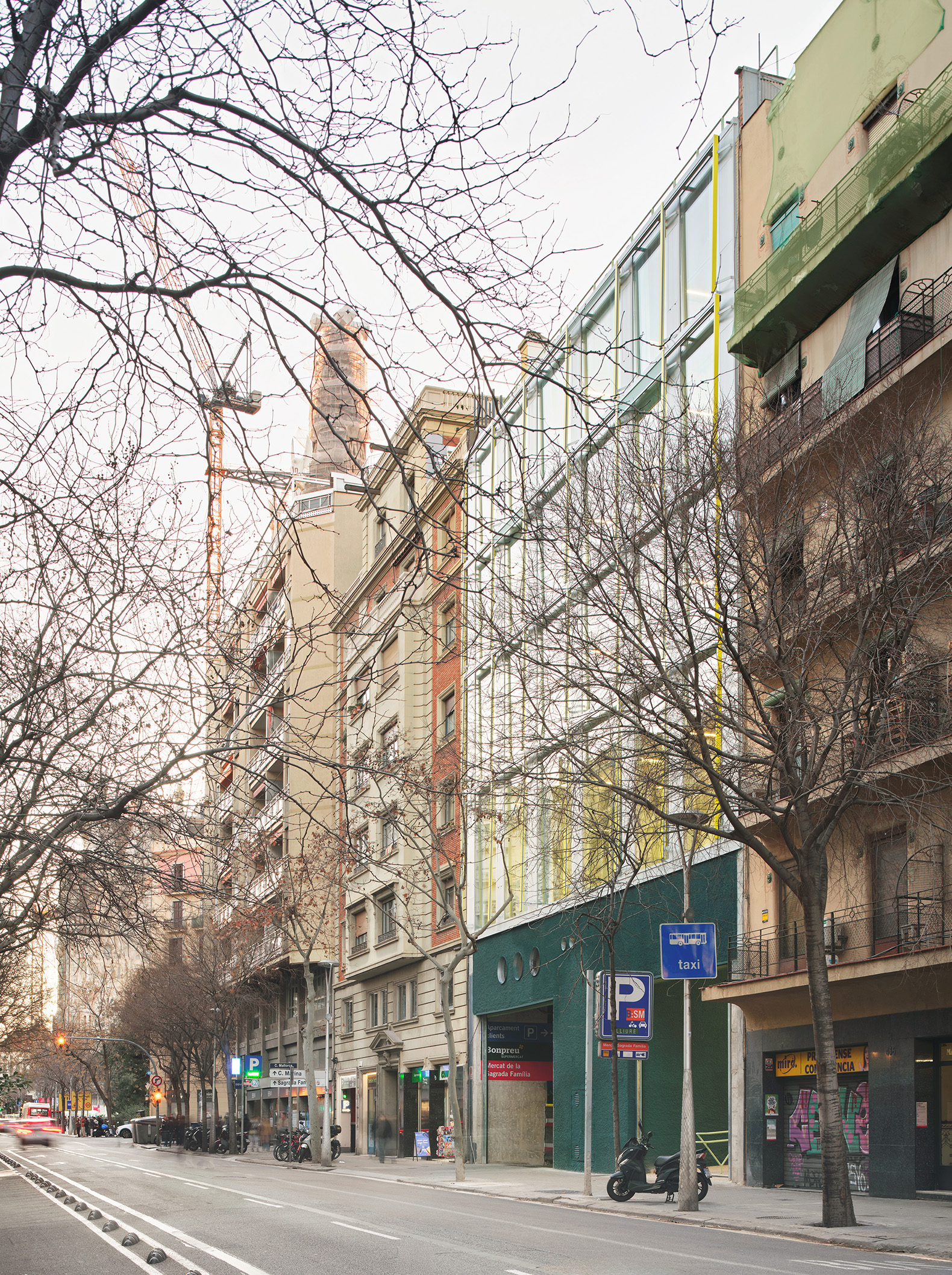
In terms of materials, the proposal employs a limited color palette, in accordance with the urban design criteria of the Eixample district, along with modular systems such as curtain walls, awnings, and painted brick. Inside, the new structural elements are differentiated by color, while the existing structures retain their original materiality. The selection of materials prioritizes diverse textures and finishes that function harmoniously, seeking to establish a balanced coexistence between the different architectural phases of the complex.
"Recirculating the Eixample" by Addenda Architects + Flexo Arquitectura. Photograph by José Hevia.

"Recirculating the Eixample" by Addenda Architects + Flexo Arquitectura. Photograph by José Hevia.

Project description by Addenda Architects + Flexo Arquitectura

This urban block in Barcelona’s Sagrada Familia neighborhood located within the Cerdà "Eixample," is unique in that it concentrates a variety of public facilities: a library, a market, and a multipurpose civic building. The project involves the renovation and revitalization of these facilities as the strategy for opening up and redefining the complex’s urban significance for the neighborhood and the city.

The interventions consisted of improving the energy efficiency of the complex by updating the air conditioning systems in the library spaces, replacing the façade and market roof and installing a new photovoltaic solar field. The building at 425 Mallorca Street has been transformed into a multi-purpose facility (elderly people center, civic center, and children's center) following a comprehensive renovation as a ZIB (Zero Impact Building), which consists of demanding and consuming little energy throughout the building's life cycle for each of the environmental vectors (water, materials, and waste) having specially in mind the user’s health as the intervention’s first priority.

«Recirculando El Eixample» por Addenda Architects + Flexo Arquitectura. Fotografía por José Hevia.
"Recirculating the Eixample" by Addenda Architects + Flexo Arquitectura. Photograph by José Hevia.

From the city's point of view, the incorporation of a wide passageway with a series of ramps and access points from Mallorca Street ensures universal accessibility and spreads the colonization of public space to the various facilities within the block, enhancing the social character of this type of building and reinforcing its definition as spaces open to neighborhood life. These routes always start from safe, sunny spaces that are activated by direct contact with the different programs. At the same time, the appropriation of the roofs at different levels by citizens increases the amount of open space in the city and underpins the commitment to biodiversity.

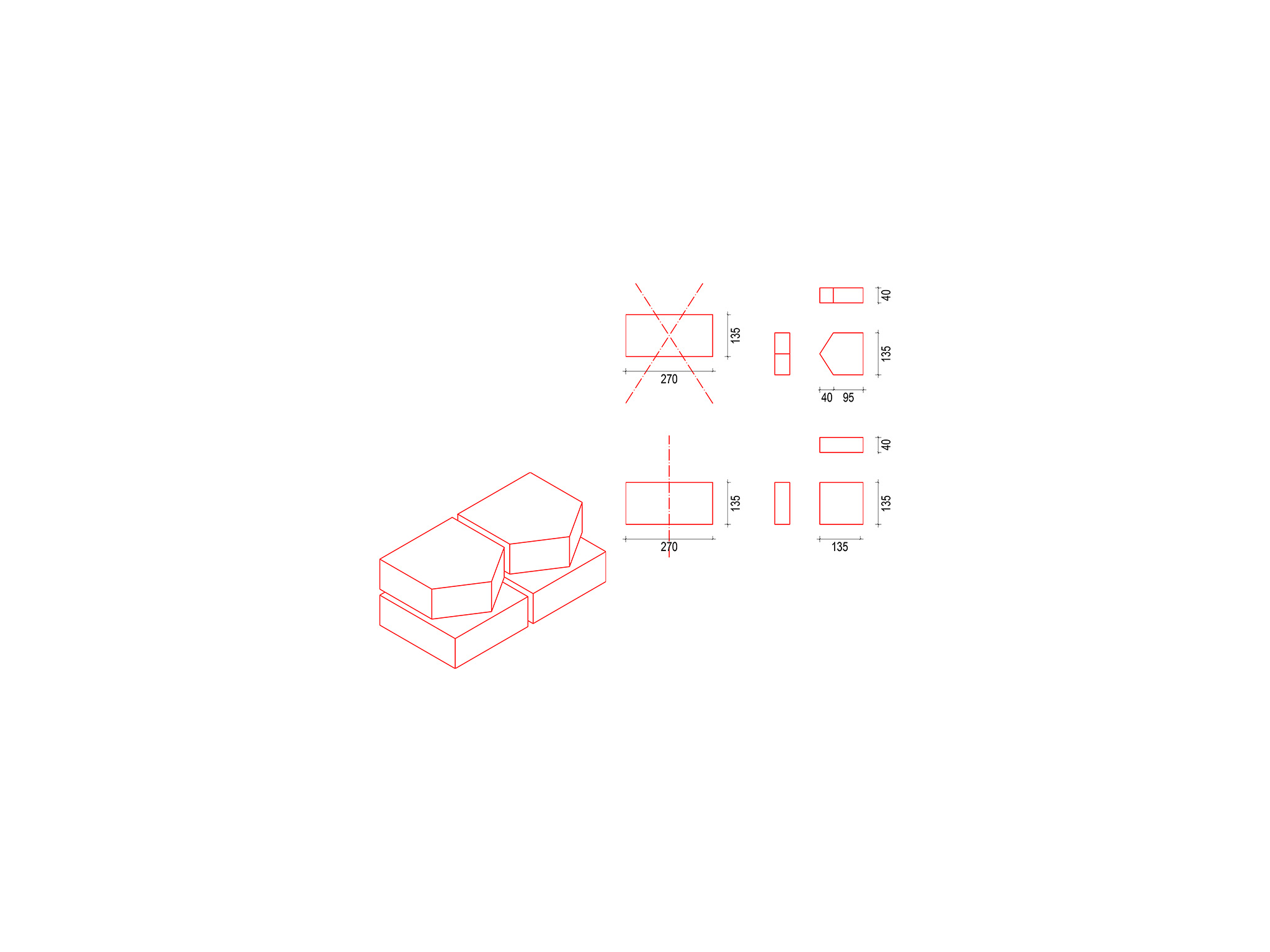
From the street, the extensive use of a very limited color palette (according to the Barcelona Municipal Institute of Urban Landscape's color chart for the Eixample district) and modular construction systems - based on parameters of scale and repetition - such as curtain walls and awnings (Mallorca façade) or painted brick (Padilla façade), transform potentially isolated urban episodes into a kind of relational device that reinforces the (public) identity of the complex.
«Recirculando El Eixample» por Addenda Architects + Flexo Arquitectura. Fotografía por José Hevia.
"Recirculating the Eixample" by Addenda Architects + Flexo Arquitectura. Photograph by José Hevia.

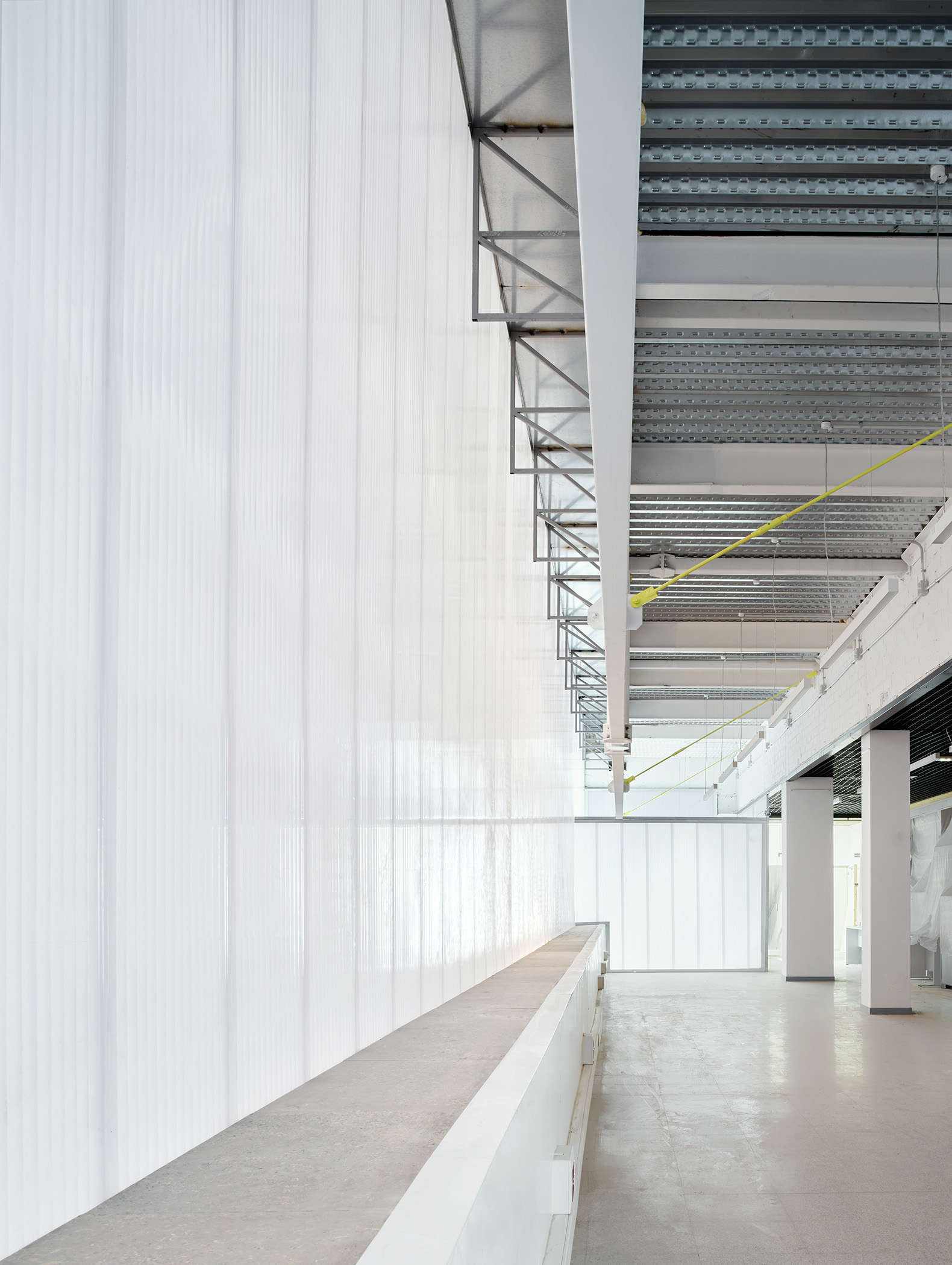
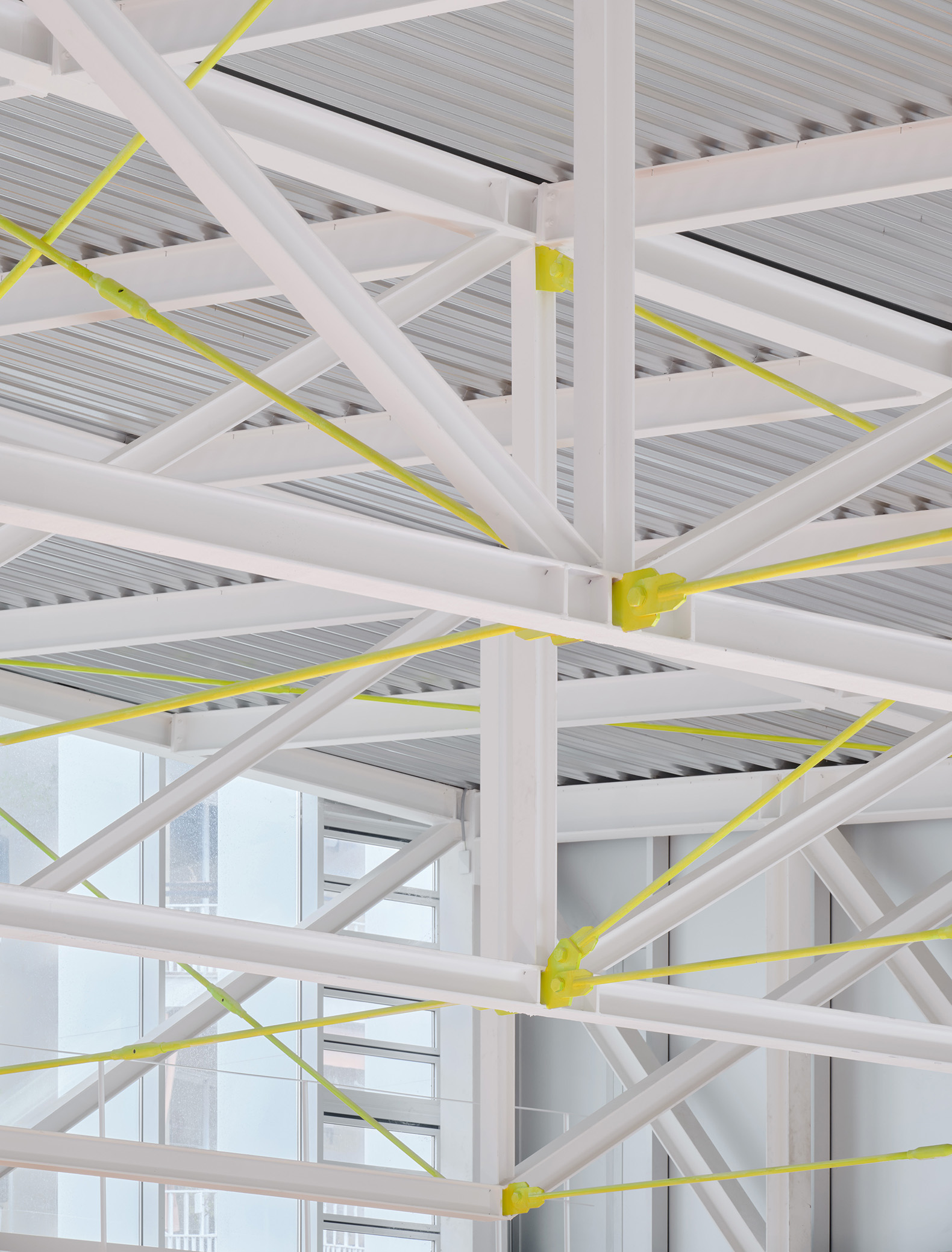
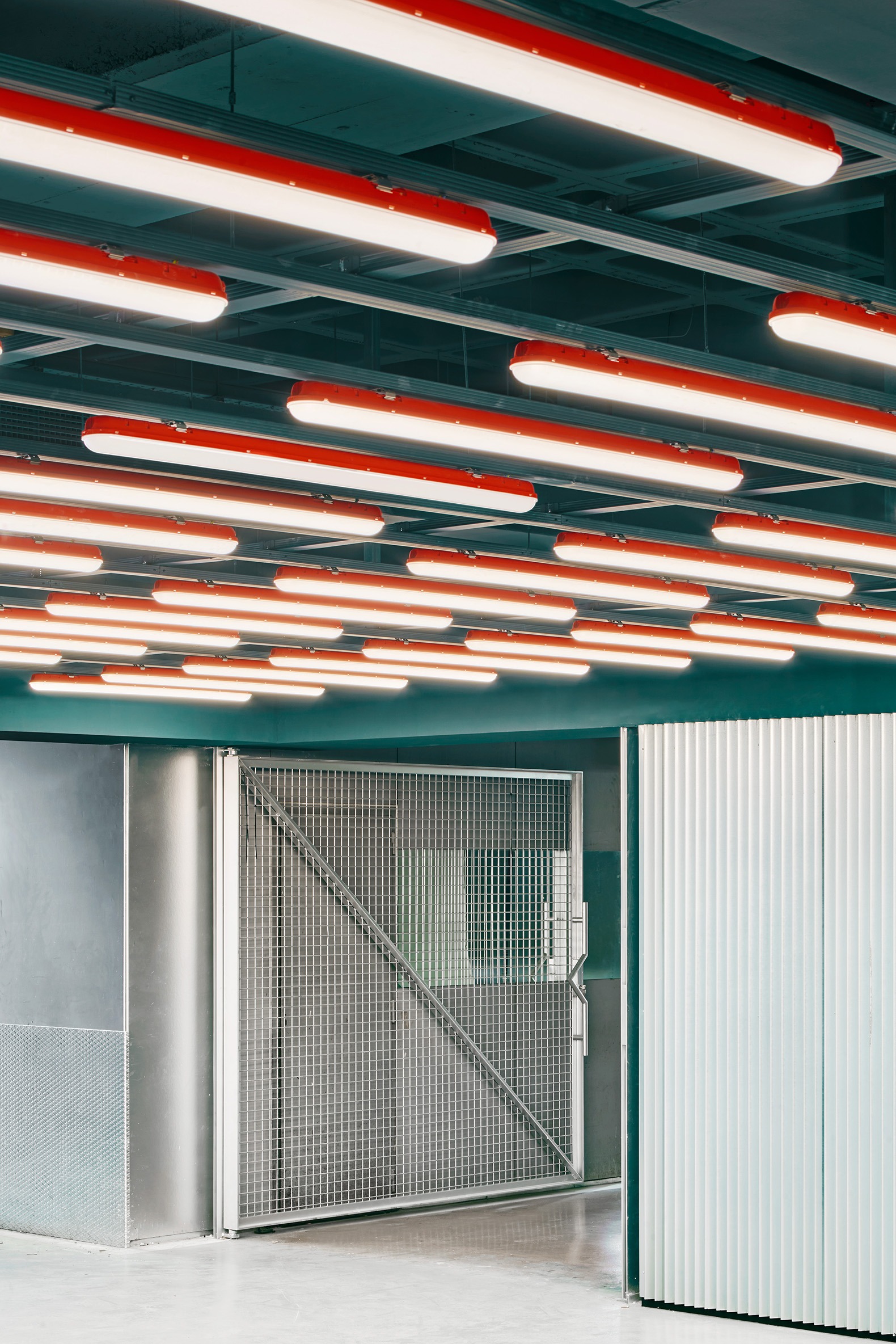
Indoors, the aim has been to link architectural elements from different periods by identifying them through color—in the case of the new structural reinforcements—and through the raw surface of the existing structural elements and dividing walls. The selection criteria, which are equally limited, direct, and unbiased, favor materials with diverse but harmonious textures and appearances, seeking to reinforce coexistence by promoting difference.
More information

Label
Architects
Text

Addenda Architects. Lead Architects.- Roberto González, Anne Hinz, Cecilia Rodríguez, Arnau Sastre y José Zabala.
Flexo Arquitectura. Lead Architects.- Tomeu Ramis, Aixa del Rey.

+ + copy Created with Sketch.
- + copy Created with Sketch.
Label
Project team
Text

Luis Tresaco, Alberto Espinosa, Freddy Leon, Itziar Cabo, Nil Carbó.

+ + copy Created with Sketch.
- + copy Created with Sketch.
Label
Collaborators
Text

Structure.- Other Structures, Jaume GomàJaume Gomà.
Services engineer.- Eletresjota, Jaume Pastor.
Envelope.- Xmade, Miquel Rodríguez.
Quantity s., budget.- Eulàlia Aran, Francesc Belart, Albert Brufau, Qestudi.
Sustainability.- Societat Orgànica, Luca Volpi.
Acoustics.- Mind the Sound, Carlos Piqueras.

+ + copy Created with Sketch.
- + copy Created with Sketch.
Label
Client
Text

BIMSA, Barcelona Municipality.

+ + copy Created with Sketch.
- + copy Created with Sketch.
Label
Builder
Text

Romero Polo, Voracys.

+ + copy Created with Sketch.
- + copy Created with Sketch.
Label
Area
Text

12,475.28 sqm.

+ + copy Created with Sketch.
- + copy Created with Sketch.
Label
Dates
Text

Project and Construction.- 2021-2026.

+ + copy Created with Sketch.
- + copy Created with Sketch.
Label
Location
Text

Barcelona, Spain.

+ + copy Created with Sketch.
- + copy Created with Sketch.
Label
Budget
Text

€10,571,864.28.

+ + copy Created with Sketch.
- + copy Created with Sketch.
Label
Photography
Text

José Hevia.

+ + copy Created with Sketch.
- + copy Created with Sketch.
Addenda Architects is a young collaborative architecture studio based in Barcelona formed by Roberto González, Anne Hinz, Cecilia Rodríguez, Arnau Sastre and José Zabala.

The studio was founded in 2015 and since then it has collaborated with renowned cultural institutions such as KULeuven Ghent, Historisches Museum Frankfurt or the Chicago Architecture Biennial. Addenda architects have been awarded in national and international public competitions and recognized in various professional and cultural disciplines.

The studio also publishes its own architecture. It is currently carrying out an editorial project initiated by the editor and independent curator of art and architecture Moritz Küng and German photographers Joachim Brohm and Valentina Seidel. This periodical publication, called the Bauhaus Dessau Cahier Museum, aims to document the process of building the Museum until its opening in September 2019.
Read more

Flexoarquitectura was founded in 2002 in Barcelona by Tomeu Ramis, Aixa del Rey, and Bàrbara Vich, and has been directed by Tomeu Ramis and Aixa del Rey since 2017.

Flexoarquitectura is a Barcelona-based studio interested in the capacity of any project to be meaningful within a specific cultural context, using resources—both conceptual and narrative—and constraints—technical, economic, and material—as opportunities from which to develop project strategies.

Tomeu Ramis graduated as an architect from ETSAB-UPC in 2002. He has been an Associate Professor of Architectural Design at the University of Washington since 2014 and at the Polytechnic University of Catalonia since 2003. His research study was a finalist for best pedagogy at the 13th Ibero-American Architecture Biennial (BIAU). Tomeu has taught classes and led workshops at institutions such as ETSALS, URL, ETH-Zurich, University of Girona, IE University, IASAP-Illinois and ESARQ-UIC.

Read more
Published on: May 20, 2026
Cite:
metalocus, AGUSTINA BERTA
"Urban biodiversity. "Recirculating the Eixample" by Addenda Architects + Flexo Arquitectura" METALOCUS. Accessed
<http://www.metalocus.es/en/news/urban-biodiversity-recirculating-eixample-addenda-architects-flexo-arquitectura> ISSN 1139-6415
Loading content ...
Loading content ...
Loading content ...
Loading content ...
Loading content ...
Loading content ...
Loading content ...
Loading content ...
Loading content ...
Loading content ...
Loading content ...
Loading content ...
Loading content ...
Loading content ...
Loading content ...
Loading content ...
Loading content ...
Loading content ...
Loading content ...
Loading content ...
Loading content ...
Loading content ...
Loading content ...
Loading content ...
Loading content ...
Loading content ...
Loading content ...
Loading content ...
Loading content ...
Loading content ...
Loading content ...
Loading content ...
Loading content ...
Loading content ...
Loading content ...
Loading content ...
Loading content ...
Loading content ...
Loading content ...
Loading content ...
Loading content ...
Loading content ...
Loading content ...
Loading content ...
Loading content ...
Loading content ...
Loading content ...
Loading content ...
Loading content ...
Loading content ...
Loading content ...
Loading content ...
Loading content ...
Loading content ...