On occasion of the International Working Women’s Day, from METALOCUS we have selected ten major international architectural firms founded and led by women with a successful career. We strongly think that we should emphasizes the women’s work in architecture and we selected ten important architecture firms to continue with the series we started five years ago.

In this 2020 edition we want tu pay tribute to the effort made by firms led by female architects. These are some of the most important studios led and founded by women. They all have relevant projects although not all of them are known well enough.

These are this year's studios led by hard-working and strong women.- Denise Scott Brown - Venturi Scott Brown & Associates Studio. Patricia Llosa - Llosa Cortegana Arquitectos. Jane Drew - Fry, Drew and Partners. Annabelle Selldorf - Selldorf Architects. Lina Bo Bardi. Lu Wenyu - Amateur Architecture Studio. Cecilia Puga - Cecilia Puga Arquitectos. Magui Peredo - Estudio Macías Peredo. Alexia León - Leonmarcial Arquitectos. Manuelle Gautrand - Manuelle Gautrand Architectur.
 

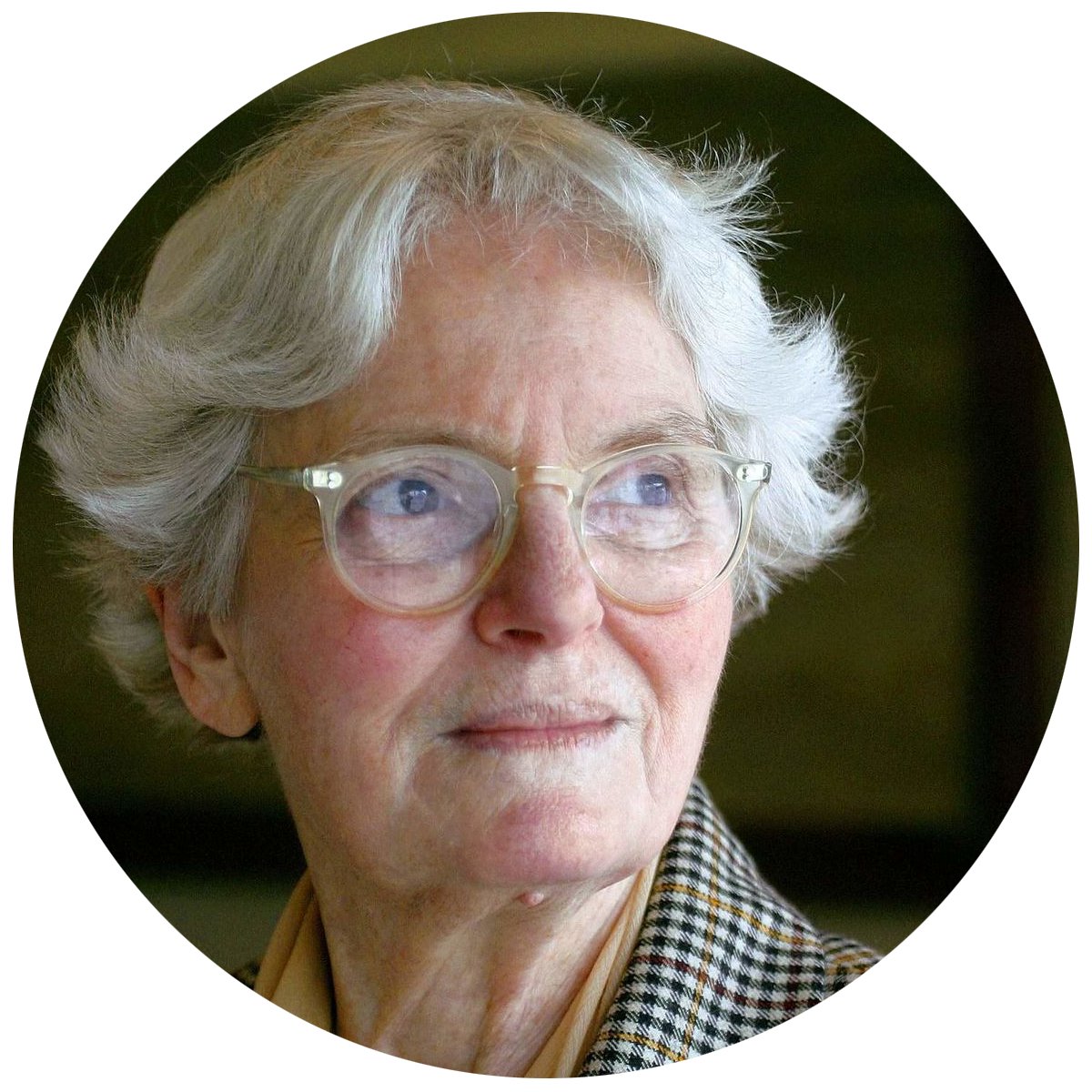
Denis Scott Brown (b. Nkana, Zambia, 1931). She is a postmodernist architect, considered the most famous female architect in the second half of the 20th century. She wrote in 1972 in collaboration with Robert Venturi and Steven Izenour  “Learning from Las Vegas: the forgotten symbolism of architectural form”, where they proclaimed the importance of popular culture, becoming a reference of American culture. 

She started her studies in South Africa at the University of the Witwatersrand, and she continued at the Architectural Association School of Architecture in London, where she graduated with a degree in architecture in 1955. Subsequently, she studied a master’s degree in urban planning at the University os Pennsylvania. Once graduated the became part of the faculty as a teacher, where she met her husband Robert Venturi, who joined to set up the Venturi-Scott Brown & Associates Studio.

Her style has been characterized by the search for the positive, for a “day-to-day” architecture, for a reconciliation between historicism and modernity.

Among her most representative works are the Seattle Art Museum (1991), the College of Humanistic Studies of the State University (New York), the Clinical Research Building of the University of Pennsylvania or the Philadelphia Orchestra Auditorium. 

In 1991, he was excluded from the Pritzker Prize, which caused her protest and the debate about the difficulties of women architects to be recognized in their profession. Finally, there were granted to participate in the 2016 AIA Gold Medal, becoming the second woman in history to win the most prestigious award in the world of architecture and the first woman alive to receive this award. In 2018 won the 2018 Soane Medal.

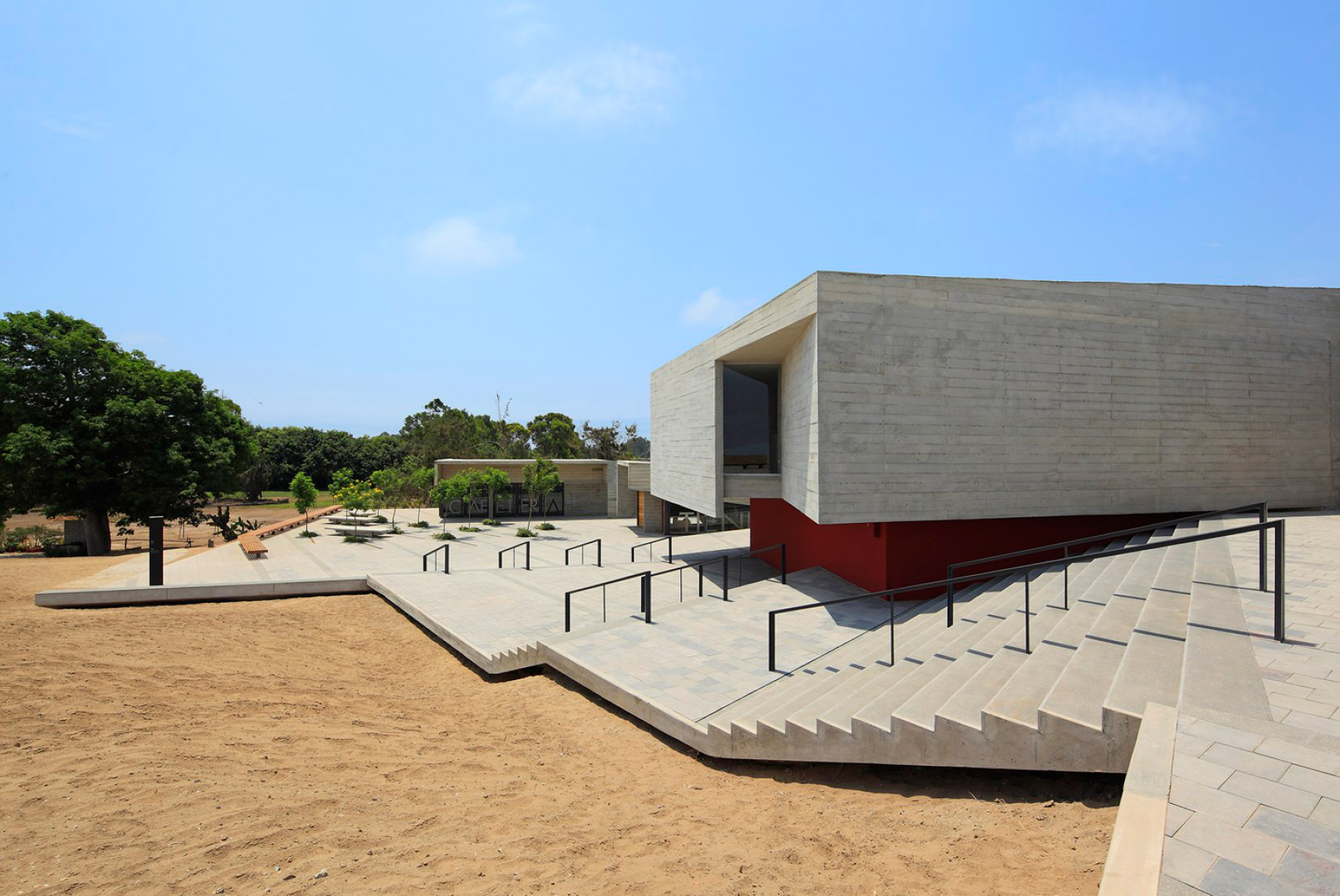
Patricia Llosa Bueno is an architect from the Universidad Ricardo Palma of Lima, Peru. She has completed the master's degree in Architecture, Criticism and Project with Josep Quetglas at the Universidad Politeécnica of Catalonia between 1998 and 1999. Currently, together with Rodolfo Cortegana, he forms the Llosa-Cortegana studio, which was formed in 2005.

At the same time, Patricia Llosa is a professor at the Pontifical Catholic University of Peru and has been invited as an orator on several occasions.

To describe her academic formation and influences, Patricia Llosa emphasizes the importance of affiliations and mentions that, despite deciding on architecture as a balance between the artistic and the technical, it was not until she was a student of Juvenal Baracco when understood what It truly implies the profession. She points out what the architecture meant to her as follows: “He has been one of the key people in my life. It has marked a lot my way of looking at the world, my way of being an architect and my way of facing the world”.

His second stage was the trip she made to Barcelona to study for a postgraduate degree. The diverse formation, the need to soak up issues indirectly related to architecture through texts from other disciplines and the possibility of visiting the architectural works that were considered emblematic during her academic formation make this stage mark a before and after in her life.

As a studio, every so often, they make an effort to sit down and wonder where they are and what their concerns are at the time of projecting, sometimes going through a process of unlearning. Patricia Llosa makes a conscious effort to question whether it is precisely the tradition of modernity that she wants to design in the present. This, far from leading to rejection, leads her to different ways of understanding and interpreting it, among which she recognizes the Brazilian production as a favourite.

  • Jane Drew

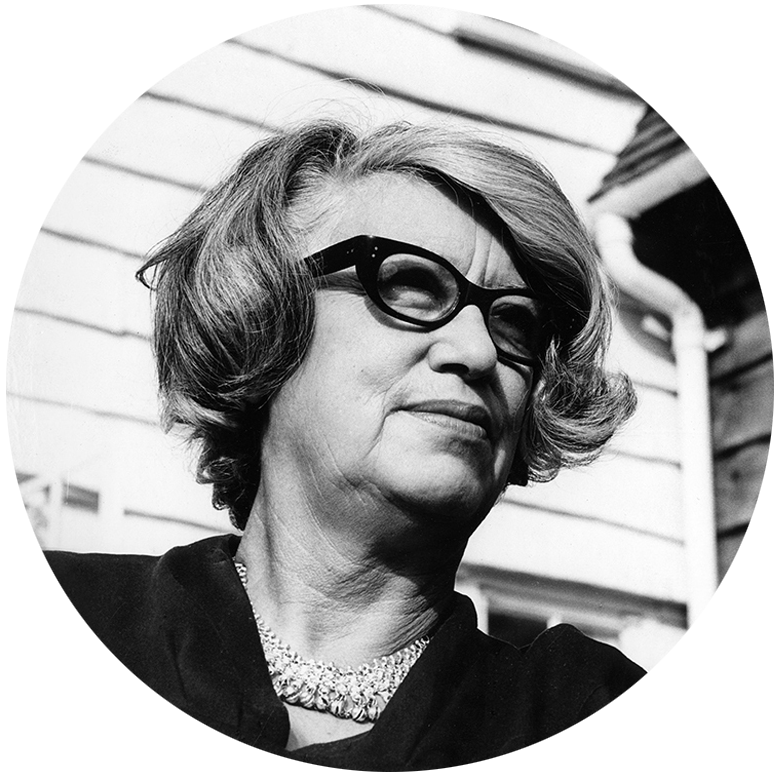
Jane Drew (b. Thornton Heath, England, March 24, 1911 - d. Barnard Castle, Durham, July 27, 1996). She was an English modernist architect and town planner. She paid great attention to the harmony of design with the environment, which made her one of Great Britain’s best-loved architects.

Drew qualified at the Architectural Association School of Architecture in London, finding her first employment as an architect with Joseph Hill. After she partnered with her husband, James Thomas Alliston, founding Alliston & Drew, with their principal work in housing in Winchester, they won a competition in 1937 for a cottage hospital in Devon. She became one of the founders and promoters of MARS Group: an association of architects, artists and industrialists to disseminate the ideas and practices of the Modern Movement in Britain, which was based on the mission statement “the use of space for human activity instead of the manipulation of the stylized convention”.

Together with Le Corbusier, she and Maxwell Fry were commissioned to design the new capital of Punjab, the city of Chandigarh, in India. Drew used the city to experiment with new housing strategies, and over time, she managed to extend the design of modern housing throughout India.

In wartime between 1939 and 1944, Drew had her first office, with the idea of employing only female architects. Architecture was a male-dominated profession. Her work included the Kitchen Planning Exhibition for the Commercial Gas Corporation and the “Rebuilding Britain” exhibition at the National Gallery in London.

After the Second World War in 1950, she cofounded with her second husband, Maxwell Fry, a studio called Fry, Drew and Partners, where they focused on the development of housing architecture. Their most important projects are the Hospital building for the Kuwait Oil Company and the Passfields flats in Lewisham, London.

She was the first woman to be part of the Council of the Royal Institute of British Architects (RIBA). In 1996, she was named Lady of the British Empire. Since 1998, the Jane Drew Prize has been, awarded annually by the Architects' Journal.

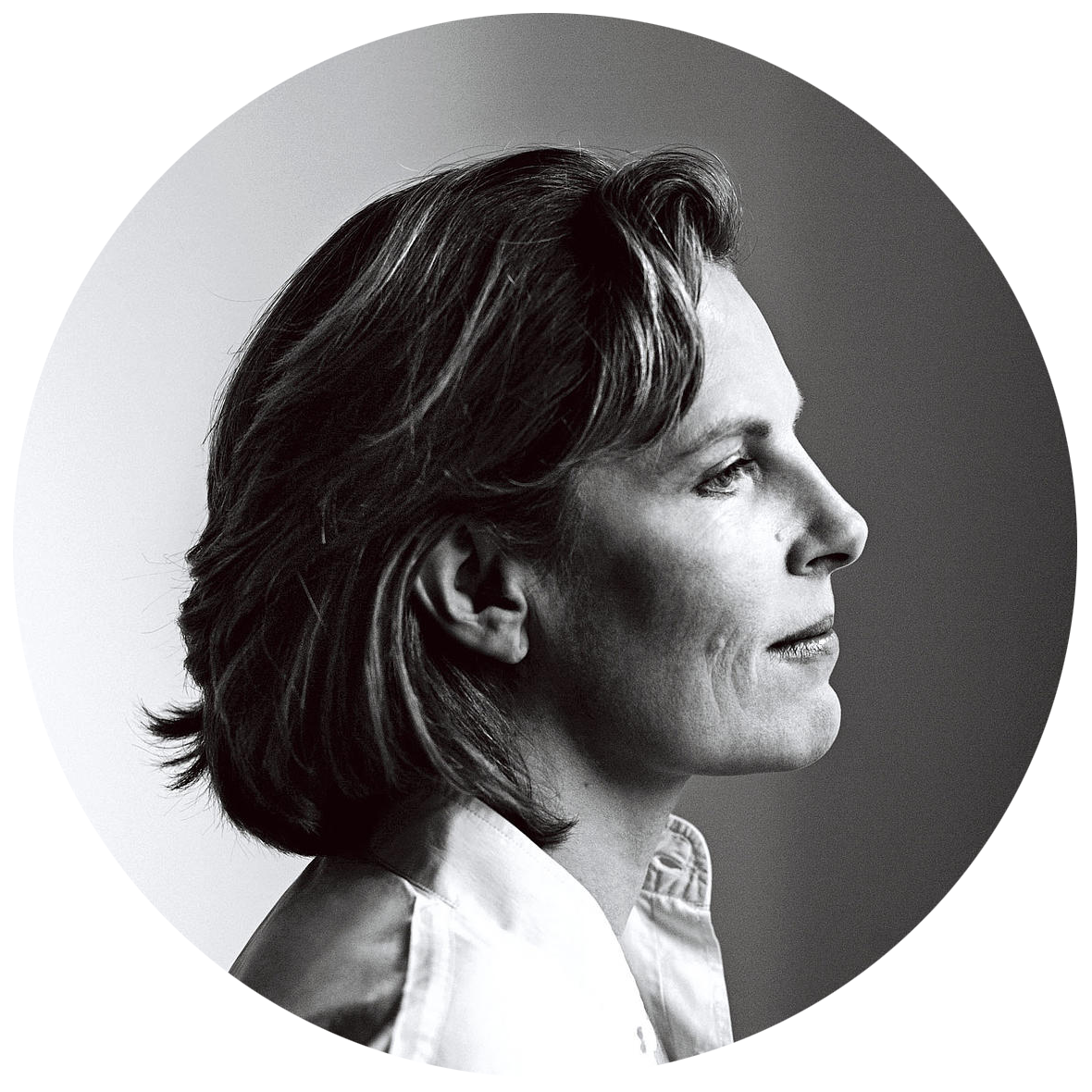
Annabelle Selldorf was born and raised in Germany. She received a Bachelor of Architecture degree from Pratt Institute and a Master of Architecture degree from Syracuse University in Florence, Italy. She is a Fellow of the American Institute of Architects and serves on the Board of the Architectural League of New York, the World Monuments Fund, the Chinati Foundation, and the Center for Curatorial Studies at Bard College.

Selldorf founded her first independent practice in 1988, which today employs upwards of 65 employees. Annabelle’s first large-scale building was completed in 2010: a residential block at 200 11th Avenue in Chelsea. Selldorf has designed gallery and exhibition spaces for Hauser & Wirth, The Whitney, Gladstone Gallery, Michael Werner, David Zwirner, Acquavella Galleries and Frieze Art Fair's Frieze Masters. Her firm routinely collaborates with the Gagosian Gallery on exhibition designs.

In 2017, Selldorf was elected to the American Academy of Arts and Letters, three years after receiving the organization’s prestigious Award in Architecture.  She is also the recipient of the 2016 Medal of Honor from the American Institute of Architecture New York Chapter.

  • Lina Bo Bardi

Lina Bo Bardi (b. Rome, Italy, December 5, 1914 - d. São Paulo, Brazil, March 20, 1992). She was a modernist architect and designer; she devoted her working life to promoting the social and cultural potential of architecture and design.

Bo Bardi graduated from the Rome College of Architecture at the age of 25. Then she moved to Milan, where she began to work with the architect Carlo Pagani in the Studio Bo e Pagani. Bo Bardi collaborated with architect and designer Gio Ponti in the magazine “Lo Stile - nella casa e nell’arredamento”. 

Then, in 1942, she opened her own studio, but her office was destroyed by an aerial bombing in 1943. From 1944-45, Bardi was the Deputy Director of Domus magazine. From then, she used to work in several magazines and newspapers.

In 1946, Bo Bardi and her husband Pietro Maria Bardi moved to São Paulo, Brazil, a country which had a profound effect on her creative thinking. They both founded the influential art magazine Habitat, referenced as a conceptualization of the ideal interior as a habitat designed to maximize human potential.

Thereupon, they’re invited to run a Museum of Art in Sao Paulo. Bo Bardi sought to design a museum that embodied a simple form of monumental architecture. Another of his most significant projects was “The Glass House”, which is the first building she designed as an architect, where she lived with her husband. In this building, we can see the strong influence of Italian modernism, in which she had been trained, in line with the creative thinking caused by the immersion she had in Brazilian culture. Bo Bardi has also created jewellry, furniture, costume and set designs.

Her grant to the theory of architecture was essential with the text “Contribuição Propedeutica ao ensino da Teoria da arquitetura (1957)”, a humanist allegation in defence of a cultured and ecological architecture, based on technical advances.

  • Lu Wenyu Amateur Architecture Studio

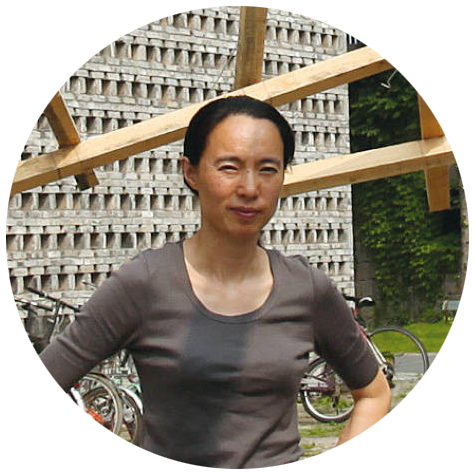
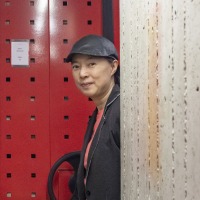
Lu Wenyu was born in 1966 in the Chinese city of Hangzhou, where she has lived all her life. He studied architecture at the Nanjing Institute of Technology. She is the co-founder of the "Amateur Architecture Studio" studio, which produces architecture in harmony with the legacy of the past and the eye on the future, in 1987 with her partner Wang Shu. Among the office's best-known works are: the Wenzheng Library at Suzhou University, the Port Art Museum in Ningbo and the Xiangshan Campus of the Hangzhou Chinese Academy of Art.

She is co-founder of the Hangzhou school of architecture, "China Academy of Art," where she teaches architecture. In addition to his practice as a professor at the Chinese Academy of Art, he continues his work as an engineer and project manager for the Research of East China and the Design Institute until 2003. He worked at the Ningbo History Museum from 2003 to 2008. He worked on the installation of the Tile Garden at the Venice Biennale 2006. He taught at Harvard's Graduate School of Design.

In 2010, Lu Wenyu and Wang Shu together won the German Schelling Architecture Prize. In 2012, Wang Shu was awarded the Pritzker Prize for the work the duo completed together in their firm, Amateur Architecture Studio.

Cecilia Puga Larrain was born in Santiago, Chile, on October 2, 1961. Puga is one of the most relevant architects in Chile, graduating as an architect from the Pontifical Catholic University of Chile in 1990. Later, she studied History and Restoration of Monuments Architecture at the Universitá della Sapienza in Rome, with a grant from the Italian Ministry of Foreign Affairs. She worked as editor of Revista CA, the official organ of the College of Architects of Chile.

From the year 1995, he developed his profession independently, and as part of that exercise, she has participated in important competitions and has received several awards and distinctions. Her work is part of several publications, including a number specially dedicated to her work in Gustavo Gili's 2G magazine. Her professional work has been exhibited in Chile and the US, and includes single-family houses, an apartment building, interiors of shops and offices, a chapel and the master plan for the recovery of old buildings of the Southern Cone Vineyard in Chimbarongo, where she also built an access pavilion, an occasion, and a barrel room.

In 2009, her studio was one of the 100 offices worldwide selected by Herzog & De Meuron to design a villa in Inner Mongolia in the context of the Ordos 100 project. In the contest for the Mapocho Station Cultural Center, she won the third prize. Winner of the Sergio Larrain García-Moreno Library and Documentation Center contest.

Magui Peredo was born in 1979. She graduated as an Architect from the Instituto Tecnológico y de Estudios Superiores de Occidente (ITESO) in Guadalajara, Jalisco. She studied a Master's in Theory and History of Architecture at the Polytechnic University of Catalonia in Barcelona. Before founding Macías Peredo, along with her husband, the architect Salvador Macías, collaborated in several national and international offices.

She has been a critic and guest speaker at different universities and has exhibited her research topic on Mathias Goeritz in various national forums. Since 2010, she has been a professor in the ITESO project workshops in the city of Guadalajara.

As the founding partner of the Mexican studio Macías Peredo, she has been awarded by The Architectural League of New York with the 2014 Emerging Voices award. She has received two silver medals from the Jalisco Academy of Architecture and several honorable mentions for her built work. The studio obtained the second place in the contest of the Pavilion of Mexico in the Expo Shanghai 2010 and the first place in the Pavilion Eco 2013 in Mexico City. Recently, the firm published its first monograph, "Calm the Noise".

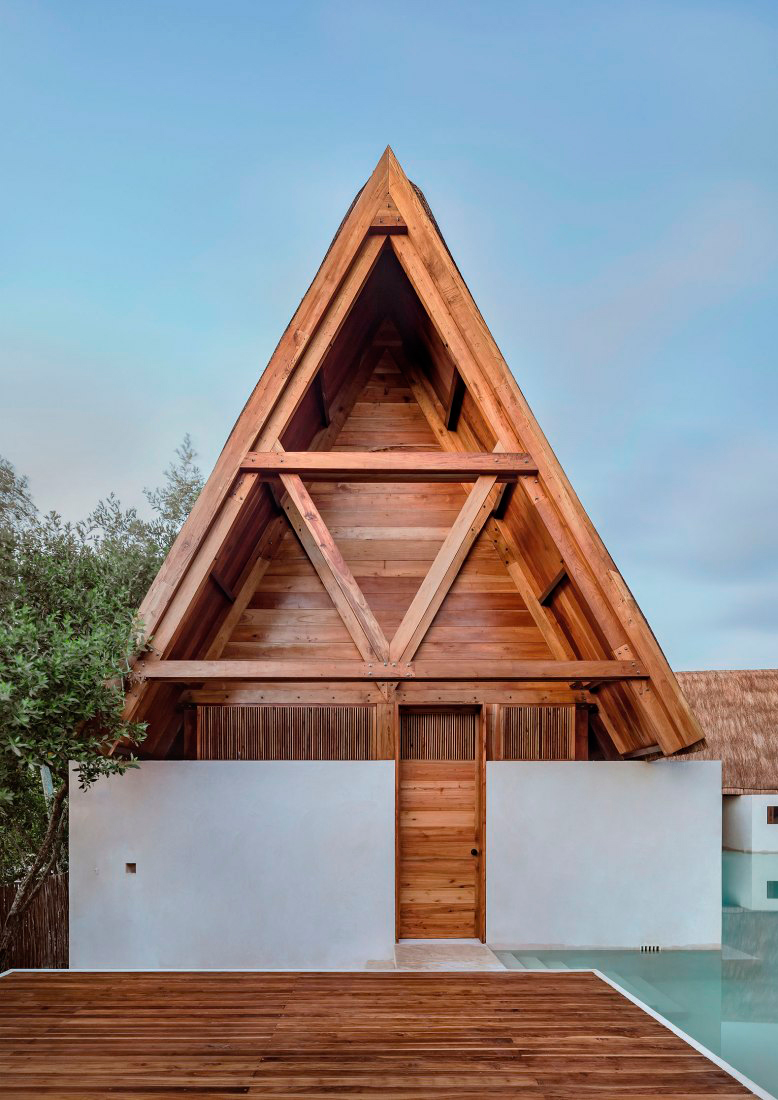
María Alexia León Angel was born in Lima in 1970. She obtained the Degree of Architect from the School of Architecture and Urbanism of the Ricardo Palma University in Lima in 1992. In 1996, she founded her own architecture workshop, "Leondelima", which used to work as a research platform for architecture and design in the desert and other contexts. She has dedicated years of research to the Peruvian coastal desert, where she has designed and built most of her projects. In 2012, her architecture studio merged with Lucho Marcial's studio, creating Leonmarcial Arquitectos.

León has been a visiting professor at the Graduate School of Design, Harvard University (2007) where she taught an architecture workshop for advanced programs: GSD1318 Urban Desert Studio. Her work has been published in Arkinka, Casabella, ARQ, L’’s Costruzioni, La Moderna. Her most recent literary work is called "Desert-Density", which contains 15 years of research in the field of architecture and urban fabrics in the desert.

She has participated as an architecture critic and held several conferences in South America, Europe, Asia and the United States. Her first project, Casa Mori in Playa Bonita, was chosen as a finalist in the I Biennial of Architecture and Civil Engineering of Madrid. In 2000, she was a finalist in the II Mies van der Rohe Prize for Latin American Architecture. She was selected by the MAK, Center for Art and Architecture, for the UFI Program with the proposal LA-LIMA, Probing the Urban Desert or Testing the Desert, being nominated in the same year to receive the Marcus Prize in architecture.

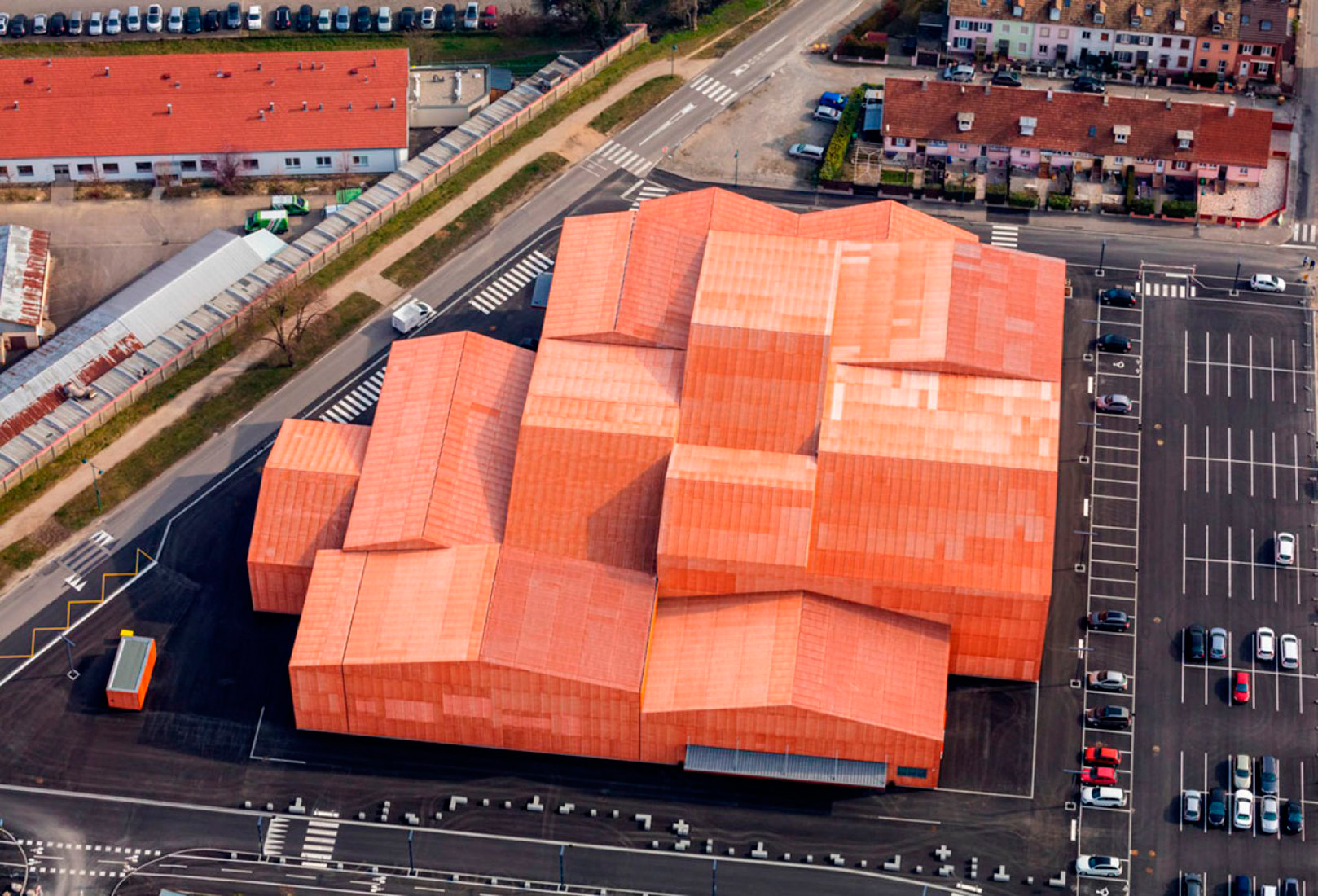
Manuelle Gautrand was born on July 14, 1961, in Marseille, France. She obtained her graduate diploma in Architecture from the “Ecole Nationale Supérieure d’Architecture de Montpellier” in 1985. She worked for 6 years in different architecture studios in Paris, and founded her office in 1991, first in Lyons and then in Paris. She has lived and worked in Paris since 1994. The poetics of Gautrand is characterized very often by the combination of colour and formal invention, aimed at empathy and arousing admiration.

She is the principal architect and director of the agency Manuelle Gautrand Architecture. She mainly designs buildings in areas as diverse as cultural facilities, office buildings, housing, commercial and leisure facilities, etc. In 2007, Manuelle Gautrand designed the “C42” Citroen Flagship Showroom on the Champs-Elysées Avenue in Paris, which gained attention and widespread acclaim in the international arena and from a large audience.

Among the distinctions she has received stand out the Chevalier de la Légion d’Honneur in April 2010, the Chevalier dans l’ordre des Arts et des Lettres, December 2007, and, in 2007, Awarded of The European Prize for Architecture for her body of works that celebrate boldness and non-conformity in a world torn by extreme modernity and a reactionary return to the past.

More information

Jane Drew (b. Thornton Heath, England, March 24, 1911 - d. Barnard Castle, Durham, July 27, 1996) is an English modernist architecture an town planner, qualified at the Architectural Association School of Architecture in London.

She created a studio with James Thomas Alliston, named Alliston & Drew, working in housing in Winchester. She became one of the founders and promoters of MARS Group (an association of architects, artists and industrialists to disseminate the ideas and practices of the Modern Movement).

Le Corbusier, Maxwell Fry and Drew were commissioned to design the city of Chandigarh, in India. In wartime between 1939 and 1944, Drew had her first office, with the idea of employing only female architects. After the II World War in 1950, she cofounded with Maxwell Fry a studio as Fry, Drew and Partners, focusing on the development of housing architecture.

She was the first woman to be part of the Council of the Royal Institute of British Architects (RIBA). In 1996, she was named Lady of the British Empire. Since 1998, the Jane Drew Prize has been awarded annually by the Architects' Journal.
Read more

Selldorf Architects. 65-person architectural design practice founded in New York in 1988 by Annabelle Selldorf. Selldorf Architects creates public and private spaces that manifest a clear, modern sensibility with lasting impact. The firm has particular expertise in creating architecture that enhances the art experience, having worked internationally on numerous museums, galleries, art foundations, and other cultural projects.

Past projects include the Neue Galerie in New York City, which, like the Frick, was originally designed in 1914 by Carrère and Hastings; the Clark Art Institute in Williamstown, MA; LUMA Arles, a new contemporary art center in the South of France; and galleries for David Zwirner and Hauser & Wirth, among others. Current projects include the expansion of the Museum of Contemporary Art in San Diego and the Swiss Institute in New York, which is scheduled to open in June 2018.

In addition to its work on cultural spaces, Selldorf Architects has developed high-profile residential and commercial projects and master plans for arts institutions. Their approach balances functionality and aesthetics, respecting each project's historical and environmental context. The firm is recognized for its meticulous attention to detail and commitment to sustainability.

Read more
Achillina Bo (Born on December 5, 1914, in Rome, Italy and died, on 20 March 1992, in São Paulo, Brazil) was the oldest child of Enrico and Giovana Bo, who later had another daughter named Graziella. In 1939, she graduated from the Rome College of Architecture at the age of 25 with her final piece, "The Maternity and Infancy Care Centre". She then moved to Milan to begin working with architect Carlo Pagani in the Studio Bo e Pagani, No 12, Via Gesù. Bo Bardi collaborated (until 1943) with architect and designer Giò Ponti on the magazine Lo Stile – nella casa e nell’arredamento. In 1942, at the age of 28, she opened her own architectural studio on Via Gesù, but the lack of work during wartime soon led Bardi to take up illustration for newspapers and magazines such as Stile, Grazia, Belleza, Tempo, Vetrina and Illustrazione Italiana. Her office was destroyed by an aerial bombing in 1943. From 1944-5 Bardi was the Deputy Director of Domus magazine.

The event prompted her deeper involvement in the Italian Communist Party. In 1945, Domus commissioned Bo Bardi to travel around Italy with Carlo Pagani and photographer Federico Patellani to document and evaluate the situation of the destroyed country. Bo Bardi, Pagani and Bruno Zevi established the weekly magazine A – Attualità, Architettura, Abitazione, Arte in Milan (A Cultura della Vita).[4] She also collaborated on the daily newspaper Milano Sera, directed by Elio Vittorini. Bo Bardi took part in the First National Meeting for Reconstruction in Milan, alerting people to the indifference of public opinion on the subject, which for her covered both the physical and moral reconstruction of the country.

In 1946, Bo Bardi moved to Rome and married the art critic and journalist Pietro Maria Bardi.

In Brazil, Bo Bardi expanded his ideas, influenced by a recent and overflowing culture different from the European situation. Along with her husband, they decided to live in Rio de Janeiro, delighted with the nature of the city and its modernist buildings, like the current Gustavo Capanema Palace, known as the Ministry of Education and Culture, designed by Le Corbusier, Oscar Niemeyer, Lucio Costa, Roberto Burle Marx and a group of young Brazilian architects. Pietro Bardi was commissioned by a museum from Sao Paulo city where they established their permanent residence.

There they began a collection of Brazilian popular art (its main influence) and his work took on the dimension of the dialogue between the modern and the Popular. Bo Bardi spoke of a space to be built by living people, an unfinished space that would be completed by the popular and everyday use.
Read more

LU Wenyu (Hangzhou, 1966) is an architect and co-founded Amateur Architecture Studio with Wang Shu in 1997. Together, they founded the Architecture Department at China Academy of Art in 2003, initiating a new course of study that has profoundly influenced the teaching of architecture in China.

Lu is a member of the French Academy of Architecture for 2023 and was a visiting Professor at Harvard Graduate School of Design, Massachusetts Institute of Technology (MIT), University College London (UCL) and Rice University.

Together with Wang Shu, she maintains a sustained focus on existing materials, the traces of ordinary people's daily lives, the vitality of those unnamed, common structures, and the process and craftsmanship of artisans on the construction site. They advocate for a radical architectural experimentation that is rooted in the vernacular and the immediate context.

By combining recycled old building materials with modern engineering techniques and merging memory with innovation, they have offered a powerful response to the social reality of urban development that involves large-scale demolition and construction. Lu and Wang have consistently upheld a broad global perspective, expressing through their works an innovative vision that transcends the cultural conflict between city and countryside, and surpasses the traditions of the artificial and the natural, which is reflected in their built works such as Ningbo Historic Museum, Xiangshan Campus of China Academy of Art, The tiles hill in Hang Zhou, Renovation of Wencun Village, Fuyang Cultural Complex, The National Archives of Publications and Culture in Hangzhou, Preservation and Renovation of Southern Song Imperial Street, and Lin An Historic Museum, Museum of Ancient Animals in Baoding, Jin Sha Traditional Chinese Academy in Xia Men and Xi'an Opera House and Concert Hall.

Their works have been exhibited in prestigious international institutions, including La Biennale di Venezia, MOMA in New York and the Centre Pompidou in Paris, in addition to solo exhibitions at the Louisiana Museum of Modern Art, Arc en rêve centre d’architecture Bordeaux, and BOZAR art Centre for Fine Arts Brussels. Their work “Xiangshan Campus of China Academy of Art” was one of “The 25 Most Significant Works of Postwar Architecture” all over the world, selected by the New York Times in 2021.

Lu Wenyu was awarded the Schelling Architecture Prize in Germany, a Special Mention at the Biennale Architettura in 2010 for the project “Decay of a Dome”, and listed among the RIBA’s 2015 Fellowships. She was the recipient 2019 Gold Medal of Tau Sigma Delta. She was a juror of the UNESCO Asia-Pacific Awards for Cultural Heritage Conservation. Lu Wenyu was the Chair of the Jury members for the RIBA International Prize 2024.

As a form of dual contemplation—a critical resistance against reality and a challenge towards the future—Wang Shu and Lu Wenyu together established a new Department of Architecture at the China Academy of Art in Hangzhou in 2003. They launched a new model of architectural education that begins with the understanding of materials, manual labour, and the depiction of Chinese gardens. In an attempt to translate the studio's practical experience into an educational paradigm, the School of Architecture was founded in 2007. Wang Shu is its inaugural dean, and Lu Wenyu is the director of the Sustainable Construction Center.

Read more
Cecilia Puga Larrain was born in Santiago, Chile on October 2, 1961. Puga graduated as an architect from the Pontifical Catholic University of Chile in 1990. Later she studied History and Restoration of Monuments Architectural at the Universitá della Sapienza in Rome.

As an architect, she has been awarded in competitions such as the Mapocho Station Cultural Center (1992, 3rd prize) together with D. Prieto, S. Álvarez and D. Rodríguez; in the new Auditorium and Library of the Faculty of Architecture, Design and Urban Studies of the Pontifical Catholic University of Chile (1995, 1st prize), together with T. Fernández and S. Radic and in the Consistorial building for the Illustrious Municipality of Vitacura (2000, 1st mention) together with S.Radic, G. Puga and R. Serpell.

Between 1990 and 1993 she was editor of the CA Magazine of the College of Architects of Chile and was Director of the School of Architecture of the Universidad Nacional Andrés Bello. She has been a professor at the Pontificia Universidad Católica de Chile and the Universidad Nacional Andrés Bello in Santiago; In 2007, she was a visiting professor at the University of Texas School of Architecture in Austin, USA.
Read more
Estudio Macias Peredo has given several lectures on his practice at various universities and forums in Mexico and in the city of New York, in the University of Tokyo in Japan and in the University of New Mexico in Albuquerque.

They have received two silver medals for the Academy of Architecture of Jalisco and several citations for his work built. Obtained the second place in the competition of the Mexico Pavilion in the Shanghai Expo 2010 and first place in the Eco Pavilion 2013 in Mexico City.

Awarded by The Architectural League of New York with the Emerging Voices award 2014. They have recently exhibited his work in LIGA, Space of Architecture 2015.

Magui Peredo (1979). She holds a degree in architecture by ITESO (Instituto Tecnologico de Estudios Superiores de Occidente) and a master degree in Theory and History of Architecture by the UPC (Universitat Politècnica de Catalunya) in Barcelona.

Prior founding Macías Peredo, she has worked in various national and international studios. She has been invited lecturer and critic at various universities in the country and has presented her research on Mathias Goeritz at various national forums.

Since 2010 she holds a teaching position at ITESO, university based in the city of Guadalajara. She is co-founder and director at Estudio Macías Peredo.

Salvador Macías (1977). He holds an honour degree in architecture by ITESO (Instituto Tecnologico de Estudios Superiores de Occidente) and a master degree in Theory and Practice of the Architecture Project by the UPC (Universitat Politècnica de Catalunya) in Barcelona.

His work has been exhibited at institutions such as Palacio de Bellas Artes in Mexico City and the Instituto Cultural Cabañas in Guadalajara. He has been a collaborator of the project Torre CUBE 2 of Carme Pinós studio from Barcelona. He also has been one of the lecturers at the 53rd Congress of Americanists held in Mexico City in 2009, with the theme ‘Josef Albers, Approaches to Mexican Architecture’, research work published by UNAM in 2010.

Since 2010 he holds a teaching position at ITESO. He is currently member of the Luis Barragán Architecture Foundation and co-founder and director at Estudio Macías Peredo.
Read more
María Alexia León Angel was born in Lima in 1970. She obtained the Degree of Architect from the School of Architecture and Urbanism of the Ricardo Palma University in Lima in 1992. In 1996 she founded her own architecture workshop "Leondelima". In 2012, her architecture studio merged with Lucho Marcial's studio, creating Leonmarcial Arquitectos.

León has been a visiting professor at the Graduate School of Design, Harvard University (2007) where she taught an architecture workshop for advanced programs: GSD1318 Urban Desert Studio. Her most recent literary work is called "Desert-Density" which contains 15 years of research in the field of architecture and urban fabrics in the desert.

Her first project, Casa Mori in Playa Bonita, was chosen as a finalist in the I Biennial of Architecture and Civil Engineering of Madrid. In 2000, she was a finalist in the II Mies van der Rohe Prize for Latin American Architecture. She was selected by the MAK, Center for Art and Architecture, for the UFI Program with the proposal LA-LIMA, Probing the Urban Desert or Testing the Desert, being nominated in the same year to receive the Marcus Prize in architecture.
Read more
Manuelle Gautrand was born on July 14, 1961 in Marseille (France). She obtained her graduate diploma in Architecture from the “Ecole Nationale Supérieure d’Architecture de Montpellier” in 1985. She worked for 6 year in different architecture studios in Paris. She founded her office in 1991, first in Lyons and then in Paris. She lives and works in Paris since 1994.

She is the principal architect and director of the agency MANUELLE GAUTRAND ARCHITECTURE. She mainly designs buildings in areas as diverse as cultural facilities (theaters, museums, and cultural centers), office buildings, housing, commercial and leisure facilities, etc… Her clients are public contracting authorities as well as private firms, in France and abroad. In 2007 Manuelle Gautrand’s the “C42″ Citroen Flagship Showroom on the Champs-Elysées Avenue in Paris gained attention and widespread acclaim in the international arena and from a large audience.

Distinction :
•    Chevalier de la Légion d’Honneur, April 2010
•    Chevalier dans l’ordre des Arts et des Lettres, December 2007

Awards .-

French National Institutions .-
•    Member of Ordre des Architectes Français since 1990
•    Titular member Académie d’Architecture (France) since 2005

Other activities .-
•    Teaching at the Ecole Spéciale d’Architecture de Paris (1999 -2000), the Ecole d’Architecture Paris-Val-de-Seine (2000-2003), at the Technische Universität in Vienne, Austria Vienne (2009) and at the University of Florida School of Architecture in the United States (2010)
•    Lectures in architecture schools and public institutions, regular participation in seminars, panel discussions, etc…
•    Numerous press articles, publications in architecture books, etc…
•    Solo and collective architecture exhibitions
•    Works entered into the collections of Centre Pompidou in Paris and of La Cité de l’Architecture et du Patrimoine in Paris
•    Several documentary films on her work were broadcasted on ARTE Channel in 2008 and 2009 (“l’Art & la Manière” and “Chic”).

Read more

Denise Scott Brown (born as Denise Lakofski, in Nkana-Kitwe, Northern Rhodesia -now Zambia-, October 3rd 1931) is a postmodern architect, urbanist, writer and teacher. Expert in urban and educational planning at universities such as Berkeley, Yale and Harvard, she wrote in 1972 in collaboration with Robert Venturi and Steven Izenour Learning from Las Vegas: the forgotten symbolism of architectural form, one of the most influential books in architecture in the second half of the twentieth century. 

She is considered the most famous woman architect of the second half of the twentieth century. She married Robert Venturi in 1967, and they have worked together since 1969, but in 1991, she was excluded from the Pritzker Prize, prompting protests and debates about the difficulties of women architects to be recognized in their profession. Finally, they were awarded jointly with the AIA Gold Medal 2016, becoming the second woman in history to win the most prestigious award in the world of architecture and the first living woman to receive this galardón. She is a member of the architectural Studio Venturi, Scott Brown and Associates of Philadelphia (USA), which, in 2012, following the retirement of Venturi, became VSBA Architects & Planners.

Read more
Llosa cortegana Arquitectos. Despite having studied at the same university, Patricia Llosa and Rodolfo Cortegana did not get to know each other until 2001 when they were called to take part in the same competition. They later co-participated in some others, as a result of the harmony that they found in their design methodology from the first moment, as well as being invited to teach in the same design workshop at the Faculty of Architecture of the Catholic University. As a consequence of such experiences, they partnered to found their own practice in 2005, under the name 'Llosa cortegana Architects'.

Patricia Llosa is an architect from Ricardo Palma University. She did the Master 'Architecture, Criticism and Projects' at the Polytechnic University of Catalonia, Spain (1999). She has participated in various courses, conferences and workshops on teaching and creating projects.

Rodolfo Cortegana is an architect from Ricardo Palma University, where he received the award for the best thesis supported by the Museum of Contemporary Art. He did a master's in Museology at the University of Ricardo Palma. He also conducted research on Public space and its interaction with the Climate', receiving a grant from the Belgian government.
Read more
Published on: March 8, 2020
Cite:
metalocus, JOSÉ JUAN BARBA, VALERIA OZUNA, MARYAN RODRÍGUEZ BUERGO
"10 Architecture Studios Led by Women [VII]" METALOCUS. Accessed
<http://www.metalocus.es/en/news/10-architecture-studios-led-women-vii> ISSN 1139-6415
Loading content ...
Loading content ...
Loading content ...
Loading content ...
Loading content ...
Loading content ...
Loading content ...
Loading content ...
Loading content ...
Loading content ...
Loading content ...
Loading content ...
Loading content ...
Loading content ...
Loading content ...
Loading content ...
Loading content ...
Loading content ...
Loading content ...
Loading content ...
Loading content ...
Loading content ...
Loading content ...
Loading content ...
Loading content ...
Loading content ...
Loading content ...
Loading content ...
Loading content ...
Loading content ...
Loading content ...
Loading content ...
Loading content ...
Loading content ...
Loading content ...
Loading content ...
Loading content ...
Loading content ...
Loading content ...
Loading content ...
Loading content ...
Loading content ...
Loading content ...
Loading content ...
Loading content ...
Loading content ...
Loading content ...
Loading content ...
Loading content ...
Loading content ...
Loading content ...
Loading content ...
Loading content ...
Loading content ...