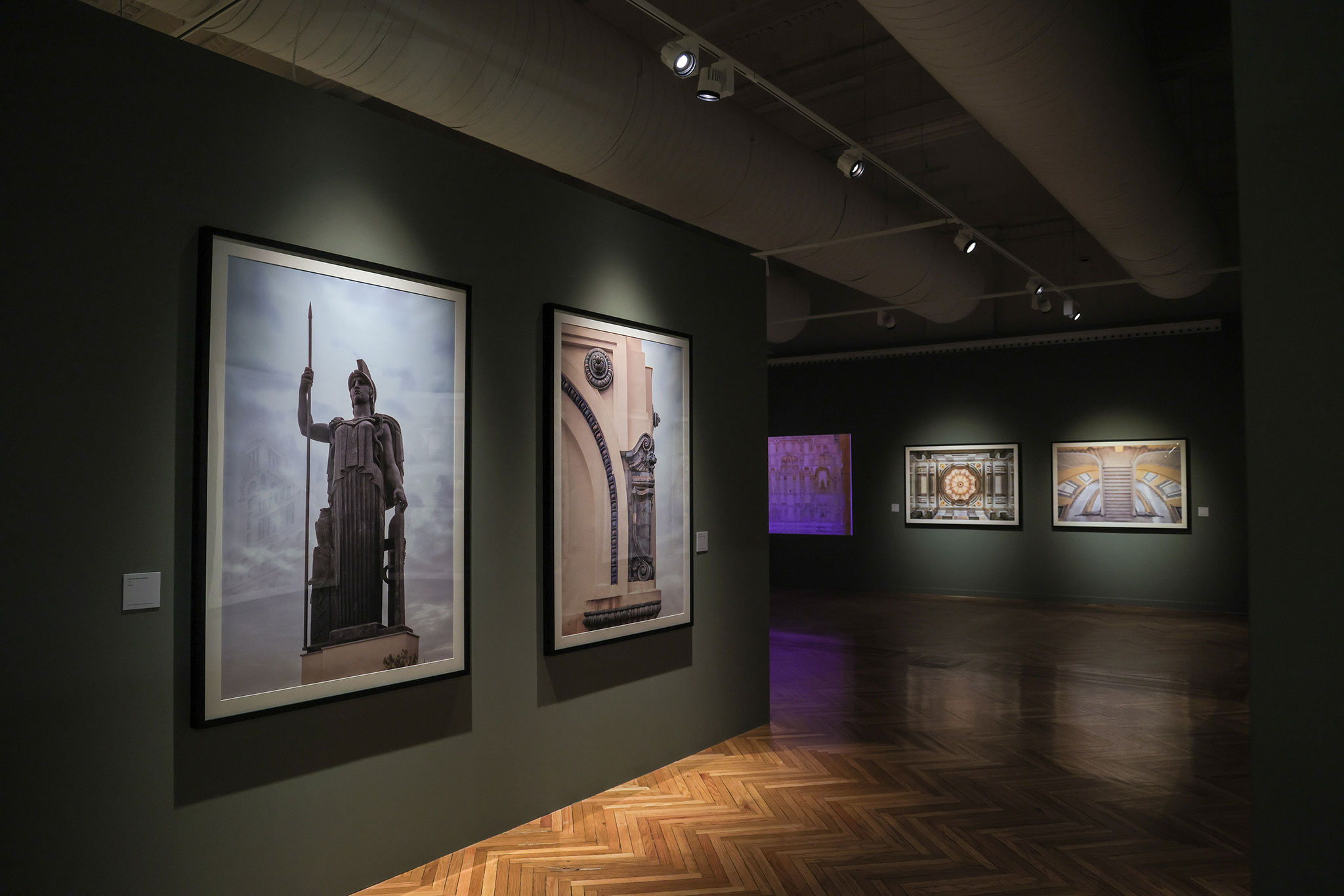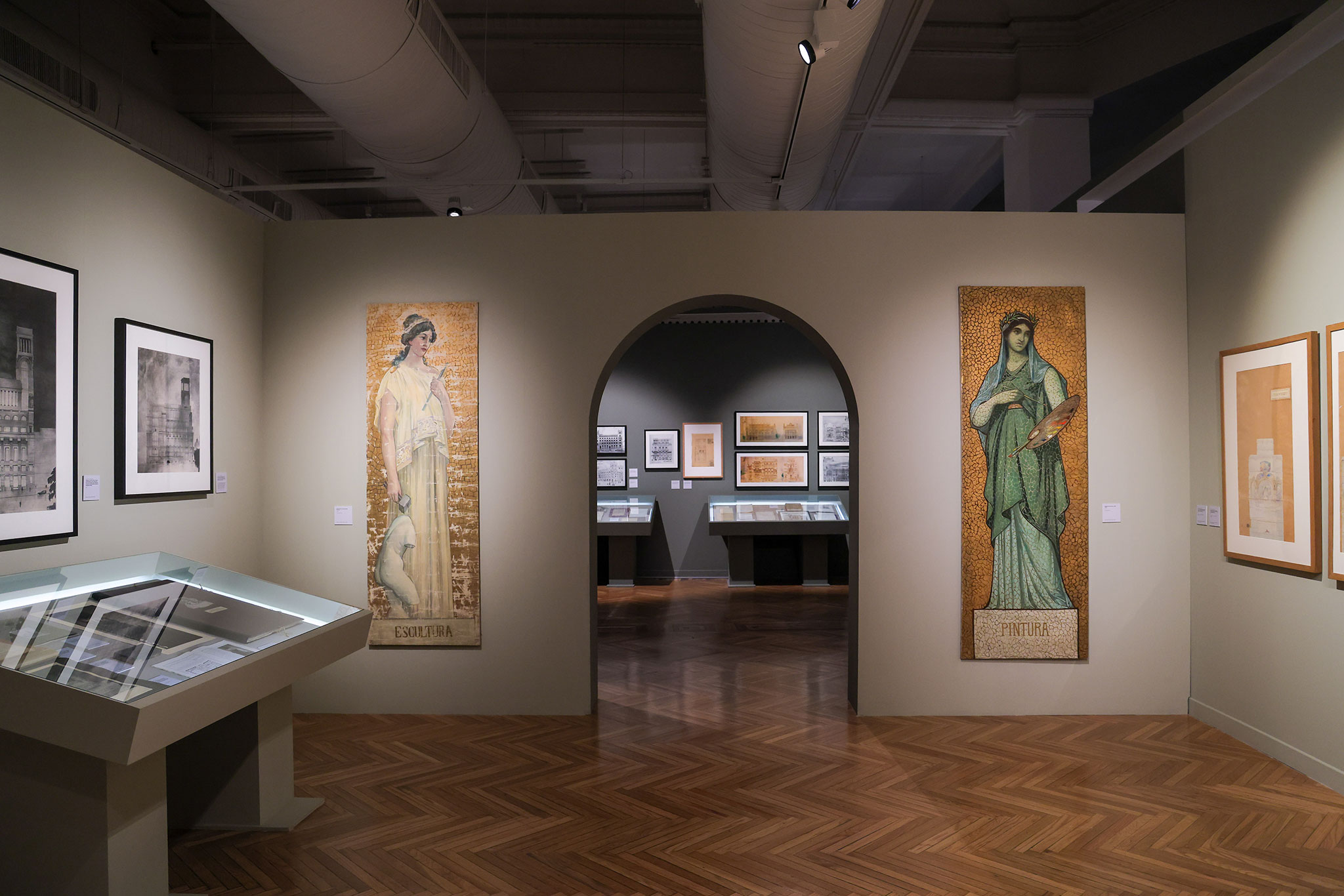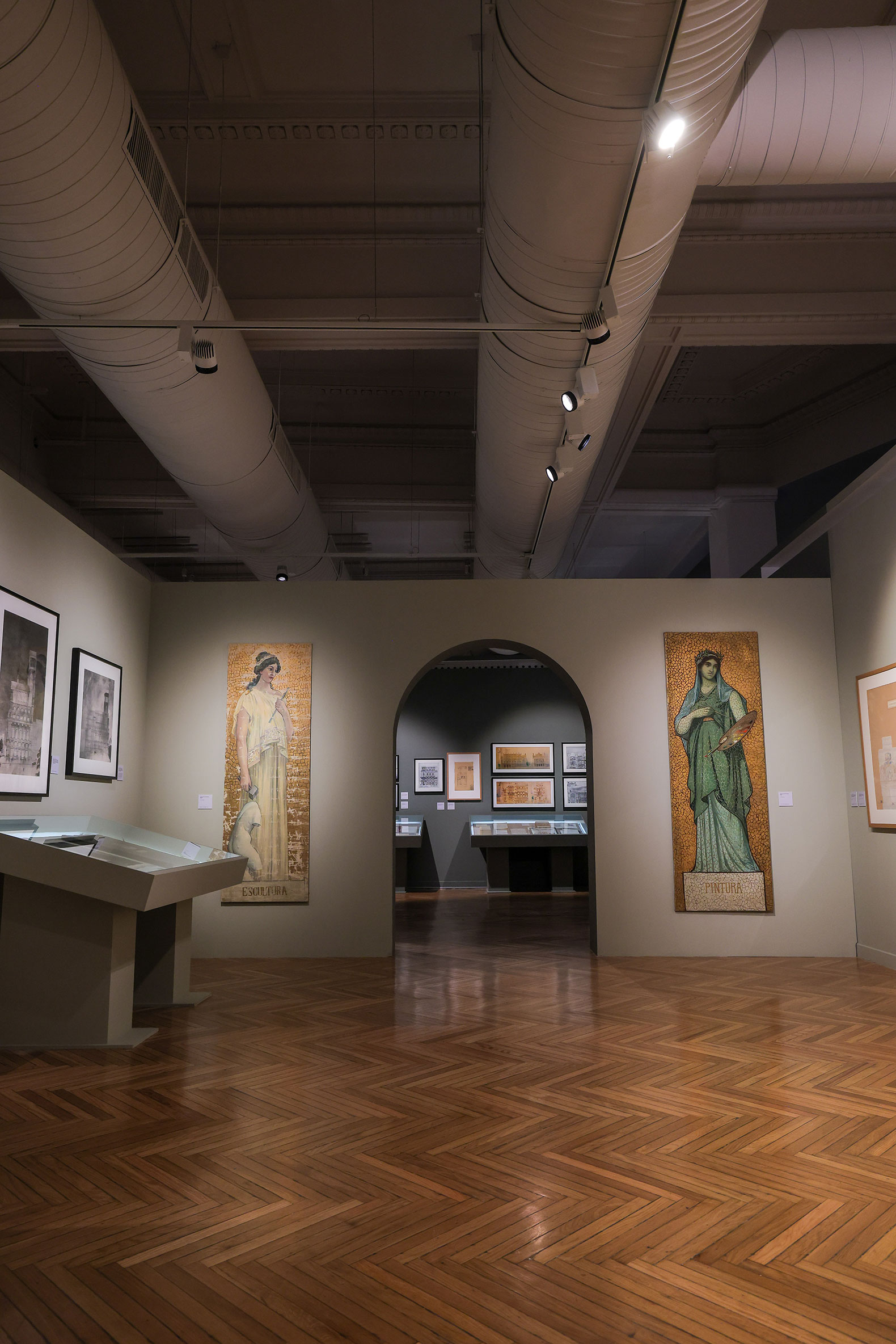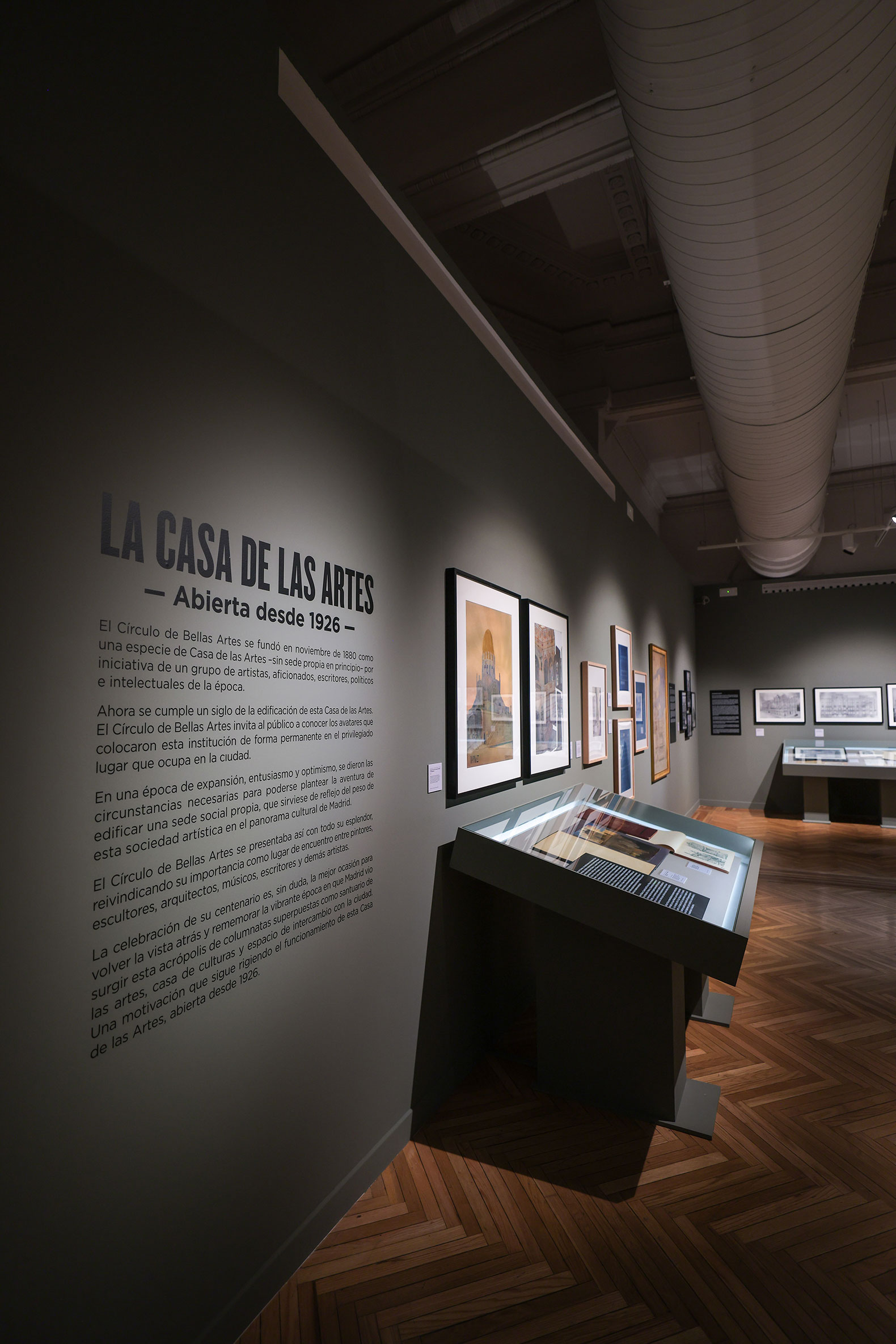
Organized in collaboration with Acción Cultural Española, the Círculo de Bellas Artes presents the exhibition "The House of Arts. Open since 1926," a journey through the origin, design, and construction of one of the most iconic buildings on Madrid's Gran Vía. From February 12 to May 10, visitors can explore the exhibition commemorating the centenary of the emblematic building designed by Antonio Palacios and completed in 1926.

The Círculo de Bellas Artes, a vibrant symbol of modernity, culture, and urban life in the heart of Madrid, has played a leading role in the city's urban, social, and artistic transformation and continues today as a prominent landmark for artistic expression. In this sense, the exhibition invites visitors to view the building as a living heritage space that continues to reflect the country's cultural evolution.

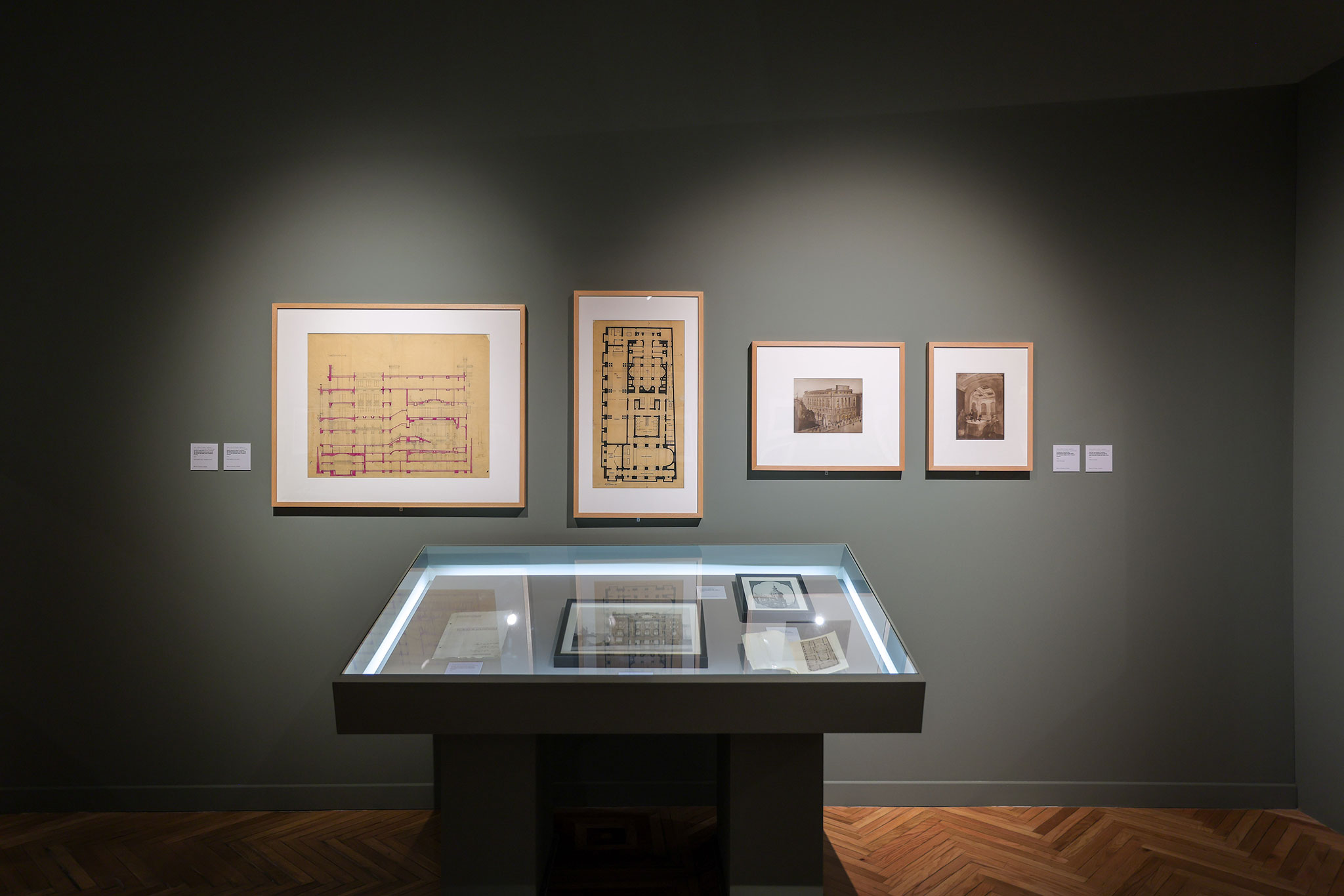
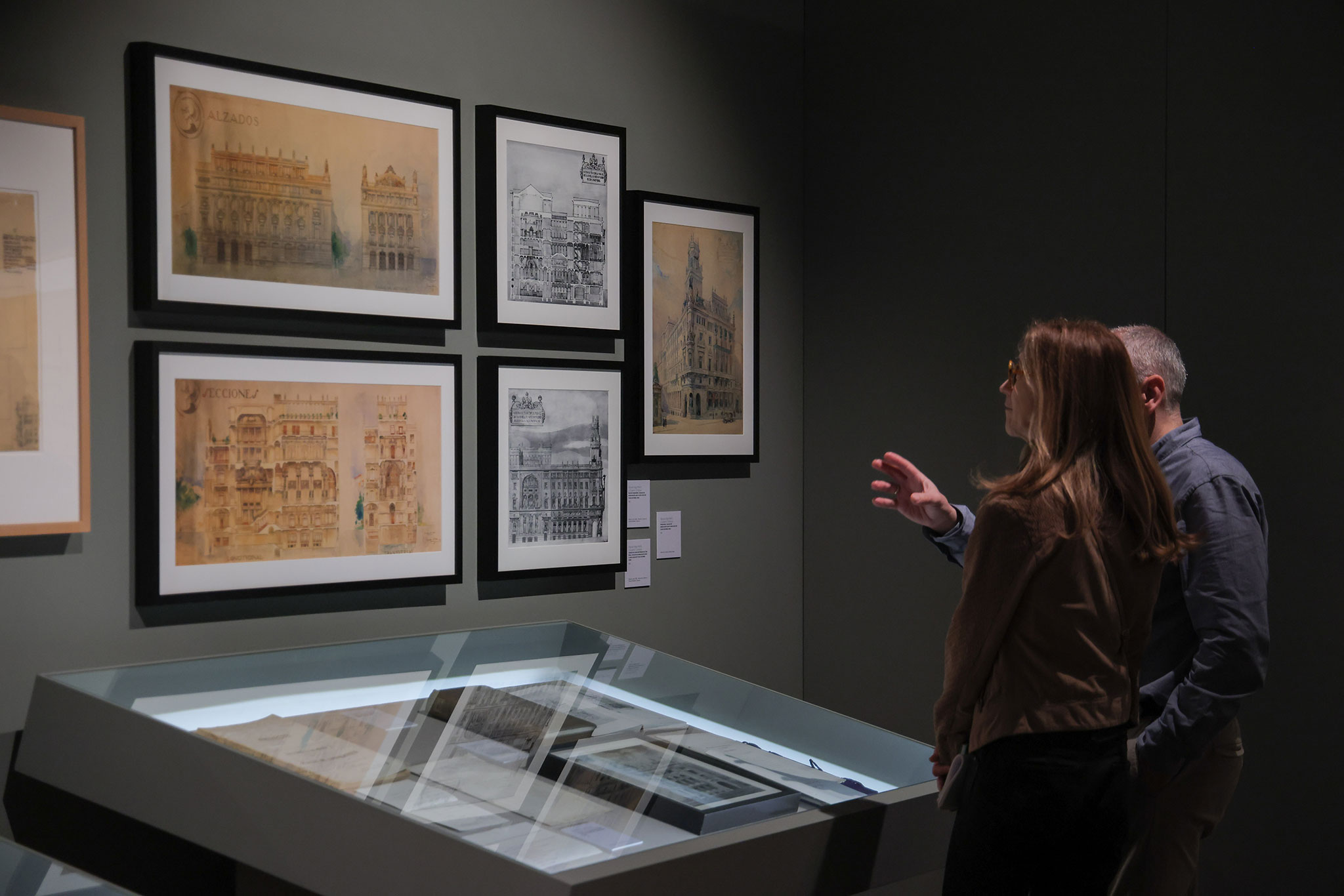
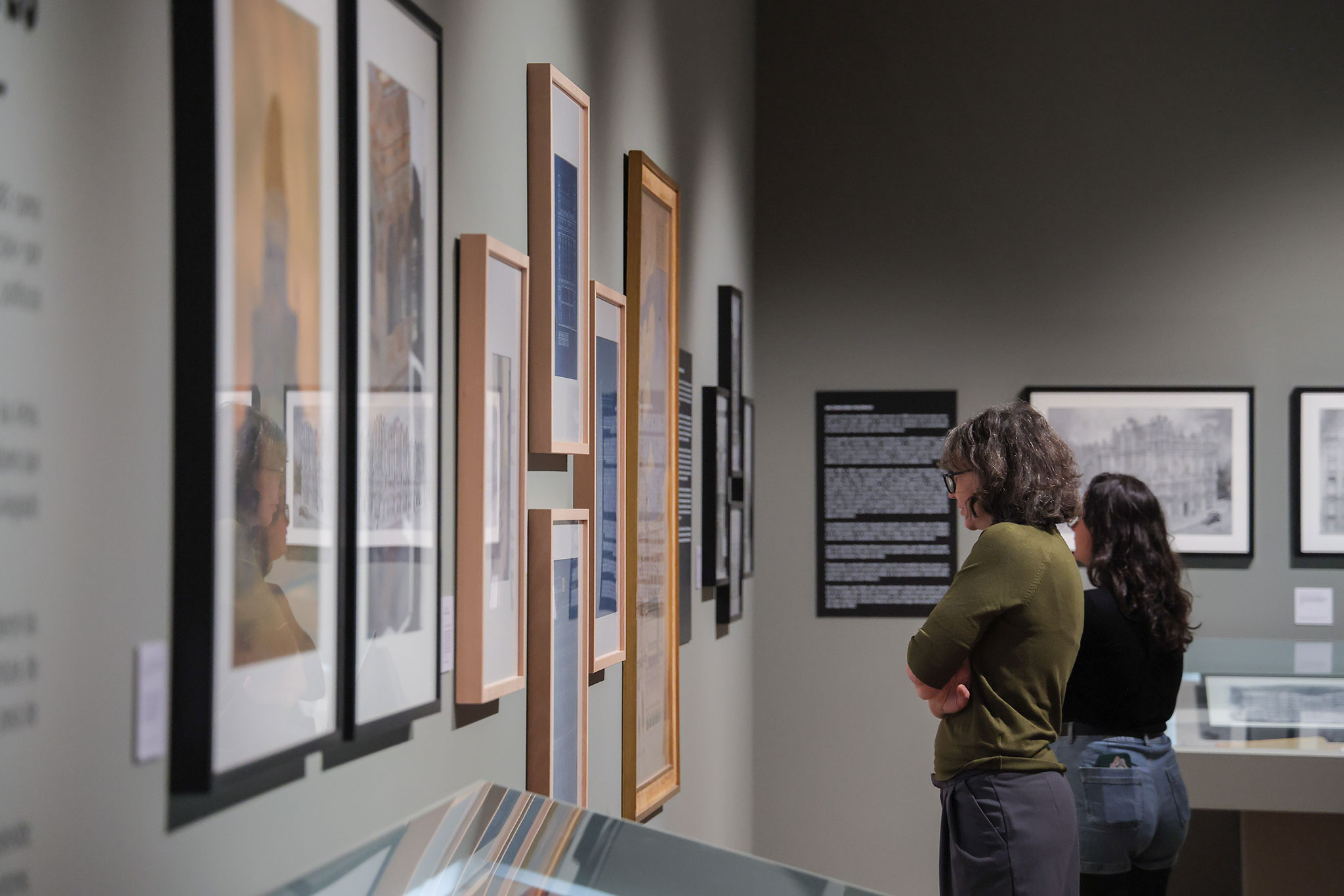
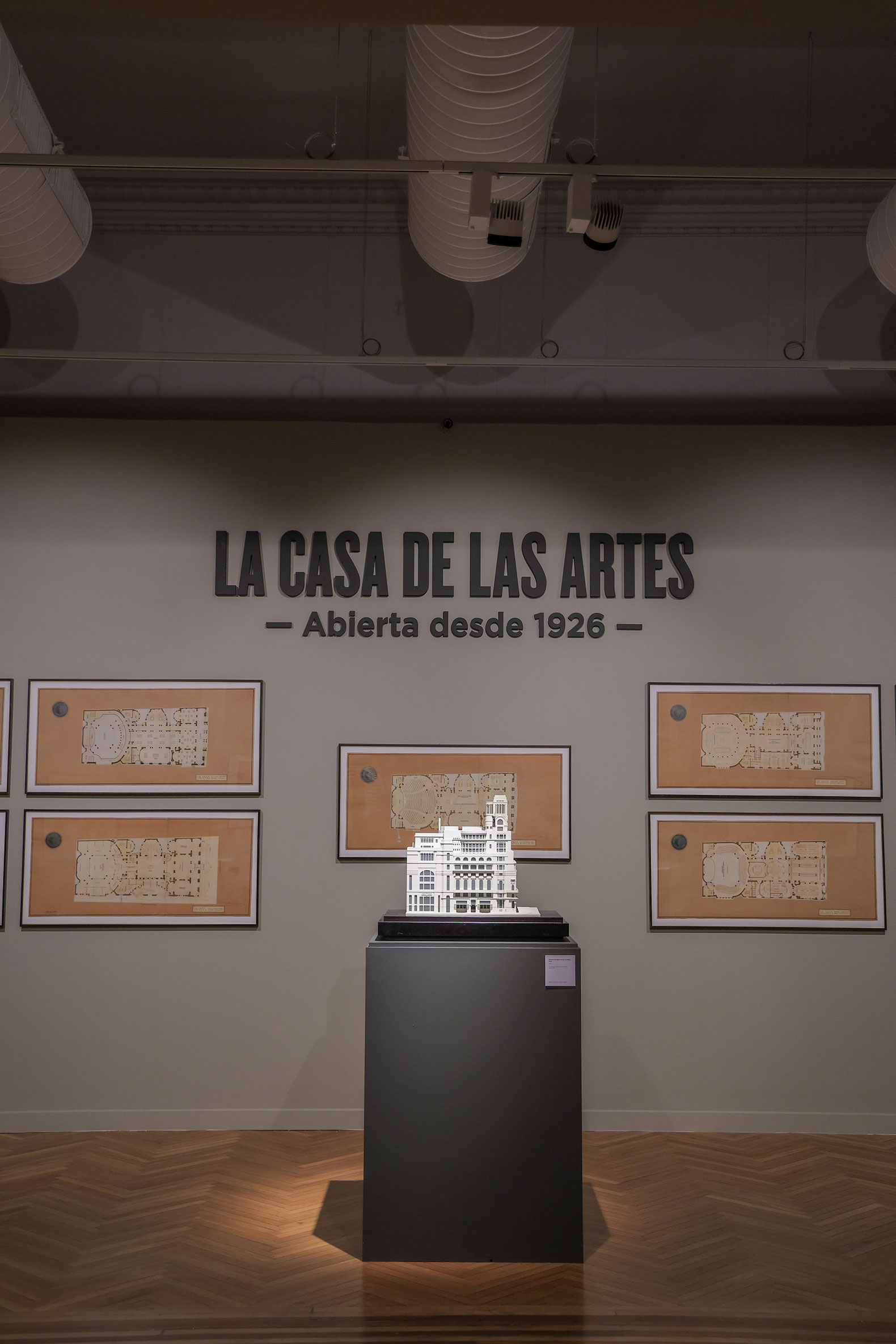
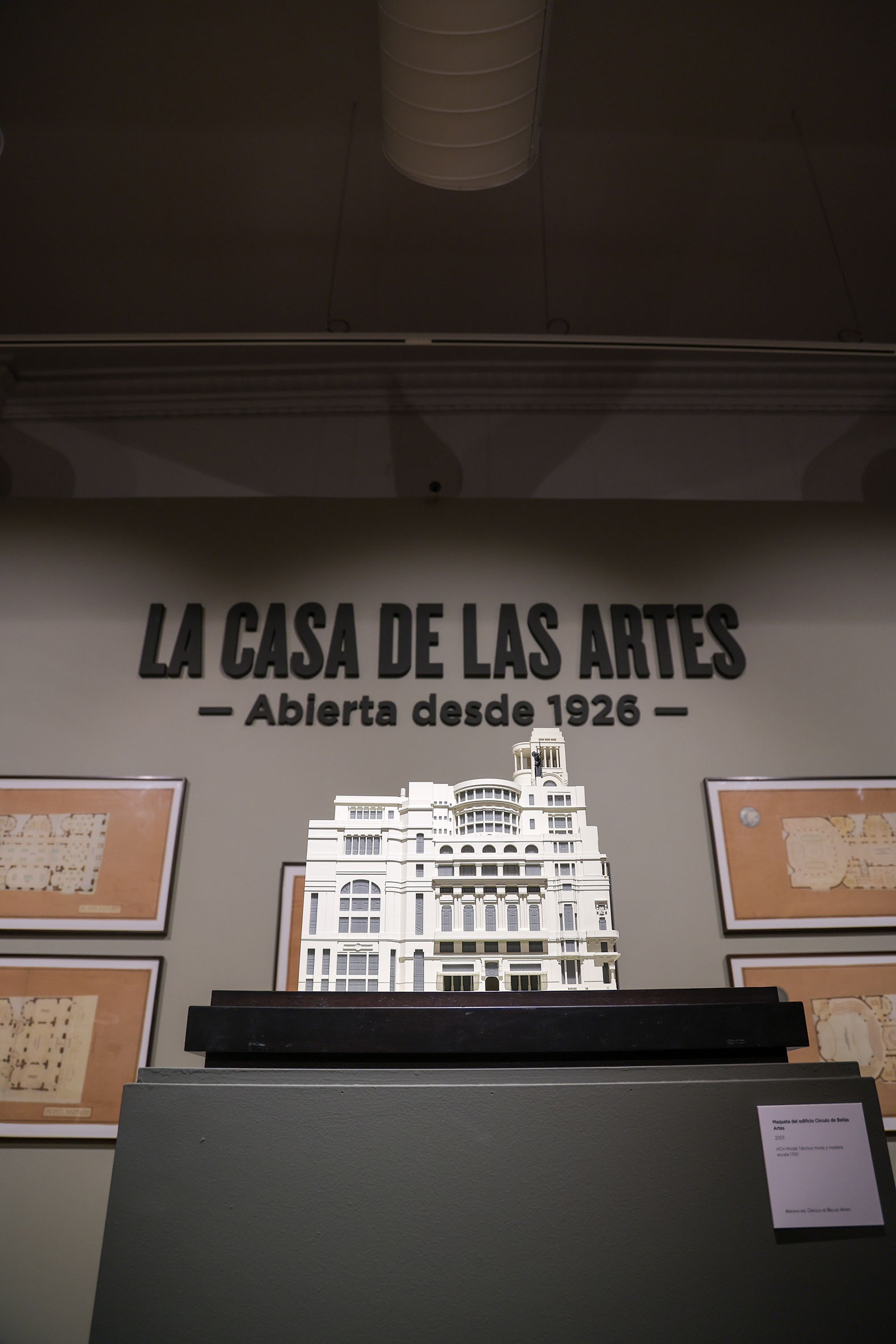
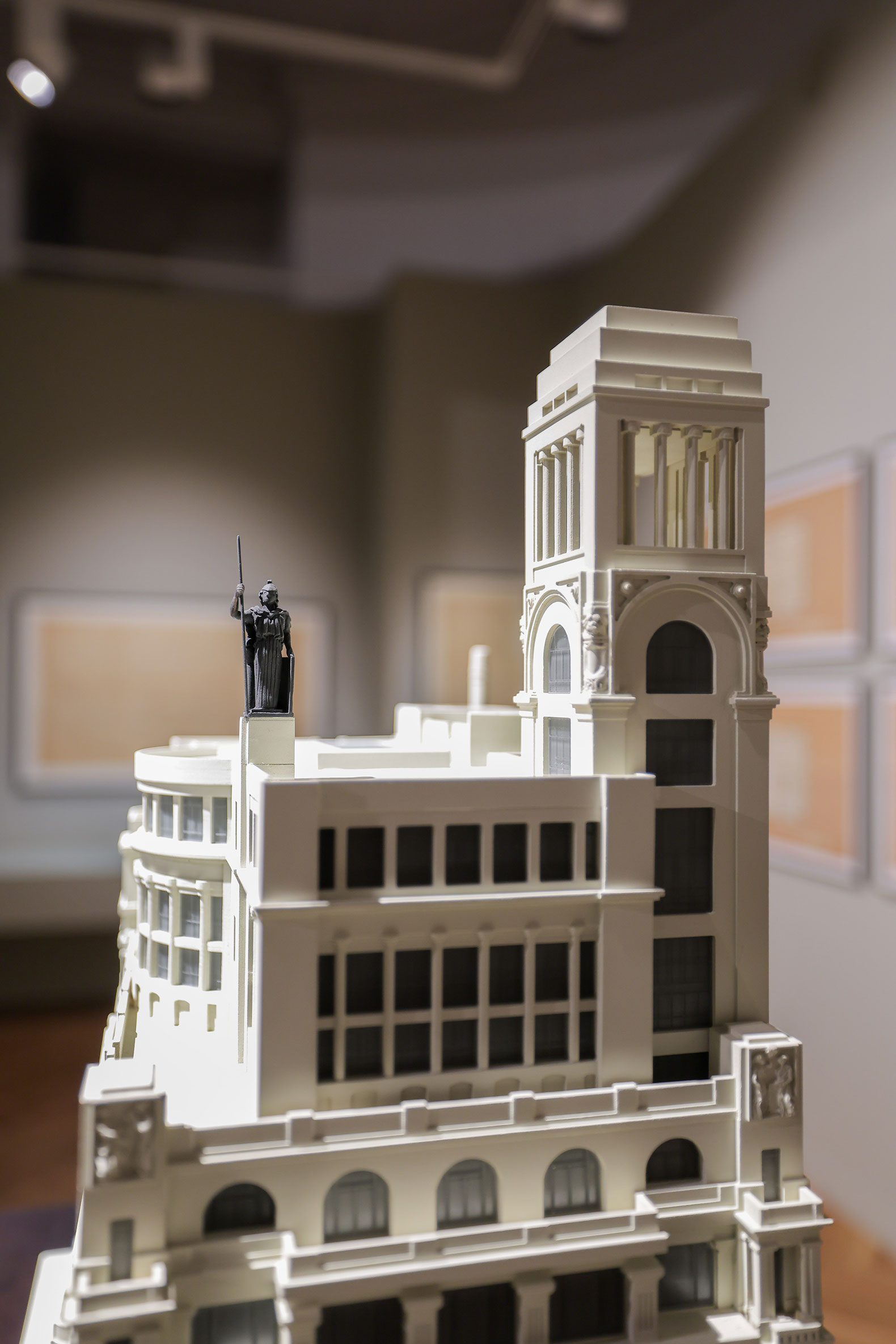
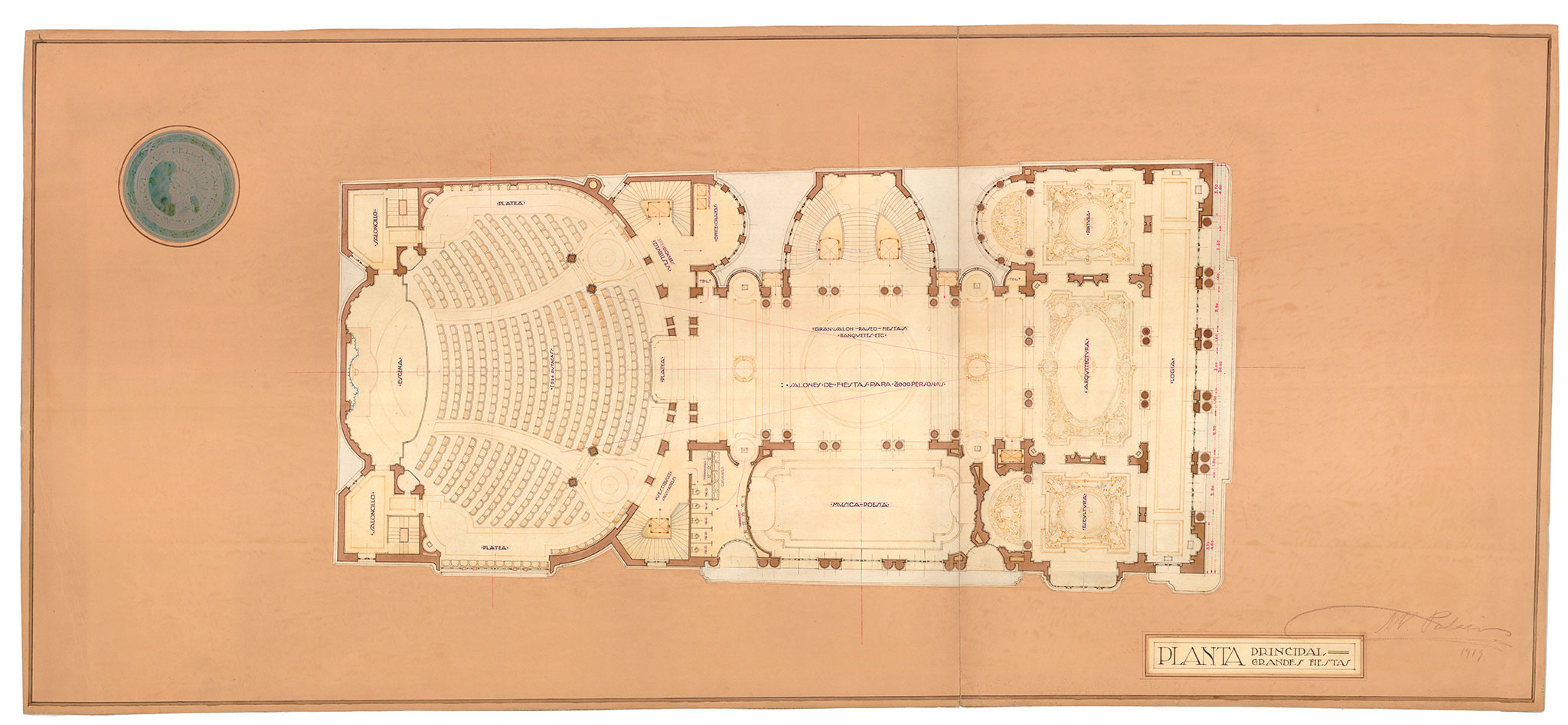
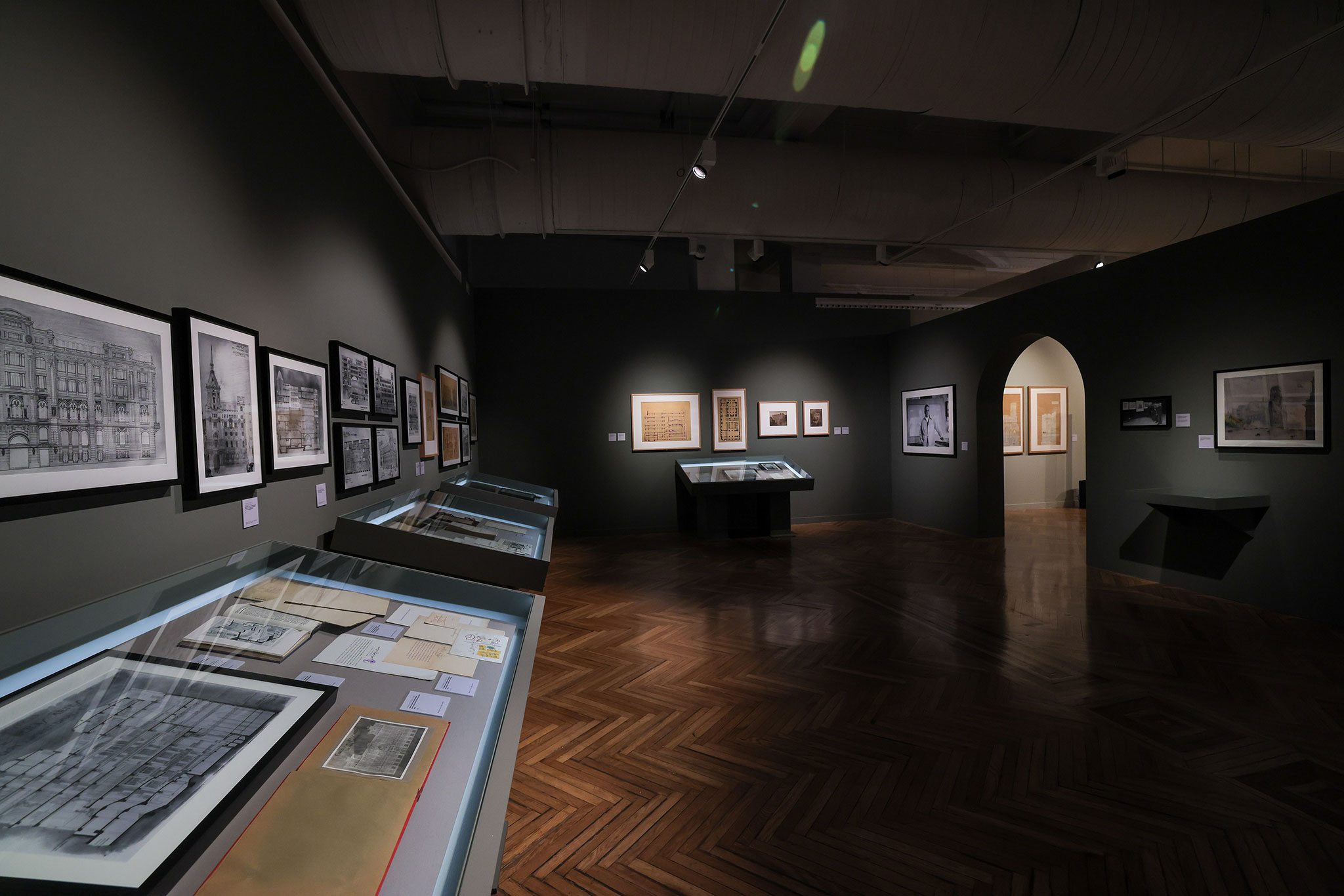
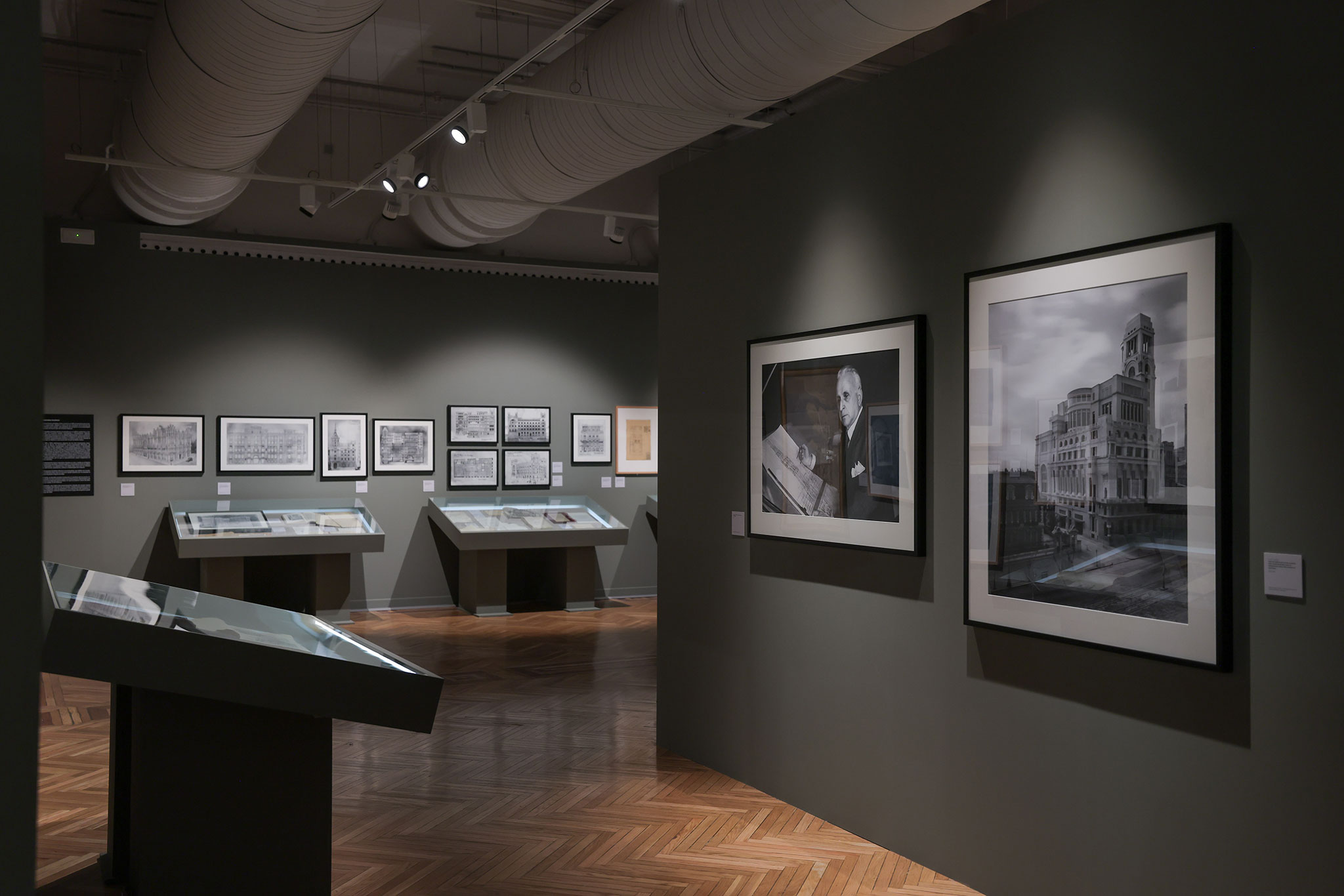
The exhibition presented by the Círculo de Bellas Artes comprises a carefully curated selection of original plans, preparatory drawings, period photographs, and previously unseen pieces that precisely illustrate the building's construction process, beginning with the 1919 competition to erect the Círculo's new headquarters. The material presented reflects the aesthetic and cultural aspirations that guided the construction of such a technically complex project.

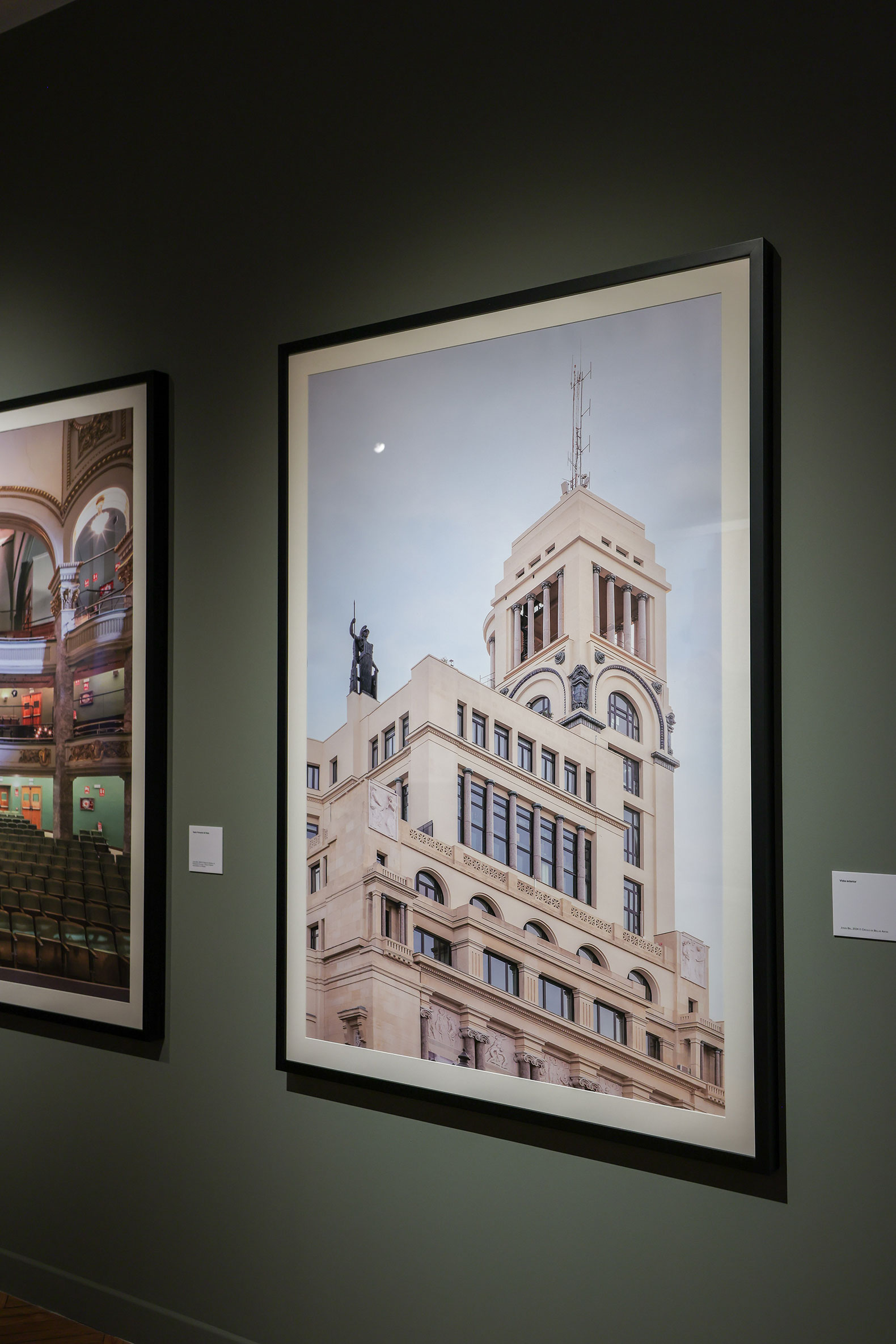
The exhibition highlights and illuminates some of the building's essential aspects: its innovative spatial and structural solutions, the monumentality of its volumes, and the careful integration of ornamental elements that define its urban identity. The exhibition allows visitors to appreciate how Palacios combined classical architectural languages ​​with the new metropolitan trends of the early 20th century and the impact his intervention had on consolidating the Gran Vía as the city's modern axis.
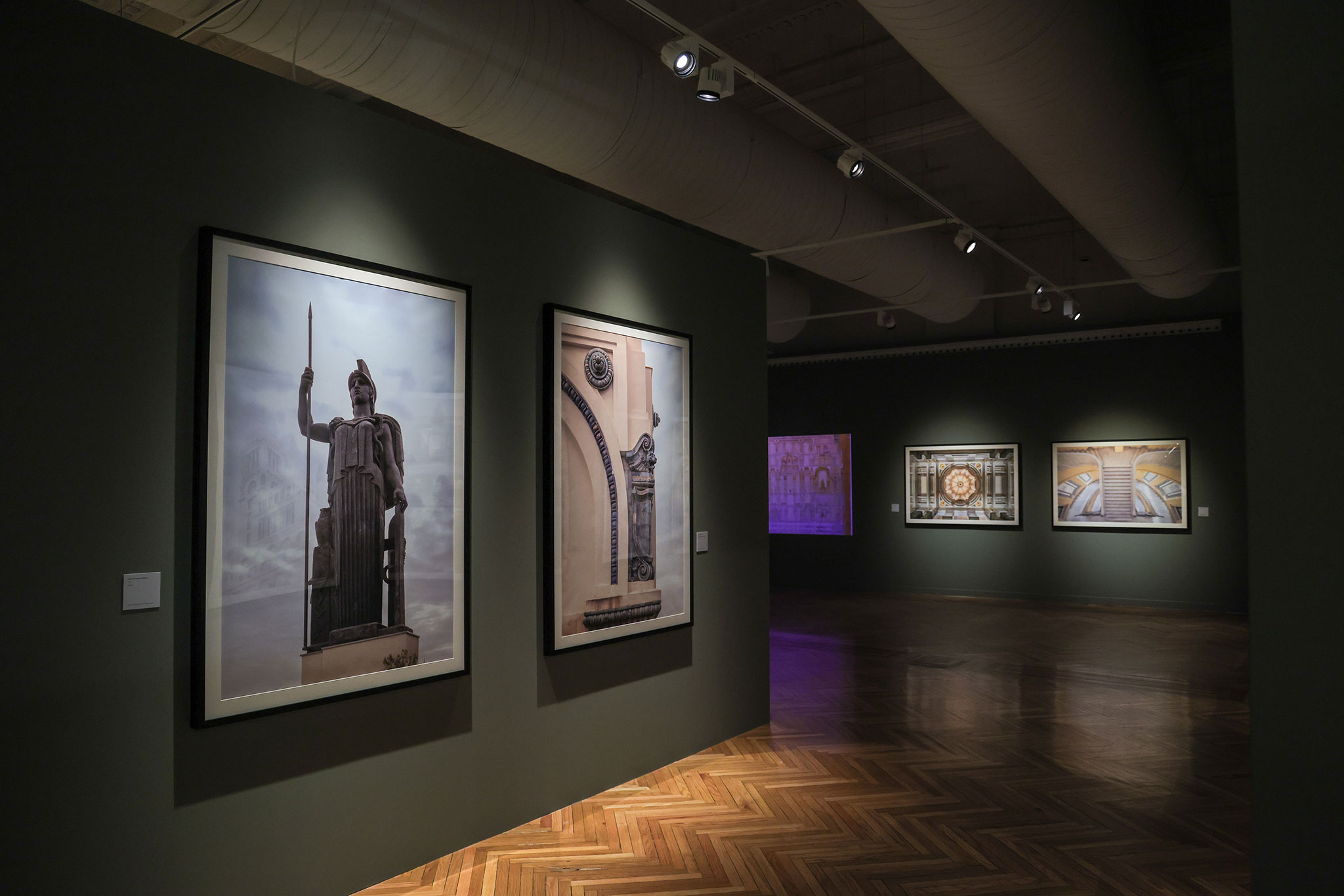
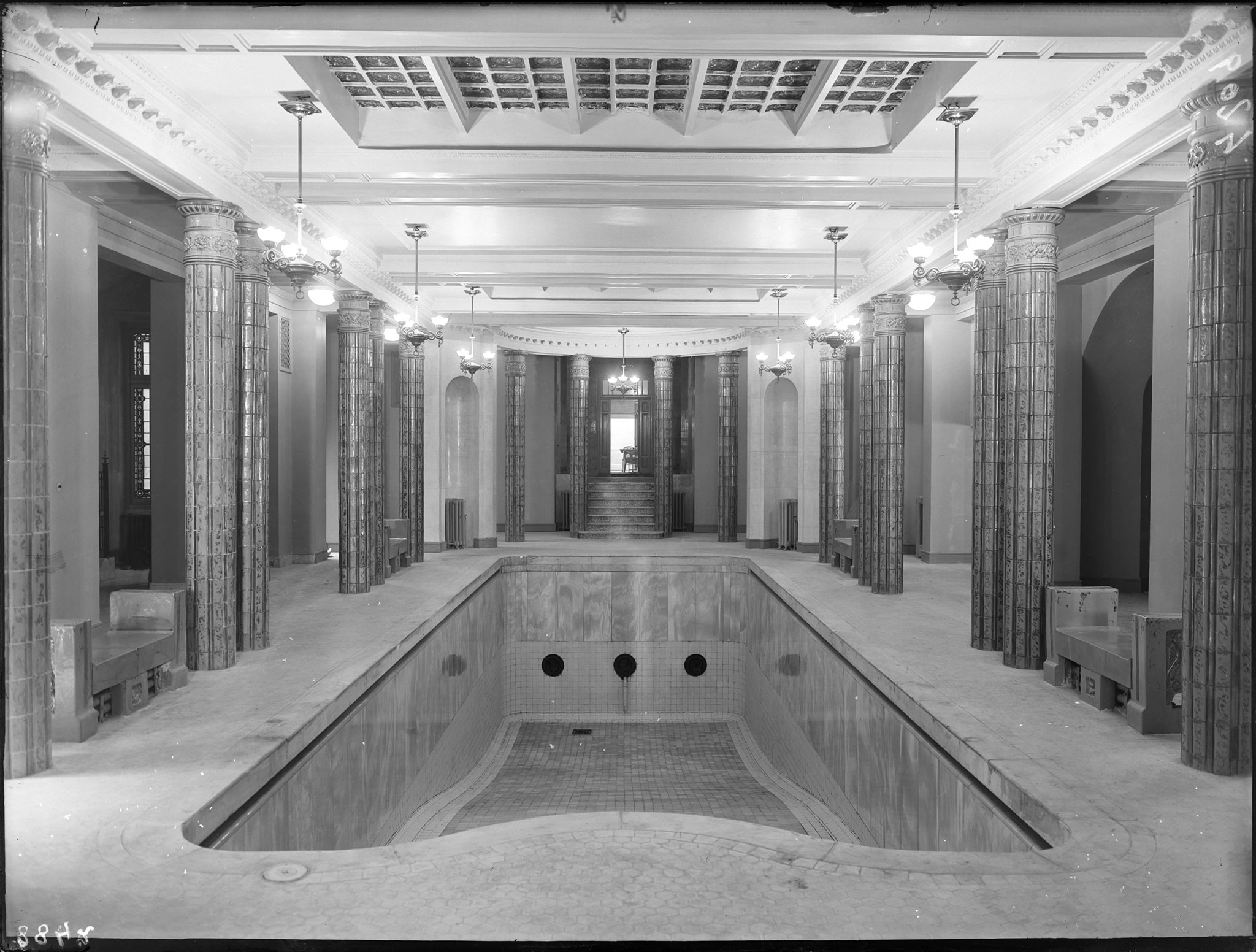
"The House of Arts. Open since 1926." Exhibition at the Círculo de Bellas Artes. Photograph by Miguel Balbuena.

"The House of Arts. Open since 1926." Exhibition at the Círculo de Bellas Artes. Photograph by Miguel Balbuena.

A Controversial Start

"In the overall layout of the building, entrants must take into account the eminently artistic and modern character that the building intended as the social headquarters of the Círculo de Bellas Artes (Circle of Fine Arts) must possess."

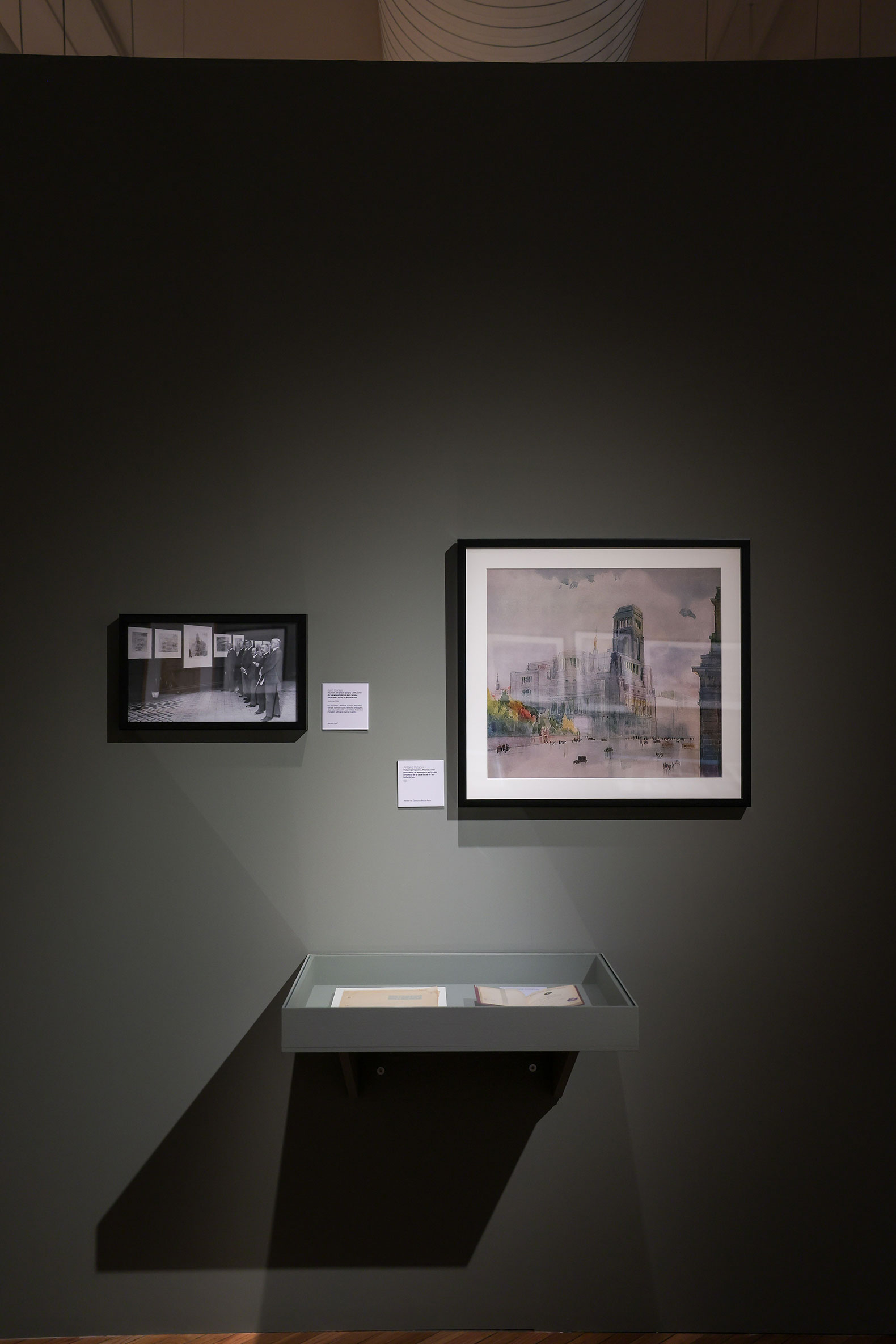
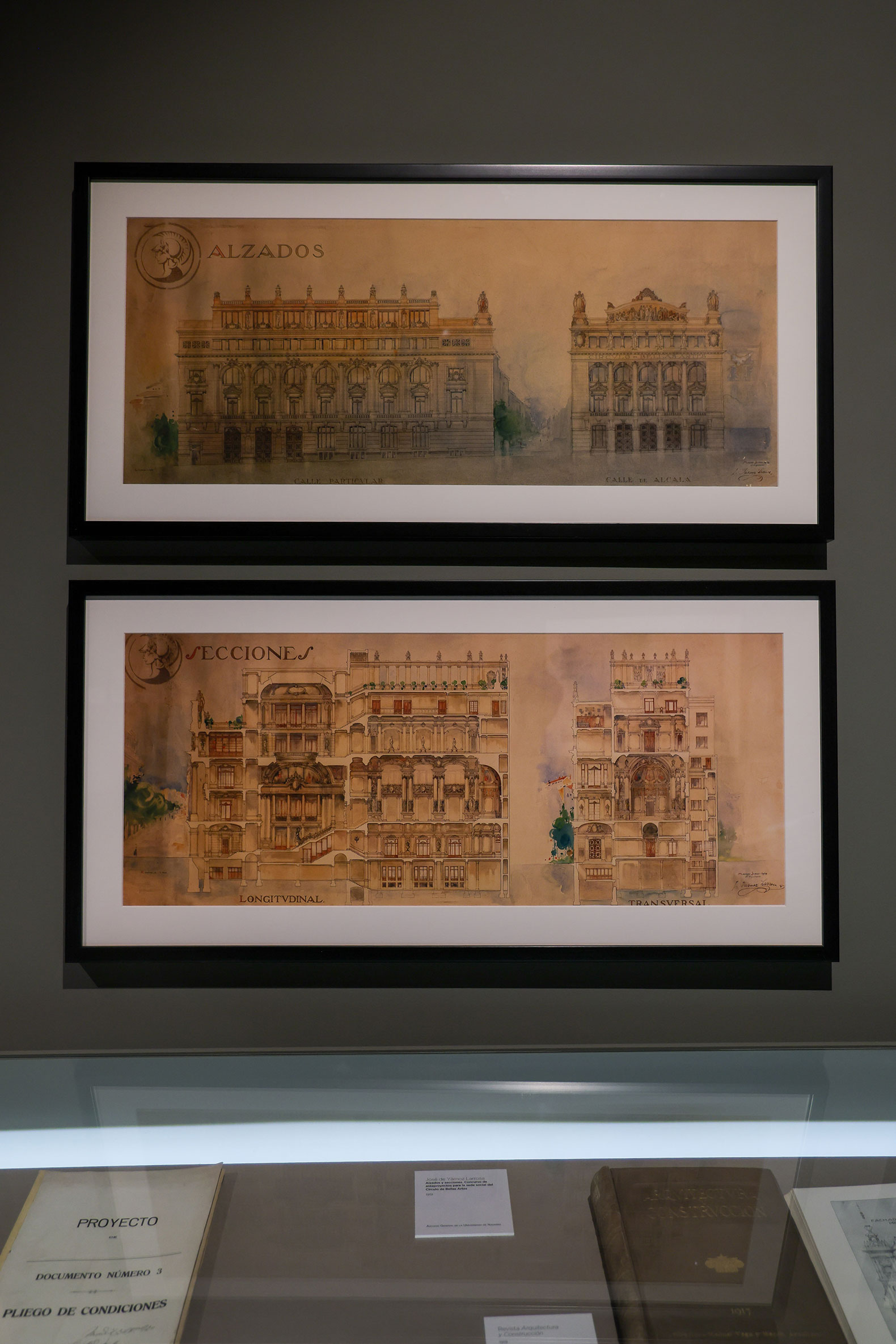
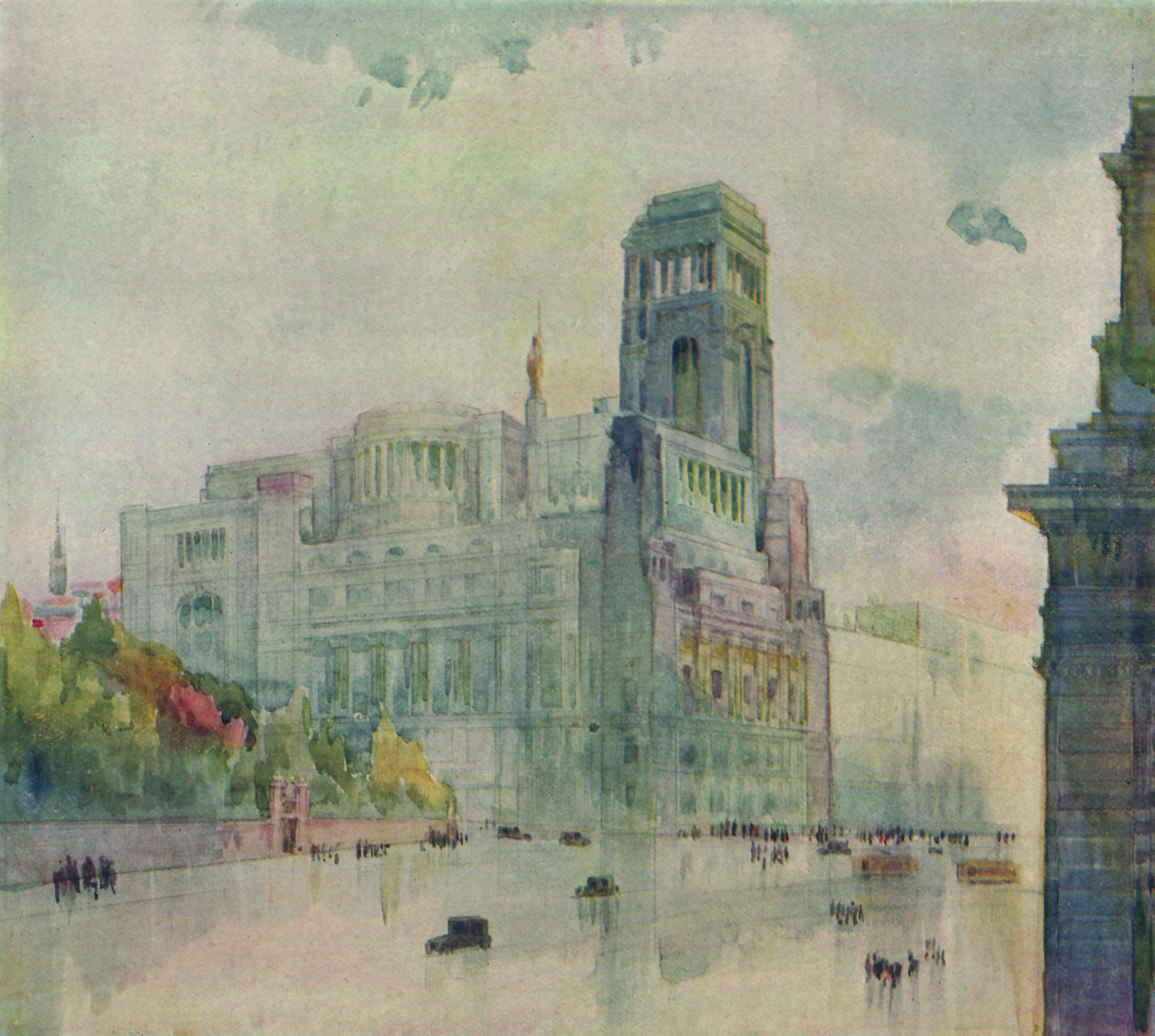
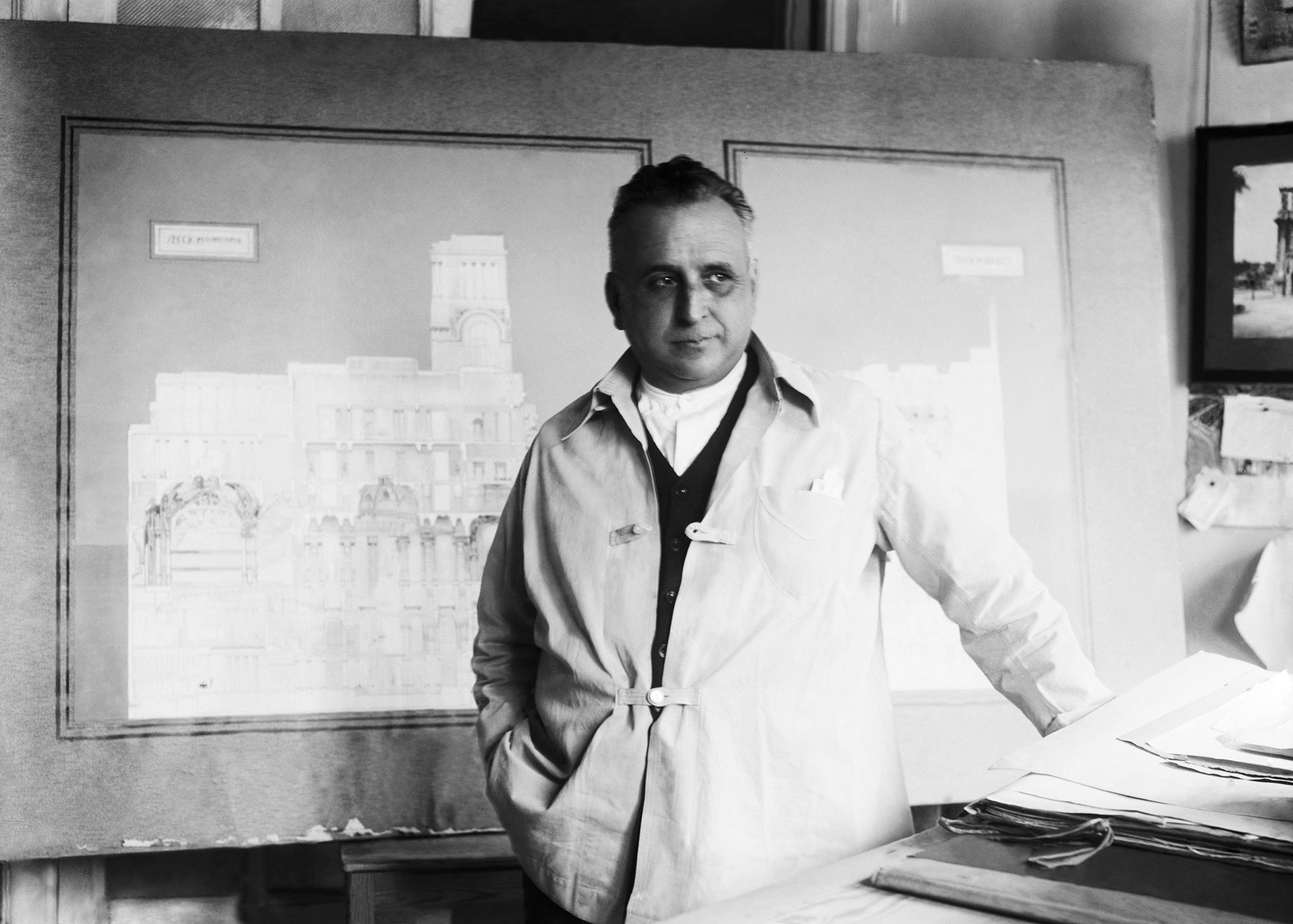
When the Círculo de Bellas Artes launched the competition to build its new headquarters in 1919, the vision was already for an ambitious and monumental building, with an urban, cosmopolitan, and metropolitan vocation. Of the fifteen proposals submitted by some of the most important architects of the time, three were selected as finalists (Zuazo and Quintanilla, Hernández Briz and Saíz Martínez, and the Fernández Balbuena brothers). Palacios's project was initially disqualified for exceeding the maximum building height stipulated in the competition rules (unjustifiably, other projects that exceeded this height were not disqualified).
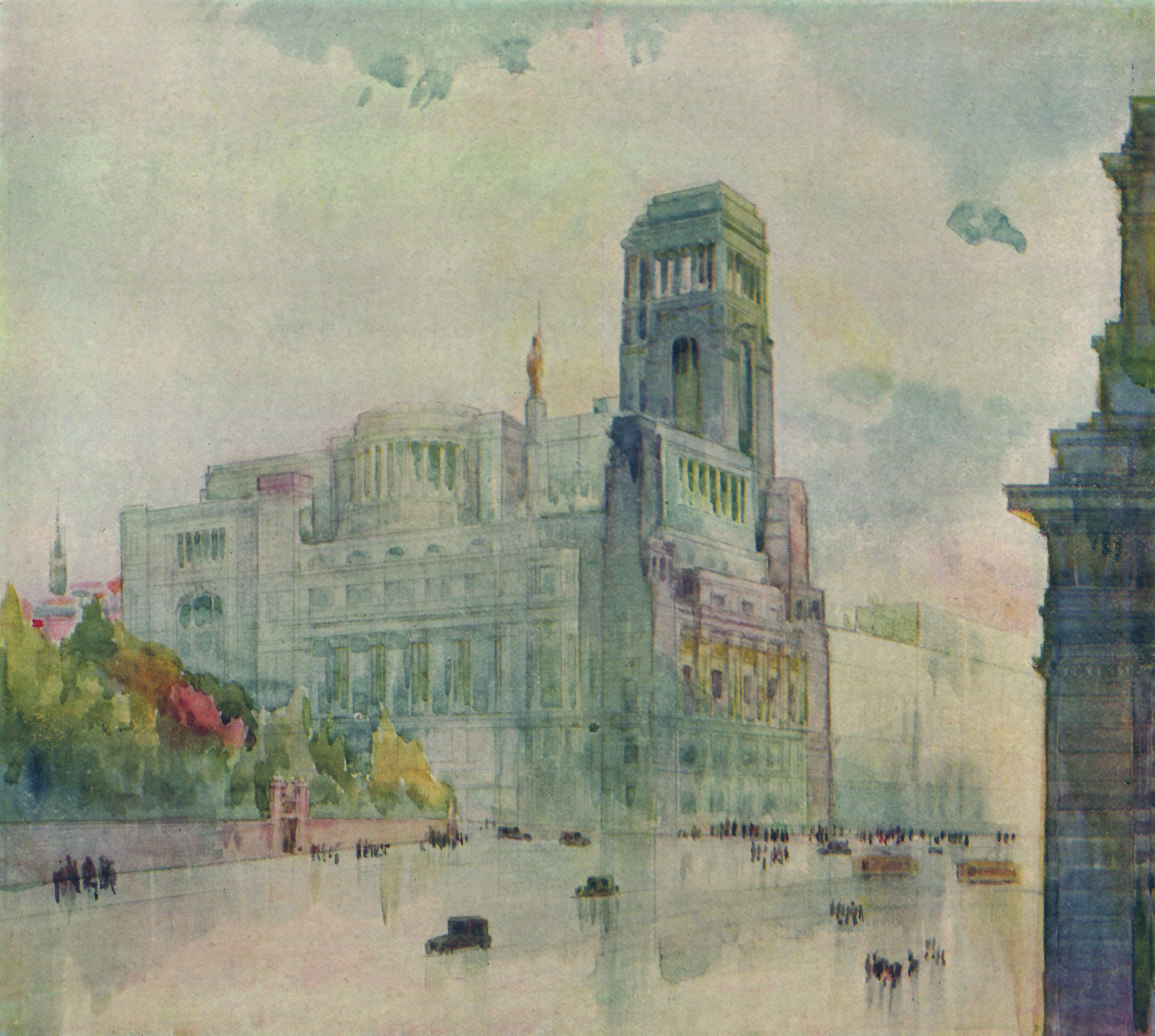
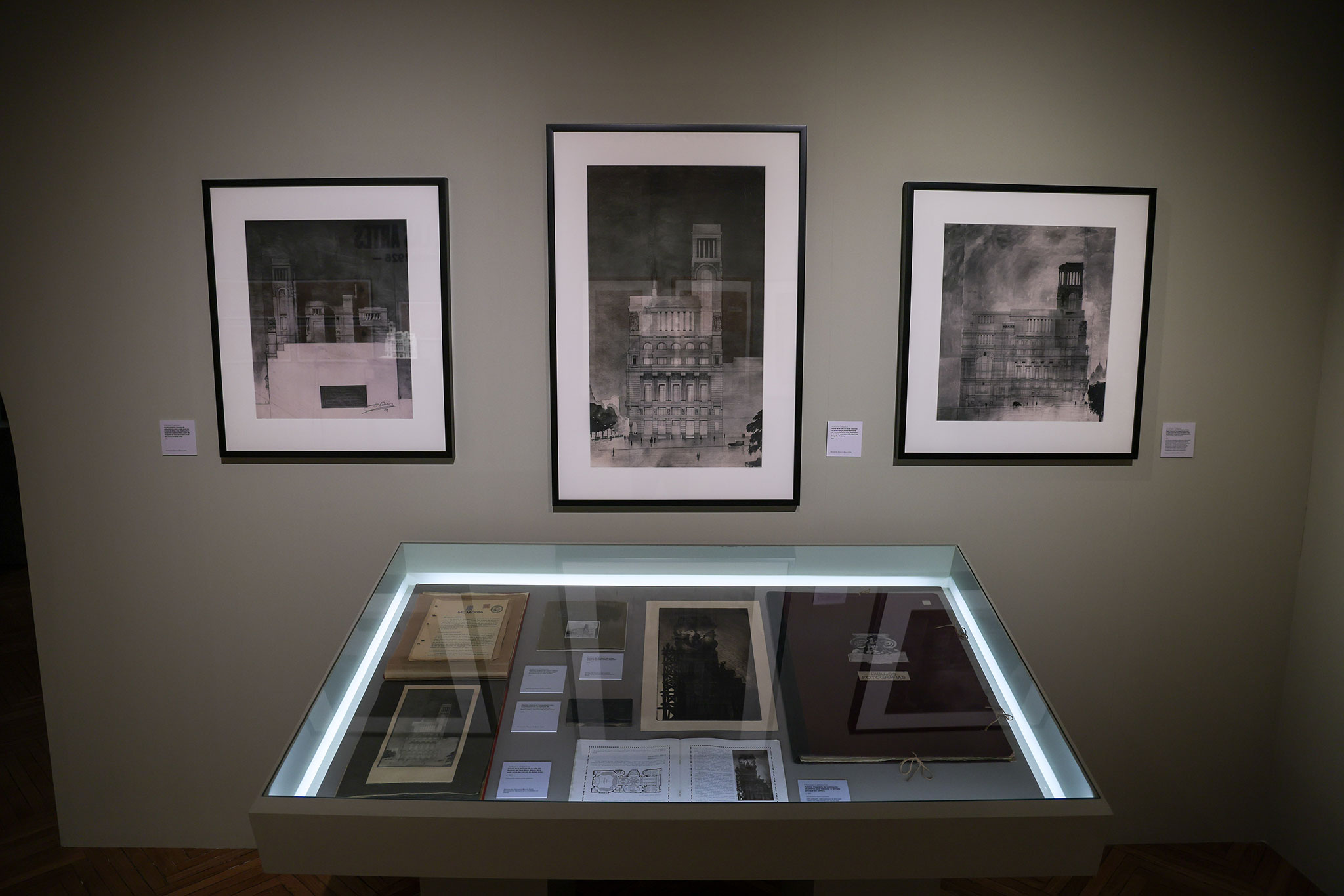
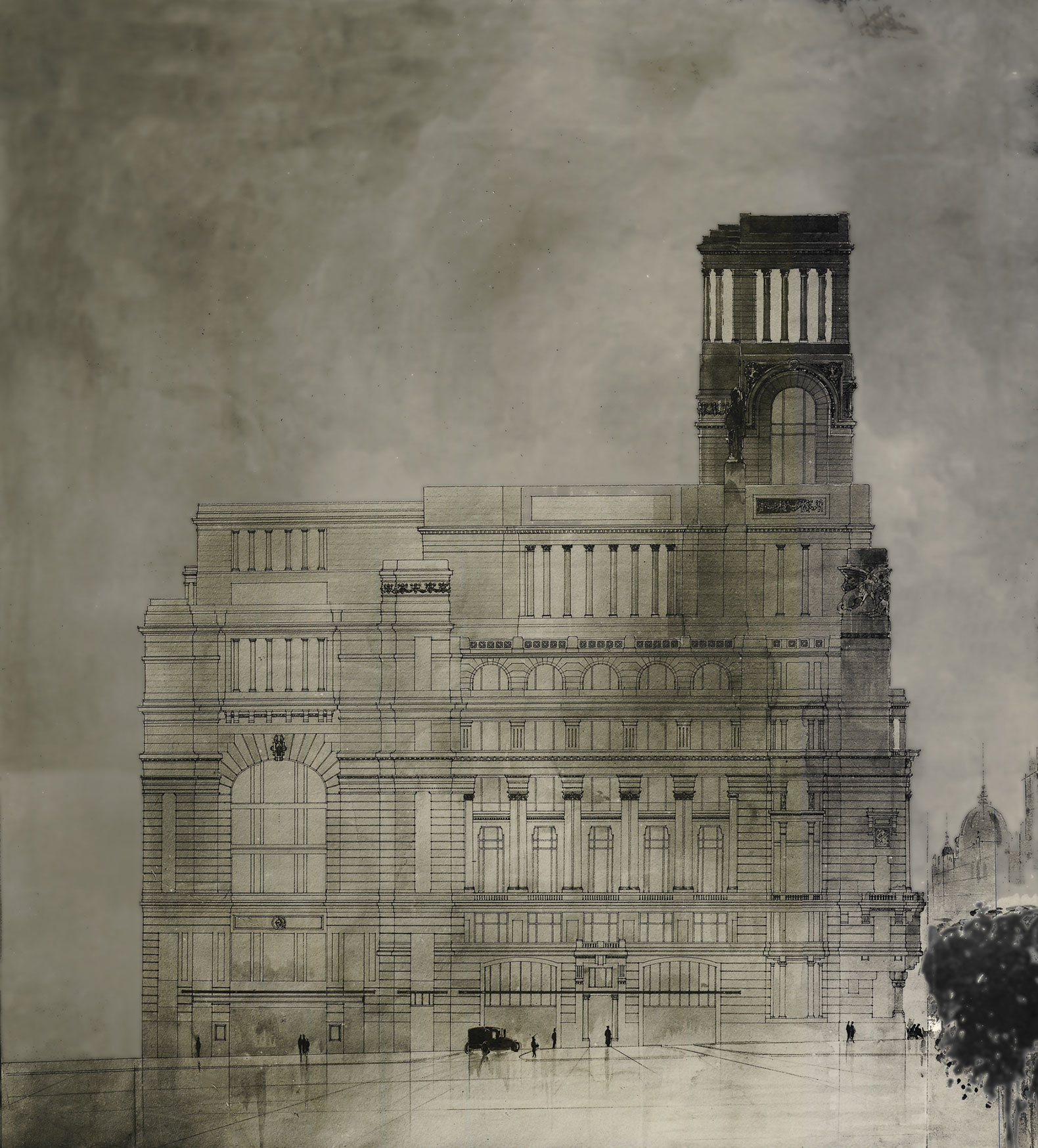
Antonio Palacios. Perspective view. Reproduction from the graphic record of the "Project of the Social House of Fine Arts", 1923. Archive of the Círculo de Bellas Artes.

Antonio Palacios. Perspective view. Reproduction from the graphic record of the "Project of the Social House of Fine Arts", 1923. Archive of the Círculo de Bellas Artes.

The three selected preliminary designs were exhibited for a month and a half at the Retiro Exhibition Palace, where they could be viewed by the public, architecture and fine arts enthusiasts, and the members of the Circle. However, the competition was declared void because none of the designs obtained the necessary majority.

Finally, like the Phoenix, Palacios's proposal rose from the ashes, as it was decided to submit the selection to the members' verdict, who evaluated all the rejected preliminary designs that sought a second chance. His project, unjustly withdrawn by his colleagues on the jury, was overwhelmingly voted for by the members, and it was in May 1920 that, amidst great controversy, Antonio Palacios took charge of the project.
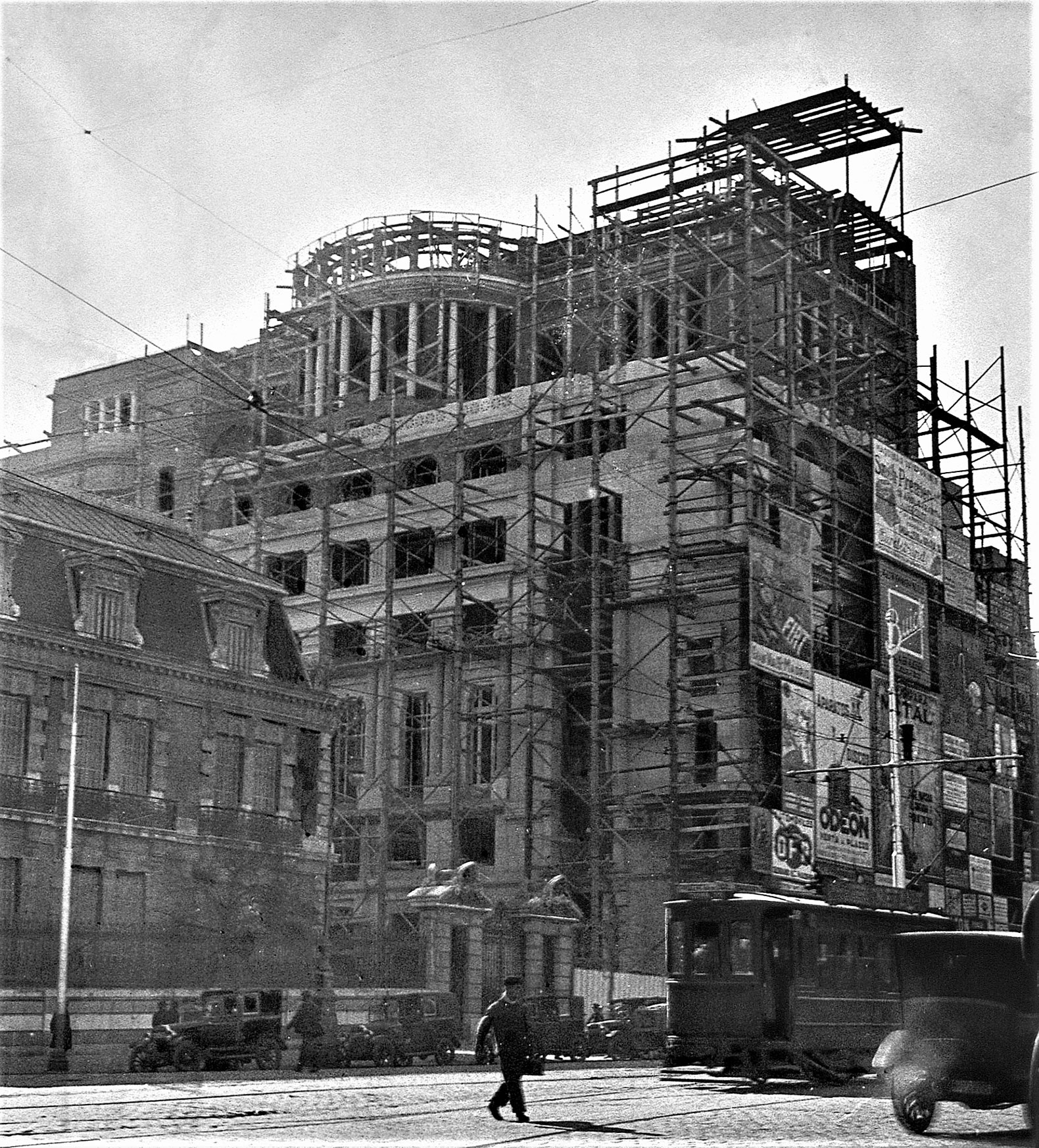
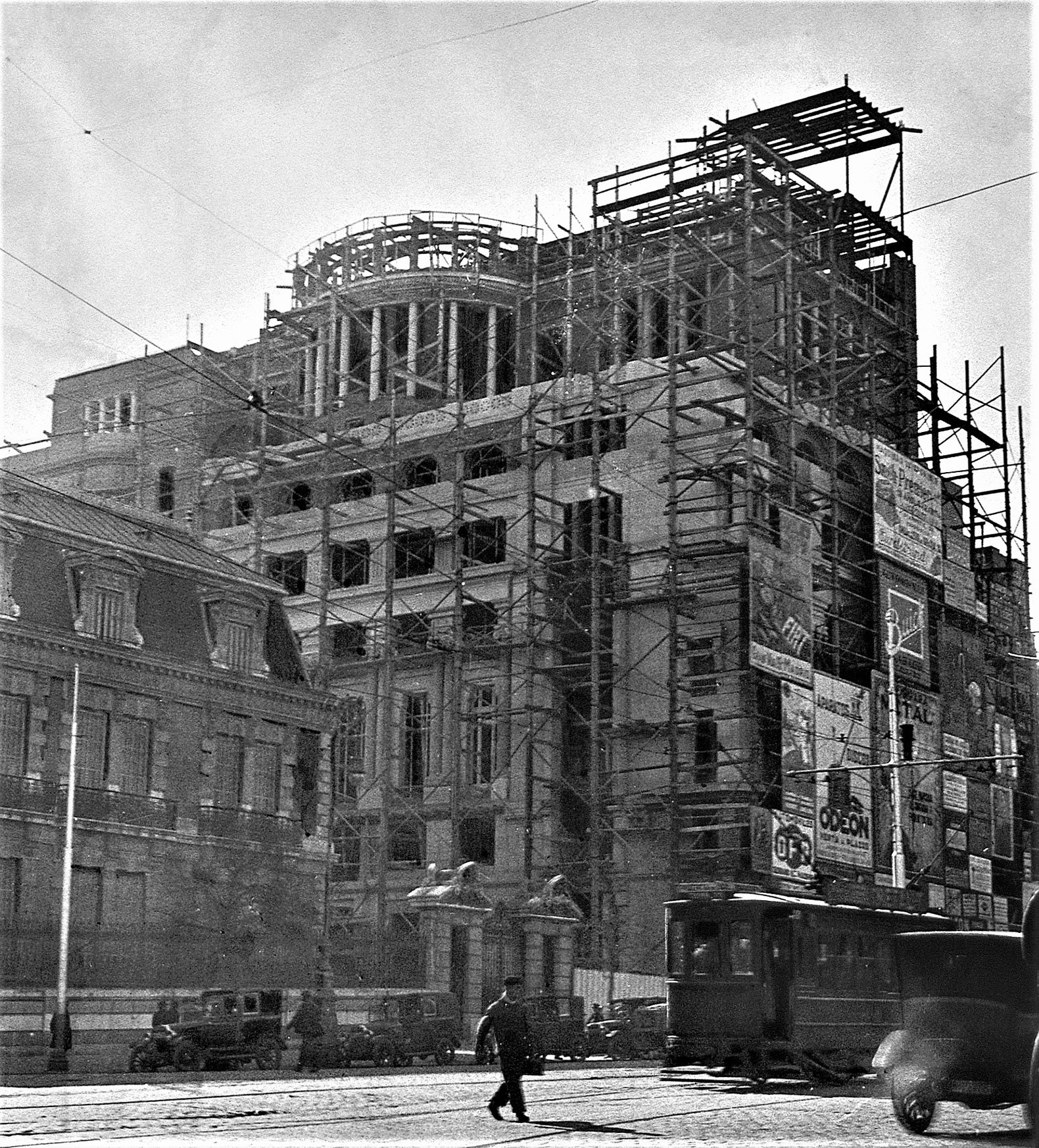
Construction work on the Círculo de Bellas Artes. 1925. Image taken from the book by José Luís Temes. El Círculo de Bellas Artes. Madrid. 1980-1936. Courtesy of the Círculo de Bellas Artes.
Construction work on the Círculo de Bellas Artes. 1925. Image taken from the book by José Luís Temes. El Círculo de Bellas Artes. Madrid. 1980-1936. Courtesy of the Círculo de Bellas Artes.

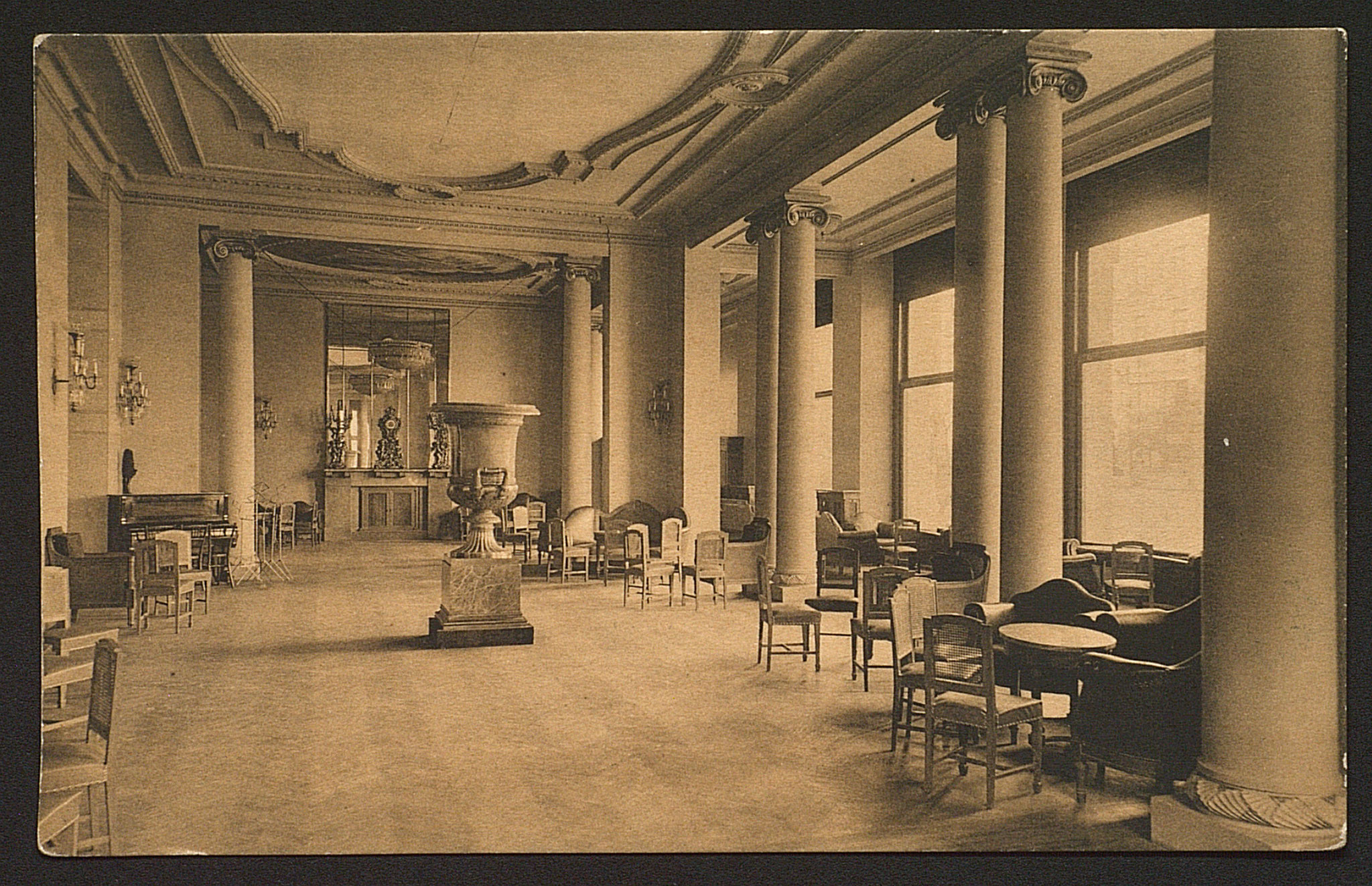
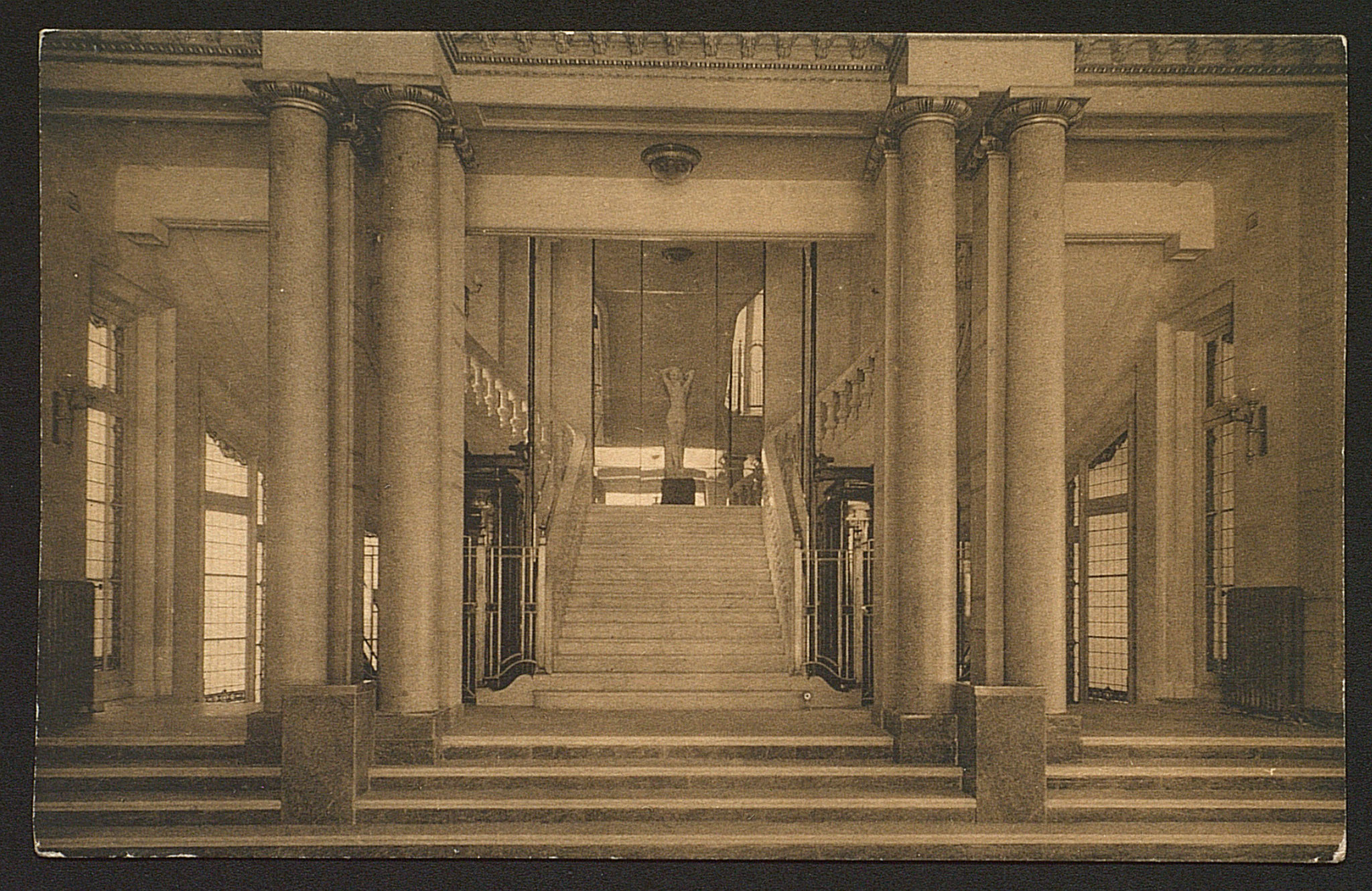
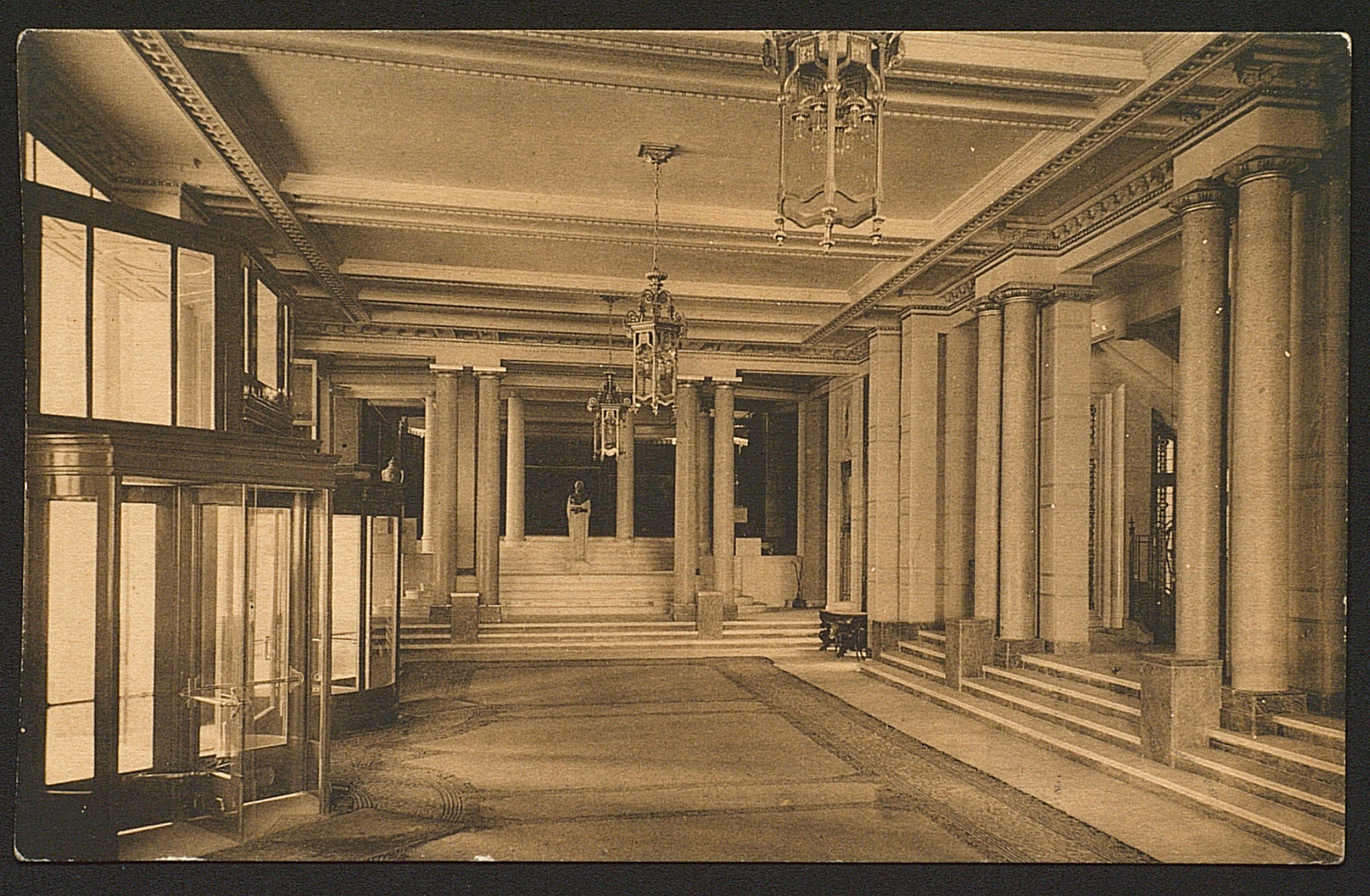
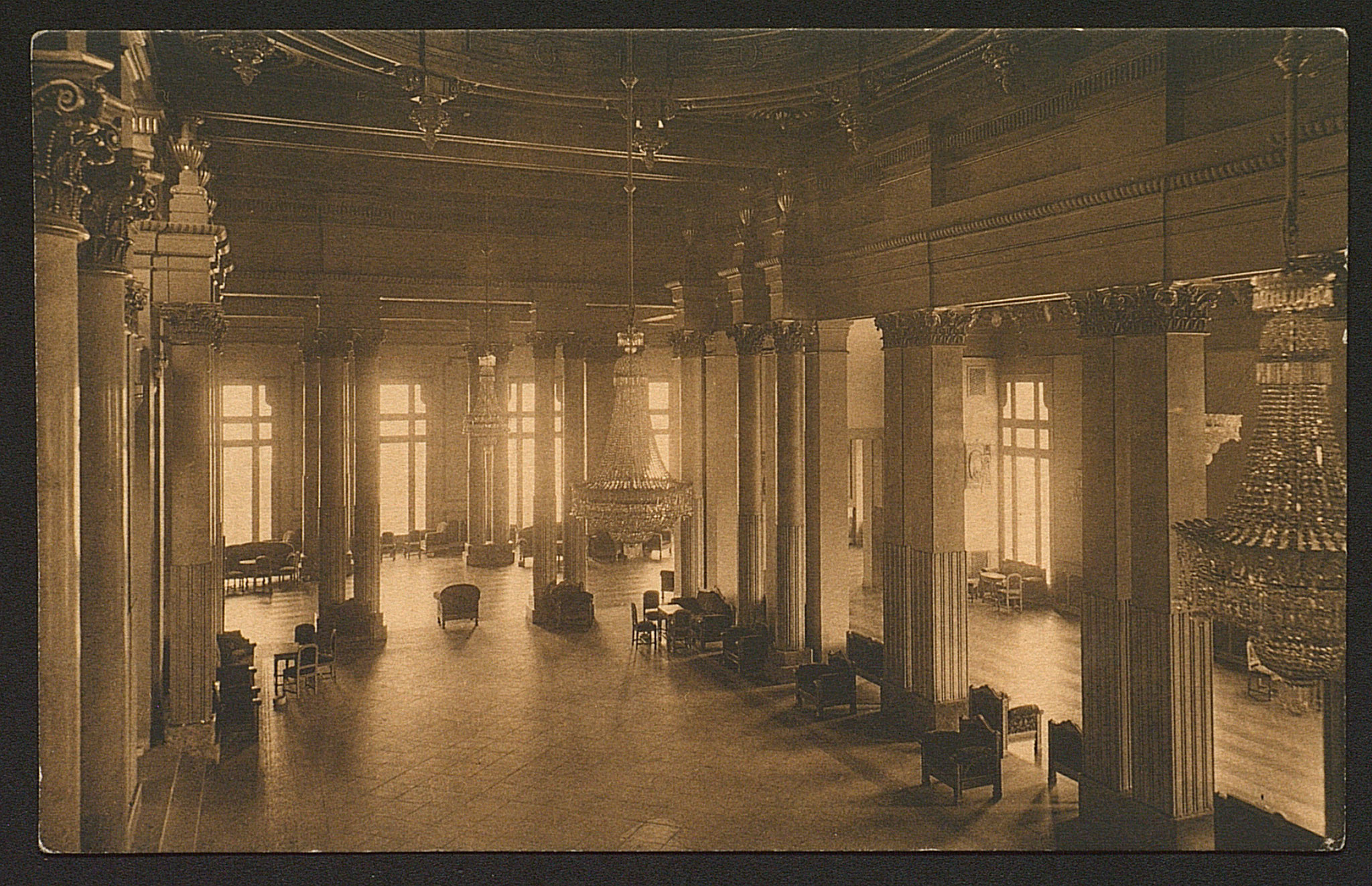
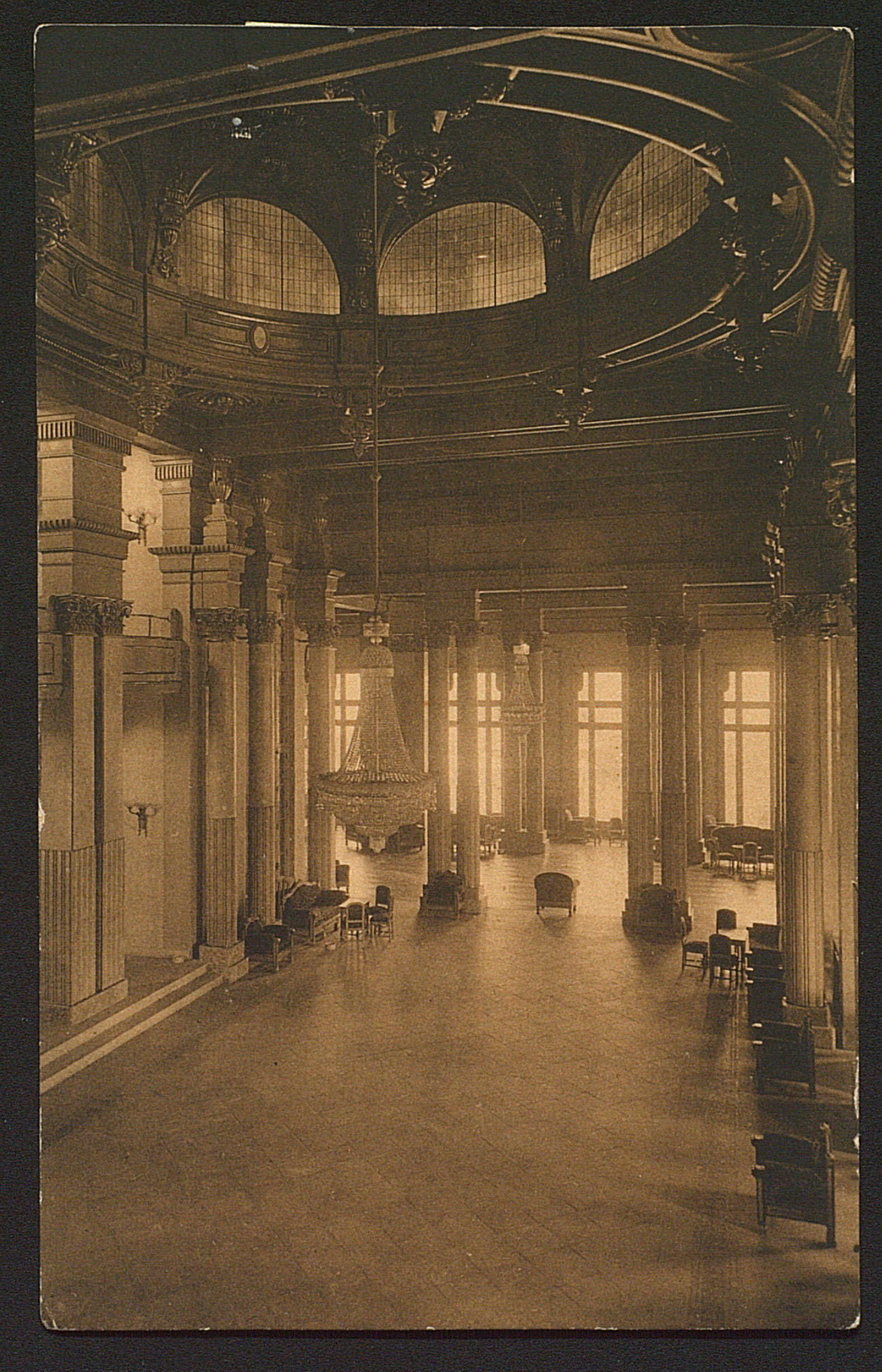
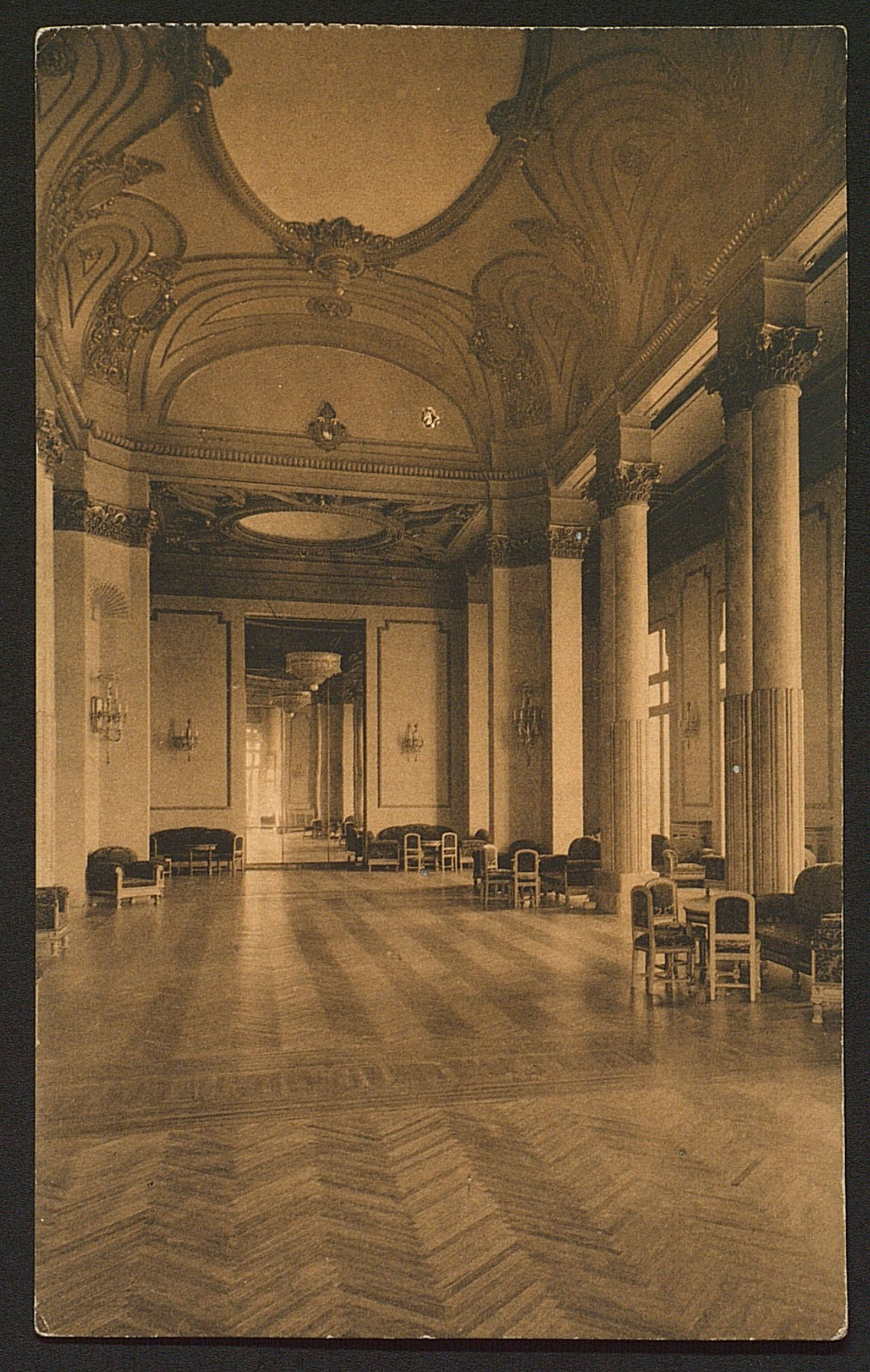
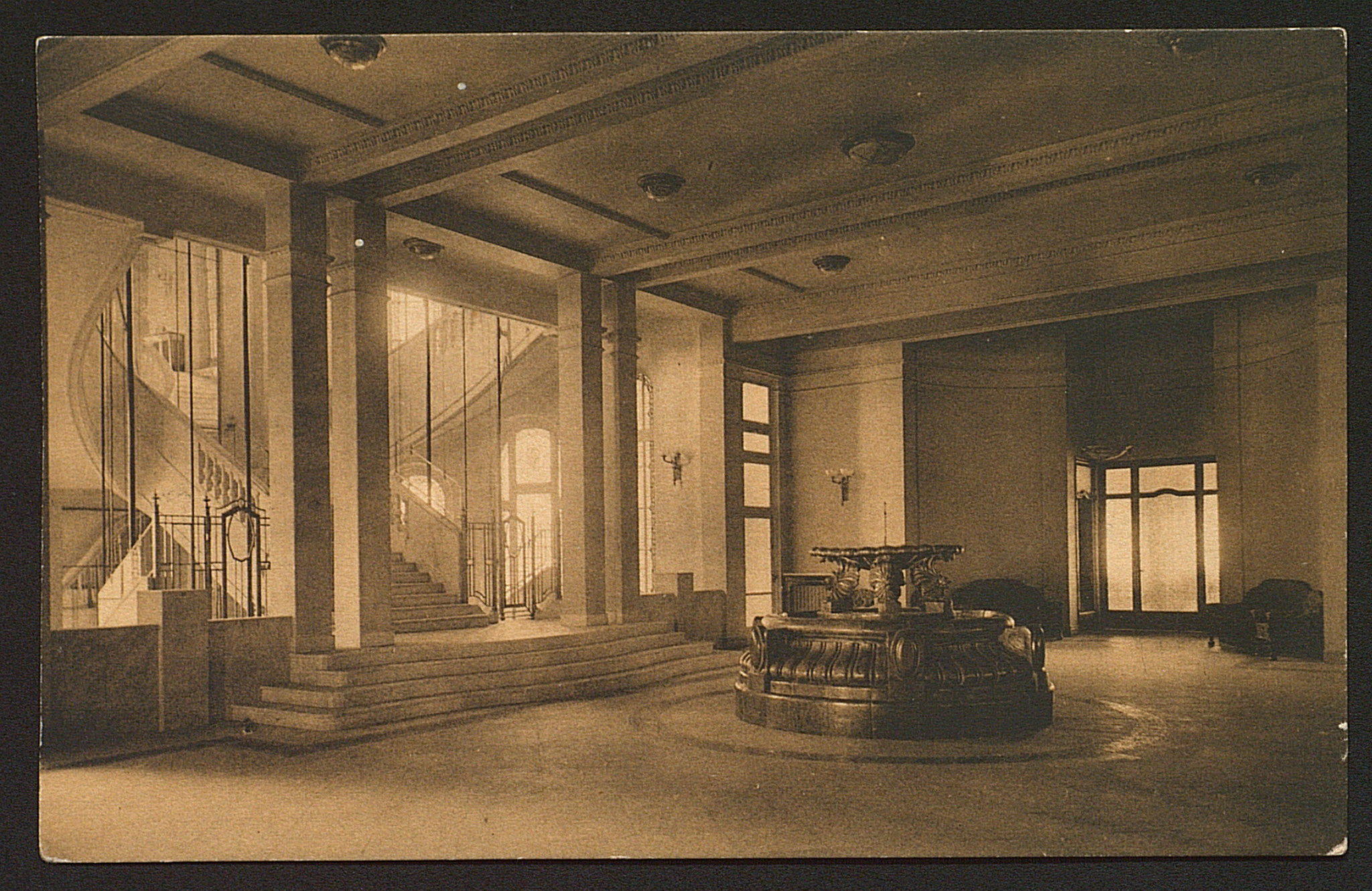
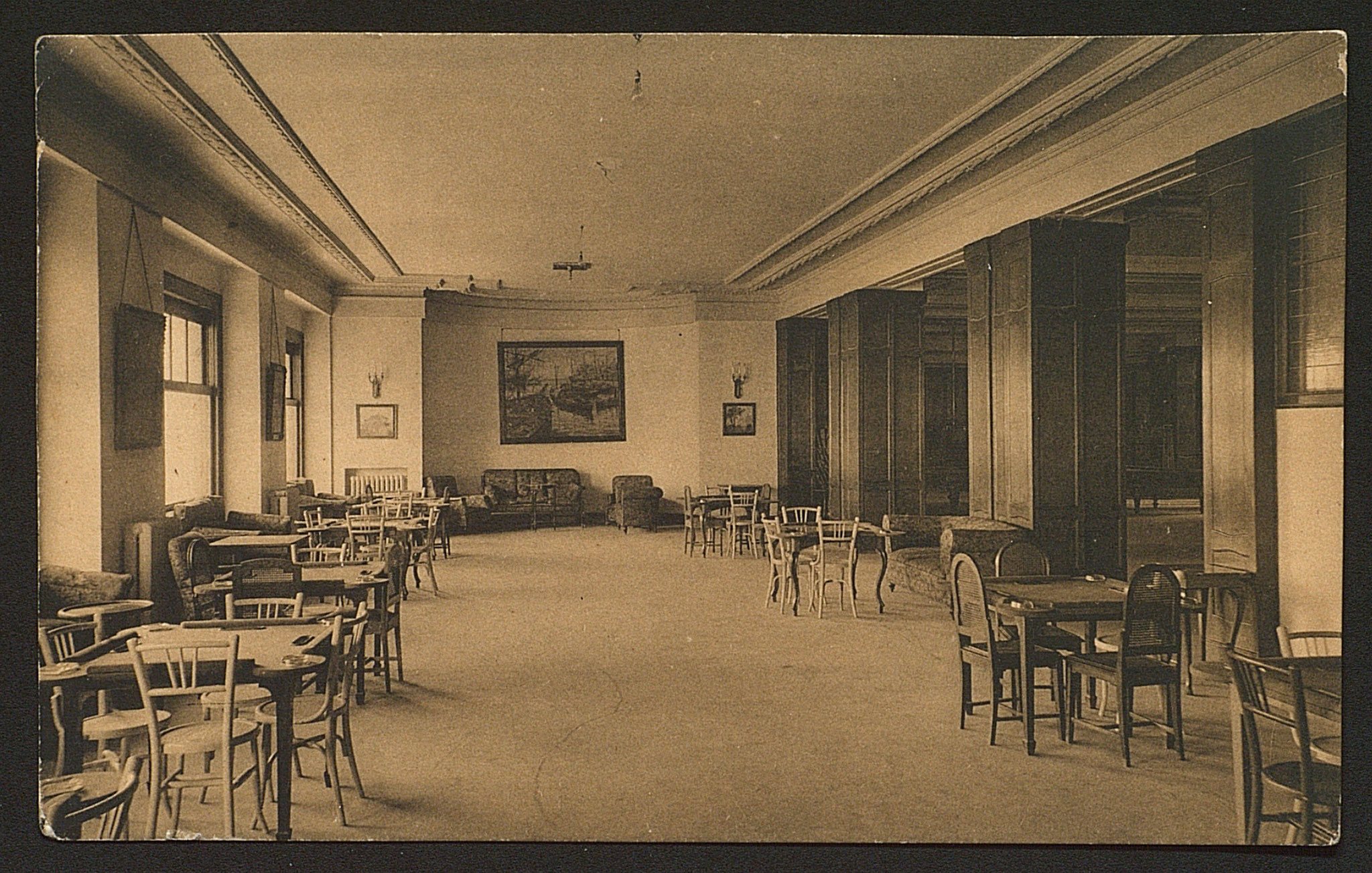
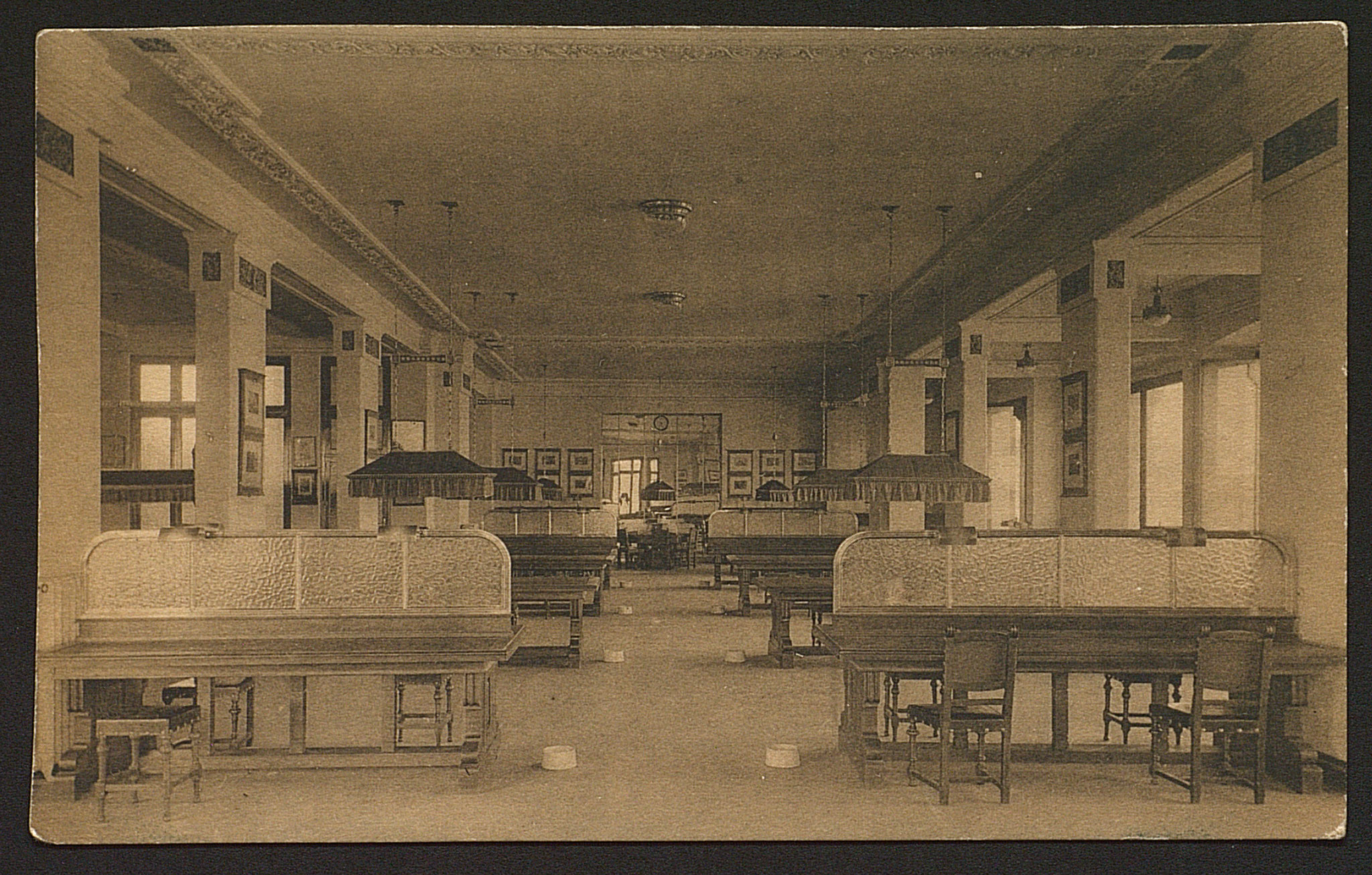
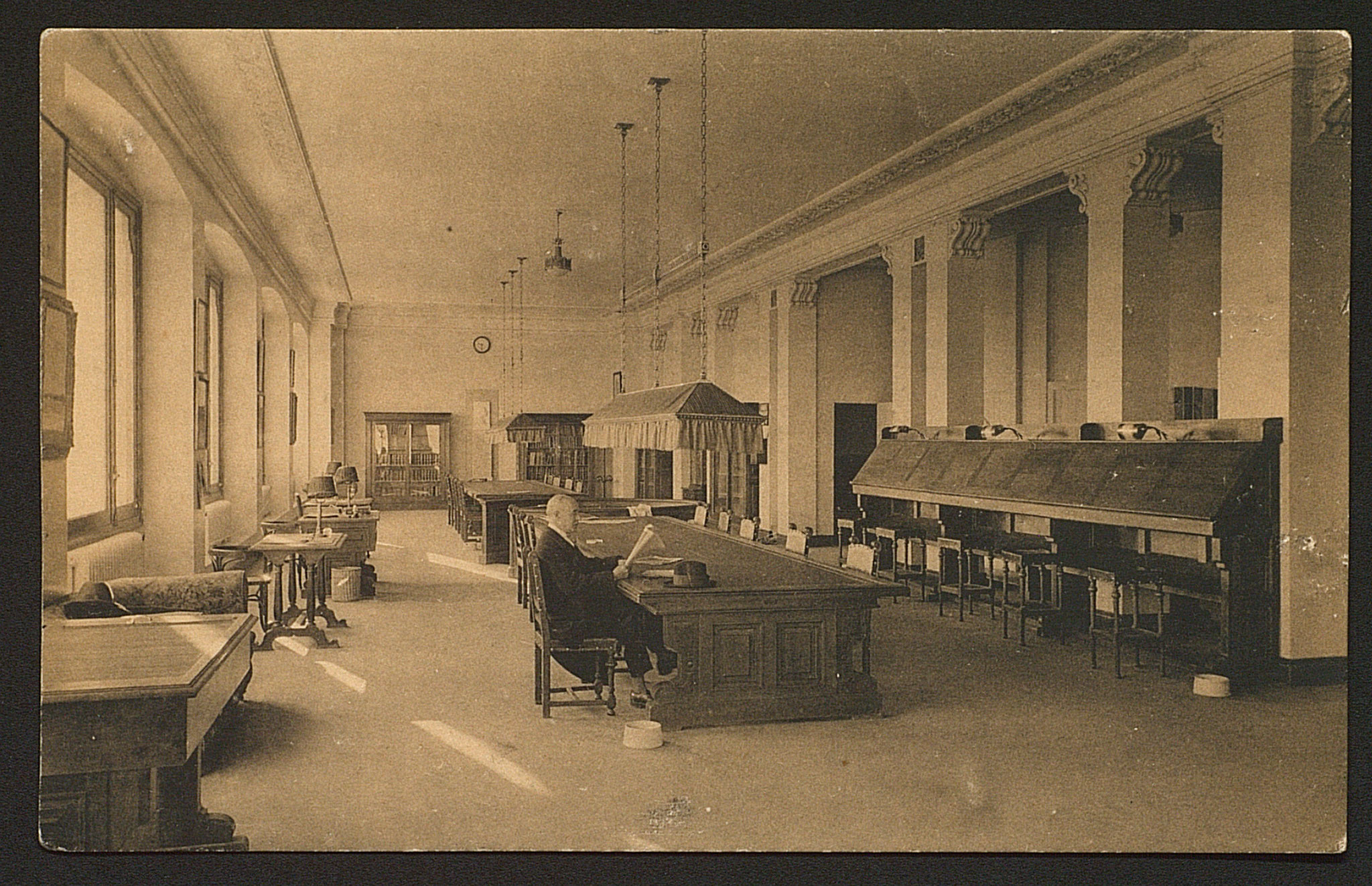
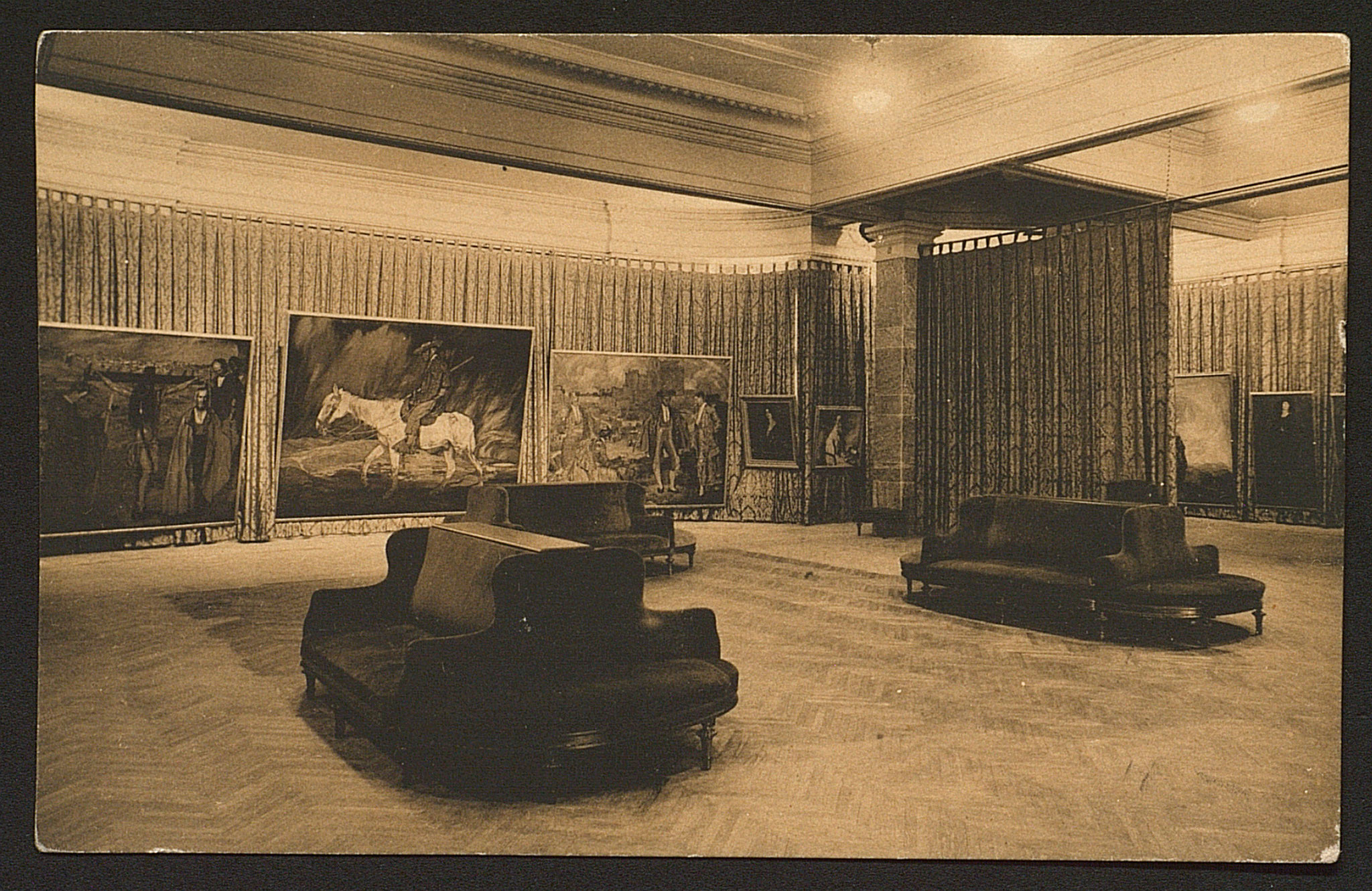
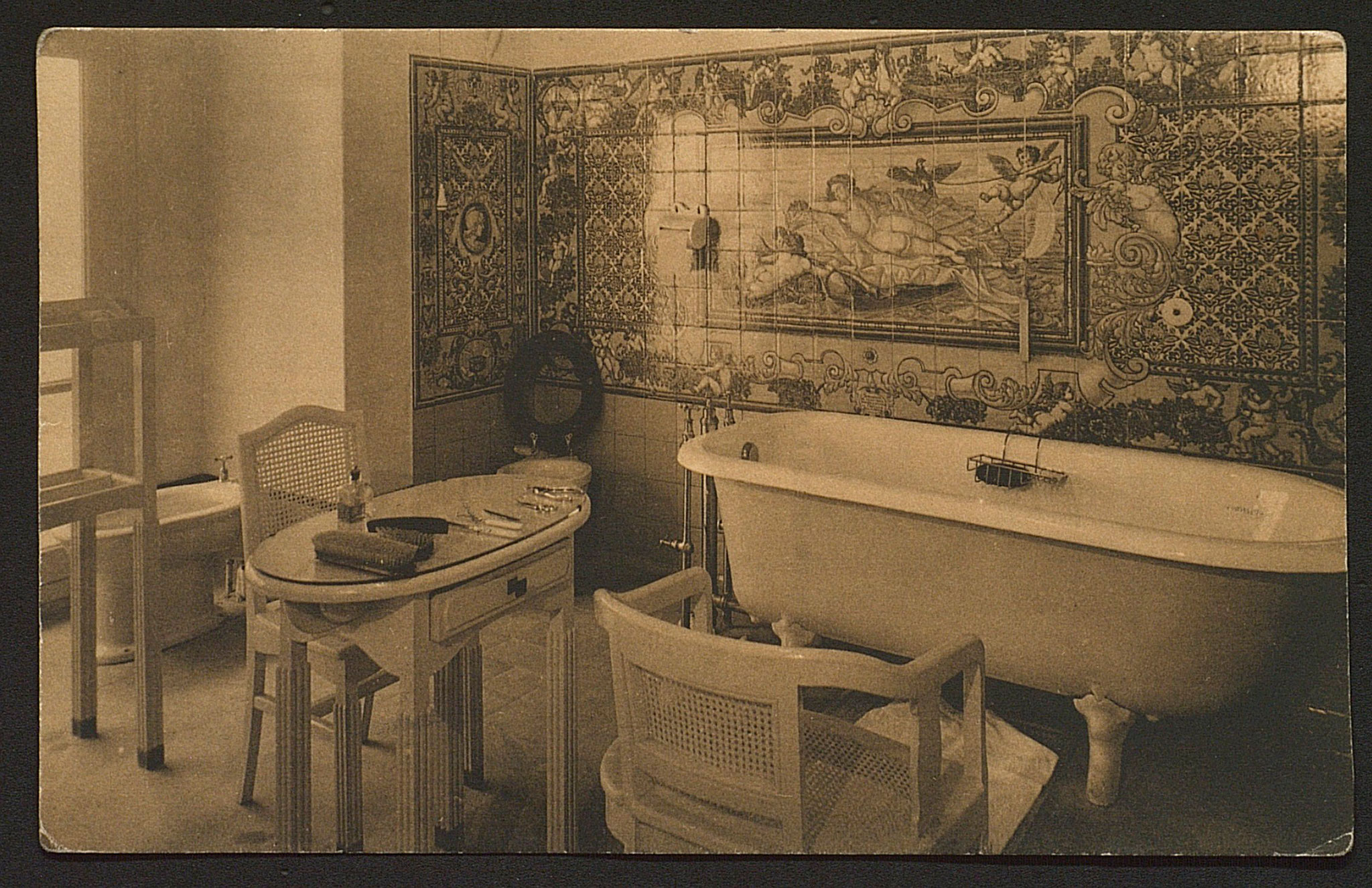
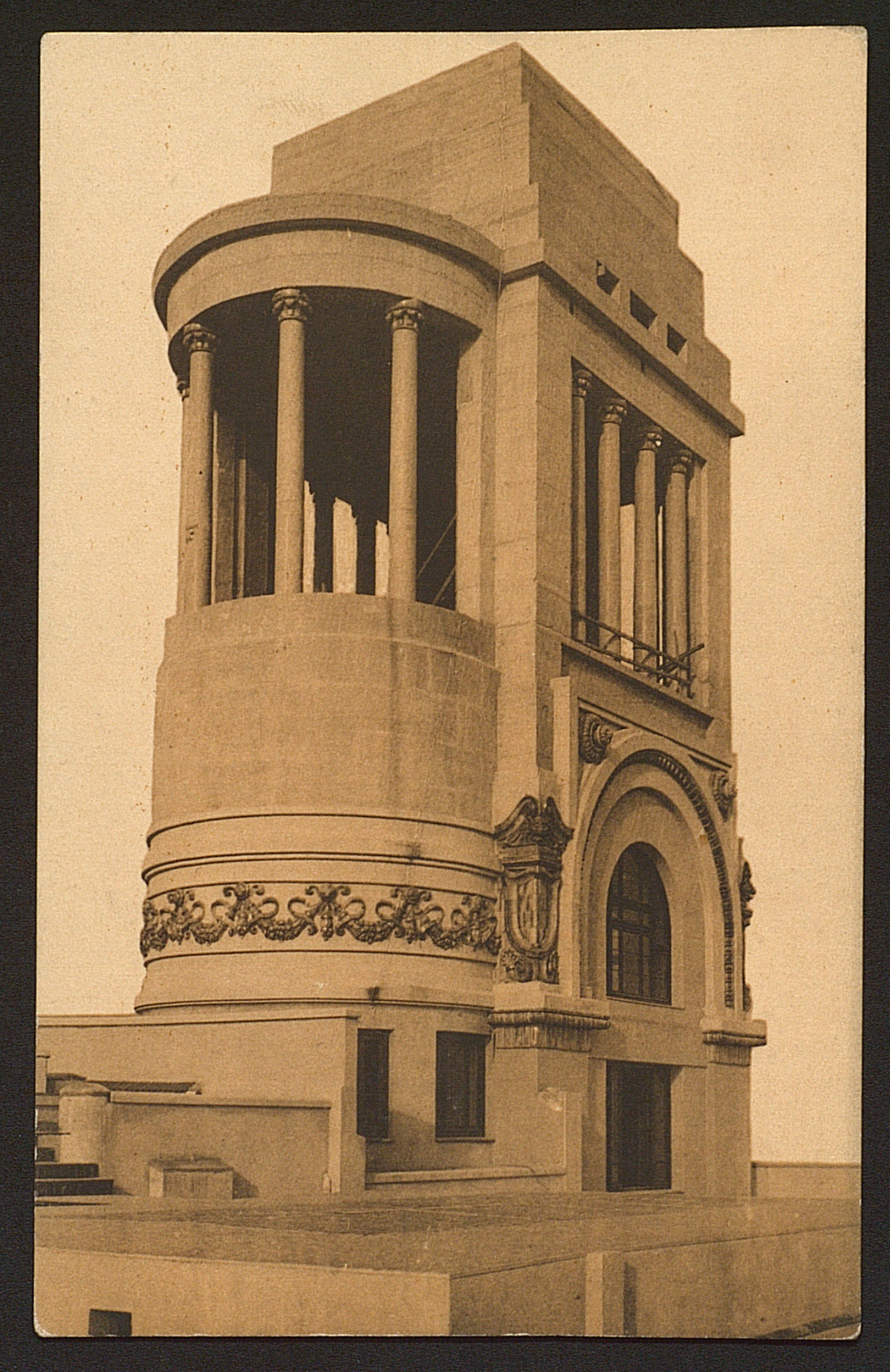
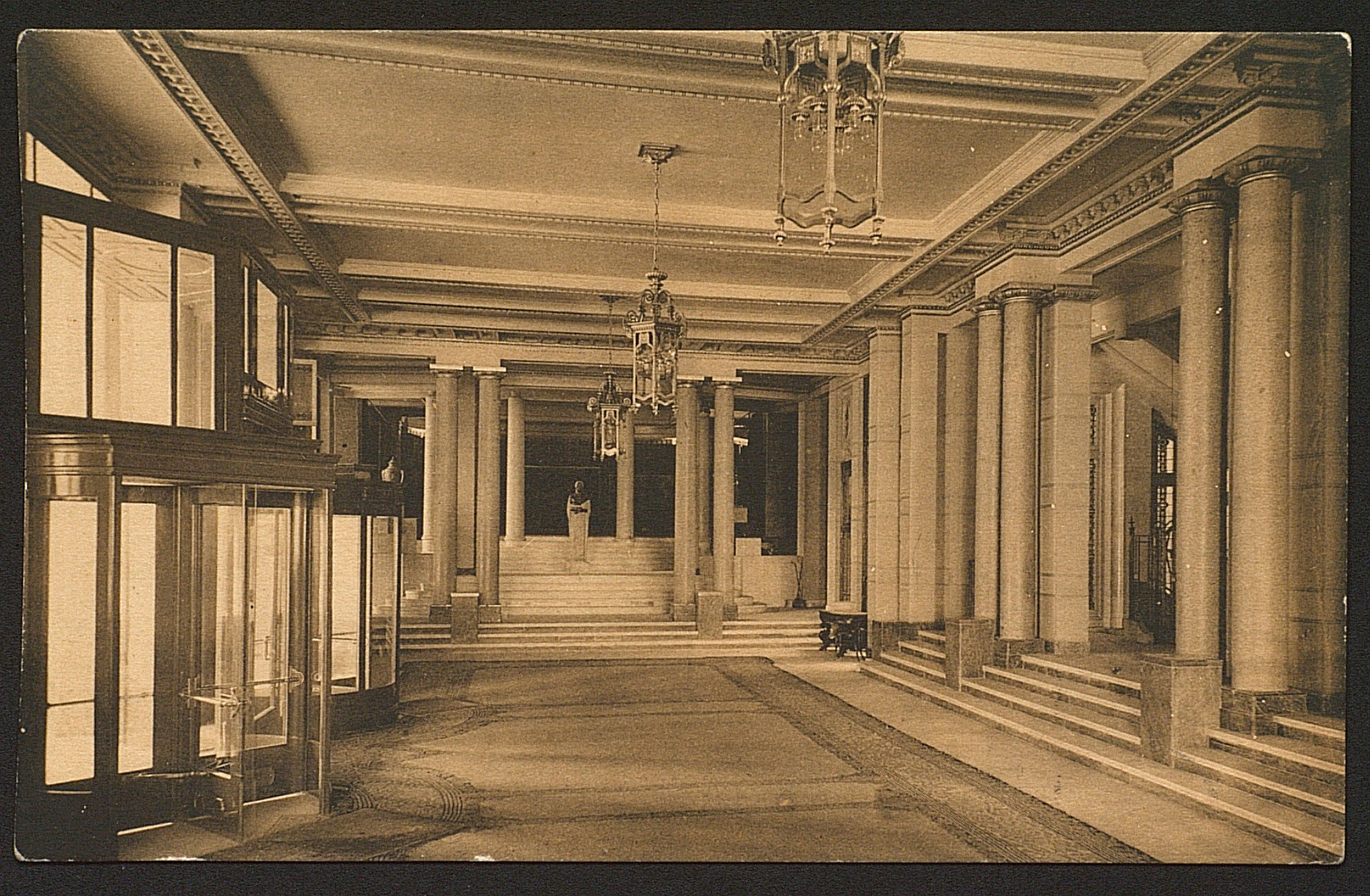
Postcard images from the Círculo de Bellas Artes. Hauser and Menet phototype. Collection of original vintage postcards c. 1927. Archive of the Círculo de Bellas Artes.

Postcard images from the Círculo de Bellas Artes. Hauser and Menet phototype. Collection of original vintage postcards c. 1927. Archive of the Círculo de Bellas Artes.

The construction of the Círculo
Antonio Palacios sought to express a renewed and symbolic language through the building: the architect's spirit and intentions are summarized in the pursuit of architectural and ornamental grandeur that evokes the artistic, cultural, and recreational function of the institution. The exhibition presents exceptional material that allows visitors to explore the construction process, showcasing both technical and installation plans, as well as corrections or details of parts of the building that required clarification or changes along the way.

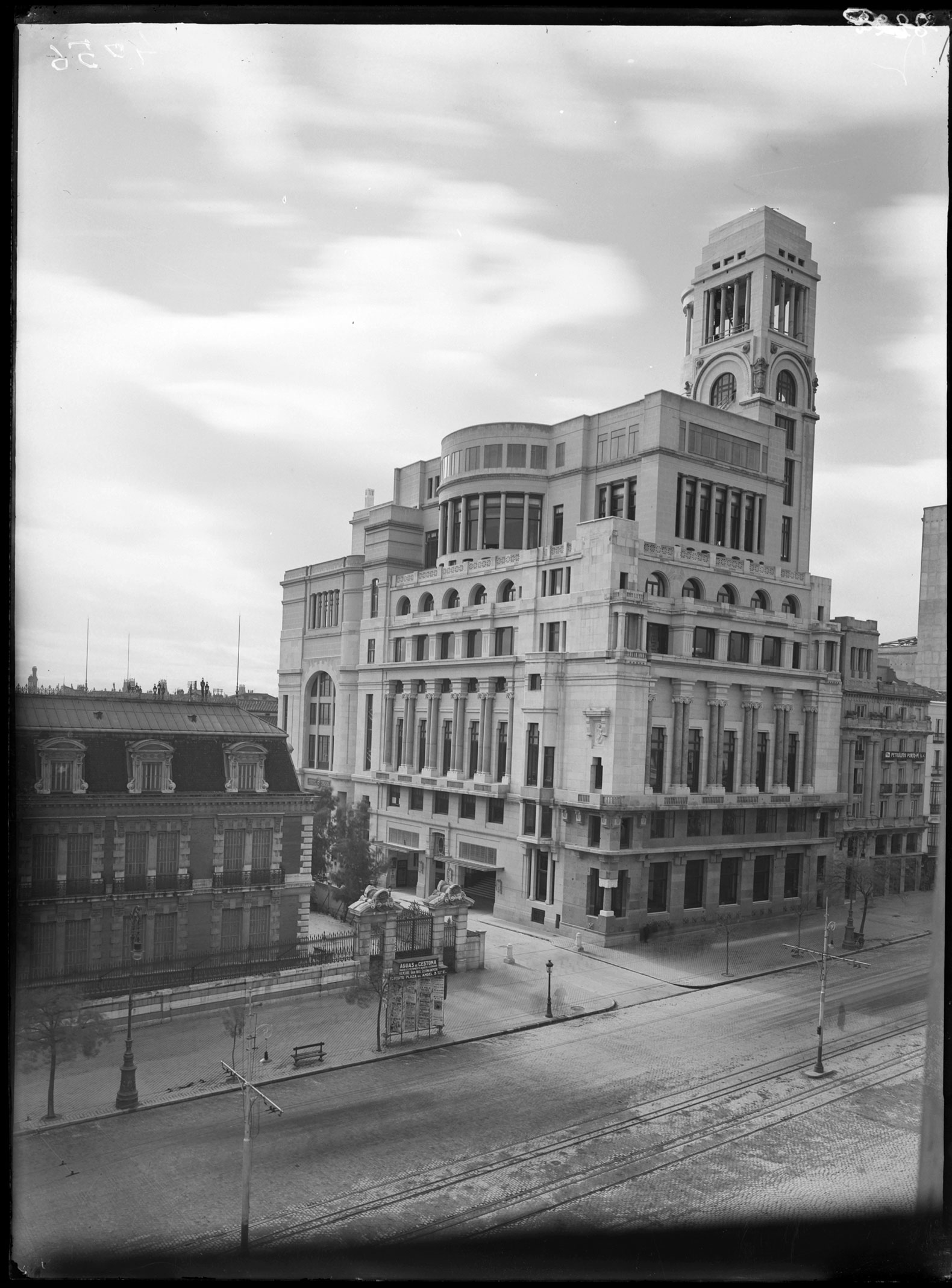
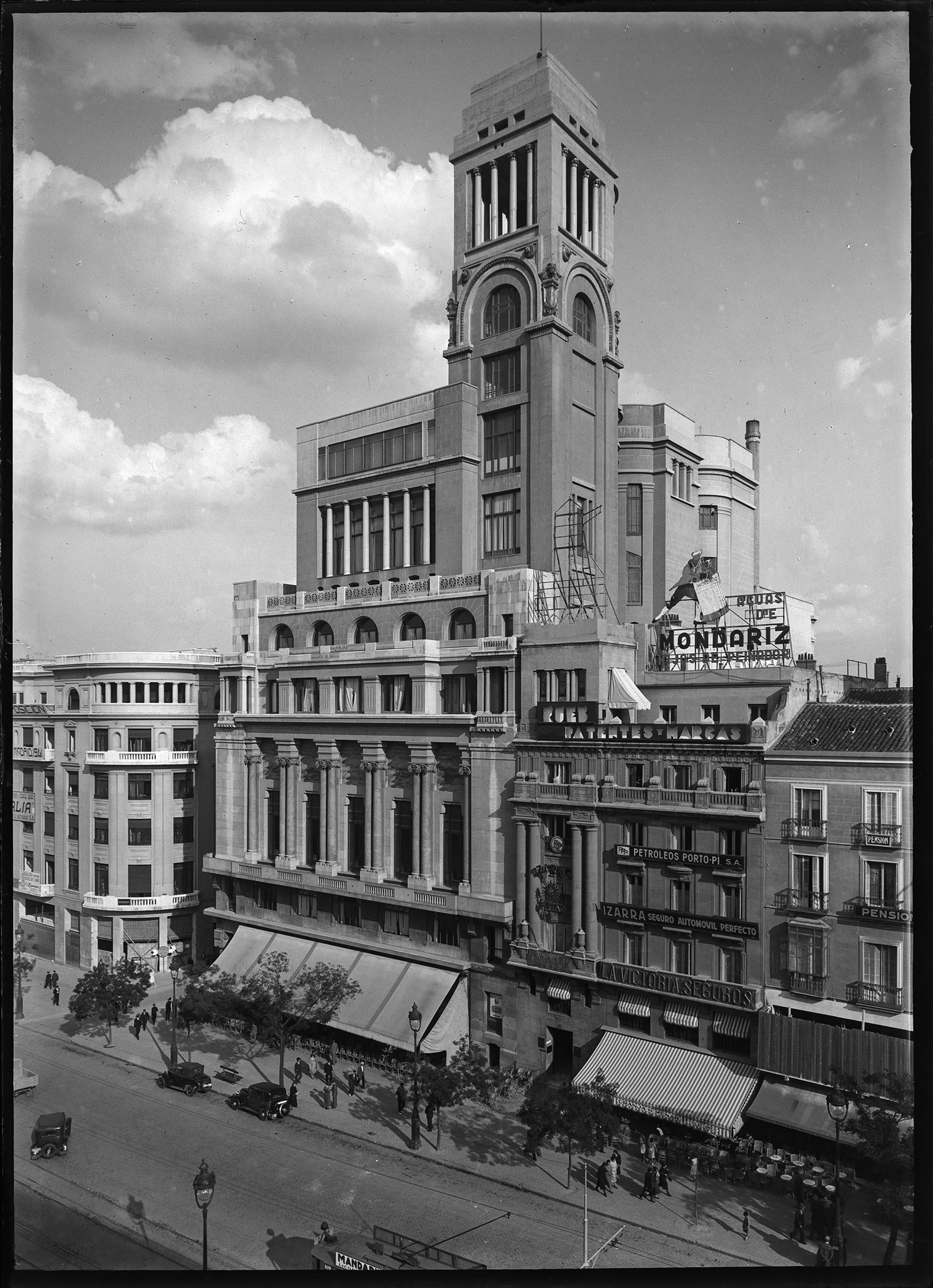
The Círculo de Bellas Artes represents the culmination of a series of buildings with which Palacios decisively contributed to modernizing the city and transforming it into the long-awaited metropolis that many dreamed of.
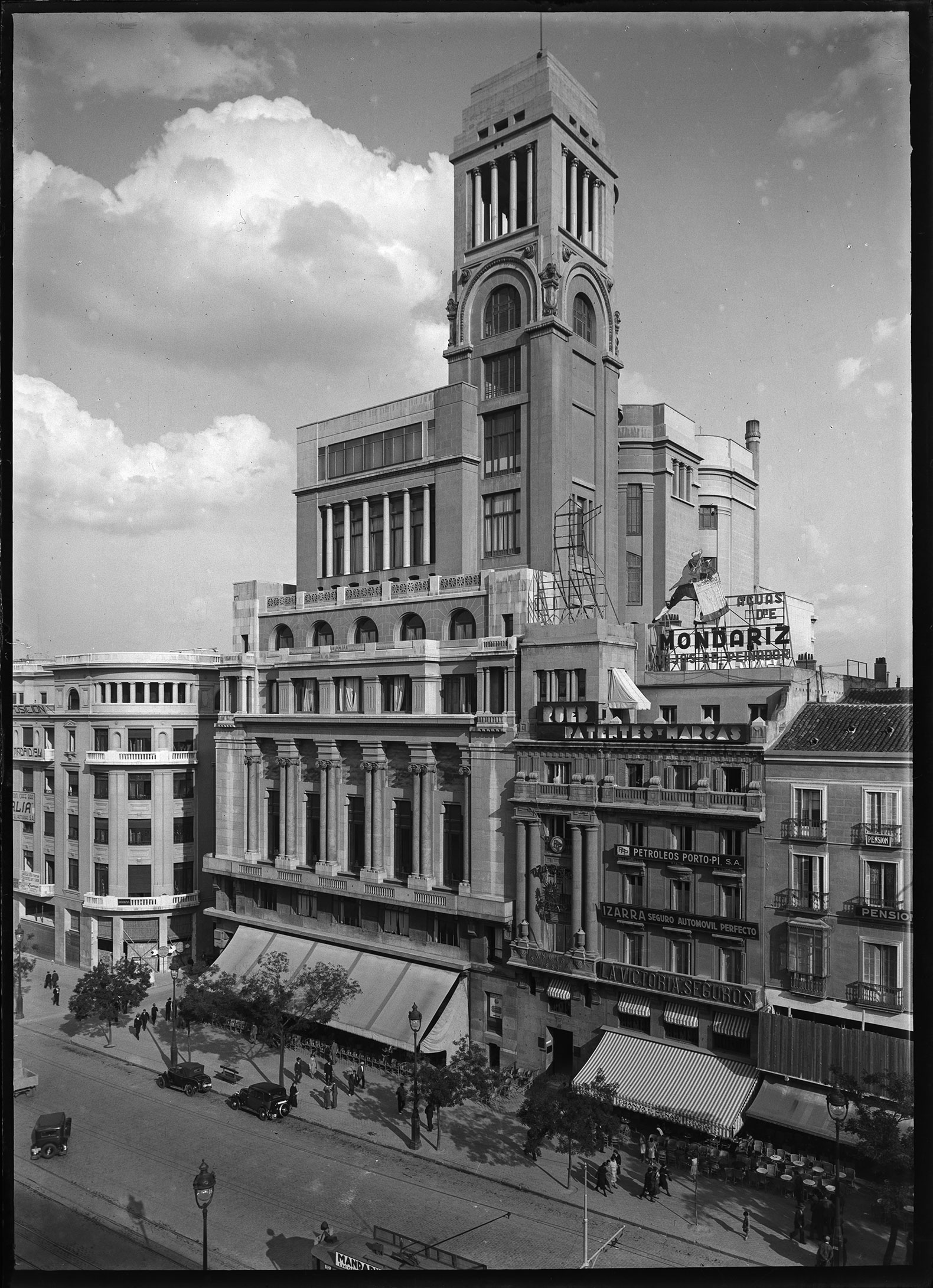
Otto Wunderlich. View of the Círculo de Bellas Artes building, c. 1929. Spanish Cultural Heritage Institute, Ministry of Culture. Courtesy of the Círculo de Bellas Artes.

Otto Wunderlich. View of the Círculo de Bellas Artes building, c. 1929. Spanish Cultural Heritage Institute, Ministry of Culture. Courtesy of the Círculo de Bellas Artes.

1926: The inauguration of the Casa de las Artes
With the presence of King Alfonso XIII and other authorities, the new building was inaugurated on November 8, 1926, with an exhibition by Ignacio Zuloaga. Despite initial criticism, from its very beginning, the exhibitions, gatherings, concerts, painting and drawing classes, literary events, and parties transformed the Círculo de Bellas Artes into a cosmopolitan, metropolitan space, deeply engaged with modern life and its challenges.

For over a century, its salons, exhibition halls, studios, workshops, and meeting spaces have witnessed the work of multiple generations of artists, writers, filmmakers, thinkers, and diverse audiences, making it a privileged venue for cultural creation and experience.
More information

+ + copy Created with Sketch.
- + copy Created with Sketch.
Label
Collaborators
Text

Organized in conjunction with - Acción Cultural Española.

+ + copy Created with Sketch.
- + copy Created with Sketch.
Label
Promoter
+ + copy Created with Sketch.
- + copy Created with Sketch.
Label
Dates
Text

12.02 > 10.05.2026.
Tuesday to Sunday.- 11:00 AM - 2:00 PM / 5:00 PM - 9:00 PM.
Closed Mondays.
Tickets.- €6 General Admission / €5 Reduced Admission / Free for CBA Members.

+ + copy Created with Sketch.
- + copy Created with Sketch.
Label
Location
Text

Goya Room. Círculo de Bellas Artes. Alcalá, 42. 28014 - Madrid, Spain.

+ + copy Created with Sketch.
- + copy Created with Sketch.
Label
Photography
Text

Miguel Balbuena.
Courtesy of the Círculo de Bellas Artes.

+ + copy Created with Sketch.
- + copy Created with Sketch.
Antonio Palacios starts working at a historical moment characterized by political and social instability and, especially, by the disaster of 98, after which the debate between tradition and modernity intensified. The architecture of that period would be strongly influenced by currents seeking the search for national identity, looking back as the Renaissance times symbolizing the lost splendor. No wonder, therefore, that Palacios, in line with the historicist trends driven by Viollet le Duc or Rushkin during the nineteenth century, resorting to borrowed elements of Gothic, neoplateresque or the Baroque to create monumental work whose ultimate expression reaches in buildings regionalist who built in Galicia.

But it was not alien to contemporary trends such as Modernism, whose influence is present in his interest in the ornamental, the organic and the ambition to create total works of art with the addition of decorative arts, which adds the secessionist echoes Otto Wagner, who is set in his particular evolution towards functional structures and cleaning materials. All this coupled with the use of giant orders, references to international academic classicism, American architecture and the incorporation of new materials allowed Palacios achieve an integrated balance between old architectural concepts and new construction methods to create a very personal and difficult work to classify.

The architecture of Antonio Palacios is located in a transitional stage between Modernism and the Modern Movement, so some of the followers of this current doubted not calling him a megalomaniac, monumentalista and formalistic. However, after the sculptural appearance of many of its buildings, Palacios somewhat he anticipated rationalism by emphasizing a functional distribution of space. While it is true that his works manifest a desire to transcend, we must not forget that were designed to adapt and integrate into an environment official and monumental as the Madrid of the early twentieth century character.

Nevertheless, Antonio Palacios left an extraordinary legacy consists of the most significant and monumental buildings of modern Madrid. A set of buildings that contributed to modify its urban profile and today, unrelated to any architectural movement, remain in the collective memory with the city's key landmarks such as the Royal Palace, Plaza Mayor and the Basilica of San Francisco el Grande.
Read more
Published on: February 15, 2026
Cite:
metalocus, AGUSTINA BERTA
"Círculo de Bellas Artes: an icon of Madrid's Gran Vía. "The House of Arts. Open since 1926" exhibition " METALOCUS. Accessed
<http://www.metalocus.es/en/news/circulo-de-bellas-artes-icon-madrids-gran-house-arts-open-1926-exhibition> ISSN 1139-6415
Loading content ...
Loading content ...
Loading content ...
Loading content ...
Loading content ...
Loading content ...
Loading content ...
Loading content ...
Loading content ...
Loading content ...
Loading content ...
Loading content ...
Loading content ...
Loading content ...
Loading content ...
Loading content ...
Loading content ...
Loading content ...
Loading content ...
Loading content ...
Loading content ...
Loading content ...
Loading content ...
Loading content ...
Loading content ...
Loading content ...
Loading content ...
Loading content ...
Loading content ...
Loading content ...
Loading content ...
Loading content ...
Loading content ...
Loading content ...
Loading content ...
Loading content ...
Loading content ...
Loading content ...
Loading content ...
Loading content ...
Loading content ...
Loading content ...
Loading content ...
Loading content ...
Loading content ...
Loading content ...
Loading content ...
Loading content ...
Loading content ...
Loading content ...
Loading content ...
Loading content ...
Loading content ...
Loading content ...