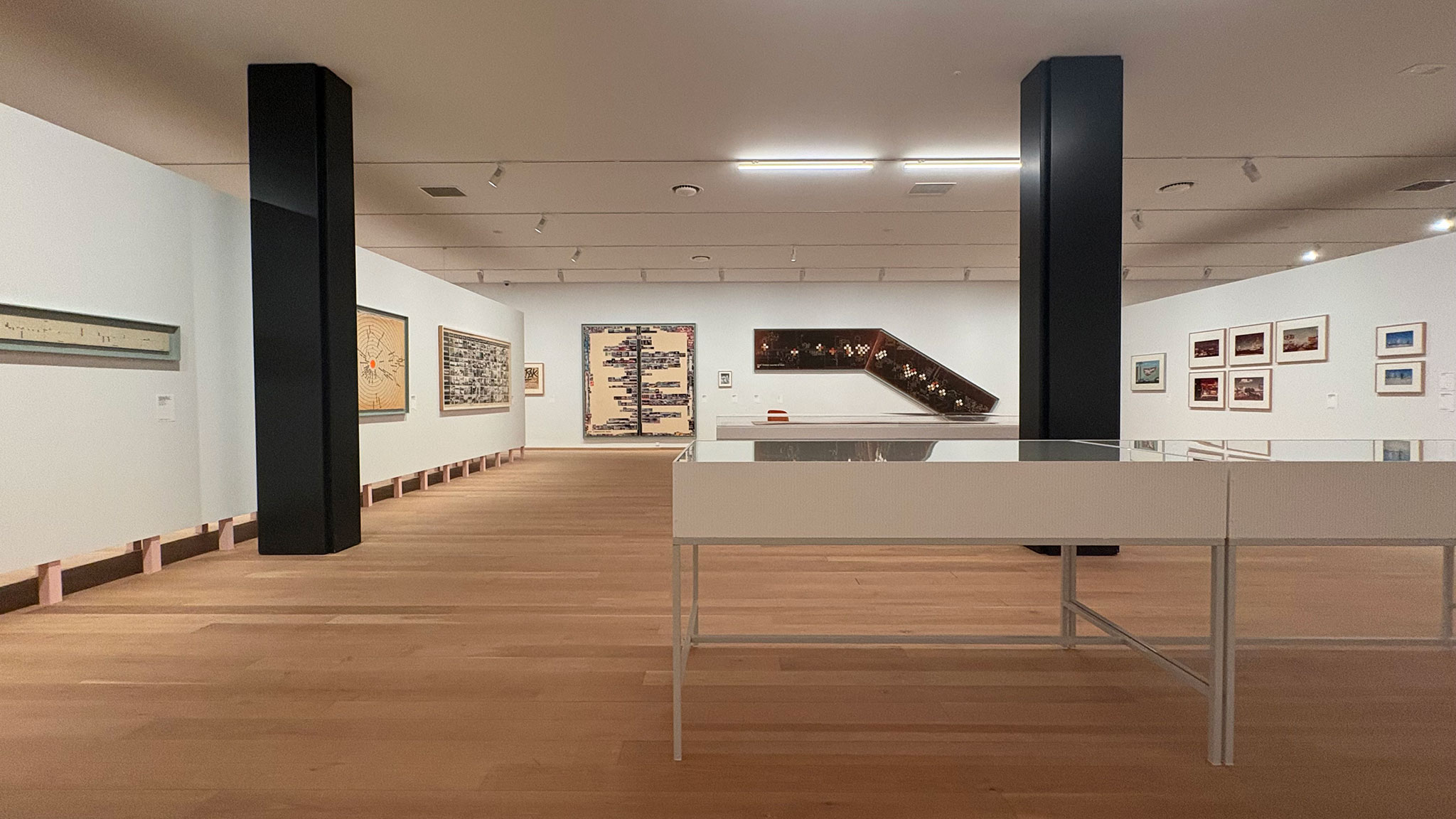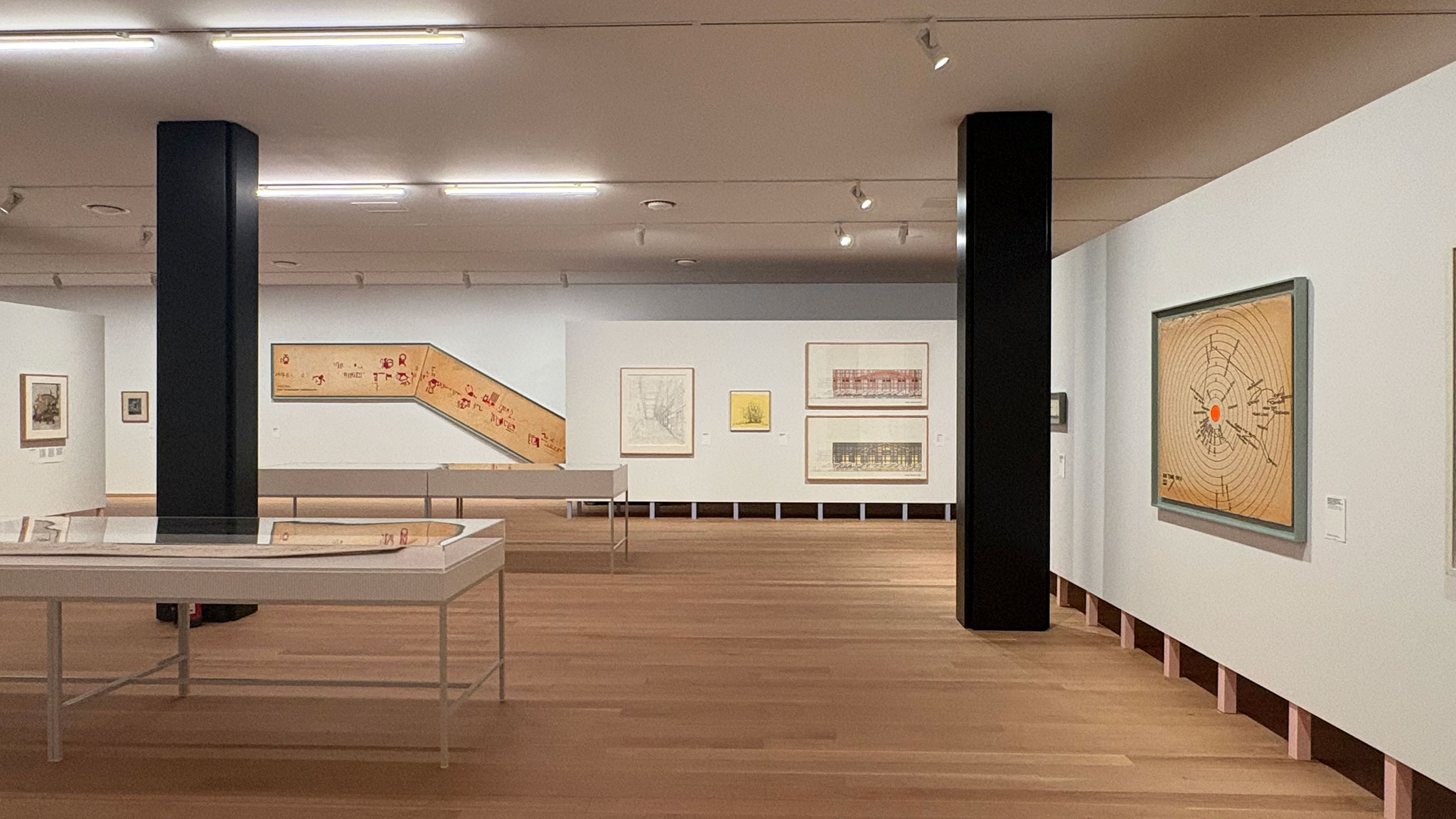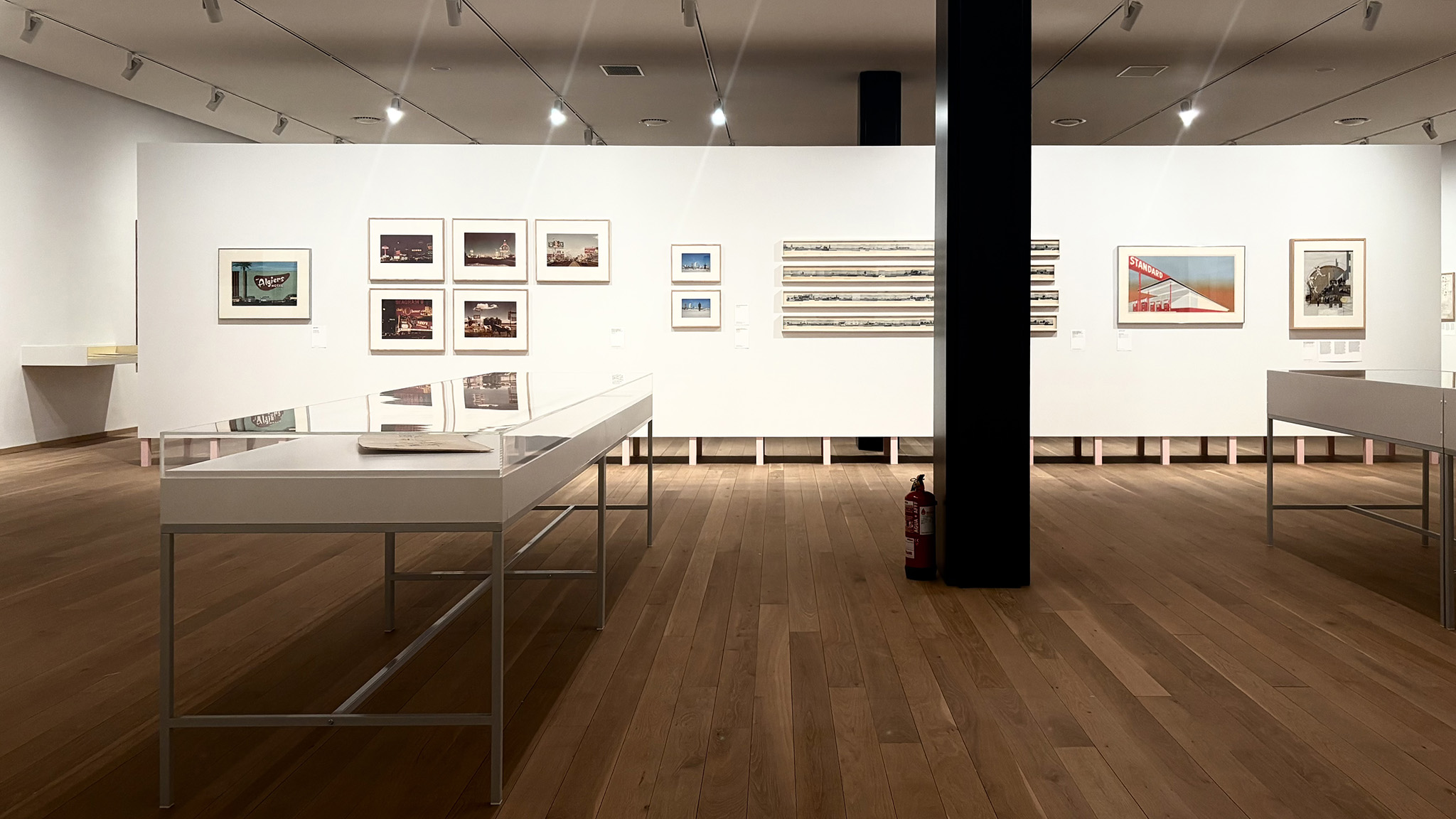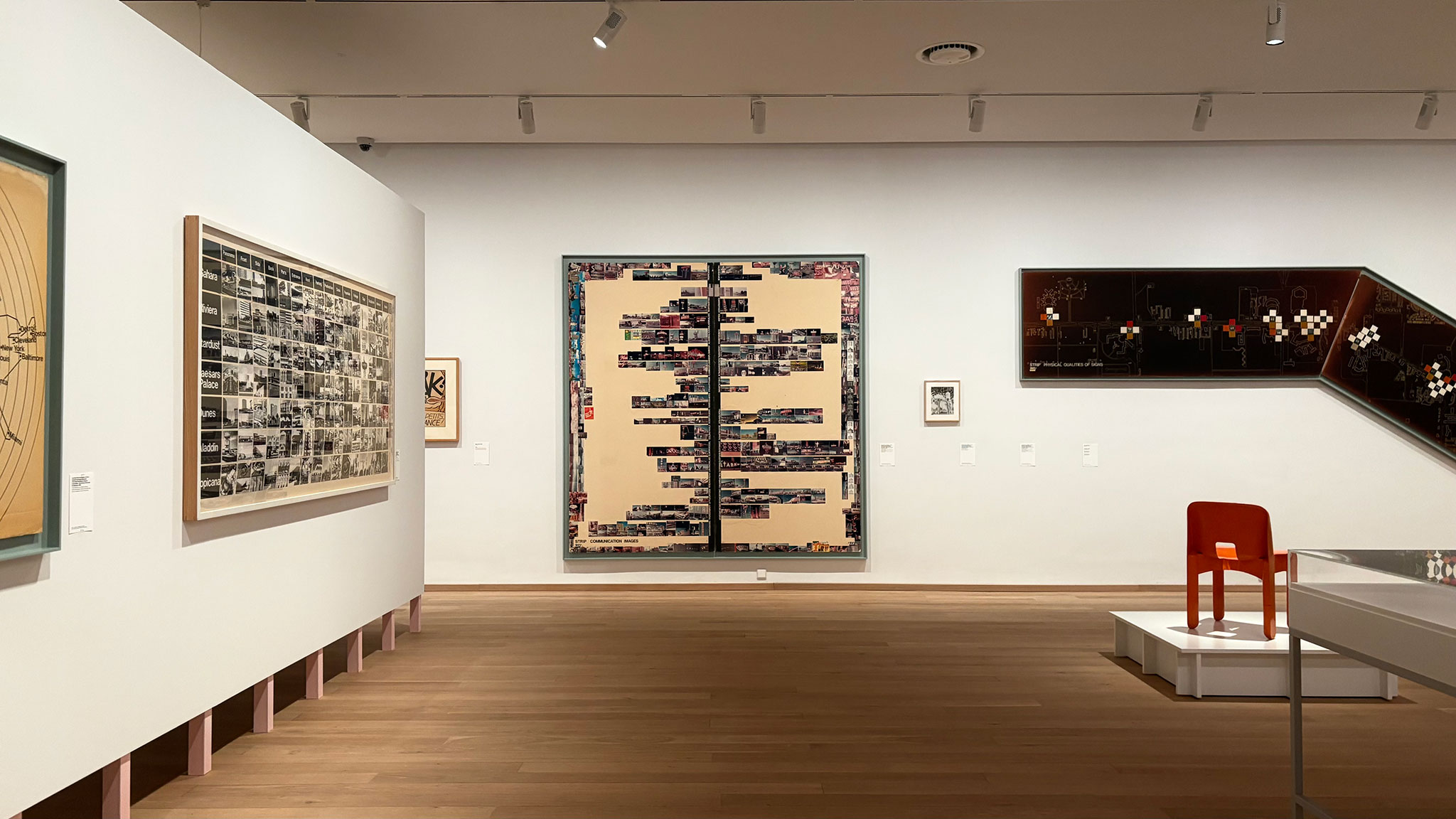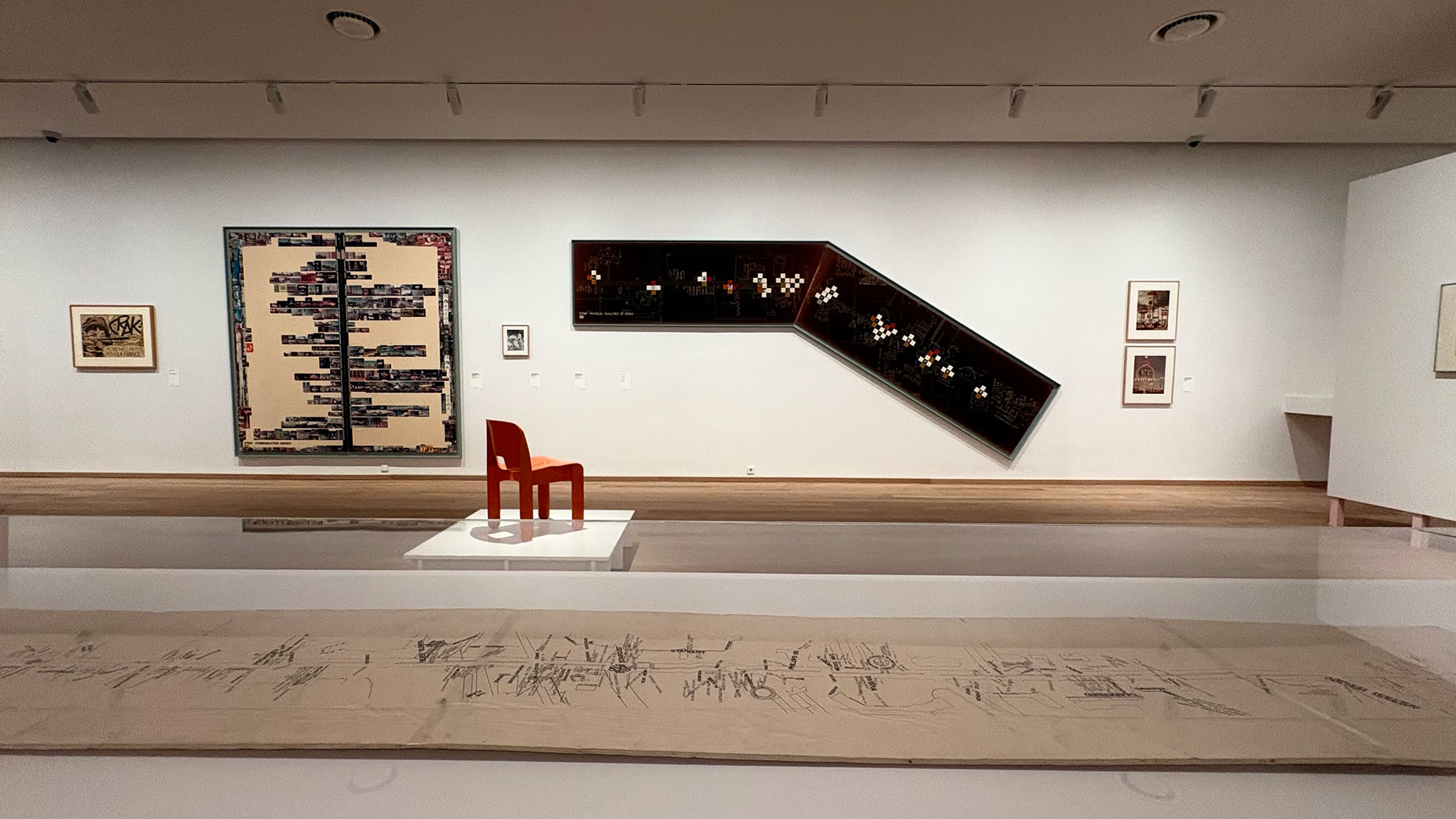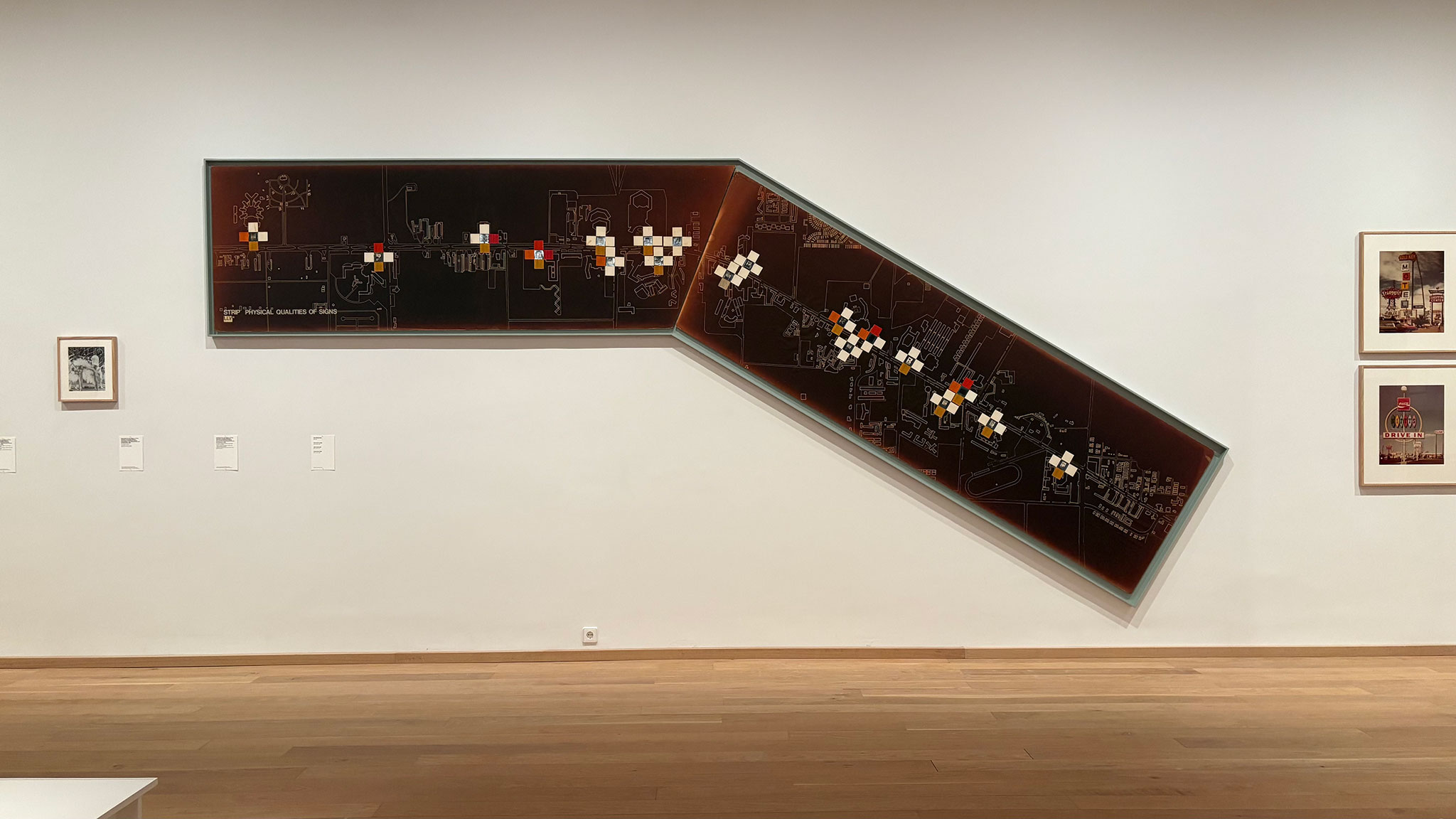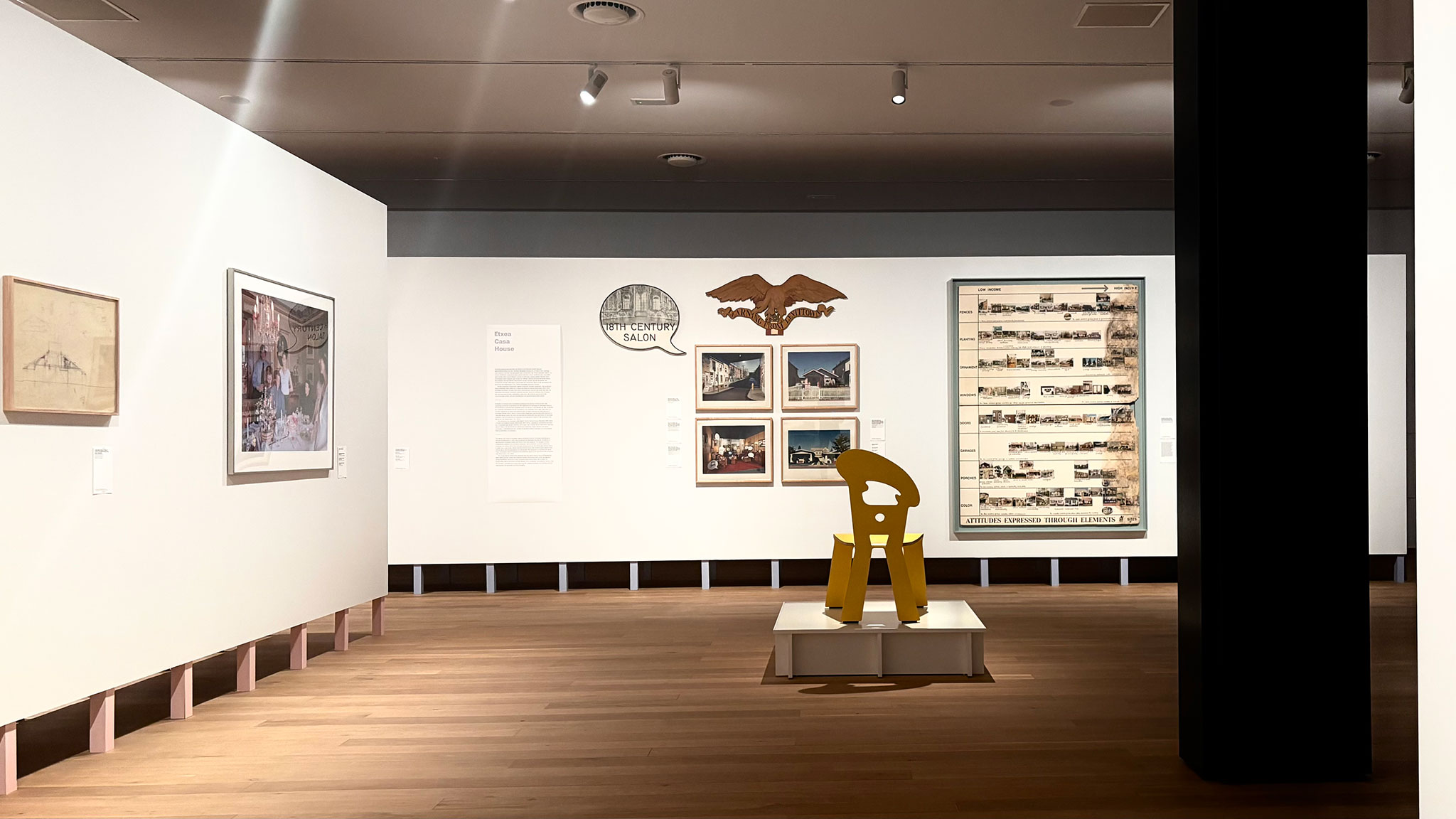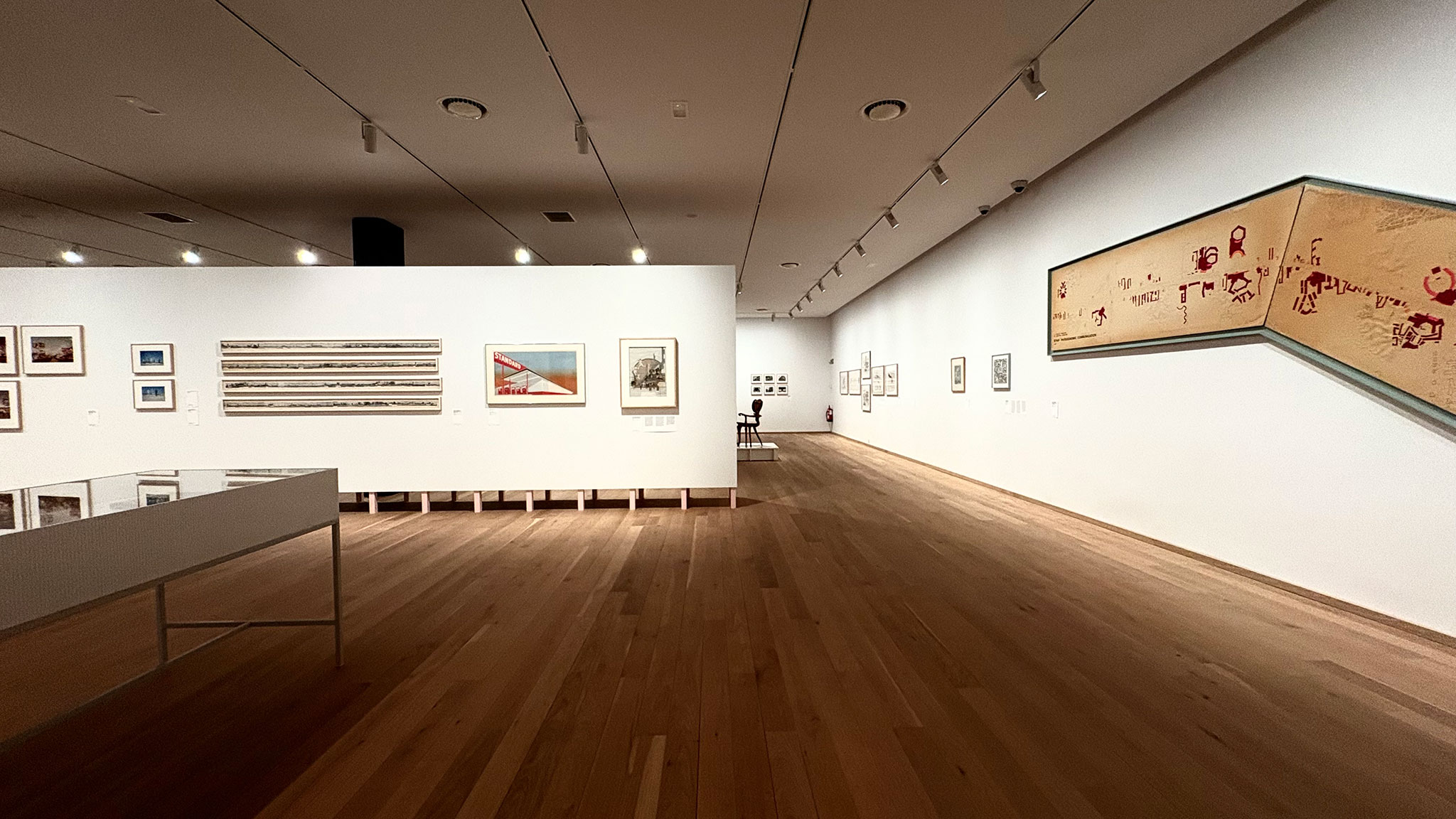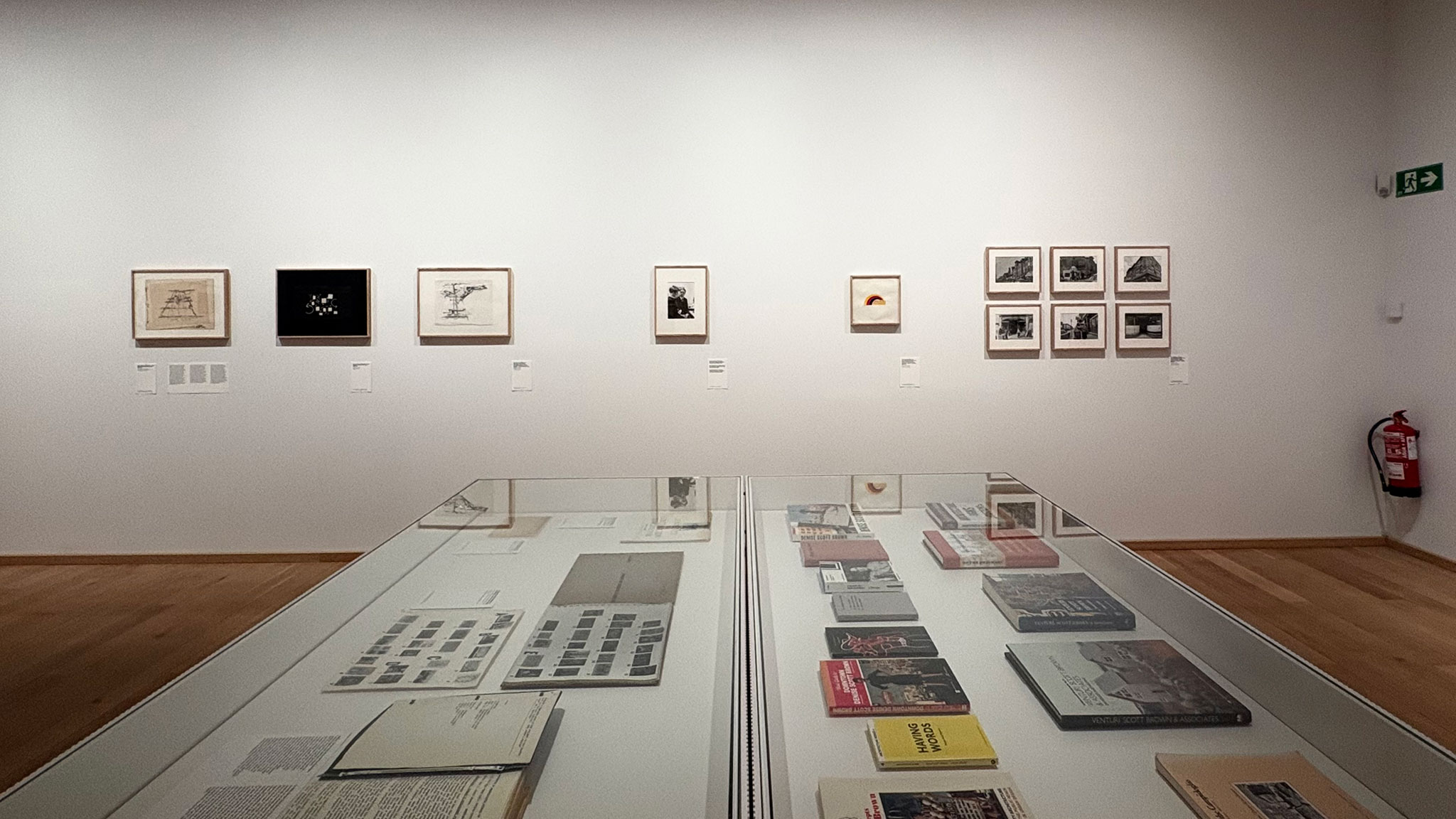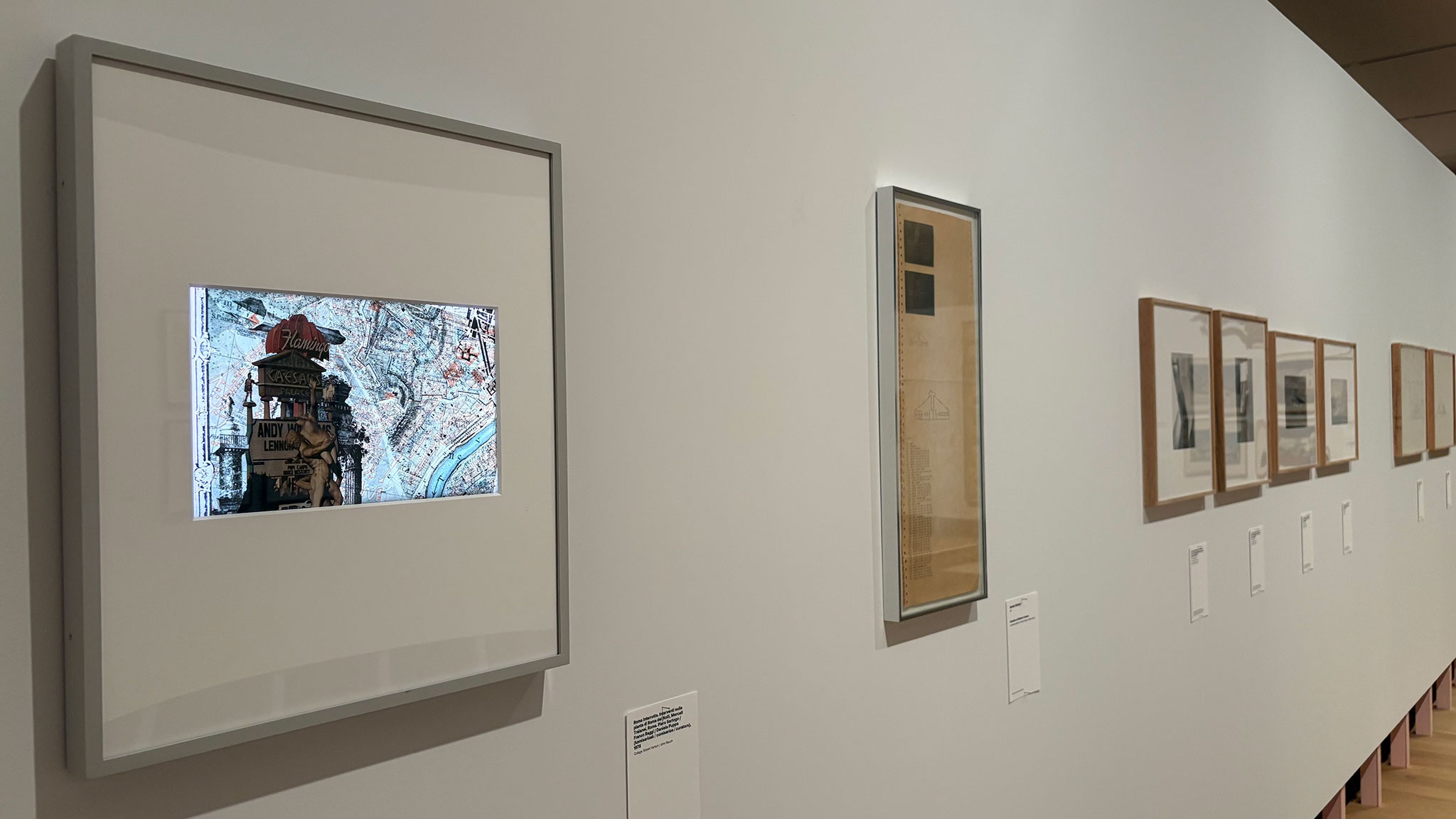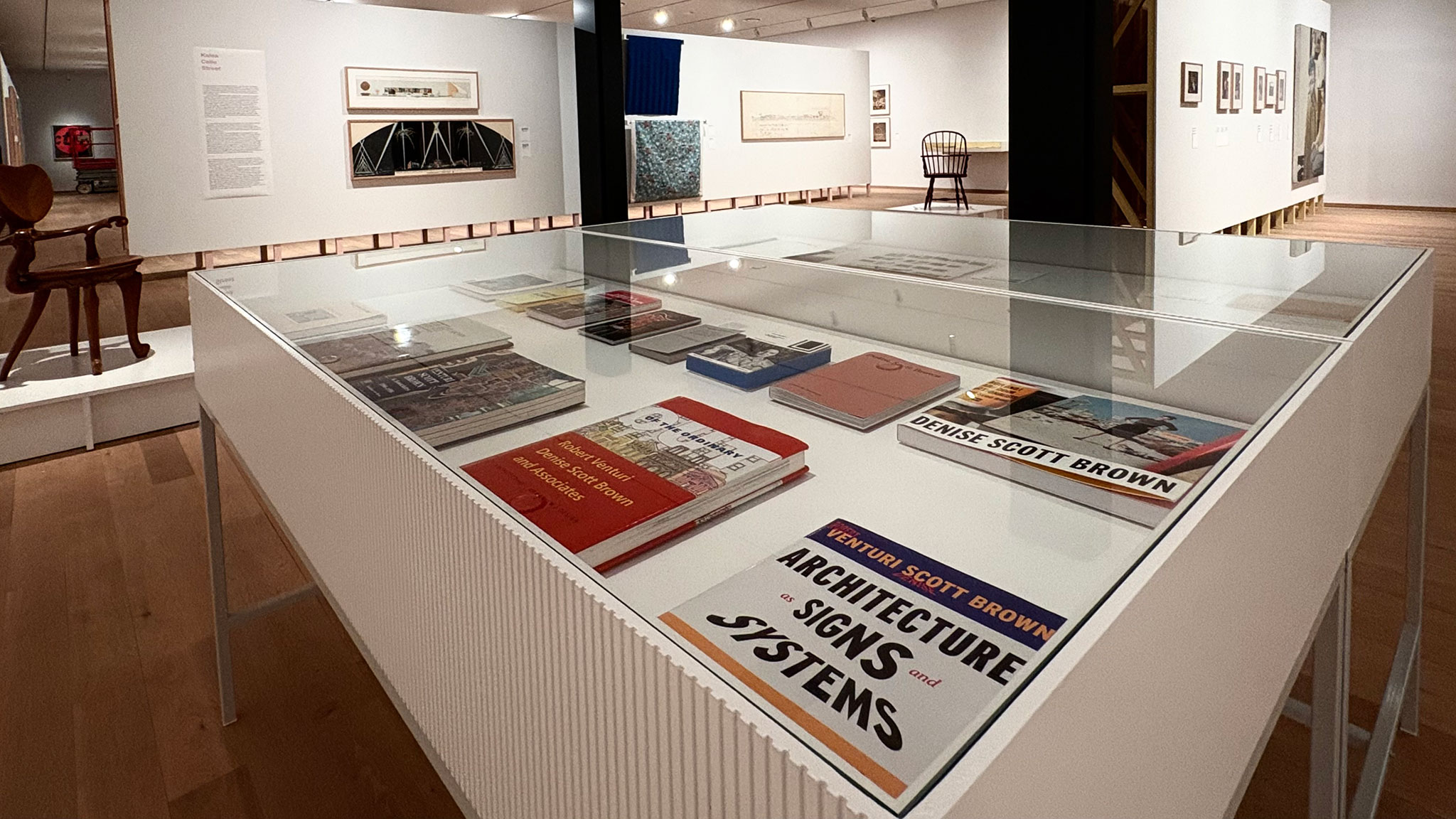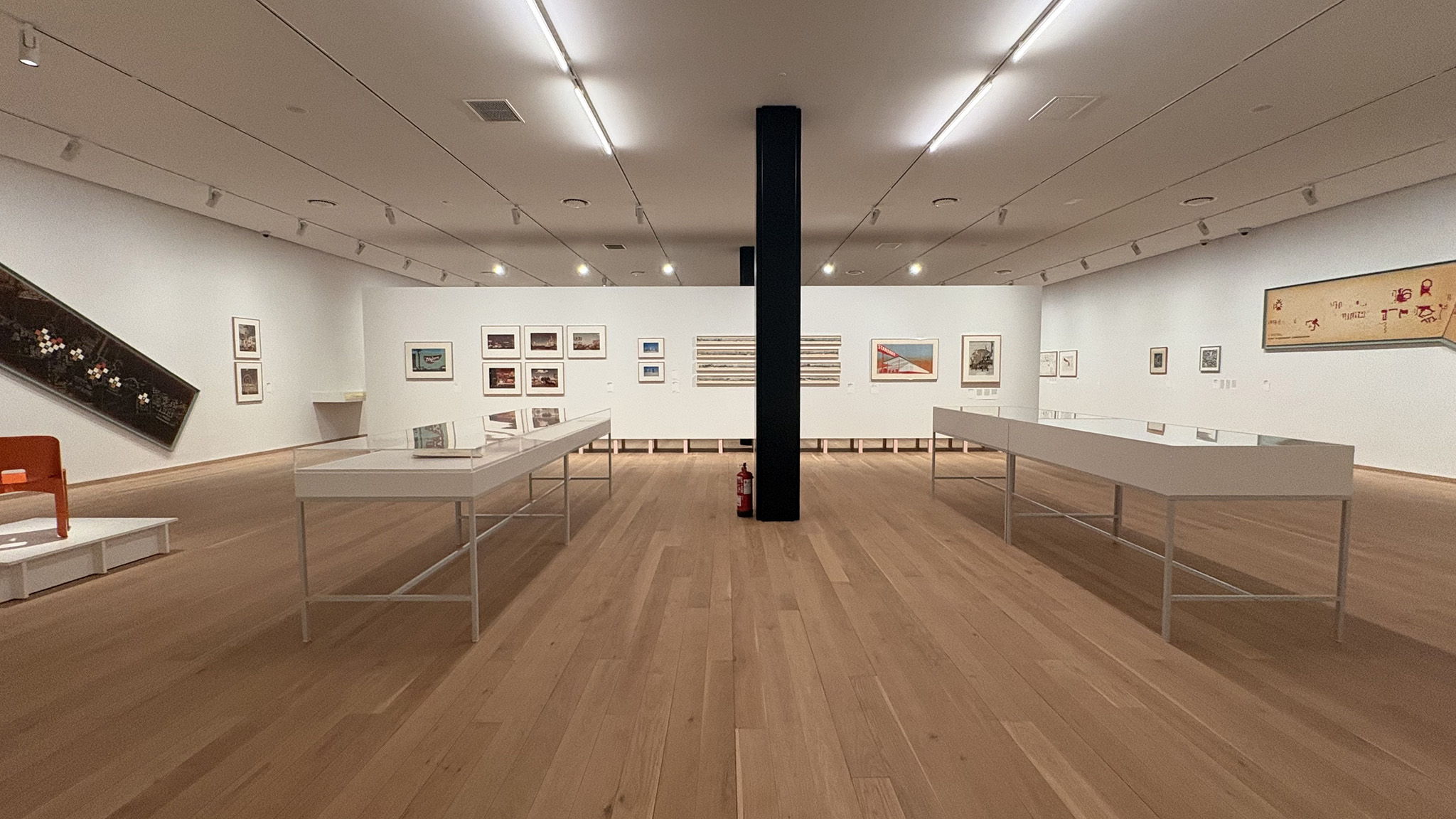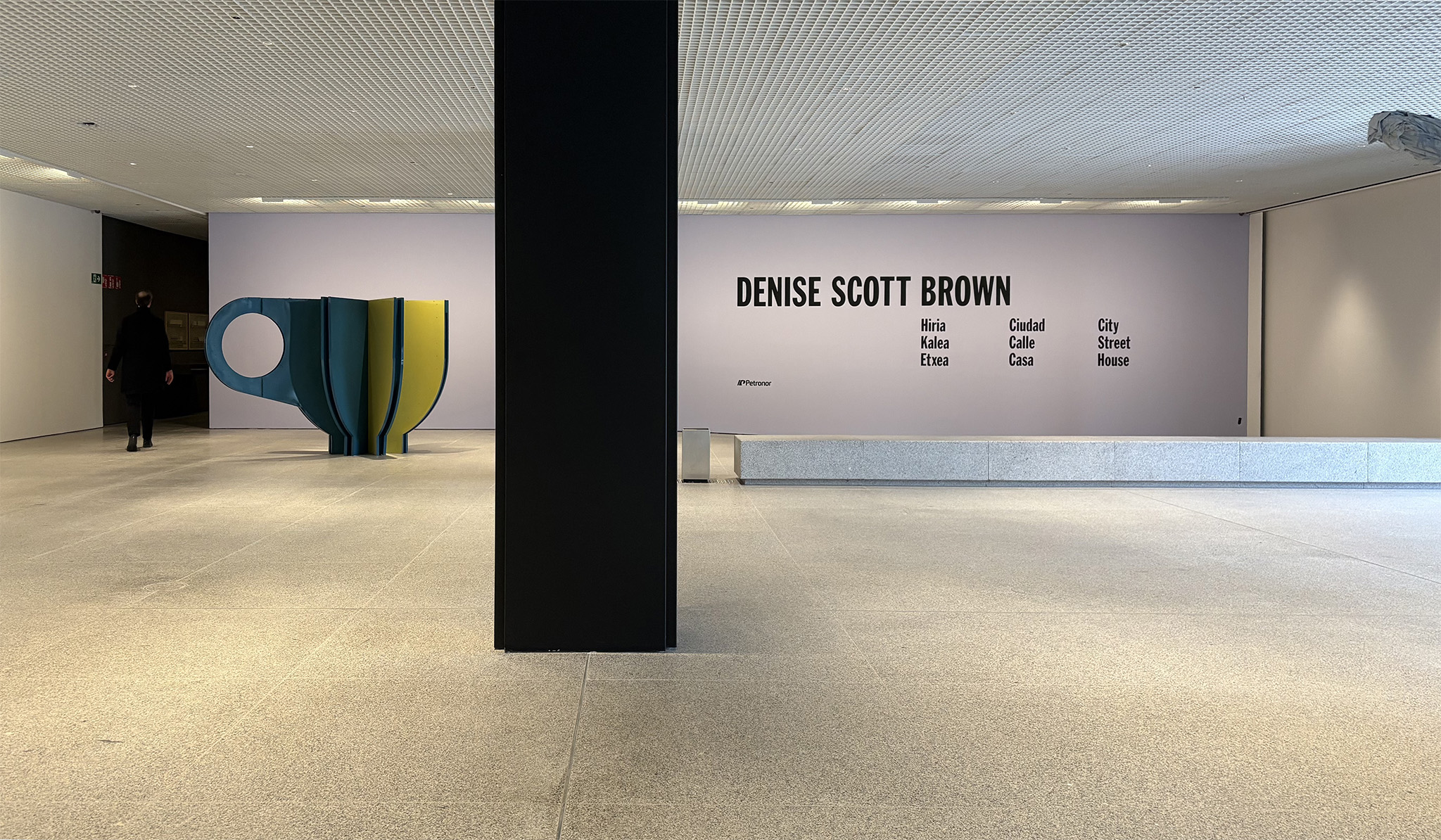
The Bilbao Fine Arts Museum opened this week the exhibition "Denise Scott Brown. City. Street. House" (open to the public from February 11, 2026, to May 31, 2026), presenting the most extensive retrospective of the architect's work shown in Spain to date. The exhibition was curated by architect María Pia Fontana and architect Miguel Mayorga.

The title reflects the exhibition's structure, highlighting key aspects of Scott Brown's work throughout her career: in research, teaching, and professional practice, in both architecture and urban planning.

The exhibition includes a 30-minute documentary, directed by Pablo García Canga and Manuel Asín, entitled "Denise Scott Brown. "21 Structures on Wissahickon Lane" explores the family home of Denise Scott Brown and Robert Venturi, a space that served as the stage for domestic life, work, and the intellectual synergy of its inhabitants for over fifty years. The film is notable for its music: compositions by South African jazz musician Abdullah Ibrahim, adapted and performed by Mikel Azpiroz. Denise Scott-Brown's voice adds personal nuances to the piece.

Denise Scott Brown (Denise Lakofski, b. 1931) is one of the most influential figures in twentieth-century architecture. Her personal and professional trajectory is deeply marked by a series of geographical relocations that shaped her formative years in South Africa, England, and the United States. These movements allowed her to traverse various schools of thought and sources of influence that overlap in her work: from the architecture of the Modern Movement, present from her childhood and consolidated during her early training at the University of Witwatersrand in South Africa; to her direct engagement with the critical stance of the European New Avant-Garde and the origins of Pop Art in early-1950s London, during her studies at the Architectural Association.

This experience was further enriched during her final period in Europe by the influence of the International Congresses of Modern Architecture and her contact with members of the future Team 10, who challenged functionalist urbanism within the framework of these congresses. Ultimately, her intellectual profile reached maturity in the United States in the 1960s, primarily through the rise of the social sciences, initiatives such as Advocacy Planning, and the emergence of American Pop Art. In short, Scott Brown’s professional identity has been forged through geographical, cultural, and intellectual nomadism, which has allowed her to develop an extraordinarily flexible, integrative perspective, always open to new points of view.
metalocus_denise-scott-brown-ciudad-calle-casa_02

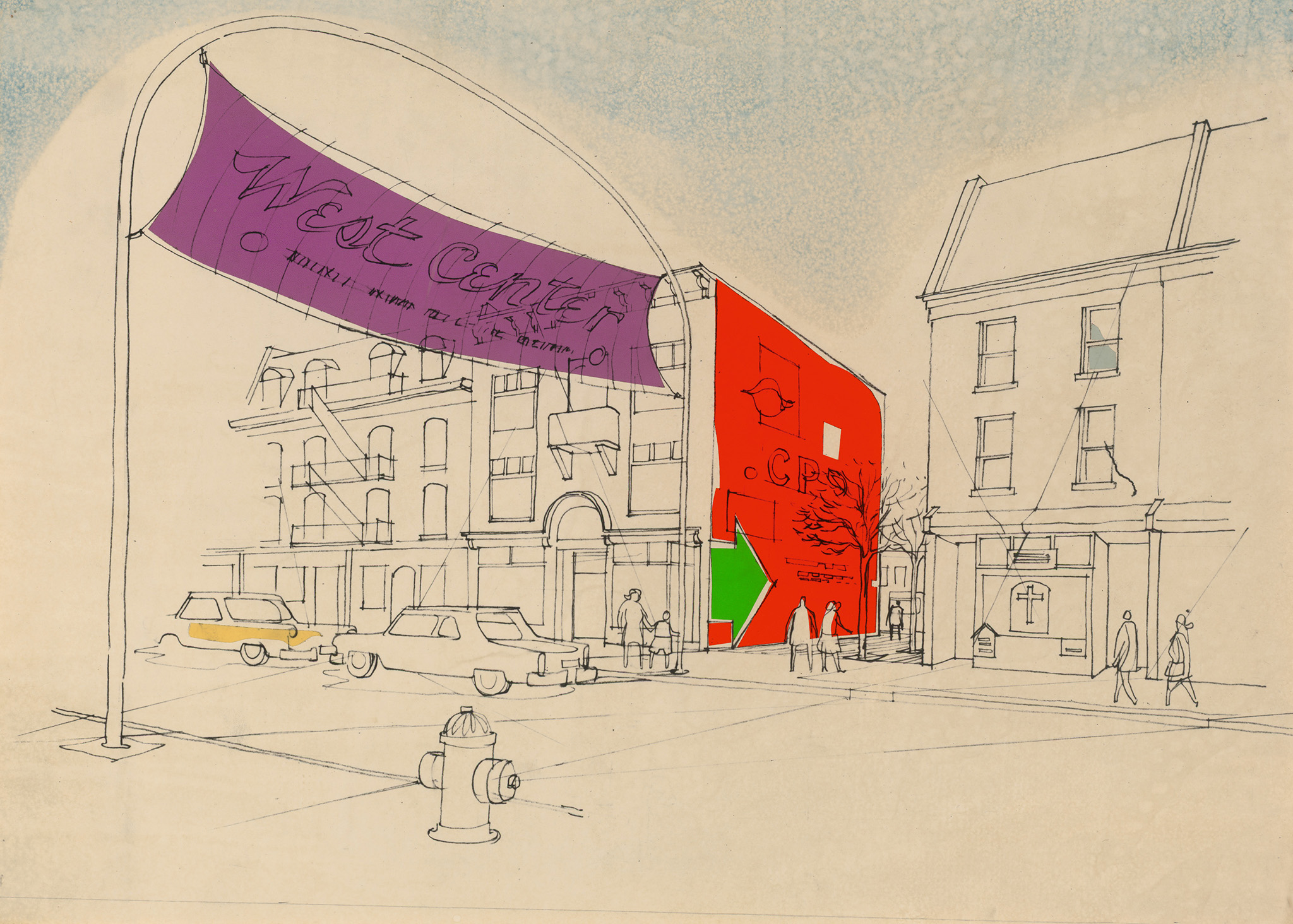
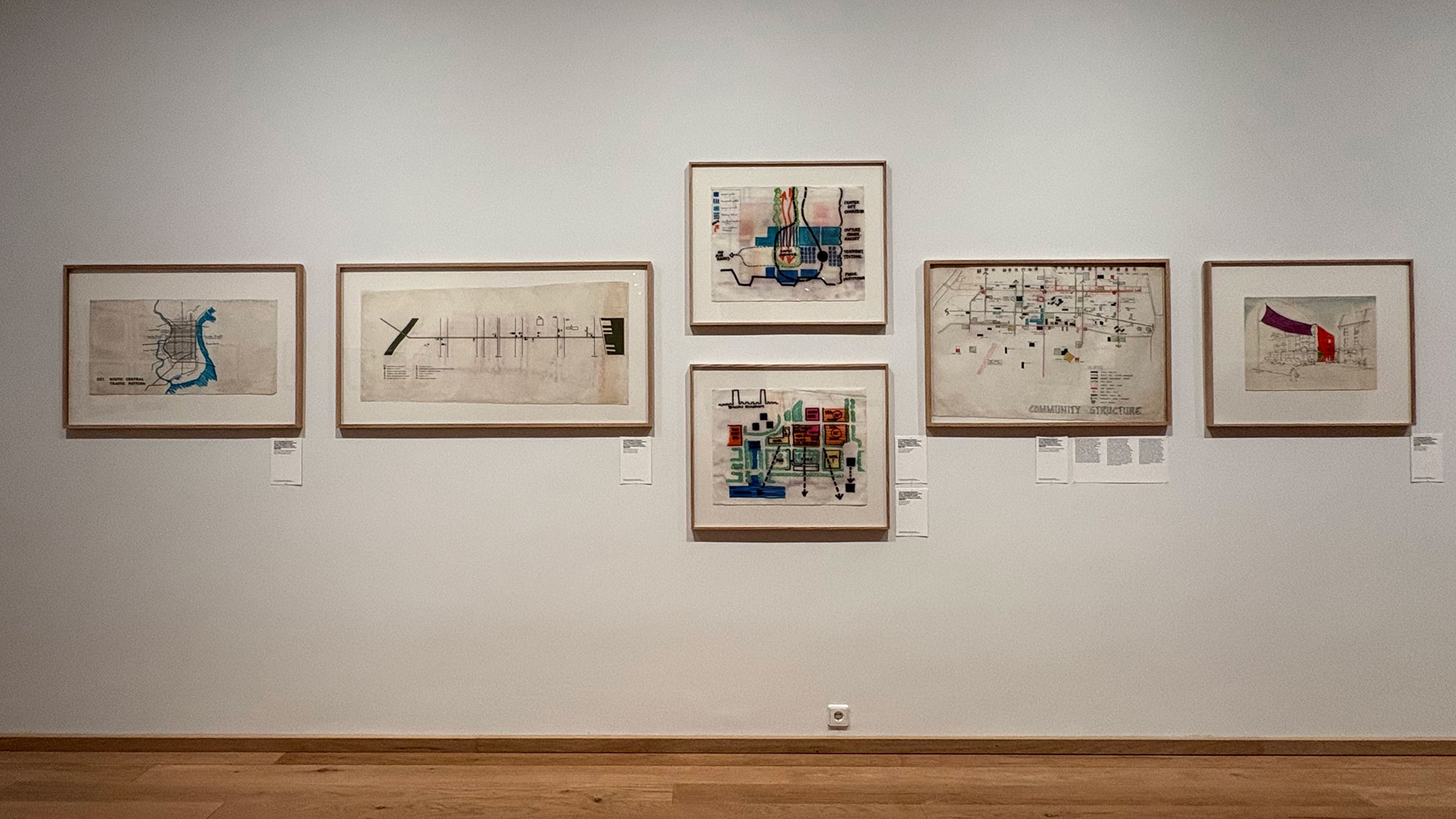
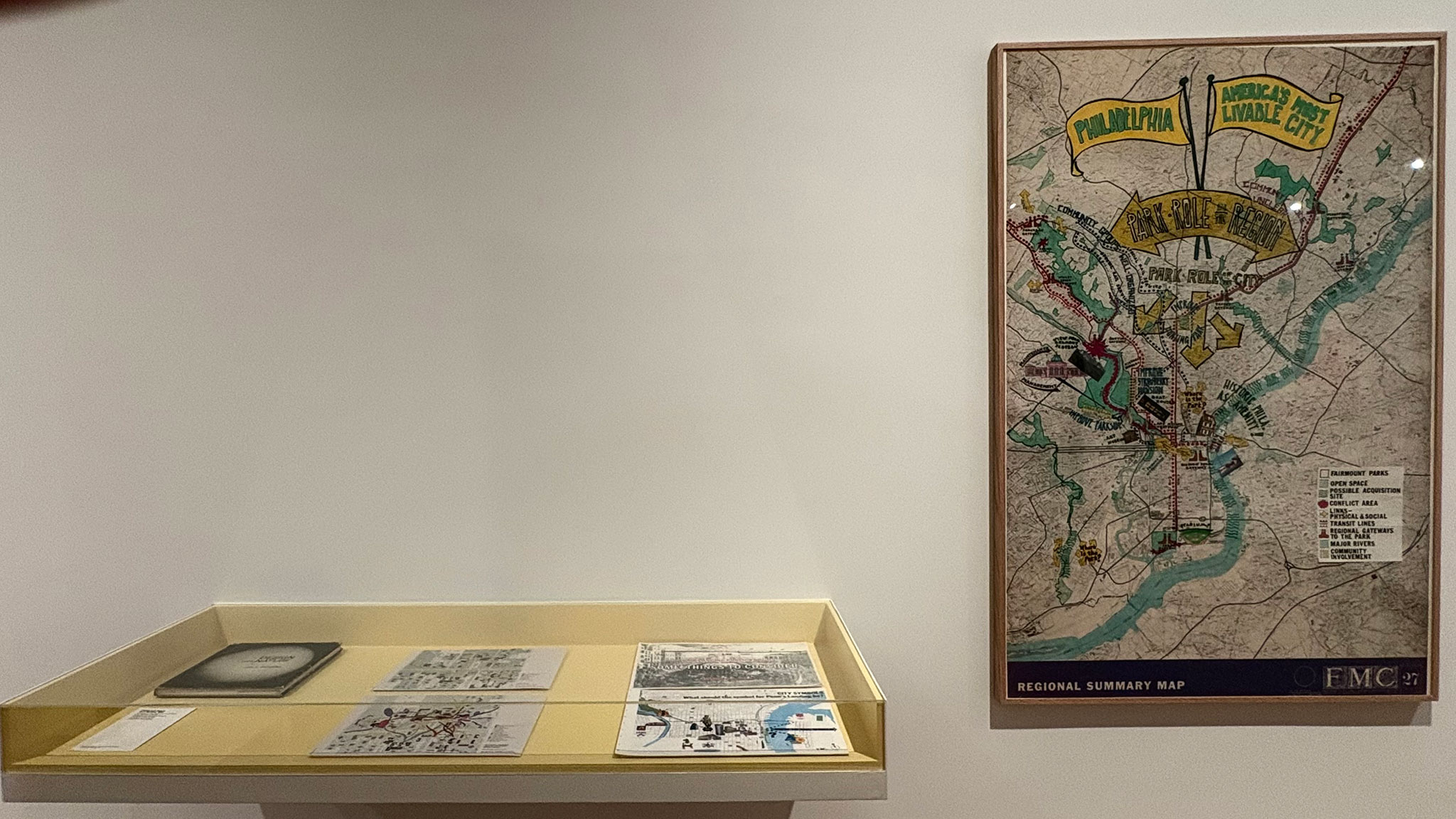
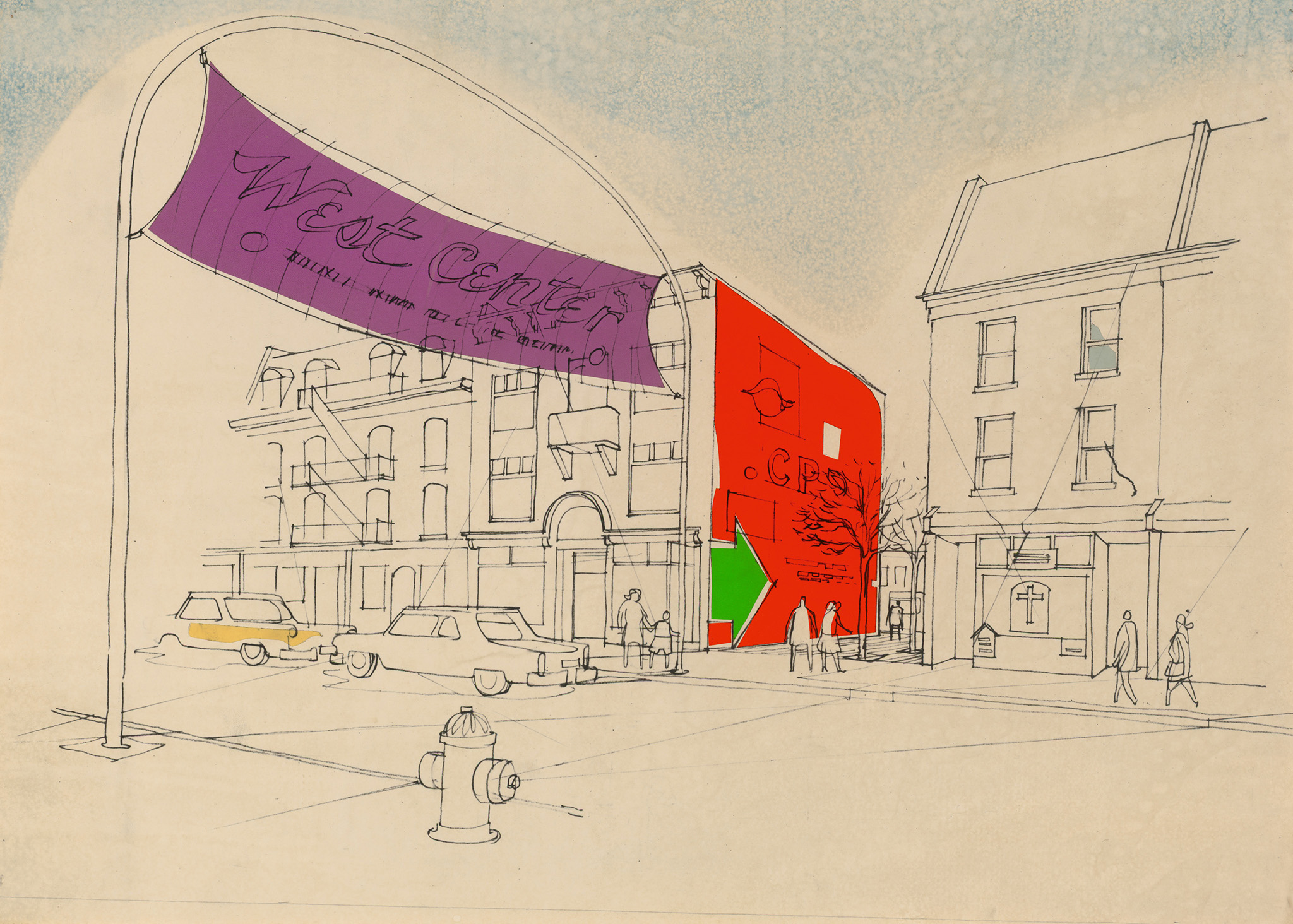
Philadelphia Crosstown Community Planning Study, South Street, Philadelphia. Venturi and Rauch; Denise Scott Brown (director), 1968-1972.

Scott Brown worked during the complex period of continuity and crisis in the Modern Movement, a moment characterized by fundamental changes in theorizing about architecture and the city. In this context, the theoretical reflection ceased to be the exclusive domain of an intellectual elite represented by critics and historians and came to be addressed by the architects and urban planners themselves. These theoretical explorations, in turn, reached a broader audience thanks to the popularization of specialized periodicals. Denise Scott Brown’s intense theoretical and disseminative activity confirms her commitment to these professional currents, as evidenced in her extensive list of publications, including books, articles, projects, monographs, reviews, and opinion pieces.

After beginning her teaching career in the early 1960s, she established a historic academic and professional collaboration with Robert Venturi in the United States. Despite having markedly different backgrounds and influences, Scott Brown and Venturi successfully merged their working methods, generating highly influential teaching and design strategies. Of particular note is her unprejudiced approach to the American postindustrial landscape, the Urban Sprawl, an urban phenomenon that at the time sparked intense global debate.
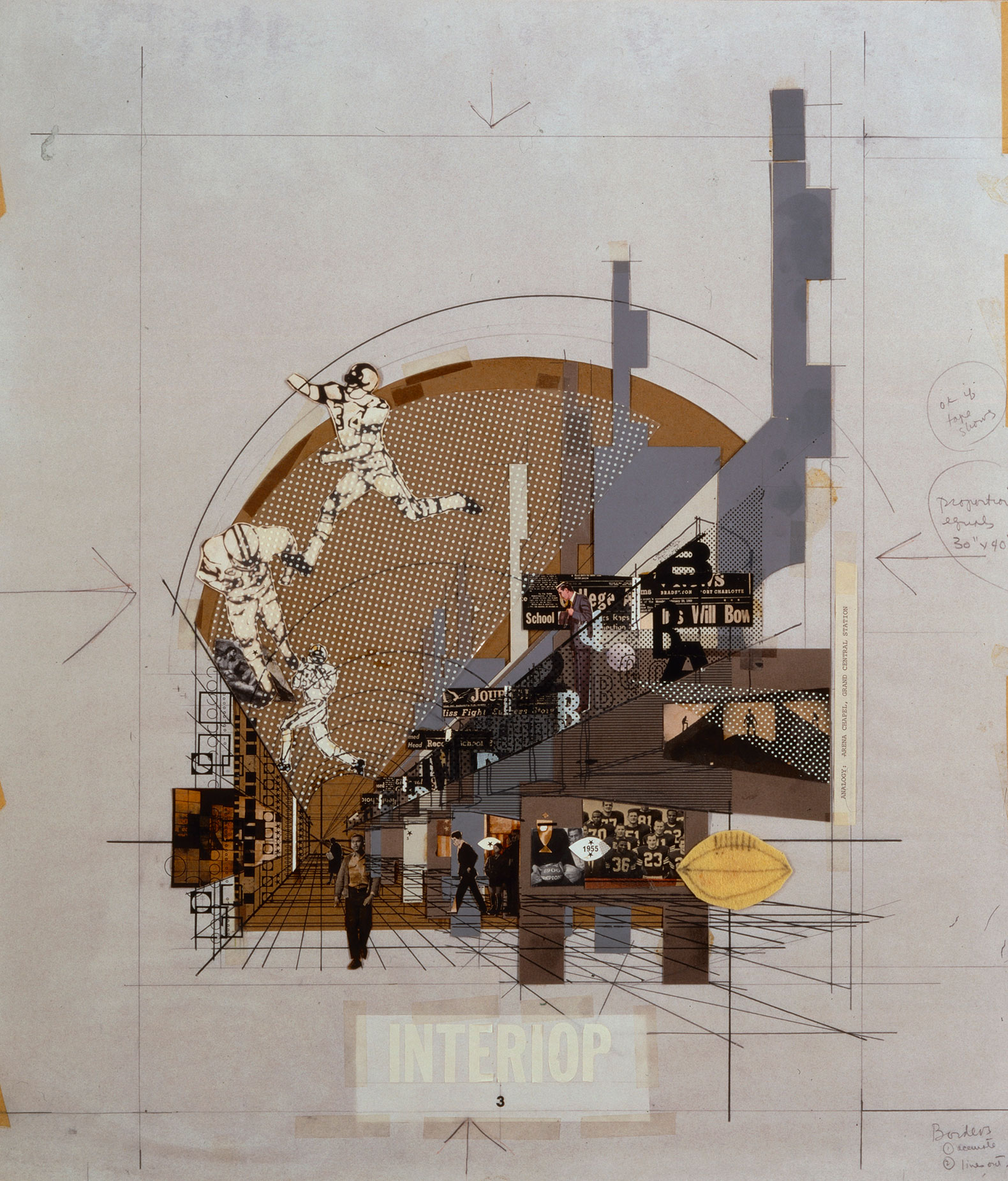
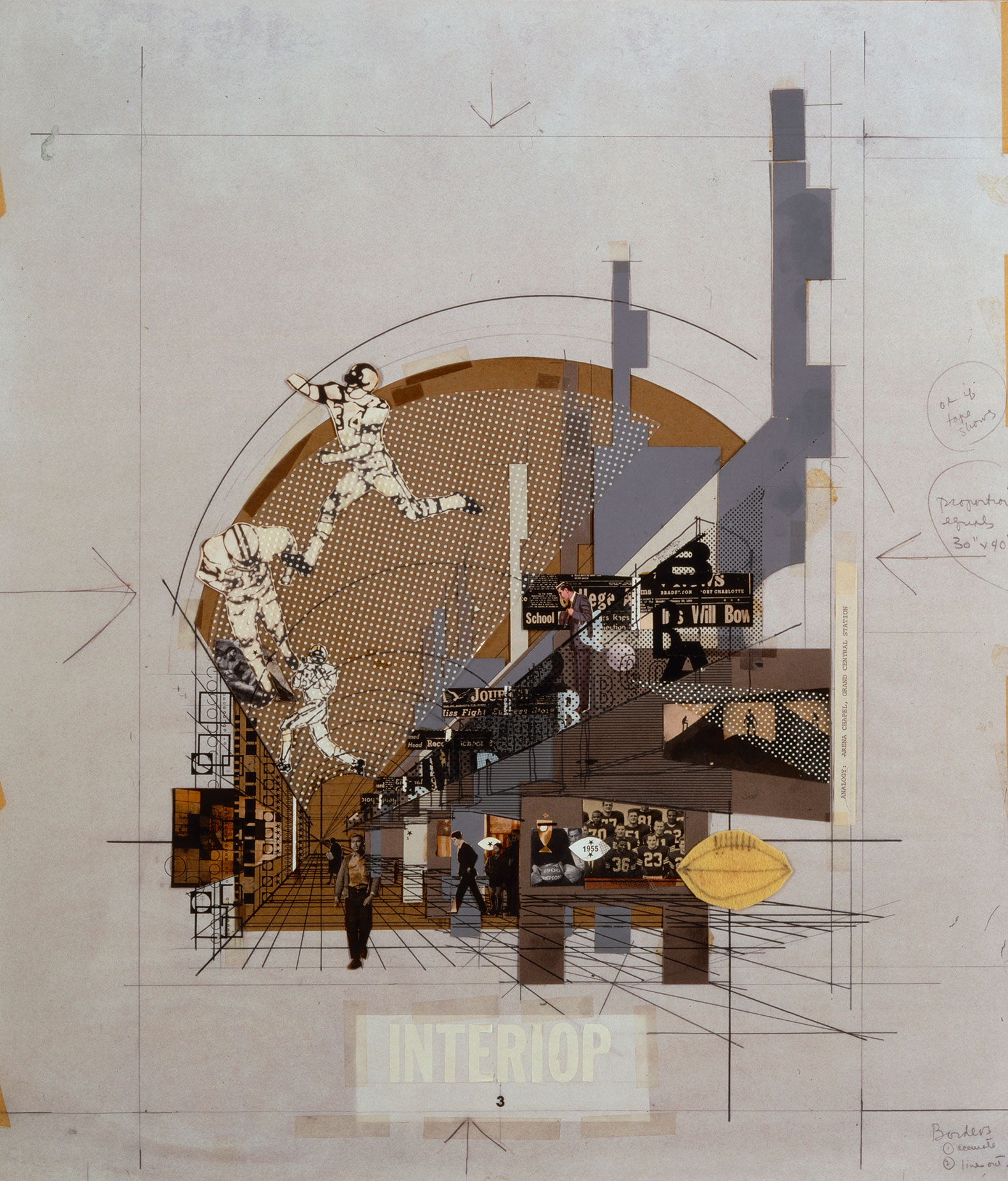
National Collegiate Football Hall of Fame, Competition, Piscataway, New Jersey. Venturi and Rauch, 1967.

National Collegiate Football Hall of Fame, Competition, Piscataway, New Jersey. Venturi and Rauch, 1967.

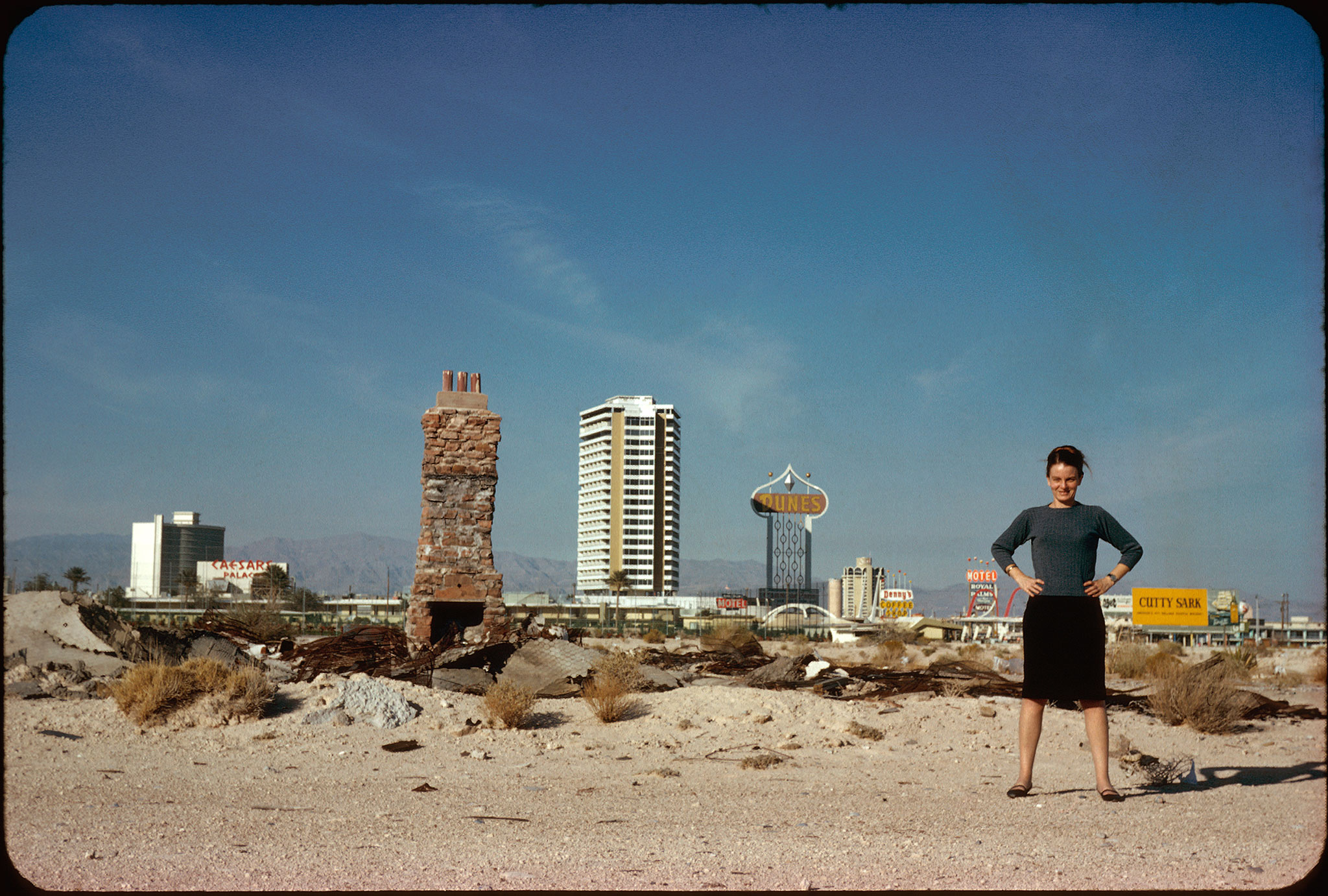
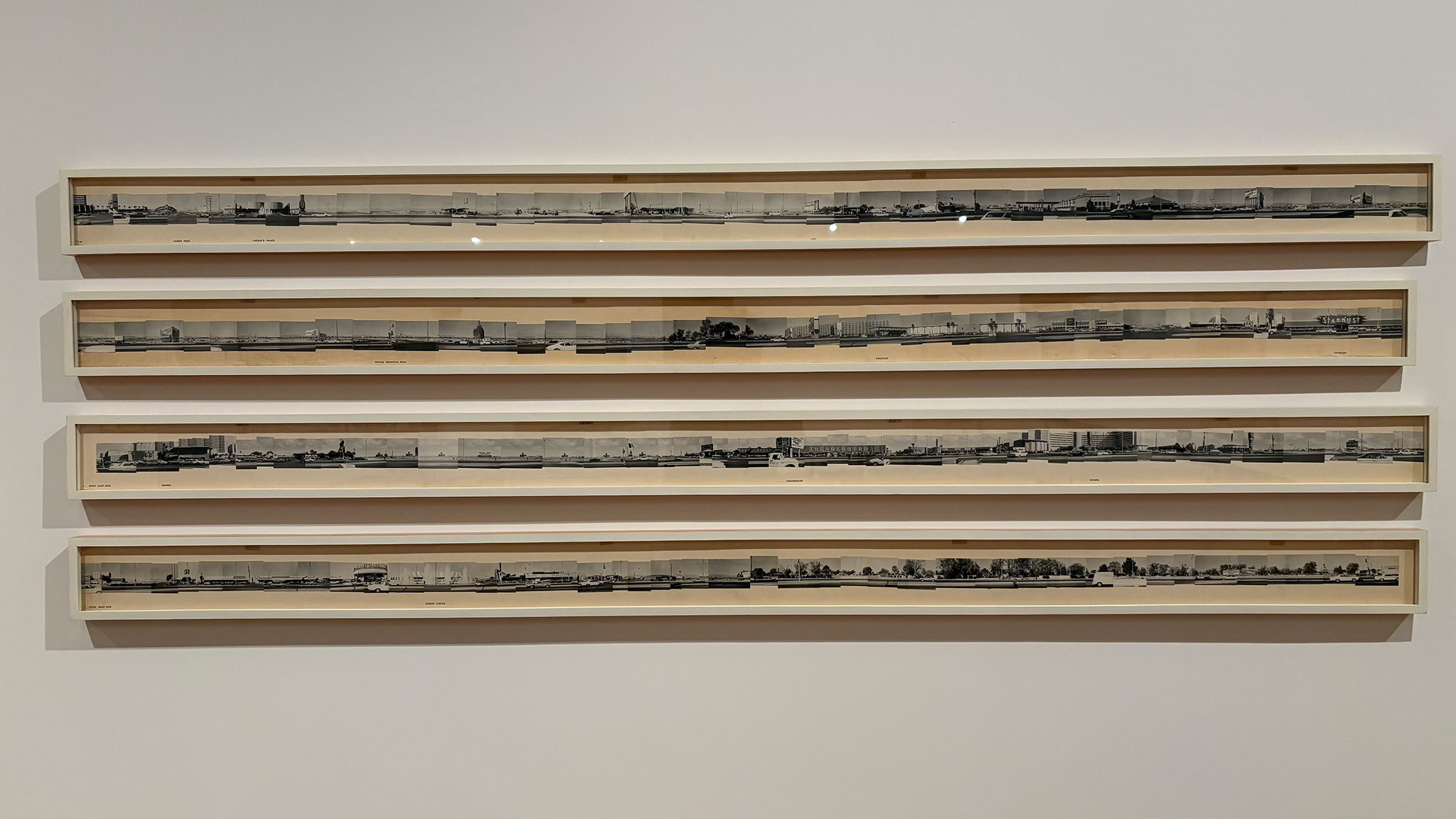
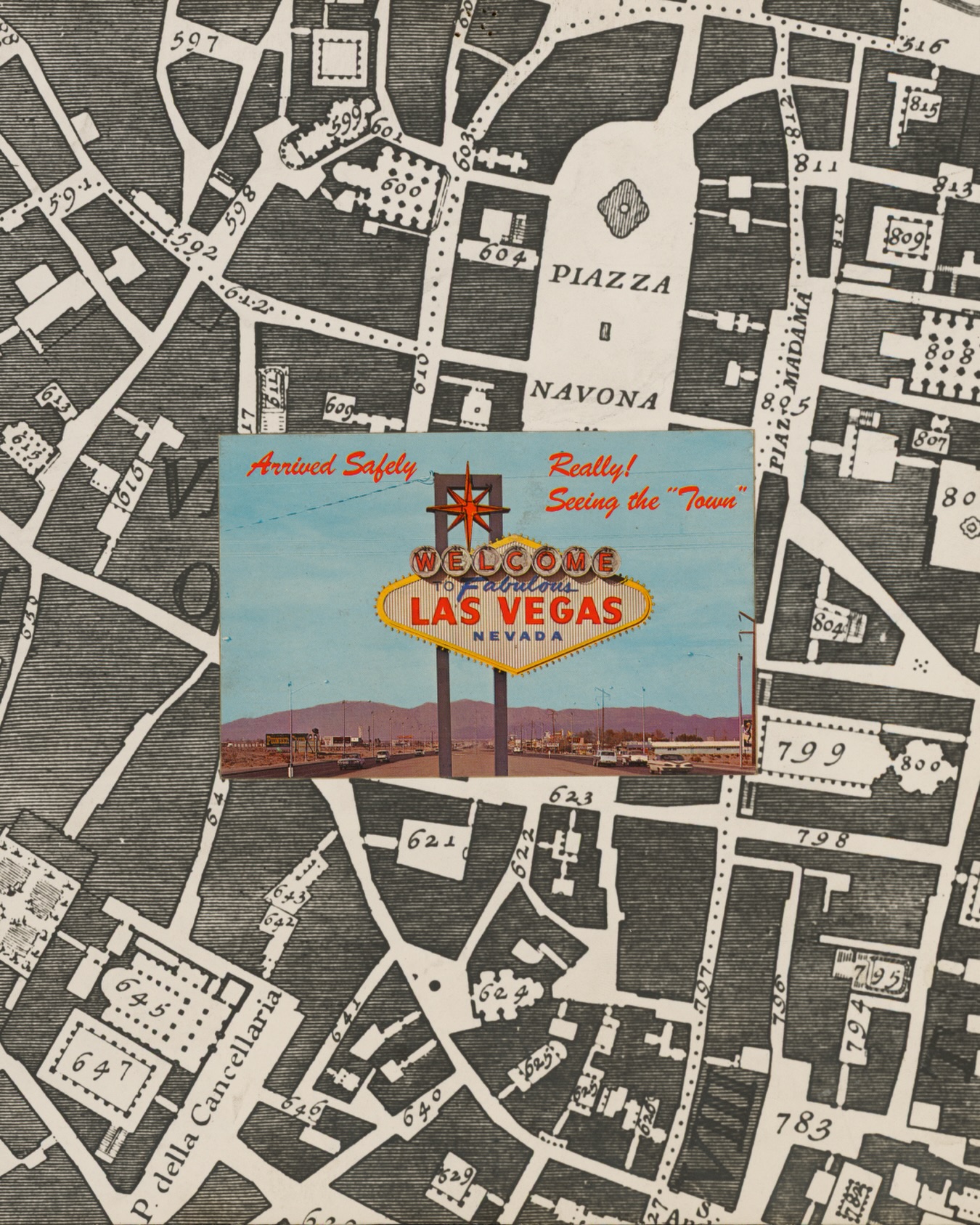
From this perspective emerged the research that culminated in Learning from Las Vegas (1968–1972), written with Robert Venturi and Steven Izenour. This work was not only a critical stance against modern architectural methods but also a profound analysis of the physical impact of consumer society on the urban fabric. This seminal text made it possible to recognize the communicative complexity of postmodernity and its effect on the city.

In the architect’s trajectory, this project—which encompassed the 1968(1) article, the Yale workshop(2), and the book published for the first time in 1972(3)—has a direct conceptual precursor in her text "The Meaningful City" (1965)(4). In this text, Scott Brown already theorized in advance about the communicative capacity of the urban scene and empirically introduced key concepts such as "Urban Agnosia," highlighting citizens’ inability to interpret the symbolic order within the apparent chaos of the modern city. Other highly influential research by Scott Brown includes Learning from Levittown and the work underpinning the exhibition “Signs of Life: Symbols in the American City”, organized for the United States Bicentennial in 1976.
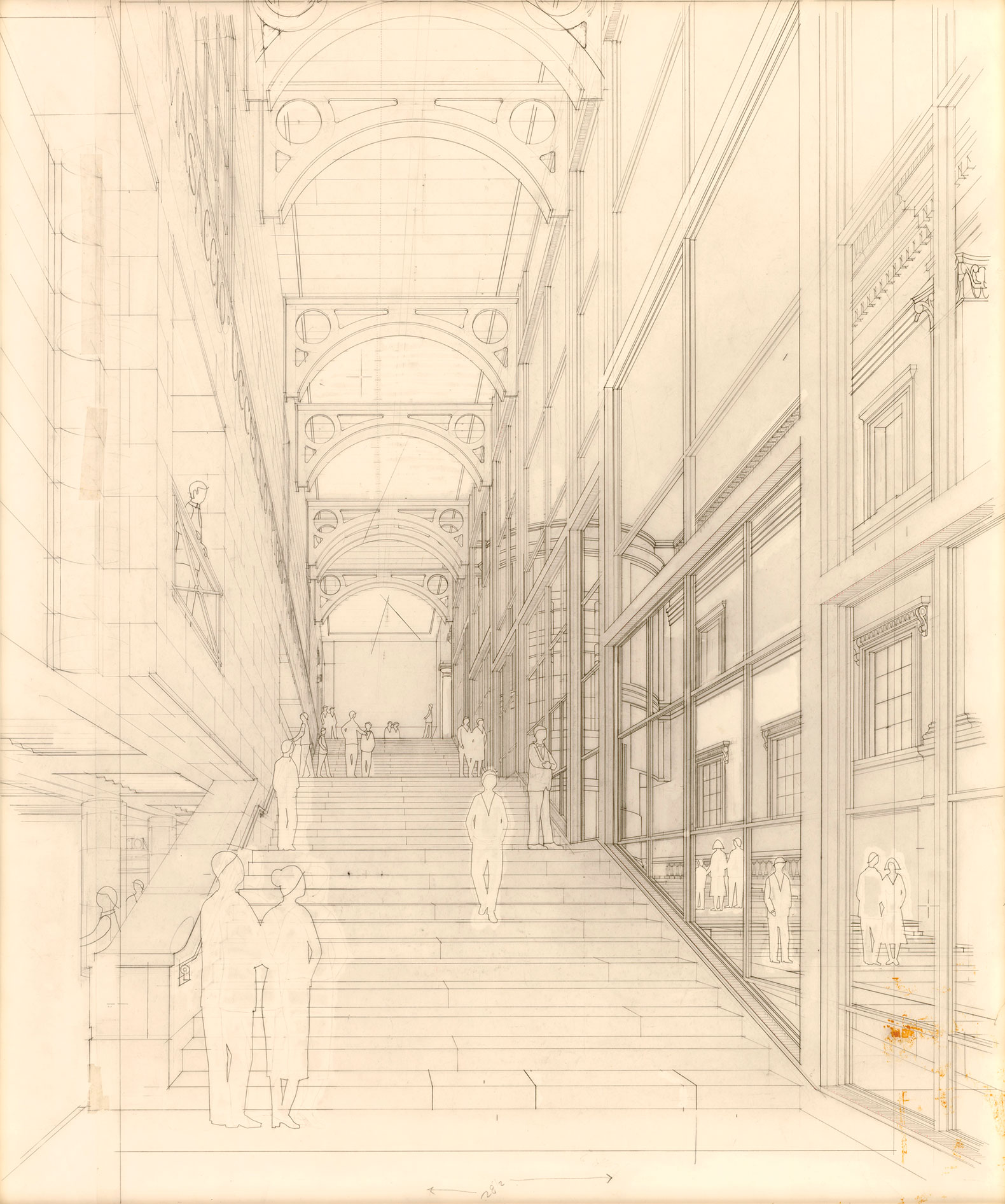
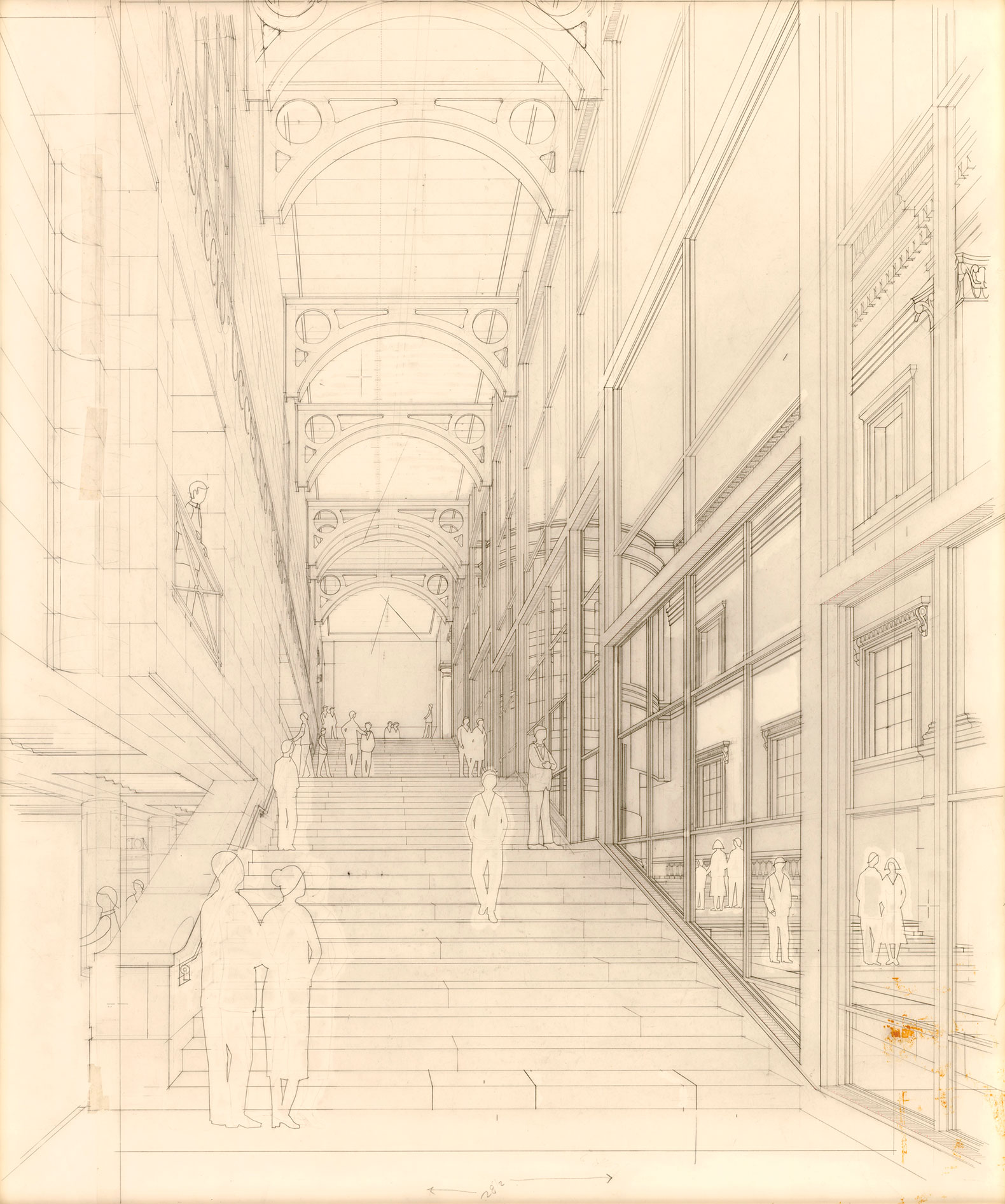
Sainsbury Wing, National Gallery, London. Venturi, Rauch and Scott Brown, 1985-1991.

Sainsbury Wing, National Gallery, London. Venturi, Rauch and Scott Brown, 1985-1991.

Throughout much of her work, Scott Brown drew on certain themes and strategies from the Independent Group (including Alison Smithson and Peter Smithson), which had profoundly influenced her during her time in London; among these, photography played a central role in her work. The title of the exhibition CITY. STREET. HOUSE., as it encapsulates her work, also implies an implicit acknowledgment of the influence of concepts such as “Hierarchies of Association” introduced by the Smithsons within the framework of the CIAM, based on the complexity of human relationships occurring in specific components of urban life: the house, the street, the district, and the city.

Scott Brown has explored revolutionary possibilities for collaboration among architecture, urbanism, art, and the social sciences. She has taught generations to construct non-orthodox discourses in favor of understanding the city as a byproduct of the society that inhabits it, rather than as a mere artifact.

NOTES.-

1. SCOTT BROWN, Denise & Robert VENTURI. “A Significance of A&P Parking Lots, Or Learning from Las Vegas.” Architectural
Forum. 73 (March 1968).
2. Titled: Form Analysis as Design Research (taught with Robert Venturi in the fall of 1968). 
3. VENTURI, Robert; Denise SCOTT BROWN & Steven IZENOUR. Learning from Las Vegas. Cambridge, MA: MIT Press, 1972. 
4. SCOTT BROWN, Denise. “The Meaningful City.” AIA Journal. (January, 1965): 27-32.
More information

+ + copy Created with Sketch.
- + copy Created with Sketch.
Label
Curators
Text

mayorga + fontana arquitectura.- Maria Pia Fontana, Miguel Mayorga.

+ + copy Created with Sketch.
- + copy Created with Sketch.
Label
Collaborators
Text

Sponsor.- Petronor.
Collaborator.- metro bilbao.

+ + copy Created with Sketch.
- + copy Created with Sketch.
Label
Dates
Text

February 11, 2026 - May 31, 2026.

+ + copy Created with Sketch.
- + copy Created with Sketch.
Label
Location
Text

Bilbao Museum. Museo Plaza, Artetxe Condearen Zumarkalea, 2, Abando. 48009 Bilbao, Vizcaya-Bizkaia, Spain.

+ + copy Created with Sketch.
- + copy Created with Sketch.
Label
Photography
+ + copy Created with Sketch.
- + copy Created with Sketch.

Denise Scott Brown (born as Denise Lakofski, in Nkana-Kitwe, Northern Rhodesia -now Zambia-, October 3rd 1931) is a postmodern architect, urbanist, writer and teacher. Expert in urban and educational planning at universities such as Berkeley, Yale and Harvard, she wrote in 1972 in collaboration with Robert Venturi and Steven Izenour Learning from Las Vegas: the forgotten symbolism of architectural form, one of the most influential books in architecture in the second half of the twentieth century. 

She is considered the most famous woman architect of the second half of the twentieth century. She married Robert Venturi in 1967, and they have worked together since 1969, but in 1991, she was excluded from the Pritzker Prize, prompting protests and debates about the difficulties of women architects to be recognized in their profession. Finally, they were awarded jointly with the AIA Gold Medal 2016, becoming the second woman in history to win the most prestigious award in the world of architecture and the first living woman to receive this galardón. She is a member of the architectural Studio Venturi, Scott Brown and Associates of Philadelphia (USA), which, in 2012, following the retirement of Venturi, became VSBA Architects & Planners.

Read more

mayorga + fontana arquitectura is an architecture studio founded in Barcelona by Maria Pia Fontana and Miguel Mayorga, in 1998.

Miguel Mayorga. Architect, graduated from the National University of Colombia (1993) and the Rovira i Virgili University. Studied Biology at the National Pedagogical University (1988). Master's degree in Urban Planning and PhD in Territorial Management from the Polytechnic University of Catalonia (2013). Professor in the Department of Urban Planning, Territory and Landscape (DUTP-ETSAB-UPC) and the Department of Civil and Environmental Engineering (ETSECCPB-UPC) and EPSEB-UPC, teaching courses on Urban Planning and Territorial Development; Urban and Infrastructure Projects; Urban and Territorial Metabolism; Smart Cities, Smart Territories & Smart Land; History and Art of Public Works; among others. He has also been a Professor in the Doctoral Program in Sustainability, Technology, and Humanism (IS.UPC). He teaches Smart Territories in the Urban Planning degree program at Universidad de la Salle (Bogotá) and is a collaborating professor in the Master's program in City and Urban Planning (UOC). He has been a visiting professor at several universities in Spain, Portugal, Italy, and Latin America. A member of the Barcelona Urban Planning Laboratory (LUB-ETSAB-UPC), he has been affiliated with the EXIT and FORM+ research groups (UPC) and the interdisciplinary group IntraScapeLab (UPC). He has carried out consulting work and developed urban plans, programs, and projects in Spain, Colombia, Italy, Greece, Brazil, and Honduras; and in Barcelona, ​​he has served as an urban planning advisor for the Department of Ecology, Urban Planning, and Mobility of the Barcelona City Council.

Maria Pia Fontana. An architect by training, having graduated from the Faculty of Architecture at the University of Naples Federico II, she completed her studies at the Naples school and the Graz University of Technology (1997). She holds a PhD in Architectural Projects from the ETSAB-UPC (2012). She has also completed postgraduate studies in Urban Planning (2000) and Graphic and Editorial Design (2001) in Barcelona. Currently, she is a professor in the Department of Architectural Projects at the ETSAB-UPC. She has previously taught in the Department of Projects at the Higher Polytechnic School of the University of Girona (EPS-UdG) and was a researcher with the REARQ group. She teaches in the Master's Program in City Management and Urban Planning at the Open University of Catalonia (UOC) and in the Smart Territories course within the Urban Planning degree program at La Salle University (Bogotá). She completed a postdoctoral teaching and research stay at the Faculty of Engineering and Architecture of the National University of Colombia (Manizales campus) (2014). She has been a visiting professor at several universities in Italy, Spain, Portugal, the USA, Mexico, Chile, Ecuador, Argentina, and Colombia. She is affiliated with the FORM+ research group (UPC) and the Architecture and Territory group (UdG).

She is a member of the evaluation committee for the Smart City Expo World Congress in Barcelona (SCEWC) and collaborates as a professor with the Sert School of the College of Architects of Catalonia (COAC). She works, researches, and publishes on topics related to urban planning, sustainability, mobility, public space, and new technologies applied to urban projects.

Read more
Published on: February 15, 2026
Cite:
metalocus, HEIDY GONZÁLEZ
"«Denise Scott Brown. City. Street. House» at the Bilbao Museoa" METALOCUS. Accessed
<http://www.metalocus.es/en/news/denise-scott-brown-city-street-house-bilbao-museoa> ISSN 1139-6415
Loading content ...
Loading content ...
Loading content ...
Loading content ...
Loading content ...
Loading content ...
Loading content ...
Loading content ...
Loading content ...
Loading content ...
Loading content ...
Loading content ...
Loading content ...
Loading content ...
Loading content ...
Loading content ...
Loading content ...
Loading content ...
Loading content ...
Loading content ...
Loading content ...
Loading content ...
Loading content ...
Loading content ...
Loading content ...
Loading content ...
Loading content ...
Loading content ...
Loading content ...
Loading content ...
Loading content ...
Loading content ...
Loading content ...
Loading content ...
Loading content ...
Loading content ...
Loading content ...
Loading content ...
Loading content ...
Loading content ...
Loading content ...
Loading content ...
Loading content ...
Loading content ...
Loading content ...
Loading content ...
Loading content ...
Loading content ...
Loading content ...
Loading content ...
Loading content ...
Loading content ...
Loading content ...
Loading content ...

Our selection

Denise Scott Brown, Patricia Llosa, Jane Drew, Annabelle Selldorf, Lina Bo Bardi, Lu Wenyu, Cecilia Puga, Magui Peredo, Alexia León and Manuelle Gautrand
The National Gallery’s Sainsbury Wing by Robert Venturi and Denise Scott Brown. Courtesy Timothy Soar | Venturi, Scott Brown and Associates, Inc.
Downtown Denise Scott Brown, exhibition at AzW
Denise Scott Brown
Cover of Complexity and Contradiction in Architecture published by The Museum of Modern Art