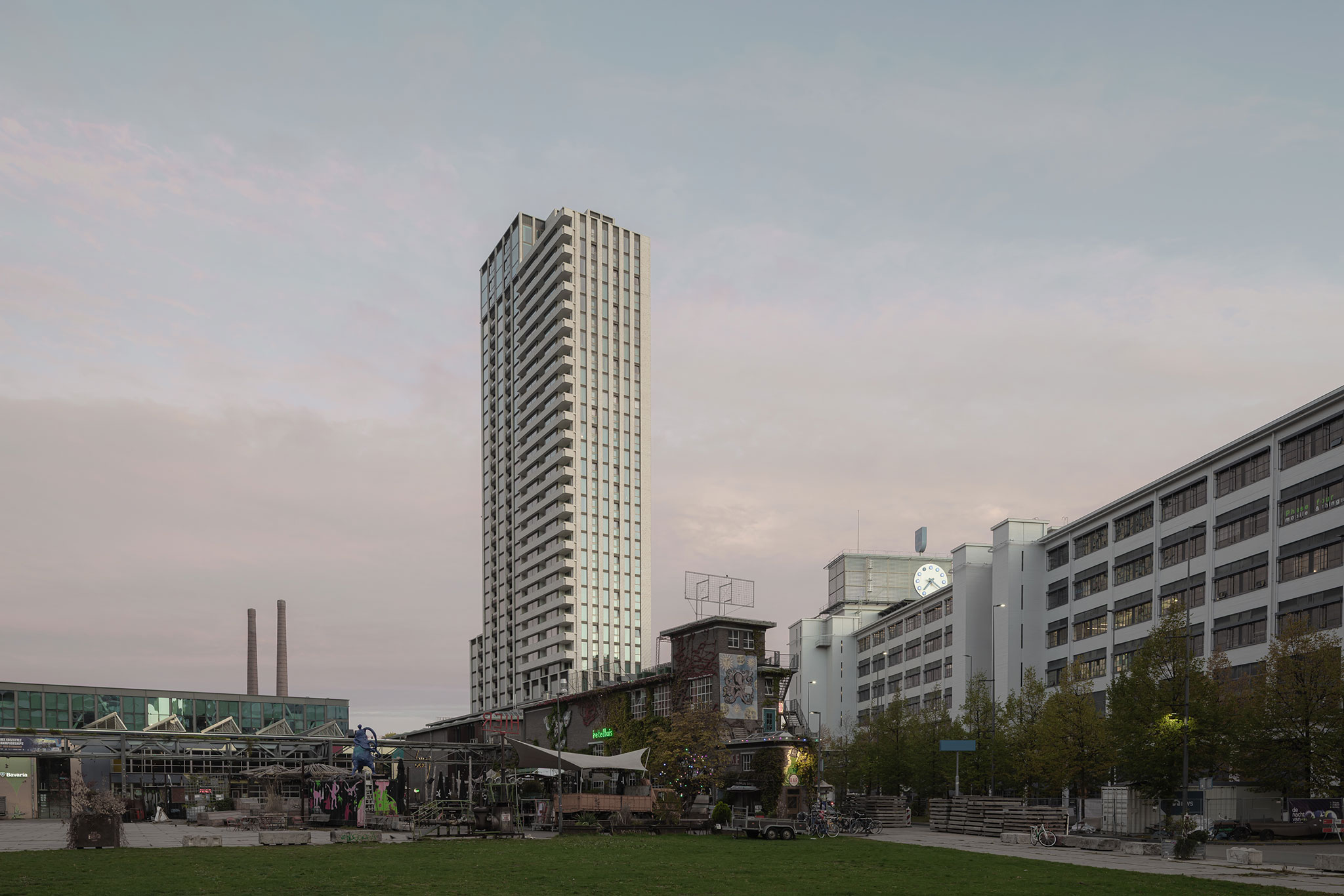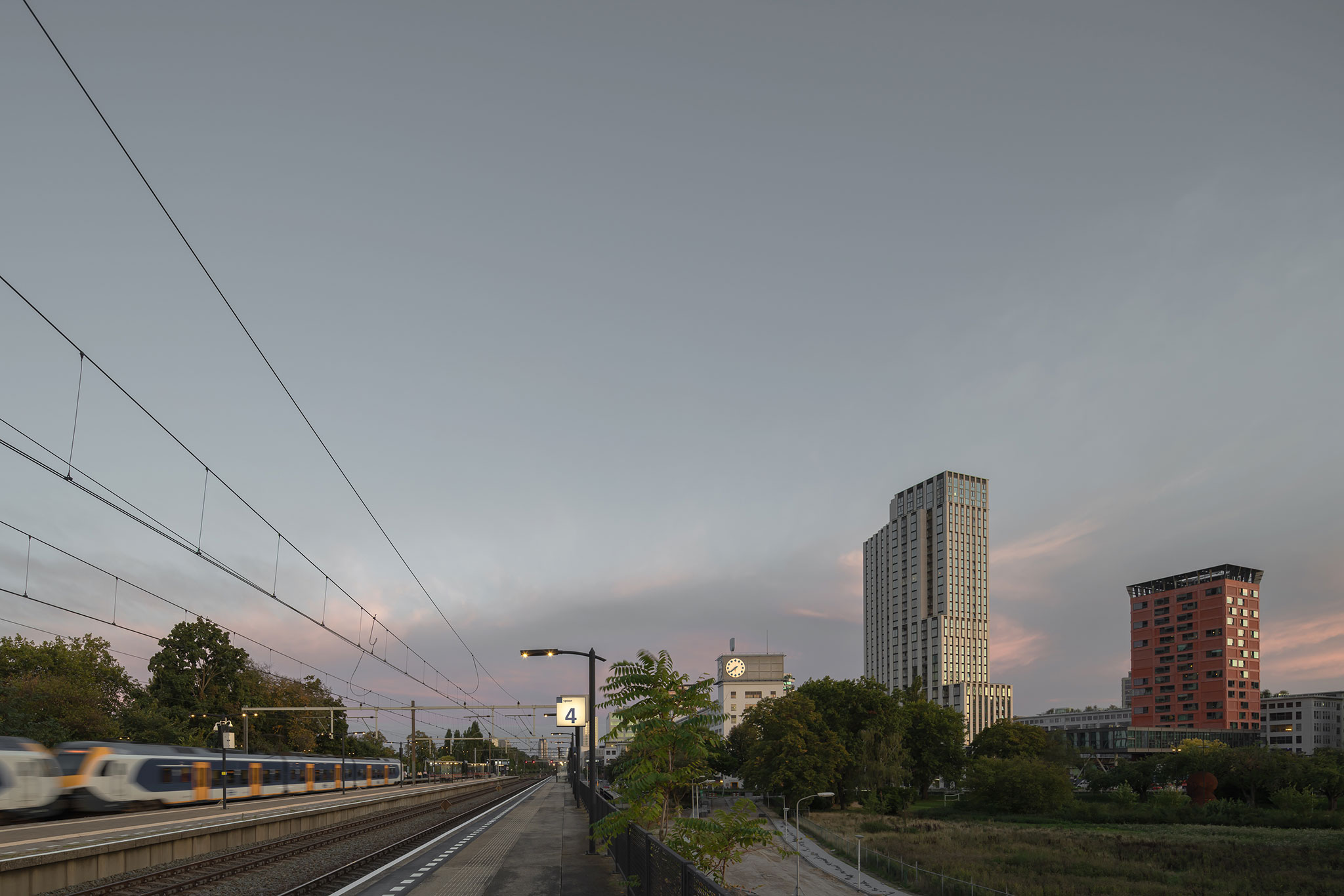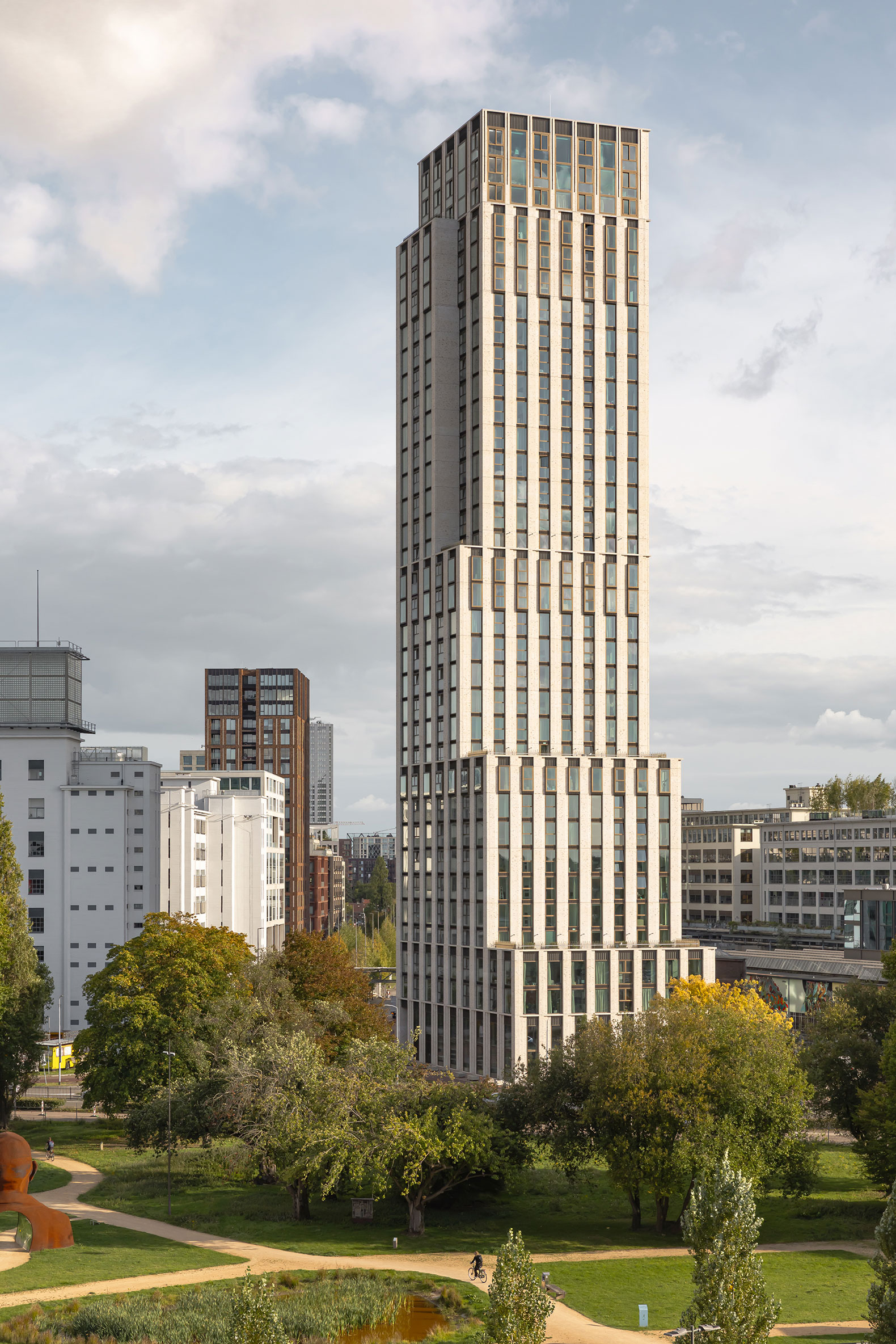
De Zwarte Hond has been the architectural practice commissioned to design "Lighthouse", Eindhoven's new architectural landmark located in the Strijp-S neighbourhood, where the Philips factories that made this city in the south of the Netherlands famous were located until the mid-20th century.

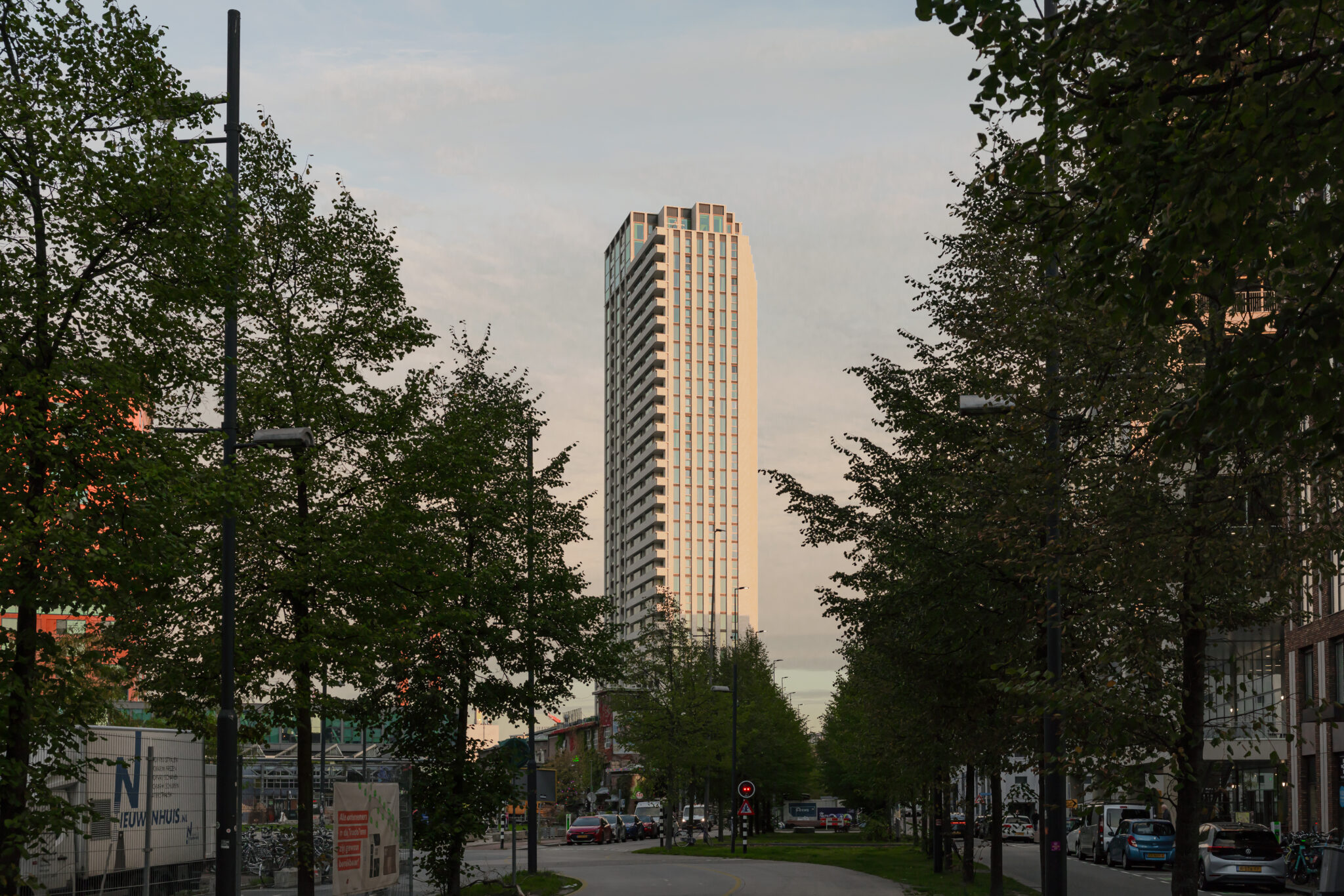
The building stands as a vertical sculpture that dialogues with the historic buildings in the area, integrating aesthetically into the environment while paying homage to the legacy of the "City of Light" through its careful night-time lighting on the façade and the lantern at the top.

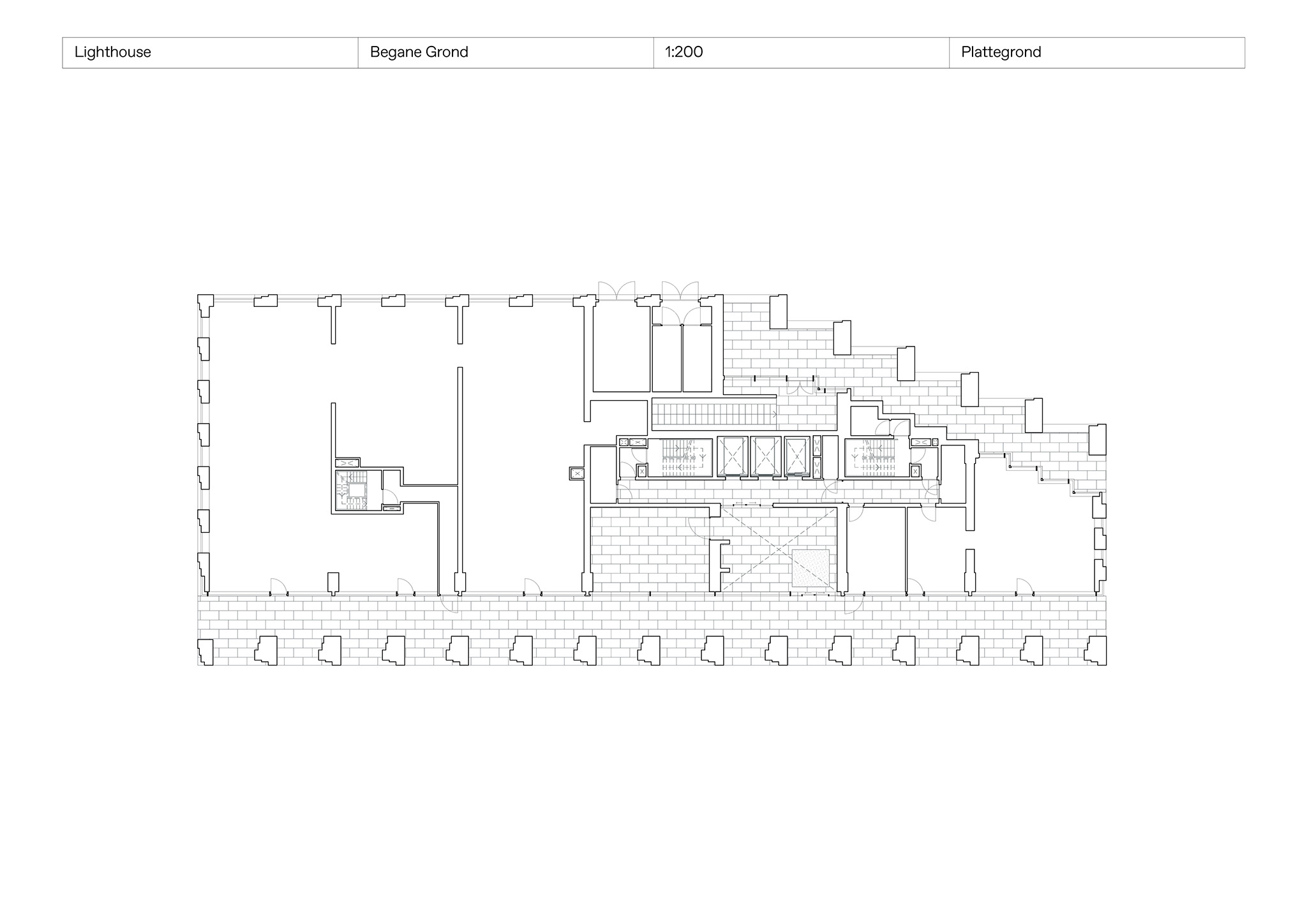
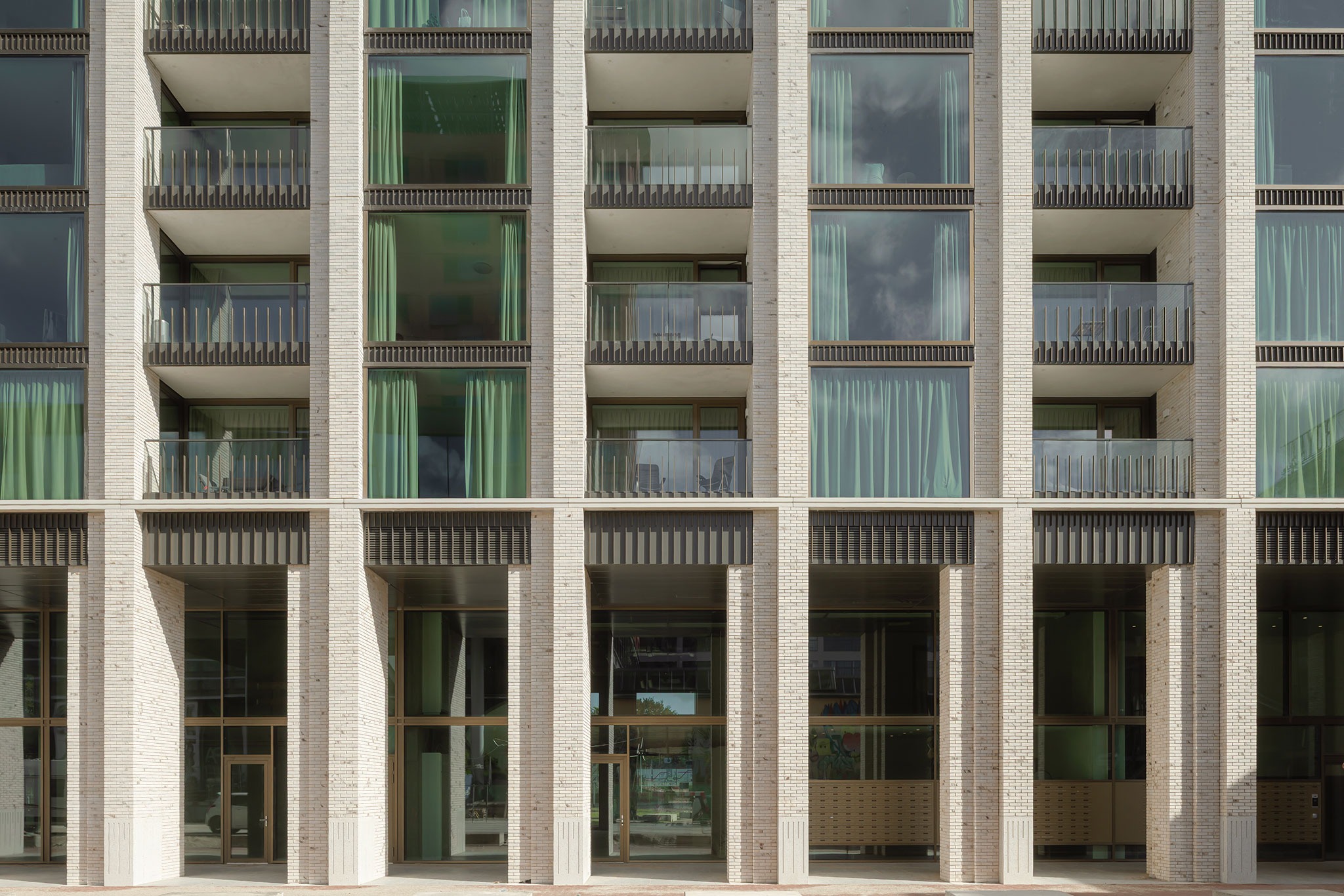
"Lighthouse" tower designed by De Zwarte Hond promotes urban living and maximises views and natural light, improving the quality of life for its future residents, who will have outdoor space in each of the homes in the form of “loggias” and rooftop gardens. The transparent plinth will house public services that will revitalise the urban environment. The basement will incorporate bicycle parking, promoting sustainable mobility.

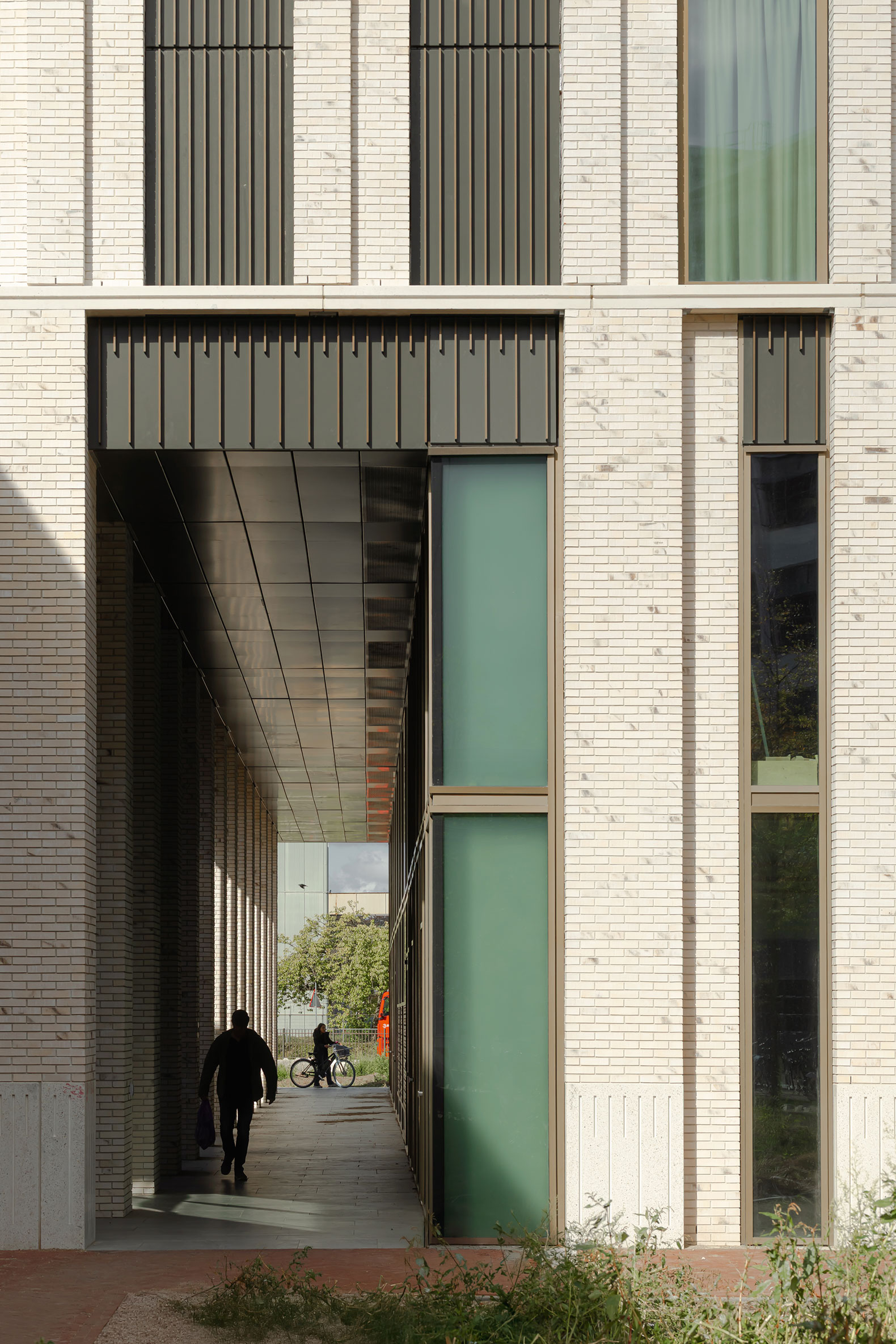
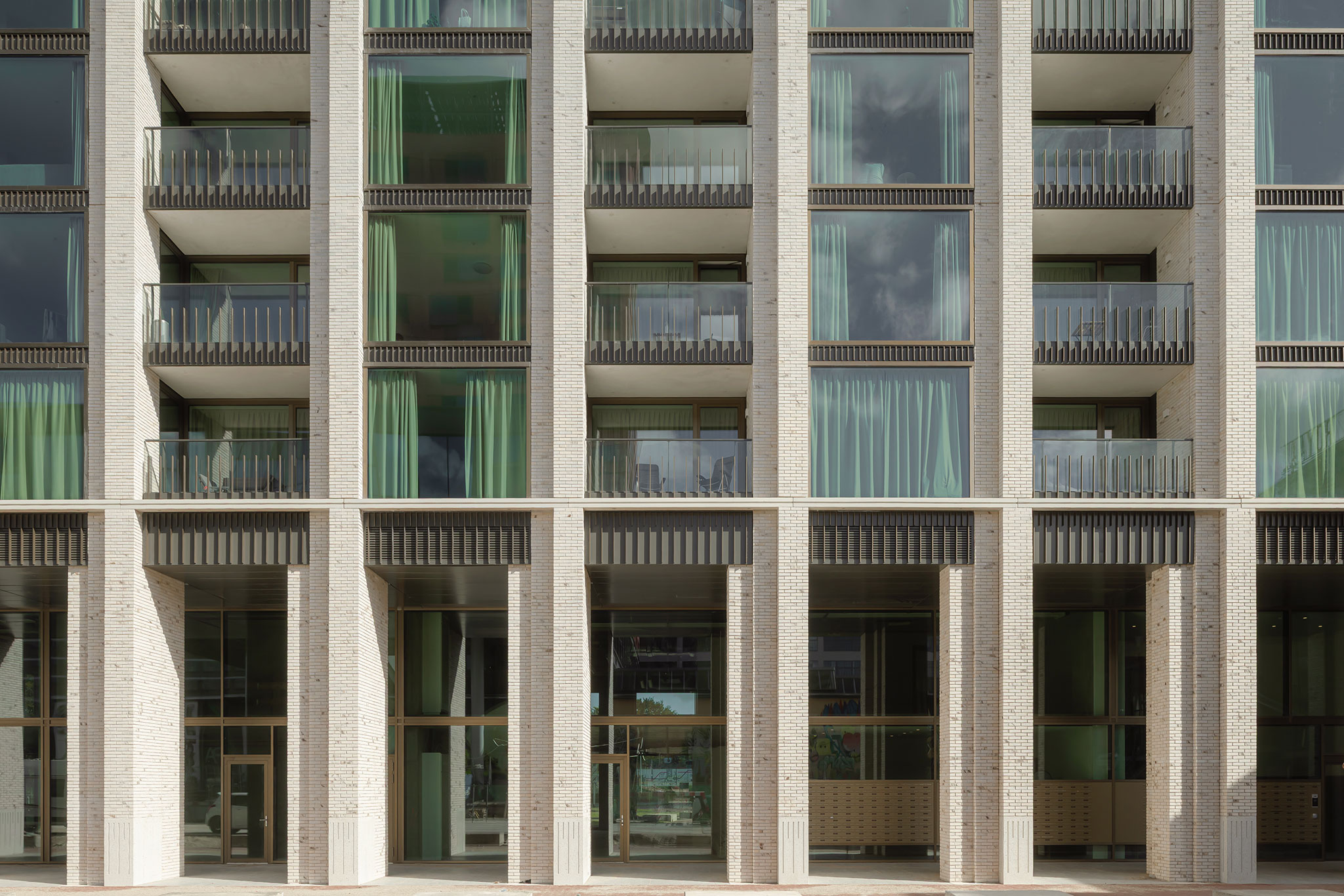
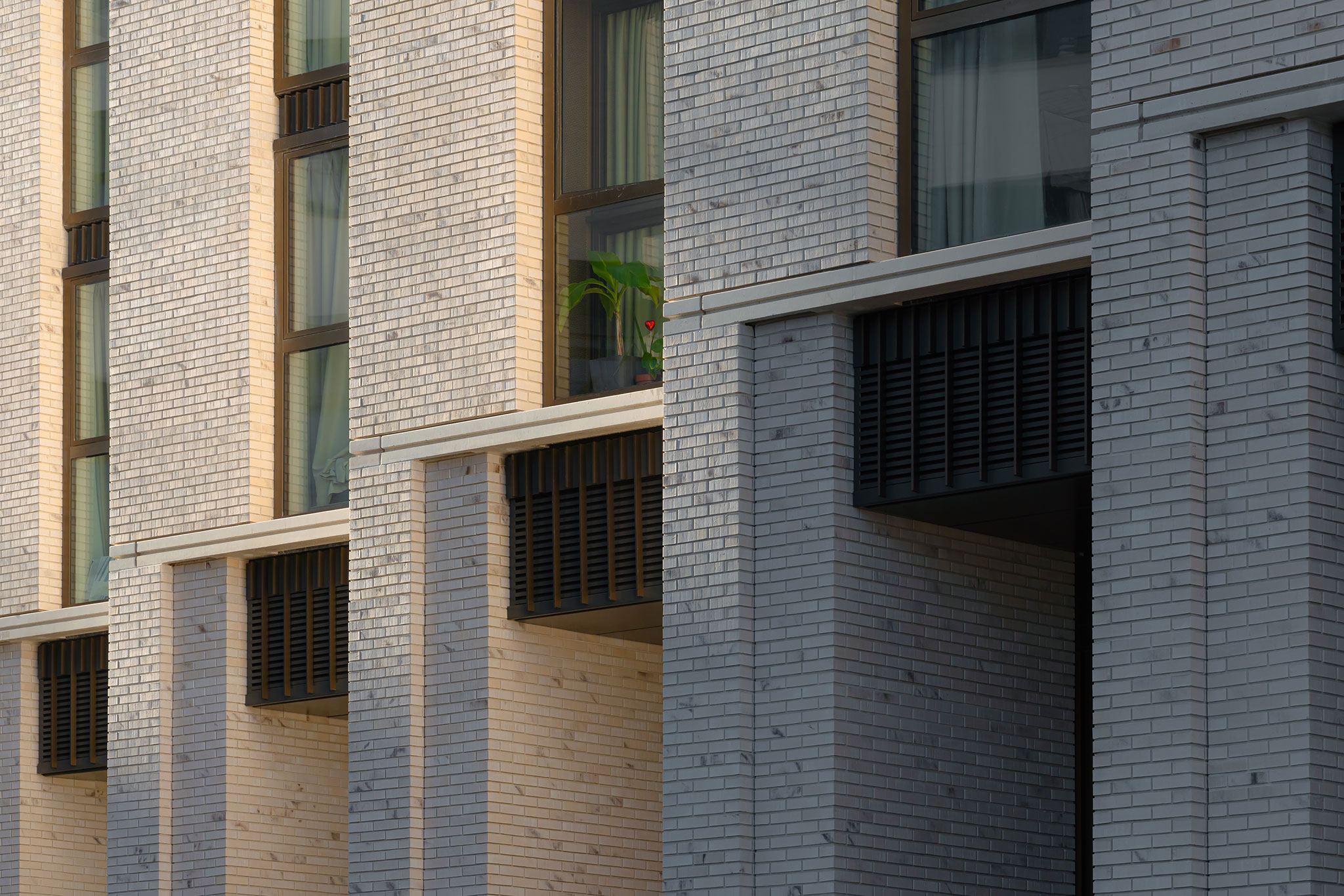
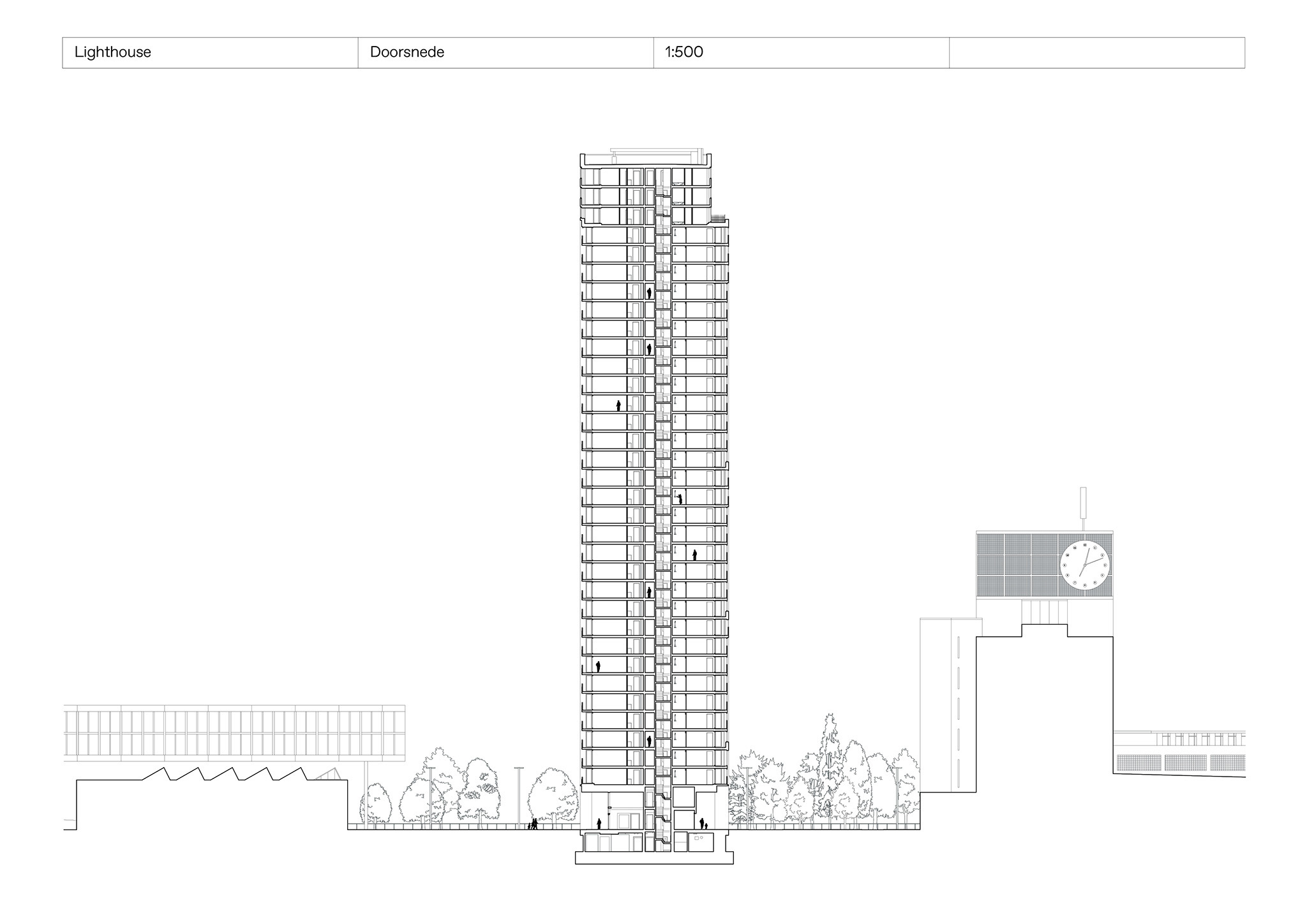
The structure of the residential building is defined by a stepped volume that combines brick, concrete, aluminium and glass in a robust façade with handcrafted details and a diagonal serration that creates visual continuity with the old engine room, respecting the industrial heritage so present in this town. 
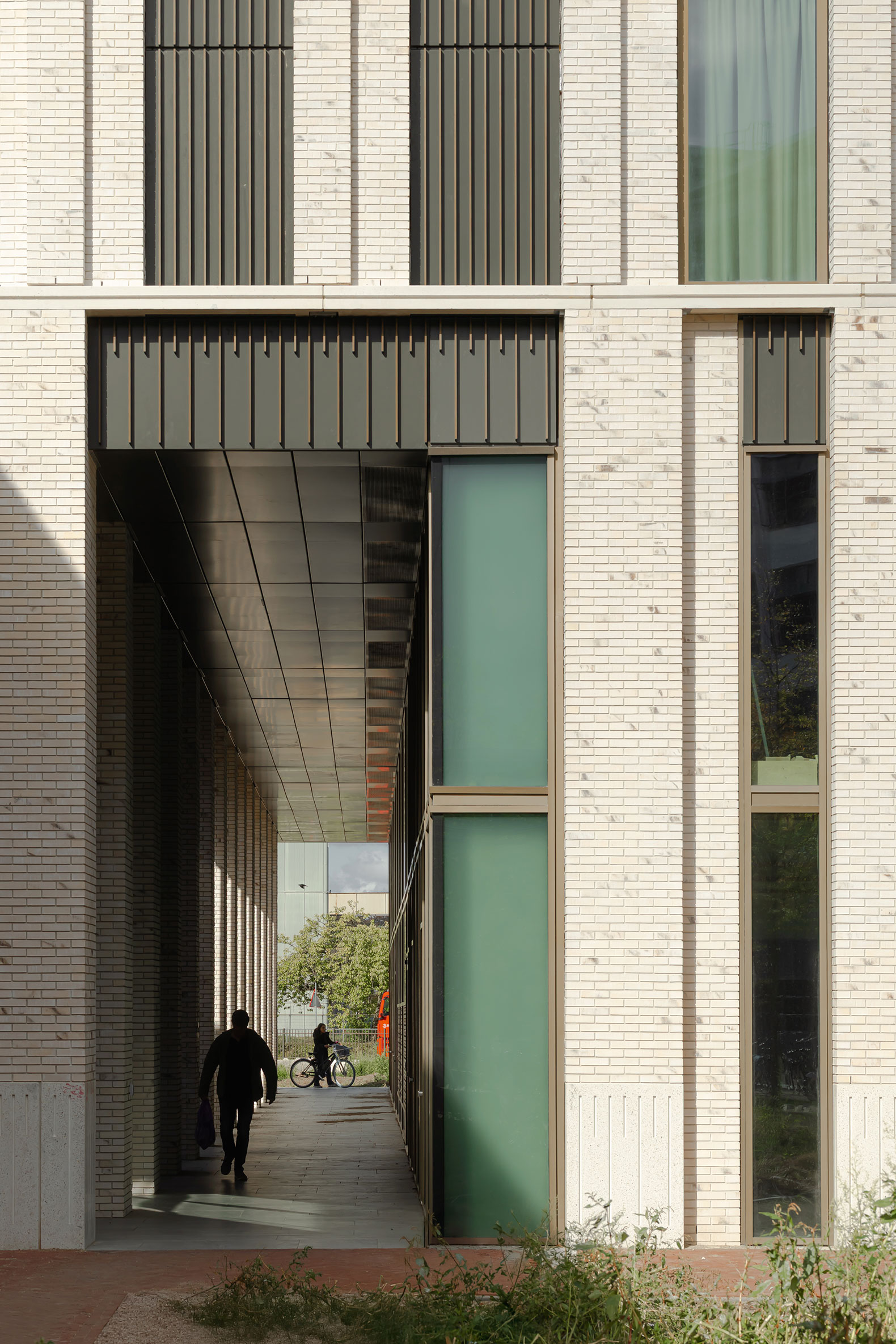
"Lighthouse" by De Zwarte Hond. Photograph by Sebastian van Damme.

"Lighthouse" by De Zwarte Hond. Photograph by Sebastian van Damme.

Project description by De Zwarte Hond

The Strijp-S area development
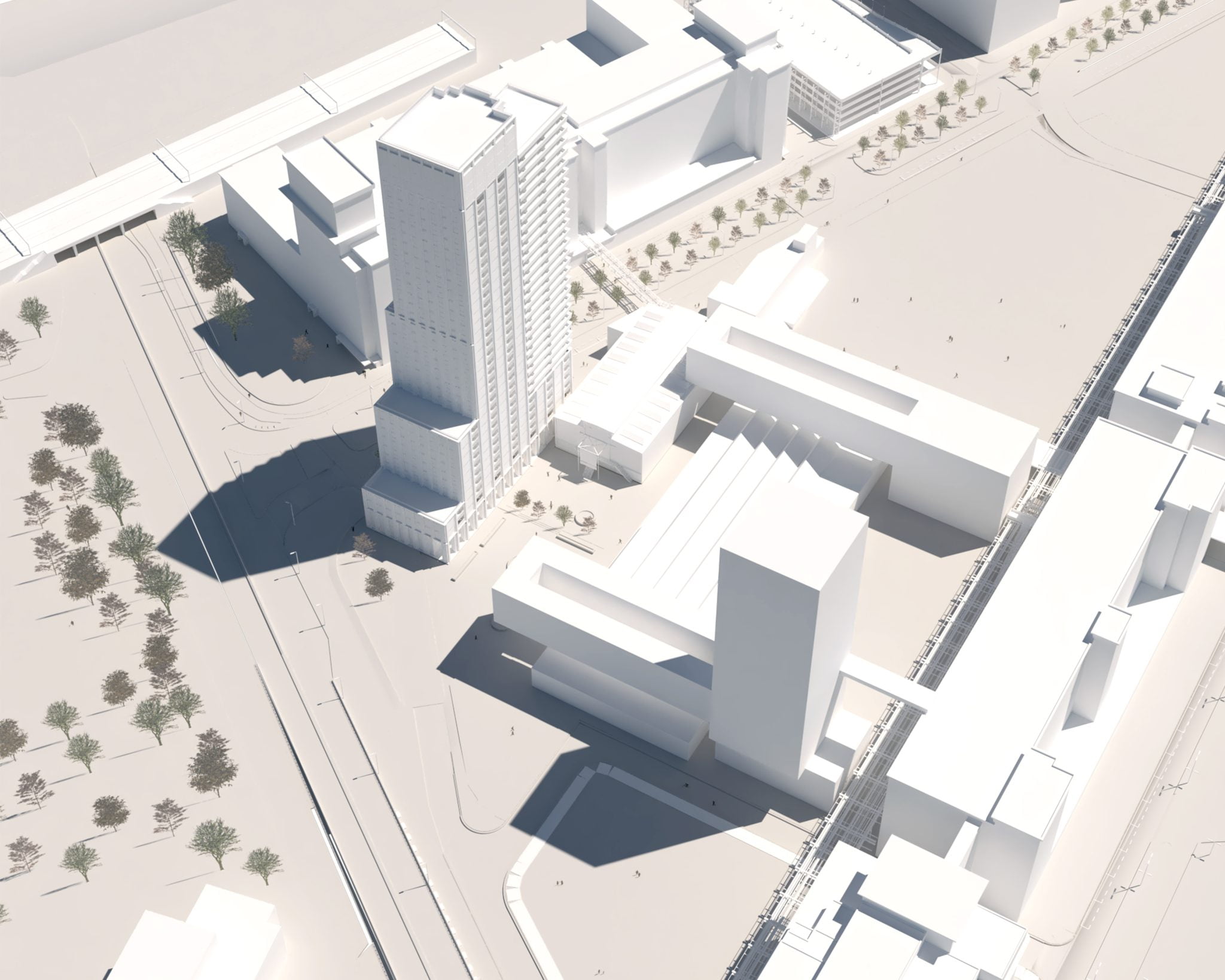
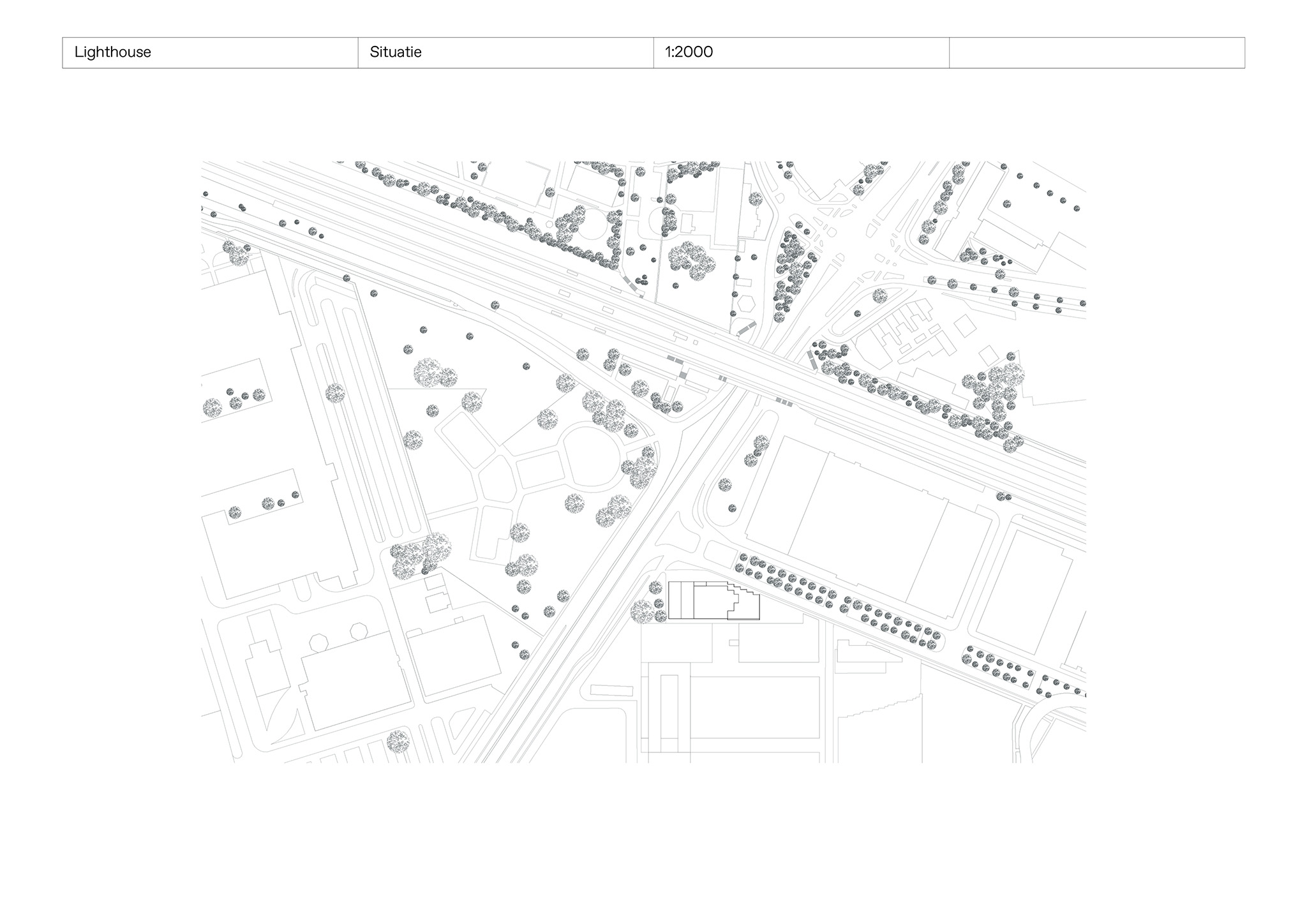
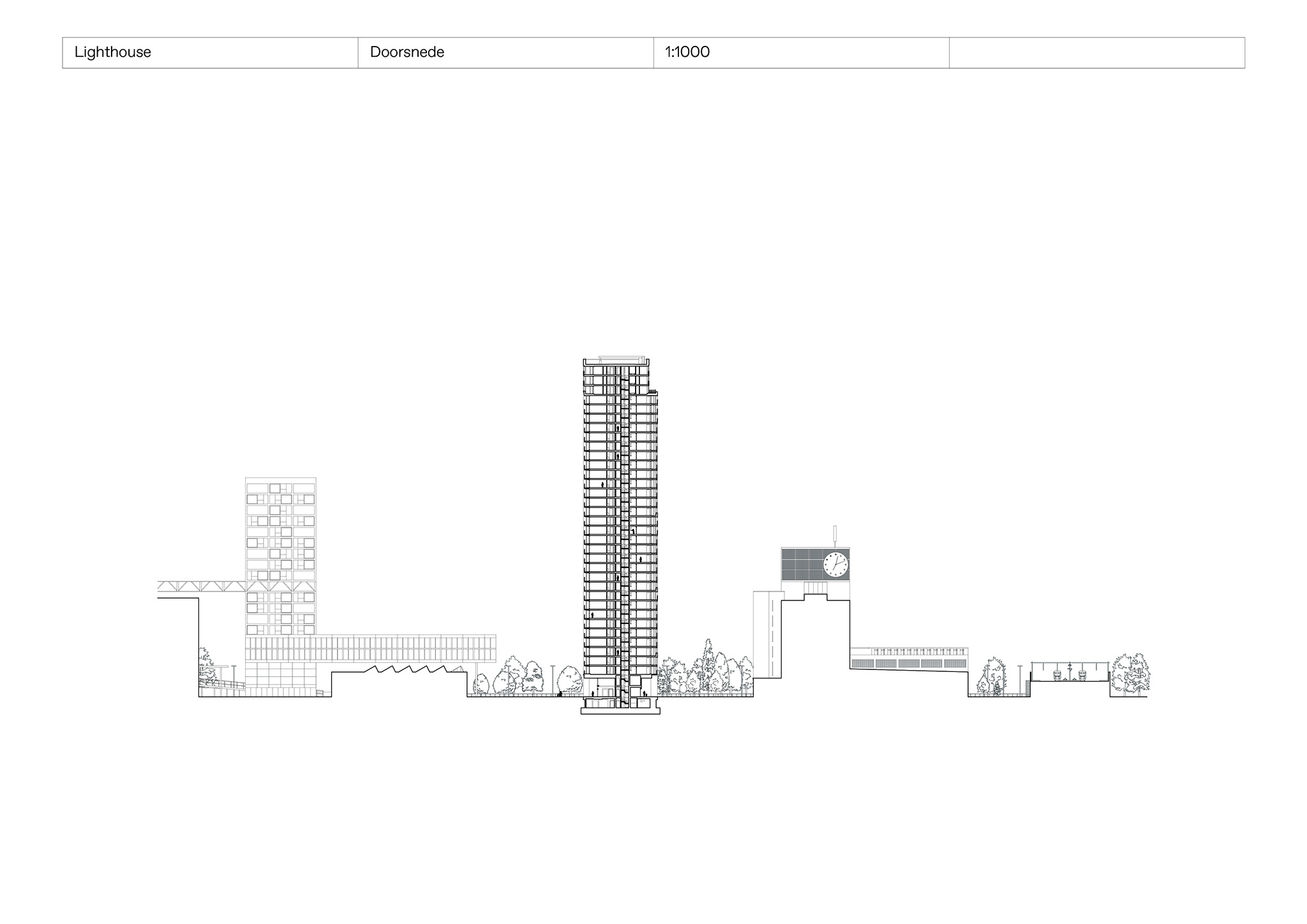
West8 desgined the urban development plan for Strijp-S, a relatively new neighbourhood that housed Philips factories until the mid-20th century. "Lighthouse" is the final element of this plan, located at the start of Philitelaan between the Klokgebouw and the Machinekamer (Engine Room), and opposite the Gloeilampplantsoen (Light Bulb Park). De Zwarte Hond’s design features a vertical brick sculpture with varying height levels that relate to the iconic buildings in the immediate vicinity. The lantern at the top and the evening lighting on the façades are an ode to the history of this place.

"Lighthouse" by De Zwarte Hond. Photograph by Sebastian van Damme.

A rugged façade with details right up to the top
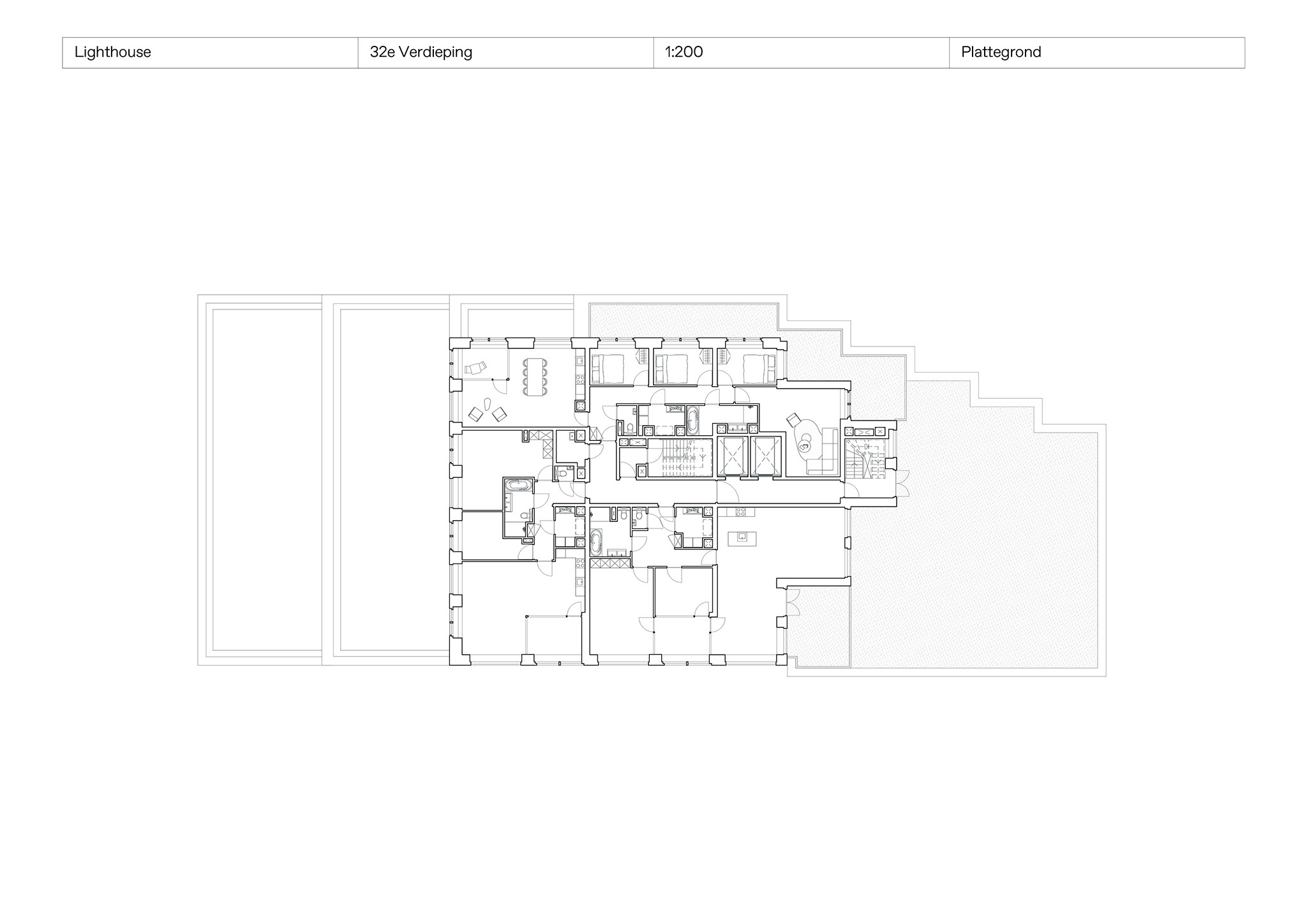
The architecture of "Lighthouse" exemplifies craftsmanship. From the plinth to the crown, attention has been paid to the materialization and detailing, in the tradition of Dirk Roosenburg, the architect of many of the early Philips buildings. "Lighthouse" is constructed from four materials: brick, concrete, aluminium and glass. Where the building tapers, horizontal lines and space for communal roof gardens emerge. The diagonal line of the building is emphasized by an impressive serration, which connects to the monumental colonnade on the square adjacent to the Machinekamer. This is also where the striking entrance to the residential building’s lobby and amenities is located.

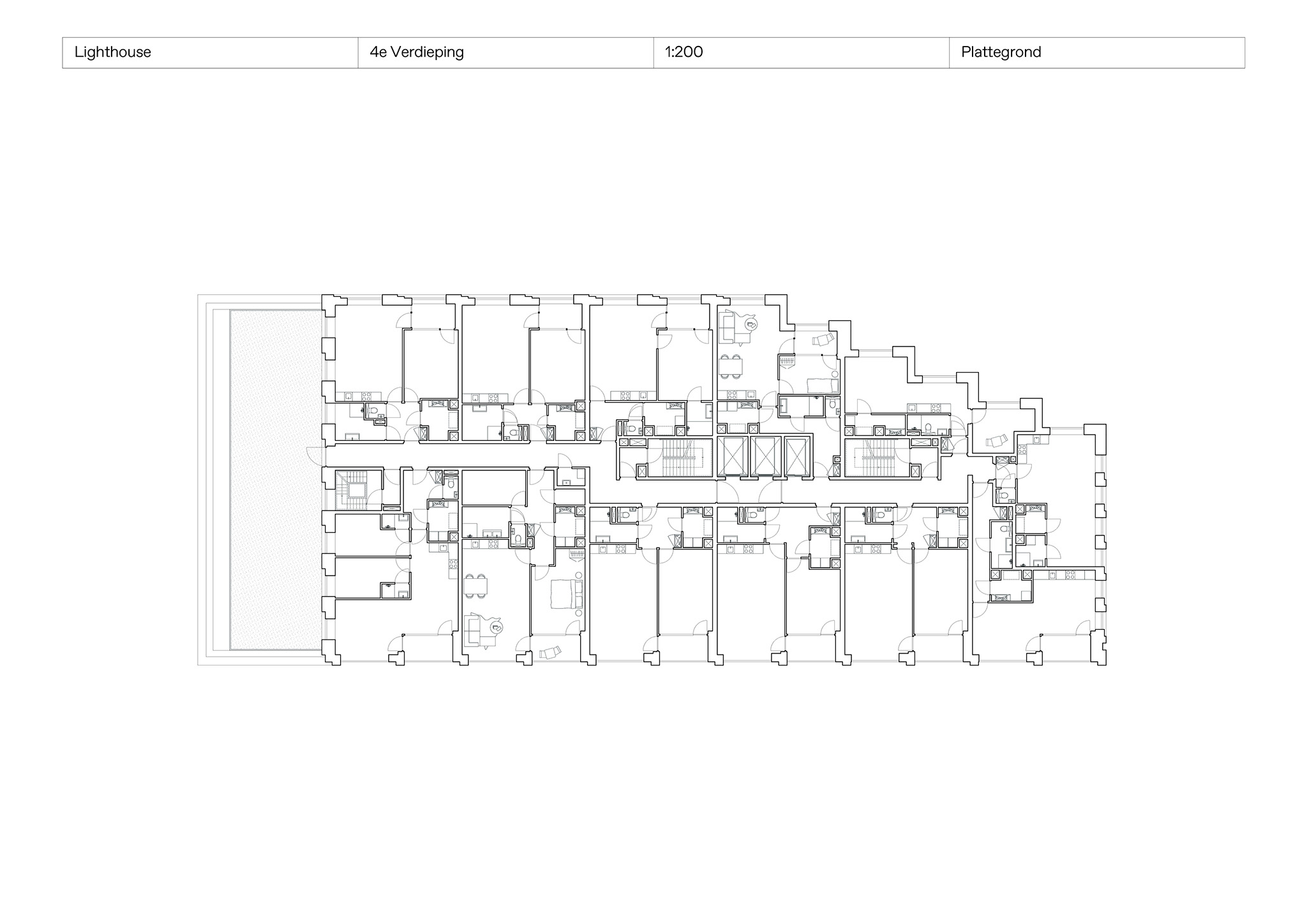
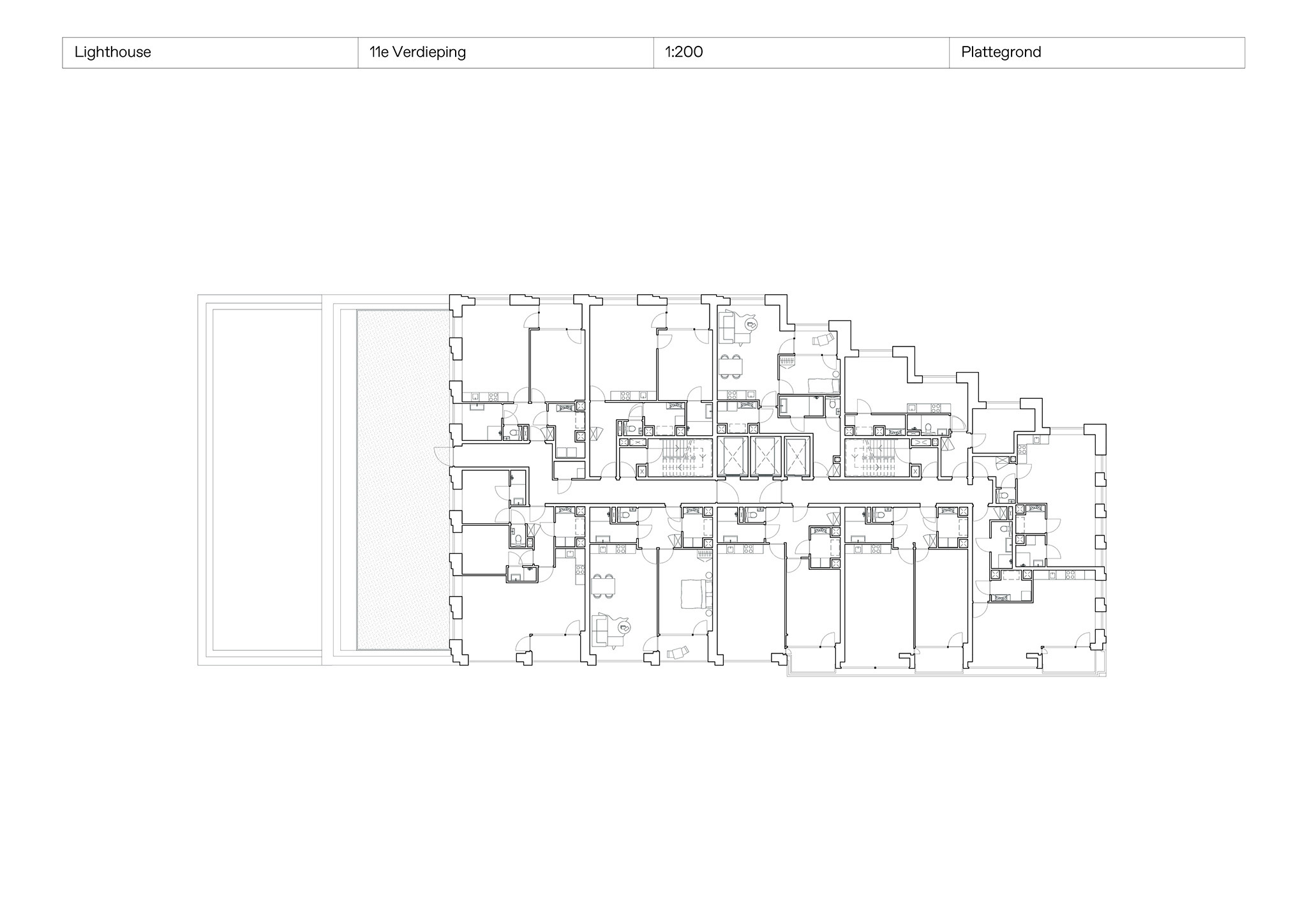
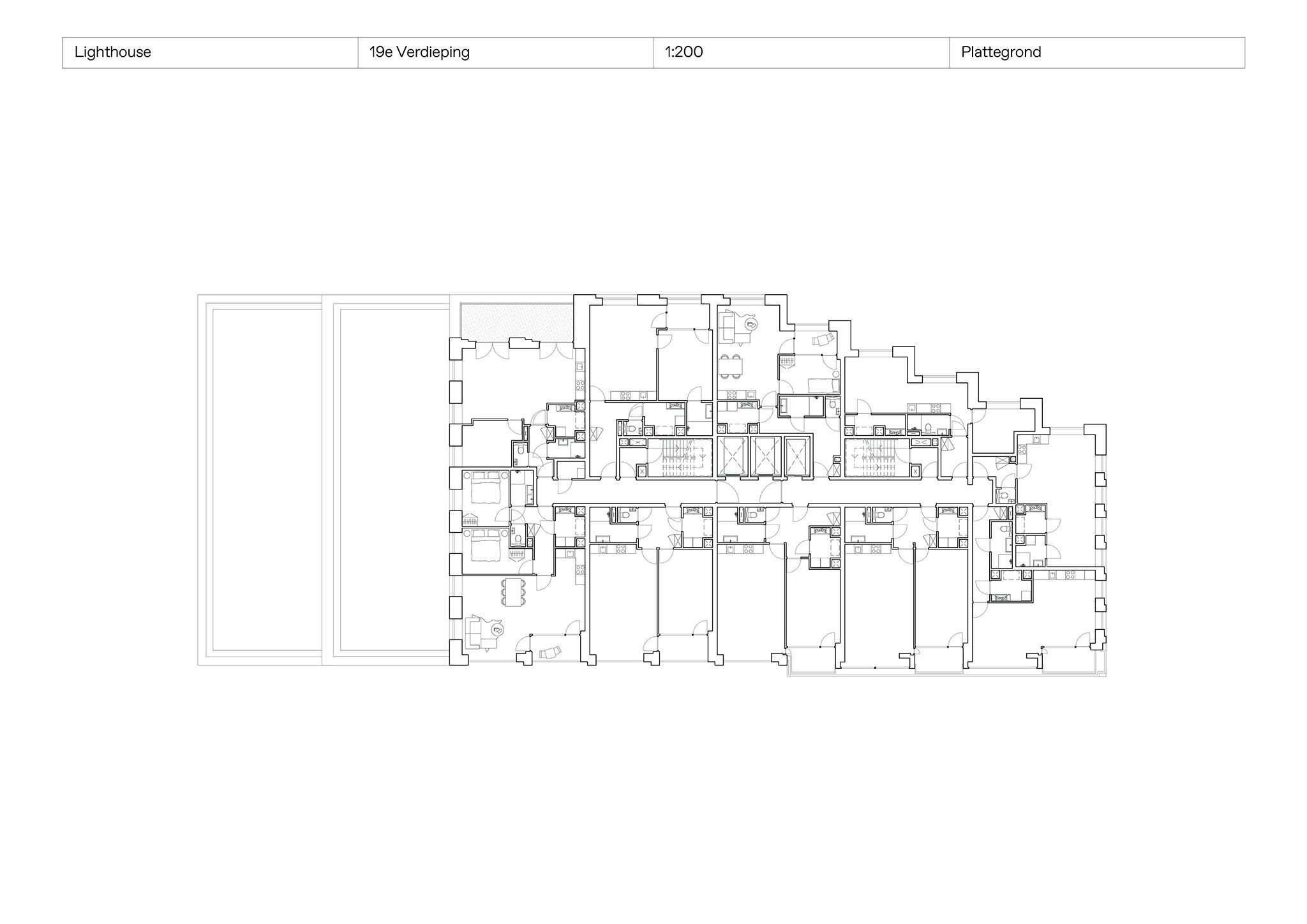
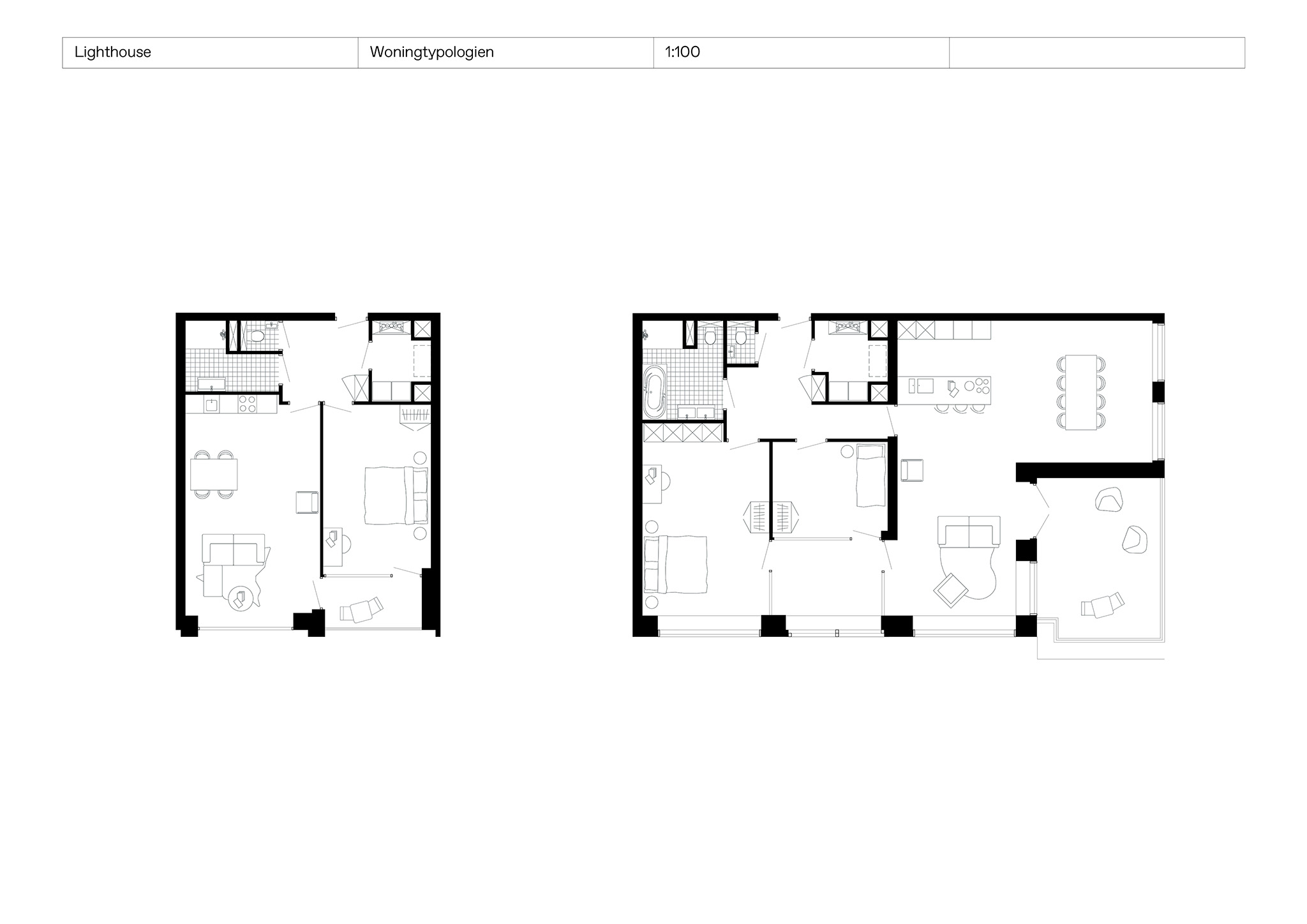
Each apartment has a private outdoor space integrated into the building’s volume. On the south side, these are spacious indoor balconies, while on the north side, loggias in the tower mitigate noise pollution from the adjacent railway line.
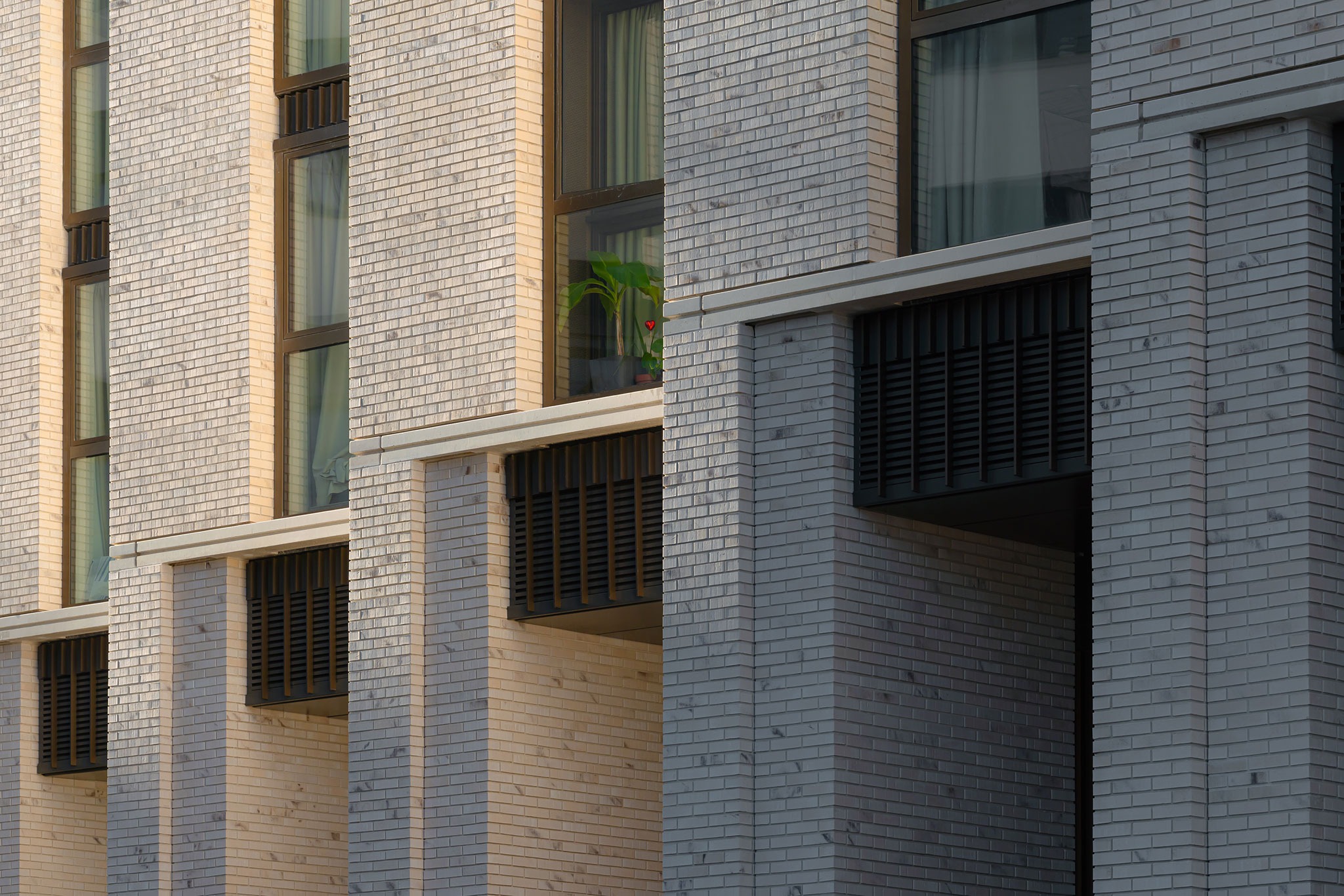
"Lighthouse" by De Zwarte Hond. Photograph by Sebastian van Damme.

A liveable high-rise
The building’s basement provides bicycle parking and storage space, as well as housing the technical installations, which allows the plinth to remain transparent and open. Public amenities are spread over two floors here, adding to the vibrancy of the square (the Machinekamerplein). "Lighthouse" is within walking distance of Eindhoven Strijp-S station. Cars will be parked in the nearby shared parking hub. Shared roof gardens at various heights provide meeting places, while each individual apartment has a French balcony or a winter garden.

"Lighthouse" by De Zwarte Hond. Photograph by Sebastian van Damme.

Feasibility and architectural quality
The development of "Lighthouse" has a long history, encompassing several feasibility studies. In 2019, De Zwarte Hond and SDK together established an integrated project team with equal representation from all partners. De Zwarte Hond oversaw the design process, during which the spatial design, urban planning requirements and financial feasibility were developed in parallel.

The final design maximizes rentable floor space without compromising architectural quality. The large floor-to-ceiling windows in each home are an example of this.
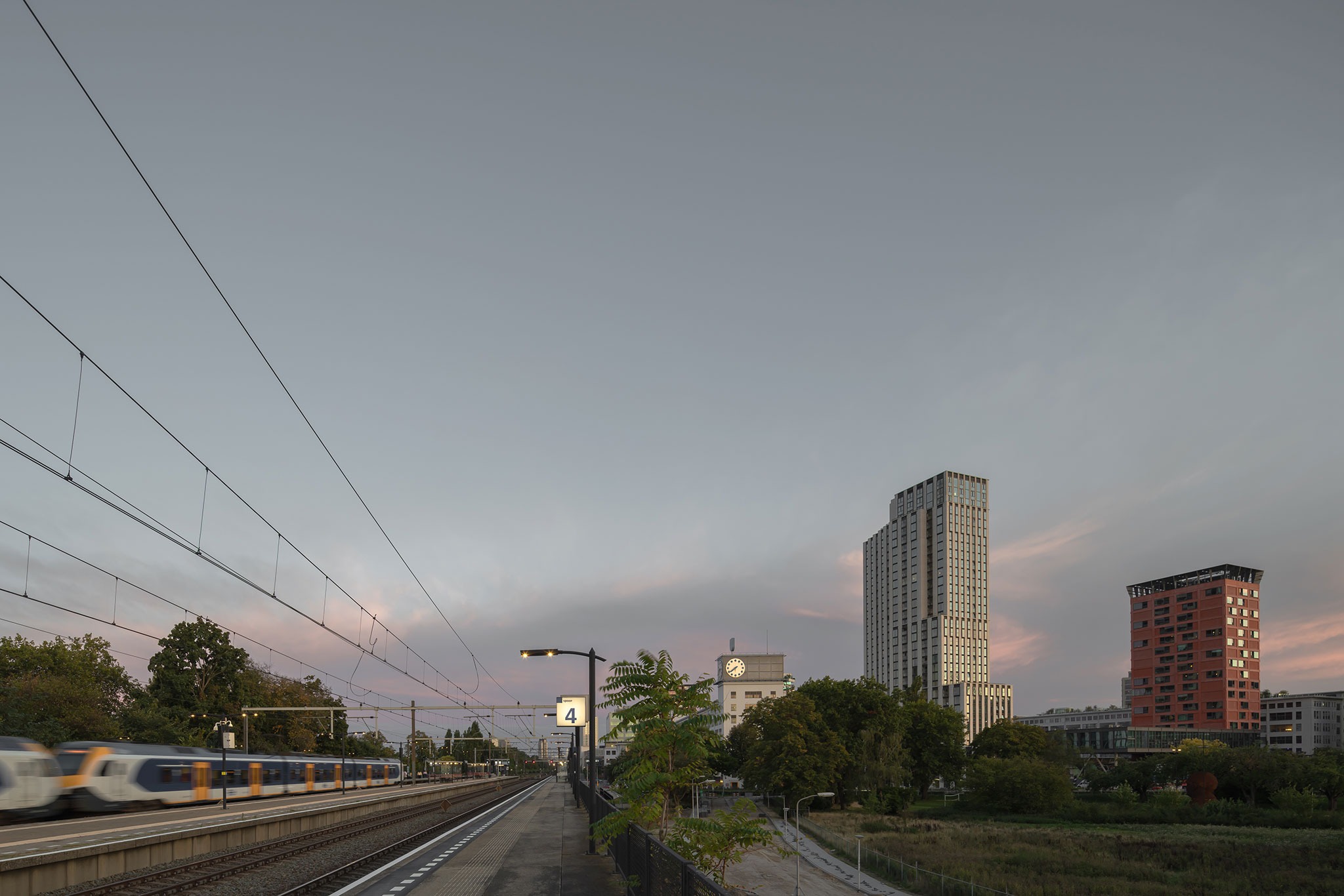
"Lighthouse" by De Zwarte Hond. Photograph by Sebastian van Damme.

“In addition to providing residents with ample daylight and great views, these windows create large alcoves. This optimizes both revenue and the quality of life for residents.”

De Zwarte Hond.
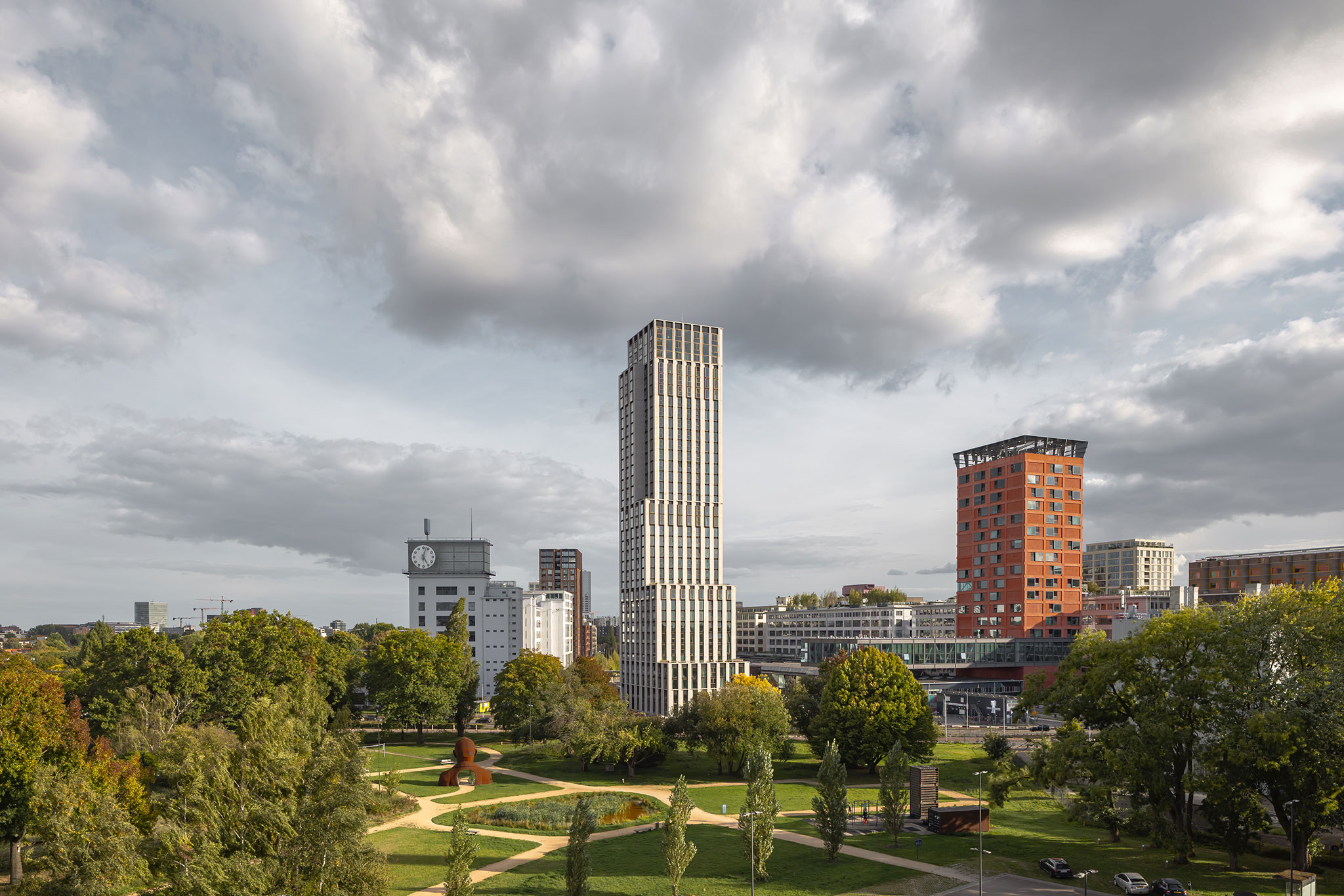
More information

Label
Architects
+ + copy Created with Sketch.
- + copy Created with Sketch.
Label
Collaborators
Text

Snijders Ingenieursgroep.
Consultant.- Adviesbureau Tielemans.

+ + copy Created with Sketch.
- + copy Created with Sketch.
Label
Client
Text

Spoorzone B.V.

+ + copy Created with Sketch.
- + copy Created with Sketch.
Label
Builder
Text

Stam + De Koning Bouw, Visser & Smit Bouw.

+ + copy Created with Sketch.
- + copy Created with Sketch.
Label
Developer
Text

SDK Vastgoed.

+ + copy Created with Sketch.
- + copy Created with Sketch.
Label
Area
Text

33,905 sqm.

+ + copy Created with Sketch.
- + copy Created with Sketch.
Label
Dates
Text

Completion date.- October 02, 2025. 

+ + copy Created with Sketch.
- + copy Created with Sketch.
Label
Location
Text

Eindhoven, Netherlands.

+ + copy Created with Sketch.
- + copy Created with Sketch.
Label
Photography
+ + copy Created with Sketch.
- + copy Created with Sketch.
De Zwarte Hond is a design agency for architecture, urban design and strategy with offices in Groningen, Rotterdam and Cologne. Through a combination of social commitment and craftsmanship, they create high-quality projects that are sensitive to their context, the needs of users and the vision of our customers.

Jurjen van der Meer (1953) is founder of De Zwarte Hond. After studying architecture, he worked for a number of years in Berlin, after which he founded Karelse Van der Meer architects together with Thon Karelse. In 1992 the Groningen office expanded with an office in Rotterdam, followed by Cologne, Germany in 2011. Since 2004, the agency is named De Zwarte Hond.

De Zwarte Hond has an overview of the various forces that play a role in a given place. They can calculate what will add value and improve the quality of life – for residents, the street, the neighbourhood and the city. Their designs are firmly grounded and speak the language of their environment, yet they display a subtle and unexpected individuality. This is the result of their details, their materials, their strong connection between inside and outside, and their smart and flexible use of space.

They design places, buildings and whole environments that look out of the ordinary. Conceived, rather than created; built to last and flexible enough to move on to a new phase of life in the future. Yet their places always touch the heart. Designing and realising interwoven spaces, that’s the essence of their office: they unite architecture and urban design.
Read more
Published on: January 2, 2026
Cite:
metalocus, ELVIRA PARÍS FERNÁNDEZ
"Tribute to the history of Strijp-S. "Lighthouse" by De Zwarte Hond" METALOCUS. Accessed
<http://www.metalocus.es/en/news/tribute-history-strijp-s-lighthouse-de-zwarte-hond> ISSN 1139-6415
Loading content ...
Loading content ...
Loading content ...
Loading content ...
Loading content ...
Loading content ...
Loading content ...
Loading content ...
Loading content ...
Loading content ...
Loading content ...
Loading content ...
Loading content ...
Loading content ...
Loading content ...
Loading content ...
Loading content ...
Loading content ...
Loading content ...
Loading content ...
Loading content ...
Loading content ...
Loading content ...
Loading content ...
Loading content ...
Loading content ...
Loading content ...
Loading content ...
Loading content ...
Loading content ...
Loading content ...
Loading content ...
Loading content ...
Loading content ...
Loading content ...
Loading content ...
Loading content ...
Loading content ...
Loading content ...
Loading content ...
Loading content ...
Loading content ...
Loading content ...
Loading content ...
Loading content ...
Loading content ...
Loading content ...
Loading content ...
Loading content ...
Loading content ...
Loading content ...
Loading content ...
Loading content ...
Loading content ...