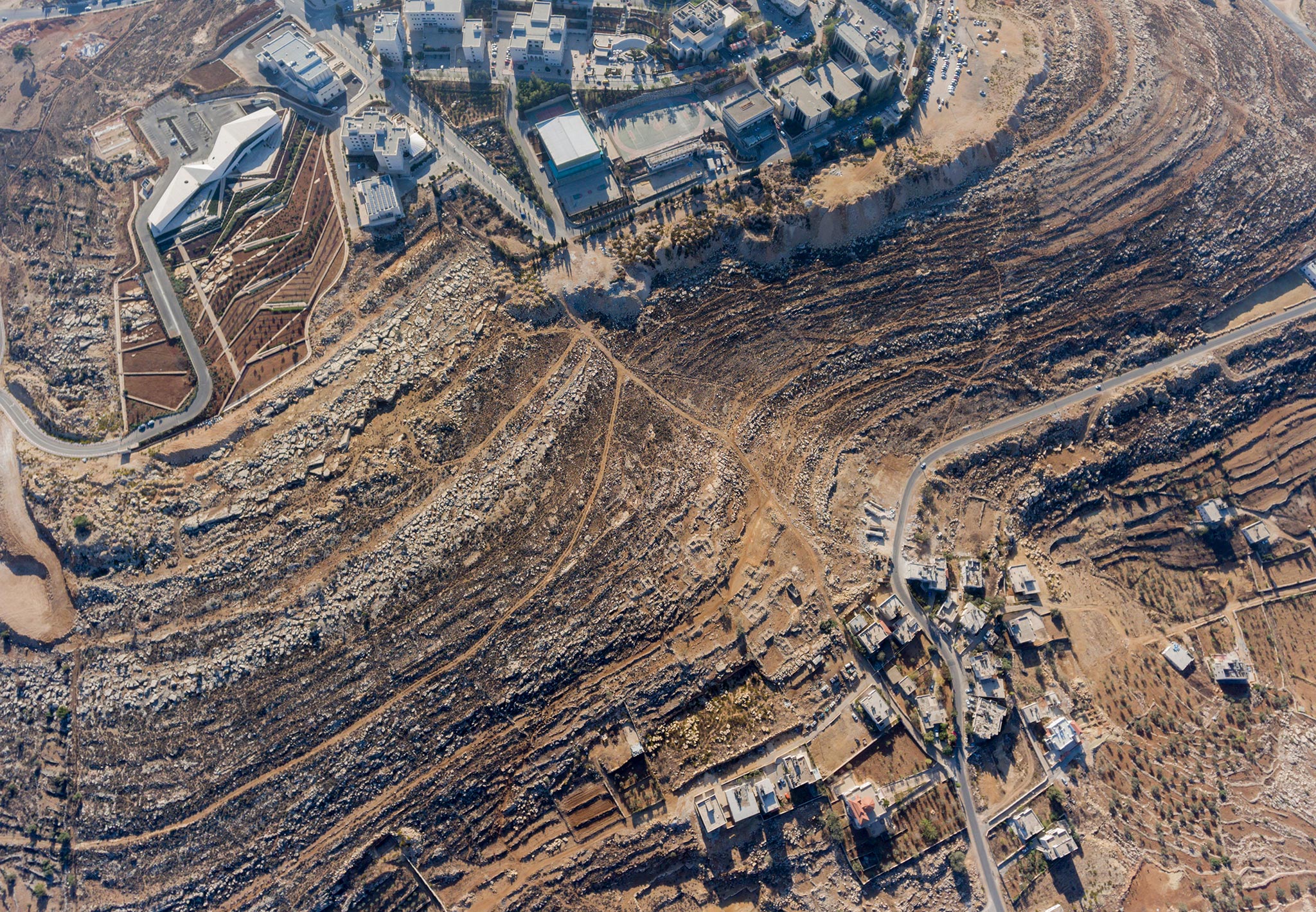
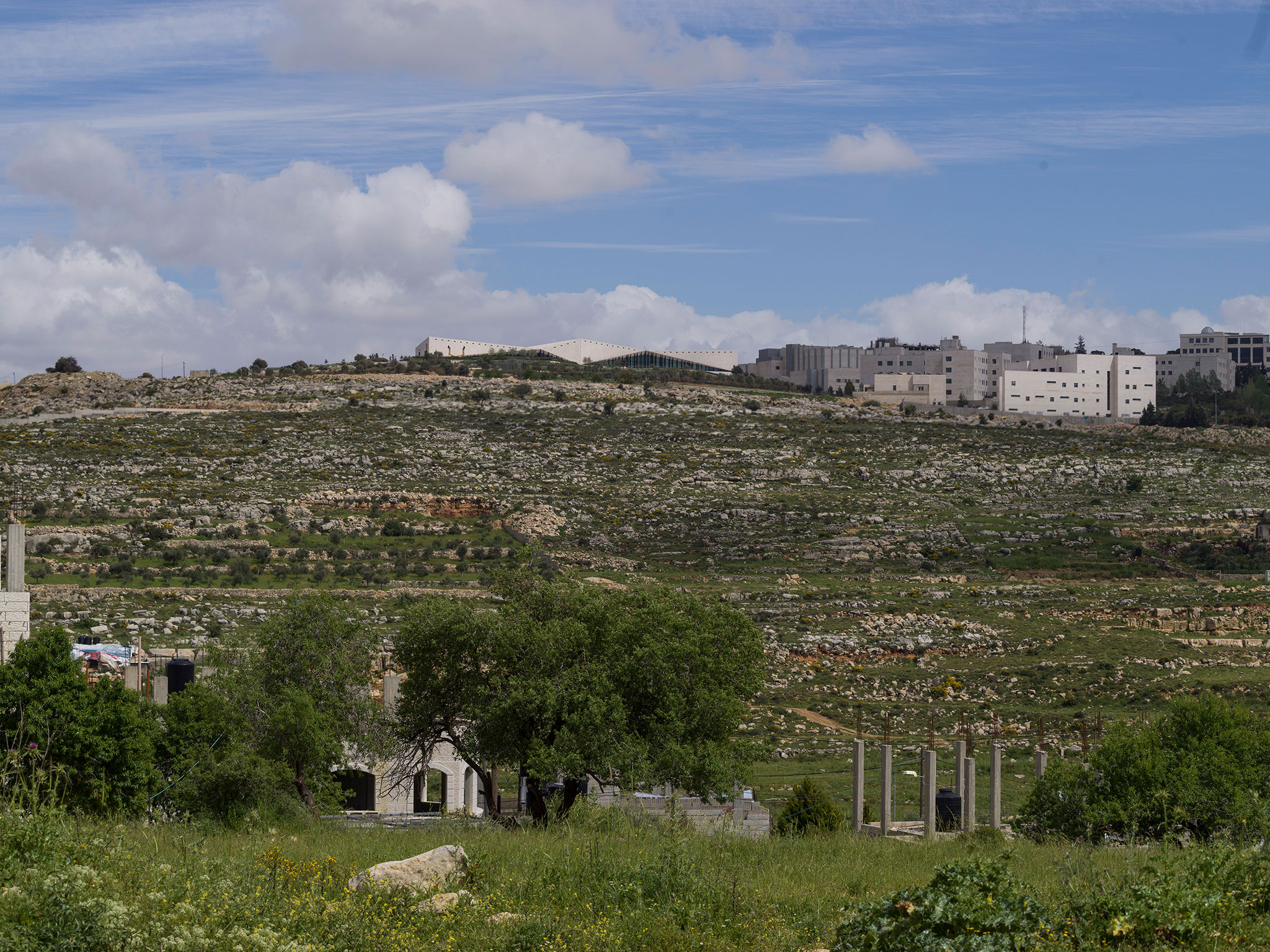
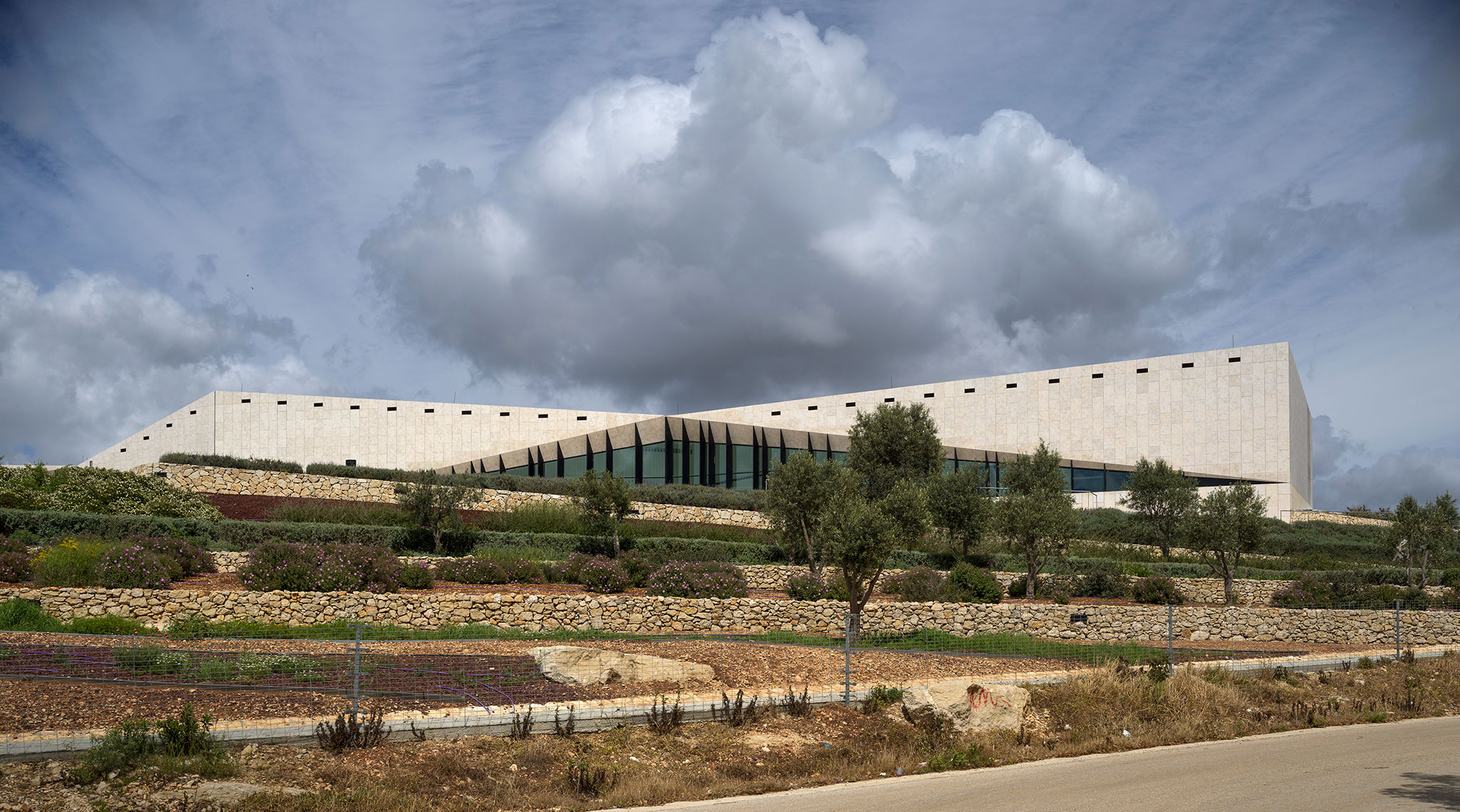
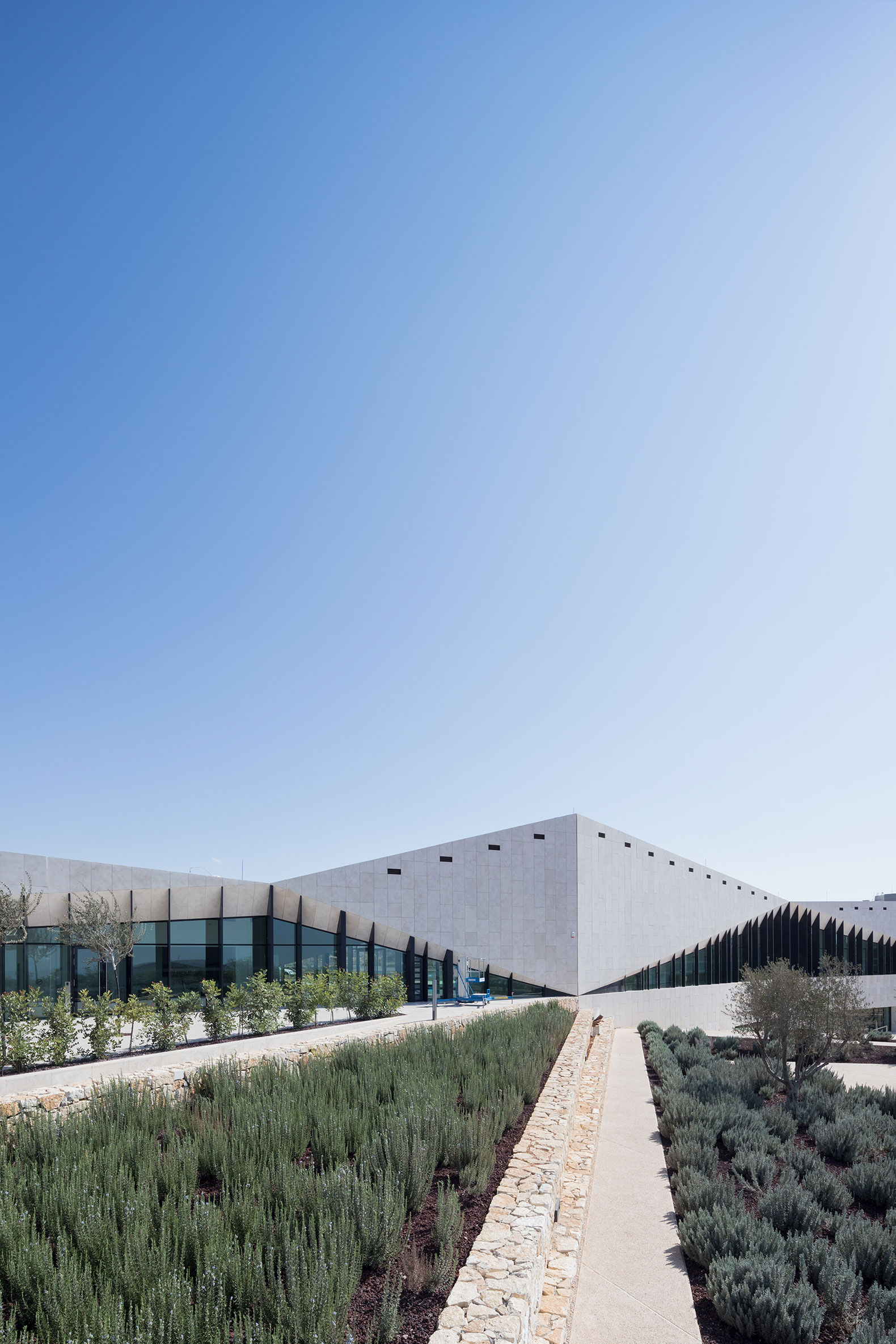
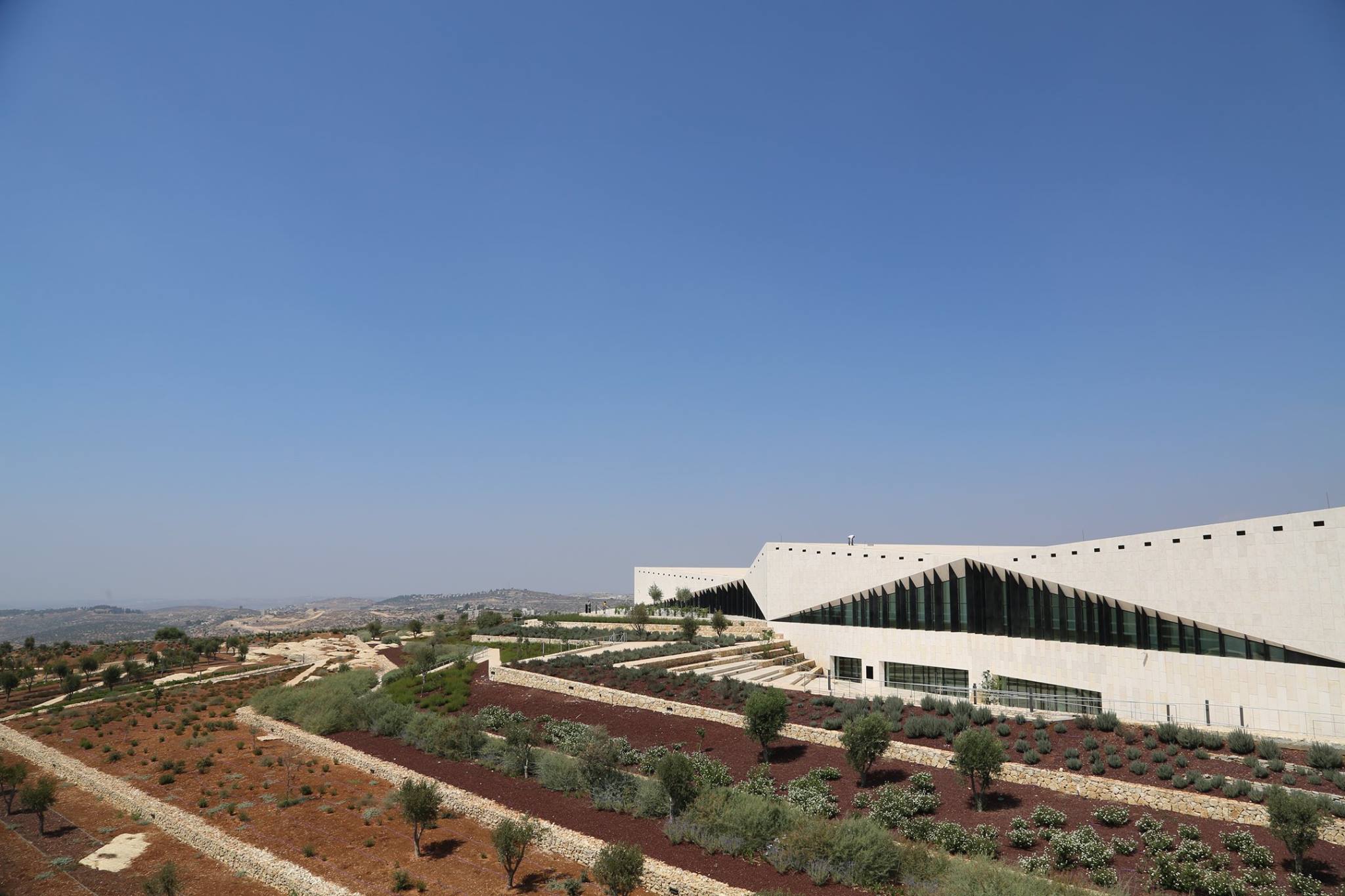
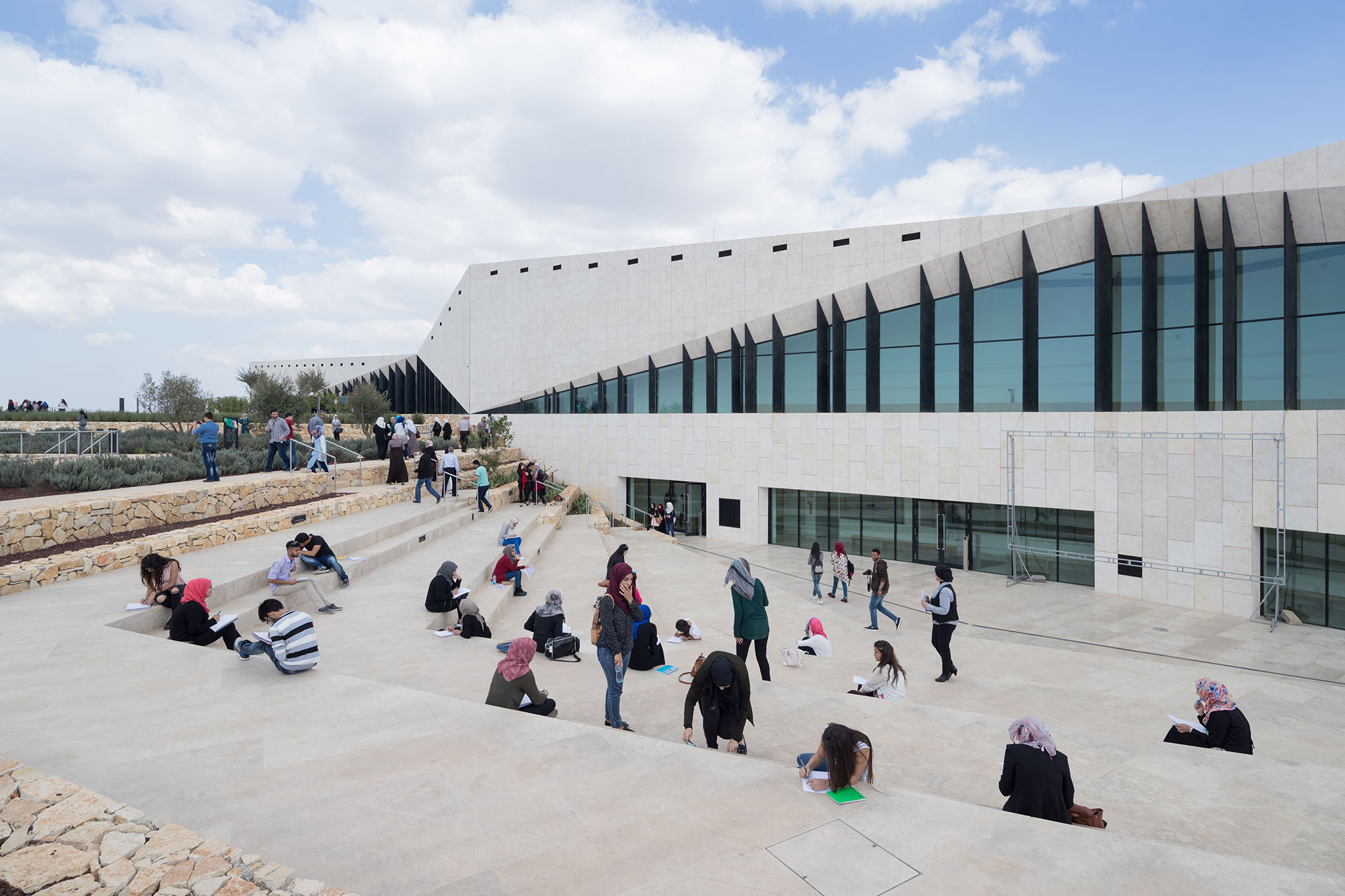
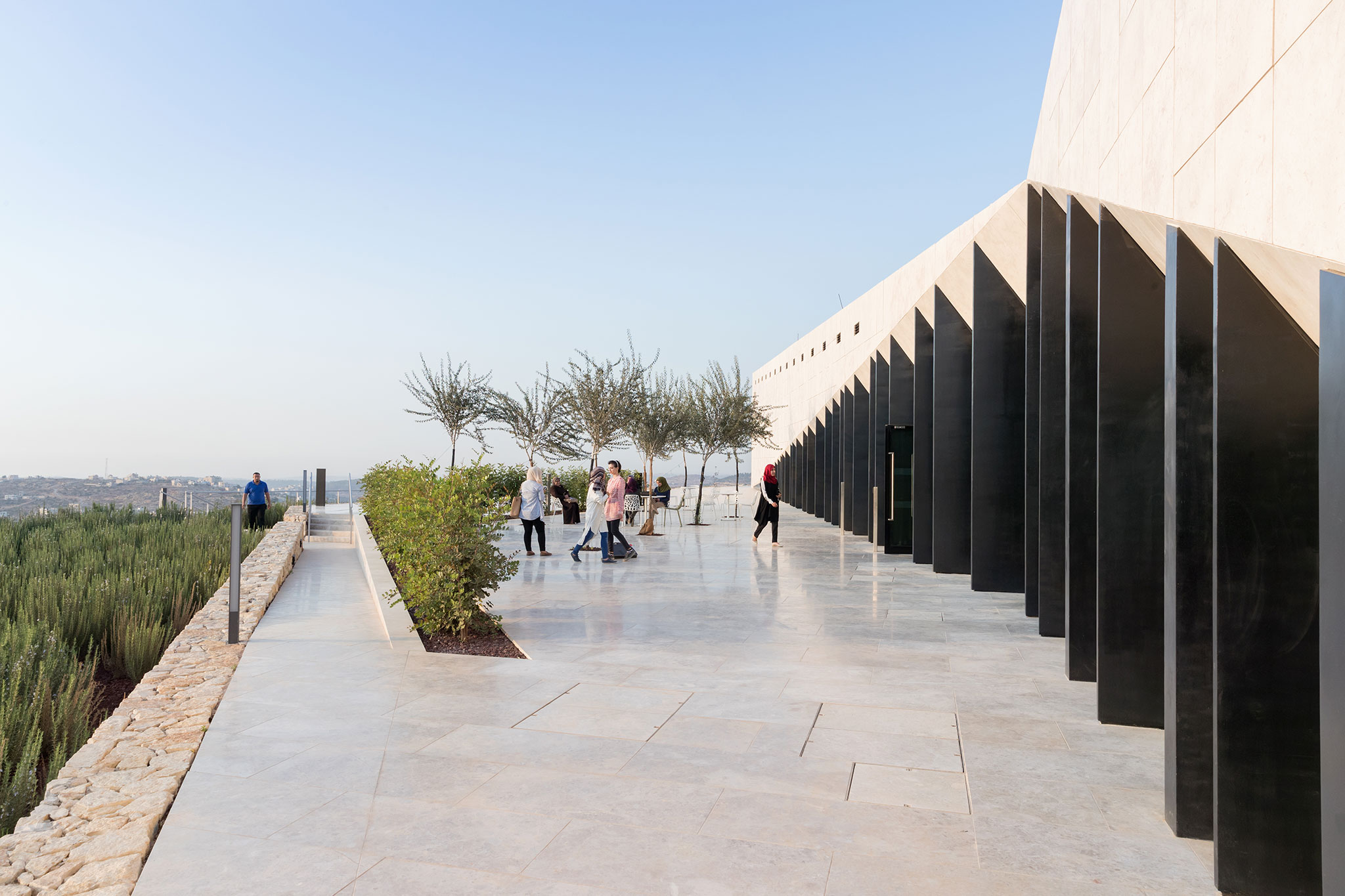
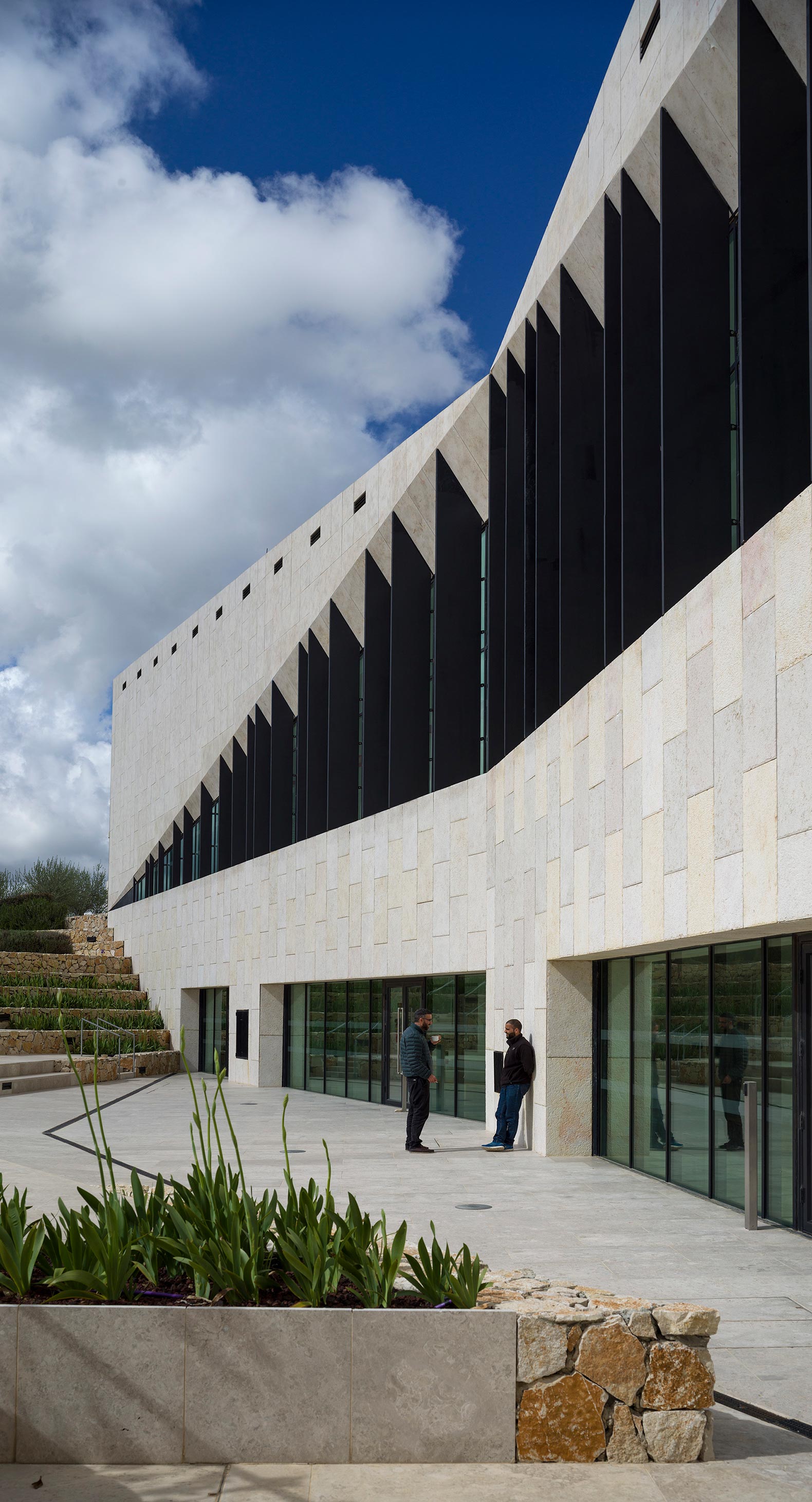
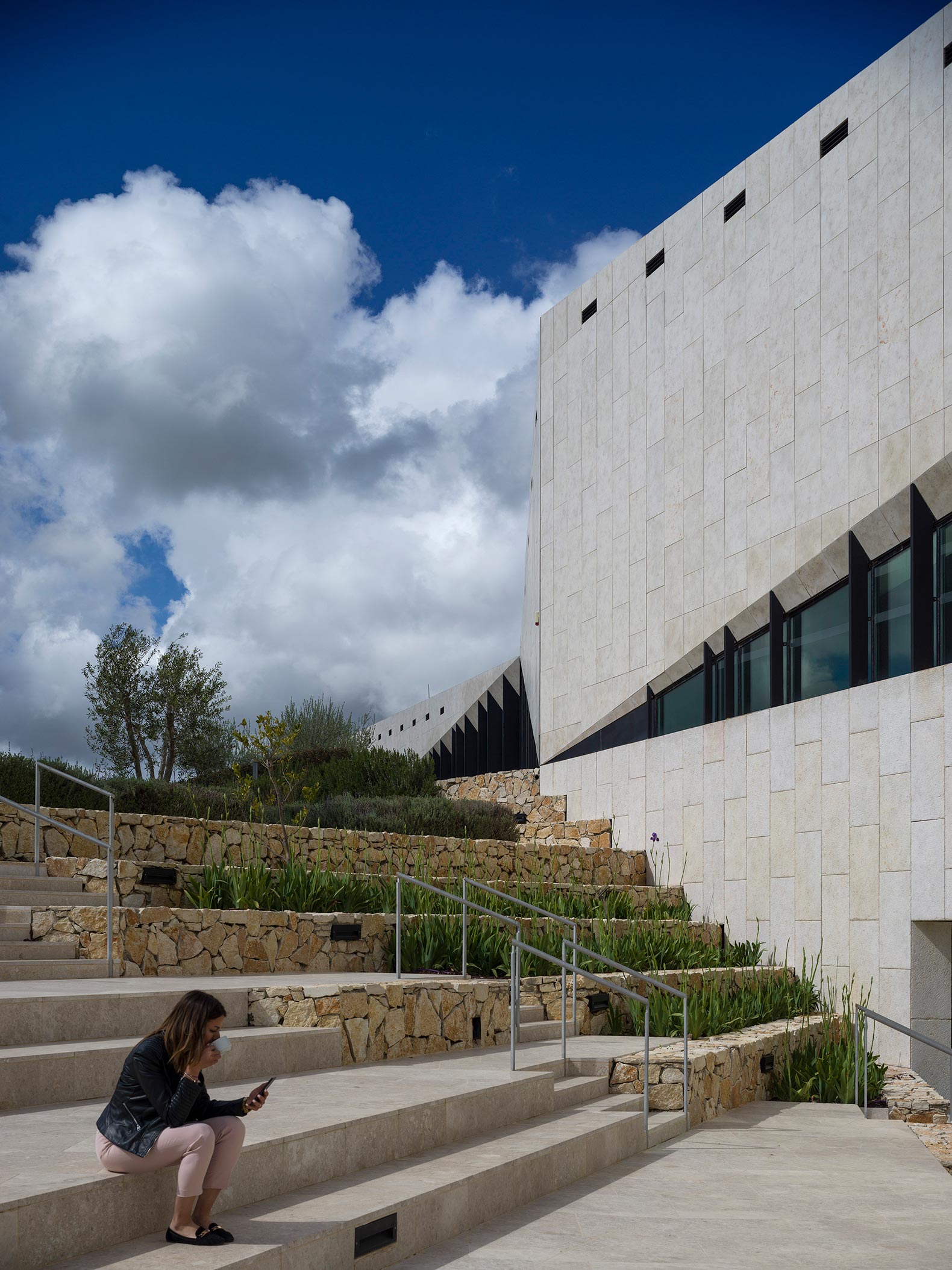
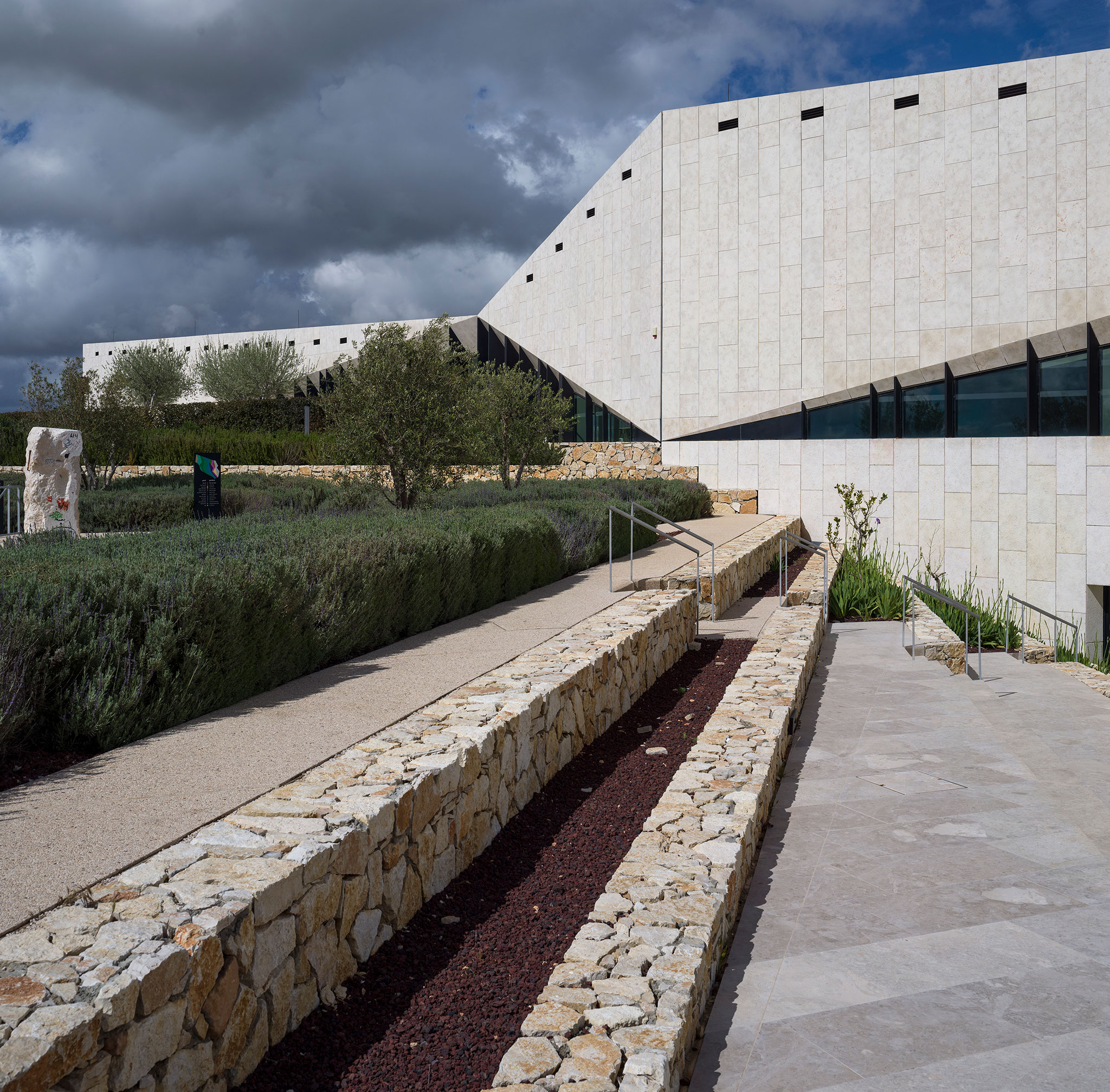
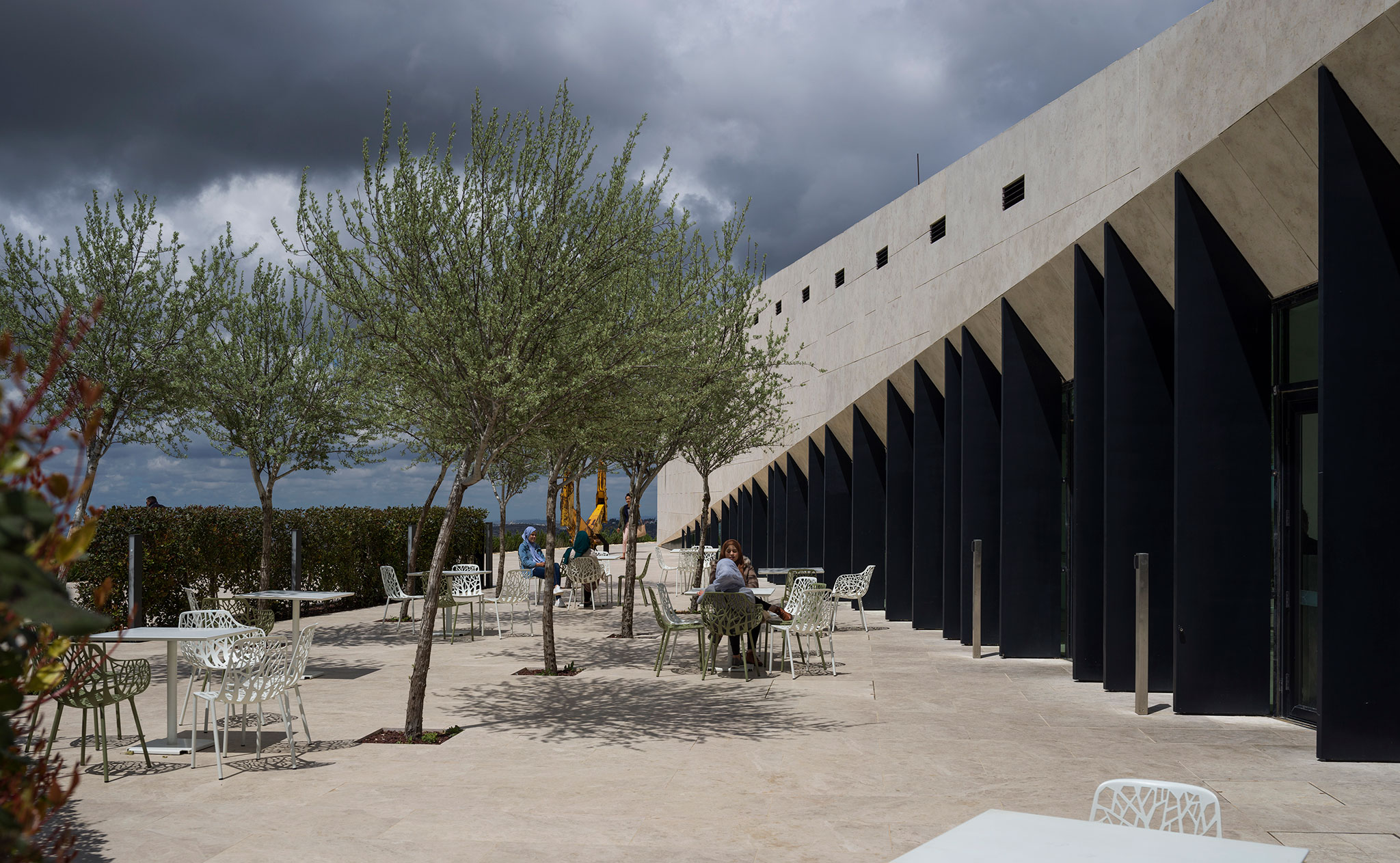
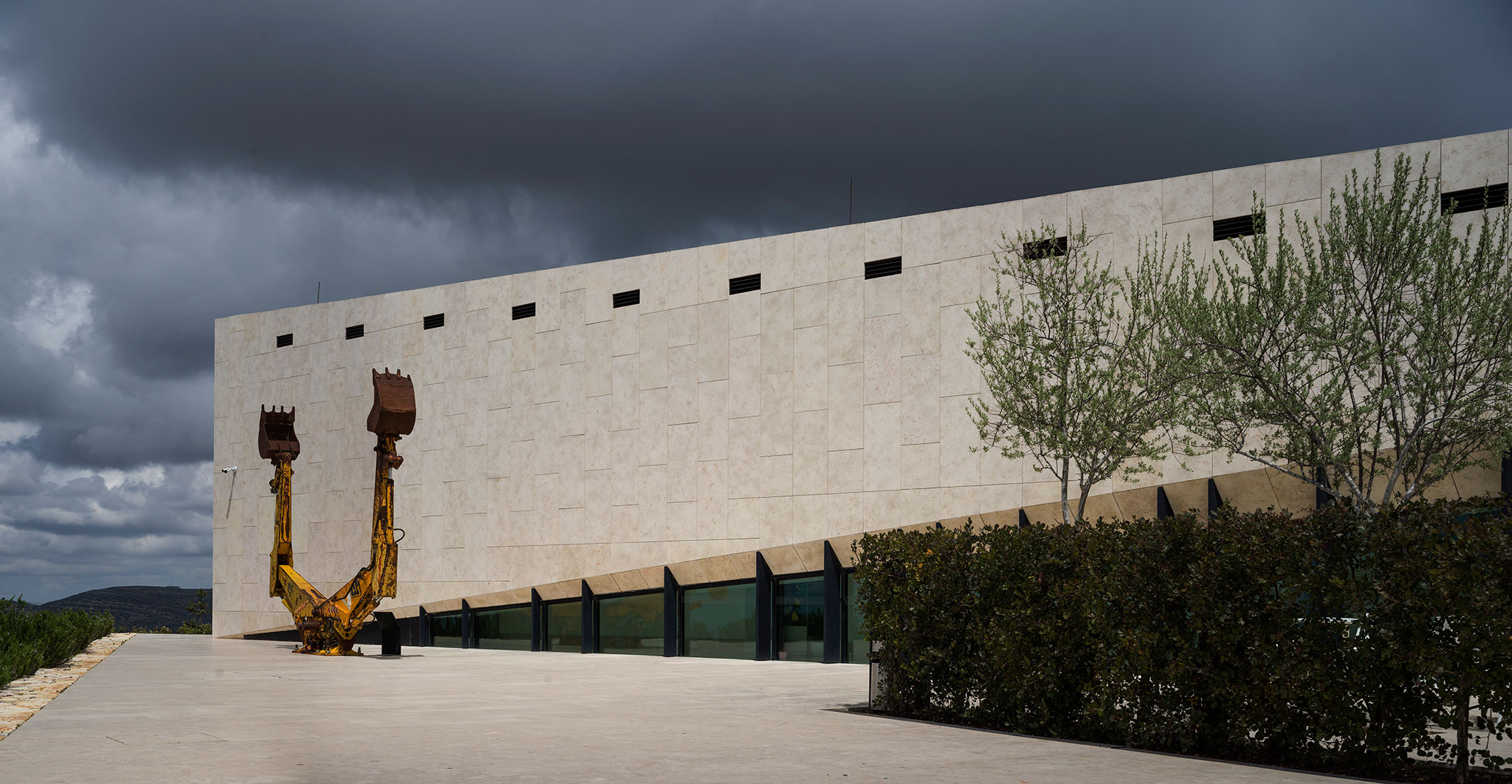
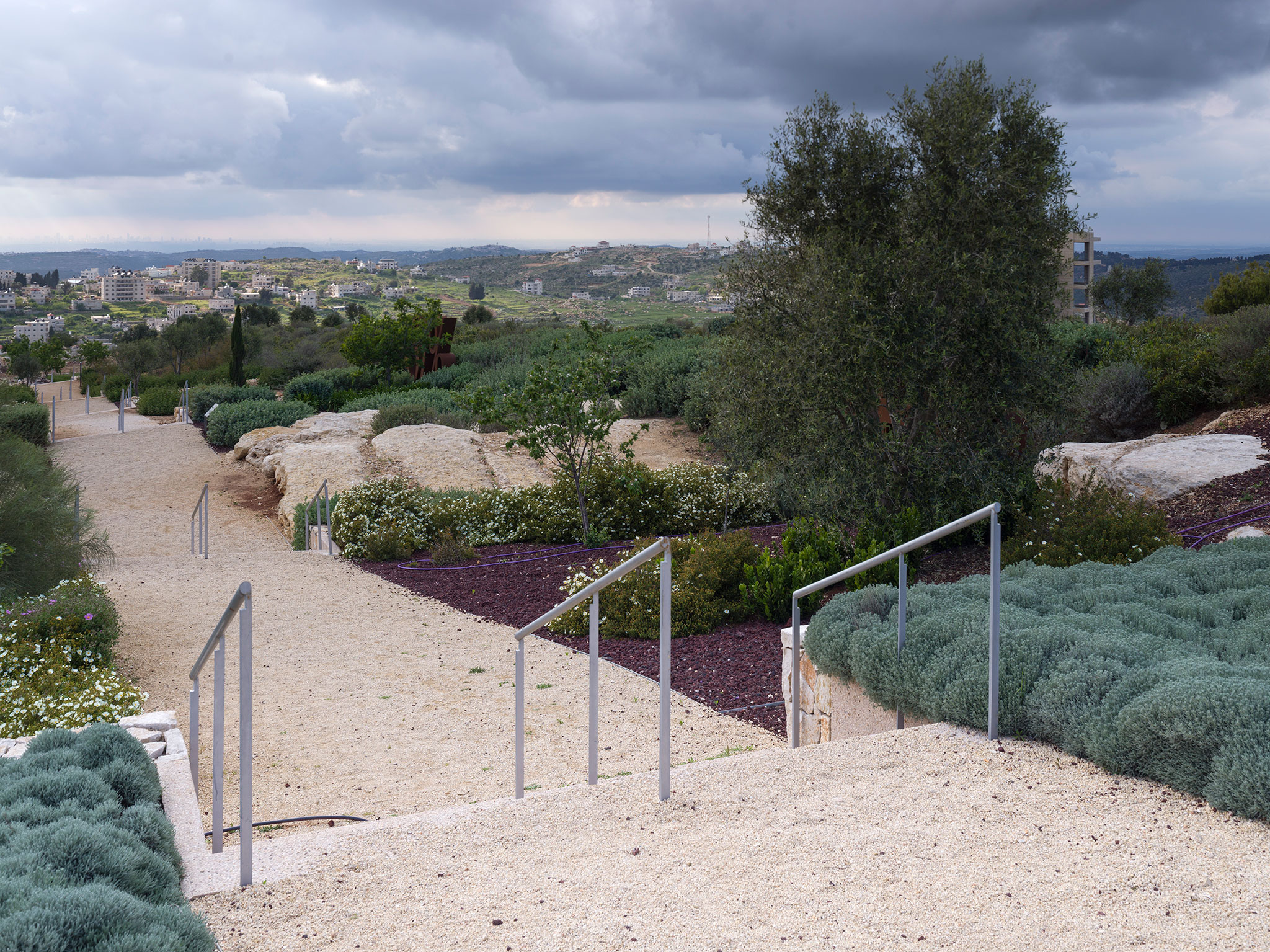
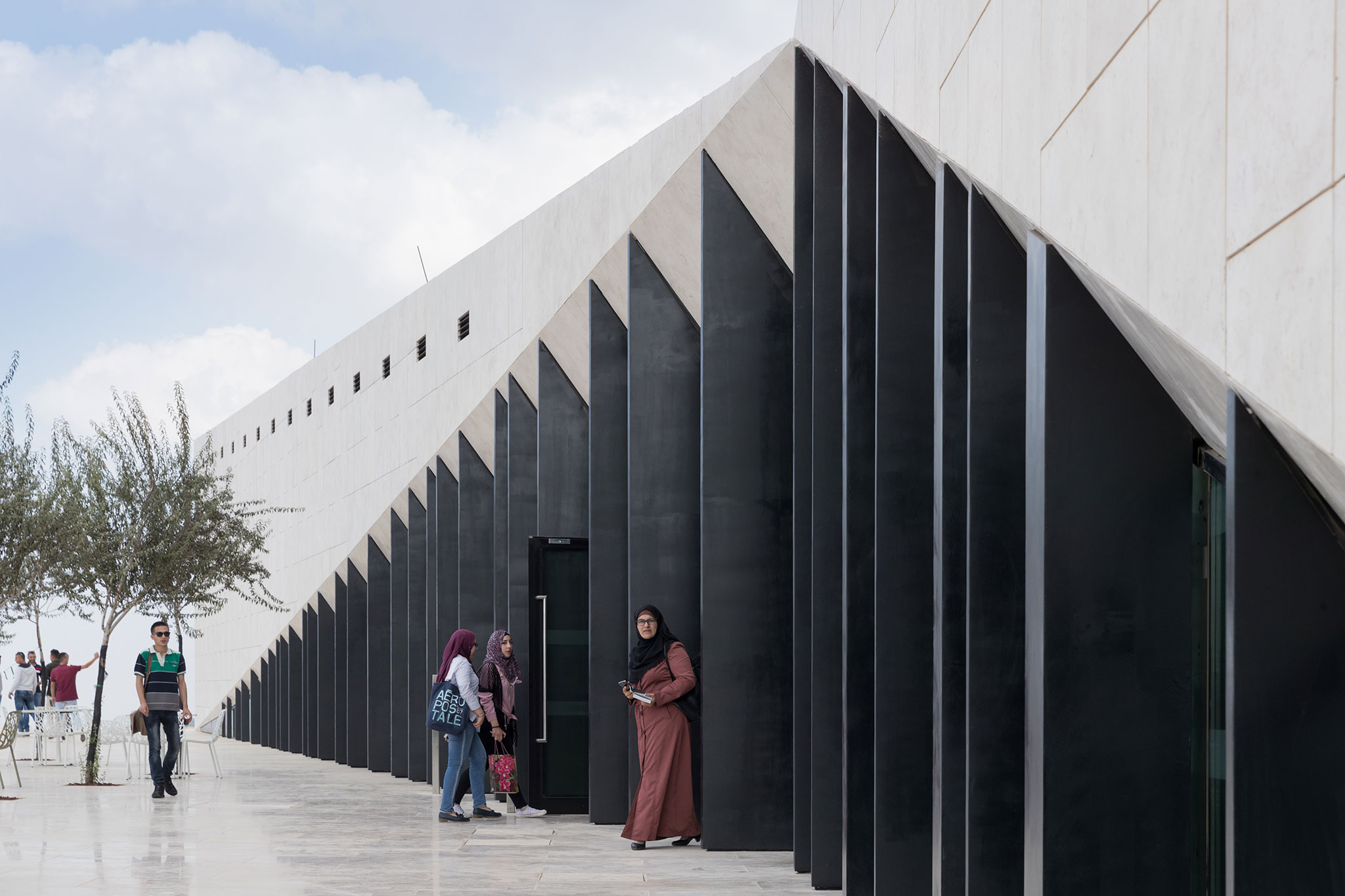
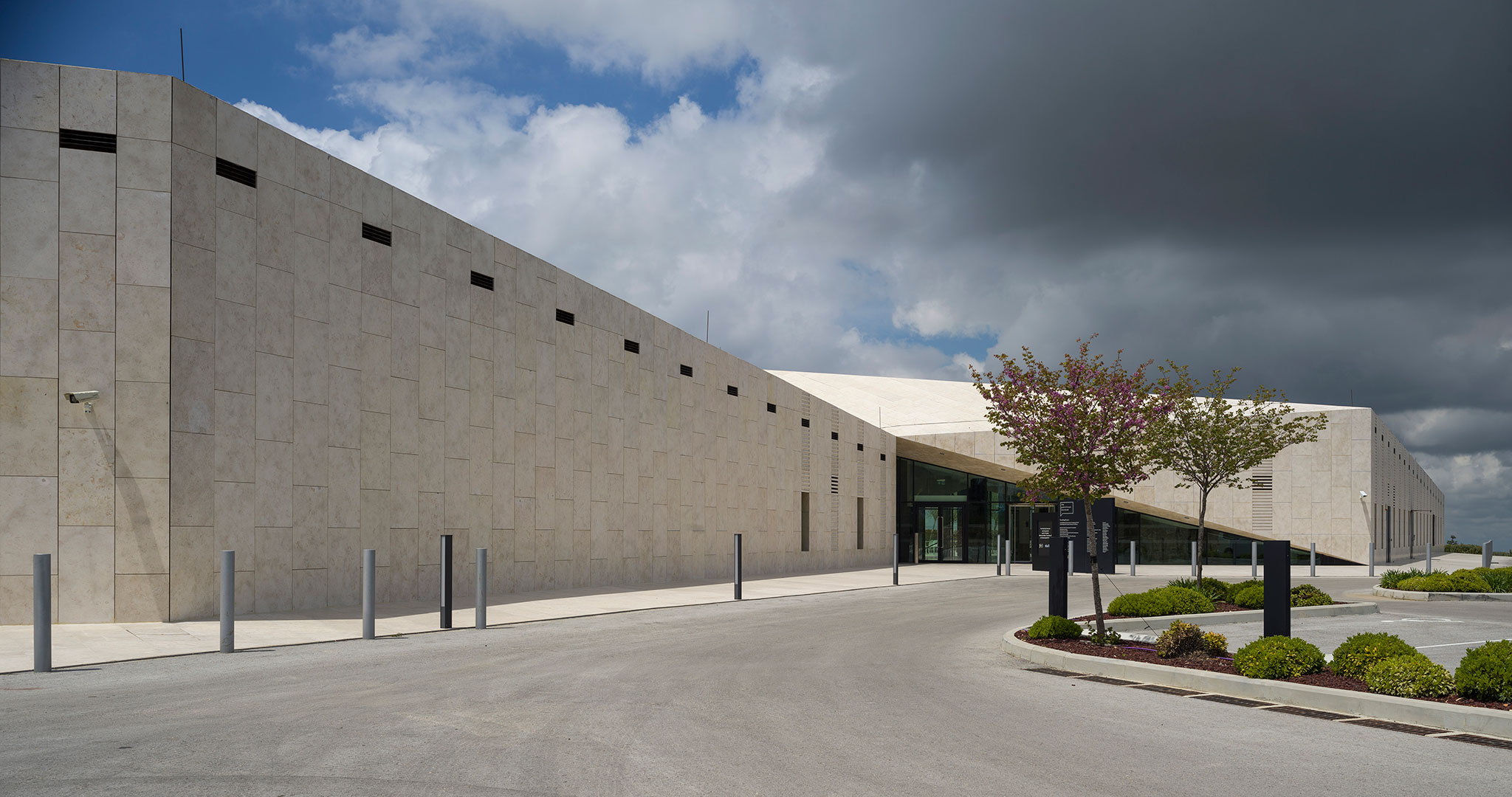
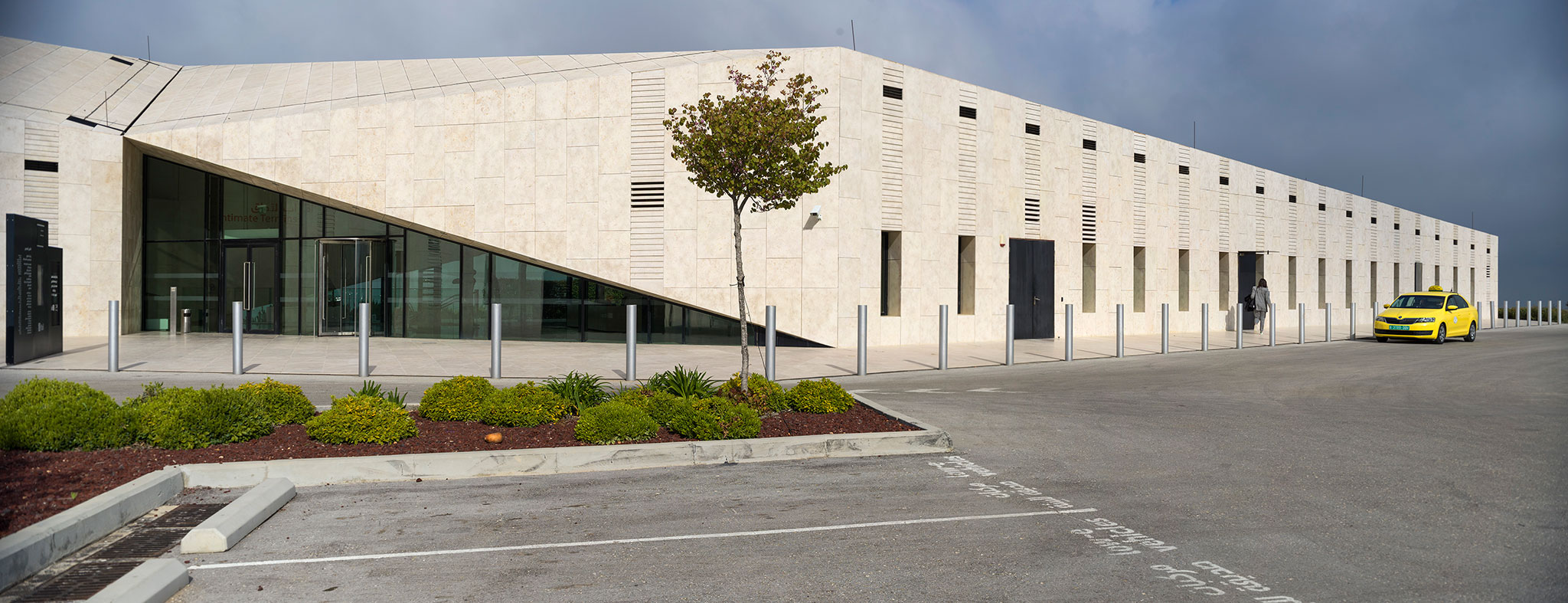
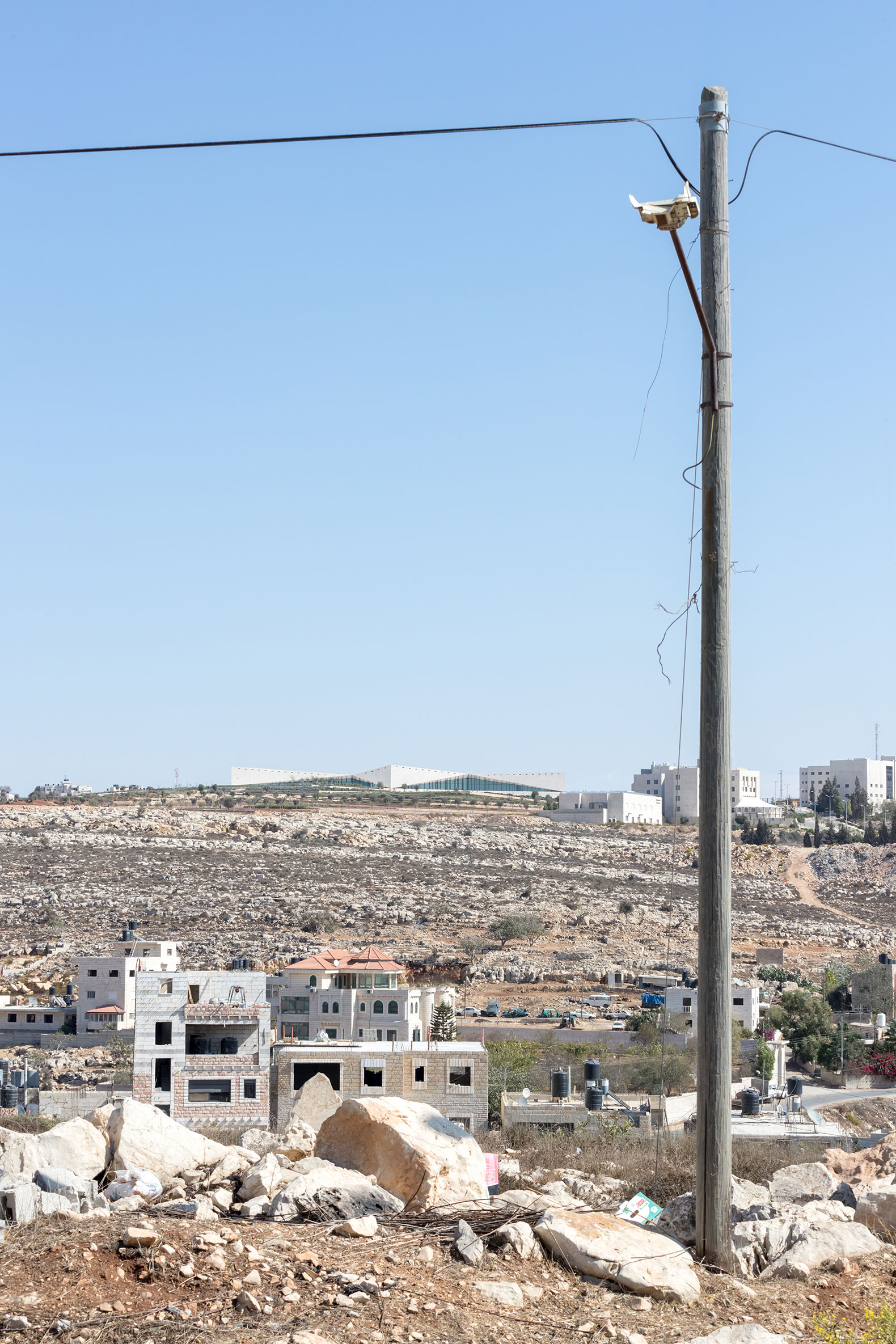
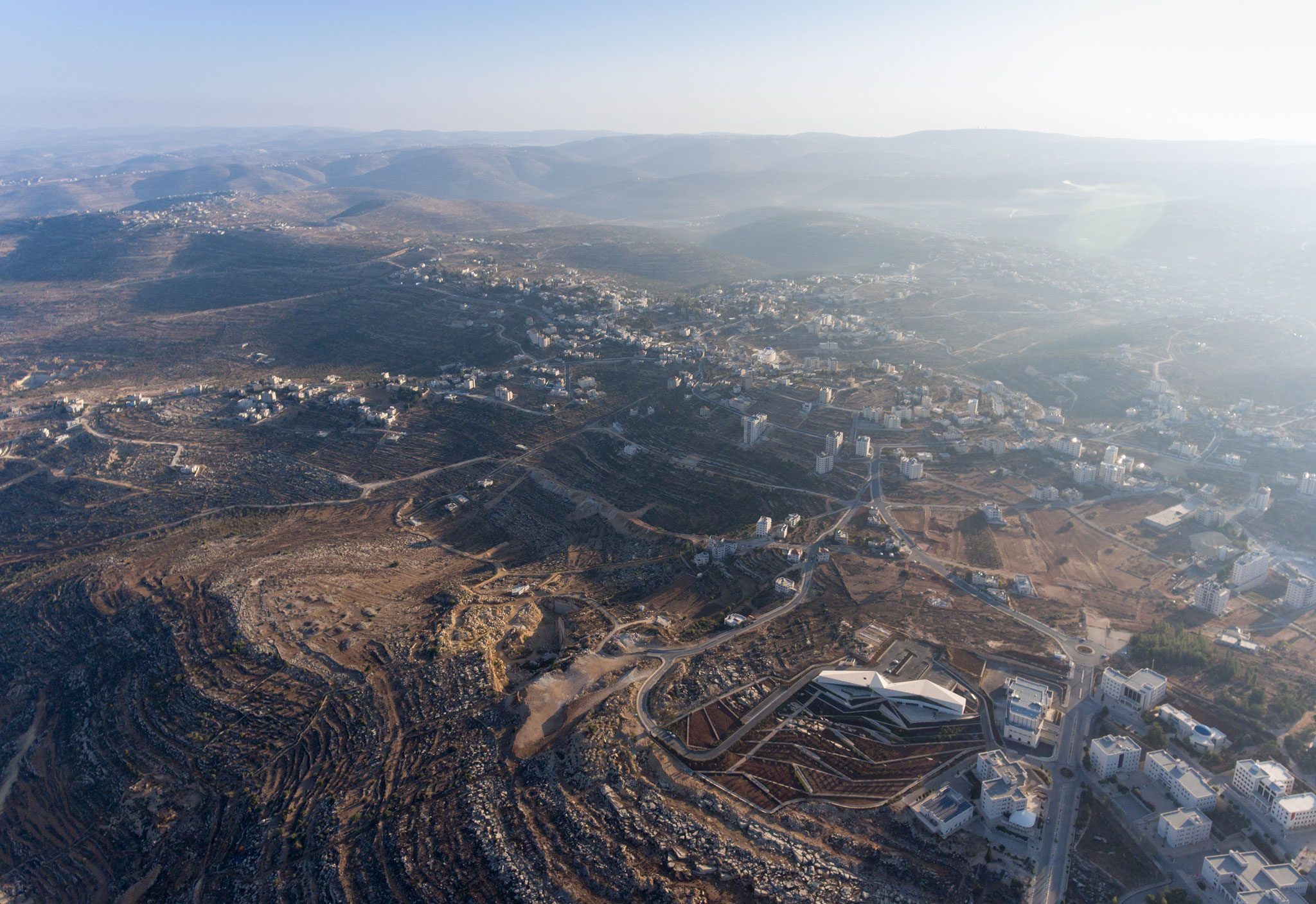
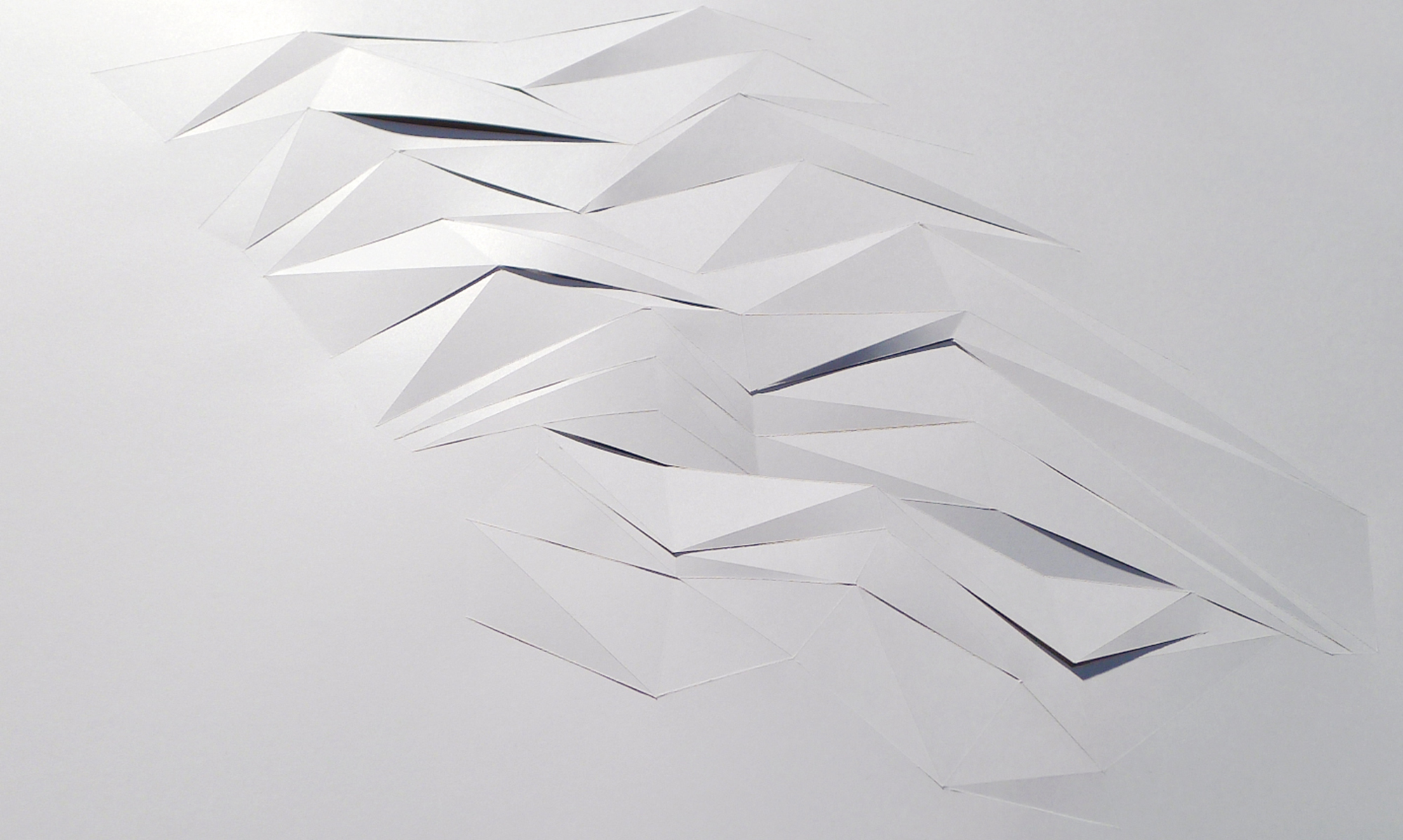
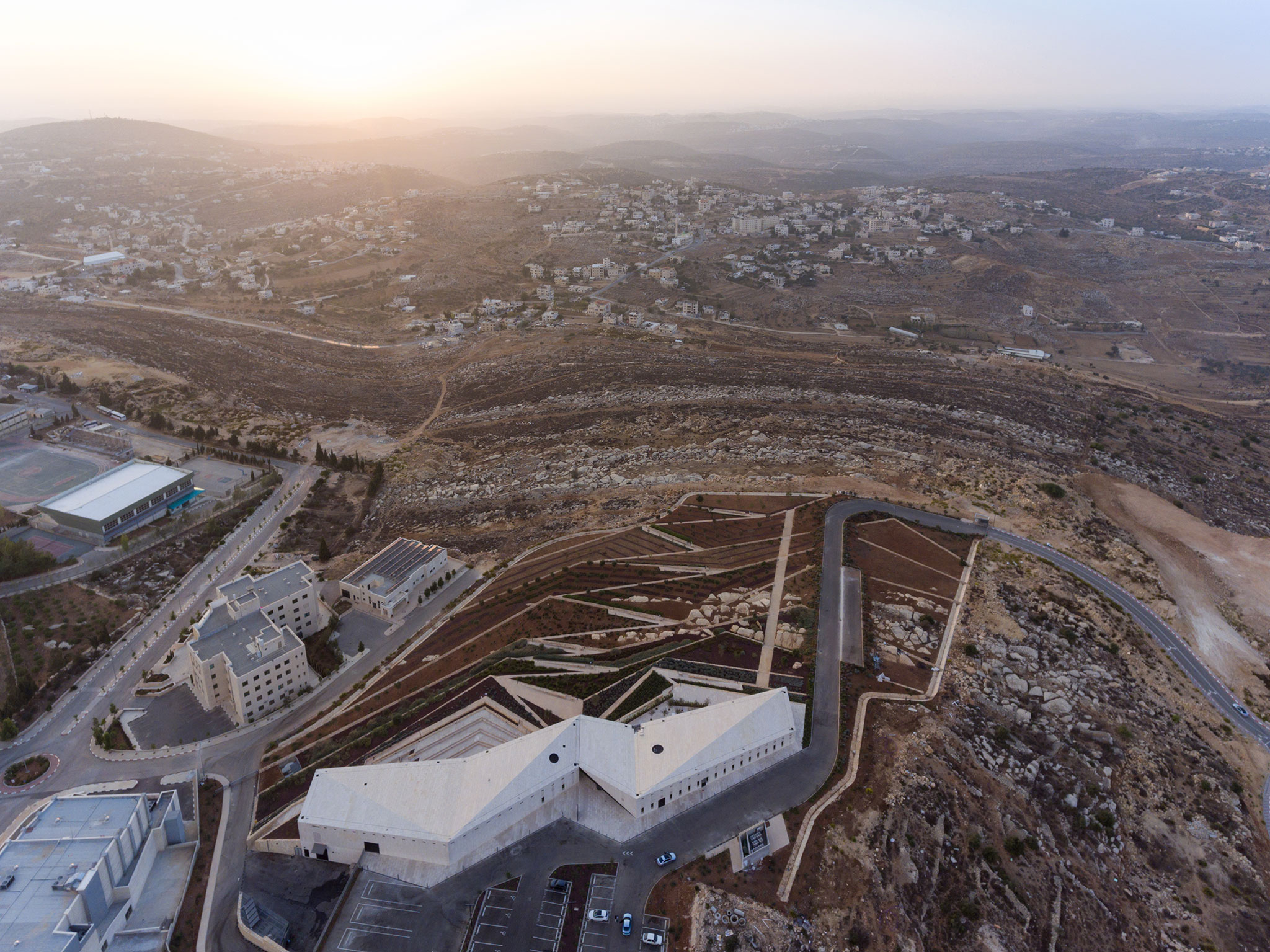
The history, society and culture of Palestine is contained in a museum inserted in one of the hills in Berzeit, between the vegetable terraces that trace the land.

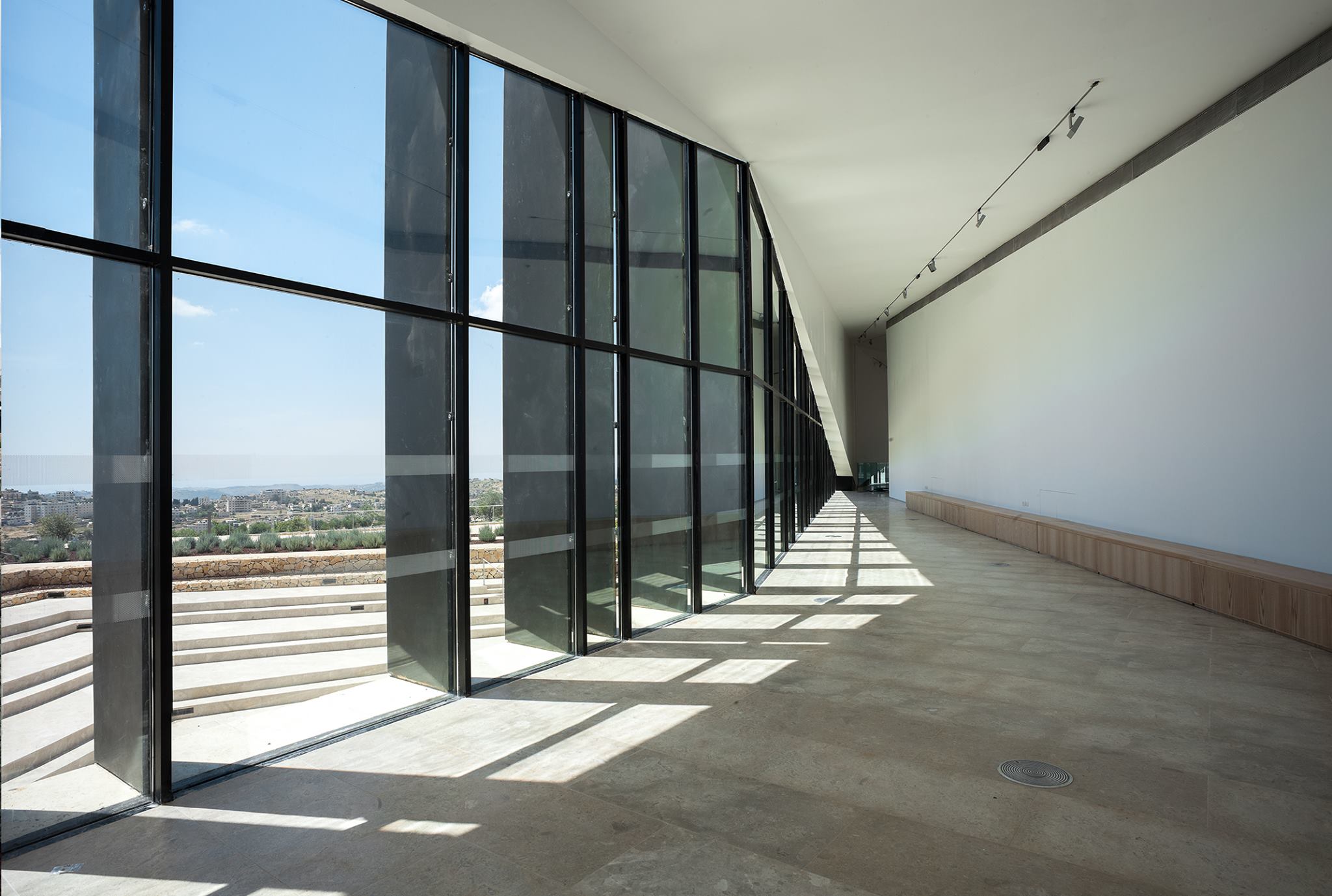
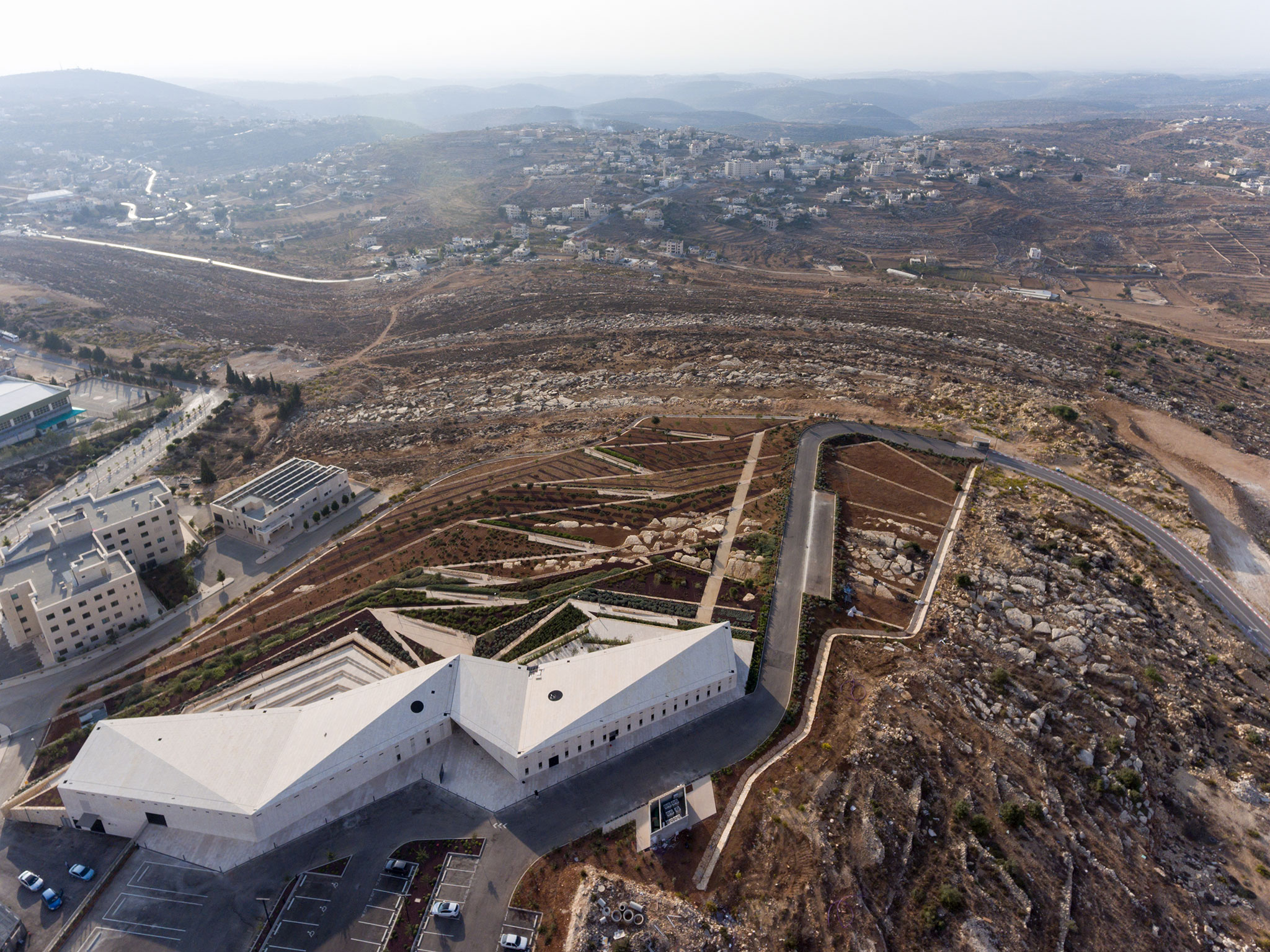
The design of Heneghan Peng Architects tries to create a new attraction for the site that will provide culture and historical knowledge to those who dare to approach the museum and its surroundings. The topography of the site allows the museum to be embedded in a vegetable terraces.

Description of the project by Heneghan Peng Architects

The Palestinian Museum, Birzeit, West Bank, Palestine
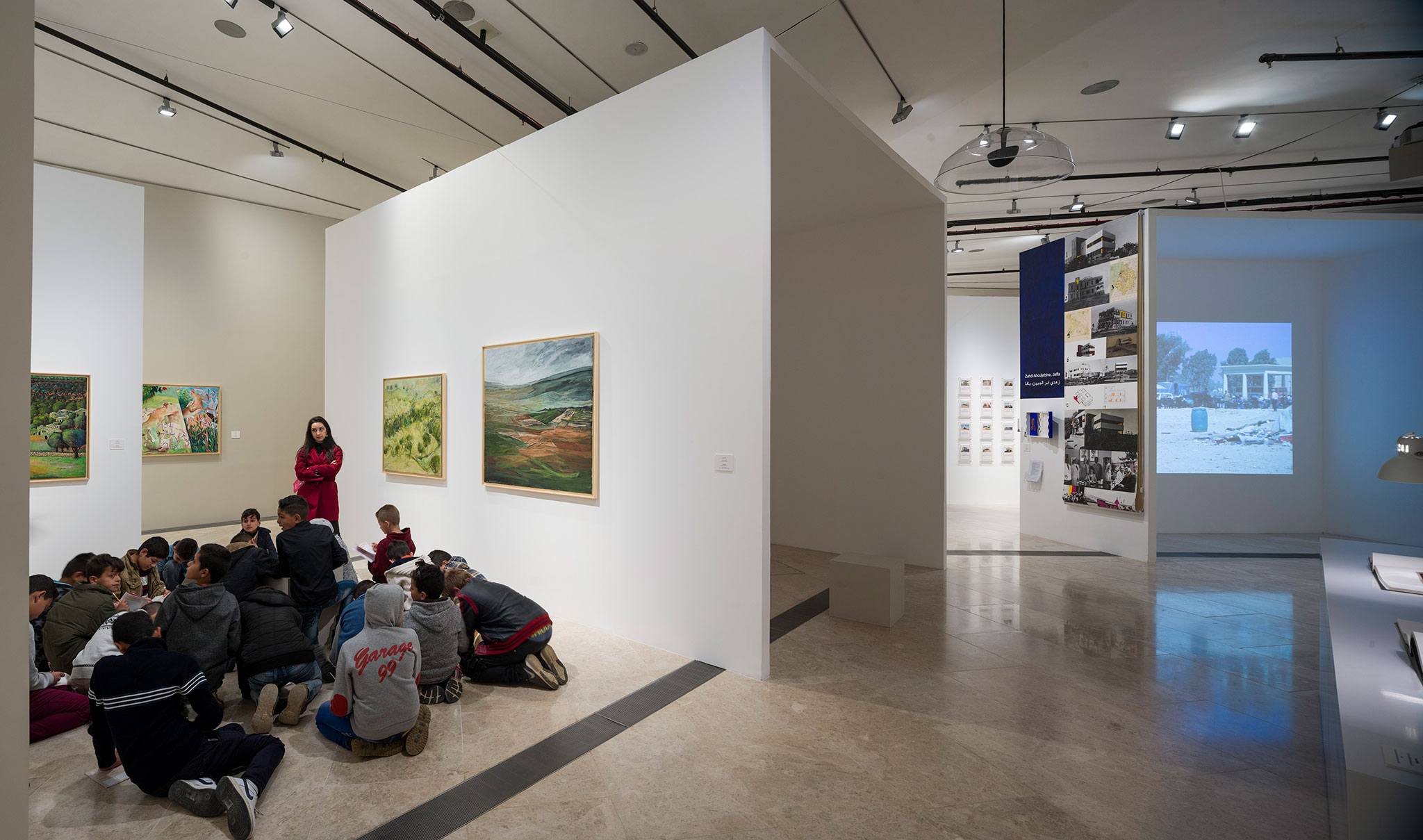
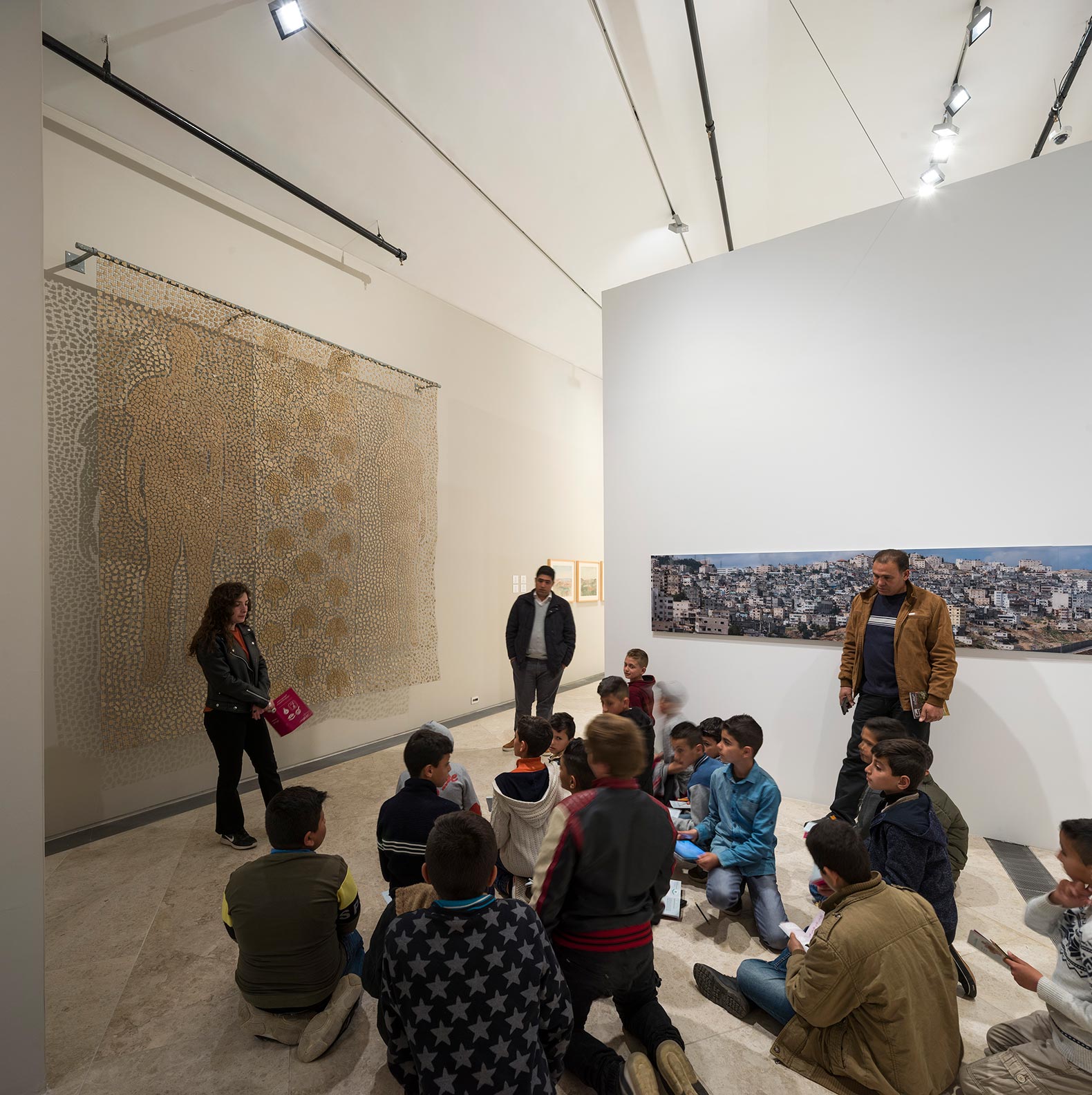
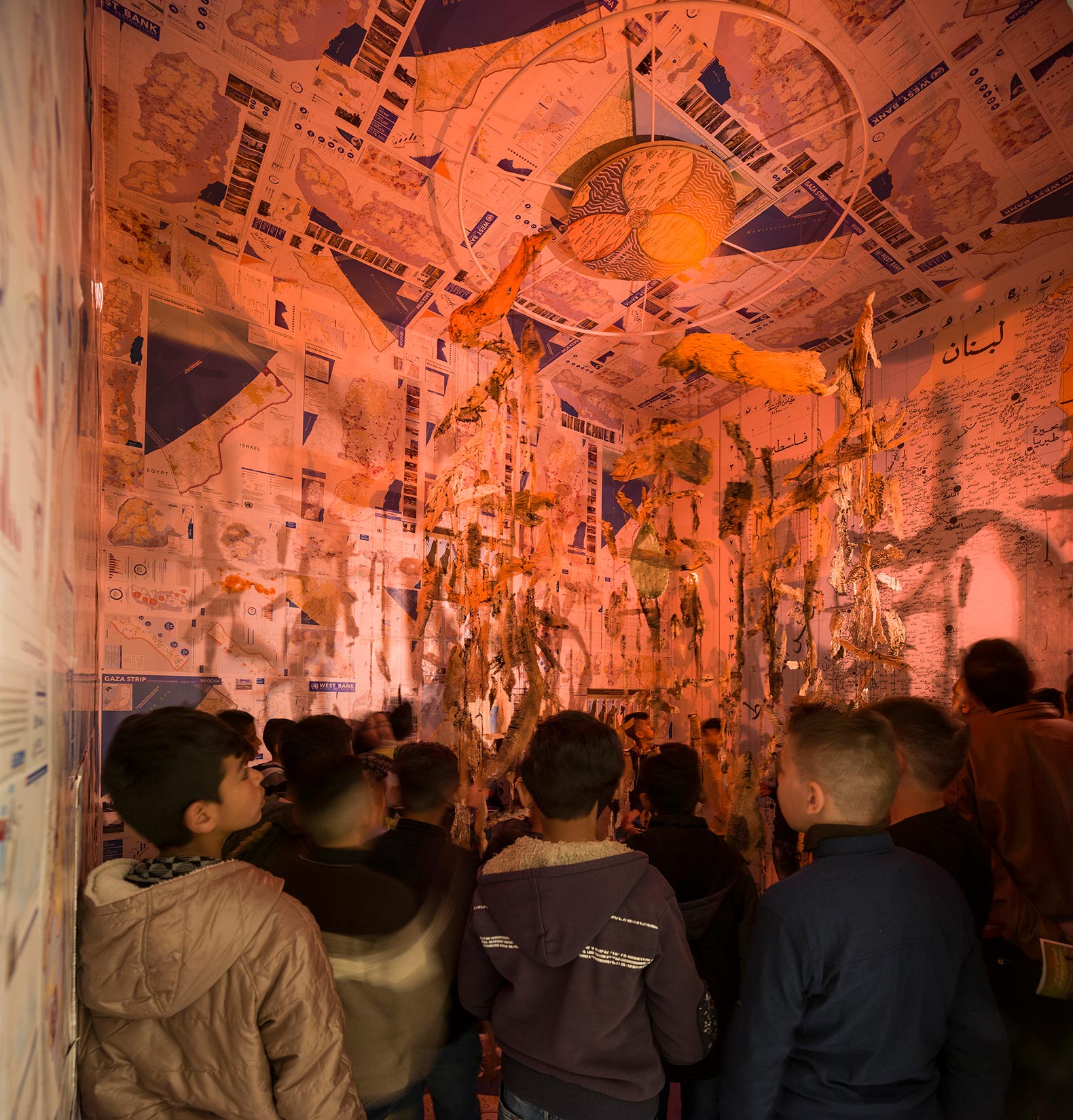
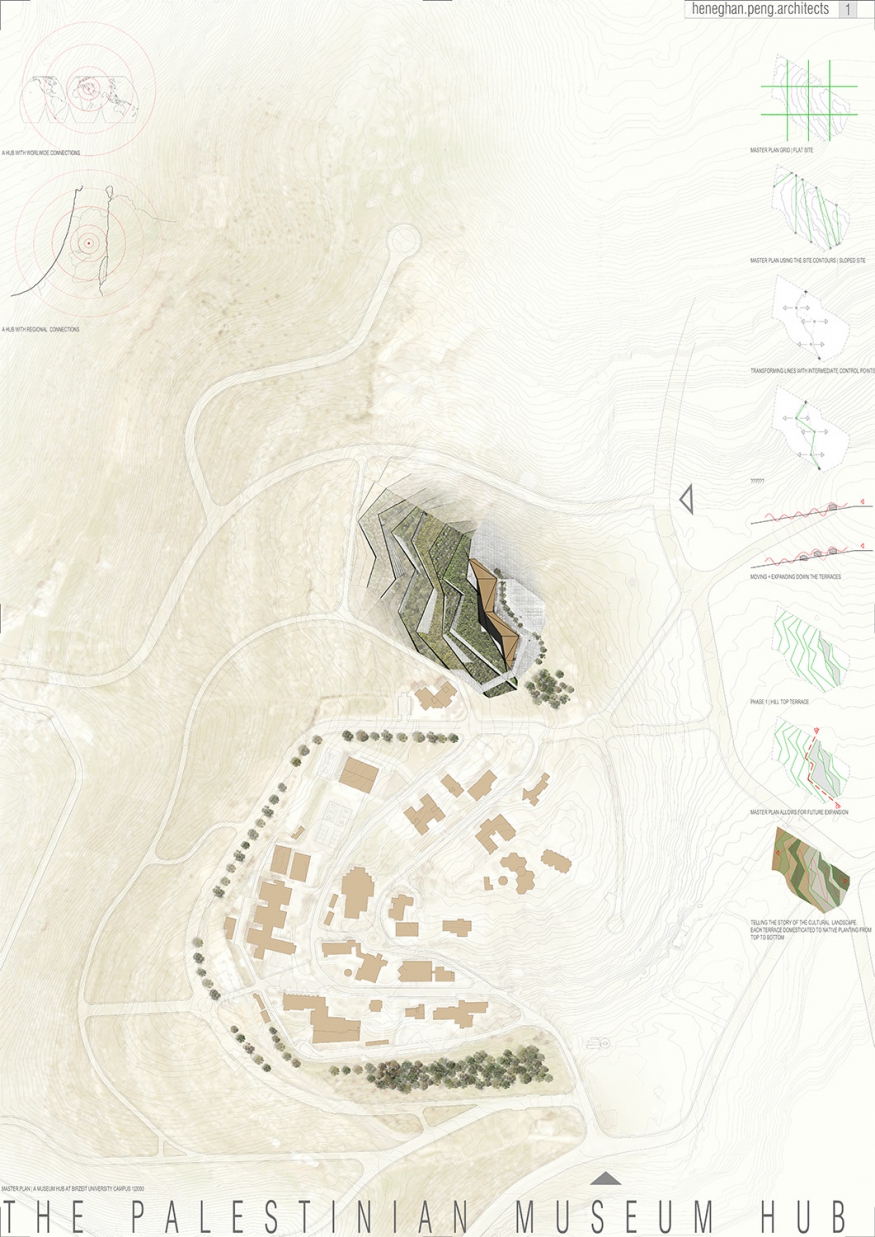
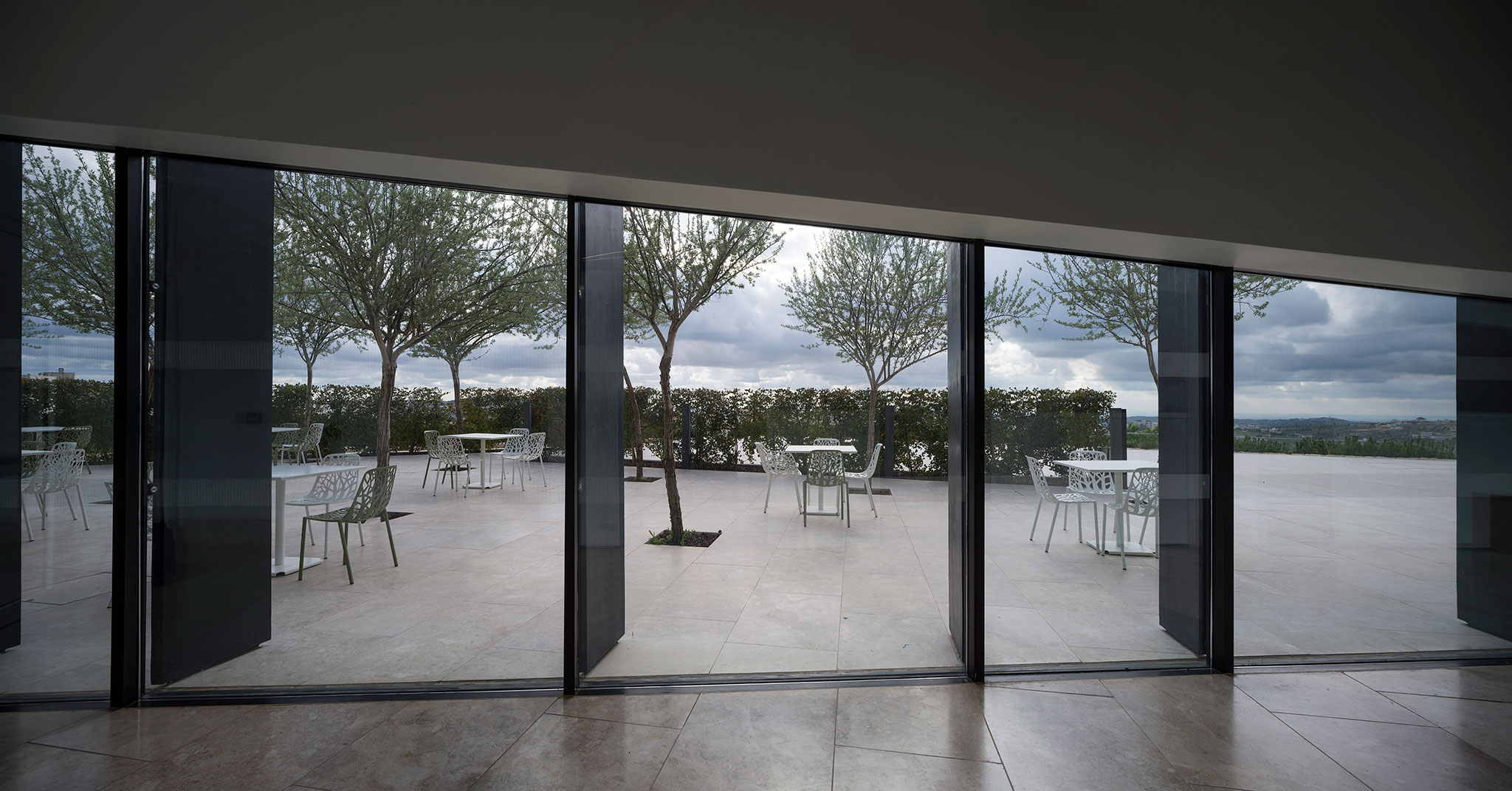
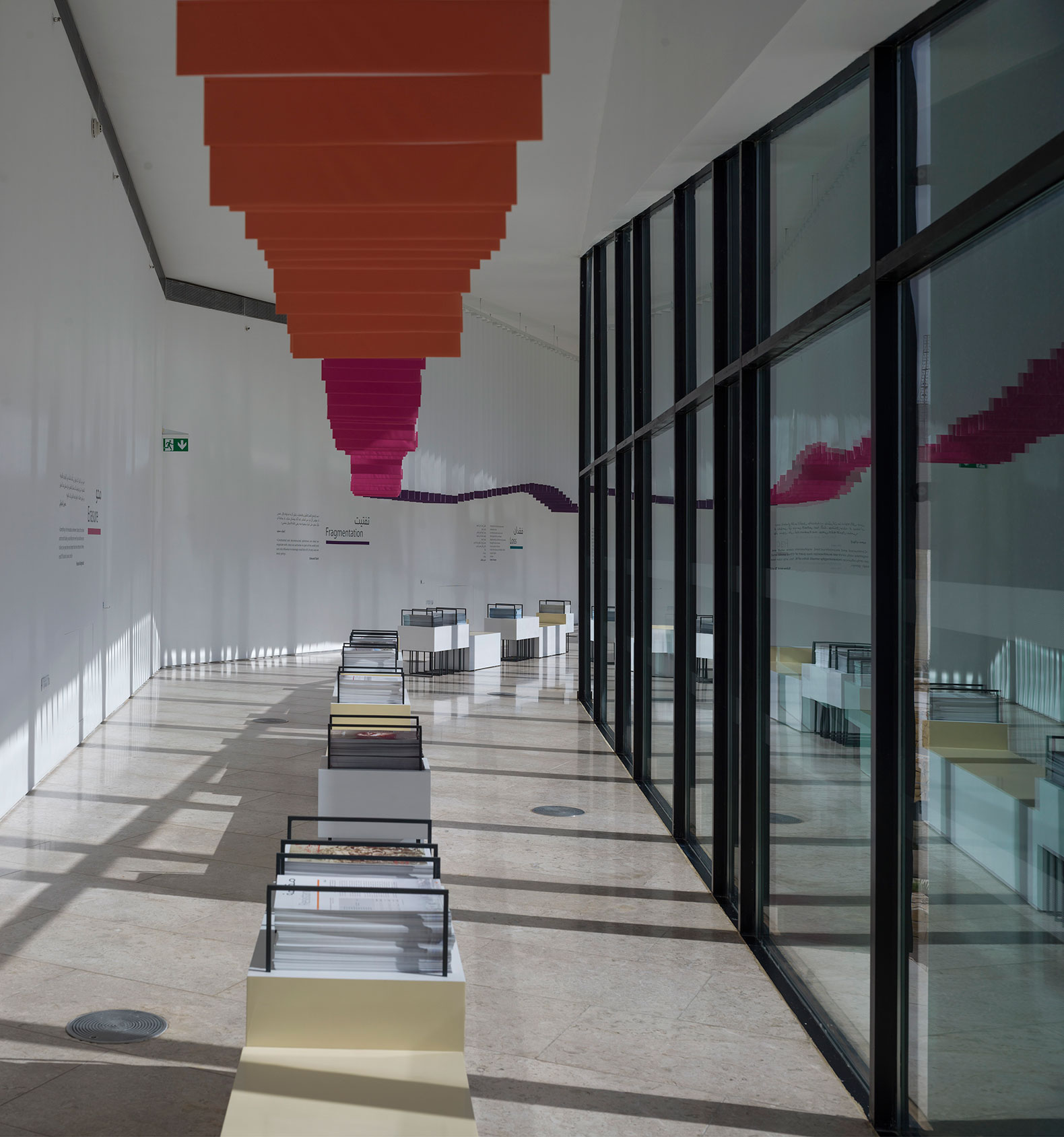
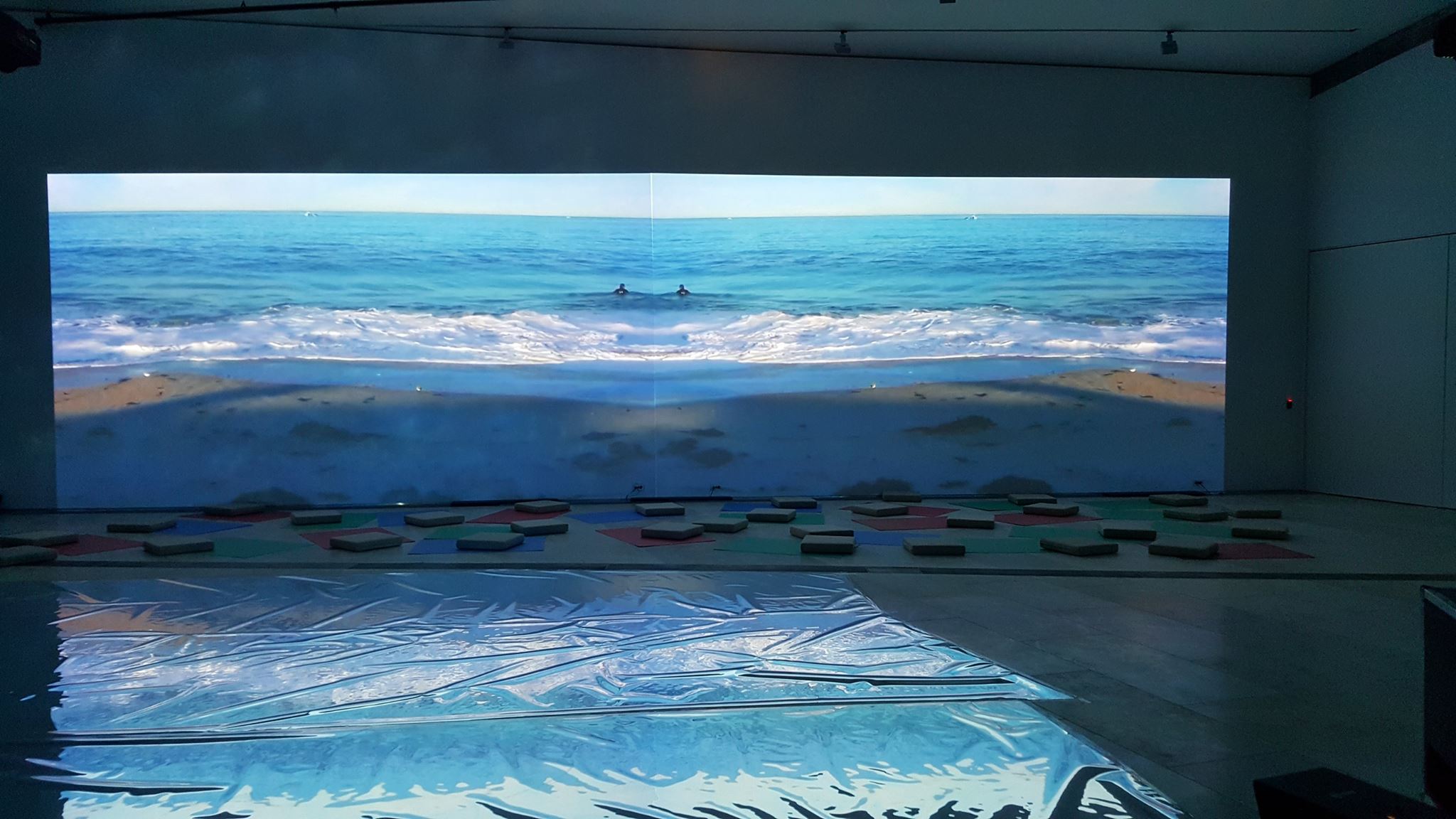
The mission of the Palestinian Museum is to be the leading, most credible and robust platform for shaping and communicating knowledge about Palestinian history, society and culture. To deliver on this mission, the client’s intention has been to develop a Palestinian Museum hub located 25km north of Jerusalem (West Bank), and in two phases of building construction. Phase 1 (completed 2016) consists of a built area of 3,500SM. It includes a climate-controlled gallery space, an amphitheatre, a cafeteria with outdoor seating, a library, classrooms, storage, a gift shop and administrative spaces; all set within 4 hectares of planned gardens. During Phase 2, the Museum will expand to a total of 10,000SM.

Worked Landscape
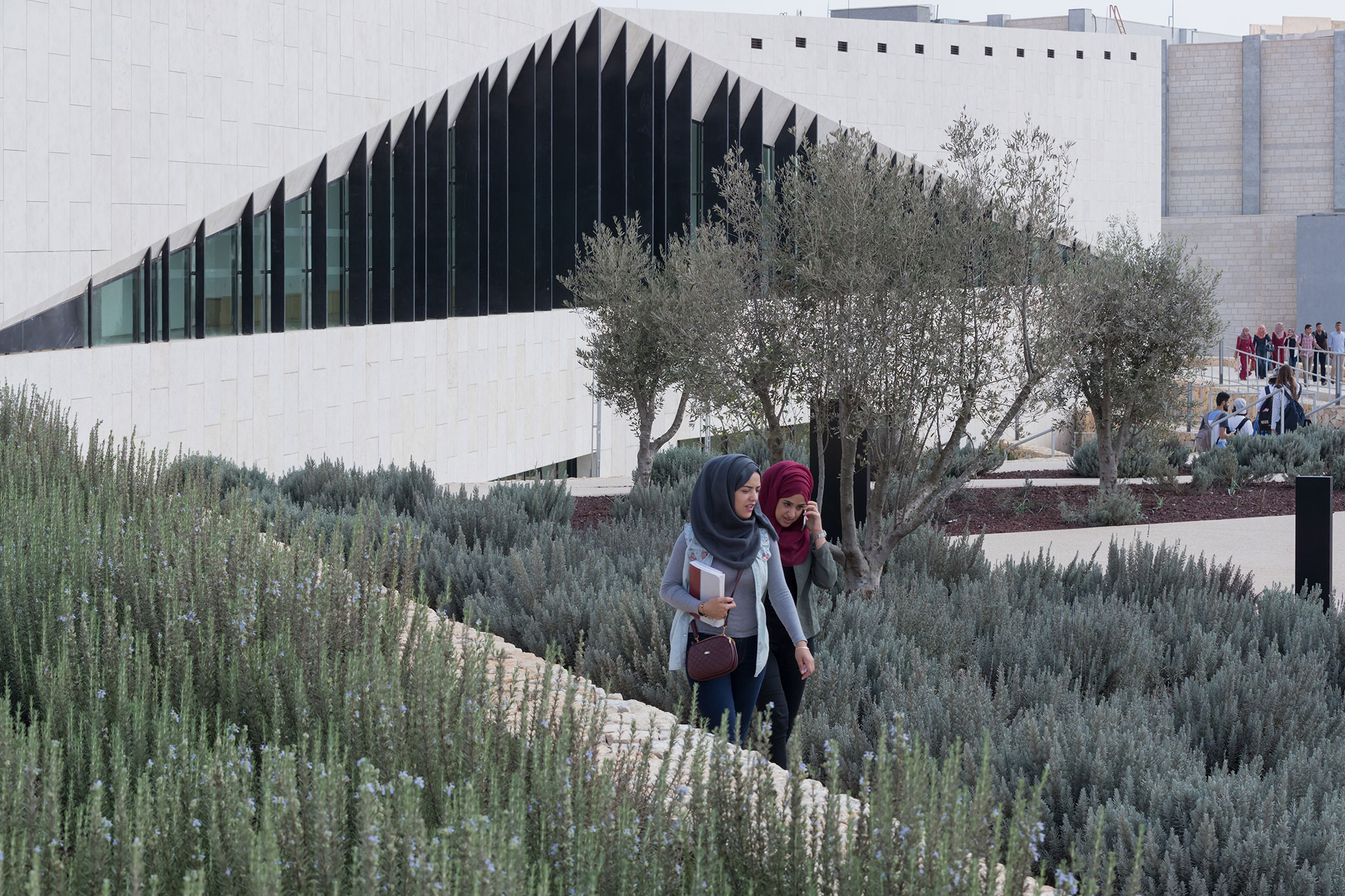
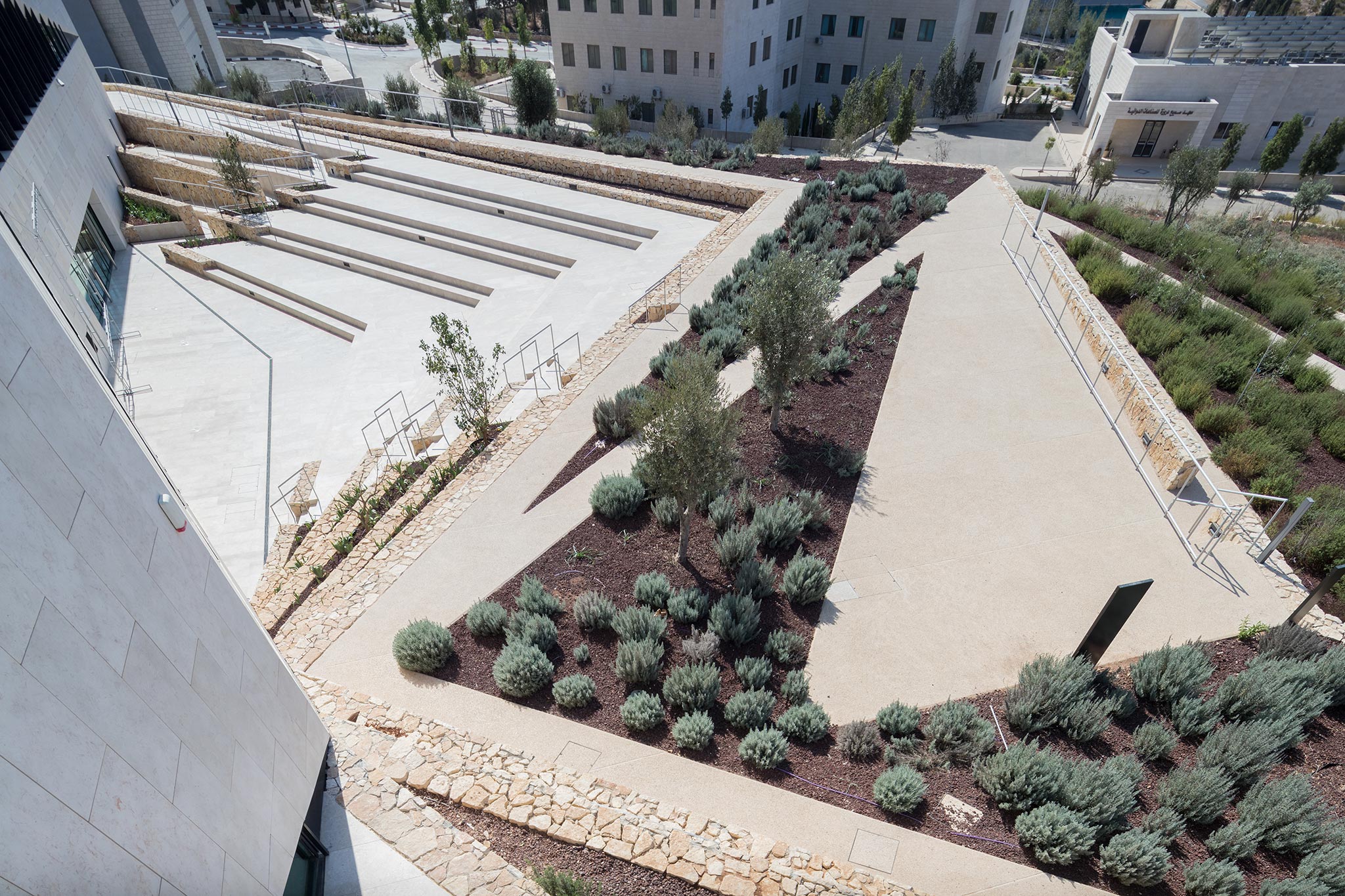
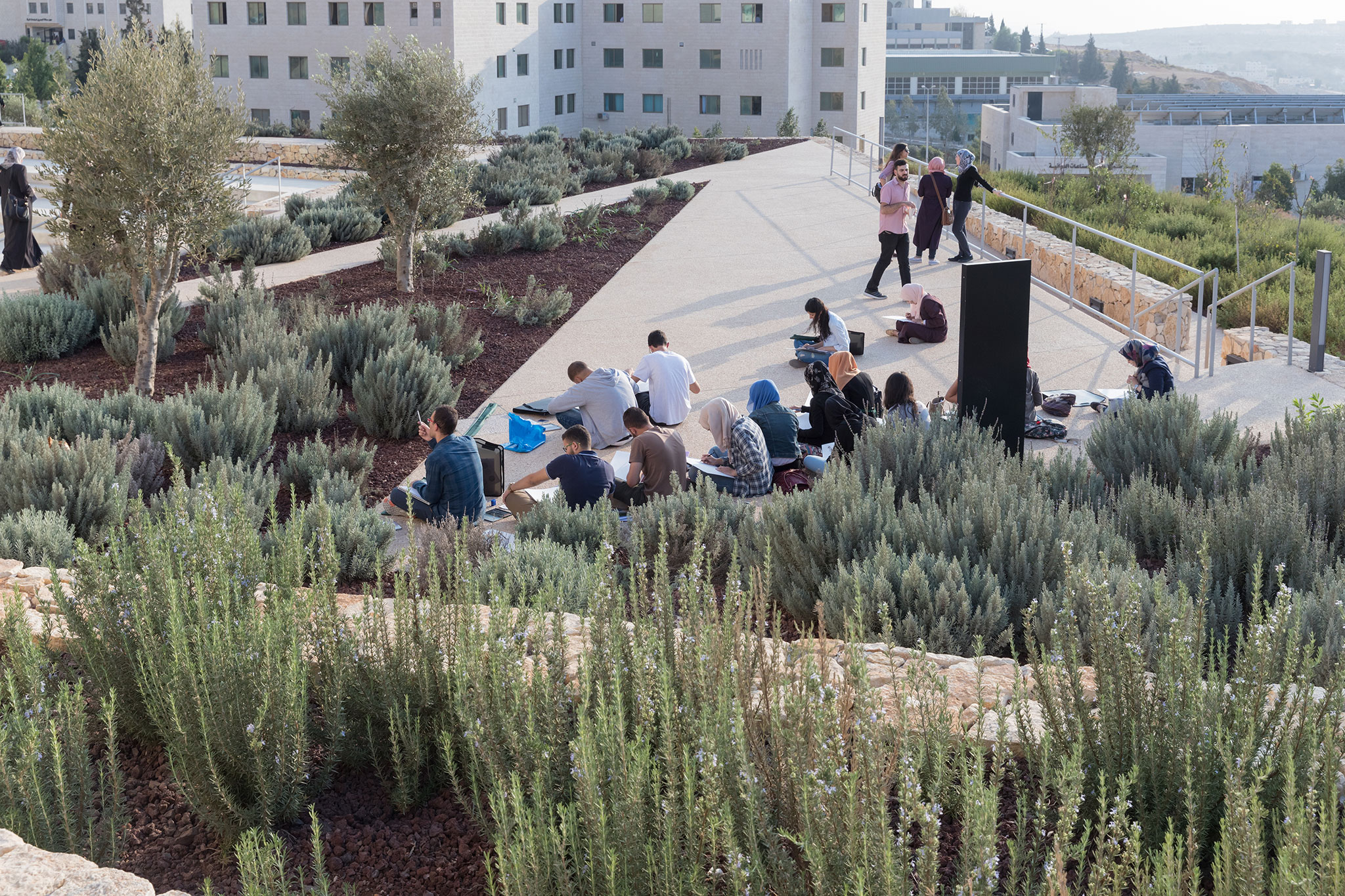
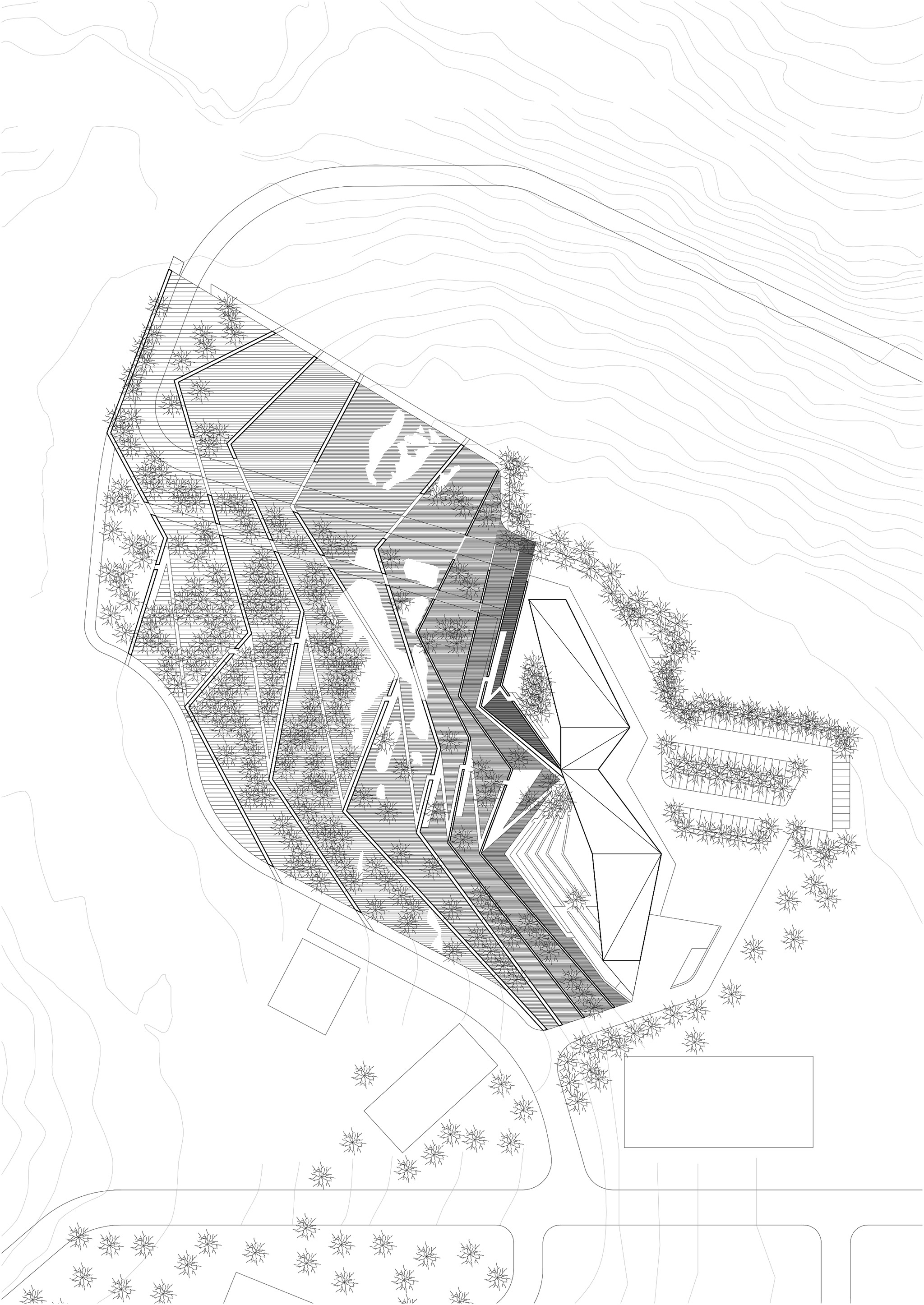
The landscape of Palestine has the ‘worked’ quality of a city; every element of it has been touched and tells a story of intervention, production, culture, environment and commerce. Like a city, the terraced landscape has embedded within it its history. The approach to the Palestinian Museum is to draw on this history of the terraced landscape, embedding the museum into its immediate site and drawing from this site to tell a larger story of a diverse culture. The site is formed through a series of cascading terraces, created by field stone walls which trace the previous agricultural terraces of the area. The theme of the landscape, from the cultural to the native landscape, unfolds across the terraces, with the more cultured and domesticated terraces close to the building, the planting changes gradually as one moves down the terraces to the west.

Embedded Landscape
The cascade of terraces tells a diversity of stories; citrus brought in through trade routes, native aromatic herbs, a rich and varied landscape with connections east and west. Terrace themes include:

- Cultural Landscapes and themes relating to culture and history
- Agricultural Heritage
- Relationship of plants to trade routes and commerce
- Natural Landscapes and themes relating to wilderness and native plants, scrub lands, grass lands
- Nature & Culture: Incorporation of native plants into domesticated agriculture and food/medicine.

Emerging Landscape
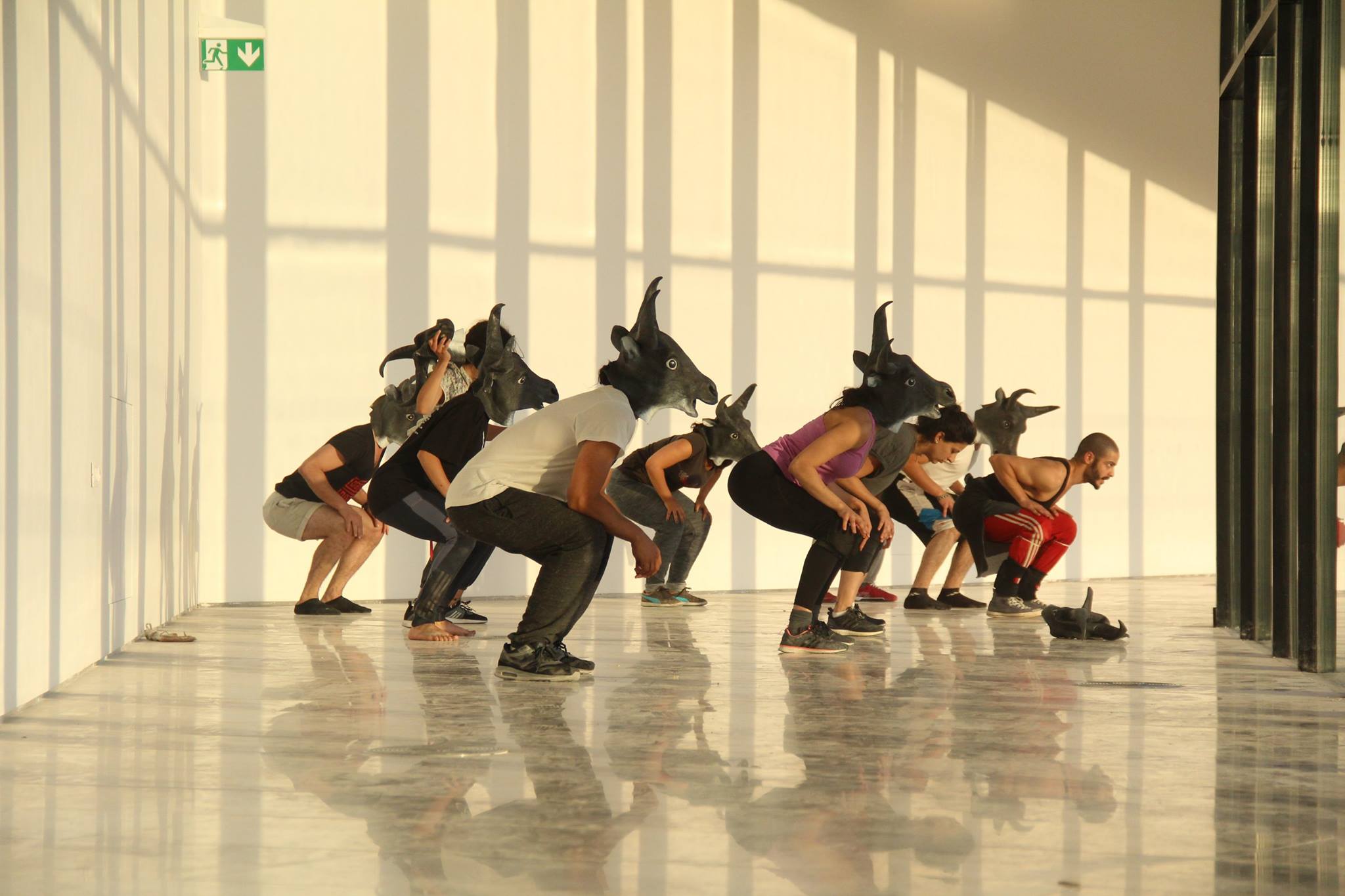
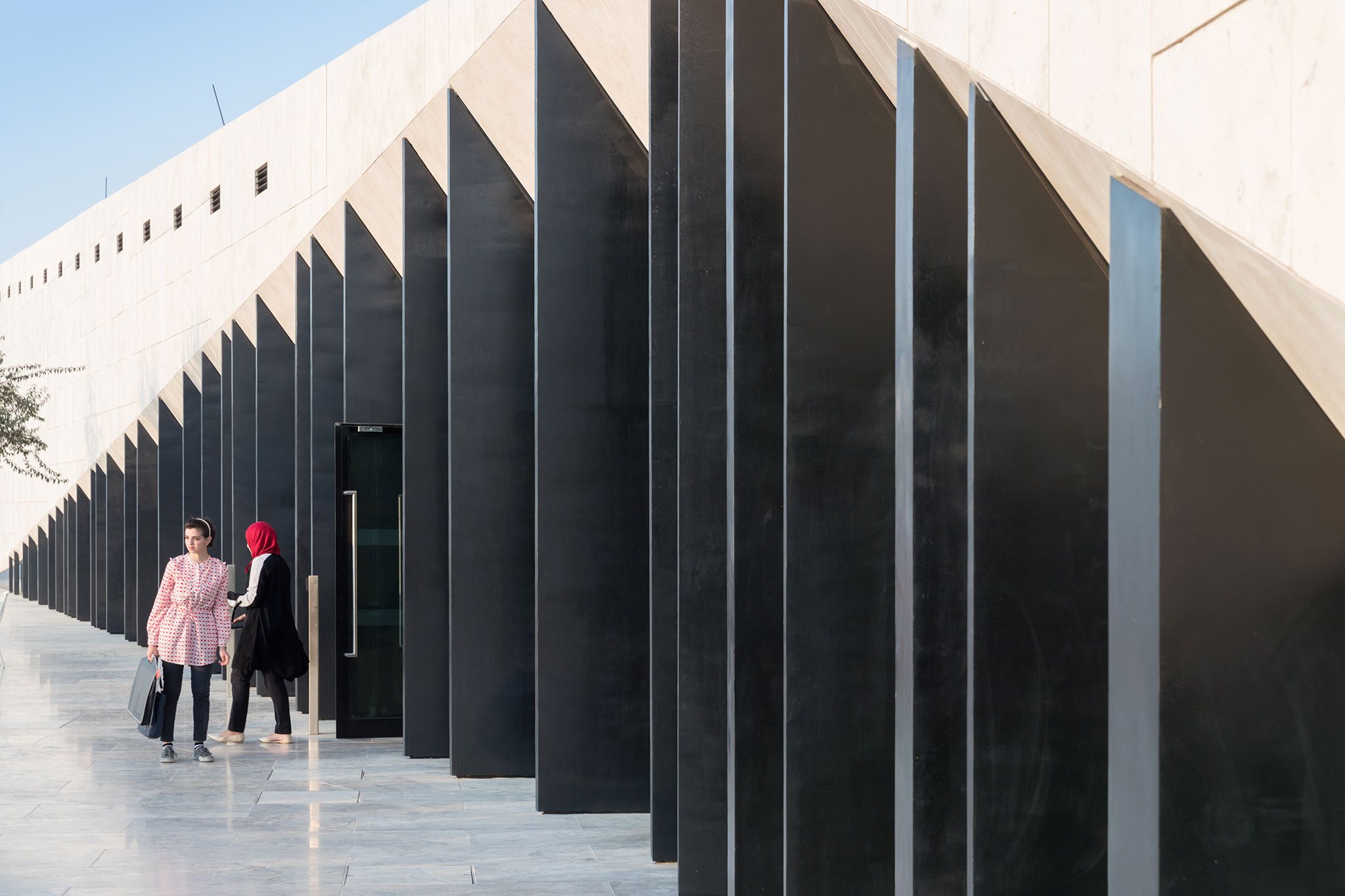
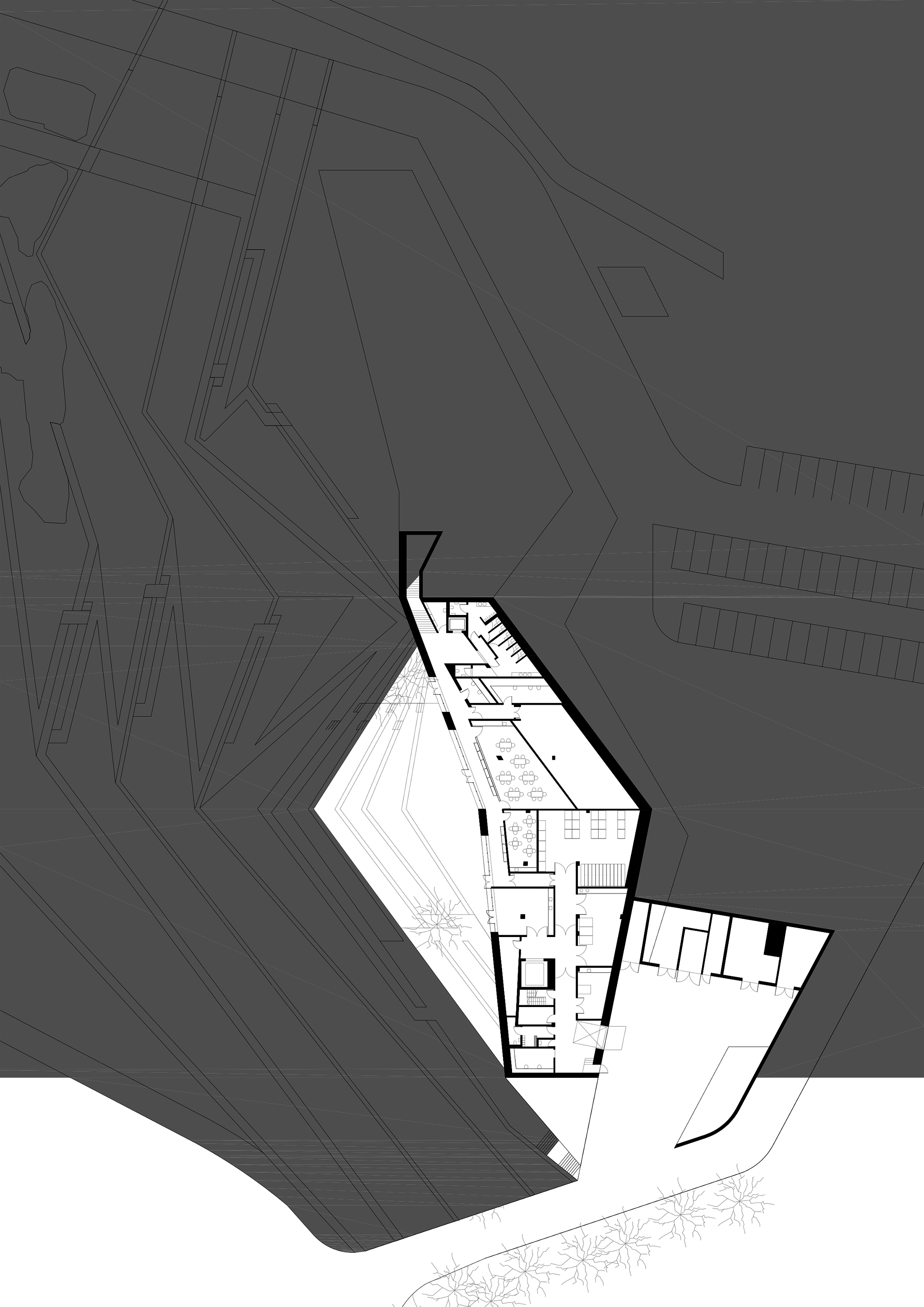
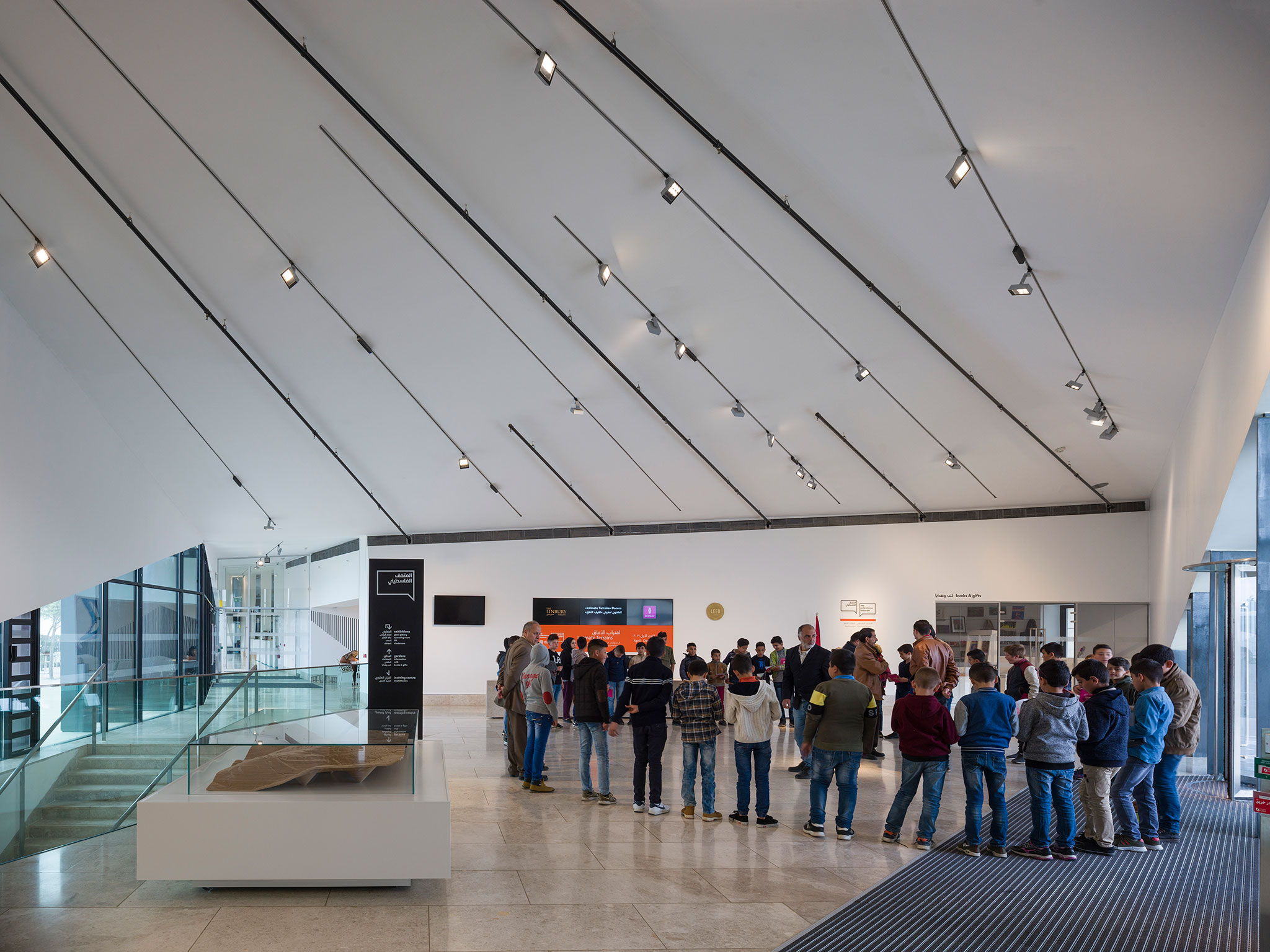
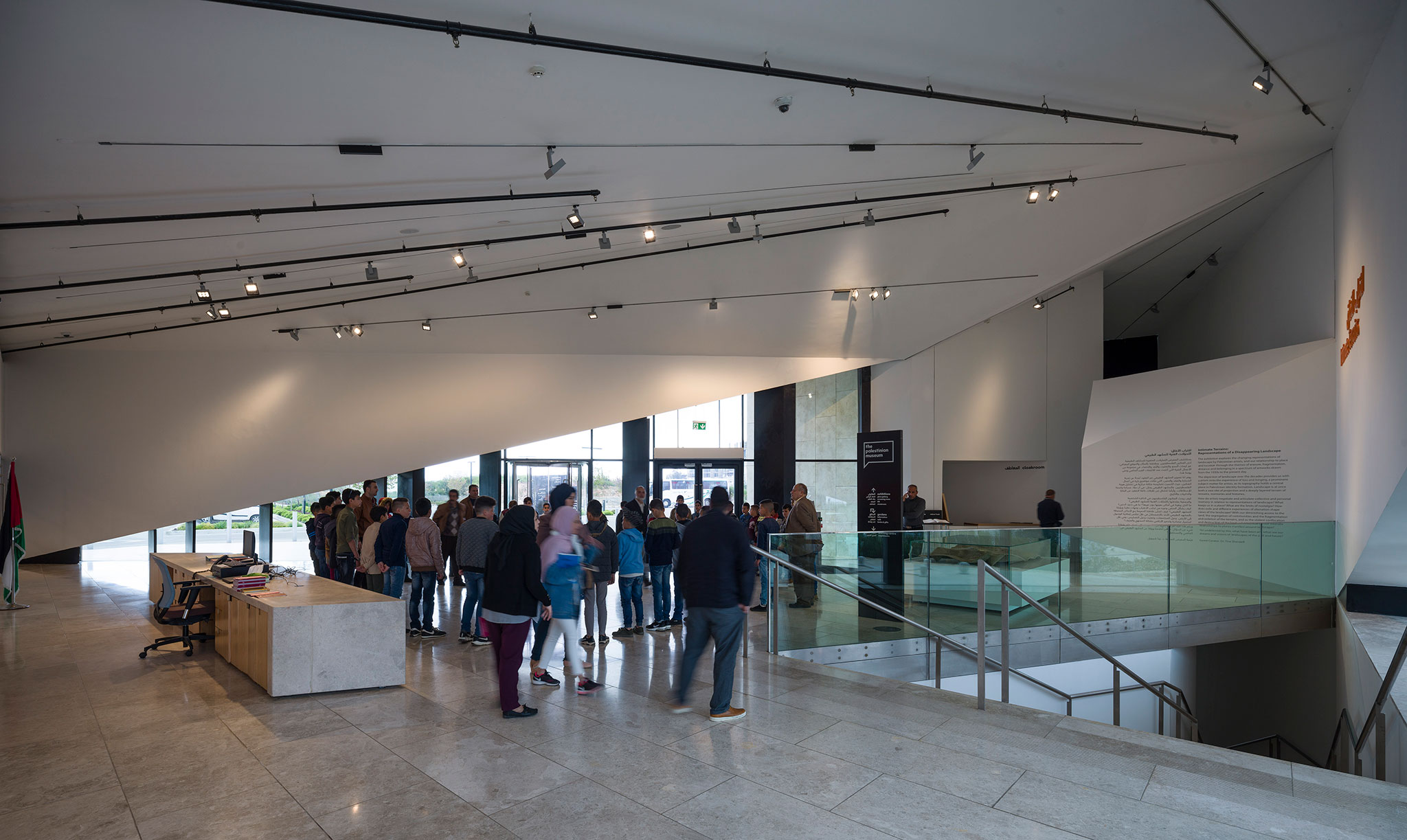
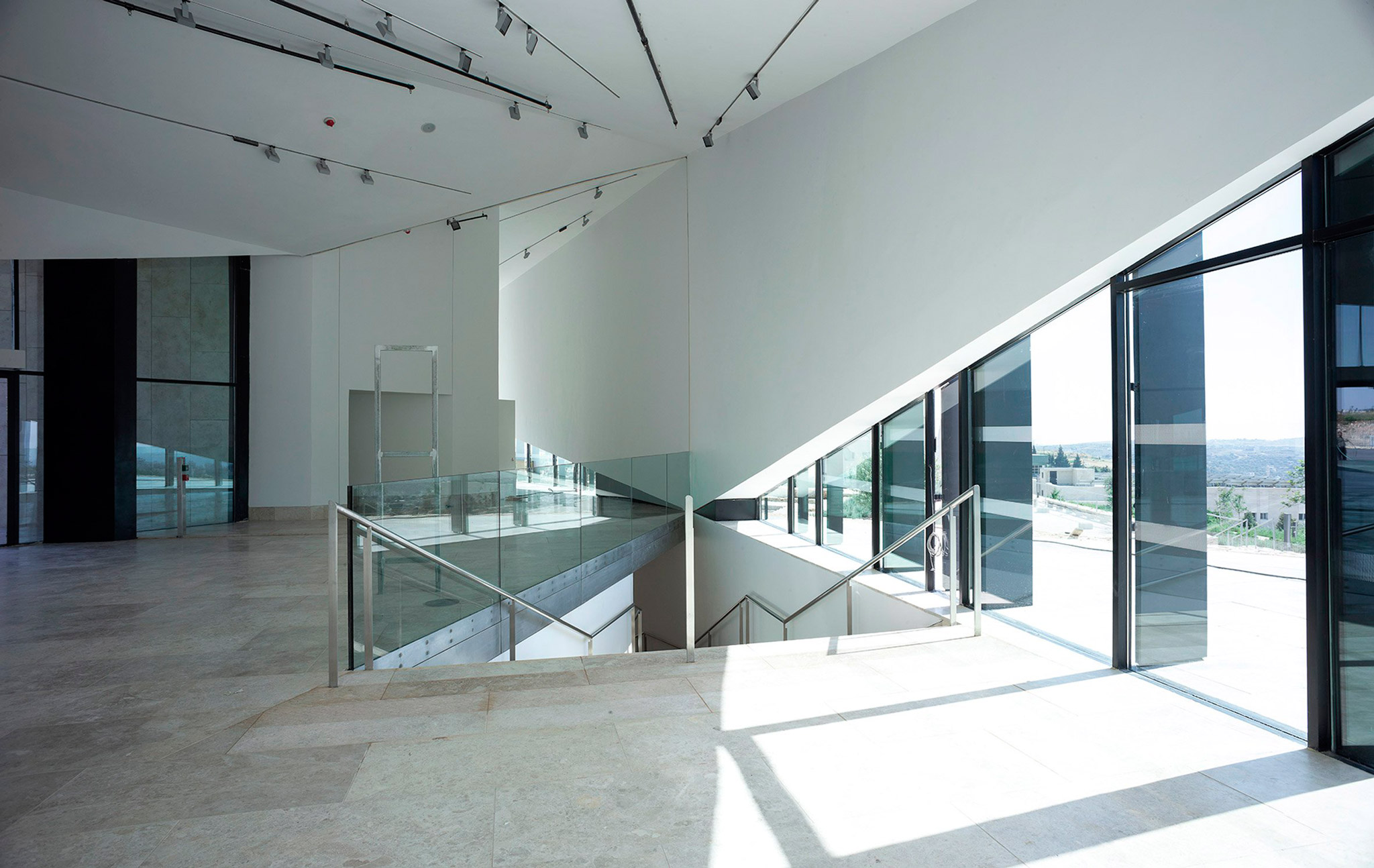
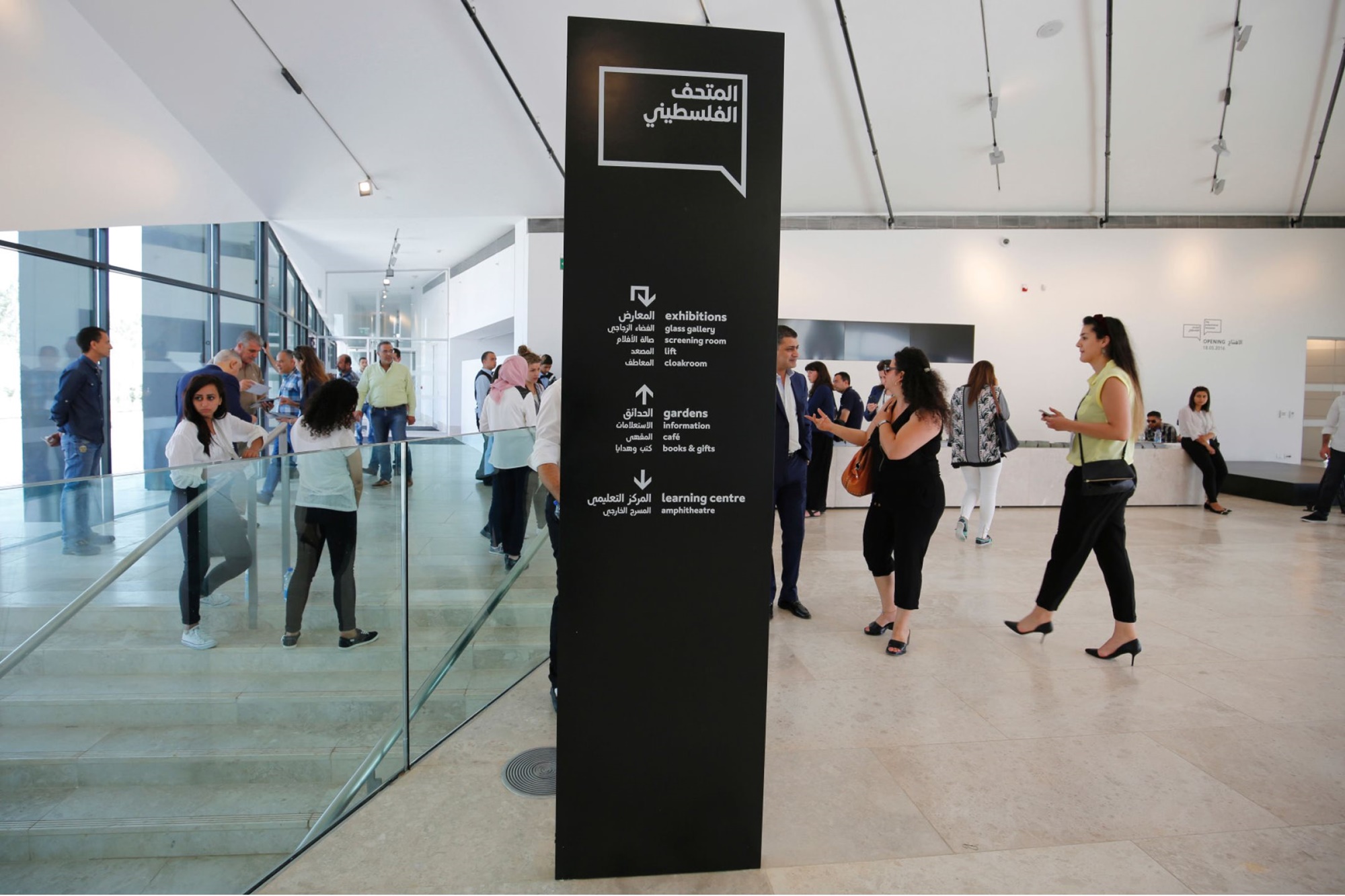
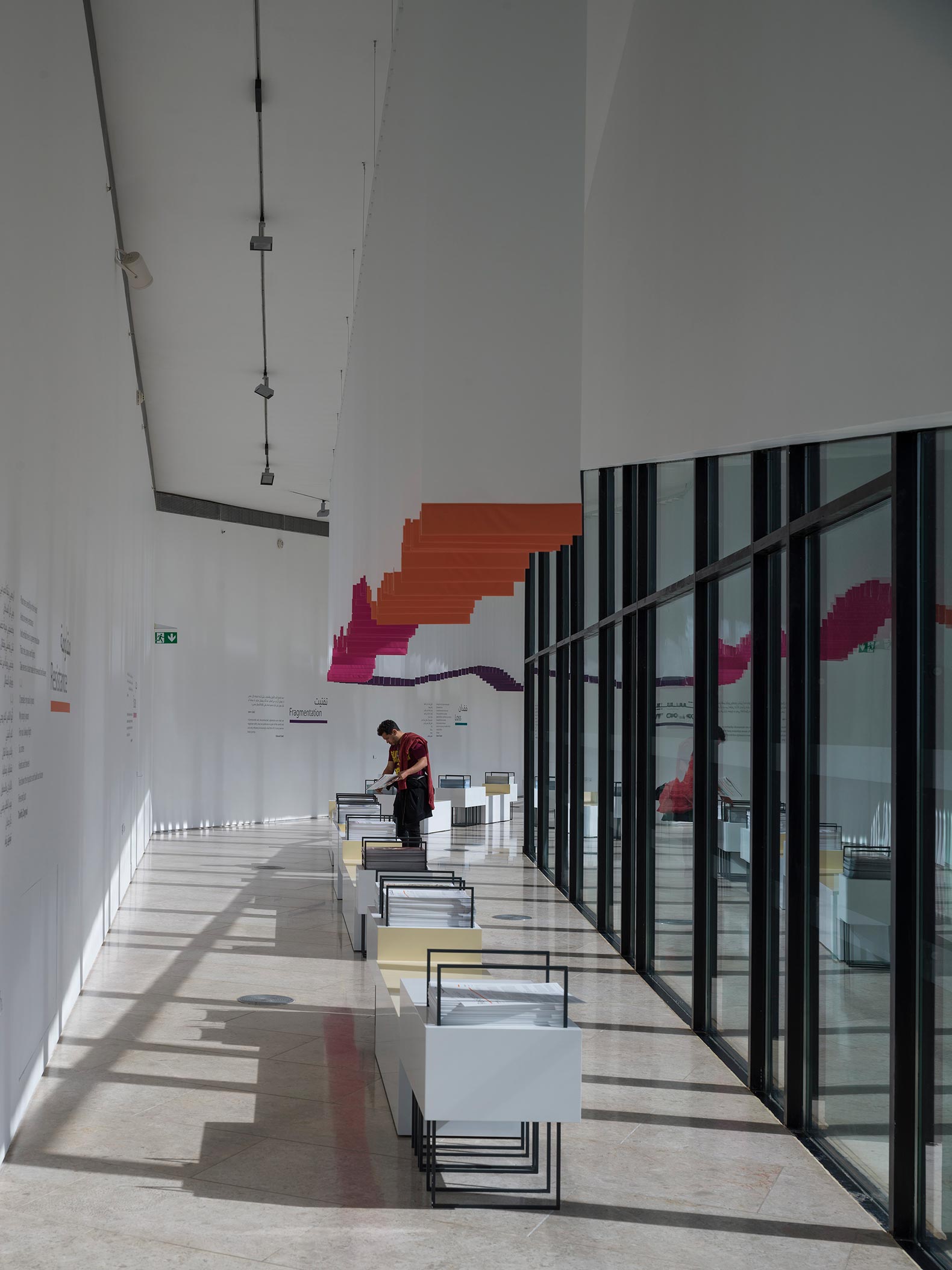
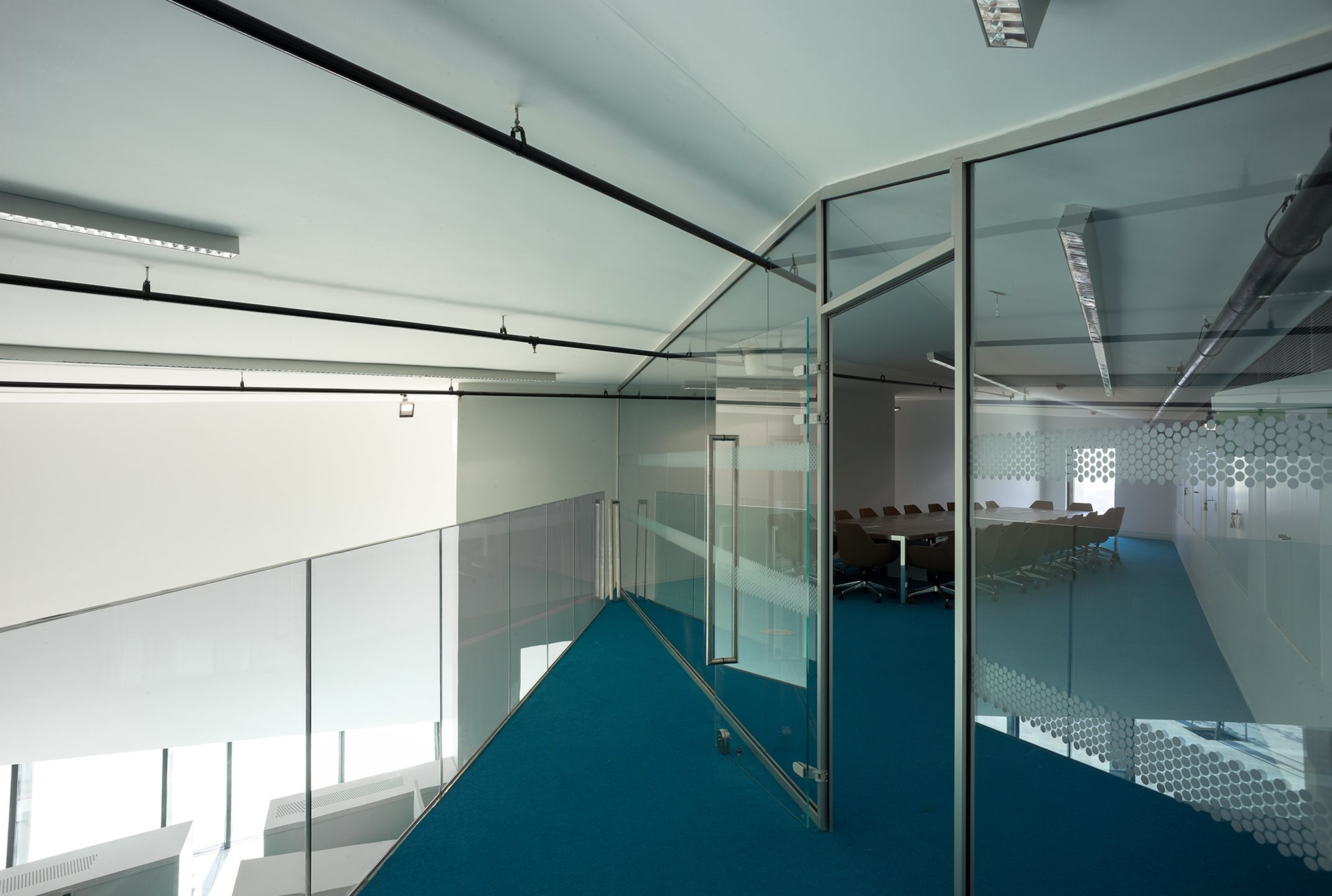
The building itself emerges from the landscape to create a strong profile for the hilltop, both integrated into the landscape yet creating an assertive form that has a distinctive identity. Largely single-storey; it stretches out along the hilltop from the south to the north, overlooking the gardens to the west. The ground floor, comprising entrance reception, museum administration, galleries, screening room and cafe, opens out directly to the gardens at its northern end, while overlooking a stone amphitheatre below it at the southern end. In the lower ground floor, there is a public Education and Research Centre with classrooms, workshops and administrative spaces. The education centre opens out to a cut stone amphitheatre to the west. In addition to the Education and Research Centre, the main art collection spaces, photographic archives, and art handling are all located on the lower ground floor. These spaces are not accessible to the public; they open out to a secure delivery yard at the eastern side of the building. The building will be the first LEED Certified building in Palestine.

Read more
Read less

More information

Label
Architect
+ + copy Created with Sketch.
- + copy Created with Sketch.
Label
Design Team
Text

Concept/ Scheme Design.- Heneghan Peng Architects. 
Landscape Architect.- Lara Zureikat.
Civil/ Structural/ Building Services/ Fire.- ARUP (London).
QS.- Davis Langdon/ AECOM (London). 
Concept Façade.- T/E/S/S (Paris).
Concept Lighting.- Bartenbach GmbH (Aldrans, Austria).
Project Managers.- Projacs International (Jordan). 

Design Team - Tender/ Construction Stage.- Heneghan Peng Architects
Landscape Architect.- Lara Zureikat.
Civil/ Structural/ Building Services/ Fire/ QS.- Arabtech Jardaneh (Local Partner).
Project Managers.- Projacs International Palestine.
+ + copy Created with Sketch.
- + copy Created with Sketch.
Label
Client
Text

Welfare Association/ Taawon

+ + copy Created with Sketch.
- + copy Created with Sketch.
Label
Contractor
Text

Consolidated Contractors Company, Ramallah, Palestine. Tubeileh, Nablus, Palestine. Al Sabe Landscape Contractors, Qalqilia, Palestine.
+ + copy Created with Sketch.
- + copy Created with Sketch.
Label
Area
Text

(Phase I) - 3,500m² Building & 40,000m² Gardens

+ + copy Created with Sketch.
- + copy Created with Sketch.
Label
Cost
Text

€ 16.5m

+ + copy Created with Sketch.
- + copy Created with Sketch.
Label
Specified Materials
Text

Dolomitic Limestone - Nassar Stone Ltd., Bethlehem, Palestine.
Schueco Curtain Walling & bespoke brise soleil - ALICO, Dubai, UAE.
Tretford Carpet - Waterford Carpets Ltd., Ireland.
ERCO Lighting - ERCO, Germany.
D-Line Ironmongery - D-Line, Dubai, UAE.
Bespoke Fitted furniture - Manjorco, Ramallah Palestine.
Signage/ Wayfinding - Creative Ad Design, Beit Jala, Palestine.
+ + copy Created with Sketch.
- + copy Created with Sketch.
Label
Photography
+ + copy Created with Sketch.
- + copy Created with Sketch.
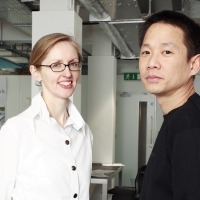
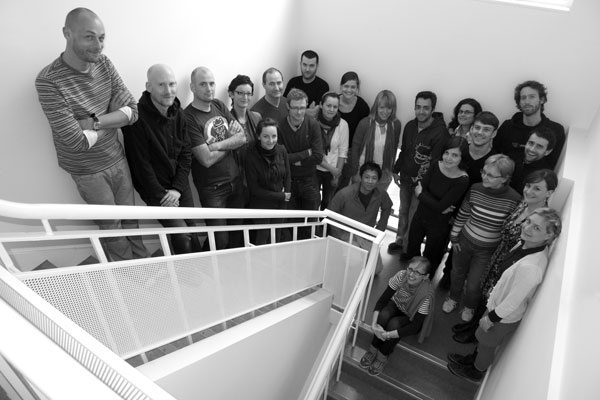
Heneghan Peng Architects is a studio specializing in architecture, landscape, and urban design, founded by Shih-Fu Peng (born in Taiwan in 1965) and Róisín Heneghan (born in Dublin, Ireland, in 1962). Róisín Heneghan graduated from University College Dublin, and Shih-Fu Peng from National Taiwan University, before both pursuing postgraduate studies at the Harvard Graduate School of Design. They met during these studies and founded their firm in New York in 1999. Two years later, in 2001, they opened an office in Dublin, which has become their main base of operations.

From its inception, Heneghan Peng has adopted an integrative approach that combines architecture, landscape, and urbanism, working closely with engineers and specialists to address each project holistically. Their work is distinguished by sensitivity to the environment, topography, and cultural context, avoiding iconic gestures and prioritizing conceptual clarity and integration with the landscape. This philosophy has allowed them to develop a versatile practice capable of tackling projects of varying scales and typologies, including master plans, bridges, landscape interventions, and institutional, educational, and cultural buildings.
The firm gained early recognition in international competitions, winning several first prizes that established its reputation. These include the commission for the Grand Egyptian Museum in 2003, the competition for the Giant’s Causeway Visitor Centre in 2005, and the selection for the pedestrian bridges at the London Olympic Park in 2007. These early achievements demonstrated their ability to undertake complex, large-scale projects with a relatively small team, consolidating their global recognition.

Among their major projects are the Grand Egyptian Museum in Giza, currently the largest museum in the world dedicated to a single civilization; the Giant’s Causeway Visitor Centre in Northern Ireland; the Central Park Bridges at the London Olympic Park in 2012; the Library and School of Architecture at the University of Greenwich in London; and the Mittelrheinbruecke in the Rhine Valley, Germany. Other notable commissions include the Palestinian Museum in Birzeit and various institutional headquarters and pedestrian bridges across Europe.

Heneghan Peng has successfully balanced large-scale projects with a detailed and contextual approach, combining technical rigour, environmental sensitivity, and architectural vision. Their trajectory demonstrates that global excellence can emerge from small practices, provided there is conceptual clarity, commitment to the context, and respect for local culture. The firm represents a model of contemporary architectural practice that integrates research, design, and multidisciplinary collaboration, establishing itself as an international reference in architecture that is attentive to landscape and context.

Read more
Published on: May 30, 2017
Cite:
metalocus, SARA NÁJAR
"Folds in the hill. The Palestinian Museum by Heneghan Peng Architects" METALOCUS. Accessed
<https://www.metalocus.es/en/news/folds-hill-palestinian-museum-heneghan-peng-architects> ISSN 1139-6415
Loading content ...
Loading content ...
Loading content ...
Loading content ...
Loading content ...
Loading content ...
Loading content ...
Loading content ...
Loading content ...
Loading content ...
Loading content ...
Loading content ...
Loading content ...
Loading content ...
Loading content ...
Loading content ...
Loading content ...
Loading content ...
Loading content ...
Loading content ...
Loading content ...
Loading content ...
Loading content ...
Loading content ...
Loading content ...
Loading content ...
Loading content ...
Loading content ...
Loading content ...
Loading content ...
Loading content ...
Loading content ...
Loading content ...
Loading content ...
Loading content ...
Loading content ...
Loading content ...
Loading content ...
Loading content ...
Loading content ...
Loading content ...
Loading content ...
Loading content ...
Loading content ...
Loading content ...
Loading content ...
Loading content ...
Loading content ...
Loading content ...
Loading content ...
Loading content ...
Loading content ...
Loading content ...
Loading content ...