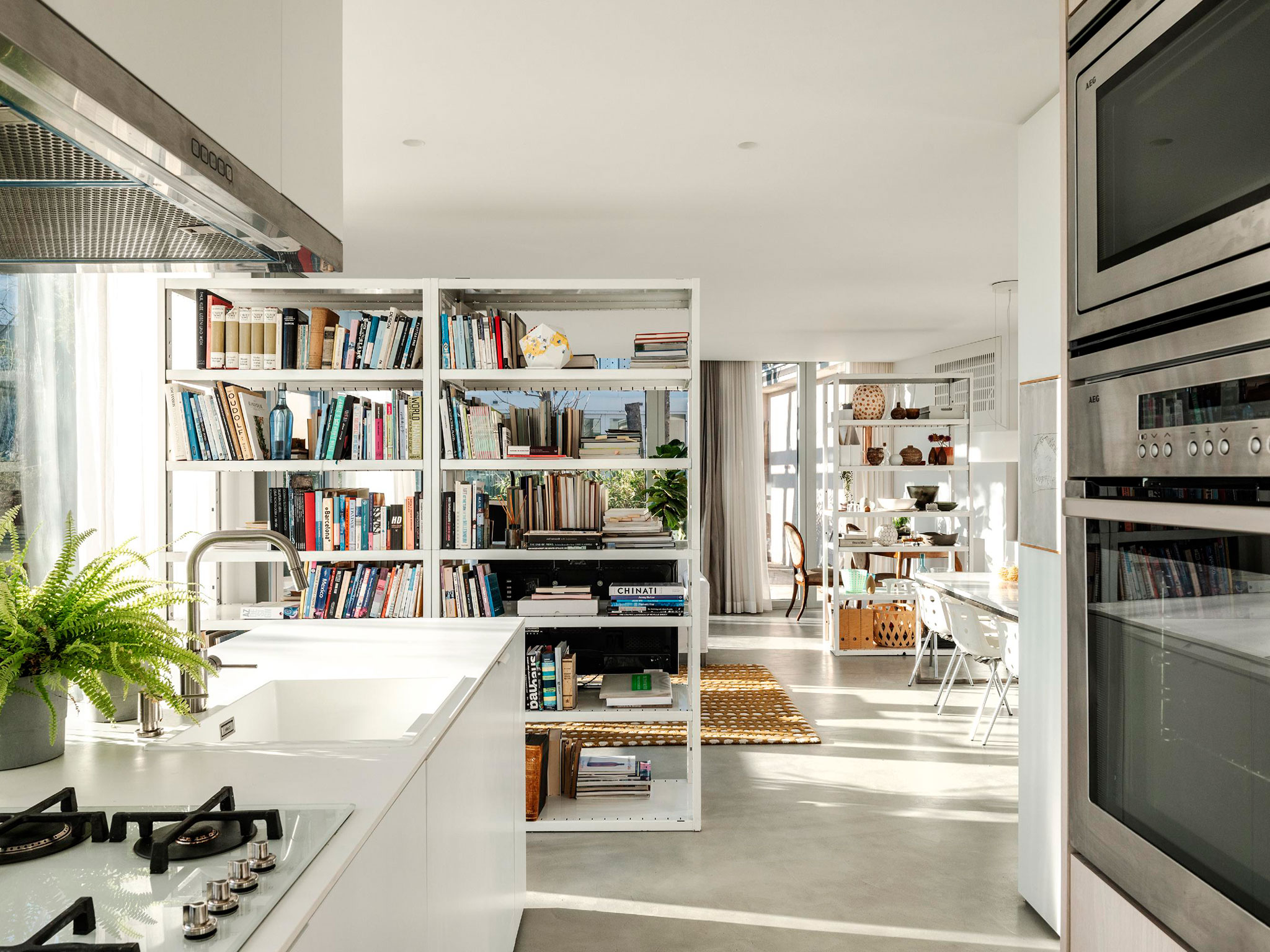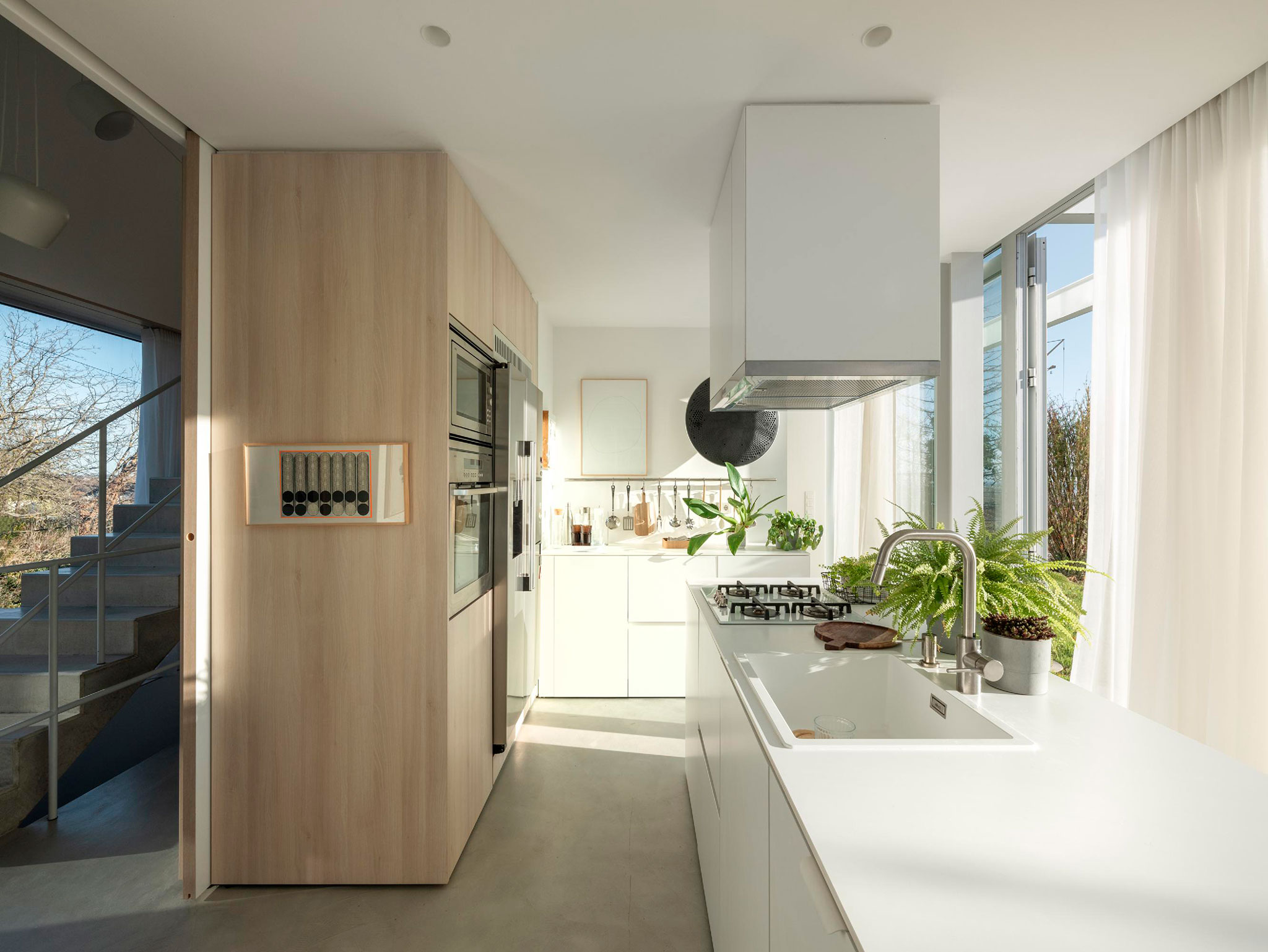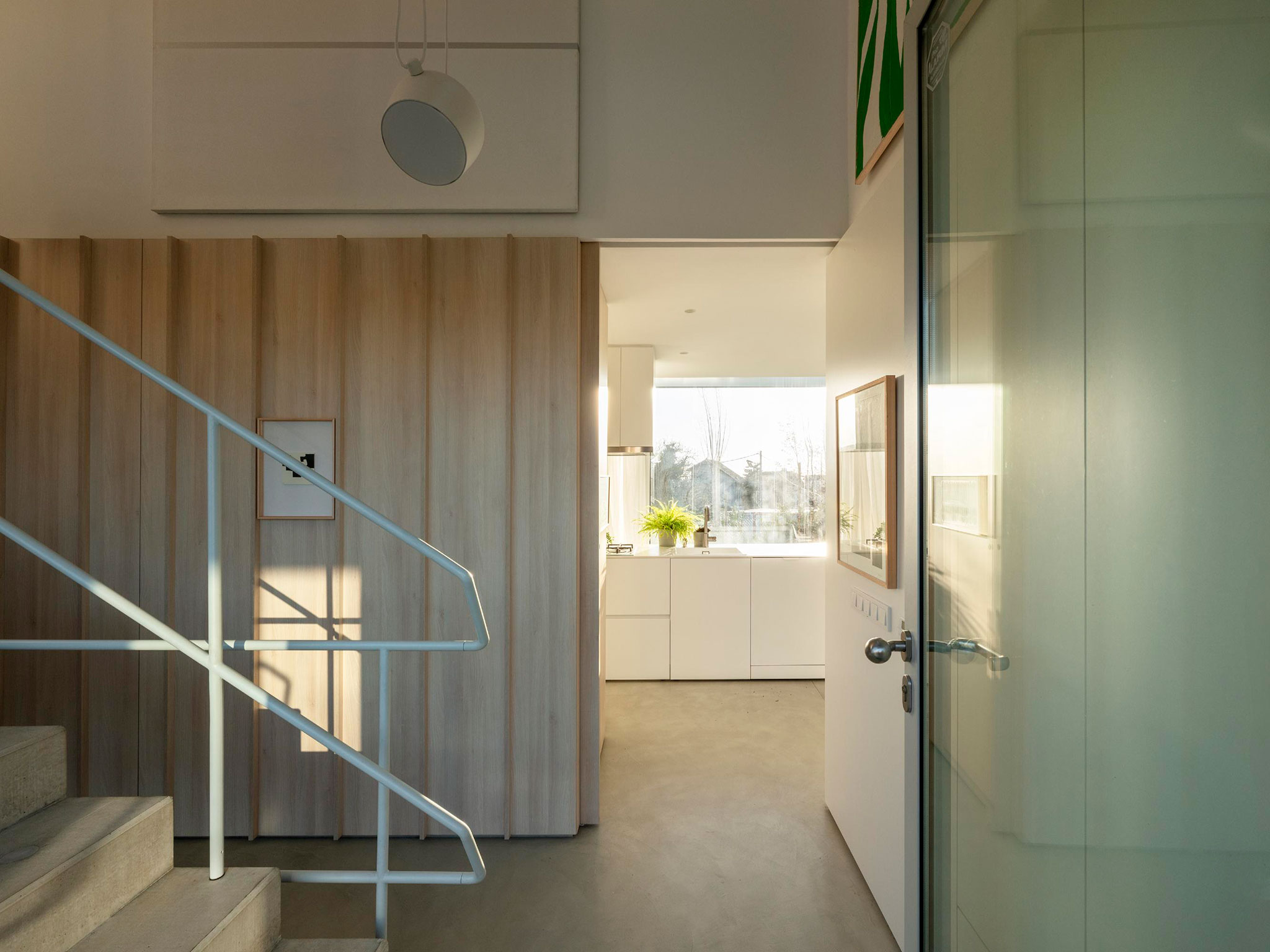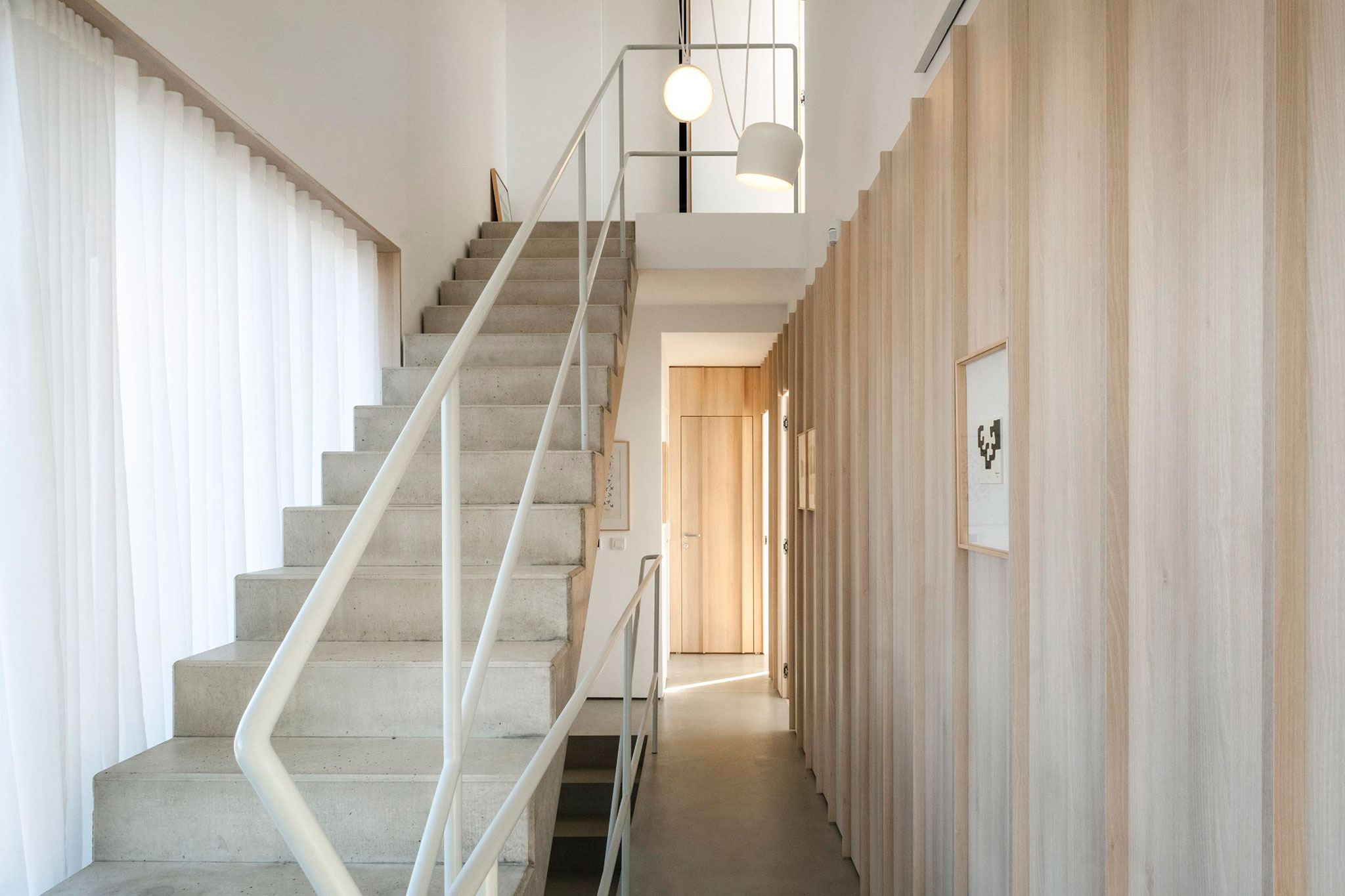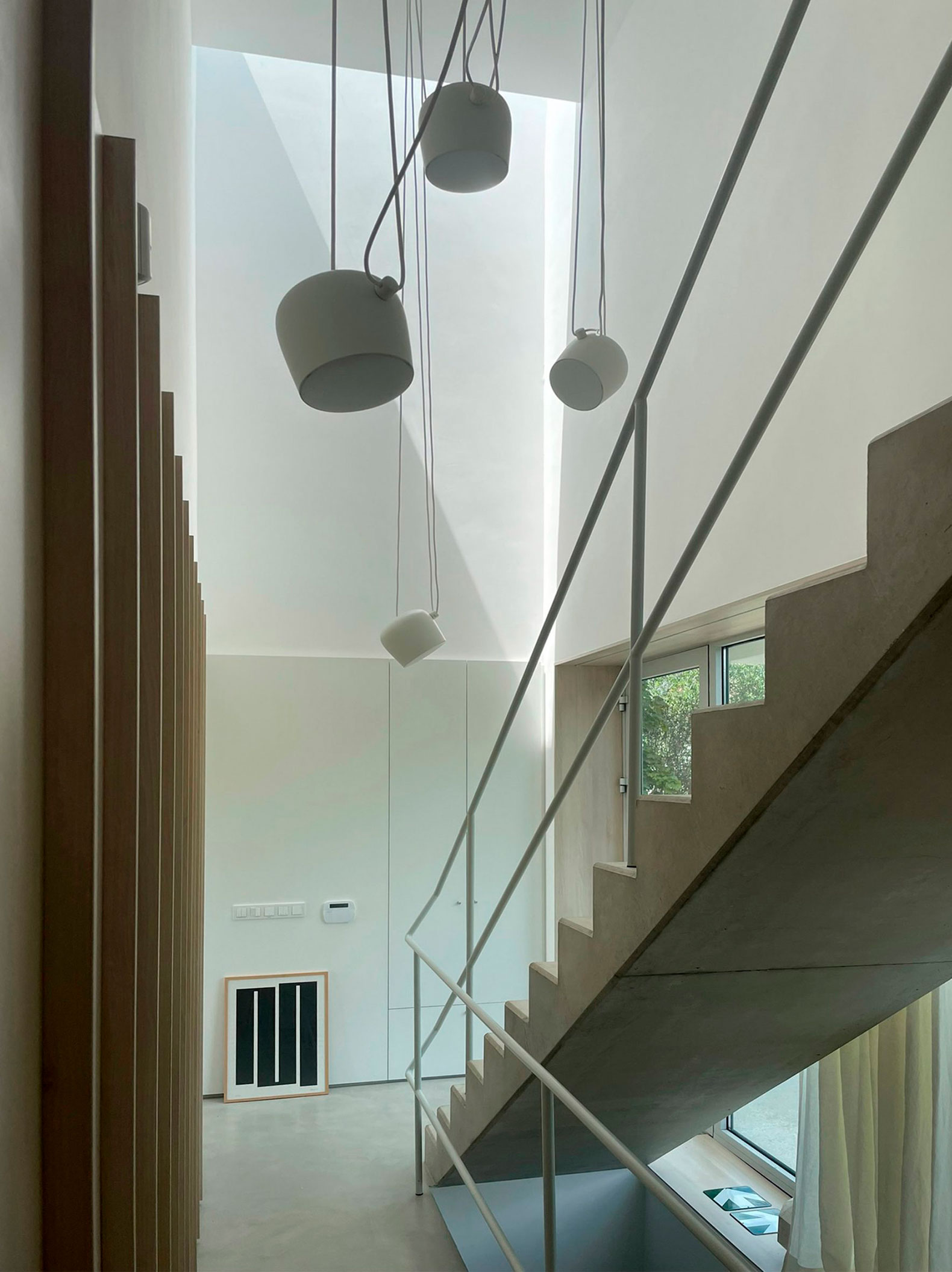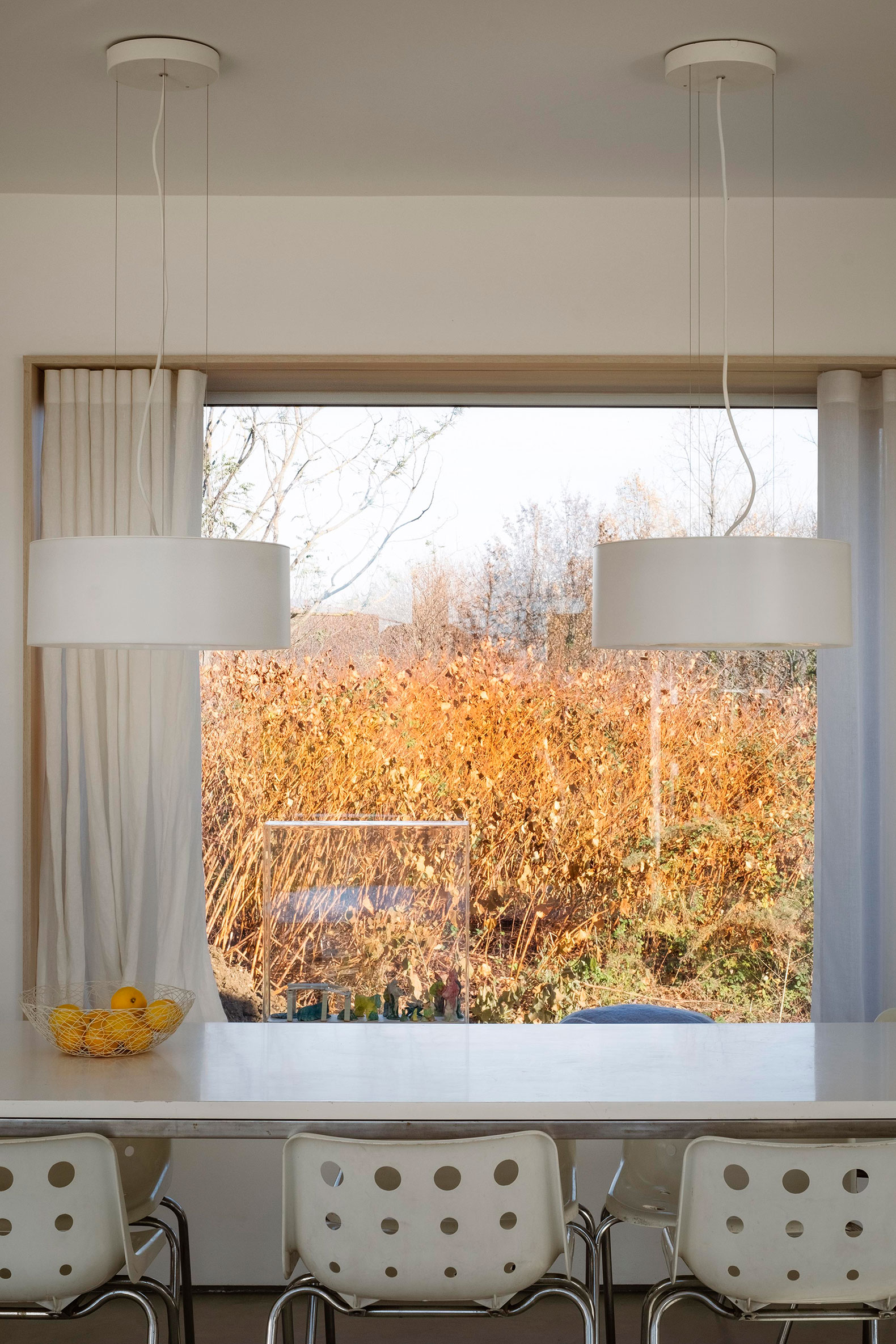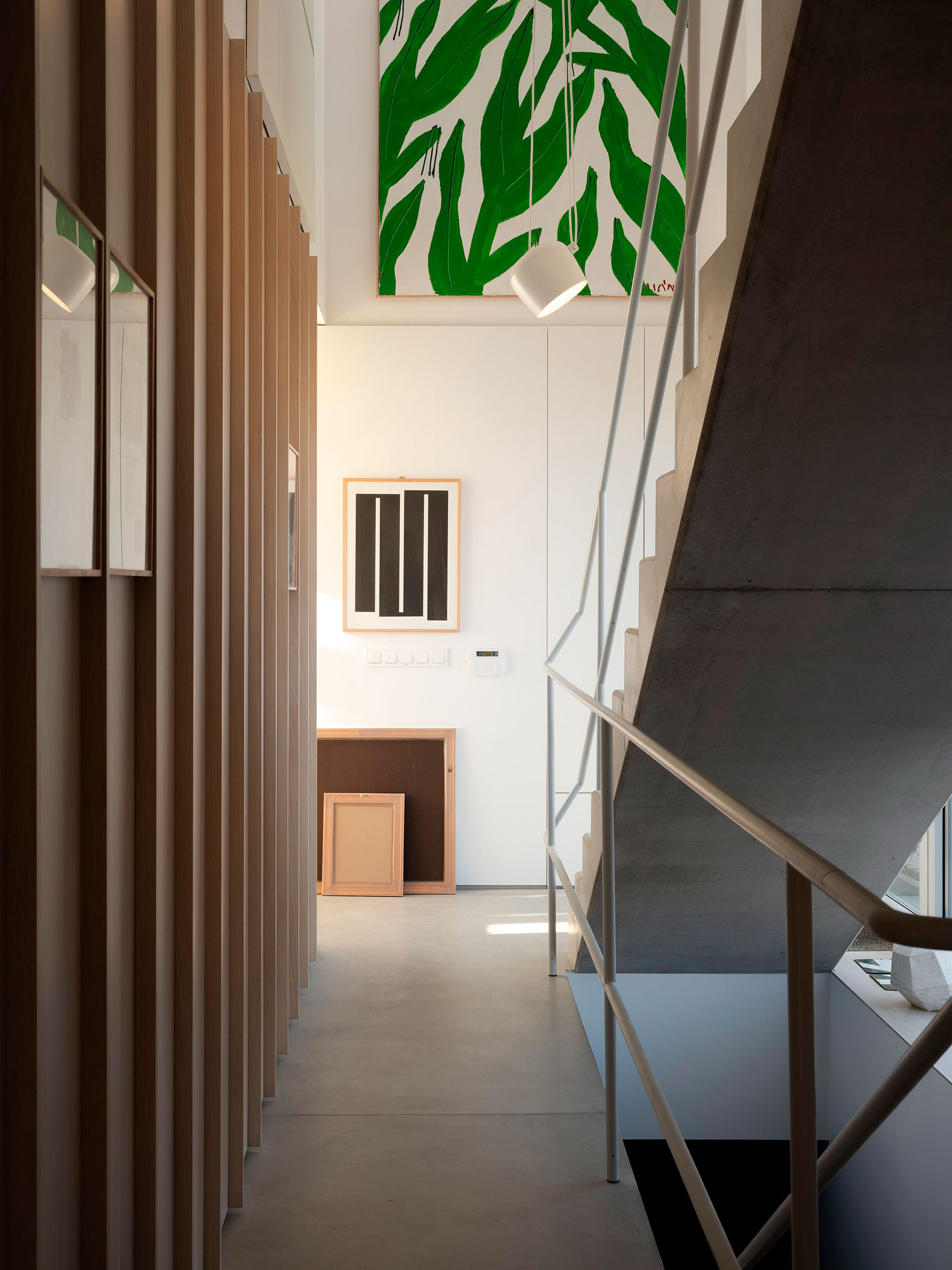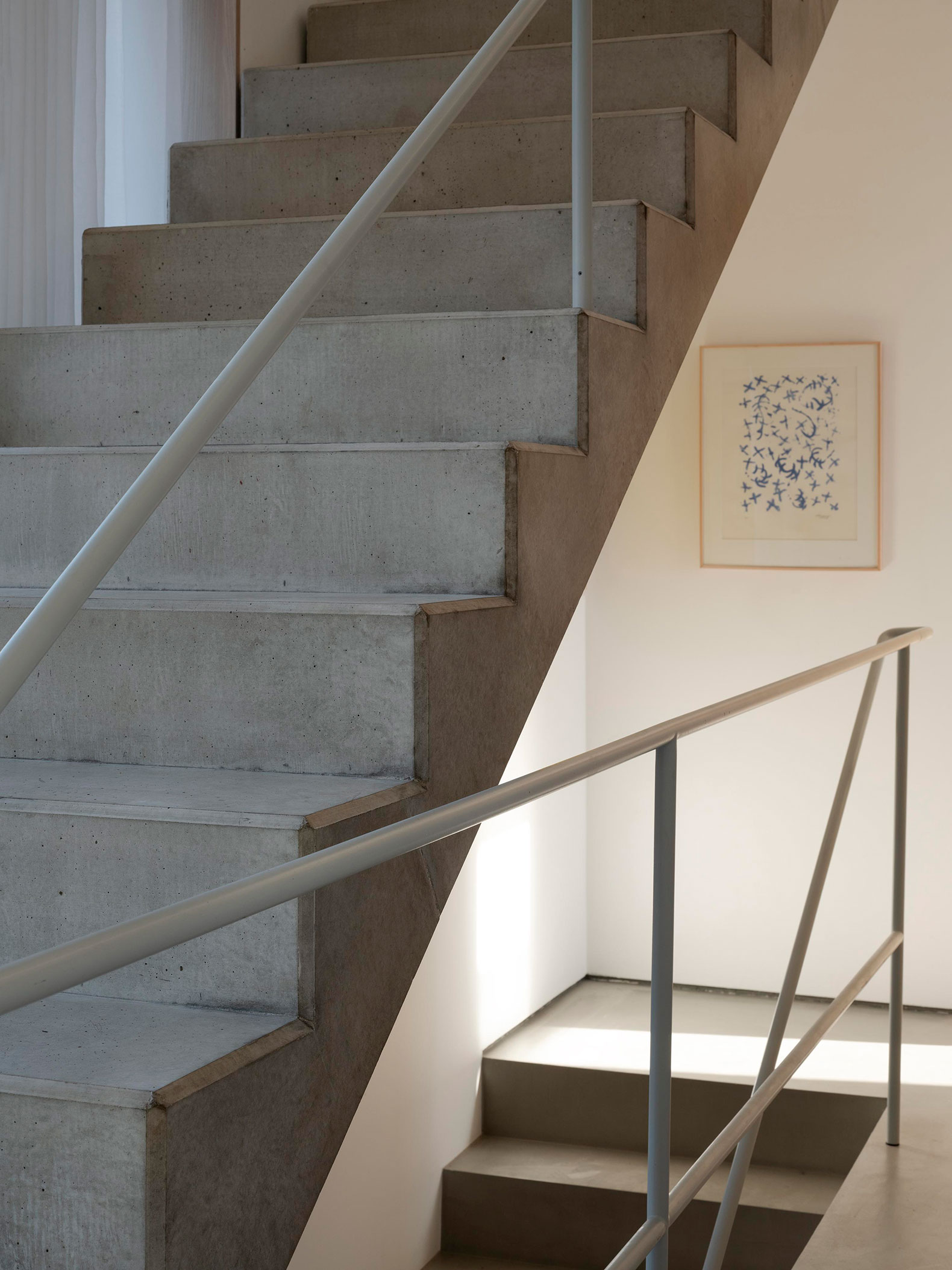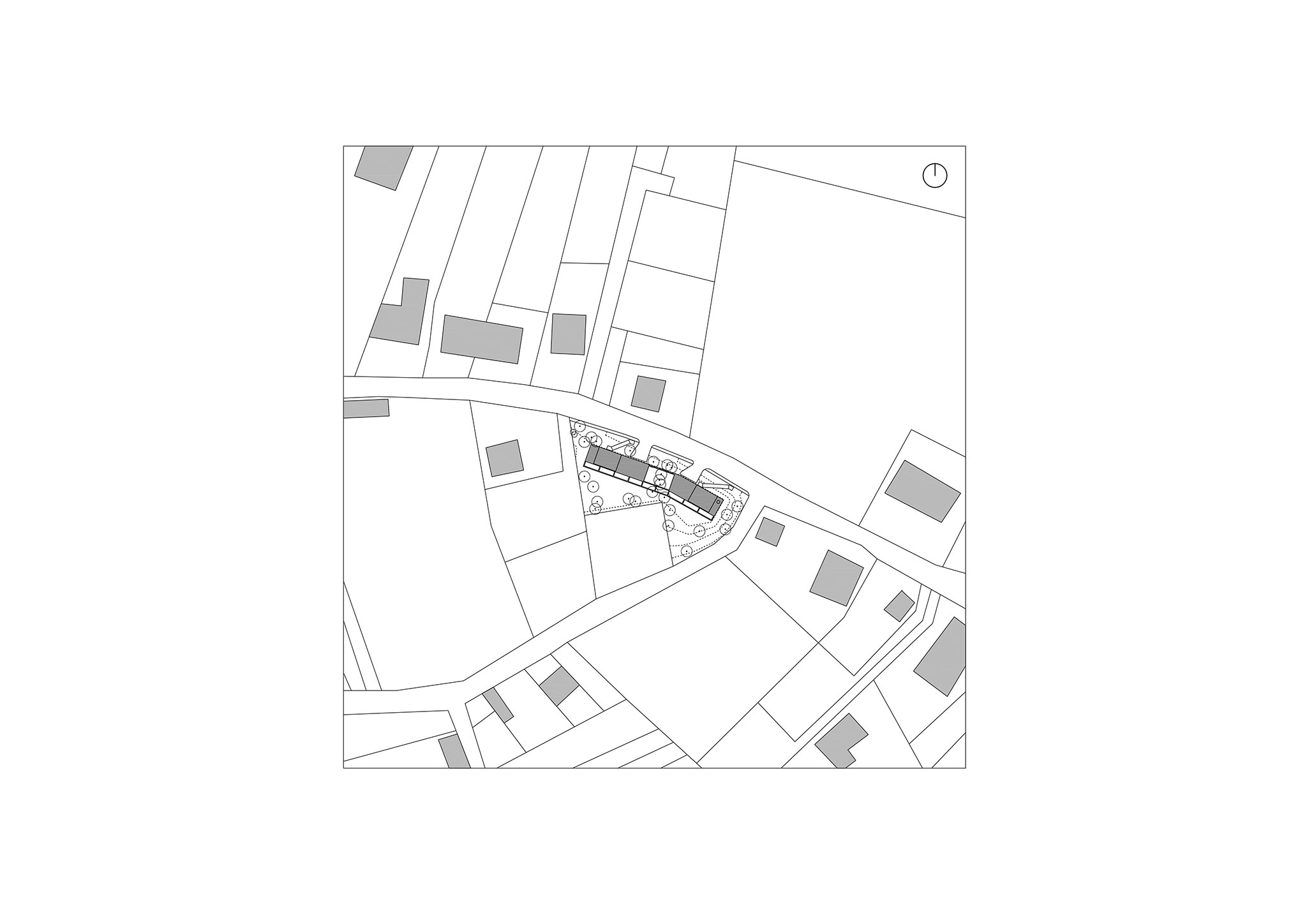
Architecture practice njiric+ arhitekti, led by architects Hrvoje Njirić and Iskra Filipović, was commissioned to design this house: “Double Villa Bukovac.” It emerged as a critical response to the General Urban Development Plan of the City of Zagreb, in Croatia, located on the plots provided as a result of the urban planning guidelines. This intriguing project aimed to reinvent the surrounding hills with a new residential typology.

Inspired by classic architectural buildings such as Andrea Palladio’s Villa Barbaro and Ray and Charles Eames’ Eames House, the proposal has become a case study proposing a new urban form for the city, reflected in smaller volumes, lower structures, and plots with a minimum area of ​​1,200 m².

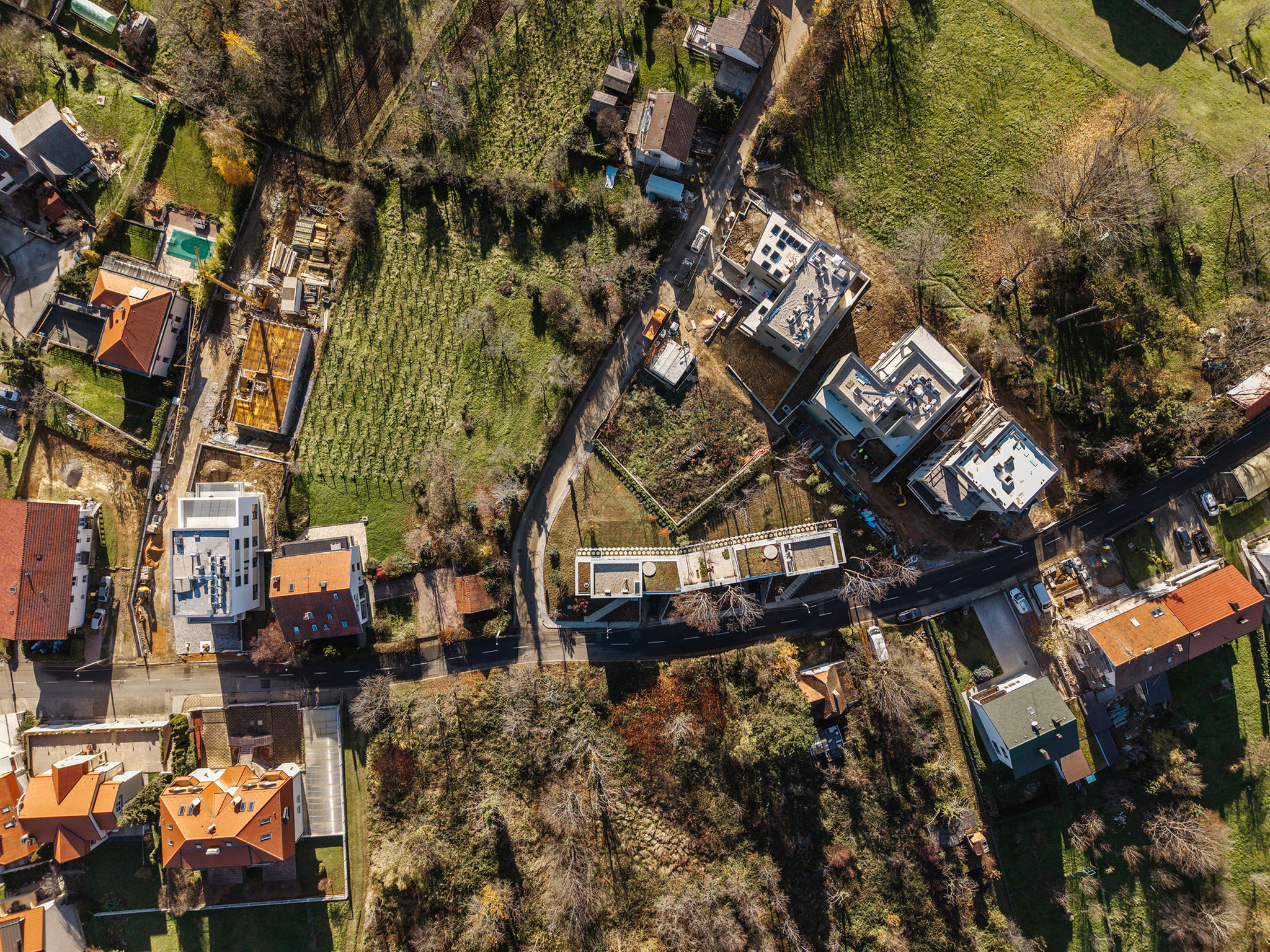
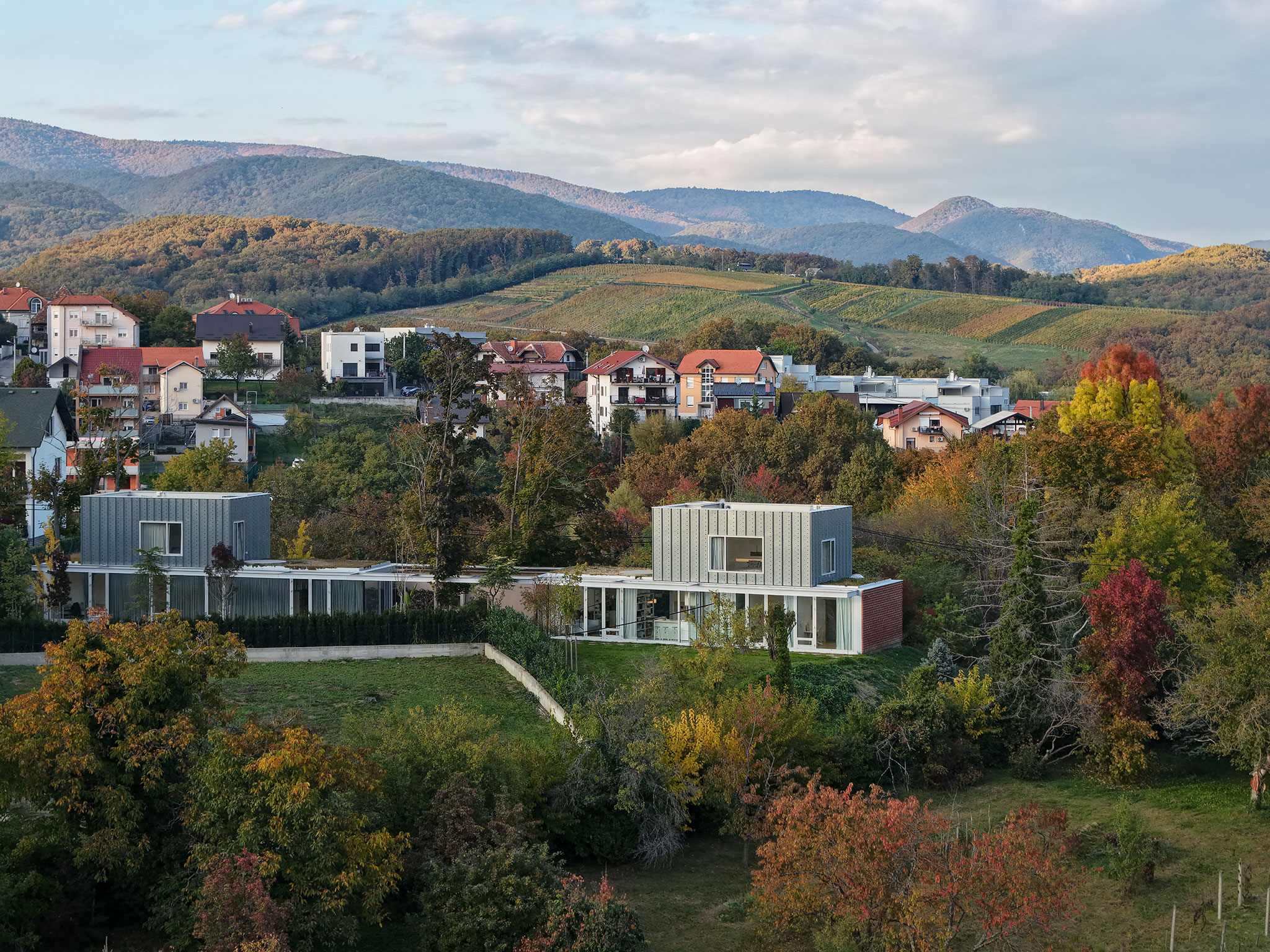
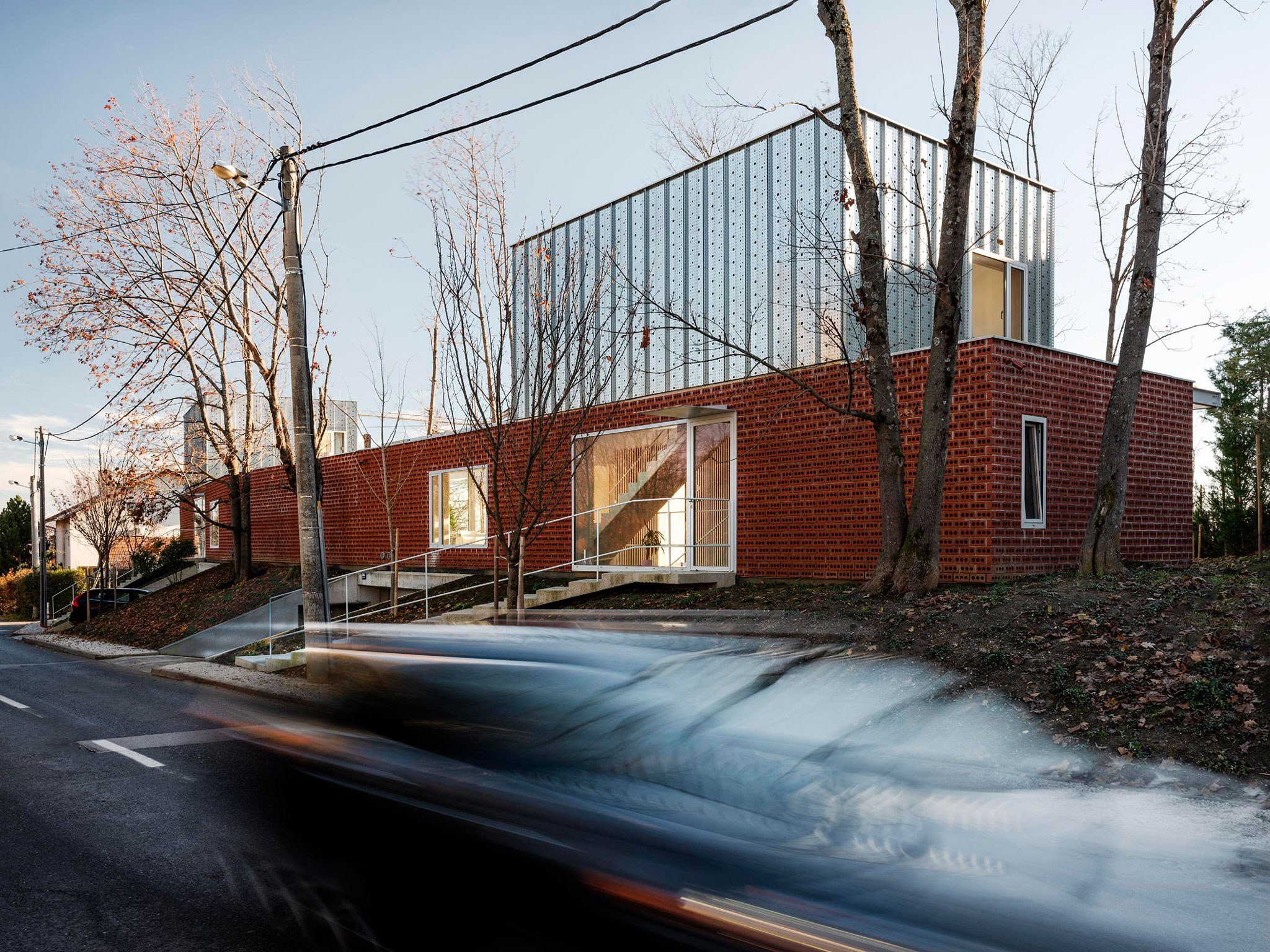
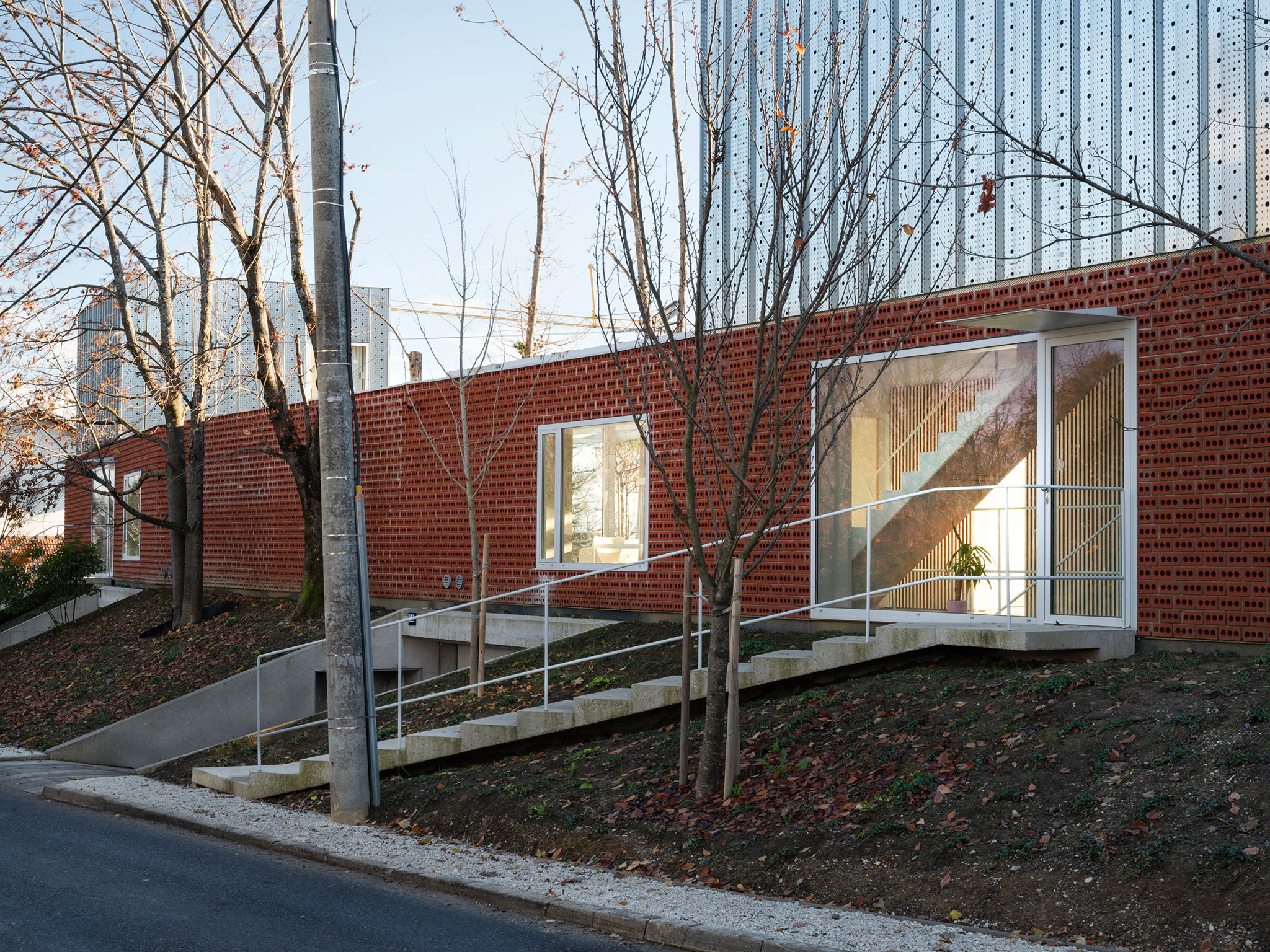
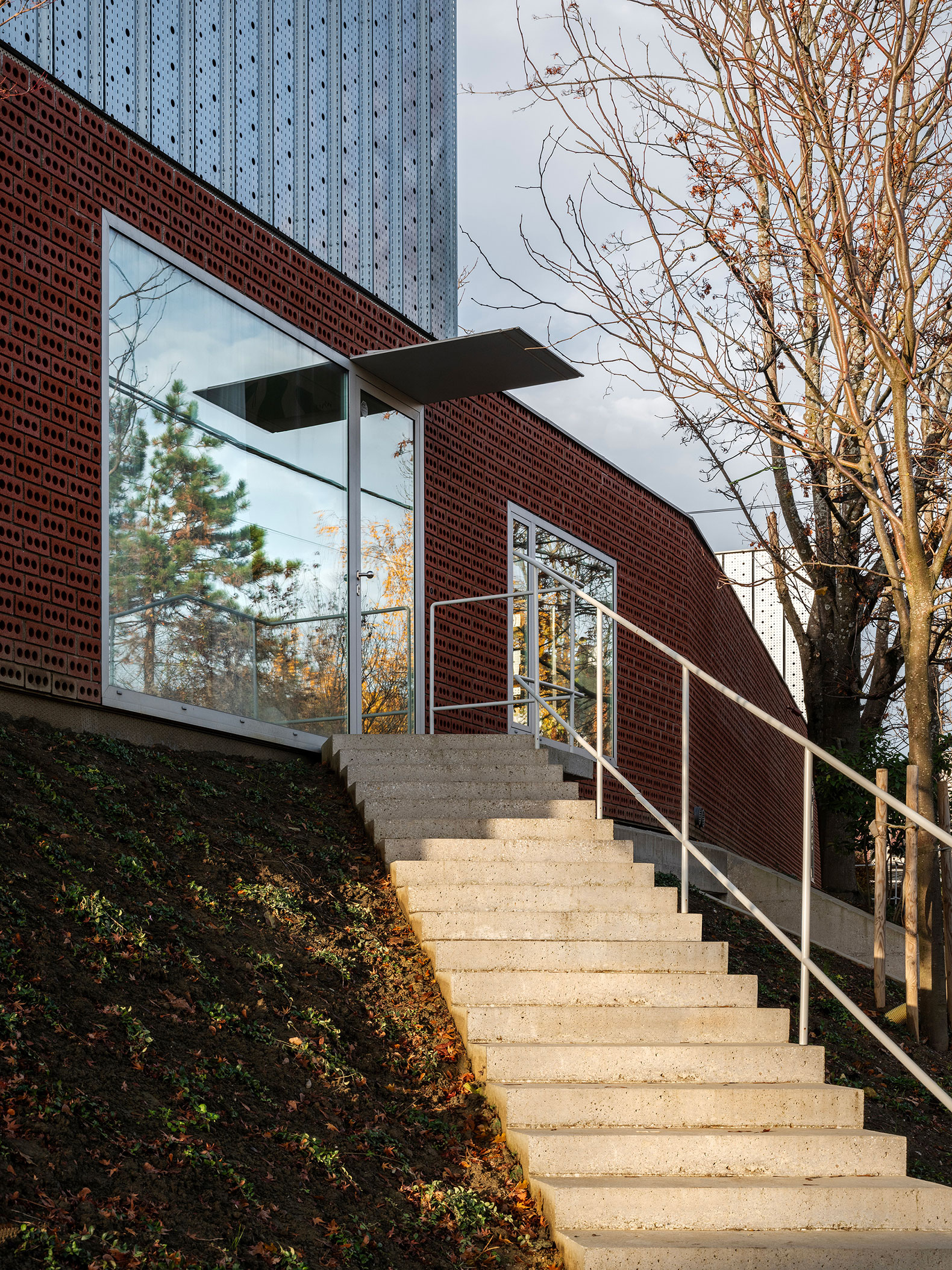
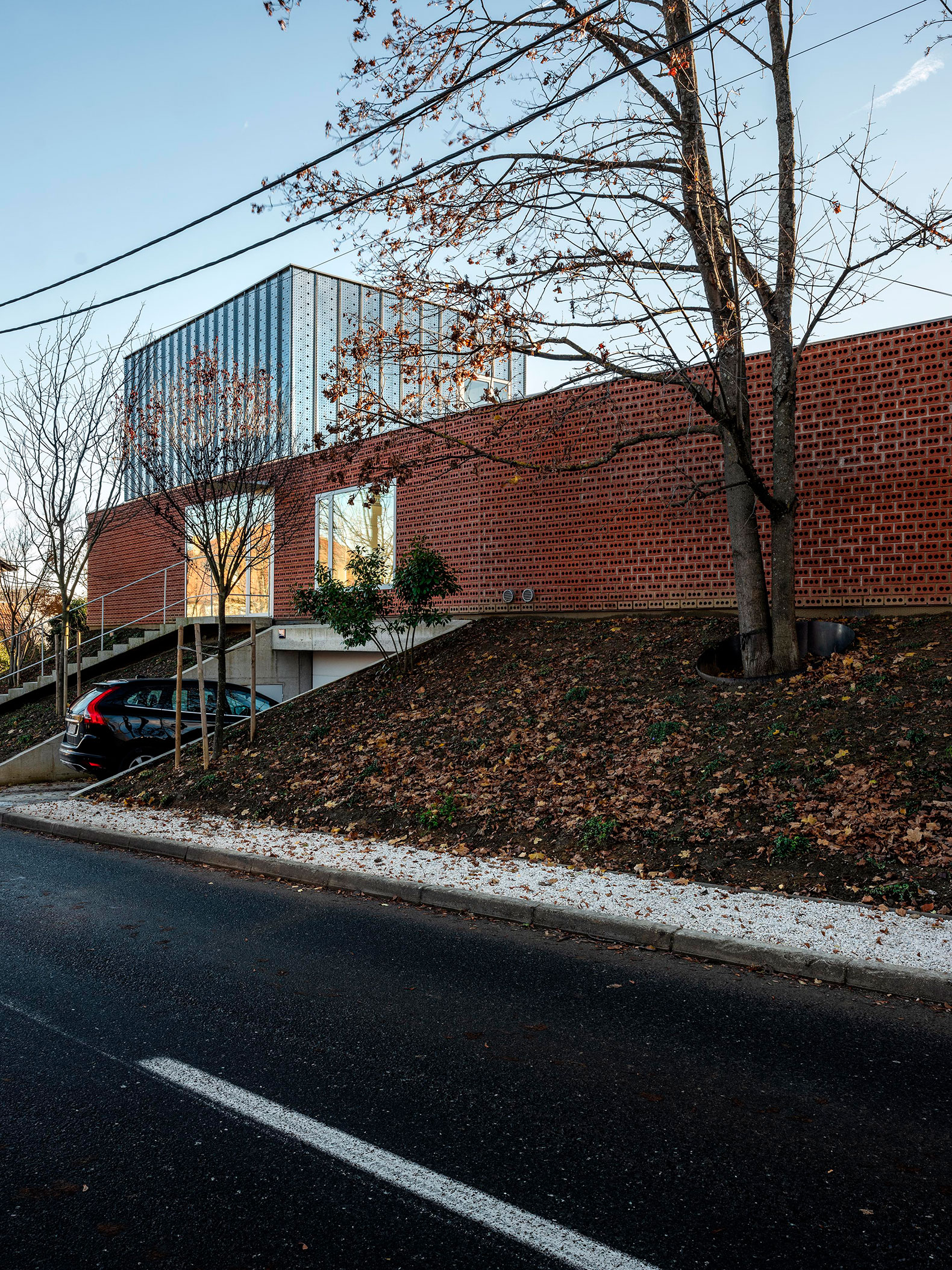
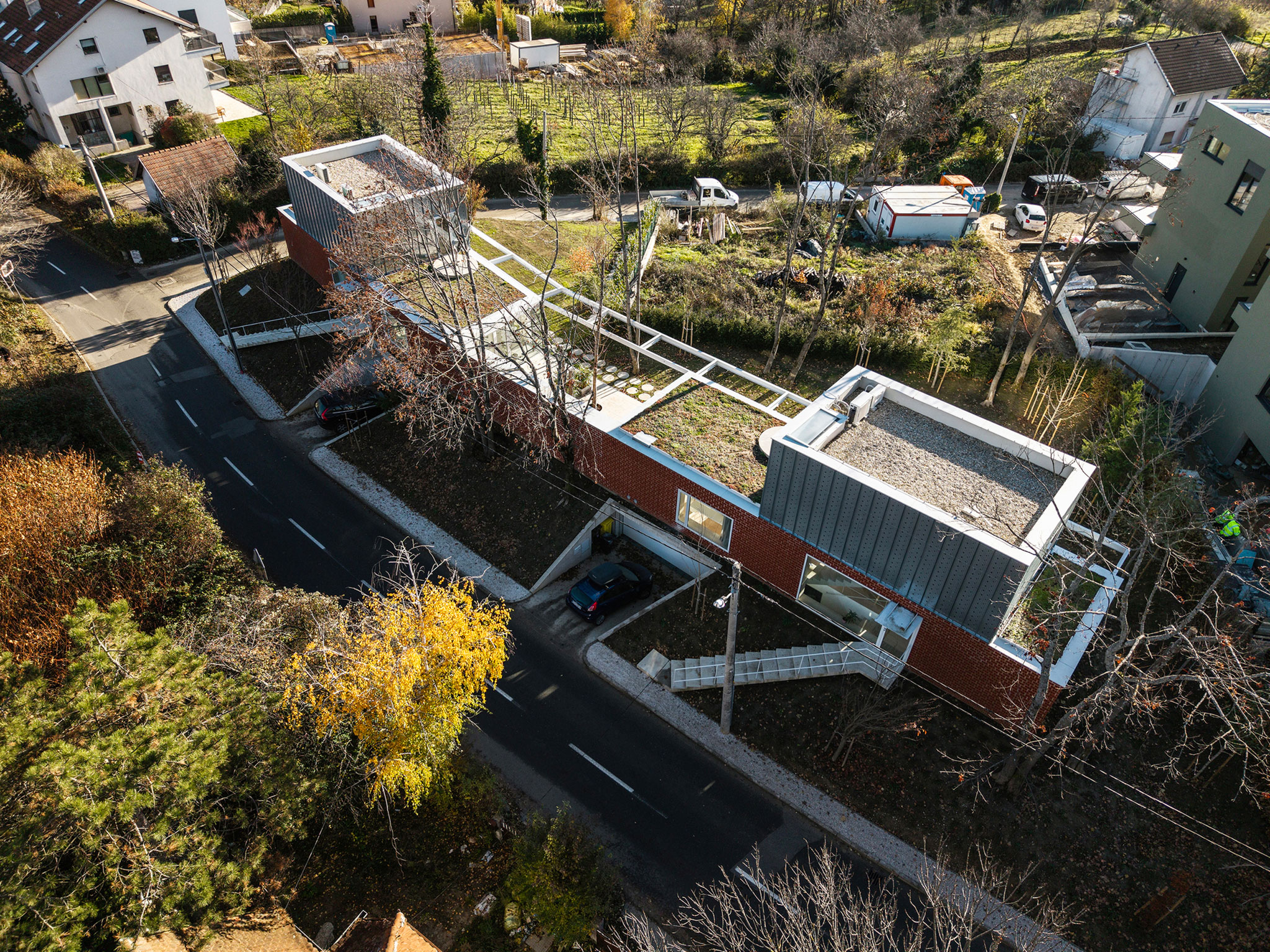
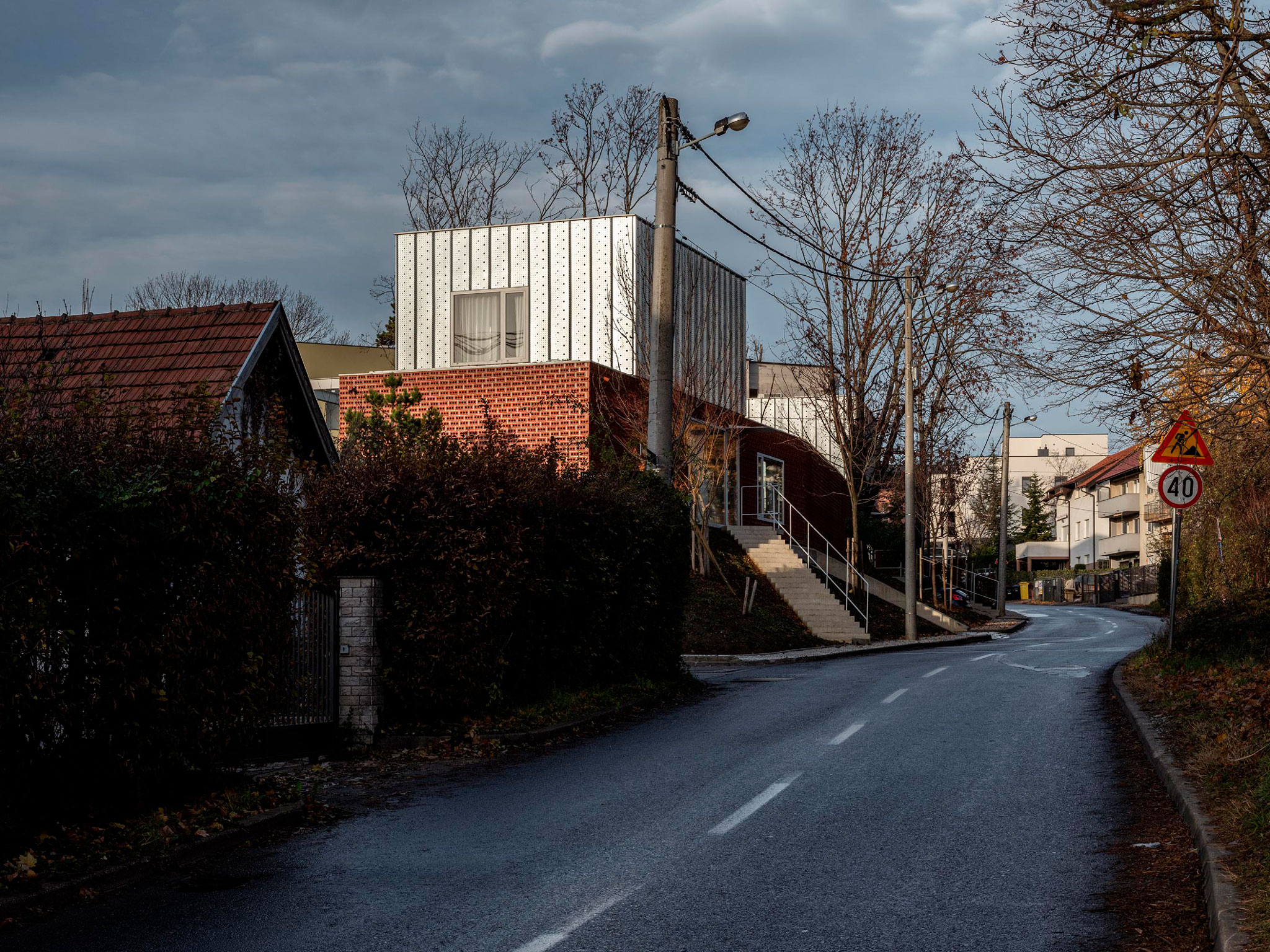
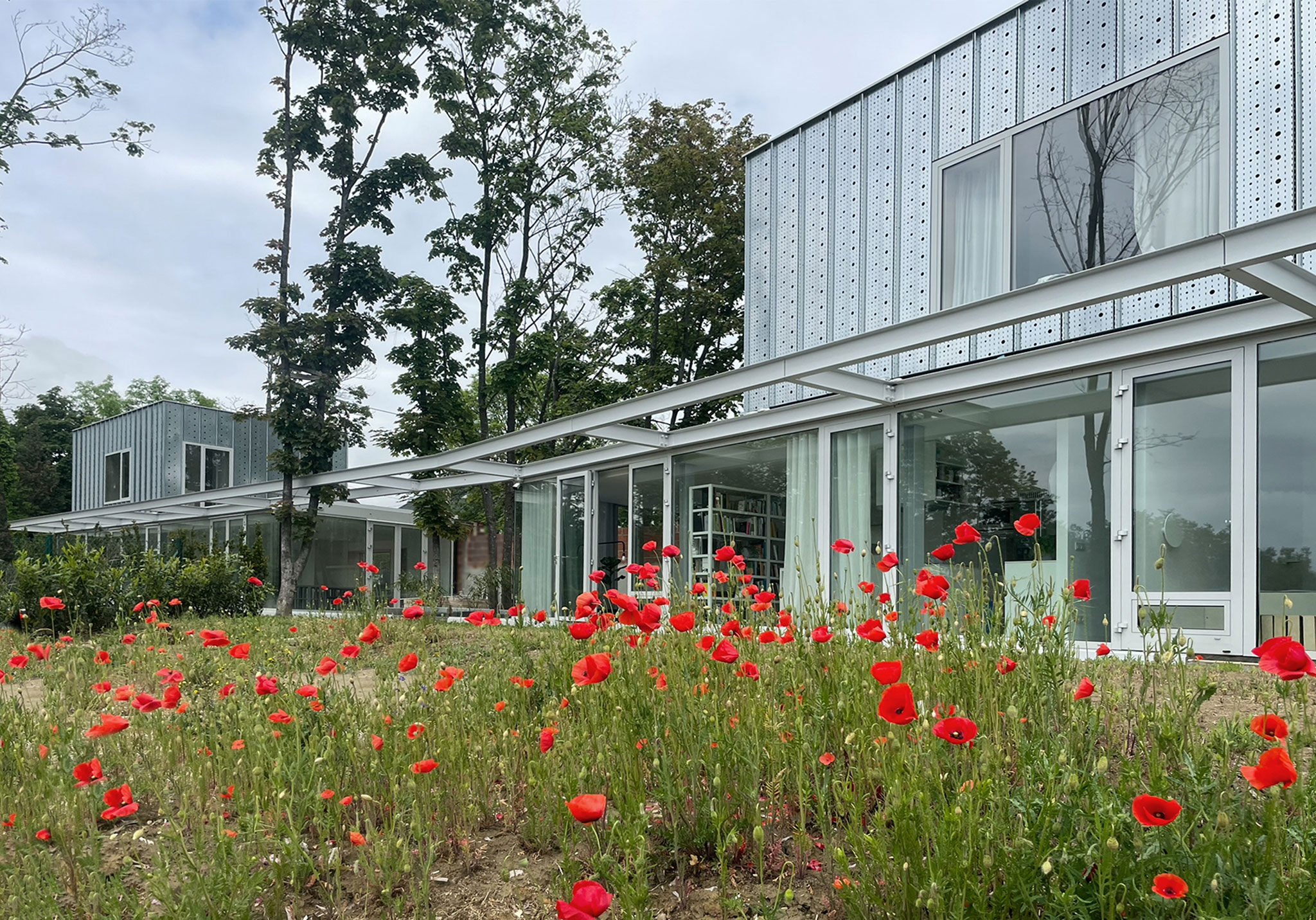
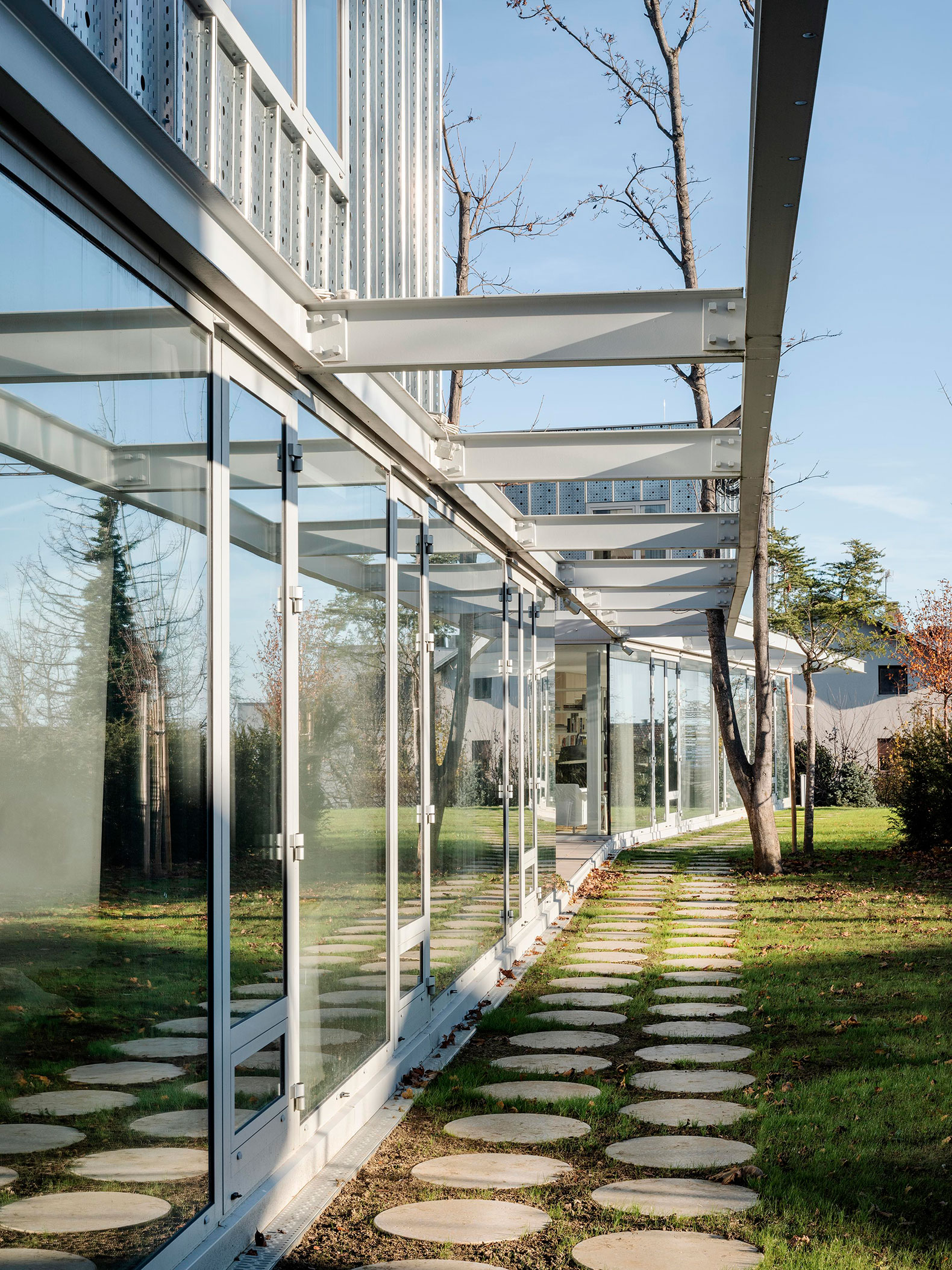
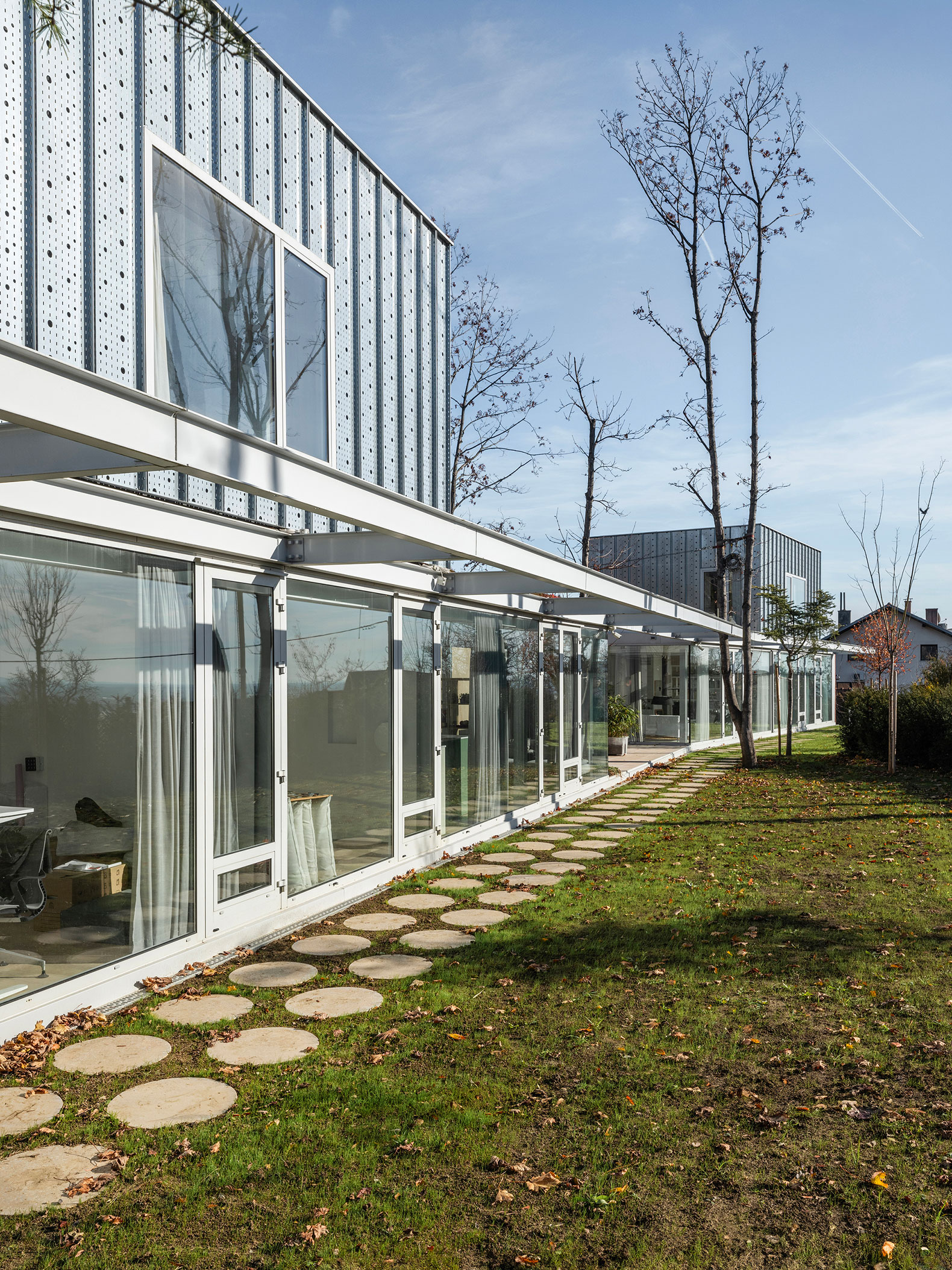
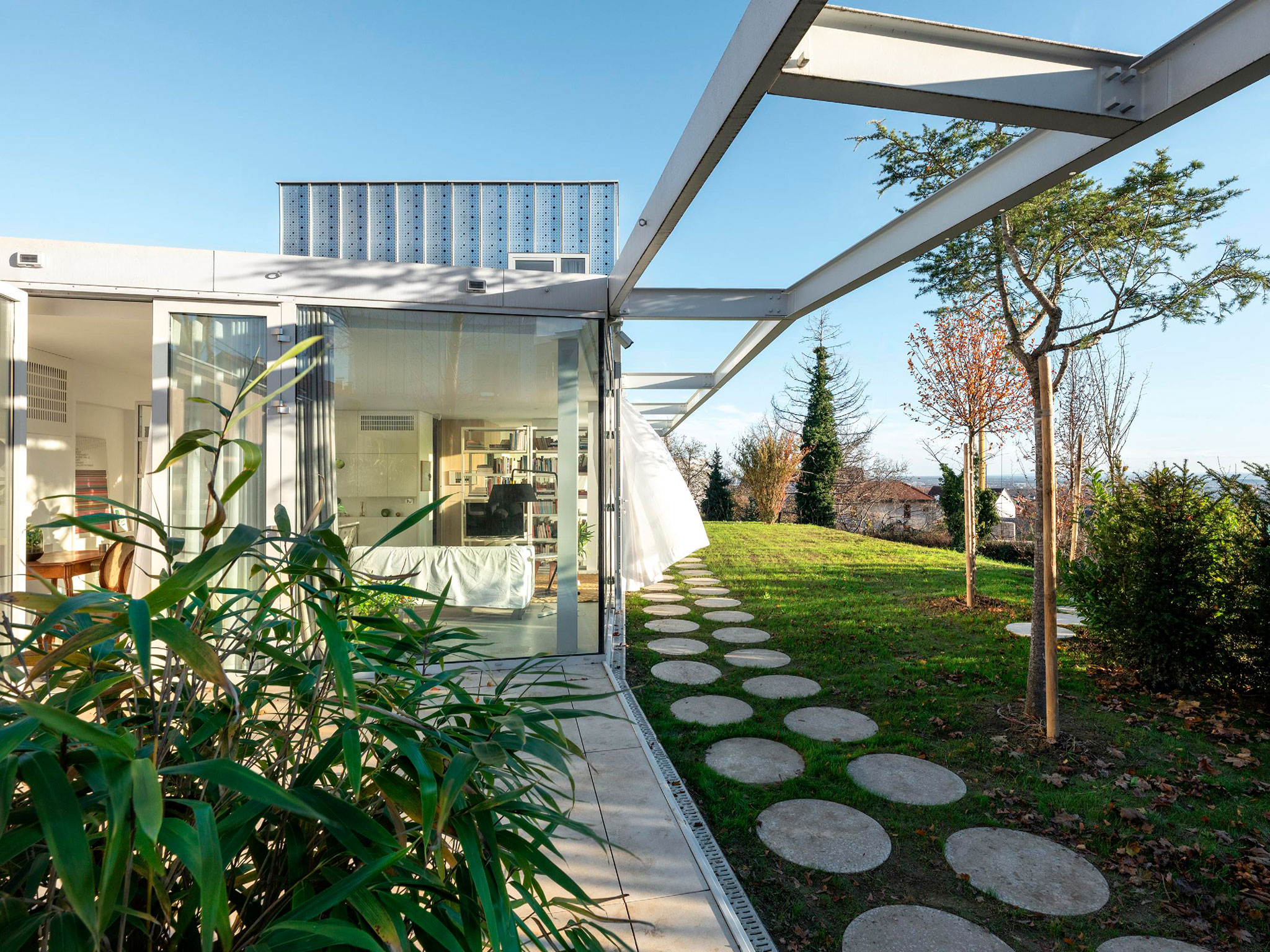
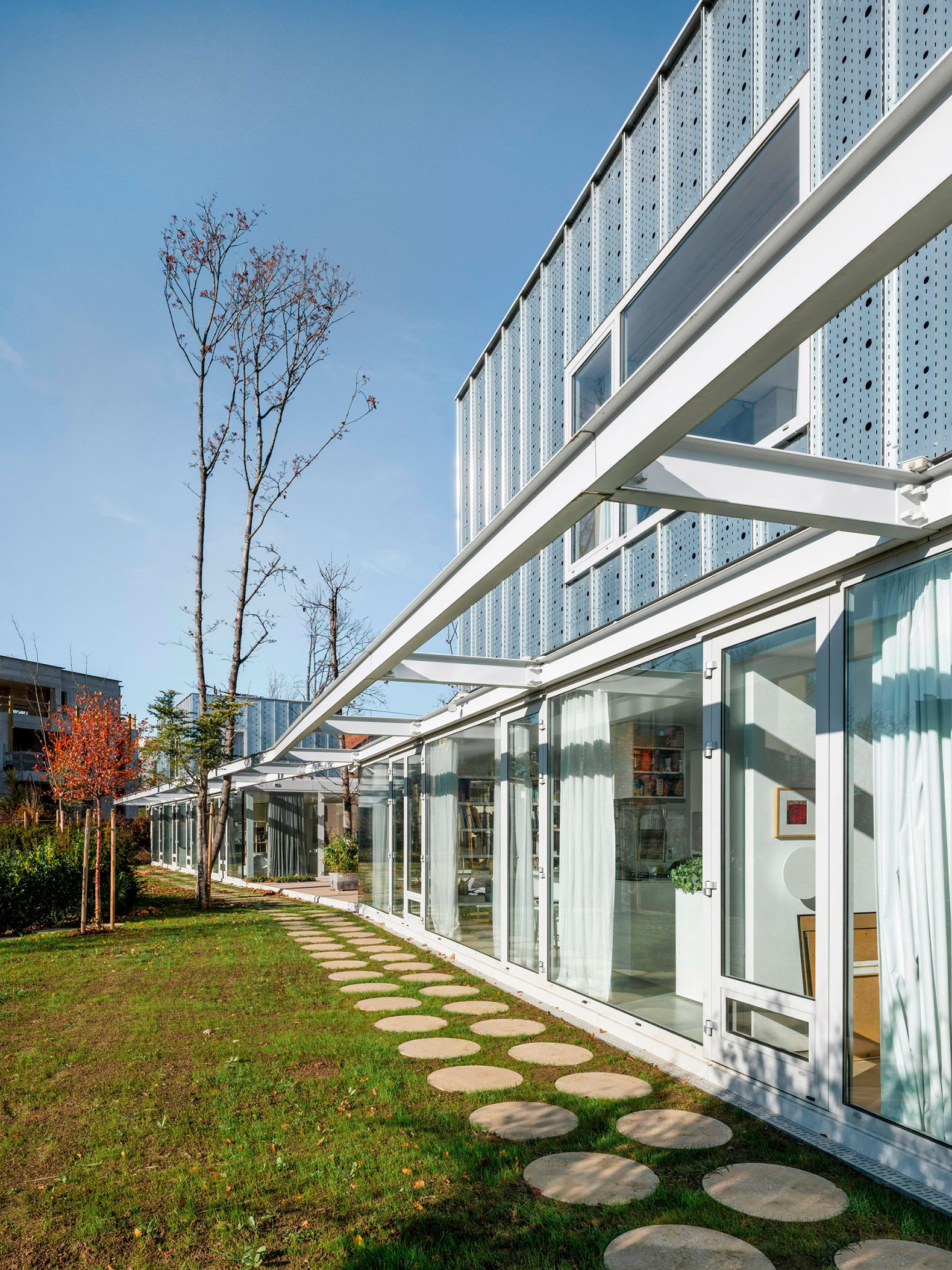
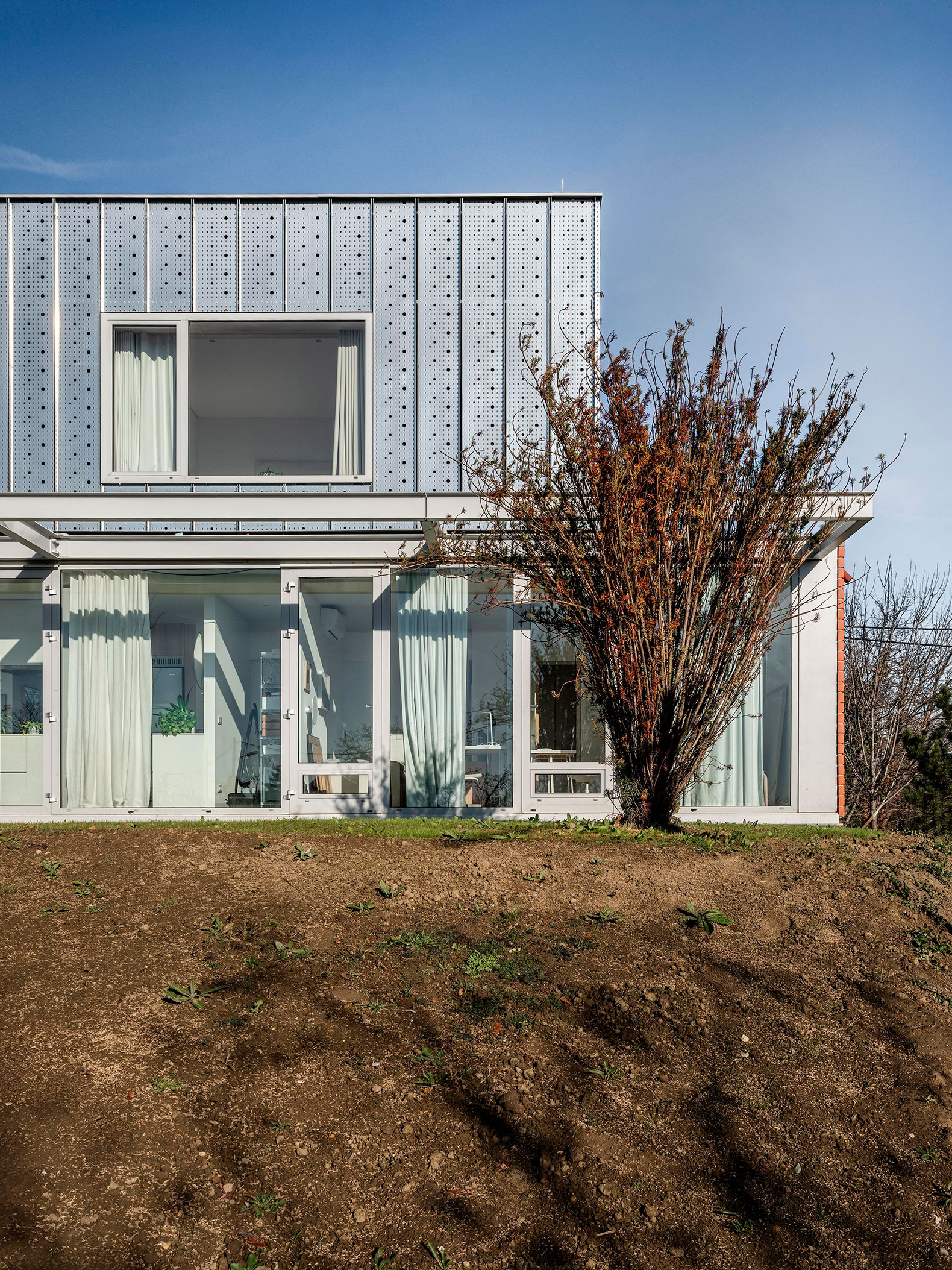
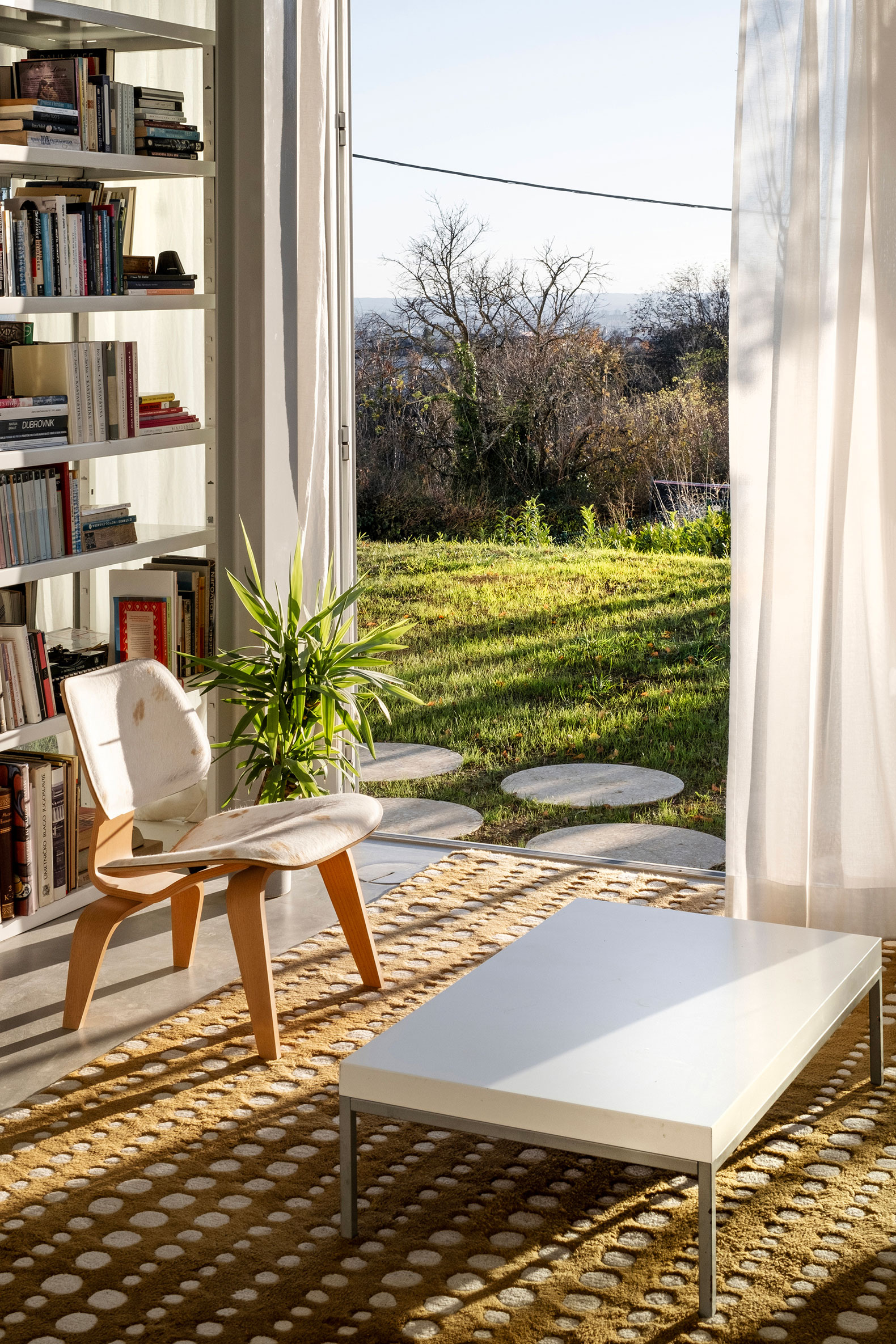
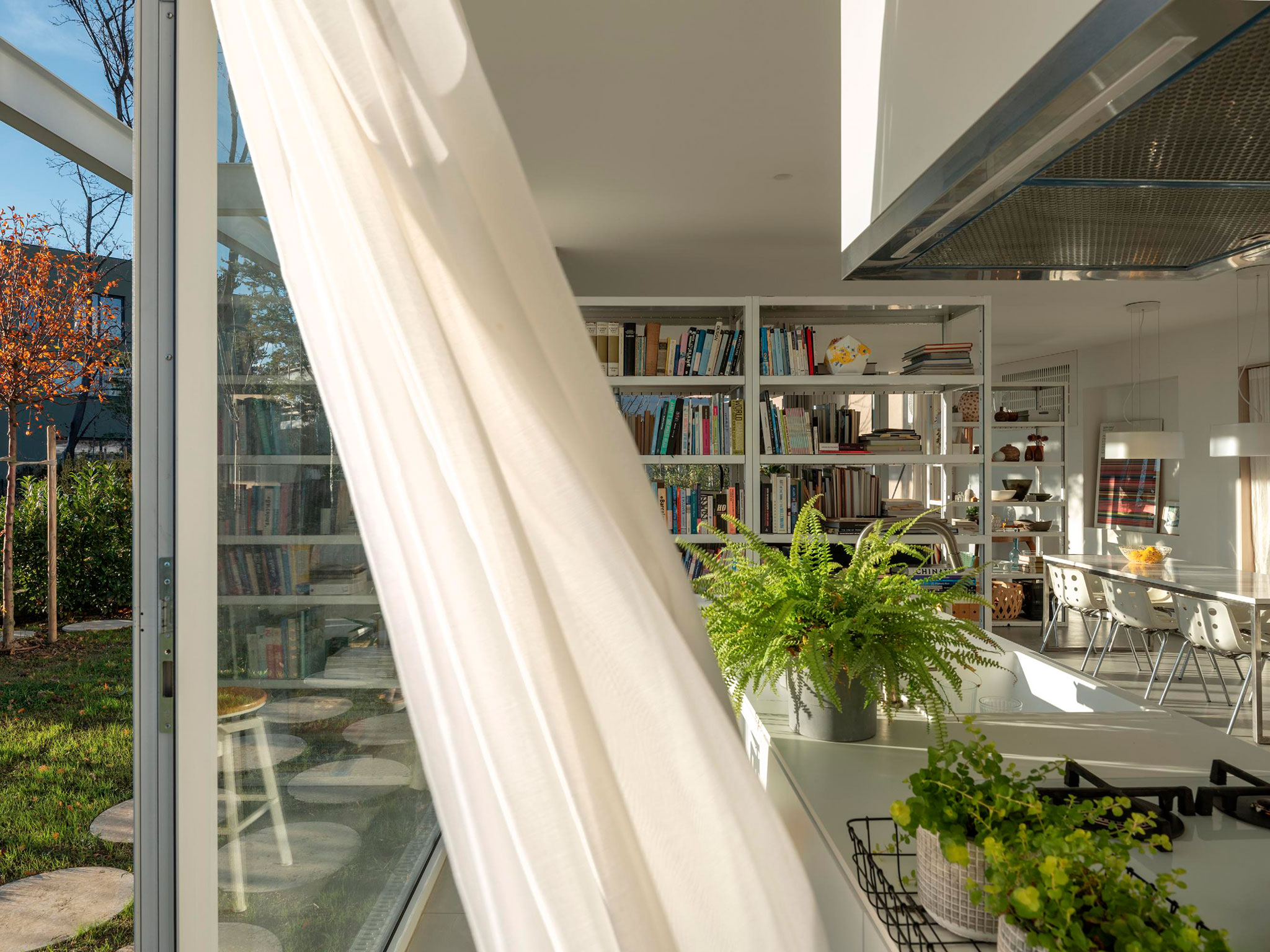
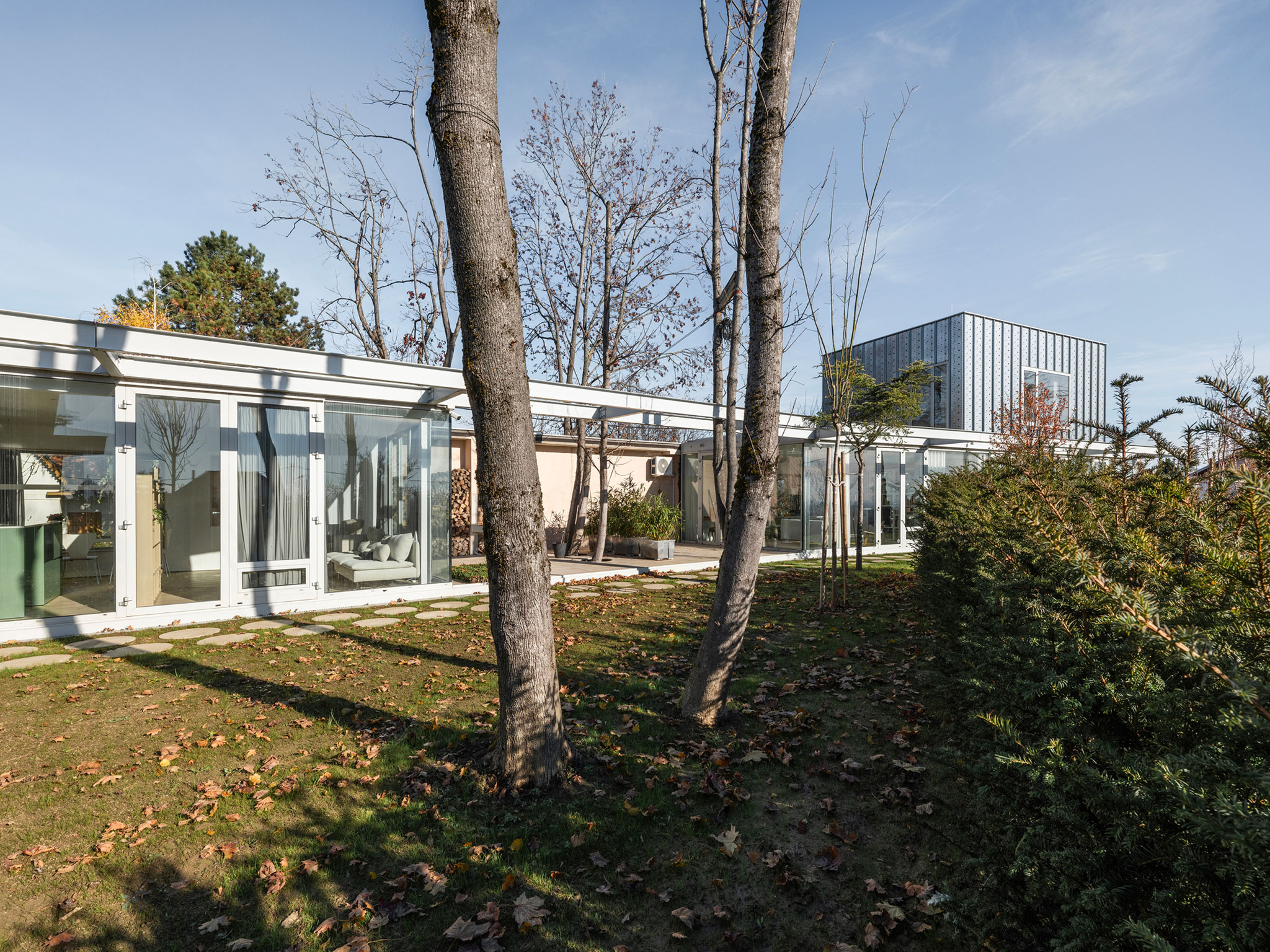
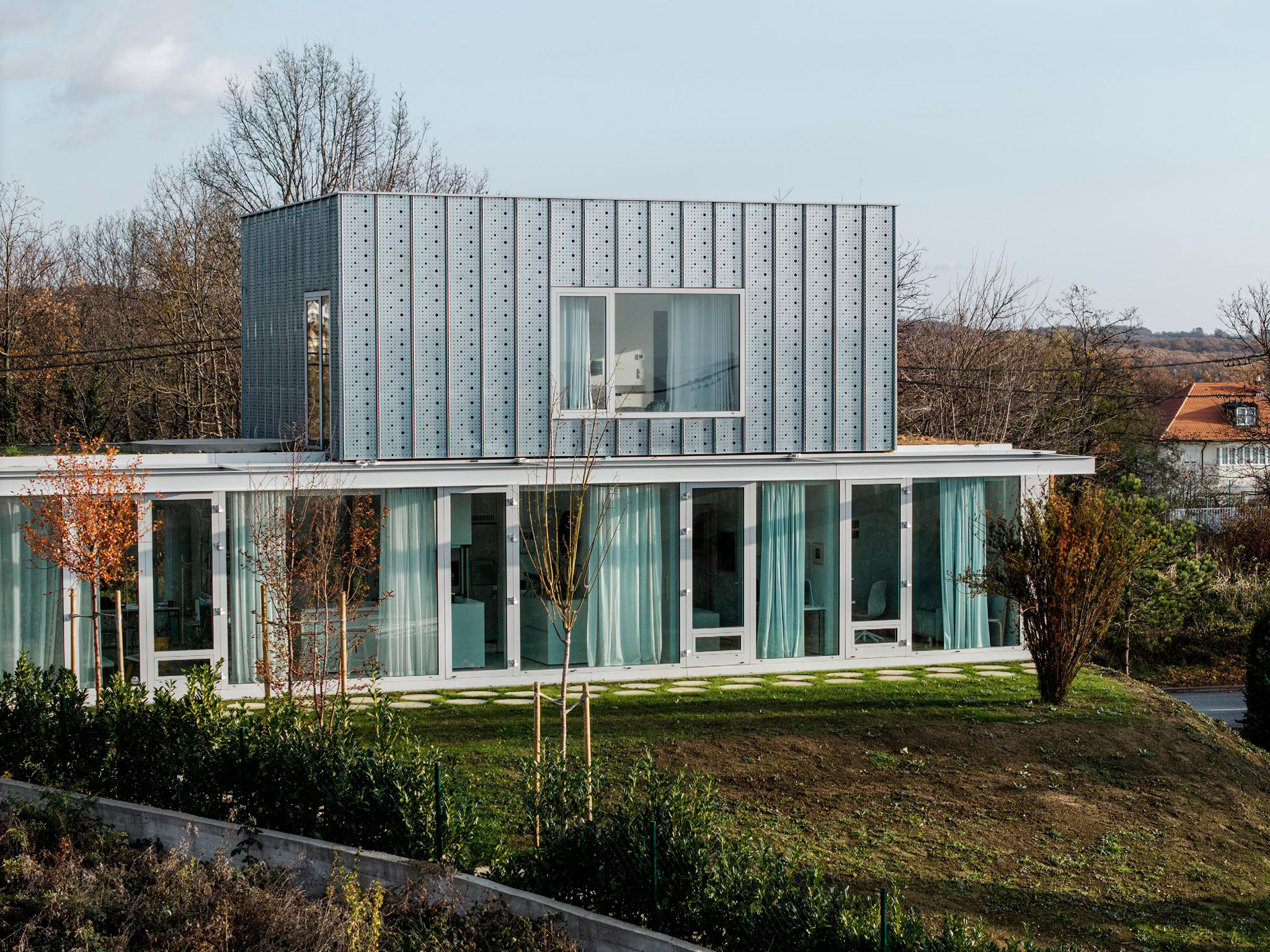
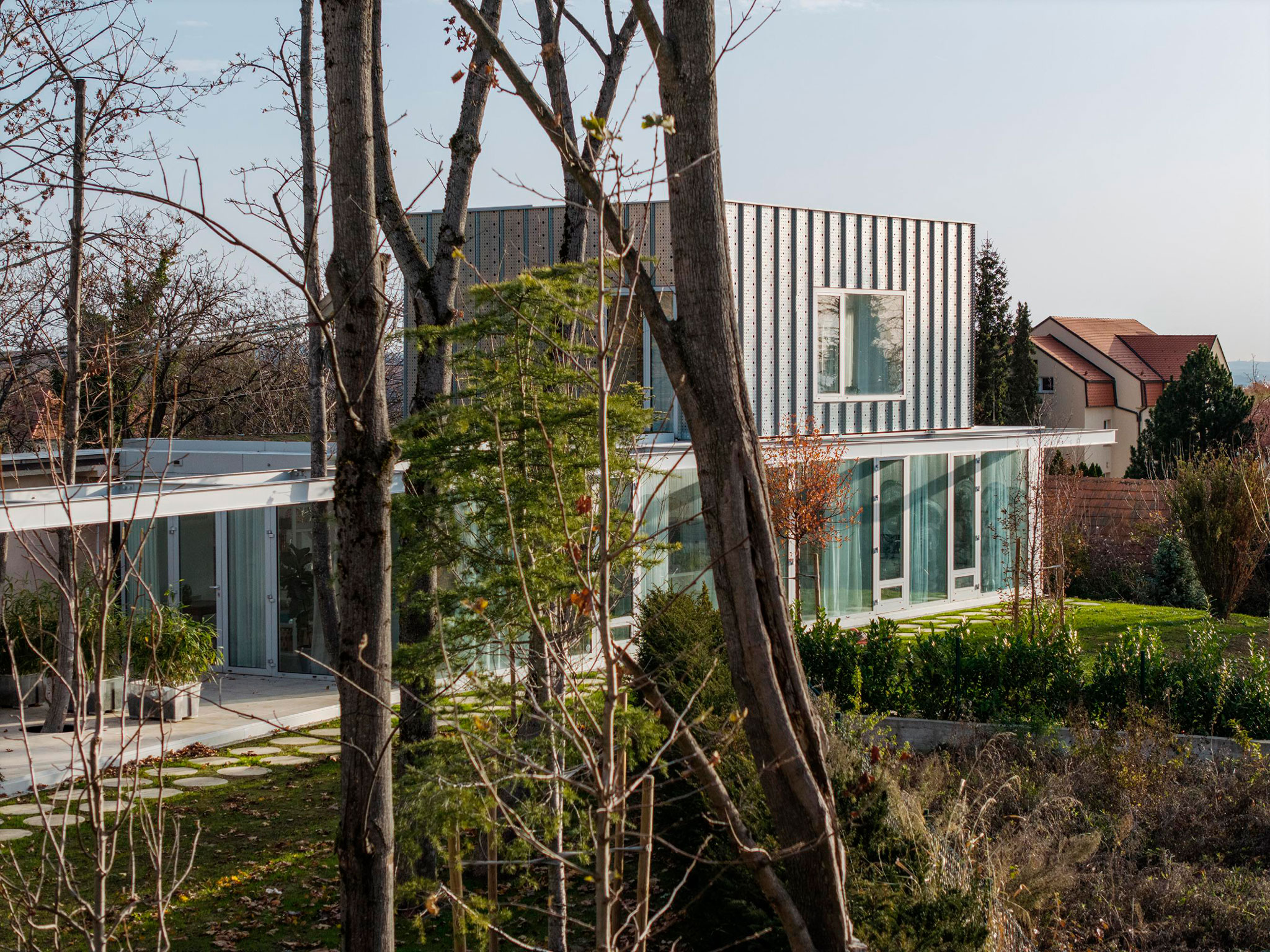
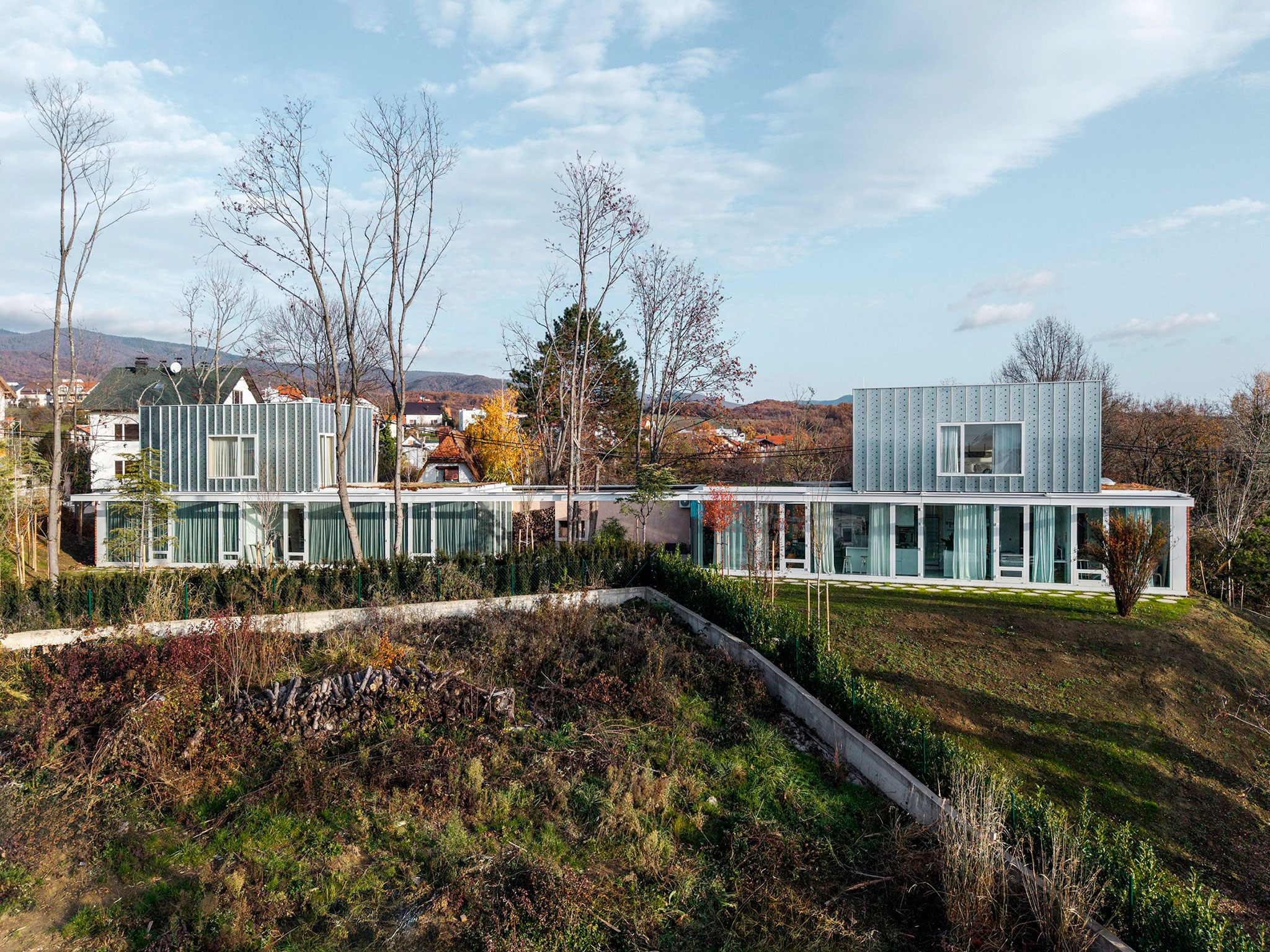
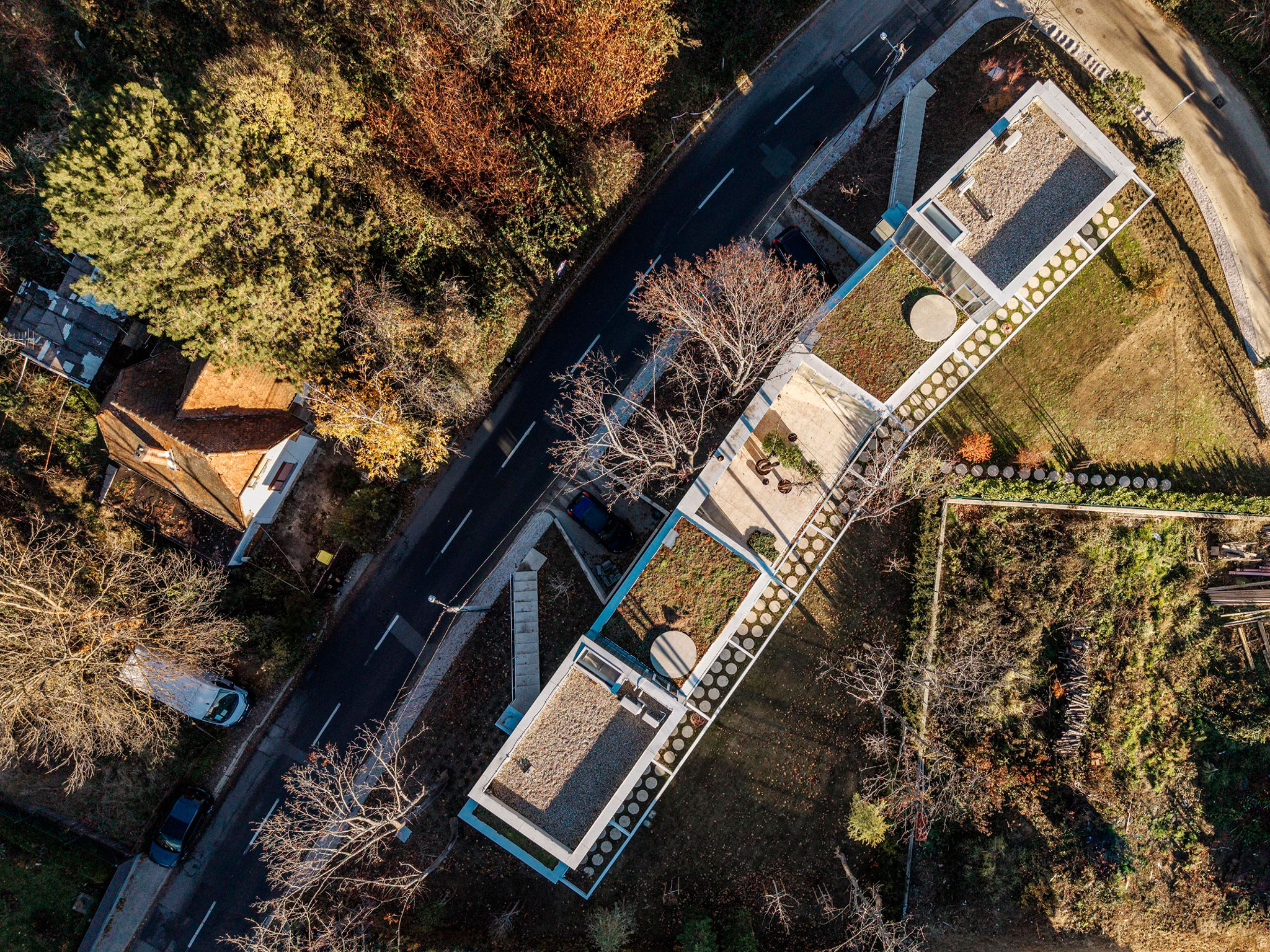
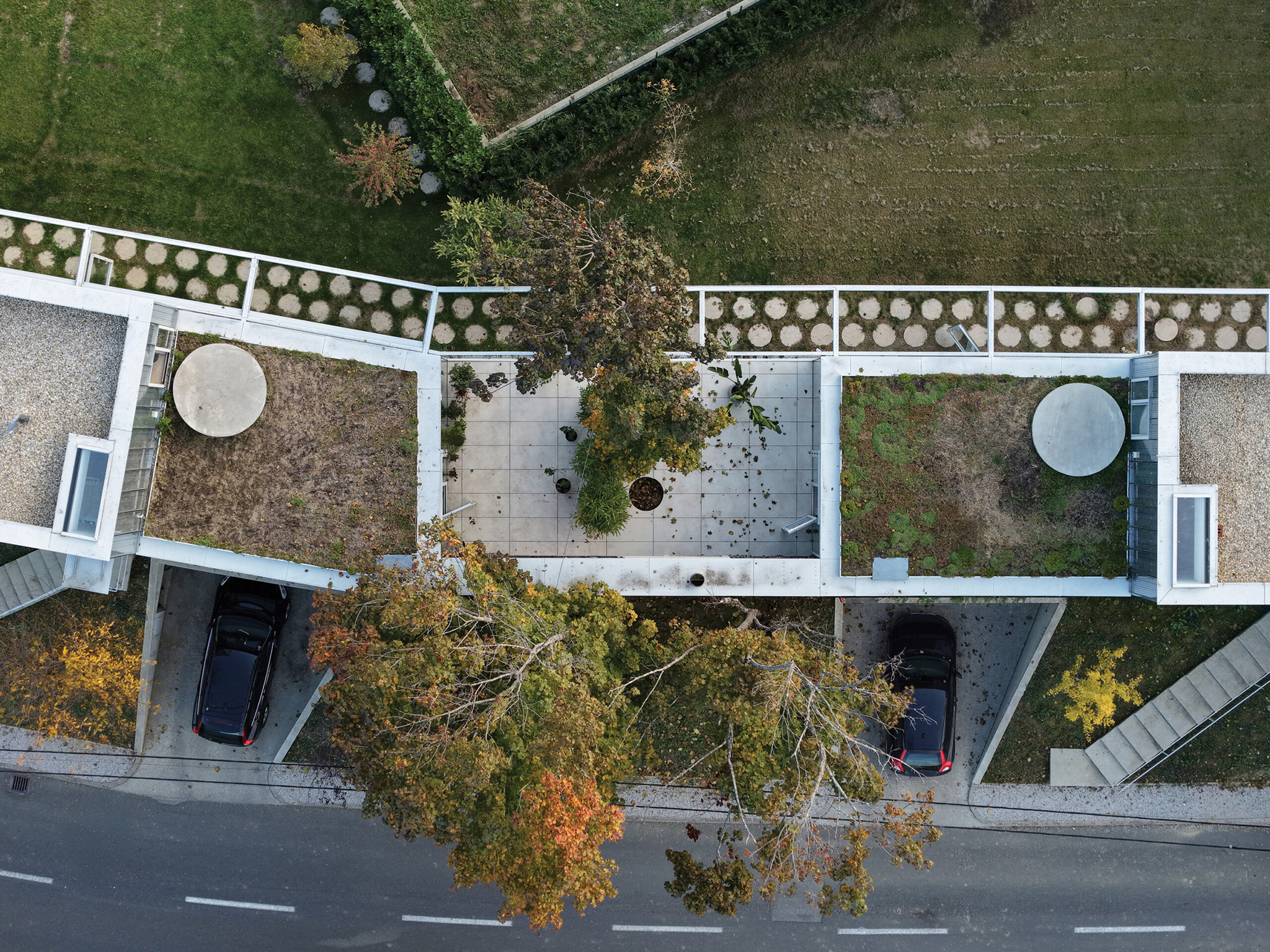
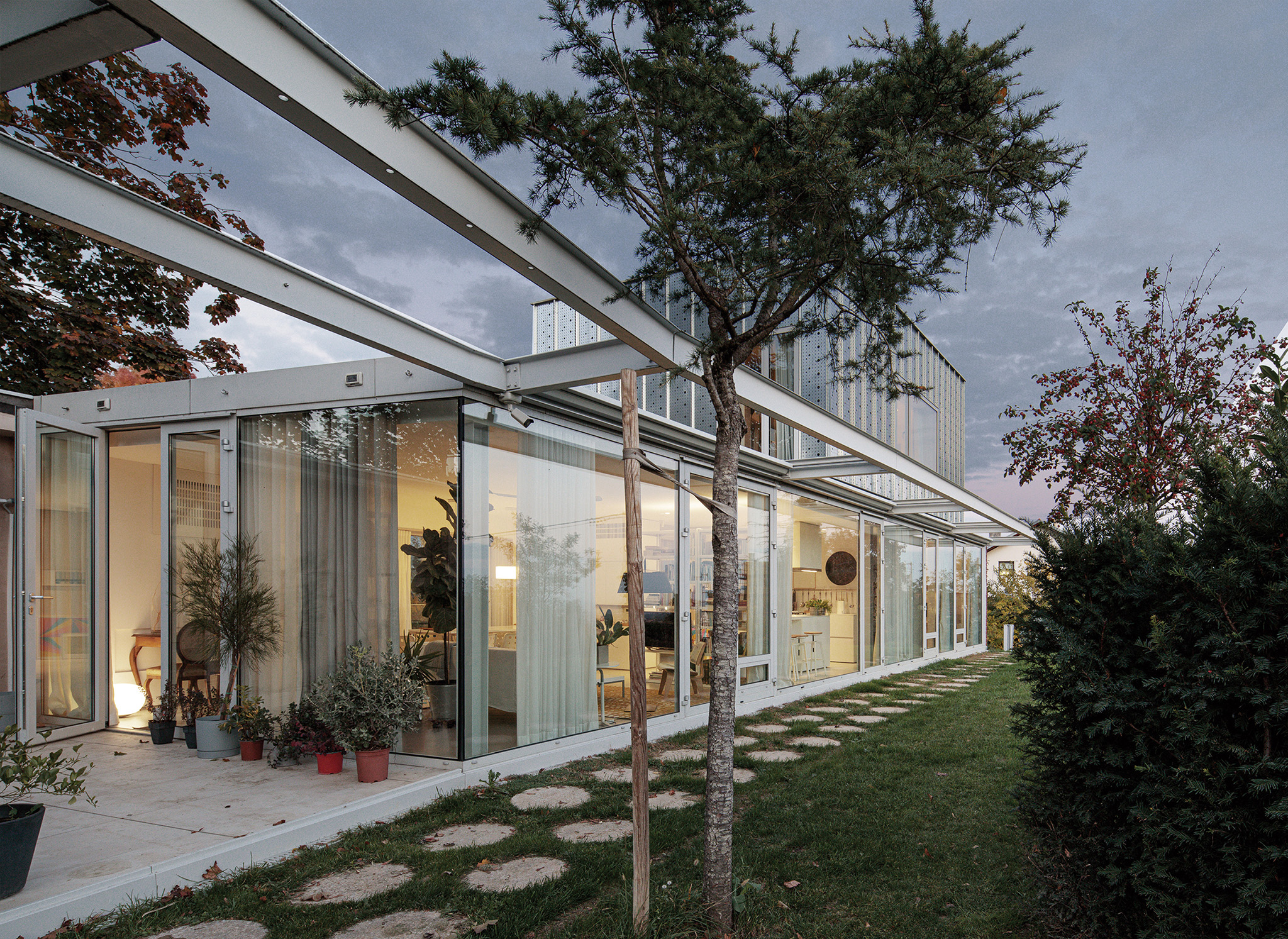
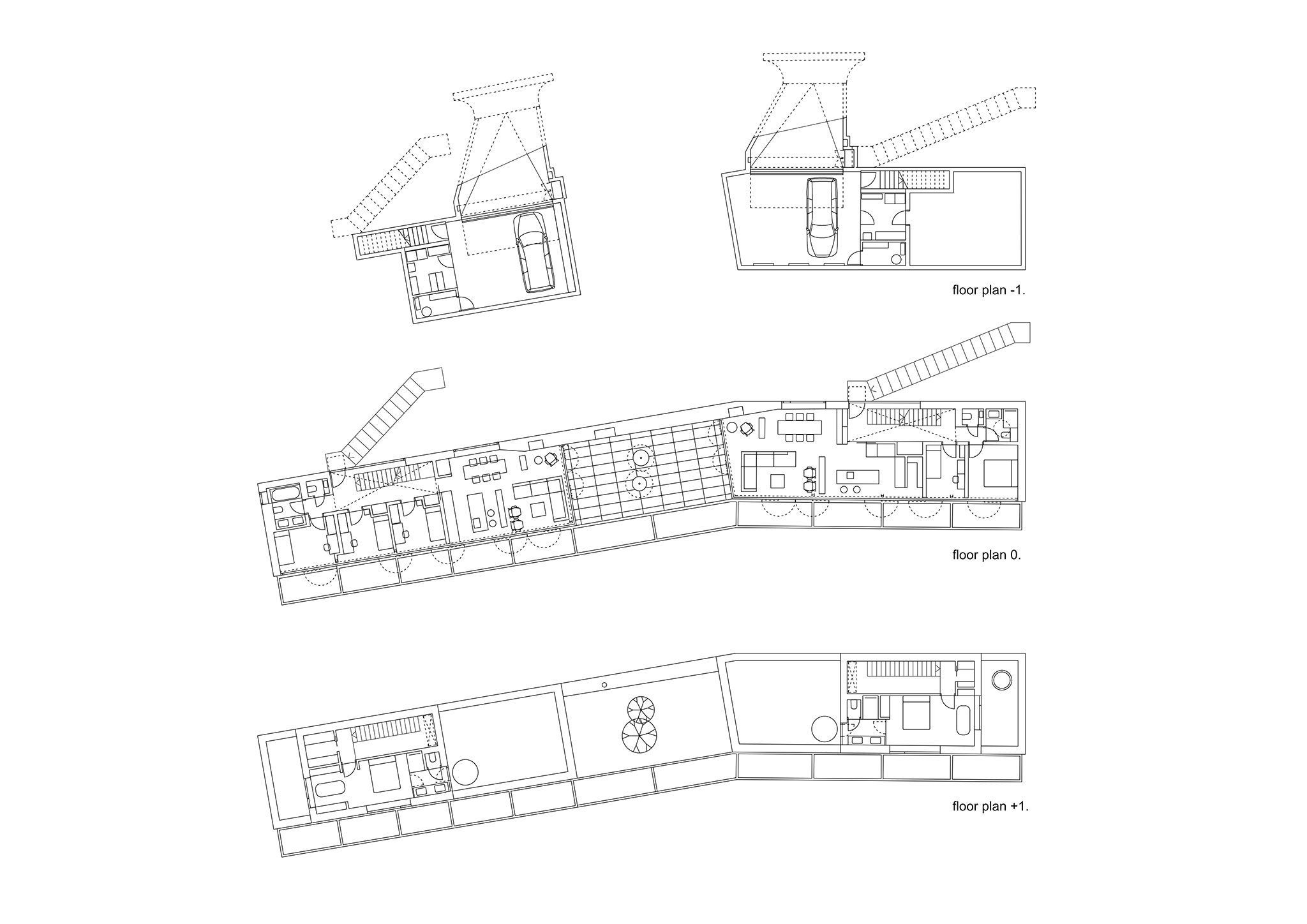
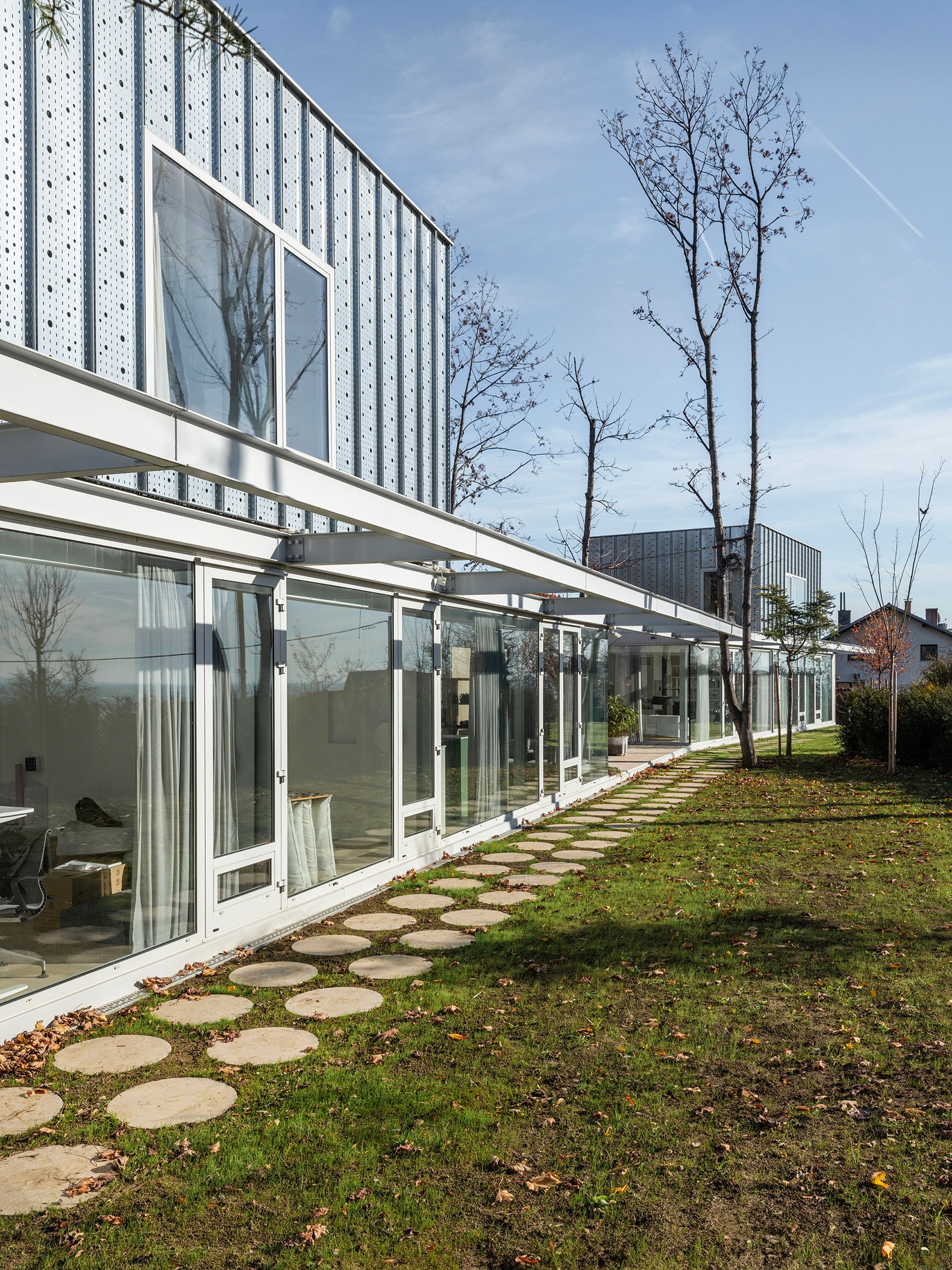
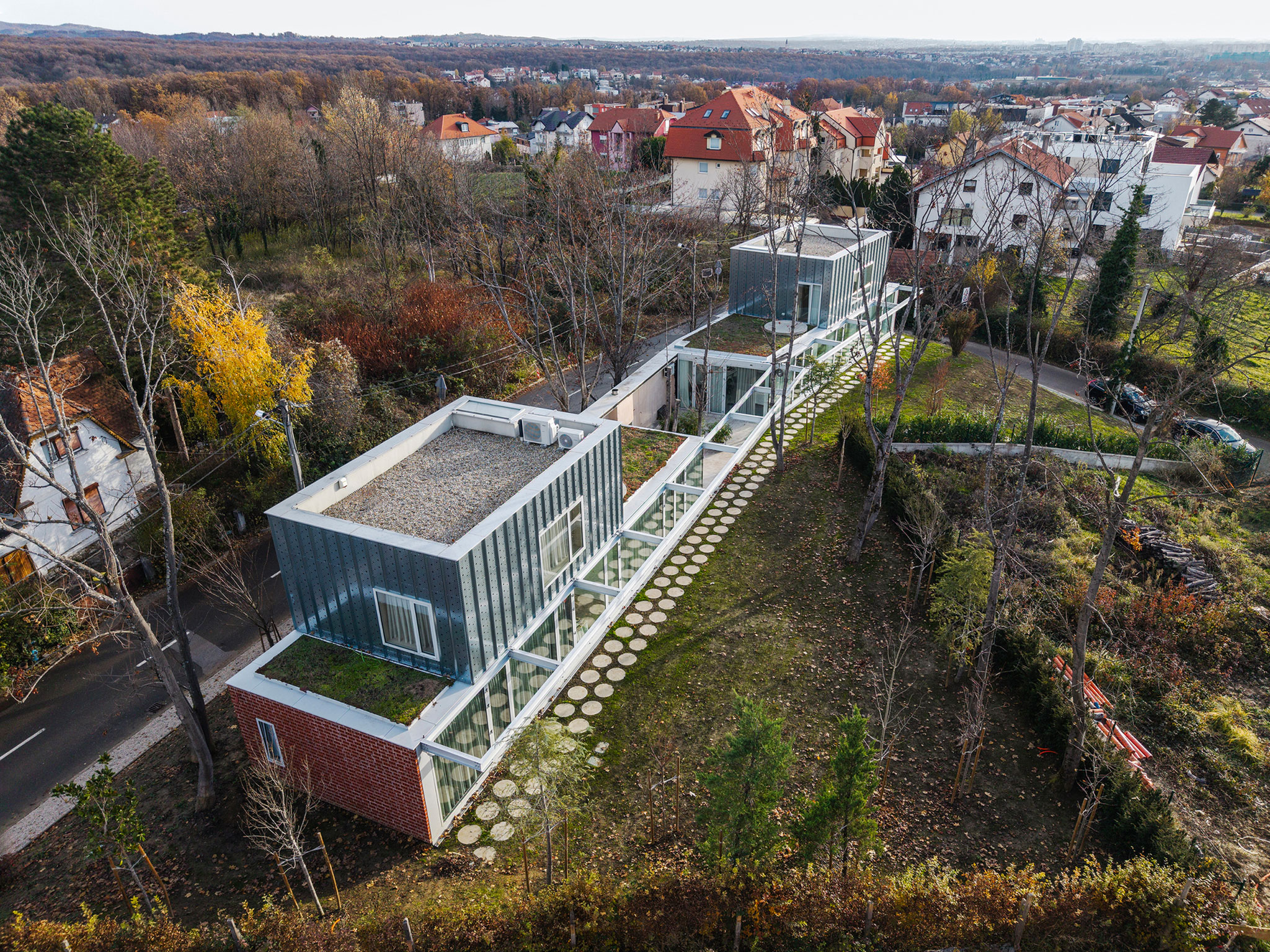
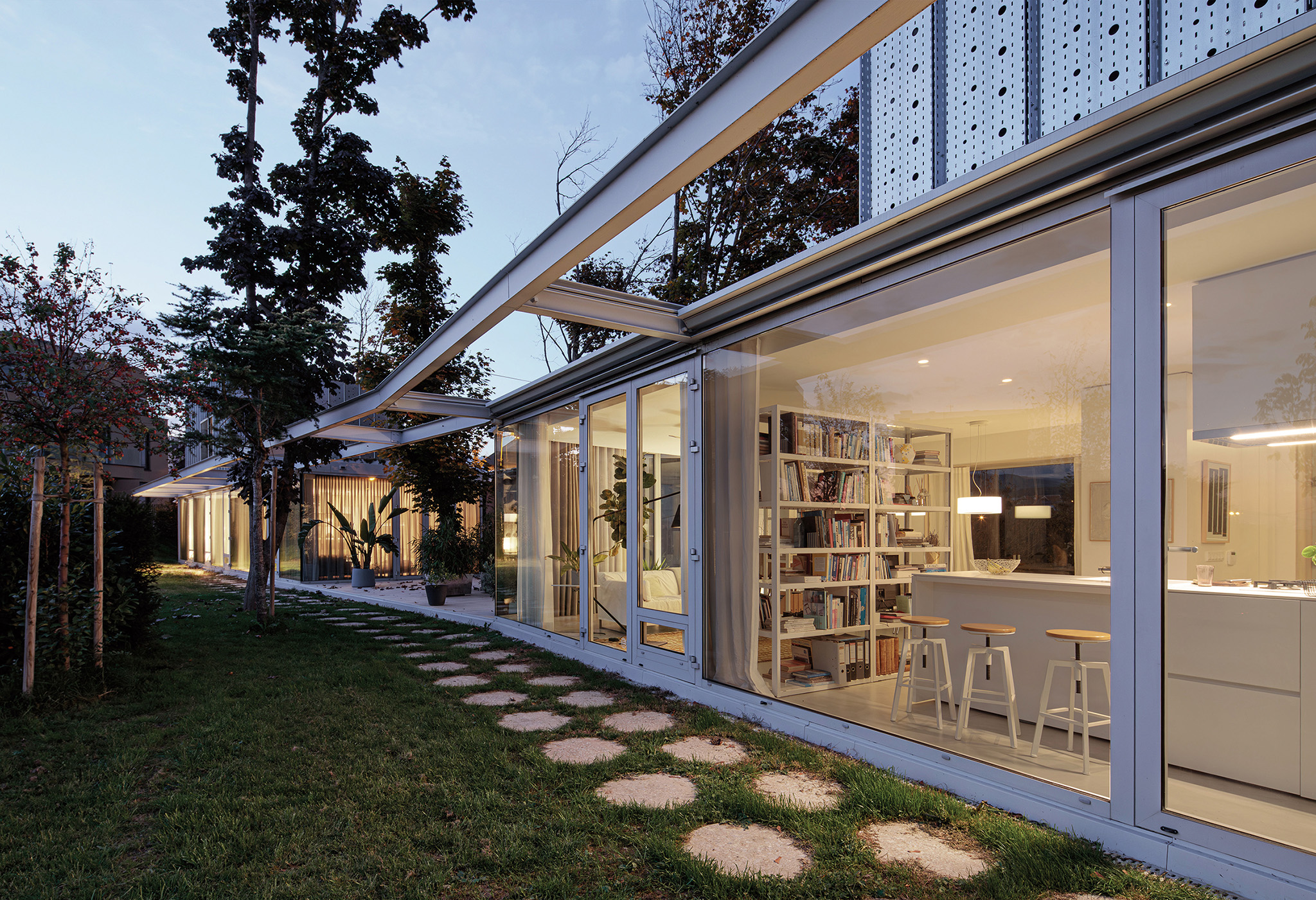
With 180 m² of living space in each of the two residential units of "Double Villa Bukovac," njiric+ arhitekti establishes a horizontal layout across two adjacent plots, with the houses side by side and a shared area between them. The northwest facade, facing the street, remains mostly closed, ensuring privacy, while the southeast facade connects directly to the garden, opening up to panoramic views of the city.

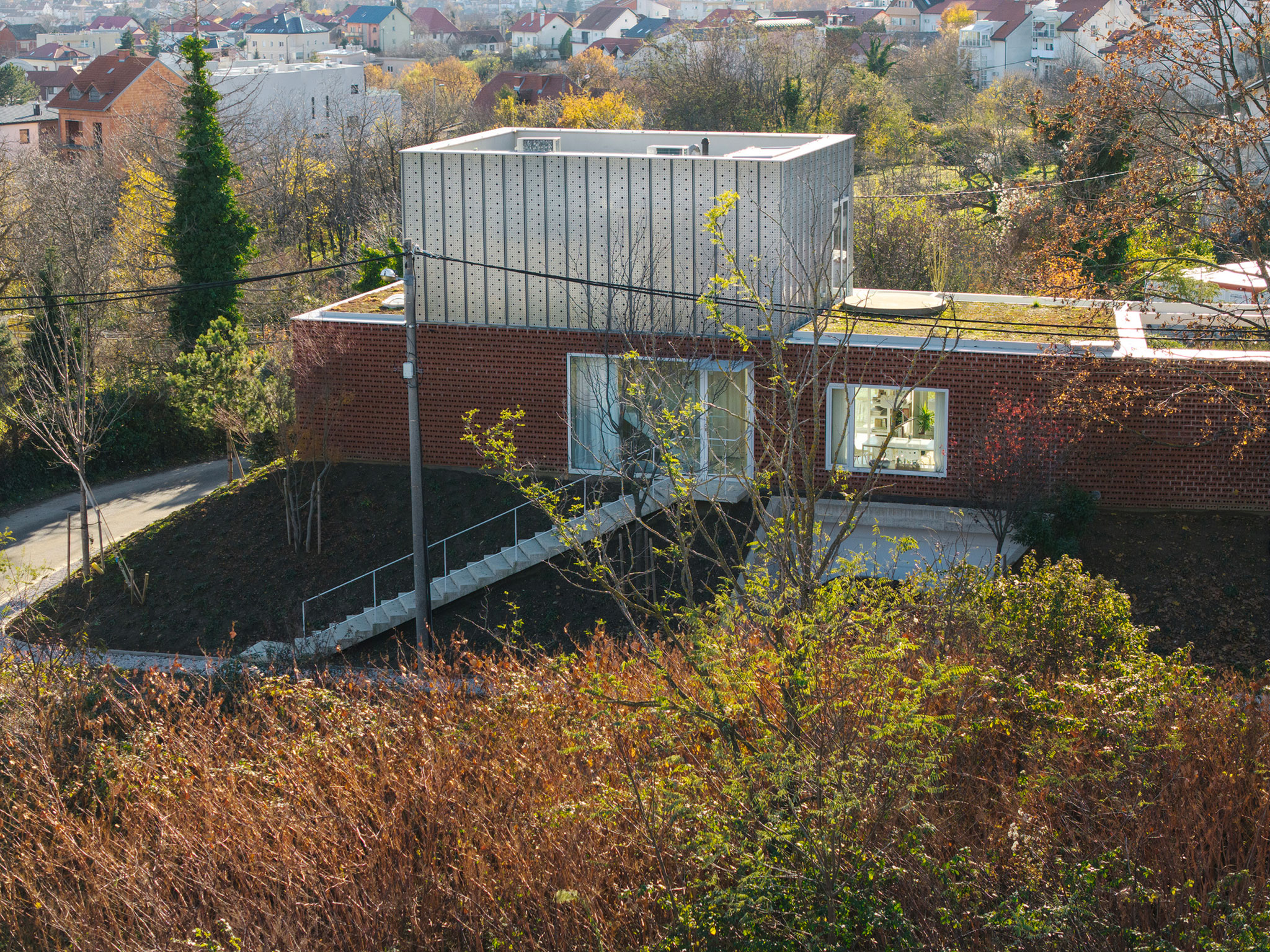
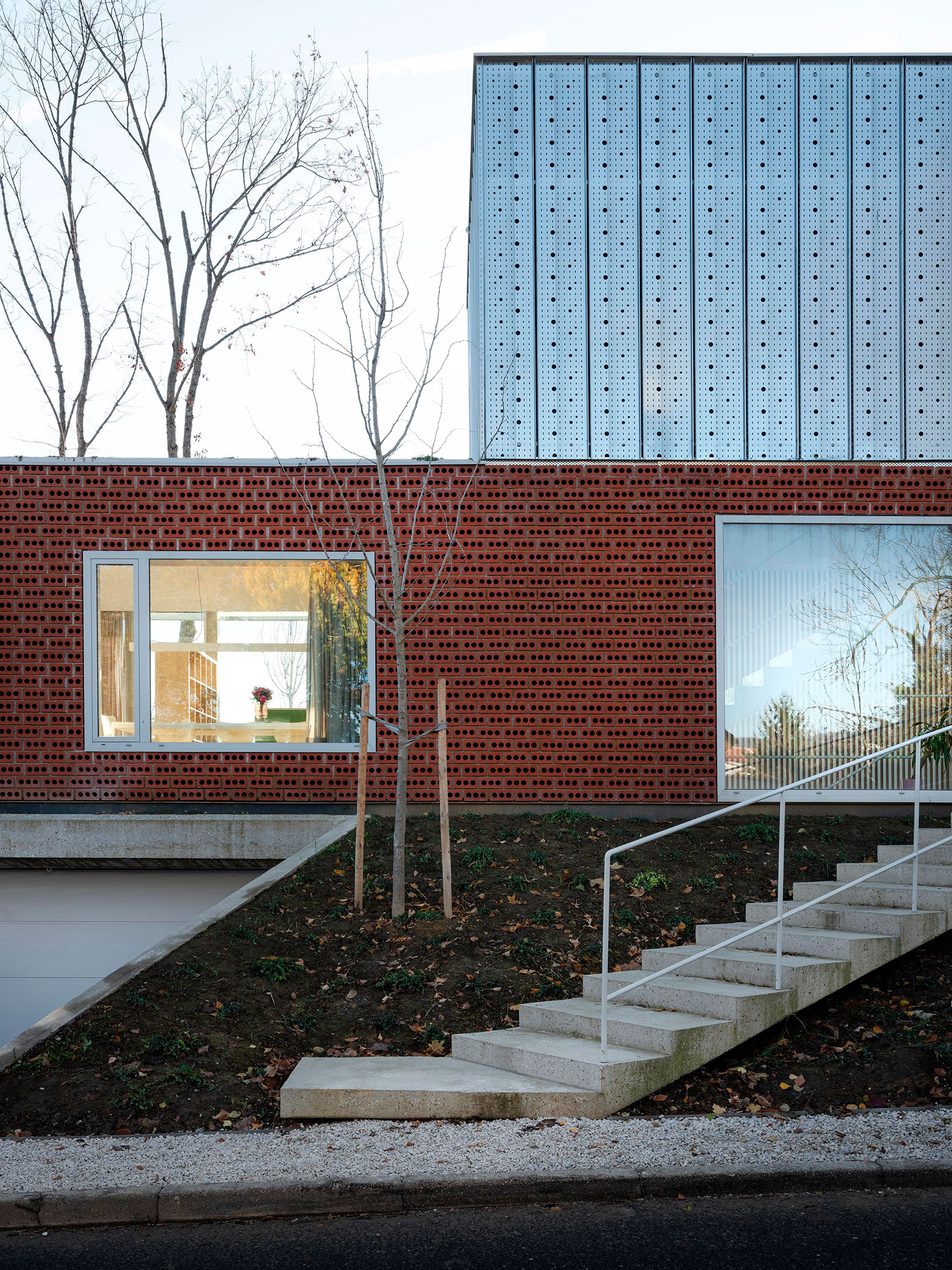
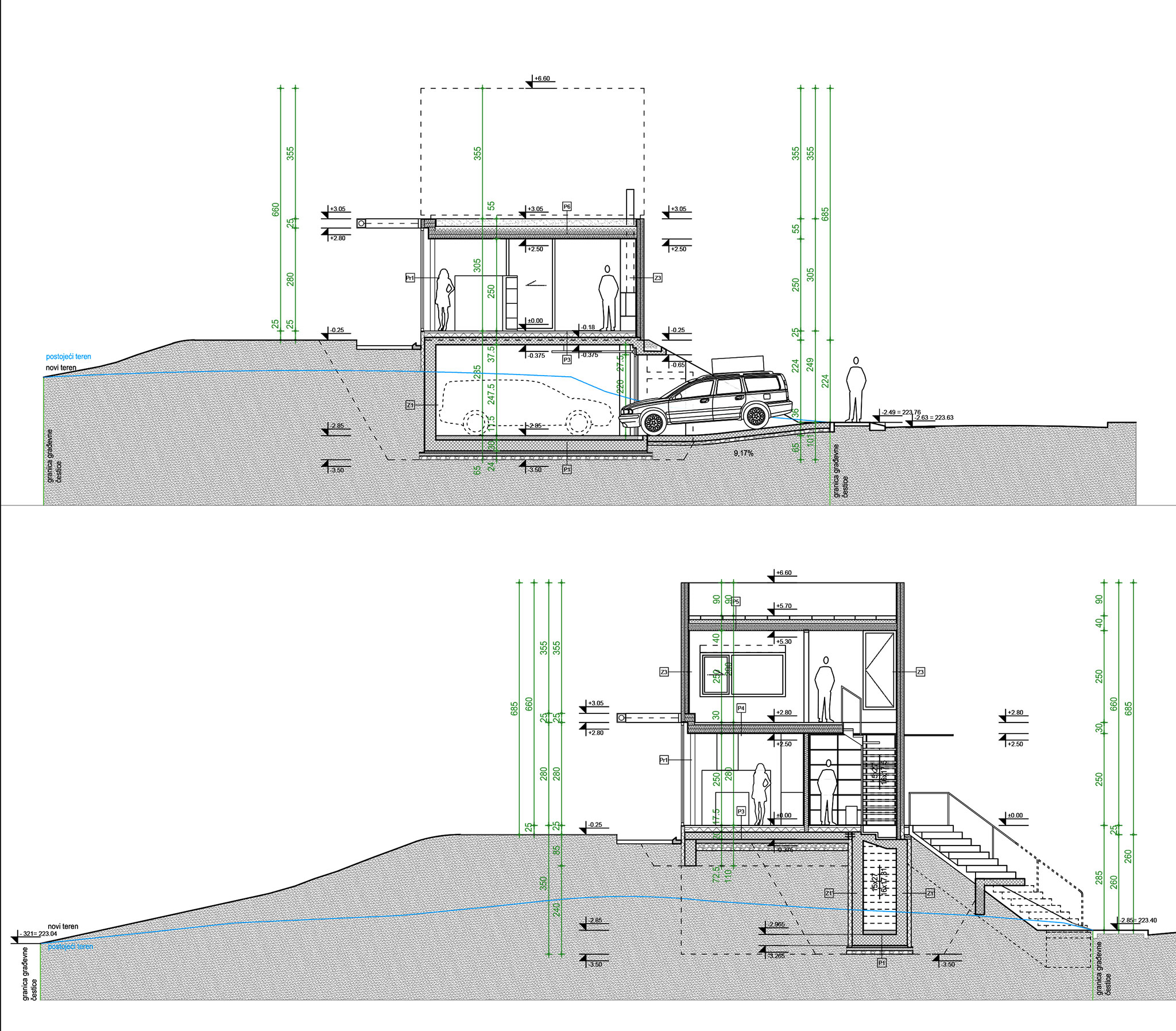
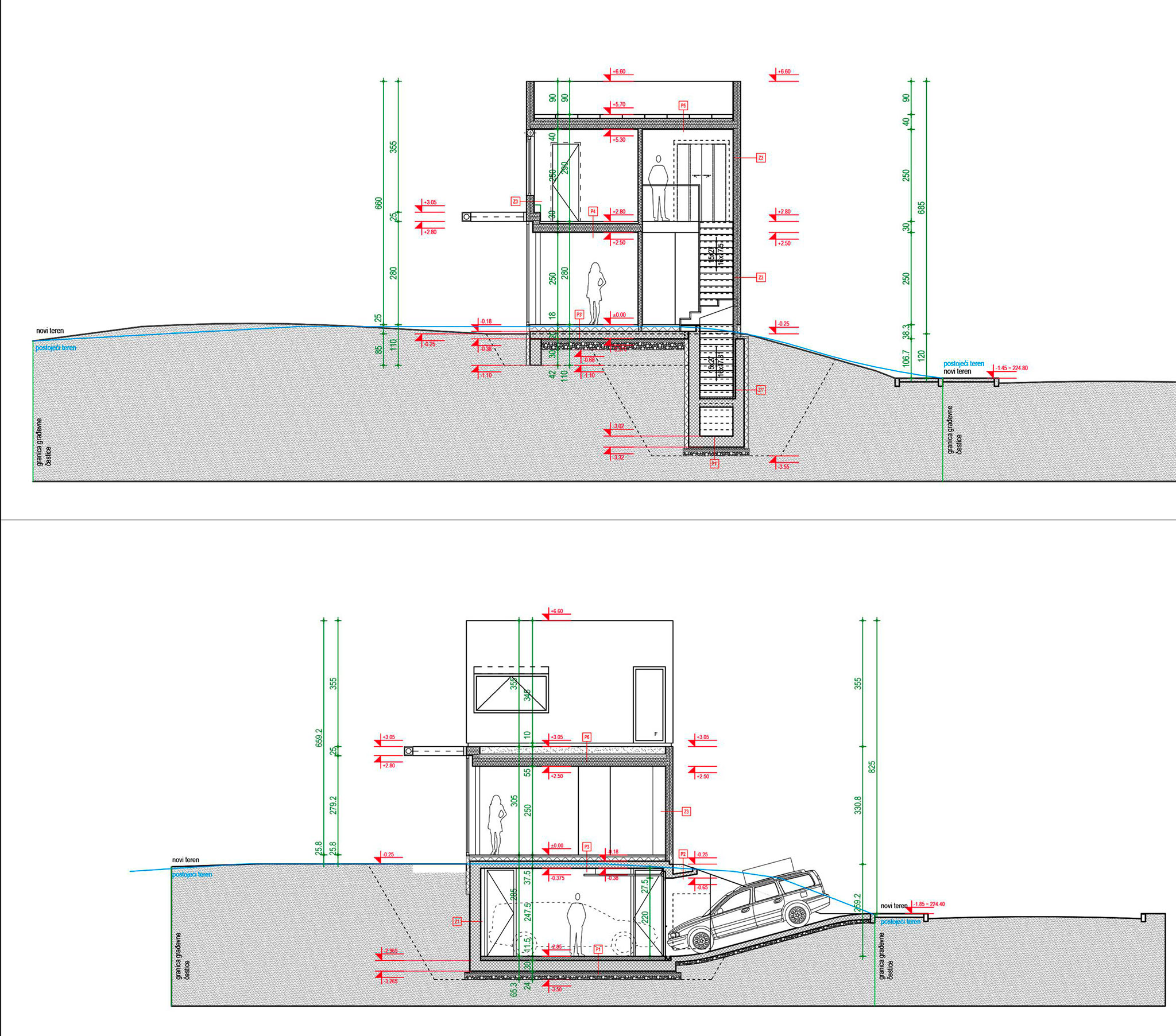
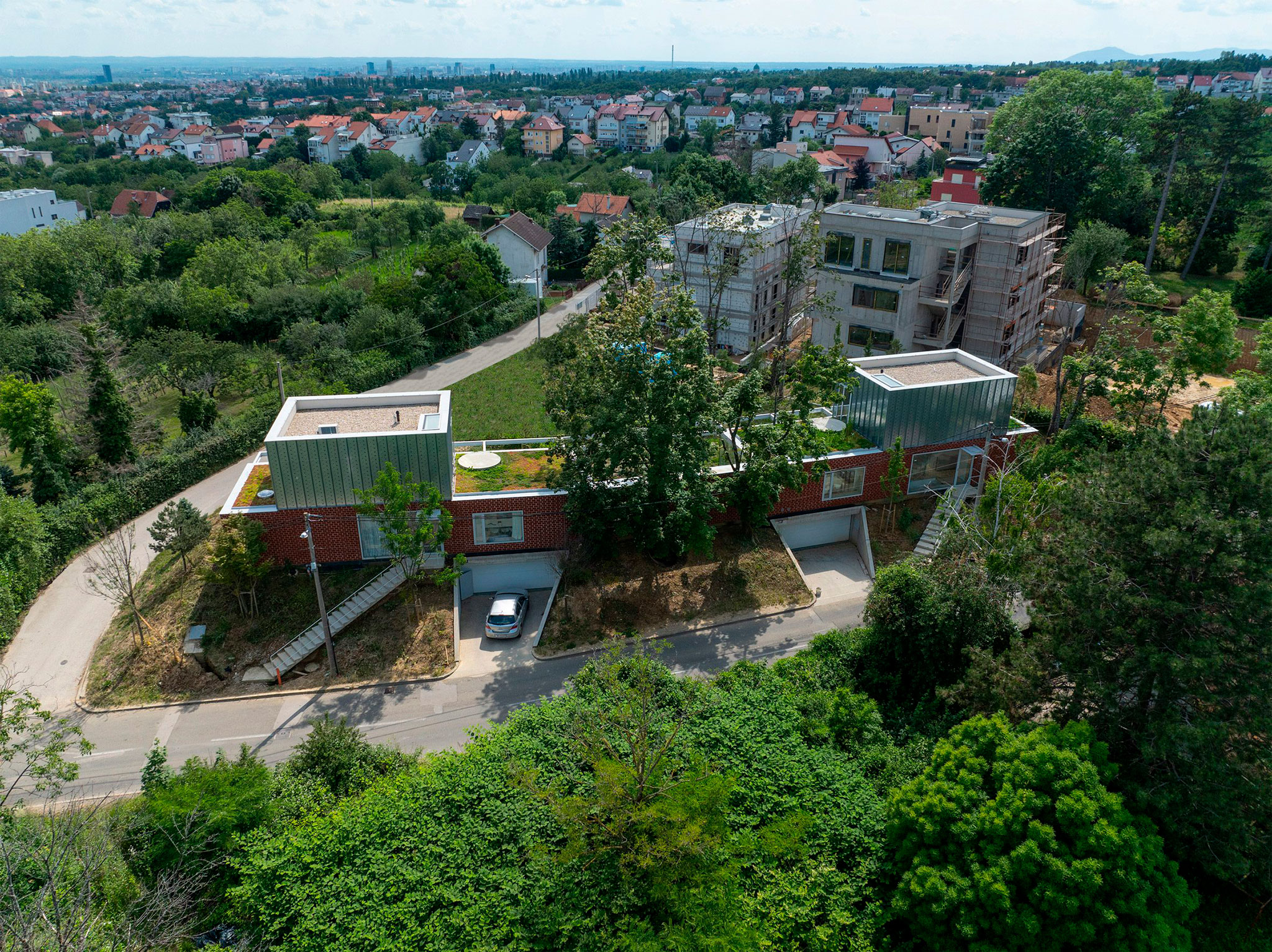
The natural slope of the land allows direct access from the street to the underground garage, designed as a flexible space for parking, events, and art exhibitions. Between the two dwellings, a double dividing wall houses gardening tools, a kitchen, and a barbecue area.

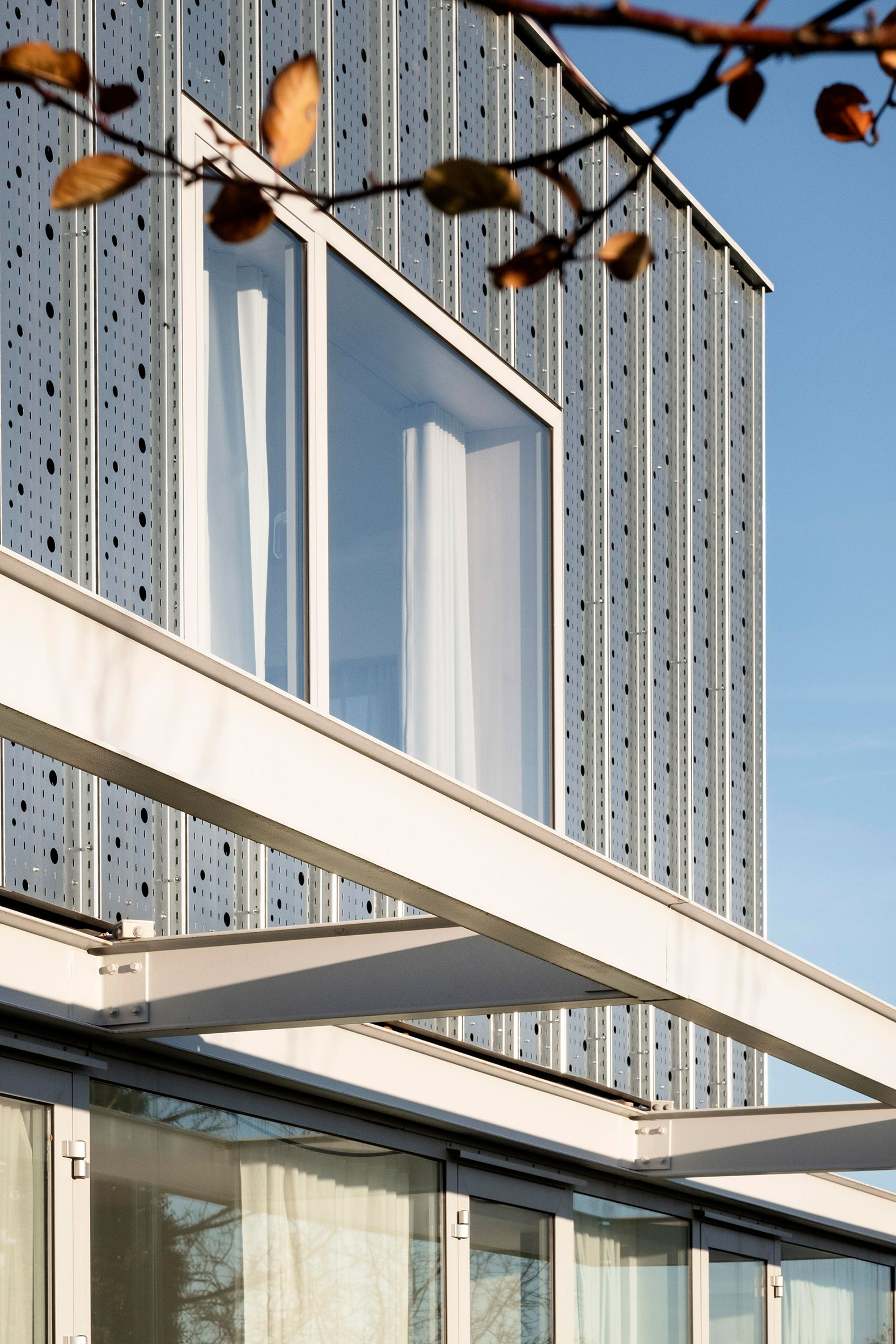
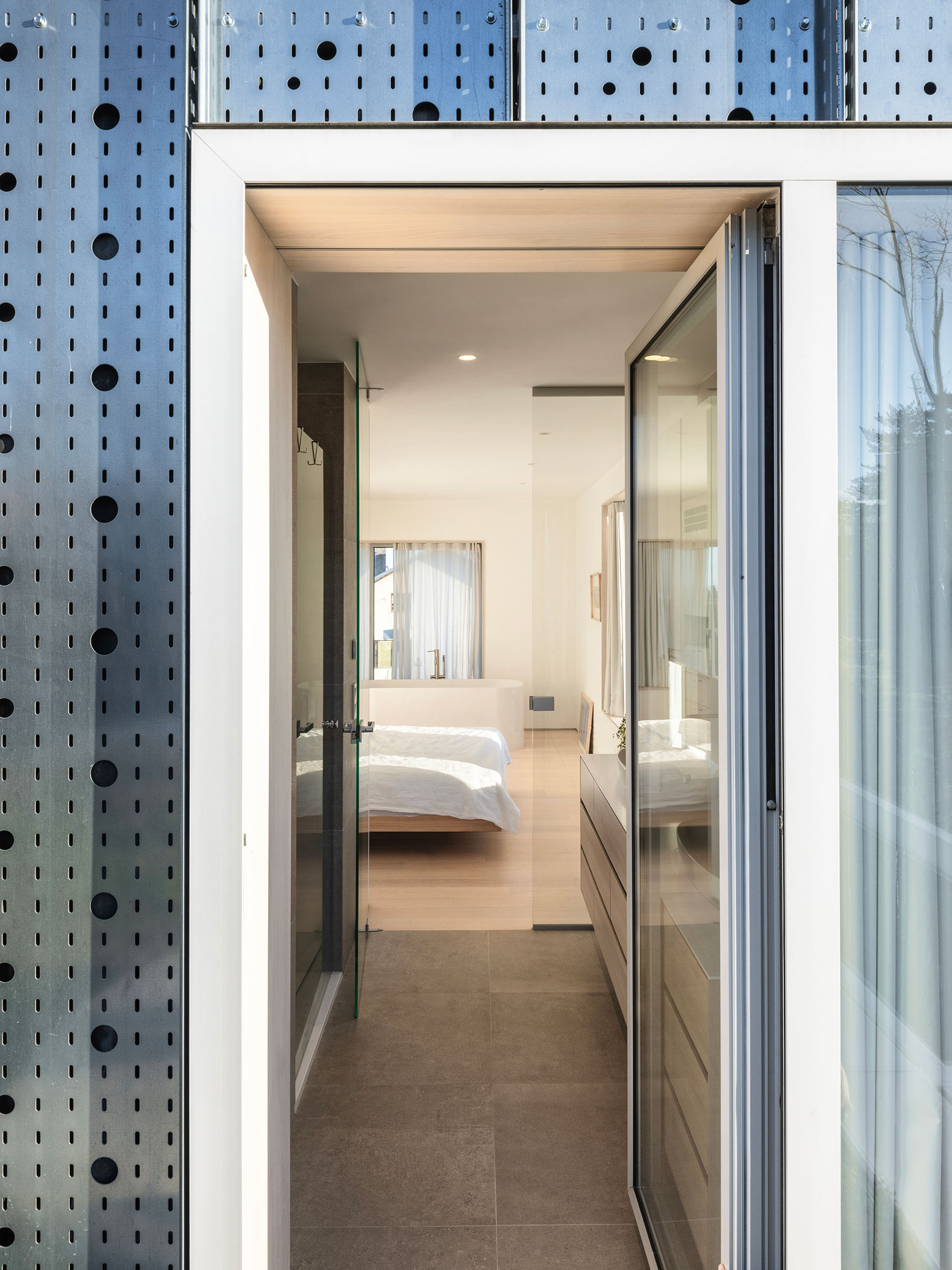
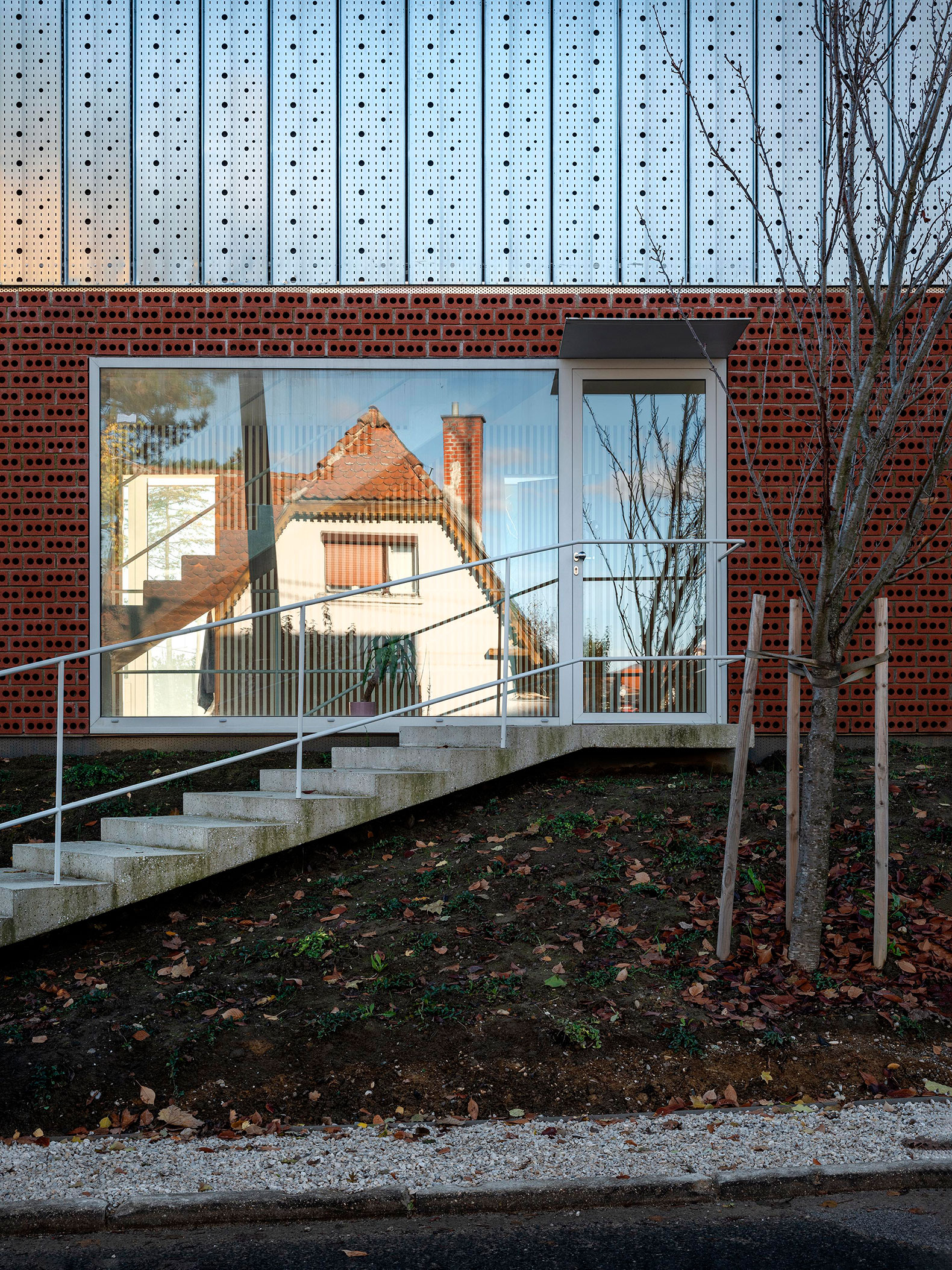
The ground floor adopts an earthy and robust presence, constructed with brick, unlike the upper floor, which features lighter and more transparent materials. With sustainable strategies, the house maintains minimal energy consumption in winter, and in summer, it uses passive systems such as retractable awnings to regulate the interior temperature.

The project is one of the 40 selected for the EUmies / Mies van der Rohe Awards 2026.
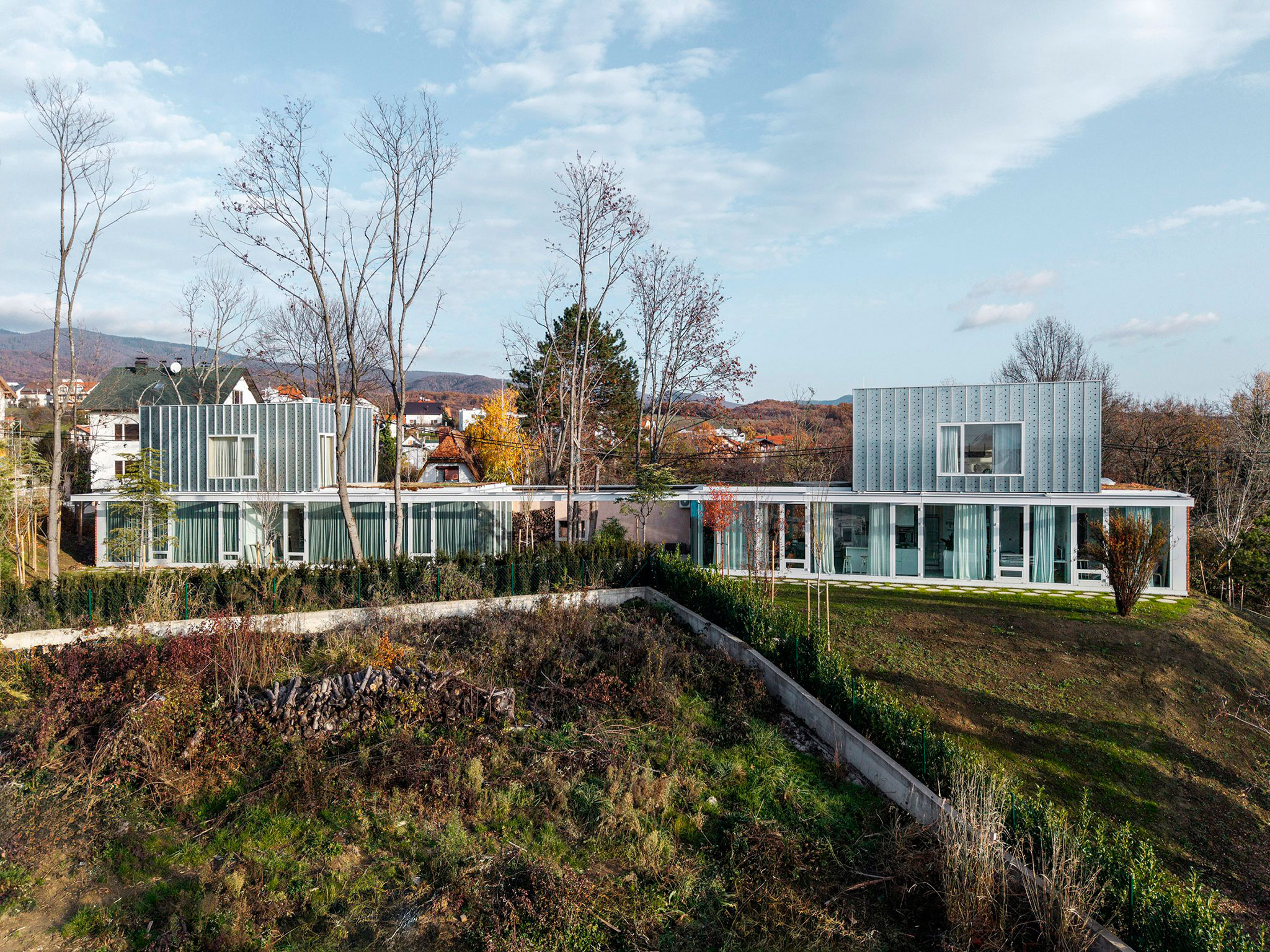
«Double Villa Bukovac» por njiric+ arhitekti. Fotografía por Danijel Krznaric.

Double Villa Bukovac by njiric+ arhitekti. Photograph by Bosnic+Dorotic.

Project description by njiric+ arhitekti

A Dialogue with the Urban Master Plan
The concept for the house emerges as a direct response - and critique - of the General Urban Development Plan of the City of Zagreb. The lots on which the house stands intentionally diverge from conventional urban planning guidelines regarding building density, land utilization, building height, and parking requirements. Rather than conforming to these norms, the project embraces a vision of reimagining the green foothills of Zagreb for a lower-density residential typology—favoring smaller volumes, lower structures, a gentler footprint and larger plots with a minimum area of 1200 m2. In this way the house becomes a case study proposing a new form of urban decency for the city.

Downscaling and Typological Shift

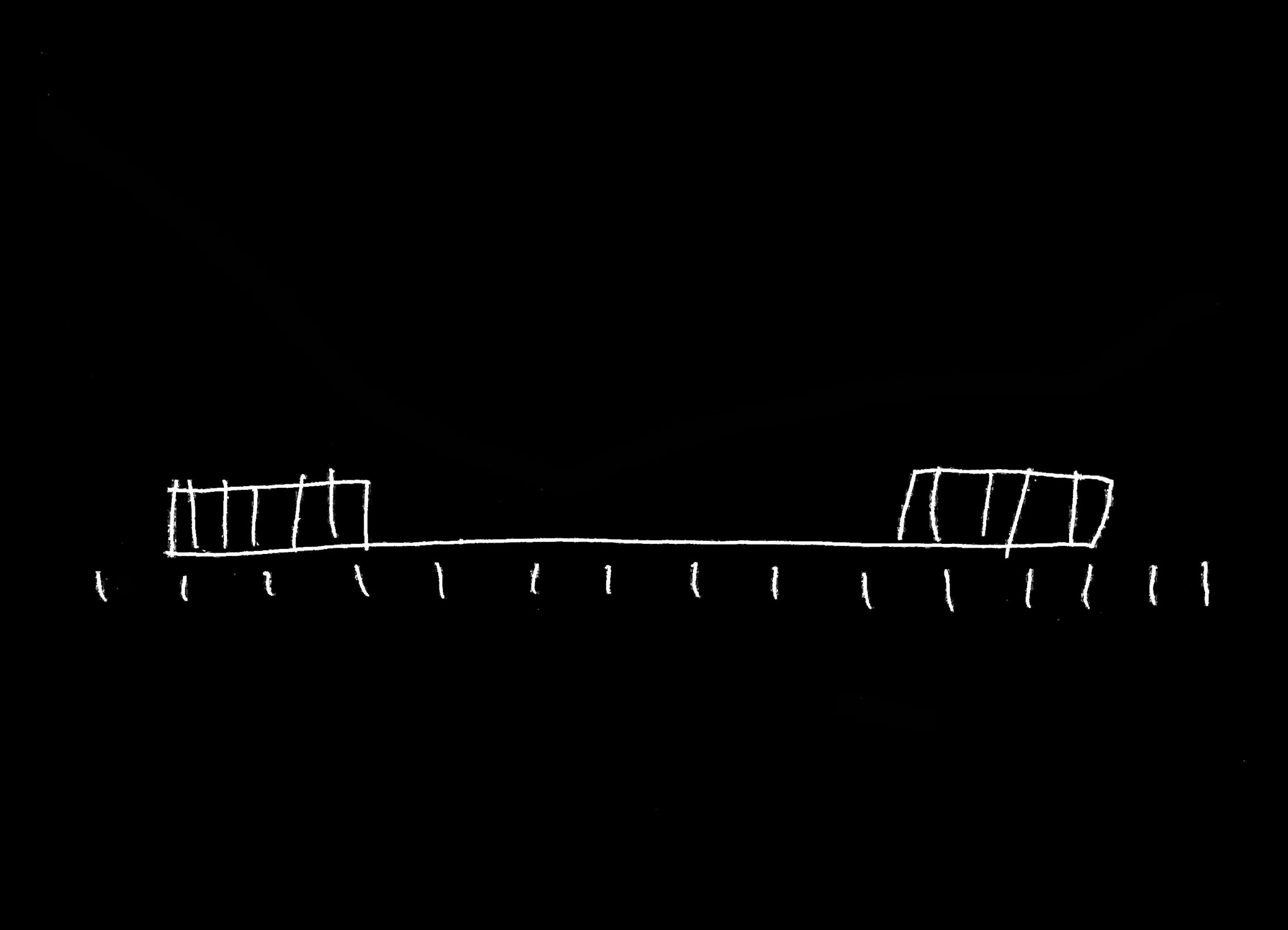
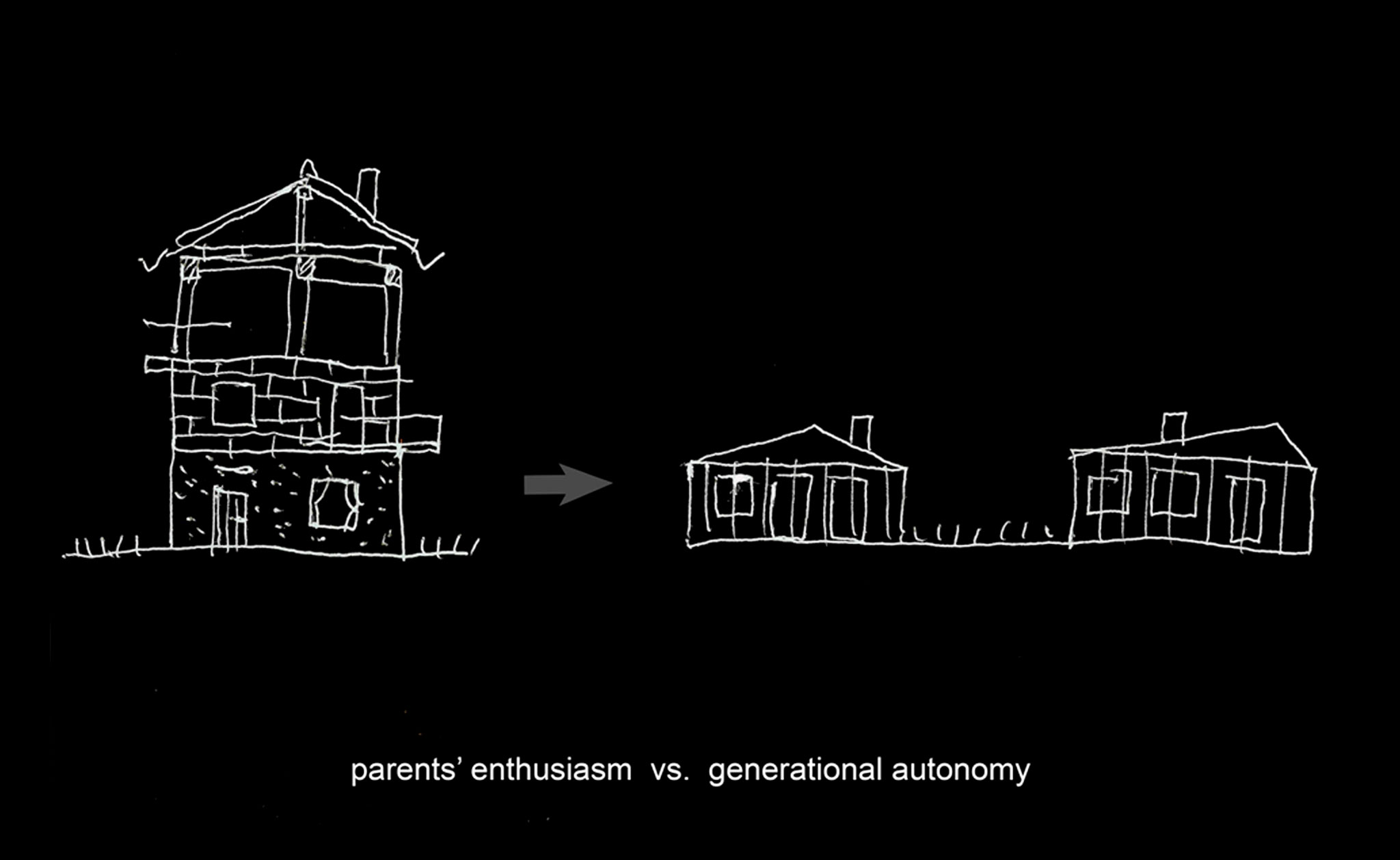
Instead of maximizing the permitted Gross Built Area (GBA) of 600 m² per lot, each of the two residential units contains just 180 m² of living space. Departing from the typical vertical distribution by floors – commonly used for multigenerational housing in this context - the project establishes a horizontal multigenerational living arrangement across two adjacent lots. The houses a positioned side by side rather than stacked, with a space between them acting as a cohesive, integrative communal zone.

«Double Villa Bukovac» por njiric+ arhitekti. Fotografía por Danijel Krznaric.
Double Villa Bukovac by njiric+ arhitekti. Photograph by Bosnic+Dorotic.

A Dual Character

A defining wall along the street creates a treshold, establishing a transitional zone that generates an interactive space on the opposite side. The northwest façade, facing the street, remains largely closed – shielding the interior from noise, wind and unwanted views, ensuring privacy. In contrast, the southeast side of the house opens fully toward the garden, embracing greenery, sunlight and panoramic city views.

Architectural References and Inspiration

The design draws from personal encounters with influential buildings within architectural discourse. Villa Barbaro by Andrea Palladio inspired the disciplined symmetry of the house, while the Eames House/Studio influenced the concept of a unifying atrium and spatial duality. Thomas Jefferson’s University of Virginia campus influenced the relationship to the terrain and the classical rhythm of the façades. The LA Case Study Houses provided reference points in tems of construction techniques methods and dynamic relationship with the urban landscape, particularly panoramic vistas toward the city.
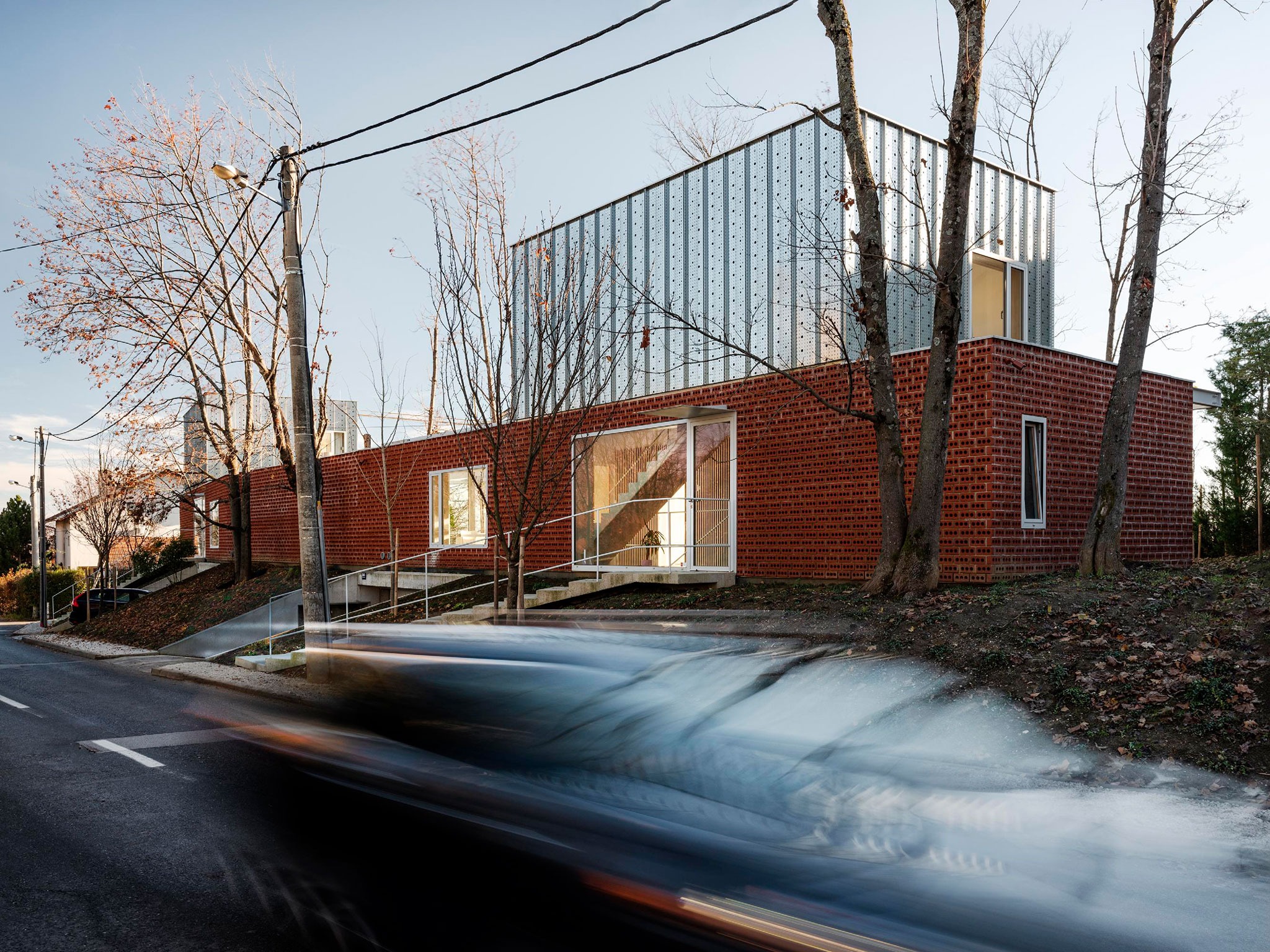
Double Villa Bukovac by njiric+ arhitekti. Photograph by Danijel Krznaric.
Double Villa Bukovac by njiric+ arhitekti. Photograph by Bosnic+Dorotic.

Materiality and Construction

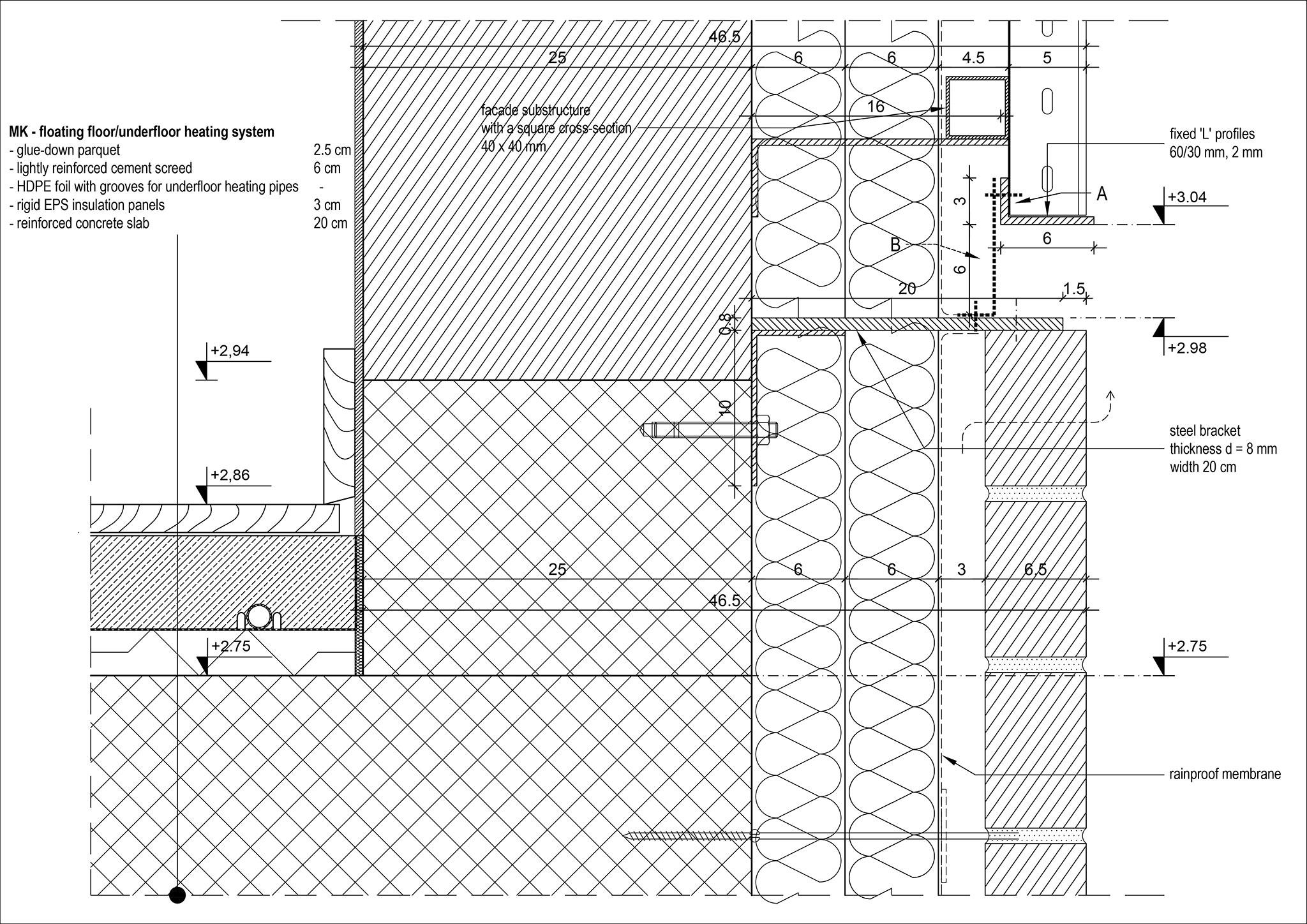
The house’s façades are defined by their contrasting material expressions: the ground floor, in contact with terrain, adopts an earthy, robust presence - constructed with brick to express weight and permanence. In contrast, the upper floor, in dialogue with the sky, is lighter, more transparent and reflective. It features unconventional materials, including repurposed cable tray mesh, which lends the façade a subtle, ephemeral quality.

The Significance of Section

The natural slope of the site allows direct access from the street into the underground garage, while the ground floor opens seamlessly into the garden. The double wall of the atrium - positioned between the two home – functions not only as a spatial divider, but also as a practical niche housing garden tools, a summer kitchen and a barbecue area, making it a central element for family gatherings. The garage beneath the house is designed not only for parking but doubles as a party venue and an exhibition space for heavy-duty artworks displayed in lightboxes and on metal panels.
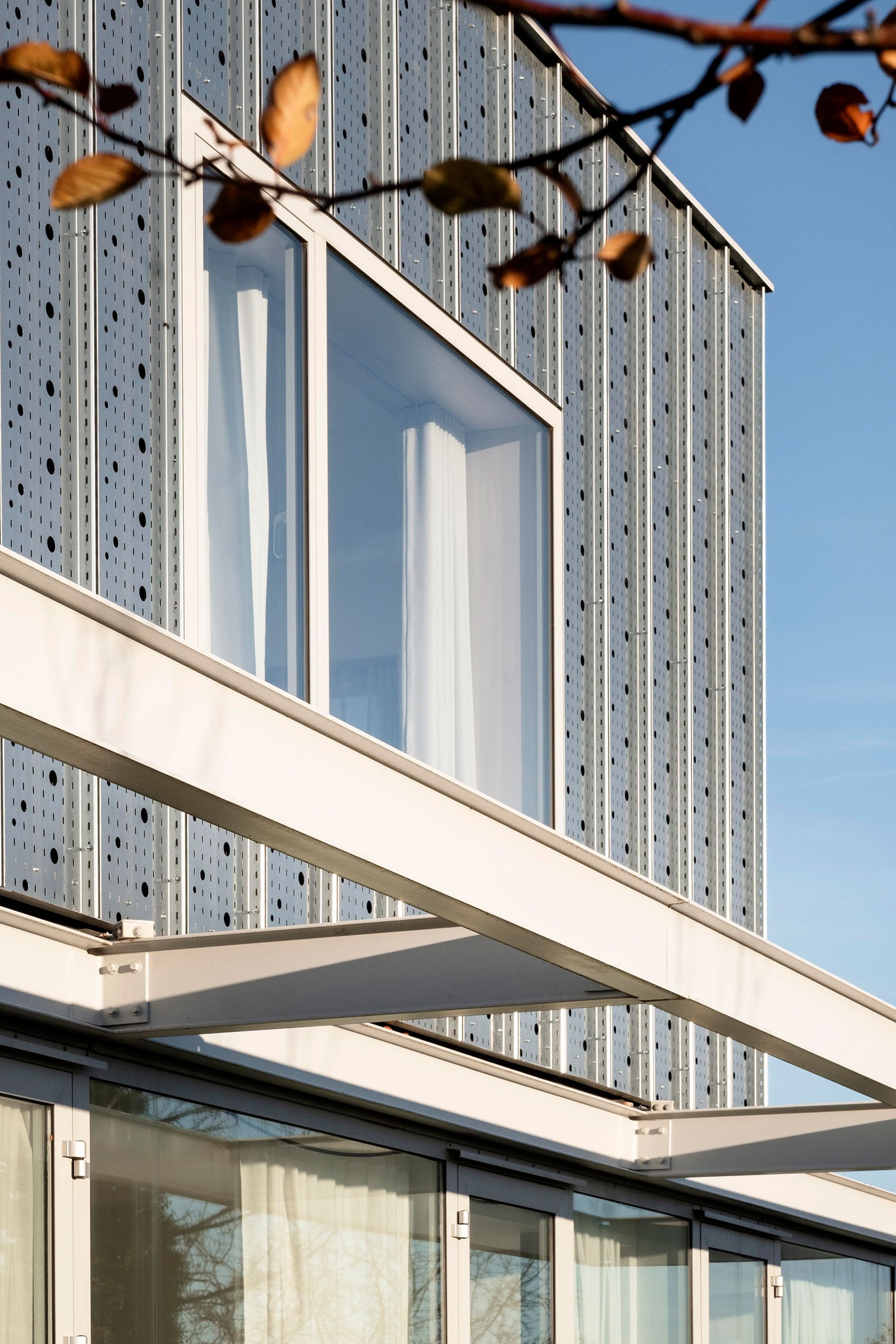
«Double Villa Bukovac» por njiric+ arhitekti. Fotografía por Danijel Krznaric.
Double Villa Bukovac by njiric+ arhitekti. Photograph by Bosnic+Dorotic.

Energy Efficiency and Sustainability

The house functions as a solar pavilion – with minimal energy demands in winter, while in summer, it utilizes passive shading systems such as retractable awnings, regulating interior temperatures during summer months.
More information

Label
Architects
Text

njiric+ arhitekti. Lead architects.- Hrvoje Njirić, Iskra Filipović.

+ + copy Created with Sketch.
- + copy Created with Sketch.
Label
Project team
Text

Ana Miše, Noel Bucul, Marko Gusić, Domagoj Mlinarić, Irma Šmuc, Ljiljana Besednik, Mirna Udovičić.

+ + copy Created with Sketch.
- + copy Created with Sketch.
Label
Collaborators
Text

Structural Engineering.- M Plan.
Electrical Engineering.- Elektroplan.
Mechanical Services.- Ekspertterm.
Gas installation.- Mipos.
Building Physics.- Mateo Biluš
Water And Sewerage.- Hit Projekt.
Geodetics.- Geooperativa.

+ + copy Created with Sketch.
- + copy Created with Sketch.
Label
Main contractor
Text

Slija.

+ + copy Created with Sketch.
- + copy Created with Sketch.
Label
Area
Text

360 m². 2 x 180 m² GFA (Gross Floor Area).

+ + copy Created with Sketch.
- + copy Created with Sketch.
Label
Dates
Text

Project start.- 2018.
Completion year.- 2024.

+ + copy Created with Sketch.
- + copy Created with Sketch.
Label
Location
Text

Gornji Bukovac, Zagreb, Croatia.

+ + copy Created with Sketch.
- + copy Created with Sketch.
Label
Manufacturers
Text

Caparol, Špina, Green Box, Votex, Teh–gradnja, ARP, ACO, Galeković, Marlex, Ervojić, Proalarm, Sika, Beton Lučko, Ferolignum, Spona, Kemenović, Terra Sol, Remeha BV, Oberndorfer, Cro Stone, Regal-Mont, Rasvjeta Ribarić, Knauf Insulation, Agroflora, AS Floor, Themelia, Hella.

+ + copy Created with Sketch.
- + copy Created with Sketch.
Label
Photography
Text

Bosnic+Dorotic, Danijel Krznaric, Jure Zivkovic.

+ + copy Created with Sketch.
- + copy Created with Sketch.

njiric+ arhitekti was founded by Hrvoje Njiric in 2001 and is based in Zagreb, Croatia.

Hrvoje Njiric gained recognition in the 90s with projects developed by the former Njiric+Njiric partnership. The schemes for Europan (3 first prizes) and Slovenian projects for Baumaxx and McDonald's were widely published and awarded. The new practice evolved from and continued the work of the former office.

njiric+ regards architecture to be much more than a physical definition of its boundaries or a formal assemblage of building materials. Its non-physical aspects are about phenomena of contemporary society and mass culture.

Urban studies were extensively undertaken throughout the 1990s and significantly less so in the last decade, due to the collapse of the public realm in Croatia. The exemplary nature of the projects is derived from the necessity to tackle different issues and to push them to the limits.

Working on the projects outside Croatia is a chance to offer new answers to the same questions – mainly in the housing domain, tourism and territorial operations.

Regarding design work, we pursue three different approaches – upgrading schemes, moderate inventions and visionary projects. Current housing designs – Gracani (2006) and Rural Mat (2007) are based on the critique of an overproduction of dwellings in post-war Croatia, lacking necessary substance and promoting subversive lifestyles and typologies. The efforts of the office should be regarded in such a context of upgrading, efficiency, modesty and everydayness.

Social public buildings, such as kindergartens, schools, libraries and faculties are the second major concern of the office. In numerous competition entries, we are investigating these typologies and shifting their limitations toward moderate inventions. Besides the kindergarten MB (2007), chances are that three of them will be built – the city library in Rijeka (GKR 2005-), the law faculty in Split (Palazzo Bolognese 2008-) and the university library in Zadar (2009-).

Visionary projects are an essential part of our practice. Based on facts and defined by circumstances, various concepts of a non-utopian character are developed in order to question the constraints of the current production in architecture. The major ones – „Yokohama Burning“ and „Twisted Schinkel“ originate from the 90's, but we are motivated to continue taking risks in the 10's, as we already did with the (za)breg 2012 project.

HNJ believes that public space is the architect's major responsibility. Various urban schemes developed in the office are based on that position, such as the City Campus (Rijeka 2003), „(R)urban Clusters“ (Zagreb 2006) and the University Campus (Zadar 2009), University Campus (Zagreb 2011) and Delta (Rijeka 2013).

MTV's Jackass punchline - „do not try this at home“ presents well our understanding of international projects as a chance to try out something else, something we would not do in Croatia, for several reasons. A variety of contextual demands often inspires us to search for a different approach. The projects for Russia, Japan, Italy, Scotland, Holland, Germany, Spain, Slovenia, Austria, Sweden and foremost the actual ones, which are likely to be built in Portugal and China, are a valuable experience for us.

The practice includes 3 to 12 people, depending on the very immediate workflow. We strongly believe that above a certain size, it is very difficult to maintain quality. The design and management of each project is led by HNJ and the project architect in close cooperation with the client. The conceptual framework is sometimes conceived with the help of artists and other related professions, as we regard contemporary art to be much more operative than the current architecture itself. The working process includes landscape designers, environmental engineers and other specialists, depending on the profile of the project.

The work of our practice has been extensively published in national and international press, recently in numerous architectural websites as well. The 90's projects have been a subject of the monograph by El Croquis #114 - „metabalcanico“. A recent 2G monograph of the practice for the period 2000-2010 is available from May 2011.

Hrvoje Njiric (born in Zagreb, Croatia, in 1960) has been engaged in teaching since the mid 90's. He served as a full-time professor at the TU Graz (2000-05) as a successor of Günter Domenig. Now he is a tenured professor at the GAFS Split (2007-). He has been a guest professor in other schools such as Ljubljana, Ferrara, Aarhus and Trieste. Recent guest professorships include ETSAM Madrid (2008-13), UofT Toronto - appointed as "The Frank Gehry Chair for 2012 and MIT Boston in 2014. HNJ was the visiting critic at the HAB Weimar, the ETSAB Barcelona, the TU Wien, the AA School of Architecture London, the ETH Zürich, the Strathclyde University of Glasgow, Politecnico di Milano, the Southeast University of Nanjing and the William Lyon Somerville Visiting Lecturer at the University of Calgary. HNJ has also been a unit master of various international workshops and lectured in many cities worldwide.

The work of the practice has been the subject of various collective exhibitions as well. As a jury member, HNJ participated in the international competitions in Austria, Spain, Slovenia, Germany, Romania, Italy and Switzerland.

The new projects of the practice are not so intensively published as the old ones, due to our decreasing interest in the PR frenzy. Nevertheless, the recent success – three nominations and one shortlisted project in the "best 40" for the Mies Award 09 has brought renewed international recognition to the office.

Read more
Published on: January 21, 2026
Cite:
metalocus, CAMILA DOYLET
"Reinventing the residential typology. Double Villa Bukovac by njiric+ arhitekti" METALOCUS. Accessed
<http://www.metalocus.es/en/news/reinventing-residential-typology-double-villa-bukovac-njiric-arhitekti> ISSN 1139-6415
Loading content ...
Loading content ...
Loading content ...
Loading content ...
Loading content ...
Loading content ...
Loading content ...
Loading content ...
Loading content ...
Loading content ...
Loading content ...
Loading content ...
Loading content ...
Loading content ...
Loading content ...
Loading content ...
Loading content ...
Loading content ...
Loading content ...
Loading content ...
Loading content ...
Loading content ...
Loading content ...
Loading content ...
Loading content ...
Loading content ...
Loading content ...
Loading content ...
Loading content ...
Loading content ...
Loading content ...
Loading content ...
Loading content ...
Loading content ...
Loading content ...
Loading content ...
Loading content ...
Loading content ...
Loading content ...
Loading content ...
Loading content ...
Loading content ...
Loading content ...
Loading content ...
Loading content ...
Loading content ...
Loading content ...
Loading content ...
Loading content ...
Loading content ...
Loading content ...
Loading content ...
Loading content ...
Loading content ...