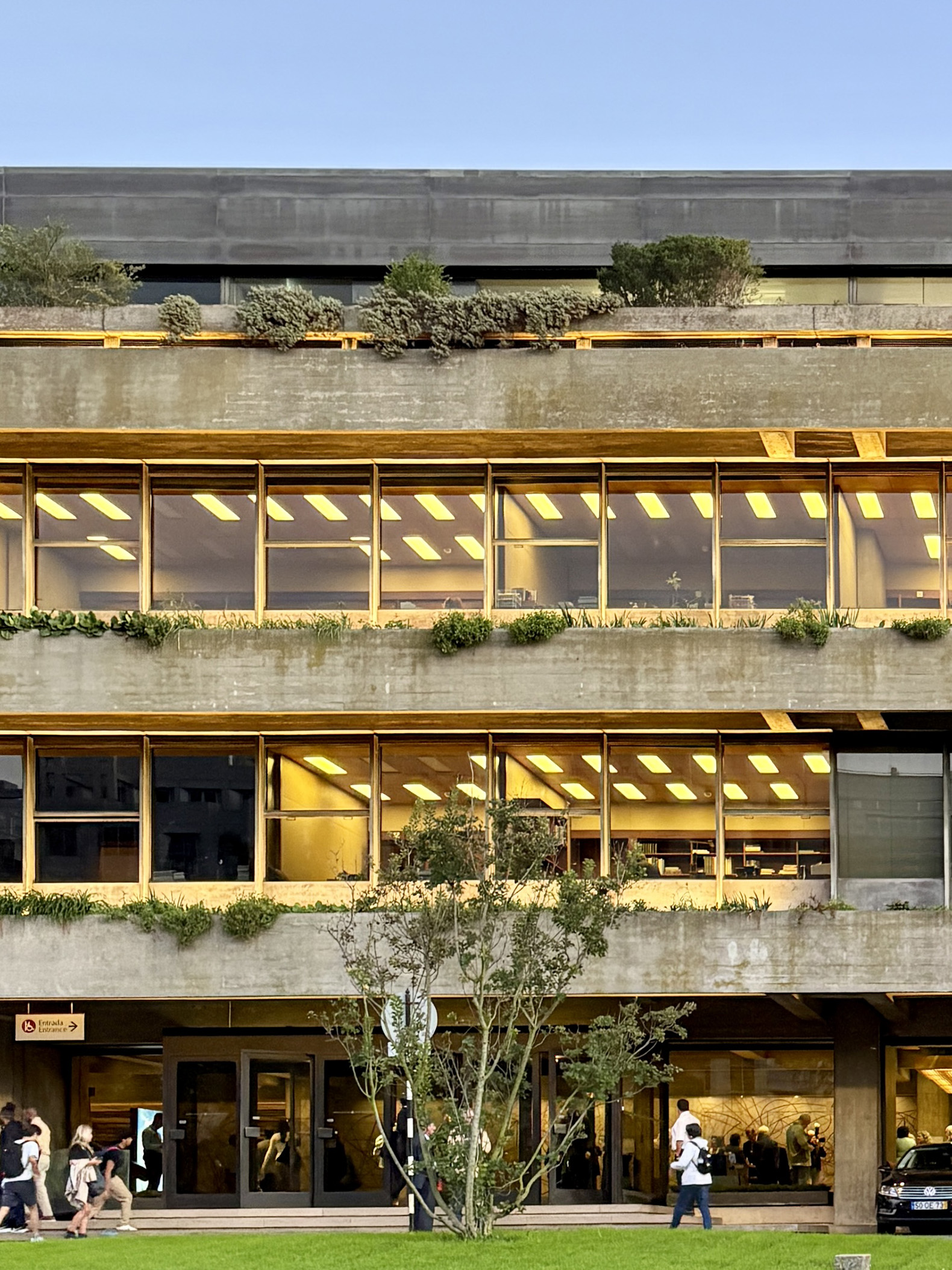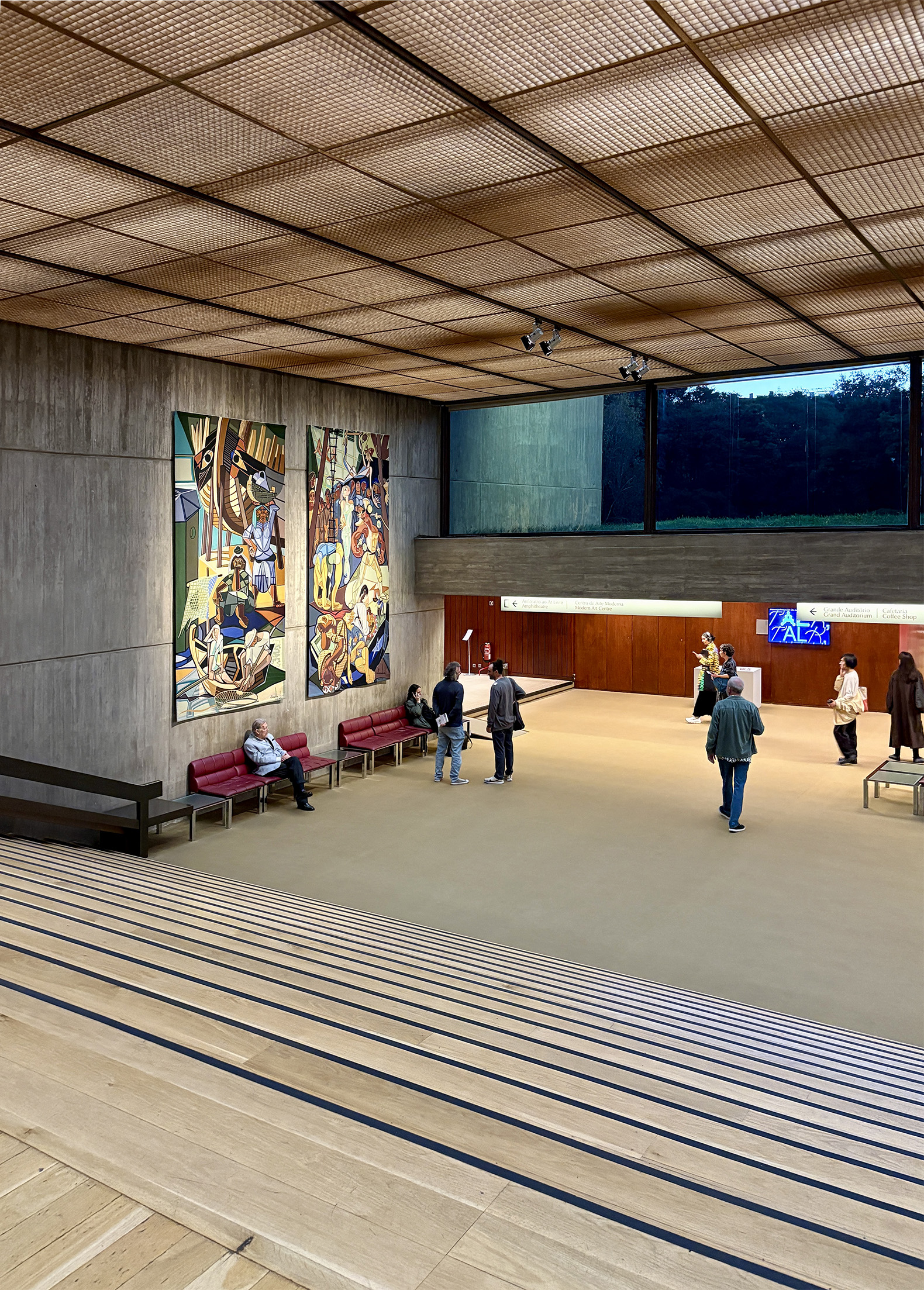
During the first day of international presentations, held at the Calouste Gulbenkian Foundation and aligned with the Triennial's structural focus, some of the metaphorical dimensions surrounding the idea of weight were addressed: the ghosts, the ruins, and the pressures inherited from extraction, colonialism, and terraforming.
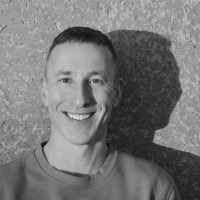
Kenny Cupers, What is Liberation in the Planetary Era?
The first presentation introduced the case of the Kamĩrĩĩthũ open-air theater, a world-renowned collaborative project in the field of African decolonization. The initiative confronted land dispossession and industrial pollution until the Kenyan government decided to demolish it. Kamĩrĩĩthũ reflects how, through a collective instrument like theater, it is possible to support struggles and debates on social and environmental justice in Kenya.
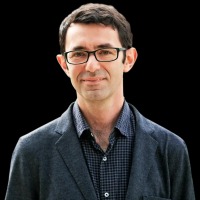
Michael Marder, How Hospitable is the Earth?
In his proposal, Michael Marder spoke of limits and hospitality, arguing that conditional hospitality, within certain boundaries, can be universal, but it is not absolute. Responding to the Triennial's central question, Marder points out that the Earth, with its weight, is everywhere, and that it becomes necessary to delve deeper into the question: how much does a city weigh? The city of the living? The city of the dead? The city of the living indistinguishable from the city of the dead?
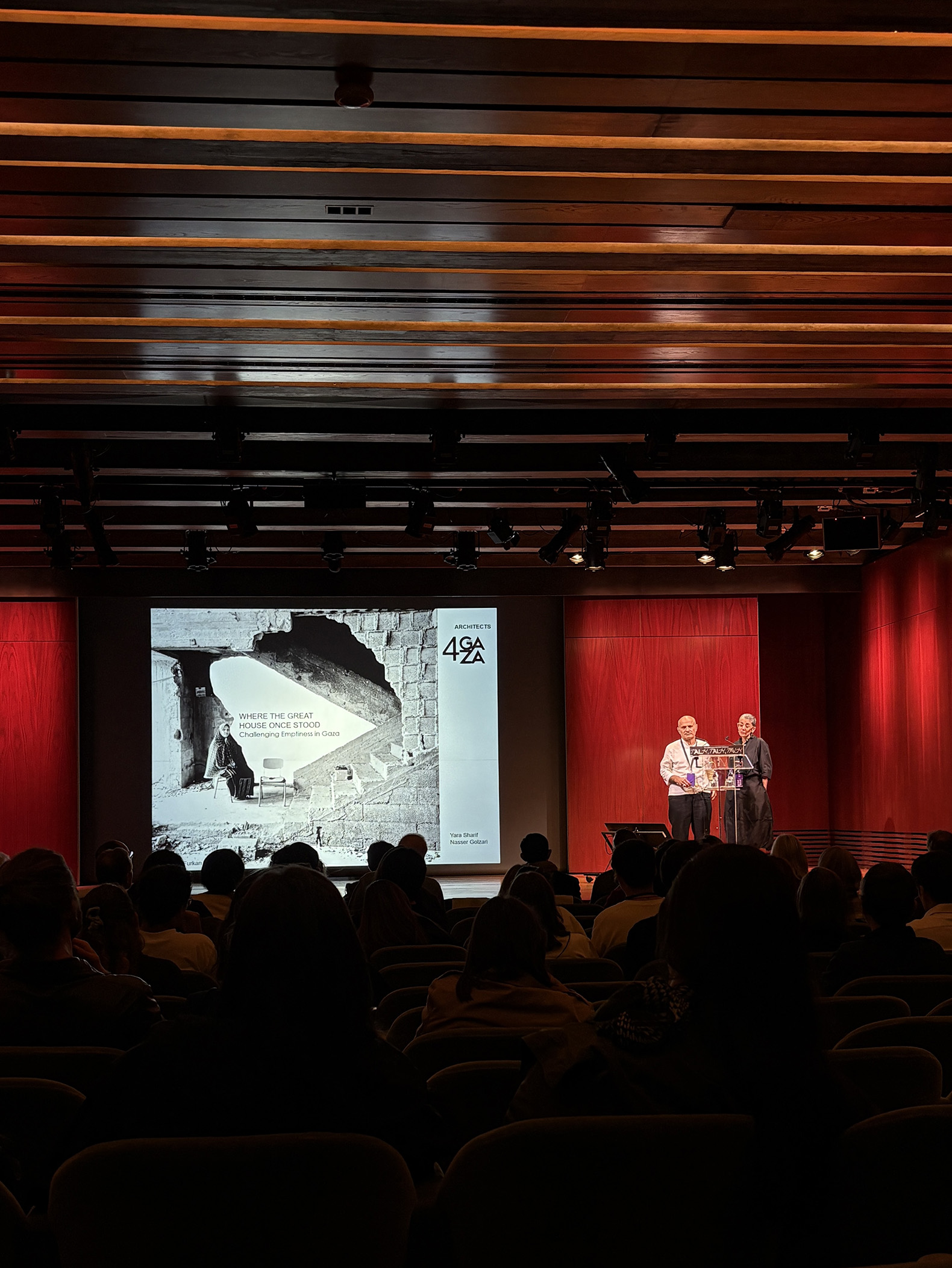
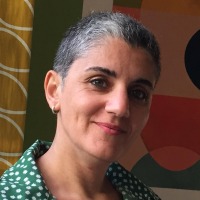
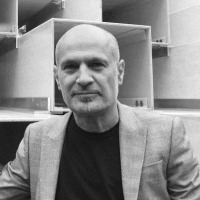
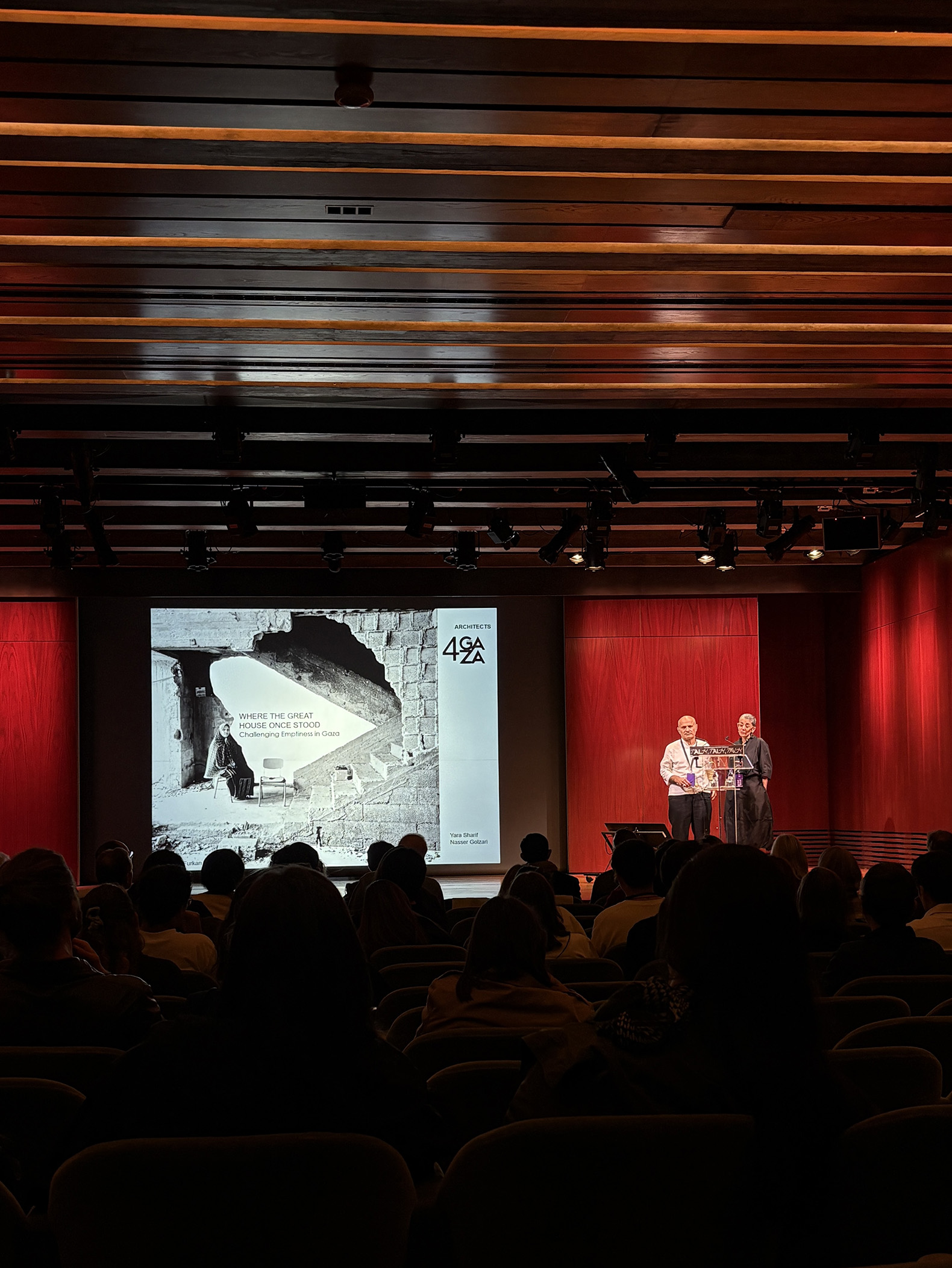
Yara Sharif and Nasser Golzari (Architects for Gaza), How do we contextualize the ruins of a city like Gaza?
The latest exhibition invited reflection on the role of architecture and urban planning in the presence of ruins, and how we can construct a narrative from a city in ruins.
In a place like Gaza, where emptiness is everything—the street, the neighborhood, the home—Architects for Gaza is concerned with recovering the landscape and memory. They neither idealize nor romanticize the ruins: the ruins are a living memory that reflects the passage of time. To intervene and rebuild, it becomes necessary to think about the invisible Gaza.
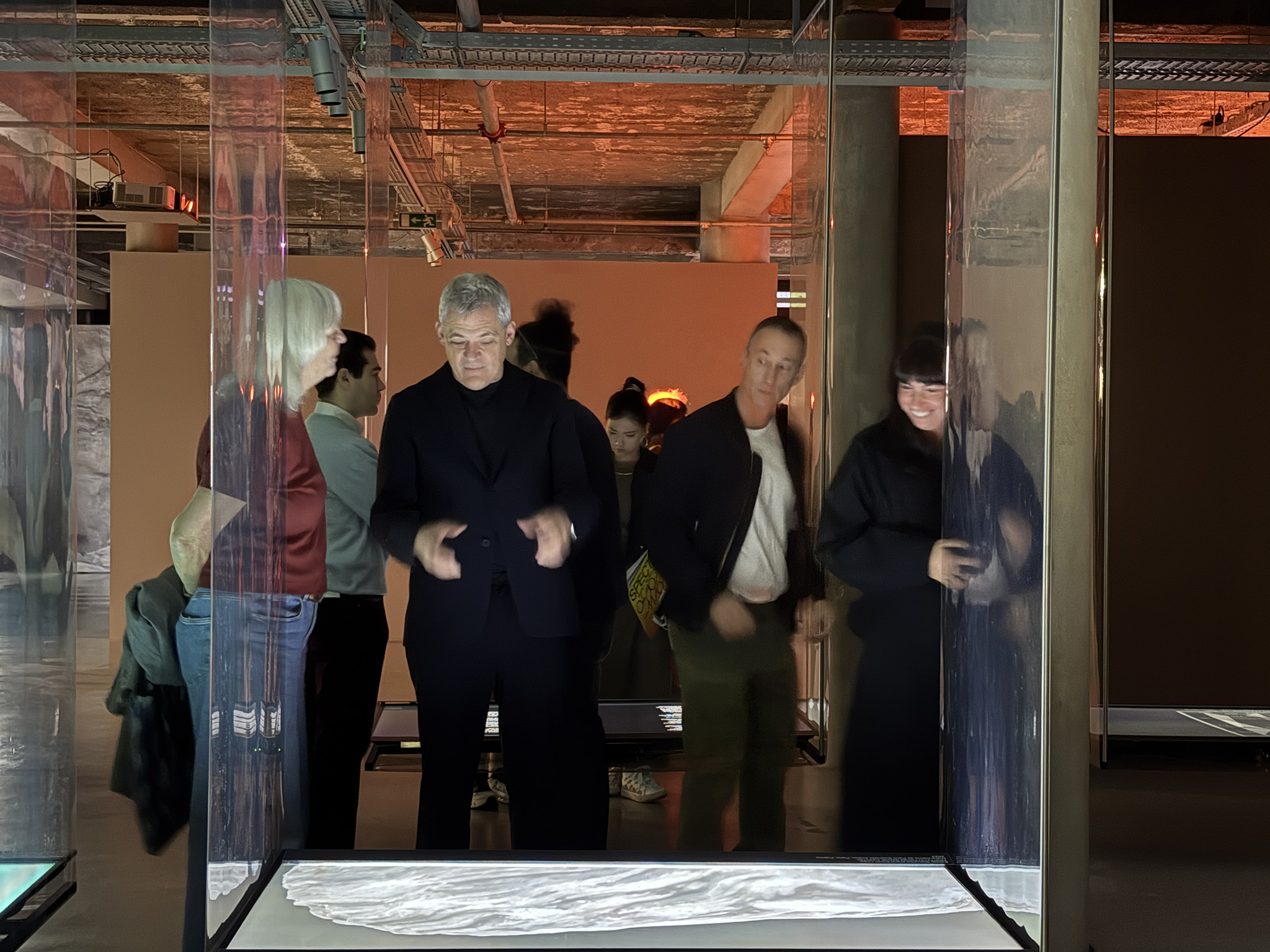
"Talk, Talk, Talk" lecture series at the Calouste Gulbenkian Foundation. 7th Lisbon Architecture Triennial. Photograph by Agustina Berta.
Under the main title "Spectres," the different proposals illustrated wounds and memories that still exist, questioning how histories of violence haunt the ecologies and infrastructures of the present and how these unresolved specters weigh on cities, territories, and bodies.
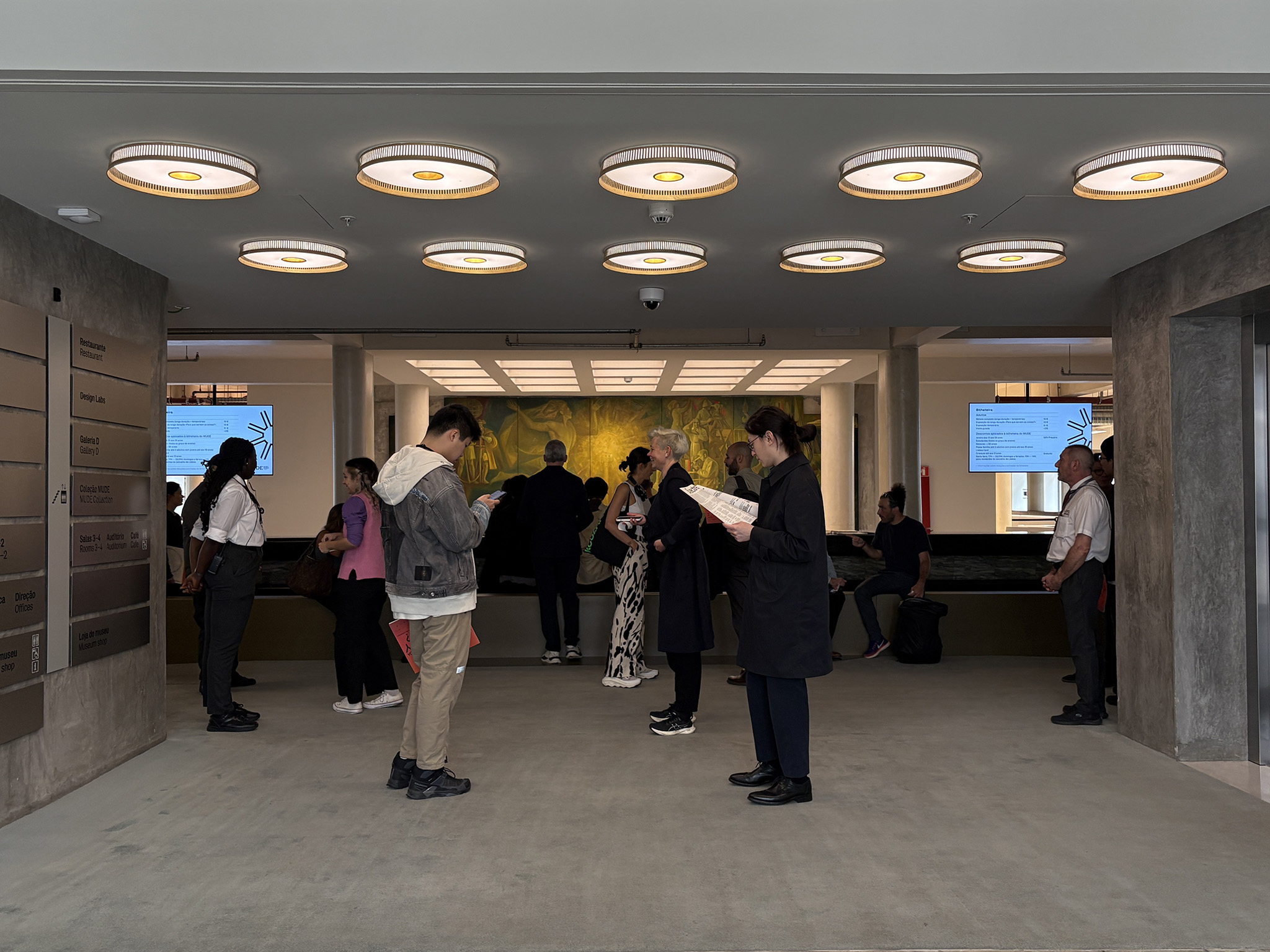
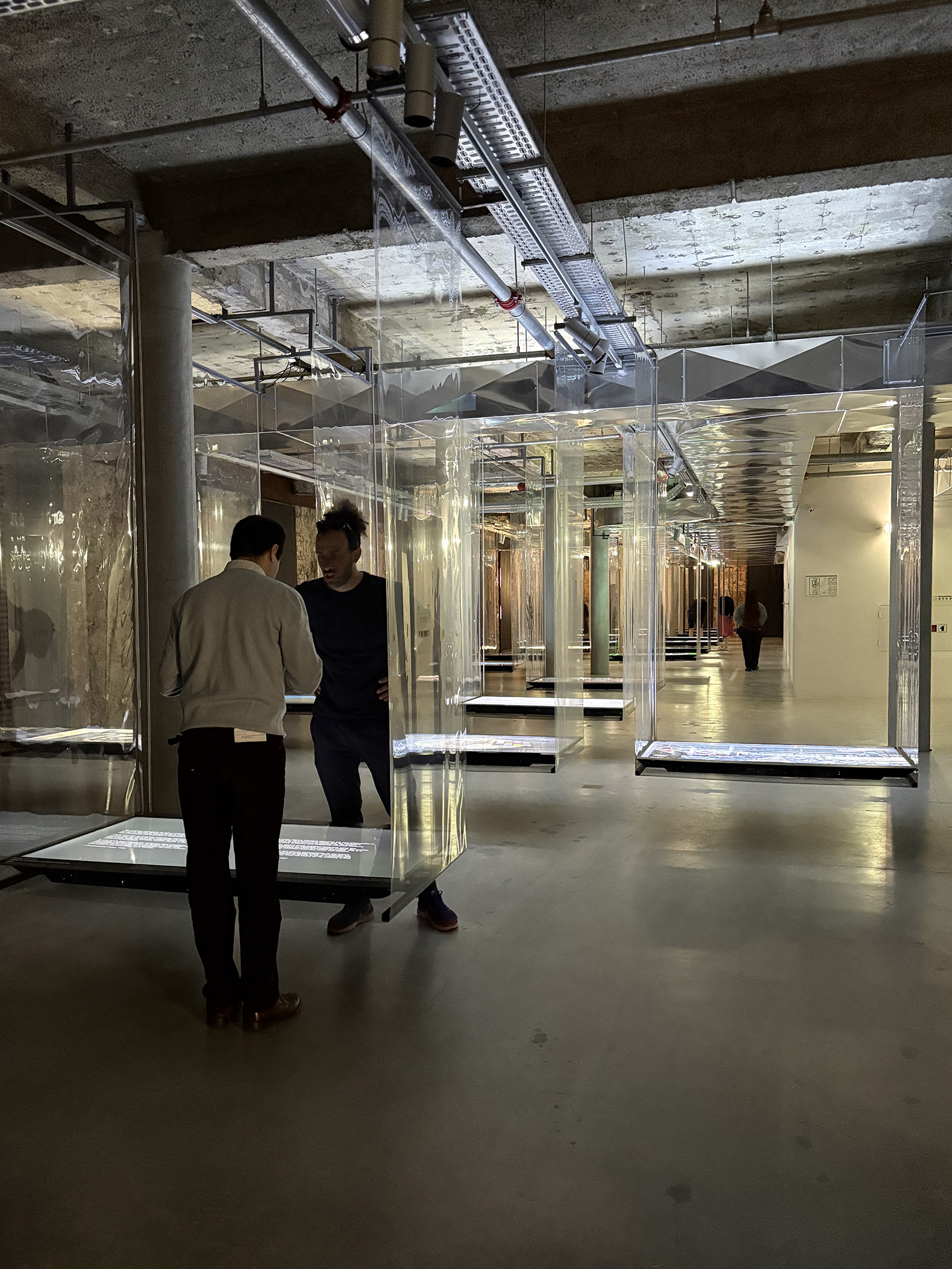
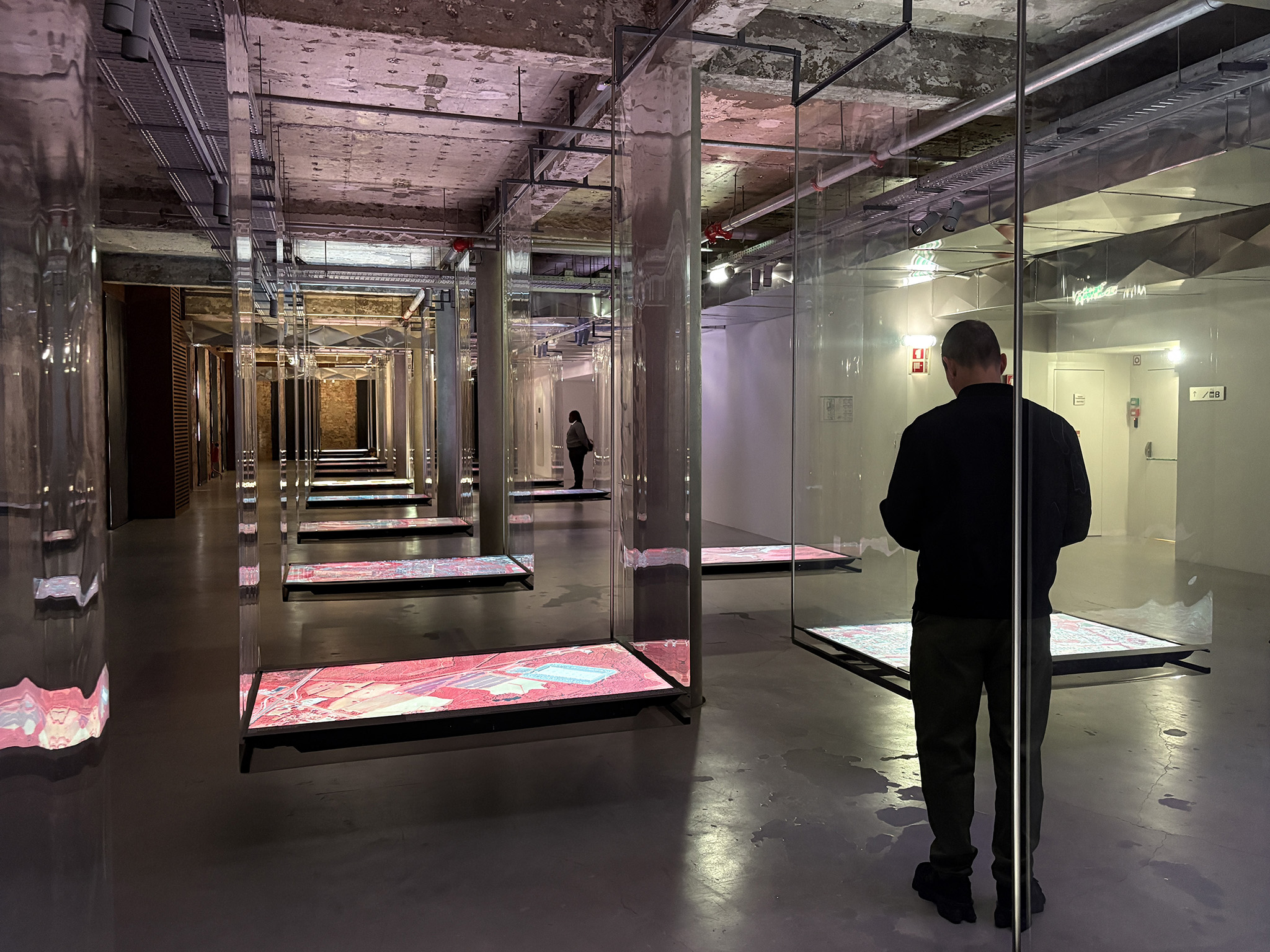
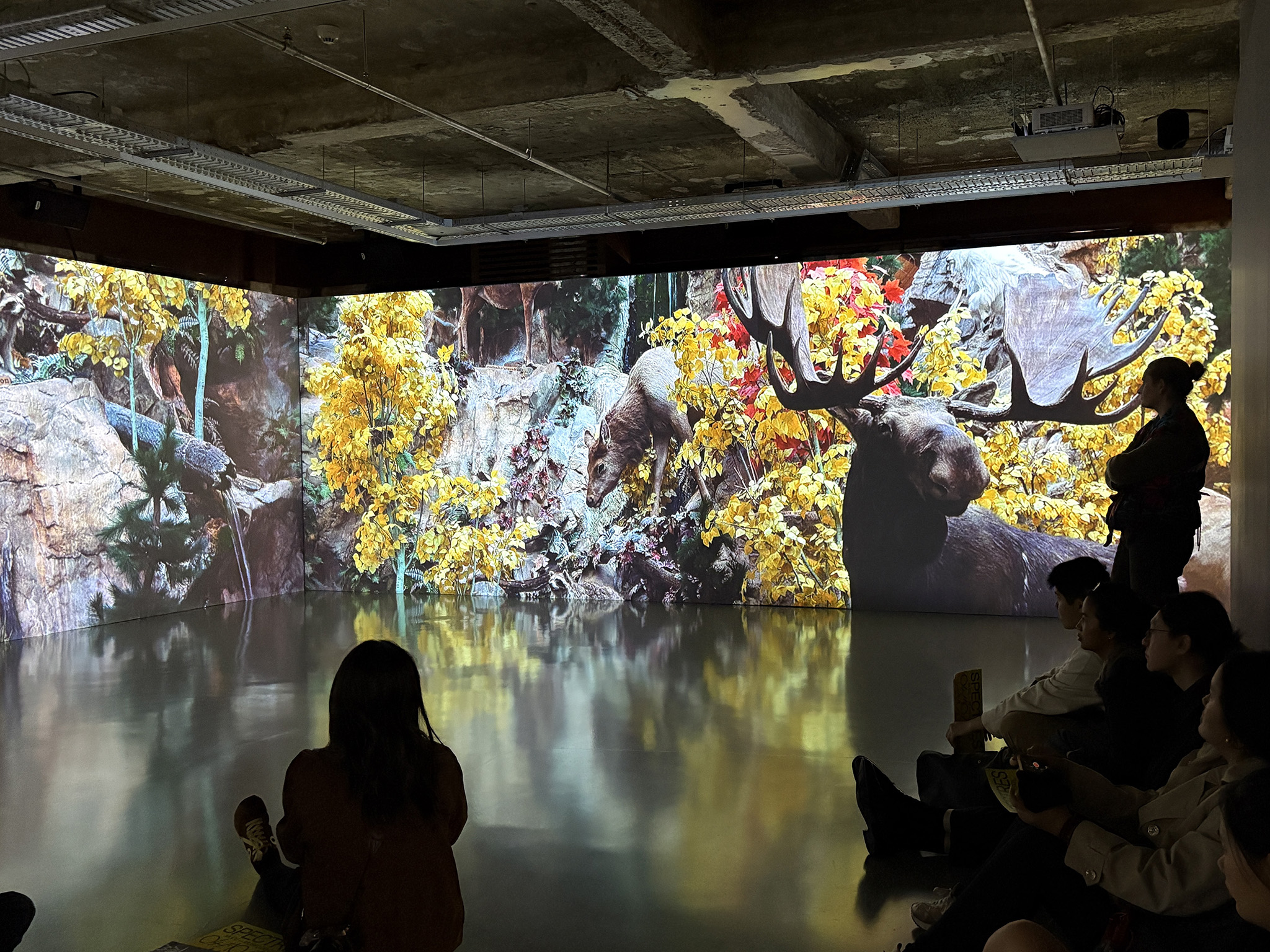
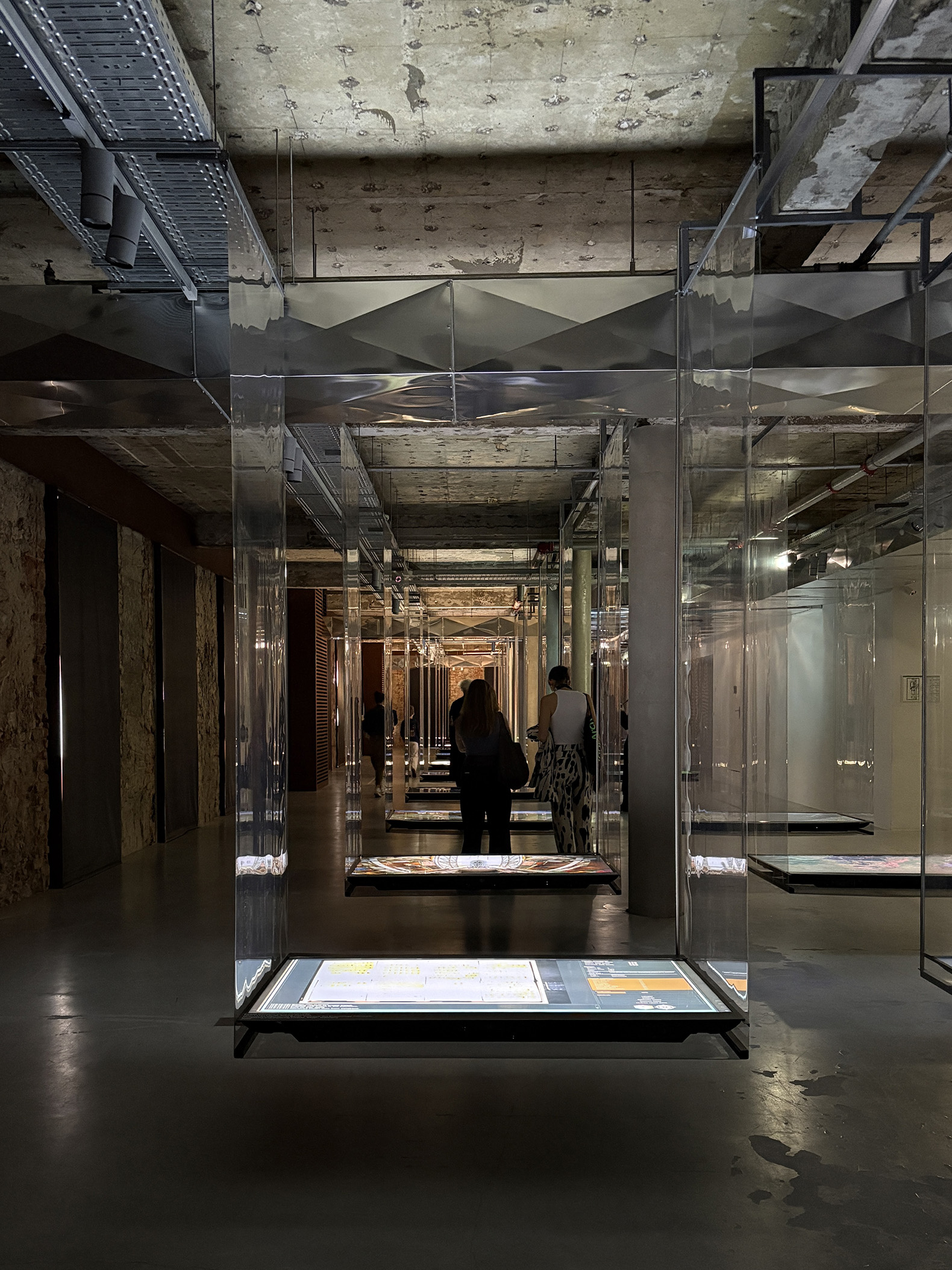
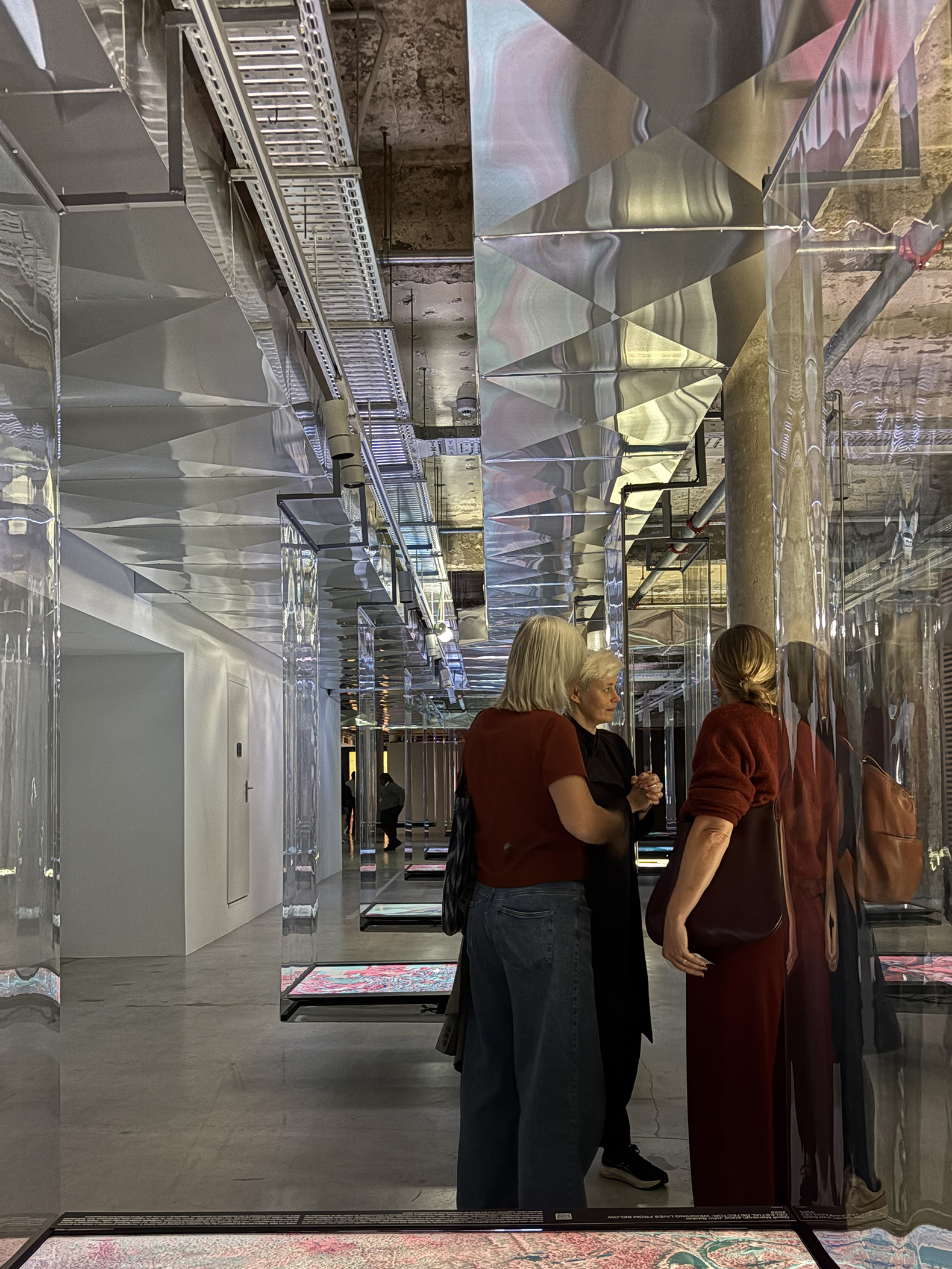
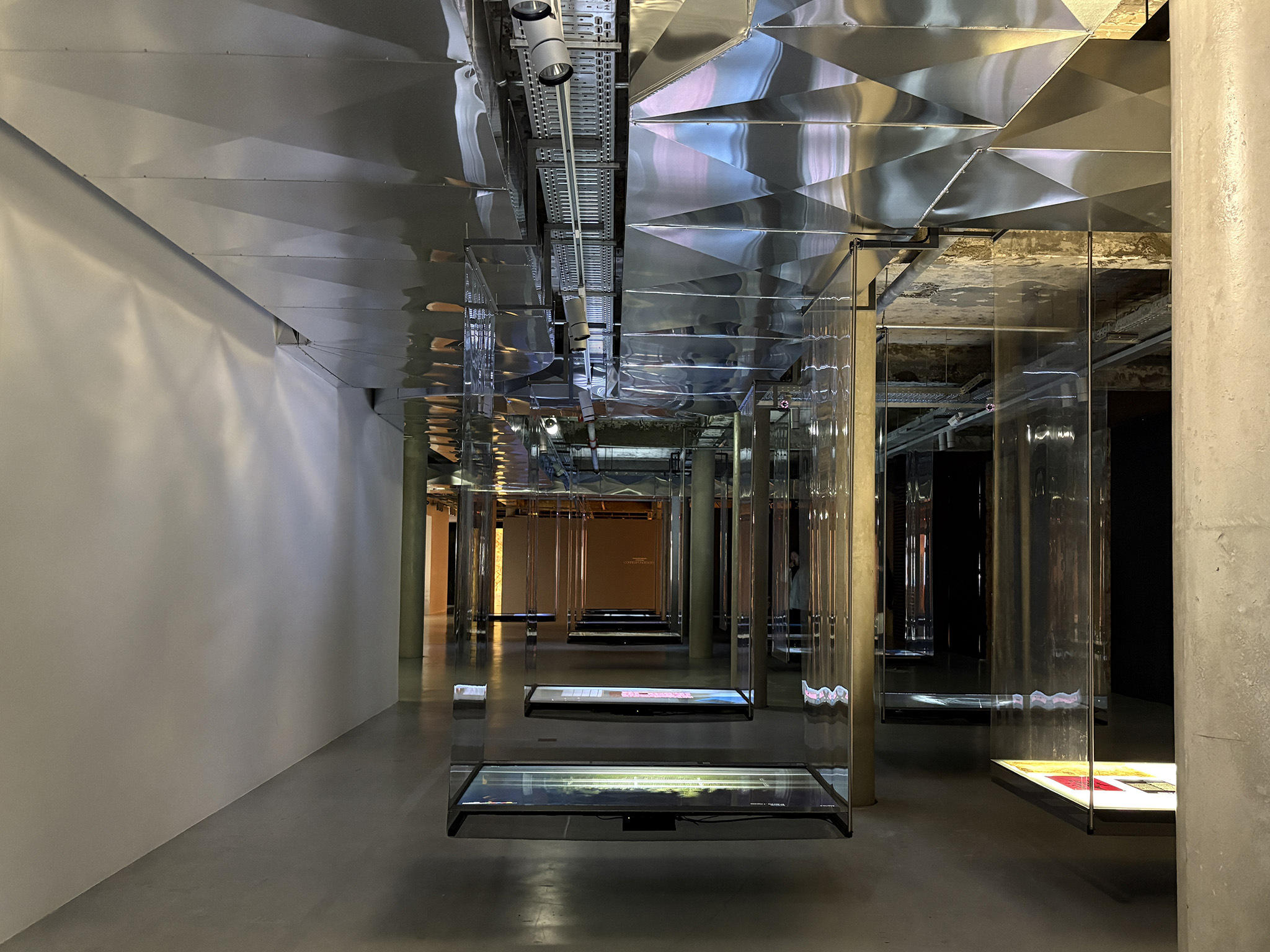
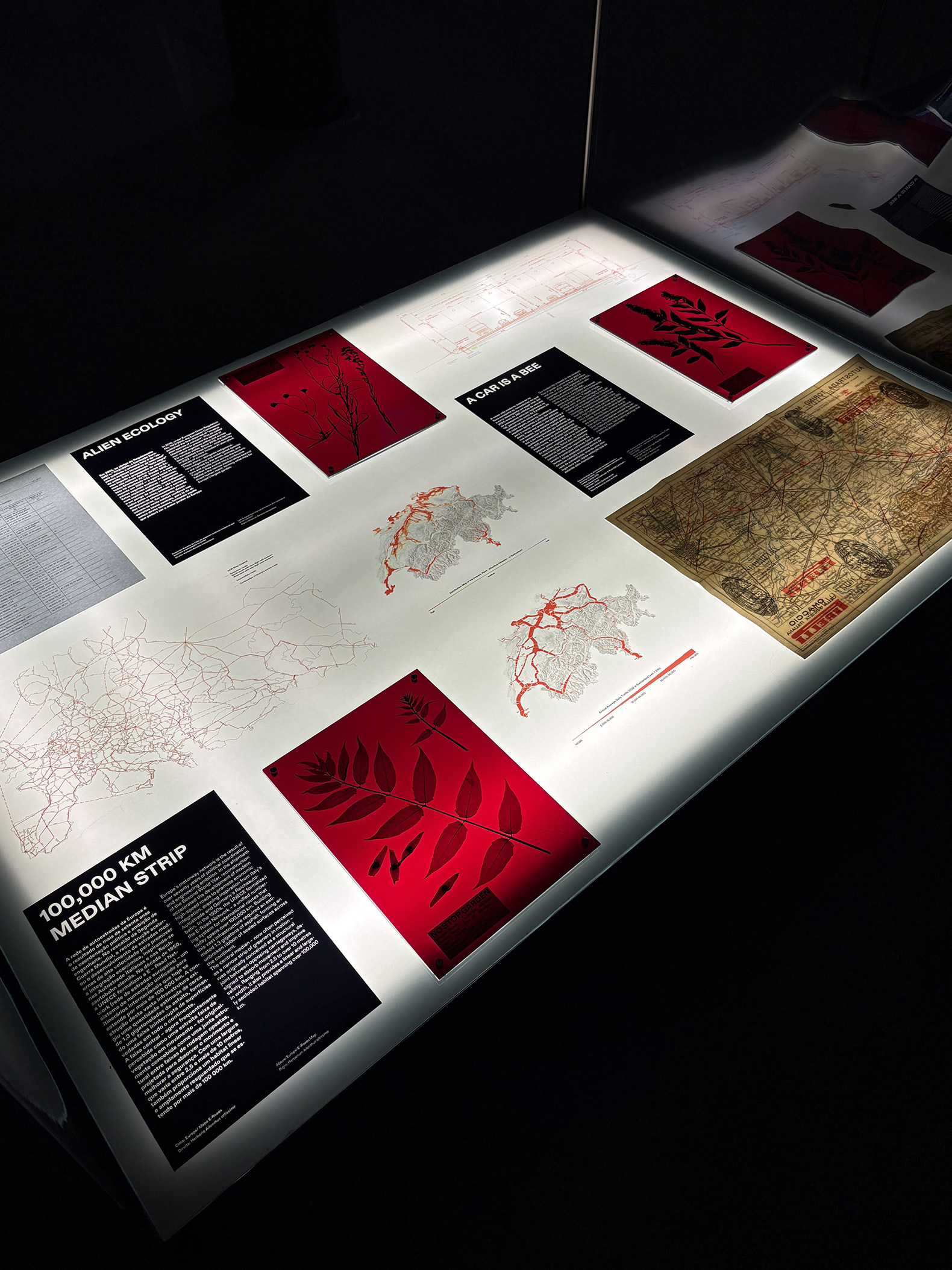
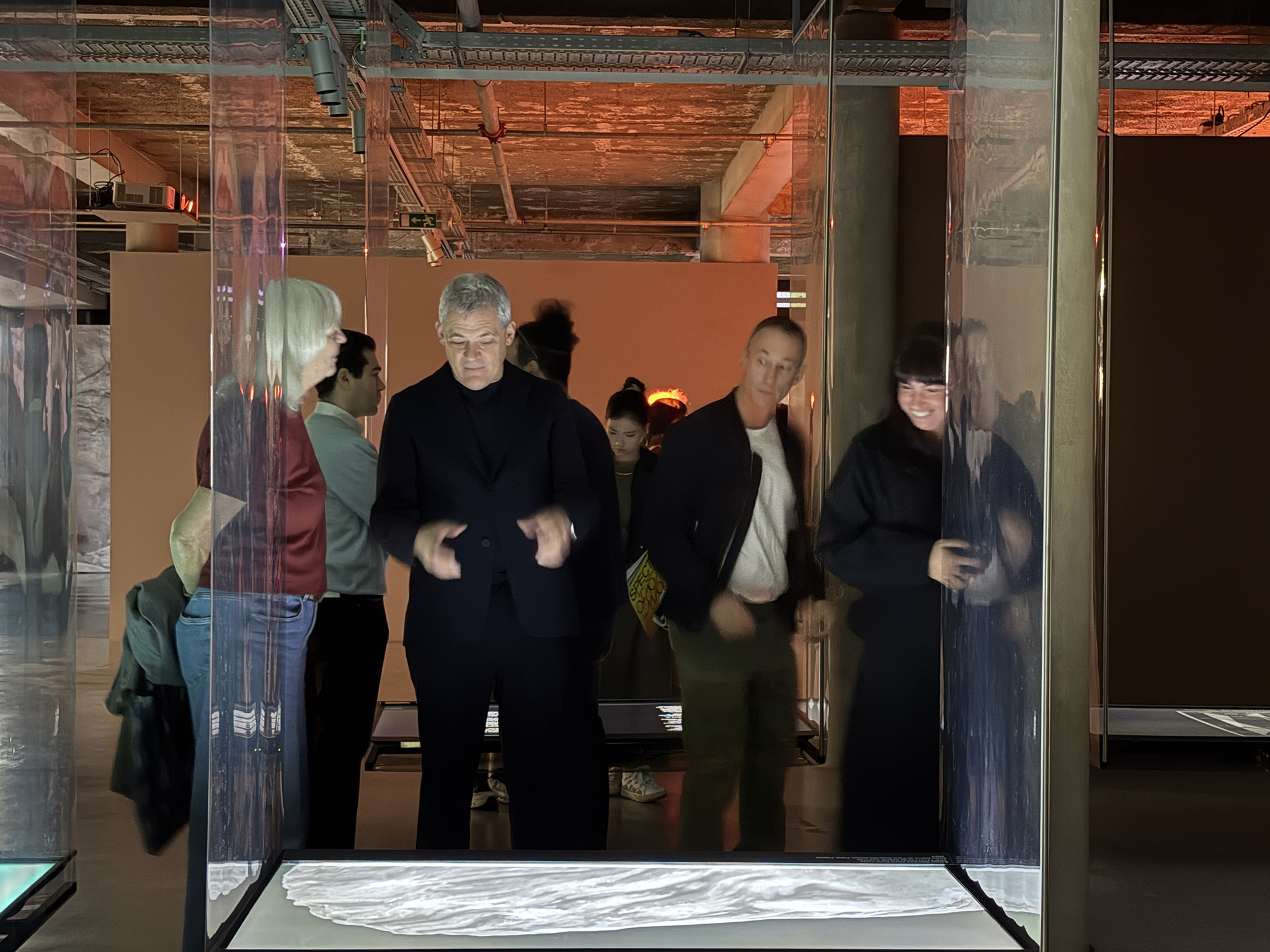
At the MUDE – Design Museum, an exhibition of the same name, on view until January 11, 2026, complements the theme of the debate, exploring how colonialism, power, and extraction shape the way we see and imagine our built environment.
Faced with the chaotic challenges of climate change, asking how heavy a city is positions architecture as a tool that allows us to reflect on, repair, and transform not only the social orders we inhabit, but also the spatial configurations that sustain them.
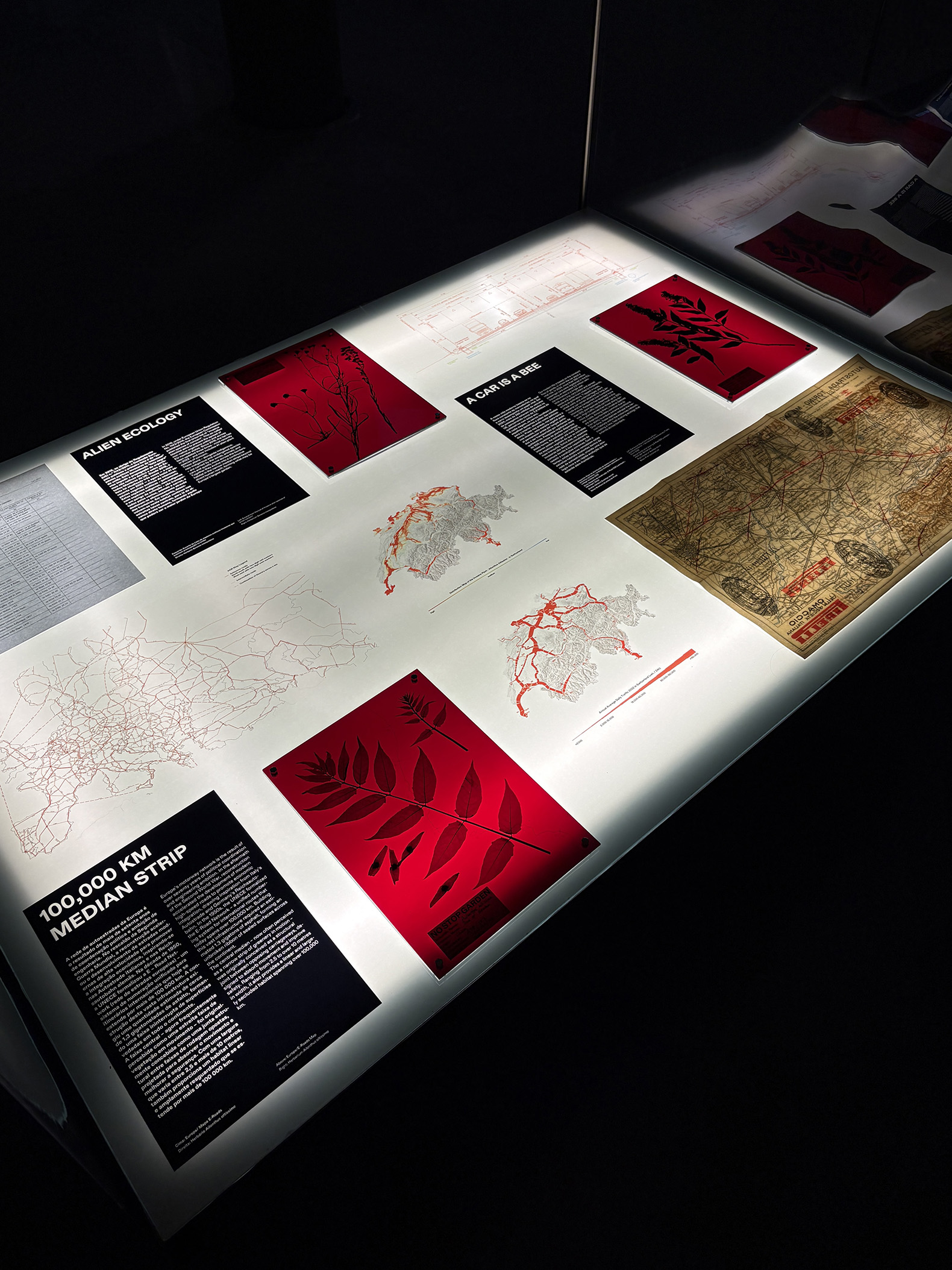
Exhibition SPECTRES. Lisbon Architecture Triennale. Photograph by Agustina Berta.
In this sense, the 7th Lisbon Architecture Triennial presents itself as a place to meet, share visions, knowledge, and ideas, where architects, activists, poets, artists, historians, scientists, philosophers, and cyberneticists come together to discuss possible practices that repair and transform the space in which we live: the city.