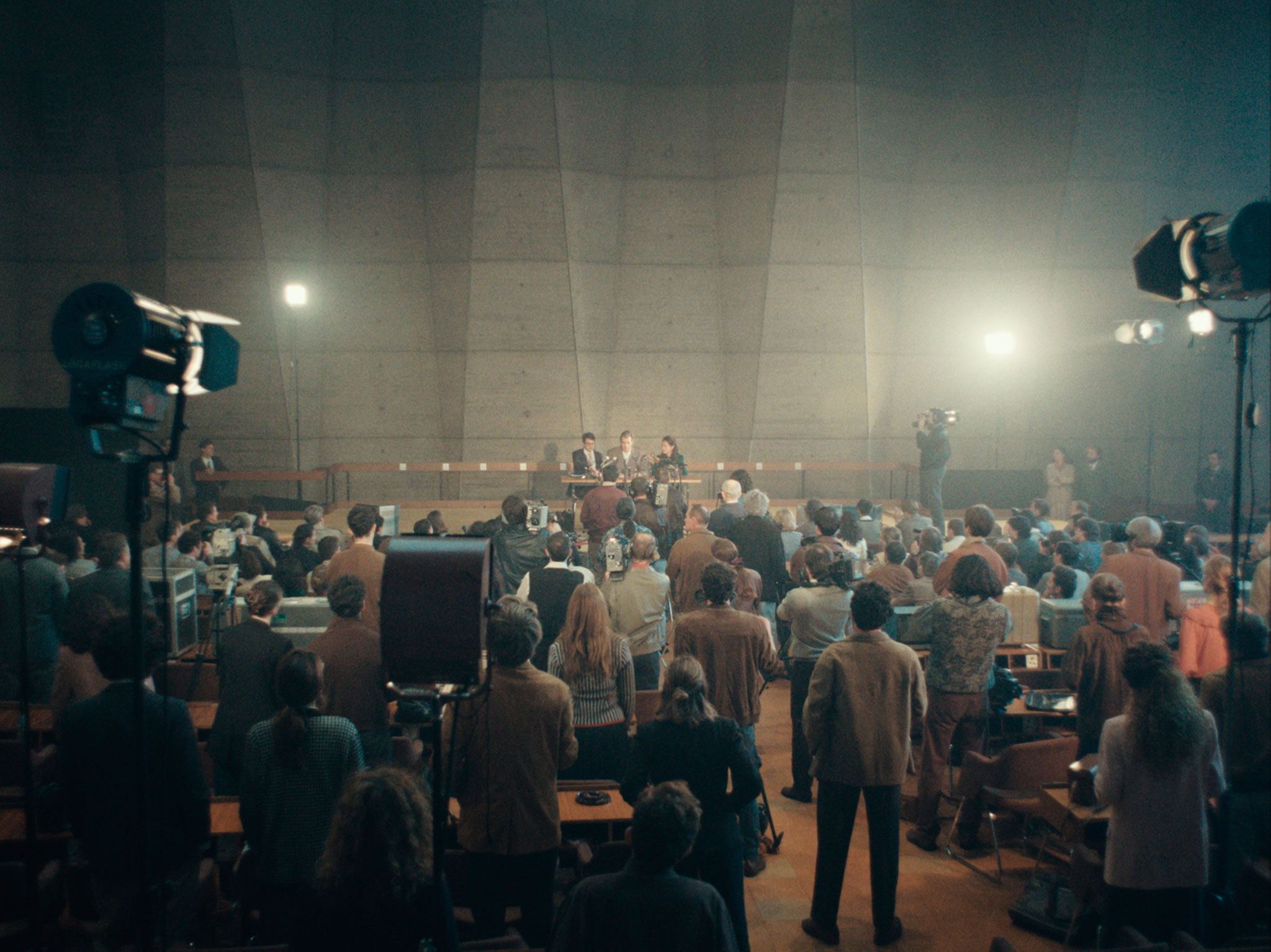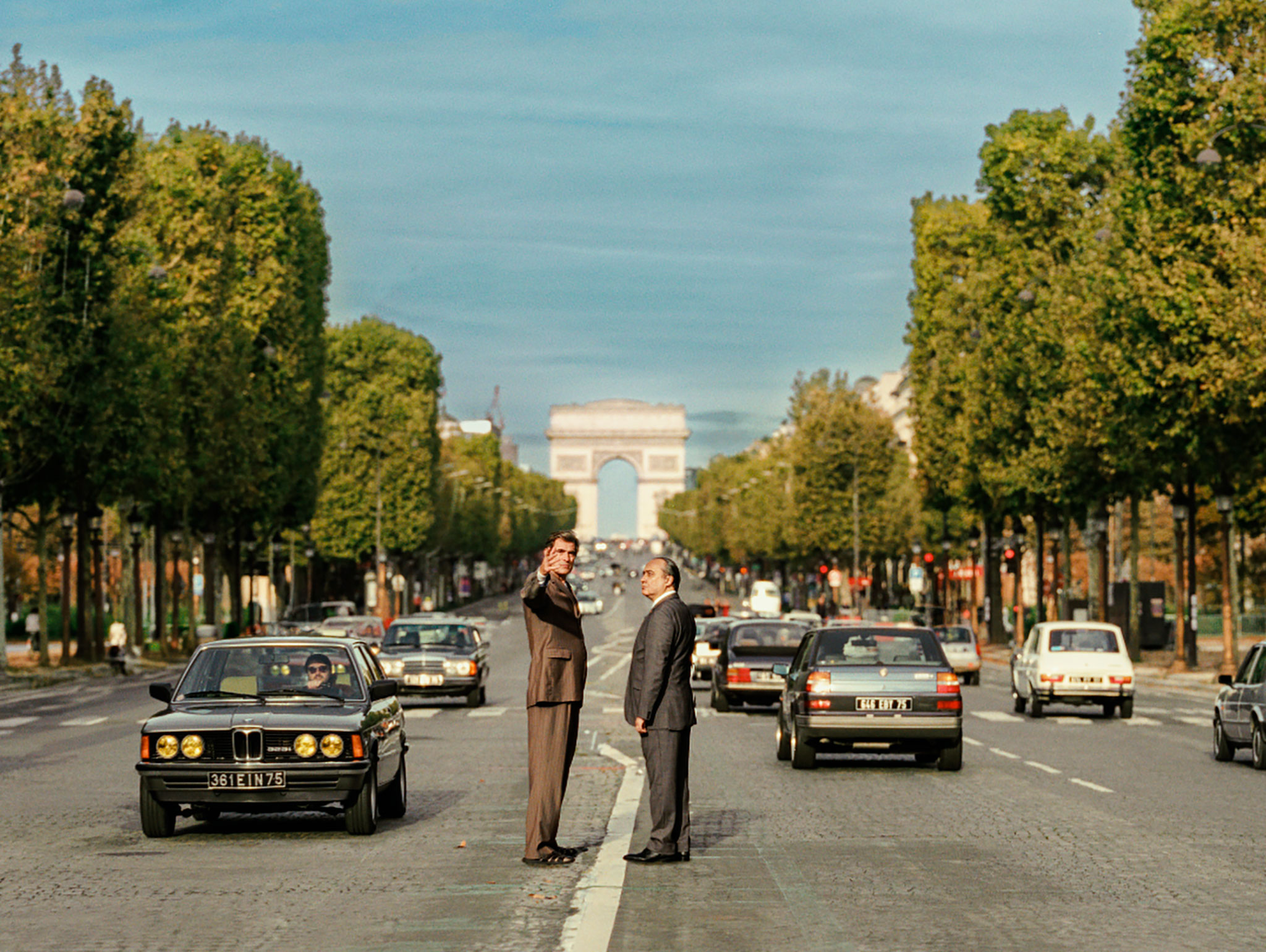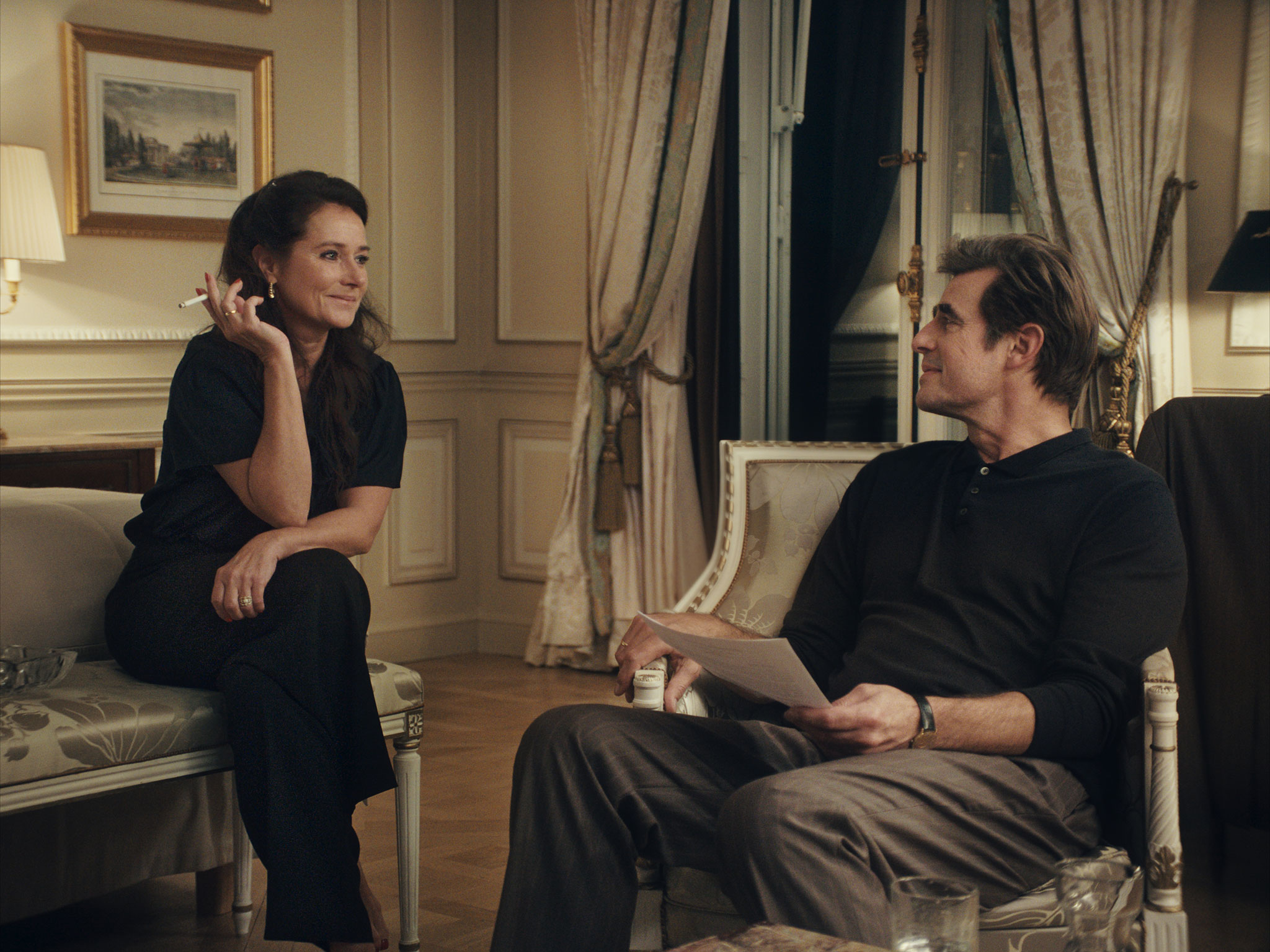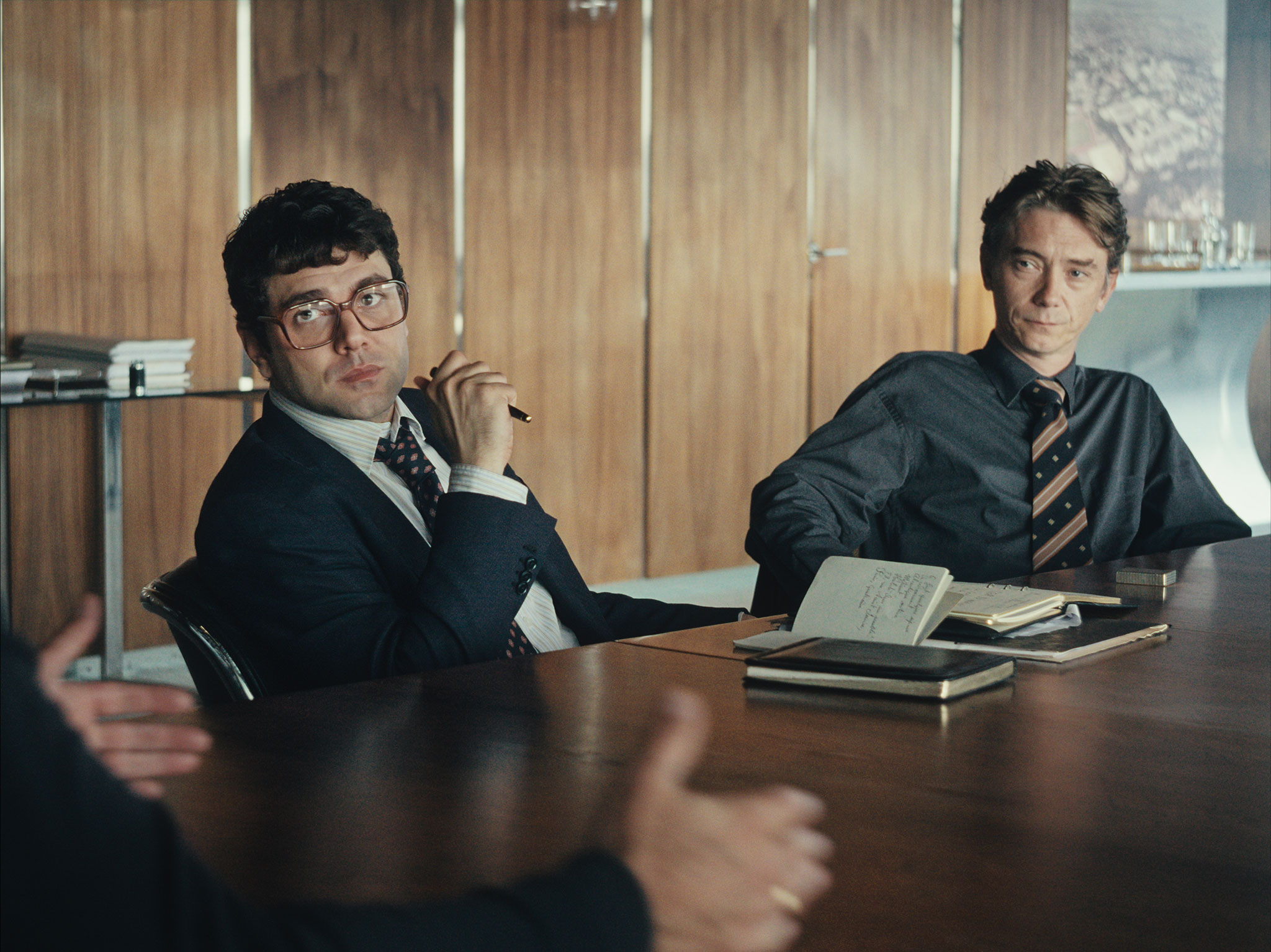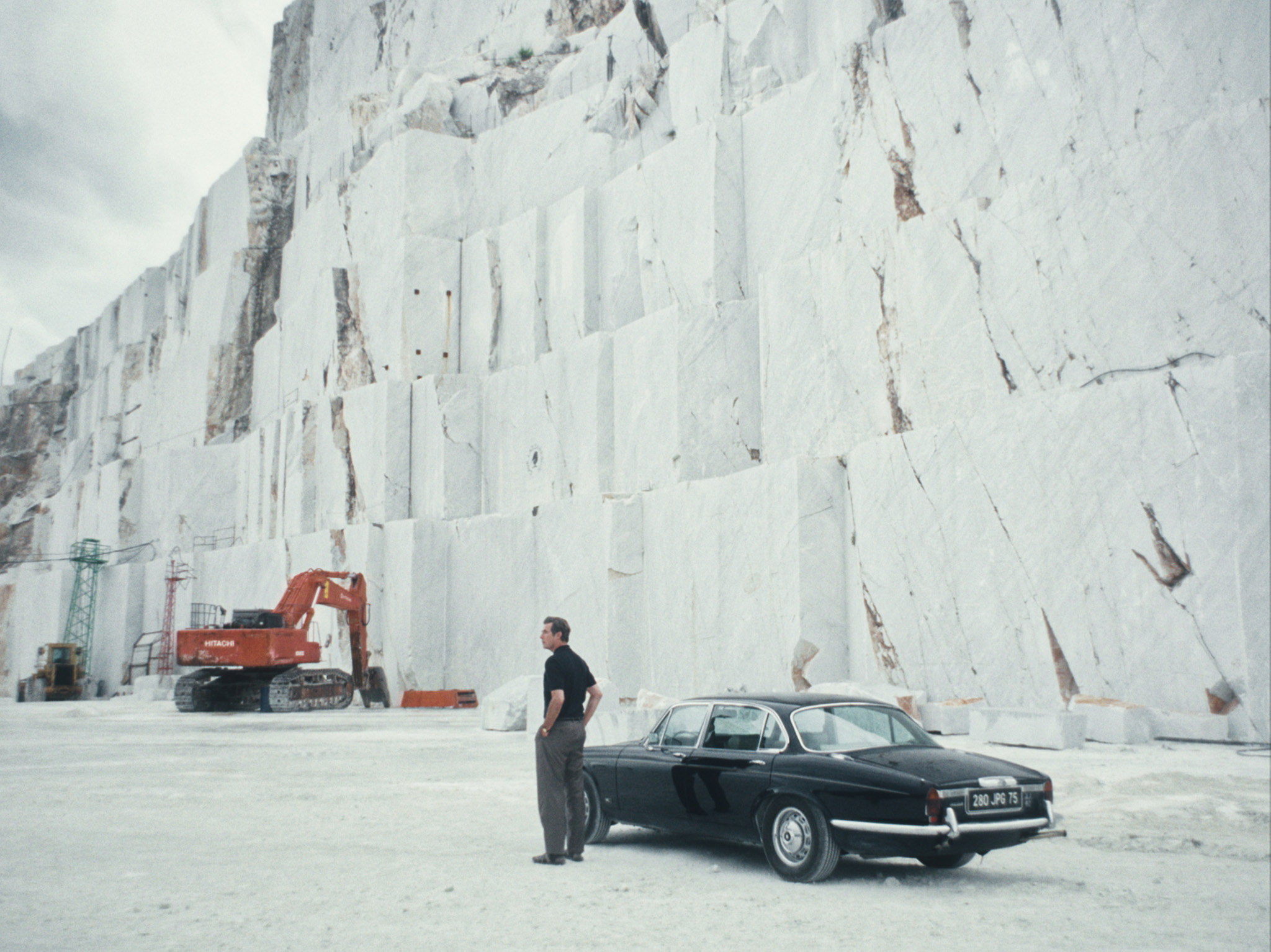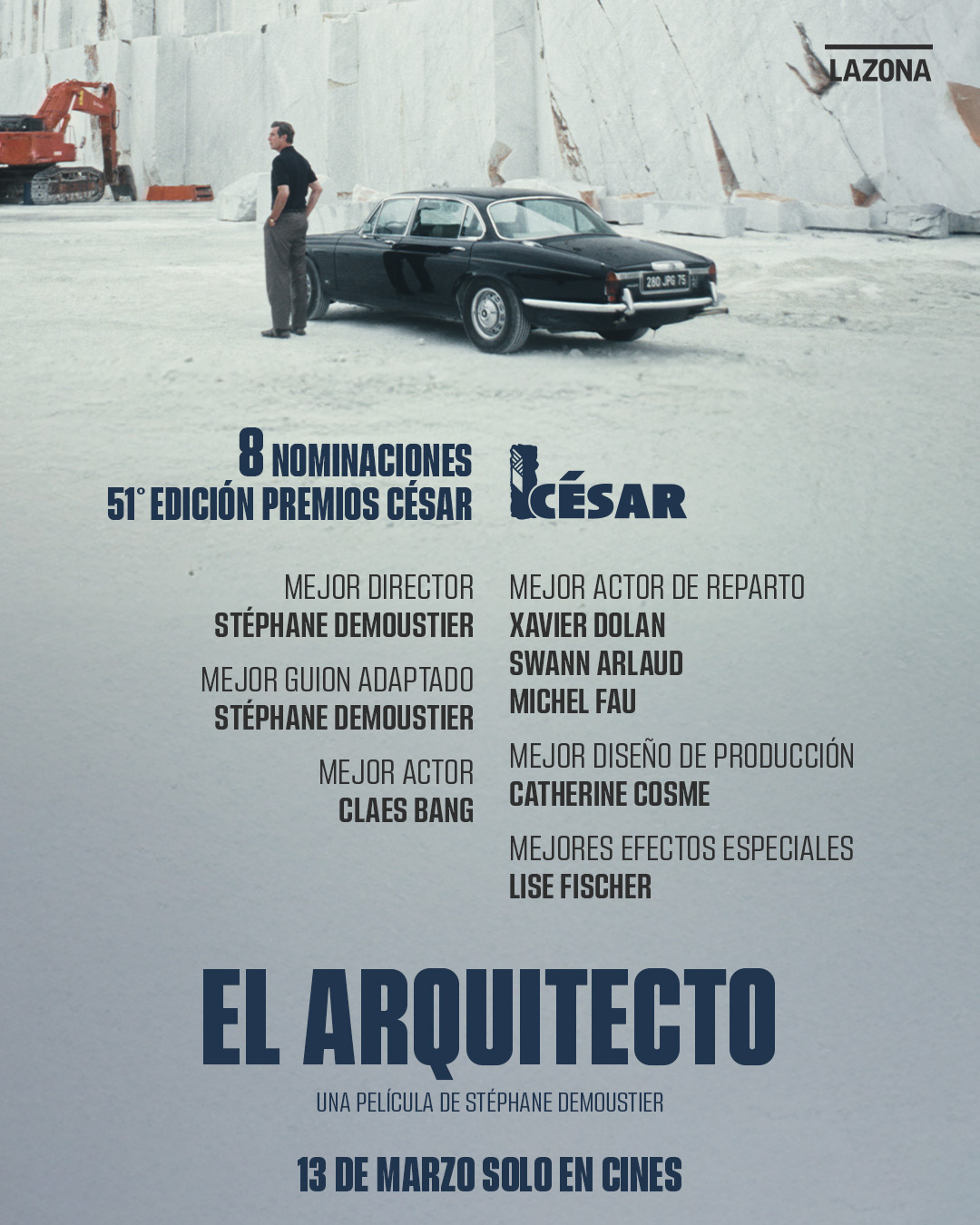
The year begins with a new film dedicated to the life of an architect. After its screening at the Cannes Film Festival in the Un Certain Regard section and its closing film at the 63rd Gijón International Film Festival, Stéphane Demoustier's (The Girl with the Bracelet, Borgo) "The Architect" will have its commercial release in theaters on March 13th, distributed by LAZONA.

The Architect has received a total of eight nominations at the 51st César Awards, presented by the French Film Academy. The categories in which it is nominated are: Best Director and Best Adapted Screenplay for Stéphane Demoustier, Best Actor for Claes Bang, Best Supporting Actor for Xavier Dolan, Swann Arlaud, and Michel Fau, Best Production Design for Catherine Cosme, and Best Special Effects for Lise Fischer.

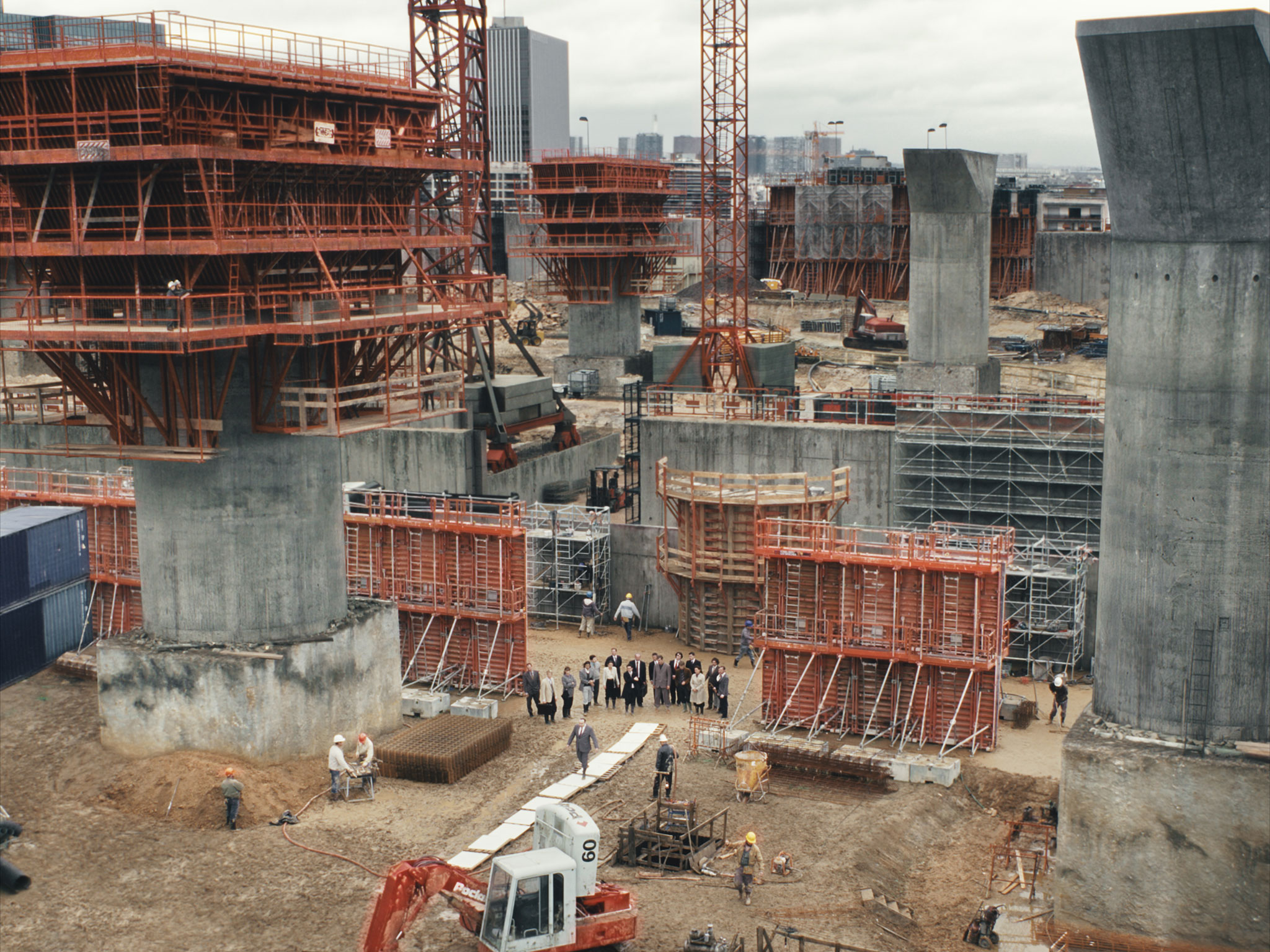
The film, based on true events, tells the story of the construction of the Grande Arche de la Défense, one of the most recognizable architectural landmarks of 20th-century Paris, designed by the relatively unknown architect Johan Otto von Spreckelsen.

Stéphane Demoustier:

For over ten years, I earned a living making commissioned films for the Pavillon de l’Arsenal and the Cité d’architecture. This was my training as a filmmaker: I didn’t go to film school, but I learned a great deal filming buildings, sometimes entire neighbourhoods, and interviewing architects. I developed an interest in architecture and the aesthetic and social questions it raises. Architecture shares with cinema the characteristic of being an art of the prototype, with a collective and industrial implementation. I discovered Laurence Cossé’s book when it was published in 2016. .../... The book covered the entire history of La Défense, from the 1970s to the present day, but what interested me was this architect, Johan Otto Von Spreckelsen, who was almost a blind spot in the book, due to how little is known about him. I wanted to explore his enigma and pay tribute to him.

However, "The Unknown Man of the Grand Arch / L’inconnu de la Grande Arche" (French title) addresses many aspects of the relationship between the collective and the individual... Architecture inevitably becomes a collective adventure. Even more so in this case, since it is a public commission that, therefore, involves the community. But it is true that, in the beginning, there is the gesture, the vision of a single man. I believe equally in both: in the power of this vision and in the strength of the collective. With "The Unknown Man of the Grand Arch," I wanted to highlight these two dimensions and show how a creator's inspiration can clash with the limitations of reality. Ideally, limitations should be fruitful; they can generate ideas. What interests me about Spreckelsen is that he fights for his ideas. I admire the ferocity with which he defends what he considers essential. However, he cannot reconcile himself with reality. How far can one go in making concessions? At what point does it become a matter of compromise? It is this tension that interests me; it is at the heart of every creative process.

The film "The Unknown Man of the Grand Arch" also uses as its backdrop the first seven-year term of François Mitterrand, a key figure in the story. Spreckelsen was initially inspired by Mitterrand's project to "change lives." A fervent hope and a wave of optimism accompanied Mitterrand's rise to power, and the Grand Arch was part of the socialist president's policy of major public works projects. The scale of the La Défense project, its ambition, reflected both the absolute power of the state at that time and Mitterrand's vision.

While the film doesn't shy away from certain obstacles in the project's development, it also highlights the beauty of Mitterrand's ideal and the president's fortitude: after an anonymous international competition, he chose an unknown Dane, recognizing his vision based solely on a drawing, and placed his complete trust in him to carry out the project.

Spreckelsen, for his part, literally declared that his Arch was intended for "humanity." The era, therefore, was imbued with a charming romantic atmosphere. Until the liberal order imposed its regime. Spreckelsen then experienced firsthand the liberal shift of the 1980s. He was deeply affected by the cohabitation and the turn toward austerity, as the new economic order had altered—or, as he would say, distorted—his defense project. While everything seemed possible and Mitterrand had inspired a movement, a new discourse—capitalist and pragmatic—came to block it.

Underlying this was my desire for the film to trace the encounter between these two personalities, these two egos, since each probably saw in the other the reflection of his own genius. Mitterrand was a distant man, but he maintained a certain intimacy with Spreckelsen. All the witnesses of the time affirmed that there was something akin to a sincere admiration on the part of Mitterrand, the builder monarch, for the man he called "Monsieur l'Architect."

Until the political situation inevitably damaged the relationship.

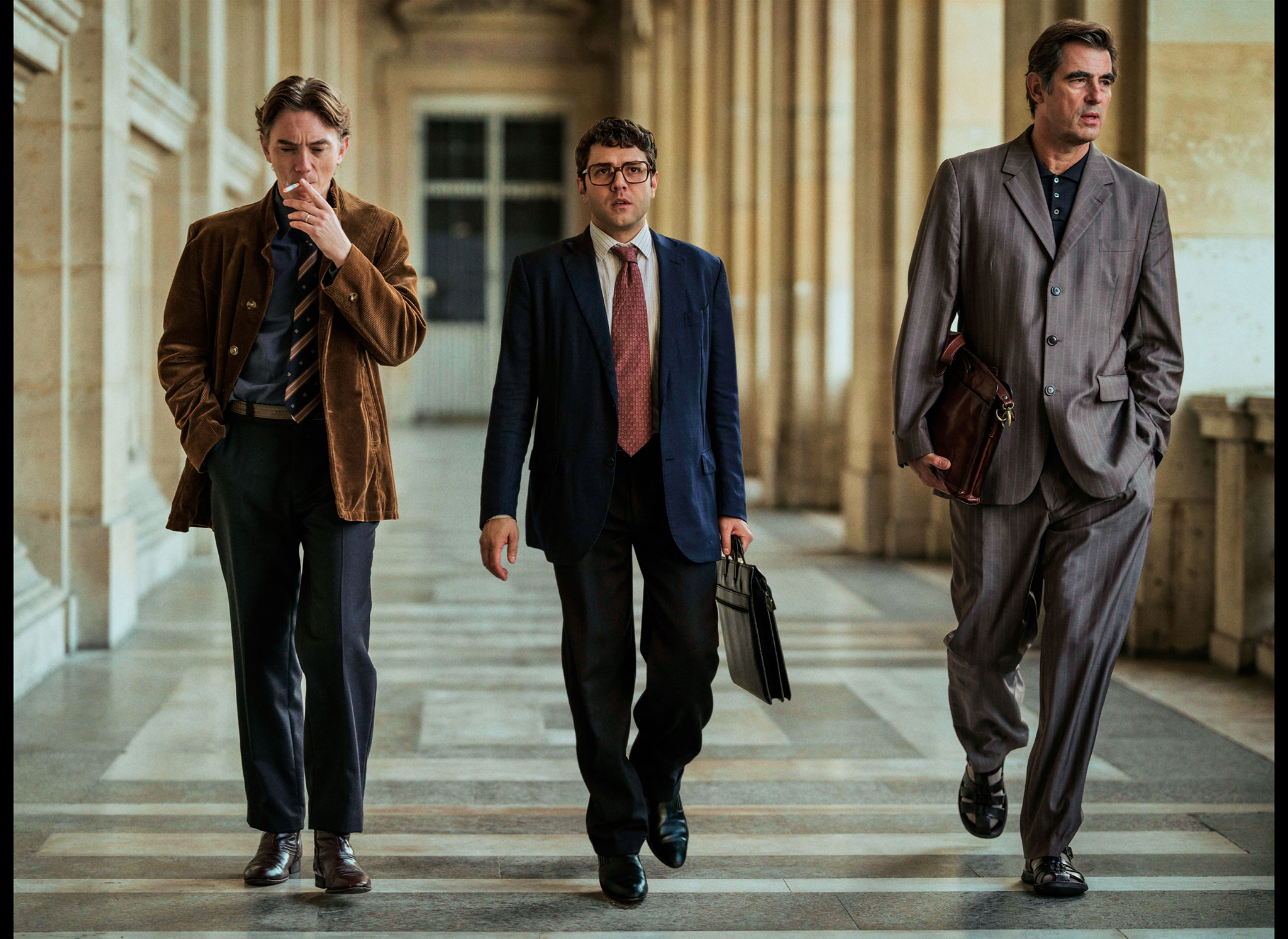
The film stars Claes Bang, winner of the European Film Award for Best Actor for The Square; Xavier Dolan (Mommy, Lost Illusions), the multi-award-winning enfant terrible who returns to the big screen with this film; and Swann Arlaud, winner of three César Awards, most recently for Anatomy of a Fall. The cast is rounded out by Michel Fau (Swimming Pool, Madame Marguerite) and Sidse Babett Knudsen (BAFTA winner for Borgen).

The Architect, produced by the same team behind The Great Arch (Agat Films - Ex Nihilo, France) and Sentimental Value (Zentropa, Denmark), is based on Laurence Cossé's novel, La Grande Arche.
SYNOPSIS

In 1982, French President François Mitterrand launched an anonymous architectural competition for the design of an iconic building to complement the Louvre and the Arc de Triomphe.

This unprecedented competition was won, to everyone's surprise, by a 53-year-old Danish architect, virtually unknown in France. Overnight, JJohan Otto von Spreckelsen became responsible for the largest construction project of the era.

Although he intended to build his Grande Arche exactly as he had envisioned it, his ideas would soon clash with the complexities of reality and the vagaries of politics.

Read more
Read less

More information

Label
Directed by
Text

Stéphane Demoustier.

+ + copy Created with Sketch.
- + copy Created with Sketch.
Label
Original title
Text

L’INCONNU DE LA GRANDE ARCHE.

+ + copy Created with Sketch.
- + copy Created with Sketch.
Label
Production
+ + copy Created with Sketch.
- + copy Created with Sketch.
Label
Based on the novel by
Text

Laurence Cossé, La Grande Arche.

+ + copy Created with Sketch.
- + copy Created with Sketch.
Label
Original language
Text

Frances. French.

+ + copy Created with Sketch.
- + copy Created with Sketch.
Label
Duration
Text

1 h 46 min.

+ + copy Created with Sketch.
- + copy Created with Sketch.

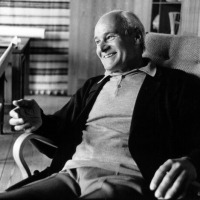
Johan Otto von Spreckelsen (May 4, 1929 – March 16, 1987) was a Danish architect best known for designing the Grande Arche de la Défense in Puteaux, on the outskirts of Paris, one of the most iconic institutional buildings of the late 20th century. Born in Vyborg, Denmark, he began his studies at Vyborg Cathedral School and trained as an architect at the Royal Danish Academy of Fine Arts in Copenhagen, where he developed a deep affinity for pure geometry, abstraction, and classical tradition reinterpreted through a modern lens. From 1978, he was a professor at the Faculty of Architecture of the Academy of Fine Arts and later served as its director until his death.

For much of his career, he worked relatively discreetly in Denmark, designing churches and small-scale buildings, such as the Vangede Church near Copenhagen (1974), the Stavnsholt Church in the town of Farum (1981), and two Roman Catholic churches, including one in Esbjerg (1969), the Church of St. Nicholas, and the Church of Hvidovre (1960). His designs relied heavily on simple geometric figures, especially the square, a geometry evident in the plans and elevations of his churches, and even in their interiors.

His international recognition came in 1983 when he won the competition for the Grande Arche with a monumental proposal based on a perfect open cube, conceived as an "arch of contemporary humanism" that engaged with the historical axis of Paris. The project, unprecedented in its scale and complexity, posed a considerable technical and political challenge. Tensions with the French authorities and changes introduced during construction led Spreckelsen to abandon the project in 1986, a year before its completion.

He died prematurely in 1987. Despite a relatively limited output, his work occupies a unique place in European architecture due to its conceptual coherence, geometric rigour, and symbolic ambition, through which he articulated tradition, modernity, and monumentality.

Read more
Published on: February 1, 2026
Cite:
metalocus, SARA GENT
"Premiere of "The Architect": The Story of the Architect of the Grande Arche de la Défense" METALOCUS. Accessed
<https://www.metalocus.es/en/news/premiere-architect-story-architect-grande-arche-de-la-defense> ISSN 1139-6415
Loading content ...
Loading content ...
Loading content ...
Loading content ...
Loading content ...
Loading content ...
Loading content ...
Loading content ...
Loading content ...
Loading content ...
Loading content ...
Loading content ...
Loading content ...
Loading content ...
Loading content ...
Loading content ...
Loading content ...
Loading content ...
Loading content ...
Loading content ...
Loading content ...
Loading content ...
Loading content ...
Loading content ...
Loading content ...
Loading content ...
Loading content ...
Loading content ...
Loading content ...
Loading content ...
Loading content ...
Loading content ...
Loading content ...
Loading content ...
Loading content ...
Loading content ...
Loading content ...
Loading content ...
Loading content ...
Loading content ...
Loading content ...
Loading content ...
Loading content ...
Loading content ...
Loading content ...
Loading content ...
Loading content ...
Loading content ...
Loading content ...
Loading content ...
Loading content ...
Loading content ...
Loading content ...
Loading content ...