
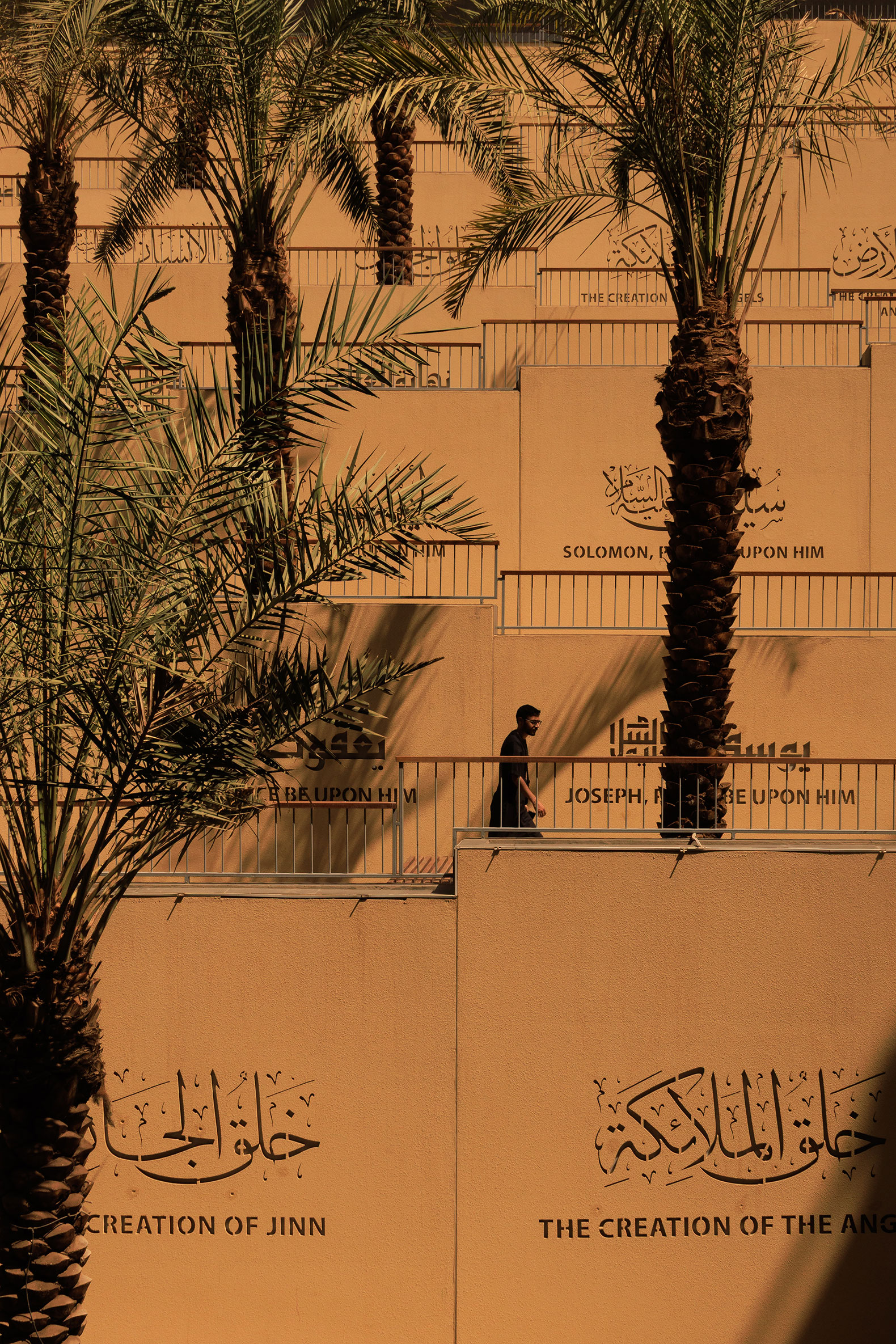
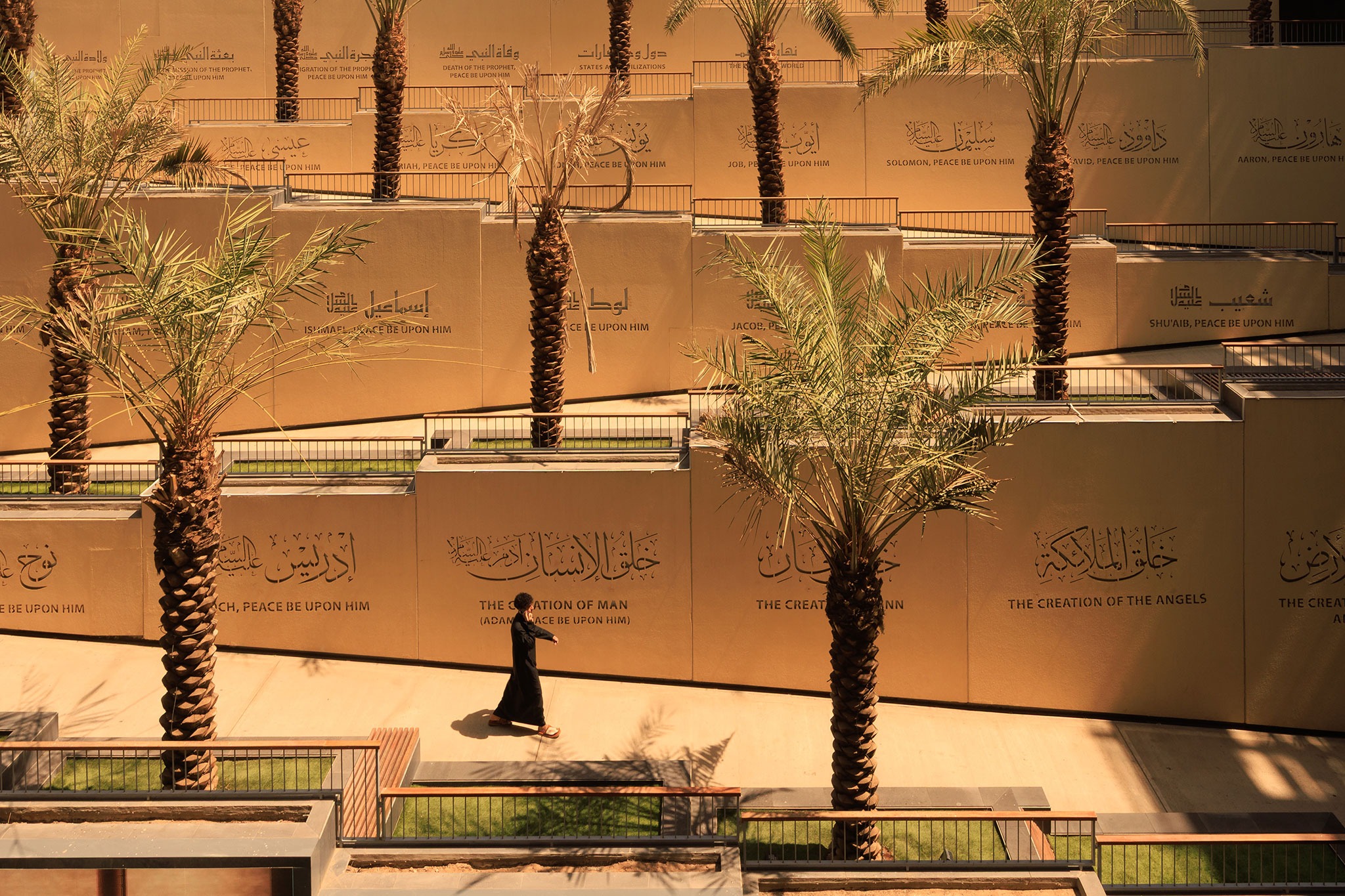
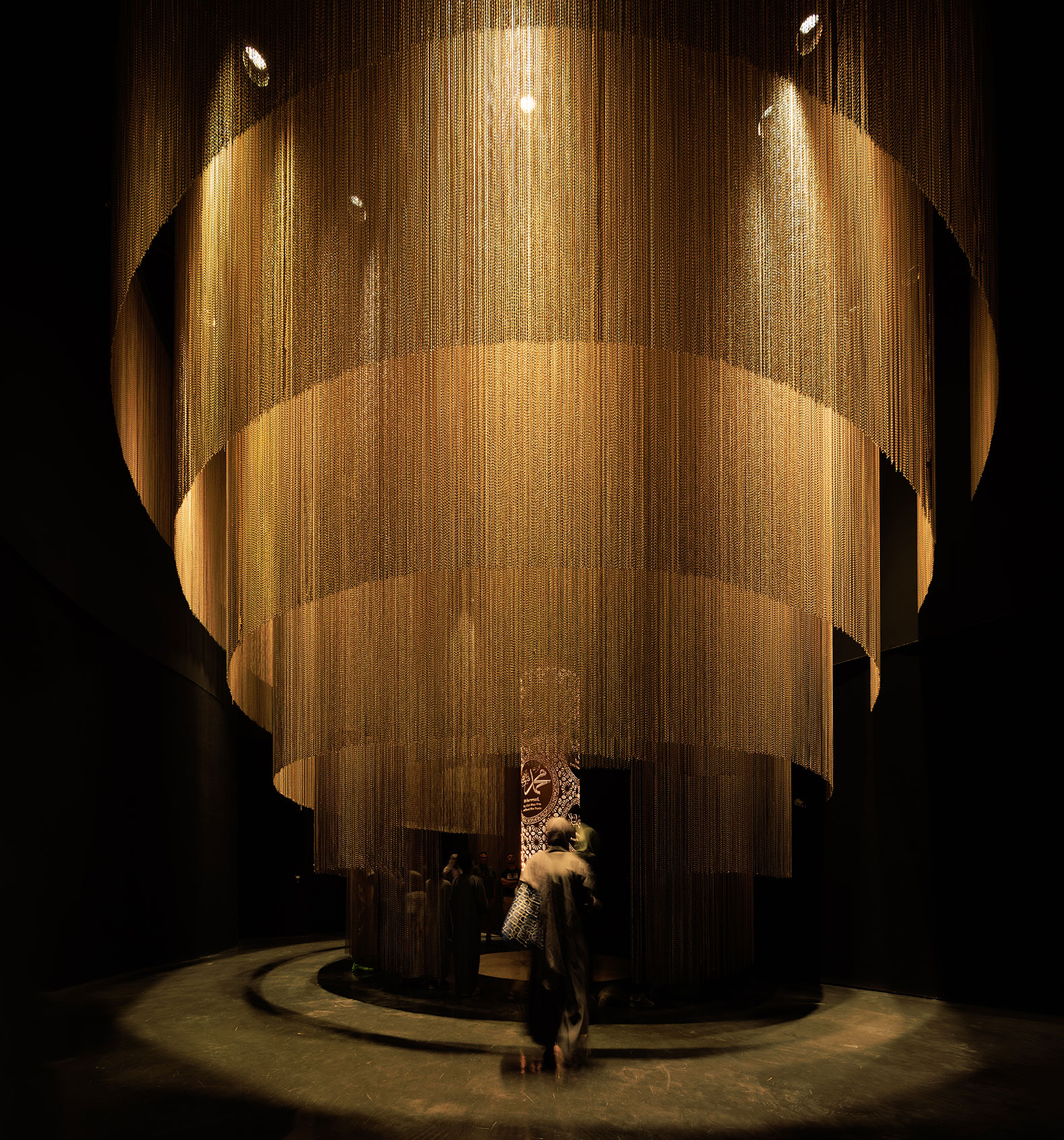
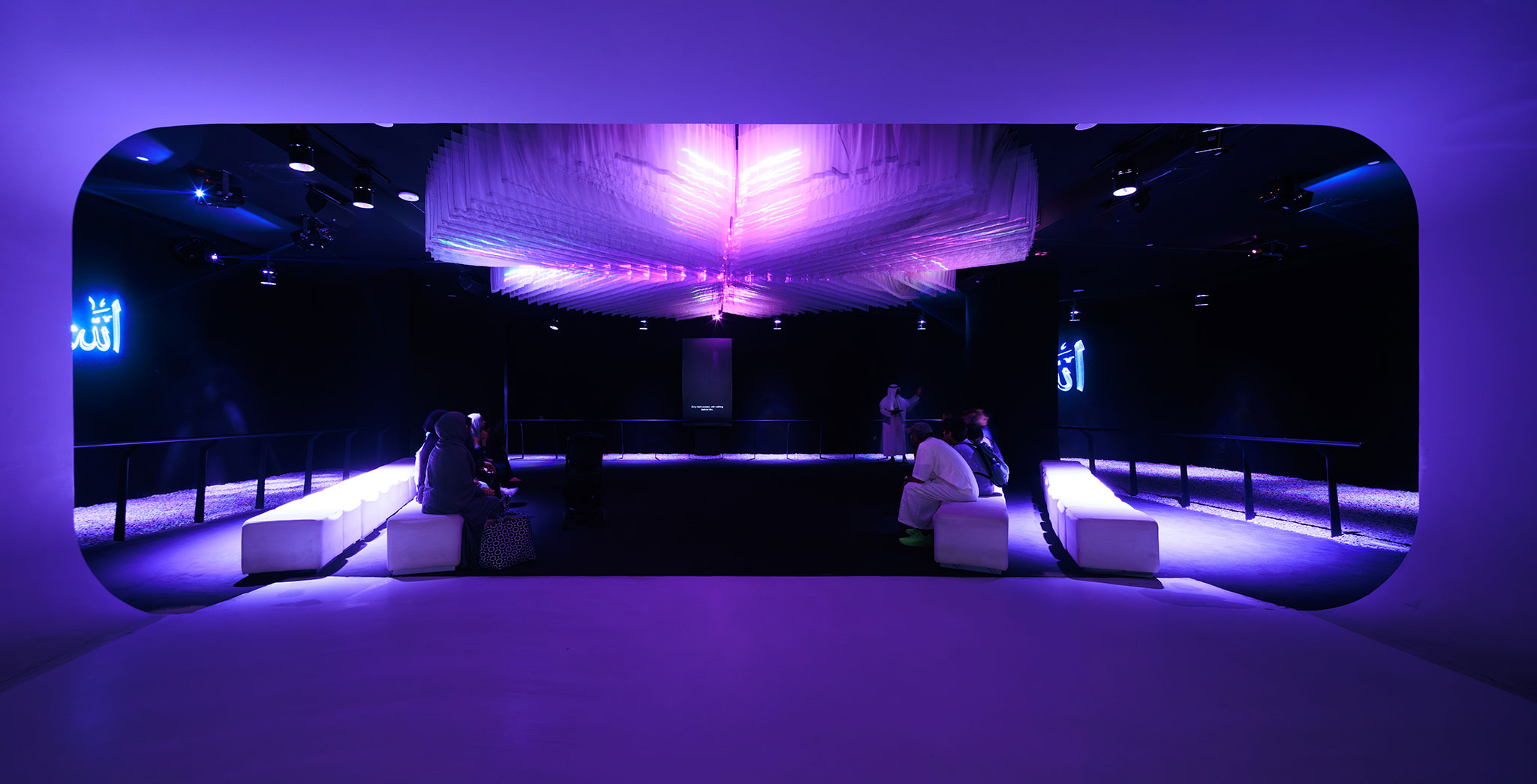
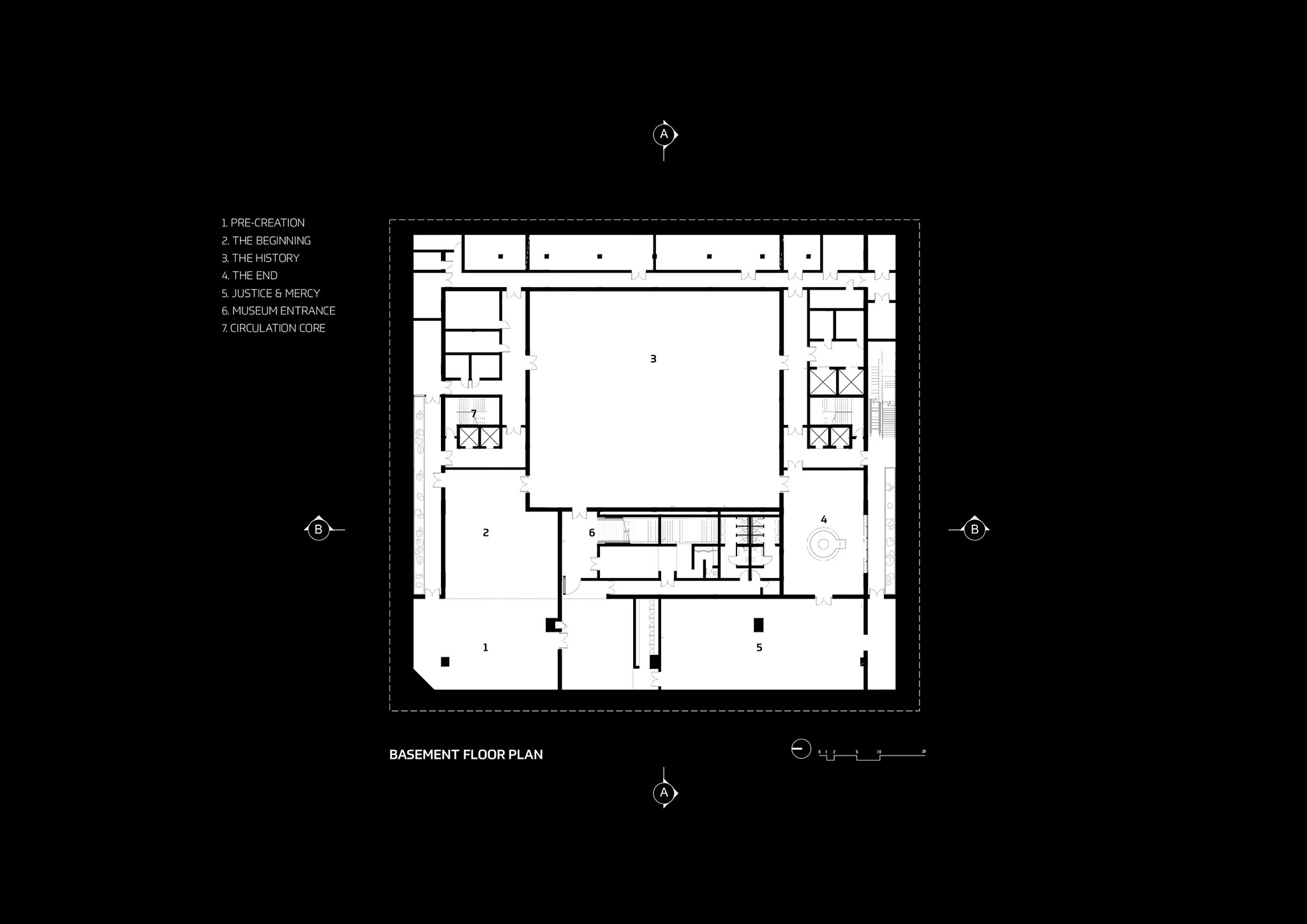
As a key component of the new As Safiyyah Museum and Park, designed by X Architects, is the cultural museum, framed within the history of Islamic creation and spatially conceived in five rooms: "Pre-creation," "The Beginning of Creation," "The History of Creation," "The End of the Universe," and "Absolute Justice and Supreme Mercy."
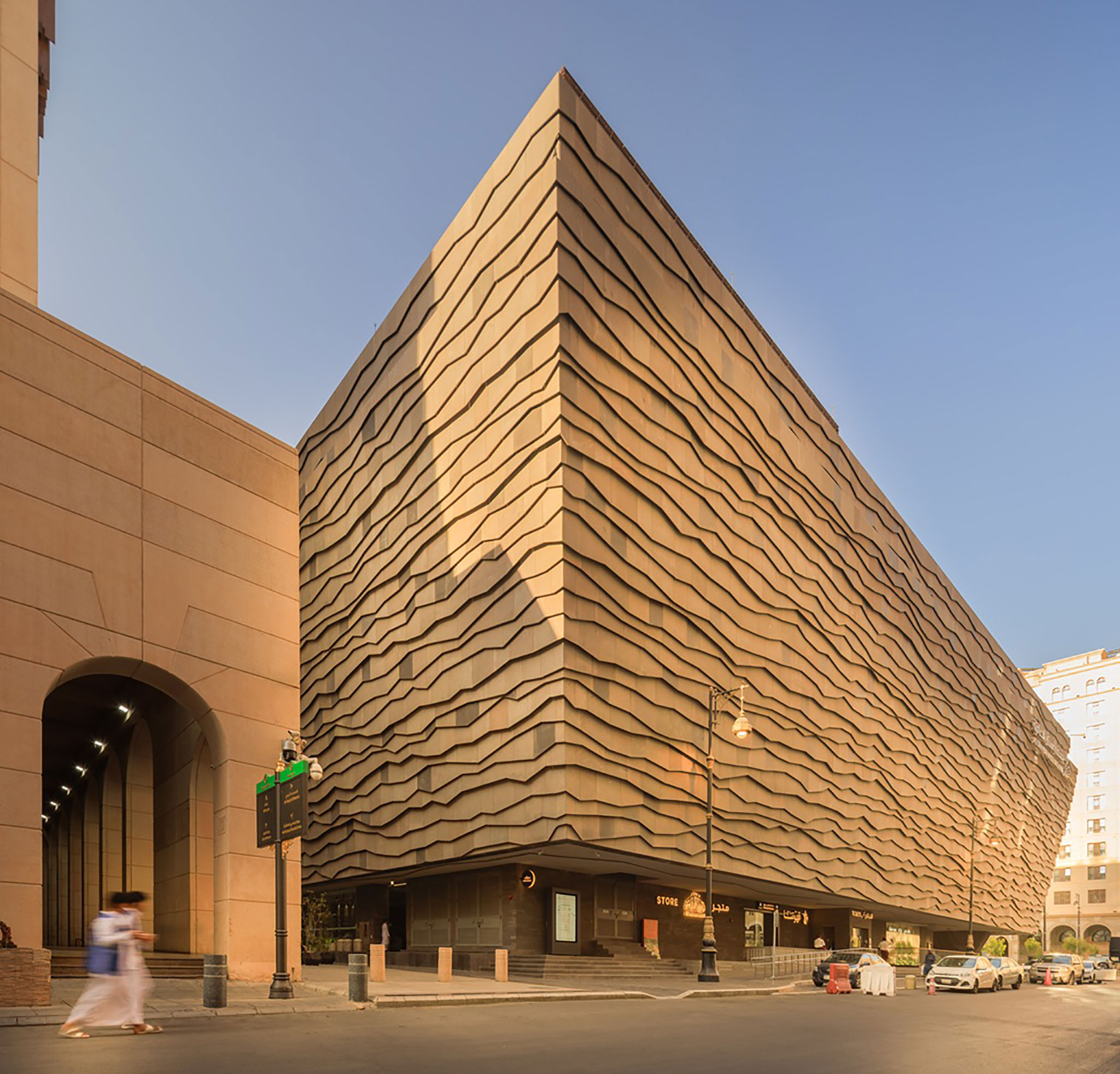
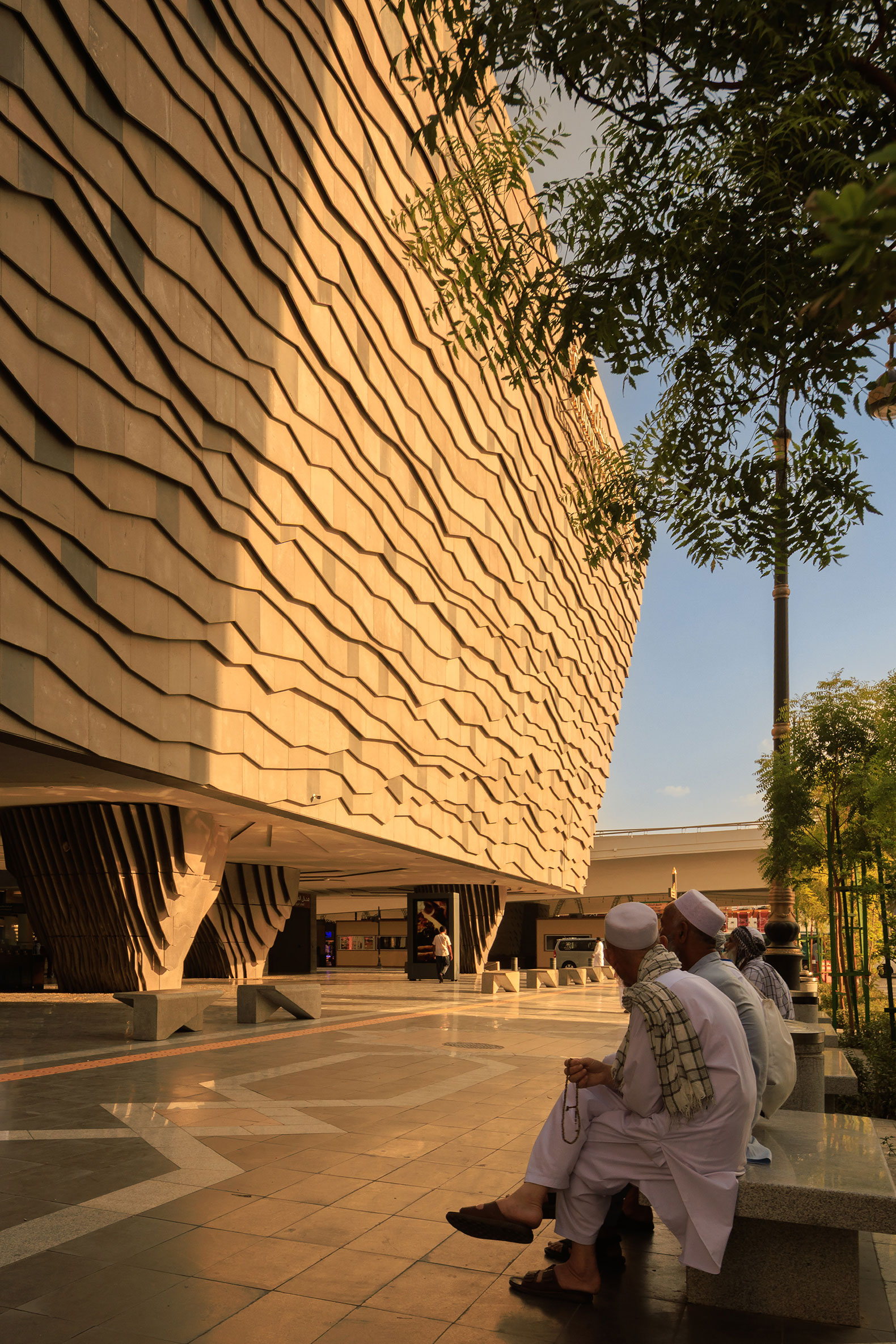
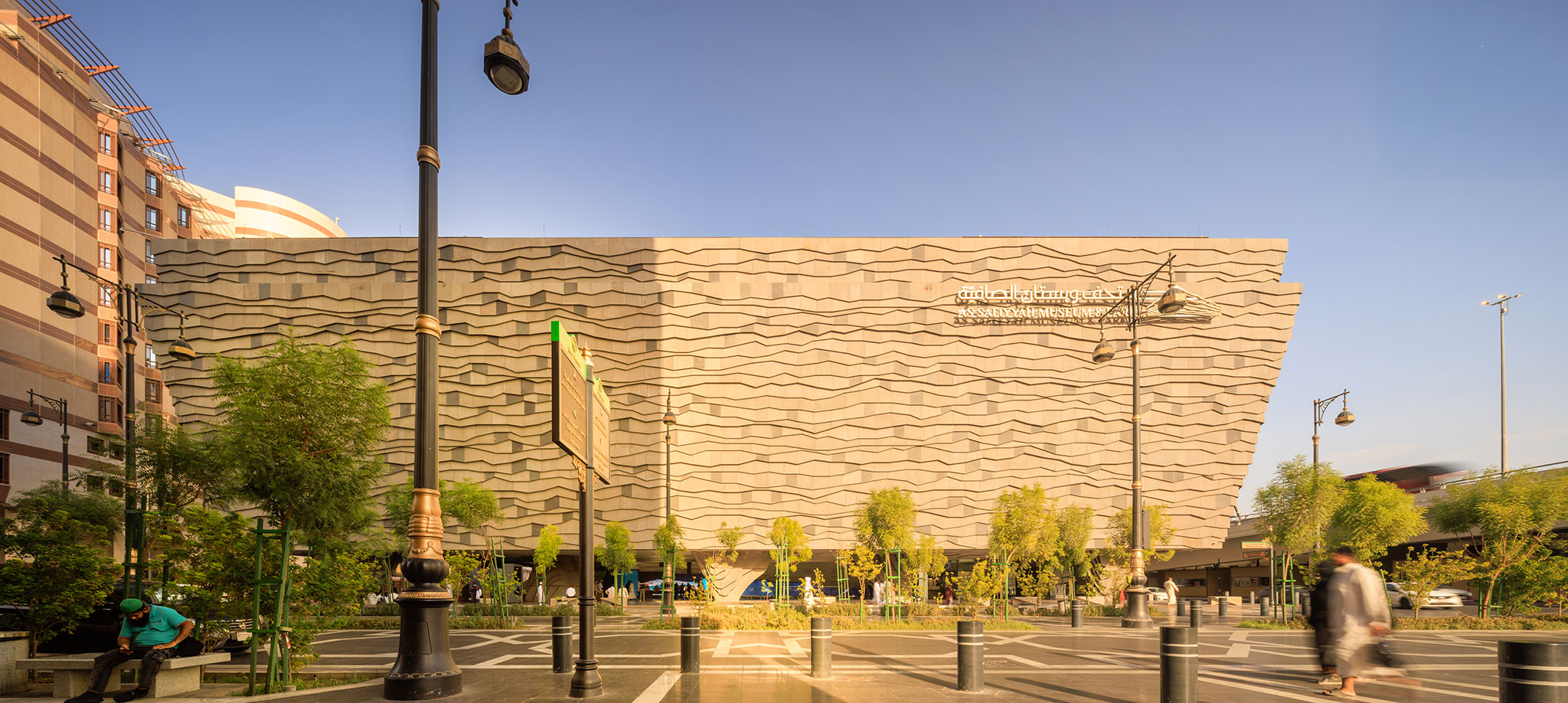
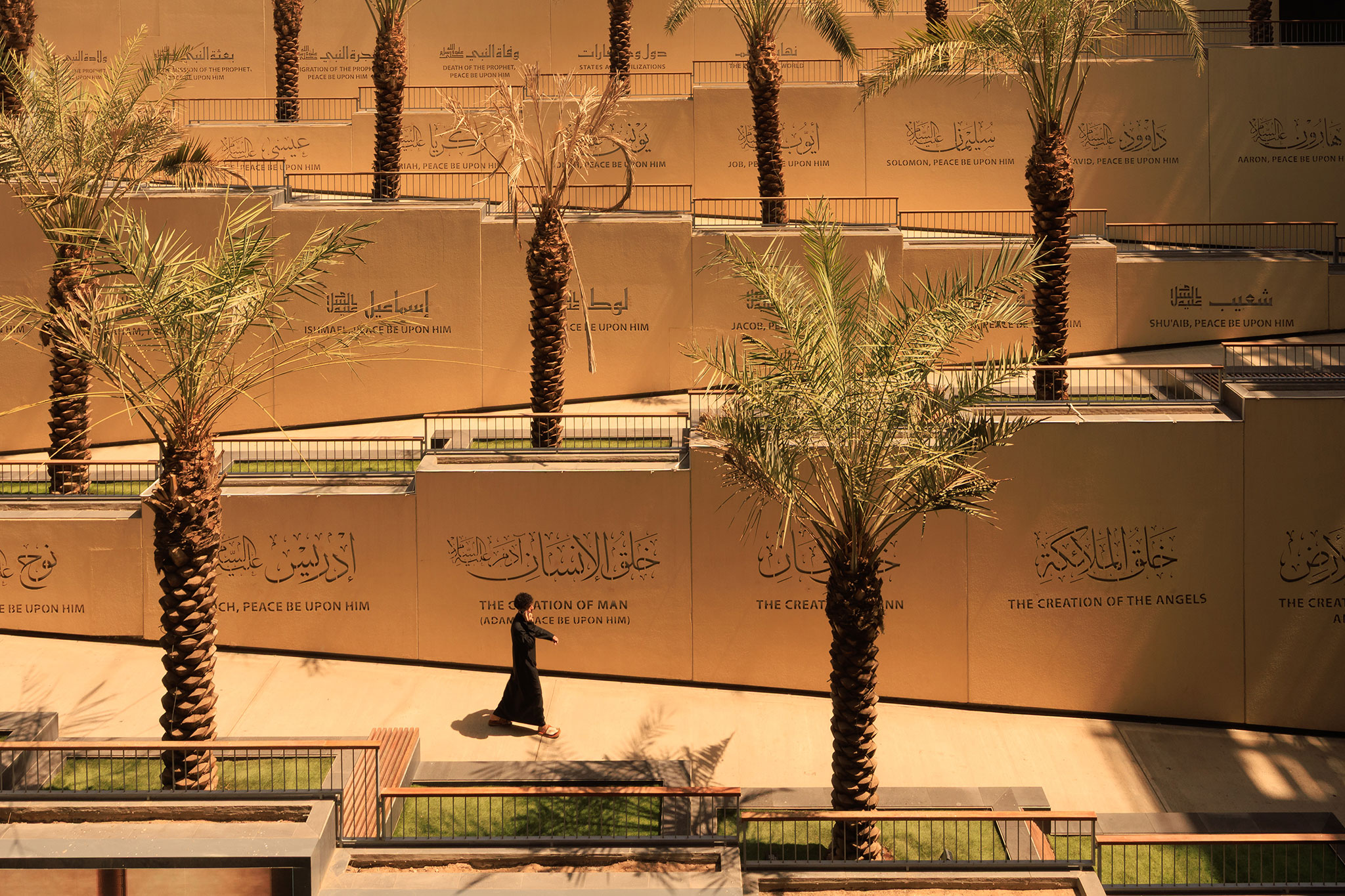
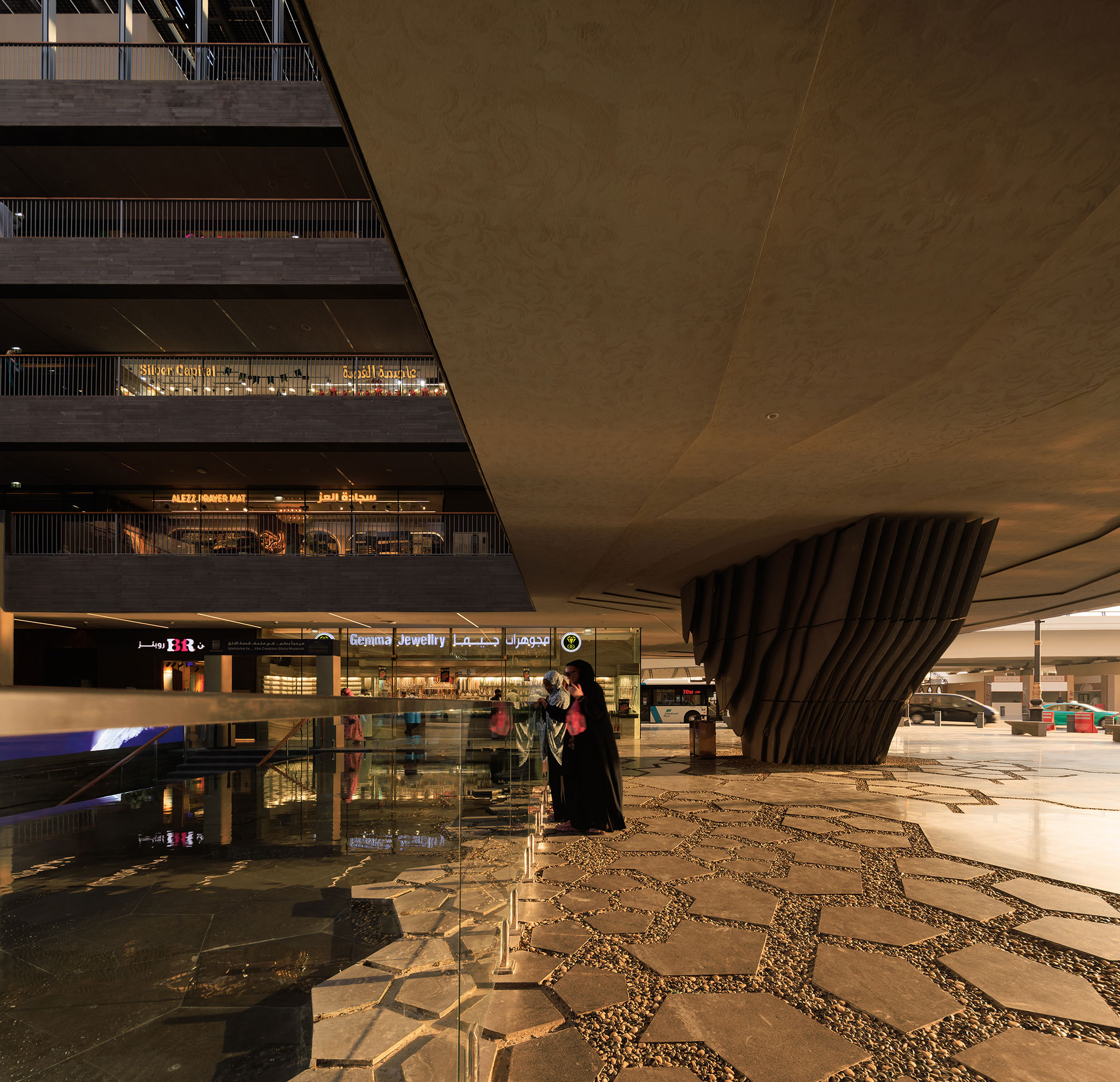
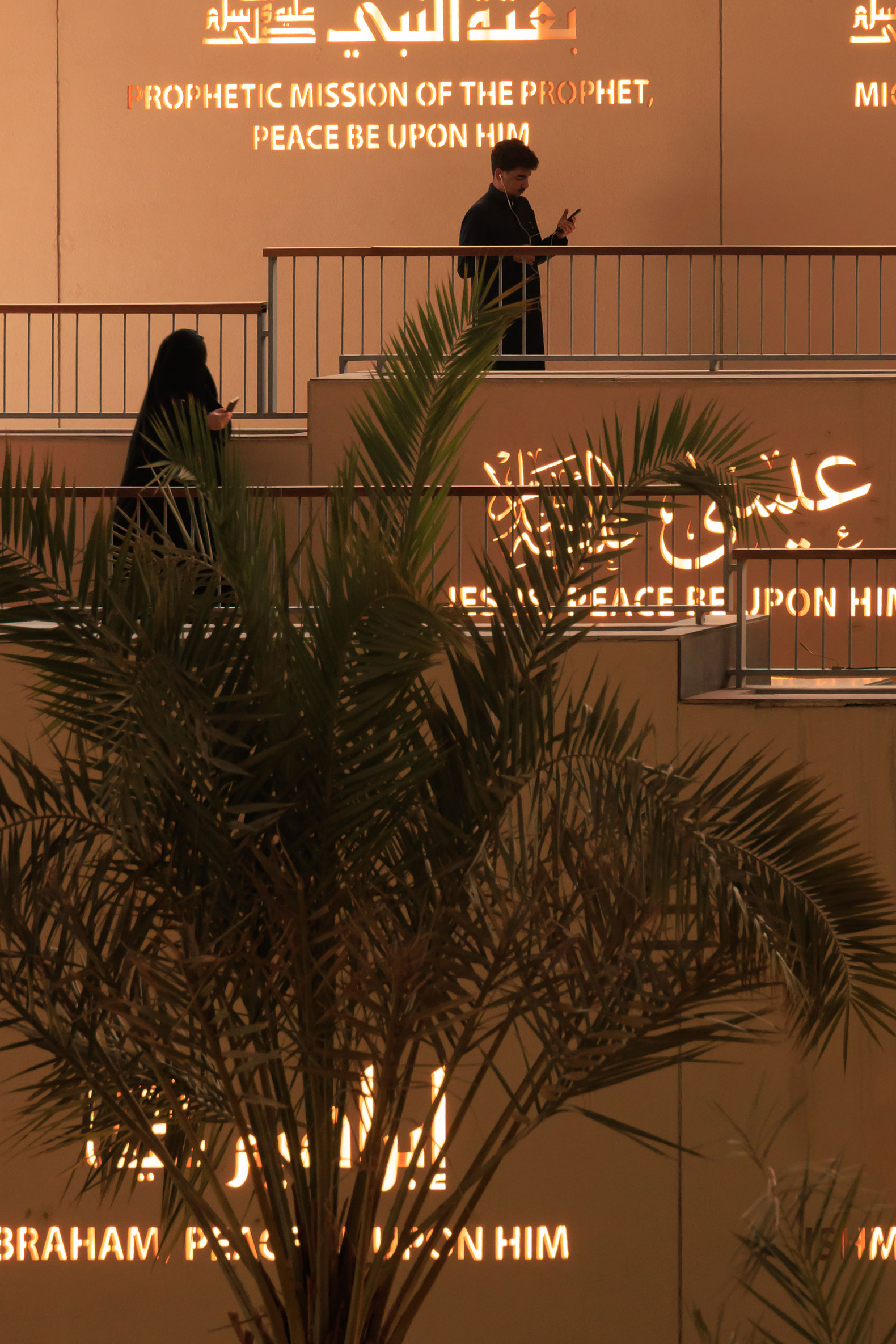
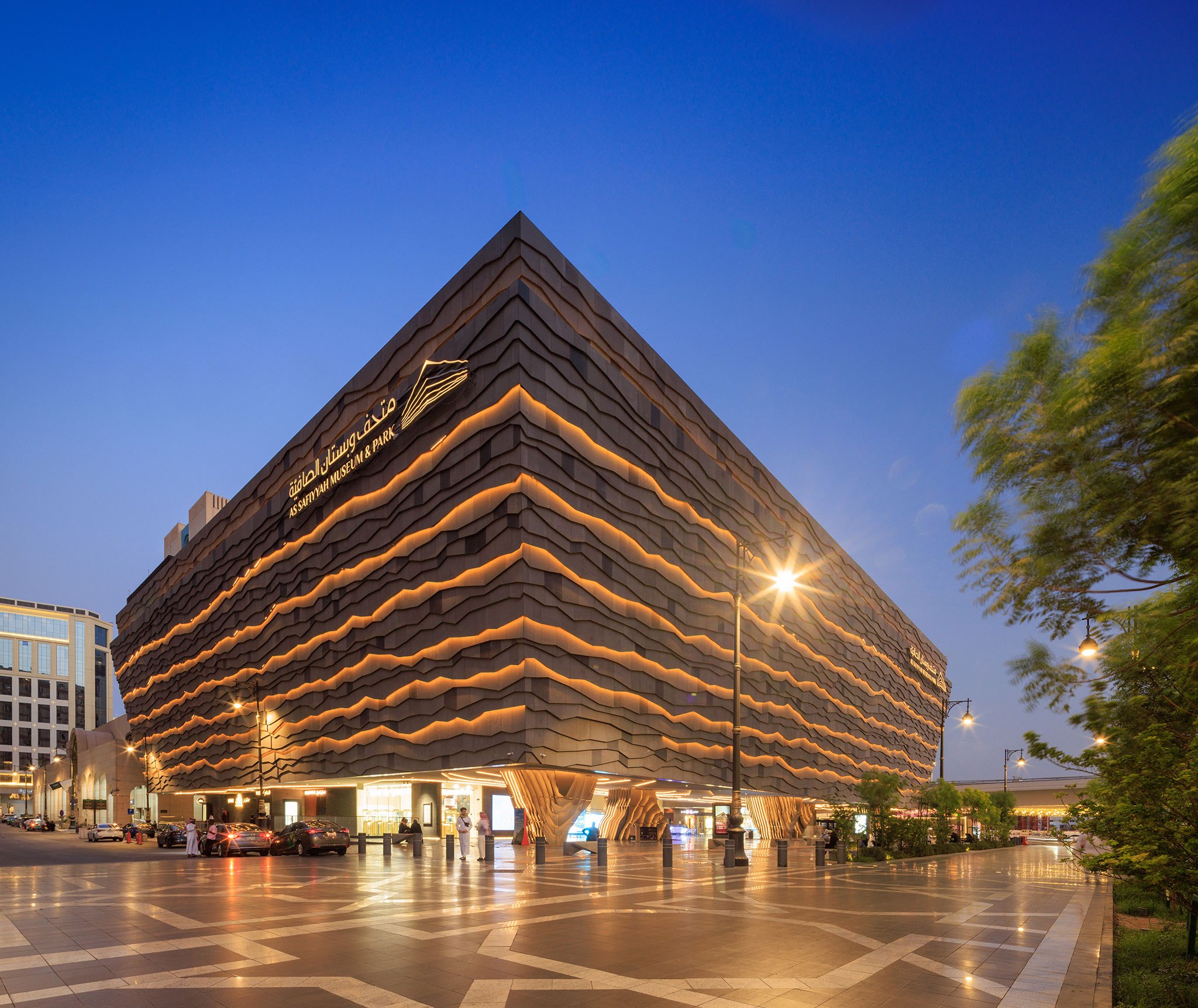
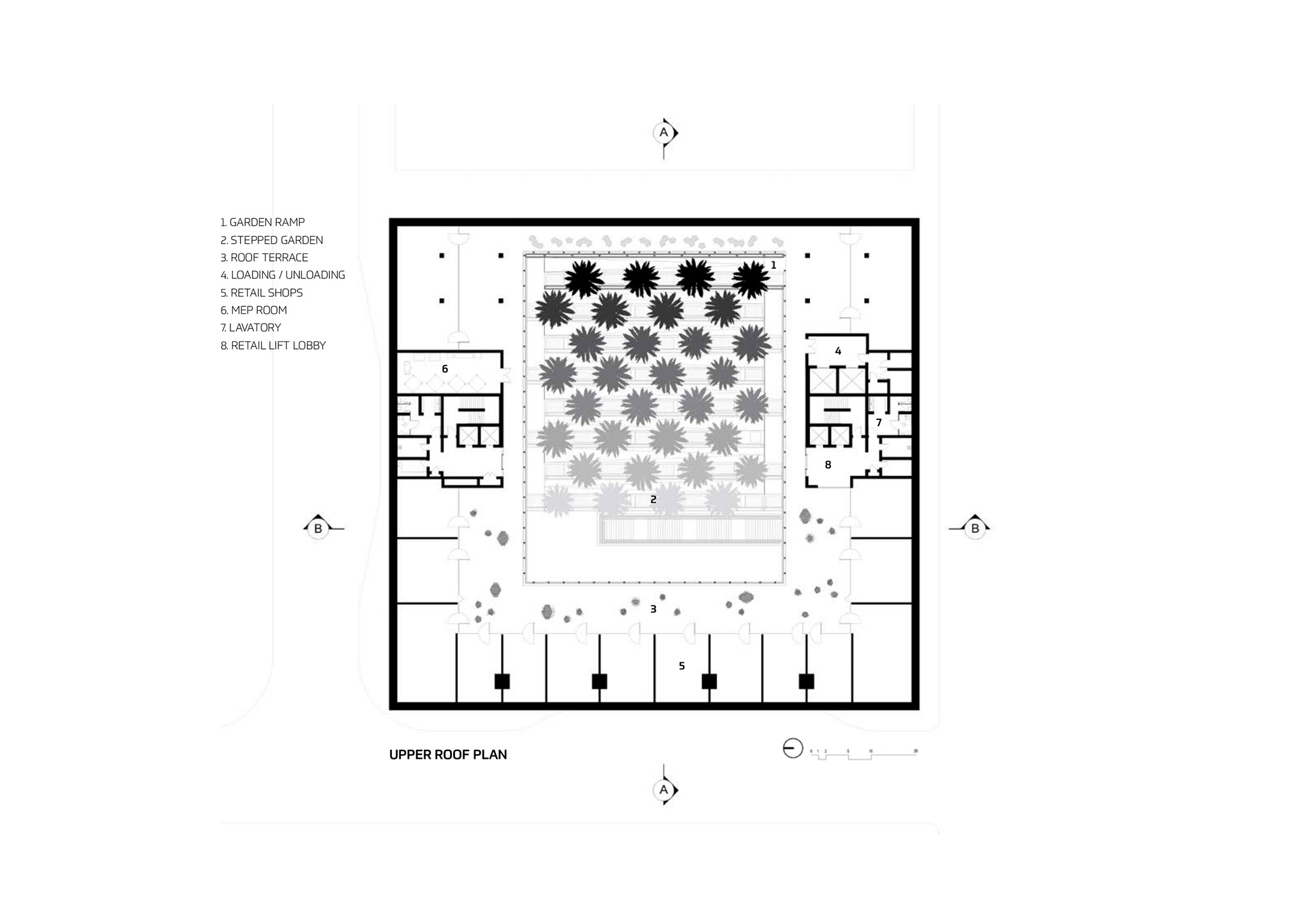
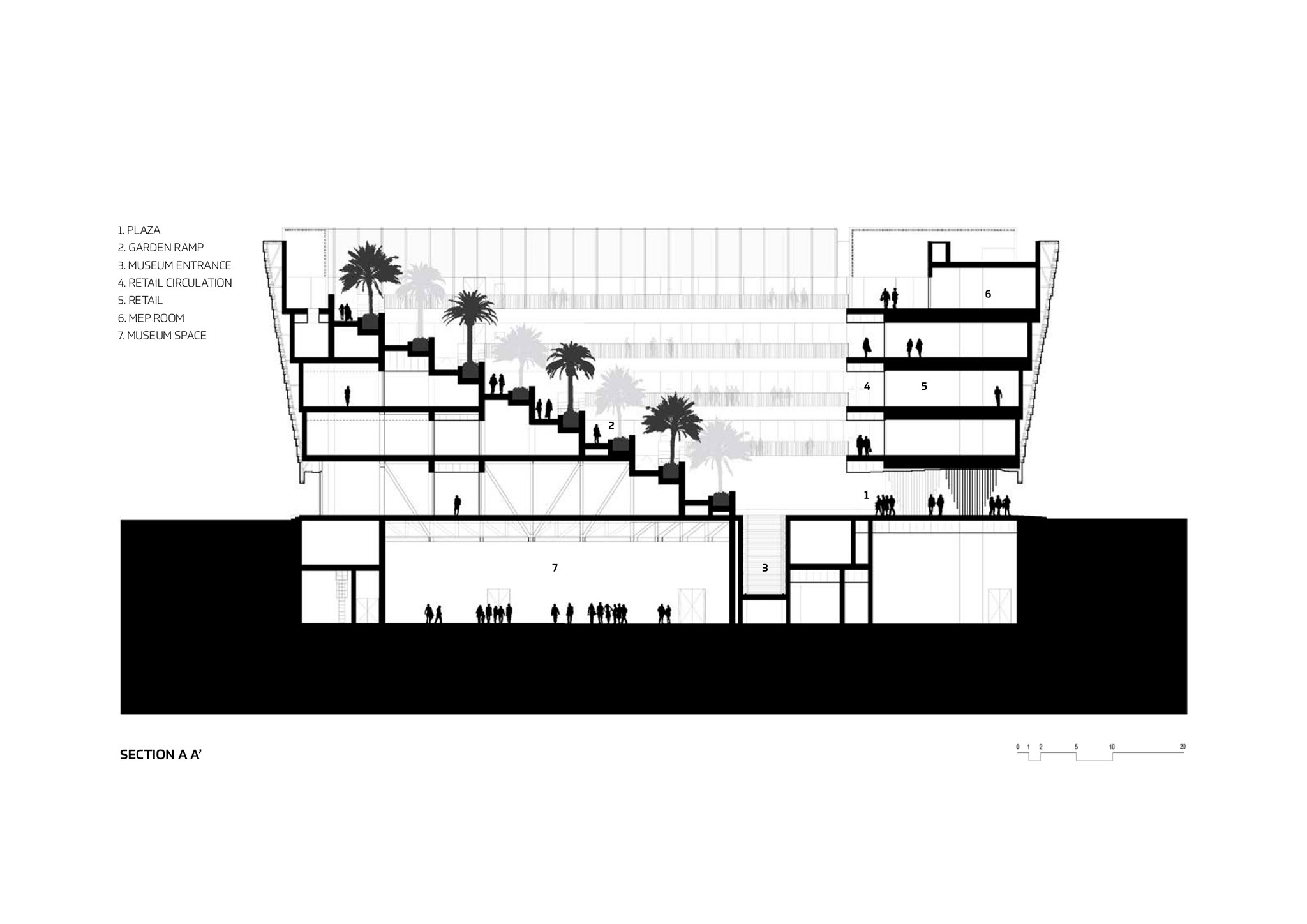
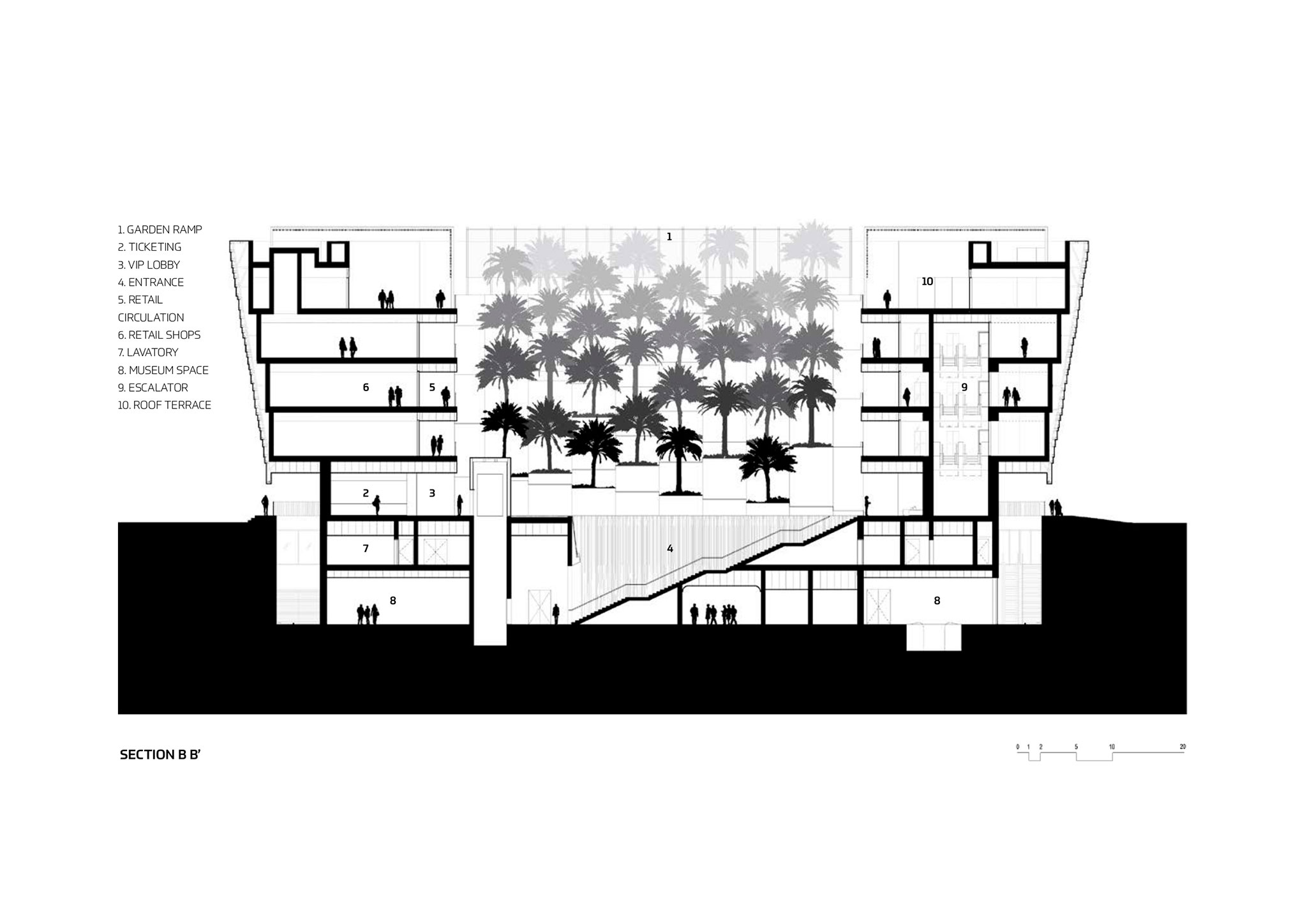
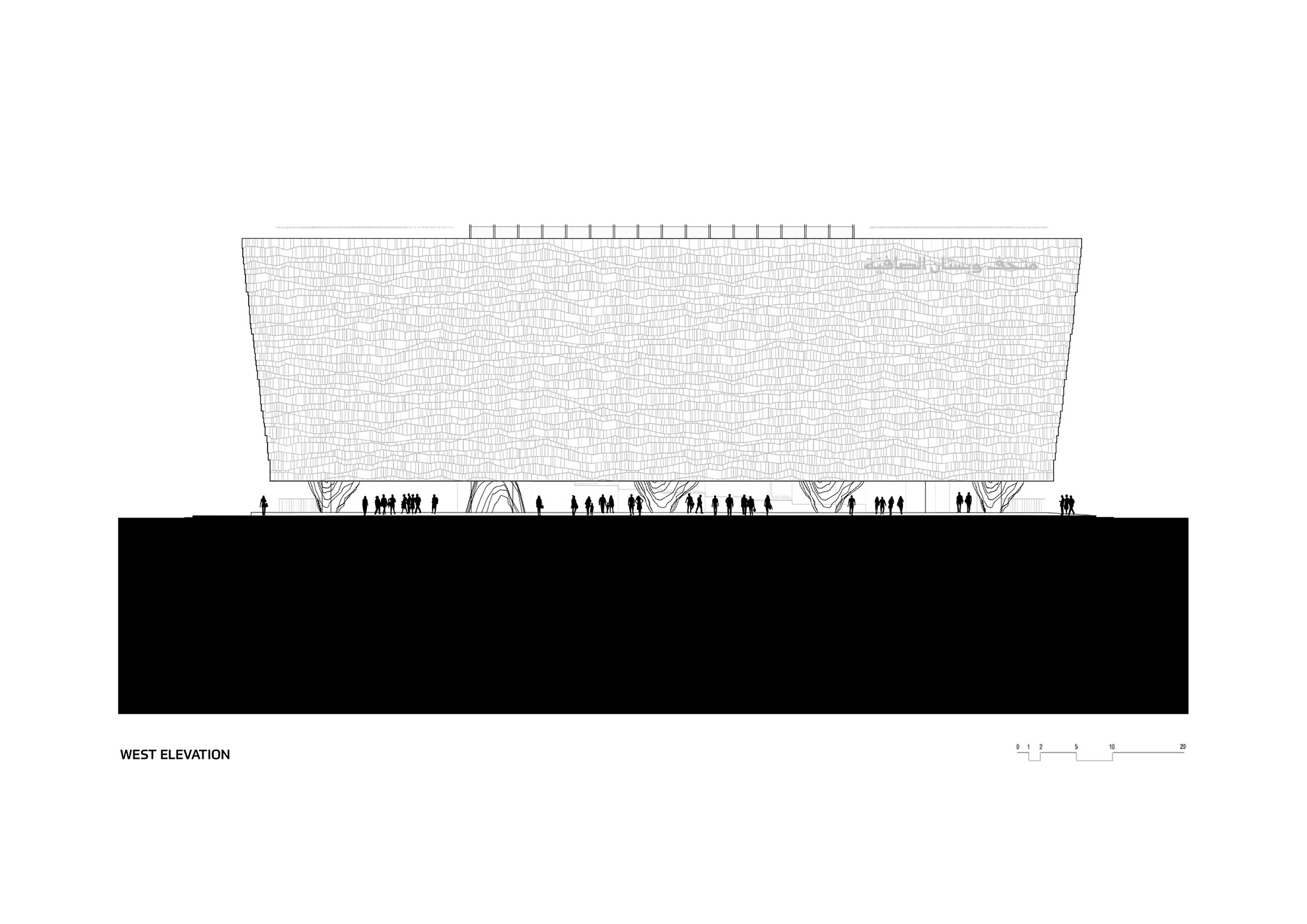
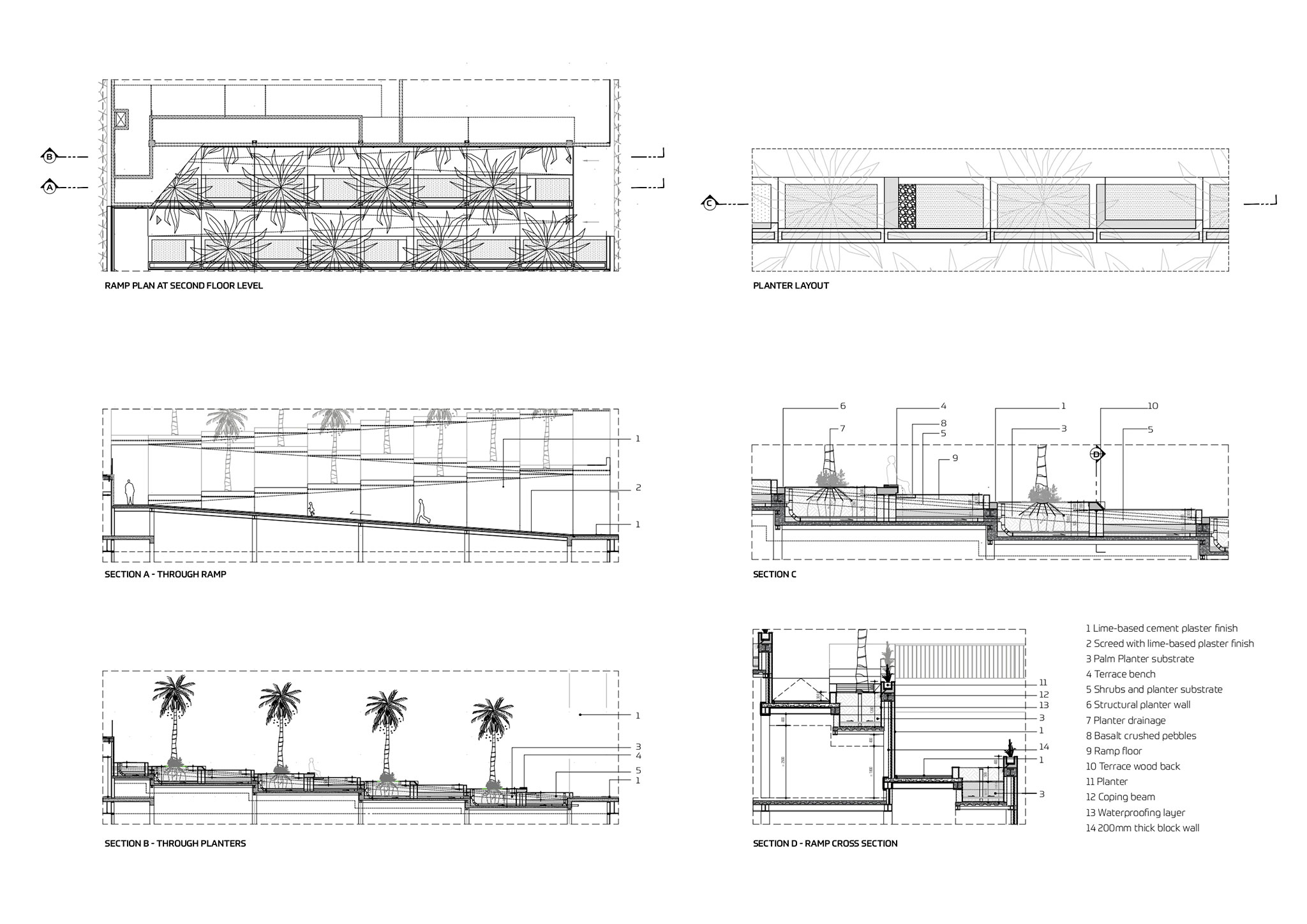
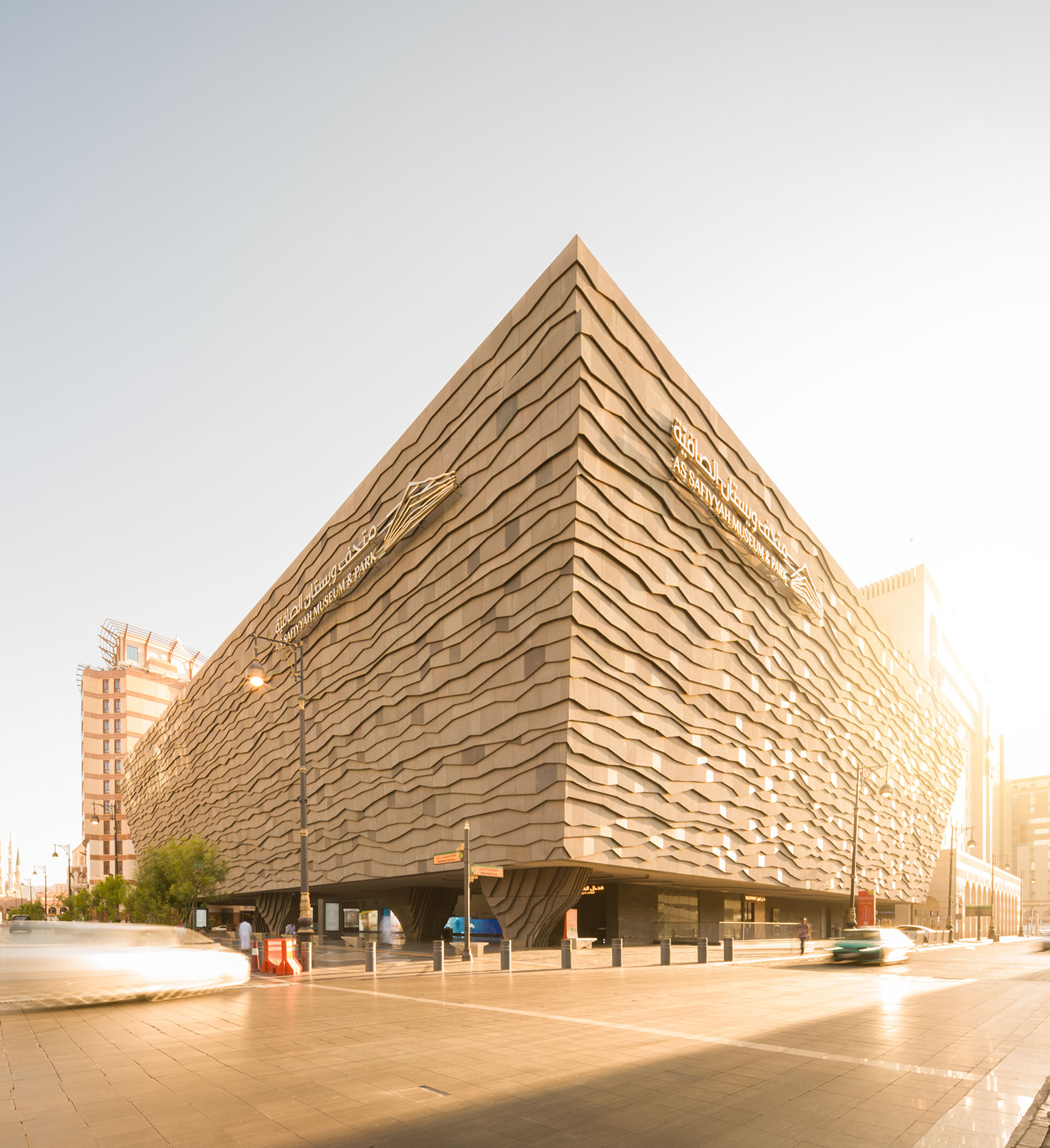
Basaltic stone is used on the main façade, interior walls, and floor, creating details and textures that present a distinctive and irregular pattern. Water is expressed throughout the project as an element that reinterprets the existing well on the site and connects the different spaces. Earth, on the other hand, is represented through a series of tiered planters that honor the palm tree and revitalize the site, which was once a lush garden with native palm trees.
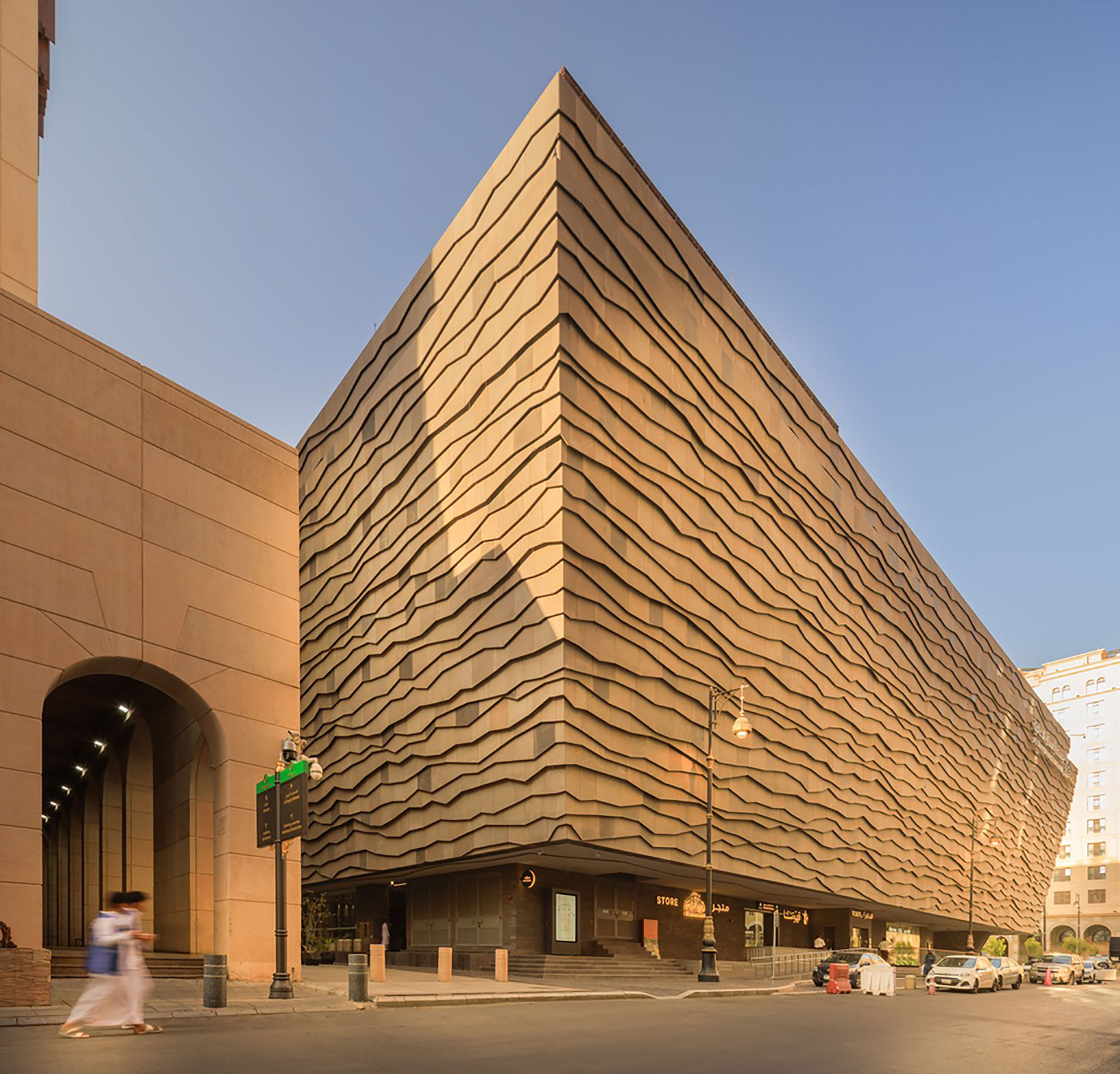
As Safiyyah Museum & Park by X Architects. Photograph by Fernando Guerra.
Project description by X Architects
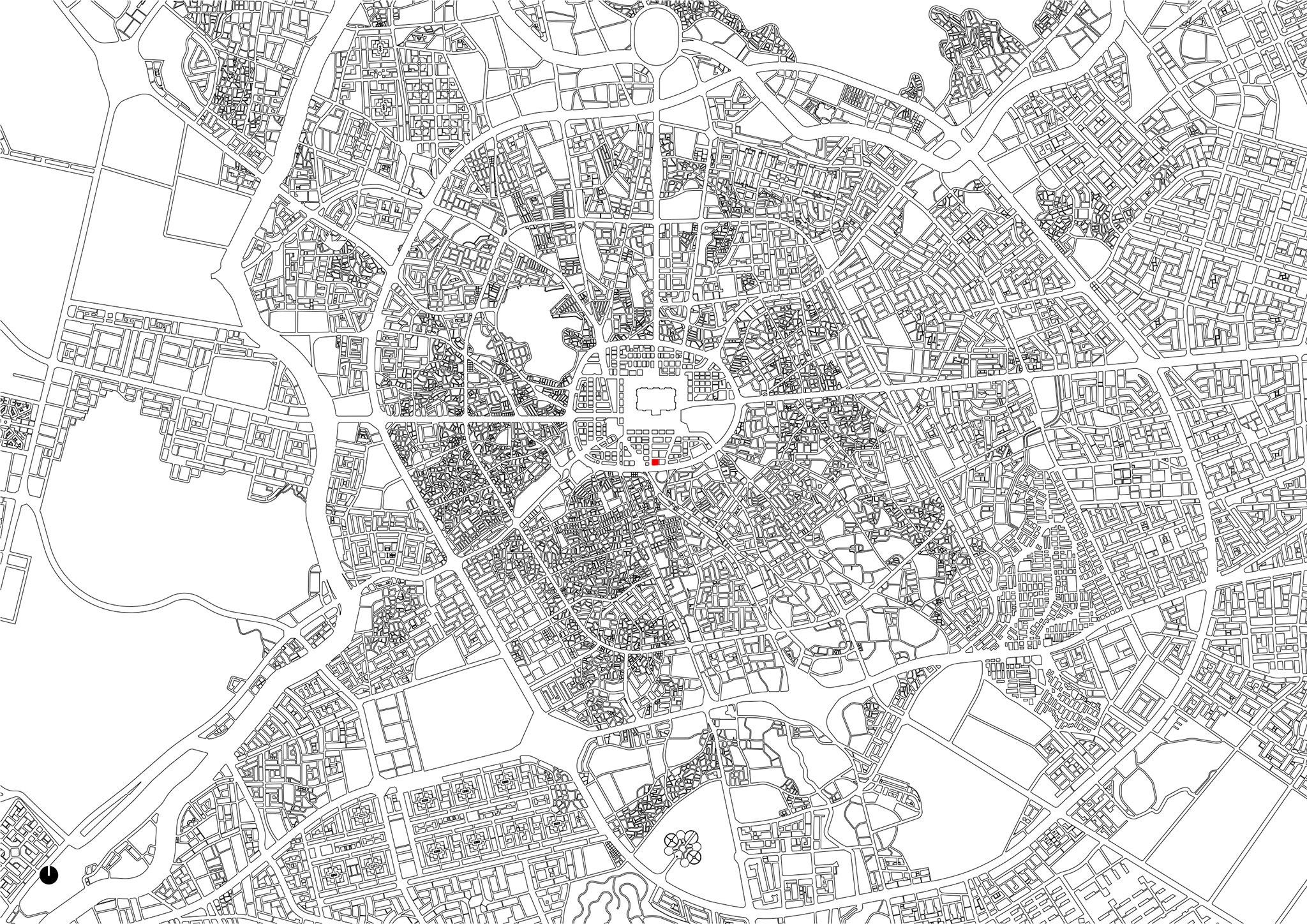
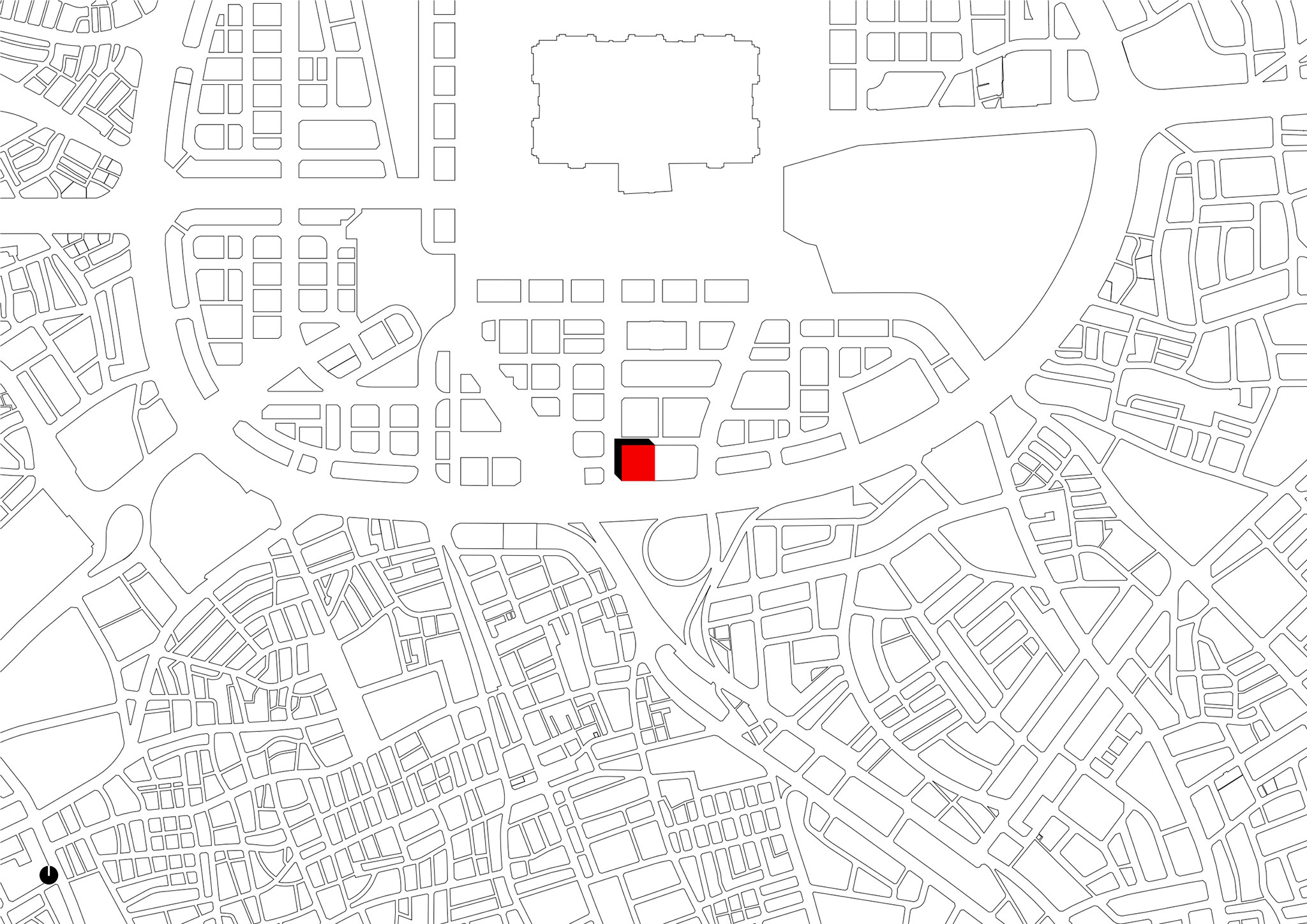
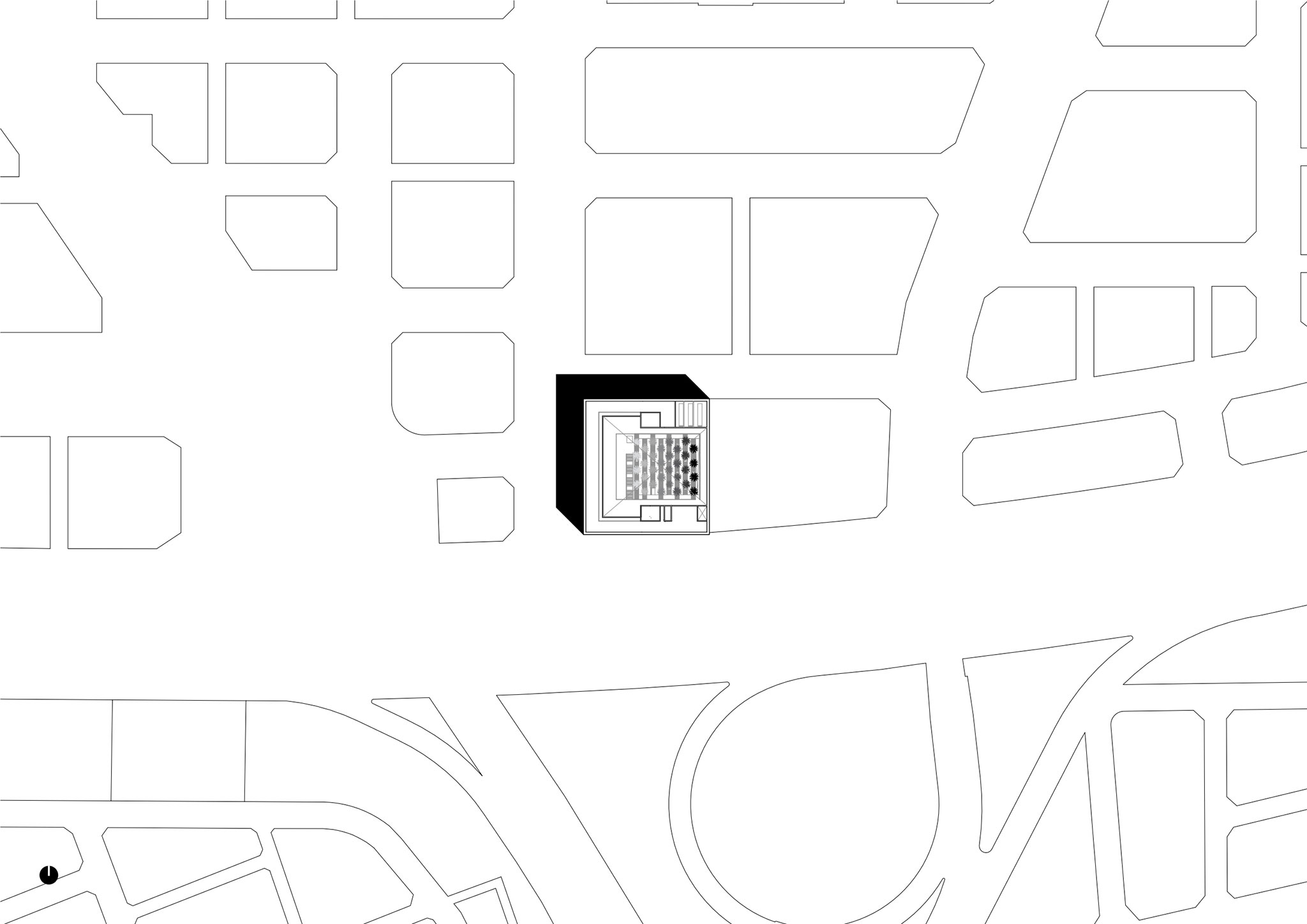
As Safiyyah Museum & Park, a 20,000 square meter project, aims to integrate a cultural complex development to the heart of Al Madinah Al Munawwara city, home to Islamic prophet Mohammed’s burial site and the prophet’s mosque, second holiest site in Islam. Located south in proximity of the Prophet’s Mosque, “the land of Alsafia”, was once a garden rich with indigenous palm trees offering playful shadows to enhance its harsh and arid climate.
The dense urban fabric surrounding the site includes high activity and encounters local and global visitors throughout the entire year. The location of the plot has a direct axis to Al Salam gate of the Prophet’s Mosque which magnifies its significance.
The design approach originates from studying the city’s history, aiming at reviving and restoring its identity in a contemporary urban setting. Looking at Al Madinah’s history which was a walled city that expanded over time, X Architects steered the design in a direction that revisits the past and reinterprets it in a progressive methodology that matches today’s aspirations while remaining rooted in the rich cultural heritage. A thick wall element is employed to buffer the project from its busy context, layer the visitors experience, and protect the core of the project; a reminiscent adaptation of Al Madinah’s historical palm gardens.
Traditionally, the city’s fabric portrayed harmony and integration between the natural and built environments. More recently, the city lost most of its green spaces in favour to drought and rapid urban growth. The proposed design pays homage to Al Madinah’s authentic landscape and offers visitors a quiet place of refuge within the busy surrounding urban context. It demonstrates the city’s identity and history and touches on the memories of the users and the place.
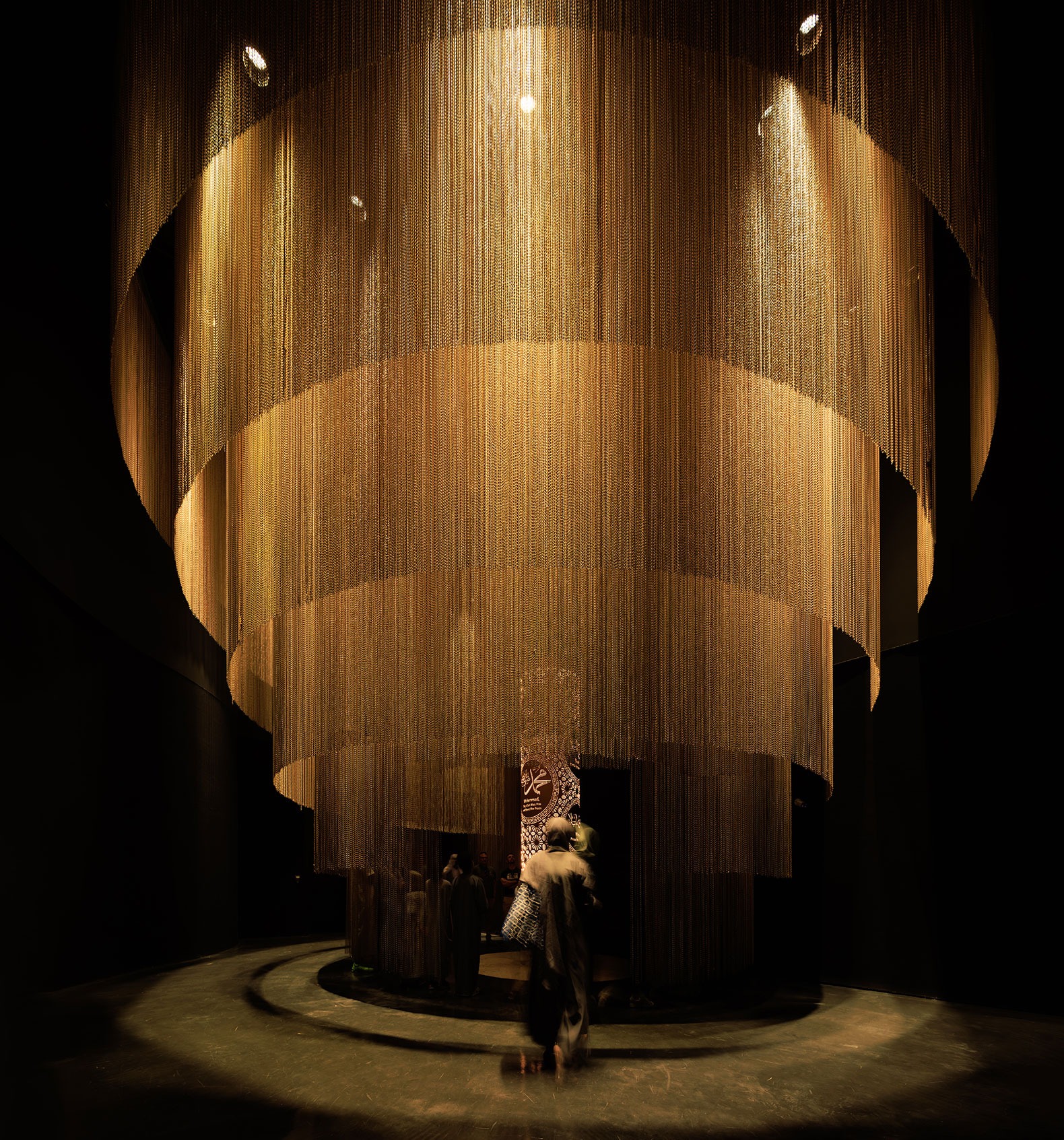
Water, being foundational to life is expressed as a tying element between different project components and an interpretation of the existing well on site. Earth, the vessel of all seeds, is depicted through a series of stepped planters honouring the Palm and bringing life back to the site which was once a rich garden. Light, an element of play and a crucial component of the spatial experience is used to revive the lively playful shadows “the land of Alsafia” had in the past.
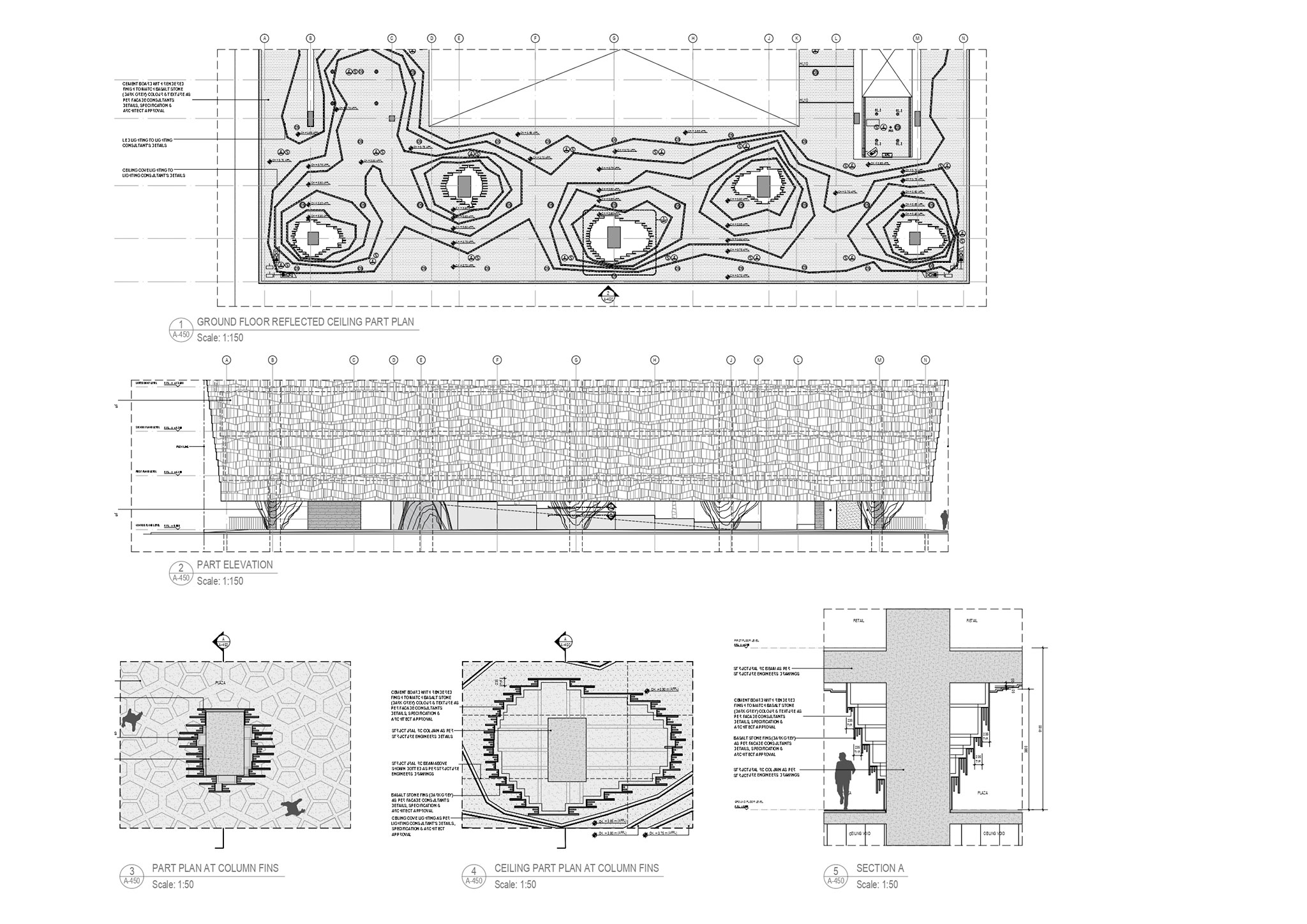
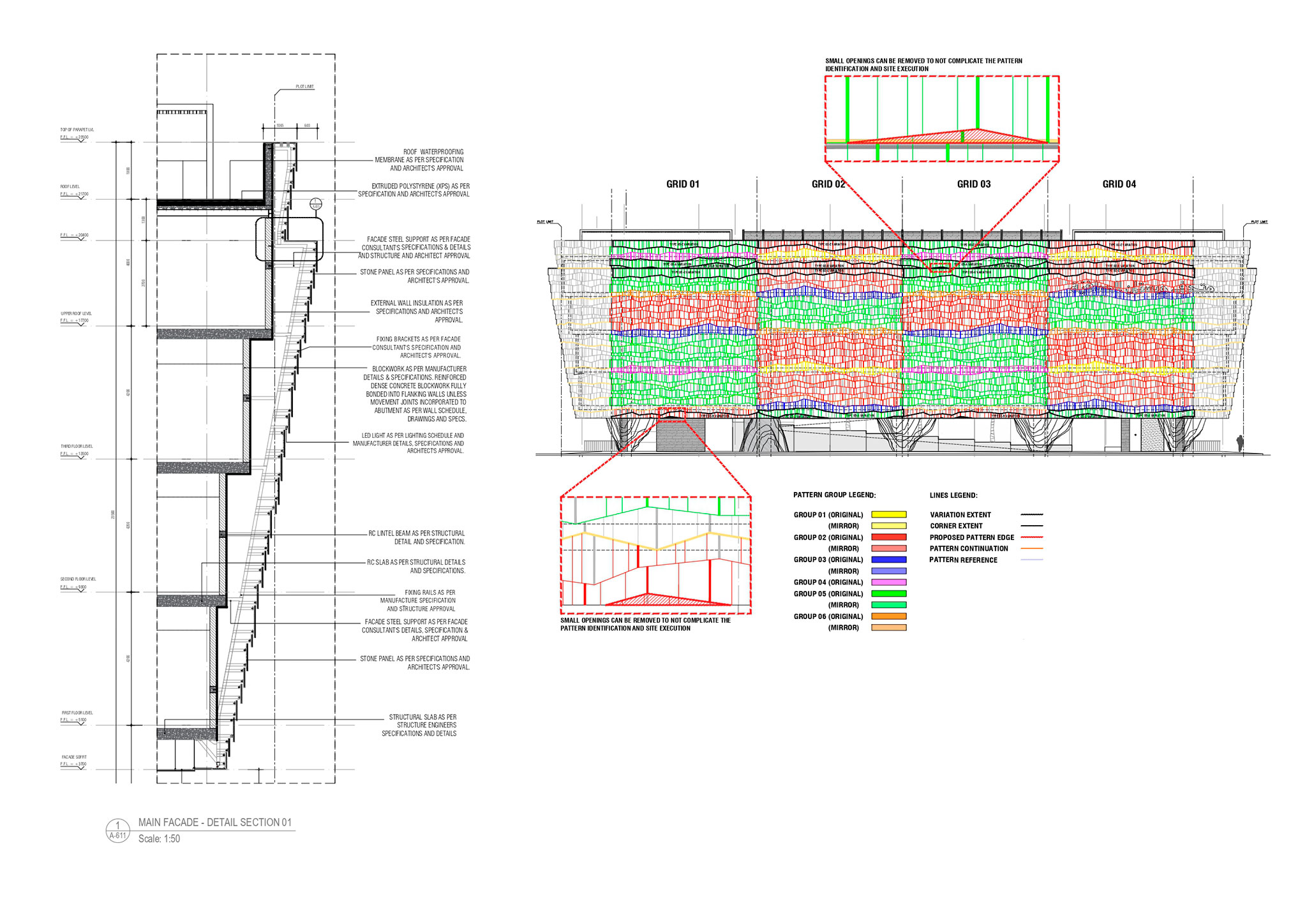
Continuing to embrace the city’s history thorough details and textures, the external façade has a distinctive and irregular pattern which was a result of evident existence of volcanic mountains in Madinah city. Basaltic stone is used as the main material across the façade, internal walls and floors to depict the nature of the city.
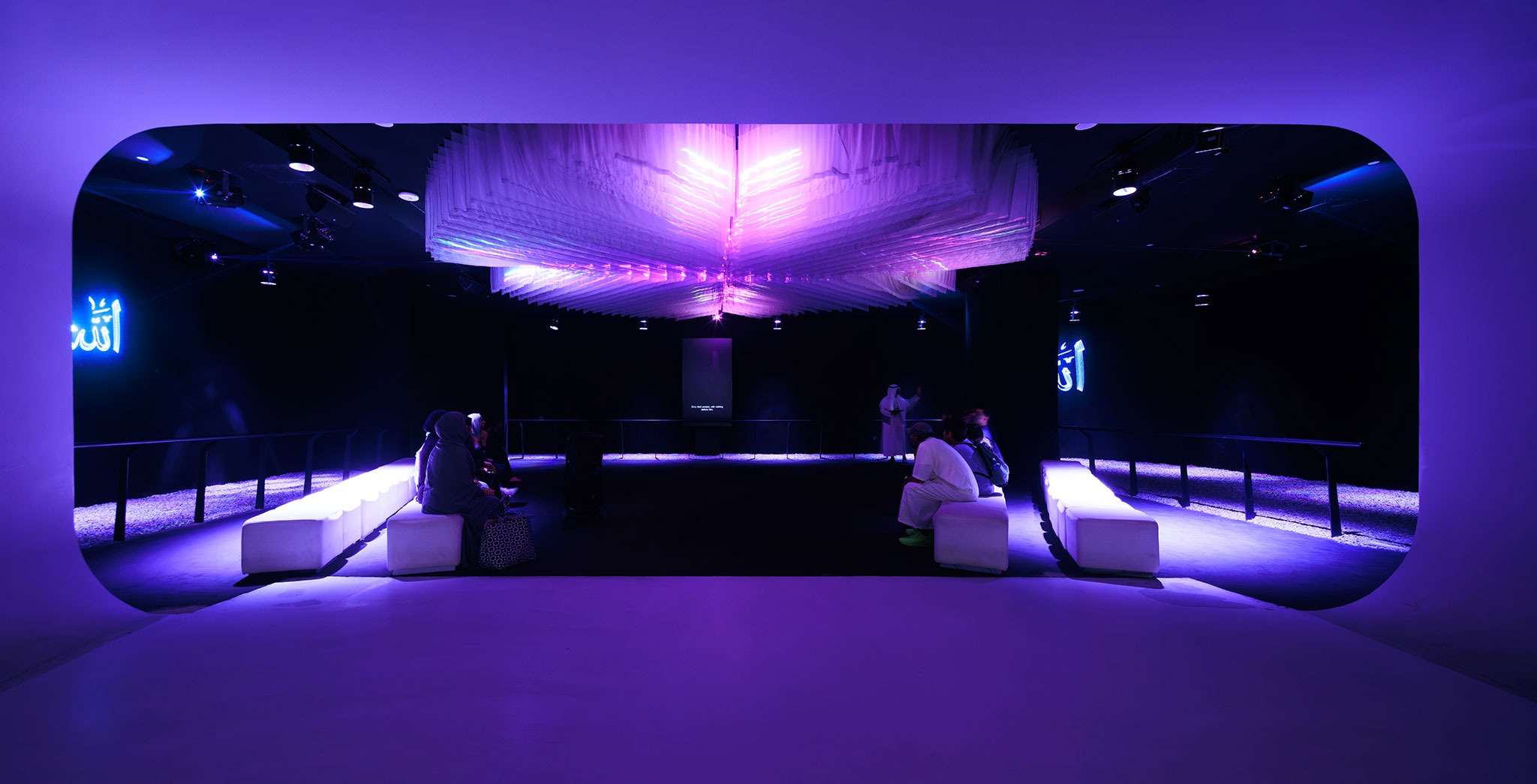
The museum is comprised of three main components; a public garden, a cultural museum and a commercial component. As part of the cultural museum, the concept falls under the theme of The Story of Creation in Islamic culture. This is devised conceptually and spatially into five chapters and rooms: Pre-creation, The beginning of creation, The history of creation, The end of the universe, Absolute justice & ultimate mercy.
Client Brief
The project is an integrated cultural complex development located in Al Madinah Al Munawwara city, on a land to the south of the Prophet’s Mosque, called “the land of Alsafia”, a plot which was once a rich garden (farm) full of beautiful palm trees and enjoyable shadows. The site has a total area of 4419 m2.
Components
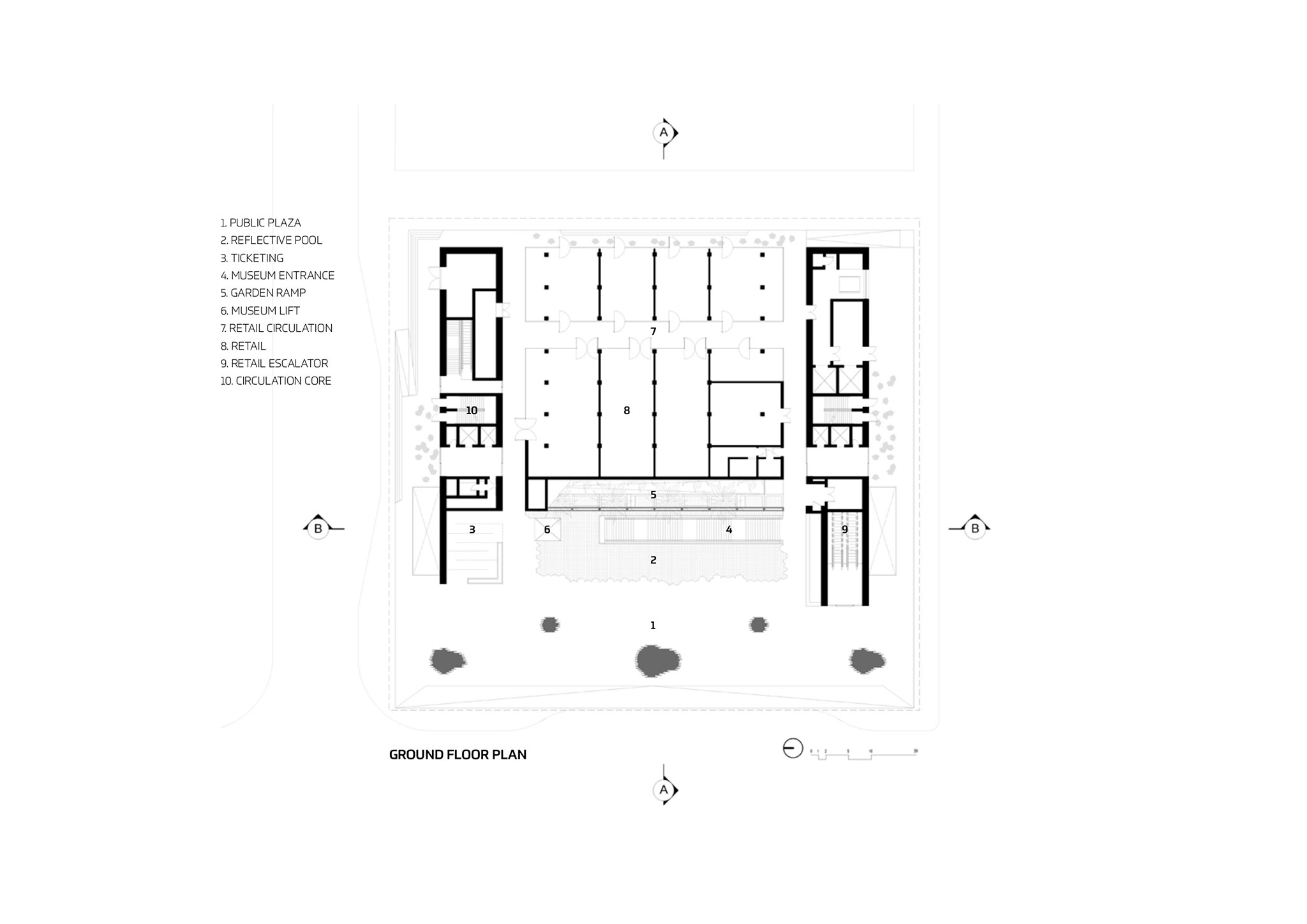
The project is comprised of: a public garden, a cultural museum, a multipurpose hall, and a commercial component including both souvenirs shops and cafes.





![Bois de Cergy Leisure Centre by PLURIEL[LES] ARCHITECTES. Photograph by Charly Broyez](/sites/default/files/styles/mopis_home_news_category_slider_desktop/public/2026-10/metalocus_PLURIEL-LES_Bois-de-Cergy-Leisure-Centre_14_2p.webp?h=3b4e7bc7&itok=DISDLRbJ "Bois de Cergy Leisure Centre by PLURIEL[LES] ARCHITECTES. Photograph by Charly Broyez")


