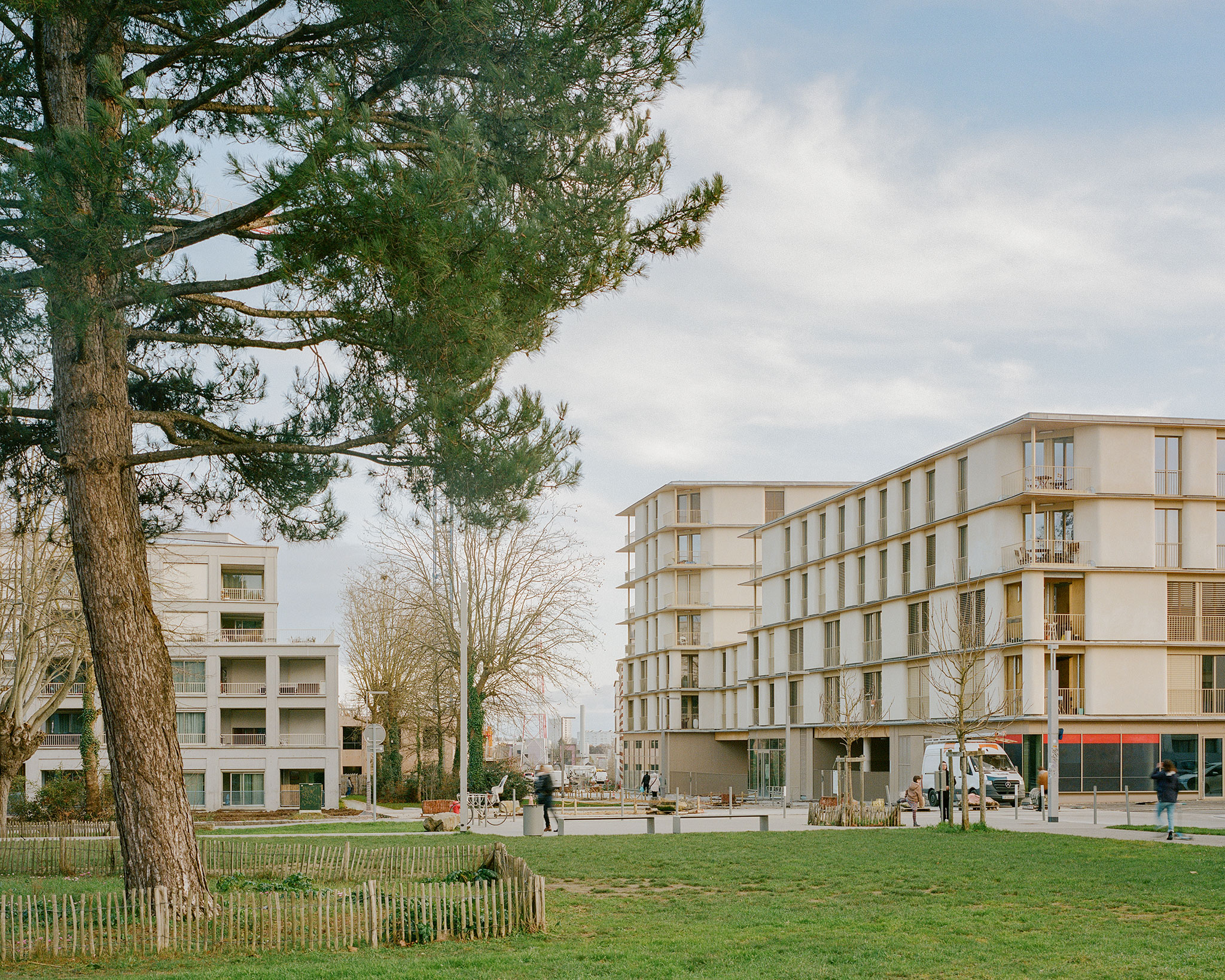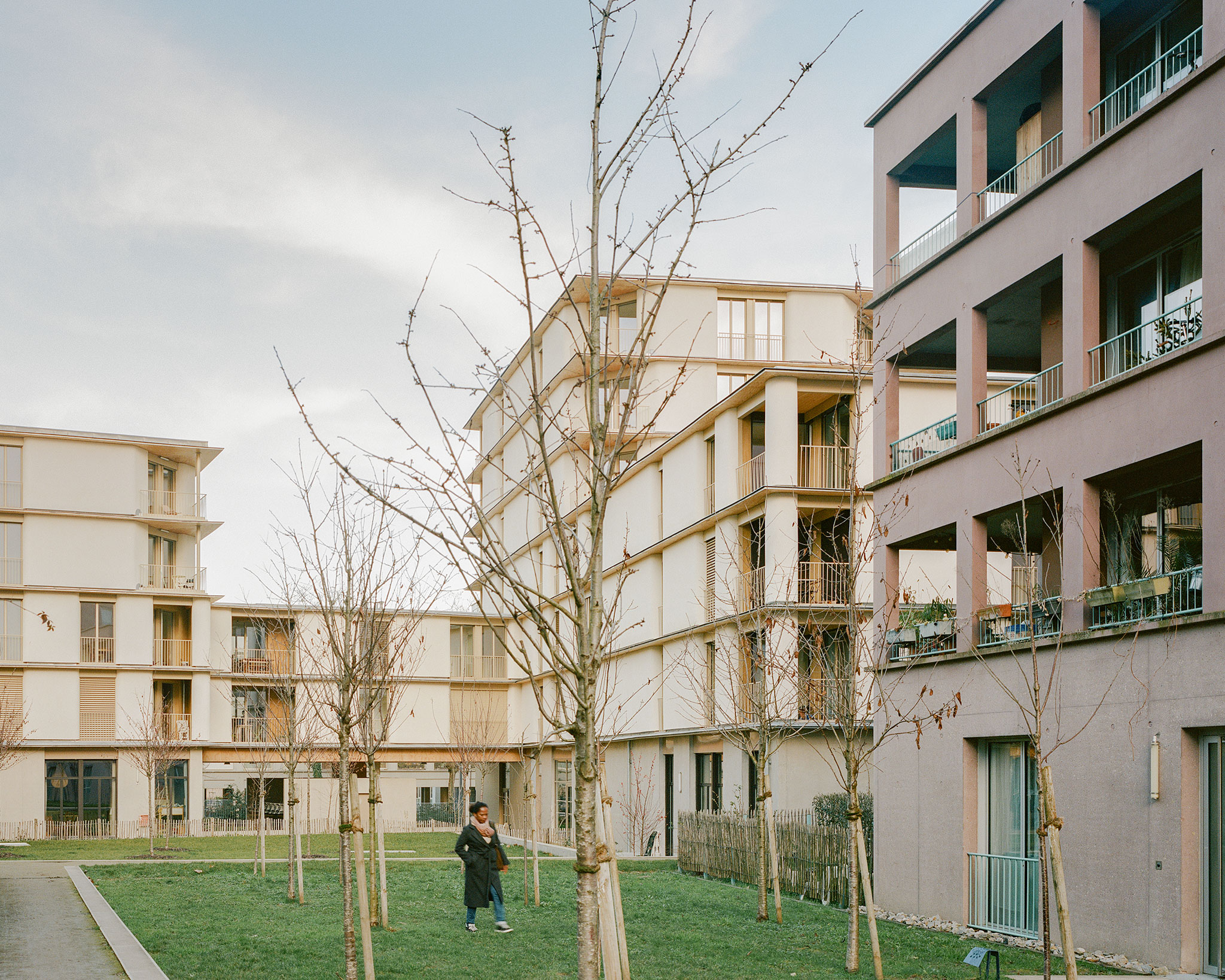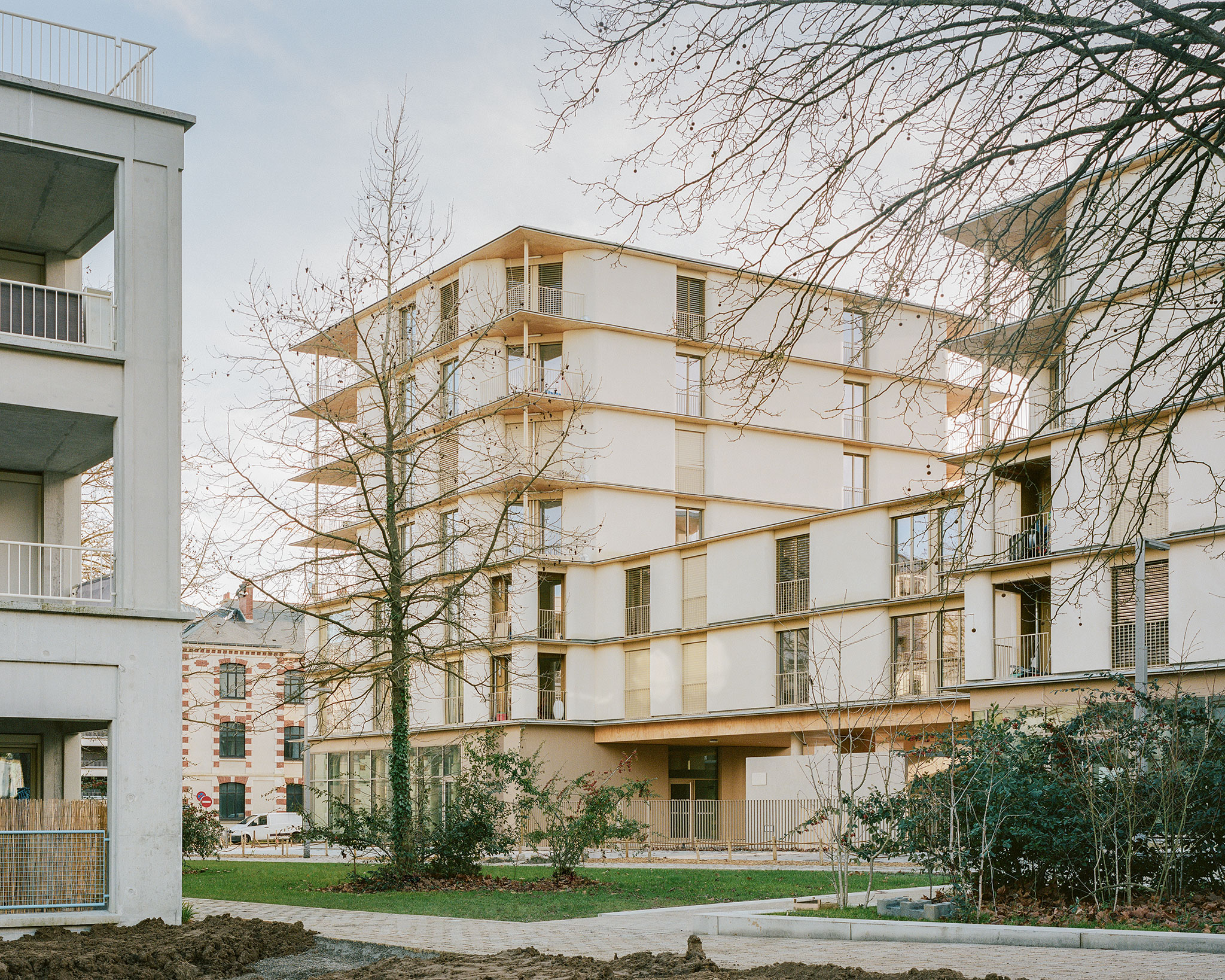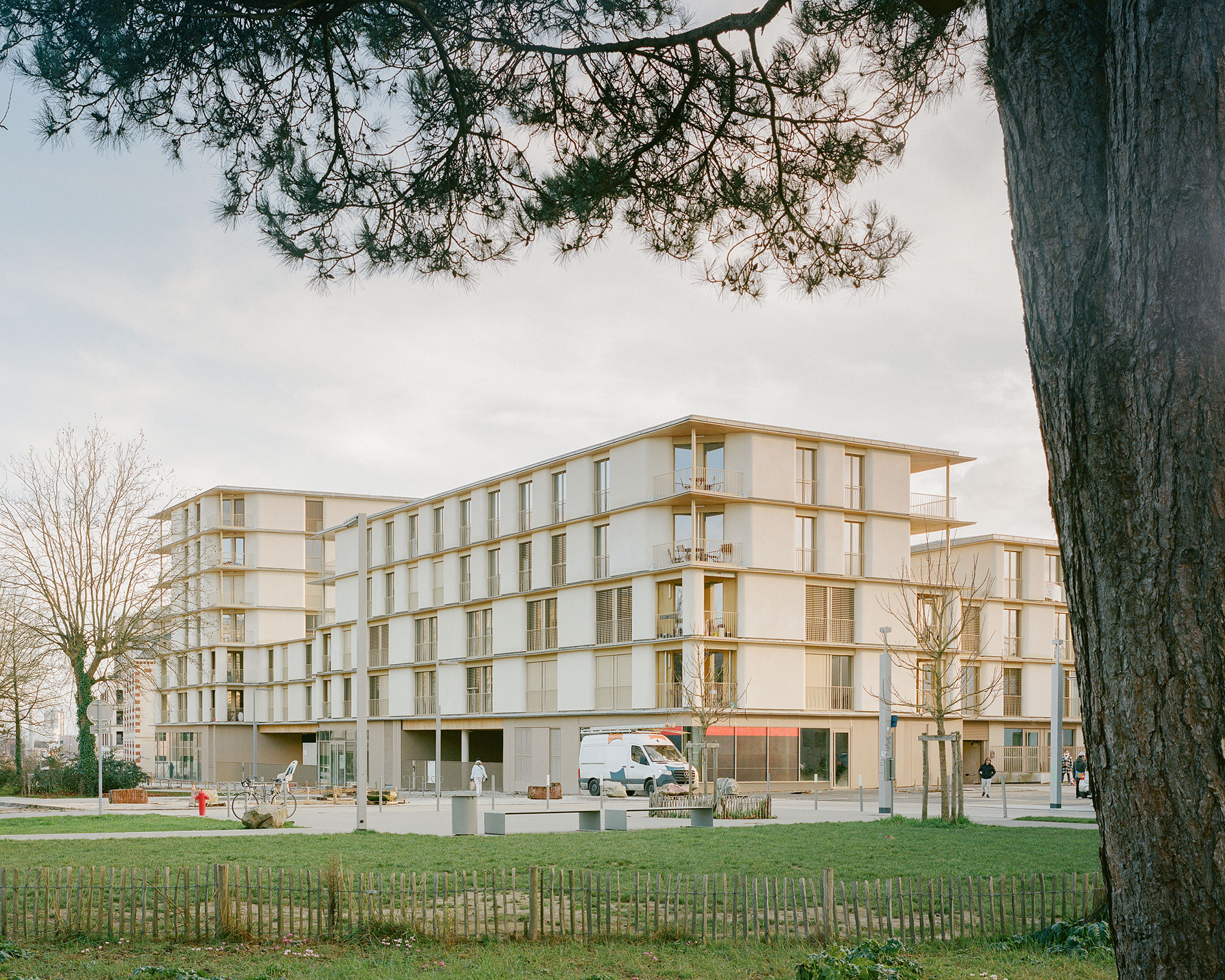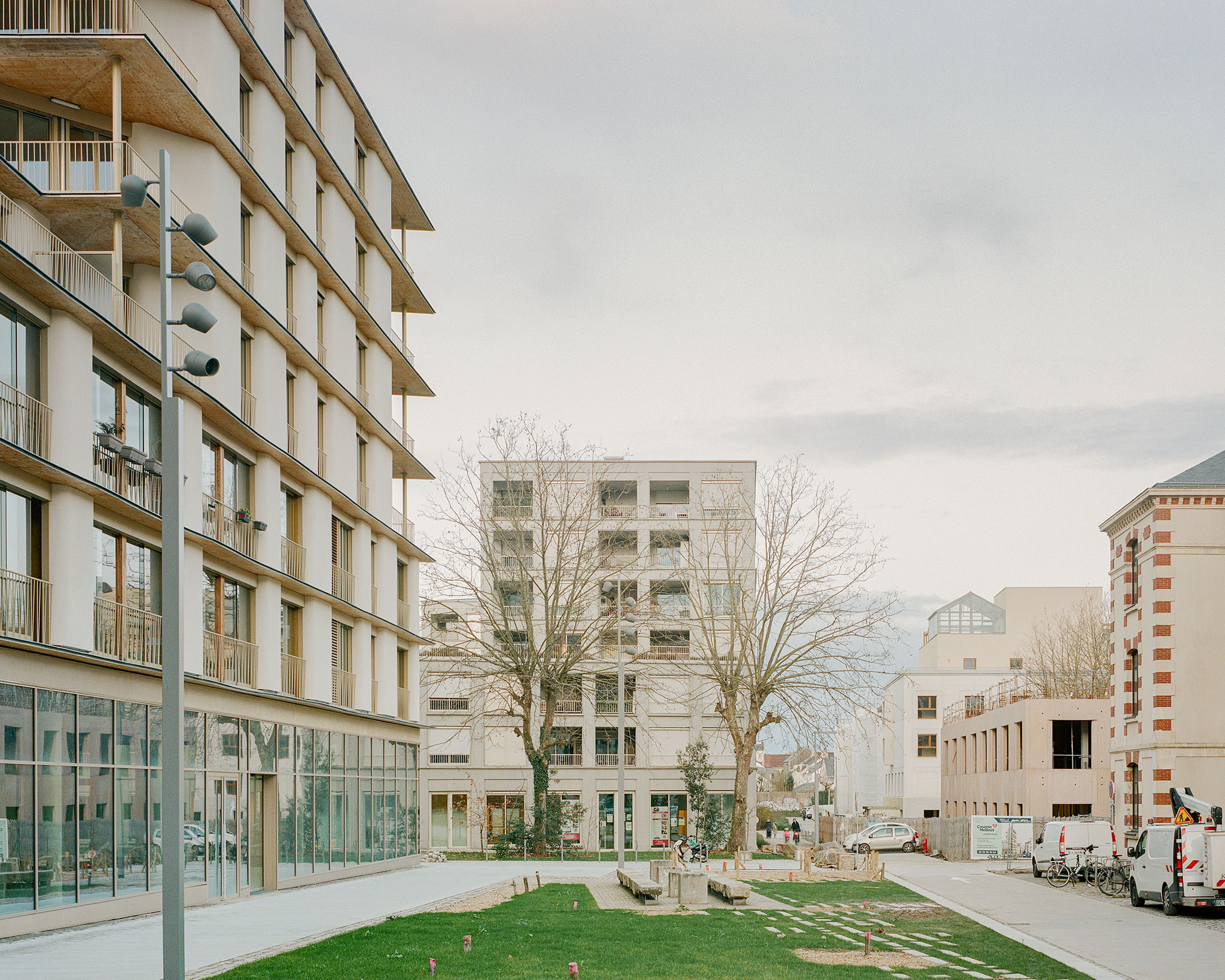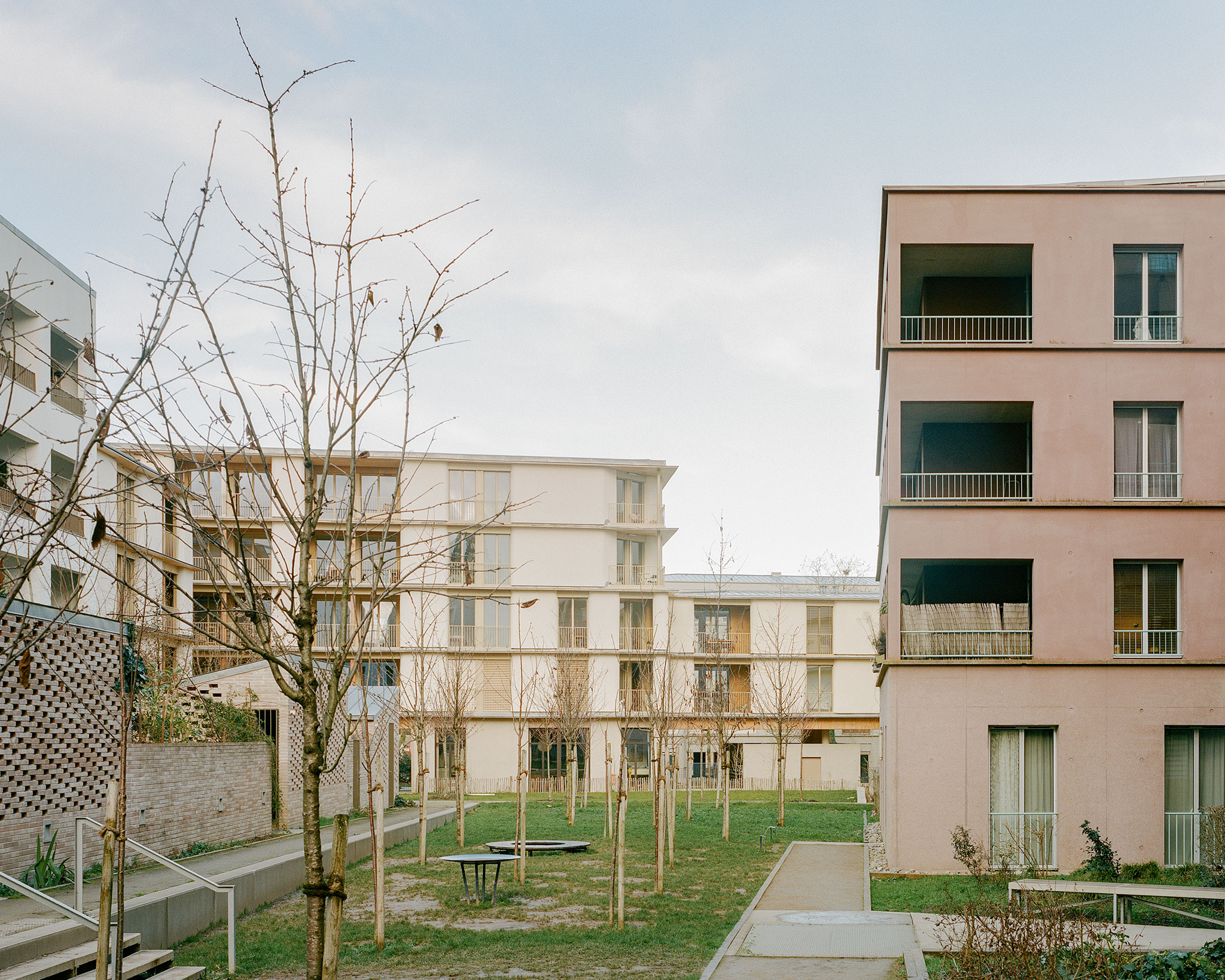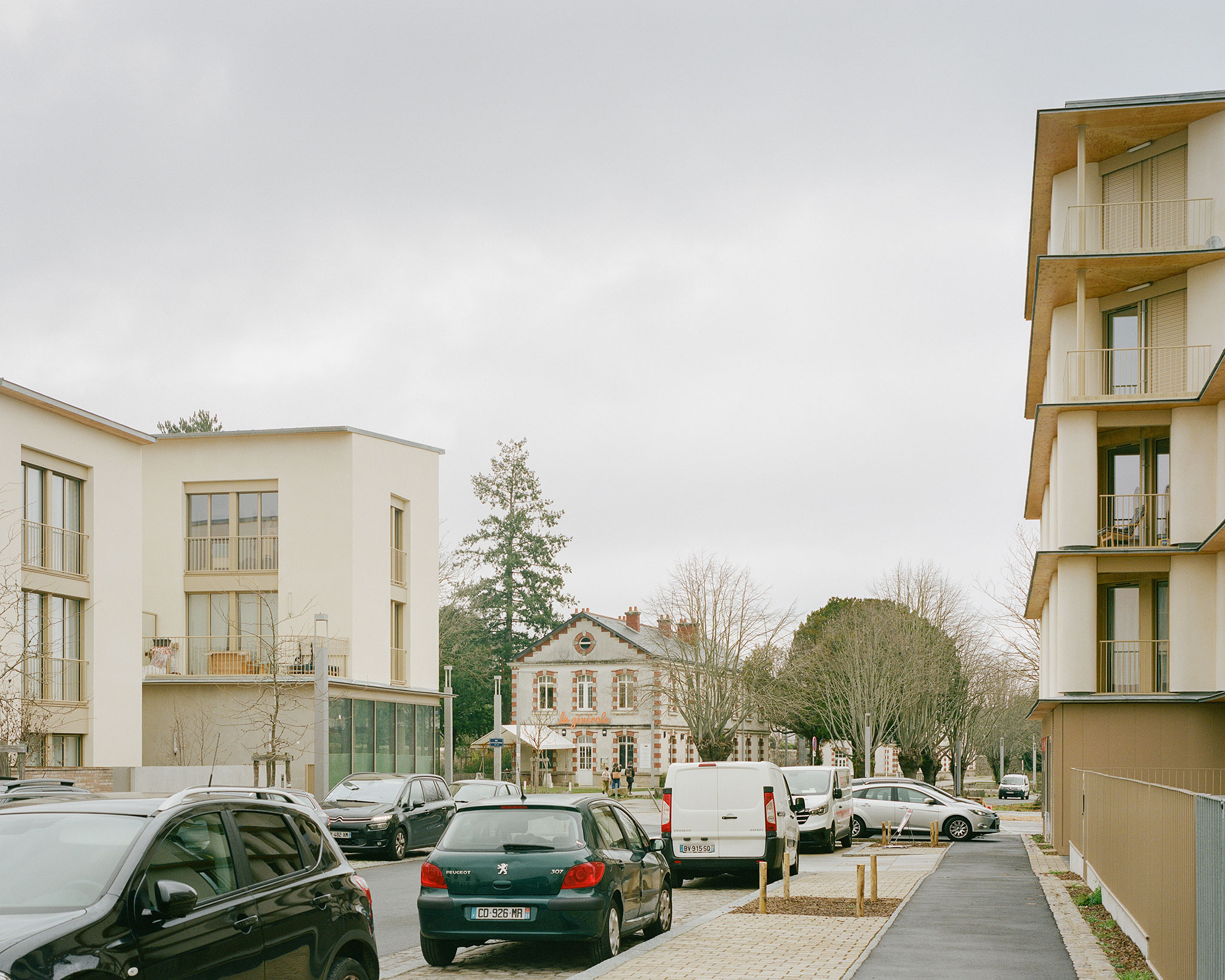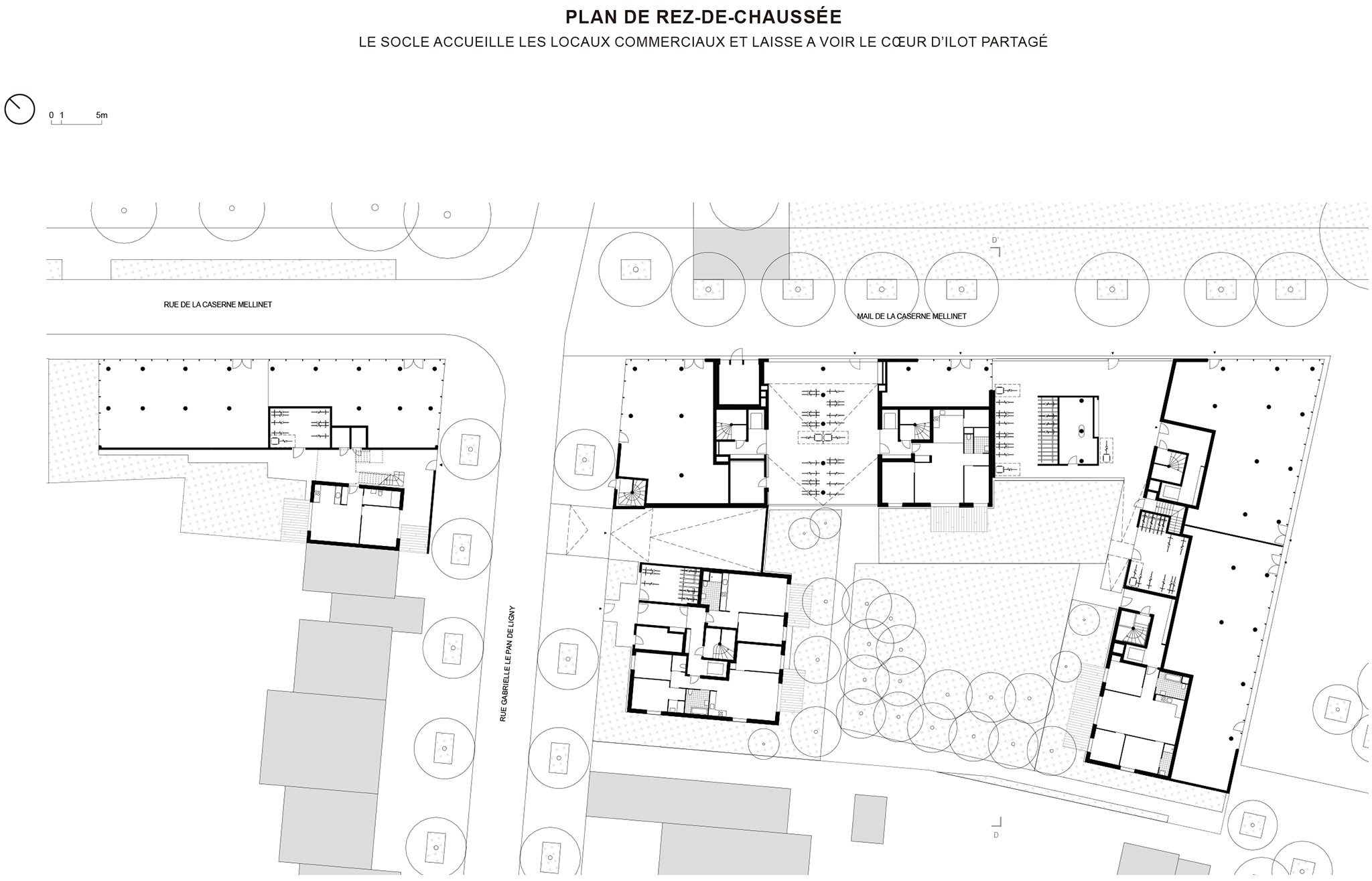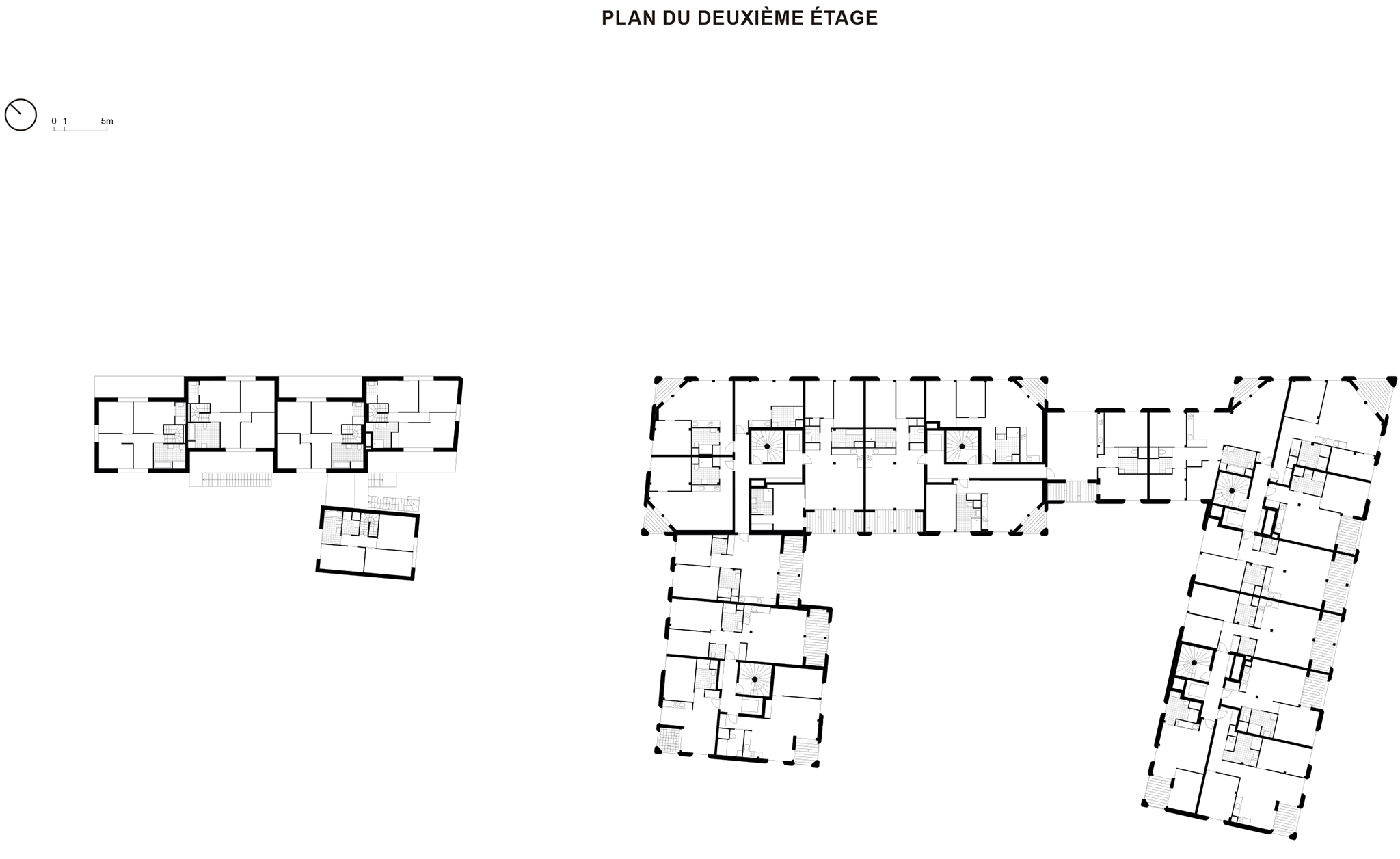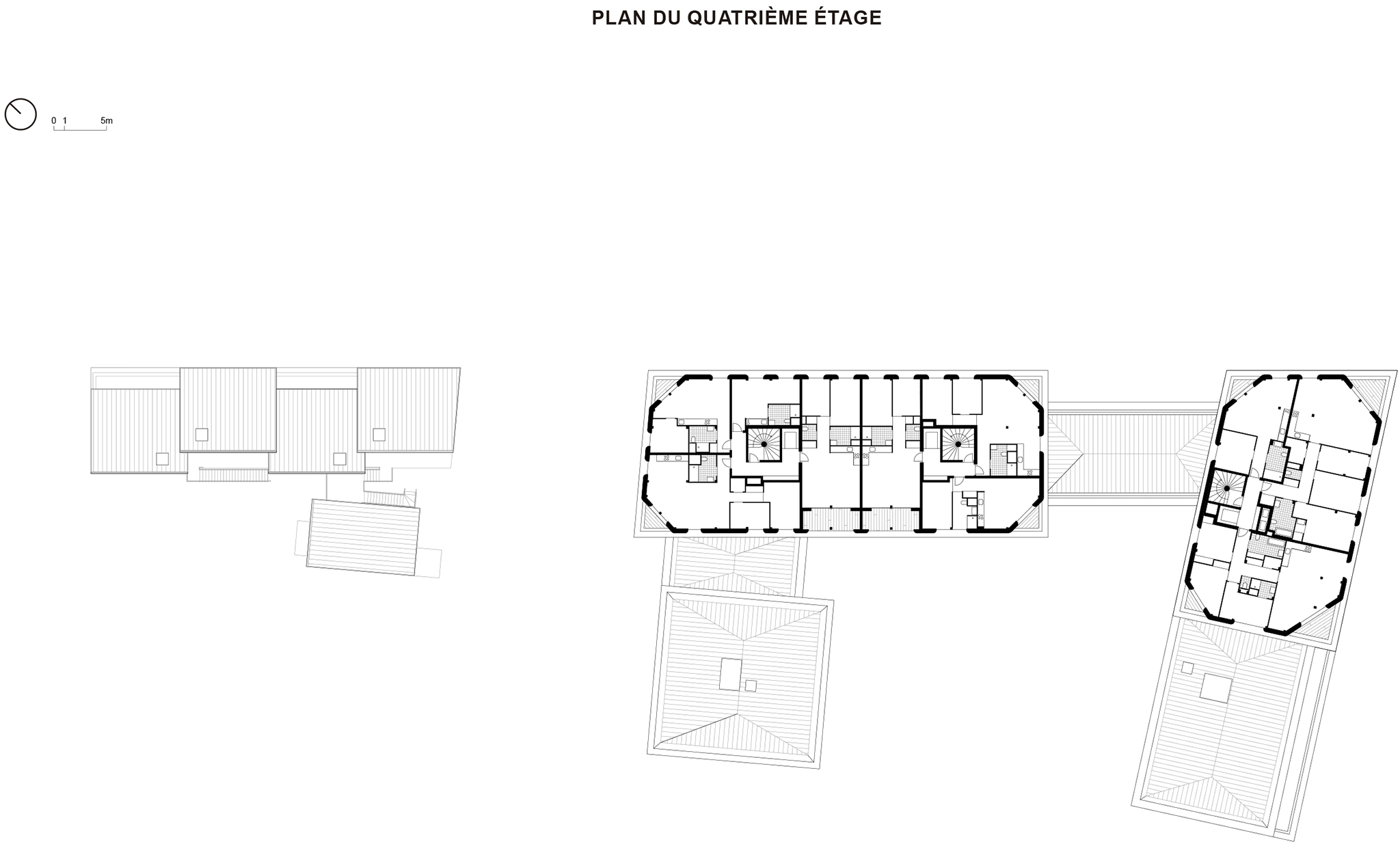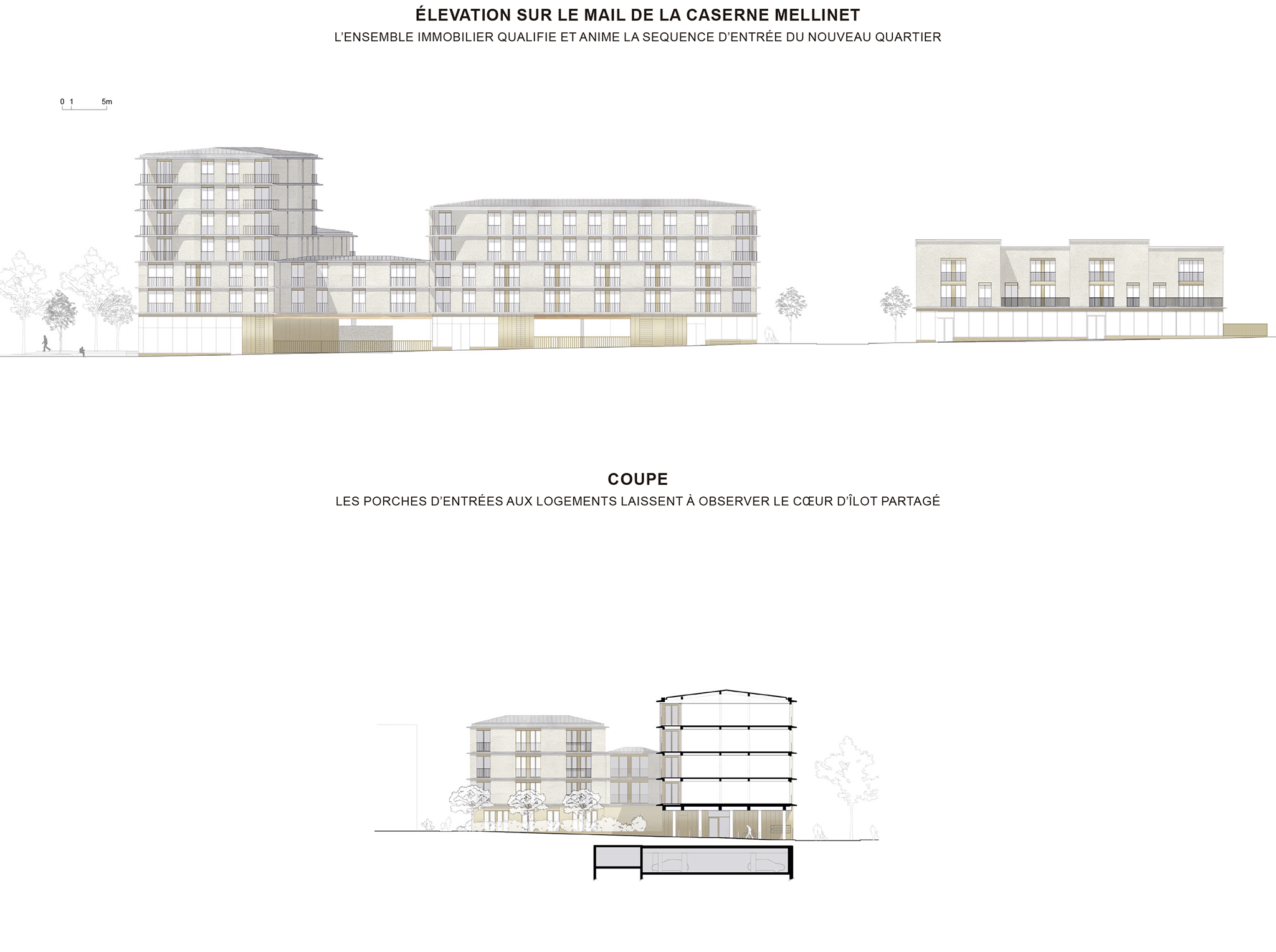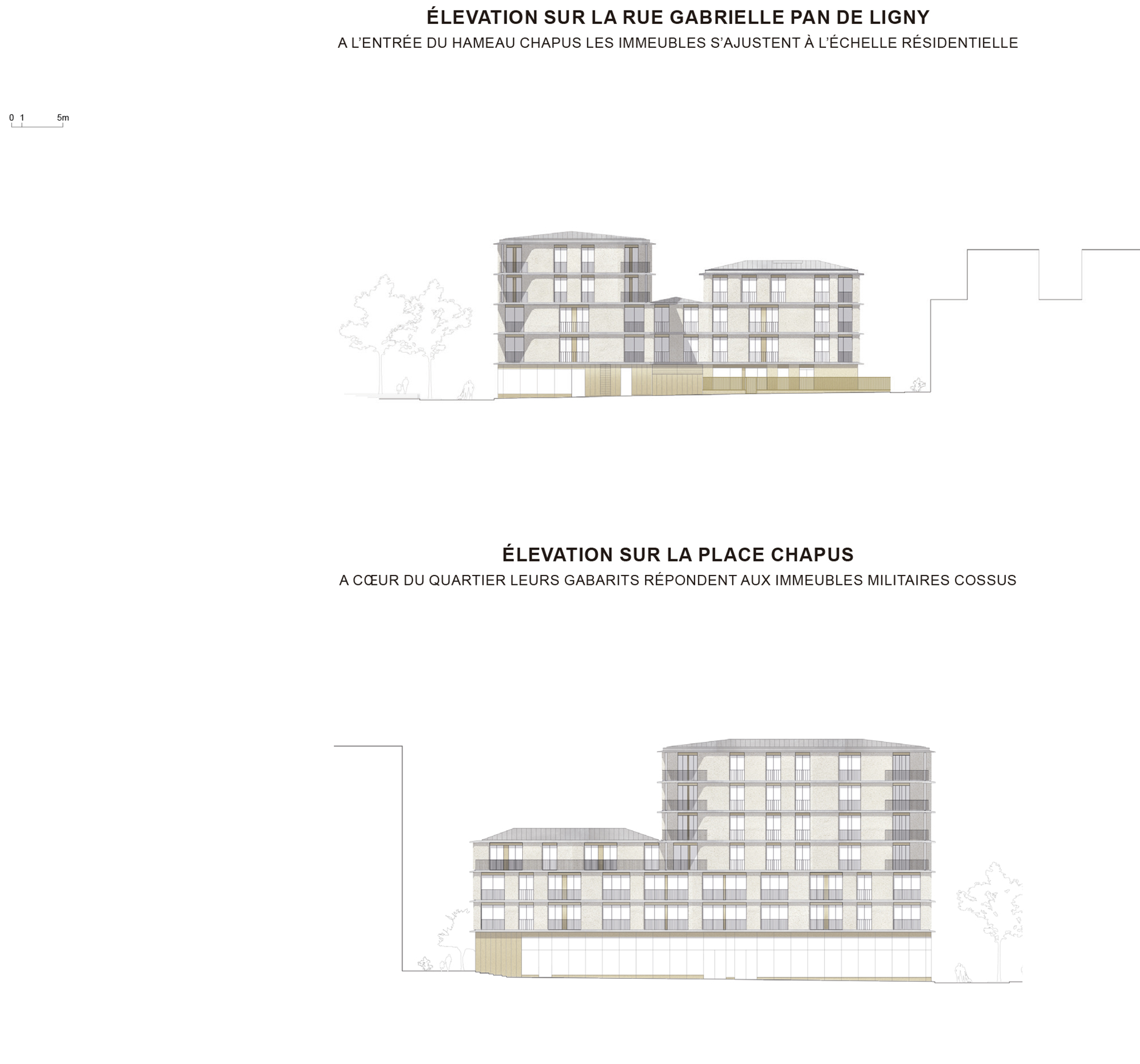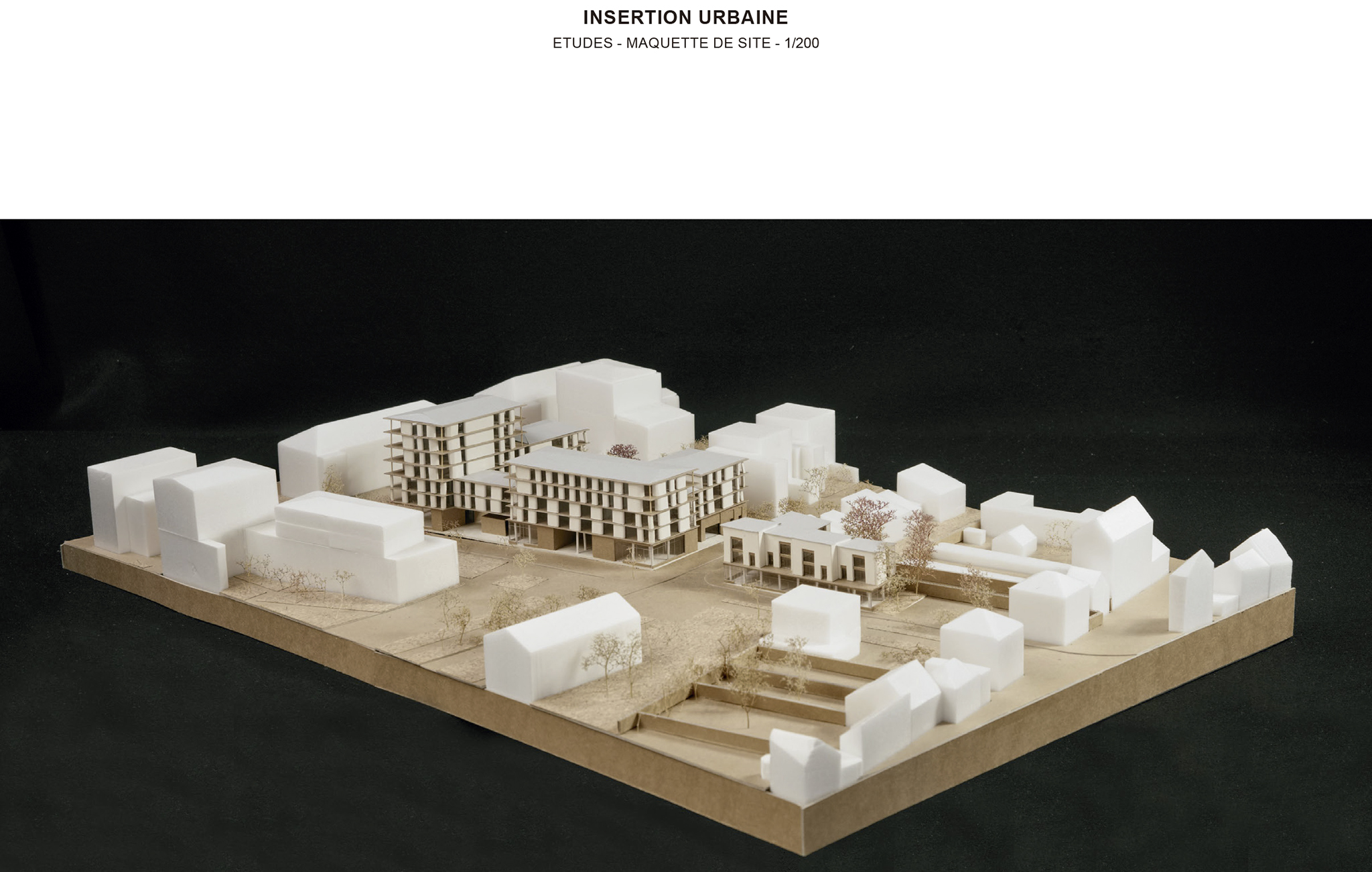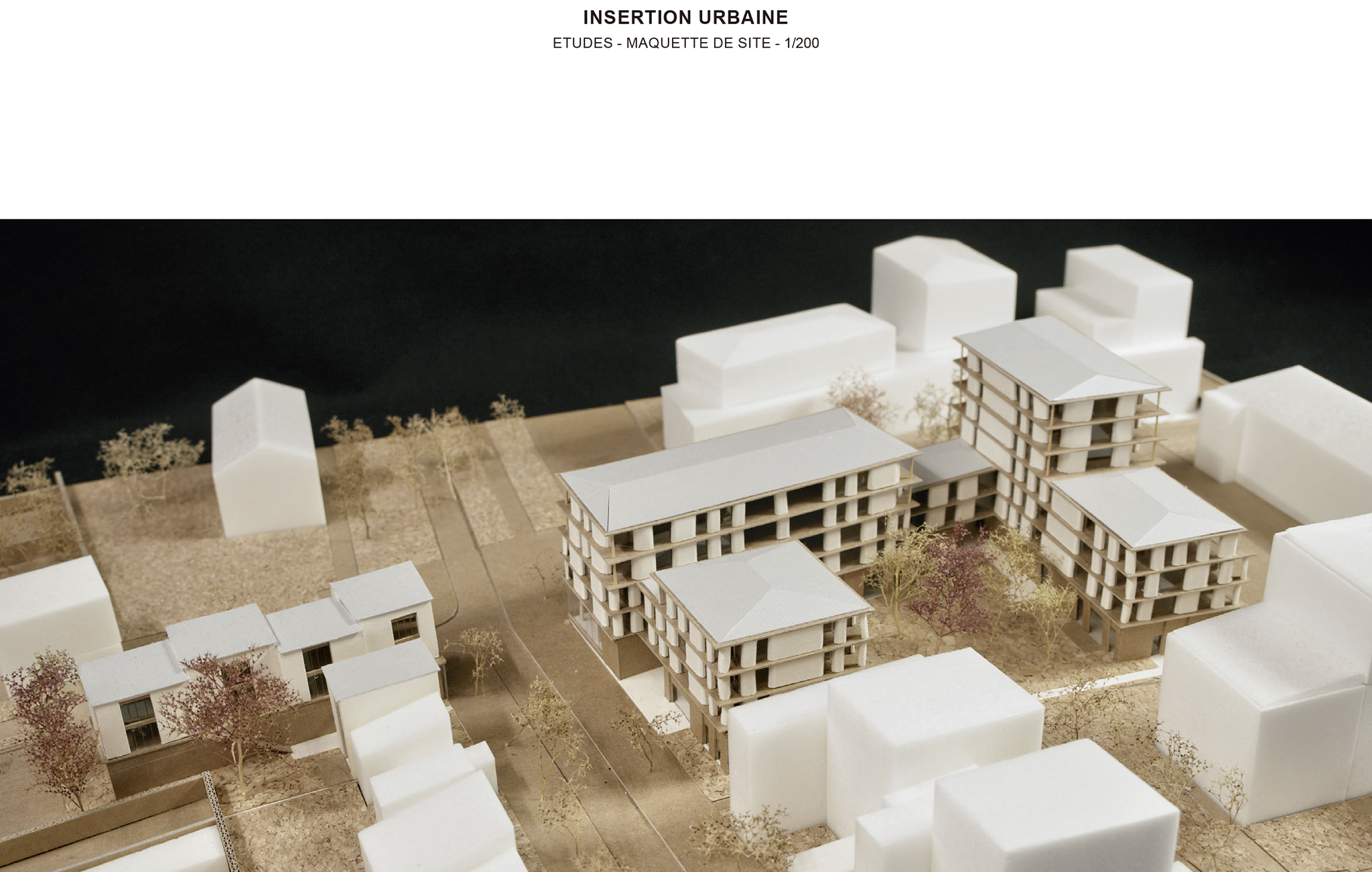
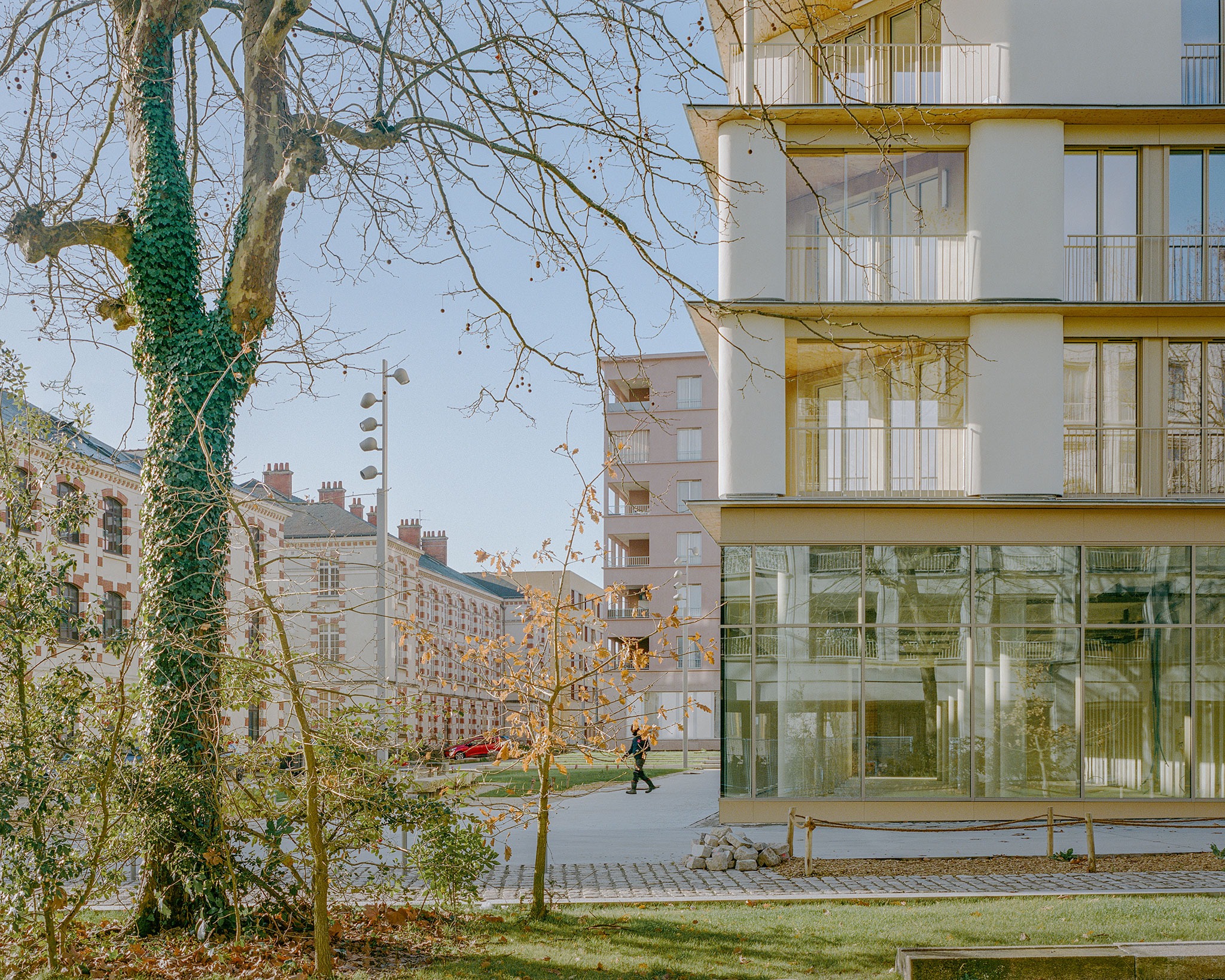
The proposal by Atelier d’Architecture Ramdam and Palast comprises 81 apartments distributed across a sequence of volumes that alternate large windows. The ground floor offers apartments with gardens, while the upper floor features spacious corner balconies. The project also includes commercial spaces and an underground parking garage.
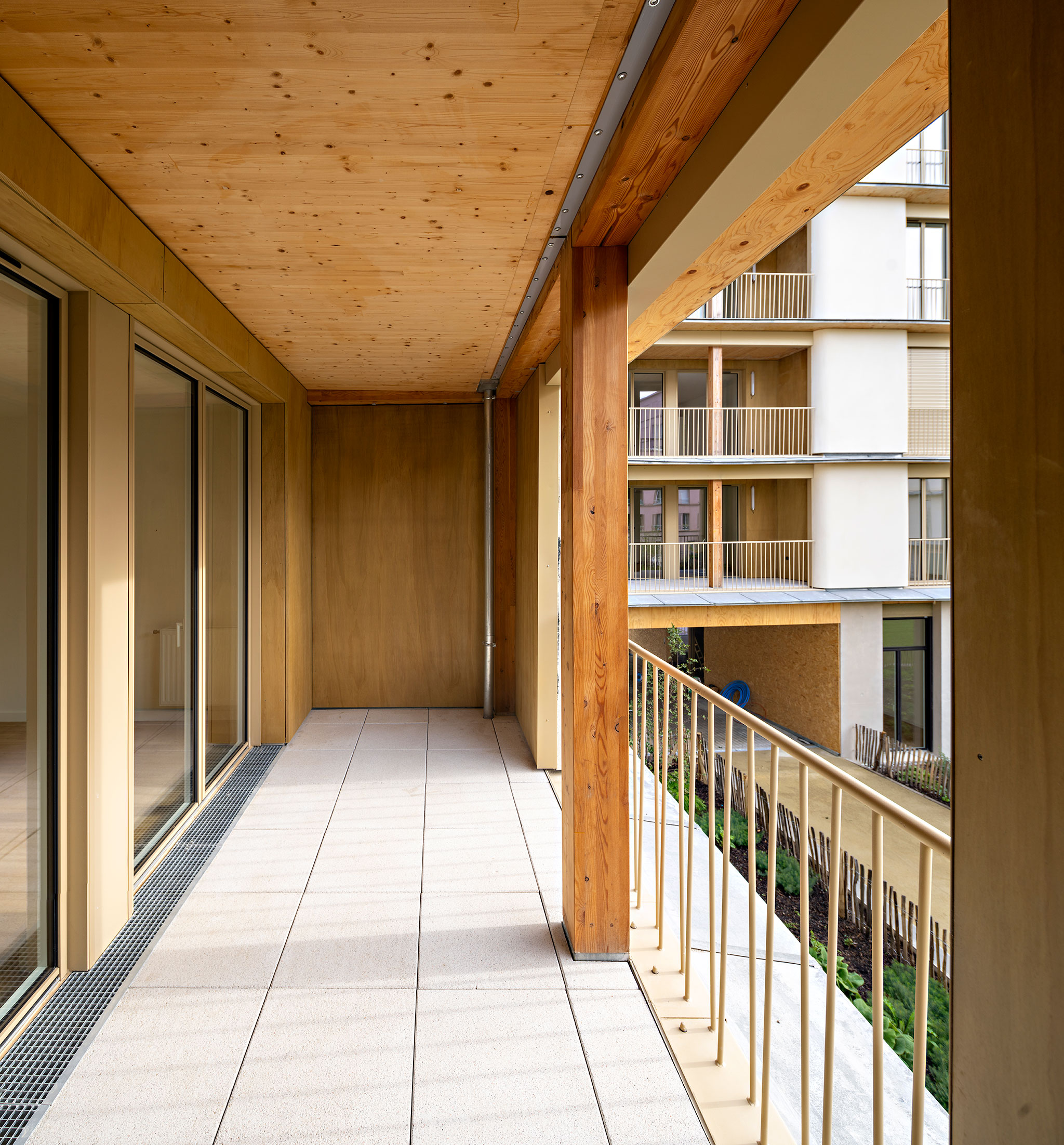
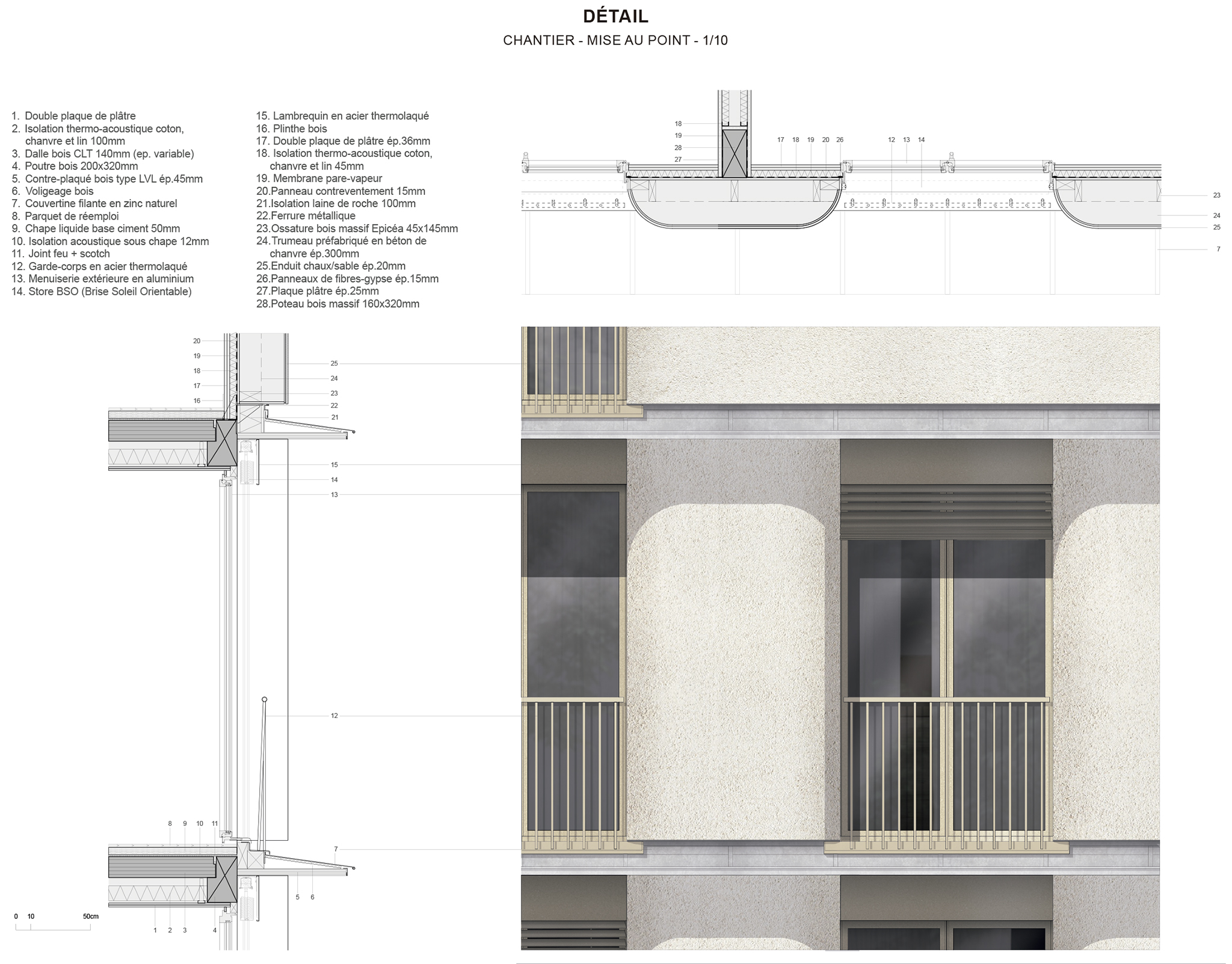
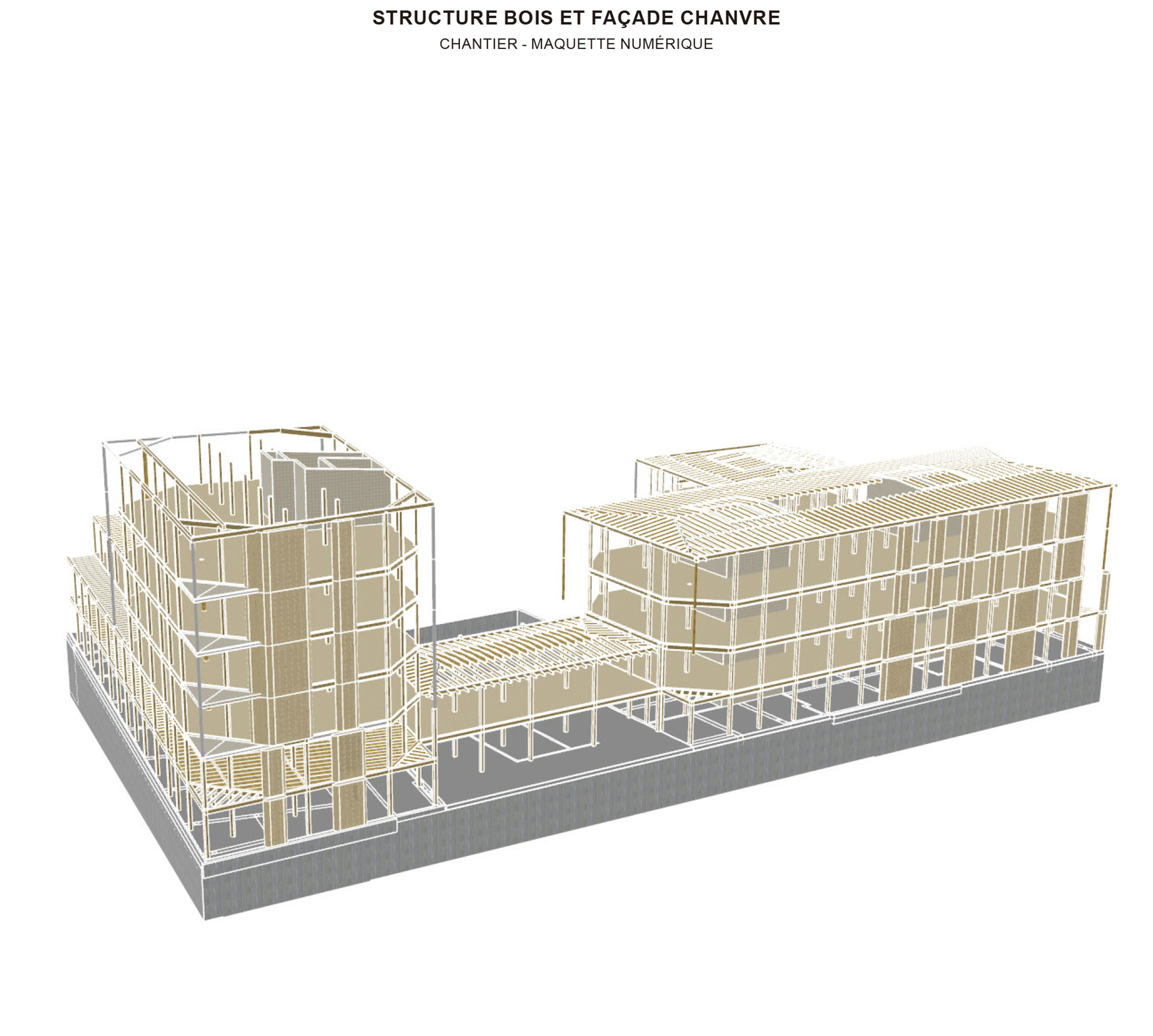
The building was constructed using a timber frame and prefabricated hemp concrete panels (made from hemp, lime, and water). Concrete was chosen for the infrastructure, including the ground floor, staircases, and elevator shafts, while the apartment building itself is constructed with a post-and-beam, slab, and timber frame.
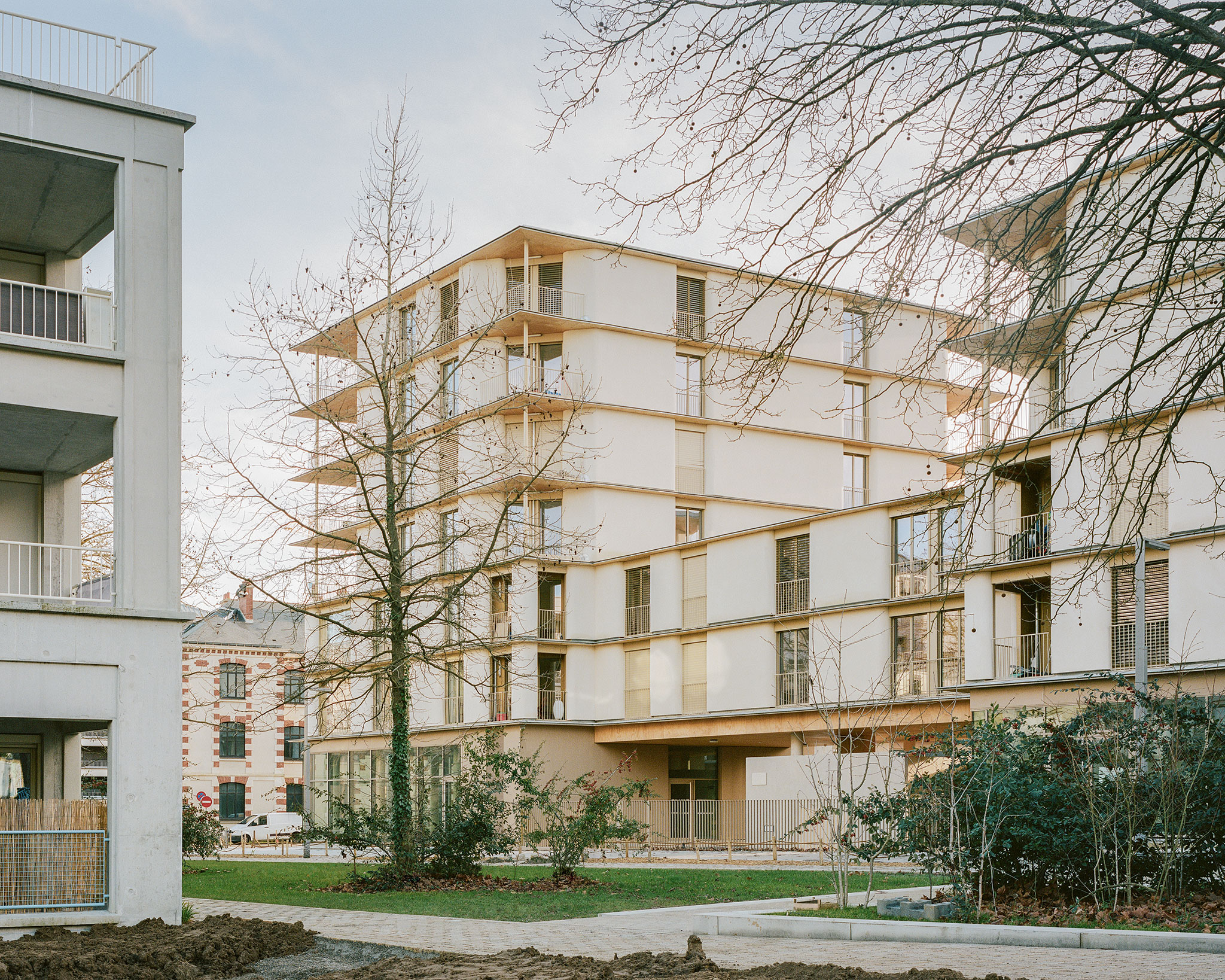
81 housing units by Atelier d’Architecture Ramdam + Palast. Photograph by Charles Bouchaib.
Project description by Atelier d’Architecture Ramdam and Palast
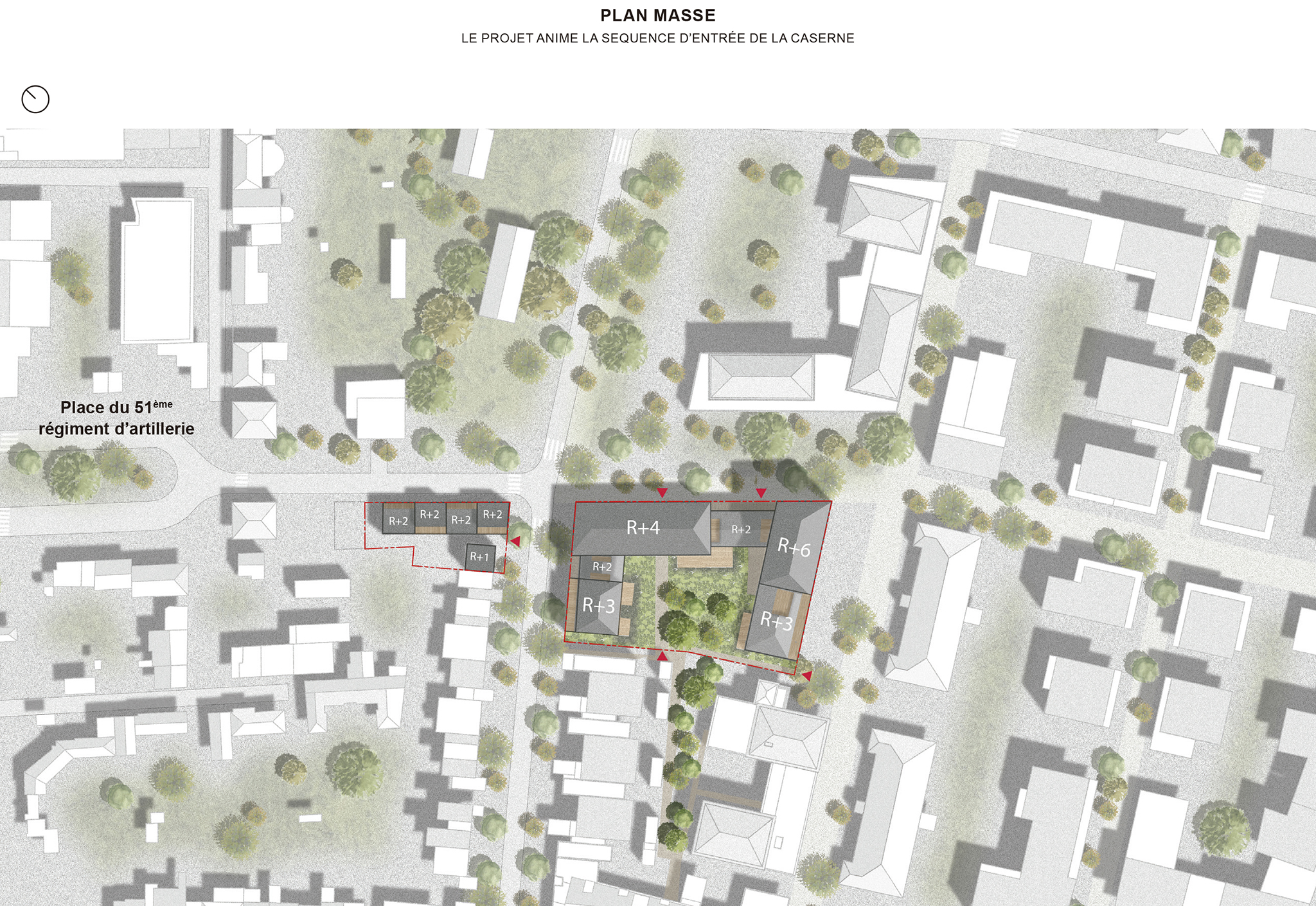
In the centre of Nantes, the transformation of the former army barracks known as the Caserne Mellinet reflects contemporary urban challenges. Situated at the entrance of this neighbourhood composed of six hamlets, the flats completed by Ramdam and Palast are part of the Chapus hamlet. This hamlet is the transitional urban feature linking the Saint-Donatien neighbourhood and the heart of the barracks complex. Whilst respecting the intention of urban planners to create a coherent identity between the two areas, the project is first and foremost part of a powerful construction ambition of a wooden structure and mineral façades composed of plastered hempcrete.
Lively cityscape
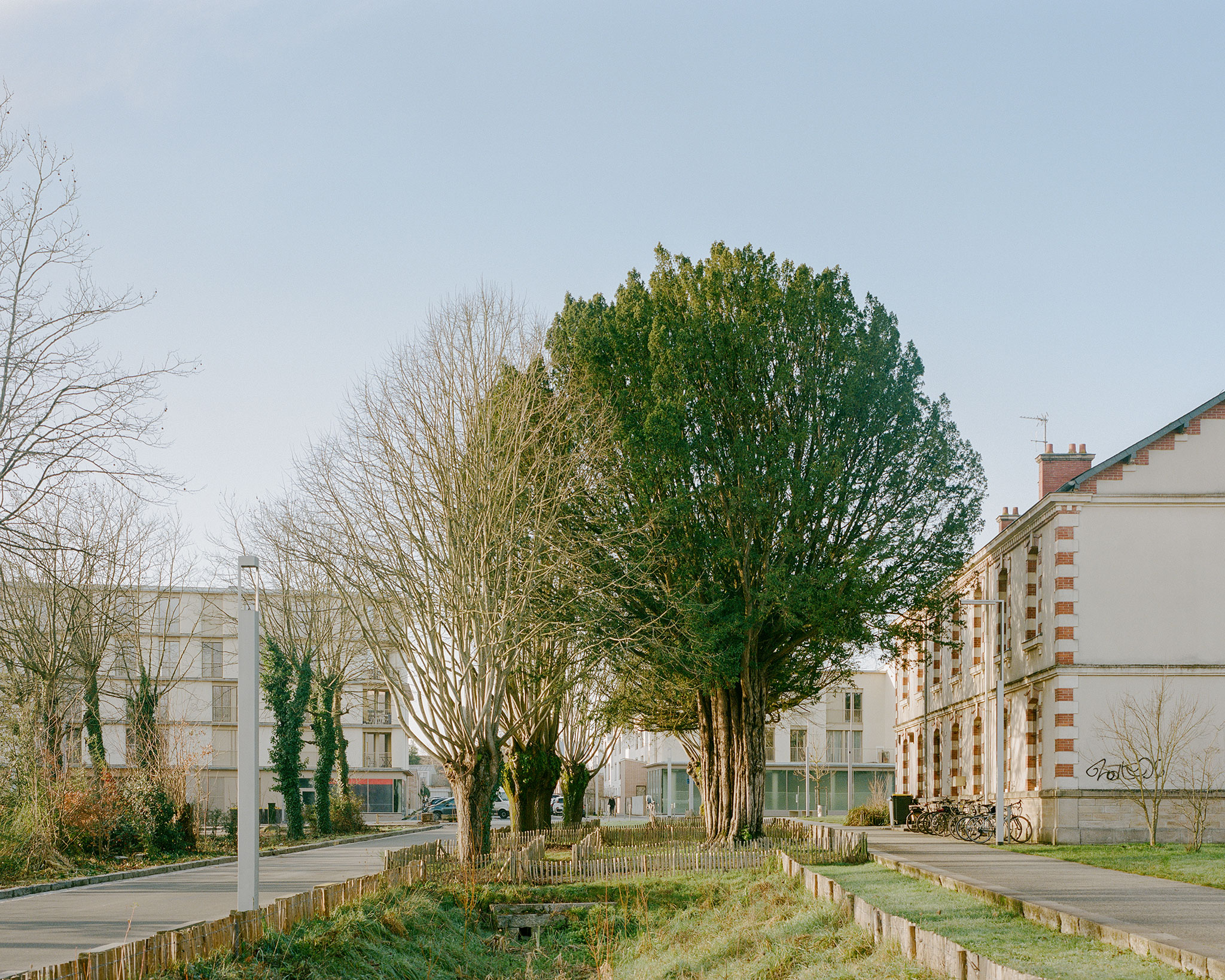
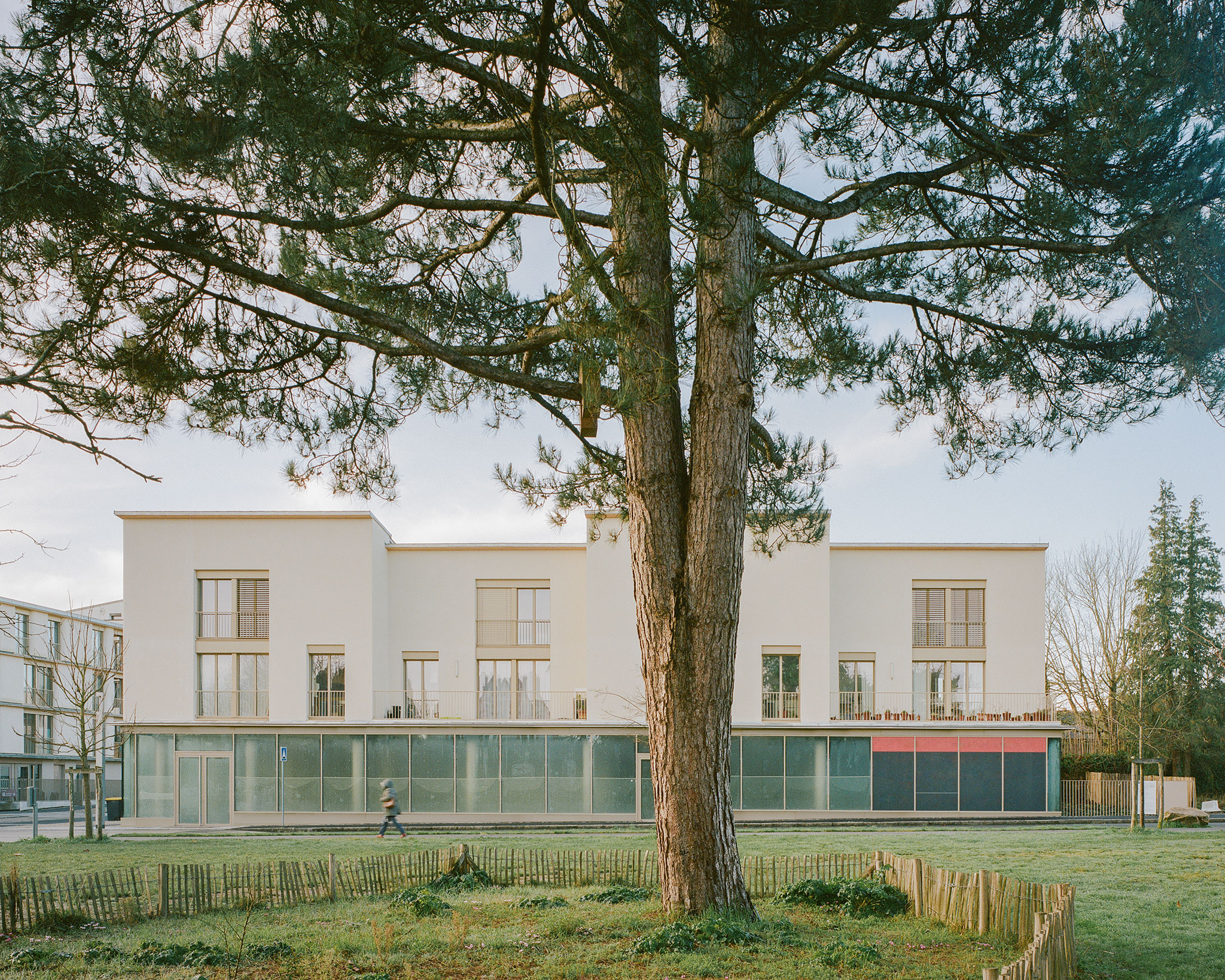
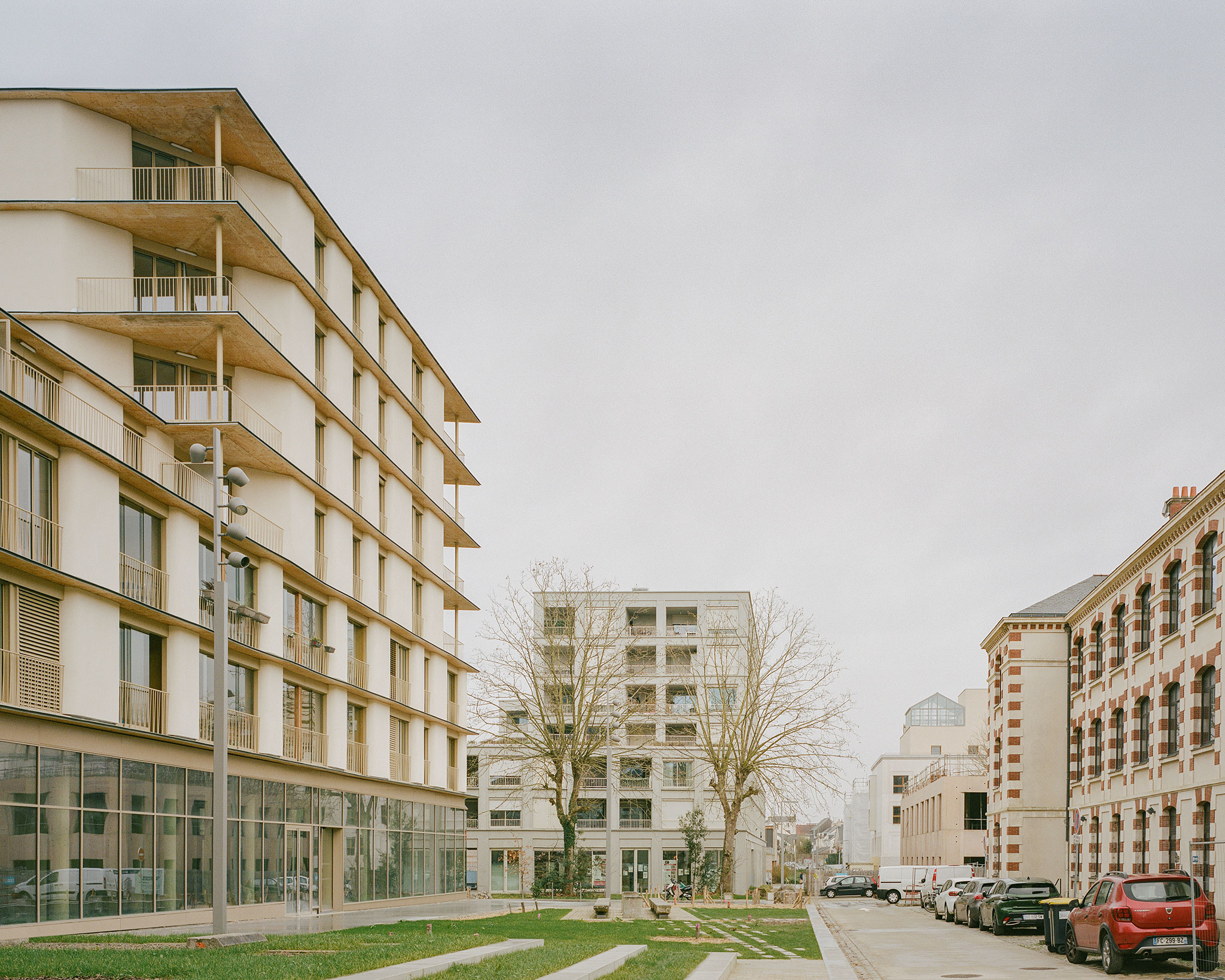
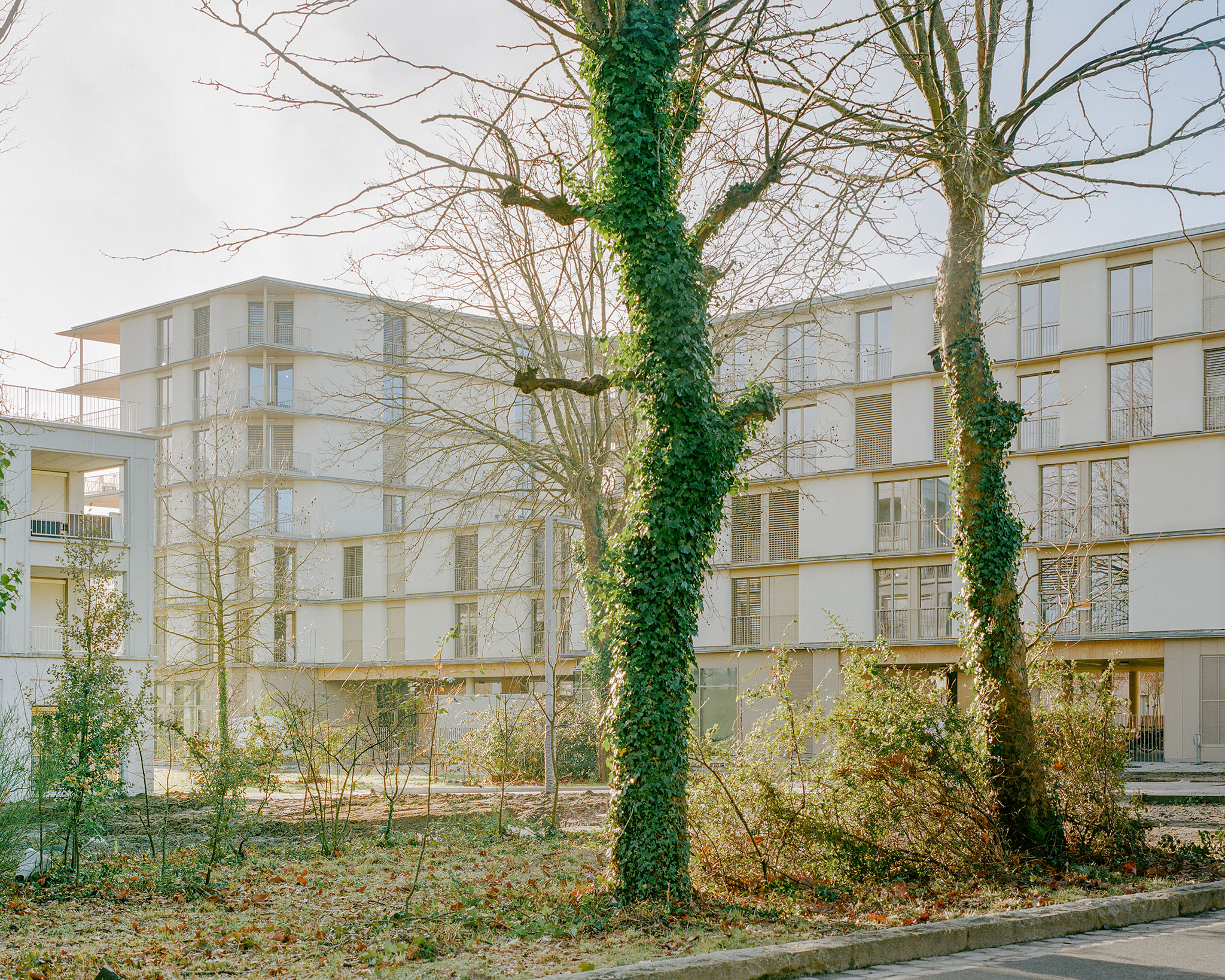
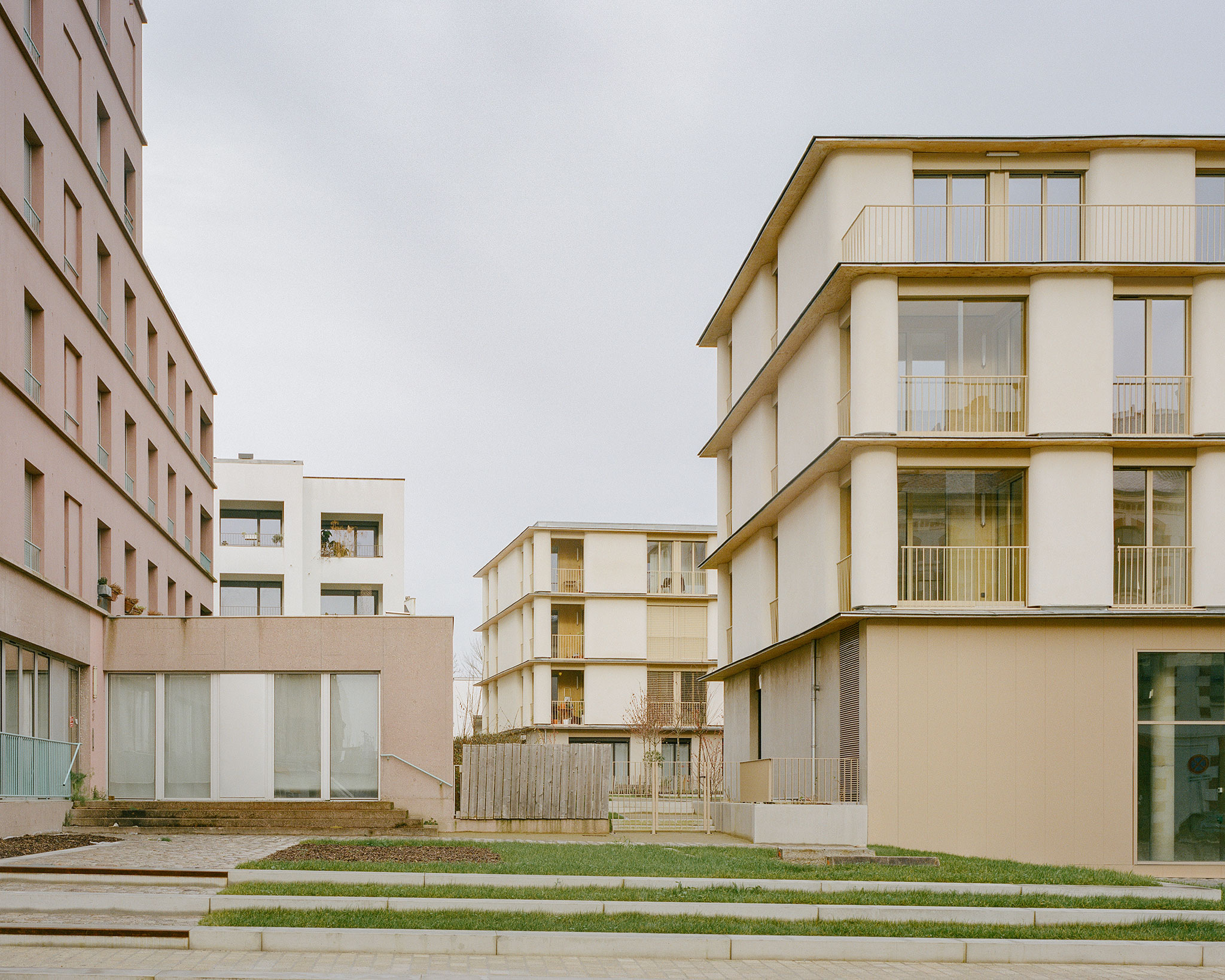
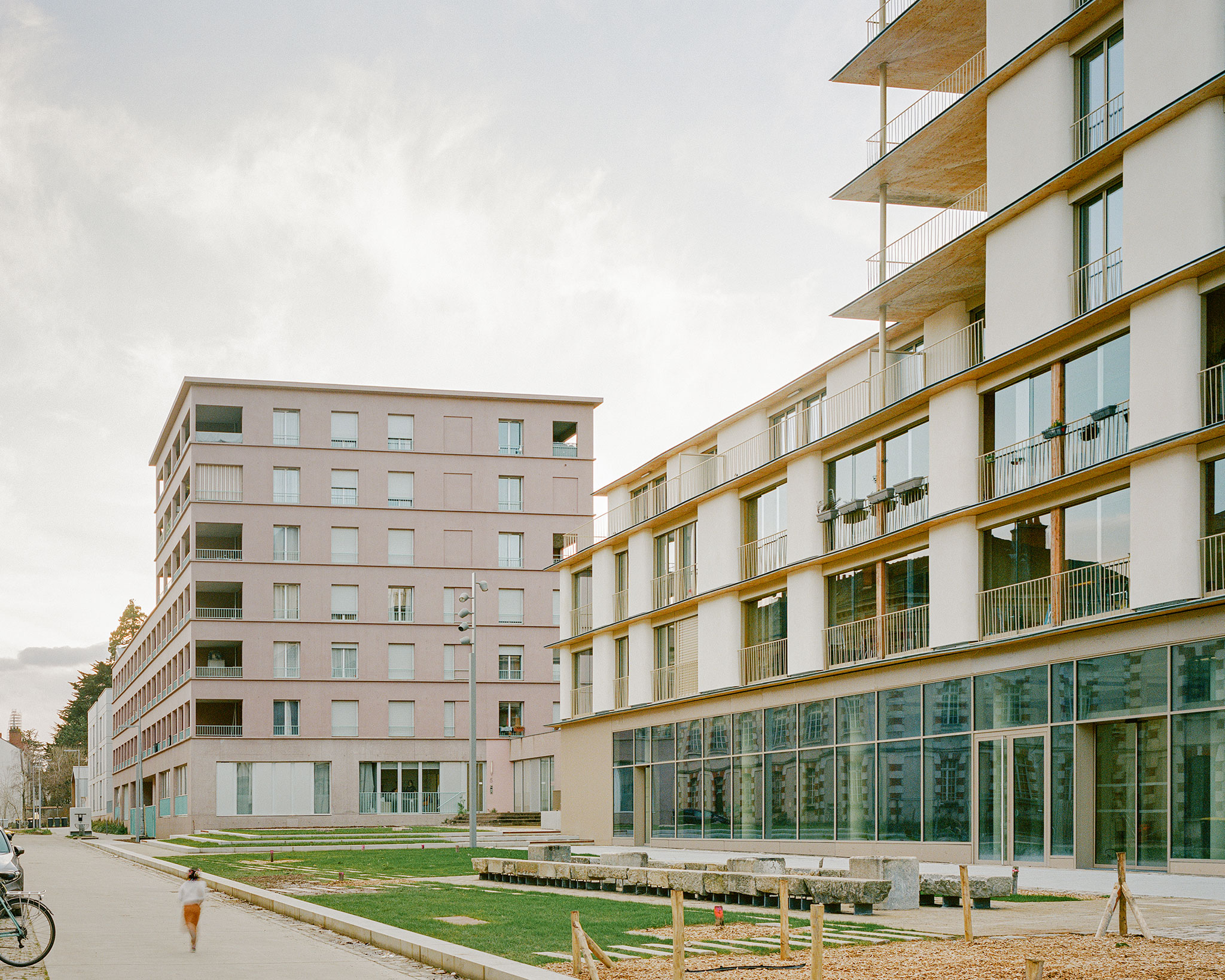
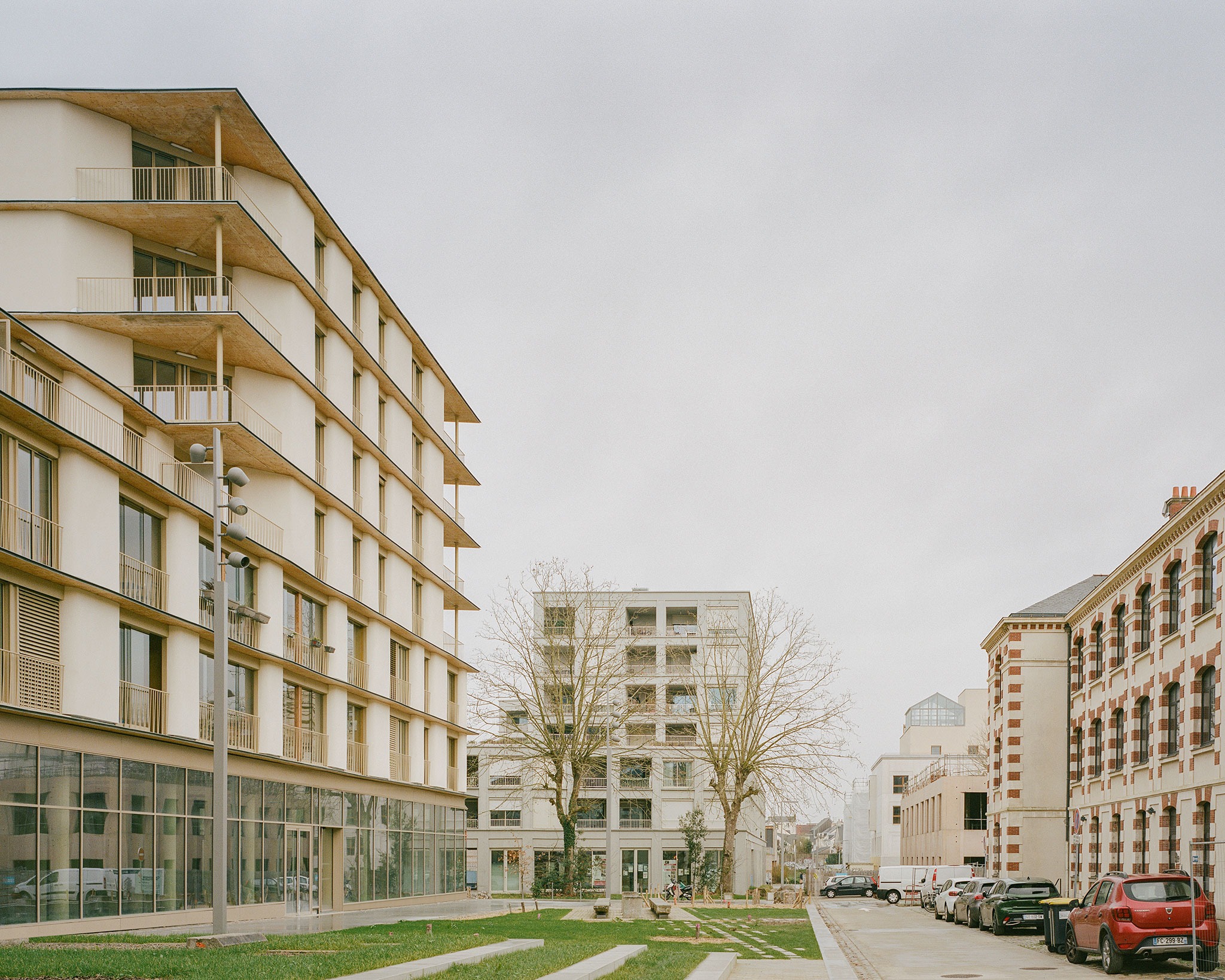
The new blocks of flats form a built front along the broad pedestrian mall. This location made it possible to truly place them in a dialogue with what is already there, the existing heritage and the trees of the mall. The design of variations in construction volumes helps enliven the ambience of public areas and the subtle transition spaces between the older houses and the heart of the new, more monumental neighbourhood.
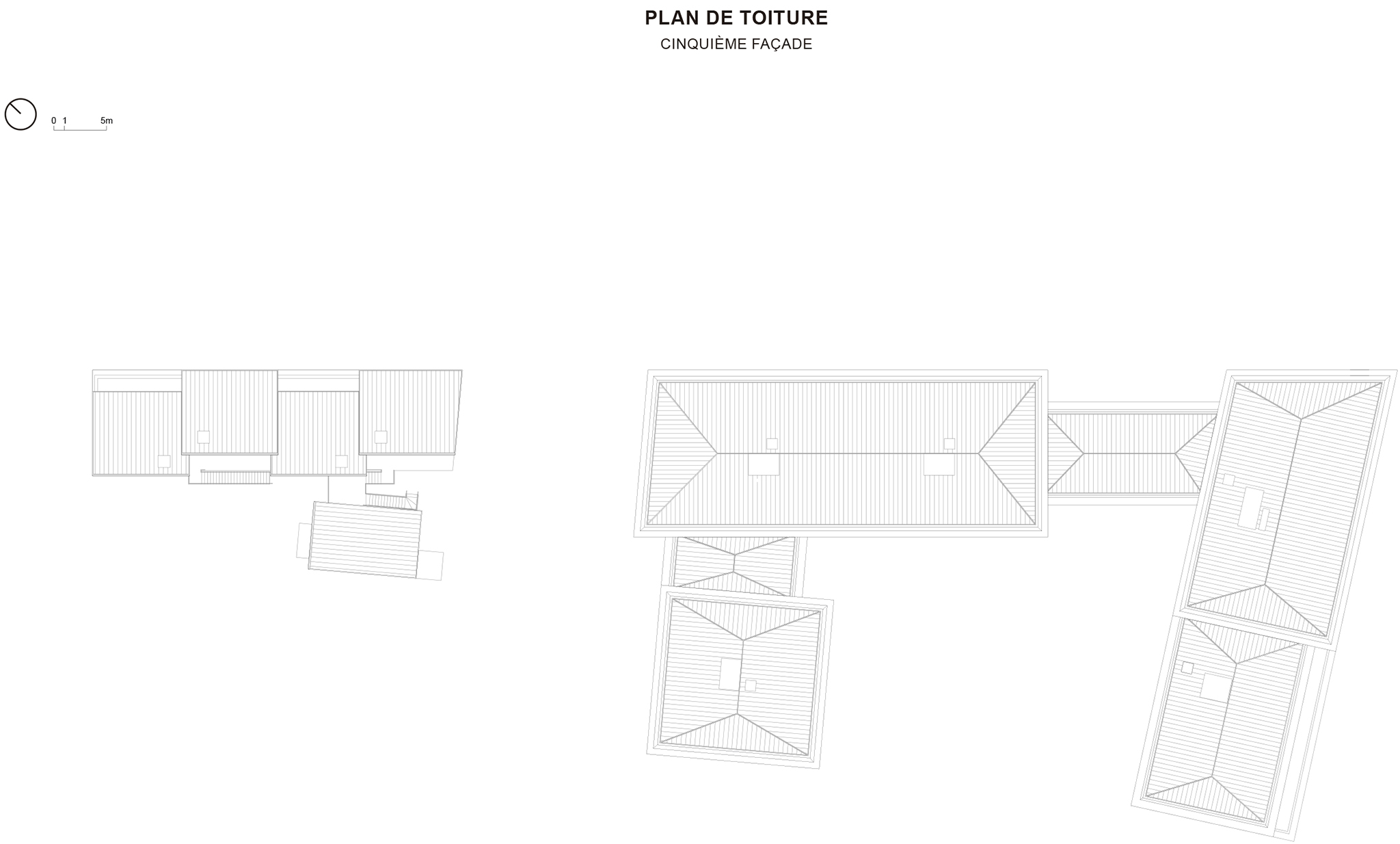
A variation in the intensity of light casts shadows and reduces the mass effect generated on the promenade and within the parcel. Judicious cutouts shape the urban skyline of the project and the visual identity of the flats.
Minerality and lightness
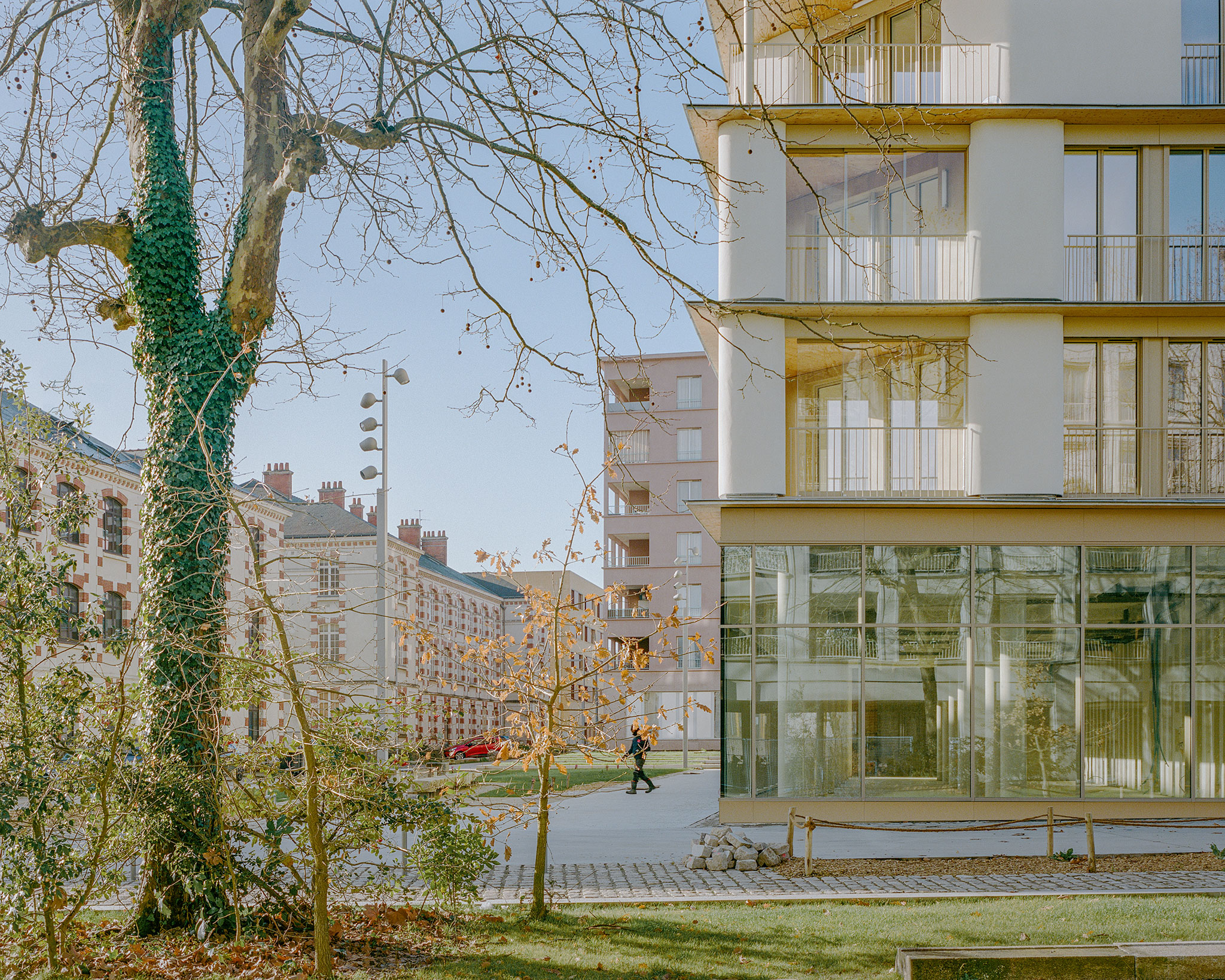
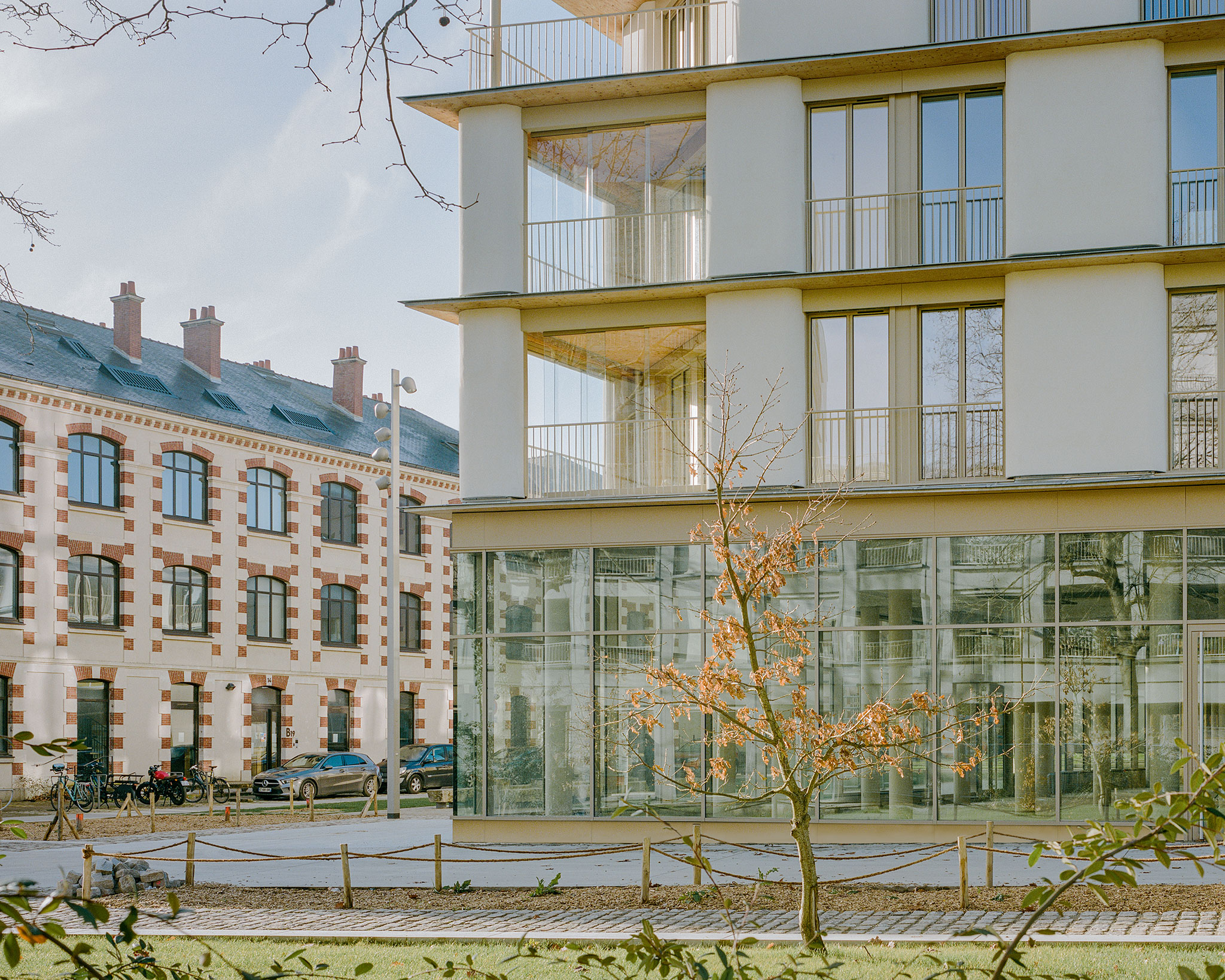
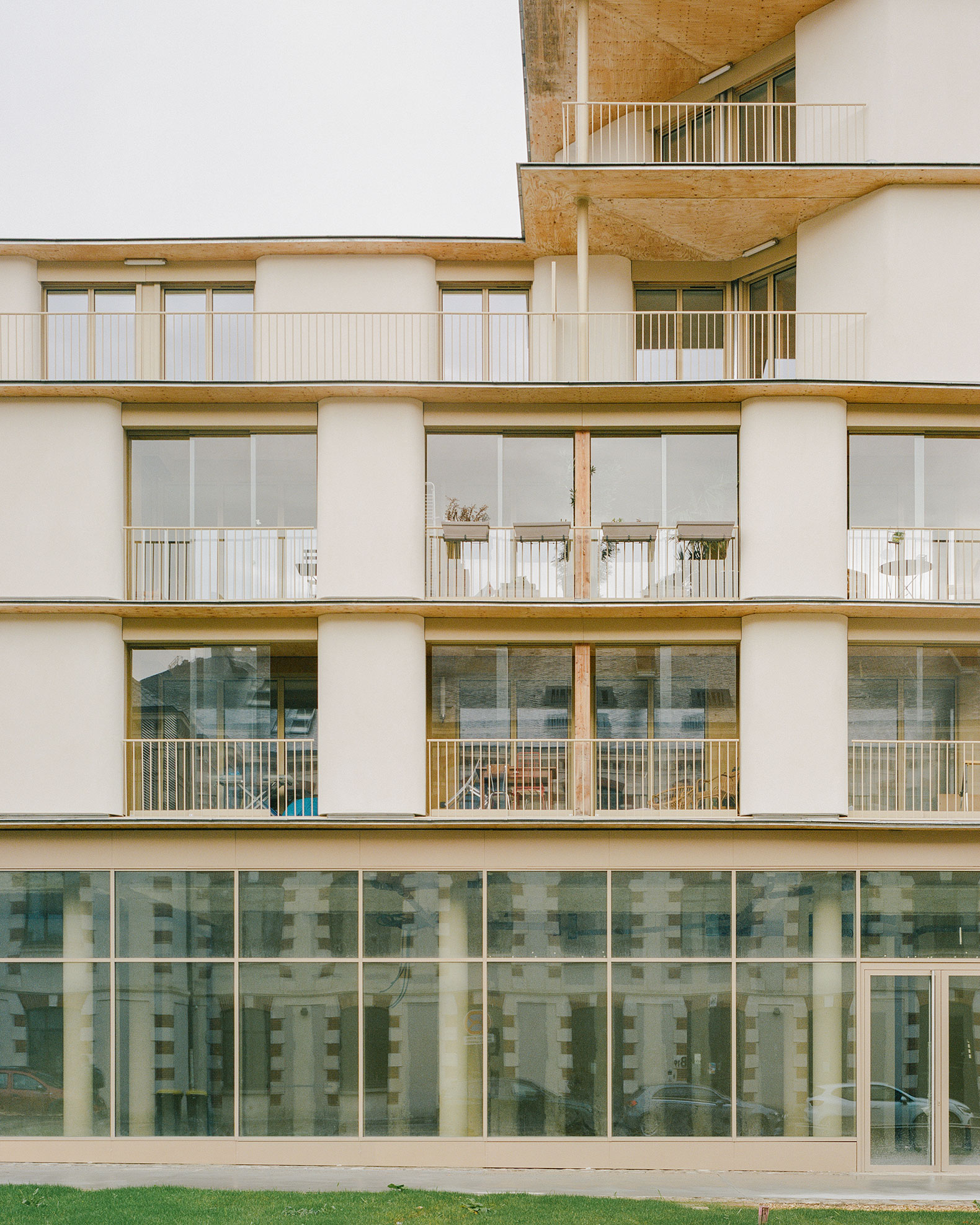
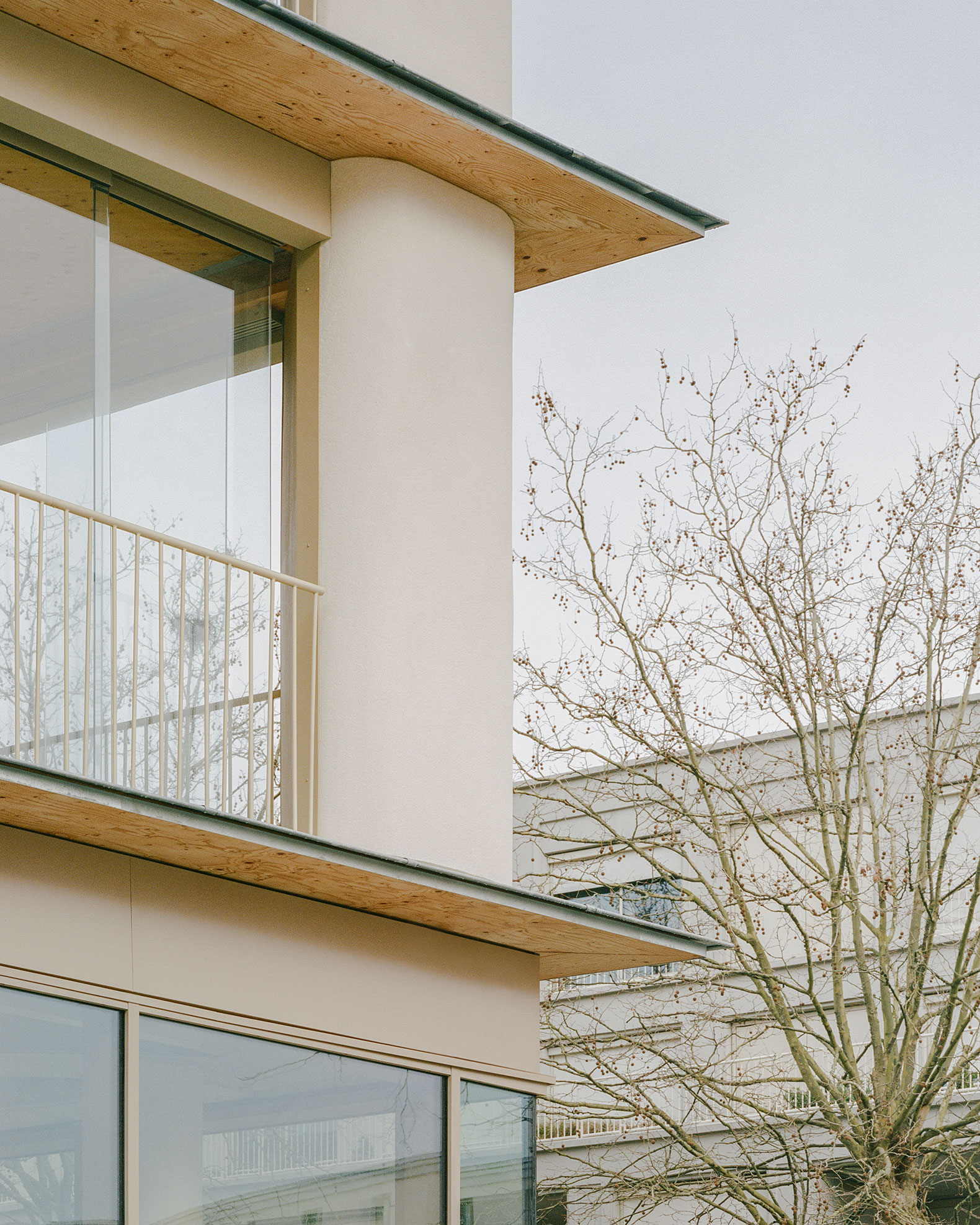
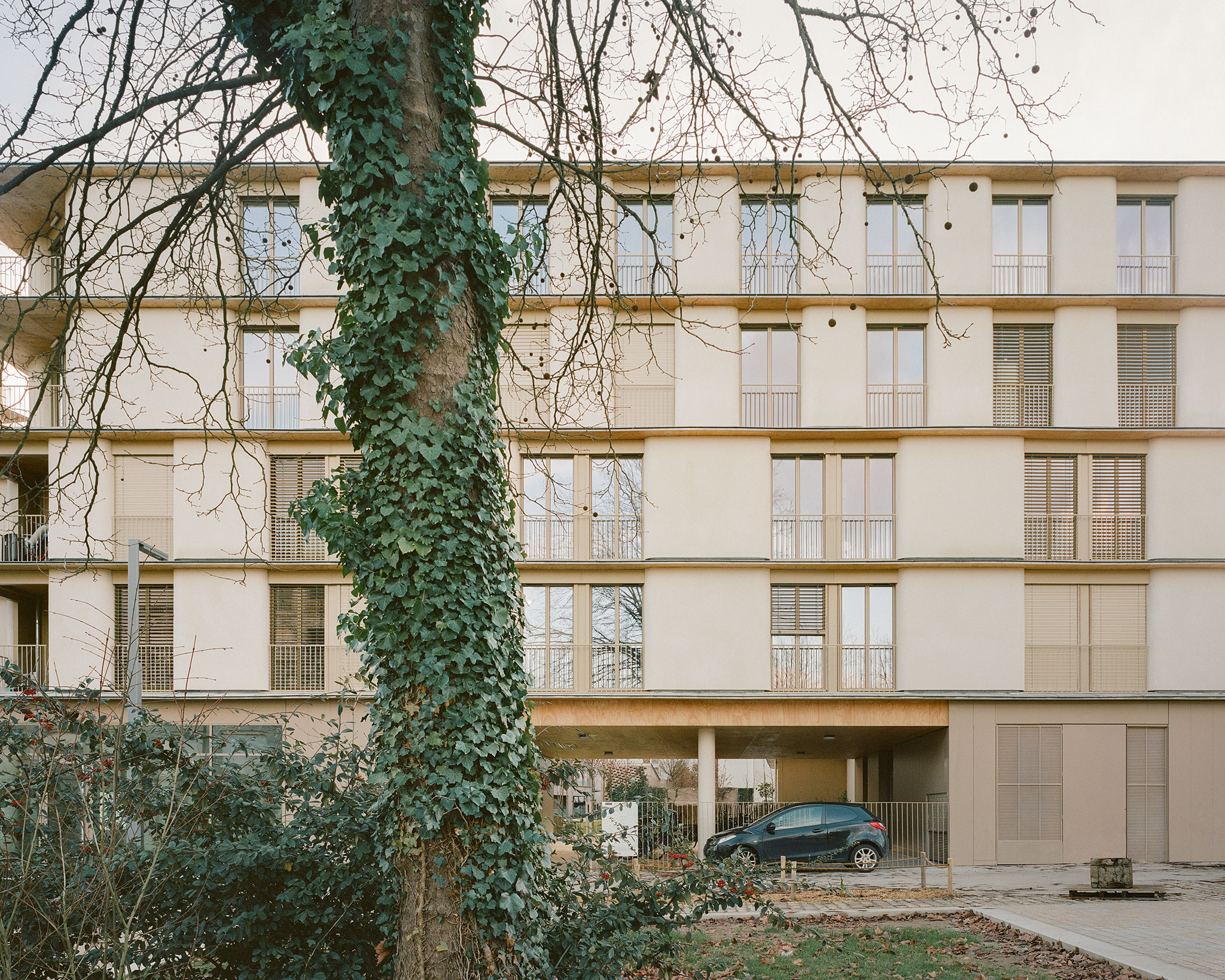
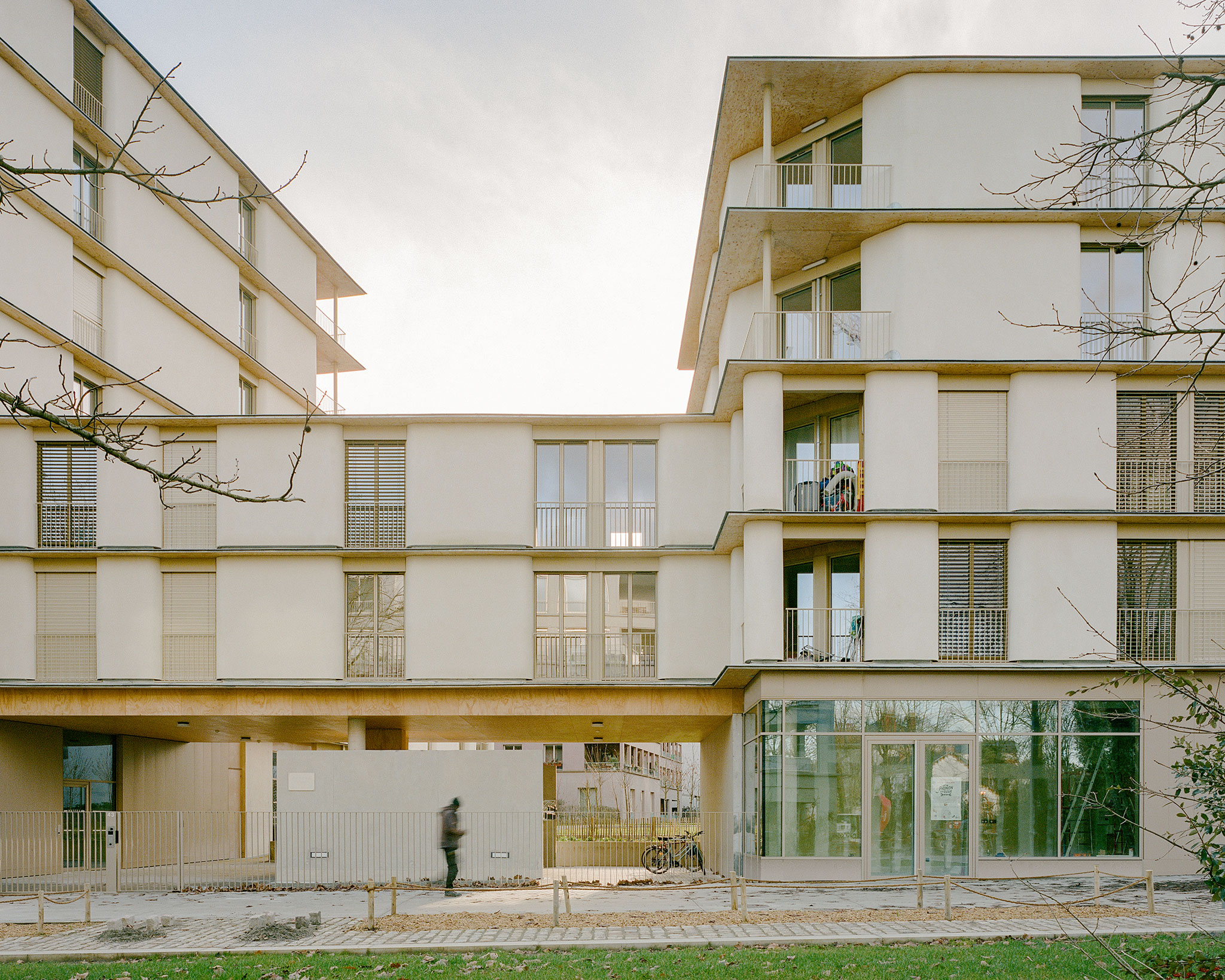
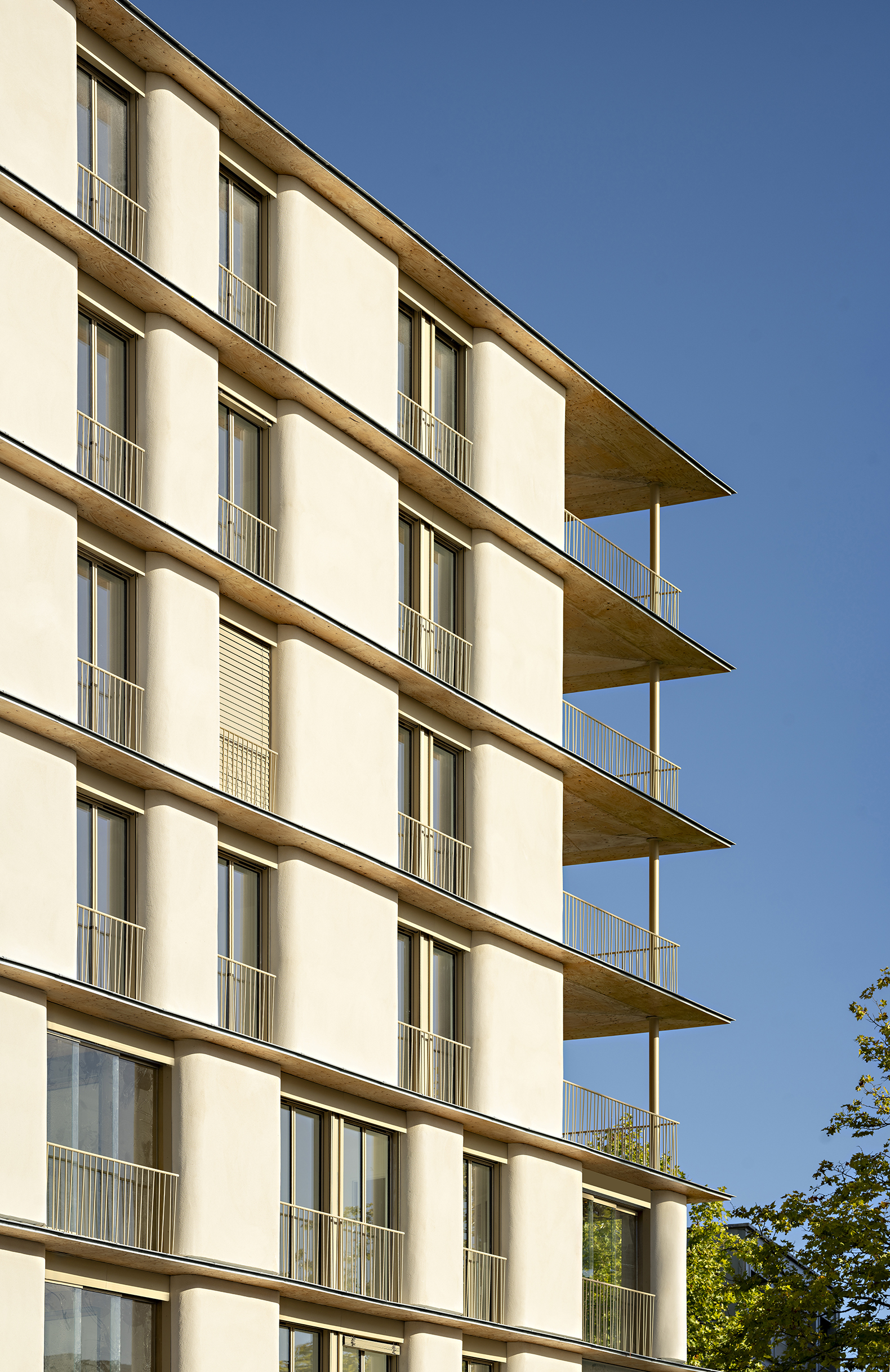
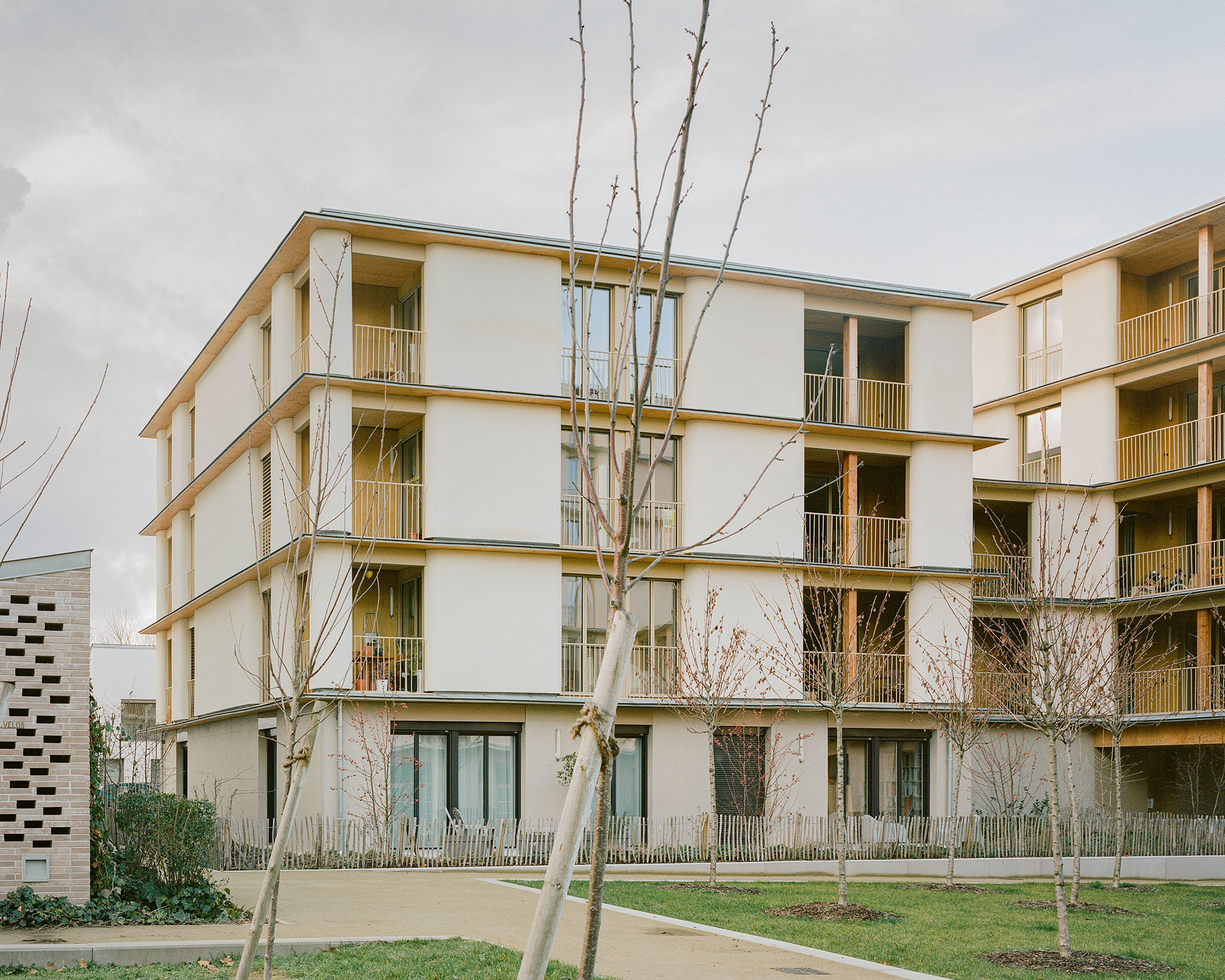
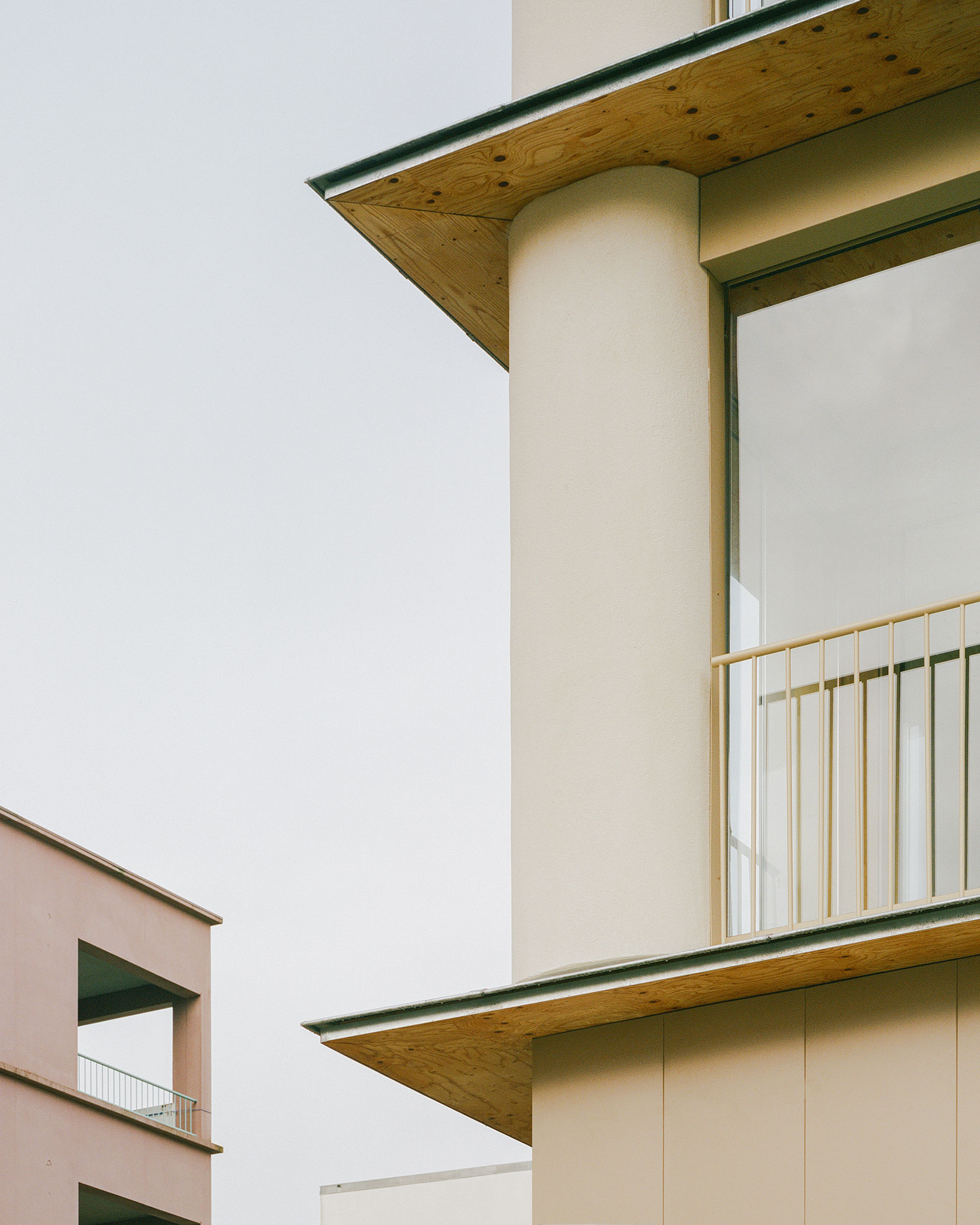
The sequencing of upper and lower levels and the scale of volumes echoes the retained characteristics of barracks architecture. The domesticity of the project is expressed in the scale of windows, in its proportion, and in its ornamentation. The rhythm of the façade reflects the arrangement of the flats, and makes it possible to sequence the volumes, thanks to alternating large bays and hempcrete trumeaux with rounded edges.
Natural construction materials
Hempcrete - hemp agglomerate (hemp shives), lime, and water – is usually sprayed or poured on site. Owing to the scale of this project, the prefabrication of hemp panels in the carpenter’s workshop was advised. The curved trumeaux demonstrate the interest of a lime plaster coating and the plasticity of hempcrete whilst highlighting its inertial qualities and hygrometric regulation. The infrastructure, the ground floor, the staircases, and the lift shafts are made of concrete. The rest of the block of flats is built with a post/beam/floor/wooden framework.
Sunbathed flats
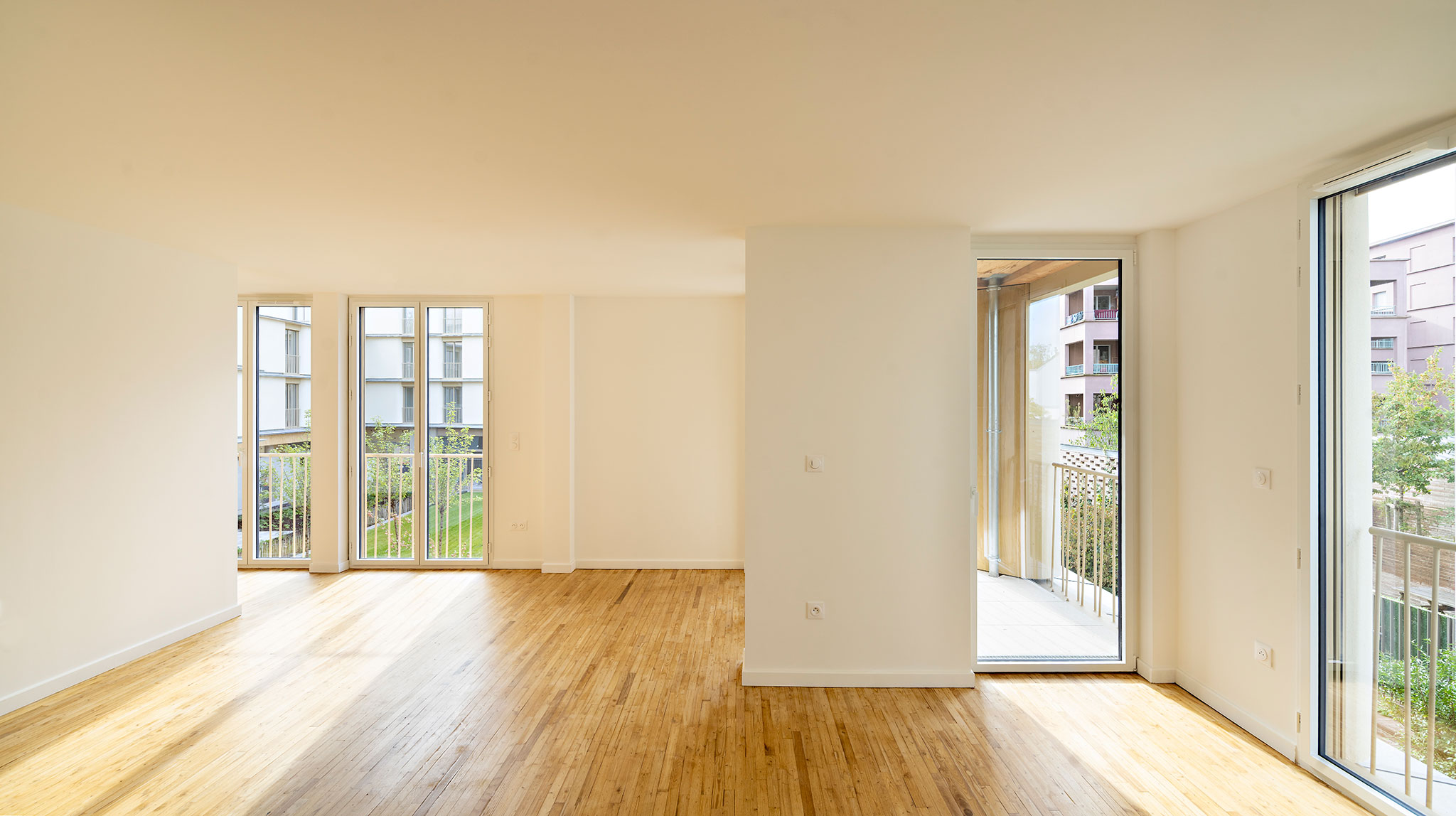
Flats benefit from varied, contextual qualities: the heart of the city block, the southerly oriented plaza with a view towards the neighbourhood, the planted mall and its public spaces, as well as the residential street with its low volumes and gardens. The lower stratum is continuous and compact. It offers a maximum number of flats with double exposure, extended by the winter gardens. The quality of flats on the upper floors is achieved with large corner balconies, creating an atypical typology of exterior spaces in terms of their exposure to sunlight and range of uses.
The design of volumes made it possible to compose built masses in coherence with the neighbouring solids and voids, whilst maximising the sunlight bathing flat interiors.