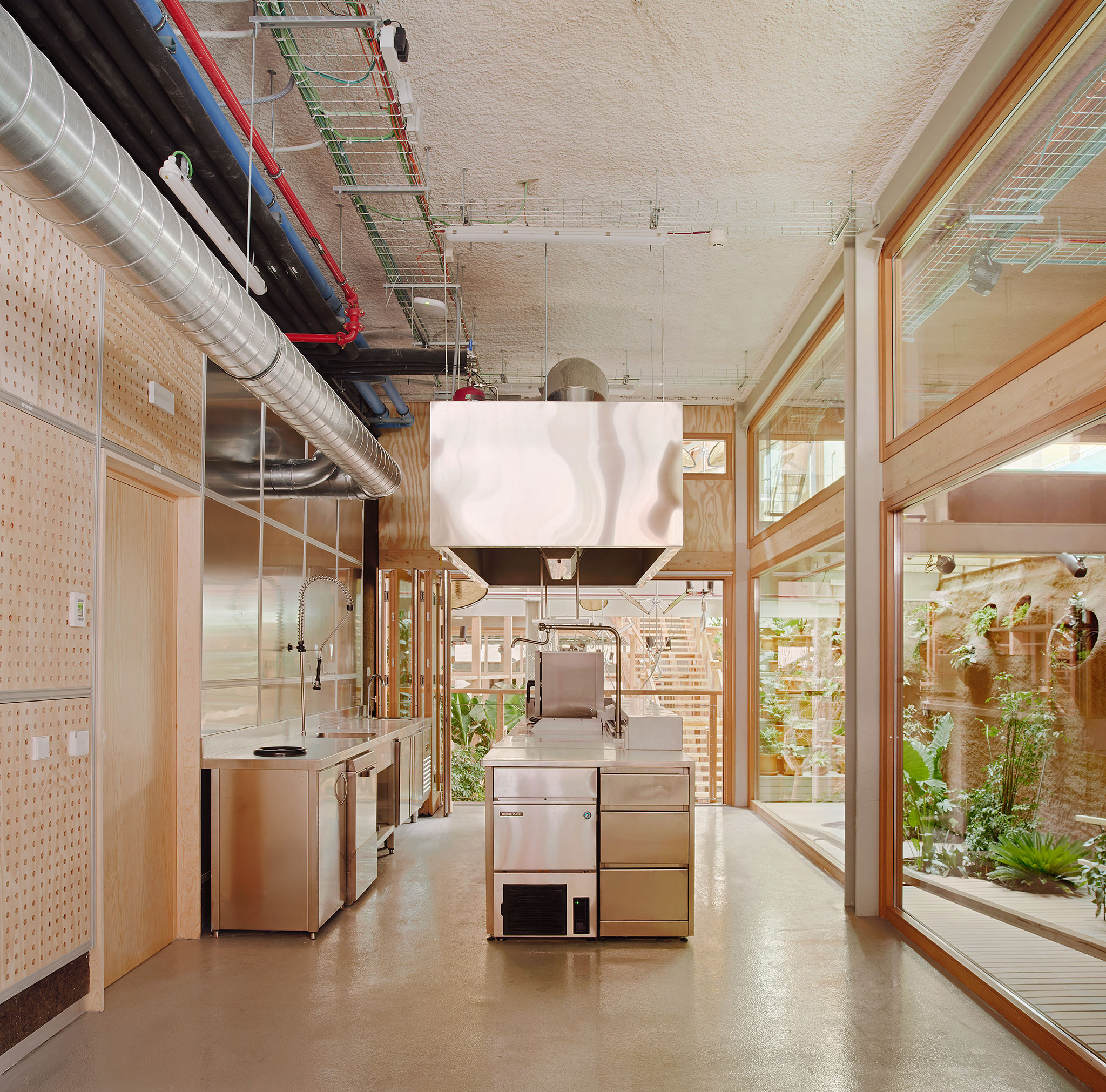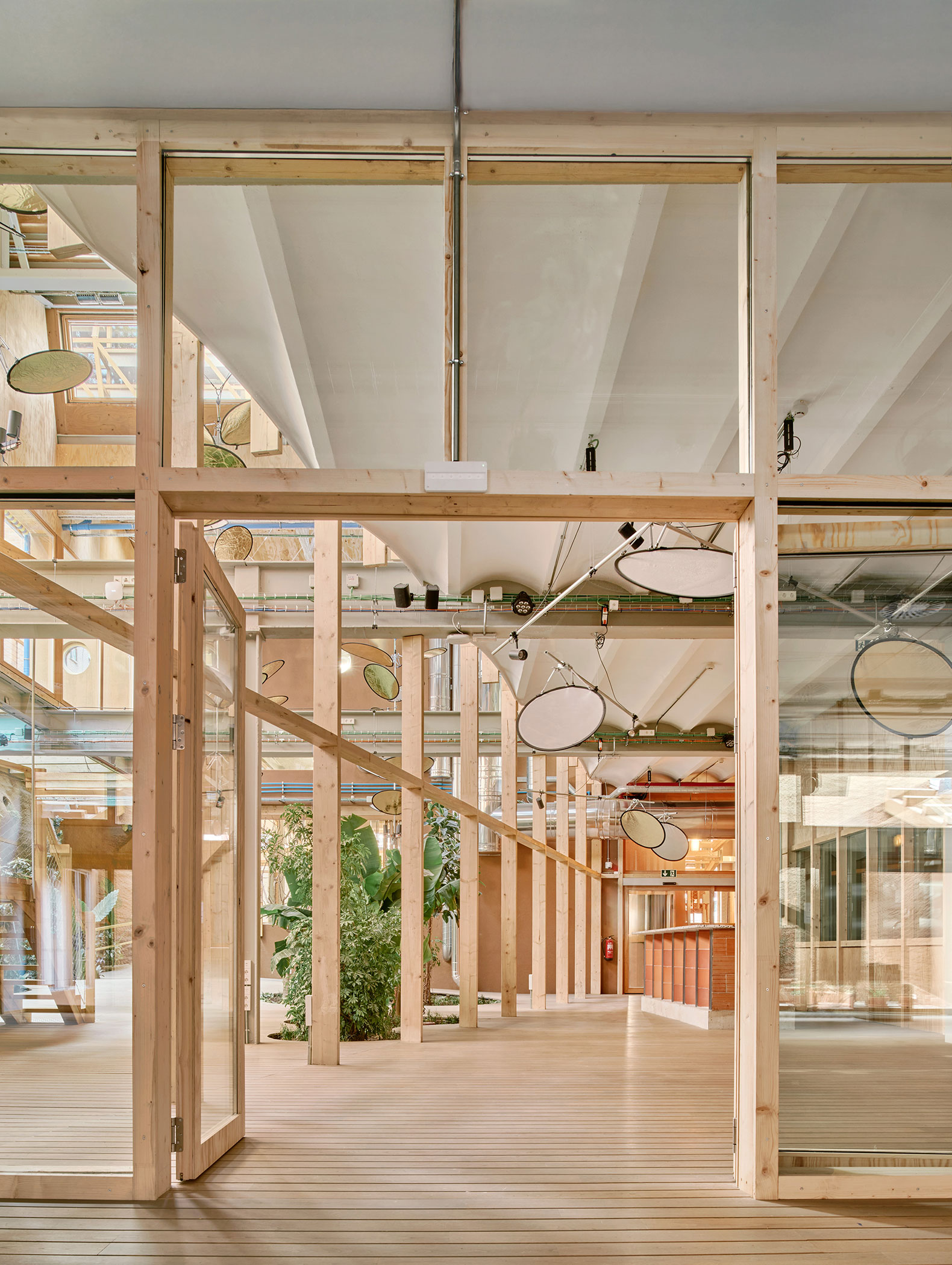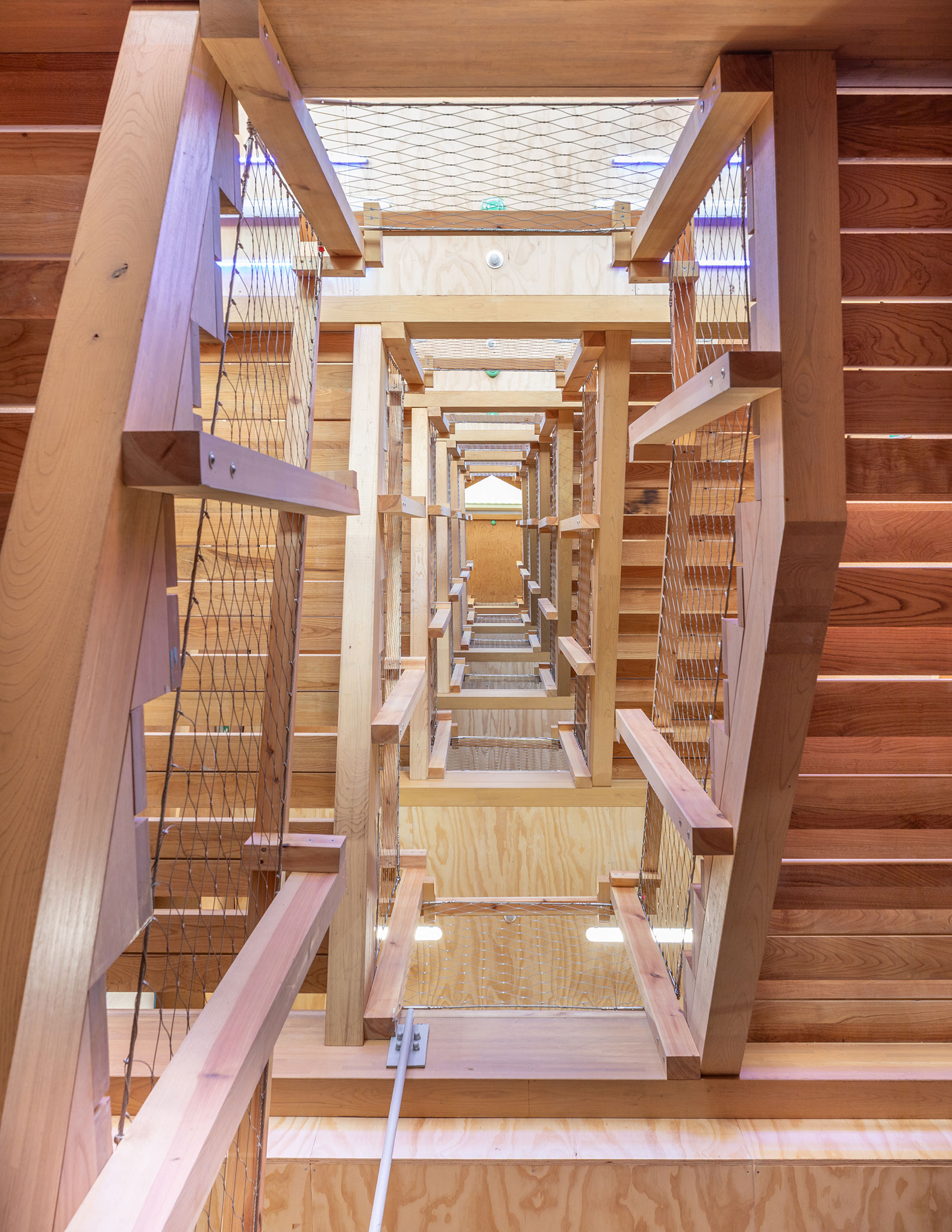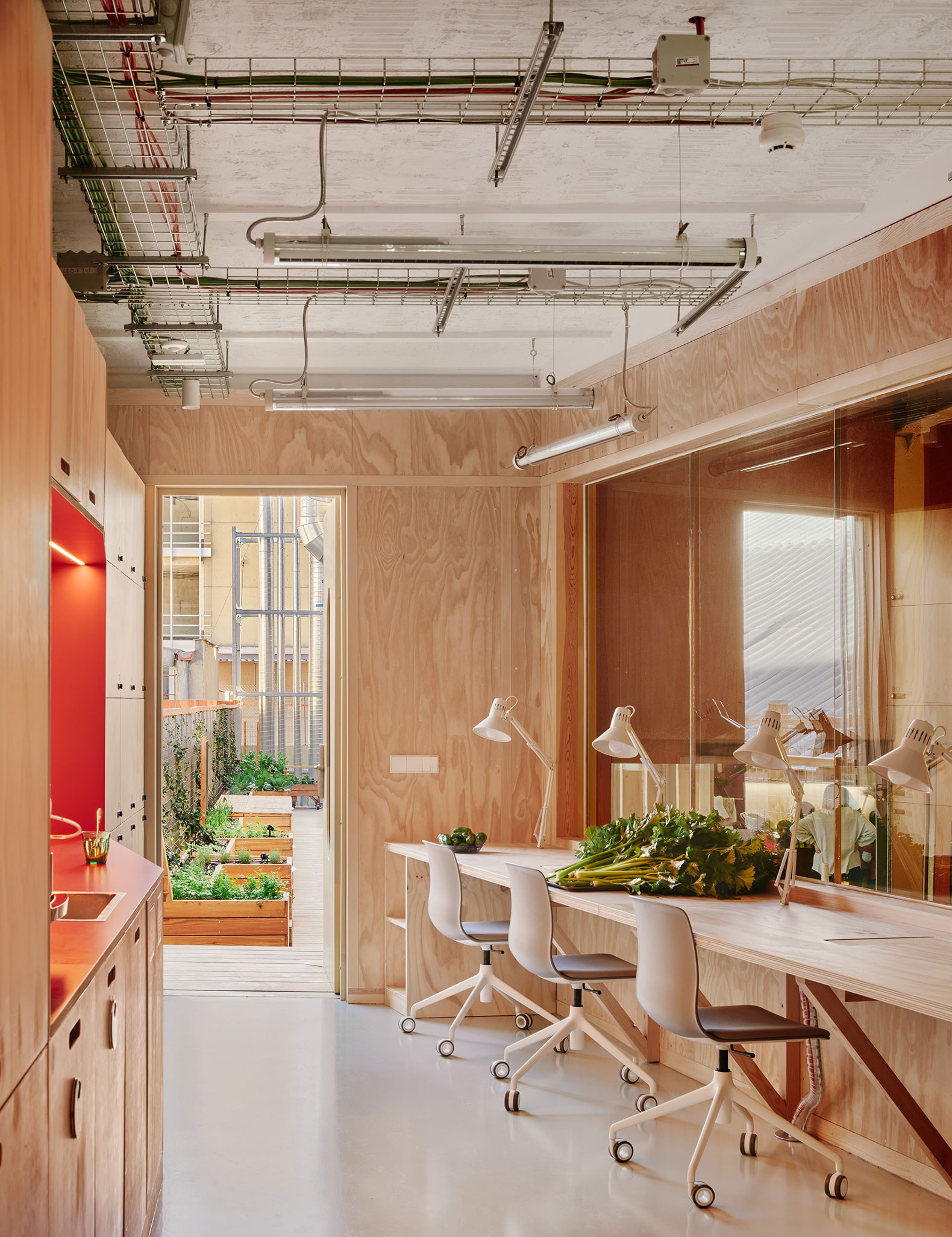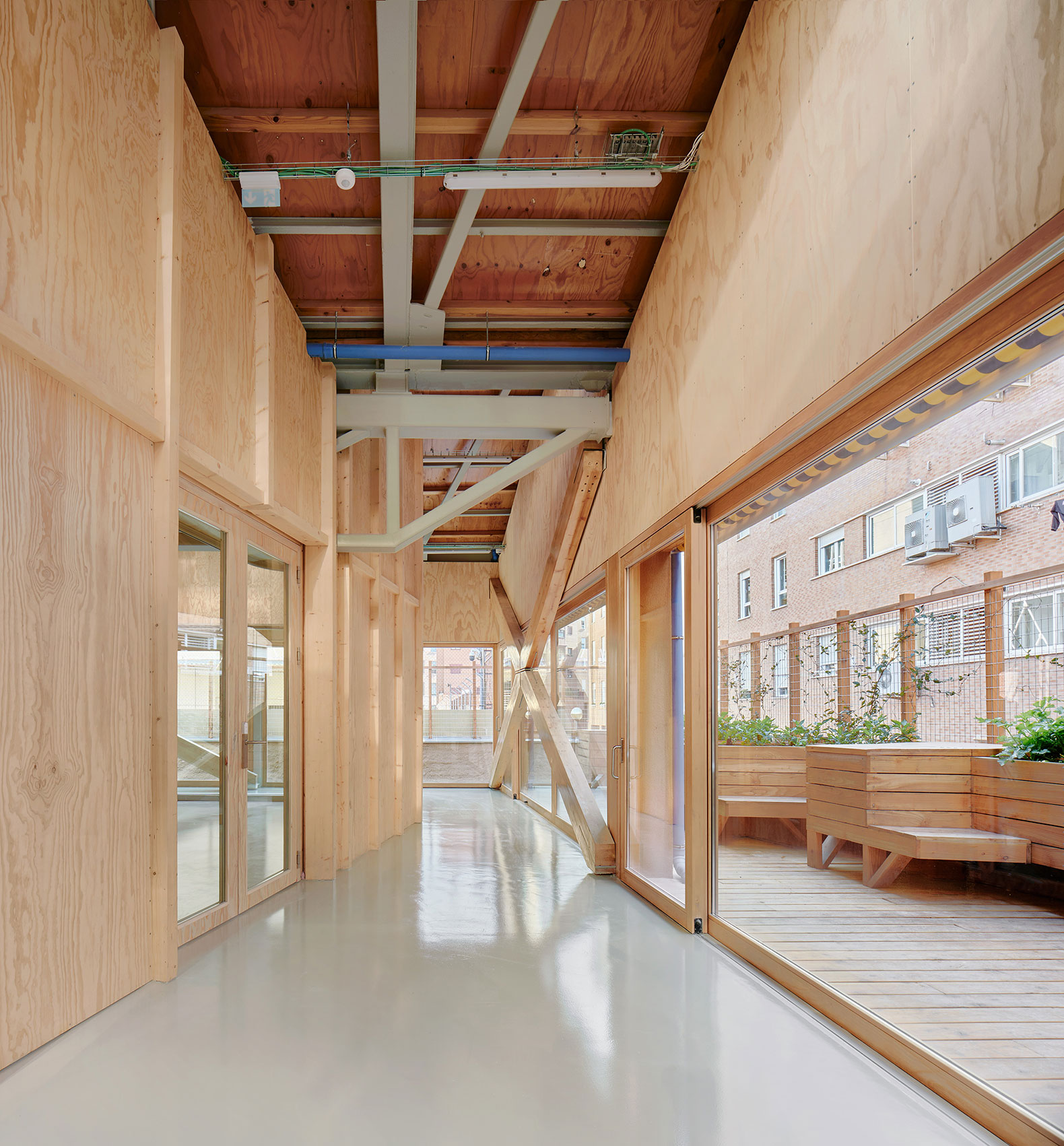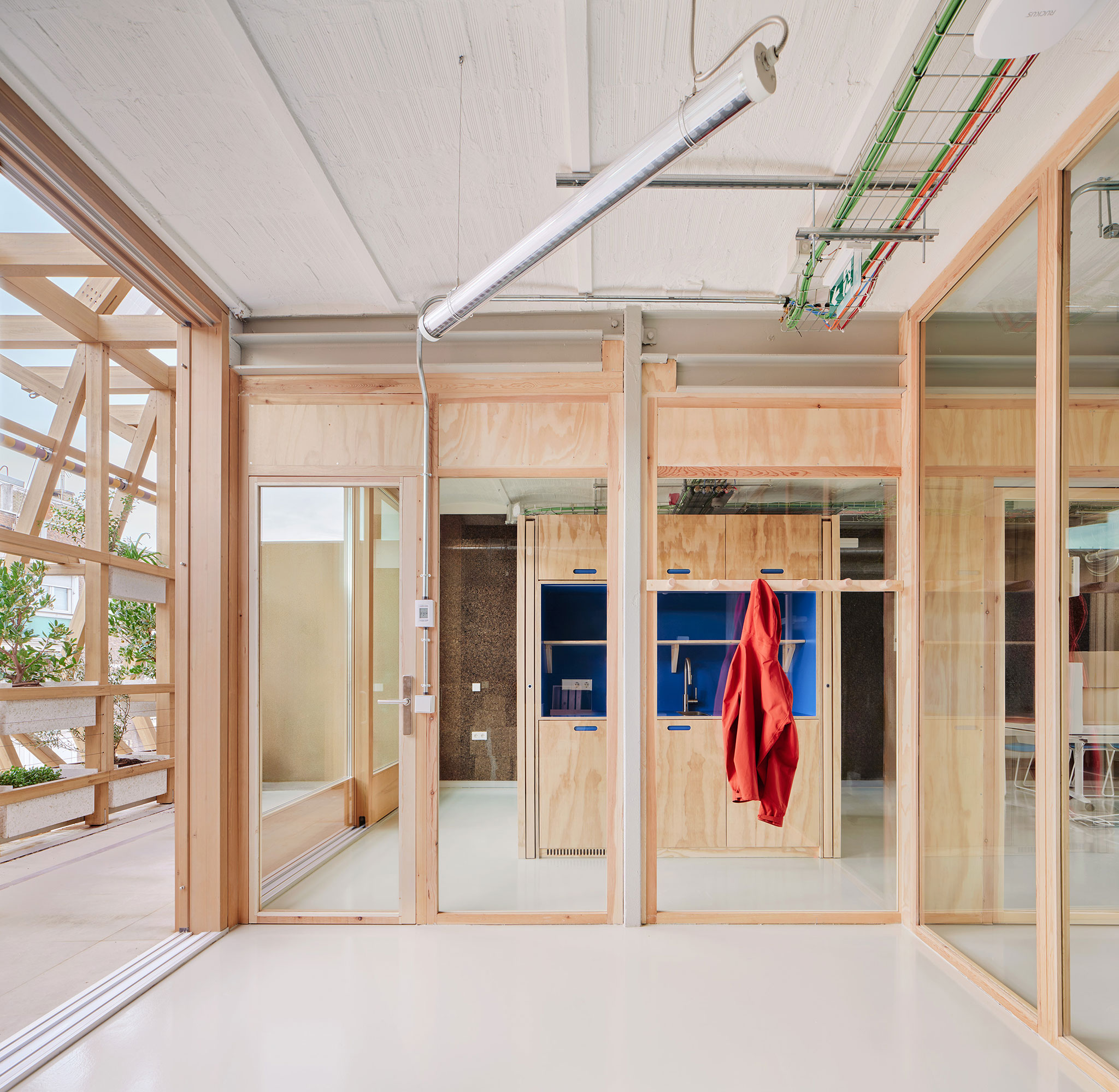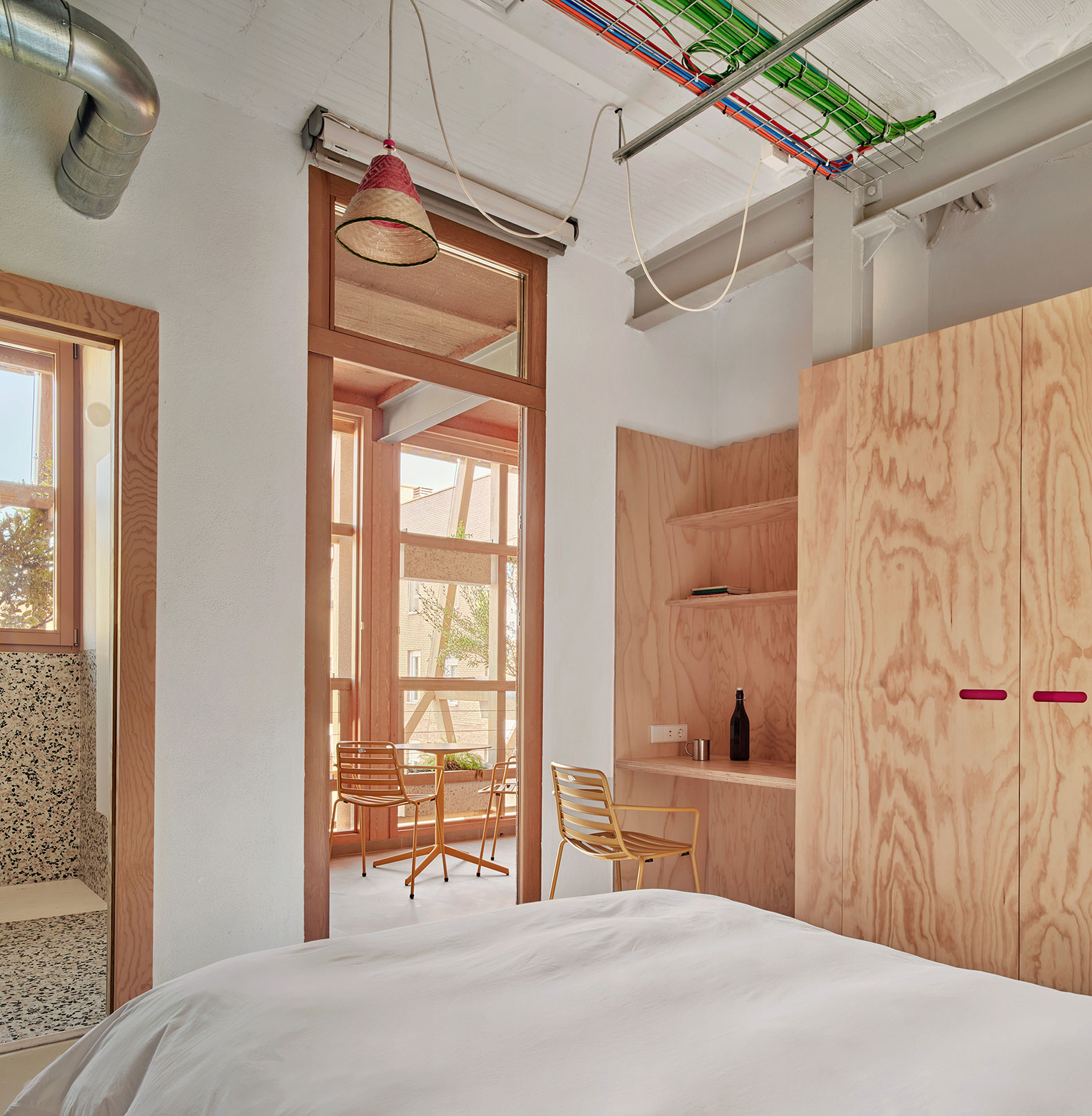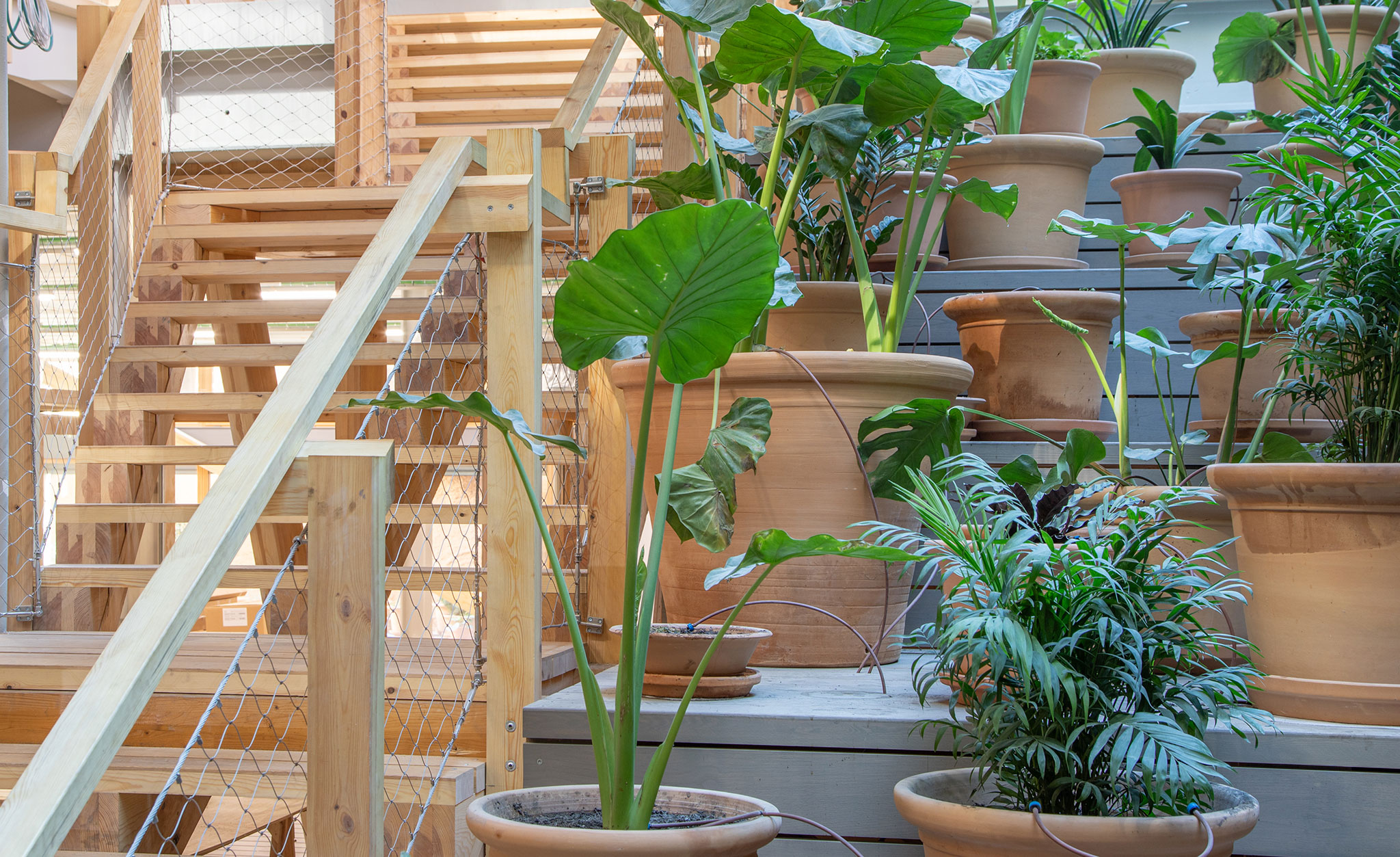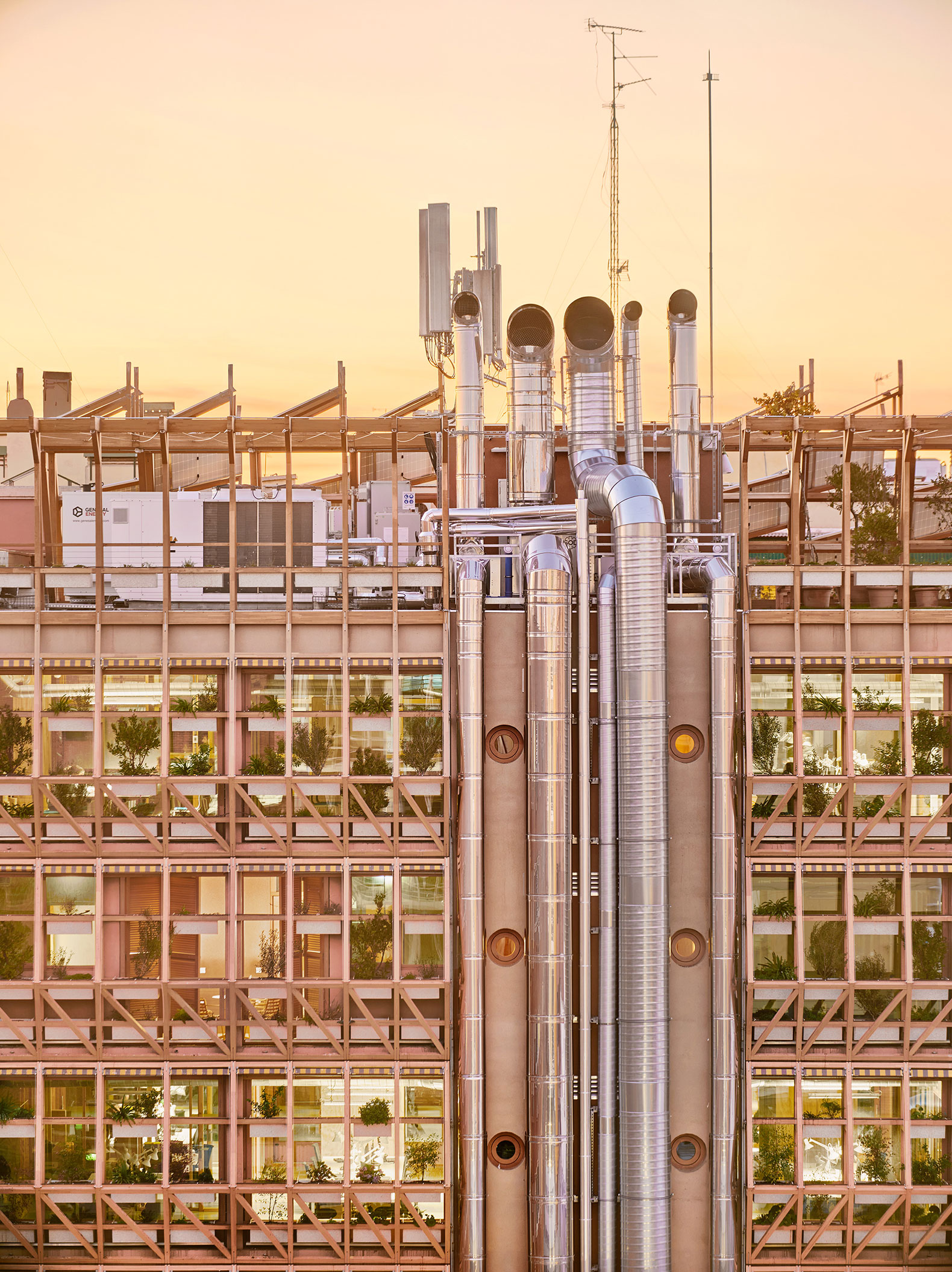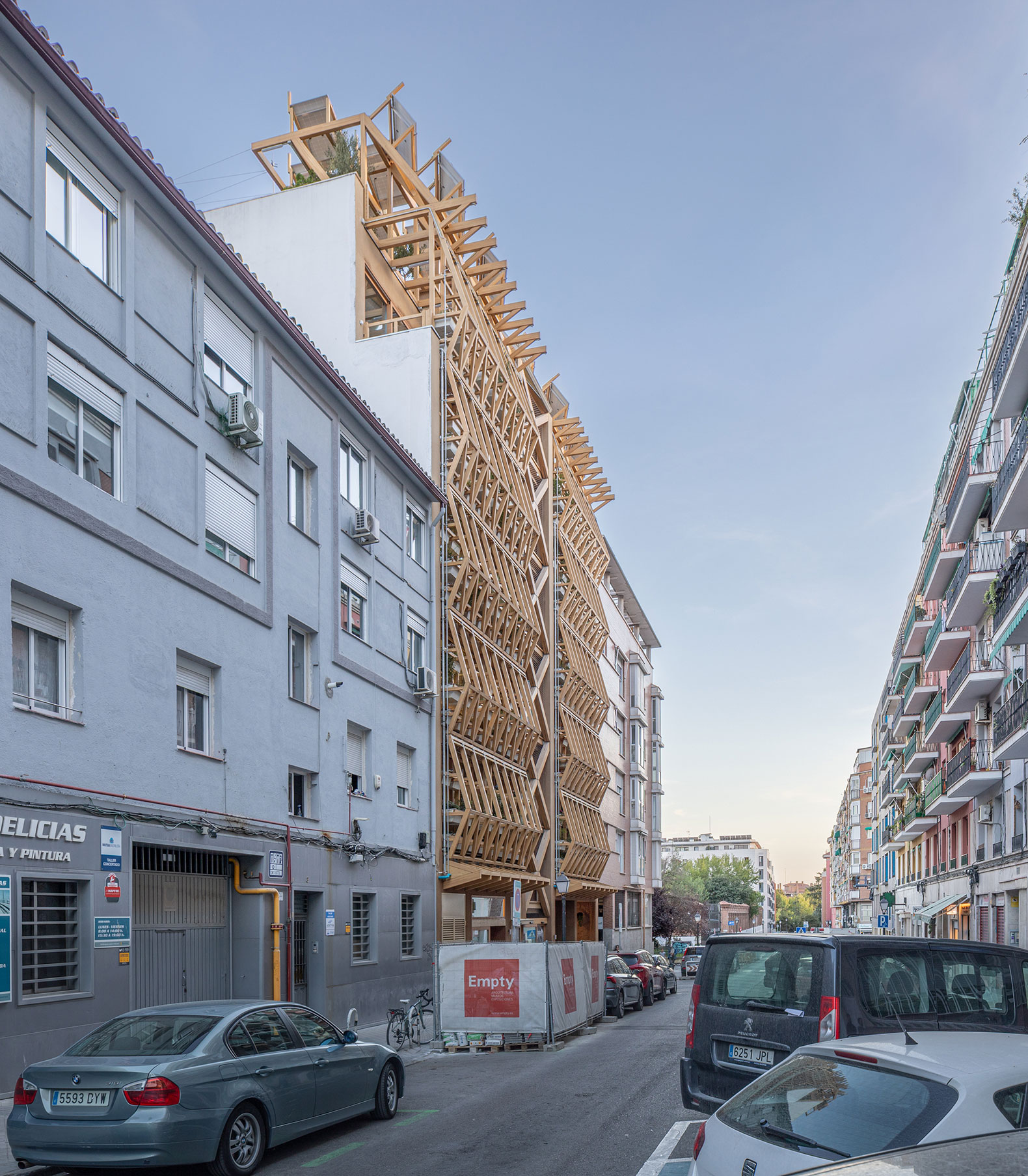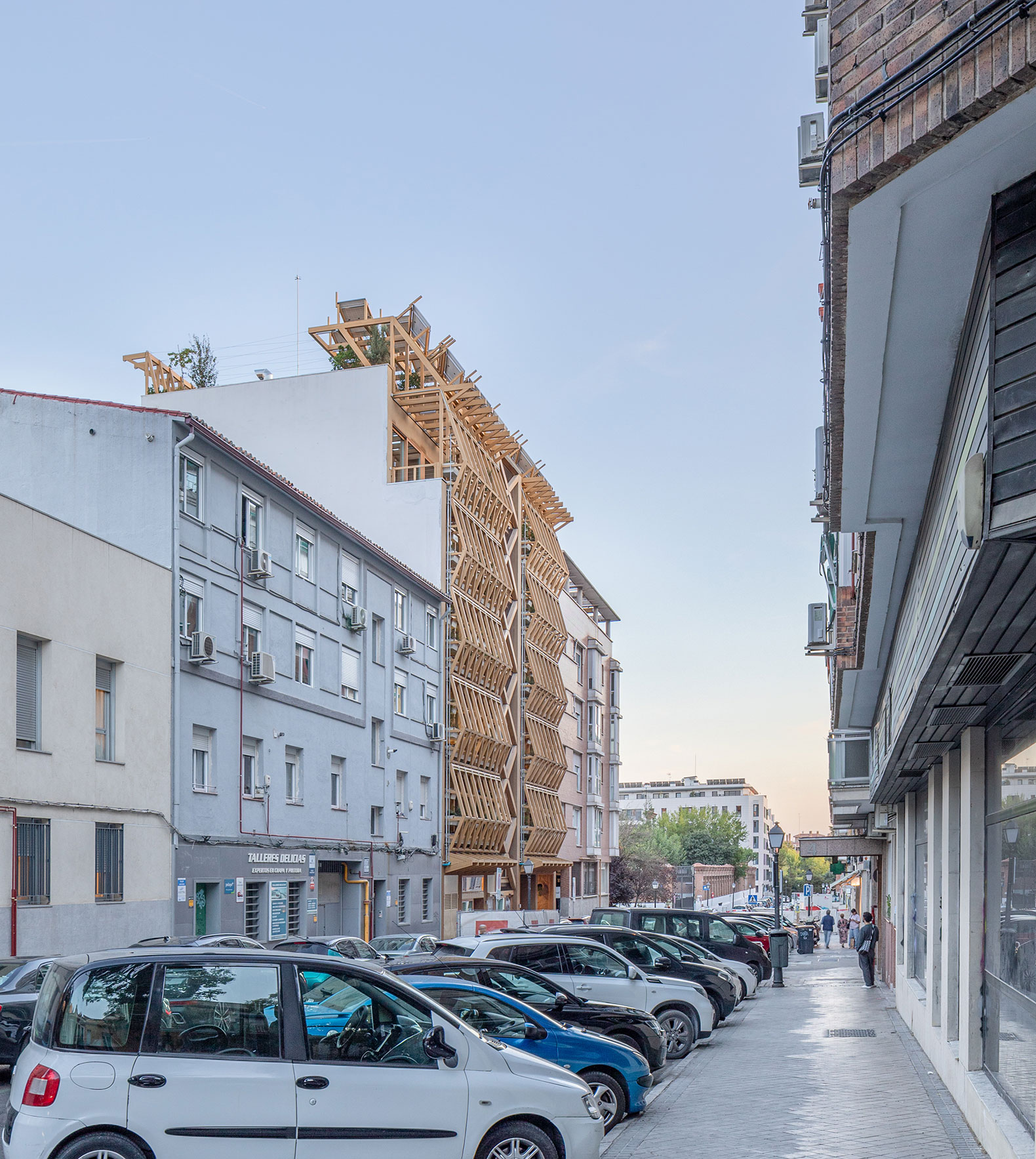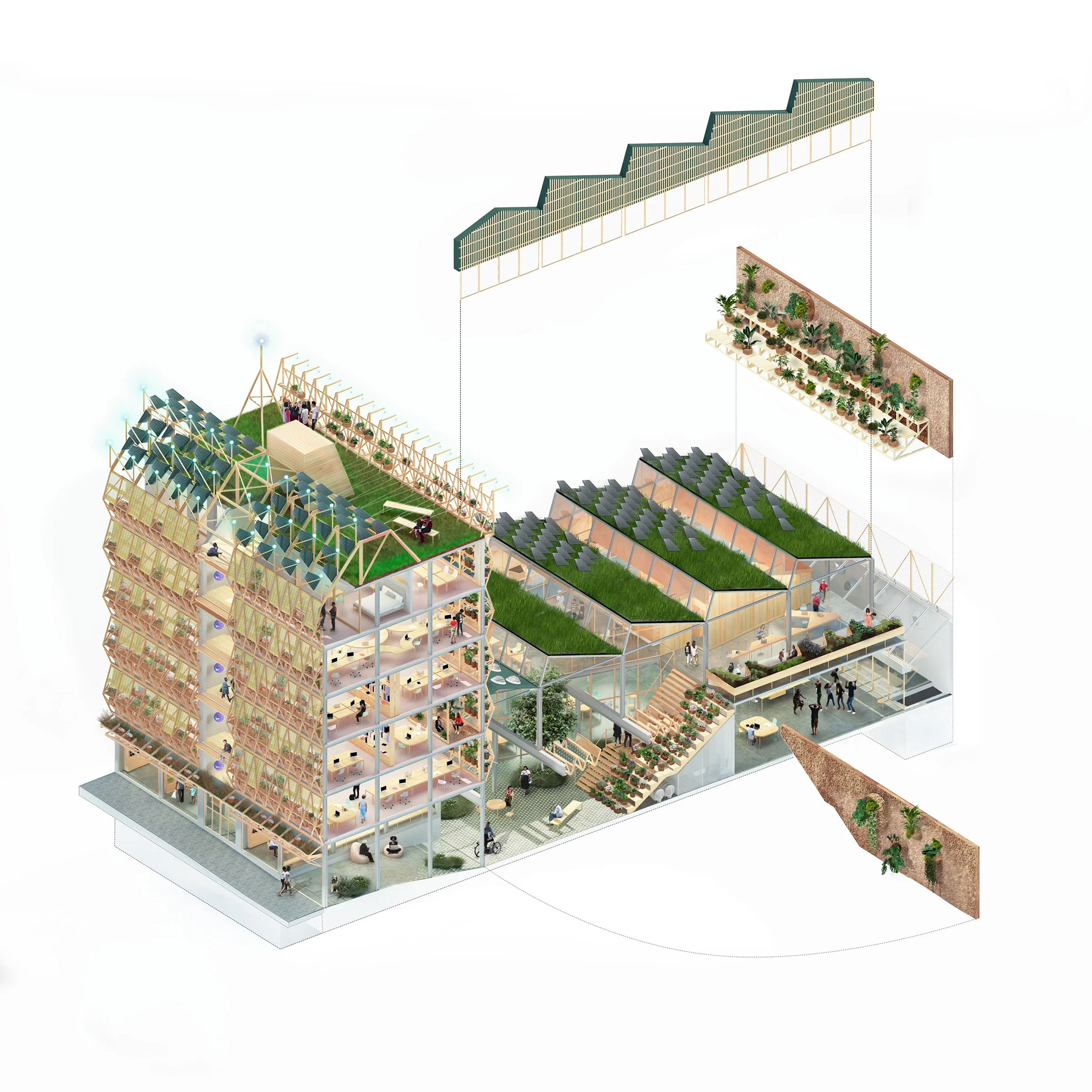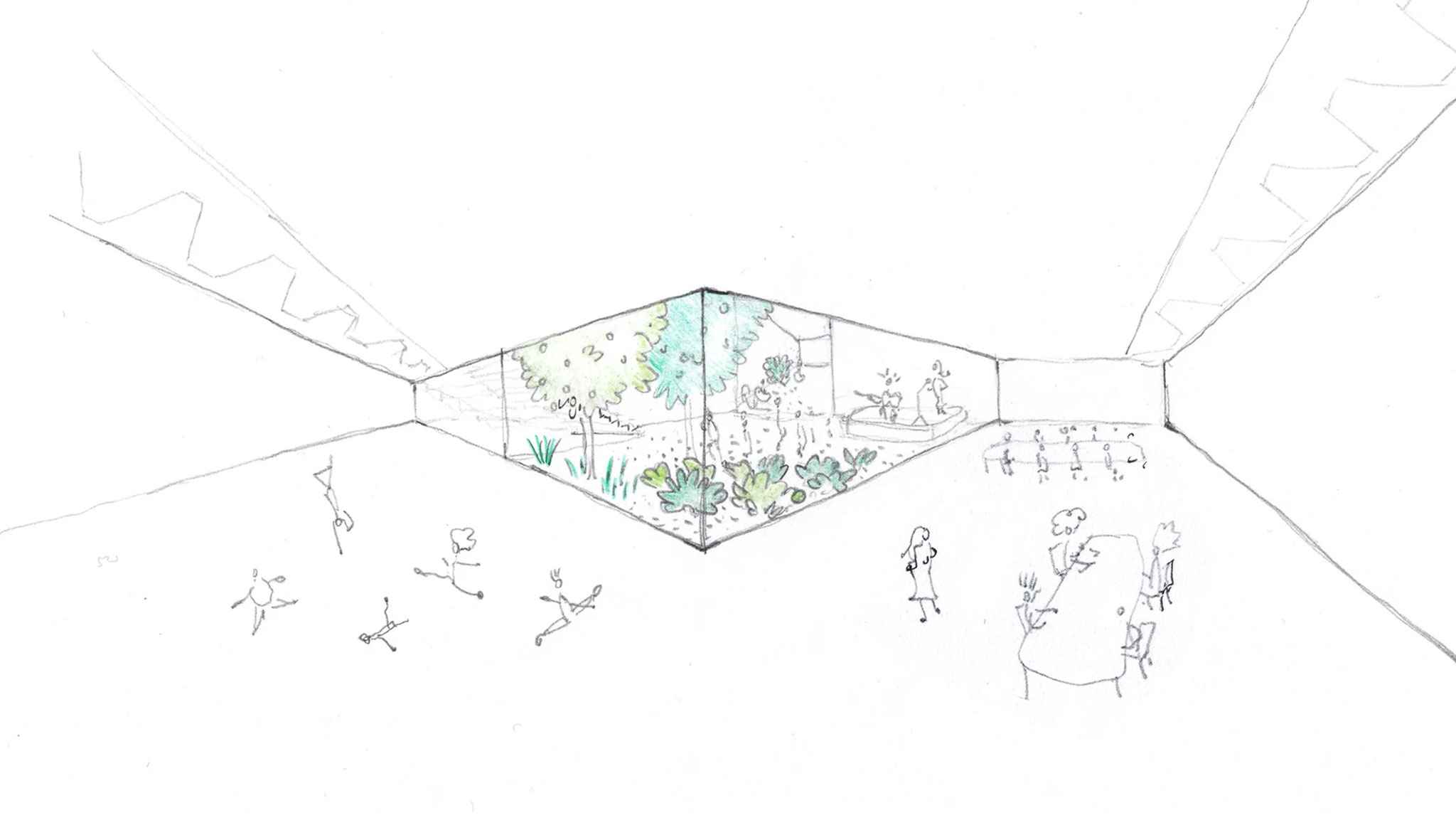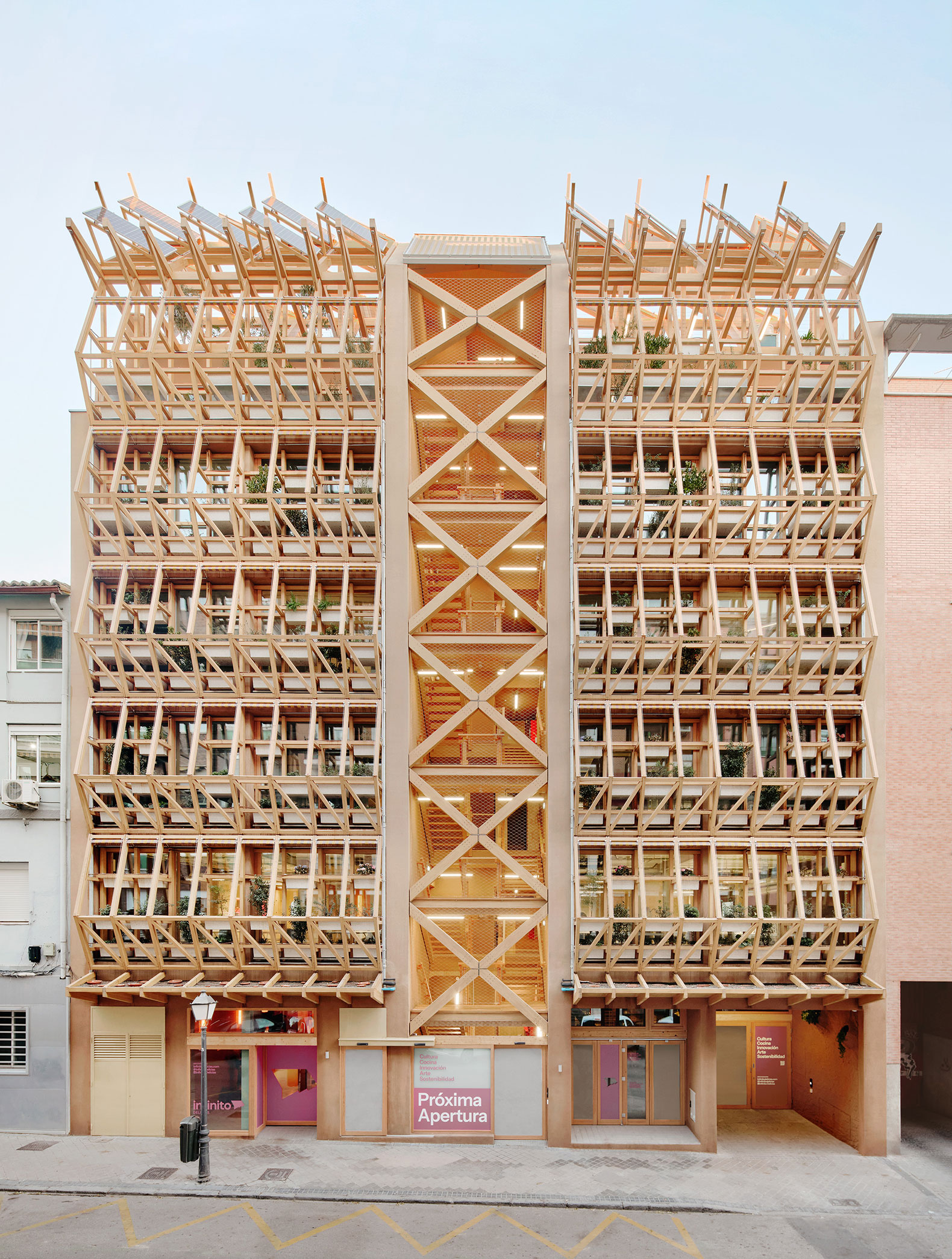
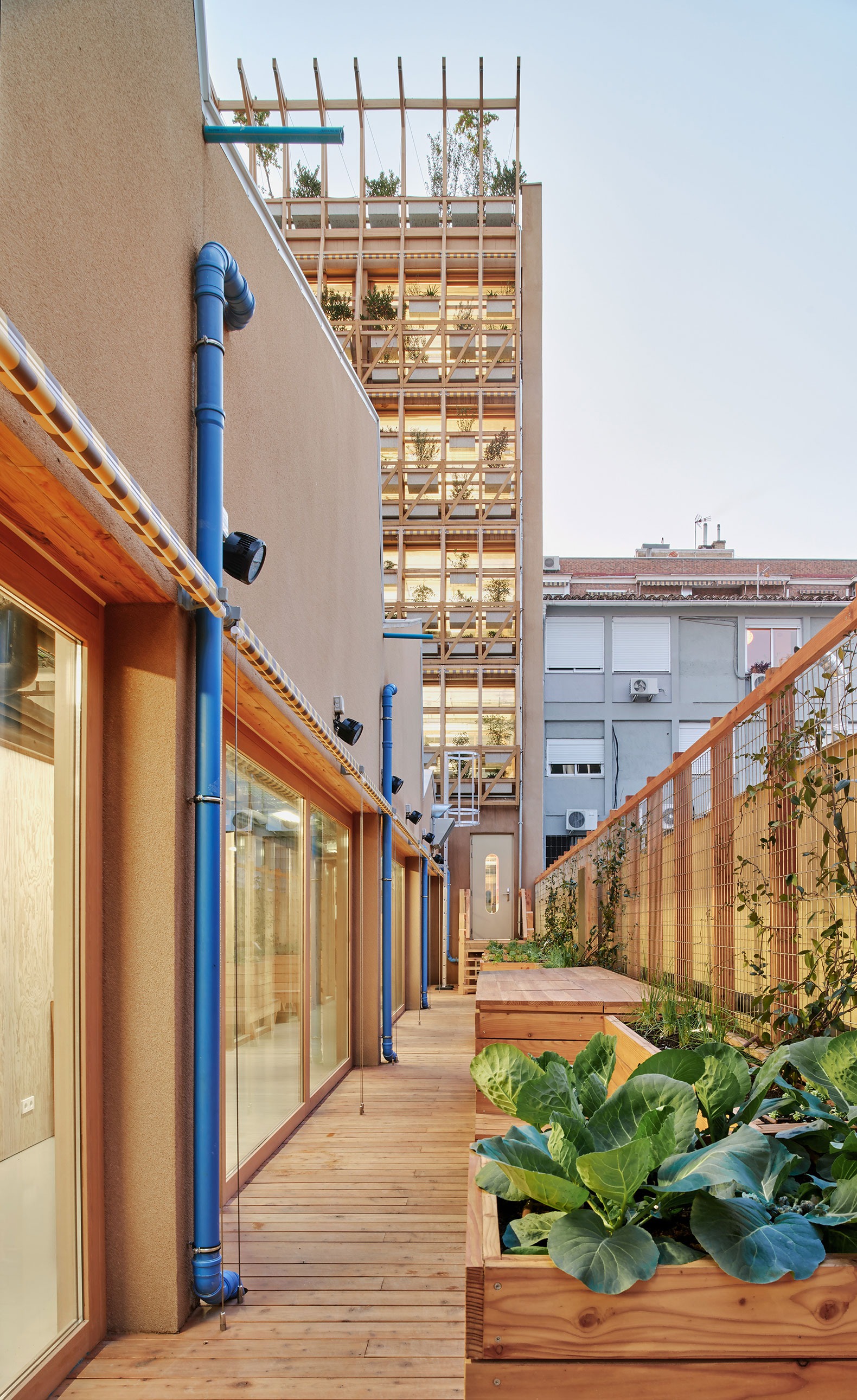
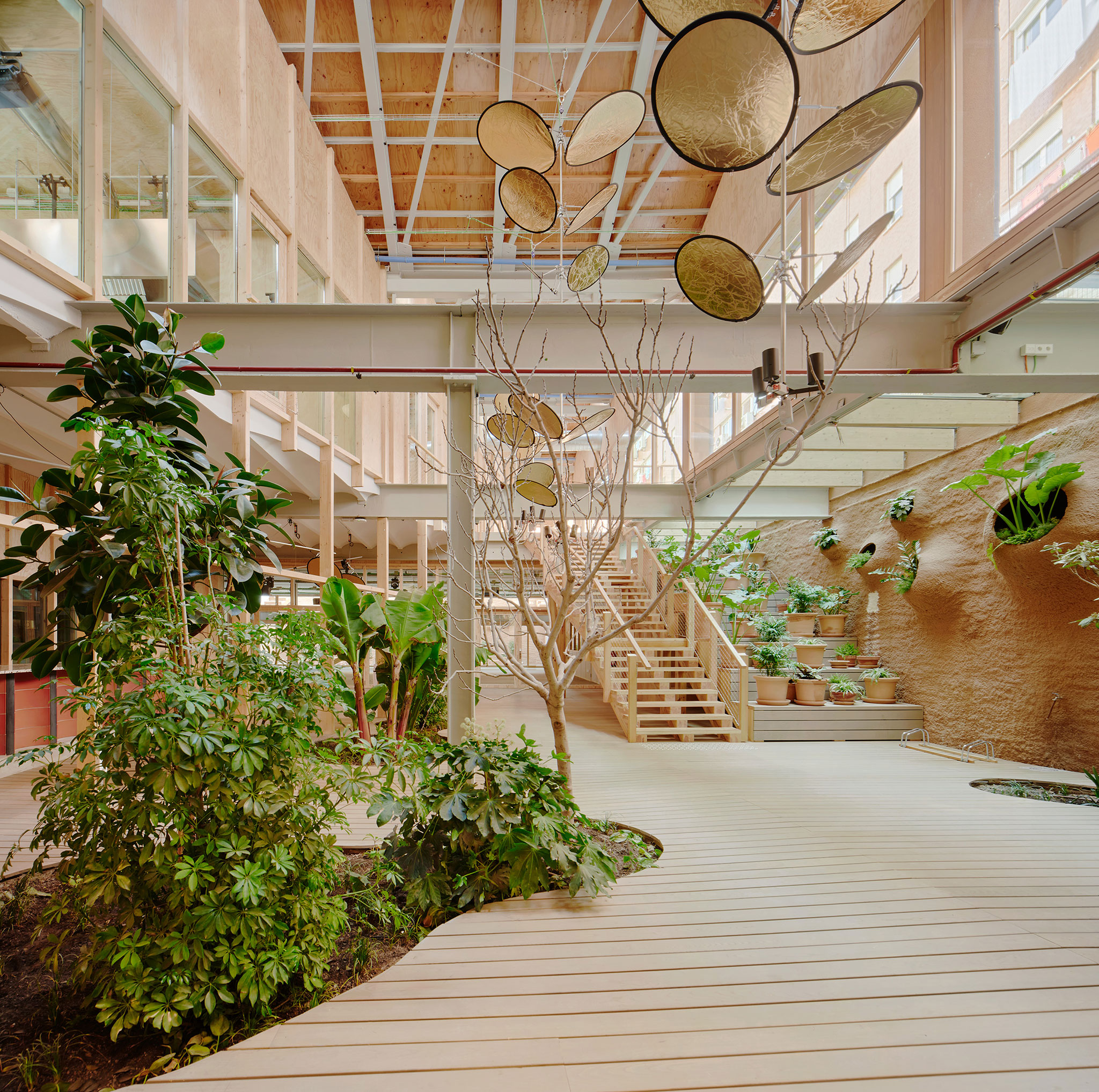
Husos Arquitecturas and elii [architecture studio] propose a hybrid program for the building for Infinito Delicias, with almost 40% of the surface area dedicated to collective use. This program includes offices, multipurpose spaces, a restaurant, a kitchen/studio, a culinary laboratory, a staff kitchen, residences, rehearsal rooms, gardens, orchards, and a central courtyard. The botanical project integrates a series of gardens with plant spaces, cultivation areas, and animal structures, promoting bioclimatic strategies and the biodiversity of the surrounding environment.
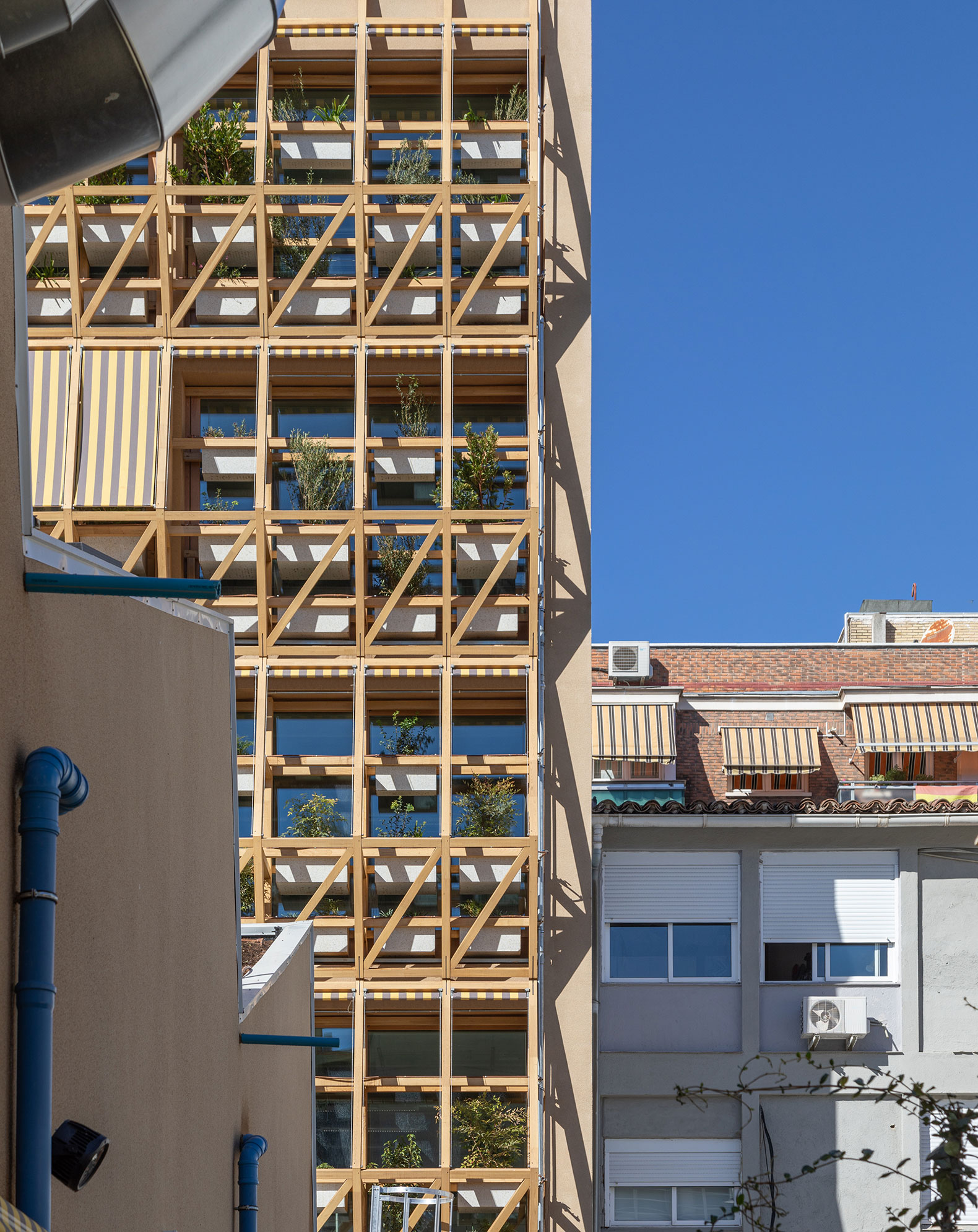
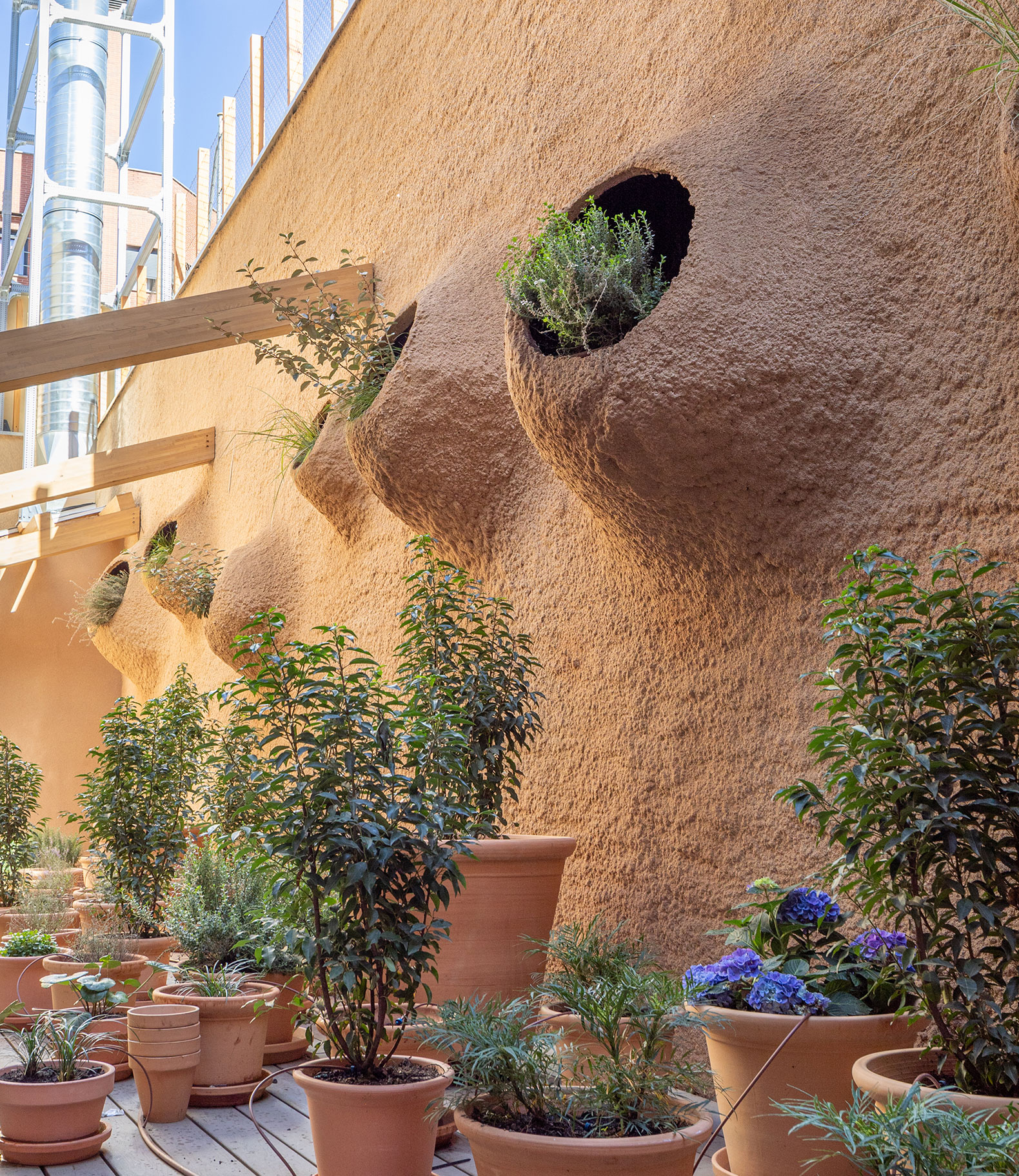
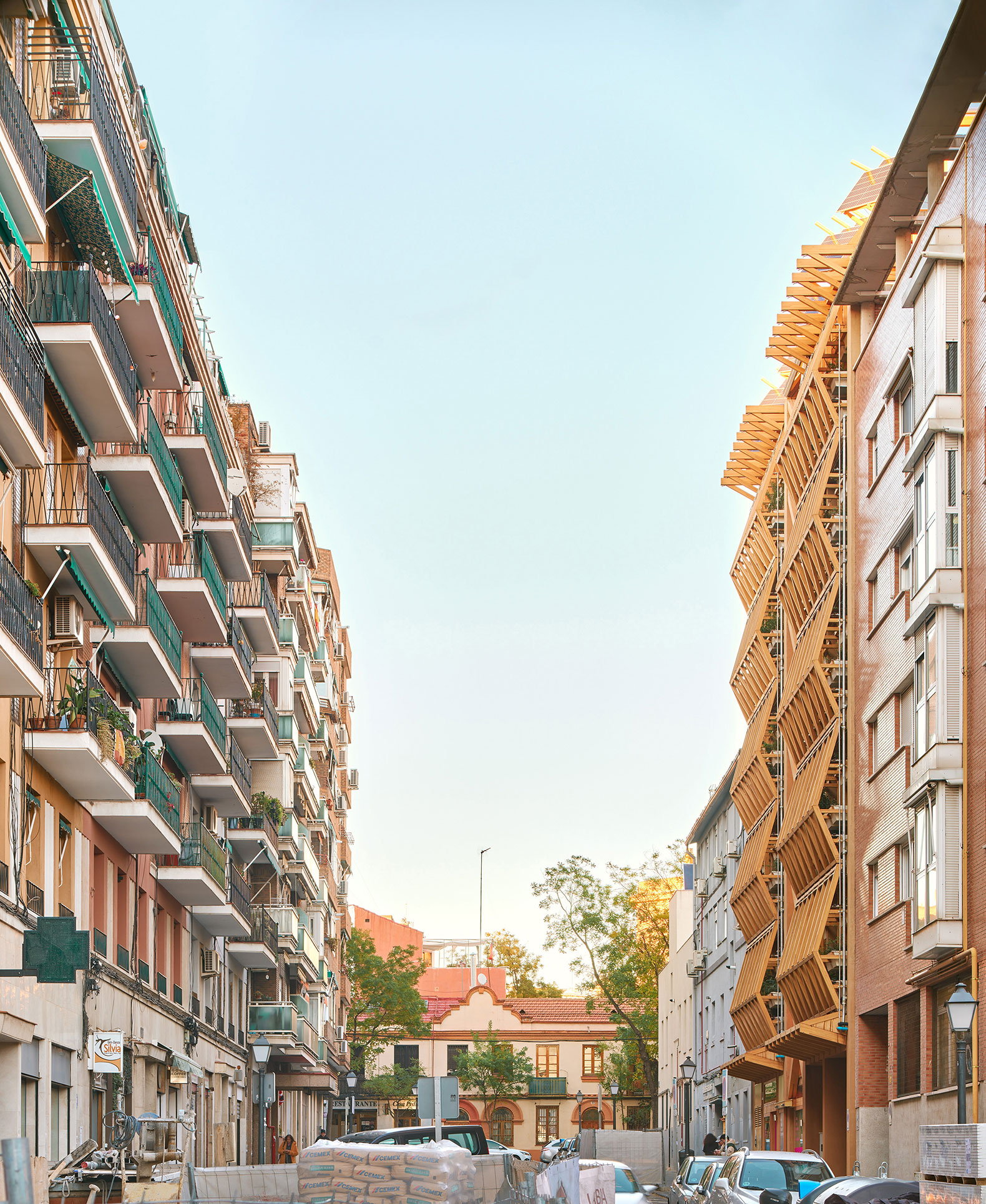
The proposal follows a logic of circularity in the materials and implements an ambitious bioclimatic strategy. The east and west facades, supported by a wooden structure in the form of "belly" shapes, are covered with plants and awnings, creating a thermal barrier. Circulation, organized in a perimeter "ring" that connects the interior and exterior spaces, ensures permeability between the building and the neighborhood. In a context of climate crisis, the project addresses socio-ecological challenges at multiple scales, both spatial and temporal.
Building for Infinito Delicias by Husos + elii. Photograph by José Hevia.
Project description by Husos + elii
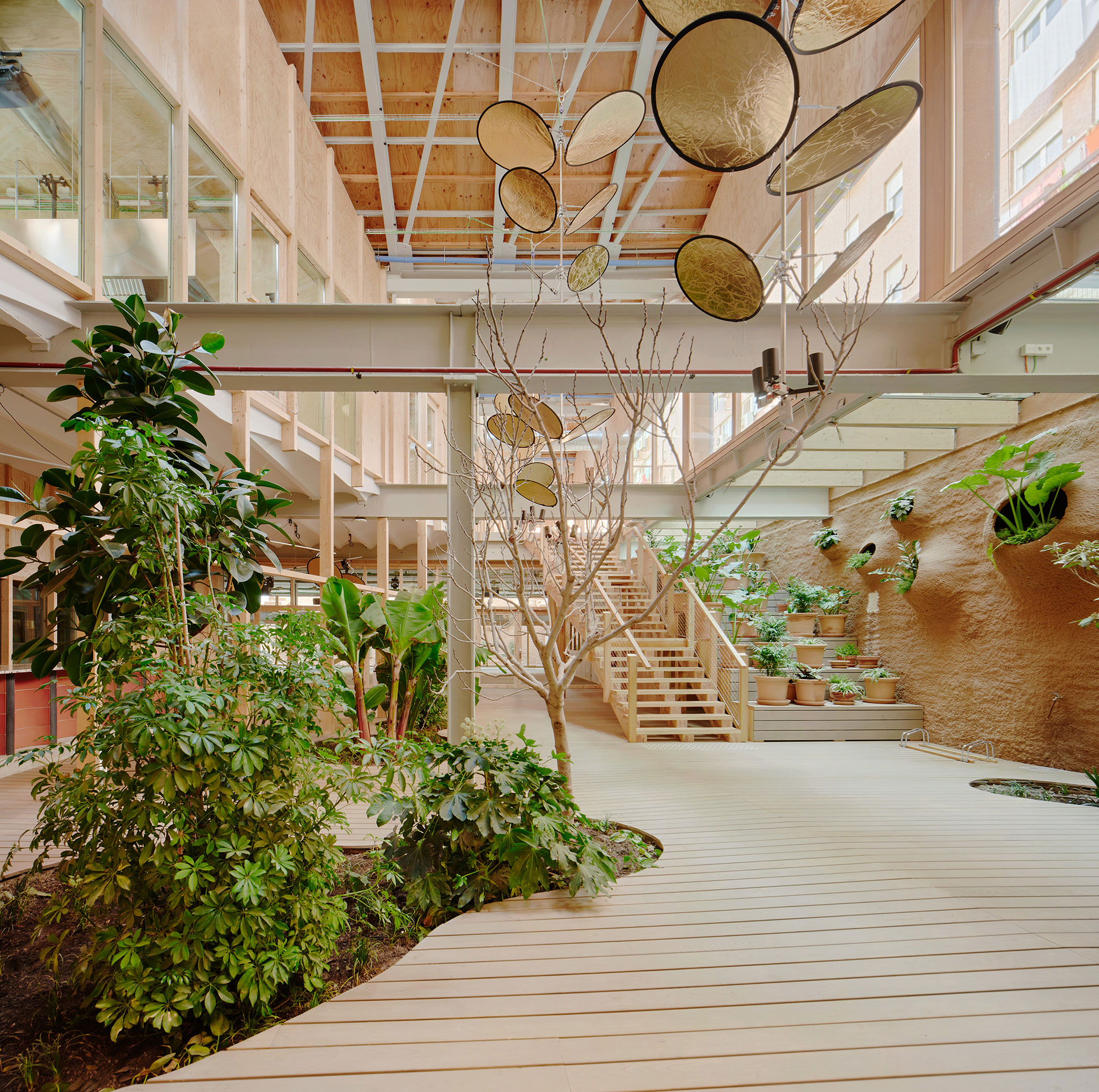
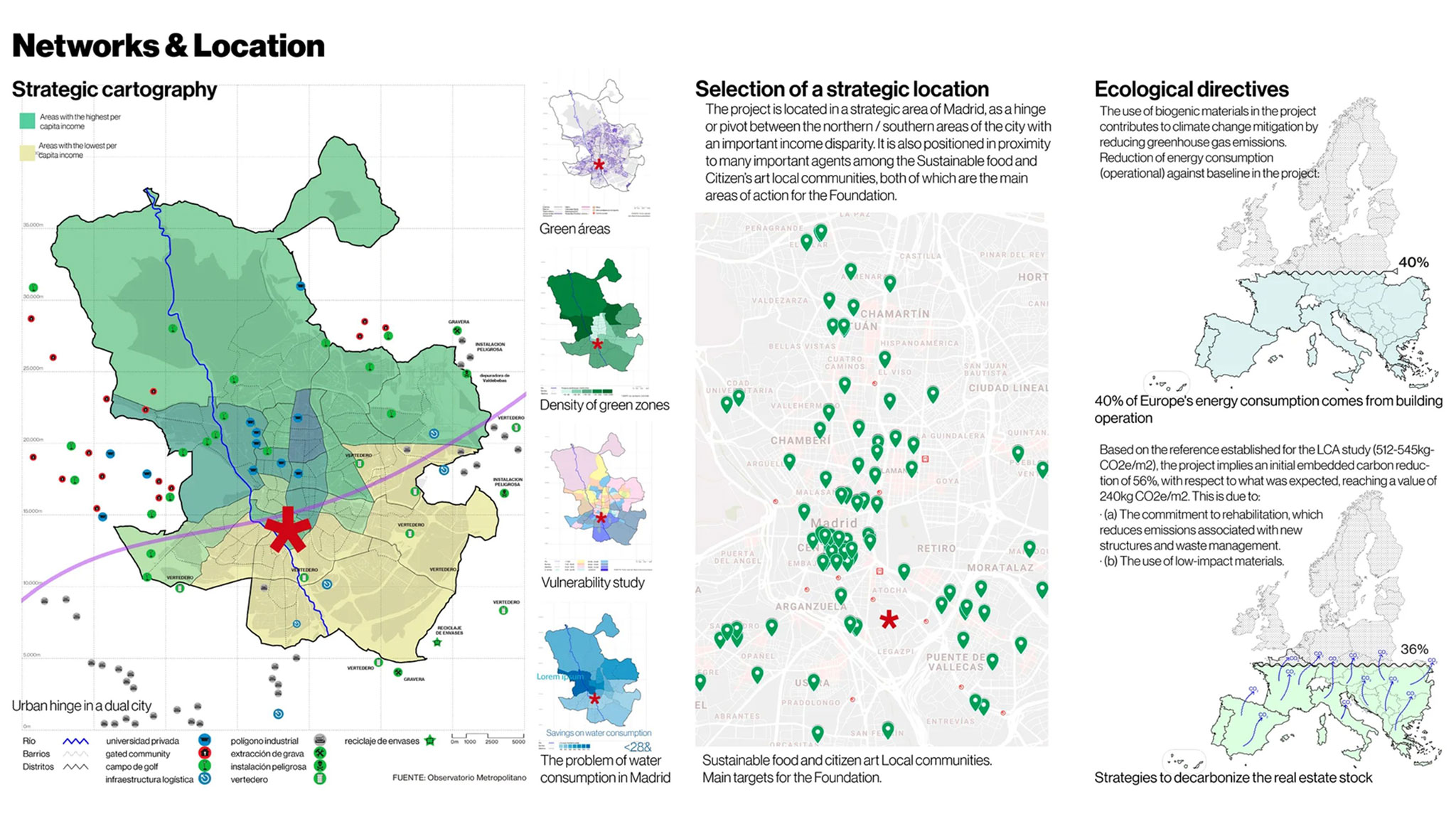
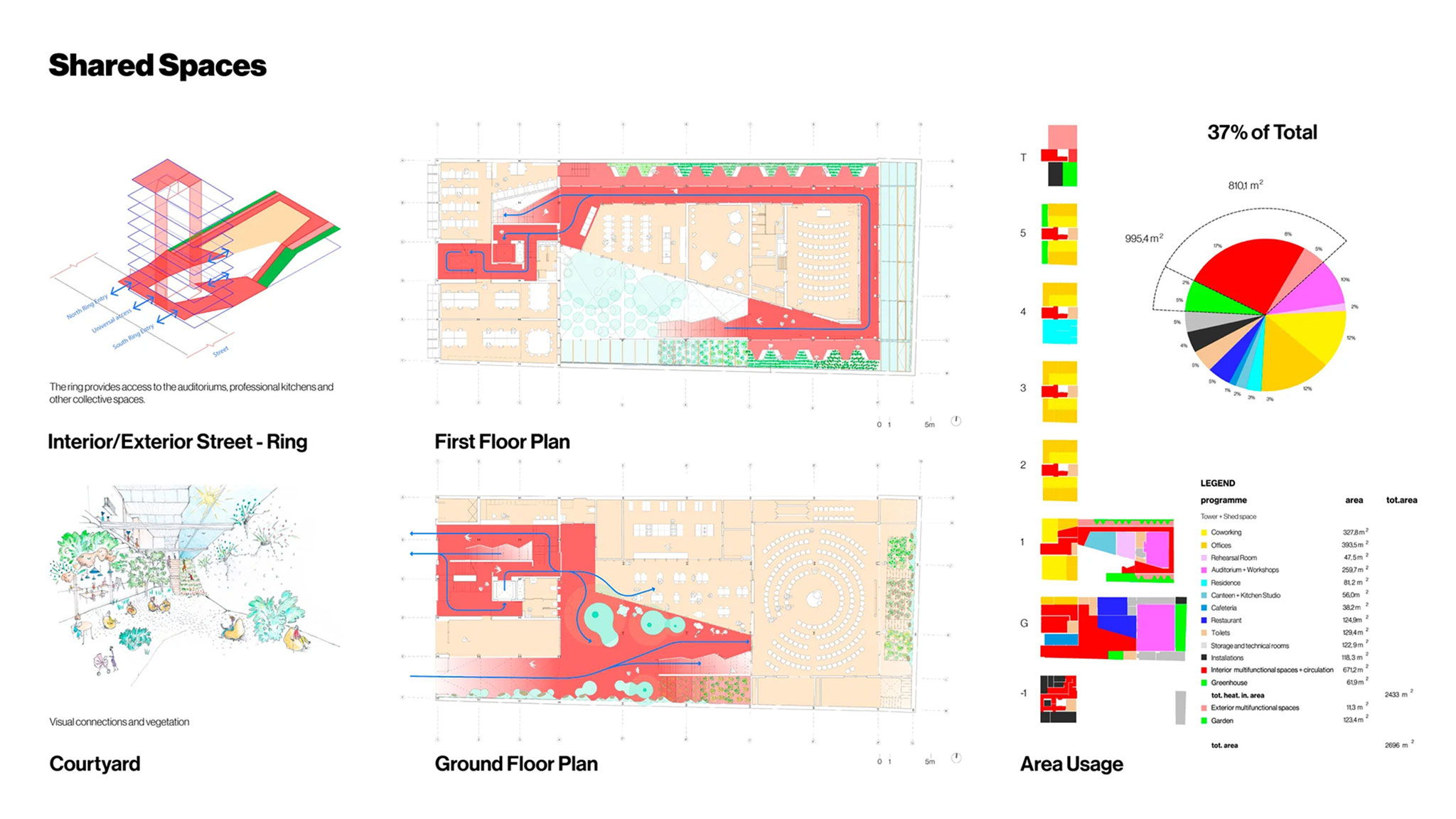
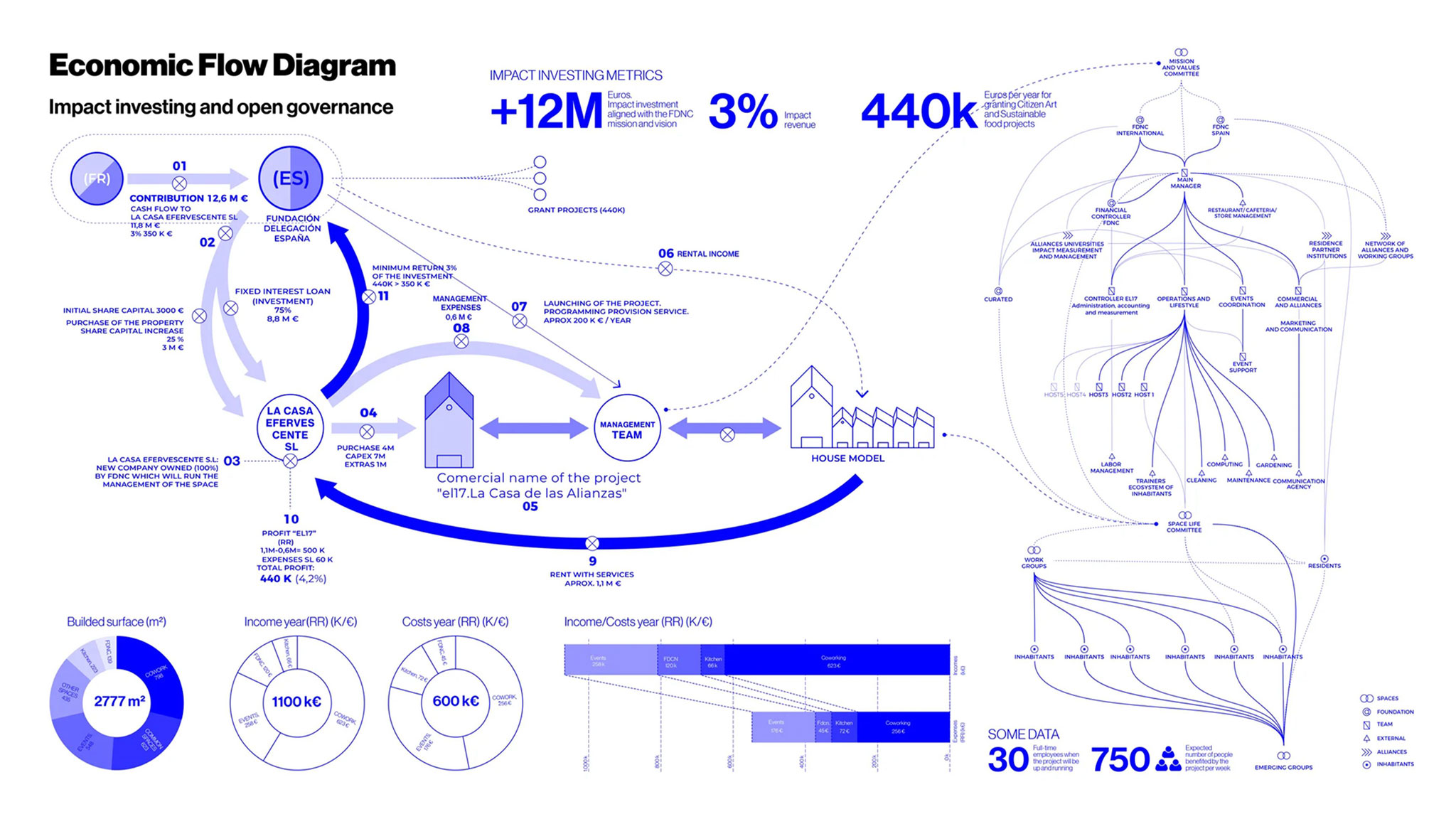
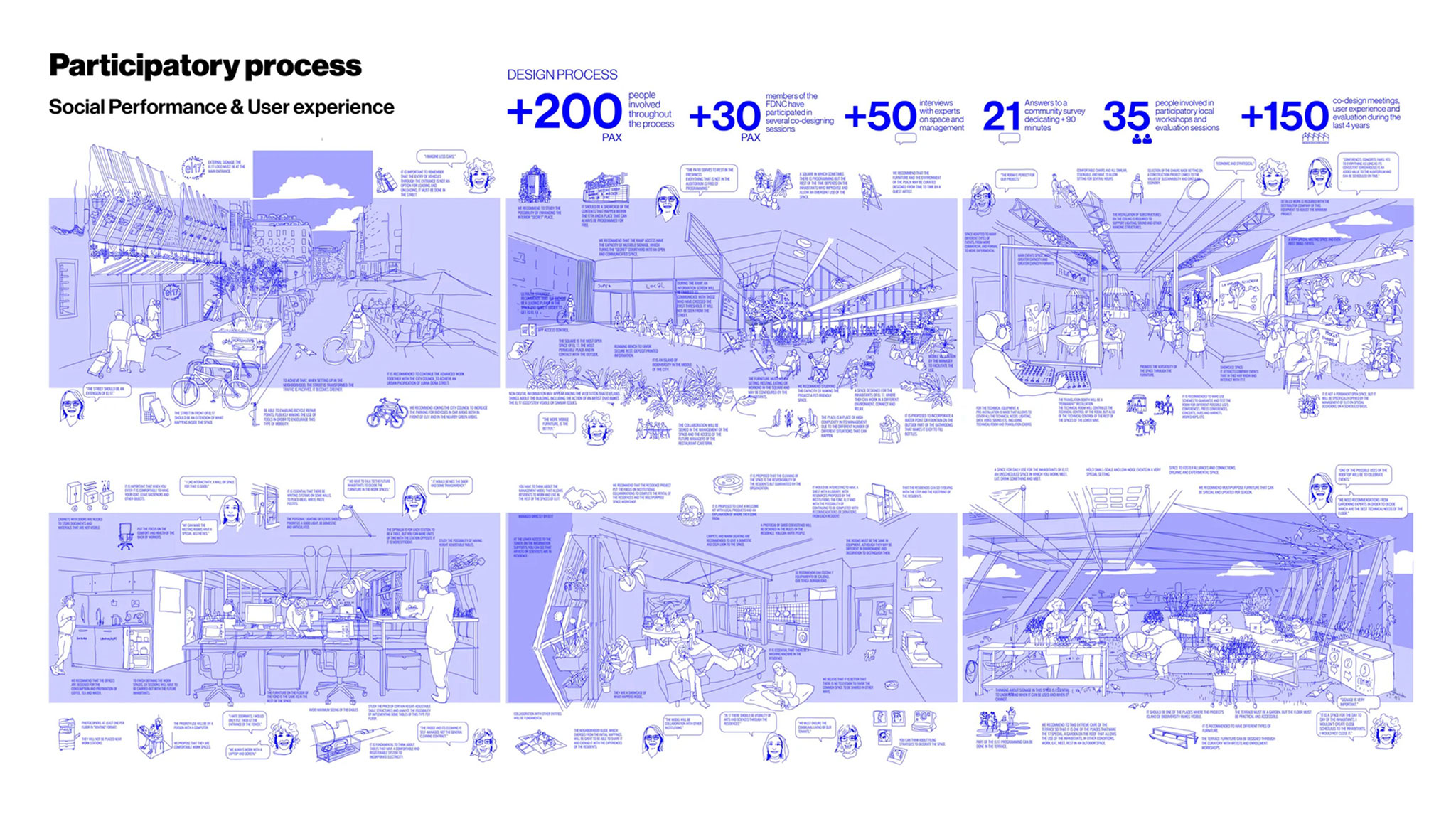
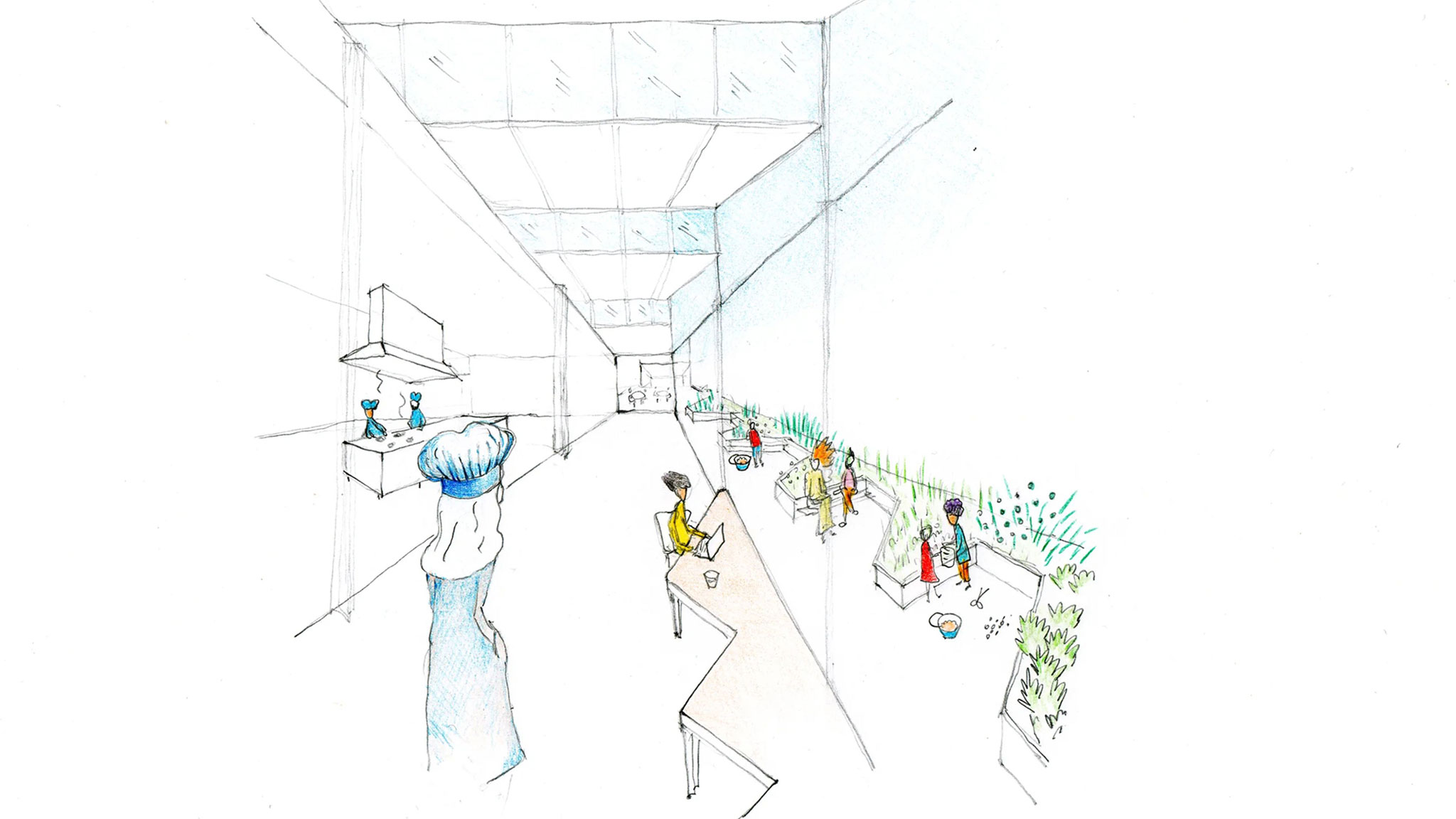
Comprehensive rehabilitation of a former industrial building with the aim of transforming it into a model construction in social and ecological terms. It is a former metalworking factory with a unique typology: a six-story block facing the street and two superimposed warehouses at the rear of the block. It is designed as a space that can accommodate urban actors linked to "sustainable food" and "citizen art" (the main lines of action of the Daniel and Nina Carasso Foundation) and contribute to the "composition of knowledge" and alliances between these communities, along with actors linked to other forms of knowledge who also inhabit the building. It comprises a hybrid program that includes offices, multipurpose spaces, a restaurant, a kitchen studio, a culinary laboratory, a staff kitchen, residential space, rehearsal rooms, gardens, vegetable plots, and a central courtyard. Nearly 40% of the surface area is for collective use, both indoors and outdoors, accessible to the neighborhood.
The architectural project is developed based on the following strategies:
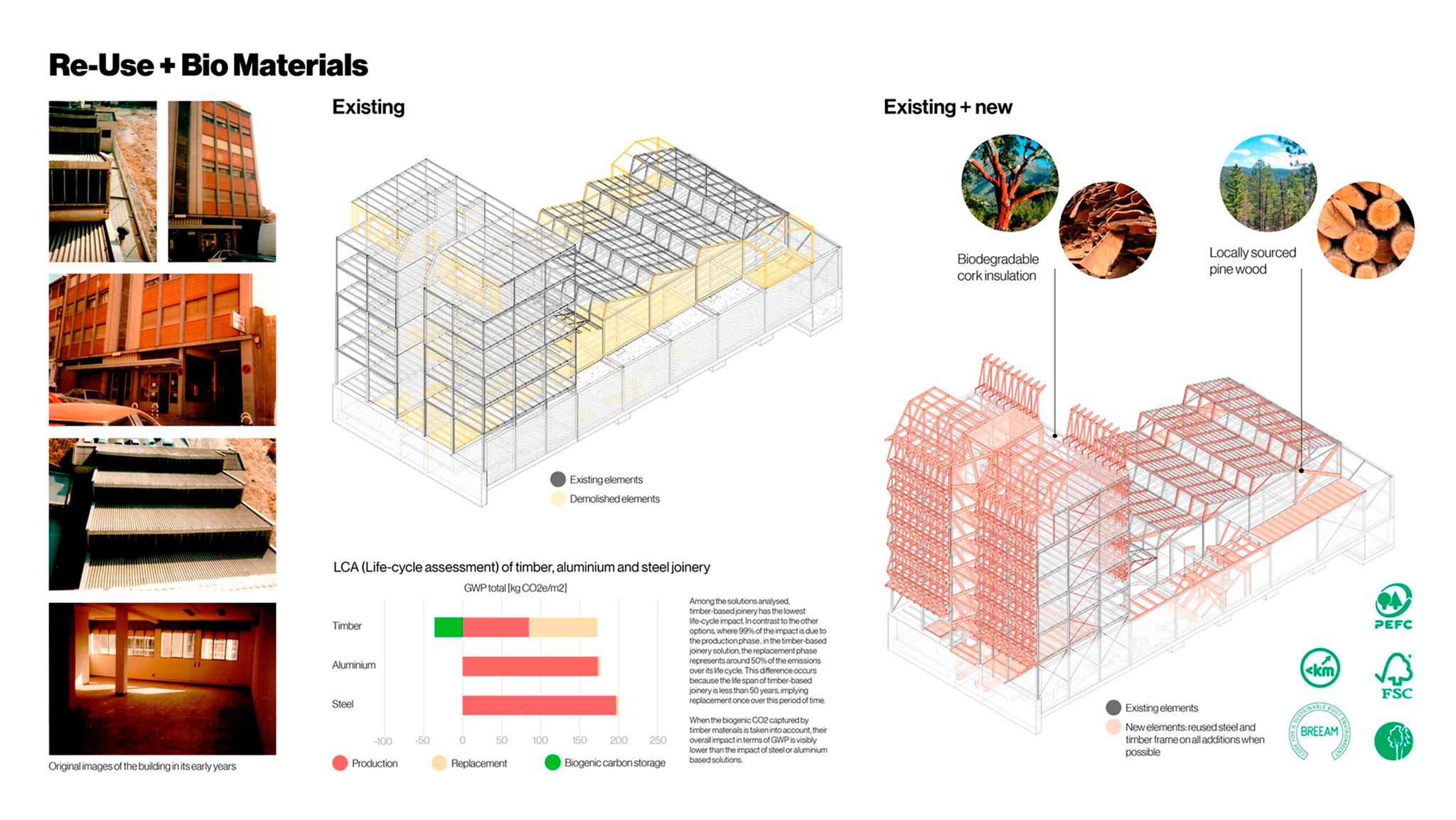
- Preserving and restoring as many existing elements as possible to highlight Madrid's industrial heritage and harness the building's embodied energy.
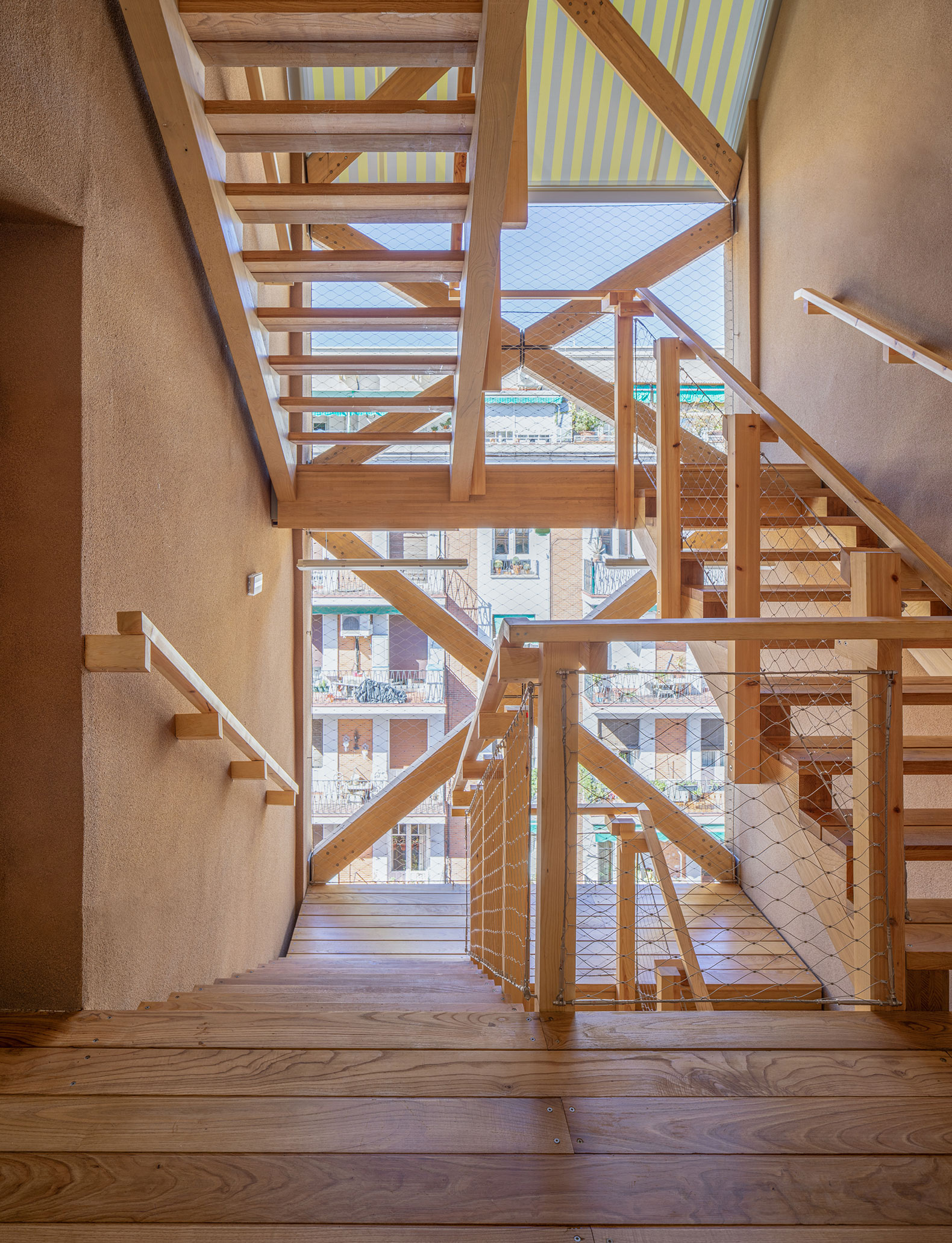
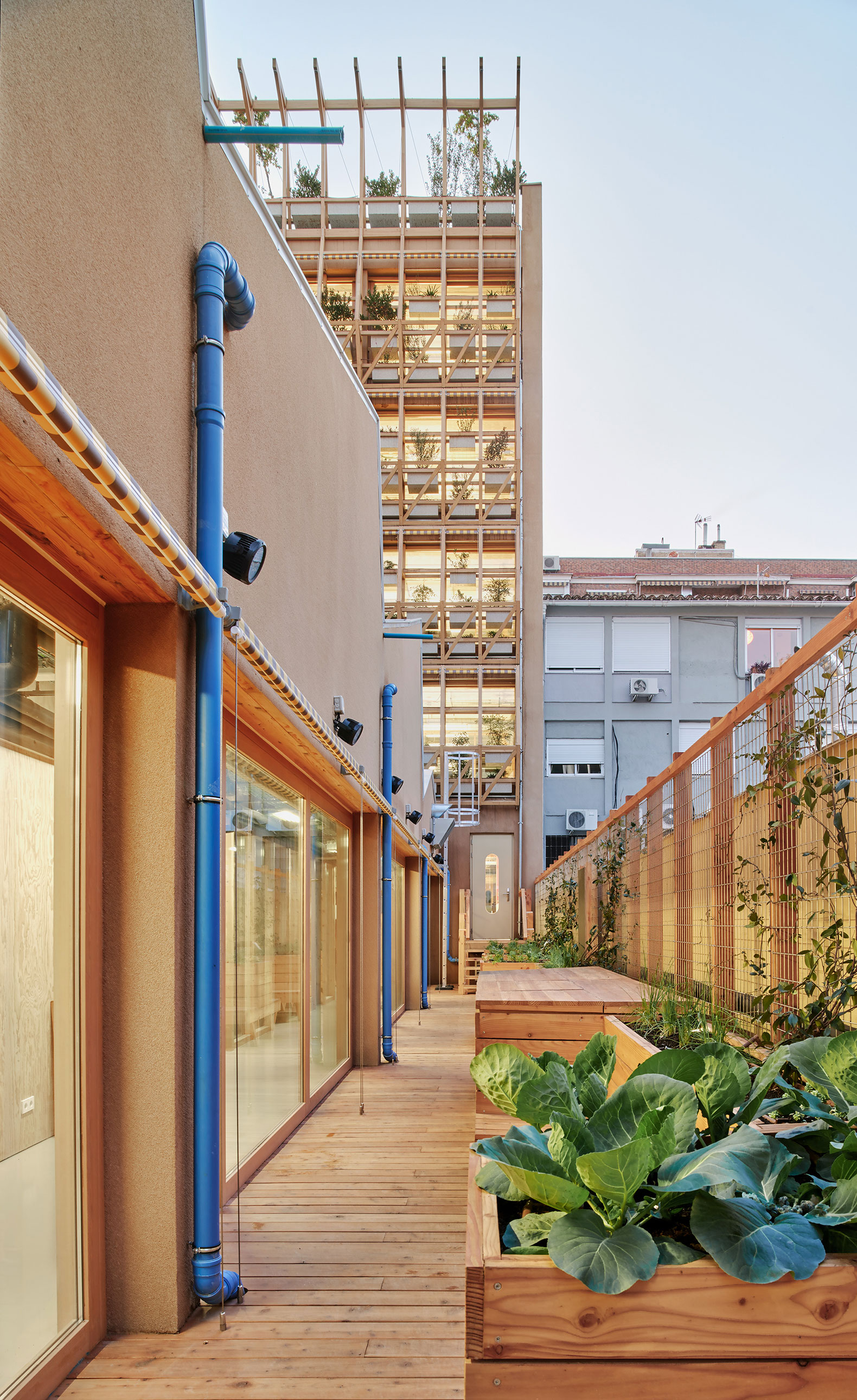
- Reorganizing circulation through a circuit of interior-exterior spaces in the form of a perimeter "ring," ensuring accessibility and permeability between the building's uses and with the surrounding neighborhood.
- Constructing, where possible, with biomaterials (locally sourced wood, cork, lime mortars, etc.), recycled materials, or materials with low environmental impact, based on life cycle analysis and the ecological performance of each material. This approach aims for a circularity of materials.
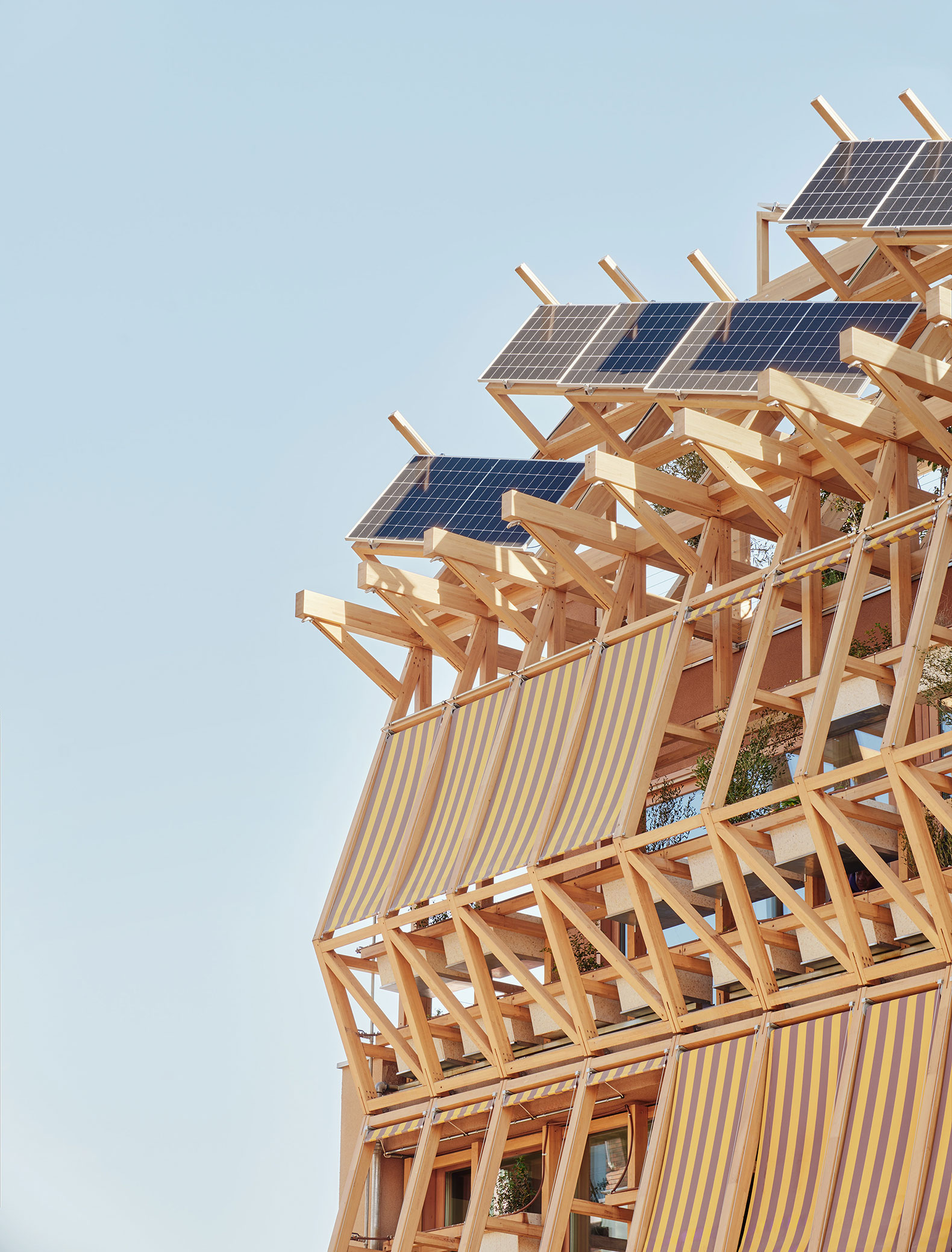
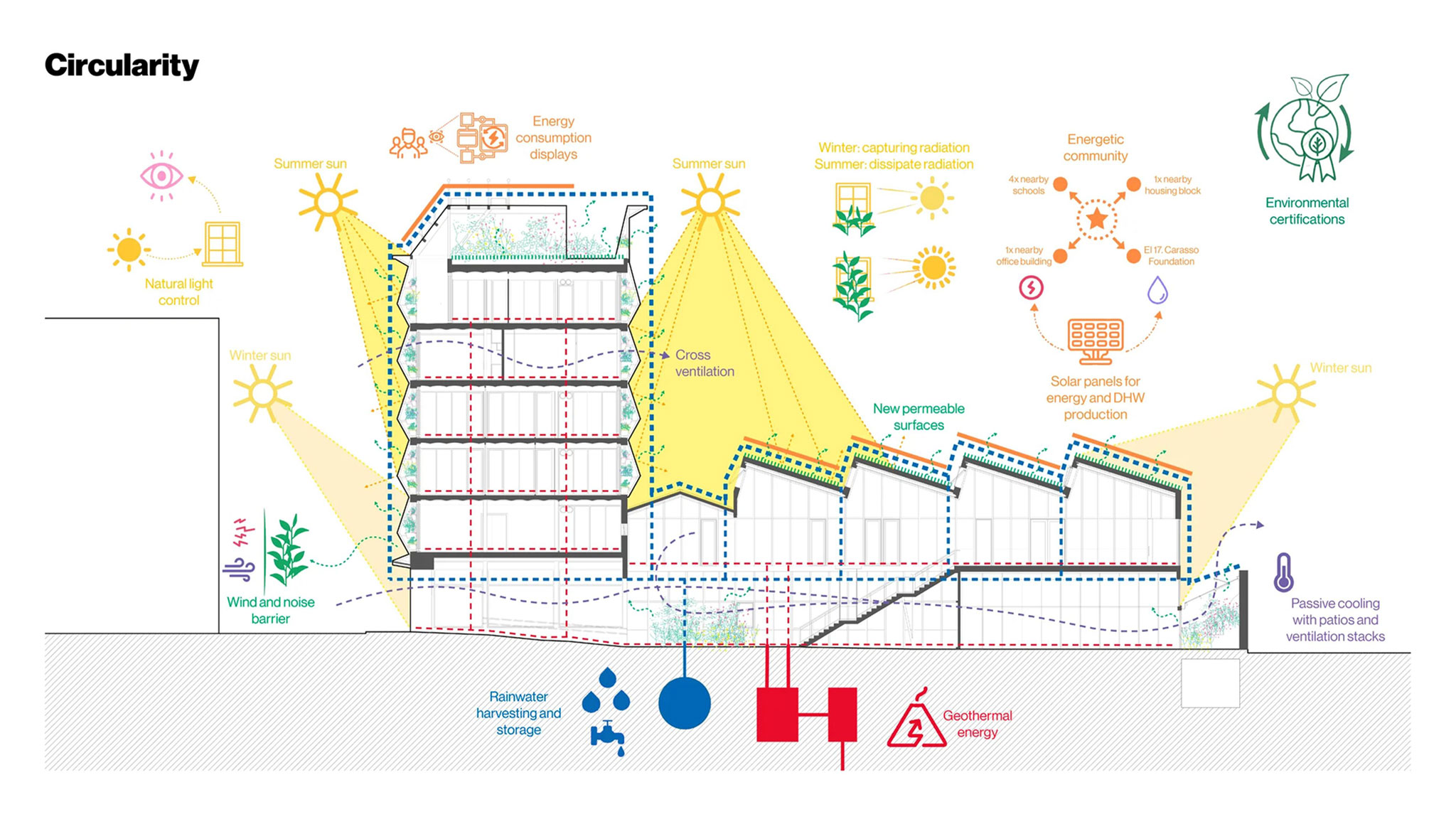
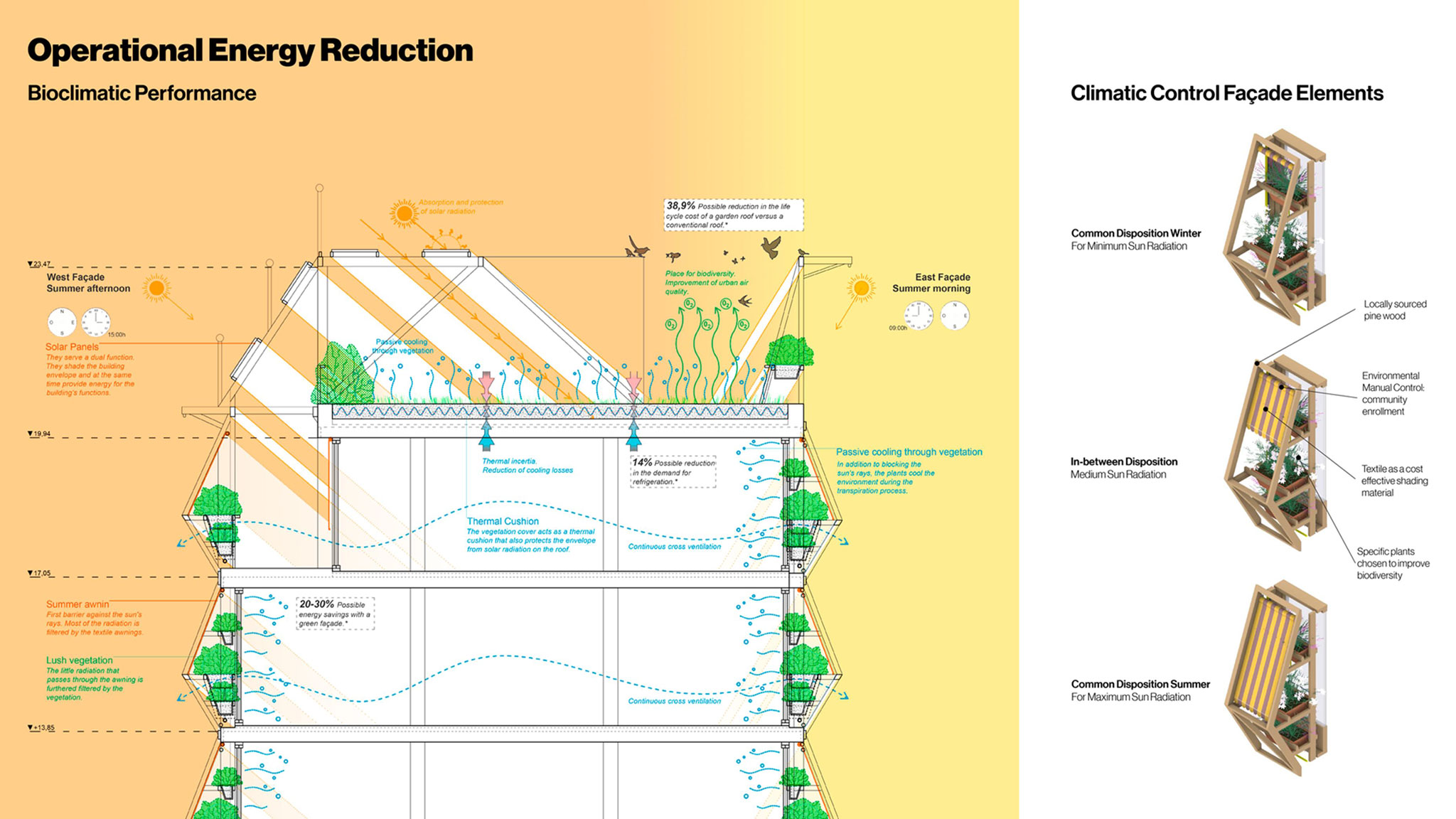
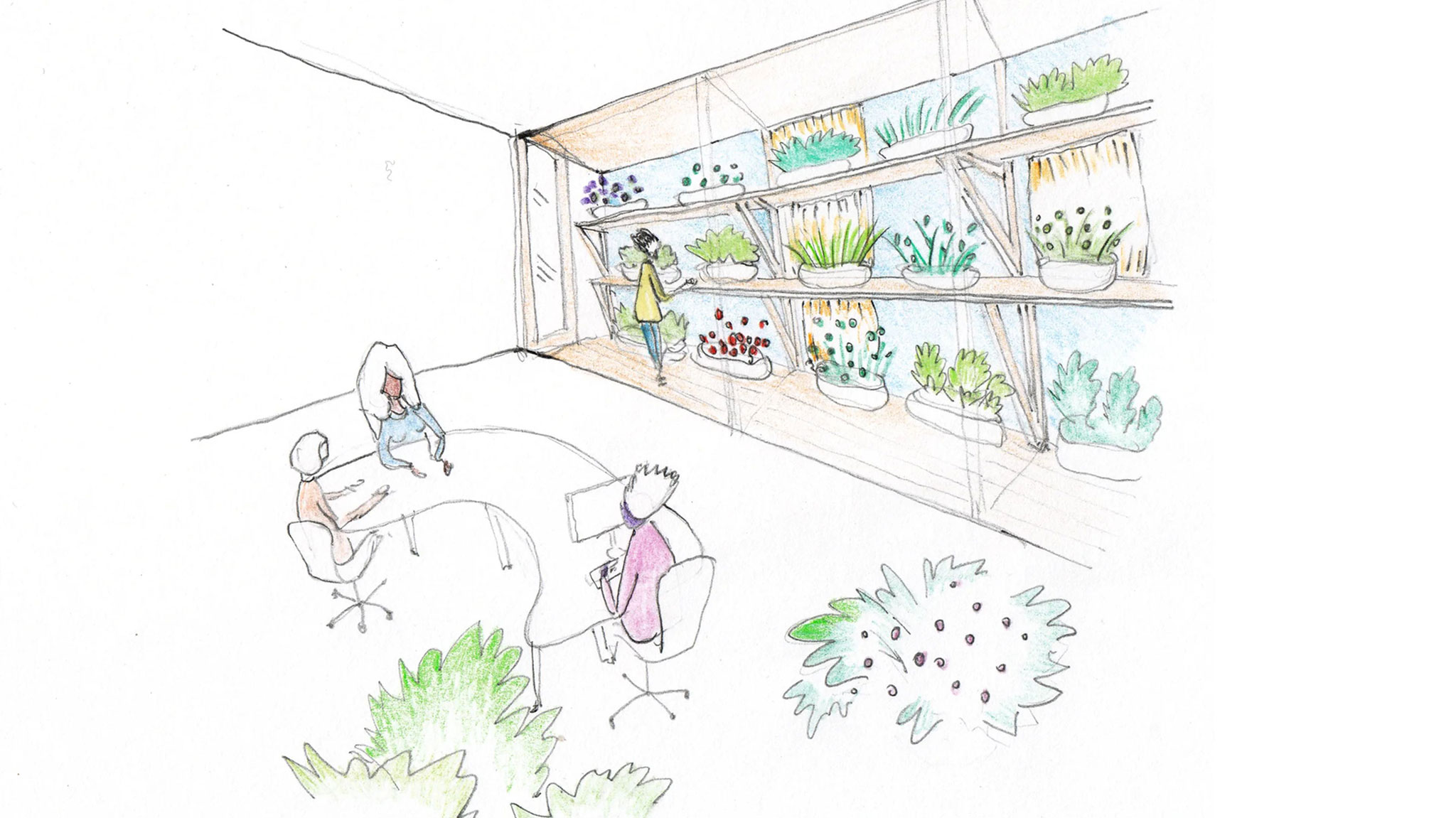
- Implementing an ambitious bioclimatic strategy to optimize the building's energy performance and reduce its dependence on fossil fuels. For example, the east and west facades of the building, supported by a chestnut wood "belly" structure, represent a reinterpretation of many traditional Madrid facades, both in terms of regulations and spatial design. On these facades, the "balconies" with plants and awnings create a thermal buffer that plays a significant role in regulating the interior climate throughout the year. The exterior-interior corridor connecting the different living spaces is also a temperate zone. That is, it is well-insulated from the outside but not heated, which contributes favorably to the building's overall energy efficiency.
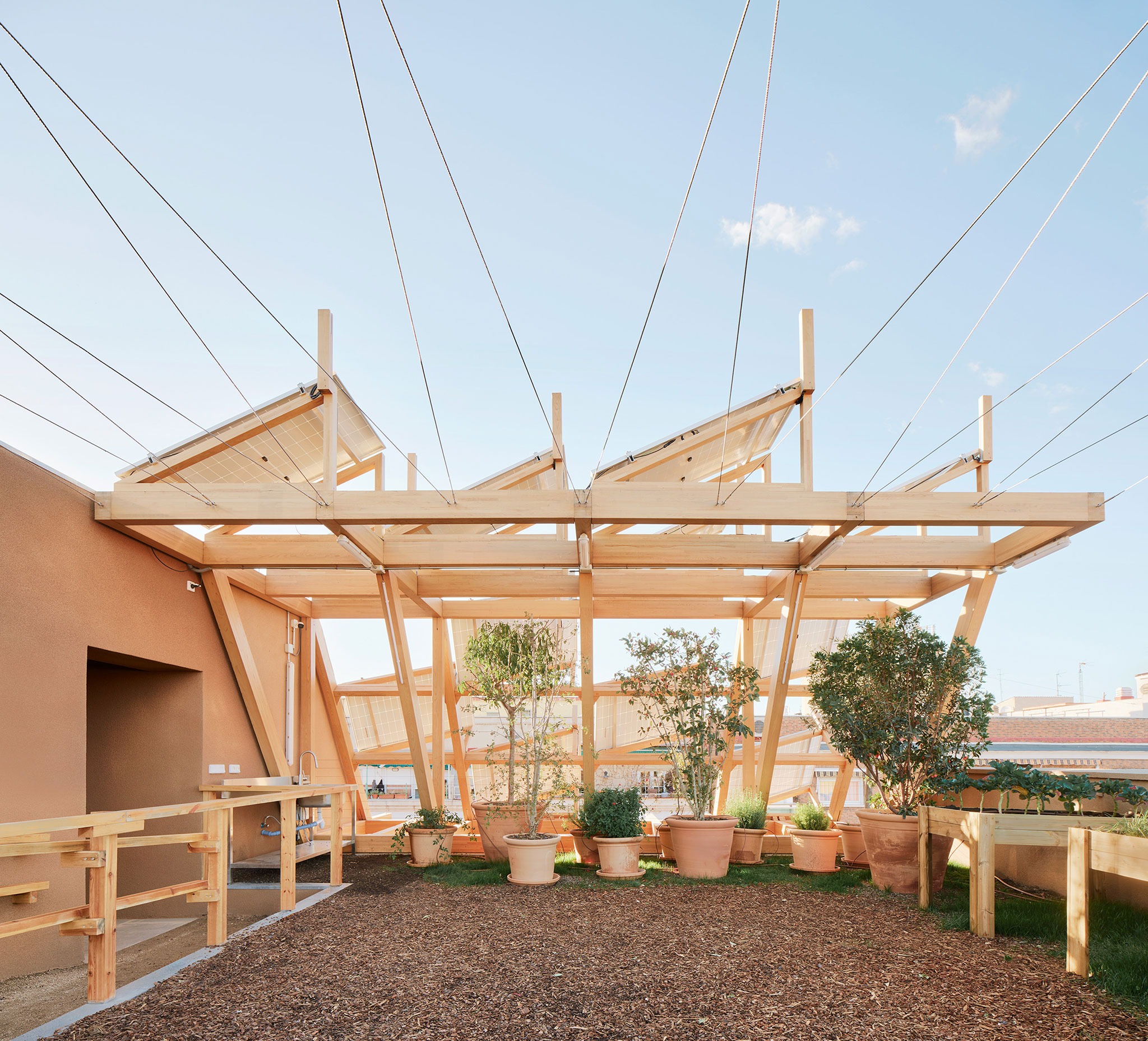
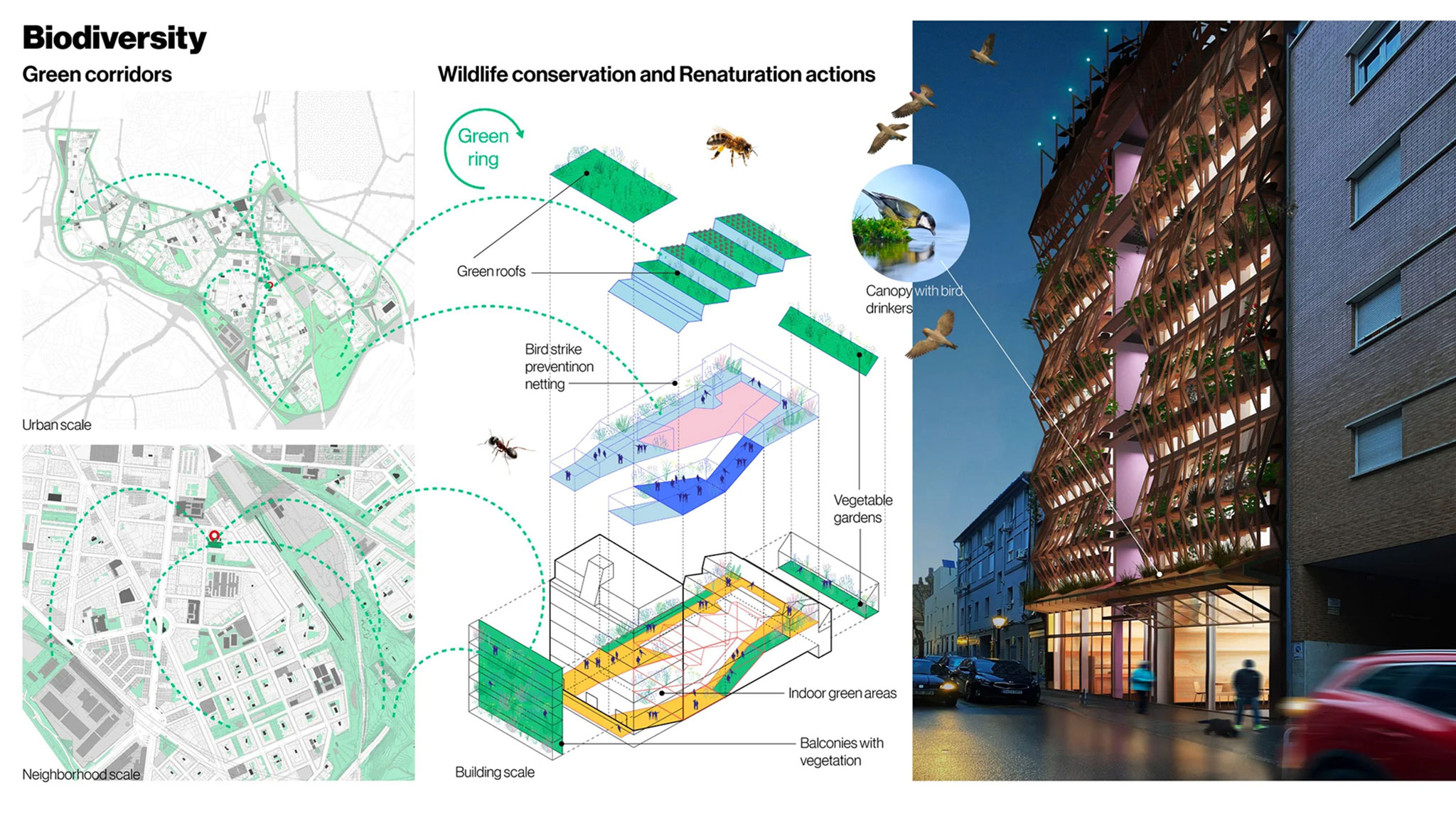
-The project integrates a series of gardens (planted areas, raised beds, composters, vegetation filters, and animal-like structures such as birdbaths, to which bat roosts and insect hotels are planned for the future, to be completed through community initiatives). The botanical project aims to support the bioclimatic strategy, reduce the urban heat island effect, and promote biodiversity in the surrounding area. For the central courtyard garden, undergrowth species were chosen, suitable for the temperate microclimate of this indoor-outdoor space. For the exterior facade gardens, perennial species native to the region, requiring little water, were selected. A 15 m³ tank built in the subsoil of the central courtyard collects rainwater for irrigation.
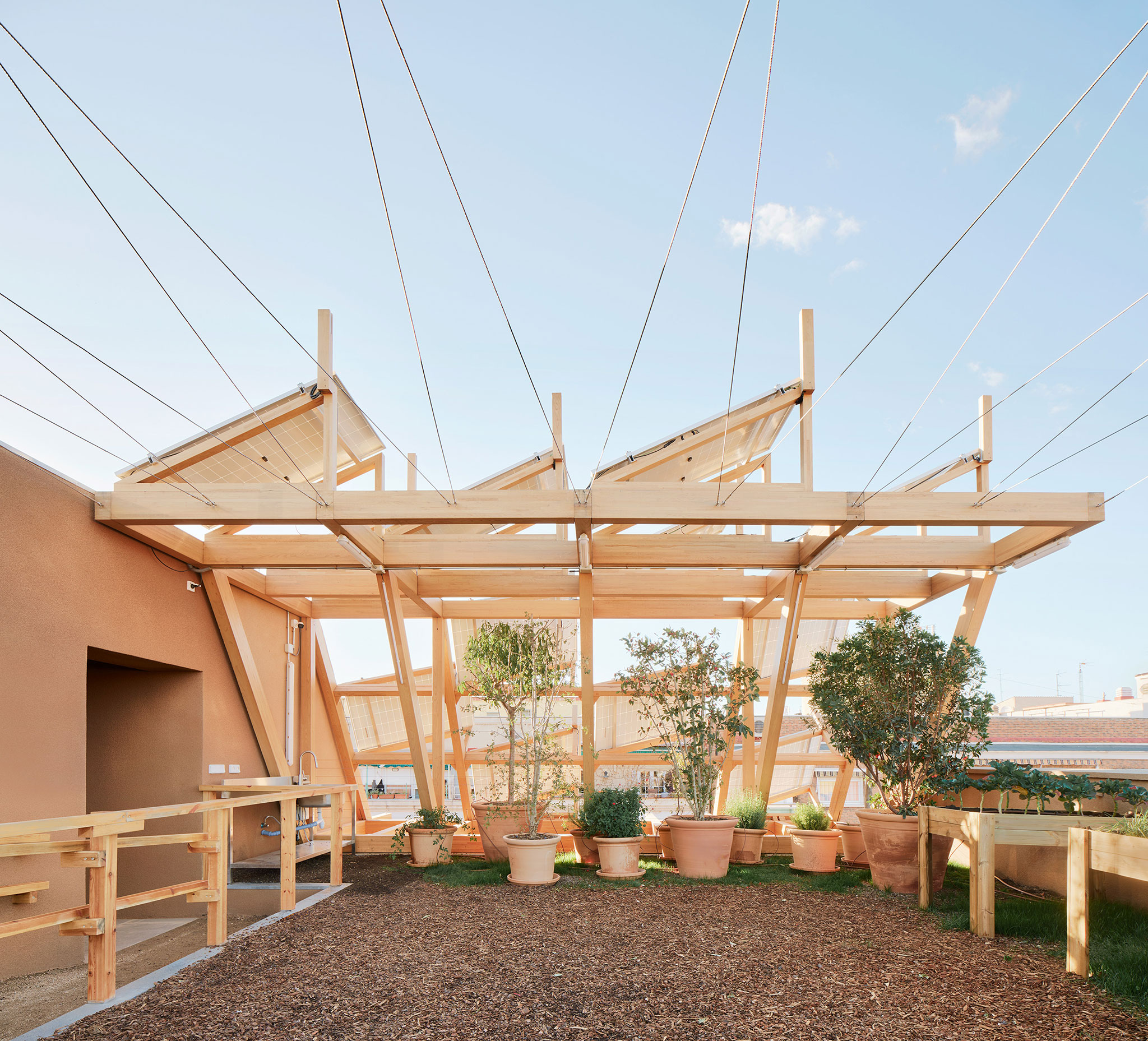
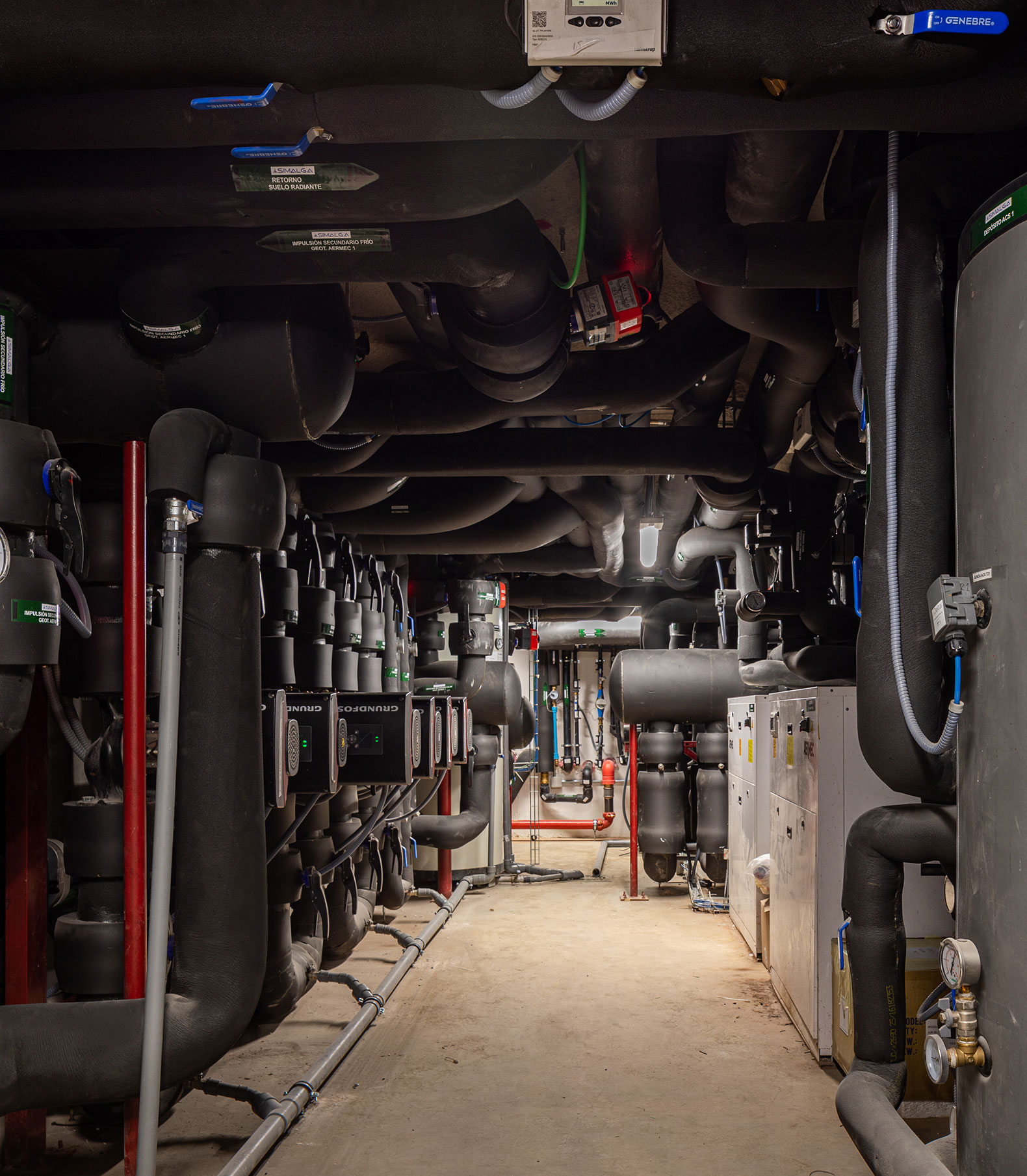
-The building's active climate control will be achieved through the use of renewable energies, such as geothermal and aerothermal energy, along with a distributed and integrated photovoltaic solar array. Part of this array forms a pergola on the building's rooftop, providing shade in this recreational space, and is also integrated into the green roofs of the warehouses as a hybrid landscape. Plans are also underway to establish an energy community with some neighbors: a school and an apartment building in the neighborhood.
-Indicators will be installed to make energy management visible, creating an "energy landscape" that encourages residents' involvement in environmental issues. -Implement a decarbonization strategy encompassing design adjustments, material specifications, and organizational and programmatic configurations of spaces.
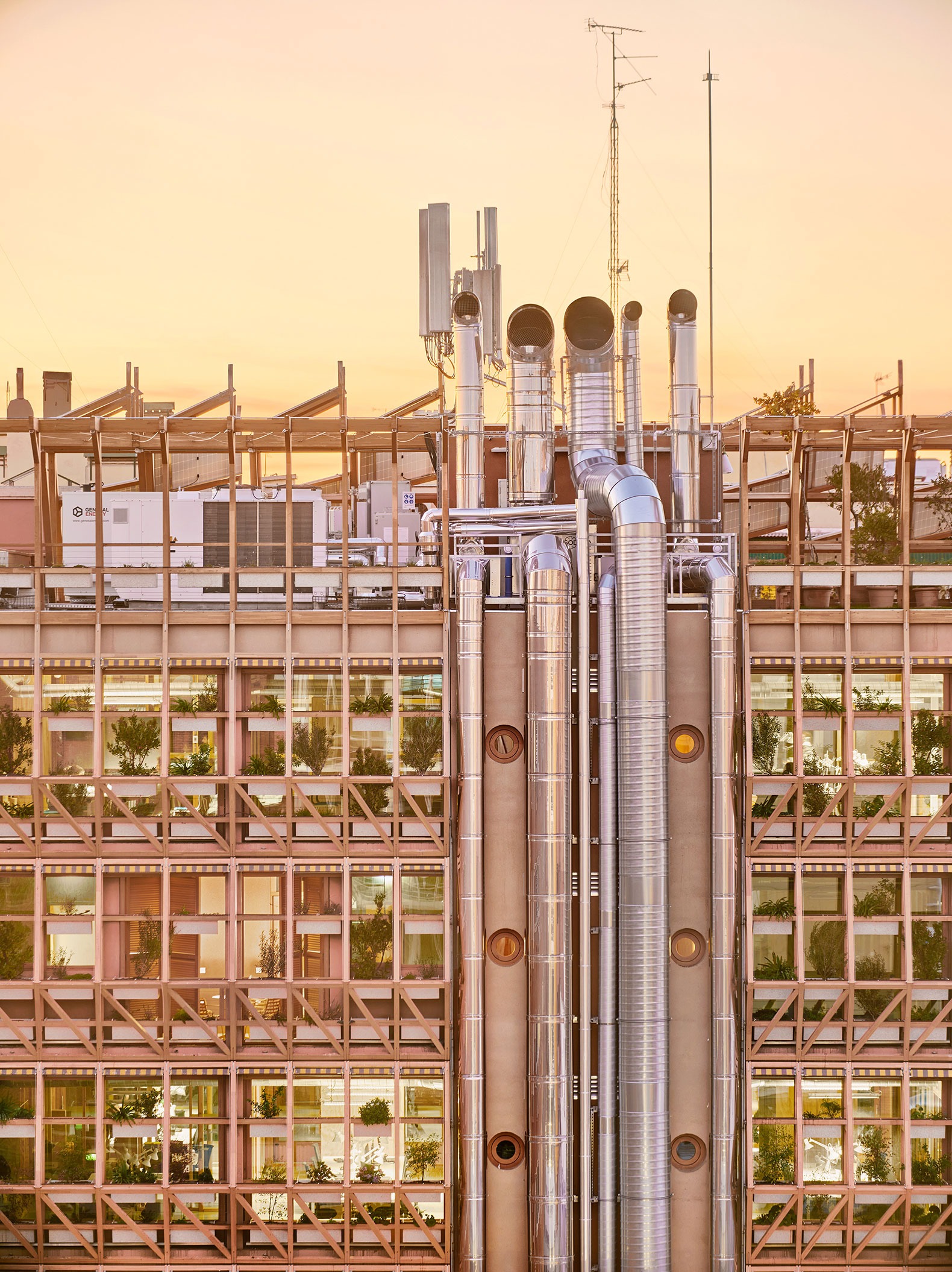
In the context of the climate crisis, the project addresses socio-ecological challenges that we believe require urgent attention. On the one hand, we consider that every construction detail, material specification, and spatial strategy entails an ecological commitment to others (humans, more than humans, future, present, and past generations, diverse bodies) at multiple scales, both spatial and temporal. On the other hand, we recognize that these challenges must be addressed through desire: the building confronts ecological challenges as an opportunity to experiment with other ways of living together, of building, and of opening up other imaginaries where we can dream of futures less focused exclusively on the human.
* Golden Prize Holcim Awards 2023 and BREEAM-exception project.