

In recent years, the Gold Medal for Architecture has been awarded to Fernando de Terán and Joan Busquets (2025), Josep Llinàs (2024), César Portela (2023), Carme Pinòs y Carlos Puente (2022), Alberto Campo Baeza (2019), Victor López Cotelo and Guillermo Vázquez Consuegra (2016), Antonio Cruz and Antonio Ortiz (2014)...
About José Ignacio Linazasoro
José Ignacio Linazasoro (San Sebastián, 1947) studied architecture in Pamplona and Barcelona, where he graduated as an architect and later obtained his PhD from the Barcelona School of Architecture (ETSAB) in 1972 and 1980, respectively. Since then, he has developed a career that seamlessly combines architectural practice, research, teaching, and theoretical reflection.
His work, widely recognised both in Spain and internationally, first gained prominence in the 1970s with the Hondarribia Ikastola, designed in collaboration with Miguel Garay. During the 1980s, he consolidated an architectural language defined by rigour and sensitivity to context through projects such as the reconstruction of the Church of Santa Cruz in Medina de Rioseco. In the following decade, his project for the Central Library of the UNED brought him broad critical acclaim and numerous awards.
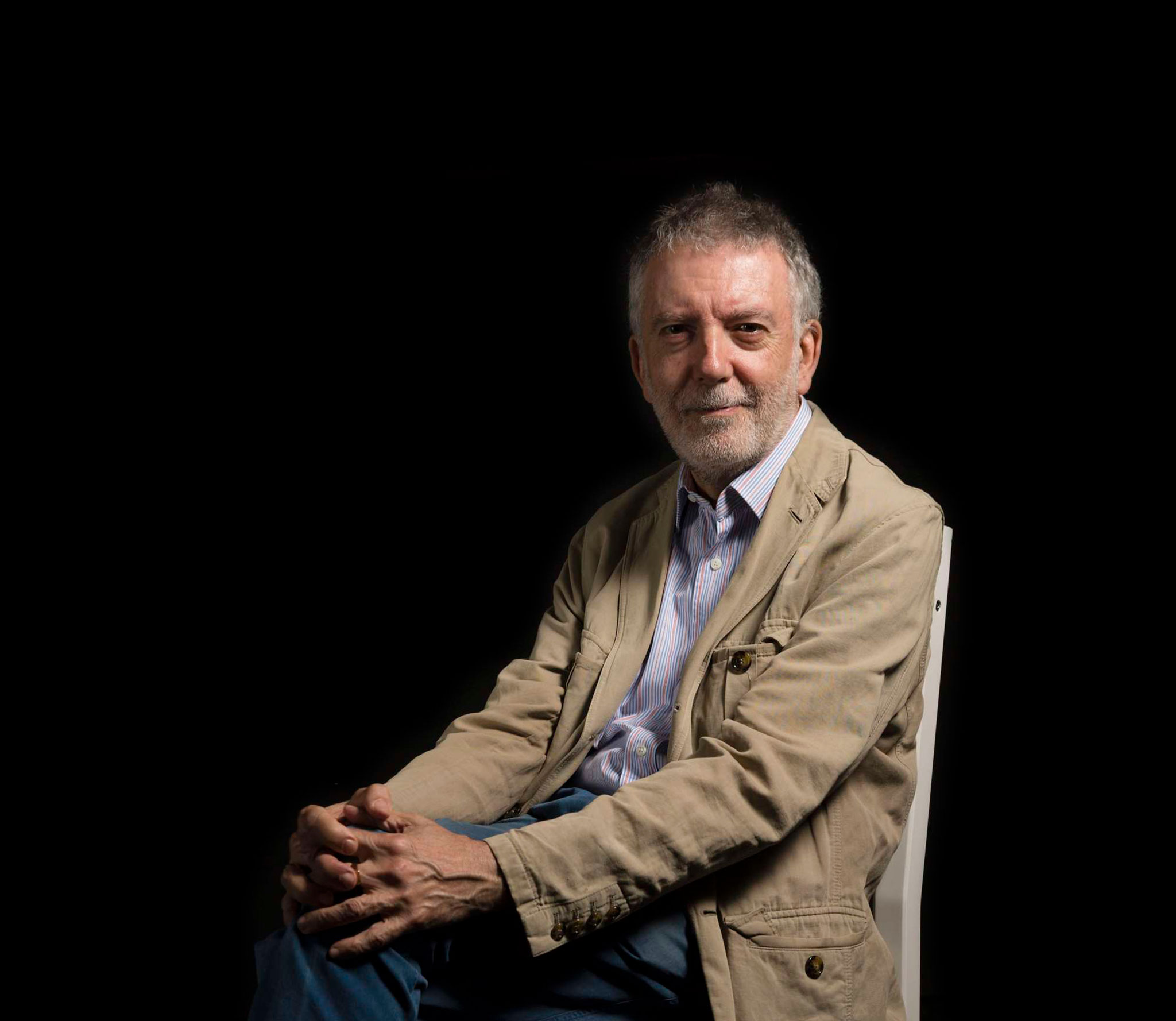
José Ignacio Linazasoro. Photograph by Miquel de Guzmán.
At the beginning of the 21st century, he completed some of his most widely published works, including the Church of San Lorenzo in Valdemaqueda and the Escuelas Pías University Centre in Madrid, now considered a landmark of contemporary Spanish architecture. He later developed international projects such as the Cathedral Square in Reims and the Congress Centre in Troyes, France. Since 2011, he has maintained a close collaboration with architect Ricardo Sánchez, with whom he has designed, among other works, the Segovia University Campus and the remodelling of Madrid’s Puerta del Sol, completed in 2023.
Alongside his professional practice, Linazasoro has pursued an extensive academic career. He has served as Professor of Architectural Design at the schools of architecture in Valladolid and Madrid — where taught since 1988 — and has been invited as a visiting professor to universities and institutions across Europe and the Americas, including Venice, Milan, Bari, Lima, and Lausanne. He has also lectured extensively on his work in cities such as Paris, London, Prague, Budapest, Mexico City, and at several universities in the United States.
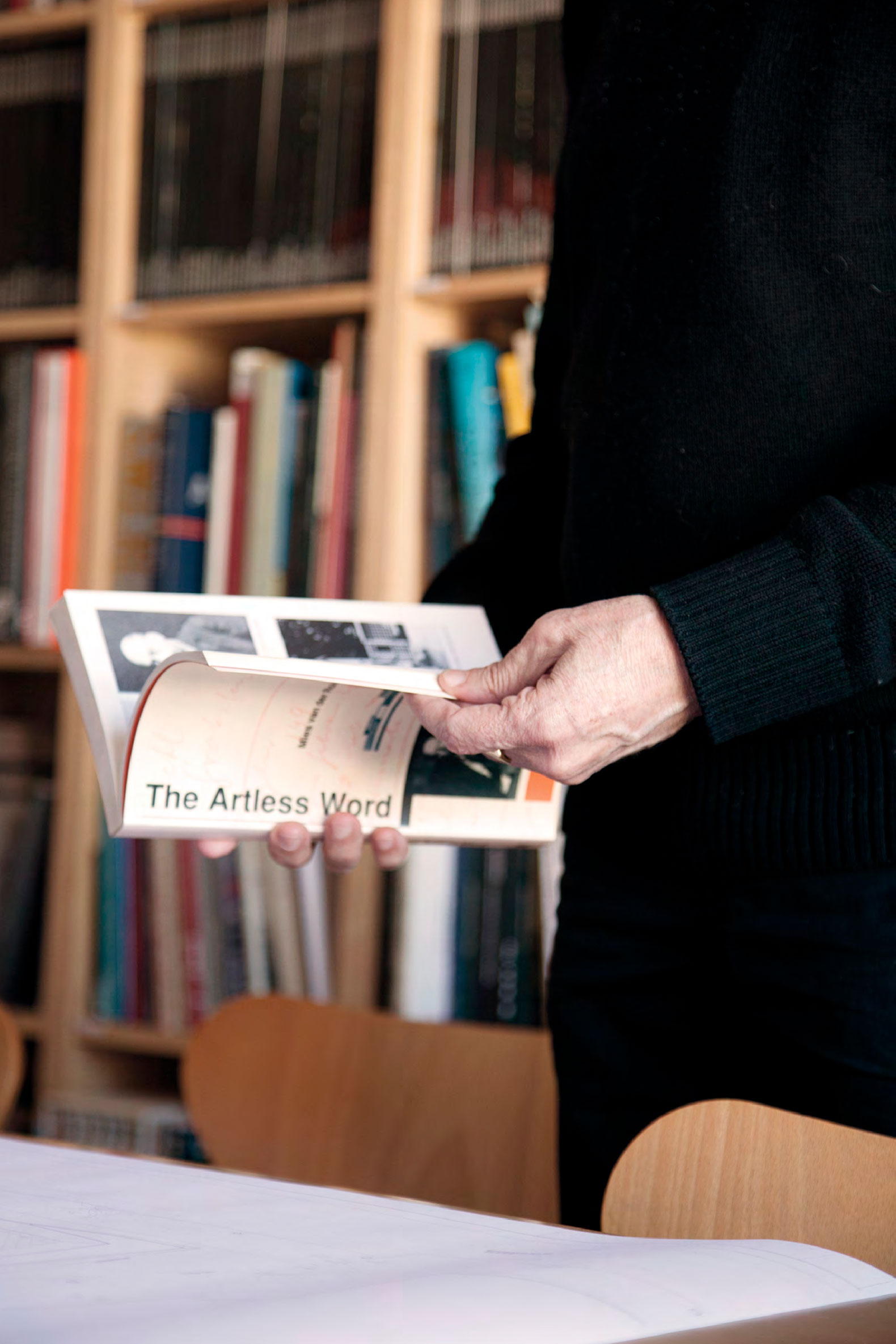
José Ignacio Linazasoro. Photograph by Felix Fuentes.
Throughout his career, he has received numerous national and international distinctions, including the COAM Award, the Moreno Mansilla Award, the COACYLE Award, the International Brick Award, the Gutiérrez Soto Award, and the Piranesi Prix de Rome.
Beyond his built work, he has developed an important body of theoretical and editorial work. Author of texts such as La memoria del orden (The Memory of Order), he has also published several monographs on his work in Spain, France, and Italy.
Since 1987, he has been a member of the Architecture Section of the Royal Academy of Fine Arts of San Fernando.
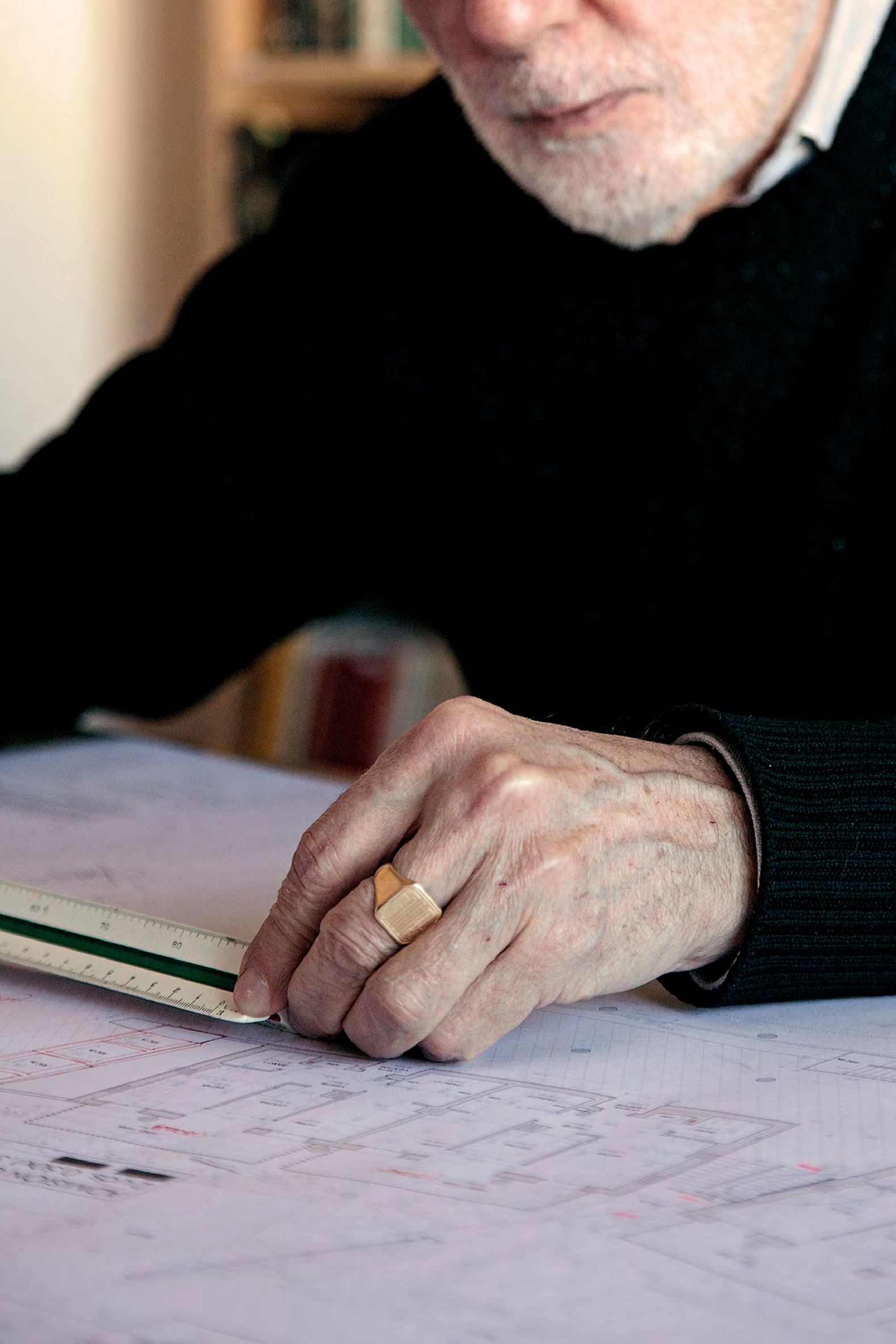
José Ignacio Linazasoro. Photograph by Félix Fuentes.
Established by the Higher Council of the Colleges of Architects of Spain (CSCAE) in 1981, the Gold Medal for Architecture honours individuals and institutions whose work contributes to advancing and enriching the field of architecture.
The jury responsible for awarding the distinction was composed of Laureano Matas Trenas, First Vice President of the CSCAE; Manuel Cabalgante Gallardo, representative of the Official College of Architects of Extremadura; Ramón Pico Valimaña, President of the Conference of Schools of Architecture of Spain and Director of the School of Architecture in Seville; architects Jaume Prats Ortells and Alberto Campo Baeza; architecture specialist Ana Román Escobar; and María José Peñalver Sánchez, Secretary General of the CSCAE, acting as secretary with voice but no vote.
The award ceremony will take place on June 9 during the ARQUITECTURA 2026 Awards gala, to be held at the Teatro Alcázar in Madrid.


![Bois de Cergy Leisure Centre by PLURIEL[LES] ARCHITECTES. Photograph by Charly Broyez](/sites/default/files/styles/mopis_home_news_category_slider_desktop/public/2026-10/metalocus_PLURIEL-LES_Bois-de-Cergy-Leisure-Centre_14_2p.webp?h=3b4e7bc7&itok=DISDLRbJ "Bois de Cergy Leisure Centre by PLURIEL[LES] ARCHITECTES. Photograph by Charly Broyez")


