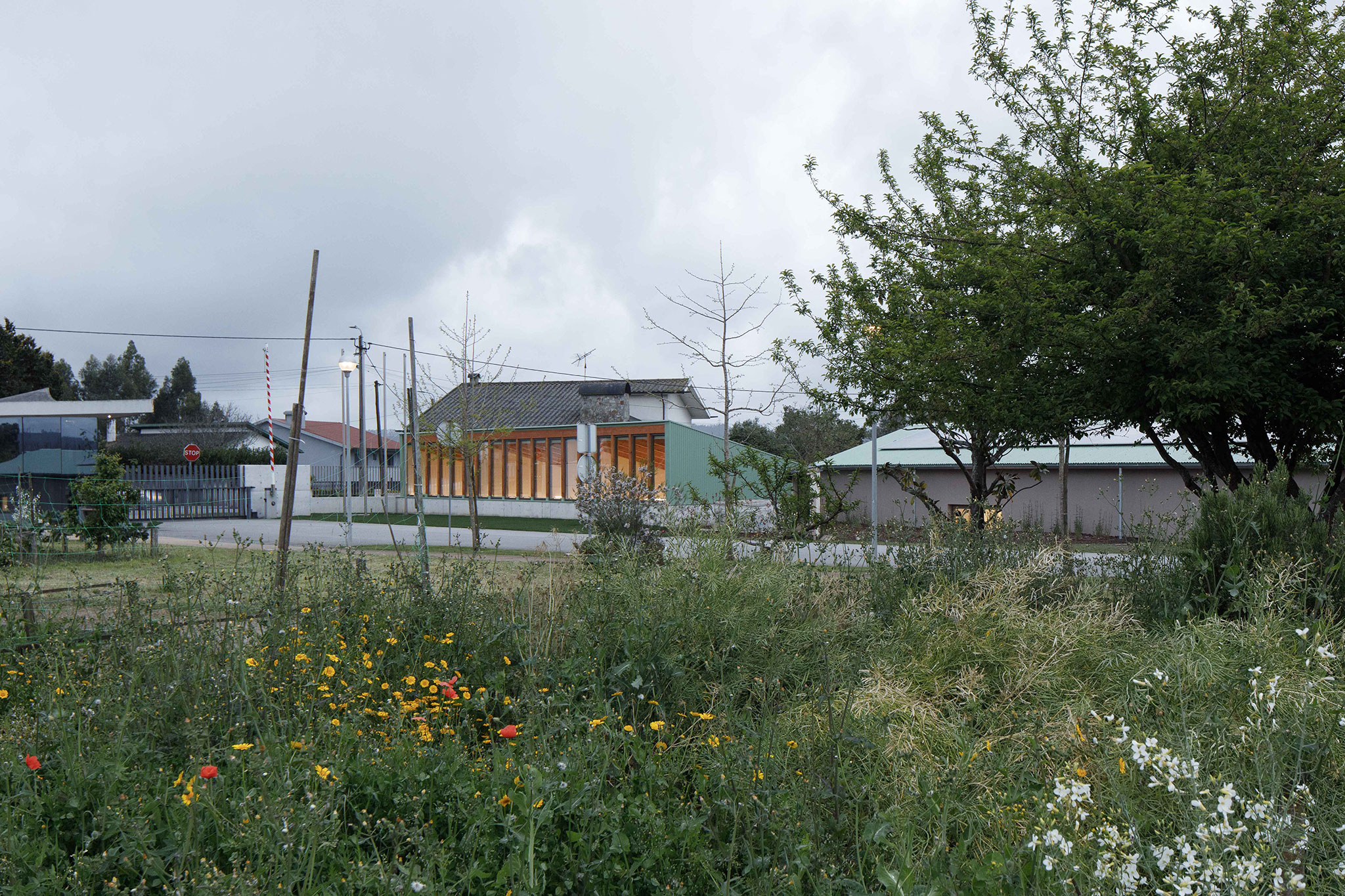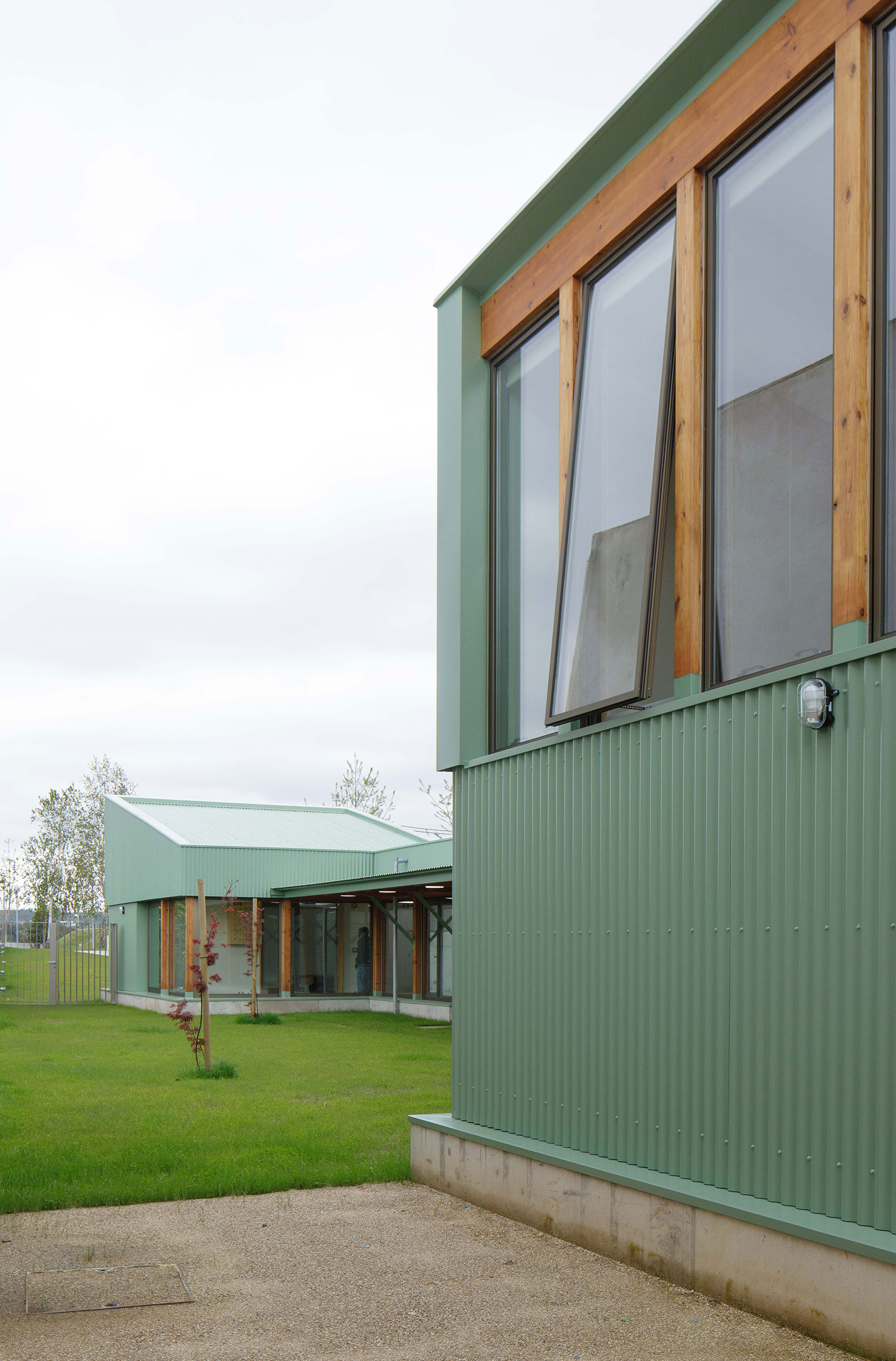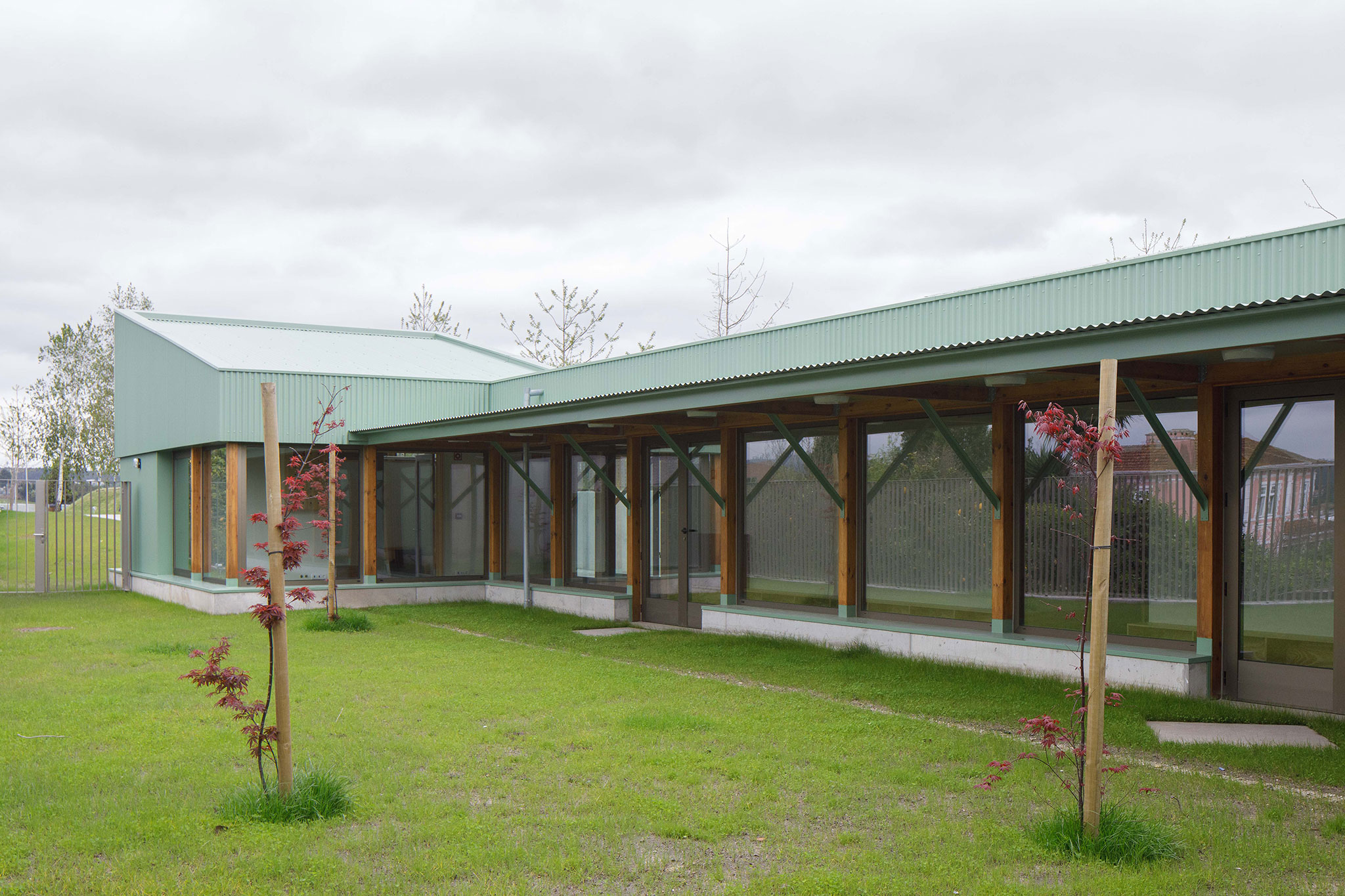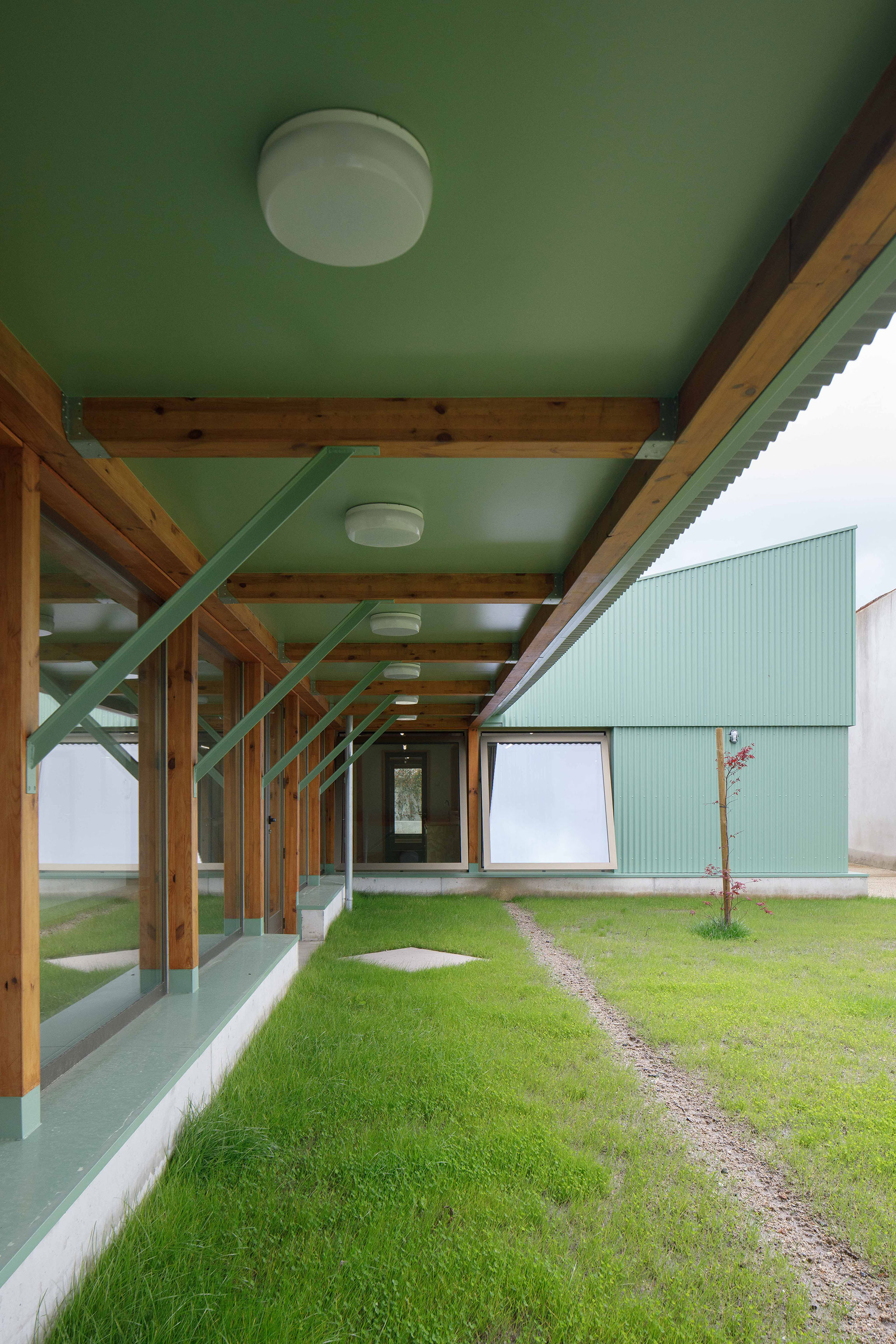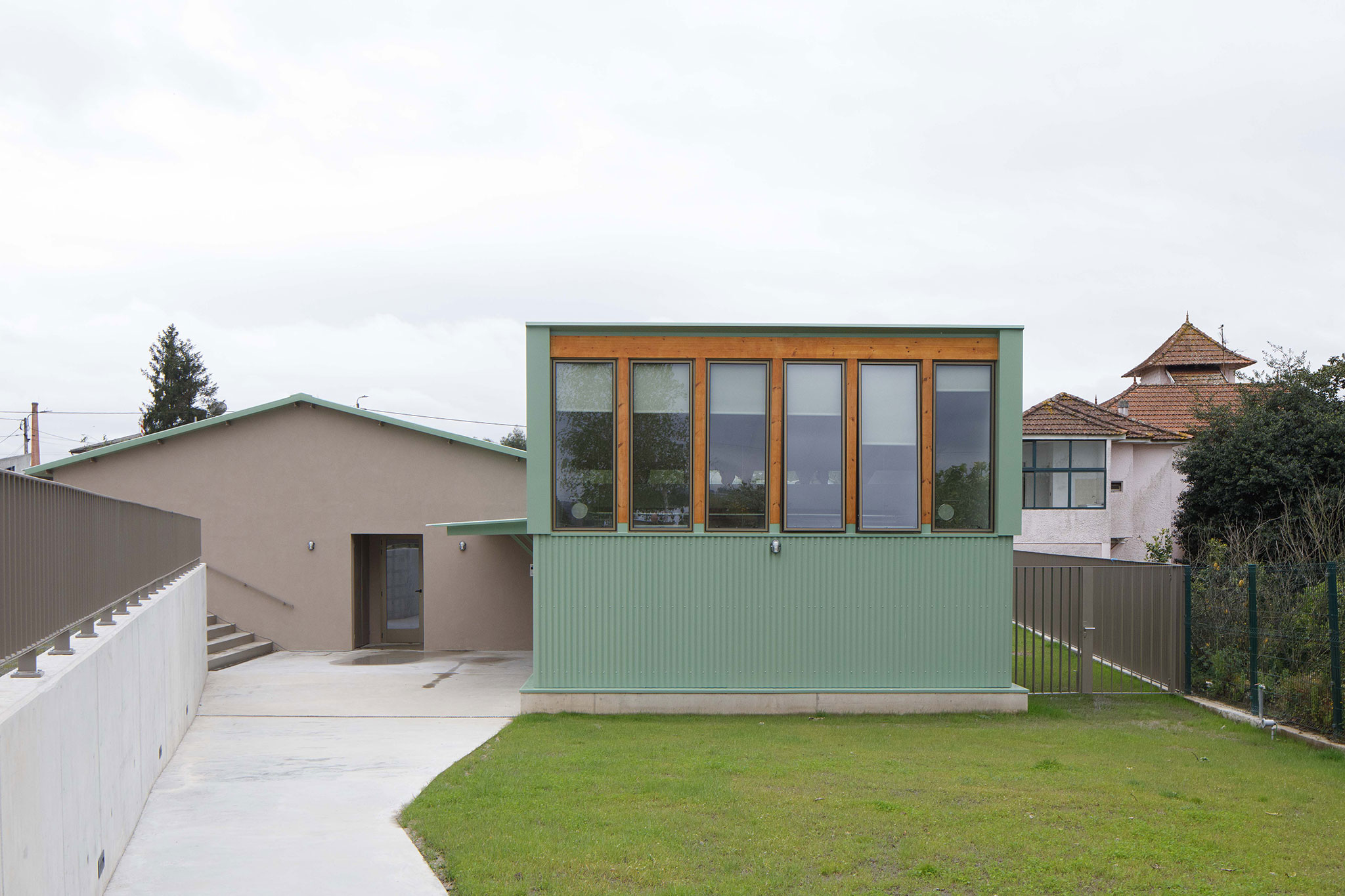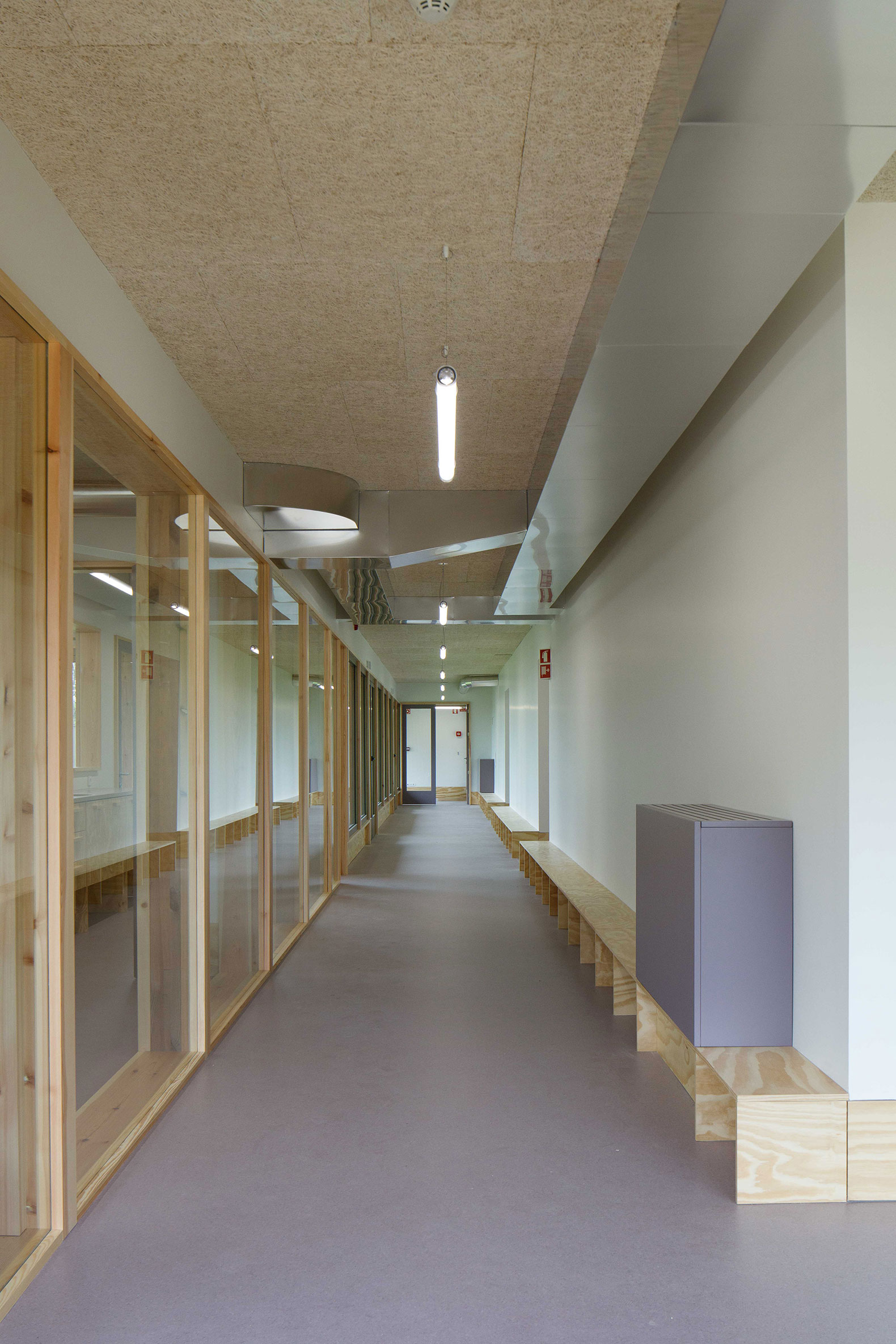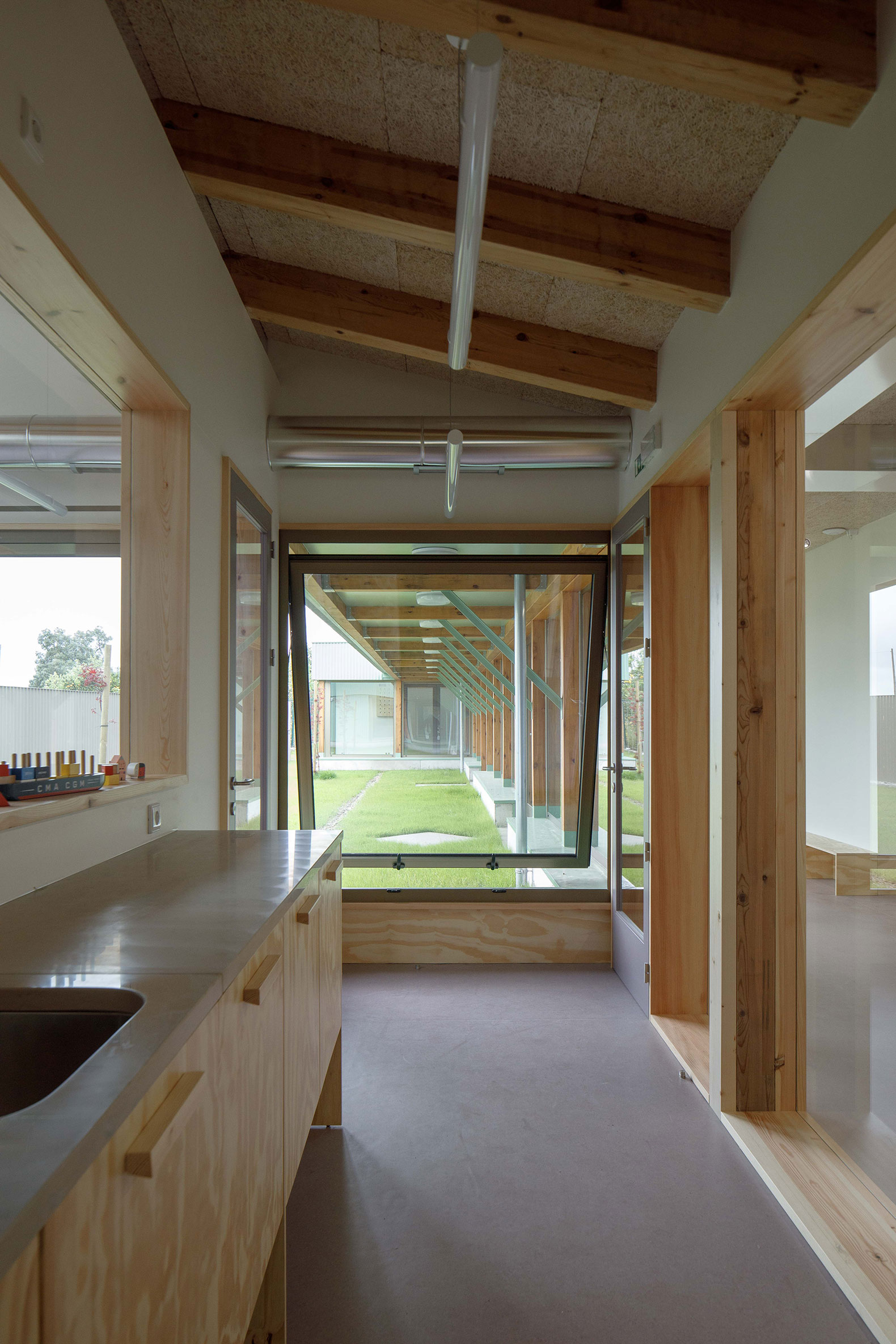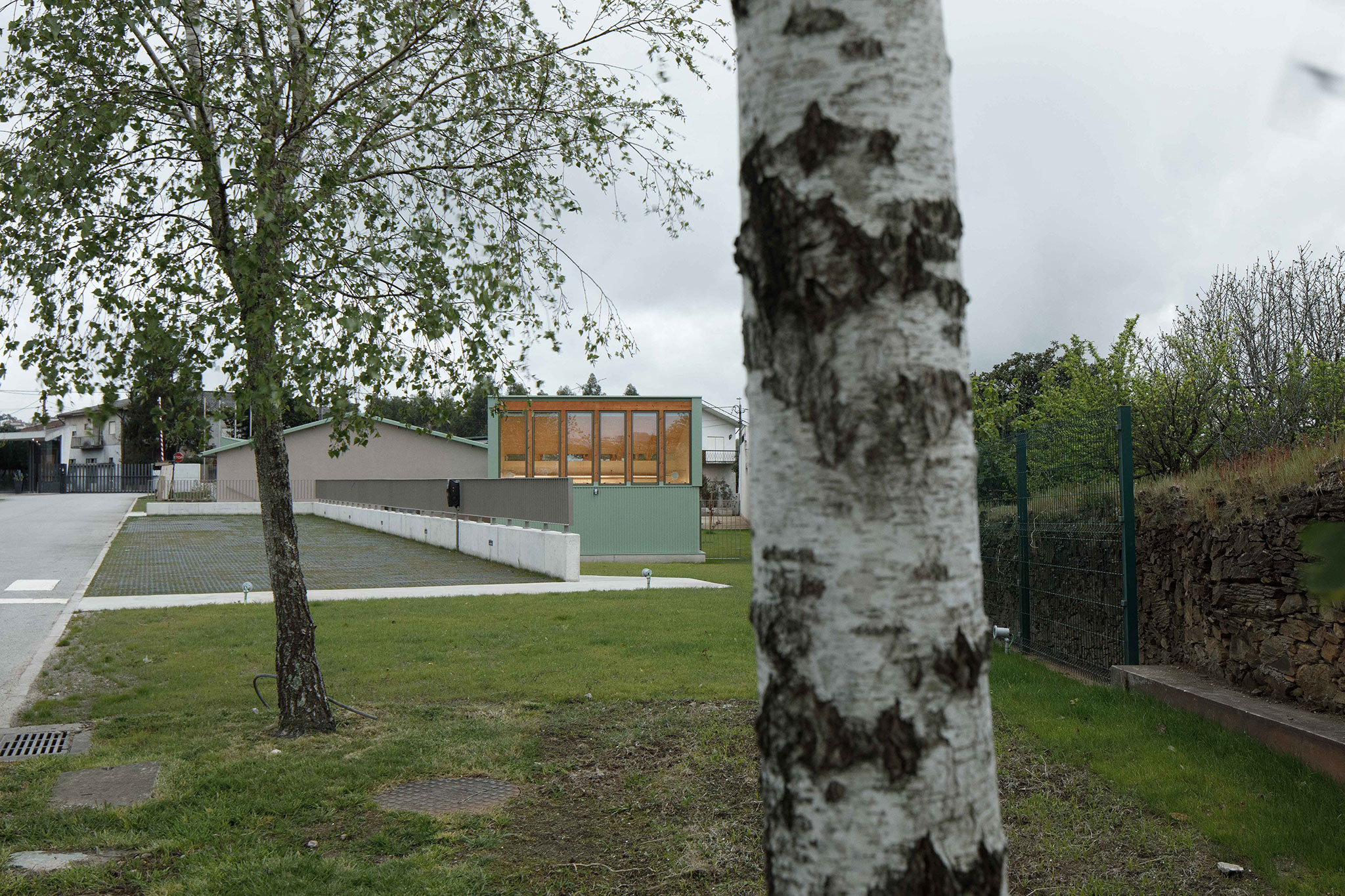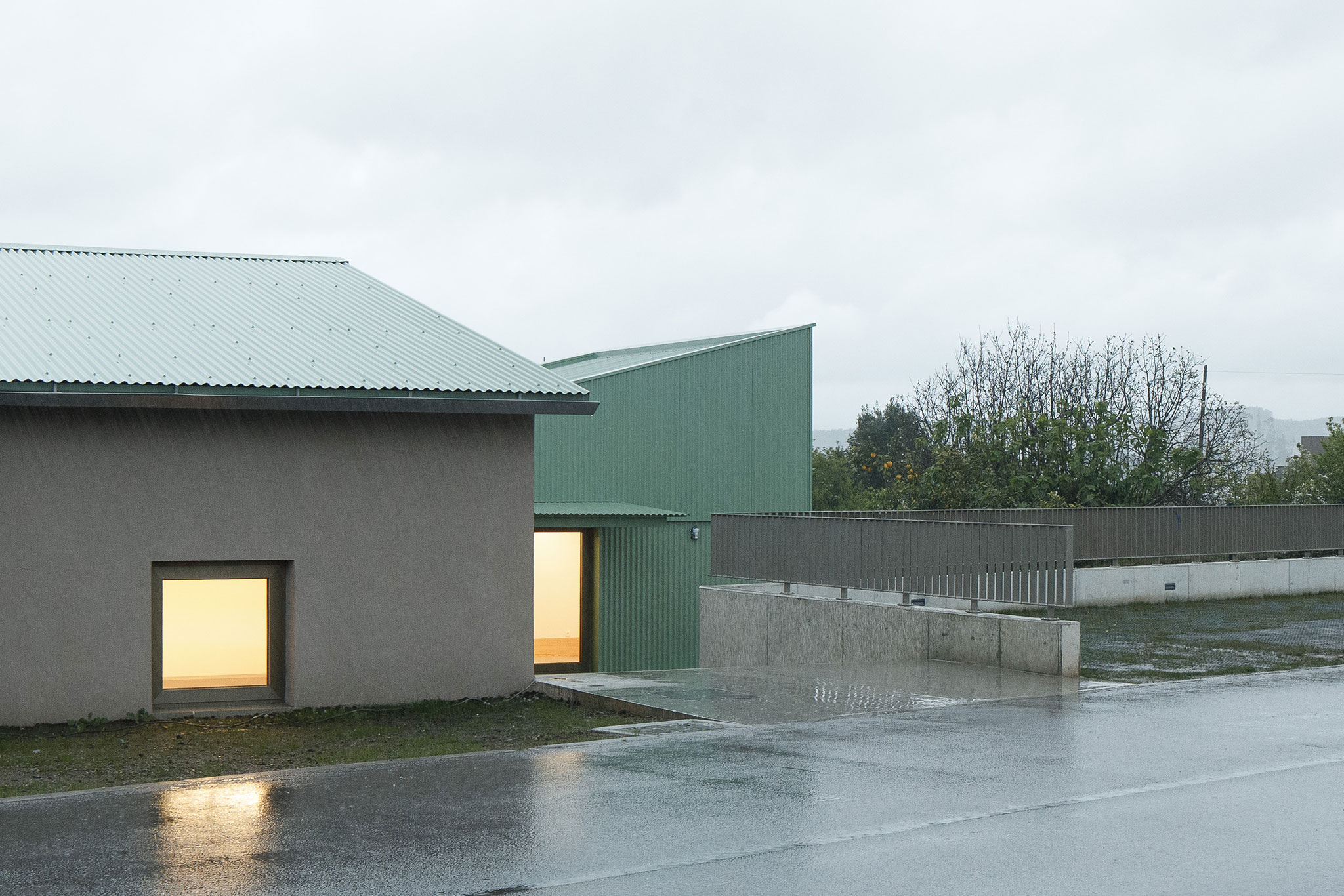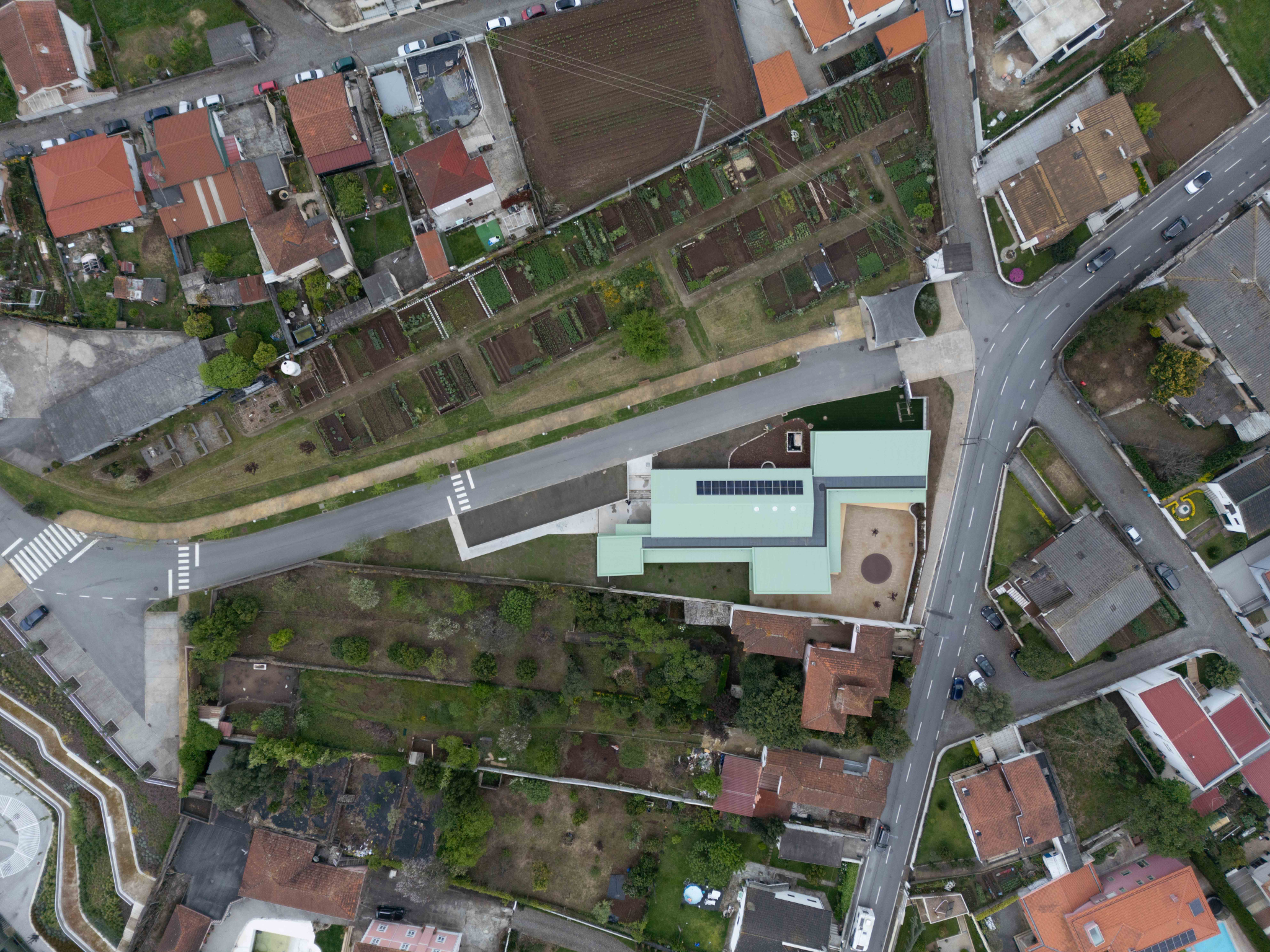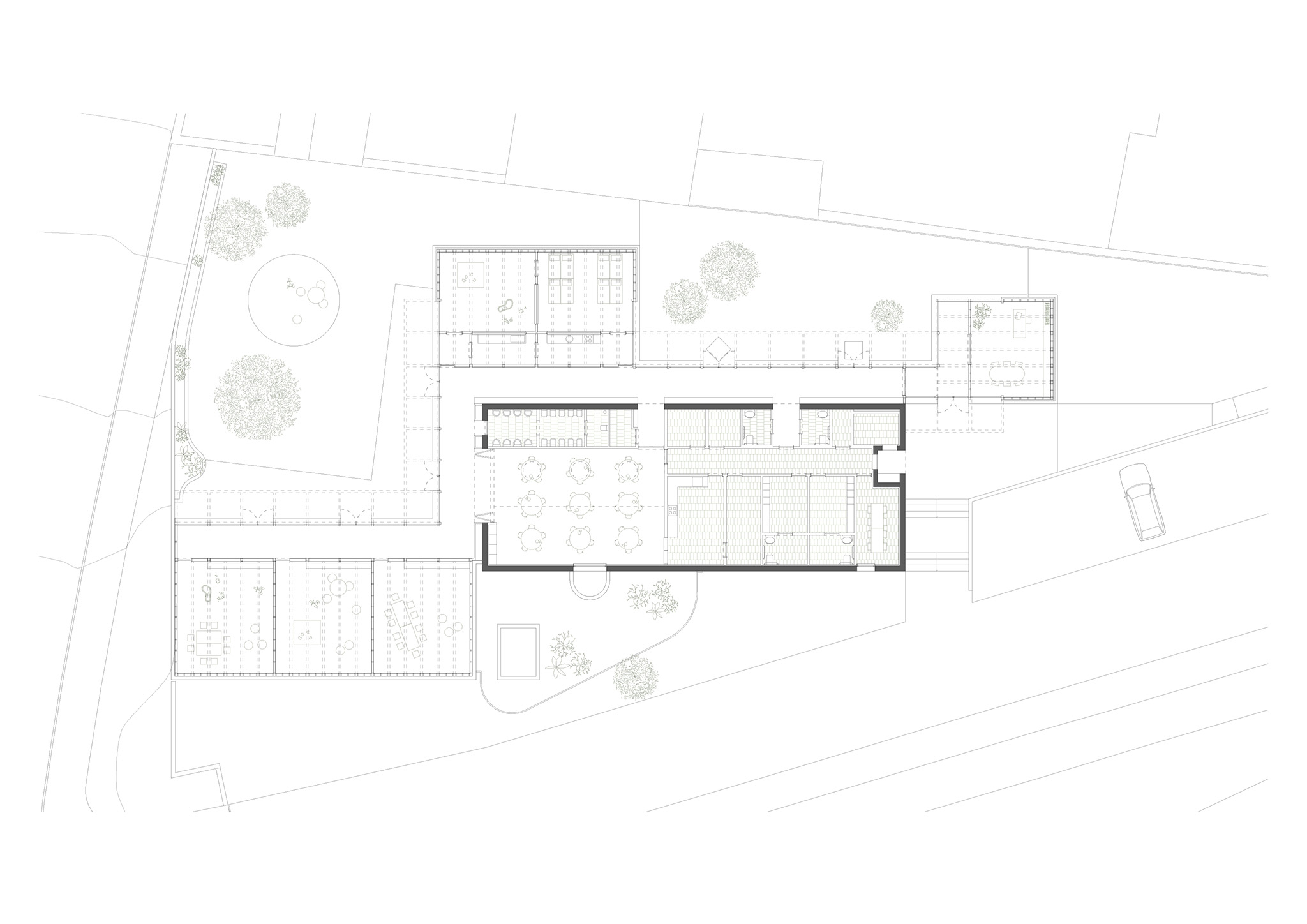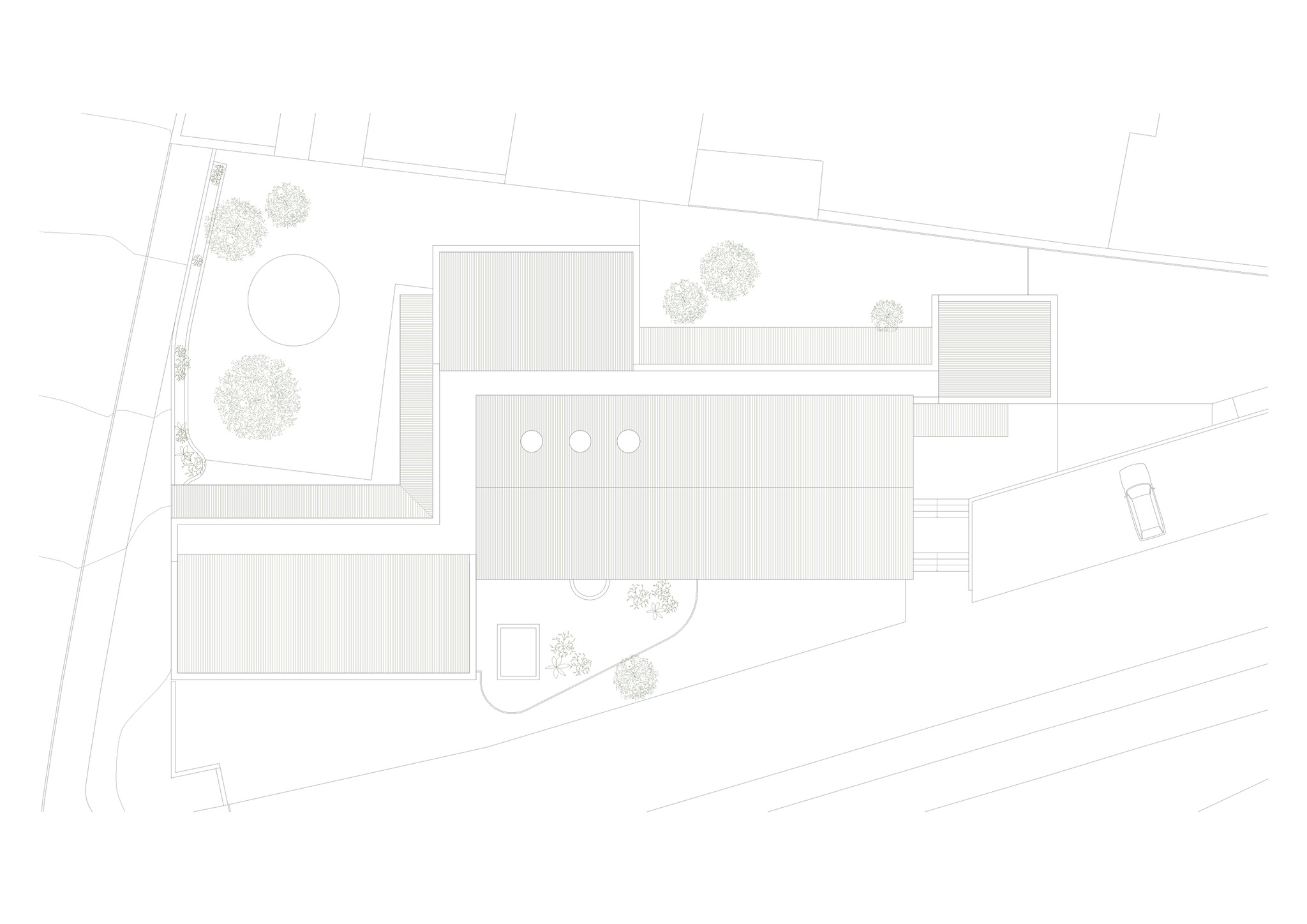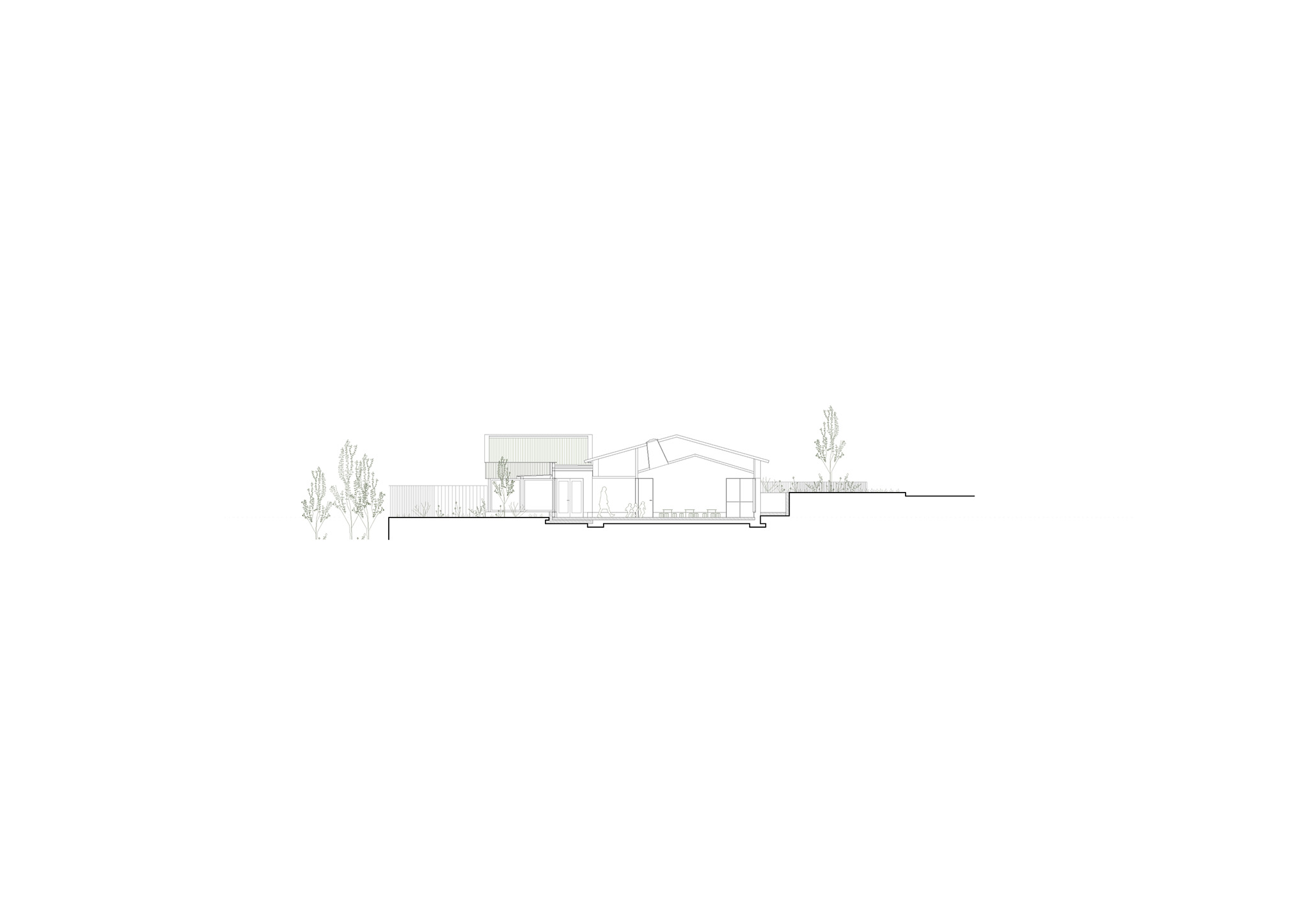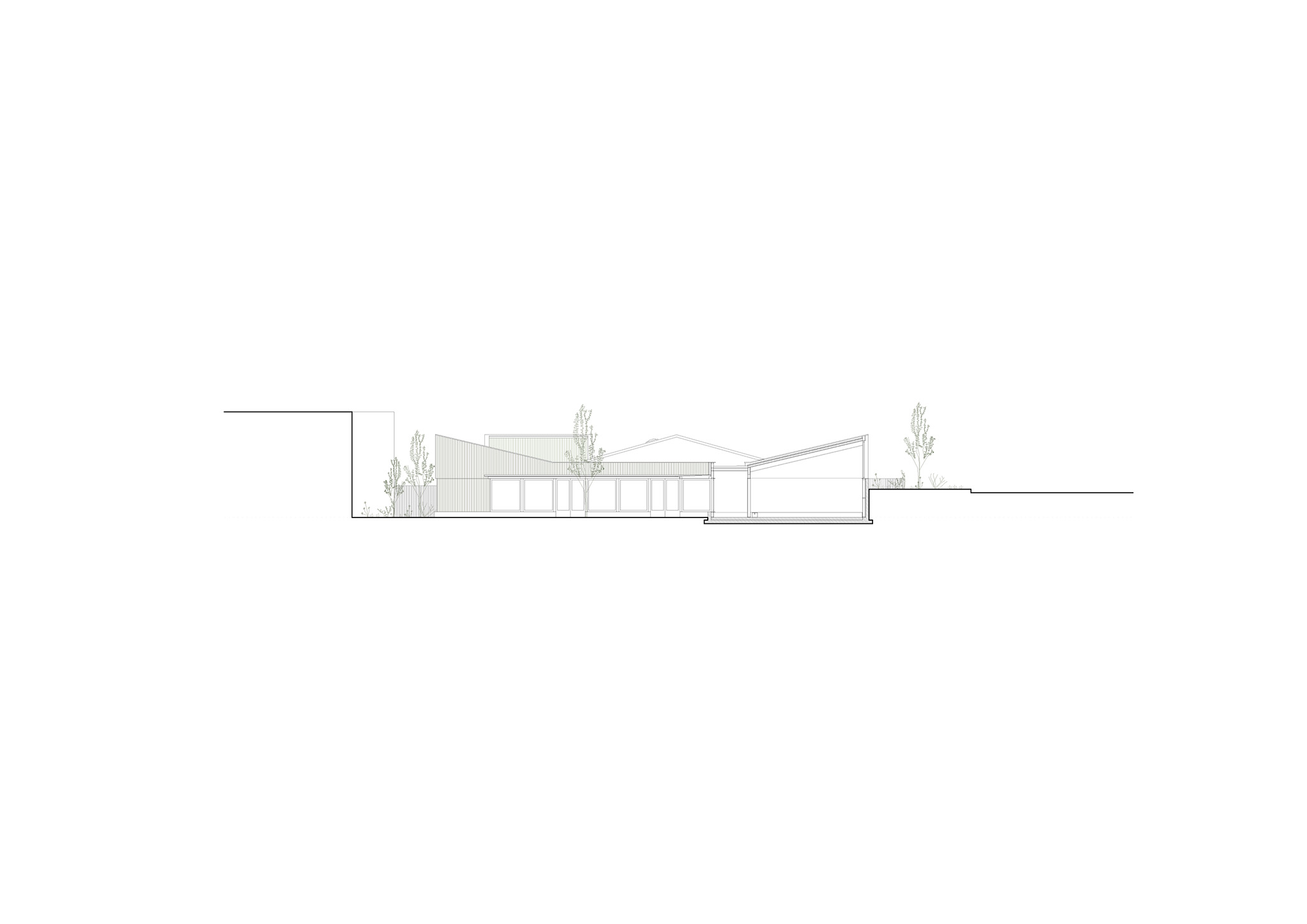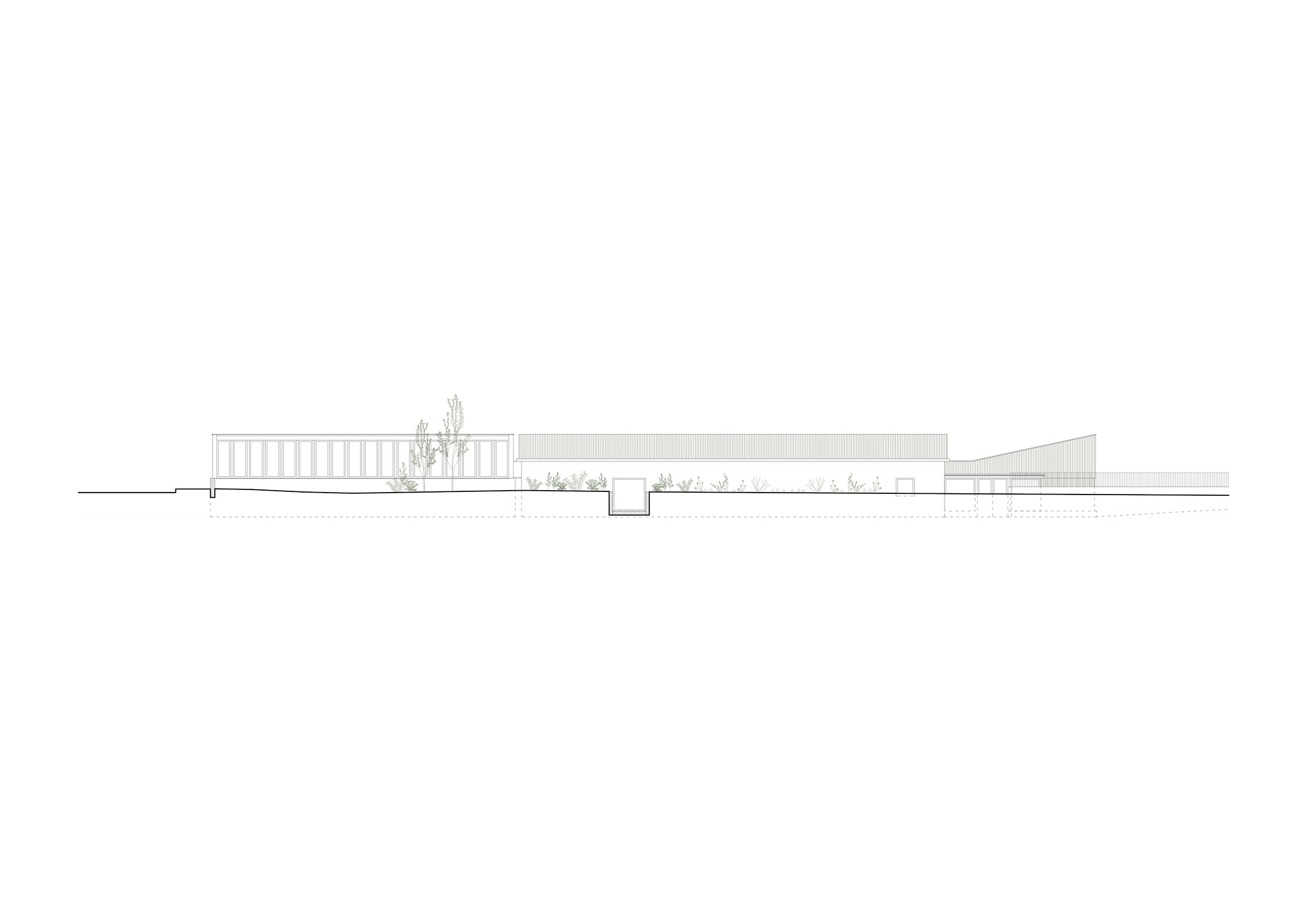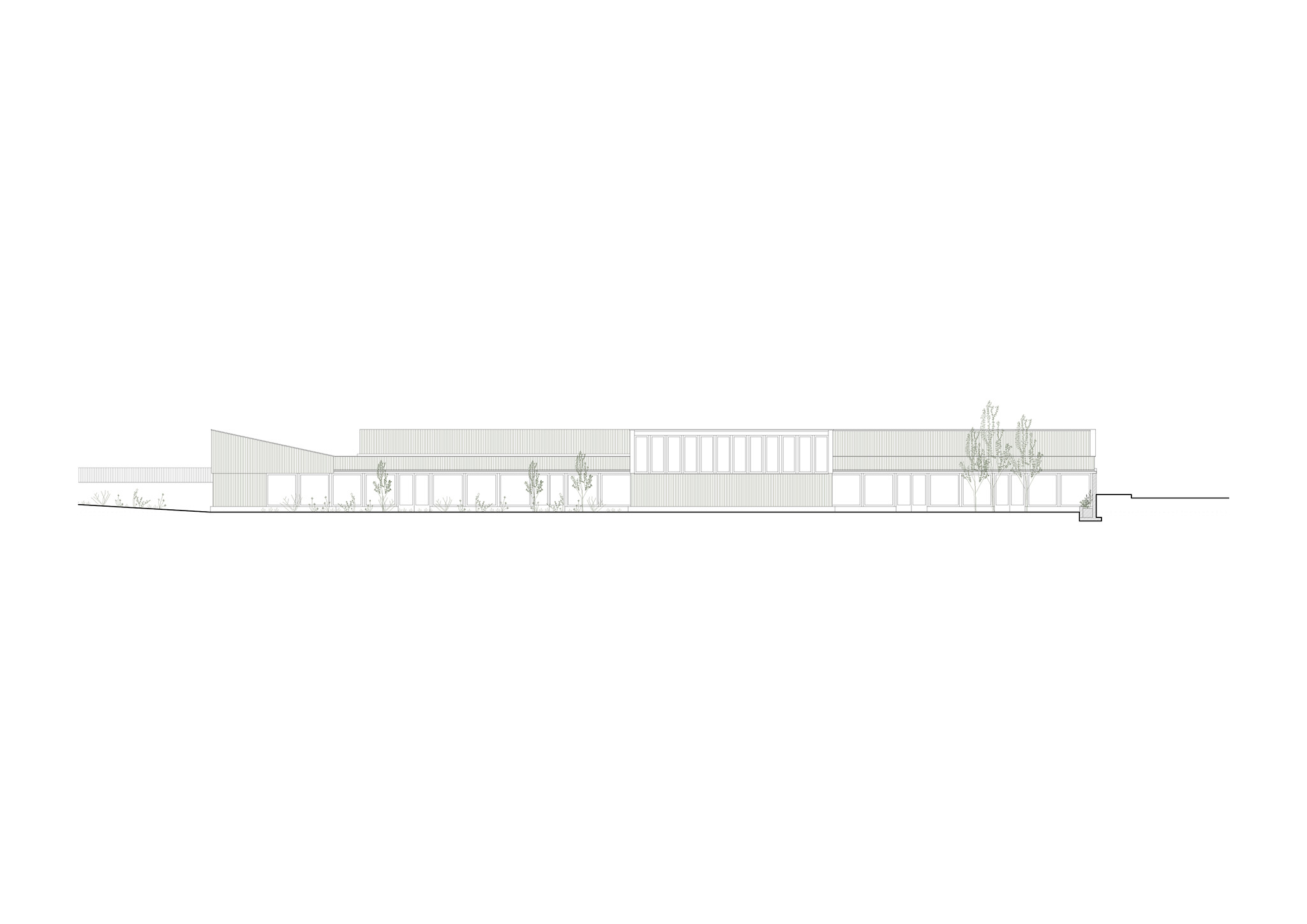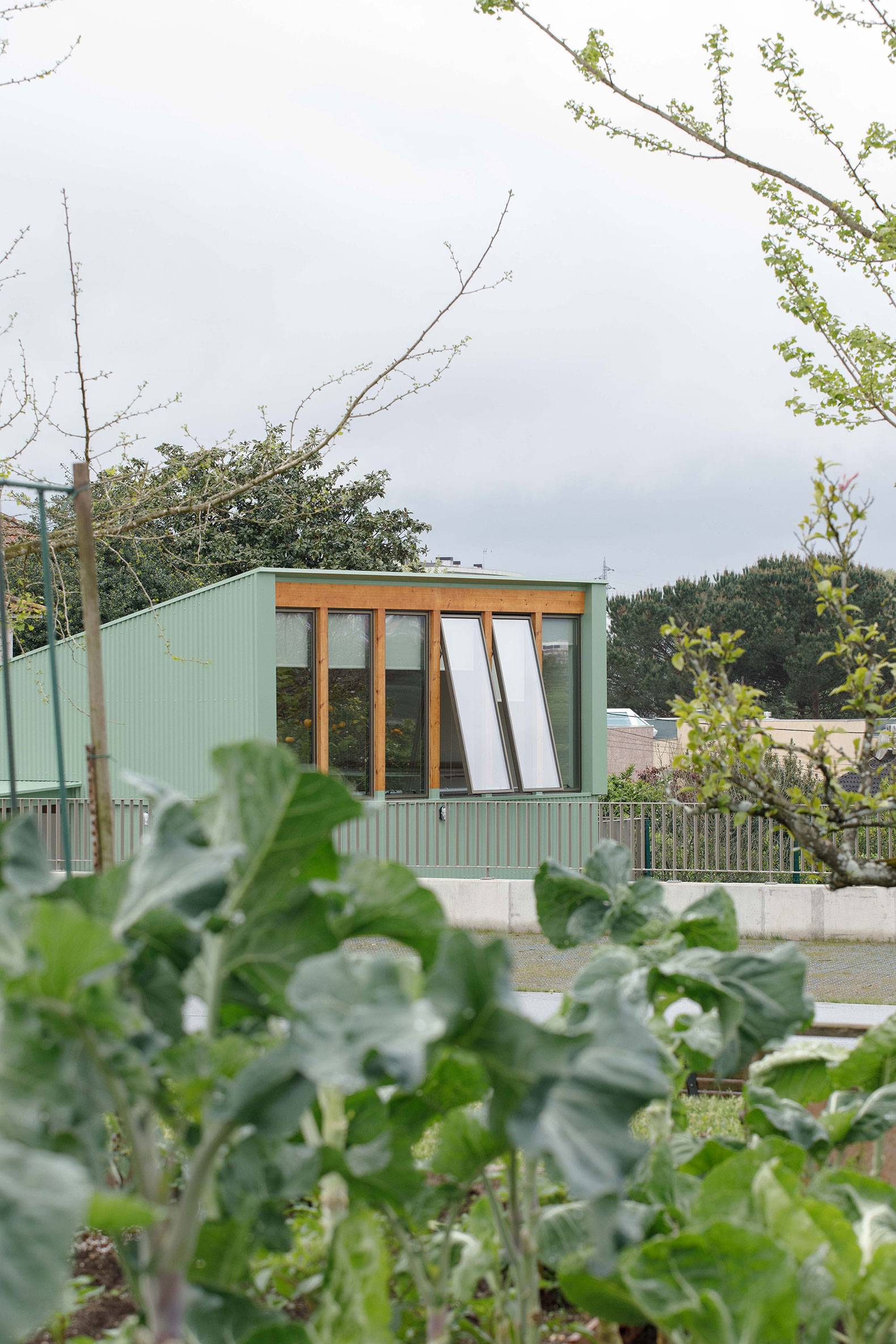
For "Creche Modular em Madeira," depA Architects proposes a pavilion-like layout based on a prefabricated modular timber structure, organized around an interior gallery that runs the length of the building and articulates the different volumes, creating a strong connection with the exterior space. The arrangement of the volumes creates voids between them that function as courtyards, blurring the boundary between interior and exterior learning spaces.
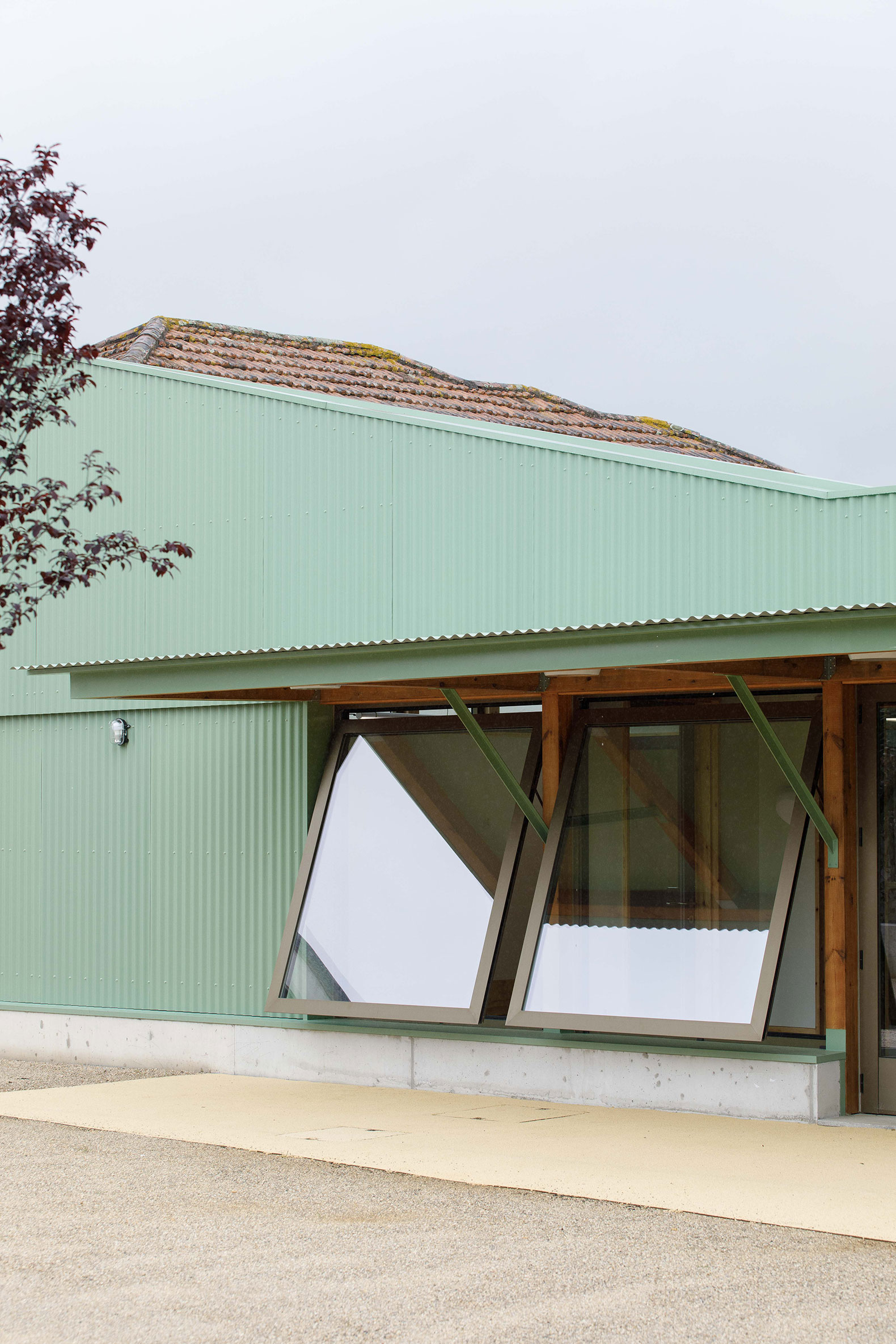
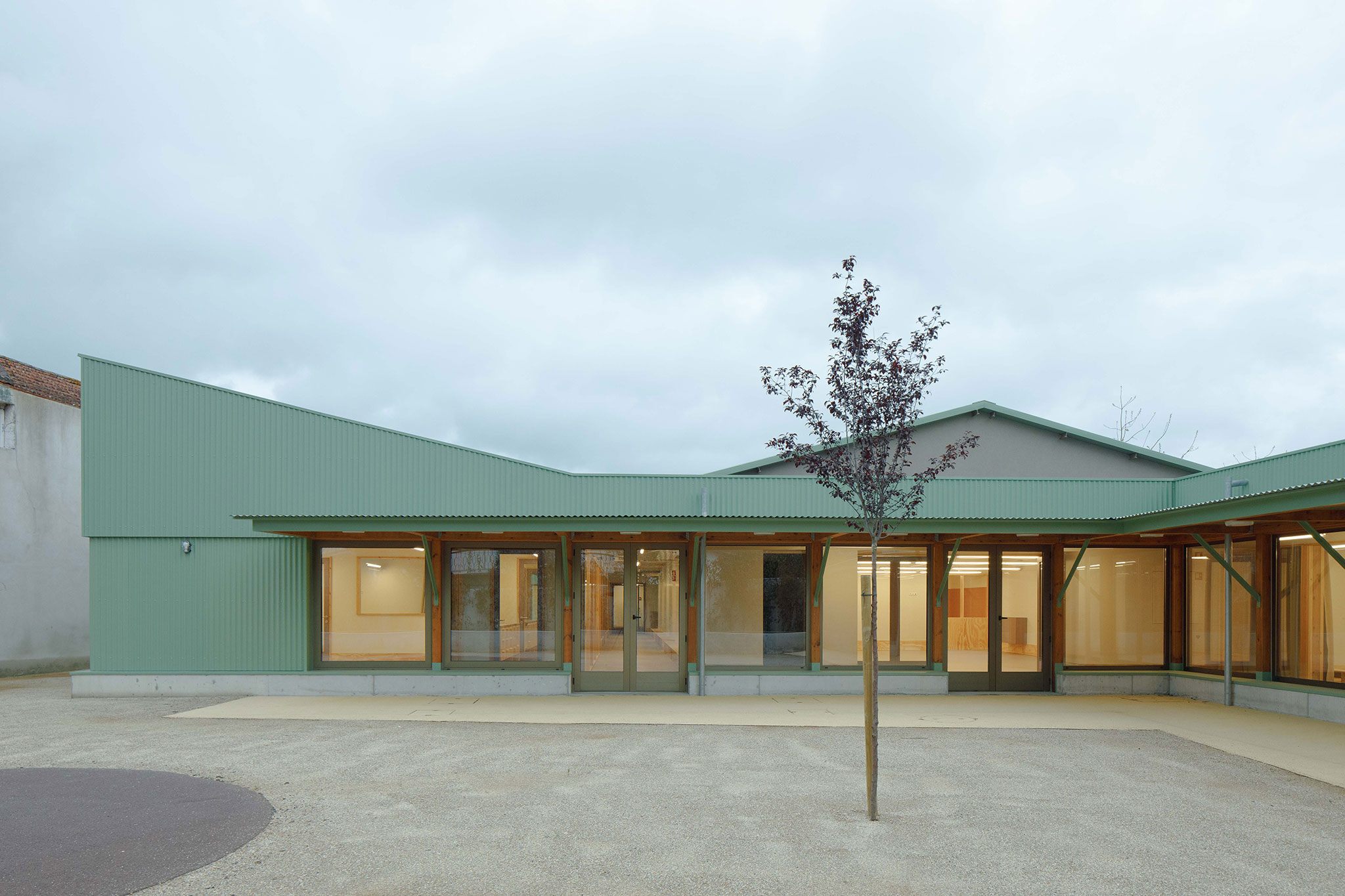
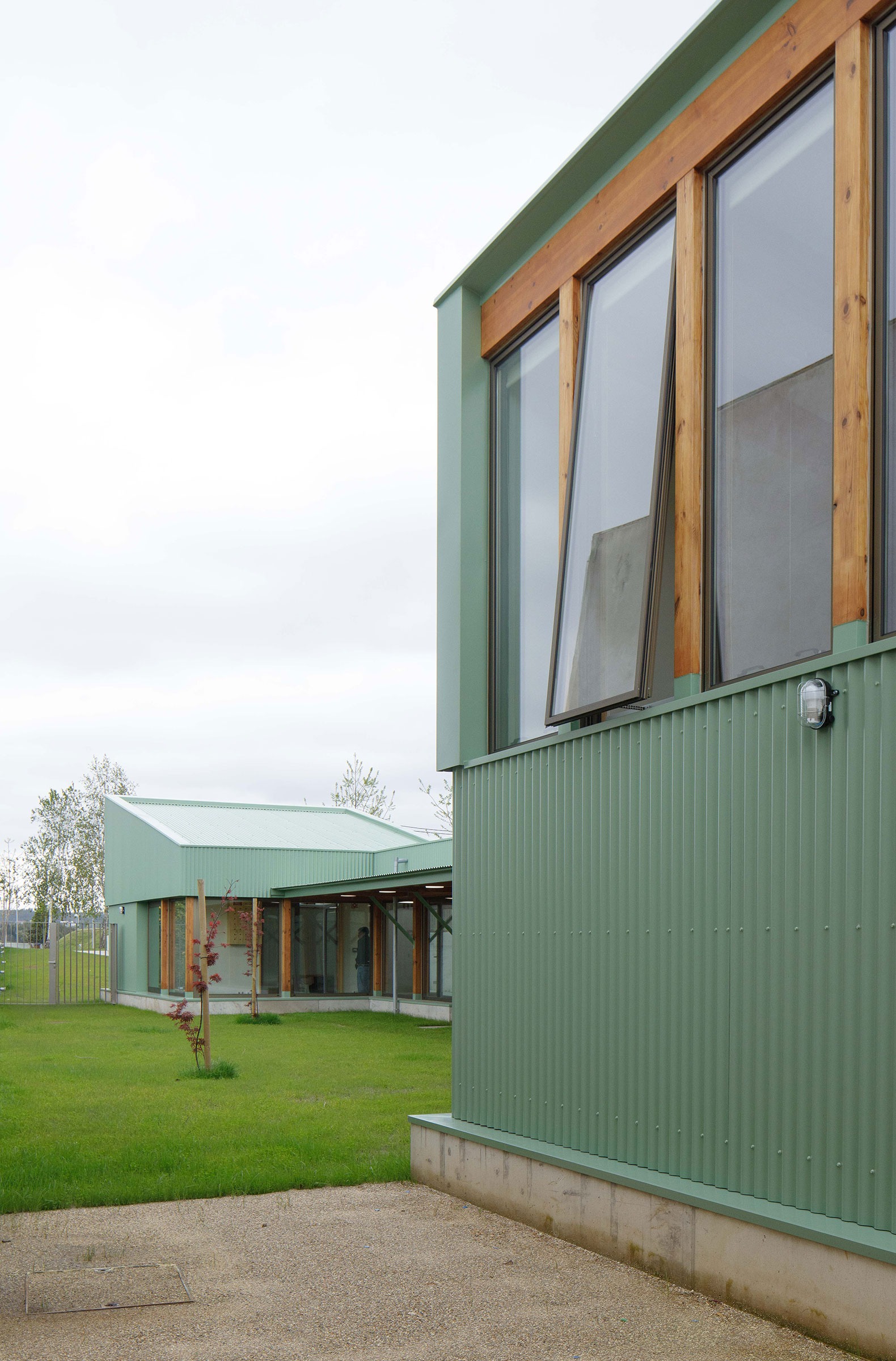
The building is defined by its structure as a unit of measurement that follows a repetitive metric. The exterior metal cladding creates a rich composition of contrasts and shadows. The construction system with prefabricated timber panels allows for rapid assembly and the possibility of disassembling, reusing, or recycling most of the materials in this building designed for dynamic learning and active exploration.
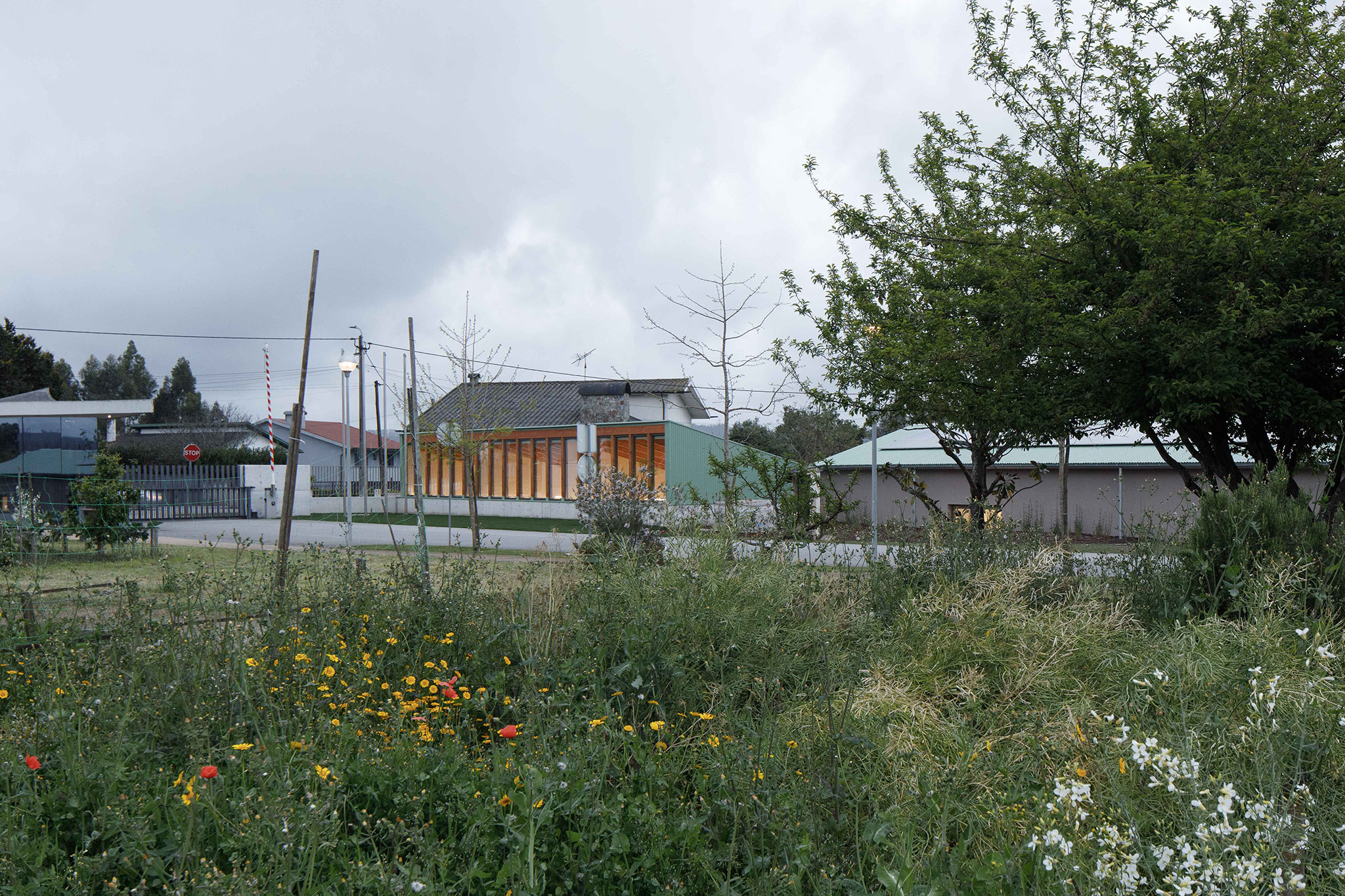
"Creche Modular em Madeira" by depA. Photograph by José Campos.
Project description by depA Architects
Starting from the premise of installing a kindergarten in a pre-existing building with few architectural qualities and set within a large site that accommodates a range of other diverse and cacophonous buildings, the project seeks, more than to design a building, to create a protected and serene environment for children.
Thus, in a pragmatic manner, the existing building is primarily used to accommodate the technical and service areas required for the operation of the facility, while a new system is developed for the remaining program: a pavilion-type layout based on modular, prefabricated wooden construction.
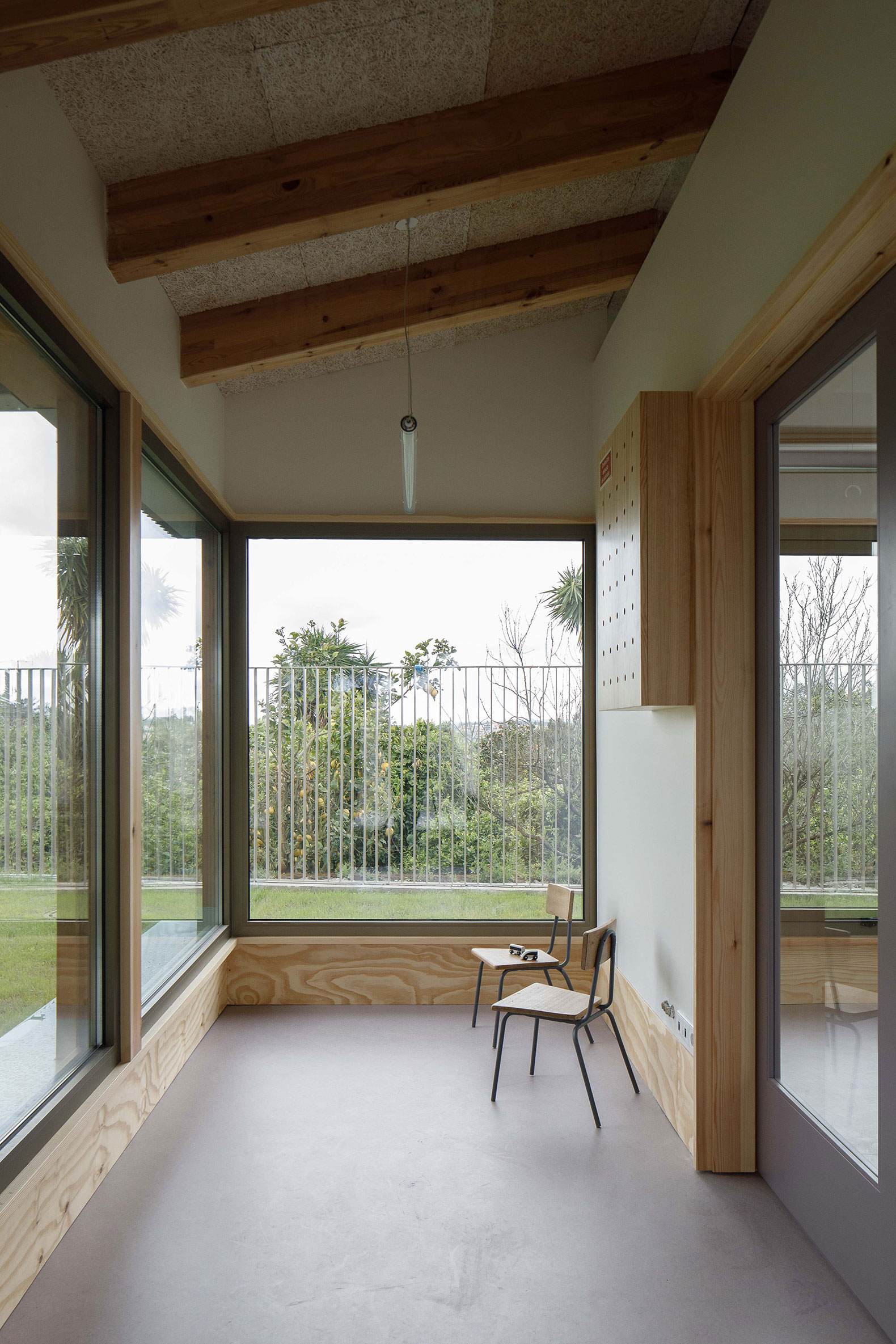
This new system is organized around an interior gallery, generously proportioned and in close contact with the outdoors, which runs throughout the building and articulates the prismatic volumes that house all the daycare rooms, from the nursery to the kindergarten.
This programmatic distribution strategy results in an open atmosphere with a strong relationship to the outdoor space, enabling the creation of a small community among children of different ages who share the building.
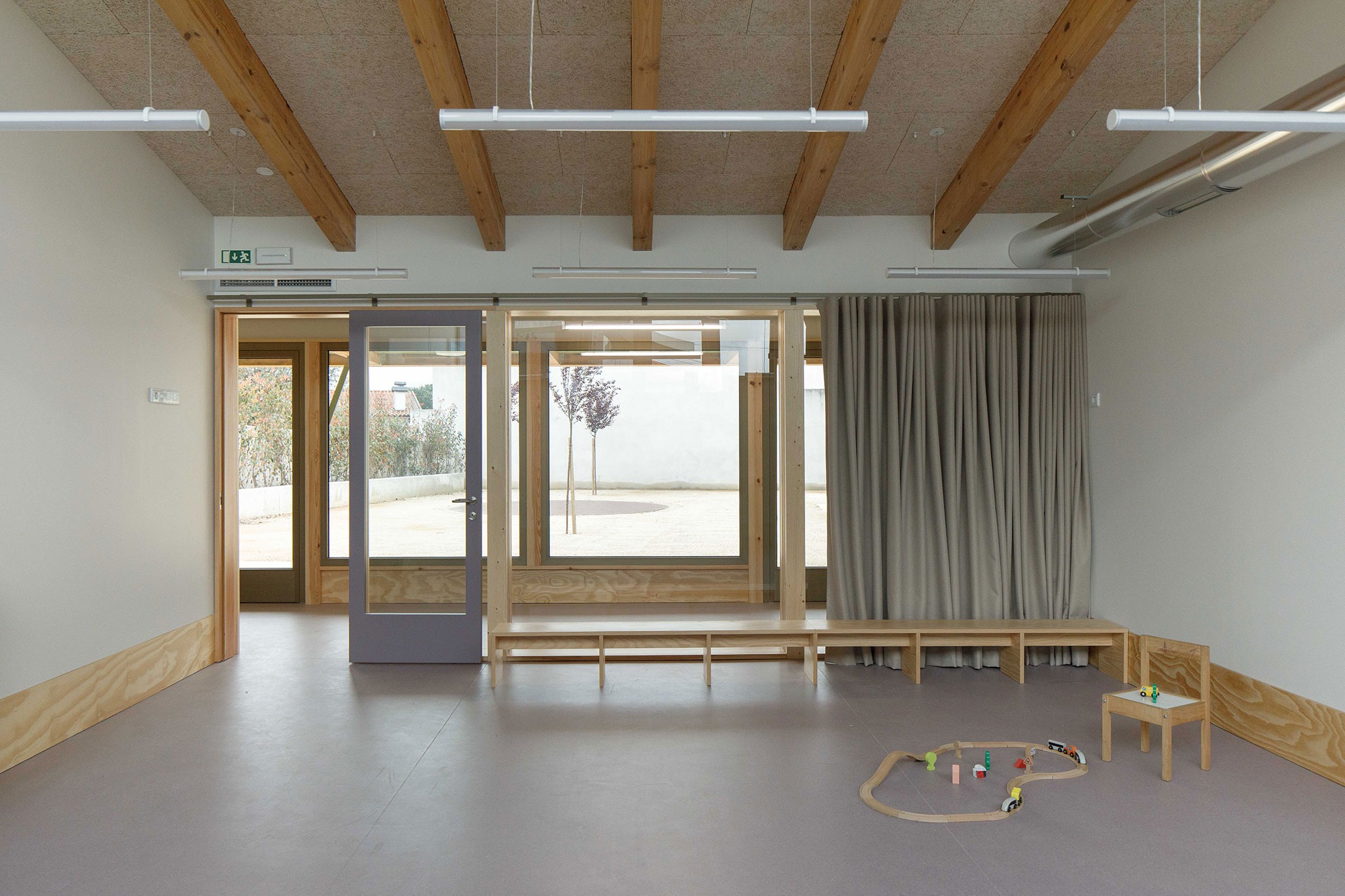
Equally important to the arrangement of the volumes are the voids created between them, forming courtyards with distinct characteristics that help dissolve the boundary between indoor and outdoor learning spaces.
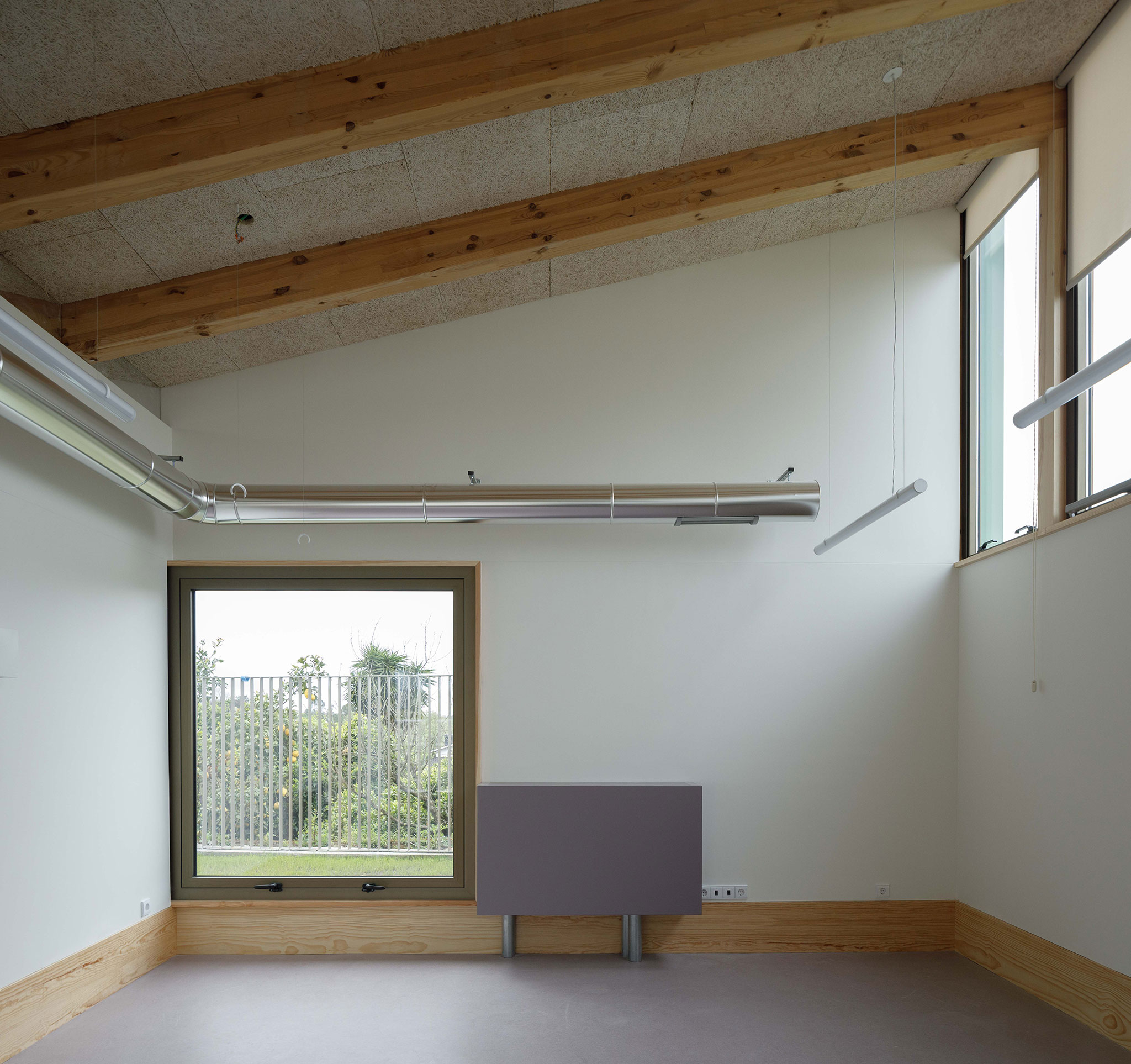
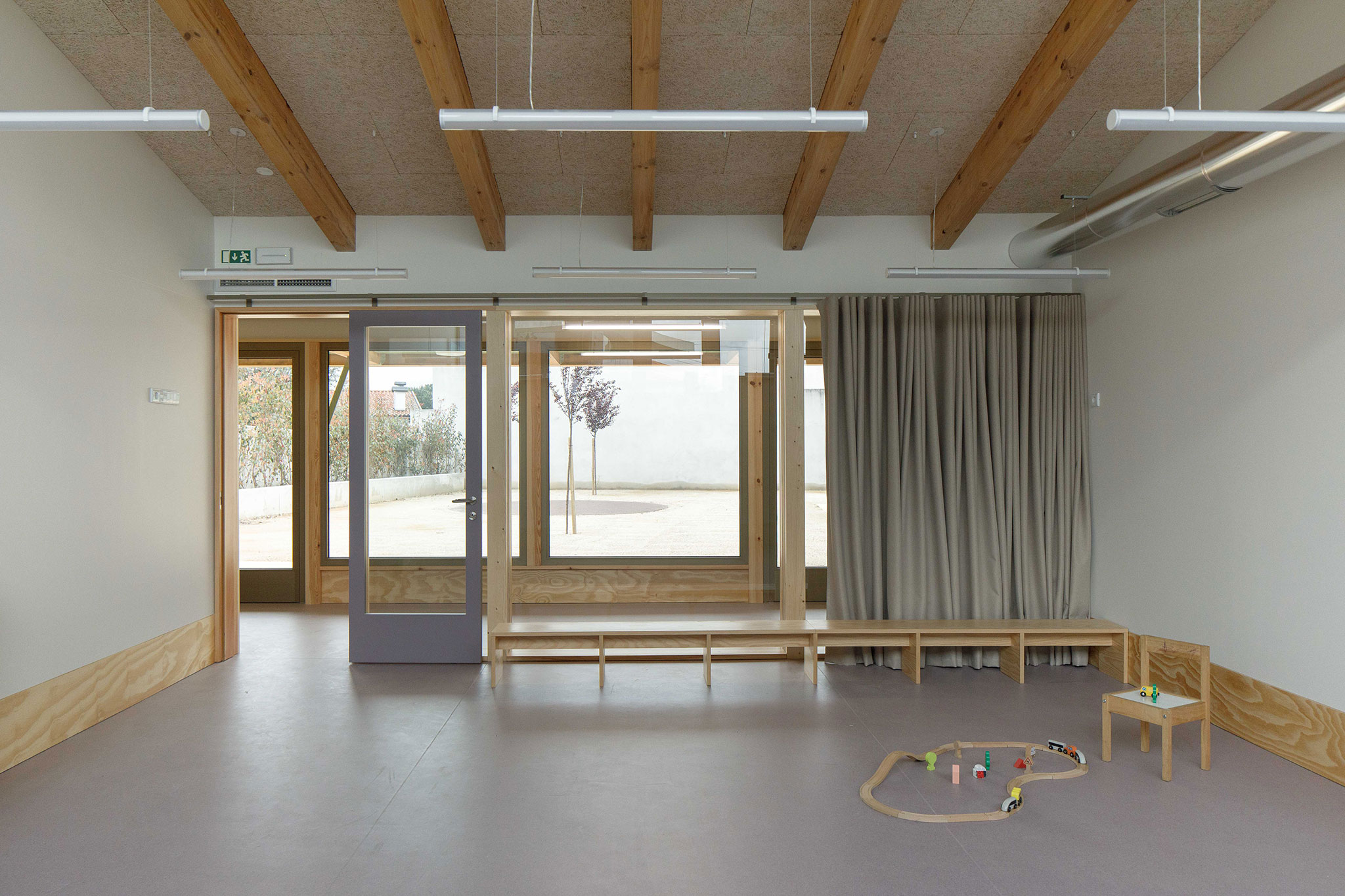
Materiality is inseparable from the building’s design: the structure serves as the unit of measure for all spaces, defining a metric of almost obsessive repetition that is essential to their characterization. At the same time, the careful detailing of the exterior metal cladding transforms what is typically a flat surface into a rich composition of offsets and shadows, enriching the whole and balancing the scale of the volumes.
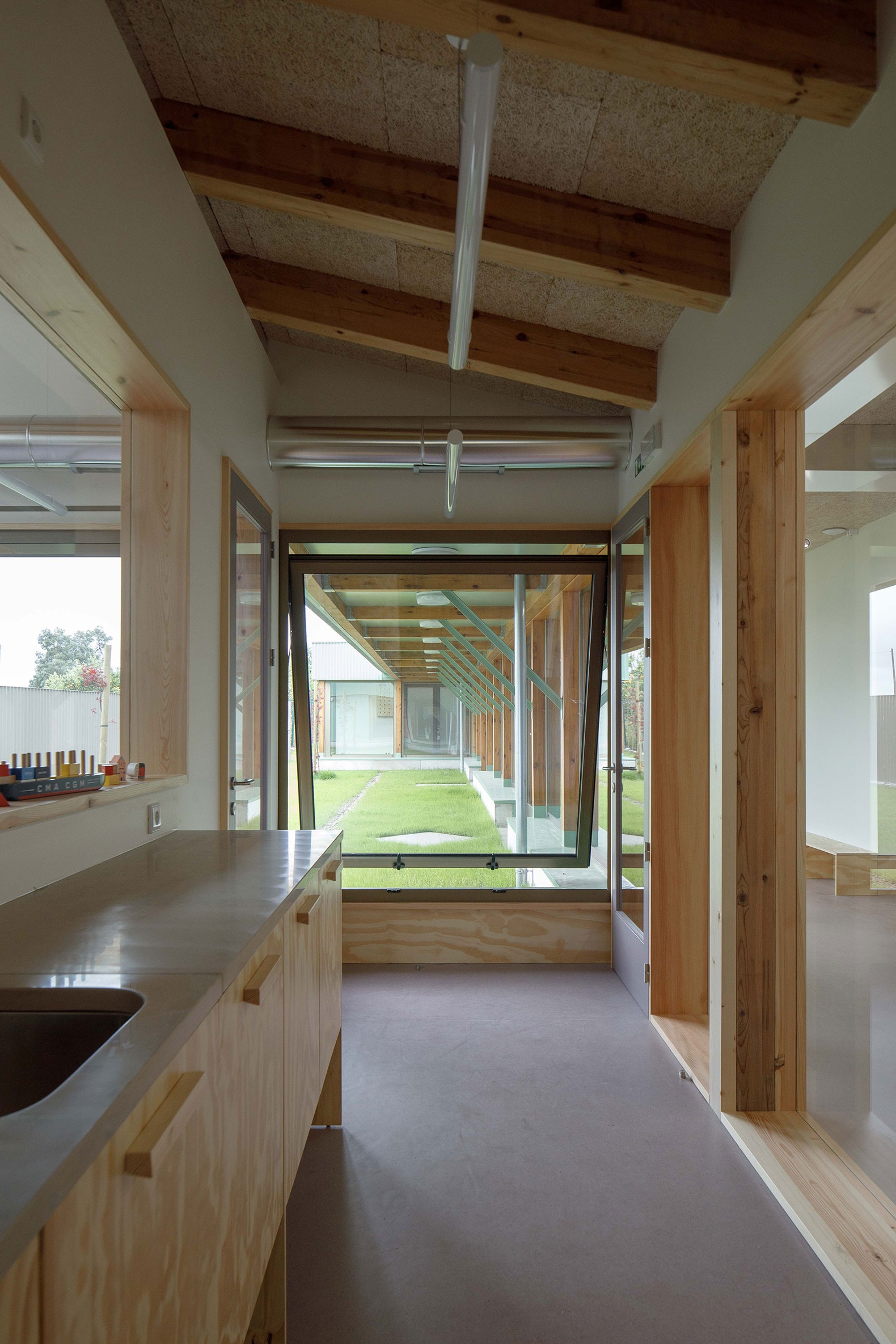
The prefabricated wood frame panel construction system allows for fast construction and the potential for disassembly, enabling the reuse or recycling of most materials at the end of the building’s service life.
The aim is thus to create a vibrant learning environment, with a safe setting in which children can develop autonomy and freedom through active exploration and a direct relationship with the outdoors.