Milanese architecture practice, Stefano Boeri Architetti, has been commissioned by the Archdiocese of Milan to design a prayer centre to be built in a new development area northwest of Milan, in the MIND (Milano Innovation District), near the Cascina Merlata neighbourhood.

The new monastery, intended to be a place that integrates spiritual life and interreligious dialogue, will occupy a total area of ​​2,700 m², of which 1,100 m² will be dedicated to open spaces. The centre aims to be a focal point not only for future residents and nearby neighbourhoods, but also for all of Milan.

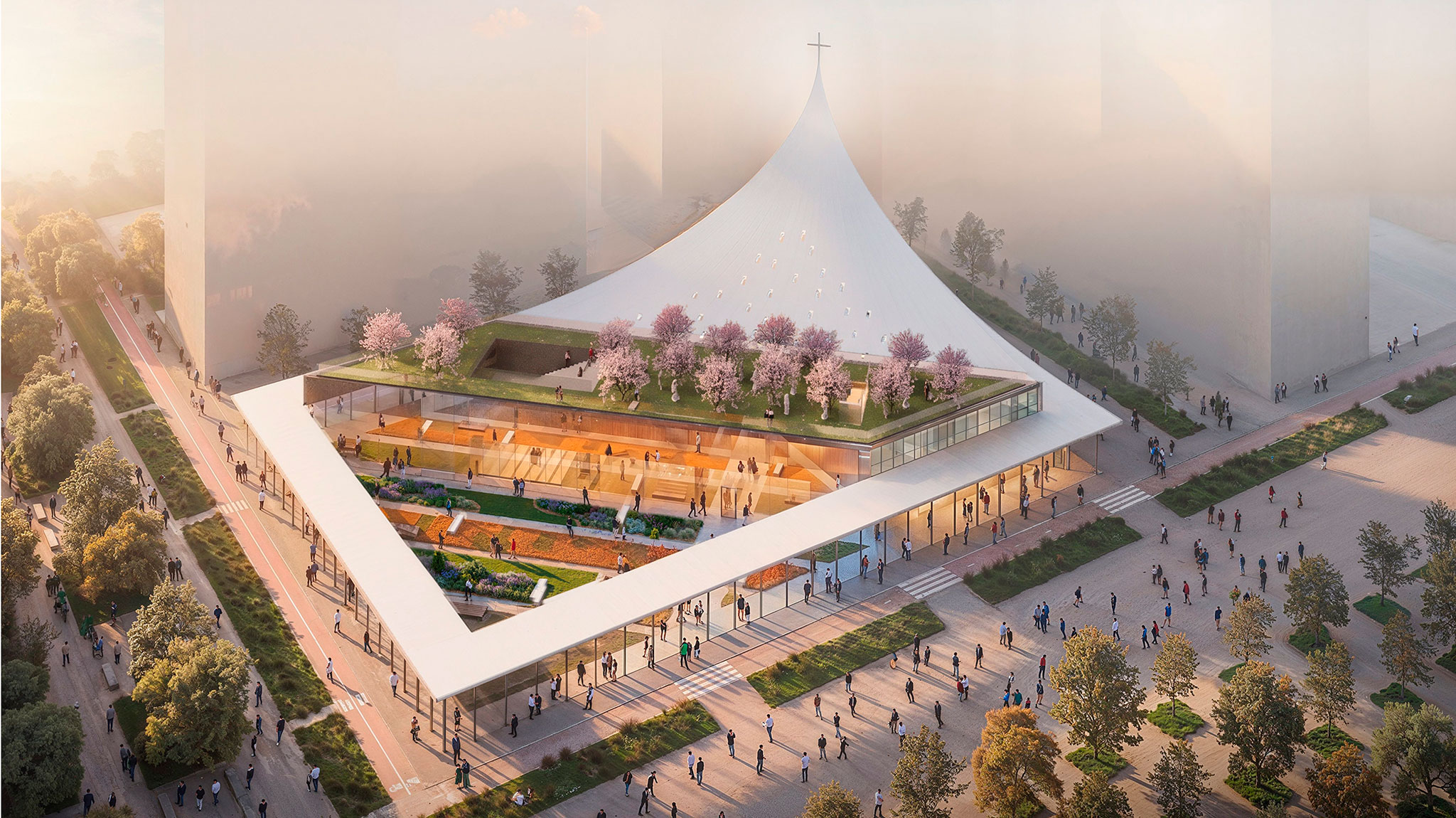
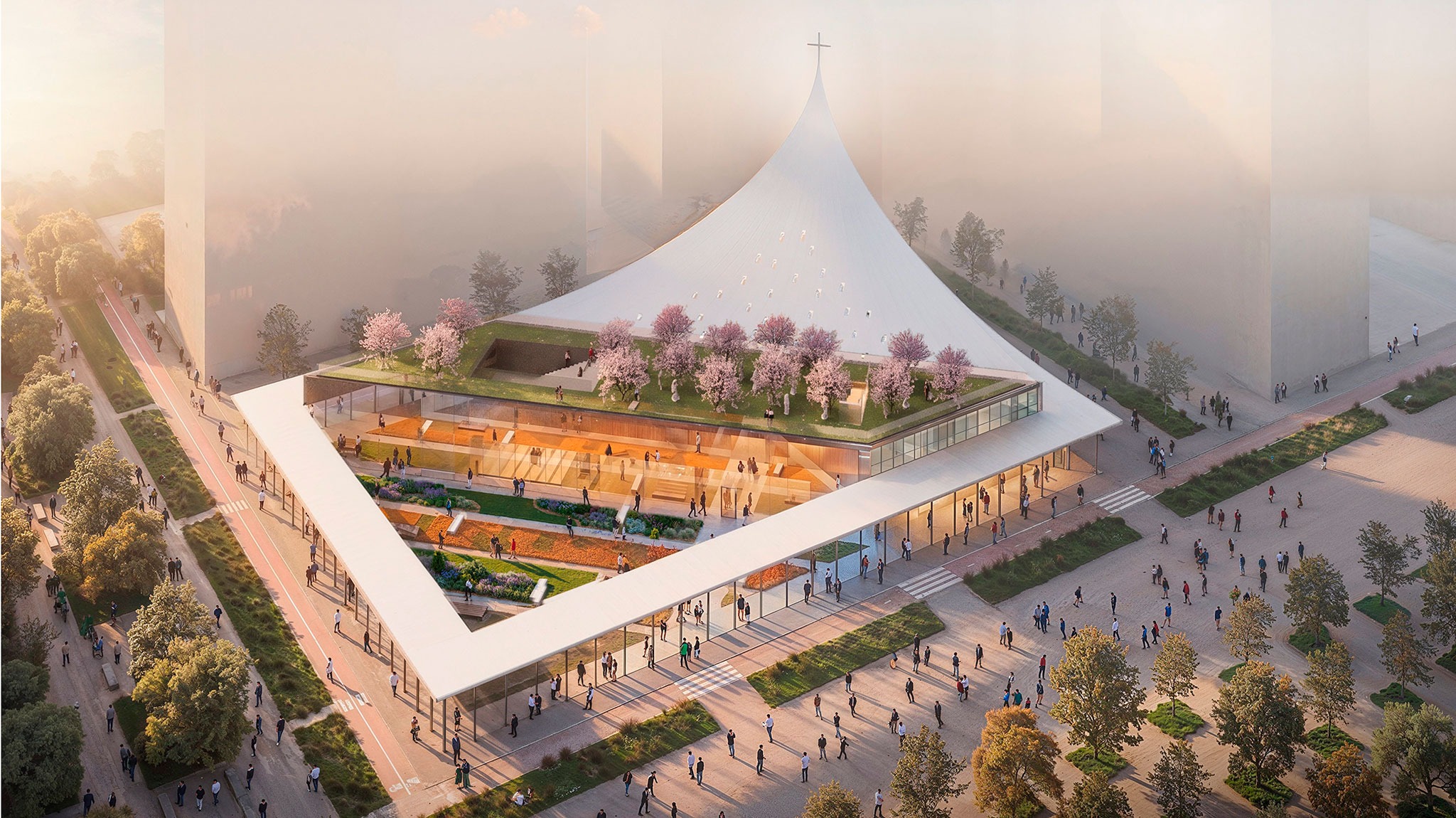
The project proposed by Stefano Boeri Architetti draws inspiration from the Christian monastic tradition and reinterprets the archetype of the cloister as a spatial and symbolic device. According to the architects, the design creates an introverted yet permeable space, simultaneously religious and civic, articulated around a triangular cloister located at the intersection of the Cardo and Decumanus in the MIND area.

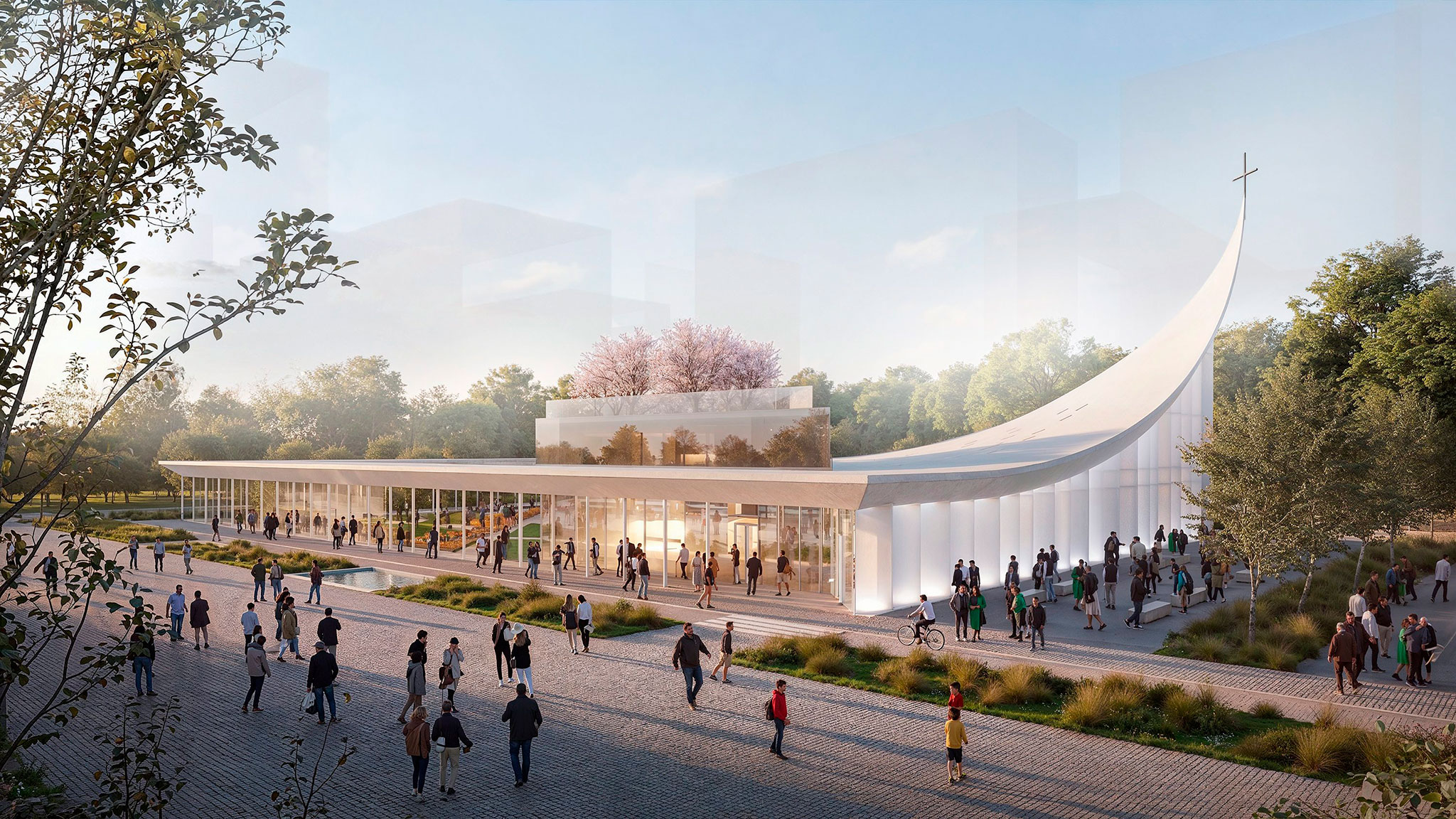
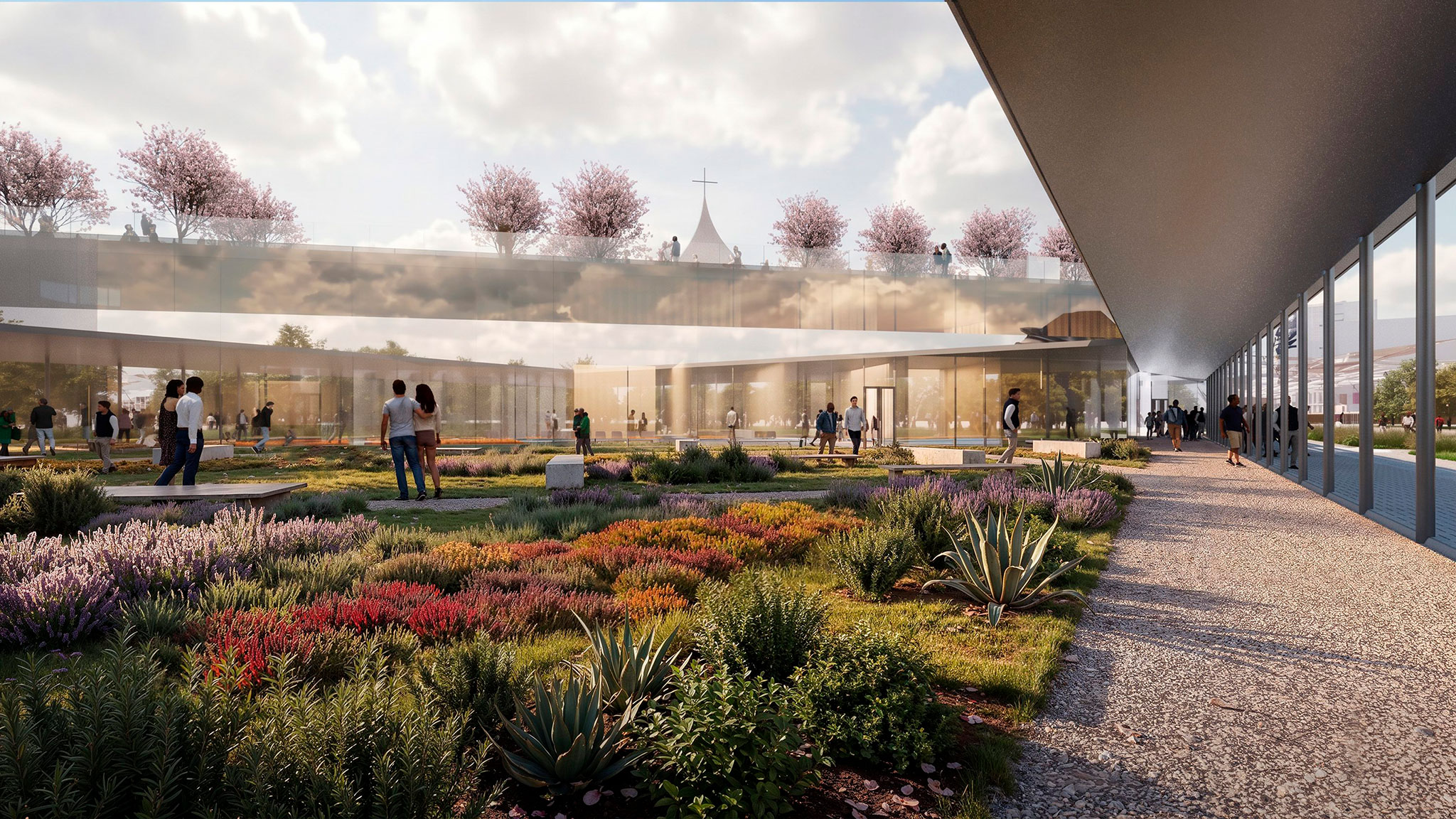
The complex integrates the Garden of Religions, maintained by various religious communities, and a perimeter colonnade connecting the cloister to the new Pastoral House. This building unfolds as a large, ascending nave capable of accommodating between 300 and 350 worshippers, complemented by community spaces and adjoining residences.

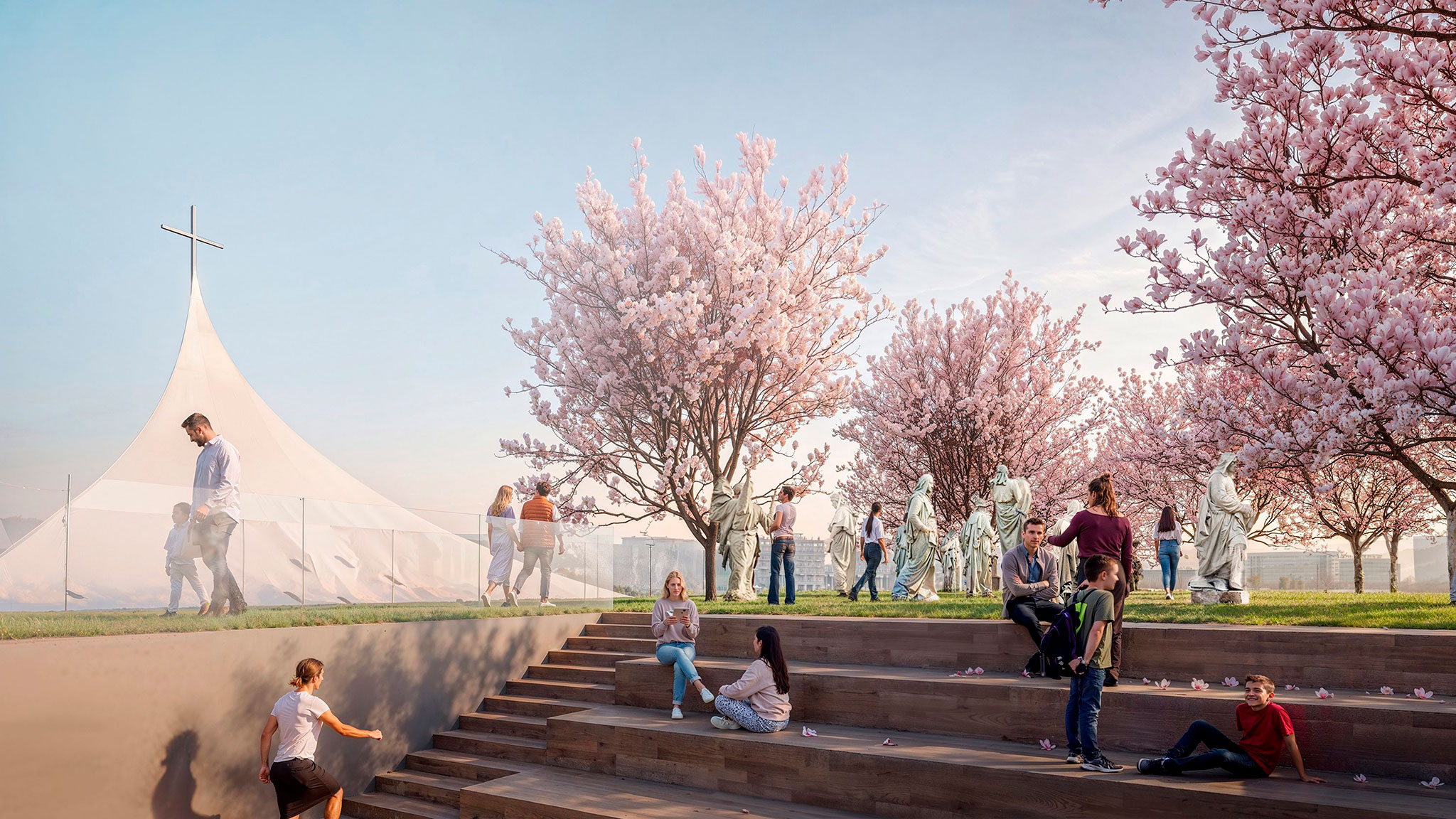
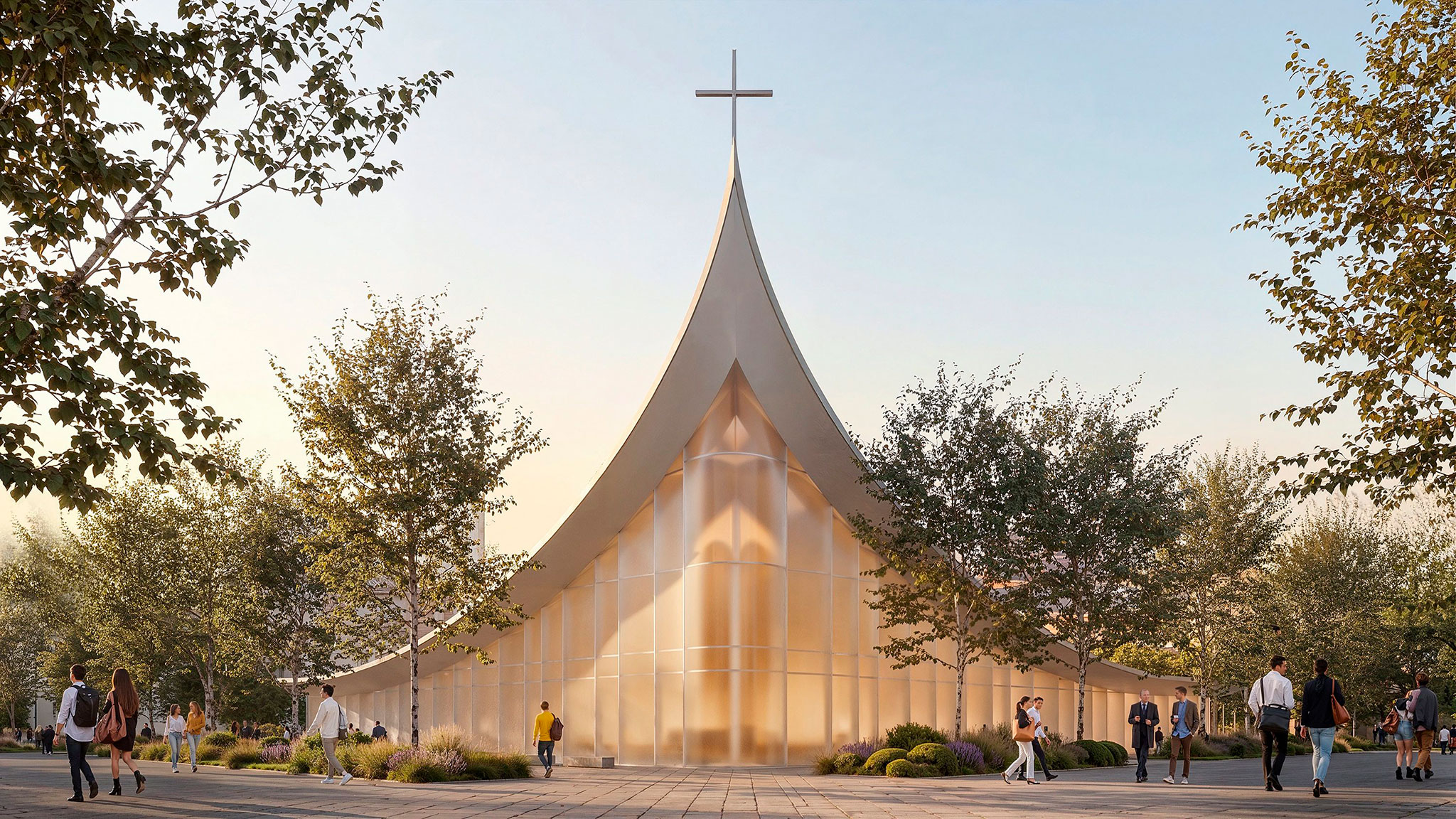
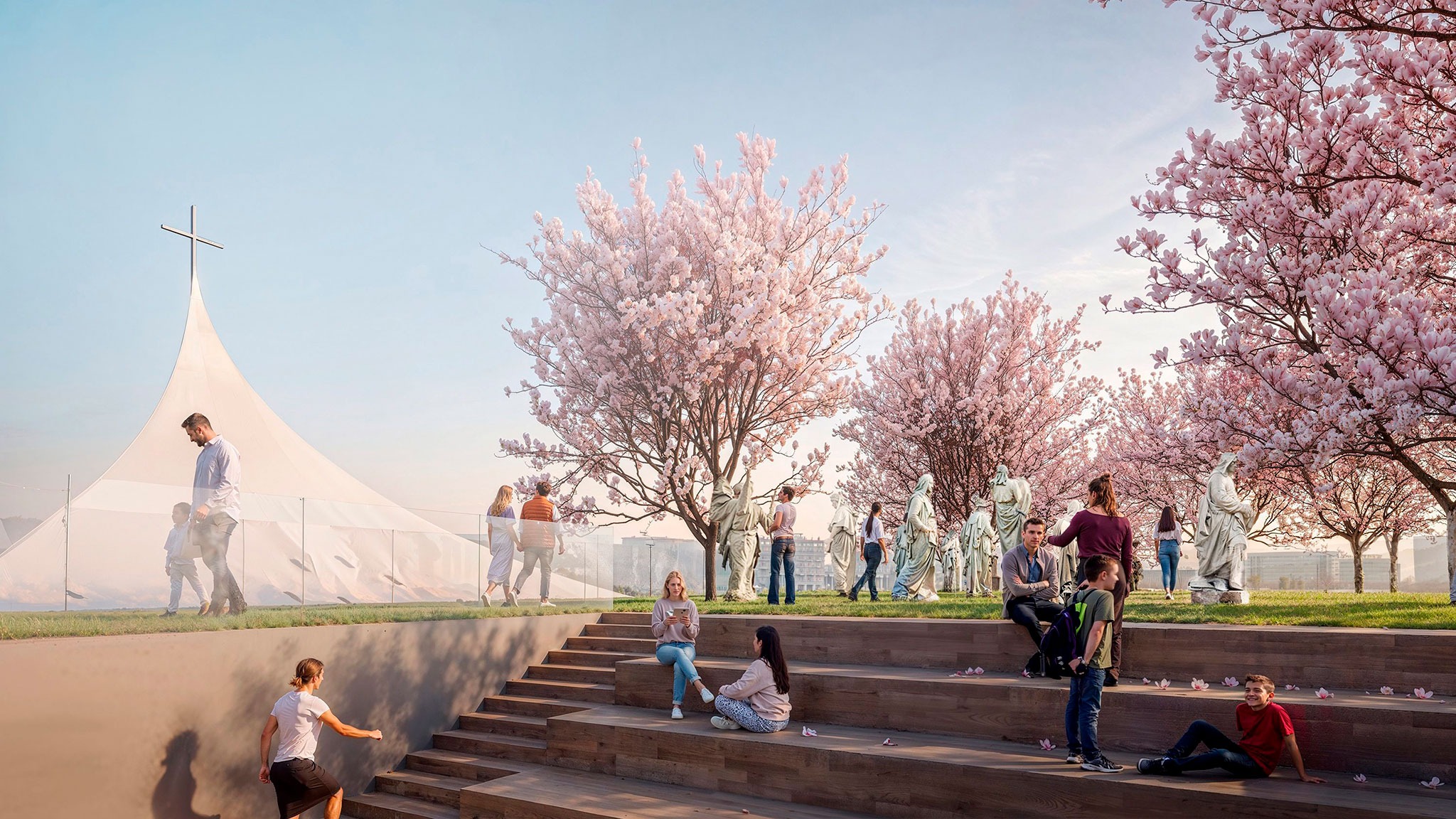
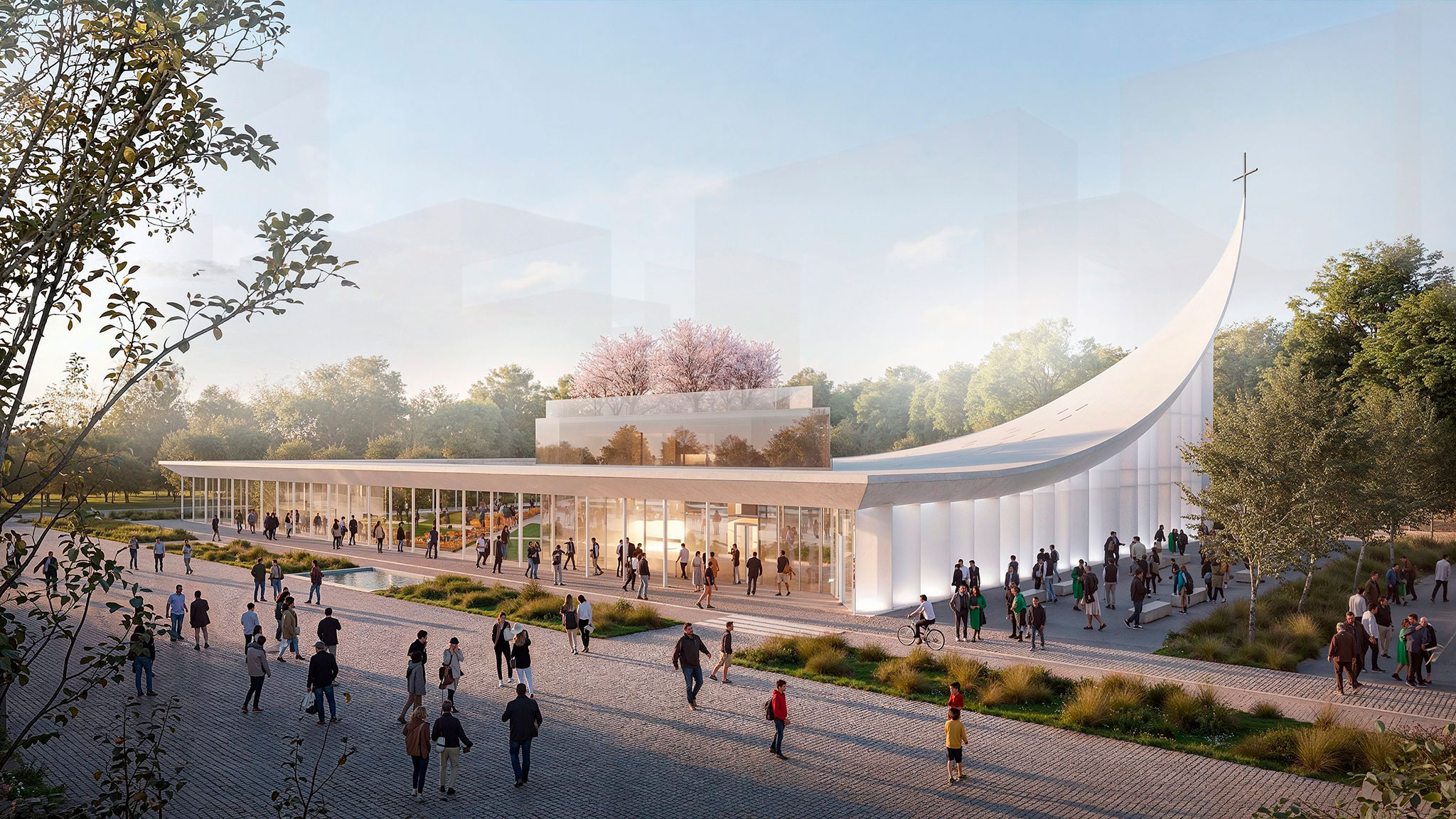
Architecturally, the church materially extends the cloister's roof through an upward gesture reminiscent of the forms of Milan Cathedral. At the heart of the complex lies the Library of Religions, a transparent volume dedicated to study and interdisciplinary dialogue. Its landscaped roof houses historical sculptures from the Veneranda Fabbrica del Duomo, bringing a usually inaccessible collection to the public.
Rendering by Stefano Boeri Architetti

Rendering. Ambrosian Monastery Milan by Stefano Boeri Architetti. 

Project description by Stefano Boeri Architetti

The project presented by Stefano Boeri Architetti for the MIND area, commissioned by the Archdiocese of Milan, is conceived with the intent of creating a place capable of integrating spiritual life and interfaith dialogue.

The new Monastery is developed over a total area of 2,700 m², with 1,100 m² allocated to open spaces, establishing itself as an attractive hub not only for the future residents of the MIND area and the nearby district of Cascina Merlata, but for all worshippers and citizens of the greater Milan metropolitan area.

Inspired by the Christian monastic tradition, the project reinterprets the archetype of the cloister as both a spatial and symbolic device: an introverted yet permeable space, articulated around three fundamental dimensions — care, dialogue, and spiritual inquiry.

The triangular-plan Cloister, positioned at the intersection of the two axes of the Cardo and the Decumanus of the MIND area, opens itself to the flow of citizens and worshippers who, inspired by their religious communities, will tend to the Garden of Religions and its plantings.

Rendering. Ambrosian Monastery Milan by Stefano Boeri Architetti.
Rendering. Ambrosian Monastery Milan by Stefano Boeri Architetti. 

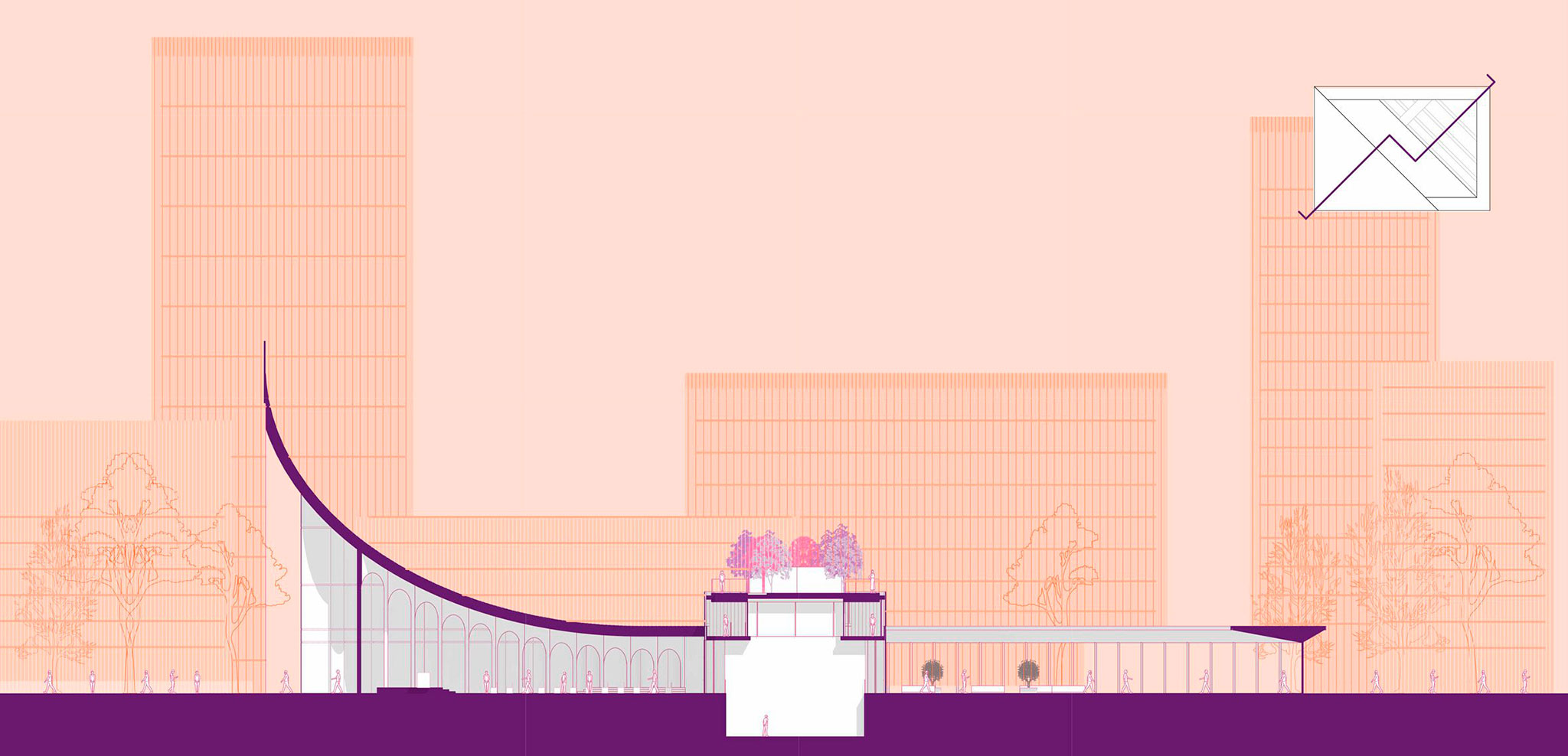
The Cloister is enclosed by an open colonnade along the sides of the Cardo and the Decumanus, embracing the Garden and extending northward to form a large ascending Sail, within whose space the main nave of the new Pastoral House opens, rising toward the north and housing the altar at its apex.

The new Church, with its triagonal plan and liturgical spaces, is designed to accommodate up to 300–350 worshippers, and is complemented by spaces for community activities.

In architectural terms, the church is developed as a material continuation of the cloister roof, defined by an ascending gesture that recalls the forms of the Milan Cathedral — as though the great Sail housing the new Pastoral House descends with its projections to embrace the Cloister of Religions and enclose it within its perimeter colonnades.

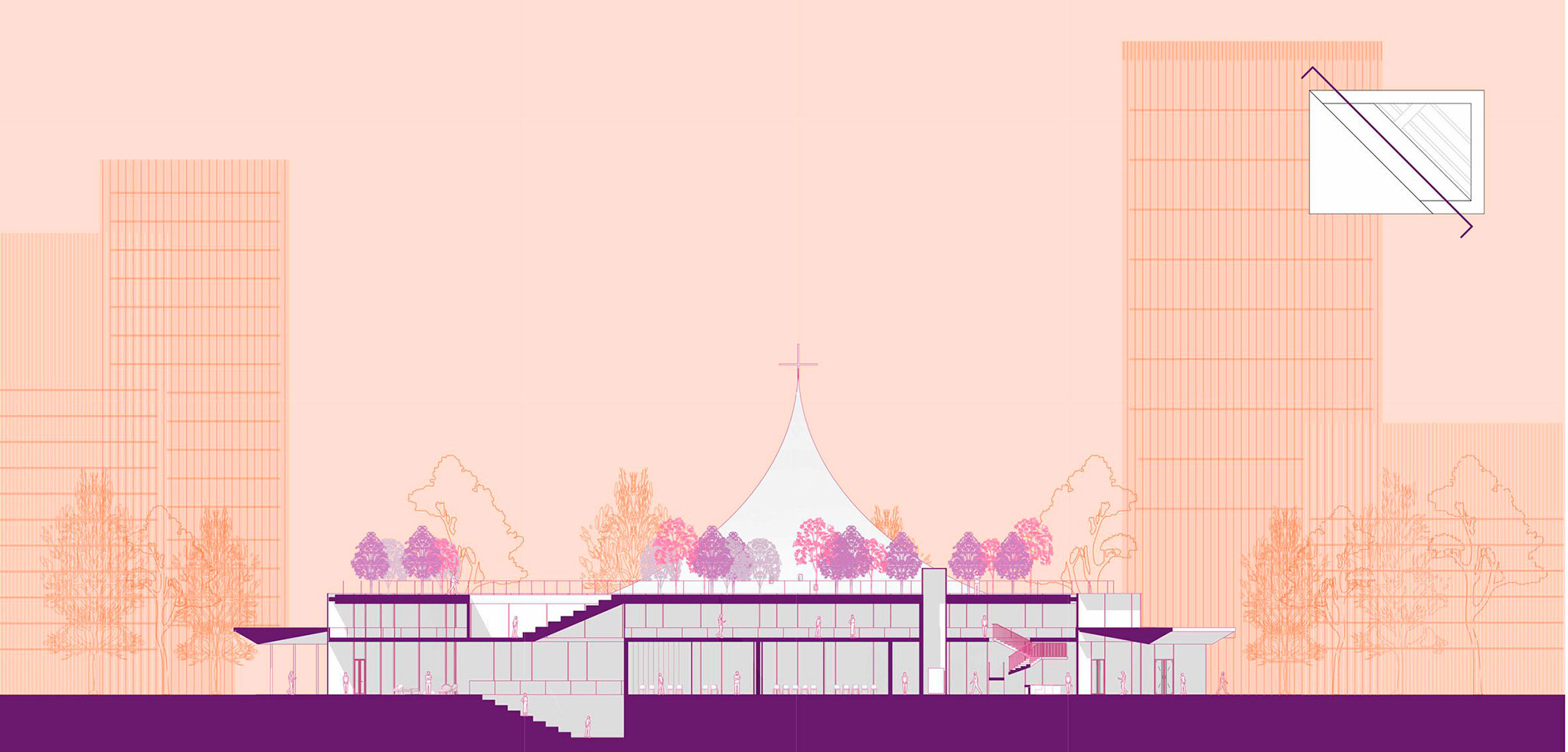
At the heart of this embrace sits the trapezoidal, transparent prism of the Library of Religions which, dedicated to study and learning, fosters interaction among the disciplines and religious traditions that characterise the civic fabric of Milan.
Visualización. Monasterio Ambrosiano por Stefano Boeri Architetti.
Rendering. Ambrosian Monastery Milan by Stefano Boeri Architetti. 

Within it, the programme includes study rooms, an open-air amphitheatre, multipurpose spaces, and a section dedicated to pastoral care, with five attached residences.

On the rooftop, the Library hosts, among the cherry trees of a small grove, a selection of sculptures from the storage collections of the Veneranda Fabbrica del Duomo — as though, having descended from the Cathedral’s spires, the statues wished to mingle with, and welcome, the visitors and worshippers ascending from the Library of Religions below.

A gesture of openness, intended to make a historic heritage collection — otherwise largely inaccessible — available to the wider public.
More information

Label
Architects
Text

Stefano Boeri Architetti. Founding partner.- Stefano Boeri.
Partner in charge.- Marco Giorgio.
Director.- Hana Narvaez.

+ + copy Created with Sketch.
- + copy Created with Sketch.
Label
Design team
Text

Giacomo Calistri, Daniele Barillari, Agostino Bucci, Mohamed Hassan Elgendy.

+ + copy Created with Sketch.
- + copy Created with Sketch.
Label
Client
Text

Archdiocesan Curia of Milan.

+ + copy Created with Sketch.
- + copy Created with Sketch.
Label
Area
Text

Total area of 2,700 m², with 1,100 m² allocated to open spaces.

+ + copy Created with Sketch.
- + copy Created with Sketch.
Label
Dates
Text

2026.

+ + copy Created with Sketch.
- + copy Created with Sketch.
Label
Location
Text

MIND - Milano Innovation District, Milan, Italy.

+ + copy Created with Sketch.
- + copy Created with Sketch.
Label
Renderings
Text

Stefano Boeri Architetti.

+ + copy Created with Sketch.
- + copy Created with Sketch.

Stefano Boeri Architetti (previously, Boeri Studio) is an architecture practice based in Milan, Shanghai and Tirana, led by Stefano Boeri, and dedicated to research and design in architecture and urban planning since 1993. Together with Stefano Boeri, the studio’s Partners are Francesca Cesa Bianchi (from 2019), Marco Giorgio (from 2019) and Pietro Chiodi (from 2023). The firm’s Directors are Hana Hosi Narvaez Bautista, Livia Sharmir (Research Department) and Corrado Longa (Urban Planning Department).

Together with master plans and urban planning in various cities, the studio is currently working on numerous architectural projects, including the Tower of Cedars (Lausanne), Balcon sur Paris (Paris), Wonderwoods (Utrecht, under construction) and the redevelopment of the San Cristoforo district in Milan with the Bosconavigli project. The studio’s recent professional developments include projects such as the set design of Euripides’ ‘The Trojan Women’ at the Greek Theatre in Syracuse (2018); the new entrance to the Domus Aurea in Rome (2021); the staging of the exhibition ‘Chi è di Scena! Cento anni di spettacoli a Ostia Antica (1922-2022)’ at the Ostia Antica Archaeological Park (2022); the Masterplan for the South Coast of Salerno – with the territorial redevelopment of the area of the archaeological site of Paestum – and the requalification and valorisation of the Amphitheatre and the Roman baths in Durazzo – testify to Stefano Boeri Architetti’s growing care and attention towards the international archaeological heritage and its cultural, tourist and environmental enhacement.

The studio has received numerous international awards: the Bosco Verticale, the new symbol of Milan and of biodiversity in architecture, was named best building in the world by the CTBUH (Chicago) and received the award for best skyscraper by the DAM in Frankfurt. In addition, the firm received the official award of Professional Leadership in Biodiversity in Architecture from the US Green Building Council (2020).

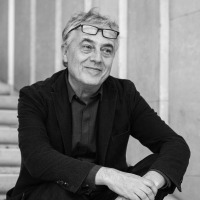
Stefano Boeri, born in Milan in 1956, is a Milan-based architect and, since June 2011, the Councillor for Culture, Design, and Fashion for the Municipality of Milan. From 2004 to 2007, he was editor-in-chief of the international magazine Domus, and from 2007 to 2011, of Abitare. He is a professor of Urban Design at the Politecnico di Milano and has been a visiting professor at Harvard Graduate School of Design, MIT, the Berlage Institute, and the Architectural Association, among others. Since 2007, he has directed the international architecture festival Festarch. He recently curated “Calling São Paulo,” a project on informal settlements promoted by the São Paulo Housing Secretariat.

He is a professor of Urban Planning at the Politecnico di Milano and directs the Future City Lab at Tongji University in Shanghai, a postdoctoral research program focused on the transformation of global metropolises from the perspective of biodiversity and urban forestry. He has been a visiting professor at institutions such as Harvard GSD, EPFL, the Berlage Institute in Rotterdam, and the Academy of Architecture in Mendrisio. He is president of the Scientific Committee of Forestami, the urban forestry project for the Milan metropolitan area, and has presided over the Triennale Milano since 2018.

Read more
Published on: May 17, 2026
Cite:
metalocus, SARA GENT
"Spatial and symbolic device. Ambrosian Monastery Milan by Stefano Boeri Architetti " METALOCUS. Accessed
<https://www.metalocus.es/en/news/spatial-and-symbolic-device-ambrosian-monastery-milan-stefano-boeri-architetti> ISSN 1139-6415
Loading content ...
Loading content ...
Loading content ...
Loading content ...
Loading content ...
Loading content ...
Loading content ...
Loading content ...
Loading content ...
Loading content ...
Loading content ...
Loading content ...
Loading content ...
Loading content ...
Loading content ...
Loading content ...
Loading content ...
Loading content ...
Loading content ...
Loading content ...
Loading content ...
Loading content ...
Loading content ...
Loading content ...
Loading content ...
Loading content ...
Loading content ...
Loading content ...
Loading content ...
Loading content ...
Loading content ...
Loading content ...
Loading content ...
Loading content ...
Loading content ...
Loading content ...
Loading content ...
Loading content ...
Loading content ...
Loading content ...
Loading content ...
Loading content ...
Loading content ...
Loading content ...
Loading content ...
Loading content ...
Loading content ...
Loading content ...
Loading content ...
Loading content ...
Loading content ...
Loading content ...
Loading content ...
Loading content ...