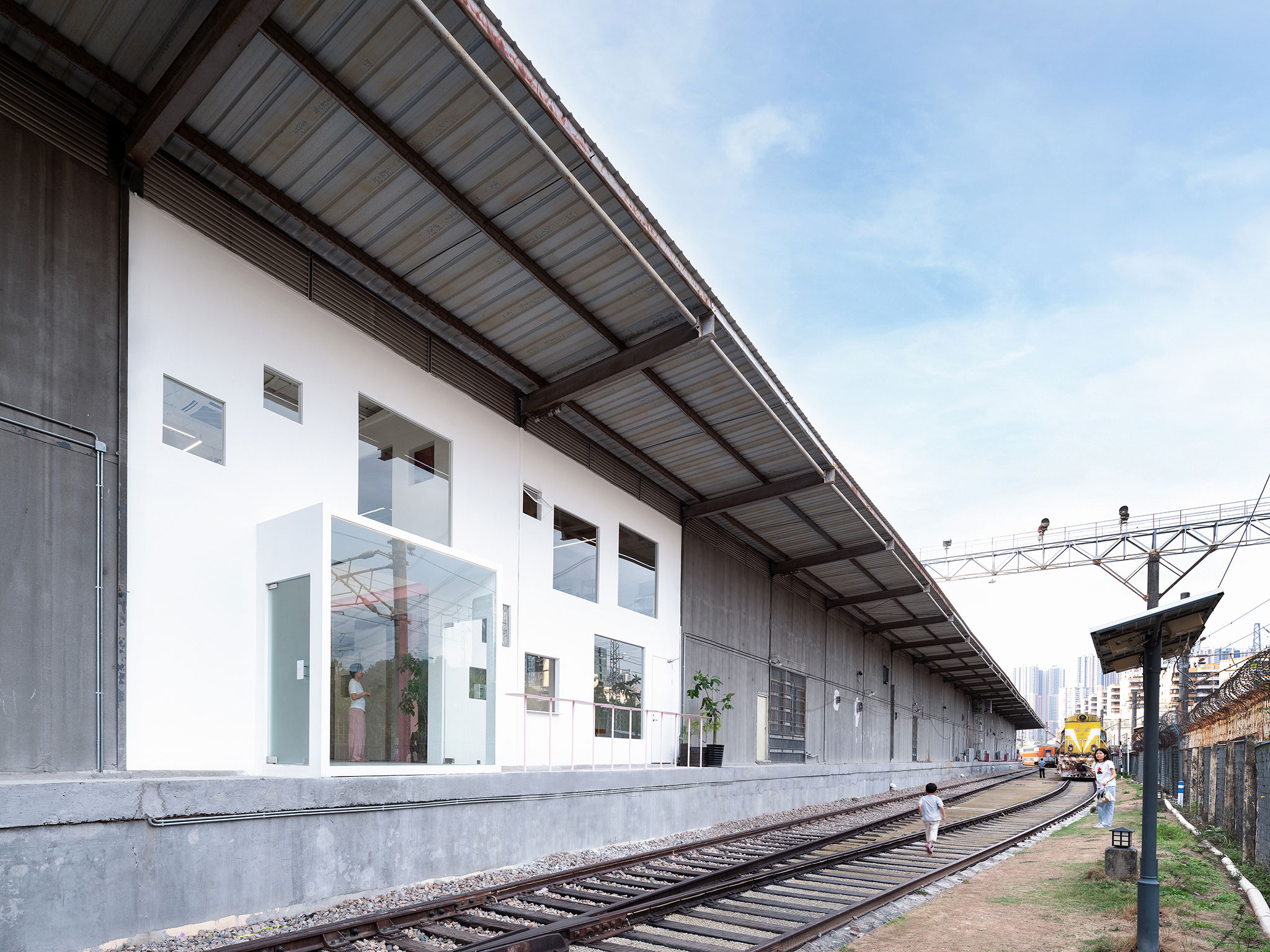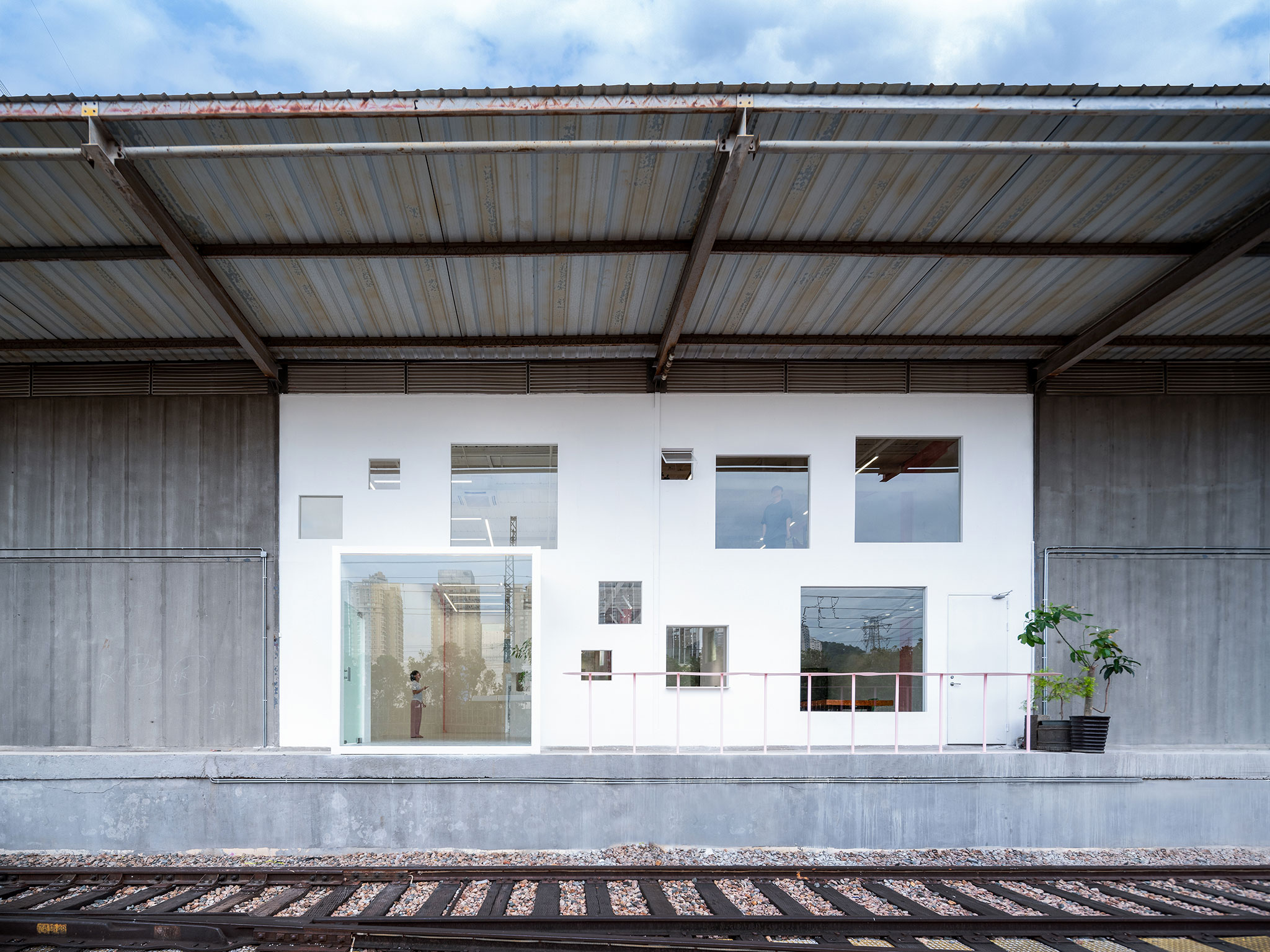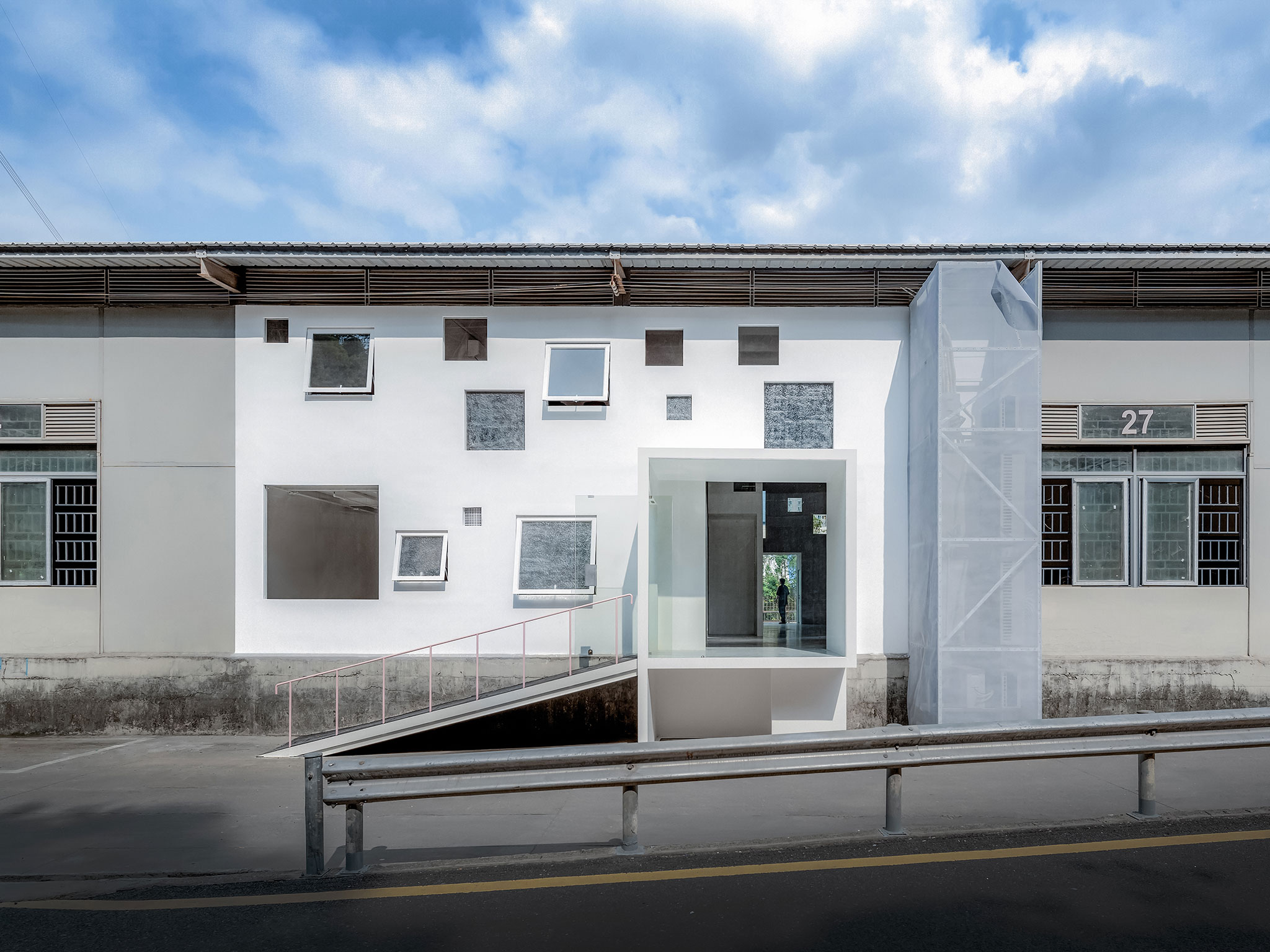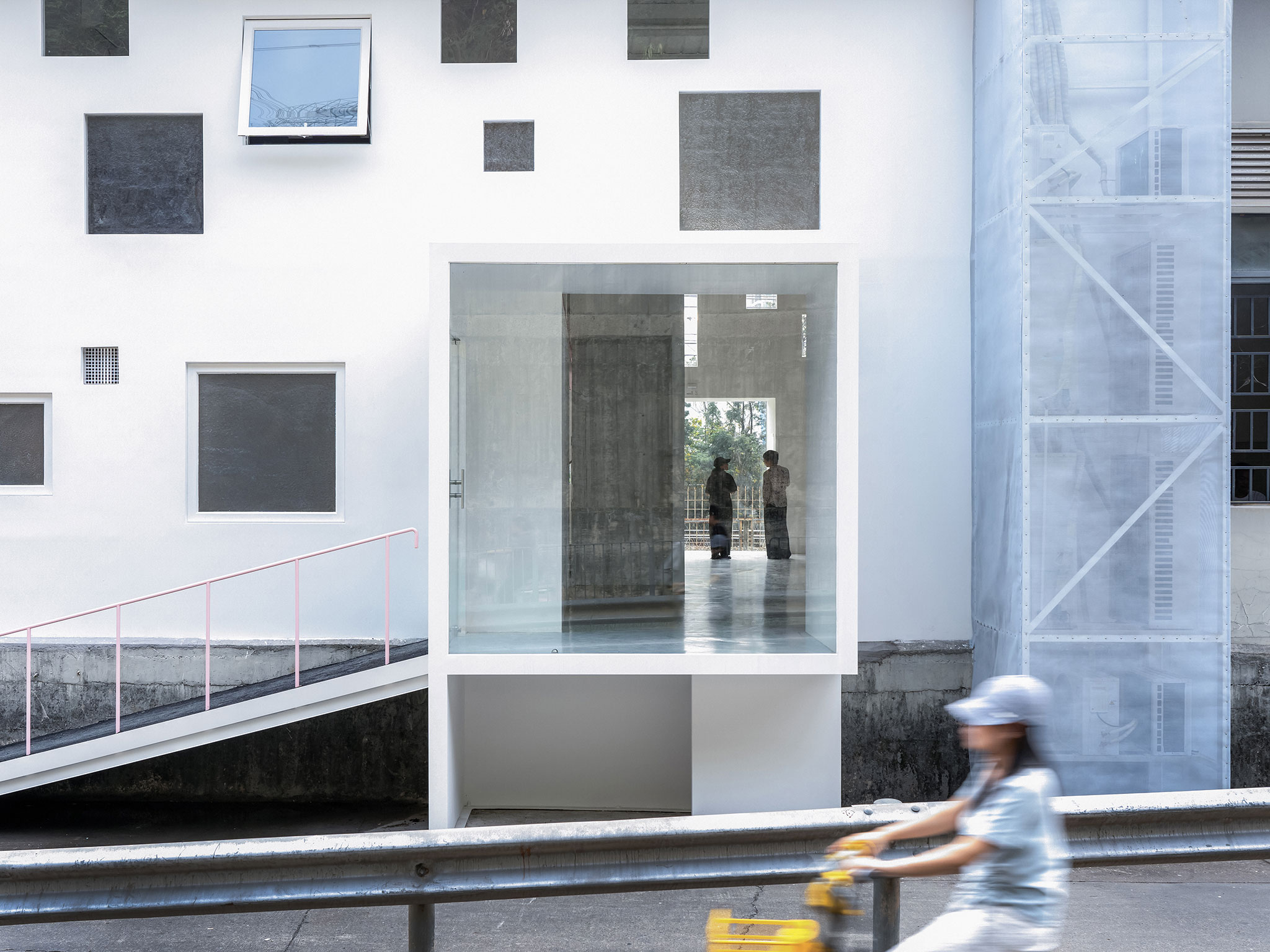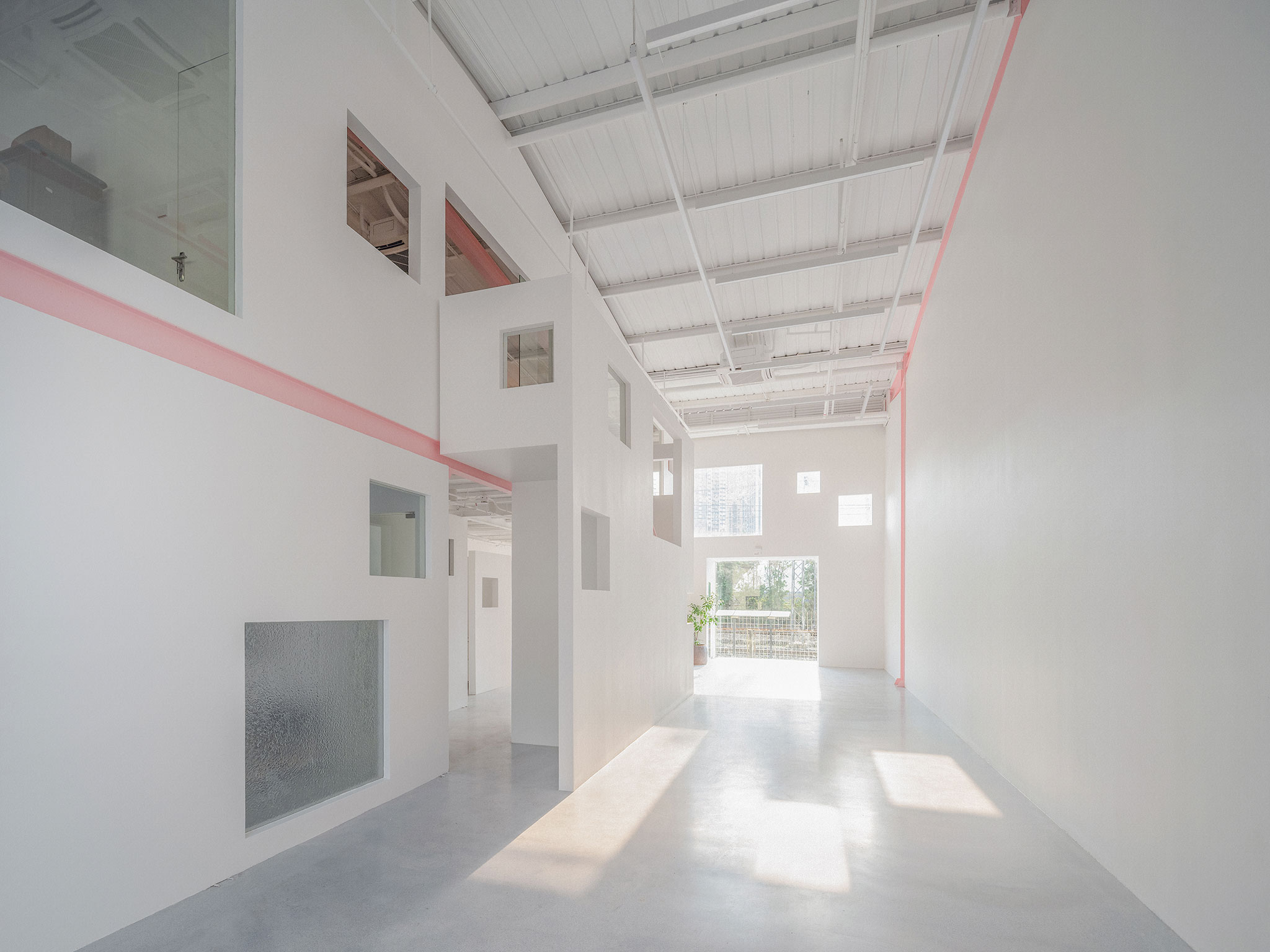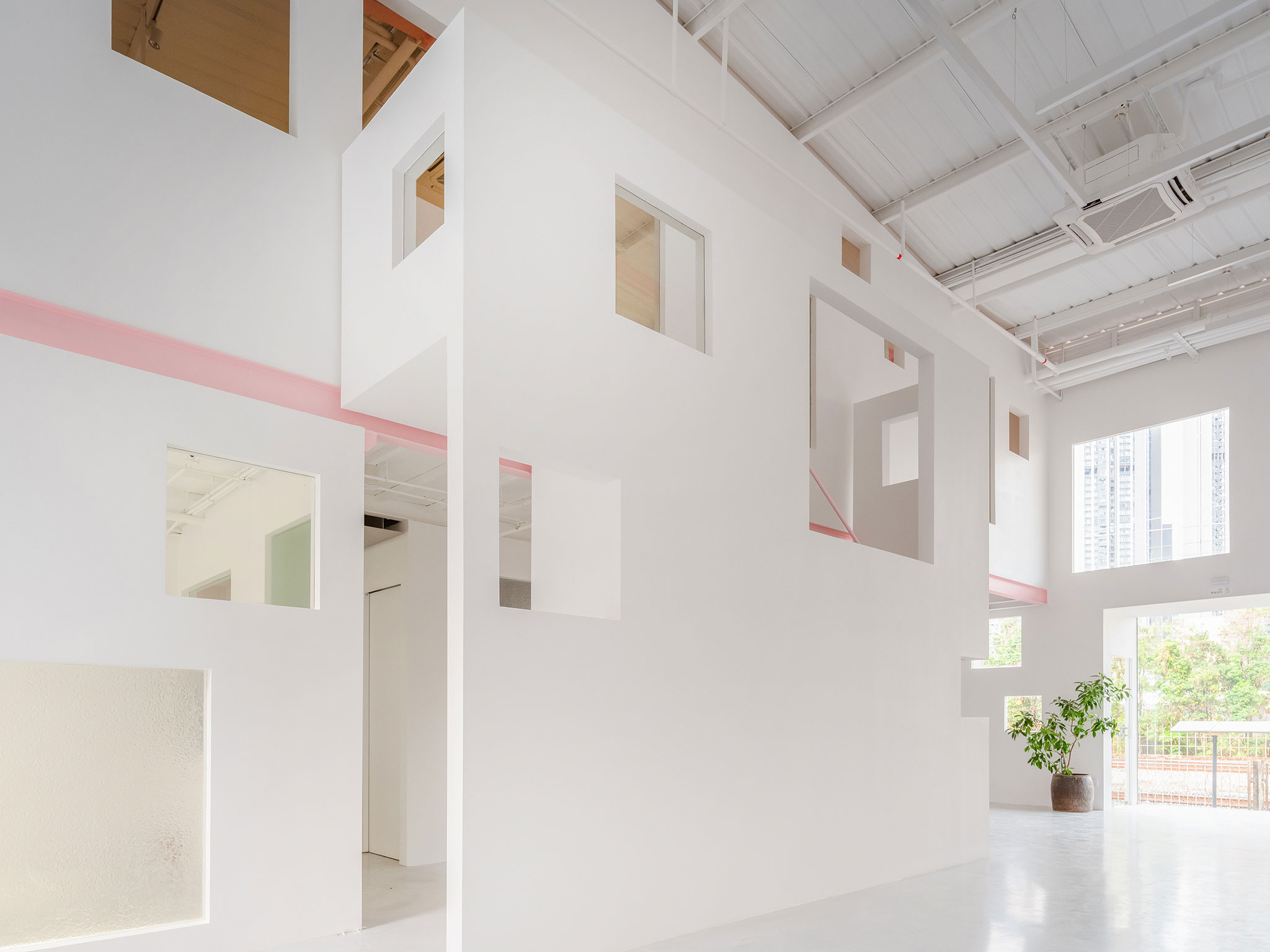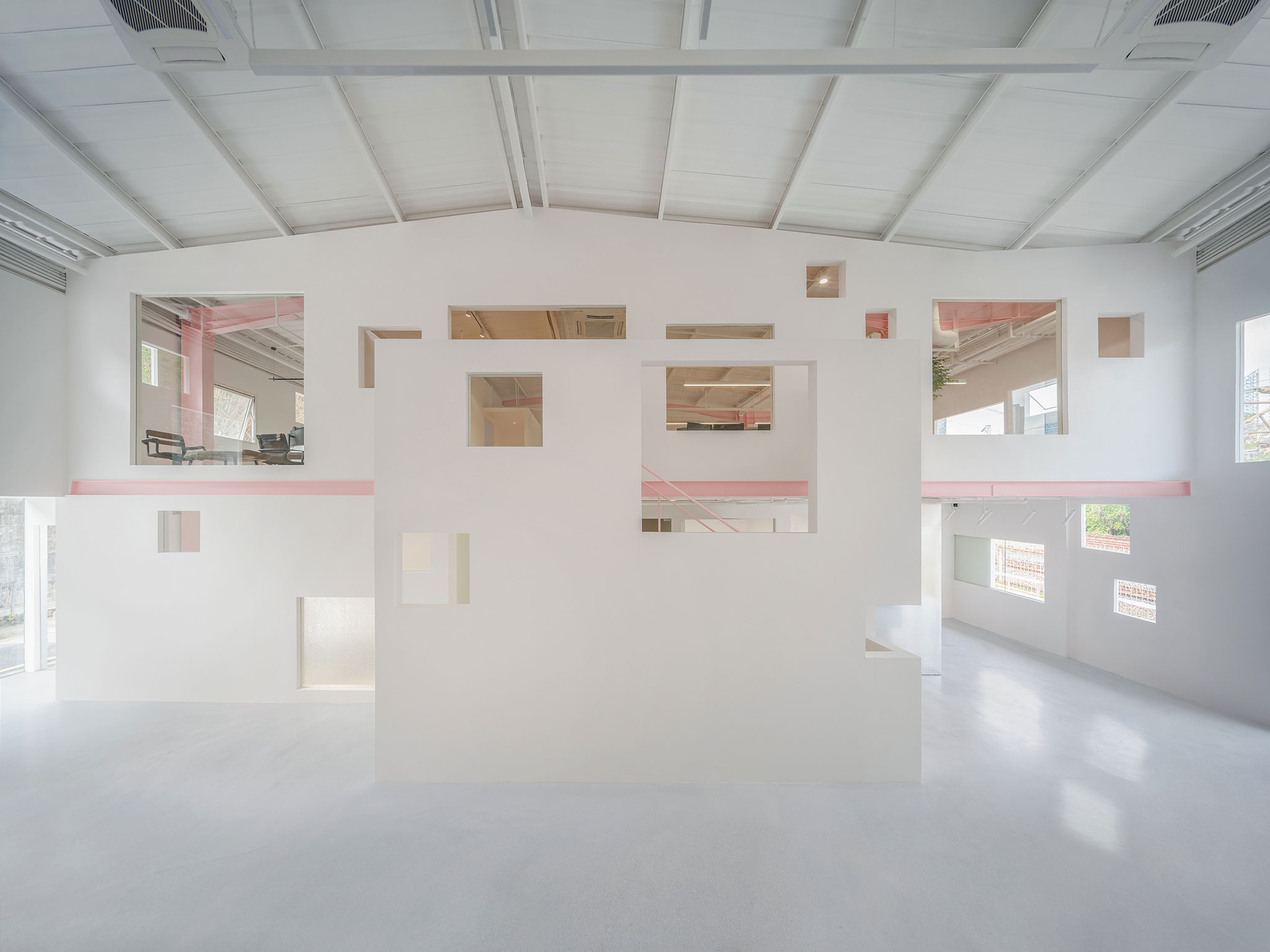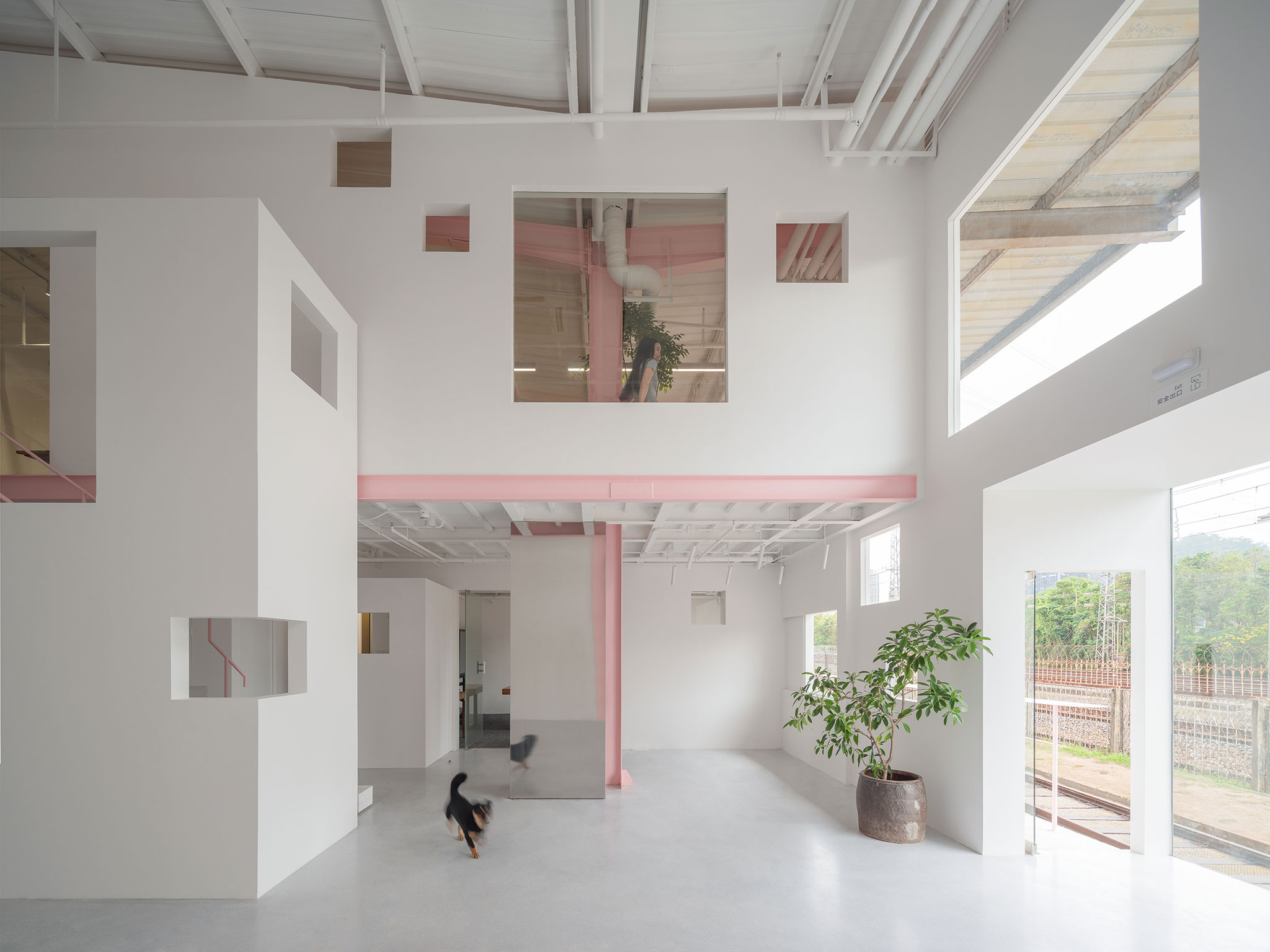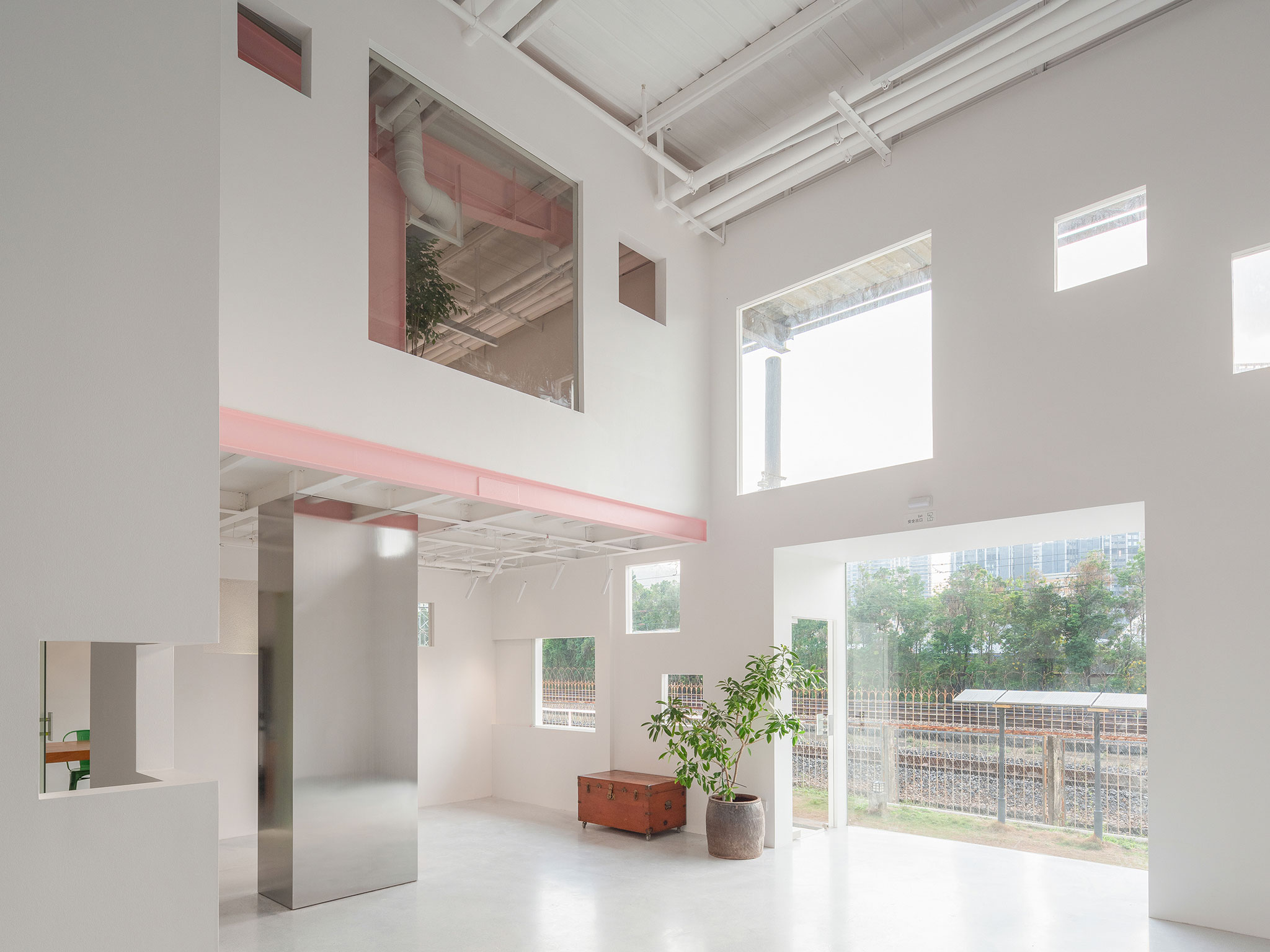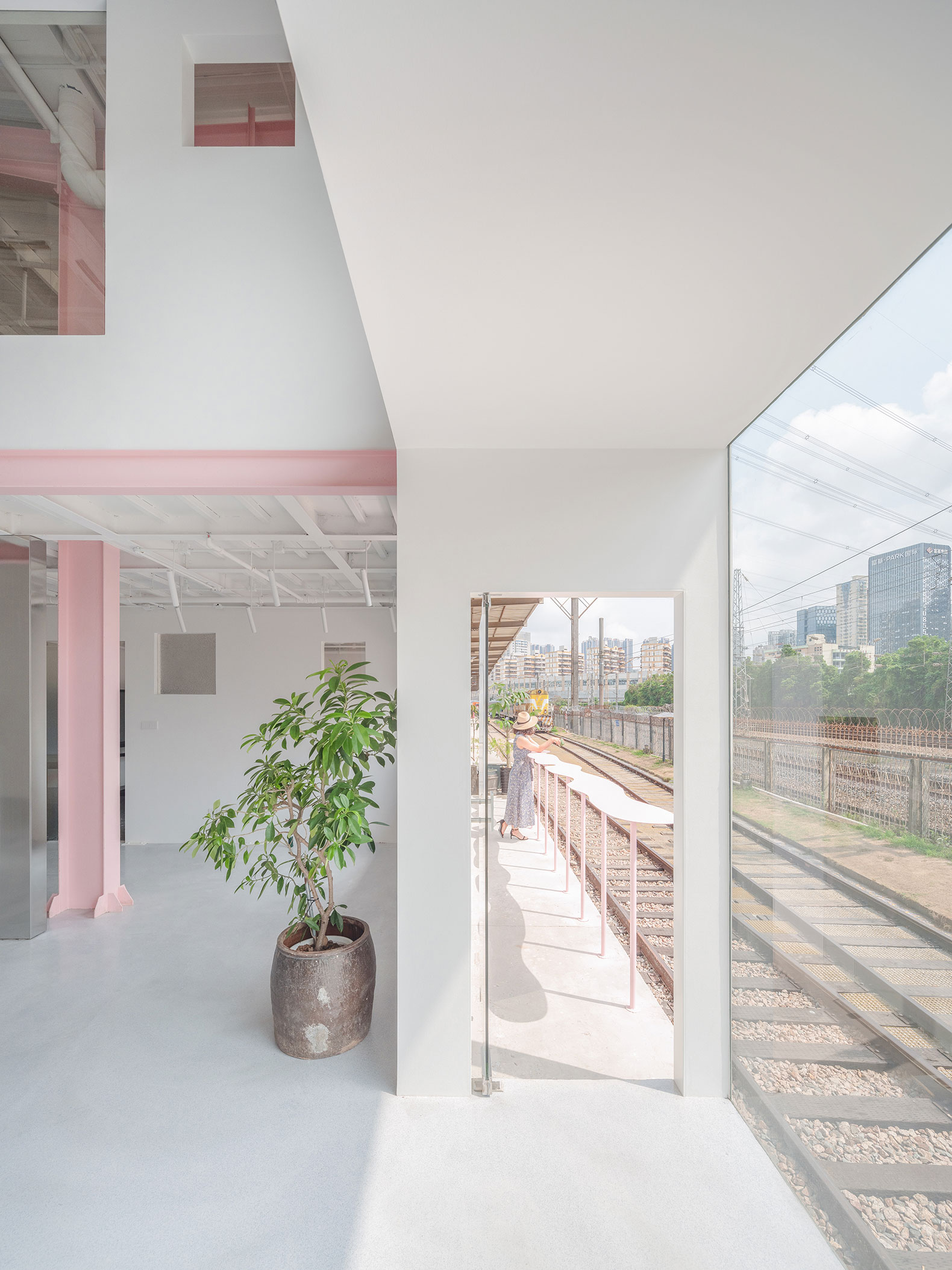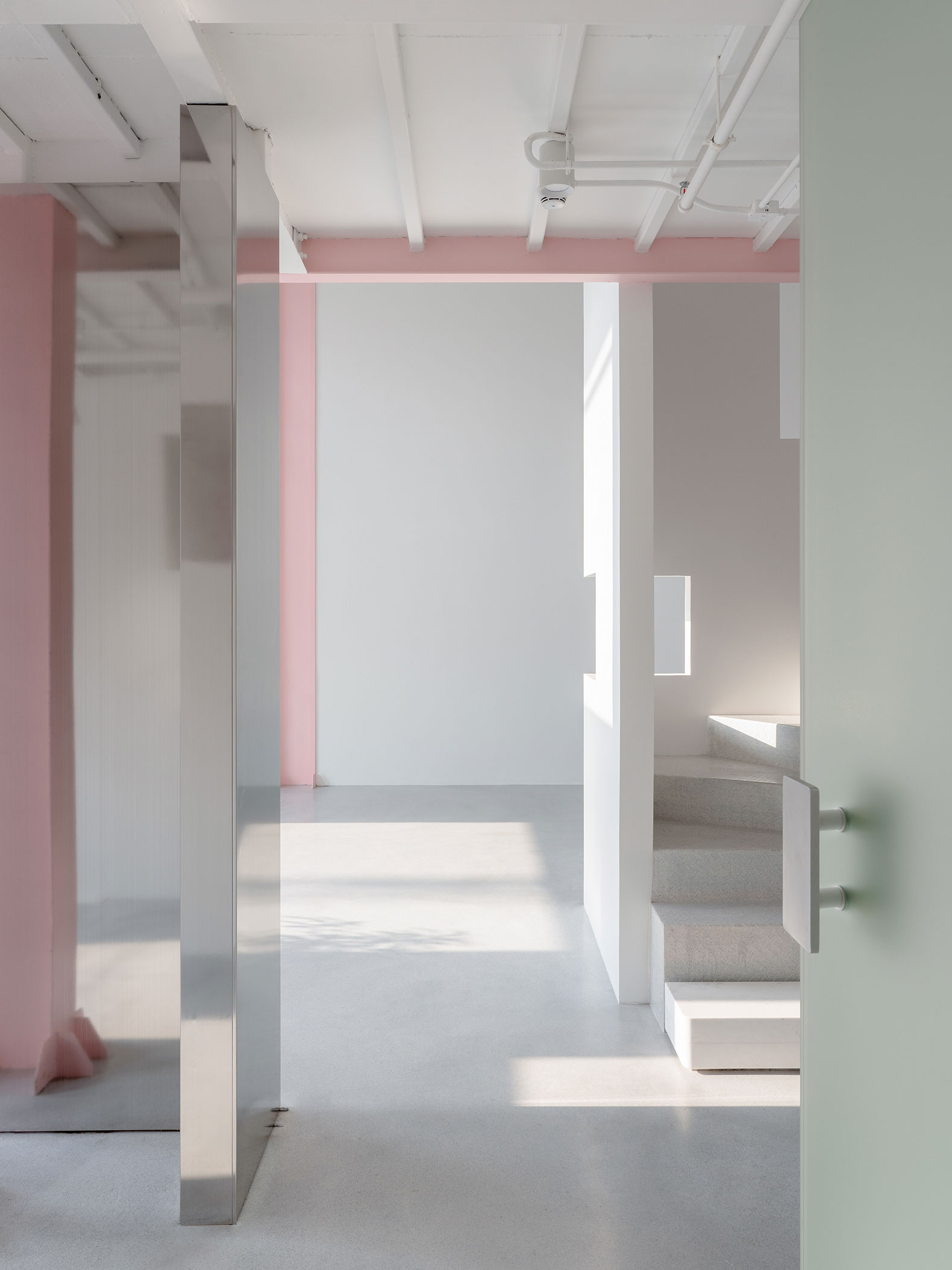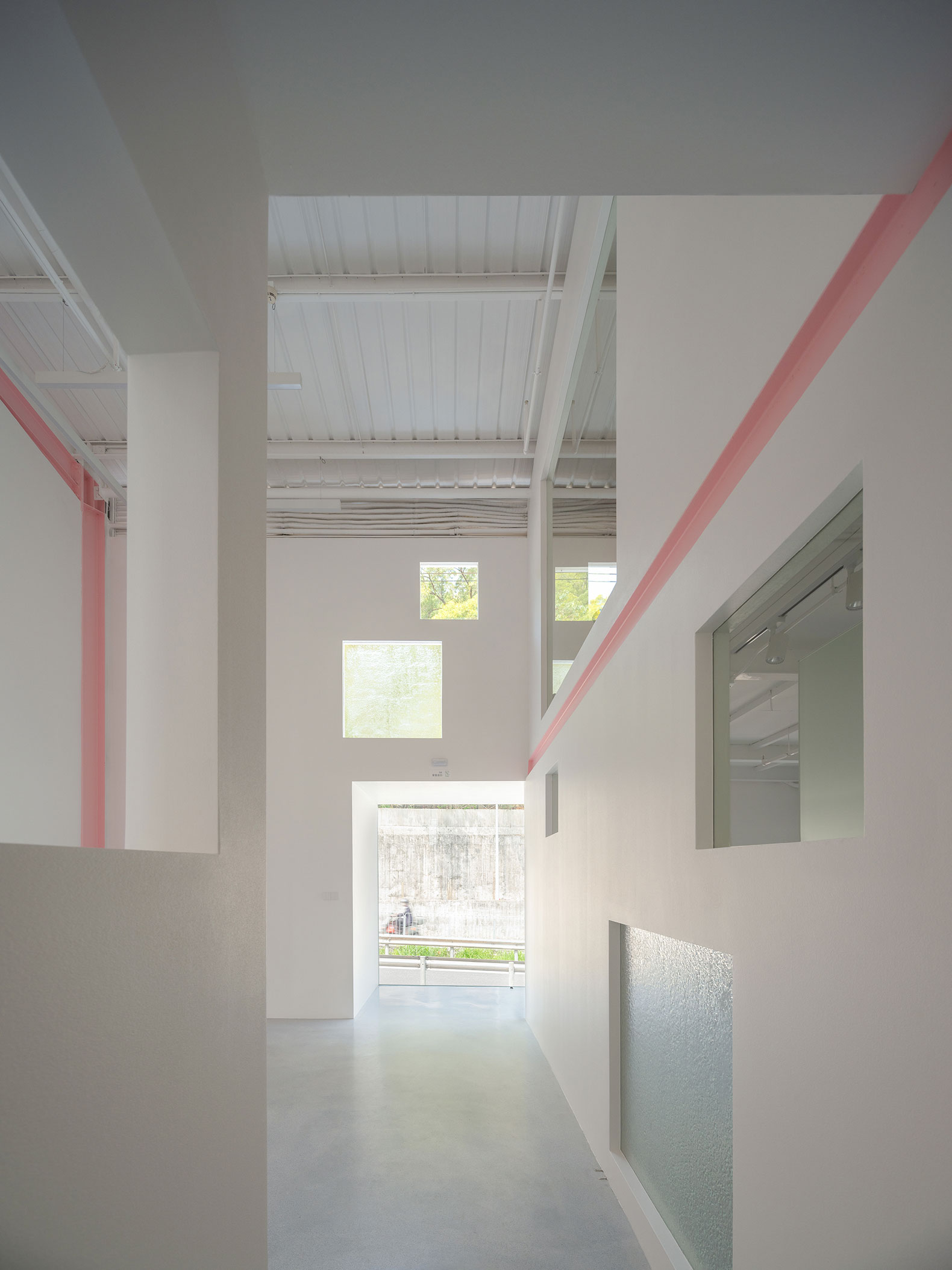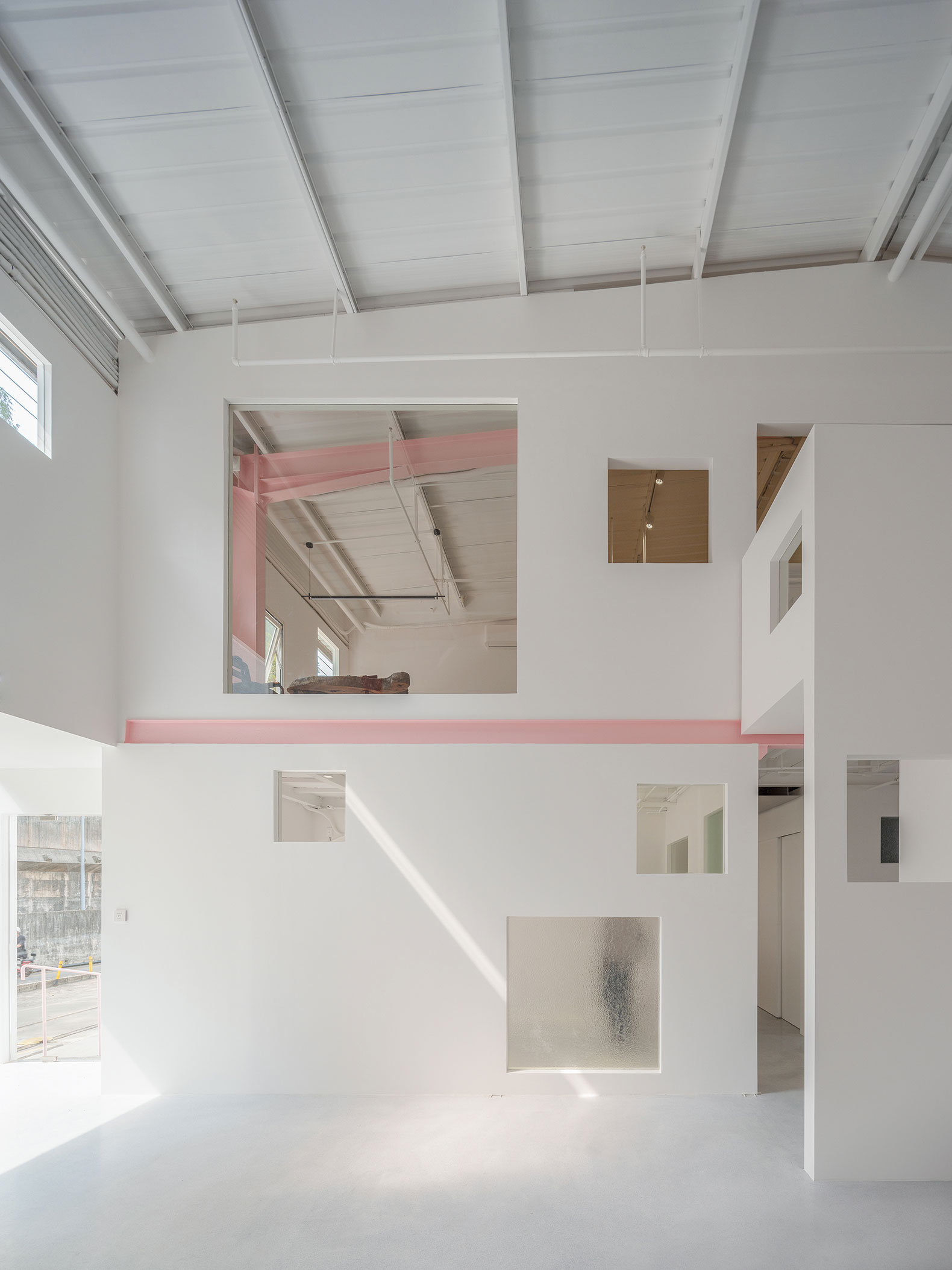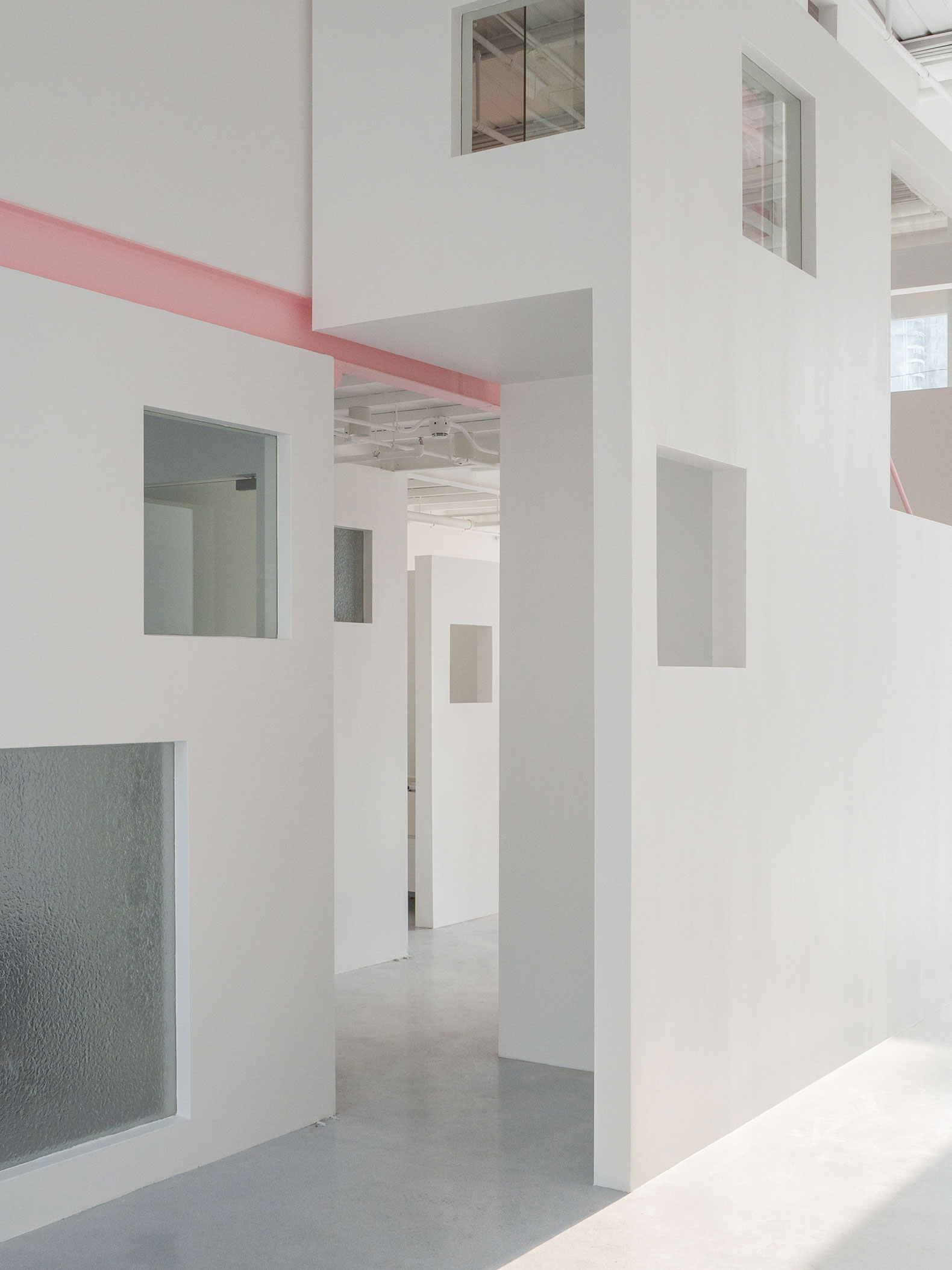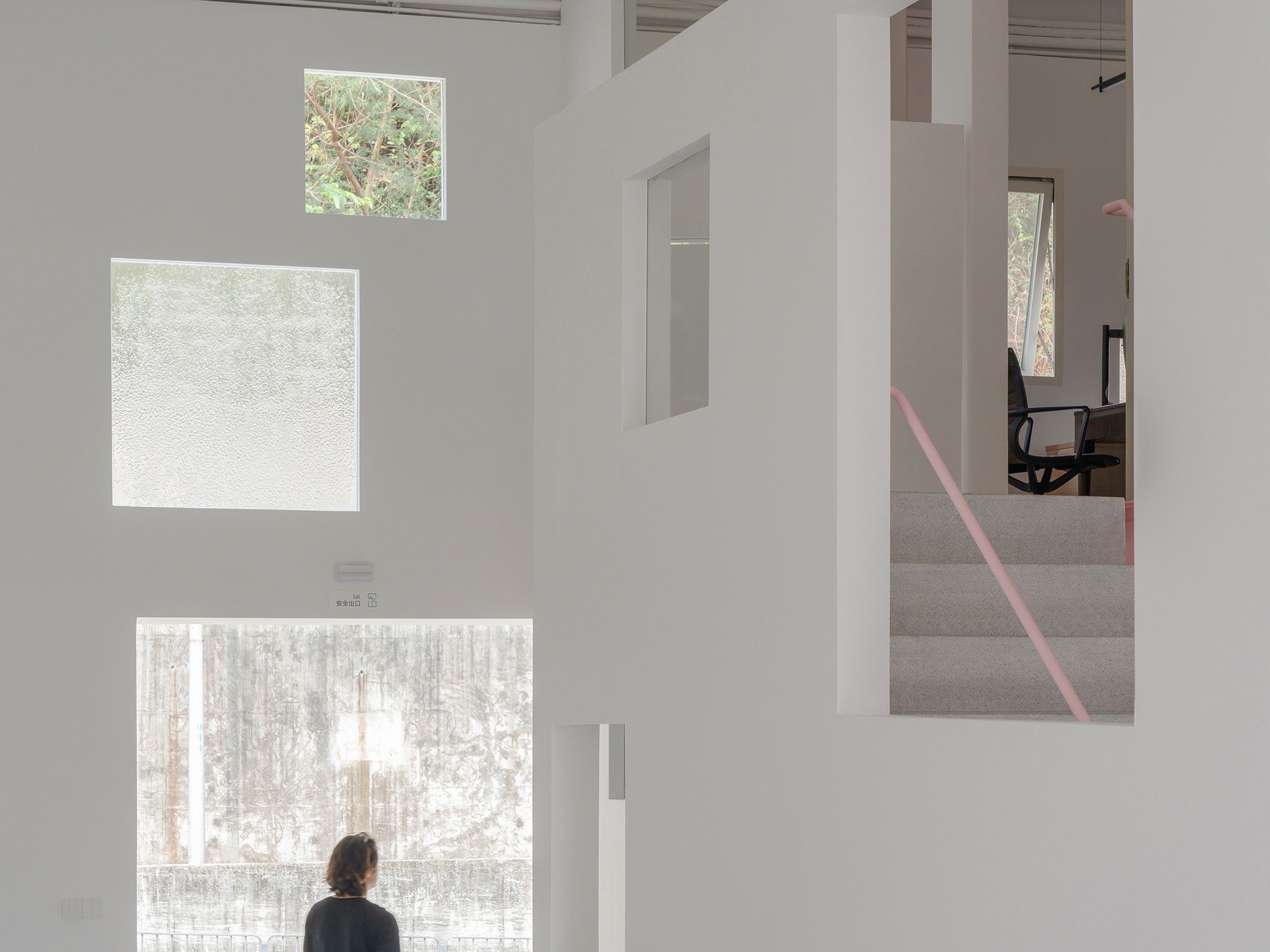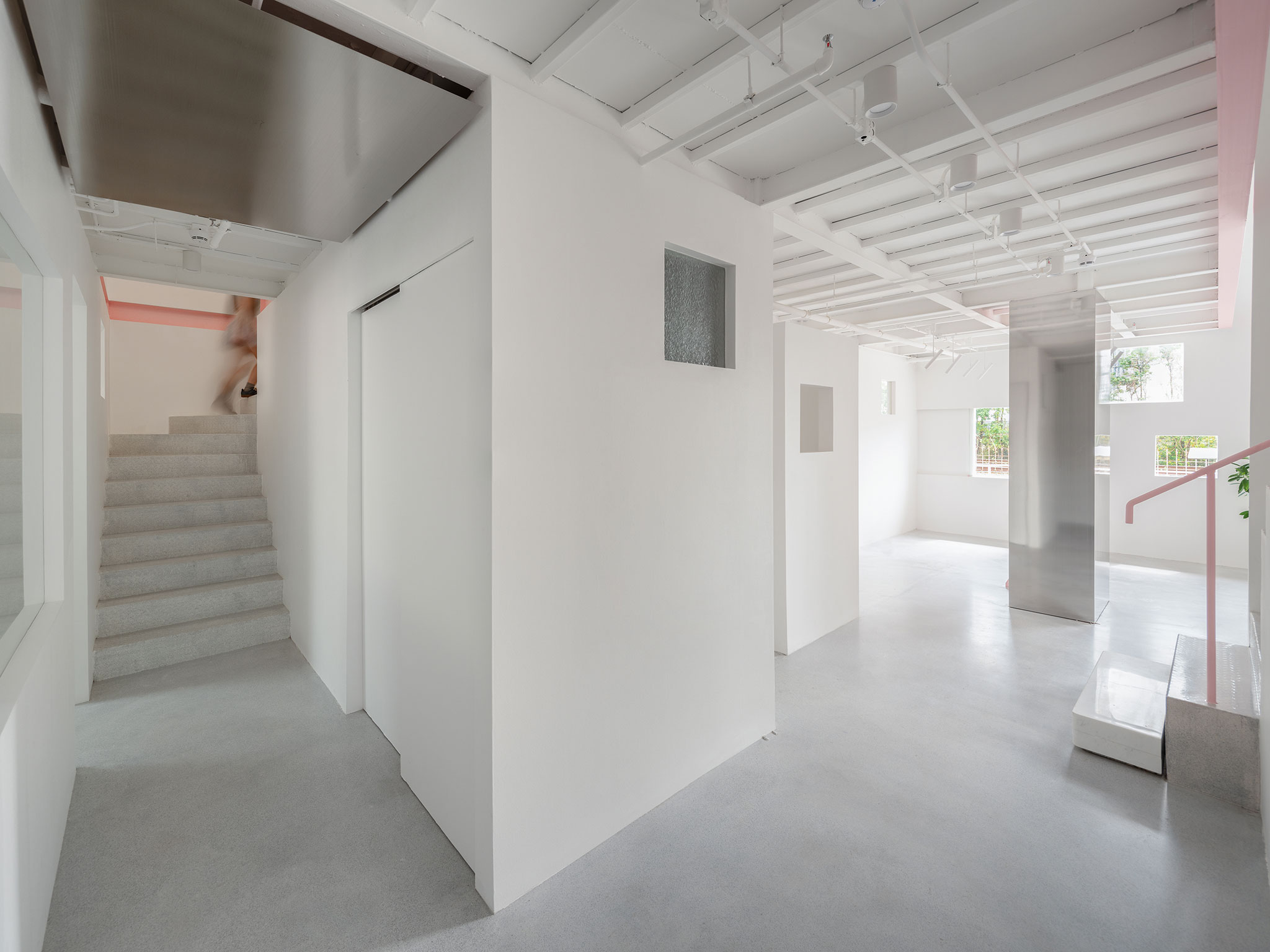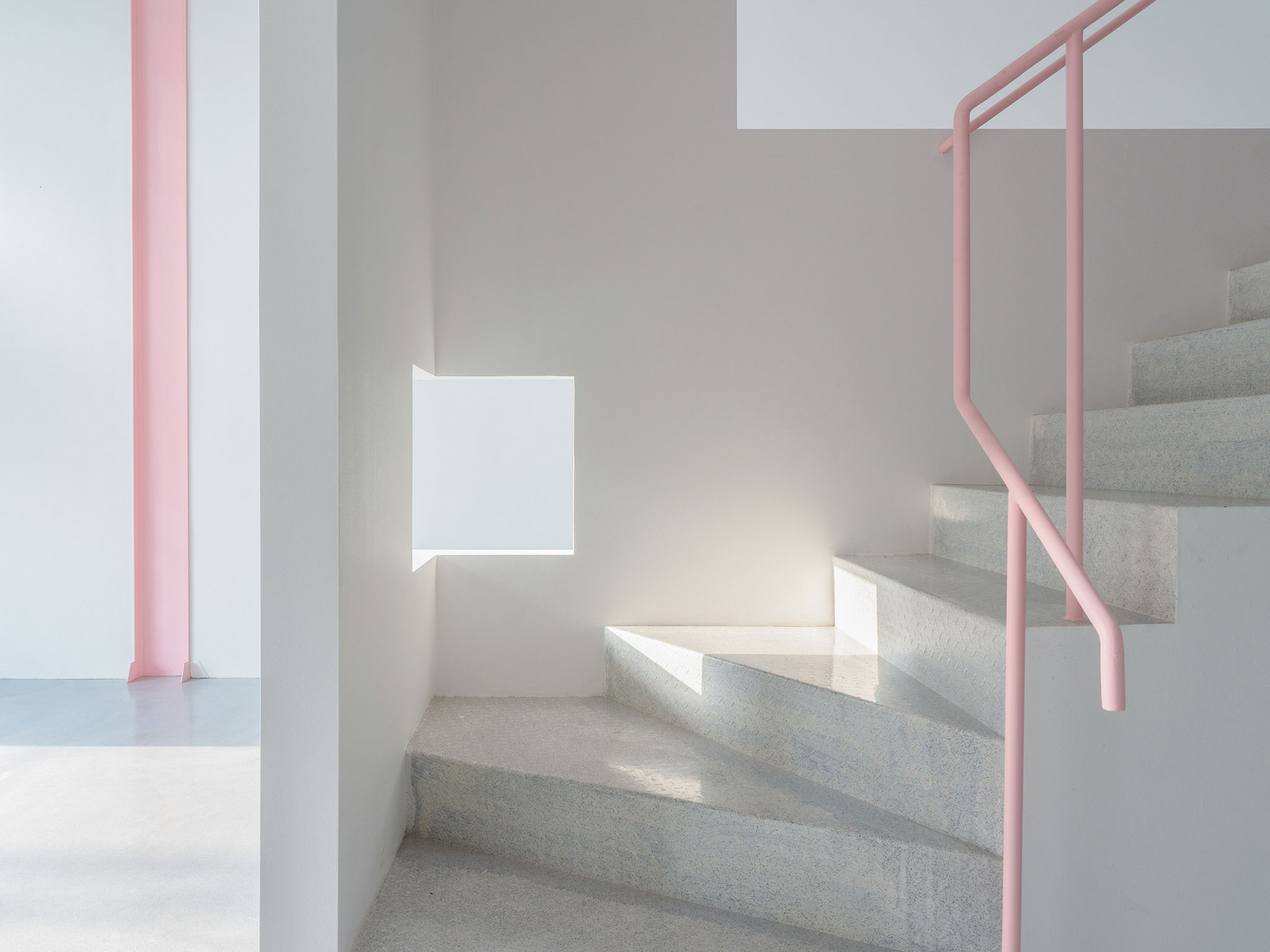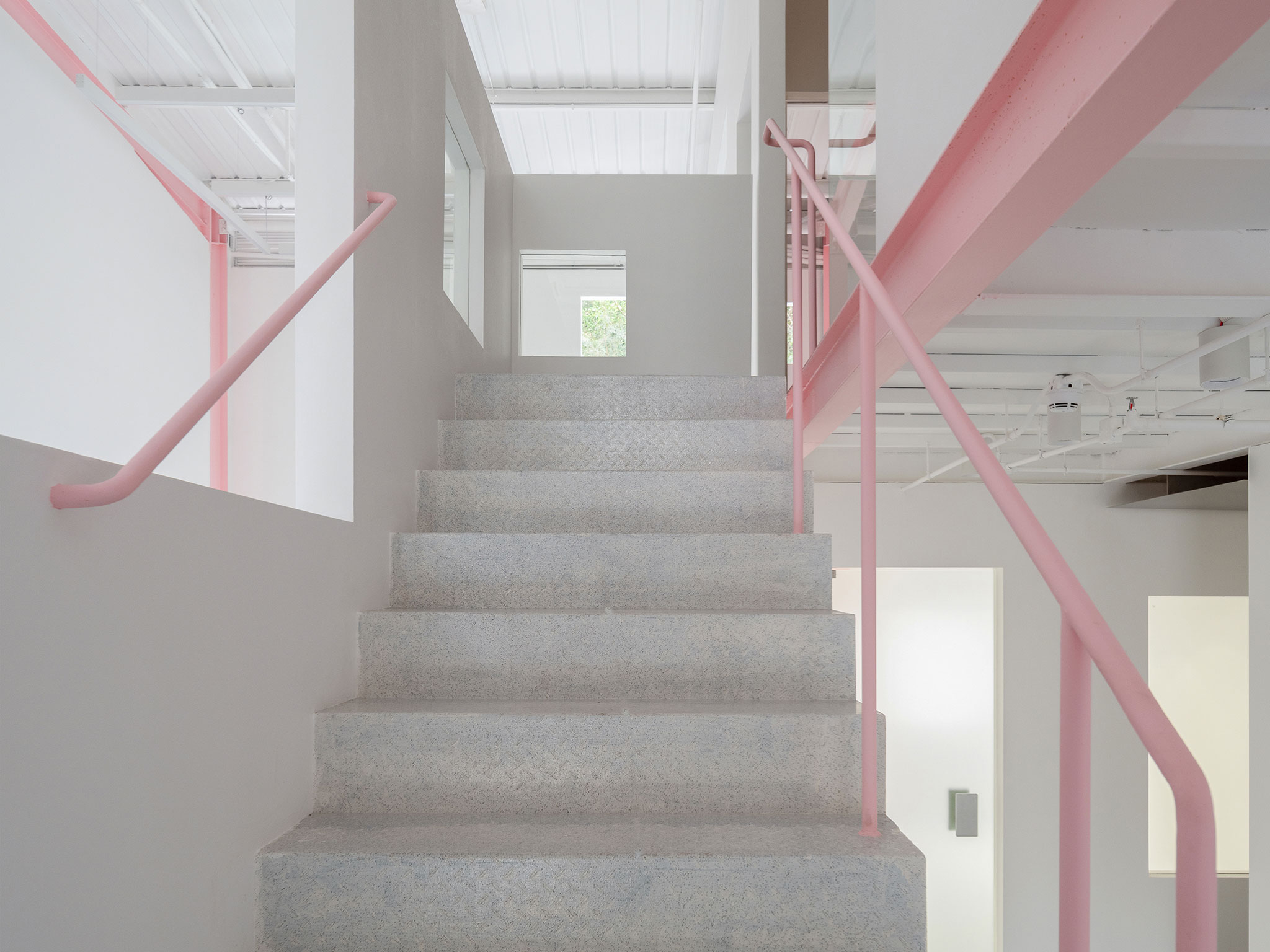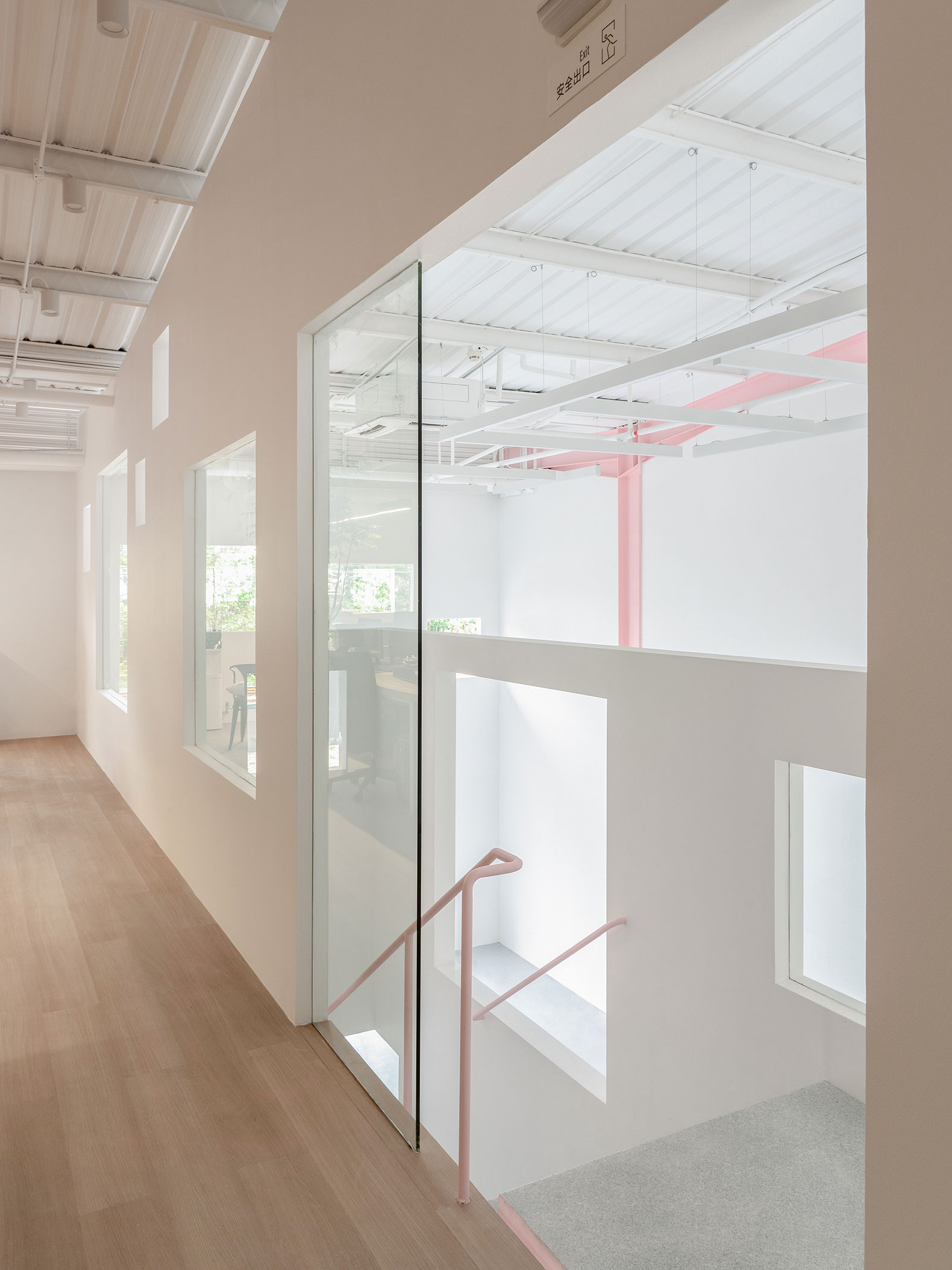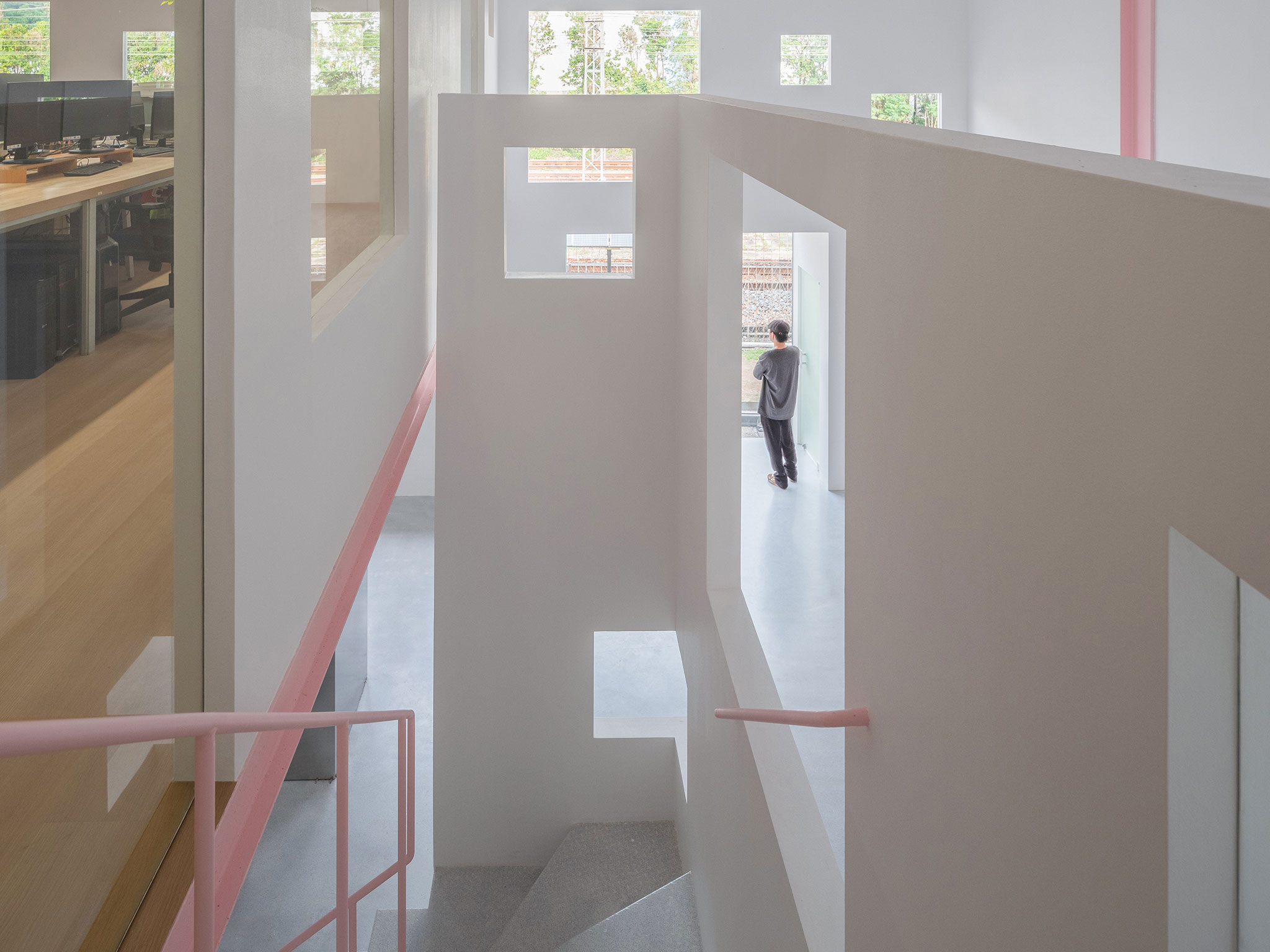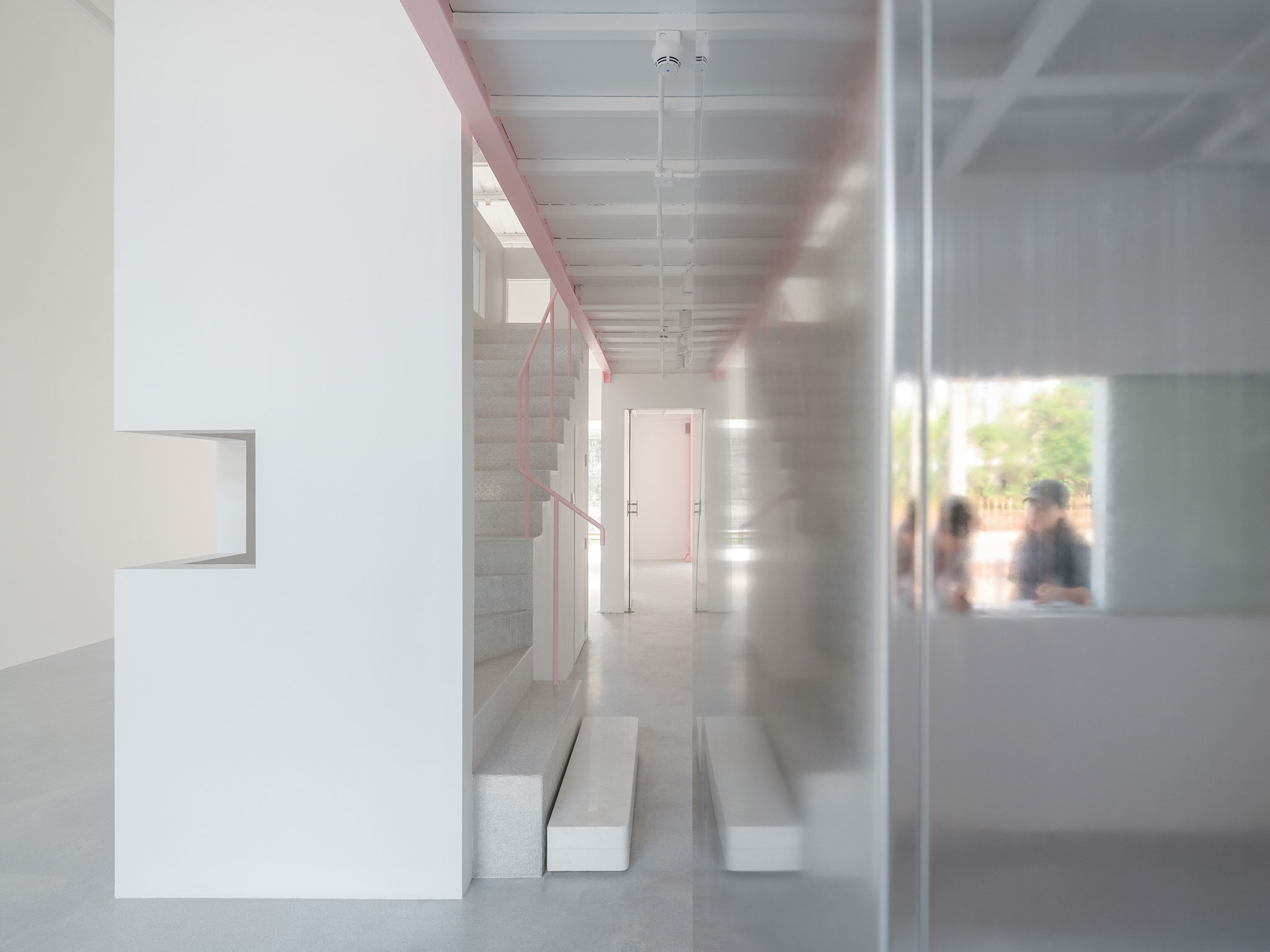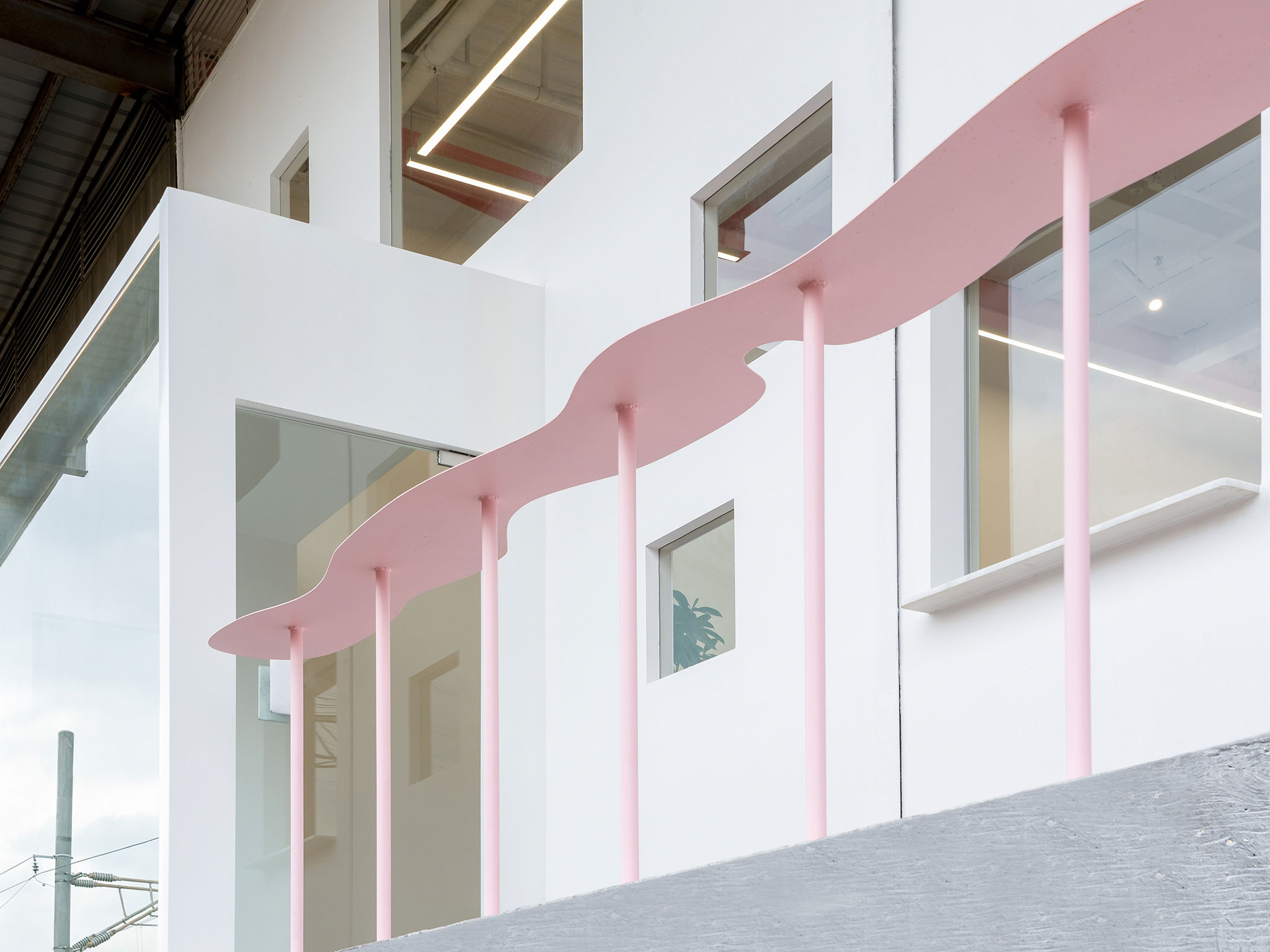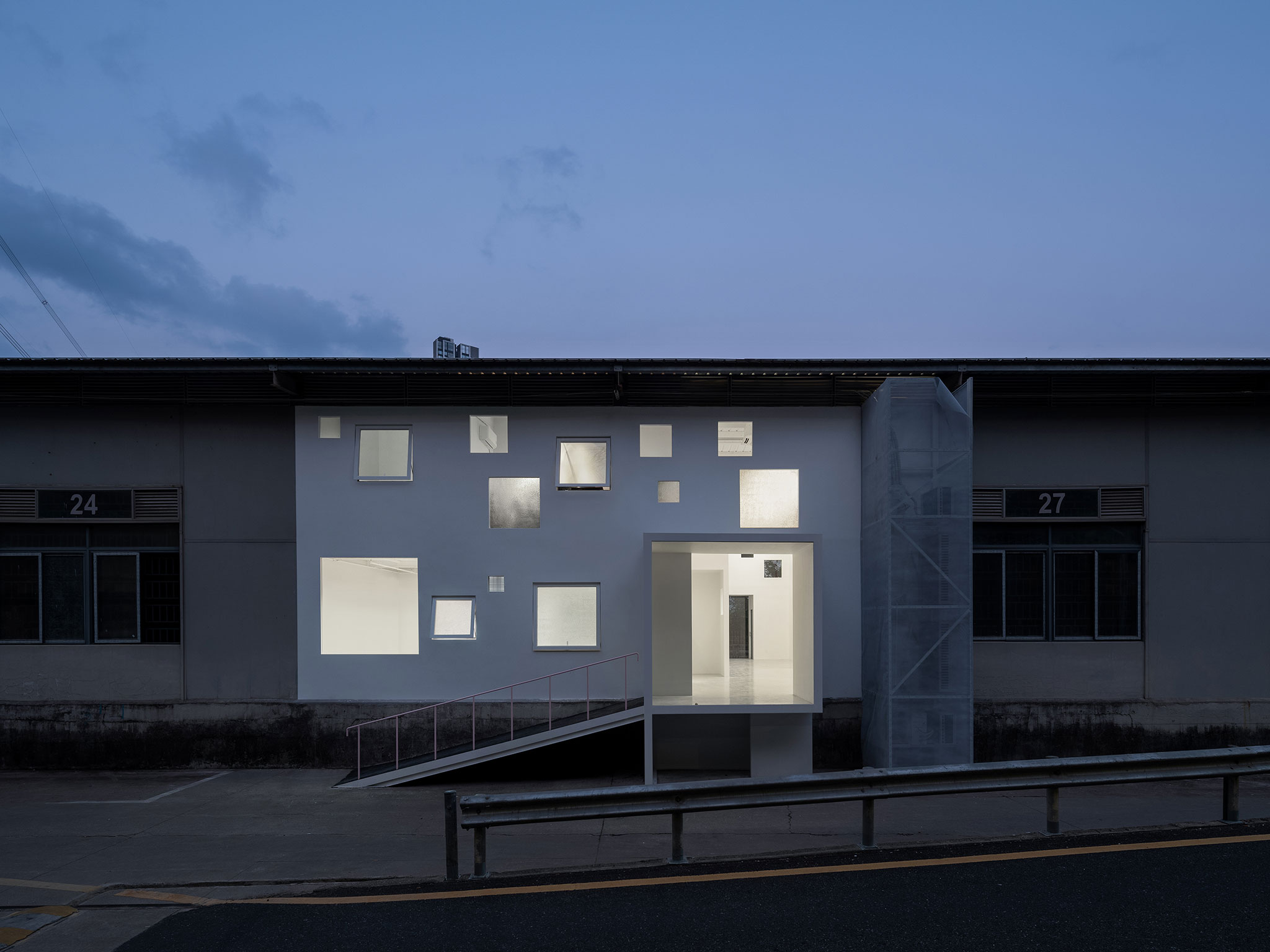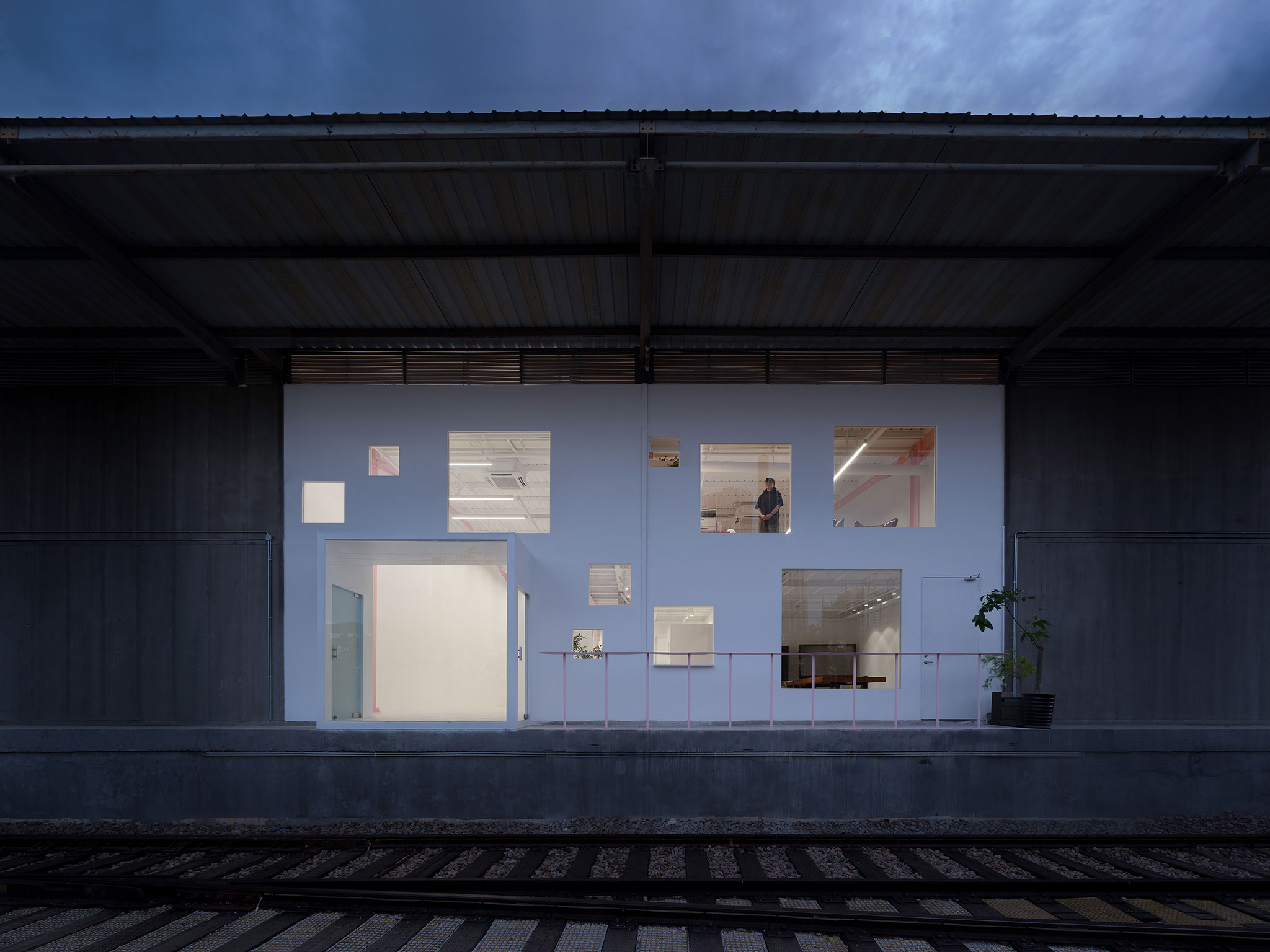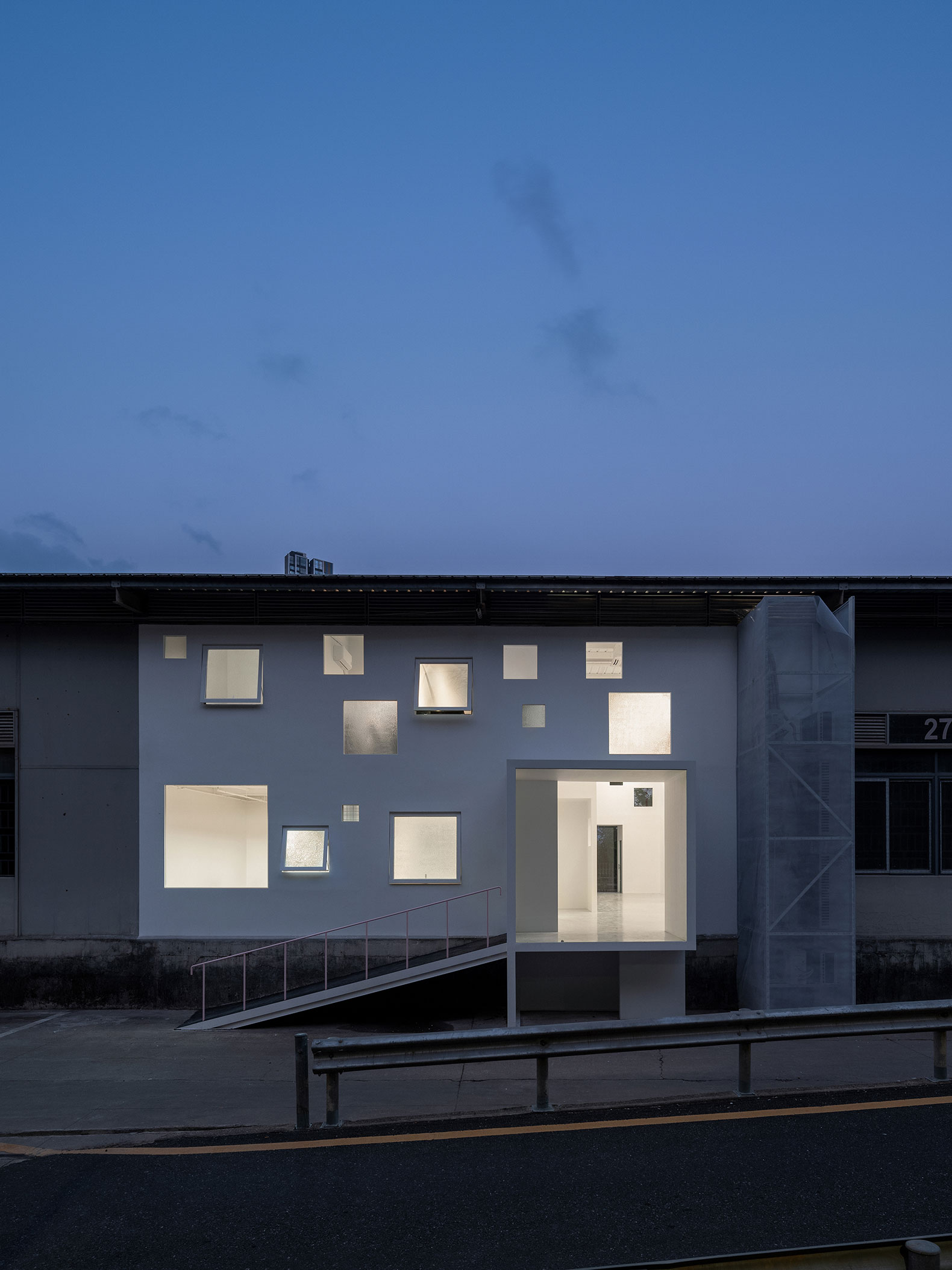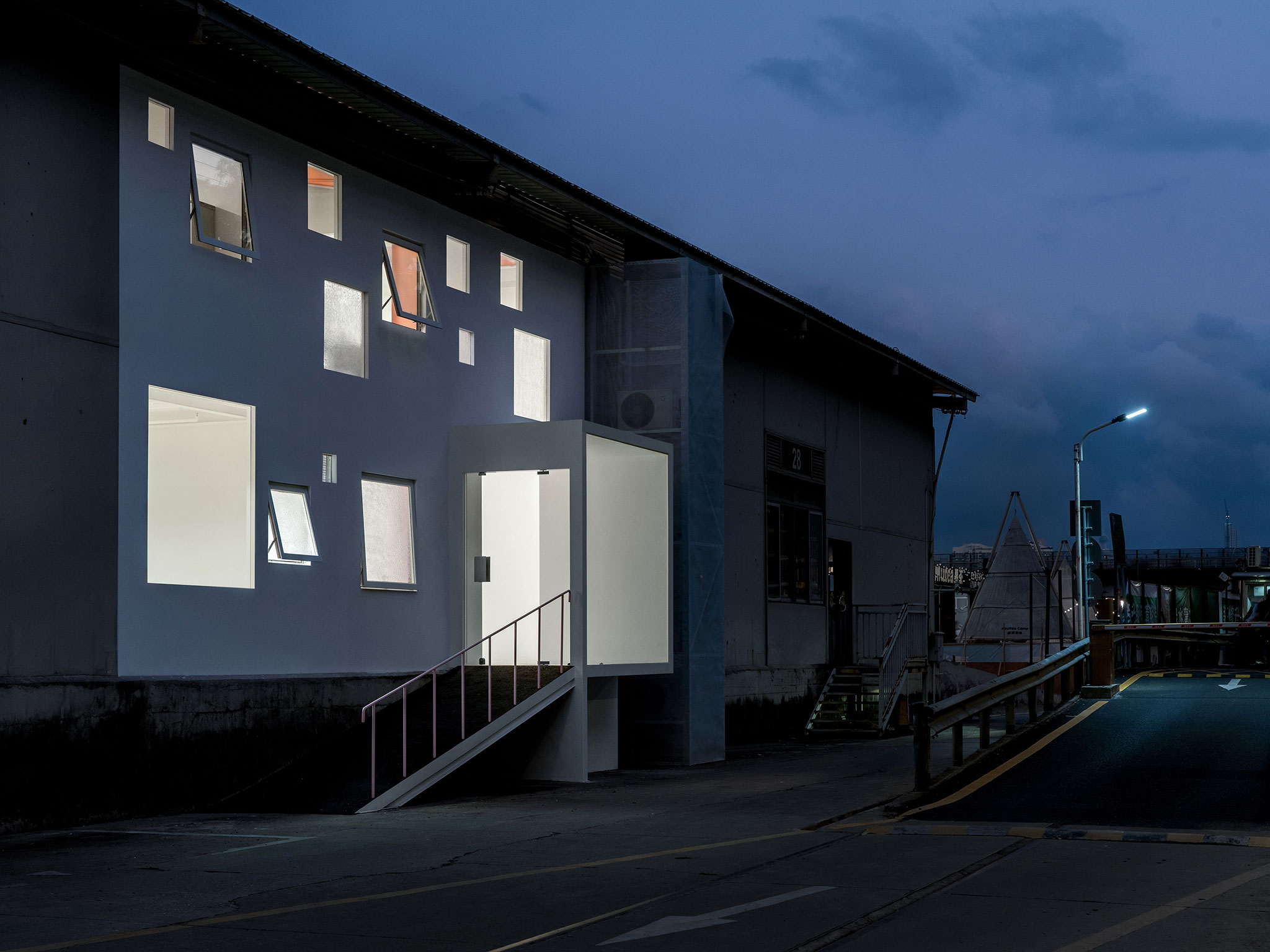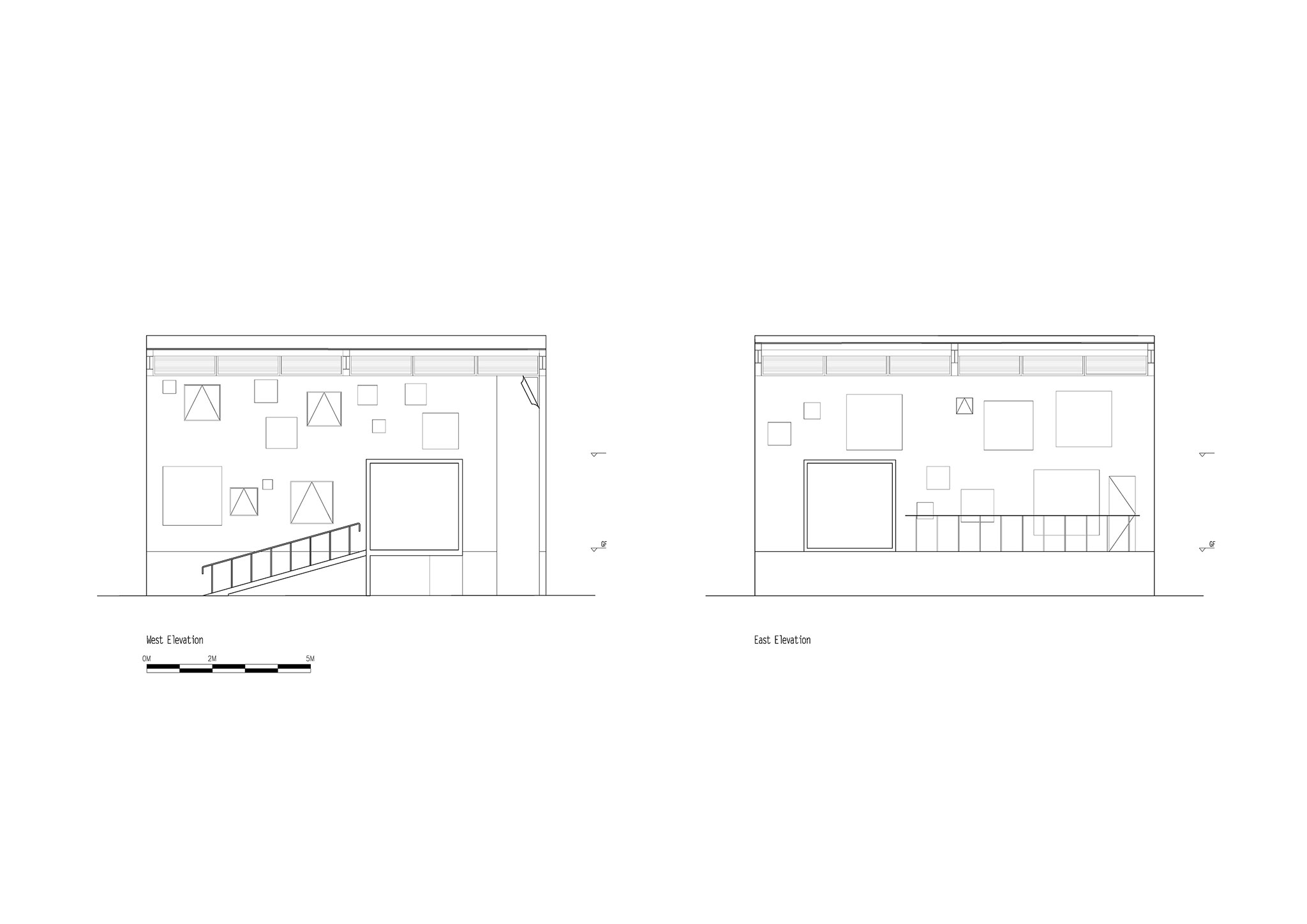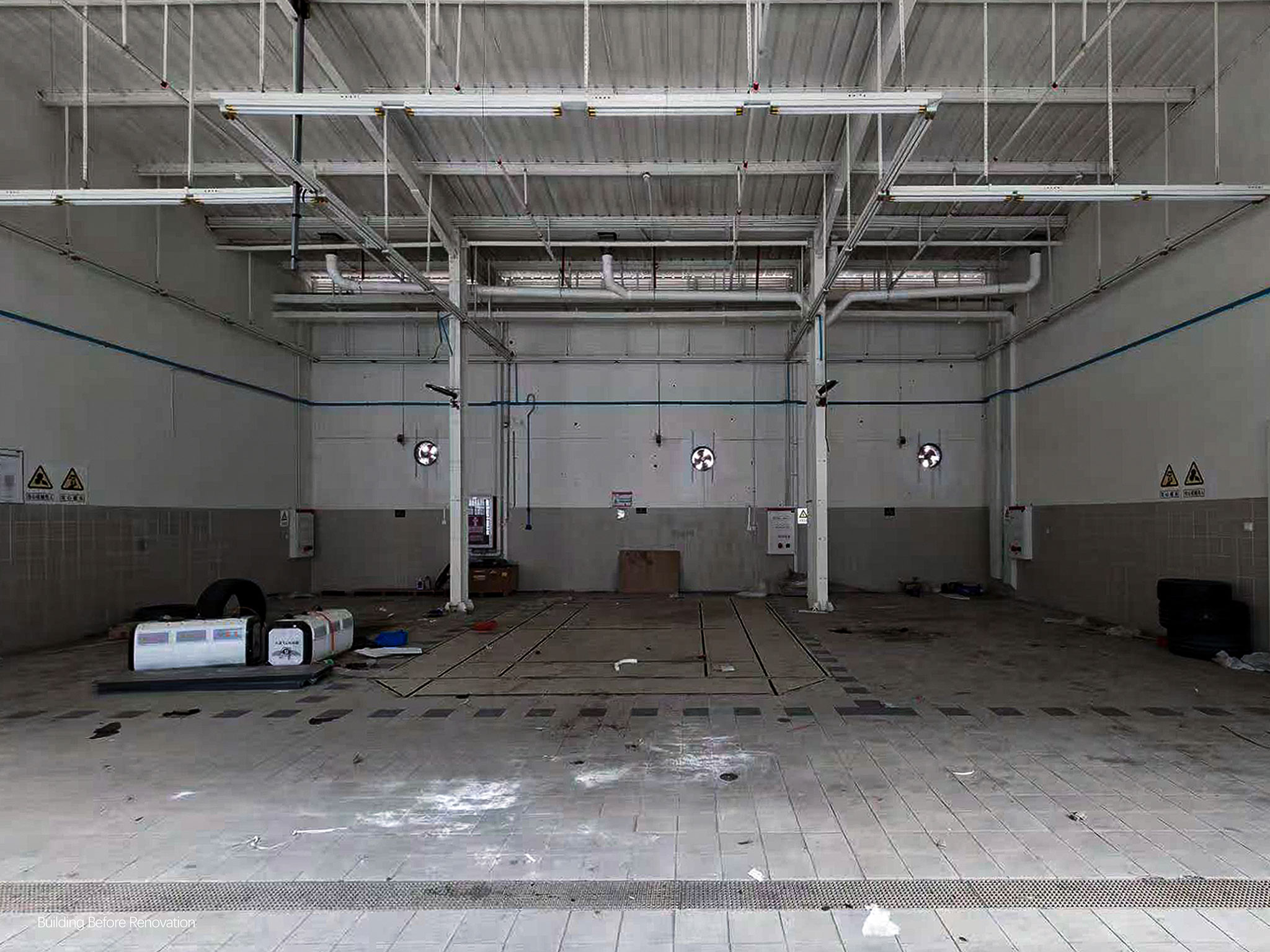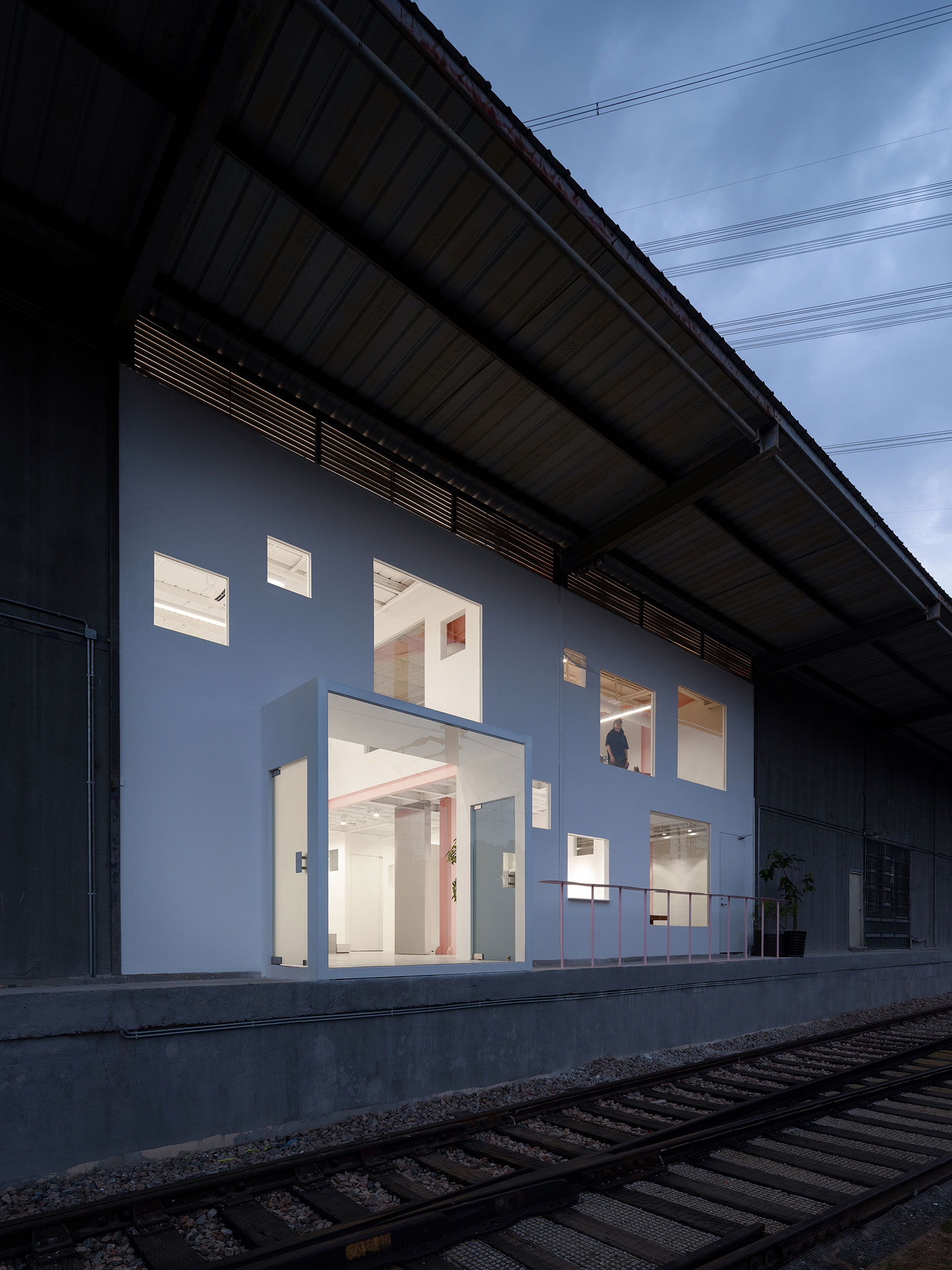
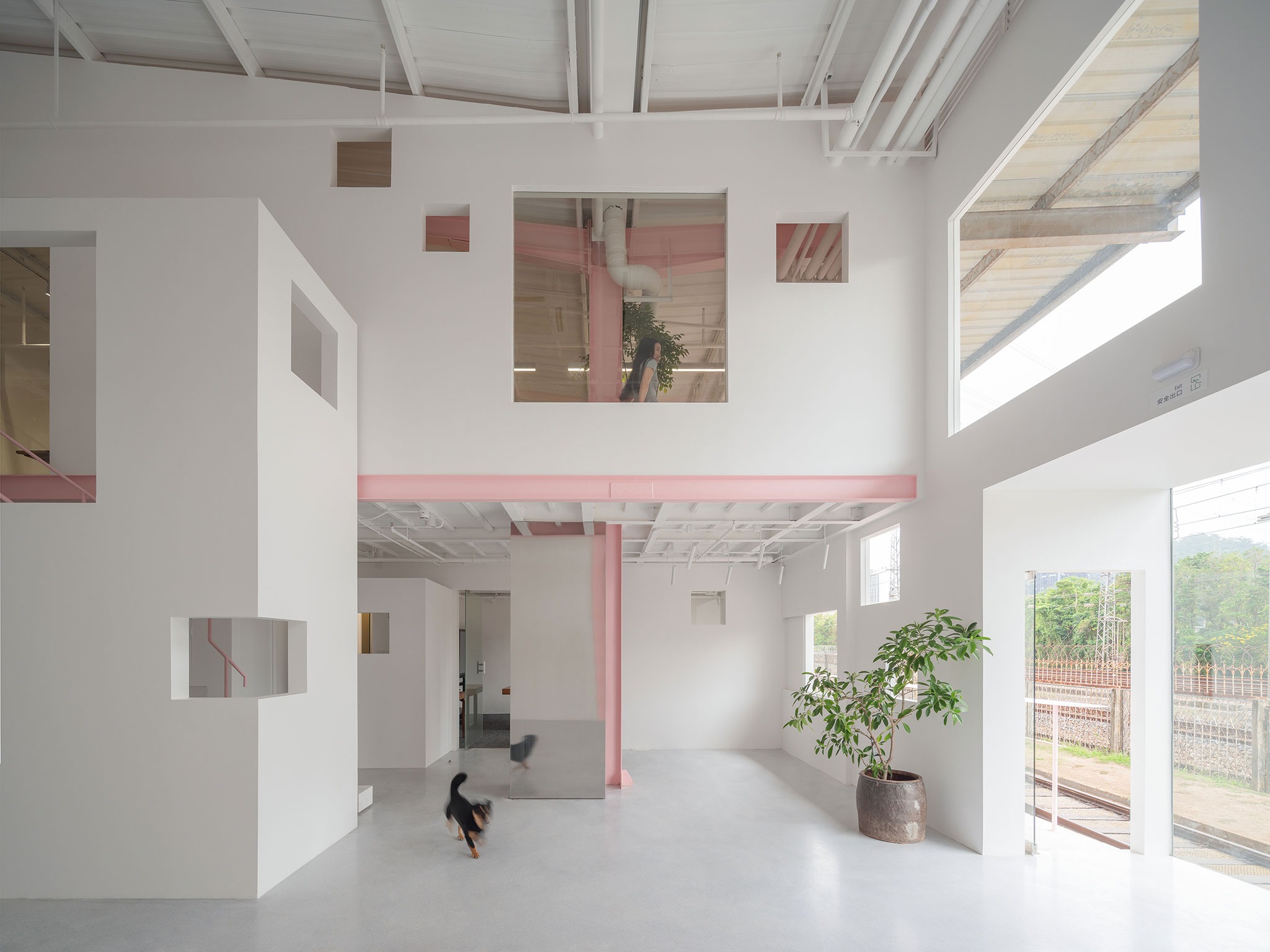
For "Apelron Contemporary," Aether Architects and Archigress framed the surroundings through perspective and the layering of transparencies. The walls are composed of opaque, transparent, and translucent materials in varying proportions, transforming the dark warehouse into a luminous space where light and the landscape flow freely.
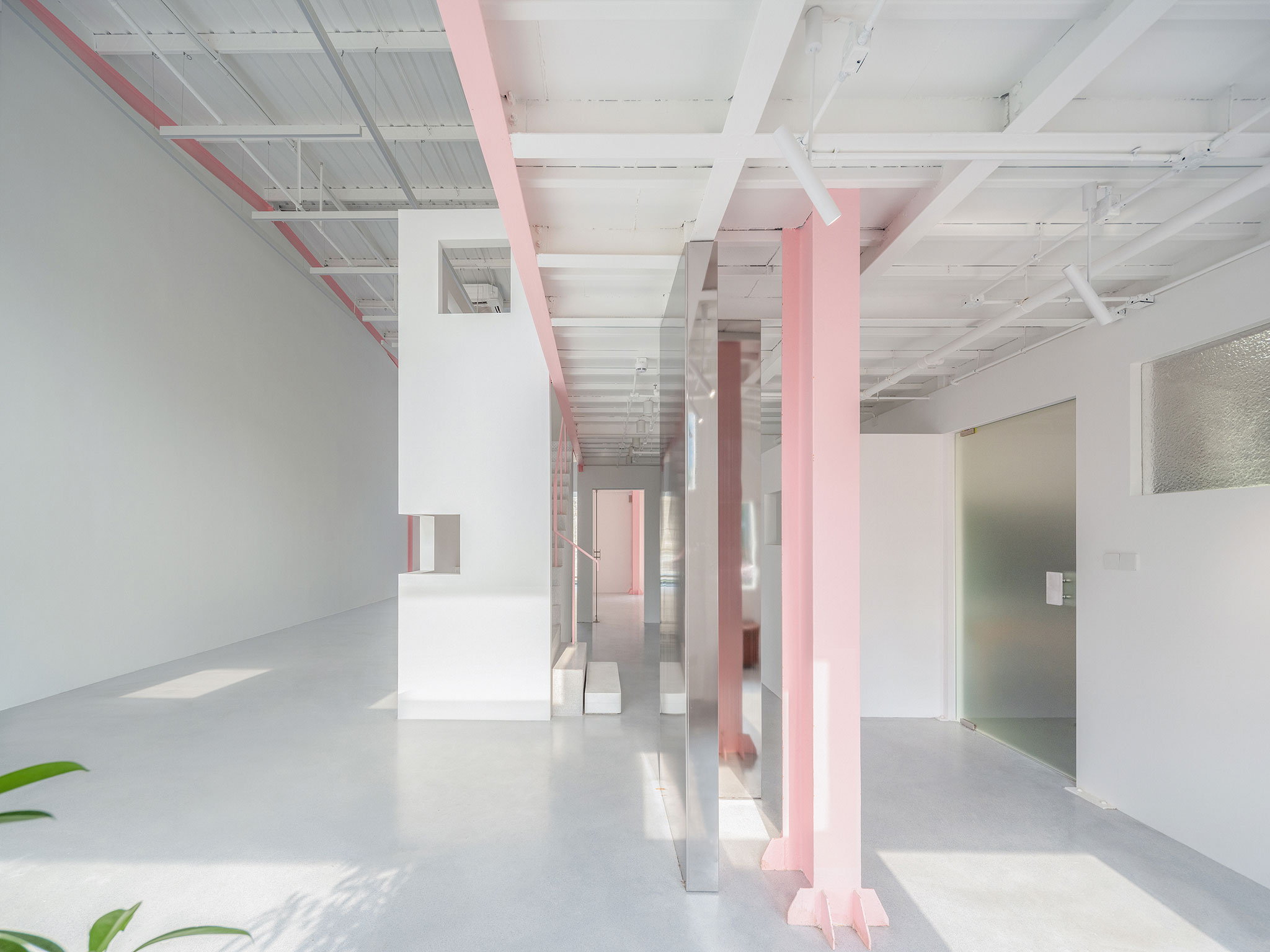
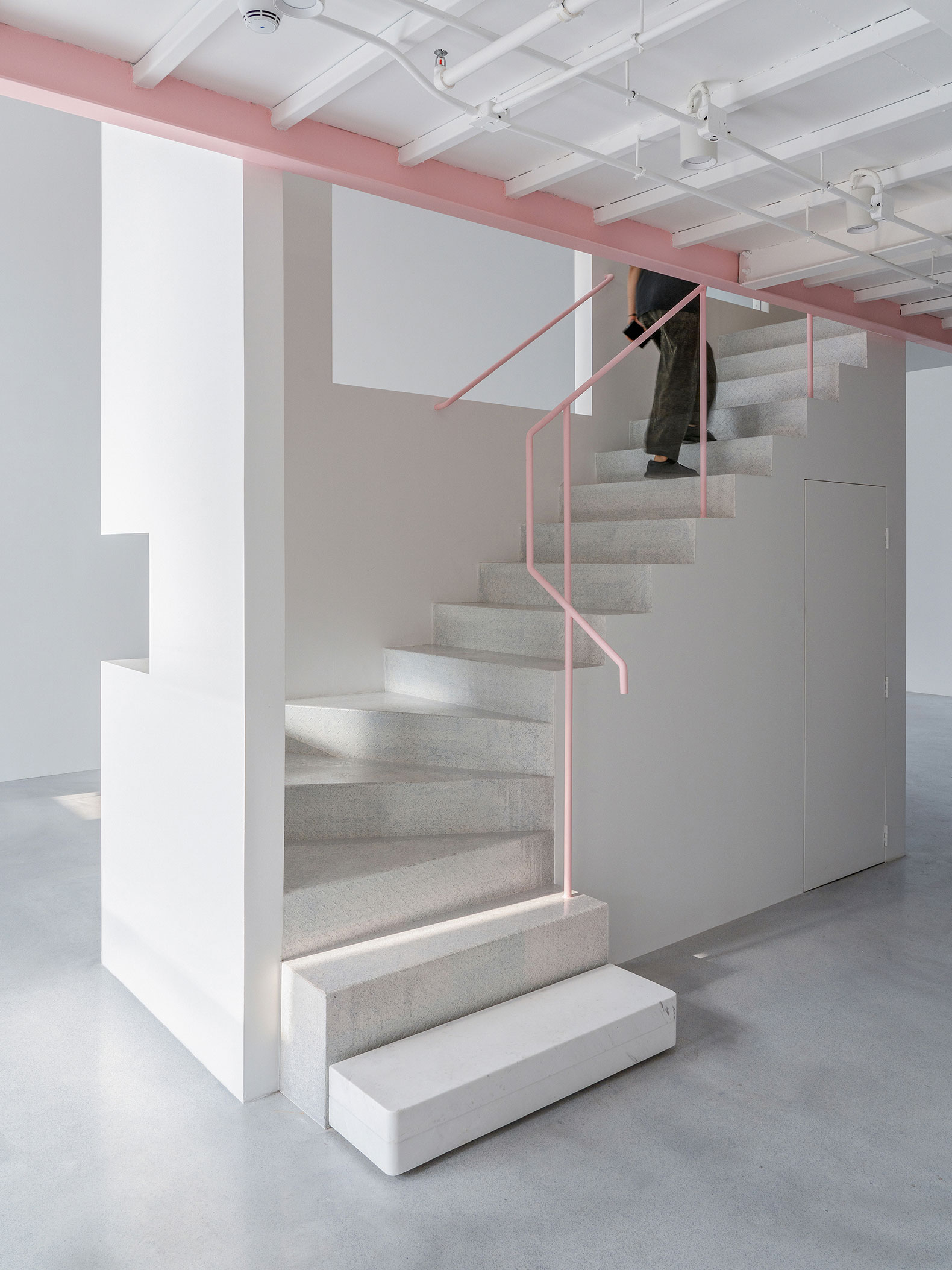
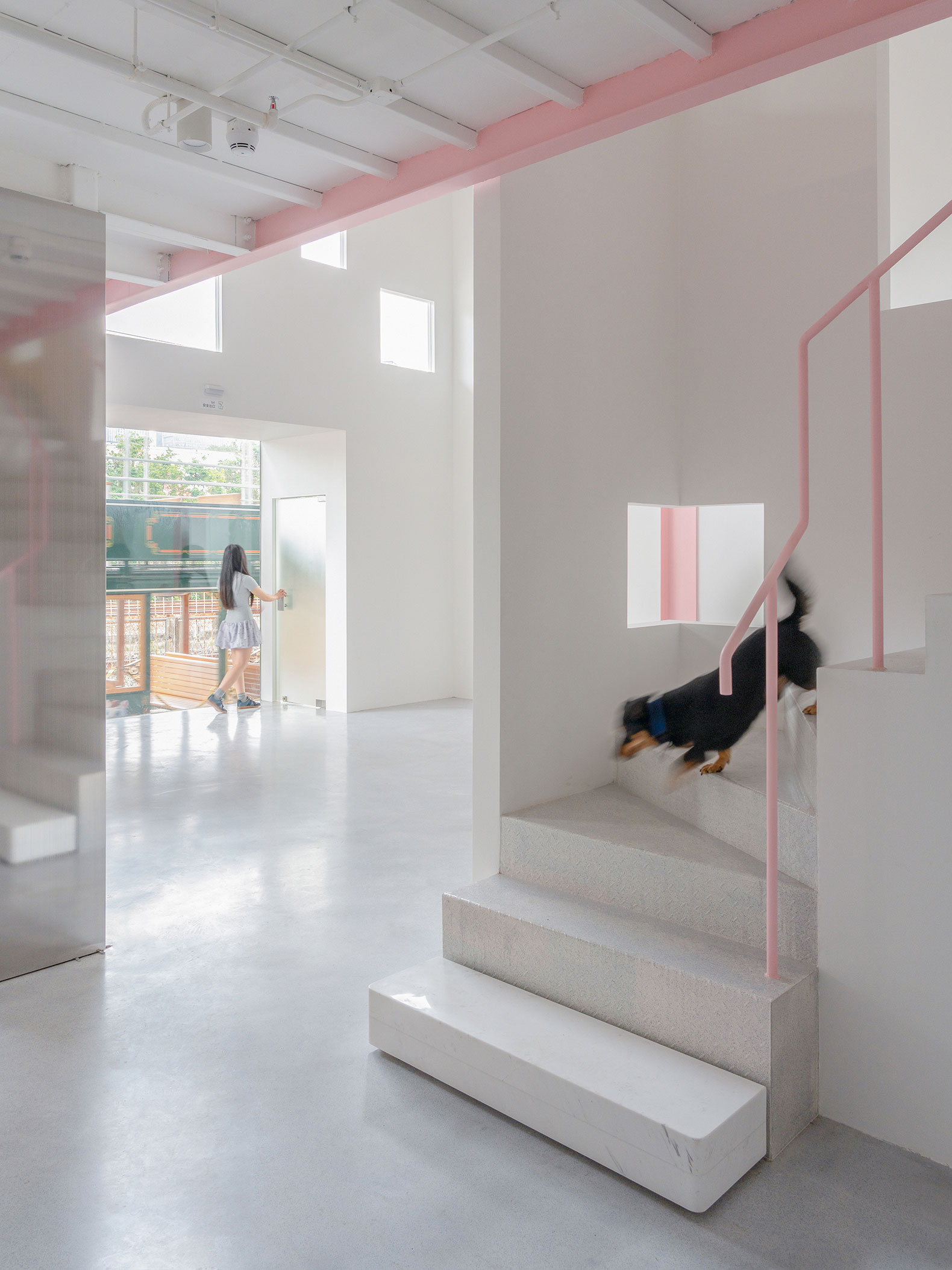
One of the project's main challenges was adding the new structure without using the original, as it could not support any additional load. A "structural grouping" strategy was employed, where all the building's elements—the entrance, the stairs, the walls, and the rooms—function as independent structures, juxtaposed but without exerting any force on one another.
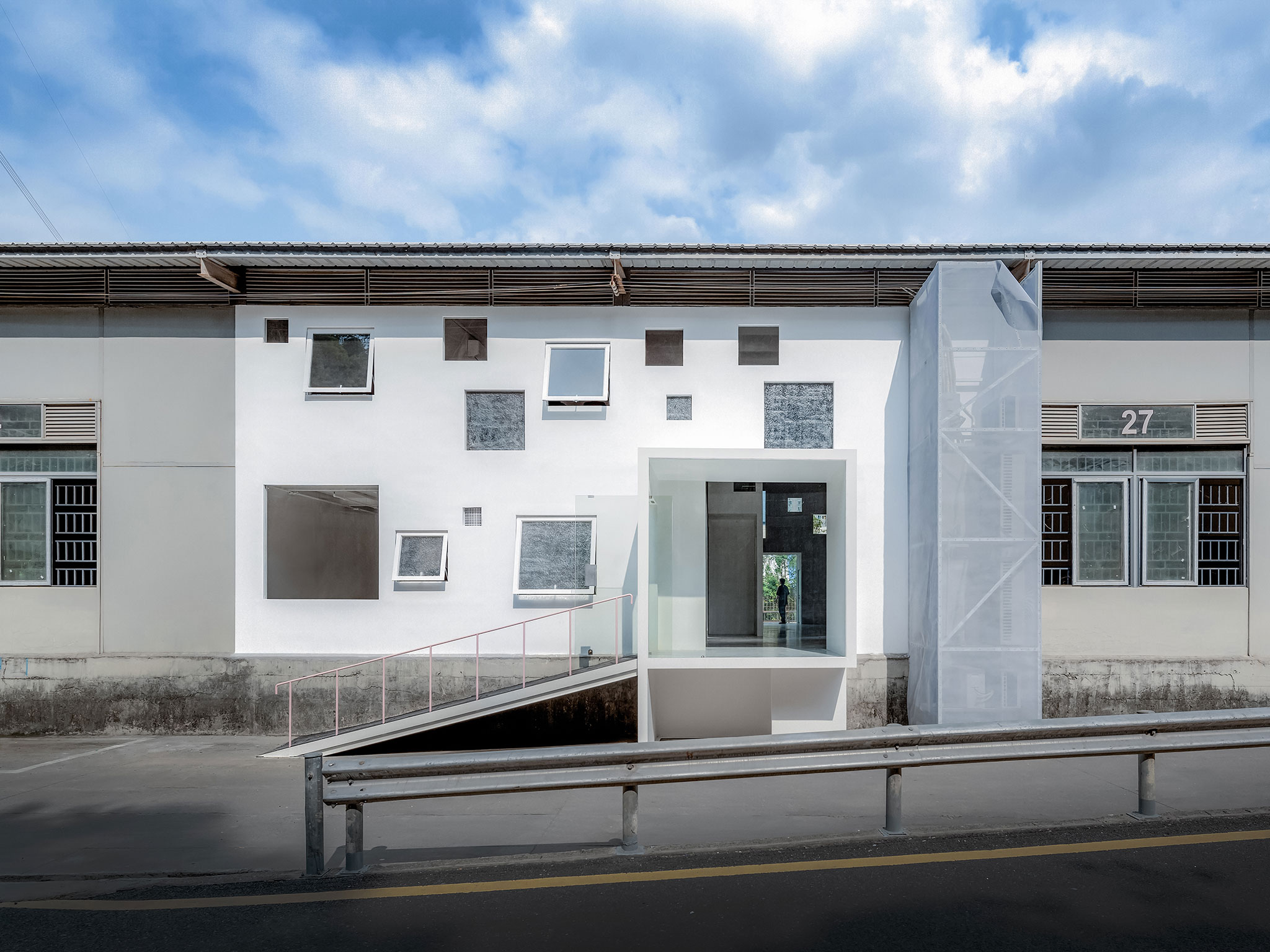
"Apelron Contemporary" by Aether Architects + Archigress. Photograph by Zhang Chao.
Project description by Aether Architects + Archigress
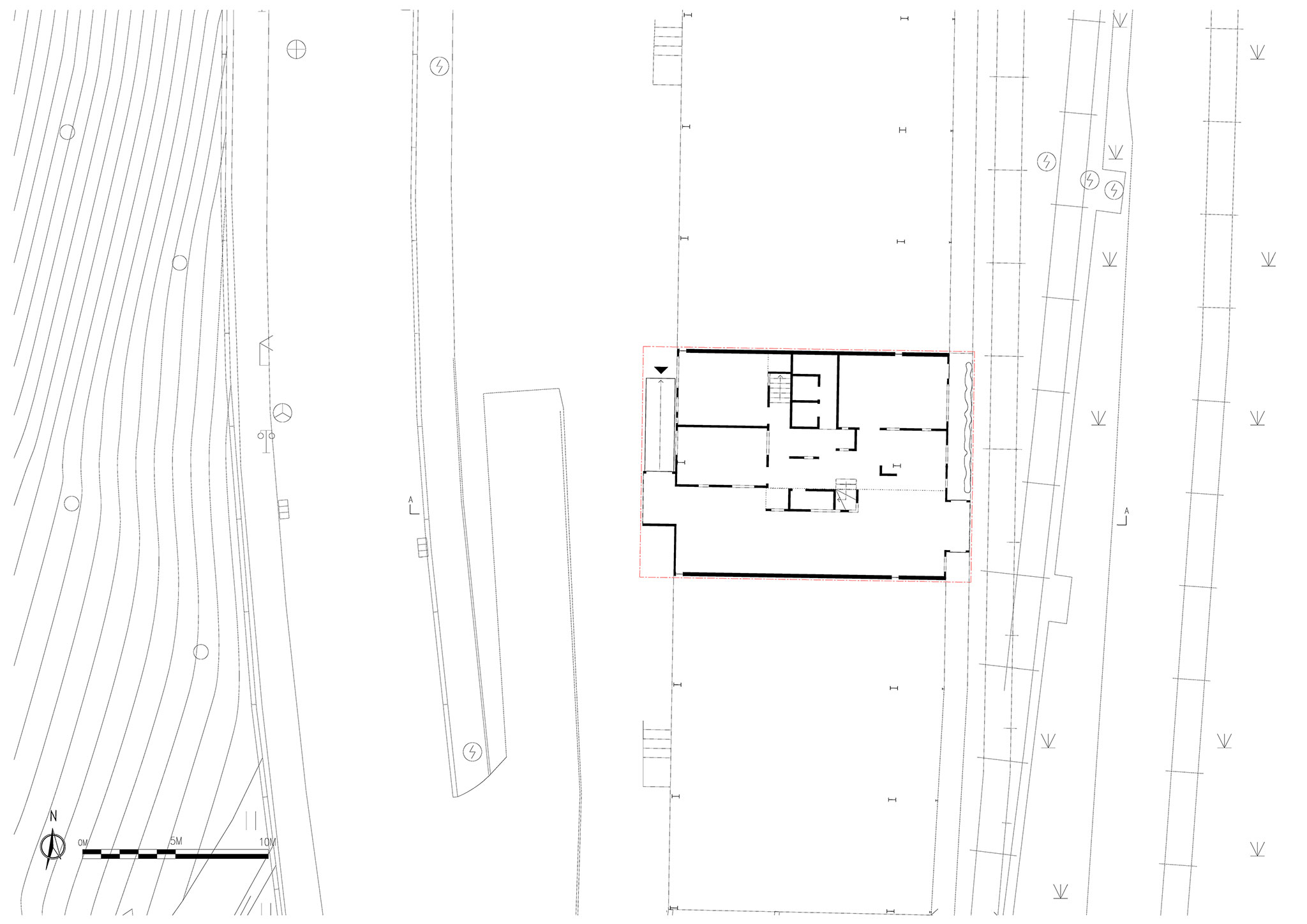
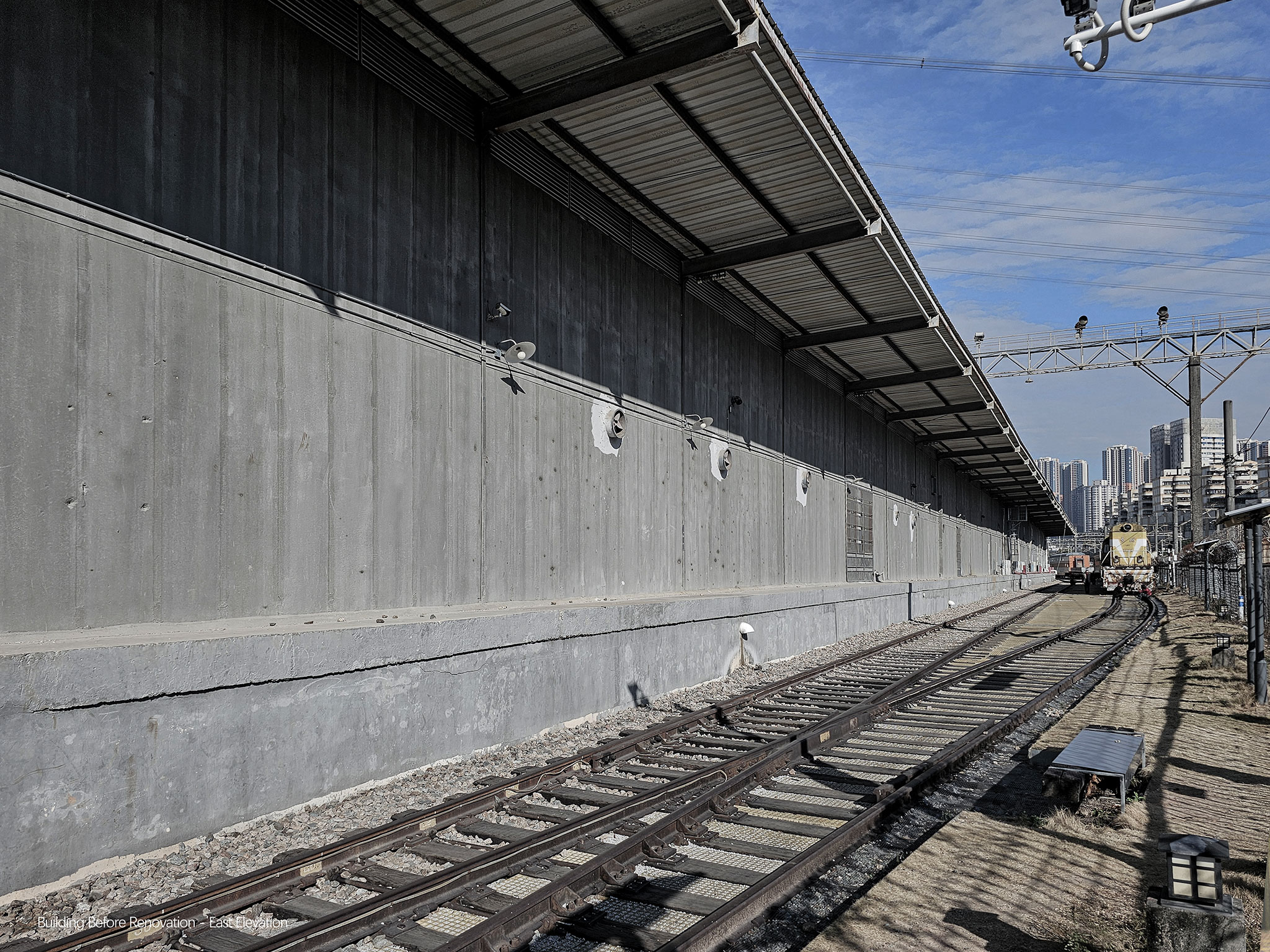
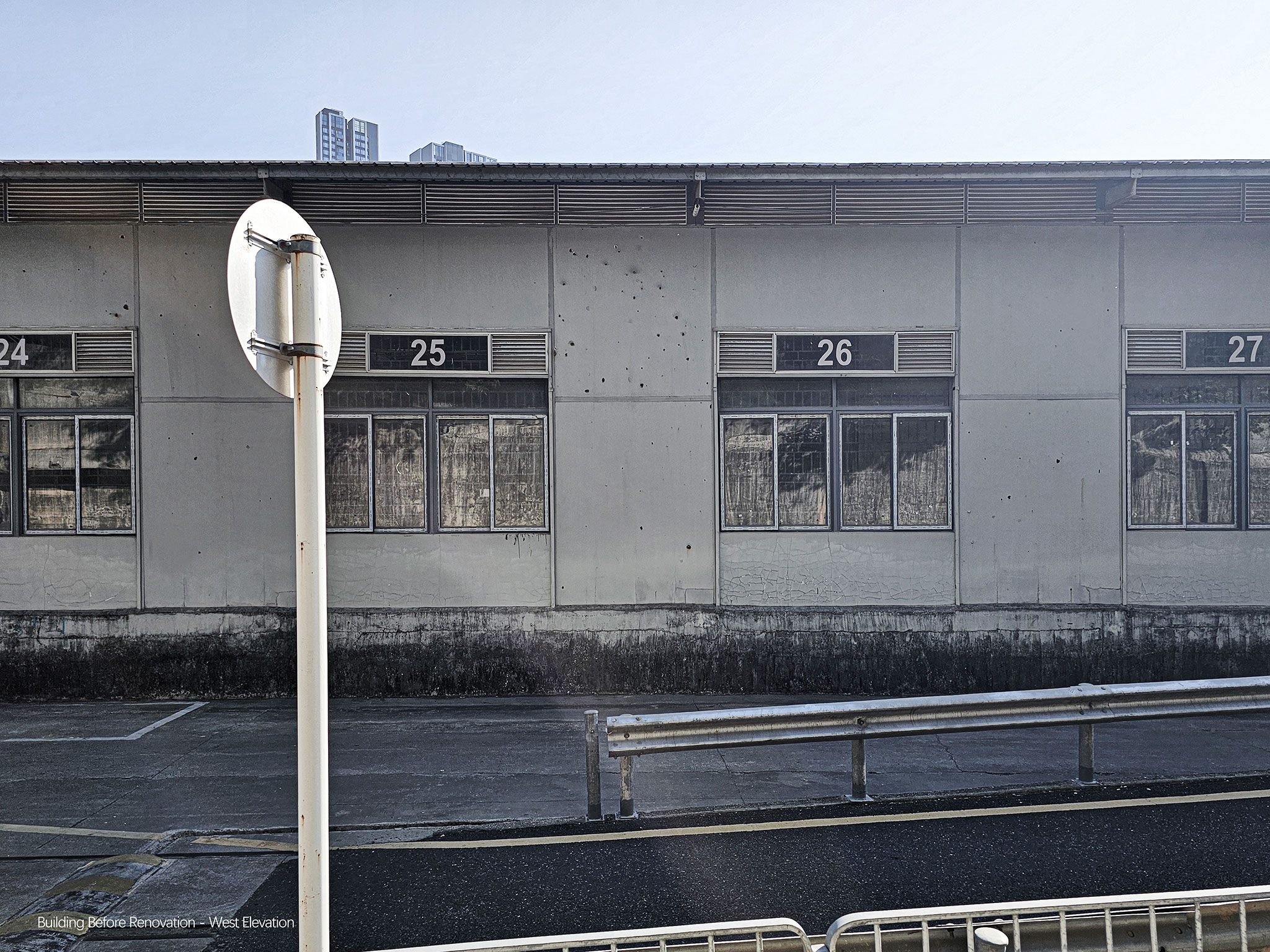
The project is located within the Qingshuihe Railway Relics in Shenzhen. The original building was a railway warehouse are sandwiched between the road and the railway; however, we believe that this crowded urban relationship is a unique landscape and place phenomenon. How can we transform heaviness into lightness, proximity into distance, darkness into brightness, and discover the unexpected in the everyday landscape? What is scenery? We hope to ponder these questions in our projects.
Non-integral Structure
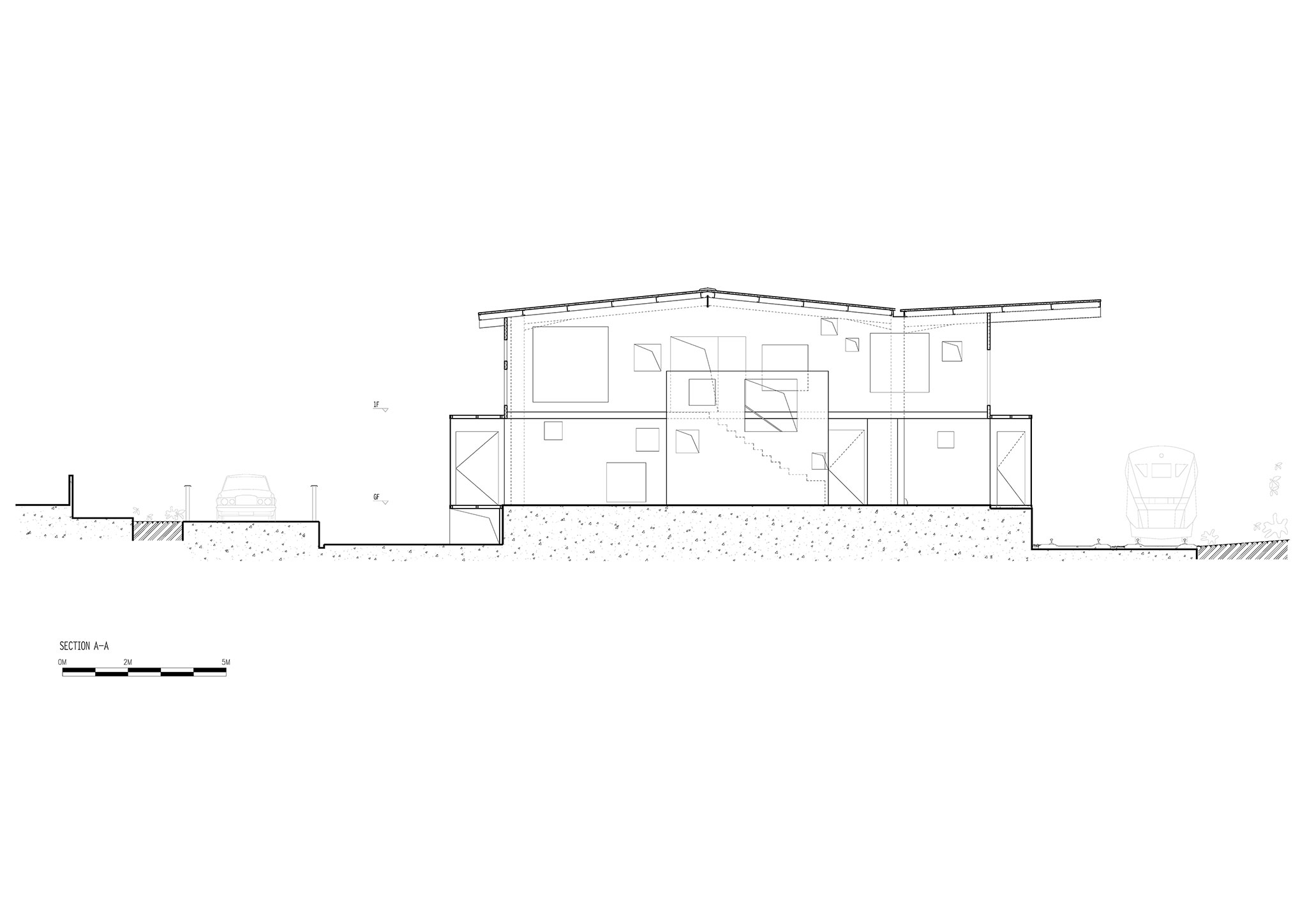
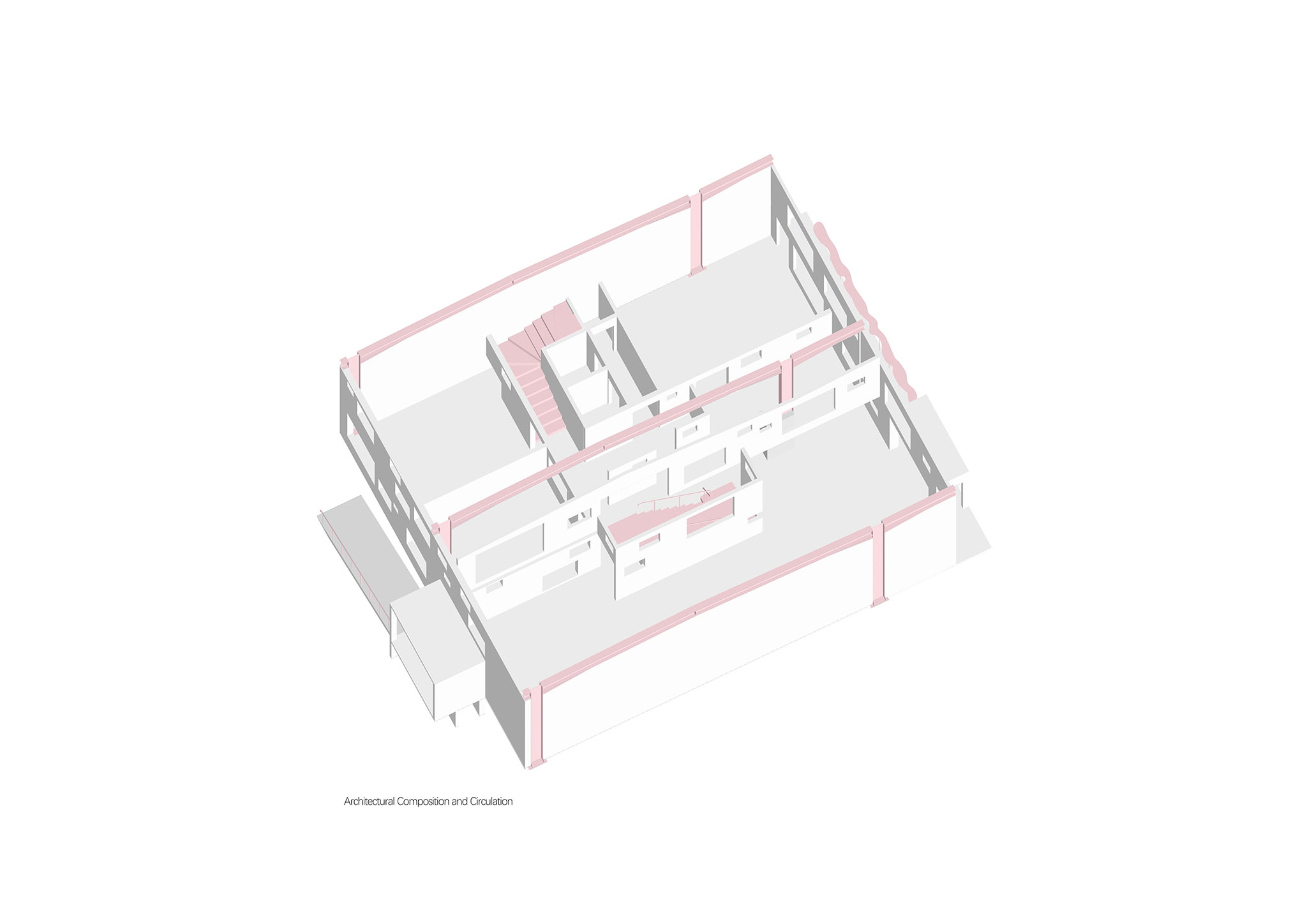
Since the existing structure only bear the load of its own roof, it is not allowed to add any load to it. Therefore, the challenge of the project is to add the necessary new structure without borrowing the original structure. We employed a "structural cluster" strategy: all elements that will form the building, including the entrance, stairs, walls, and rooms, exist as independent structures, each supporting only itself, the structures of different elements not exerting force on each other (juxtaposed but not connected). The building is a group of lightweight, independent structures aggregated under the existing eaves.
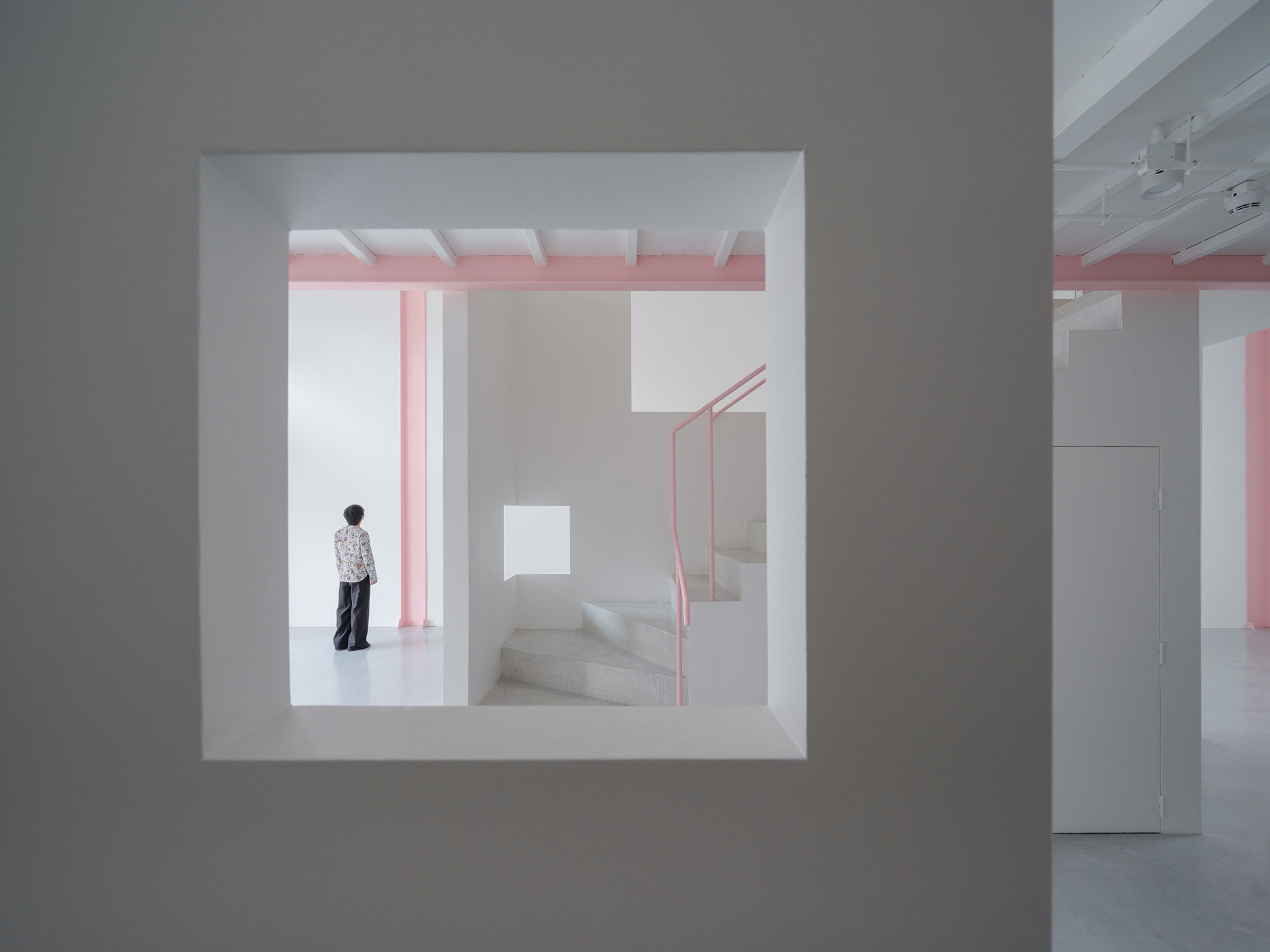
Multi-layered Transparent Walls
The "holes" in the building walls should not be interpreted as windows in this project, but rather as walls composed of various transparent materials (walls with locally varying materials). Based on considerations such as viewpoint, openness and privacy, spatial scale, landscape composition, ventilation, and the quality of light during the sun's movement, the walls are composed of opaque, transparent, and translucent materials in different proportions. Although the building only has natural light on its east and west facades. the dark warehouse has been transformed into a bright space where light and scenery can flow freely by reconstructing the transparency of the walls.
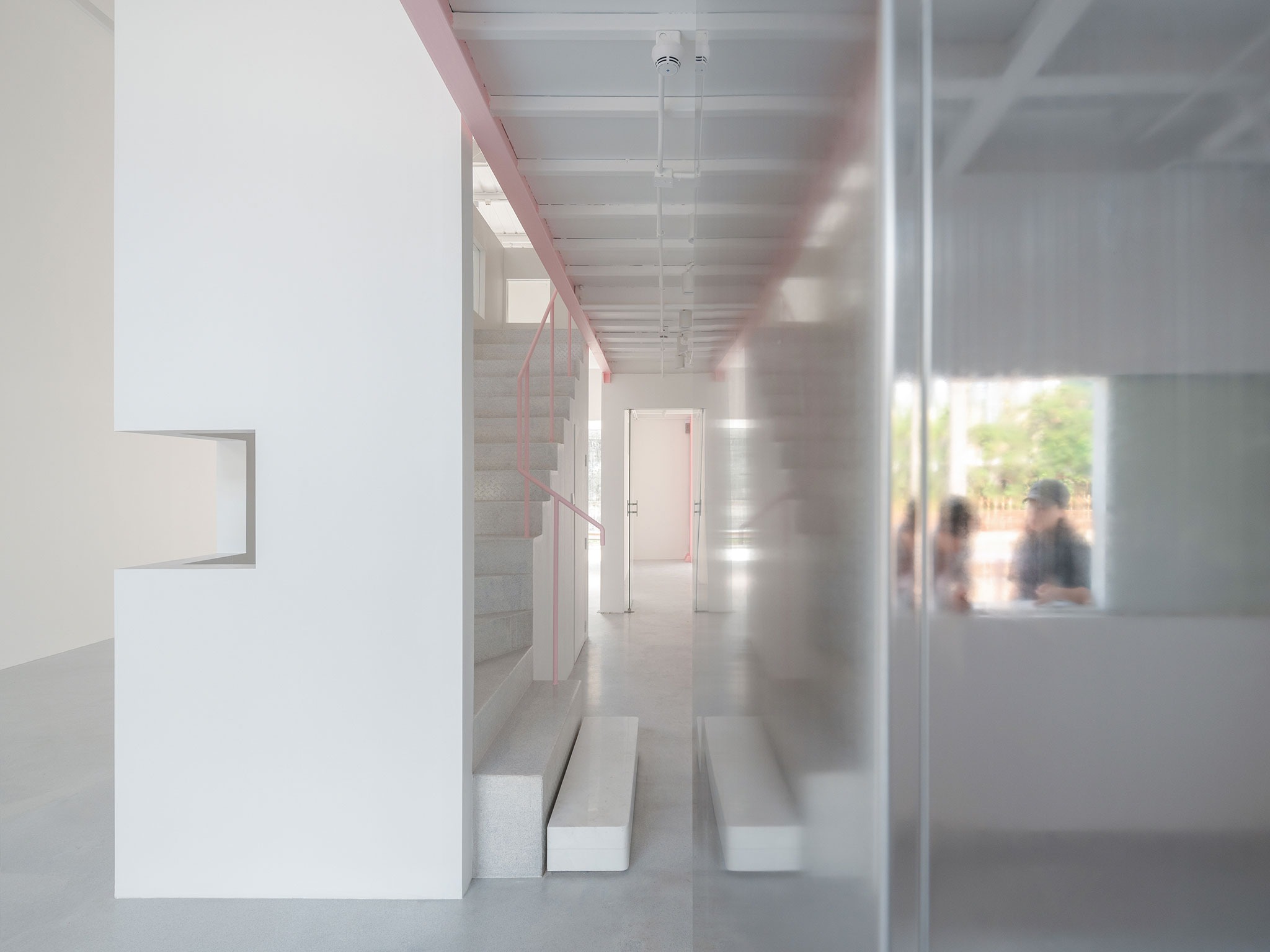
Extended Field
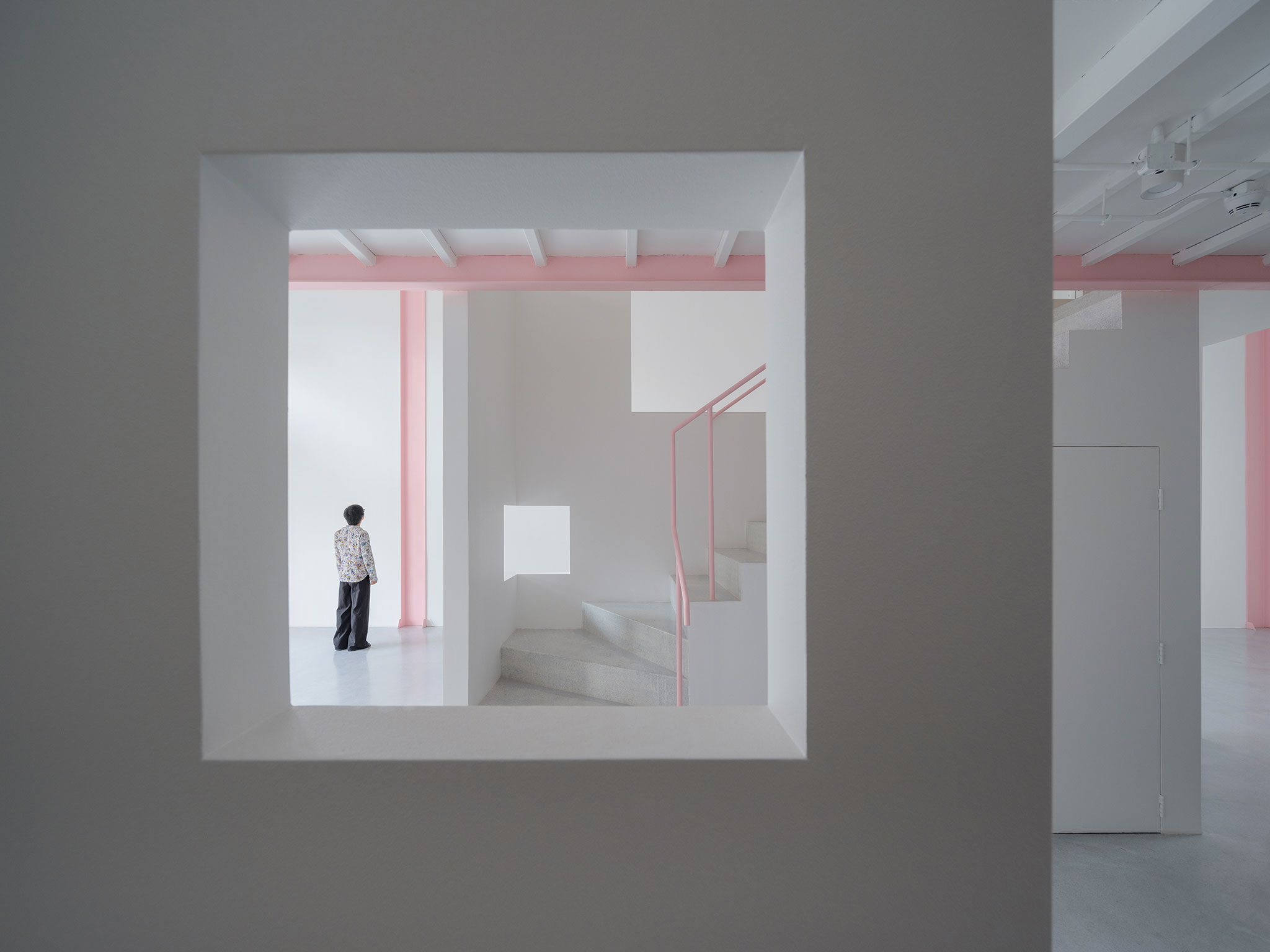
The building's circulation is interwoven with circular lines in both horizontal and vertical, creating a multi-dimensional visual experience as you walk through it. Scenery and light, some clear and some obscured, surrounds and floats around people, making the space feel light and expansive. The interplay of solid and void between the walls extends the spatial experience of the building to a greater distance, Architecture is greater than itself.
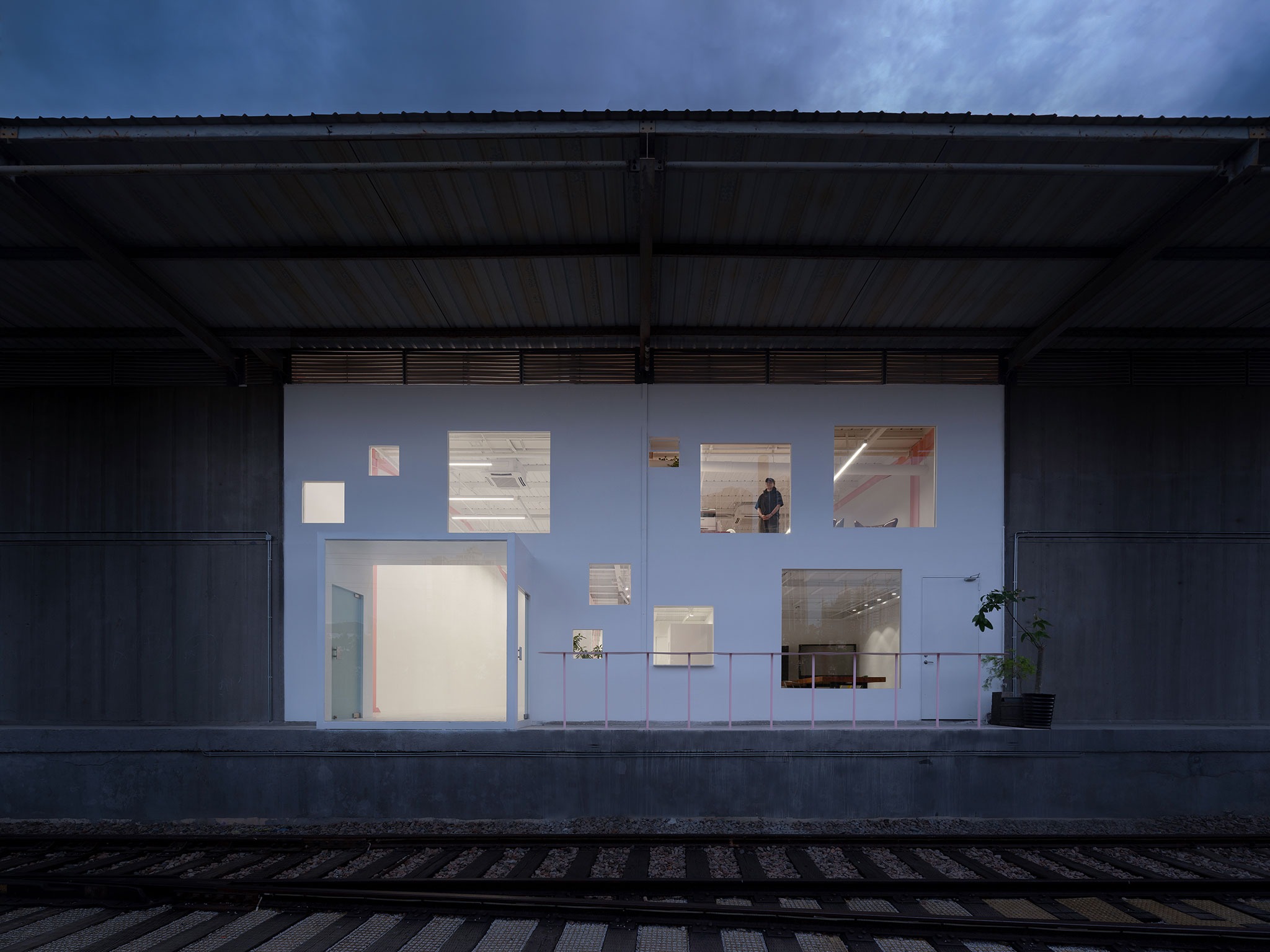
The framing of the surrounding environment, the measurement of perspective, and the overlay of transparency add a touch of unfamiliar beauty to the city. Perhaps scenery is a mixed sense of place, a blend of our memories of familiar cities and our new understanding of them? Ultimately, these scenes, existing within the wall openings, will never reappear the same again when people move or time passes. are also the "dynamic scenery" exhibition that the museum presents to the visitors.