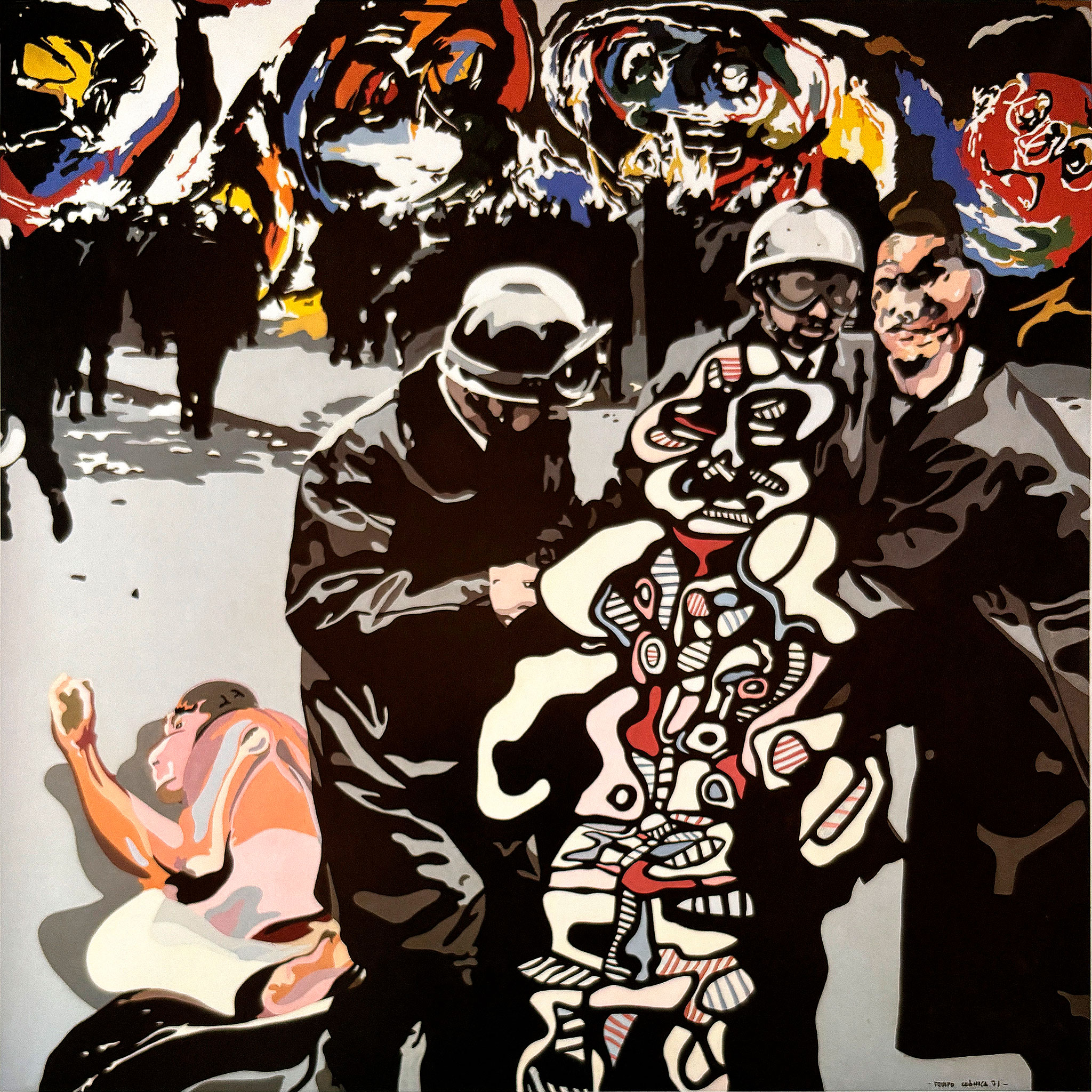
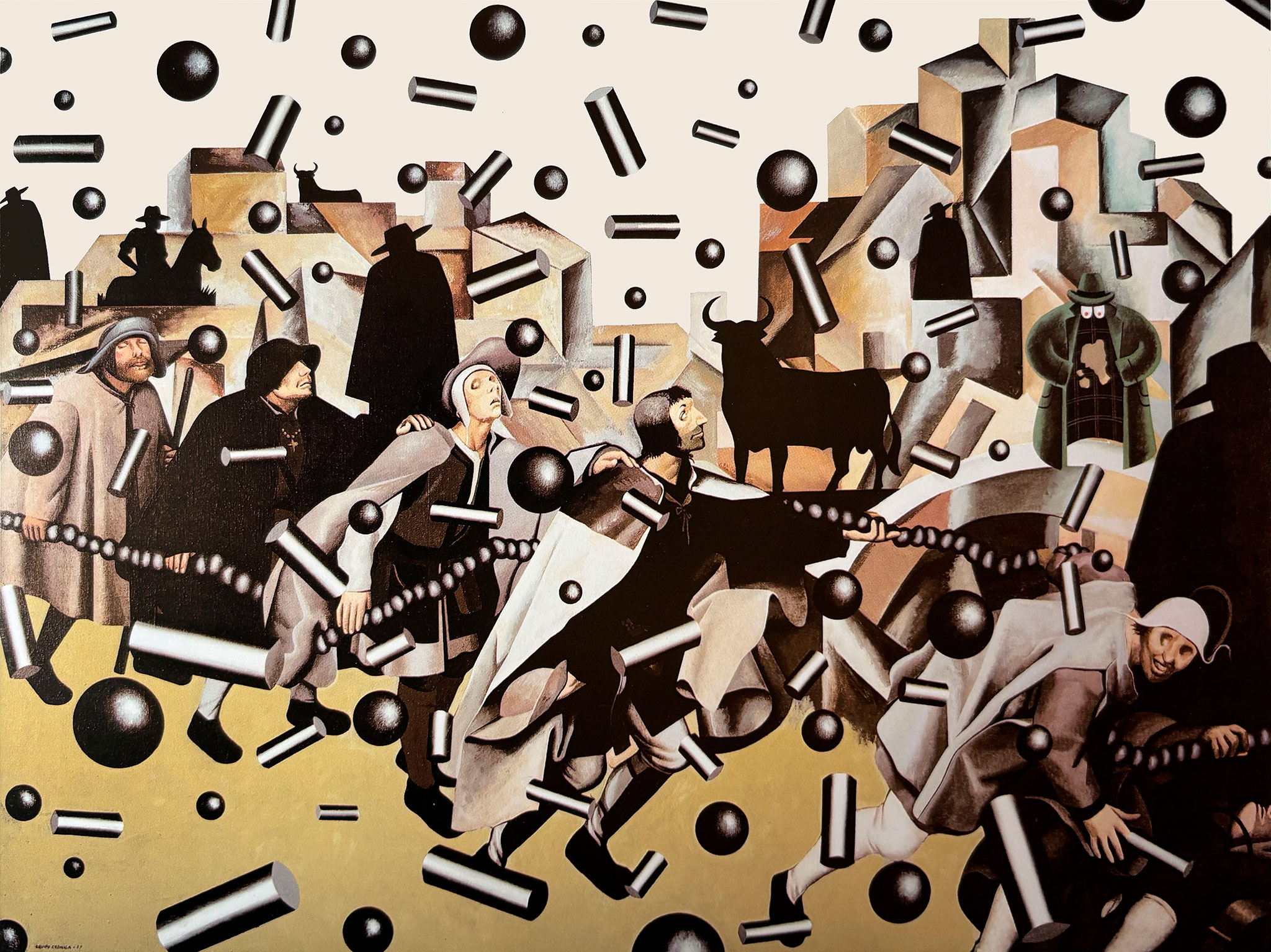
The exhibition "Equipo Crónica, Crónica de un tiempo" traces the work of Equipo Crónica over nearly two decades, showcasing the sources and artists that inspired them. This journey reveals an intense dialogue with figures such as Brueghel, Velázquez, Dubuffet, and Léger, not forgetting Goya and Picasso.

This major exhibition, held in Xàtiva, Valencia, from March 25 to July 26, 2026, brings together more than fifty pieces by the Valencian collective, highlighting the artistic references they have drawn upon throughout their career.

A critical memory transformed into visual combat. Equipo Crónica's painting is born from the clash between art history, collective myths, and images of power. Rafael Solbes and Manolo Valdés made the avant-garde and European tradition the material for a body of work that doesn't pay homage: it deconstructs, reinterprets, and updates.

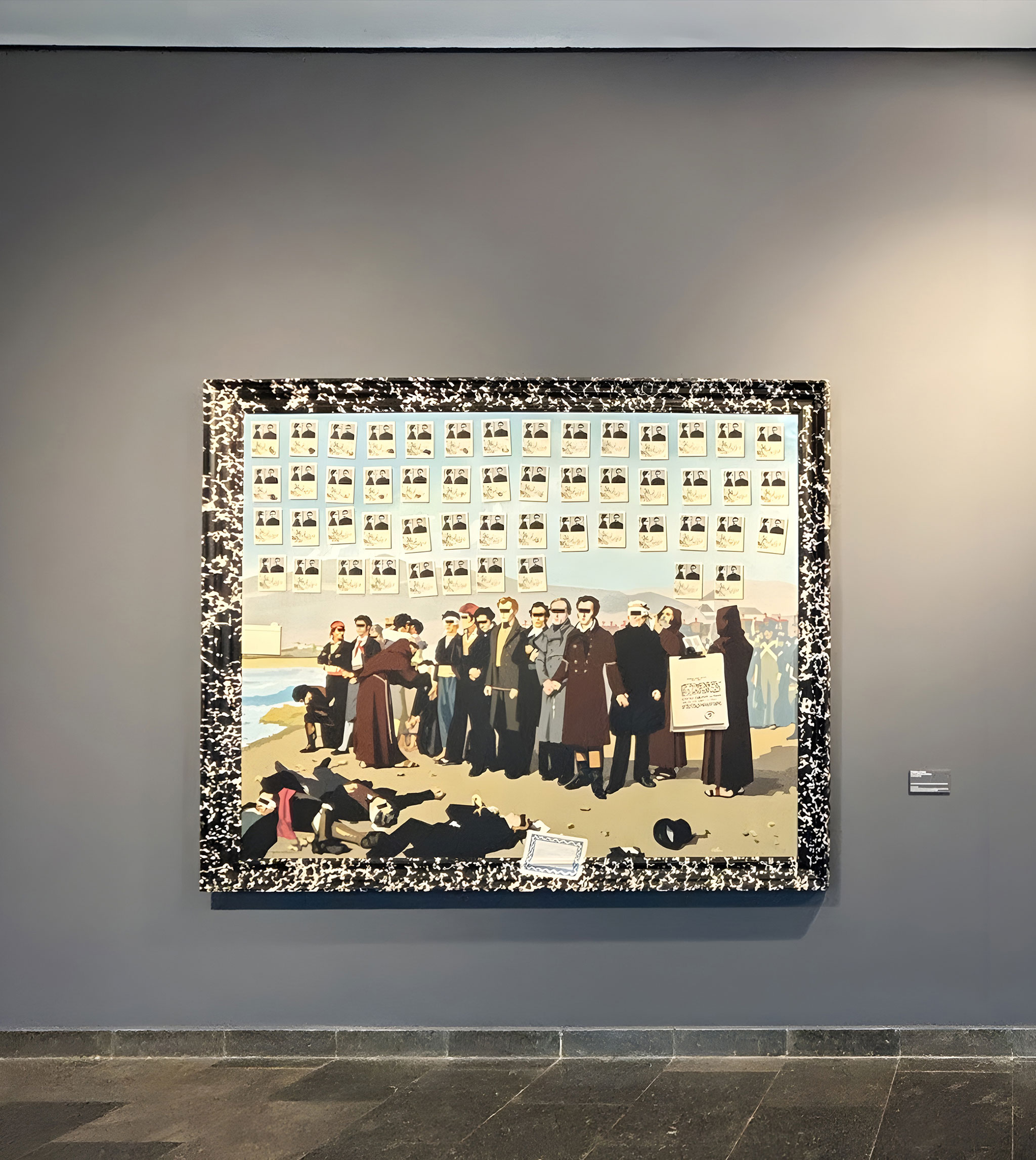
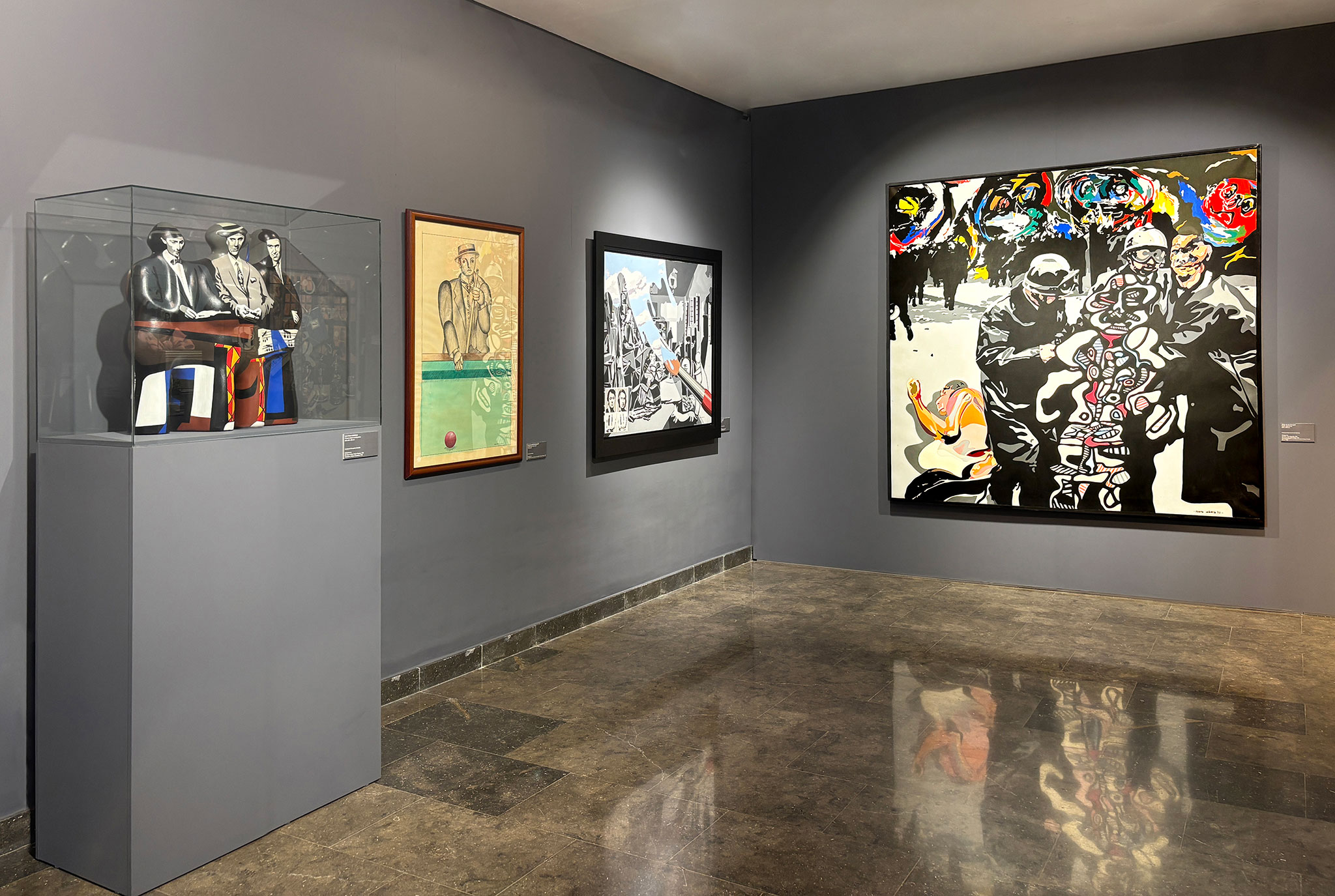
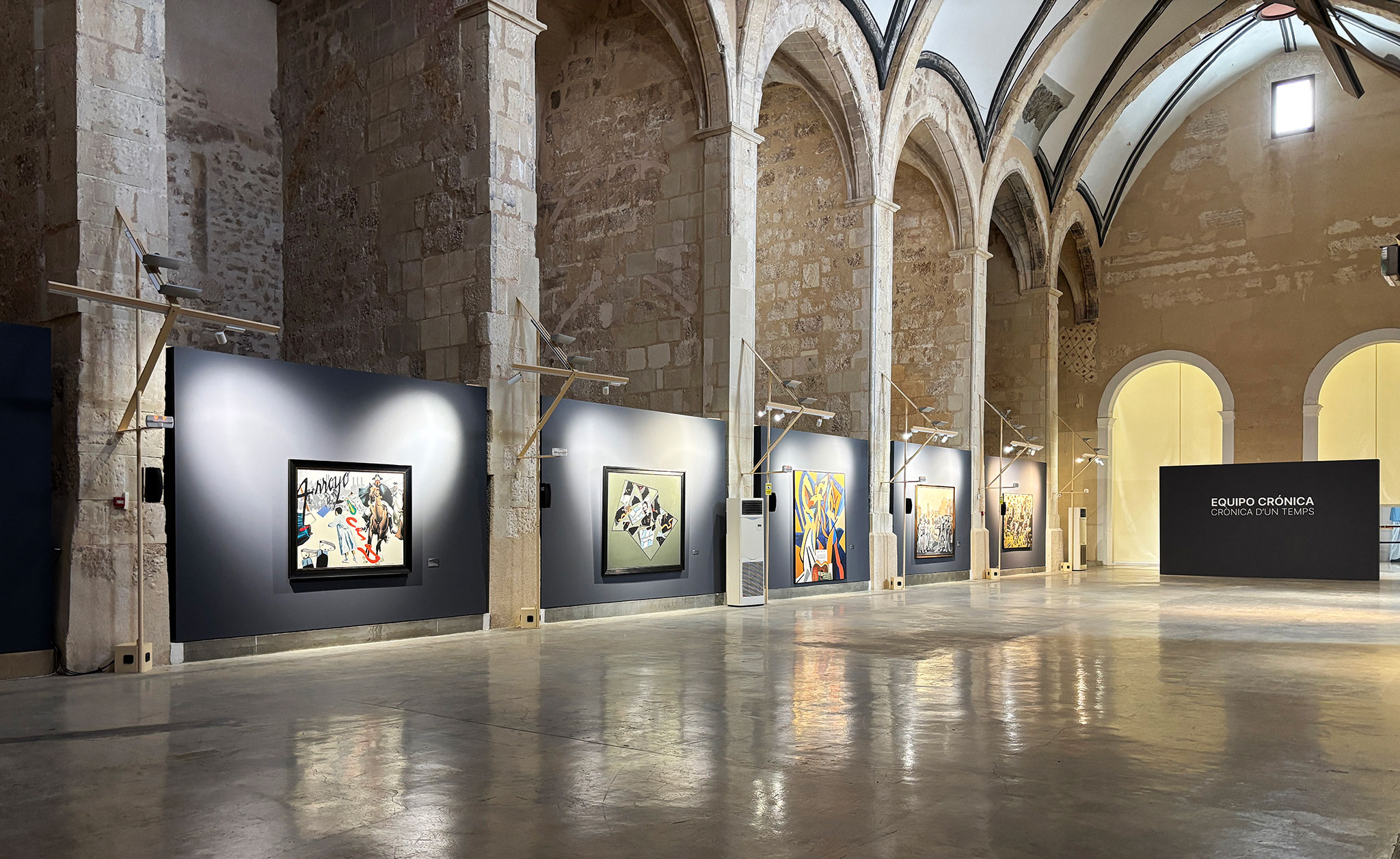
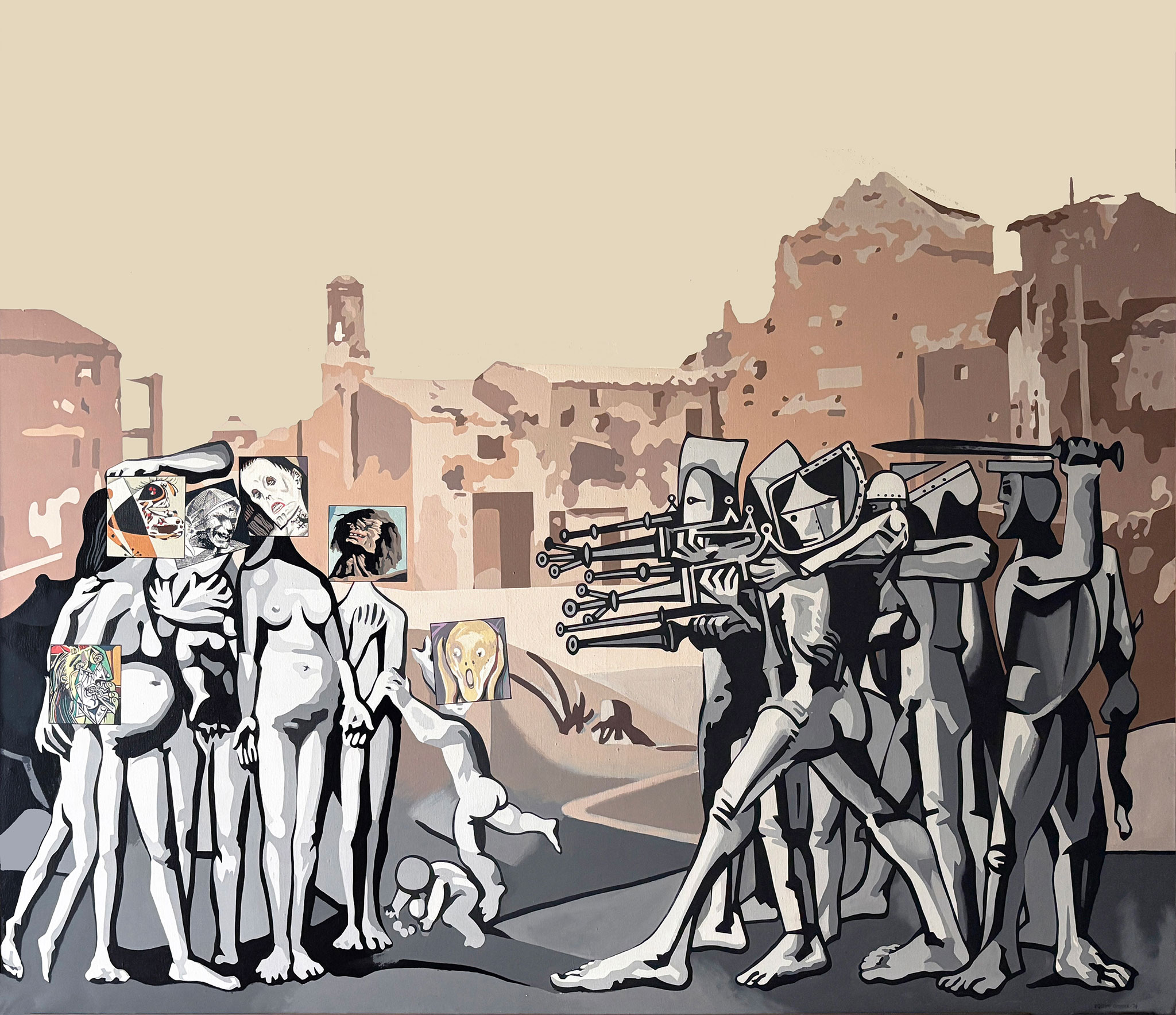
The exhibition unfolds across two venues. At the Sant Domènec Cultural Space, the so-called Laboratory of Ideas brings together large-format works in an almost experimental installation, where Picasso, Brueghel, Dalí, Miró, Munch, and Ramón Casas appear intertwined in an intense dialogue of references. The works, installed between former side chapels, generate isolated and direct encounters with the viewer.
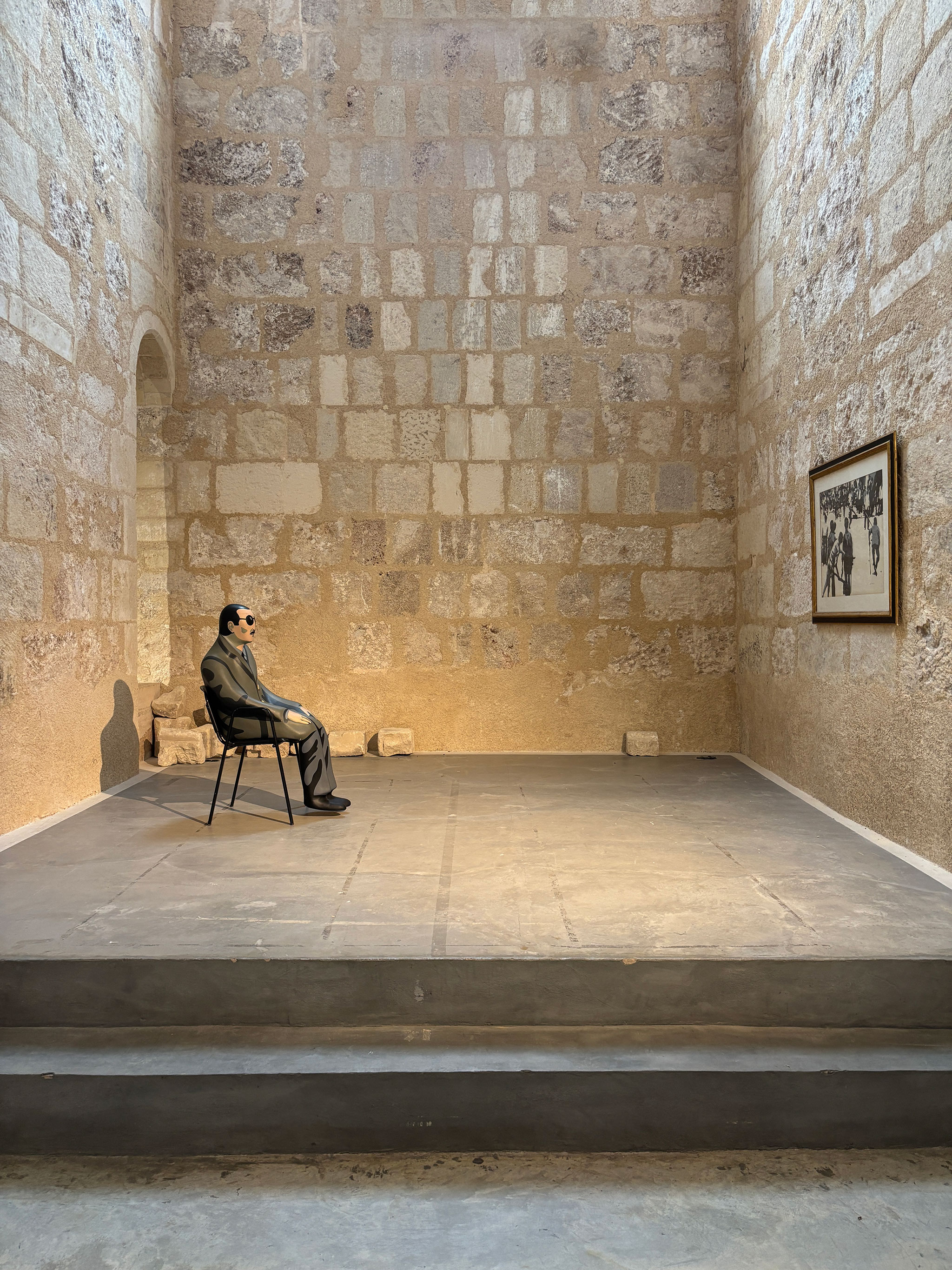
Equipo Crónica, Crónica de un tiempo, en Sant Domènec, Xàtiva.

"Equipo Crónica, Crónica de un tiempo" exhibition in Sant Domènec, Xàtiva.

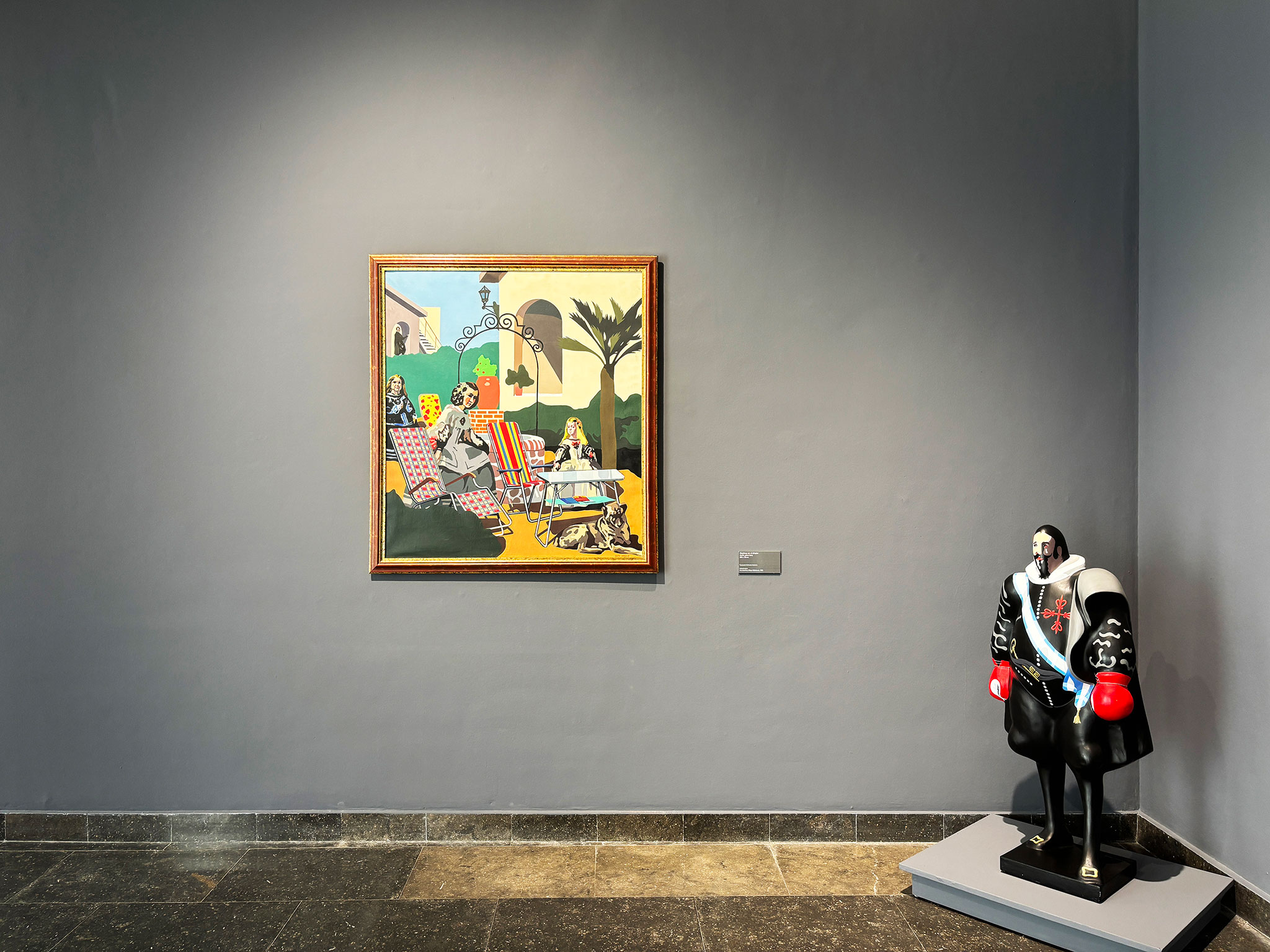
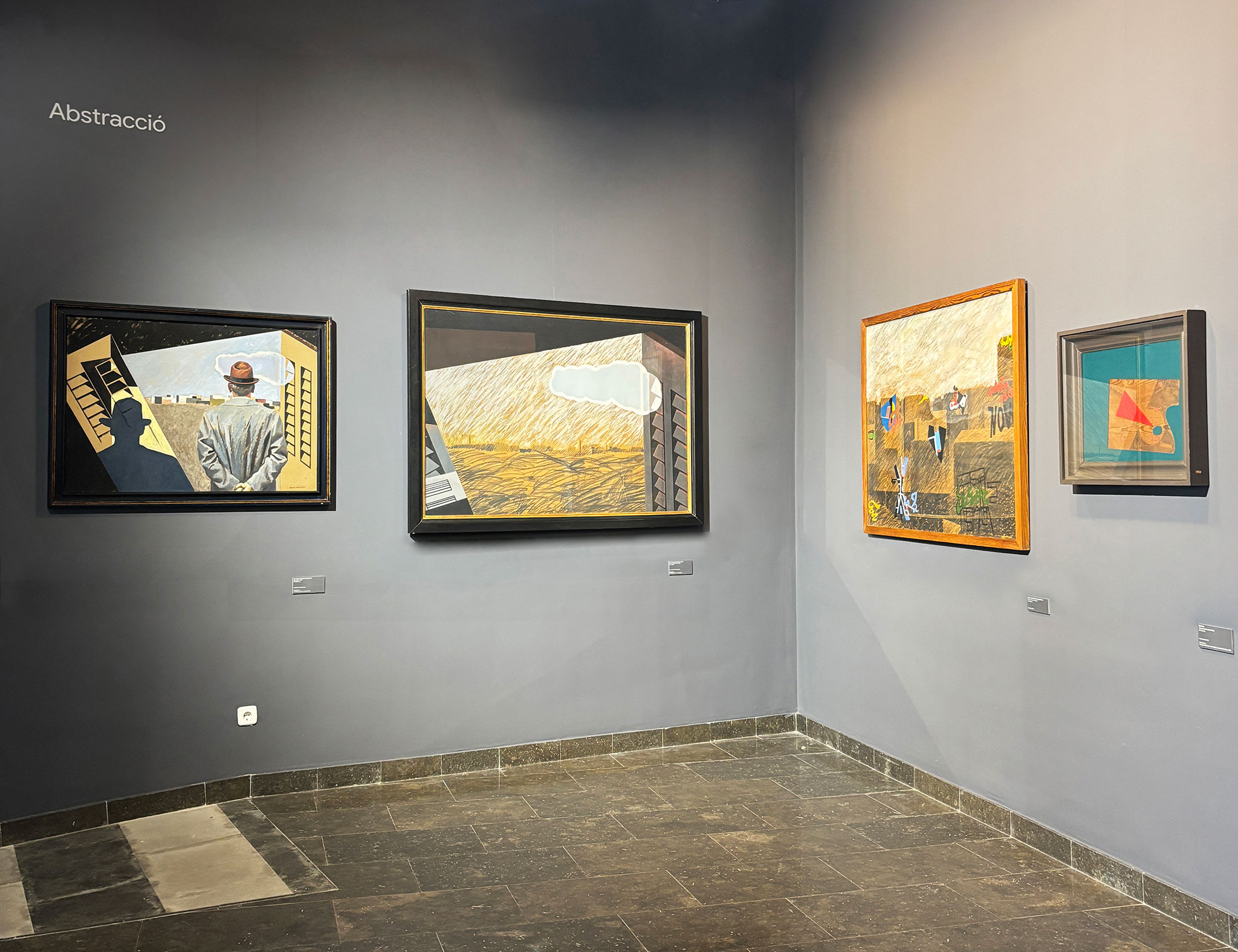
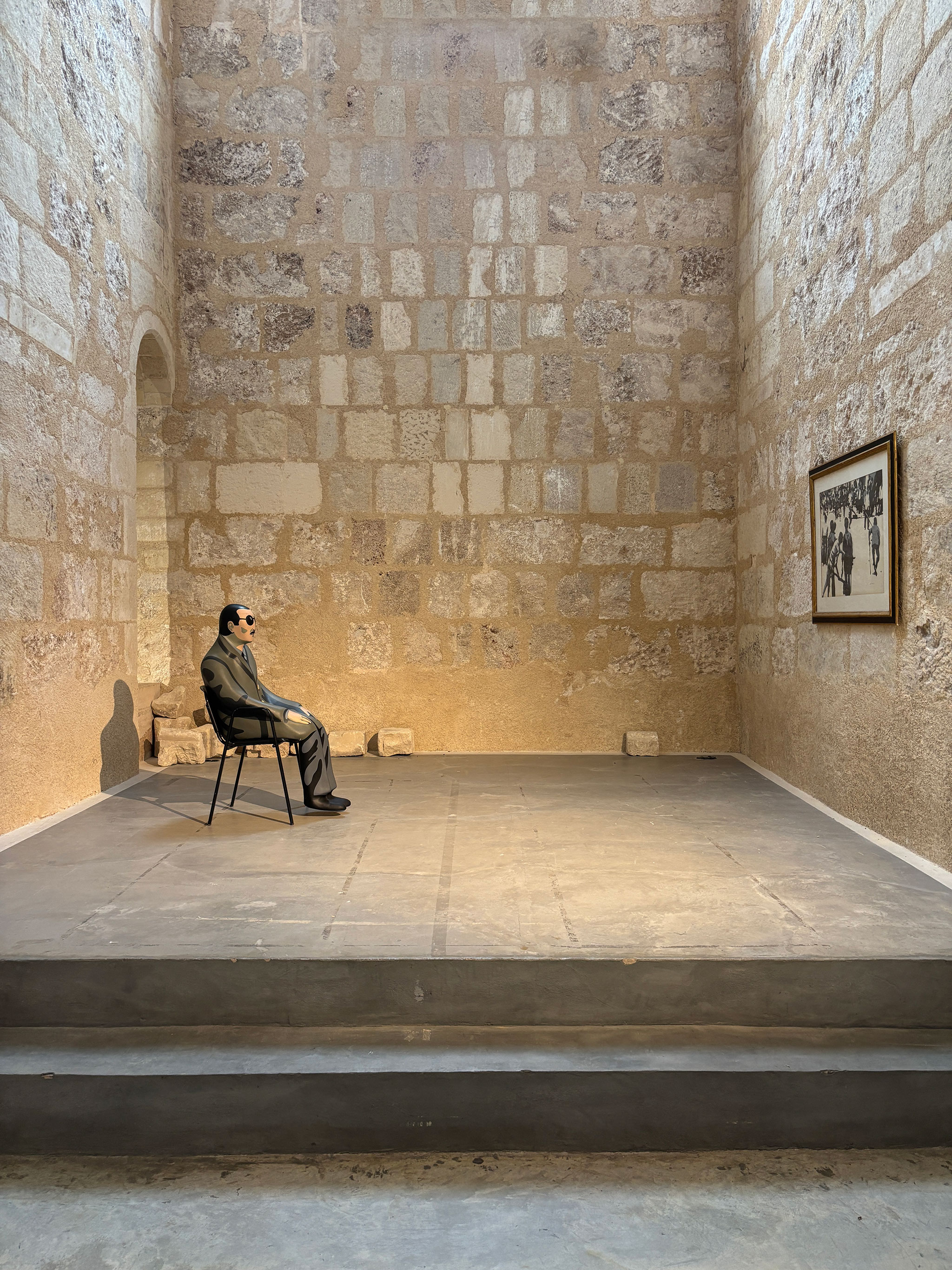
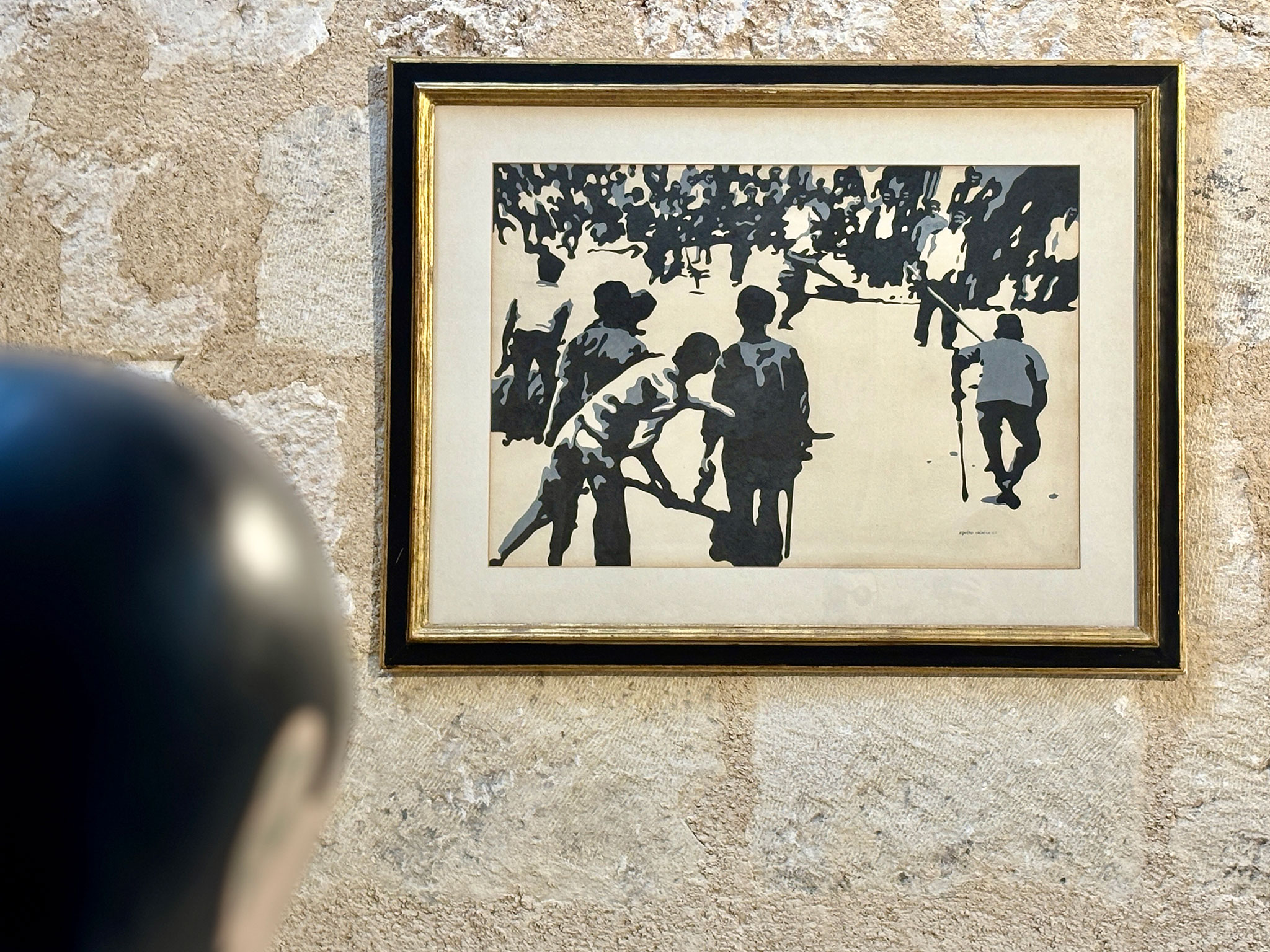
The Casa de la Enseñanza organizes the exhibition into thematic sections: from the Baroque to Pop Art, from abstraction to Cubism and genre painting, culminating in photography, film, and graphic production. Velázquez, Juan Gris, Léger, Dubuffet, Bacon, and Magritte are all represented in pieces that transform each artistic reference into a critical exercise.

One of the exhibition's greatest strengths is the provenance of the works: with a few institutional exceptions, most belong to private collections, allowing many to be seen publicly for the first time.
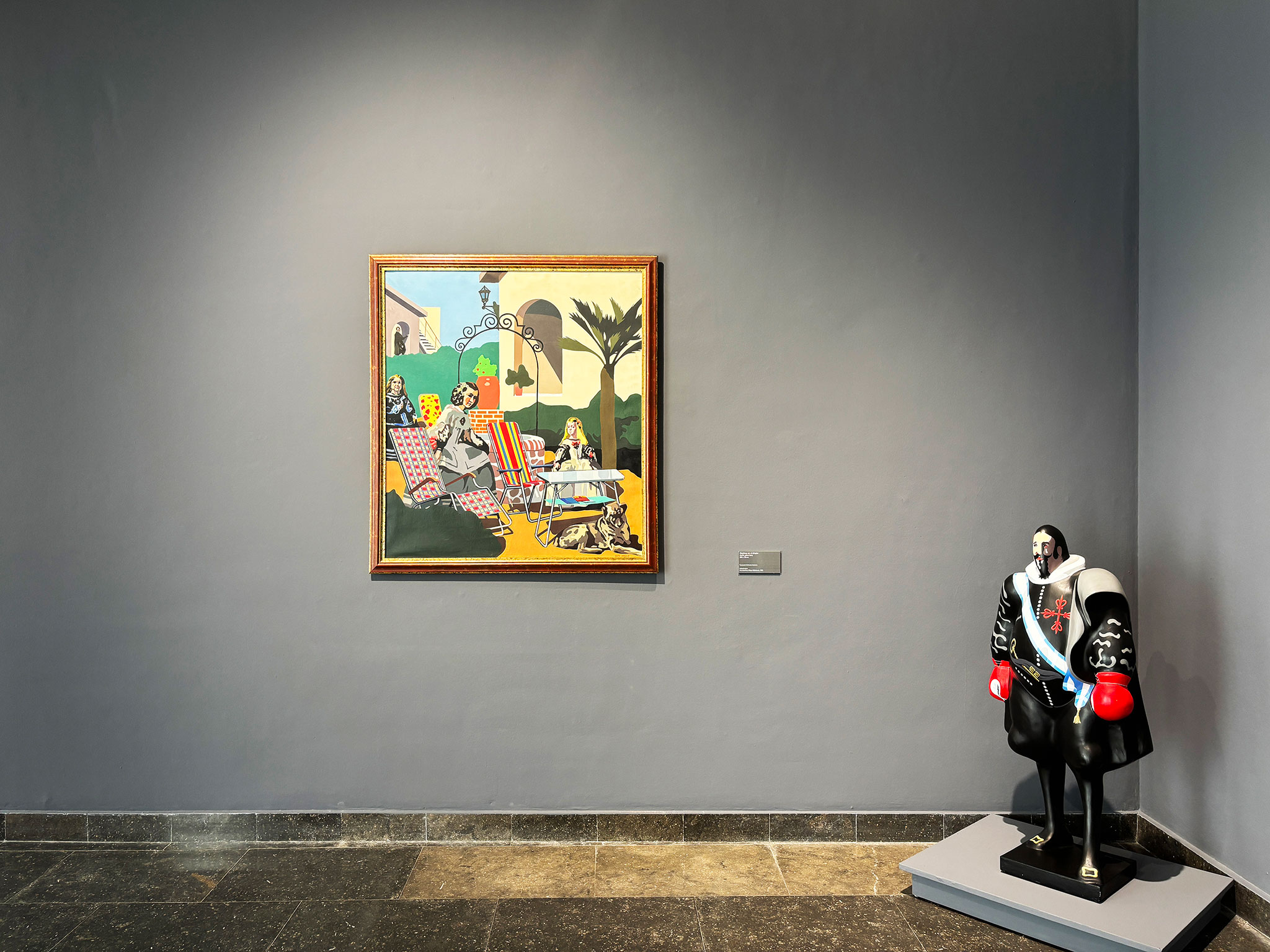
«Equipo Crónica, Crónica de un tiempo», exposición en Casa Ensenyança, Xàtiva.2

«Equipo Crónica, Crónica de un tiempo», exhibition in Casa Ensenyança, Xàtiva.

The exhibition is accompanied by a catalogue with texts by Michèle Dalmace, Marion Le Corre-Carrasco, and curator Pablo Camarasa, as well as guided tours, lectures, and a screening of the documentary "Equipo Crónica. Trench Art".
More information

Label
Exhibition
Text

Equipo Crónica, Crónica de un tiempo.

+ + copy Created with Sketch.
- + copy Created with Sketch.
Label
Curator
Text

Pablo Camarasa.

+ + copy Created with Sketch.
- + copy Created with Sketch.
Label
Transport and assembly
Text

Art i Clar.

+ + copy Created with Sketch.
- + copy Created with Sketch.
Label
Organizer
Text

Ayuntamiento de Xàtiva.

+ + copy Created with Sketch.
- + copy Created with Sketch.
Label
Collaborators
Text

Universitat de València, Fundació Chirivella Soriano, Ajuntament de València, Iberdrola Arte.

+ + copy Created with Sketch.
- + copy Created with Sketch.
Label
Dates
Text

From March 25 to July 26, 2026.

+ + copy Created with Sketch.
- + copy Created with Sketch.
Label
Location
Text

Convent of Sant Doménec and Casa de l'Ensenyament - Museum of Fine Arts of Xàtiva. Carrer de Sant Domènec, 7 / Plaça Arquebisbe Mayoral, 2. 46800 - Xàtiva (Valencia). Spain.

+ + copy Created with Sketch.
- + copy Created with Sketch.

Equipo Crónica was a key group in the critical figurative movement in Spain during the second half of the 20th century. Emerging in Valencia in the mid-1960s, their work was a reaction against the dominant informalist painting, proposing a radical recovery of the figurative image from a critical, political, and ironic perspective.

The collective was initially formed by Rafael Solbes (1940–1981), Manuel Valdés (Valencia, 1942), and Juan Antonio Toledo (Valencia, 1940–1995). After their first exhibitions in 1965, Toledo left the group, although he maintained conceptual affinities with its approach. From then on, the core group consisted of Solbes and Valdés, whose collaboration defined the project's most recognizable identity.

Equipo Crónica's work revolves around the appropriation of images from the media and art history, reorganized through a refined visual language of flat colors and serial compositions. Their strategy consisted of shifting from individual authorship to a collective construction of the image, in which irony and cultural critique played a central role. In this sense, their work is situated within the international debate between Pop Art and critical realism of the late 1950s and 1960s.

Throughout their career, they developed a series of works that function as visual essays on the history of painting, politics, and mass culture. From their initial period (1964–1966), which incorporated media iconography, to later works such as *La recuperación* (1967–1969), revisiting the painting of the Spanish Golden Age, or *Guernica 69*, in direct dialogue with Pablo Picasso, their production constructs a critical archive of reinterpreted historical images.

In the 1970s, the group intensified its political and narrative focus with series such as Police and Culture (1971), Black Series (1972), and The Firing Squad (1975–1976), where violence, repression, and the signs of the postwar period became central themes. Simultaneously, they explored the very nature of the artistic profession in series like Trades and Tradespeople and The Subversion of Signs, where painting became an object of analysis and deconstruction.

During the second half of the decade, their interest in the structure of the image was articulated in works such as The Billiards Game and The Plot, while in Urban Landscapes (1978–1979) and The Journeys (1980) they introduced a more sociological perspective on the contemporary city. The cycle concludes with The Public and the Private (1981), where references to Rembrandt and Géricault acquire a dimension of political reinterpretation of art history.

The Equipo Crónica project was extensively curated and studied in institutional contexts, such as the exhibition structured by Tomás Llorens, which organized their work into sixteen series, highlighting the group's conceptual coherence. Their legacy stands as one of the most significant contributions to visual criticism in contemporary Spain, having transformed painting into a tool for the ideological interpretation of images.

Read more
Published on: May 17, 2026
Cite:
metalocus, JOSÉ JUAN BARBA
""Equipo Crónica, Crónica de un tiempo" exhibition" METALOCUS. Accessed
<https://www.metalocus.es/en/news/equipo-cronica-cronica-de-un-tiempo-exhibition> ISSN 1139-6415
Loading content ...
Loading content ...
Loading content ...
Loading content ...
Loading content ...
Loading content ...
Loading content ...
Loading content ...
Loading content ...
Loading content ...
Loading content ...
Loading content ...
Loading content ...
Loading content ...
Loading content ...
Loading content ...
Loading content ...
Loading content ...
Loading content ...
Loading content ...
Loading content ...
Loading content ...
Loading content ...
Loading content ...
Loading content ...
Loading content ...
Loading content ...
Loading content ...
Loading content ...
Loading content ...
Loading content ...
Loading content ...
Loading content ...
Loading content ...
Loading content ...
Loading content ...
Loading content ...
Loading content ...
Loading content ...
Loading content ...
Loading content ...
Loading content ...
Loading content ...
Loading content ...
Loading content ...
Loading content ...
Loading content ...
Loading content ...
Loading content ...
Loading content ...
Loading content ...
Loading content ...
Loading content ...
Loading content ...