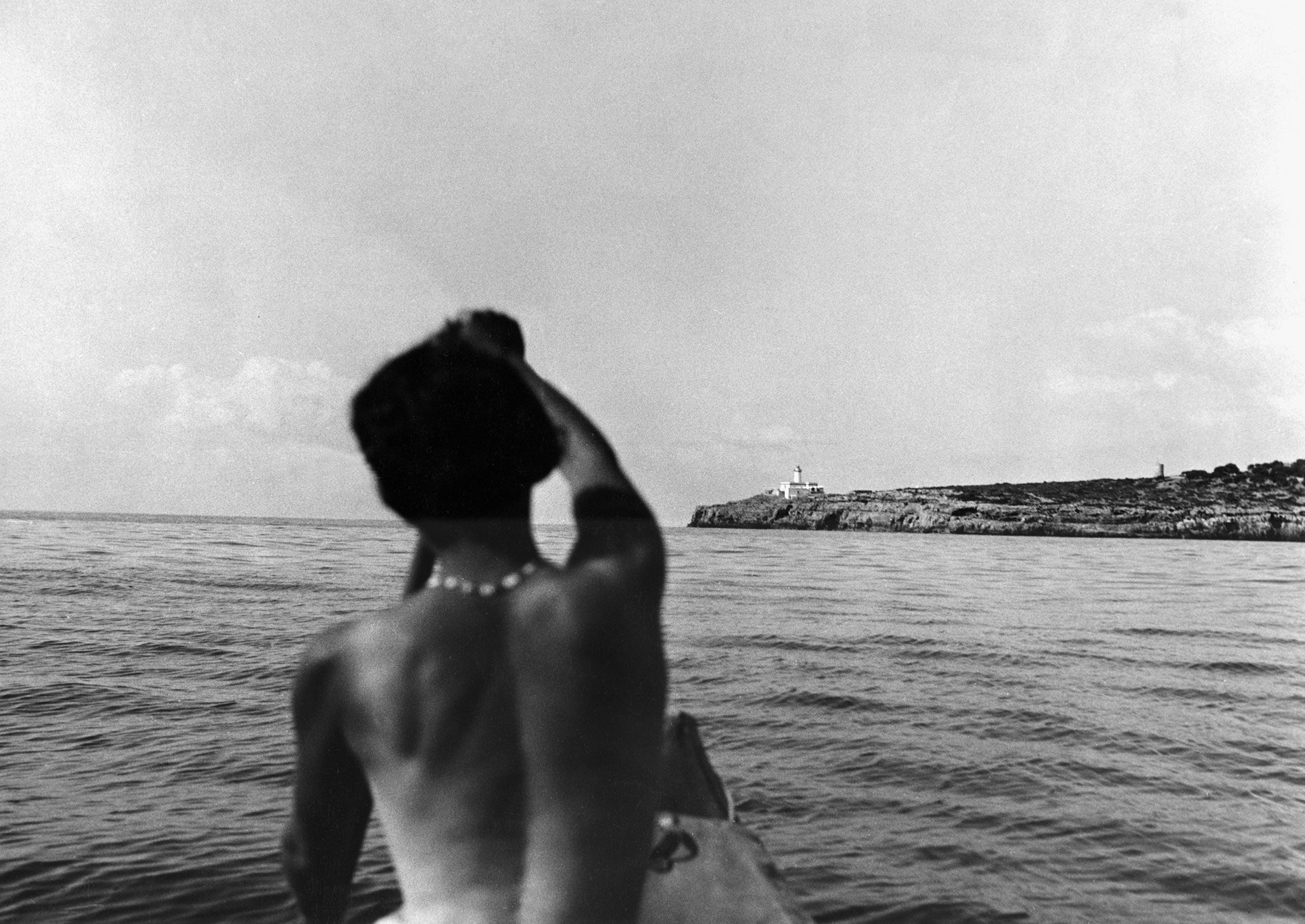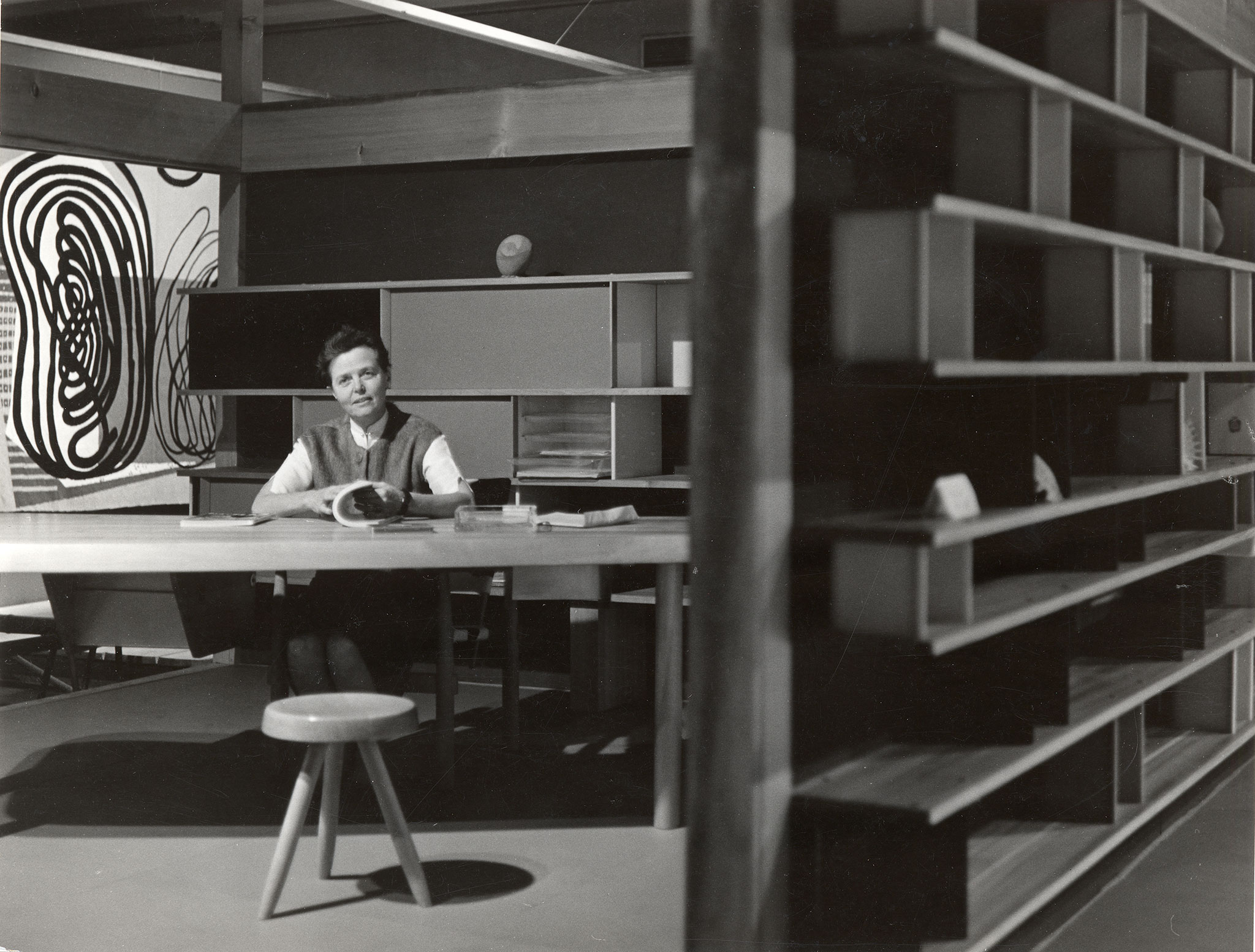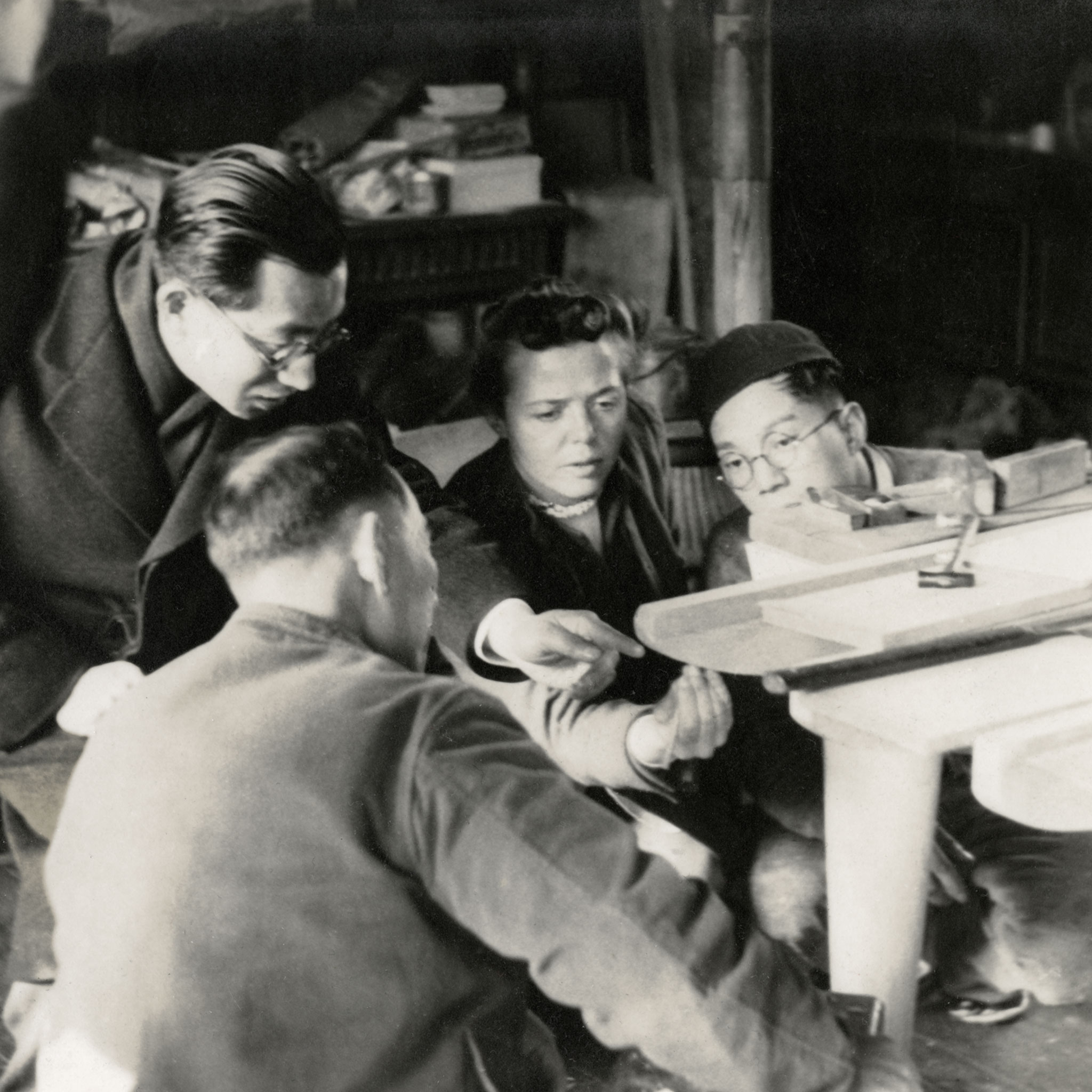
Beyond her collaborations with Le Corbusier and Pierre Jeanneret, Charlotte Perriand developed her own unique path, marked by an innovative conception of living. Her travels through Europe and Asia, especially the six years she spent in Japan and Vietnam, enriched her thinking and allowed her to incorporate principles such as functionality, well-being, and the lessons of traditional architecture and arts into her projects.
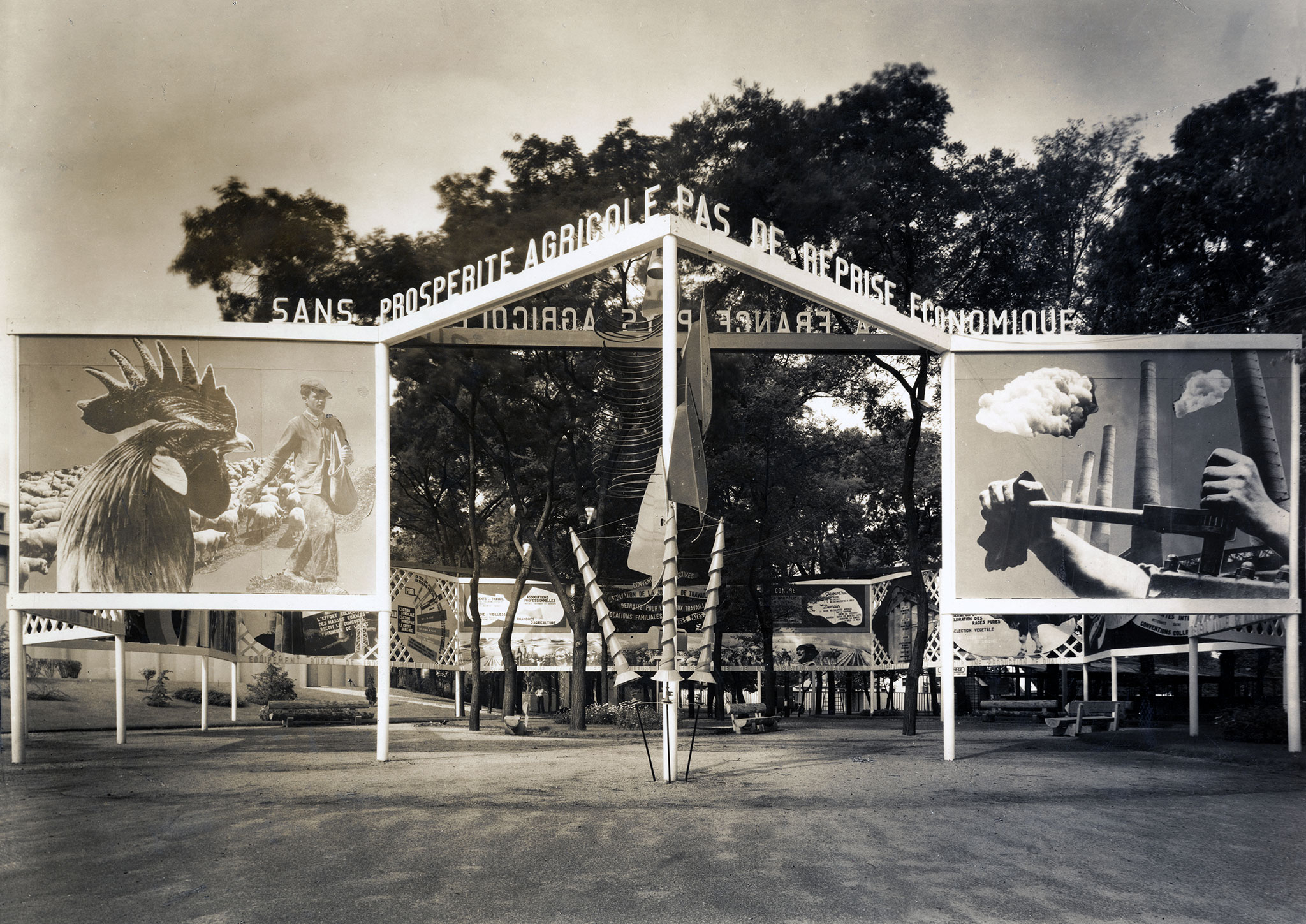
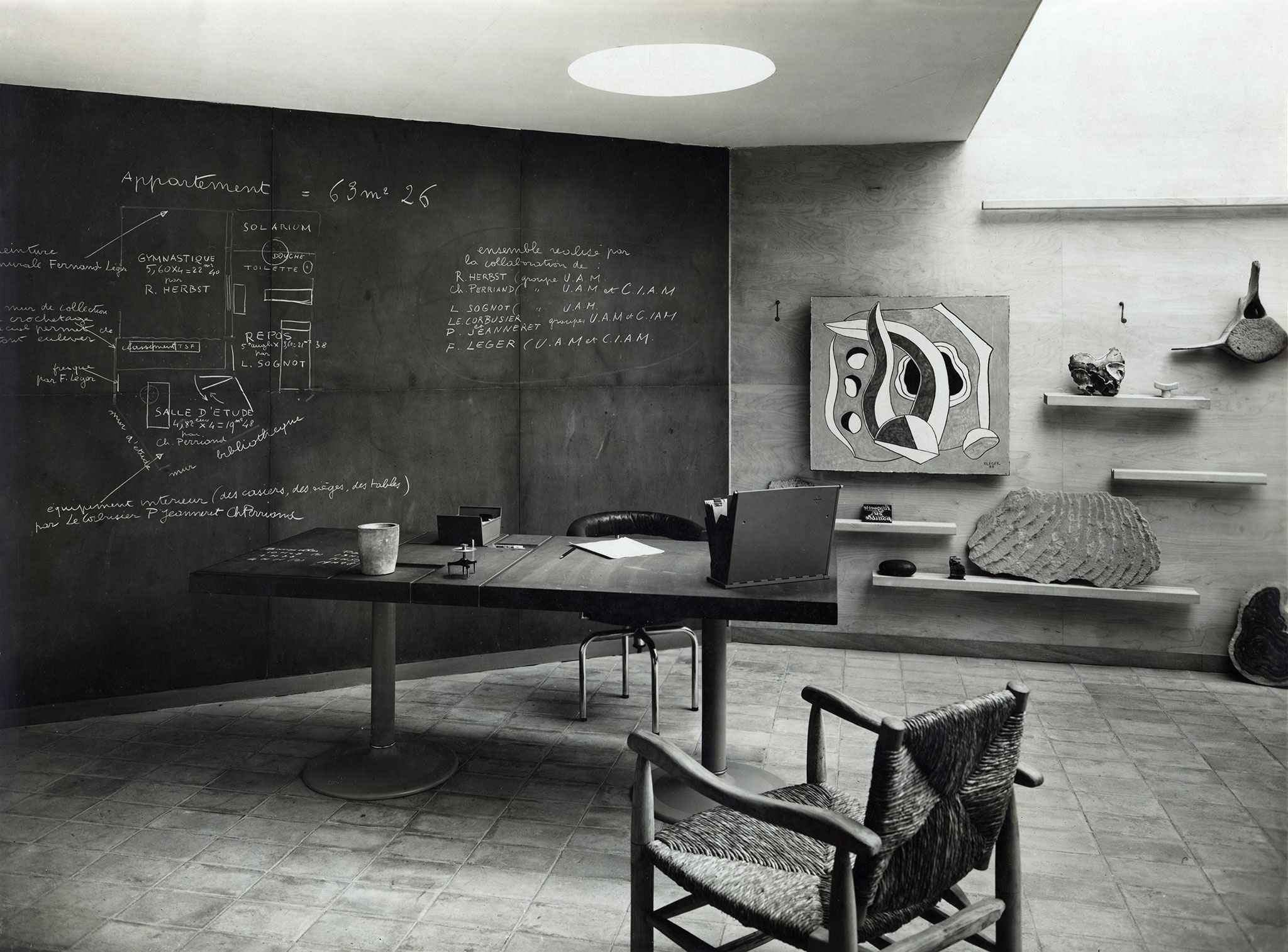
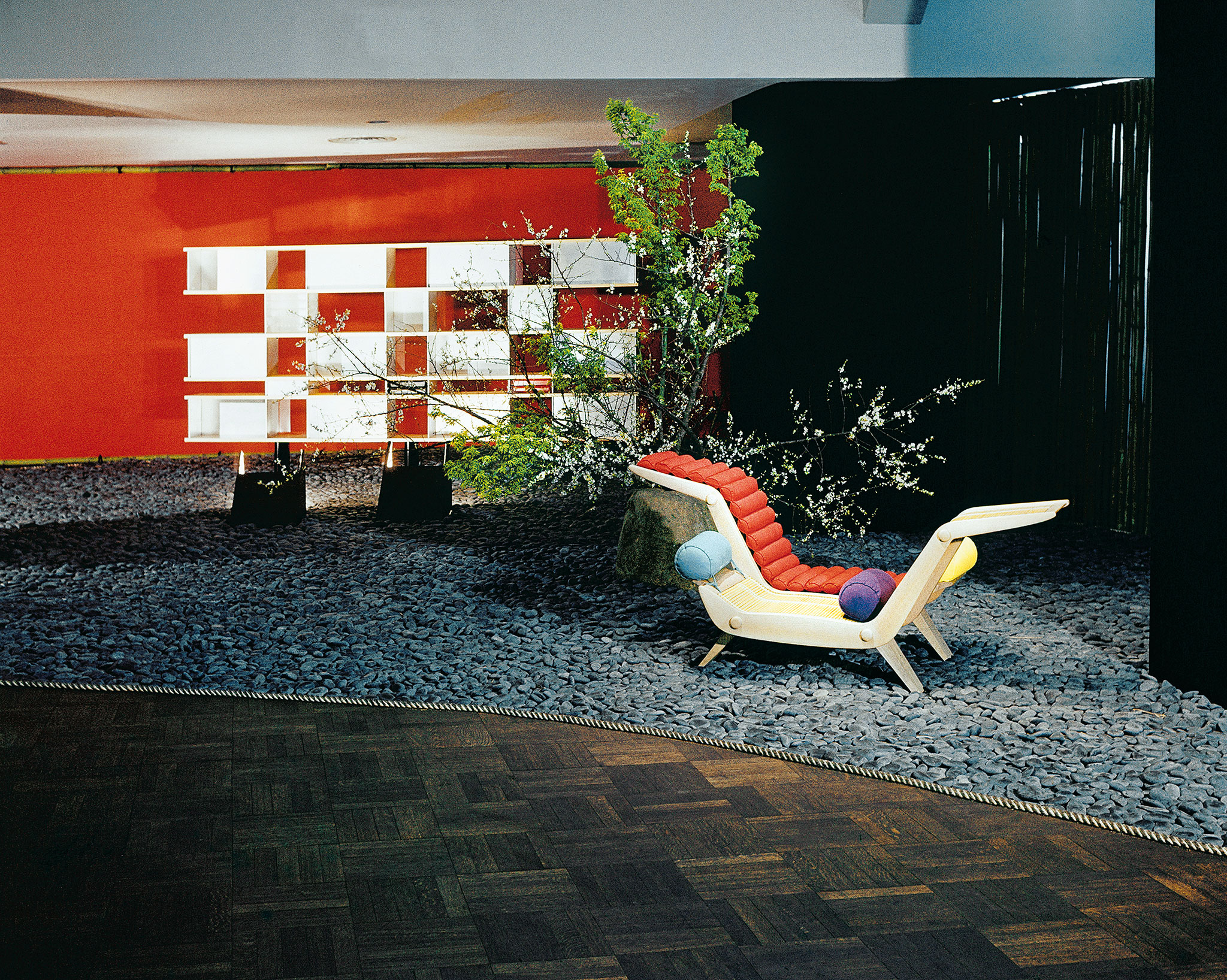
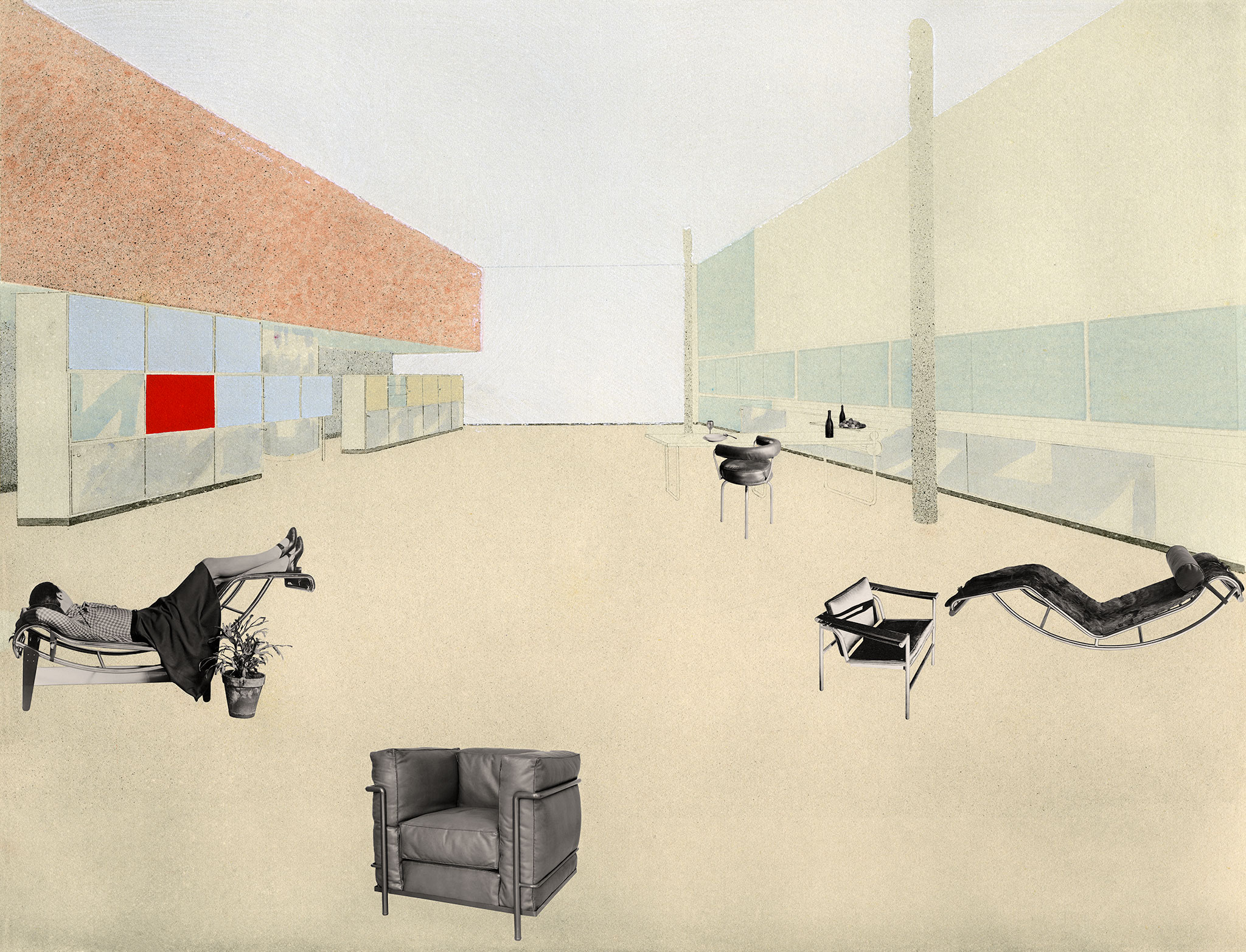
The exhibition at the Fundació Joan Miró spans Perriand's early formative years up to 1955, with a particular focus on her exhibition designs as spaces for experimentation with new ways of living. The show brings together some of her most representative works, including Bar sous le toit (1927), Salle à manger 28 (1928), and a reconstruction of Équipement intérieur d’une habitation (1929), conceived in collaboration with Le Corbusier and Pierre Jeanneret and reproduced by Cassina.
These pieces offer insight into the evolution of a creator who blurred the boundaries between architecture, interior design, furniture, photography, and art, championing a true synthesis of the arts in service of everyday life.
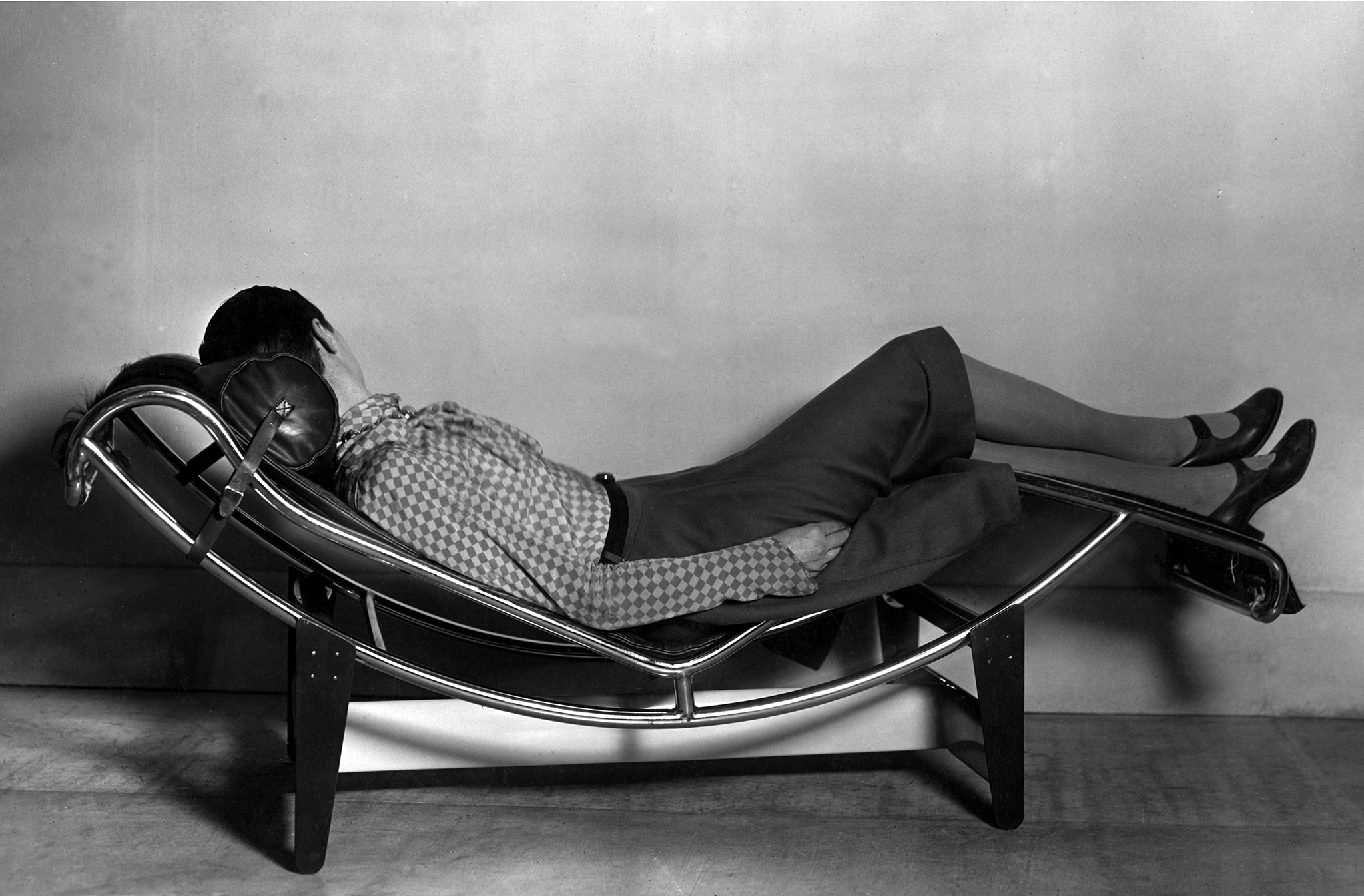
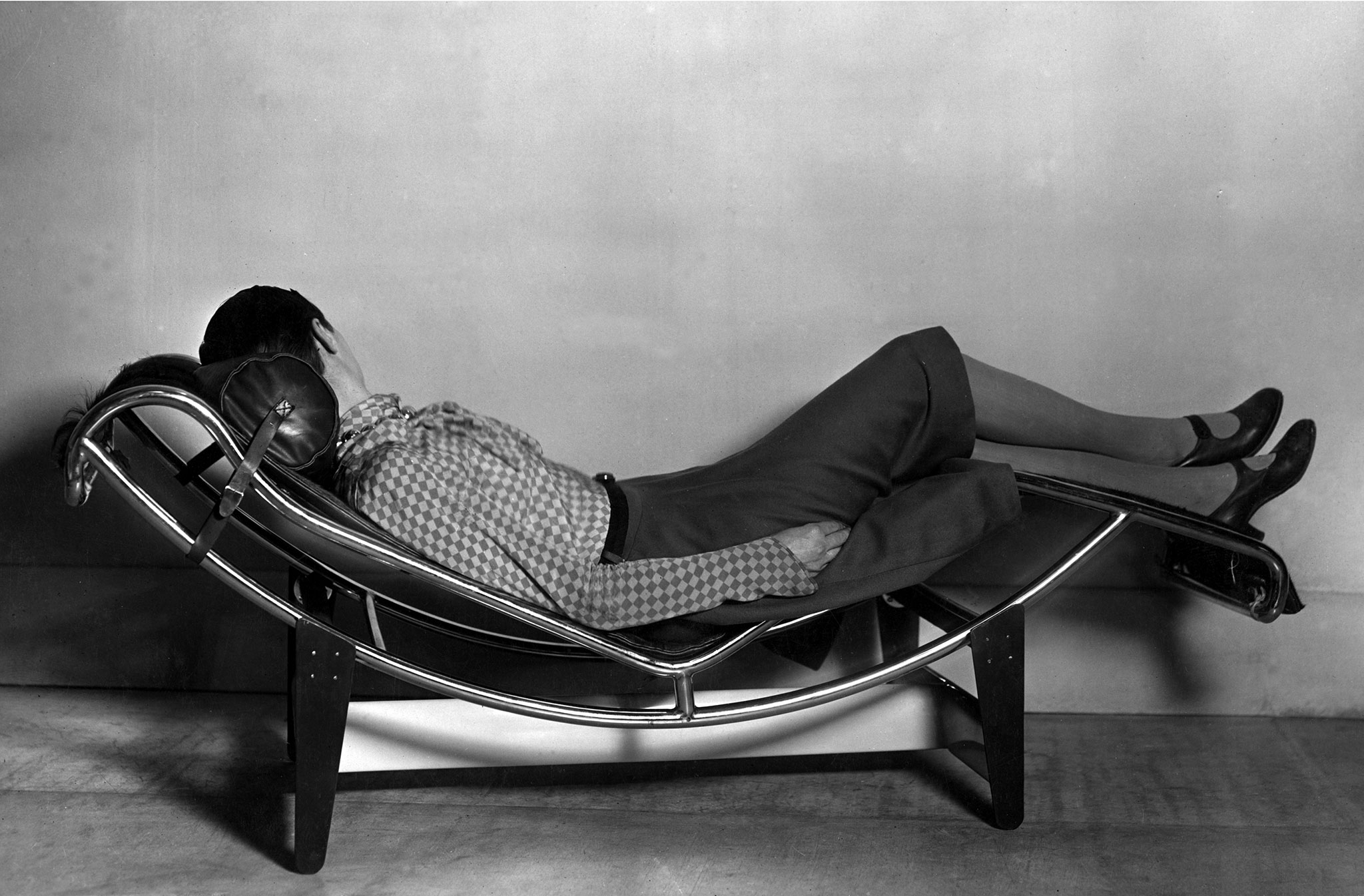
Charlotte Perriand on reclining chaise longue, 1928. Courtesy by Archives Charlotte Perriand. VEGAP, Barcelona 2026.
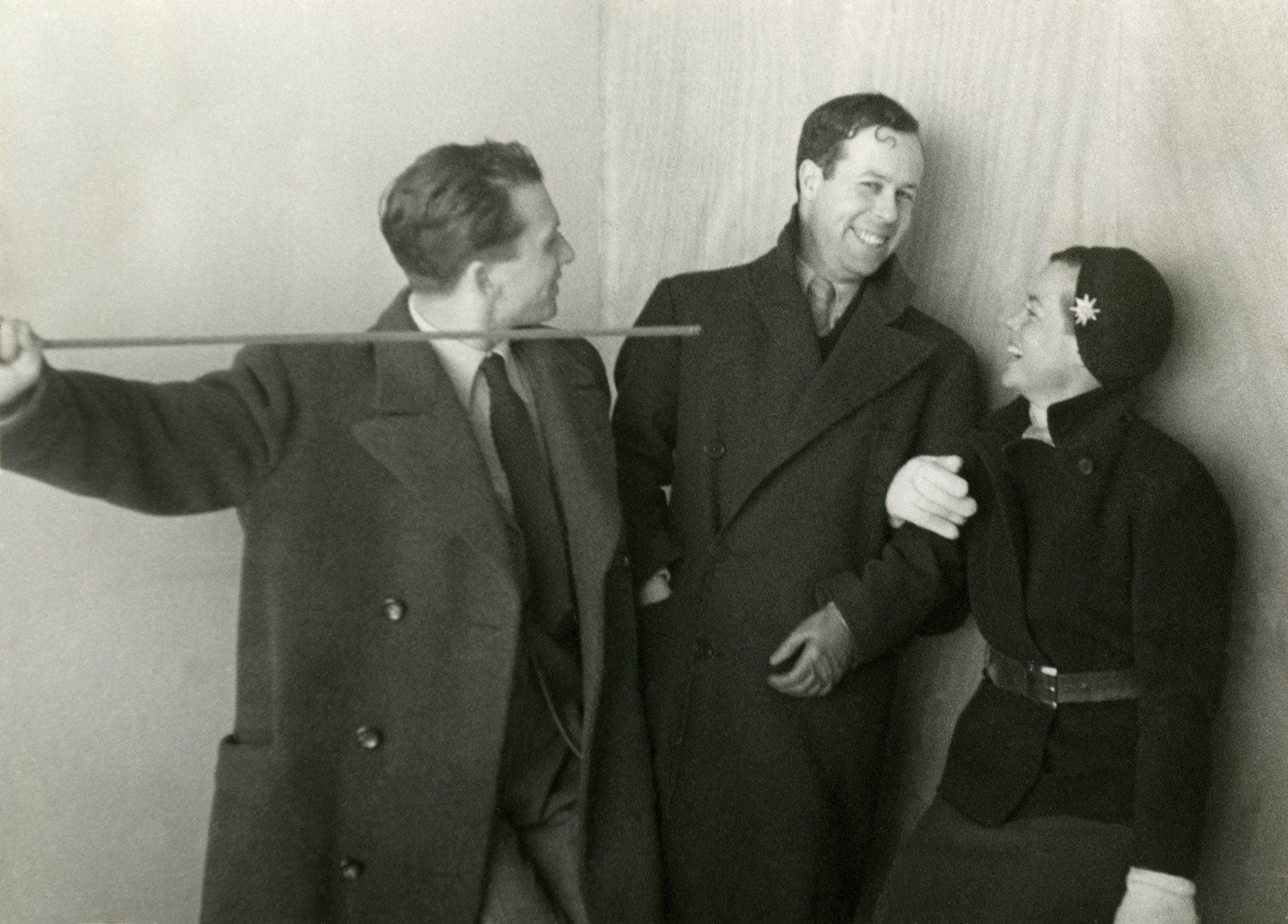
The Barcelona presentation also includes a unique perspective on the relationship between Charlotte Perriand and Josep Lluís Sert, the architect of the Fundació Joan Miró. They met in 1928 at Le Corbusier's studio and maintained a close friendship, as well as a constant intellectual exchange, for decades. Perriand attended the Fundació's inauguration in 1976 at Sert's invitation, a connection that will also be reflected in both the exhibition and the catalogue.
The publication accompanying the exhibition brings together essays by international specialists and texts by Perriand herself, including the first chapter of her autobiography and several fundamental writings on her conception of design. As the exhibition concludes, a mediation space will allow the public to discover the reconstruction of Équipement intérieur d’une habitation (Interior Equipment of a Dwelling), one of the most influential manifestos of the Modern Movement and a key work for understanding Perriand's contribution to 20th-century domestic architecture.
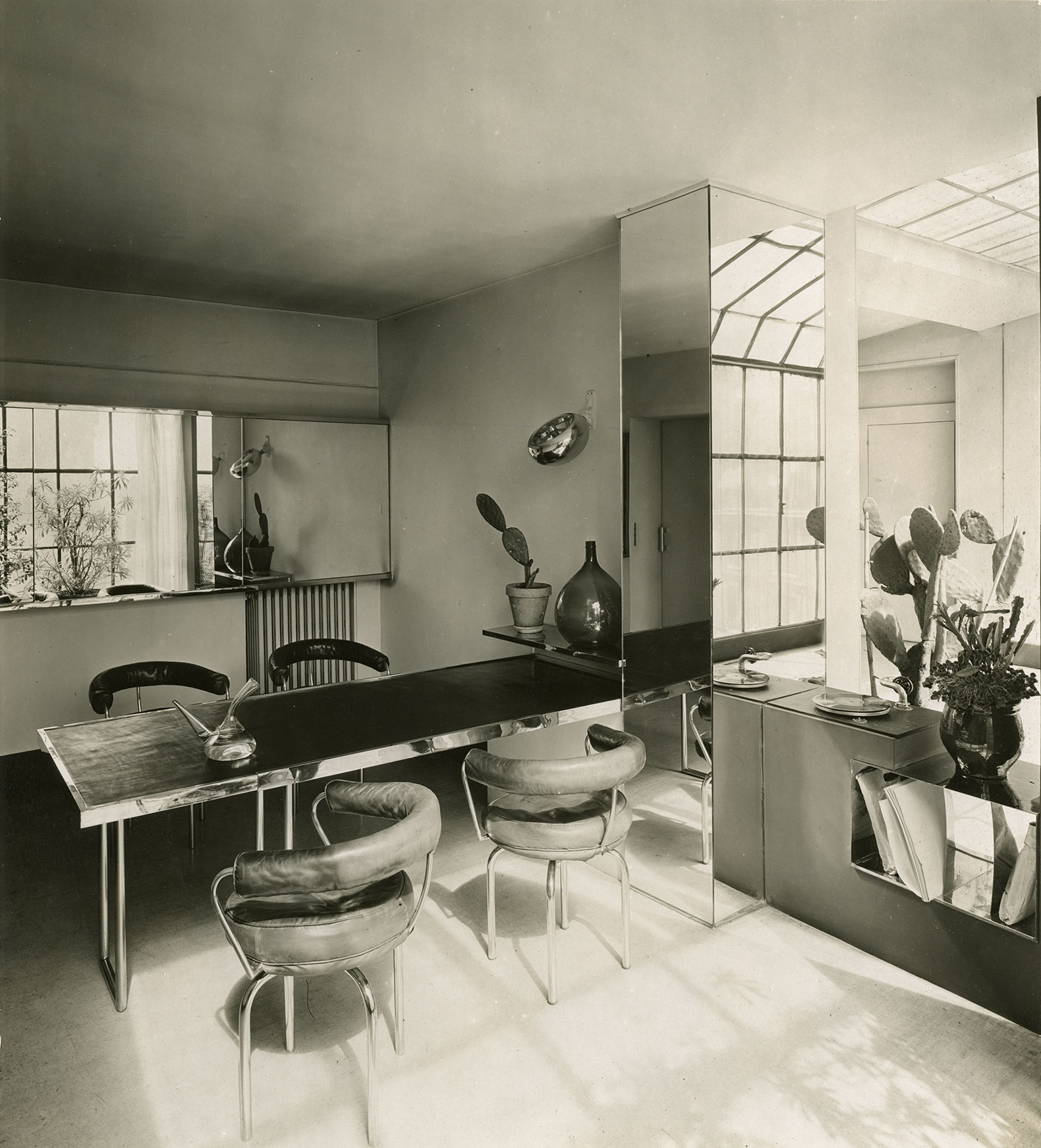
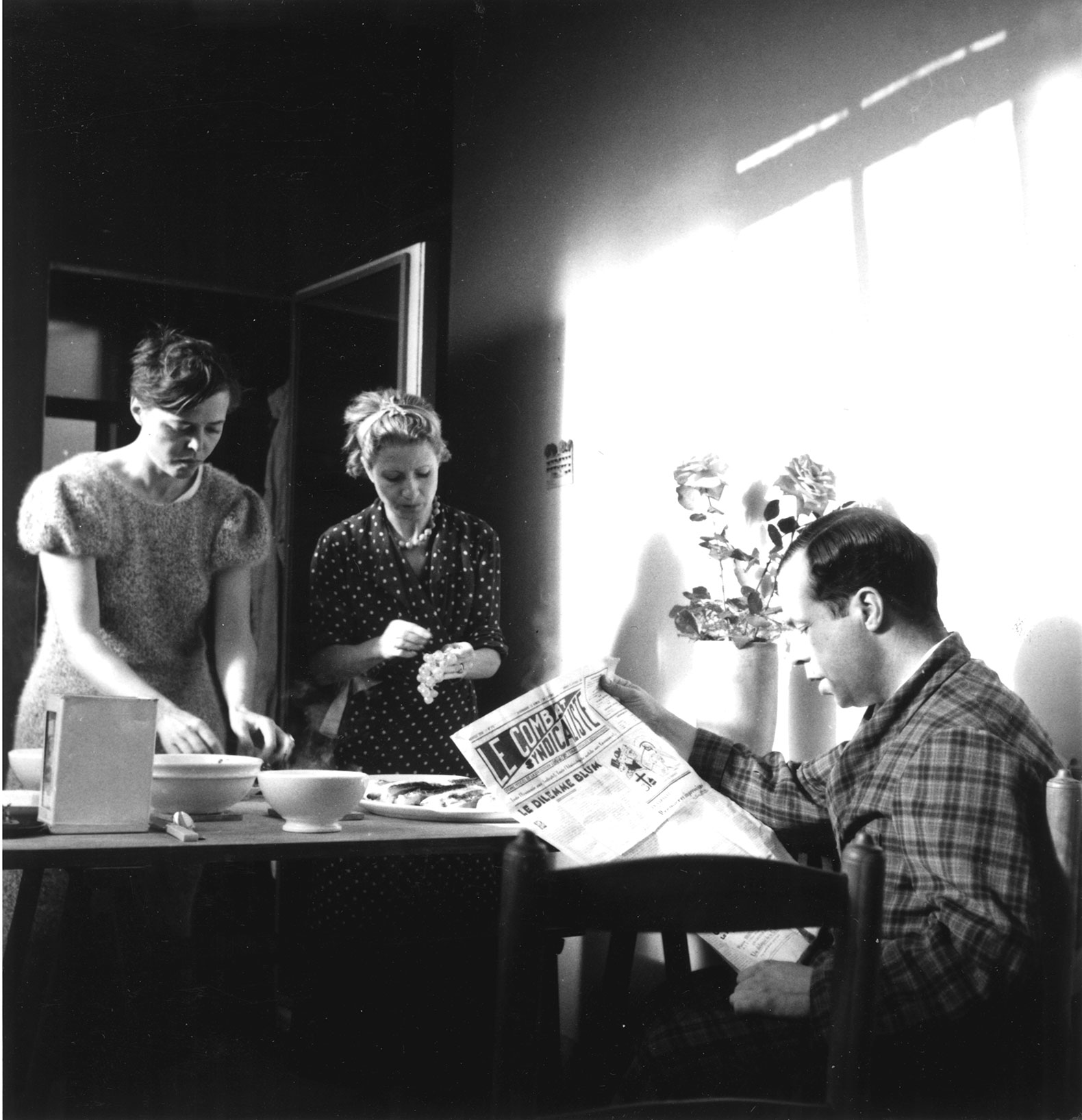
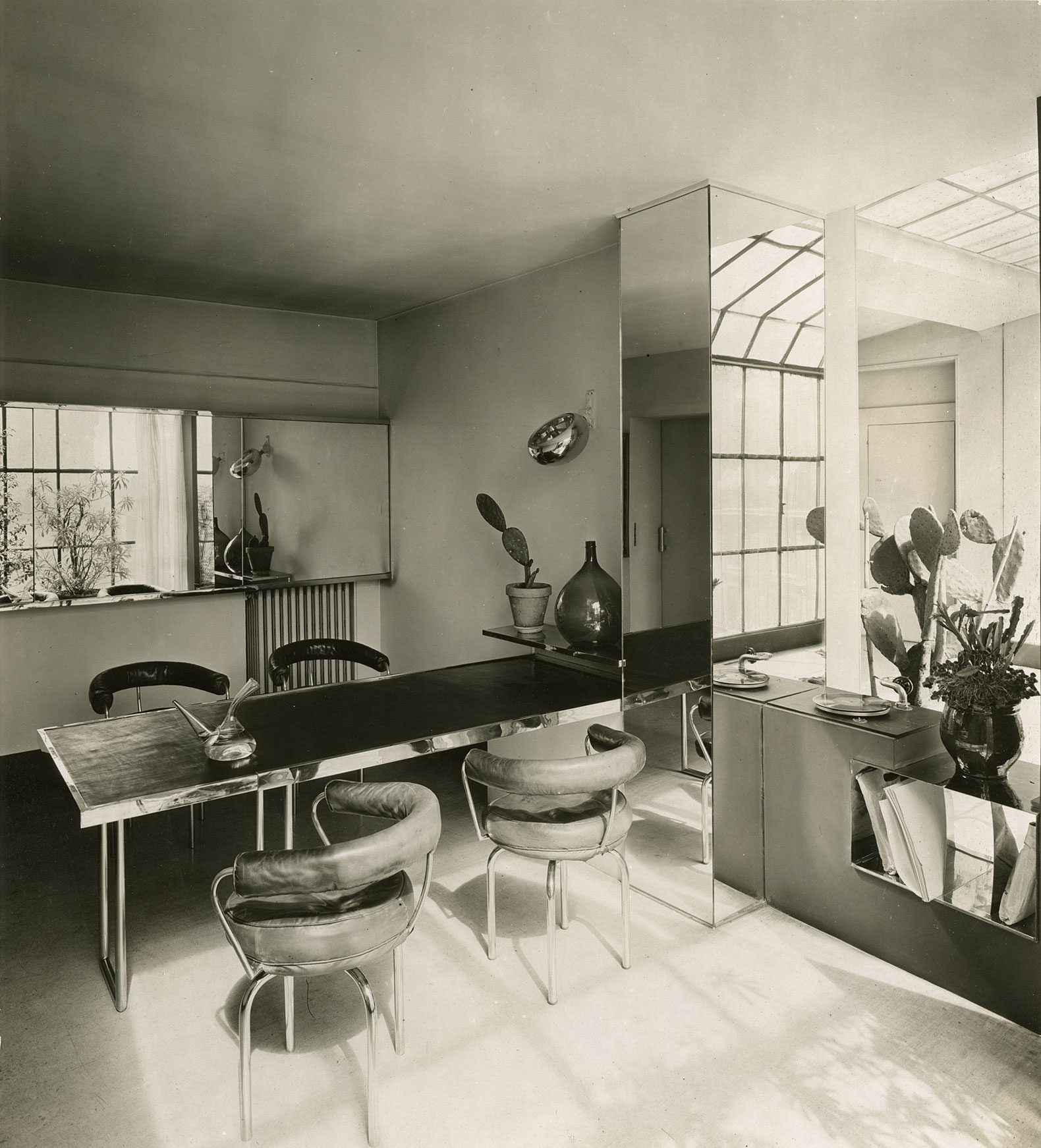
Charlotte Perriand, dining room in the Place Saint-Sulpice apartment-studio, 1927. Photograph by Jean Collas. Courtesy by Archives Charlotte Perriand.
Organized by the Fundació Joan Miró in collaboration with the Kunstmuseen of Krefeld and the Museum der Moderne Salzburg, and with the main sponsorship of the BBVA Foundation, the exhibition is part of the World Capital of Architecture and reinforces Barcelona's role as a meeting place for different traditions and currents of modern thought.