Three decades after hosting the Congress in 1996, Barcelona will once again become the epicenter of global architectural debate with the presentation of the UIA World Congress of Architects 2026 Barcelona, ​​which will take place from June 28 to July 2 of this year.

The Congress venues will be the CCIB (Barcelona International Convention Centre), Les Tres Chimeneas in Sant Adrià de Besòs, and the Disseny Hub Barcelona. In addition, the Sagrada Familia will host the UIA's triennial awards ceremony. Prominent speakers at this edition include Lacaton & Vassal, Shigeru Ban, Amateur Architecture Studio, Smiljan Radić, and Architecten Jan de Vylder Inge Vinck, among others. 

The 2026 UIA World Congress of Architects will bring together 10,000 participants and 250 speakers in more than 100 sessions. It includes an impressive 4,000-square-meter central exhibition and over 70 itineraries throughout the city and its surroundings, with visits to spaces that will be opened exceptionally for the occasion.

Three decades after hosting the Congress of the International Union of Architects (UIA) in 1996, Barcelona will once again become the epicenter of global architectural debate, bringing together professionals from more than 130 countries in a format that transcends the conventional UIA congress model, opening itself up to debate, the city, and the territory, under the theme "Becoming: Architectures for a Planet in Transition."

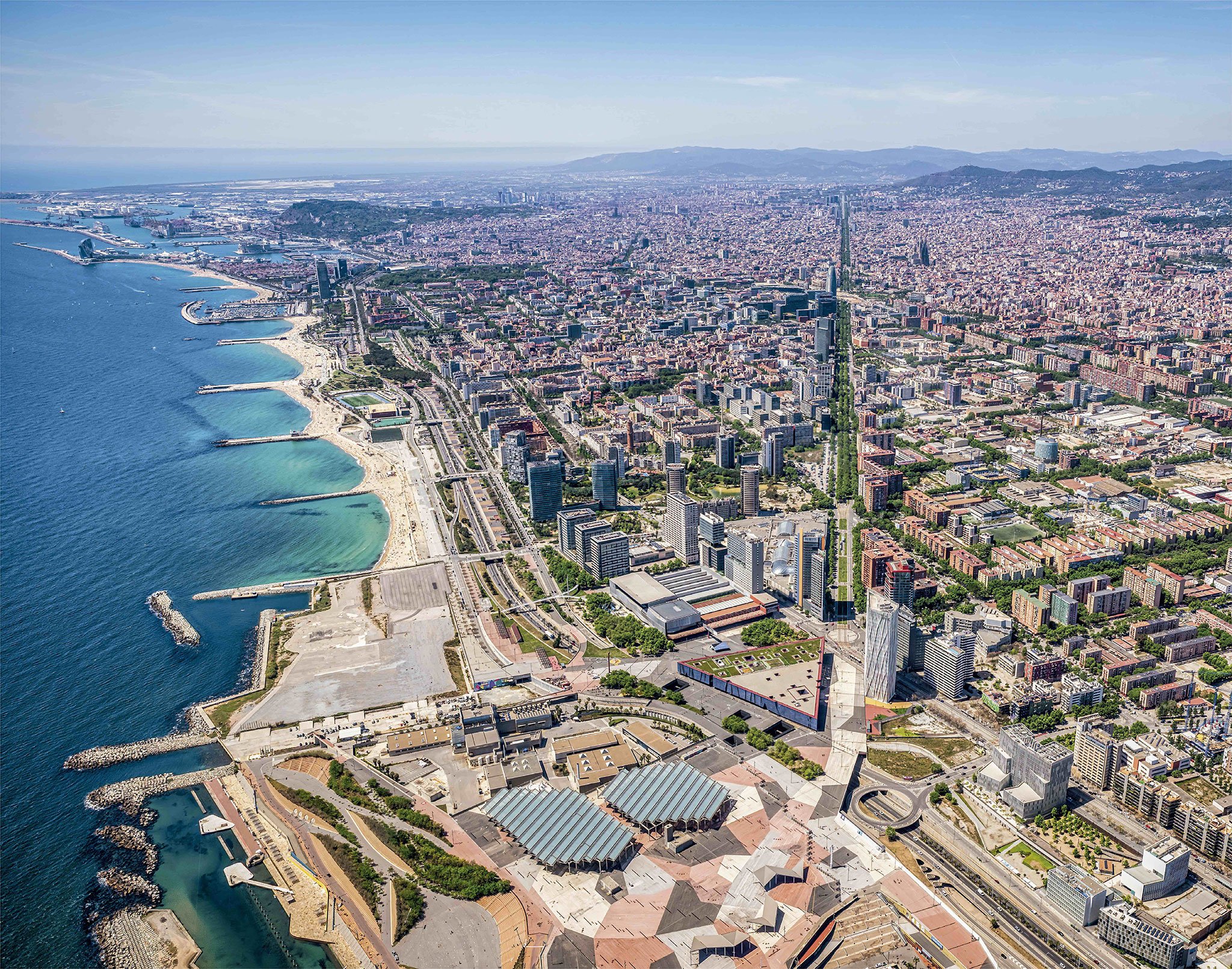
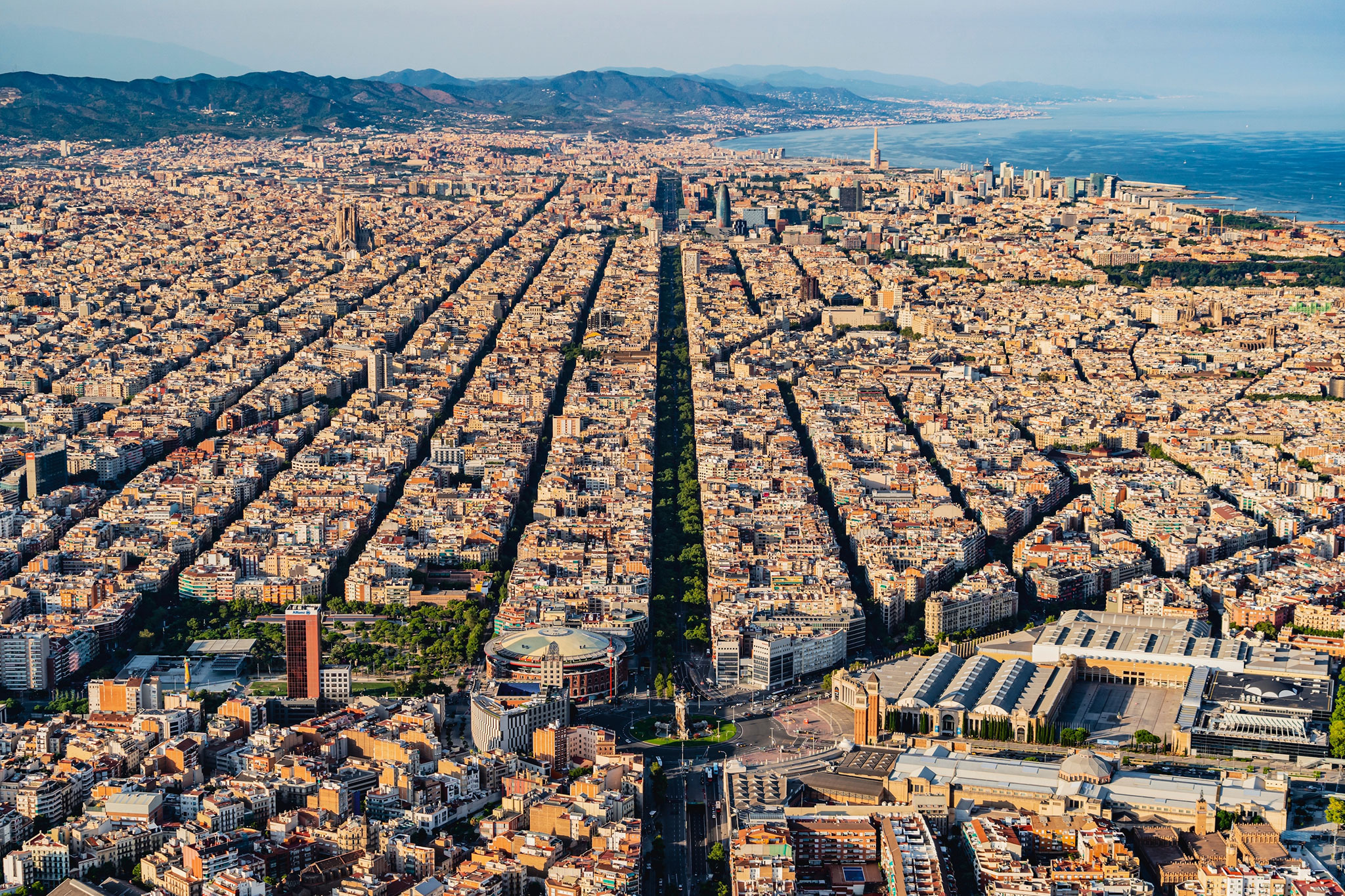
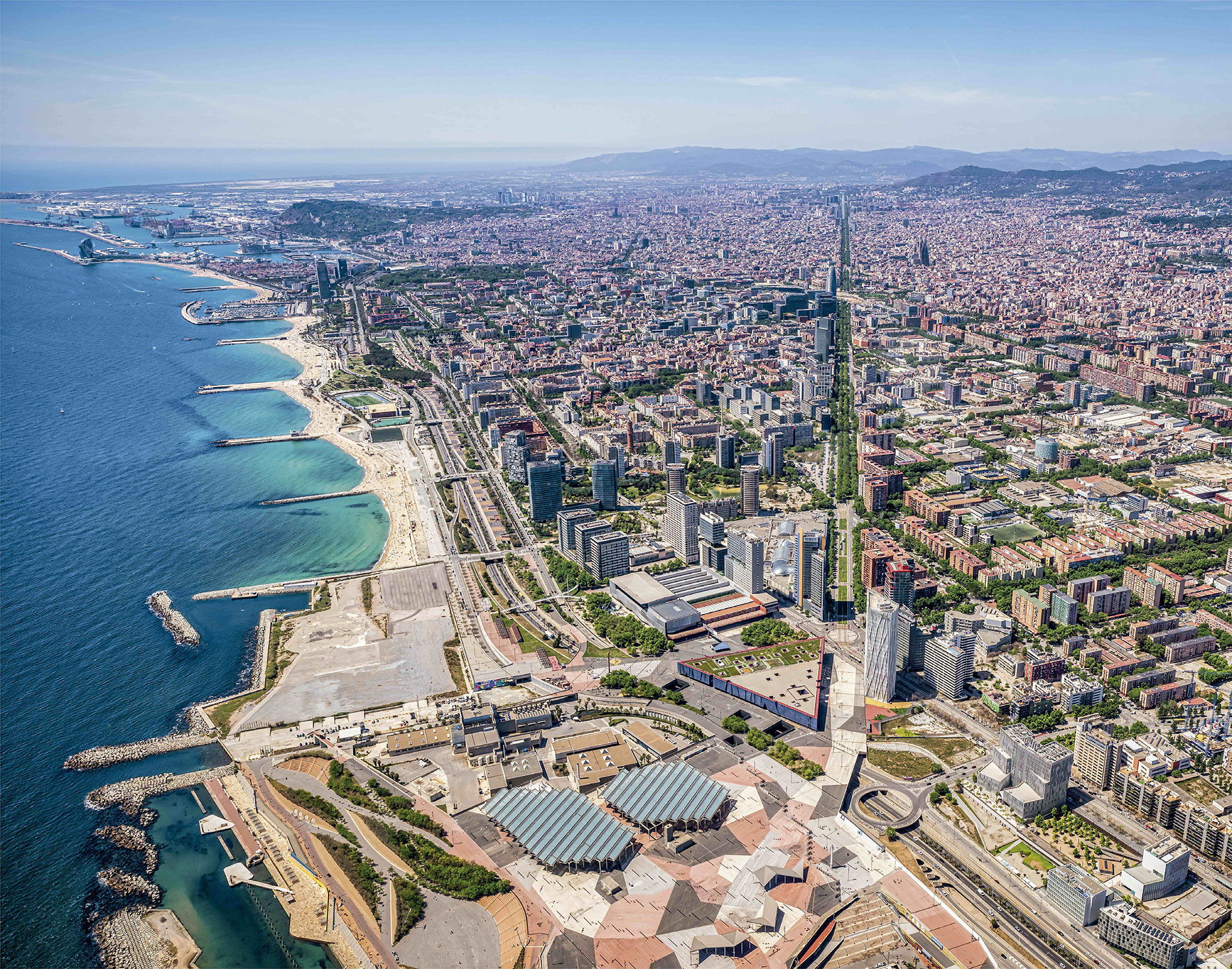
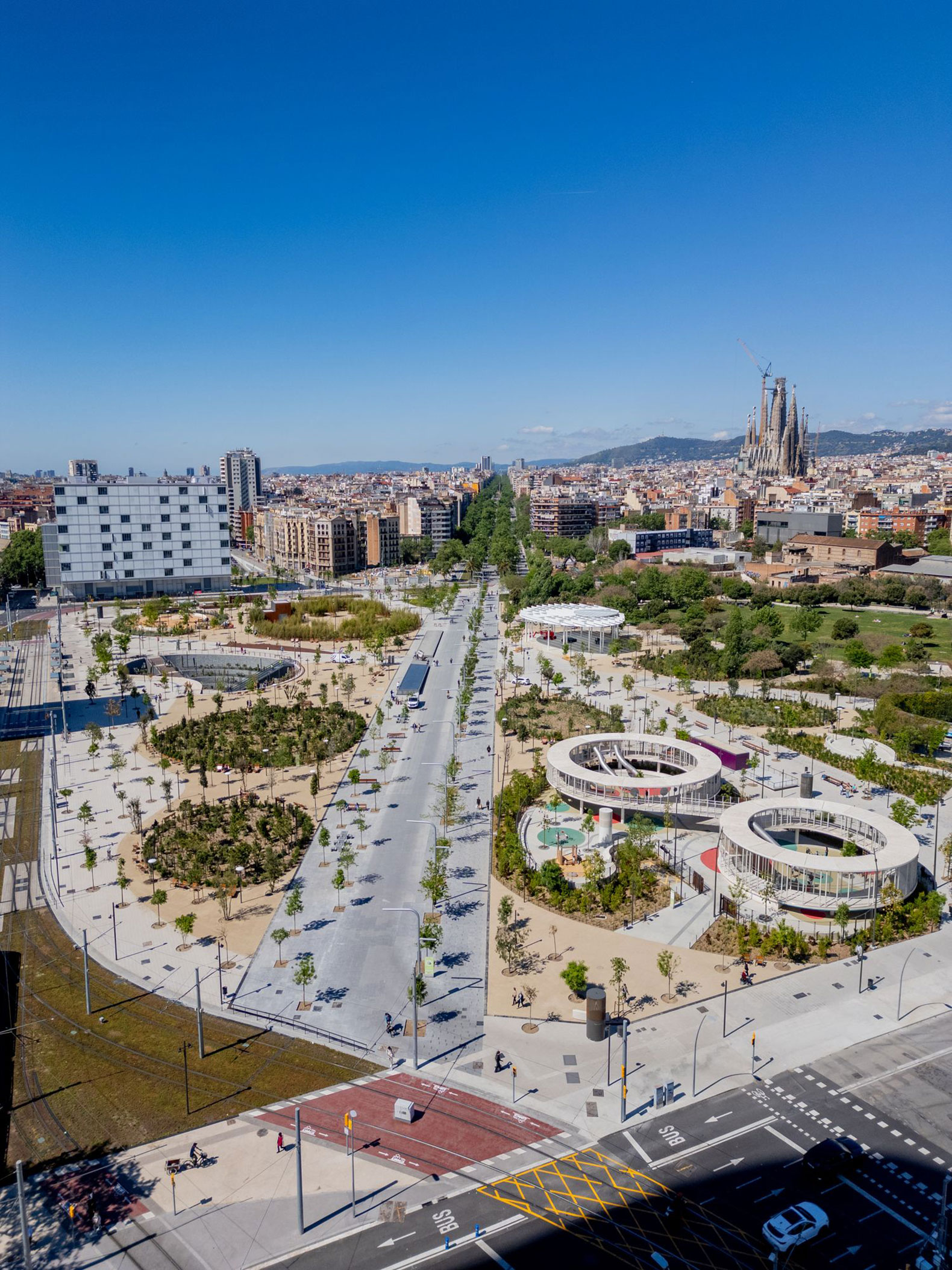
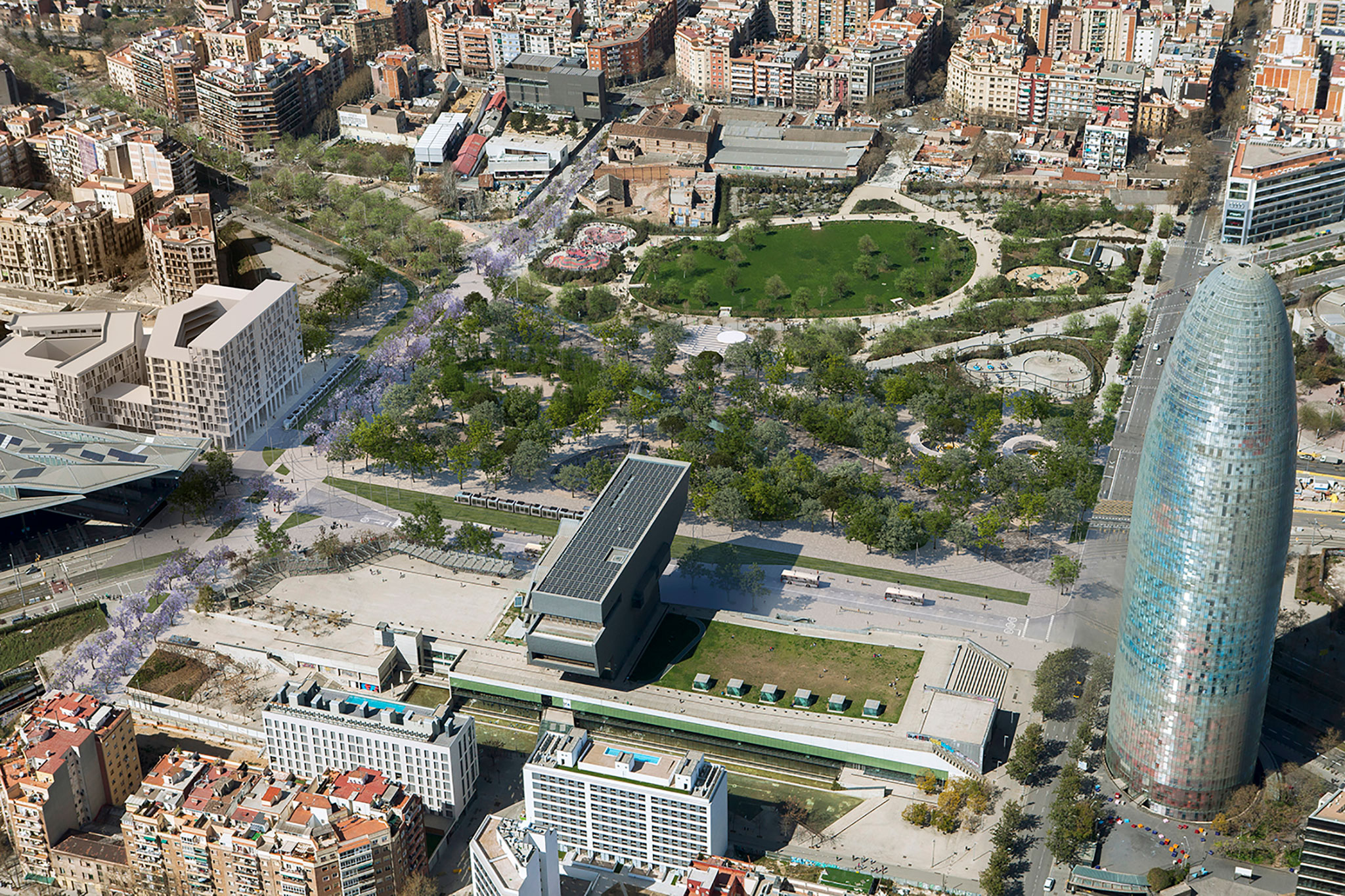
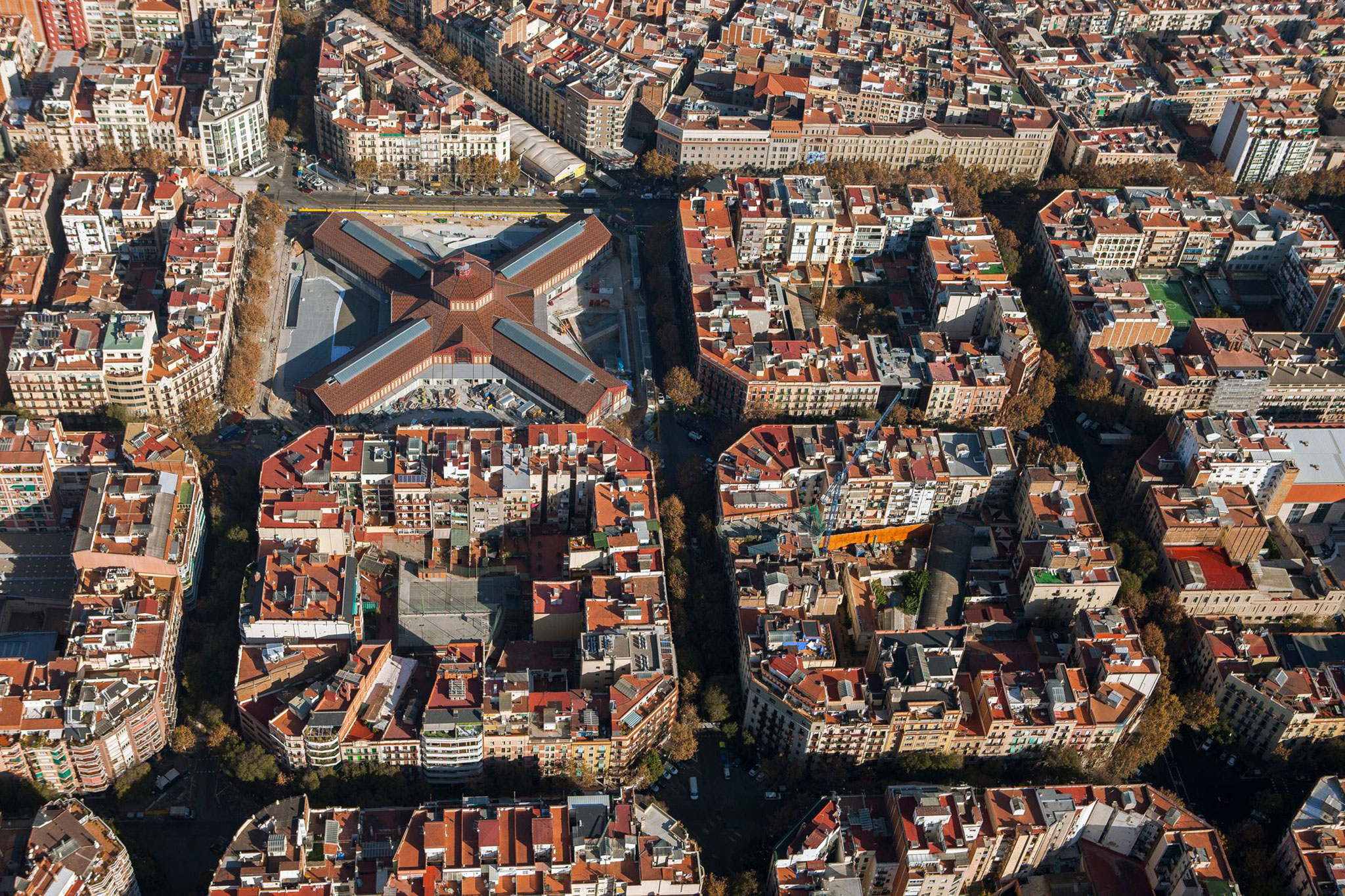
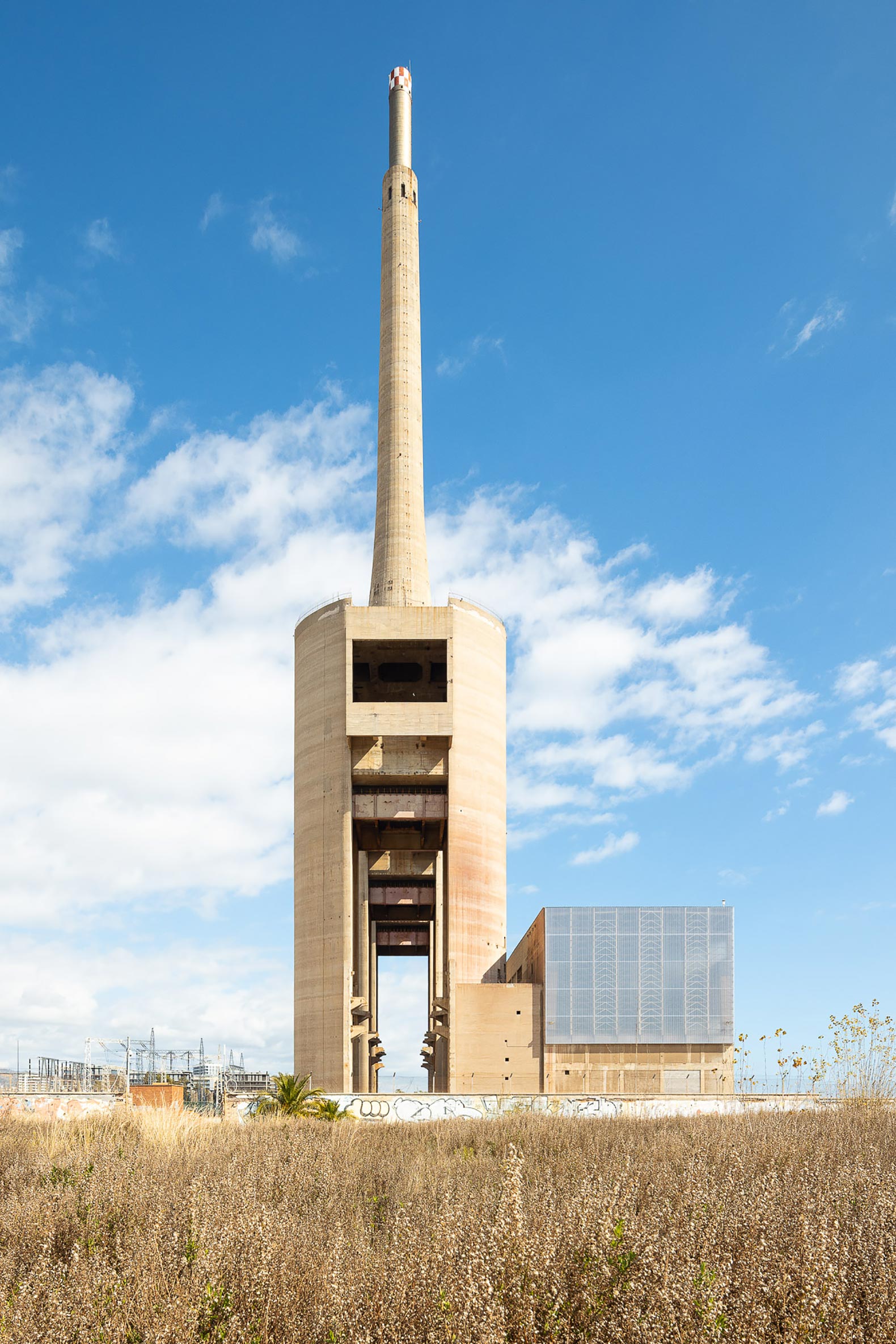
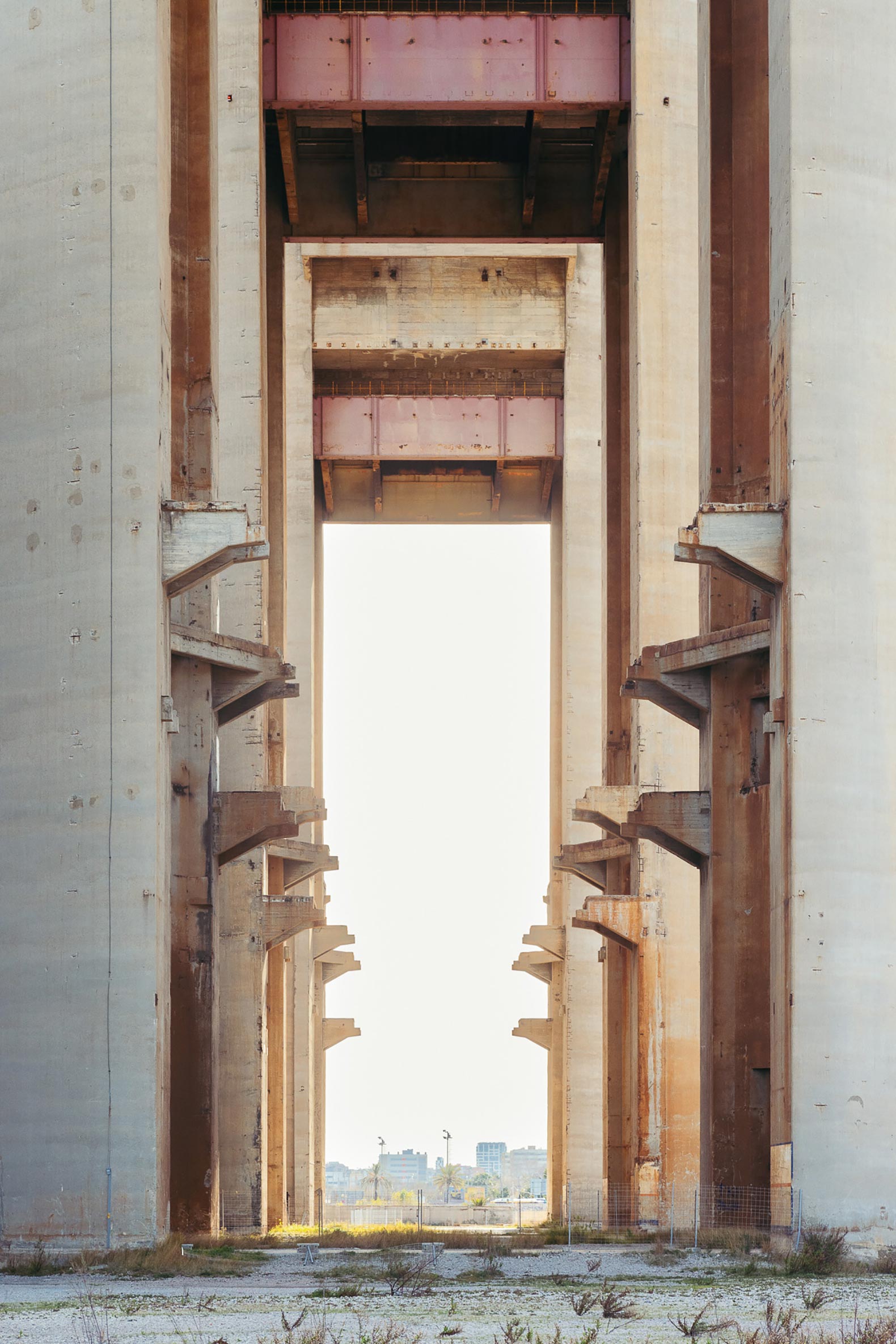
City of Barcelona. "Becoming. Architectures for a Planet in Transition." UIA World Congress of Architects 2026 Barcelona. Photograph by Ikumaru.

City of Barcelona. "Becoming. Architectures for a Planet in Transition." UIA World Congress of Architects 2026 Barcelona. Photograph by Ikumaru.

The presentation took place at the headquarters of the College of Architects of Catalonia (COAC) and included the participation of Jaume Collboni, Mayor of Barcelona; Sílvia Paneque, Minister of Territory, Housing, and Ecological Transition of the Government of Catalonia; and Iñaqui Carnicero, Secretary General of Urban Agenda, Housing, and Architecture (MIVAU). Also participating were representatives of the organizing committee: Marta Vall-llossera, President of the Higher Council of Colleges of Architects of Spain (CSCAE) and President of the Congress; Teresa Táboas, Vice President of the International Union of Architects (UIA) and Vice President of the Congress; and Guillem Costa Calsamiglia, Dean of the College of Architects of Catalonia (COAC) and Director of the Congress.

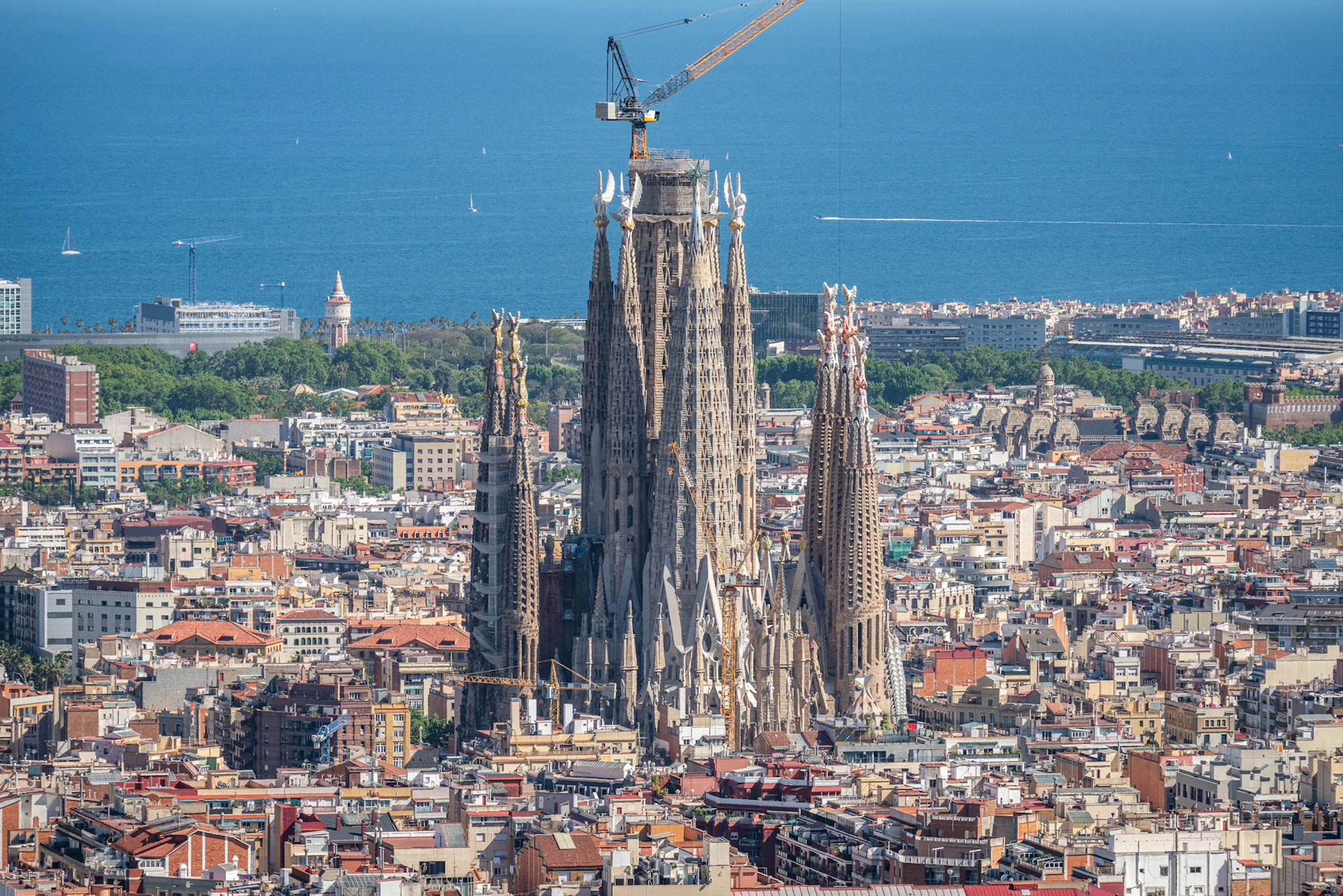
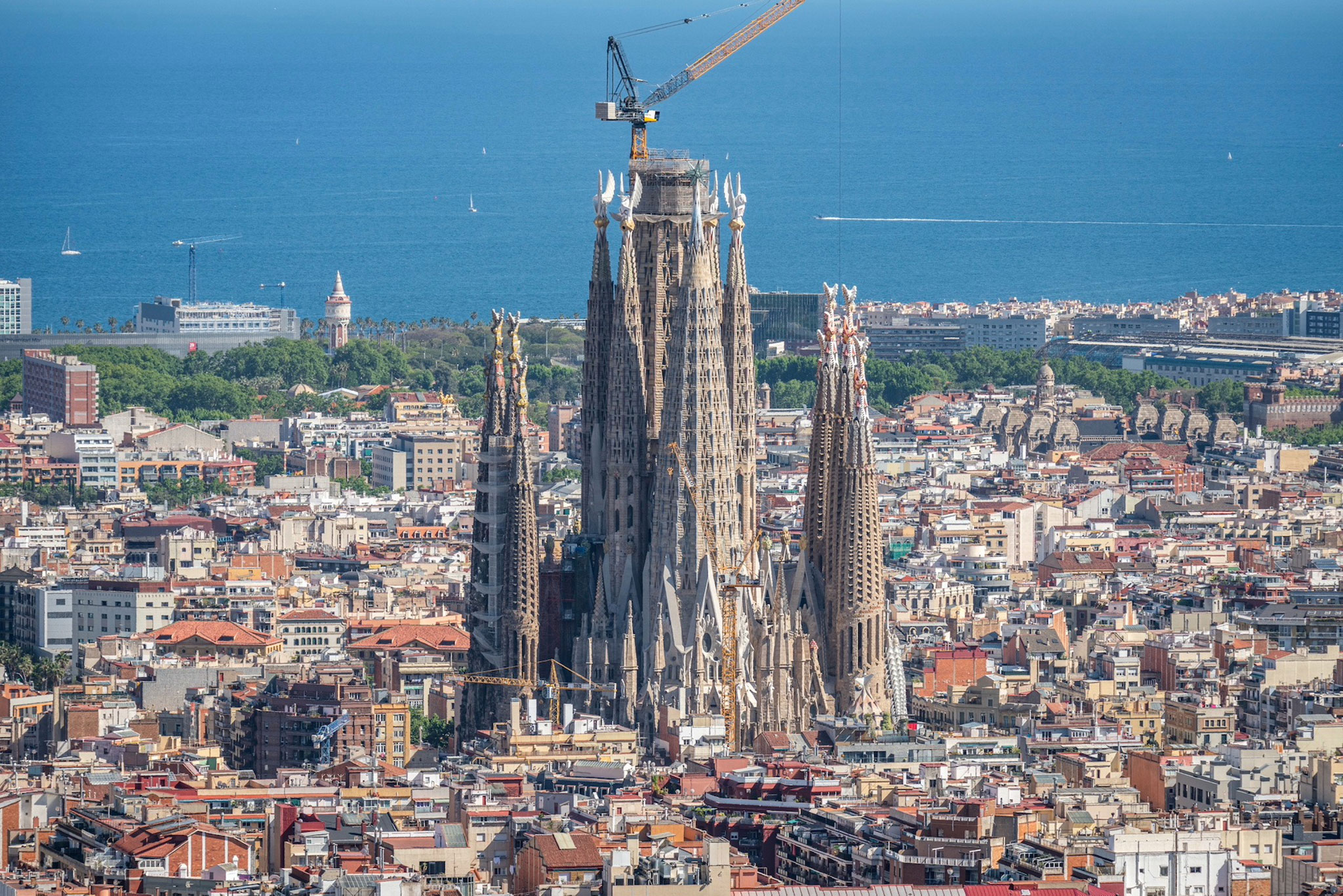
Sagrada Familia. "Becoming. Architectures for a Planet in Transition." UIA World Congress of Architects 2026 Barcelona. Photograph courtesy of Sagrada Familia.

Sagrada Familia. "Becoming. Architectures for a Planet in Transition." UIA World Congress of Architects 2026 Barcelona. Photograph courtesy of Sagrada Familia.

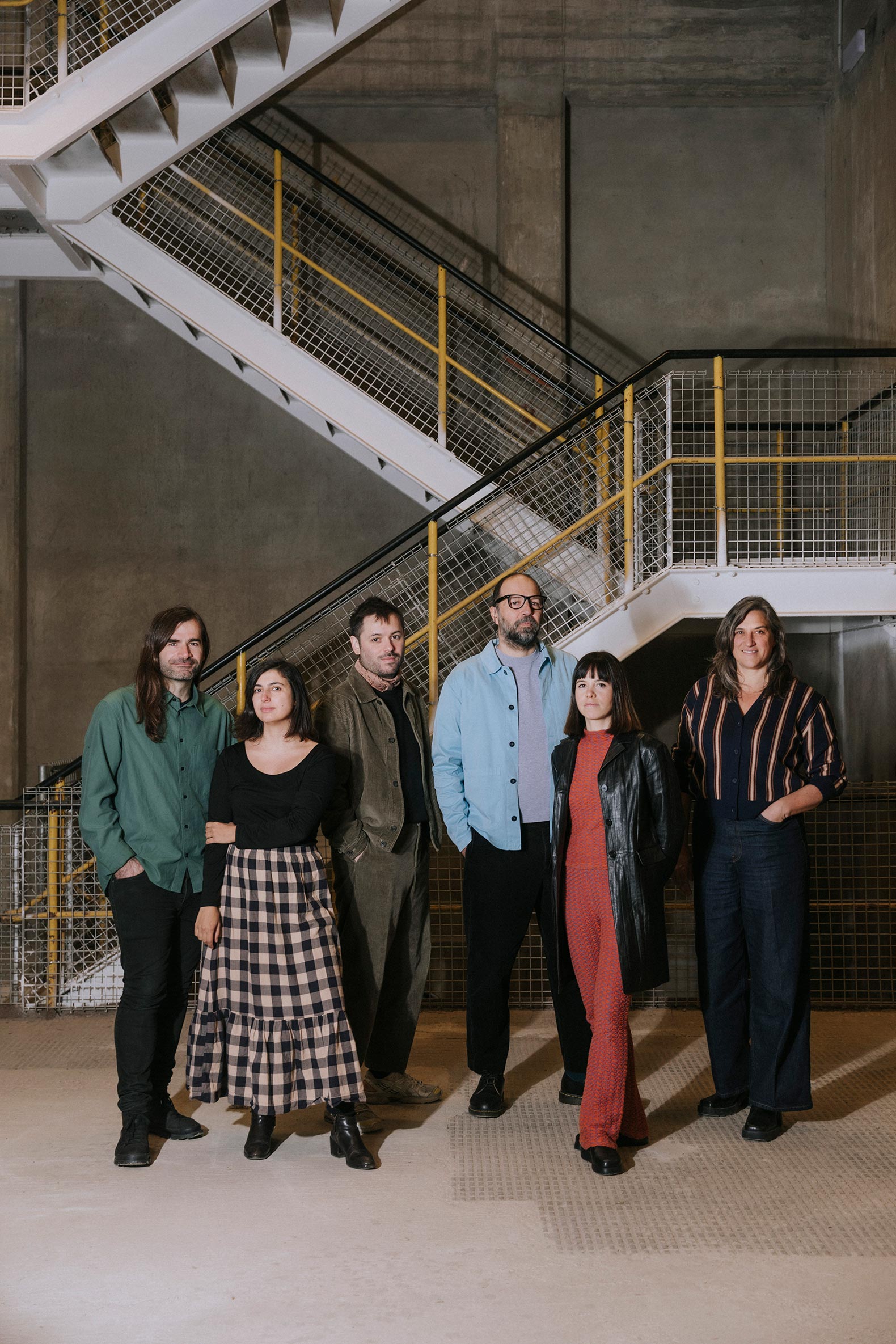
The curators, Pau Bajet, Mariona Benedito, Maria Giramé, Tomeu Ramis, Pau Sarquella, and Carmen Torres, presented the conceptual approach of the Congress, as well as the program, the central theme, and the selection of guests. In collaboration with the Scientific Committee, they carried out the project after being selected as winners of a public competition, unprecedented in the history of the UIA. The presentation included a contribution from architect and speaker Anna Puigjaner. The Congress also has the honorary presidency of Joan Busquets, while the Scientific Committee is chaired by Fuensanta Nieto.

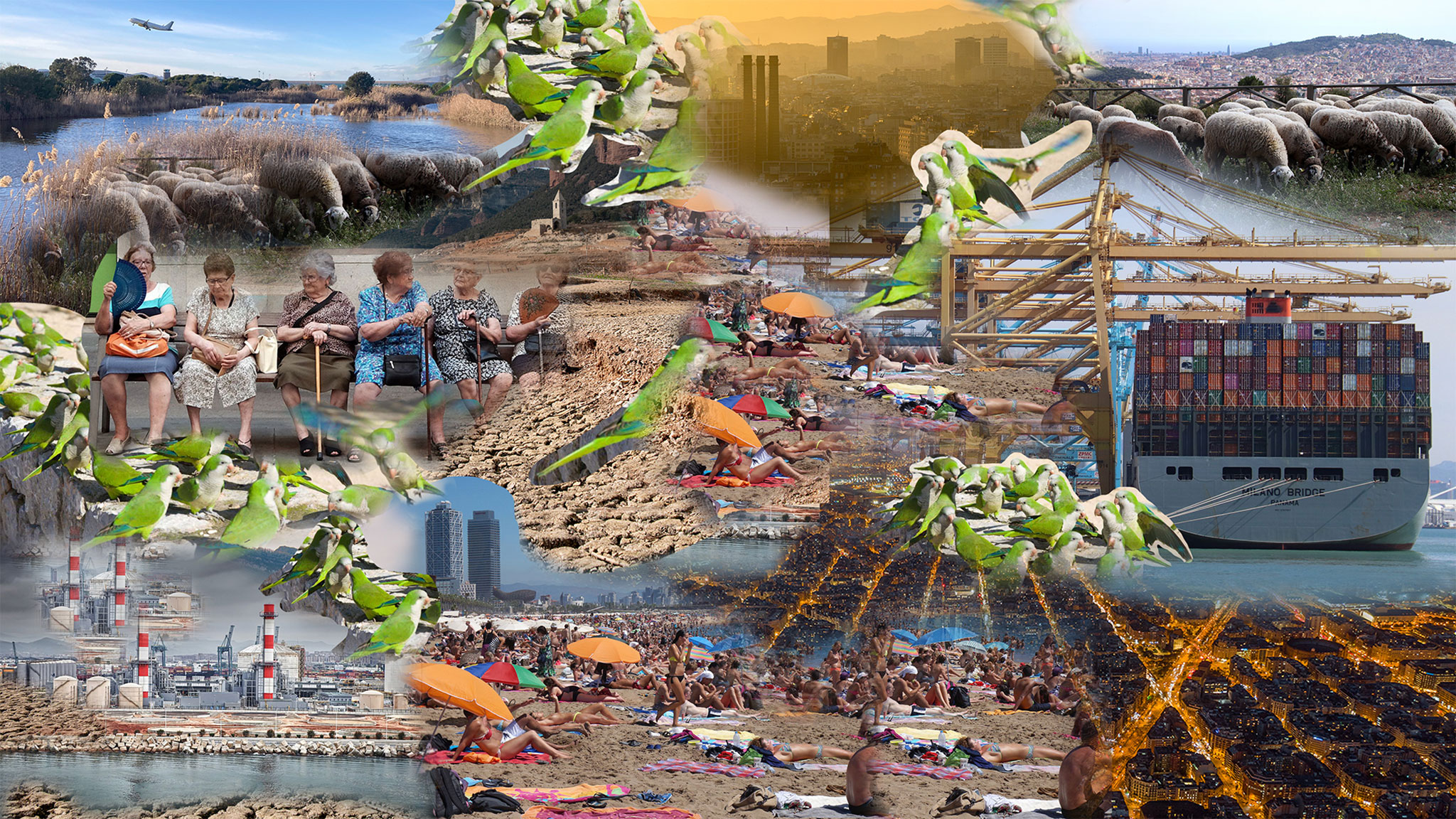
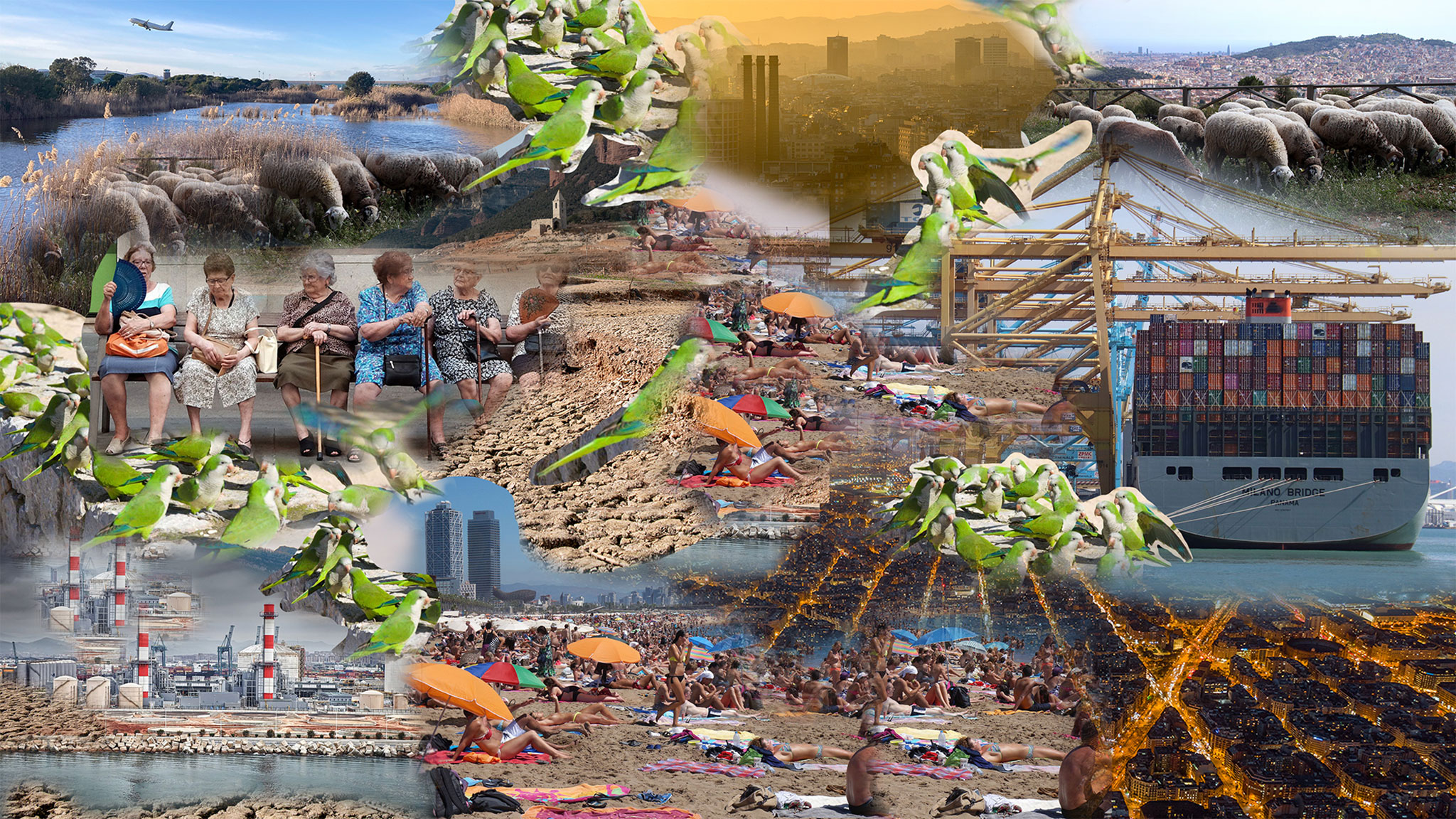
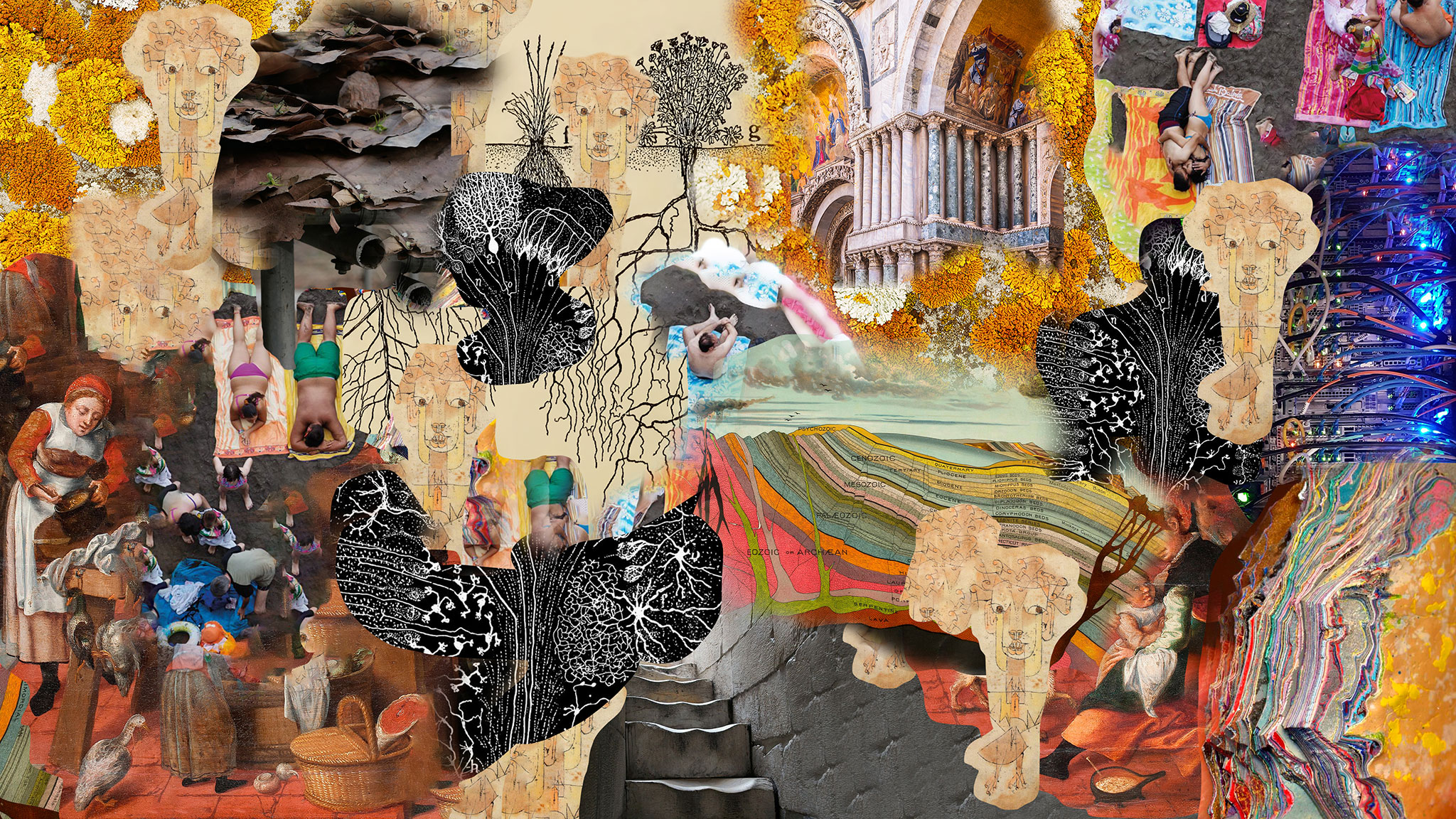
Collage of digitally manipulate images. "Becoming. Architectures for a Planet in Transition." UIA World Congress of Architects 2026 Barcelona. Imagen courtesy of UIA 2026 BCN.

Collage of digitally manipulate images. "Becoming. Architectures for a Planet in Transition." UIA World Congress of Architects 2026 Barcelona. Imagen courtesy of UIA 2026 BCN.


Congress Program
The UIA World Congress of Architects 2026 Barcelona "Becoming: Architectures for a Planet in Transition" is structured around six thematic axes that address the main contemporary challenges of architecture from multiple scales and disciplines. Beyond a sequential format, it is conceived as a layered experience in which different formats—plenary sessions, lectures, debates, research presentations, workshops, and open forums—coexist and reinforce each other, fostering knowledge exchange and participation.

Becoming More-than-human explores ecology, ecosystems, and climate; Becoming Circular focuses on reuse and building life cycles; Becoming Embodied analyzes materials technologies; Becoming Interdependent reflects on spatial policies, housing, and public space; Becoming Hyper-Conscious examines data, geopolitics, and legislation; and Becoming Attuned focuses on poetics, aesthetics, and culture.

The Congress will take place at the Barcelona International Convention Centre (CCIB), the Disseny Hub Barcelona (DHub), and the former industrial complex of Las Tres Chimeneas in Sant Adrià de Besòs. Additionally, the Sagrada Familia will host the UIA Gold Medal and Triennial Prizes awards ceremony.

On June 29 and 30 and July 1, the CCIB will host the majority of the Congress's conference program, which is notable for the quality and diversity of its speakers. The panel brings together voices from around the world and is a balanced representation in terms of territory, generation, and gender, in line with the aim of creating a broad and pluralistic space for debate. It integrates both established studies and emerging practices, highlighting profiles that combine research, innovation, and a commitment to current challenges. Among the speakers are renowned figures who have received the Pritzker Prize: Lacaton & Vassal, Shigeru Ban, Amateur Architecture Studio, and the most recent winner in 2016, Smiljan Radić. Also participating are the most recent winners of the European Union Prize for Contemporary Architecture – Mies van der Rohe Award, Architecten Jan de Vylder Inge Vinck, along with past winners such as the aforementioned Lacaton & Vassal, Lacol, and Arquitectura G.

Participation formats include presentations in plenary sessions moderated by critical critics, lectures, debates between two or three speakers, roundtables, workshops for students, a large exhibition open to the public, and an official Congress catalog.
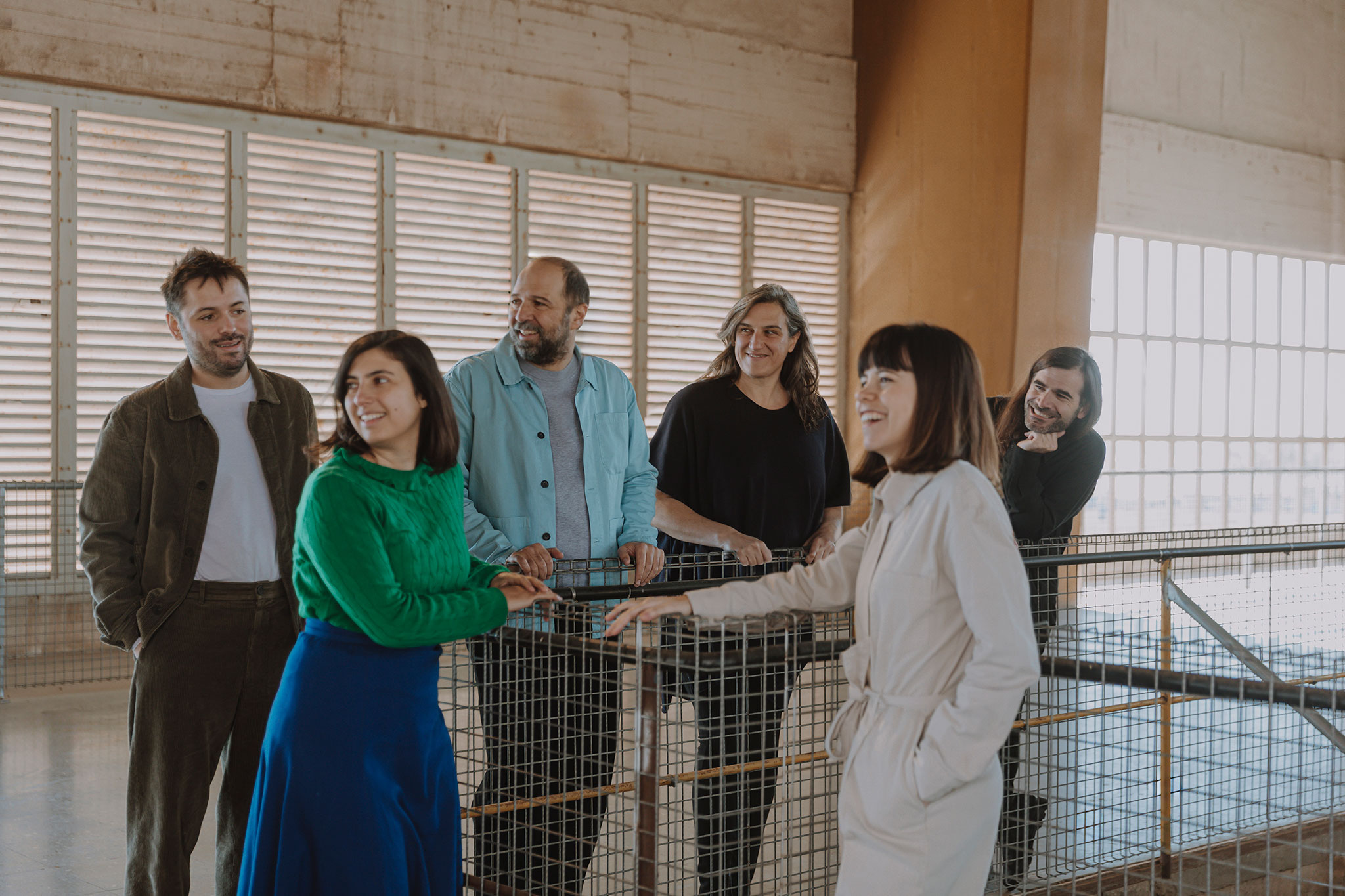
Curatorial team, UIA BCN26. Photograph by Silvia Poch.

Curatorial team, UIA BCN26. Photograph by Silvia Poch.

Dialogue and Research
The importance of dialogue and research as fundamental elements for the approach that the architectures of the future must adopt in the face of planetary changes is a recurring theme throughout the Congress.

The dialogue between two speakers will be the chosen format to delve into the vision and working processes of the presenters. For example, two international leaders in landscape architecture, Kate Orff and Drik Sijmons, will discuss the relationship with the sea, rivers, and the key role of water for society and biodiversity; Forensic Architecture and the Center for Spatial Technologies will talk about how architecture can play a fundamental role in understanding geopolitical conflicts.

In the plenary sessions, the figure of the Critical Antagonist is introduced, with the aim of questioning dominant narratives and challenging the speakers. Twelve prominent figures in their fields of research will participate, such as the philosopher Timothy Morton, the Bangladeshi architect and two-time Aga Khan Award winner Marina Tabassum, and the Spanish architect Juan Herreros.

The Congress also incorporates the role of hosts, who will introduce and moderate the sessions. These are approximately 100 Spanish architects whose participation will provide a situated perspective, linking global debates with the evolution of national contexts and allowing for an understanding of how the city and architectural practice have changed from 1996 to the present.

The Open Forum will be an innovative format held in the afternoons on the esplanade of the Three Chimneys, an open space facing the sea that will serve as a stage for open exchange and collective debate. Through the construction of various ephemeral elements—all rented and generating no waste—a series of platforms will be configured, including a grandstand with a capacity for 1,500 people, as well as service areas and a bar. All the speakers will meet in the same space, extending the day's conversations and blurring the lines between audience and participants.

The Research by Design format explores new ways of intervening in existing structures from experimental and critical approaches. Twelve practices are conducting groundbreaking research addressing some of the most pressing challenges, such as access to housing and the climate crisis. HouseEurope! with Brandlhuber+ places the transformation of the existing building stock at the heart of the European debate, while voices like Anna Puigjaner's, along with Care., MAIO, and Pol Esteve, reflect on inclusive architecture that redefines domestic structures from a feminist perspective. Meanwhile, studios like Baukunst, together with Structural Xploration Lab, one of the winners of the BIT Habitat mineral challenge, explore material reuse and urban mining.

Metropolitan and regional itineraries and maritime connections
One of the Congress's most unique features is its expanded scope. The itinerary program unfolds across more than 70 circuits, curated by the AMOO studio, that explore Barcelona and its surroundings, connecting the six themes of Becoming: Architectures for a Planet in Transition with concrete interventions. These interventions demonstrate that the concerns and debates expressed at the Congress, while constantly evolving, have always been present in architectural practice.

From June 25 to July 5, 2026, metropolitan, territorial, and maritime itineraries will be activated, including visits to iconic spaces—works by masters of Catalan Modernism such as Antoni Gaudí and Josep Maria Jujol—as well as leading contemporary works by Enric Miralles and Ricardo Bofill, and award-winning interventions by H Arquitectes, Flores & Prats, Lacol, and Cierto Estudio, including spaces that will be exceptionally opened for the Congress. The planned Becoming (metropolitan) itineraries include tours focused on the transformation of urban infrastructure and the renaturalization of the landscape, such as visits to the Besòs River Park and the landscape restoration of Vall d'en Joan; routes that examine how art can activate new interpretations of everyday space, including Casa Casas-Carbó and Espai Corberó; or visits to new models of public housing in the metropolitan area, with examples such as Illa Glòries and the Fabra i Coats Social Housing complex. A unique and playful route is the maritime connection, which proposes exploring Barcelona from the sea aboard the popular "Golondrinas" boats, a nod to the sometimes conflicted relationship between the city and tourism through an activity that was emblematic of leisure for the working classes before the Olympics. Among the regional itineraries, one example is the Manresa-Berga axis, linked to the course of the Llobregat River and its rehabilitated industrial heritage, which will allow visitors to see the transformation of the Vapor Cortès factory in Terrassa or the Alícia Foundation space in Sant Fruitós de Bages.

Free activities open to the public
The Central Exhibition, covering more than 4,000 m², will host the presentation of the results of the Research by Design program at Las Tres Chimeneas (The Three Chimneys), materialized in models, prototypes, audiovisual pieces, and full-scale installations. It will also include the results of the International Emerging Workshop and a selection of projects from the UNESCO-UIA student competition. The exhibition will be complemented by a visual archive of built projects and published works by the speakers at each Becoming event. It will be open to the public from June 19 to 27 and from July 3 to 19.

The DHub will host the free exhibition of the UIA Member Sections, with representation from 54 countries showcasing the best of their contemporary architecture, including a selection from Spain located in the CSCAE space. This venue will also host one of the most important exhibitions of Barcelona 2026 World Capital of Architecture, dedicated to Catalan architecture, creating a link between global practices and the local context.

The week before the Congress (June 19 to 27) will kick off with international workshops that will bring together approximately 180 students and young architects. Conceived as an intensive space for work and experimentation, these workshops will broaden the program's scope by incorporating a pedagogical and applied research dimension. They will take place at Las Tres Chimeneas and will be led by renowned studios and collectives such as the British firm Assemble, the Spanish collective BeAr, the architecture association TEN, and the Franco-Chilean studio Plan Común, among others. Together, they will form a diverse learning environment, closely linked to the Congress's research themes, integrating new generations into knowledge production and contemporary architectural debate. The workshop will culminate in an exhibition of the results and a series of free, public lectures on June 24, 25, and 26.

The central exhibition, along with this lecture series and the programming planned at the Dhub, will bring the Congress's content to a wider audience, fostering dialogue and debate within the city.

Opening, Closing, and Side Events
The opening and closing events will be grand celebrations of architecture, produced by the artist duo Cabosanroque and Estudio Cube. These events will integrate architecture, music, and sound experimentation in two moments that will mark the beginning and end of the Congress. The closing ceremony will include the passing of the torch to the next host city, Beijing, in 2029.

The Congress also features side events, including the CICA (Committee of Architectural Critics) meeting and the C40 Cities Climate Leadership Group meeting. The full program of these events will be announced in the coming weeks, and the Congress website will highlight some of the parallel events taking place in the city.

Read more
Read less

More information

+ + copy Created with Sketch.
- + copy Created with Sketch.
Label
Curators
Text

Carmen Torres, María Giramé, Mariona Benedito, Pau Bajet, Pau Sarquella, Tomeu Ramis.

+ + copy Created with Sketch.
- + copy Created with Sketch.
Label
Dates
Text

June 28 to July 2, 2026.

+ + copy Created with Sketch.
- + copy Created with Sketch.
Label
Location
Text

Barcelona, Spain. 

+ + copy Created with Sketch.
- + copy Created with Sketch.
Label
Photography
Text

UIA 2026 BCN, Ikumaru, CCIB, Lamberto Ramón Torres, Arnau Rovira. 

+ + copy Created with Sketch.
- + copy Created with Sketch.
Bajet Giramé is an architecture studio founded in Barcelona in 2017 by Maria Giramé and Pau Bajet after collaborating on David Chipperfield Architects in London. The studio is a collaborative platform that develops architectural projects, urban prototypes, publications and research, with the aim of exploring and expanding the multiplicity of material, social and ecological relationships of emerging spatial practice together with a consolidated group of partners, collaborators and clients.

Currently, they are co-curators of the future International Congress of Architecture 2026 (UIA 2026 Barcelona) and directors of Quaderns d’Arquitectura i Urbanisme no. 274 (Spring 2024). Today, the studio is developing two collective social housing projects (83 social homes for seniors with senior cohousing of 15 units and public facilities for the Barcelona City Council, and 72 social homes for the Prat de Llobregat City Council); the transformation of a rural campsite in the Ebro Delta; urban planning for the municipality of Alcanar, as well as various reform and rehabilitation projects for domestic and productive spaces.

Bajet Giramé's work has been awarded the XIII AJAC Prize (Associació de Joves Arquitectes de Catalunya, COAC, 2023), the XII AJAC Prize (COAC 2021), the 18 (Germany, 2017), finalist in the FAD Architecture Awards (Arquifad 2024), the FAD International Awards (Arquifad 2023), the Arquia Proxima 2024 and Arquia Proxima 2022 awards, and selected for the Enor Grand Prize 2017 (Galicia, 2017 ). She has also been awarded internationally in competitions for emerging architects such as Eme3, Europan11 and Europan12; as well as published in various specialized magazines and exhibited in Seoul, Vienna, Pavia, Belfast, Munich, Nuremberg, Heidelberg, Chania, London, Madrid and Barcelona. Bajet Giramé combines professional practice with university teaching and research, as well as curating exhibitions and publications. 

Pau Bajet is an architect who graduated from ETSAB-UPC in 2013. He obtained his PhD in 2023 from the School of Art, Architecture and Design at London Metropolitan University, supported by a La Caixa Fellowship. He has been an Associate Professor of Architectural Design at ETSAB since 2017 and a tutor in Social Logics at MIAD, ETSALS-URL since 2020. After four years at David Chipperfield Architects in London, he co-founded Bajet Giramé in 2017 with Maria Giramé. The practice was awarded the 2024 ARQUIN-FAD Prize in the “City and Landscape” category for the Camping Alfacs project and was a finalist in the 2024 AR Emerging Awards (UK), which recognize the 15 most outstanding young architectural practices of the year. Other accolades include the AJAC XI, XII, and XIII Awards, as well as the Gold Award for Best Architects 2018, in addition to international competitions where his work has been recognized in Eme3 and Europan, and has won first prize in several national competitions. Pau co-edited Quaderns d’arquitectura i urbanisme No. 274 (Spring 2024) and co-curated the exhibition Unveiled Affinities: Quaderns in Europe at the COAC Barcelona in 2019.

Maria Giramé is an architect who graduated from ETSAB-UPC in 2013. She has been an Associate Professor of Architectural Design at ETSALS-URL since 2020. After working for four years at David Chipperfield Architects in London, Maria co-founded Bajet Giramé in 2017 with Pau Bajet. The practice has been awarded the ARQUIN-FAD 2024 Prize in the "City and Landscape" category for the Camping Alfacs project and was a finalist in the AR Emerging Awards (UK) 2024, which recognizes the 15 most outstanding young architectural practices of the year. Other accolades include the AJAC XI, XII, and XIII Awards, as well as the Gold Award for Best Architects 2018, in addition to international competitions where their work has been recognized in Eme3 and Europan, and has won first prize in several national competitions. Maria co-edited Quaderns d’arquitectura i urbanisme No. 274 (Spring 2024) and co-curated the exhibition Unveiled Affinities: Quaderns in Europe at the COAC Barcelona in 2019.

Read more

Mariona Benedito is an architect who graduated from ETSAB-UPC in 2000 and has been working in her own private practice since 2020. She holds a Diploma of Advanced Studies in Housing from the 1940s to the 1960s in Barcelona. She has been an Associate Professor of Architectural Design at the Polytechnic University of Catalonia since 2003, and her research study was recognized as a finalist for best pedagogy at the 13th Ibero-American Architecture Biennial (BIAU). She is also an Associate Professor and Coordinator at the IE School of Architecture and Design. She has taught classes and led workshops at institutions such as ETSALS URL, ETH Zurich, the UPC Foundation, BAU School of Design, the Sam Fox School of Design at Washington University in St. Louis, ESARQ-UIC, and ETSAB-UPC.

Co-founder of the architecture studio MIM-A in 2000, she has been working in her own private practice since 2020. Her work has been recognized with prestigious awards such as the ARQUIN-FAD 2020 Prize, a Mention from the New European Bauhaus, the Catalunya Construcció Prize, the ARQUIN-FAD 2015 Prize, and was a finalist in the XV BEAU and the EU Mies van der Rohe Award. She was also selected for the 7th European Landscape Biennial. Mariona has curated and designed exhibitions such as Arquitectura, Universitat i Territori at the COAC (2000), Emergencias at the COAC (2000), Máquina Climática (2025), and the EPISODE lecture series (2020-2024) at ETSAV-UPC.

Read more

Flexoarquitectura was founded in 2002 in Barcelona by Tomeu Ramis, Aixa del Rey, and Bàrbara Vich, and has been directed by Tomeu Ramis and Aixa del Rey since 2017.

Flexoarquitectura is a Barcelona-based studio interested in the capacity of any project to be meaningful within a specific cultural context, using resources—both conceptual and narrative—and constraints—technical, economic, and material—as opportunities from which to develop project strategies.

Tomeu Ramis graduated as an architect from ETSAB-UPC in 2002. He has been an Associate Professor of Architectural Design at the University of Washington since 2014 and at the Polytechnic University of Catalonia since 2003. His research study was a finalist for best pedagogy at the 13th Ibero-American Architecture Biennial (BIAU). Tomeu has taught classes and led workshops at institutions such as ETSALS, URL, ETH-Zurich, University of Girona, IE University, IASAP-Illinois and ESARQ-UIC.

Read more

Sarquella Torres Architects is an architecture studio founded in 2019 in Banyoles by Pau Sarquella and Carmen Torres. The practice has received awards, including a jury mention and the audience choice award at the 2019 ARQUIN-FAD International Prize for the Bang Nong Saeng Kindergarten project (Thailand, 2018). Other accolades include the Bauwelt International Prize: First Works 2015 (Germany), Arquia Próxima (2014, 2018, 2022), AJAC Awards (9th, 11th, 12th), and Europan17. Pau was also nominated for the Rolex Mentor and Protégé Arts International Initiative in 2016. He co-founded Persiana Barcelona in 2014, a company that redesigned the traditional blind, which won the Delta de Plata (ADI FAD) and the Arquia Próxima award in 2016. Pau and Carmen have curated and designed exhibitions such as the Premis d’Arquitectura de les Comarques de Girona, INDA Parade (2018 Thailand), El Millor Disseny de l’Any (2019-2021), Arquitectura i Ciutat a Banyoles, and A través de les Pesqueres – L’exposició que no es va dur a terme (2023).

Pau Sarquella is an architect who graduated from ETSAB-UPC in 2011. He has been an Associate Professor of Architectural Design at the EPS ARQ of the University of Girona since 2020, and also at ETSALS-URL since 2020. In 2015, he moved to Bangkok, Thailand, as a professor of architectural design at INDA Chulalongkorn University (2015-2018).

Carmen Torres is an architect who graduated from ETSAB-UPC in 2011. She has been an Associate Professor of Architectural Design at ETSAV-UPC since 2019, where her research study was recognized as a finalist for best teaching practices at the 13th Ibero-American Architecture Biennial (BIAU). After three years working in various architectural practices in Paris, Carmen moved to Bangkok, Thailand, as a professor of architectural design at INDA Chulalongkorn University (2015-2018).

Read more
Published on: April 28, 2026
Cite:
metalocus, SARA GENT, CAMILA DOYLET
""Becoming. Architectures for a Planet in Transition." Barcelona UIA 2026 " METALOCUS. Accessed
<https://www.metalocus.es/en/news/becoming-architectures-planet-transition-barcelona-uia-2026> ISSN 1139-6415
Loading content ...
Loading content ...
Loading content ...
Loading content ...
Loading content ...
Loading content ...
Loading content ...
Loading content ...
Loading content ...
Loading content ...
Loading content ...
Loading content ...
Loading content ...
Loading content ...
Loading content ...
Loading content ...
Loading content ...
Loading content ...
Loading content ...
Loading content ...
Loading content ...
Loading content ...
Loading content ...
Loading content ...
Loading content ...
Loading content ...
Loading content ...
Loading content ...
Loading content ...
Loading content ...
Loading content ...
Loading content ...
Loading content ...
Loading content ...
Loading content ...
Loading content ...
Loading content ...
Loading content ...
Loading content ...
Loading content ...
Loading content ...
Loading content ...
Loading content ...
Loading content ...
Loading content ...
Loading content ...
Loading content ...
Loading content ...
Loading content ...
Loading content ...
Loading content ...
Loading content ...
Loading content ...
Loading content ...