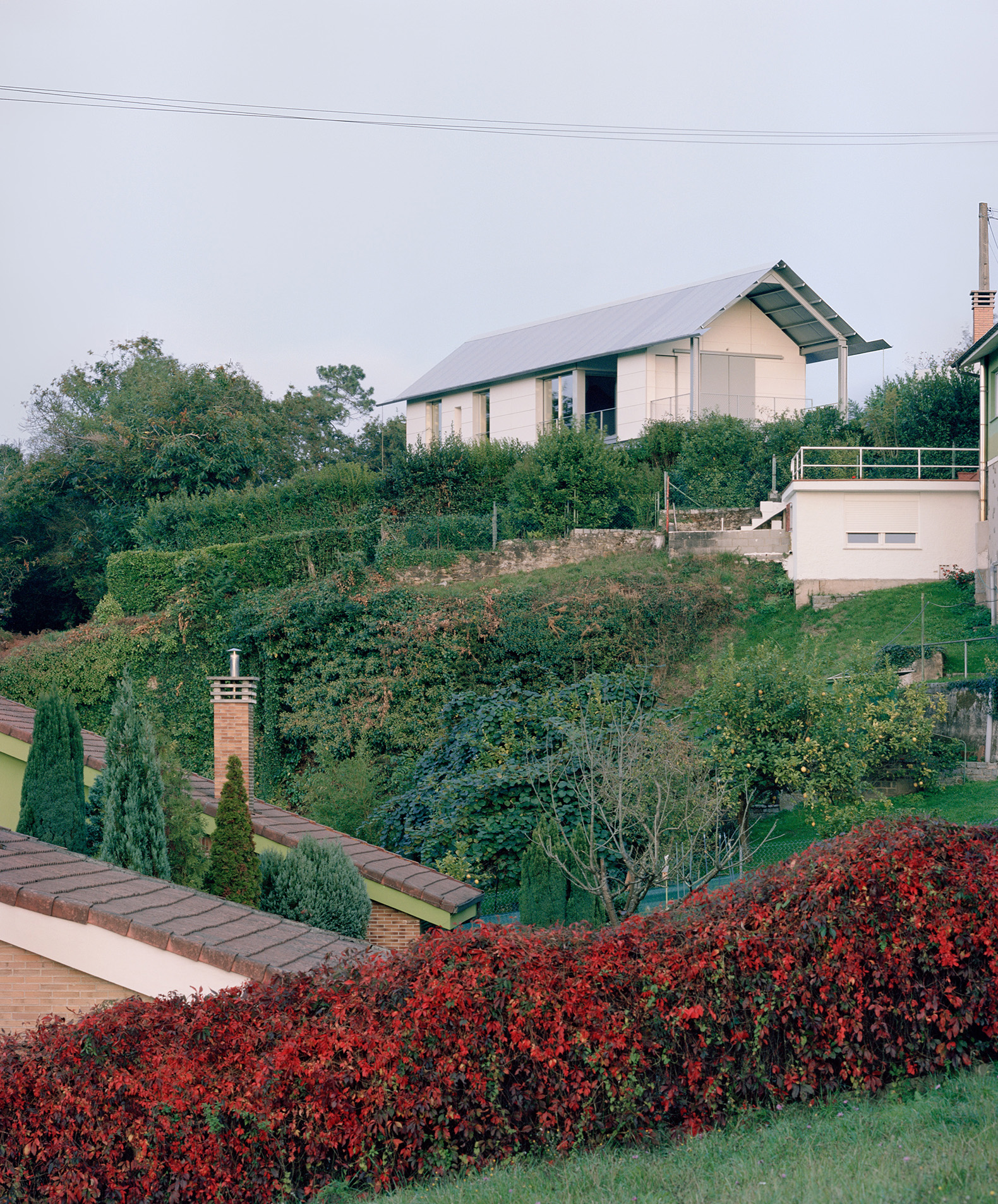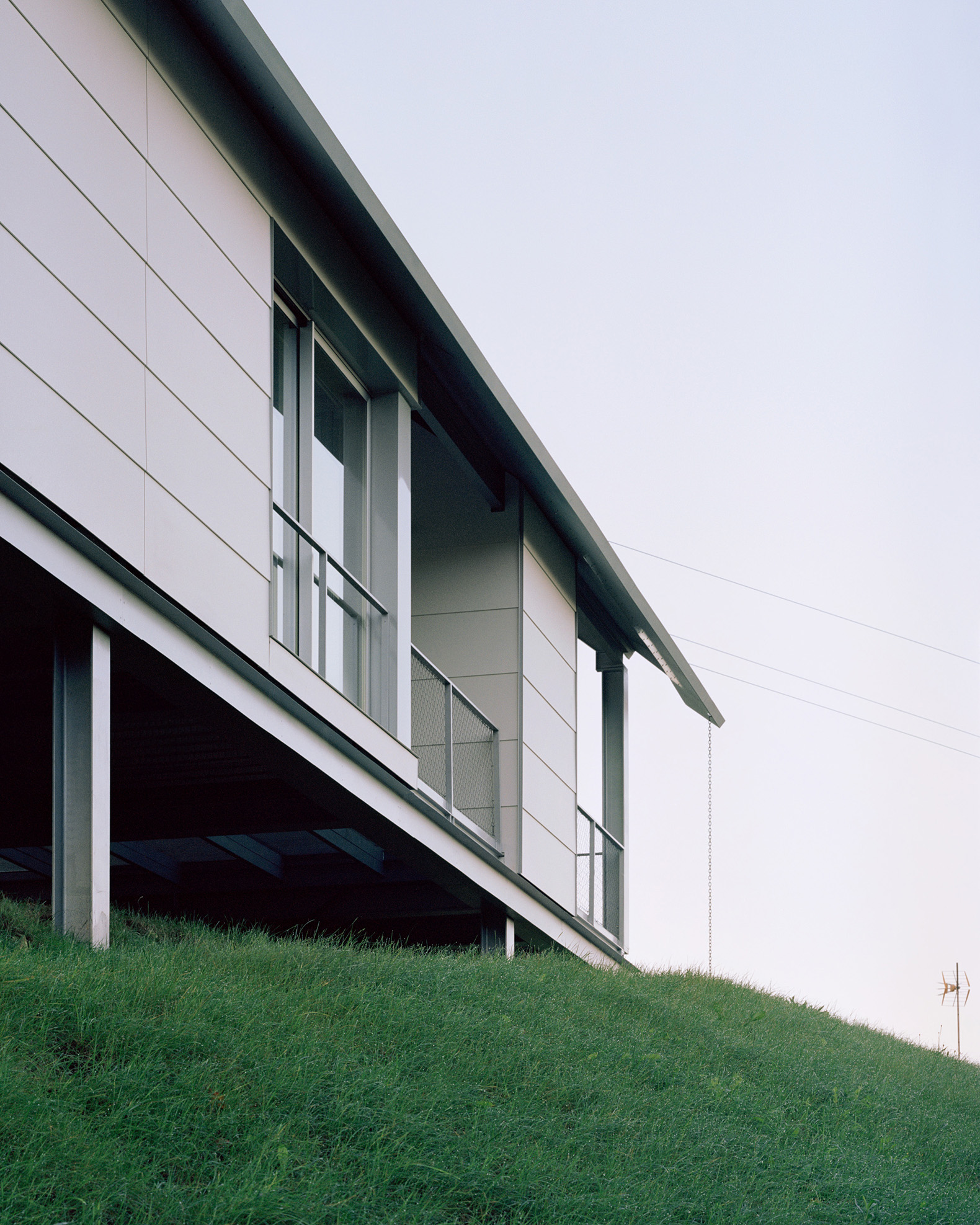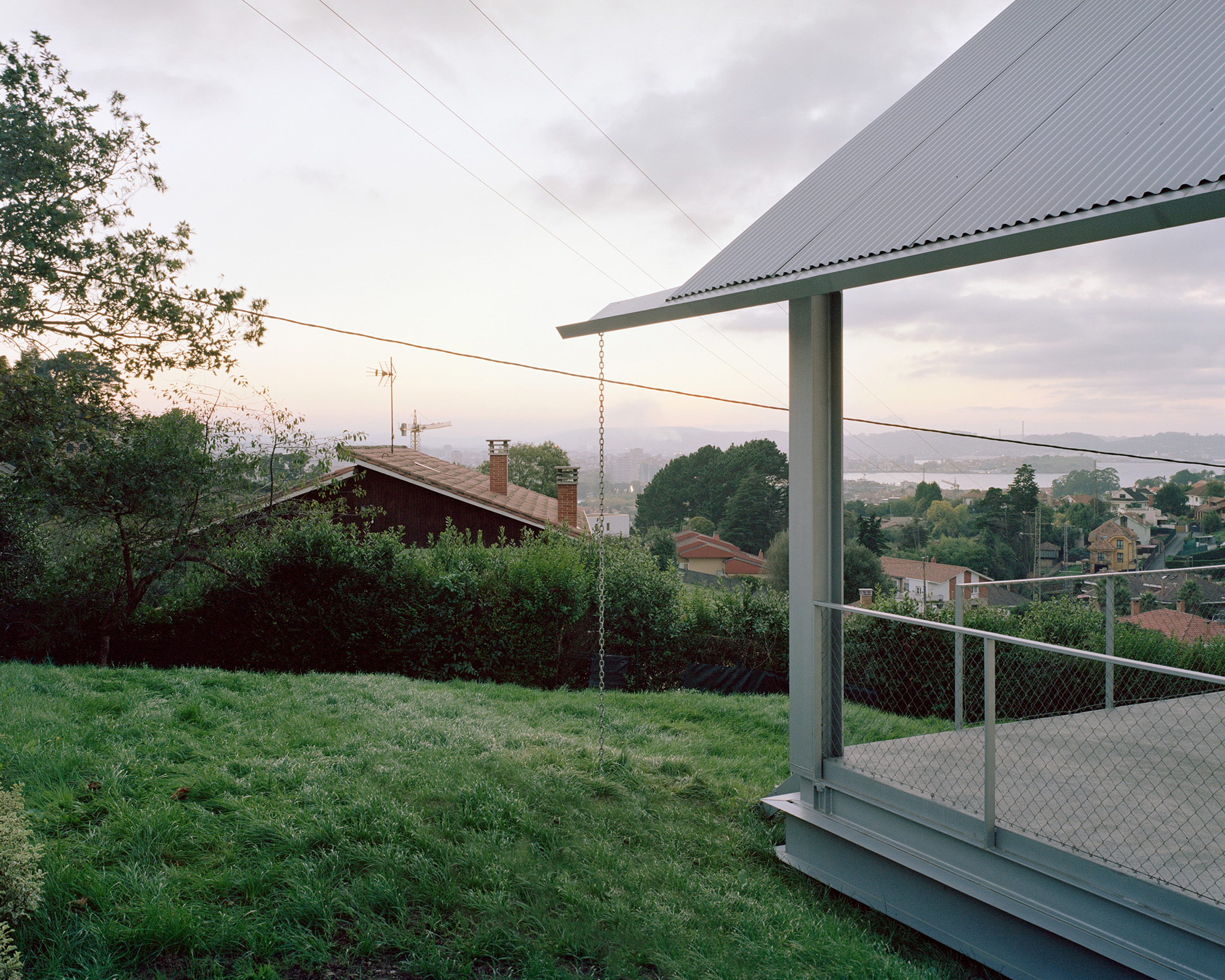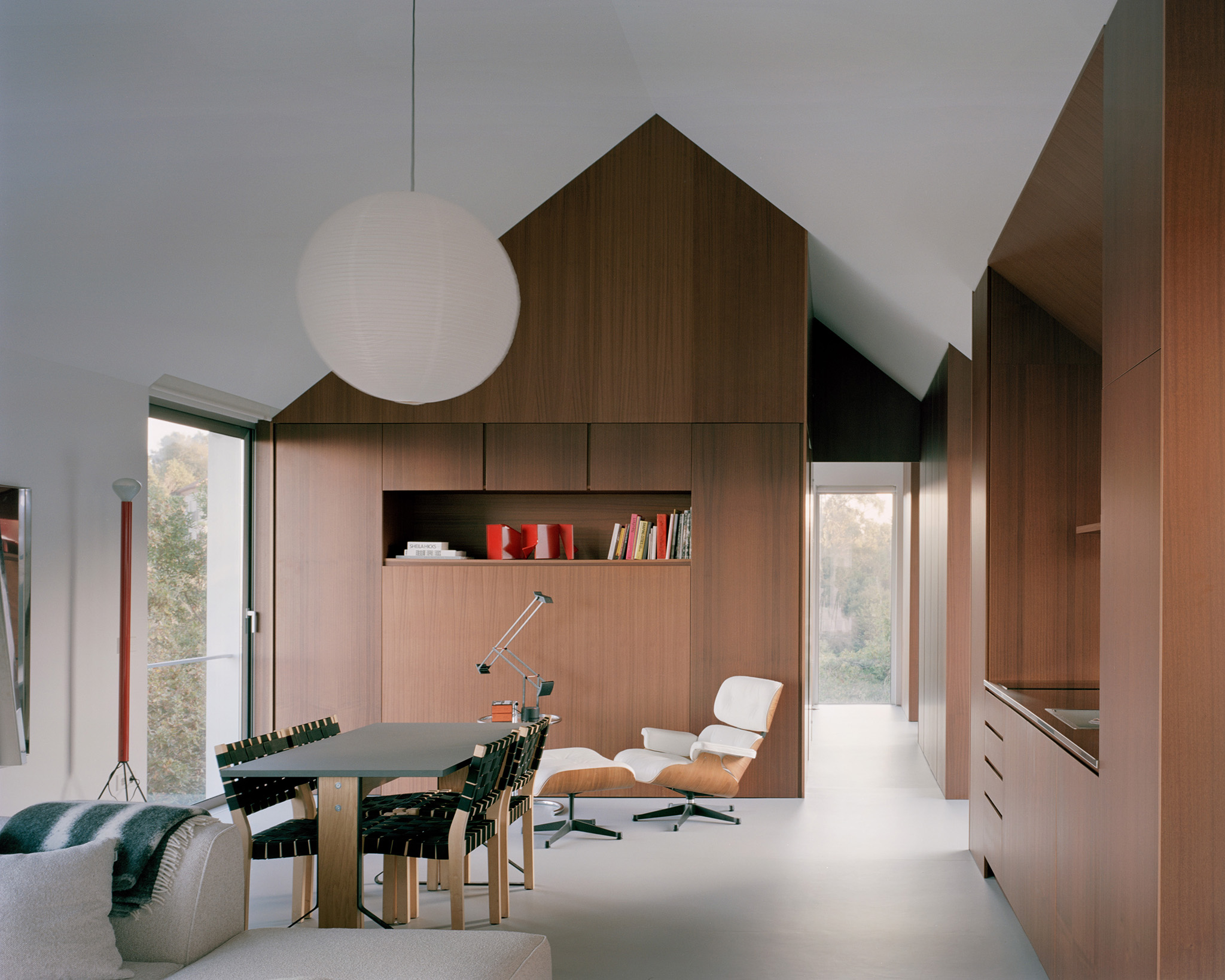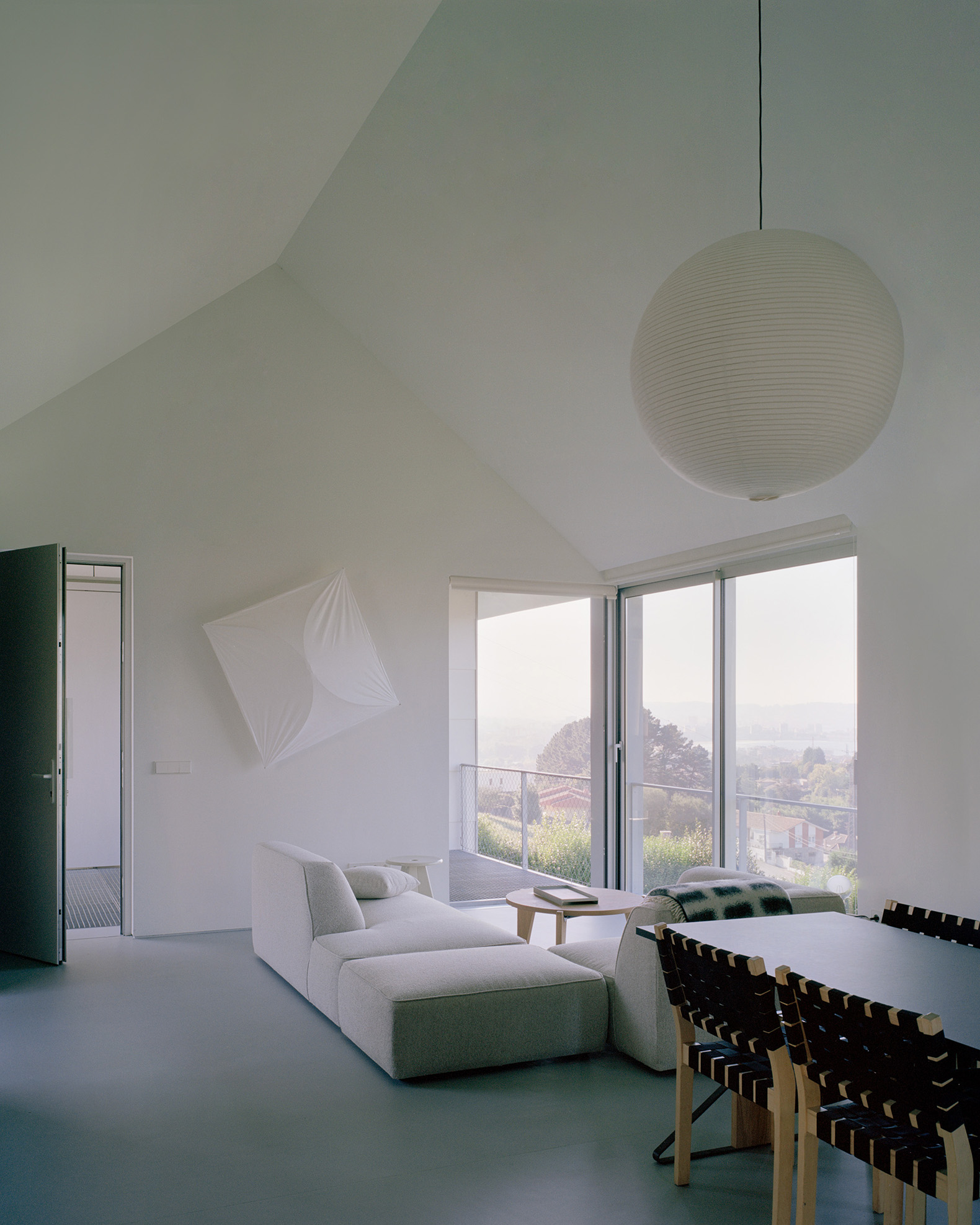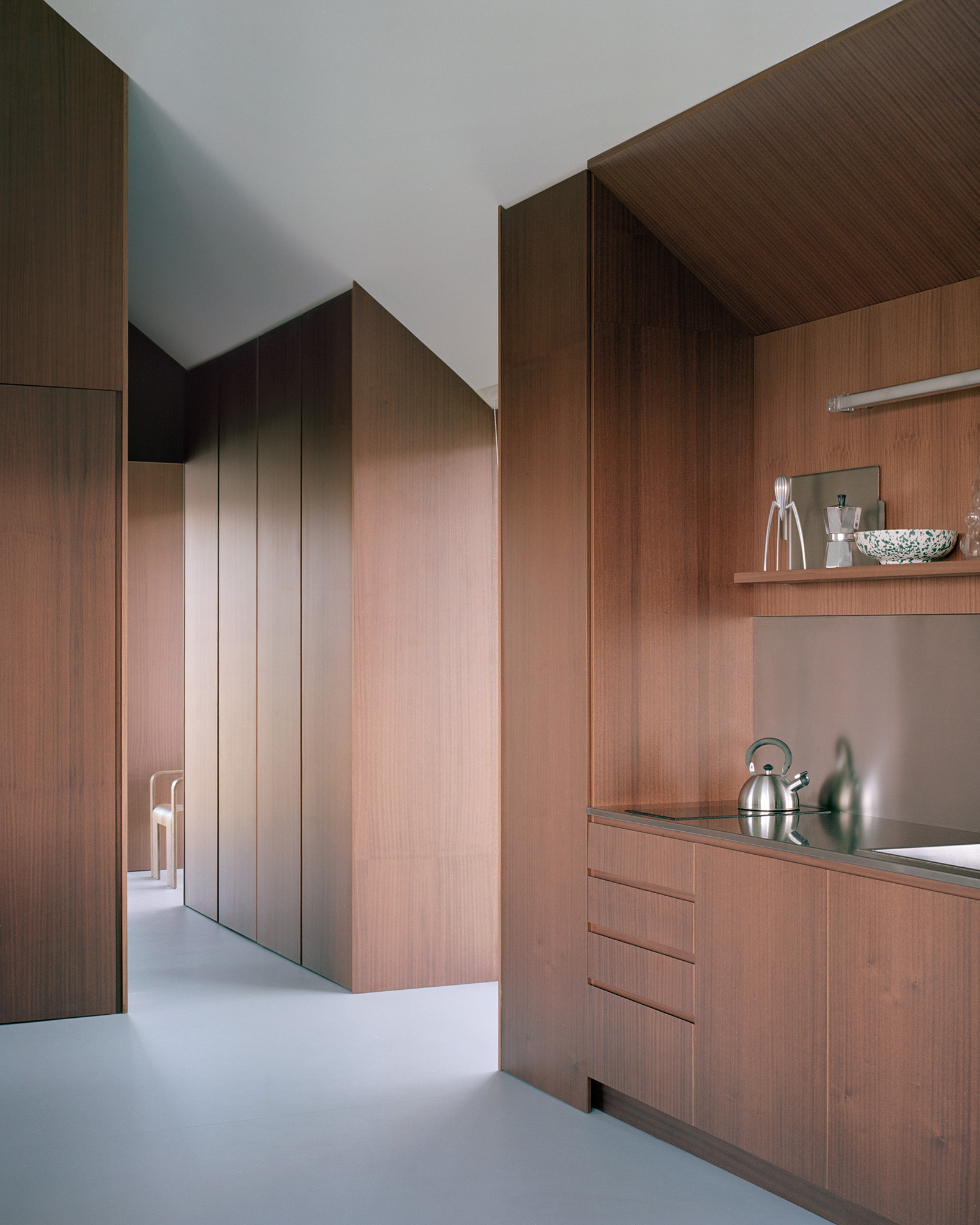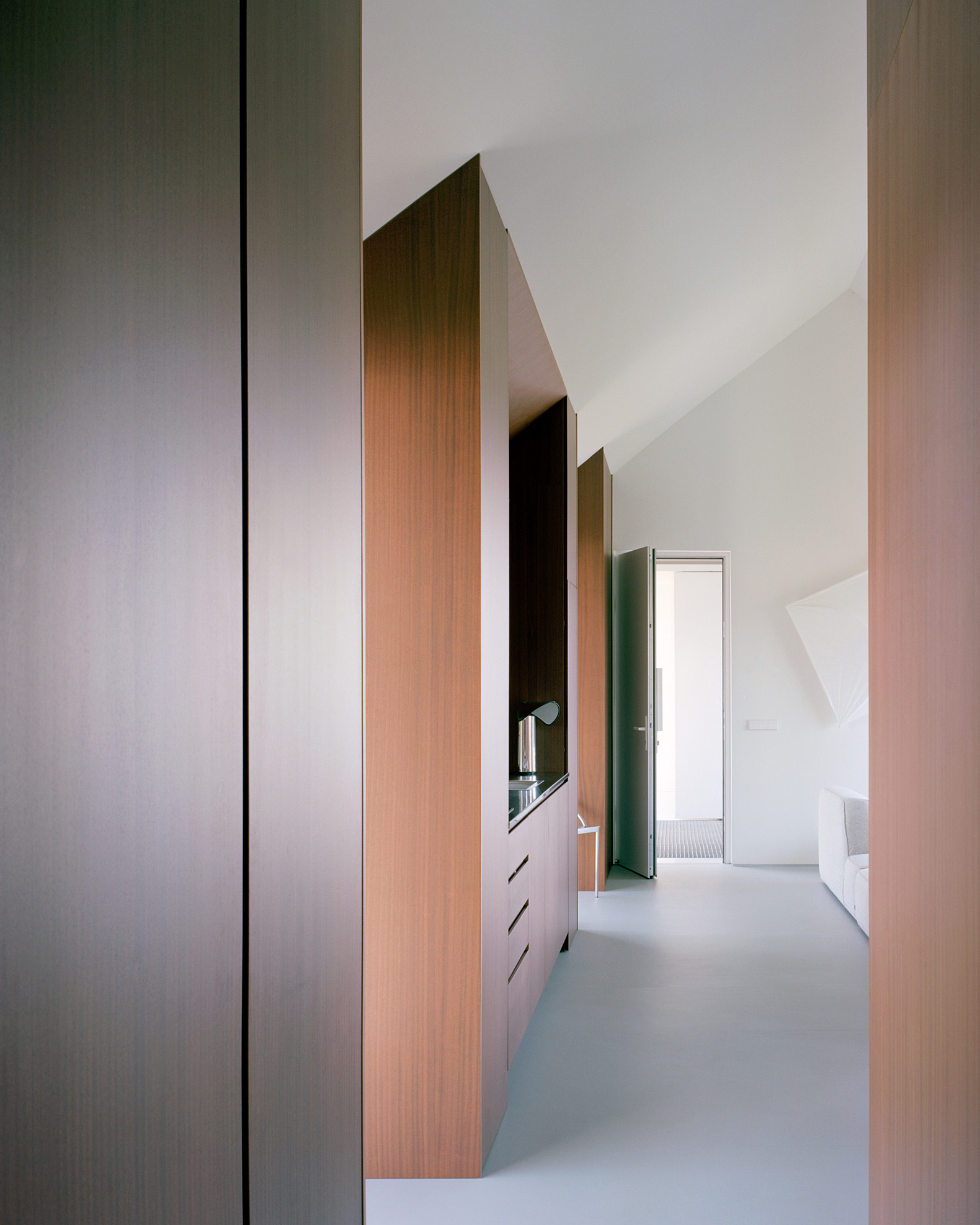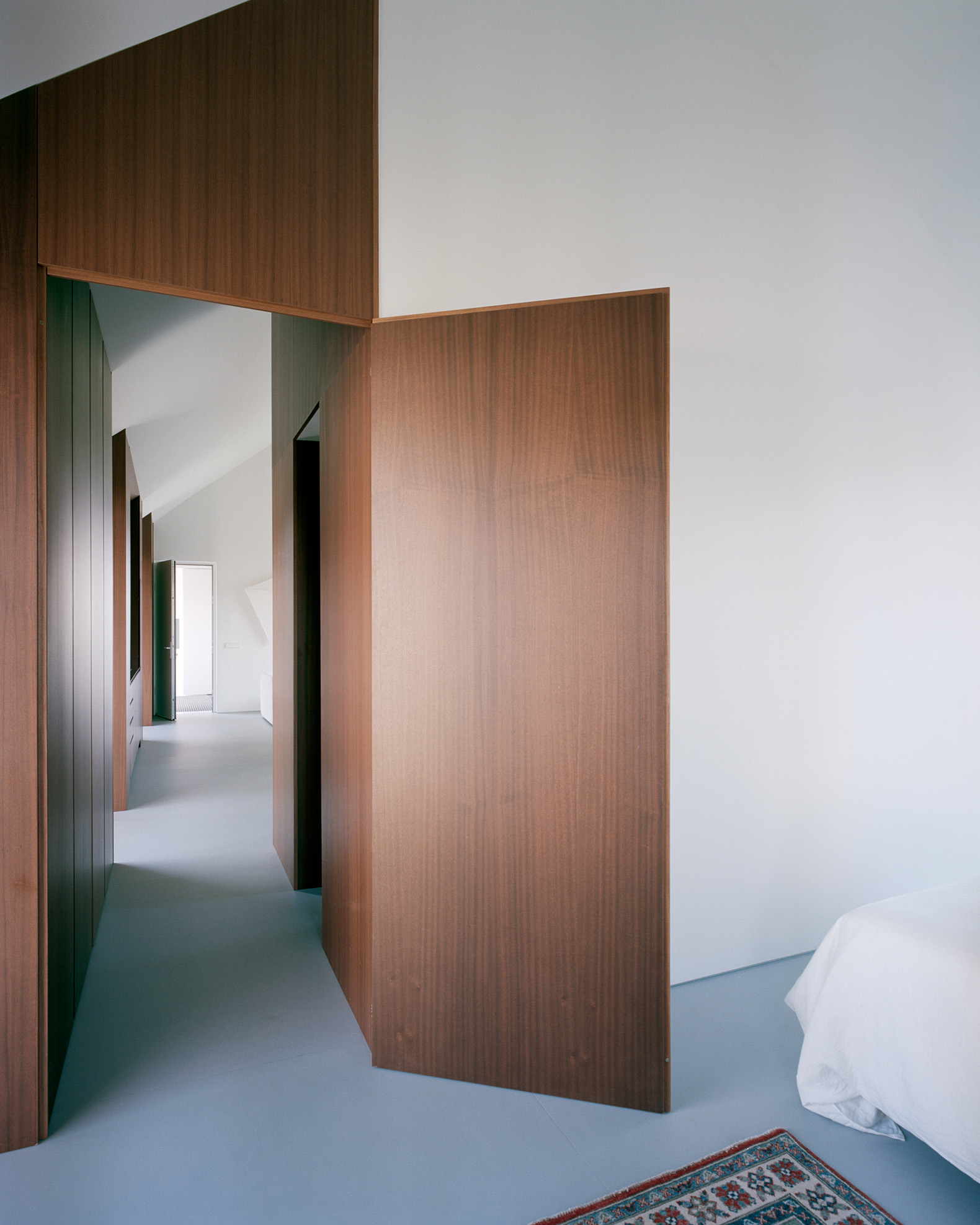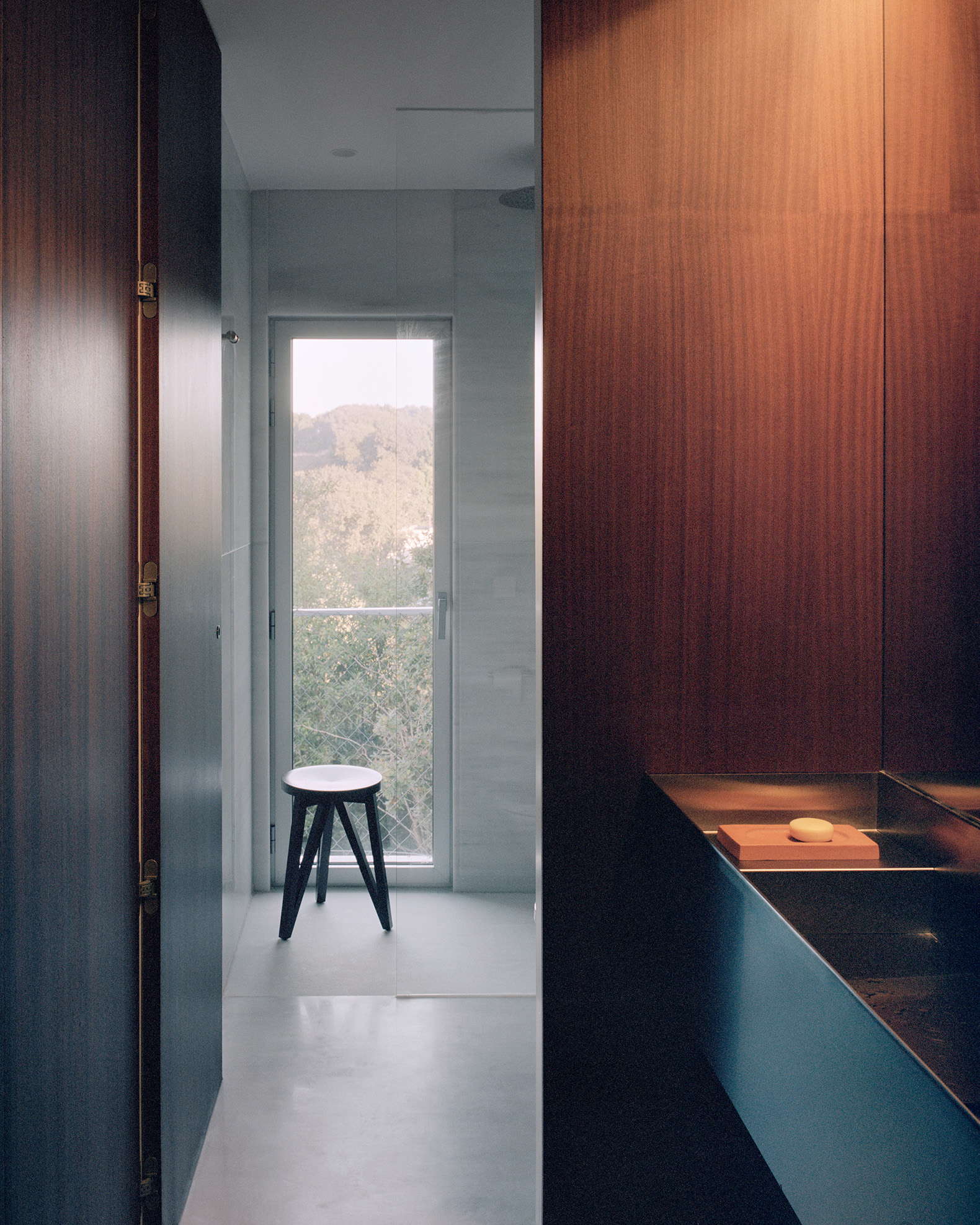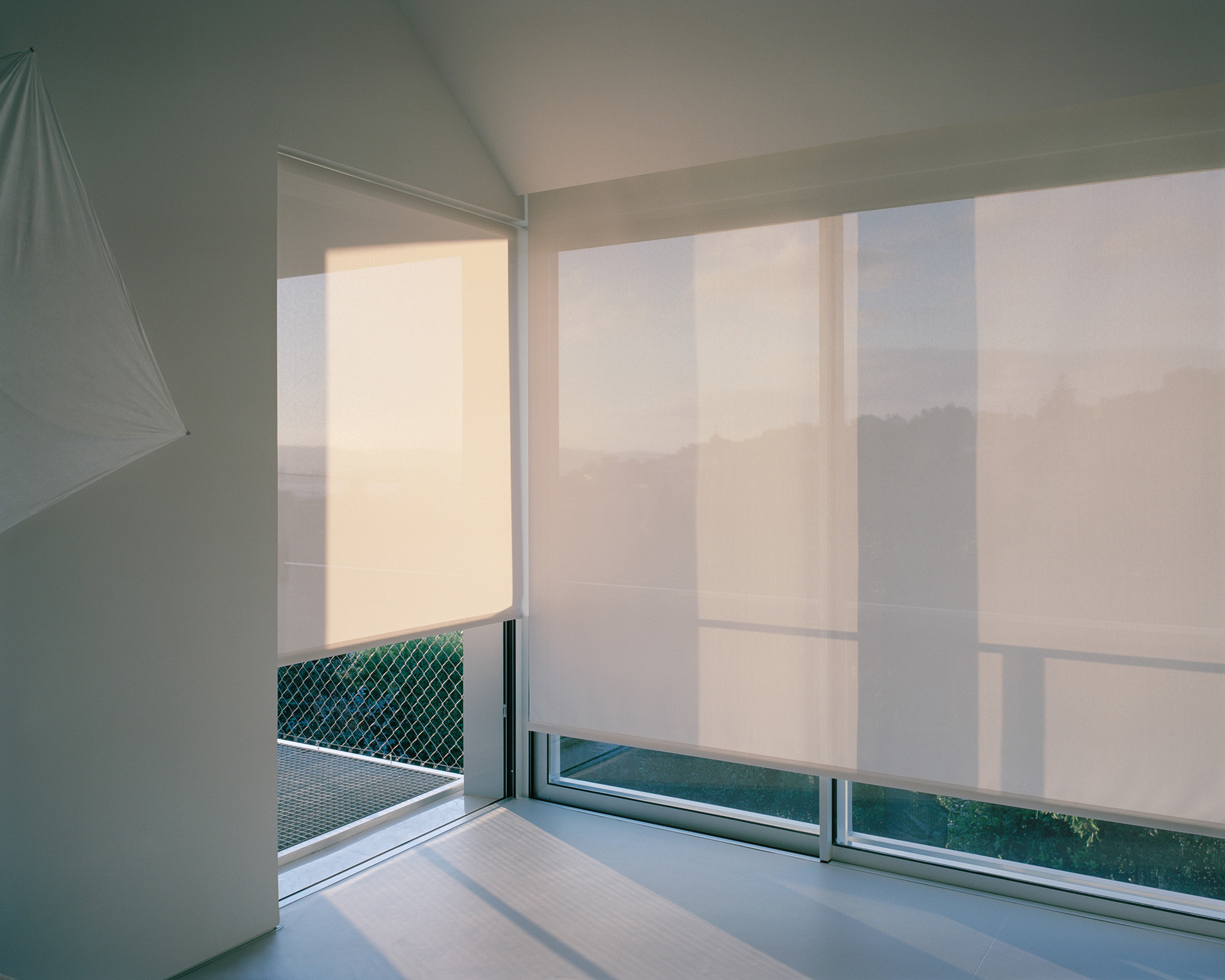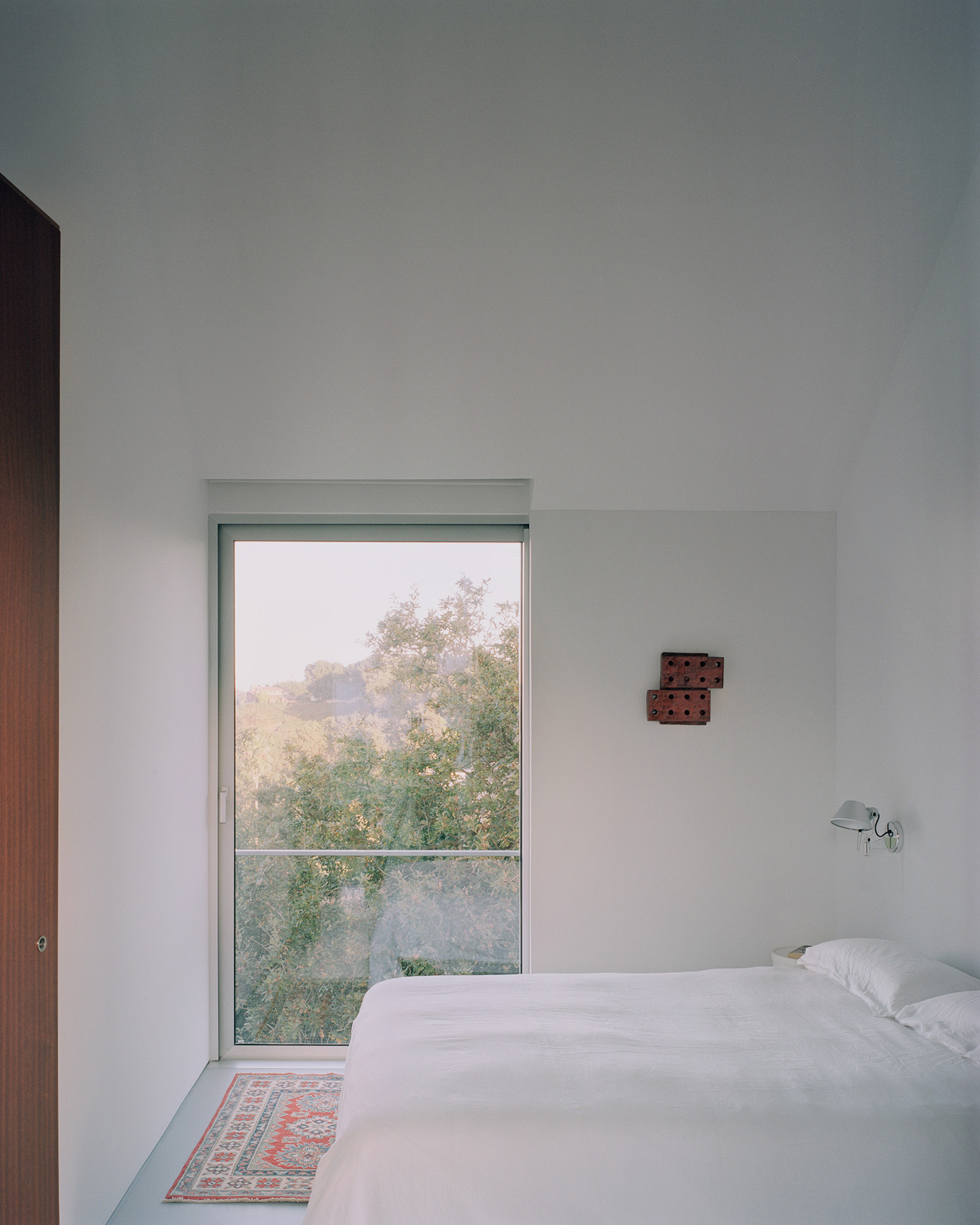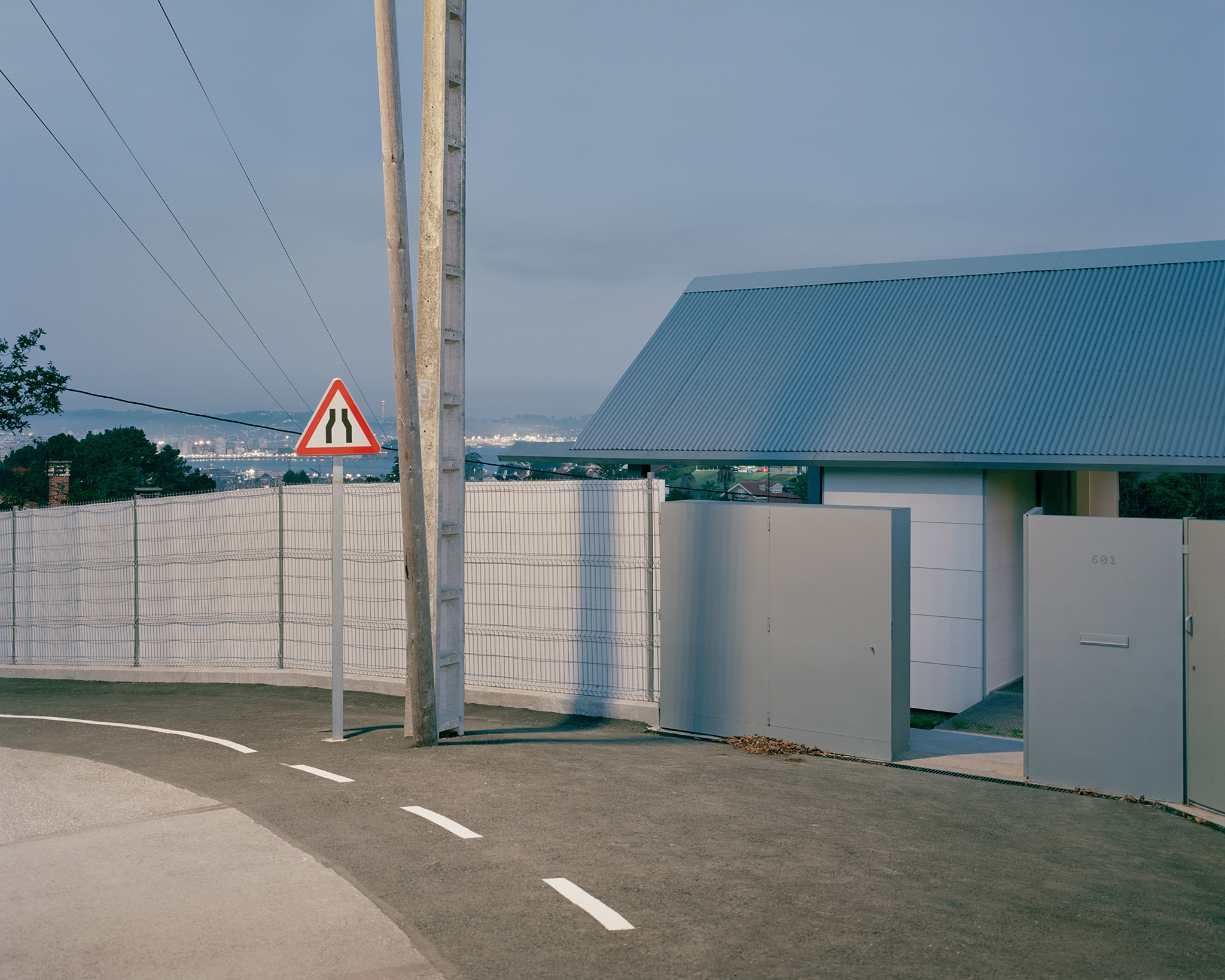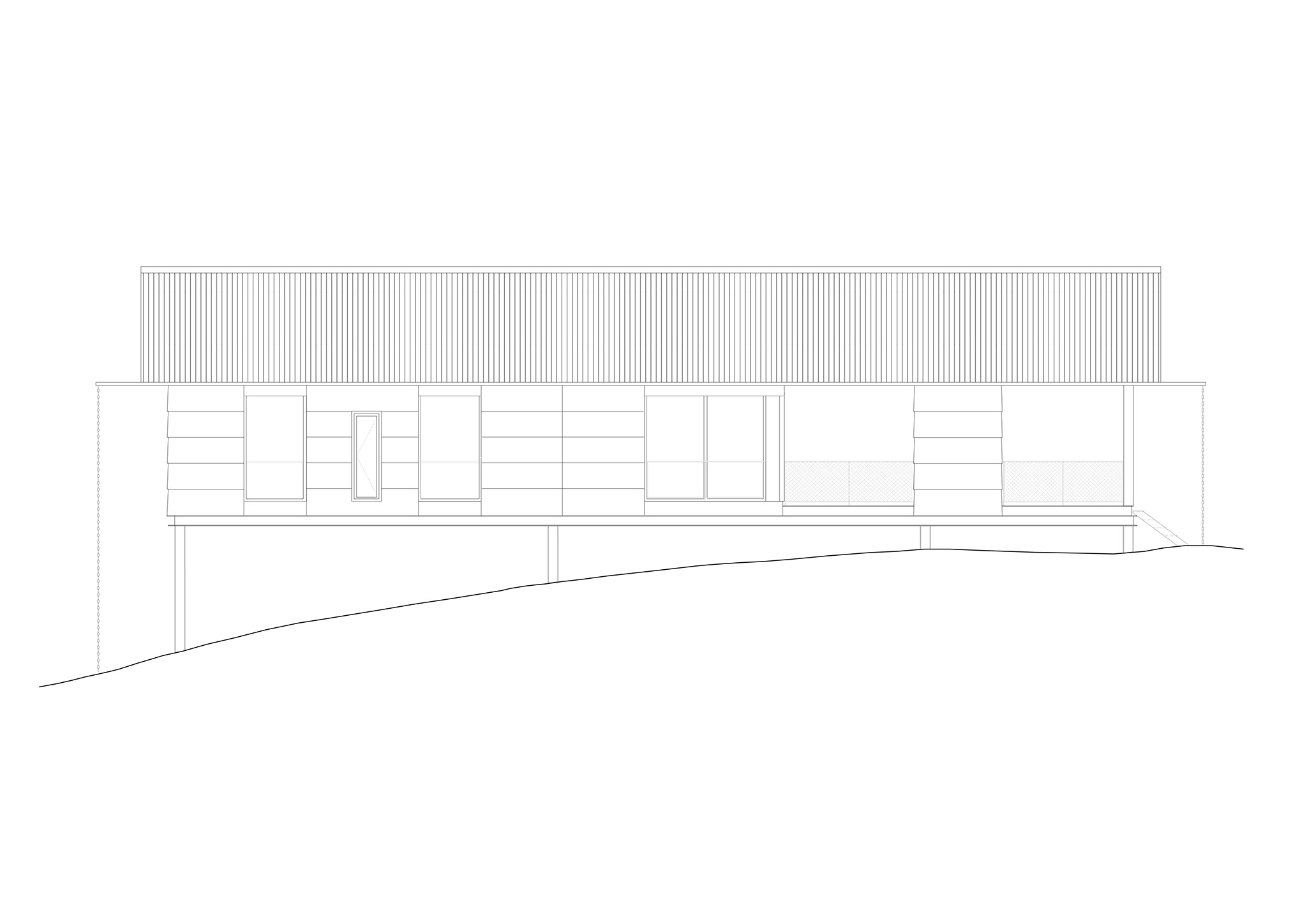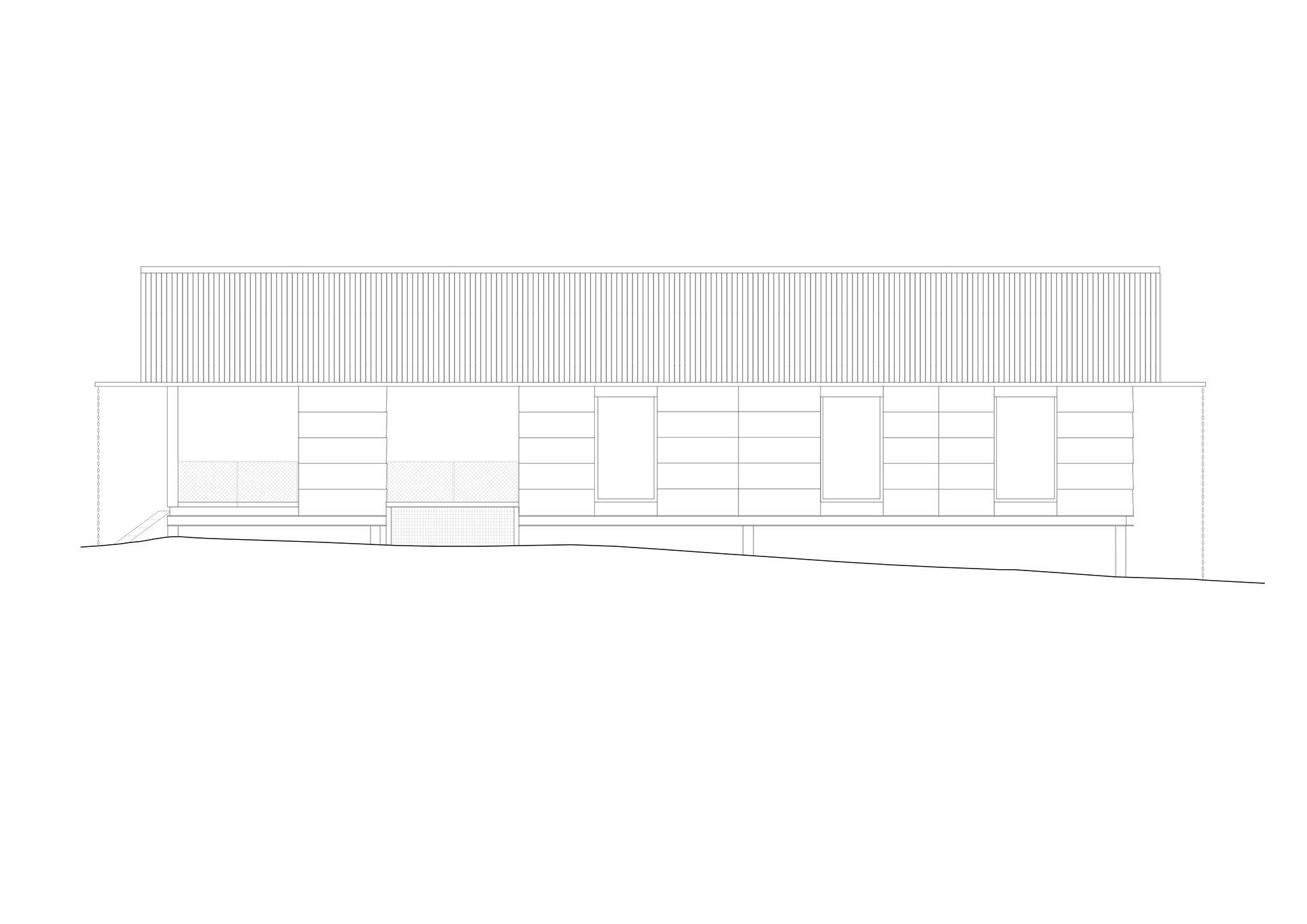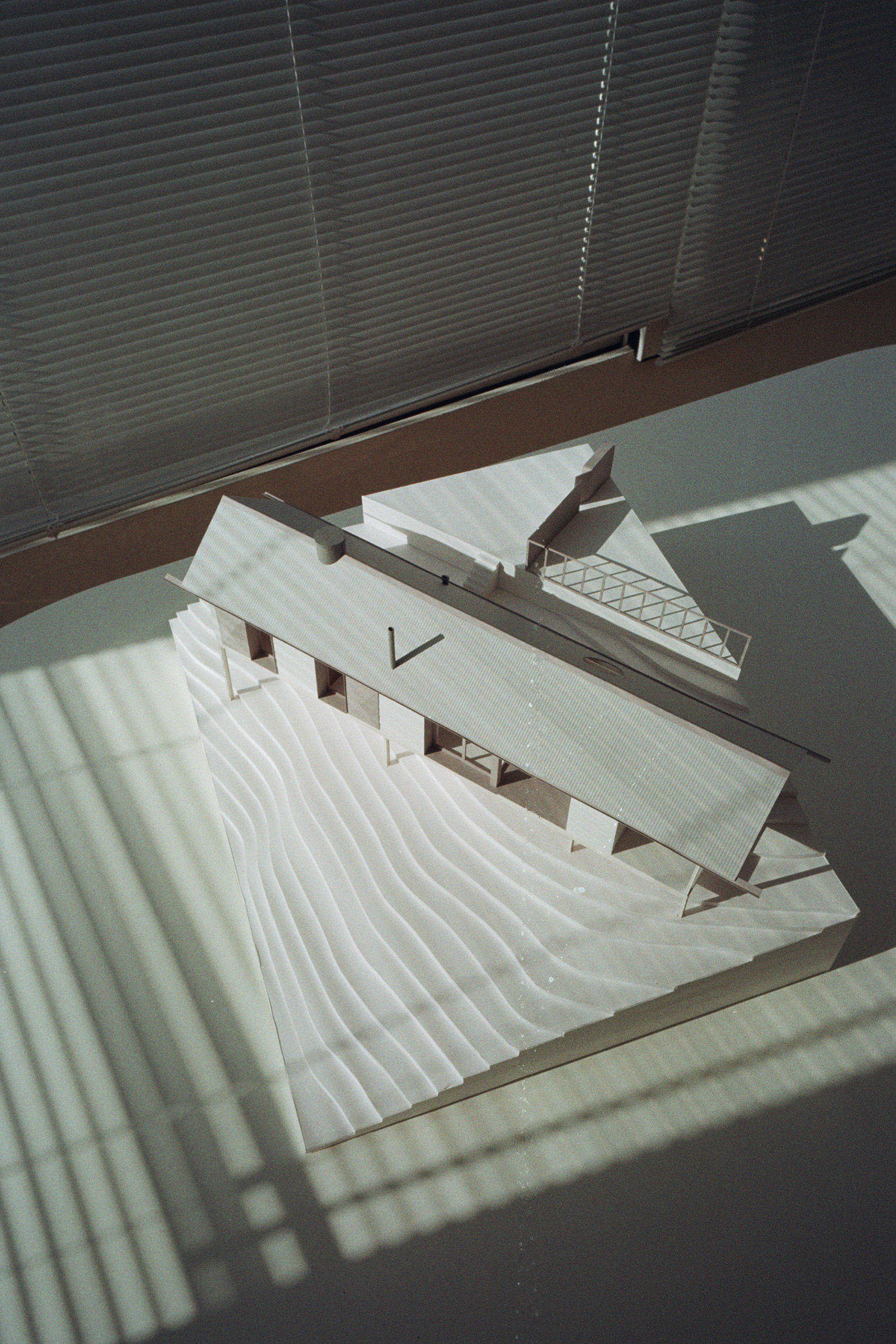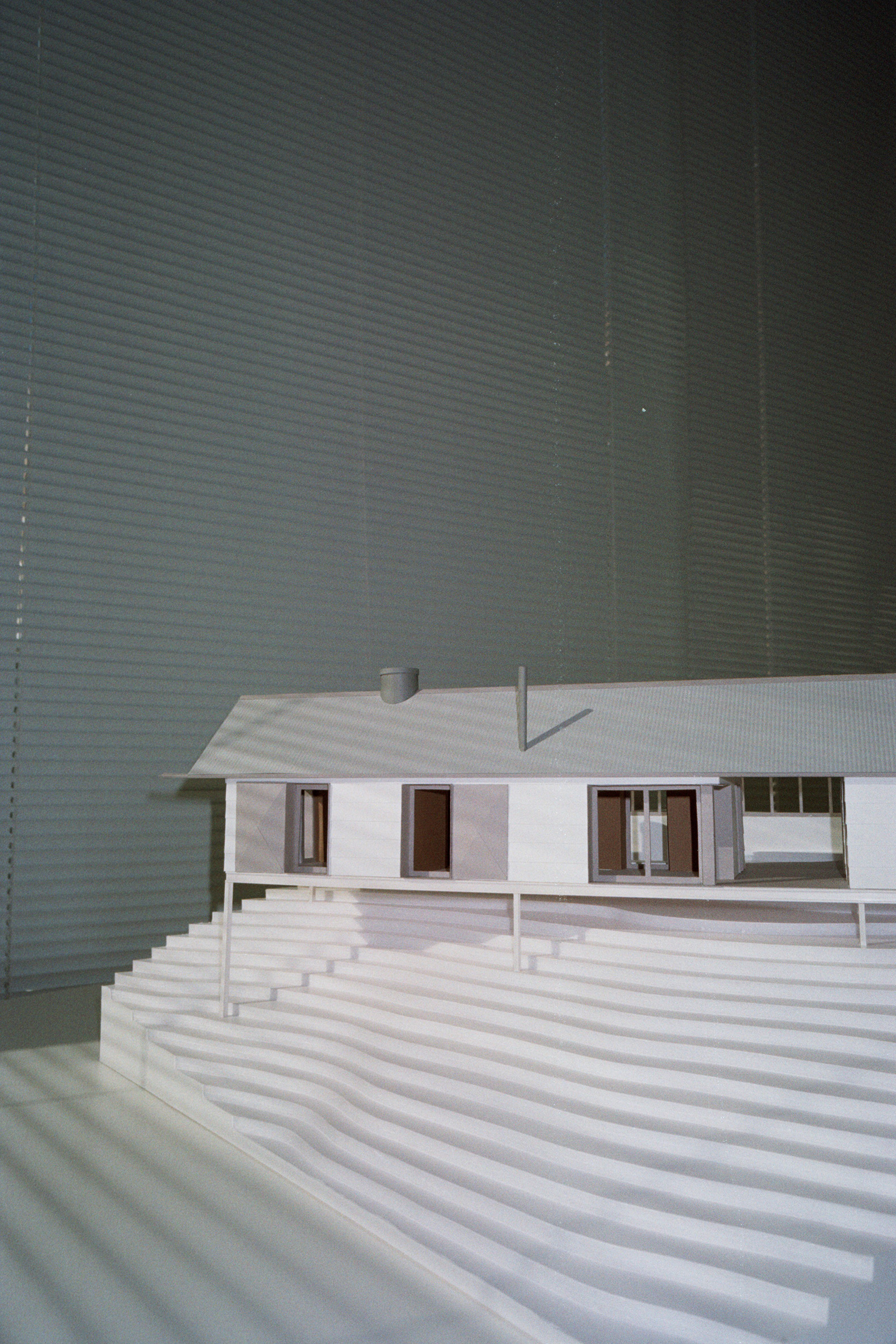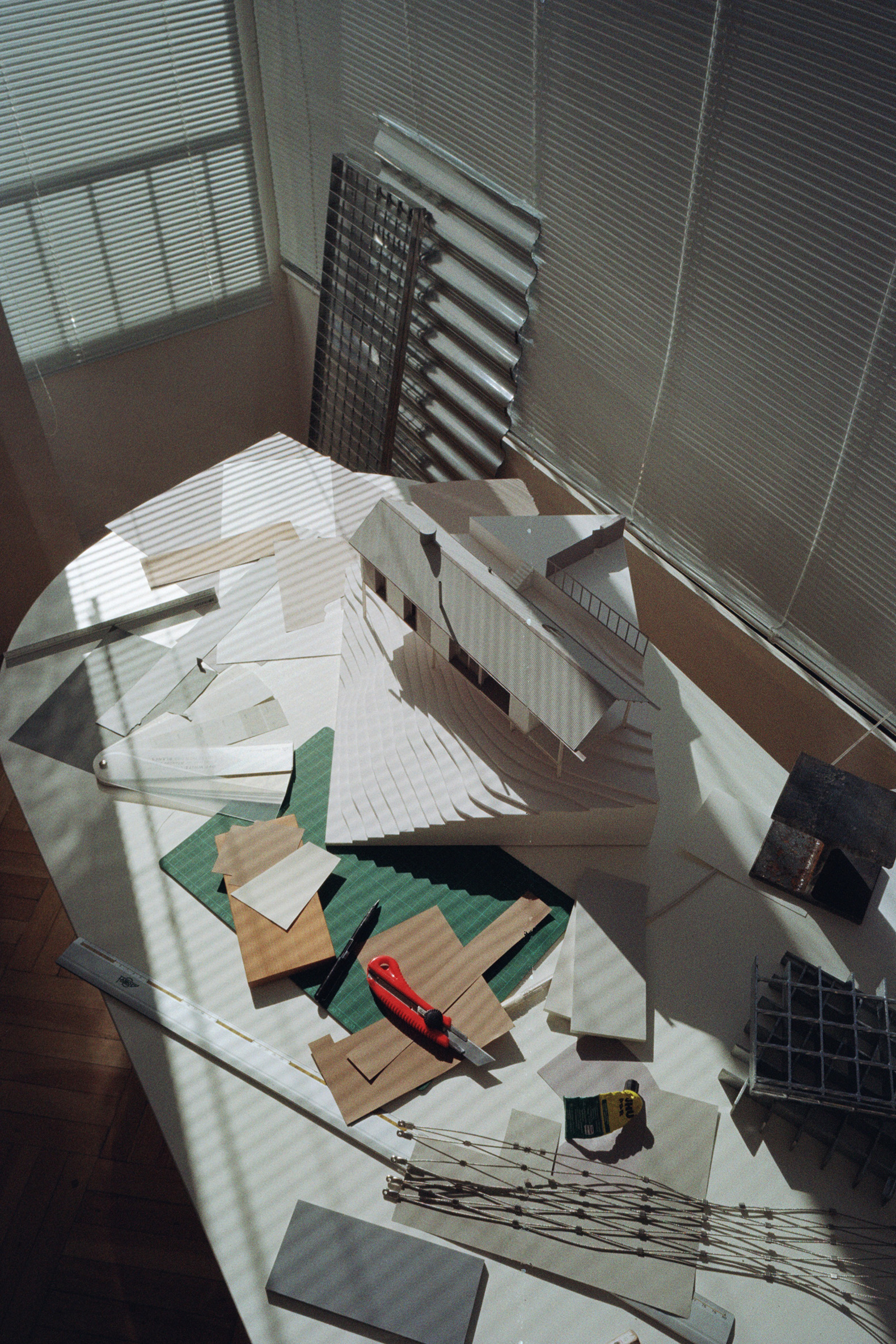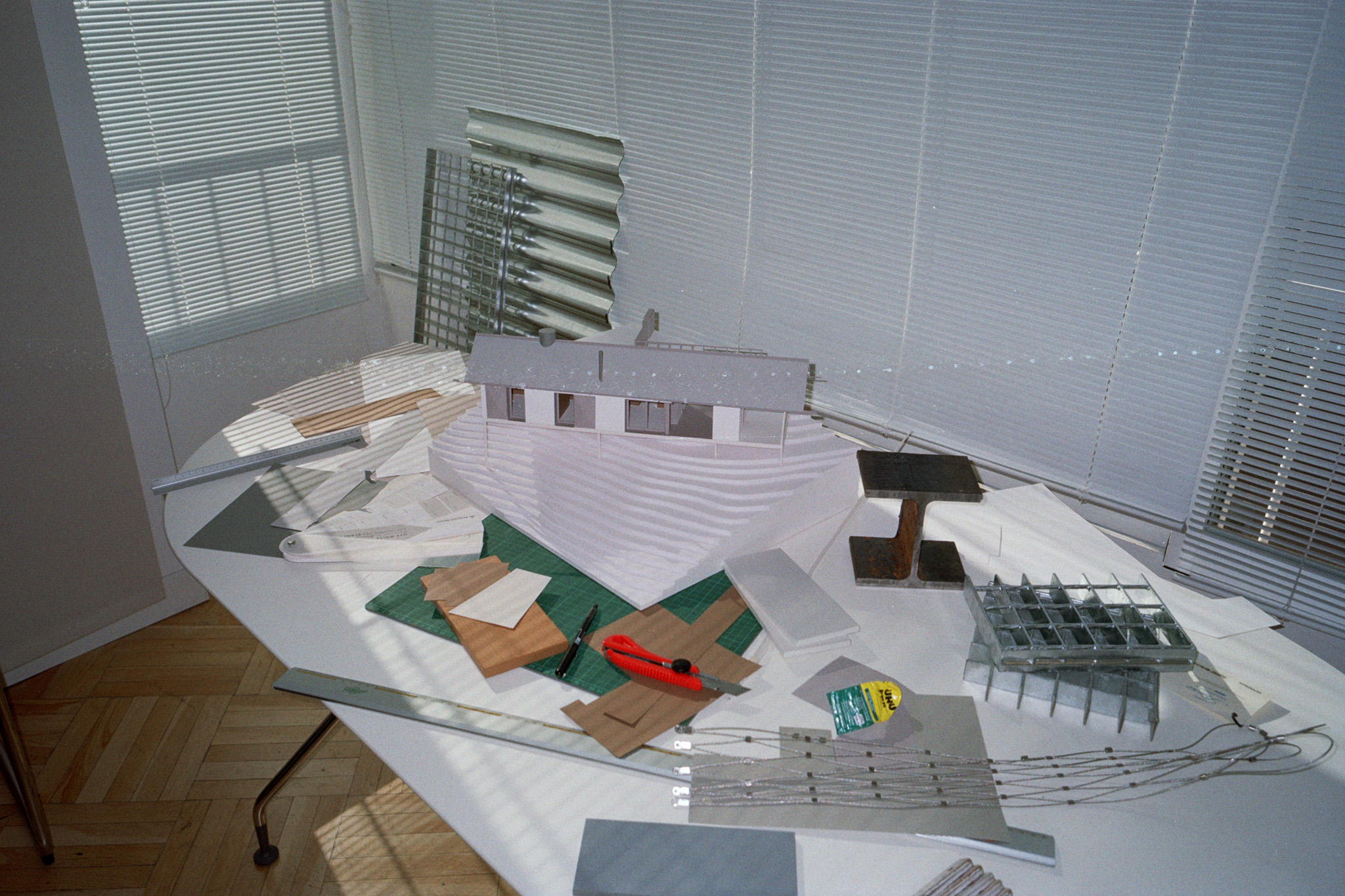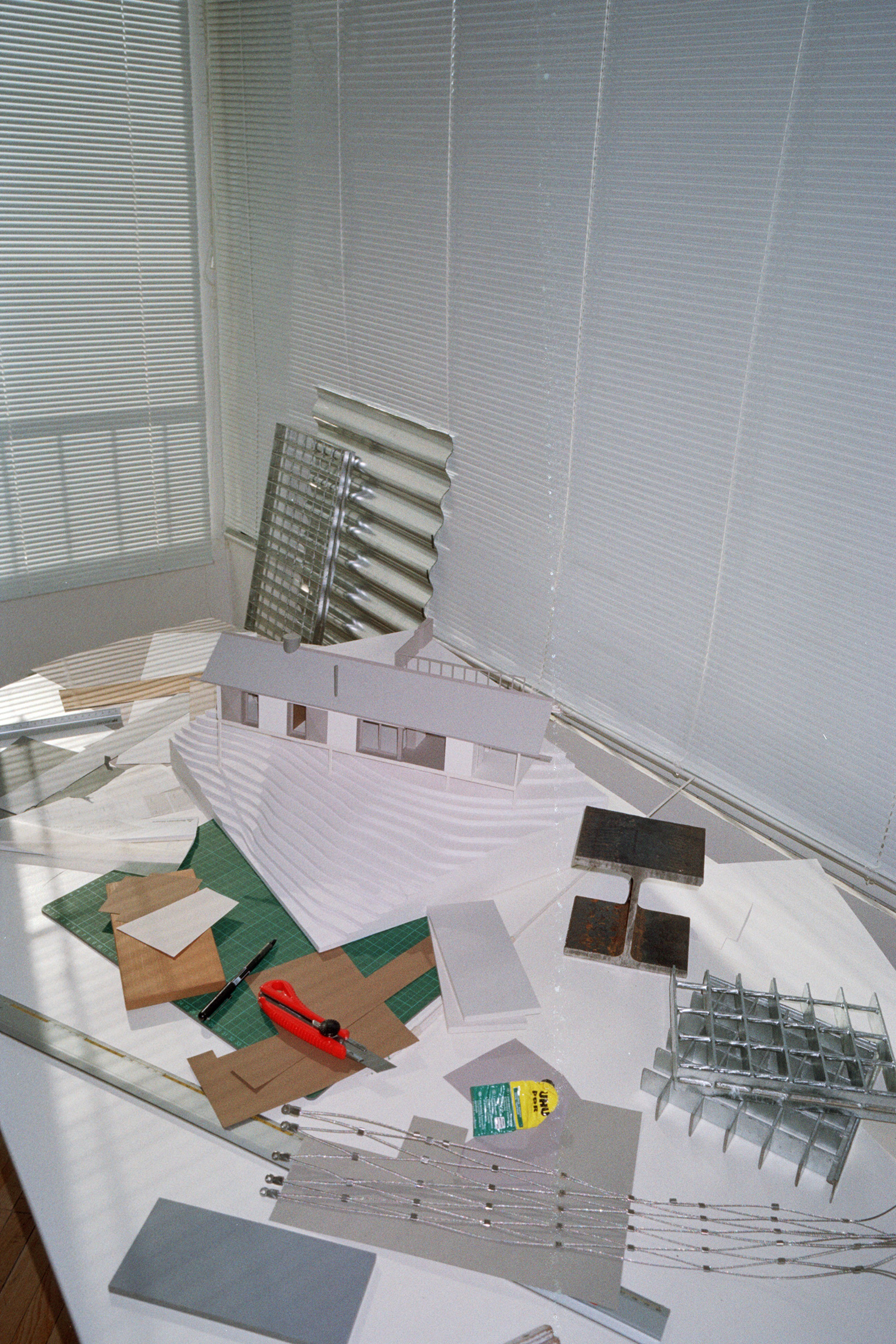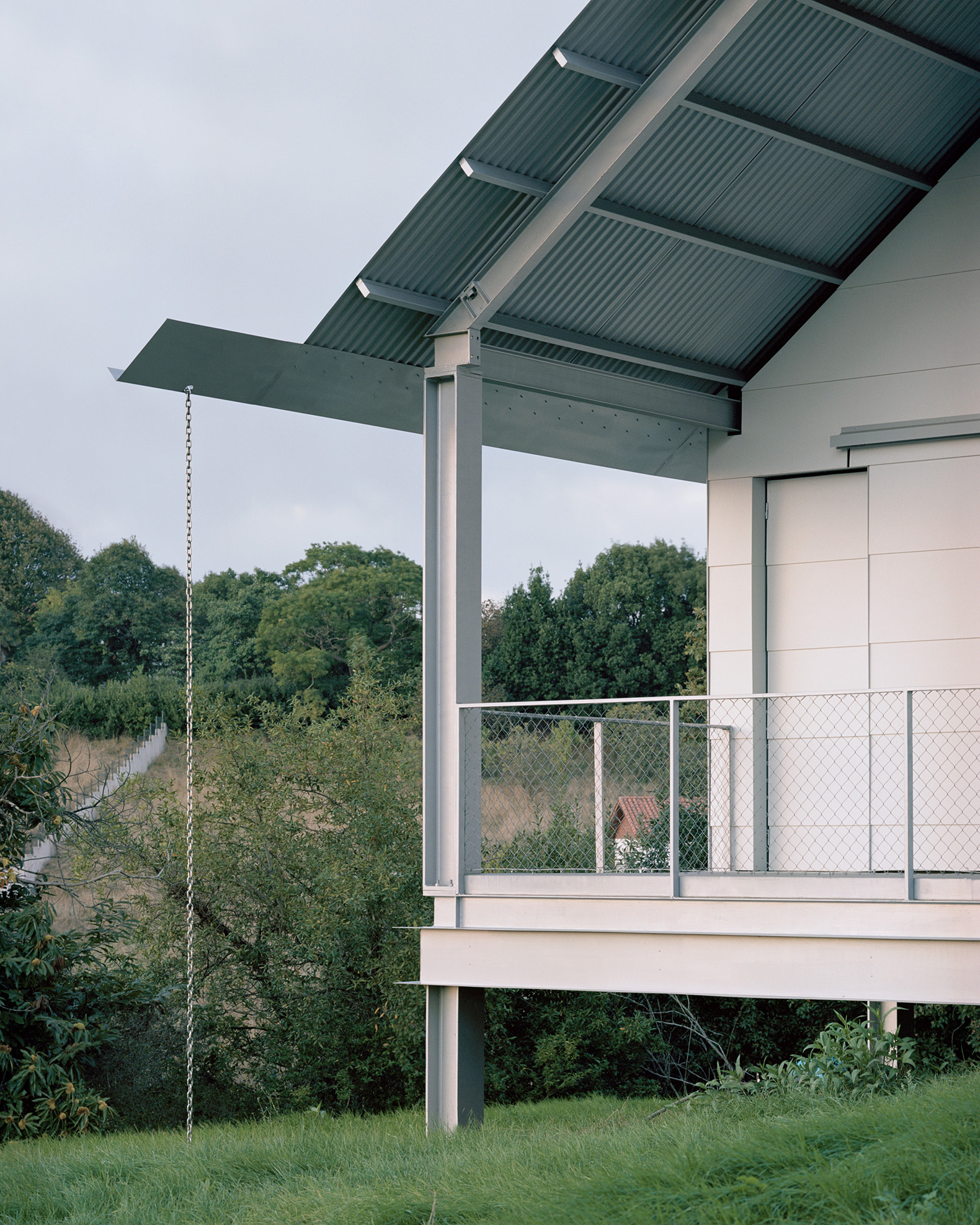
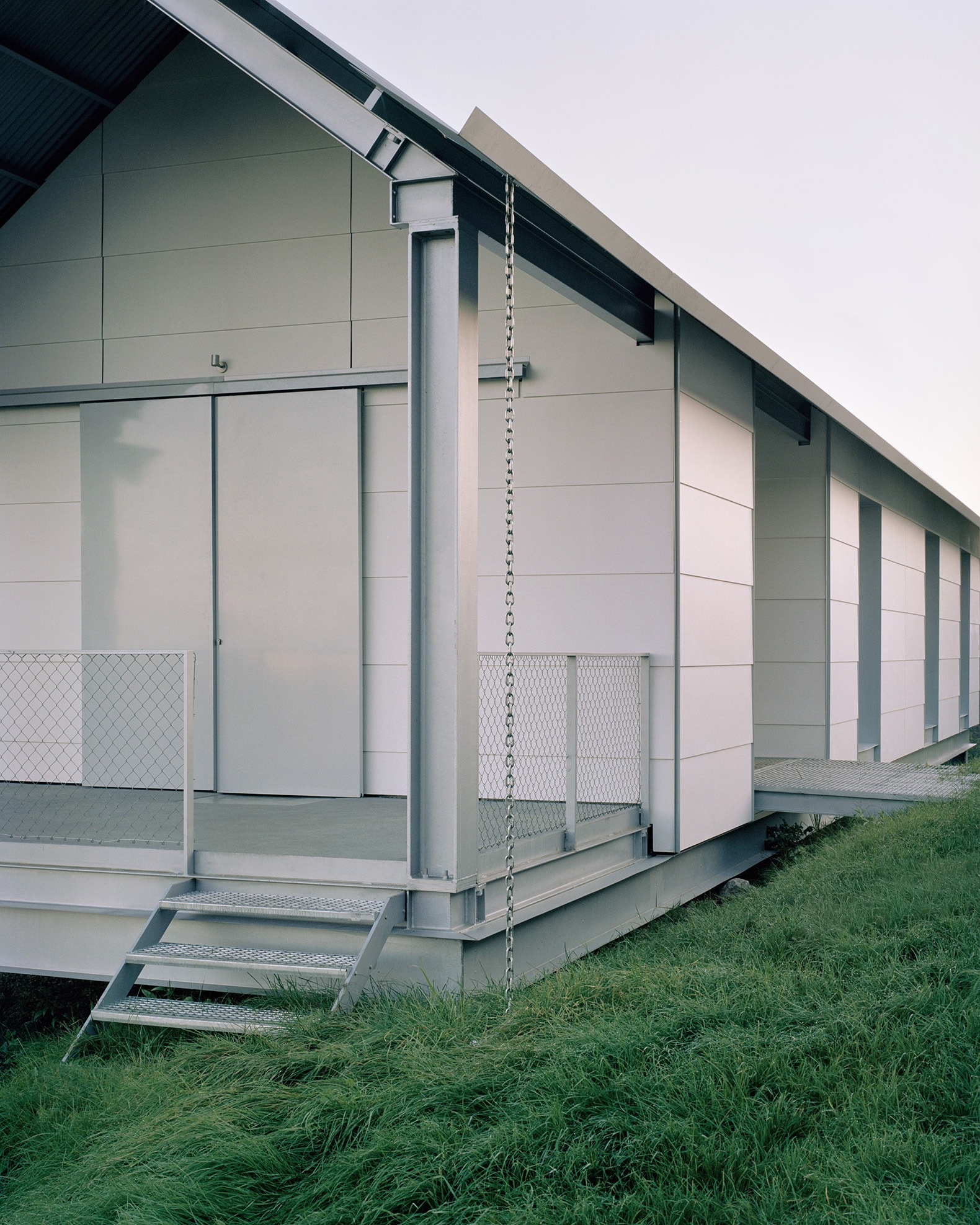
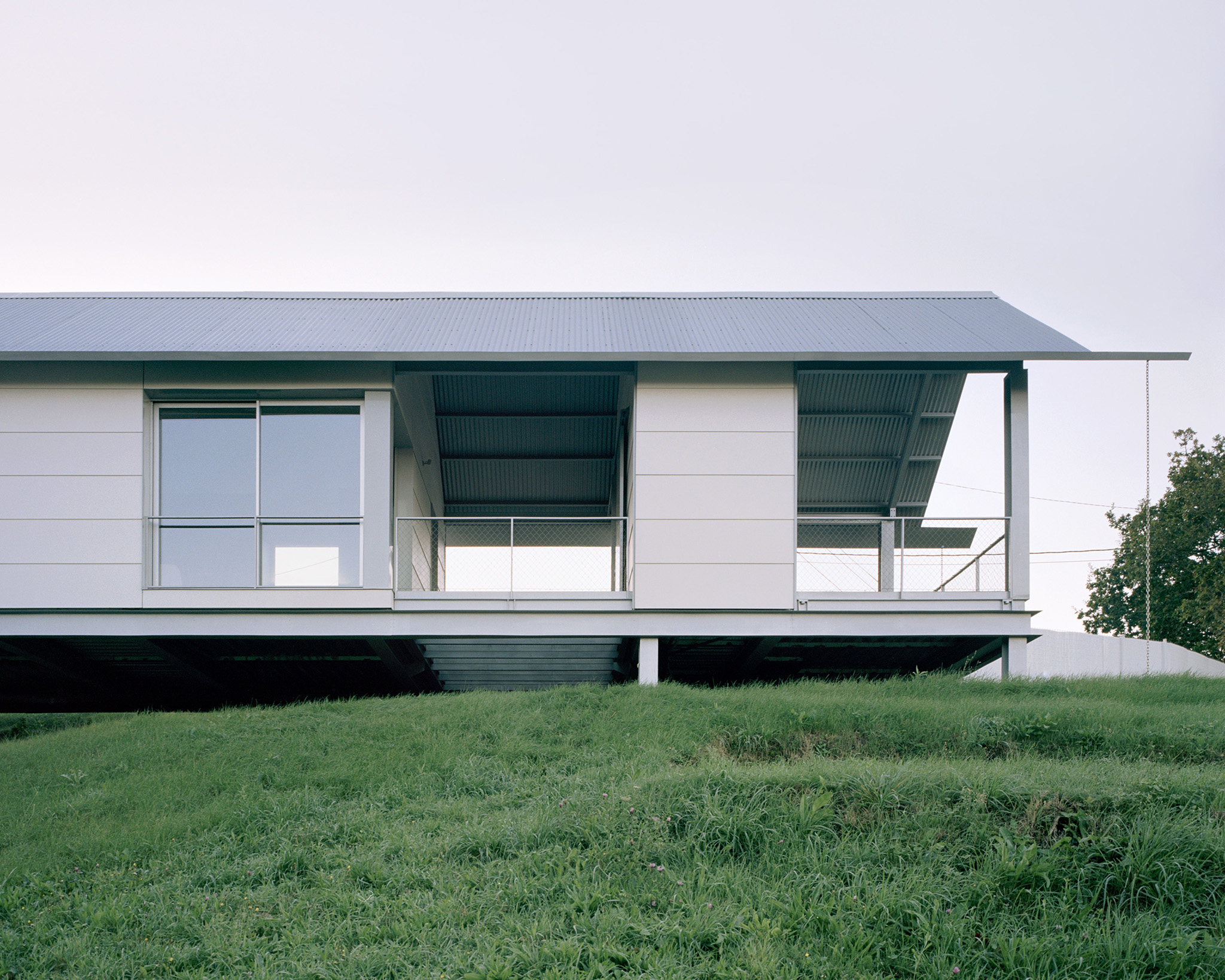
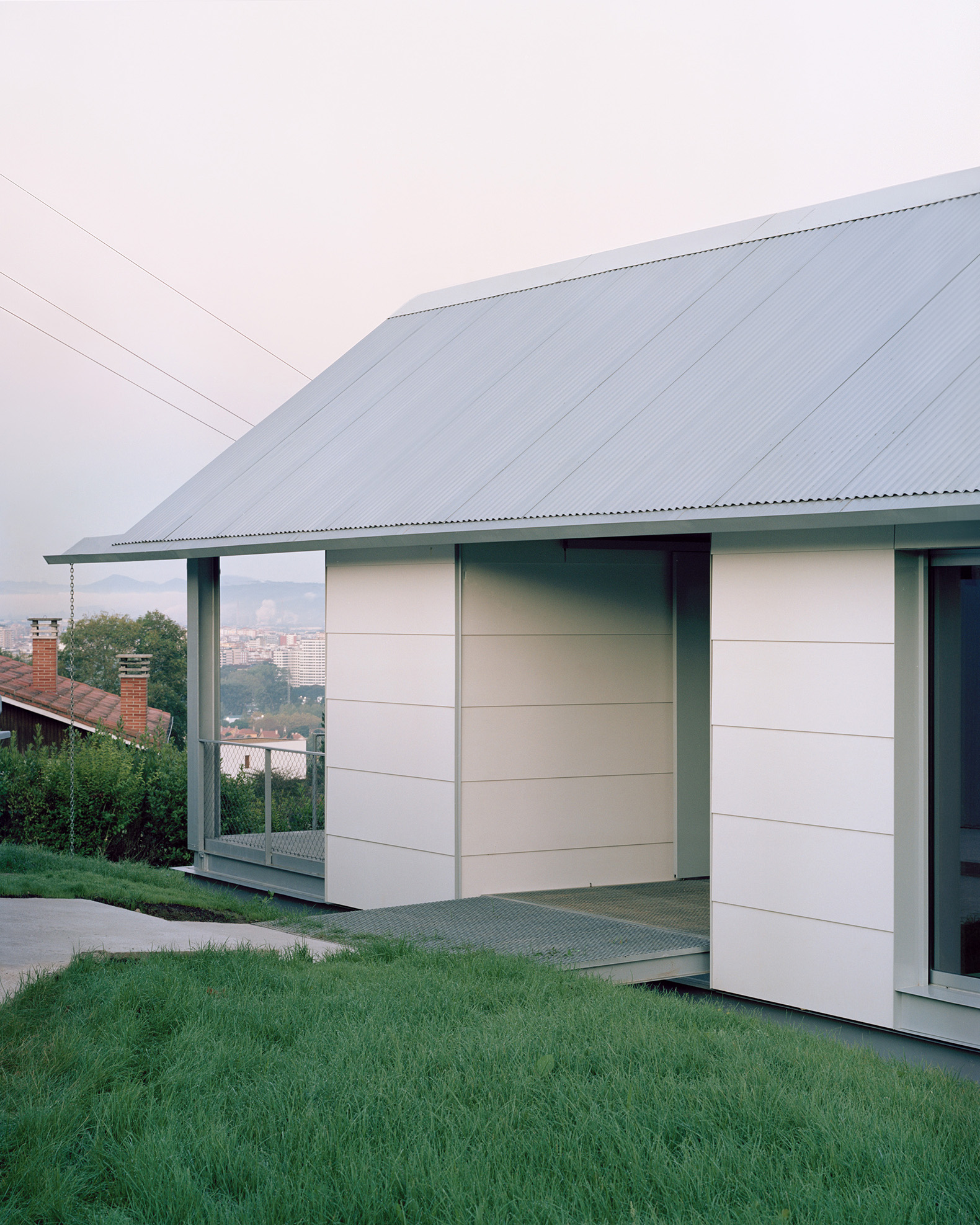
The single-family home designed by Hanghar in the northern city of Gijón is conceived as an industrialized reinterpretation of two characteristic features of the Asturian landscape: the agricultural shed and the traditional coastal house. Based on these premises, Casa Guadalupe adopts a contemporary architectural language, defined by precise lines and a clear volumetric presence, blending it with the traditional way rural plots are occupied.

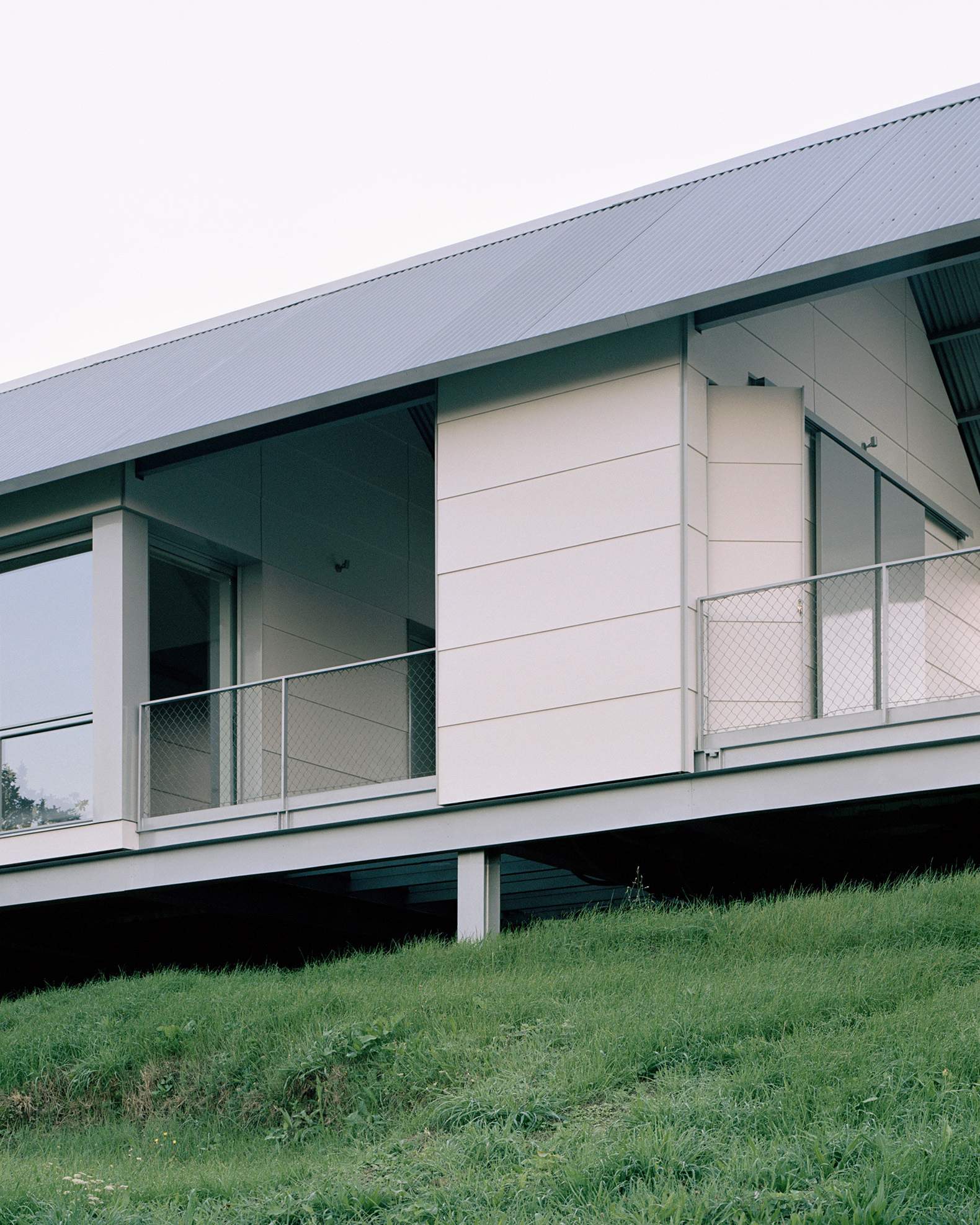
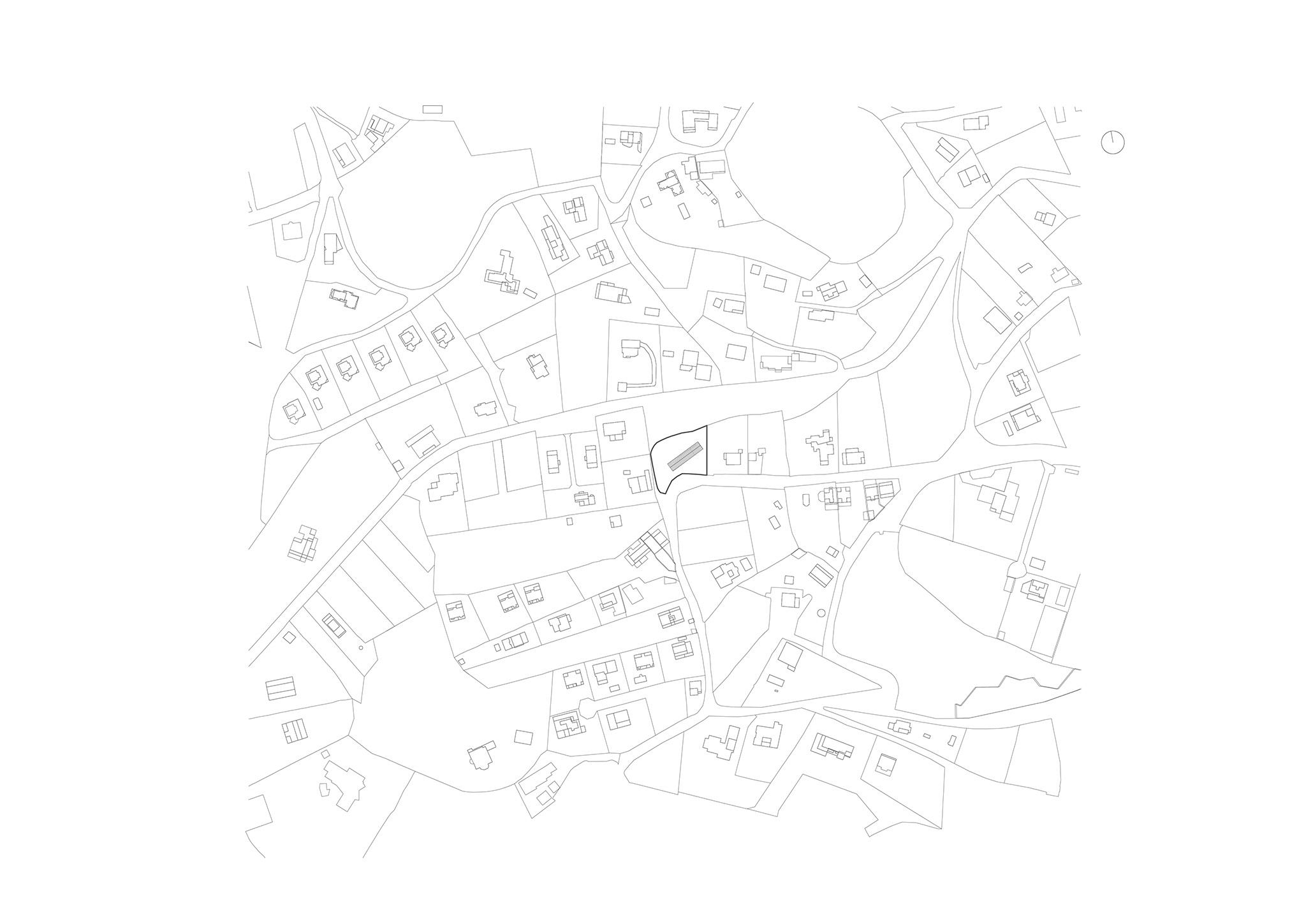
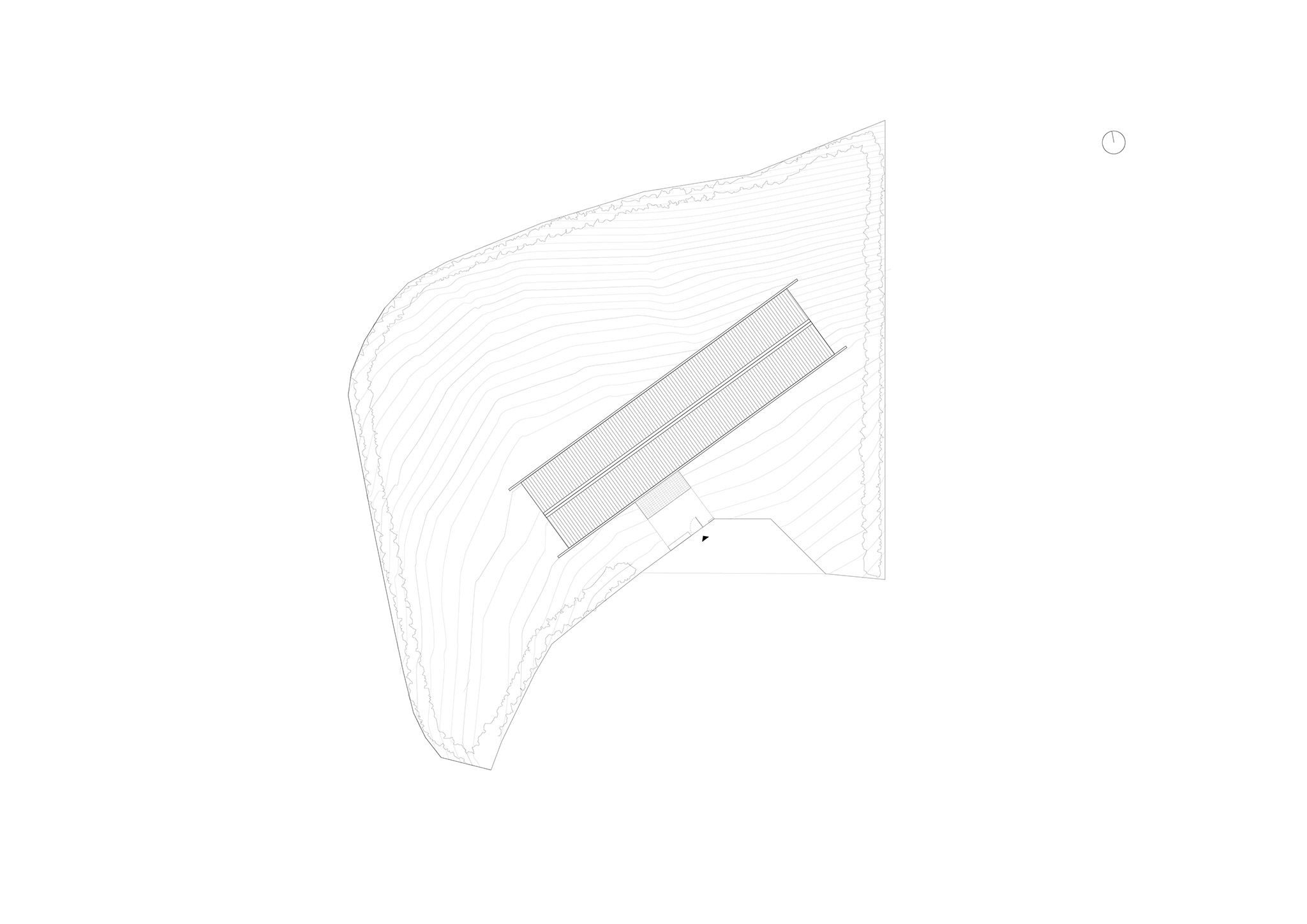
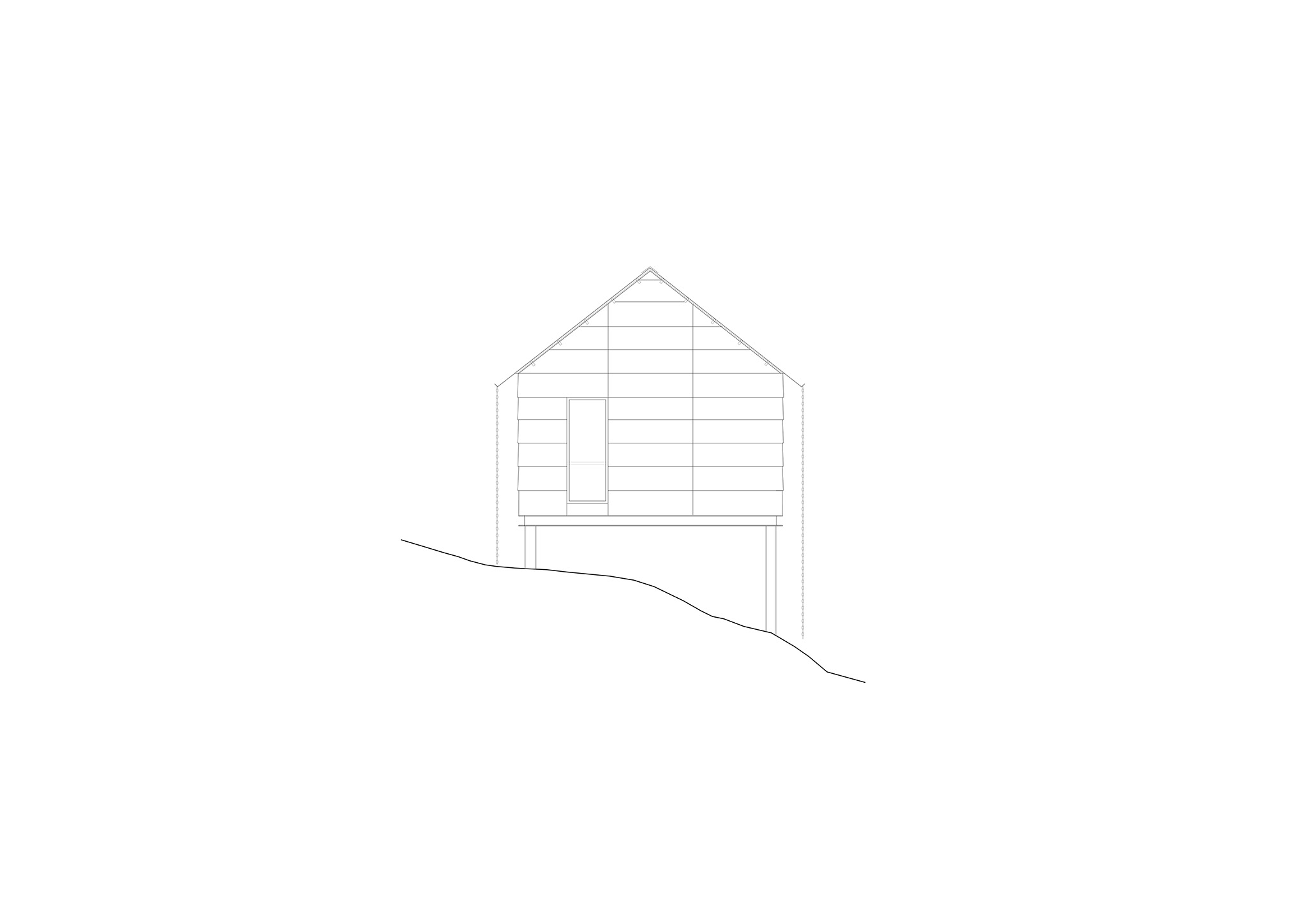
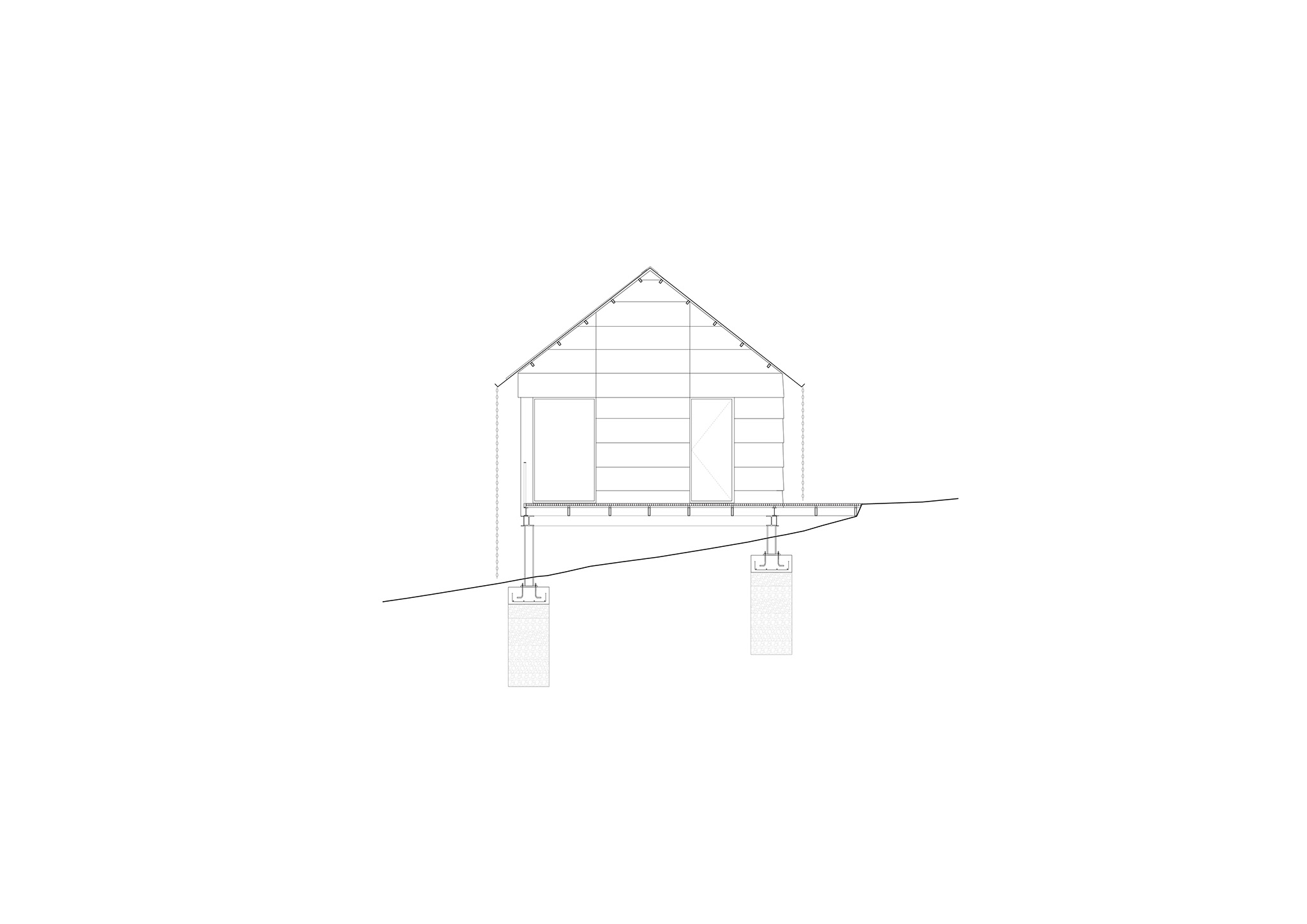
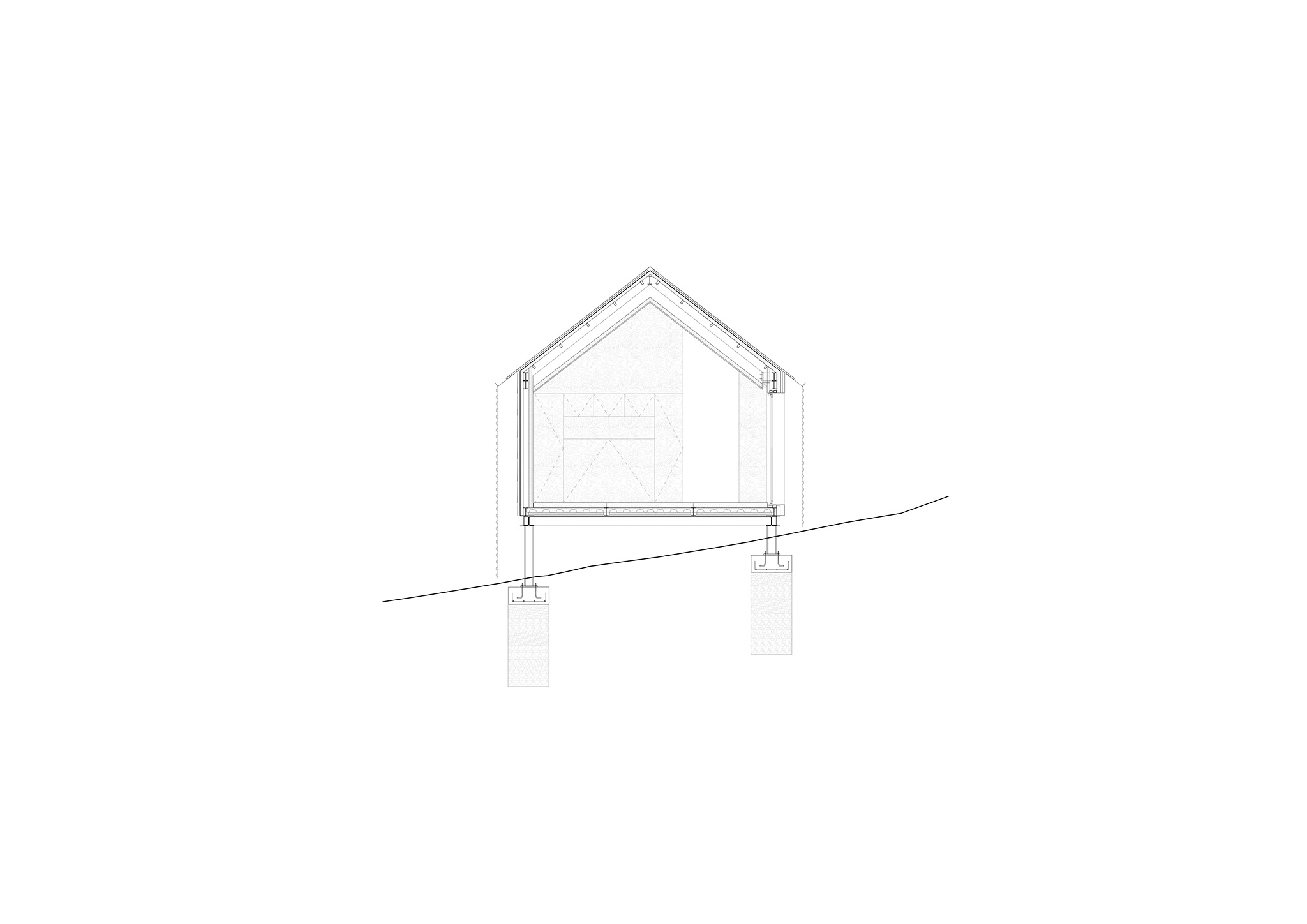
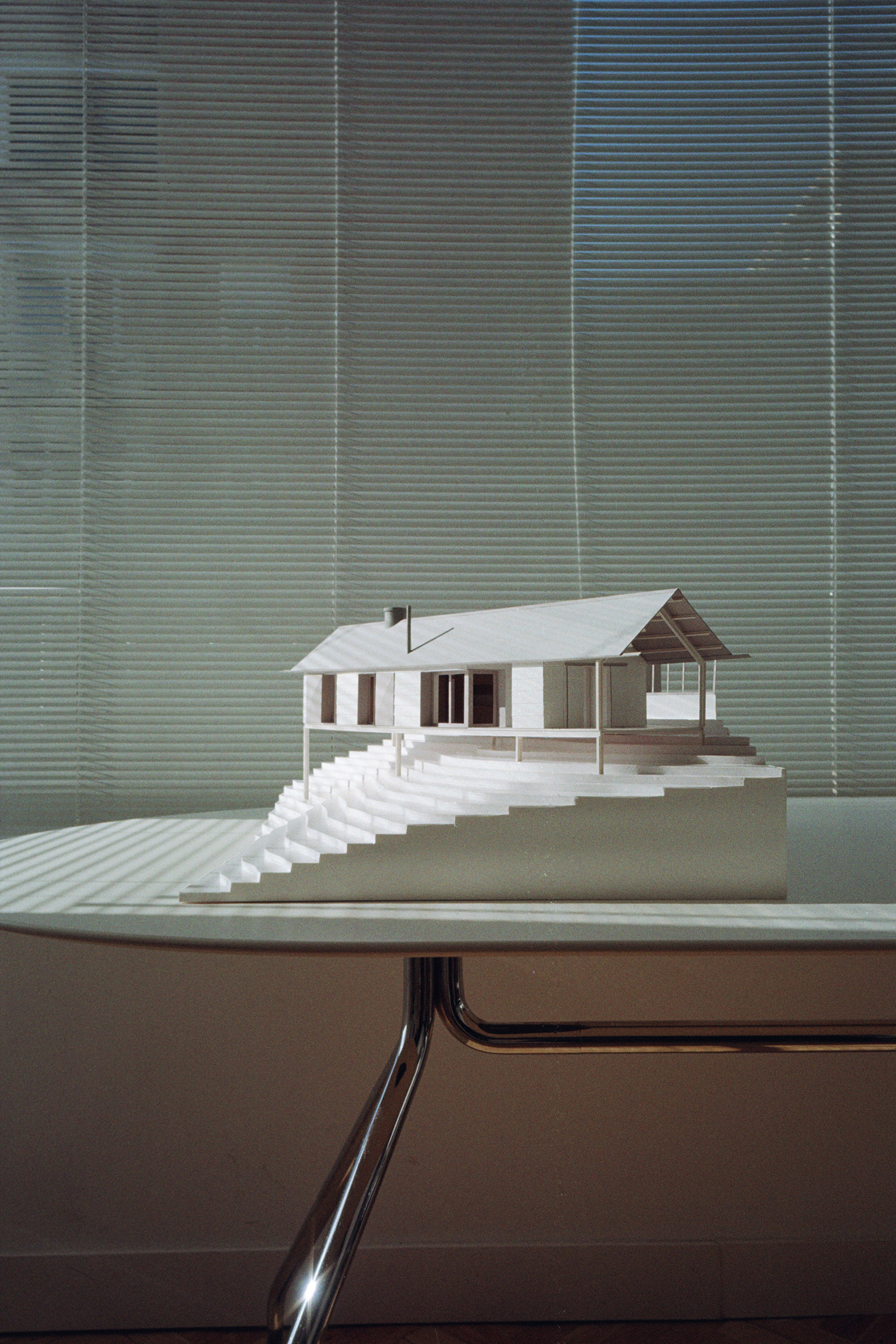
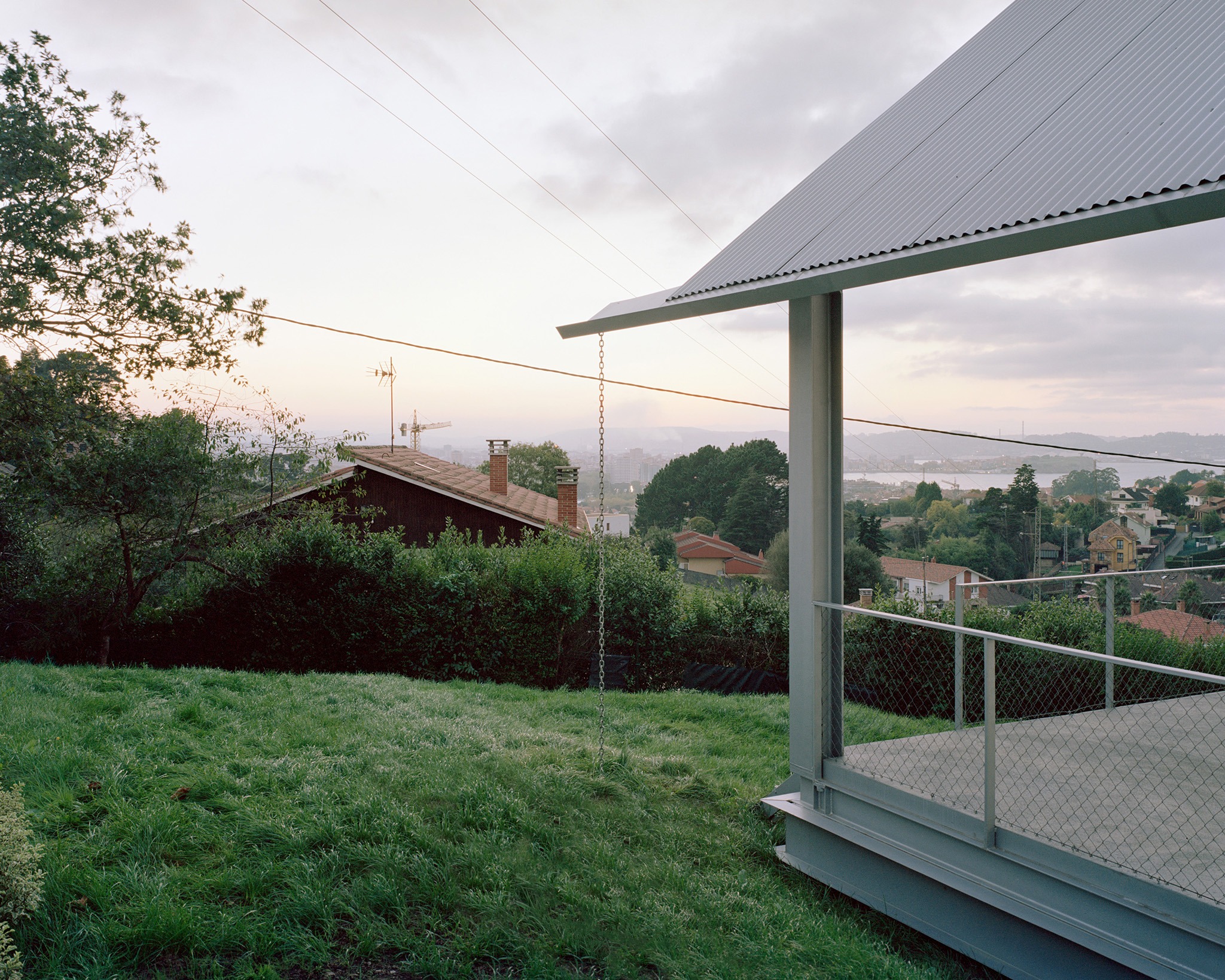
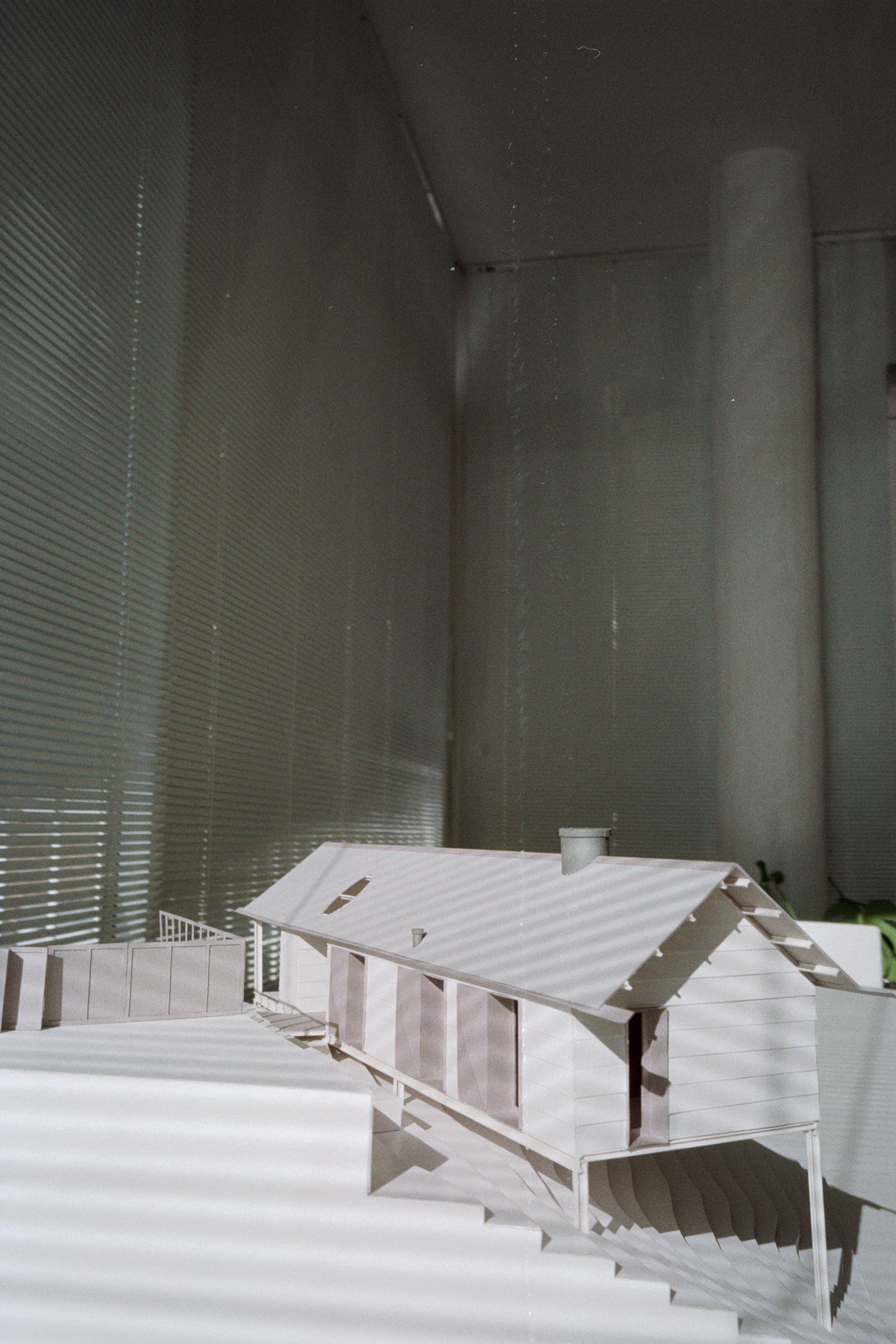
Constrained by an irregular topography and the decision to minimize intervention on the site, the house is raised on a system of pillars that preserves the natural character of the place. Through a flexible approach, Casa Guadalupe presents itself as an alternative way of understanding industrialized housing: not as a product that can be indiscriminately replicated, but as a system capable of responding sensitively to the particularities of its surroundings and its inhabitants.

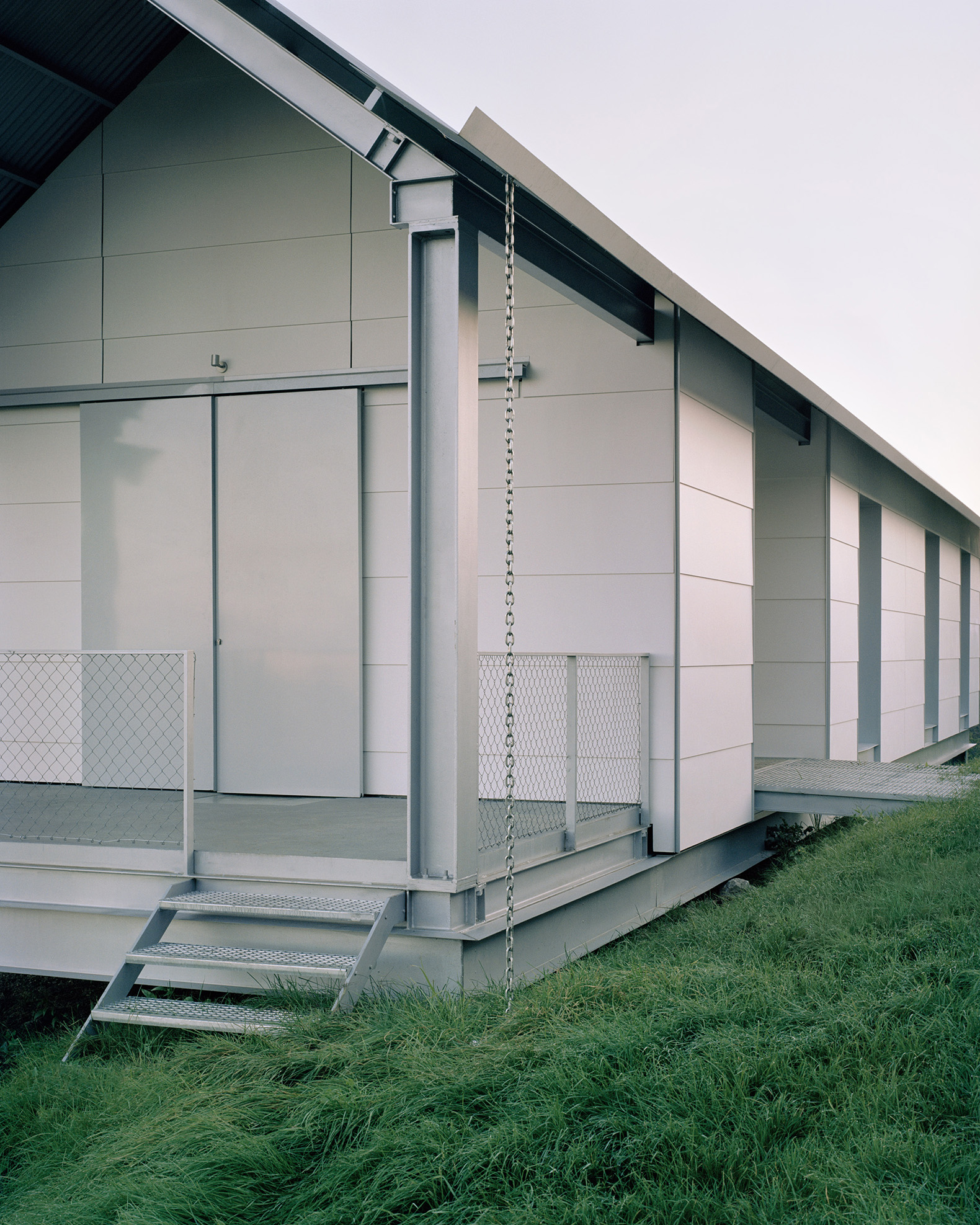
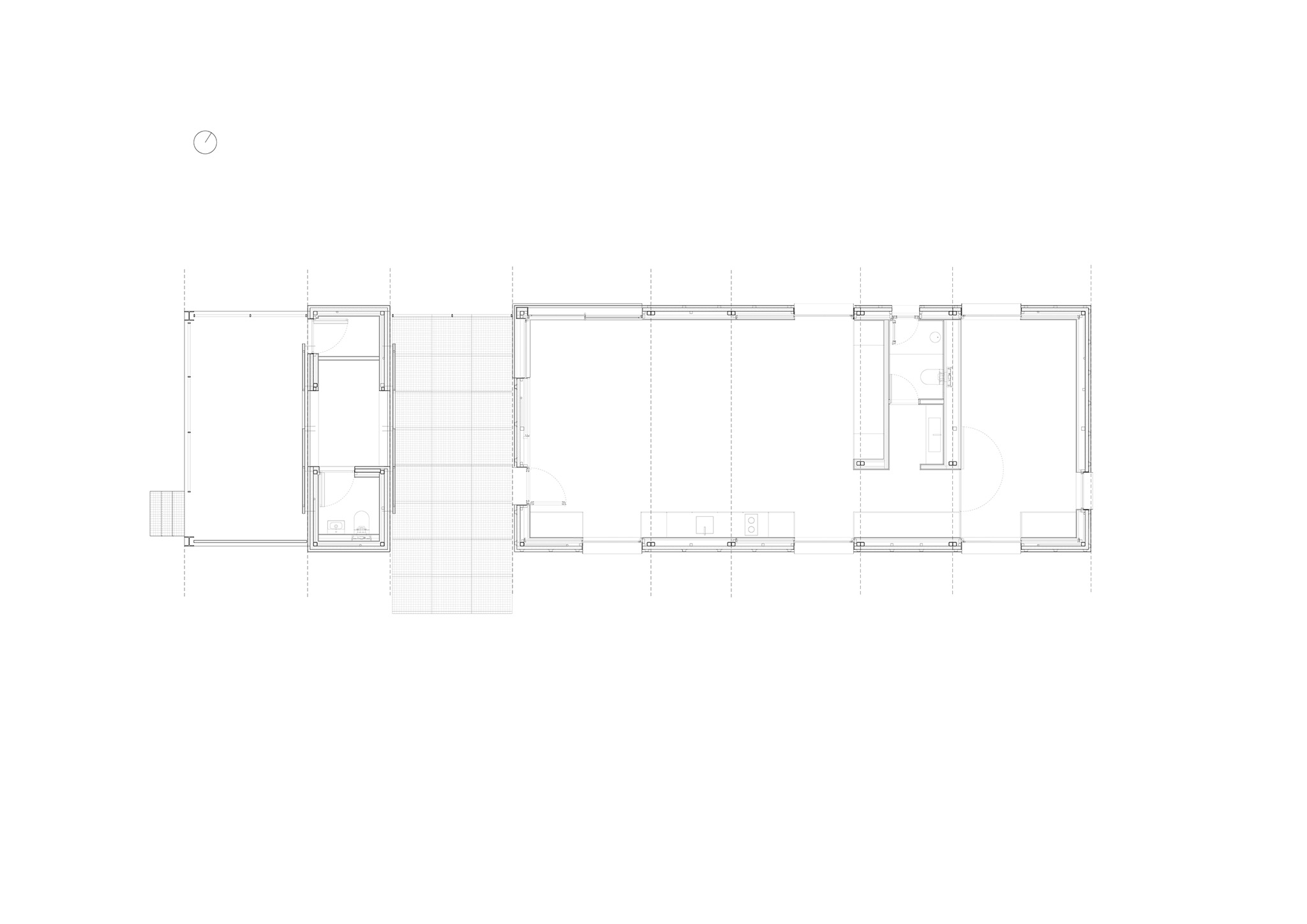
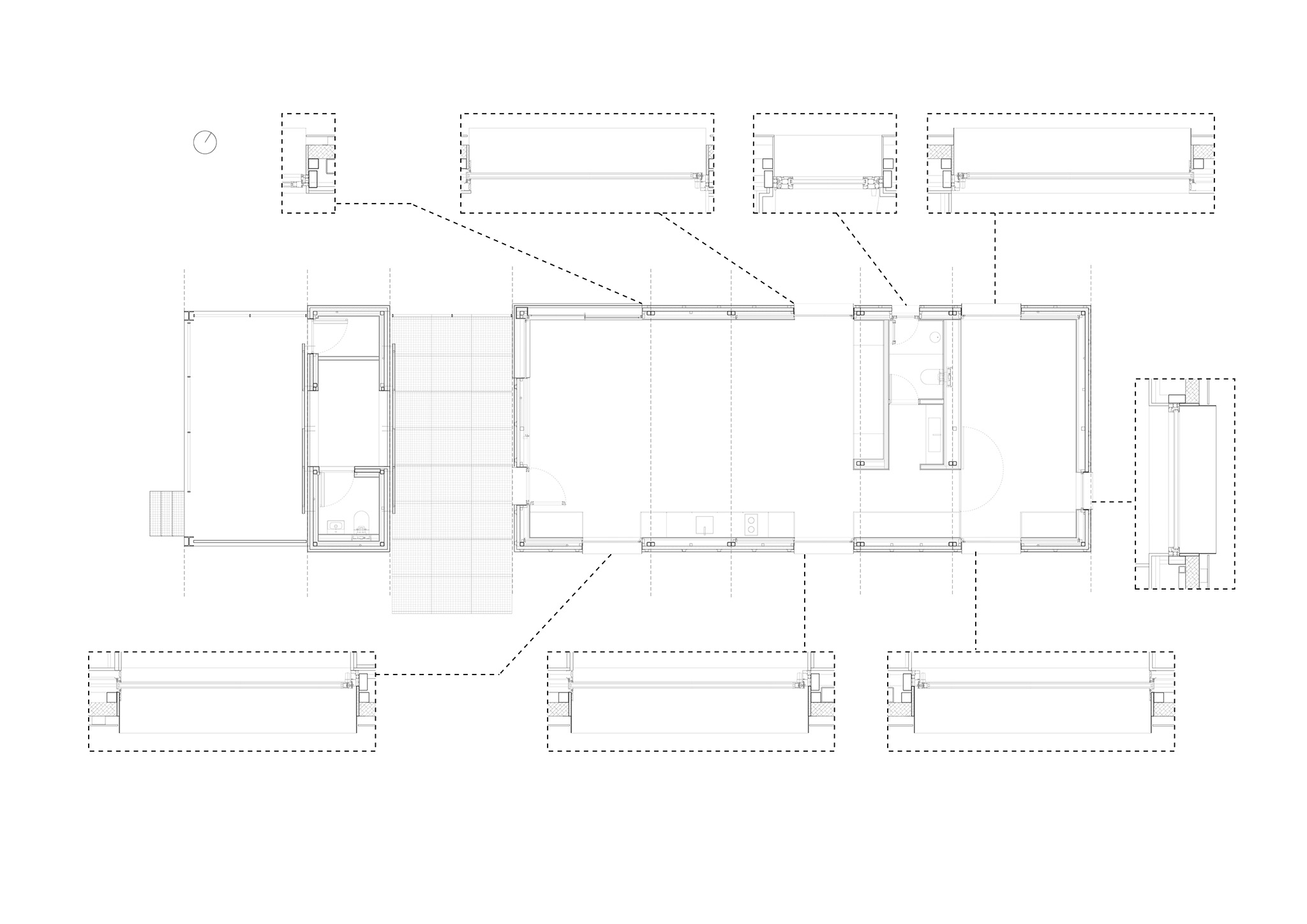
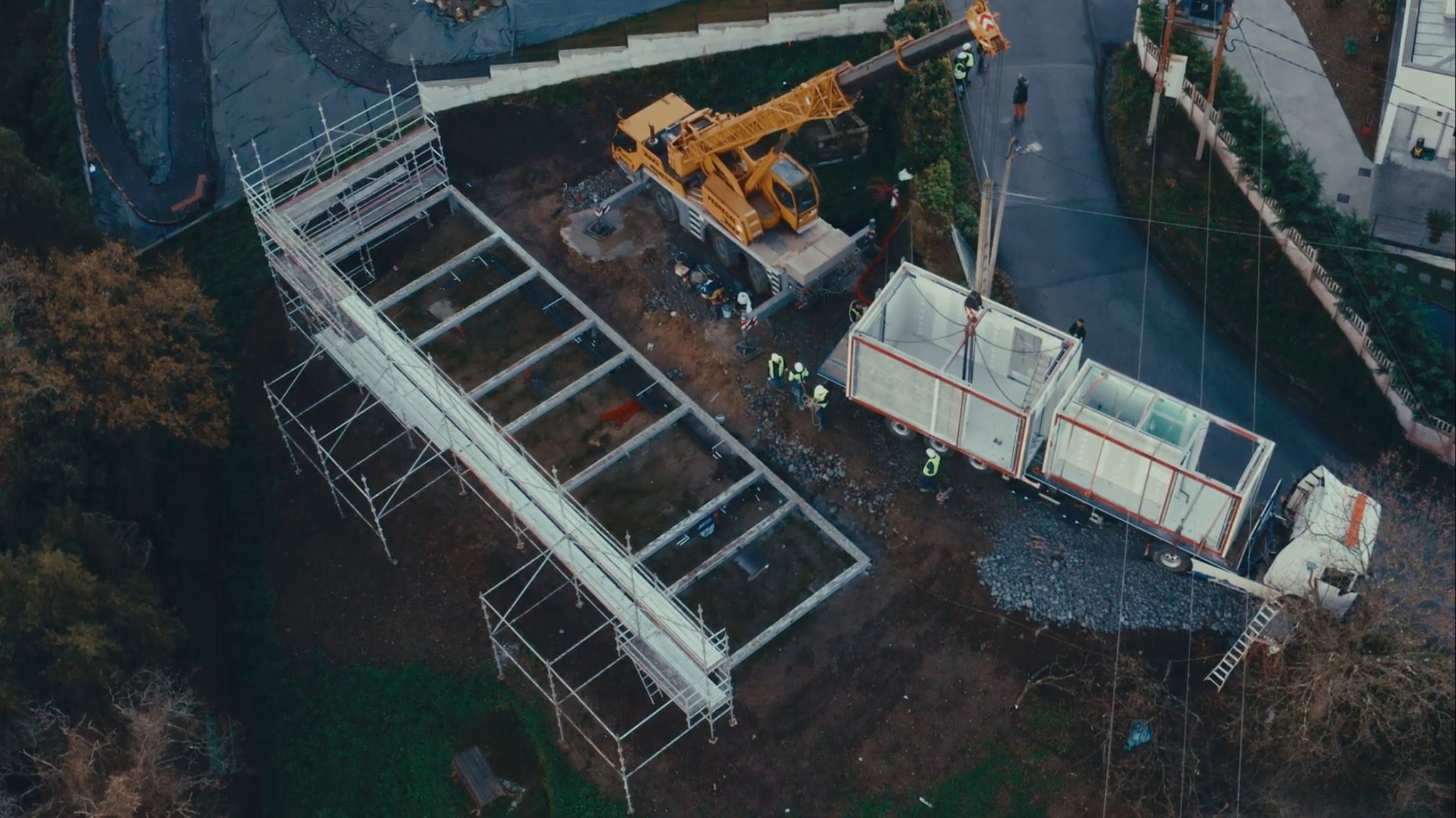
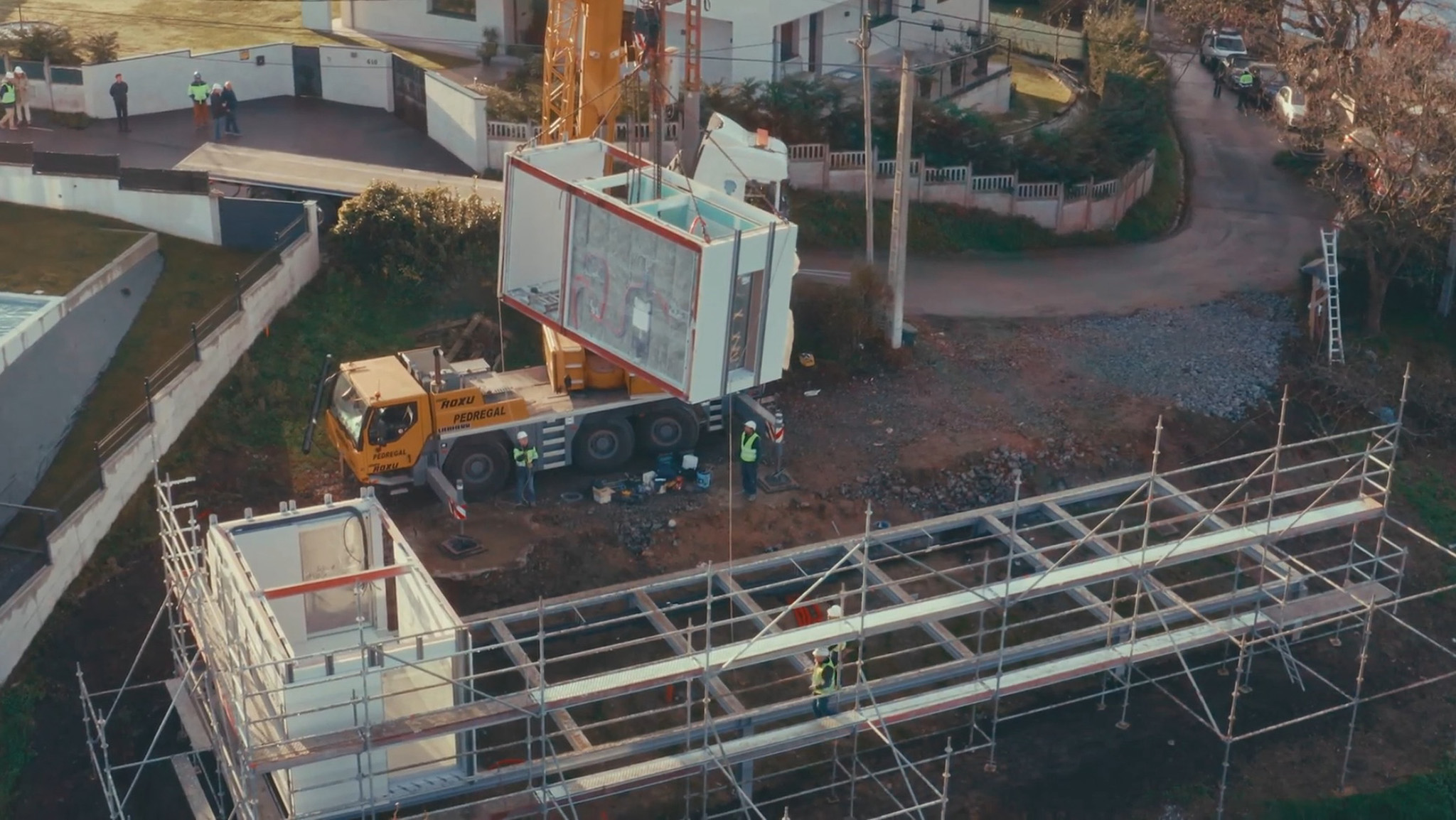
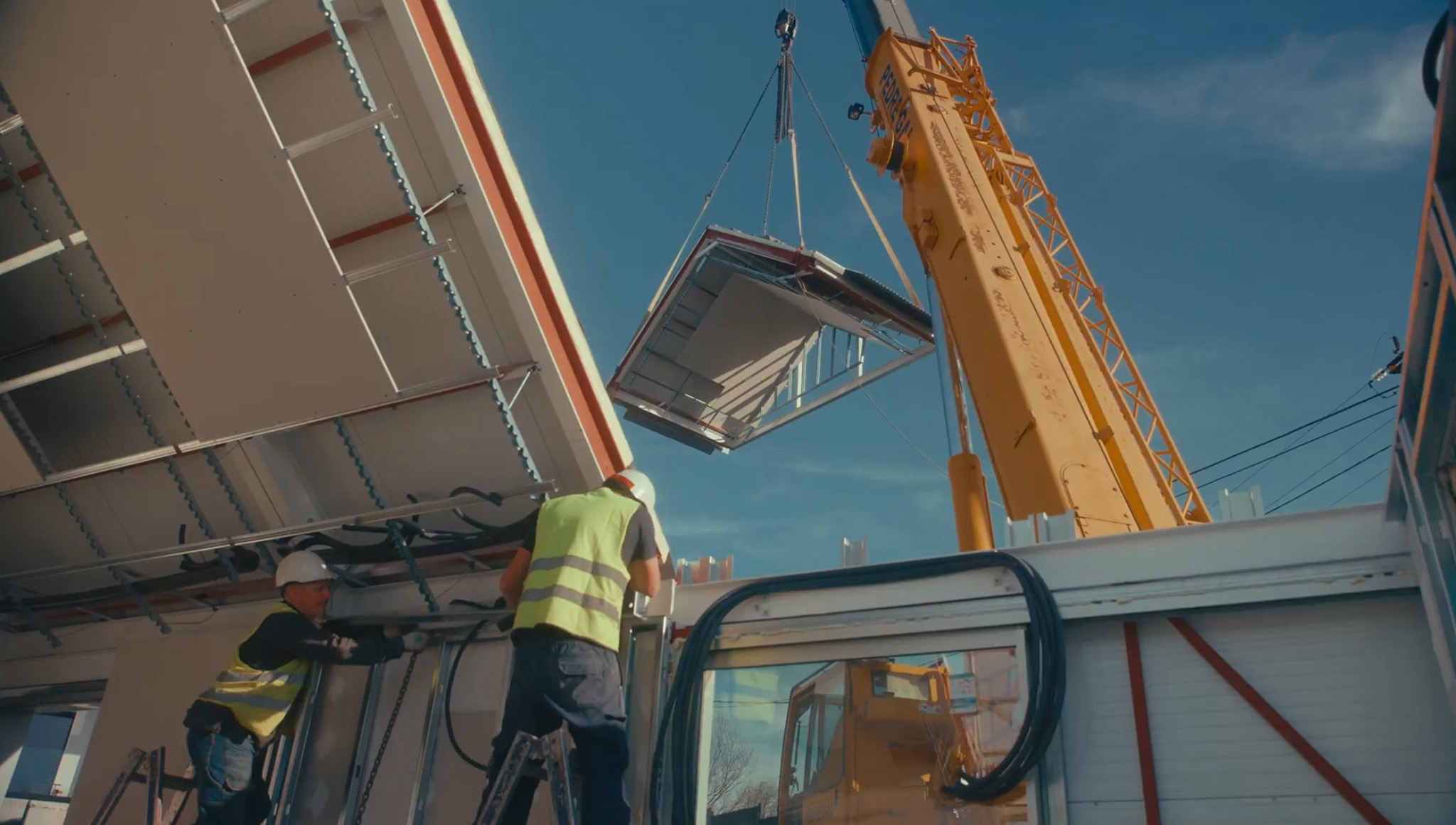
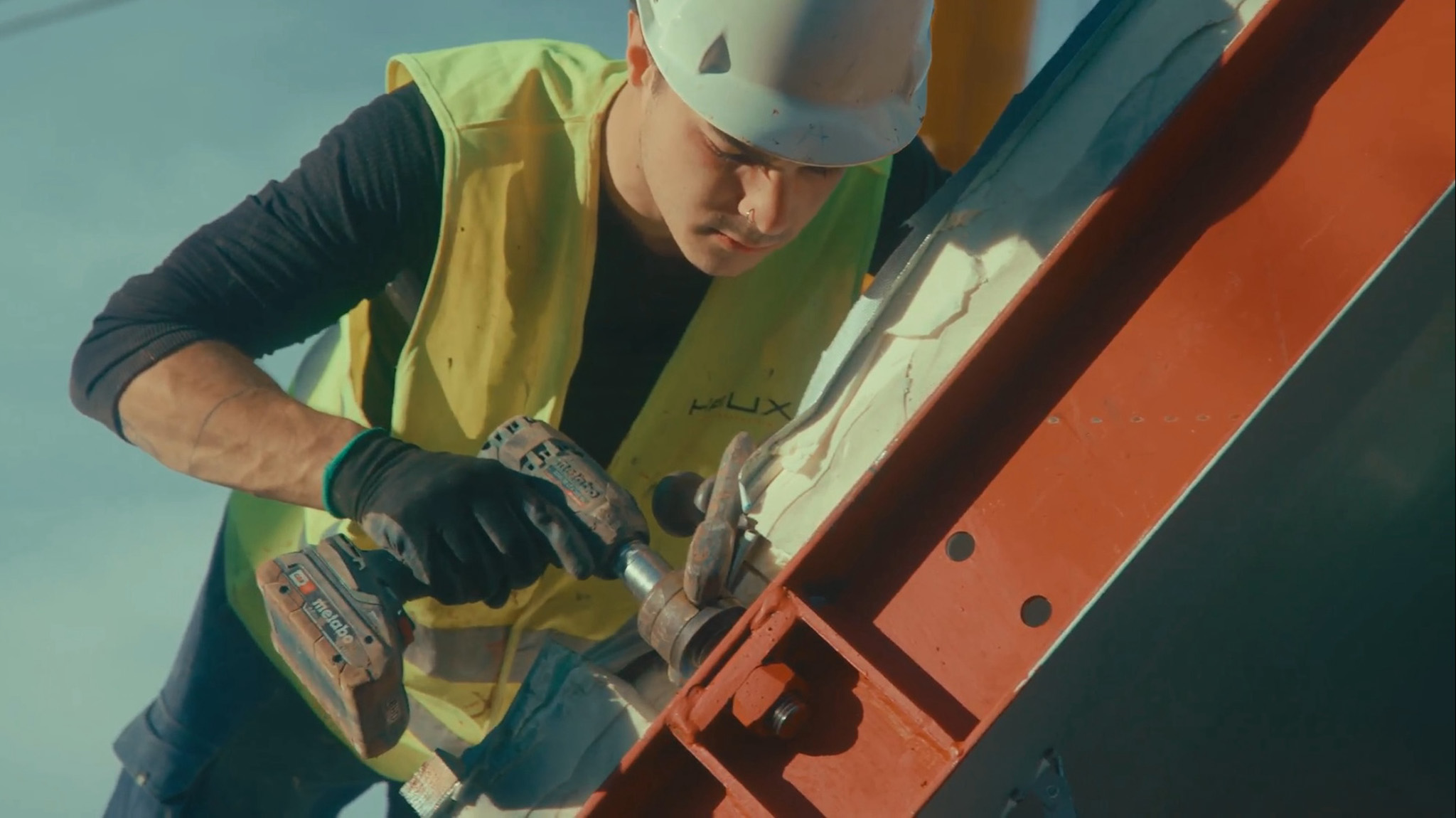
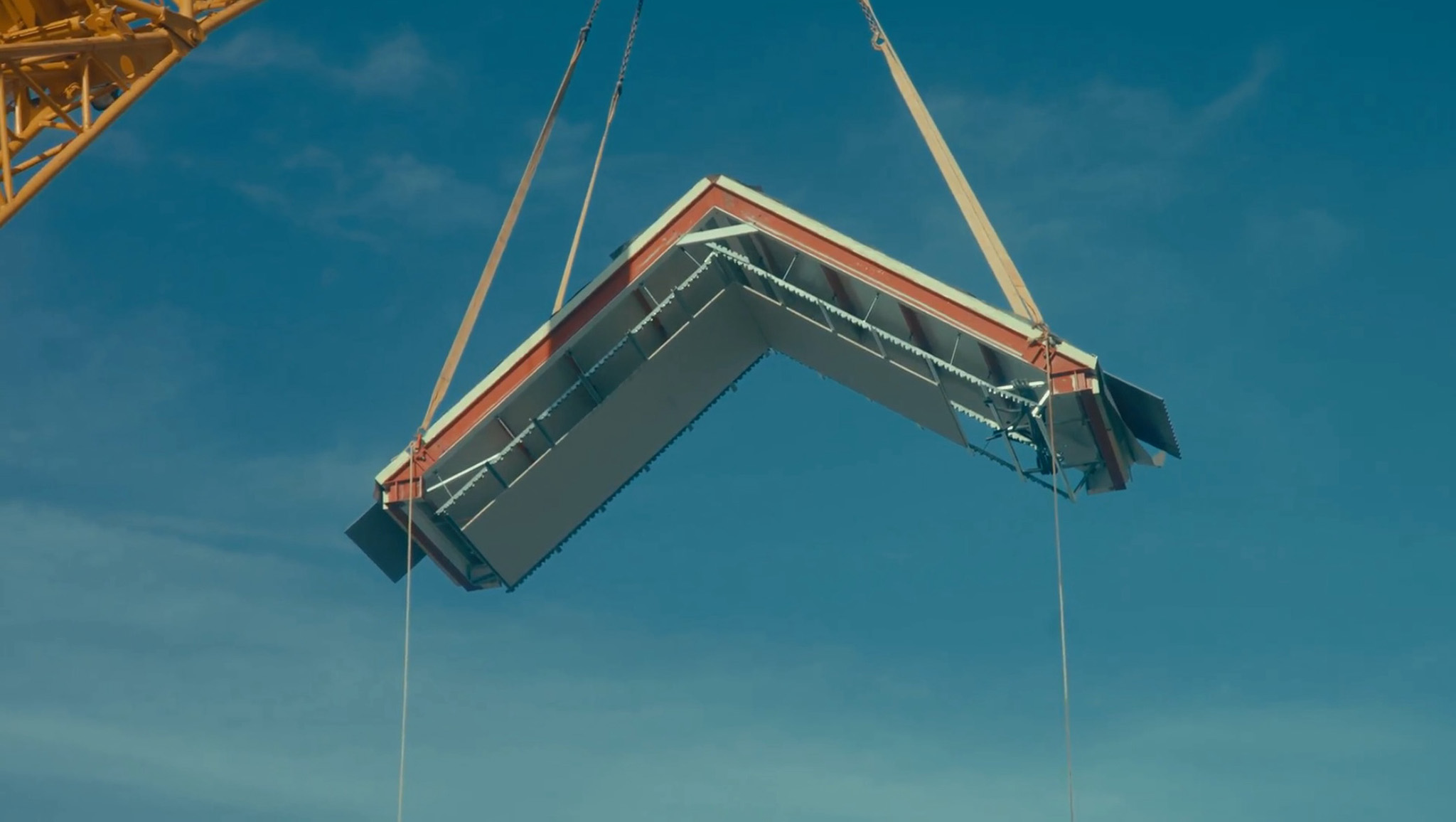
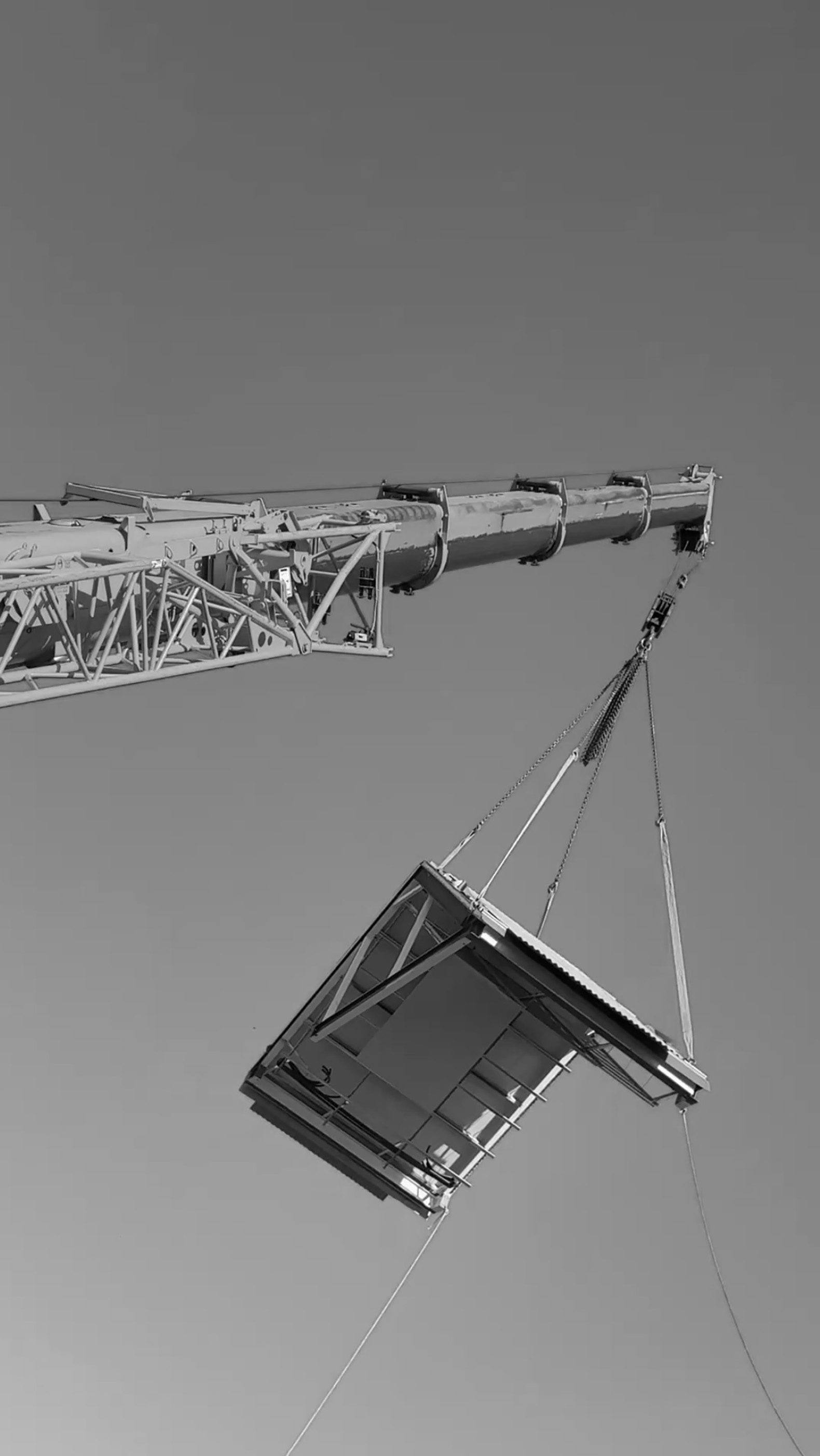
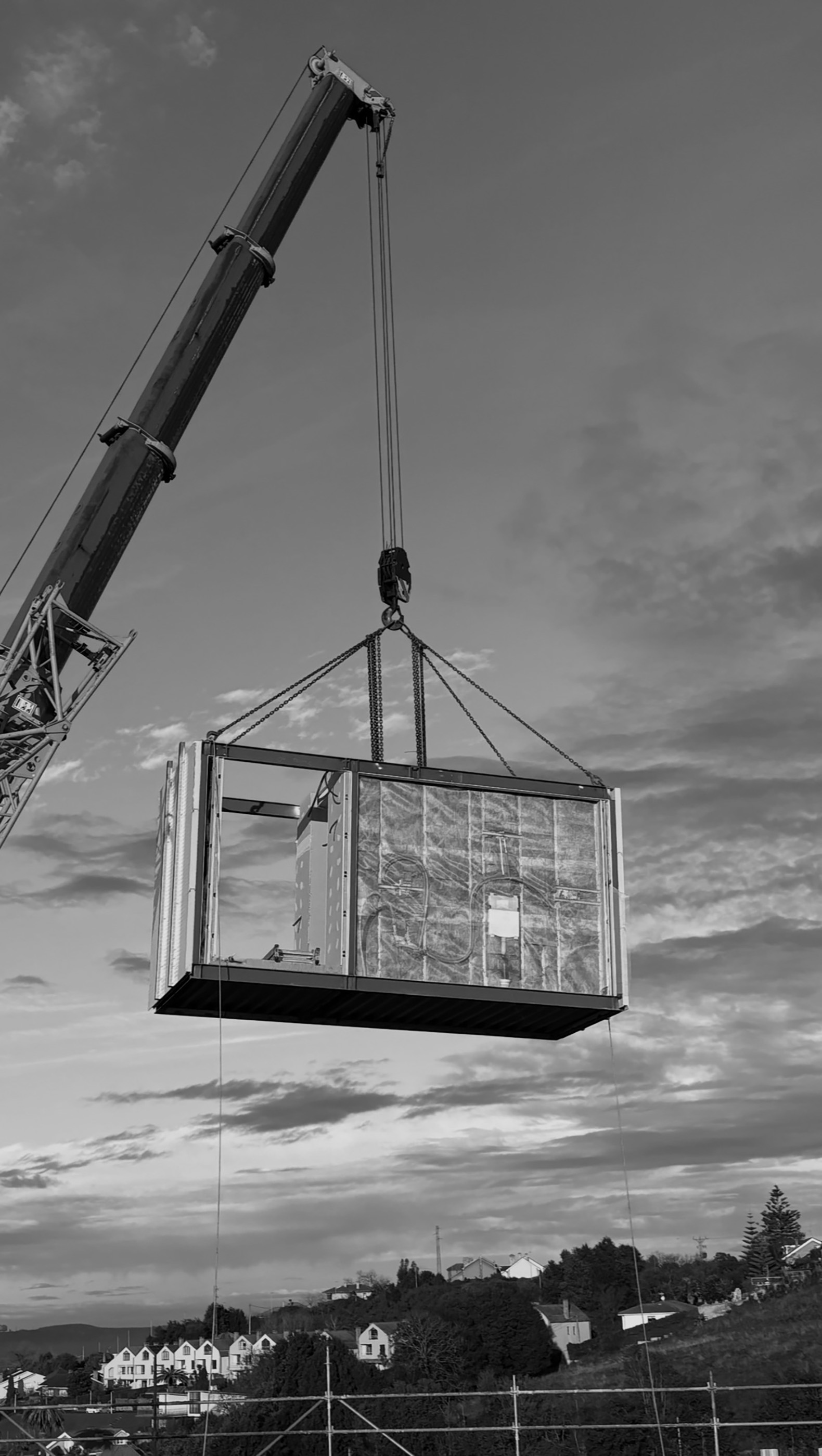
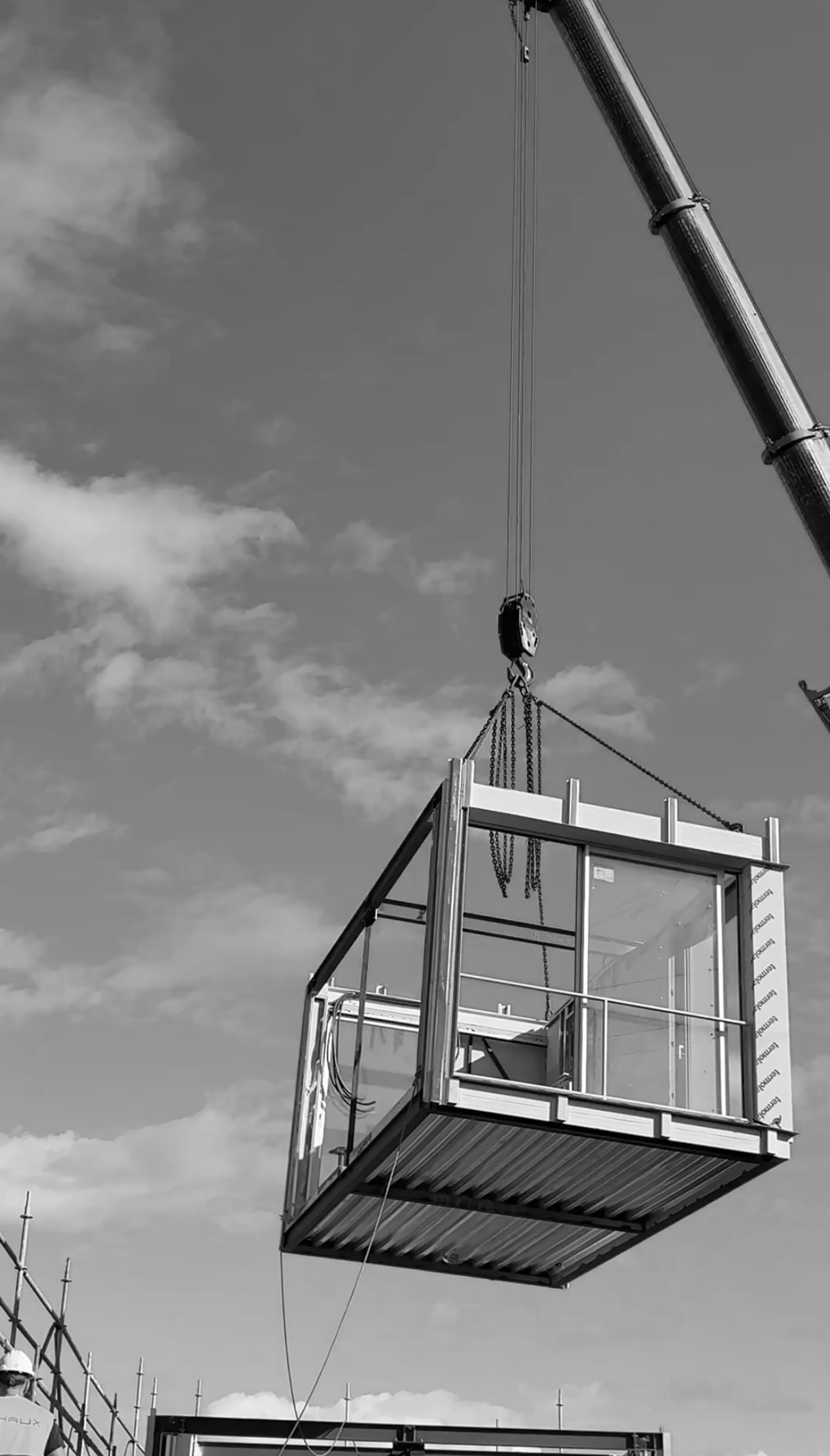
Combining efficiency and material quality, the design developed by Hanghar was entirely prefabricated in a workshop, allowing for improved control over finishes and reduced construction time. Once transported to its site, the house was assembled using a dry construction system, offering a viable alternative to traditional methods: faster, more precise, and without compromising landscape integration or spatial quality.

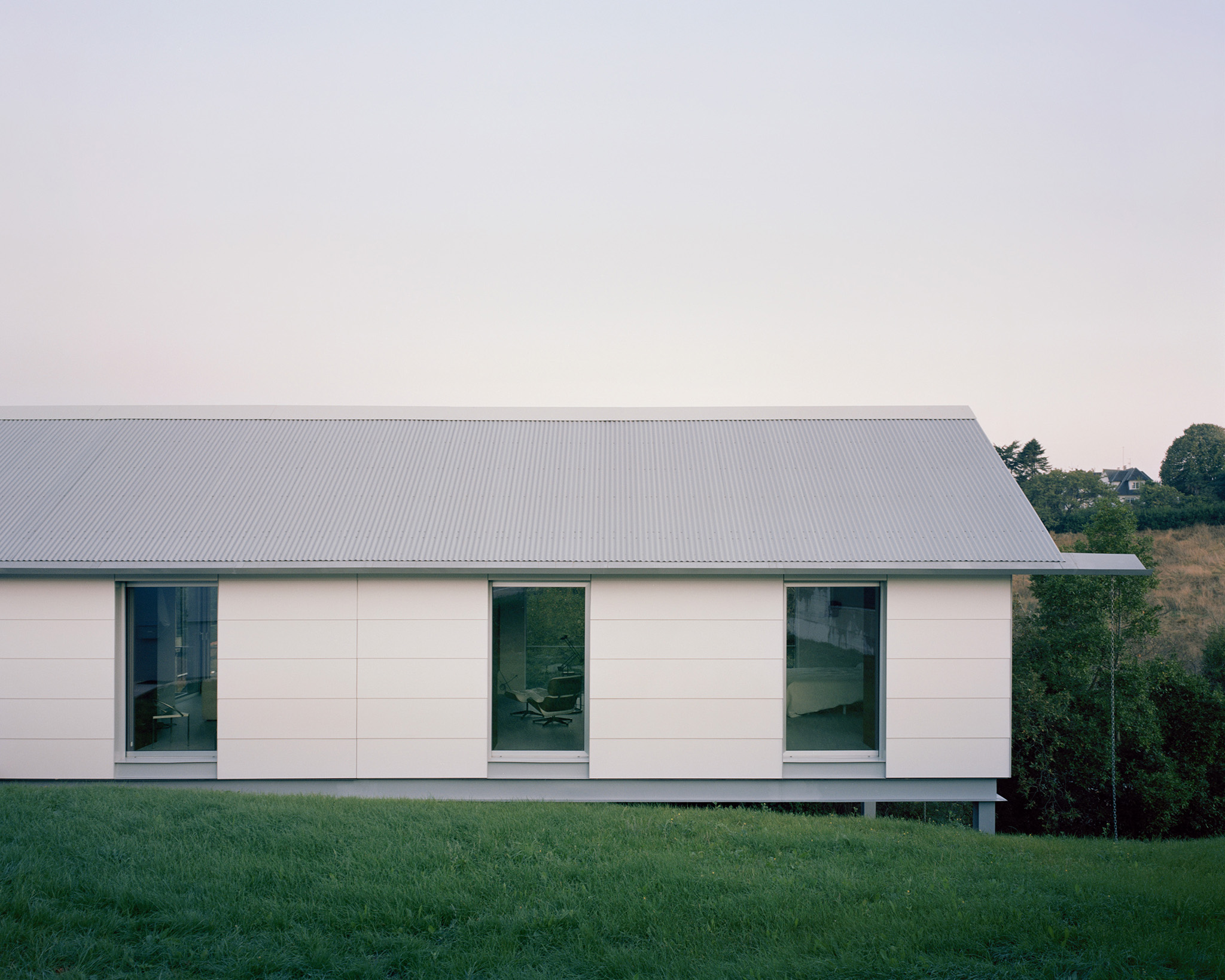
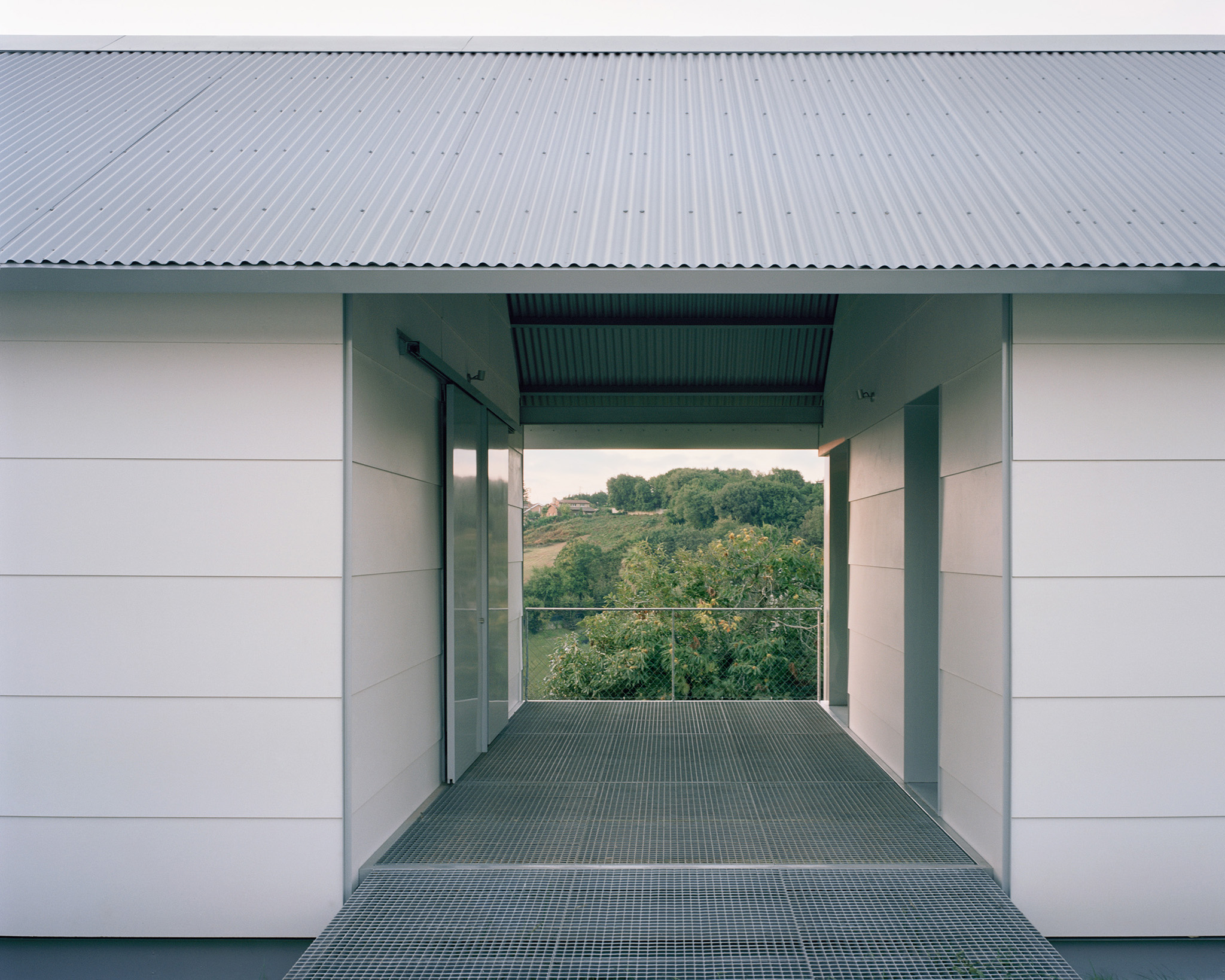
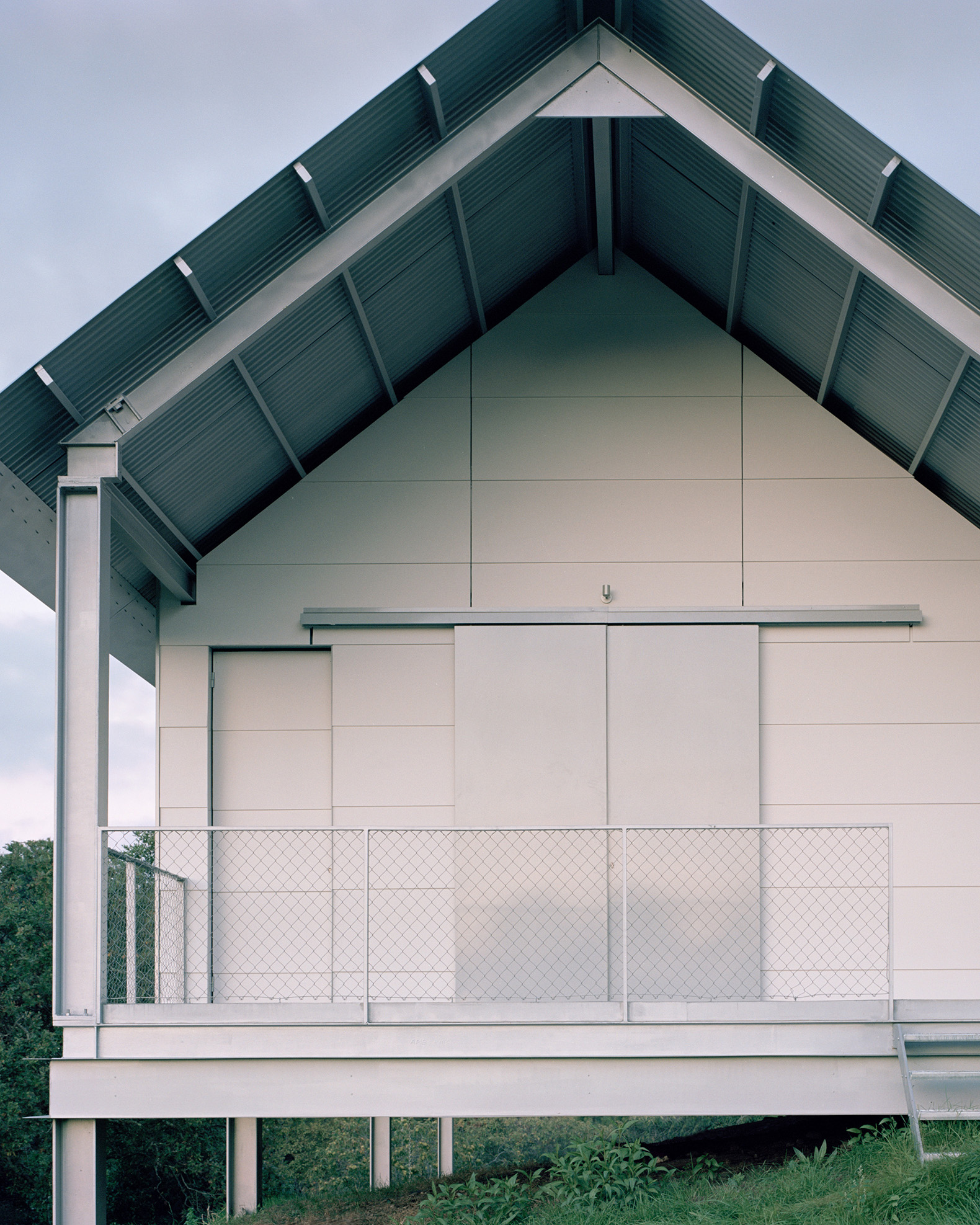
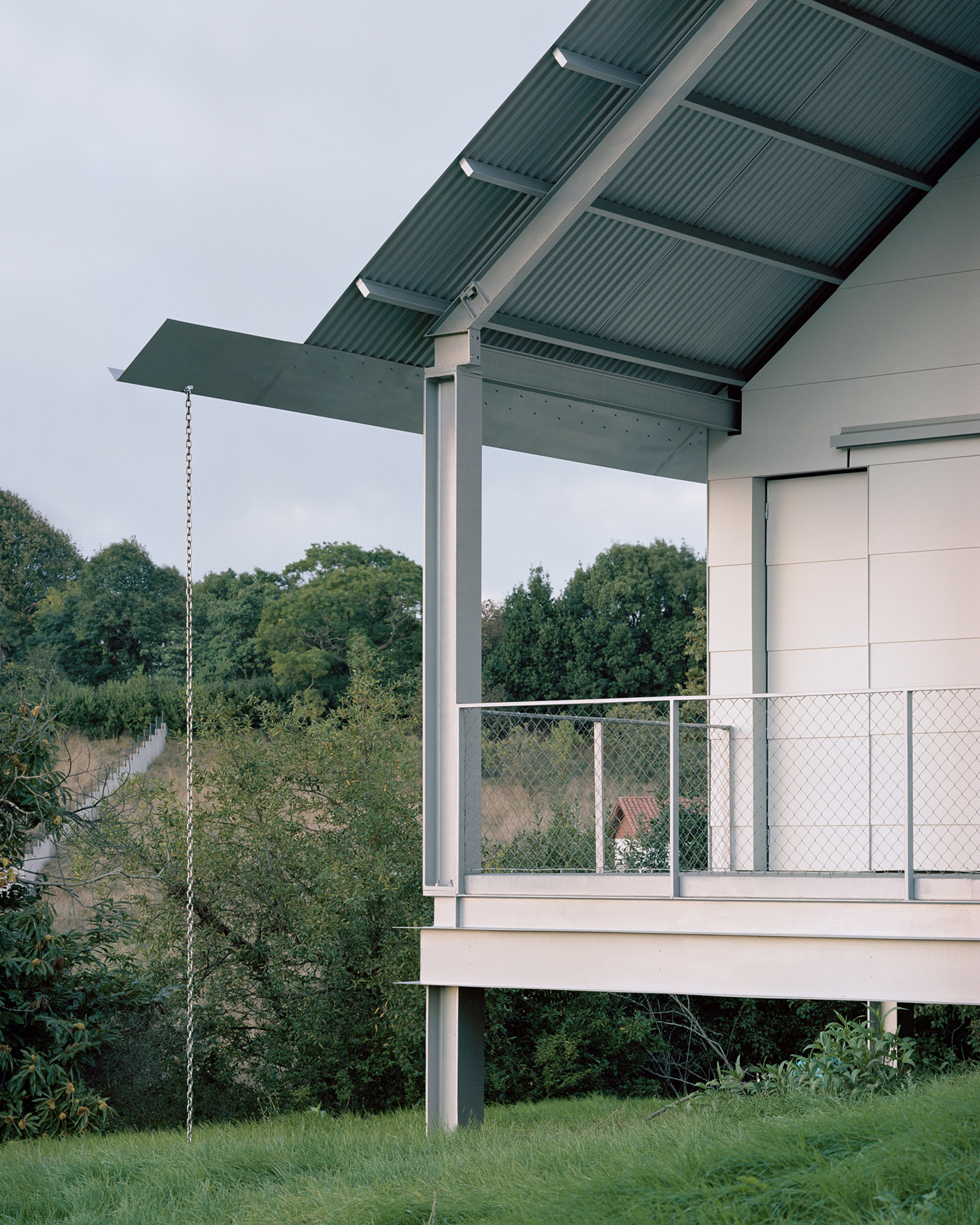
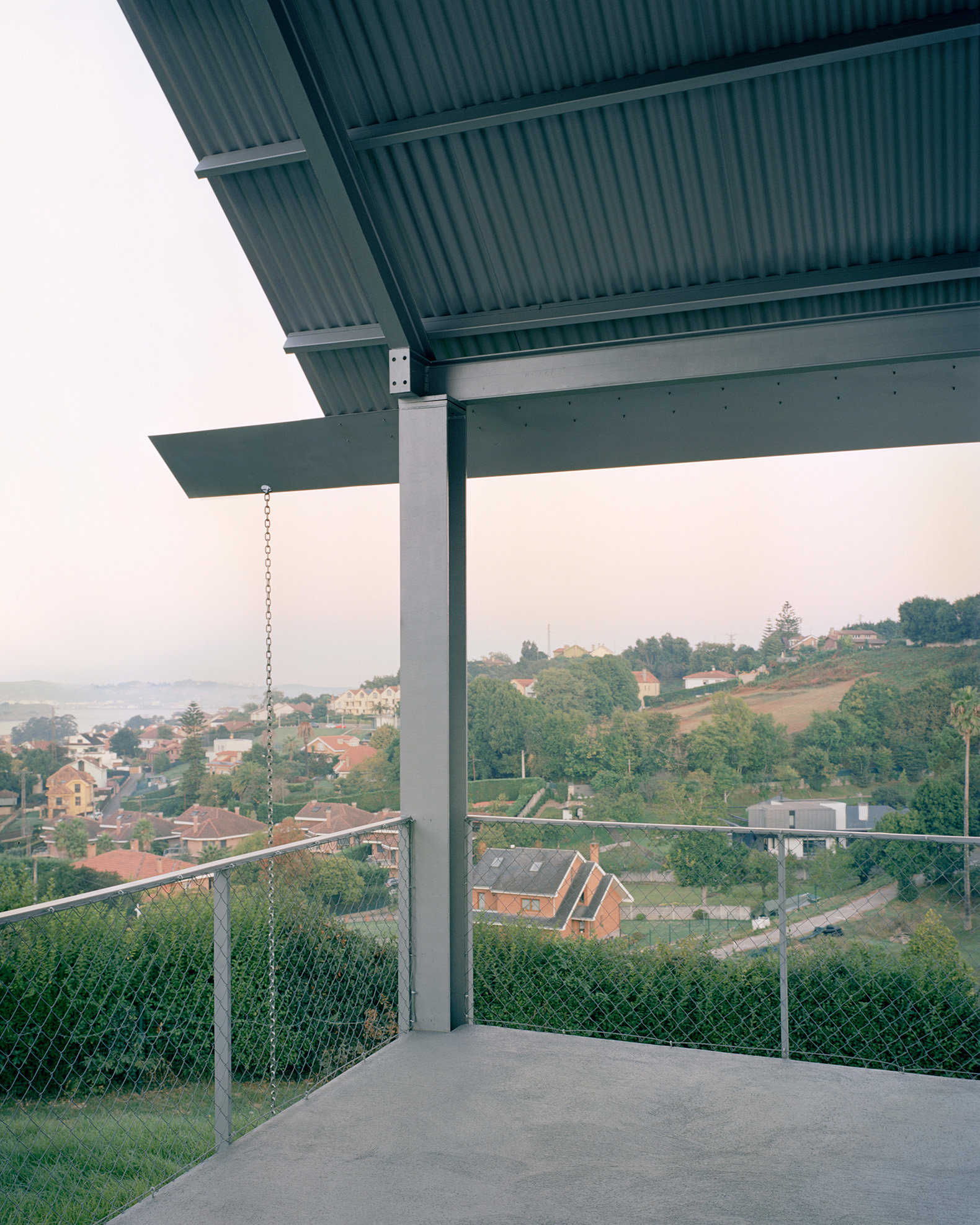
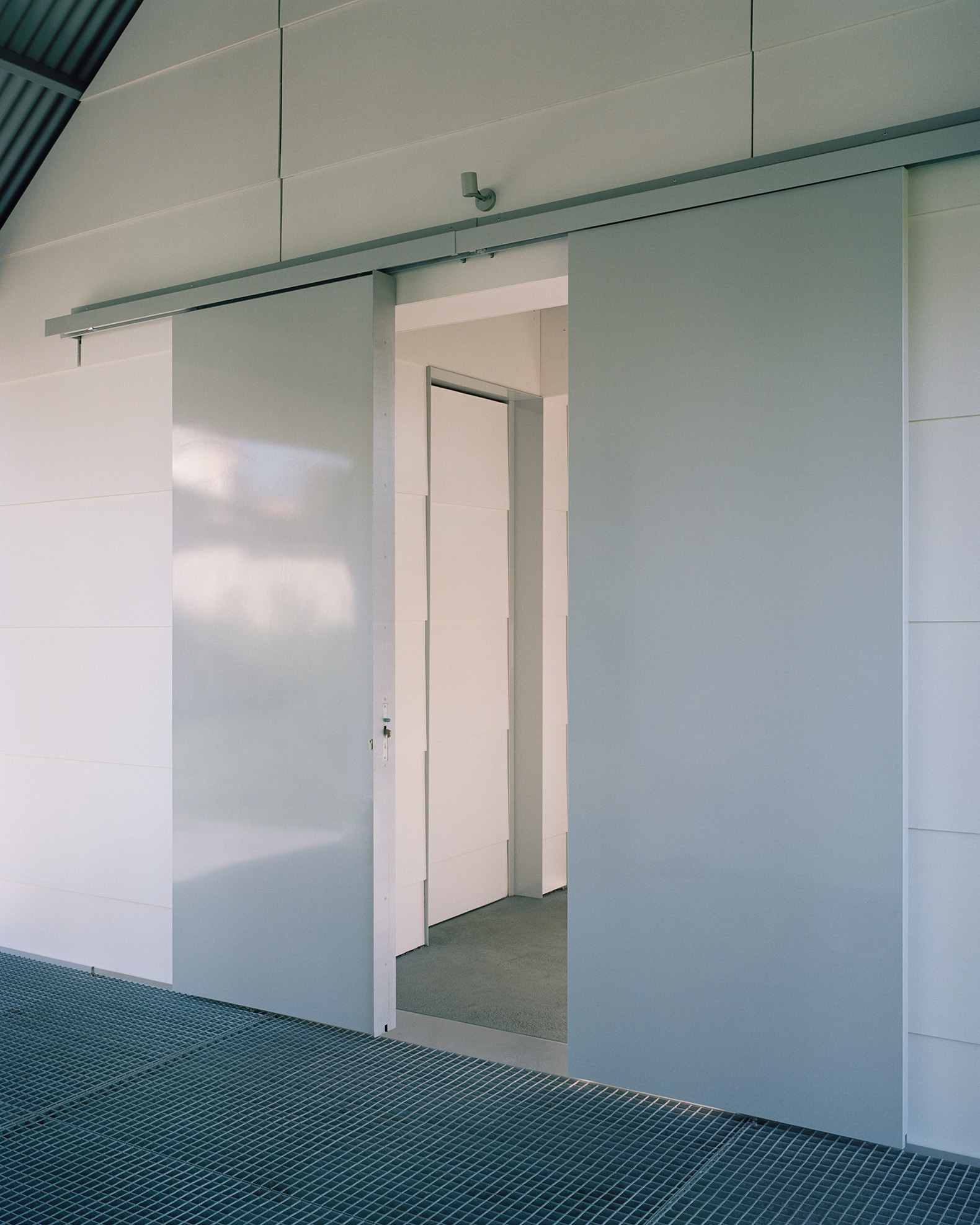
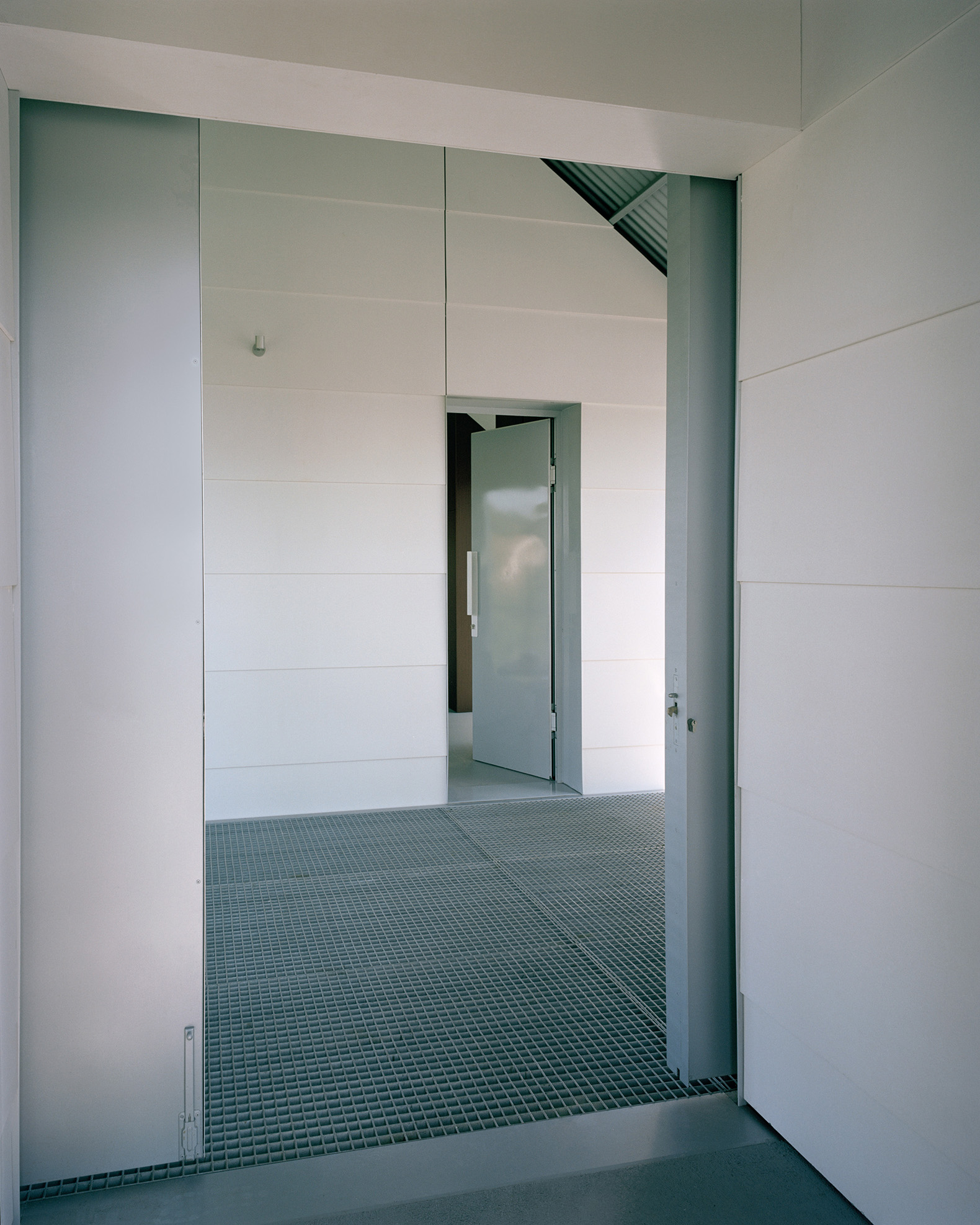
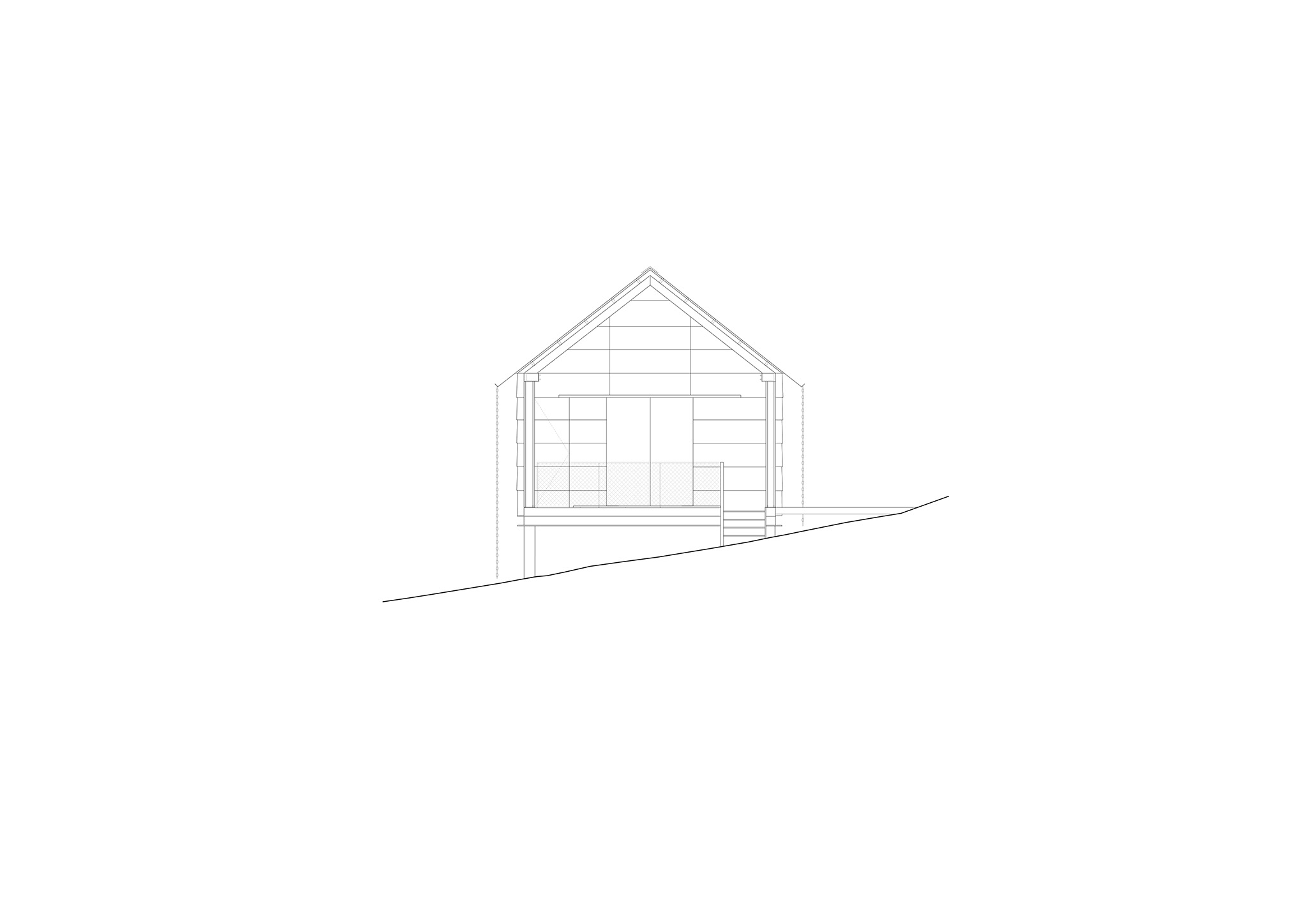
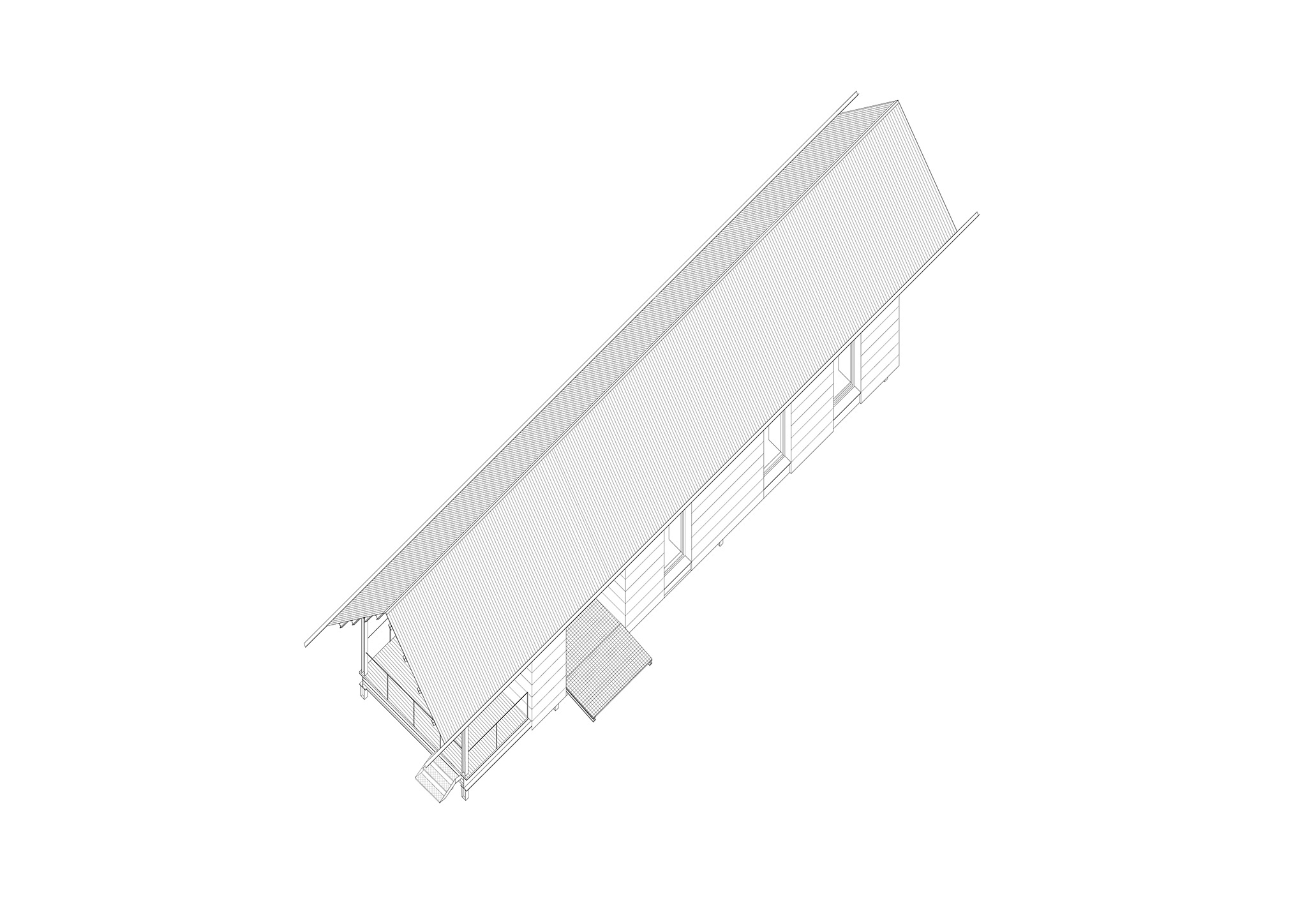
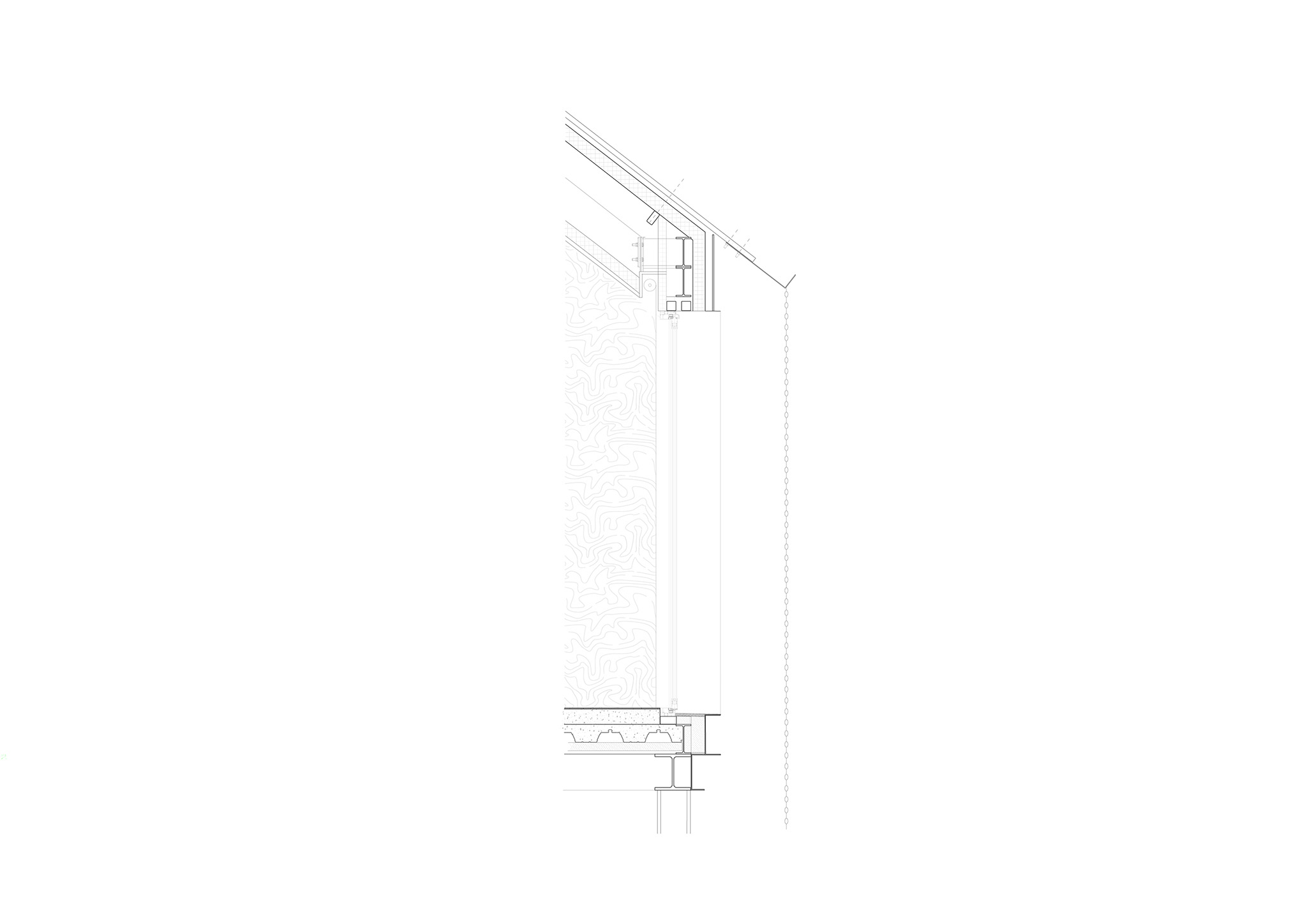
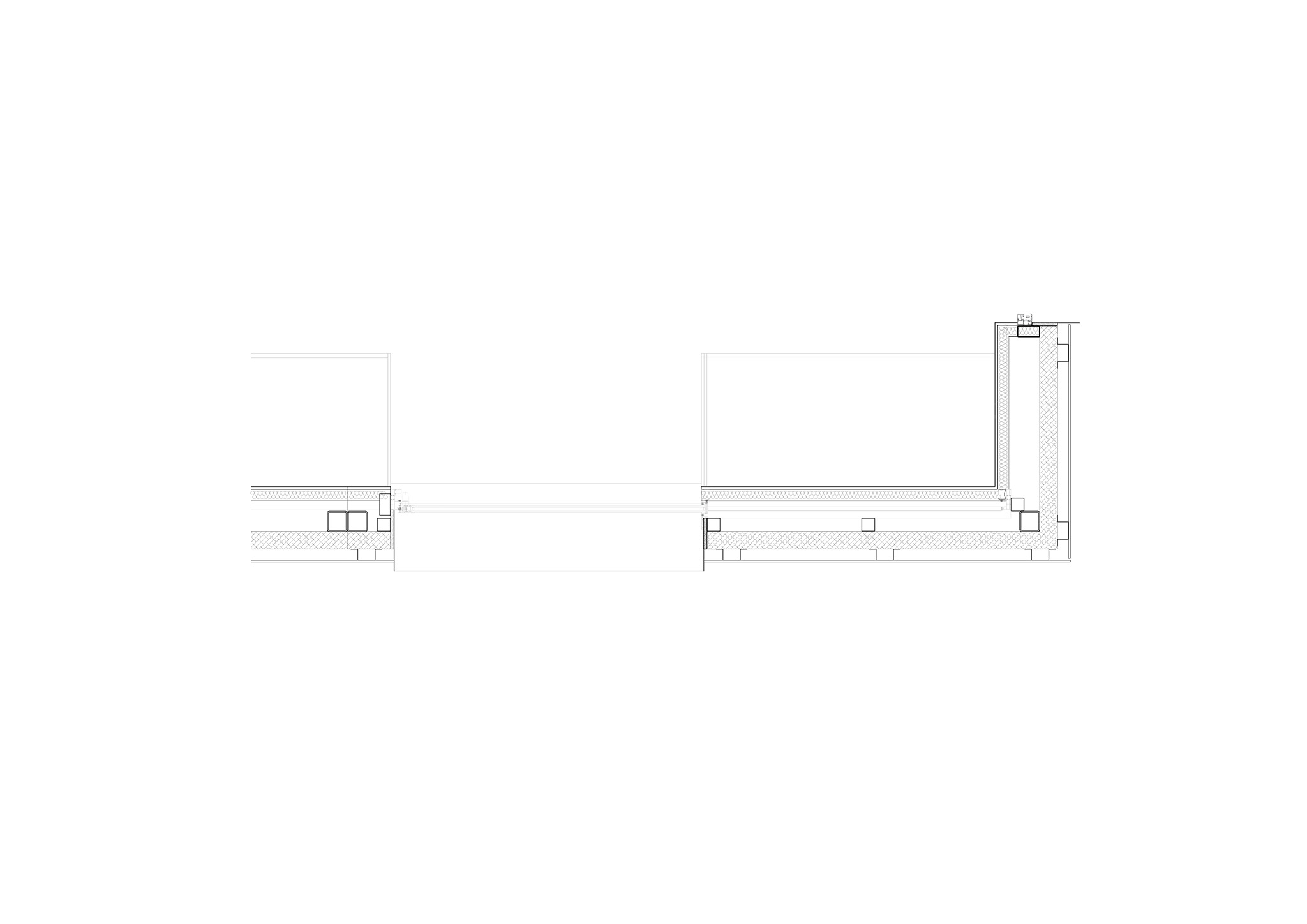
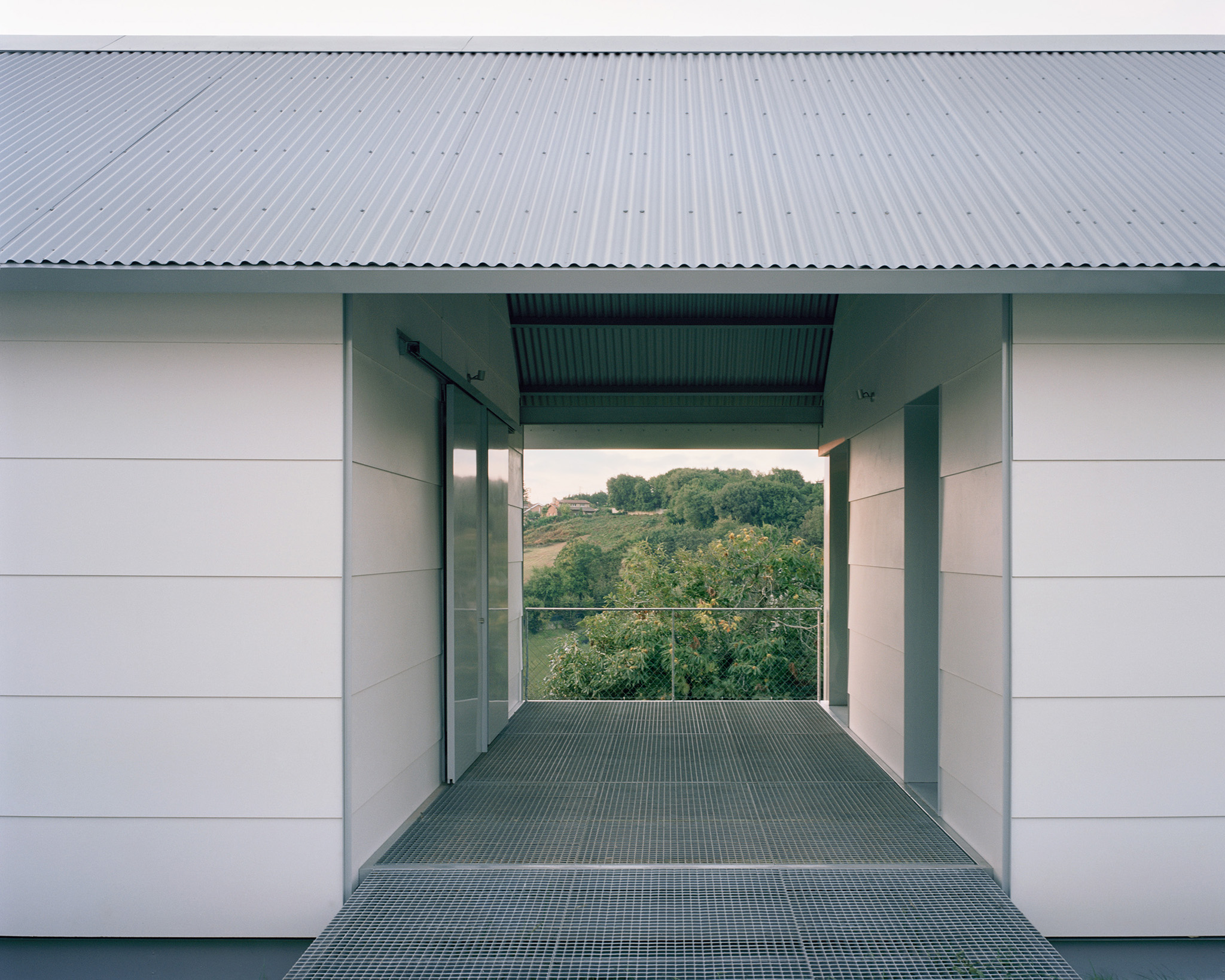
The materials used, in turn, respond to criteria of construction optimization, durability, and good thermal performance in a humid and variable climate like that of Asturias. In this regard, the project is resolved with a lightweight metal structure, a ventilated facade with sandwich panels, an insulated air cavity, and a corrugated metal roof, creating a coherent, efficient, and easily controllable system during the manufacturing process.
"Casa Guadalupe" by Hanghar. Photograph by Rory Gardiner --- Casa Guadalupe por Hanghar. Fotografía por Rory Gardiner

"Casa Guadalupe" by Hanghar. Photograph by Rory Gardiner.

Project description by Hanghar

Casa Guadalupe represents HANGHAR’s commitment to a contemporary form of housing grounded in industrialized construction, capable of combining efficiency, sustainability, and material quality without losing its connection to the Asturian landscape.

From a typological standpoint, the house is rooted in the local context through two figures that are deeply embedded in Asturian territory: the agricultural shed and the casa mariñana. In a suburban environment that is in fact more rural than residential, these typologies continue to organize the territory, its scale, and the way plots are occupied. Casa Guadalupe draws from them its clear volumetric logic, its direct relationship to the ground and the climate, and a restrained way of building, all reinterpreted through a contemporary language and a dry, prefabricated construction system.

"Casa Guadalupe" by Hanghar. Photograph by Rory Gardiner.

The house is fully fabricated in a workshop, allowing for precise control over both finishes and production timelines. It was transported by semi-trailers and assembled on site in a very short time: the main structure was in place within 48 hours. This process significantly reduced construction time compared to conventional building, limited the impact on the site, and demonstrated that industrialized systems can achieve a high level of construction quality.

The building’s placement on the plot responds to the irregularity of the ground and to the intention of touching the land as lightly as possible. For this reason, the house is raised on a system of piers that adapts to the existing topography, minimizes earthwork, and preserves the natural condition of the site. Material selection follows criteria of constructive efficiency, durability, and thermal performance in a humid and variable climate. The building is resolved through a lightweight steel structure, a ventilated façade with sandwich panels, an insulated air cavity, and a corrugated metal roof, forming a coherent, efficient system that is easily controlled during fabrication.
"Casa Guadalupe" by Hanghar. Photograph by Rory Gardiner.

Through this technical approach, Casa Guadalupe proposes a different way of understanding prefabricated housing: not as a standardized product, but as a flexible system capable of producing architecture with character, spatial quality, and a precise relationship to its surroundings. The project offers a viable alternative to traditional methods, one that is faster, more controlled, and more easily replicated, aligned with current demands for sustainable, well-built housing.

The execution of the house confirms that prefabrication can be a rigorous and effective design tool, where industrialization coexists with careful detailing, attention to place, and a thoughtful architectural sensibility.
More information

Label
Architects
Text

Hanghar. Lead Architect.- Eduardo Mediero.
+ + copy Created with Sketch.
- + copy Created with Sketch.
Label
Contractor
Text

Room2030.

+ + copy Created with Sketch.
- + copy Created with Sketch.
Label
Area
Text

120 sqm.

+ + copy Created with Sketch.
- + copy Created with Sketch.
Label
Dates
Text

2025.

+ + copy Created with Sketch.
- + copy Created with Sketch.
Label
Location
Text

Gijón, Spain.

+ + copy Created with Sketch.
- + copy Created with Sketch.
Label
Photography
+ + copy Created with Sketch.
- + copy Created with Sketch.
HANGHAR is an architecture practice based in Madrid that explores the intersection of architectural precedents and financial organisational models. The practice develops projects from furniture design to housing developments and urbanism. HANGHAR is run by Eduardo Mediero since 2021.

Eduardo Mediero holds a Master's in Architecture with Honours from the Polytechnic University of Madrid and a Master's in Architecture from the Harvard University Graduate School of Design. His work has been exhibited at the XIV Biennial of Spanish Architecture and Urbanism, the 16th and 15th Venice Architecture Biennale and the Colegio de Arquitectos de Madrid. Eduardo is the recipient of the 2018 KPF Travelling Fellowship, the Real Colegio Complutense Fellowship and the Arthur Lehman Fund. He is the inaugural Fishman Fellow at the A Alfred Taubman College of Architecture and Urban Planning.
Read more
Published on: April 26, 2026
Cite:
metalocus, AGUSTINA BERTA
"Industrialization and care. "Casa Guadalupe" by Hanghar" METALOCUS. Accessed
<https://www.metalocus.es/en/news/industrialization-and-care-casa-guadalupe-hanghar> ISSN 1139-6415
Loading content ...
Loading content ...
Loading content ...
Loading content ...
Loading content ...
Loading content ...
Loading content ...
Loading content ...
Loading content ...
Loading content ...
Loading content ...
Loading content ...
Loading content ...
Loading content ...
Loading content ...
Loading content ...
Loading content ...
Loading content ...
Loading content ...
Loading content ...
Loading content ...
Loading content ...
Loading content ...
Loading content ...
Loading content ...
Loading content ...
Loading content ...
Loading content ...
Loading content ...
Loading content ...
Loading content ...
Loading content ...
Loading content ...
Loading content ...
Loading content ...
Loading content ...
Loading content ...
Loading content ...
Loading content ...
Loading content ...
Loading content ...
Loading content ...
Loading content ...
Loading content ...
Loading content ...
Loading content ...
Loading content ...
Loading content ...
Loading content ...
Loading content ...
Loading content ...
Loading content ...
Loading content ...
Loading content ...