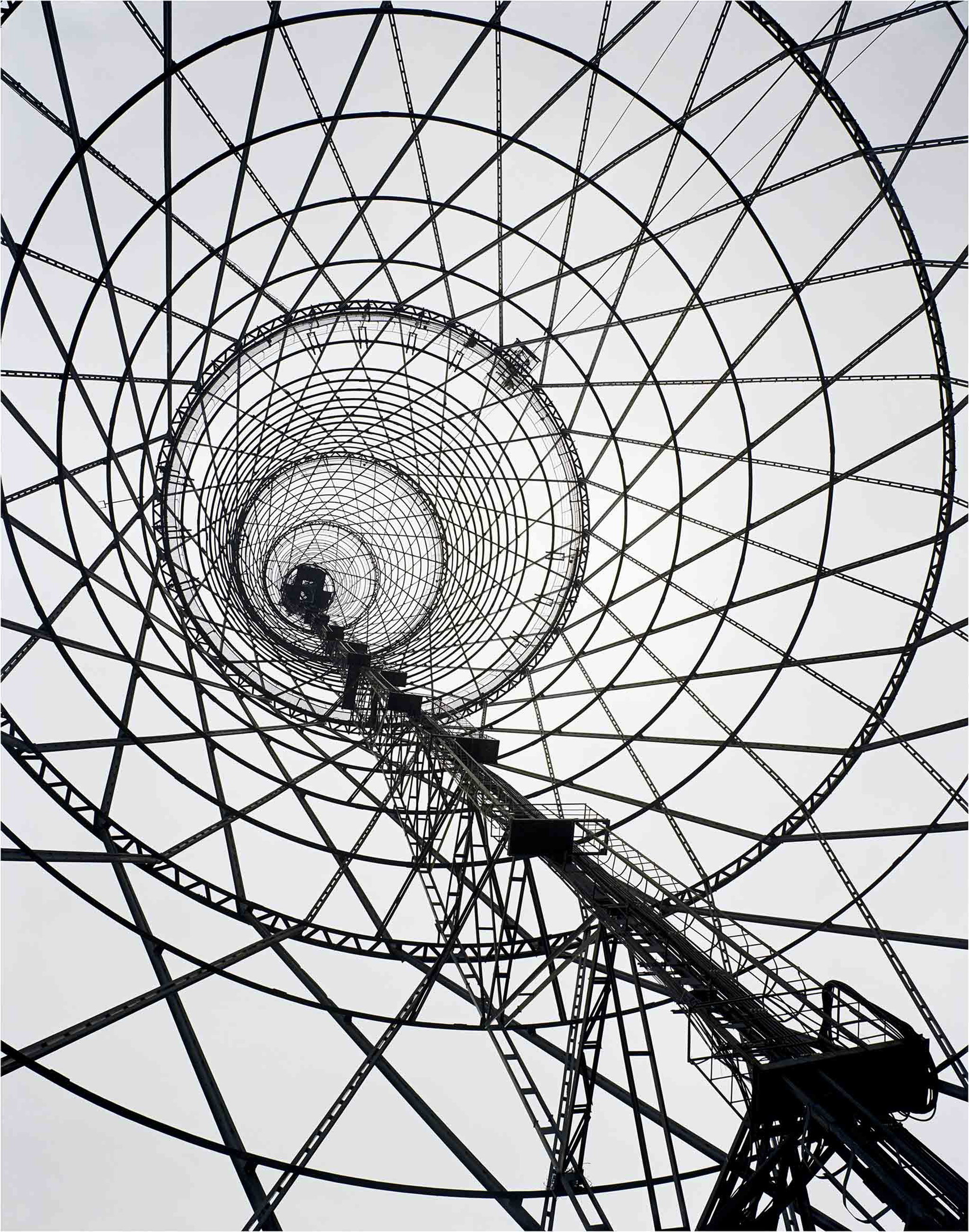
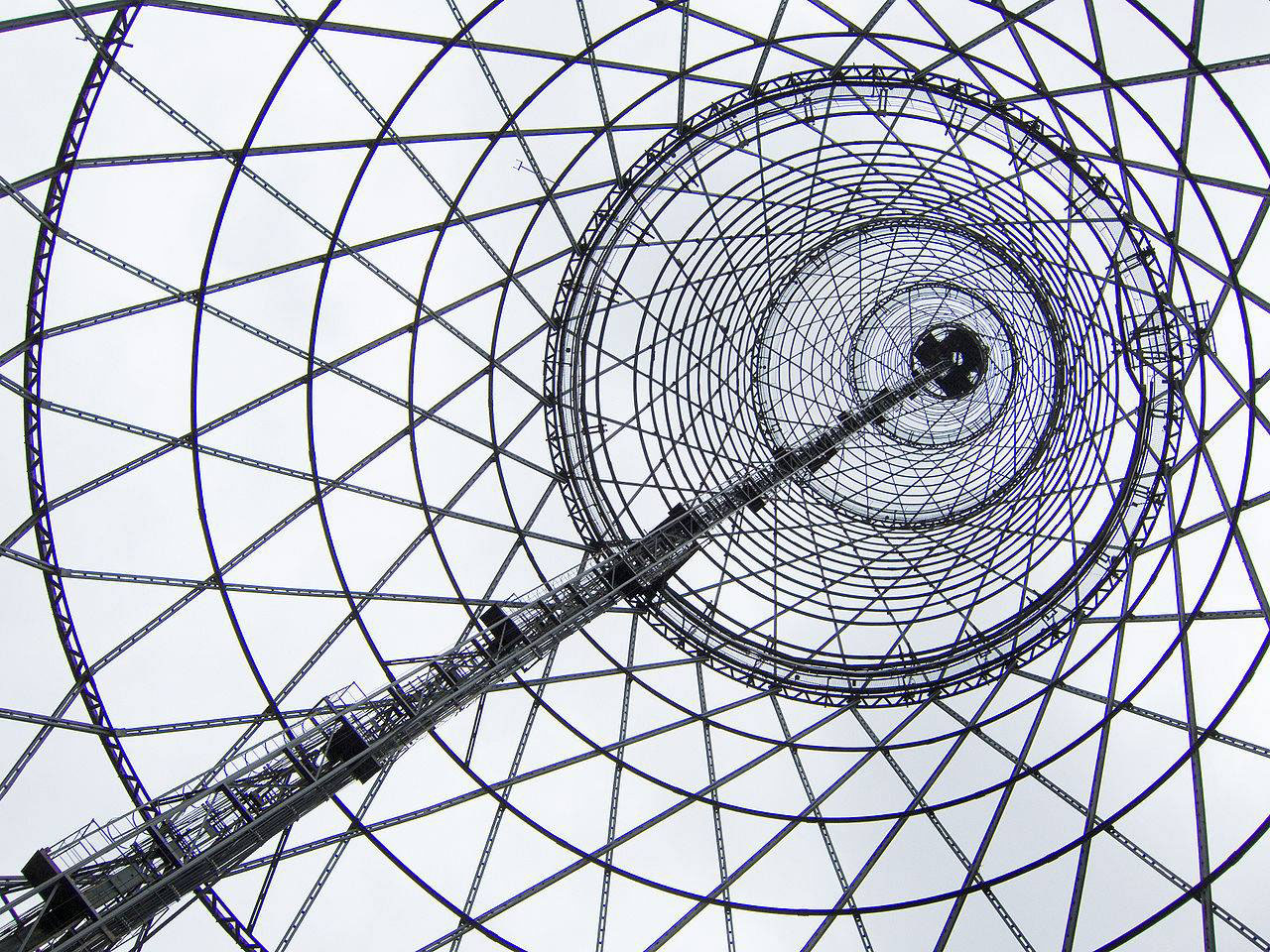
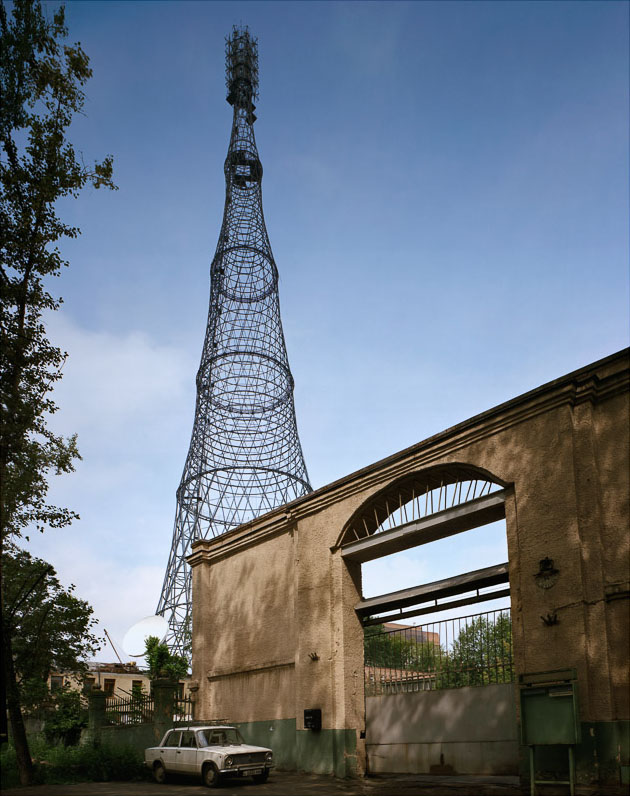
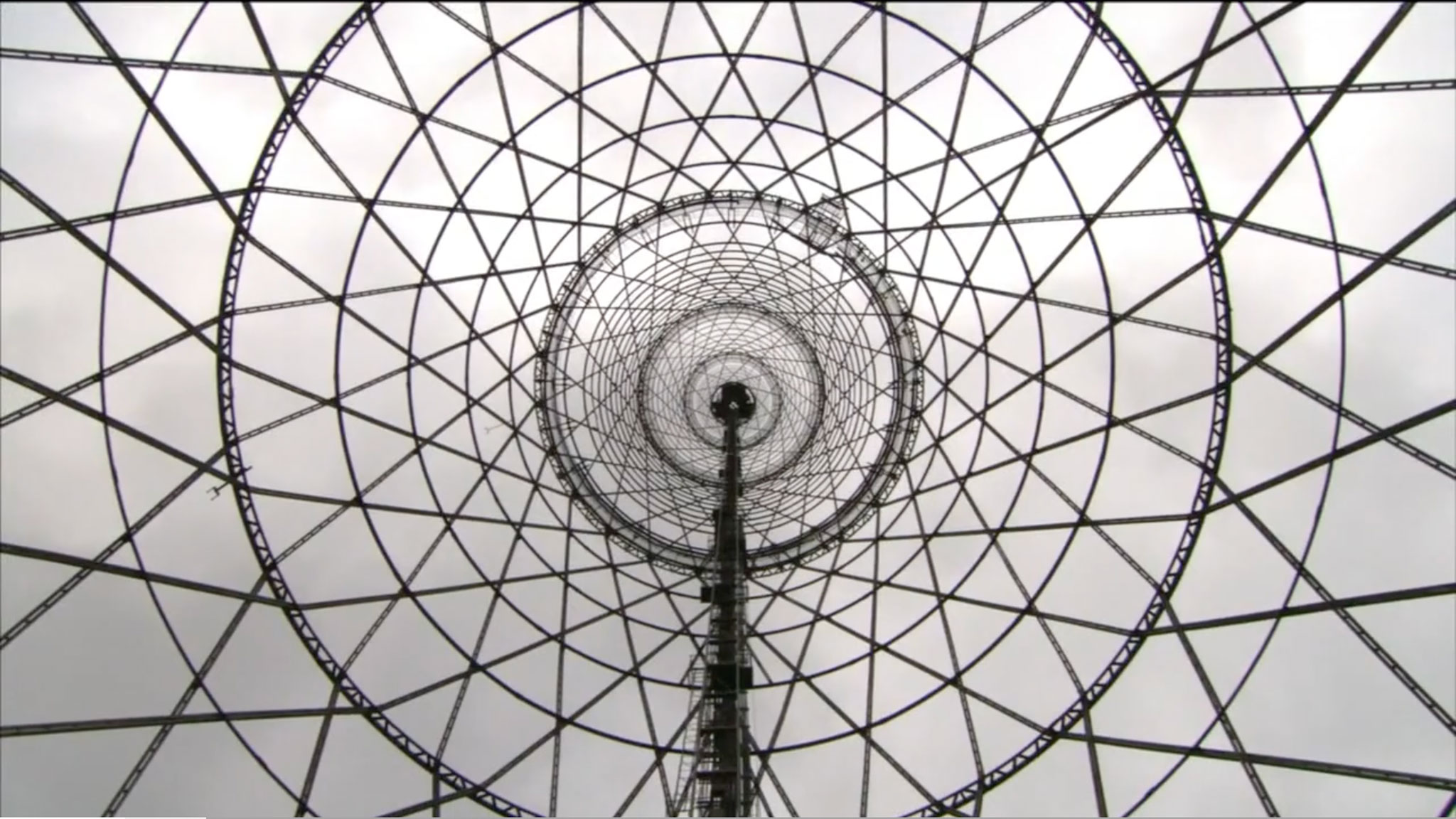
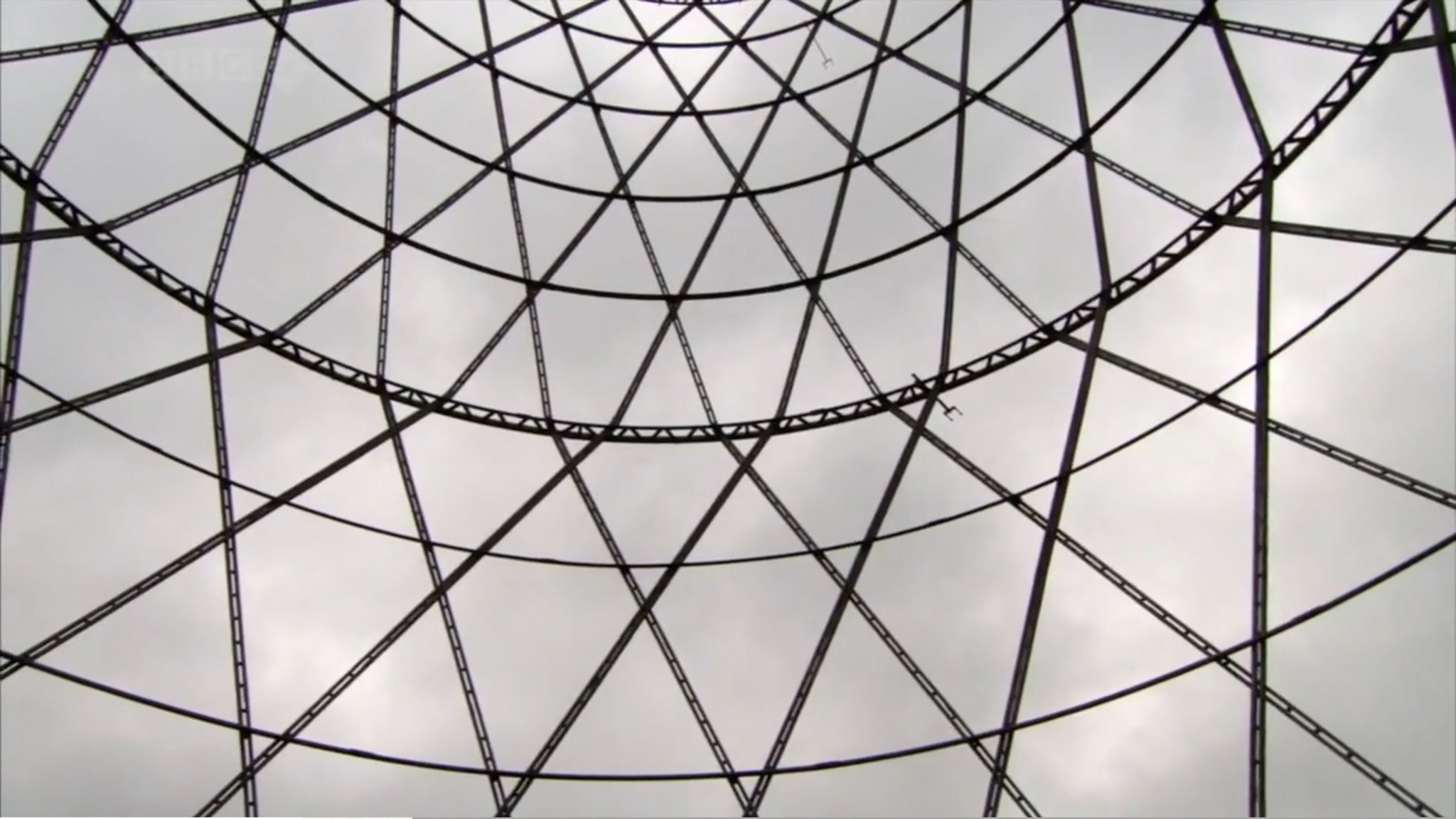
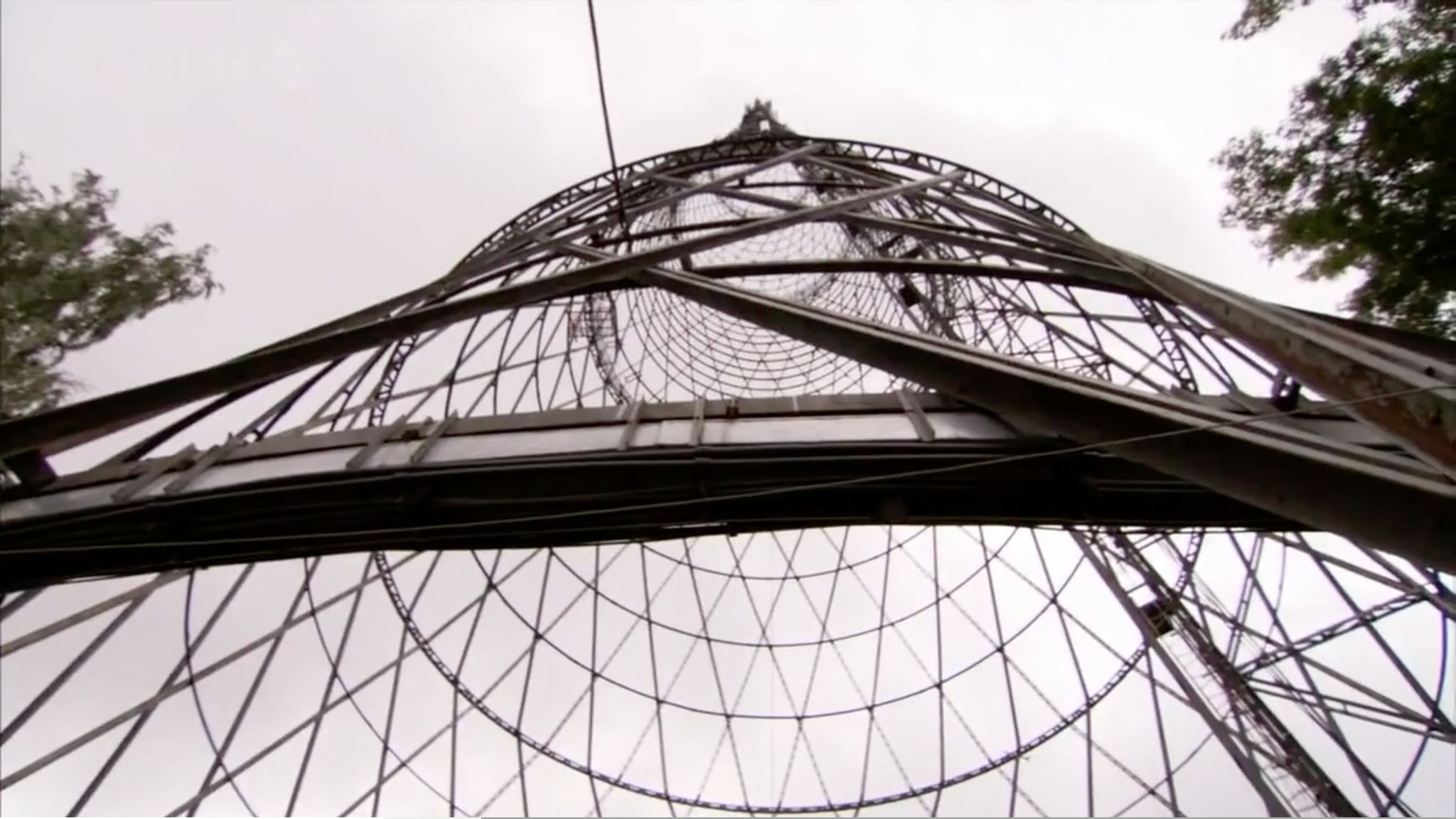
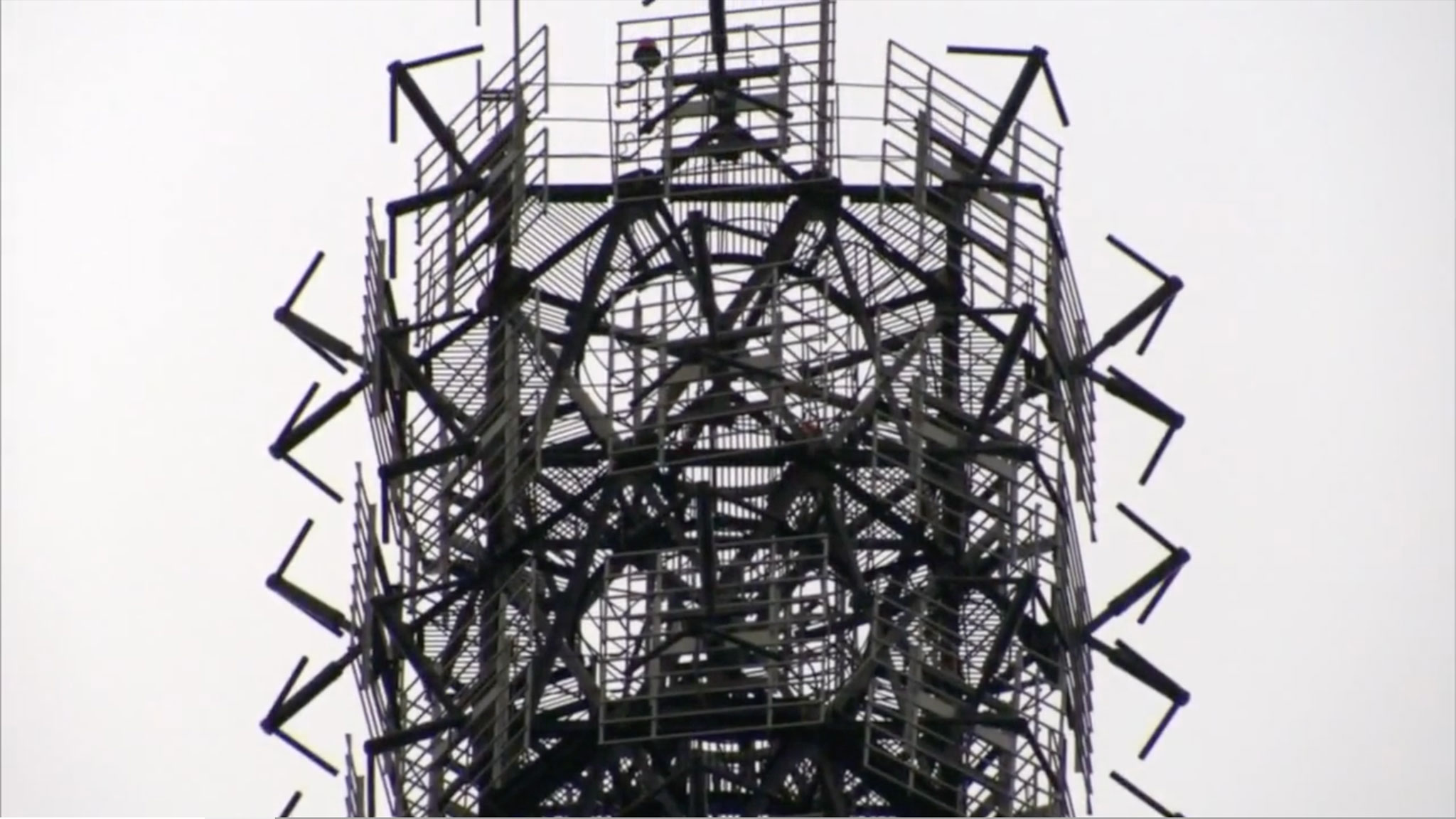
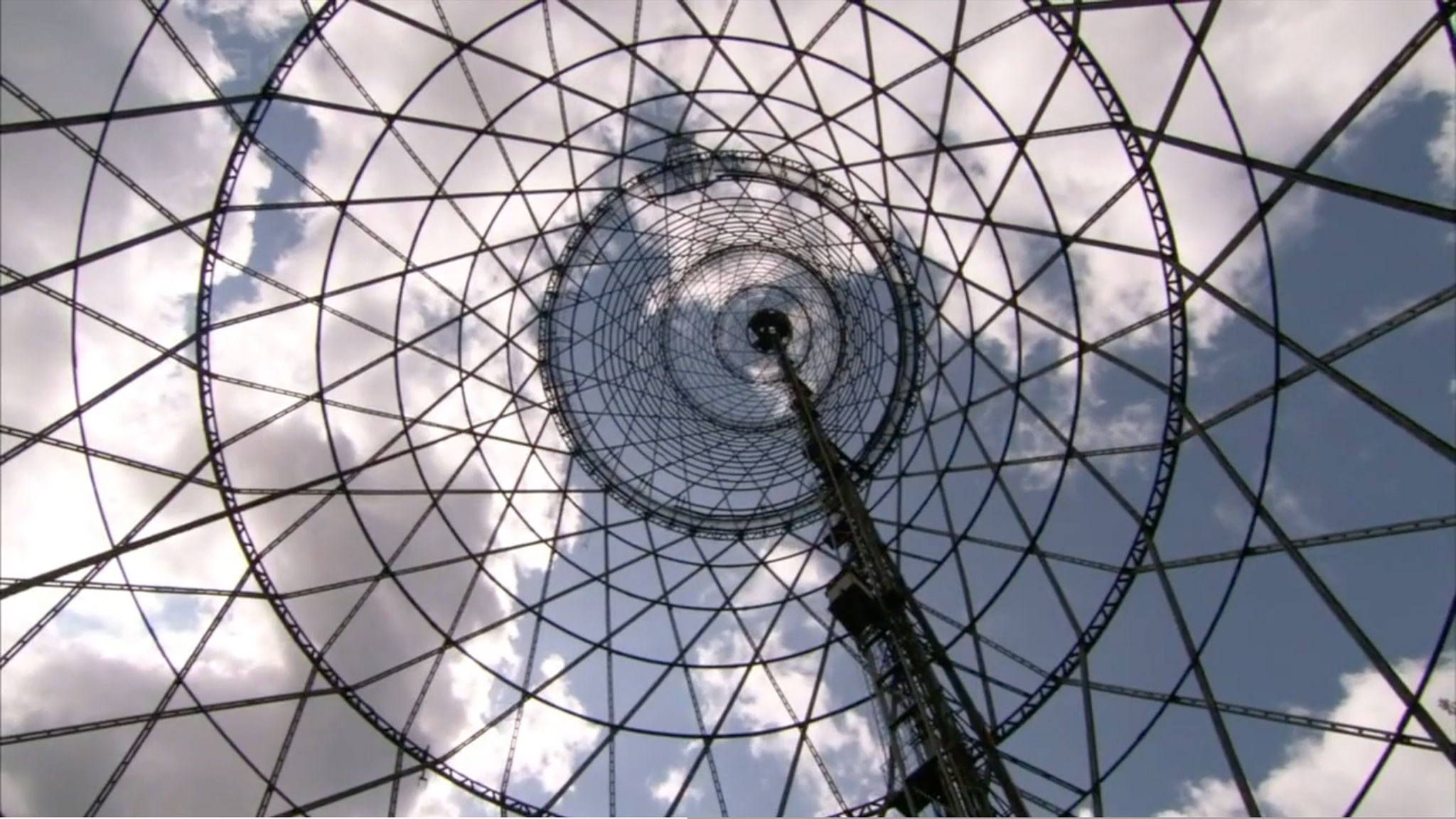
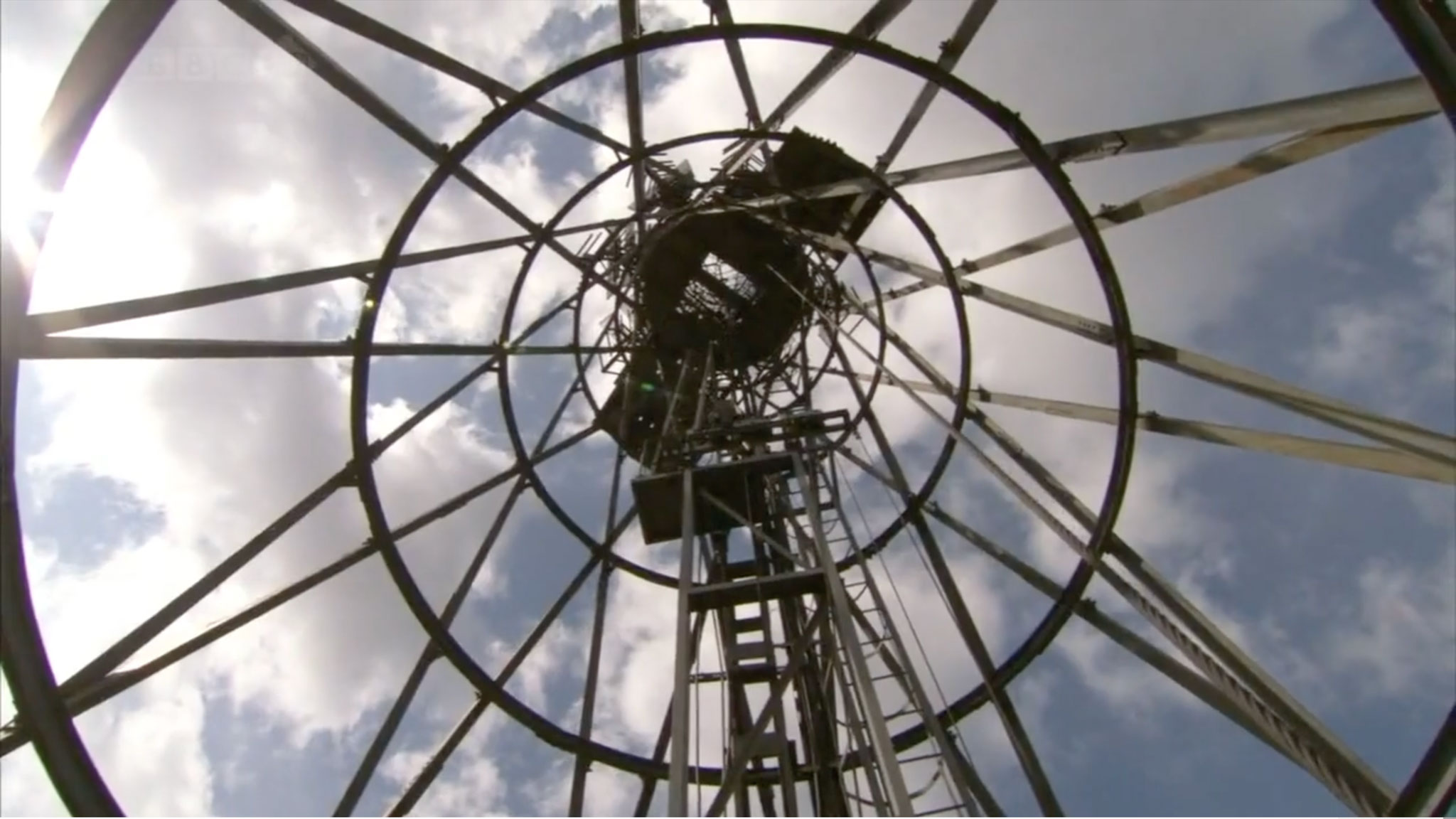
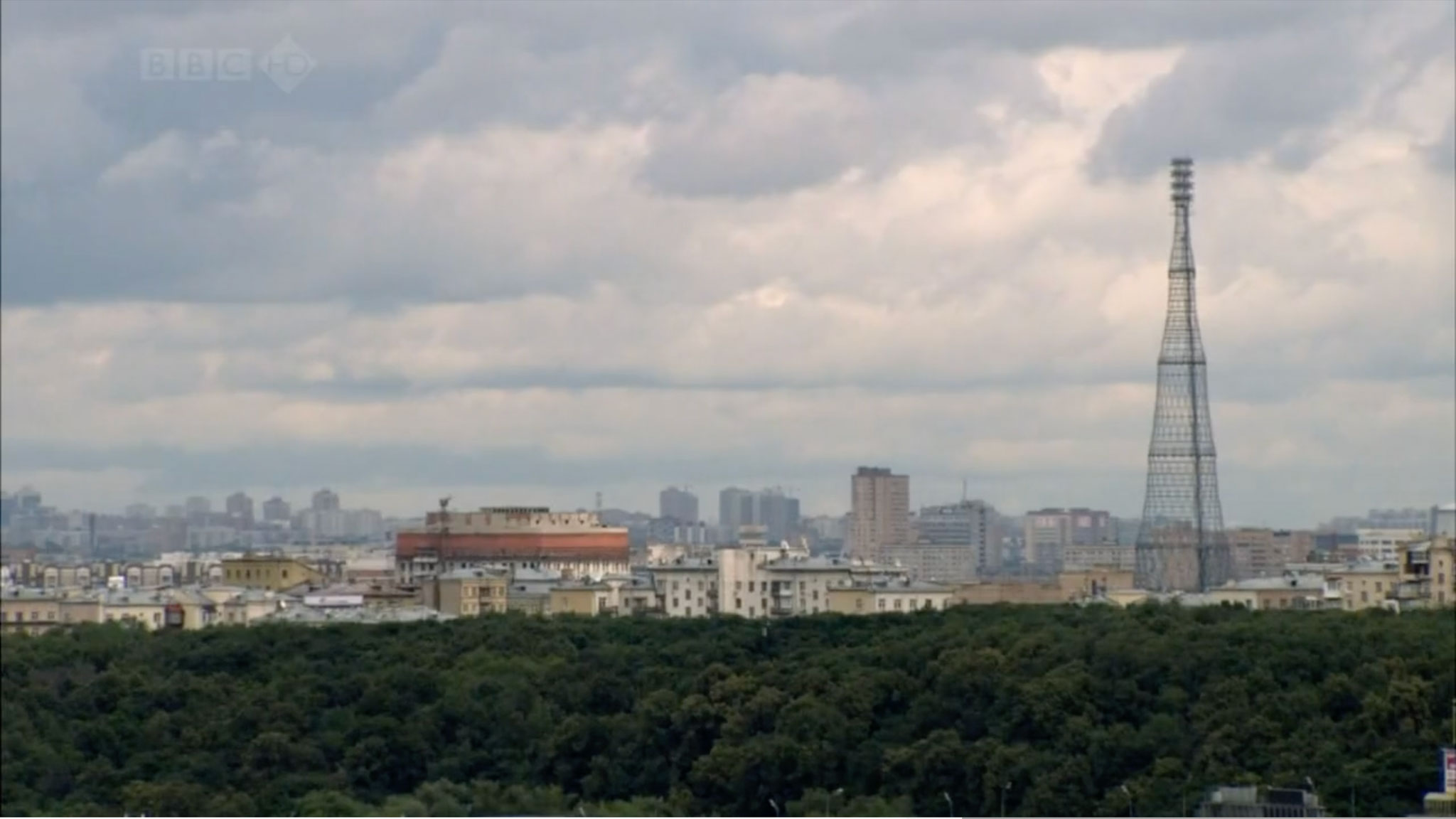
The Shabolovka Radio Tower, designed by Vladimir Shukhov and built in Moscow in 1922, is once again facing a threat that could compromise its preservation. According to available information, plans are in place to begin dismantling the structure in late October, with the intention of subsequently reconstructing it using a combination of original elements and modern materials.

This proposal has raised concerns regarding the potential impact of such an intervention on the structure’s historical and architectural integrity. This is not the first time the tower has faced a threat of this nature, and its future once again highlights the importance of protecting one of the most iconic works of 20th-century engineering.

We have received an open letter in defense of the Shabolovka radio tower, calling for its preservation and protection against its planned dismantling. We invite our community to join this initiative and support a campaign that seeks to ensure the survival of a historic structure of modern architecture and engineering.

The petition urges the authorities to immediately halt any intervention, convene a group of Russian and international experts to re-evaluate the tower’s condition, and develop a restoration plan that remains as faithful as possible to its original configuration. The goal is to find a solution that preserves the tower’s historical and architectural value without compromising its structural integrity.

You can read and sign here: International Open Letter for the Preservation of the Shukhov Tower.

More information

Label
Architects
+ + copy Created with Sketch.
- + copy Created with Sketch.
Label
Client
Text

Government of the Russian Soviet Federative Socialist Republic (RSFSR), People's Commissariat of Posts and Telegraphs.

+ + copy Created with Sketch.
- + copy Created with Sketch.
Label
Contractor
Text

Vladimir Shukhov's construction company, with a team of workers led by foreman Galankin.

+ + copy Created with Sketch.
- + copy Created with Sketch.
Label
Area / Dimensions
Text

Area.- 1,288 m² (circular area of ​​the base).
Height.- 148.5 m for the metal structure; approximately 160 m including the elements at the top.

+ + copy Created with Sketch.
- + copy Created with Sketch.
Label
Dates
Text

Design, 1919. Construction, 1919–1922. Commissioned, March 1922.

+ + copy Created with Sketch.
- + copy Created with Sketch.
Label
Location
Text

Shabolovka Street, Moscow, Russia.

+ + copy Created with Sketch.
- + copy Created with Sketch.
Label
Photography
Text

Richard Pare.

+ + copy Created with Sketch.
- + copy Created with Sketch.

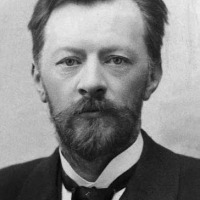
Vladímir Grigórievich Shújov (Grayvoron, Russian Empire, 28 August 1853 – Moscow, Soviet Union, 2 February 1939) was a Russian engineer, inventor and architect. He studied at the Imperial Technical School in Moscow, now Bauman Moscow State Technical University, graduating in mechanical engineering with a gold medal in 1876. That same year, he travelled to the United States as part of a Russian scientific delegation to visit the Centennial Exhibition in Philadelphia, where he met engineer and entrepreneur Alexander Bari.

Upon returning to Russia, he worked at the technical office of the Warsaw–Vienna Railway in Saint Petersburg. In 1878, he began collaborating with Bari on the development of facilities for the oil industry in Baku. In 1880, he became chief engineer at the technical office Bari had established in Moscow, where he carried out much of his professional work. During this period, he designed oil pipelines, steel storage tanks, oil transport vessels, steam boilers and industrial fuel-processing systems. In 1891, together with engineer Sergei Gavrilov, he patented a continuous thermal cracking process for petroleum.

Alongside his industrial work, Shukhov began researching steel structural systems for buildings, large-span roofs and towers. His early projects included the roof structures of the Upper Trading Rows in Moscow, now known as GUM (1889–1893). In 1896, he presented several pavilions with lattice and suspended roofs at the All-Russian Industrial and Art Exhibition in Nizhny Novgorod, together with a water tower constructed from straight steel members forming a hyperboloid surface. He filed a patent application for this structural system in 1896, which was granted in 1899. It was subsequently used in water towers, lighthouses and other industrial structures.

In the late nineteenth and early twentieth centuries, he developed steel structures for buildings and infrastructure, including the roofs of Petrovsky Passage and the Pushkin Museum of Fine Arts in Moscow, as well as numerous railway and industrial facilities. He also contributed to the design and construction of hundreds of bridges and developed lattice structures for factories and large-scale buildings.

Between 1911 and 1912, he designed the Adziogol hyperboloid lighthouses near Kherson, in present-day Ukraine. Following the Russian Revolution of 1917, he continued working on industrial and communications infrastructure. Between 1919 and 1922, he designed and built the Shabolovka radio broadcasting tower in Moscow, known as the Shukhov Tower, a 160-metre-high steel structure composed of six superimposed hyperboloid sections.

During the 1920s, he collaborated with architect Konstantin Melnikov on the structural development of several buildings for Moscow's public transport system, including the Bakhmetevsky Bus Garage (1926–1927) and the Novoryazanskaya Street Garage (1926–1929). He also designed steel towers for electrical transmission lines, including the hyperboloid structures built between 1927 and 1929 for the crossing of the Oka River near Nizhny Novgorod, and participated in the development of industrial facilities and oil pipelines across the Soviet Union.

In 1927, he was elected a corresponding member of the Academy of Sciences of the Soviet Union and became an honorary member in 1929. He received the title of Hero of Labour in 1928 and the Lenin Prize in 1929, as well as recognition as an Honoured Worker of Science and Technology.

Vladimir Shukhov died in Moscow on 2 February 1939.

Read more
Published on: October 25, 2026
Cite:
metalocus, JOSÉ JUAN BARBA, ALAA SALEM
"Architectural heritage at risk: Help preserve the Radio Tower by Vladimir Shukhov" METALOCUS. Accessed
<https://www.metalocus.es/en/news/architectural-heritage-risk-help-preserve-radio-tower-vladimir-shukhov> ISSN 1139-6415
Loading content ...
Loading content ...
Loading content ...
Loading content ...
Loading content ...
Loading content ...
Loading content ...
Loading content ...
Loading content ...
Loading content ...
Loading content ...
Loading content ...
Loading content ...
Loading content ...
Loading content ...
Loading content ...
Loading content ...
Loading content ...
Loading content ...
Loading content ...
Loading content ...
Loading content ...
Loading content ...
Loading content ...
Loading content ...
Loading content ...
Loading content ...
Loading content ...
Loading content ...
Loading content ...
Loading content ...
Loading content ...
Loading content ...
Loading content ...
Loading content ...
Loading content ...
Loading content ...
Loading content ...
Loading content ...
Loading content ...
Loading content ...
Loading content ...
Loading content ...
Loading content ...
Loading content ...
Loading content ...
Loading content ...
Loading content ...
Loading content ...
Loading content ...
Loading content ...
Loading content ...
Loading content ...
Loading content ...