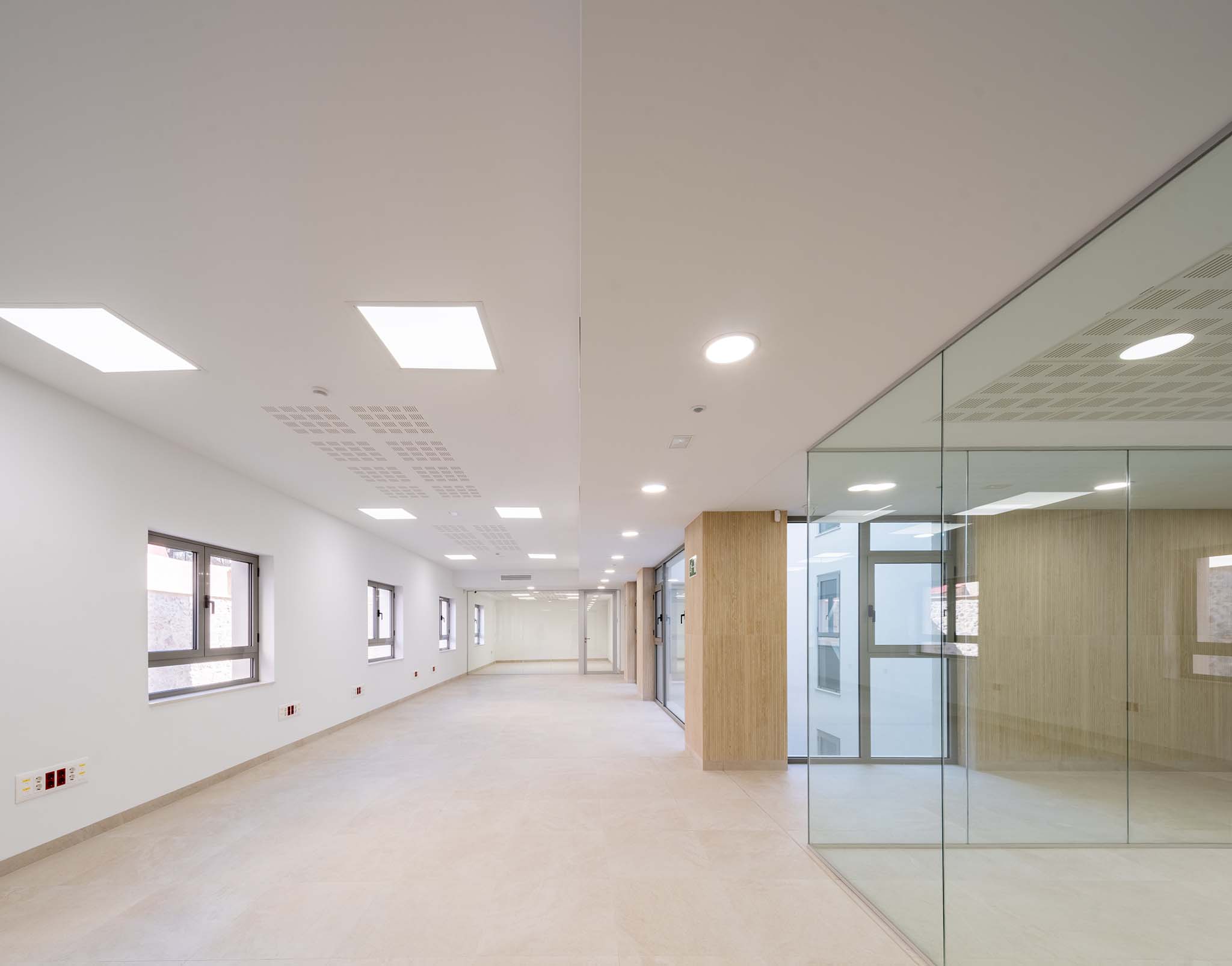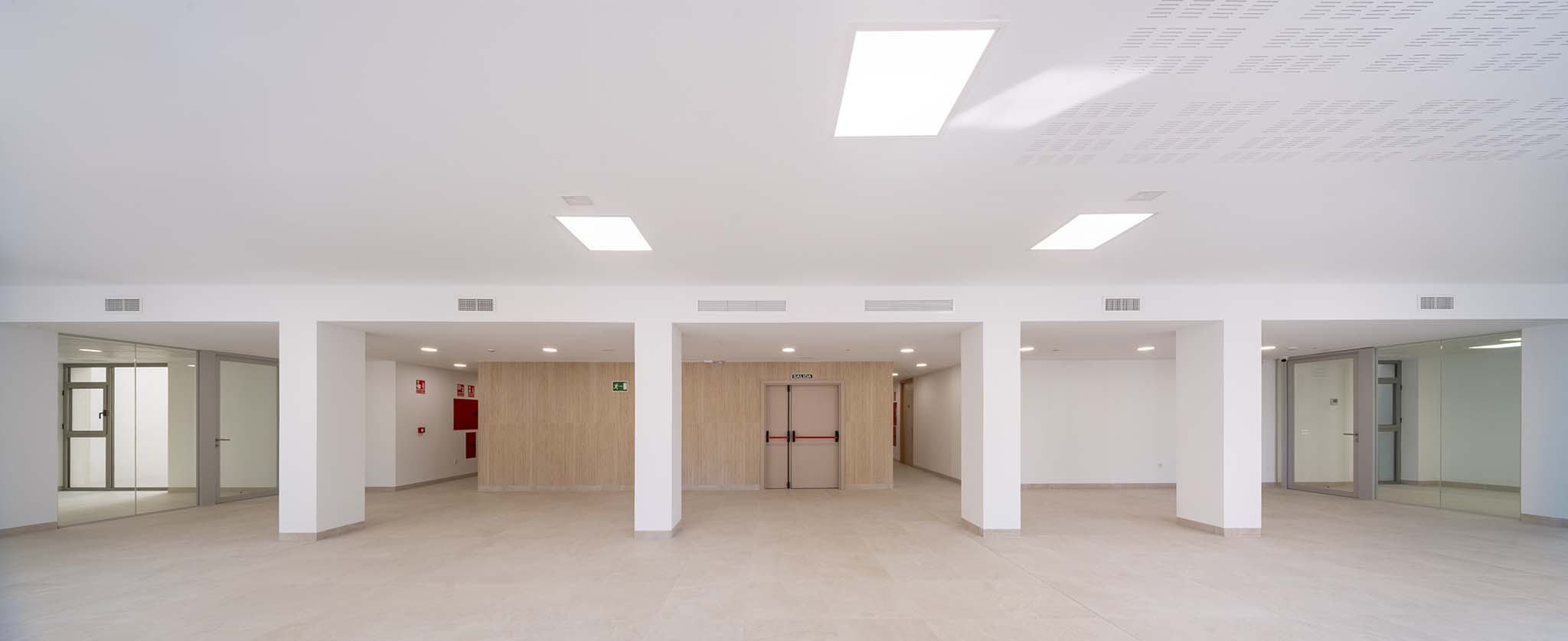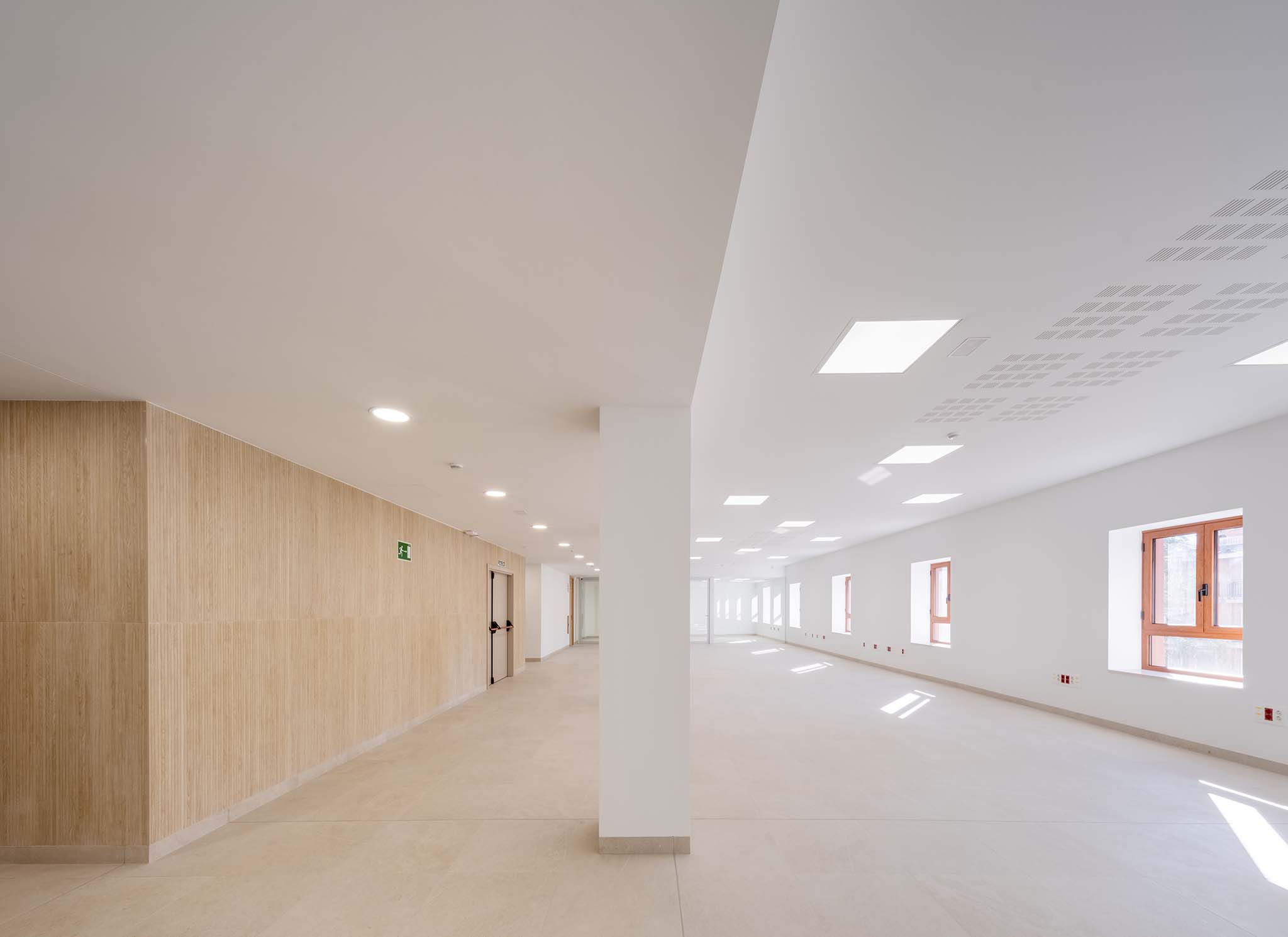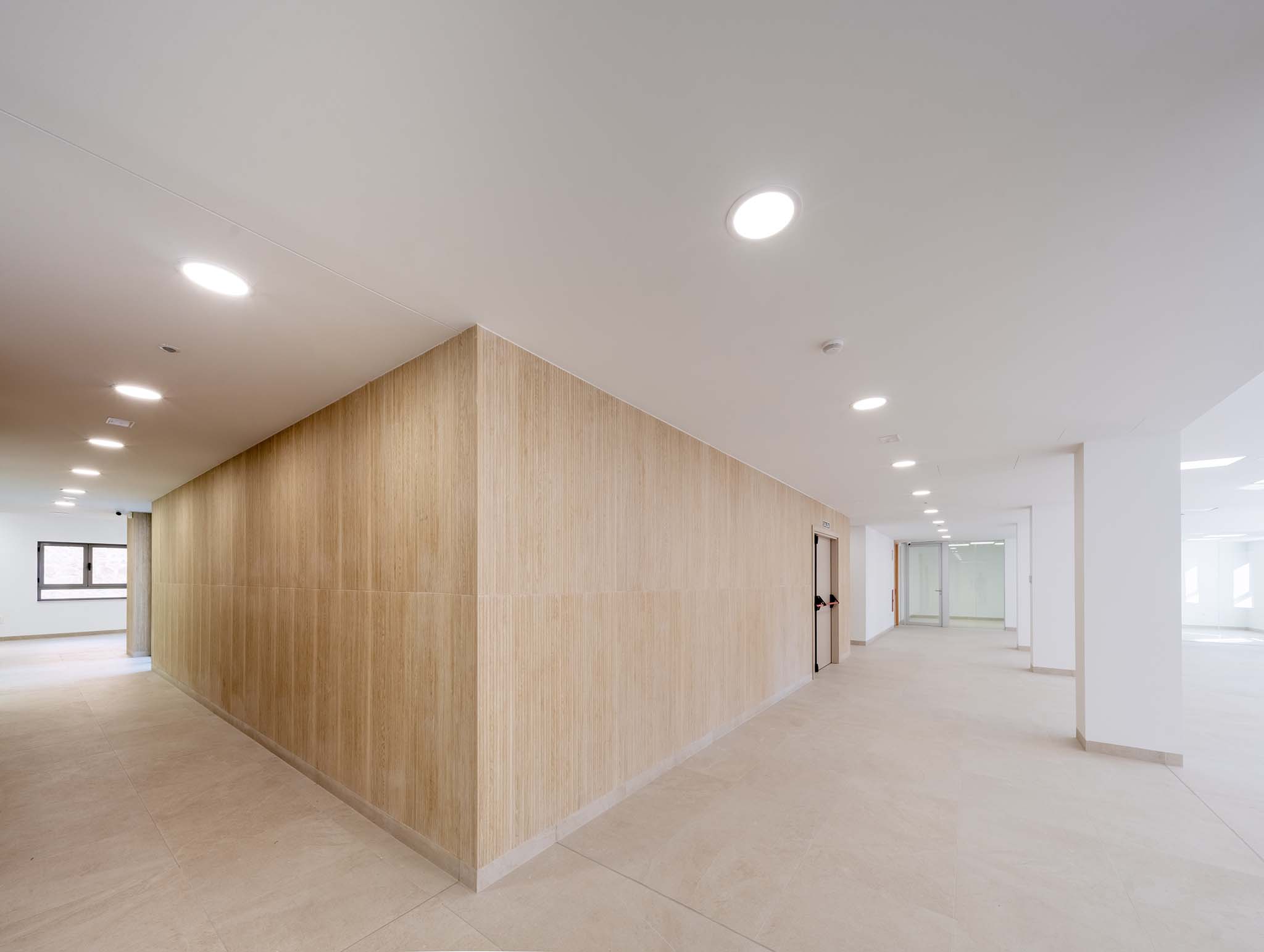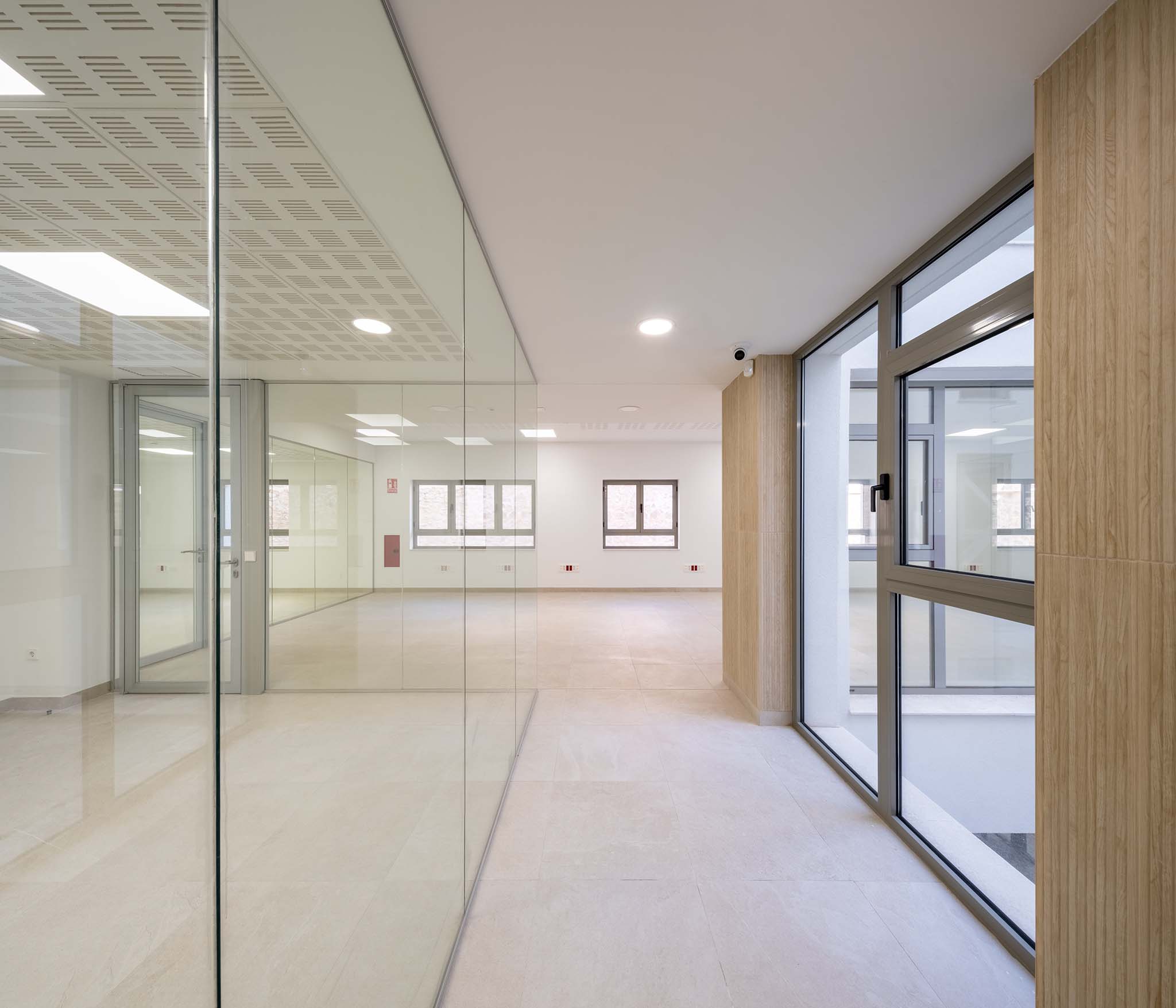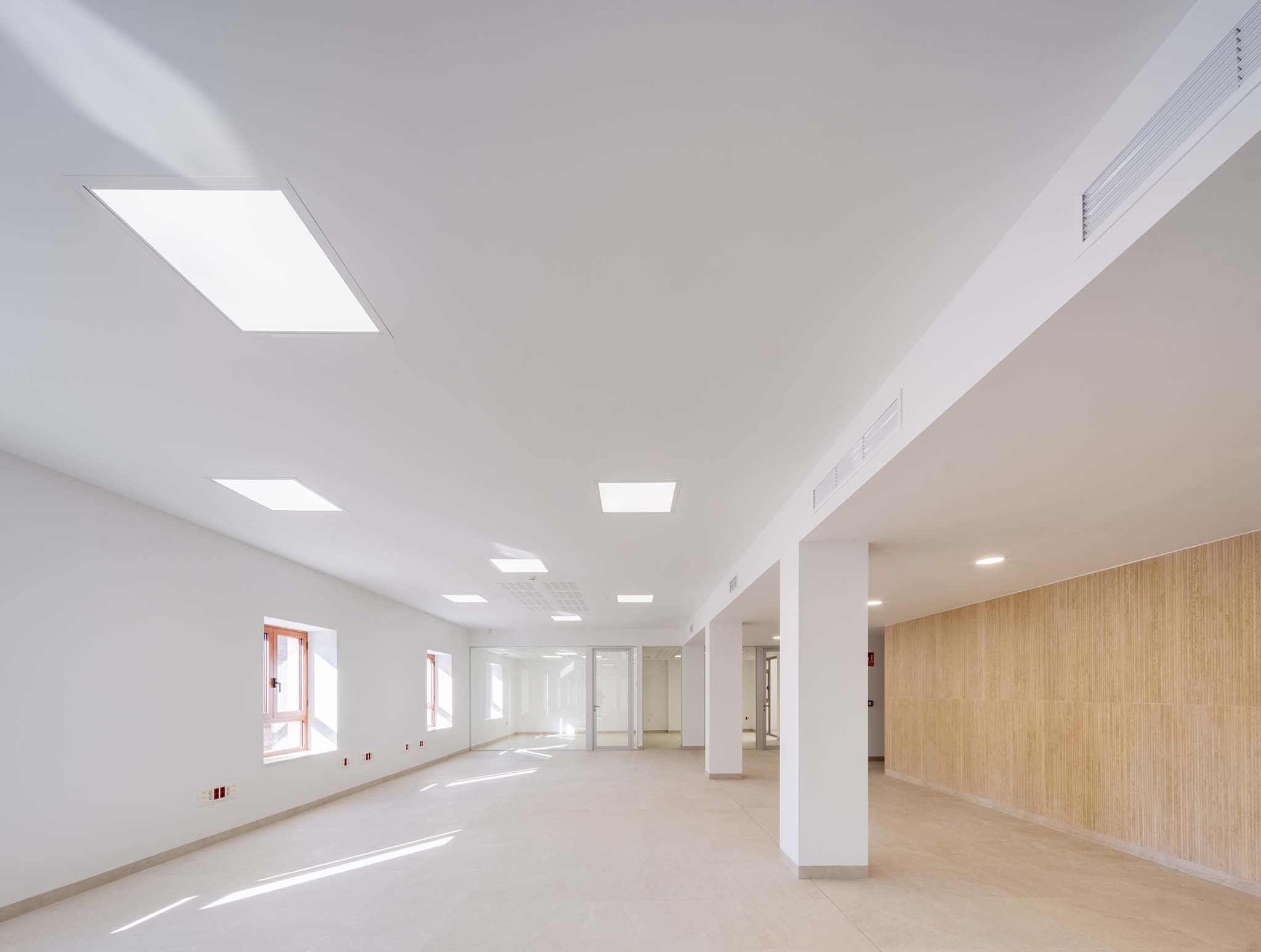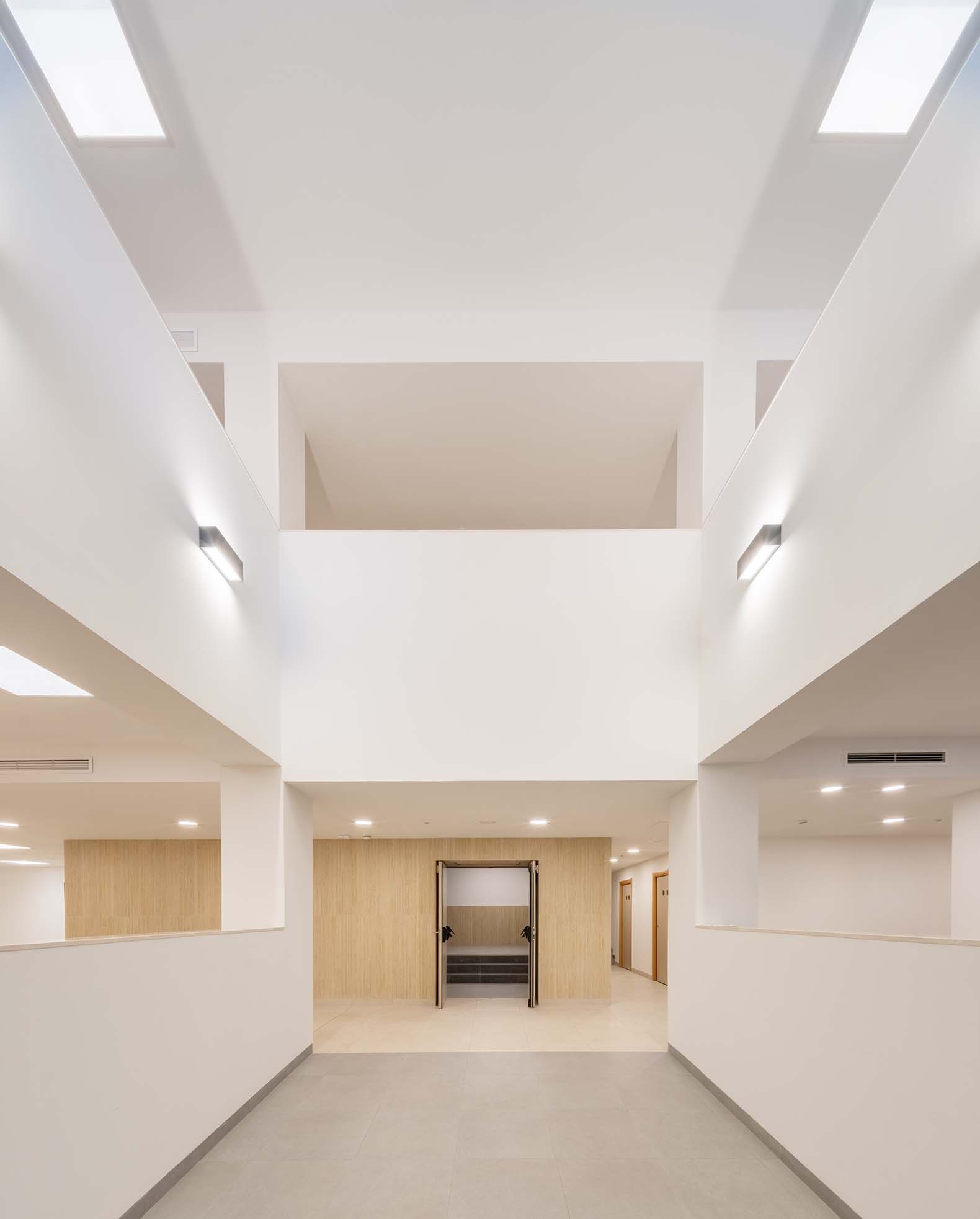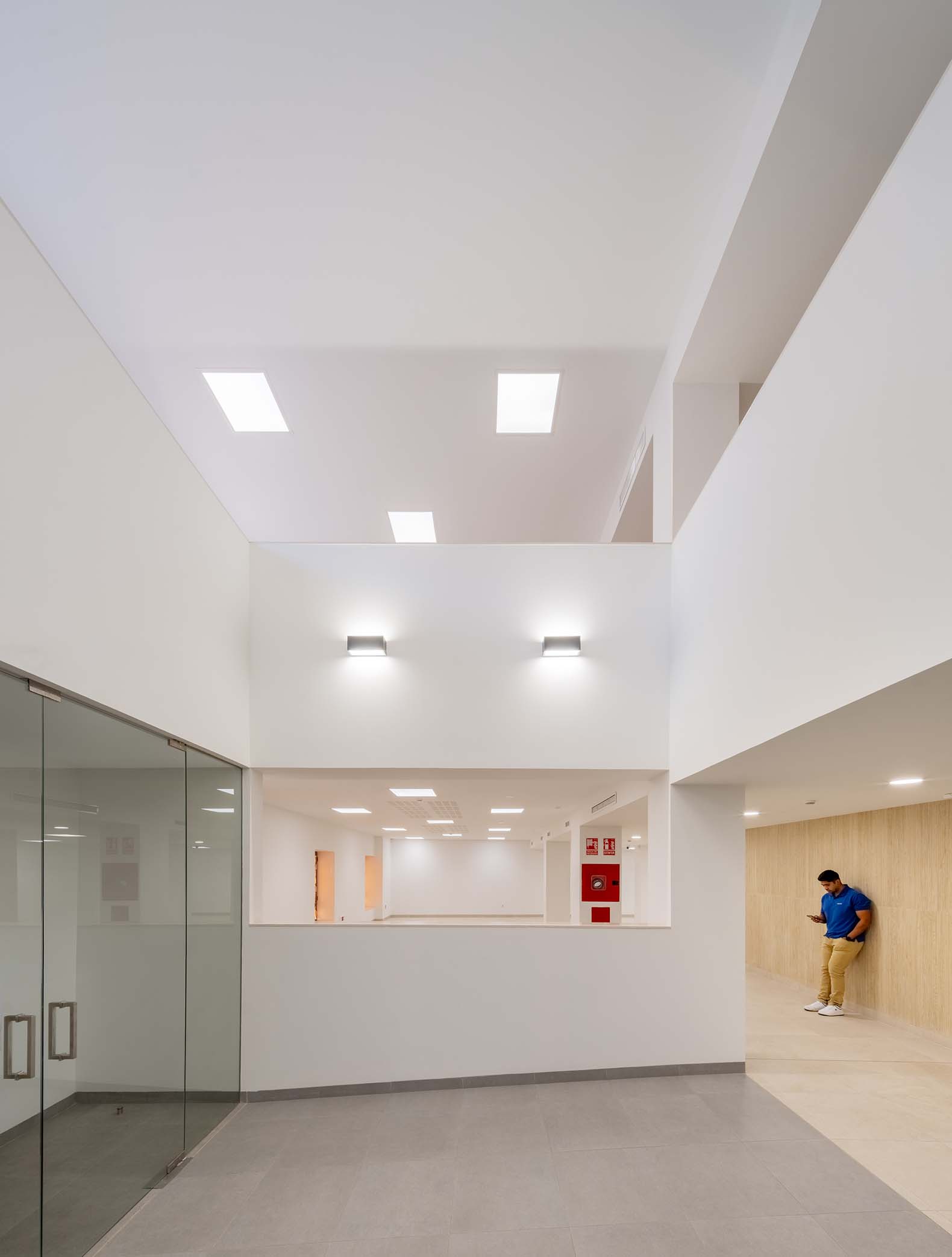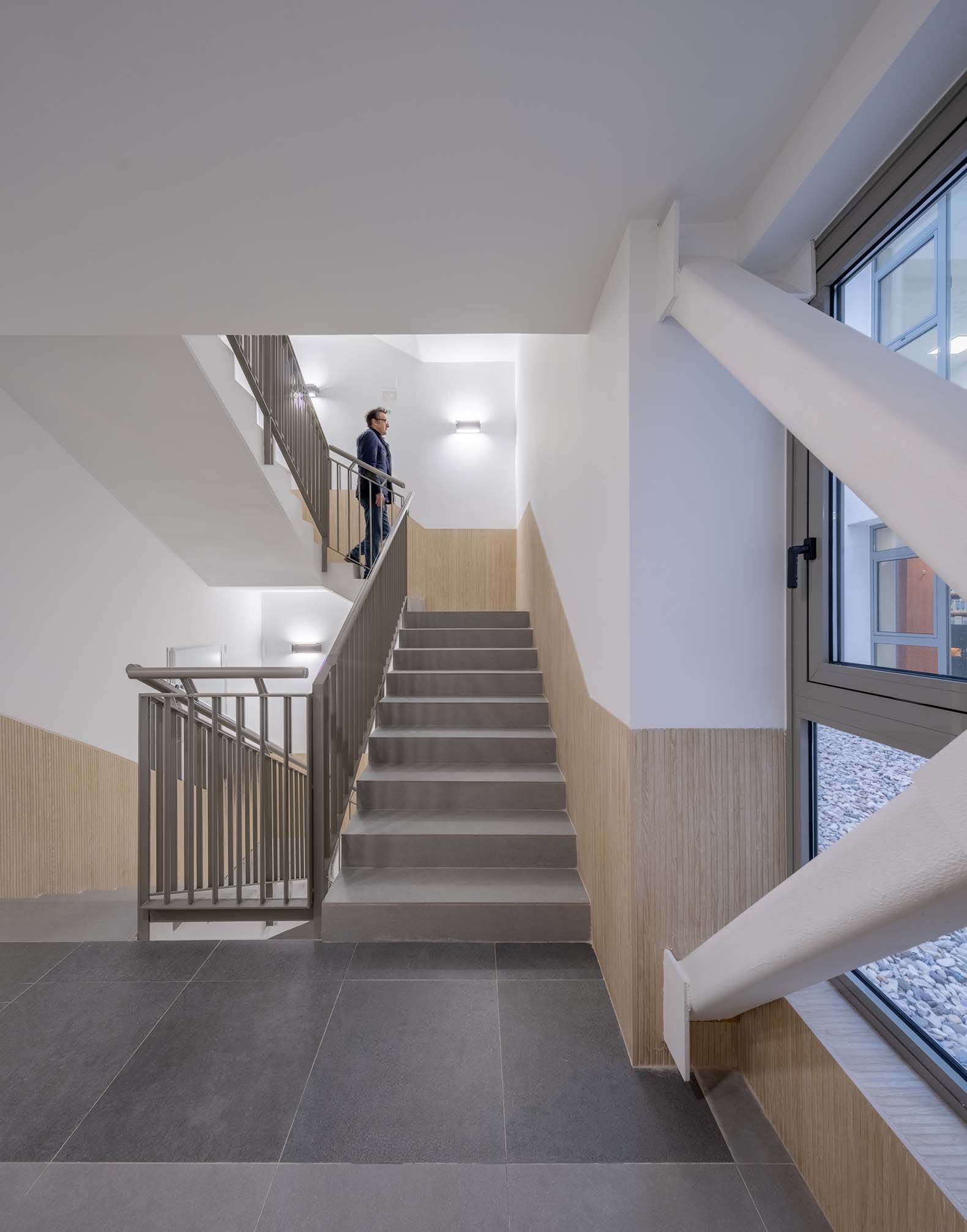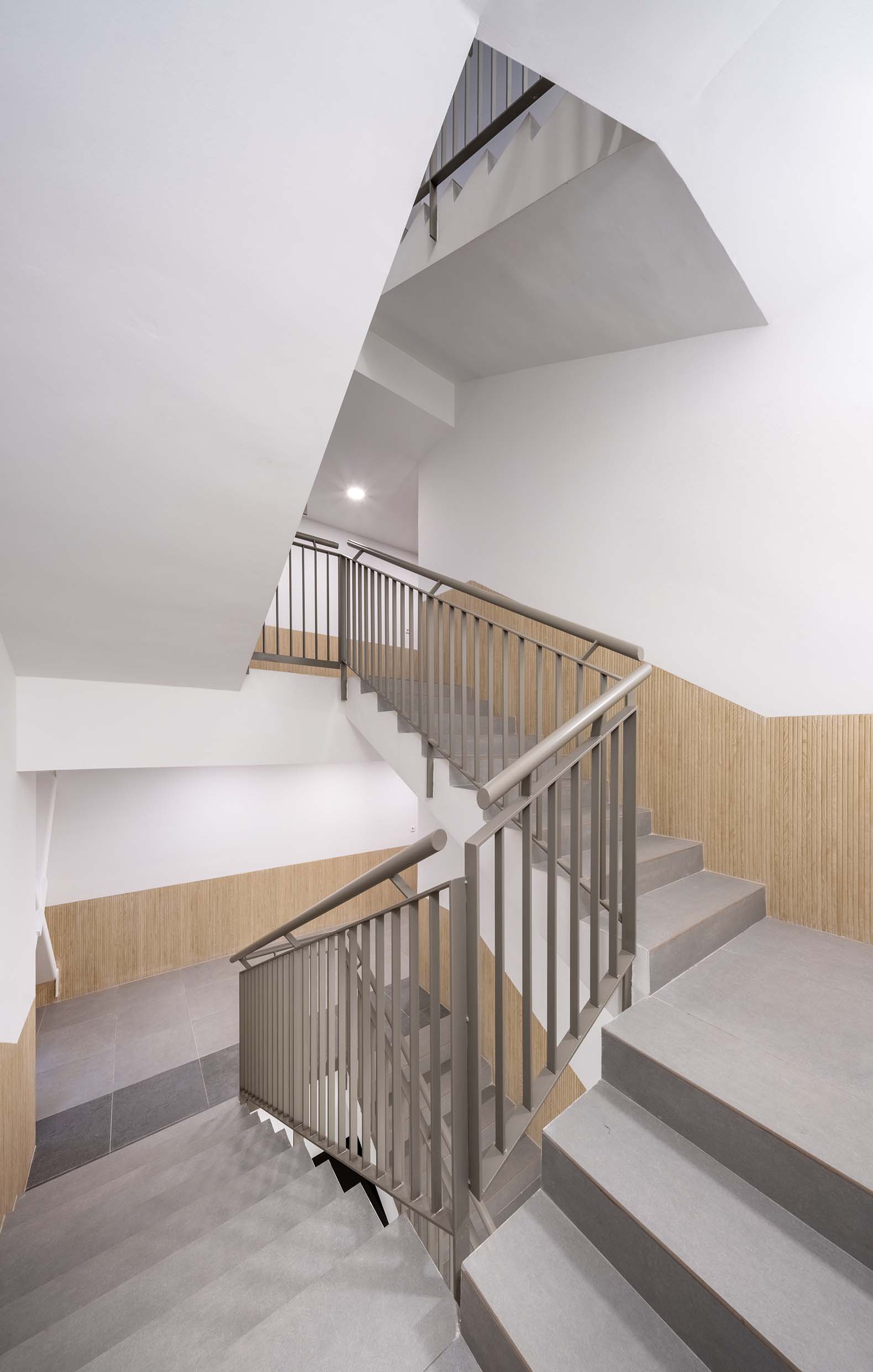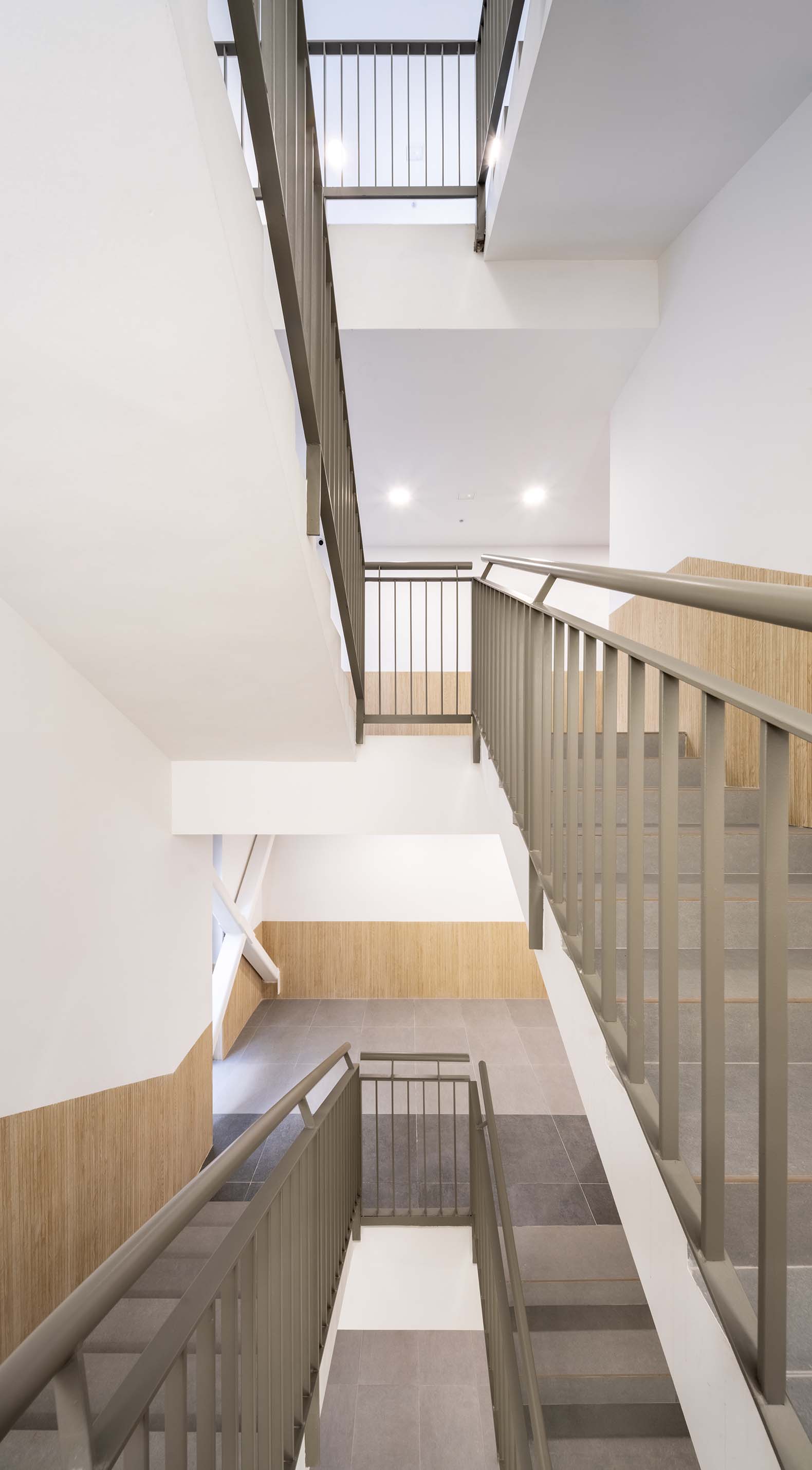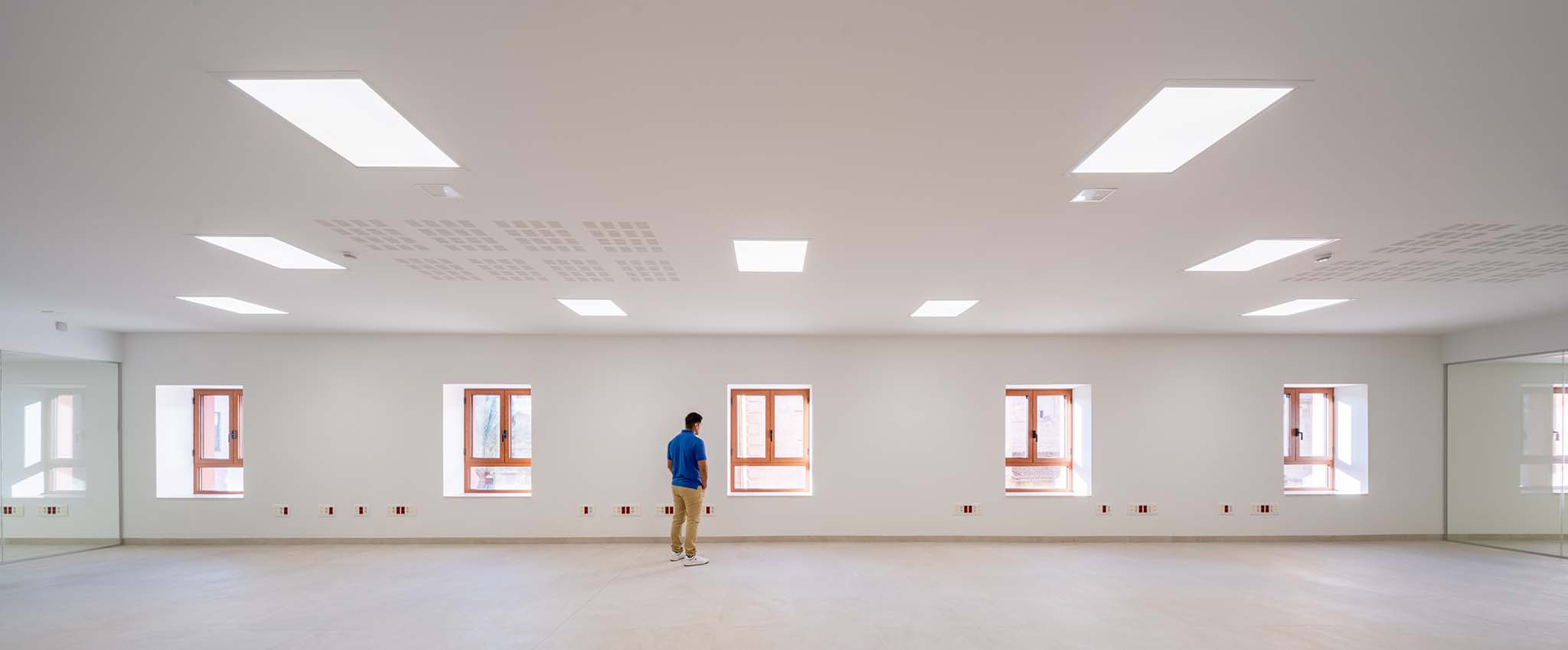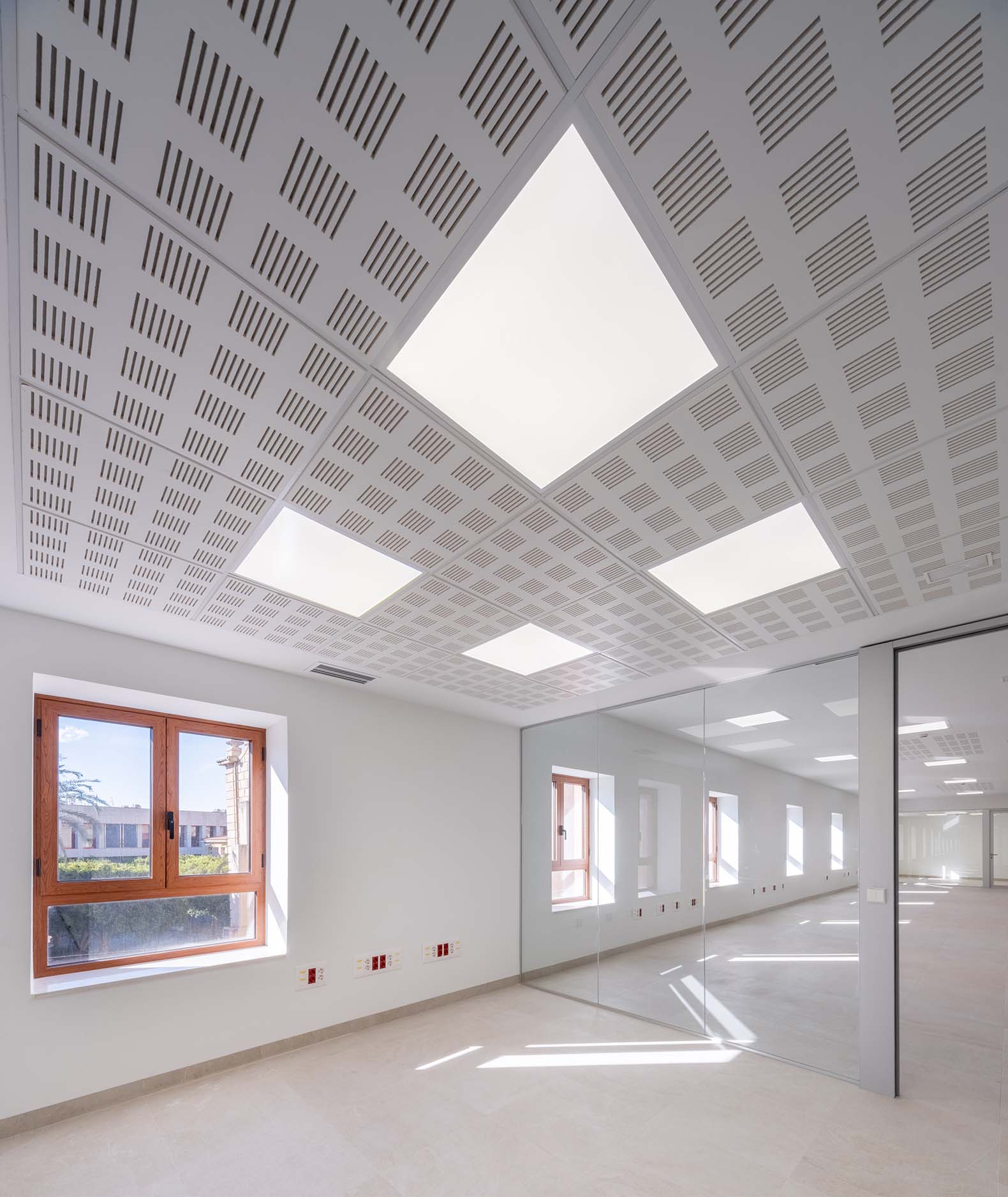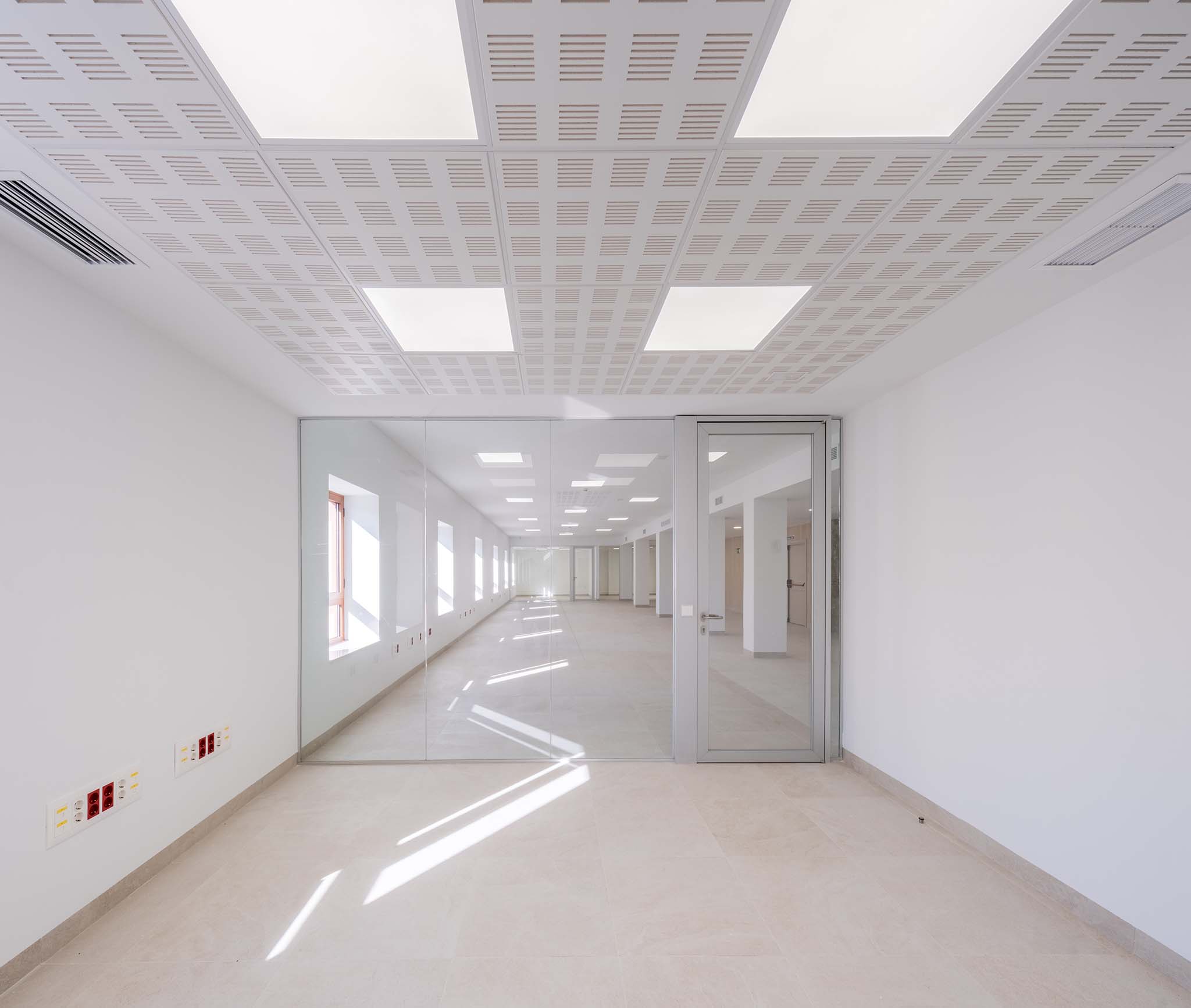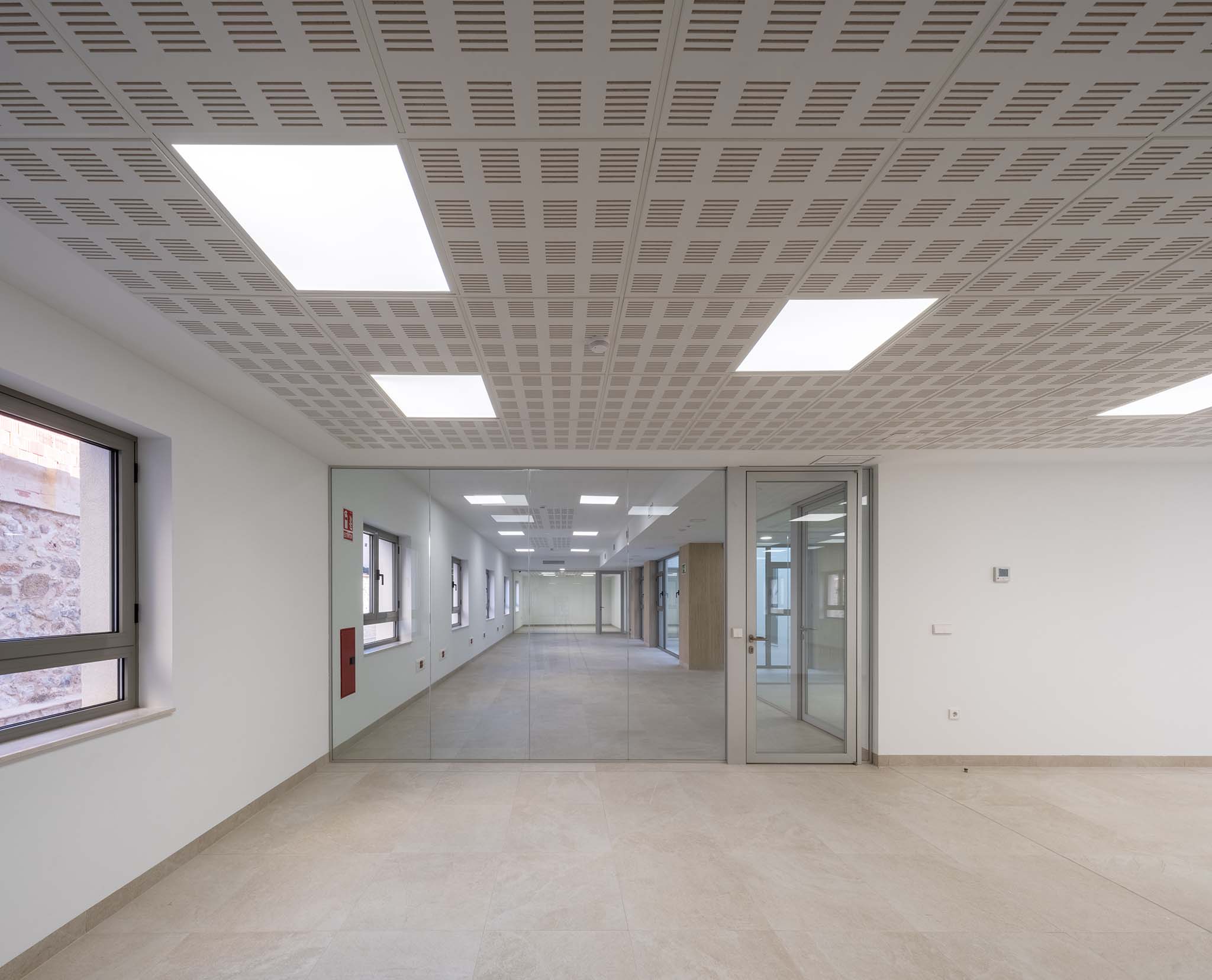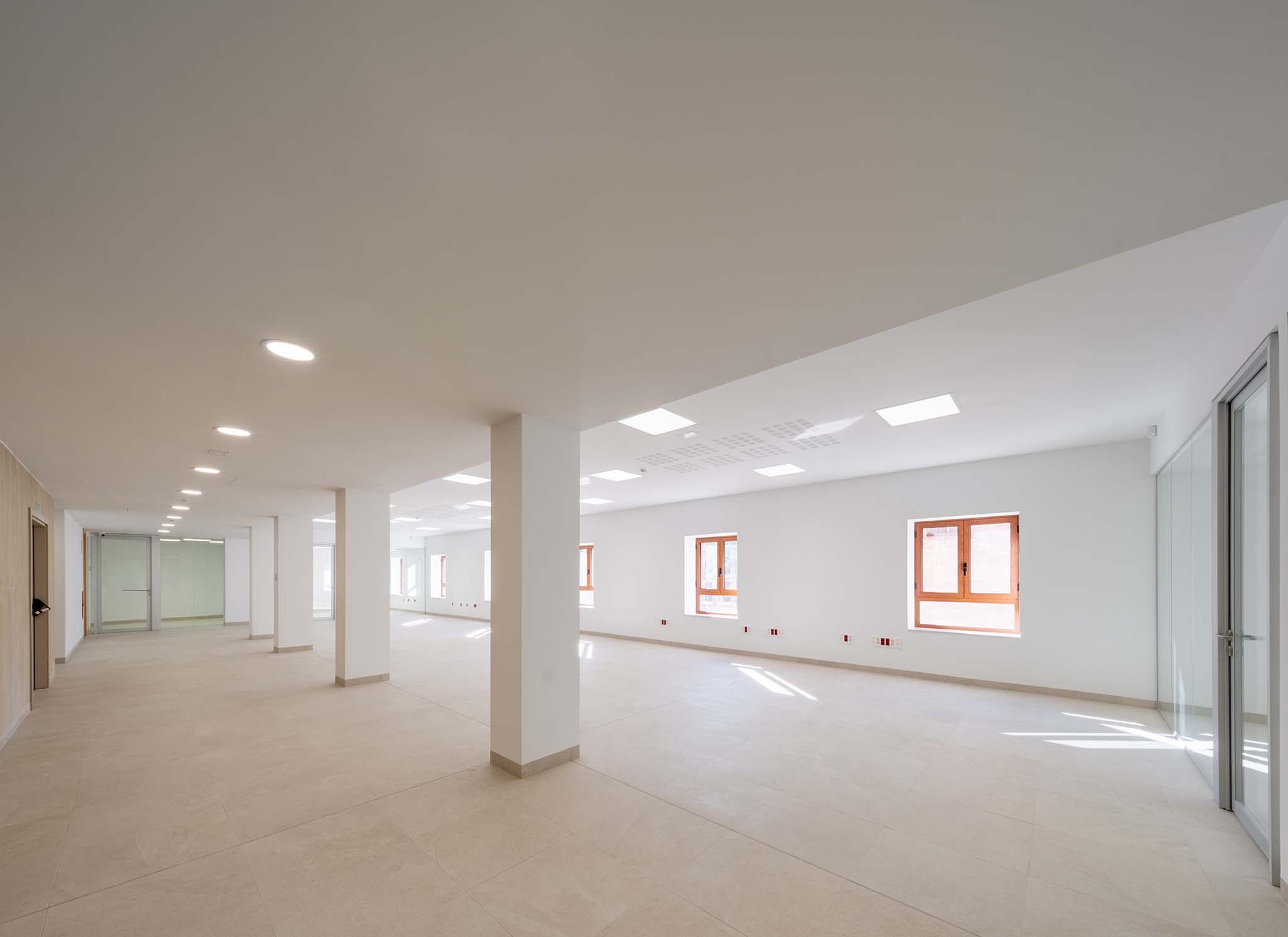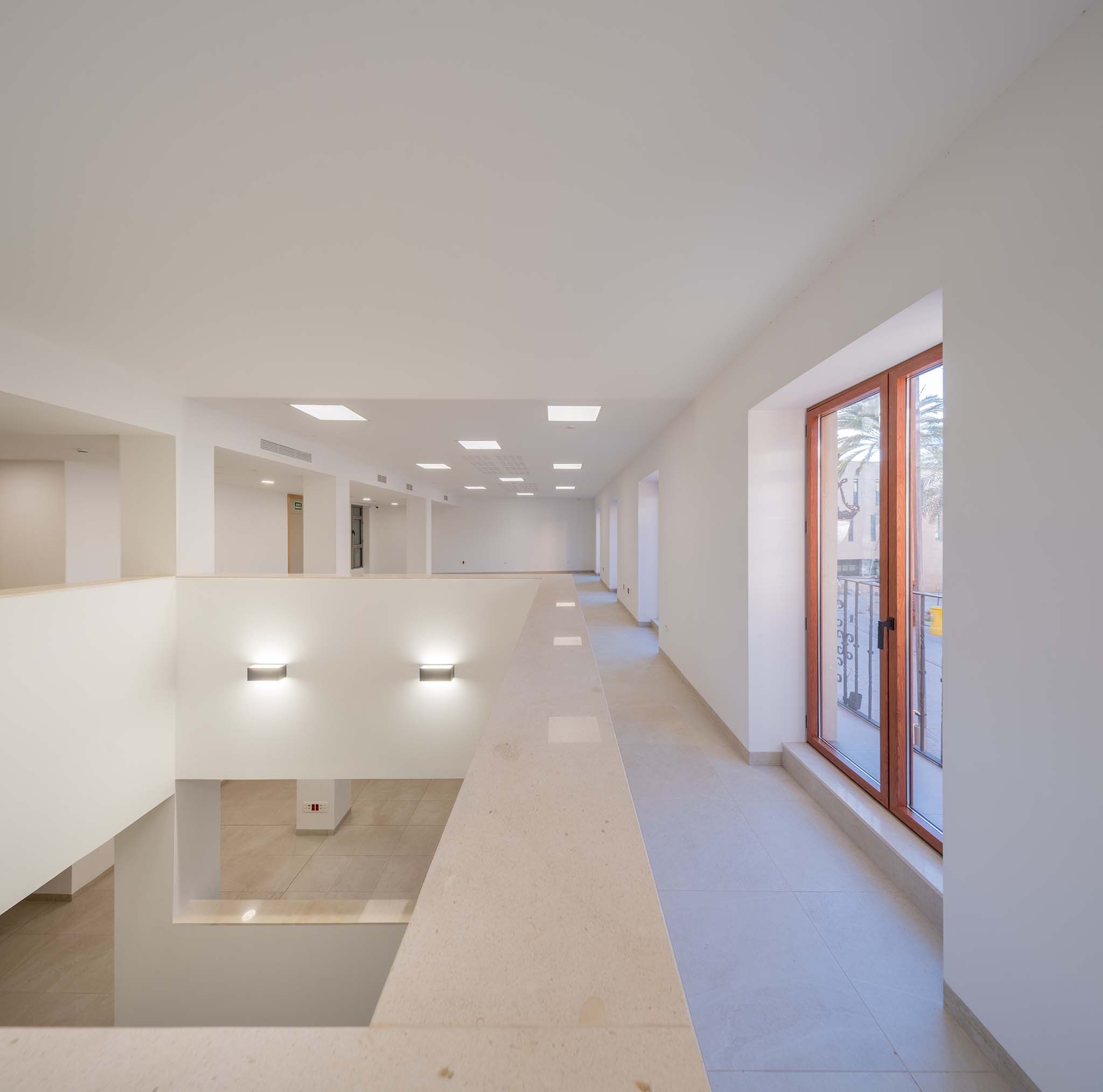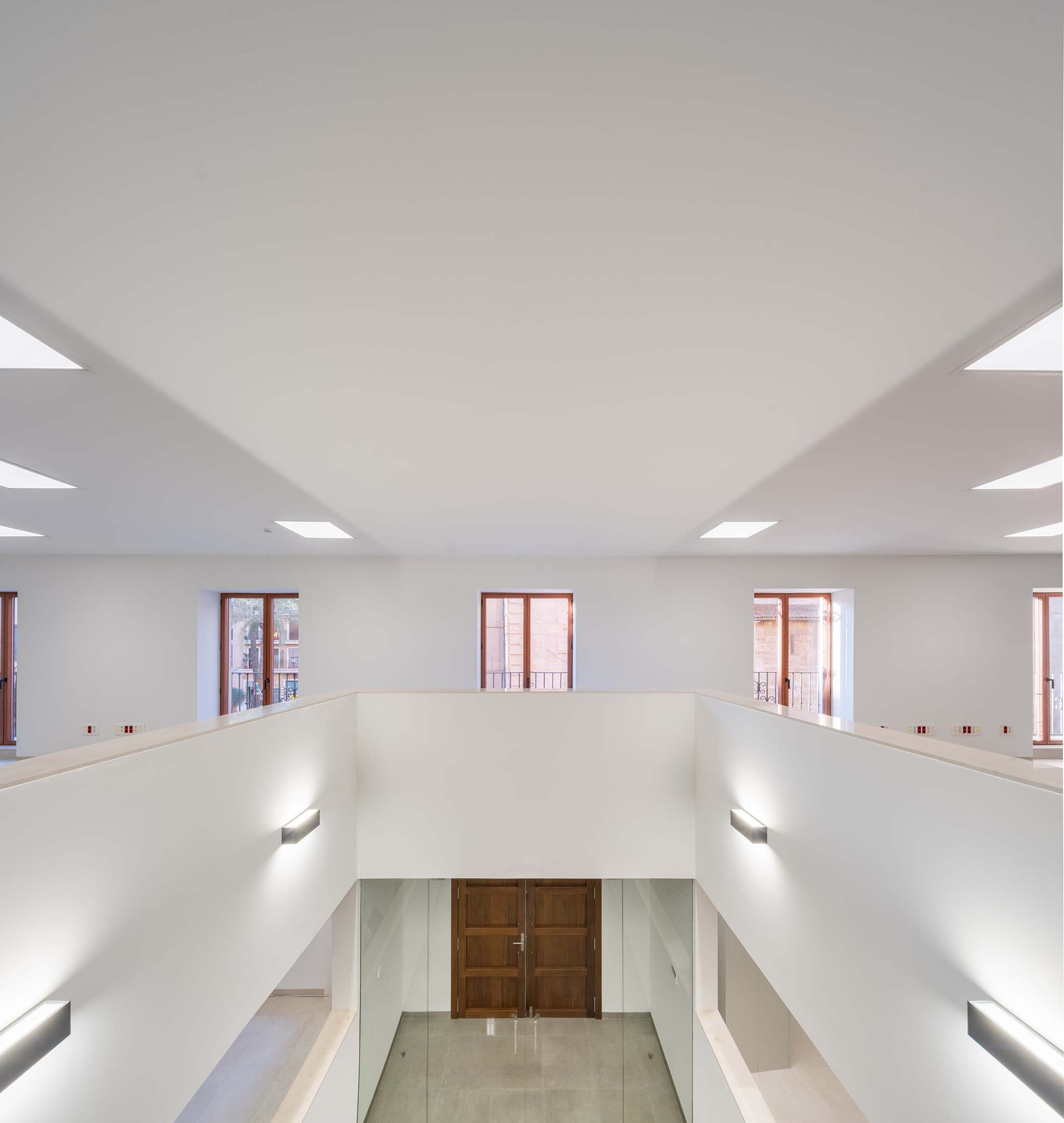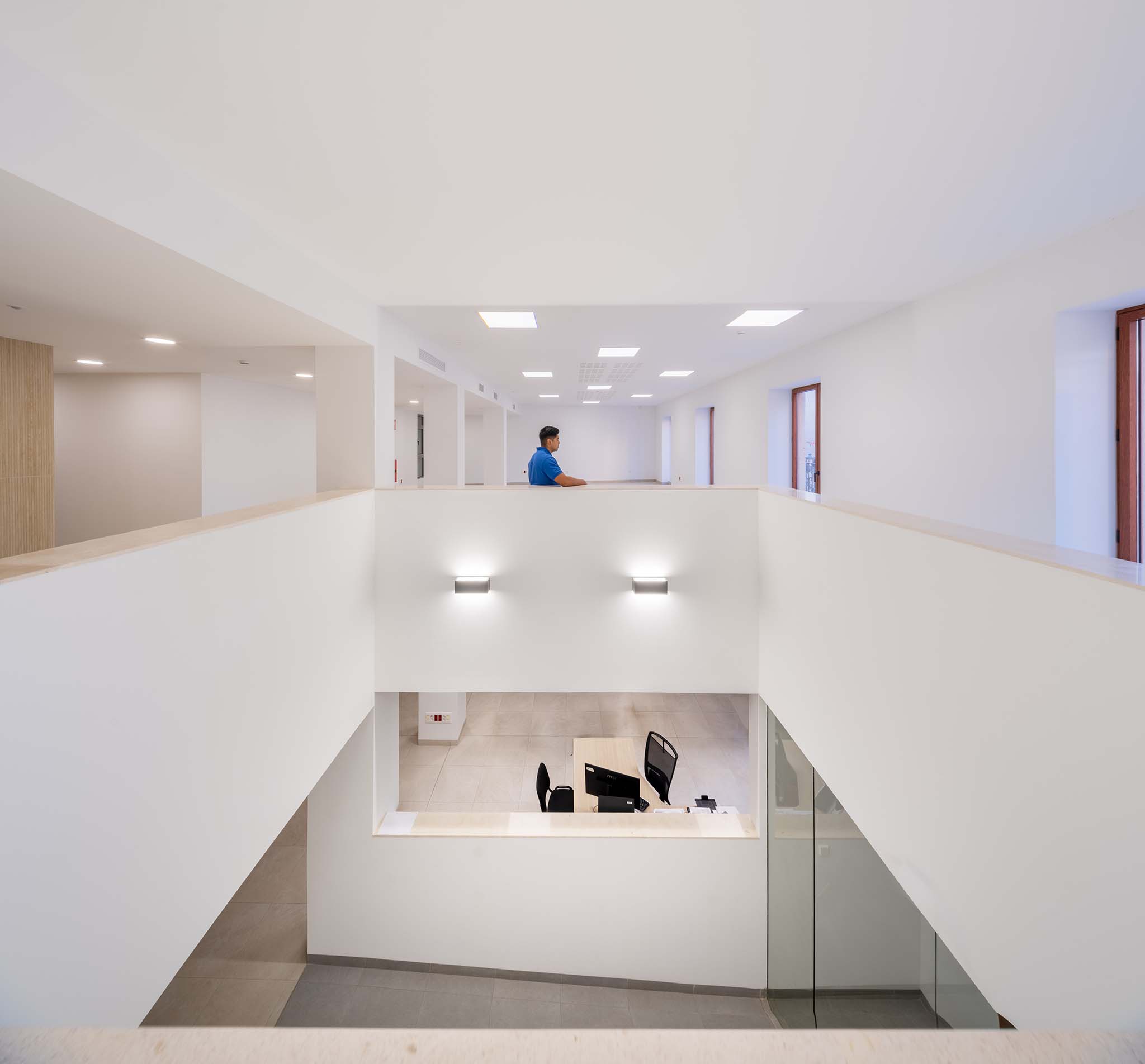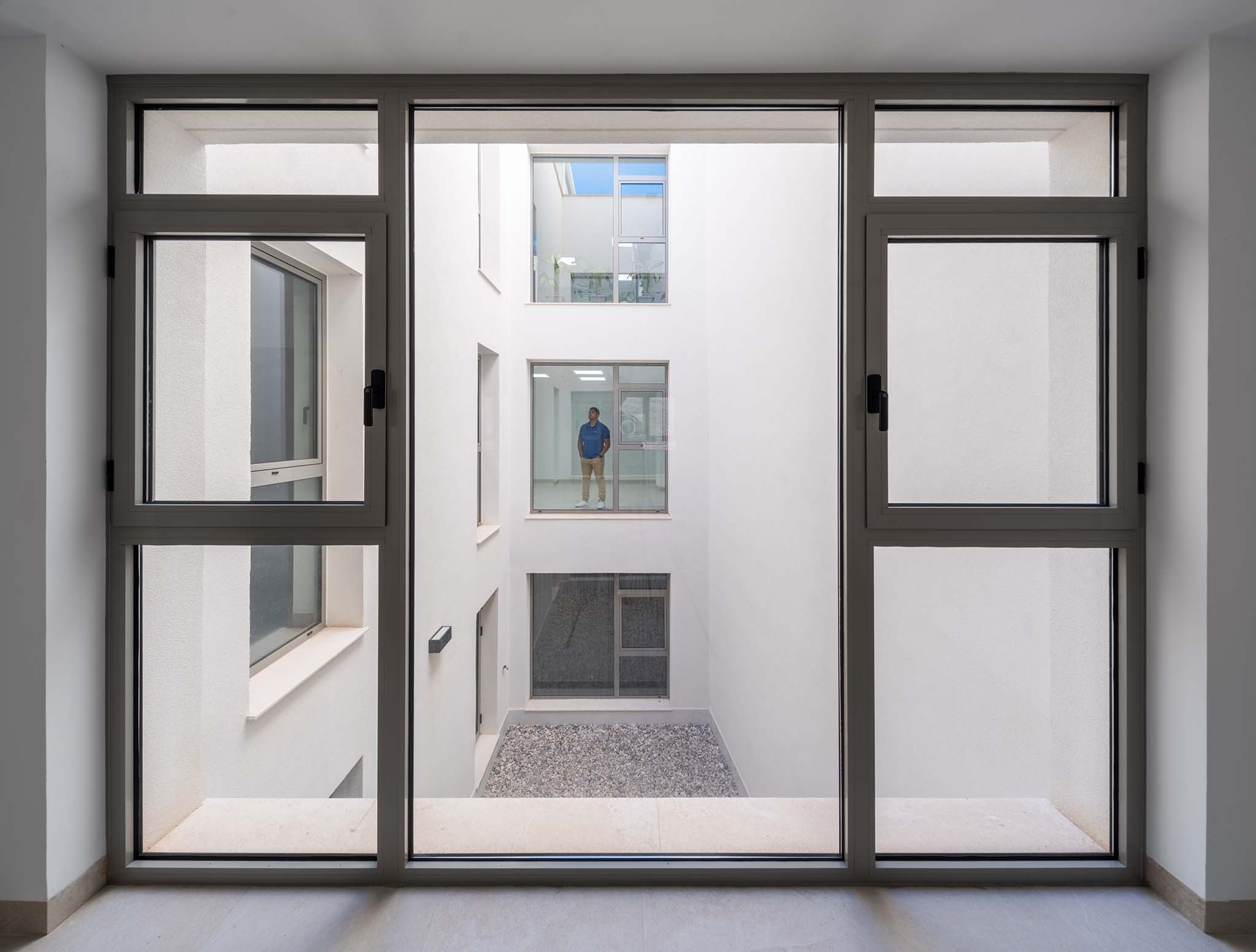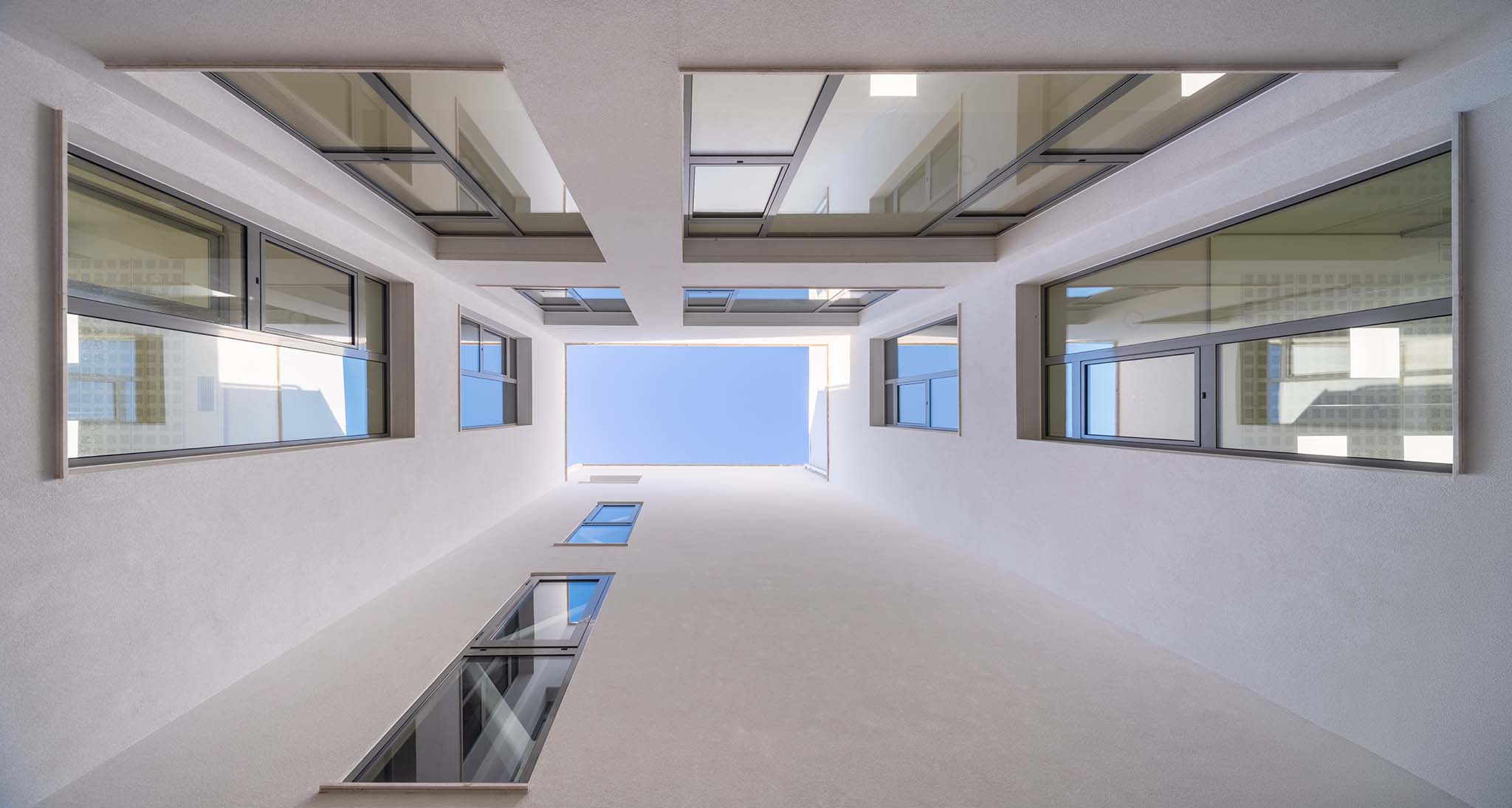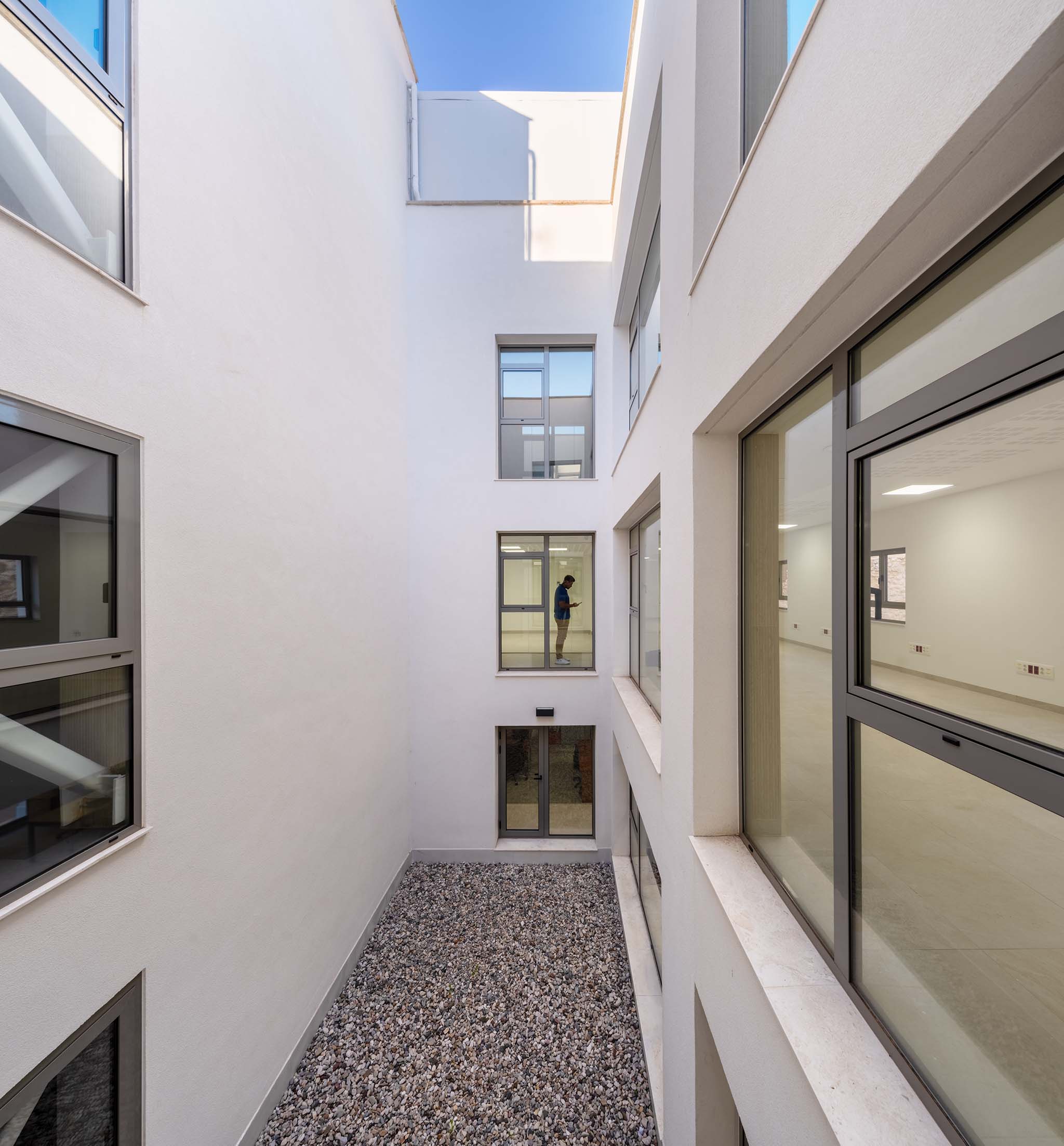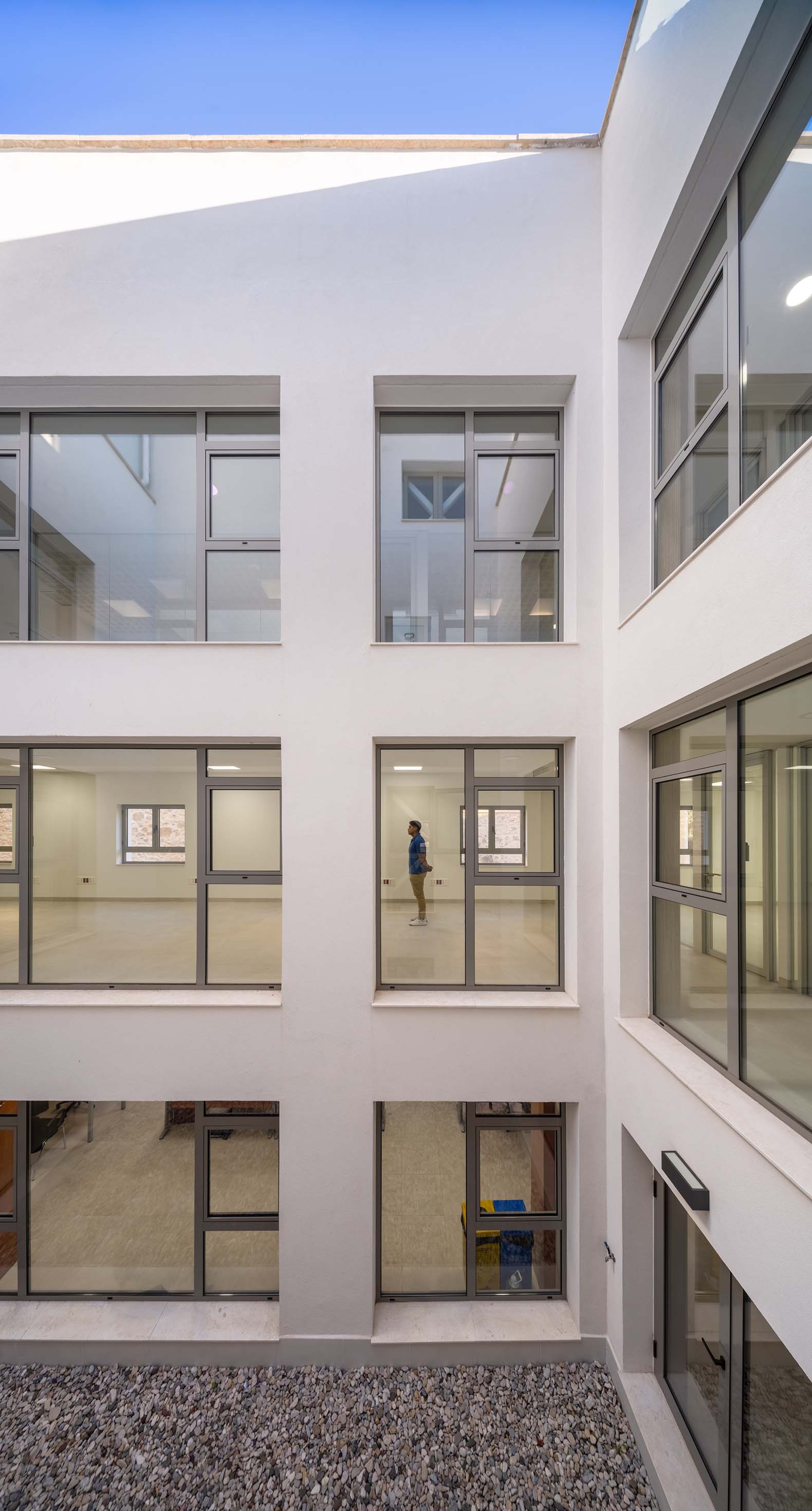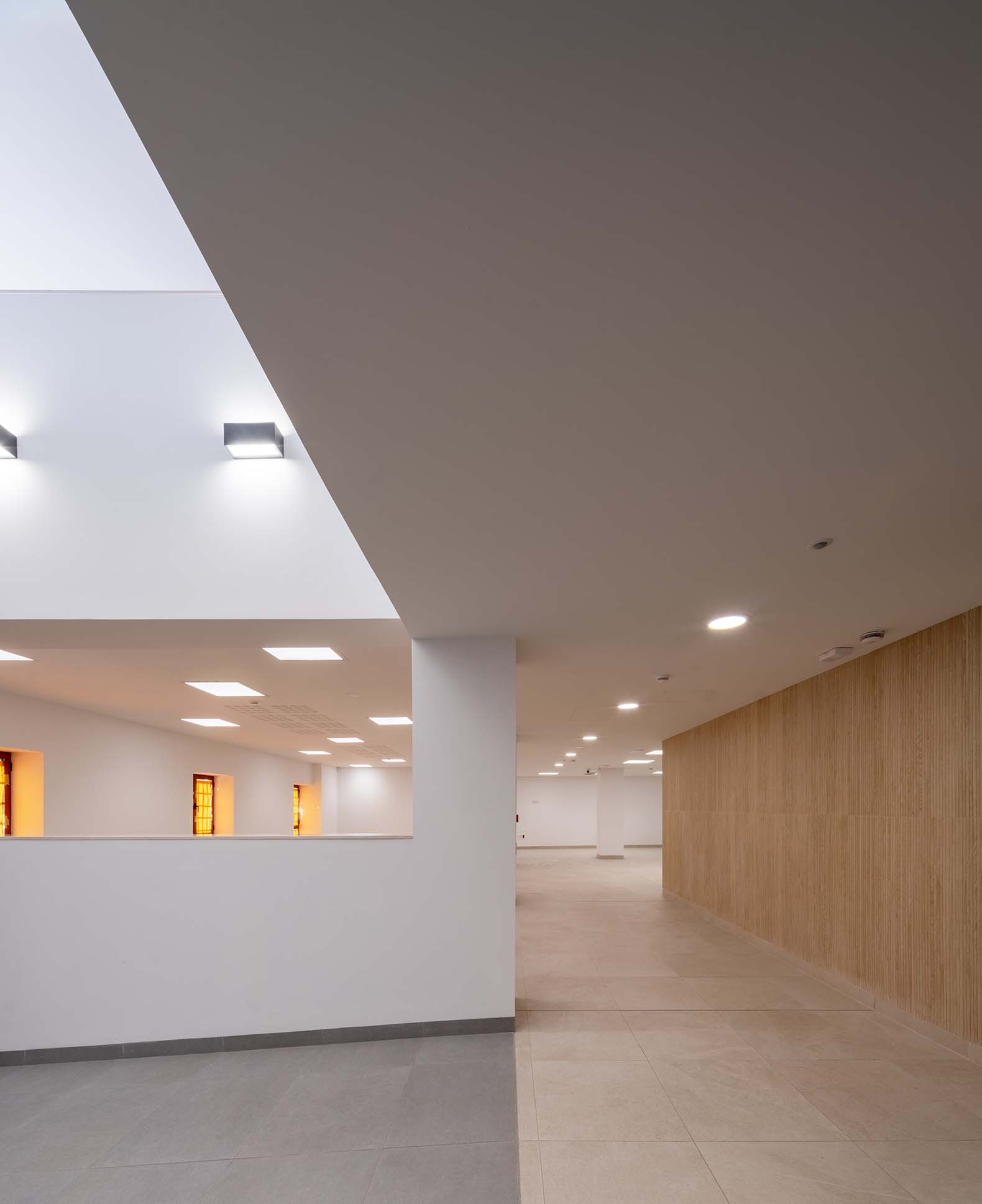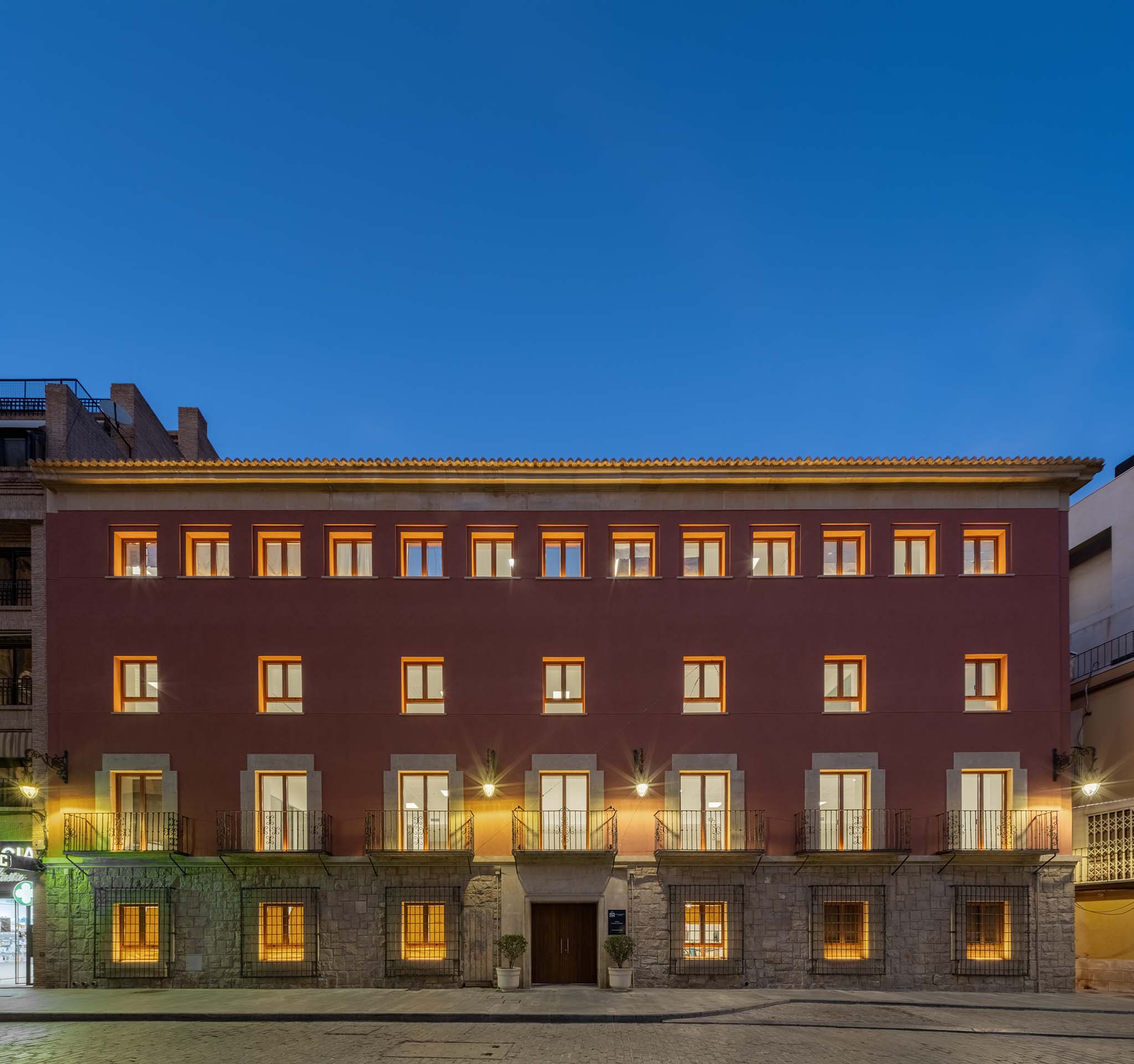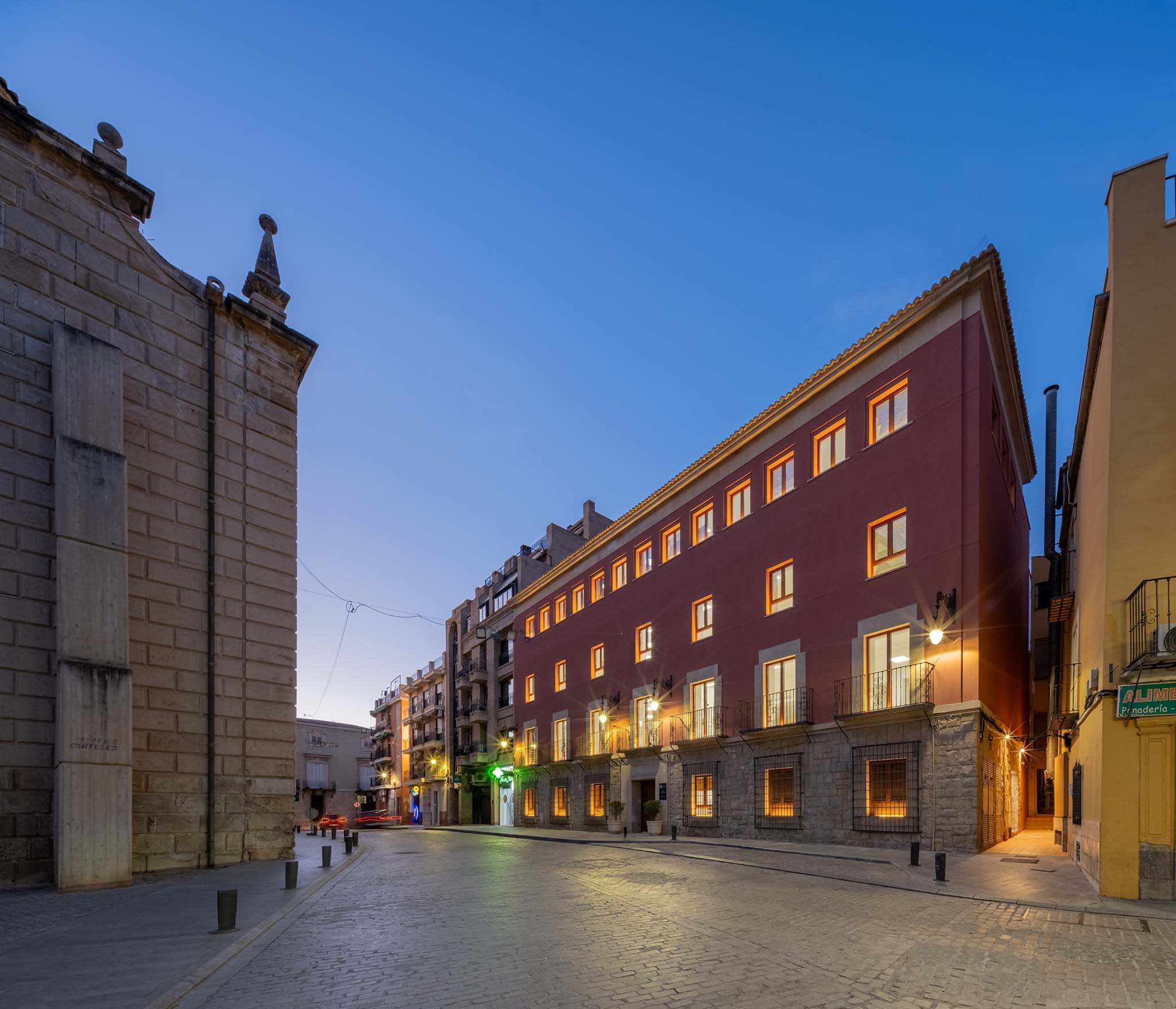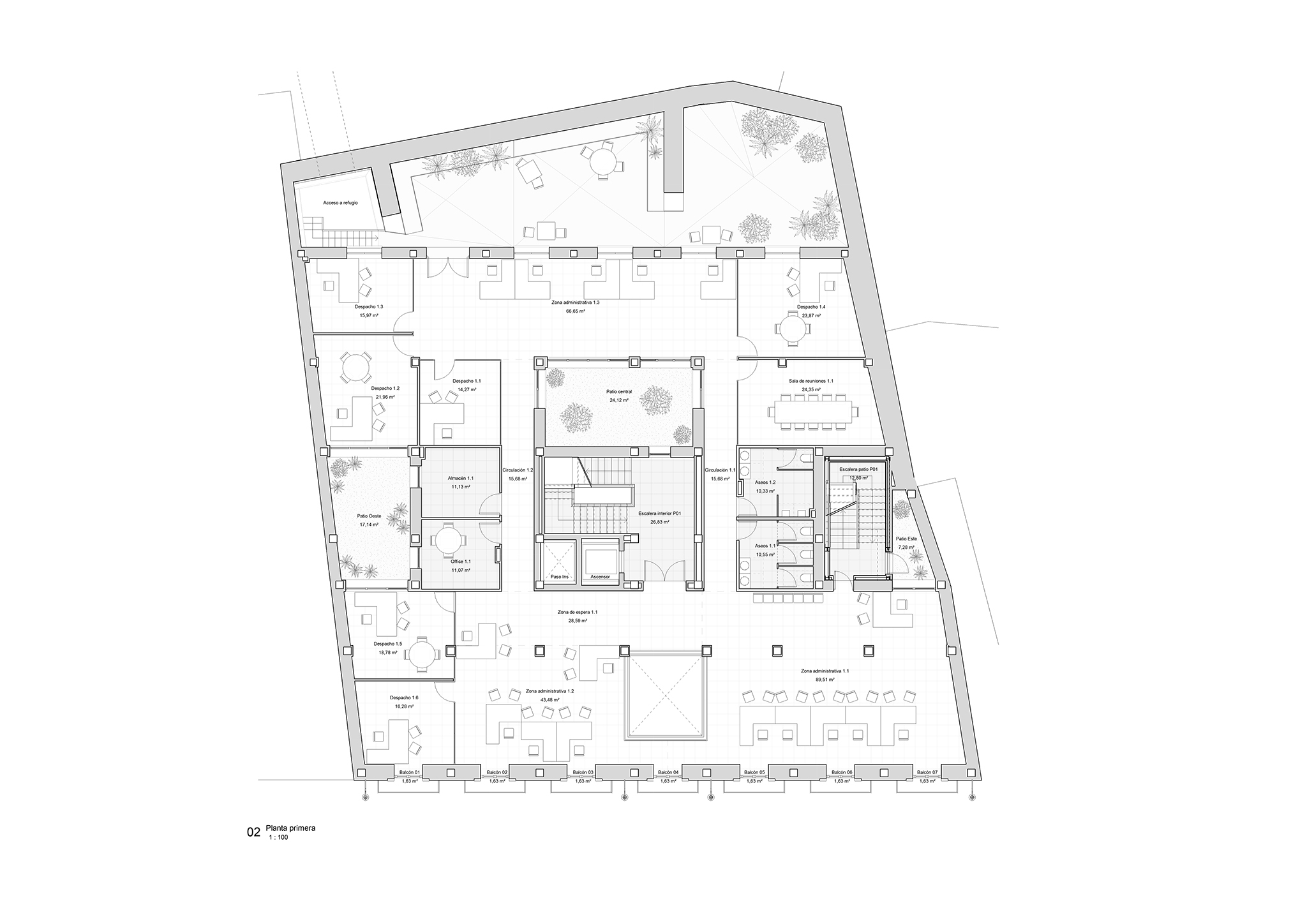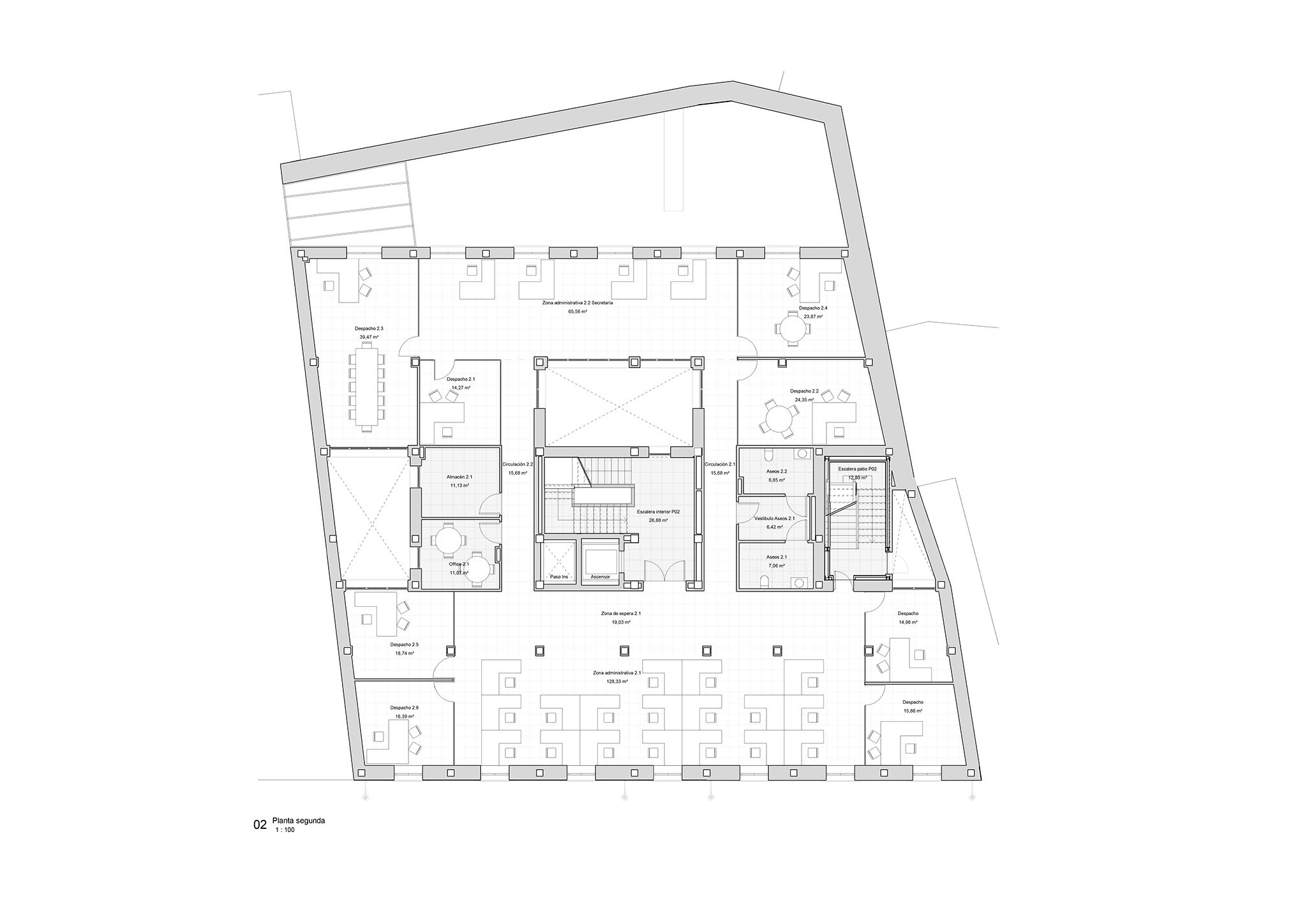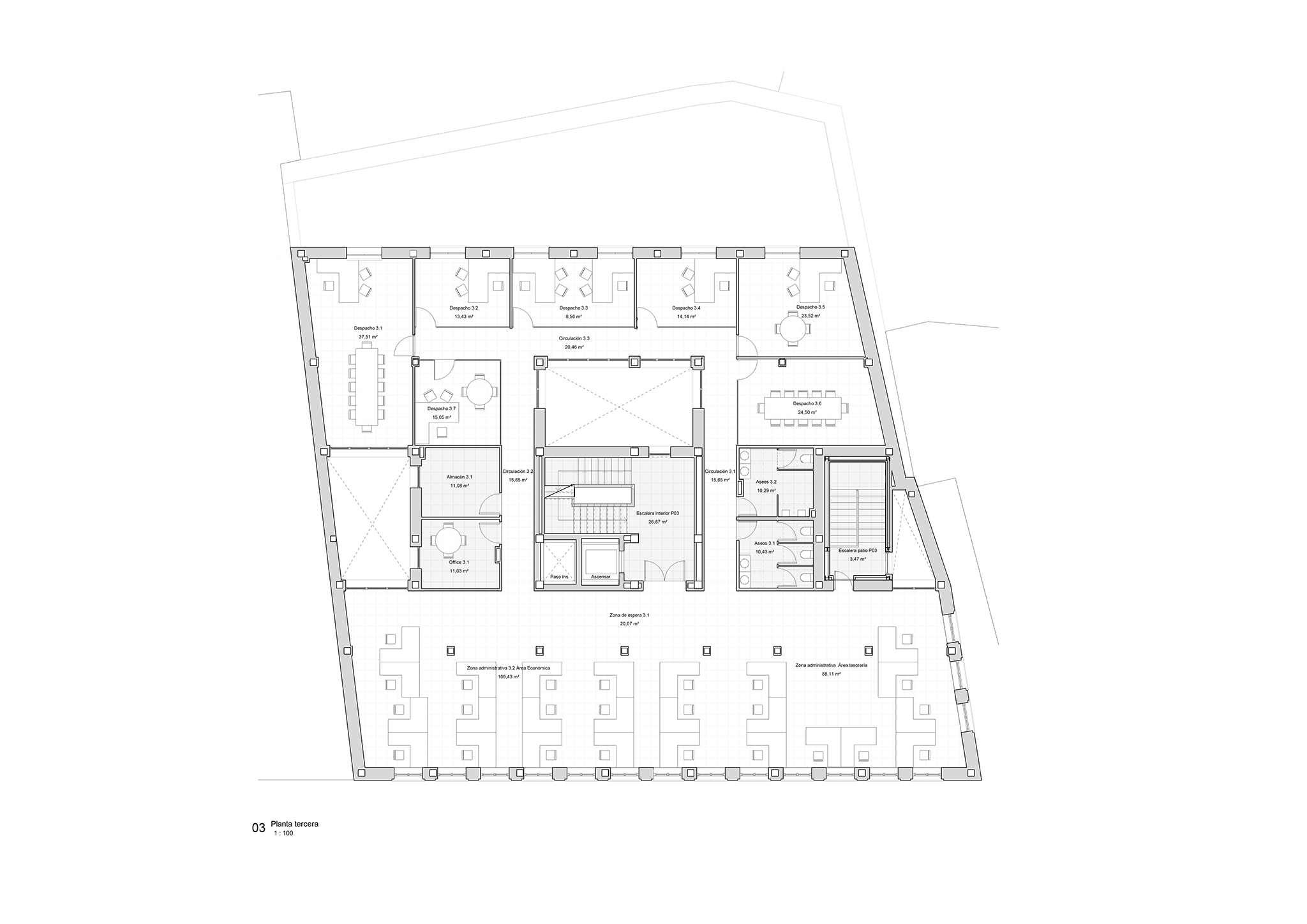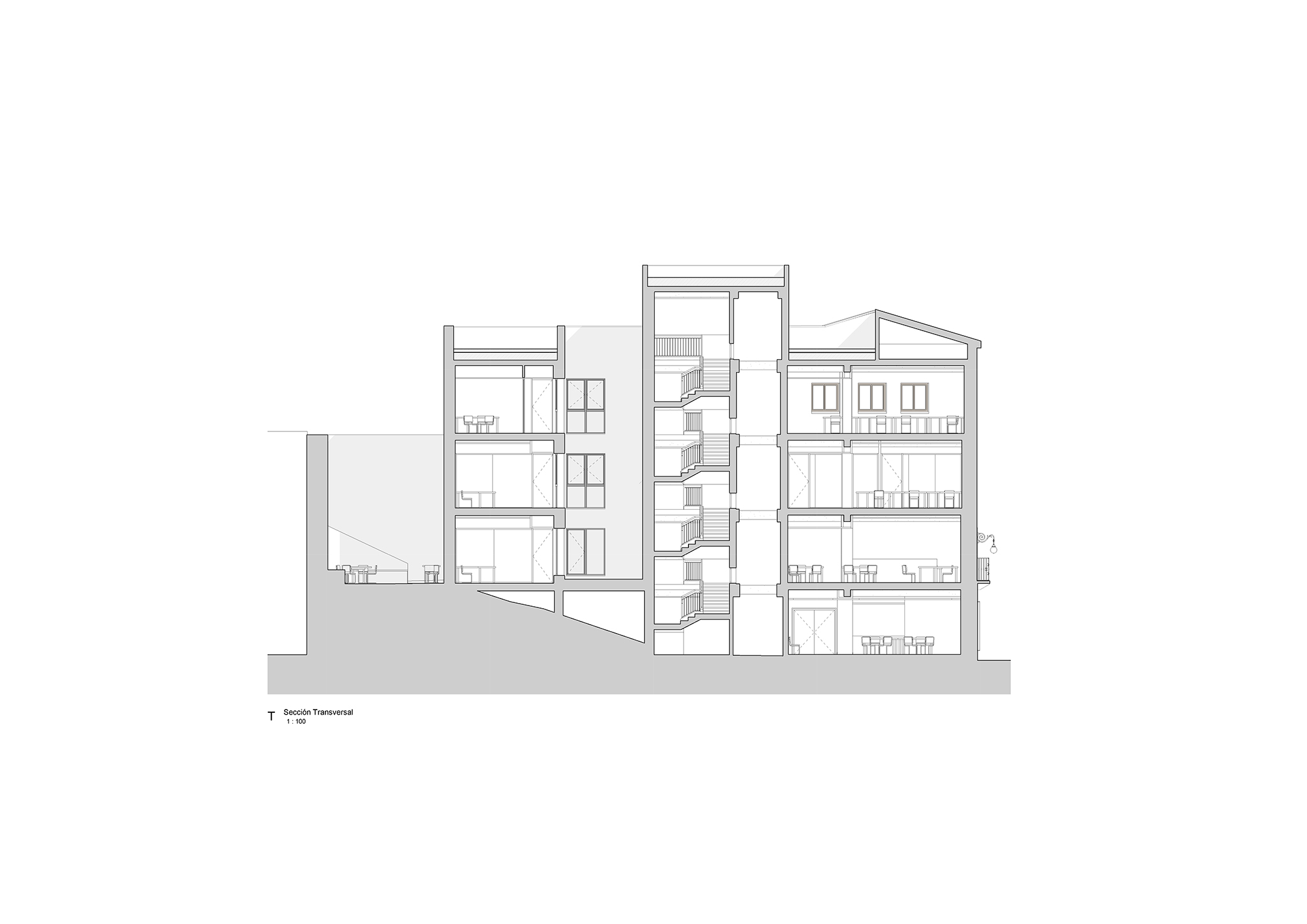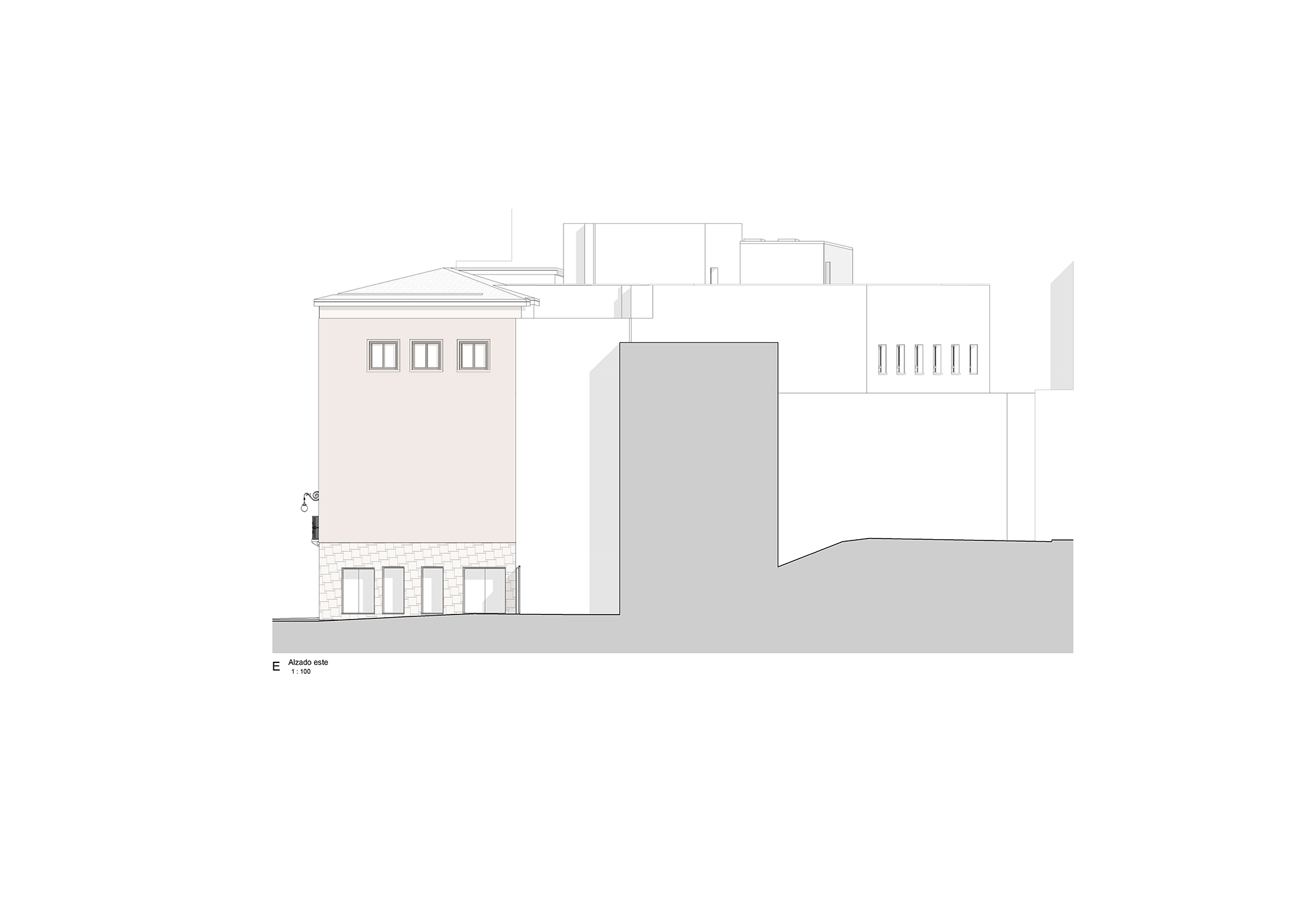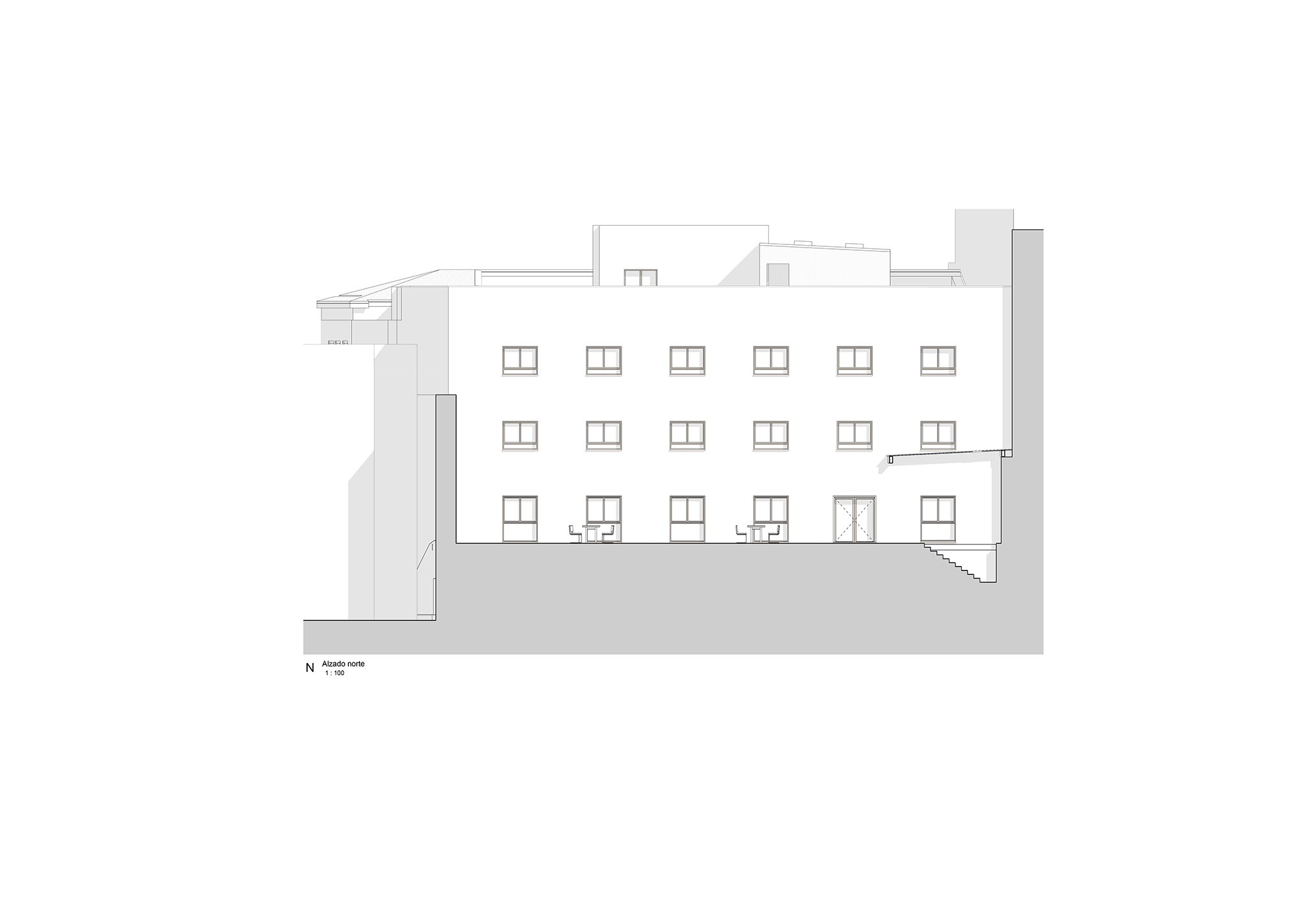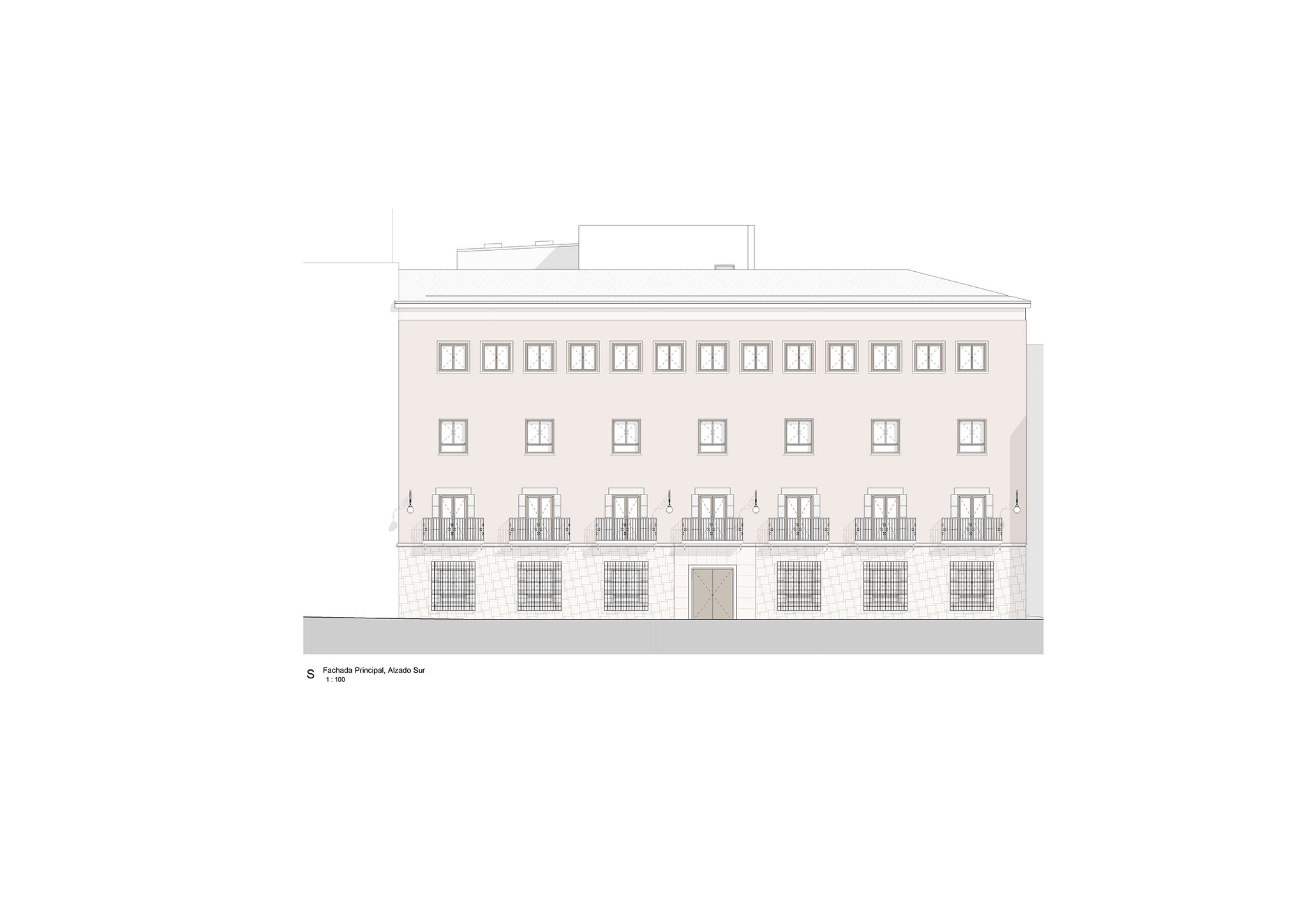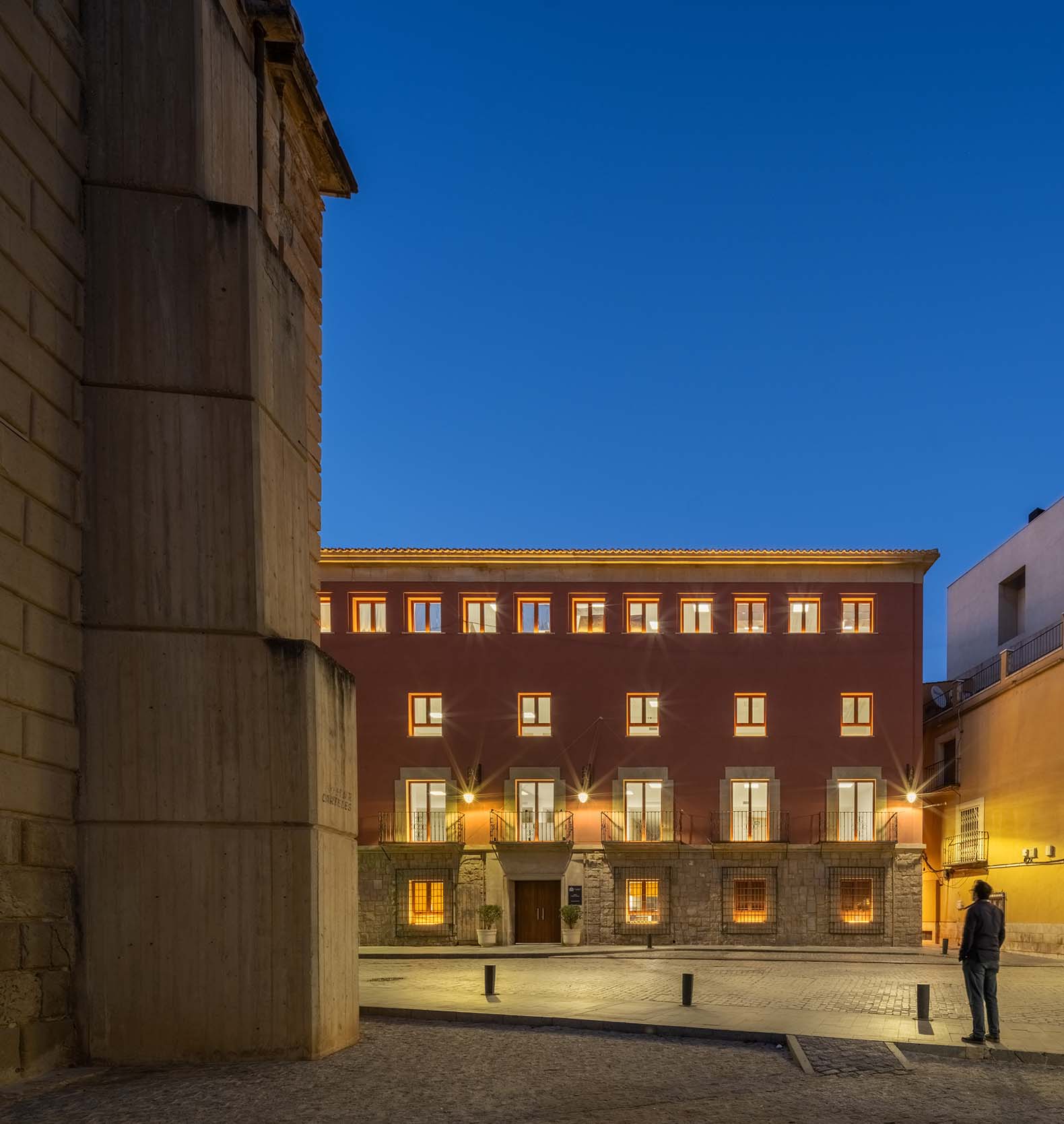
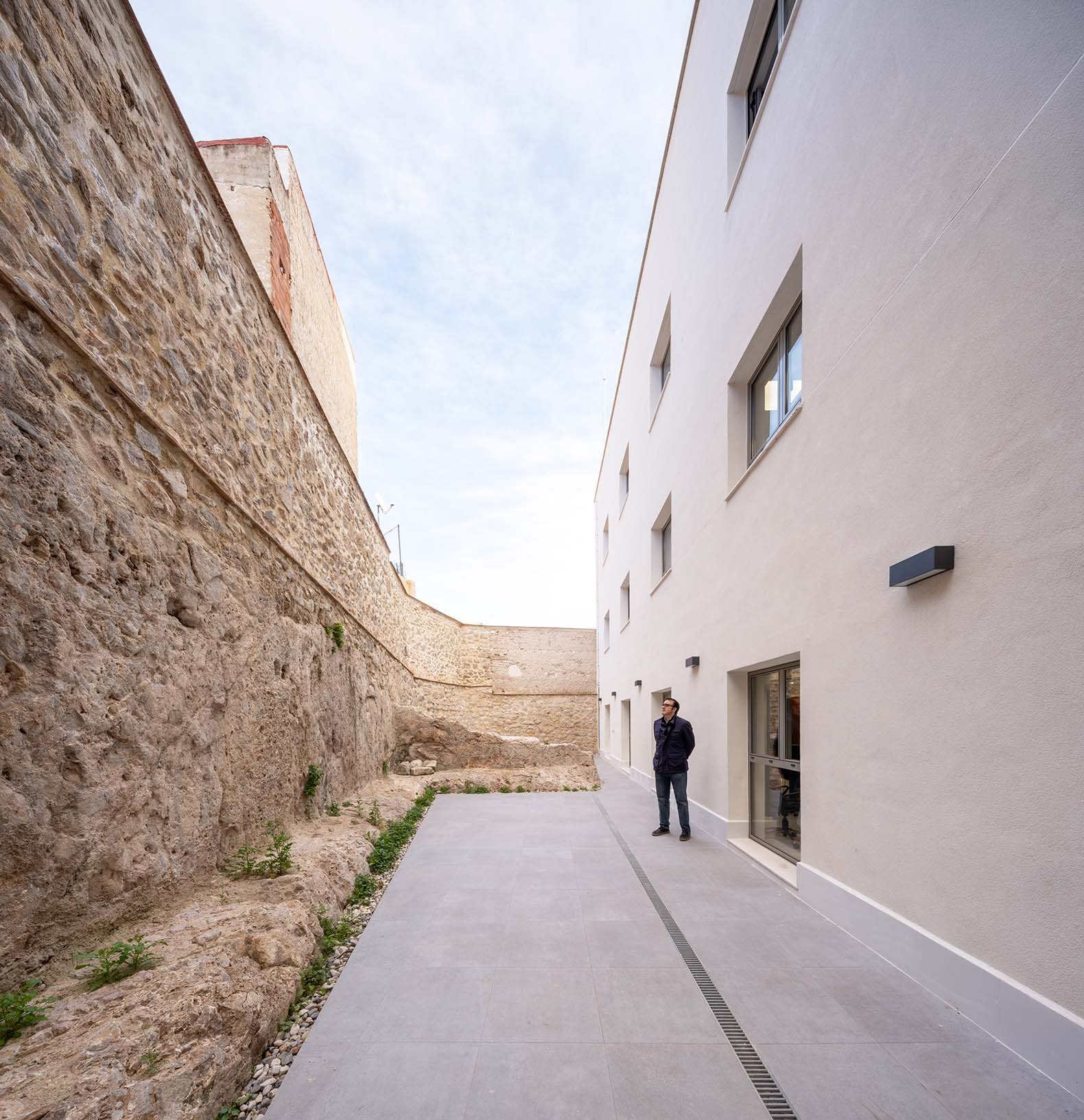
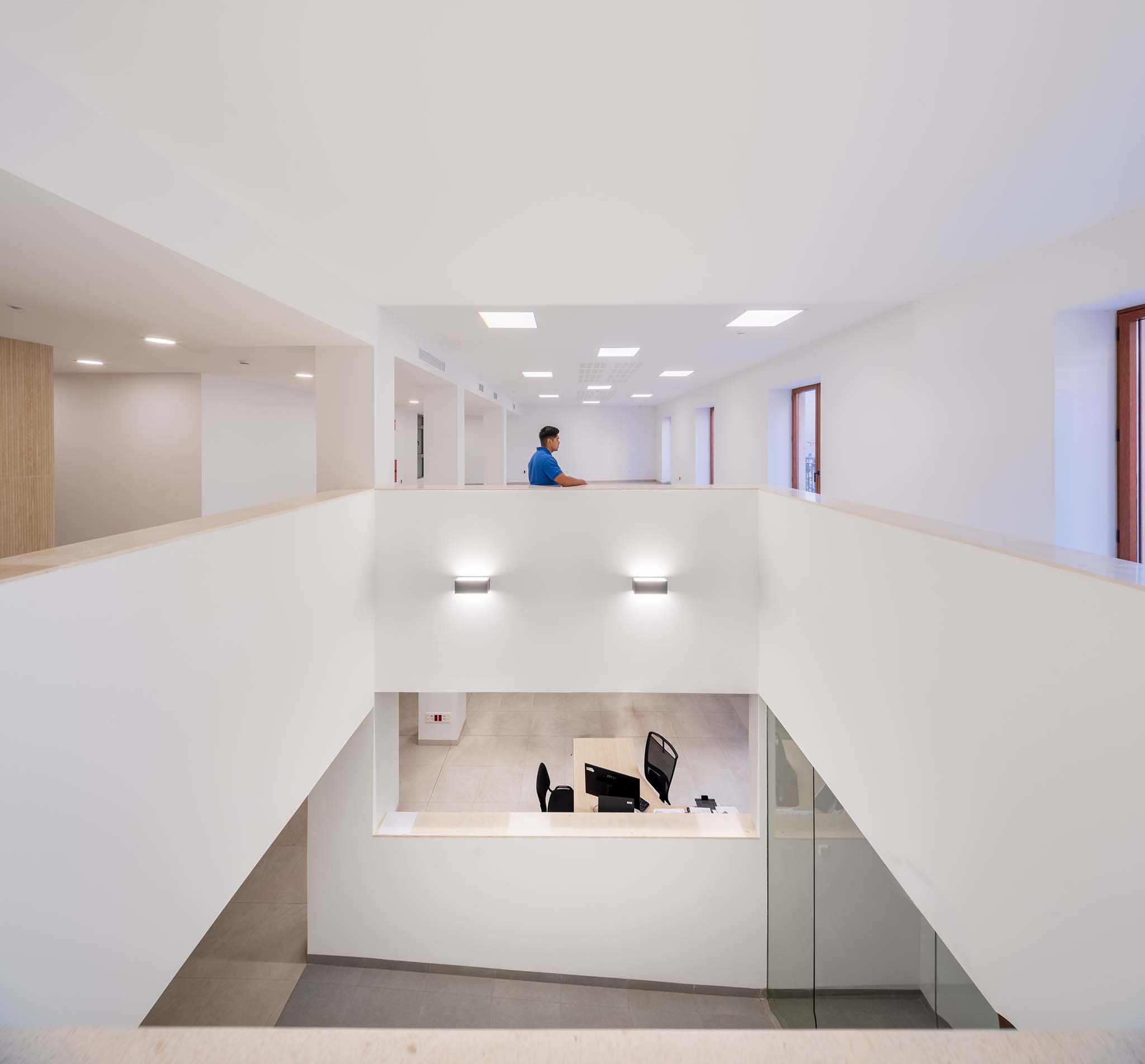
The intervention carried out by Galiano Garrigós Arquitectos and Santiago Pastor reorganized the building's interior to adapt it to contemporary administrative needs. The ground floor and part of the first floor function as a citizen service office, while the upper levels house various municipal departments. The main entrance was redefined with a double-height space that visually and functionally connects the public areas.
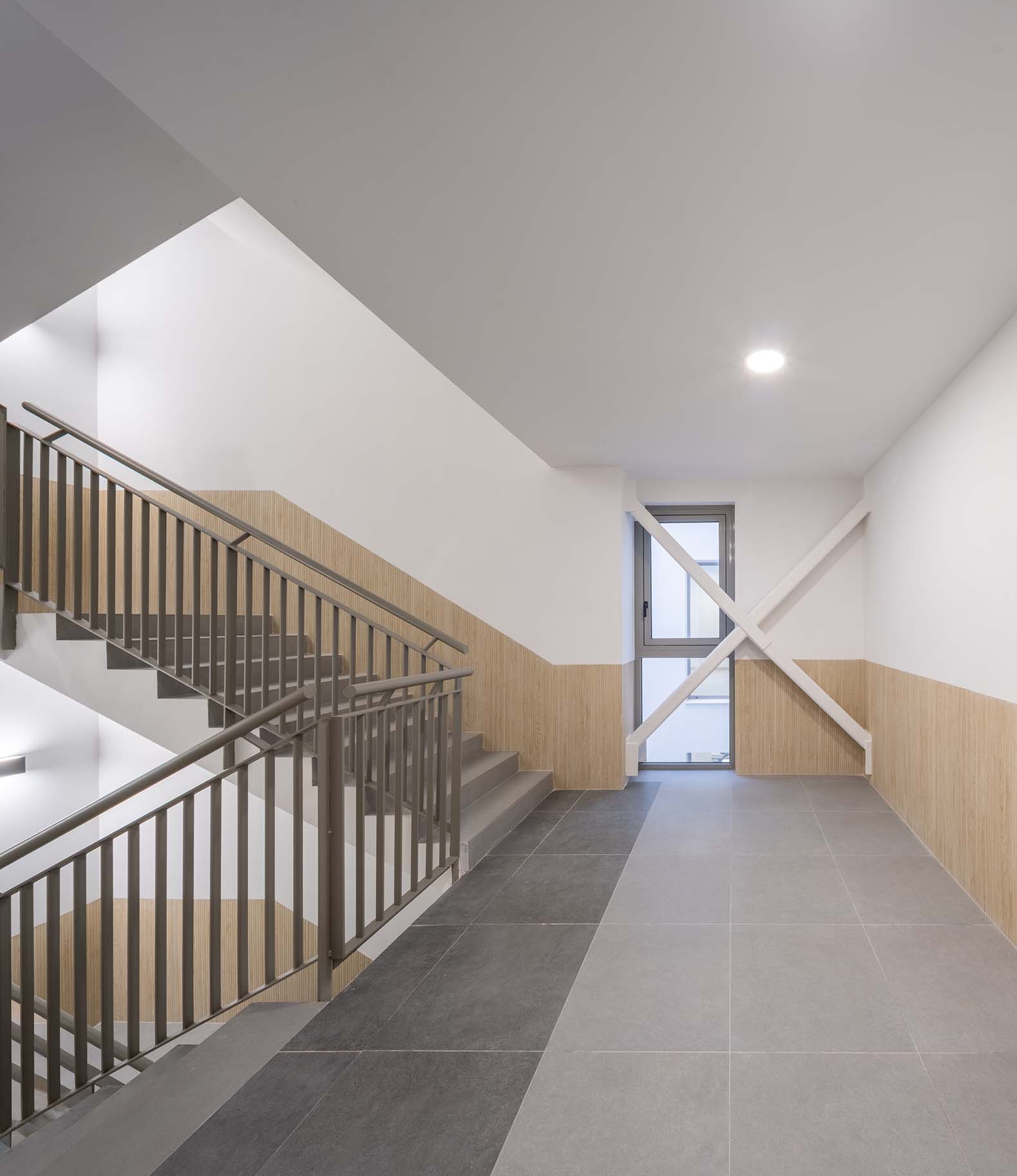
From a structural standpoint, the intervention involved extensive rehabilitation. To ensure the building's stability, pillars and beams were reinforced, and a stiffening core was added around the stairwell using steel cross-braces visible on each floor as part of the project's architectural language.
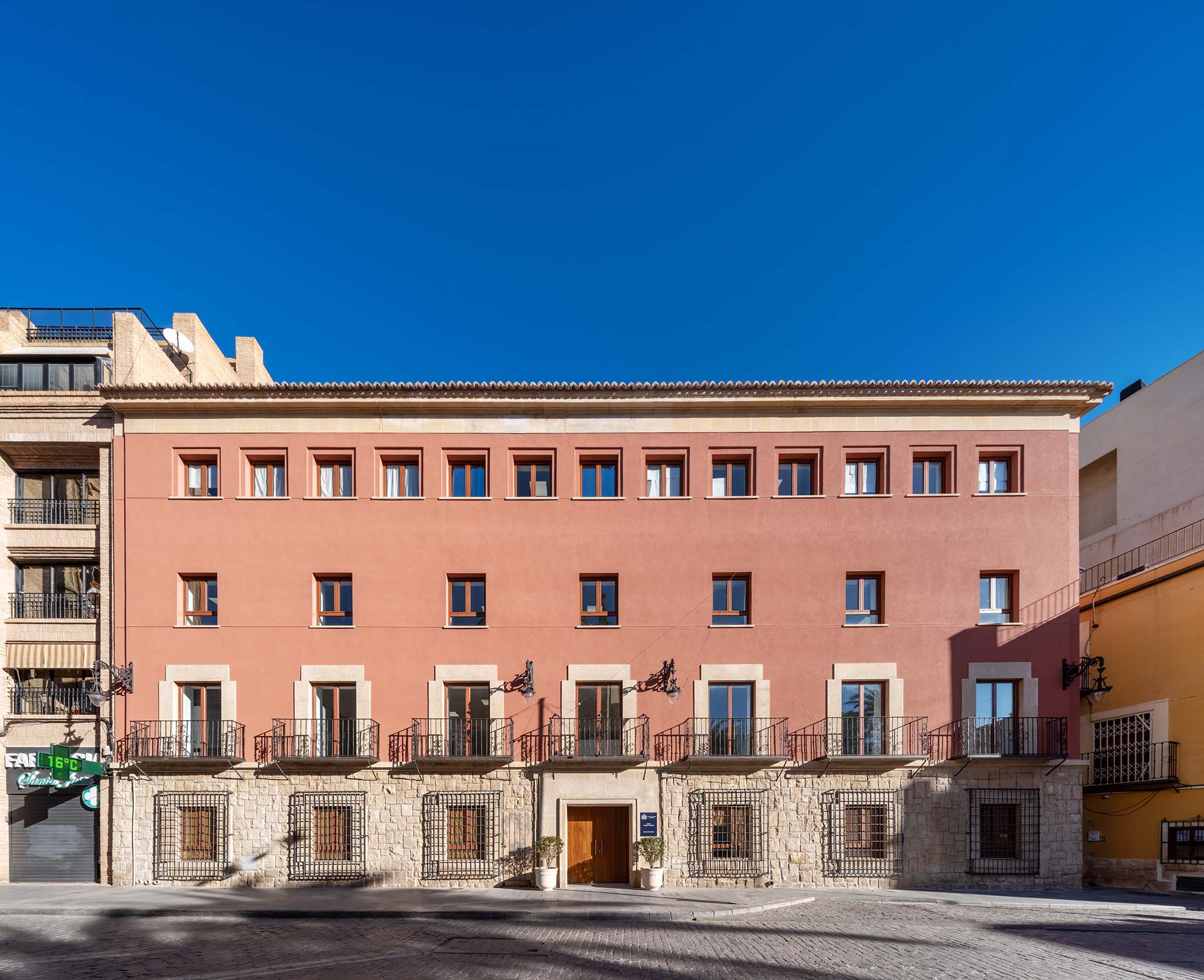
Rehabilitation of the Old Courts Building by Galiano Garrigós and Santiago Pastor. Photograph by David Frutos.
Project description by Galiano Garrigós Arquitectos and Santiago Pastor
History of the Building
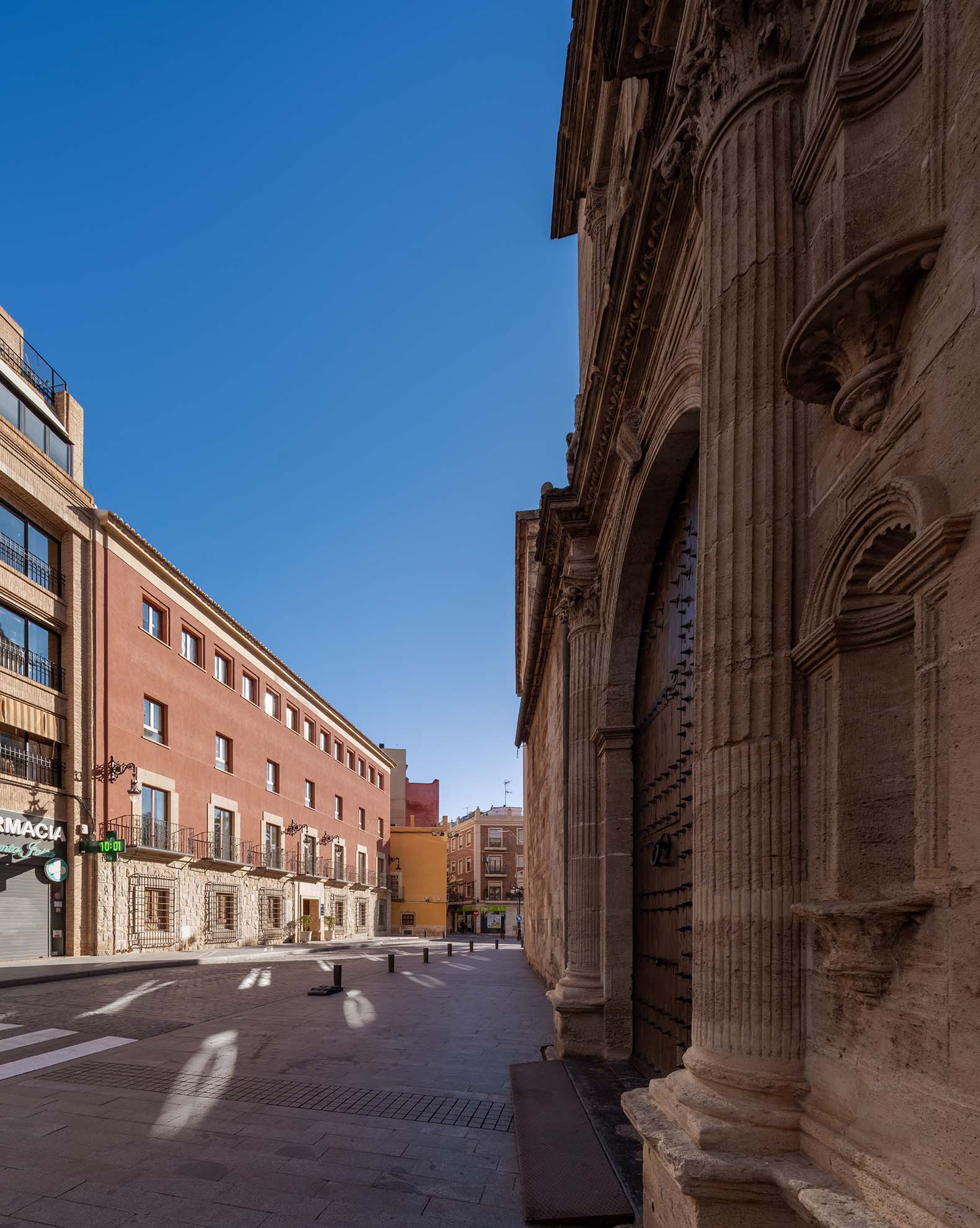
The former Orihuela Courthouse (Alicante) was built in 1974 opposite the Church of Saints Justa and Rufina, one of the city's listed buildings. Previously, on the same site, there was a building constructed in 1845 that housed the Courts of First Instance. Before that, dating back to the Middle Ages, there were various structures, ranging from a market hall connected to the adjacent market square to buildings used for administrative purposes. Remains of these earlier buildings were uncovered during the renovation work, some of which are preserved in their original architecture, such as the entrance to a Civil War shelter in the rear courtyard. Over time, all the buildings have been adapted to the slope of Mount San Miguel, and traces of the manually excavated earth can be seen in different areas of the building.
In 2005, following the relocation of the courts to a new building, the former courthouse fell into disuse and became municipal property. In 2018, the Orihuela City Council, as part of its campaign to rehabilitate the historic center, decided to convert the building into municipal offices, beginning a process that will conclude in 2026.
Building Description
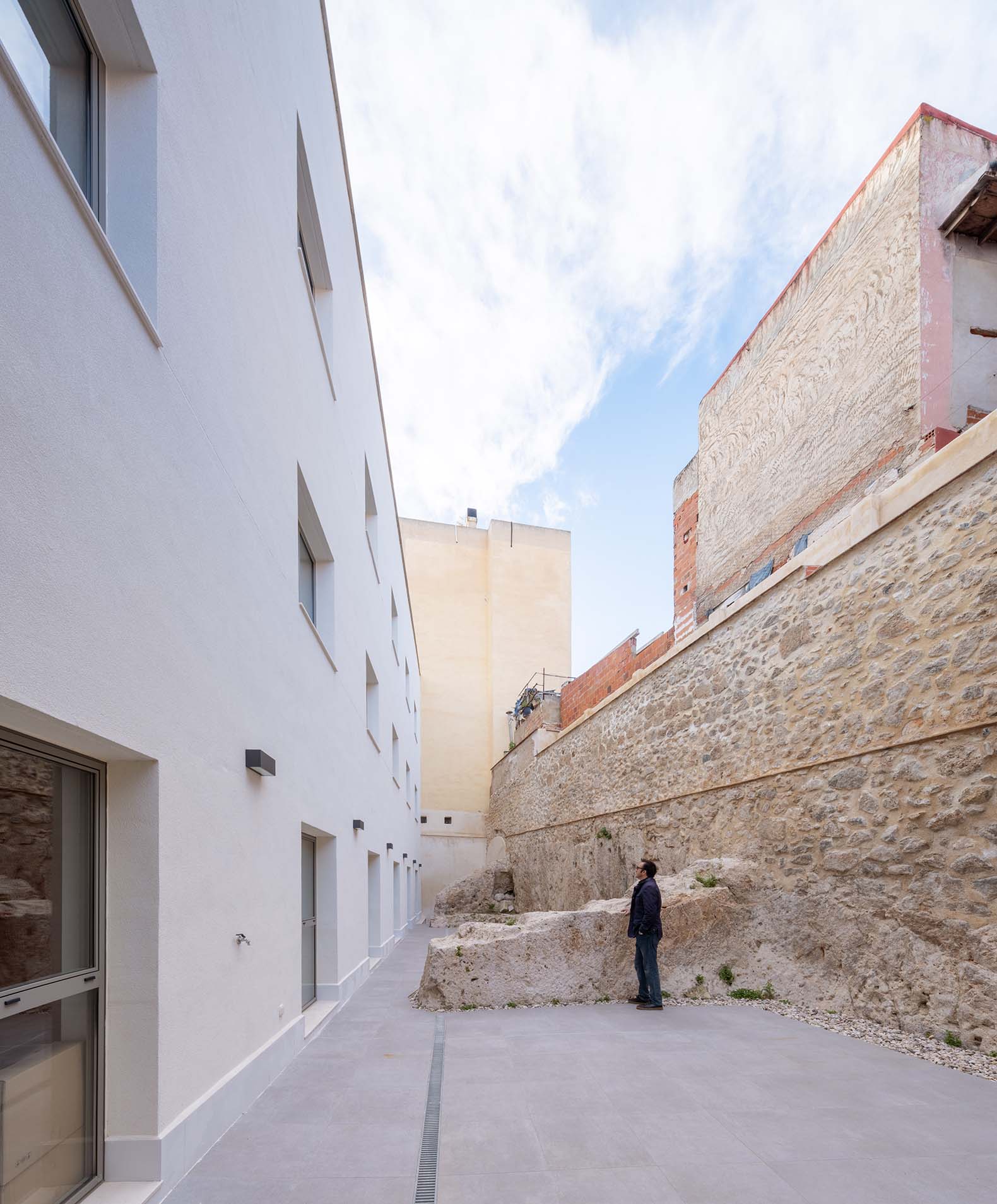
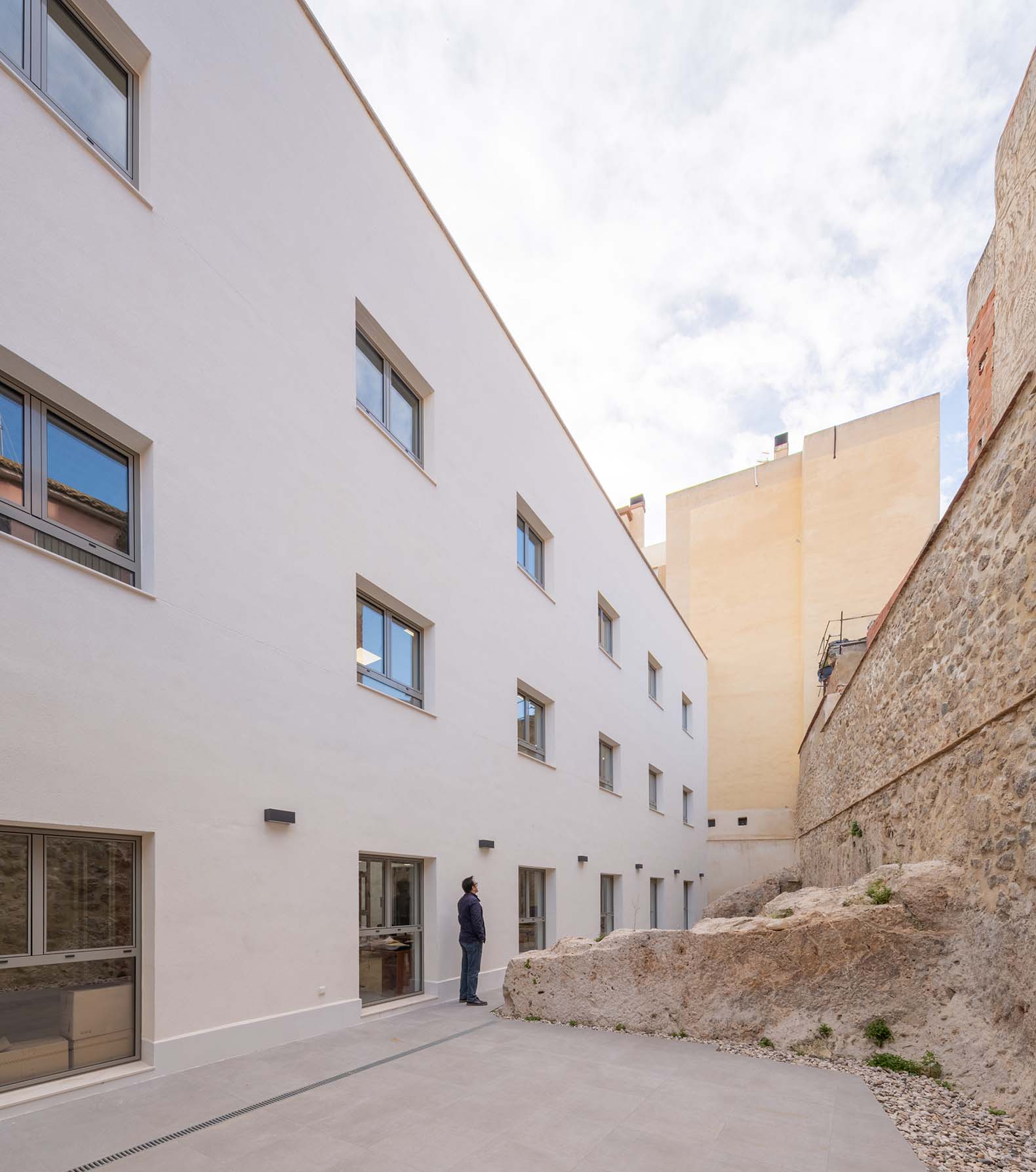
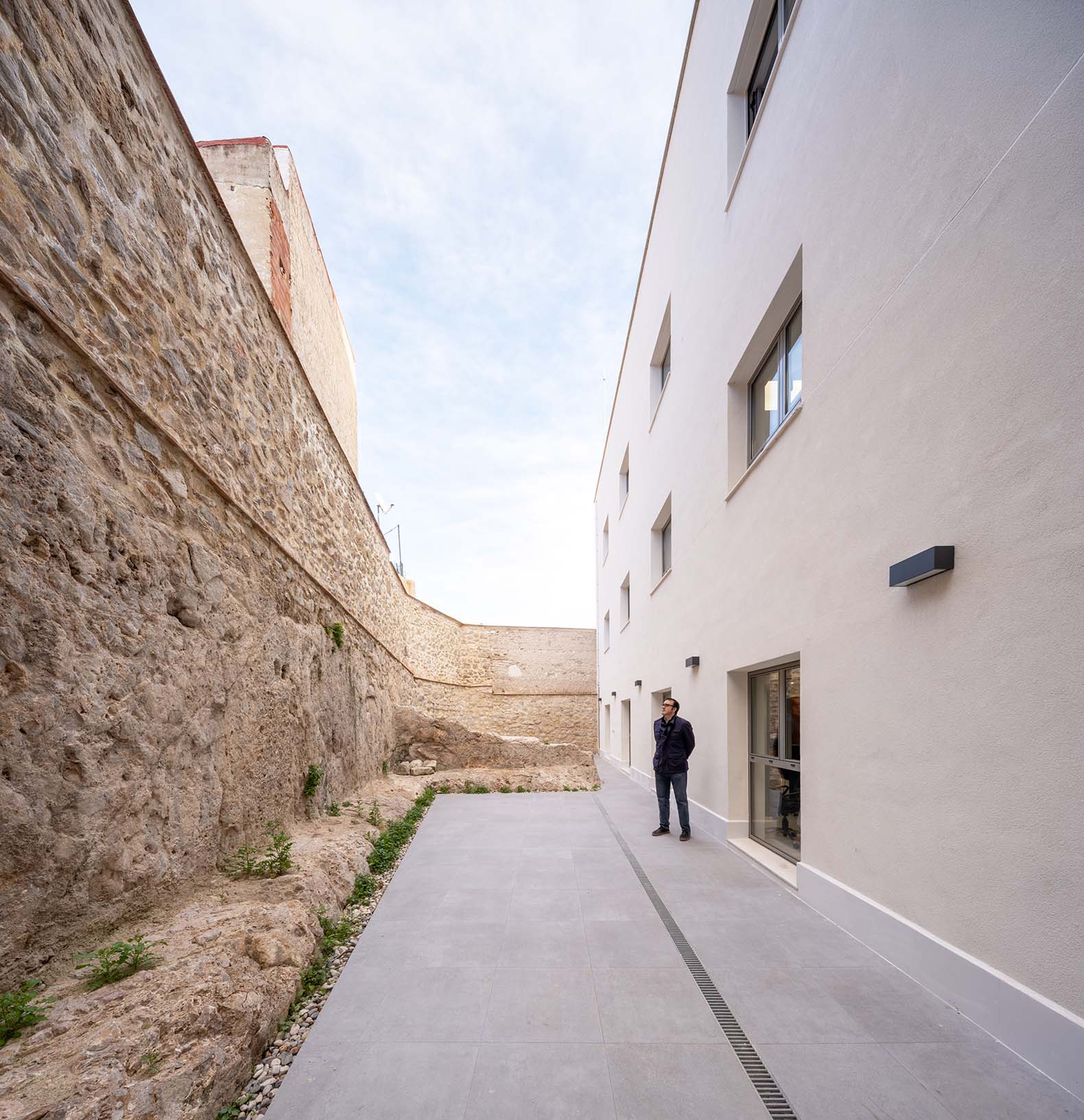
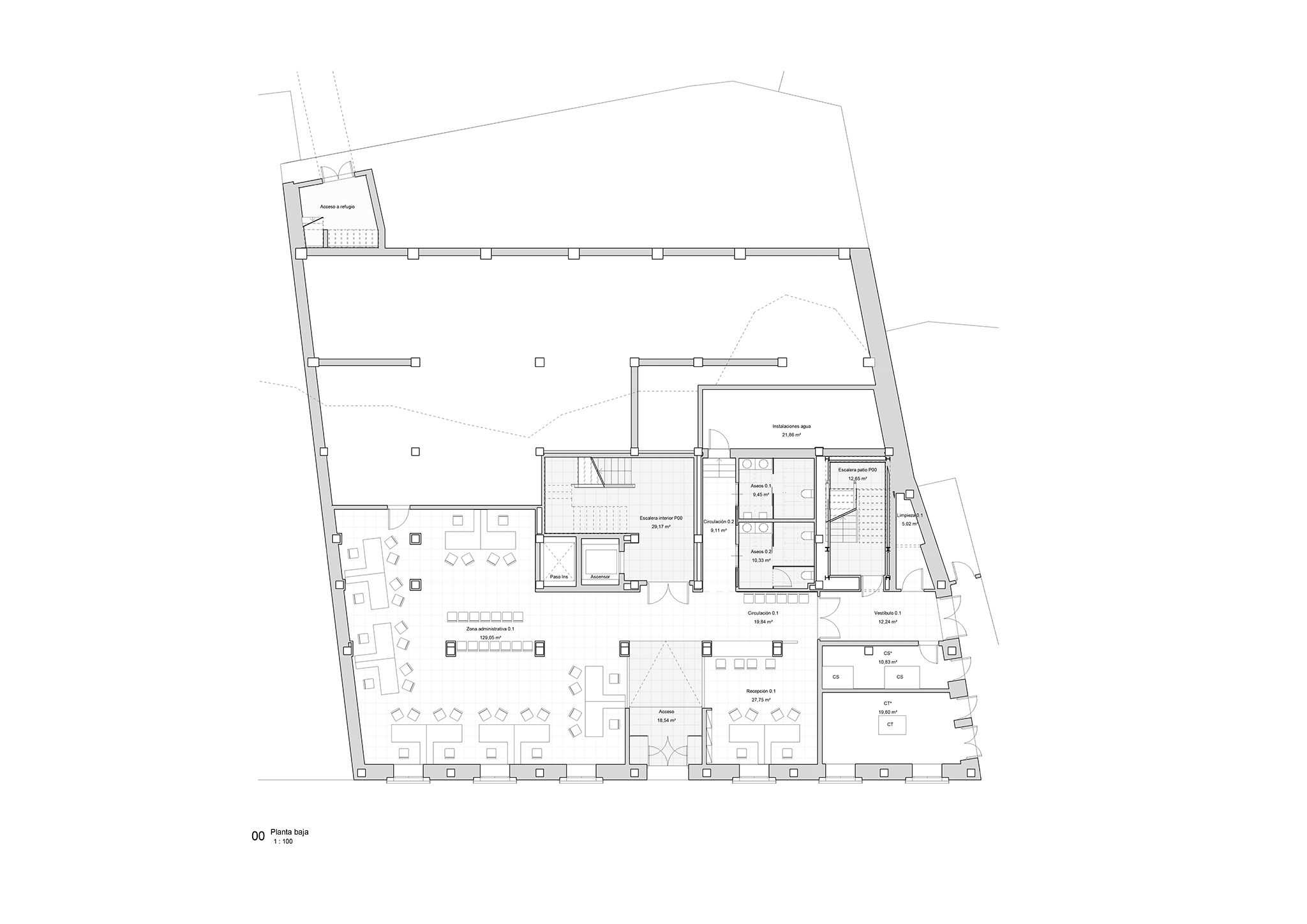
The Old Courthouse building is located on a roughly rectangular plot of land, though it does not occupy the entire area, leaving a large courtyard at the rear. In this courtyard, one can find one of the entrances to the Civil War shelter in the neighborhood, which was lost when the building was constructed in 1975, as well as remnants of previous structures, such as large adobe walls.
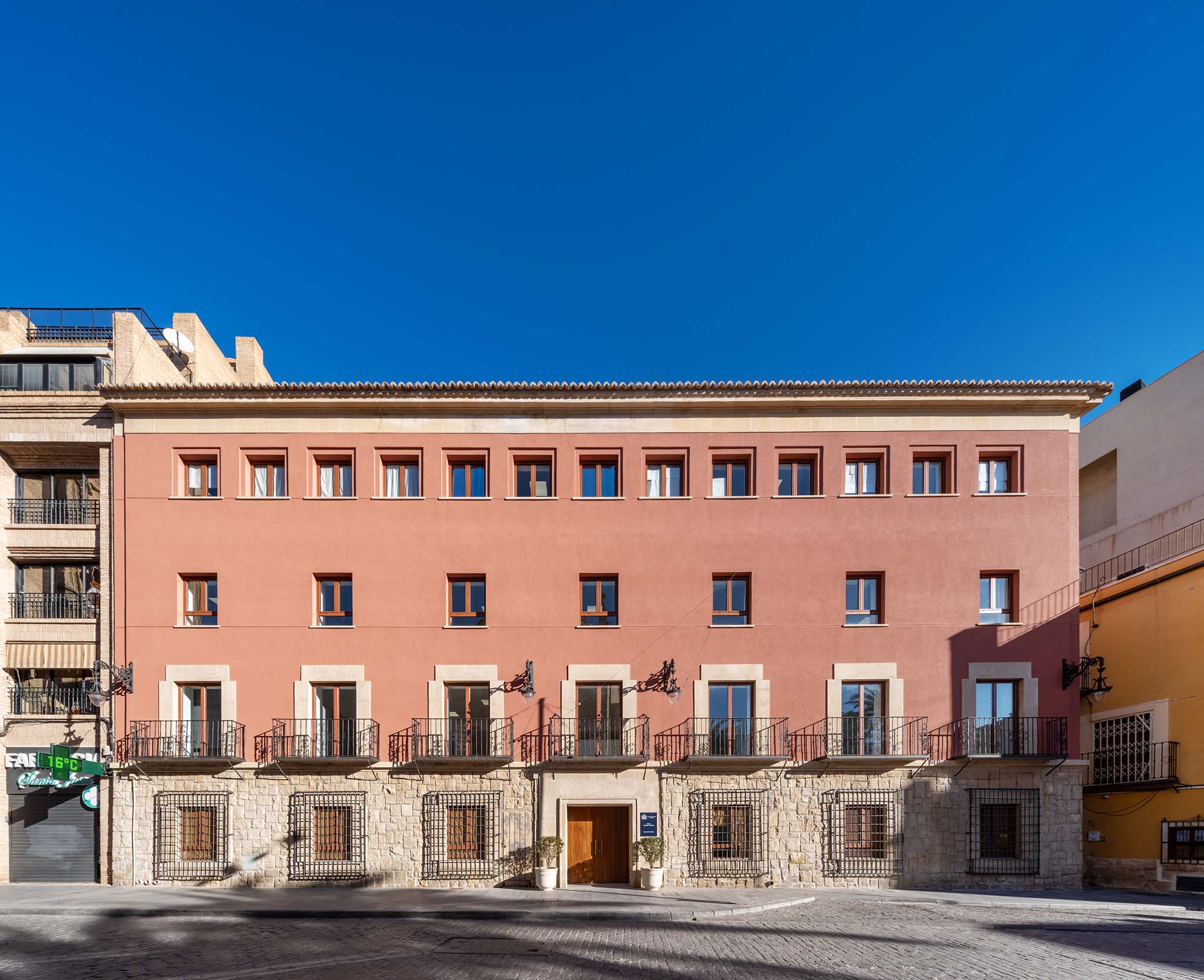
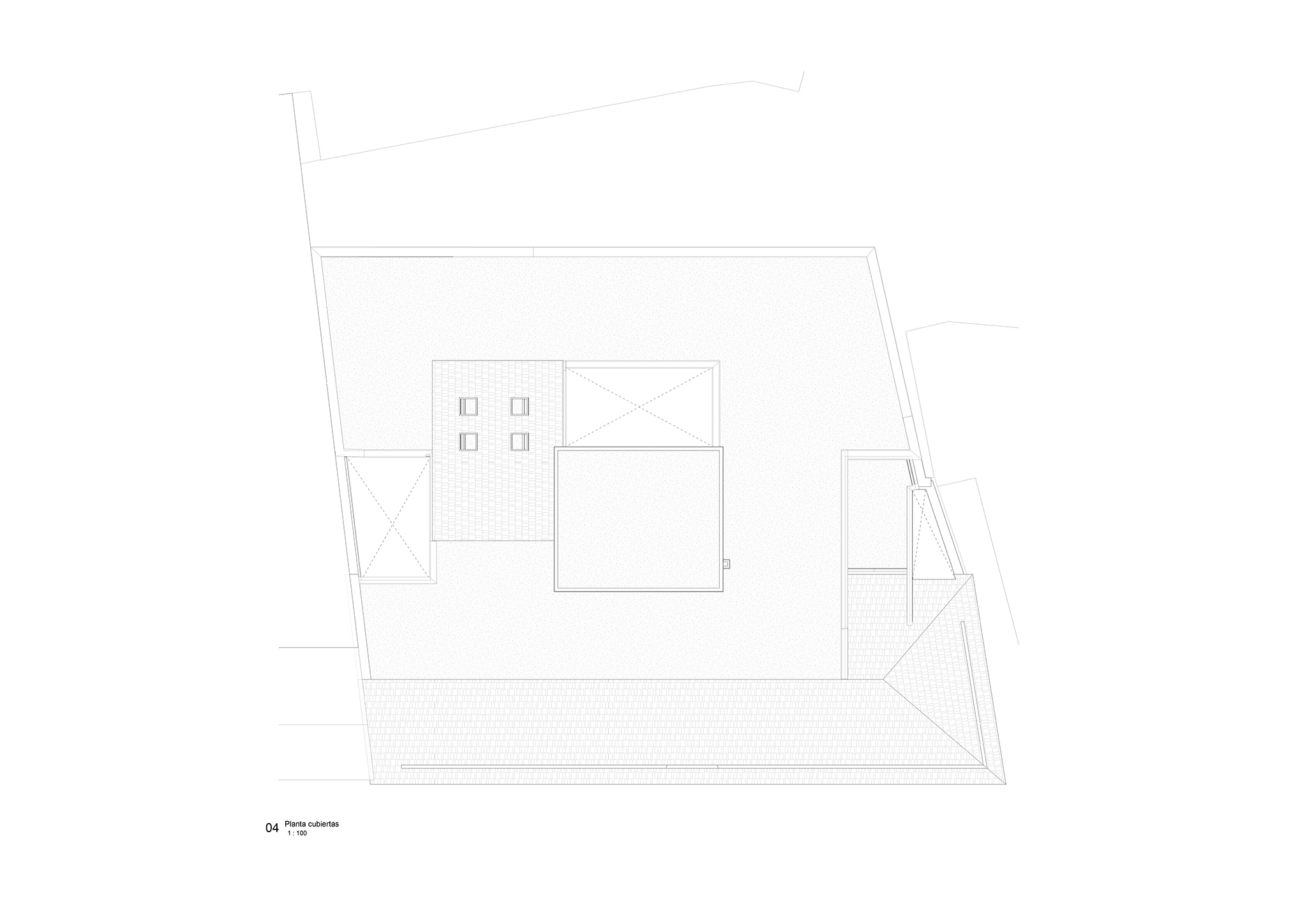
The building has four stories of varying sizes. The ground floor, smaller because the building is situated on a hillside, reveals the excavations made in the rock to accommodate the previous buildings. The three upper floors are of equal size. Above these is the roof level, partially tiled, which consists of only an access shaft.
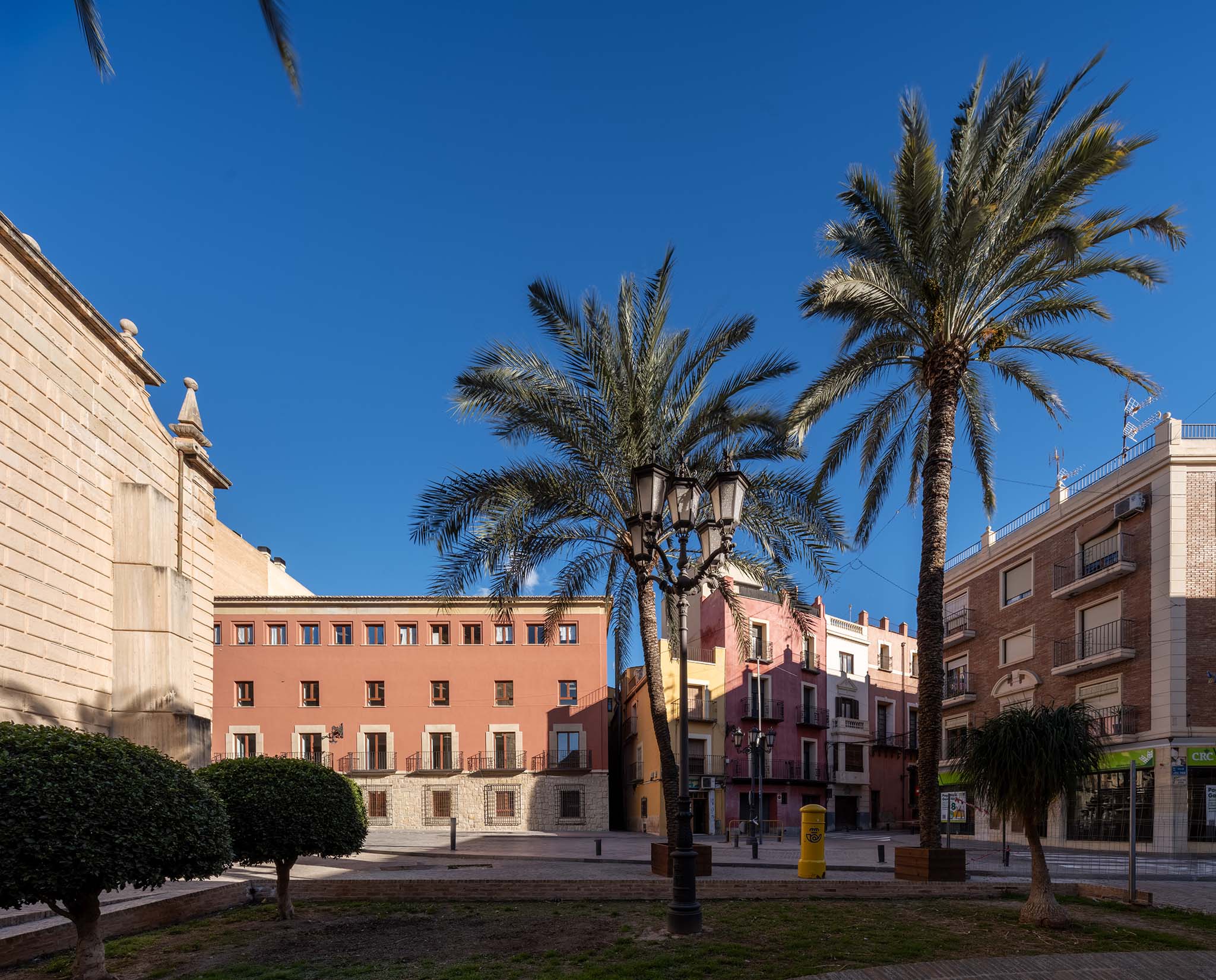
The building's aesthetics blend into its surroundings, following historical patterns in the facade, where solid mass predominates over void, vertical openings with a marked rhythm, and an academic arrangement with base, development, and crowning element.
The Intervention
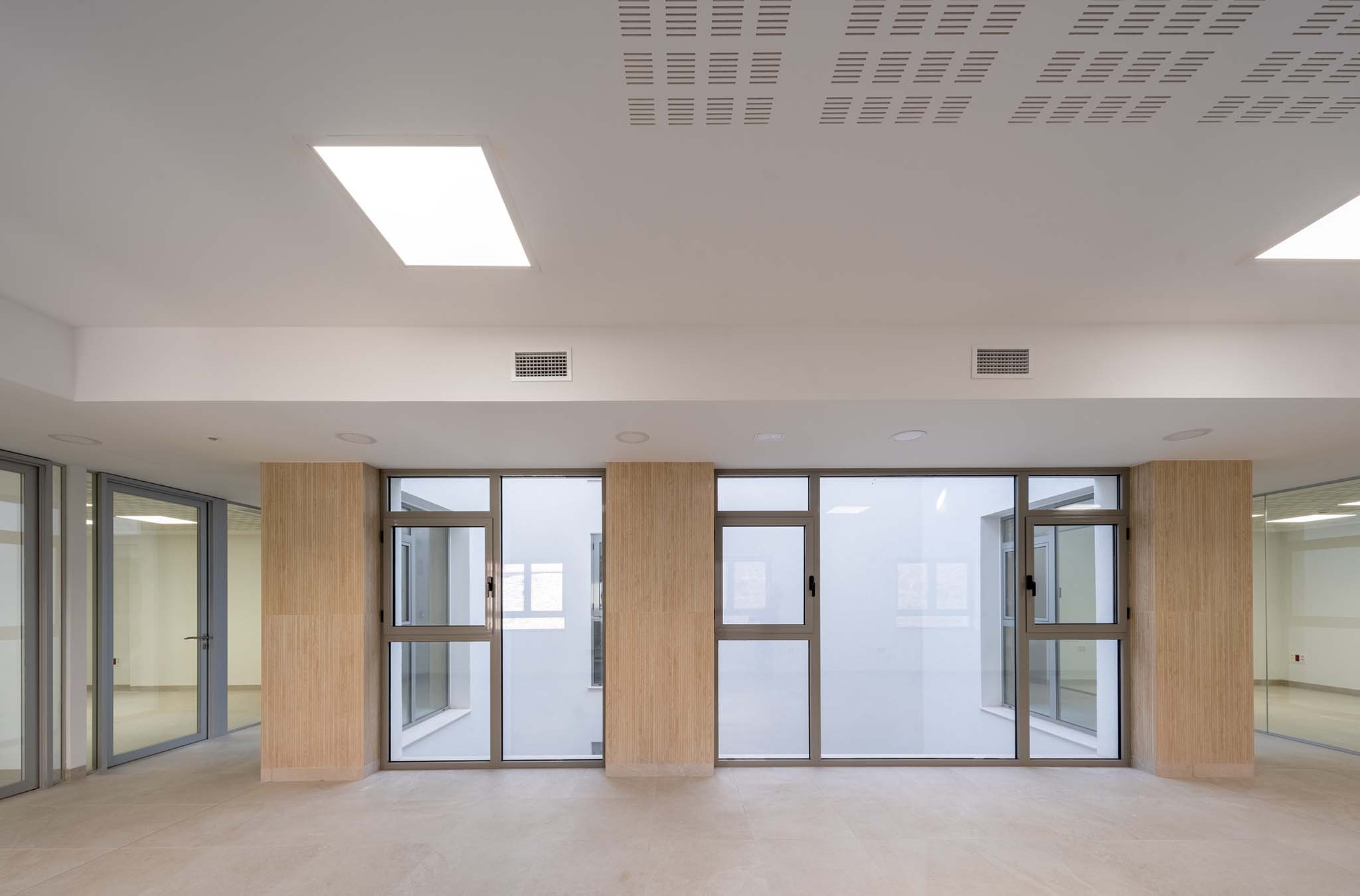
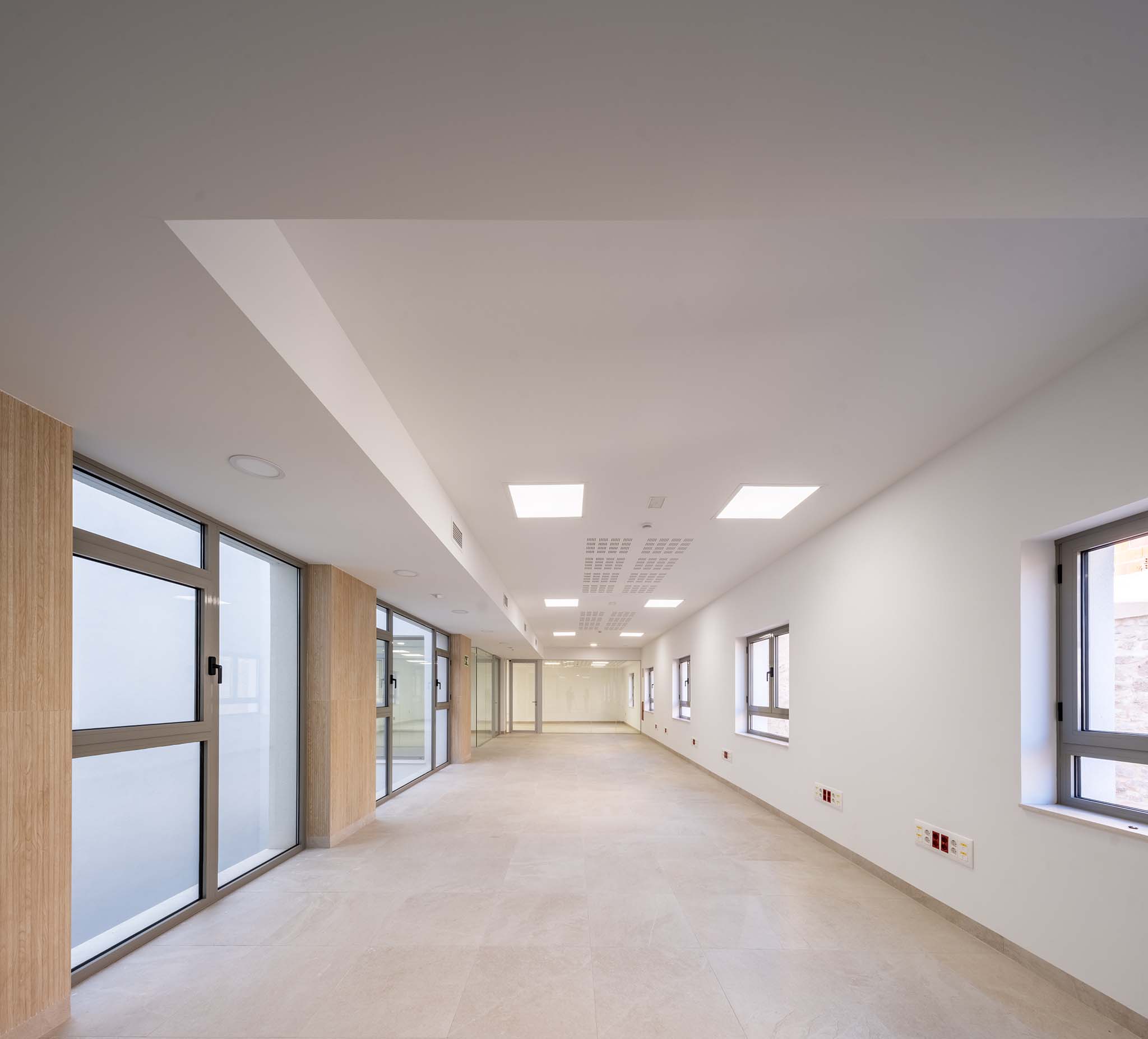
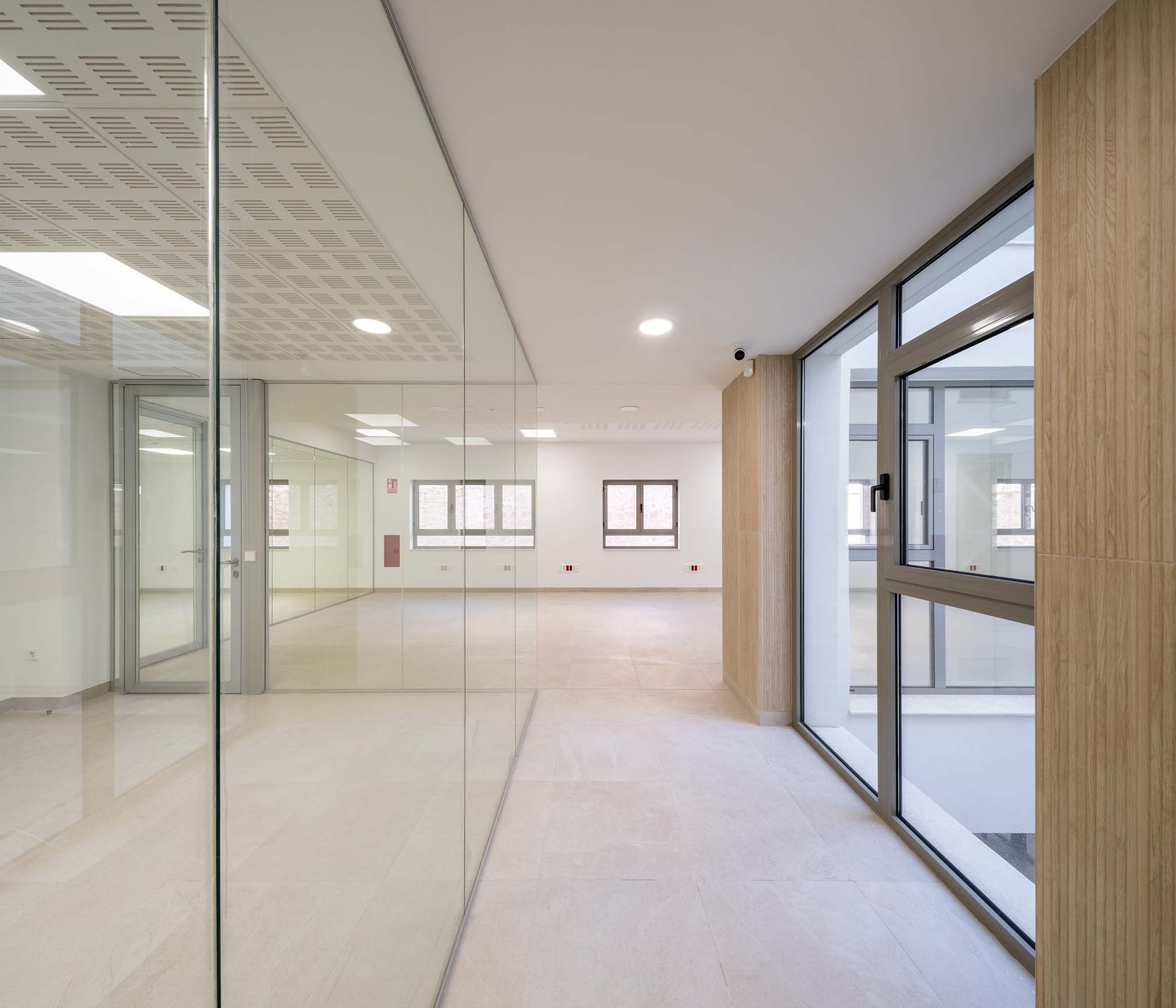
The project undertaken aimed at the complete renovation of the building to house municipal offices with a total of 111 workstations, which will be assigned to different council departments. The ground floor and part of the first floor will be converted into a citizen service office, while the remaining floors will be used for other municipal services with lower visitor traffic. To achieve this, all interior partitions were demolished, and a new layout was designed for the new uses, prioritizing open-plan offices and natural light. This means that shared workspaces are located in the most illuminated areas, while private offices and meeting rooms are relegated to more interior, but equally well-lit, spaces. Large open areas facing both facades—the main facade and the rear courtyard—were designed, with the central section reserved for service areas. The main entrance was designed with a double-height space that connects the citizen service areas and gives the building the scale it deserves.
At the facade level, the intervention on the building complex has been carried out in accordance with the guidelines of the cataloging records of the Special Protection Plan for the Historic Center of Orihuela, the topographic maps, and the level of protection defined in the Orihuela General Urban Development Plan. This is why the main facade, in terms of openings, as well as the building's overall volume, have not been modified; the only actions taken were to provide the necessary lateral access for building services and for the evacuation of people. Furthermore, work has been carried out on the surface finishes of the facade due to their dissonance with the immediate historical surroundings.
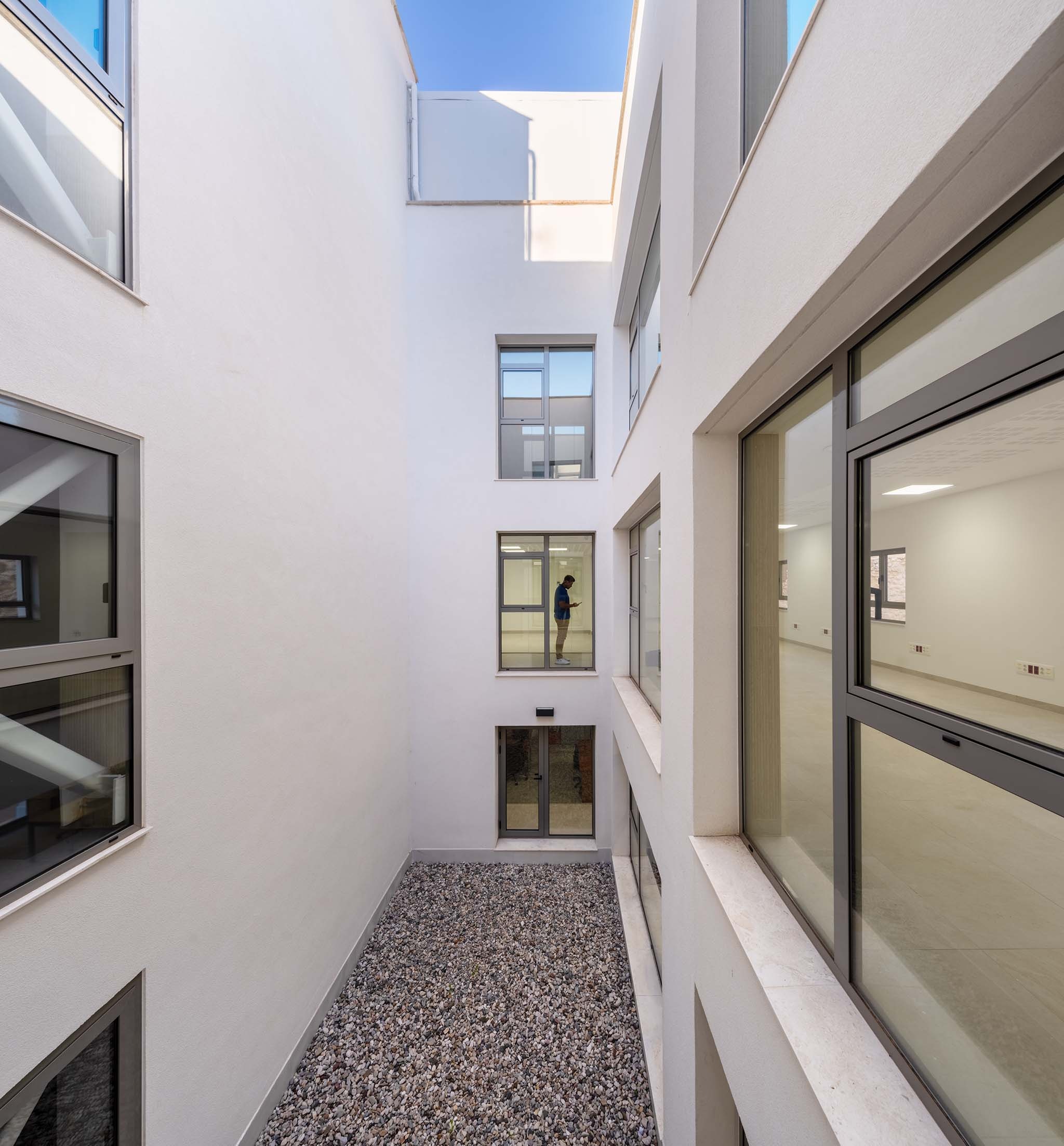
The first part of the rehabilitation consisted of the repair and reinforcement of the structure. The analysis of the reinforced concrete elements showed that their resistance was far from the minimum required by current structural regulations. It was also found that the building's resistance to horizontal wind and seismic forces was completely insufficient. This circumstance necessitated, in addition to reinforcing the pillars and beams, the design of a solution to resist these horizontal forces. To this end, a stiffening core was constructed, working on the pillars surrounding the existing central stairwell, where steel cross-braces were installed to ensure resistance to these forces. As an example, one of these cross-braces has been left exposed on each floor.
The subsequent complete renovation of the finishes carefully considered the colors and lighting, aiming for visual comfort for both employees and visitors. These finishes enhance the overall office landscape and differ only in the main vertical circulation core, which, with a different finish, reinforces its central position and facilitates visitor orientation.
Furthermore, the building's exterior spaces were redesigned as an extension of the office area. The rear courtyard highlights the building's construction history, showcasing fossilized structural walls from previous constructions, the manual earthworks of the mountain, and the restored access to the Civil War air-raid shelter.
Conclusion
This process, which began in 2018, has resulted in the creation of new municipal facilities that prioritize working conditions, making them comfortable for both employees and users of the services located there. These facilities have been adapted to current technical and functional needs and integrated into the urban fabric of Orihuela's Historic Center.