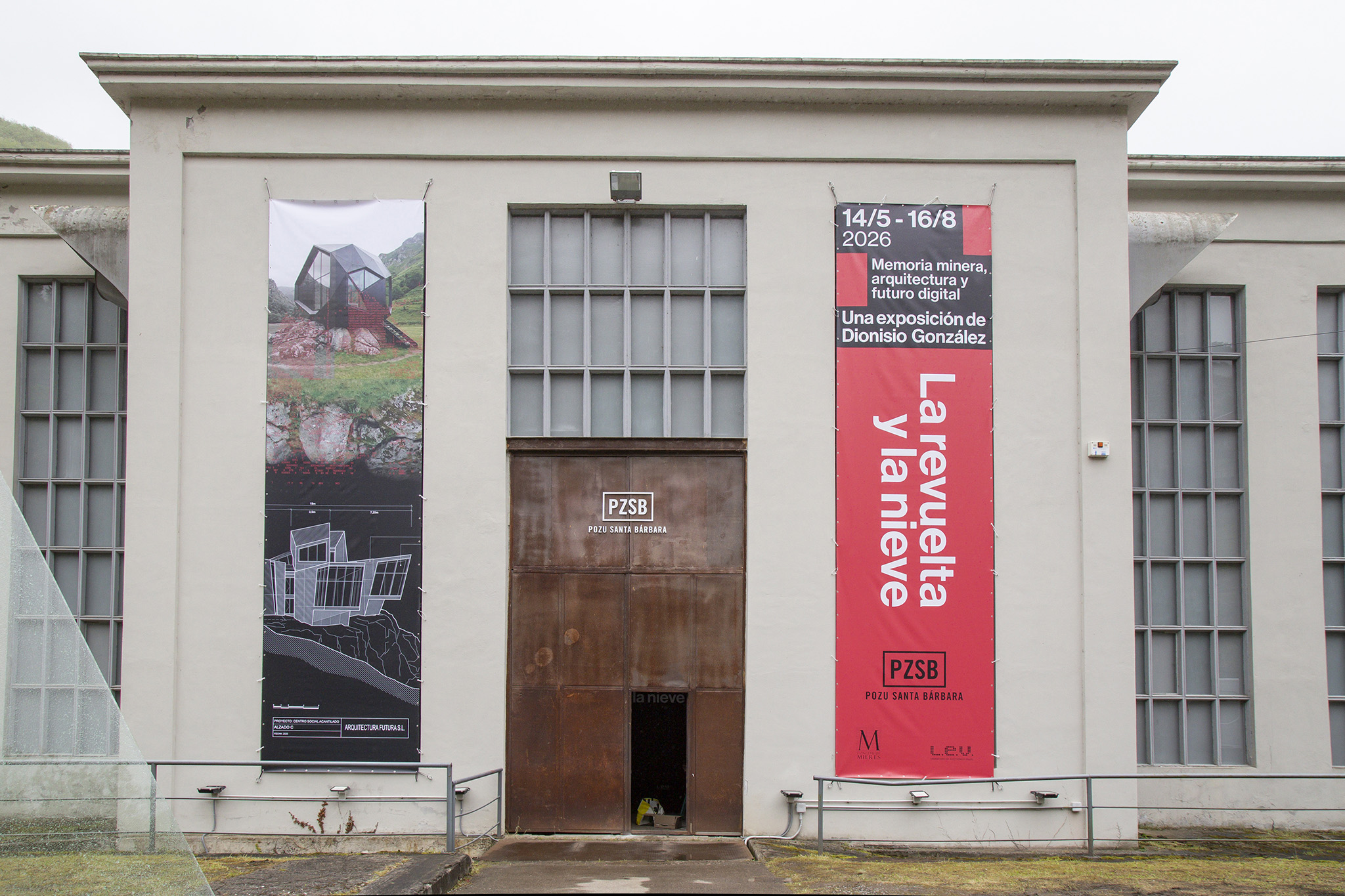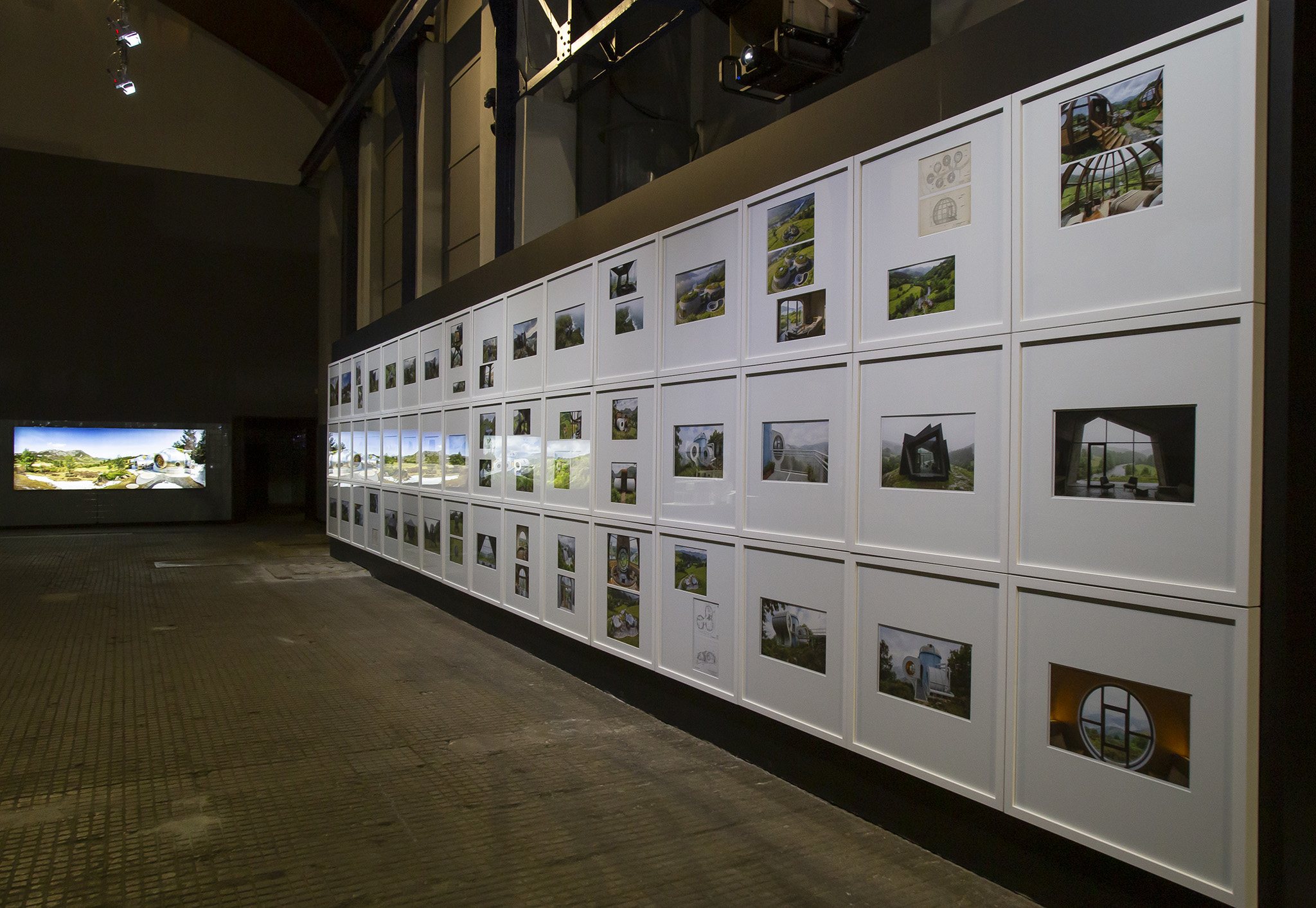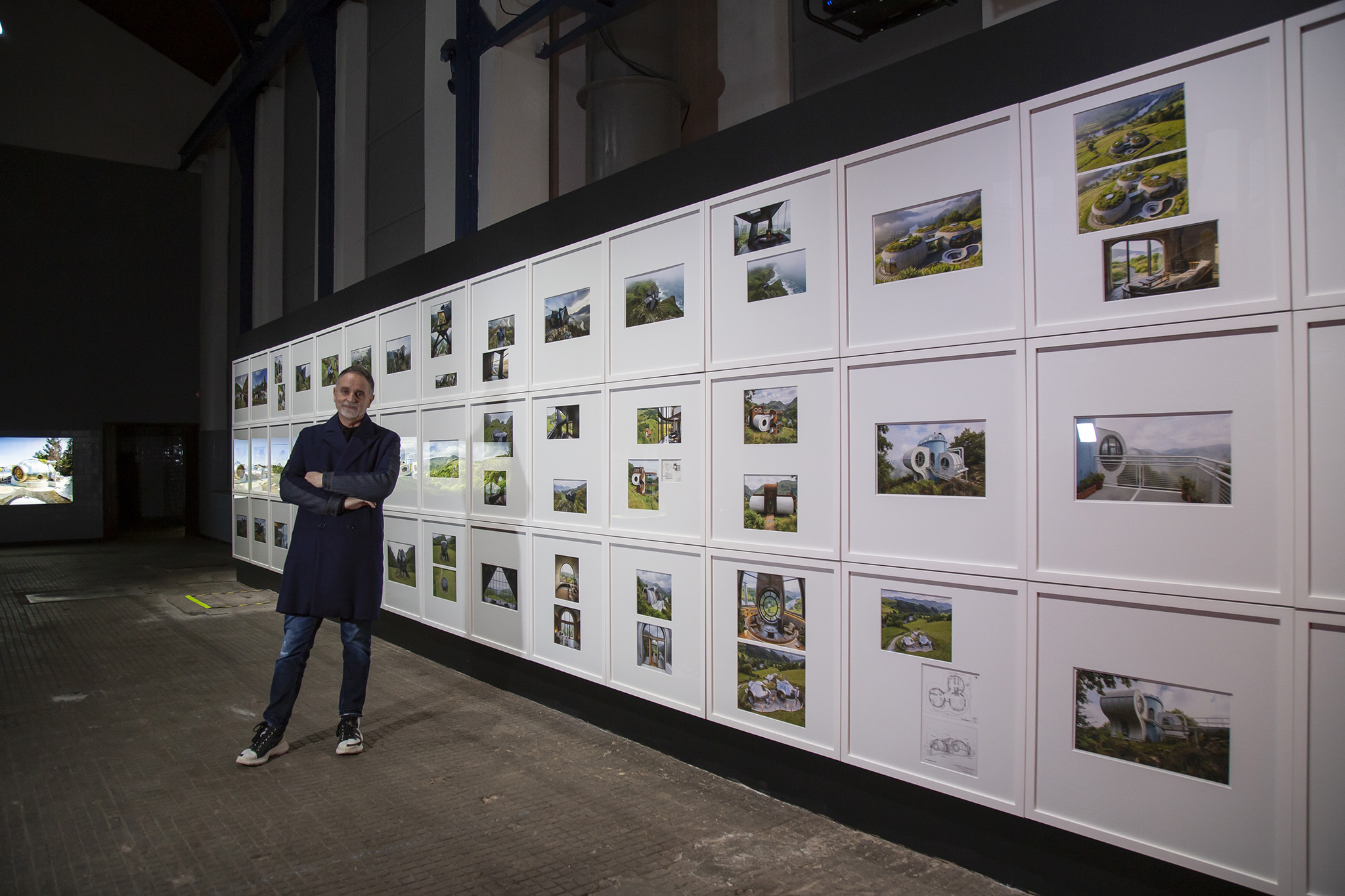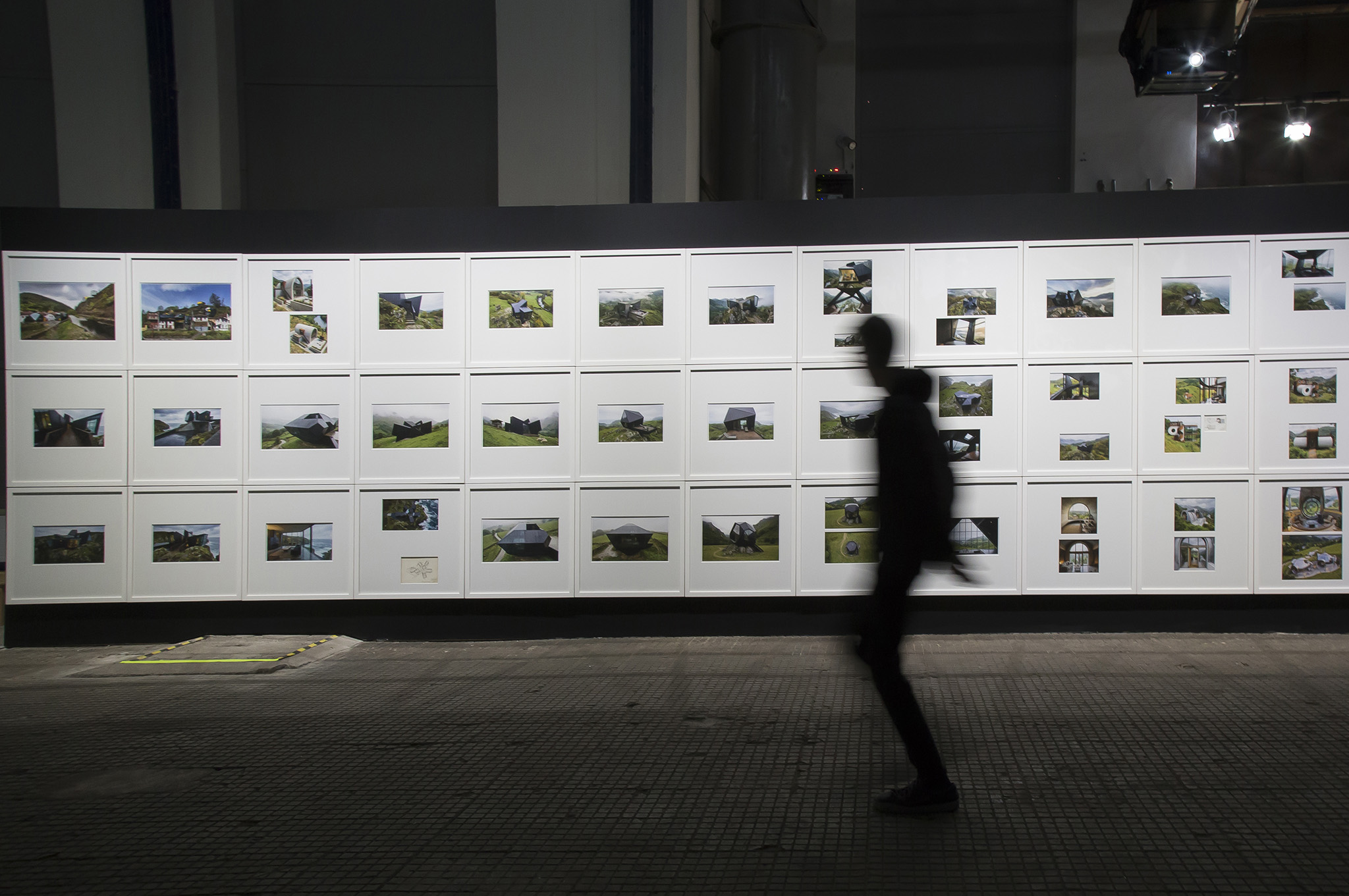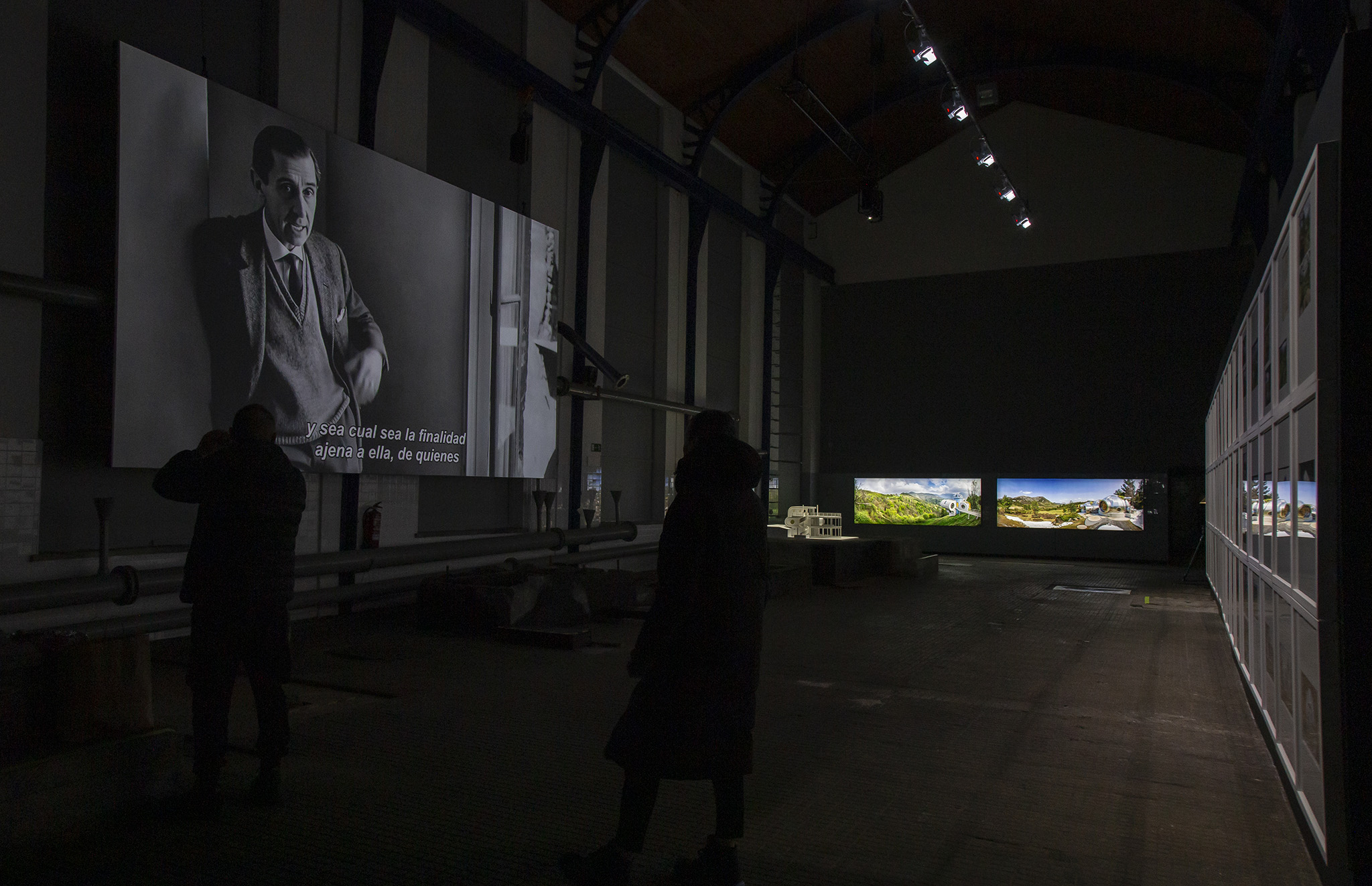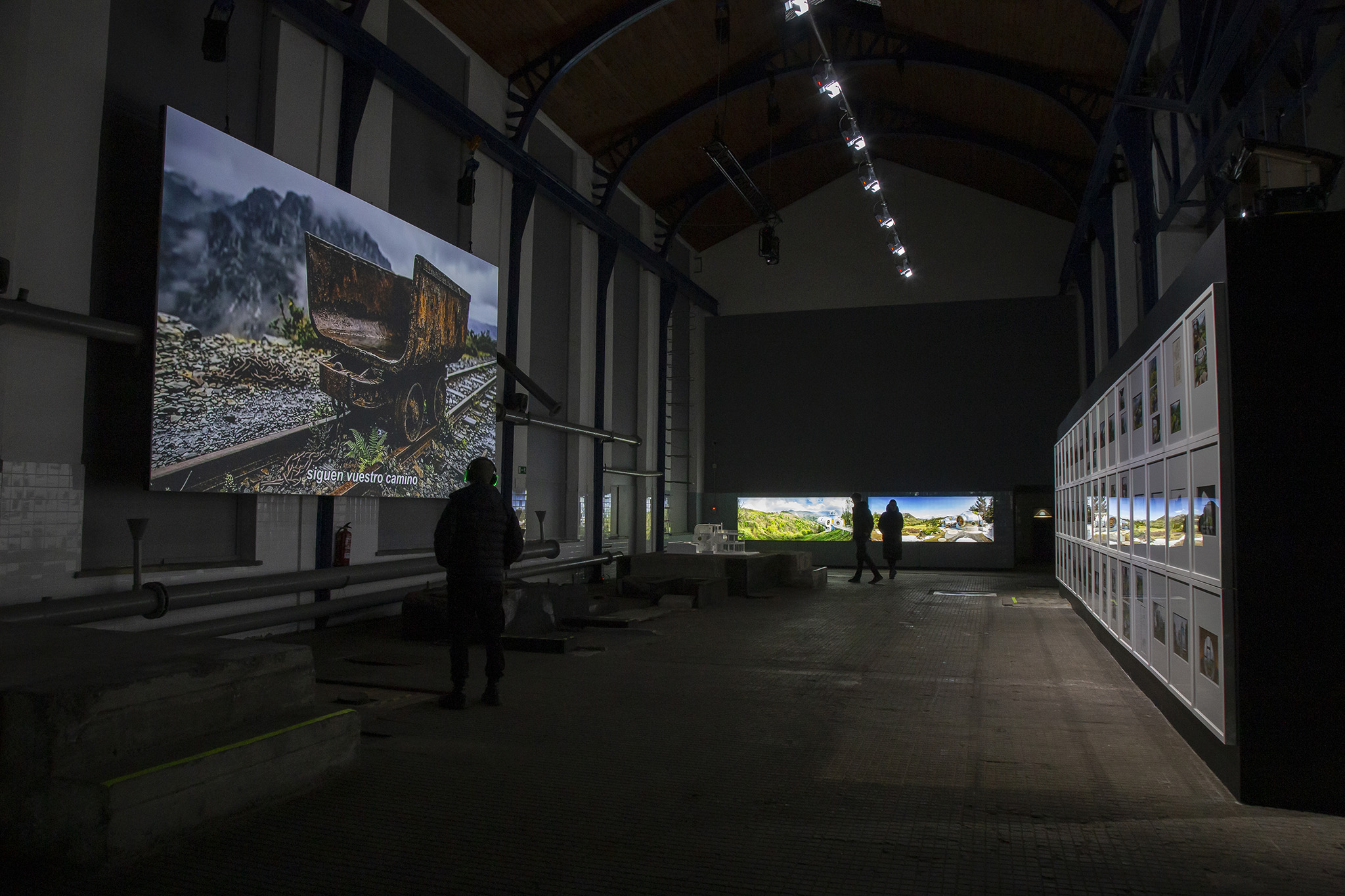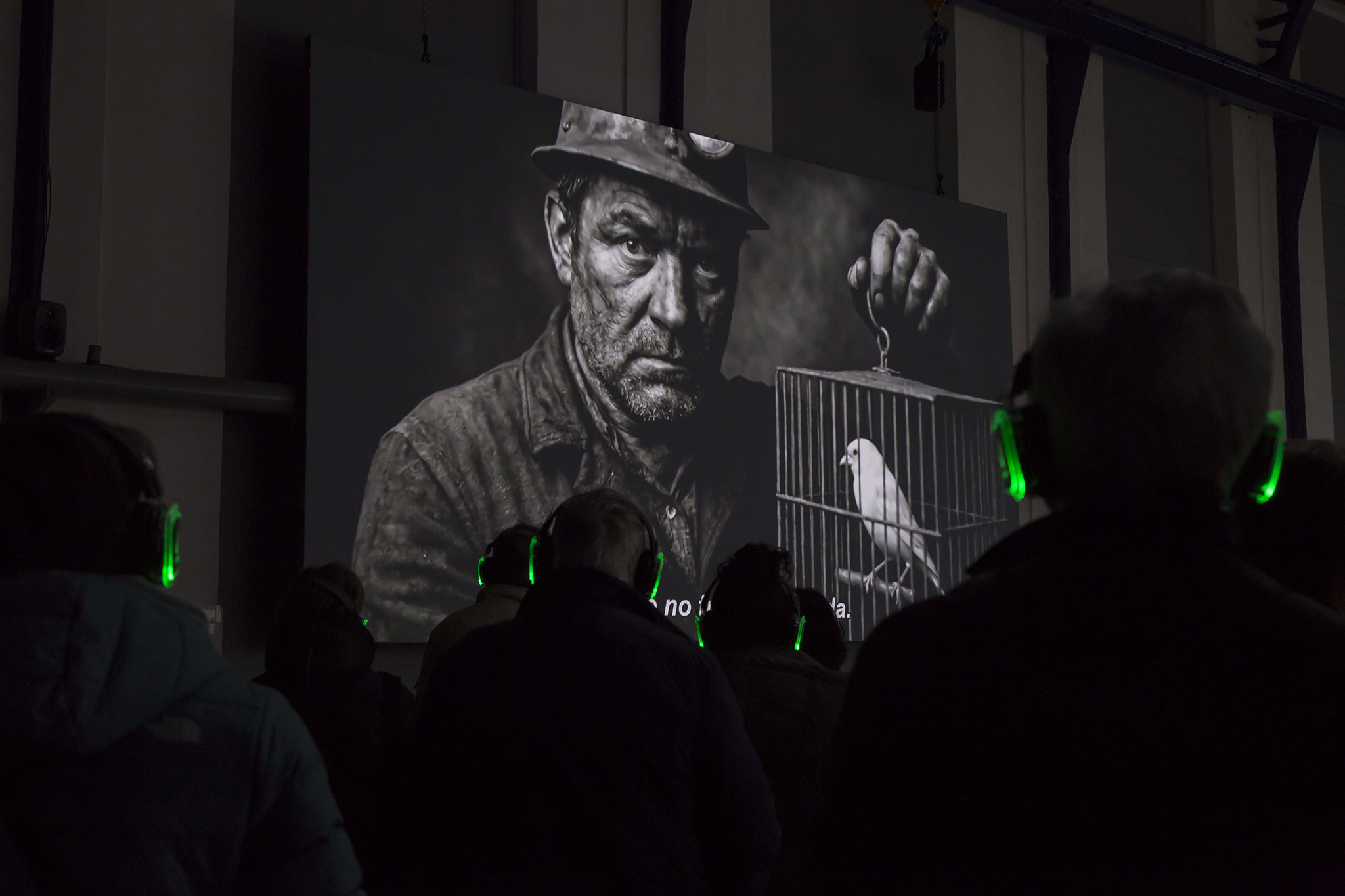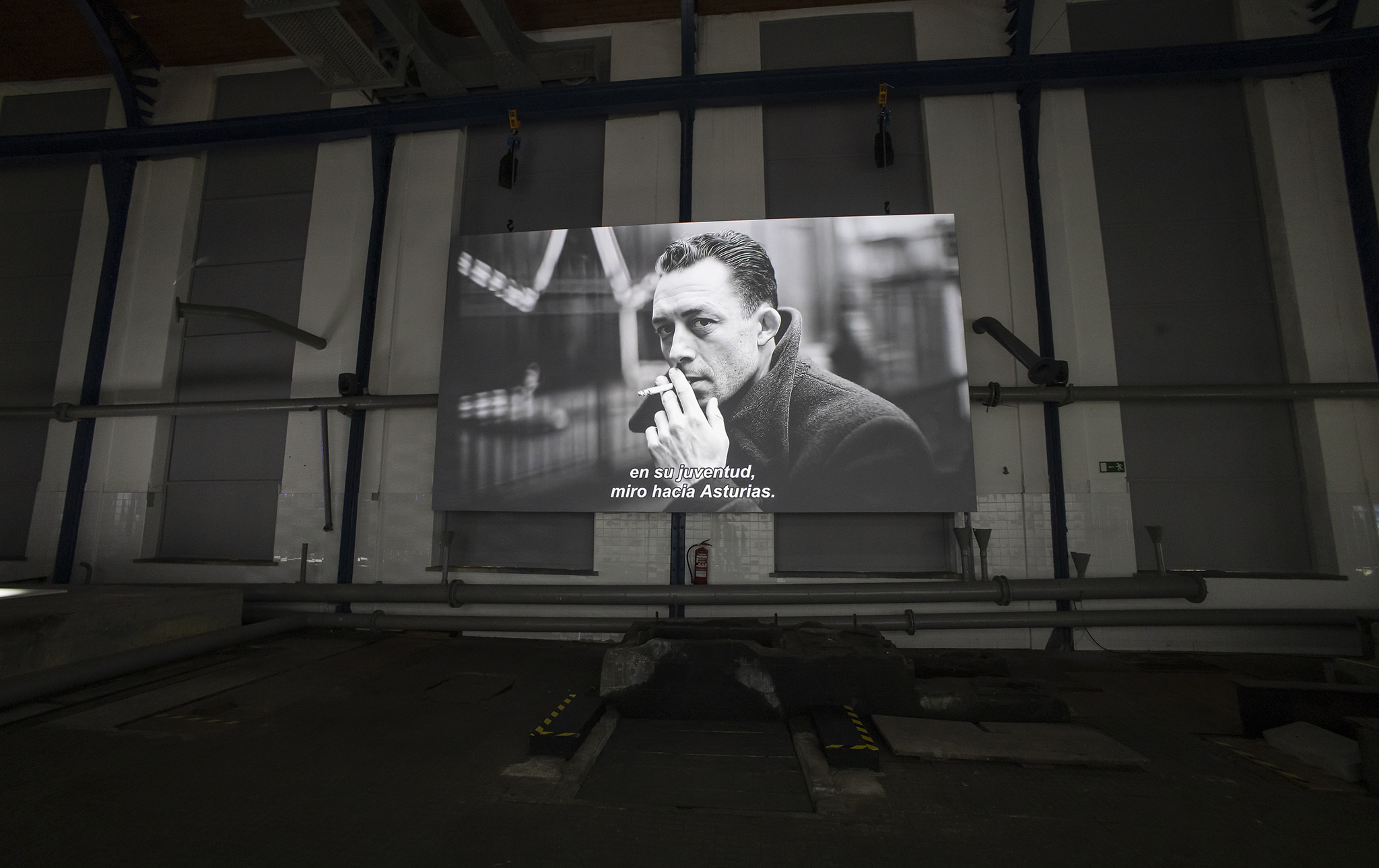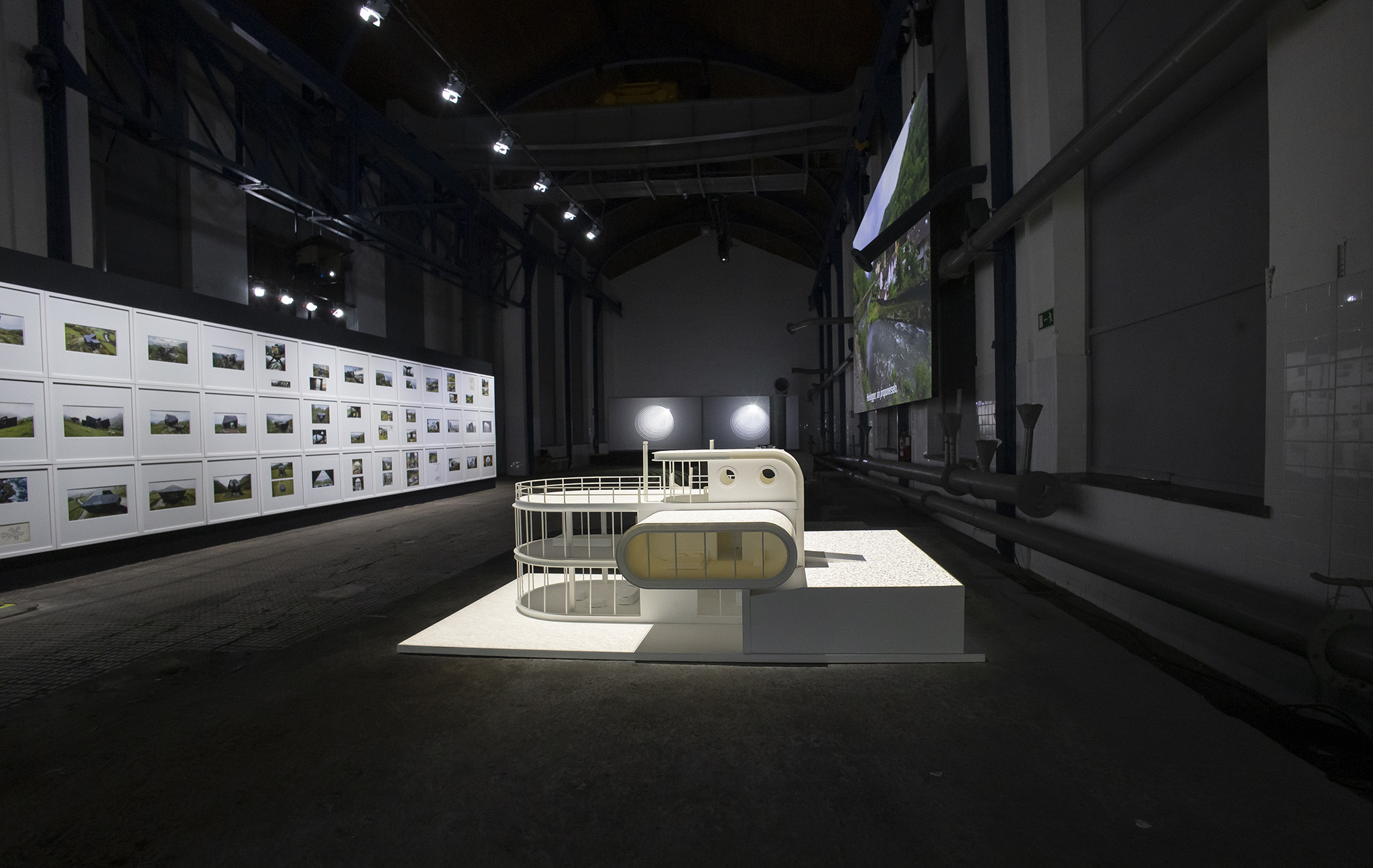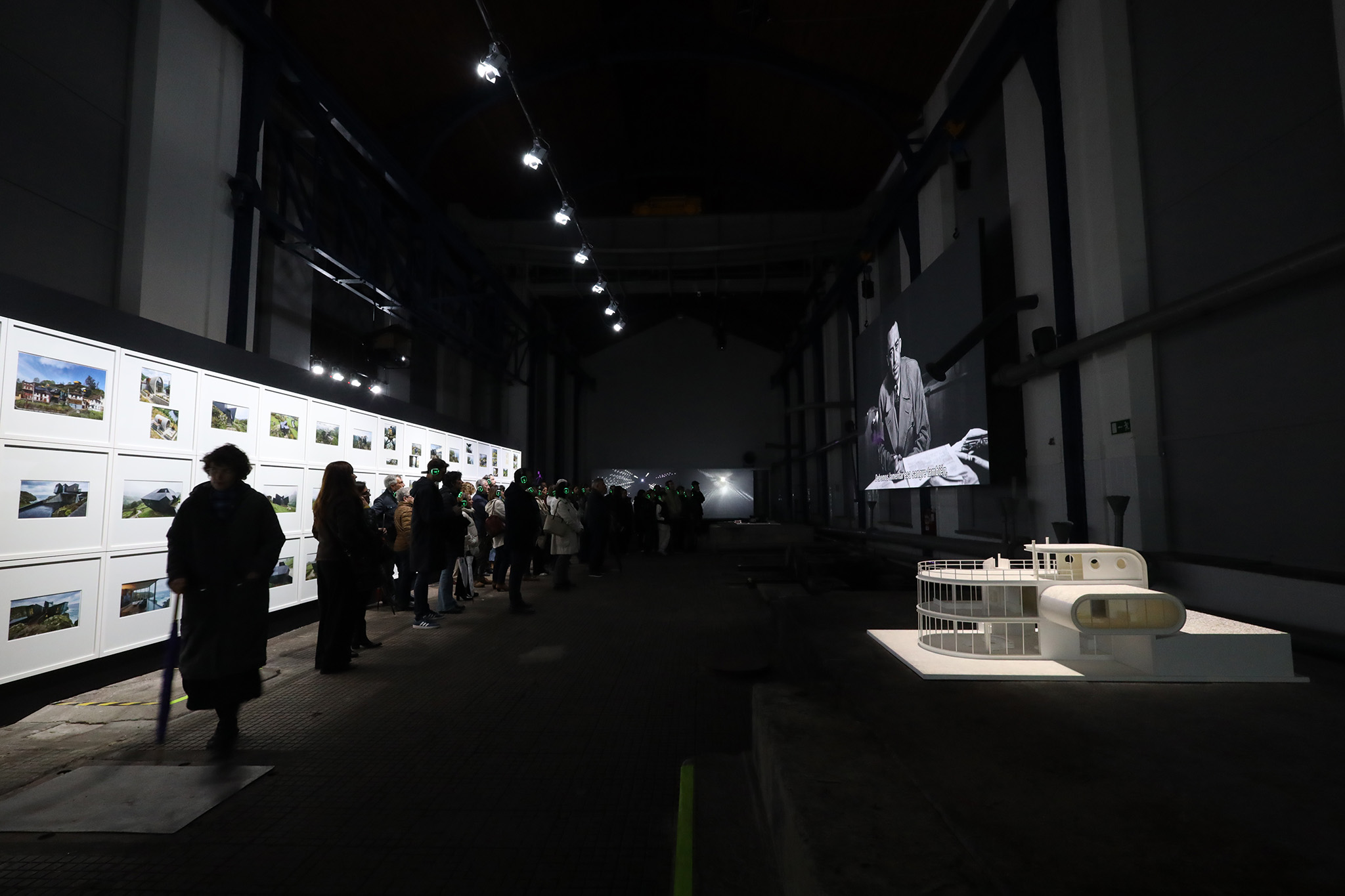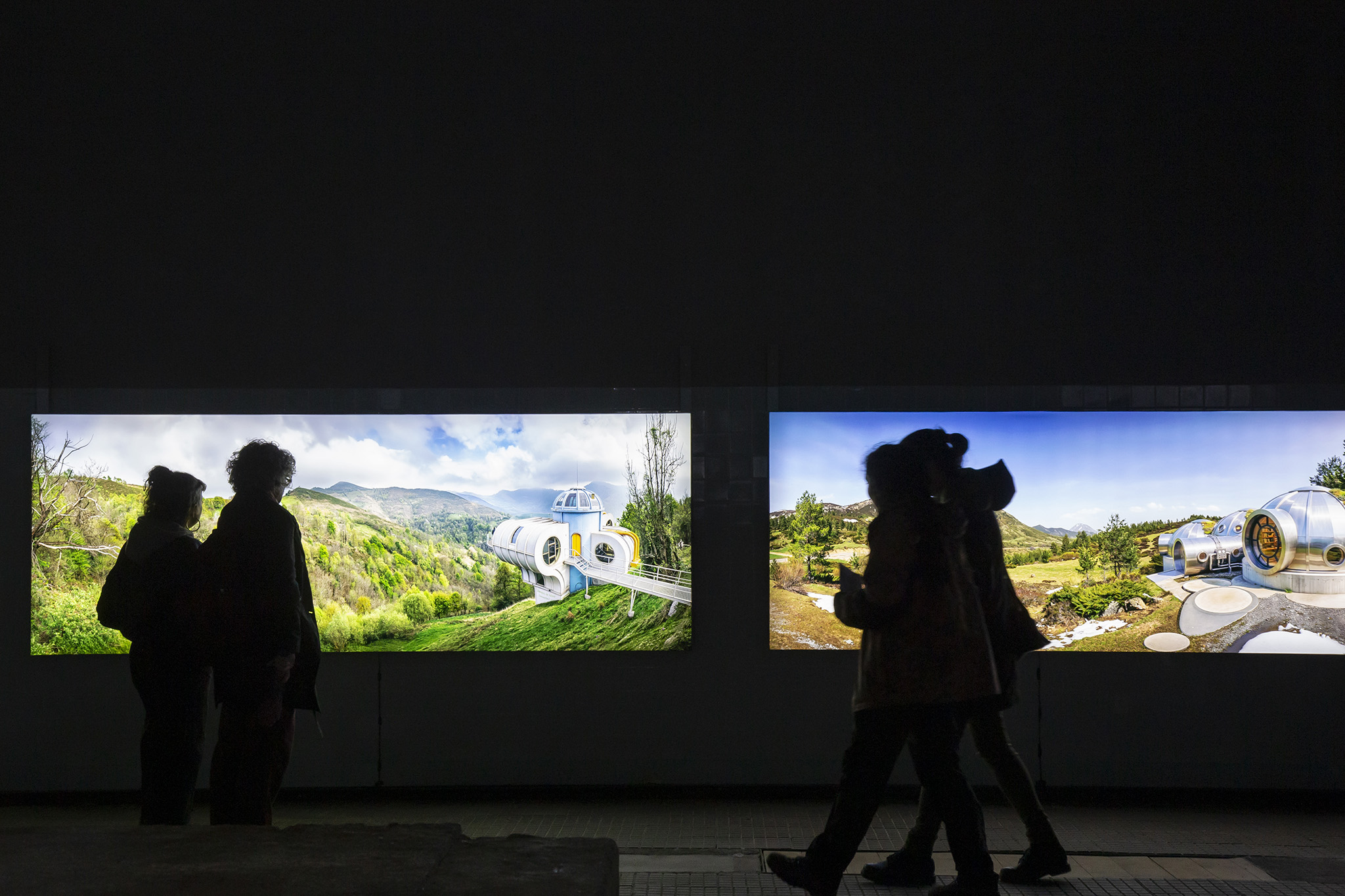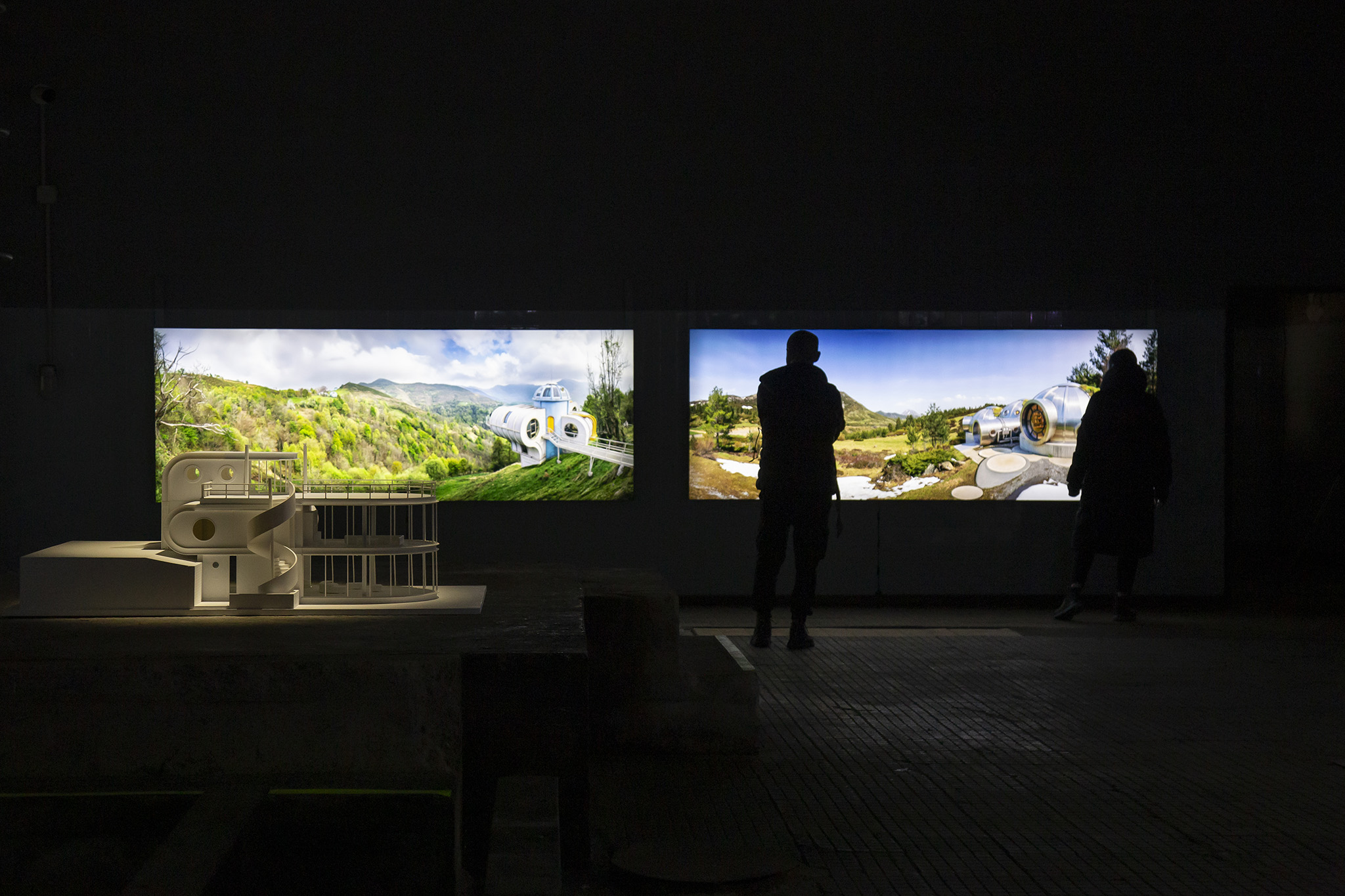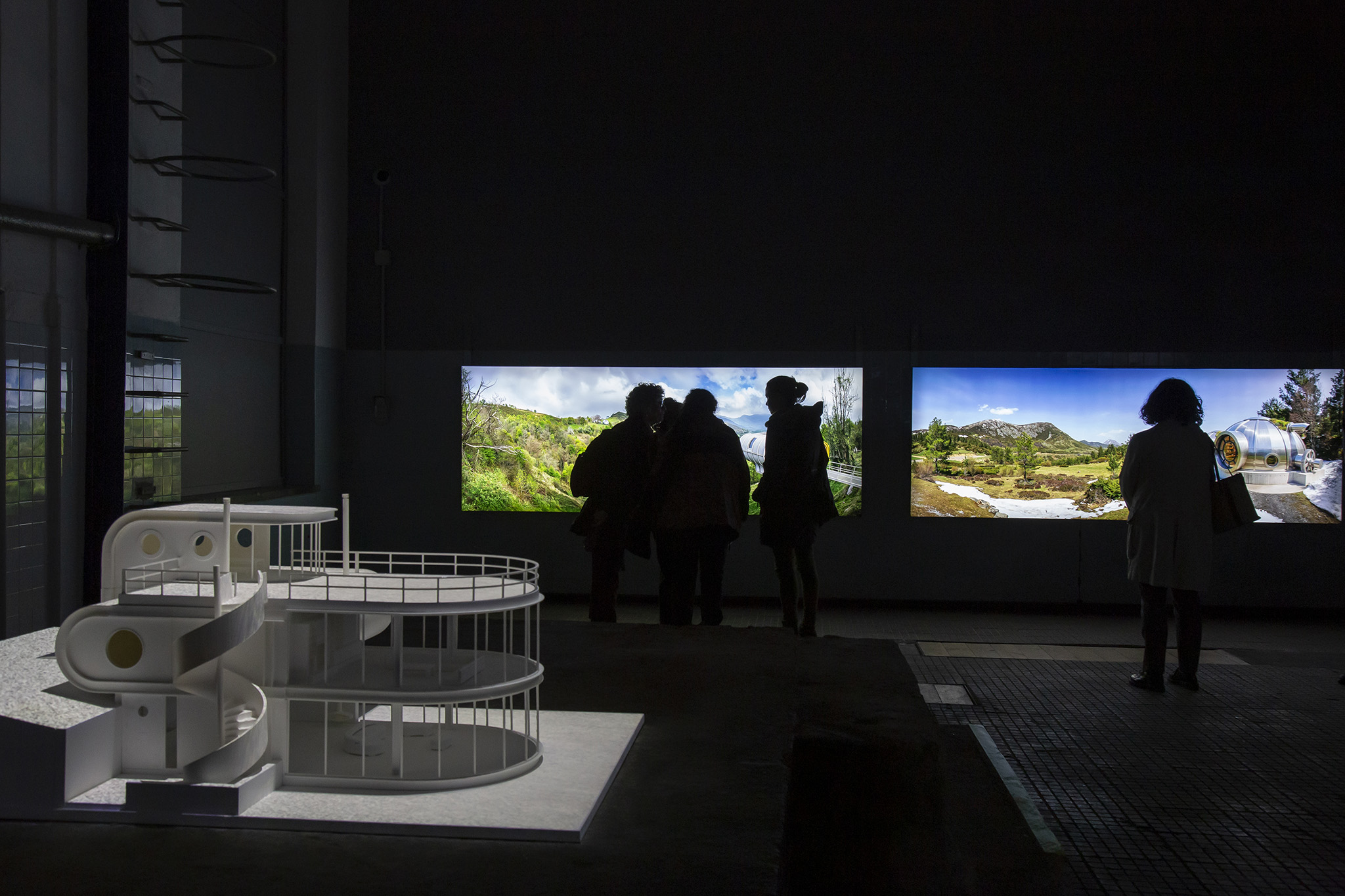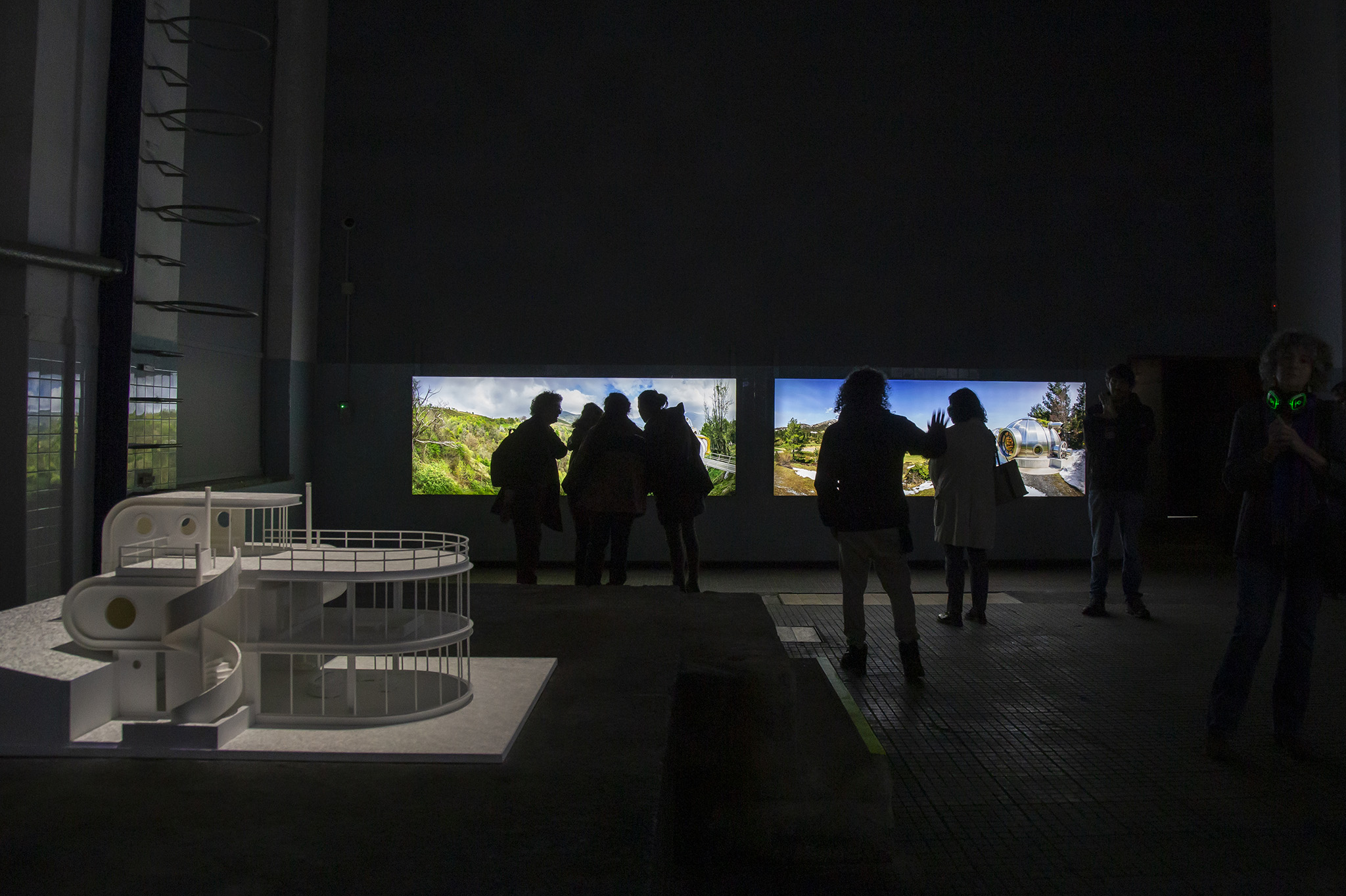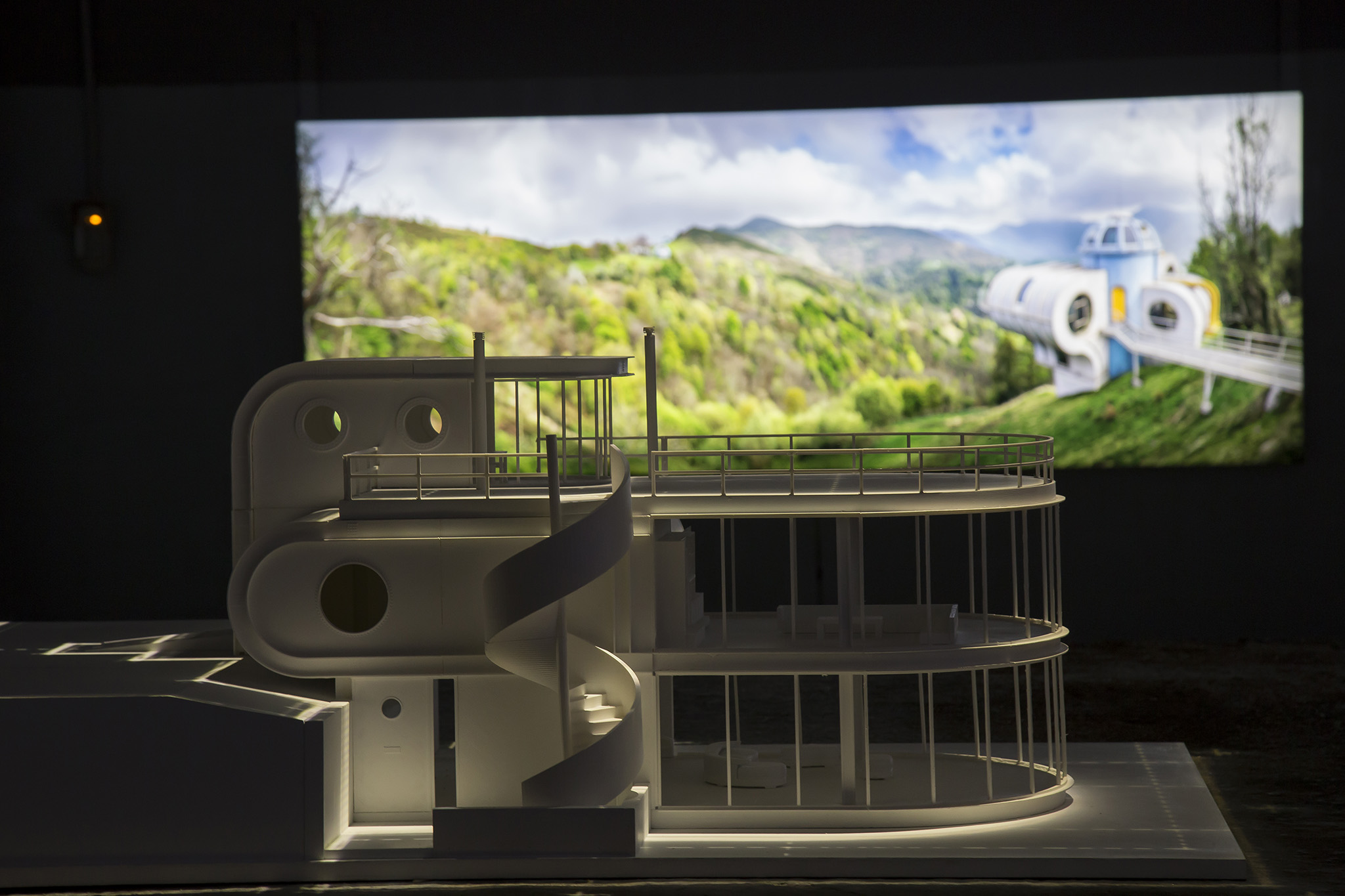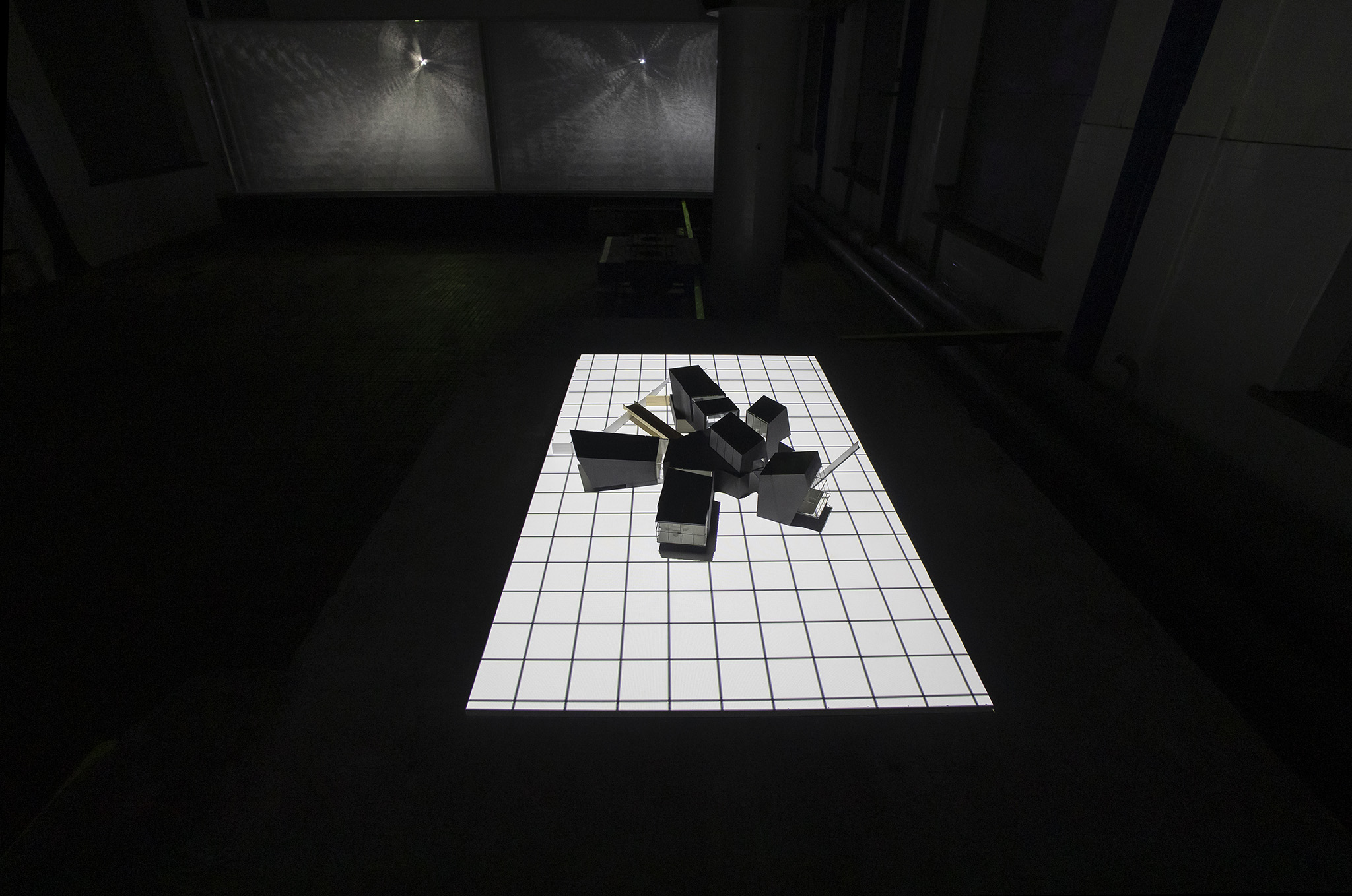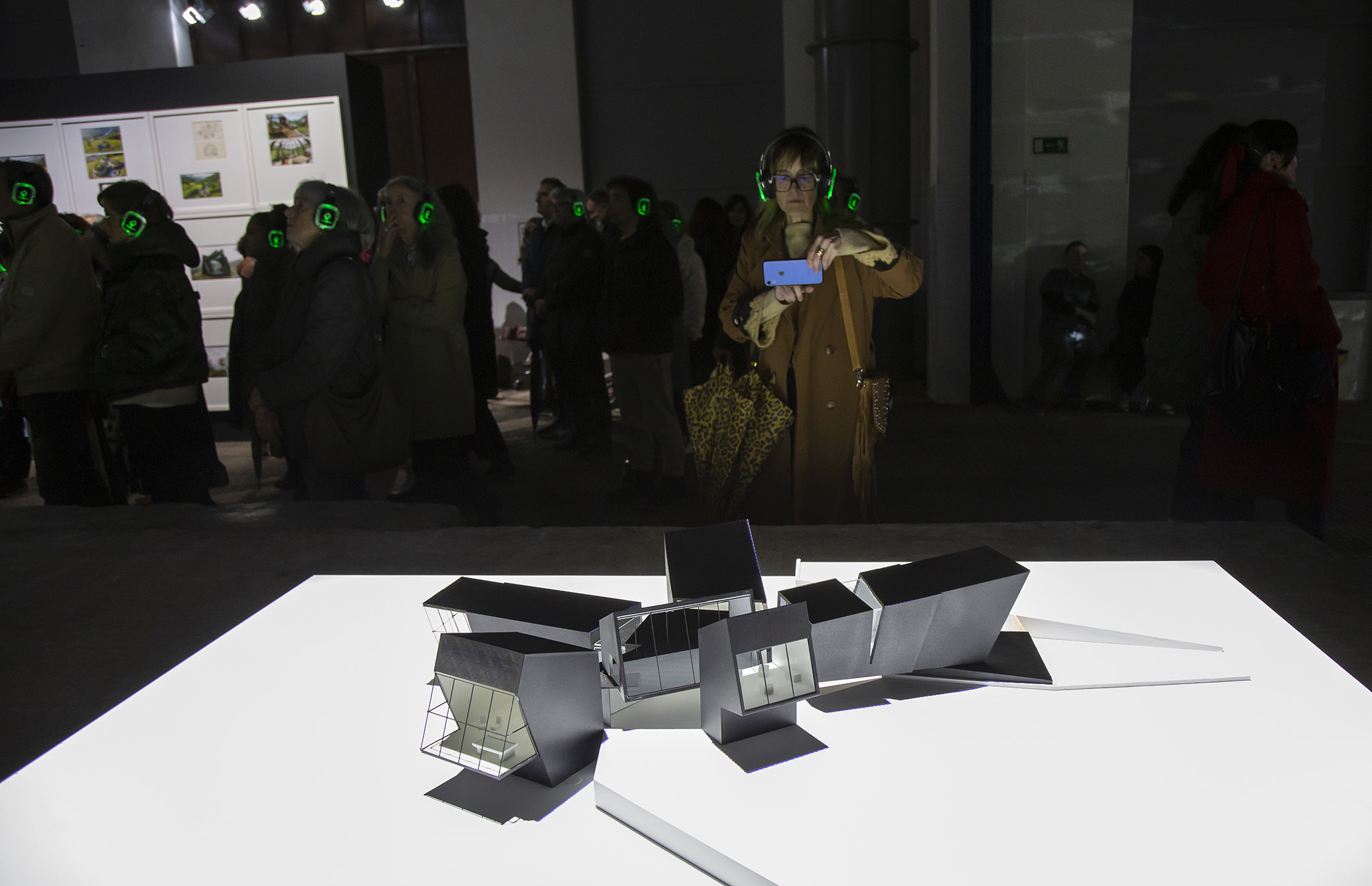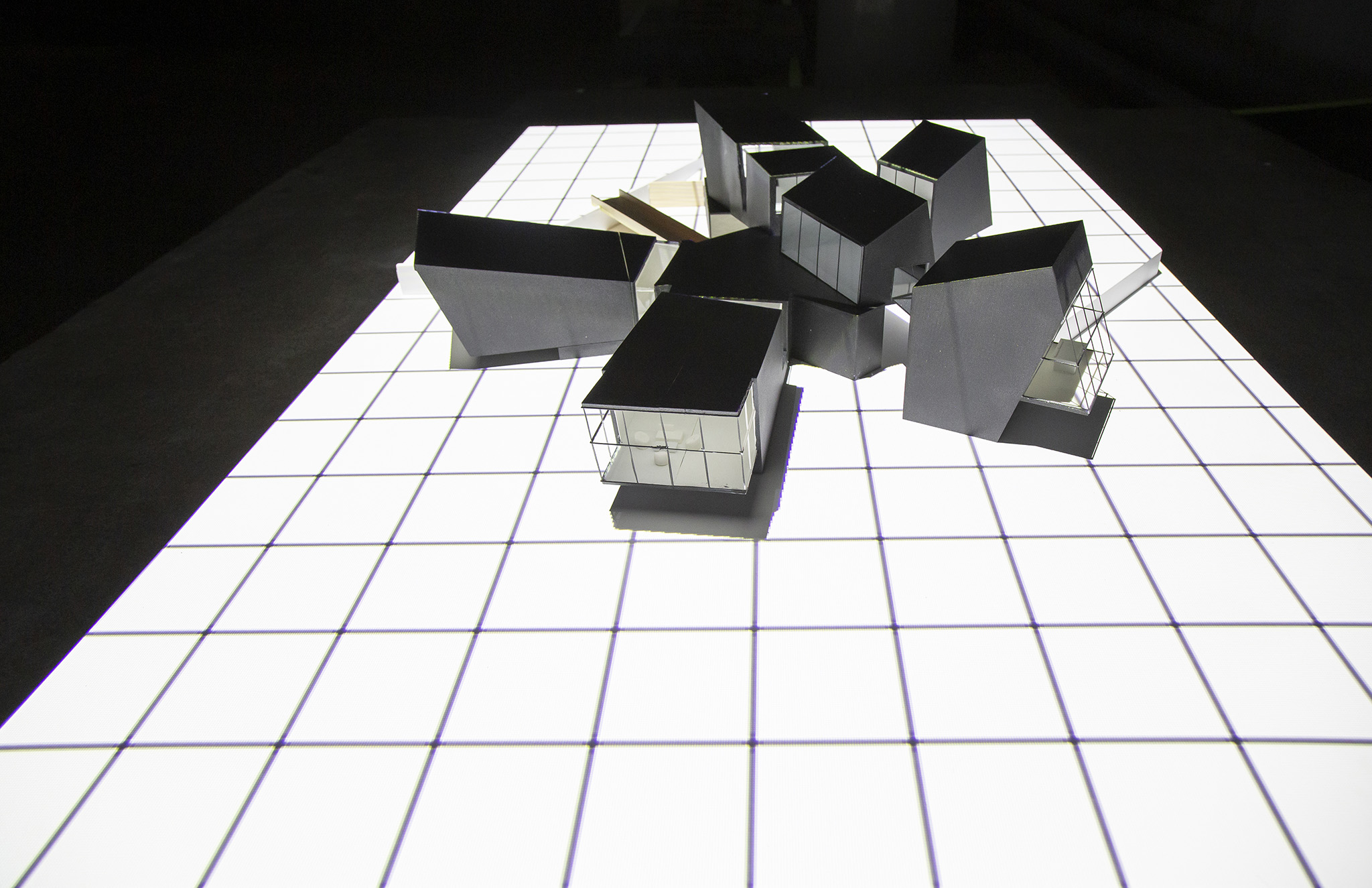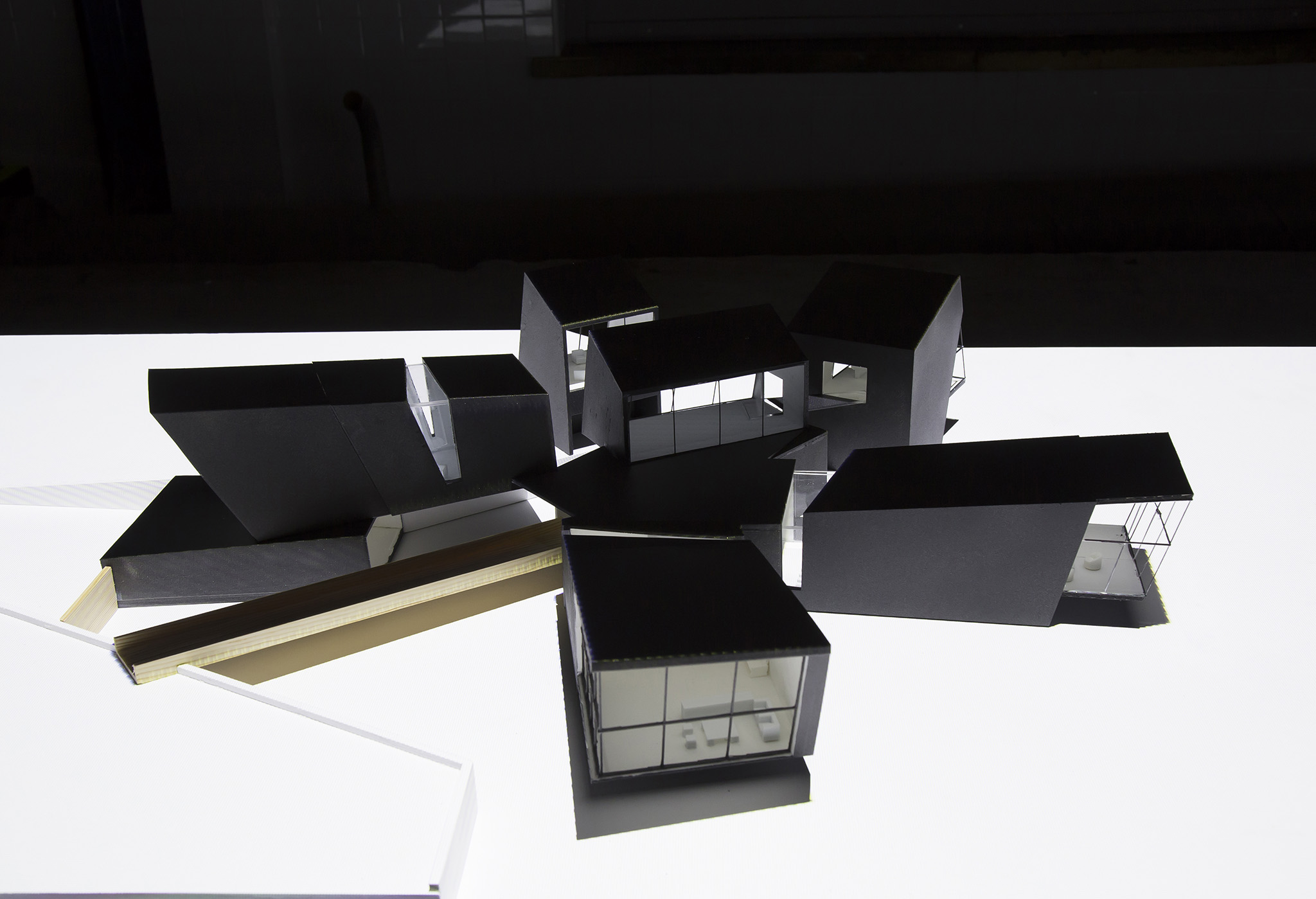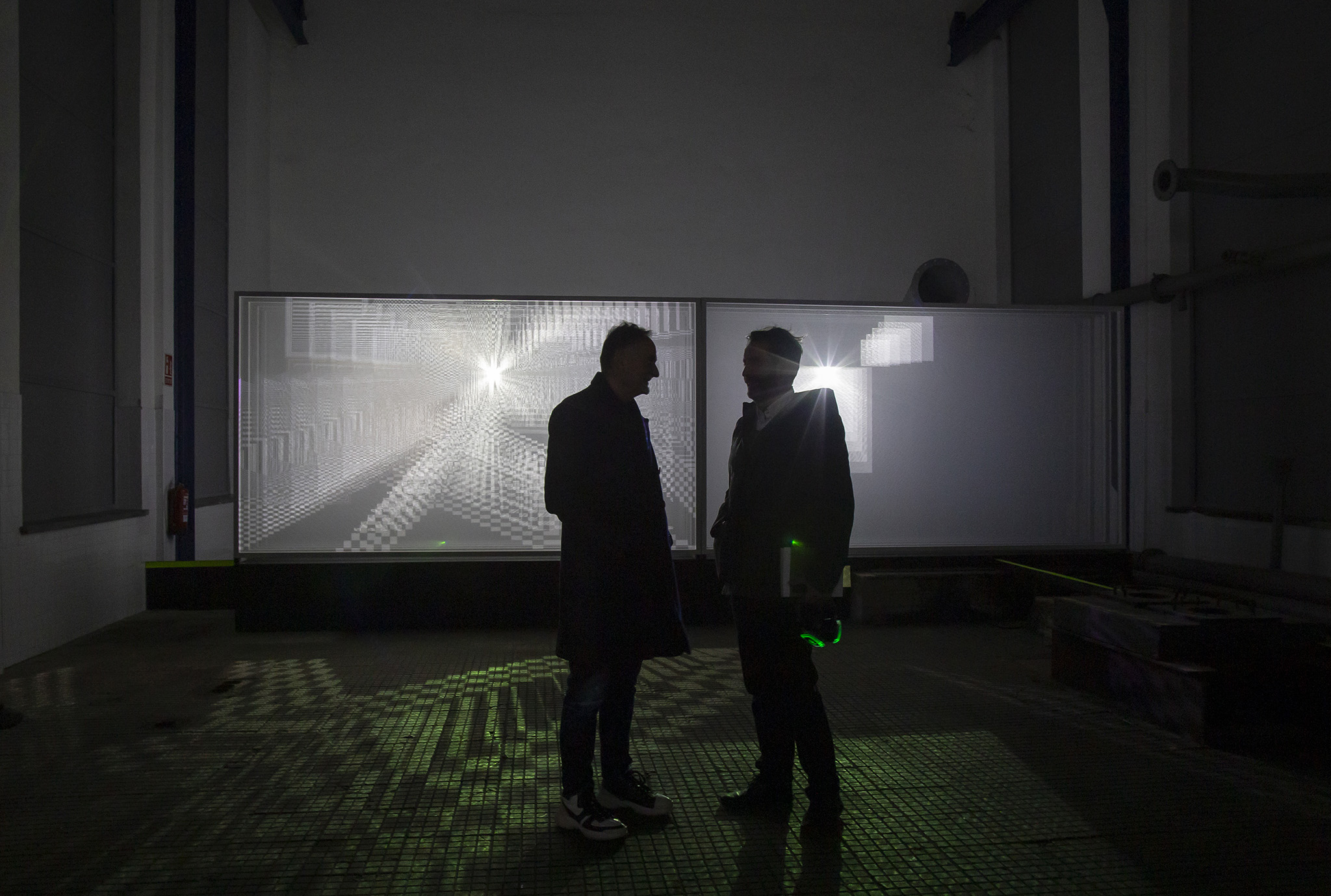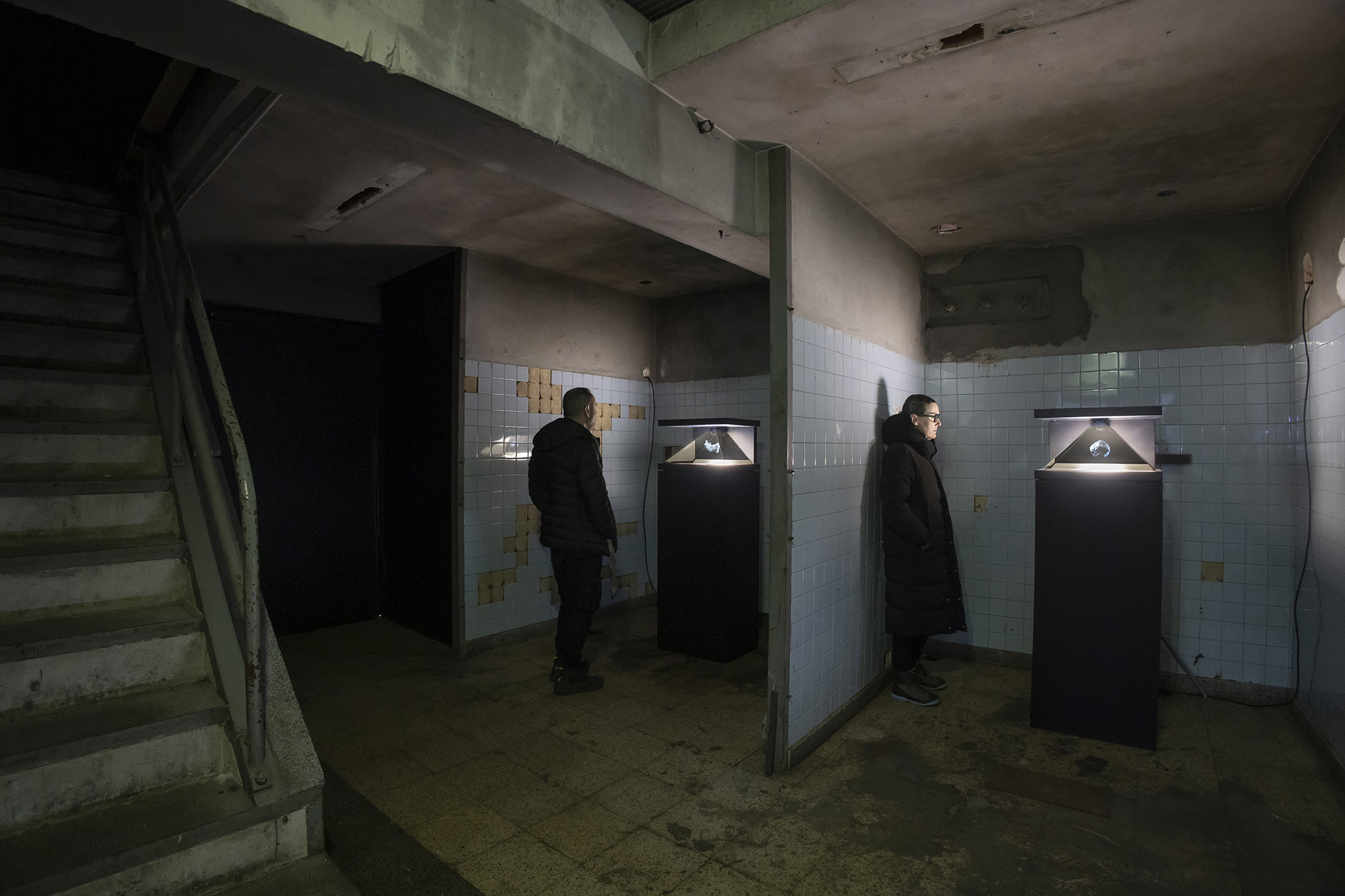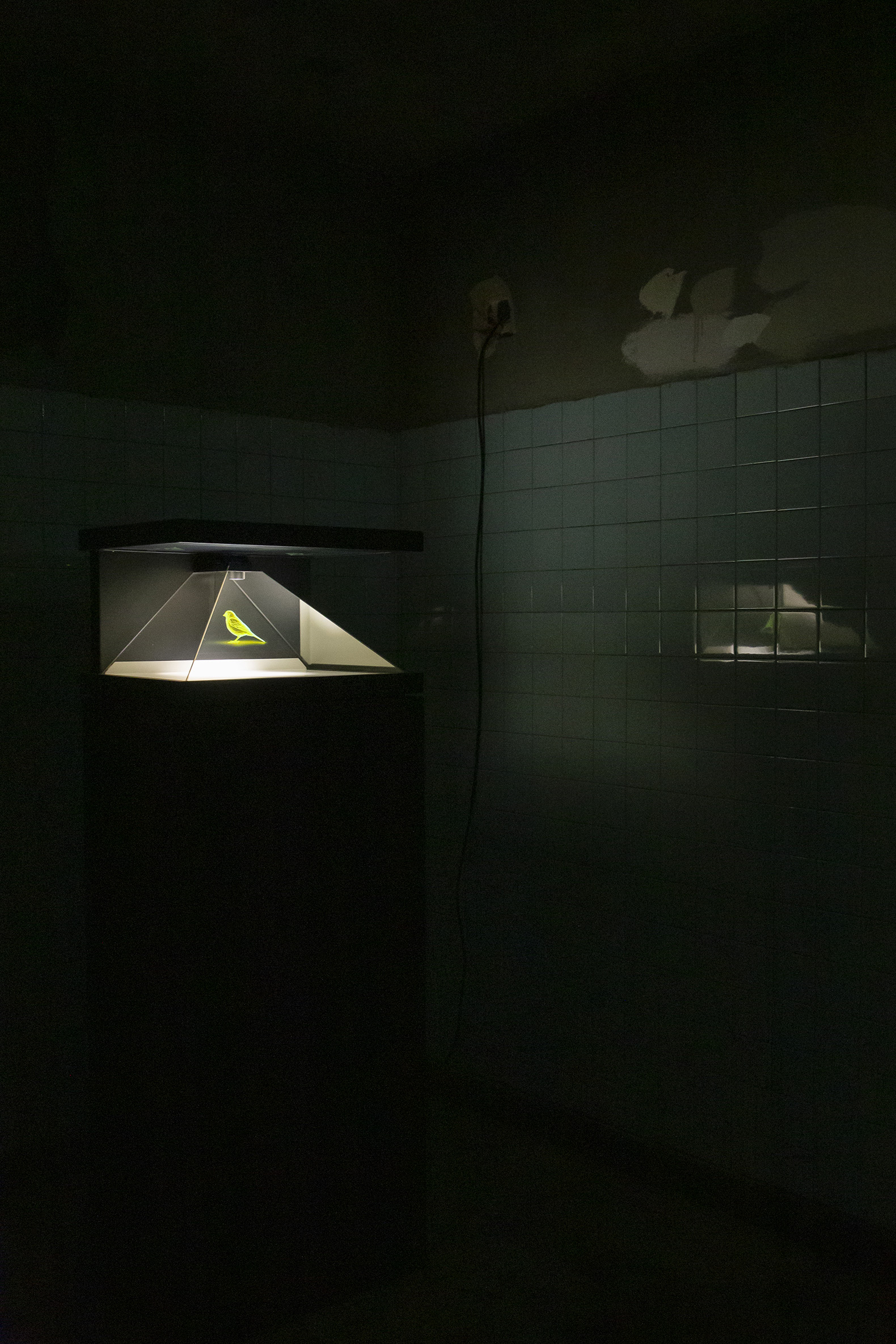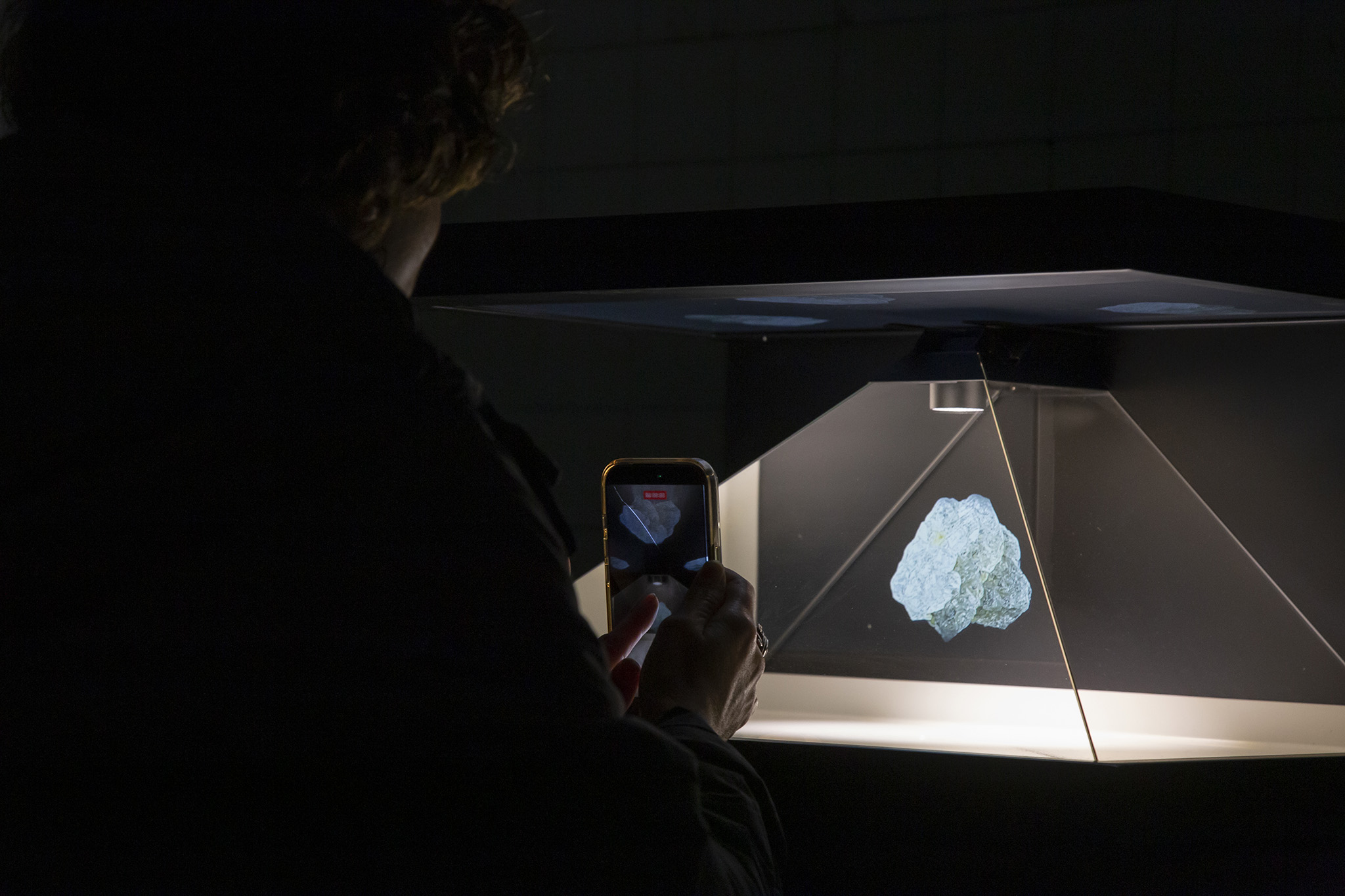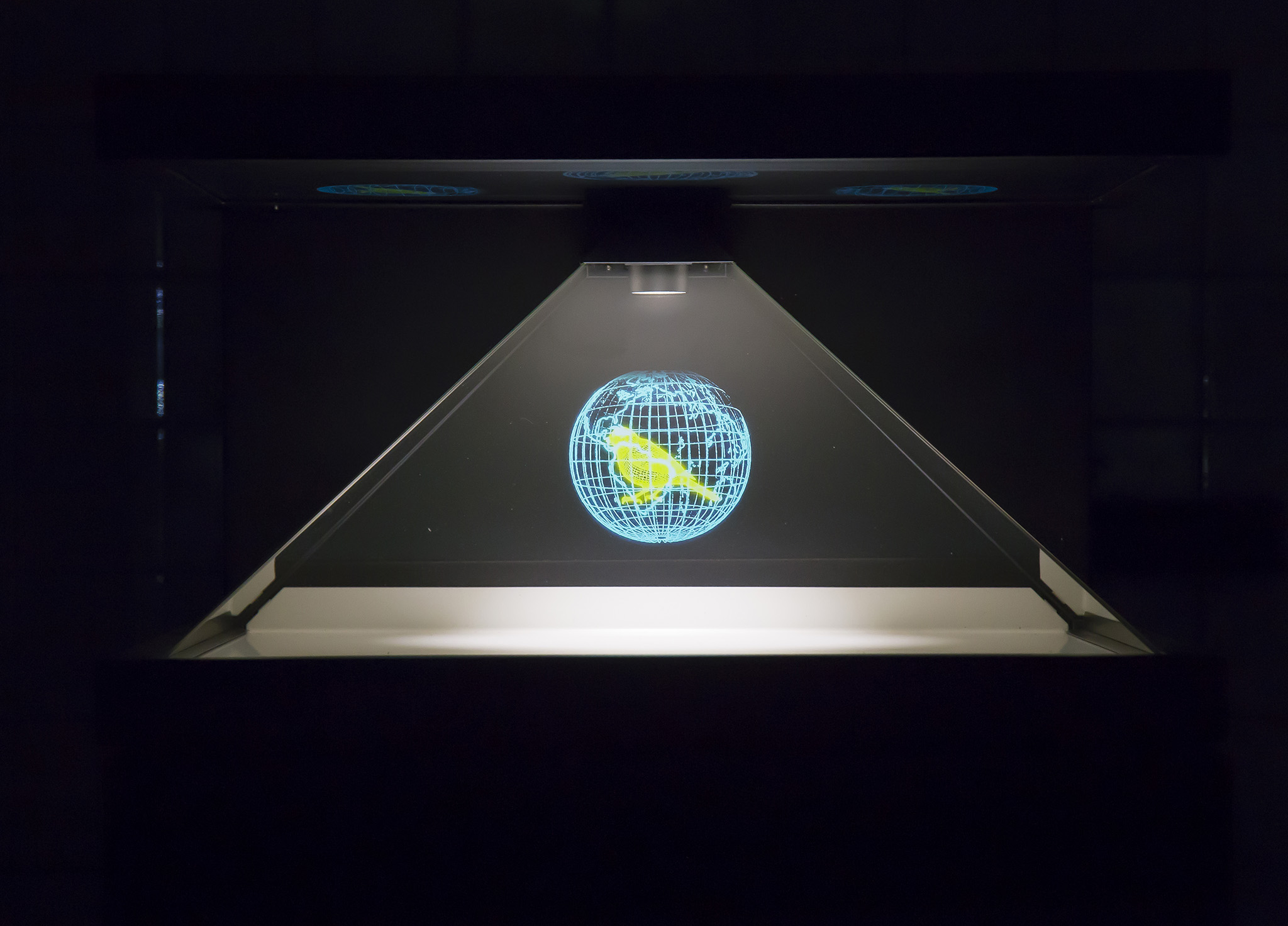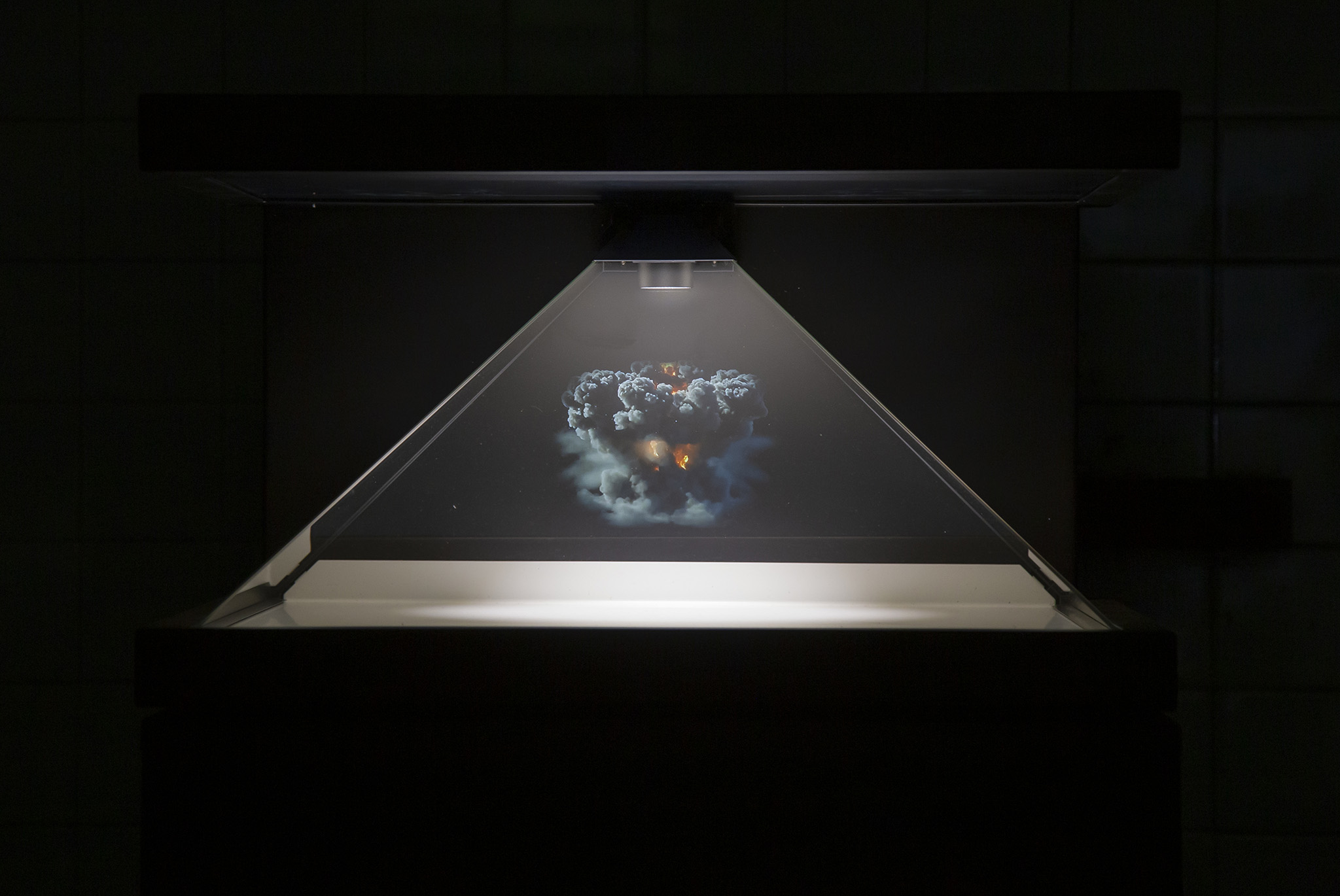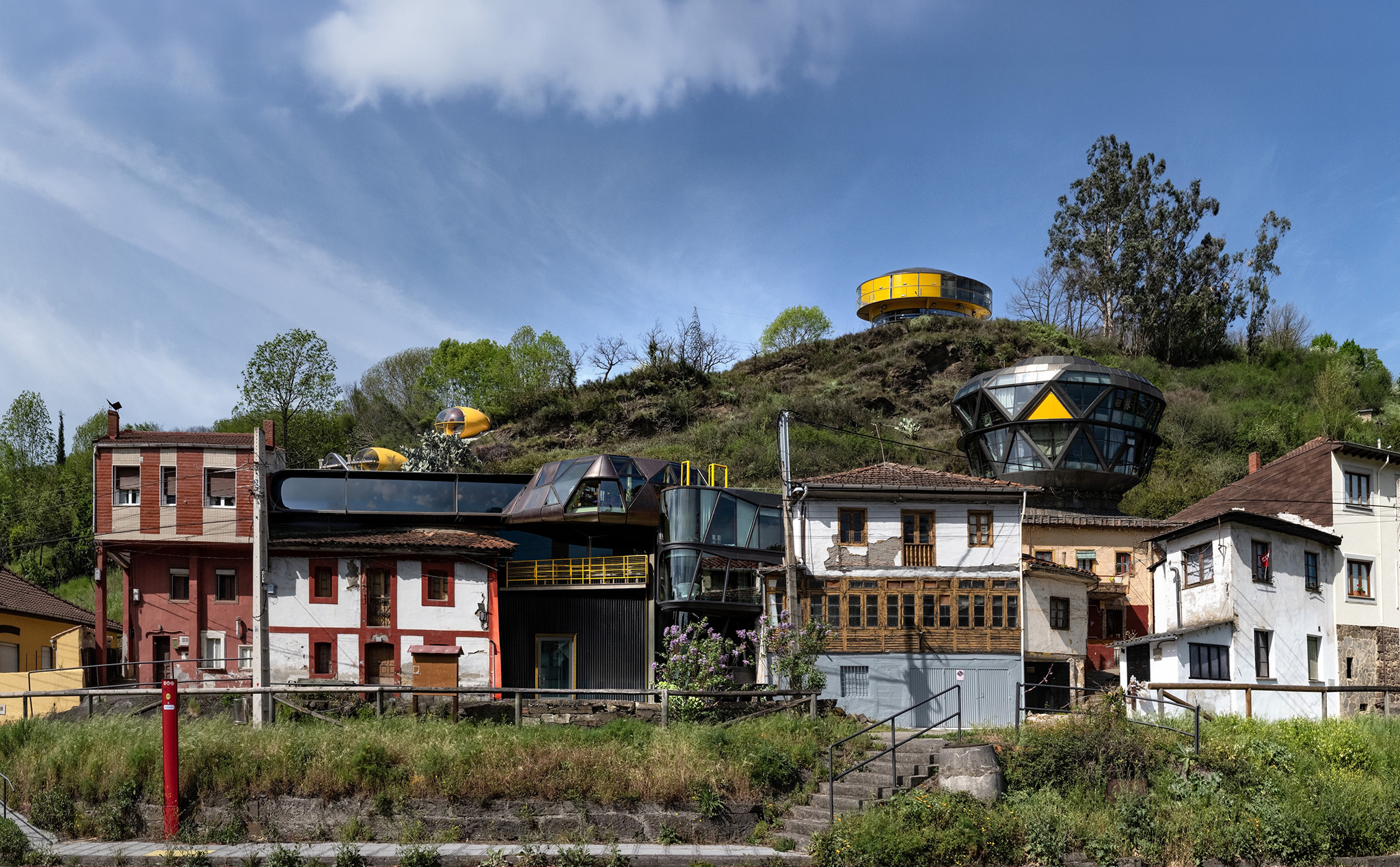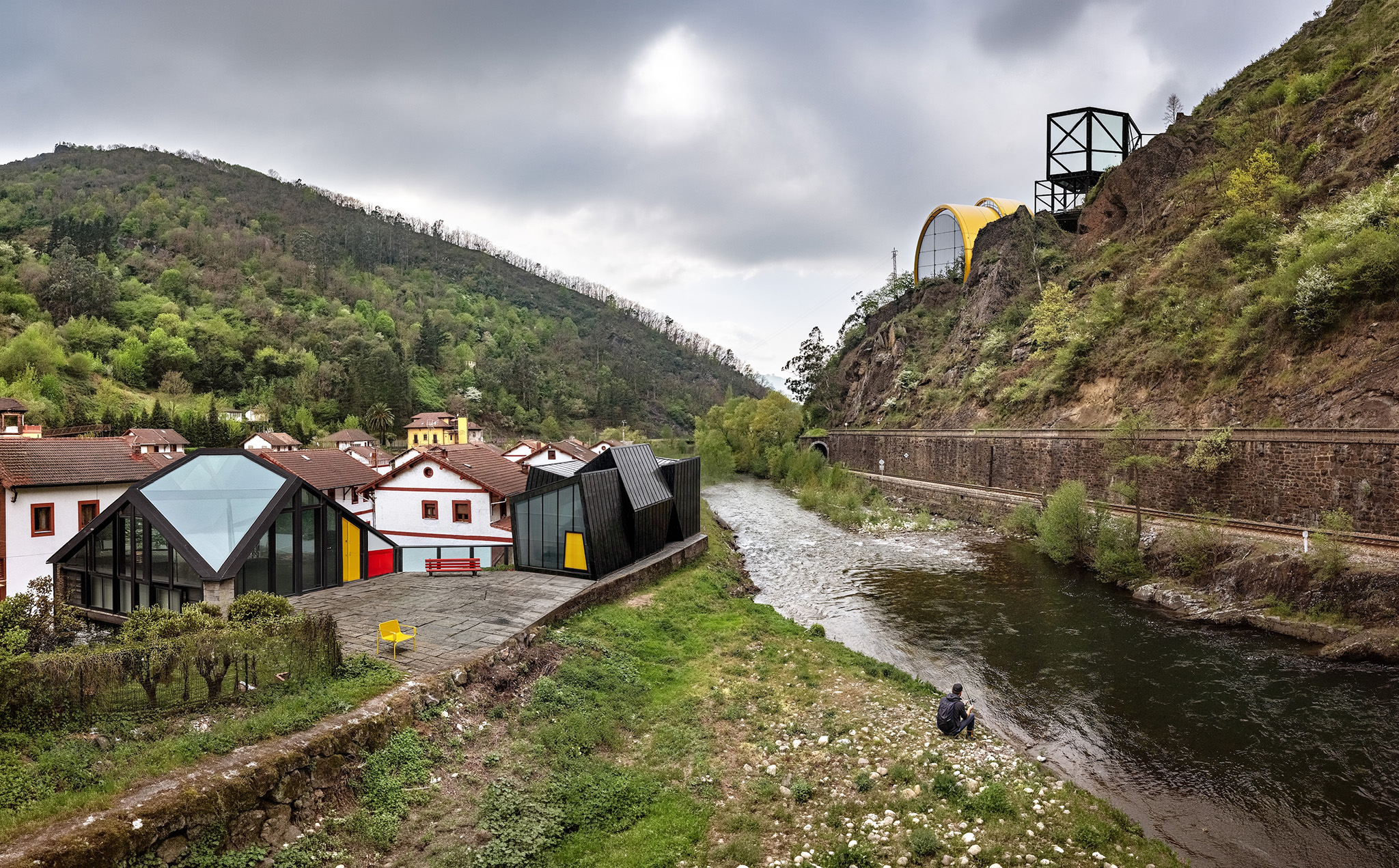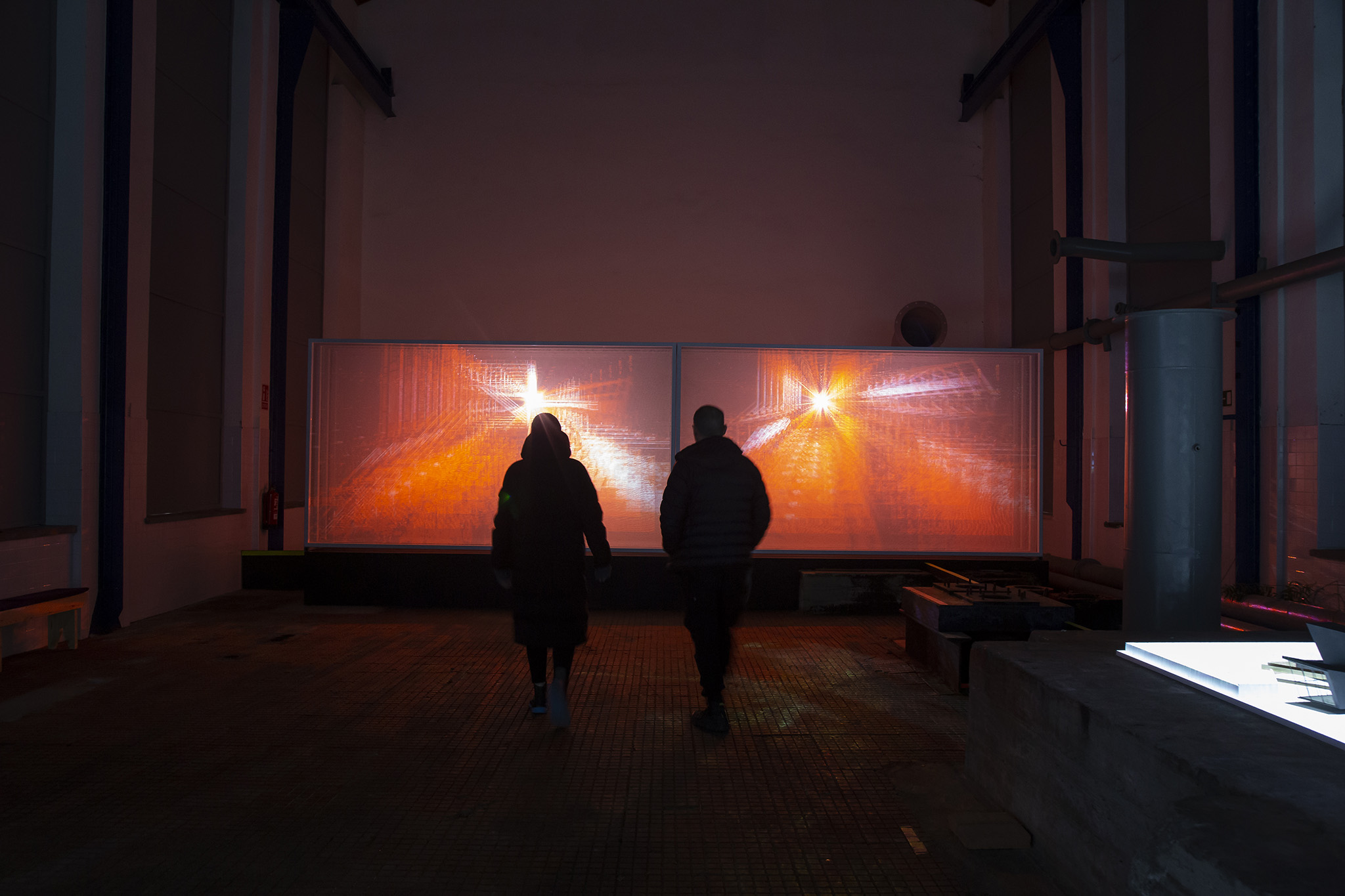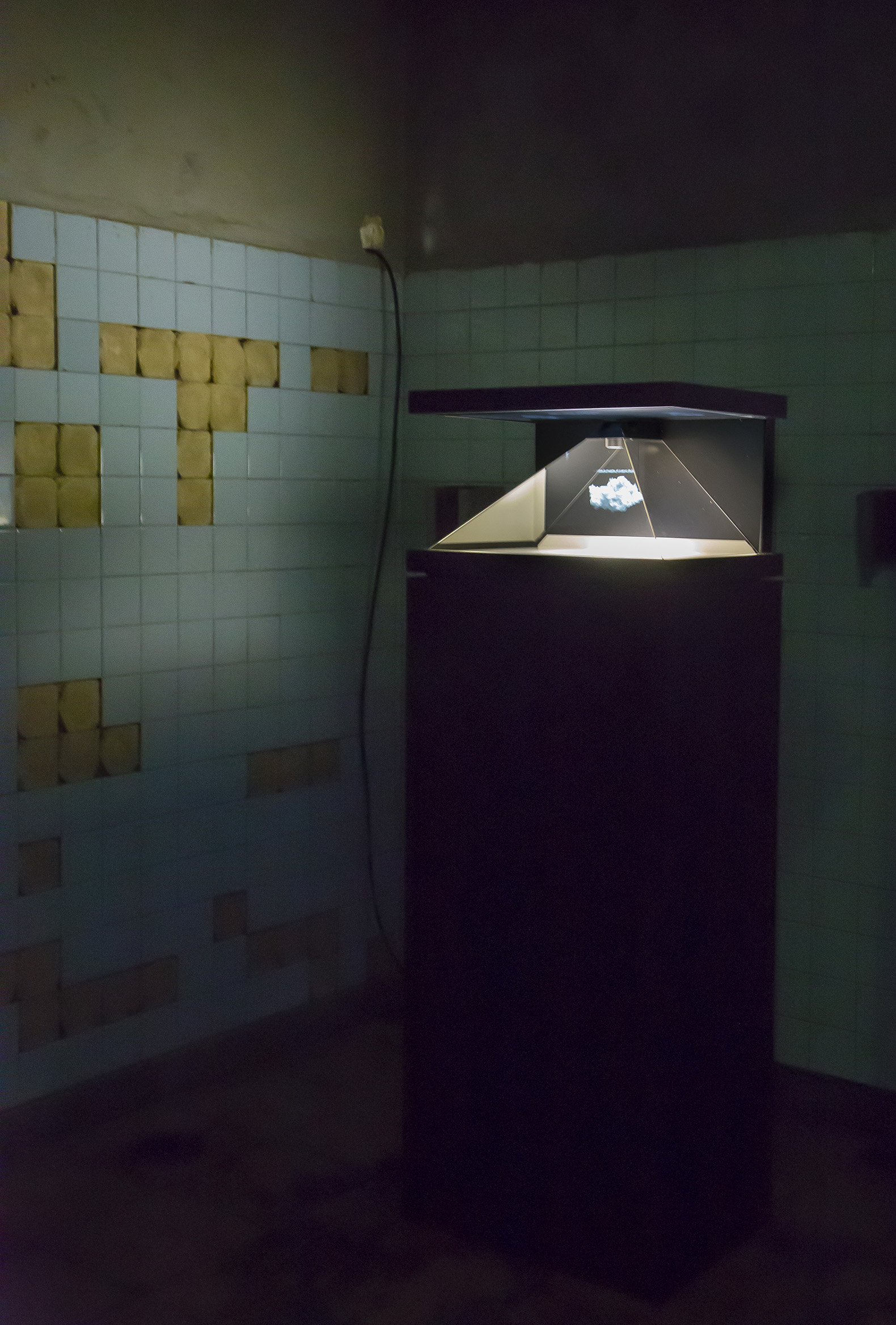
Dionisio González has developed an exhibition structured around three thematic sections. The first explores the history of Asturian mining through the documentary "The Revolt and the Snow: Camus and the Asturian Basin," which links the thought of Albert Camus with key episodes in Asturian mining and social conflicts, from the 1934 Revolution to the closure of the Santa Bárbara Mine in 1995. The second section imagines, through models, holograms, and video projections, an alternative working-class architecture inspired by the spatial logic of the mine.
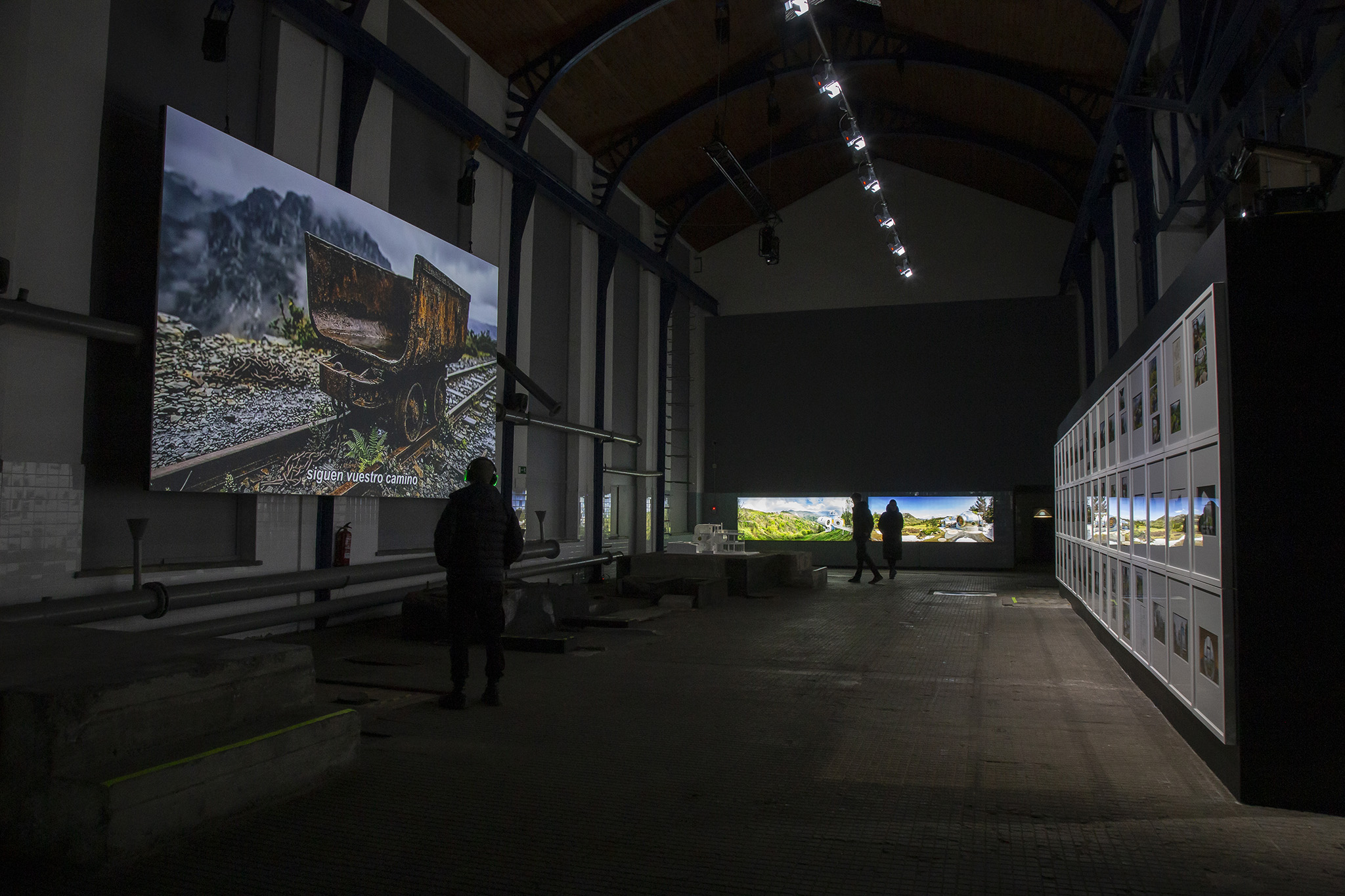
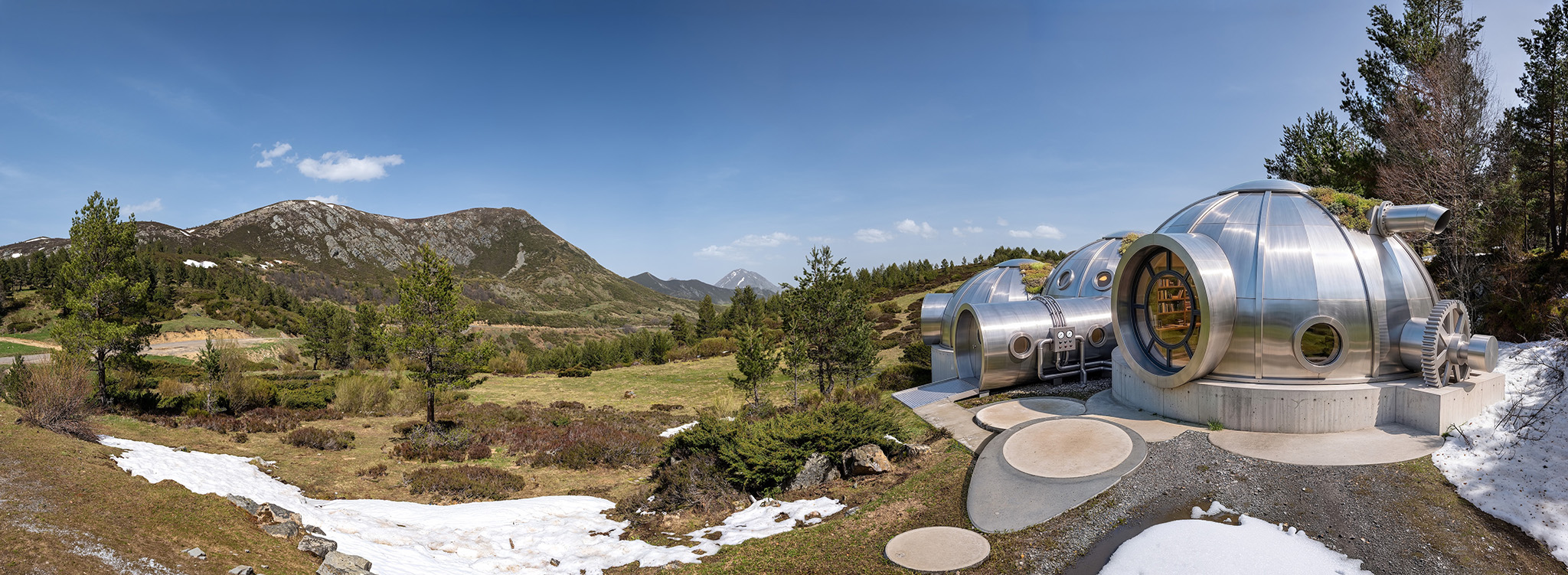
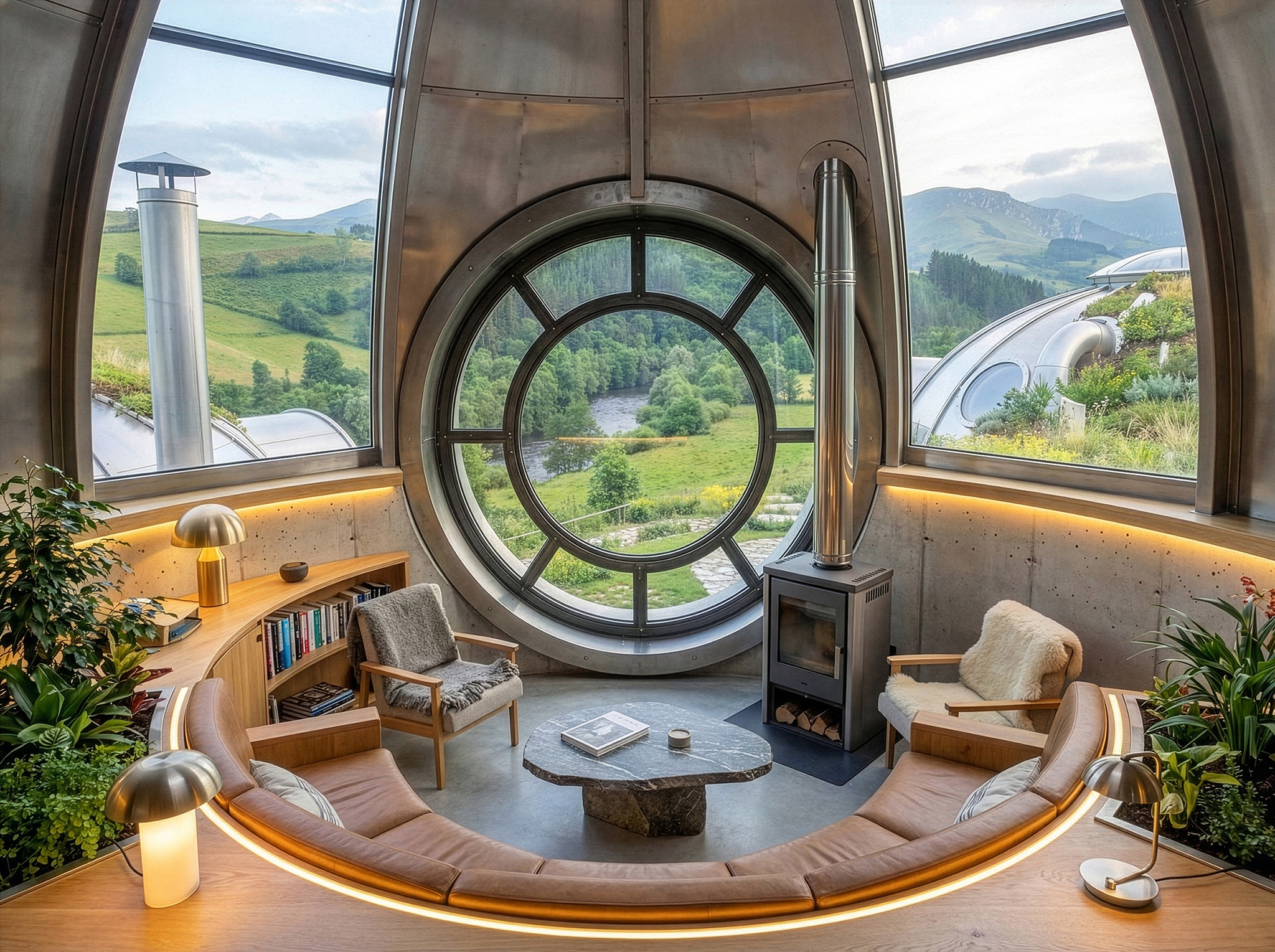
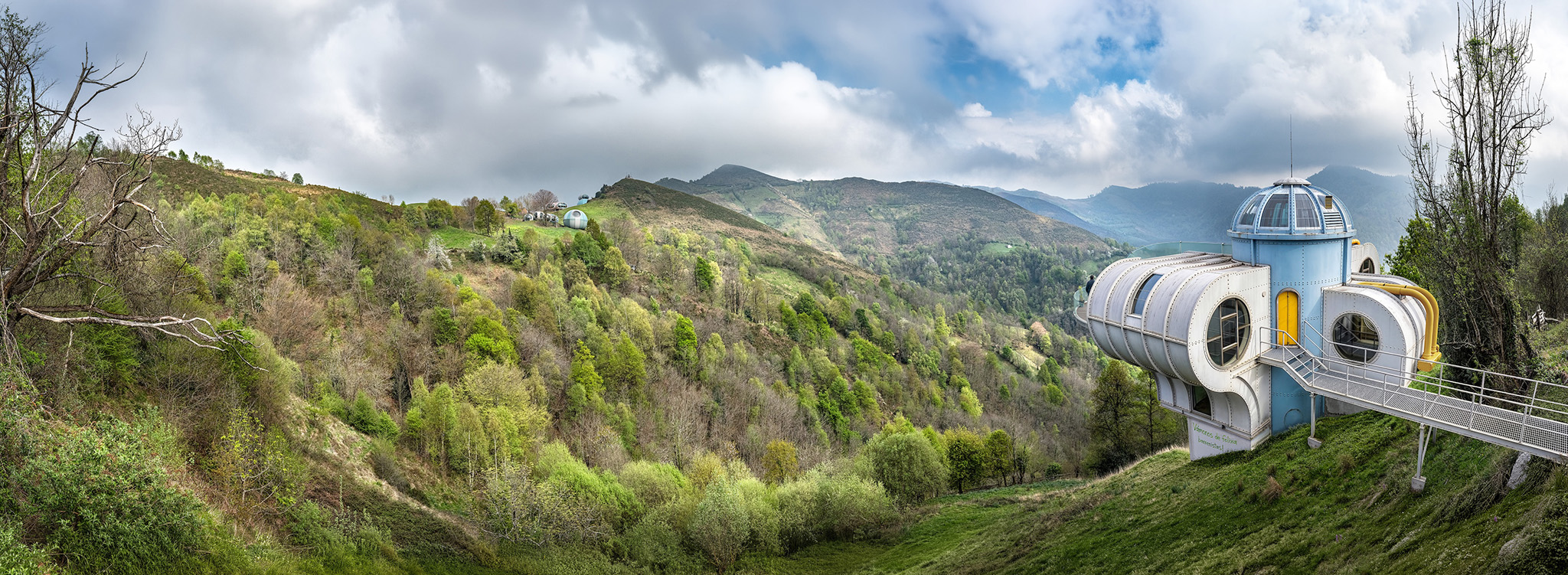
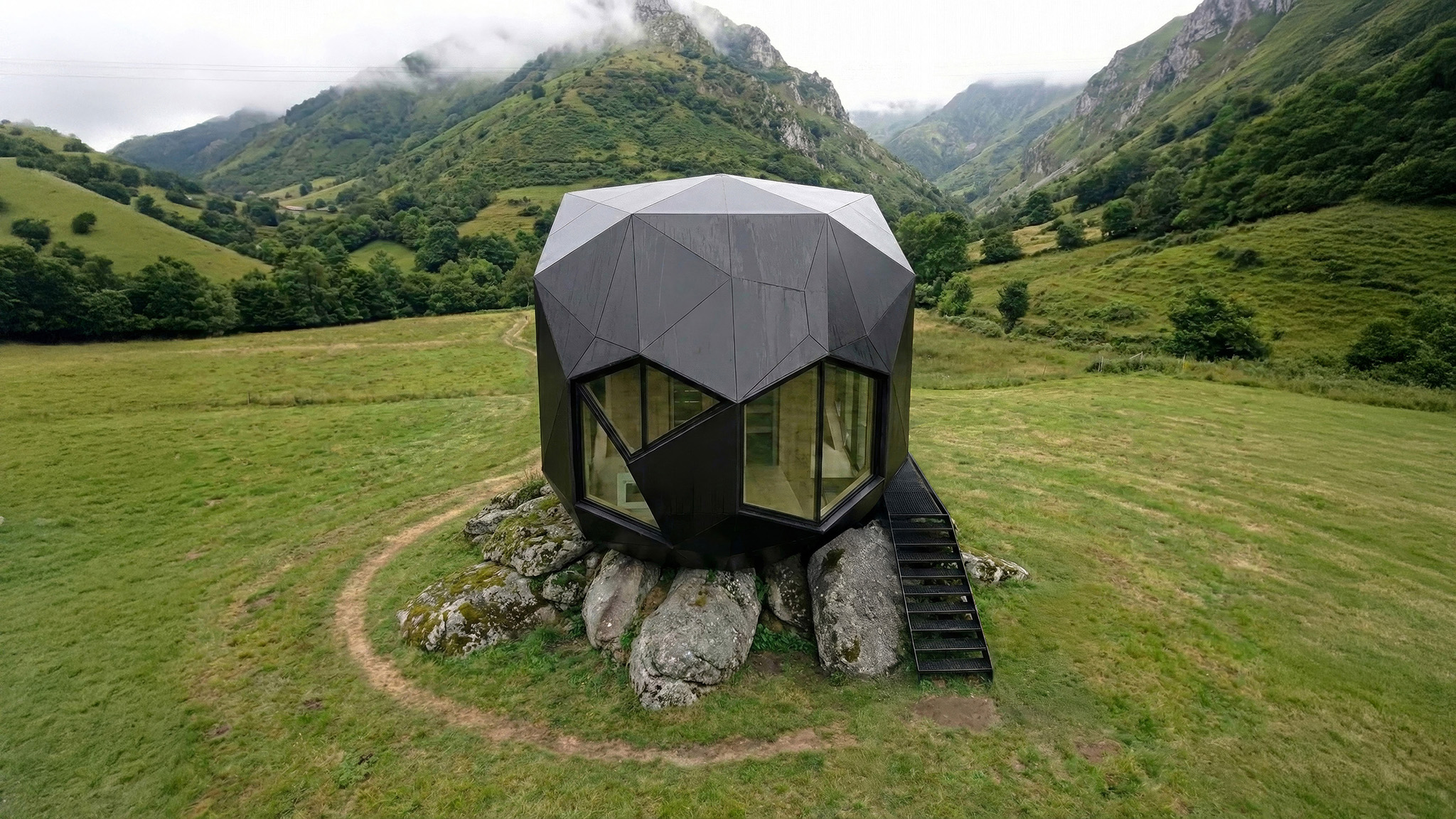
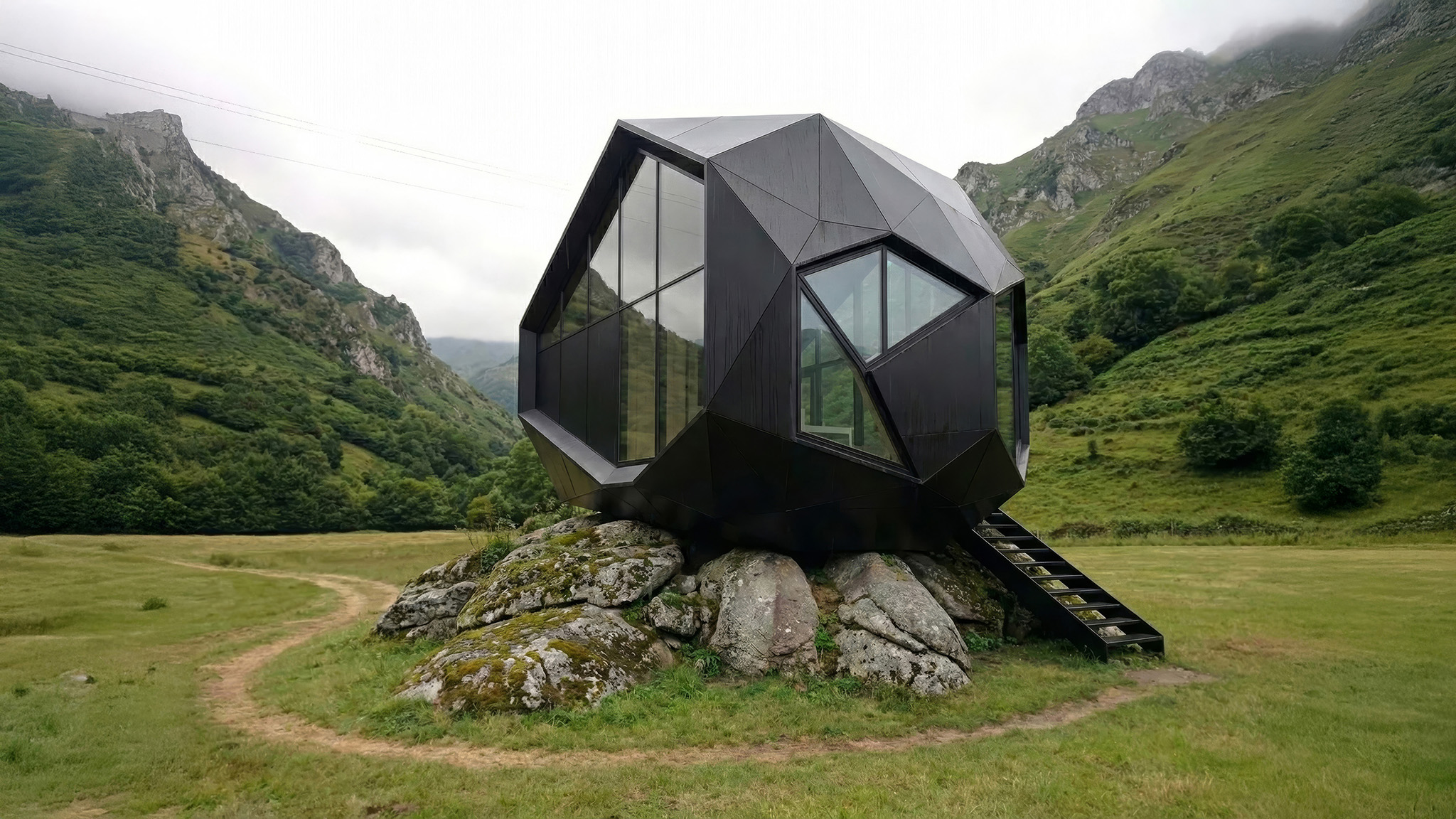
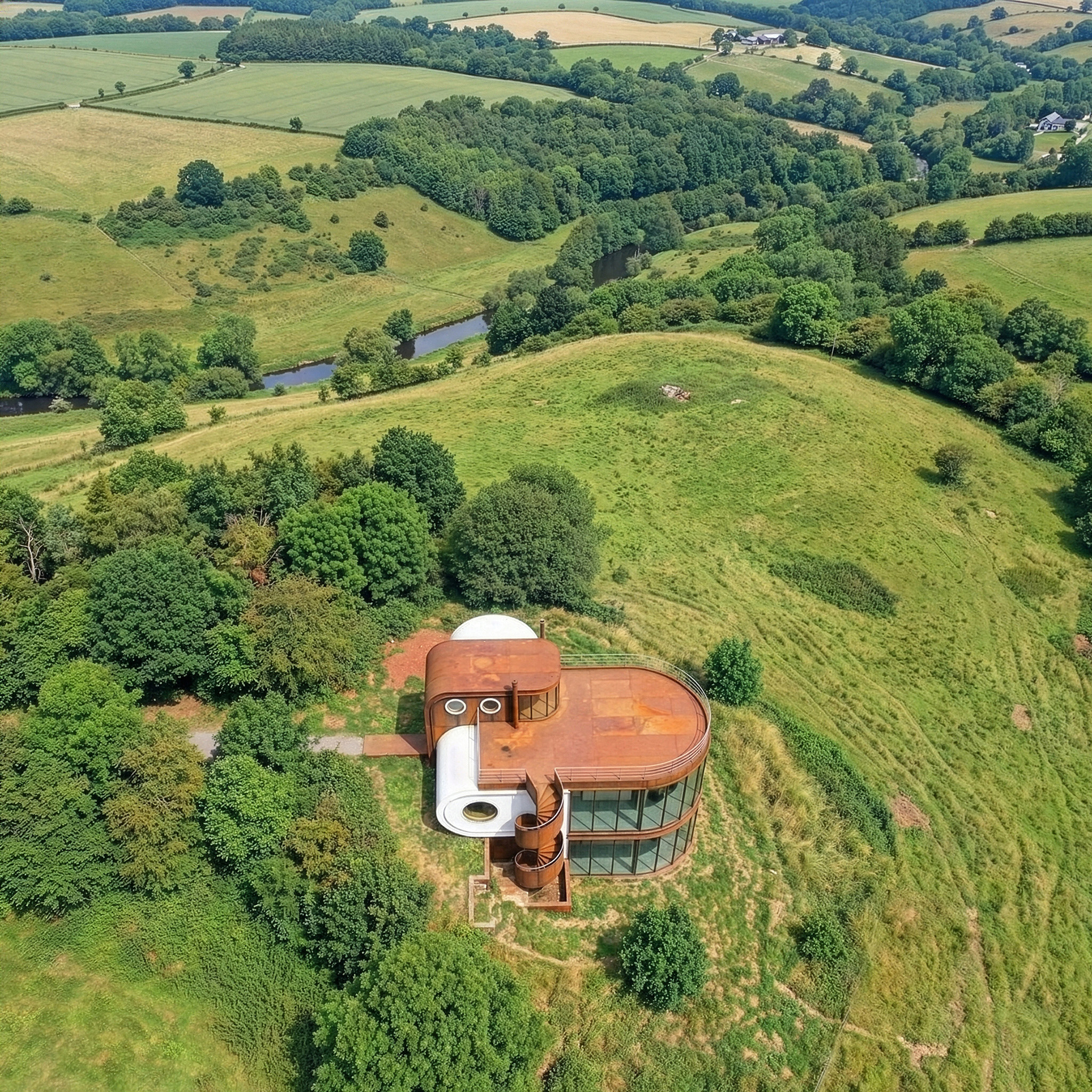
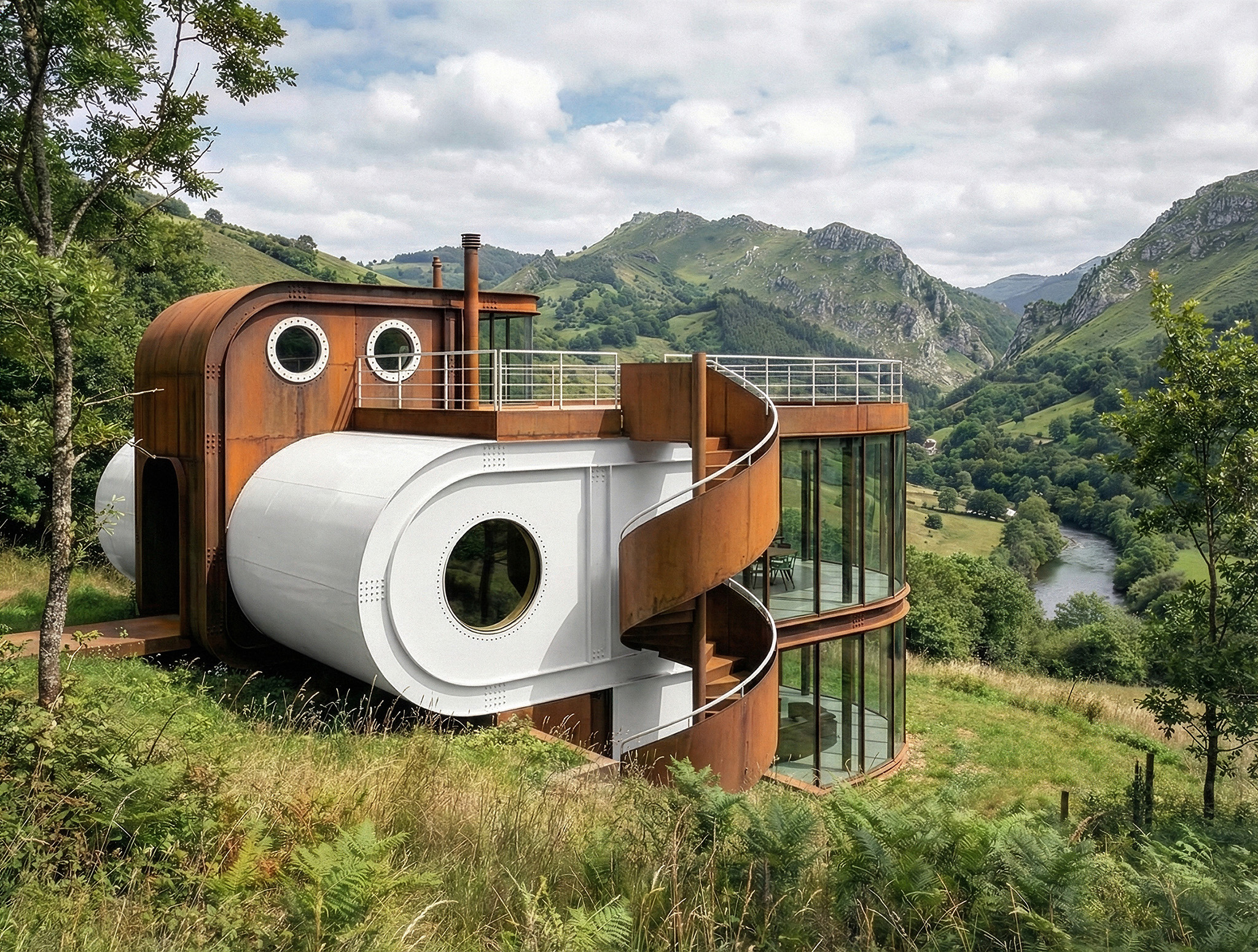
Exhibition "The Revolt and the Snow" by Dionisio González. Photograph by De la Puente fotoespacio. Courtesy of LEV Festival.
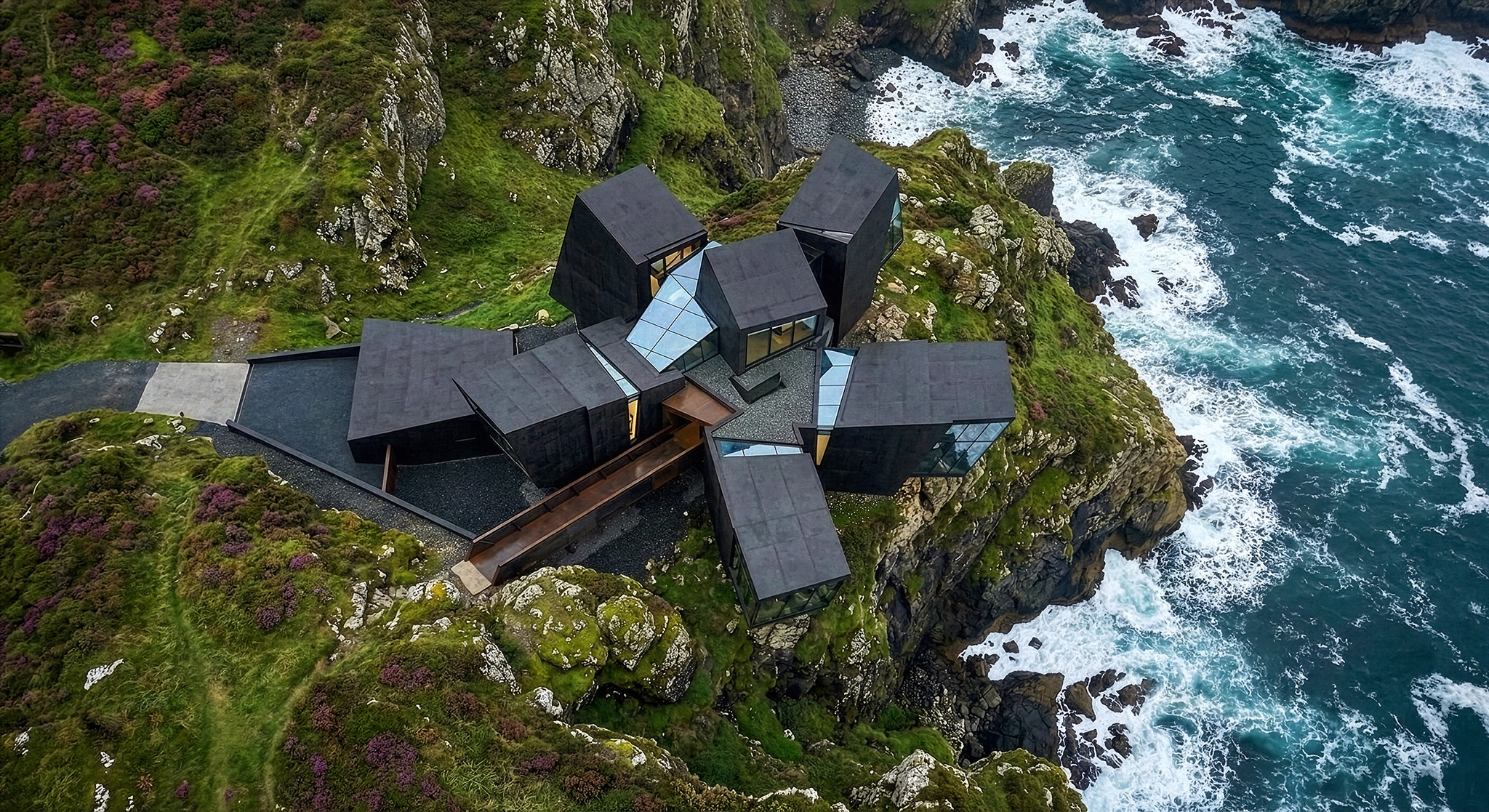
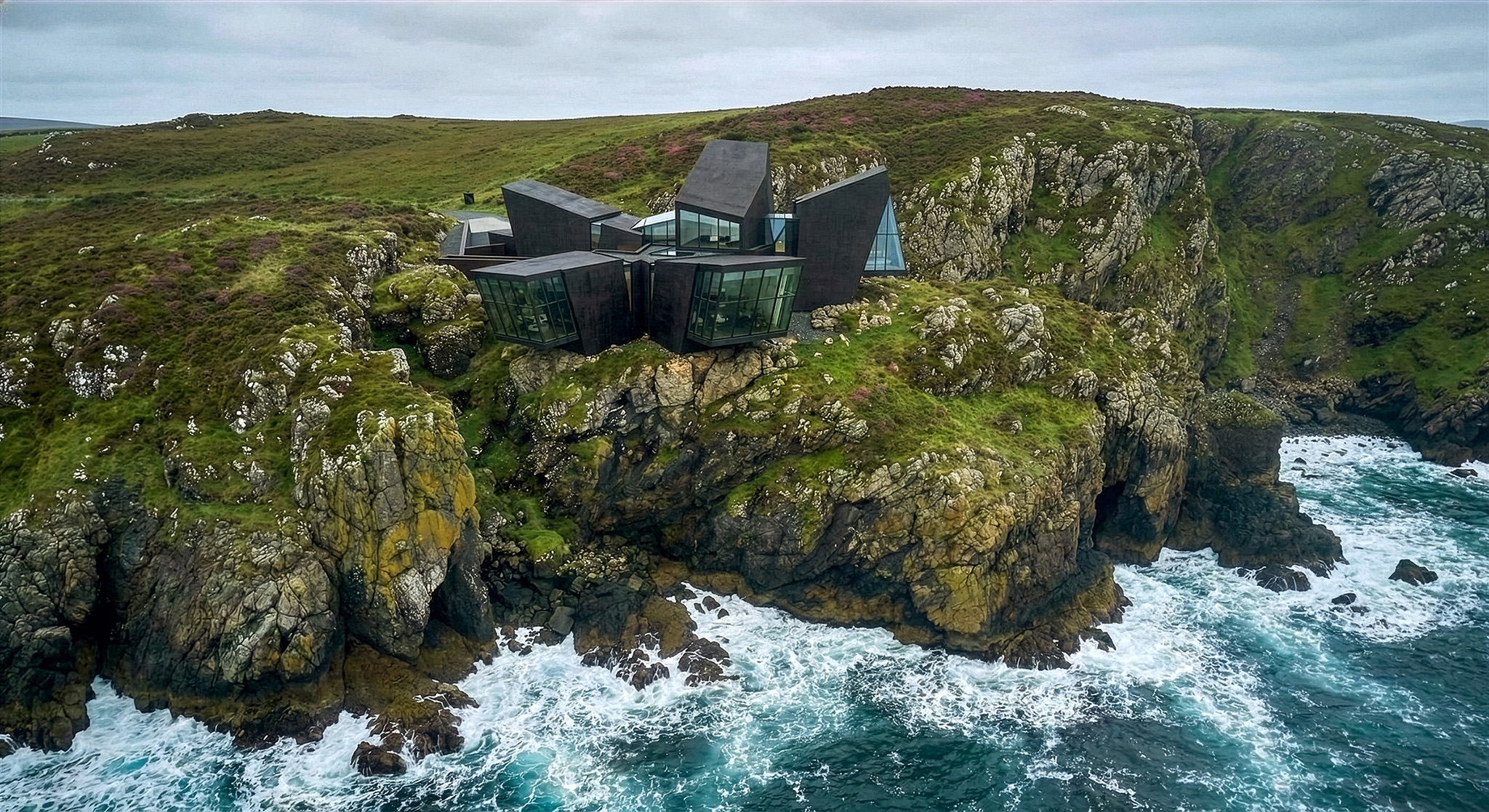
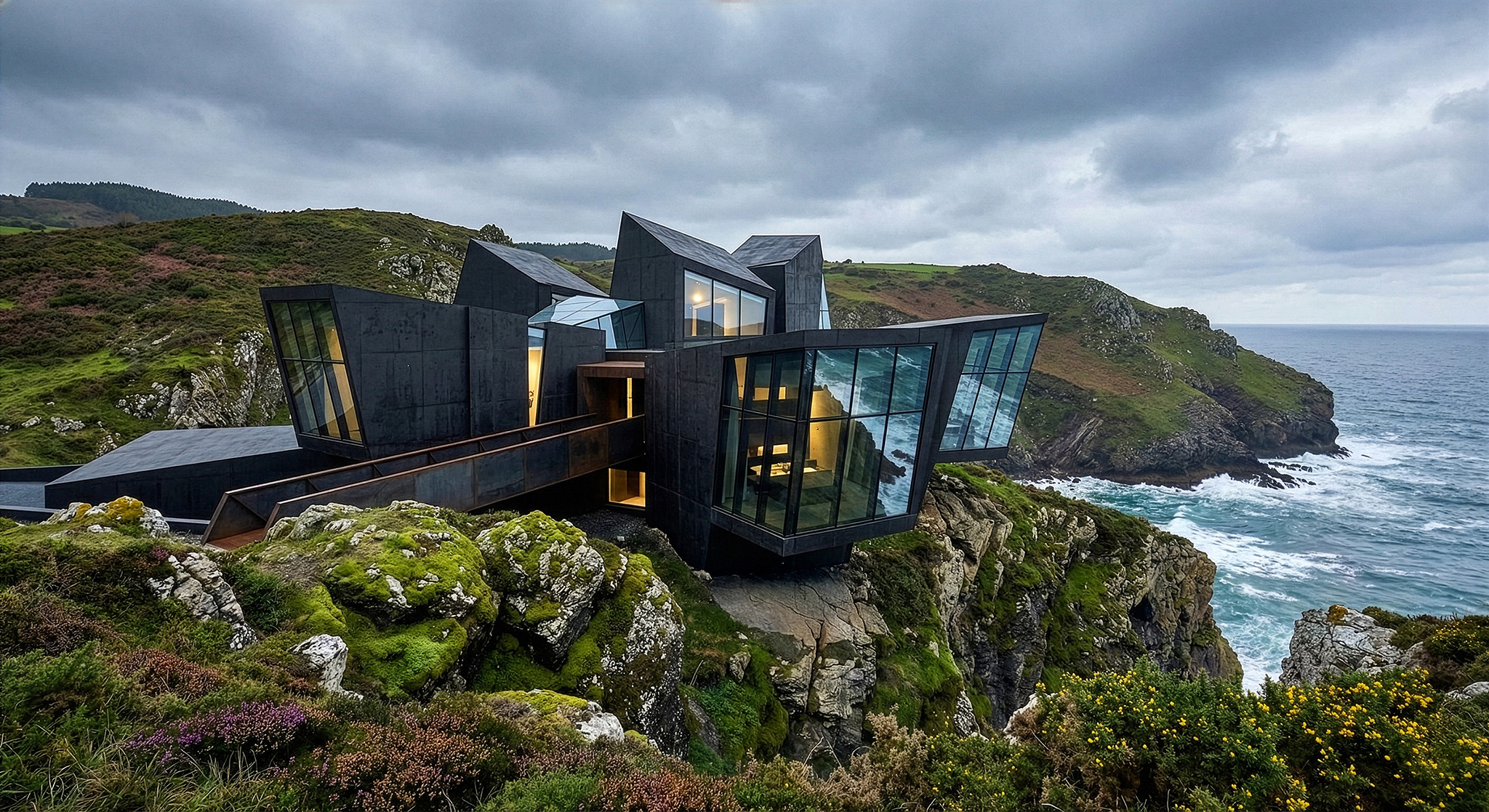
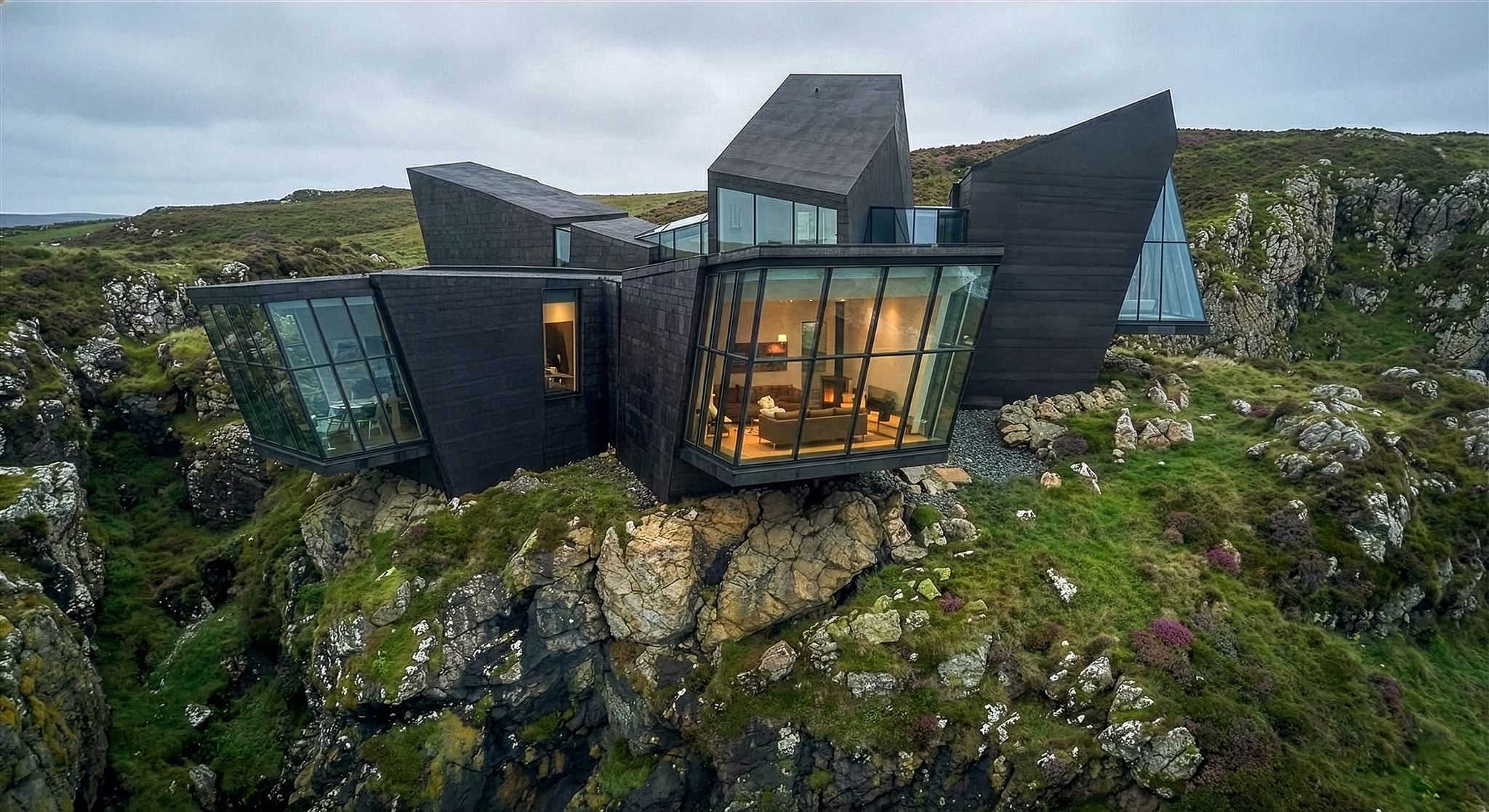
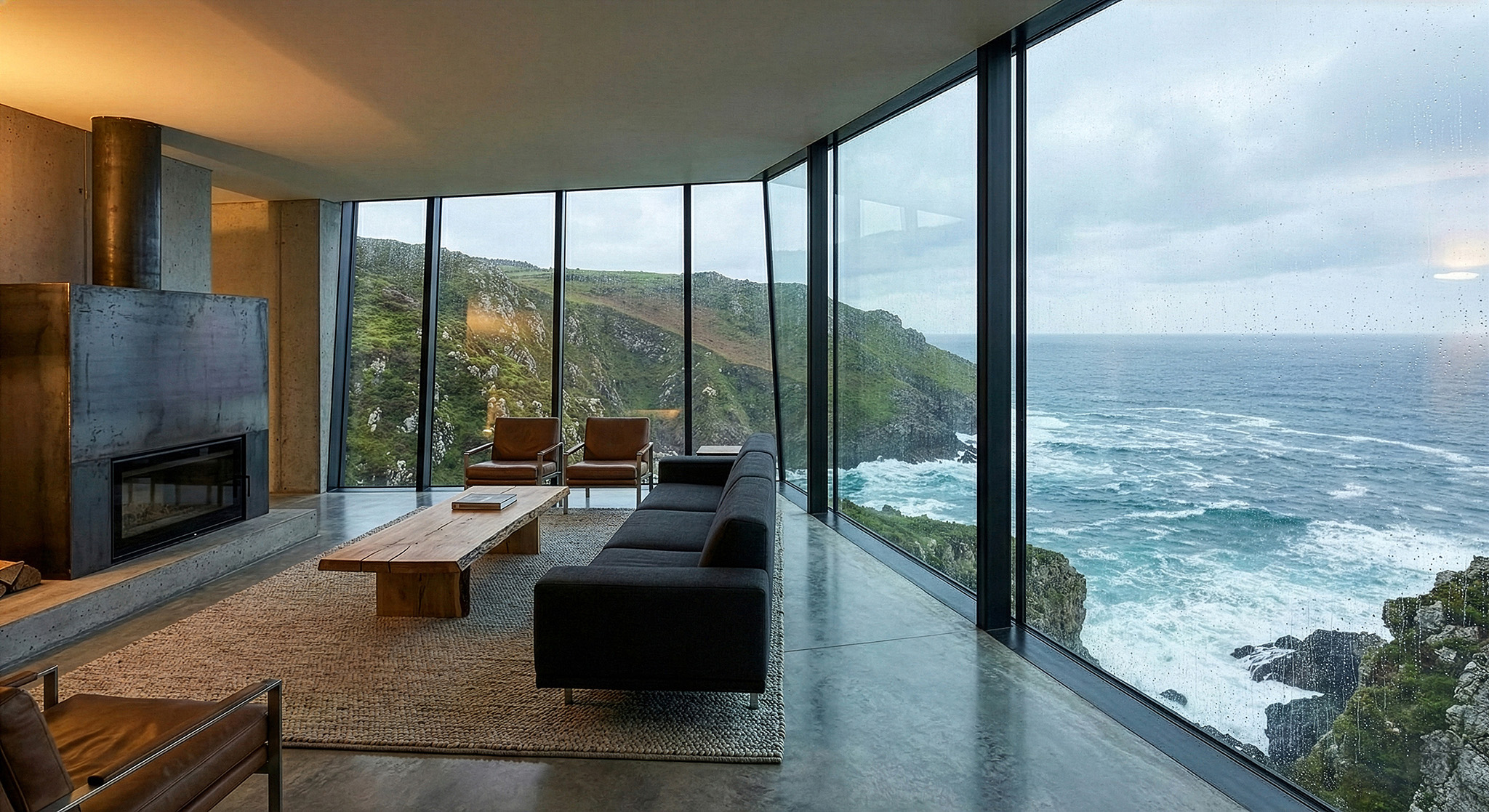
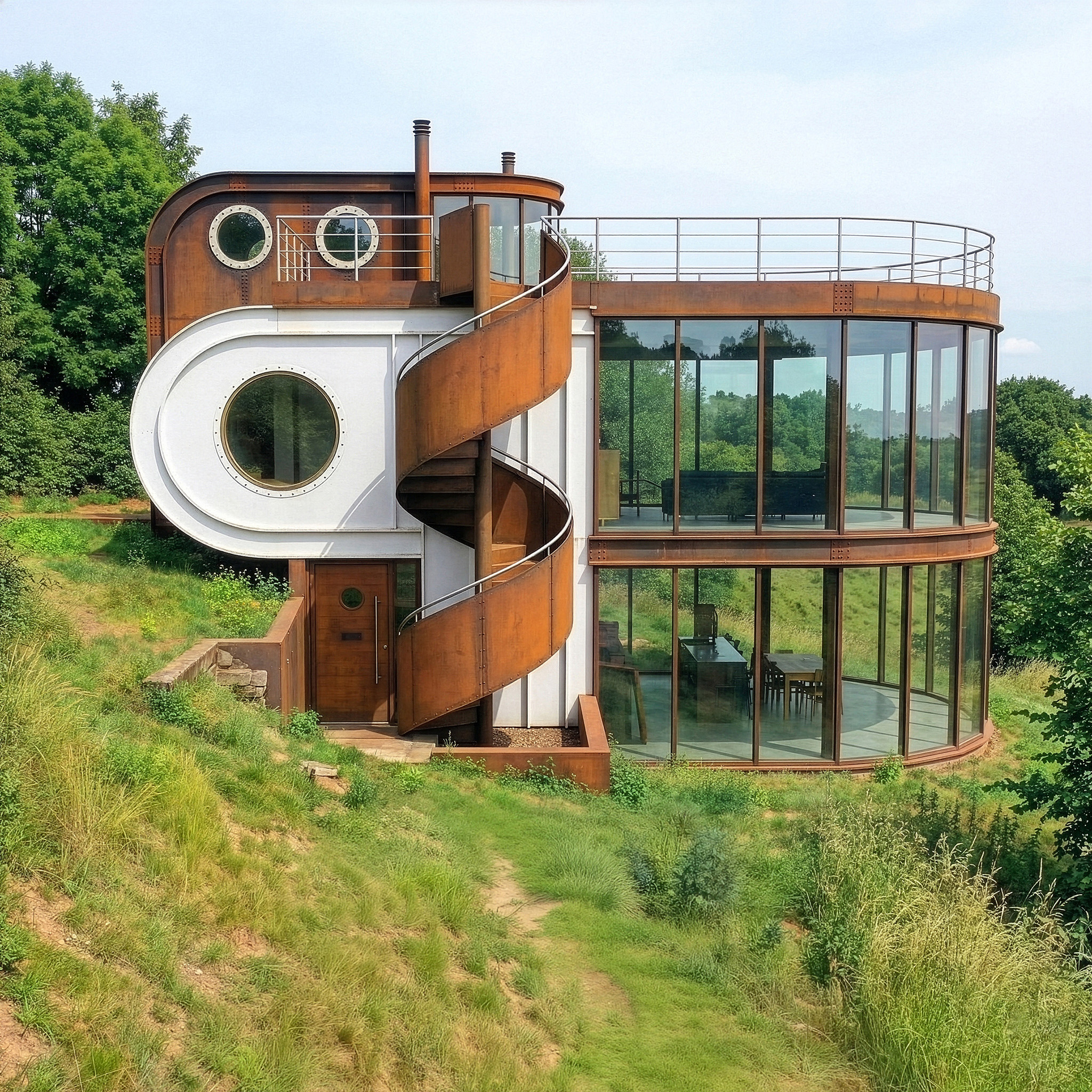
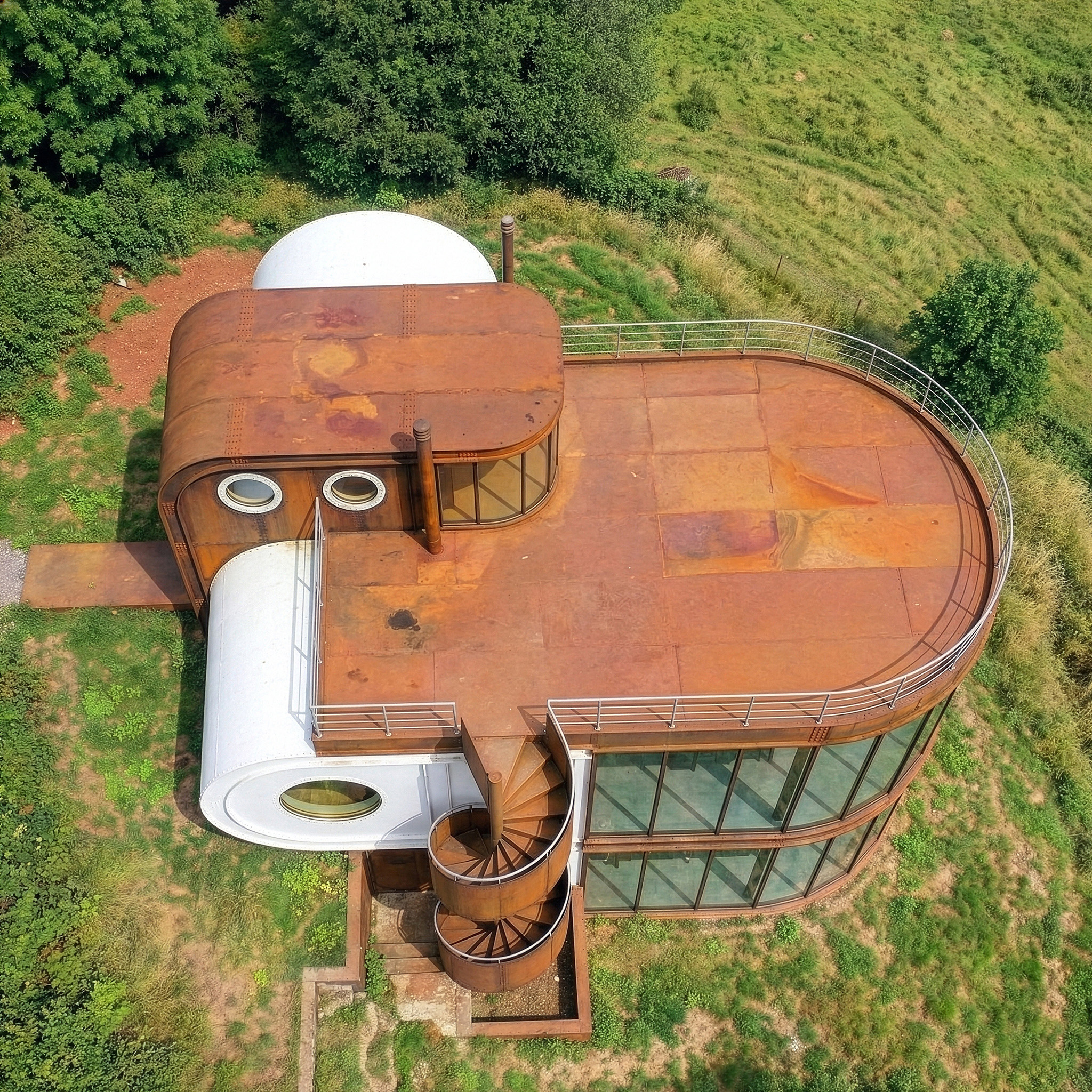
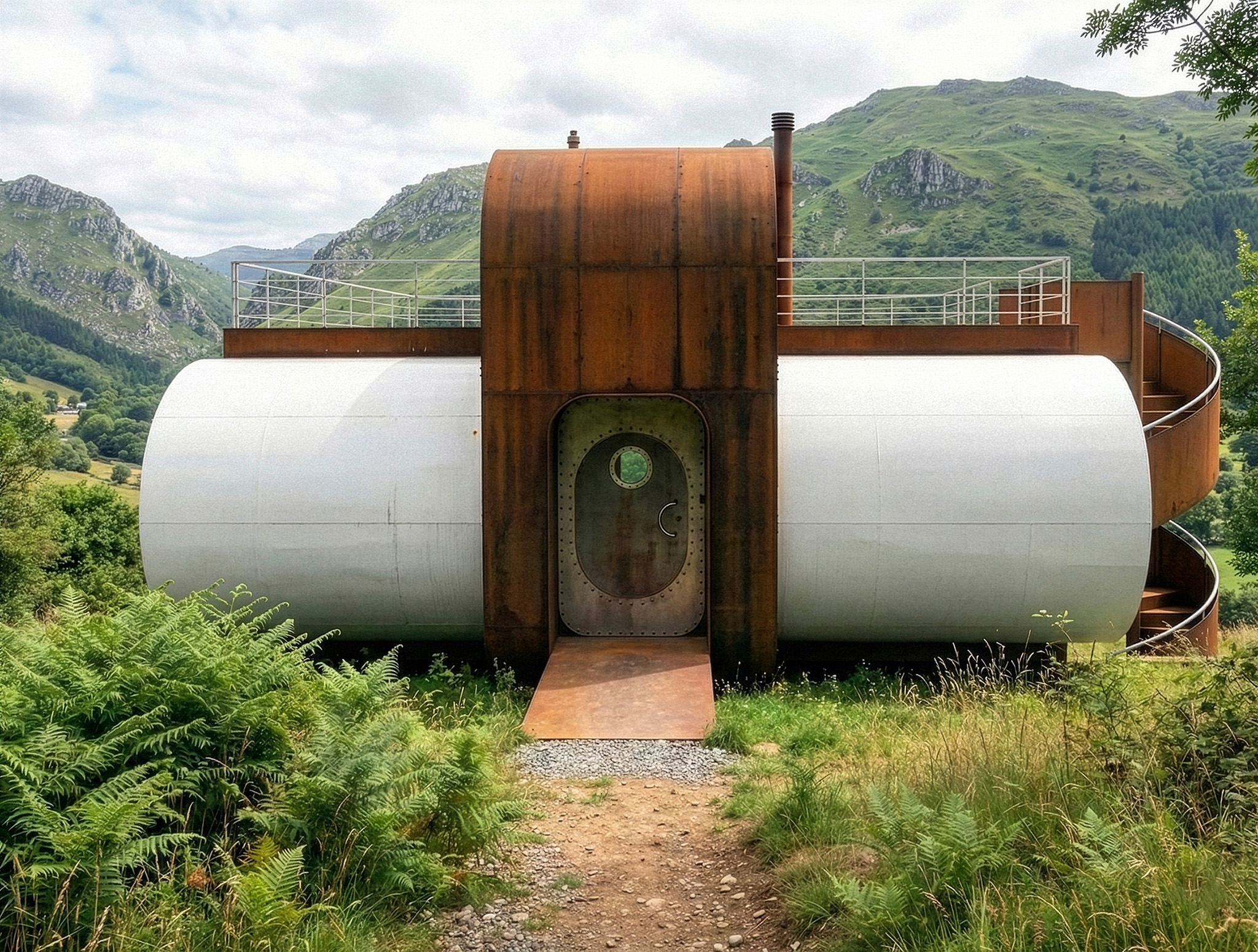
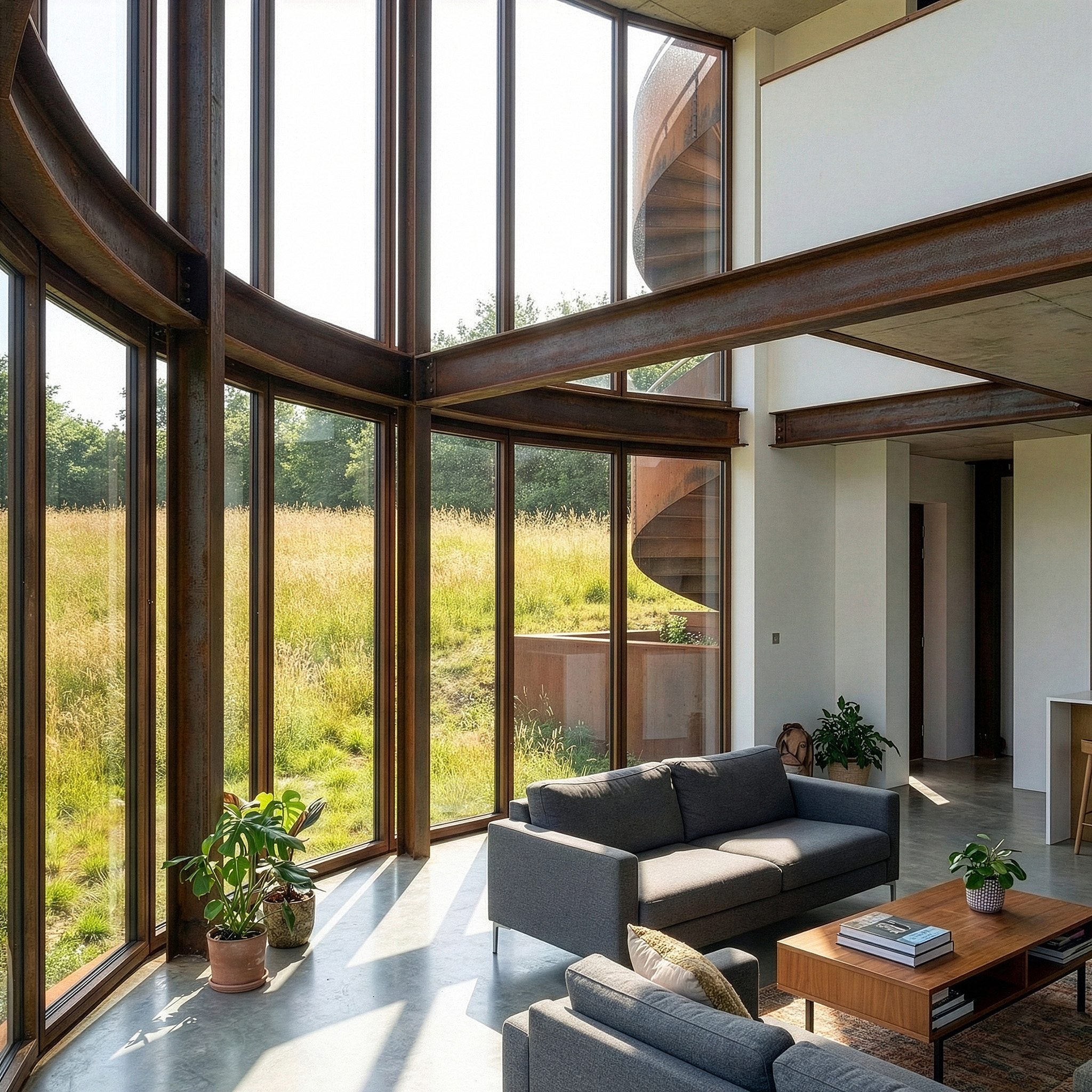
Dionisio González's exhibition also explores possible futures for mining basins through a "eutopian suburb," where housing, streets, and amenities symbolically extend the underground world. Using materials such as slate, pigmented concrete, and steel, the proposal reinterprets traditional housing and questions conventional urban models associated with industrial areas.
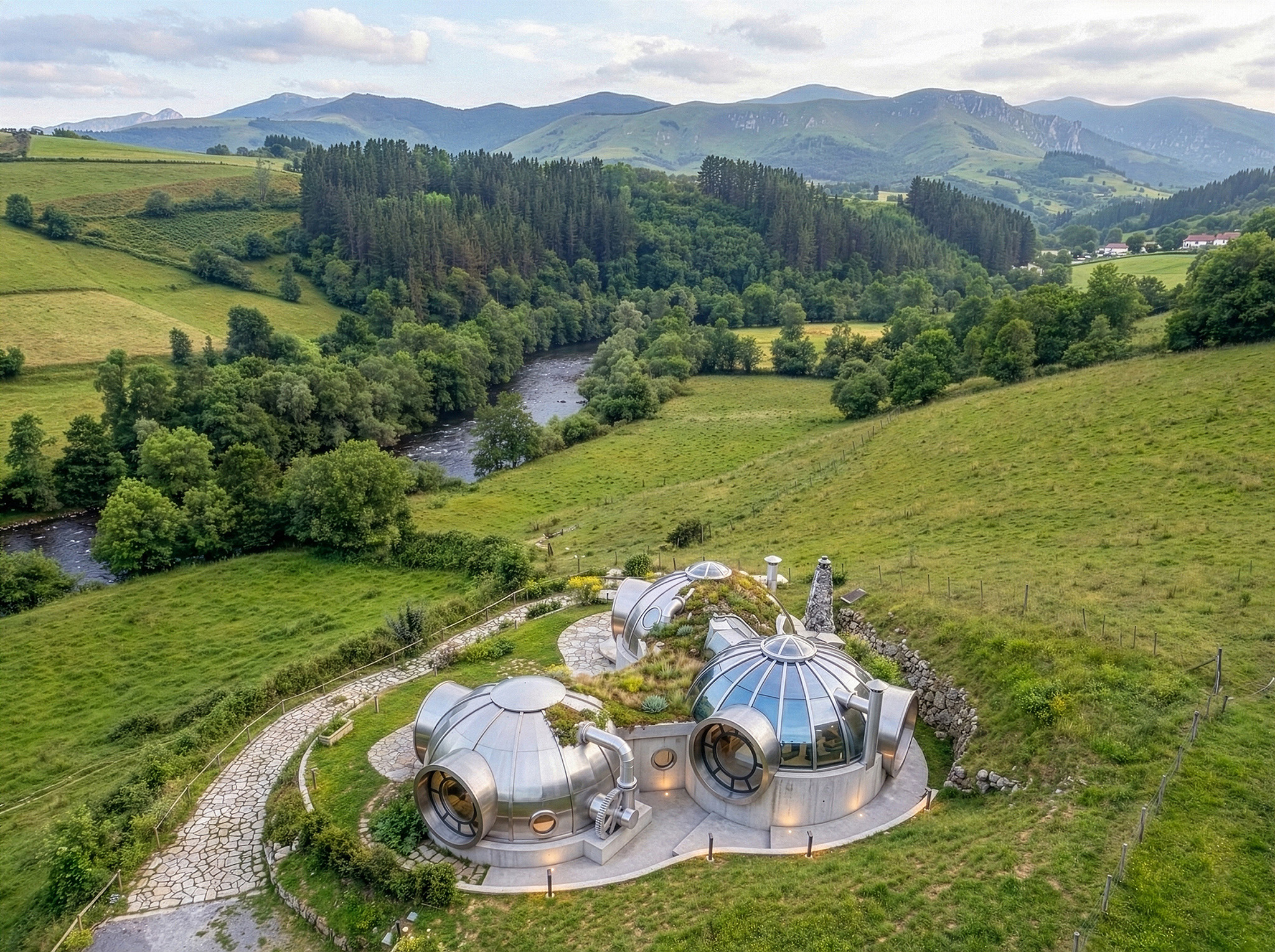
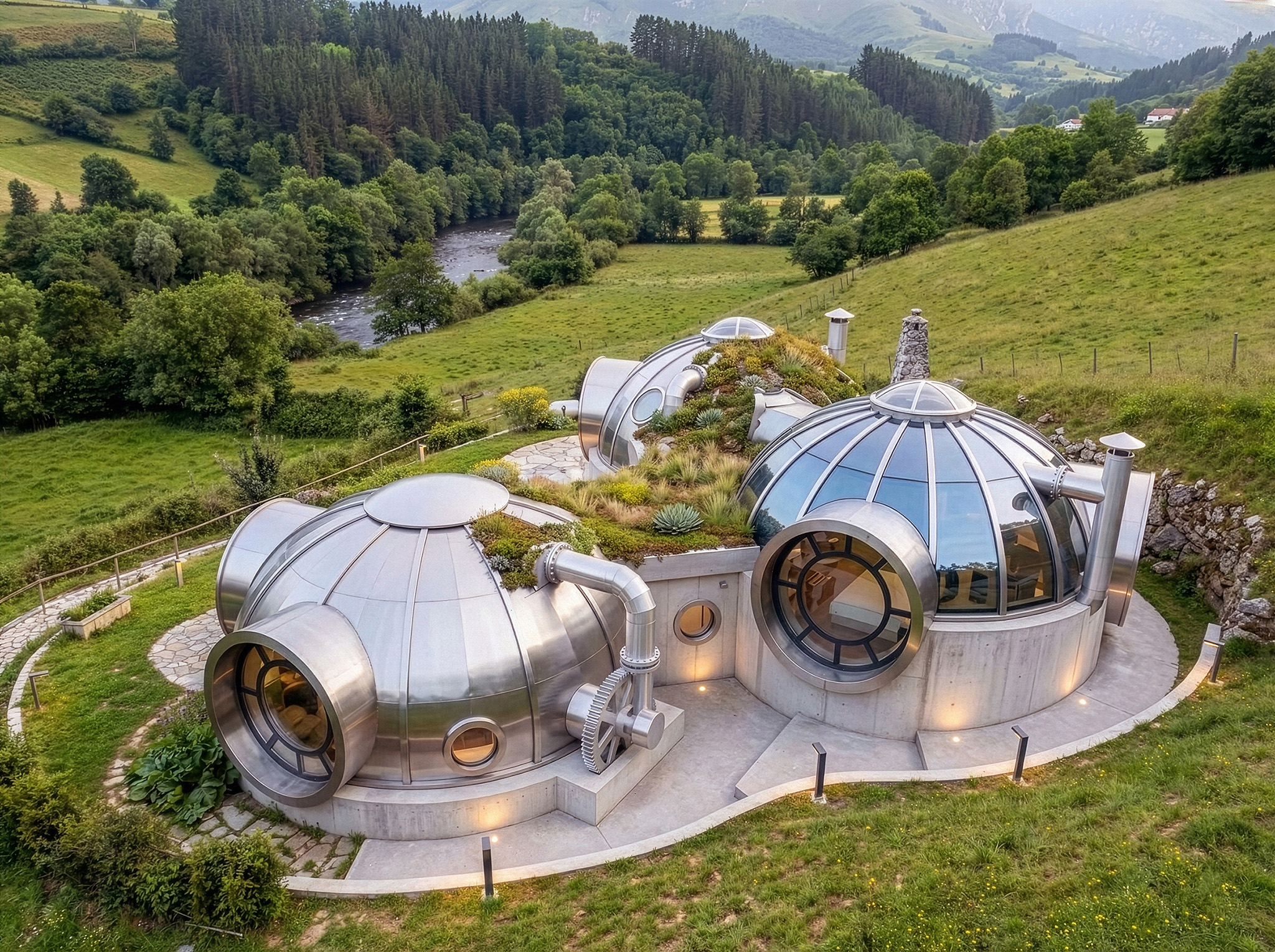
The exhibition culminates with a multi-screen installation that reflects on the physical dimension of the digital cloud and so-called "data mining." The project envisions the conversion of abandoned underground tunnels into technological infrastructure for information storage and processing, as well as digital laboratories and underground greenhouses.
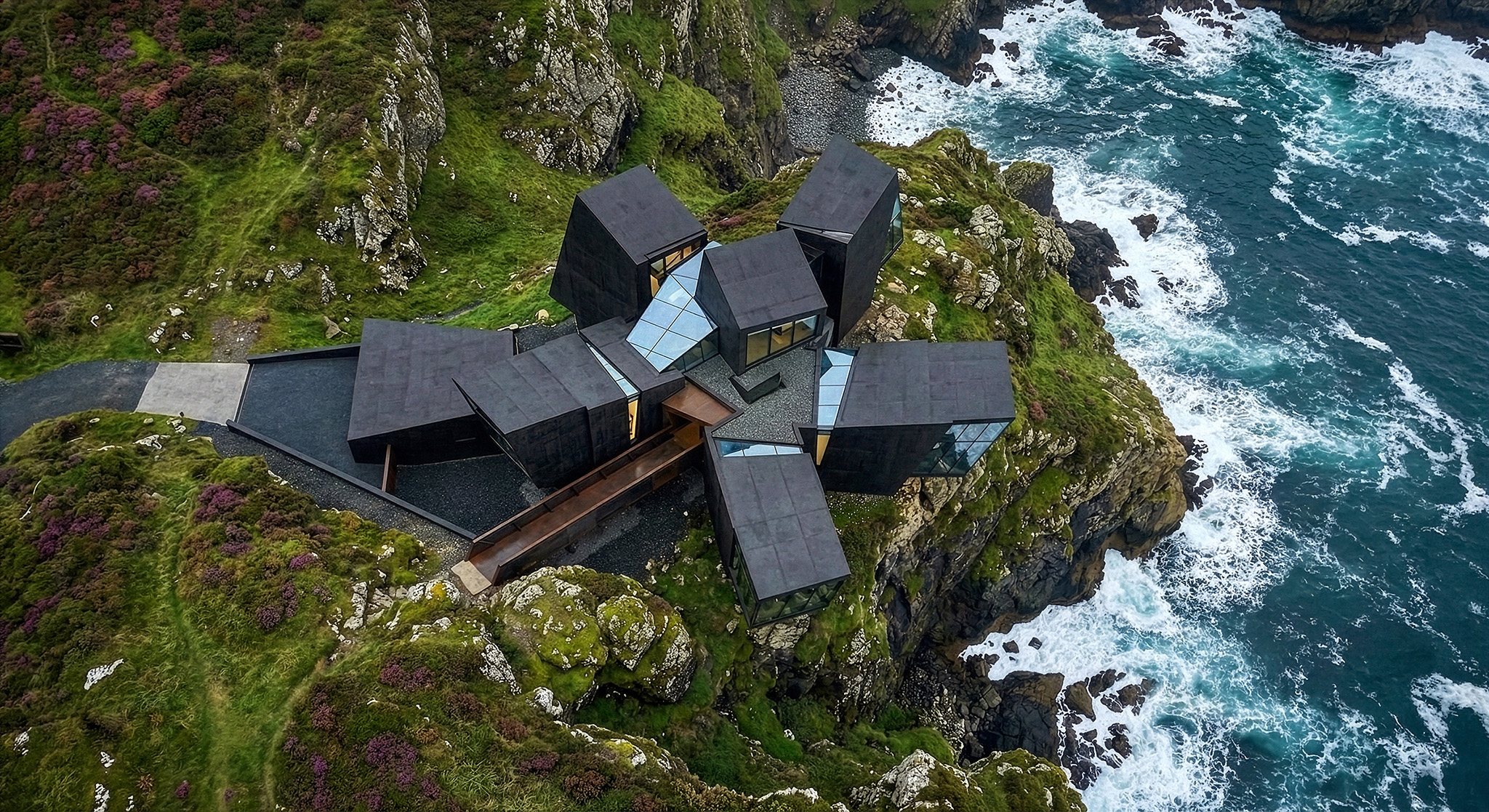
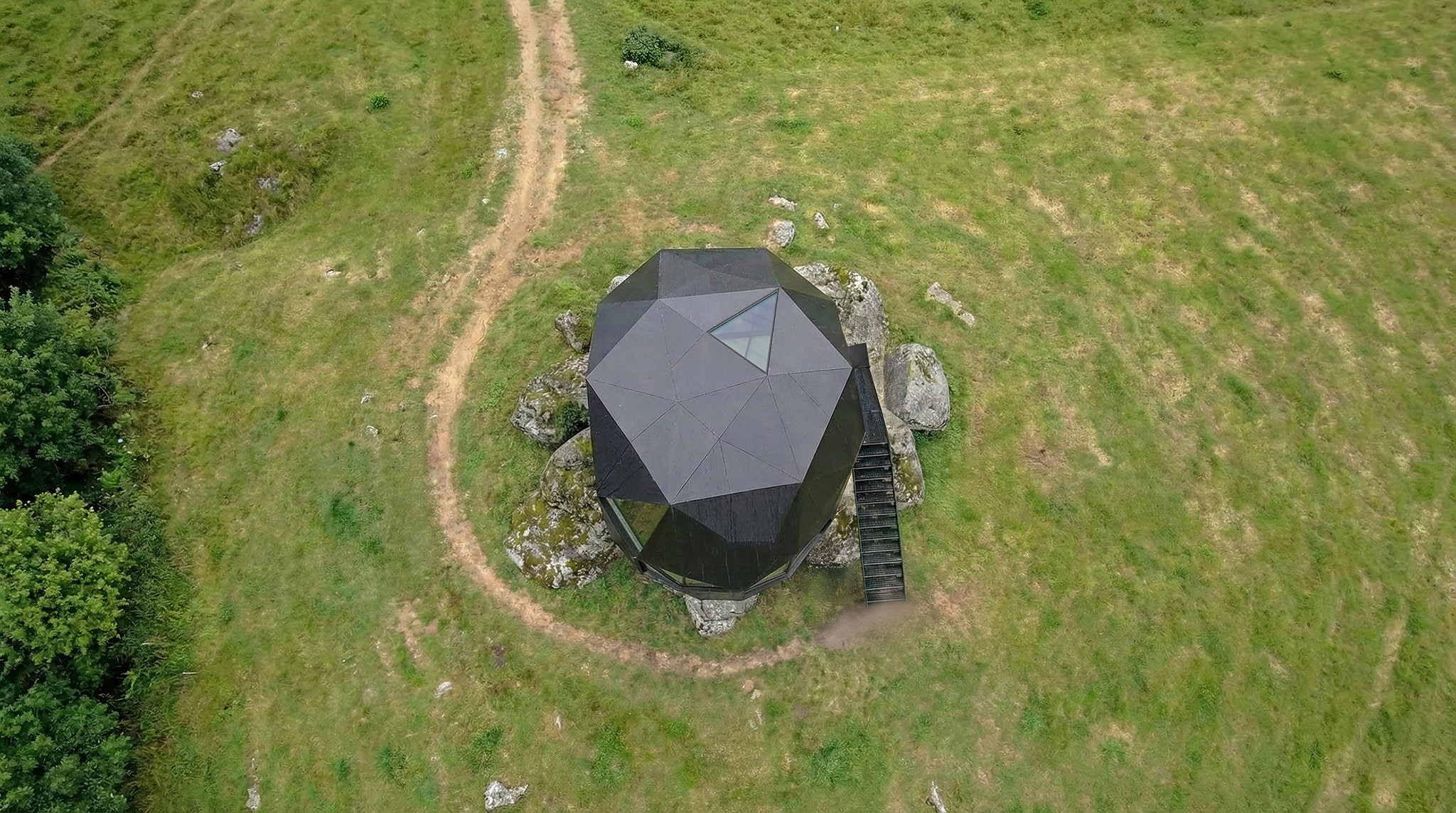
Image of the prototype. Exhibition "The Revolt and the Snow" by Dionisio González. Photograph by Dionisio González.
Overall, Dionisio González's "The Revolt and the Snow" invites us to consider Asturias as a region capable of transforming its industrial heritage into a platform for the future. The exhibition presents a transition where memory, innovation, and the underground landscape intertwine to challenge traditional notions of progress and open new ways of imagining the future from the region's mining roots.
"Mining and coal are our identity, and we must use that strength that forged the character of the mining community as a bridge to the future we want. Memory and innovation to achieve a digital perspective rooted in our heritage."
Nuria Ordóñez, Councilor for Culture.