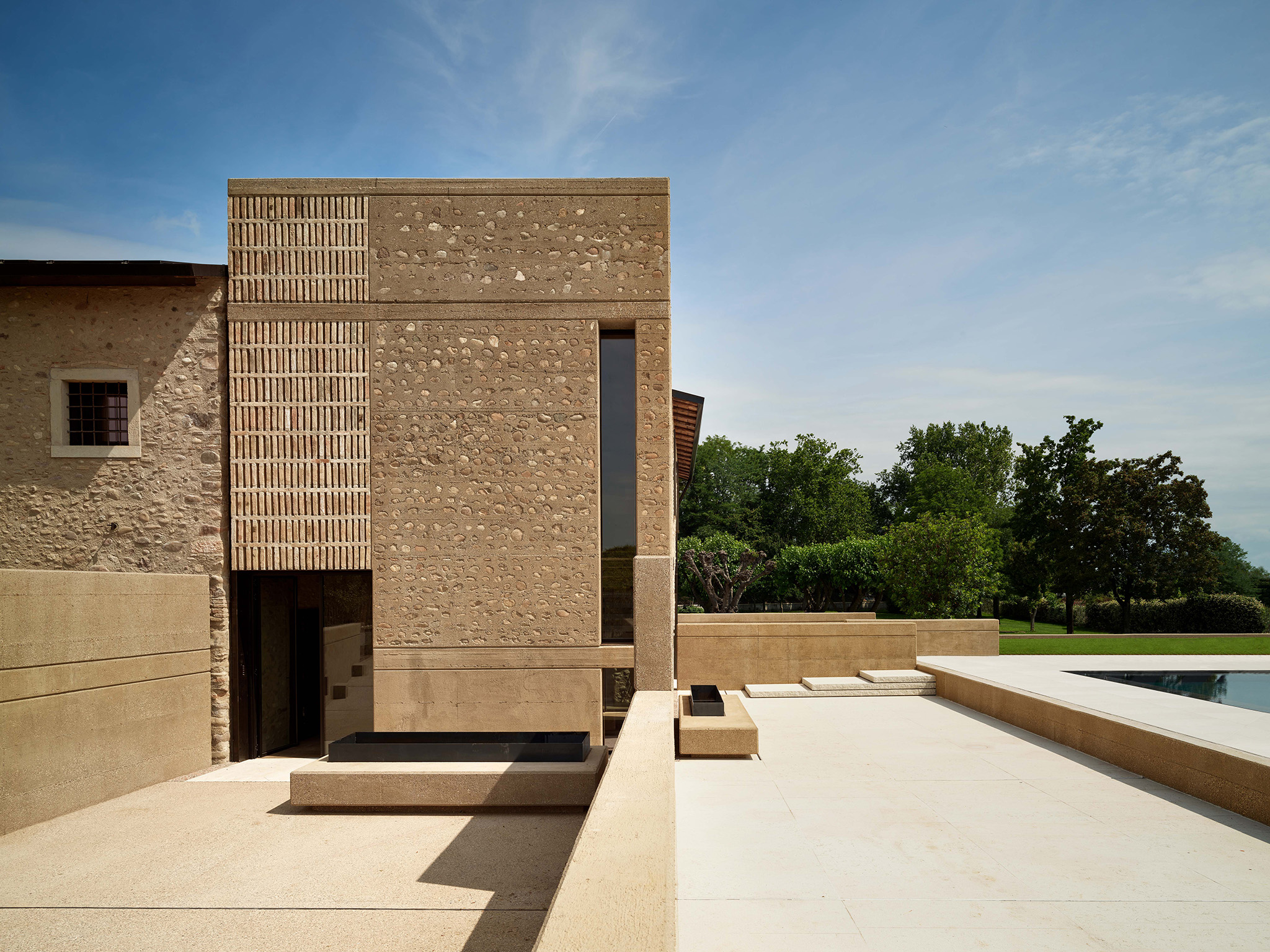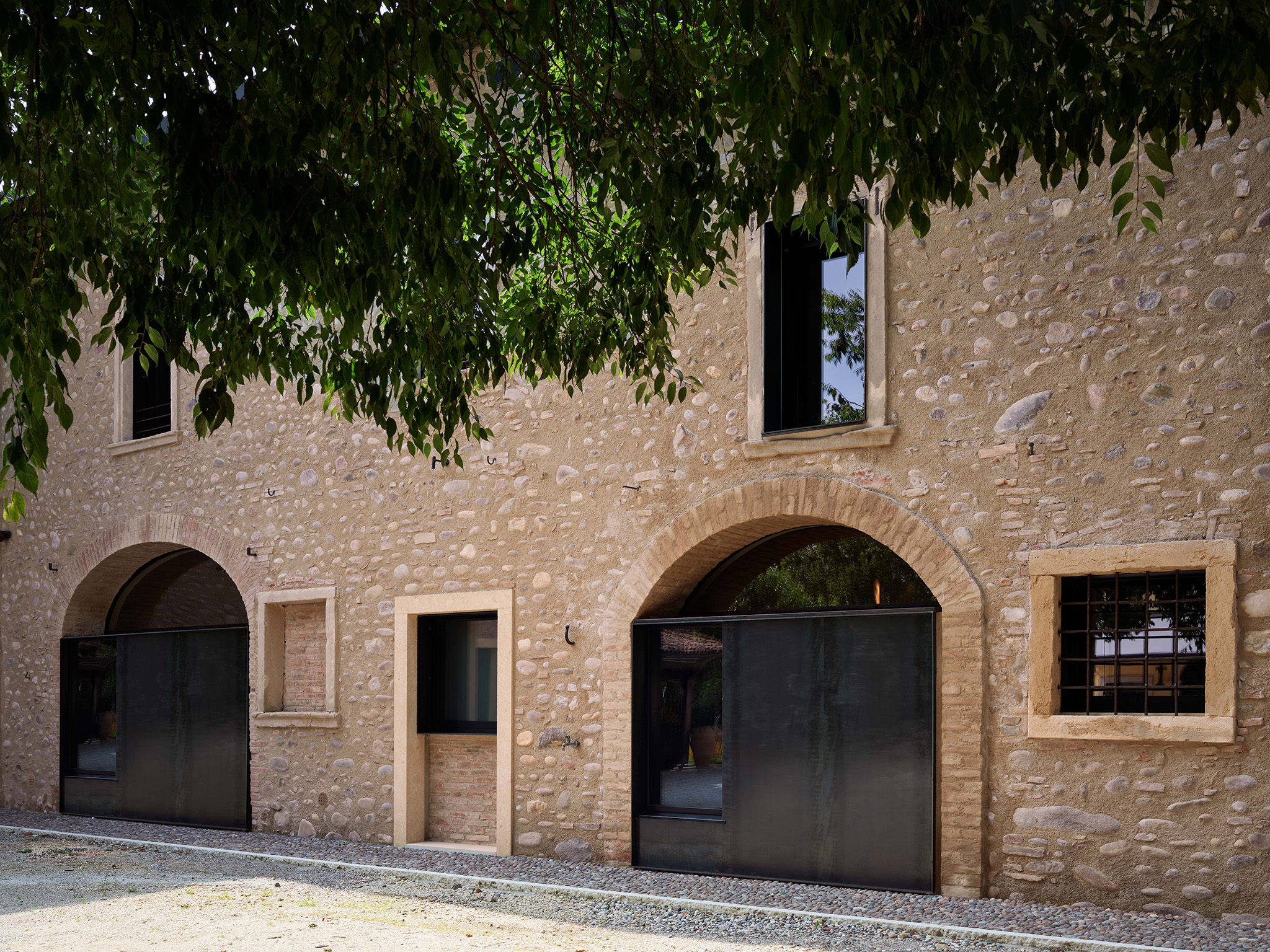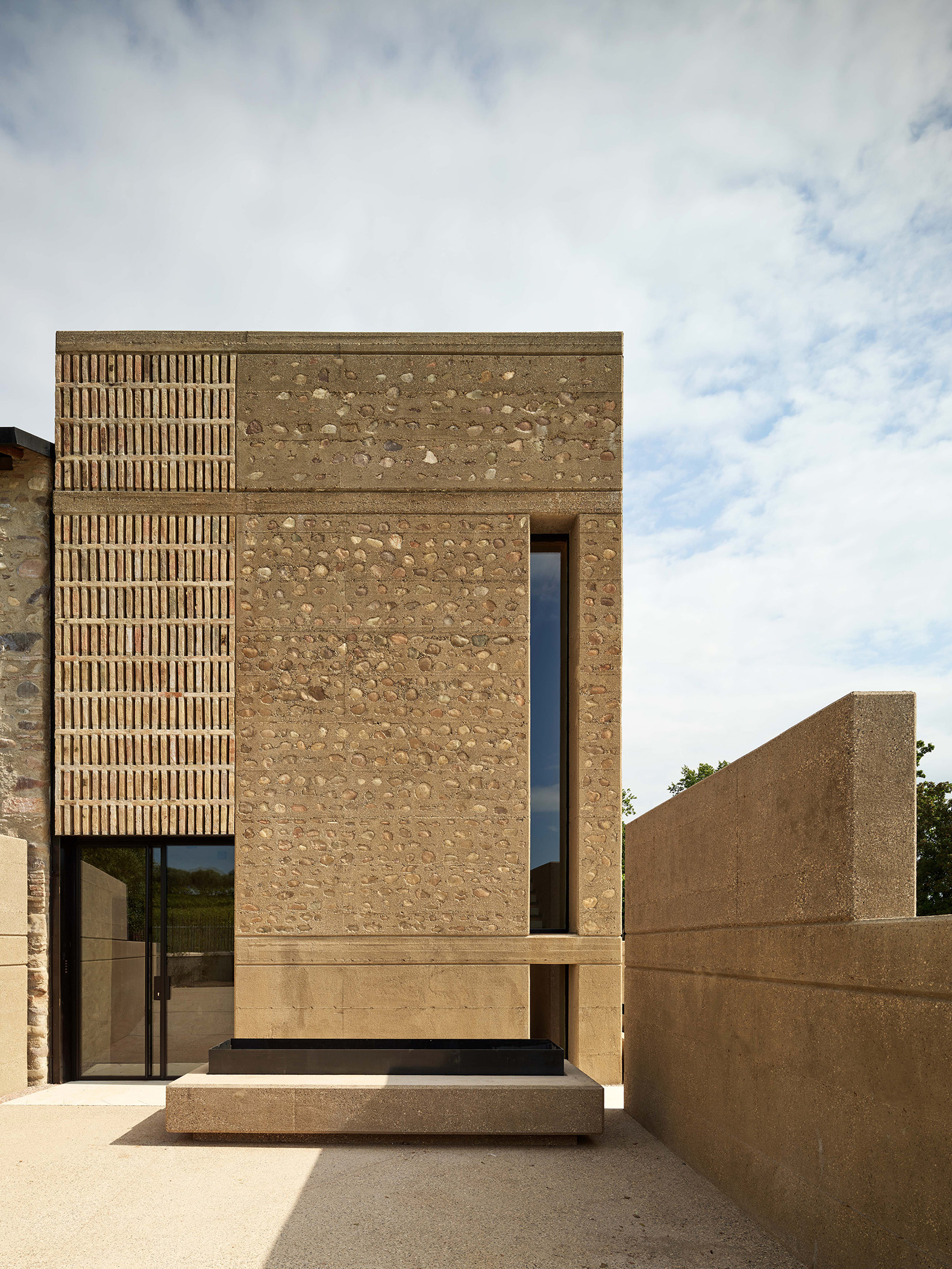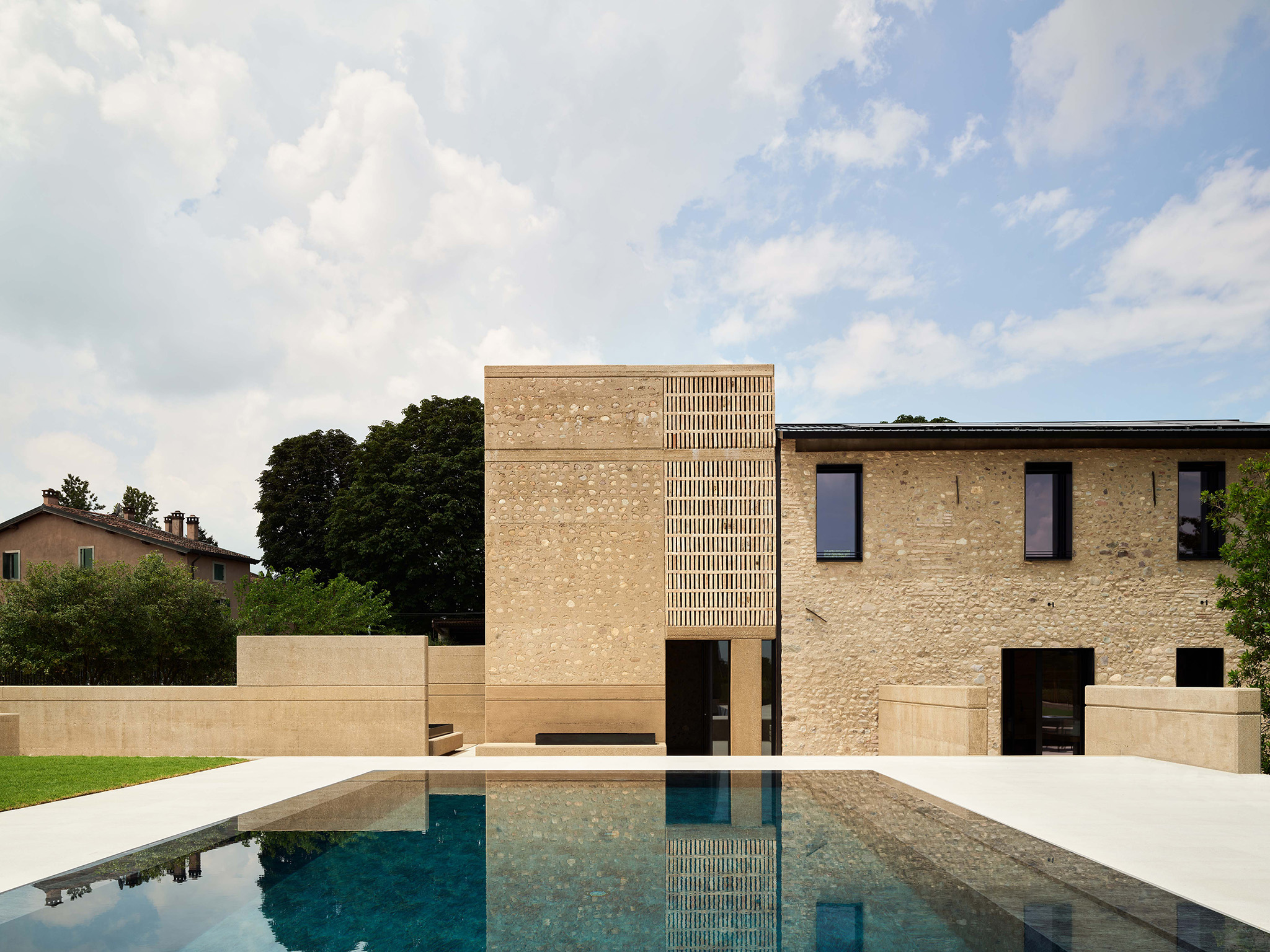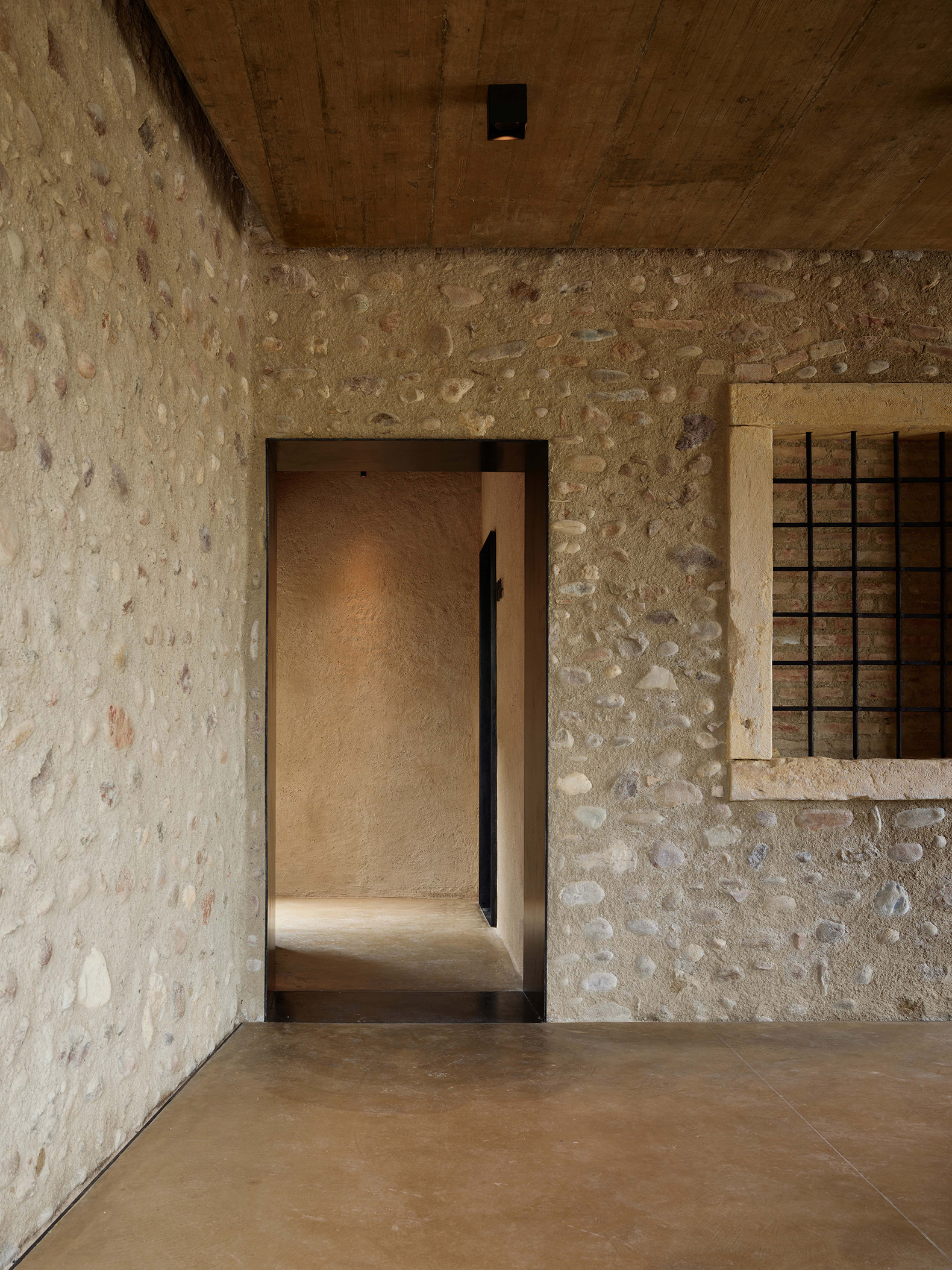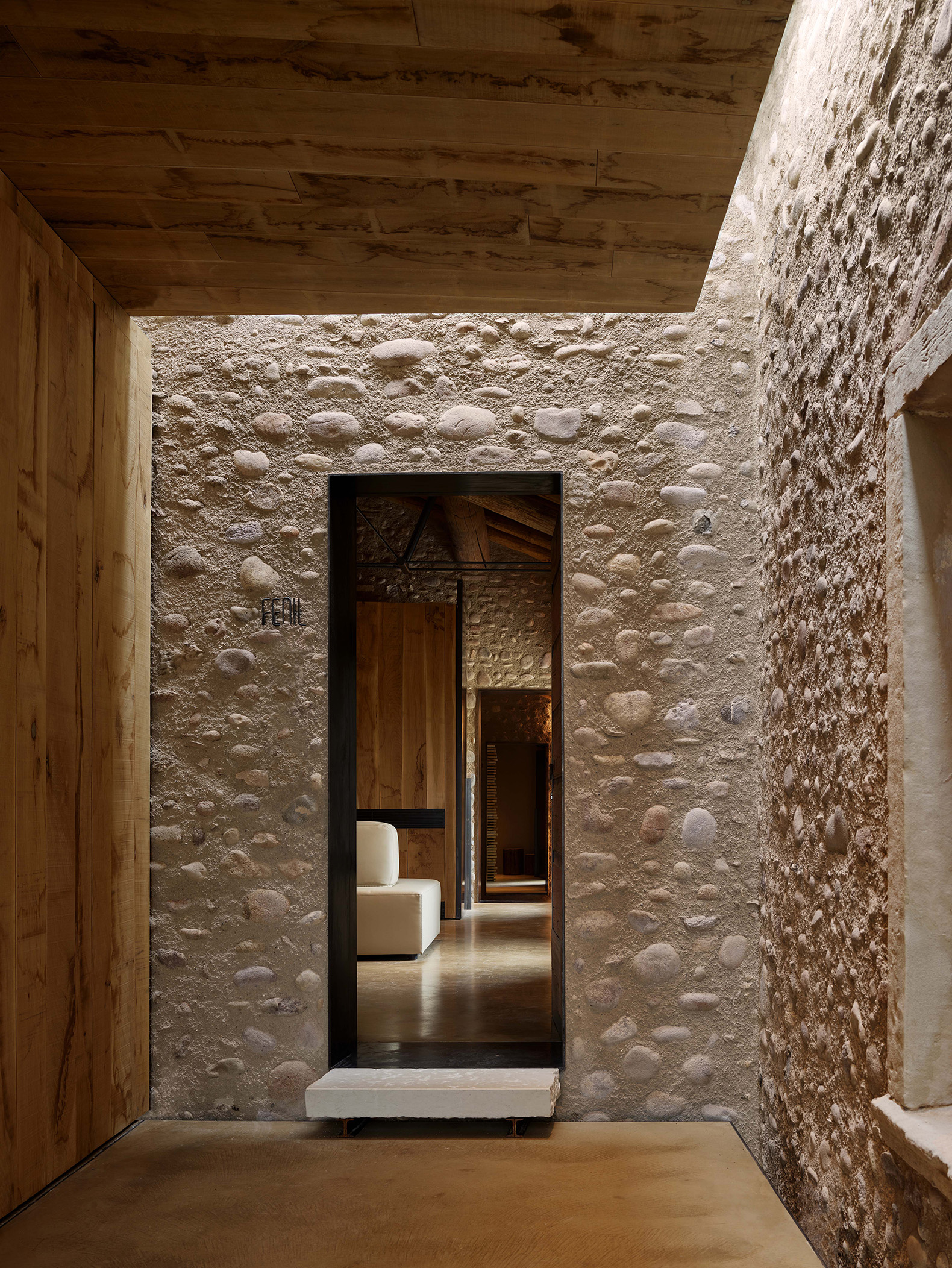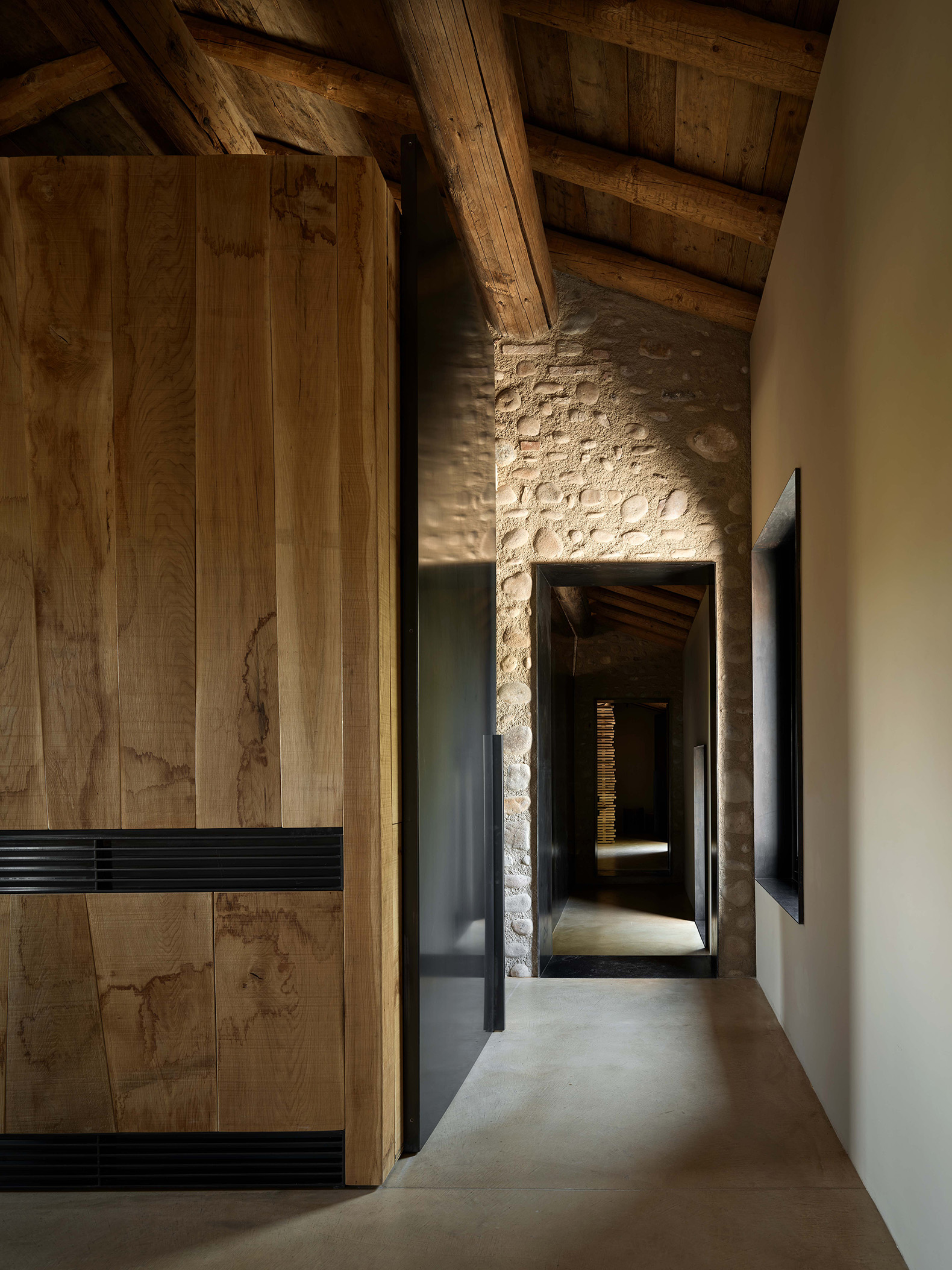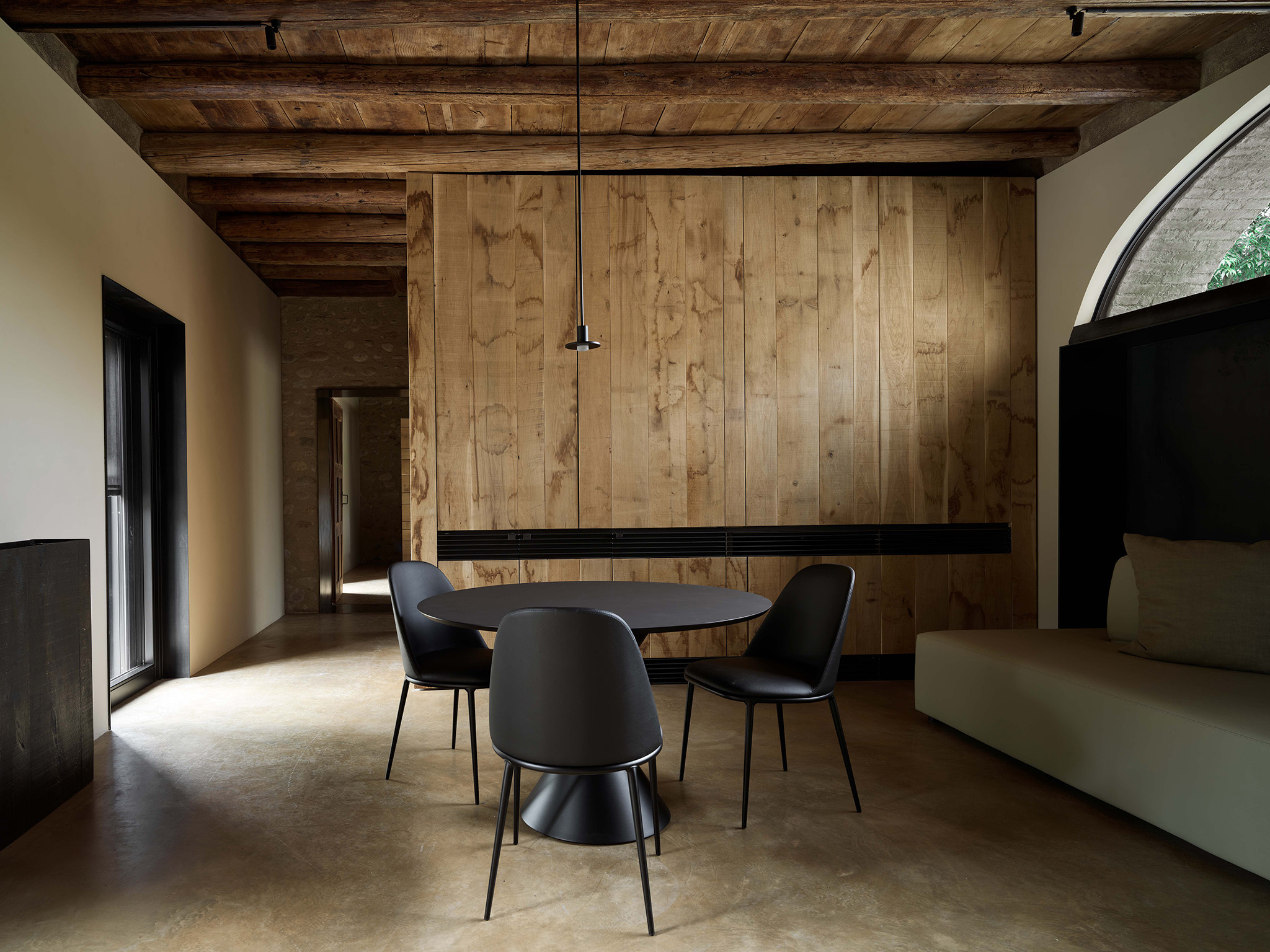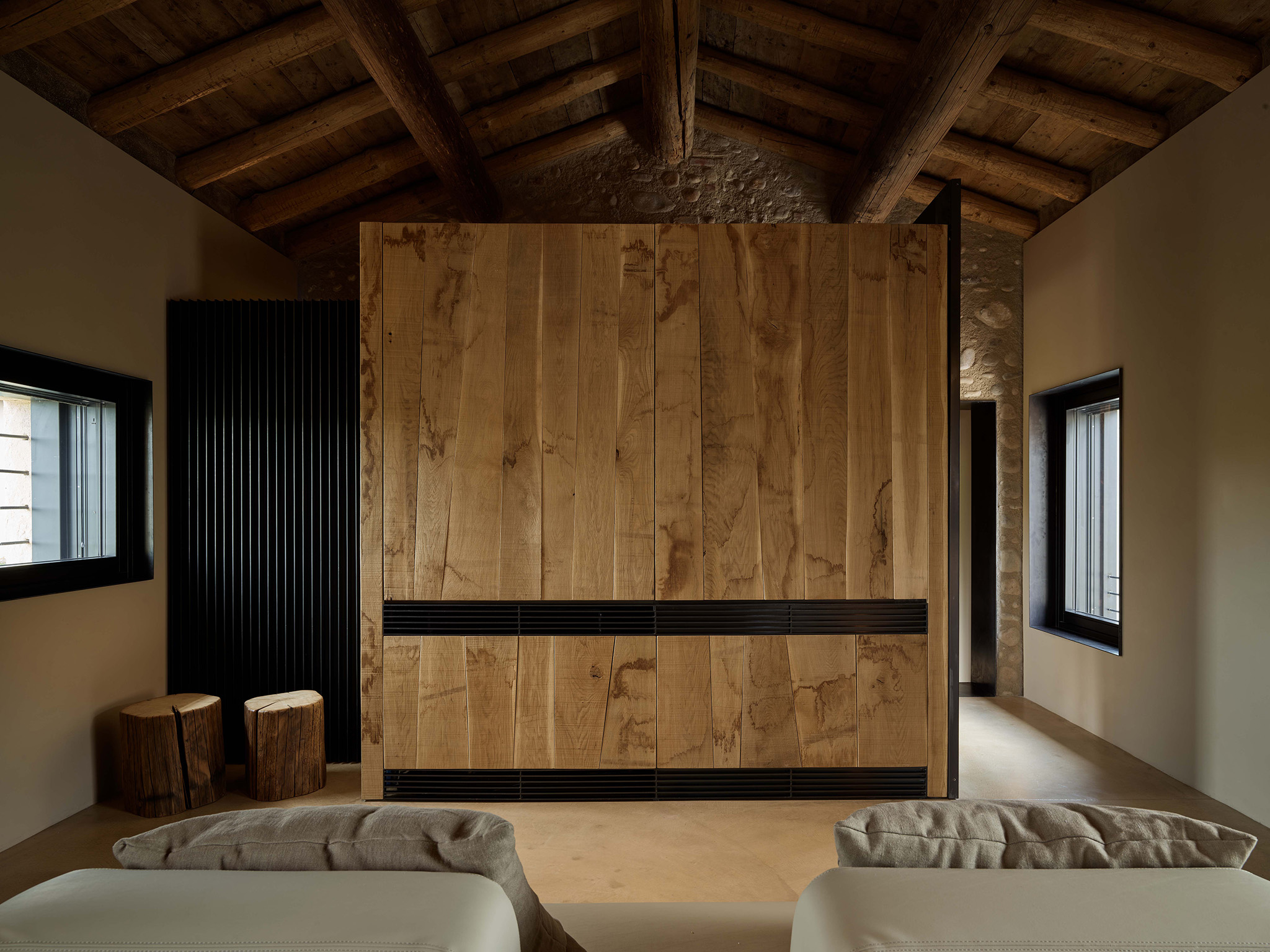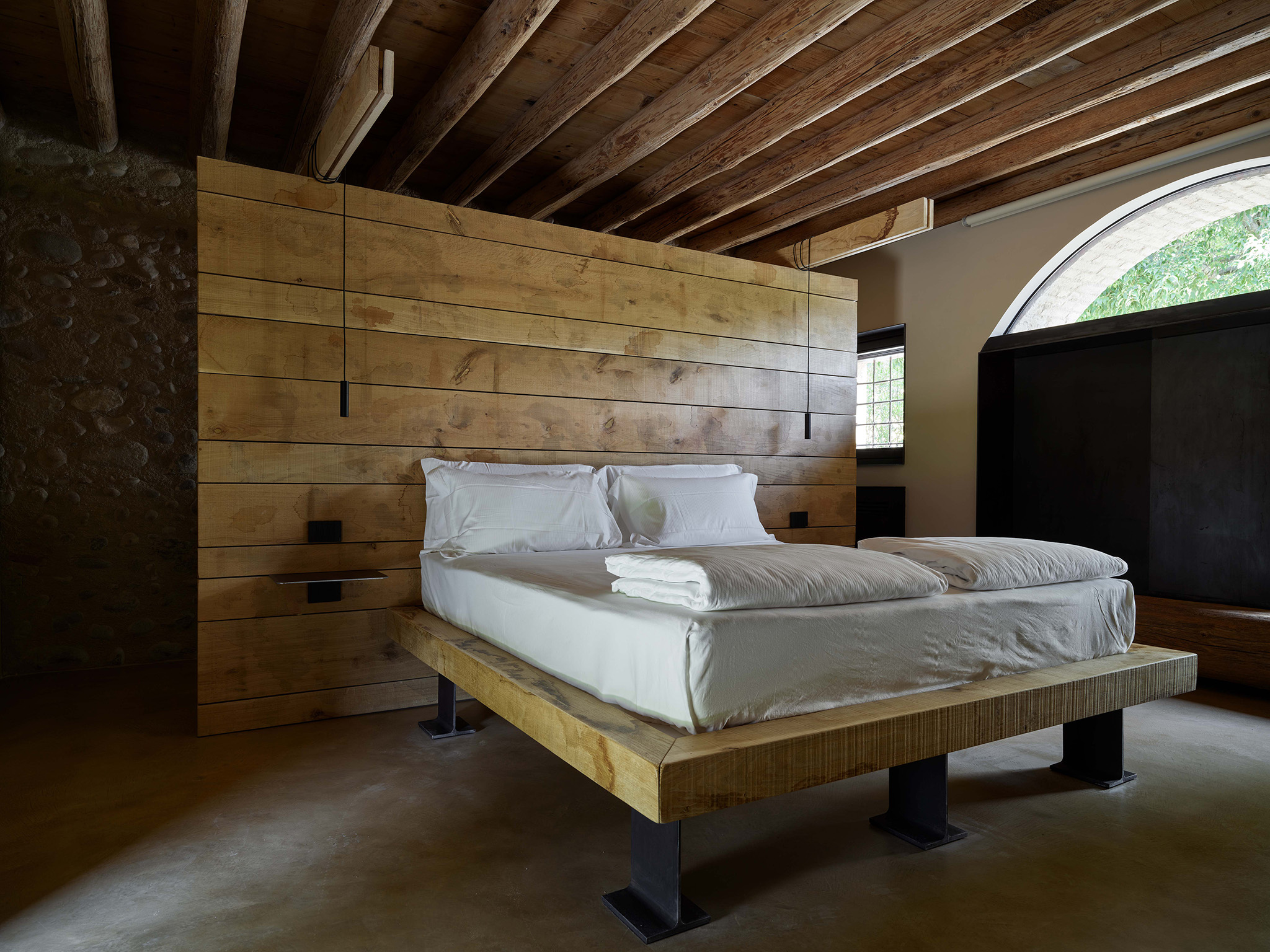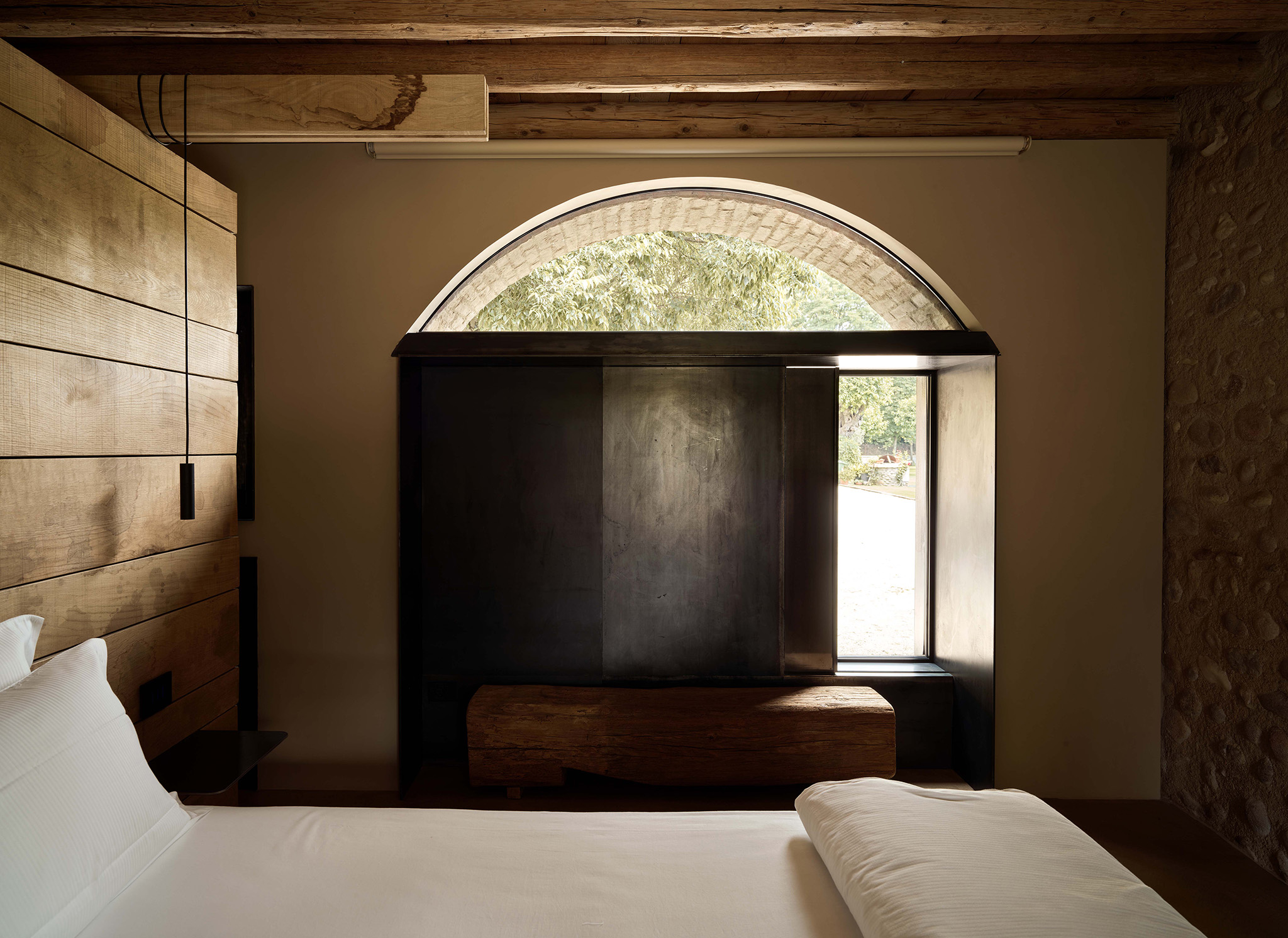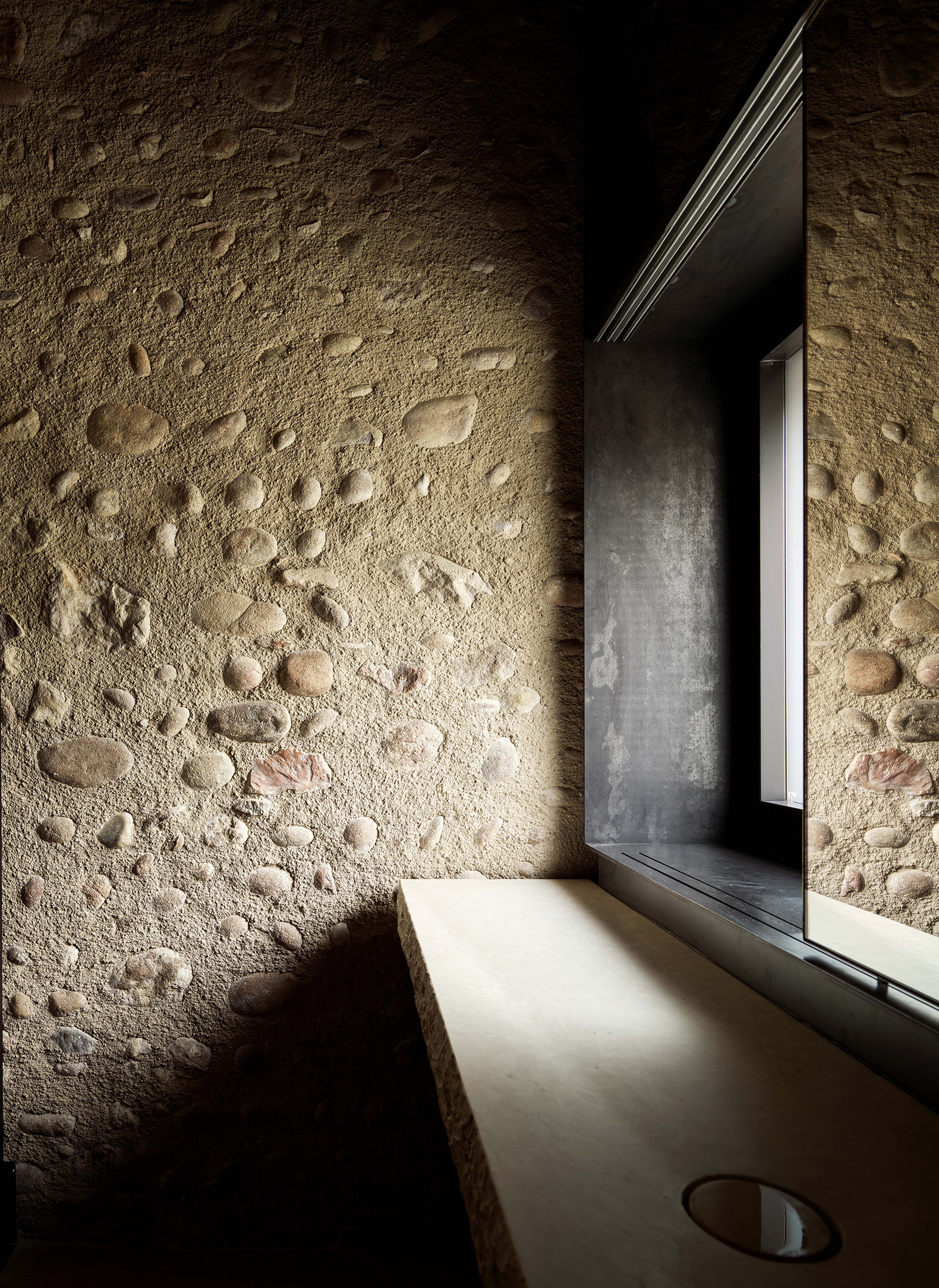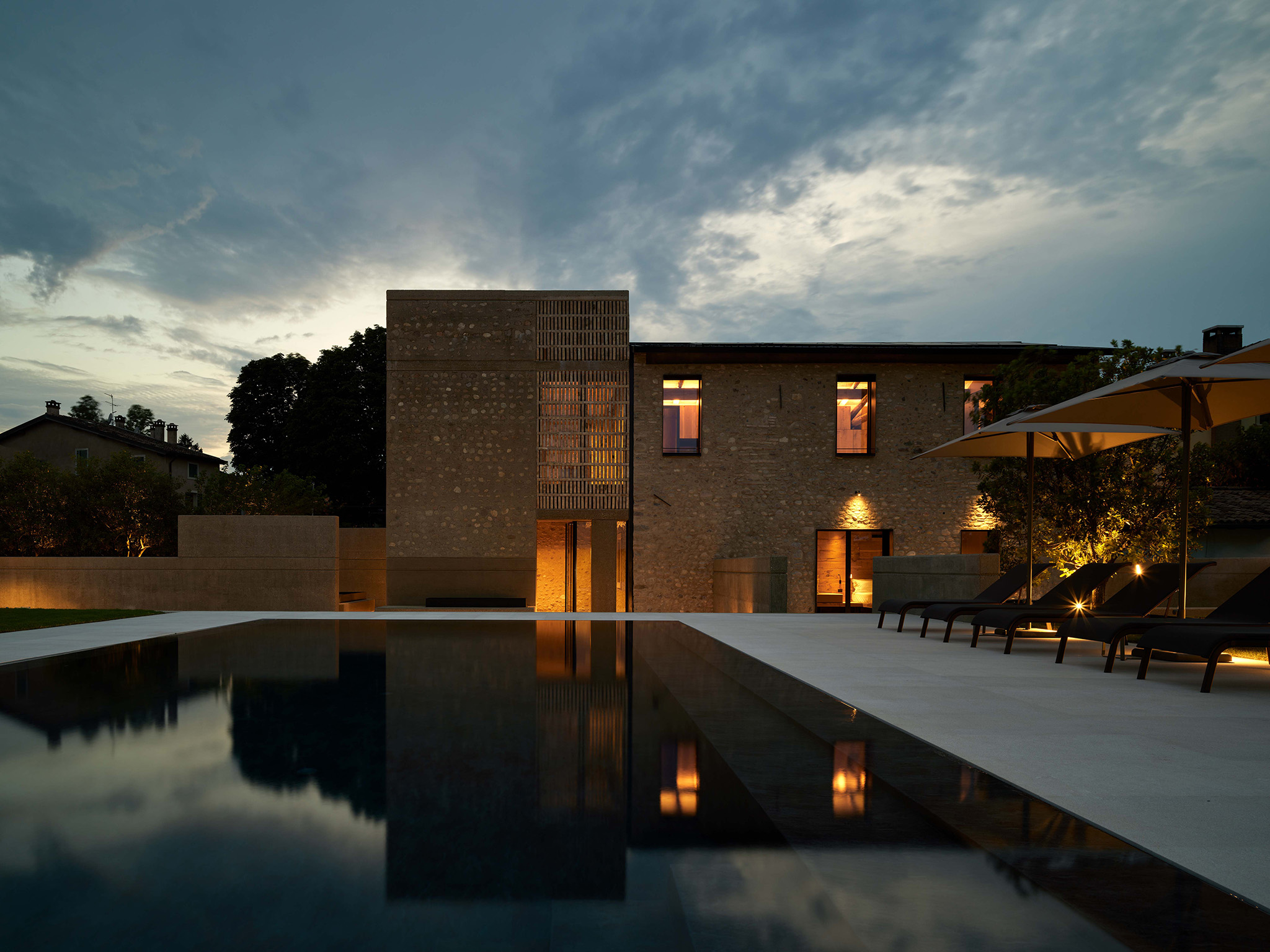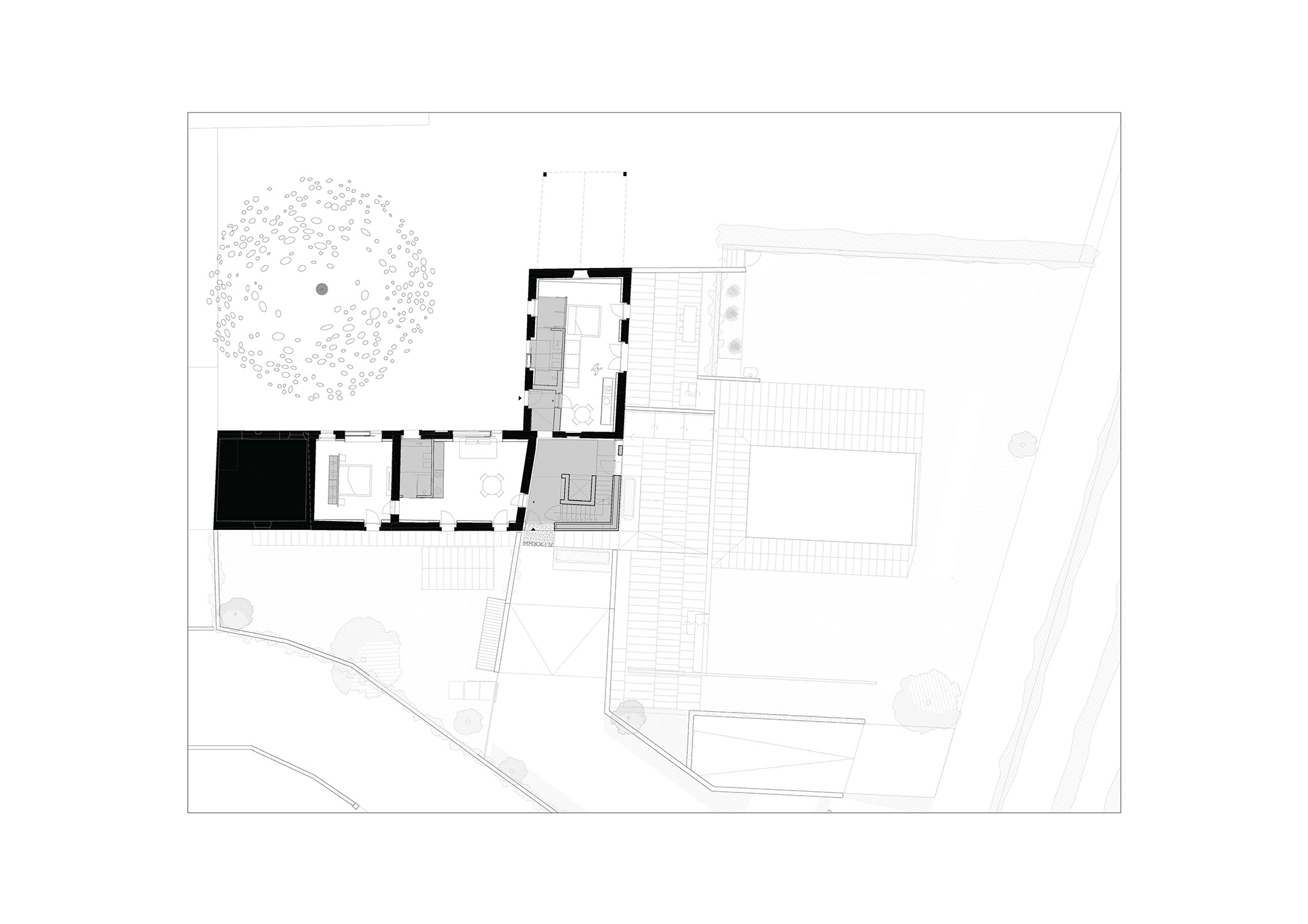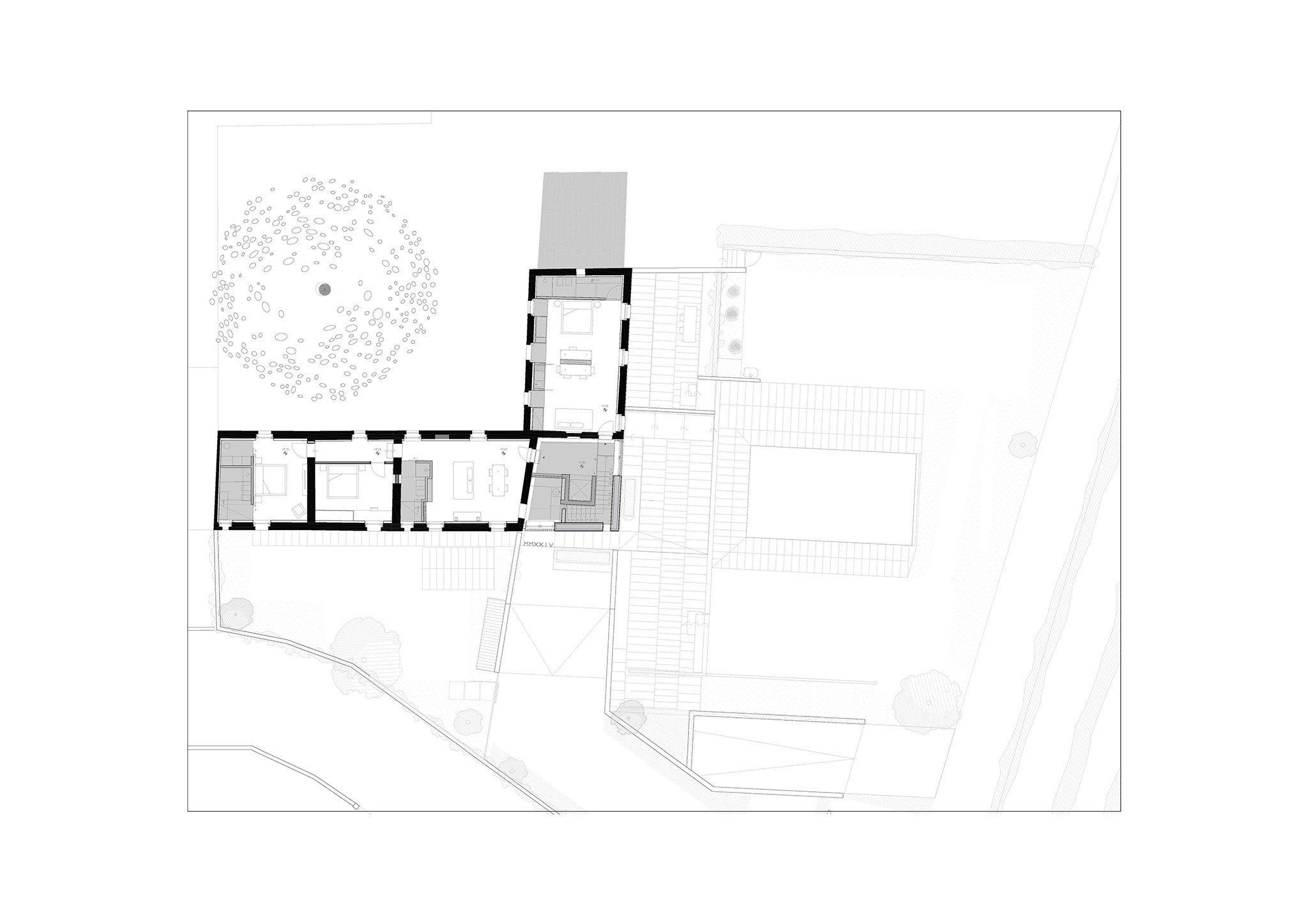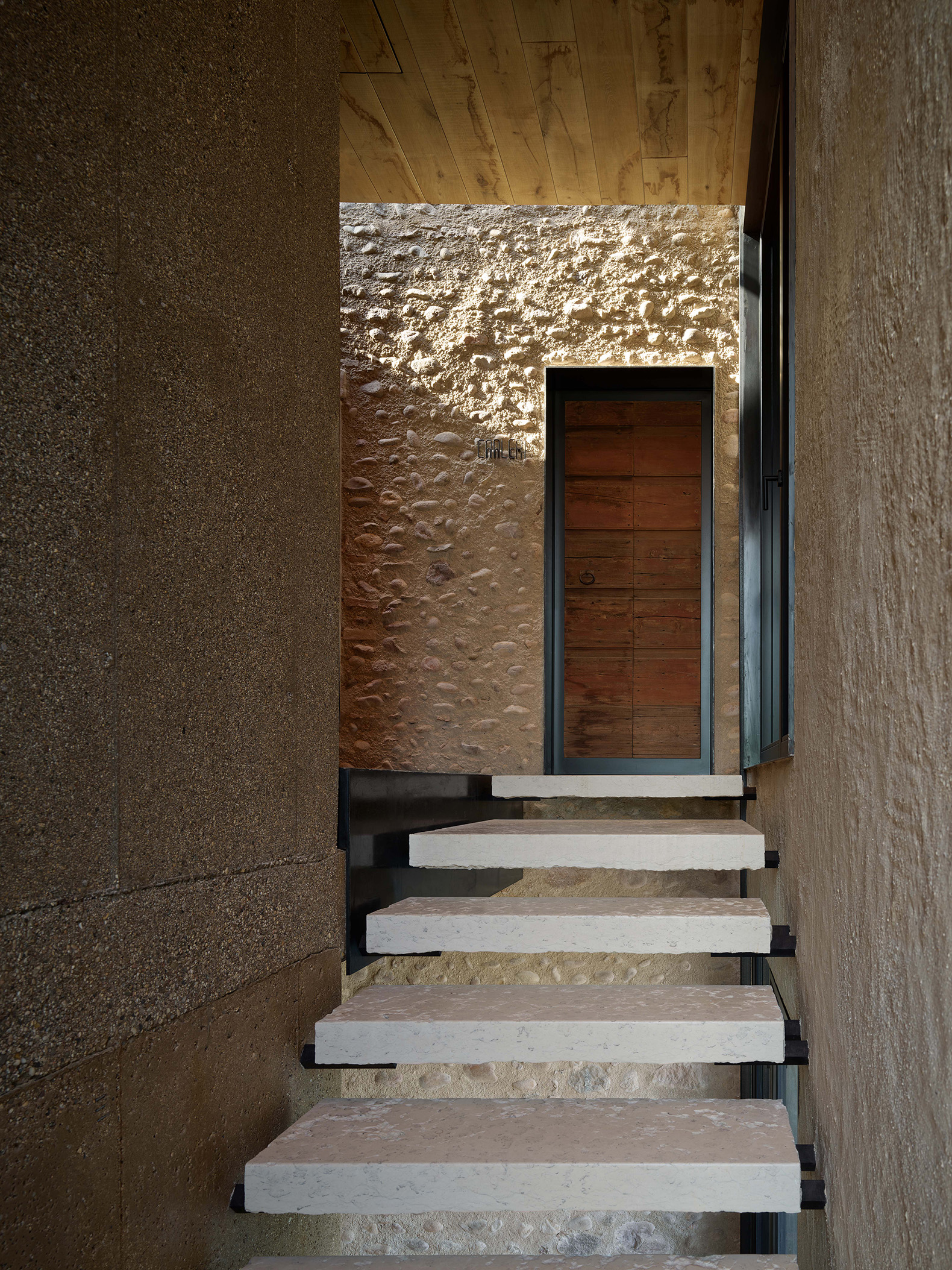
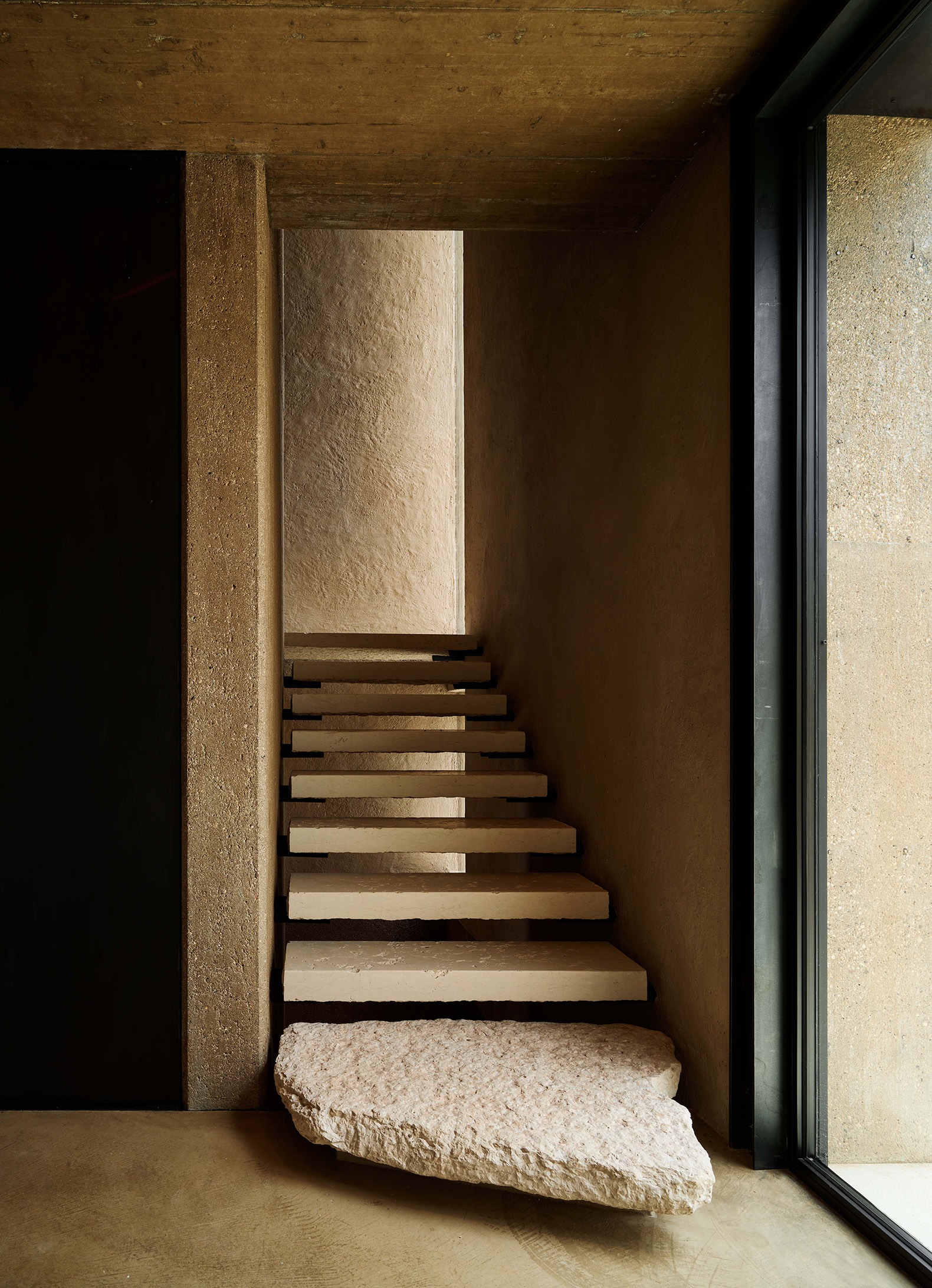
For Corte Renèe, Bricolo Falsarella breathes new life into the empty volumes of the old buildings, emphasising the passage of time in the existing structure as a response to a society increasingly alienated by standardized urban environments.
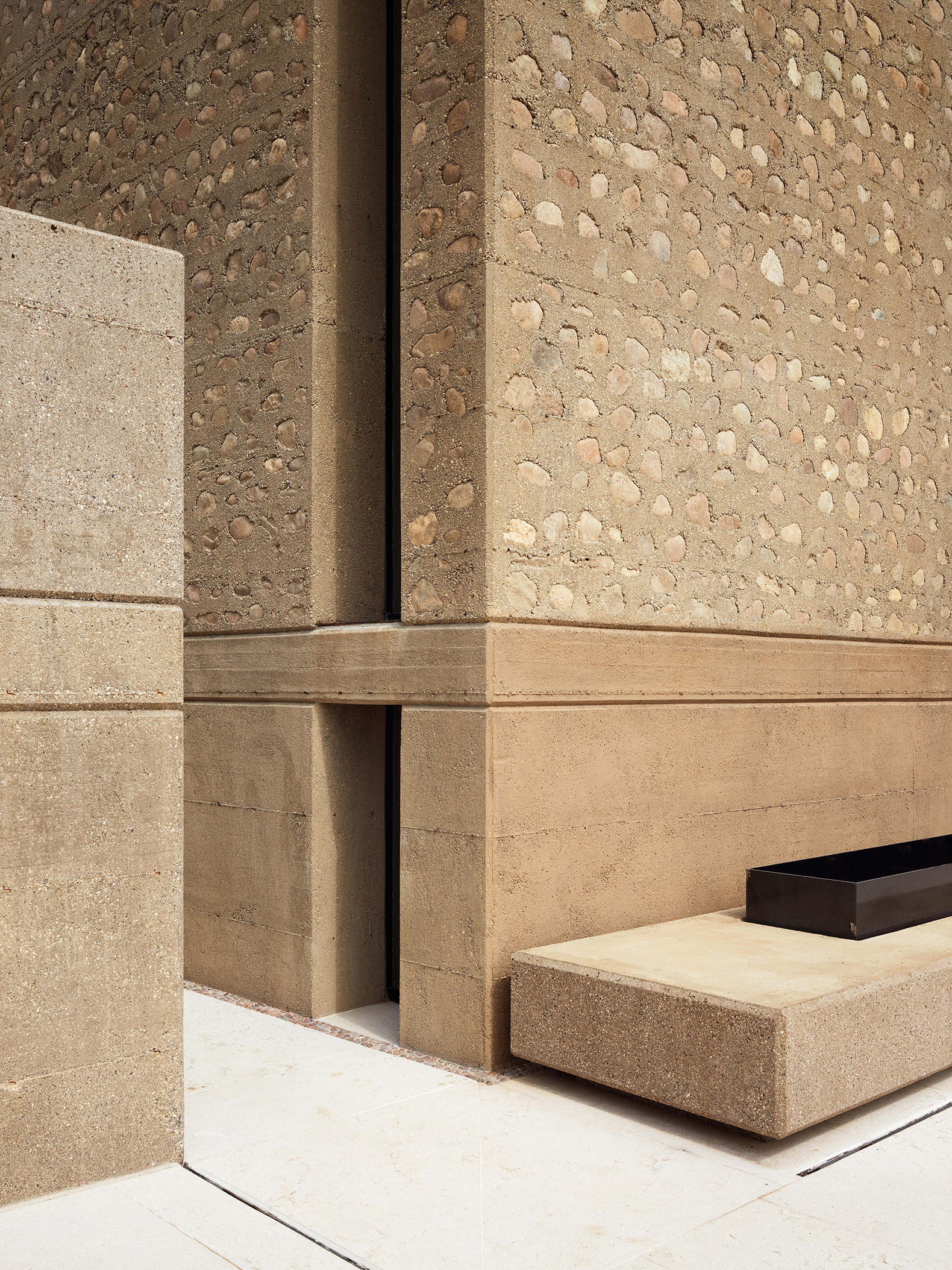
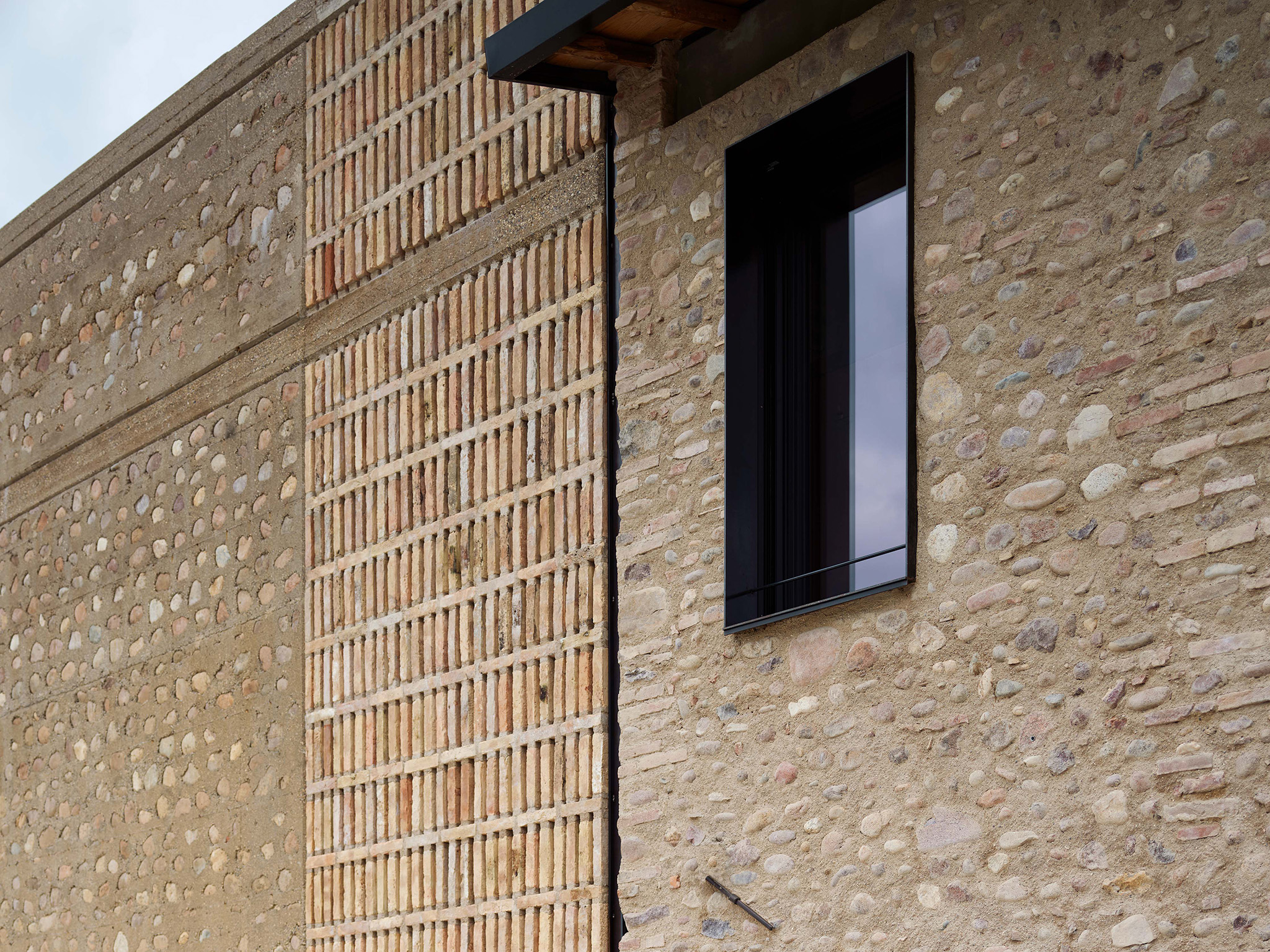
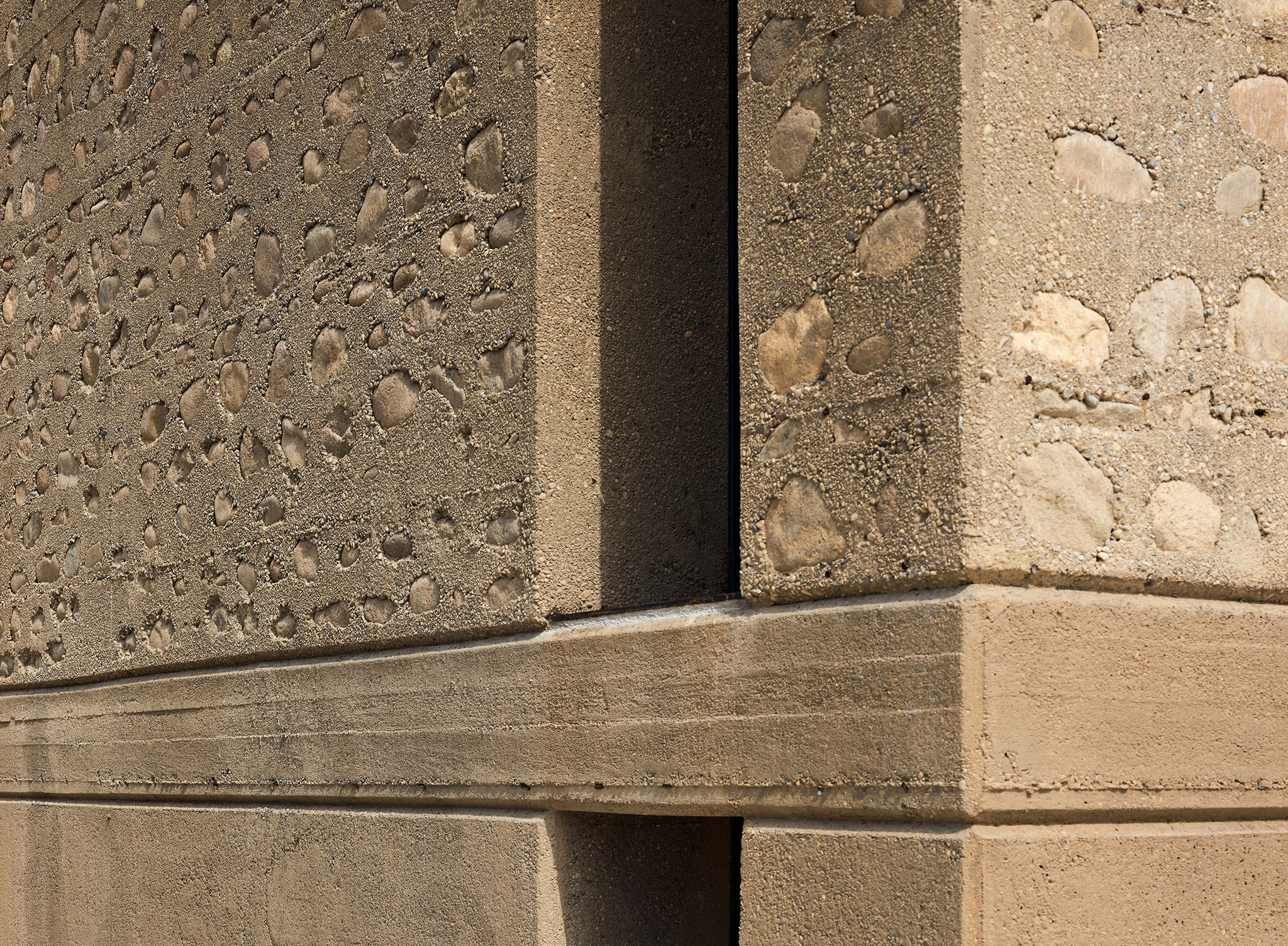
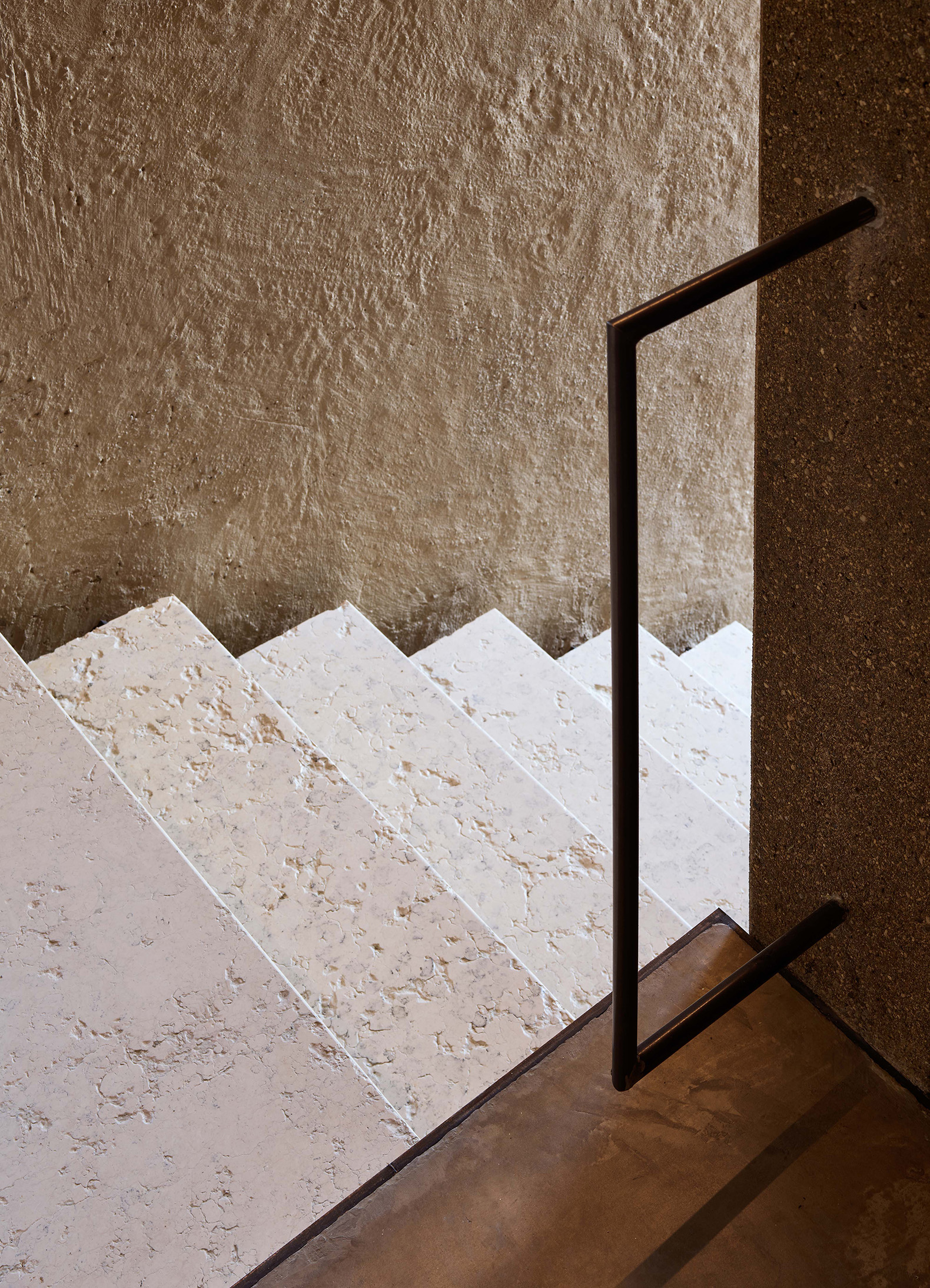
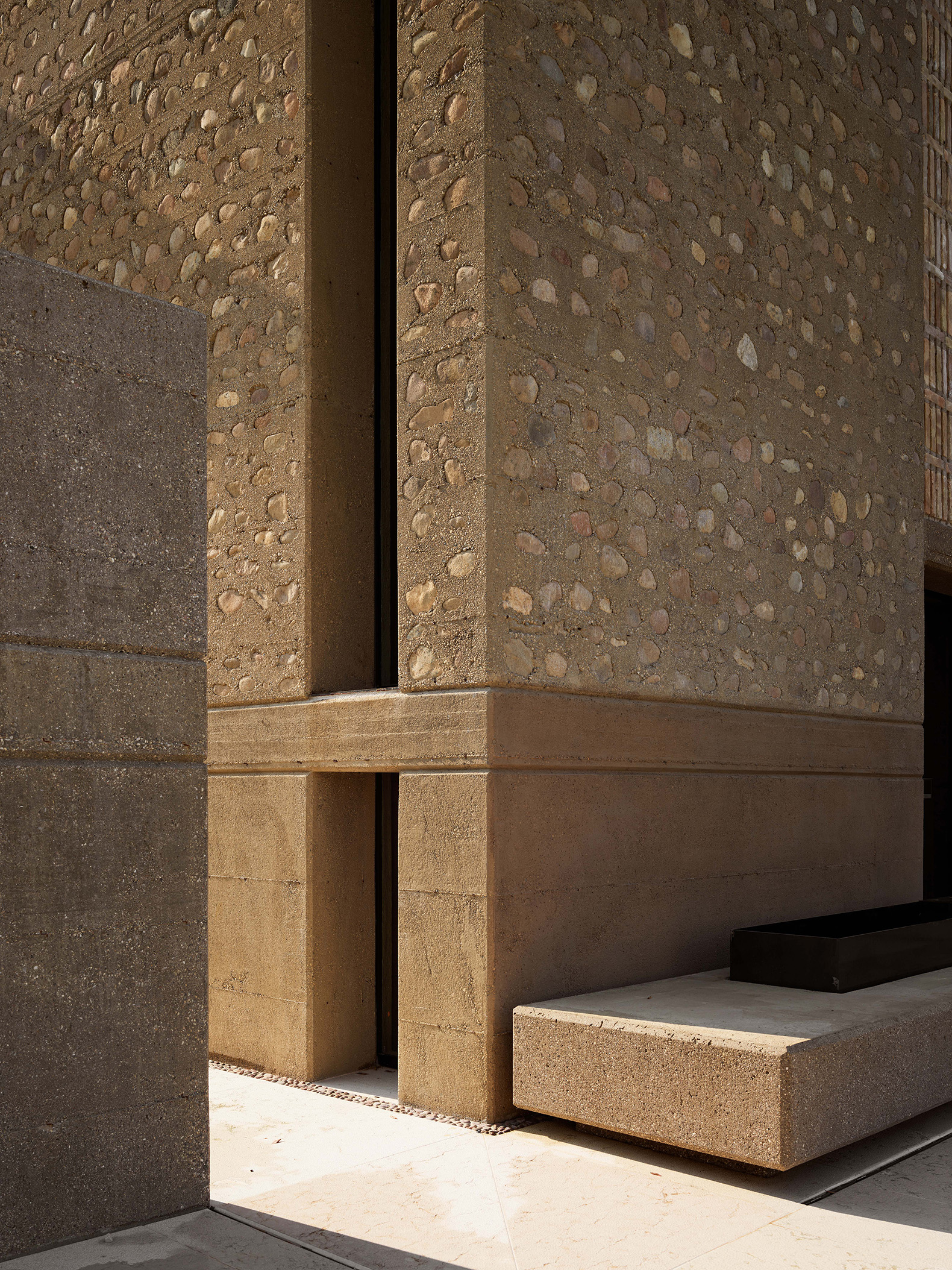
The stones, which were once used by the farmers of these lands to build their houses, are combined with reinforced concrete and local earth to build a small extension in continuity with the landscape. The project recovers the human essence of the spaces, the atmospheres, and the material culture that endures in the old structures, regenerating the rural landscape of this small village.
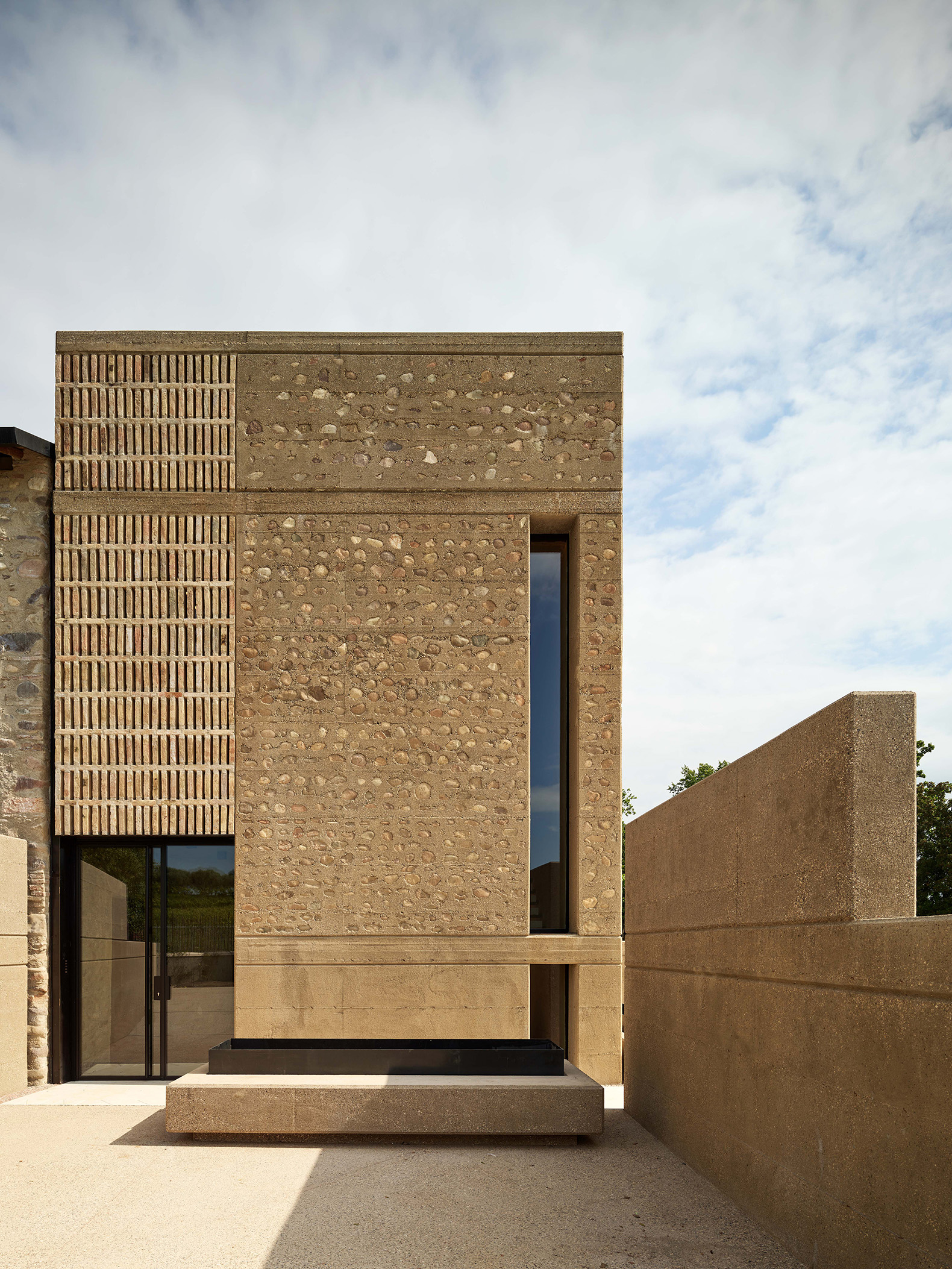
Corte Renèe by Bricolo Falsarella. Photograph by Pietro Savorelli.
Project description by Bricolo Falsarella
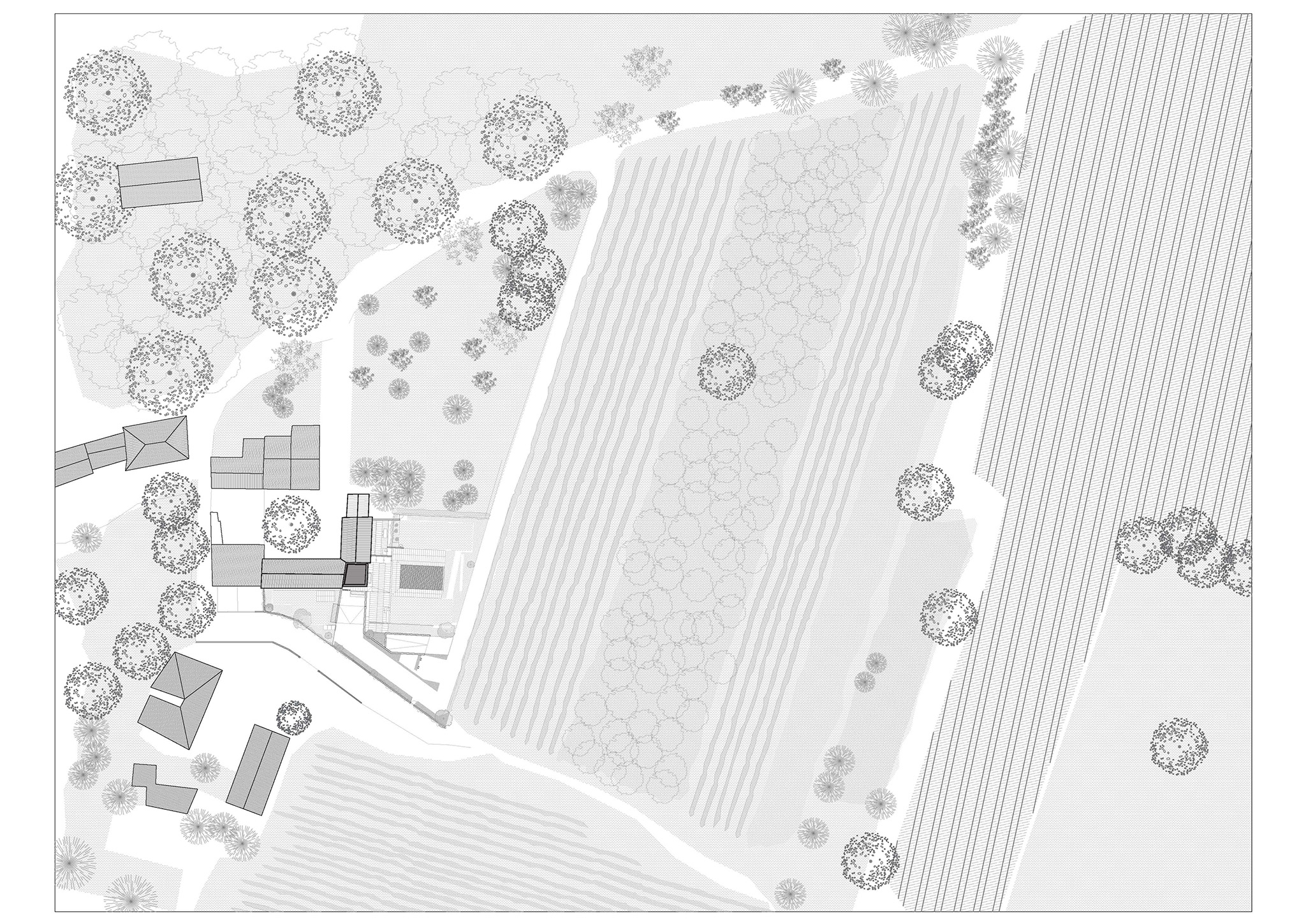
A historic village nestled among the vineyards of Lake Garda has been restored, breathing new life into an abandoned heritage and creating poetic spaces with an intimate dialogue between old and new.
The regeneration of rural sites allows for the reuse of the many abandoned farmhouses that lie "waiting" in our territories, preventing unsustainable land consumption.
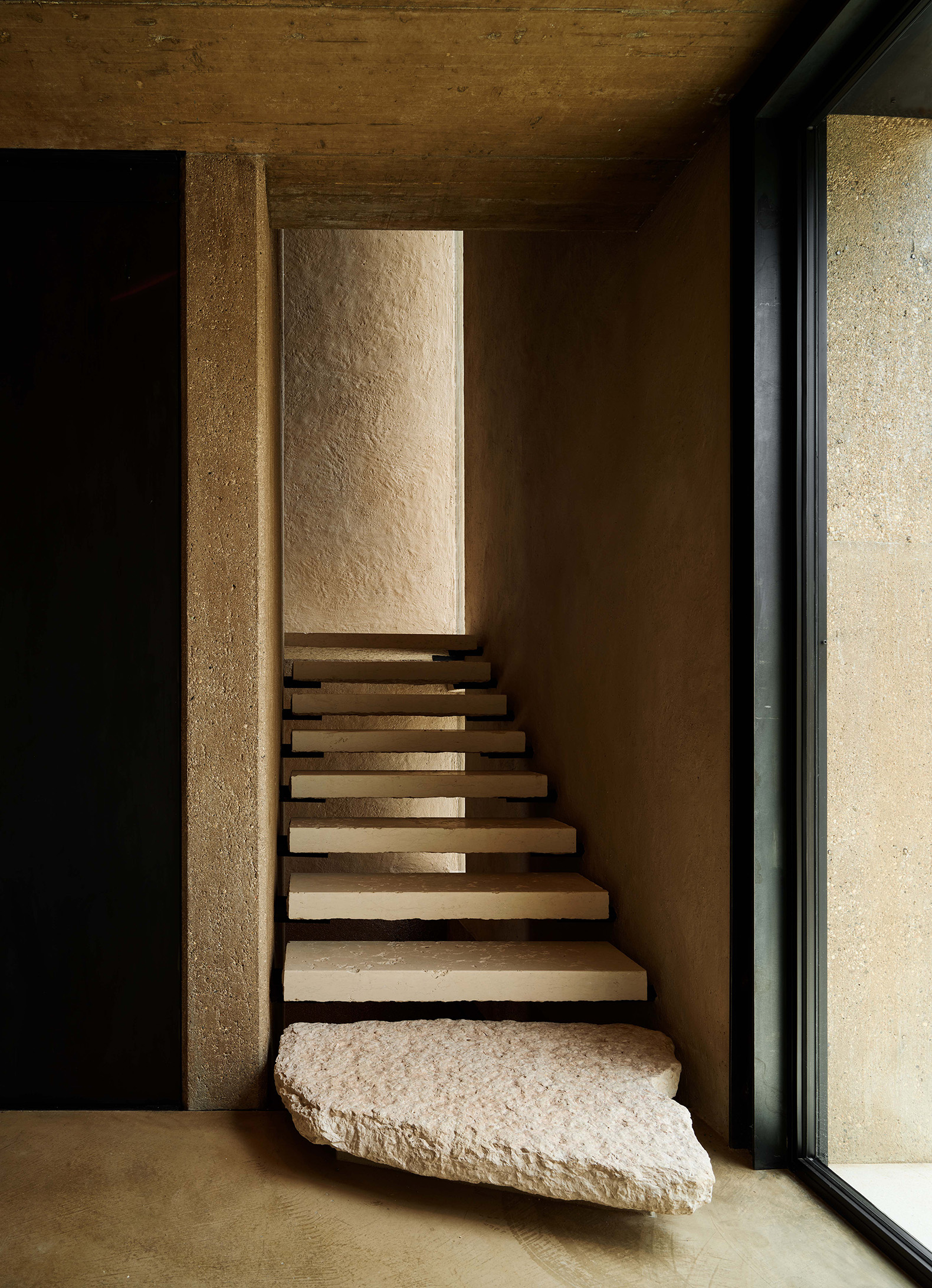
The restoration of this small historic village has not only repurposed the empty volumes of old buildings but, more importantly, aimed to address the needs of a society increasingly alienated by standardized urban environments. It sought to restore the intrinsic human quality of spaces, atmospheres, and material culture, still vibrant within the ancient structures.
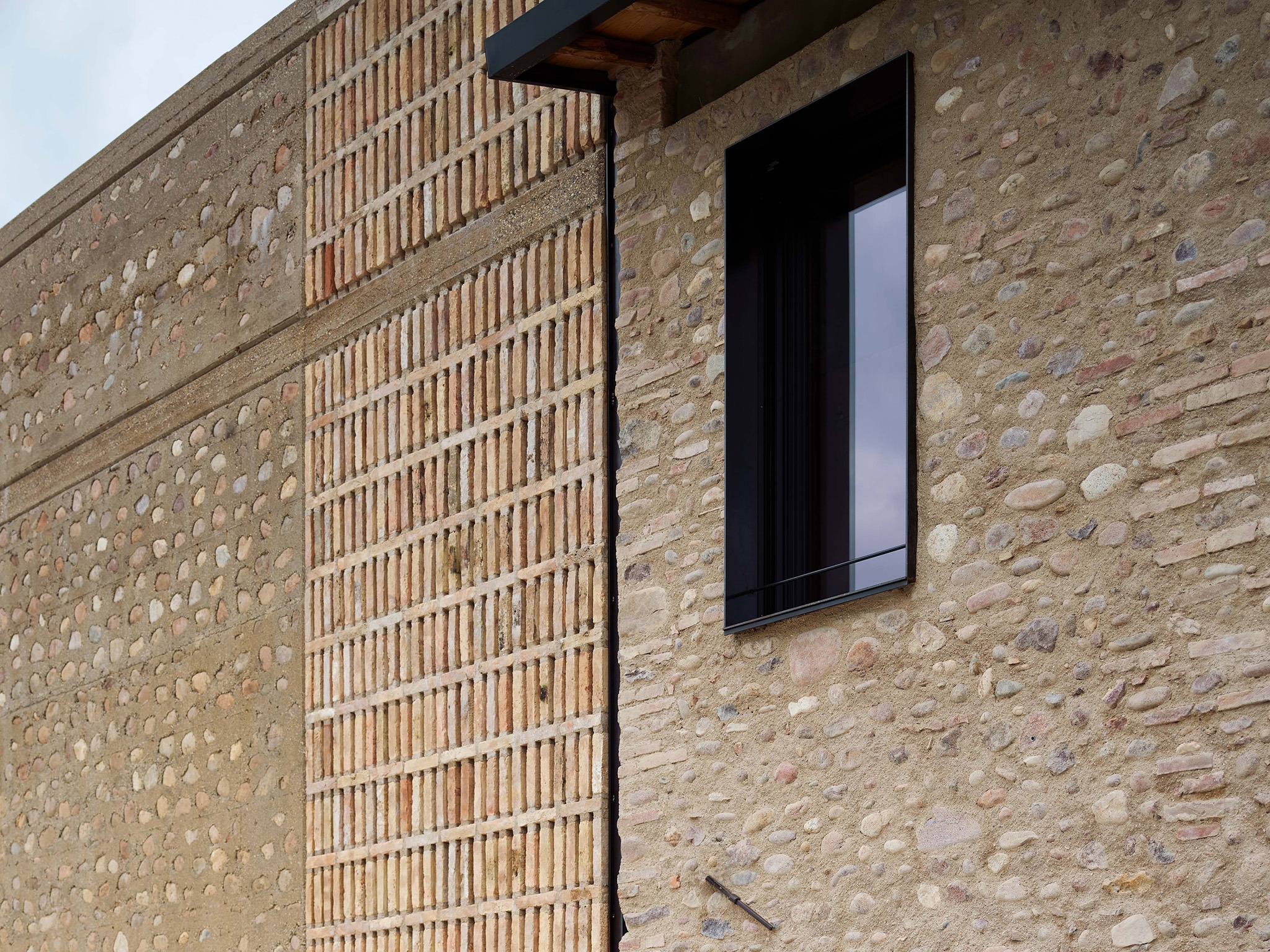
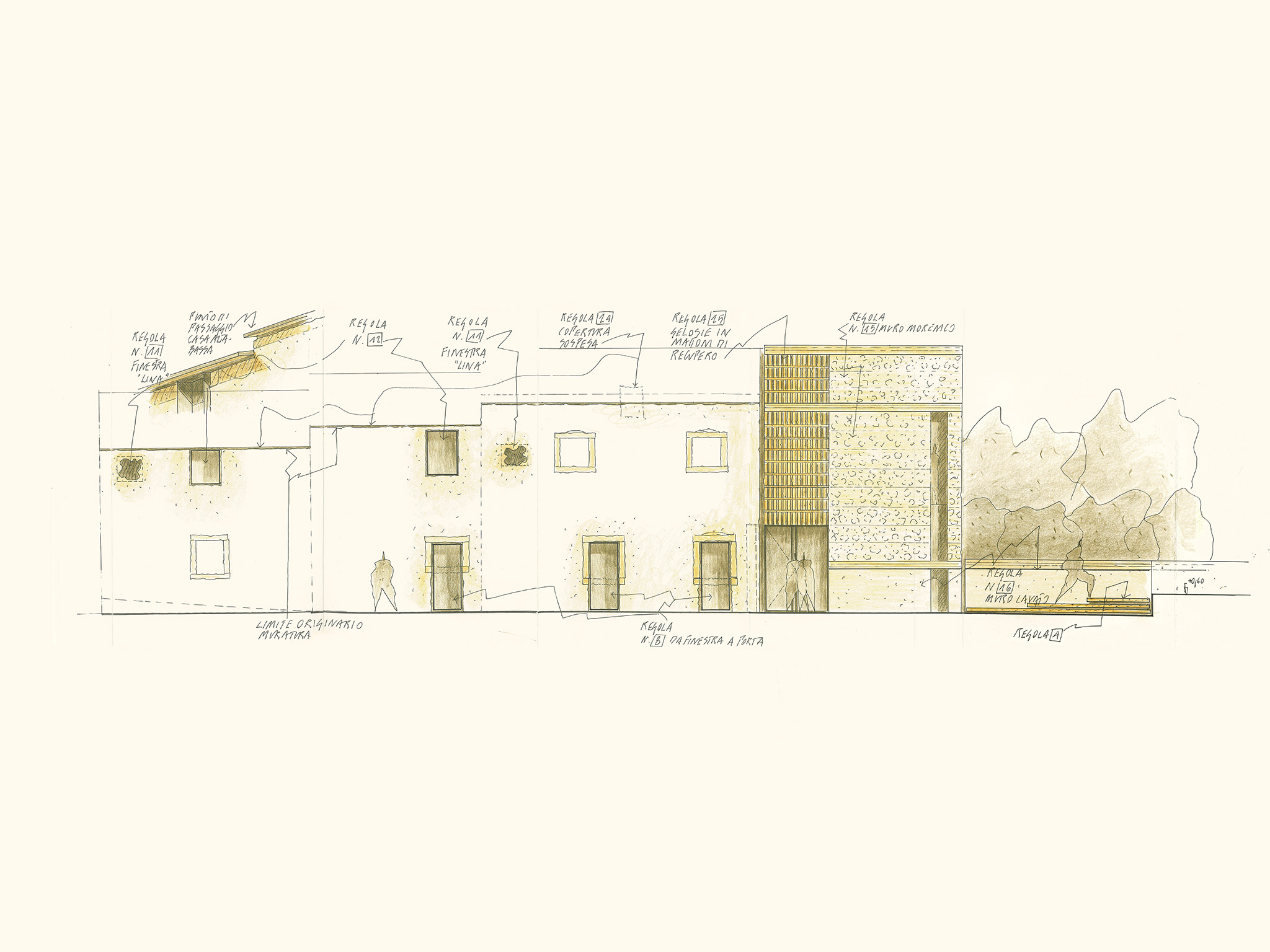
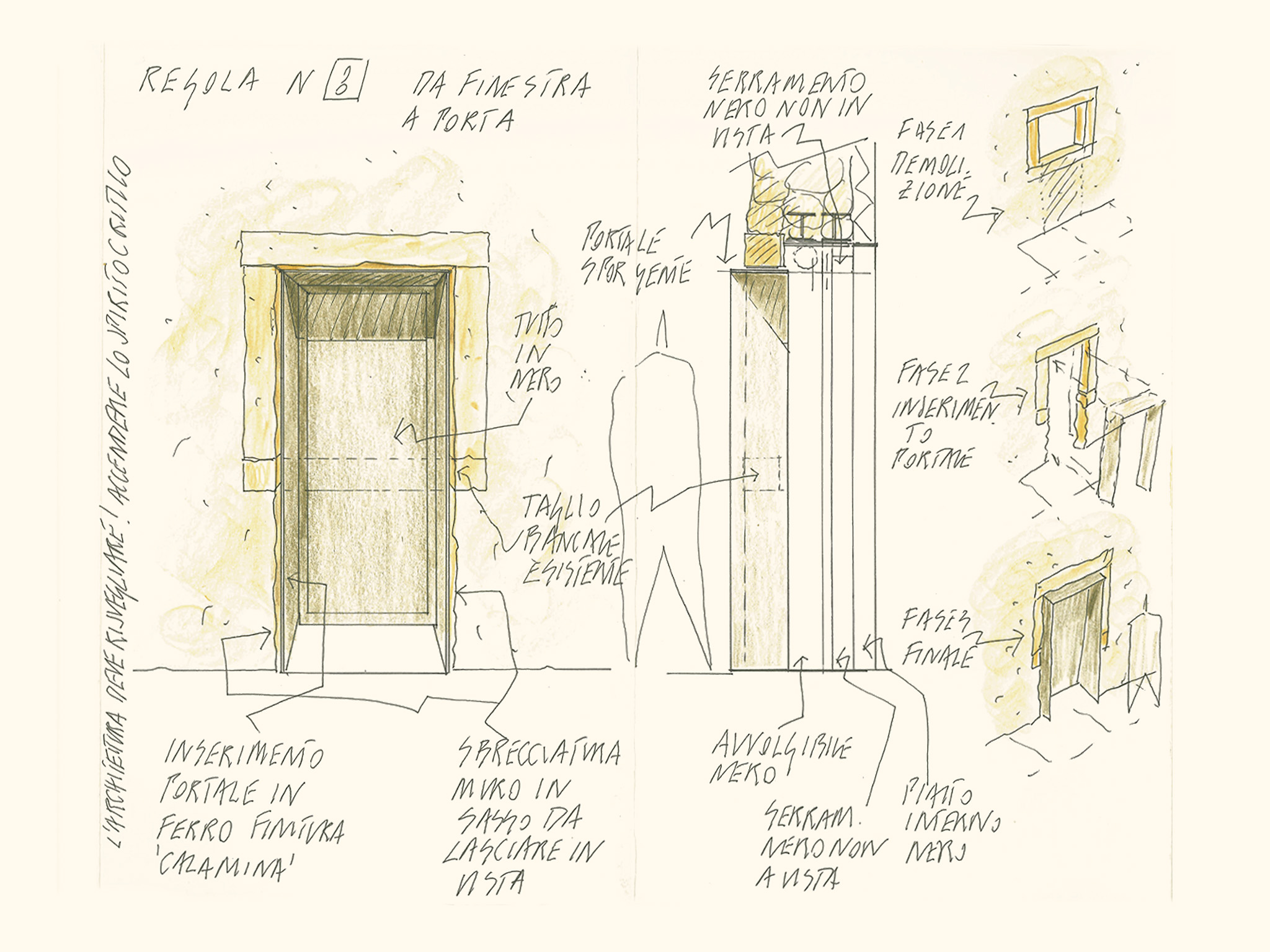
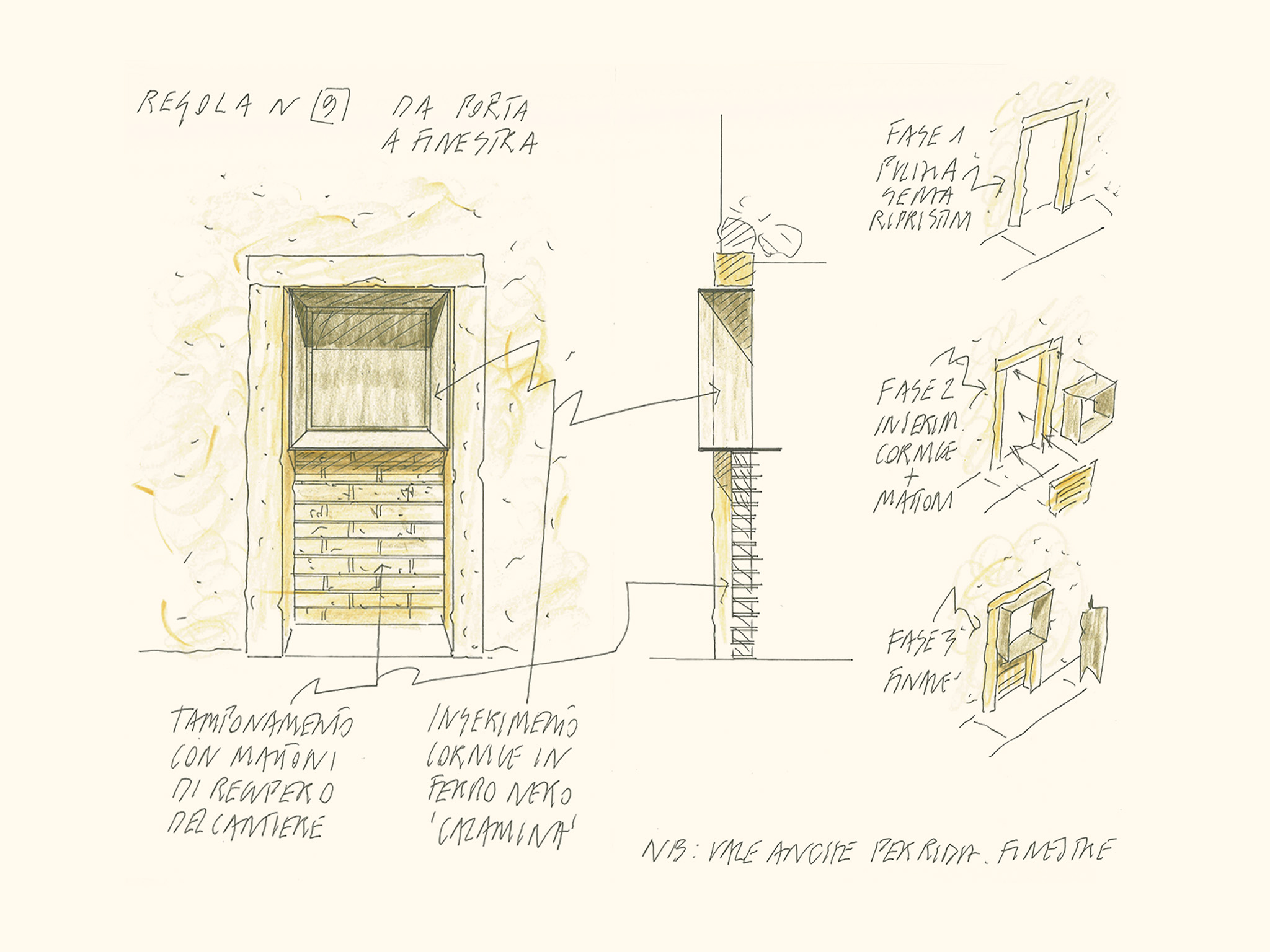
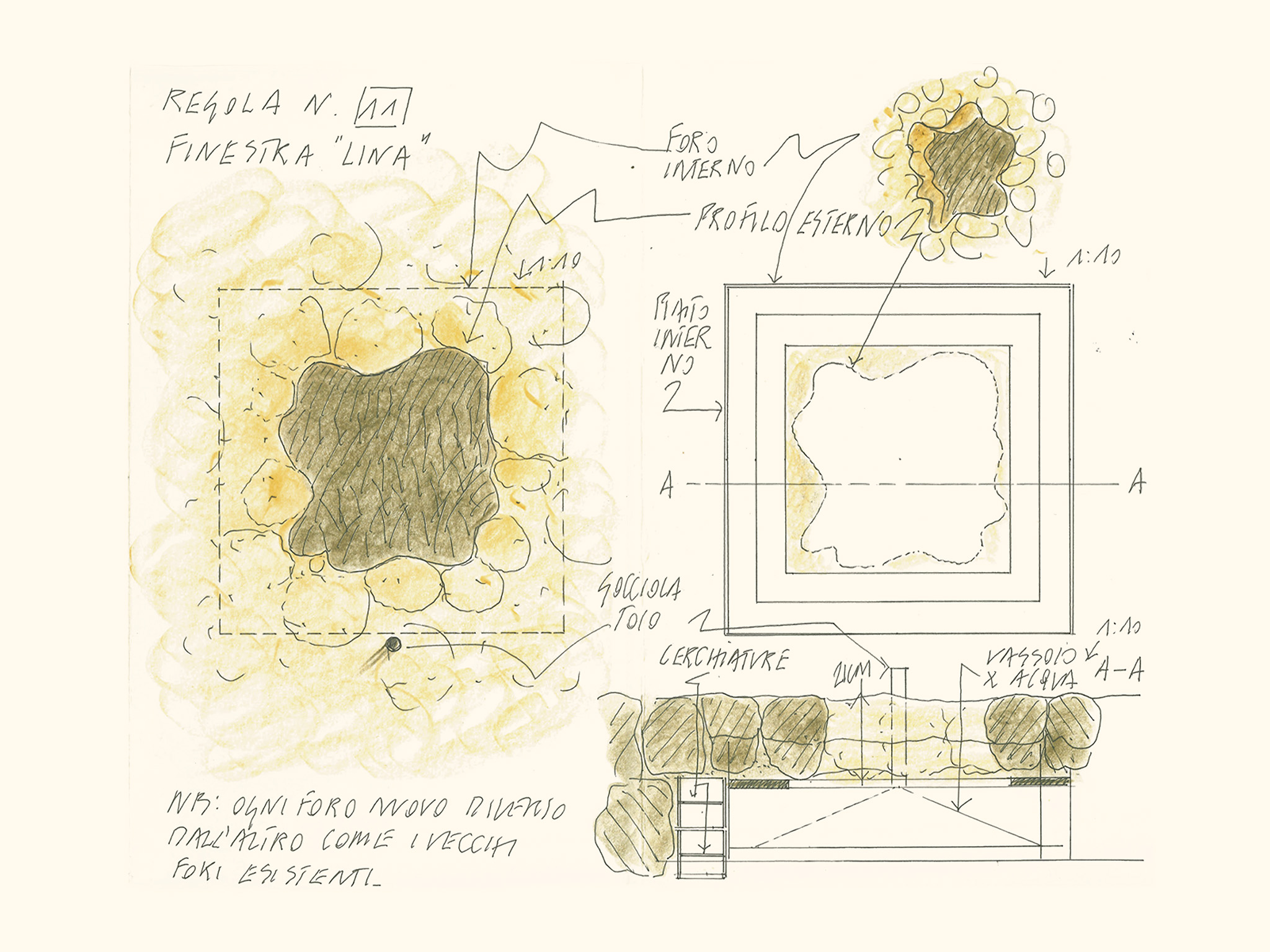
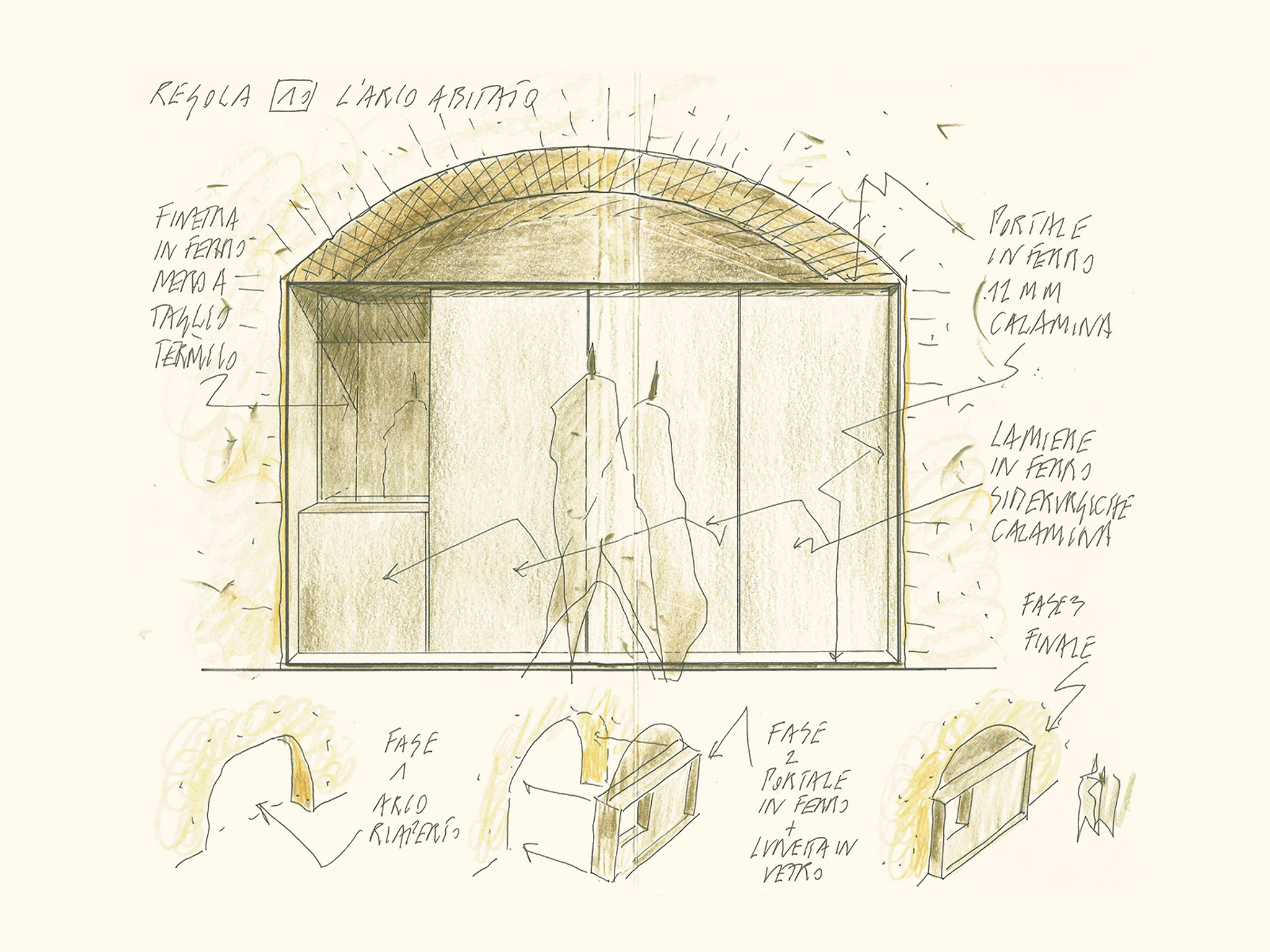
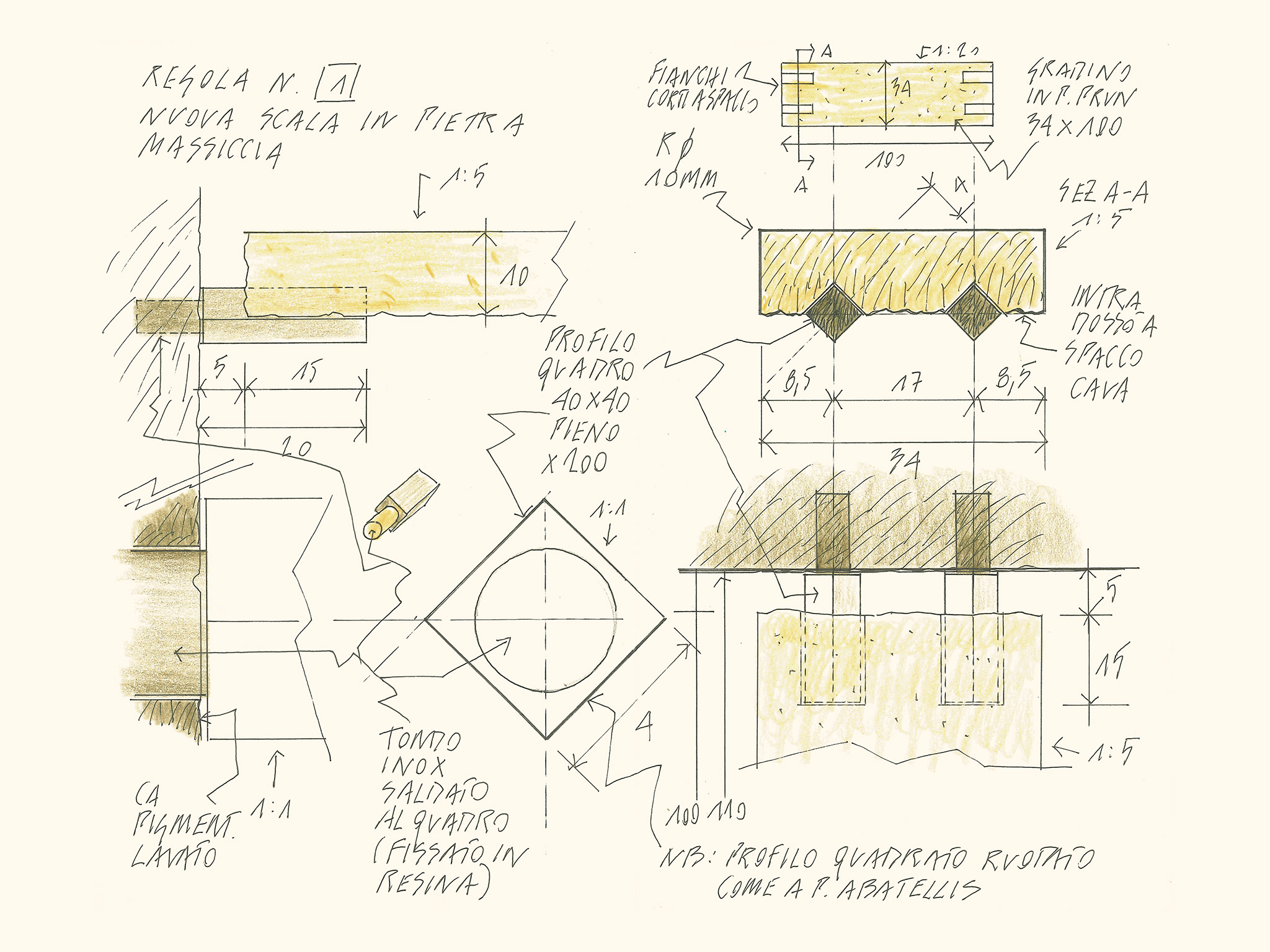
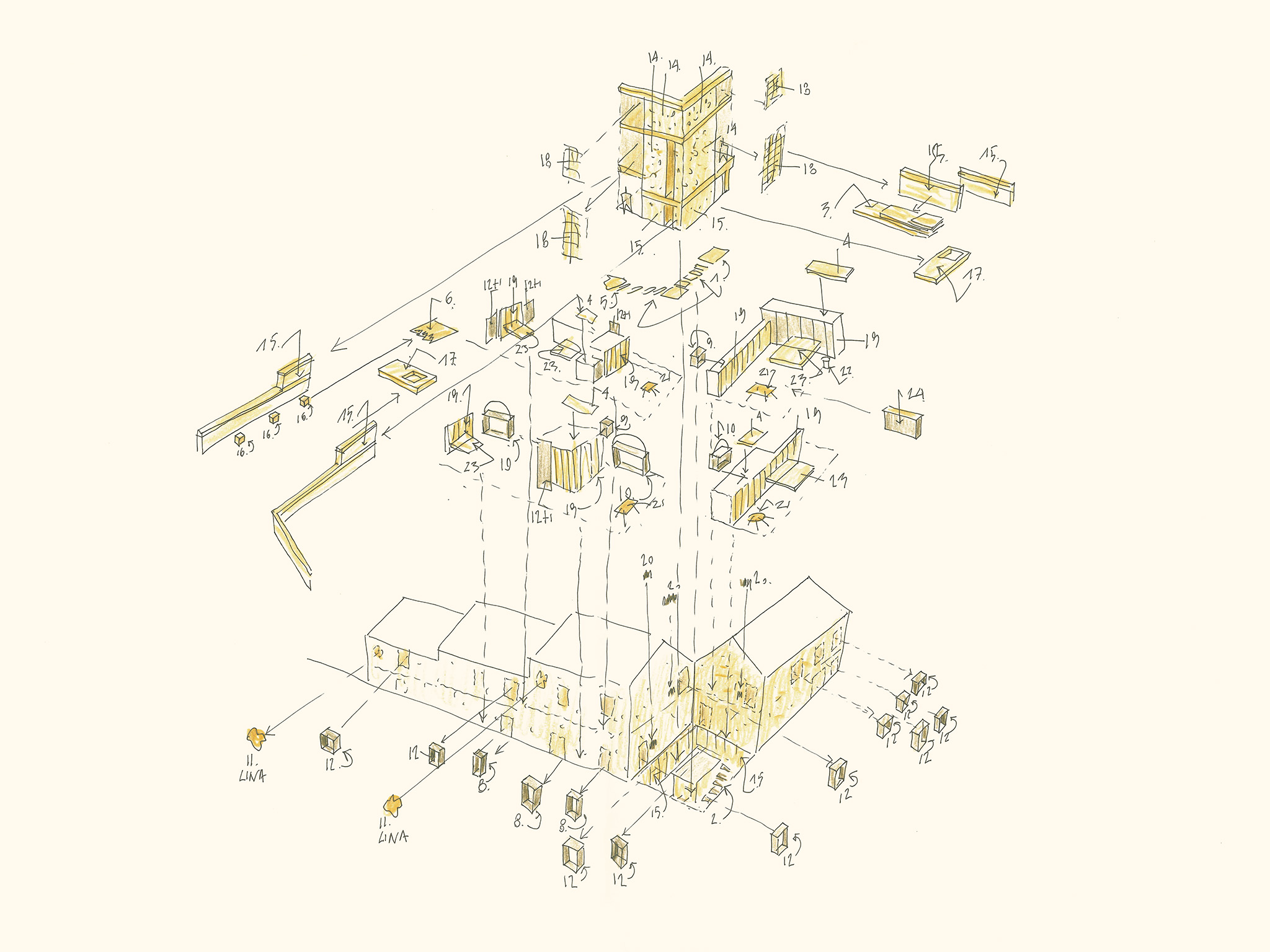
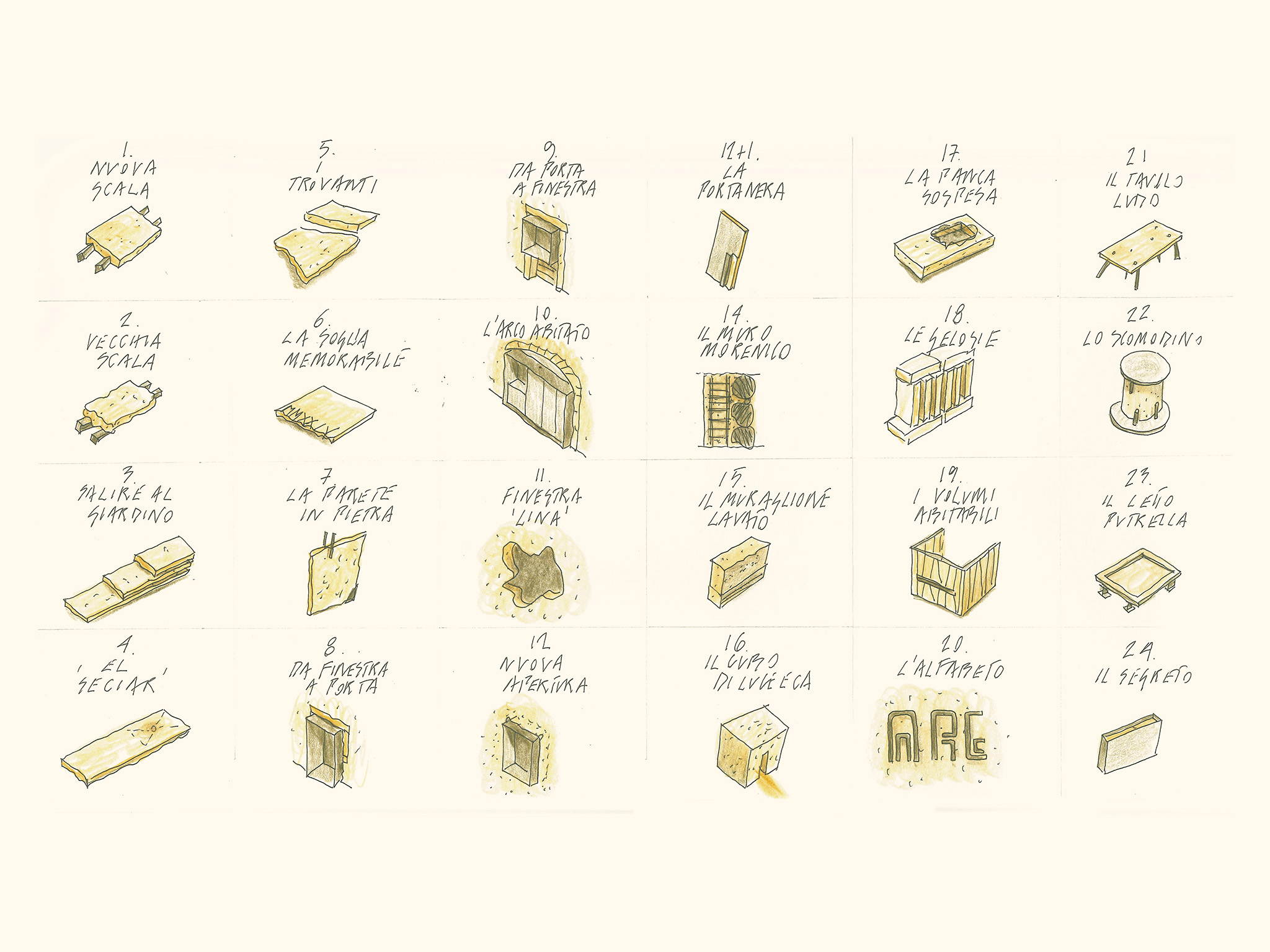
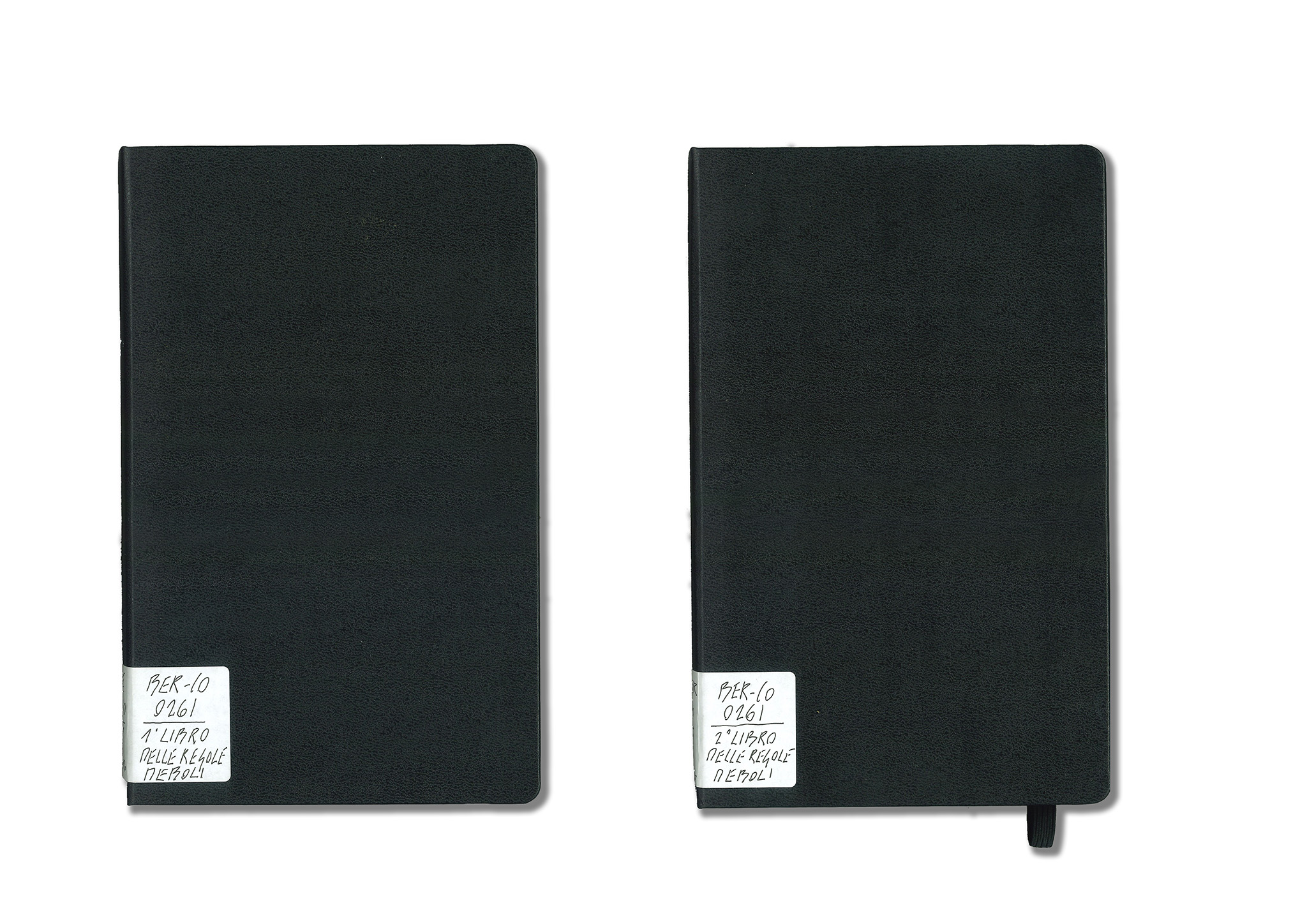
The project is based on two main actions: the preservation of the existing in its poetic rawness and the careful integration of new functional elements, following 24 design rules compiled in a catalog of actions.