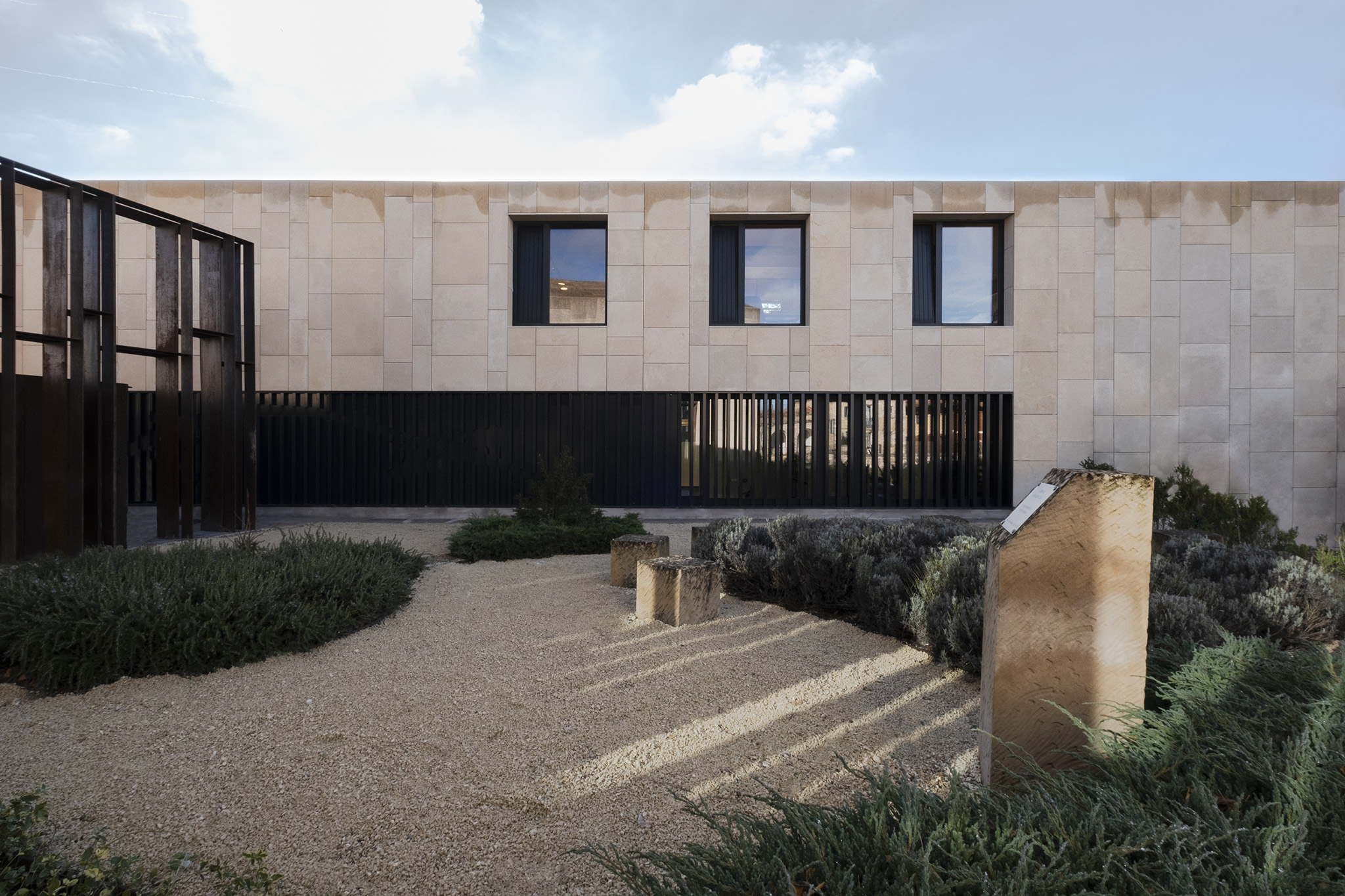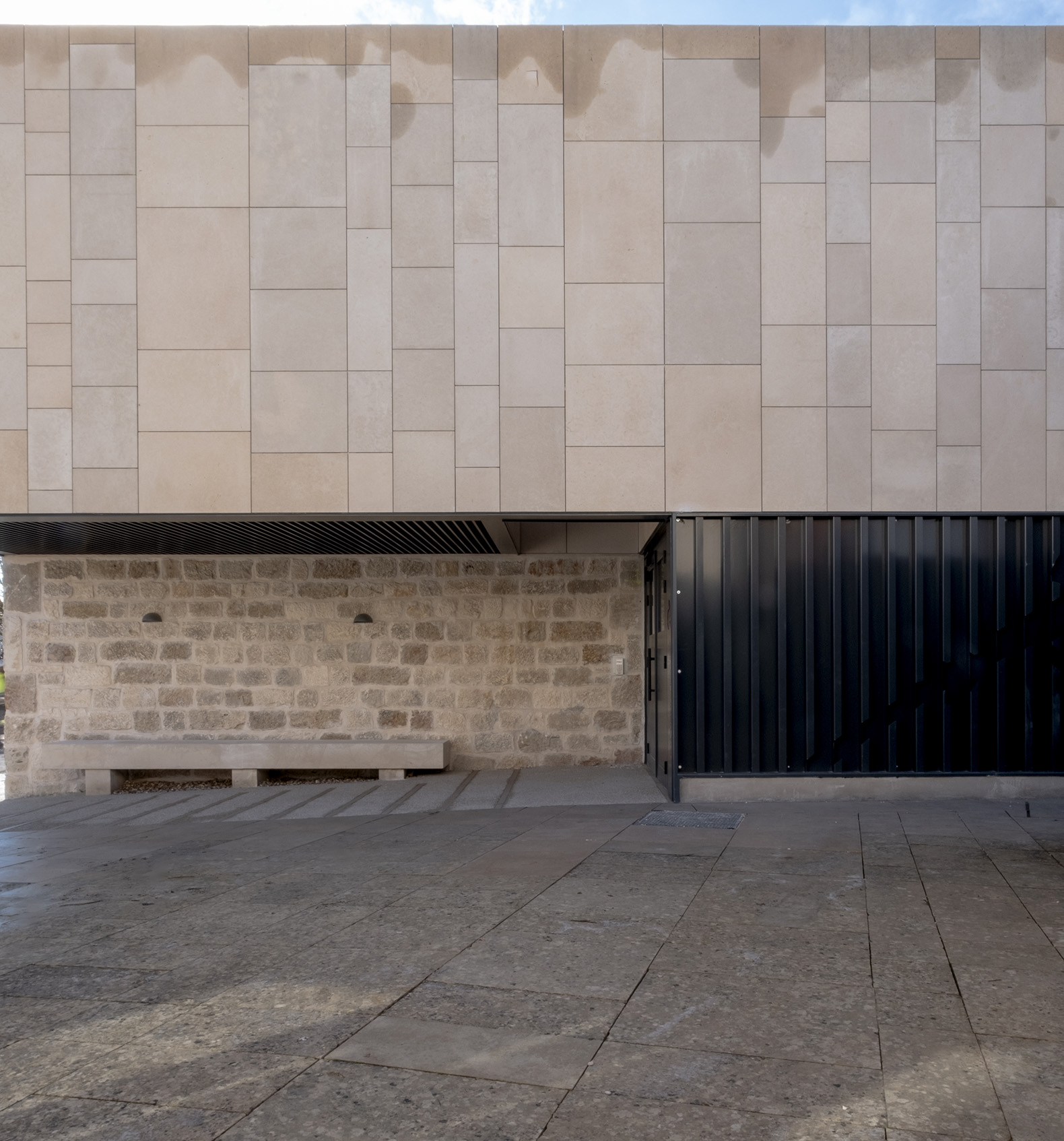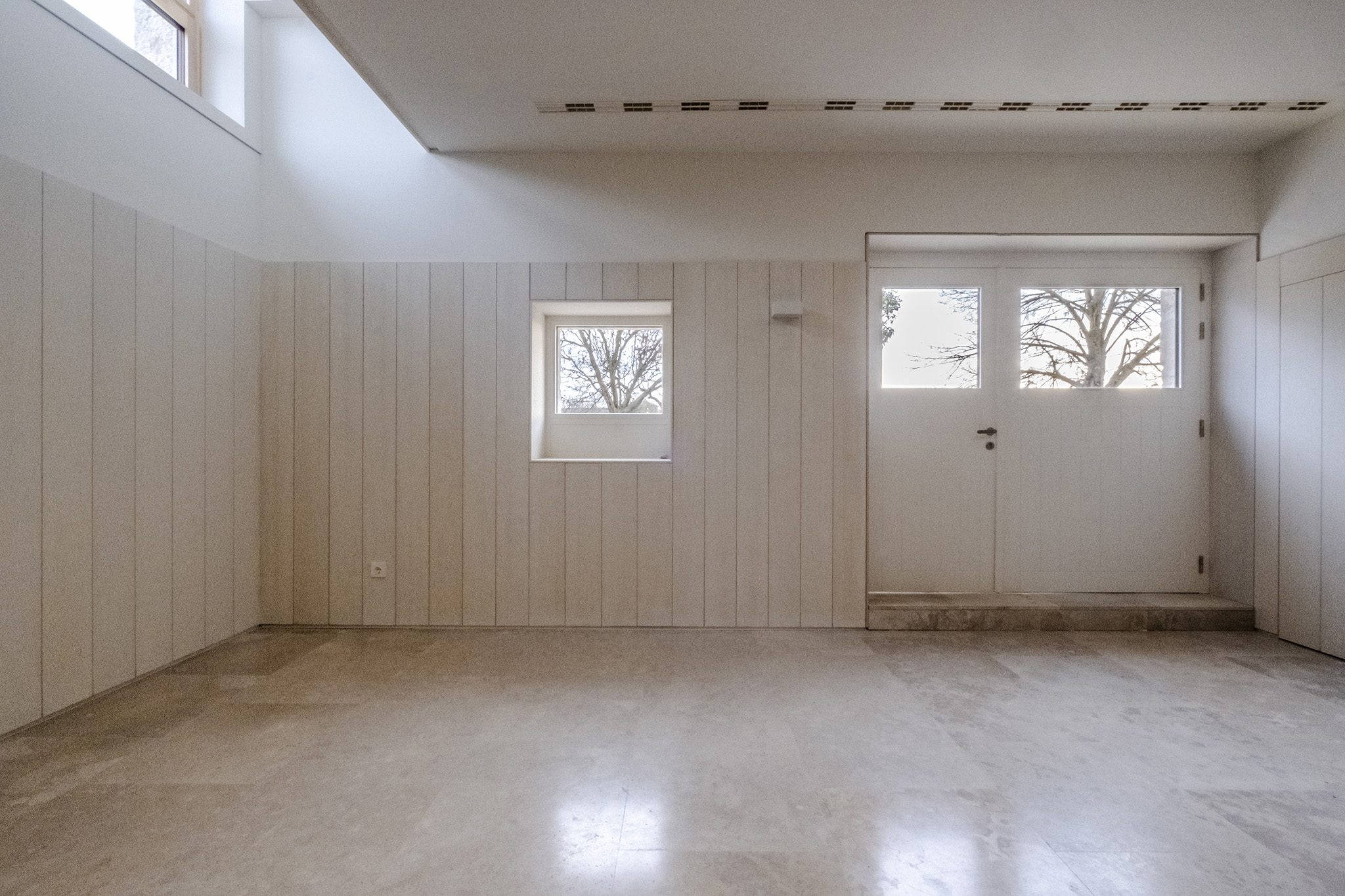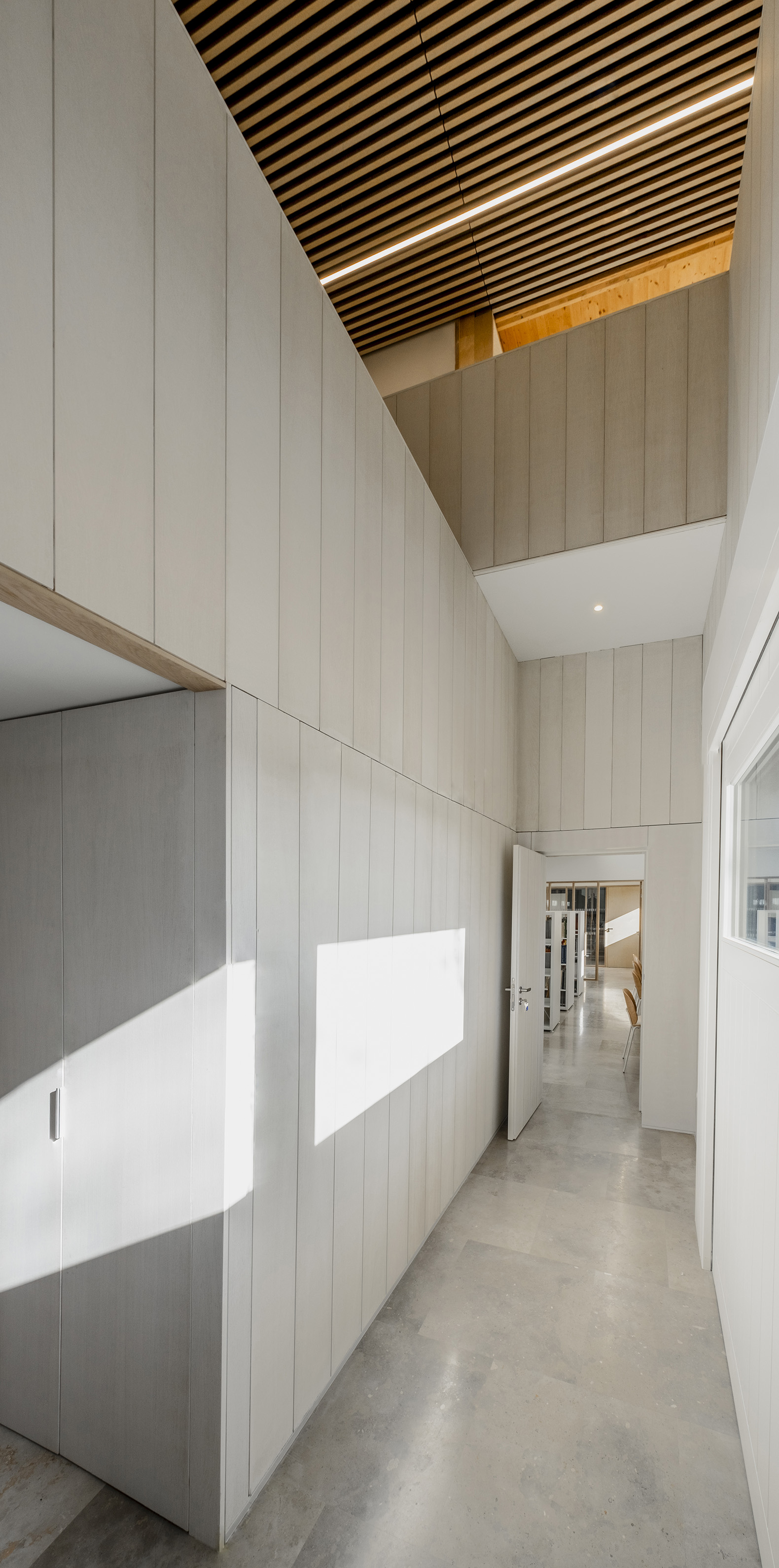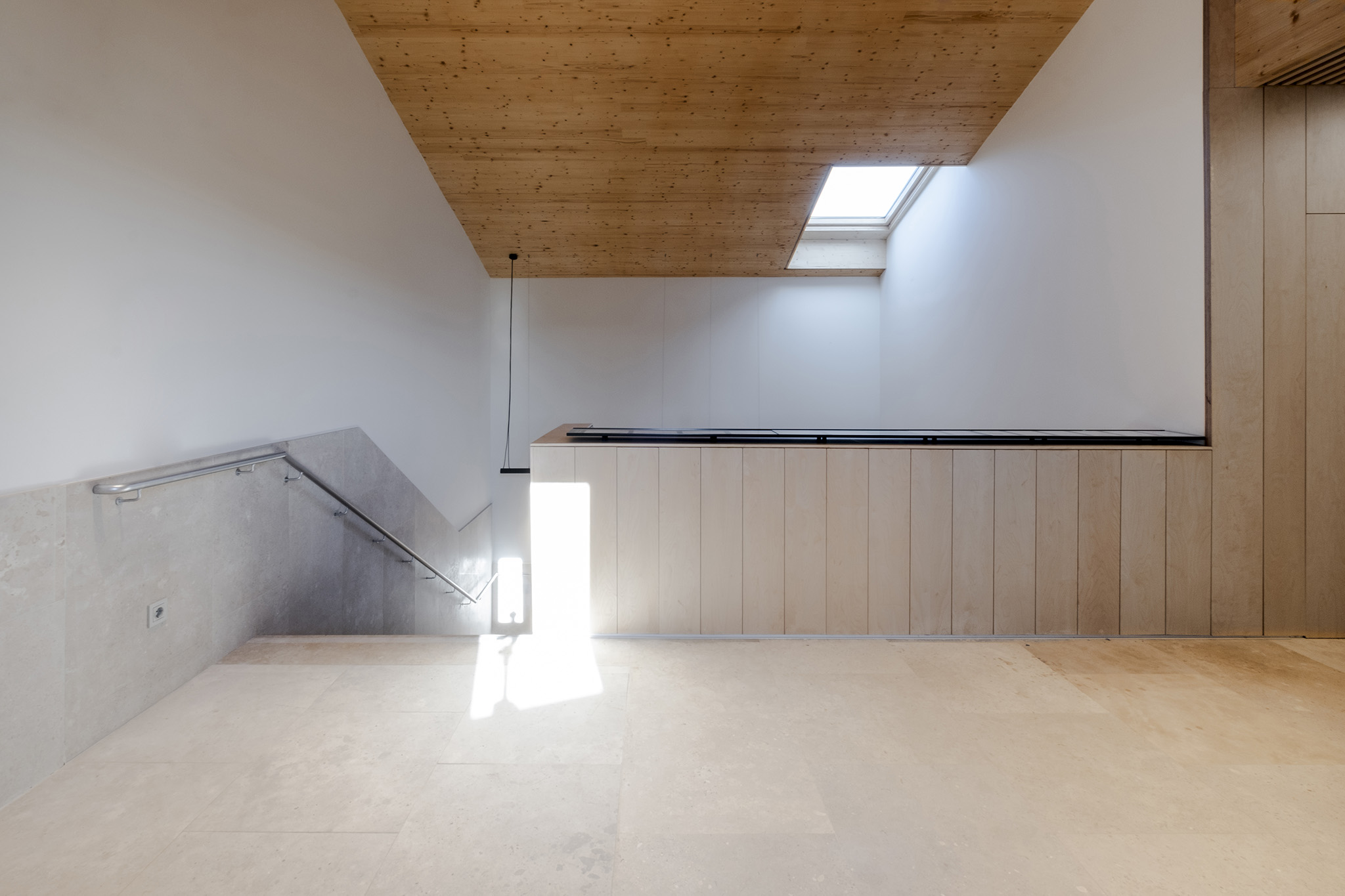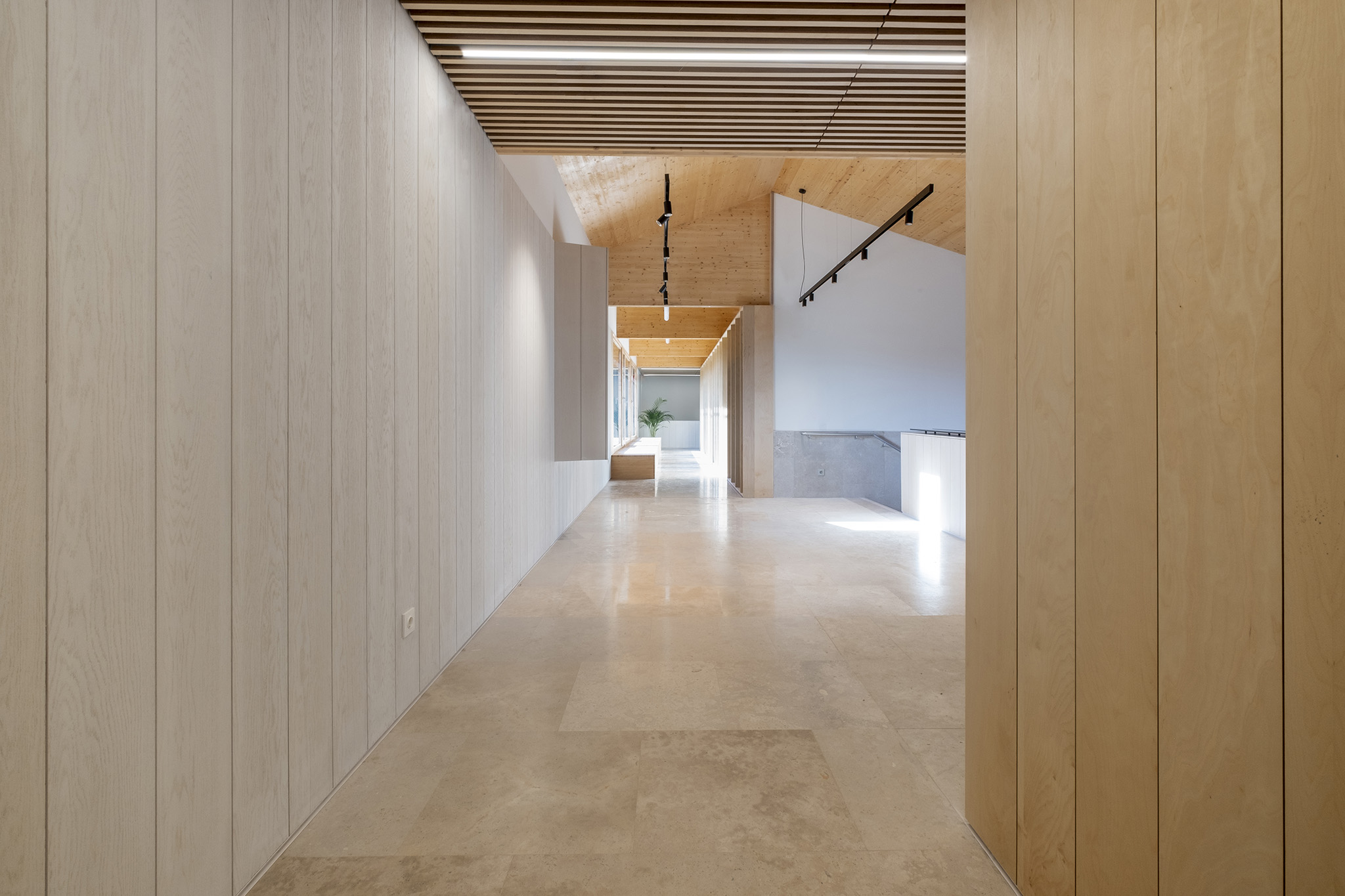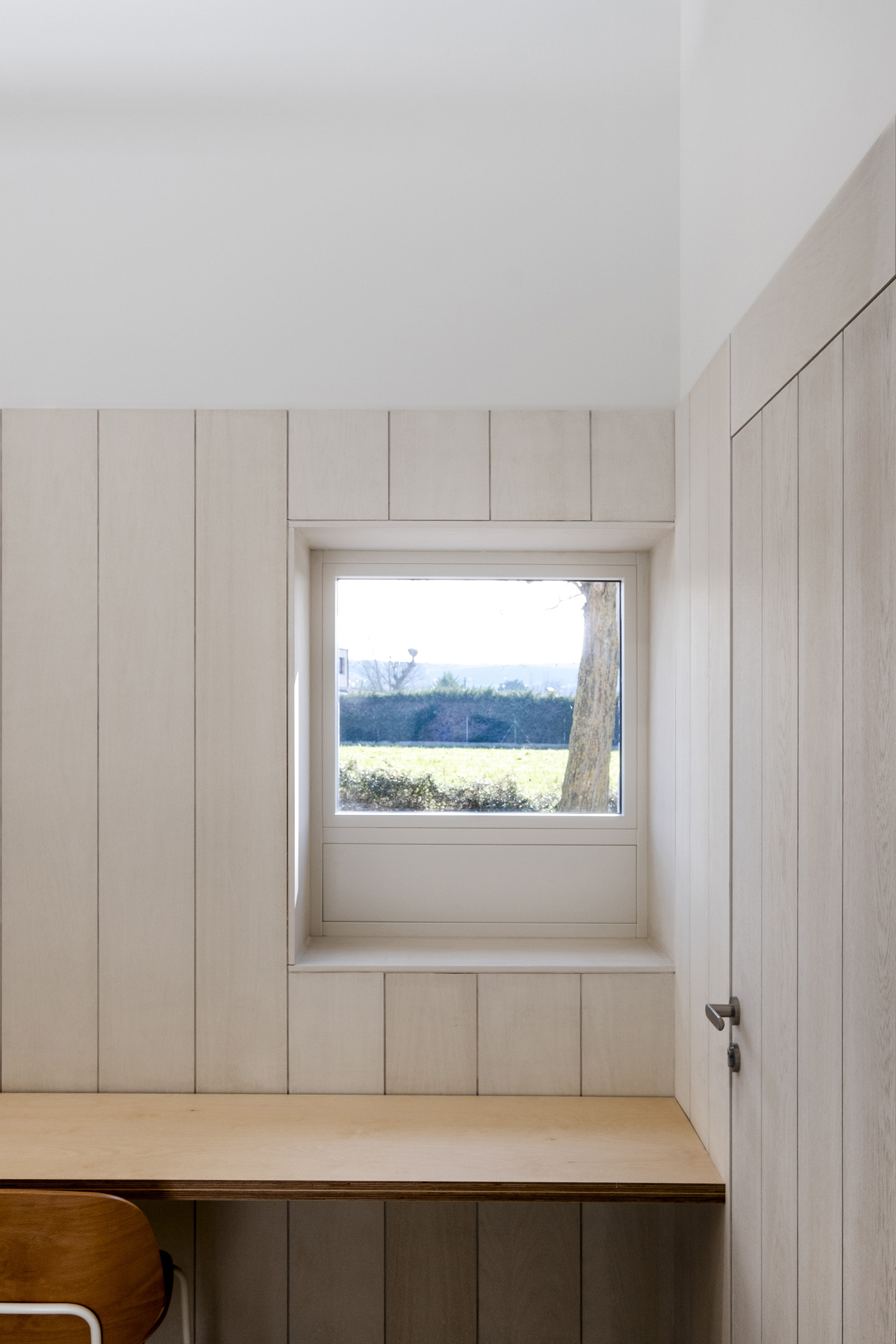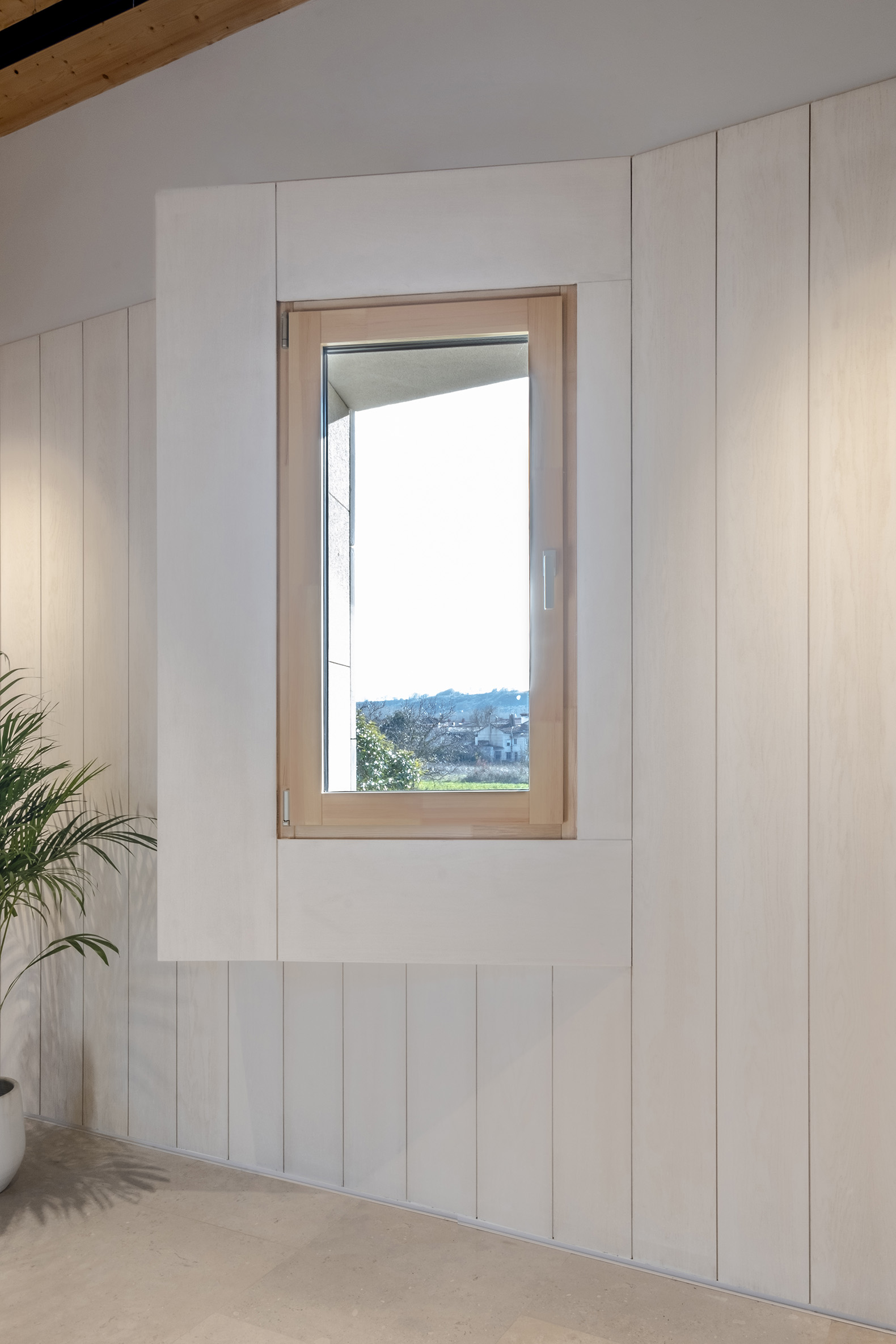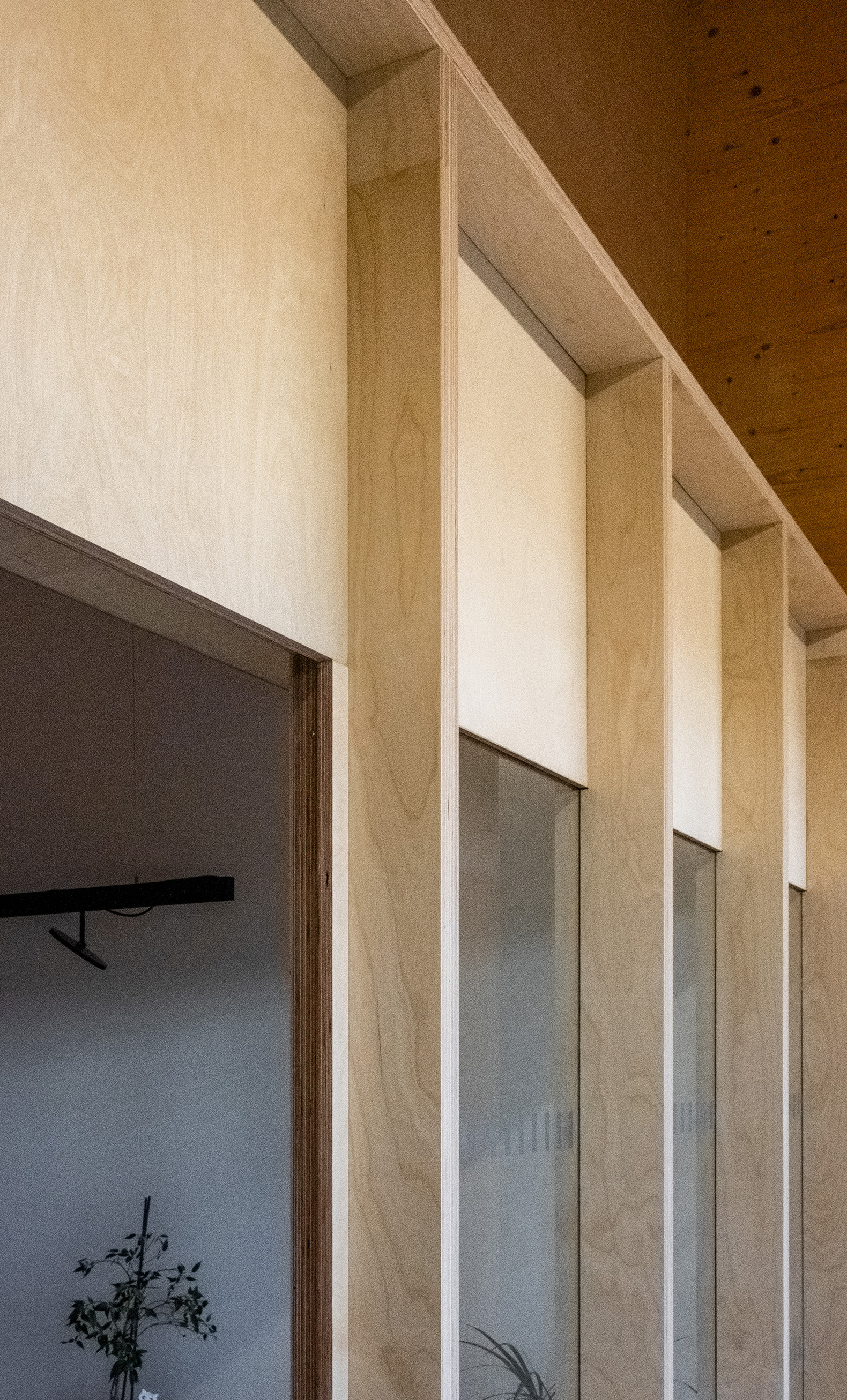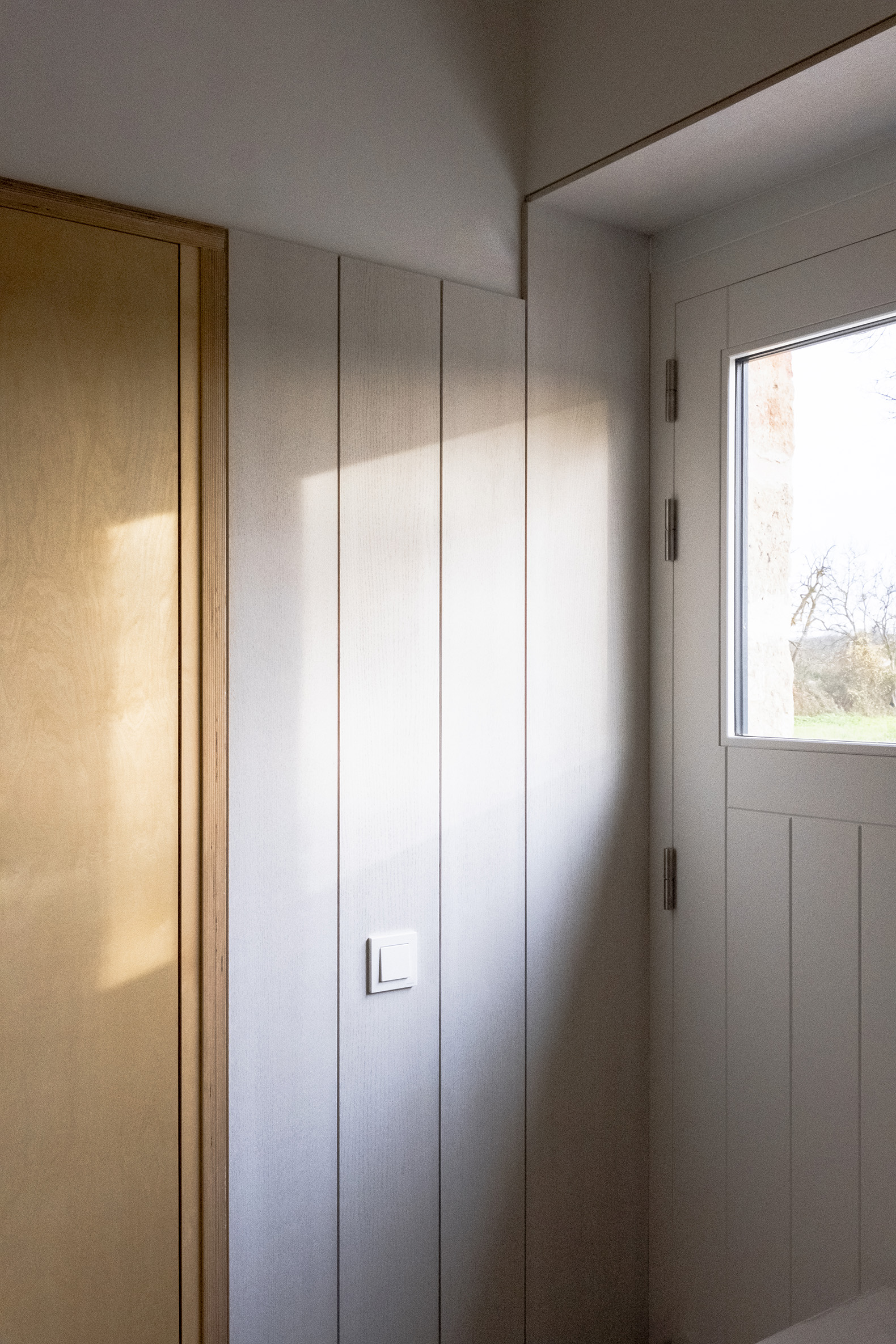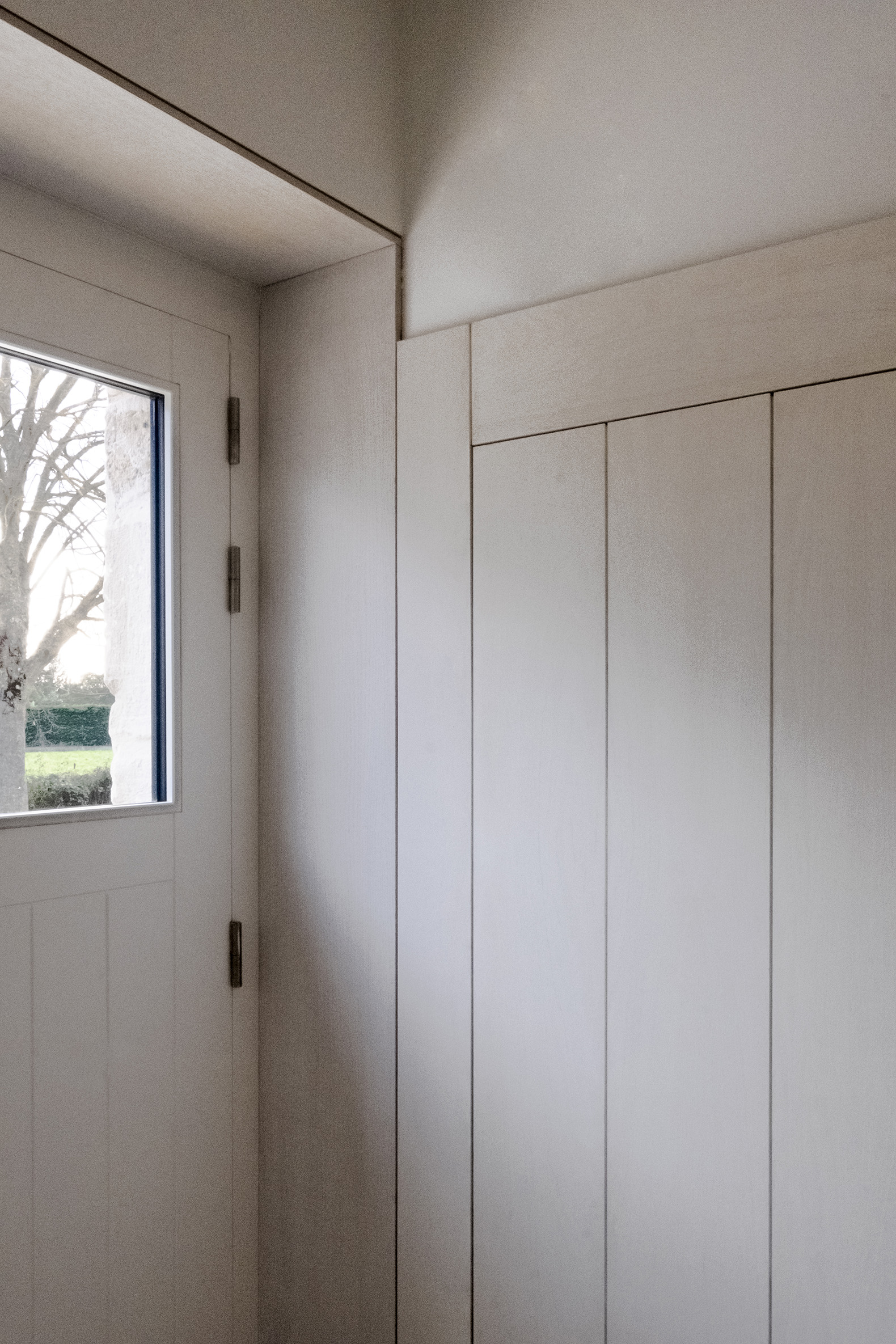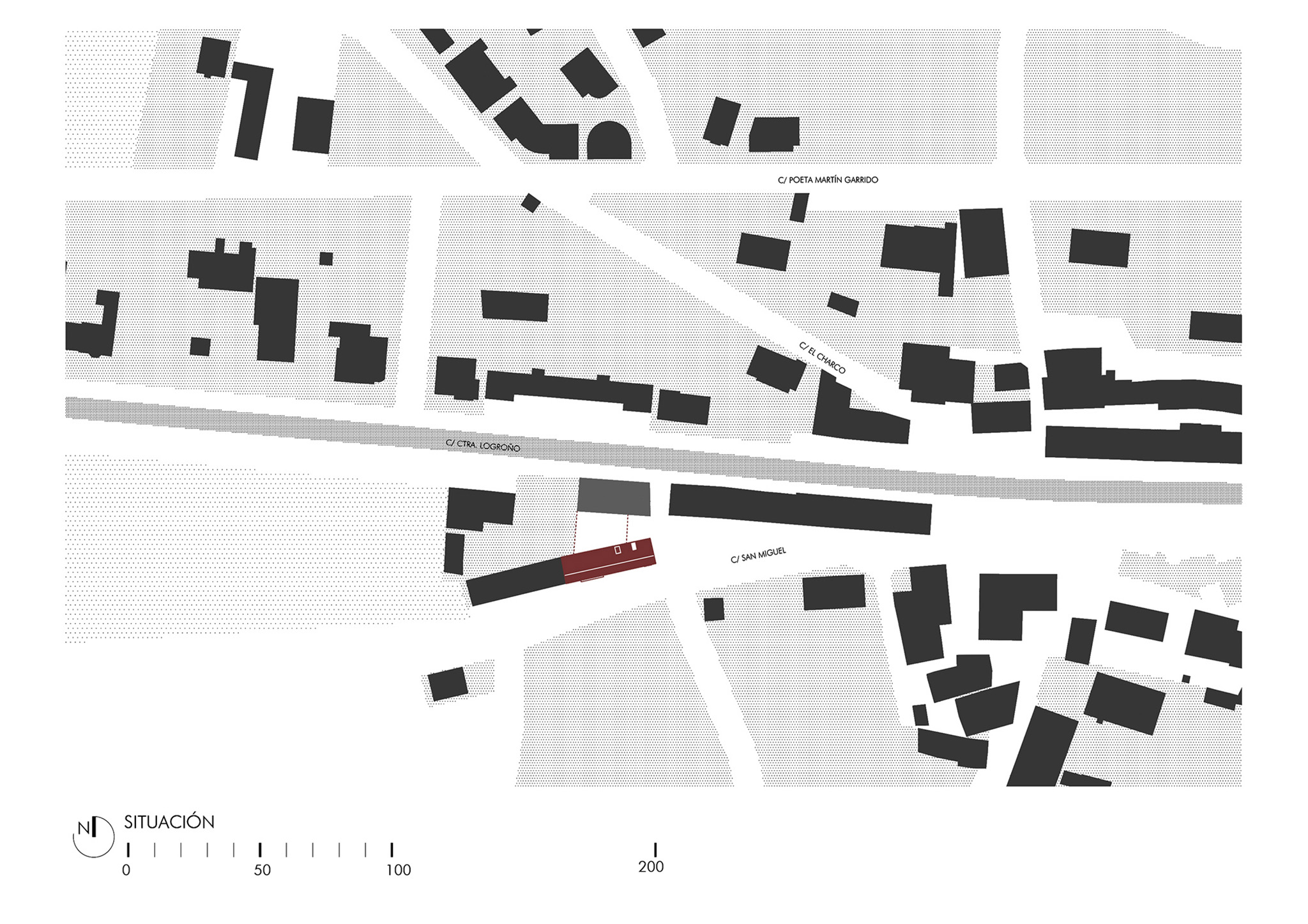
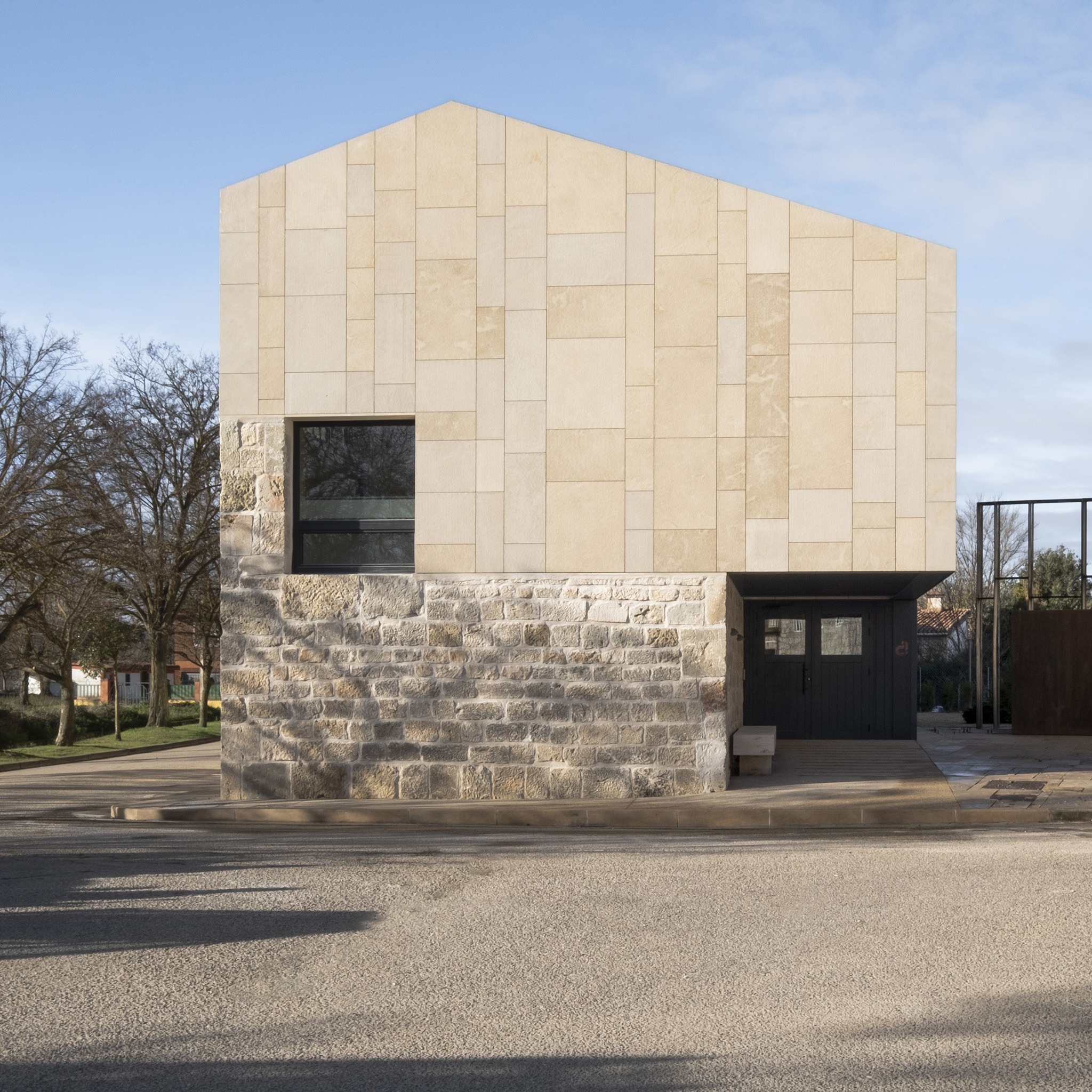
For the Atapuerca Foundation Expansion, A2G Arquitectos and Oa estudio created a shared access area that enlivens the small plaza between the two buildings. This, along with the setback of the new building, offers residents a new sheltered, cool, and comfortable space, connected to cultural activities. The program is organized around a unique spatial design, like a grotto, with a continuous flow conceived as a sequence of events.
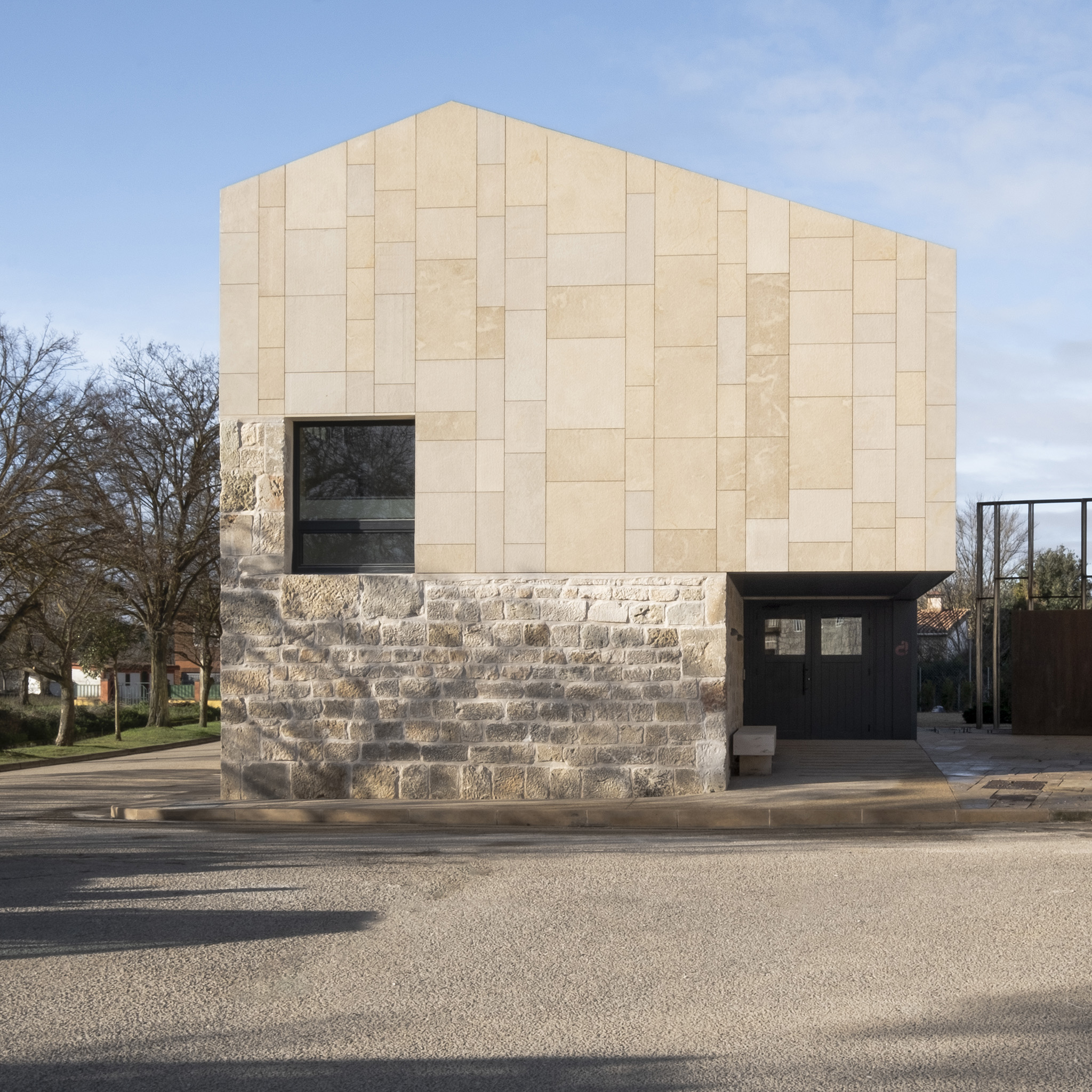
The project sits atop the former limestone chair factory that defined the existing structure, creating a subtle connection between two realities: one contemporary and the other from the past. The structure is built entirely with CLT panels, allowing for simple functional transformations over time. High-efficiency mixed and timber joinery has been used, a photovoltaic solar energy system has been installed on the roof, and the reuse of materials has been prioritized.
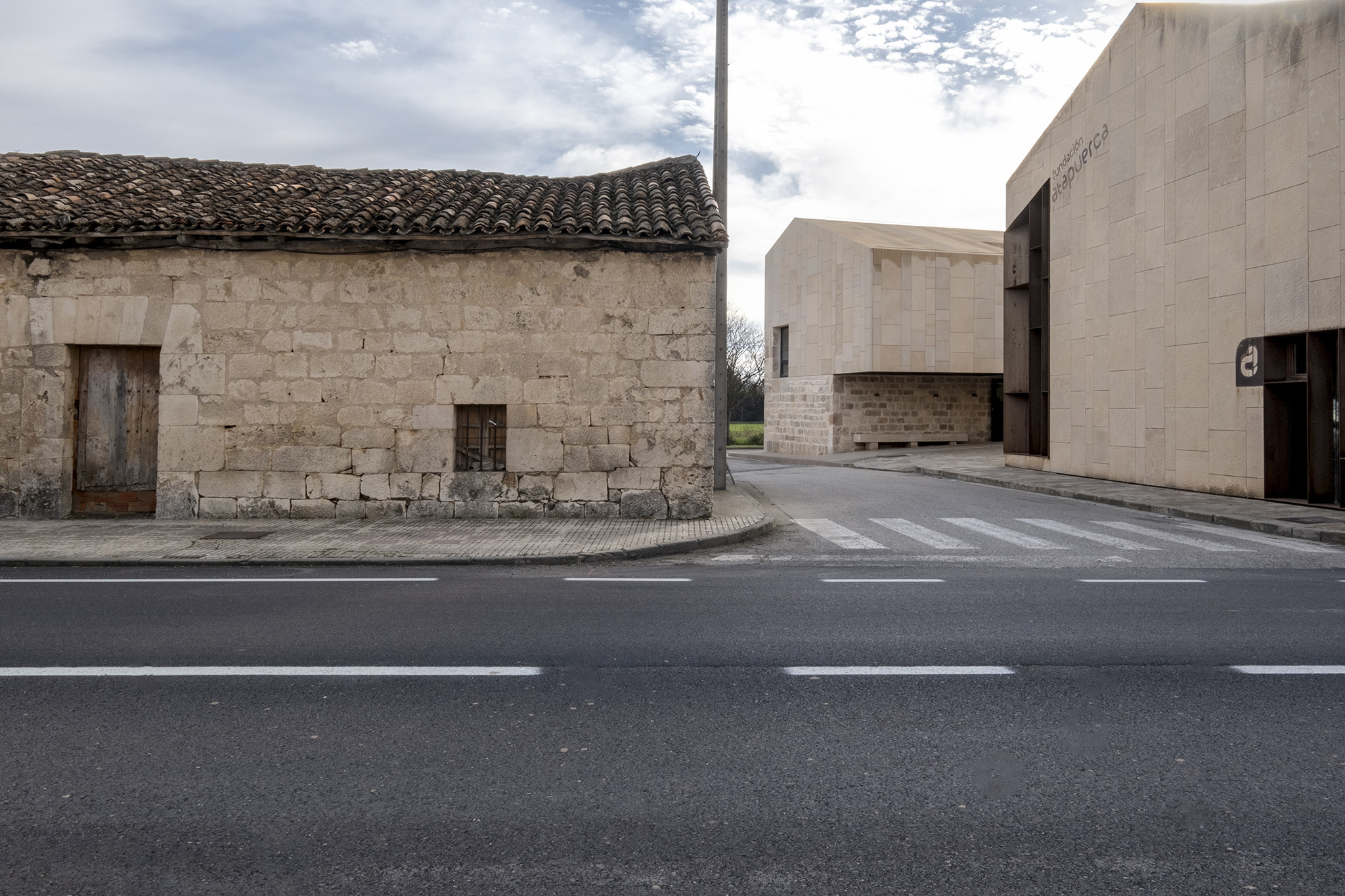
Fundación Atapuerca Expansion by A2G Arquitectos + Oa estudio. Photograph by Ana Muñoz López.
Project description by A2G Arquitectos + Oa estudio
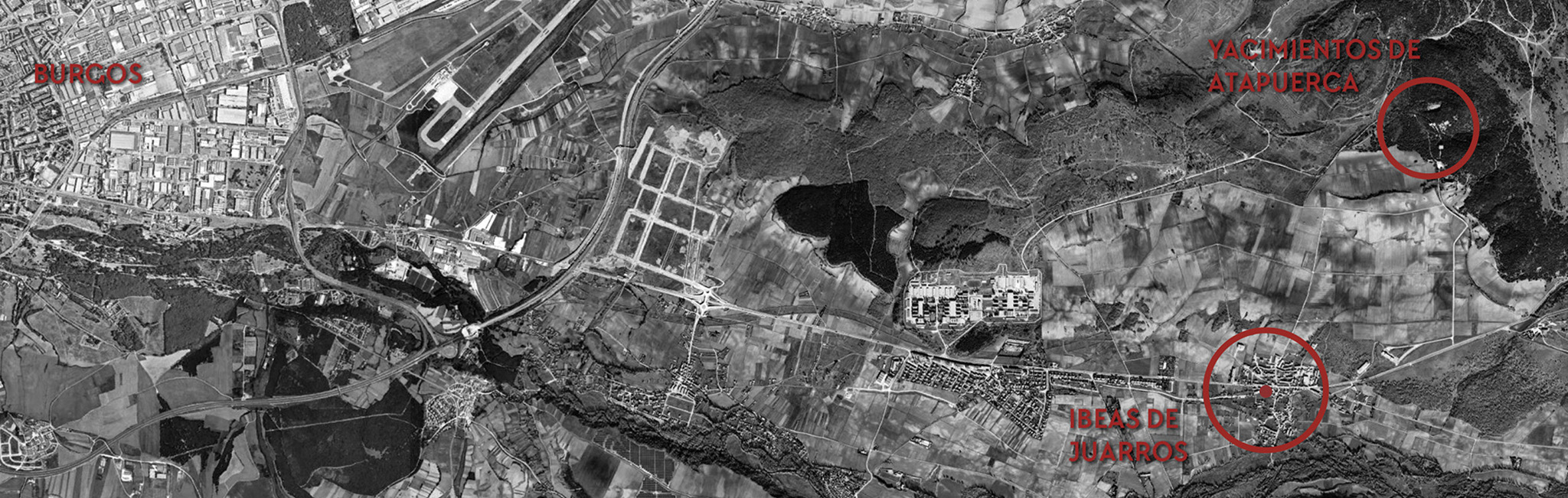
For Azorín, who in 1912 published the essay Castilla, coinciding with Antonio Machado’s poetry collection Campos de Castilla, "the landscape is ourselves; the landscape is our spirit, its melancholies, its serenity, its aspirations." Our character is shaped by the landscape that surrounds us; it could not be otherwise. Likewise, our towns and villages, built from that same character, are equally conditioned by it. In contrast to contemporary practice, it was the broader contextual conditions that historically shaped our built environment. To work in disregard of this reality is to overlook a fundamental condition, one that is particularly evident in the case of the Atapuerca archaeological site and its surrounding municipalities.
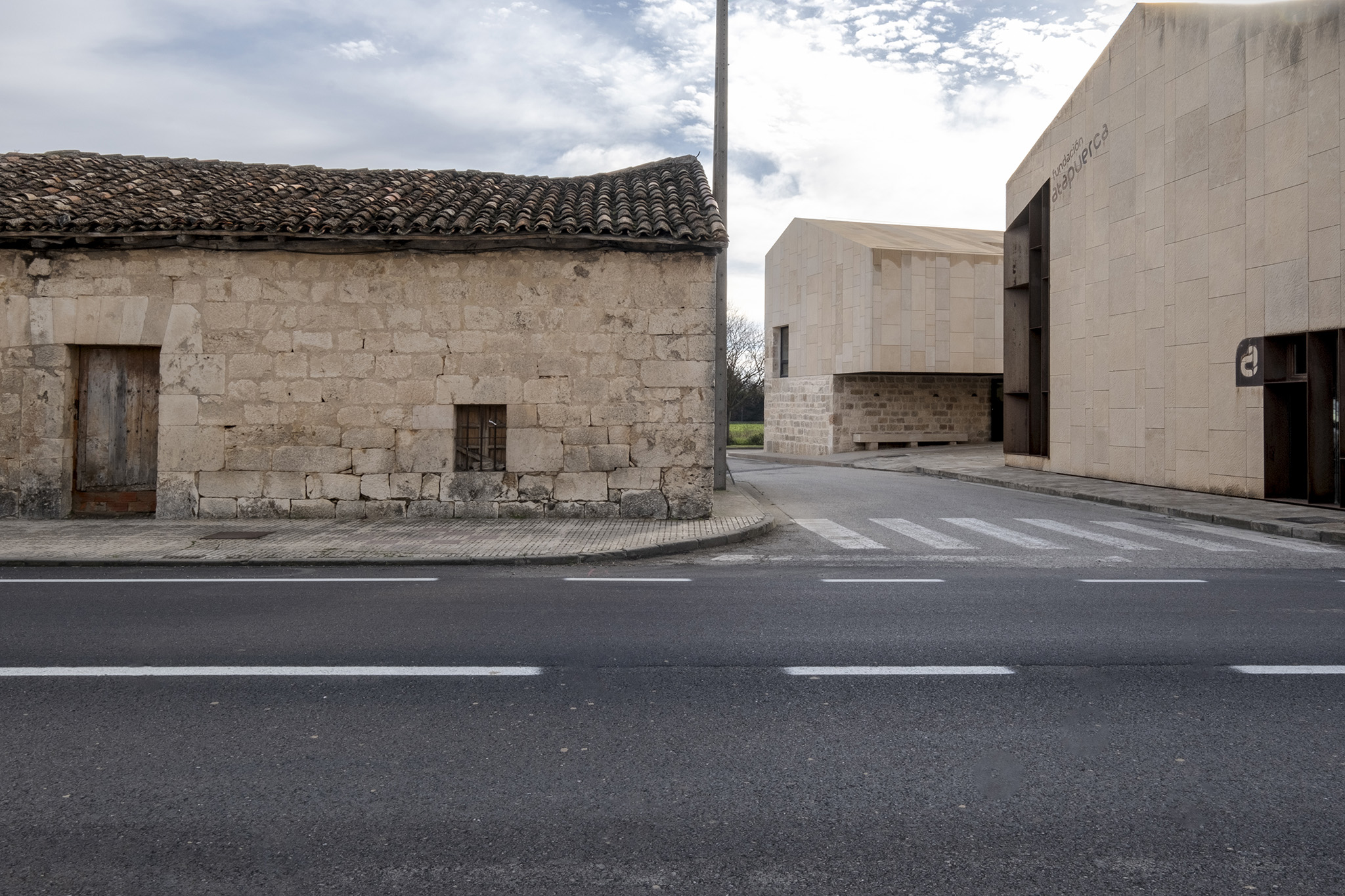
Designing the extension of the Atapuerca Foundation on a site that still preserves part of its traditional built fabric therefore required acknowledging its value and engaging with the identity of these inherited architectures. Within them resonate the particular qualities of a landscape that, having once shaped both people and places, now gives meaning to the Foundation itself.
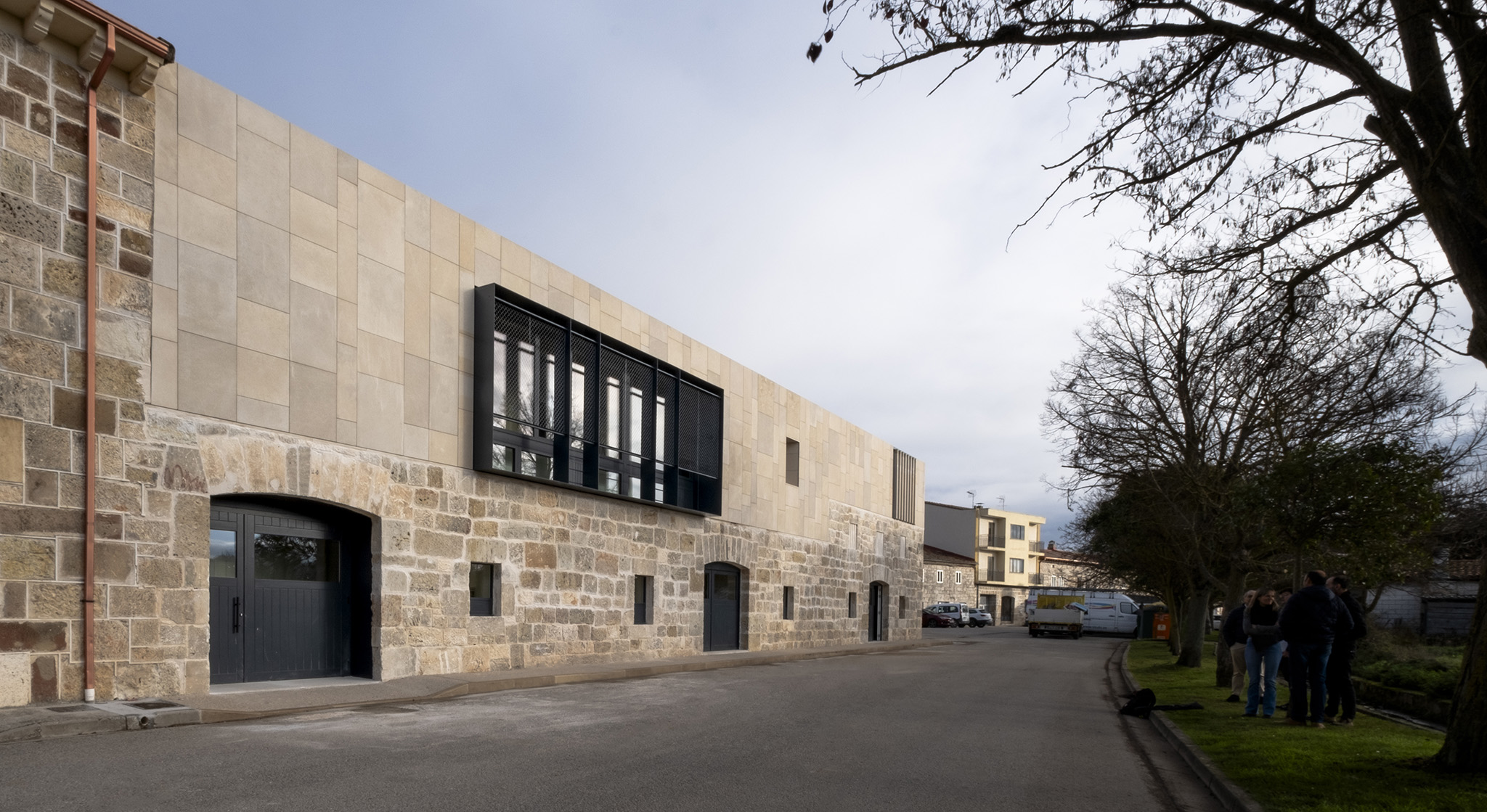
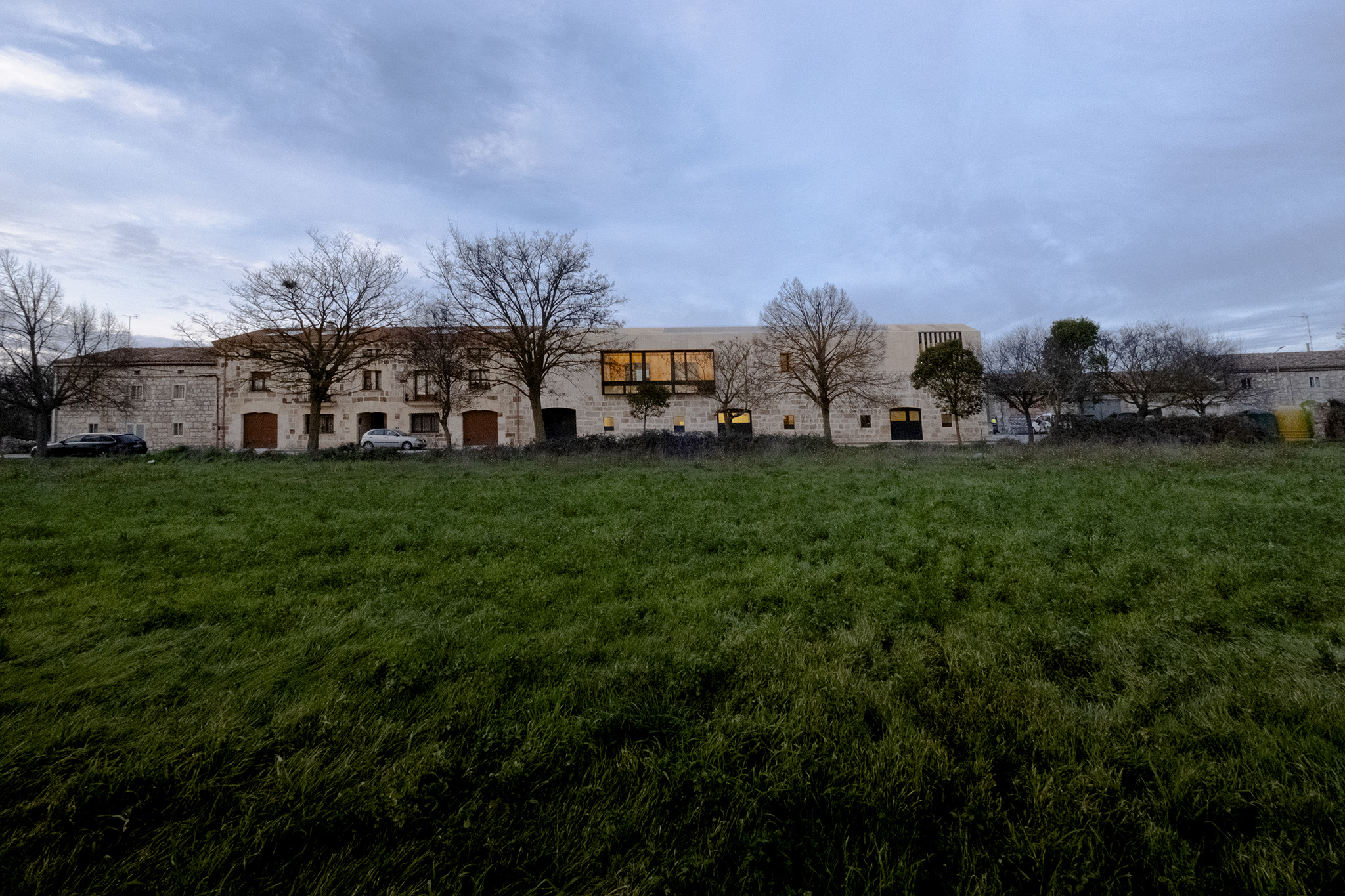
The site, adjacent to the existing Atapuerca Foundation building, contained three small-scale structures which, despite having been built at different times, formed a coherent ensemble governed by a shared formal and material condition perfectly suited to their setting. The group still retained an identity linked to its former productive use and, having remained largely unaltered over time, preserved both the spirit of the place and that of the territory in which it was erected. Preserving this singular identity became one of the project’s principal objectives. This was pursued while giving form to a contemporary intervention capable of meeting present-day functional and environmental requirements.
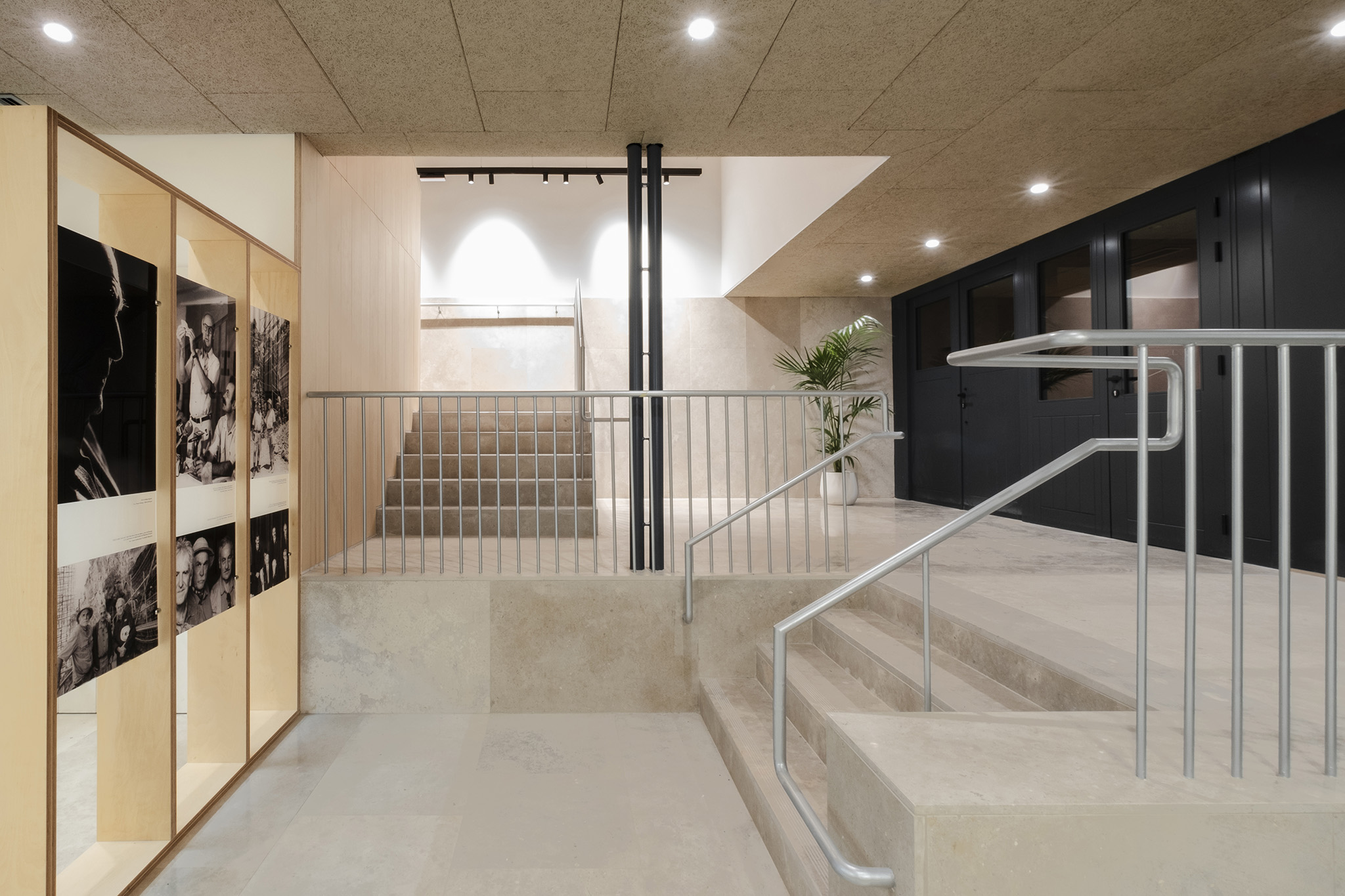
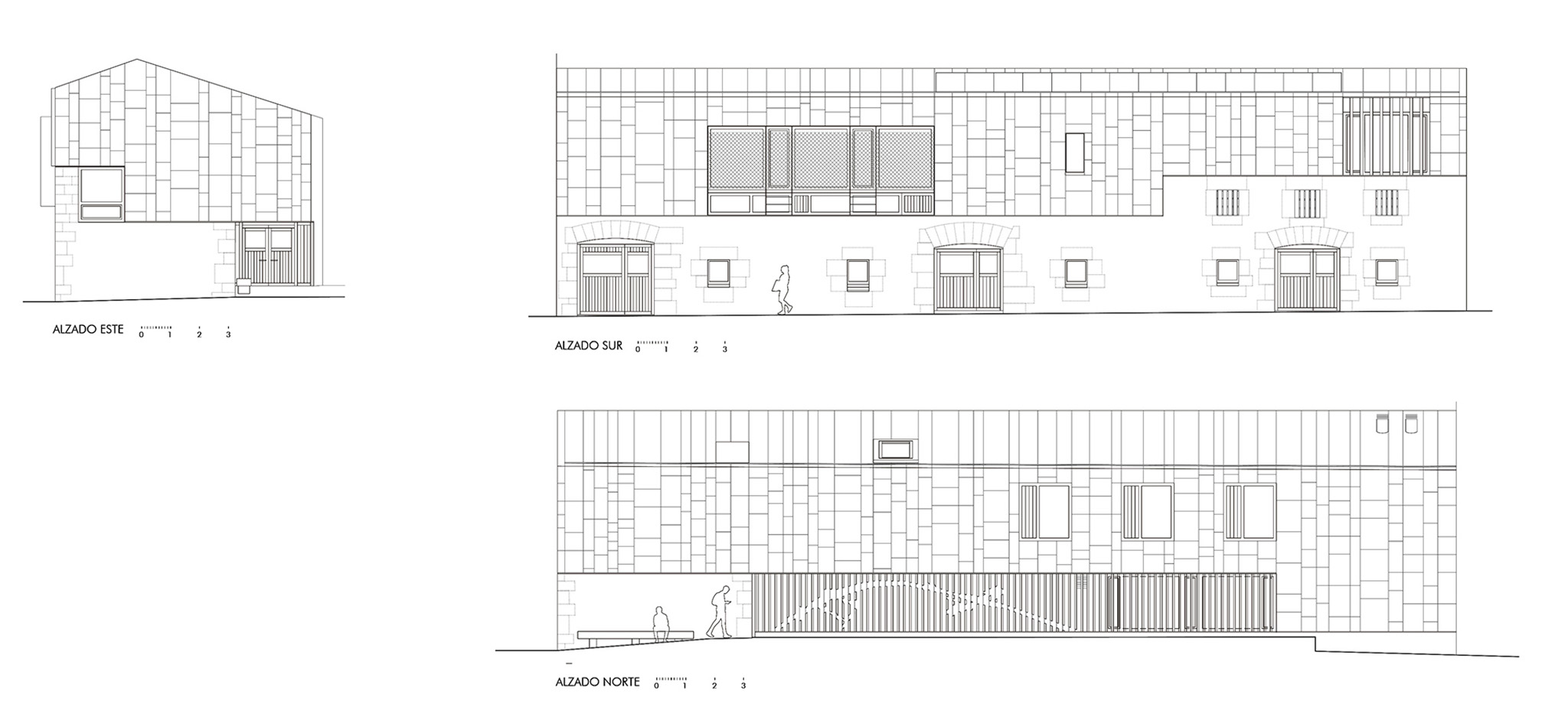
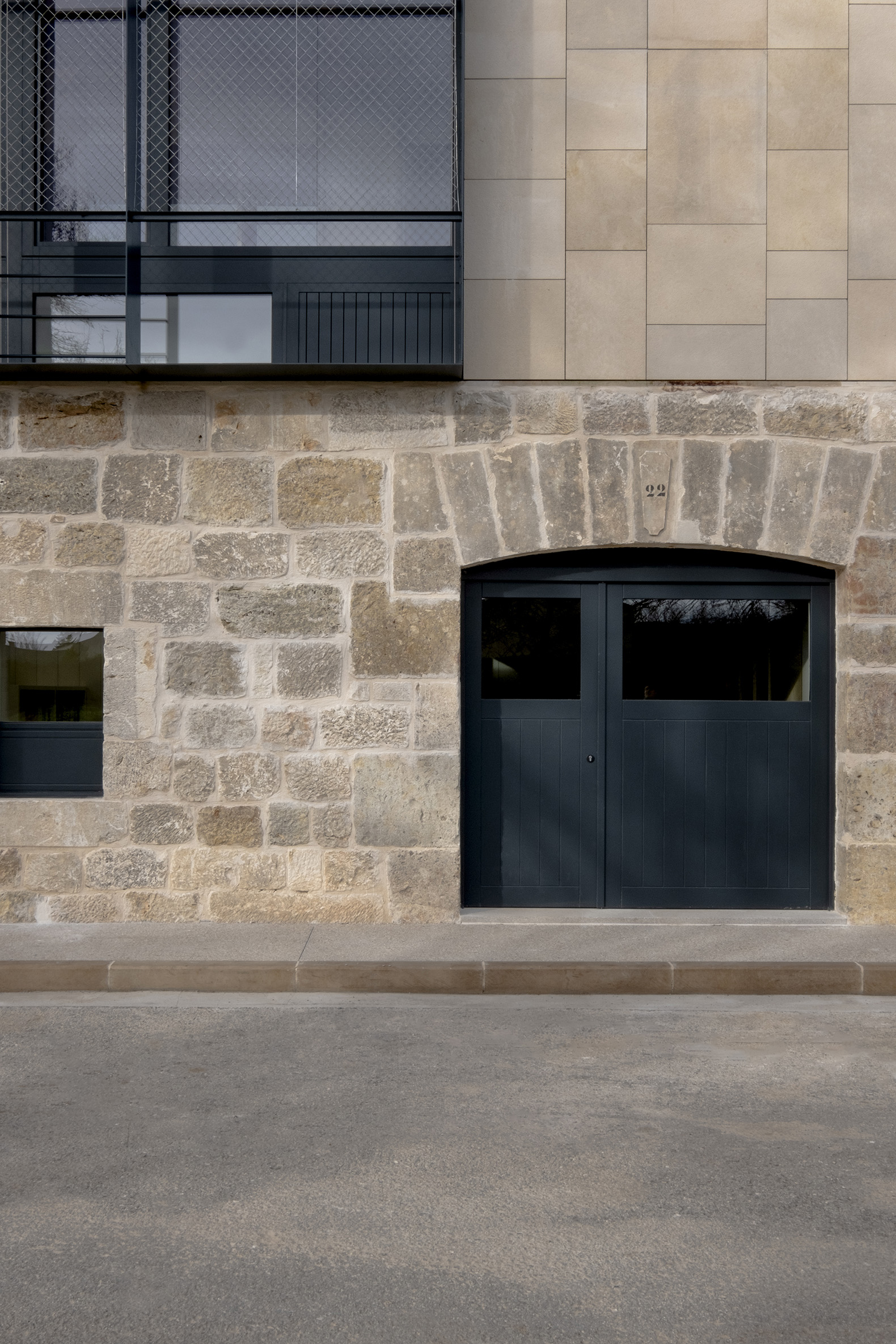
Respecting the existing limestone ashlar masonry and the ordered fenestration that characterized the original buildings, the new intervention was placed above them and organized according to a material and formal language closely related to that of the Foundation’s original headquarters. This allowed the new addition to operate between two realities—one contemporary and one inherited—seeking to provide a balanced and sensitive connection between them. The main entrance was located at the northeastern corner, the most representative point of the ensemble, where it could establish a relationship with the existing entrance of the Foundation building. This strategy created a shared arrival space while simultaneously activating the small square between the two constructions. The strategic position of this access point, together with its recessed configuration, further emphasized its significance. In doing so, the building offered the municipality and its inhabitants a new civic reference space—sheltered, cool, and comfortable—while remaining closely linked to the Foundation’s cultural activities.
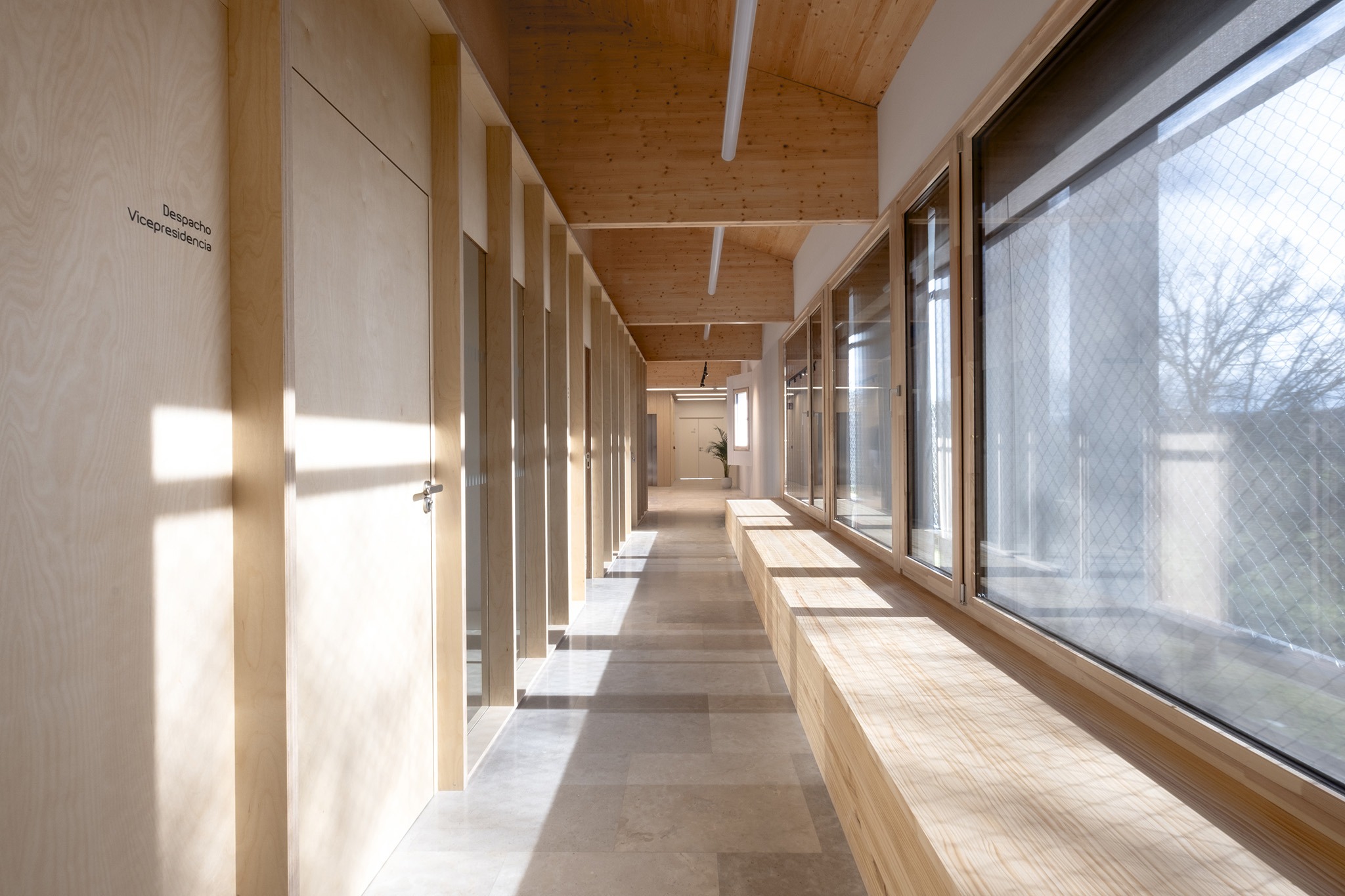
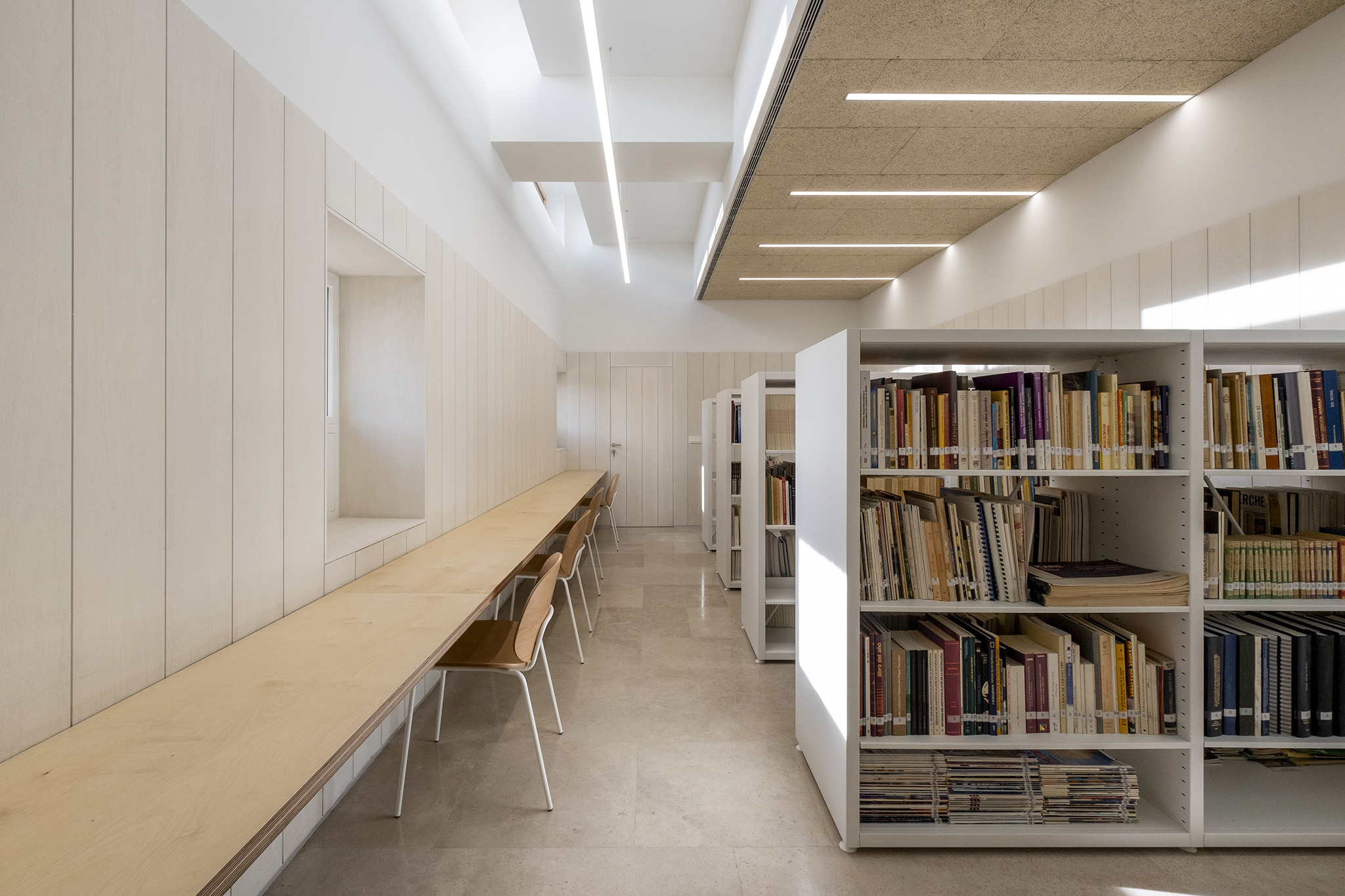
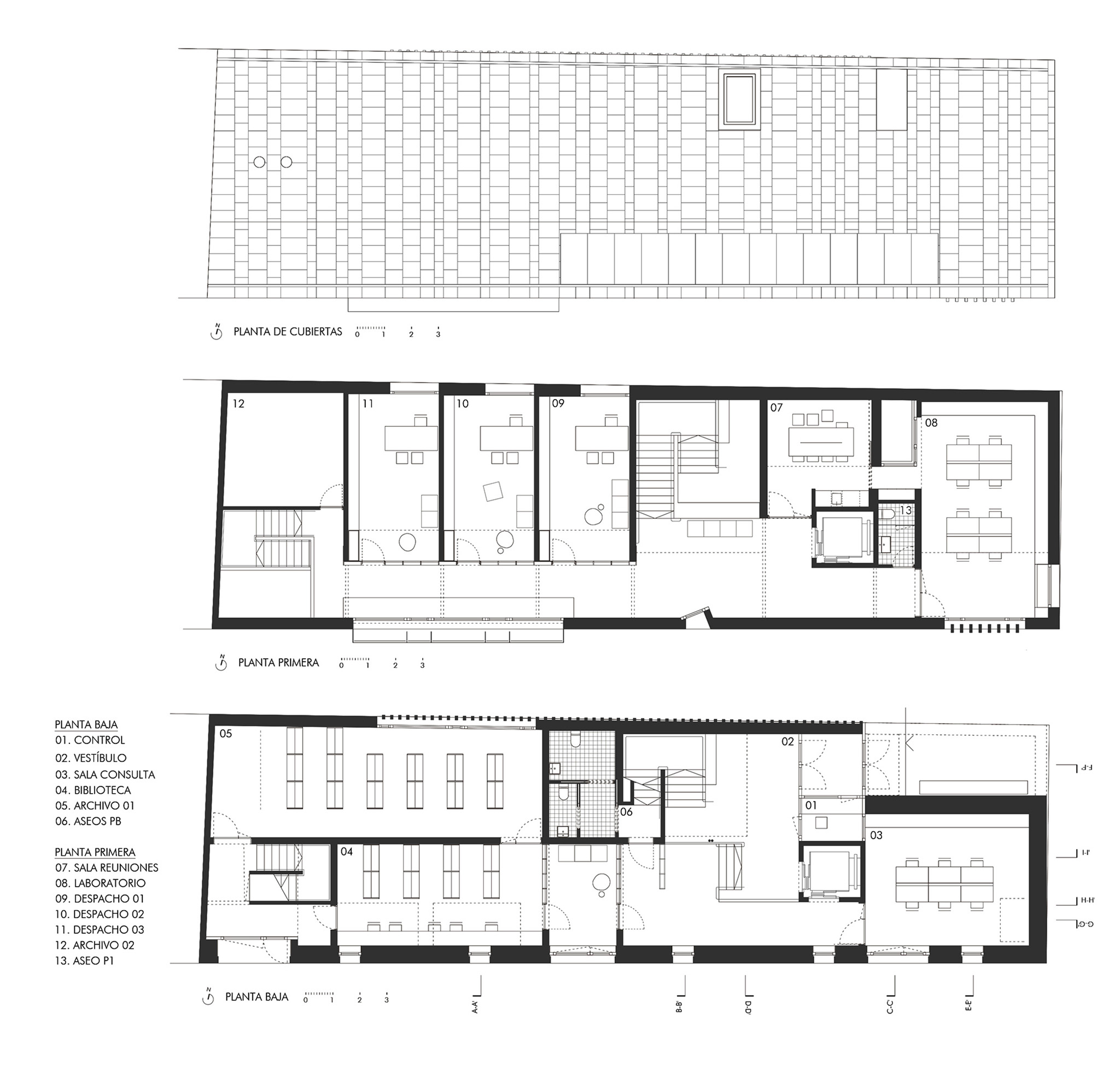
The programme was organized around a distinctive non-linear spatiality, conceived almost as a grotto, with a continuous route understood as a sequence of events. The interior was intended to function as a meeting place for local residents, incorporating a strong exhibition and educational dimension alongside an easily accessible library. In this way, the project responded to the Foundation’s longstanding social commitment to the rural environment in which it operates.
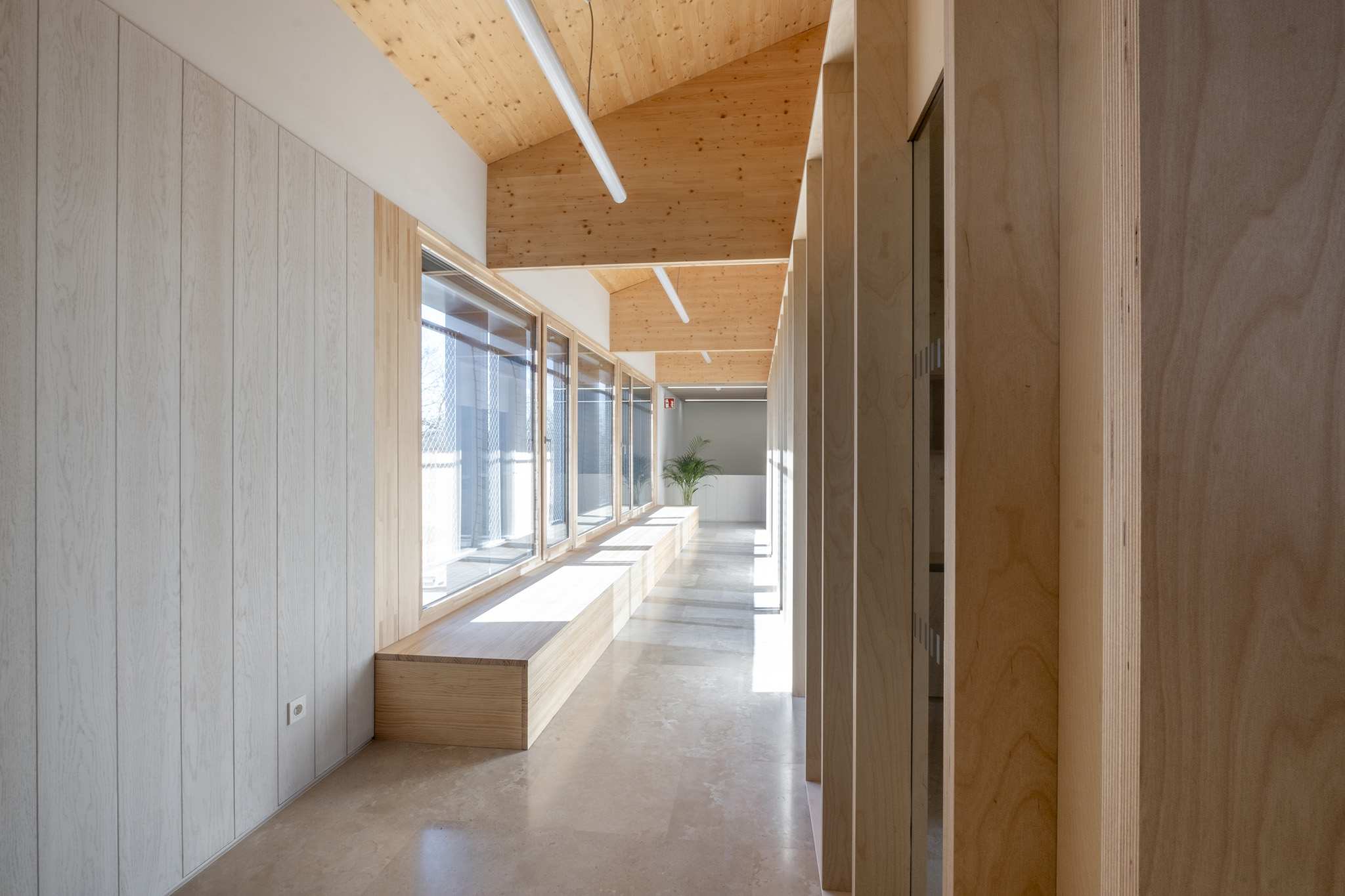
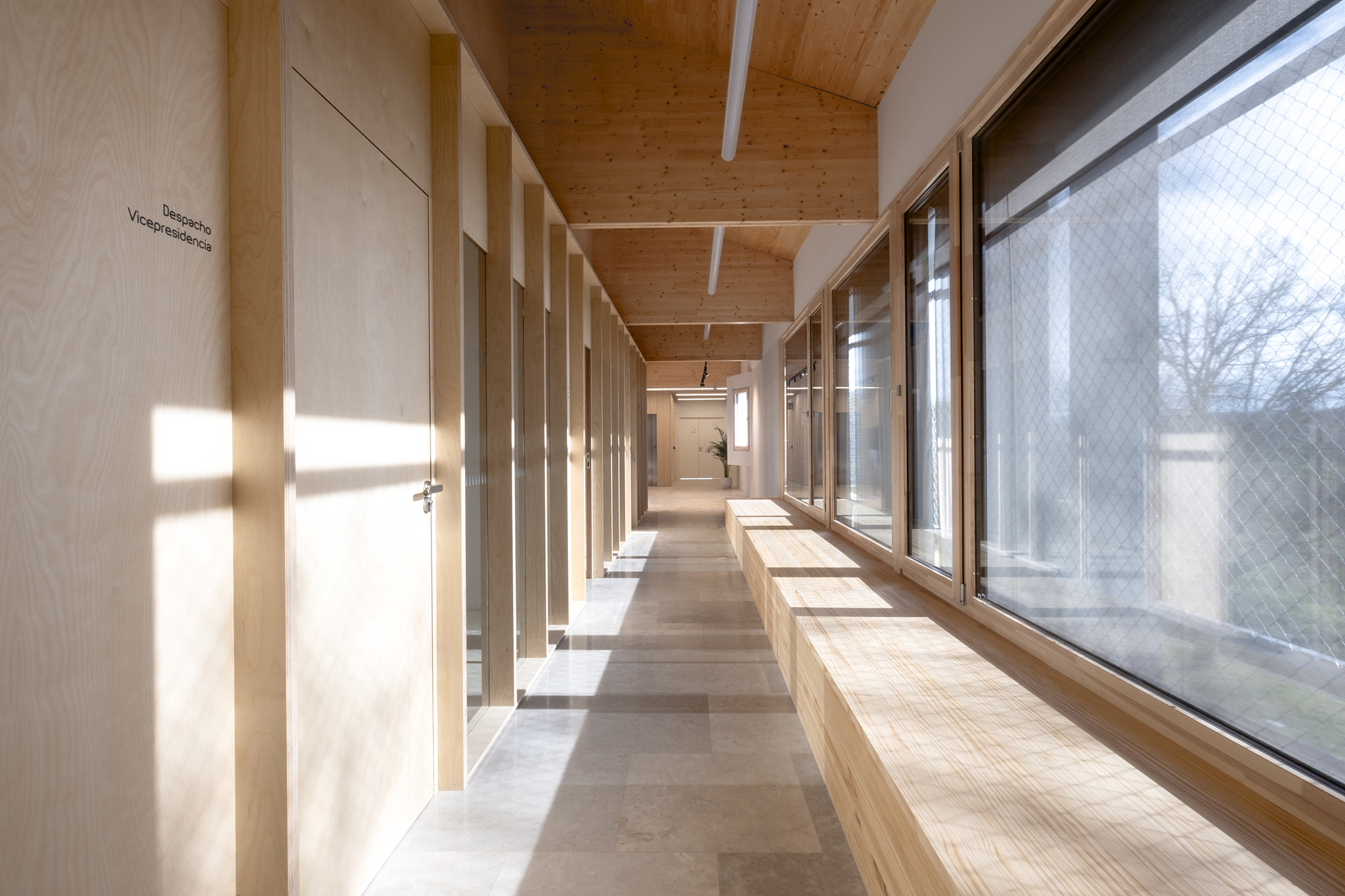
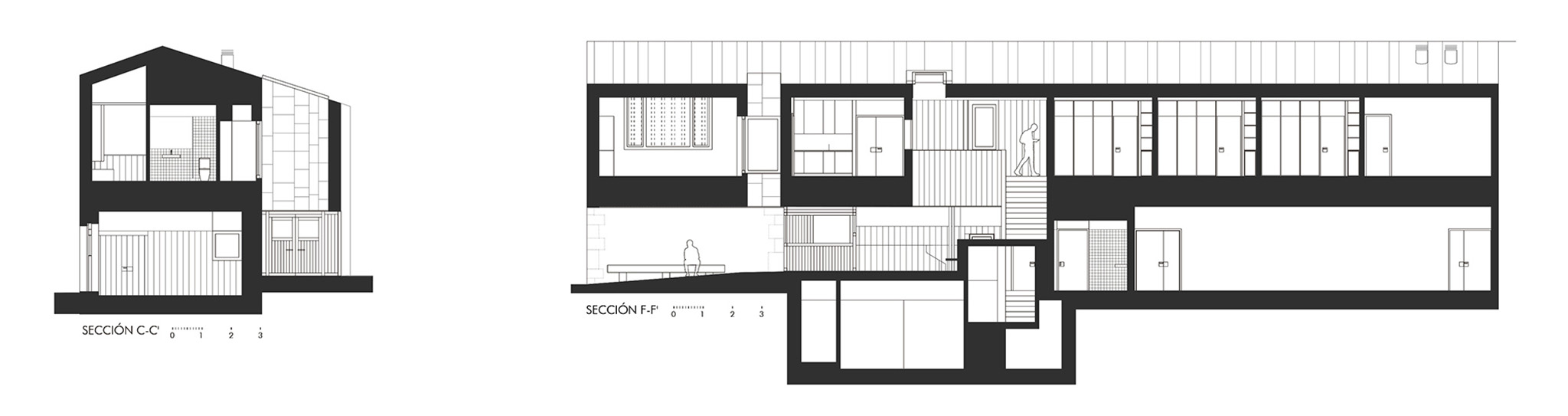
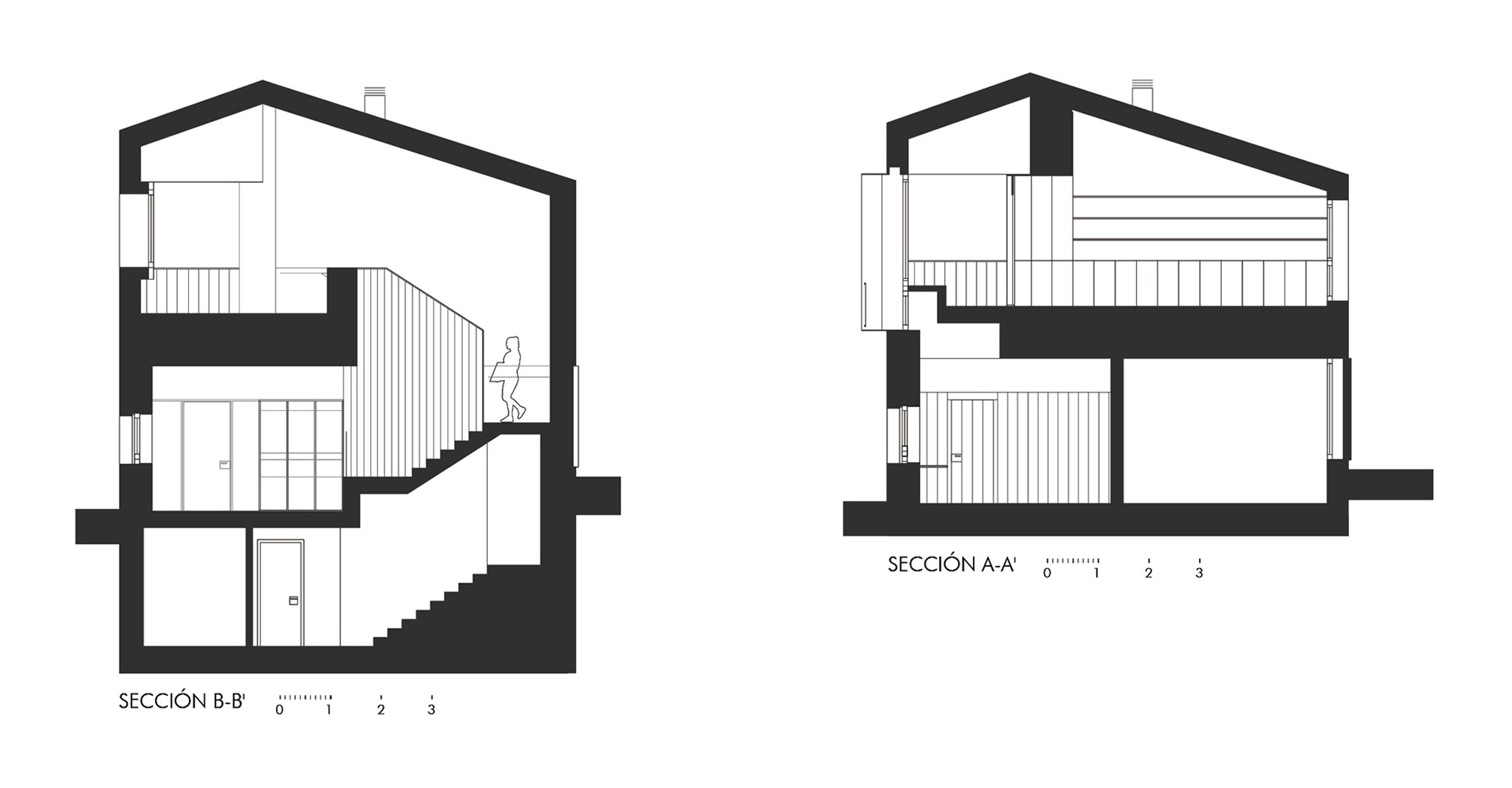
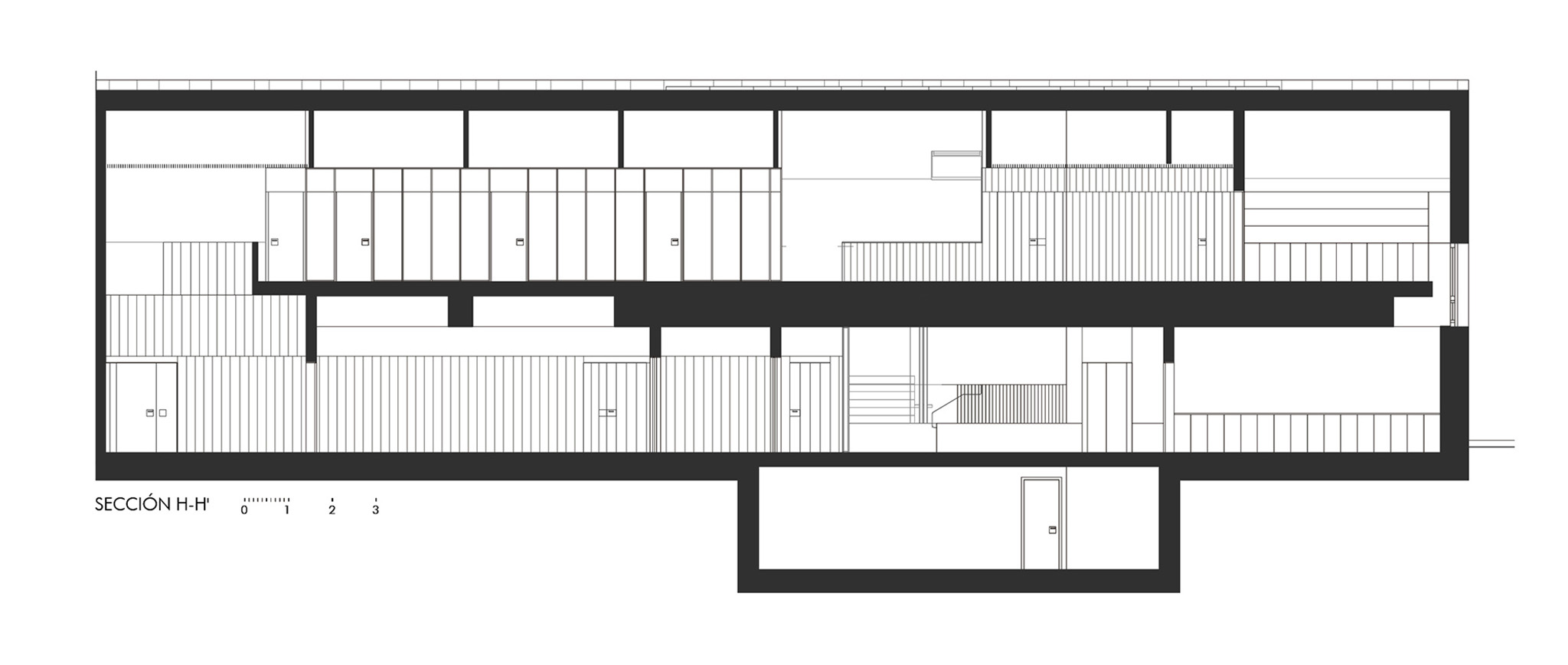
From the entrance lobby, a small staircase leads down to the library, reading room, and archive. At the same point, a larger two-flight staircase, accompanying a double-height void above the entrance hall, provides access to the upper floor. Here, occupying a privileged position due to its southern orientation and panoramic views, are the three principal offices. These spaces benefit from one of the building’s defining features: a generous viewing gallery that extends the gaze toward the horizon and landscape while also functioning as a traditional passive gallery, capturing daylight and solar heat through its strategic position within the new construction. This level also accommodates a small laboratory and a meeting room. In addition, a compact basement, connected to that of the existing Foundation building, expands storage capacity and houses part of the building services.
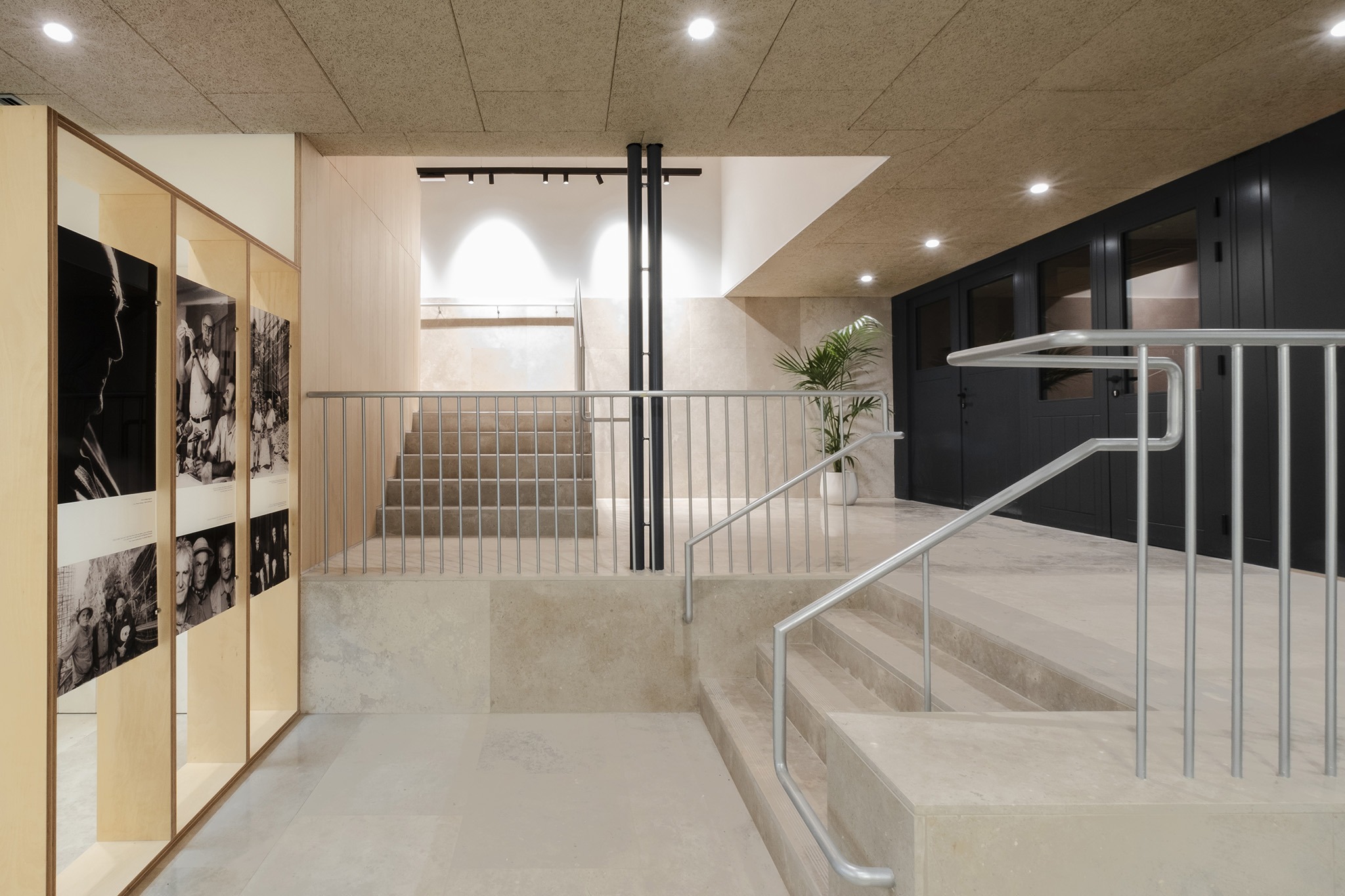
The structural system, executed entirely in CLT panels, reflects the nature of the spaces it supports—longitudinal on the ground floor and transverse on the upper level. Structural clarity and cleanliness, together with the generosity of circulation spaces and the overall spatial continuity and openness, contribute substantially to the building’s functional potential and versatility. This allows for different modes of occupation over time, facilitating simple functional transformations and accommodating alternative future programmes. In the face of inevitable obsolescence, such adaptability enhances resilience and extends the useful life of this type of public facility.
Driven by a broad and firm environmental commitment shared by all participants in the project, numerous sustainability strategies were implemented throughout the design process. Particular attention was paid to airtightness, the optimization of solar orientation—with a large and versatile solar gallery facing south and minimal openings to the north—the management of thermal inertia, the control of natural and artificial lighting, ventilation strategies, and the provision of a highly efficient and continuous thermal envelope.
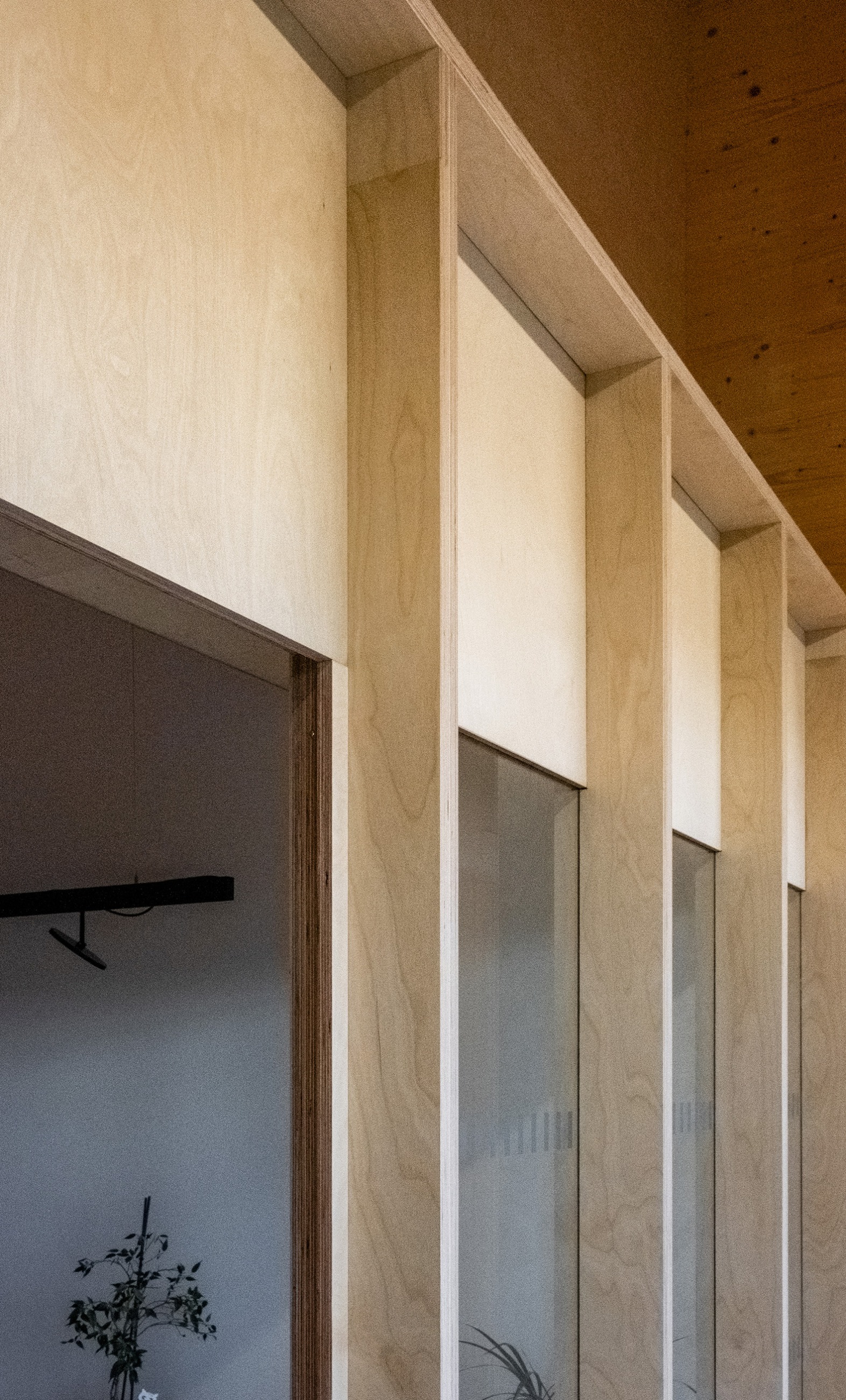
High-performance timber and hybrid window systems were employed, a rooftop photovoltaic installation was incorporated, and extensive use was made of timber and other natural, locally sourced materials. Traditional limestone masonry recovered from the existing structures was consciously and pedagogically reused within the project. In parallel, other initiatives were implemented with the aim of fostering broader environmental awareness, including the donation of salvaged but unused materials to local builders and the enhancement of biodiversity through the incorporation of concealed nesting spaces behind blocked openings for local bird species.
Returning to Azorín, as José Ortega y Gasset observed, no one understood better than him the transcendence of the ordinary and the ability to perceive within it the soul of things. Without renouncing its intrinsically contemporary condition, the new intervention has sought to participate in this distinctive Azorínian quality, attuning itself to the characteristic atmosphere of its surroundings and, in doing so, responding to the spirit of the place.