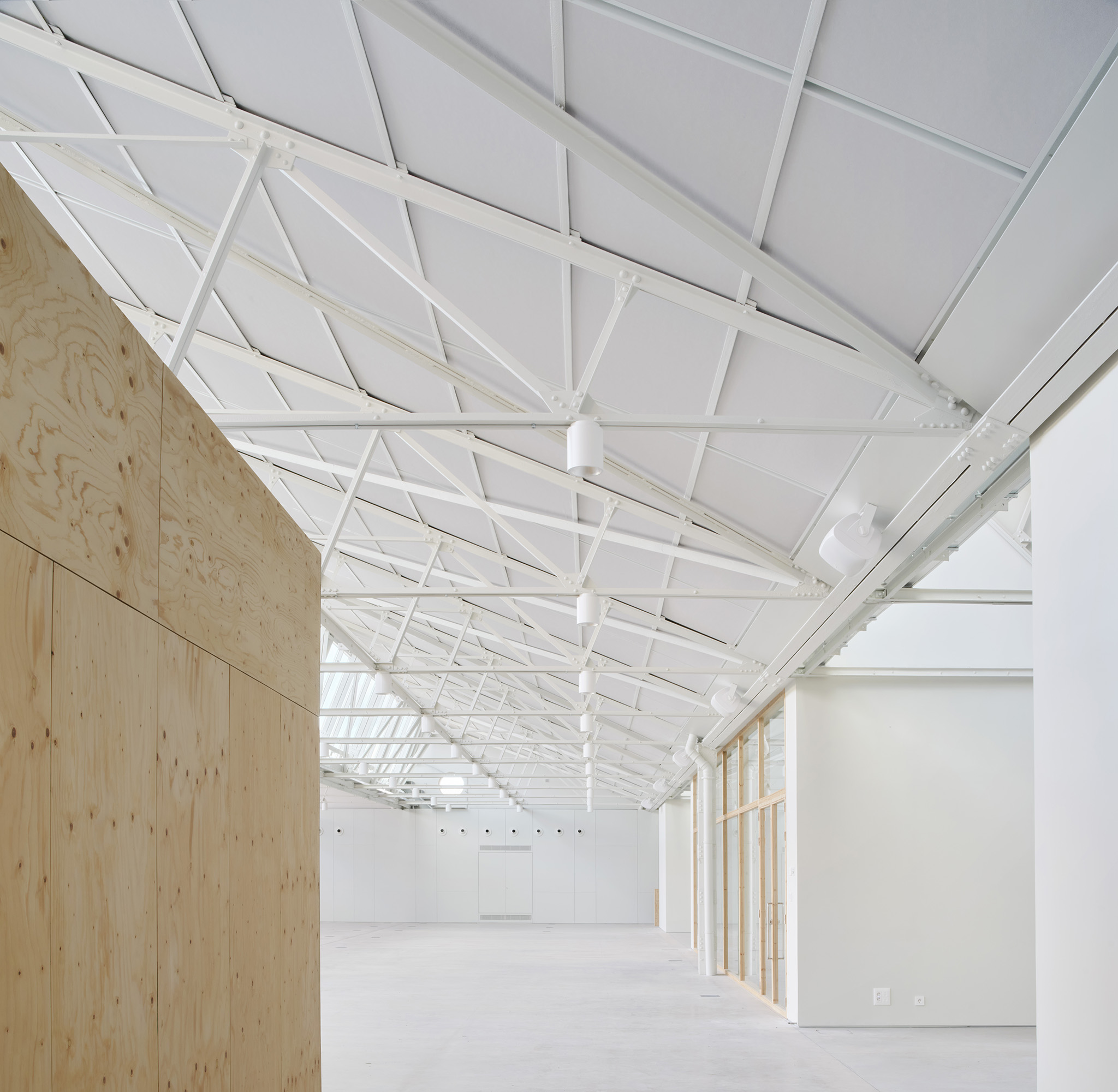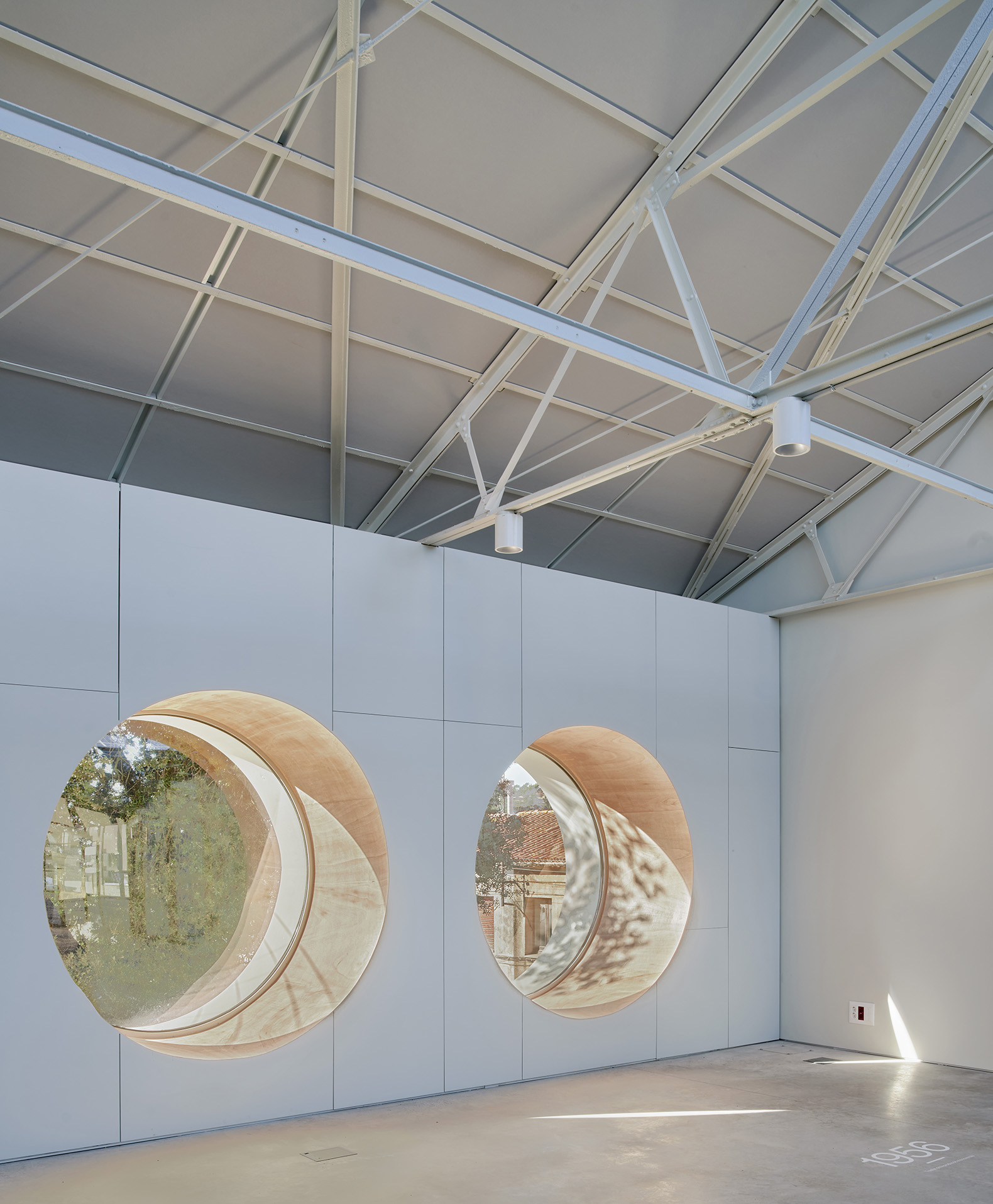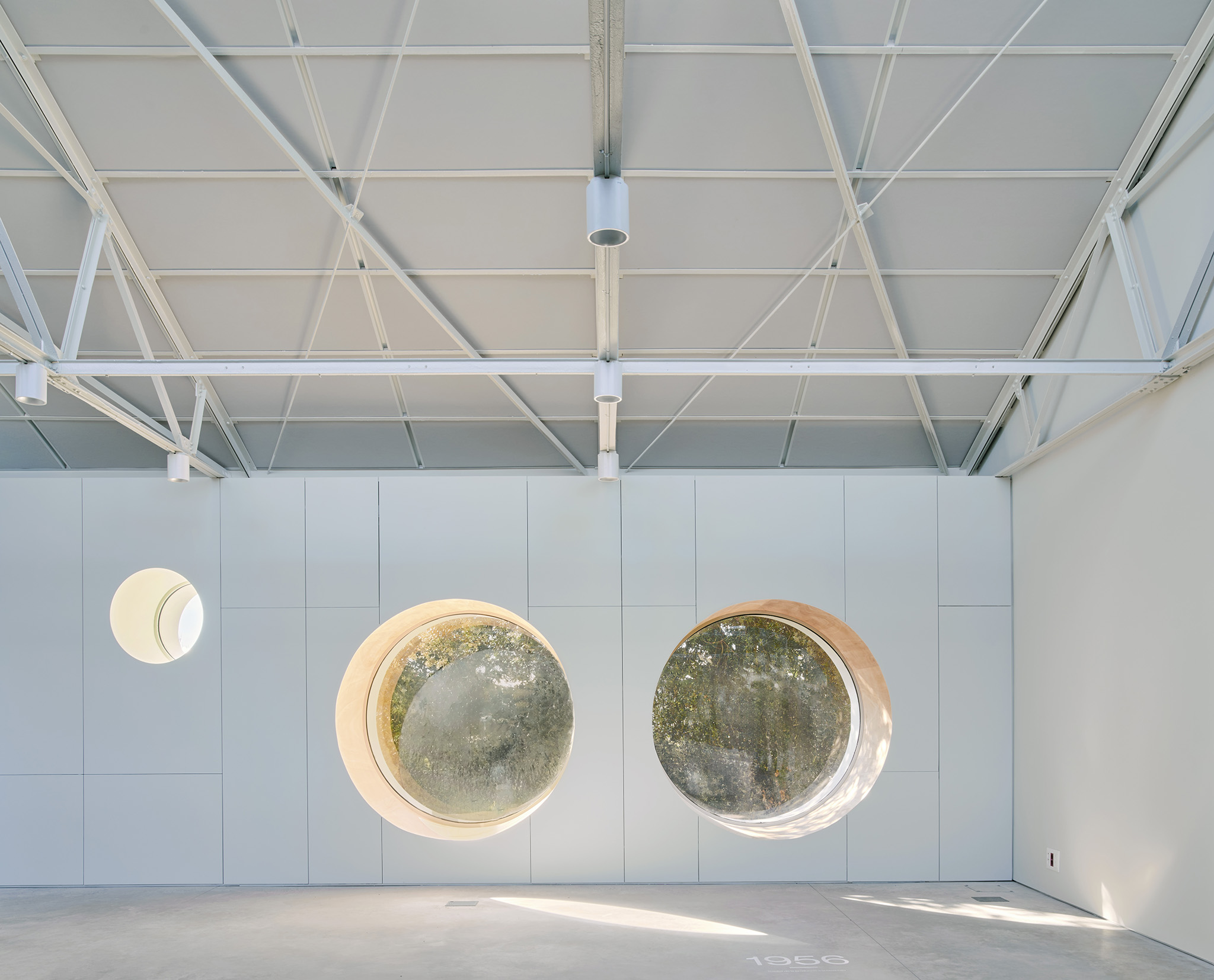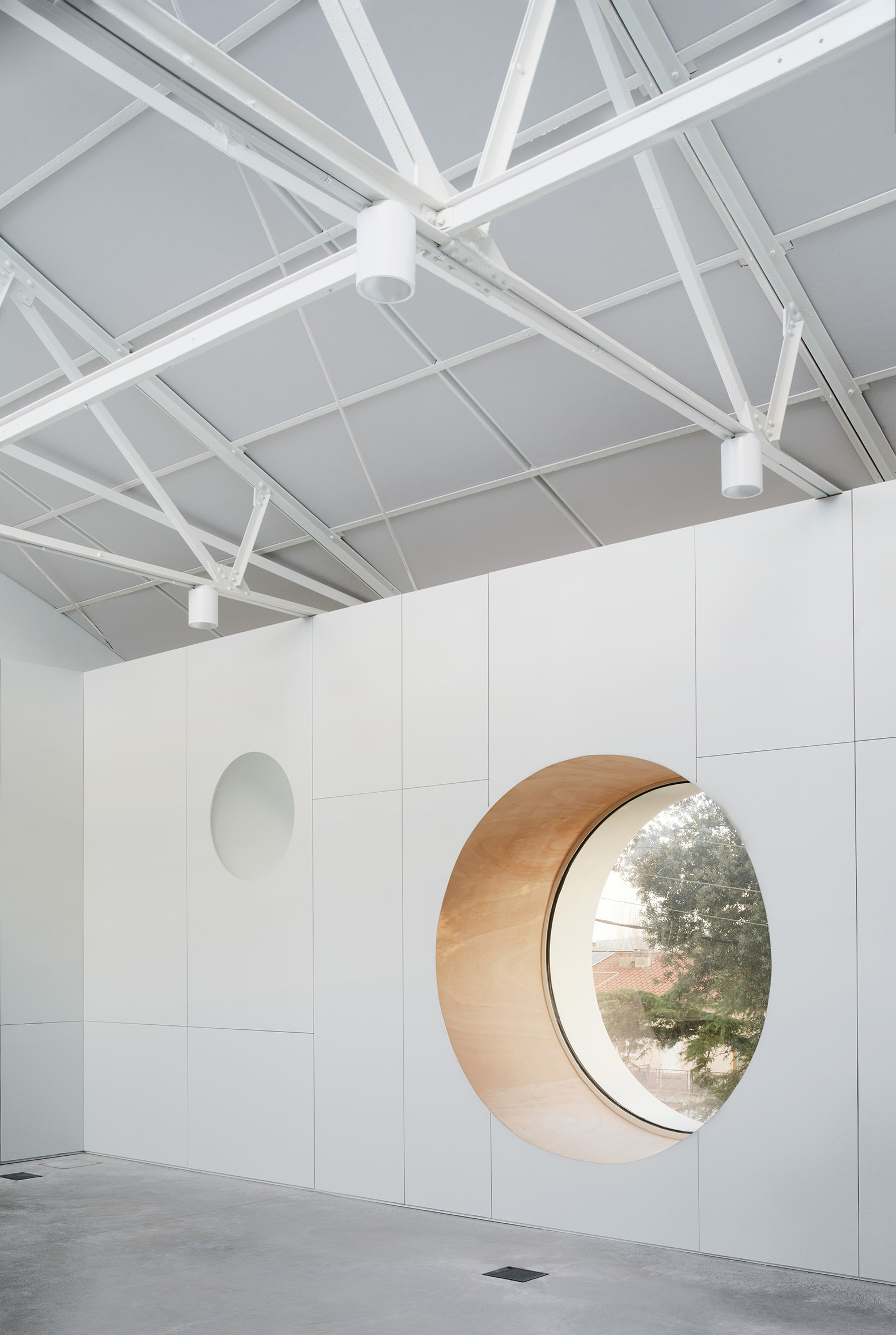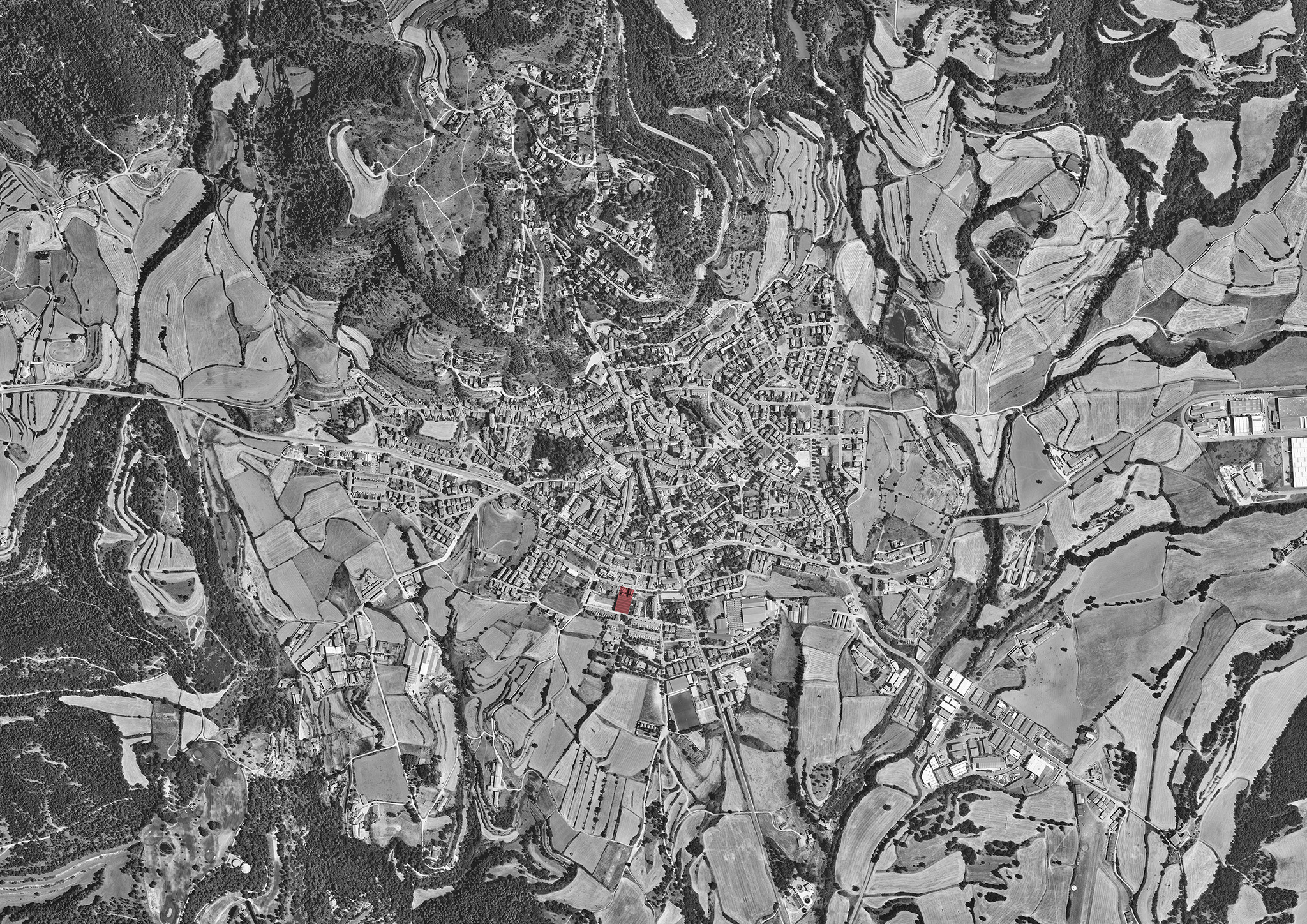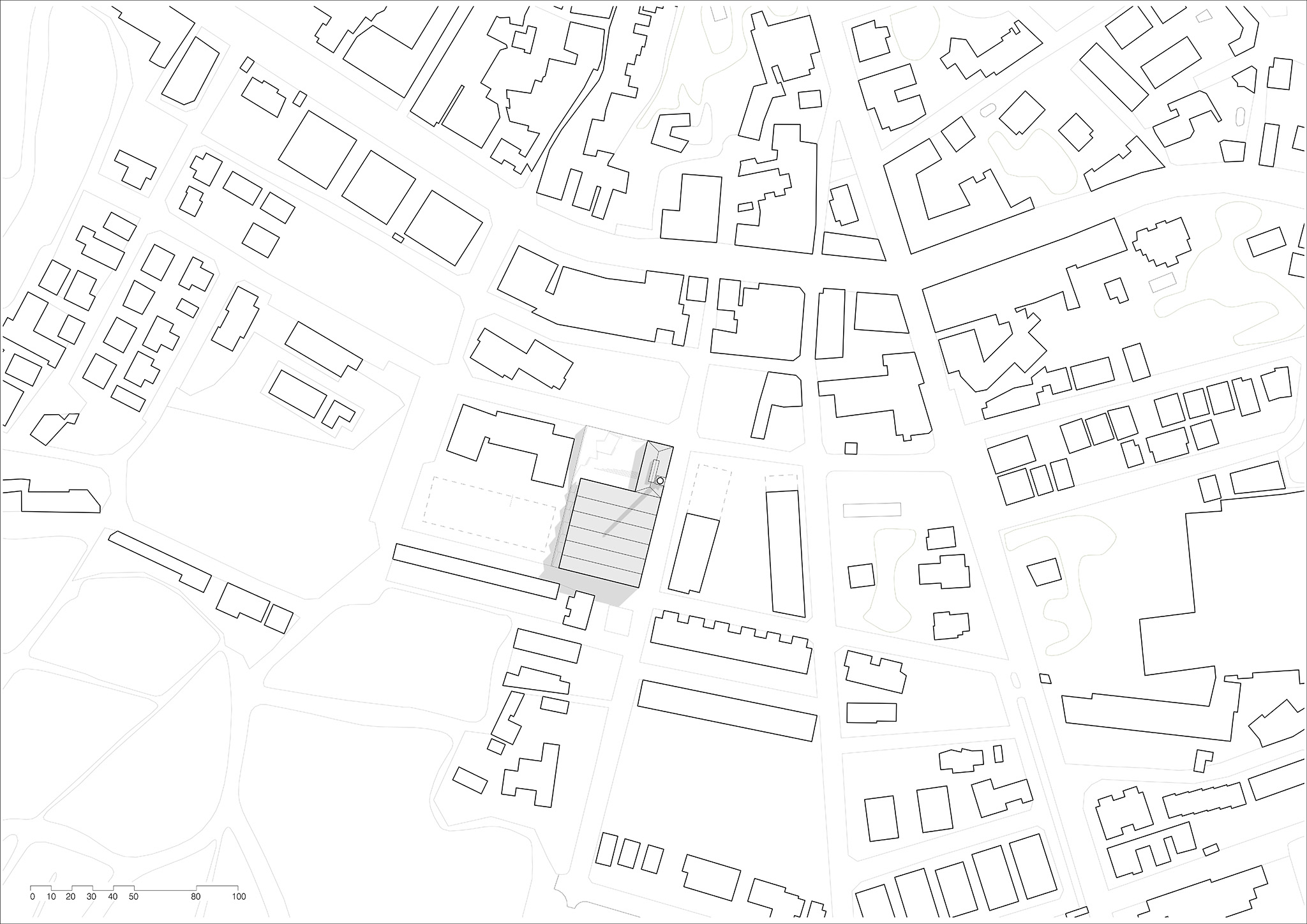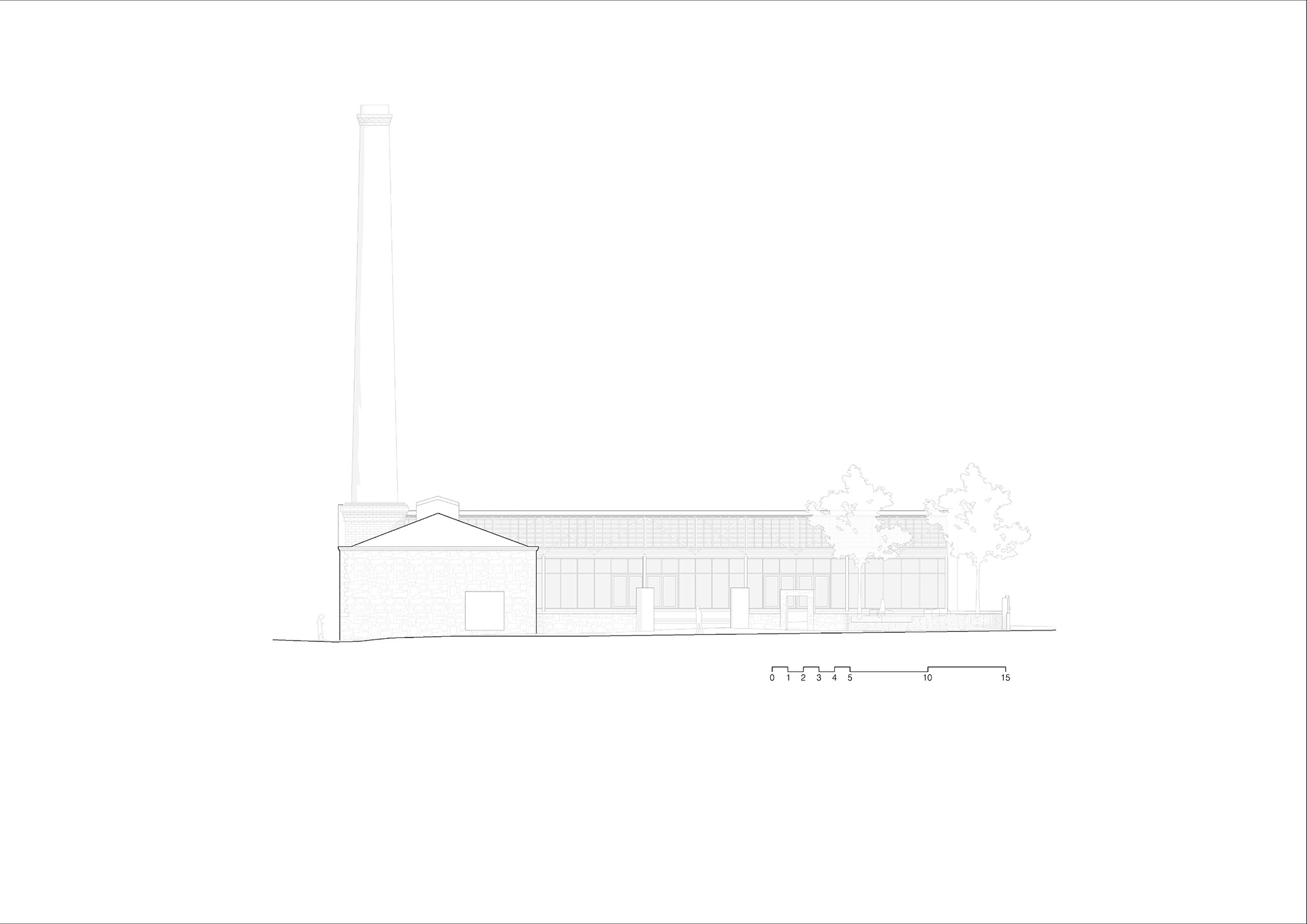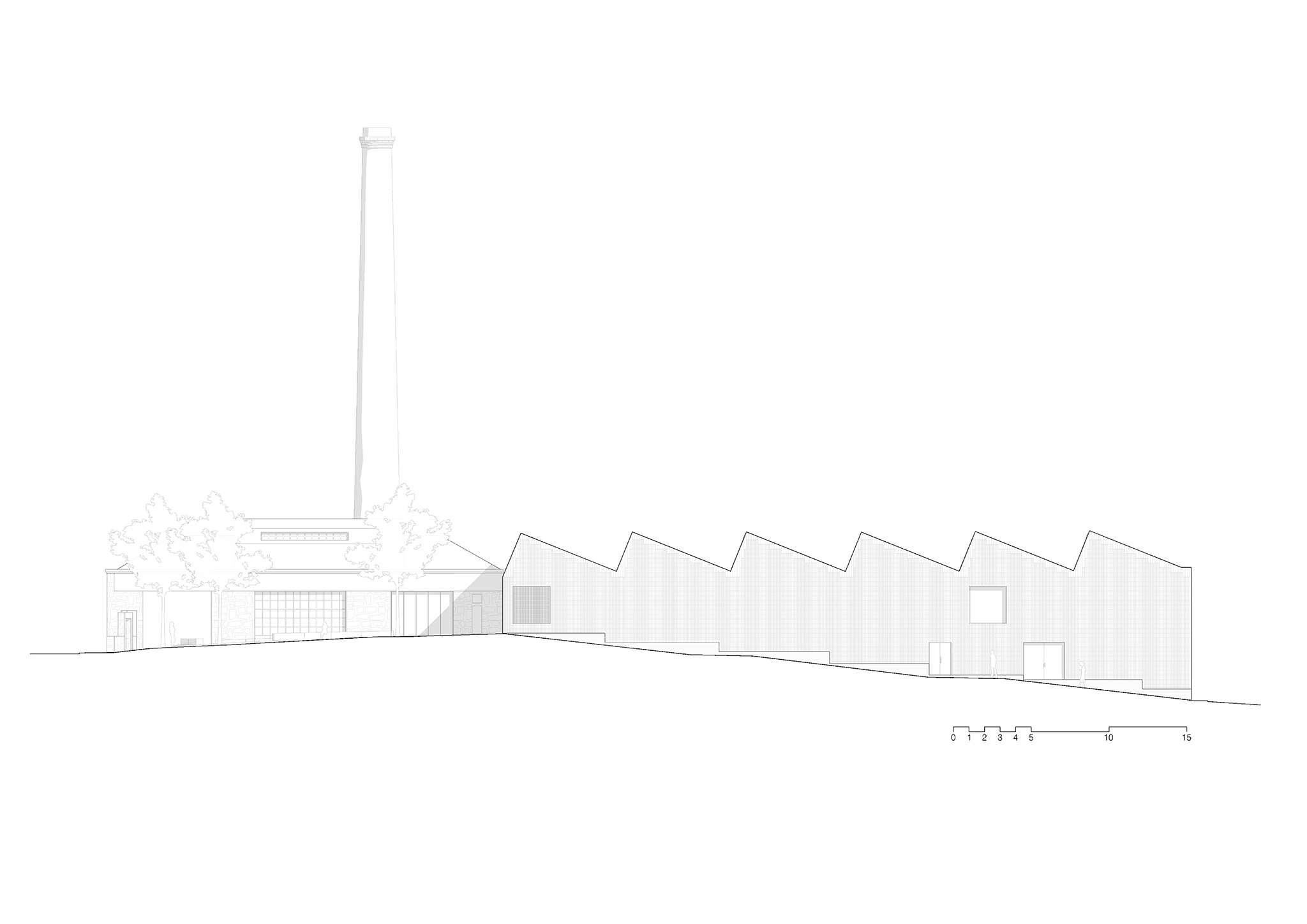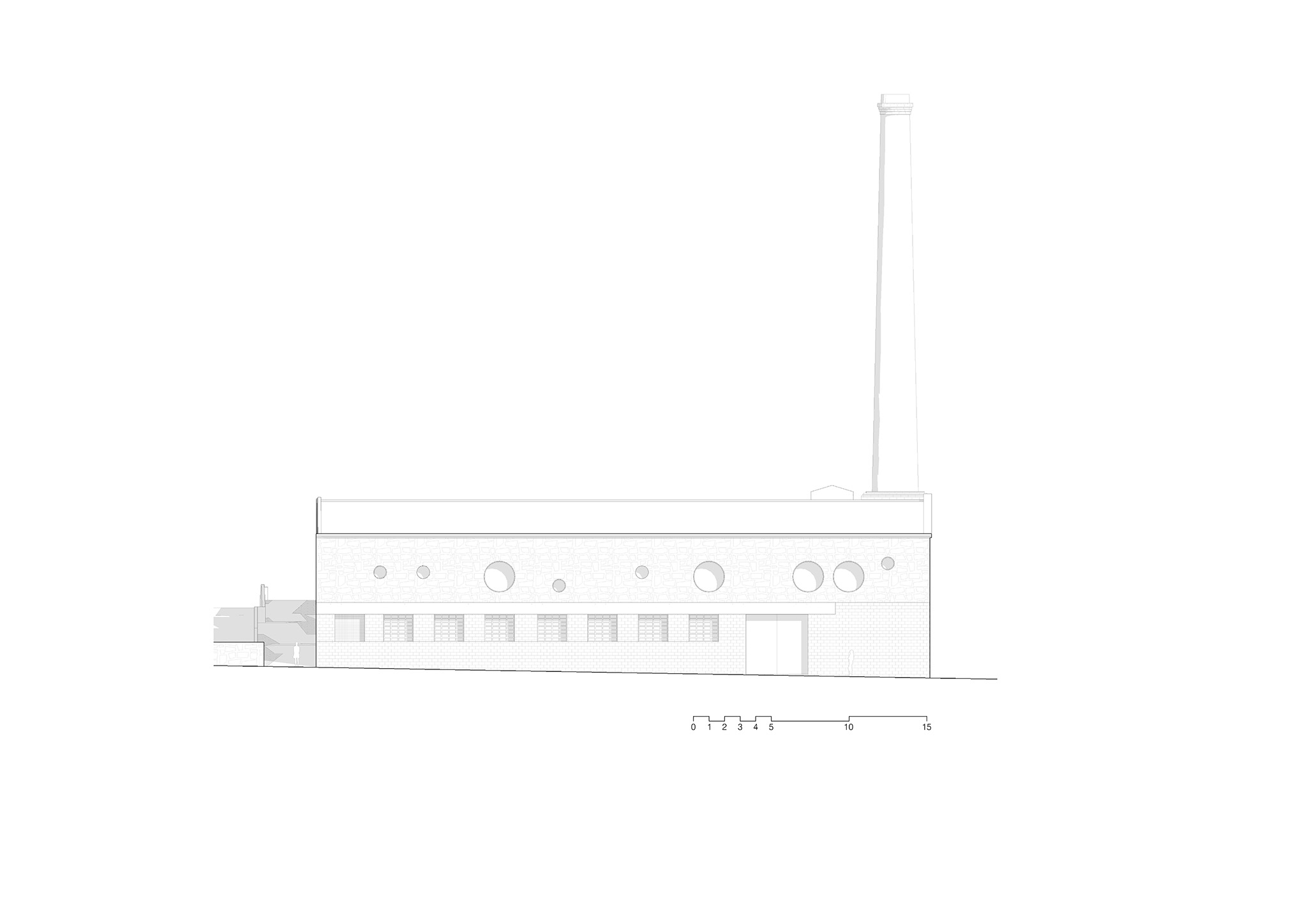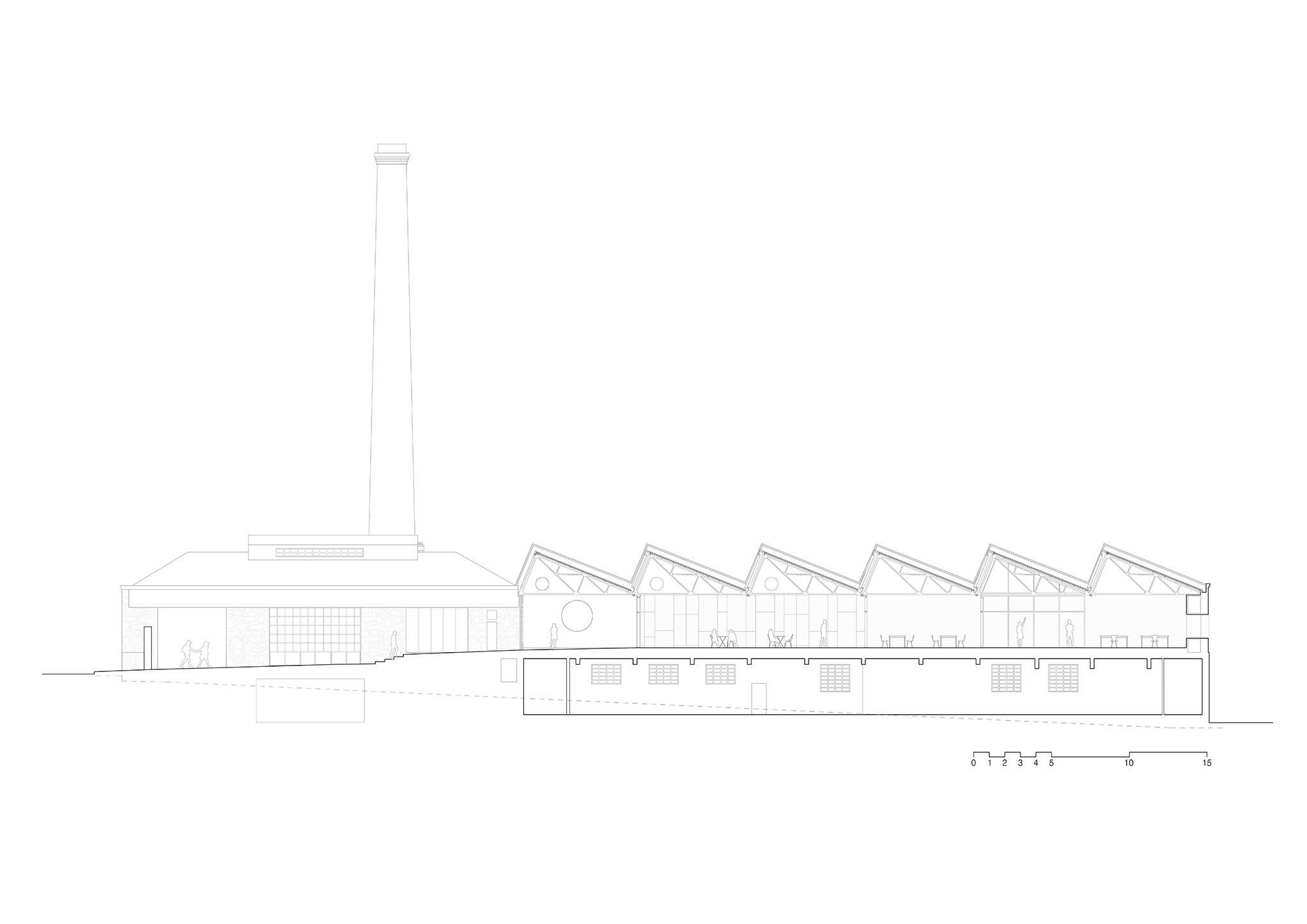
As a strategic public facility of great value, the project developed by Mestres Wåge Arquitectes is designed to serve both the municipality and the region, fostering collaboration, innovation, and local resilience. Furthermore, the project aims to reduce dependence on daily commutes to Barcelona by generating new opportunities for training, employment, and sustainable development in Moià and its surrounding area.
Designed as a Nearly Zero Emission Building (NZEB), Can Comadran is part of the initiatives promoted by the European Next Generation Action Plan. Through its versatile training spaces, the project establishes itself as a strategic infrastructure for driving local and regional development, revitalizing the existing urban fabric, and promoting greater economic autonomy for the Municipality of Moià.
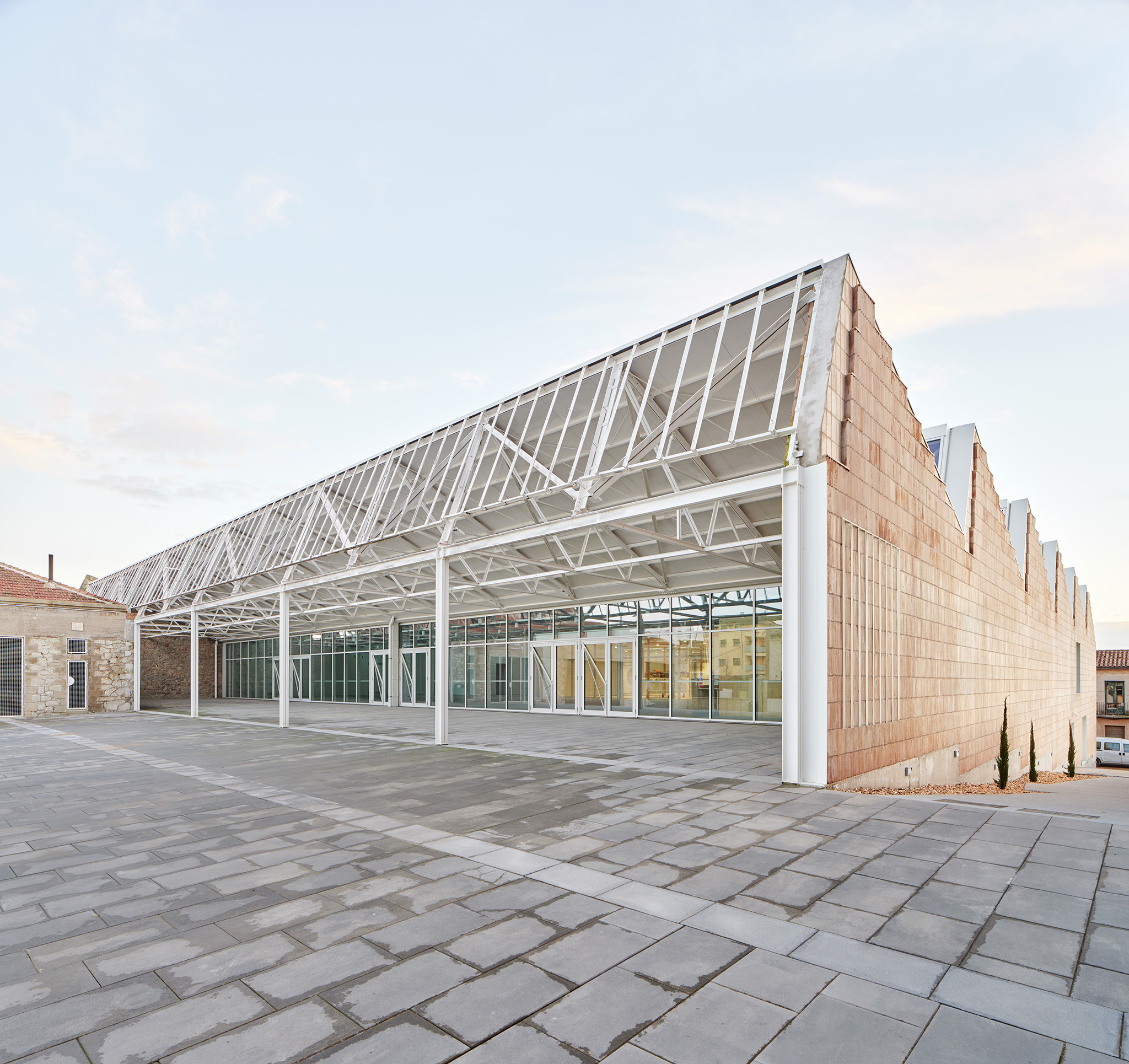
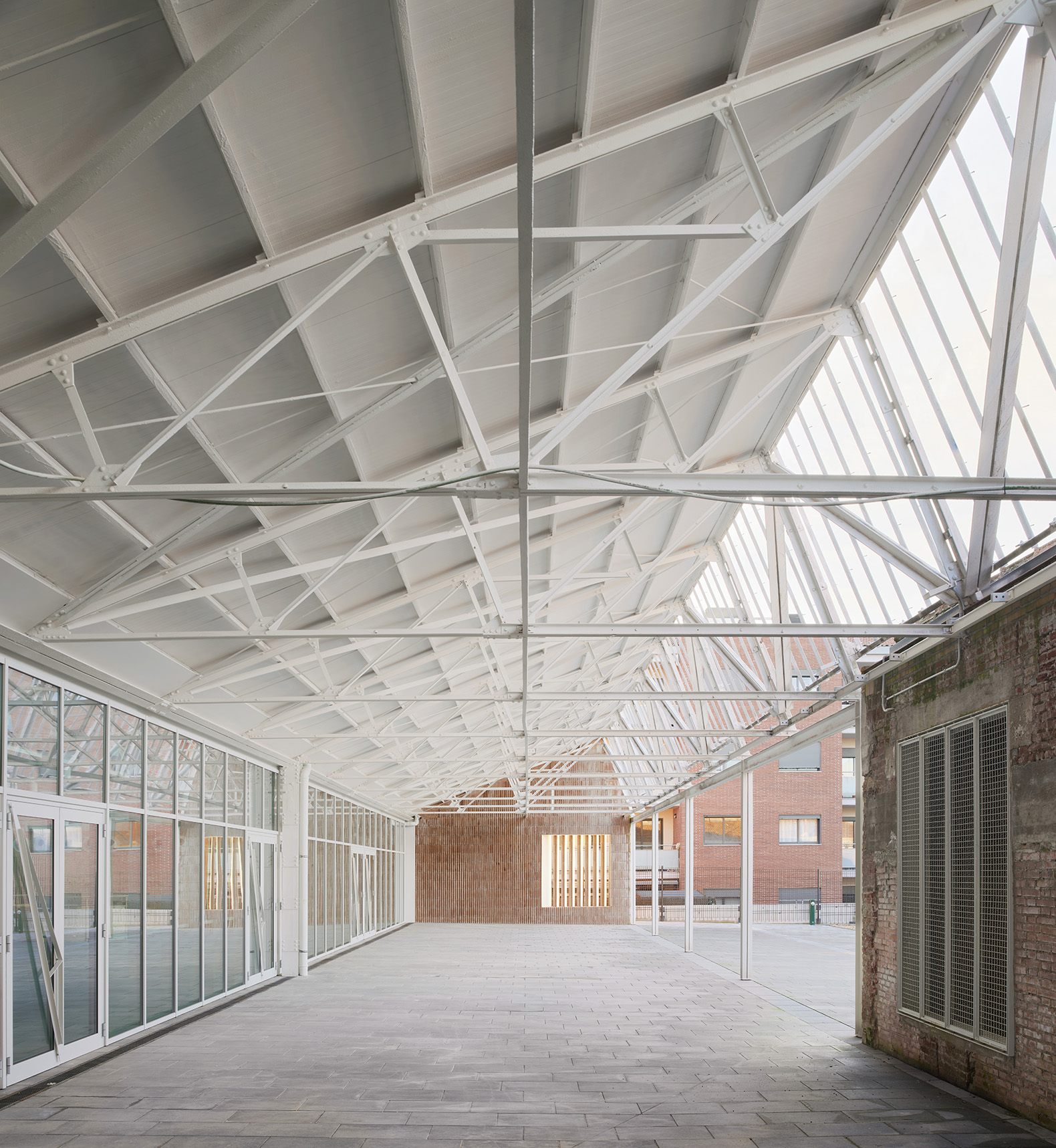
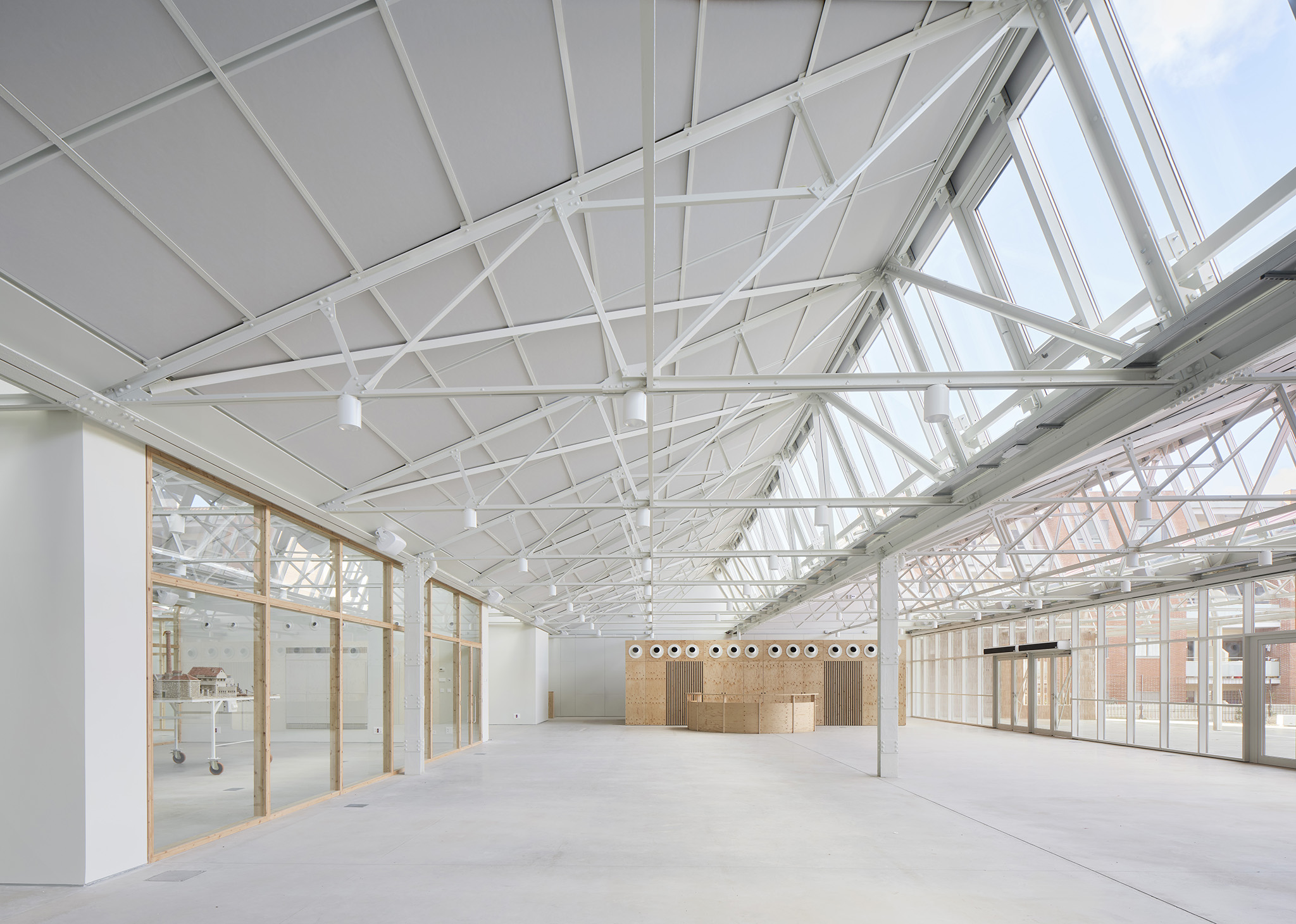
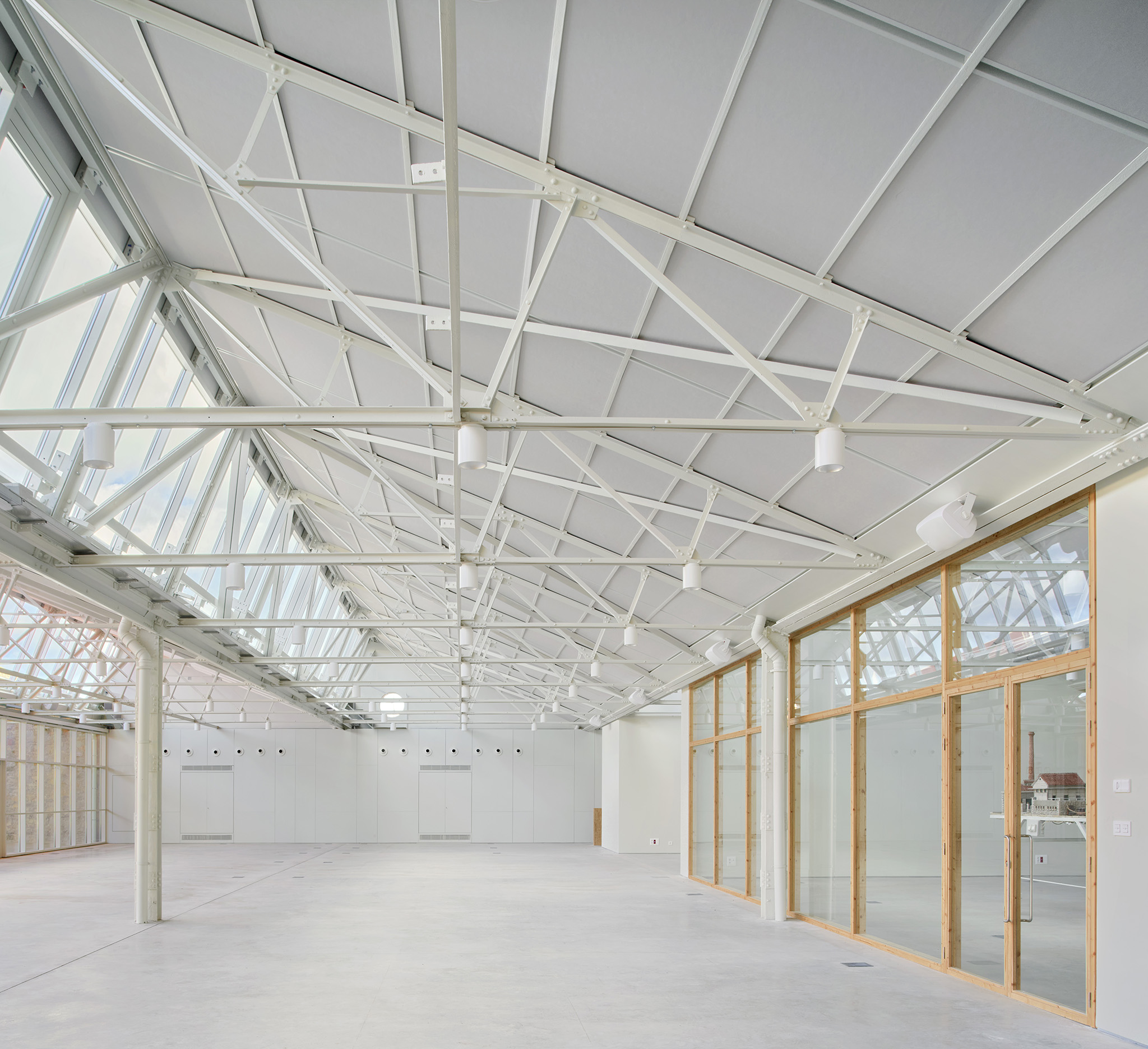
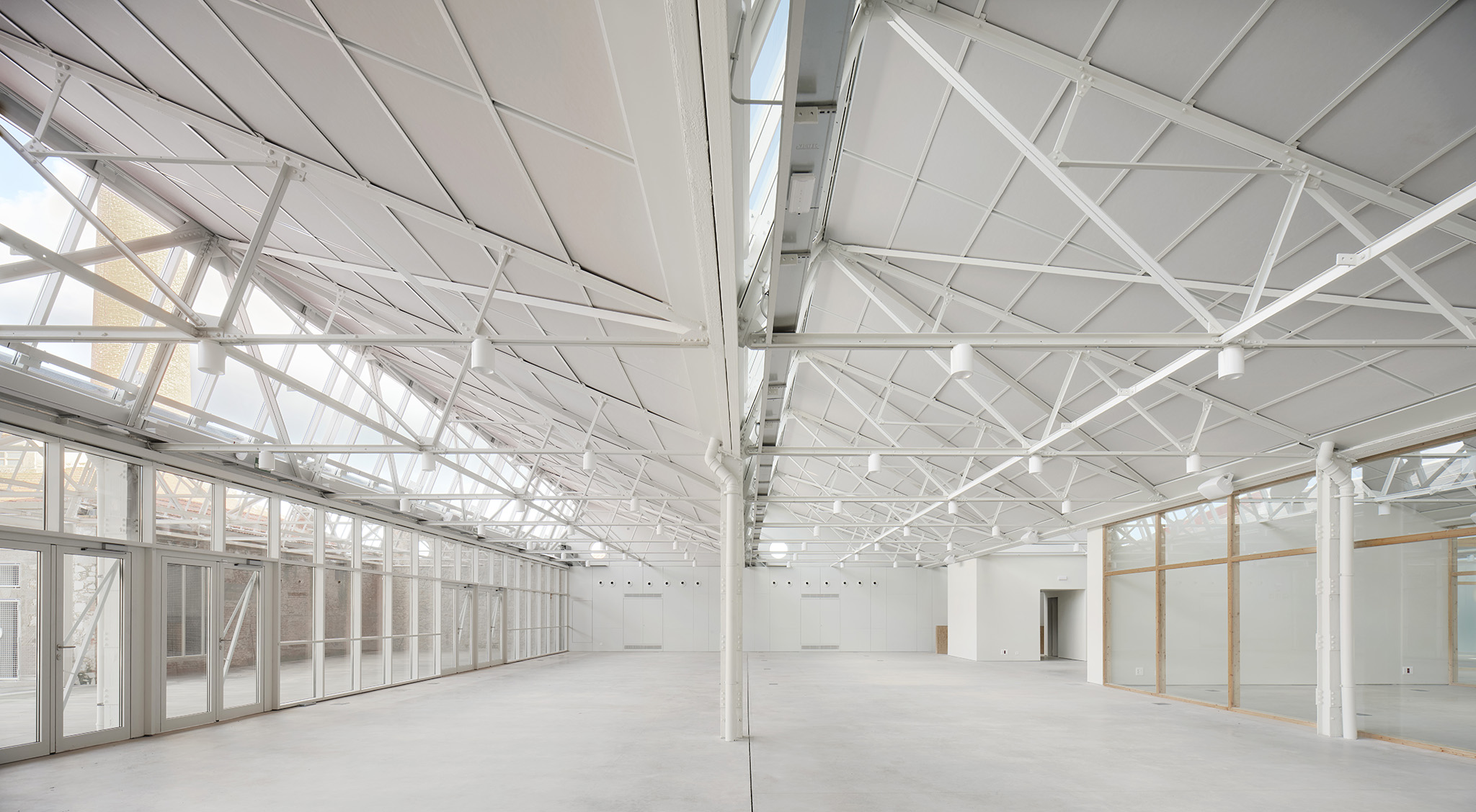
Multifunctional equipment for Can Comadran by Mestres Wåge Arquitectes. Photograph by José Hevia.
Project description by Mestres Wåge Arquitectes
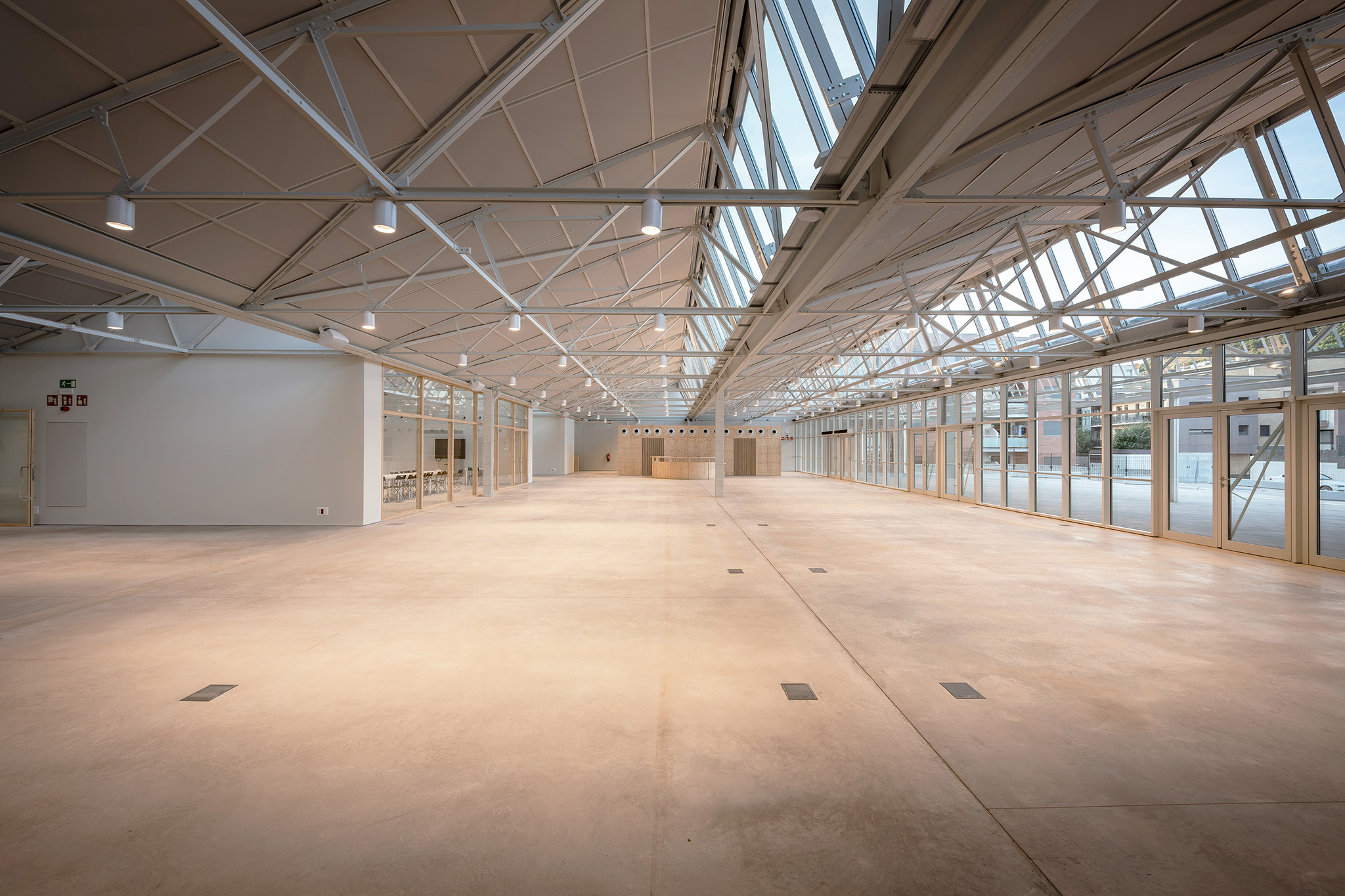
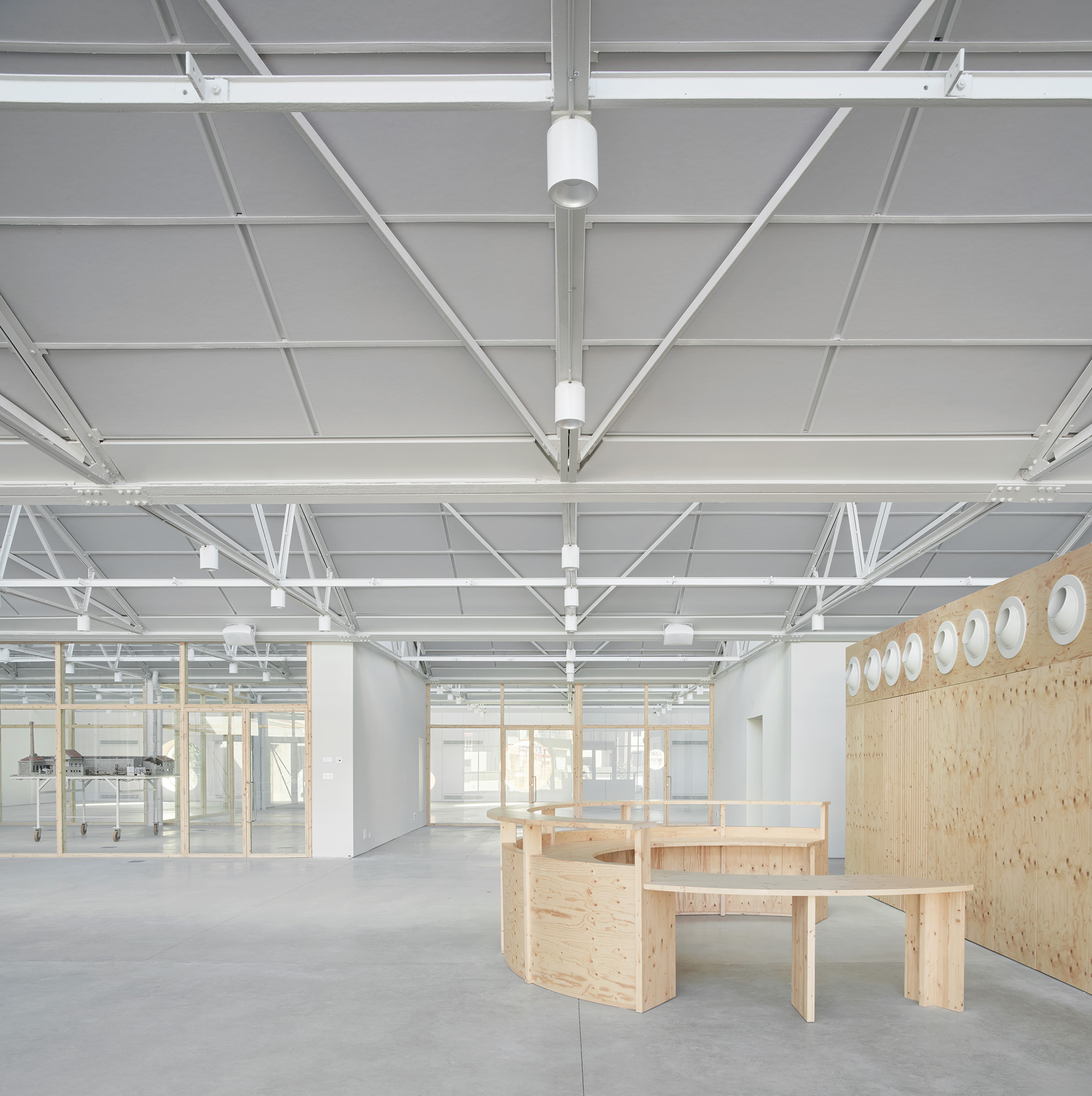
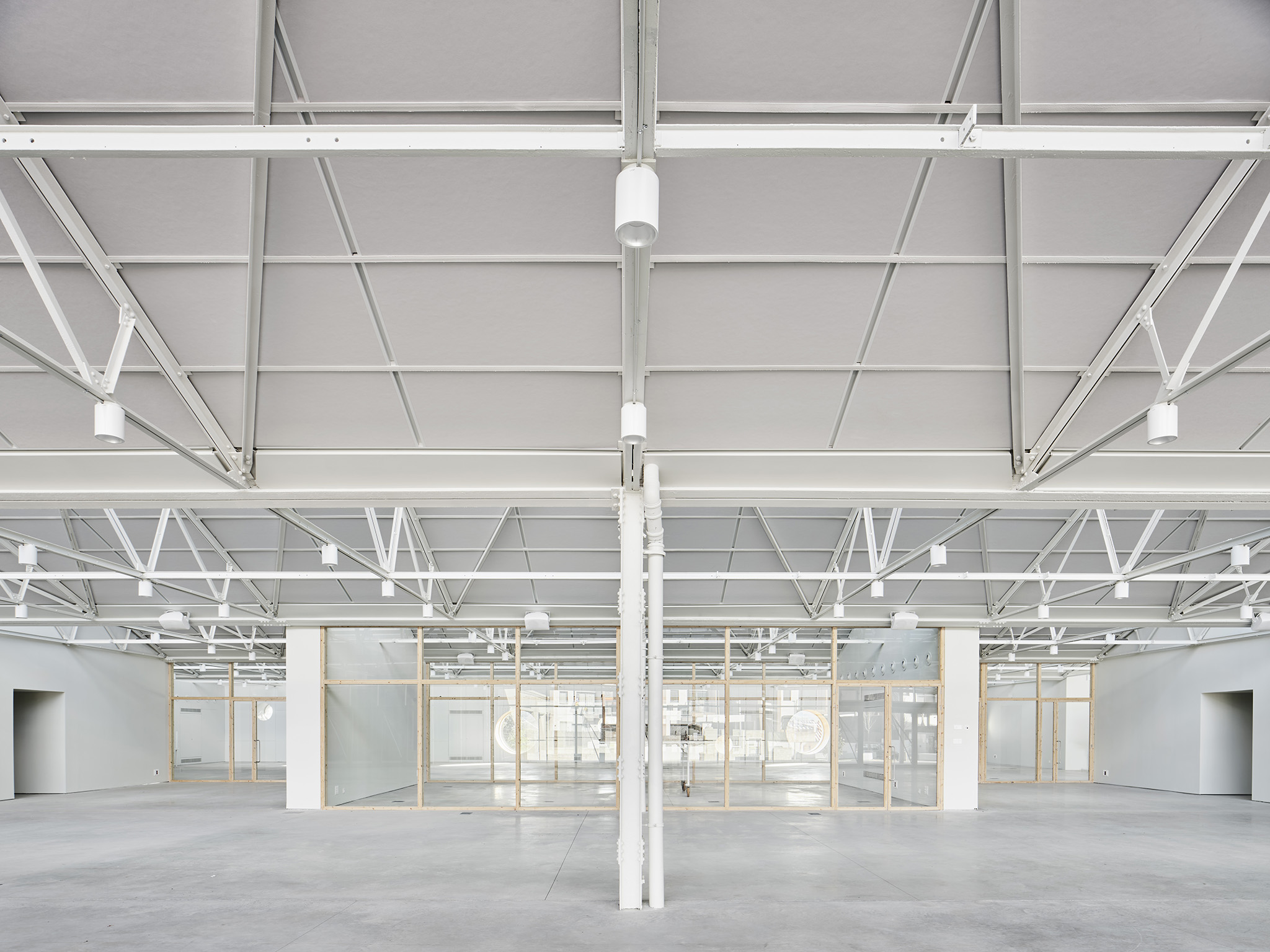
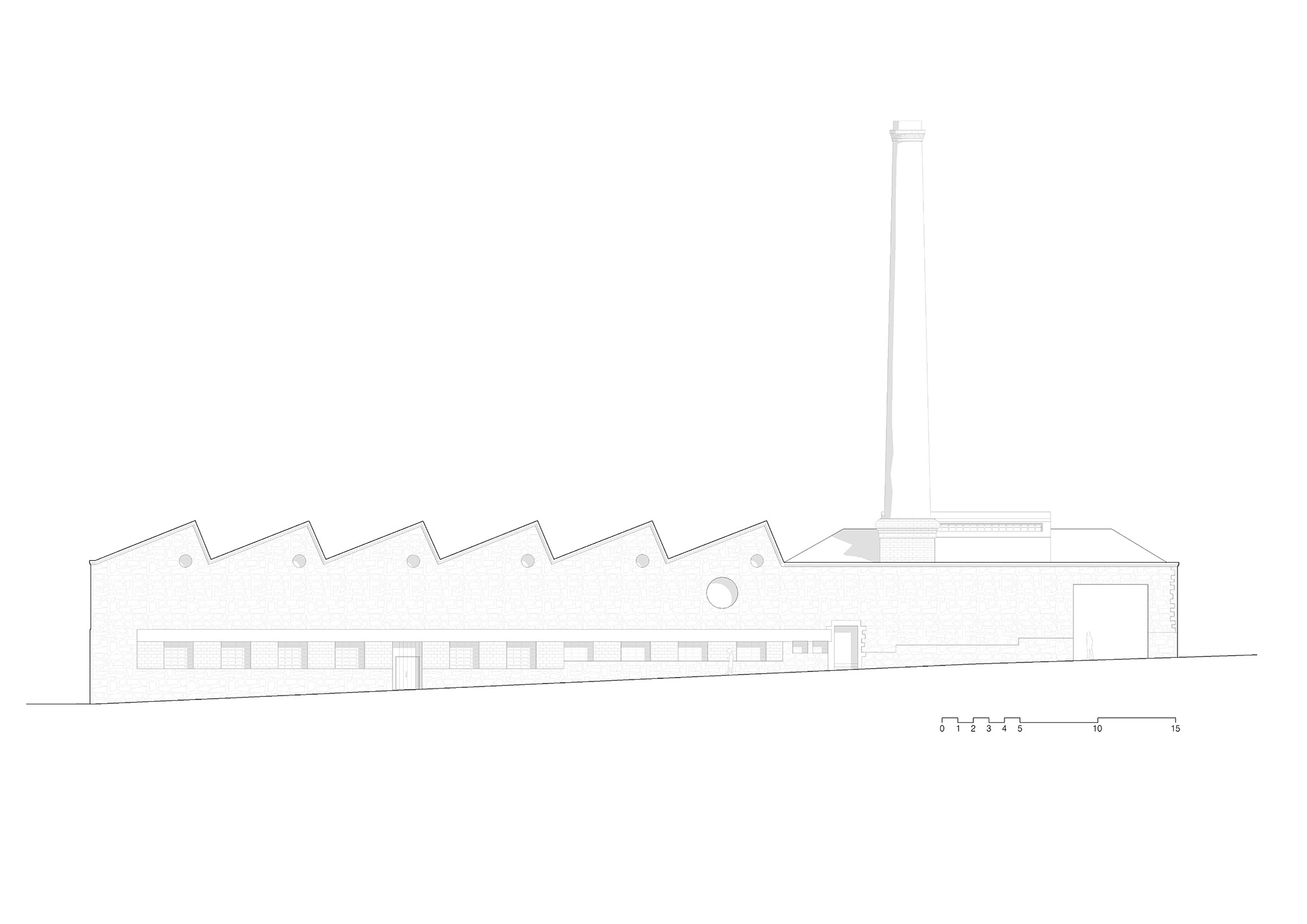
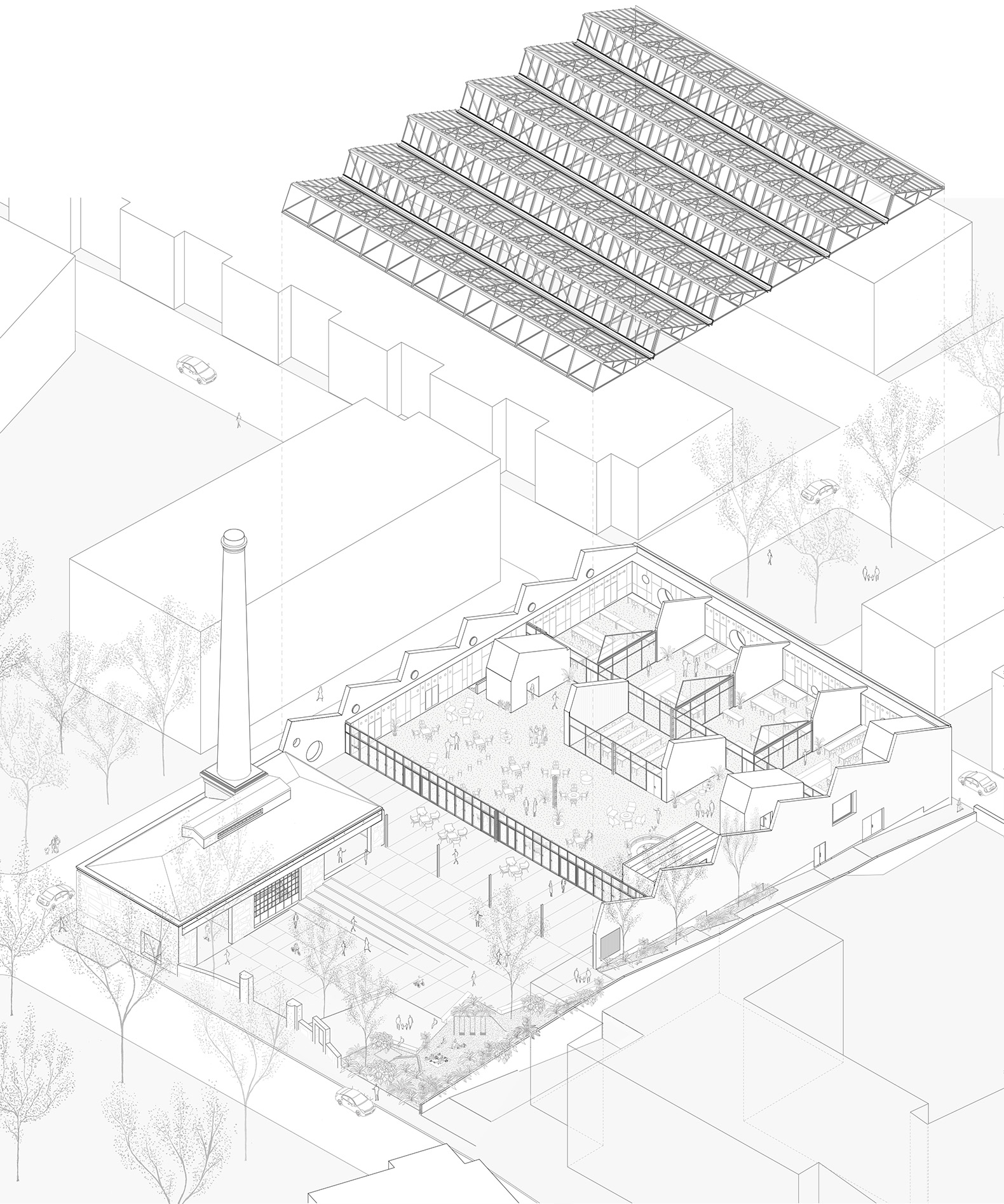
The integral rehabilitation of Can Comadran, a project co-financed by the Next Generation program, aims to preserve the architectural and industrial heritage of Moià and transform it into a multifunctional public facility serving the community, local entities, and its business sector. It is a former textile factory built in the 1950s by the engineer Antoni Forrellad Solà, notable for its large-span metal truss structure, which is preserved and enhanced.
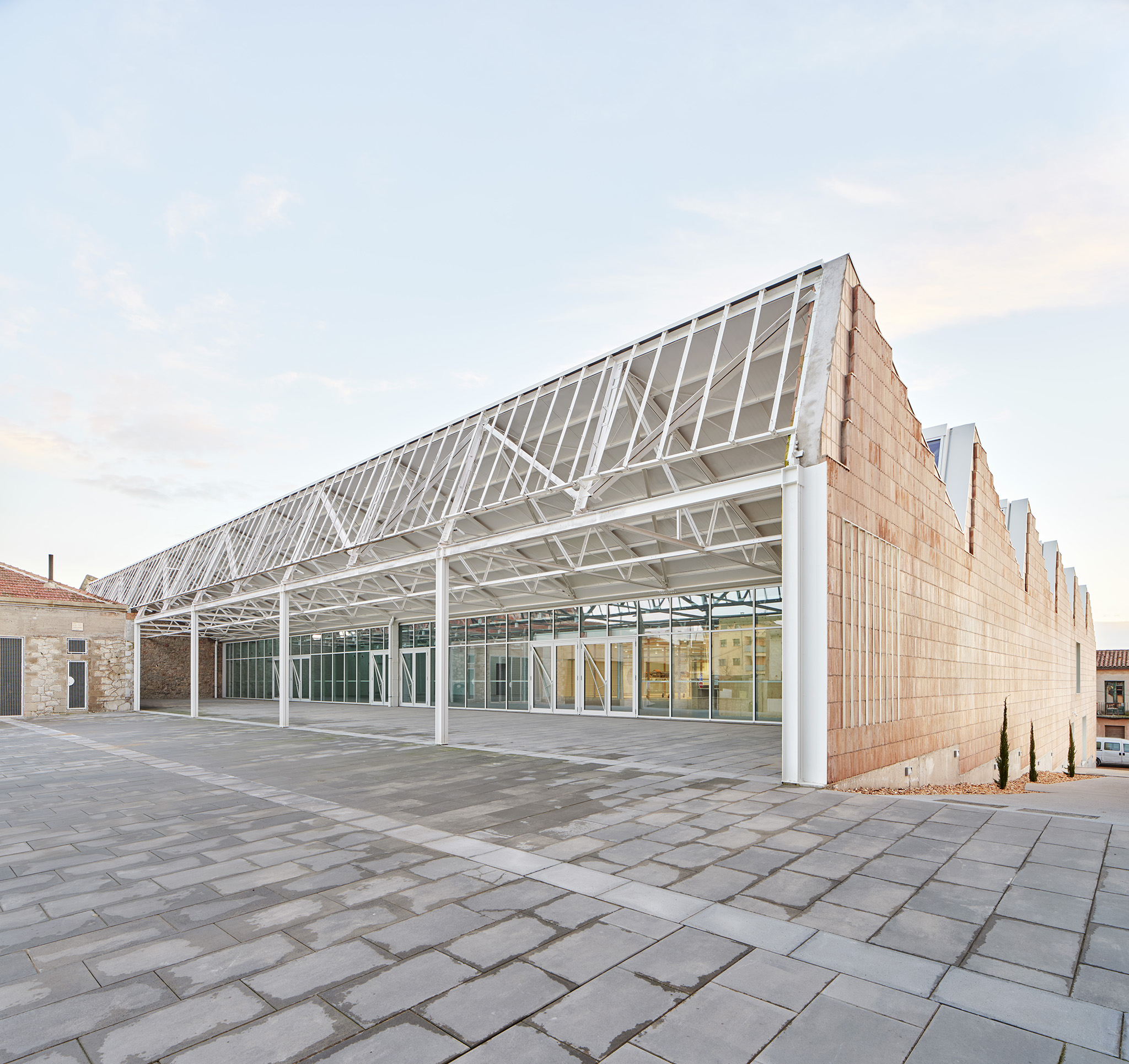
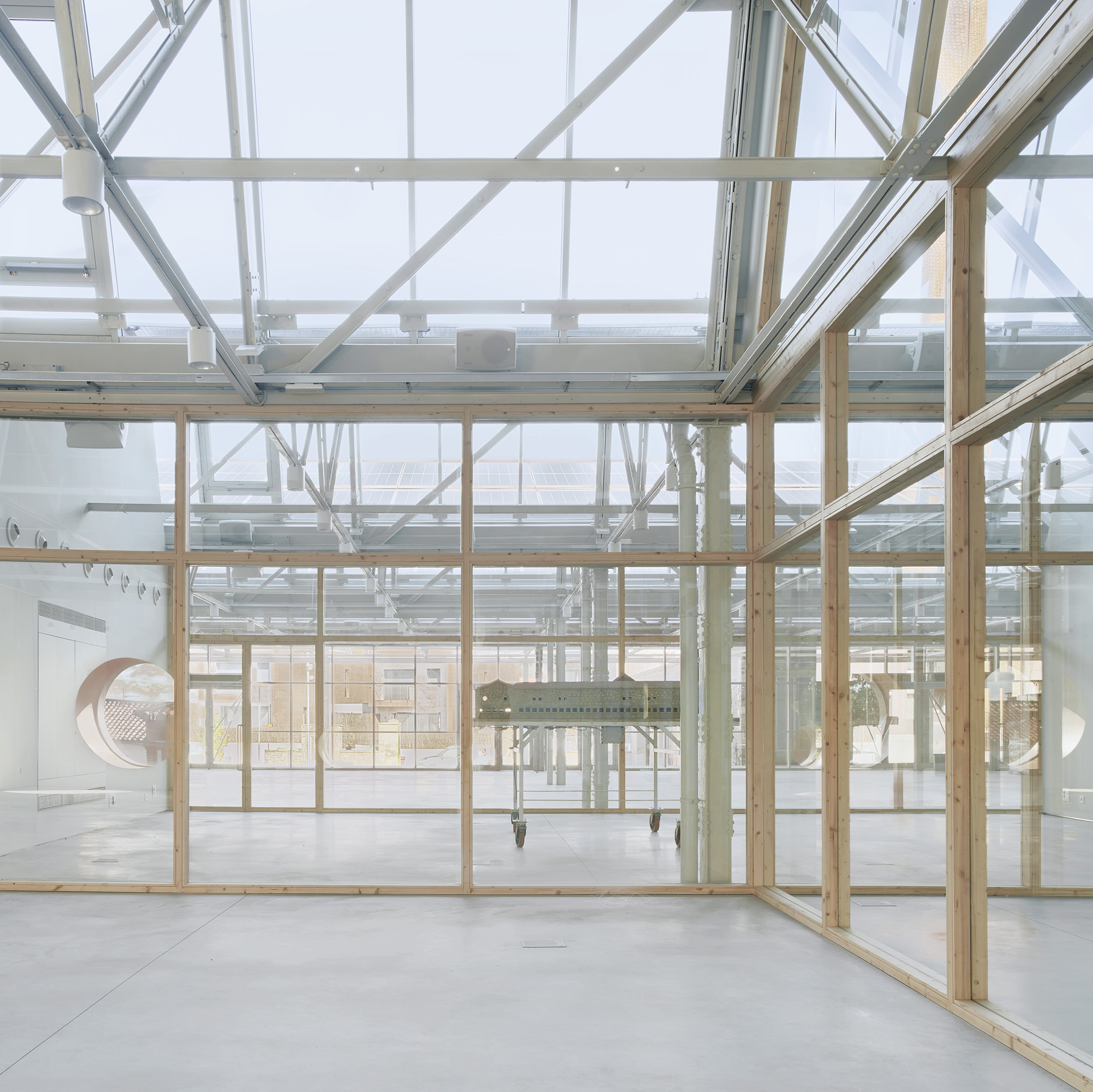
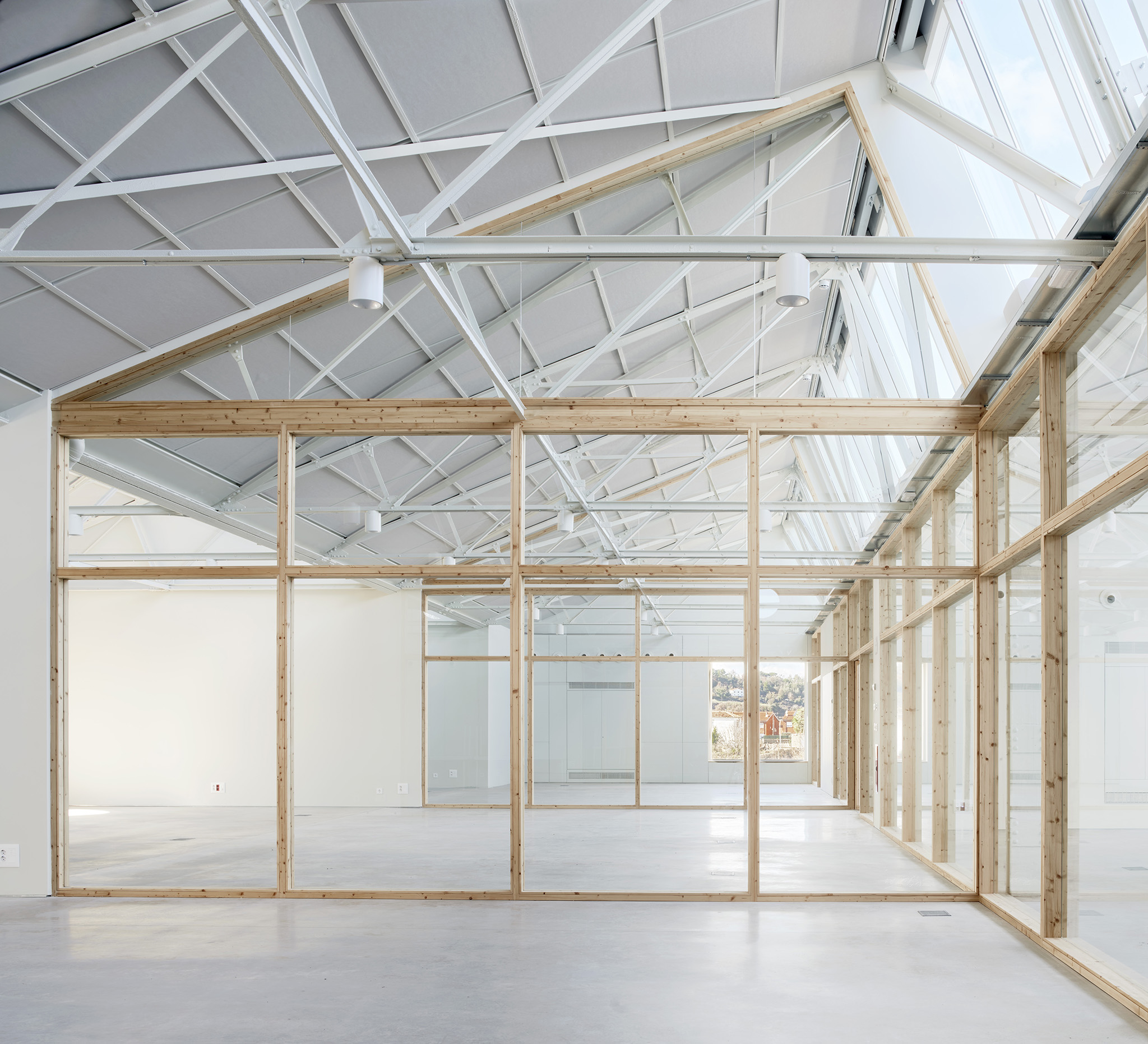
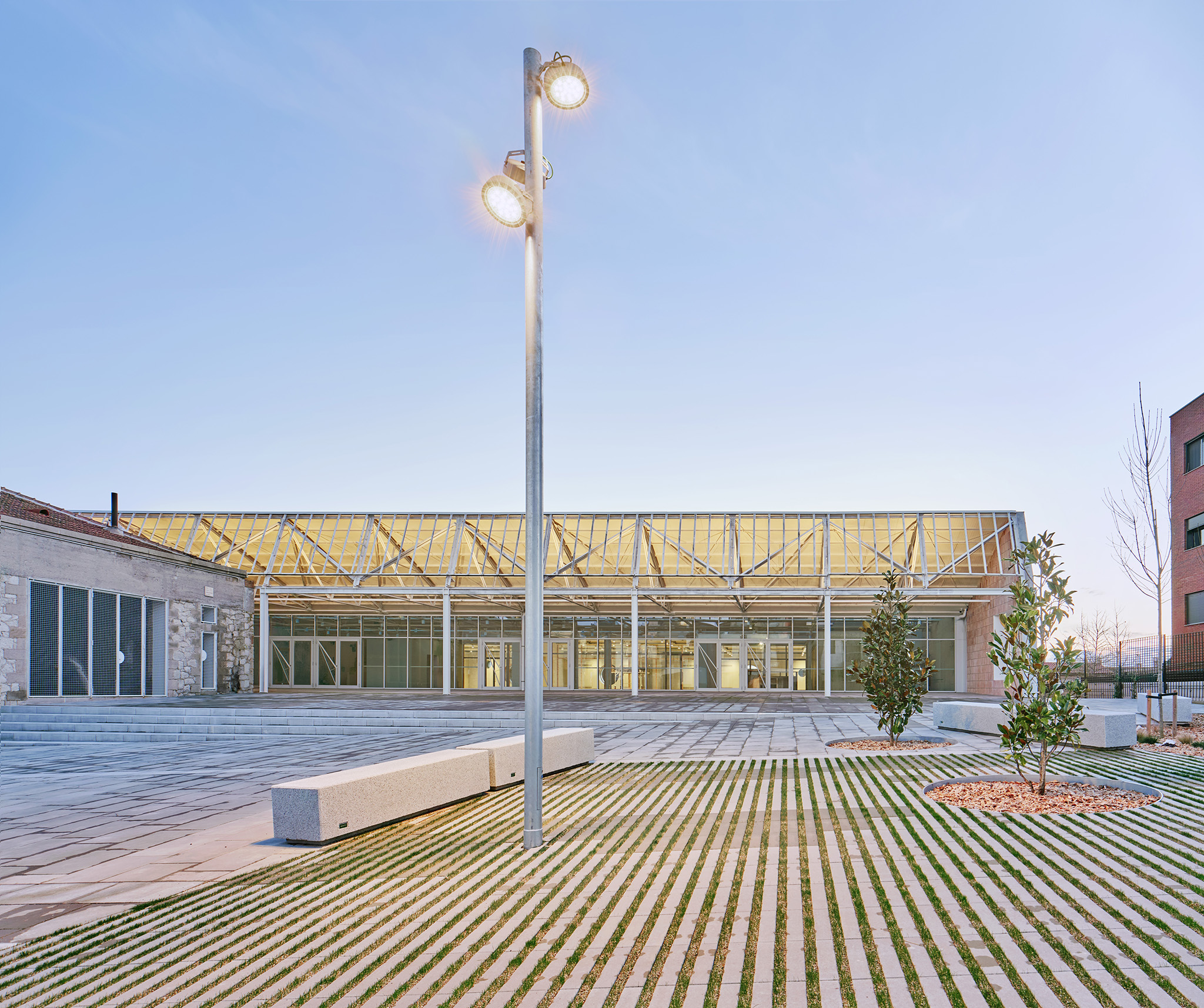
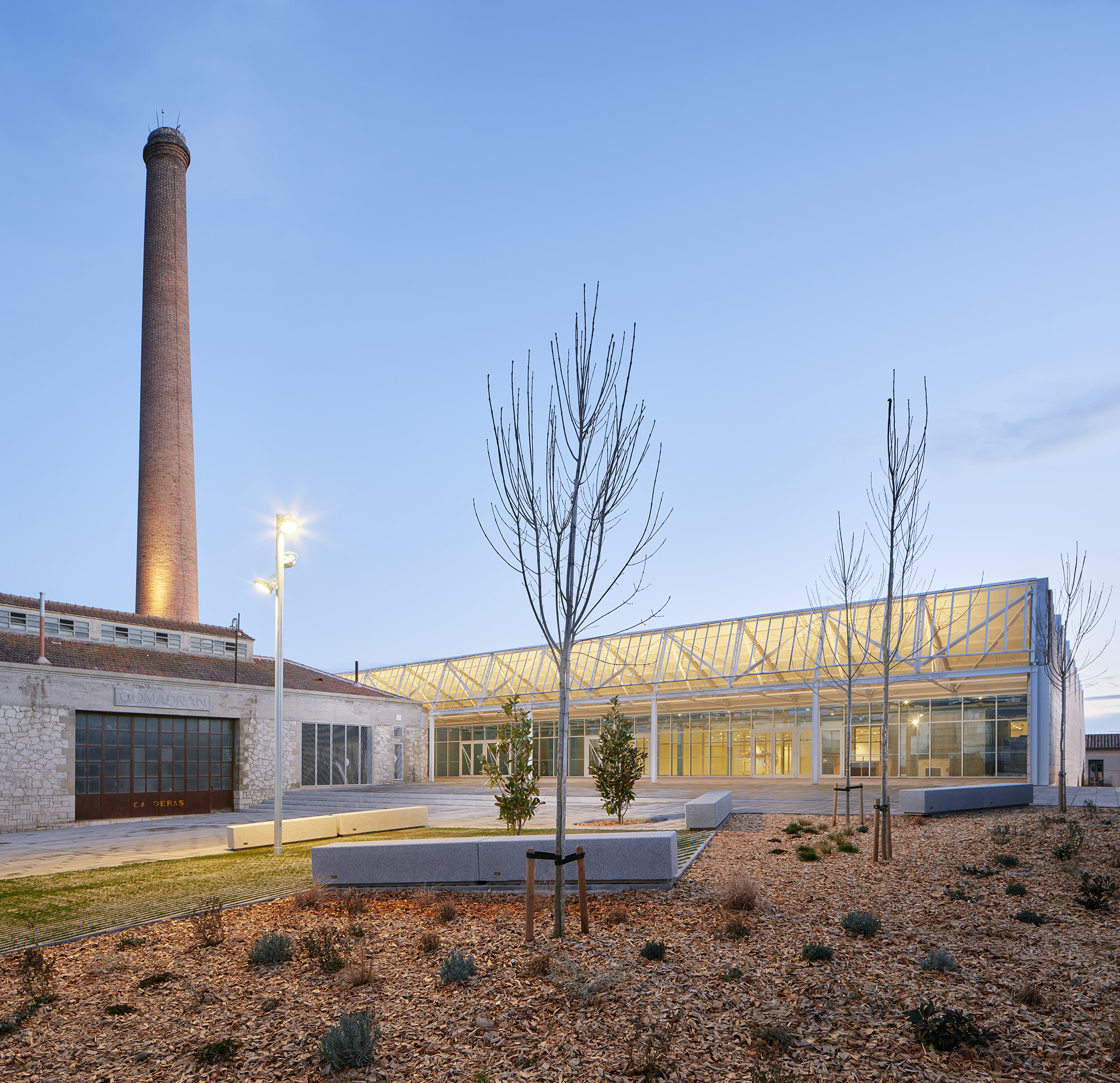
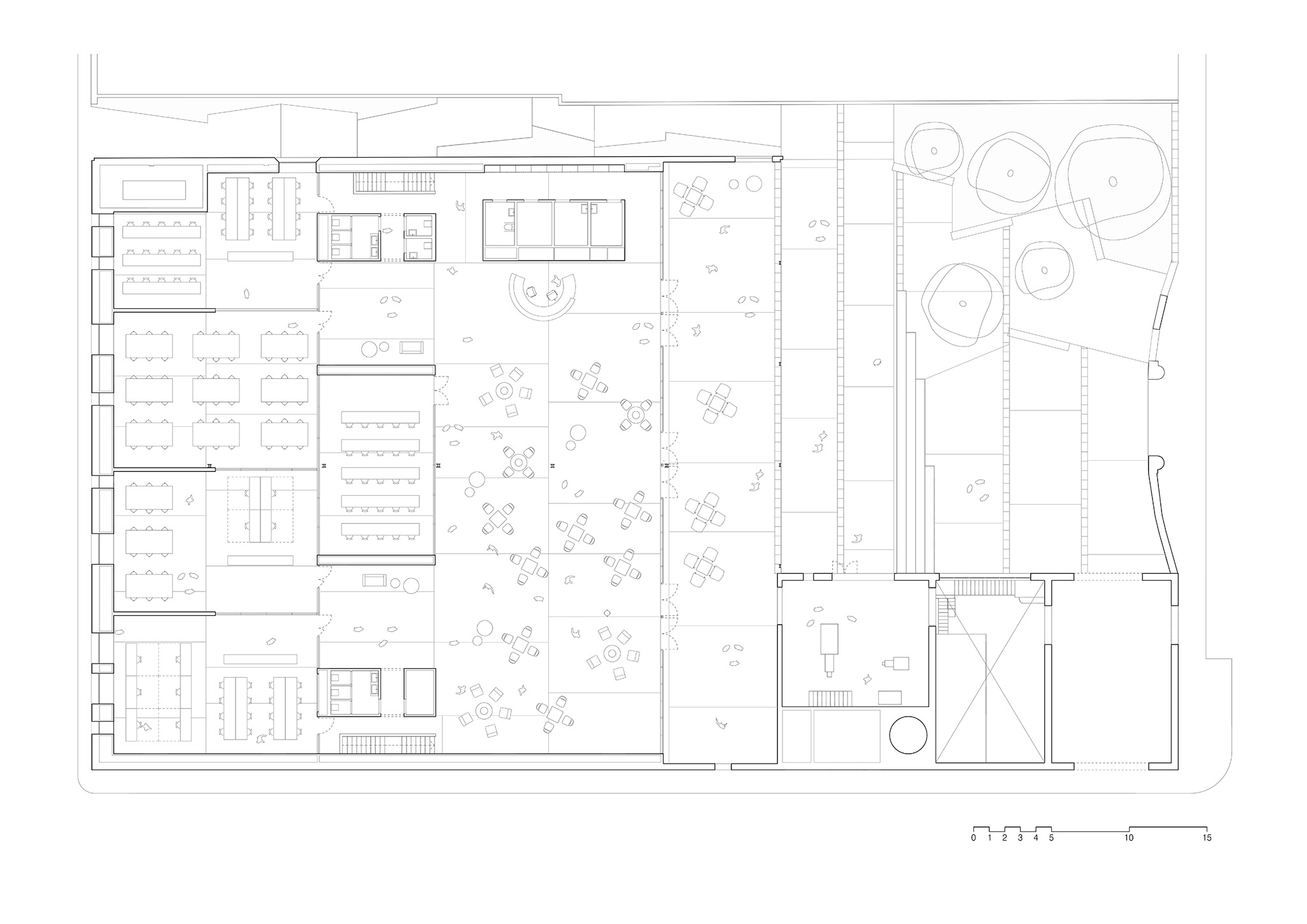
The project focuses on the building's main floor, respecting its industrial identity and maximizing both its spatial qualities and the entry of natural light from above. The intervention proposes an open and flexible building, with a combination of open and enclosed spaces, and a strong visual connection between interior and exterior. The metal structure is visible both from the interior and from the exterior porch, reinforcing the heritage character of the complex.
Program. Social and Territorial Impact
From a social and territorial perspective, Can Comadran is conceived as a strategic facility to promote local and regional development. The project contributes to revitalizing the established urban environment and reducing daily commutes to Barcelona. The building houses coworking spaces linked to the agricultural, livestock, and food sectors, workshops and multipurpose rooms for training and social uses, as well as a large main space intended for exhibitions and/or concerts.
Architectural Proposal
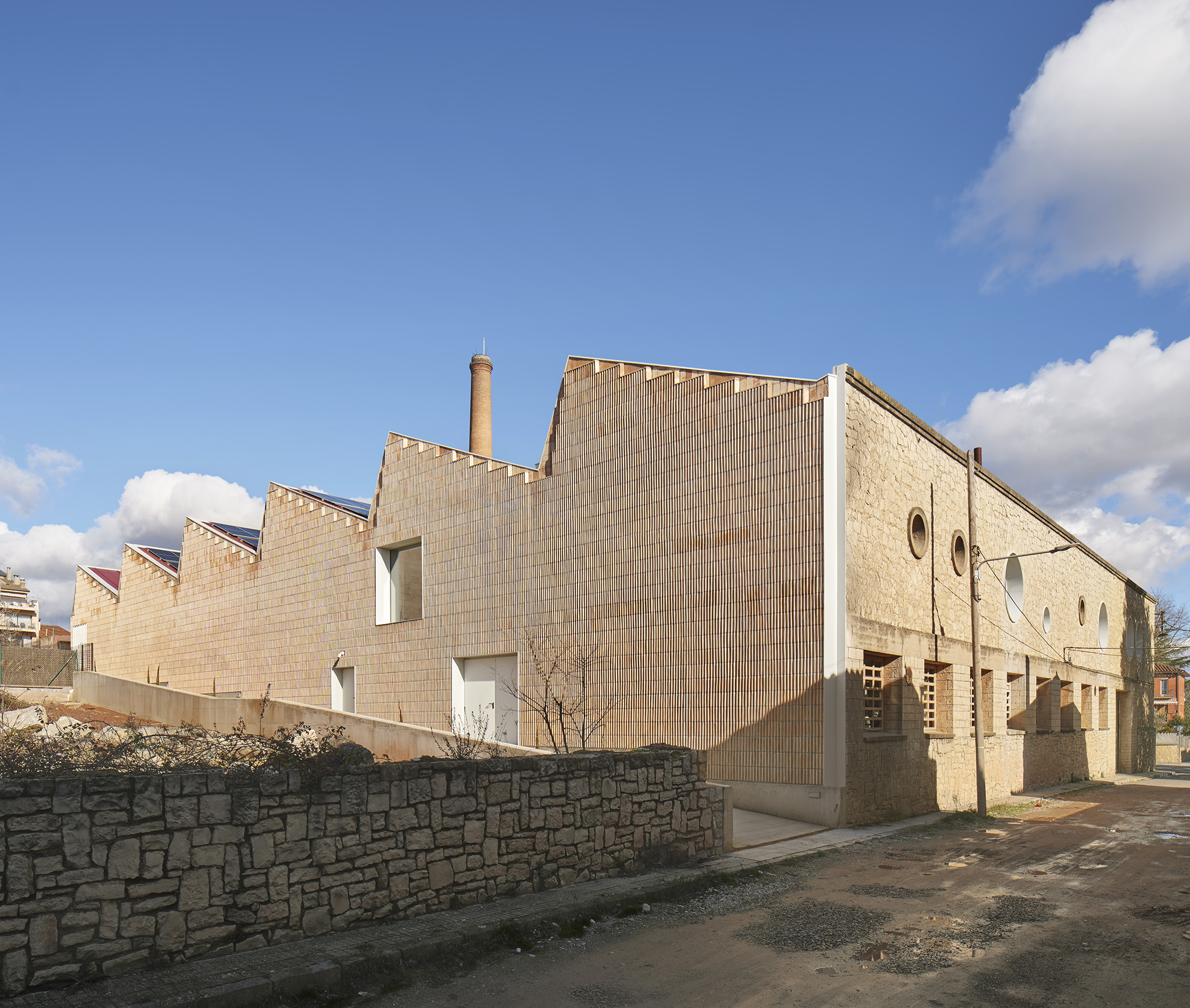
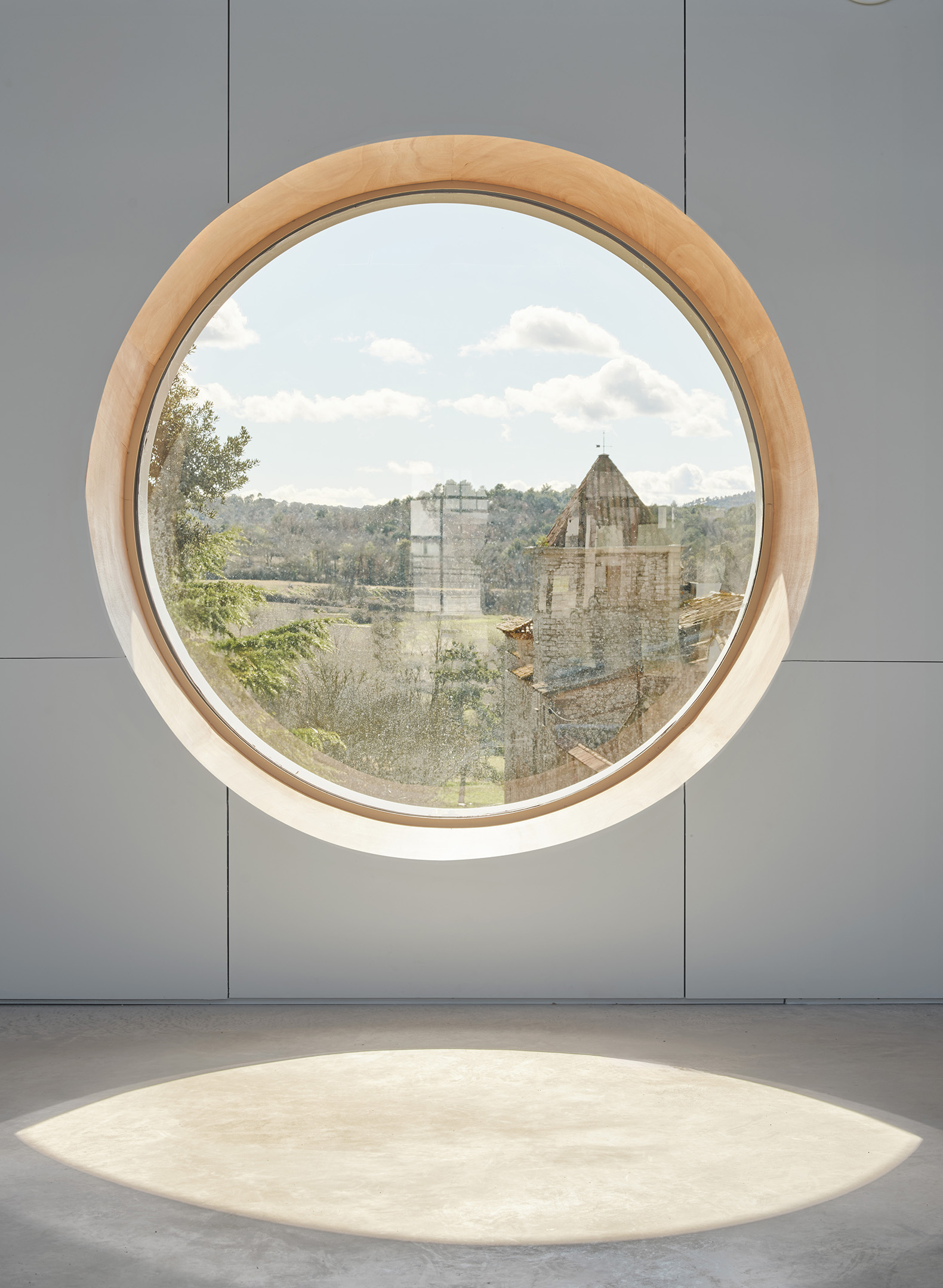
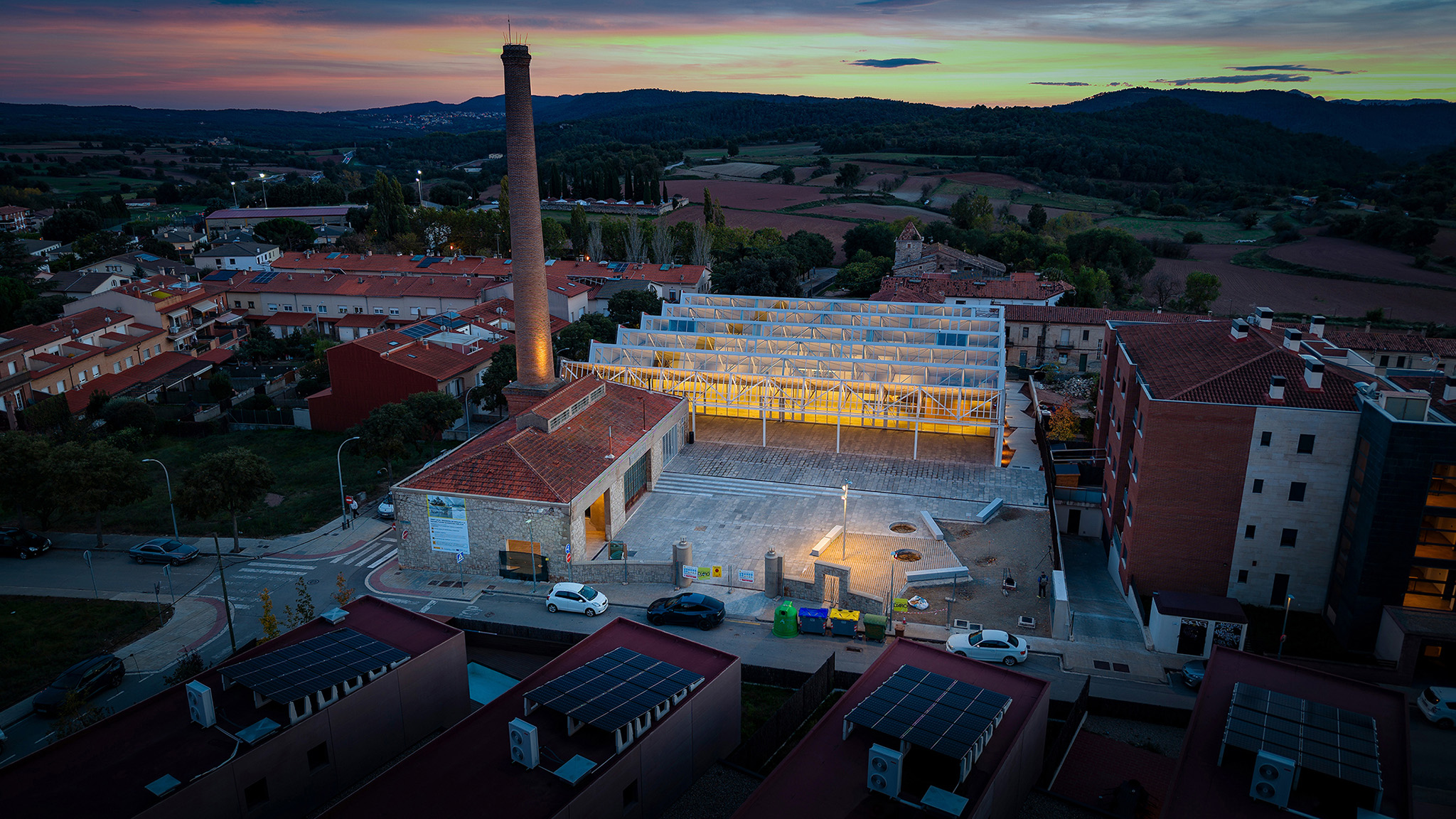
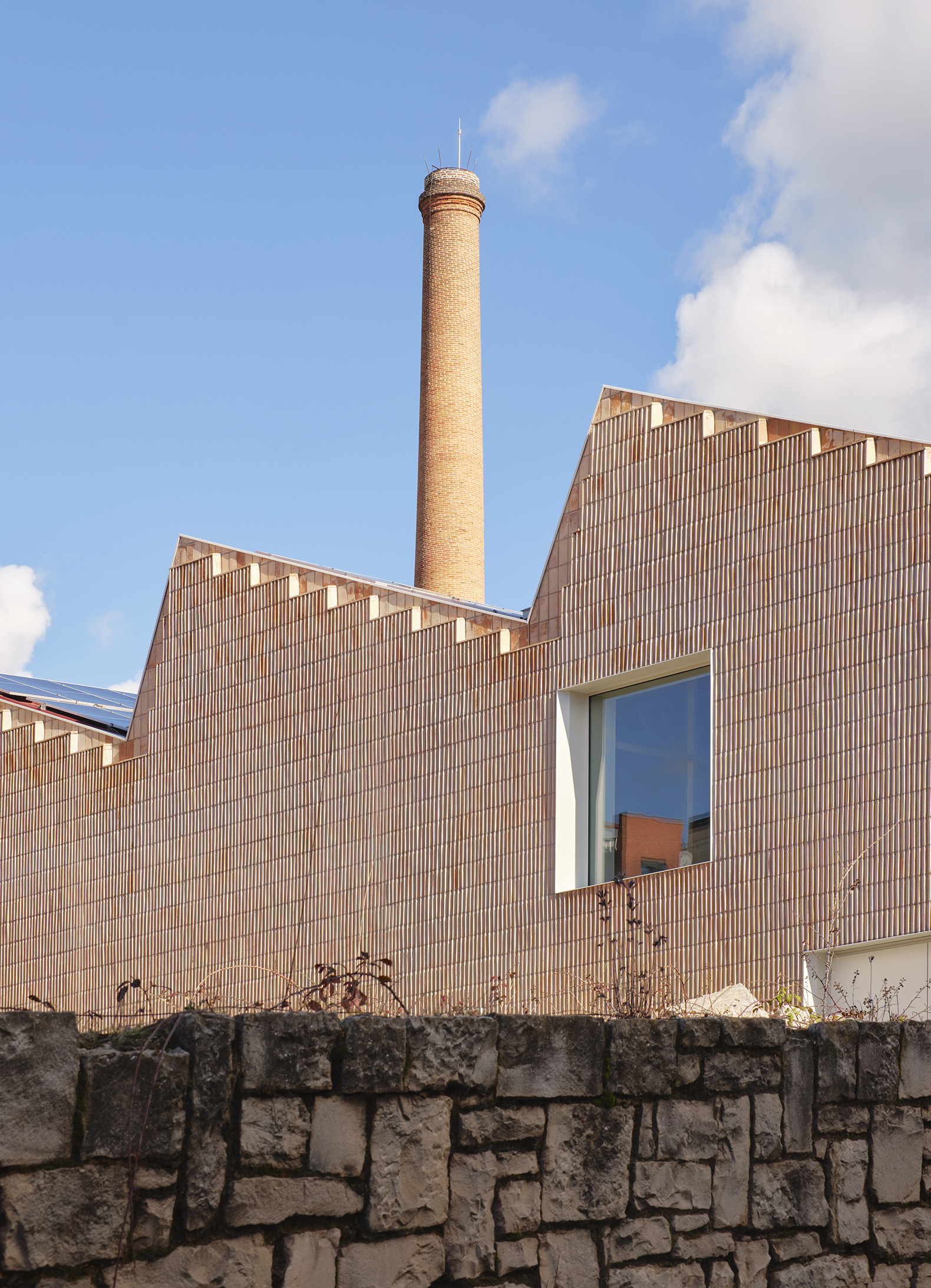
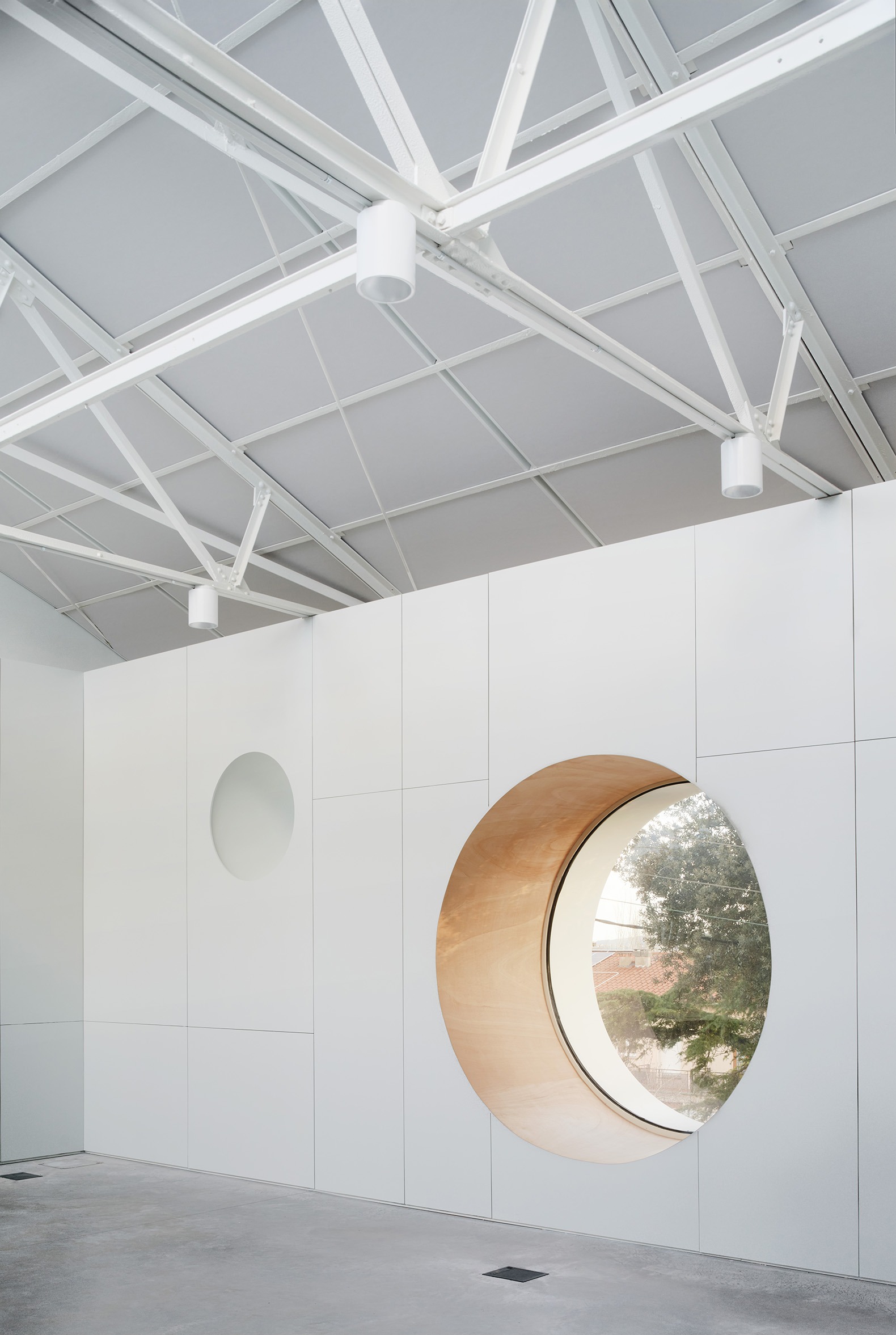
The original elements of the complex—the factory, the boiler building, and the fence—are maintained, but the enclosed area is made permeable and integrated into the public space of Moià. The natural stone walls are preserved on the south and east facades, maintaining the tall circular windows in the facade. Within the architectural framework of the project, new circular windows are opened towards the surroundings to visually connect the interior with points of interest.
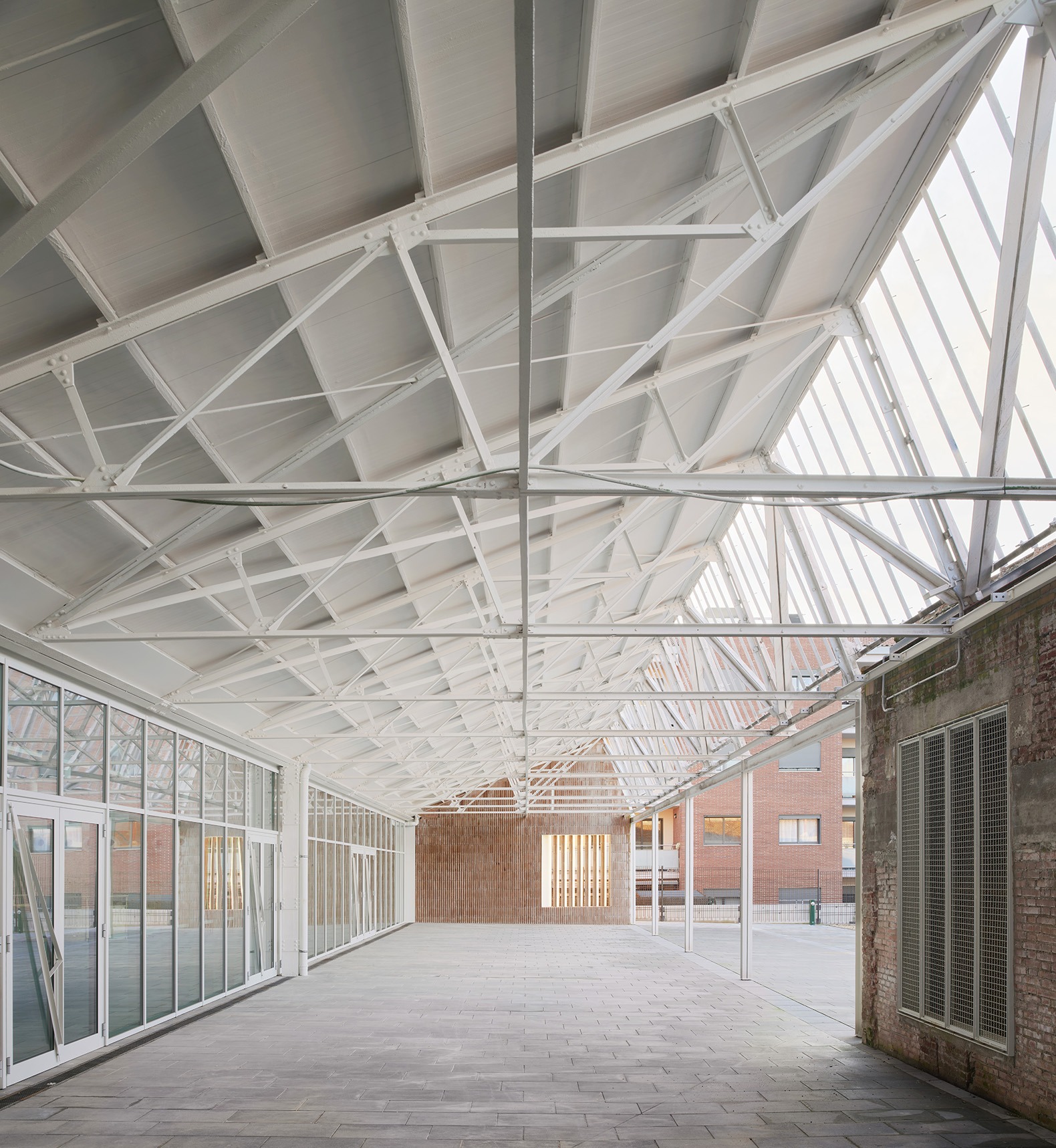
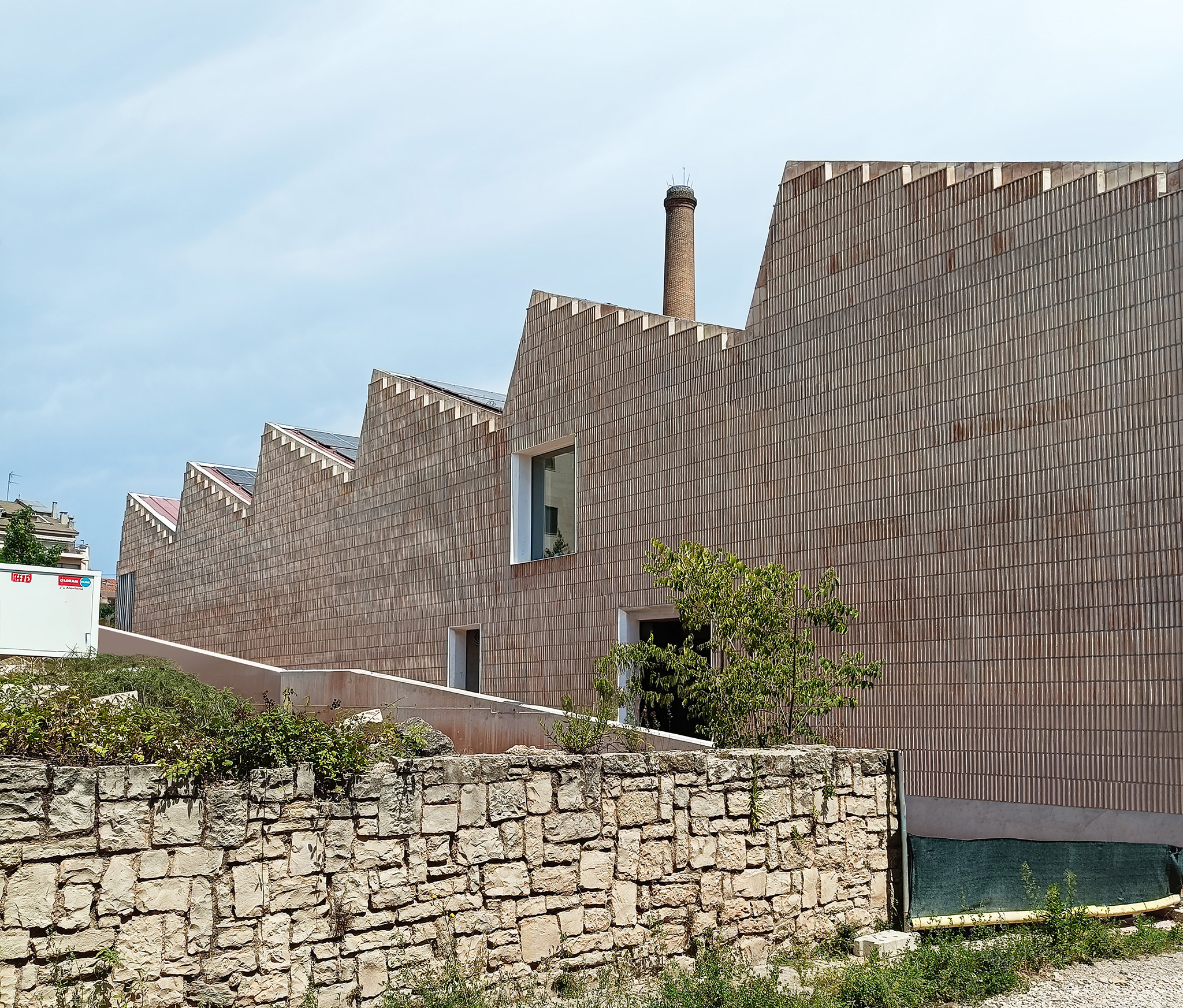
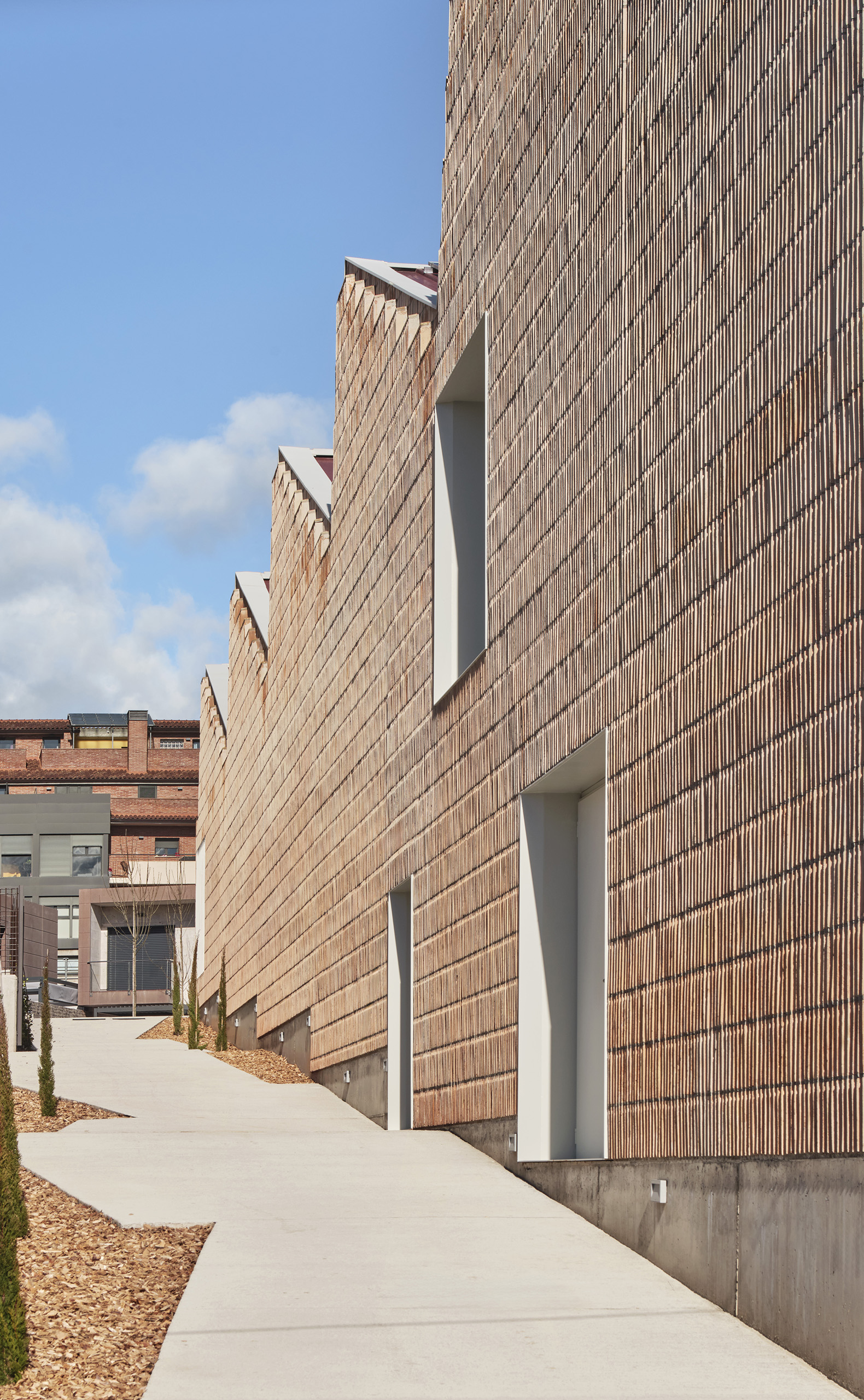
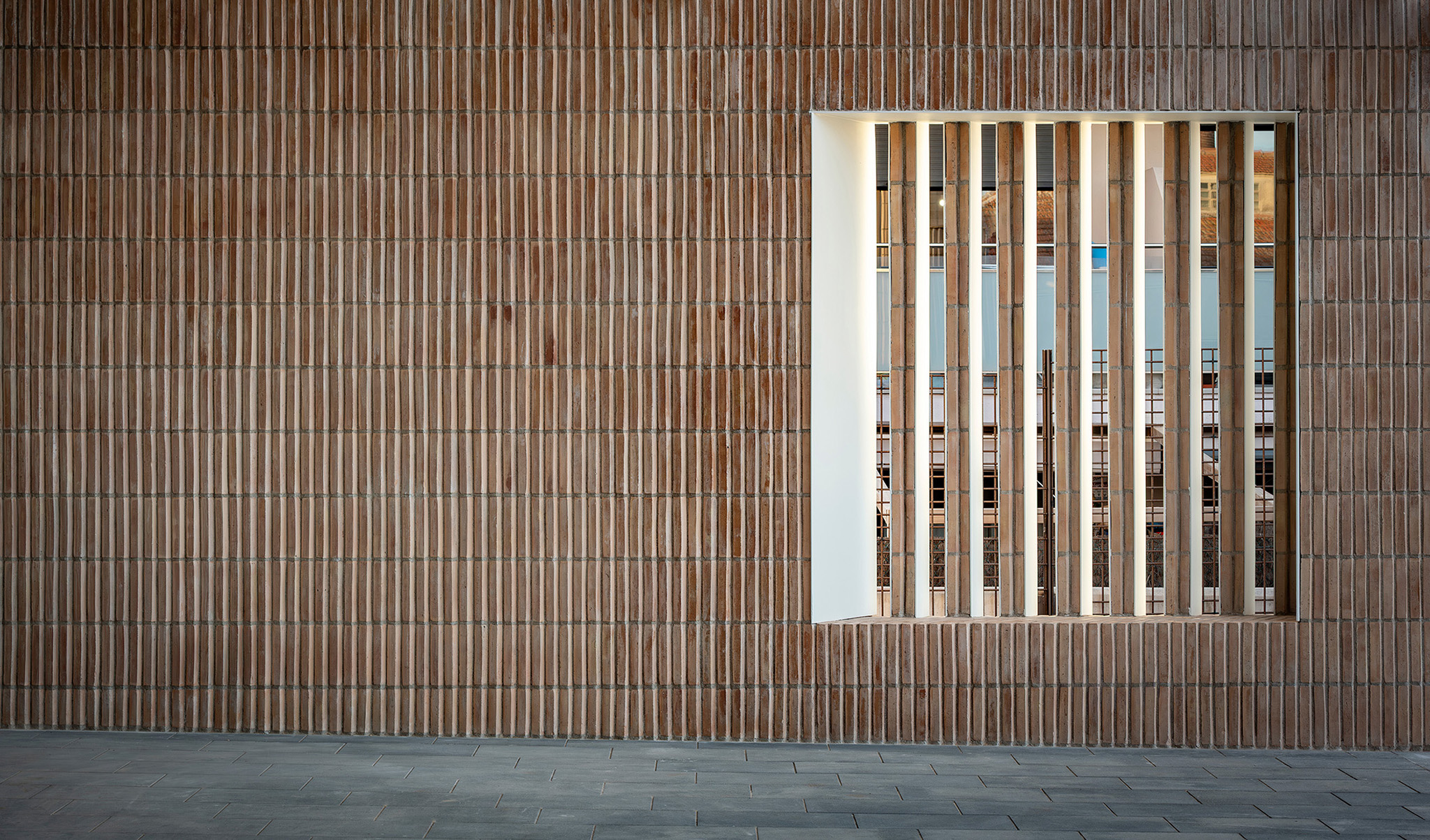
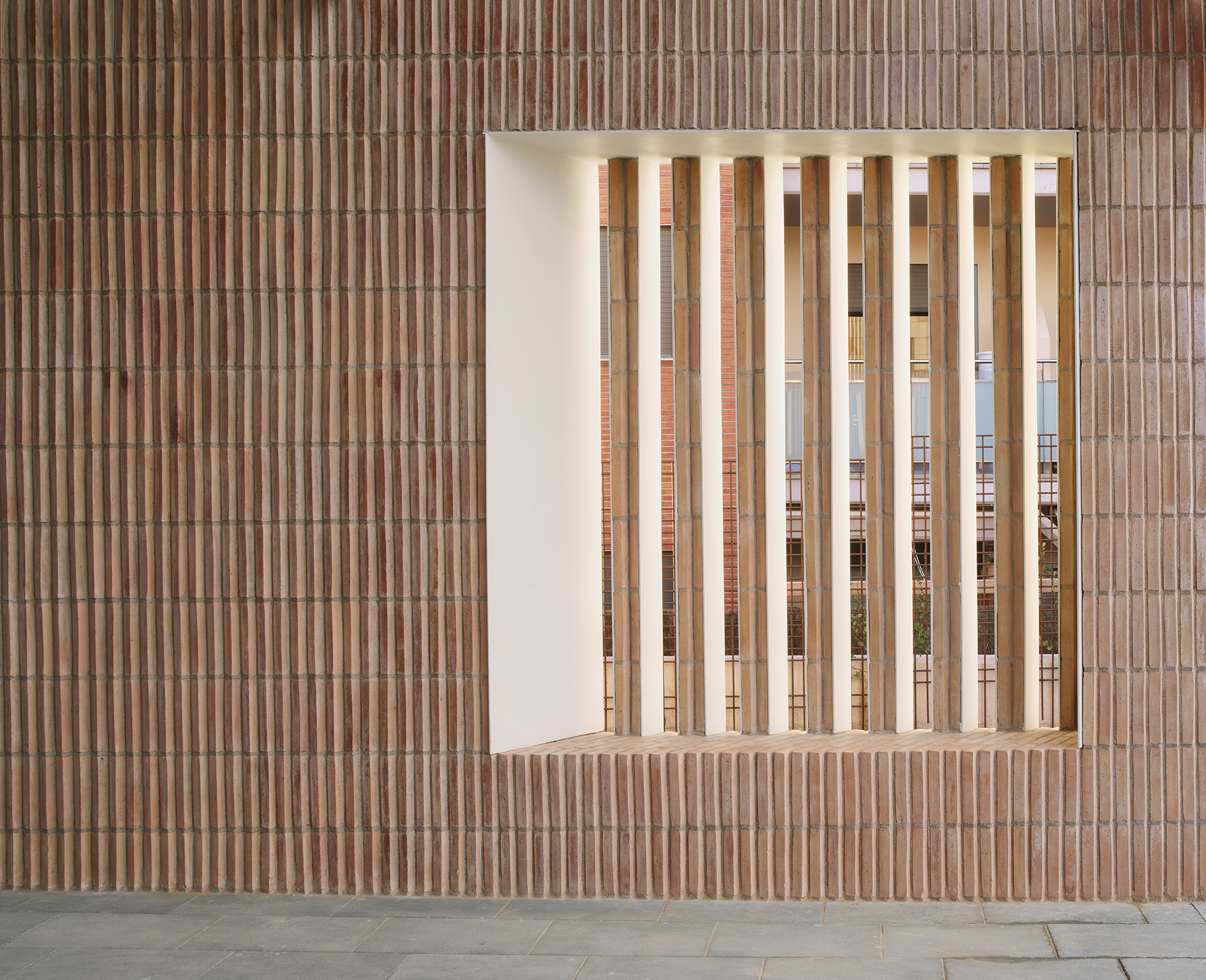
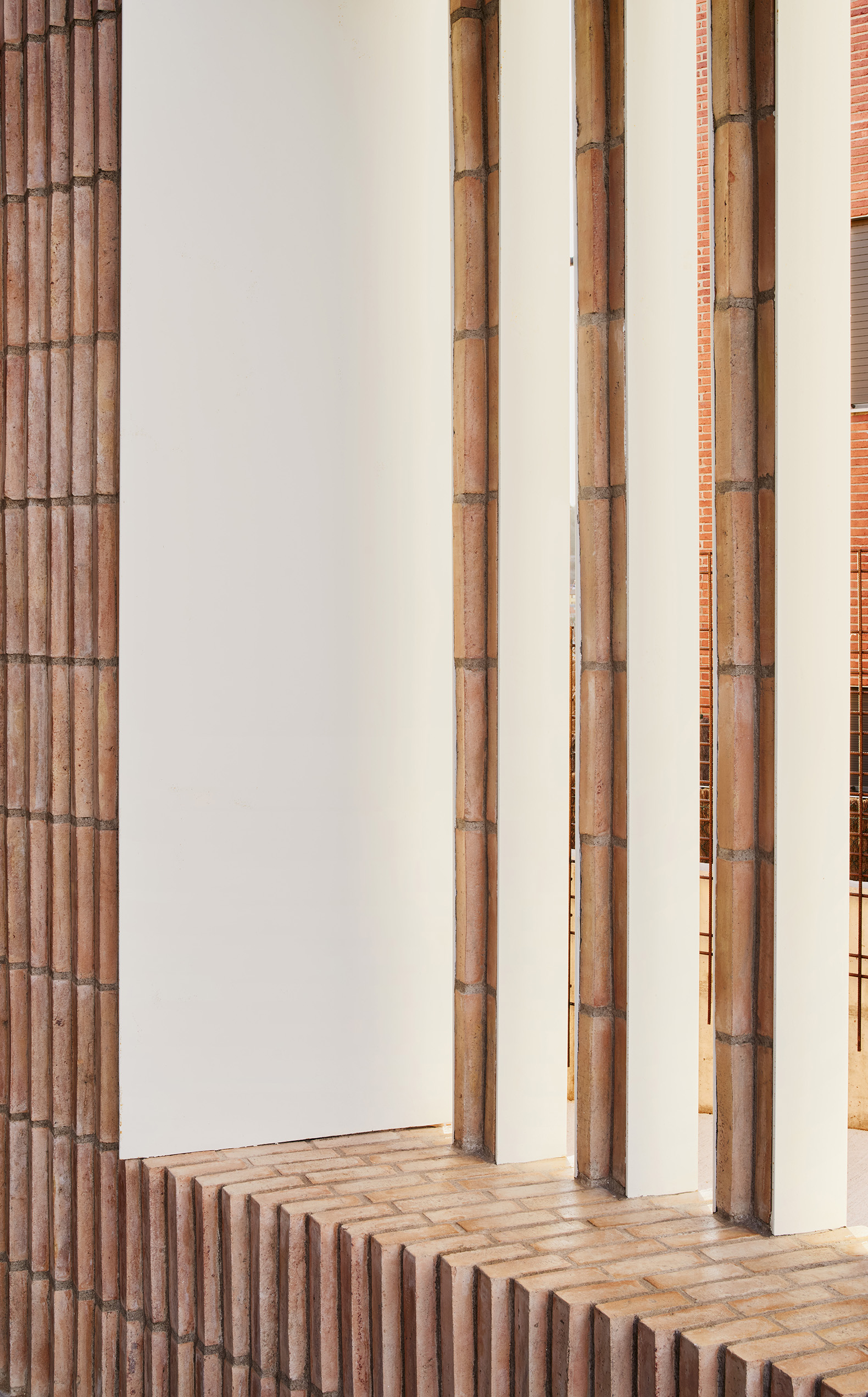
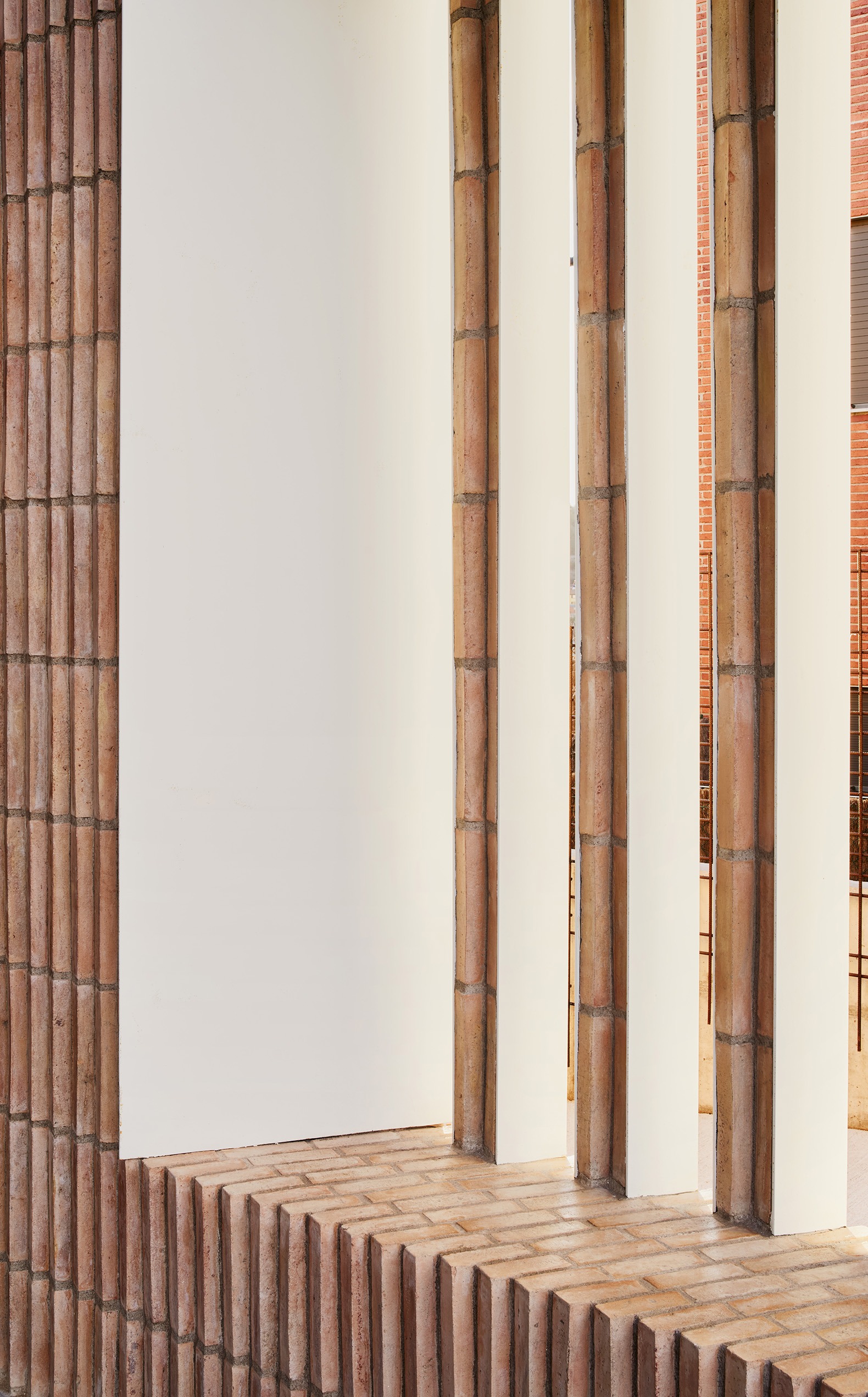
To the north, by demolishing the original façade and converting the last portico into an exterior space, the building connects with the new plaza and opens up to the town. The west façade, which had to be reinforced to ensure the stability of the structure, is enhanced and finished with natural brick. The same original material is used, but laid in a new pattern—inclined and vertical—inspired by the slope of the roof.
The topographical adaptation of the exterior space eliminates architectural barriers, while all interior spaces are accessible. The project prioritizes sustainability, universal accessibility, and safety.
Energy Efficiency
To improve the building's thermal performance without altering its exterior appearance, new insulation is incorporated into the interior, integrated into the roofs, where it also functions as an acoustic absorber. Technical installations and ventilation ducts run along the south, west, and east façades to keep the steel trusses unobstructed and enhance their visual lightness. The thermal performance of the skylights and windows is improved.
The building is designed as a Nearly Zero Energy Building (NZEB), with a photovoltaic roof that guarantees energy self-sufficiency and generates surplus energy for other municipal facilities.