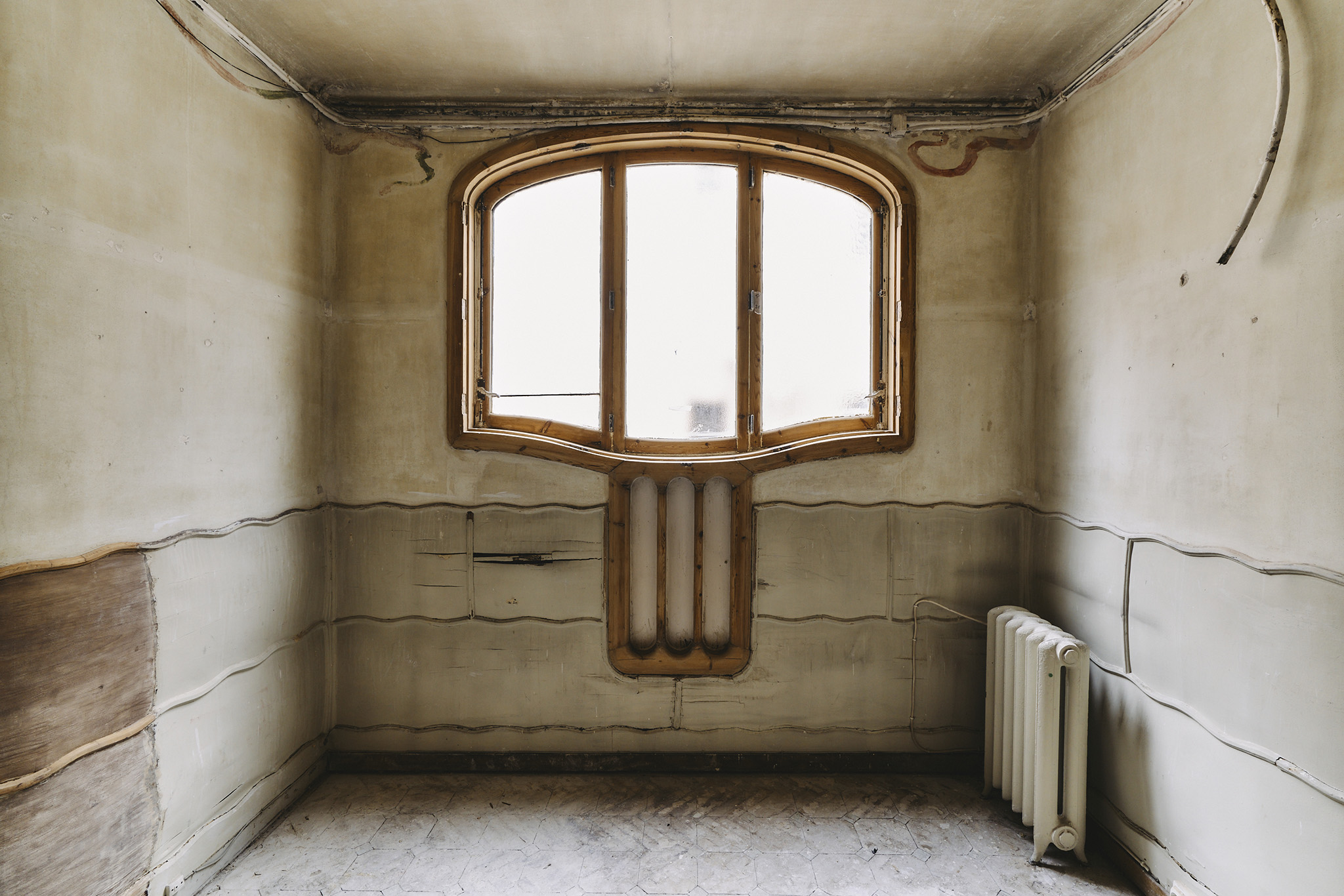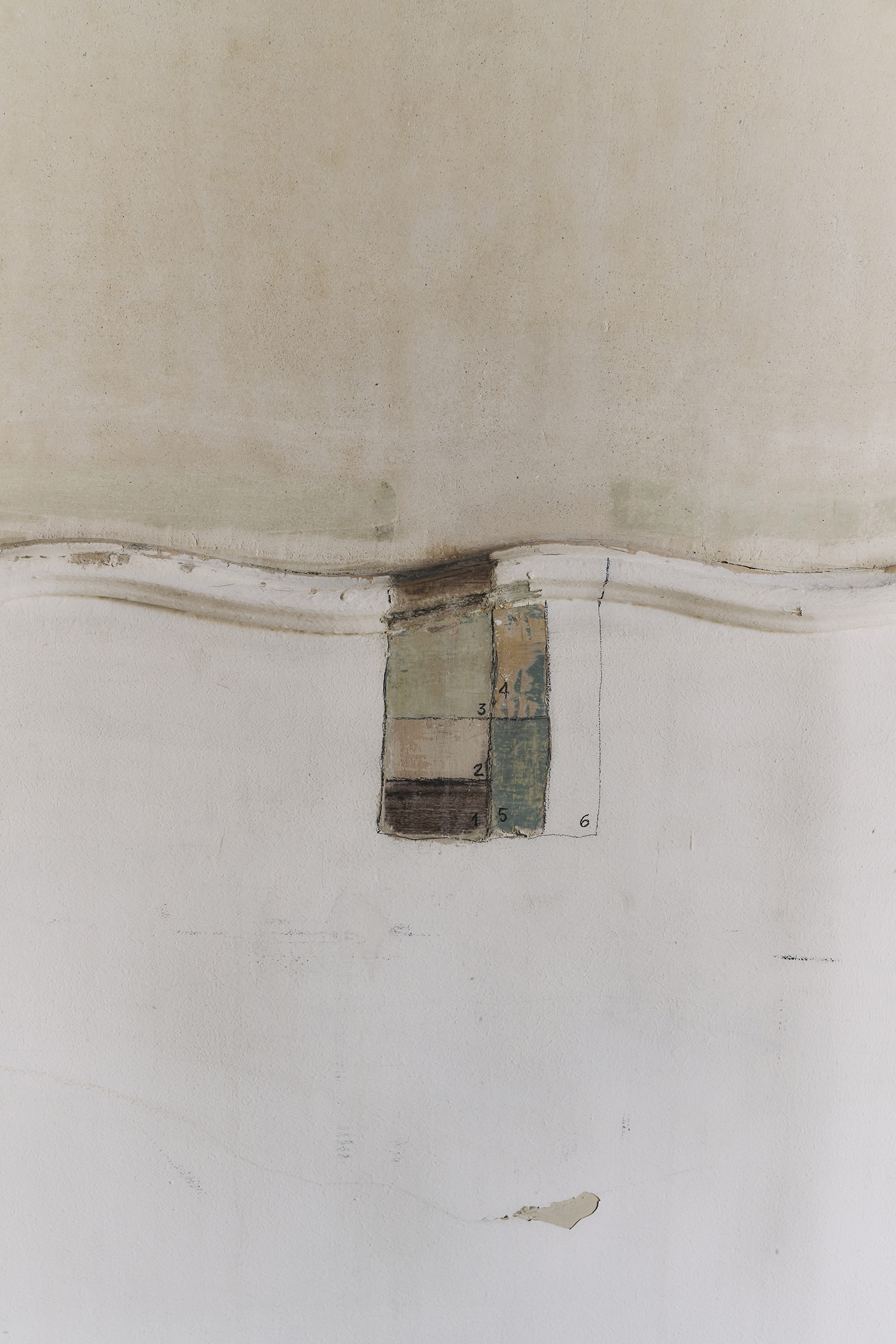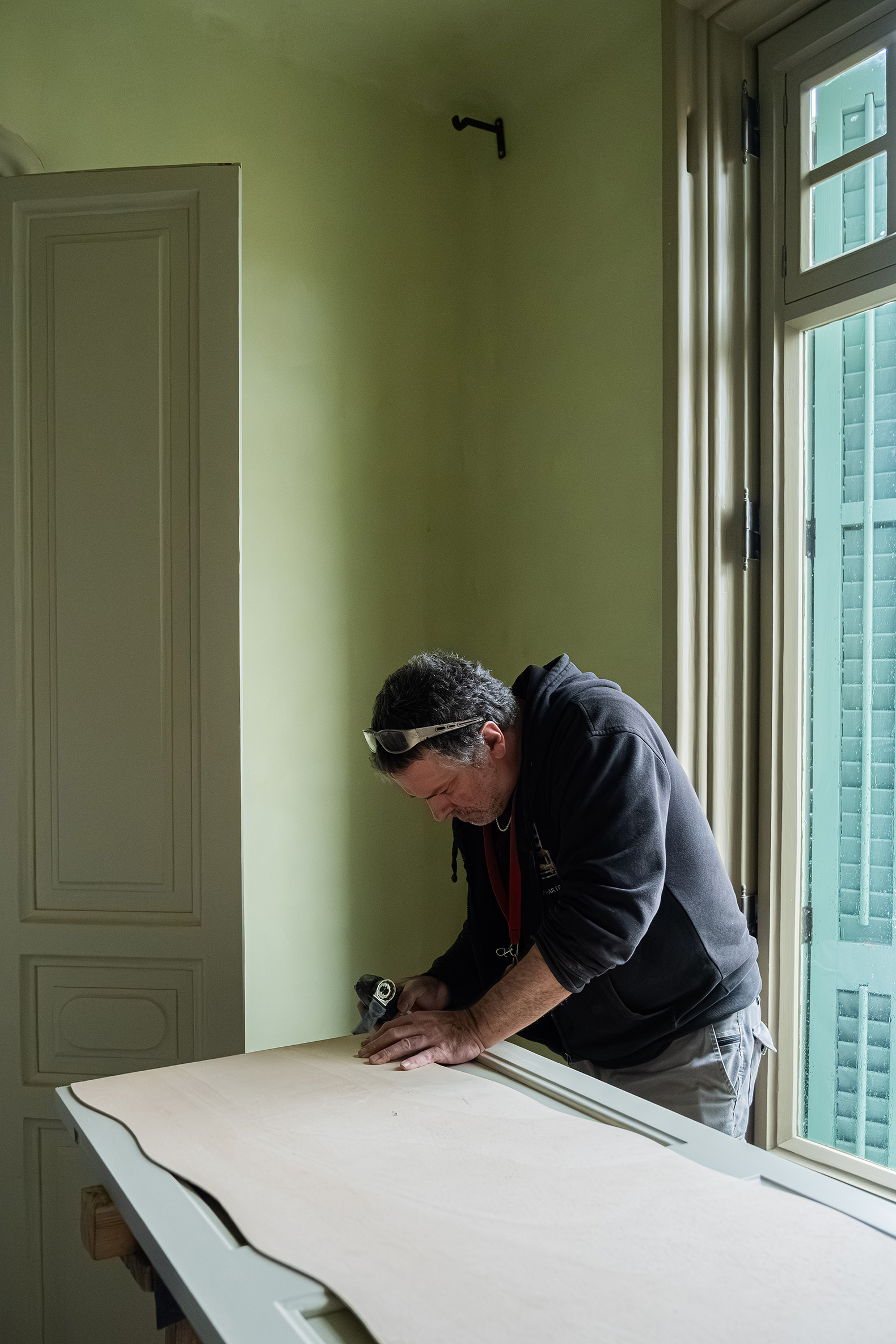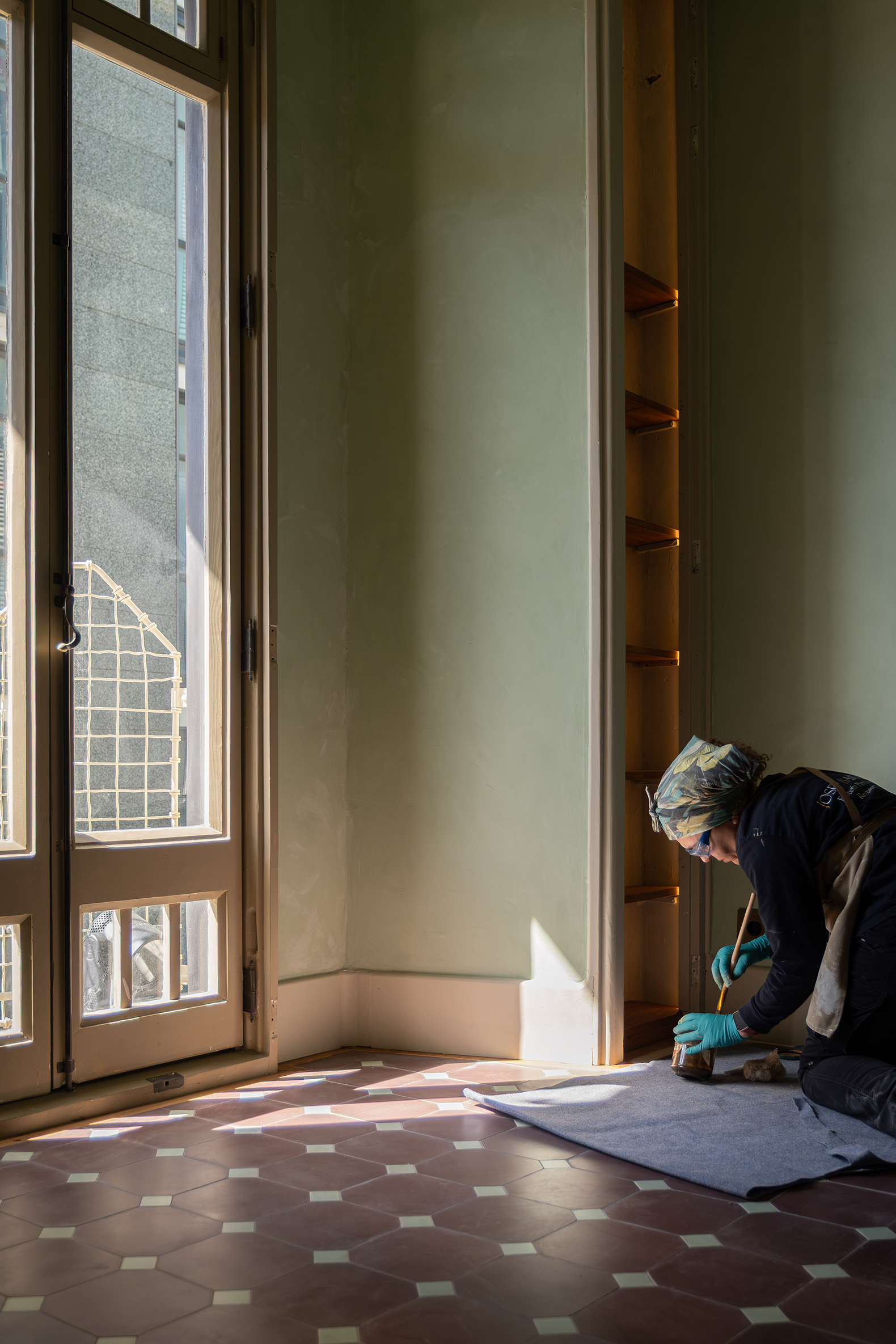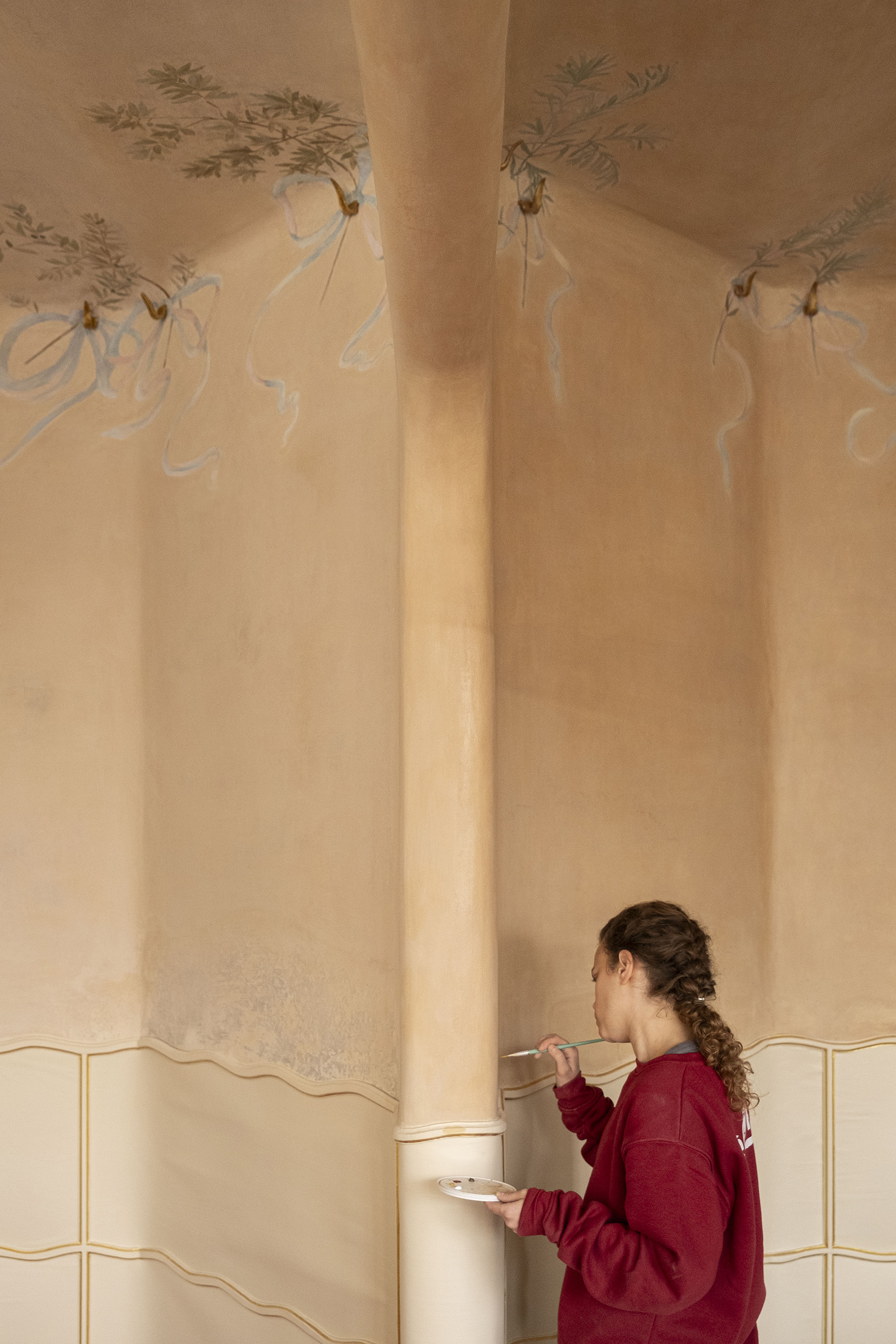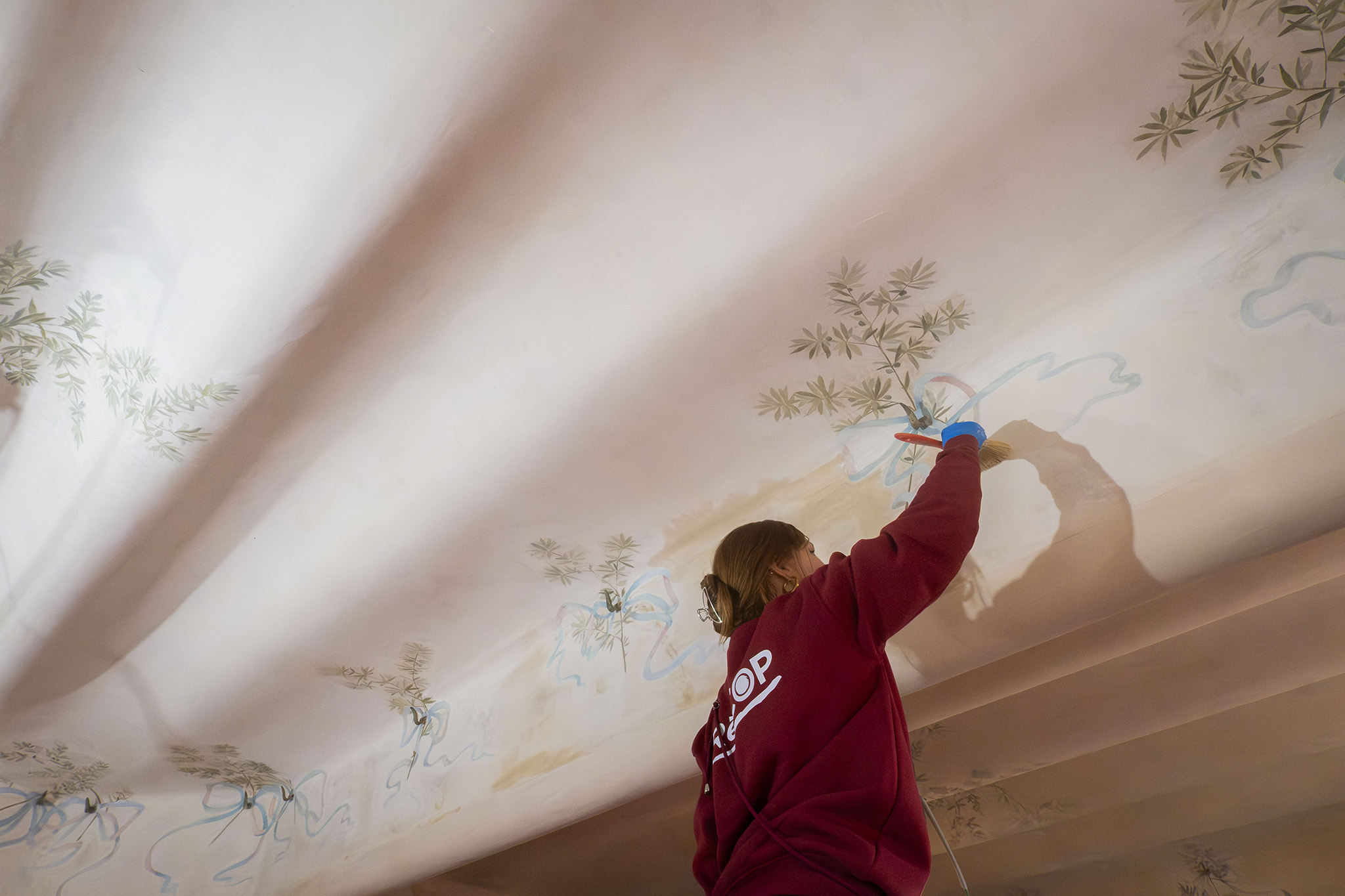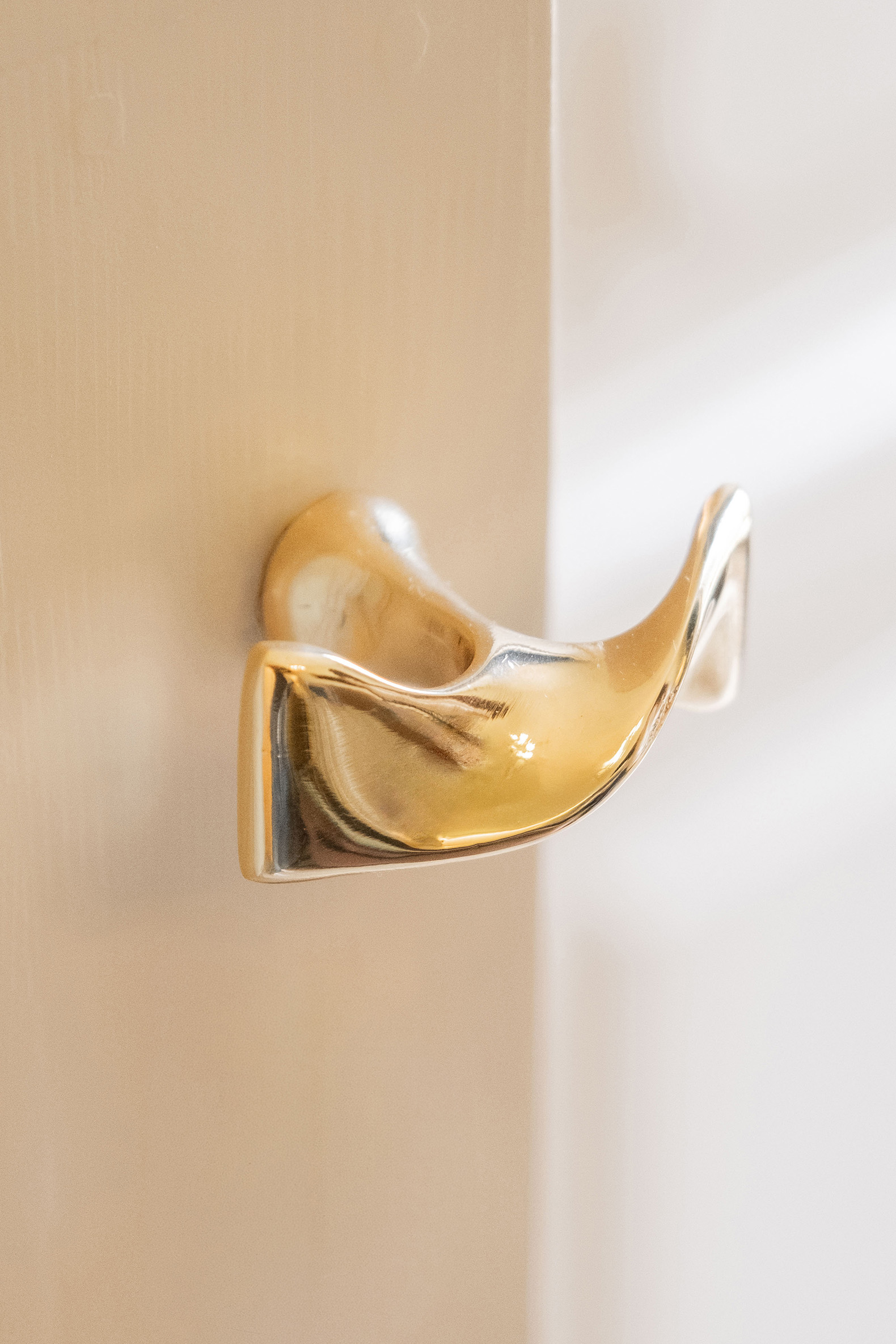
“We found a heavily altered residence, yet extraordinarily complete beneath later layers. The process was almost archaeological: removing, uncovering, and recovering what was already there.”
Xavier Villanueva, lead restoration architect
The project transforms the heritage site into private spaces for exclusive gatherings, celebrations, and gastronomic experiences in a unique setting, available independently or as an extension of visitors' cultural tours.
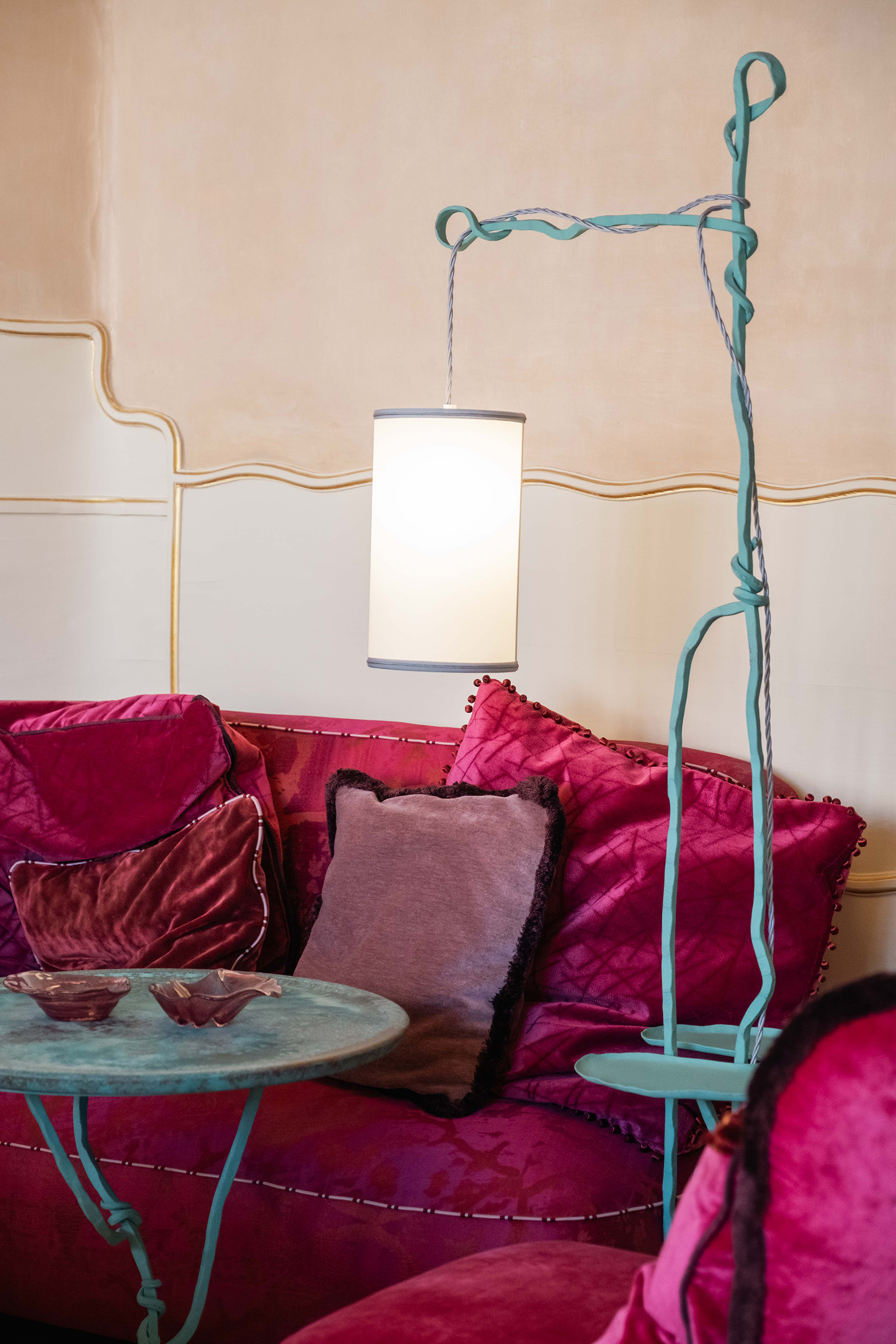
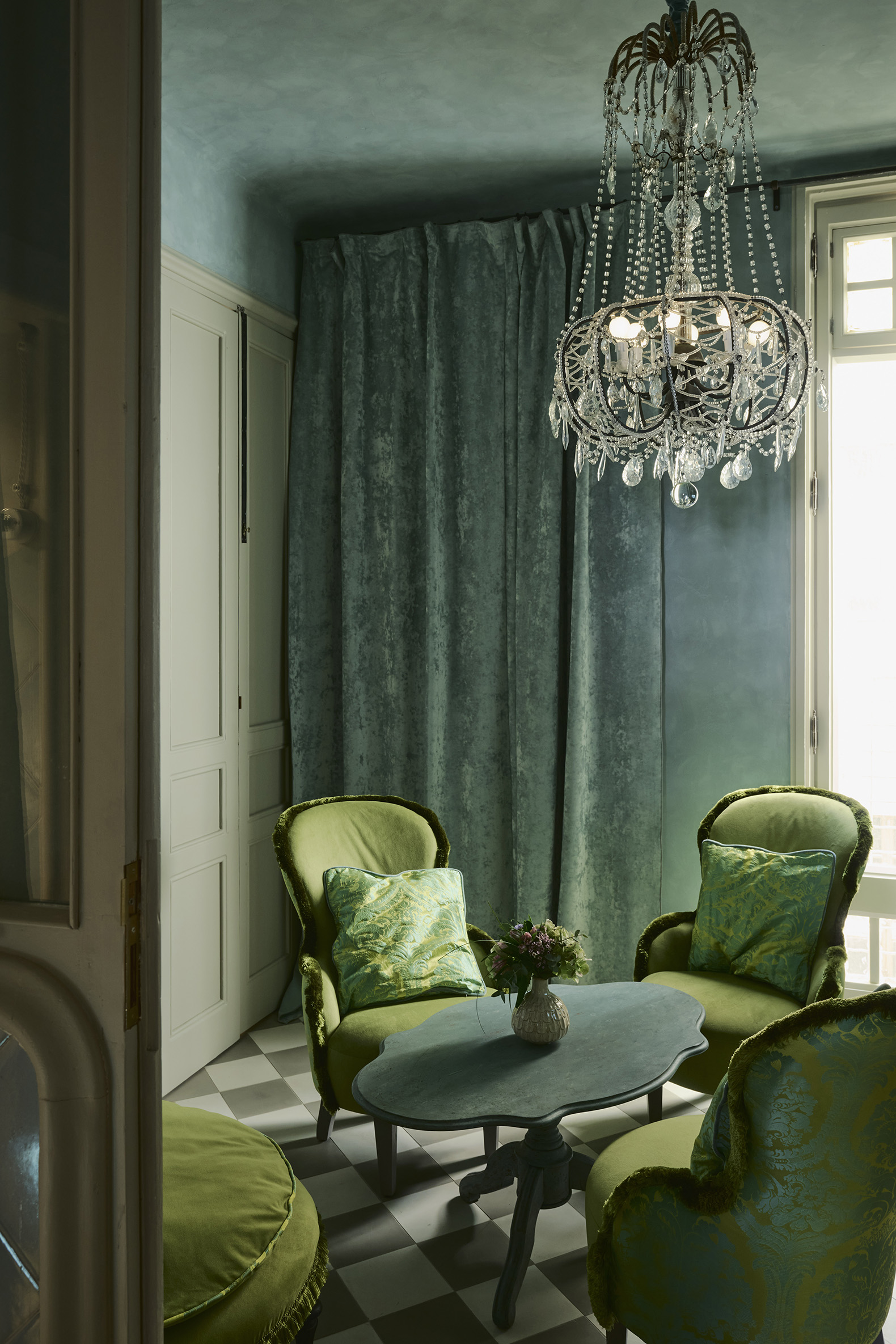
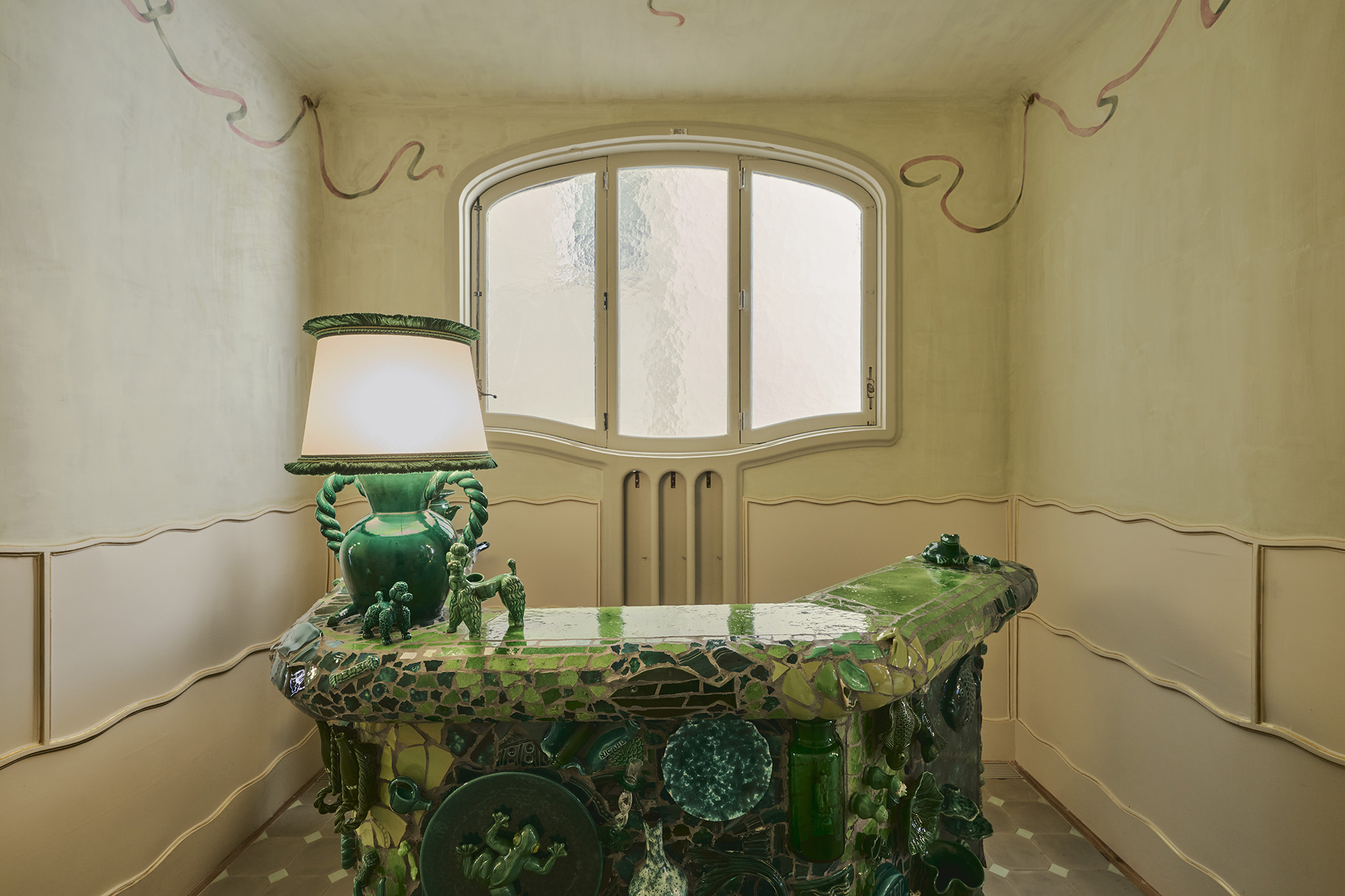
Interior designer Paola Navone of OTTO Studio has overseen the historic restoration of the Third Floor of Casa Batlló, connecting Gaudí's universe with a contemporary vision, combining craftsmanship, materiality, and a distinctive sensibility in a dialogue between history and contemporary design.
The apartment marks a new chapter in its history. The last original dwelling in the building to be restored for the first time, after more than a century inhabited by direct descendants of the Batlló family, this space of extraordinary heritage value is now open to the public with a new purpose: to become a vibrant venue for exclusive private gatherings.
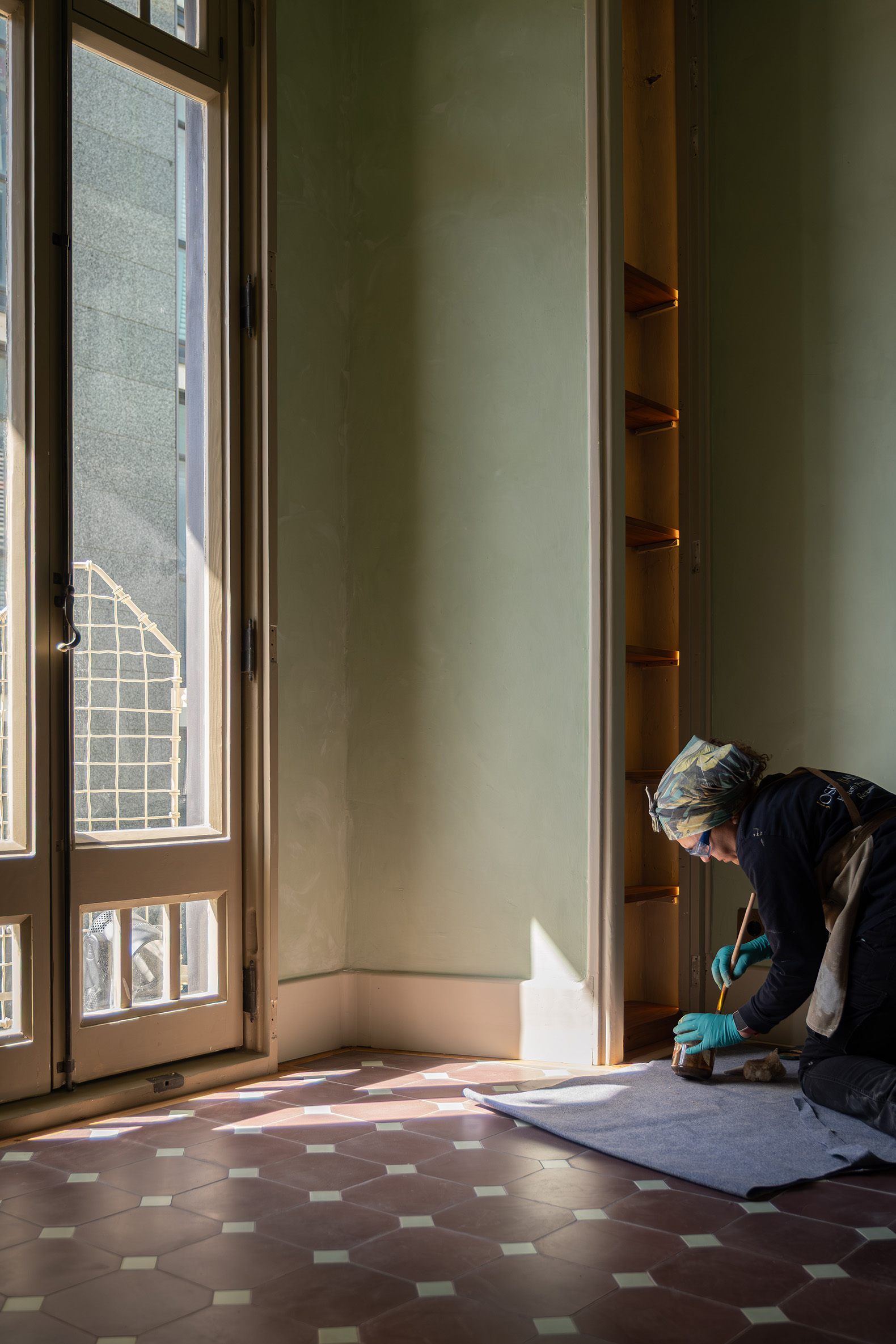
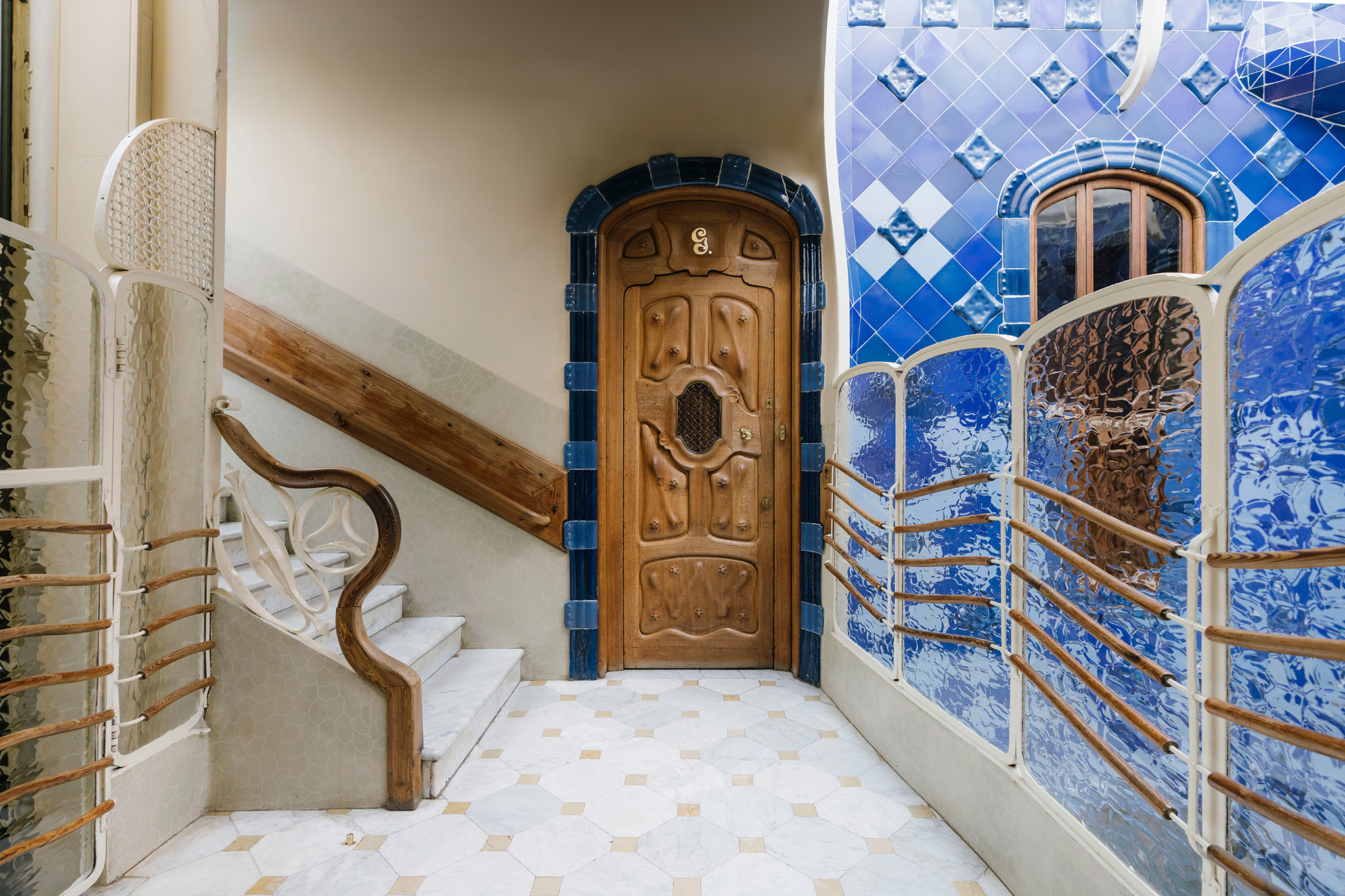
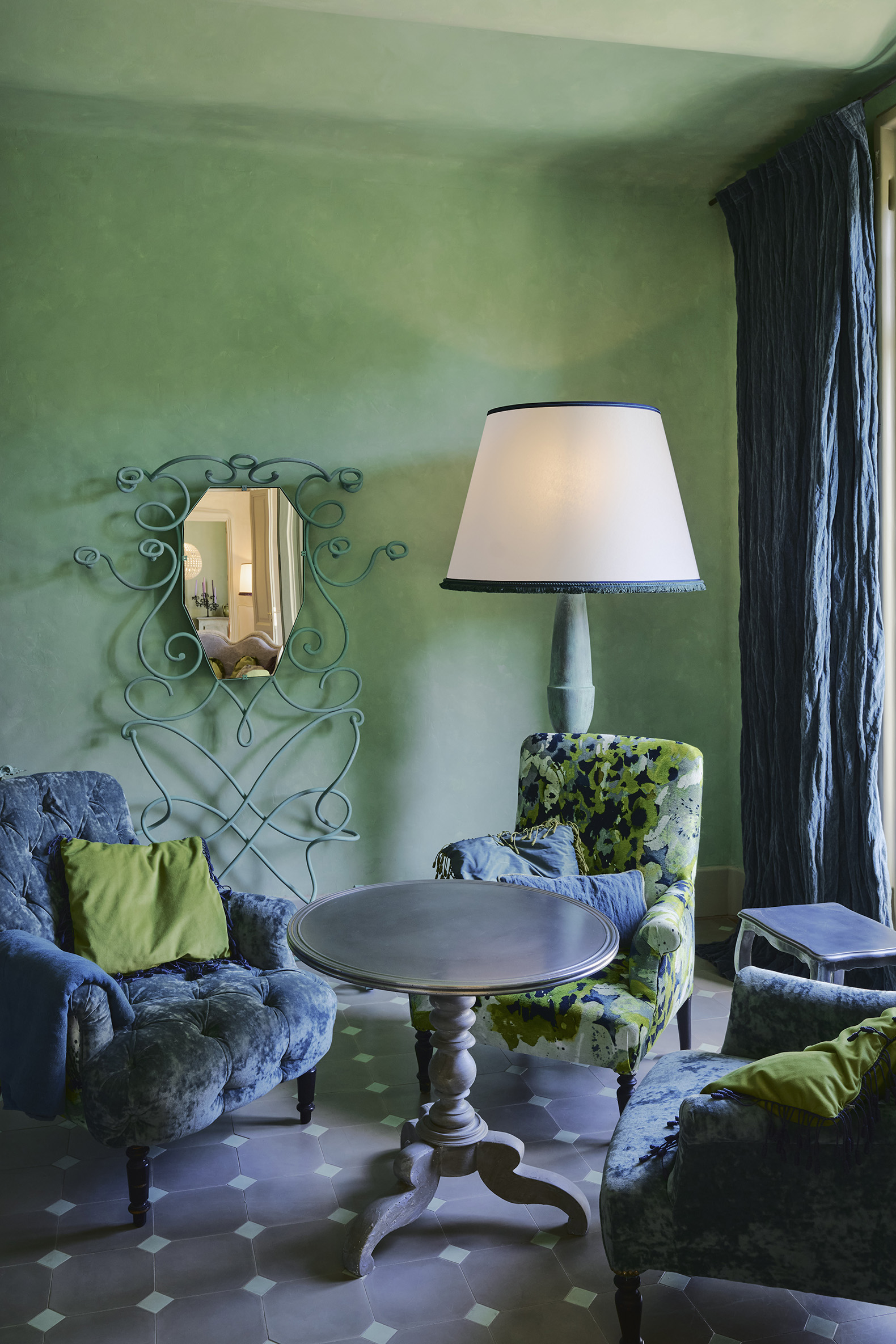
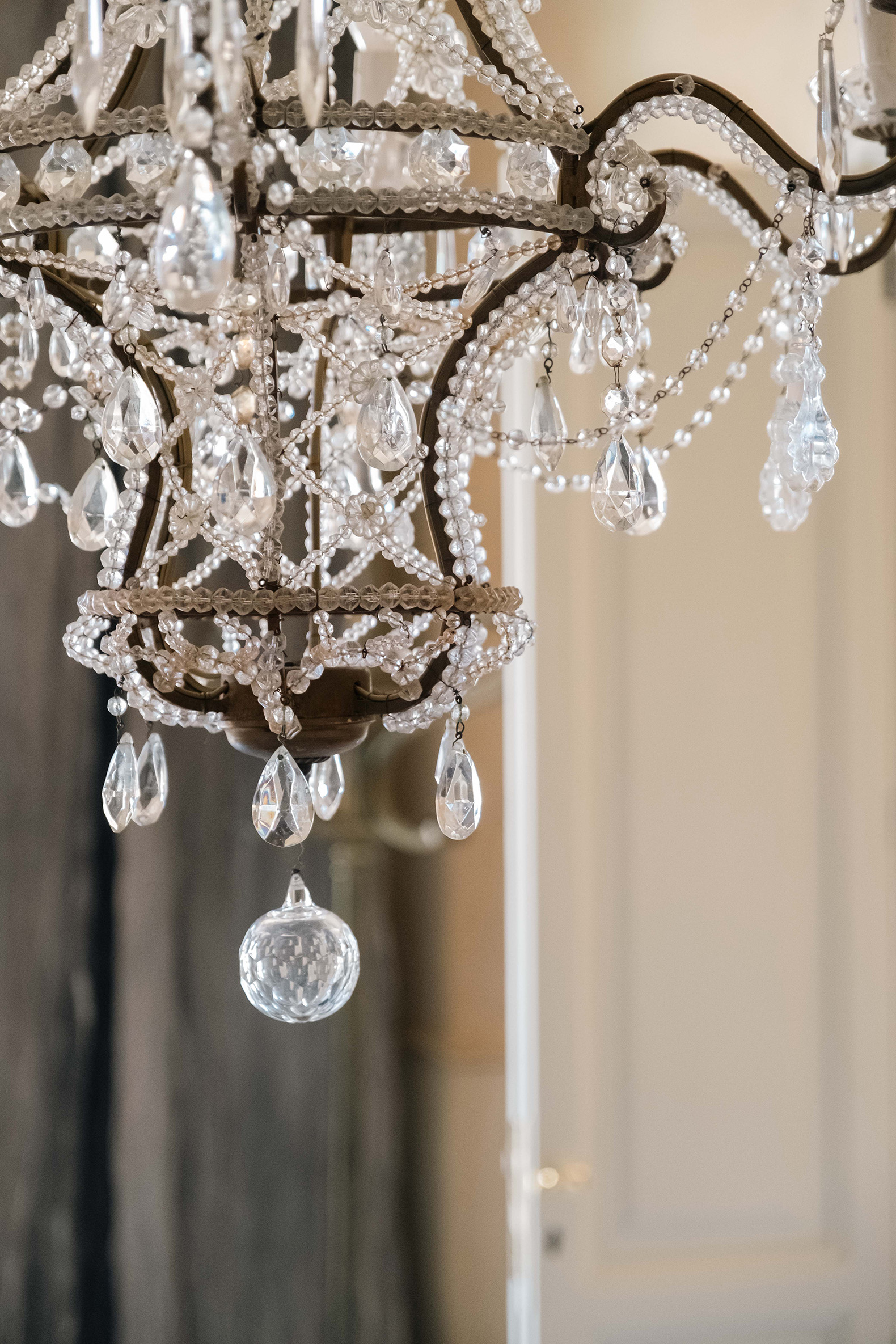
The Third Floor of Casa Batlló: restoration of the last inhabited residence by OTTO Studio, Xavier Villanueva. Photograph by Victoria Gasseuy.
The restoration marks a unique moment in the building's history. The Third Floor is the only apartment that has survived to this day with an exceptional degree of authenticity, preserving intact the essence of domestic life as conceived by Antoni Gaudí at the beginning of the 20th century, maintaining the residential character of this floor and recovering its original function as a meeting place.
"We found a much-transformed apartment, but extraordinarily complete beneath the later layers." The process was almost archaeological: removing, uncovering, and recovering what was already there.”
Xavier Villanueva, architect in charge of the restoration.
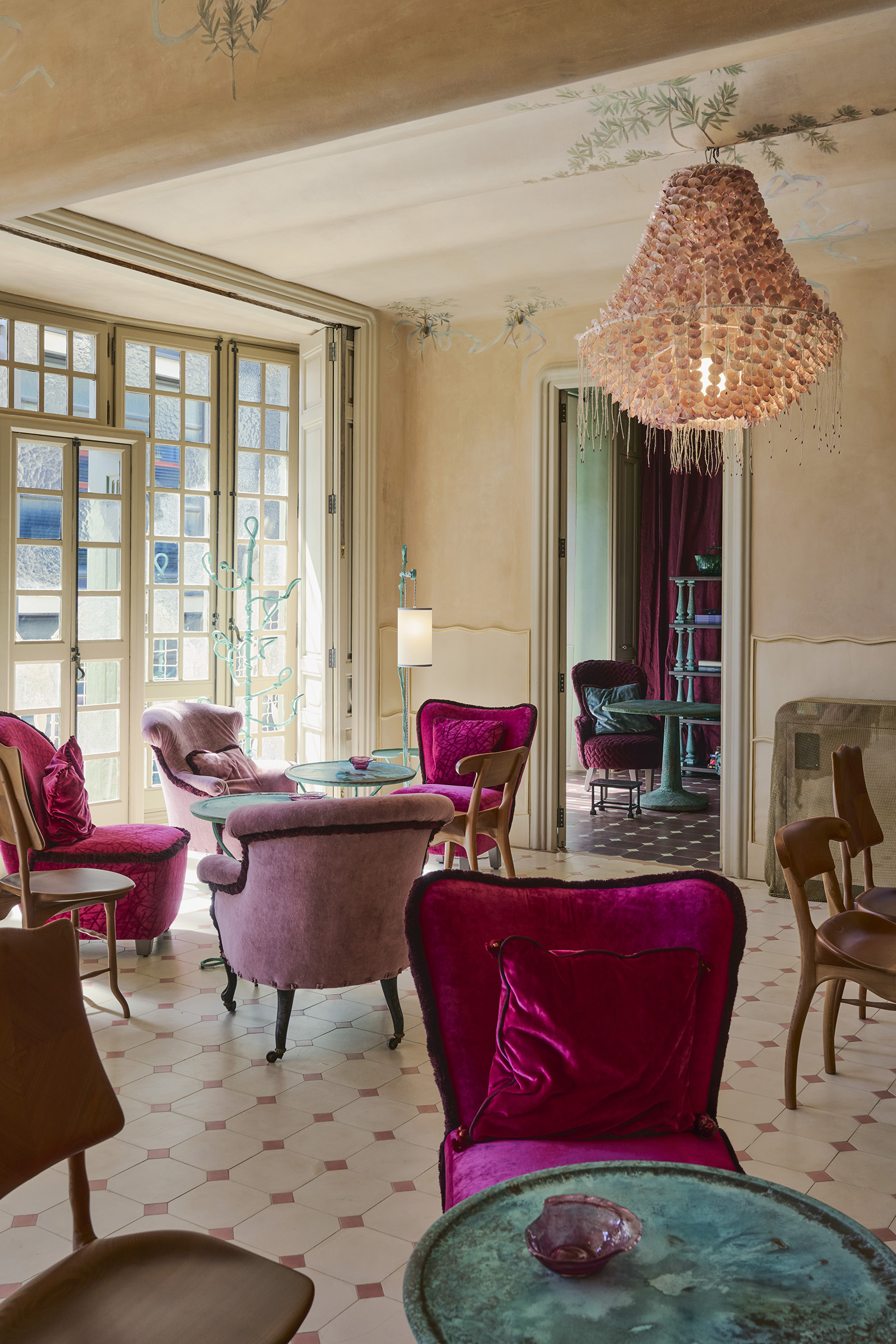
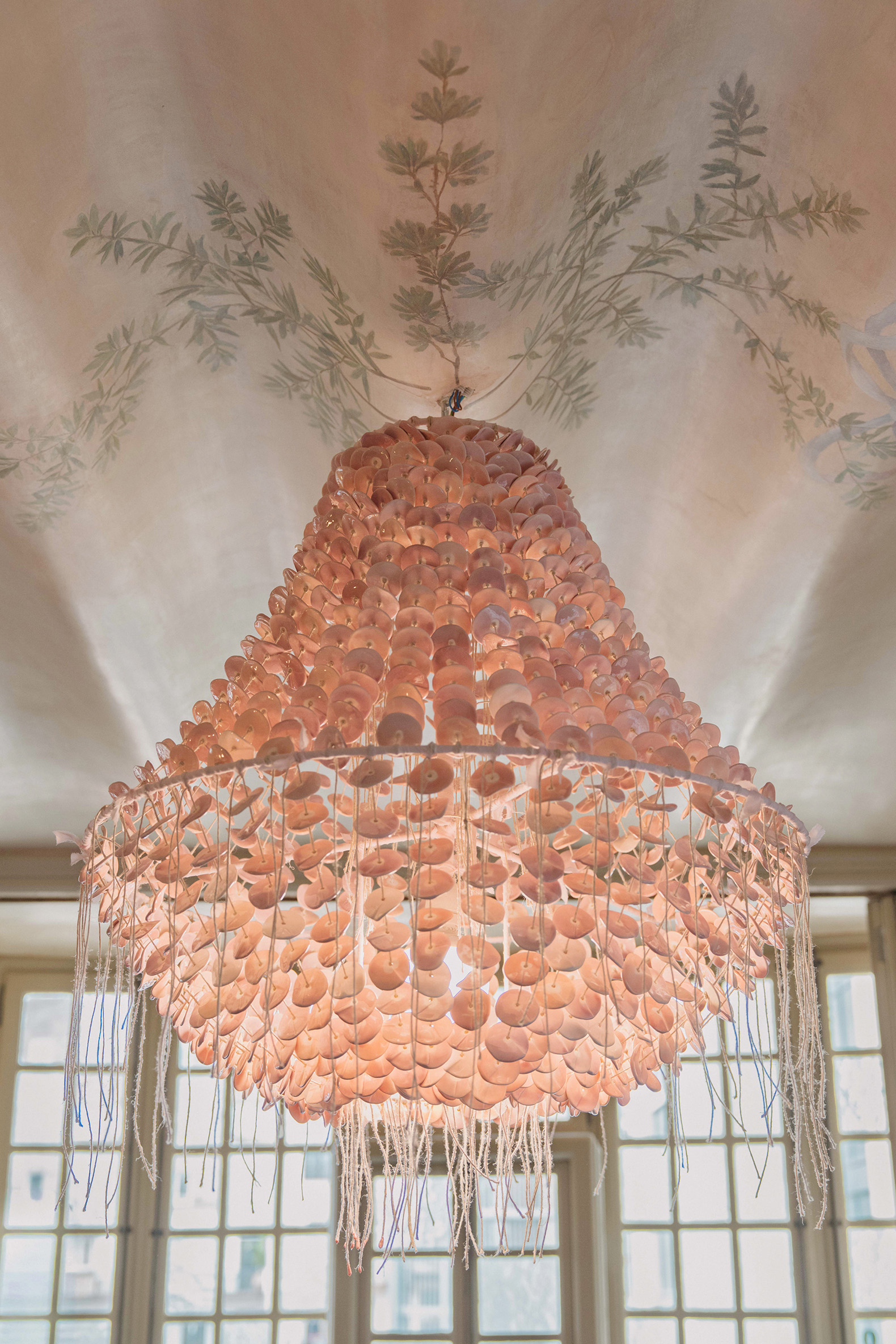
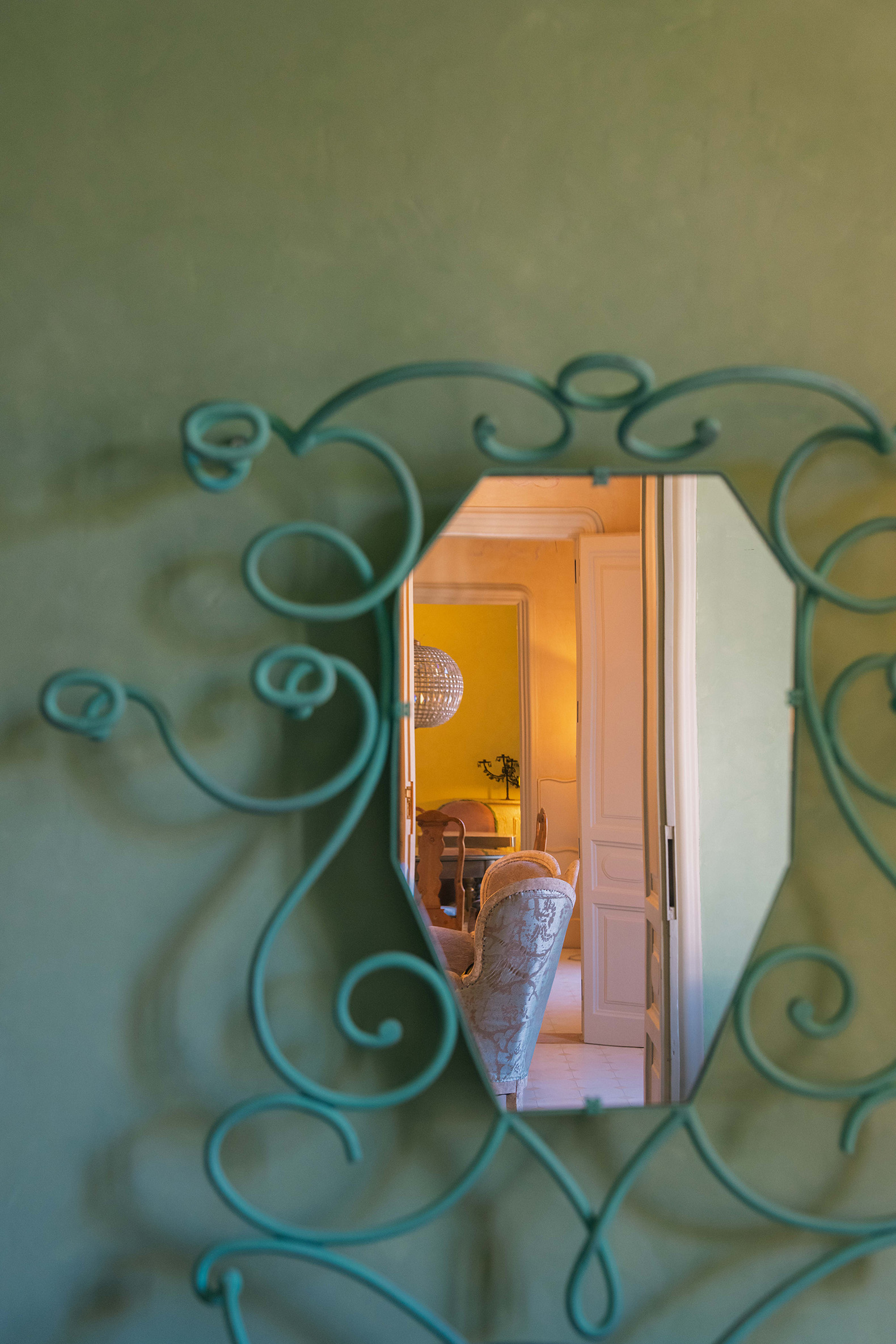
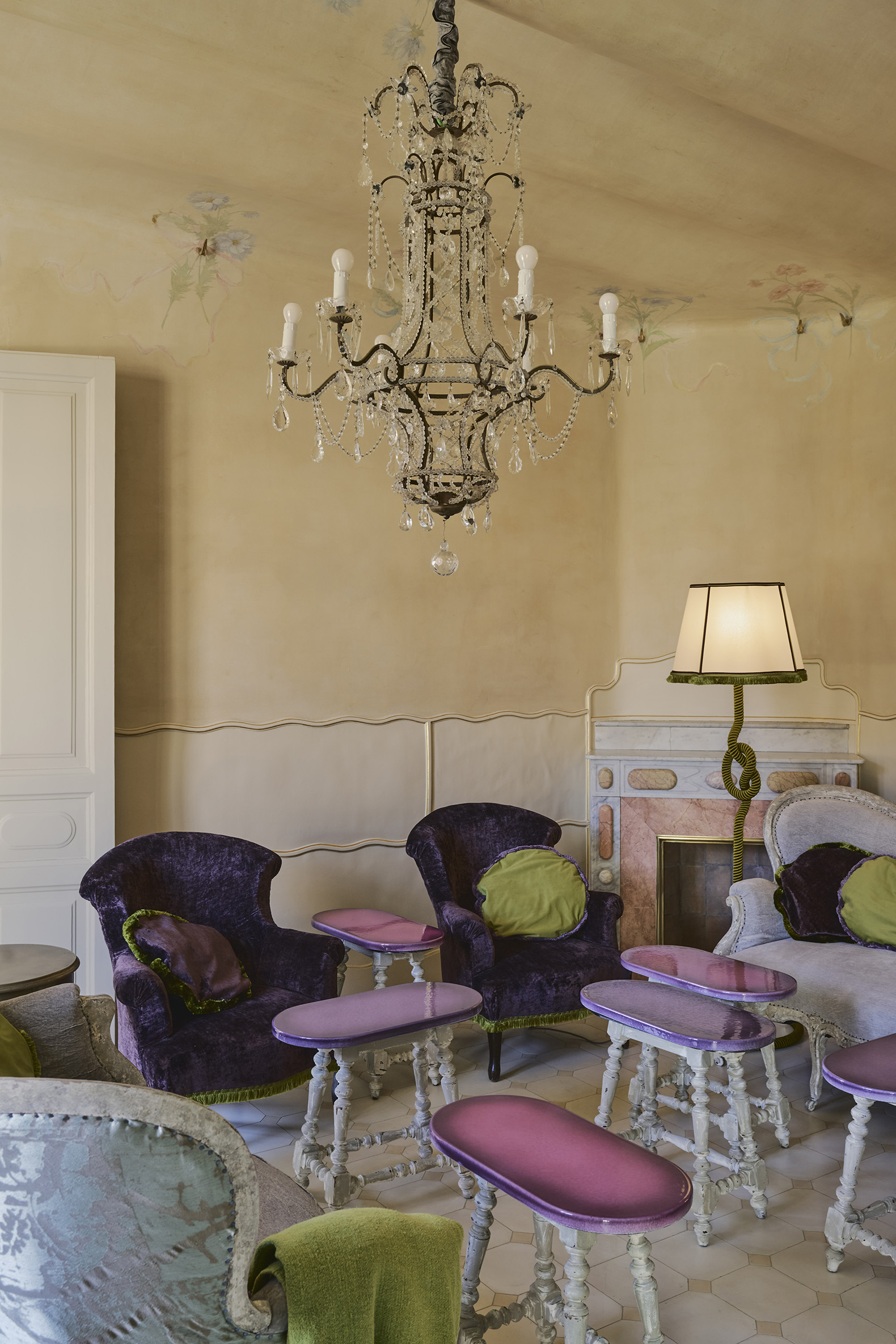
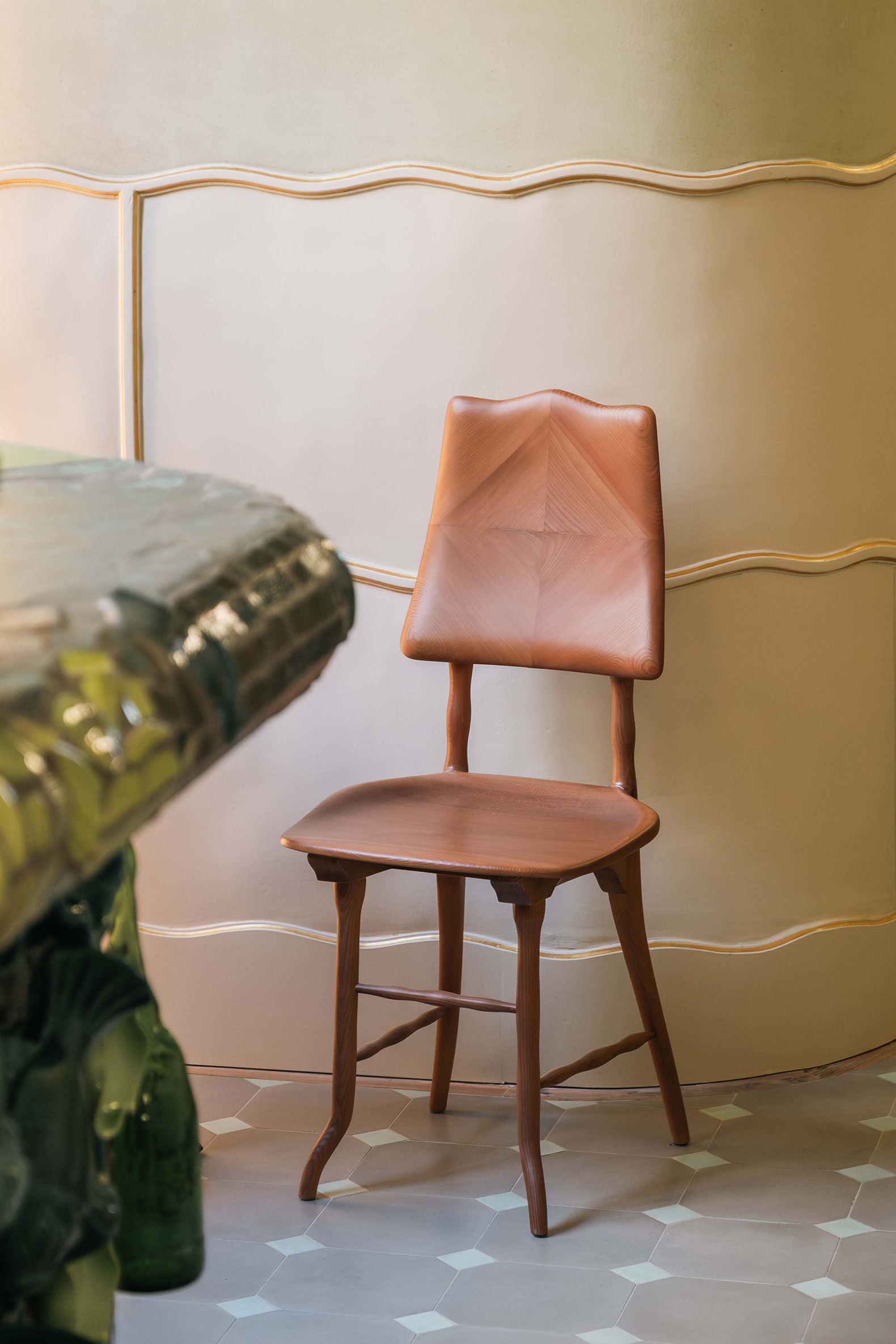
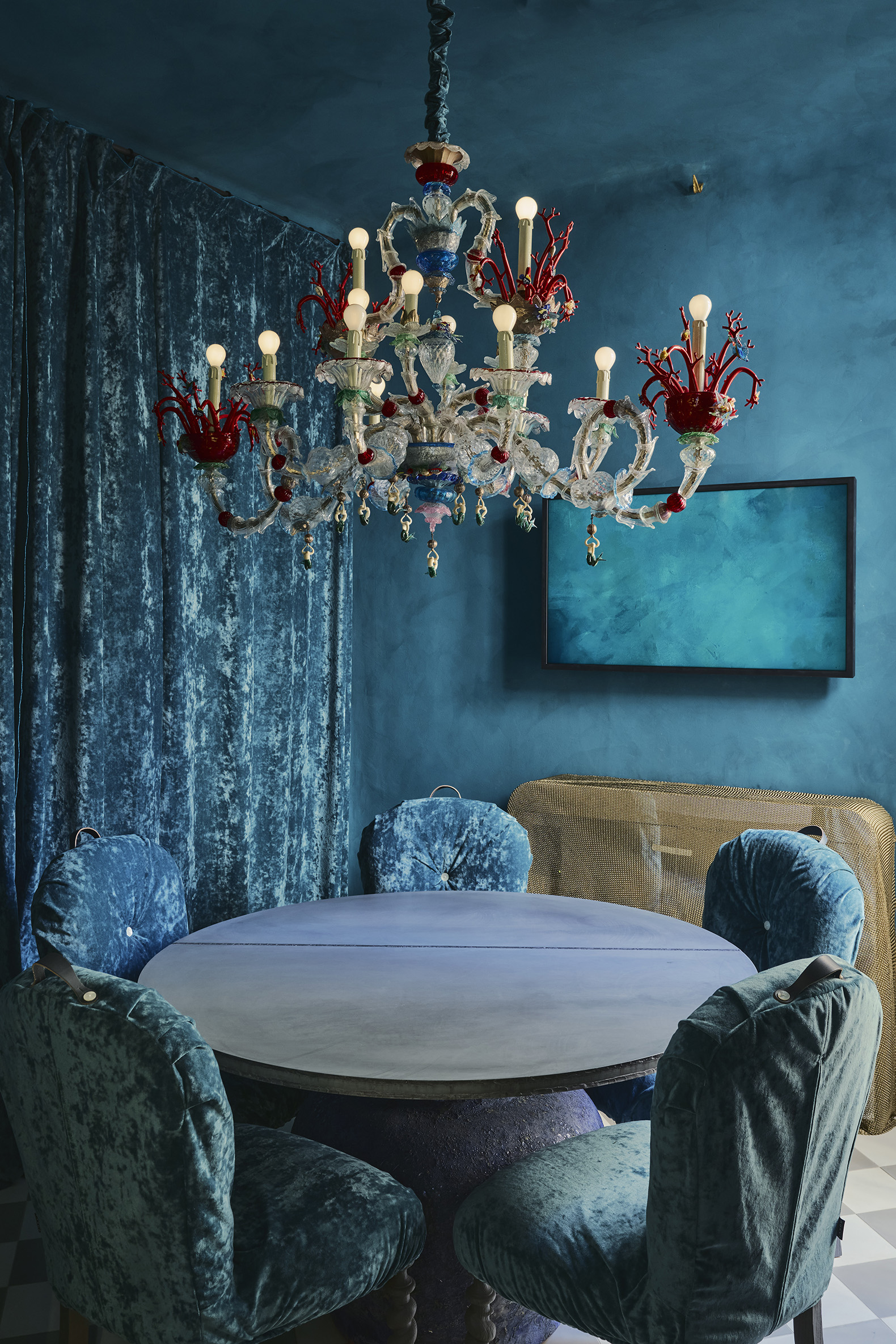
The Third Floor of Casa Batlló: restoration of the last inhabited residence by OTTO Studio, Xavier Villanueva. Photograph by Claudia Mauriño.
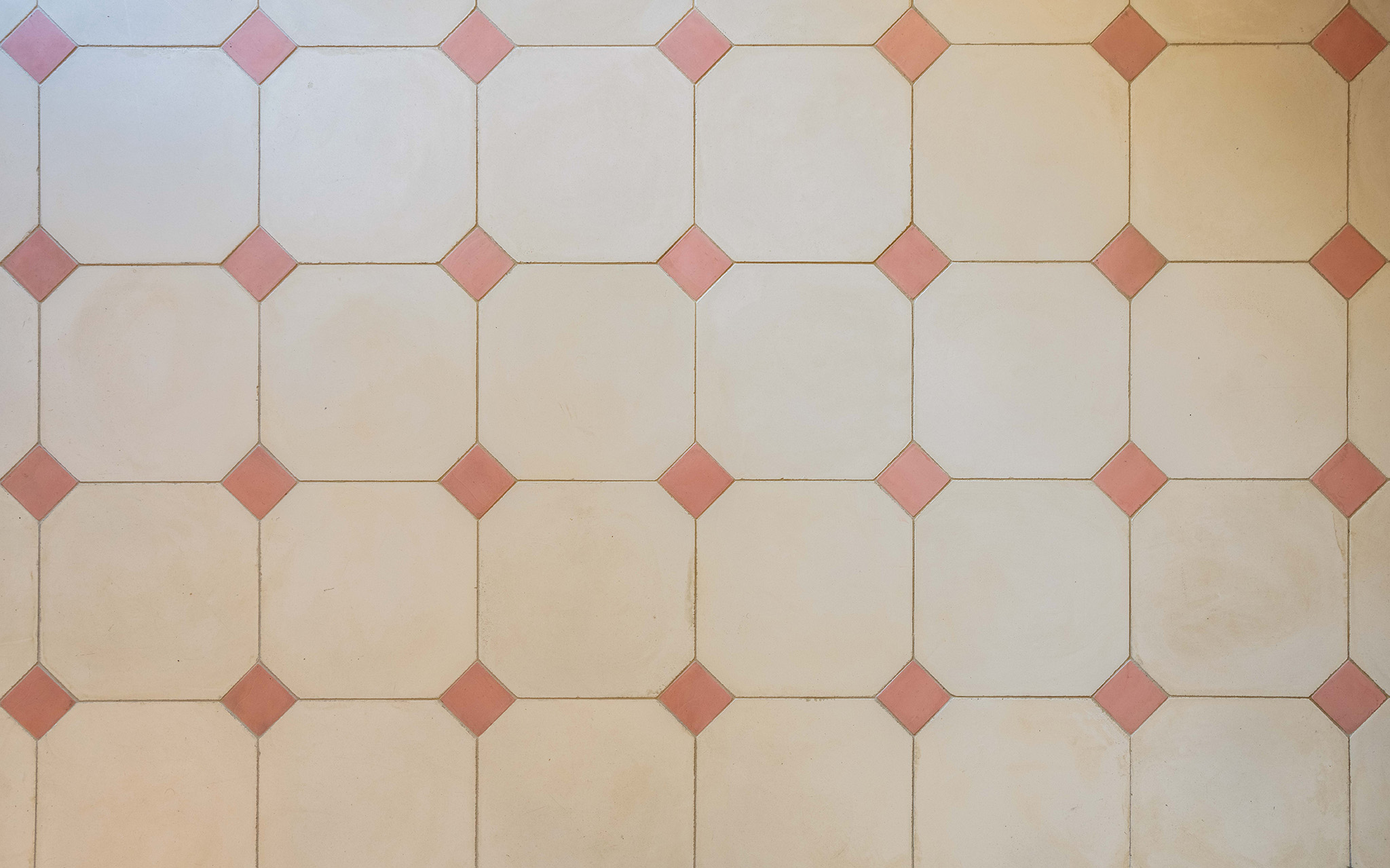
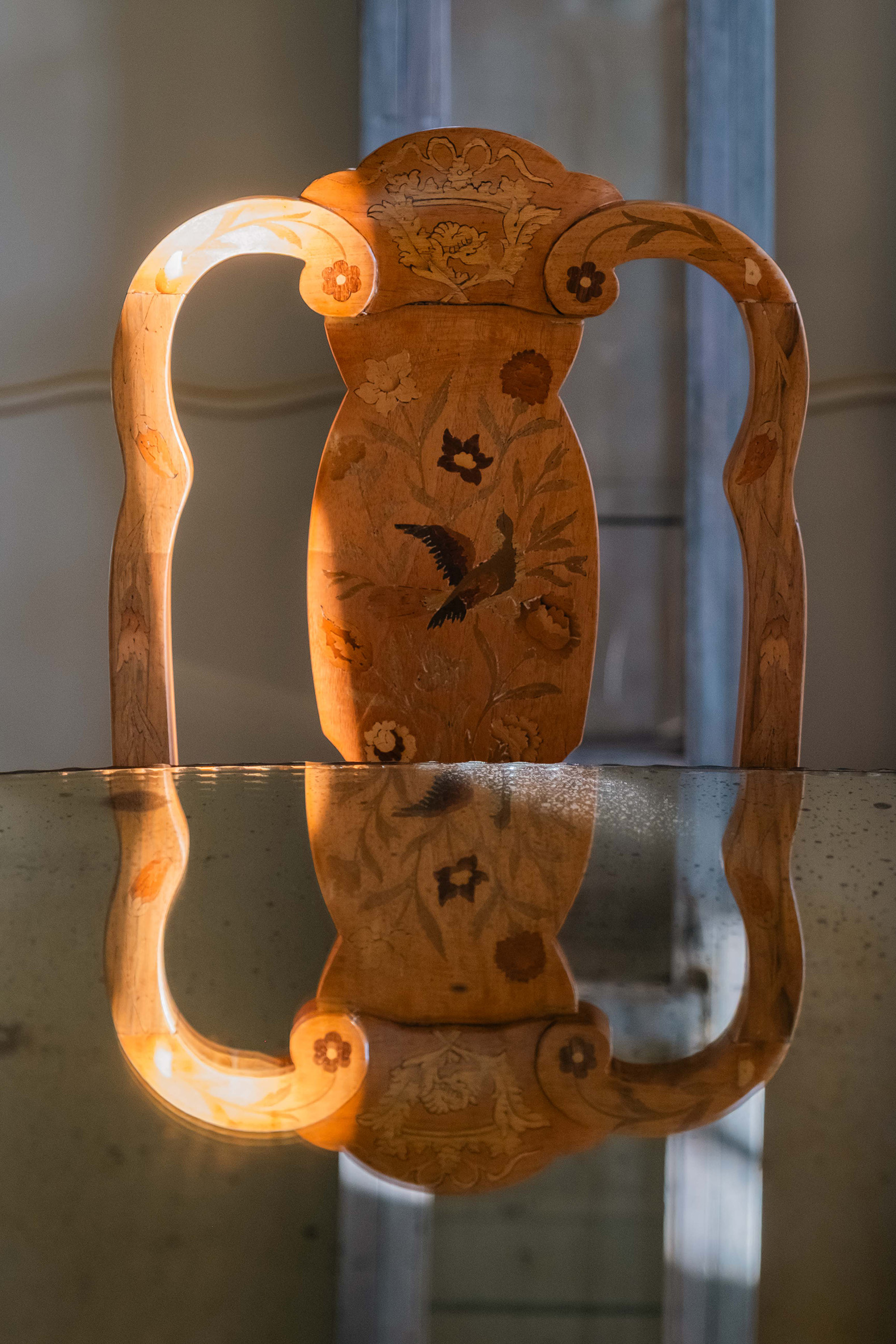
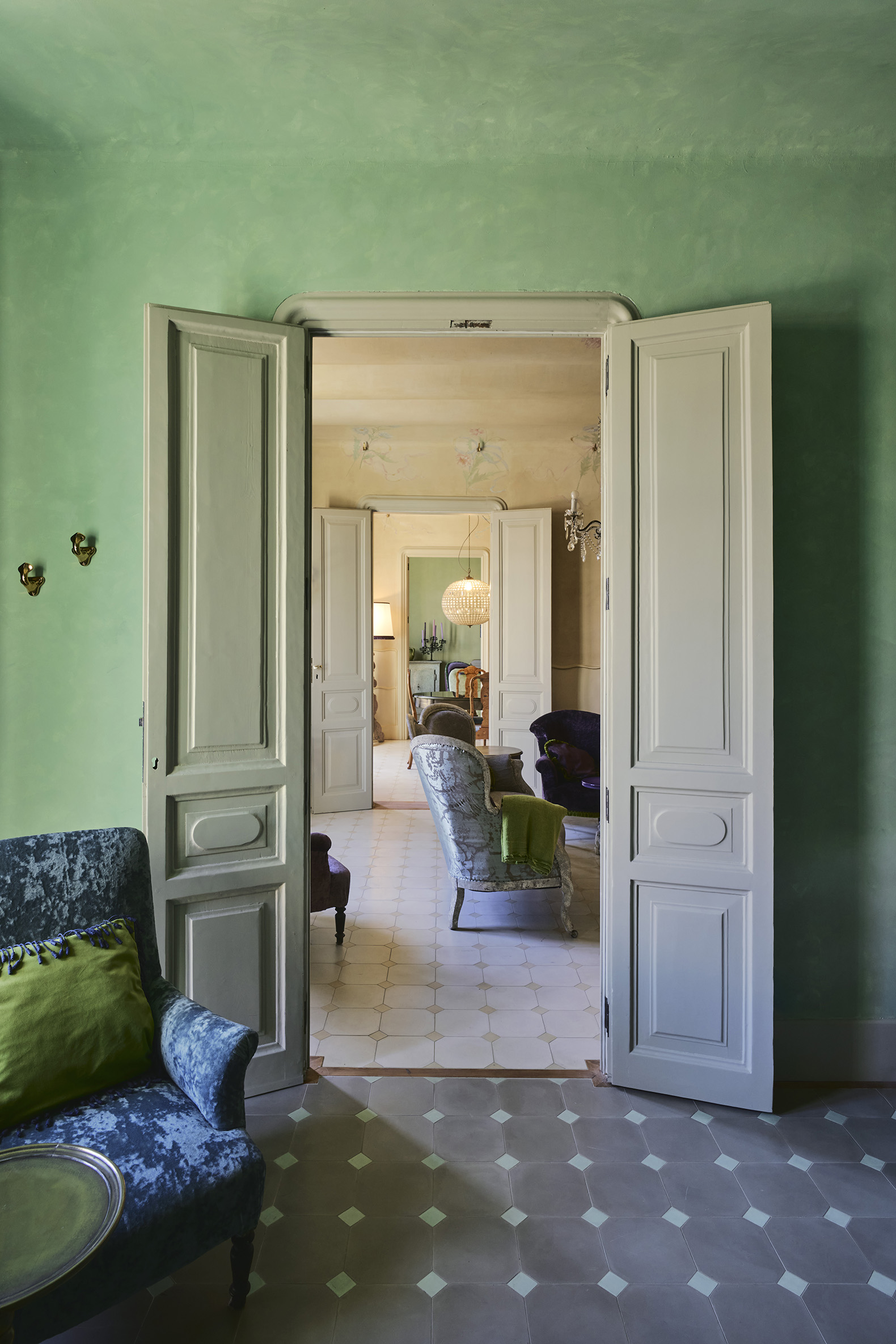
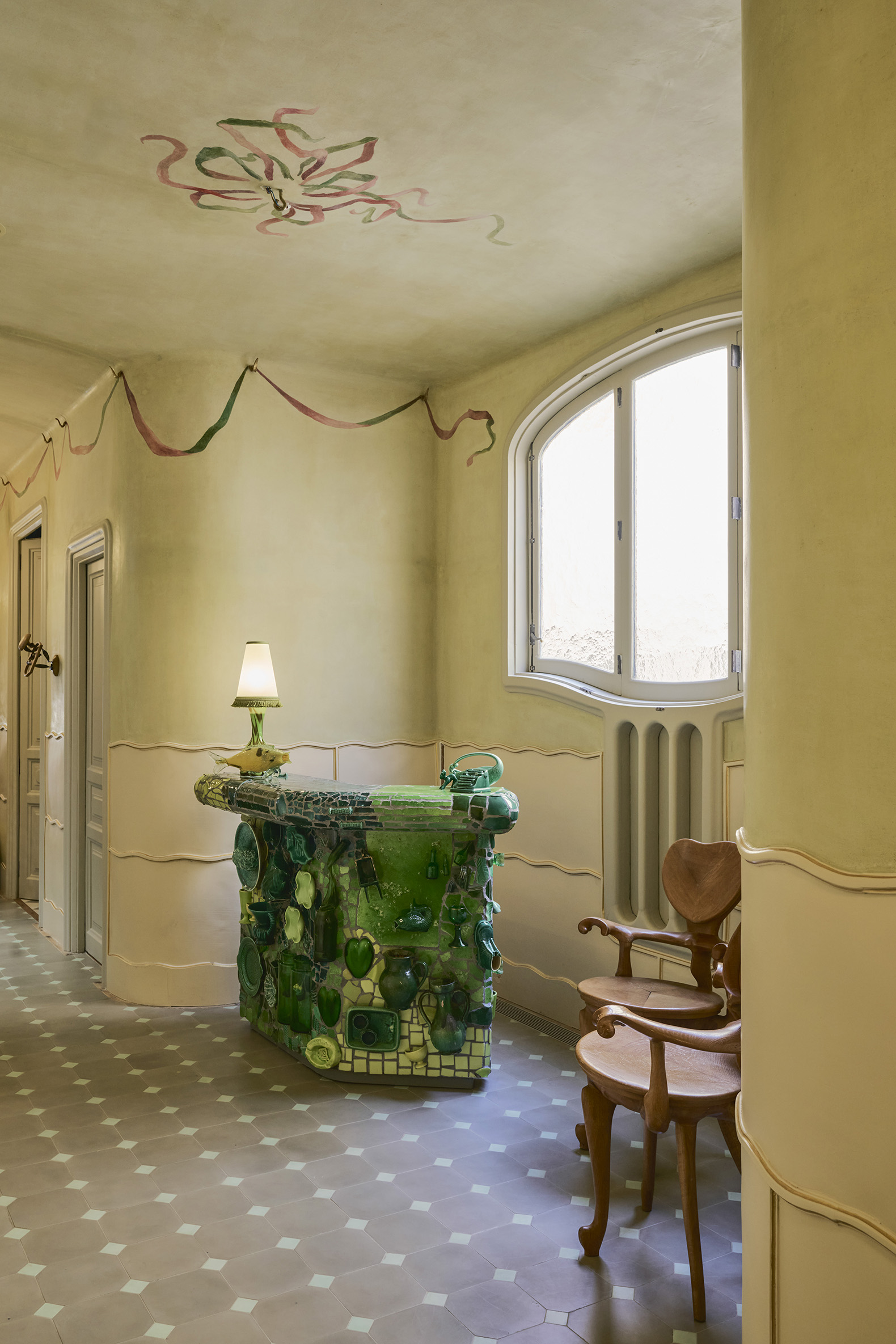
The result is a meticulous restoration of the original structure. Woodwork, stucco, flooring, and construction systems conceived by Gaudí have been restored or faithfully reproduced using artisanal techniques. The heritage is not only observed but experienced; the layout of the rooms now hosts different events in an intimate setting that fosters a direct and close relationship with the architecture.
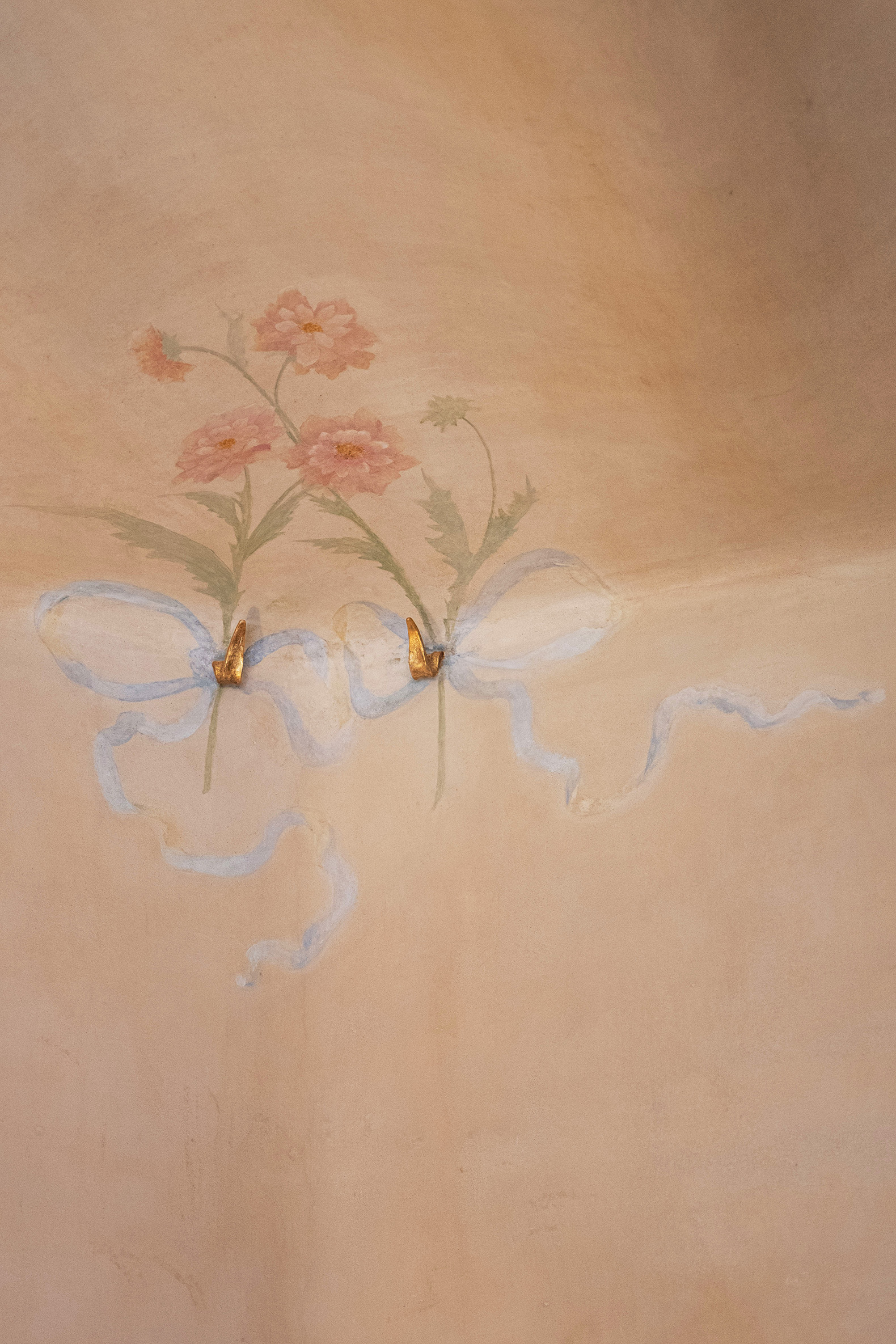
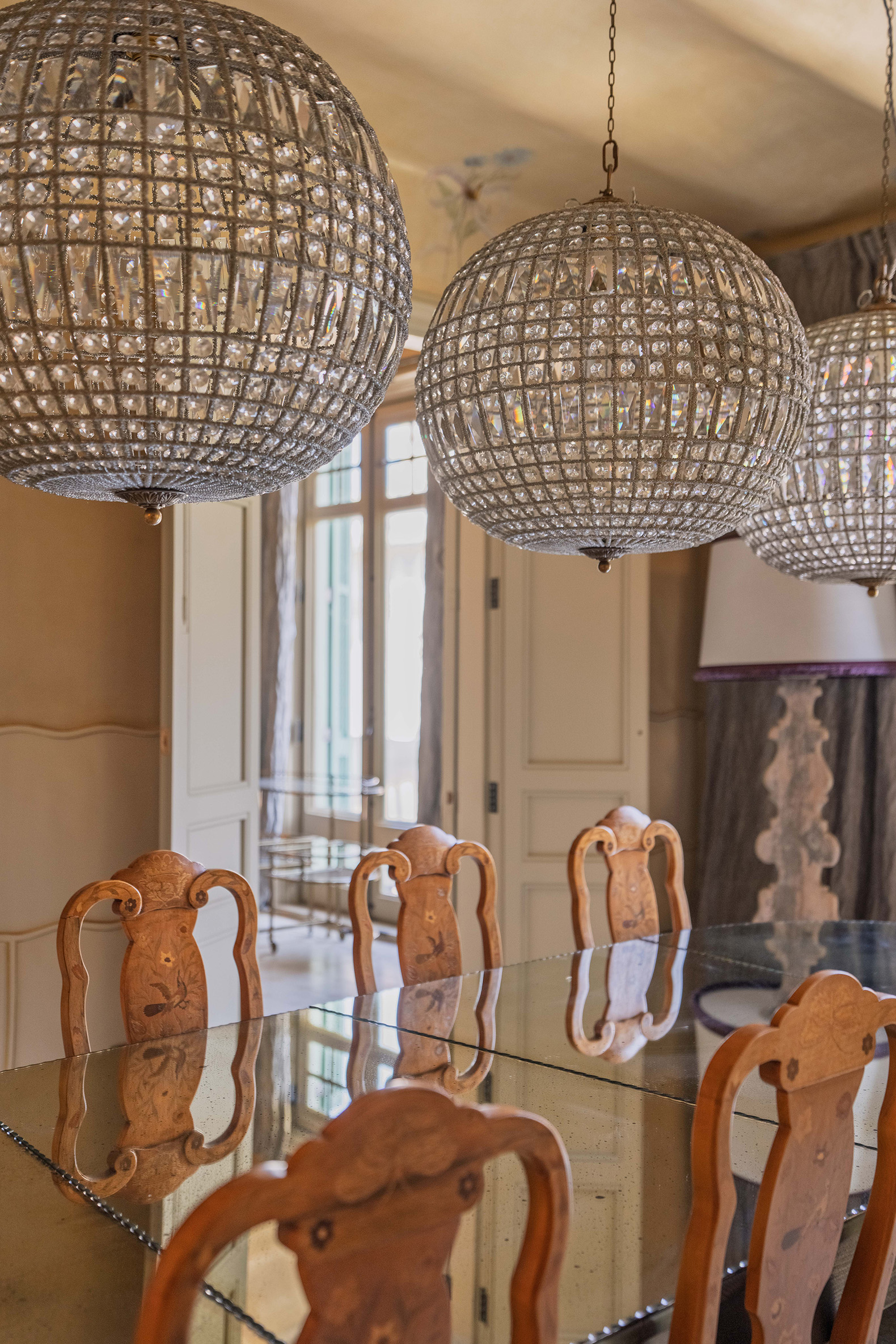
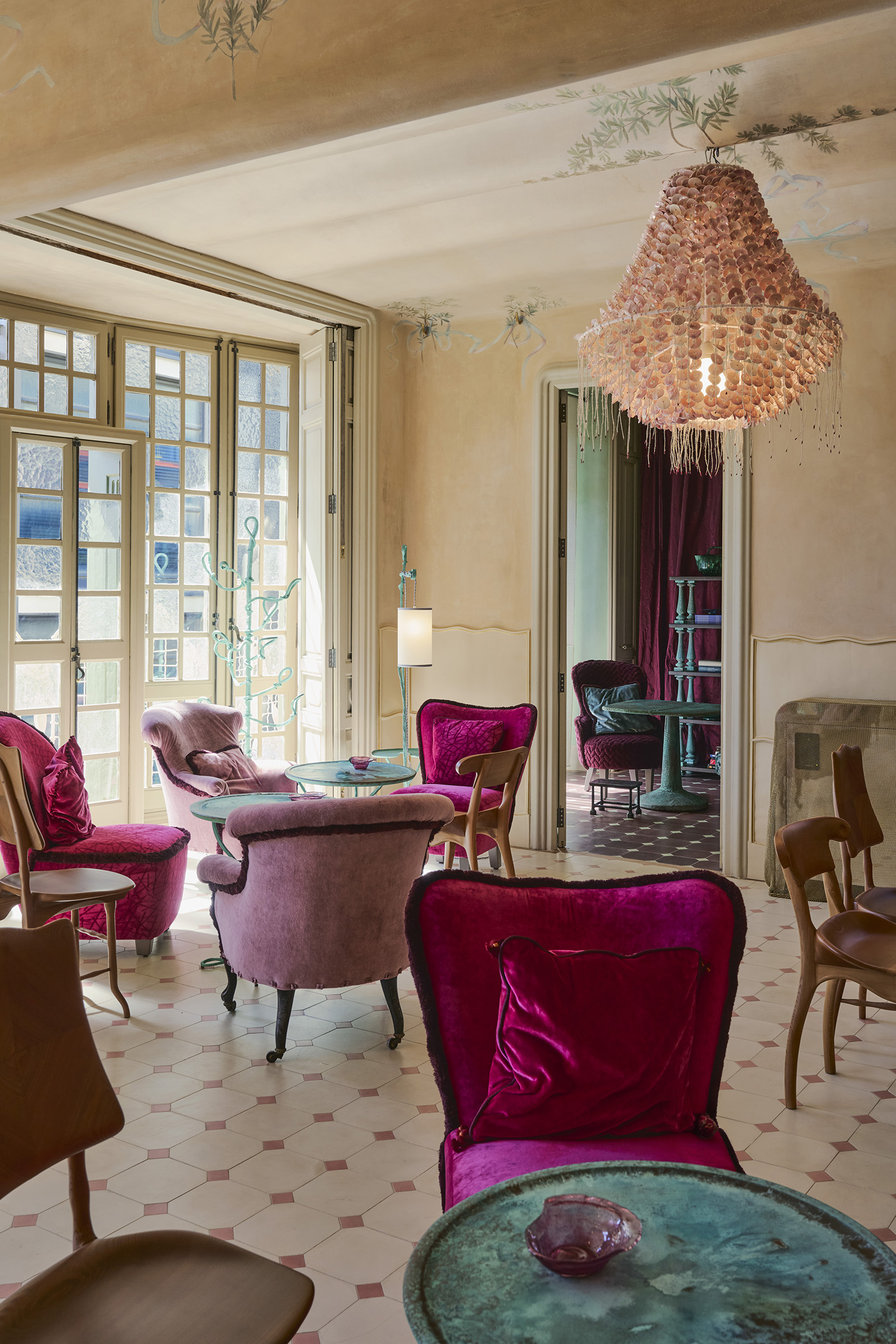
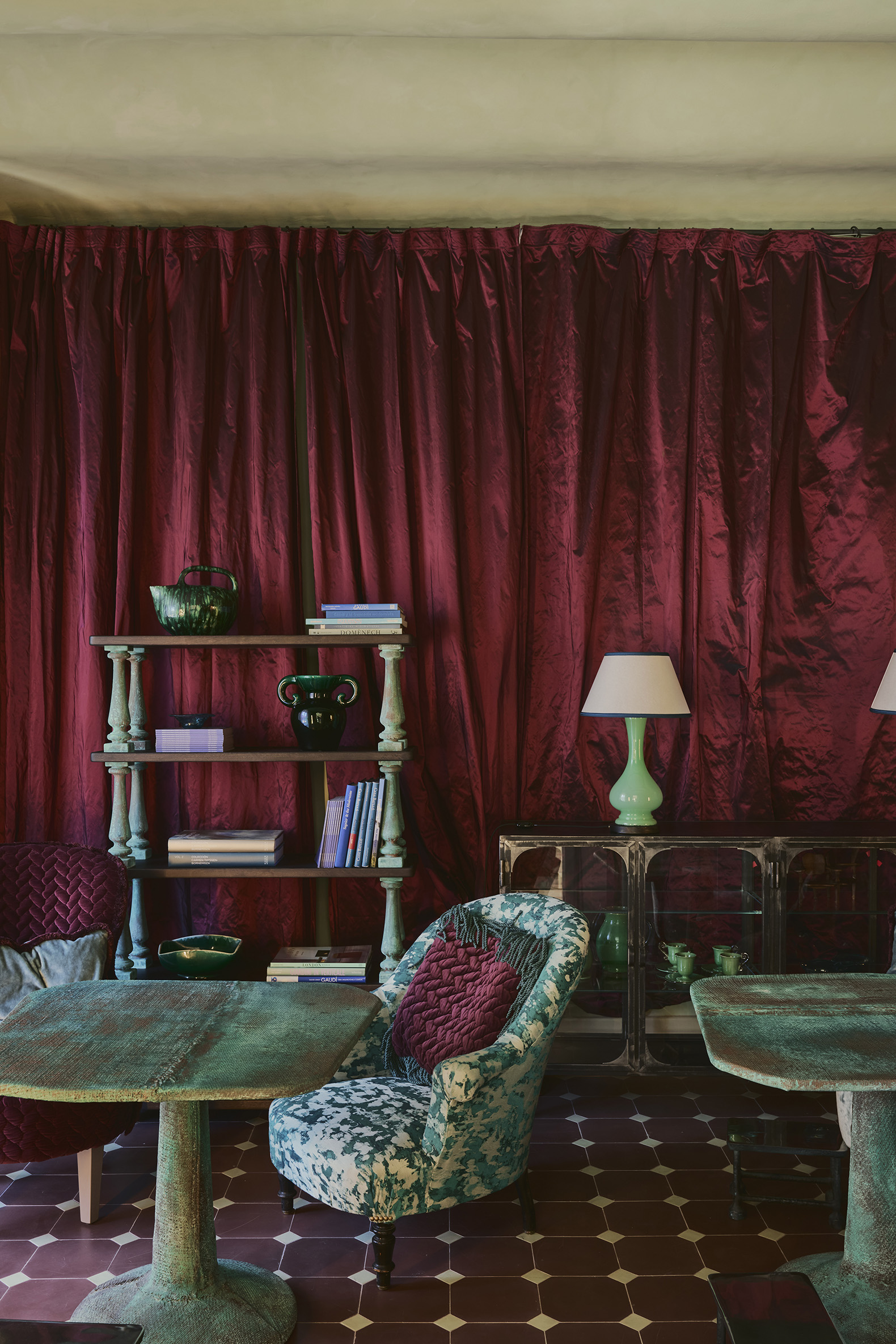
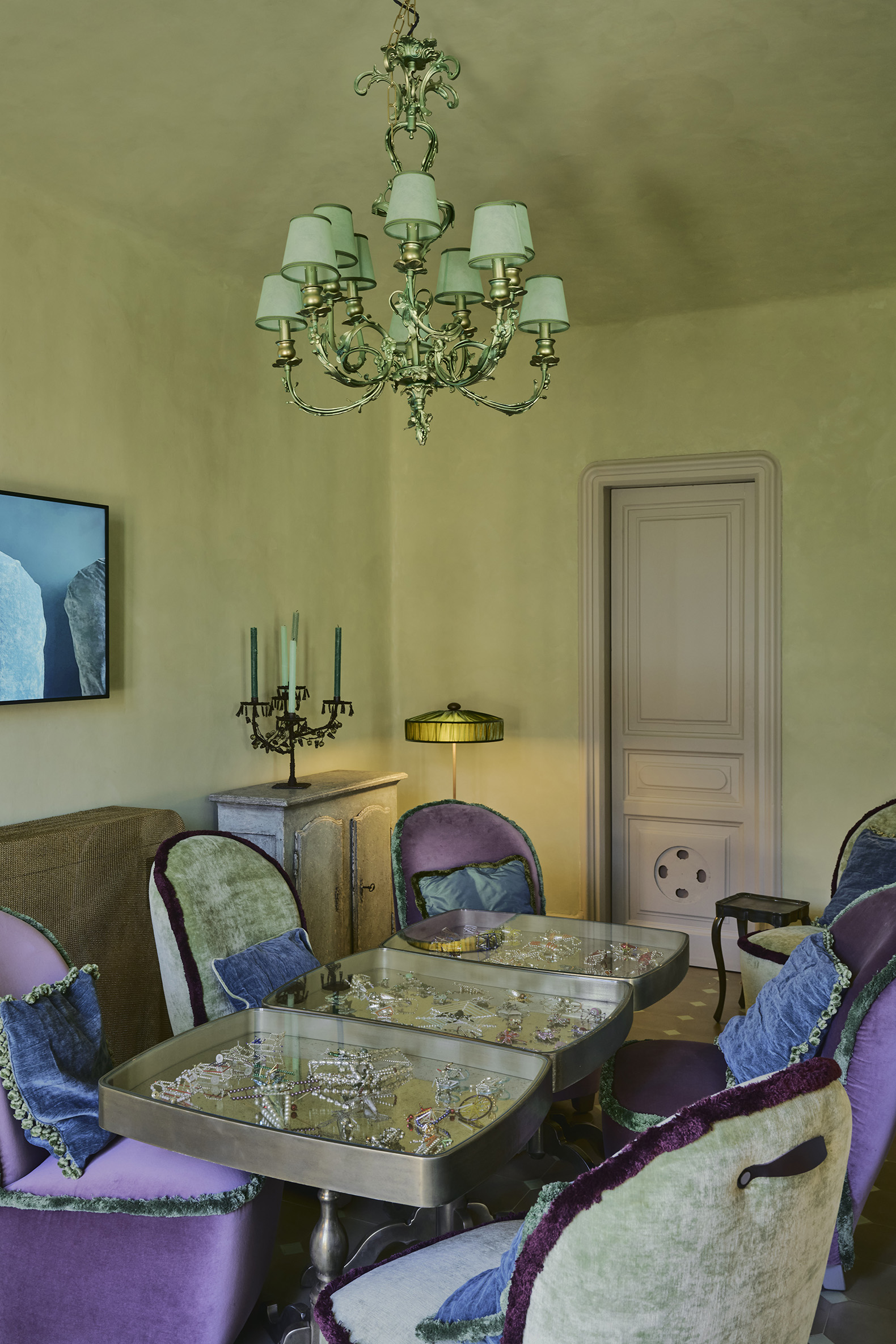
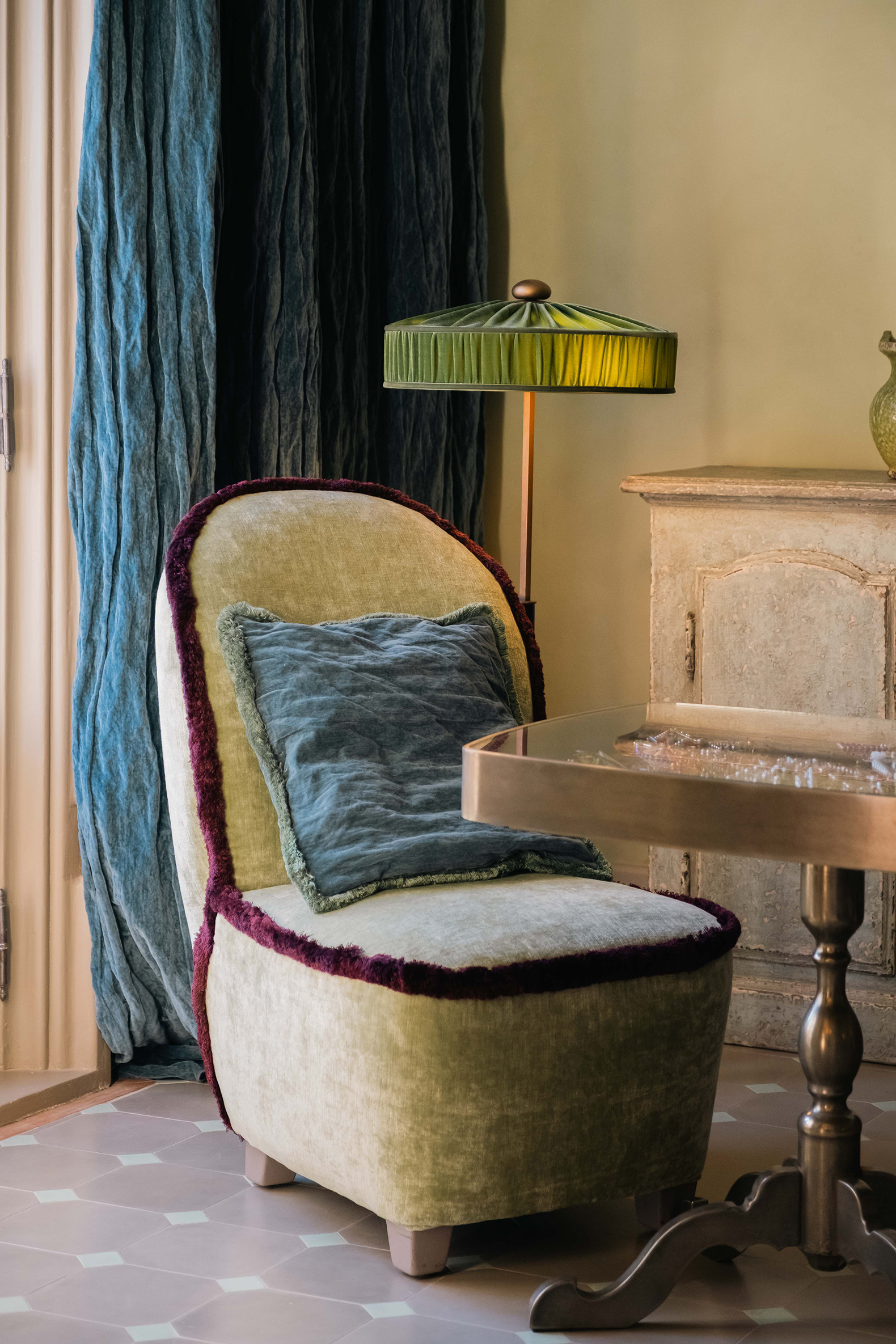
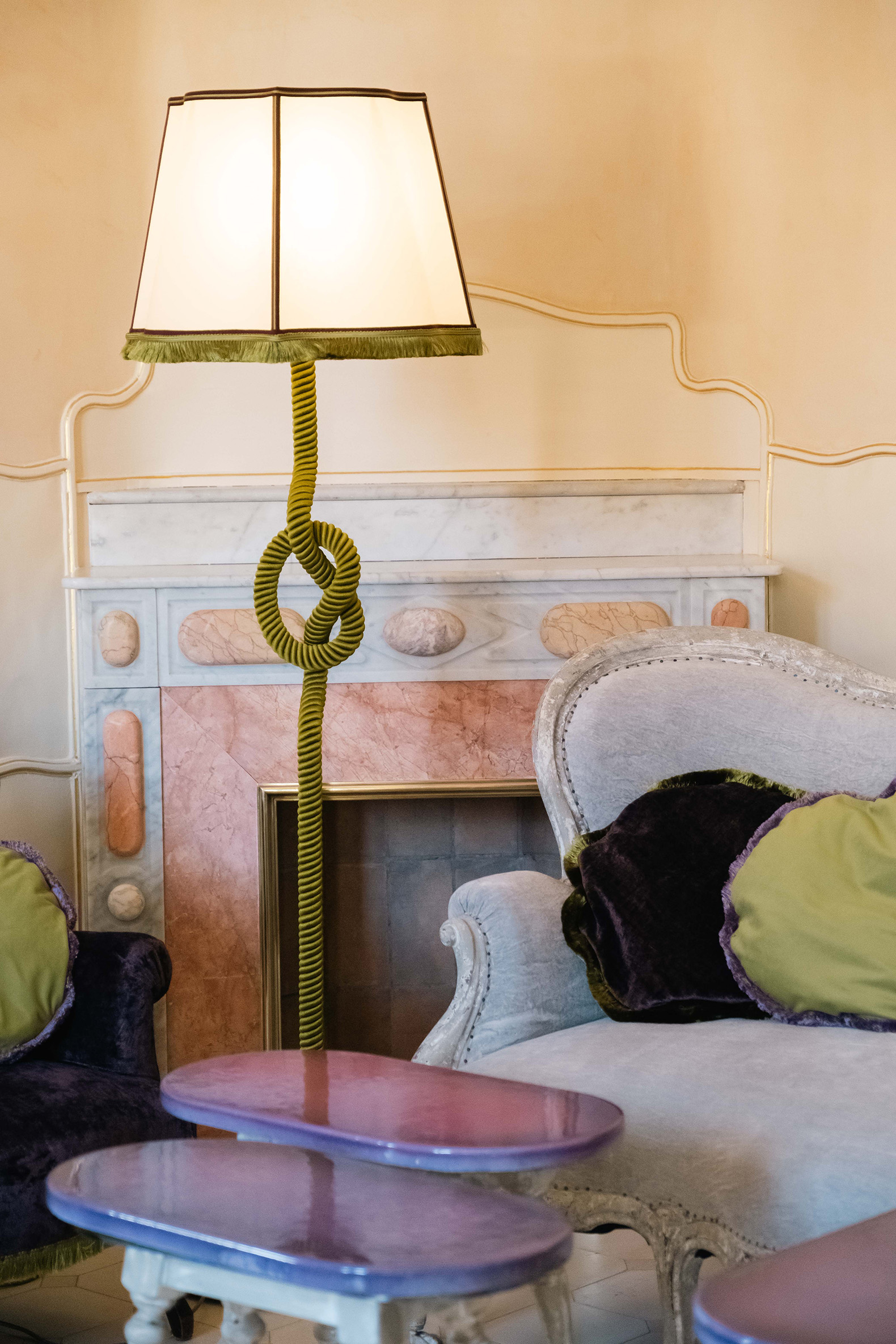
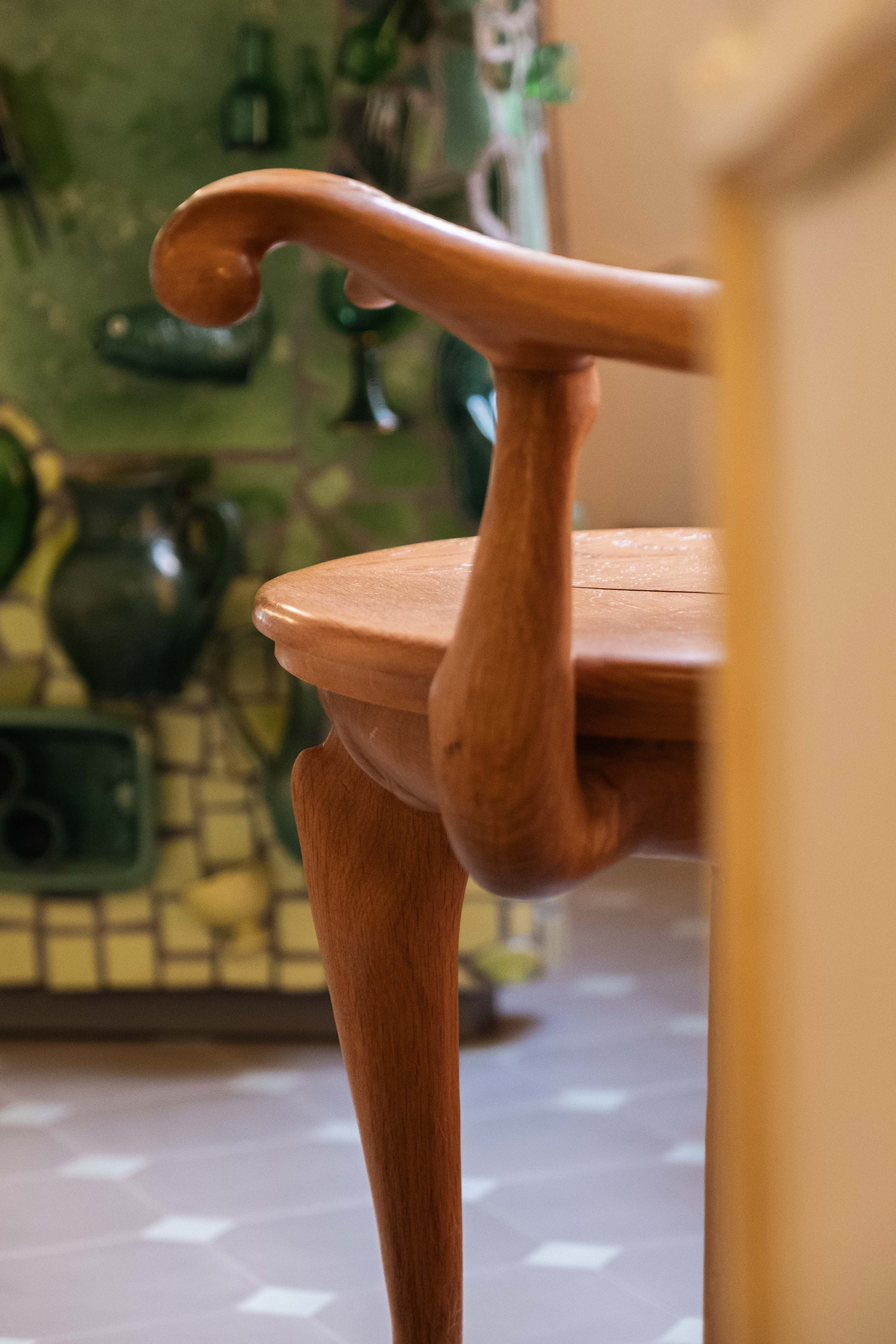
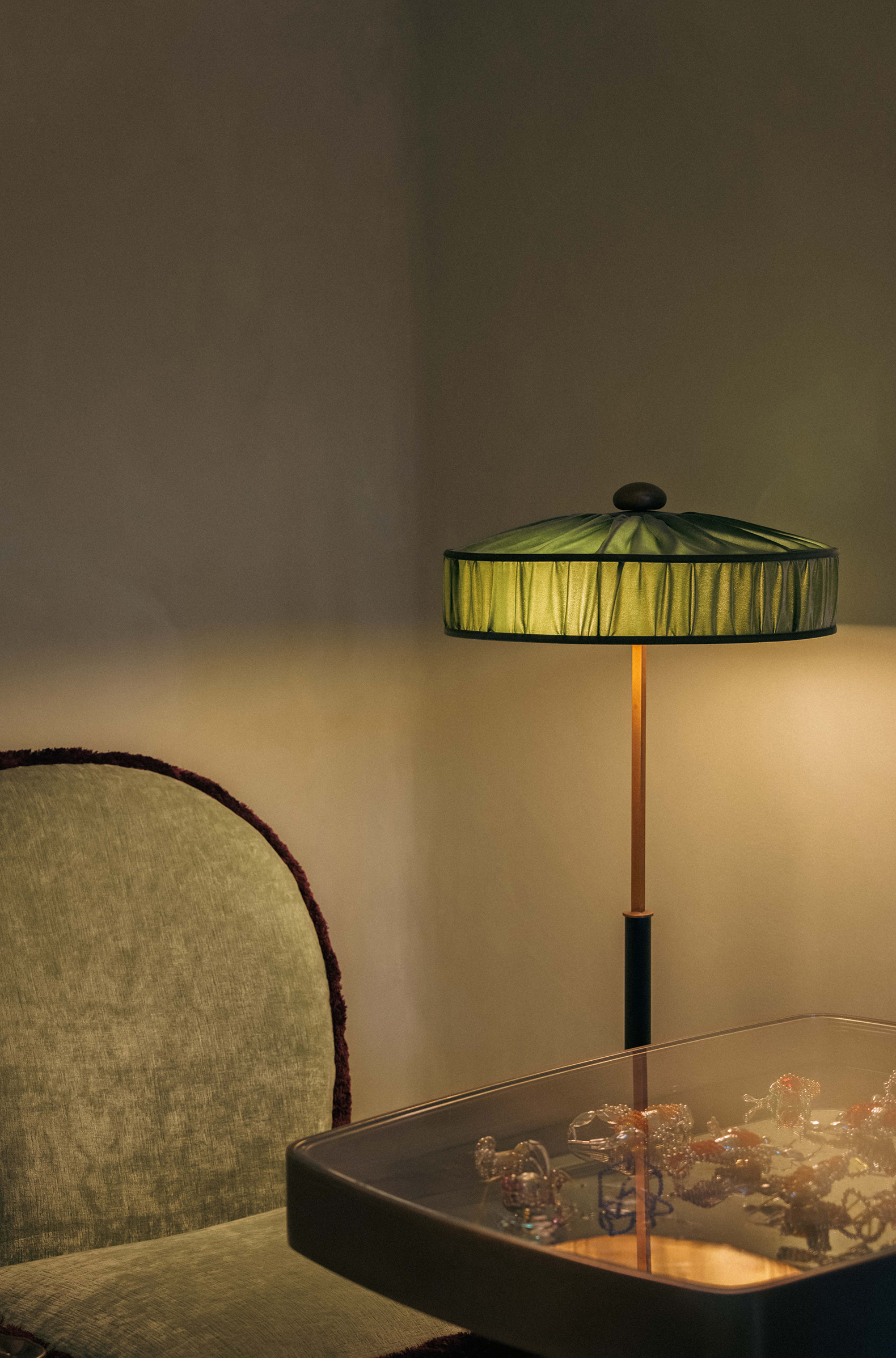
The space can be enjoyed independently or as part of a cultural visit, offering a flexible and versatile format. On this restored heritage foundation, Paola Navone introduces a second layer that does not seek to impose itself but rather to inhabit the space with a domestic sensibility. Her proposal adopts an openly eclectic approach, based on mixing, contrasting, and layering, where color, materiality, and attention to detail reinforce the identity of each room, conceived as a small story within a coherent narrative.
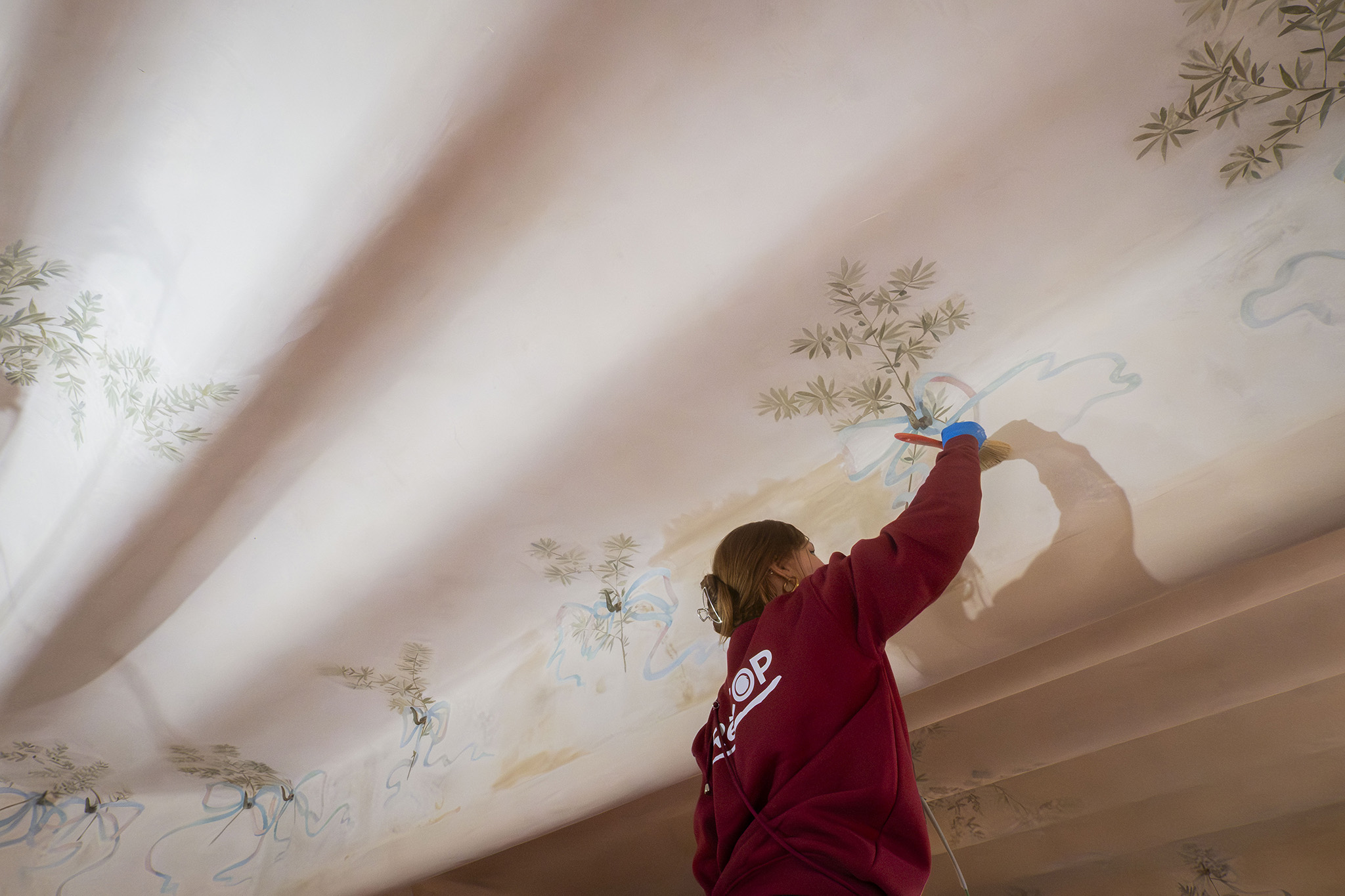
The Third Floor of Casa Batlló: restoration of the last inhabited residence by OTTO Studio, Xavier Villanueva. Photograph by Victoria Gasseuy.
“At first, I felt that intervening in Casa Batlló was almost impossible. Everything changed when I stopped thinking about designing for Gaudí and started imagining that this house was my own home in Barcelona. From that moment on, the project became a natural reappropriation of the space: a way of inhabiting it today, combining objects, colors, and materials that dialogue with what already exists without imposing themselves. More than interior design, it’s a way of bringing the house back to life.”
Paola Navone, Lead Architect of OTTO Studio.
With this opening, Casa Batlló reaffirms its status as a living monument. The restoration of its last residence not only preserves an essential part of its history but also projects it into the future, allowing new audiences to inhabit it and give it meaning.