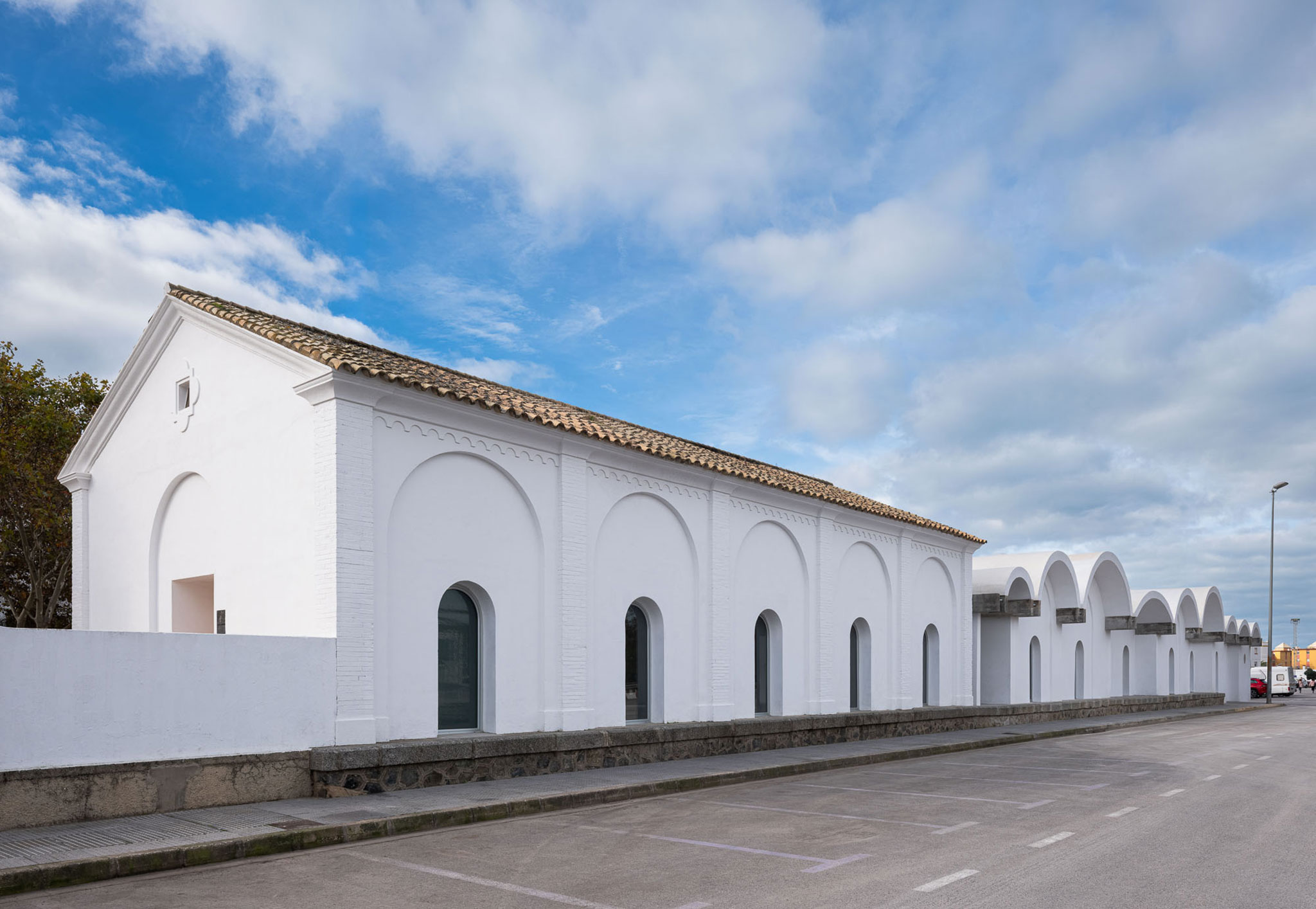
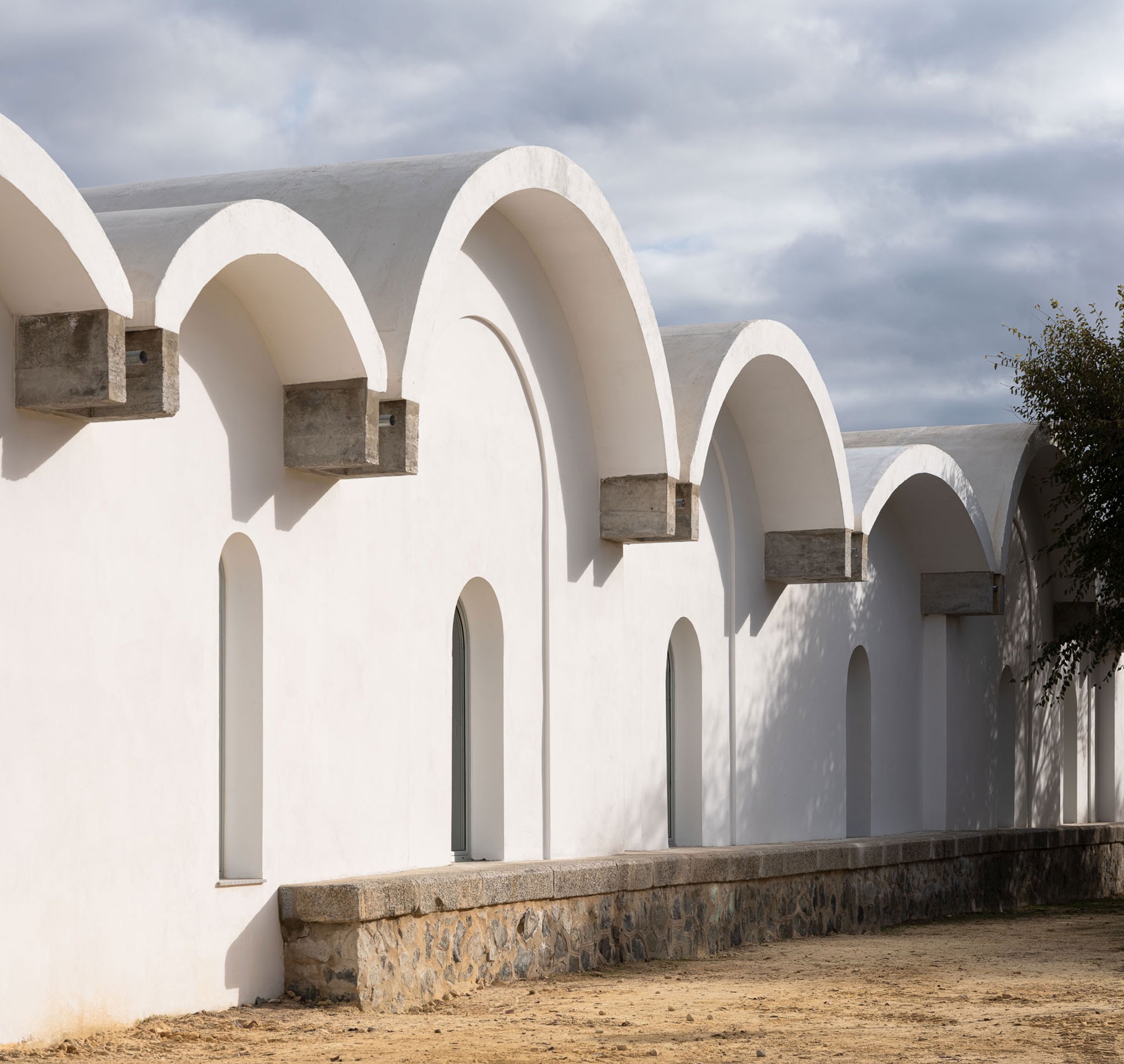
The architecture studio KAUH was commissioned to design "El Andén," a community space and music school located on the site of the former railway infrastructure that served the so-called "coastal train" until the 1980s, in the northernmost part of Rota, a city in the province of Cádiz, Spain.

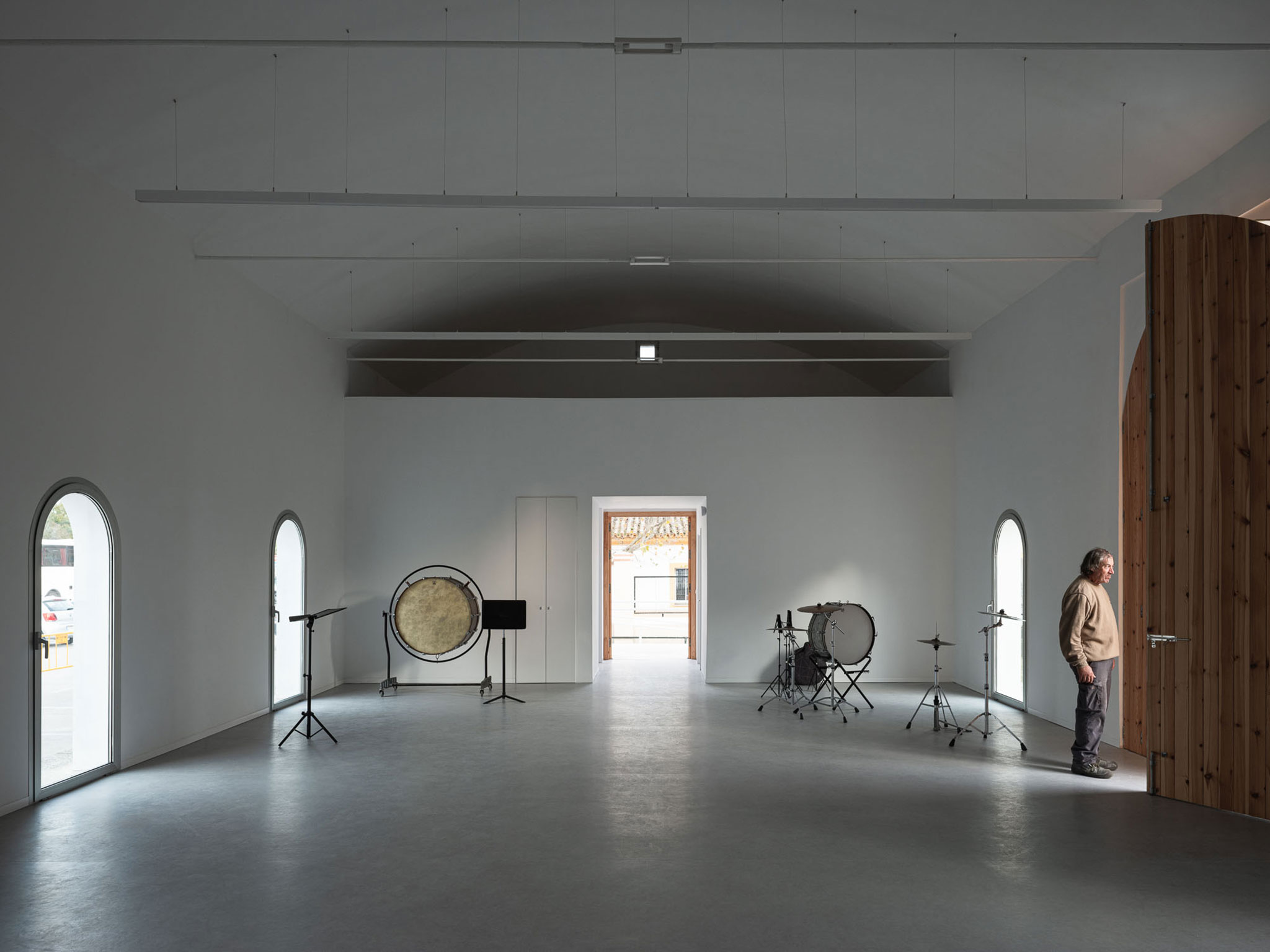
The proposal presents itself as a collective civic building through the expression of a unique linearity, vaults, and arches, previously adapted by the municipal band for use as a rehearsal hall and music school. With the new intervention, the building continues to function as a music school and home to the municipal band, while also incorporating new community activities.

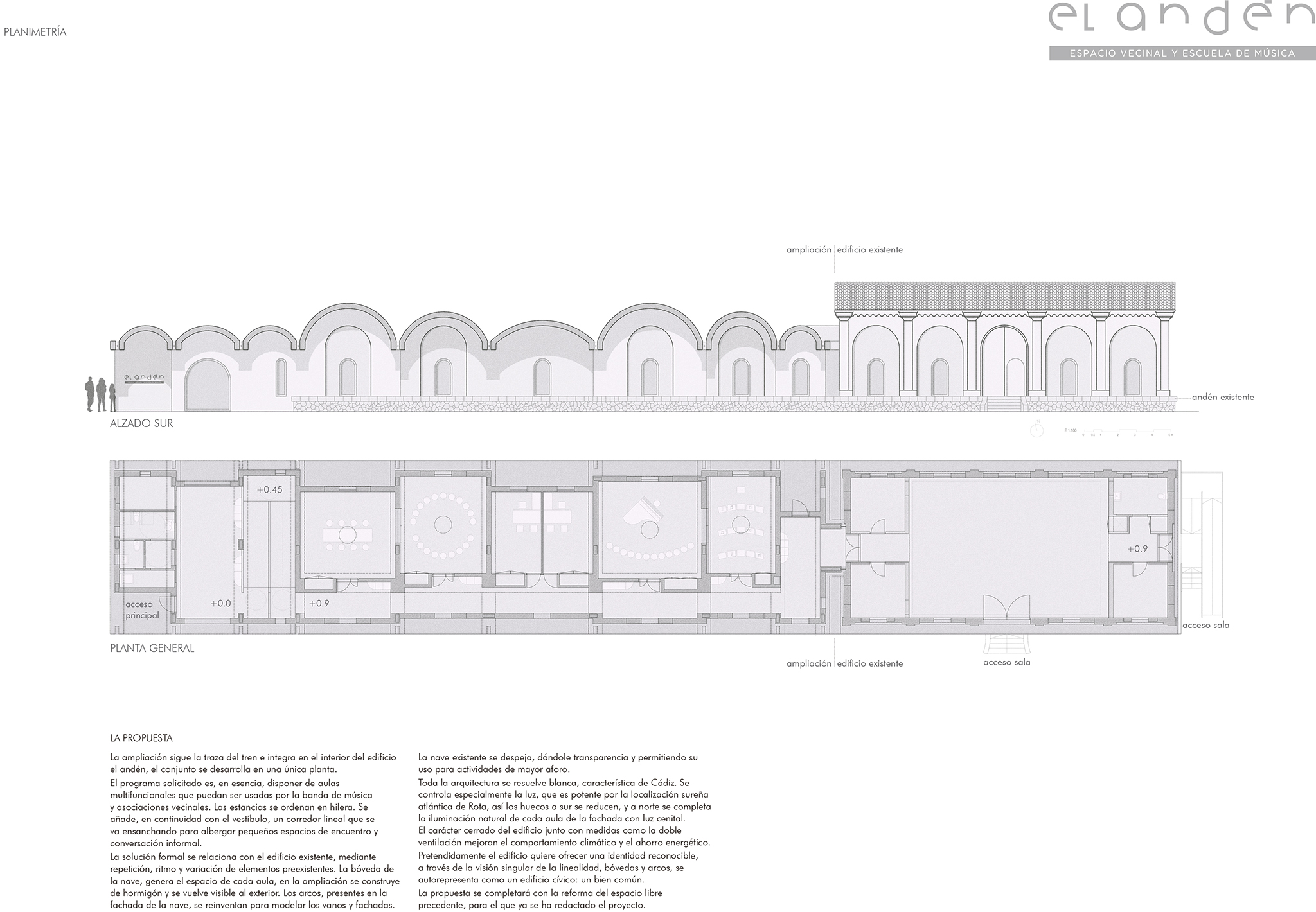
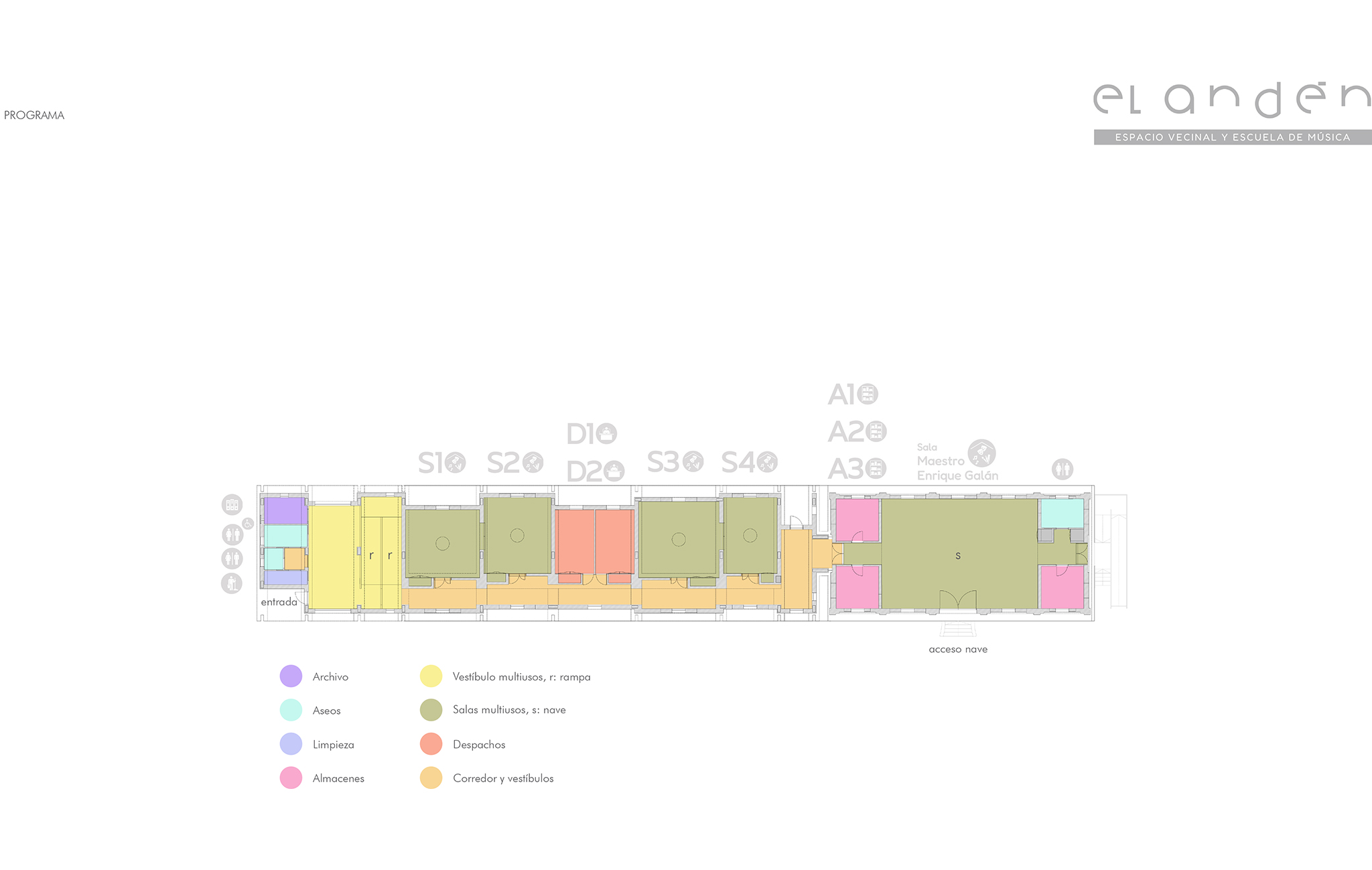
"El Andén," designed by KAUH, repurposes the residual spaces of the former railway line as a public space. It is a single-story building with multifunctional classrooms arranged in a linear sequence, intended for use by the town band and neighborhood associations. Continuing from the lobby, a linear corridor is added, gradually widening to accommodate small meeting spaces.

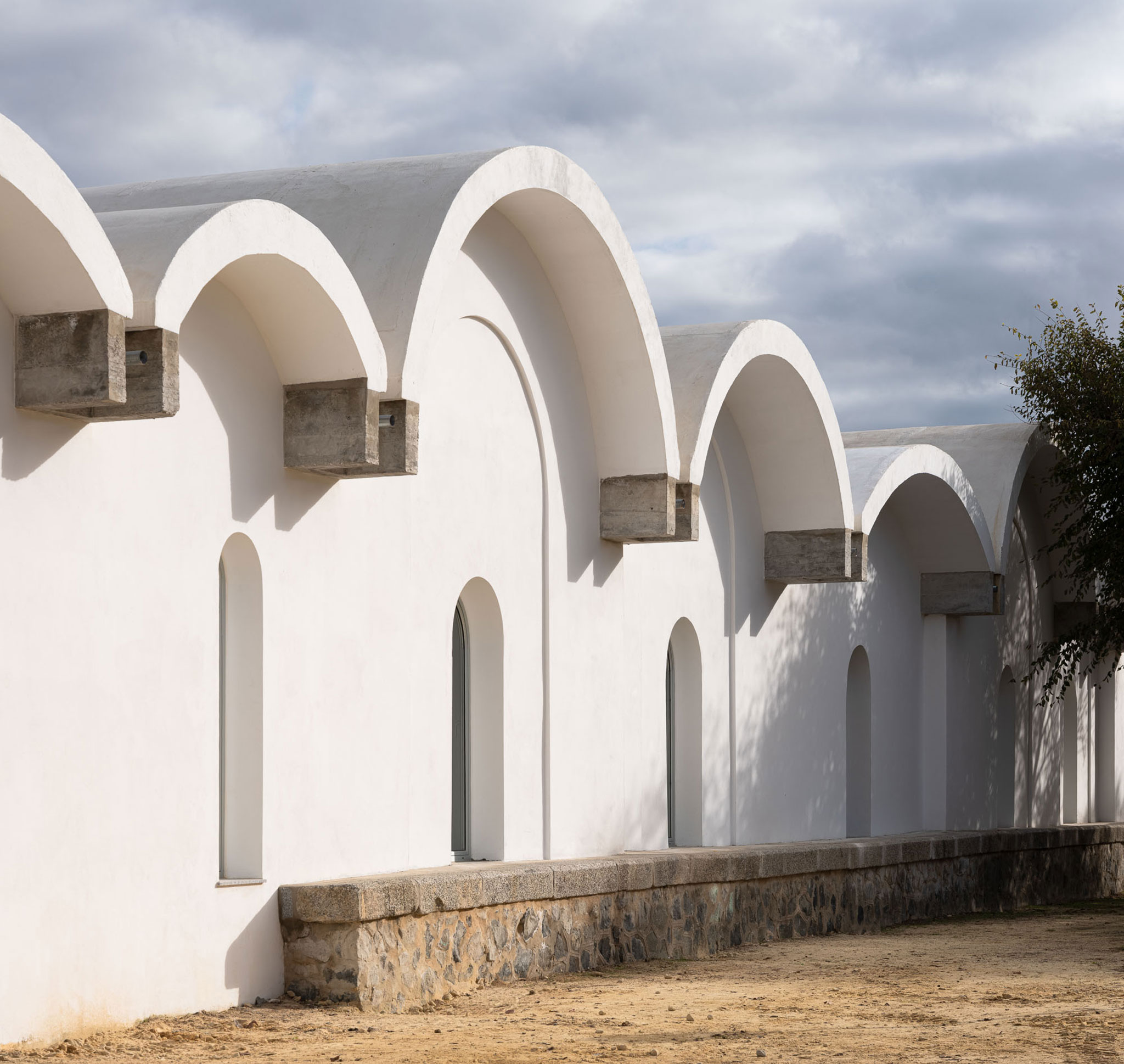
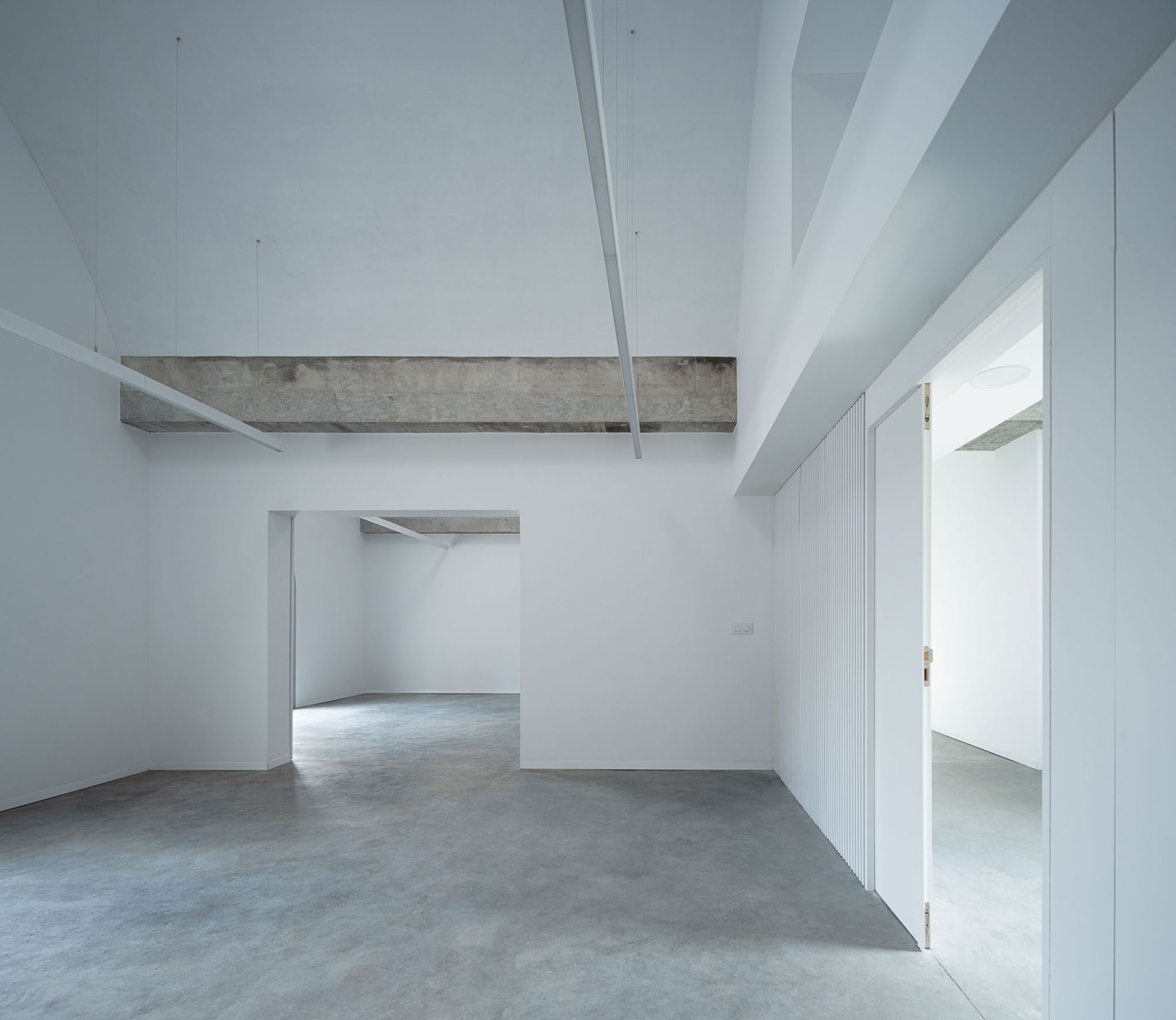
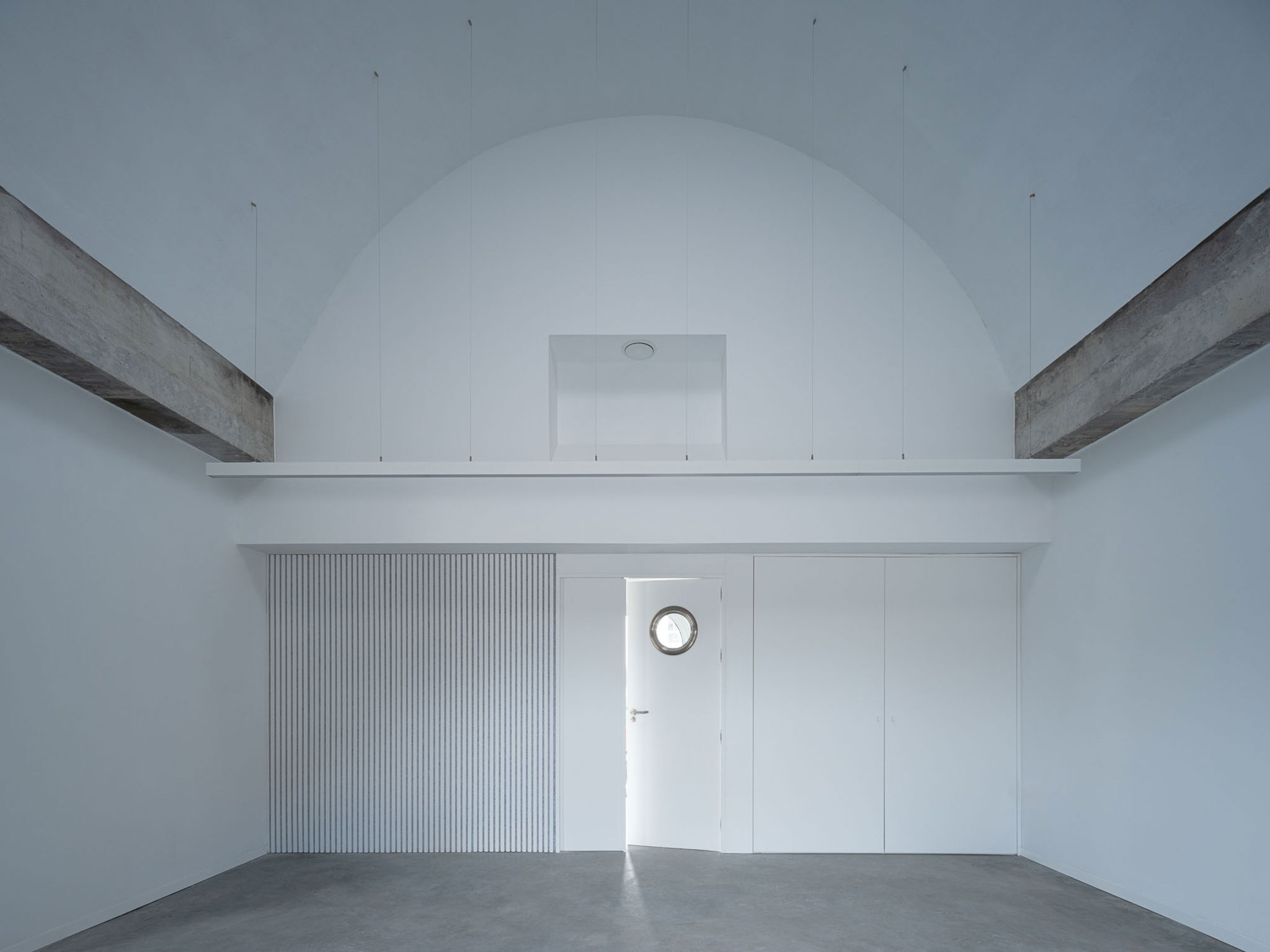
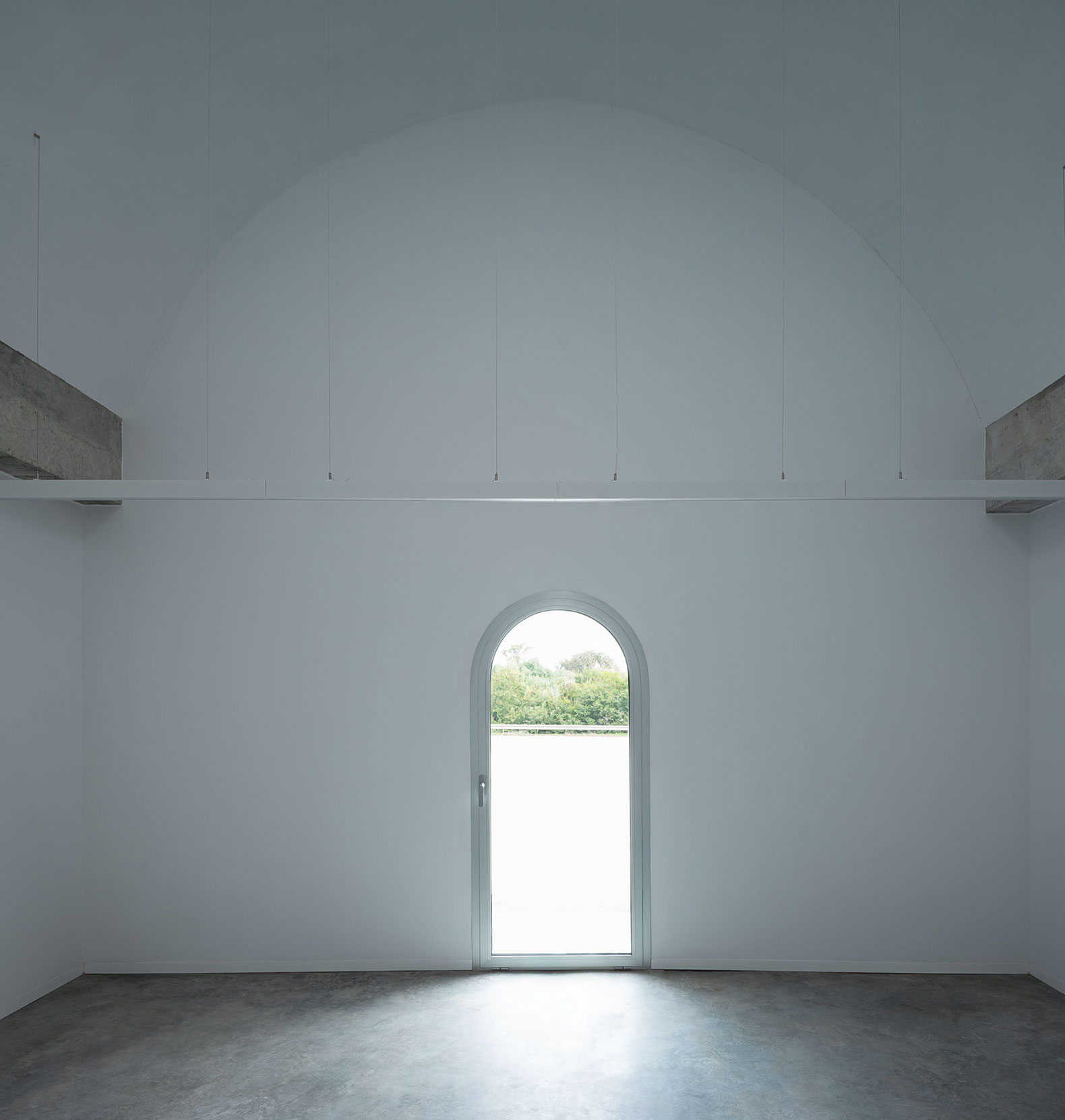
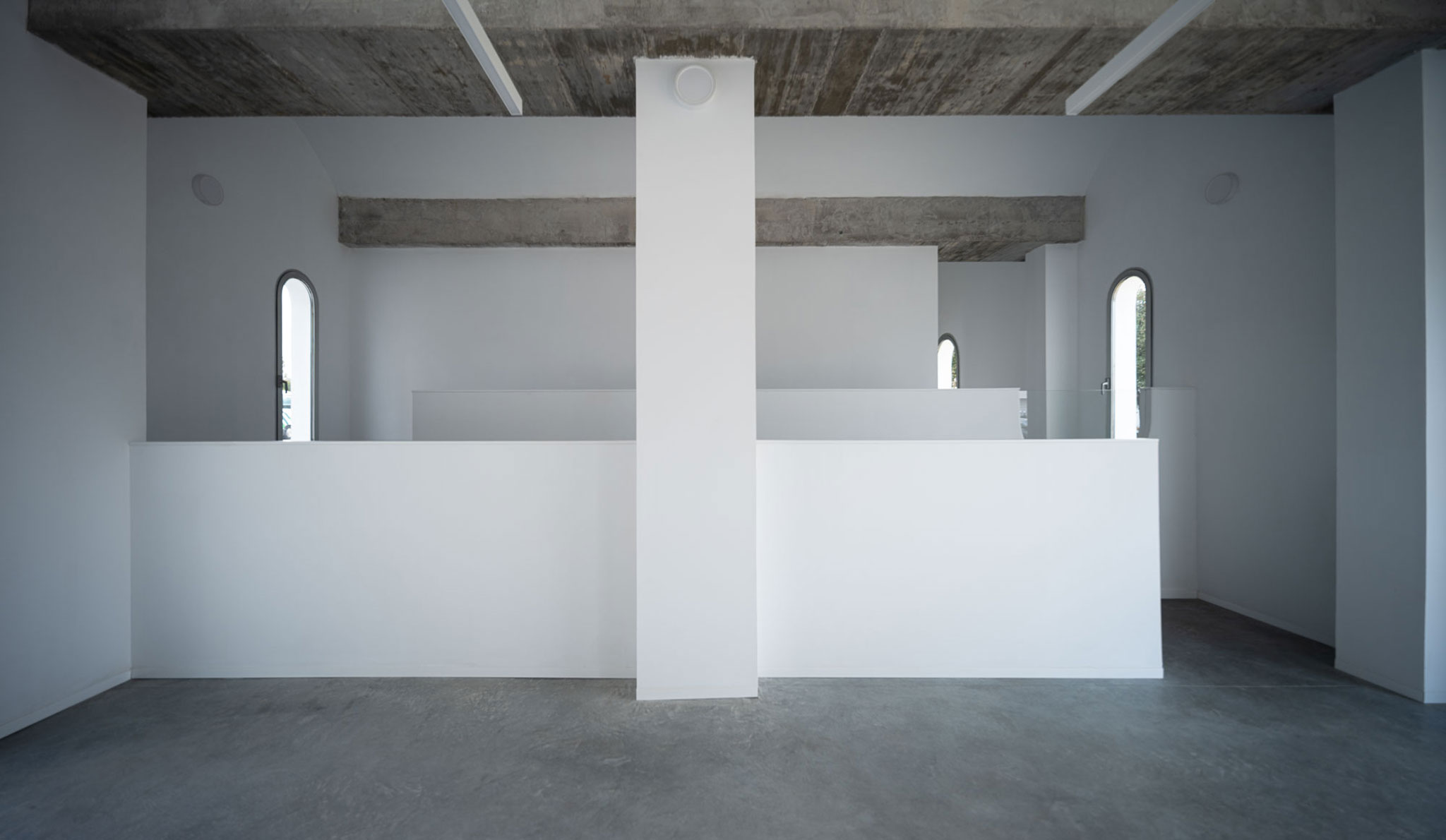
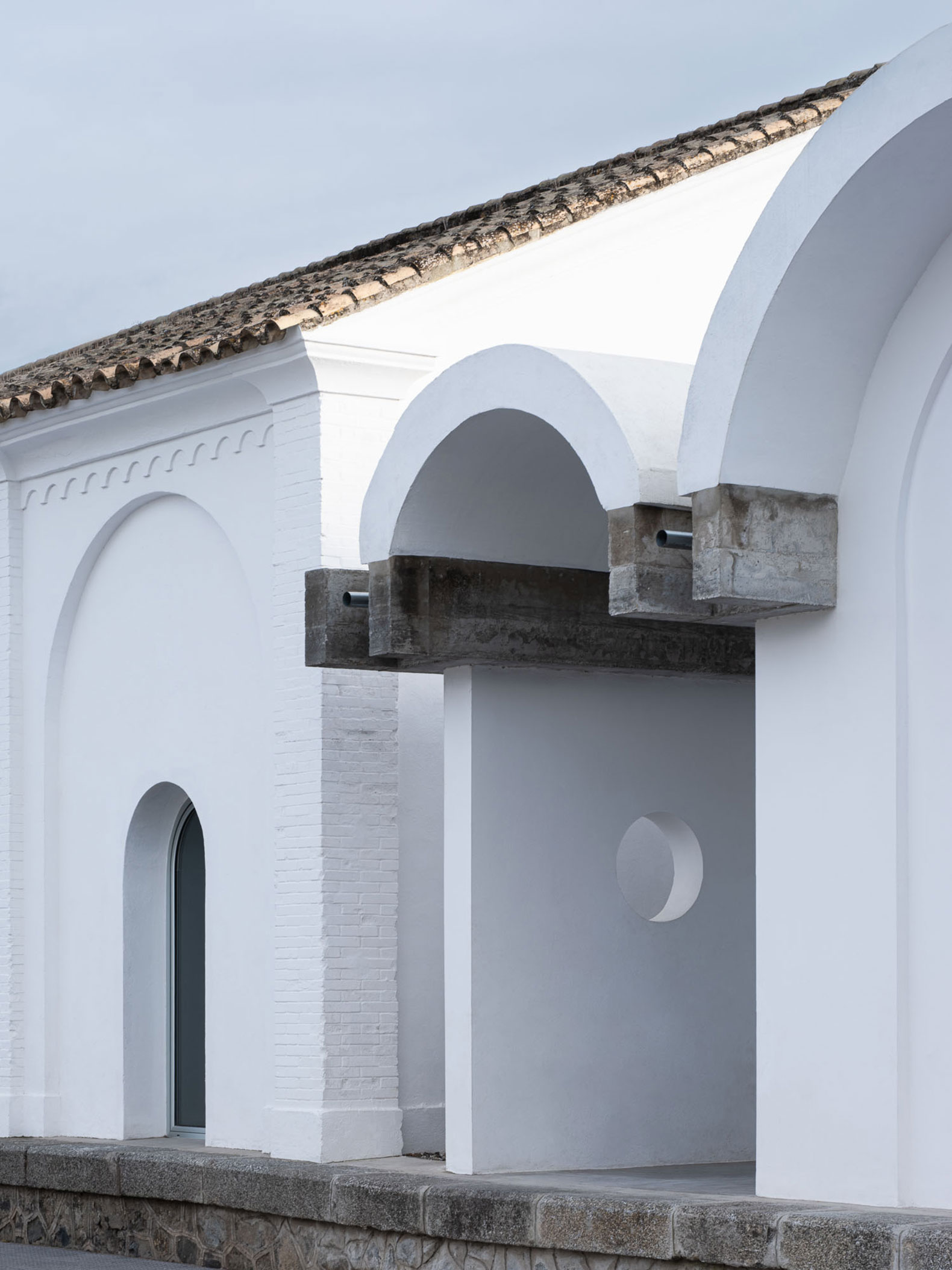
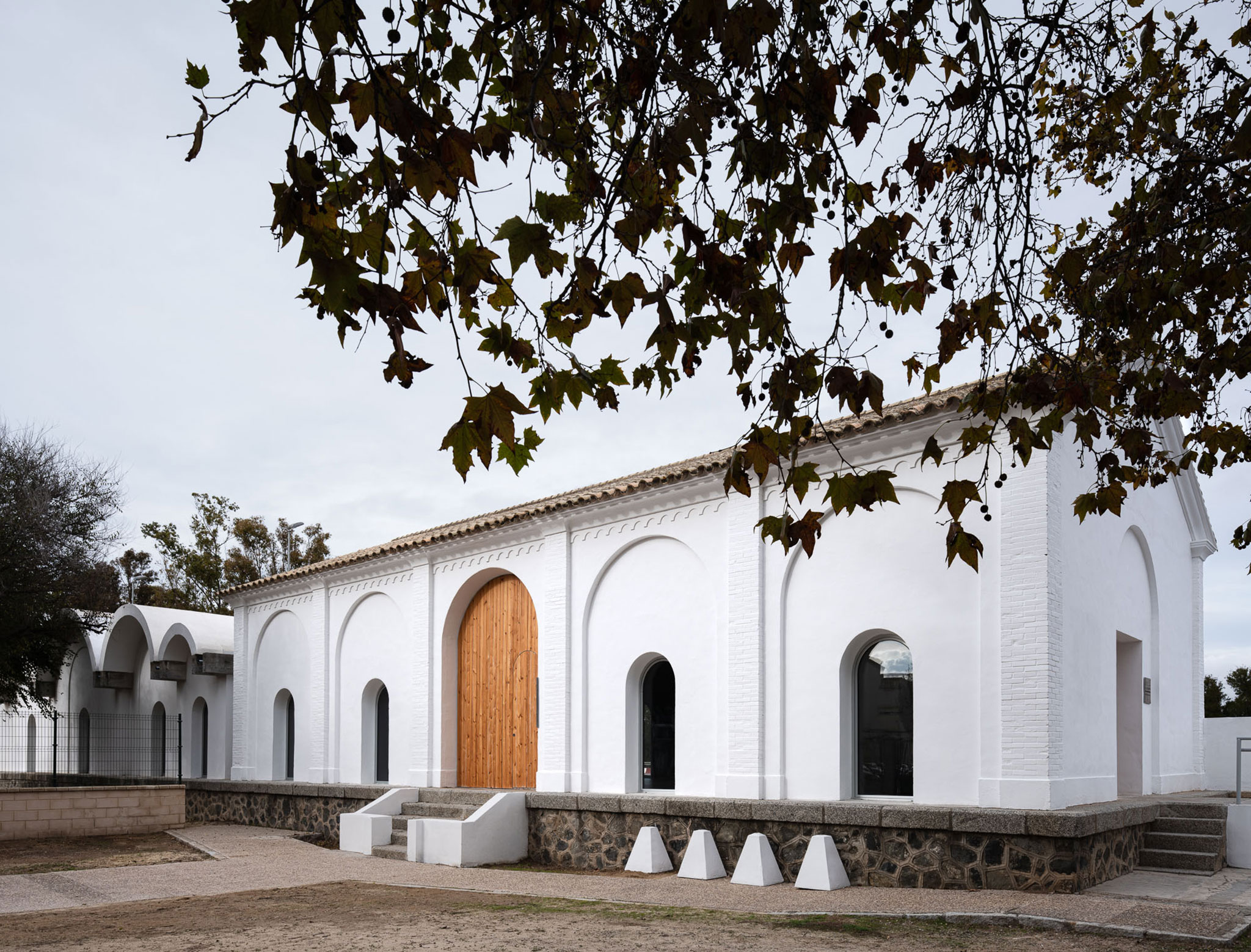
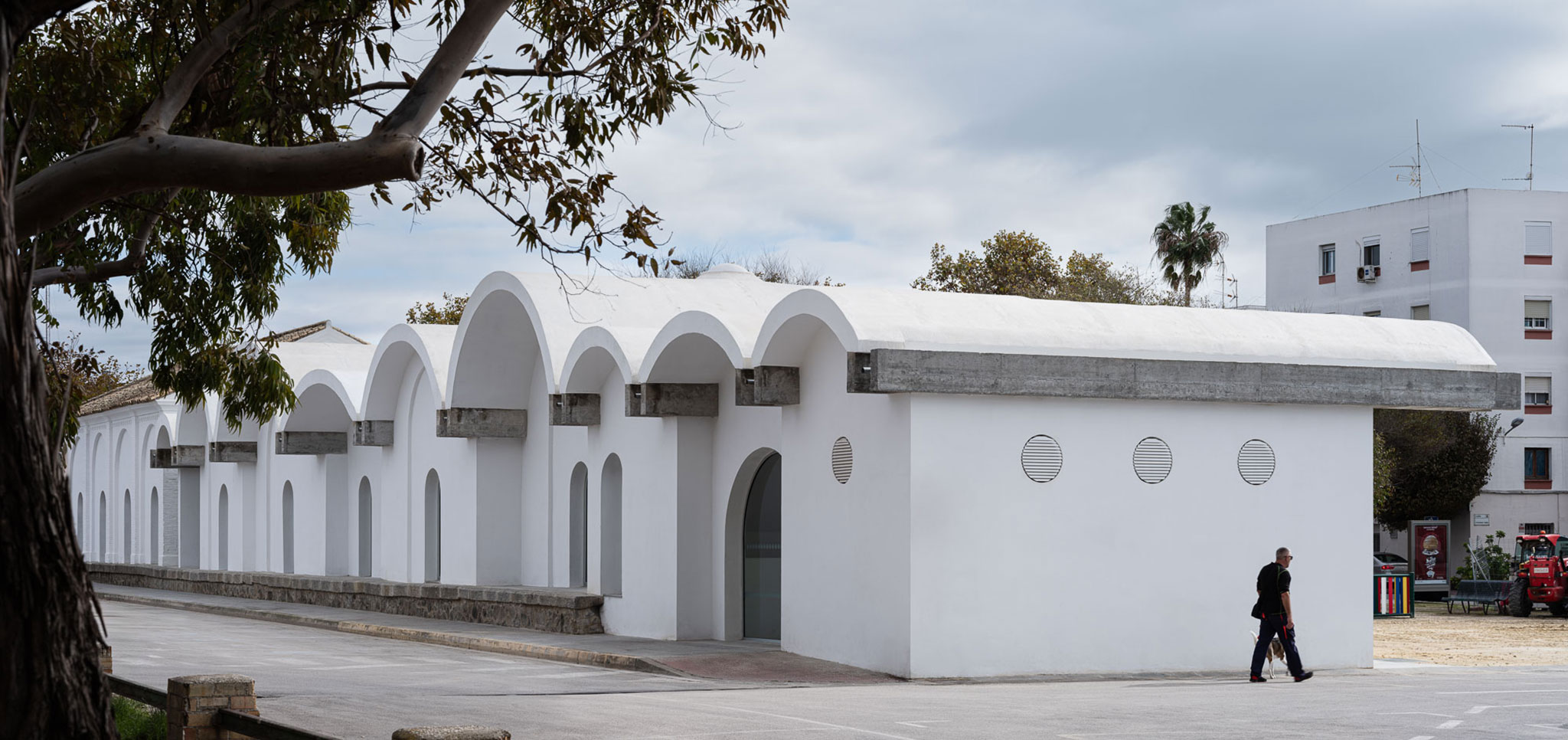
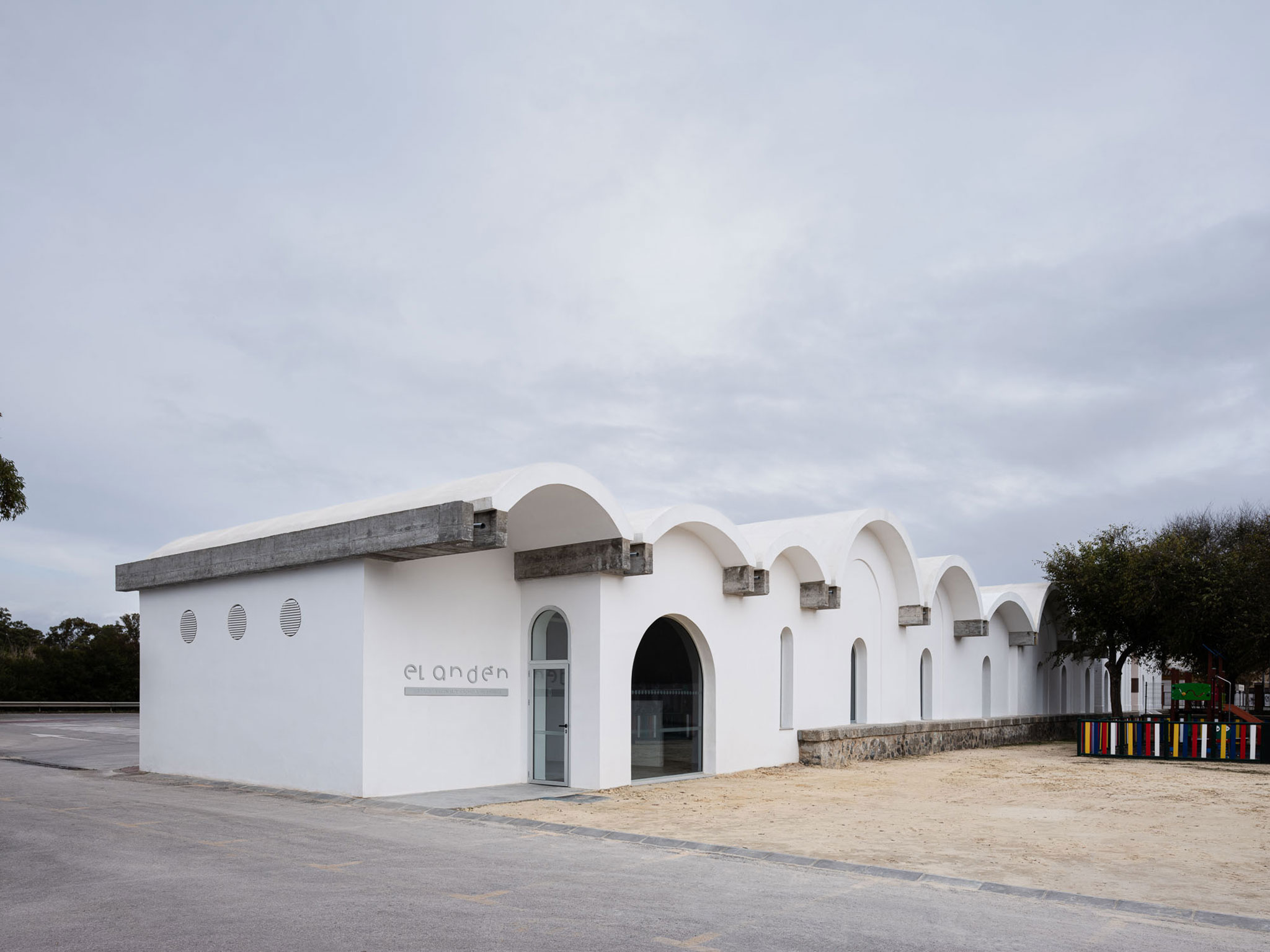
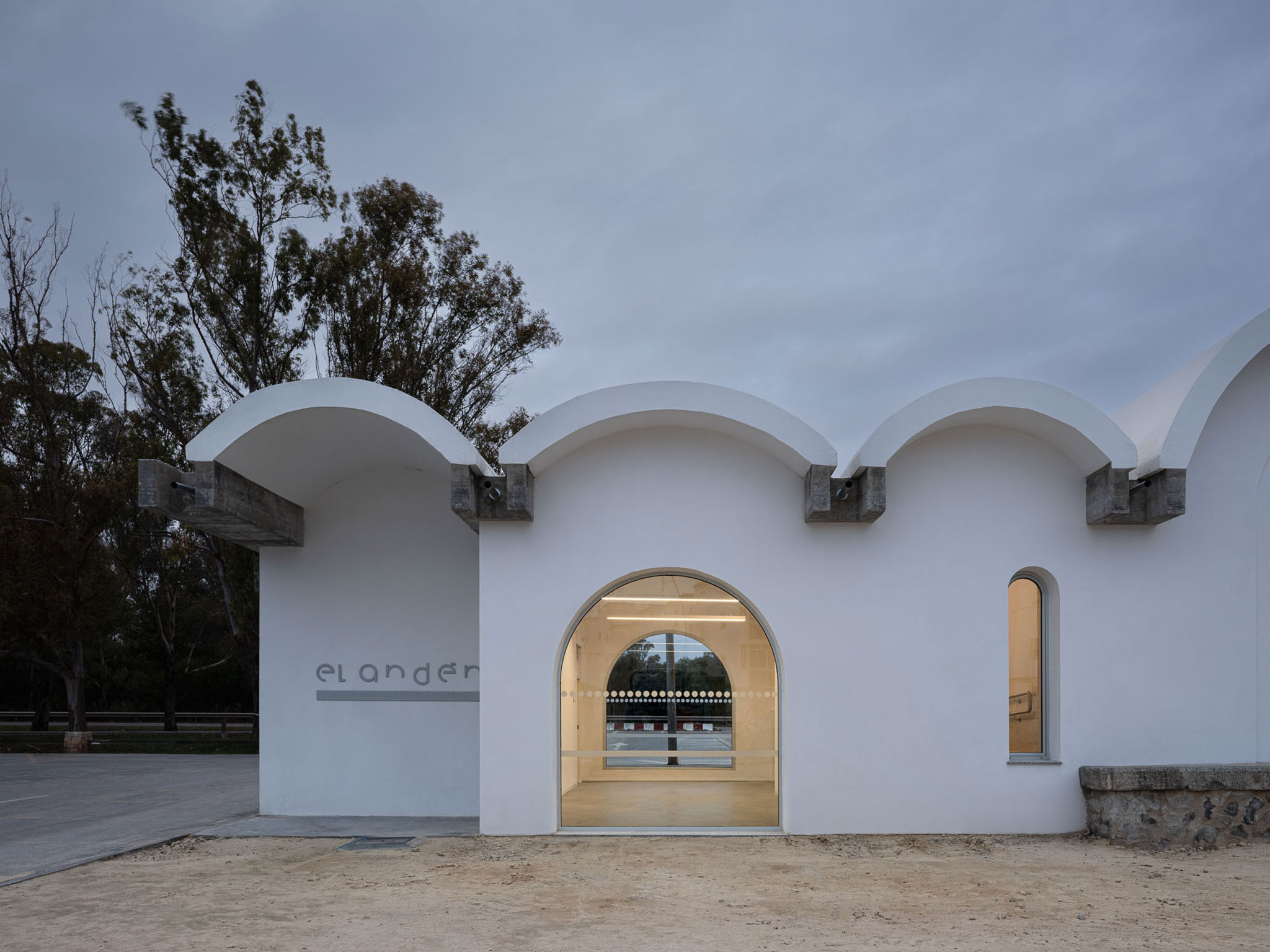
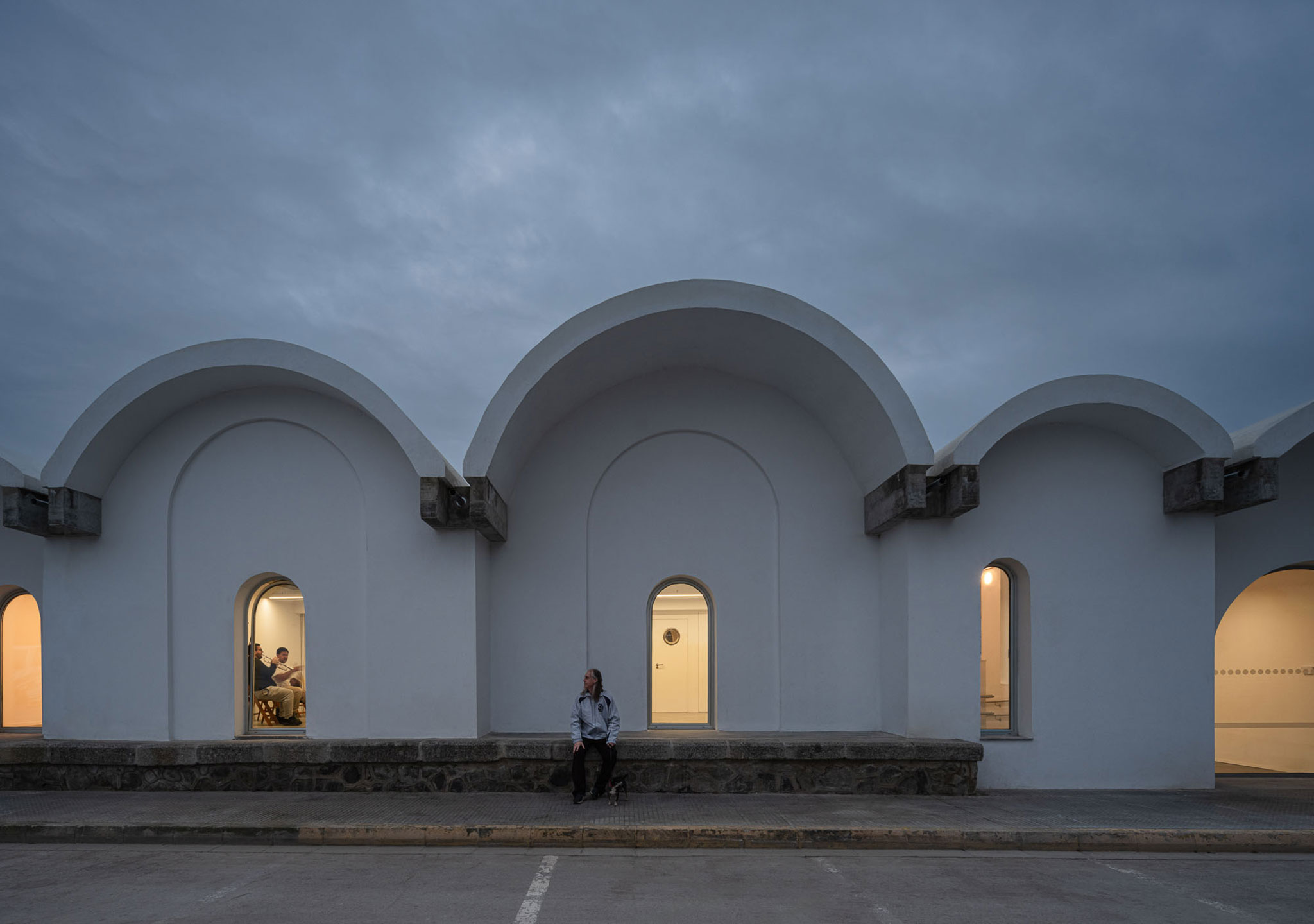
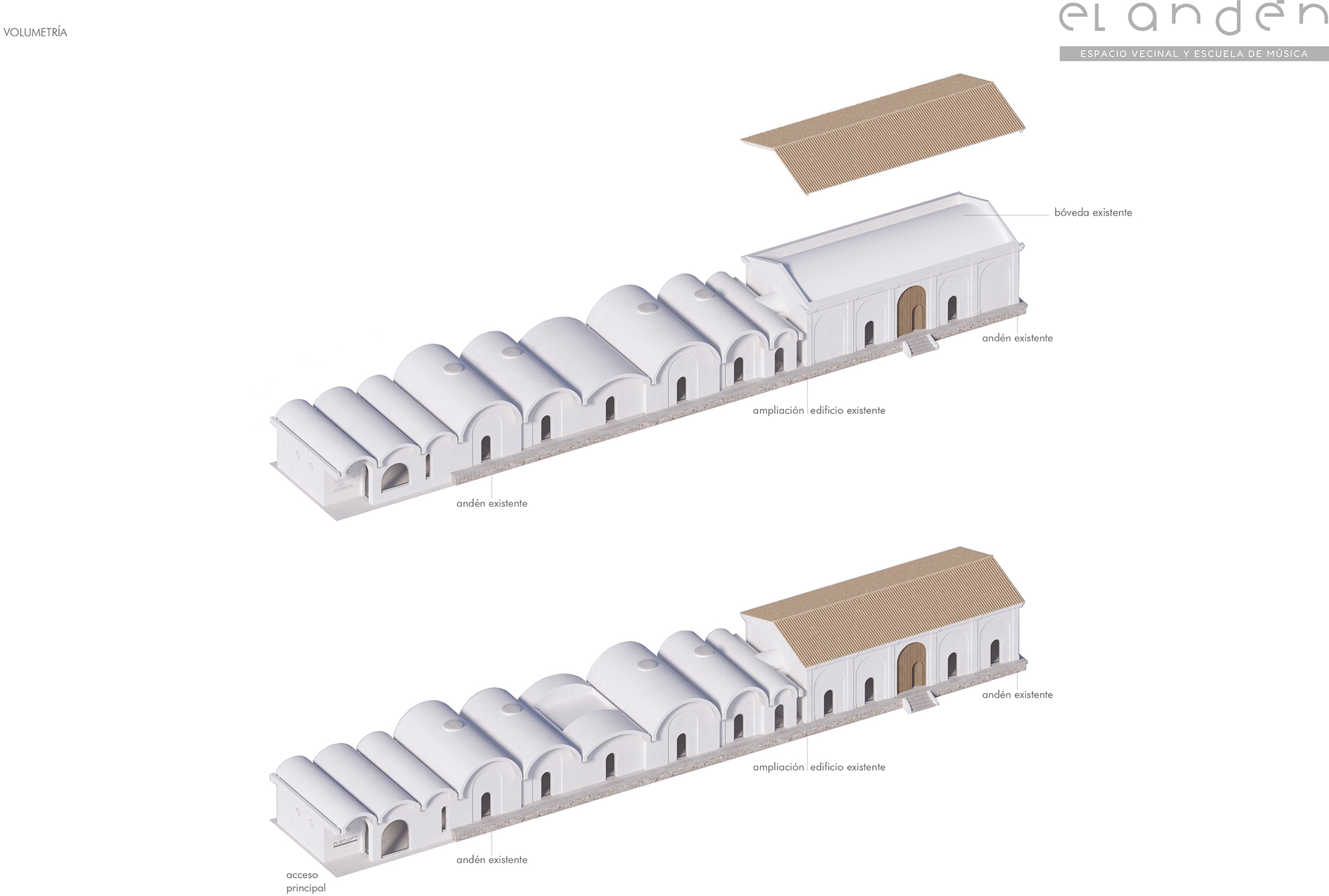
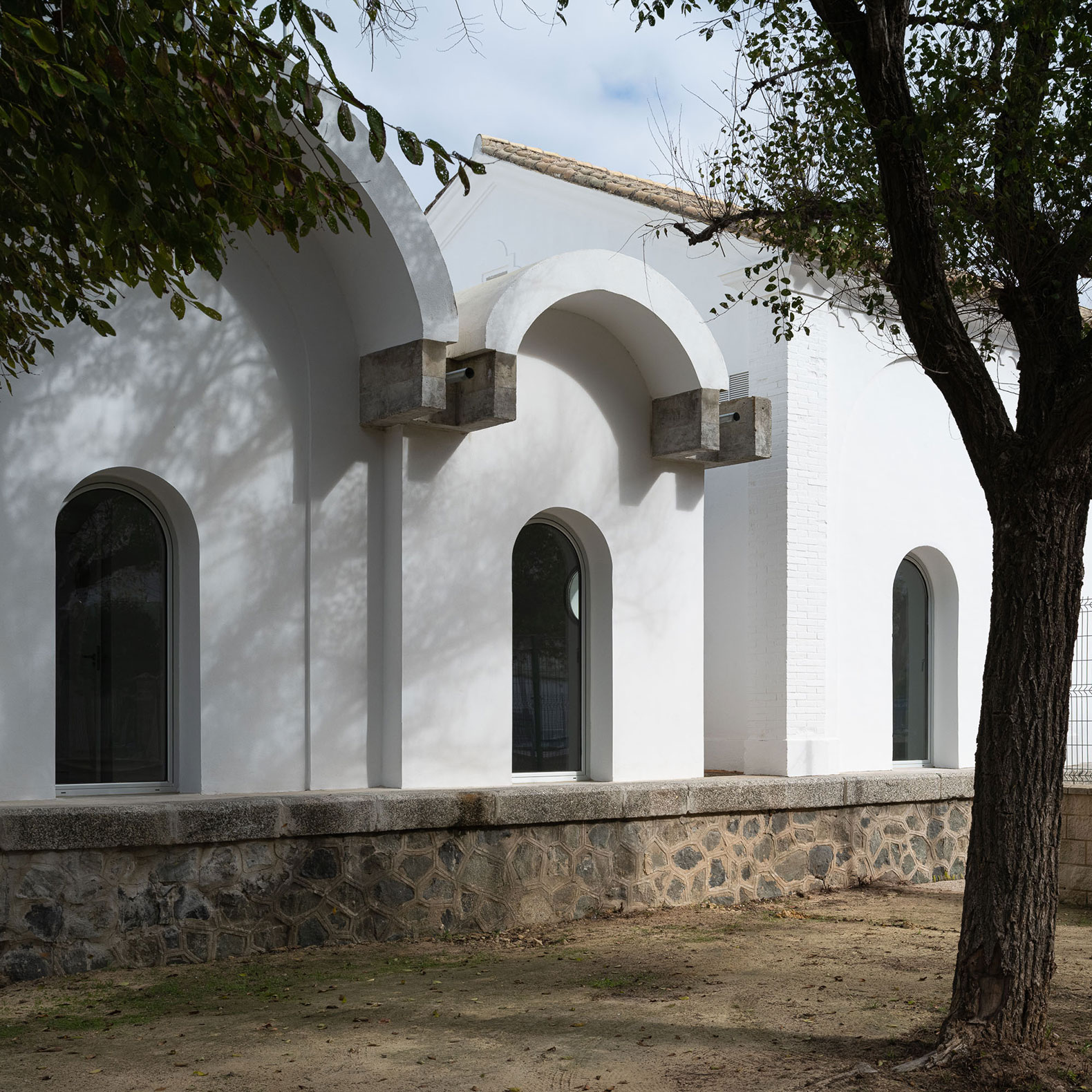
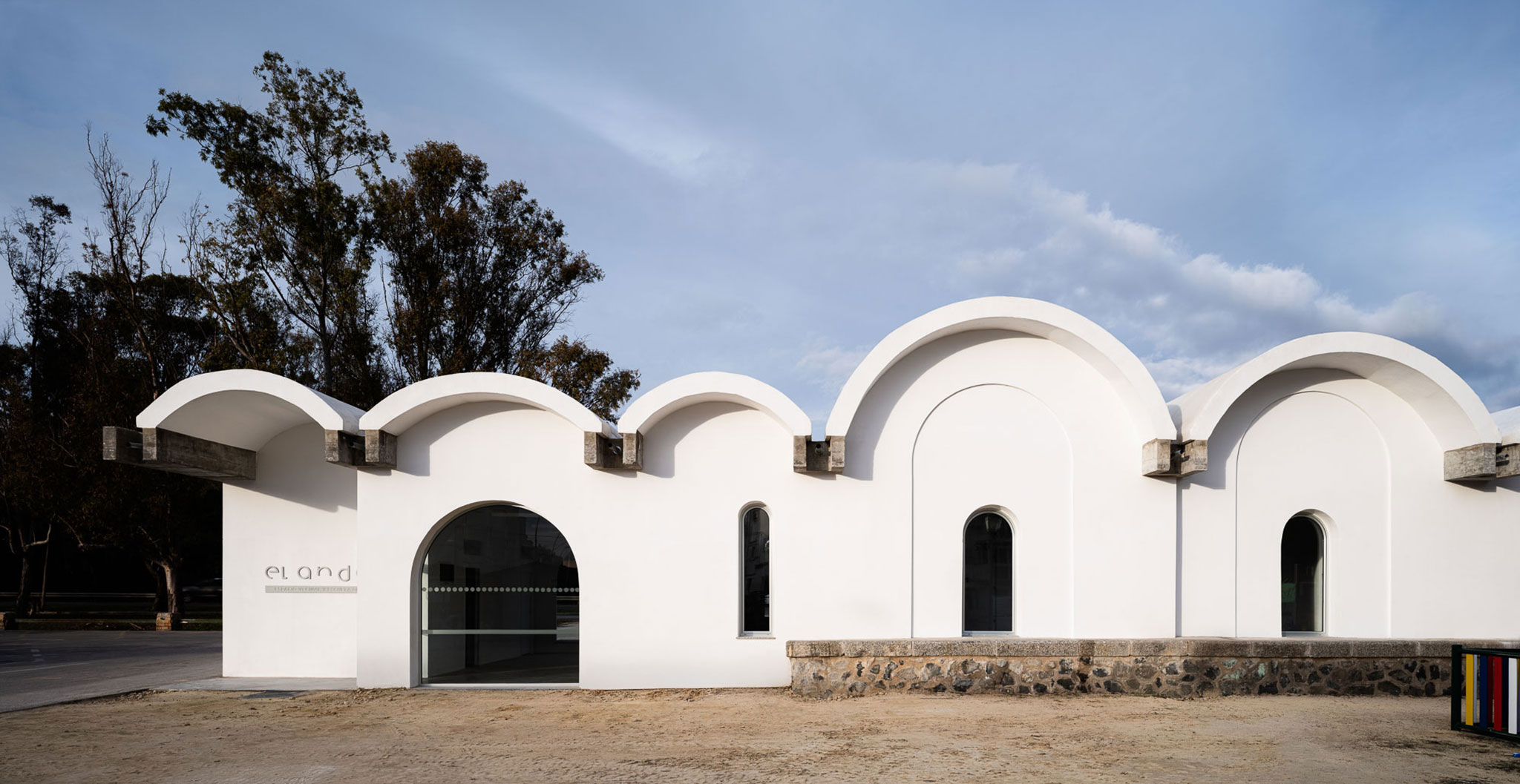
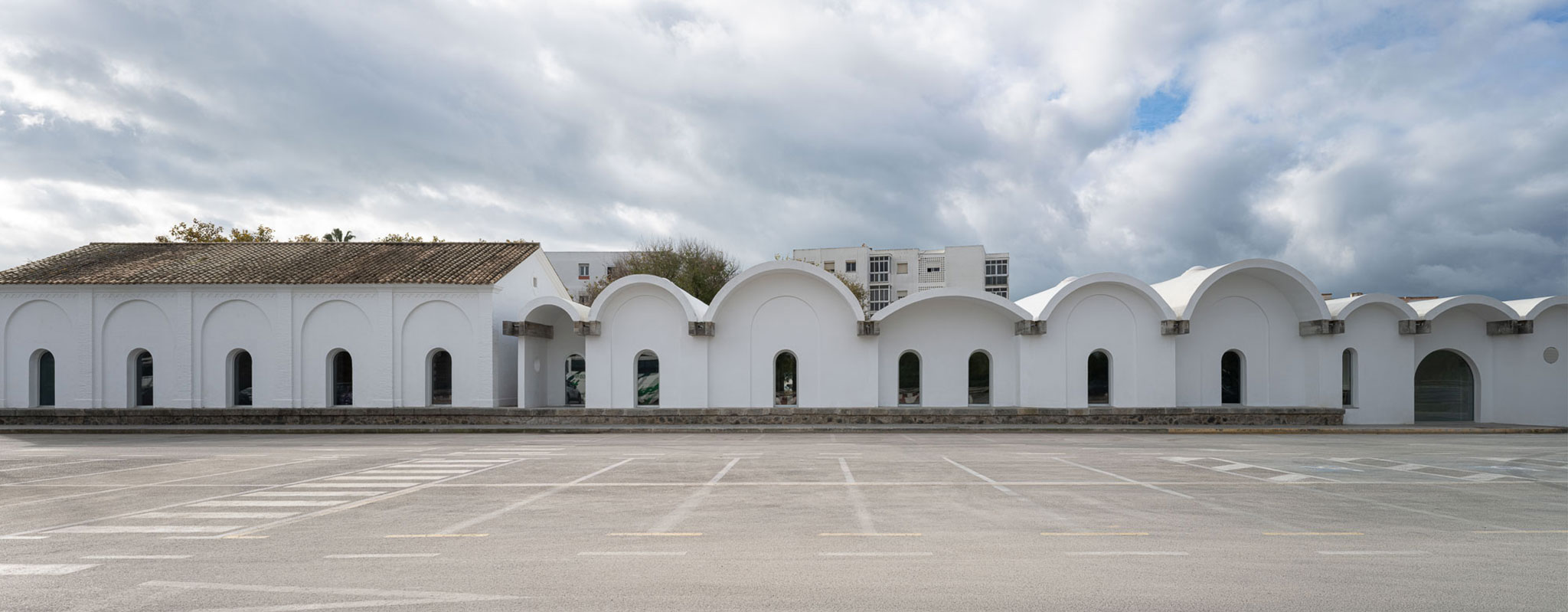
The existing building features a vaulted interior structure, which defines each new classroom space, constructed of concrete. Furthermore, the entire architecture was clad in white, maintaining the characteristic tones of Cádiz.
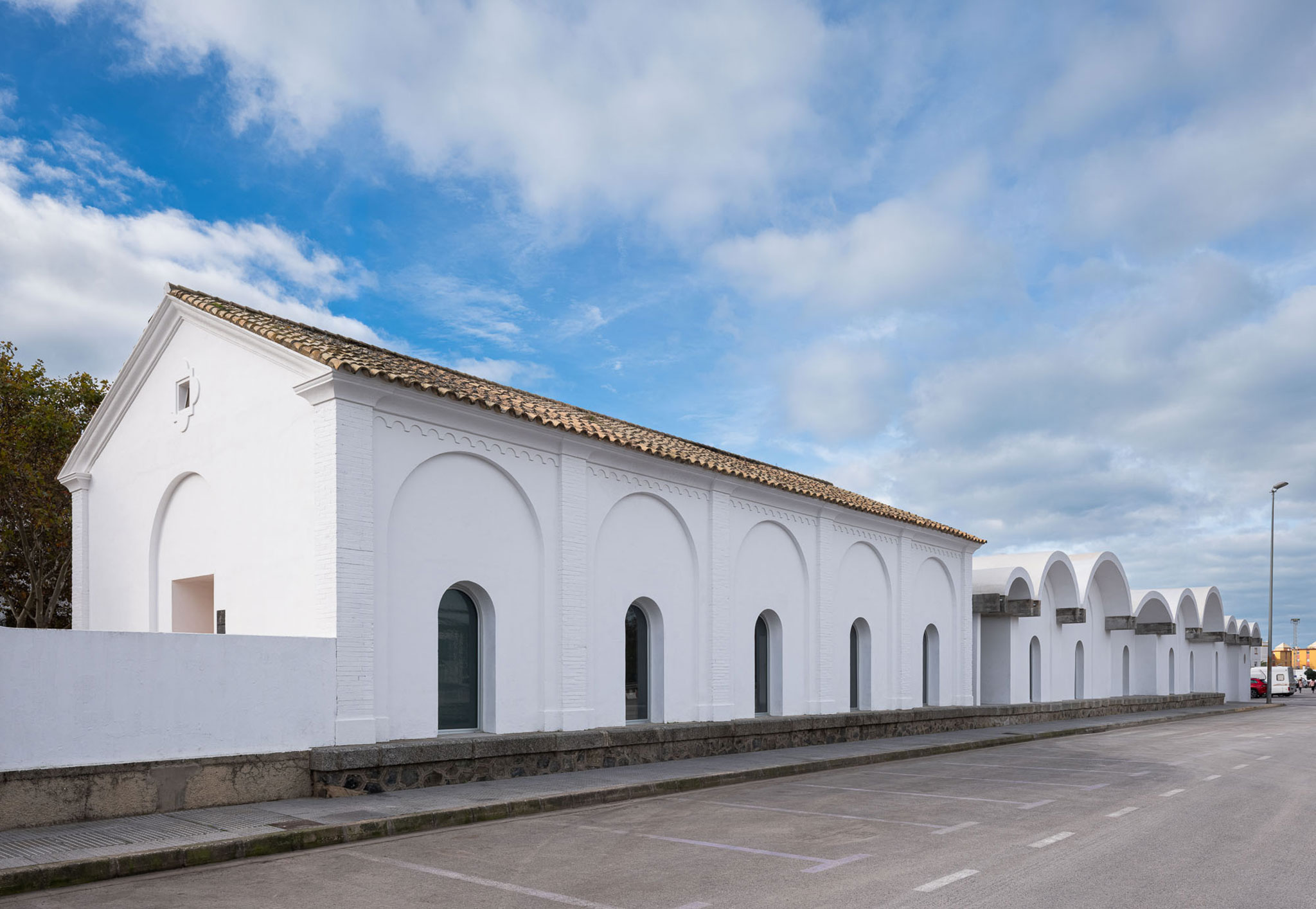
El Andén, espacio vecinal y escuela de música por Kauh. Fotografía por Fernando Alda.

The Platform, community space and music school by Kauh. Photograph by Fernando Alda.

Project description by KAUH

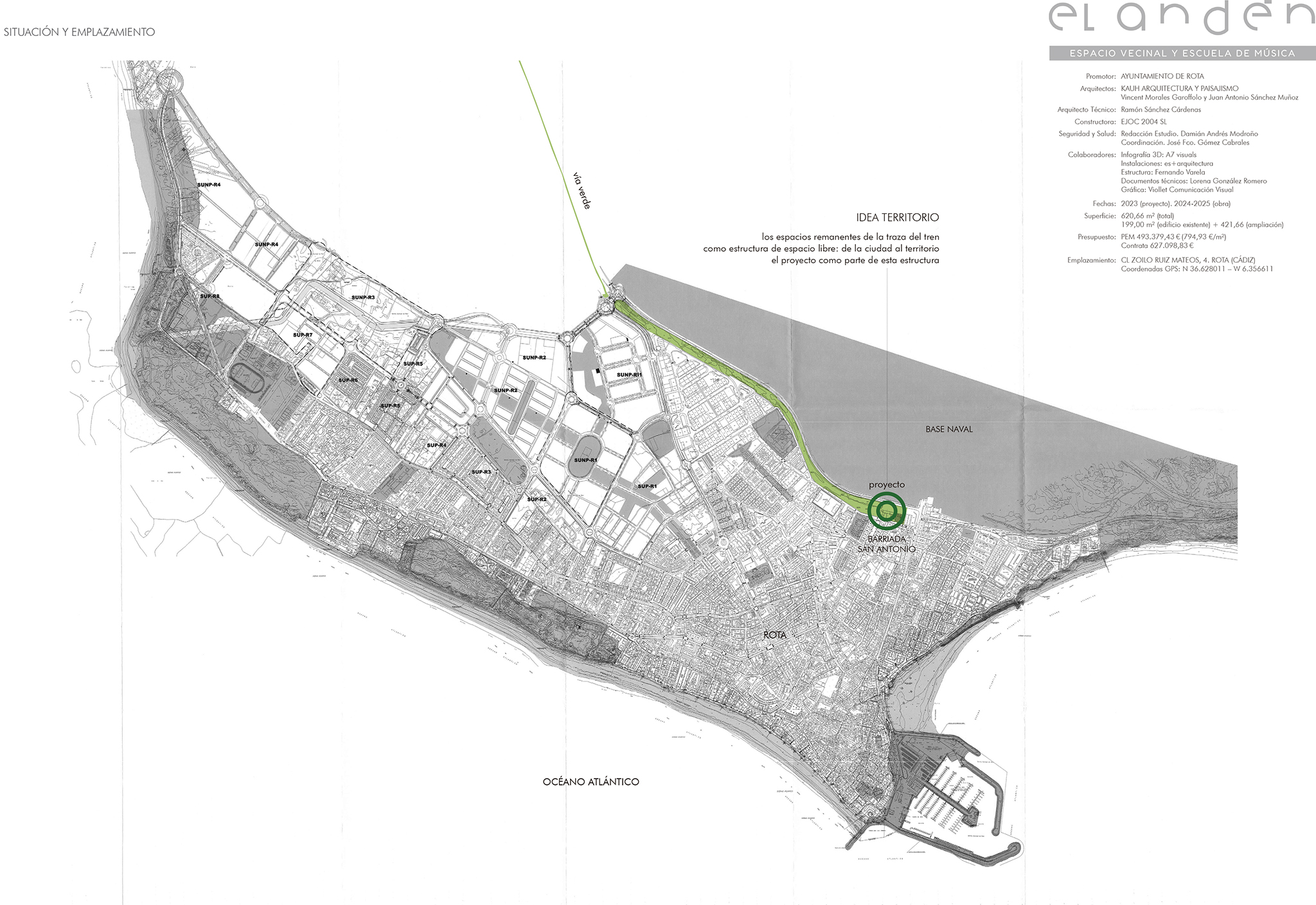
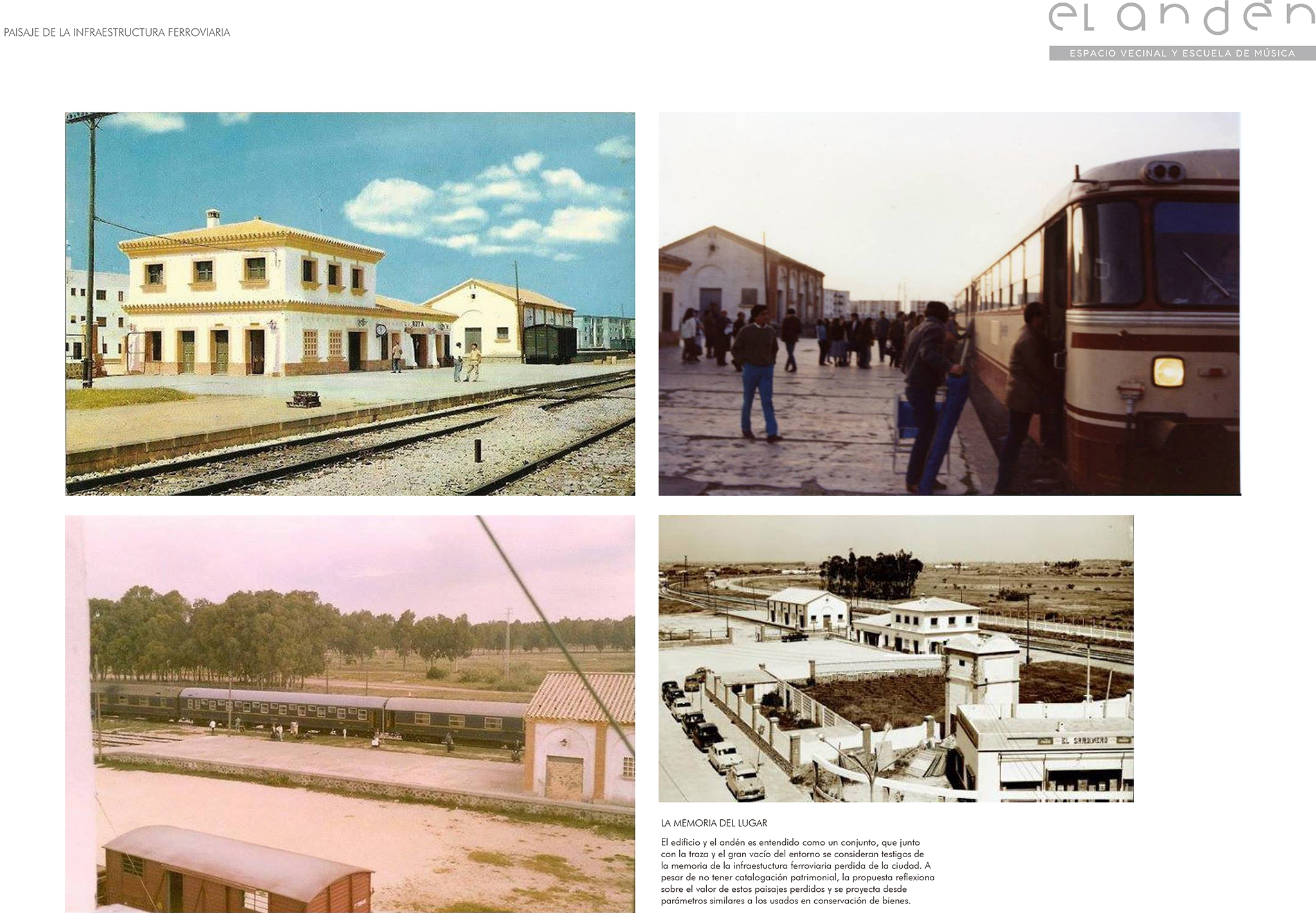
The project is located on the northern edge of the town of Rota, flanked by the naval base and the San Antonio neighborhood, precisely where, until the 1980s, the railway infrastructure that served the so-called “coastal train” once stood. Traces of this former use remain, such as the large open space and the building—subject of this intervention—which was adapted to be used by the municipal band as a rehearsal space and music school.

The intervention, promoted by the Rota City Council, provides the city with a more complete public facility through the renovation and extension of the building. Now named “El Andén” (“The Platform”), the building continues to function as a music school and headquarters of the municipal band, while also opening up to new activities as a community space.

El Andén, espacio vecinal y escuela de música por Kauh. Fotografía por Fernando Alda. 
The Platform, community space and music school by Kauh. Photograph by Fernando Alda.

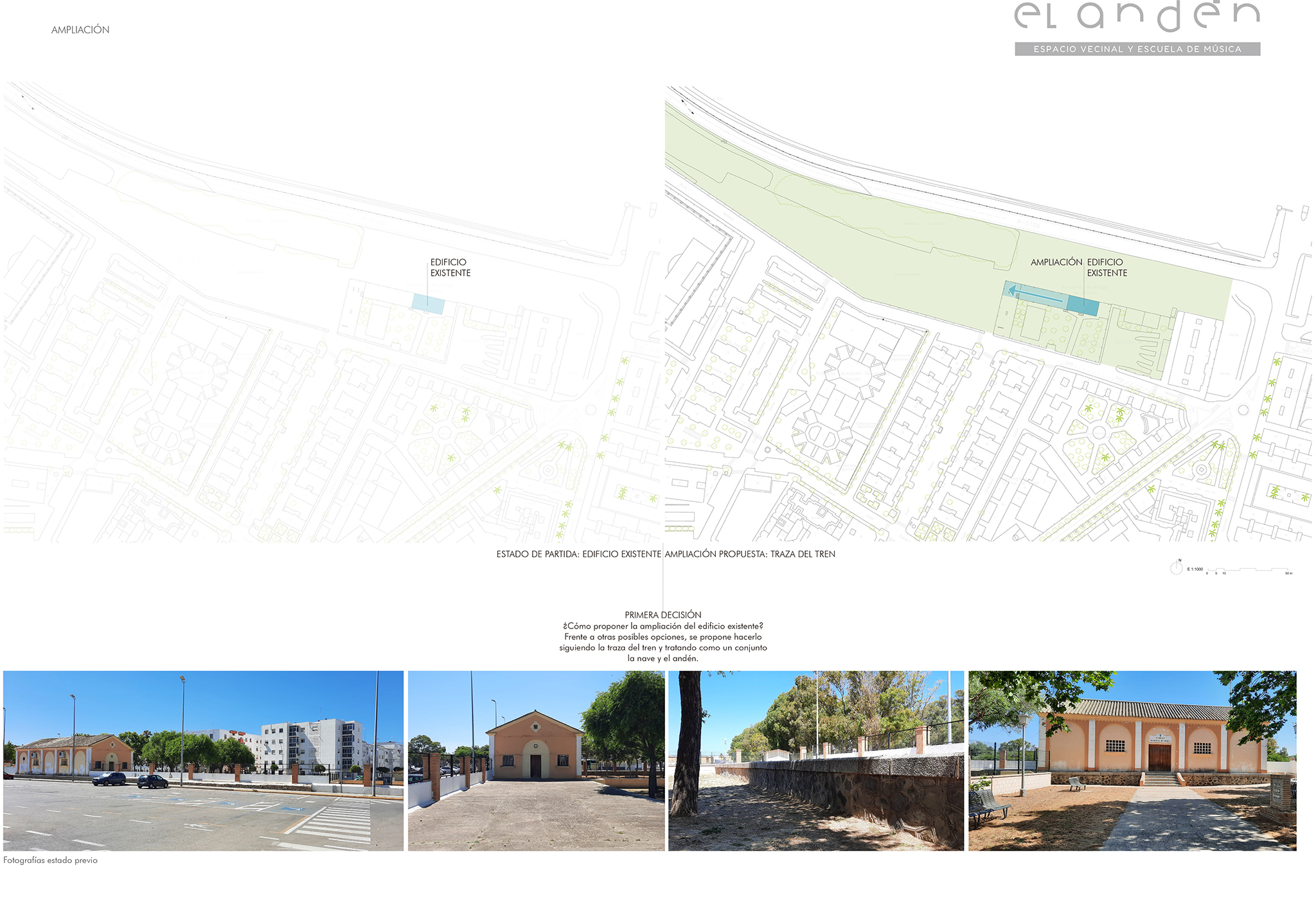
The starting point of the proposal is to consider the residual spaces of the former railway line as a public space infrastructure that establishes a connection between the city and the territory. The project is understood as part of this infrastructure. The first question to address was: in an open, undefined space, how should the extension of the existing building be proposed? We proposed following the trace of the railway line and treating the building and the platform as a unified ensemble. These pre-existing elements are understood as witnesses to the memory of the city’s lost railway infrastructure. Despite not having heritage protection status, the proposal reflects on the value of these lost landscapes and is designed using parameters similar to those applied in heritage conservation.

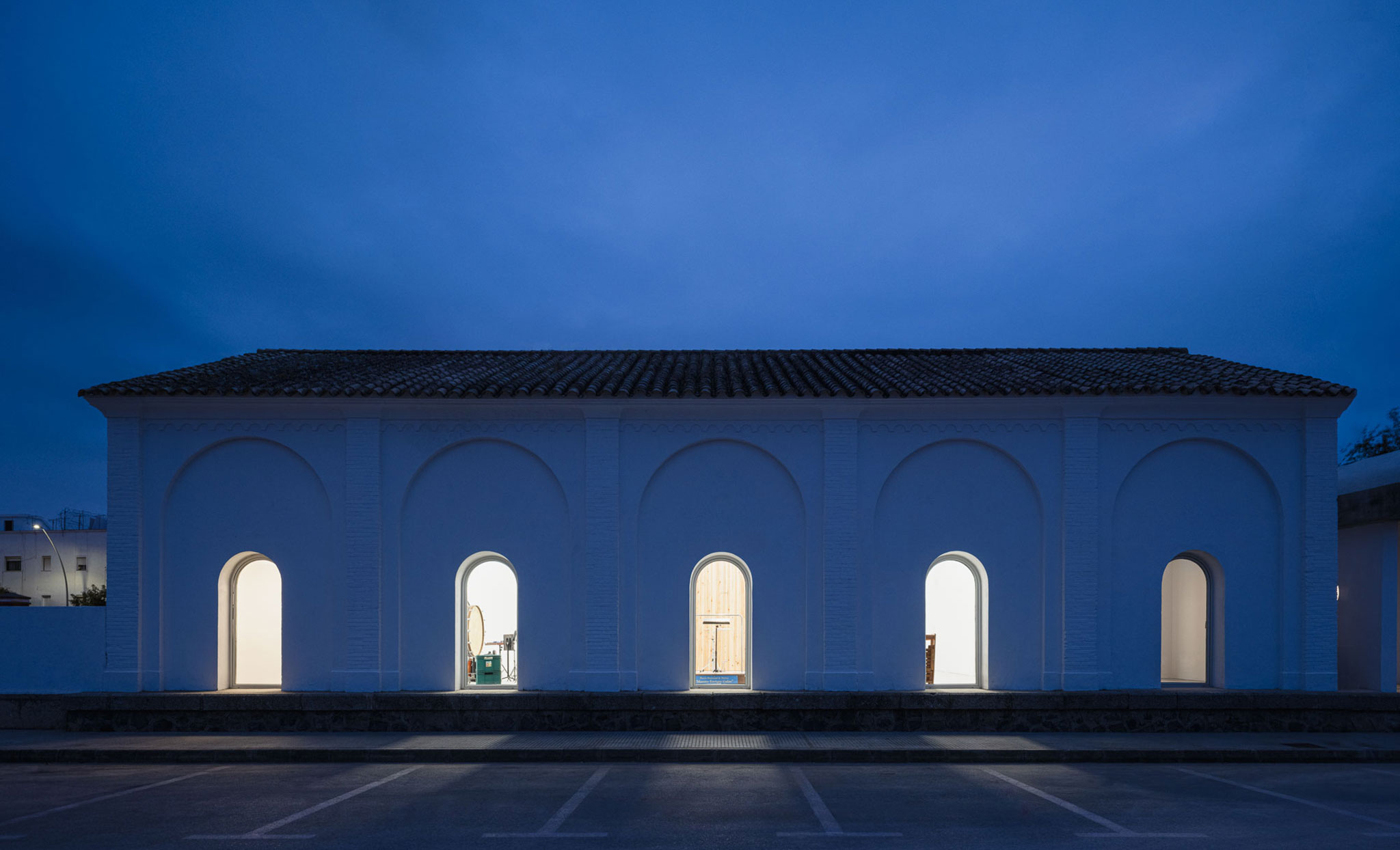
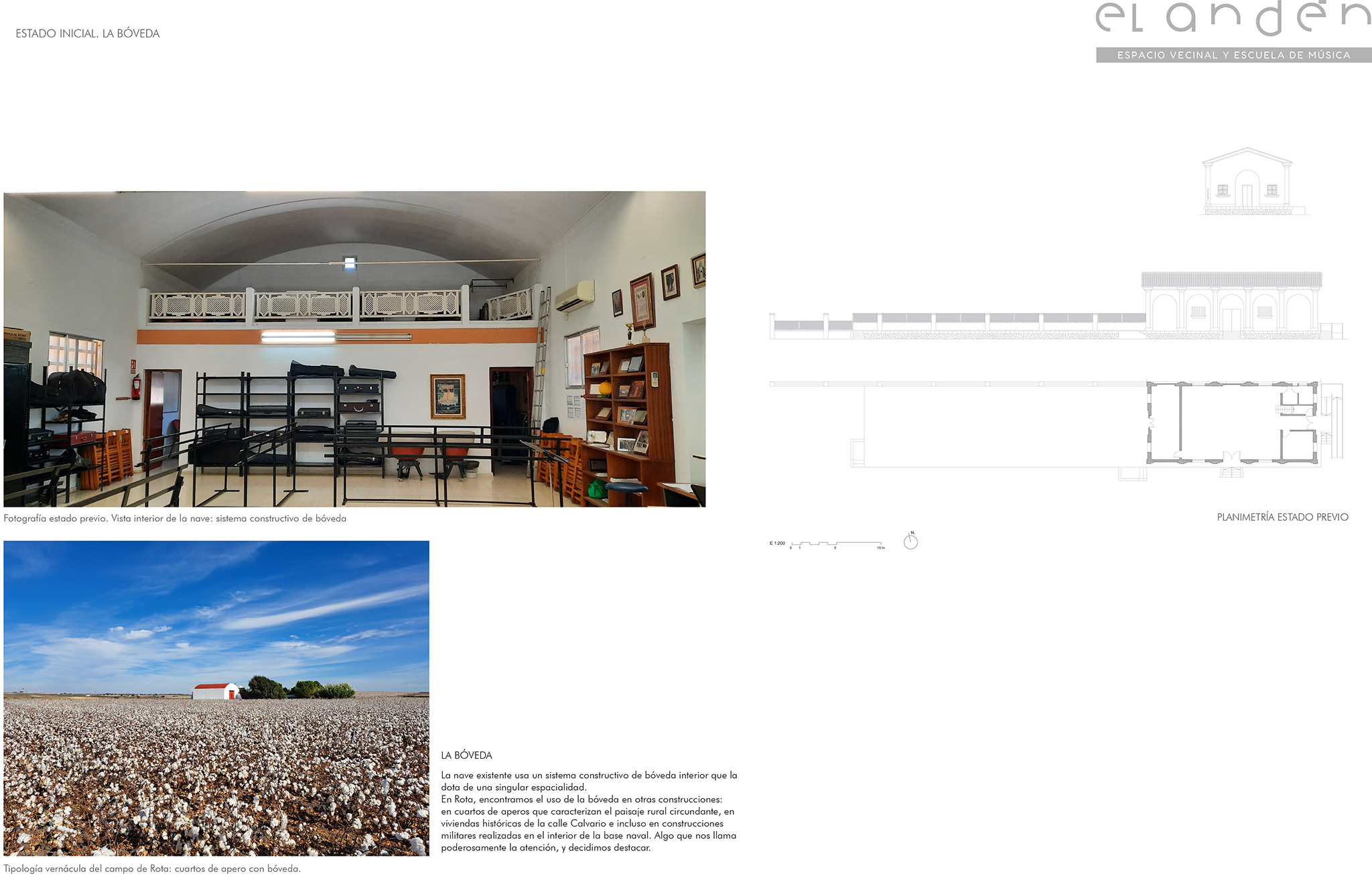
Up close, the existing building is characterized by an interior vaulted construction system that gives it a distinctive spatial quality. In Rota, vaults can also be found in farm outbuildings that shape the surrounding rural landscape, in historic houses on Calle Calvario, and even in military constructions within the naval base. This feature strongly caught our attention, and we chose to highlight it.
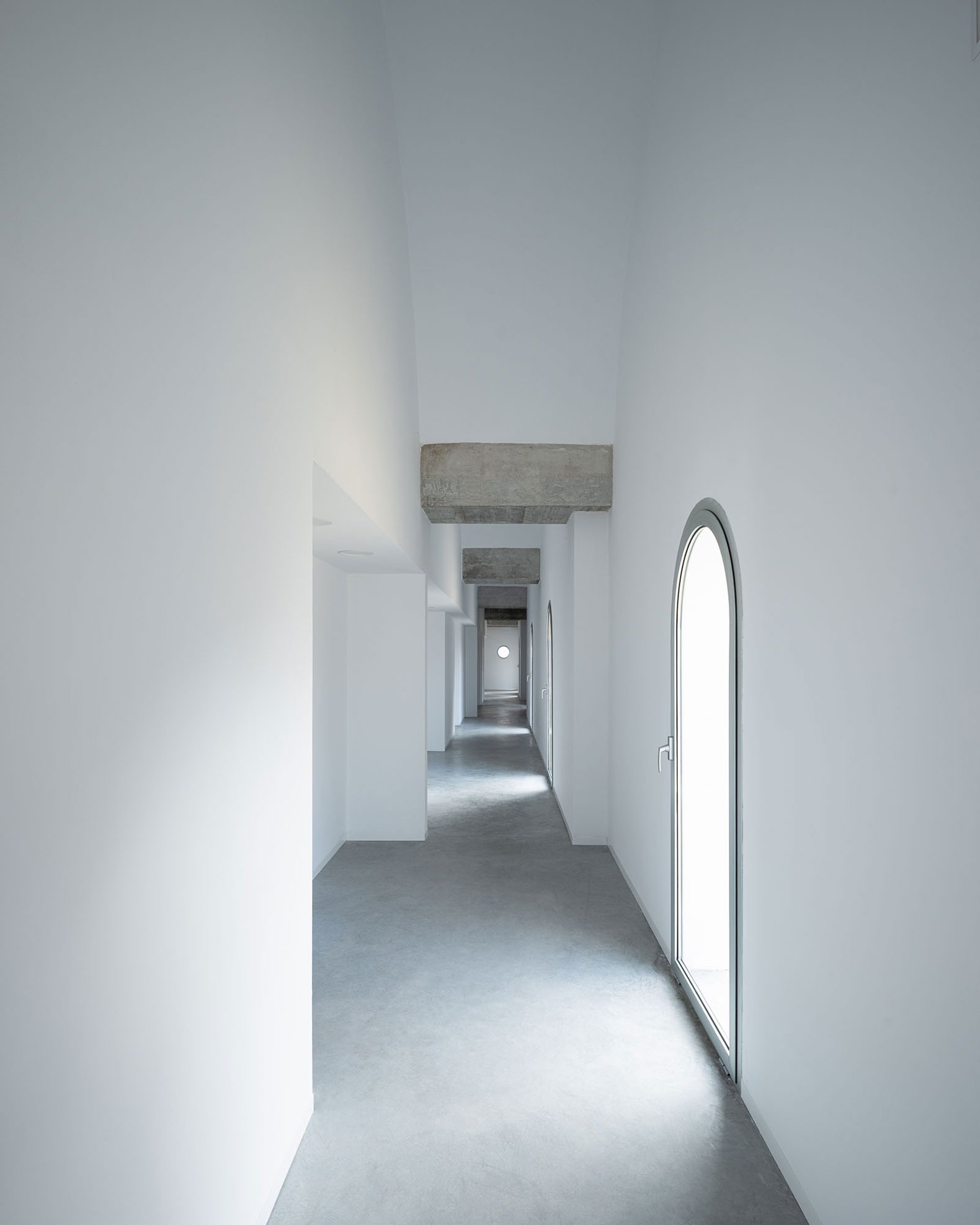
El Andén, espacio vecinal y escuela de música por Kauh. Fotografía por Fernando Alda. 
The Platform, community space and music school by Kauh. Photograph by Fernando Alda.

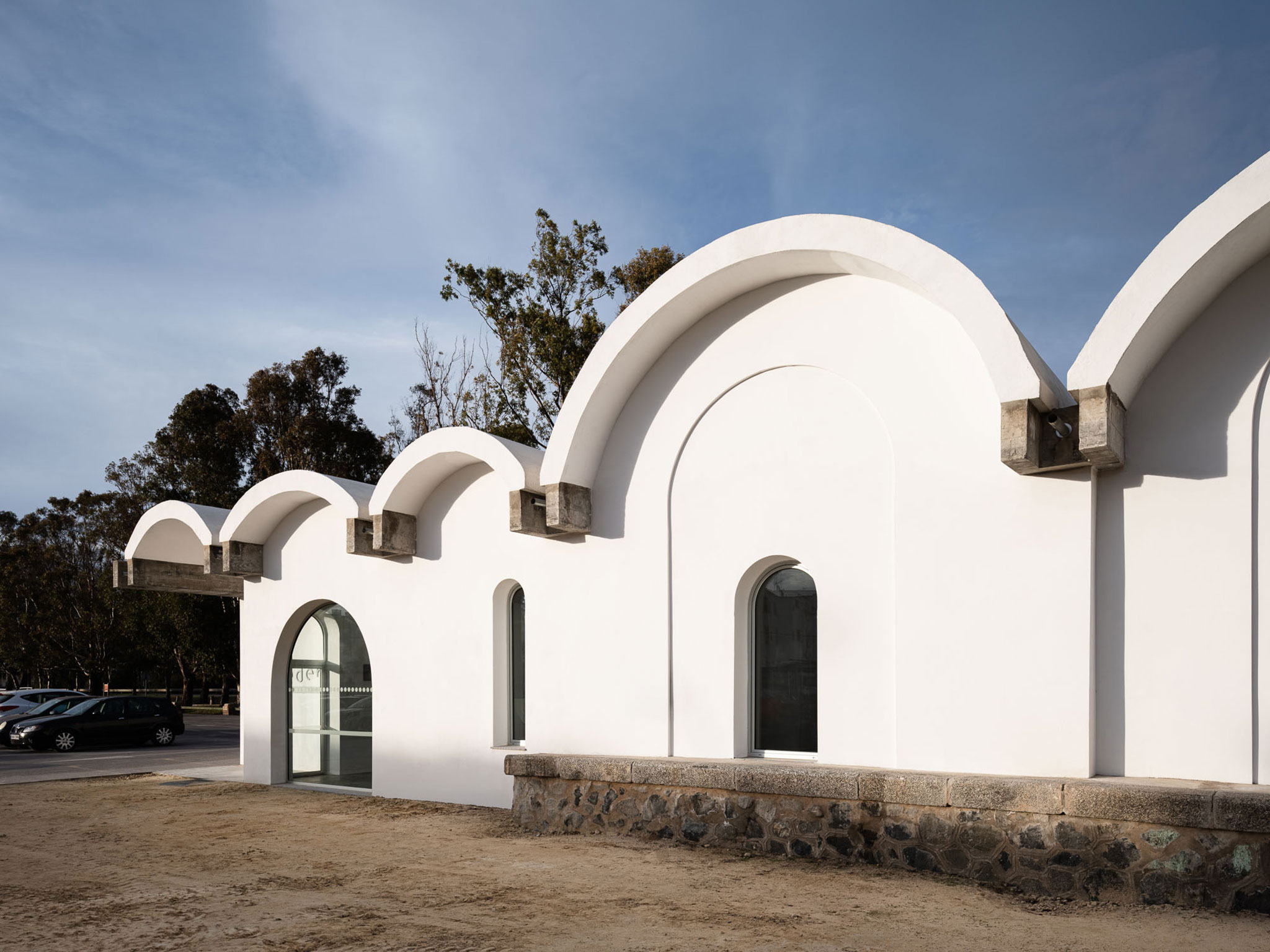
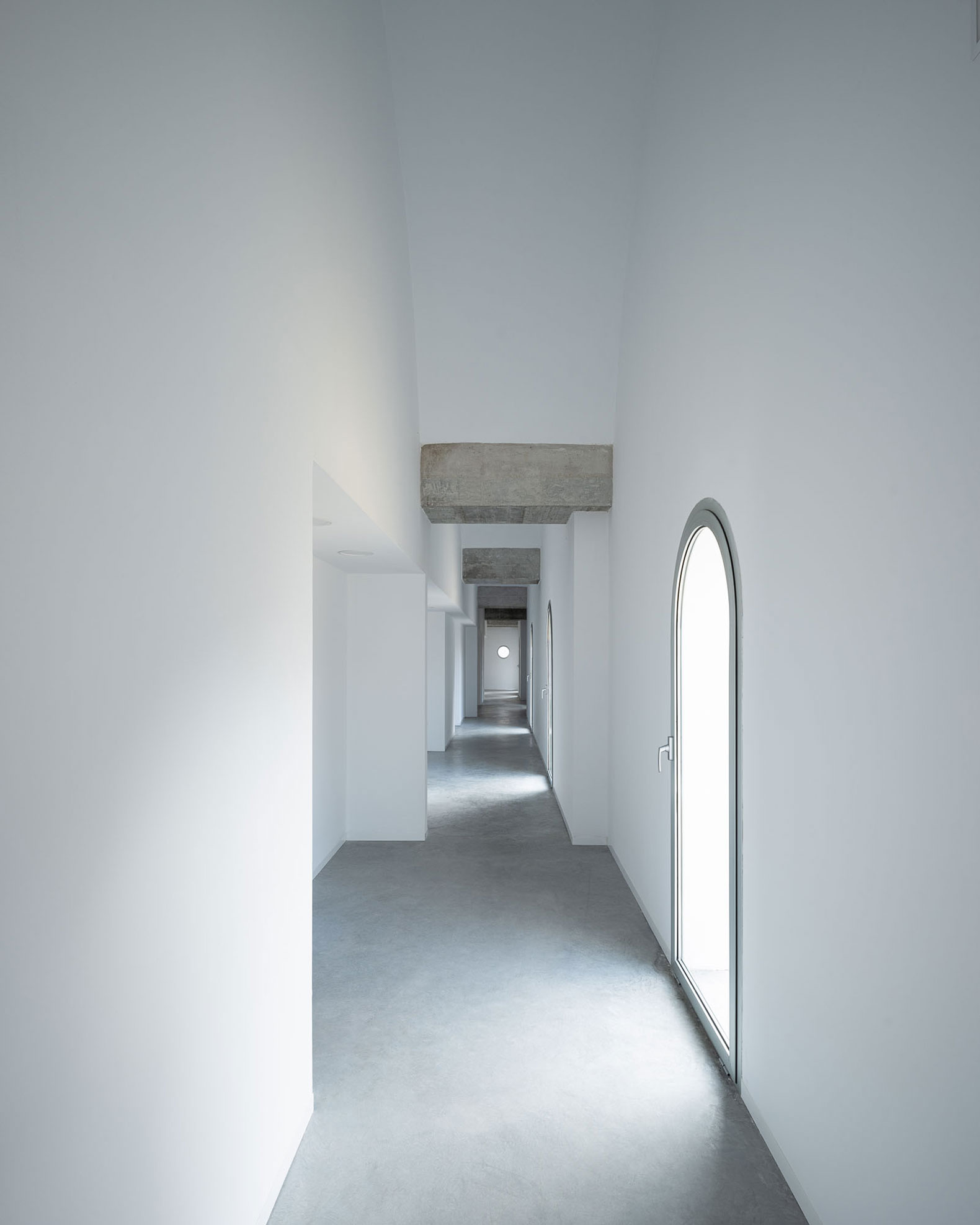
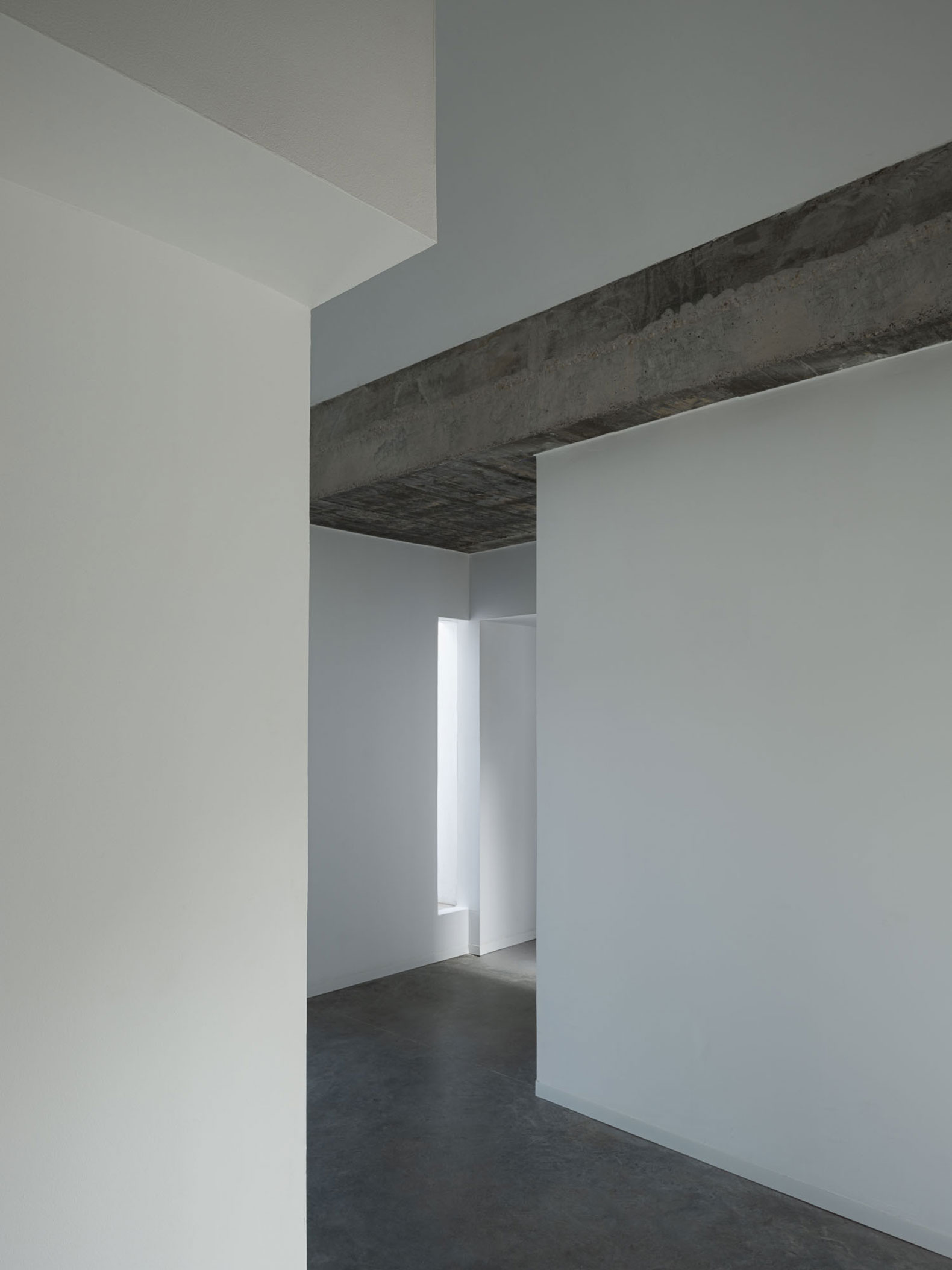
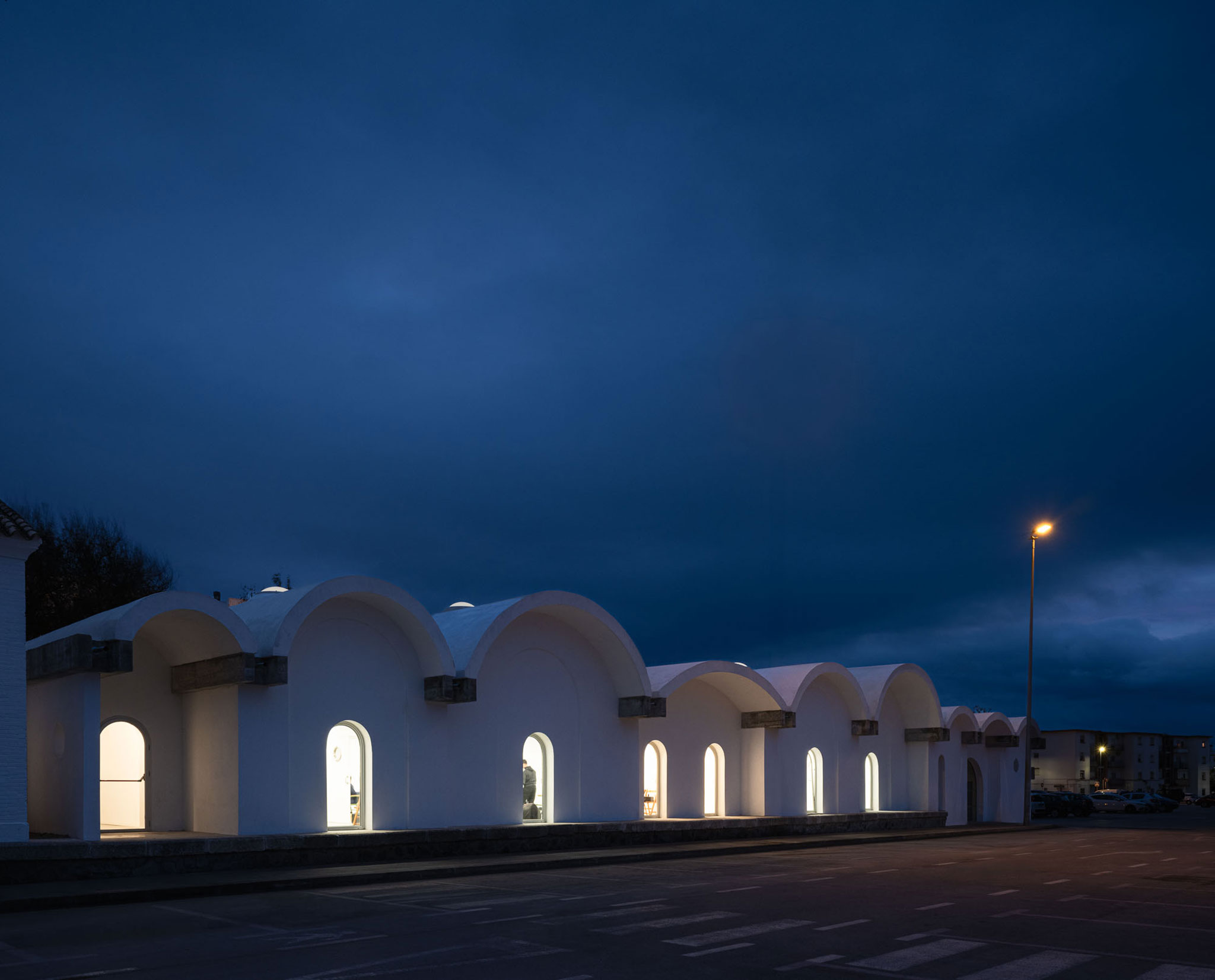
The extension, based on the pre-existing building-platform relationship, reinforces the ensemble, follows the line of the railway, and incorporates the level of the former loading dock. It is developed on a single floor and adopts the vault as a key element, both to configure the new spaces and to give the new civic center a recognizable identity. The program essentially consists of providing multifunctional classrooms that can be used by the music band and neighborhood associations. The rooms are arranged in a linear sequence. In continuity with the lobby, a linear corridor is added, gradually widening to accommodate small spaces for meeting and informal conversation.

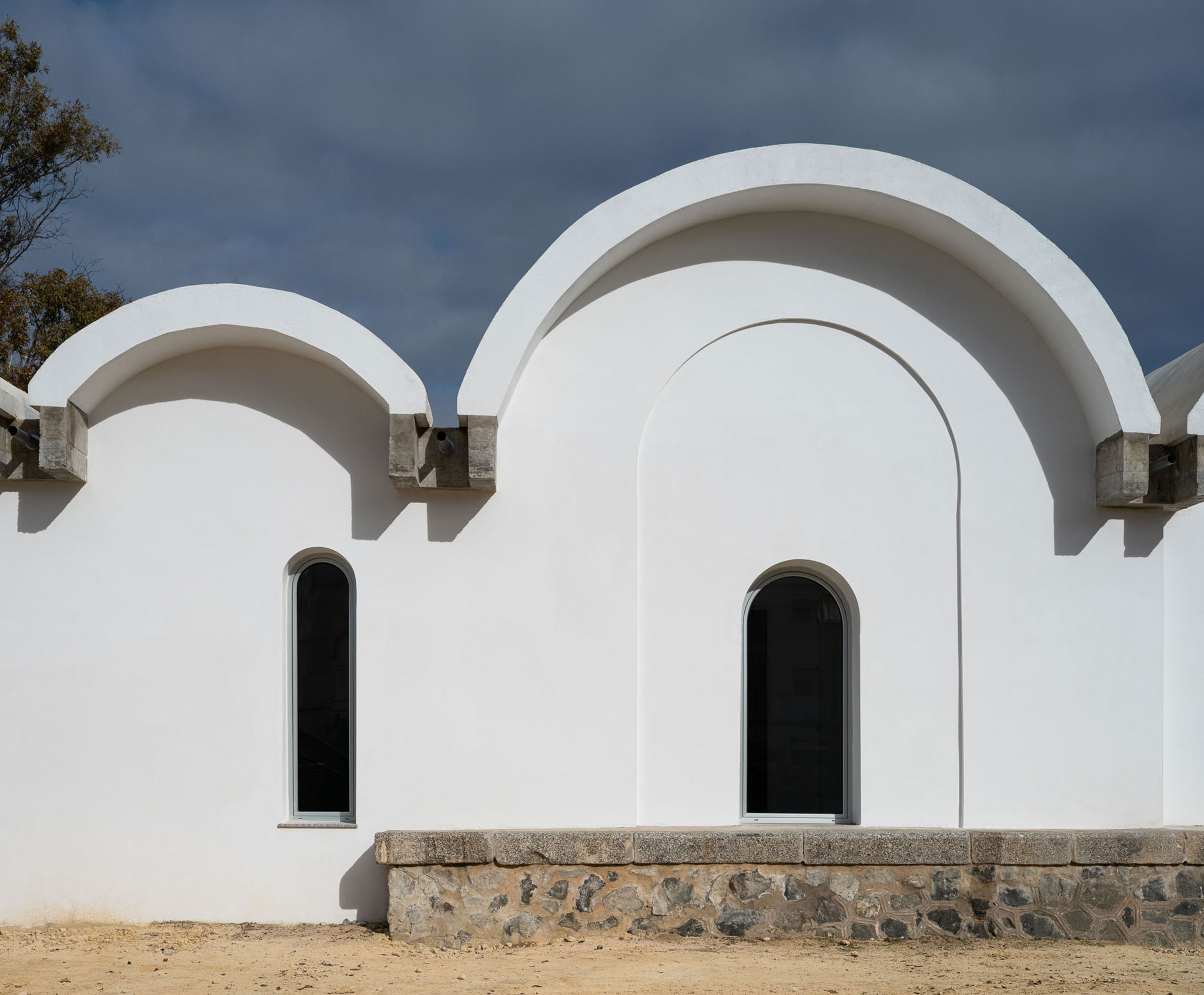
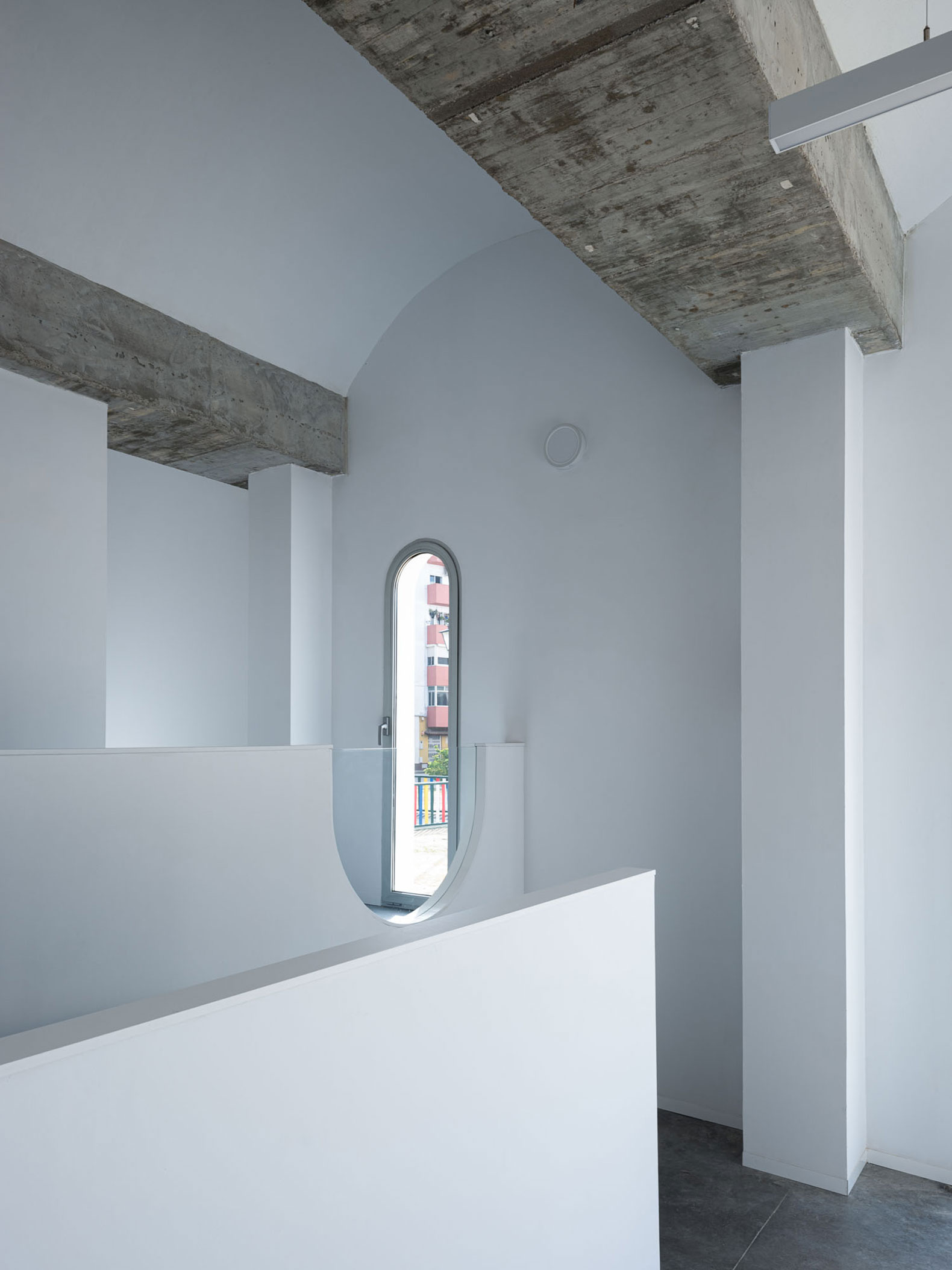
The formal solution relates to the existing building through repetition, rhythm, and variation of elements. The vault of the original structure also defines each new classroom space, which in the extension are built in concrete and made visible on the exterior. The arches present on the façade of the original building are reinterpreted to shape openings and façades. The existing building is cleared to provide transparency, allowing it to host activities with larger capacities. The entire architecture is rendered in white, a characteristic color of Cádiz. Special attention is given to light, which is intense due to Rota’s Atlantic location and the southern orientation of the building. Openings to the south are therefore minimized, while to the north natural lighting in each classroom is complemented with skylights. The building’s relatively enclosed character, together with measures such as cross ventilation, improves climatic performance and energy efficiency.
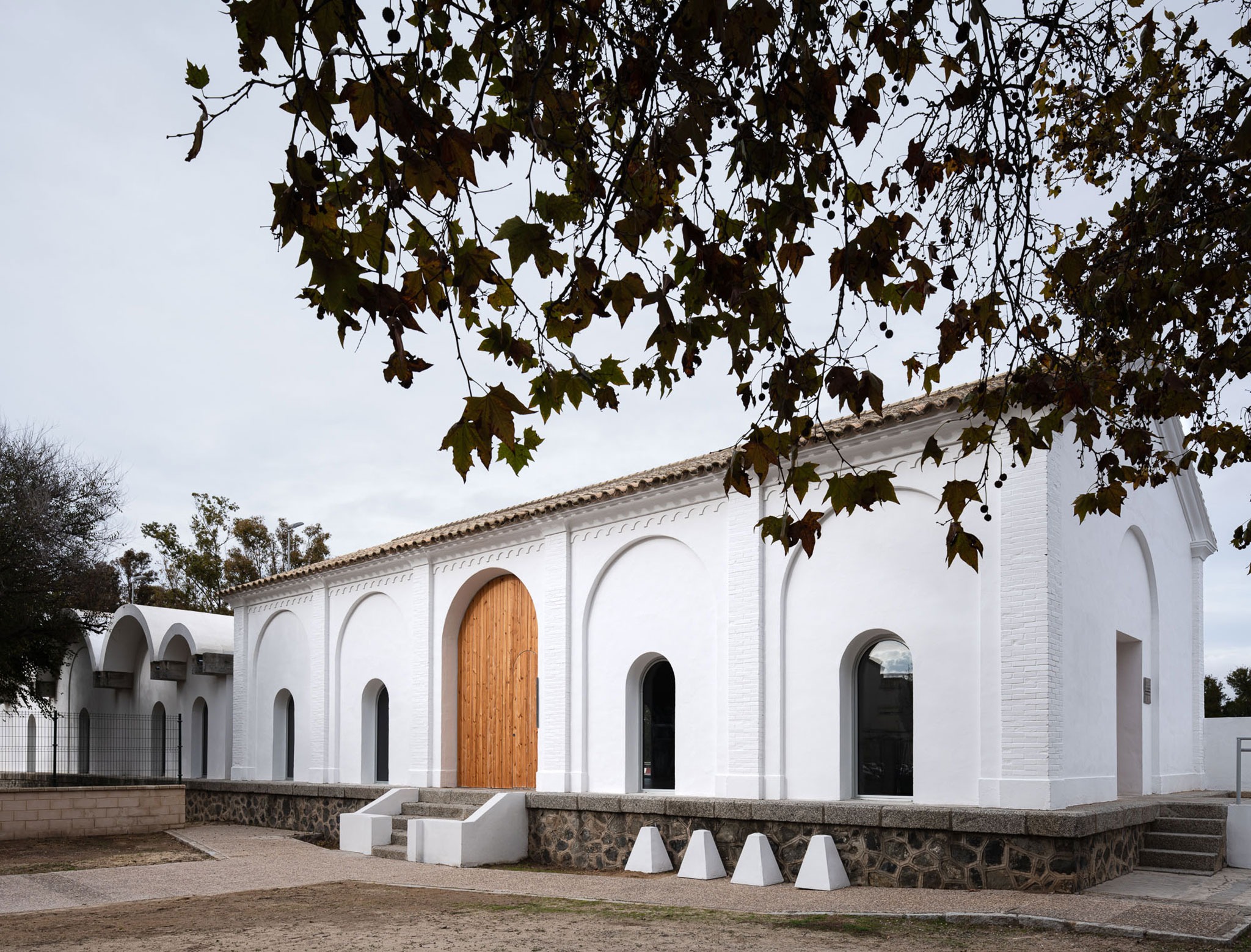
El Andén, espacio vecinal y escuela de música por Kauh. Fotografía por Fernando Alda. 
The Platform, community space and music school by Kauh. Photograph by Fernando Alda.

Deliberately, the complex seeks to offer a recognizable identity. Through the singular expression of its linearity, its vaults and arches—between memory and projection—it presents itself as a civic building: a collective place.

The proposal will be completed with the redevelopment of the adjacent open space, for which a project has already been drafted, further reinforcing the idea of the landscape infrastructure connecting city and territory.
More information

Label
Architects
Text

KAUH. Lead architects.- Vincent Morales Garoffolo, Juan Antonio Sánchez Muñoz. Arquitecto Técnico.- Ramón Sánchez Cárdenas. 

+ + copy Created with Sketch.
- + copy Created with Sketch.
Label
Collaborators
Text

Health and Safety Study Drafting: Damián Andrés Modroño, Municipal Technical Architect.
Health and Safety Coordination: José Fco. Gómez Cabrales, Civil Engineer.
3D Infographics: A7 visuals.
Installations and CTE Compliance: es+arquitectura.
Structure and Foundations: Fernando Varela, Architect.
Writing: Lorena González Romero, Technical Architect.
Graphic Design: Viollet Comunicación Visual.

+ + copy Created with Sketch.
- + copy Created with Sketch.
Label
Builder
Text

EJOC 2004 SL. 

+ + copy Created with Sketch.
- + copy Created with Sketch.
Label
Developer
Text

Rota City Council. 

+ + copy Created with Sketch.
- + copy Created with Sketch.
Label
Area
Text

Total area: 620.66 sqm.
Existing building: 199.00 sqm.
Extension: 421.66 sqm.

+ + copy Created with Sketch.
- + copy Created with Sketch.
Label
Dates
Text

Project - 2023.
Construction - 2024-2025.

+ + copy Created with Sketch.
- + copy Created with Sketch.
Label
Location
Text

GPS Coordinates.- N 36.628011 – W 6.356611. C. Zoilo Ruiz Mateos, 4. Rota, Cádiz, Spain.

+ + copy Created with Sketch.
- + copy Created with Sketch.
Label
Budget
Text

Construction Costs.- €493,379.43 (€794.93/m²).
Contract Costs.- €627,098.83.

+ + copy Created with Sketch.
- + copy Created with Sketch.
Label
Photography
+ + copy Created with Sketch.
- + copy Created with Sketch.
KAUH is the architecture studio by Vincent Morales Garoffolo (Albuquerque, NM, USA, 1976) and Juan Antonio Sánchez Muñoz (Cádiz, Spain, 1977). They both received their architecture degrees from the Escuela Técnica Superior de Arquitectura of Sevilla in 2003. 

Juan Antonio Sánchez Muñoz also holds a Master's degree in landscaping, gardening and public space from the University of Granada (2013-2014), and Vincent Morales Garoffolo translates texts specialized in architecture. 

They have balanced their professional practice with academic activities as professors at the Department of Architecture at Penn State University, USA.

After working in the Netherlands at VHP and WEST 8, respectively, in 2004, they established their own practice under the name KAUH. Between 2004 and 2012, they worked from Seville, and as of 2012, they have worked from Granada. With a multifaceted profile, they mostly work in the Andalusian context.

Among the different fields architecture covers, their professional activity focuses on building, public space and landscape design. In their practice, they also carry out projects in the editorial field related to the spreading of architecture, and they participate in actions that offer them the opportunity to reflect upon the city, the discipline itself and its relationship with society. 

In their practice, they believe in the perceptive and relational experience that our work generates in the construction of our environment. All of this is interwoven by their foremost interest: to materialize and add quality to what belongs to everyone, to the places in which they all interact, the places in which the collective is expressed.
Read more
Published on: April 16, 2026
Cite:
metalocus, CAMILA DOYLET
"Repetition and rhythm. The platform, community space and music school" METALOCUS. Accessed
<https://www.metalocus.es/en/news/repetition-and-rhythm-platform-community-space-and-music-school> ISSN 1139-6415
Loading content ...
Loading content ...
Loading content ...
Loading content ...
Loading content ...
Loading content ...
Loading content ...
Loading content ...
Loading content ...
Loading content ...
Loading content ...
Loading content ...
Loading content ...
Loading content ...
Loading content ...
Loading content ...
Loading content ...
Loading content ...
Loading content ...
Loading content ...
Loading content ...
Loading content ...
Loading content ...
Loading content ...
Loading content ...
Loading content ...
Loading content ...
Loading content ...
Loading content ...
Loading content ...
Loading content ...
Loading content ...
Loading content ...
Loading content ...
Loading content ...
Loading content ...
Loading content ...
Loading content ...
Loading content ...
Loading content ...
Loading content ...
Loading content ...
Loading content ...
Loading content ...
Loading content ...
Loading content ...
Loading content ...
Loading content ...
Loading content ...
Loading content ...
Loading content ...
Loading content ...
Loading content ...
Loading content ...