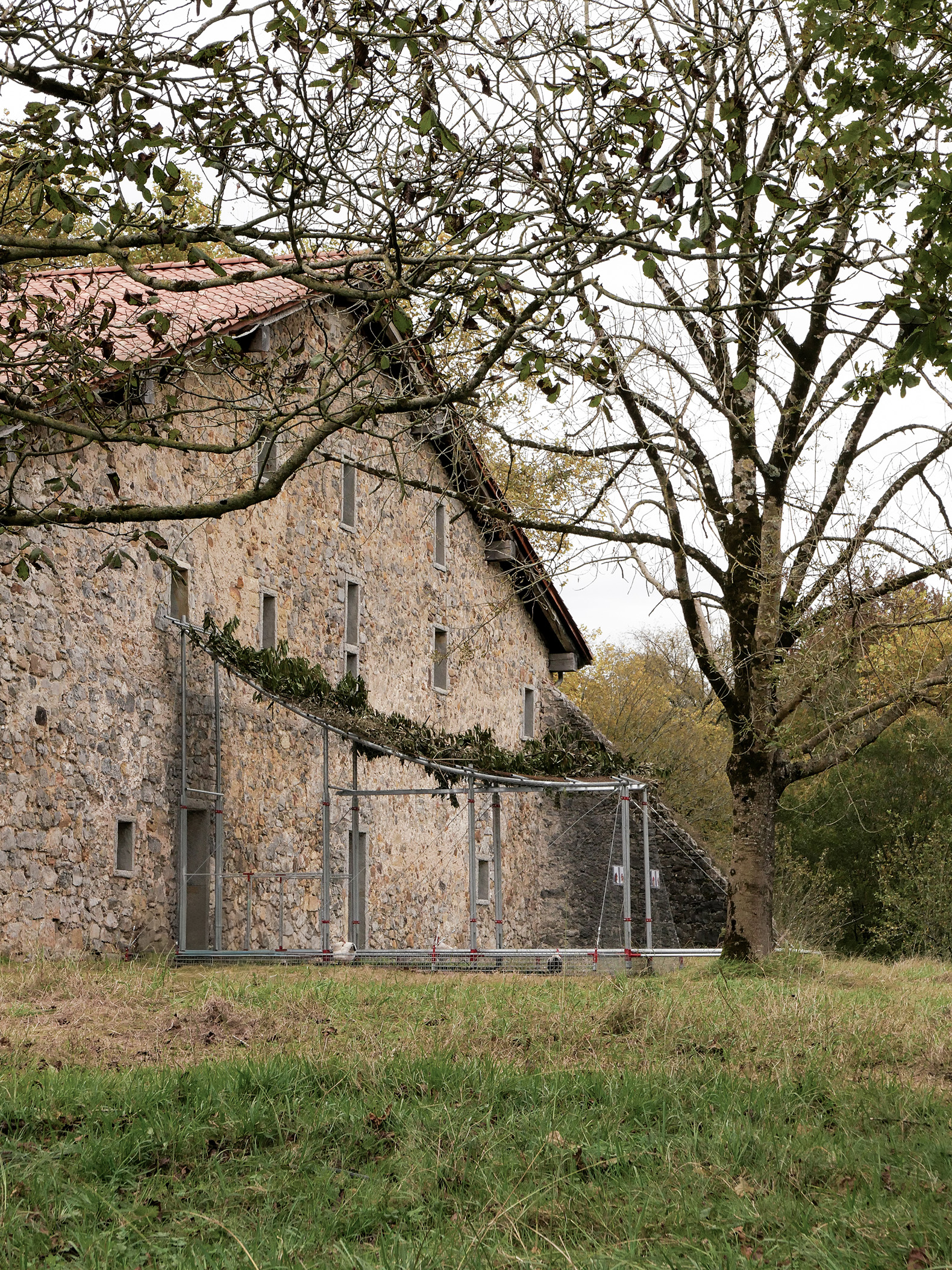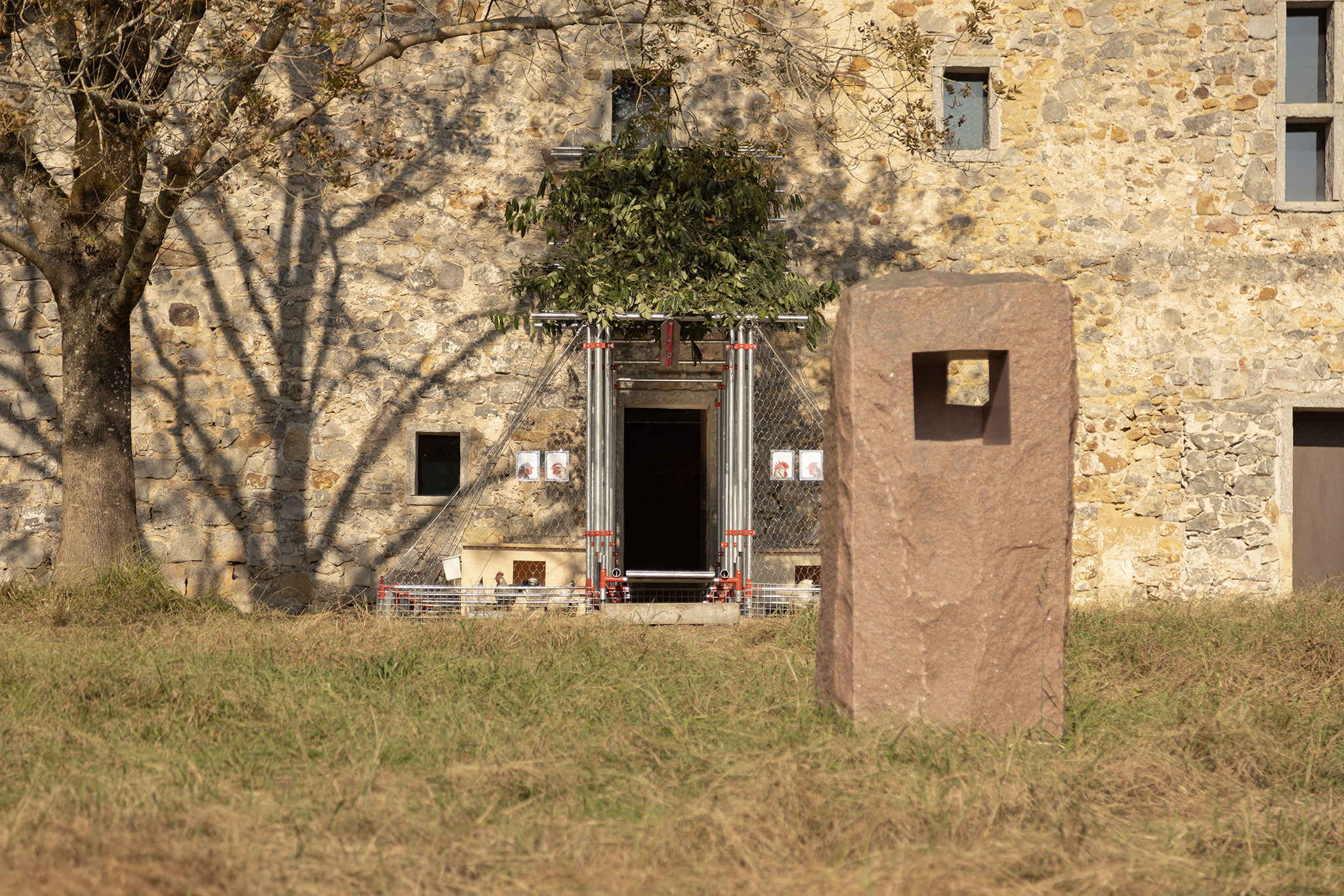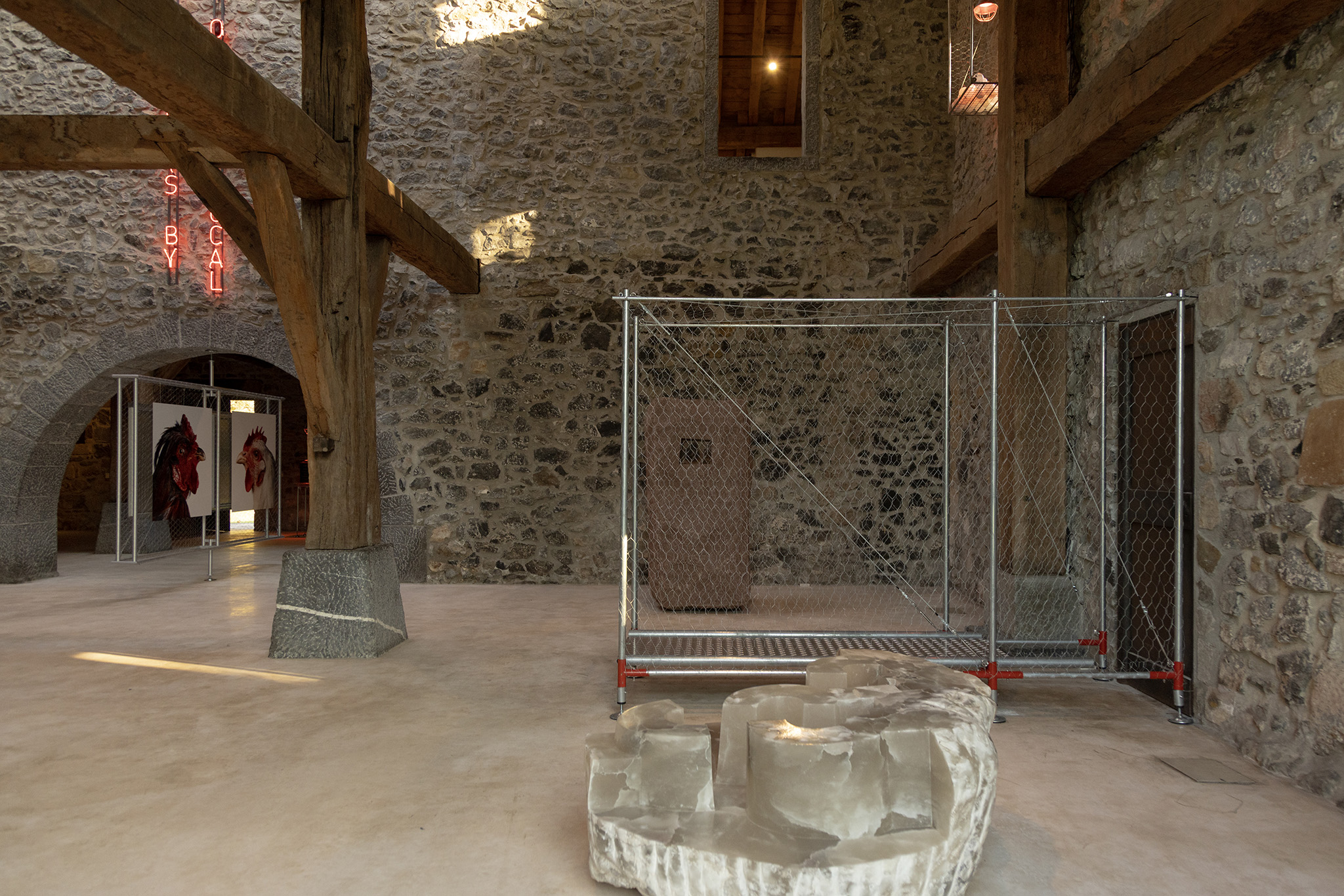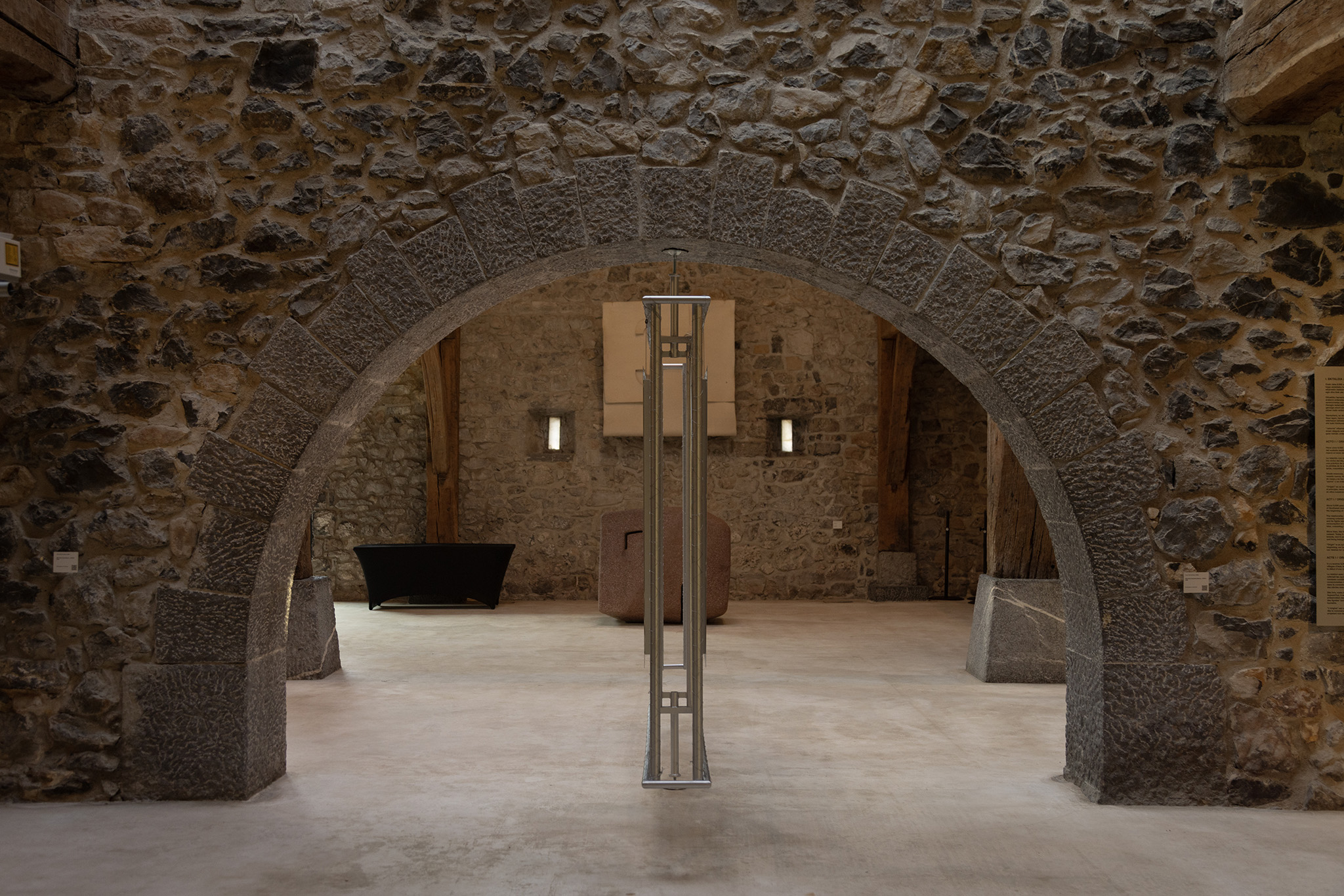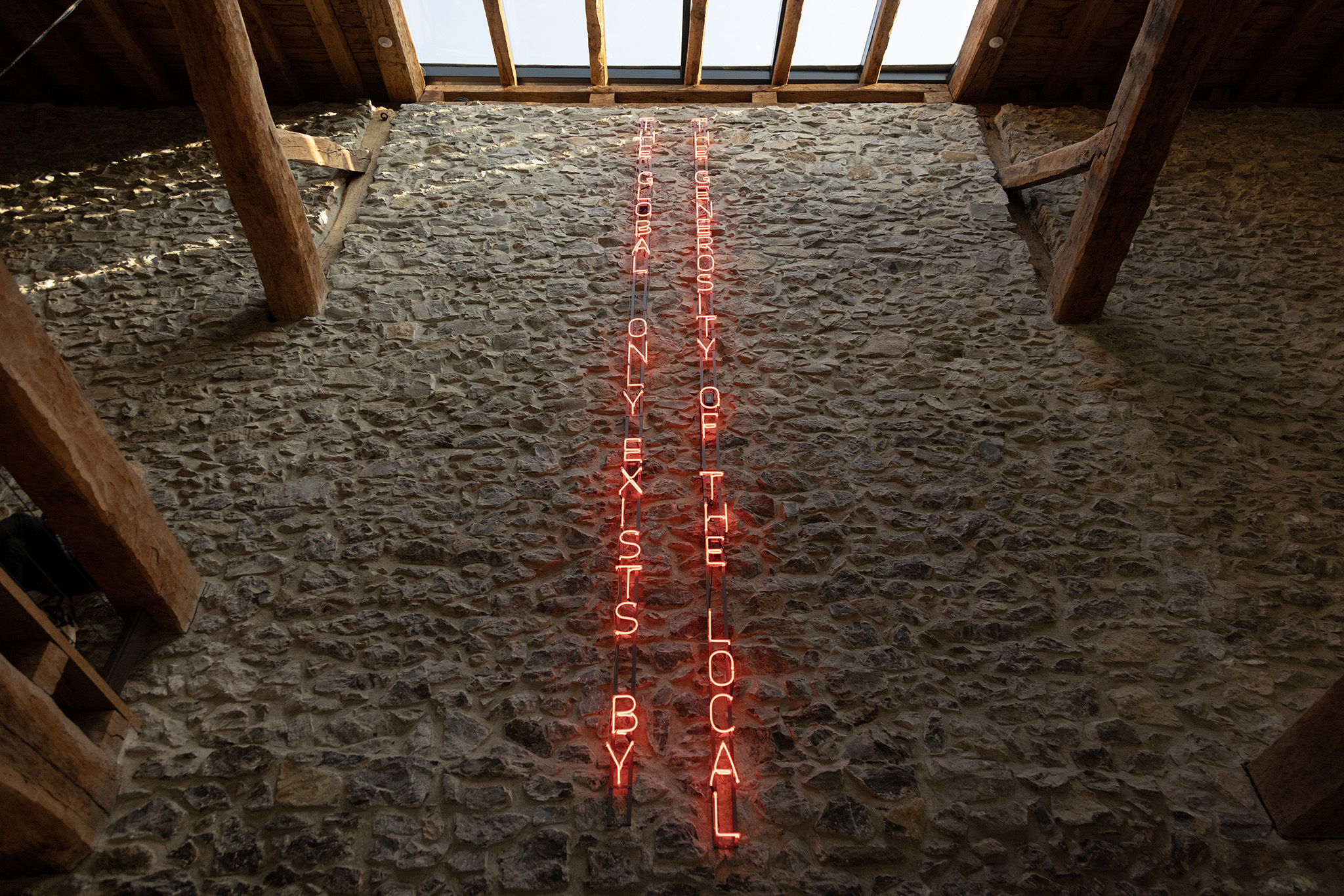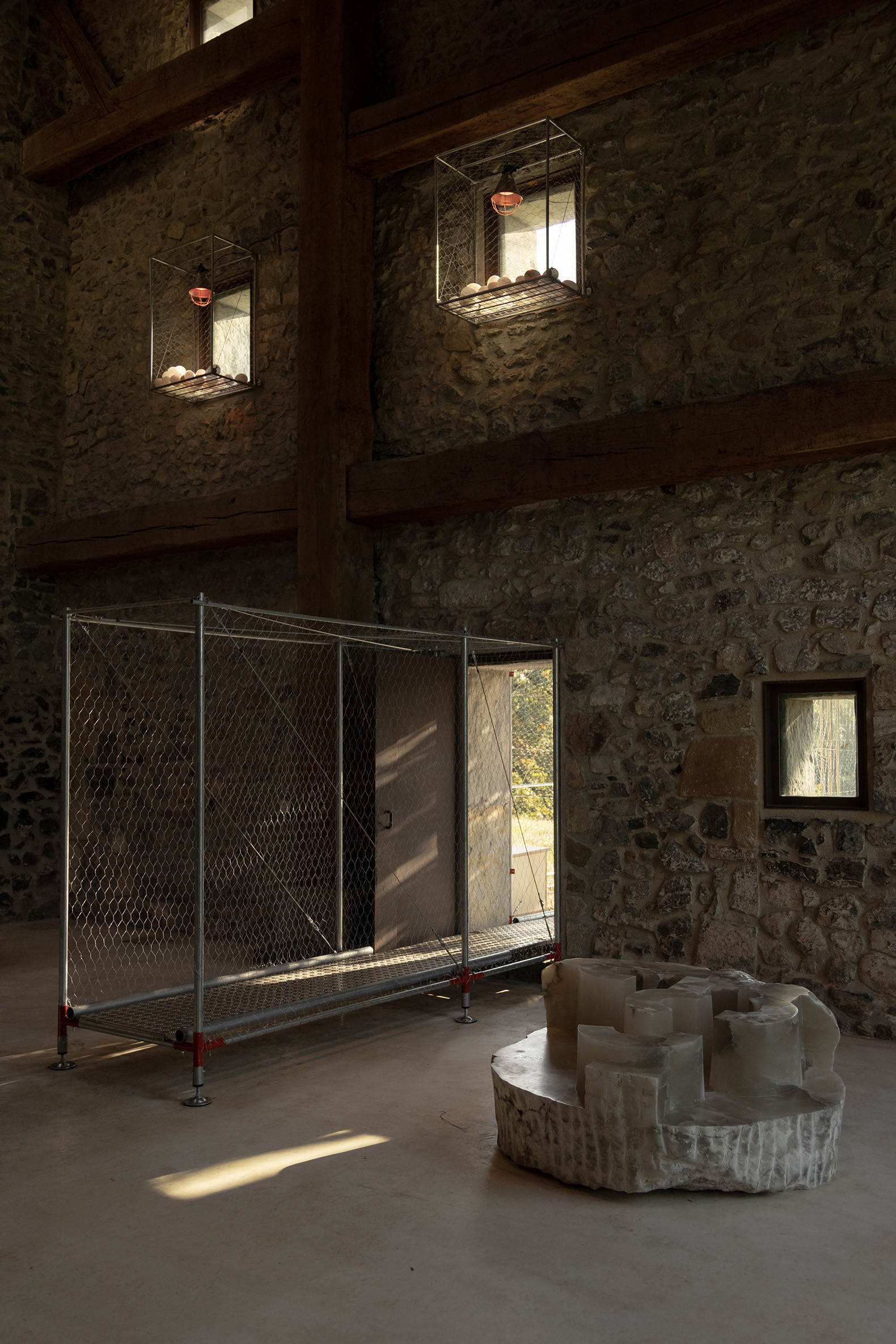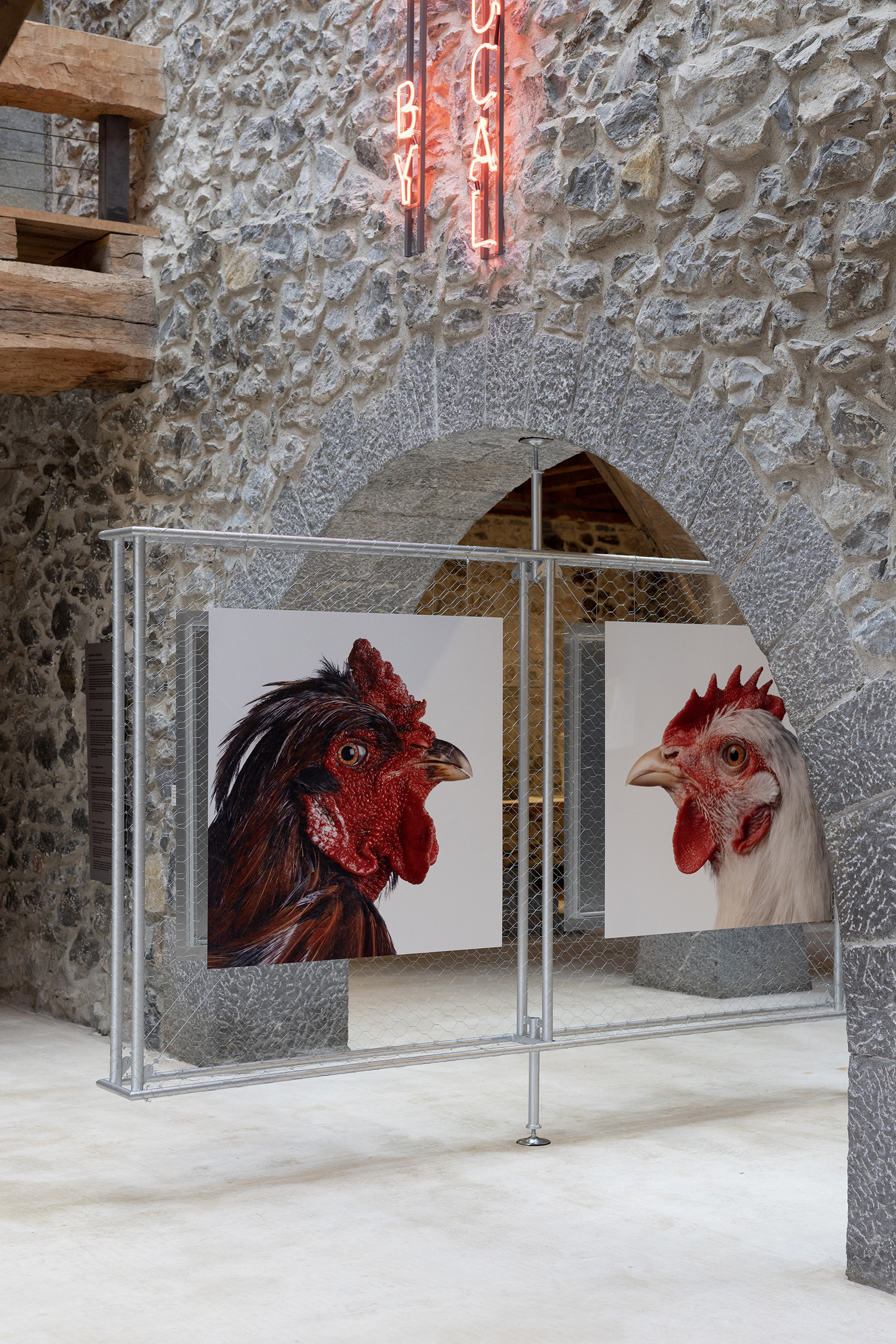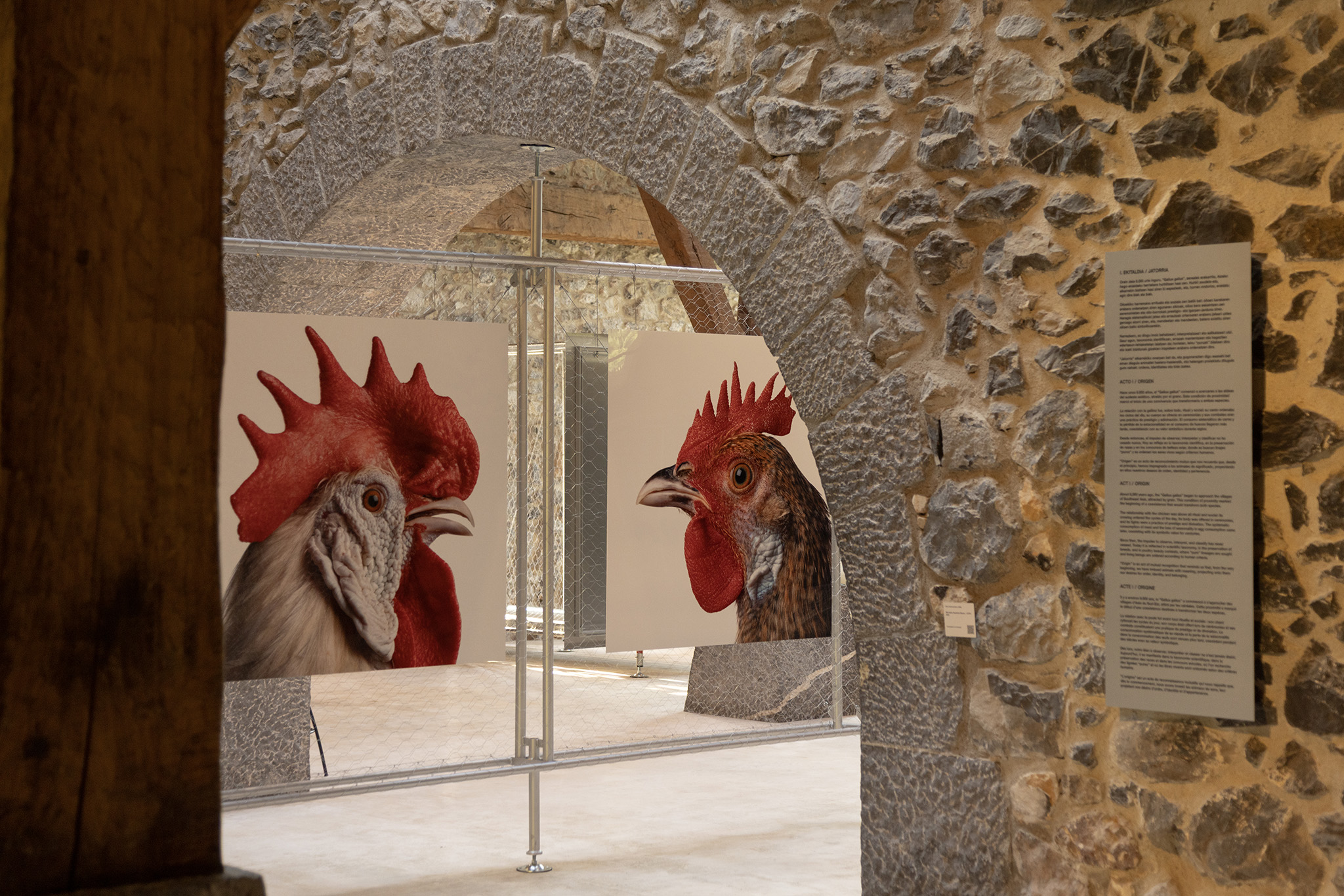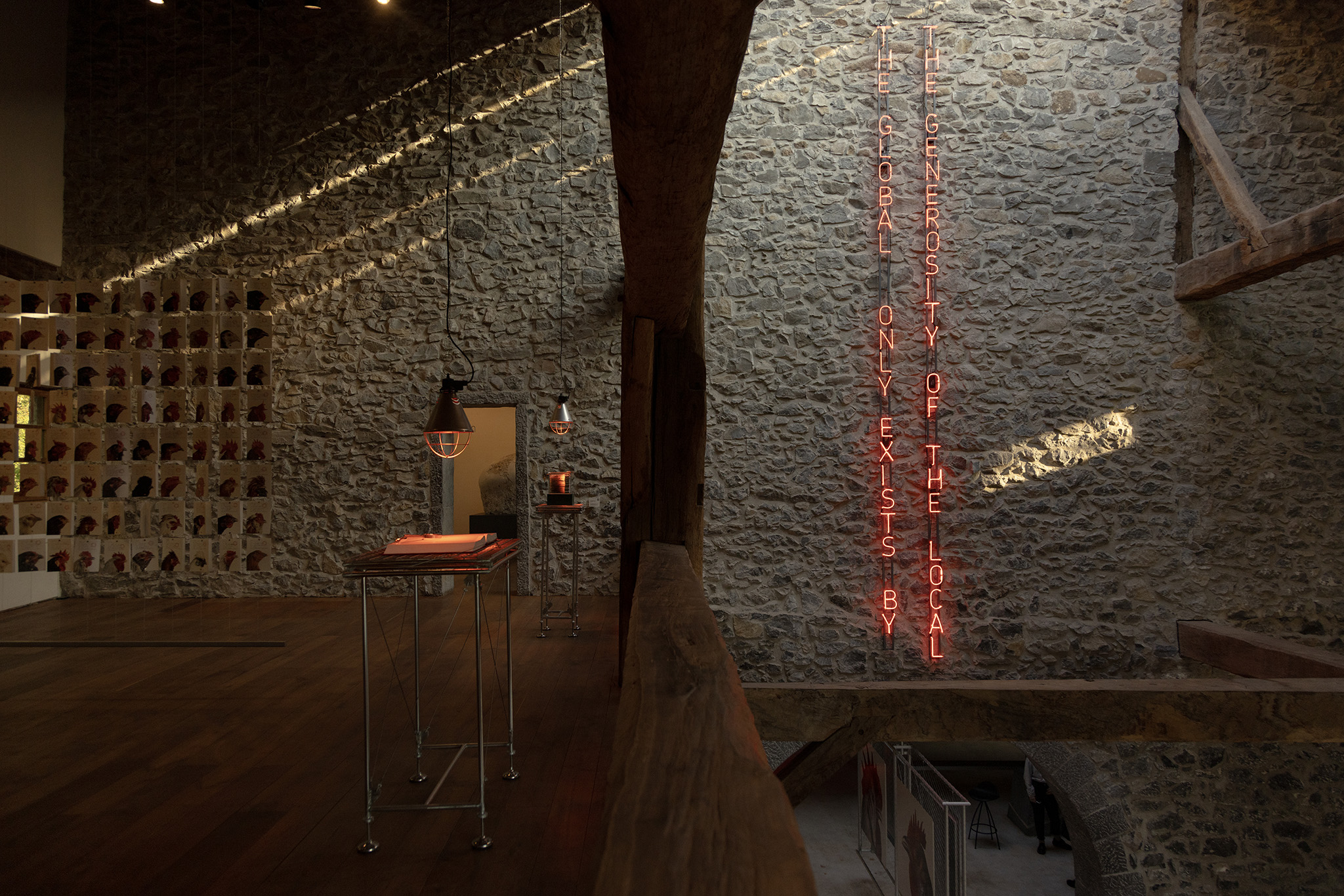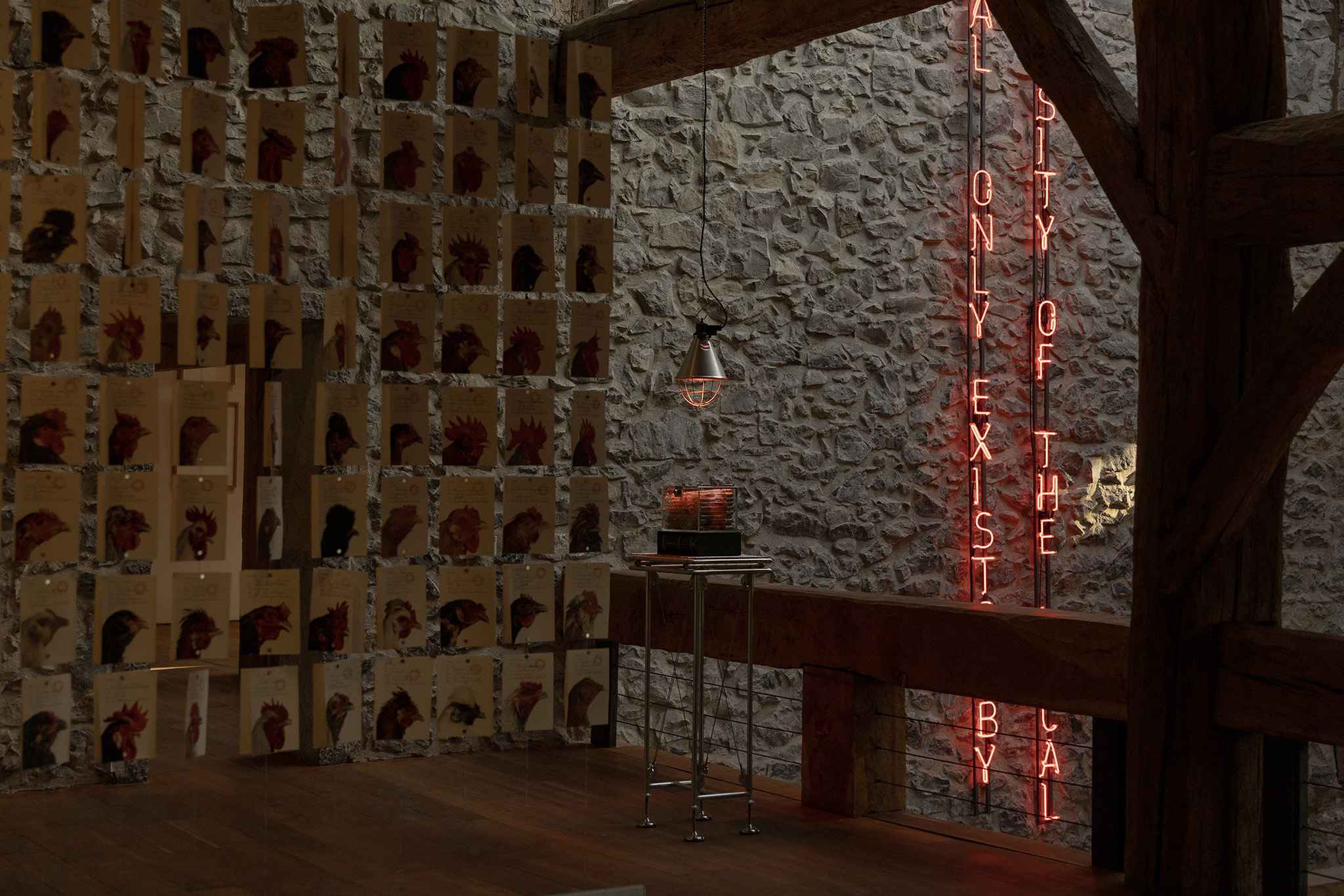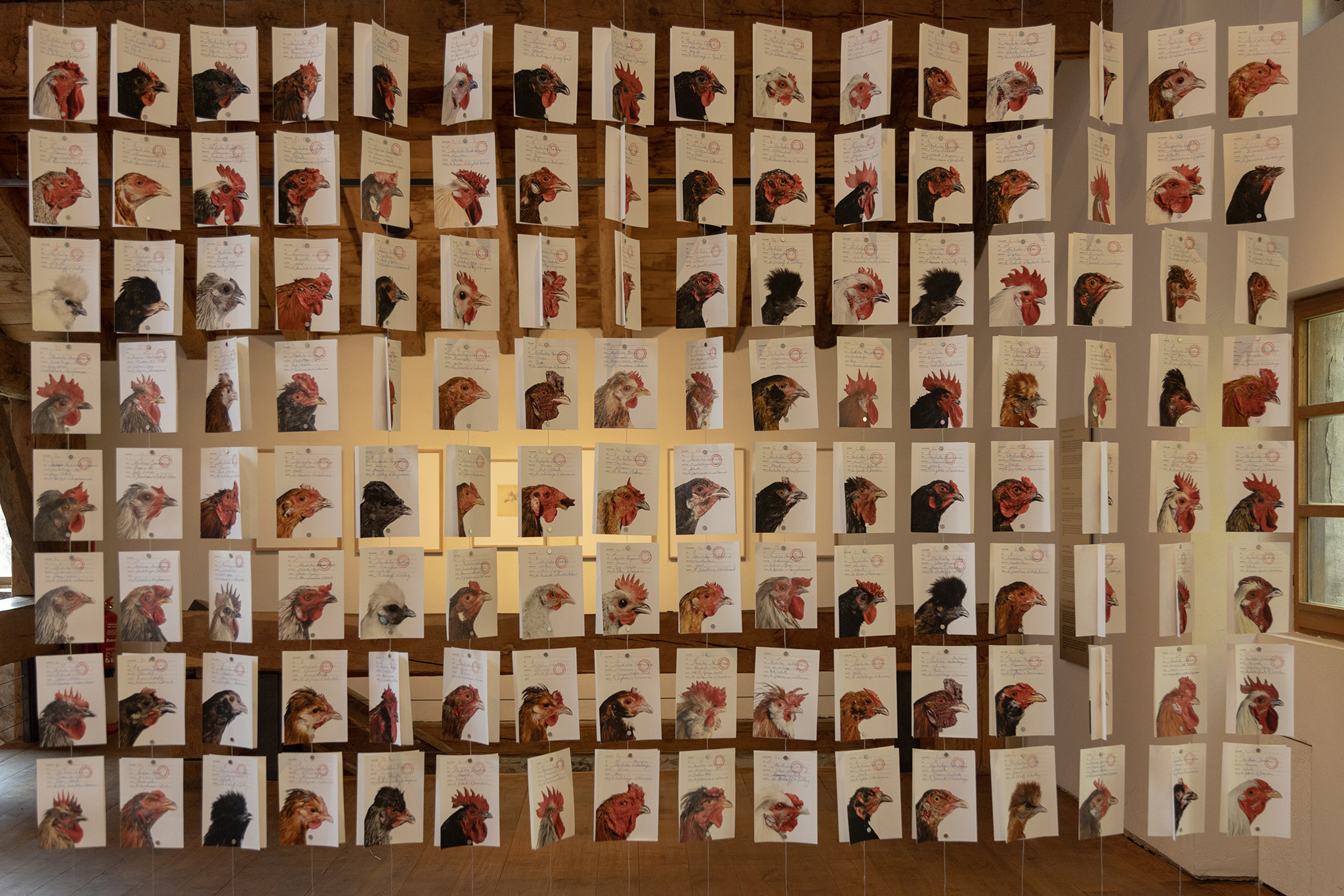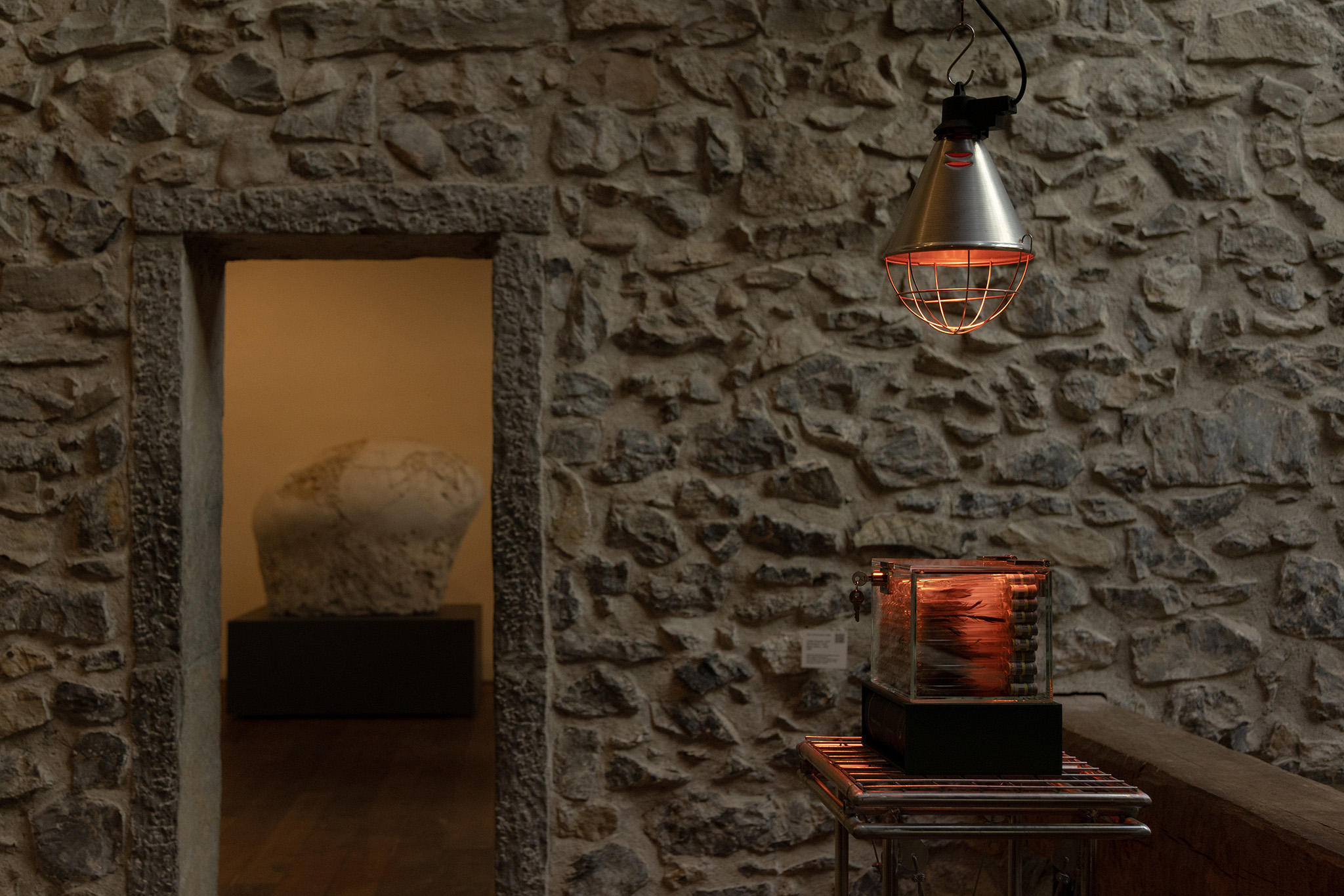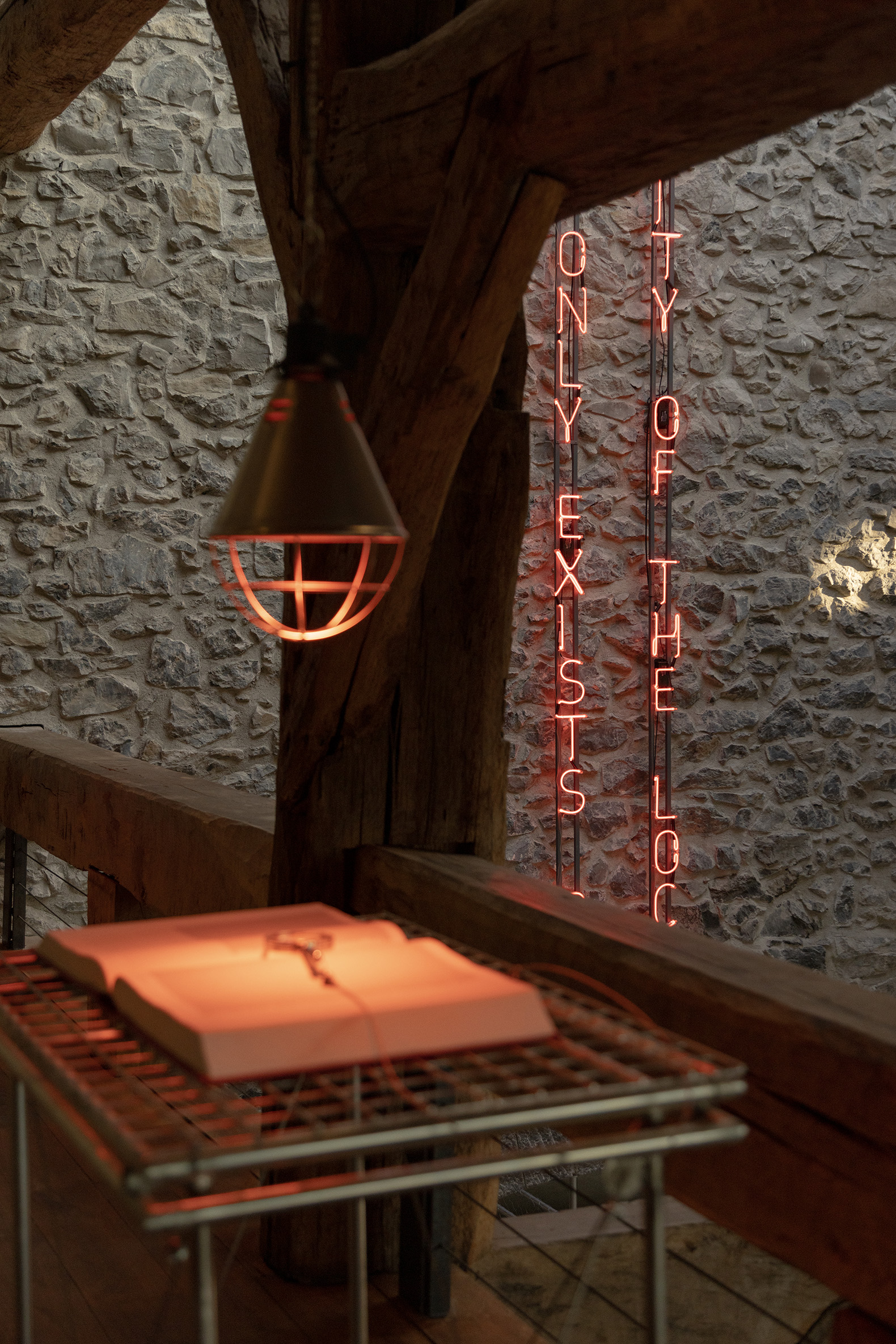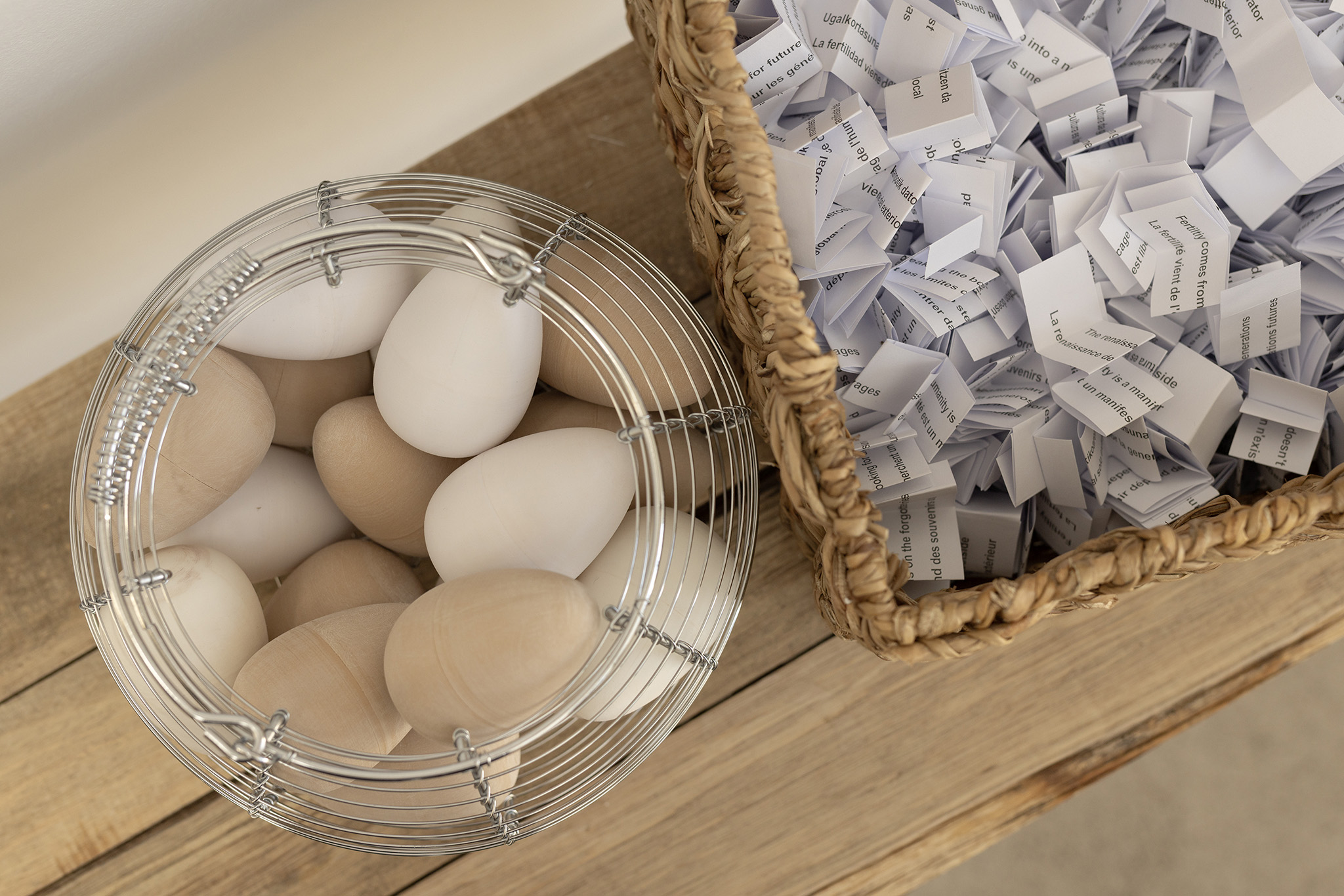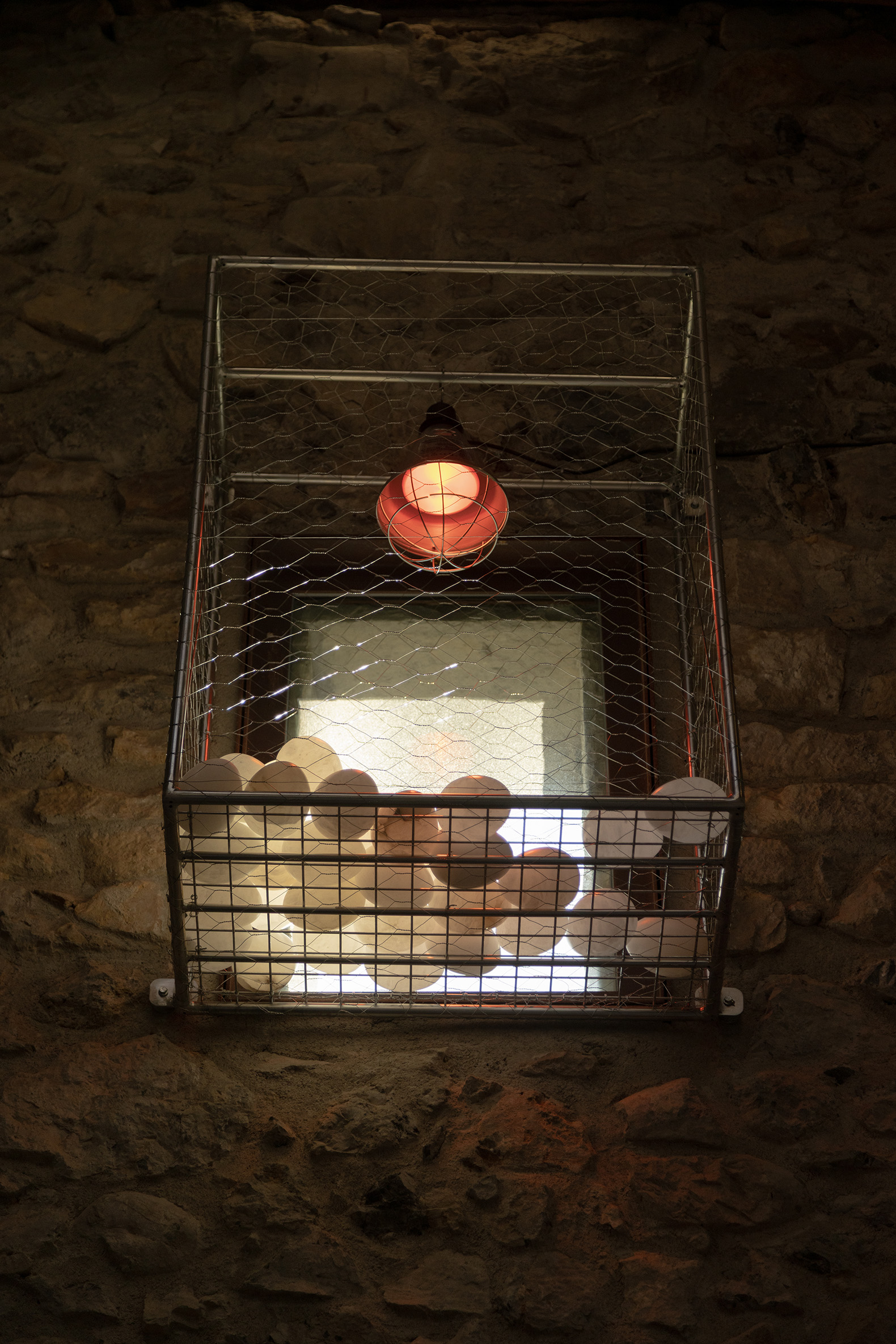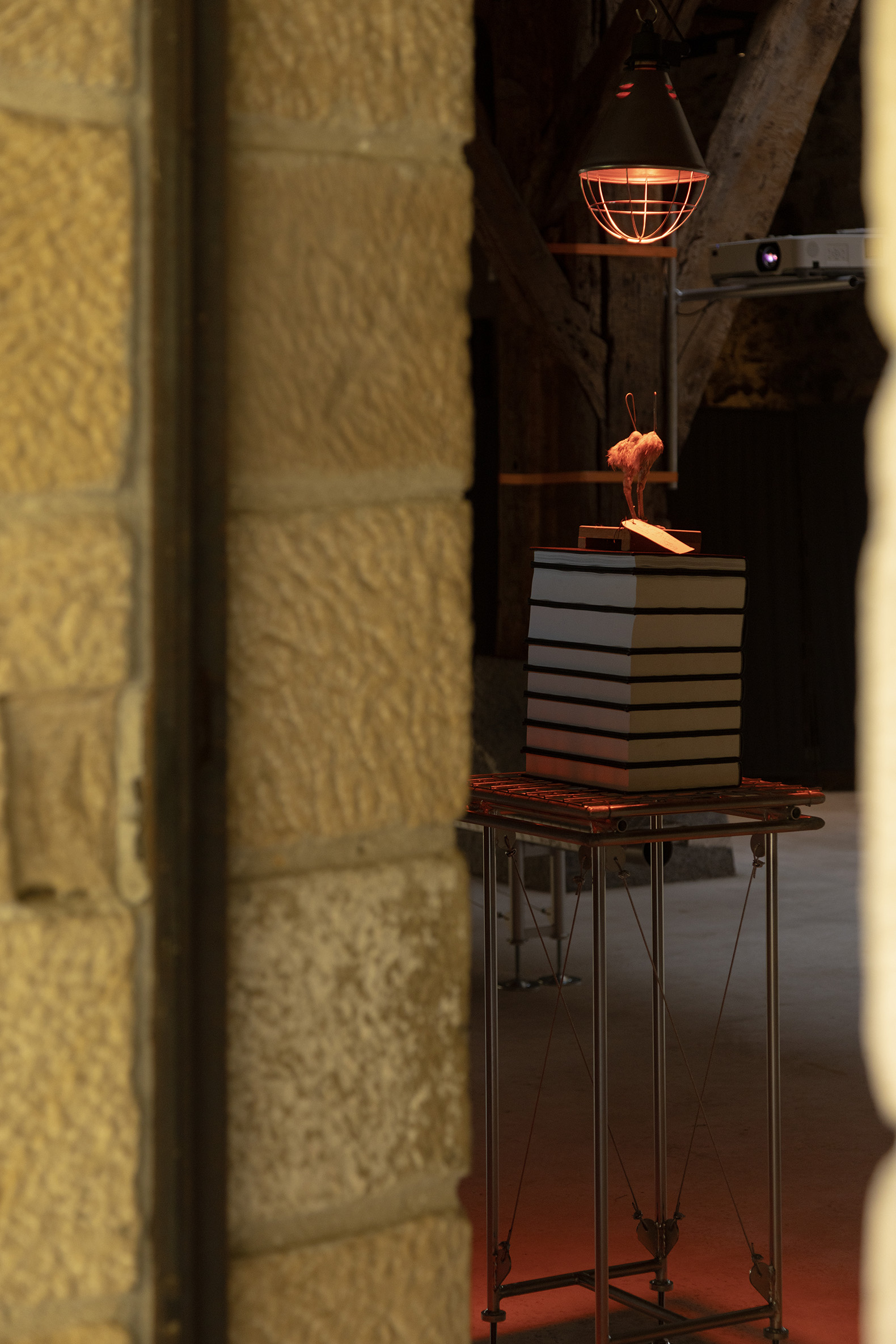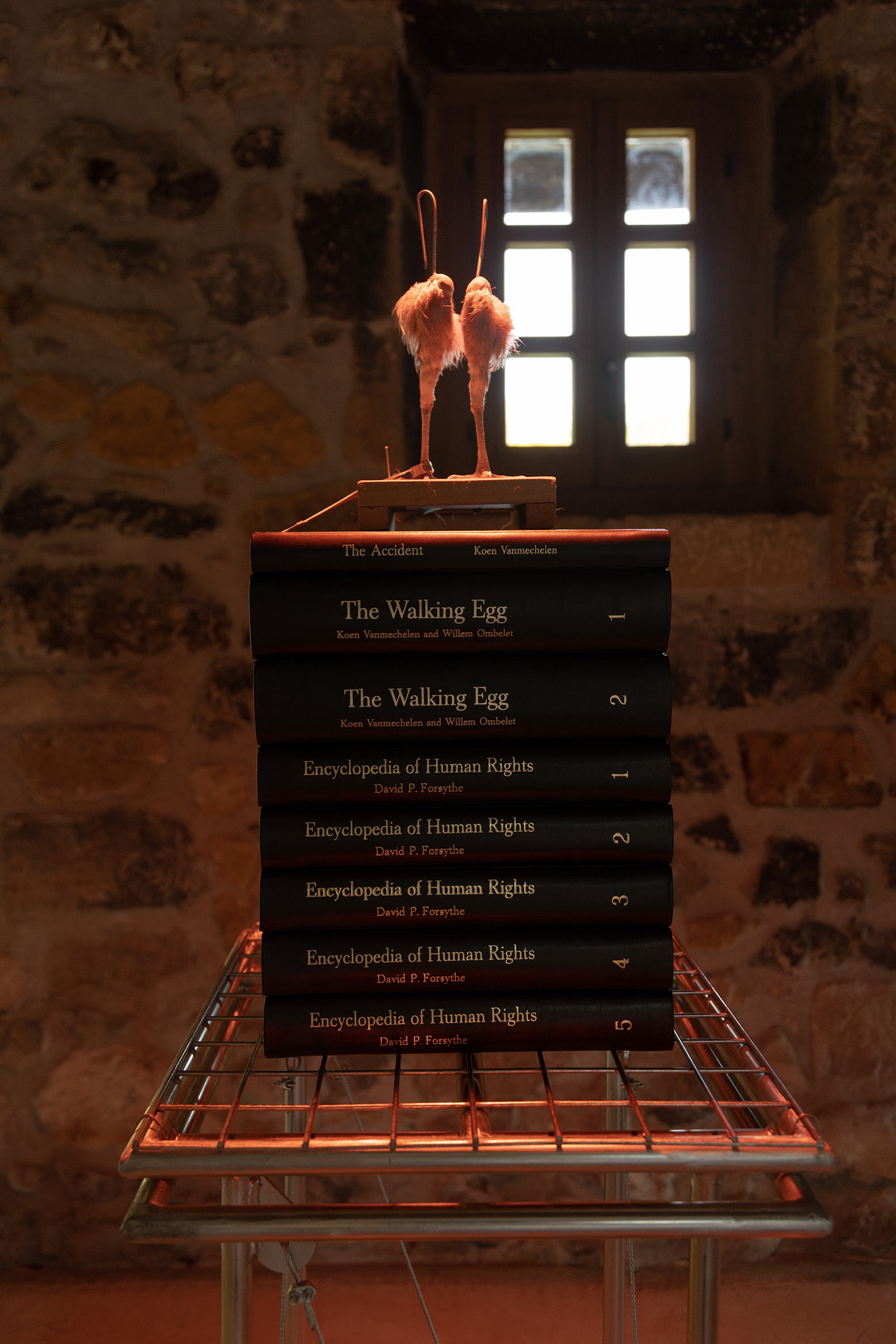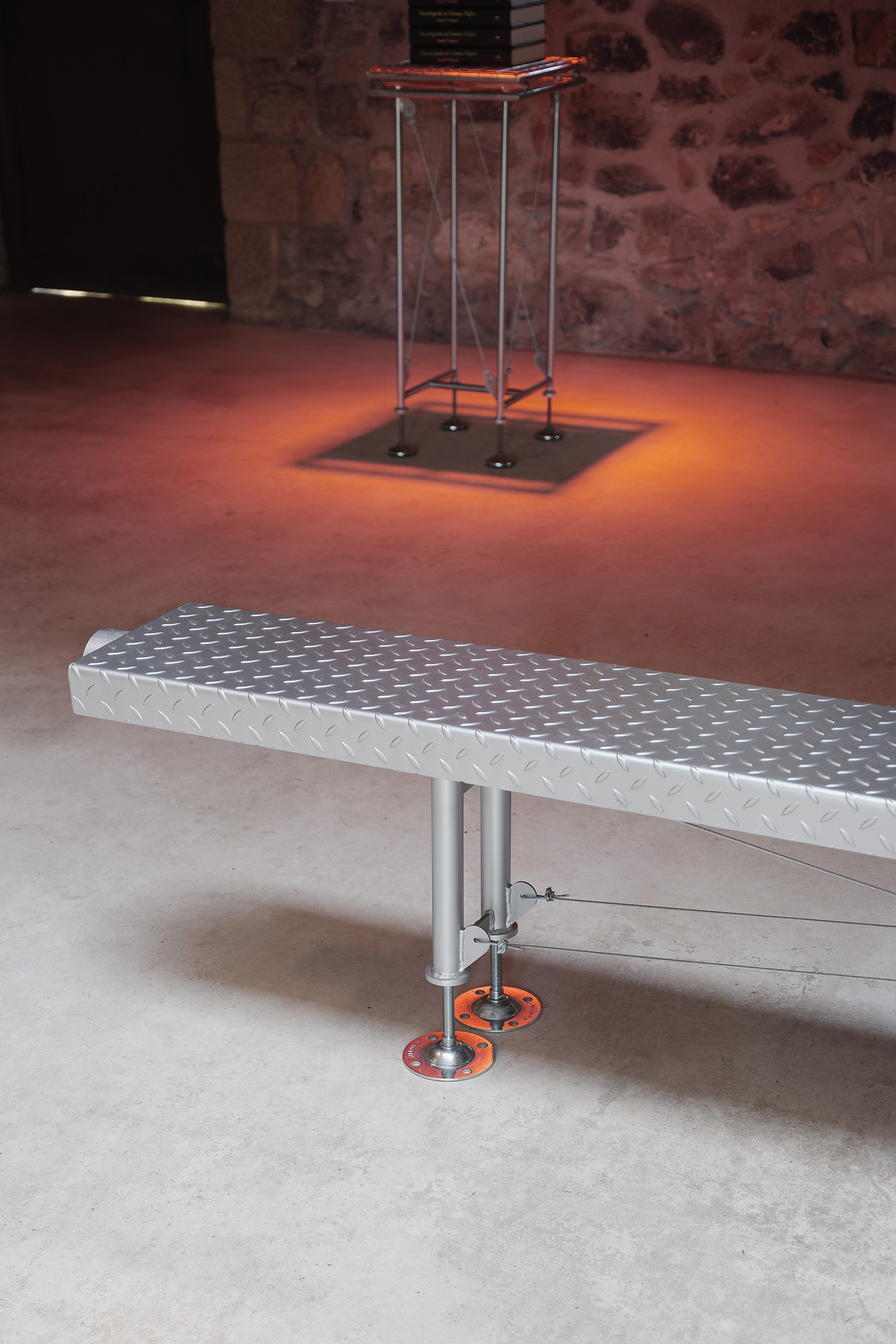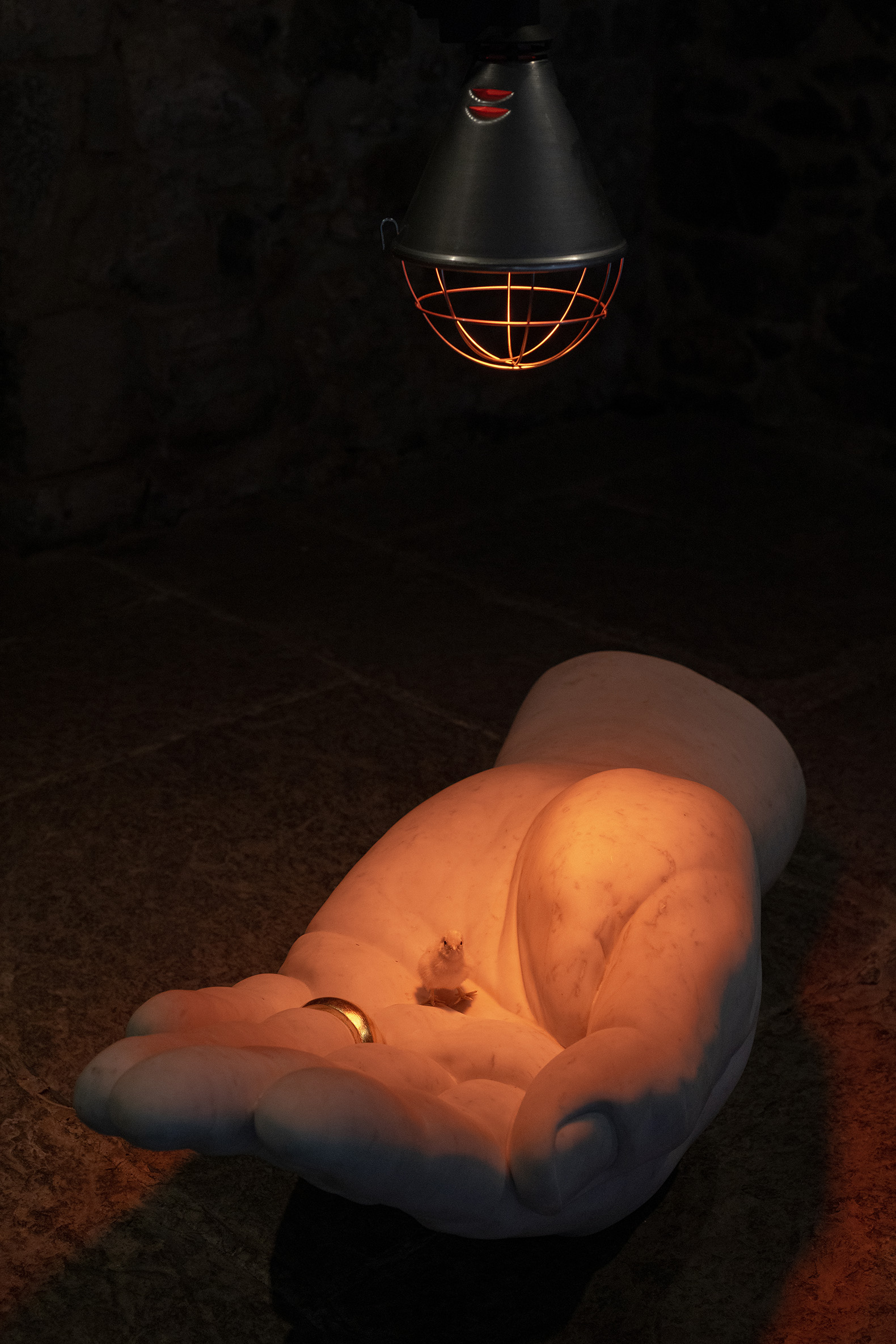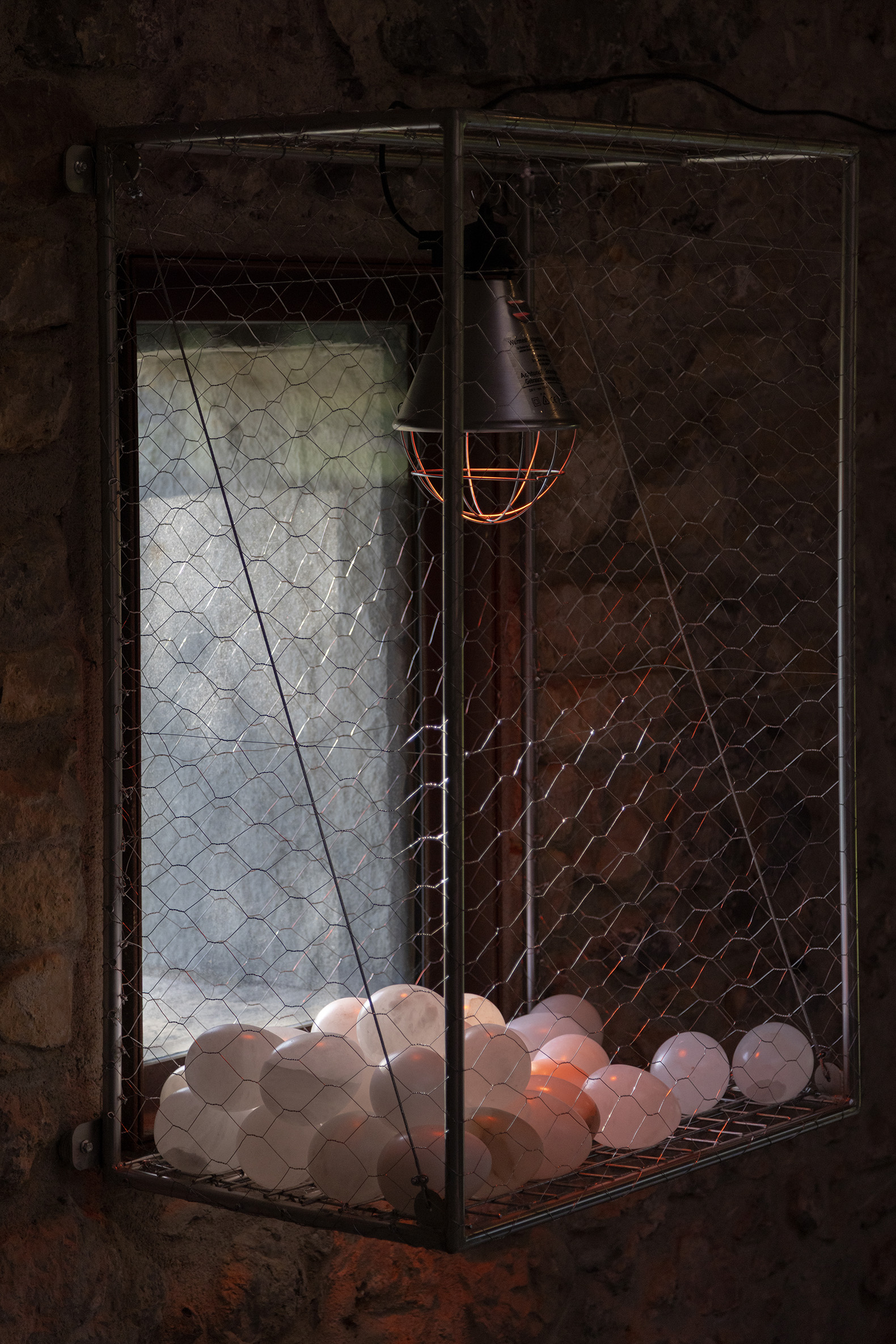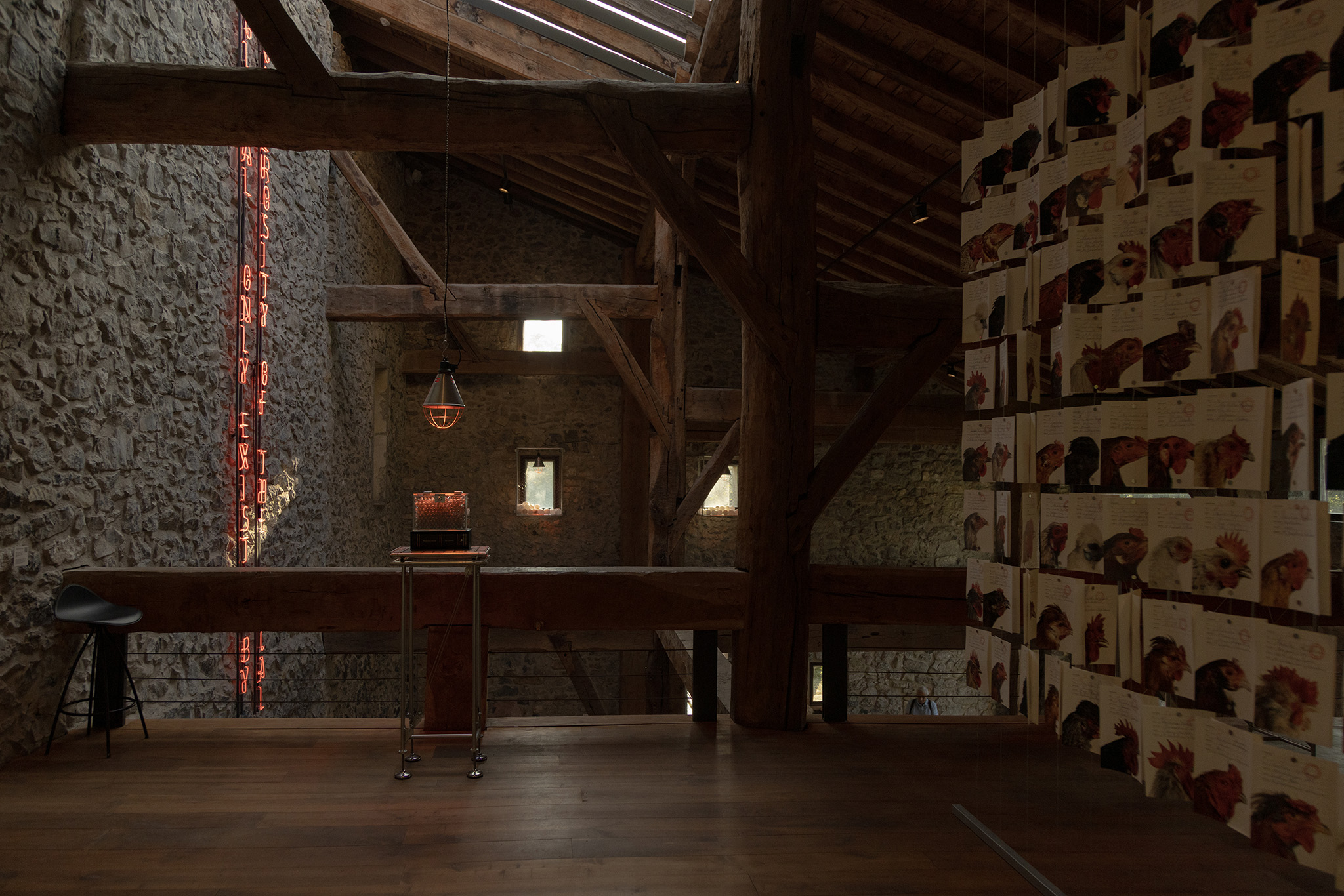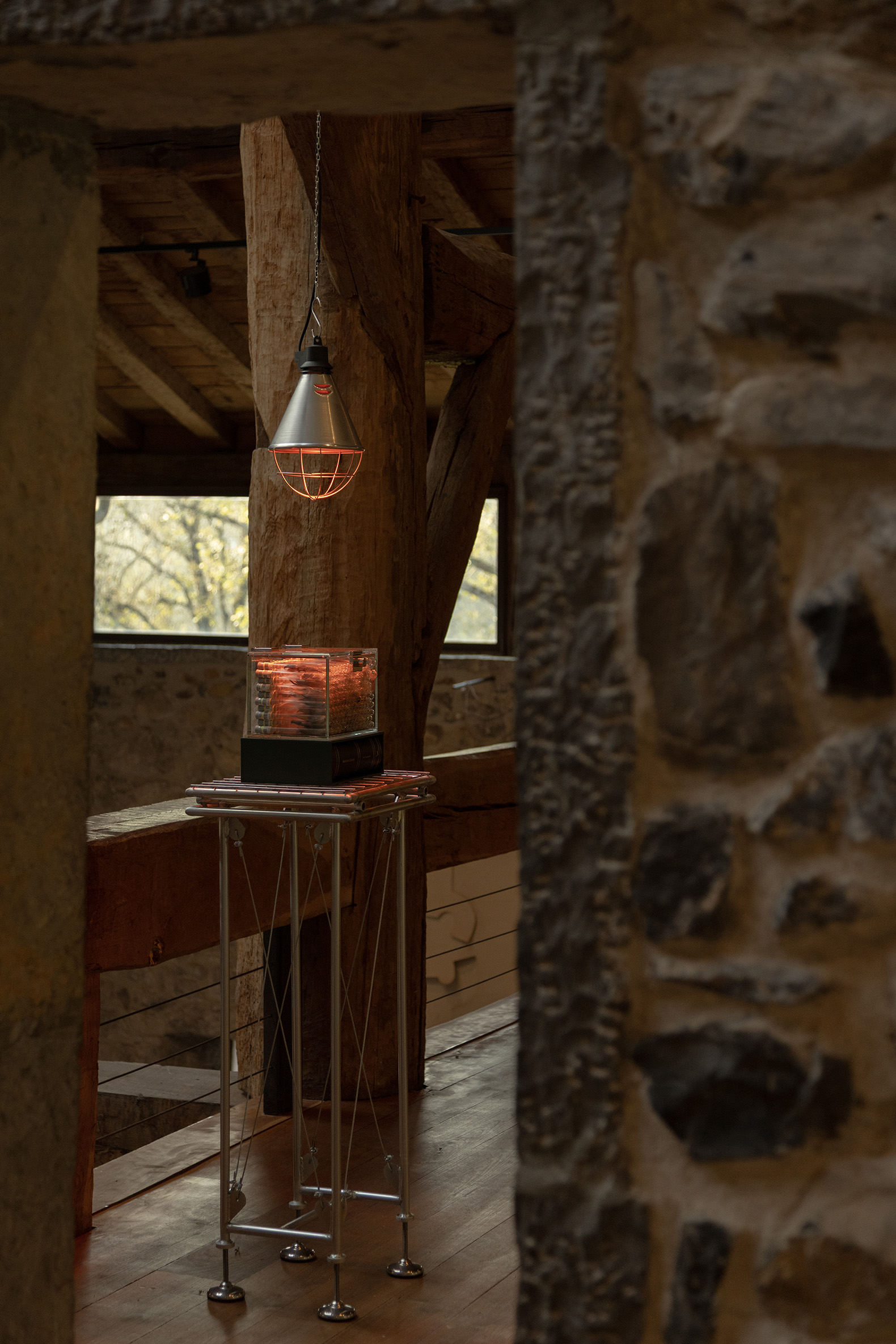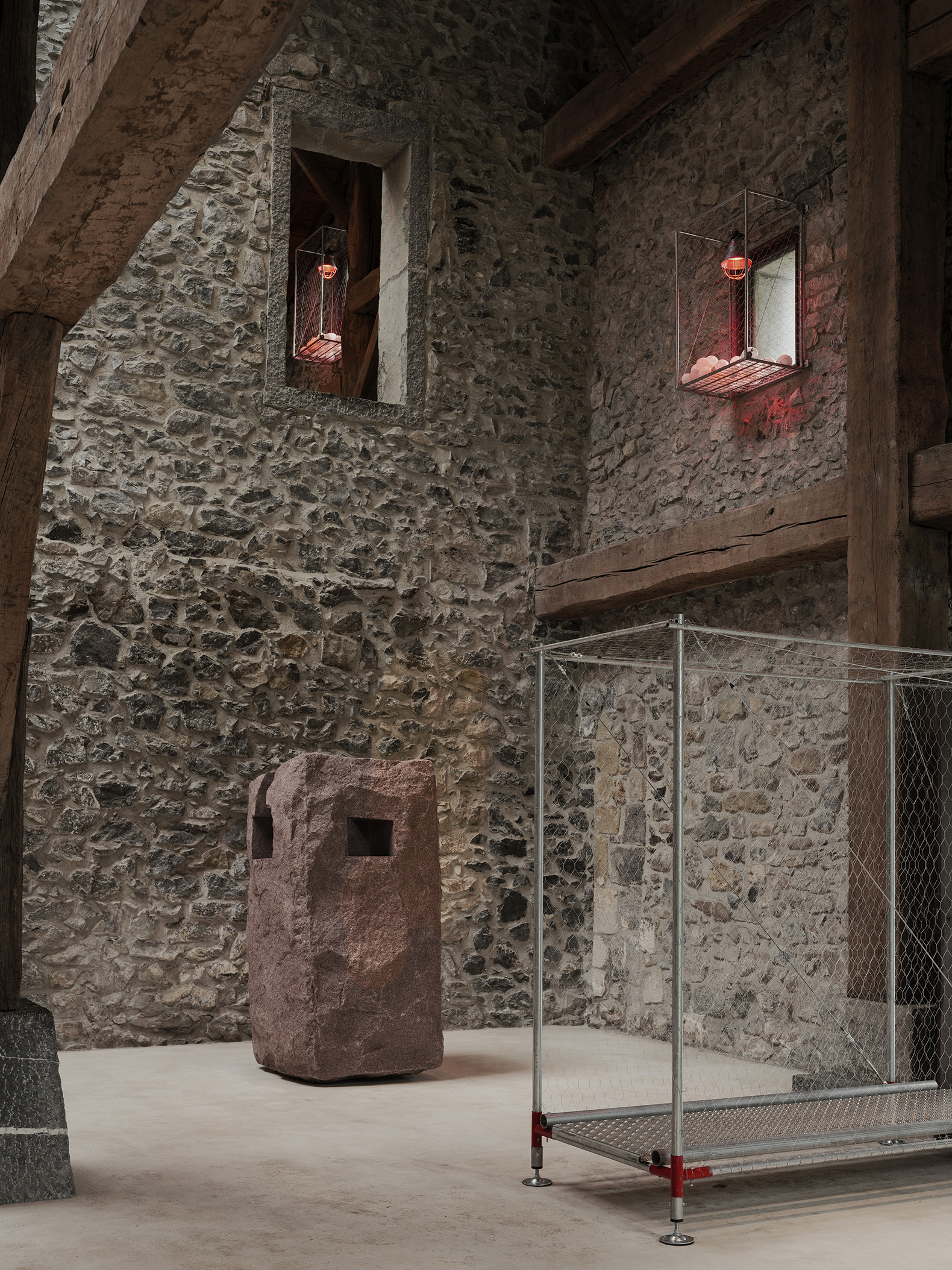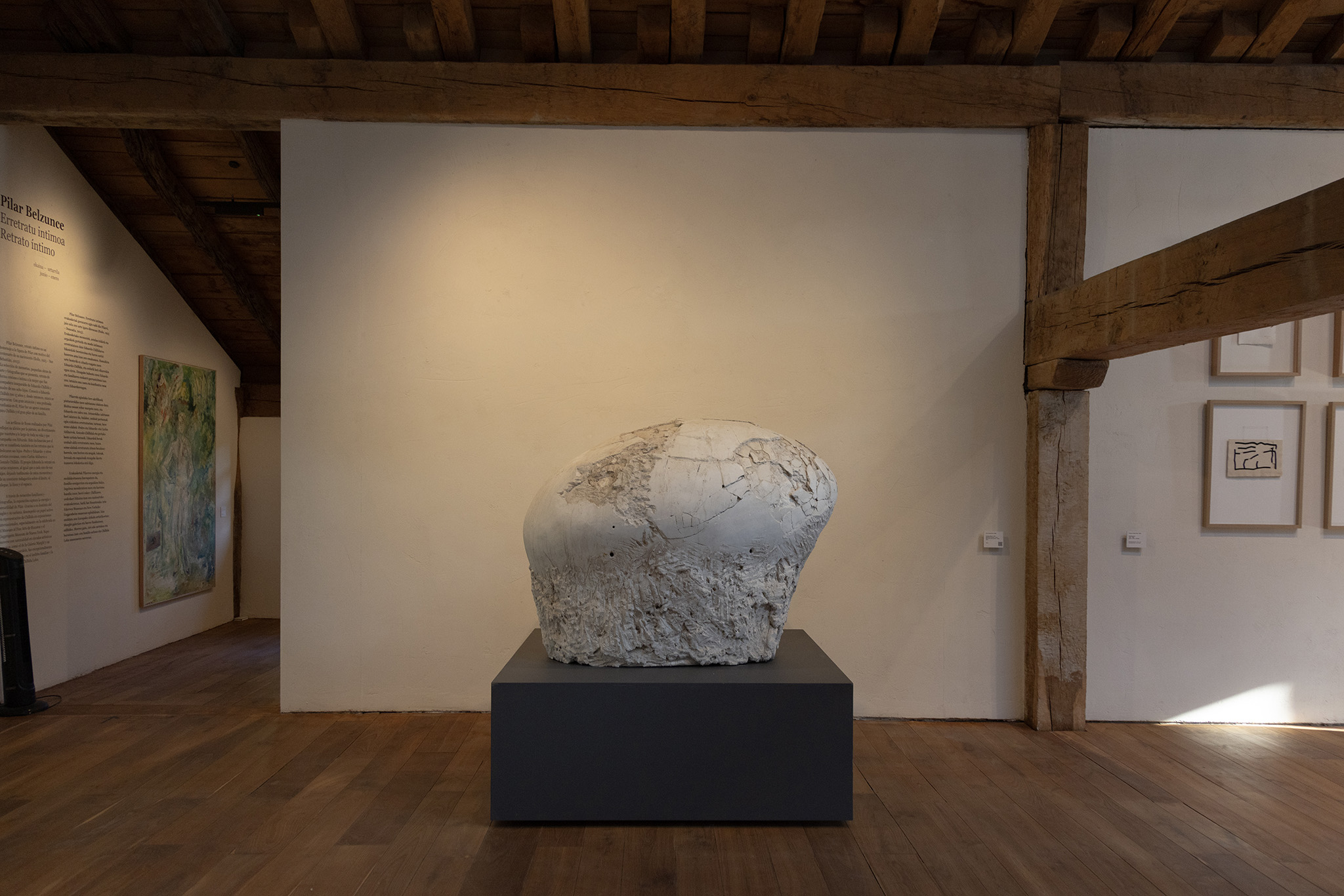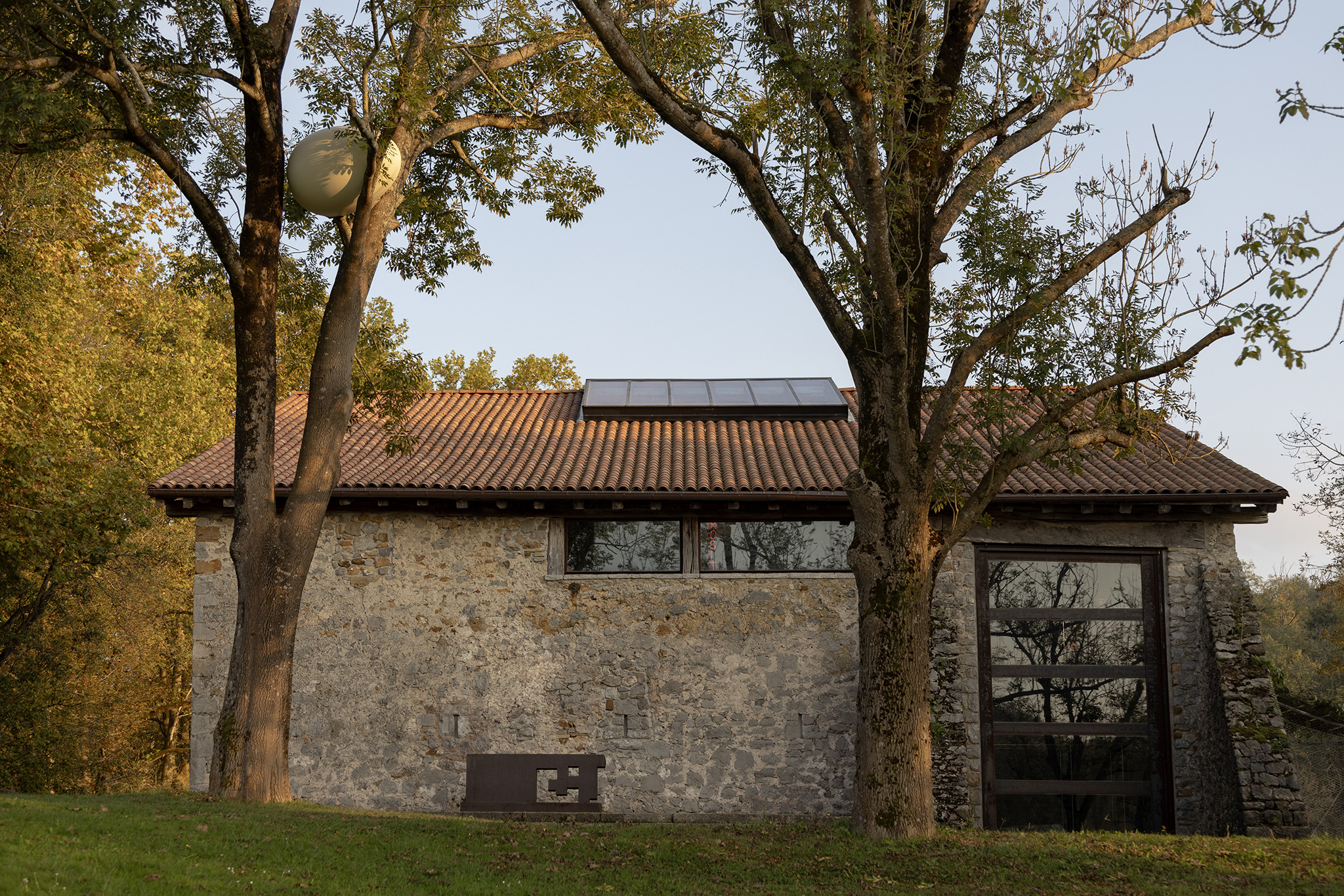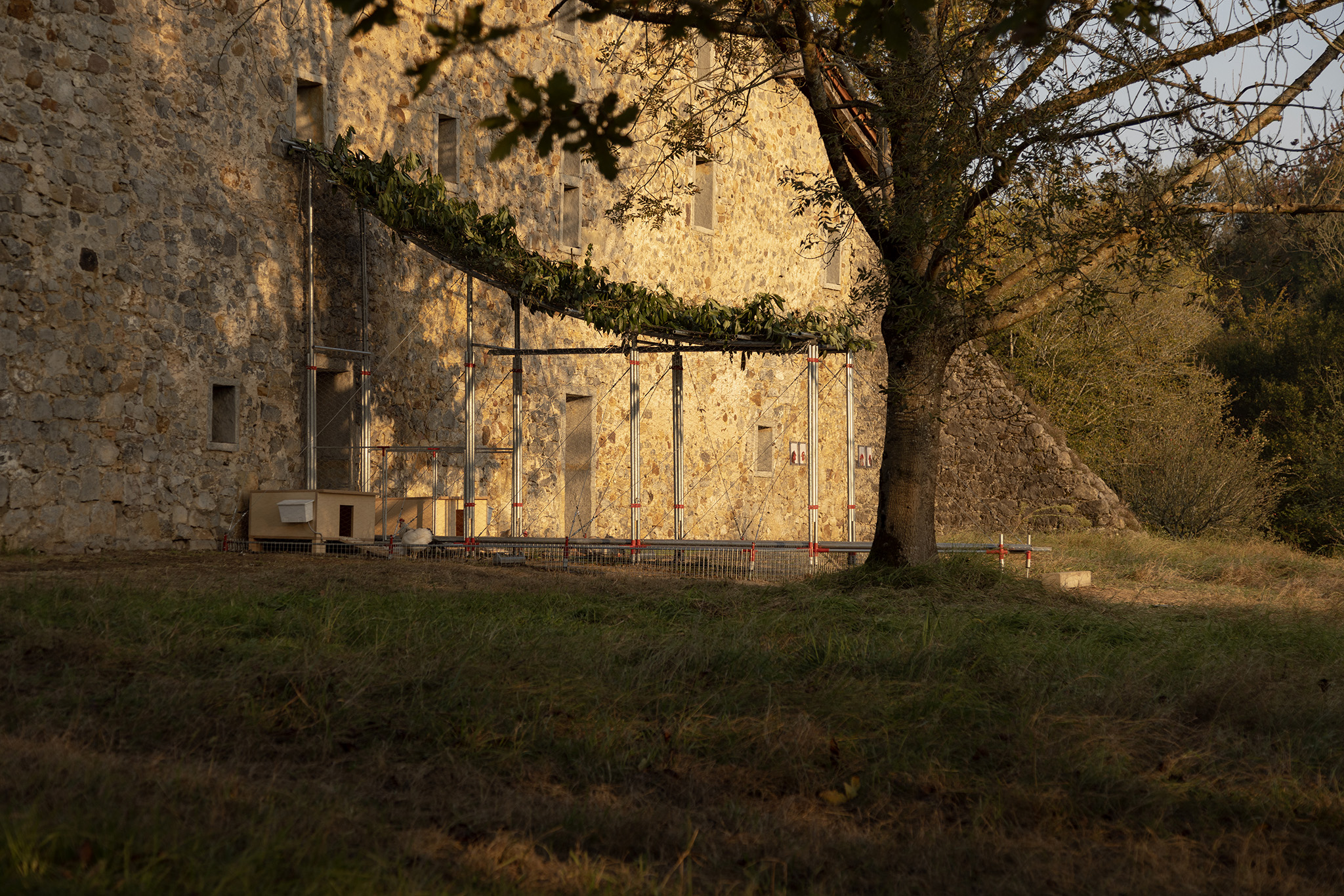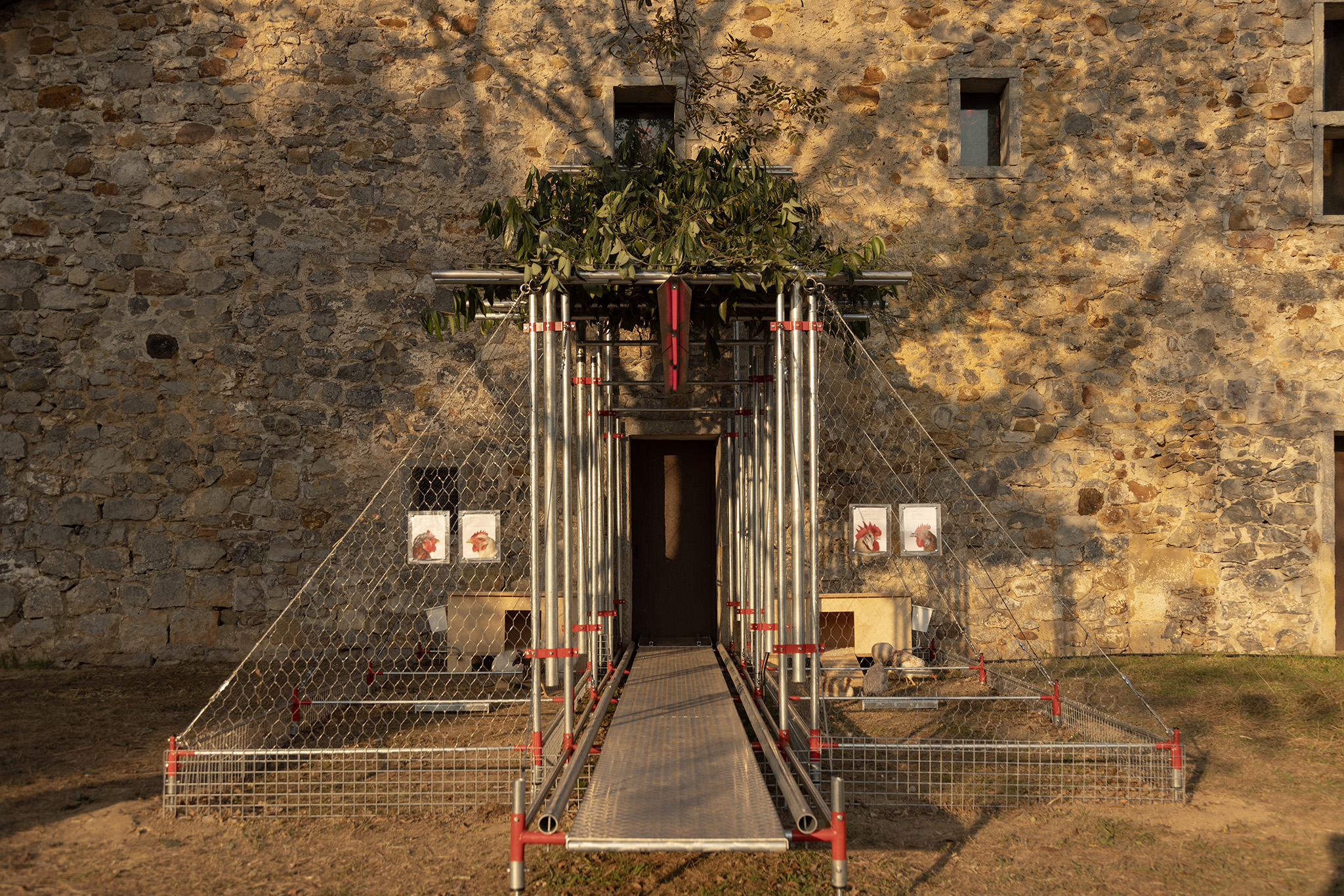
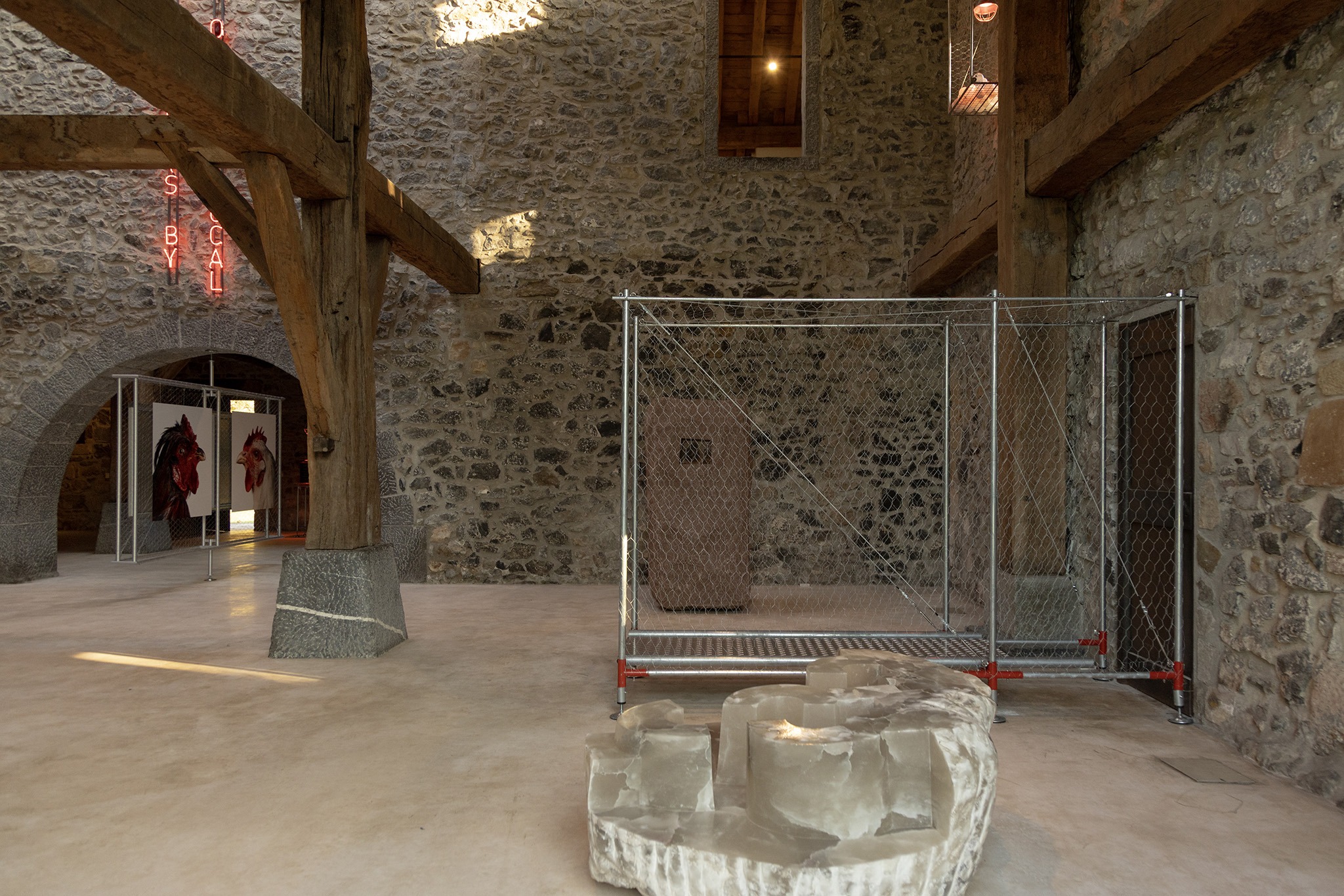
The "LIMINA" installation, curated by Garbizu Collar Architecture and KRI, has invited the public to abandon the usual route to enter less-trafficked areas of the museum, where the vegetation has grown with greater autonomy. Furthermore, the artist has transformed the museum's artistic ecosystem by making the visitor part of the creative process.
"In this new environment, Vanmechelen's sculptures and interventions will act as traces of a future archaeology, opening paths towards the invisible."
Jon Garbizu and Victoria Collar.
Ideas such as cultural diversity as a driving force for imagining possible futures or fertility are addressed not only in biological terms but as a capacity for transformation and exchange. Through the dialogue between art, science and architecture, the exhibition has not sought to offer answers, but rather questions about our way of inhabiting the world.
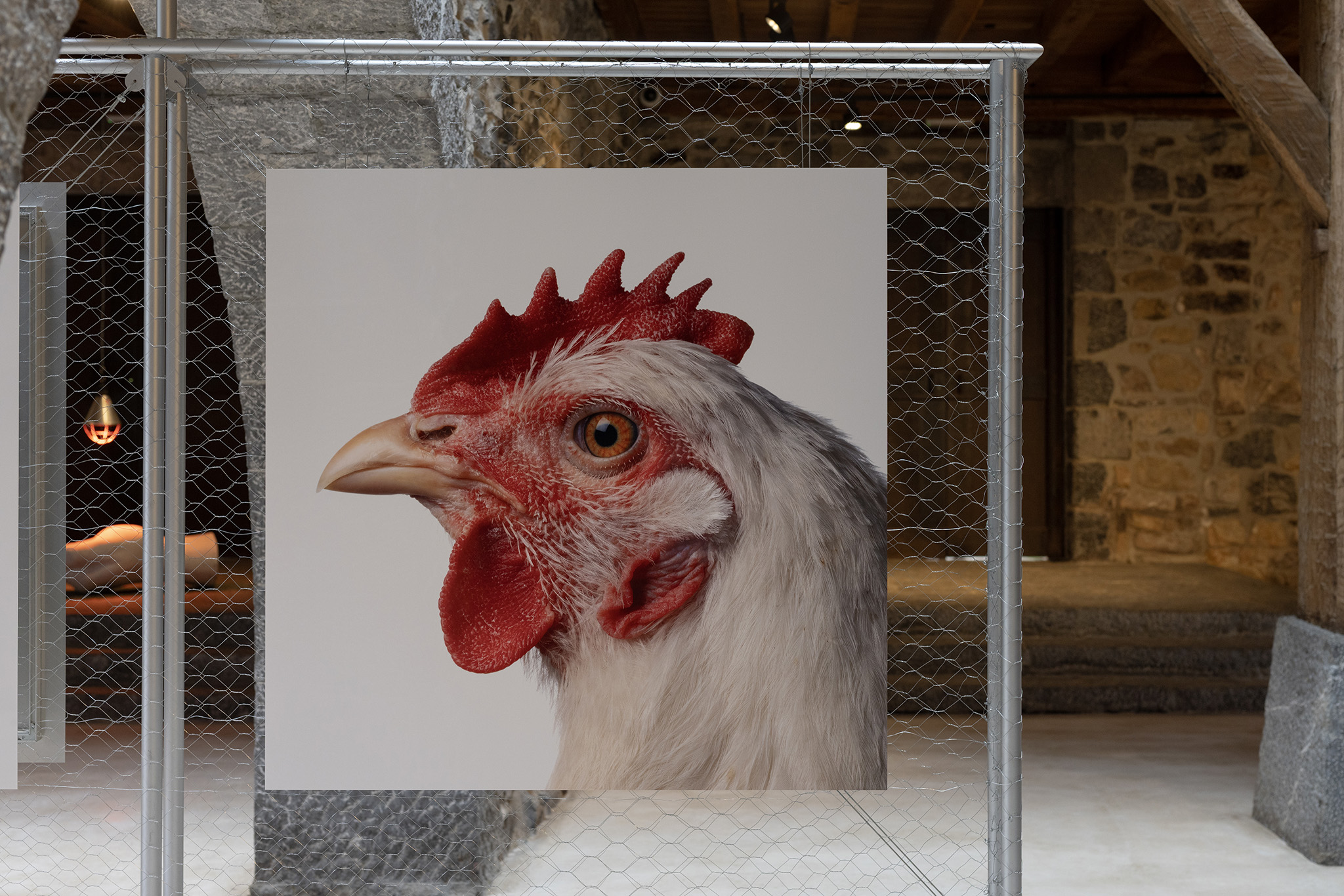
"It represents the blocks that make up life: genetic structures that combine to generate vitality. Architecture, in its essence, should also contain life. Through the chicken, I have made a deconstruction of what humanity has done: create a monoculture that impoverishes character. In architecture, this same reduction leads to sterile landscapes. If we want to celebrate beauty, we must return to diversity. That is what the chicken symbolizes: a living and decolonized architecture."
Koen Vanmechelen.
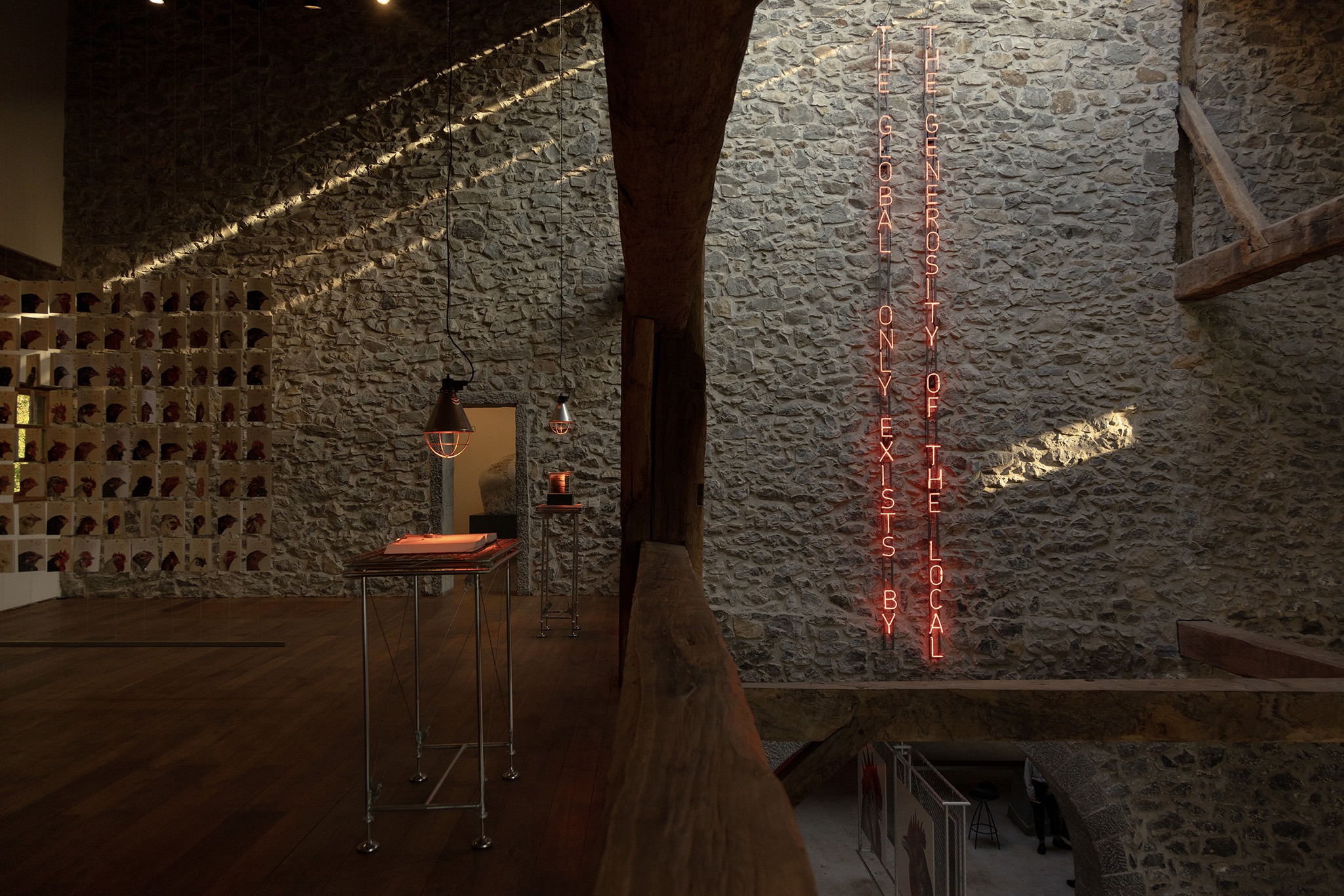
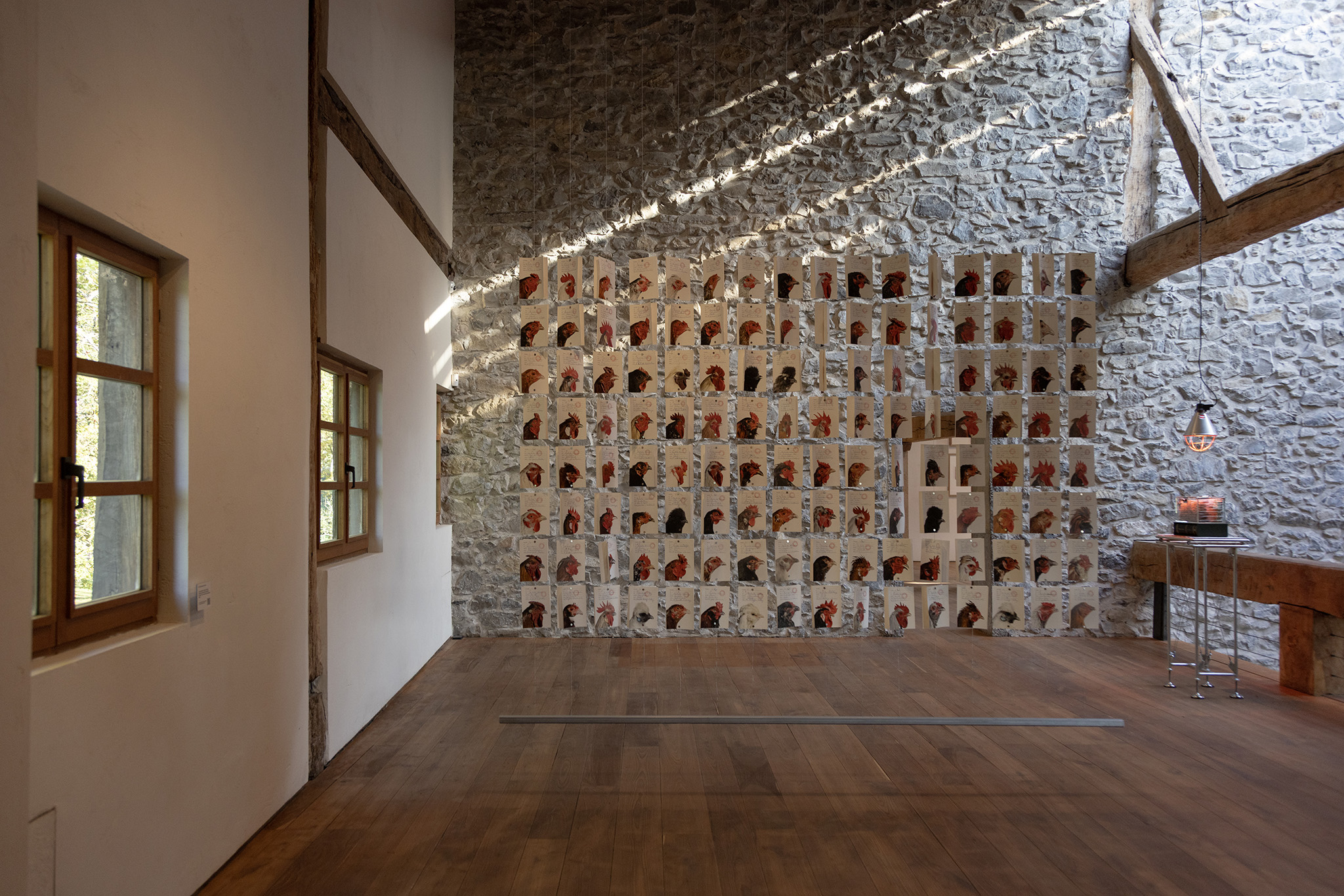
The exhibition route led the public to wilder areas of the museum through sculptural spatial devices that altered the usual perception of the place. The proposal thus converted Chillida Leku into a symbolic threshold where the viewer stopped occupying the center of the gaze to integrate into an ecosystem shared with other forms of life.
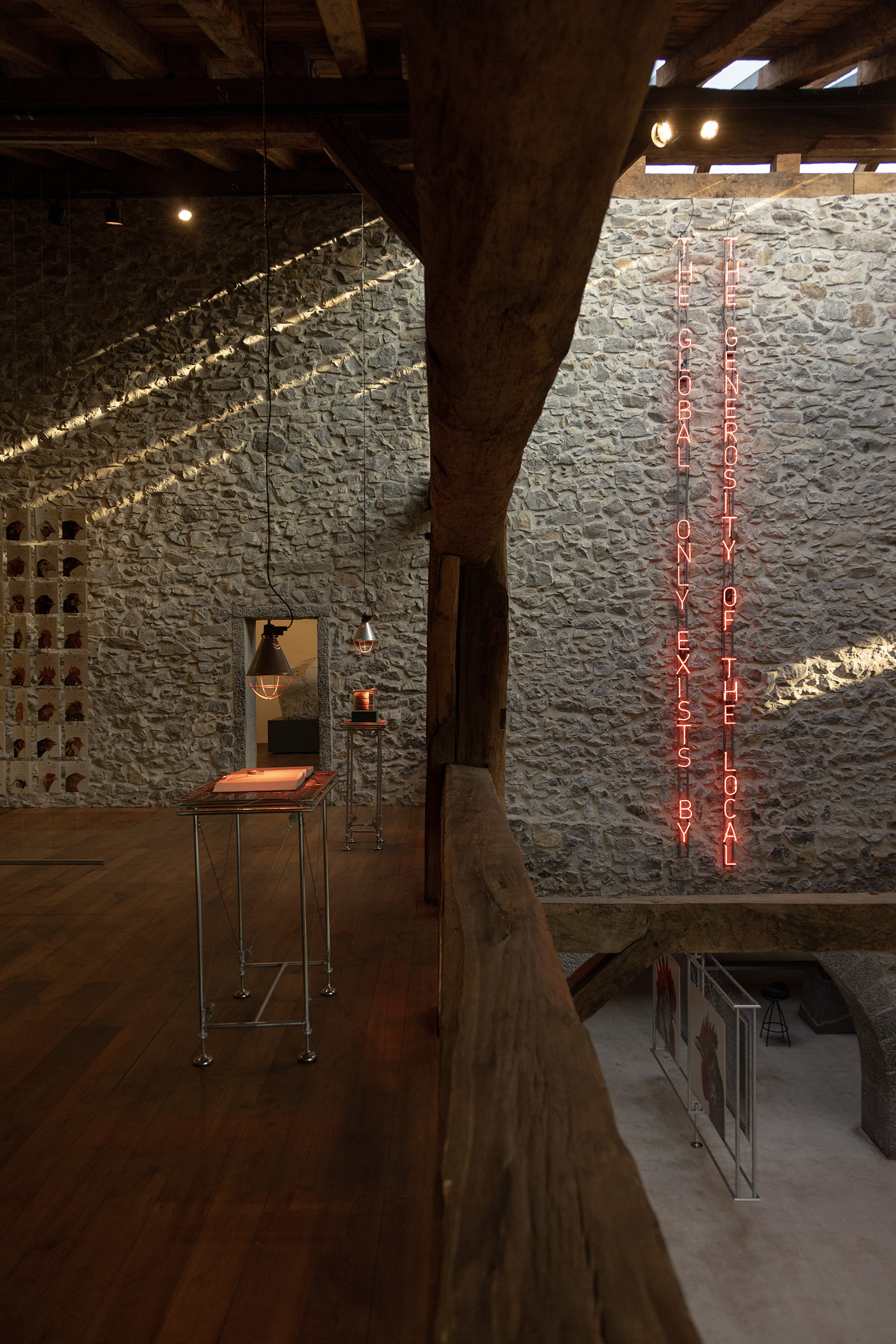
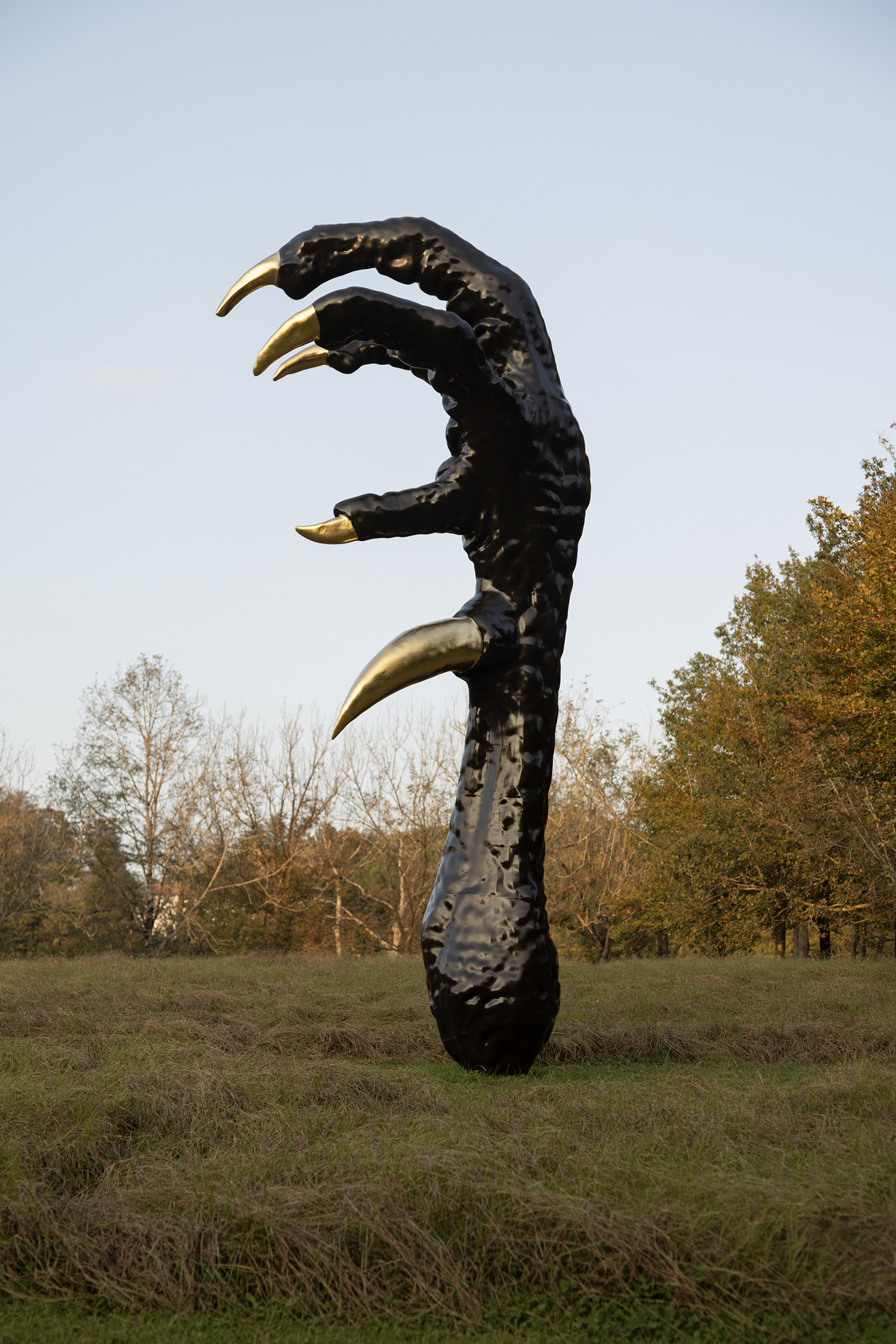
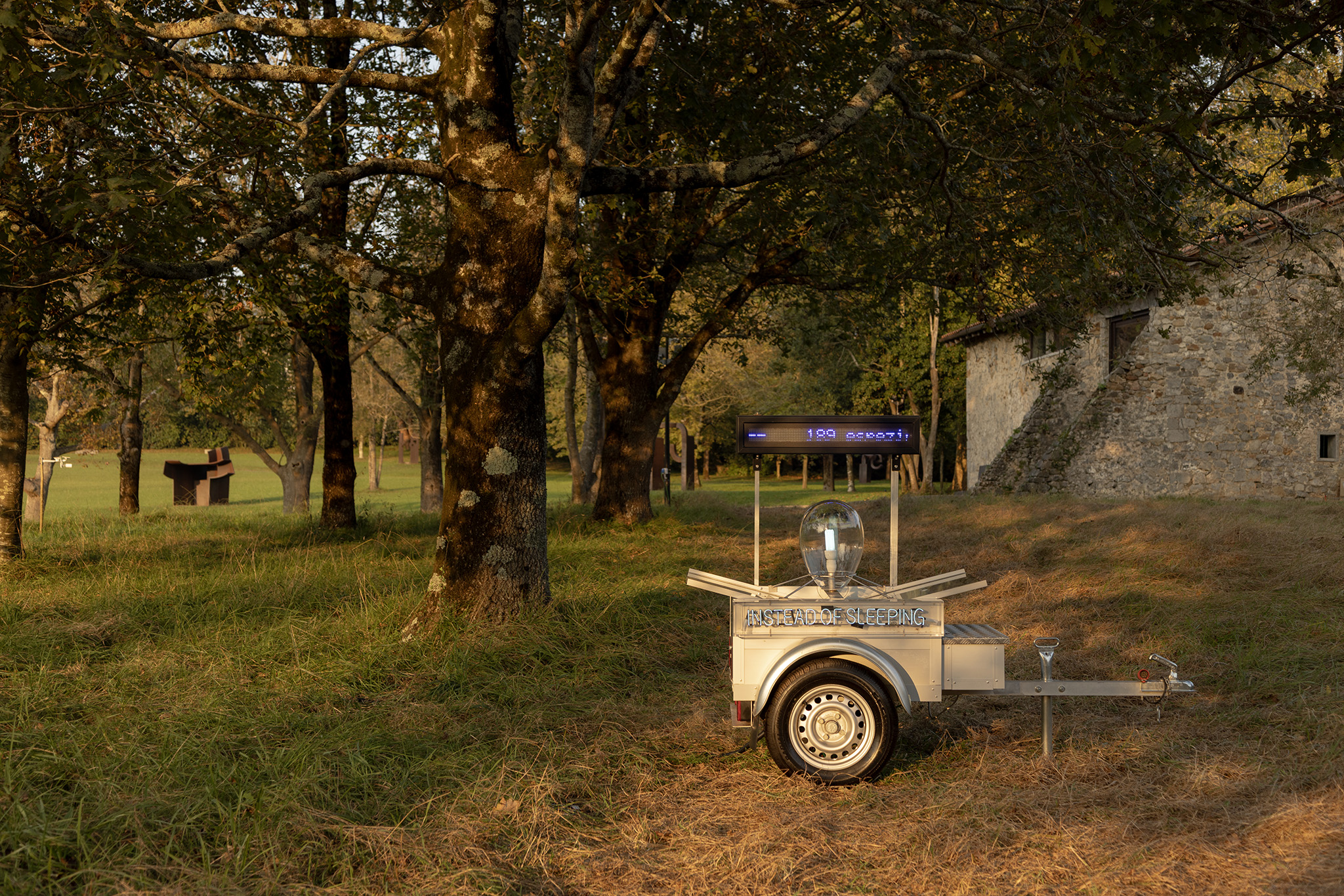
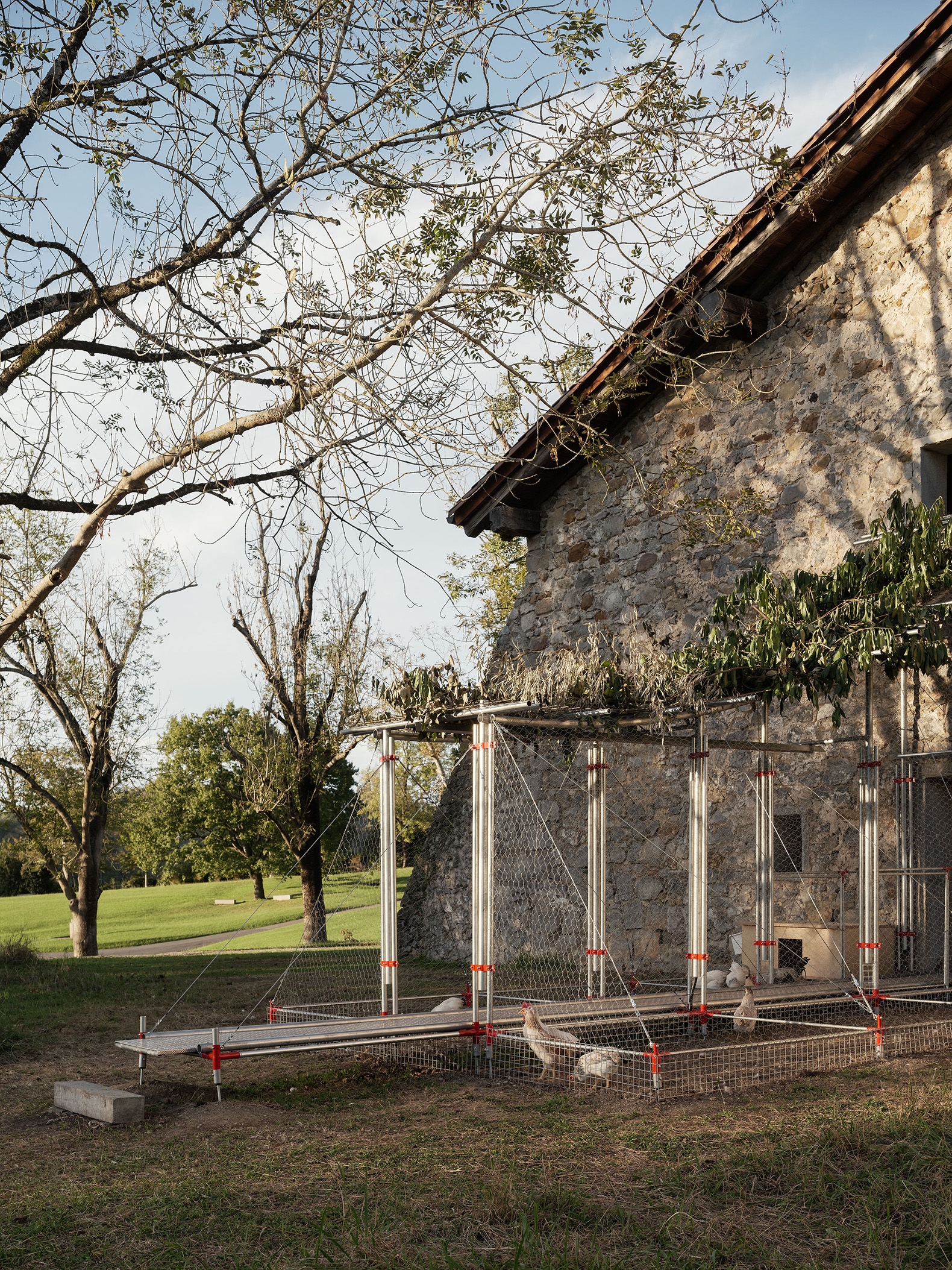
The proposal has unfolded as a journey through thresholds. Outside, emerging from the tall grass, the monumental claw of T-Rex, Instead of Sleeping, where moths gather in the fragile light, and the luminous egg of Paradise Lost. In the heart of the park, the Zabalaga de Chillida farmhouse, remodeled into a hybrid body. Here, architecture itself acts, staging the tension between the local and the global, inheritance and mutation, nature and culture.