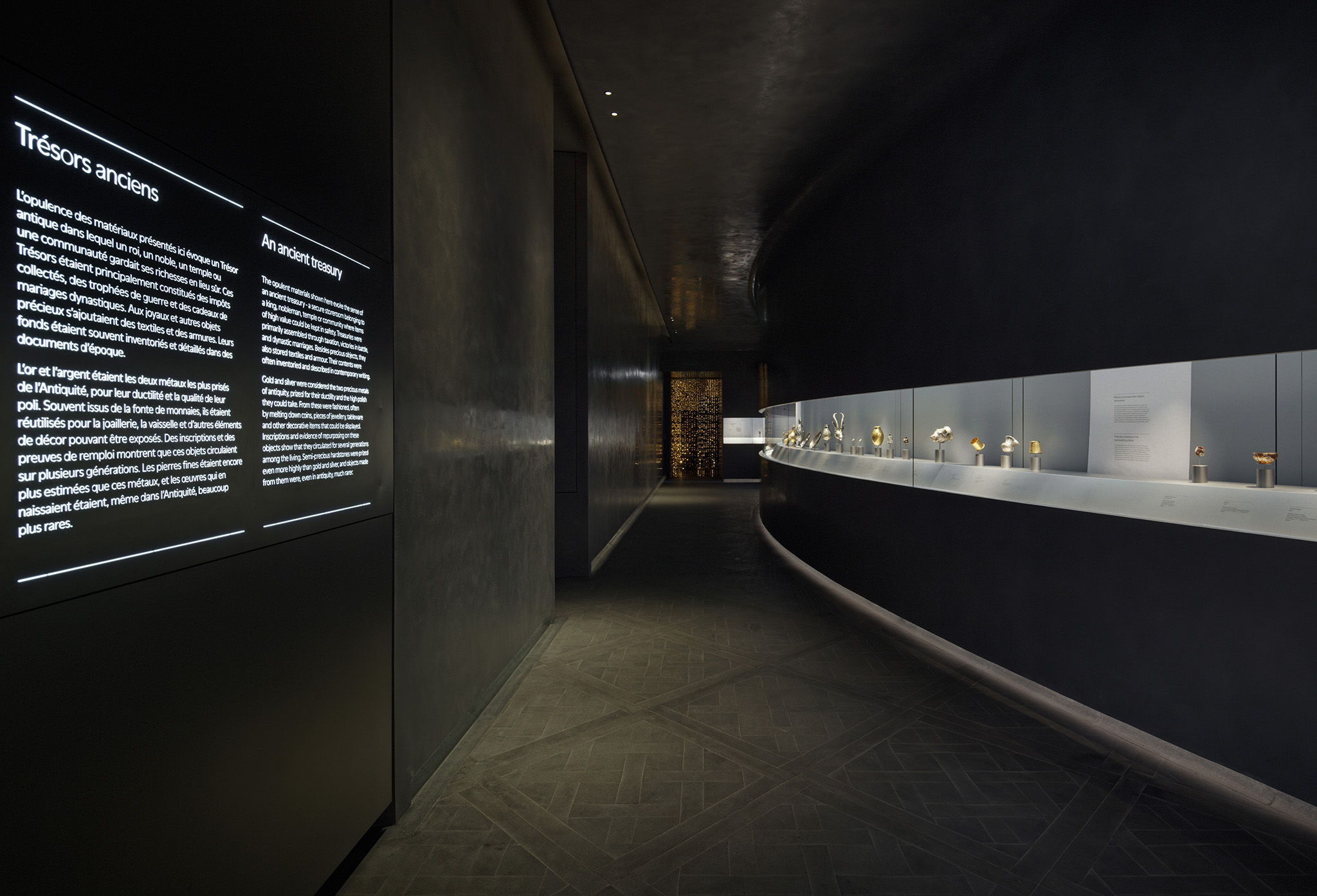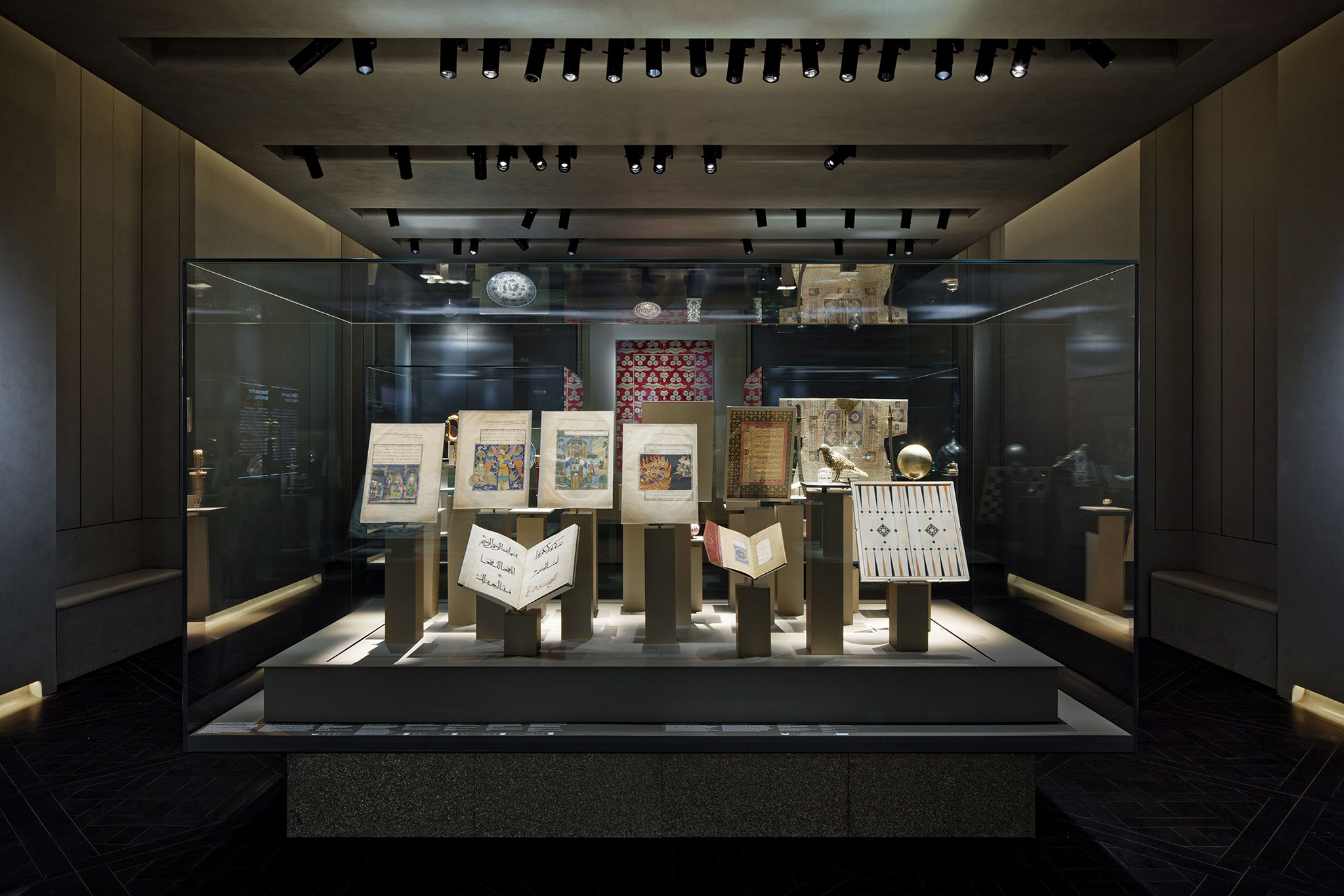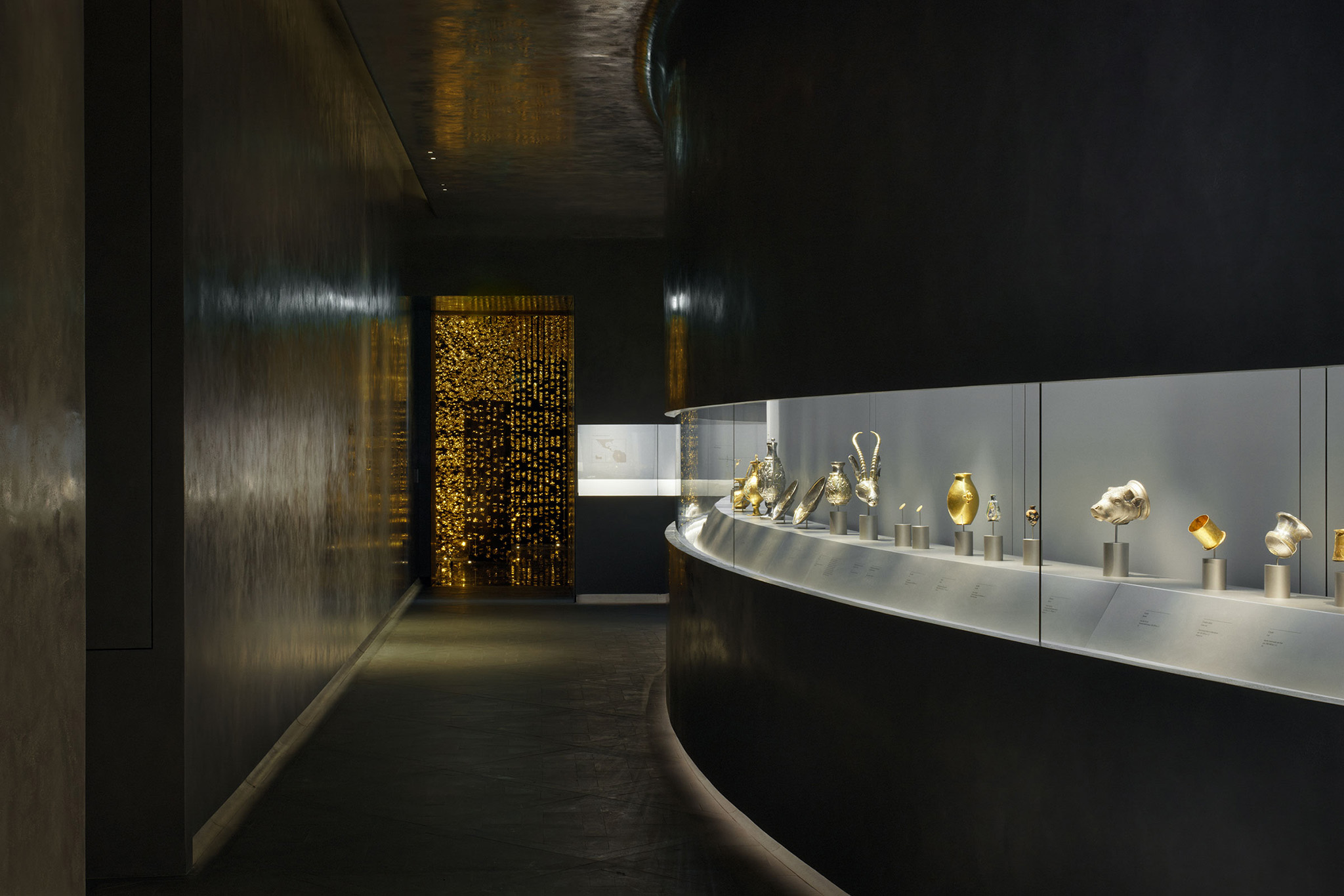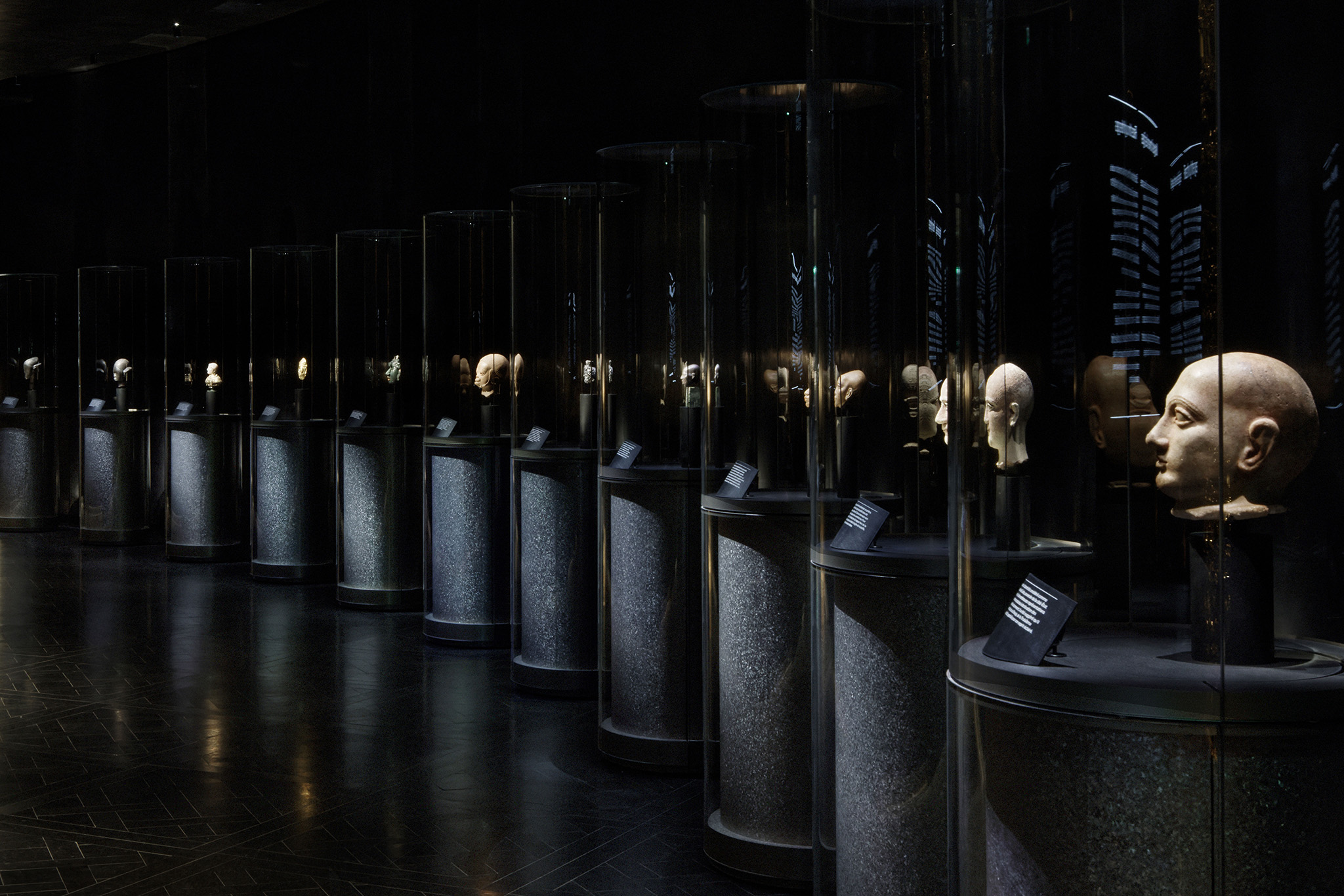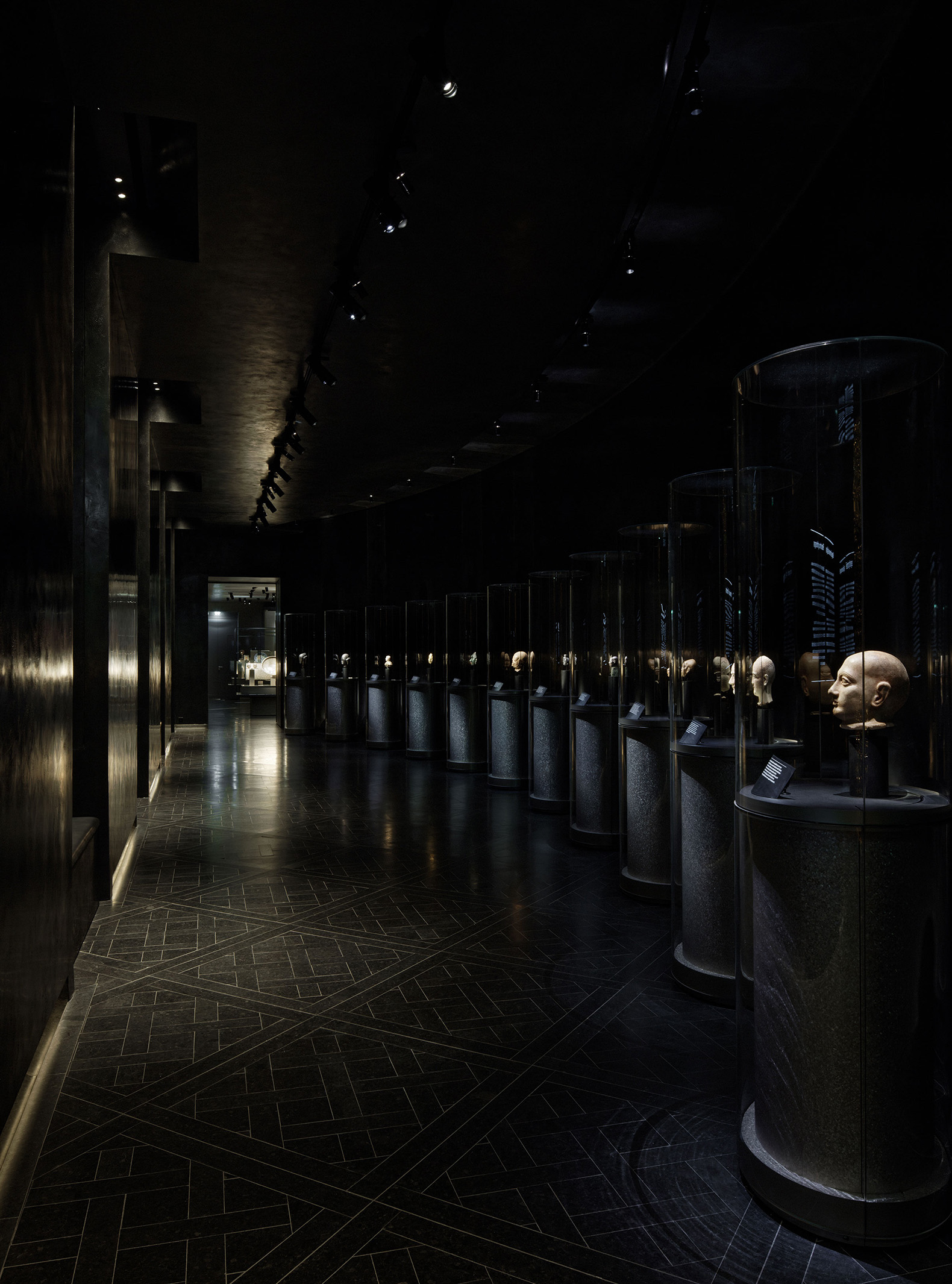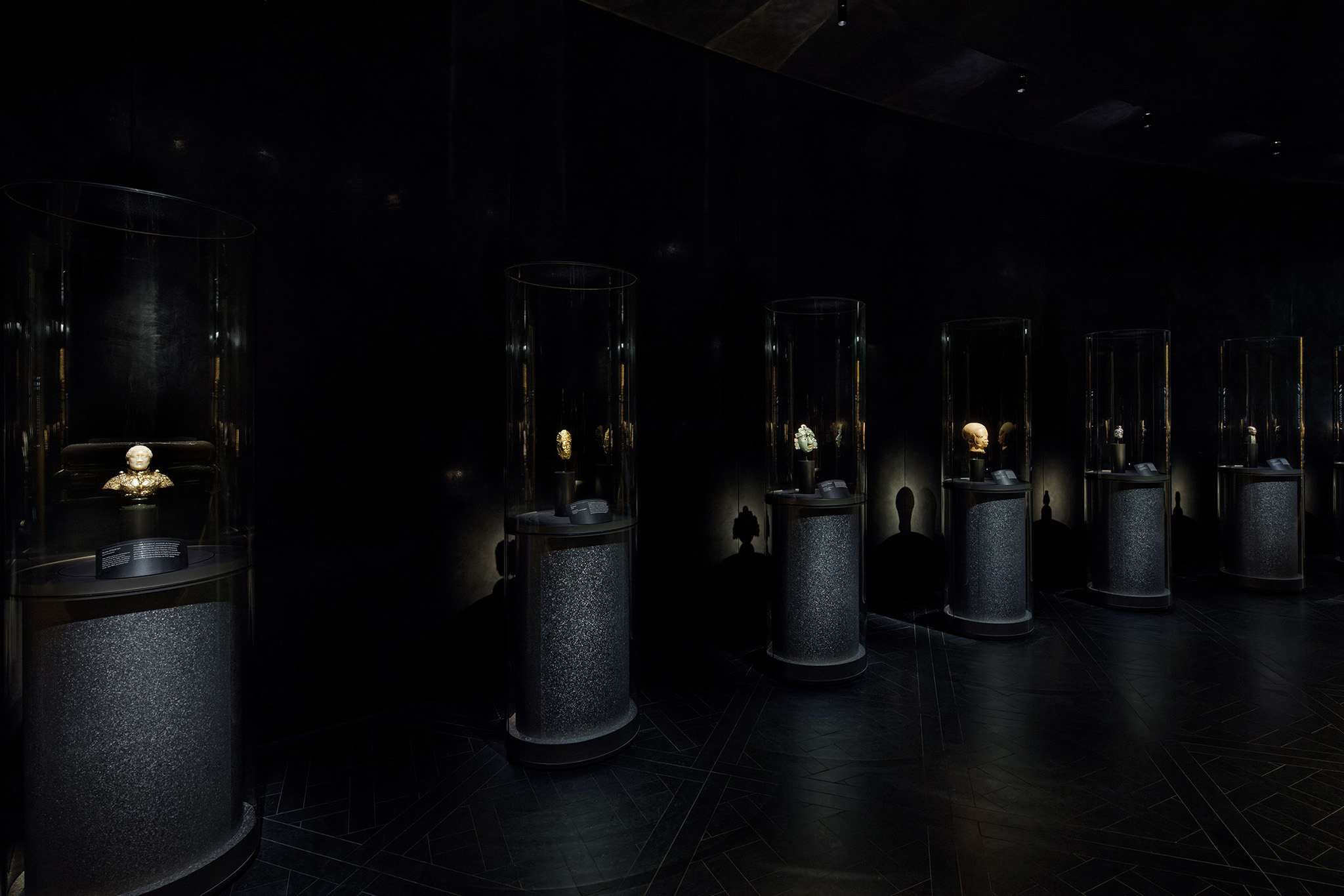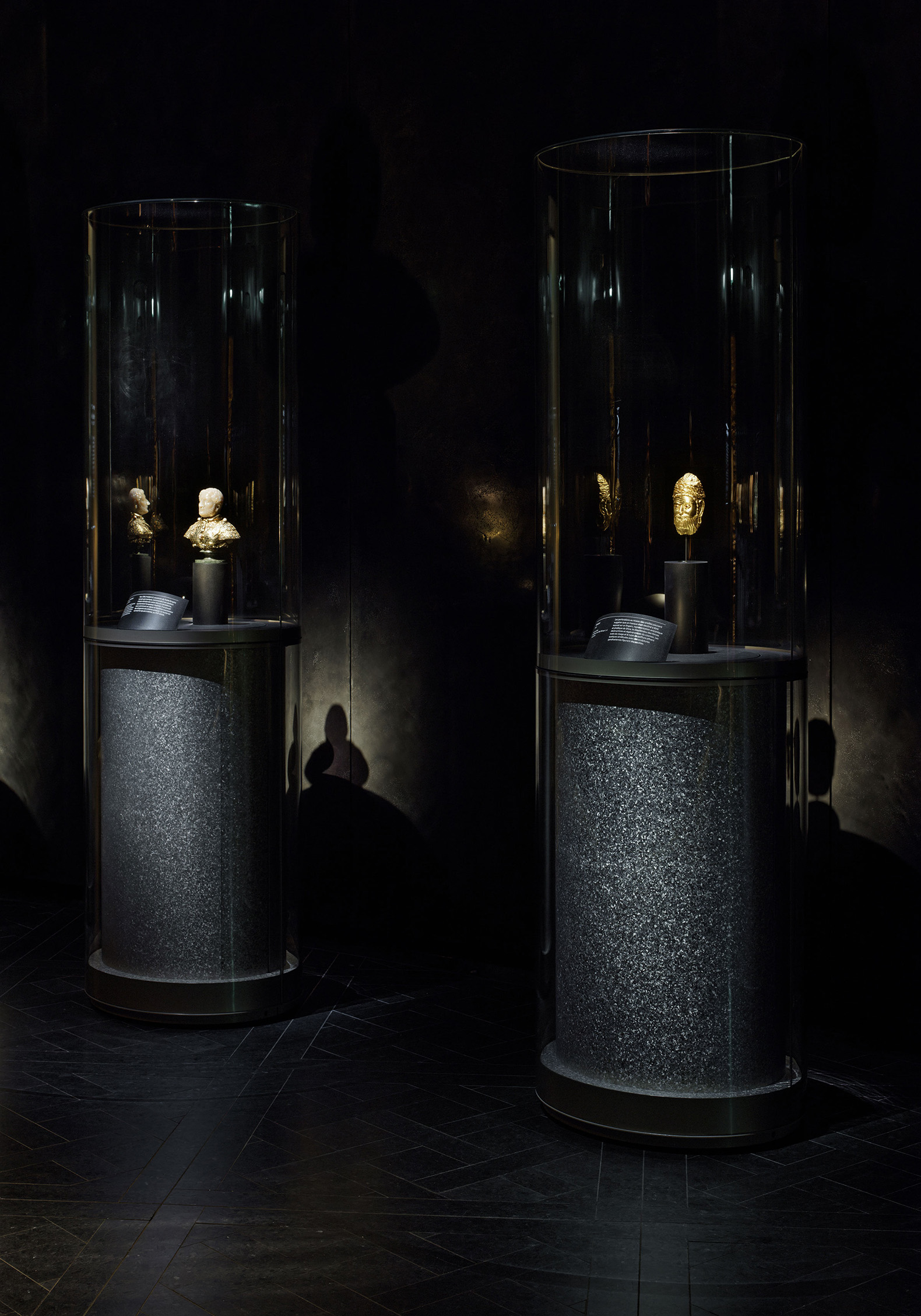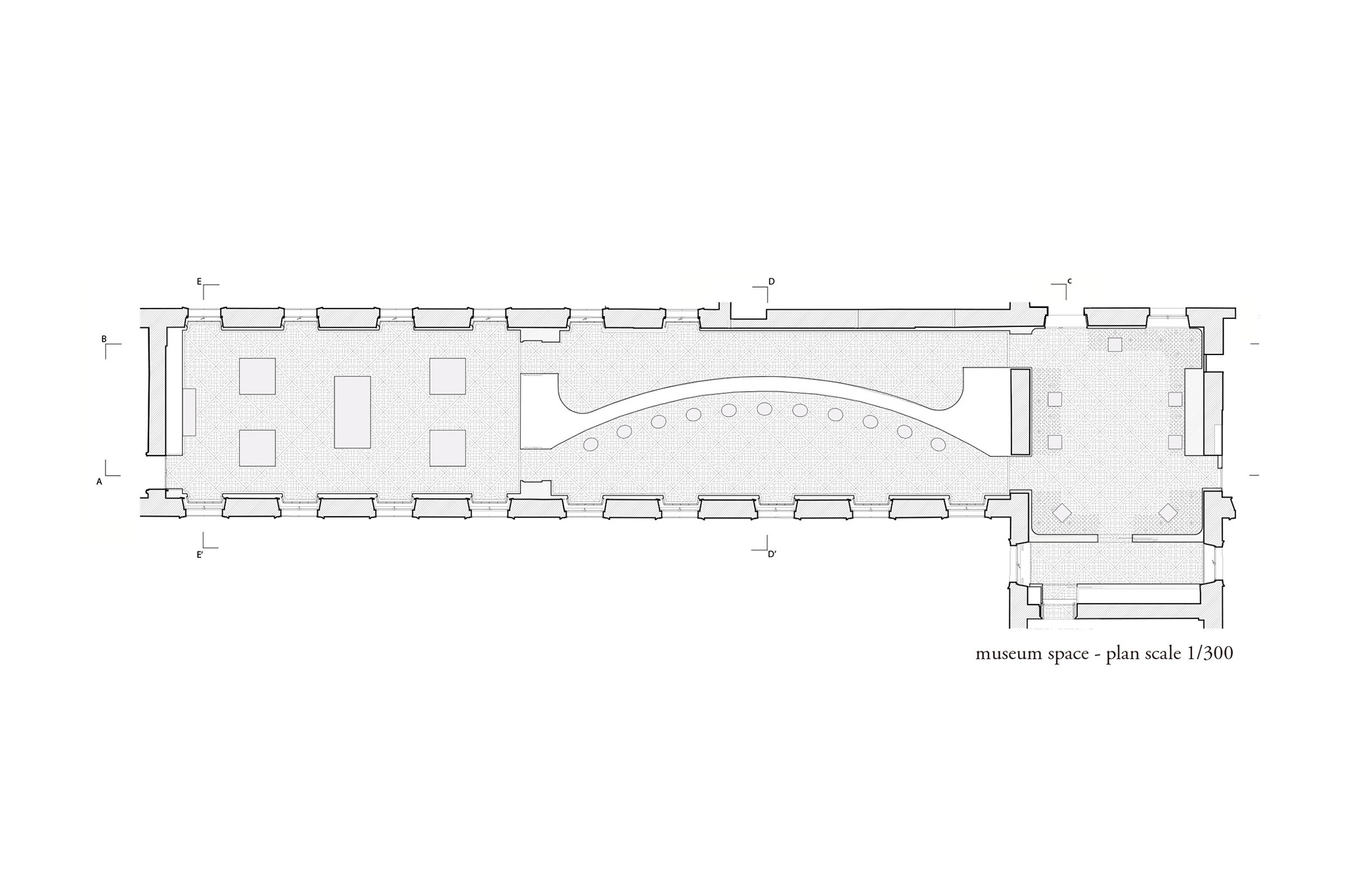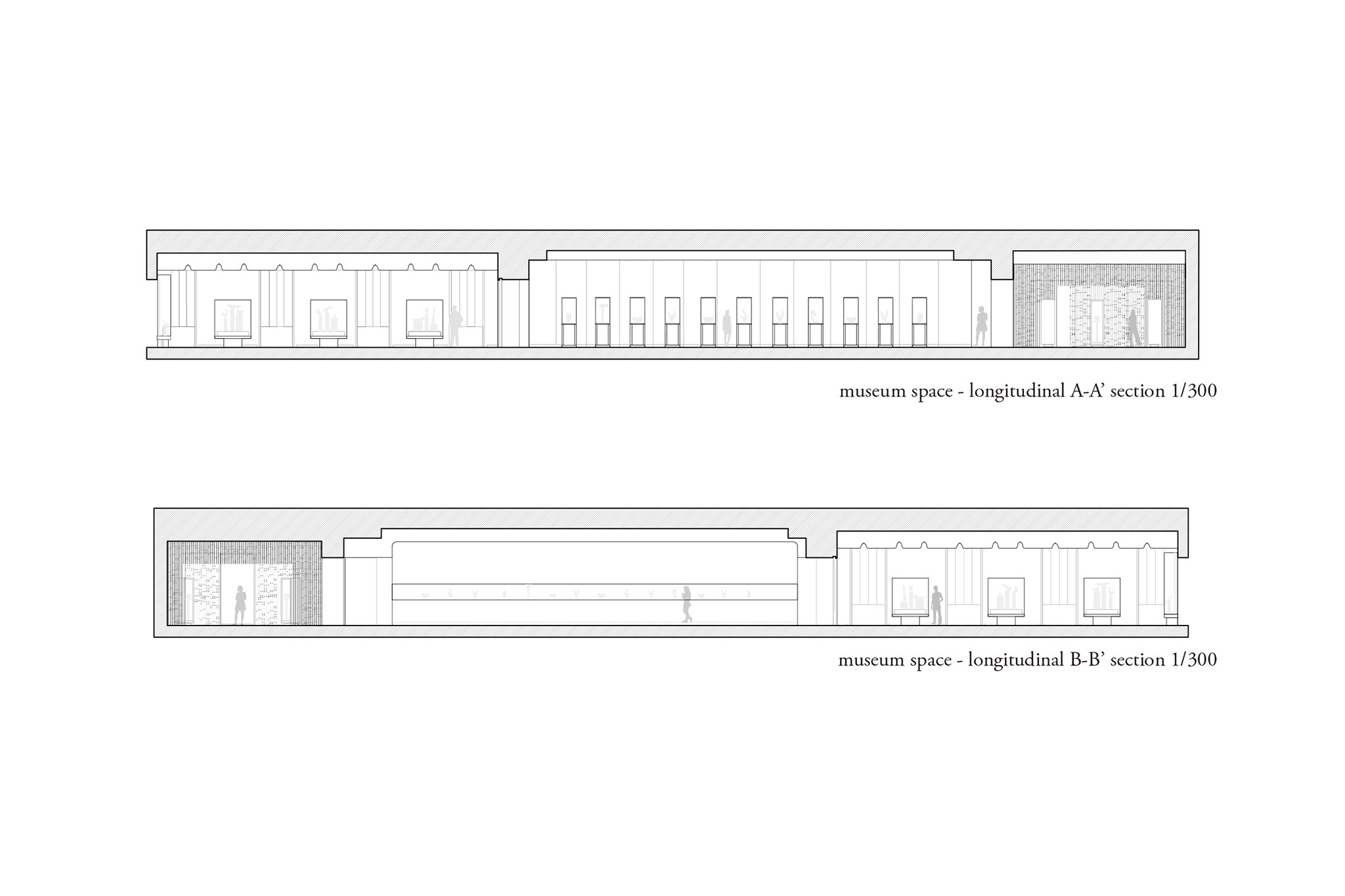
The Al Thani Collection, one of the world's most prestigious private collections, commissioned ATTA – Atelier Tsuyoshi Tane Architects to develop a new museum space that would respectfully integrate with the memory of the historic building. In response, the intervention recovers and highlights elements that had remained hidden over time, embodying the concept of "Archaeology of the Future," a central tenet of the studio's practice.
Representative of a wide diversity of cultures and civilizations, the new home of the Al Thani Collection proposes a museum where "universal beauty" engages with the concept of a contemporary museum. The project celebrates creativity and art's capacity to transcend geographical and temporal boundaries, building a bridge between different cultures and generations.
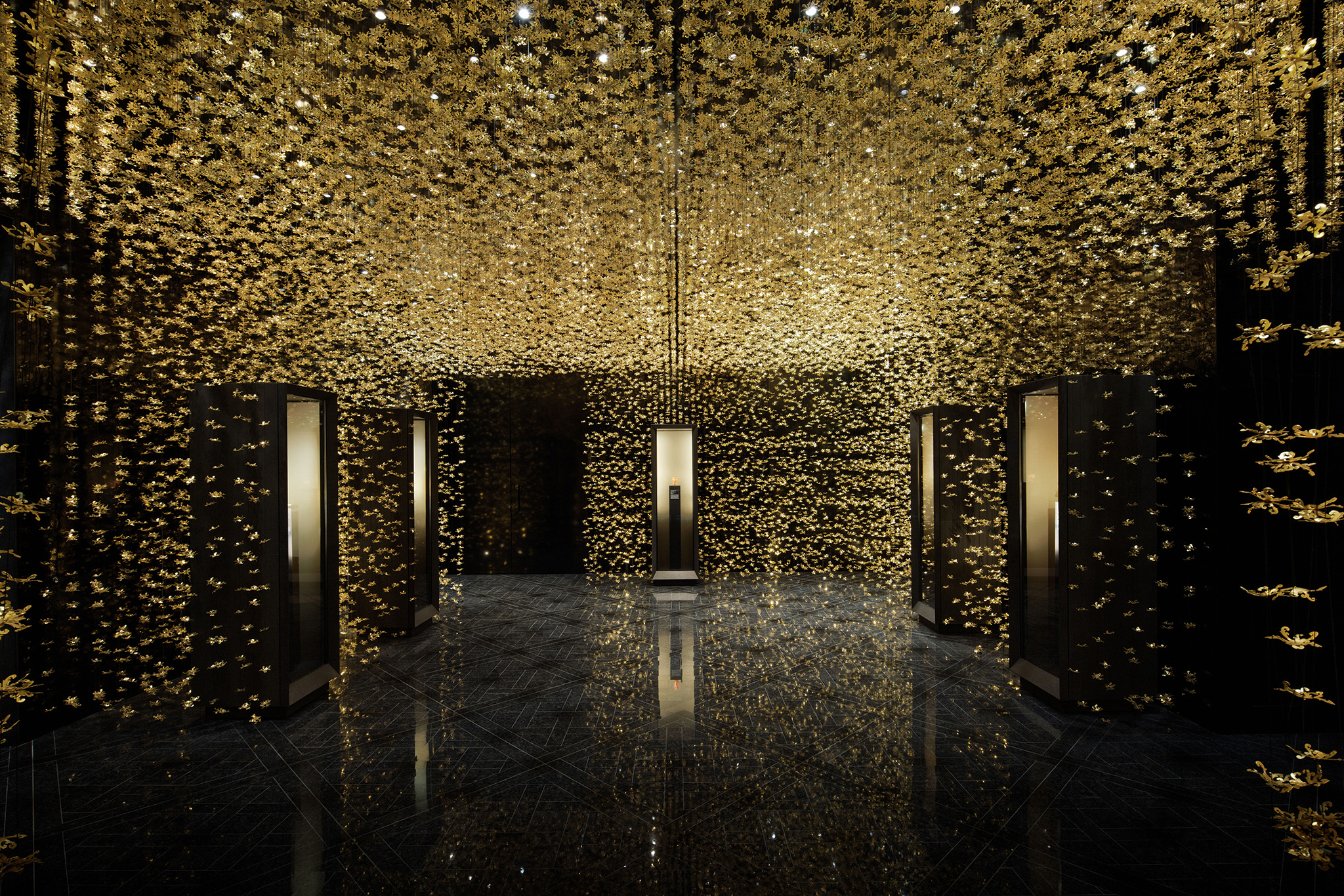
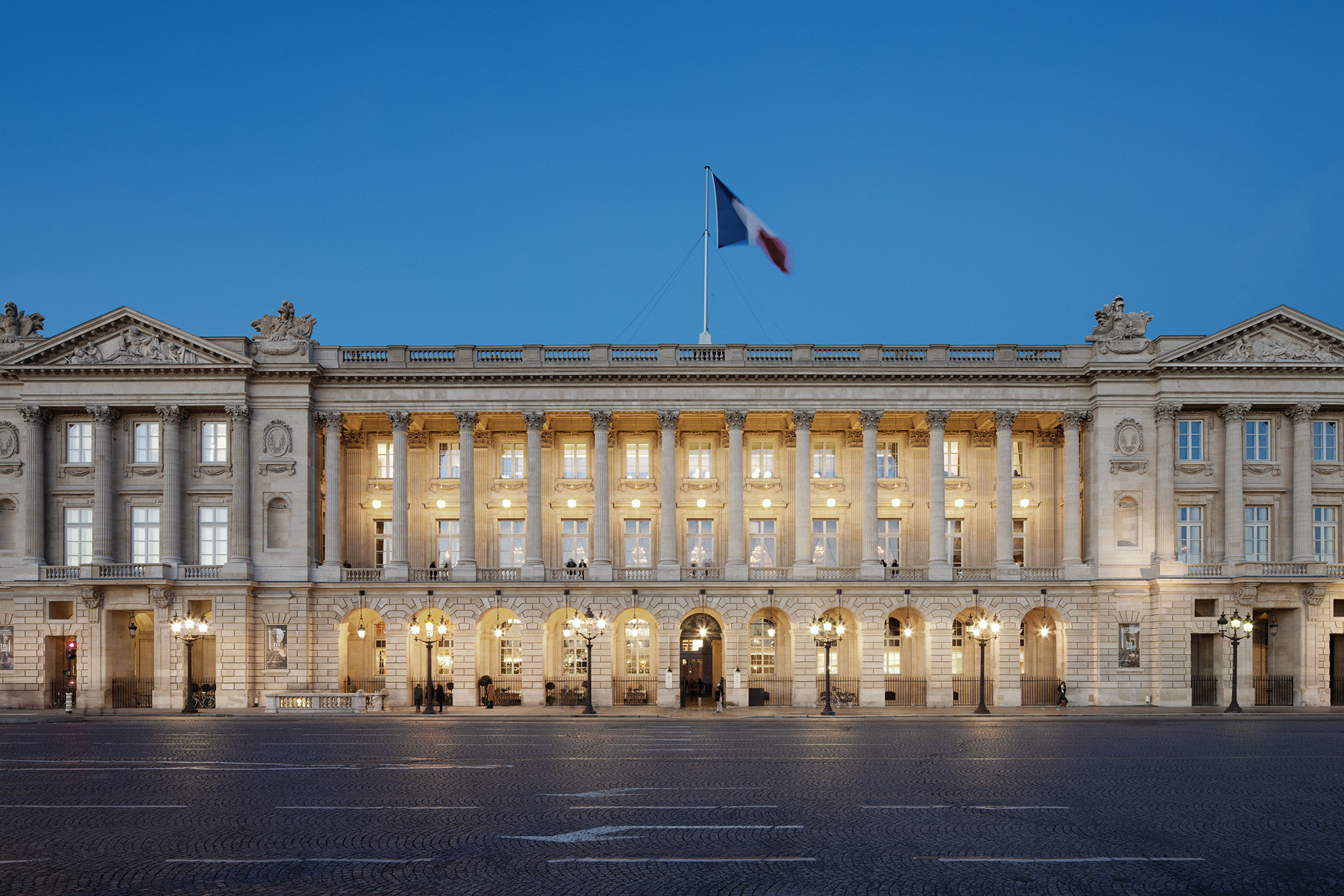
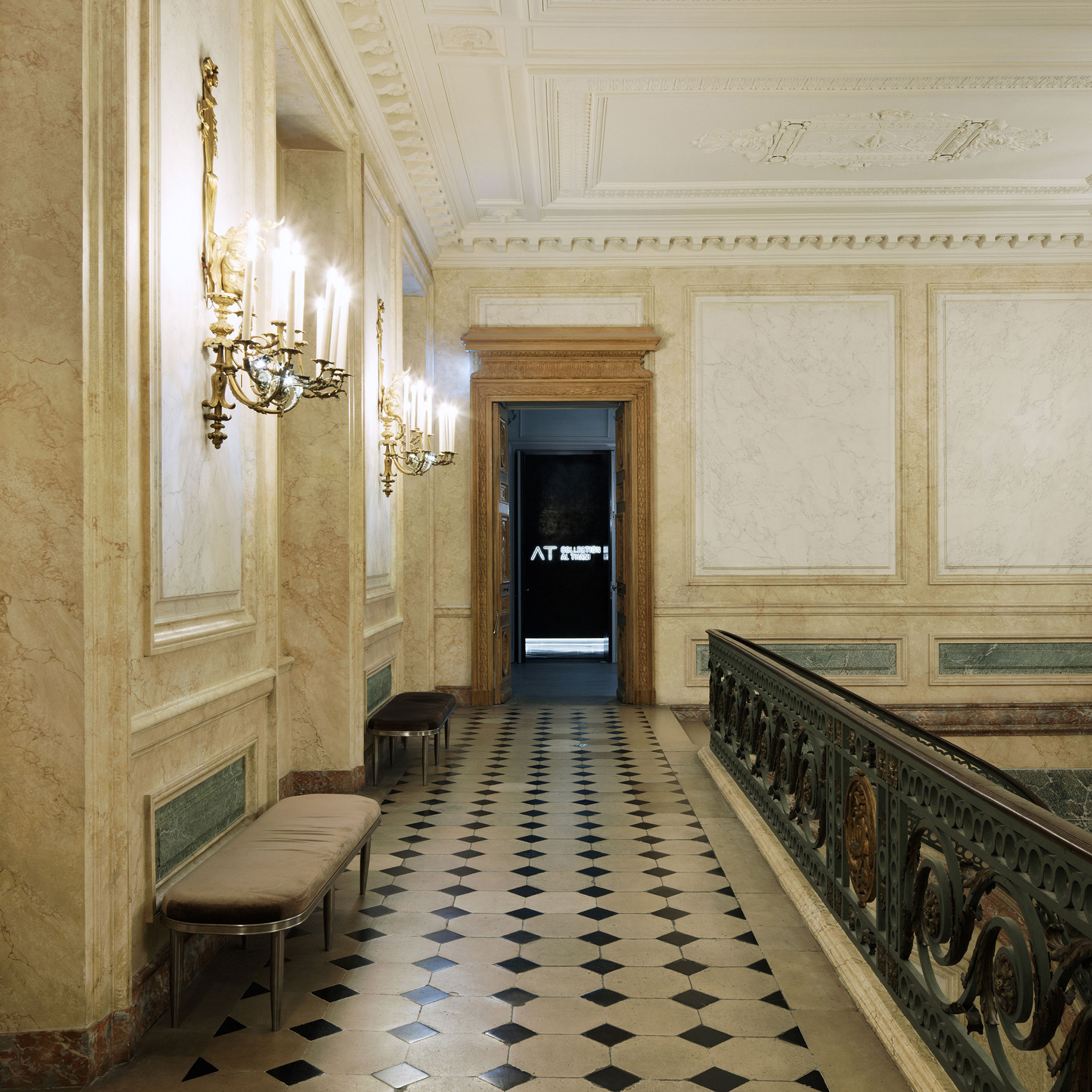
The Al Thani Collection at the Hôtel de la Marine. Photograph by Takuji Shimmura.
Project description by ATTA – Atelier Tsuyoshi Tane Architects
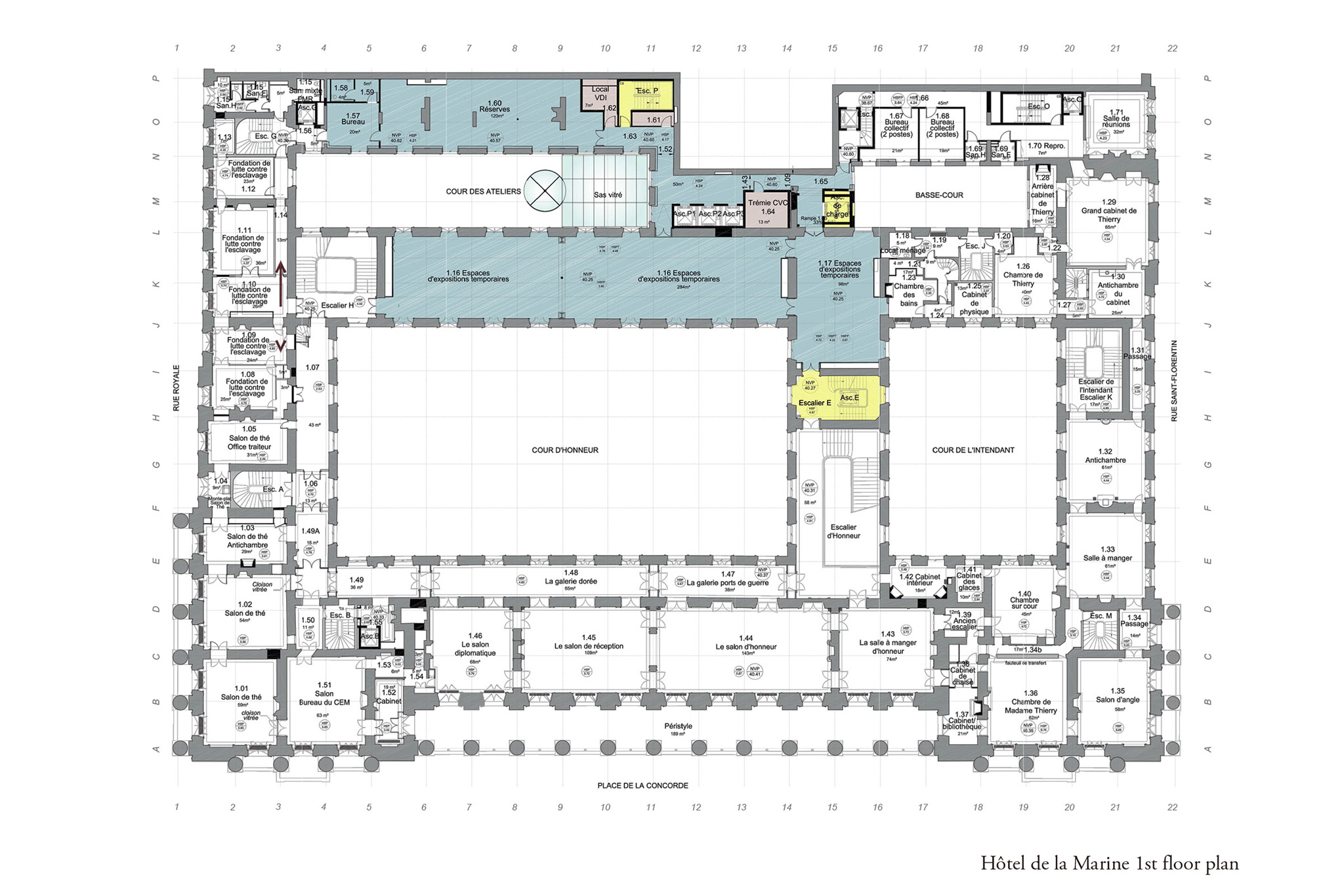
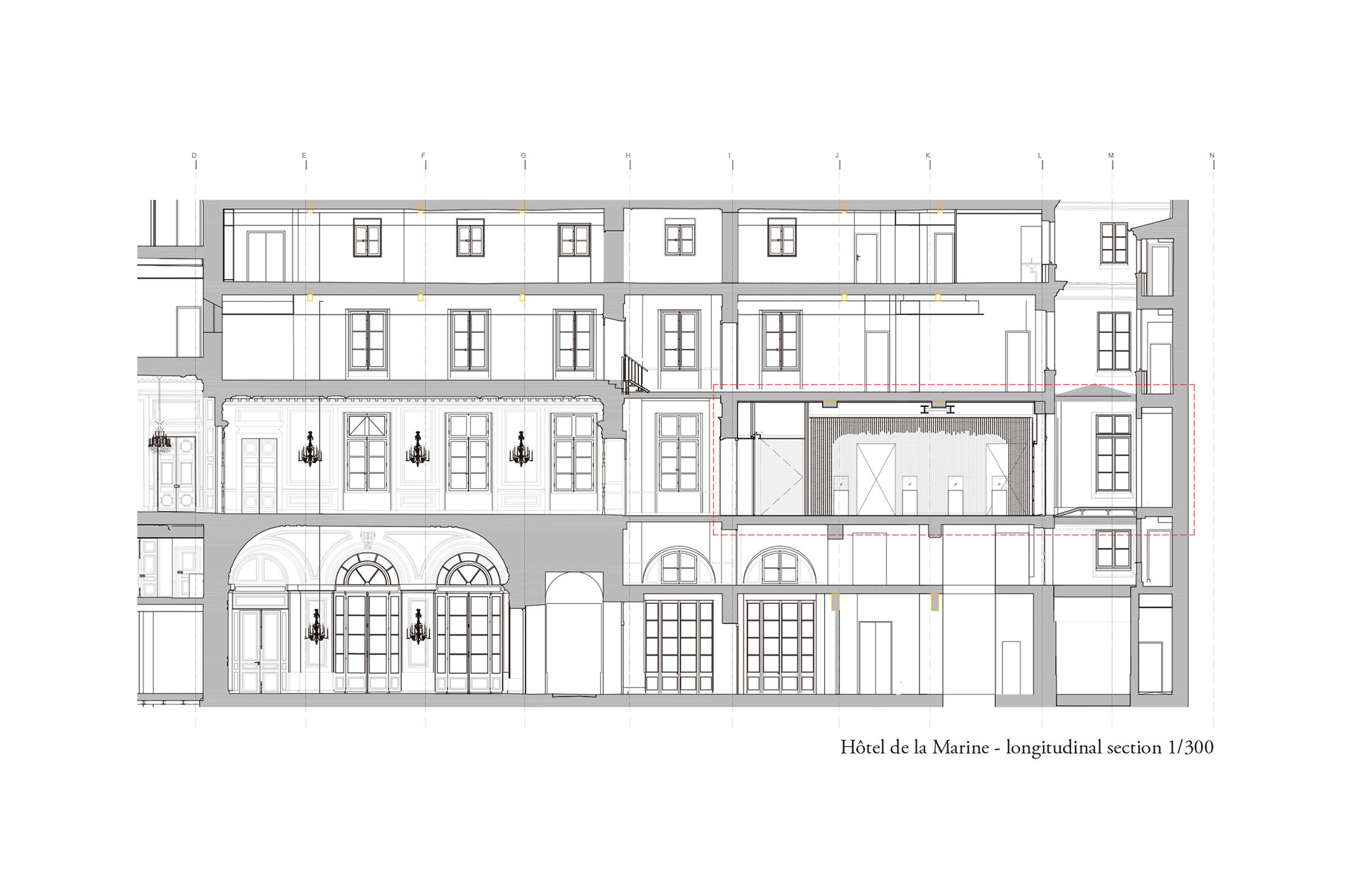
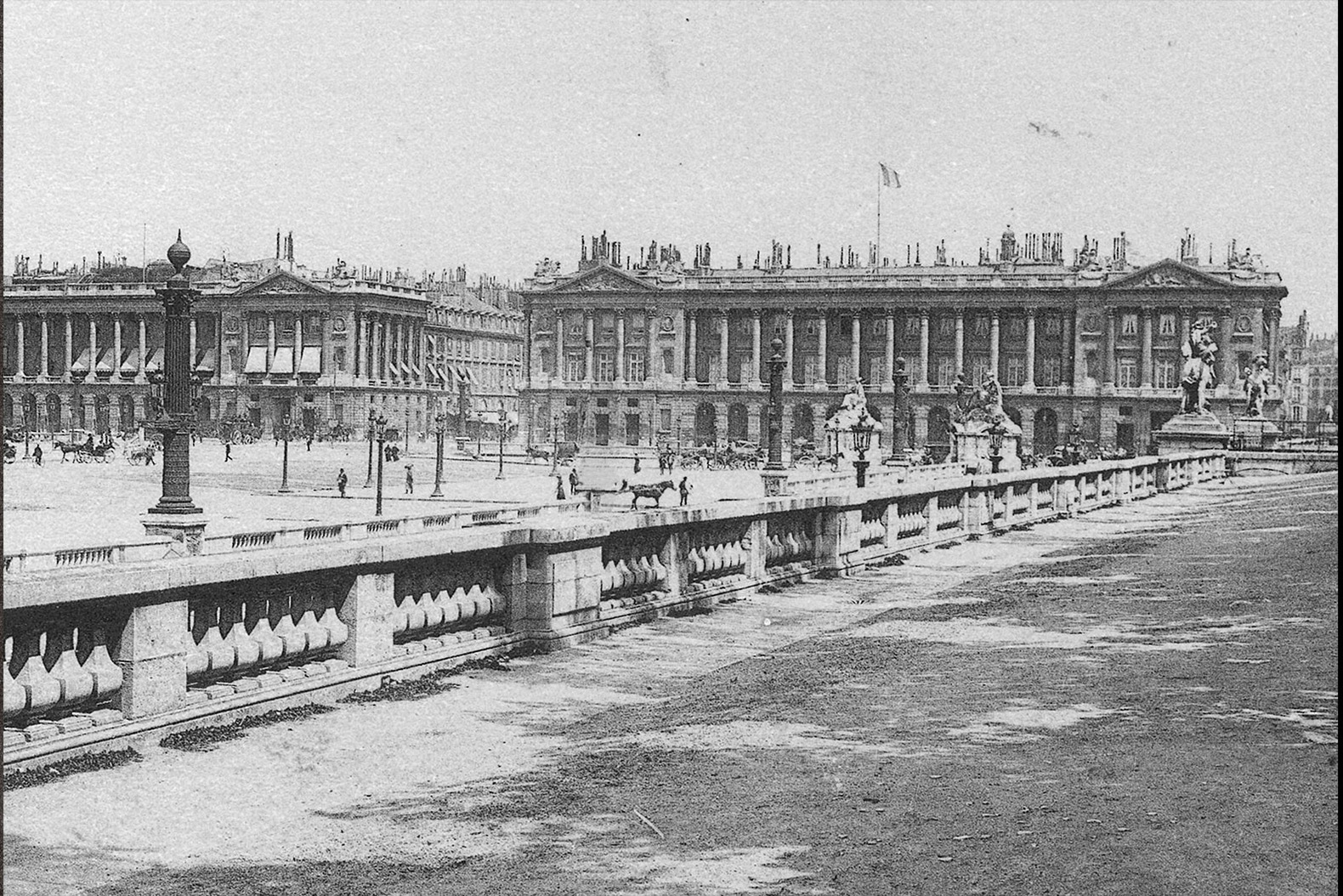
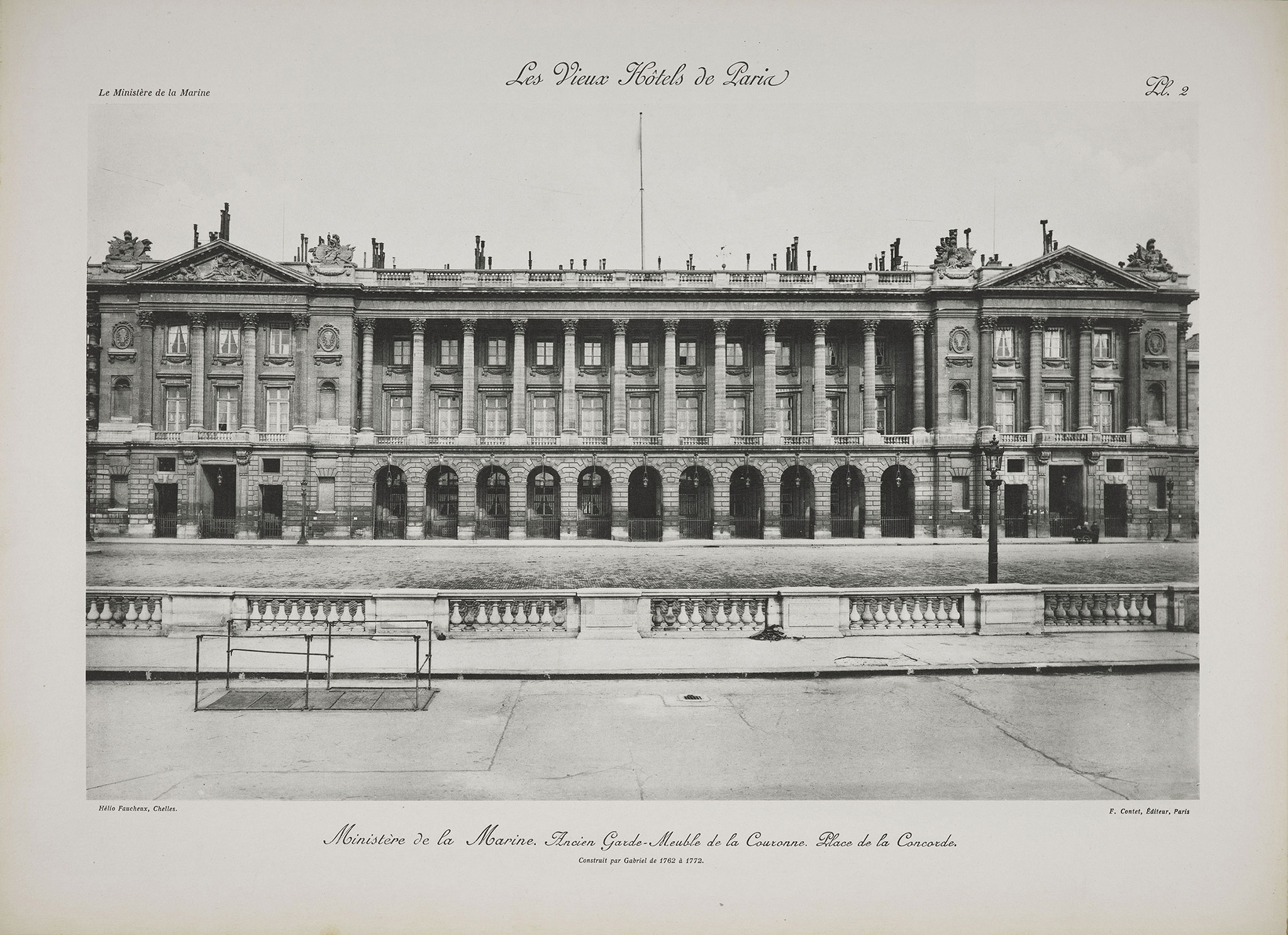
Built in the 18th century, this landmark building in the place de Concorde was commissioned by King Louis XV and designed by his principal architect, Ange-Jacques Gabriel. Occasionally opened to the public in its early years when it served as a repository for the French Royal Collections, it lays claim to being the first museum in Paris. It later became the official headquarters of the French Navy for over 200 years. The Centre des monuments nationaux recently oversaw an extensive restoration of the building over a five-year period before it reopened in 2021.
The Al Thani Collection is one of the world’s most prestigious private collections and includes an exceptional array of artworks spanning the ancient world to the present day. Encyclopaedic in its approach, and representing a diverse range of cultures and civilisations, the Collection celebrates creativity and the universal power of art through the ages.
The Al Thani Collection assigned ATTA – Atelier Tsuyoshi Tane Architects to design a new museum space that would combine “universal beauty” with the “museum of the 21st century”. It posed a great challenge to design a new museum space that would be in situ for at least 20 years, and which would be situated seamlessly within a landmark historical building.
Based on ATTA’s manifesto “Archaeology of the Future,” research began with the excavation of the memory of the Hôtel de la Marine, exploring the story of the invention of the Versailles floor patterns and the ornamentation of the Rocaille style which had been buried in history, and which were then transformed into an idea of the future.
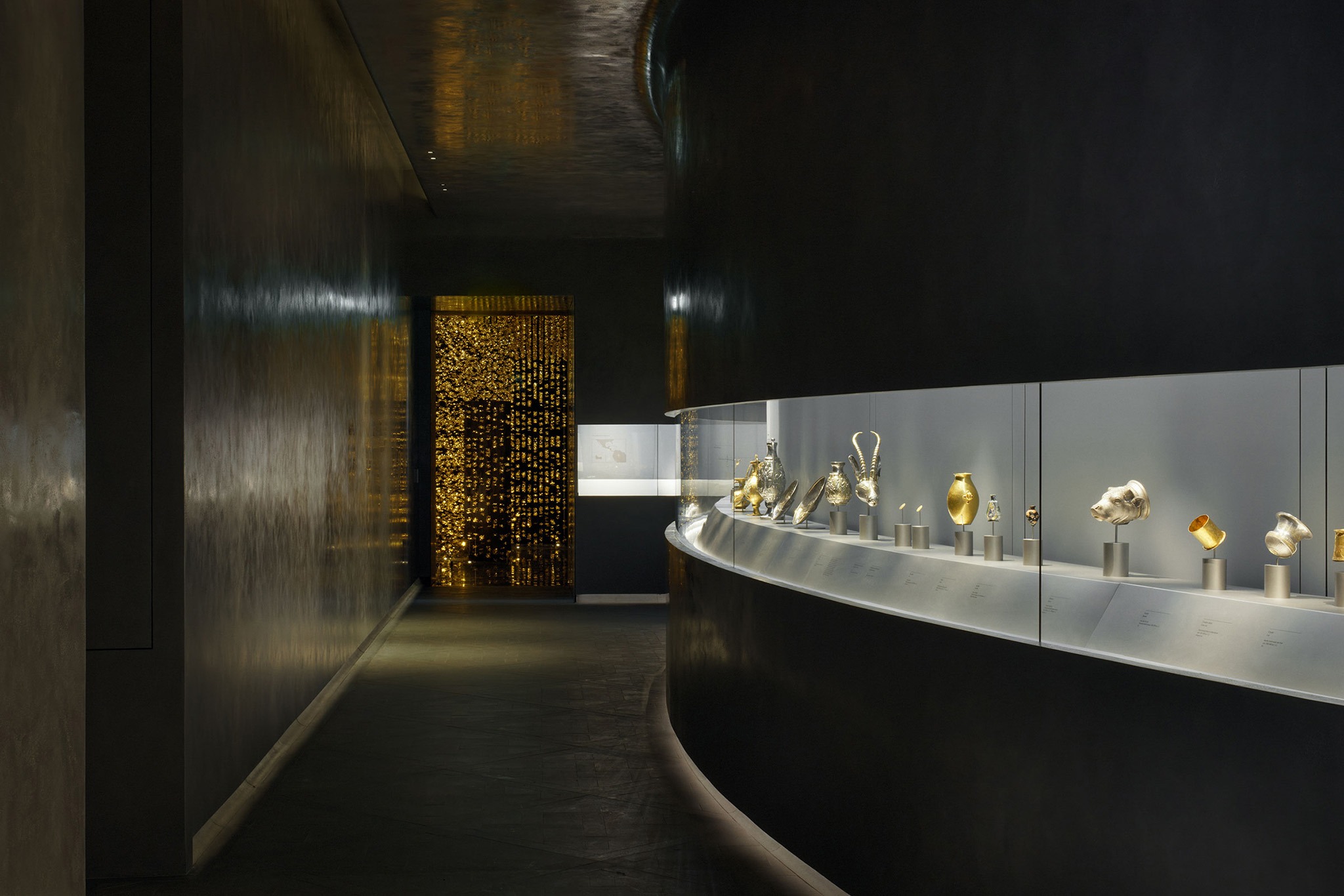
The concept of the project brought together the history of France in the 18th century and artistic creations of the ancients, superimposing them in a 21st century setting that transcends time, creating a seamless “dialogue across time and space”.
Reinterpreting the Grandeur of the Rococo Style Today
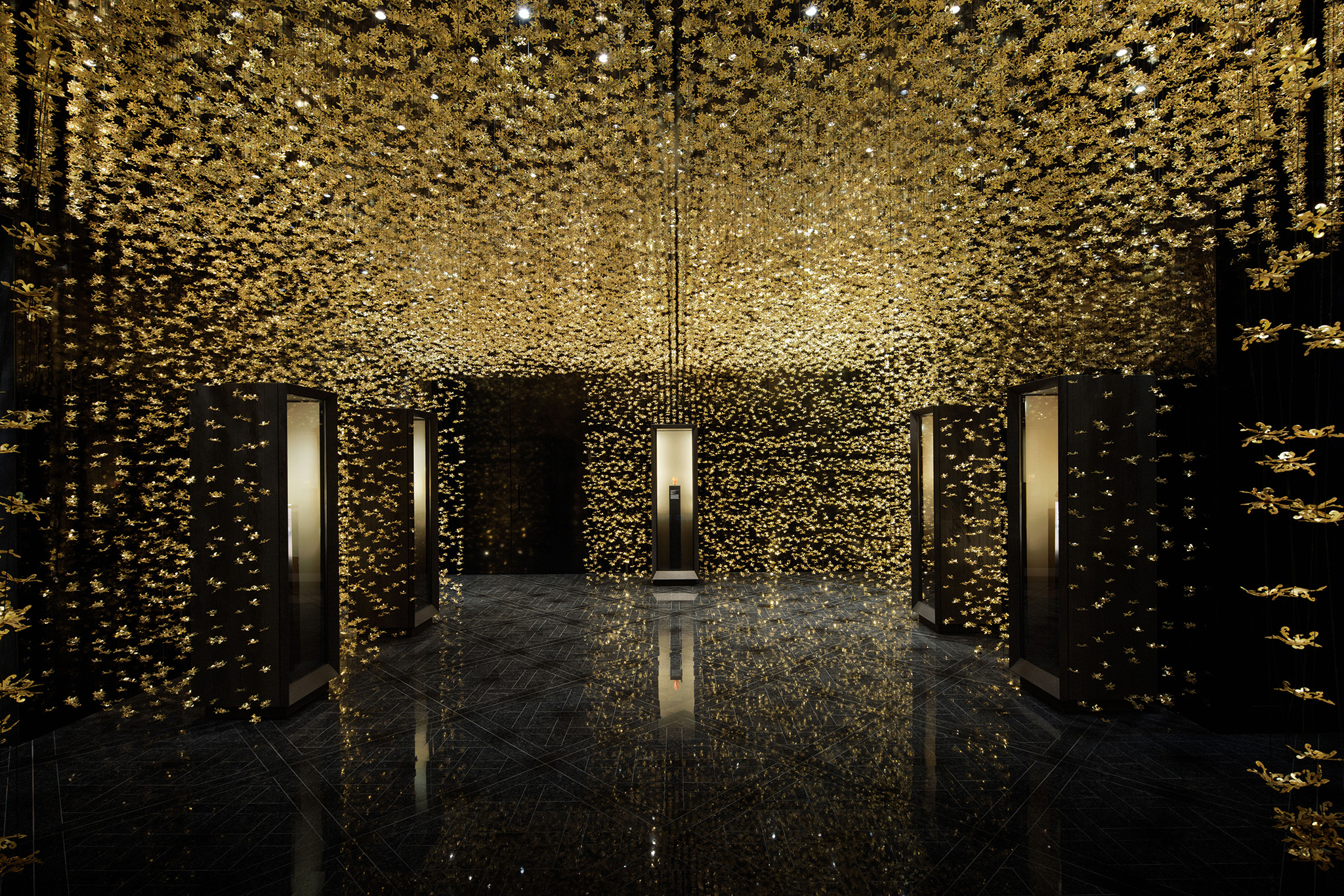
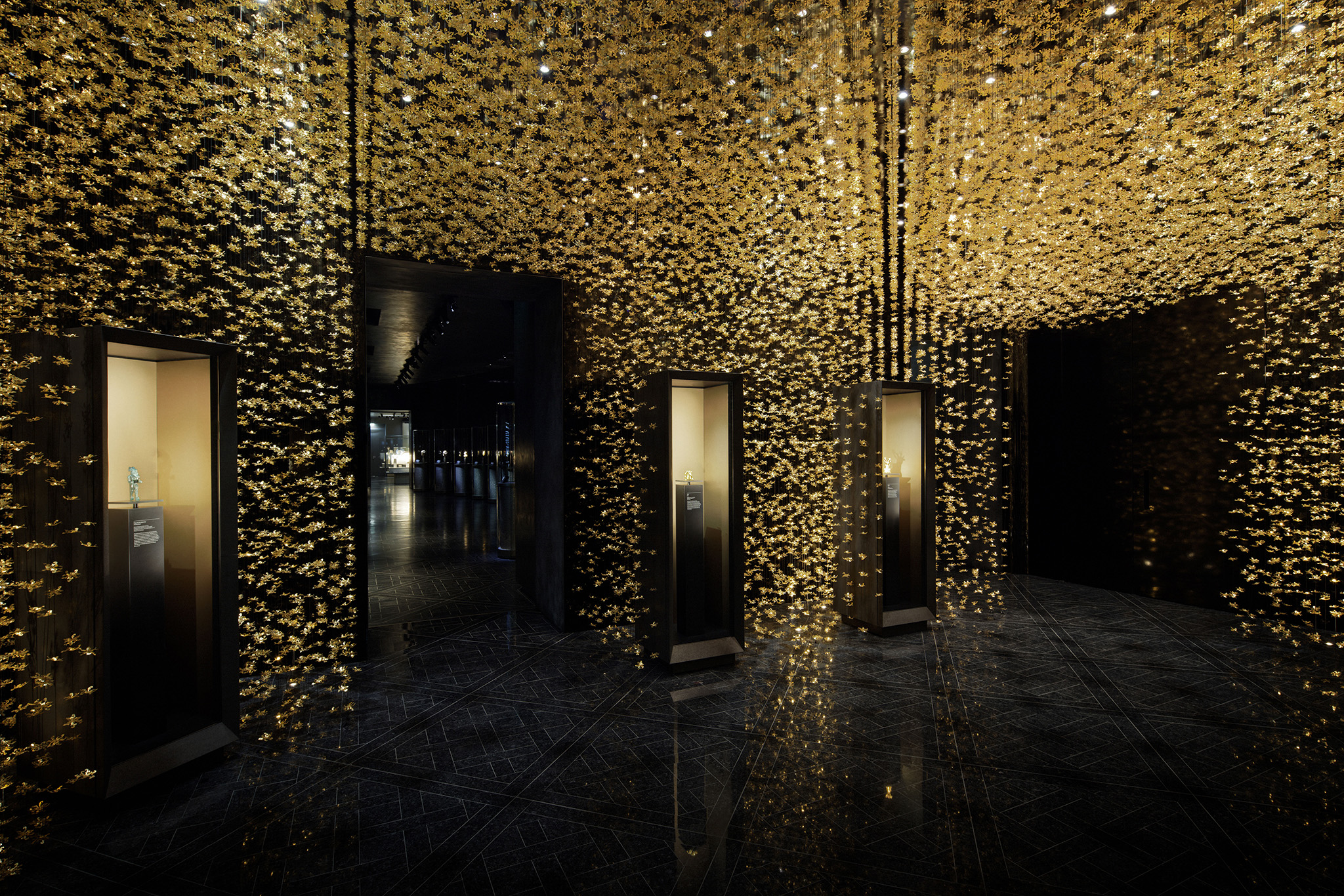
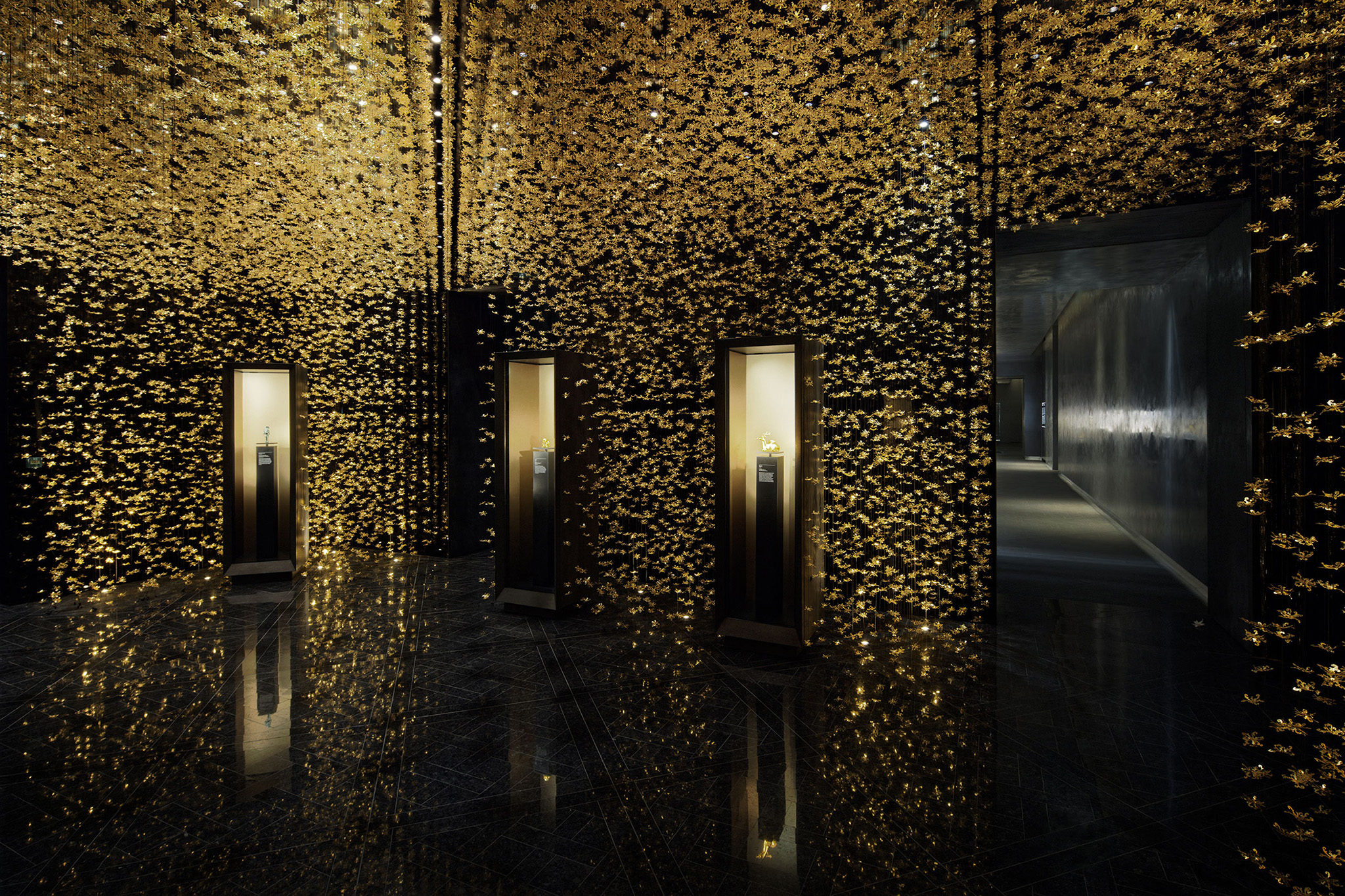
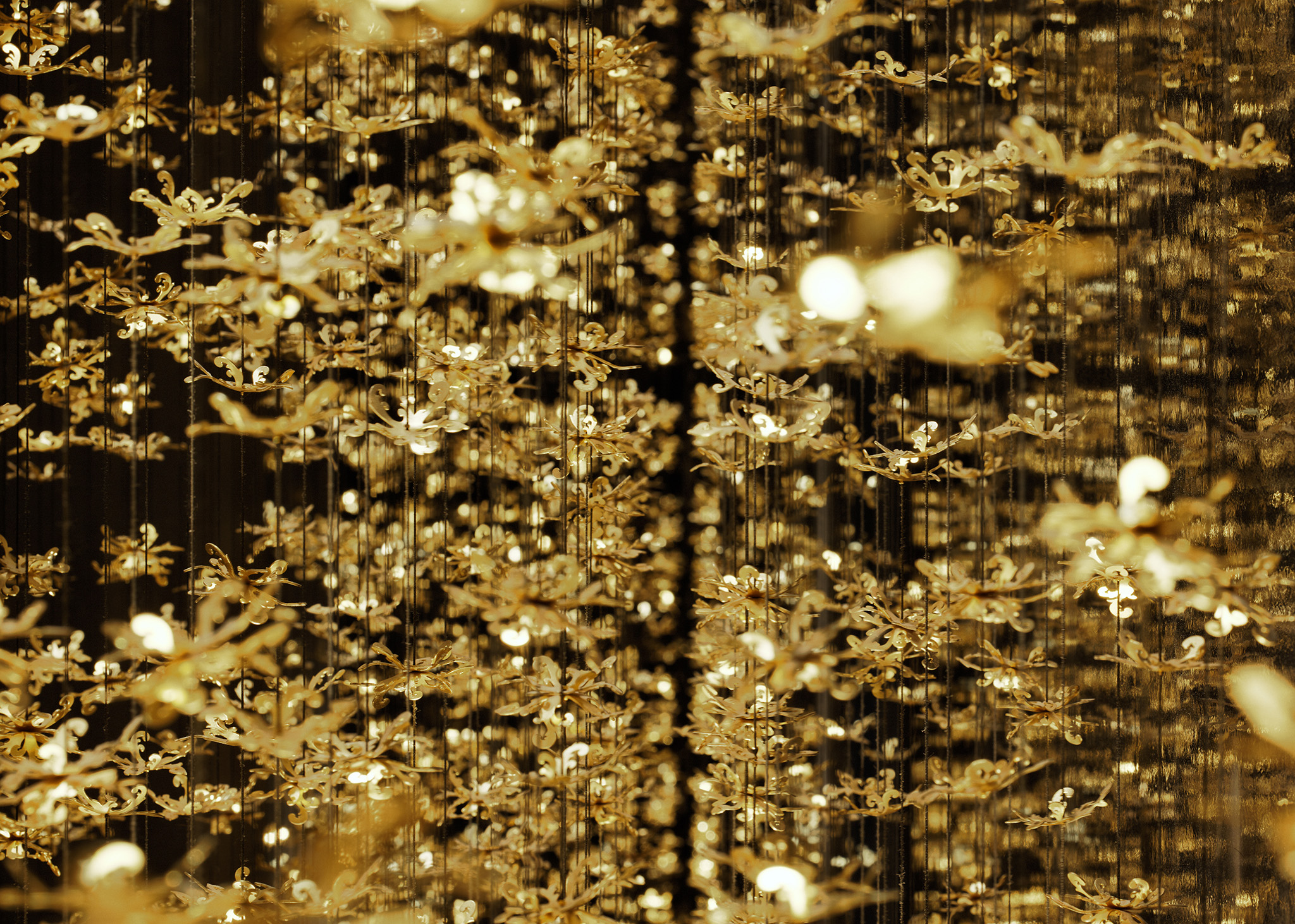
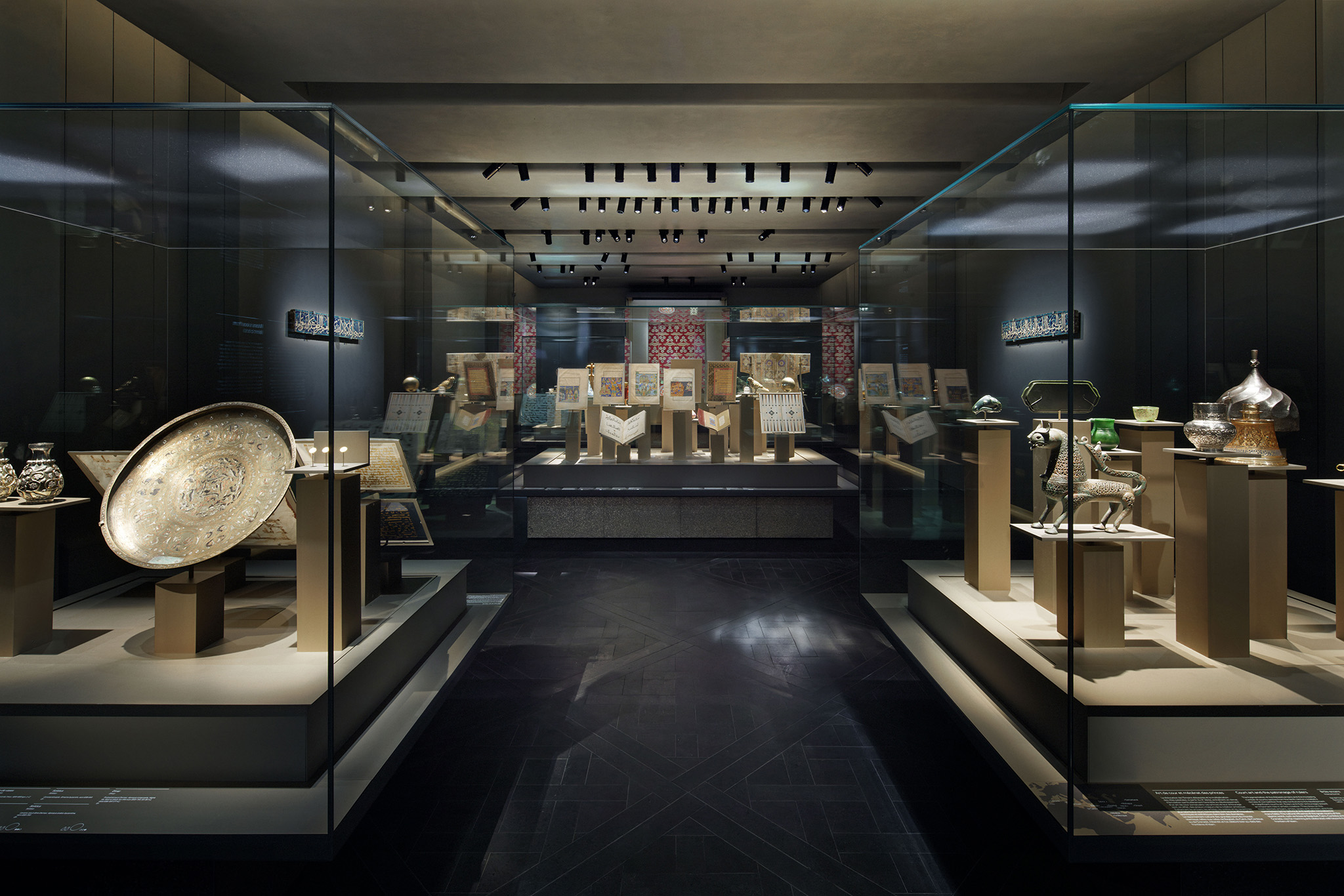
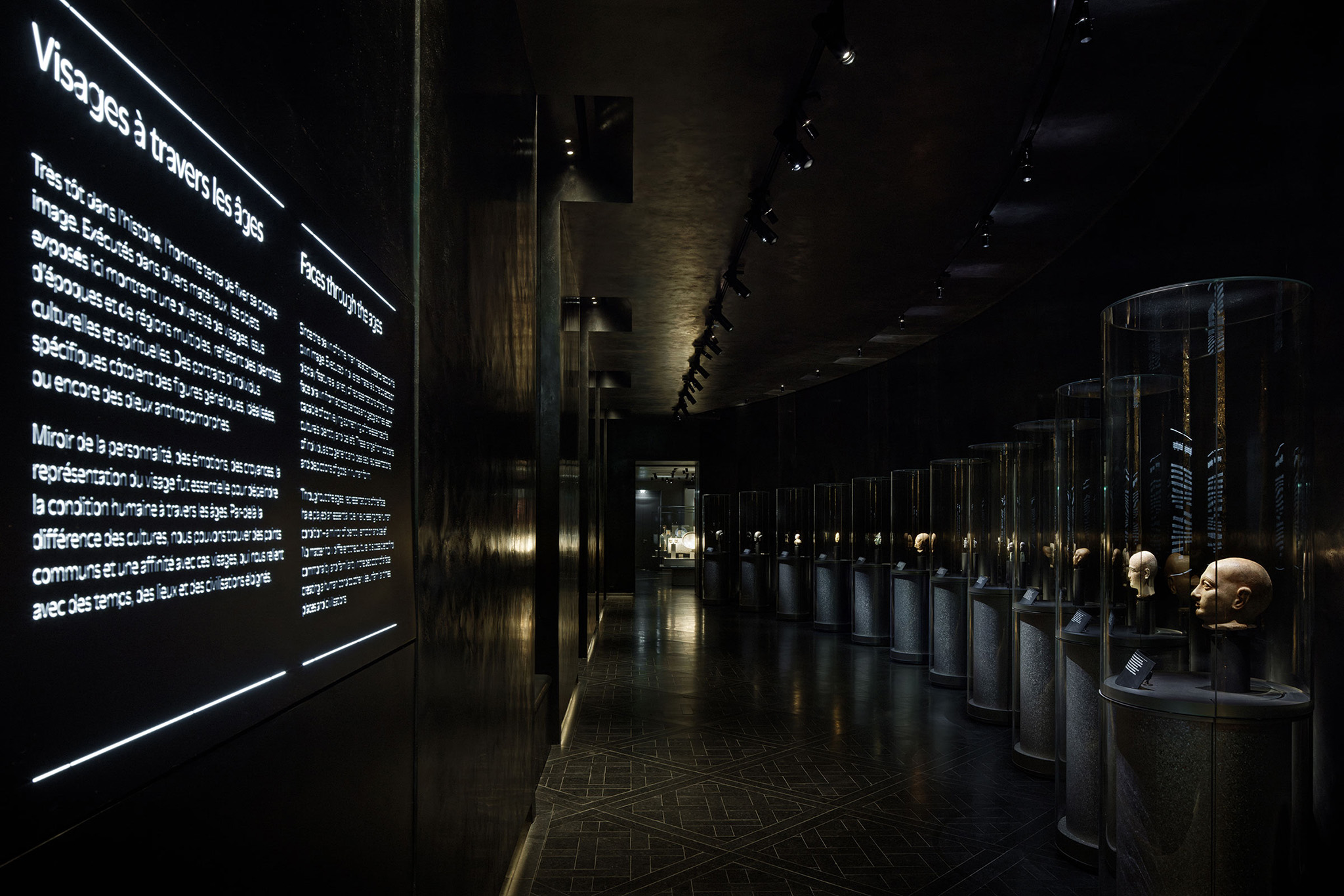
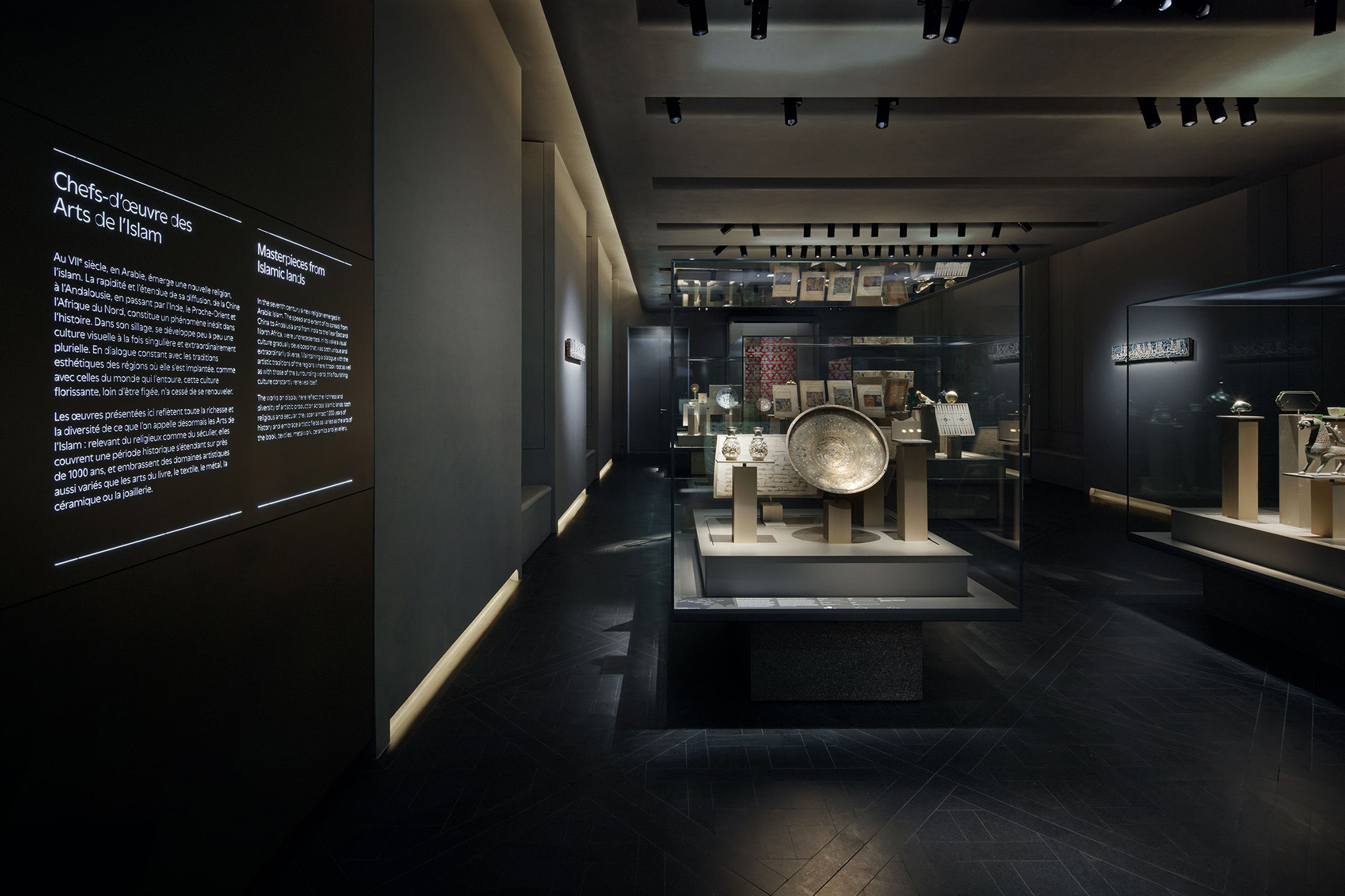
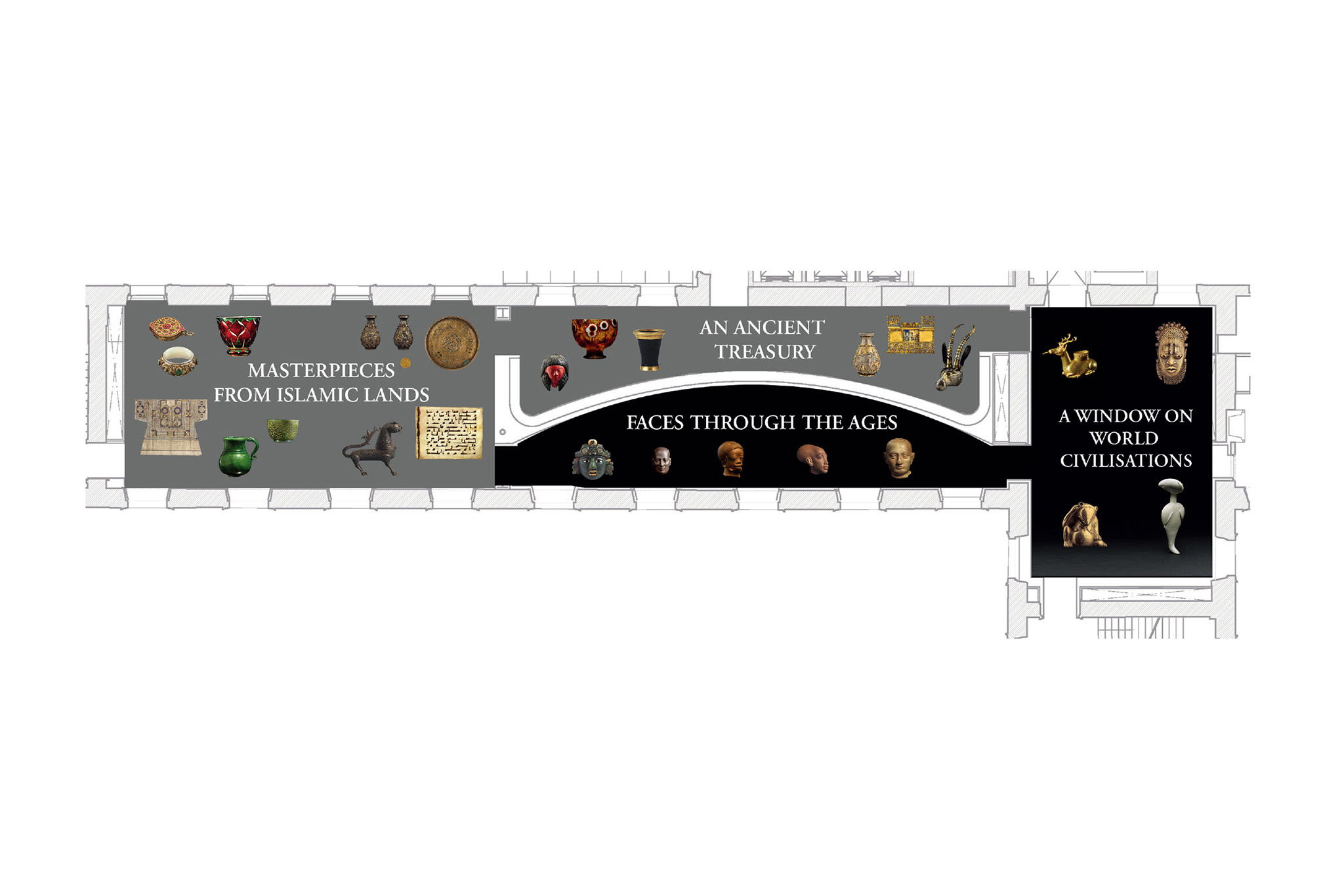
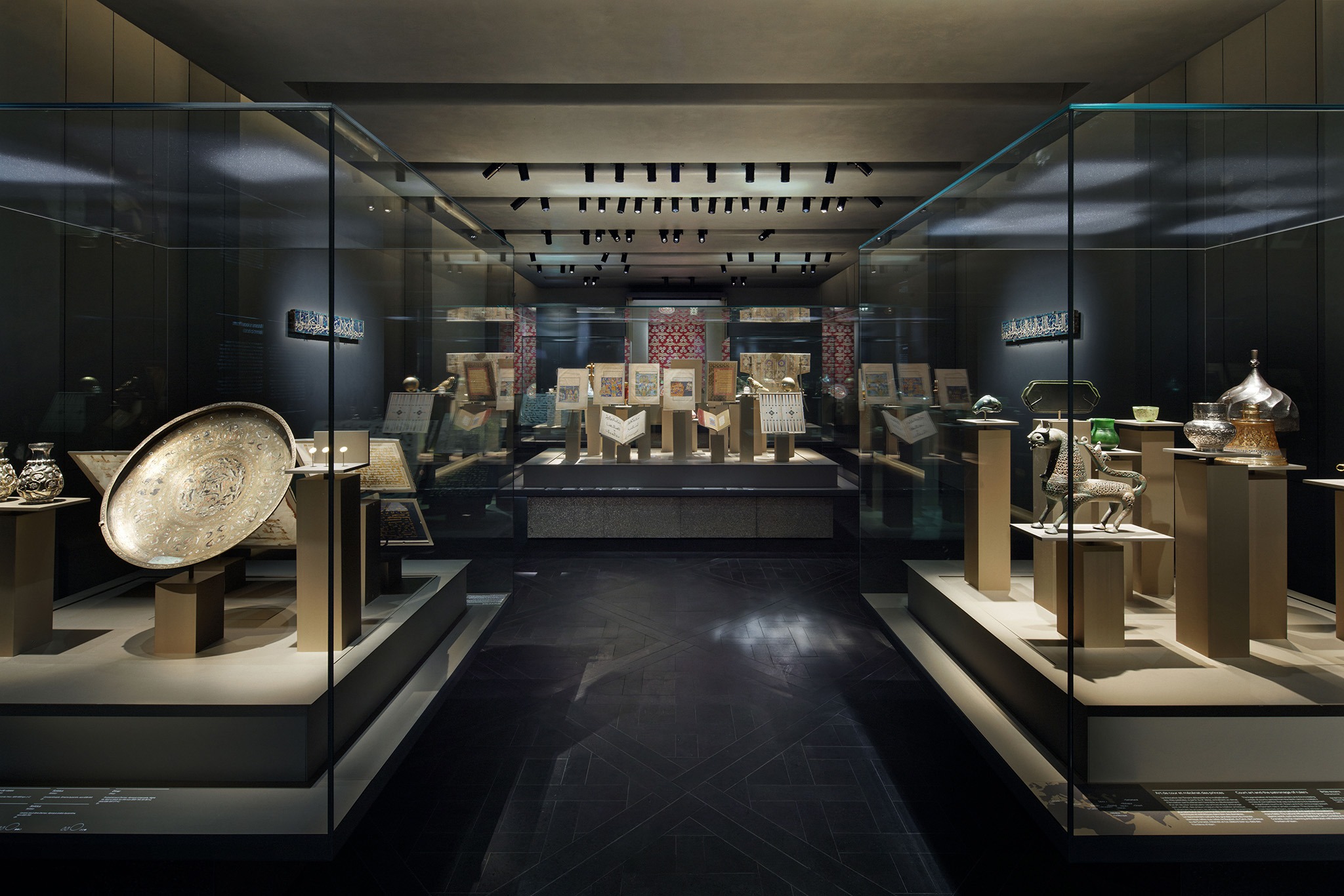
In the first gallery — A Window on World Civilisations — more than 3,000 ornaments create an immersive universe. The entire floor is designed according to the Versailles pattern, invented in the 17th century when the wooden floors of the Palace of Versailles could not support the weight of stone paving. Thanks to contemporary techniques, ATTA – Atelier Tsuyoshi Tane Architects was able to install natural stone on the building’s existing wooden structure.
The gallery walls are finished with traditional crétaïl stucco, and each space features a monochromatic gradation of light to highlight the exhibited works. All display cases were custom-designed and produced to the highest standards by Goppion; the crystallization of pure titanium blends seamlessly with natural stone crystals.
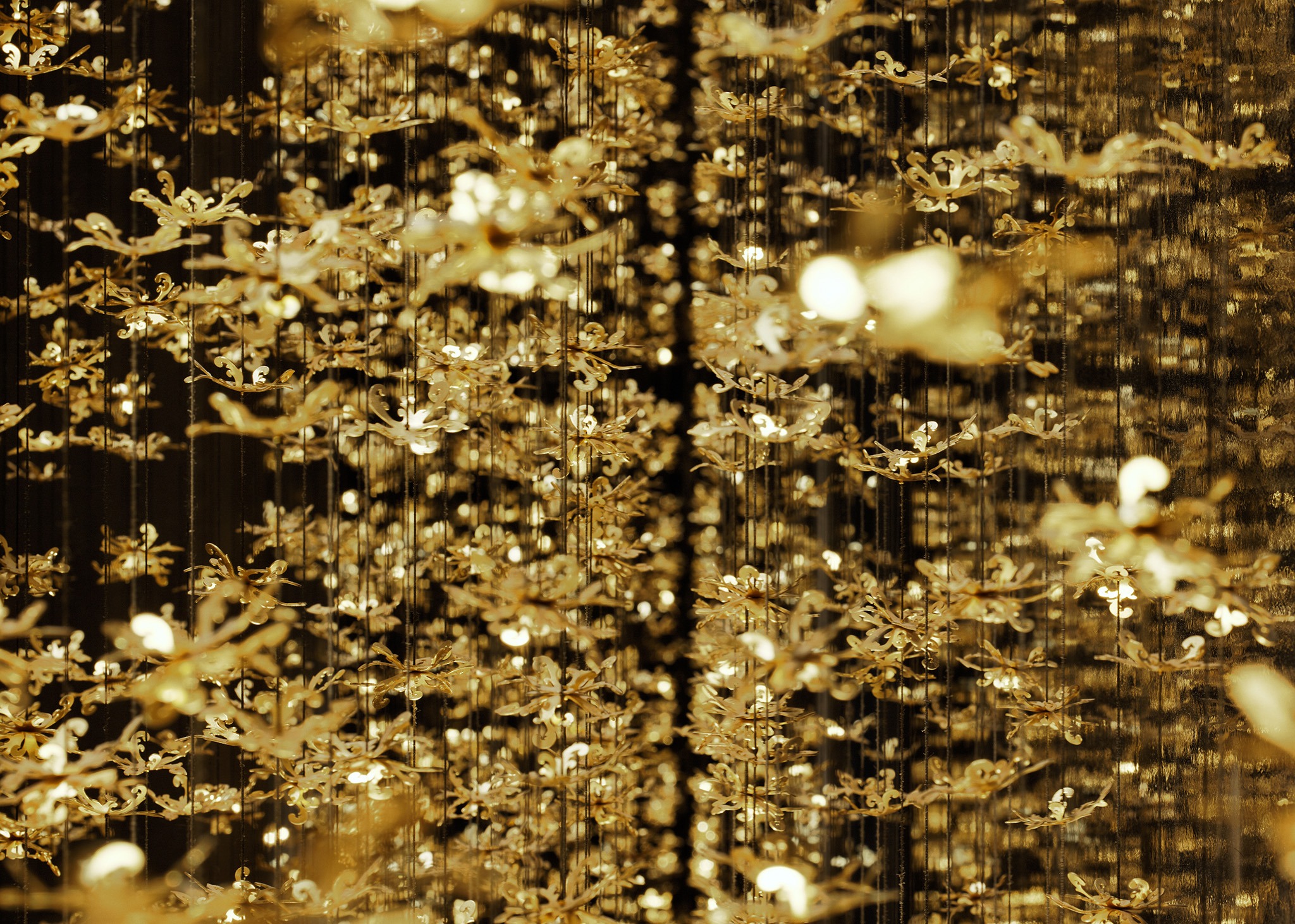
“We focused on the interiors, on the asymmetrical, delicate, and refined Rocaille style. In the 18th century, gold, crystal, and mirrors were widely used to illuminate and amplify natural light, creating interiors comparable to a jewel box. Reinterpreting today the grandeur of the Rocaille style was a true challenge to the past.”
Tsuyoshi Tane.