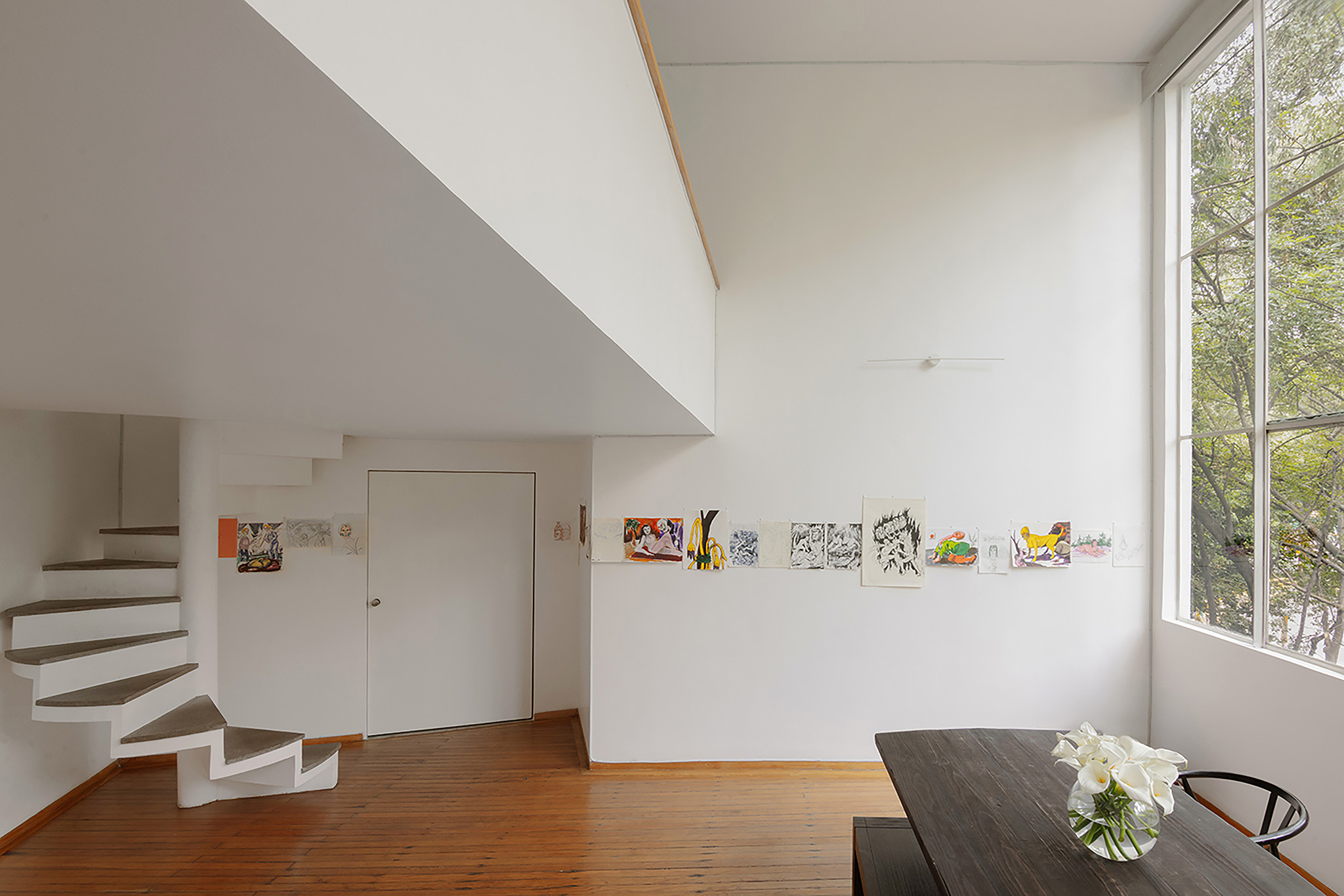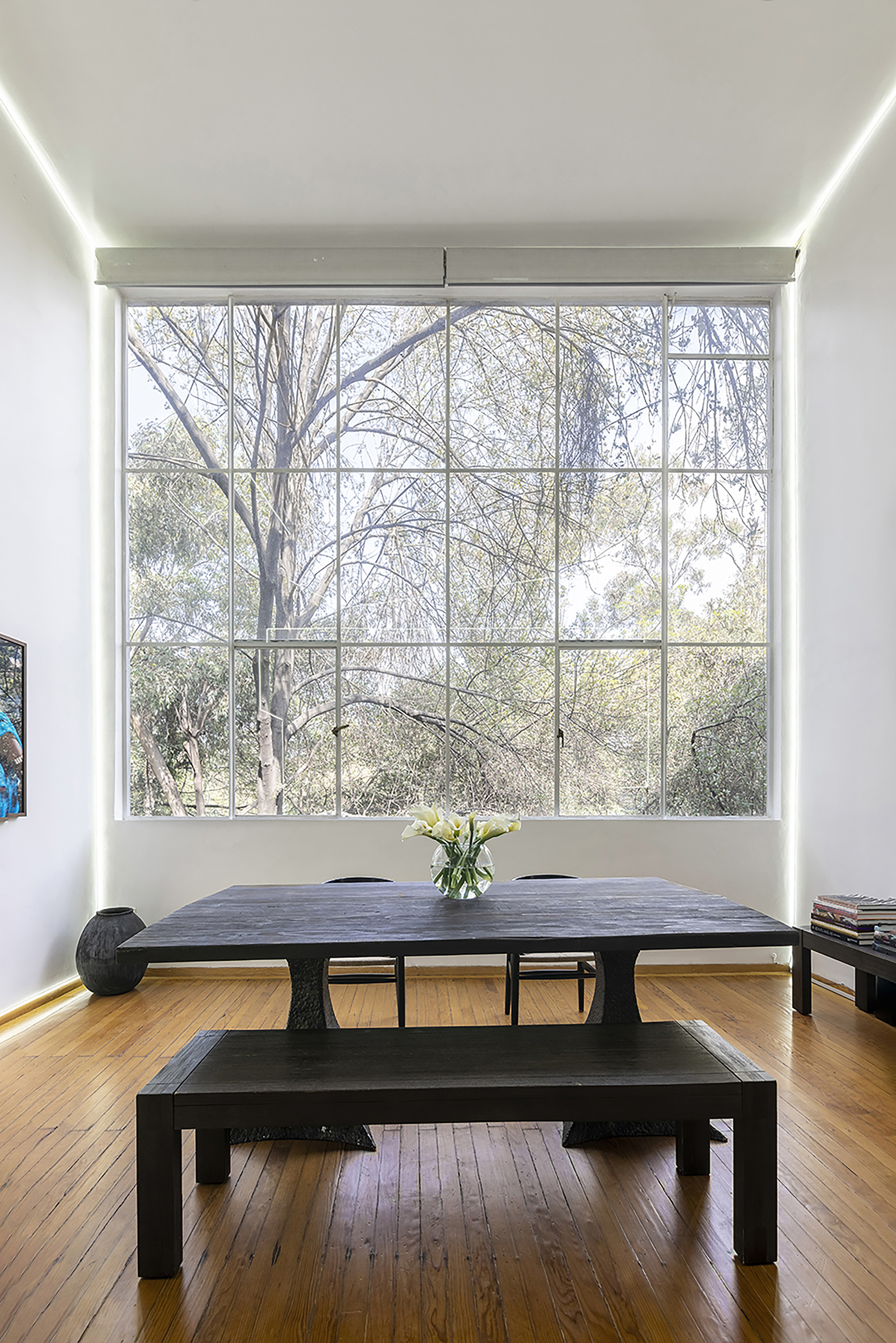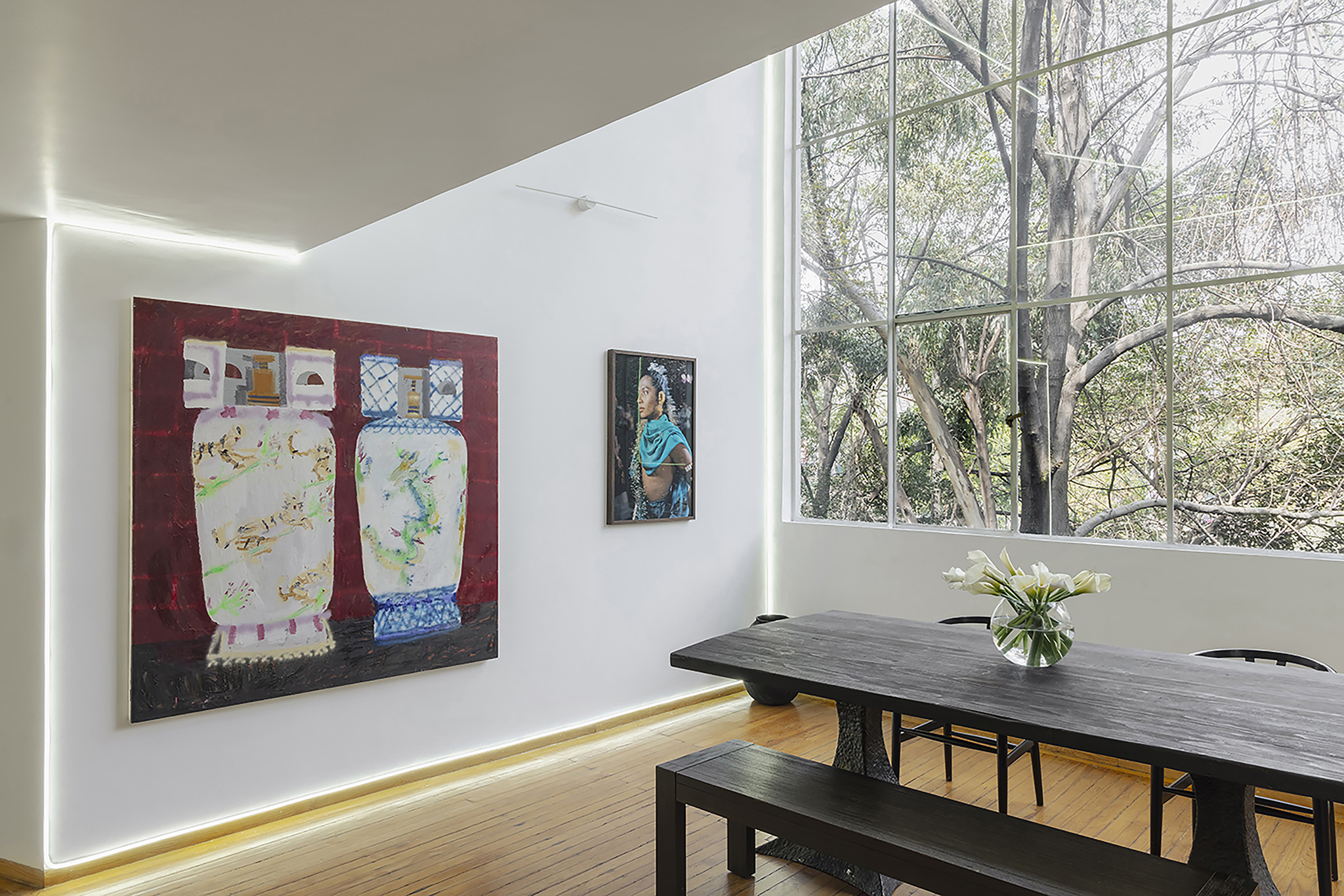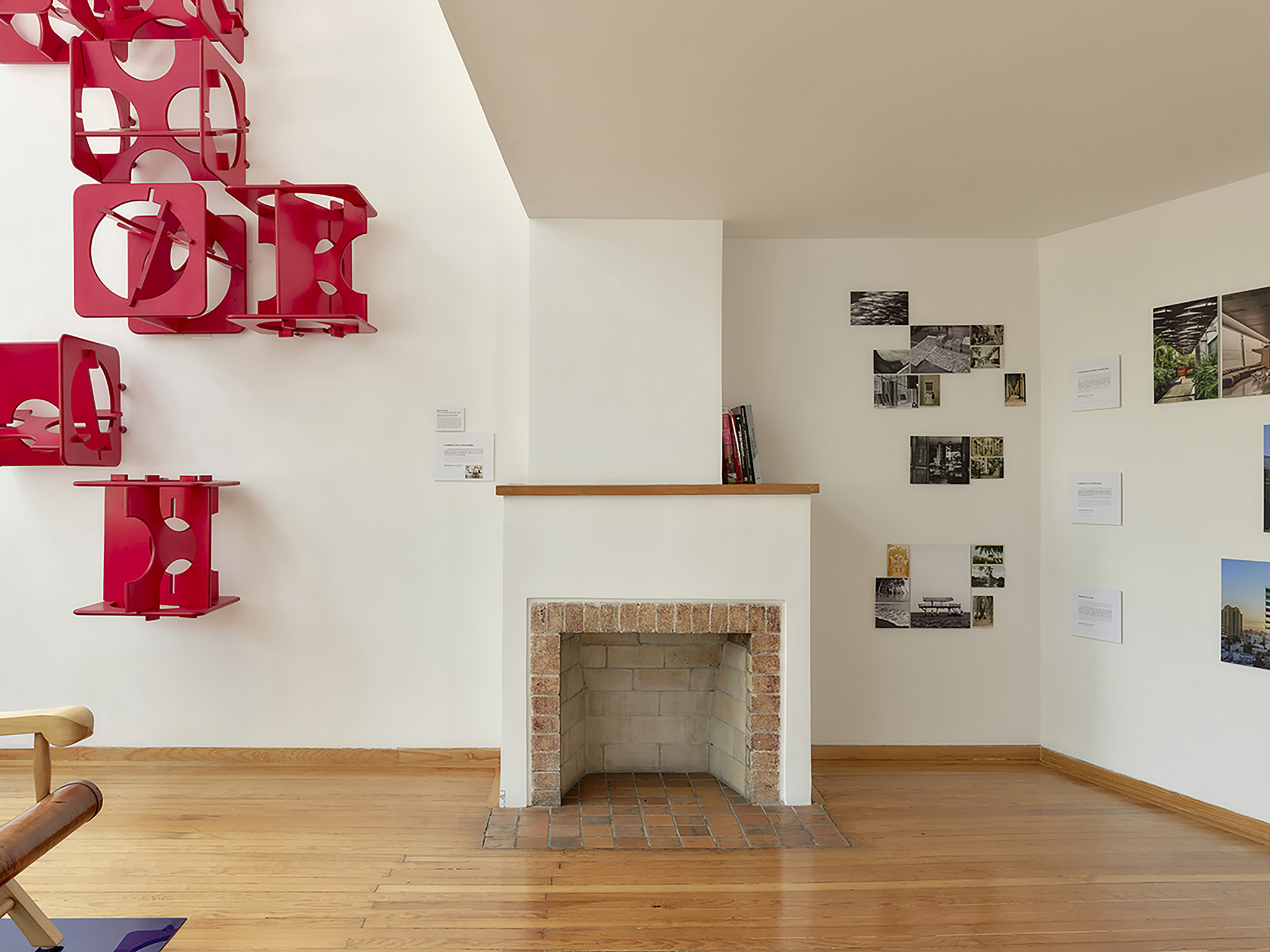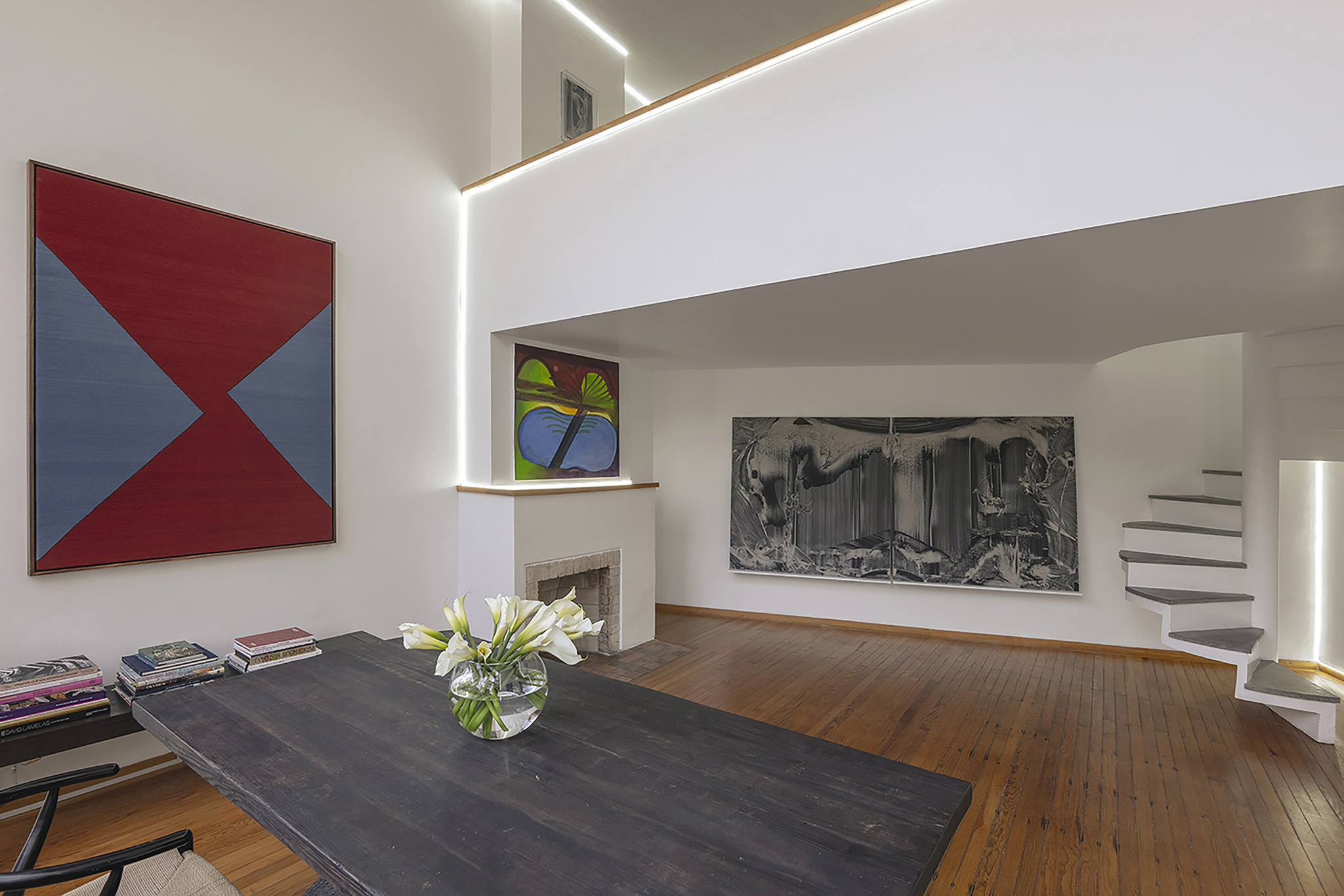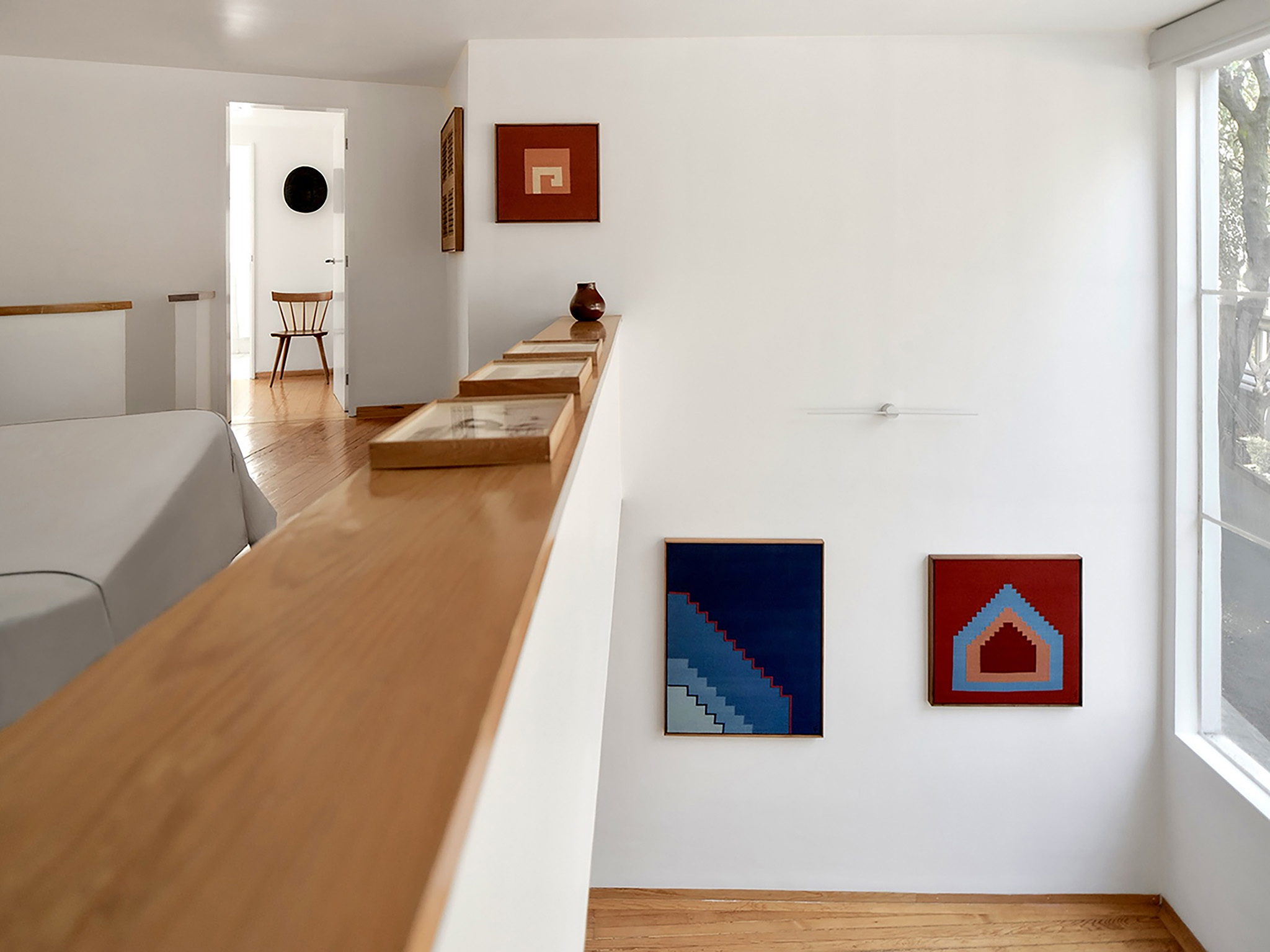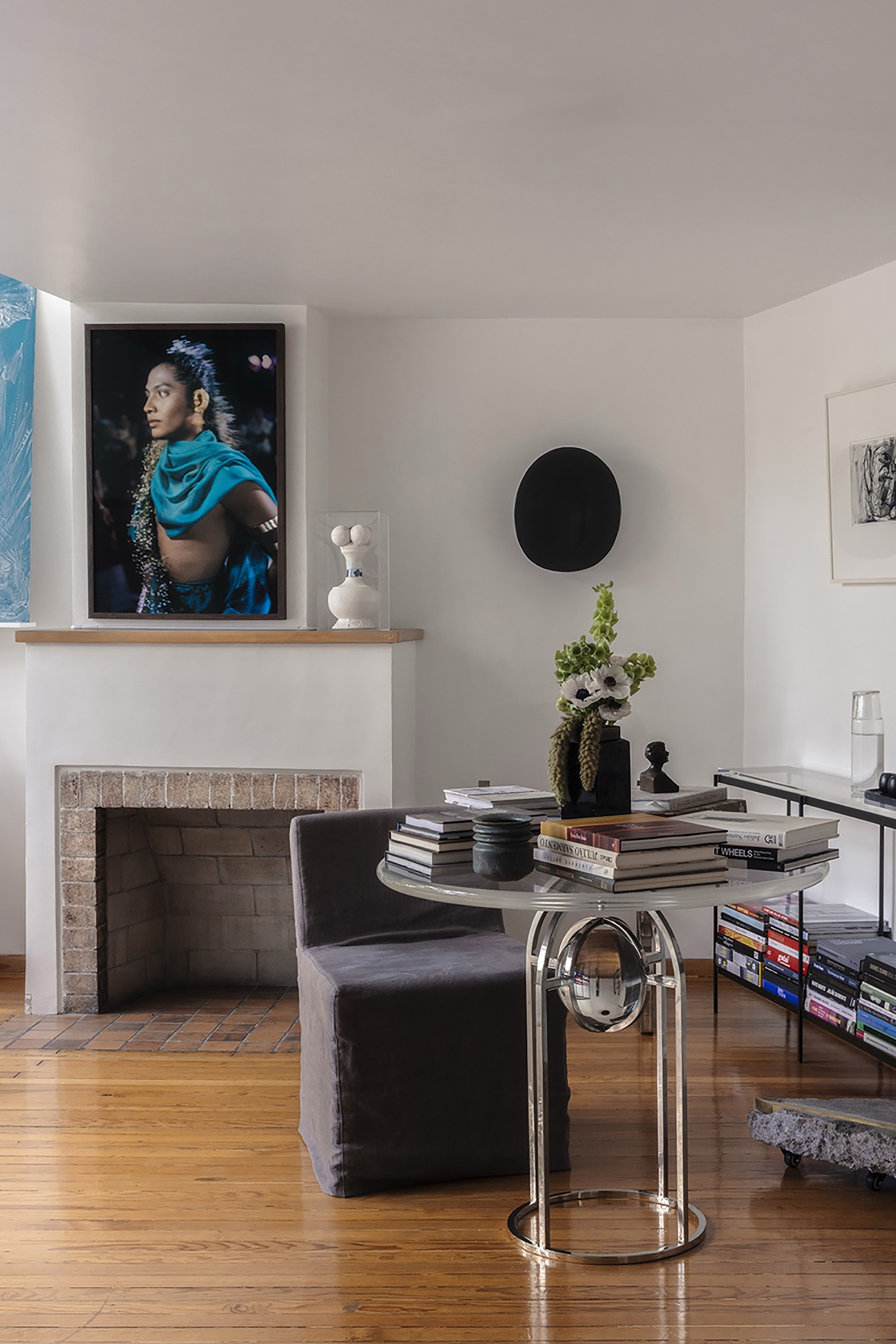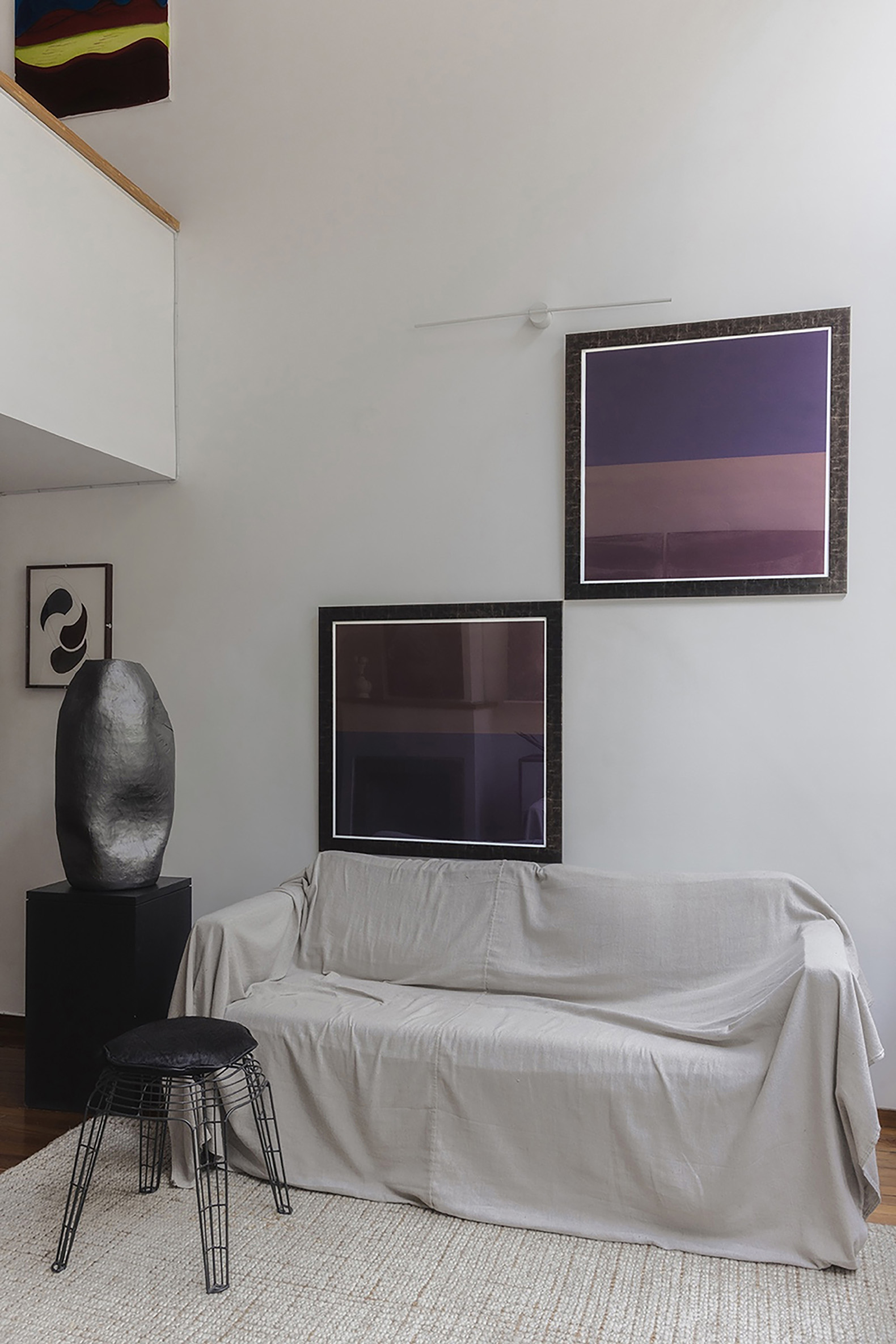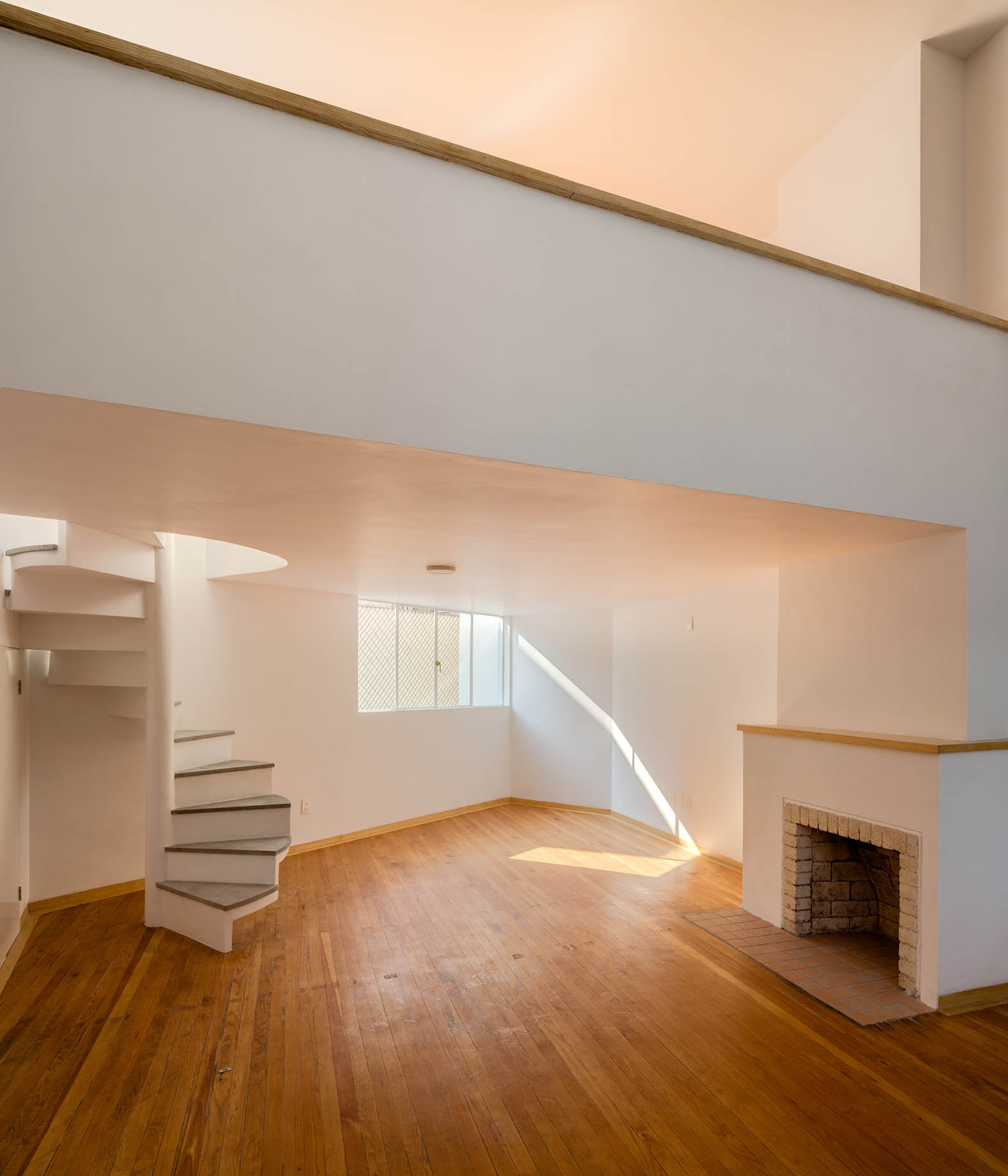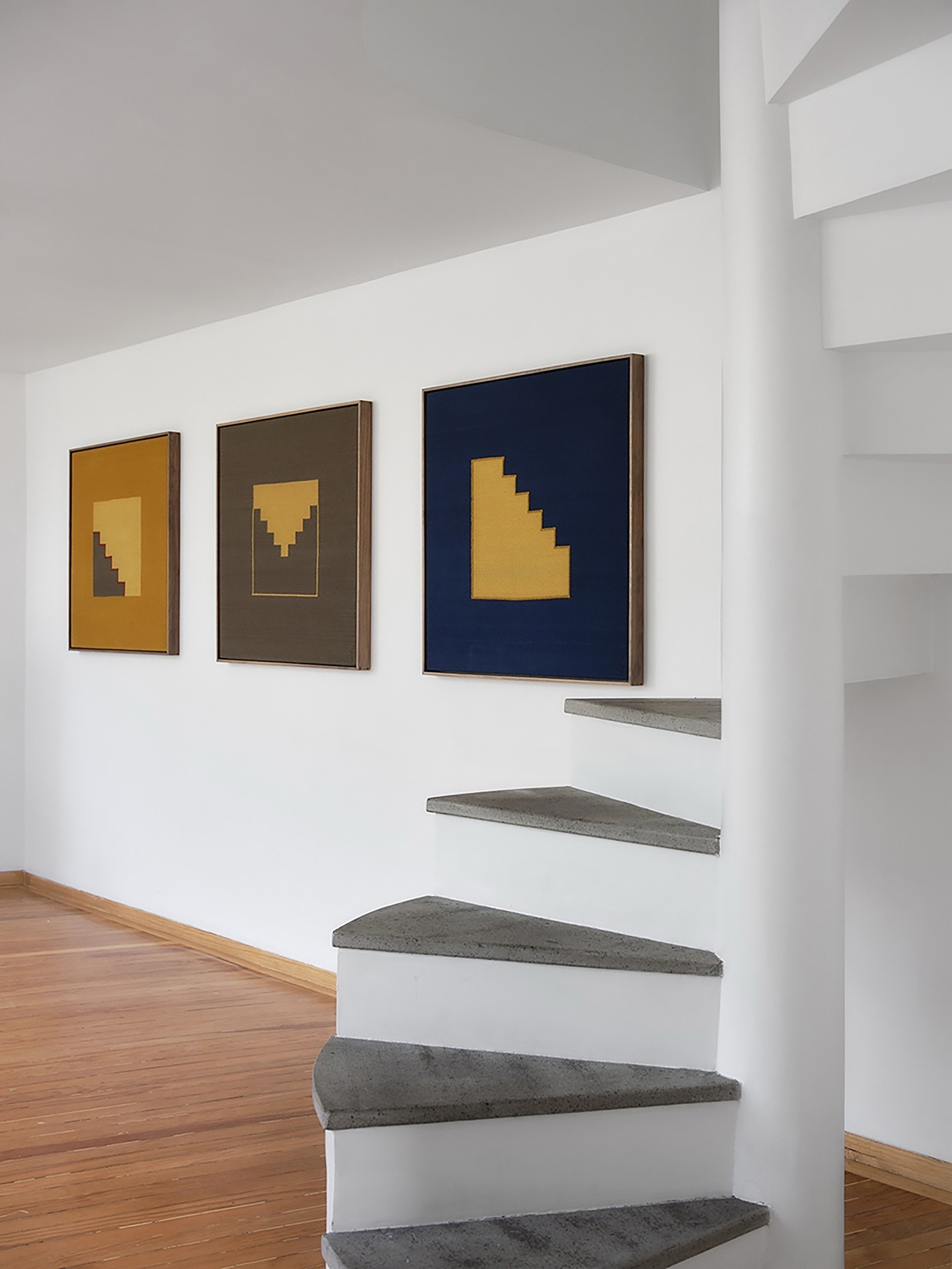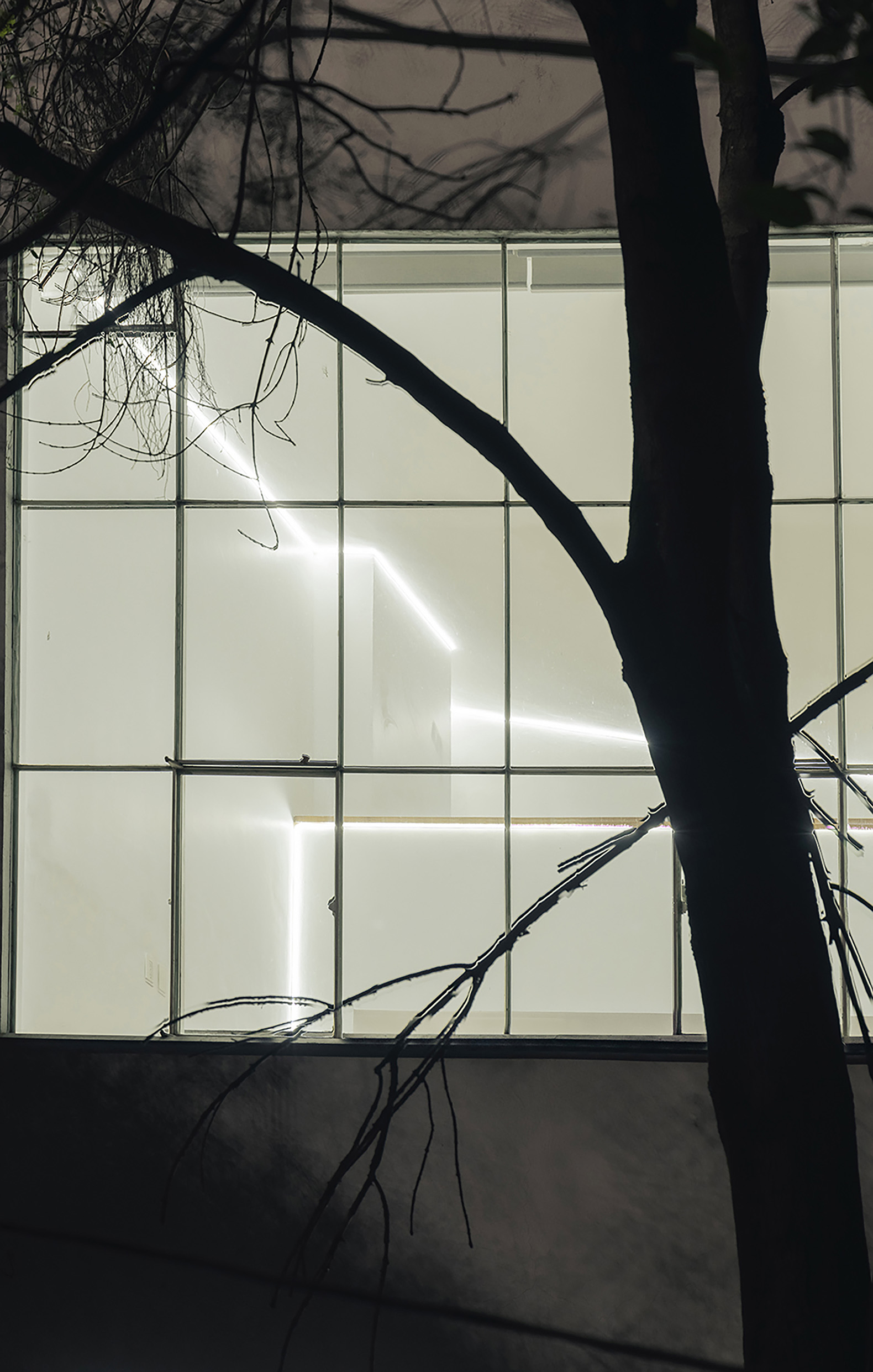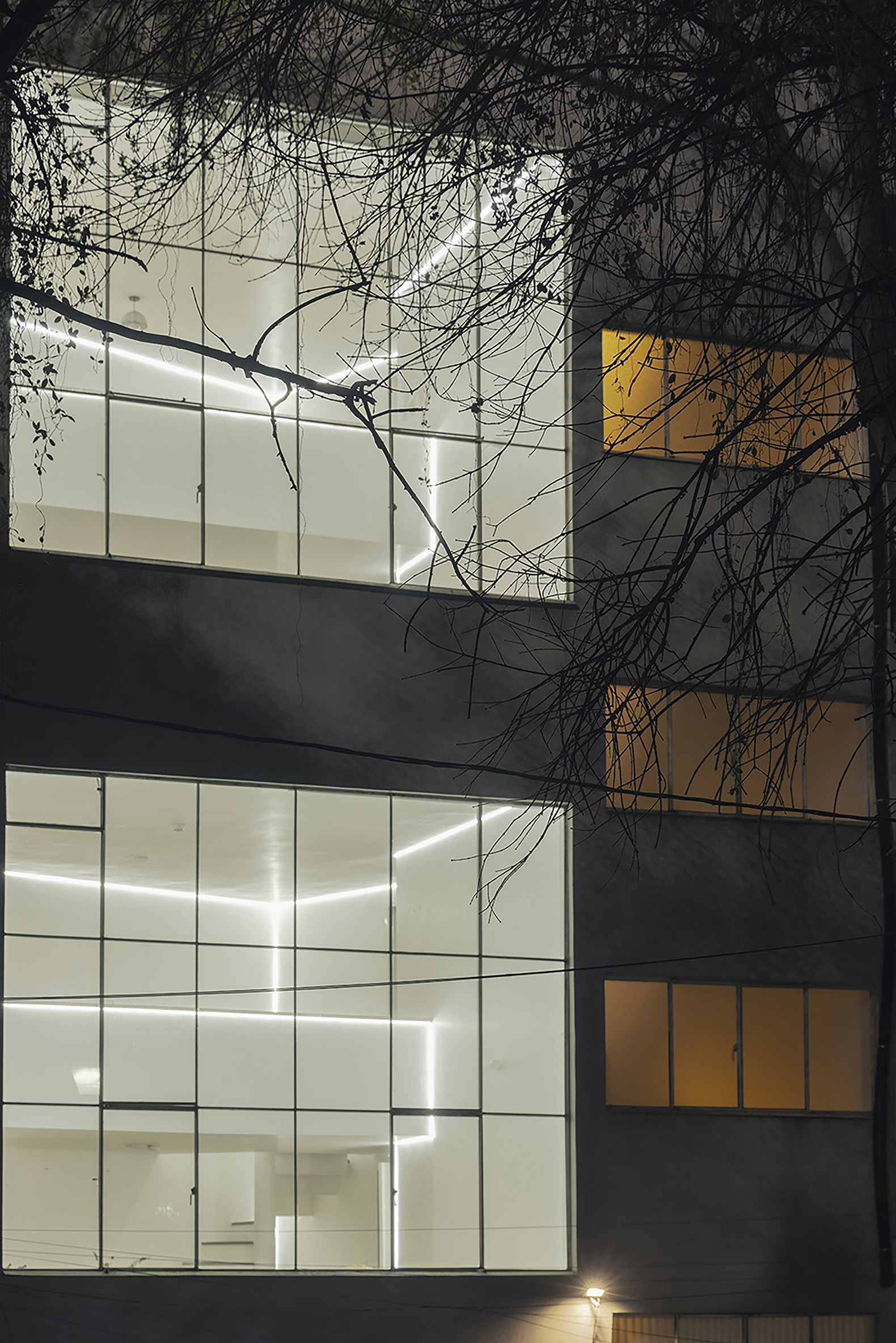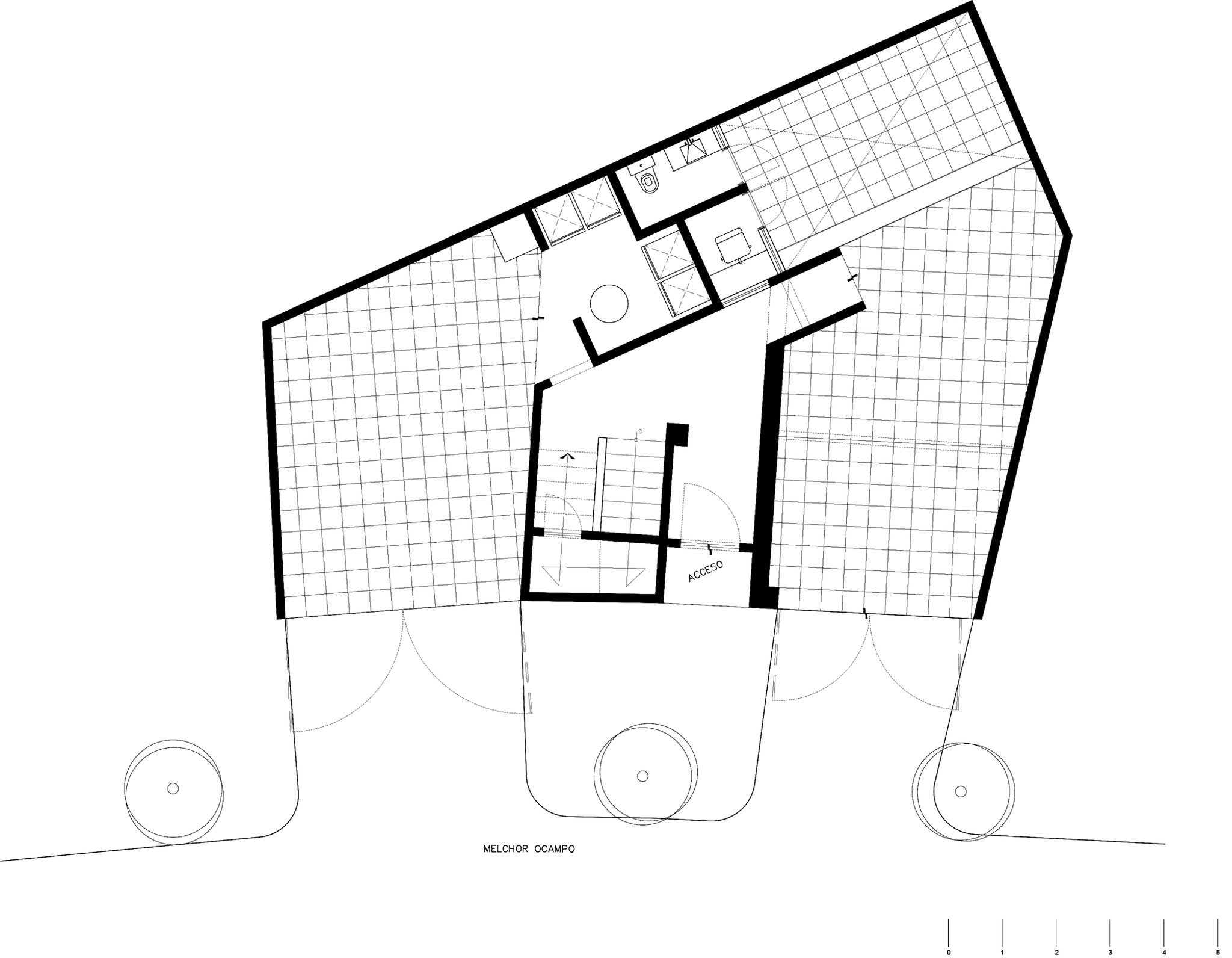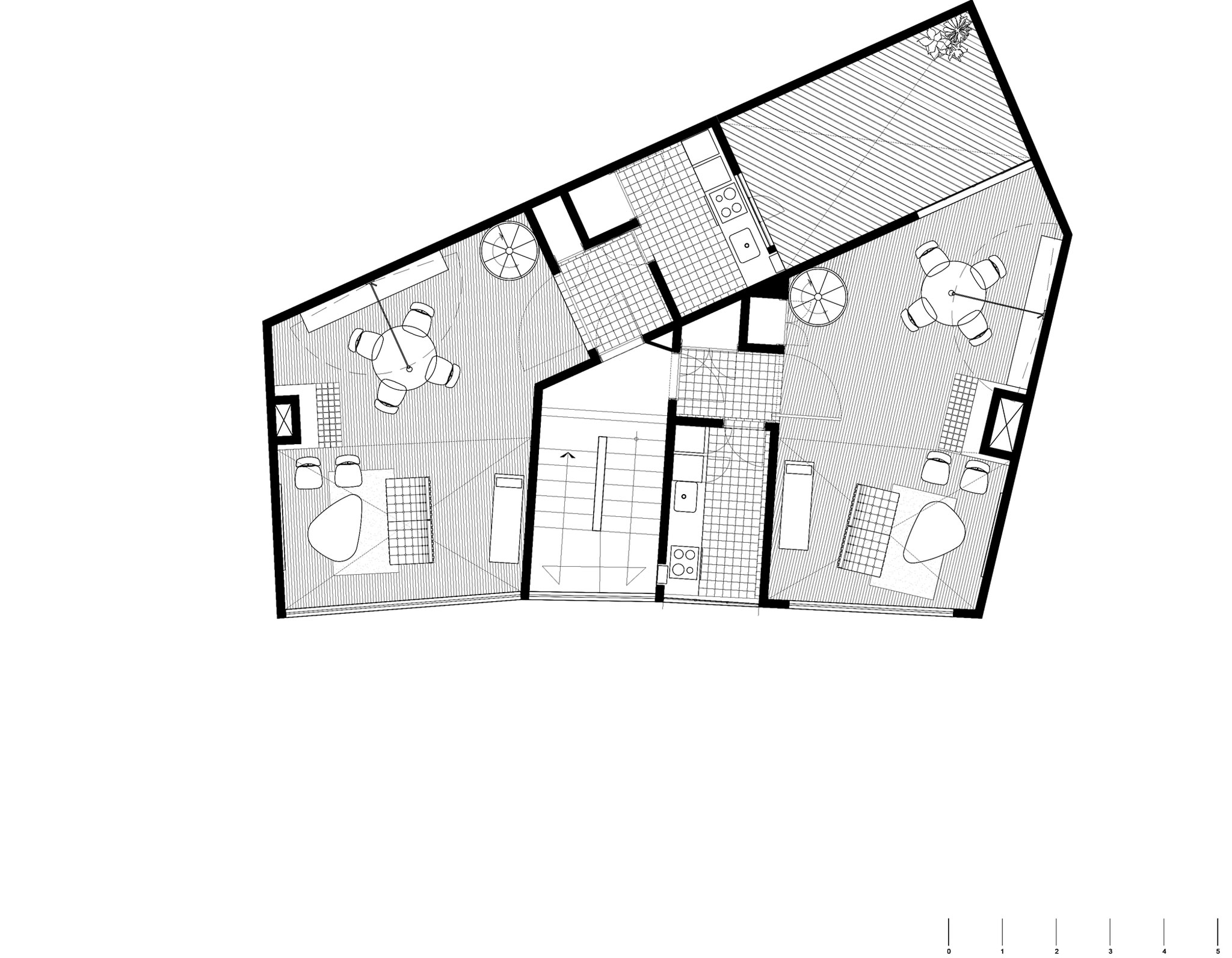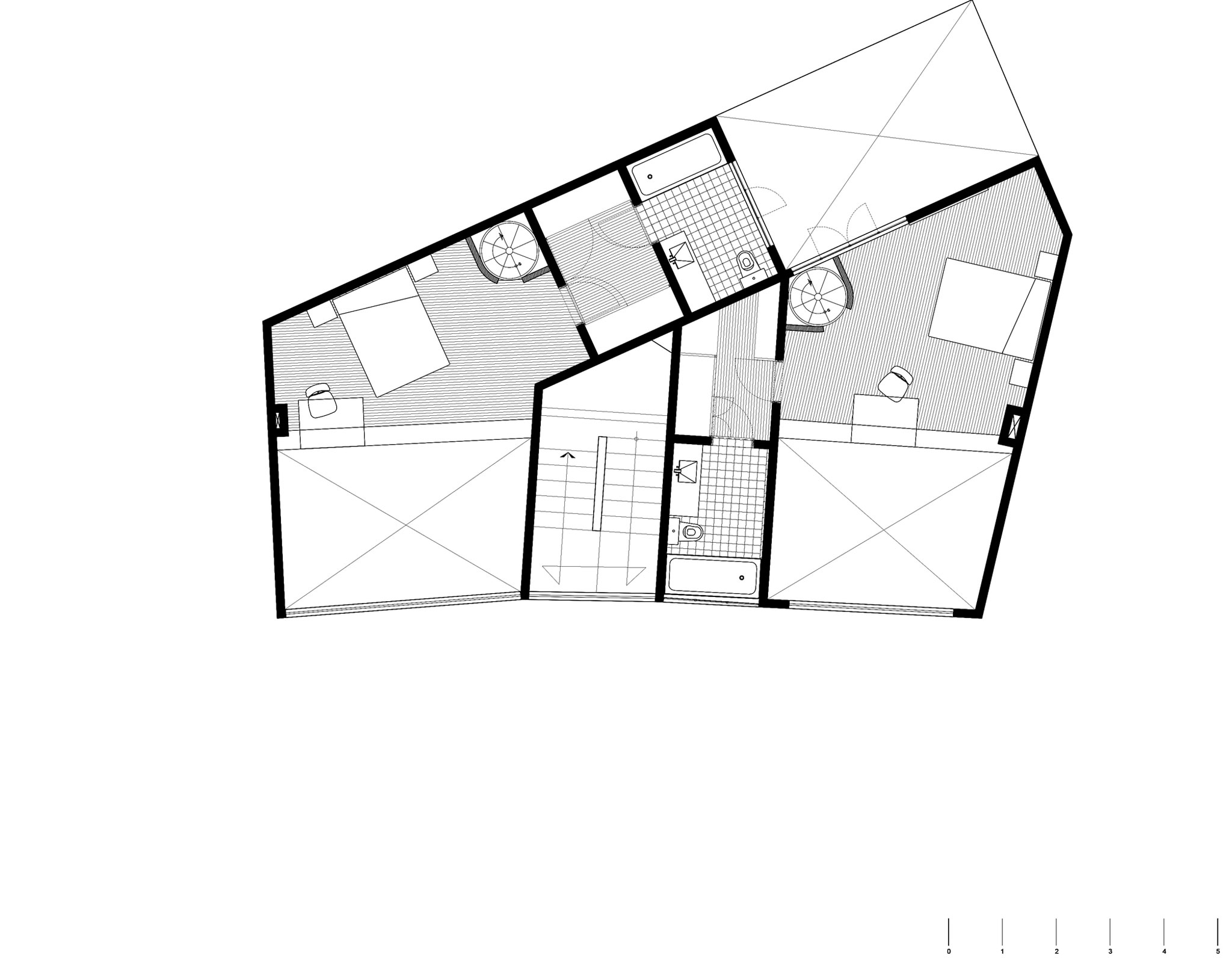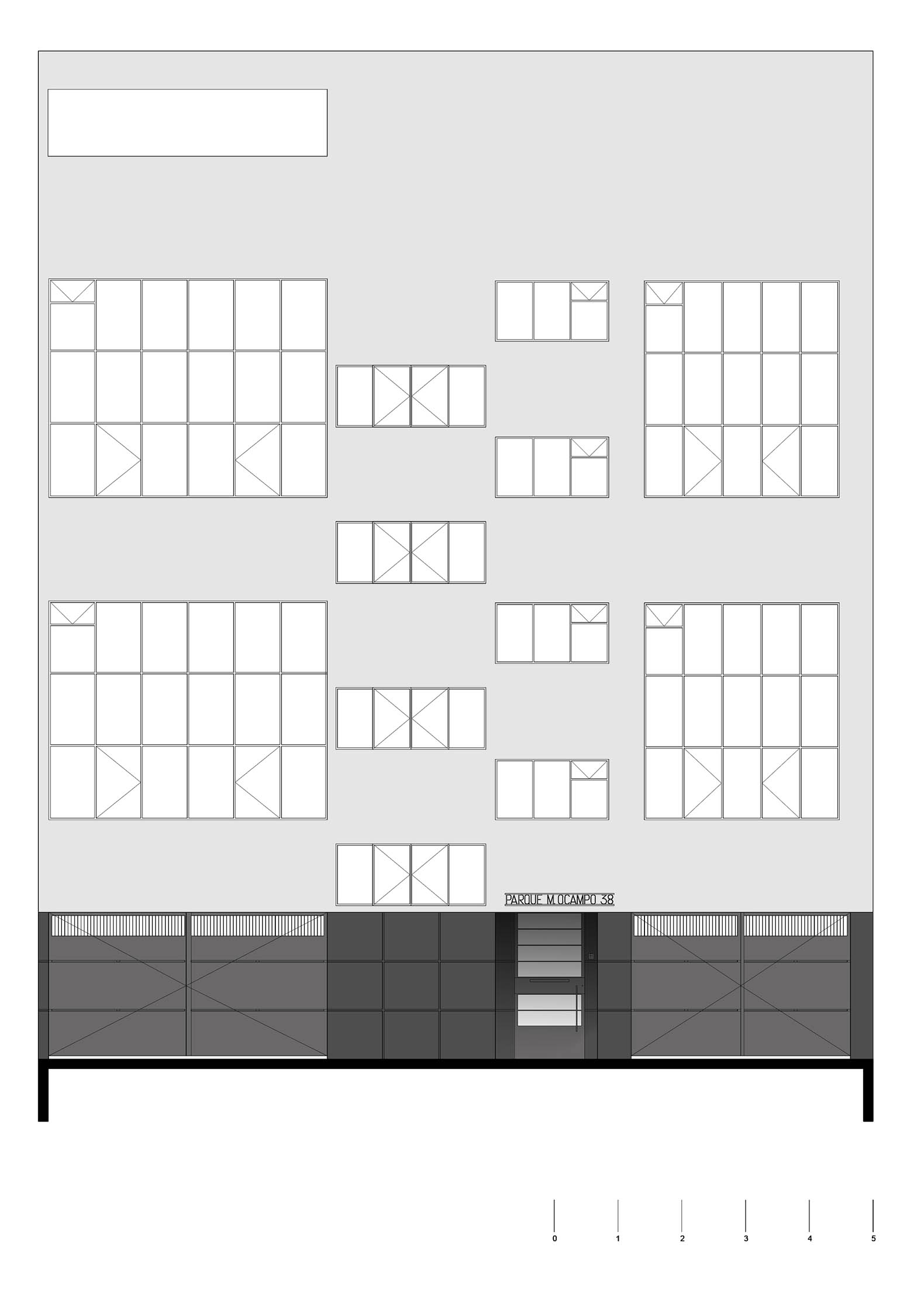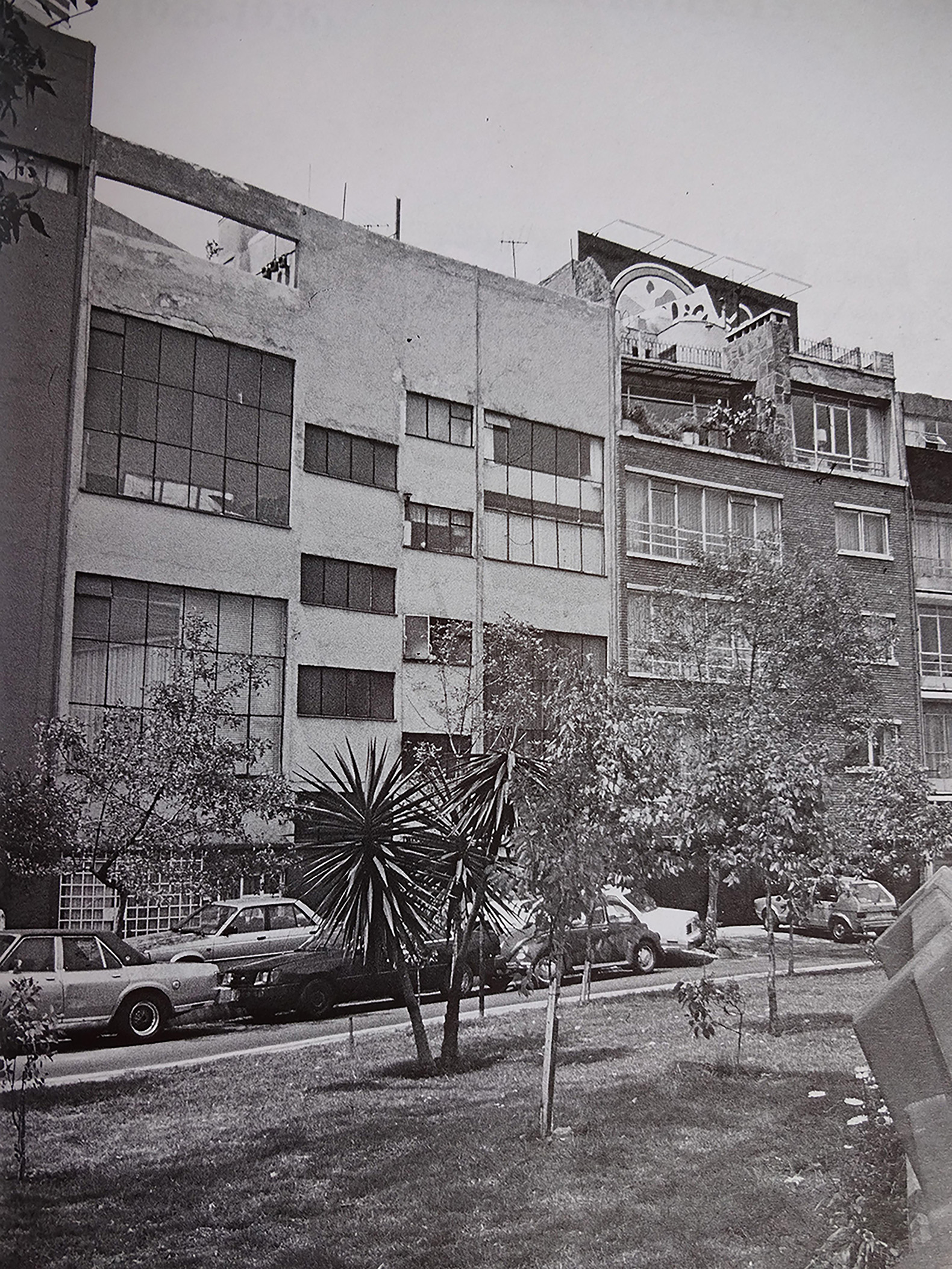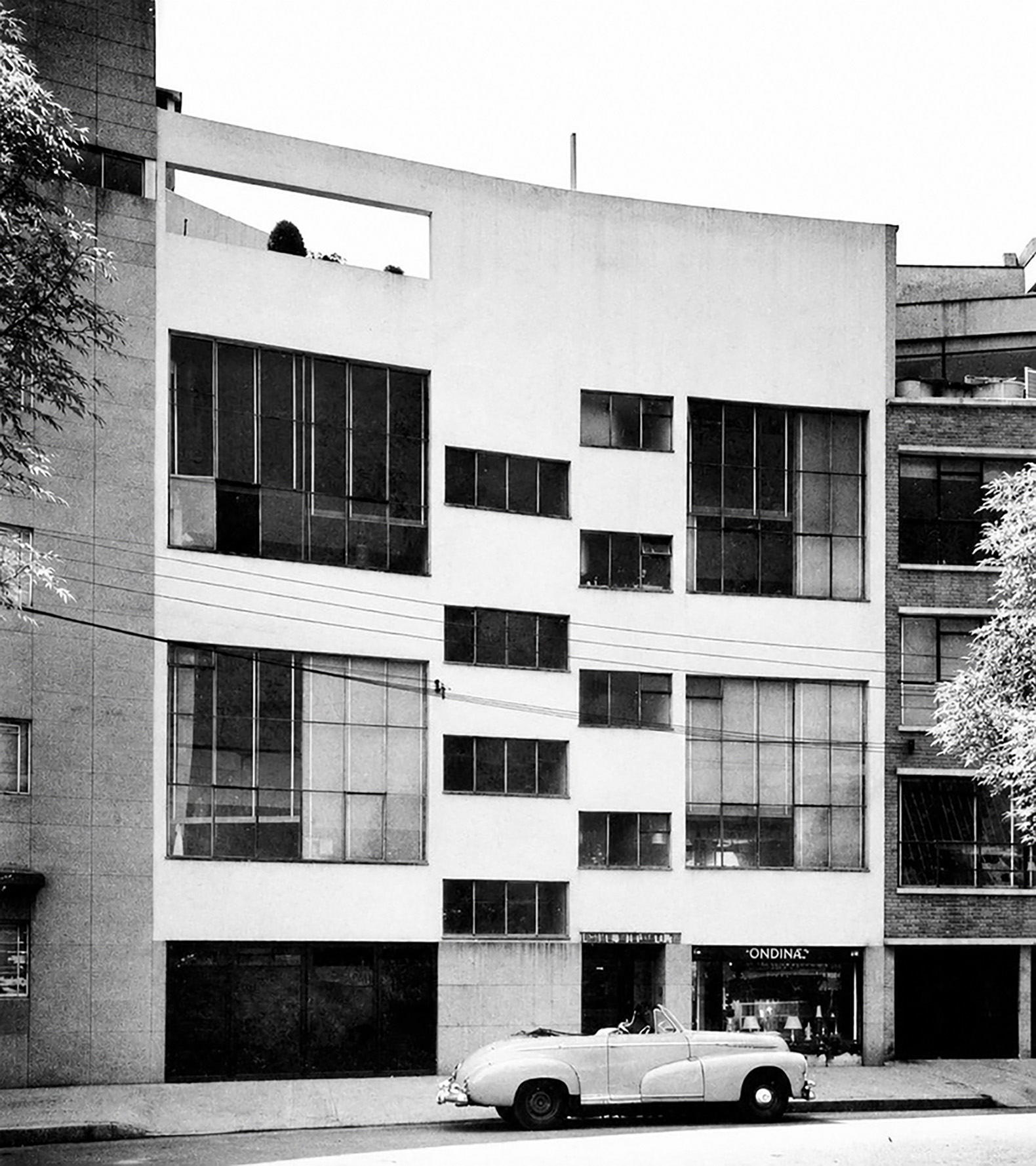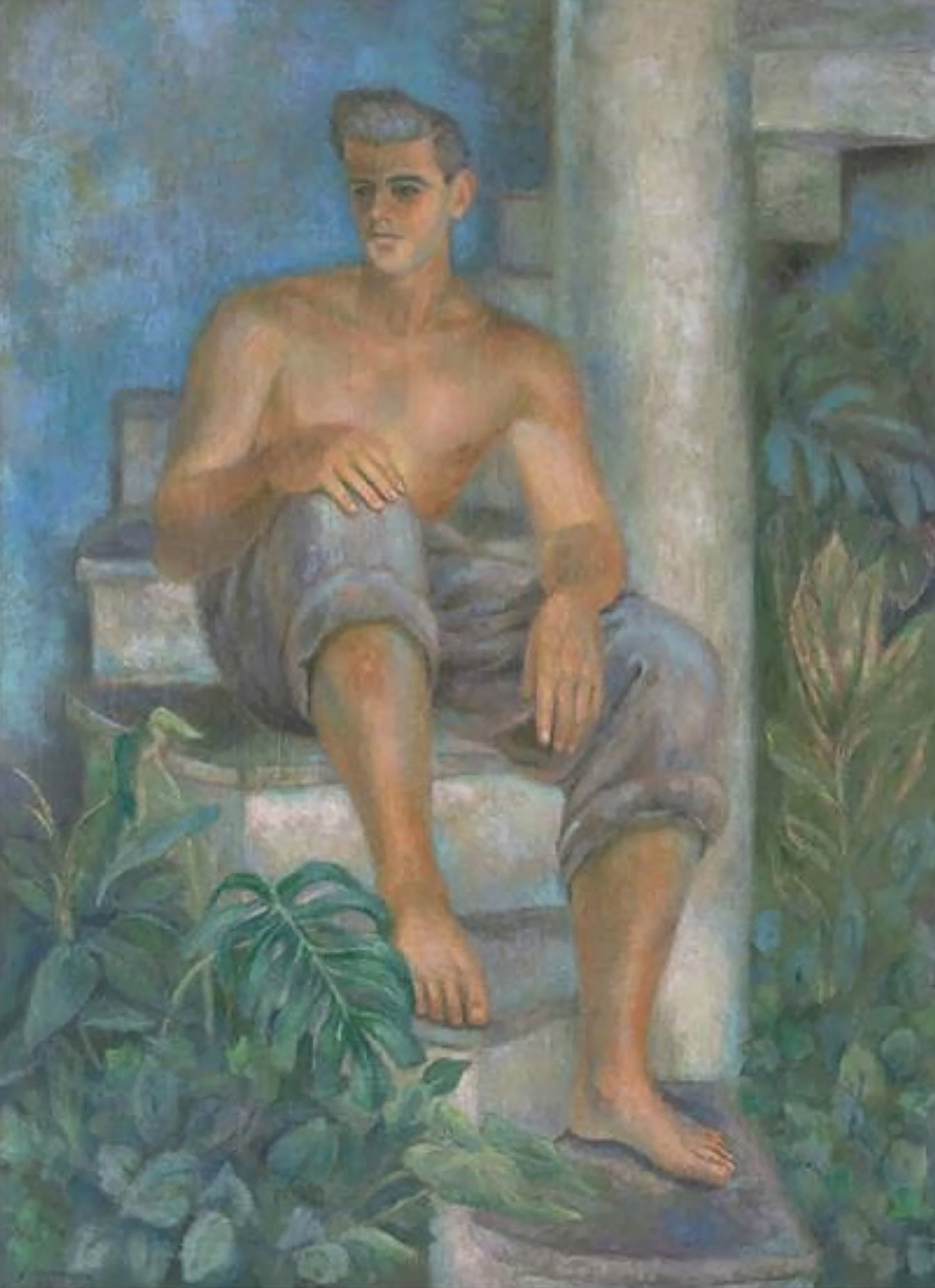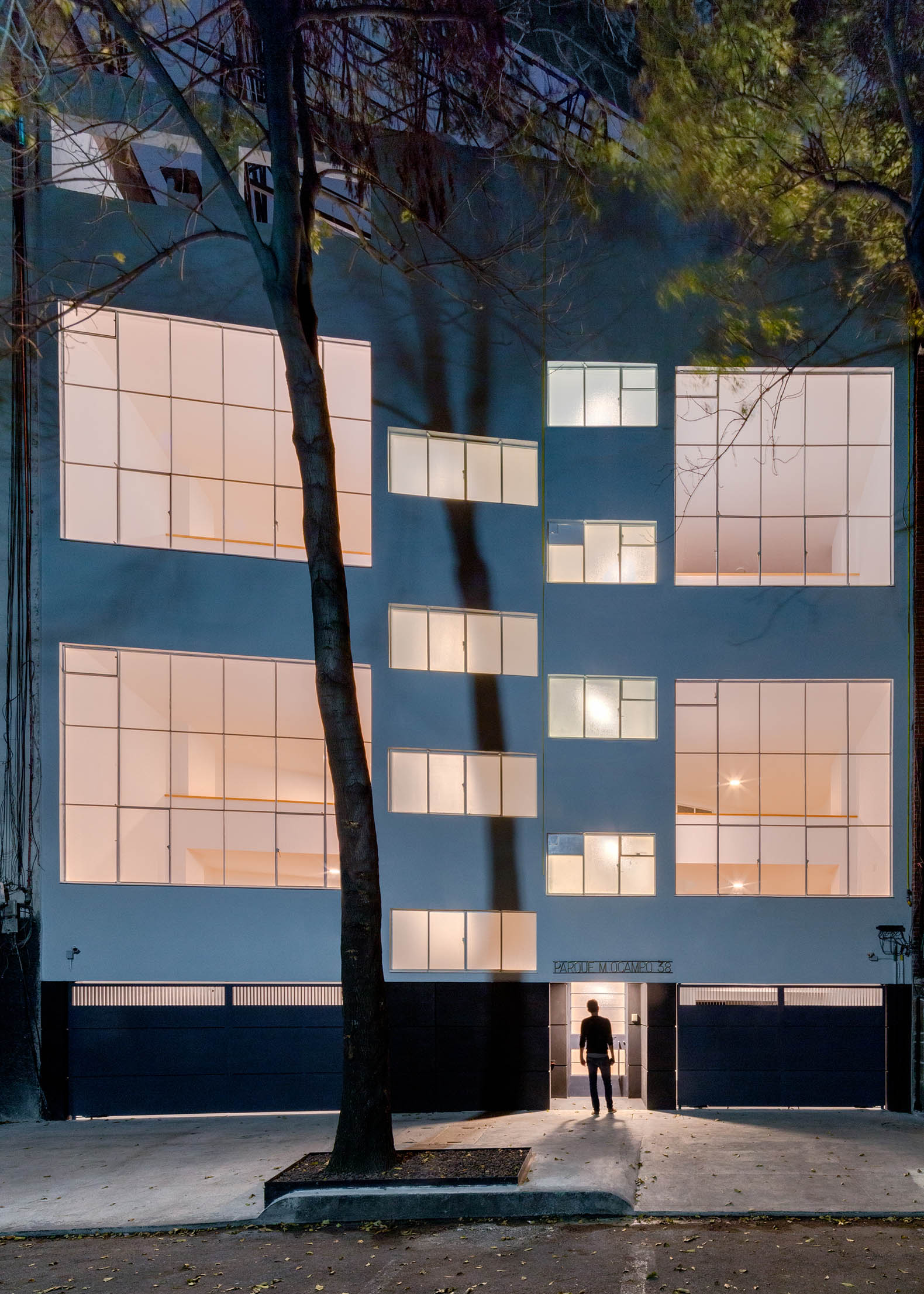
At 38 Plaza Melchor Ocampo in Mexico City stands the so-called "Building for Artists", a project developed by Luis Barragán and Max Cetto between 1939 and 1941. The space is currently occupied by PARA A, a gallery conceived to explore the continuity of modern and contemporary art in Latin America.

In 2017, Mexican architecture studio VRTICAL, led on this project by Luis Beltrán del Río and Andrew Sosa, undertook the restoration of the building, which had fallen into an advanced state of deterioration. The project began with an examination of historical documentation, including materials held by the Barragan Foundation in Switzerland, to recover original elements and adapt the four live-work apartments to contemporary living requirements.

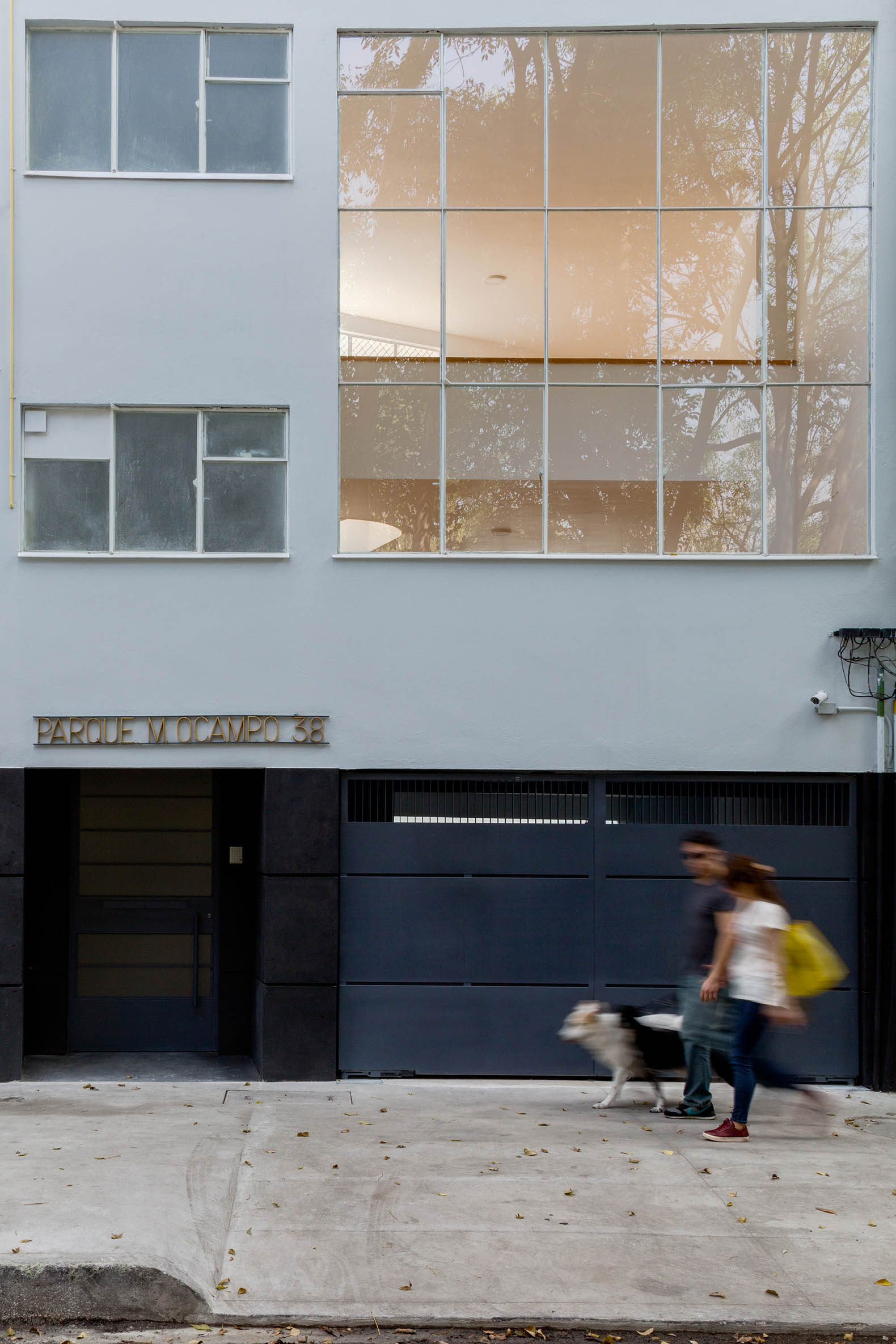
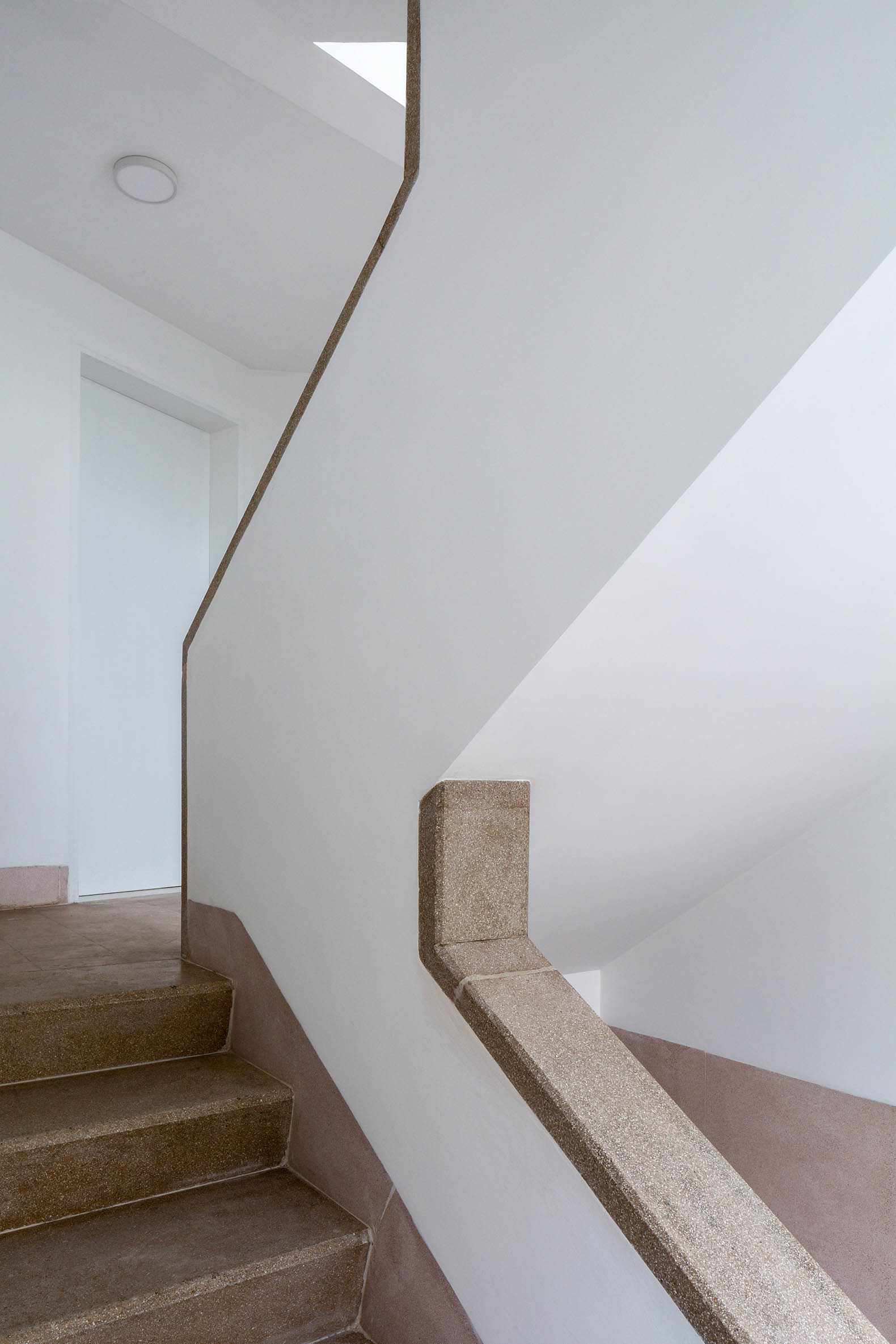
The intervention combined the preservation of existing elements with a contemporary reinterpretation of some of Barragán's architectural features. Original finishes, including terrazzo skirting boards, were restored, while new joinery, doors and construction details were introduced. The treatment of the façade's colours sought to emphasize the relationship between the large openings and solid wall surfaces. Rather than a literal reconstruction, the restoration established a dialogue between the historic architecture and present-day needs.

The building belongs to a transitional moment in modern Mexican architecture. Barragán had recently settled in Mexico City and was beginning to move away from the architectural language of his early works in Guadalajara, while Cetto, newly arrived in the country, brought a perspective shaped by the European Modern Movement.

Originally conceived as a residential complex with workspaces for artists, architects and designers, it represents one of the first spatial laboratories of this period. Its large windows, habitable terraces, compact circulation paths and apartments organized around expansive double-height spaces reflect the functionalist principles of the era. Yet its architecture went beyond providing efficient housing: from the outset, each unit was conceived to integrate everyday life and creative activity.
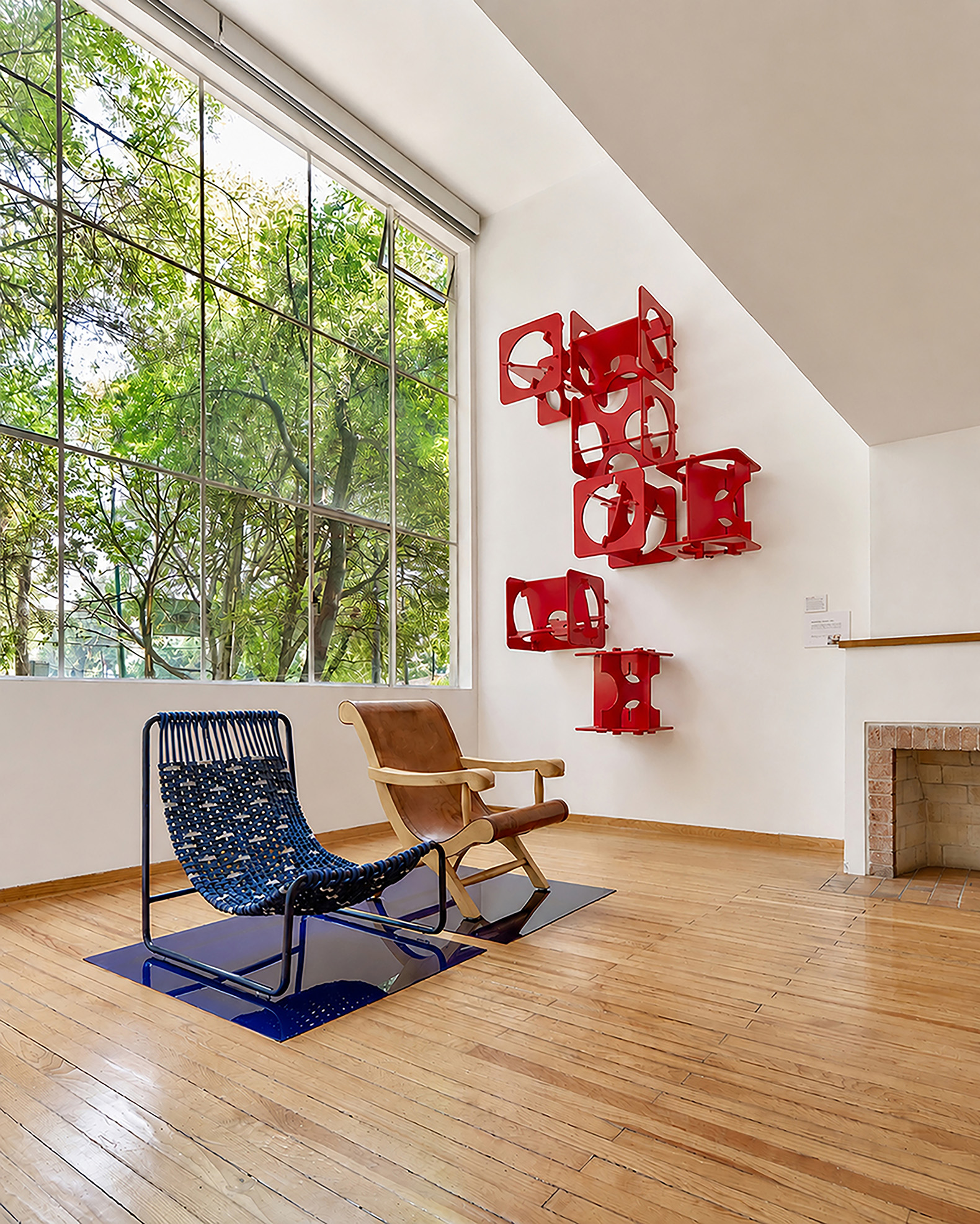
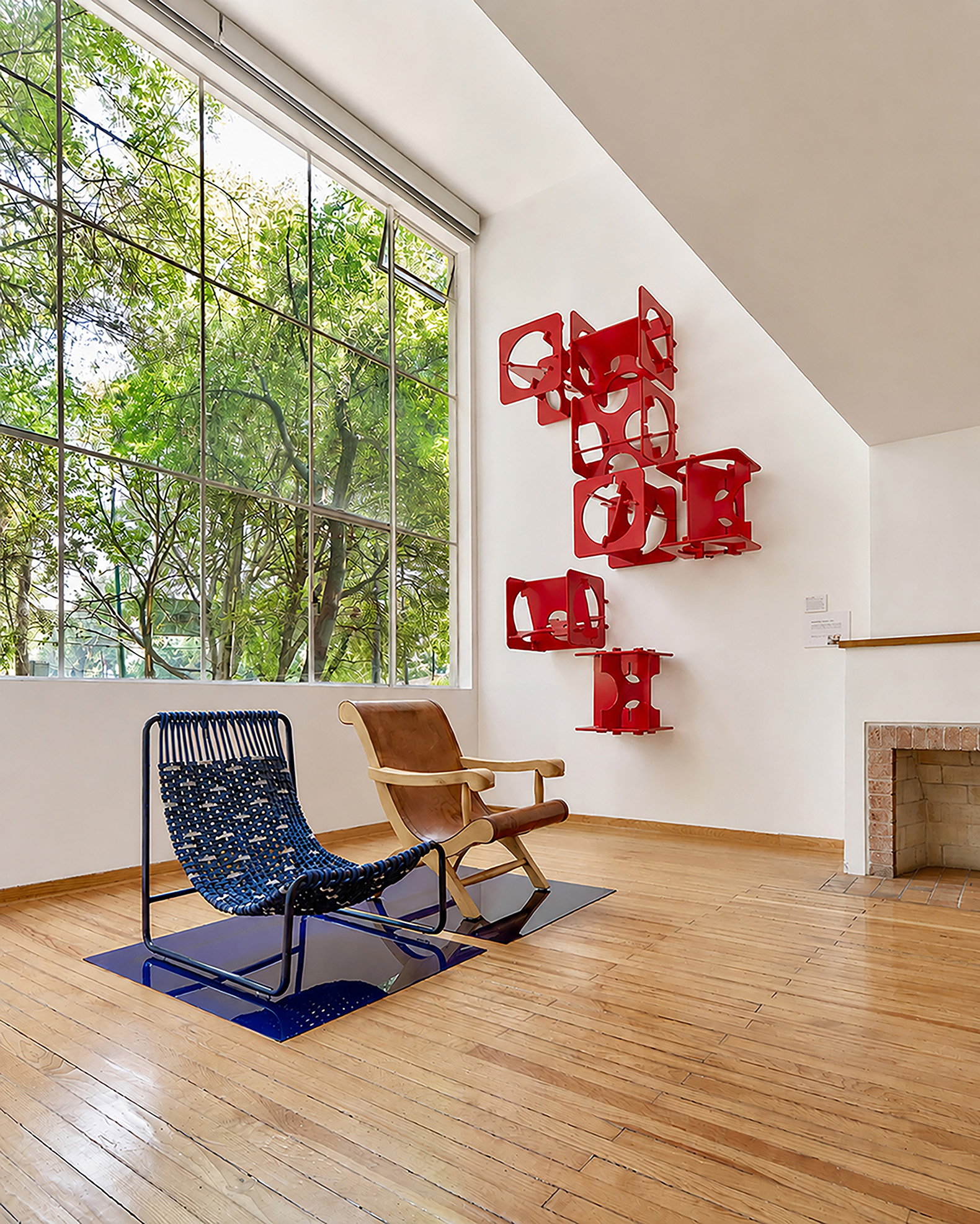
Daily Life and Time: Clara Porset, René González, and Marco Castillo, exhibition, 2024. Chair designs by Clara Porset and René González, featuring an installation by Marco Castillo composed of seating modules. Photography by Sergio López.

Daily Life and Time: Clara Porset, René González, and Marco Castillo, exhibition, 2024. Chair designs by Clara Porset and René González, featuring an installation by Marco Castillo composed of seating modules. Photography by Sergio López.

This approach attracted a community connected to modern Mexican art and culture. The Cuban-Mexican designer Clara Porset and her husband, the muralist Xavier Guerrero, lived and worked for nearly three decades in two of the building's apartments. Another unit was home to Juan Soriano, a painter, sculptor, illustrator, set designer and costume designer who established himself as one of the most distinctive voices in 20th-century Mexican art.

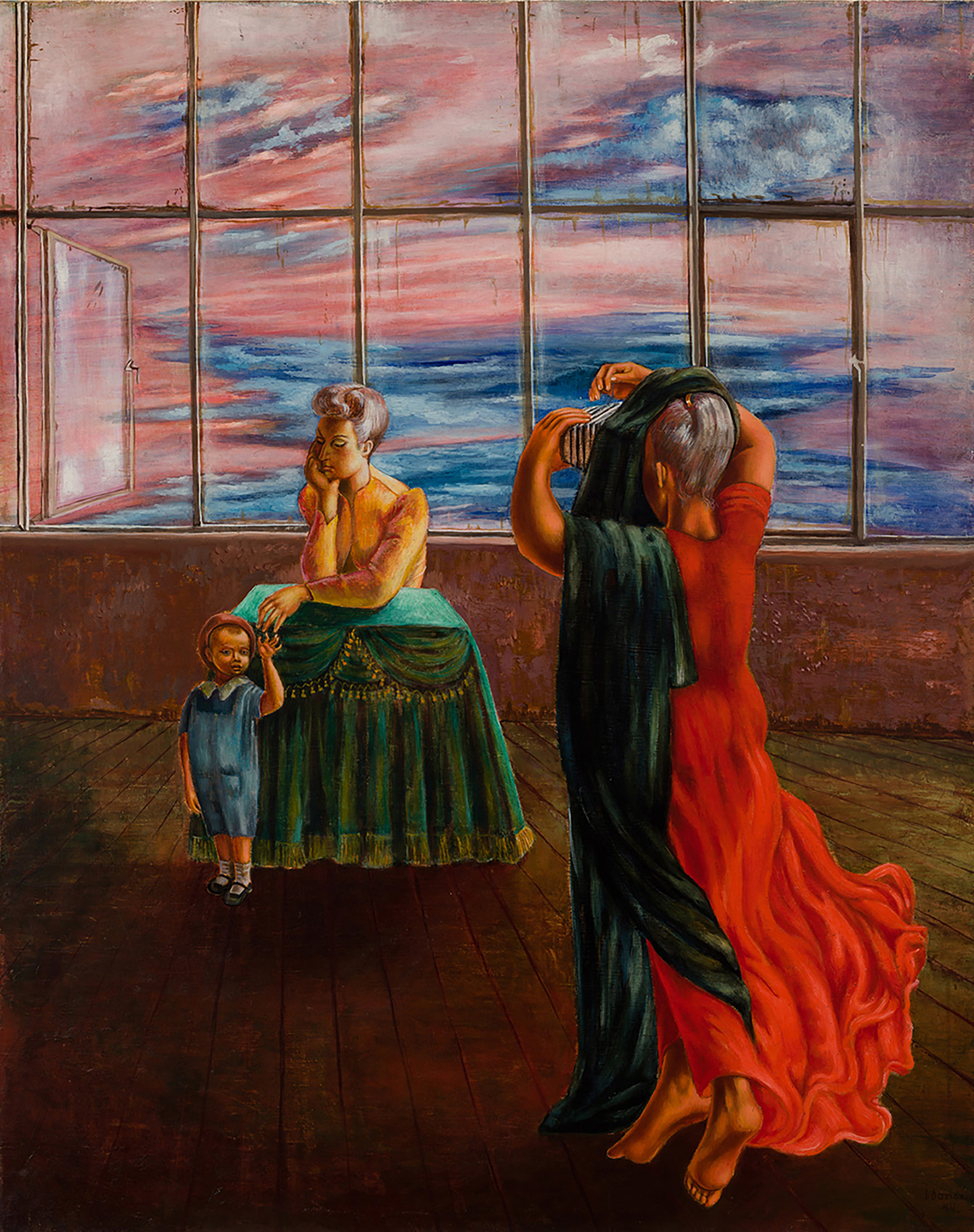
Soriano moved from Guadalajara to Mexico City at a young age and soon became part of an intellectual circle that included Xavier Villaurrutia, Salvador Novo and, later, Octavio Paz. His work moved freely between figuration, portraiture, mythology, theatre and abstract experimentation, resisting the rigid categories that shaped much of Mexican art history.

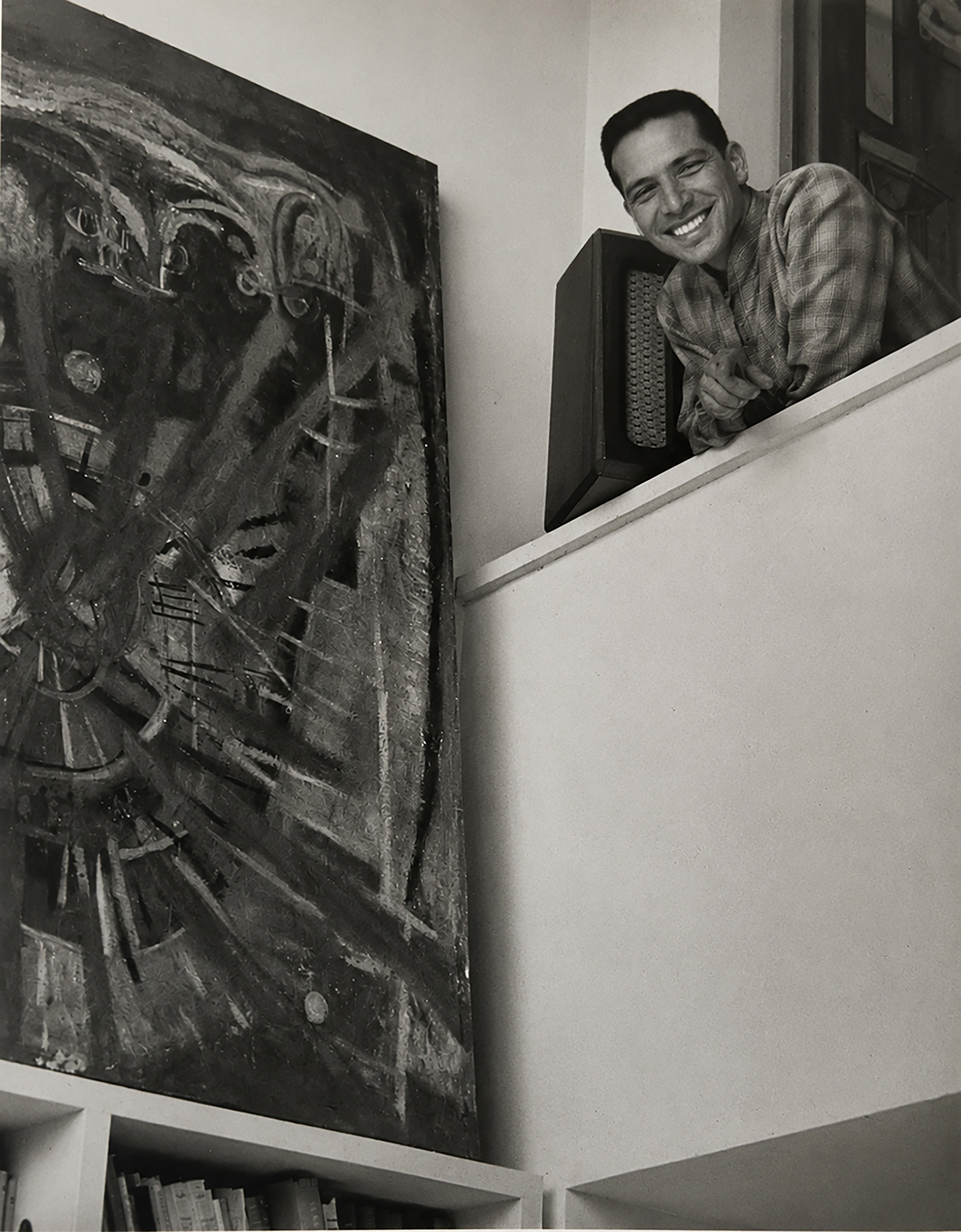
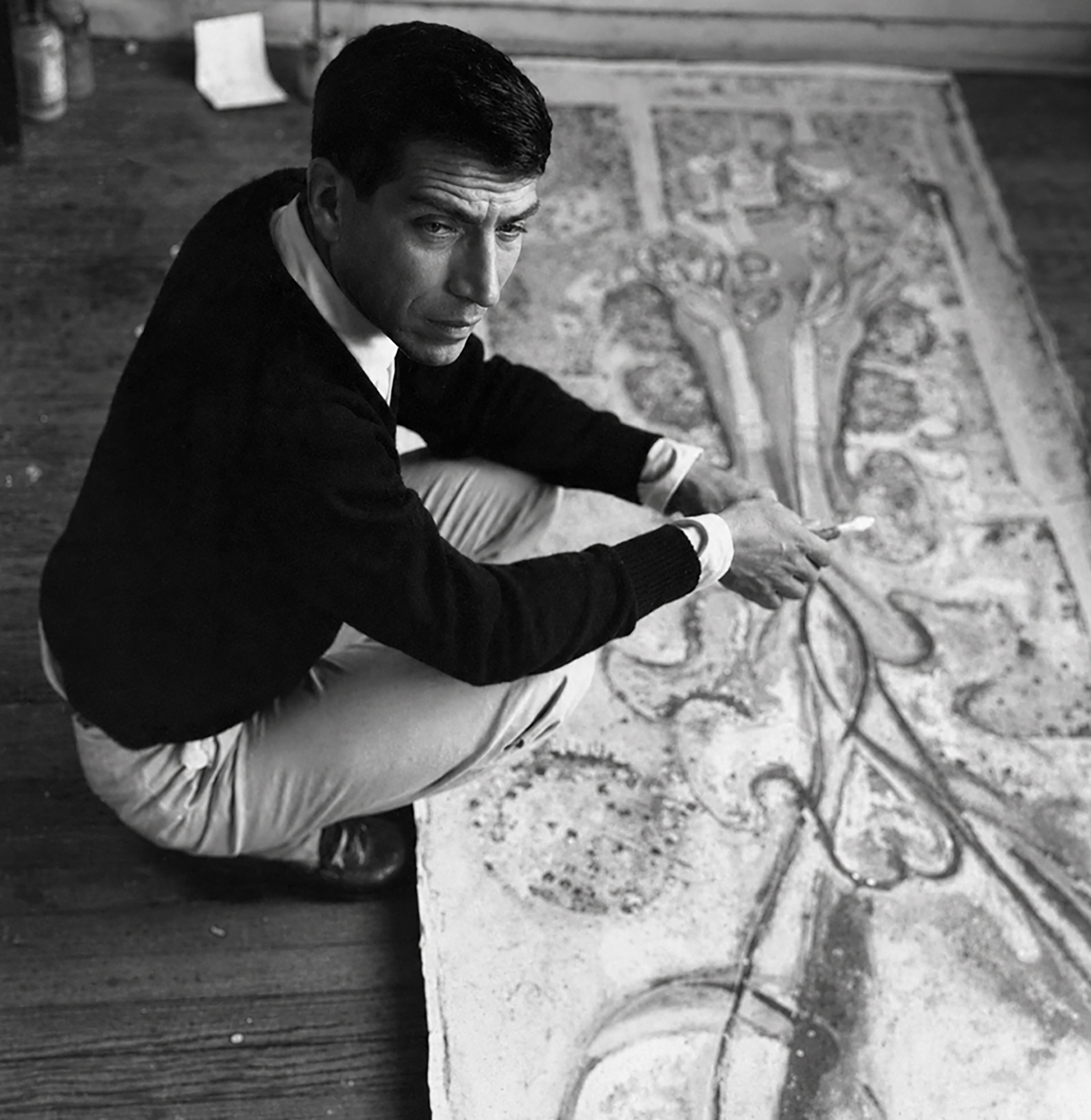
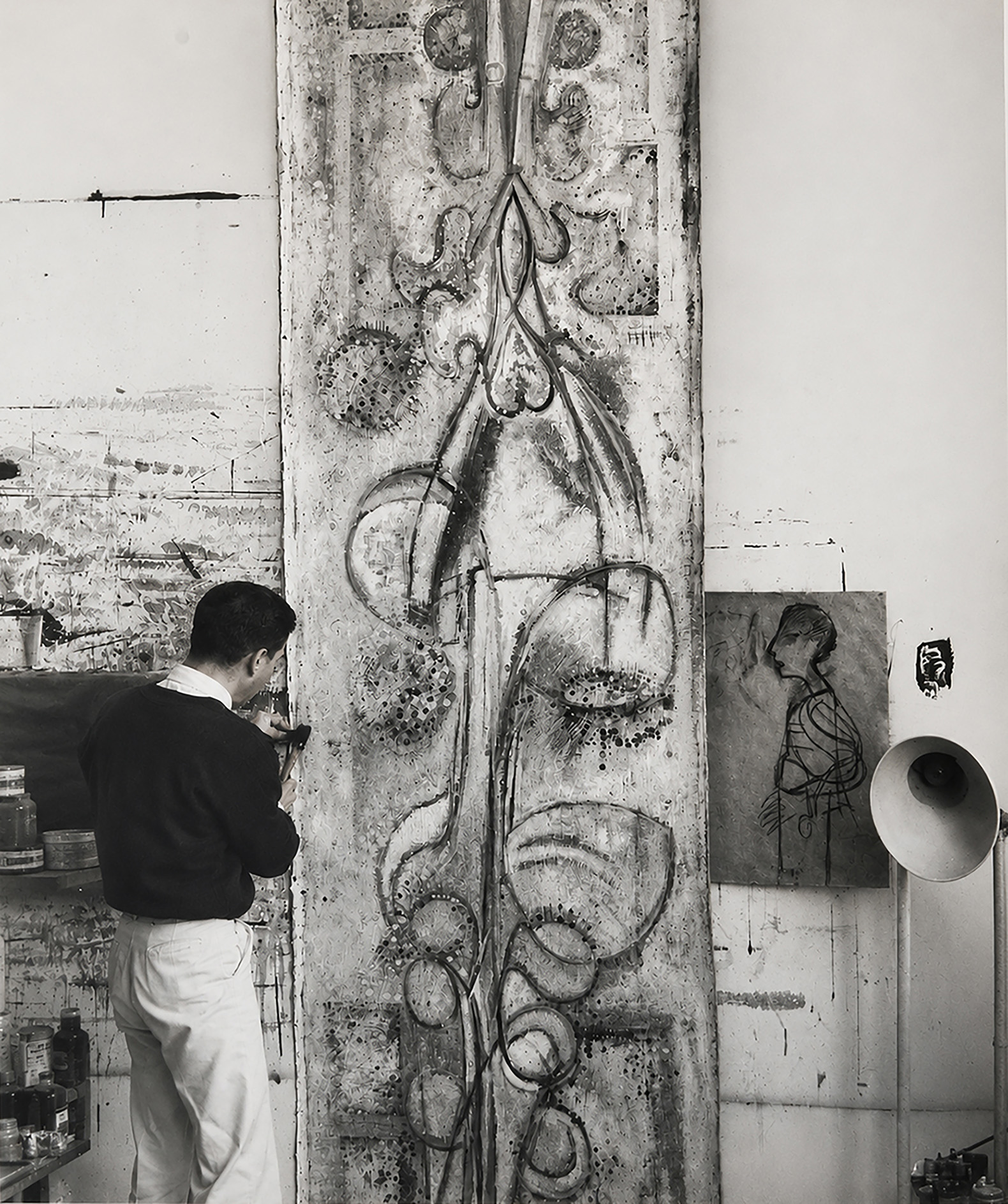
The pronounced verticality present in many of Soriano's paintings invites a compelling question: to what extent does the architecture engage with his work and help shape it?

High walls accommodate vertical canvases and elongated figures; light streams in through a window roughly four metres tall; the artworks reach upward, establishing a direct relationship with the physical conditions of the studio. In this way, the architecture expands the possibilities of the canvas, allowing the painting to grow with the space. Rather than imposing the horizontal proportions of a conventional room, the double-height interior offered Soriano the freedom to work with paintings of exceptionally elongated proportions.
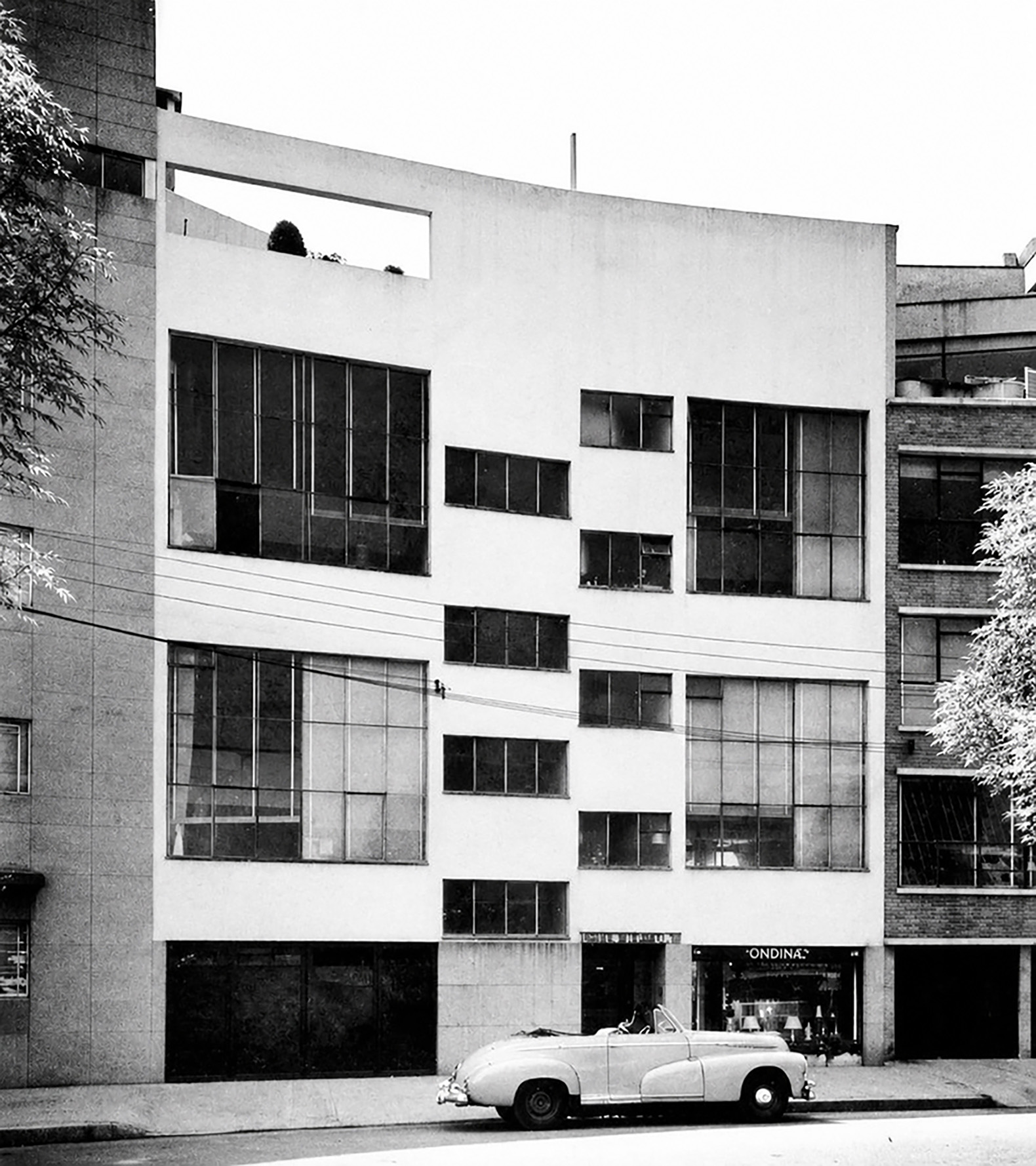
Edificio para Artistas. Fotógrafo y año desconocidos.

Building for Artists, 1940s by Luis Barragan and Max Cetto. Photograph by Rodrigo Moya.

This is not about establishing a definitive causal relationship, but rather observing how the space in which an artist works can influence the creative process. Historical photographs from the years Soriano lived in this apartment reveal this relationship between painting and space. The wall ceases to be a neutral support and becomes a measure, an orientation and a field of possibilities. Painting responds to architecture, while architecture, in turn, becomes visible through painting.

This relationship between architecture and artistic creation belongs to a broader urban context. Plaza Melchor Ocampo brings together one of Mexico City's most significant, yet relatively overlooked, concentrations of modern architecture. Between 1939 and 1945, Luis Barragán, Max Cetto, José Luis Creixell, Augusto H. Álvarez, Juan Sordo Madaleno and Enrique del Moral designed several residential buildings around the square. Rather than an accidental collection of buildings, the area can be understood as a small urban laboratory in which a generation of architects explored new ways of inhabiting the city.

The Building for Artists was also a place where architecture, painting, furniture and everyday life coexisted without clearly defined boundaries. Its residents did not move into anonymous spaces that they subsequently transformed into studios; they inhabited architecture conceived from the outset to accommodate cultural production.

This legacy continues today through PARA A, a project dedicated to showcasing Latin American artists and building connections across different practices, generations and geographies. Thus, the history of the apartment is more than just an anecdote: the space, once a site for the production, discussion and exhibition of art, has reclaimed its original purpose, becoming once again a meeting place for creation and conversation.
More information

Label
Architects
Text

Luis Barragán + Max Cetto.
Renovation in 2017 by VRTICAL.

+ + copy Created with Sketch.
- + copy Created with Sketch.
Label
Gallery
Text

PARA A.

+ + copy Created with Sketch.
- + copy Created with Sketch.
Label
Director
Text

Verónica Fernández.

+ + copy Created with Sketch.
- + copy Created with Sketch.
Label
Dates
Text

Original project years.- 1939 – 1941.
Renovation.- 2017.

+ + copy Created with Sketch.
- + copy Created with Sketch.
Label
Location
Text

Plaza Melchor Ocampo, 38. Mexico City, Mexico.

+ + copy Created with Sketch.
- + copy Created with Sketch.
Label
Photography
+ + copy Created with Sketch.
- + copy Created with Sketch.

Luis Barragán (Guadalajara, Jalisco, Mexico, March 9, 1902 - Mexico City, November 22, 1988) was born in a family of ranchers of Jalisco. Son of Juan José Barragán and Ángela Morfín. He spent his childhood next to his father in the Santa Monica neighbourhood of Guadalajara, his hometown. He had six brothers and three women. He used to spend his vacations and extended stays at the hacienda of Corrales, located near La Manzanilla de la Paz, Jalisco. The children's experience of these stays in the countryside would leave a deep mark that would be reflected in their subsequent work.

Between 1919 and 1923, Luis Barragán studied civil engineering at the Escuela Libre de Ingeniería de Guadalajara, following the optional courses to simultaneously obtain the degree of architect under the tutelage of Agustín Basave, whom Barragán himself recognized provoked his interest in Architecture. During that period, he met Rafael Urzúa Arias and Pedro Castellanos.

He travelled extensively in France and Spain. When he arrived in Paris, he saw the Exhibition of Decorative Arts of 1925. He got to know the work of gardens by Ferdinand Bac, who in that year had published a book entitled "Jardins enchantés", and then a personal relationship between them began. His journey through Europe was completed later with his trip to Morocco, where he aroused interest in the architecture of North Africa. His travels in the south, especially in the Mediterranean cities, allowed him to get to know the gardening, the expressive use of water, and to pay special attention to the Alhambra in Granada. In 1931, he lived in Paris for a time, where he met Le Corbusier, attending his lectures and having the opportunity to know his work.

Between 1927 and 1936, he practiced in Guadalajara, where he was associated with a movement known as the Escuela Tapatía or Guadalajara School, which espoused a theory of architecture dedicated to the vigorous adherence to regional traditions. There, he remodelled and designed houses, with a style in which he mixed the influences of Mediterranean architecture, like the local ones. His first work was the remodelling of the house of Emiliano Robles León, lawyer, whose house was located in the heart of the city of Guadalajara. In this reform, he highlighted the work of the wood in rails and doors, designed by Barragan himself, as well as the central courtyard, equipped with a fountain. Robles León would later commission the project of several rental houses, as well as the project for his house in Chapala.

In 1931, he travelled to New York, where he met Frederick Kiesler and published, for the first time and abroad, his work in Architectural Review and House and Gardens. Later, he moved to Mexico City, where he remained until his death. His first projects in the capital were residential, of functionalist inspiration and with a purely commercial character, in his stage known as rationalist. His interest in gardens and landscape architecture and his desire not to depend financially on his client,s led him to act as a real estate developer. In 1945, he designed and created the urbanisation plan for Pedregal de San Ángel, together with other architects, including Max Ludwig Cetto Day, whose house was the first one built in the area. In 1940 he acquired some land in Tacubaya where he built a first house (later known as Casa Ortega), and subsequently his own residence annexed to a workshop in 1947, which would later be included by UNESCO in 2004, on the list of World Heritage in the year 2004.

Between 1955 and 1960, he restored the Convent of the Capuchinas Sacramentarias in Tlalpan. In 1957, he made the urban sculpture project of the Torres de Satélite in collaboration with the sculptor Mathias Goeritz and the painter Jesús Reyes Ferreira. Later, in 1976, he built Casa Gilardi. His speech on vernacular architecture was recognized when, in 1976, on the occasion of the exhibition at the Museum of Modern Art in New York entitled "The Architecture of Luis Barragán", his work was definitively internationalized. He was a member of the SAM and the AIA, and as a result of the exhibition of the MoMA that same year, he would receive the national prize of architecture. In 1980, he received the second Pritzker Prize. He died on November 22, 1988, suffering from Parkinson's disease.

Barragán called himself a landscape architect and has had a profound influence not only on three generations of Mexican architects but many more throughout the world. In his acceptance of the Pritzker Architecture Prize, he called it "alarming" that publications devoted to architecture seemed to have banished the words "Beauty, Inspiration, Magic, Spellbound, Enchantment, as well as the concepts of Serenity, Silence, Intimacy and Amazement." He apologised for perhaps not having done these concepts complete justice, but said: "They have never ceased to be my guiding lights." As he closed his remarks, he spoke of the art of seeing. “It is essential to an architect to know how to see—to see in such a way that vision is not overpowered by rational analysis."

Read more

Max Ludwig Cetto (Koblenz, Germany, February 20, 1903 – Mexico City, April 5, 1980) was a German-born, naturalized Mexican architect, historian, and professor, recognized for his contribution to the development of modern architecture in Mexico.

He studied architecture at the Technical Universities of Darmstadt, Munich, and Berlin, where he trained under Hans Poelzig, graduating in 1926. That same year, he began working in Frankfurt's Urban Planning Department under Ernst May, participating in housing, public facilities, and infrastructure projects. In 1928, he was among the founding members of the International Congresses of Modern Architecture (CIAM).

Facing professional difficulties following the rise of Nazism, he emigrated to the United States in 1938, where he collaborated with Richard Neutra and came into contact with Frank Lloyd Wright. In 1939, he settled in Mexico, becoming a Mexican citizen in 1947.

During his early years in Mexico, he collaborated with José Villagrán García, Jorge Rubio, and Luis Barragán. His notable works include the Hotel San José Purúa, the Max Cetto House and Studio, the house and studio for Rufino Tamayo, and his contributions to Jardines del Pedregal de San Ángel. His architecture combined the principles of European modernity with local materials, volcanic topography, and the characteristics of the Mexican landscape.

In 1961, he published Modern Architecture in Mexico, an influential work that helped introduce Mexican architecture to an international audience. From 1965, he taught at the School of Architecture of the National Autonomous University of Mexico (UNAM), where he continued his academic career until he died in 1980.

Read more

Vrtical is an architecture studio founded in 2014 in Mexico City by architects Luis Beltrán del Río García (Mexico City, 1982) and Andrew Sosa Martínez (Mexico City, 1992). Its approach focuses on democratizing access to architectural services through methodologies adapted to different contexts, scales, and economic resources.

Working across residential, cultural, commercial, and public space projects, Vrtical addresses both private commissions and humanitarian architecture, with particular attention to building rehabilitation, the renovation of community spaces, and improving quality of life. Notable works include the Tlaxco Handicrafts Market (2017), Casa Valentina, developed following the 2017 earthquakes in Mexico, Threshold Temple in Guanajuato, and the rehabilitation of the building at 38 Melchor Ocampo in Mexico City.

Luis Beltrán del Río García studied architecture at the National Autonomous University of Mexico (UNAM) and earned a master's degree in Urban Management for Developing Countries from the Technical University of Berlin. His professional experience includes work in Berlin, Cairo, Los Angeles, and Santiago, Chile. Andrew Sosa Martínez studied architecture at Universidad Anáhuac México. Both combine architectural practice with teaching at institutions including UNAM, the Technical University of Berlin, CENTRO, Universidad Anáhuac México, and Universidad Iberoamericana.

Vrtical received the Architectural Digest Íconos del Diseño Award in the Building Renovation category and participated in the exhibition Young Latin American Architects, held as part of the 16th Venice Architecture Biennale in 2018. In 2020, its founders were awarded the Architectural League Prize for Young Architects + Designers by The Architectural League of New York.

Read more

Juan Soriano (Guadalajara, Jalisco, Mexico, August 18, 1920 – Mexico City, February 10, 2006), born Juan Francisco Rodríguez Montoya, was a Mexican painter, sculptor, draughtsman, illustrator, and set designer who played an important role in twentieth-century Mexican art.

Soriano's interest in art began early through his relationship with the painter Jesús Reyes Ferreira, known as Chucho Reyes, who introduced him to Mexico's artistic traditions. Largely self-taught, he took part in a group exhibition at the Regional Museum of Guadalajara in 1934, where he met María Izquierdo, José Chávez Morado, and Lola Álvarez Bravo. Encouraged by these encounters, he moved to Mexico City in 1935.

In the capital, he met artists such as Diego Rivera, Frida Kahlo, José Clemente Orozco, and David Alfaro Siqueiros, as well as writers associated with the Contemporáneos group, including Xavier Villaurrutia and Salvador Novo. In 1937, he enrolled at the Escuela Nocturna de Arte para Obreros (Night School of Art for Workers). He joined the Liga de Escritores y Artistas Revolucionarios (League of Revolutionary Writers and Artists). Soon afterwards, he began teaching at the Escuela de Pintura y Escultura «La Esmeralda».

Drawing on Mexican folk art and the European avant-garde, Soriano developed a personal artistic language, independent of the dominant currents of Mexican muralism. Initially focused on painting and drawing, particularly portraits, human figures, and animals, he later explored printmaking, ceramics, and sculpture, gradually moving towards abstraction.

He also worked in theatre, creating stage sets and costumes. In 1956, he collaborated with the experimental group Poesía en Voz Alta, alongside Octavio Paz, Leonora Carrington, Juan José Arreola, and other artists and writers.

From the 1950s onwards, Soriano spent extended periods in Europe, particularly Italy and France, where he explored classical art and European painting traditions. In 1975, he settled in Paris and worked at the Bramsen et Clot printmaking workshop.

In his later years, he produced numerous sculptures for public spaces, including La Paloma (1991), Luna (1993), Ola (1993), and Dafne (1998). Their organic forms reflected motifs already present in his earlier paintings and drawings.

His first solo exhibition took place in 1941 at the Galería de la Universidad de México in Mexico City. The Palacio de Bellas Artes presented a retrospective of his work in 1959 and an exhibition devoted to his sculpture in 1966. In 1997, the Museo Nacional Centro de Arte Reina Sofía in Madrid organised an exhibition dedicated to his work.

Among his awards were the José Clemente Orozco Prize (1957), Mexico's National Prize for Arts and Sciences in the Fine Arts category (1987), and the Velázquez Prize for Visual Arts, awarded by the Spanish Ministry of Culture in 2005.

Established in 2004, the Juan Soriano and Marek Keller Foundation is dedicated to preserving and promoting his artistic legacy, which encompasses painting, sculpture, drawing, printmaking, and theatre.

Read more
Published on: November 22, 2026
Cite:
metalocus, JOSÉ JUAN BARBA, AGUSTINA BERTA
"The Art of Living. Building for Artists by Luis Barragán and Max Cetto" METALOCUS. Accessed
<https://www.metalocus.es/en/news/art-living-building-artists-luis-barragan-and-max-cetto> ISSN 1139-6415
Loading content ...
Loading content ...
Loading content ...
Loading content ...
Loading content ...
Loading content ...
Loading content ...
Loading content ...
Loading content ...
Loading content ...
Loading content ...
Loading content ...
Loading content ...
Loading content ...
Loading content ...
Loading content ...
Loading content ...
Loading content ...
Loading content ...
Loading content ...
Loading content ...
Loading content ...
Loading content ...
Loading content ...
Loading content ...
Loading content ...
Loading content ...
Loading content ...
Loading content ...
Loading content ...
Loading content ...
Loading content ...
Loading content ...
Loading content ...
Loading content ...
Loading content ...
Loading content ...
Loading content ...
Loading content ...
Loading content ...
Loading content ...
Loading content ...
Loading content ...
Loading content ...
Loading content ...
Loading content ...
Loading content ...
Loading content ...
Loading content ...
Loading content ...
Loading content ...
Loading content ...
Loading content ...
Loading content ...