Ángel Fernández Alba avoided practicing architecture from a public or high-profile position, preferring to understand the craft of creation as a private, discreet, and intimate endeavour. In the introduction to the catalogue for the exhibition "Ángel Fernández Alba. 5 Projects + 6 Urban Metaphors," Pedro Moleón wrote of his working method: "He dispenses with public recognition as a means of self-affirmation or as an instrument for glorifying his own work. Ignoring the need for dissemination, relegating the pursuit of applause, he 'works quietly in his studio in the shadow of his own opinion and virtue,' untouched by the influence of easy or superficial success, which is ultimately fleeting; even veiling his own discoveries—as one veils weapons—so as not to see them disappear under his interpretation." (2)
His work combines architecture, landscape design, exhibition design, and curating, creating projects that exist both in the built environment and in the cultural and conceptual spheres. An early example of recognition was the first prize awarded by the Official College of Architects of Madrid for his contextual sensitivity in the urban redevelopment project of the Preciados and Carmen shopping streets (1989).
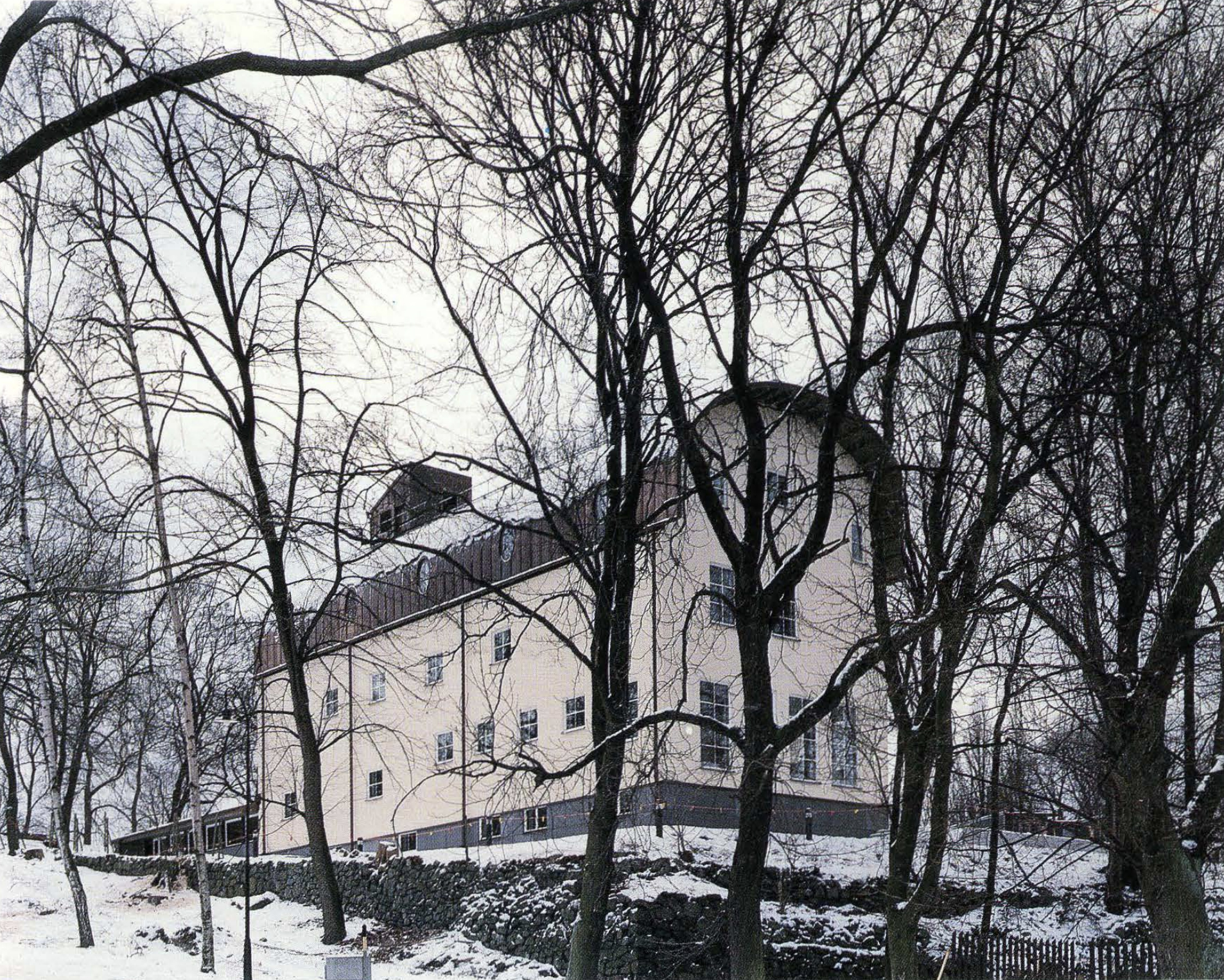
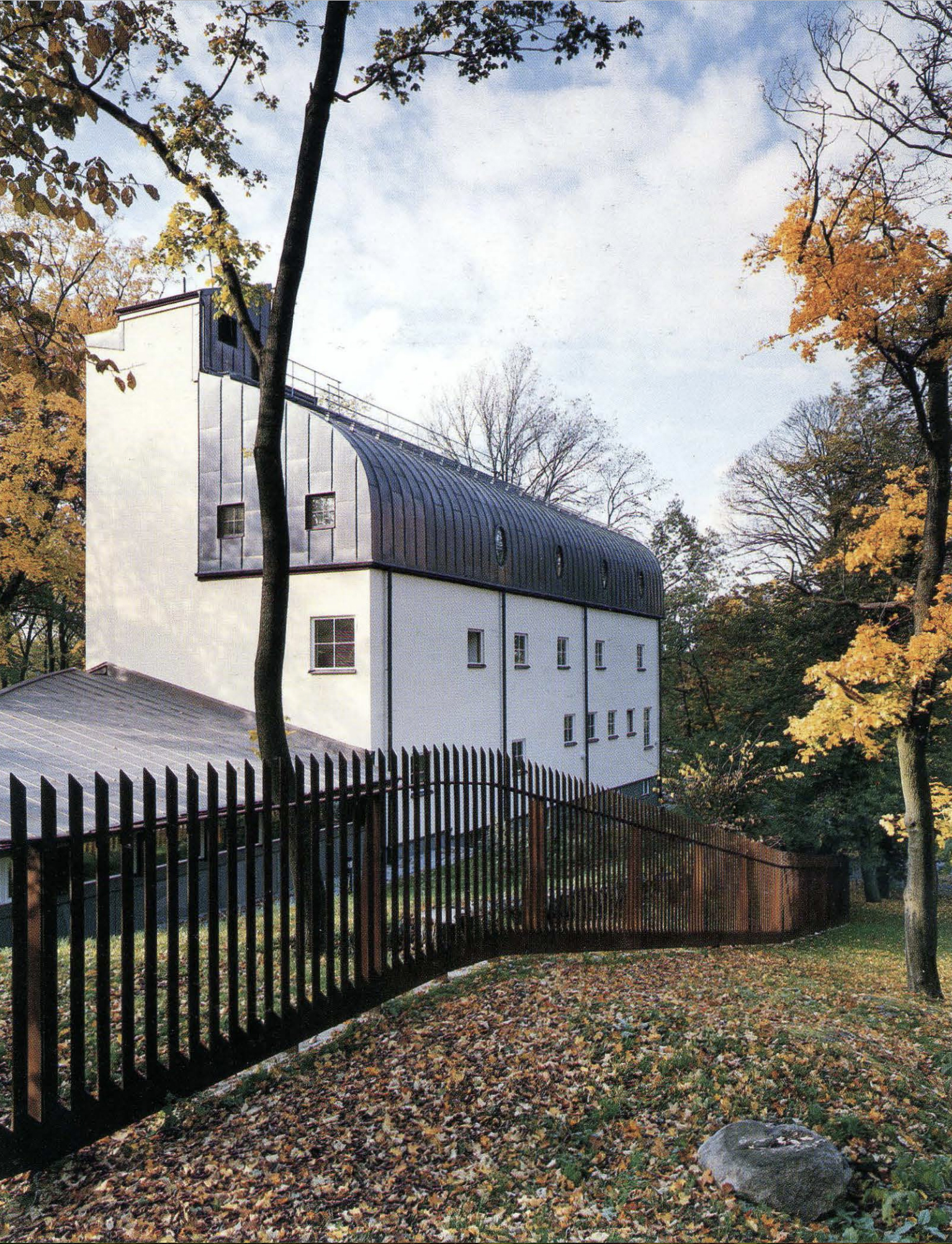
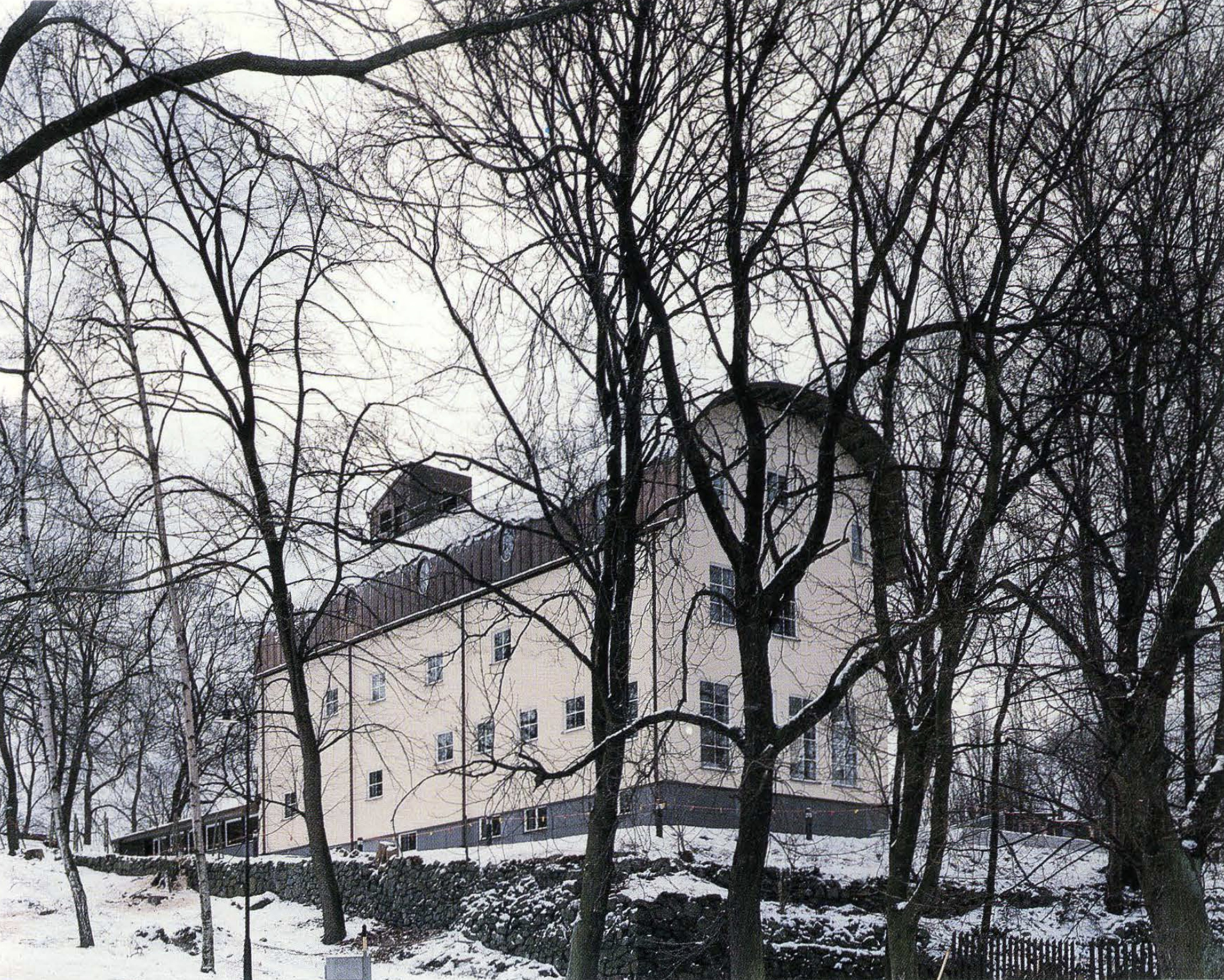
Spanish Chancellery, Stockholm, by Ángel Fernández Alba (190-1992). Photograph by Áke Lindman.
Ángel Fernández Alba was one of the architects with the deepest knowledge of Finnish architecture. He designed and built the Chancellery (Spanish Embassy building) in Helsinki in the early 1990s, integrating it into an environment characterized by Nordic architecture and engaging in a dialogue with buildings such as Aarne Ervi's Villa Himberg (1954) and other local landmarks. In addition to his built work, Fernández Alba was officially recognized by Finland with the decoration of Officer First Class of the Order of the Lion of Finland in 2005, awarded for his work in promoting and disseminating Finnish art, design, and architectural culture in Spain. It is no coincidence that Reto Halme, one of the best Finnish and European photographers, was responsible for a large portion of the photographs taken of his works over nearly two decades.
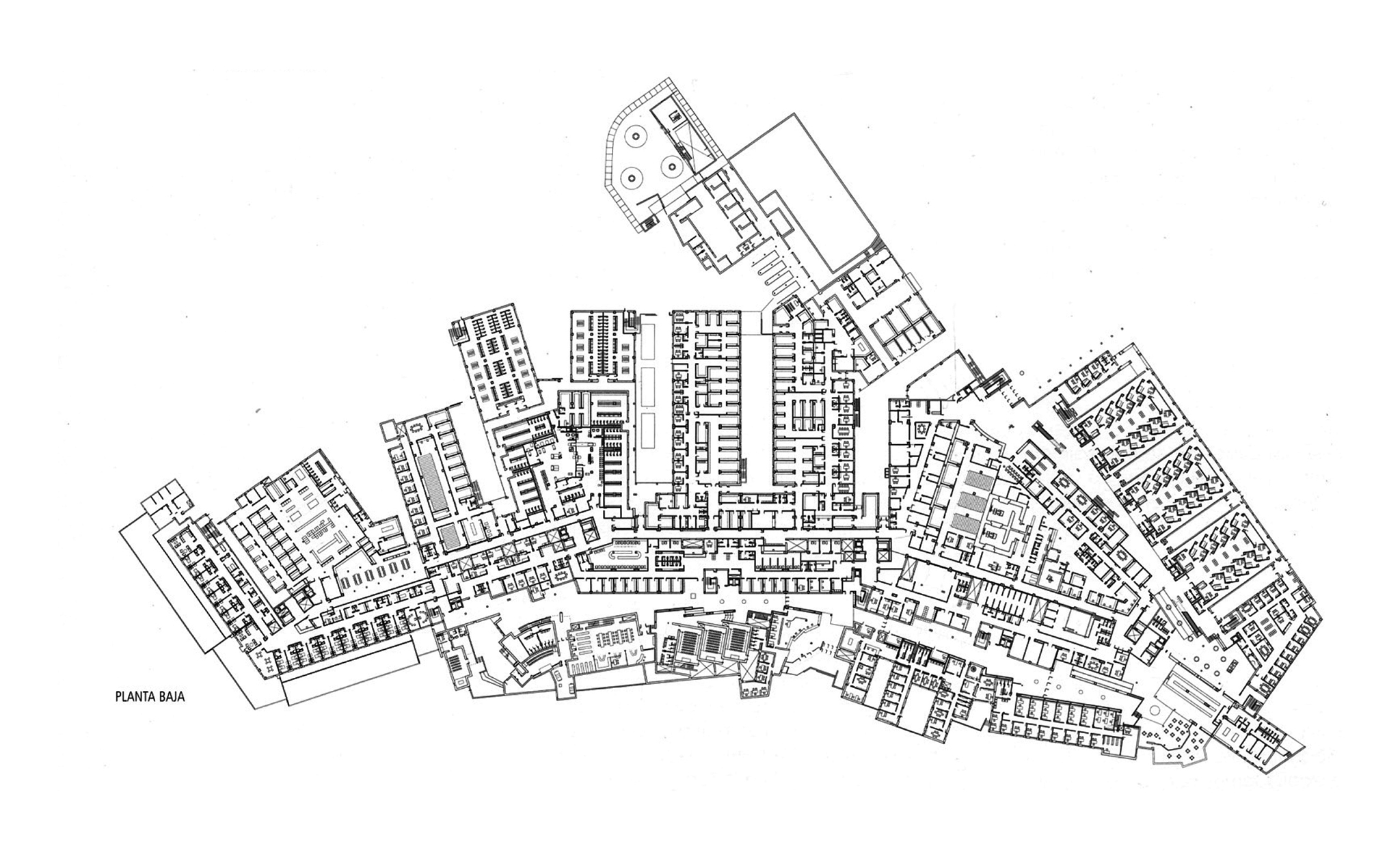
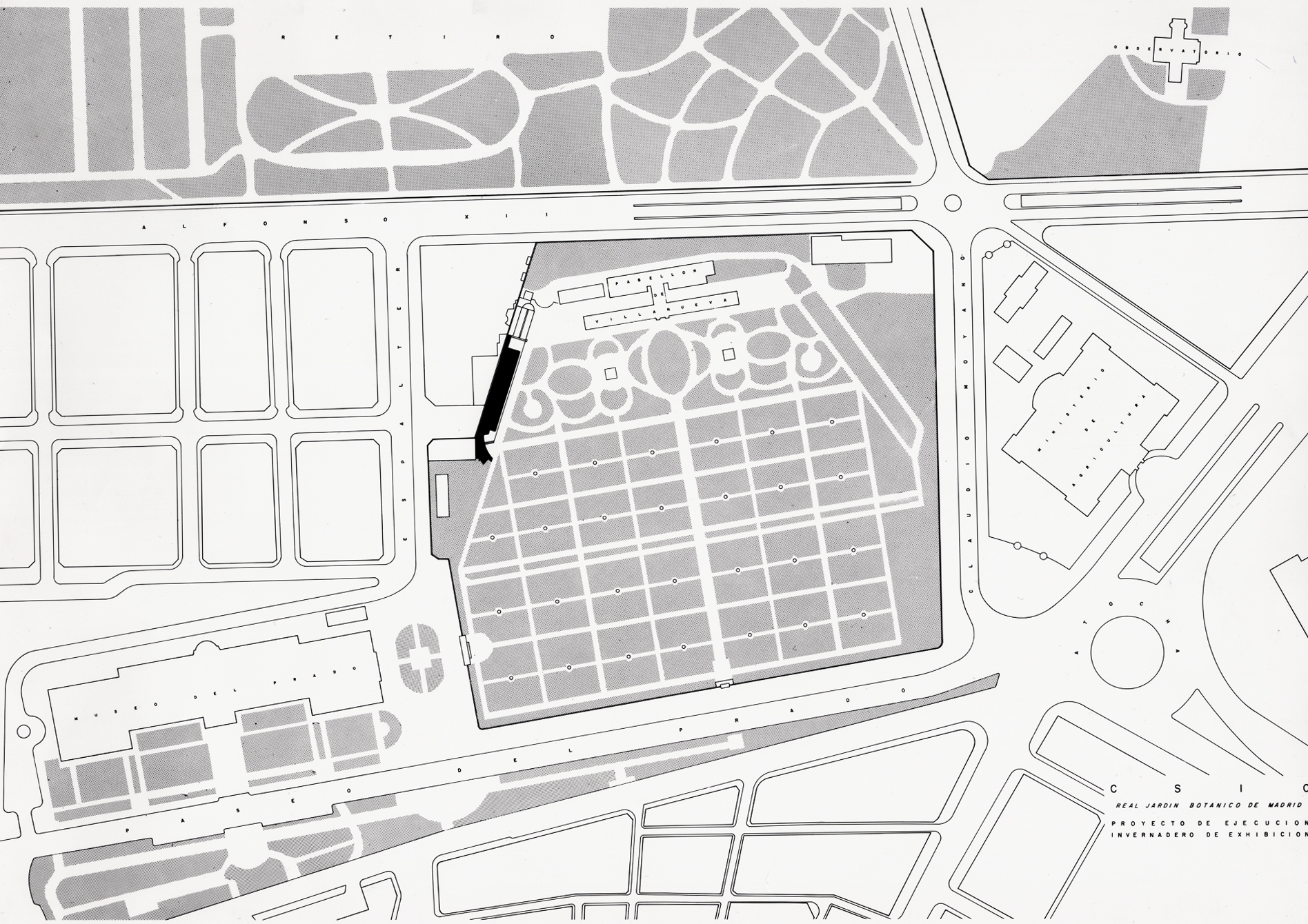
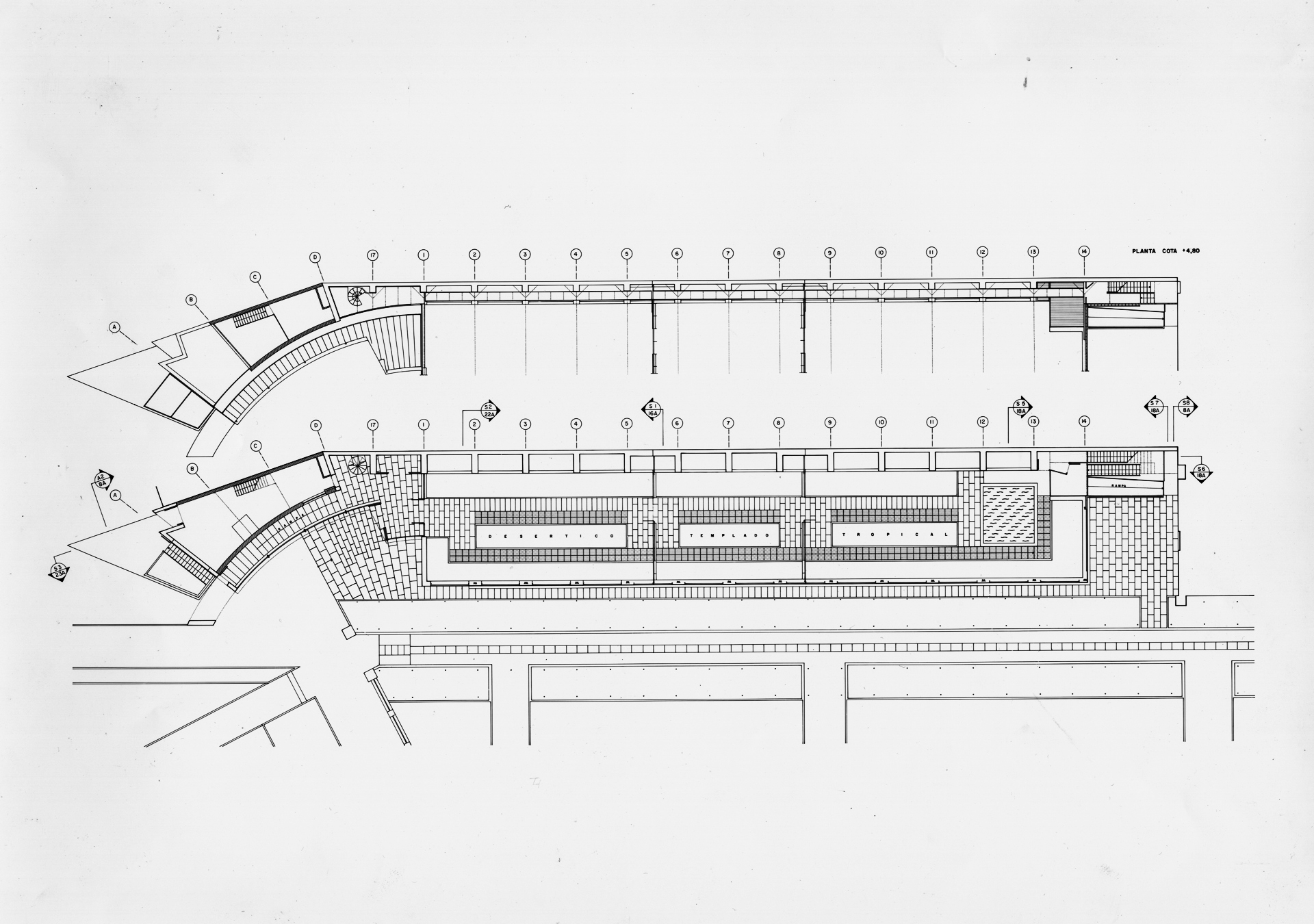
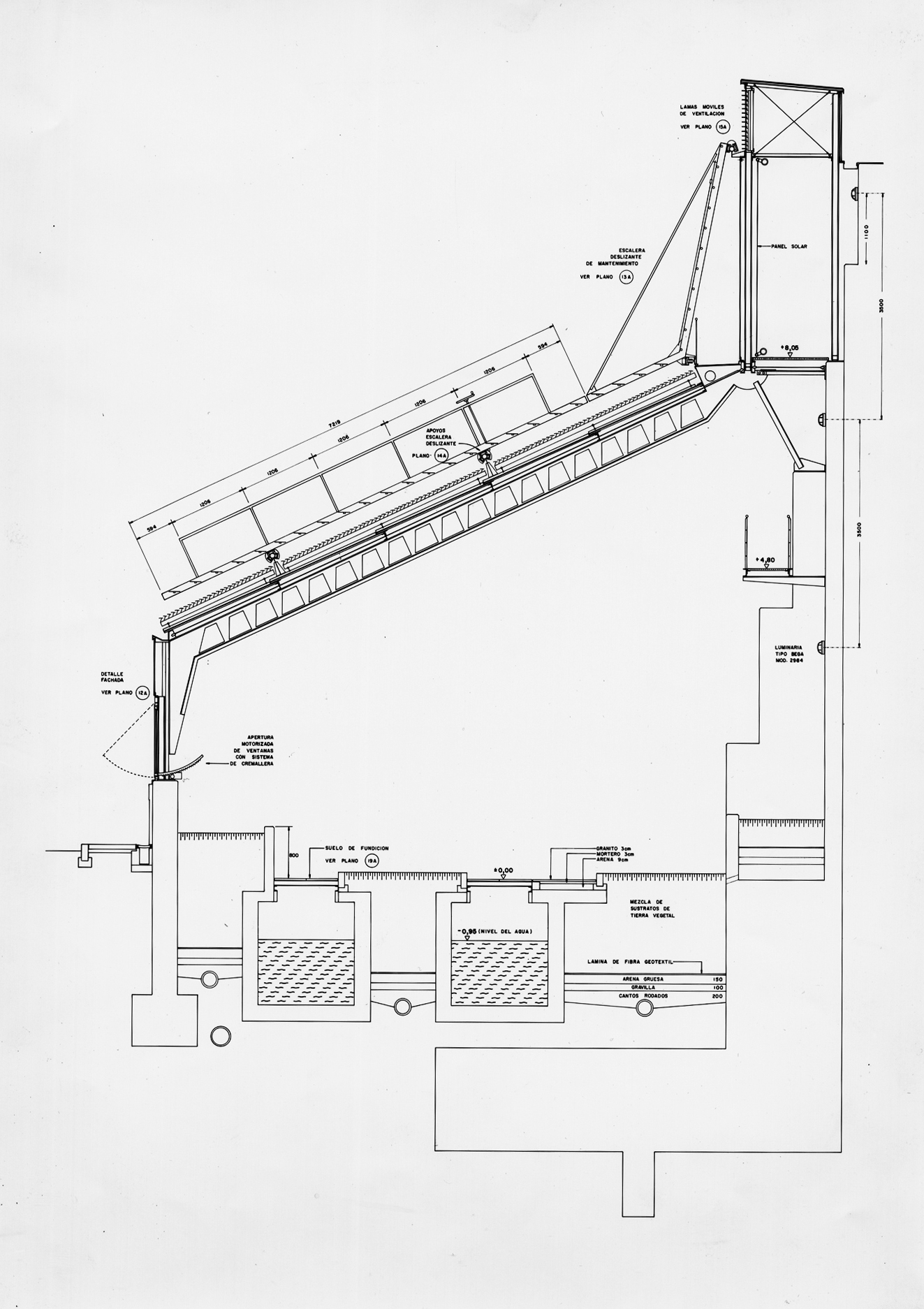
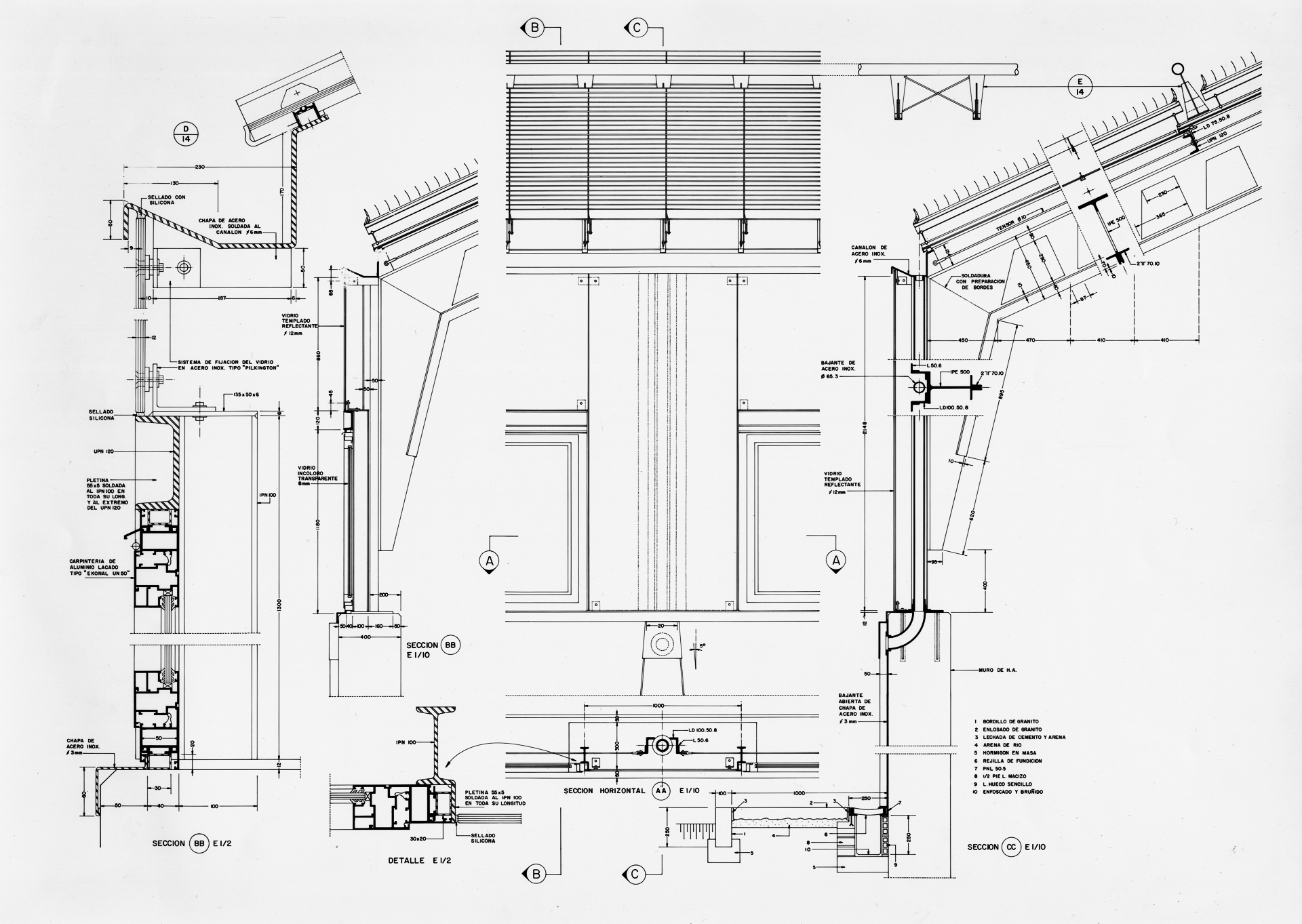
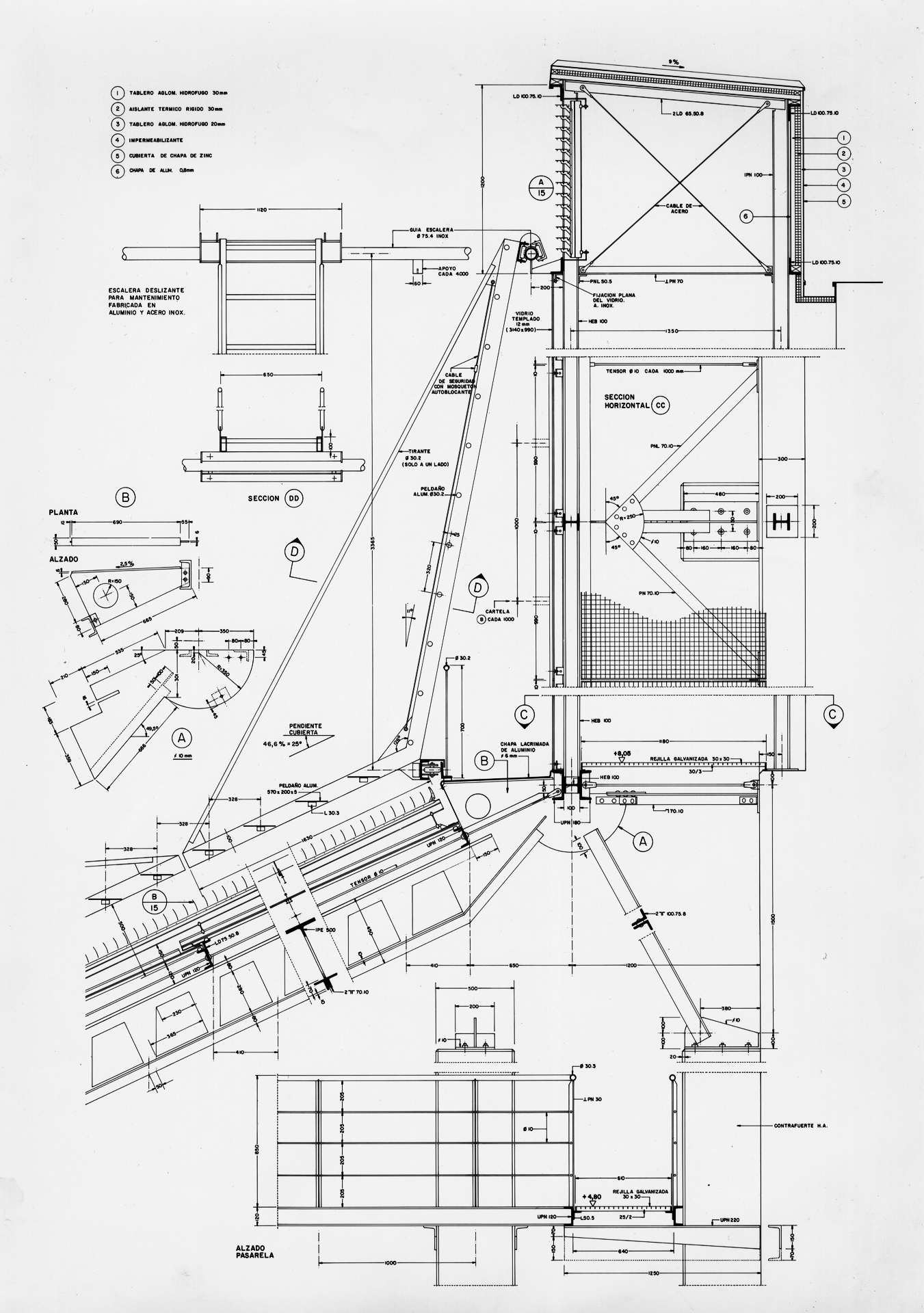
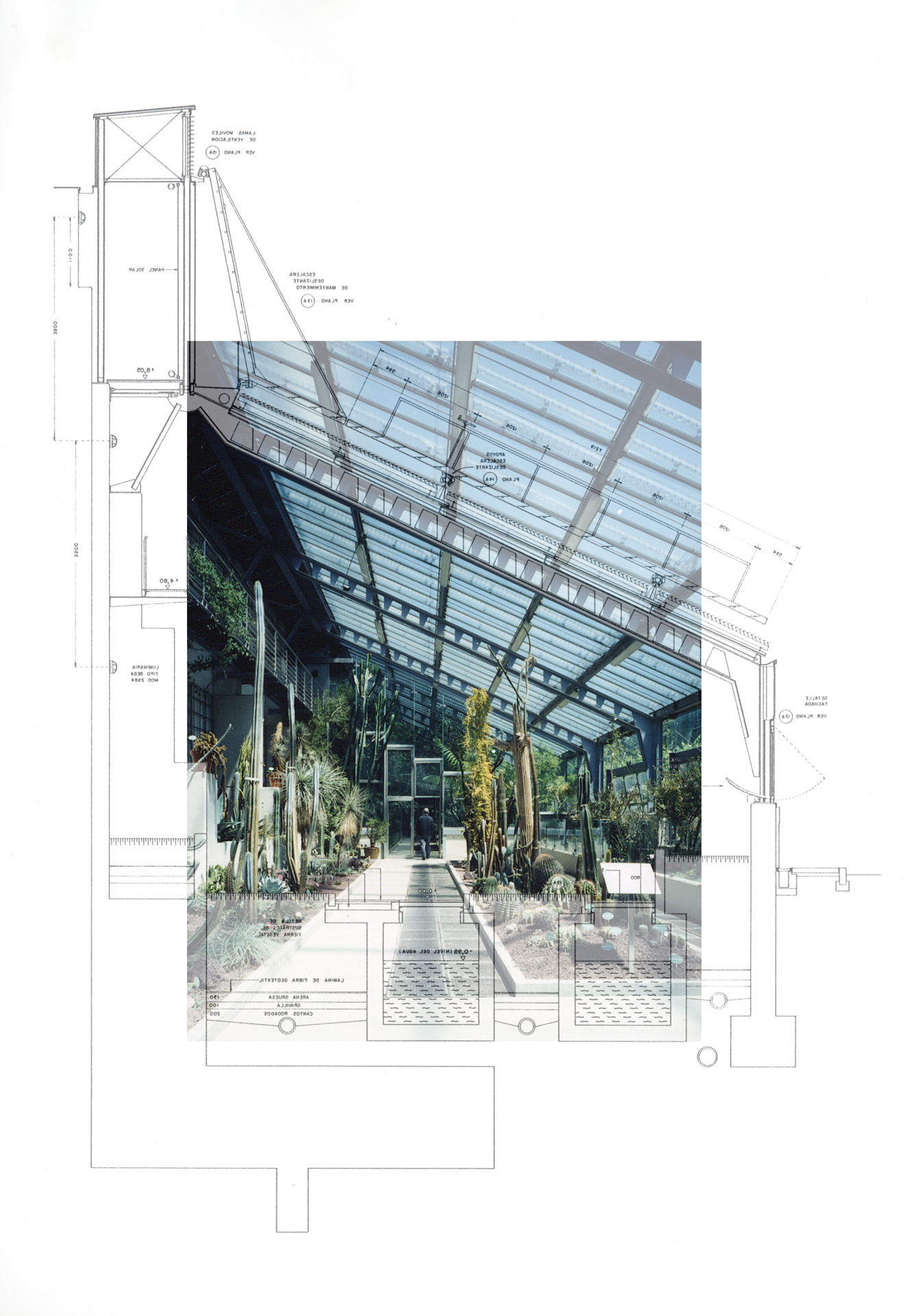
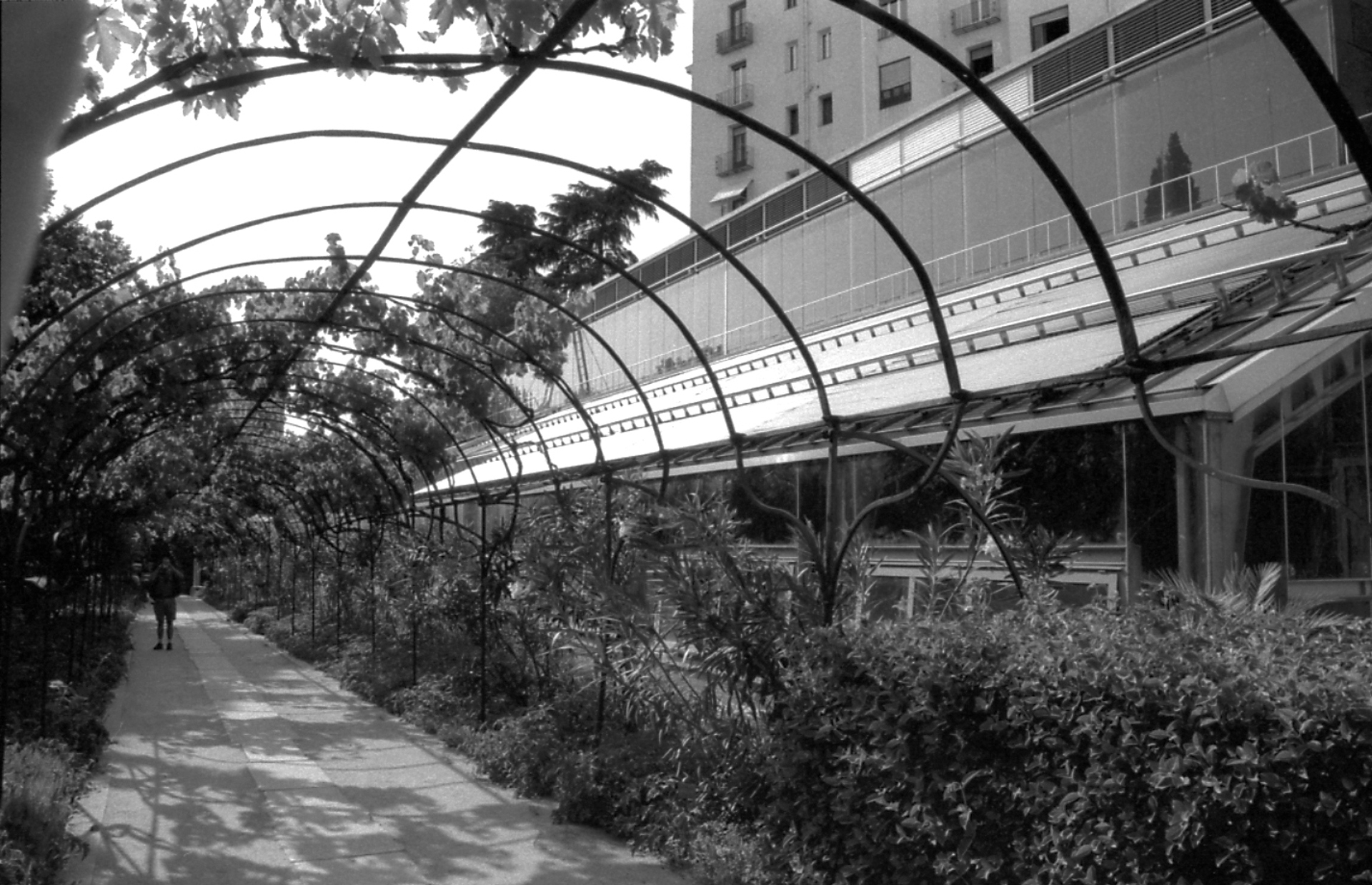
During these years he developed significant works, including the Chancery of the Spanish Embassy in Helsinki (also designing the one in Stockholm), the Law School building in Alcalá, and the Greenhouse at the Royal Botanical Garden of Madrid, for which he received the CEOE Foundation and Madrid City Council architecture prizes in 1994, respectively. He also built some of the country's main hospitals in Oviedo, Zaragoza, Badajoz, Alicante, Valencia, and Ciudad Real; in the latter city, he also designed the Marcos Redondo Conservatory of Music.
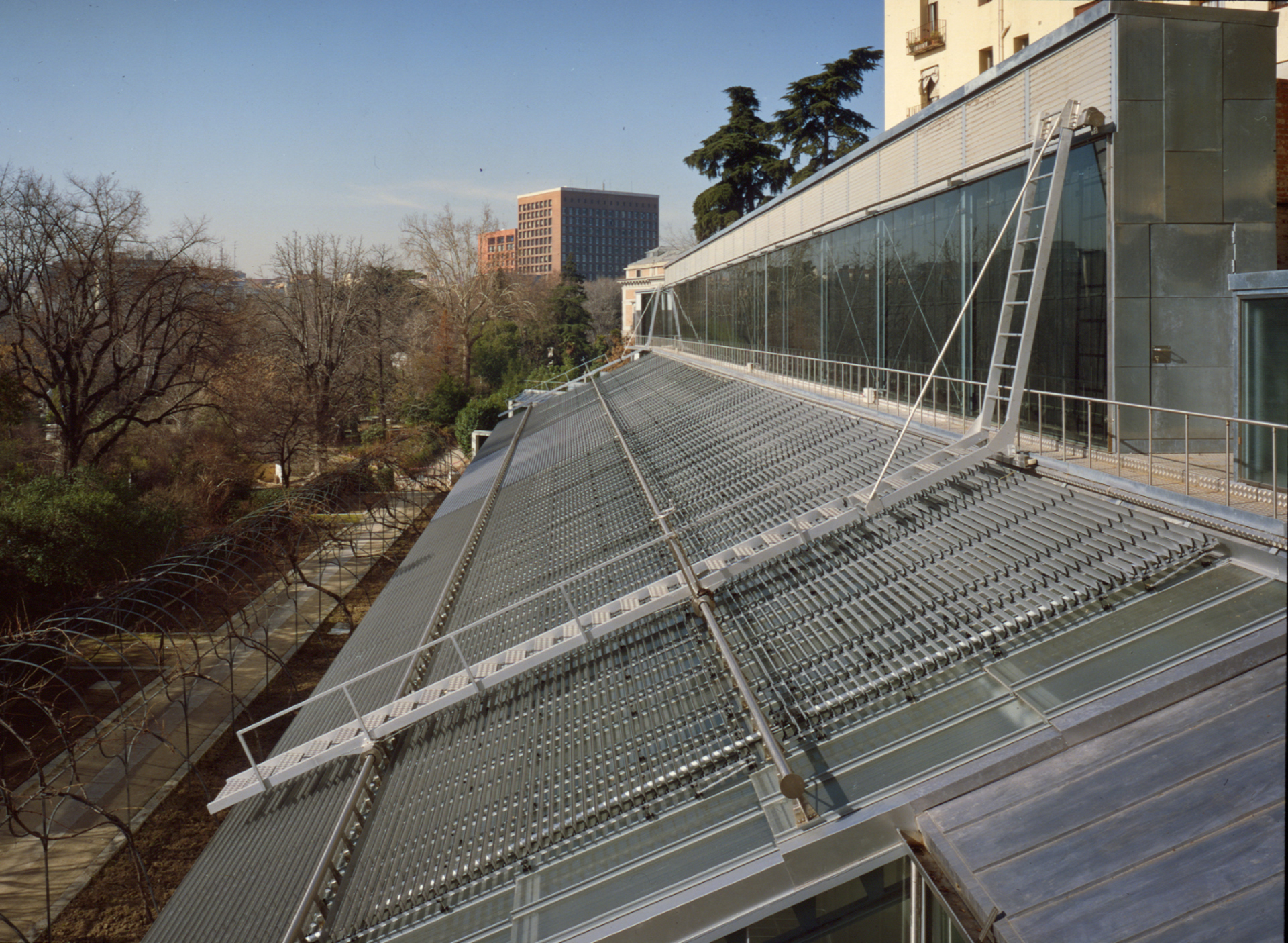
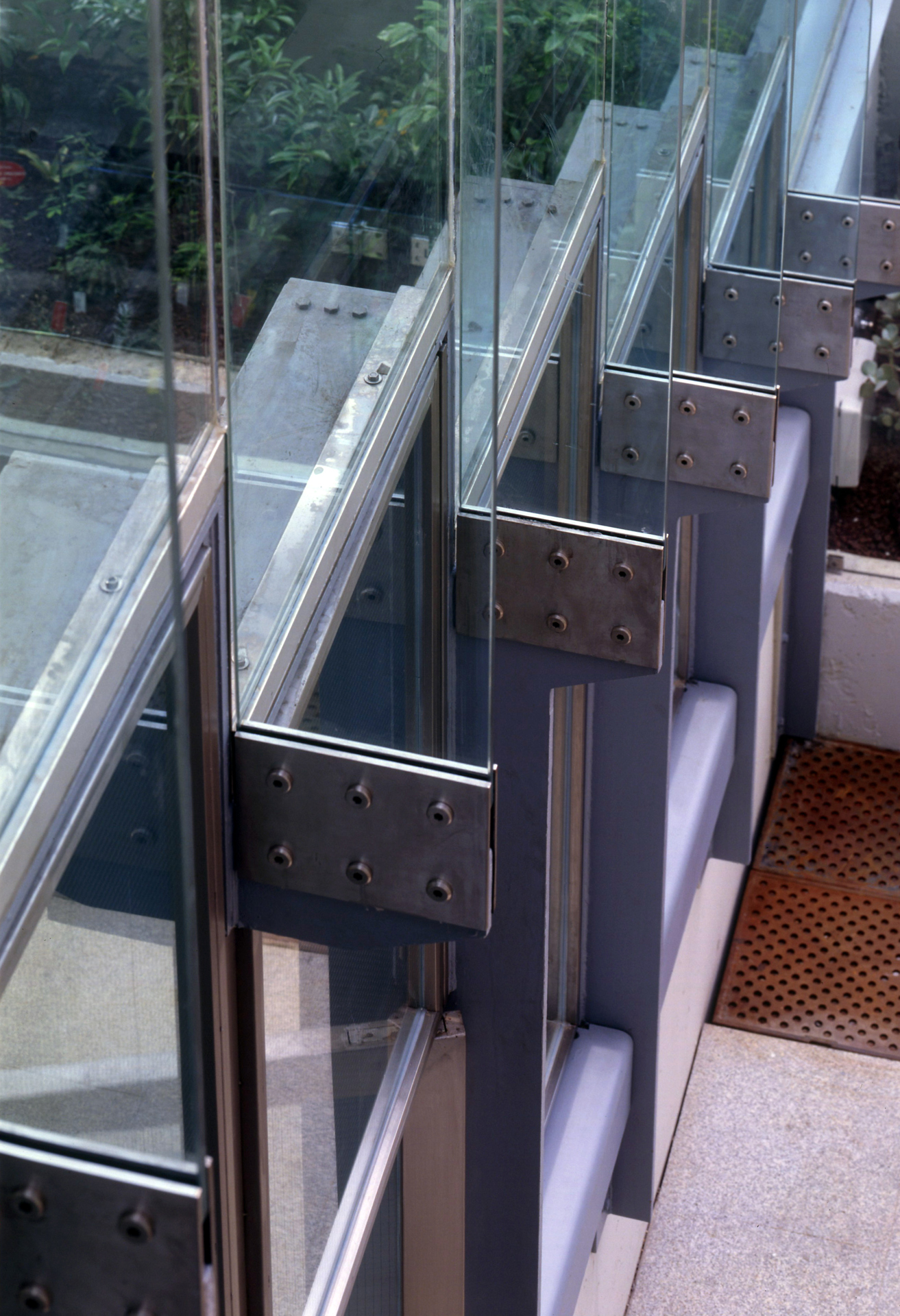
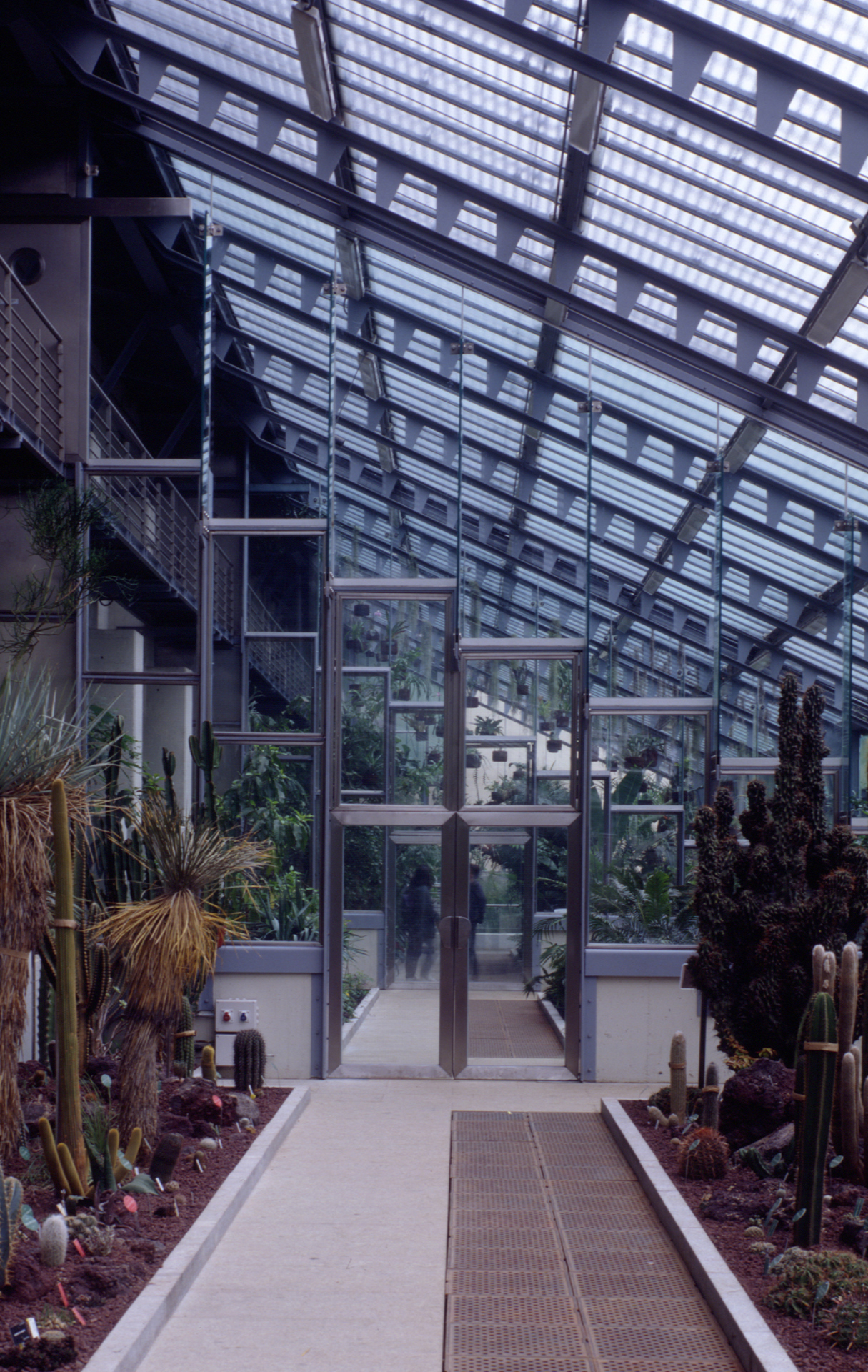
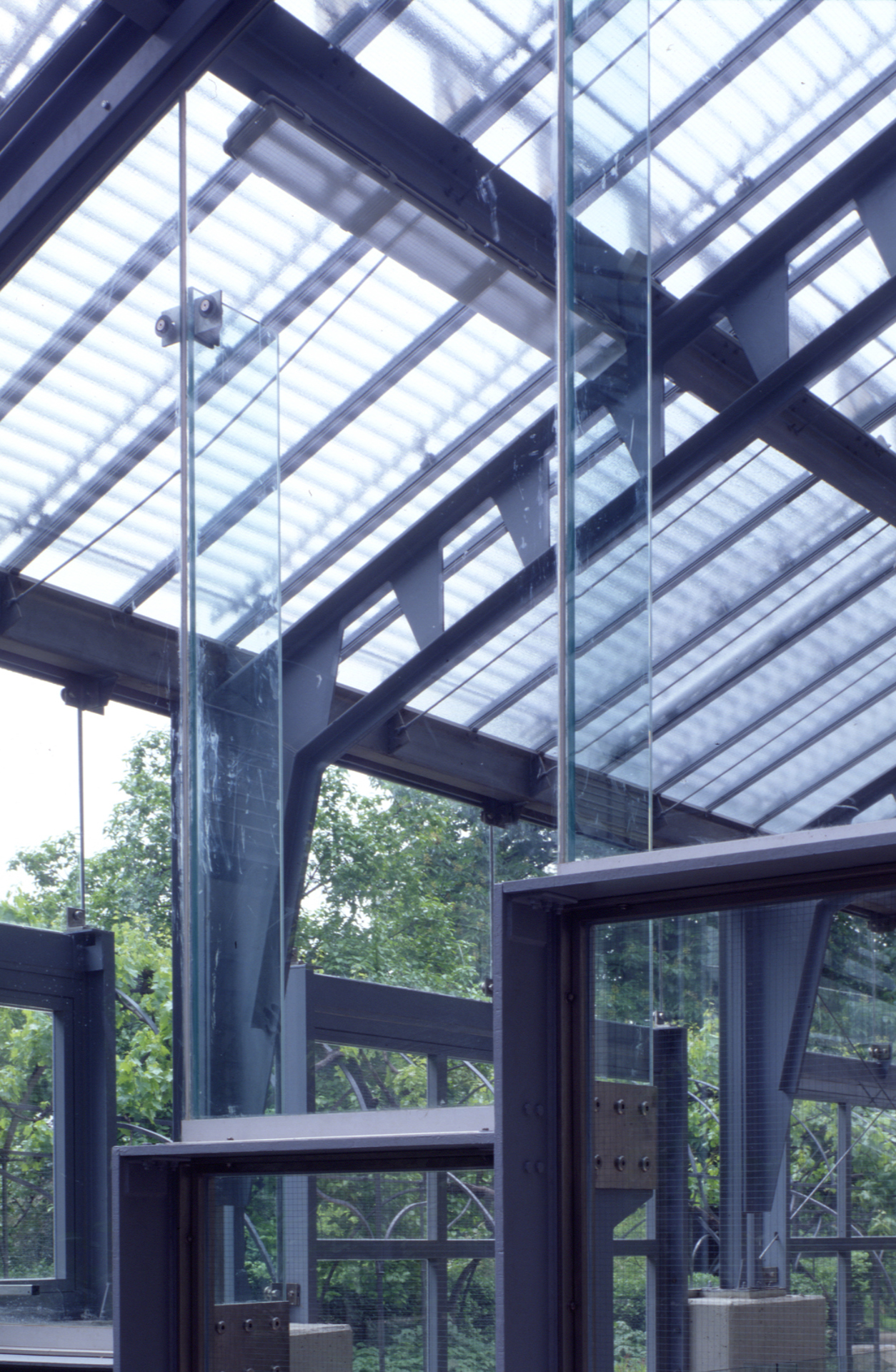
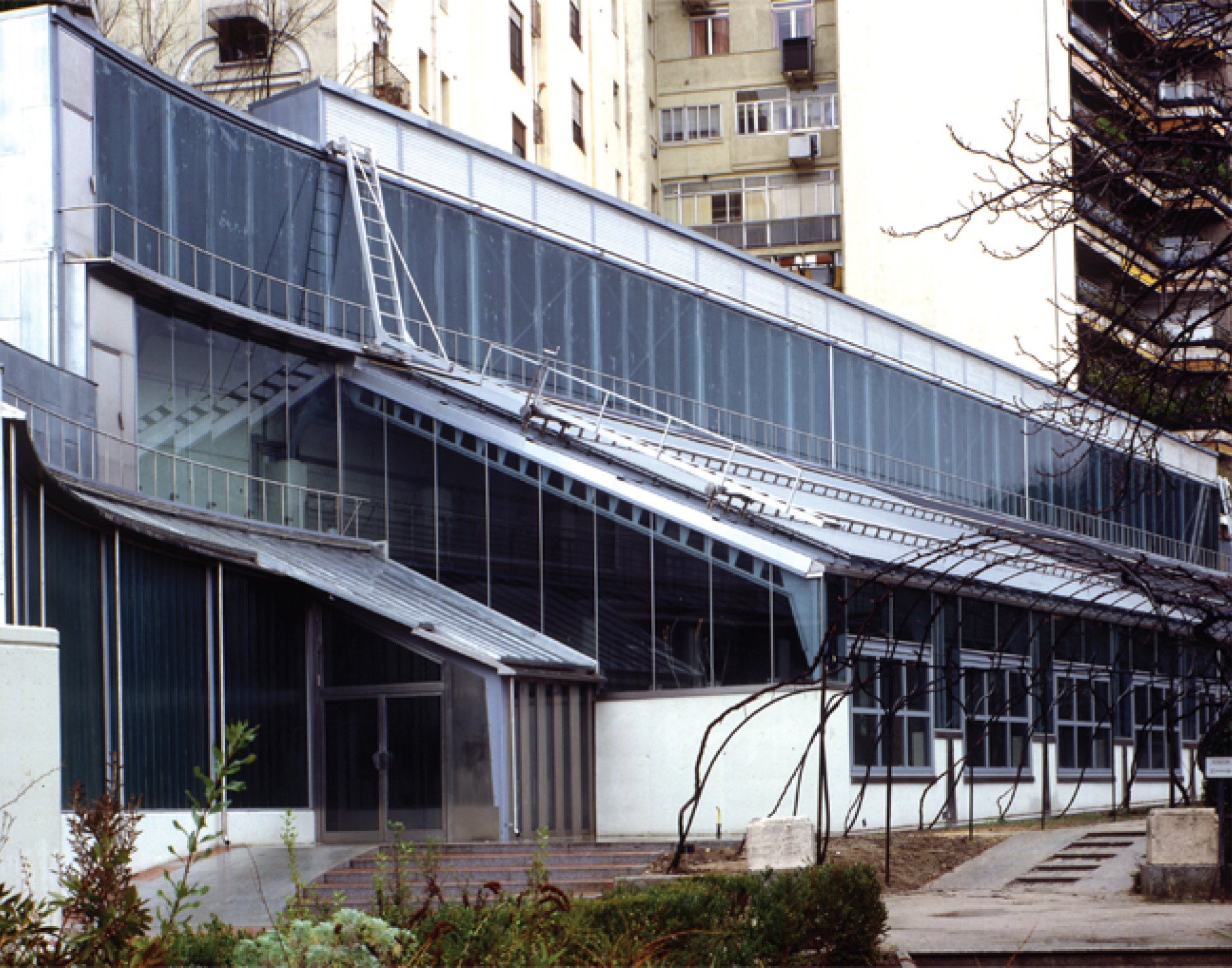
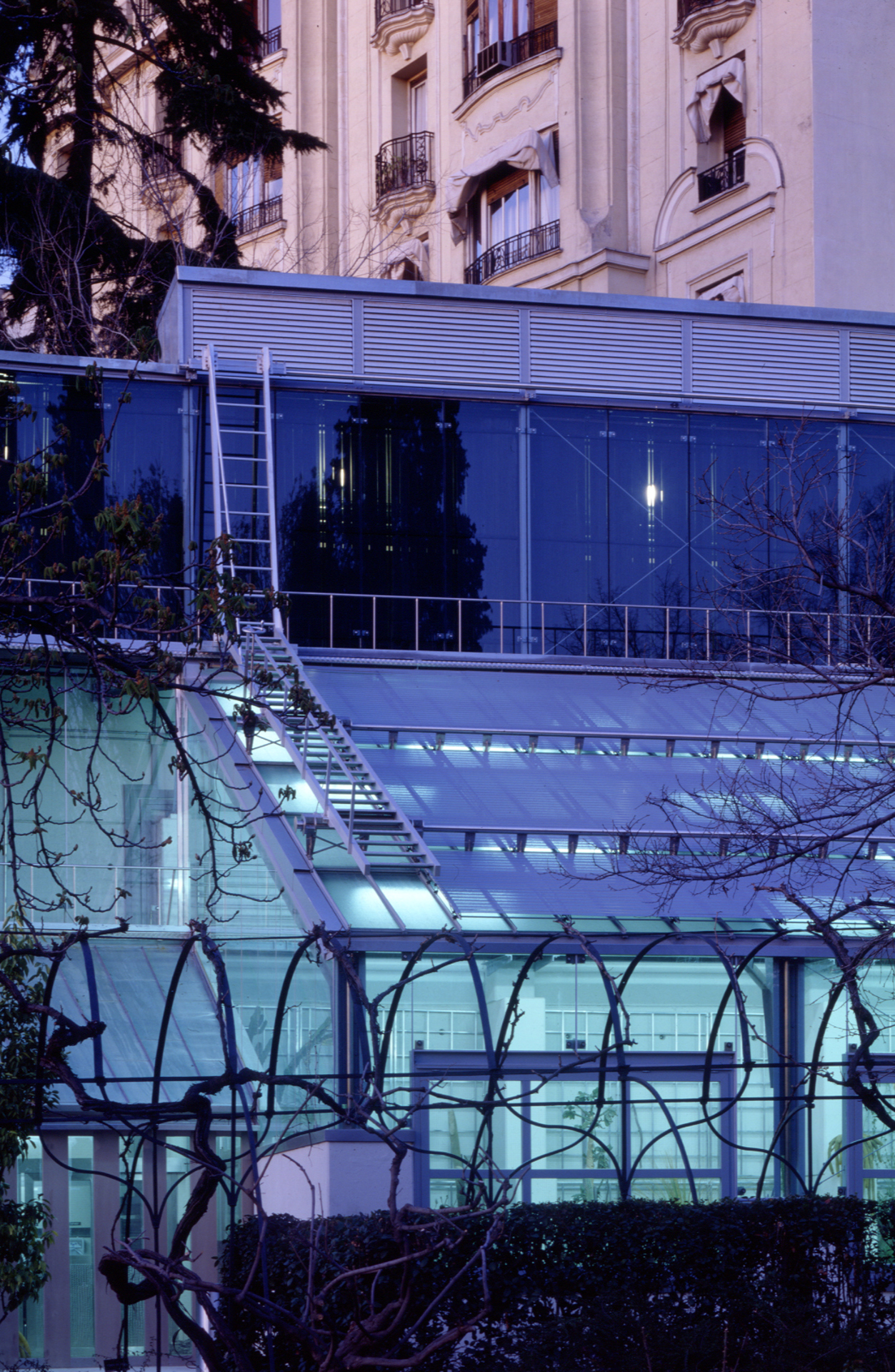
"Perhaps one of this architect's most emblematic works is his new greenhouse for the Royal Botanical Garden of Madrid, completed in 1993. In it, a uniform glass envelope, placed against a pre-existing wall, departs almost completely from the Iberian-Nordic tradition, except perhaps in the case of the metal-framed windows that look out onto the gardens and stand ironically on the continuous glazed surface of the wall: openings framed in a wall that has been completely dematerialized."(4)
Kenneth Frampton.
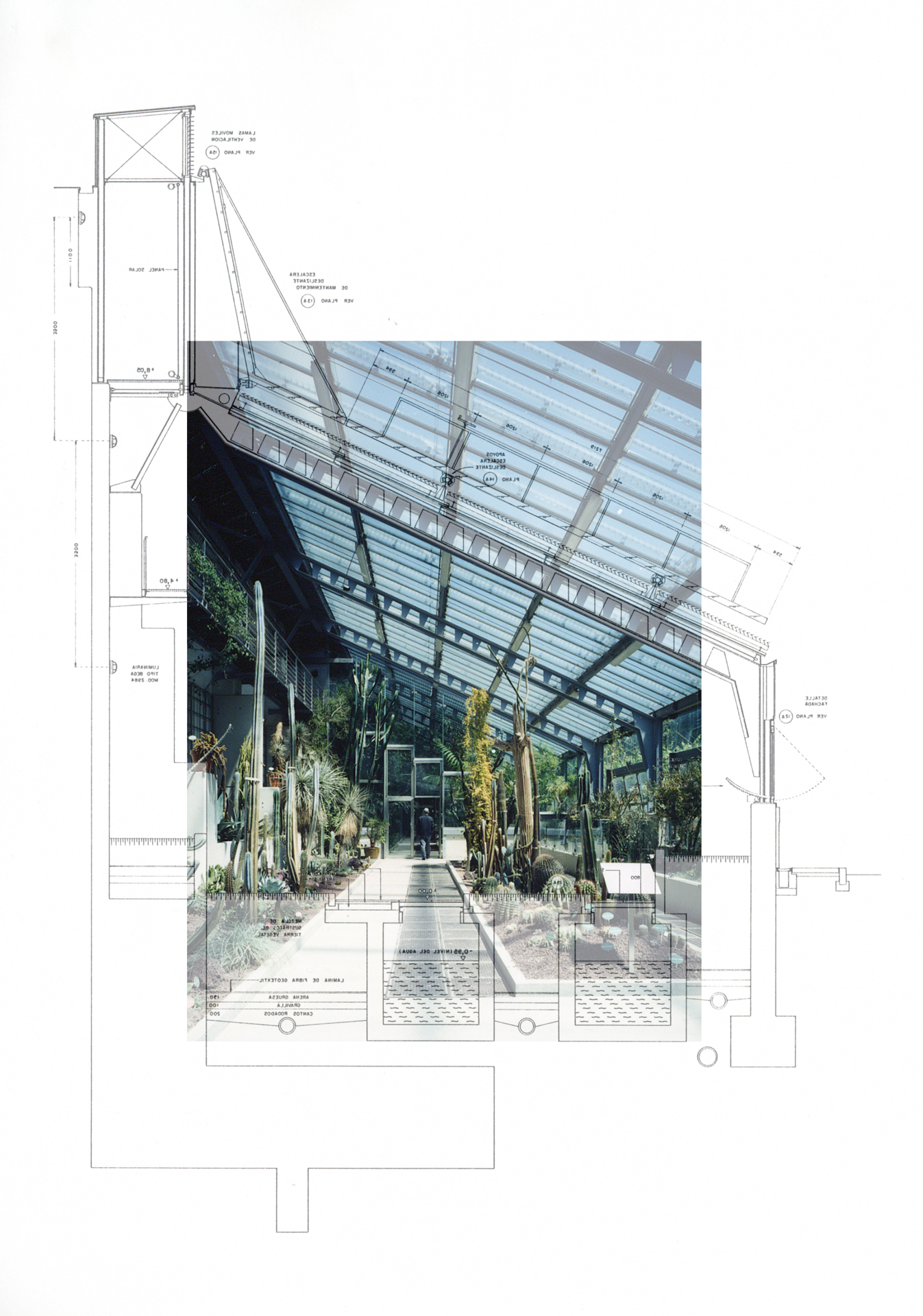
Greenhouse, Royal Botanical Garden, Madrid, CSIC, 1991-1999, by Ángel Fernández Alba. Photography by Reto Halme.
He was a professor of Design at the Madrid School of Architecture and a visiting professor at the University of Arizona. He was also the architect of the ICO Museum and a trustee of its Foundation, through which he fostered collaborations with other Spanish museums and an international network of museums.
He participated in, designed, and curated numerous exhibitions, most notably "From the Built to Architecture Without Paper," for the Spanish Pavilion at the 11th Venice Architecture Biennale in 2008, which he curated jointly with his wife, the architect Soledad del Pino Iglesias.
"The architect's creative work unfolds within a continuous cultural environment, where connections of all kinds are established with the past and the present, almost always silently and often unconsciously. Architectural work is always directed towards a specific recipient, whether it be our teachers or colleagues who gravitate within the energy field of the intellectual world in which our professional activity takes place."
Ángel Fernández Alba. Presentation of the Spanish pavilion at the Venice Architecture Biennale, 2008.
His trajectory could be defined by those words in J. D. Fullaondo's "Telemachus": "I ask myself, finally, where in depth resides that strange personal atmosphere that unifies all these approaches, what makes them transcend the plane of an immediate, generalized brilliance. Some of it could be centered on his reticence, on the way in which the possible romantic vocation is restrained, with weary elegance, placed in the second or third position. But it seems to me that there is something more, something different." (3)
NOTES.-
1. Juan Daniel Fullaondo. «Telémaco» Madrid: Arquitectura, num. 248, 1984, p. 68.
2. Pedro Moleón. «Ángel Fernández Alba. 5 proyectos + 6 metáforas urbanas». Madrid: COAM, 1991, p. 7.
3. Ibidem (1), p. 69.
4. Kenneth Frampton. Introduction in: Pedro Moleón. «ÁNGEL FERNÁNDEZ ALBA». Madrid: Fundación Argentaria, 1995. pp. 7-11.

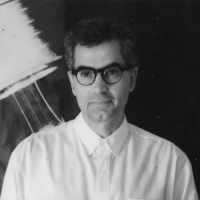
Ángel Fernández Alba (1943-2026).