The award is presented each year to one architect and one artist or designer, honoring the multi-faceted career of artist/architect Isamu Noguchi. Previous winners of the award have included Tadao Ando and Elyn Zimmerman in 2016; architect Yoshio Taniguchi and industrial designer Jasper Morrison (2015); and winners of the inaugural award, Norman Foster and artist Hiroshi Sugimoto (2014).
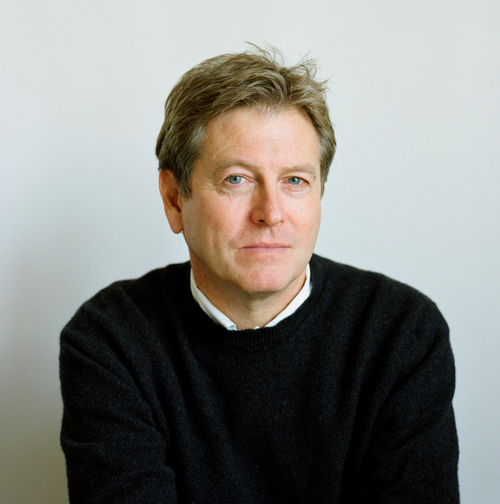
John Pawson, image by Cindy Palmano
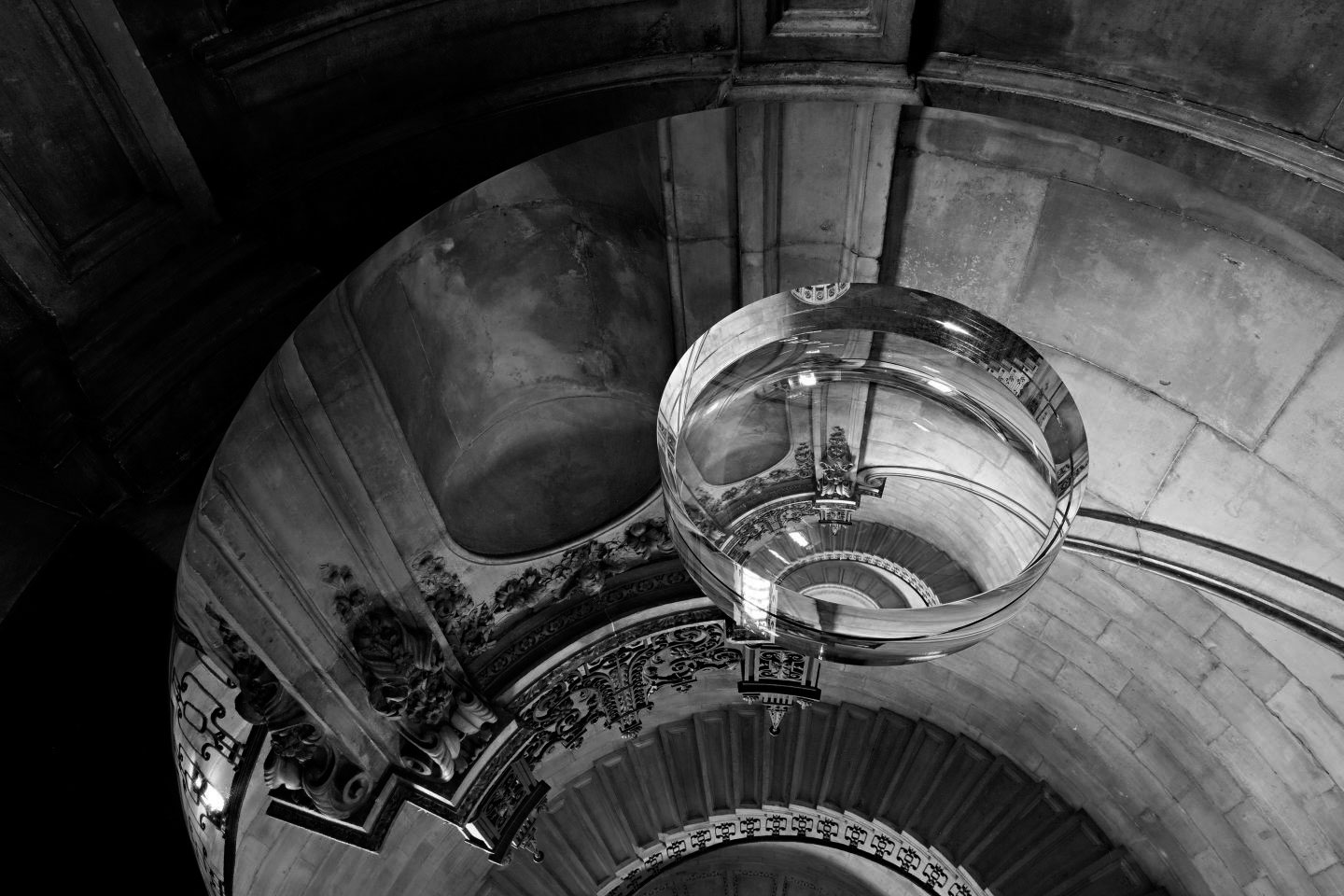
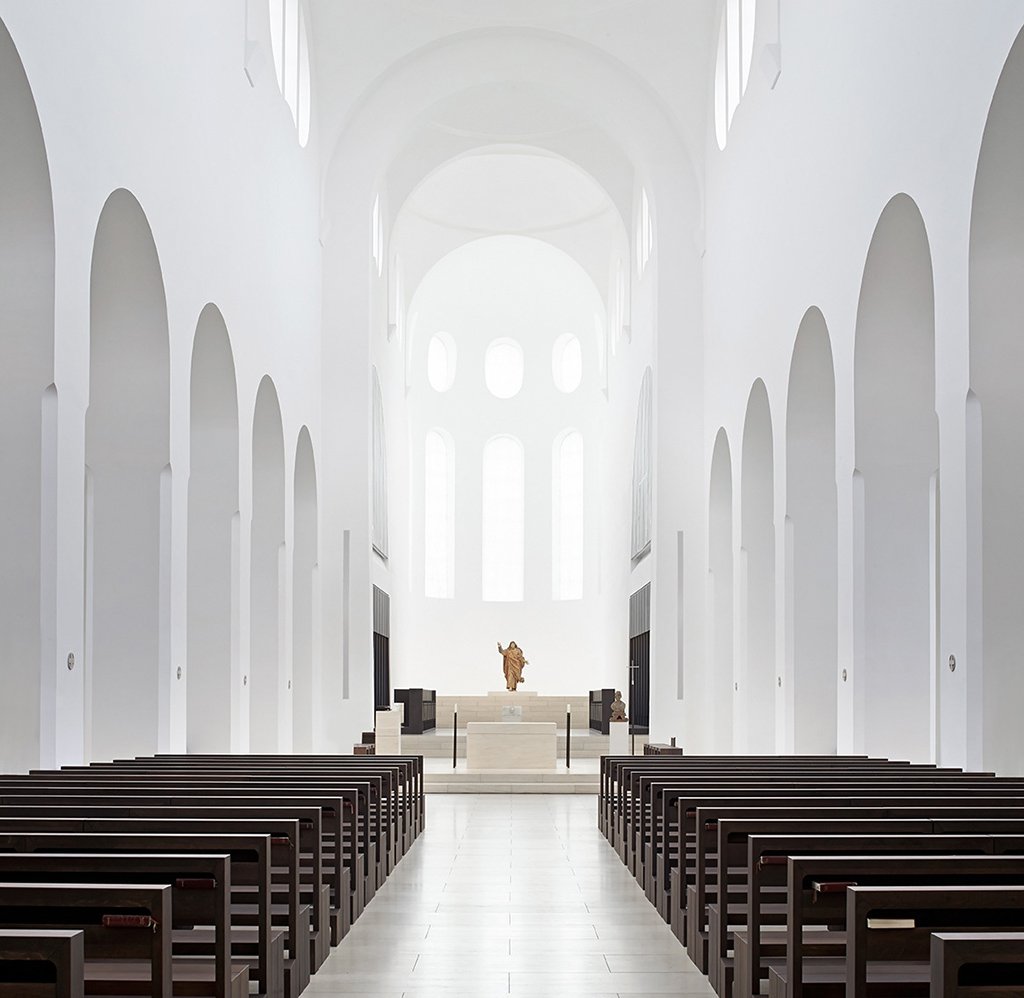
John Pawson was recognized by the museum for his wide range of work, from private homes to retail showrooms, from monasteries to yachts. Having spent four years working in Japan under the tutelage of designer Shiro Kuramata, Pawson’s work draws from a variety of traditions united through a strict minimalist approach.
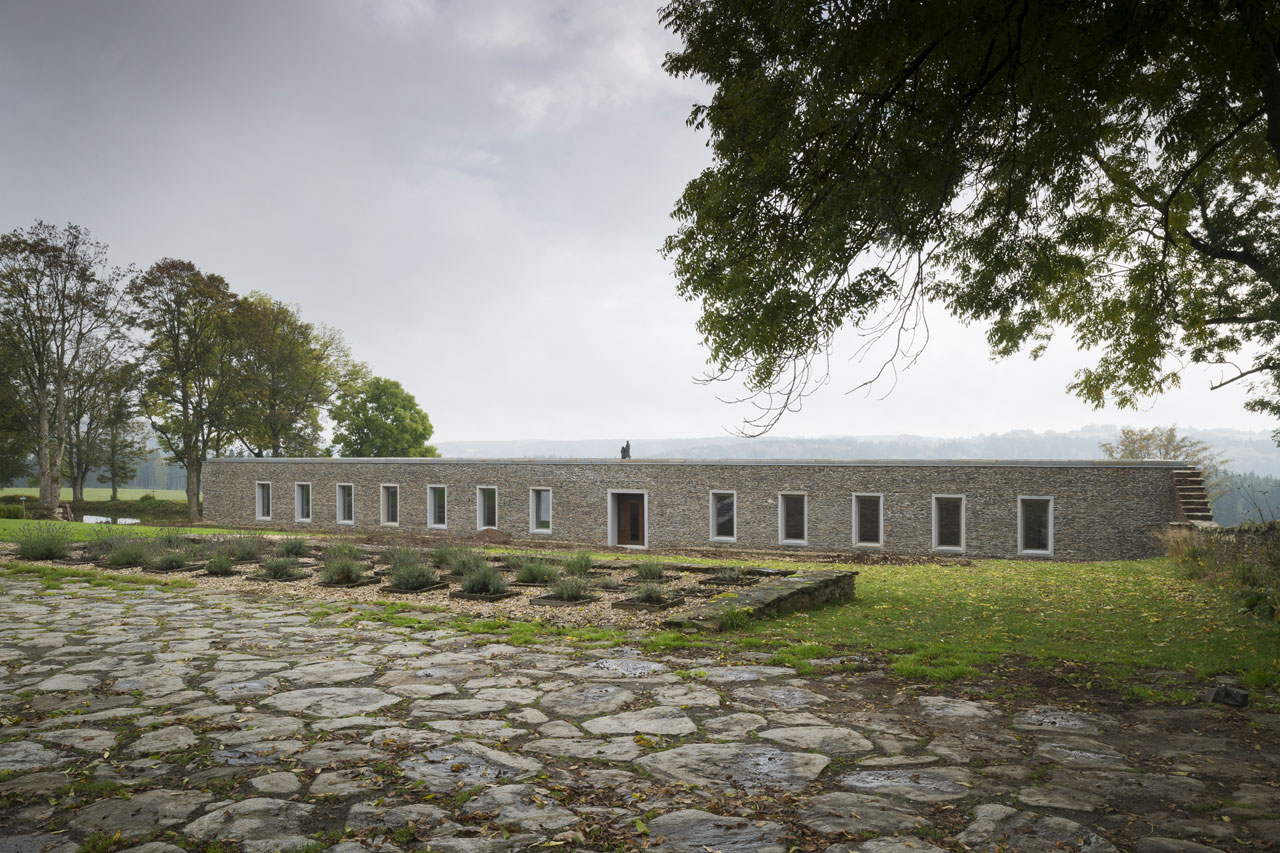
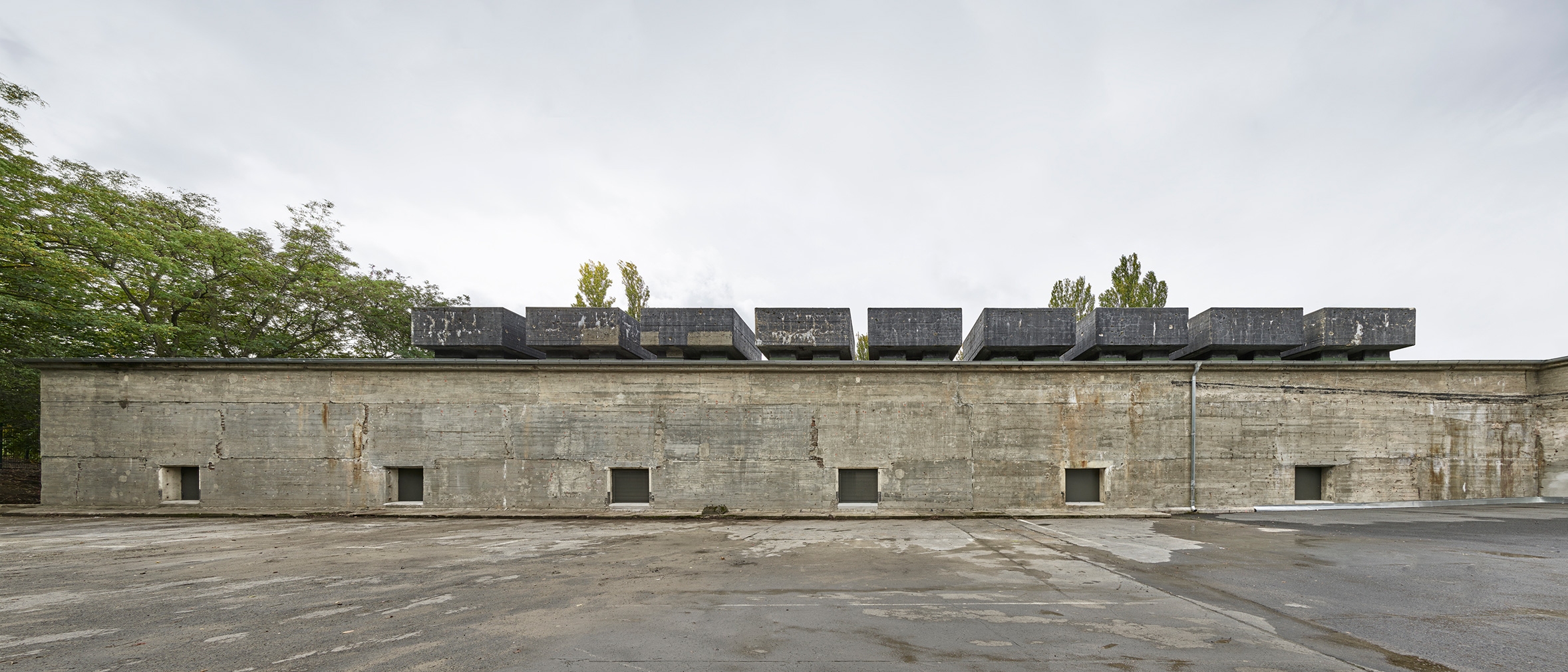
John Pawson was born in 1949 in Yorkshire. After a period in the family textile business he left for Japan, spending several years teaching English at the University of Nagoya. Following his return to England, he enrolled at the Architectural Association in London, establishing his own practice in 1981. Recent projects by Pawson include the the Feuerle Collection in Berlin and the renovation of Design Museum in London, which was recently named to the 2017 RIBA London shortlist.
John Pawson was born in 1949 in Yorkshire. After a period in the family textile business he left for Japan, spending several years teaching English at the University of Nagoya. Following his return to England, he enrolled at the Architectural Association in London, establishing his own practice in 1981. Recent projects by Pawson include the the Feuerle Collection in Berlin and the renovation of Design Museum in London, which was recently named to the 2017 RIBA London shortlist.
"Pawson has spent over thirty years making rigorously simple architecture that speaks of the fundamentals but is also modest in character. His body of work spans a broad range of scales and typologies, from private houses, sacred commissions, galleries, hotels, airport lounges, ballet sets, yacht interiors and a bridge across a lake. In 2016 he completed his first major public project – the interior remodeling of the former Commonwealth Institute building in London, an iconic example of post-war British Modernism, as the new permanent home of the Design Museum. From the outset his work has focused on ways of approaching fundamental problems of space, proportion, light and materials – themes explored in his book Minimum, which examines the notion of simplicity in art, architecture and design."
“Pawson’s work continues to grow out of the expressions of simplicity that have formed a consistent component of both Eastern and Western traditions, from Japanese concepts of Zen to Cistercian monastic architecture,” the museum notes.
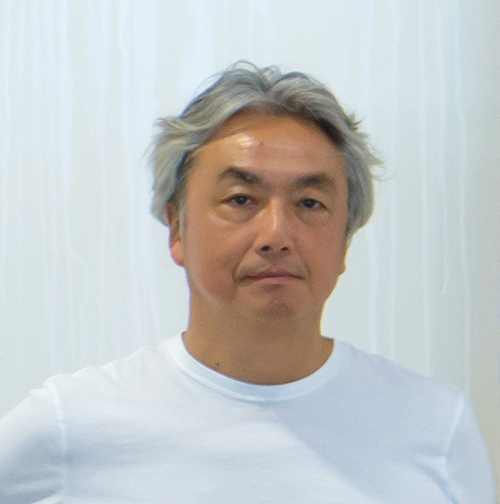
Hiroshi Senju, image courtesy Senju Studio via Isamu Noguchi Museum
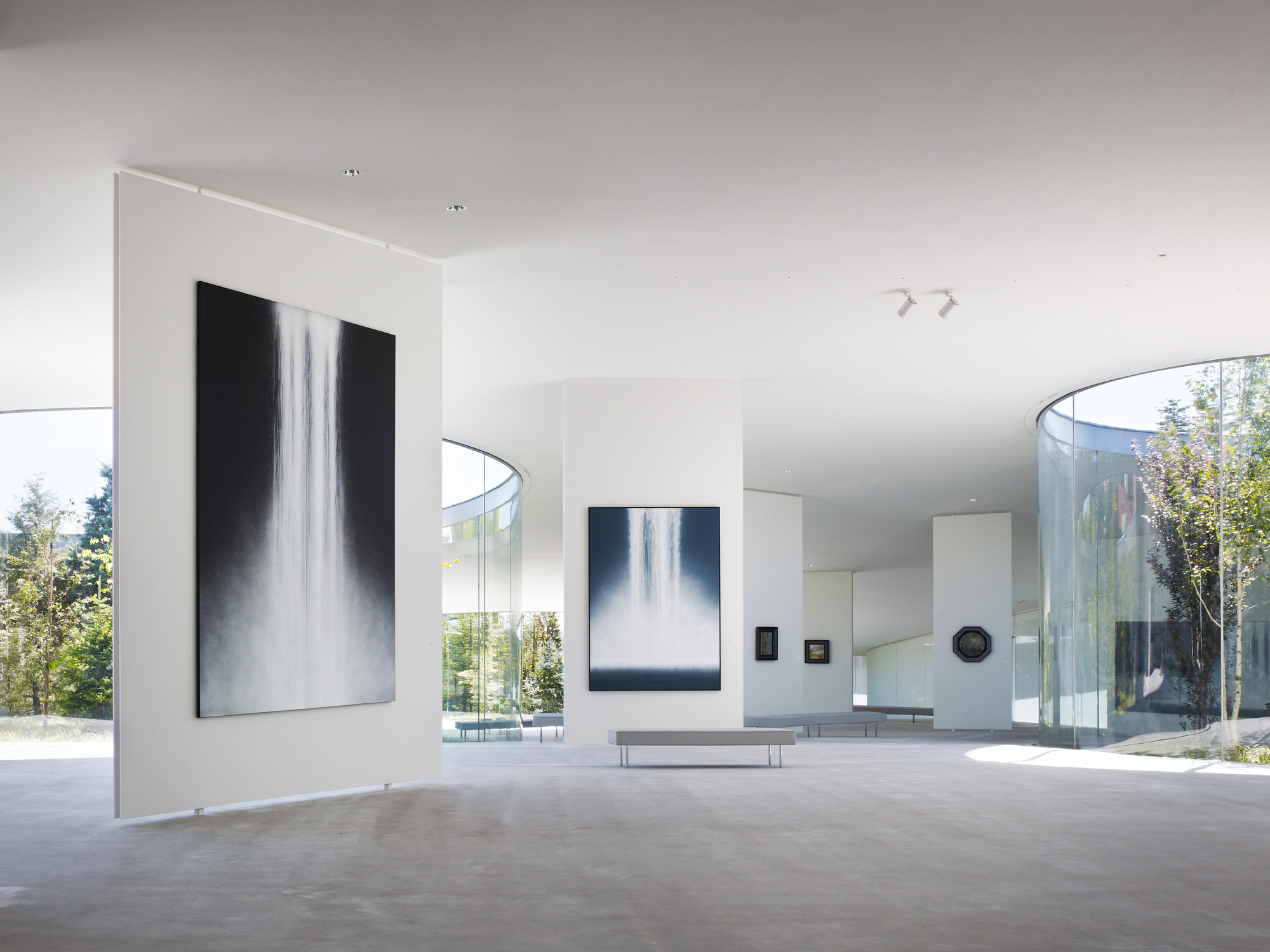
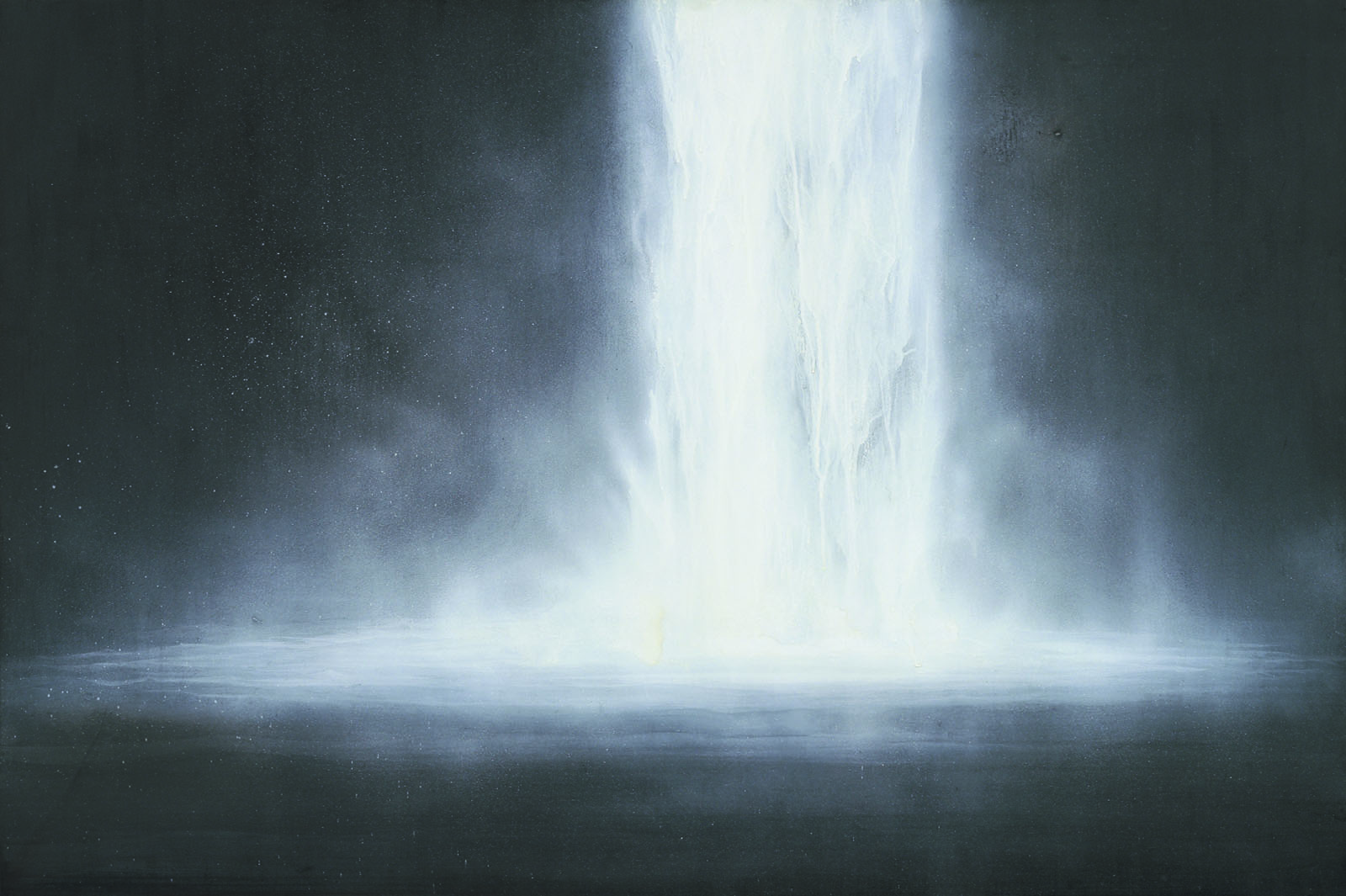
Hiroshi Senju painter was selected as a recipient for his “sublime, frequently monumental images of waterfalls and cliffs that combine a minimalist visual language that is rooted in Abstract Expressionism with ancient Japanese painting techniques.”
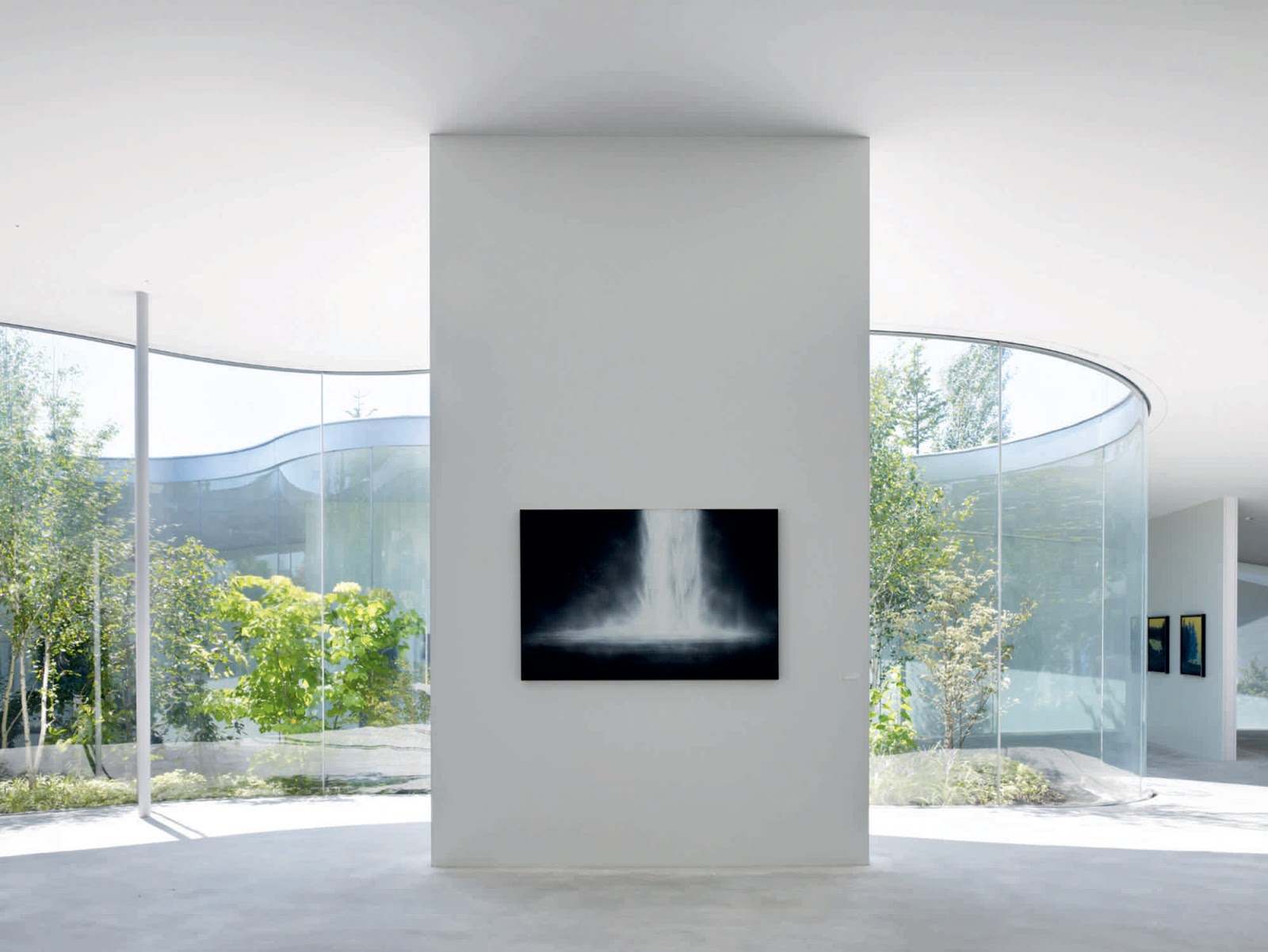
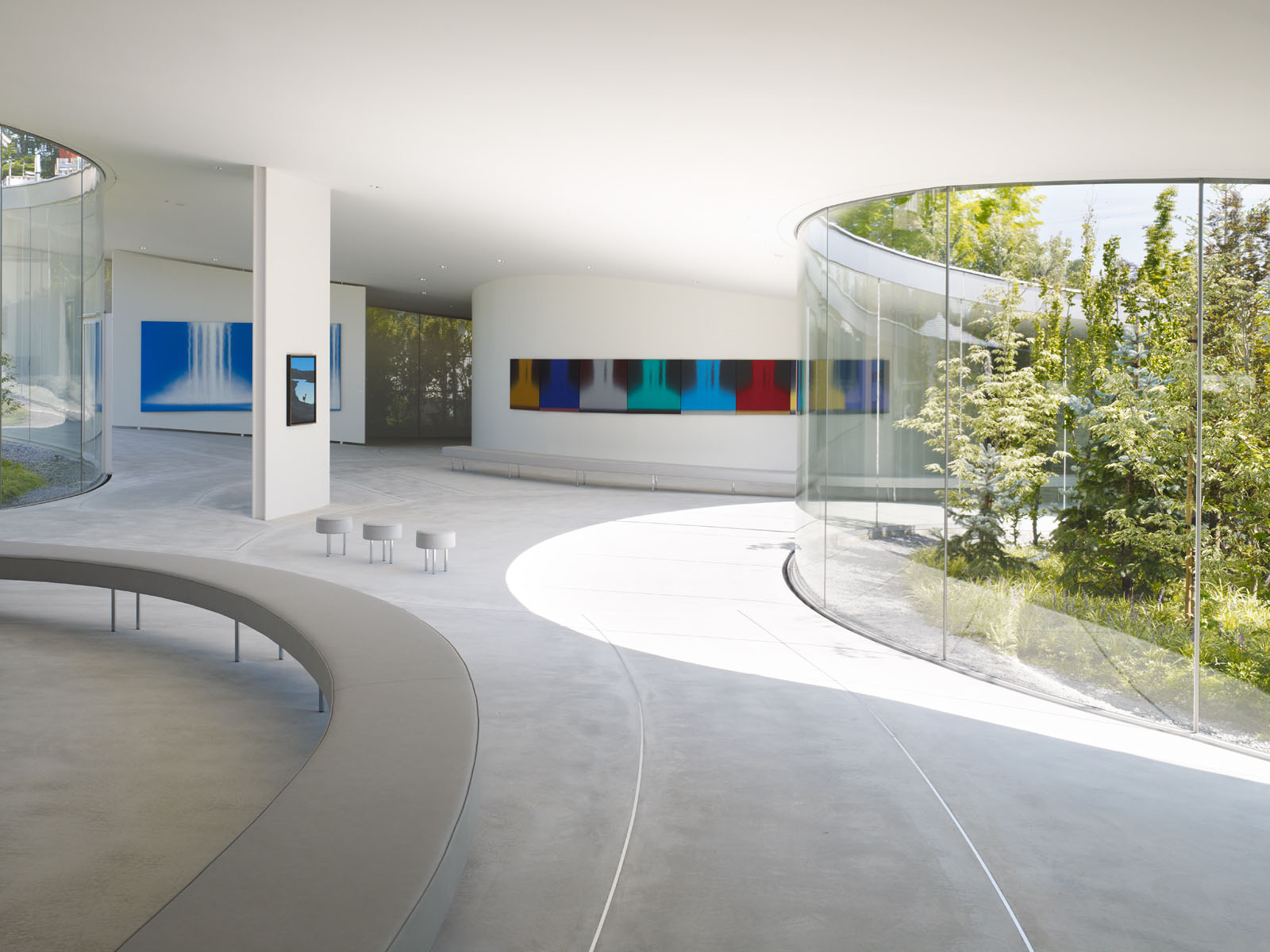
Born in Tokyo in 1958, painter Hiroshi Senju is noted worldwide for his sublime waterfall and cliff images, which are often monumental in scale. He combines a minimalist visual language rooted in Abstract Expressionism with ancient painting techniques unique to Japan. Senju is widely recognized as one of the few contemporary masters of the thousand-year-old nihonga style of painting, using pigments made from minerals, ground stone, shell and corals suspended in animal-hide glue. Evoking a deep sense of calm, his waterfalls, which he creates with incredible delicacy by pouring paint onto mulberry paper on board, conjure not only the appearance of rushing water, but its sound, smell and feel.
Public installations include seventy-seven murals at Jukoin, a Zen Buddhist temple in Kyoto, and a large waterfall at Haneda Airport in Tokyo. The Benesse Art Site of Naoshima Island also houses two large-scale installations. His work is in numerous collections, including the Brooklyn Museum; Museum of Contemporary Art, Los Angeles; San Francisco Museum of Modern Art; The Museum of Modern Art, Toyama, Japan; and Yamatane Museum of Art, Tokyo. The Hiroshi Senju Museum Karuizawa opened in 2011 in Japan.
Born in Tokyo in 1958, painter Hiroshi Senju is noted worldwide for his sublime waterfall and cliff images, which are often monumental in scale. He combines a minimalist visual language rooted in Abstract Expressionism with ancient painting techniques unique to Japan. Senju is widely recognized as one of the few contemporary masters of the thousand-year-old nihonga style of painting, using pigments made from minerals, ground stone, shell and corals suspended in animal-hide glue. Evoking a deep sense of calm, his waterfalls, which he creates with incredible delicacy by pouring paint onto mulberry paper on board, conjure not only the appearance of rushing water, but its sound, smell and feel.
Public installations include seventy-seven murals at Jukoin, a Zen Buddhist temple in Kyoto, and a large waterfall at Haneda Airport in Tokyo. The Benesse Art Site of Naoshima Island also houses two large-scale installations. His work is in numerous collections, including the Brooklyn Museum; Museum of Contemporary Art, Los Angeles; San Francisco Museum of Modern Art; The Museum of Modern Art, Toyama, Japan; and Yamatane Museum of Art, Tokyo. The Hiroshi Senju Museum Karuizawa opened in 2011 in Japan.
“He is one of a handful of contemporary masters of the 1,000-year-old nihonga style of painting, using pigments made of minerals, ground stone, shell, and corals suspended in glue made of animal hide,” the museum explains. “Senju creates his waterfalls by pouring paint onto mulberry paper on board, conjuring not only the appearance of rushing water, but also its sound, smell, and feel. Senju was the first Asian artist to receive an Honorable Mention Award at the Venice Biennale (1995).”
On May 10, 2016, The Noguchi Museum hosted its annual benefit and Isamu Noguchi Award presentation, honoring architect John Pawson and painter Hiroshi Senju.
Los premios se entregarán durante la Spring Benefit del Museo Noguchi el 16 de mayo de 2017.