The European Commission and the Fundació Mies van der Rohe have announced the seven finalists for the European Union Prize for Contemporary Architecture – Mies van der Rohe Award 2026, including five in the Architecture category and two in the Emerging Architecture category. The finalists demonstrate a balance between radical innovation and contextual sensitivity, transforming neglected areas and intervening in established urban fabrics with subtlety and respect.

The jury considers the seven finalists (the result of two selection processes: first, a proposal of 410 projects was submitted, and subsequently, 40 works from across the European Union were nominated) to be exemplary contributions to the future of European architecture. They show how architecture can respond to both specific local conditions and major social challenges, creating inclusive and high-quality environments where people live, learn, and meet. What unites these projects is their attention to the human dimension: architecture that not only occupies space but also enhances everyday life. They show that it can be rigorous and playful, experimental and rooted, and always attentive to the needs of its users.

The 5 Architecture Finalists are:

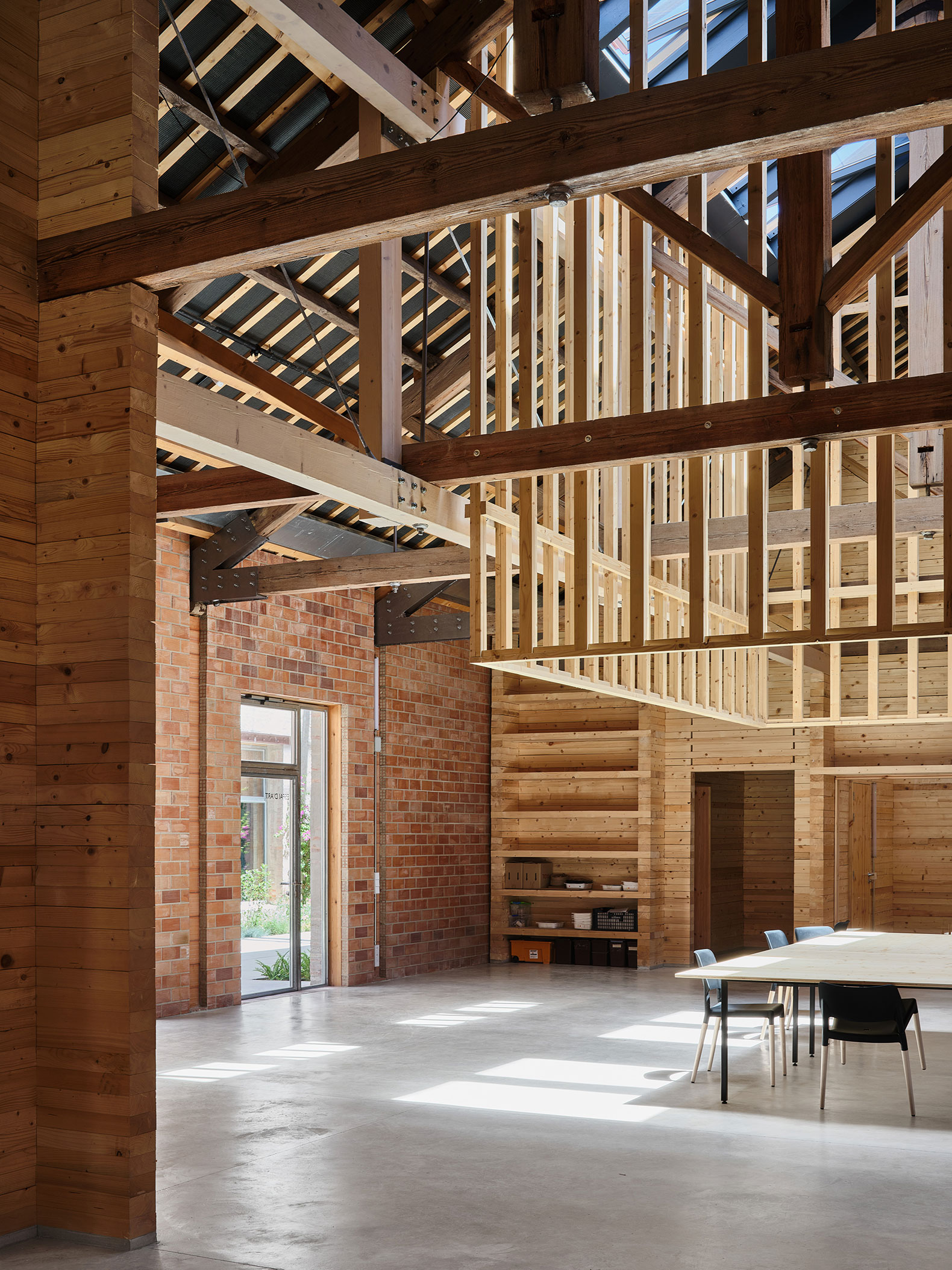
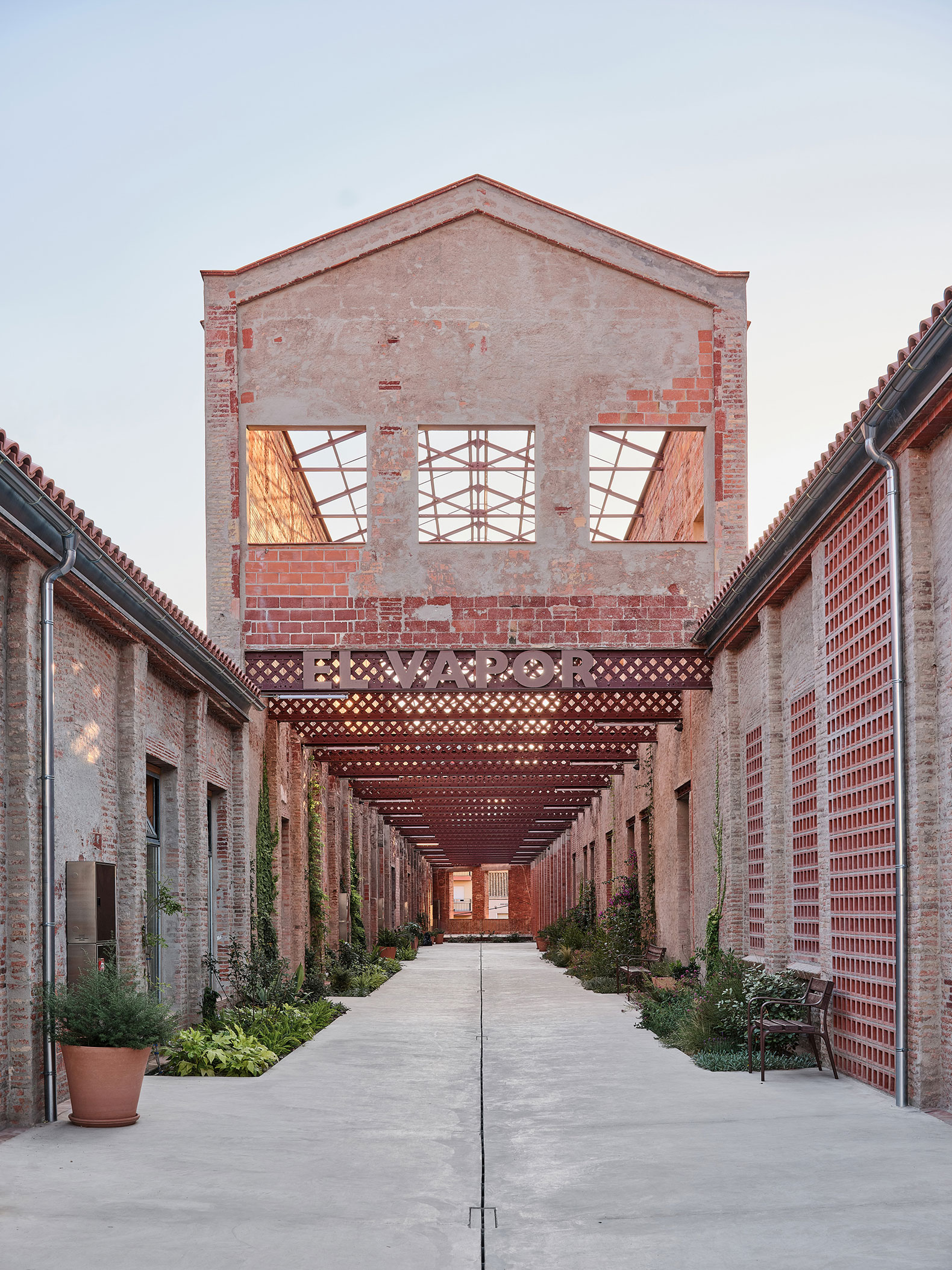
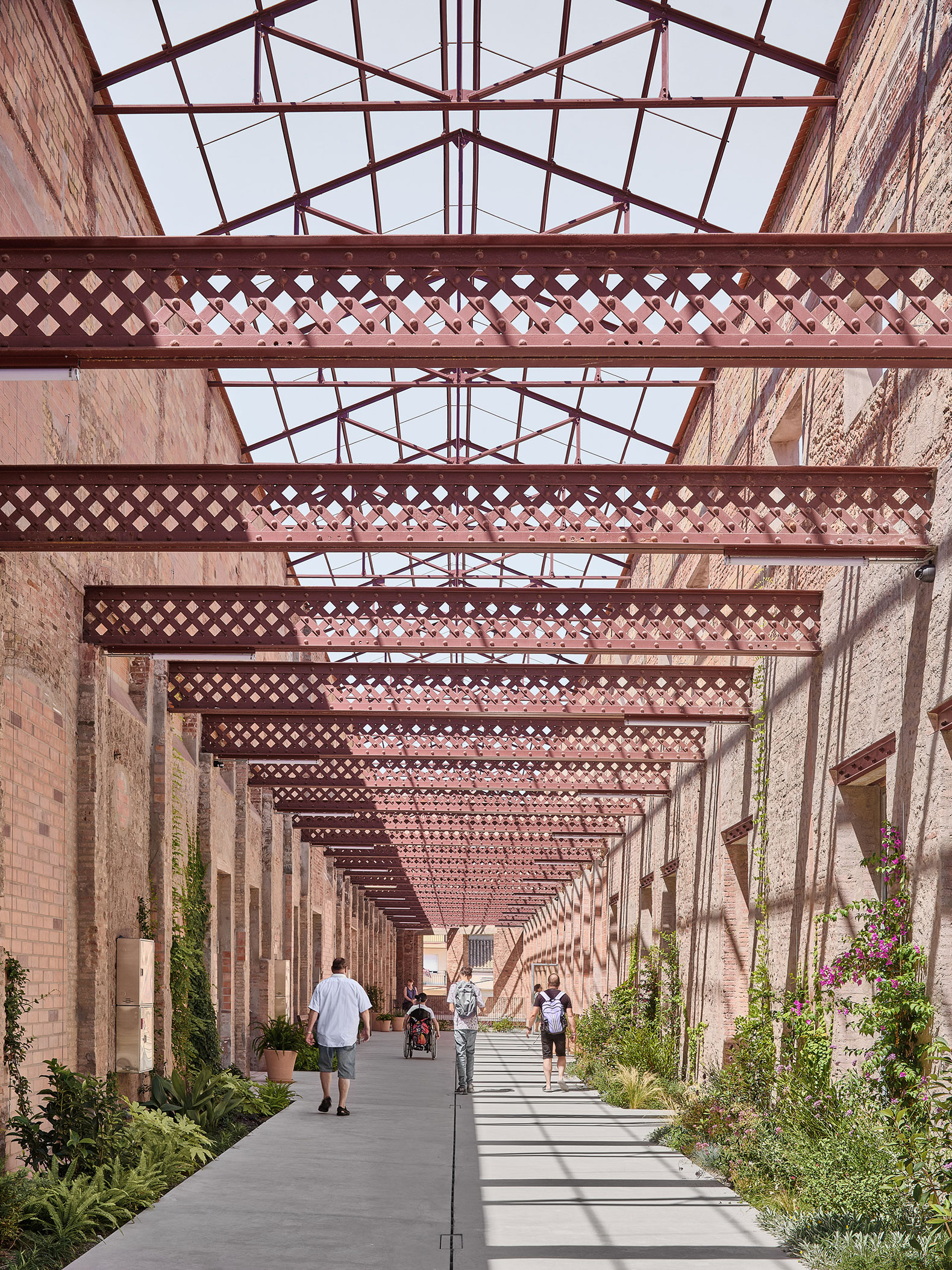
Rehabilitation of Vapor Cortès - Prodis 1923
City.- Terrasa, Catalonia, Spain.
Architects.- Harquitectes (David Lorente, Josep Ricart, Xavier Ros, Roger Tudó), Sabadell.
Client.- Prodiscapacitats Fundació Privada Terrassenca (PRODIS) (Private).
Program.- Social welfare - Community.

"The new Prodis headquarters transforms the old Vapor Marquès warehouses into an inclusive centre organized around a recovered passage that becomes a new street for the city. The new intervention introduces wooden structures, skylights, and energy passive systems while respecting its original character."
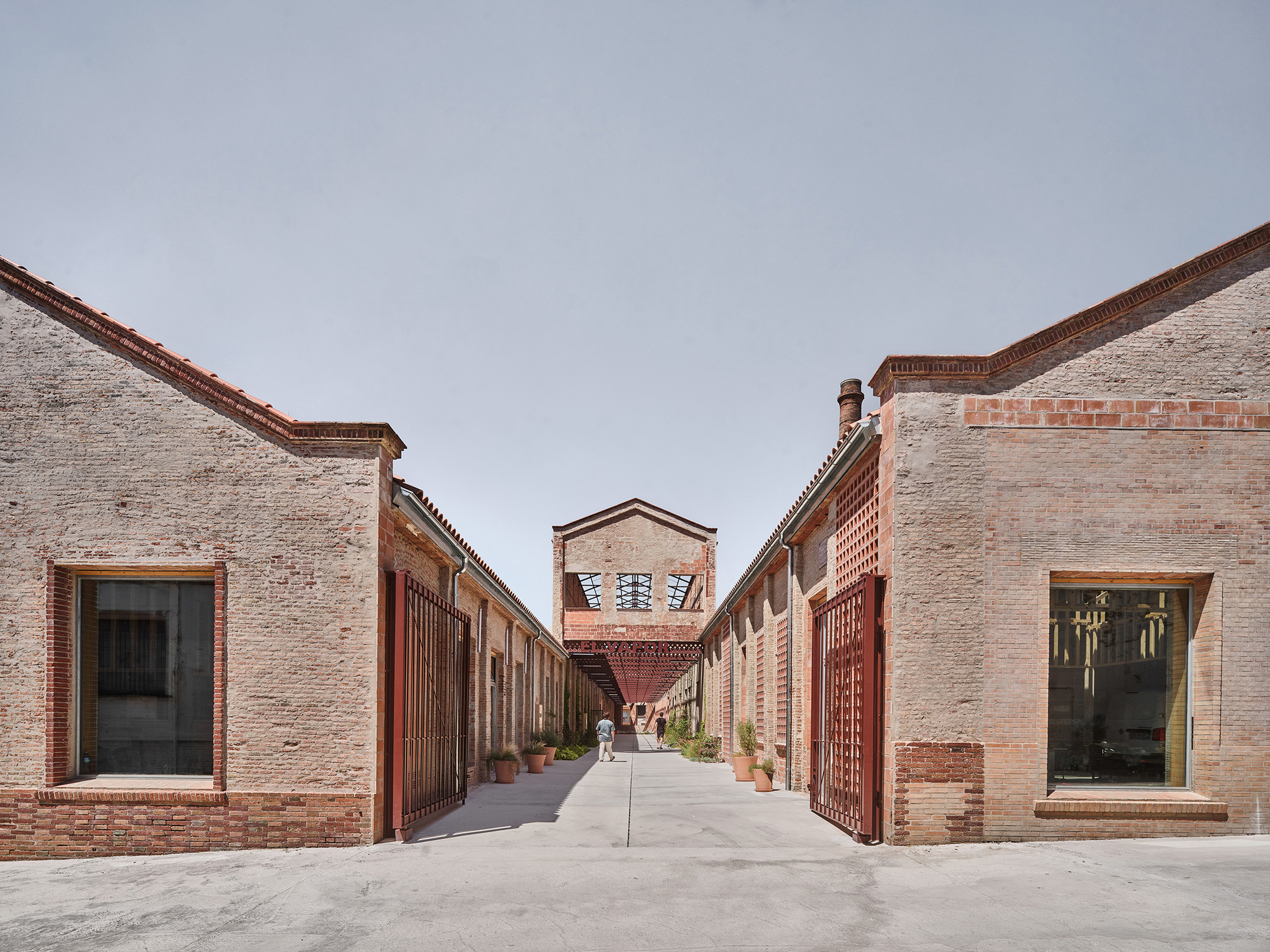
Rehabilitation of Vapor Cortès - Prodis 1923. Photograph by Adrià Goula.

Rehabilitation of Vapor Cortès - Prodis 1923. Photograph by Adrià Goula.

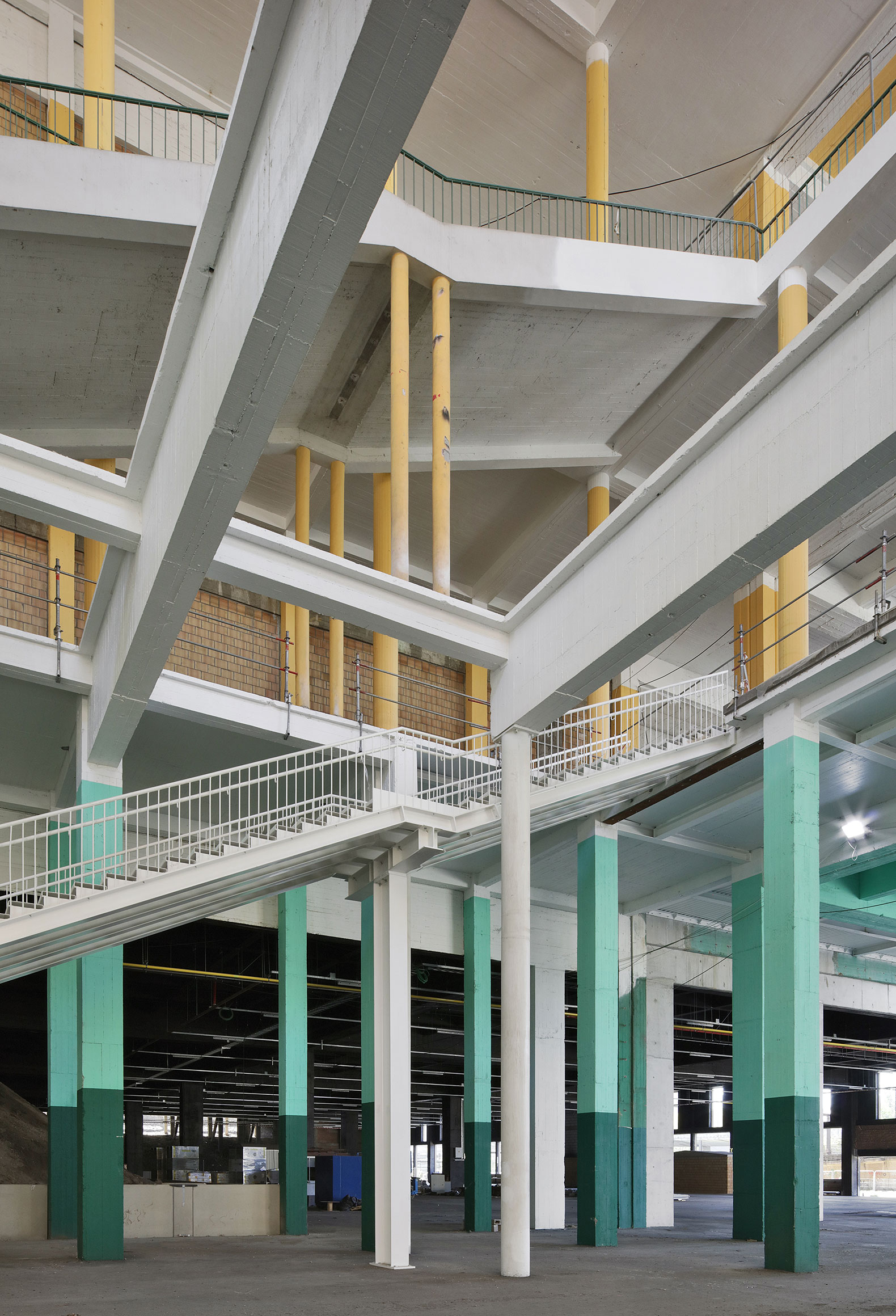
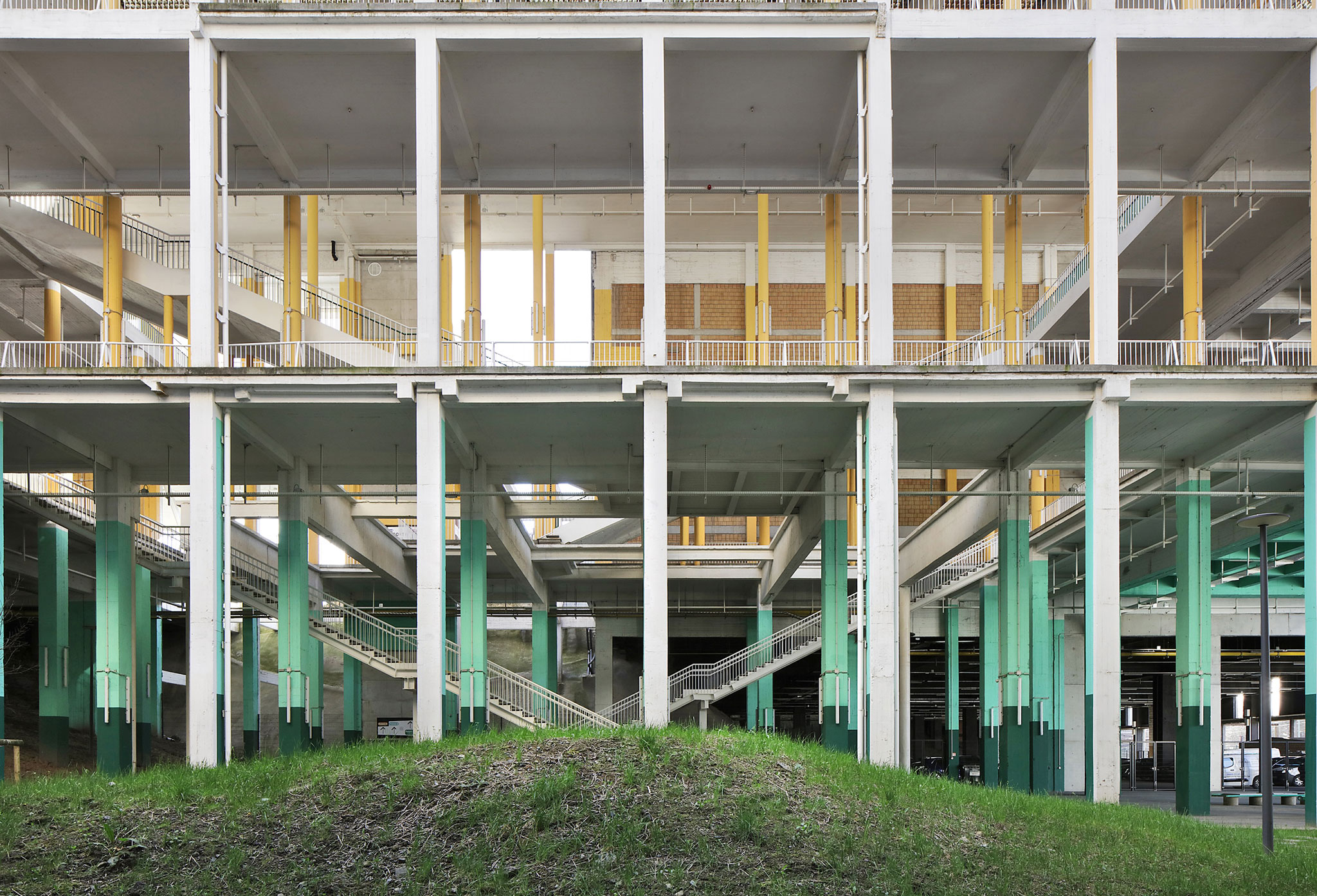
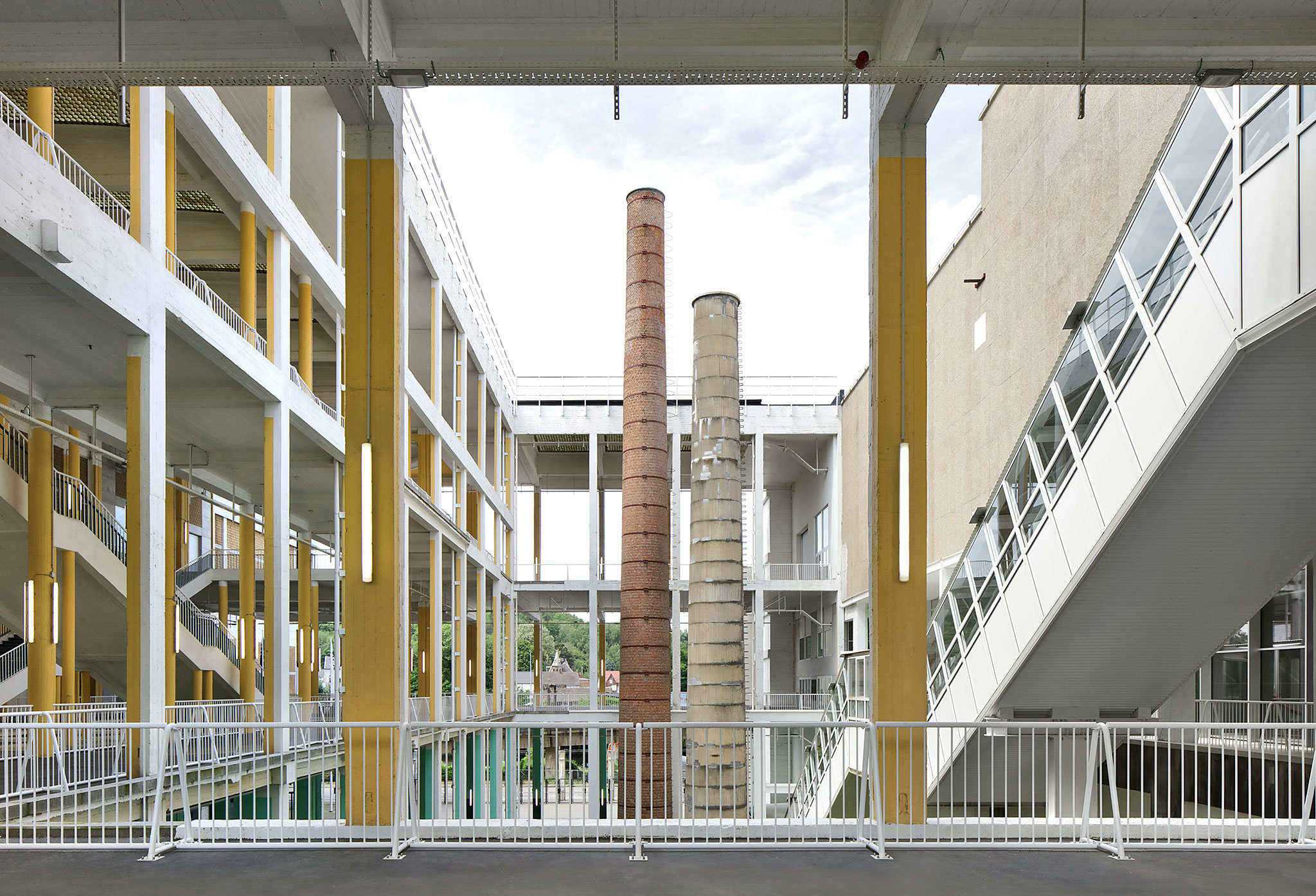
Charleroi Palais des Expositions
City.- Charleroi, Hainaut, Belgium.
Architects.- architecten jan de vylder inge vinck, Ghent + AgwA, Brussels.
Client.- City of Charleroi (Public).
Program.- Culture - Congress Centre, Culture Centre, Exhibition, Dance.

"This project renovates a 1950s convention centre to better serve today’s city and its residents. Instead of demolishing the building, the existing structure is reused and opened up. The former closed central hall extends the public space inside the building, making it more accessible and easier to move through. Outside, hard paved areas are replaced by a continuous green park, improving the environment and reconnecting the building with its surroundings. The result is a building that preserves its original character while offering a completely new experience: the same building as before, but seen and used in a new way."
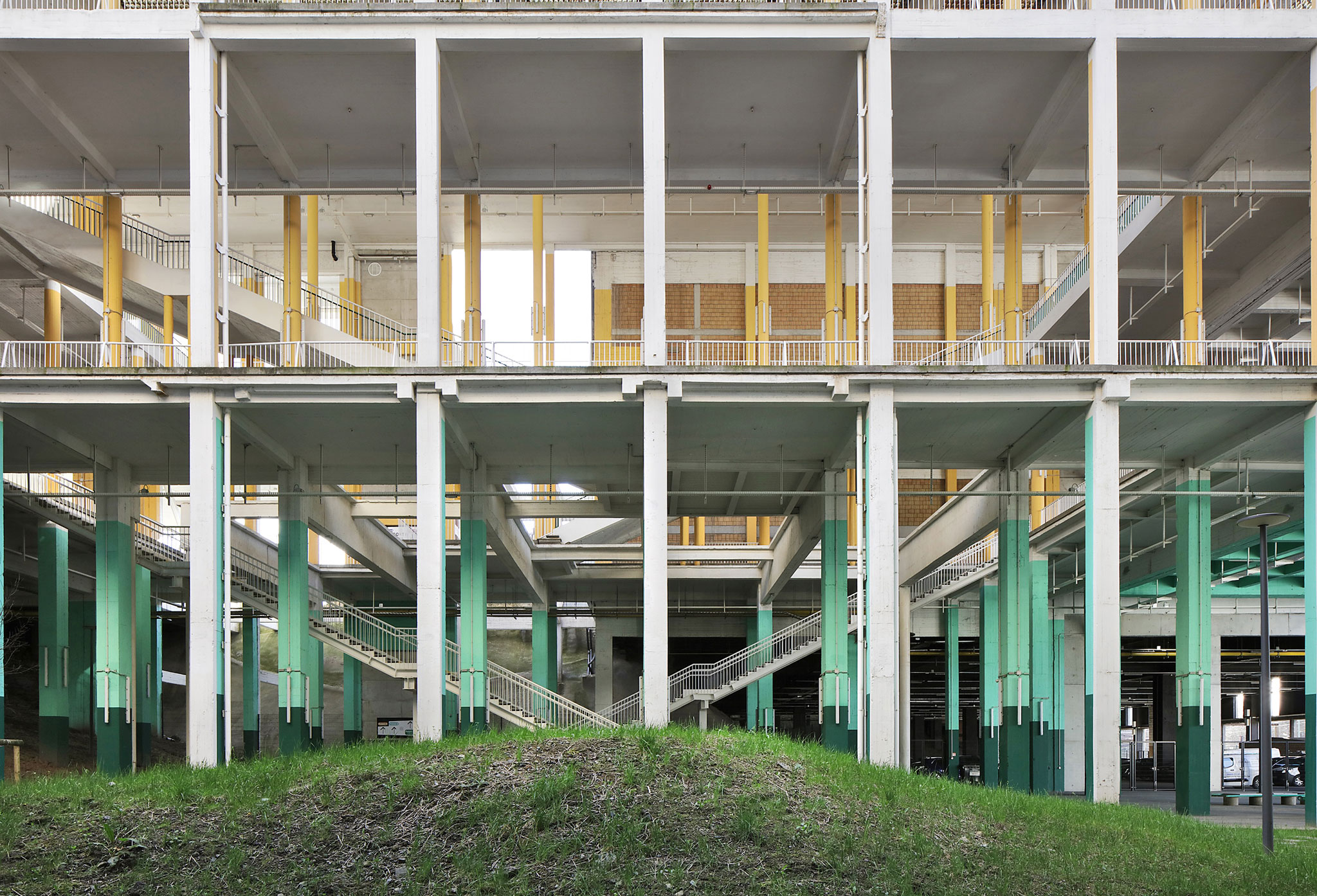
Charleroi Palais des Expositions. Photograph by Filip Dujardin.

Charleroi Palais des Expositions. Photograph by Filip Dujardin. 

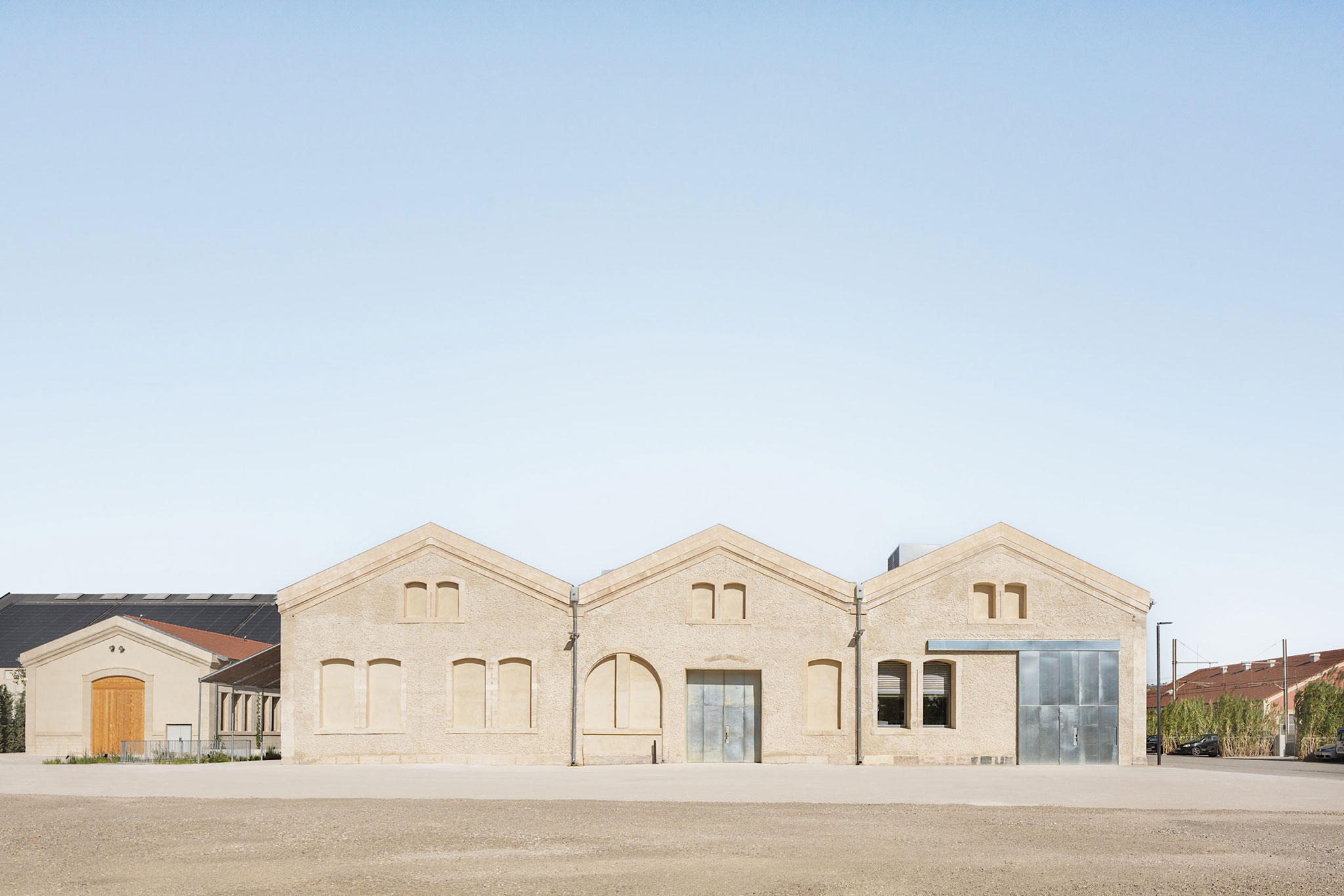
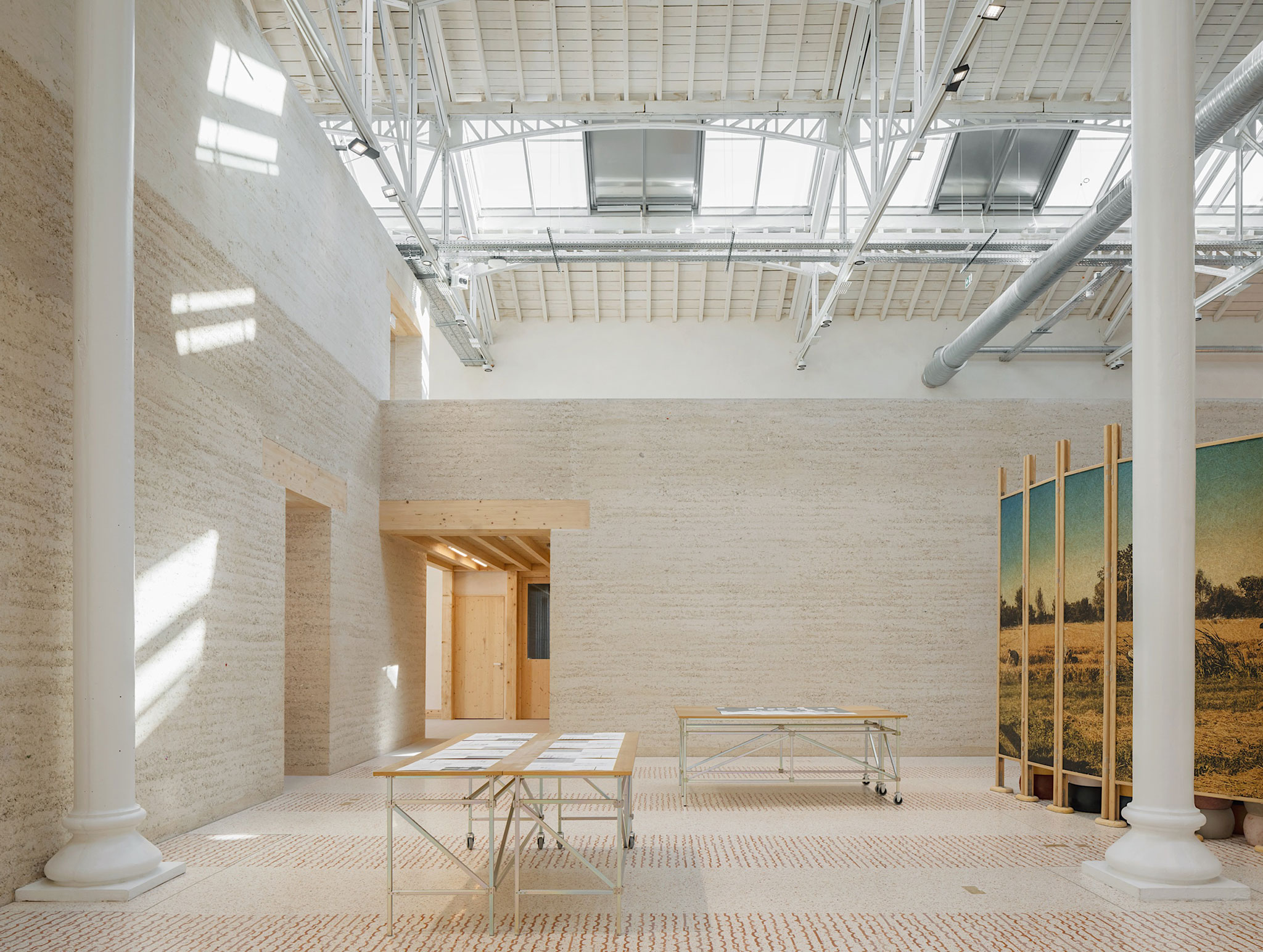
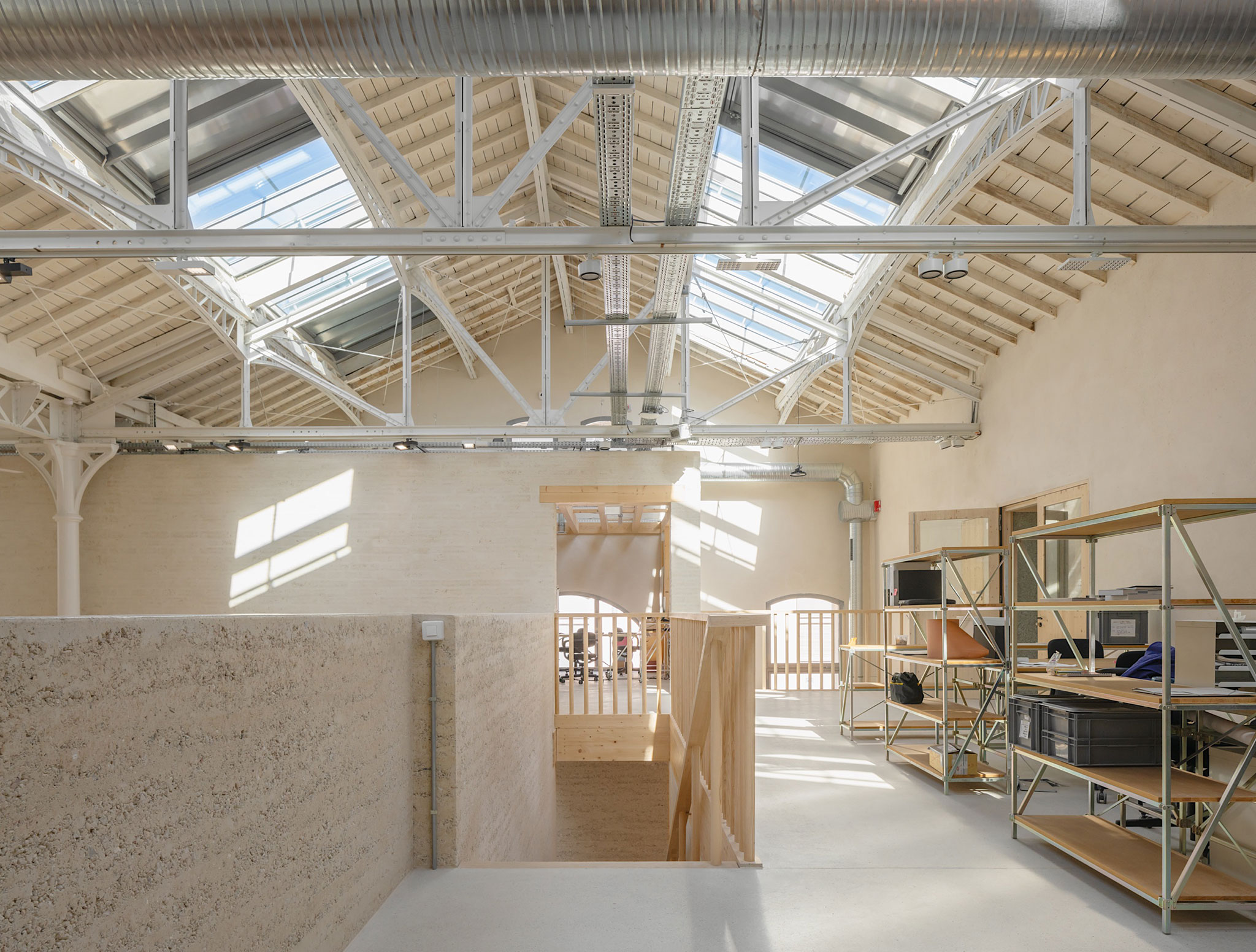
Lot 8, LUMA Arles - Renovation of Le Magasin Électrique
City.- Arles, Provence-Alpes-Côte d’Azur, France.
Architects.- Atelier Luma, Arles + BC architects & studies, with Assemble (James Binning, Joe Halligan, Maria Lisogorskaya, Adam Willis, Jan Boelen, Daniel Bell, Laurens Bekemans, Baptiste Chatenet).
Client.- The Luma Foundation (Private).
Program.- Industrial - Research.

"In 2019 the Luma Foundation commissioned Assemble and BC Architects to transform a 19th- Century train depot in Arles into Atelier LUMA, a design lab exemplifying bioregional design, using Camargue resources, regenerative materials and local knowledge for a sustainable, socially engaged architecture."
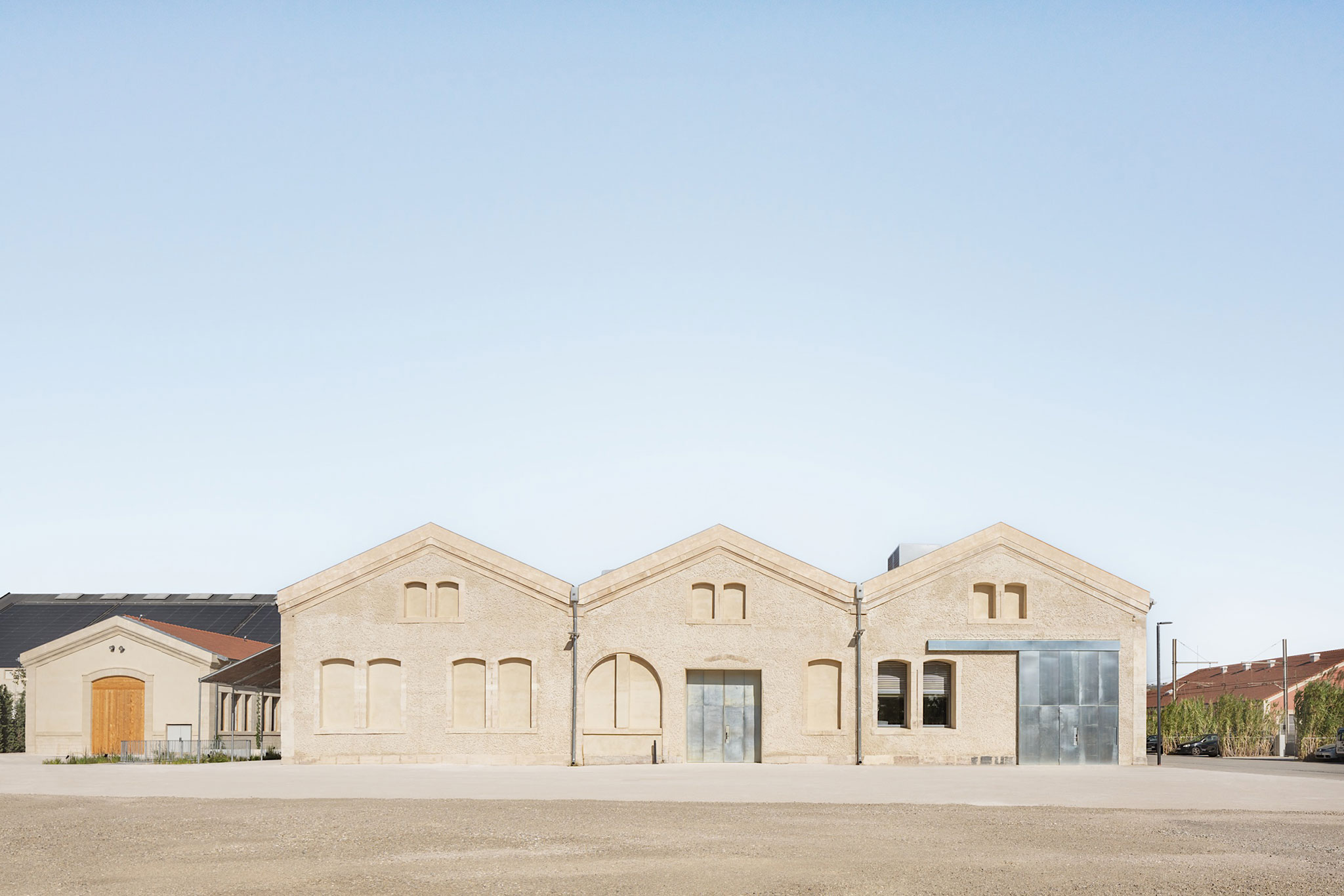
Lot 8, LUMA Arles - Renovation of Le Magasin Électrique. Photograph by Schnepp Renou.

Lot 8, LUMA Arles - Renovation of Le Magasin Électrique. Photograph by Schnepp Renou.

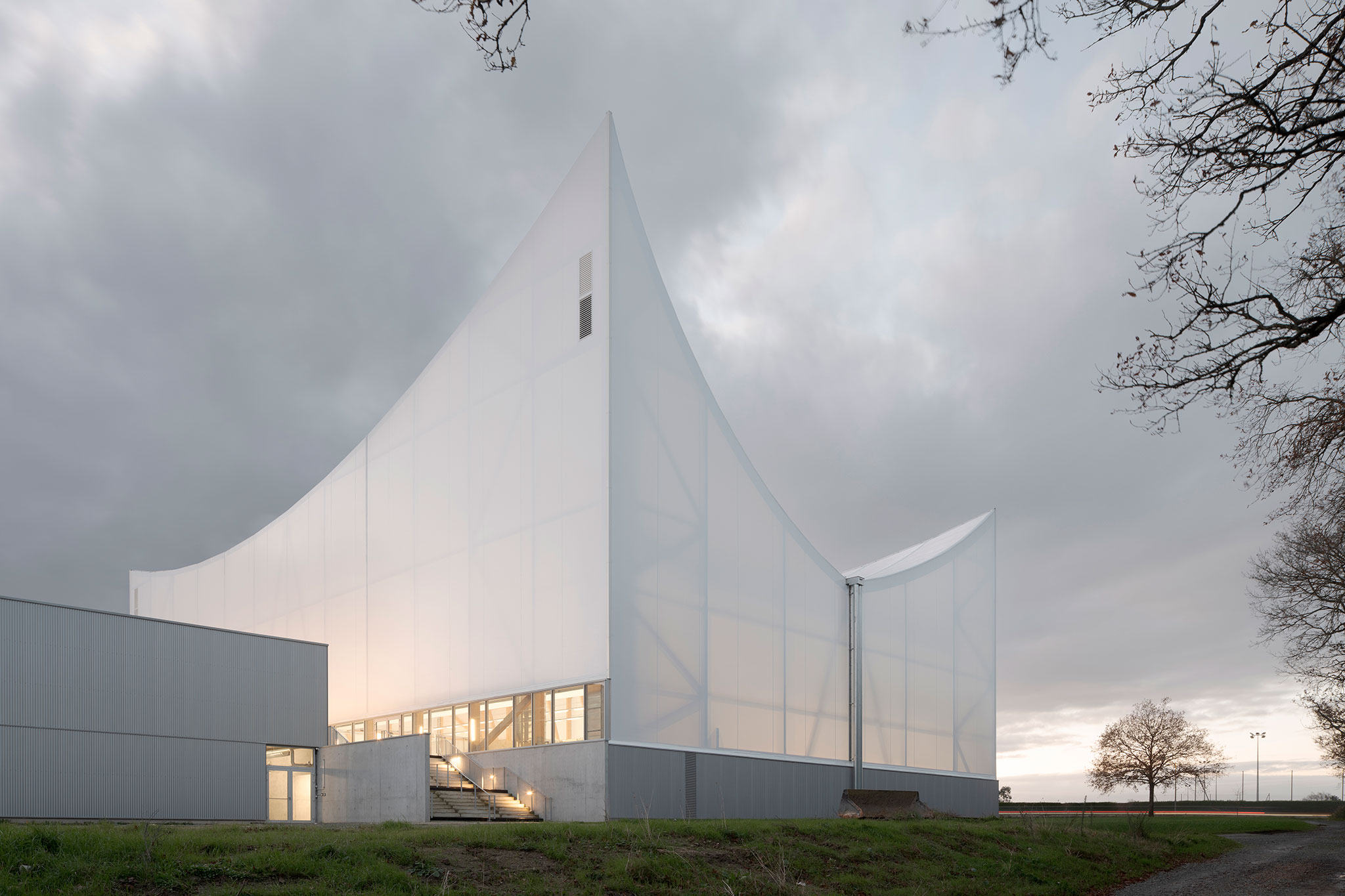
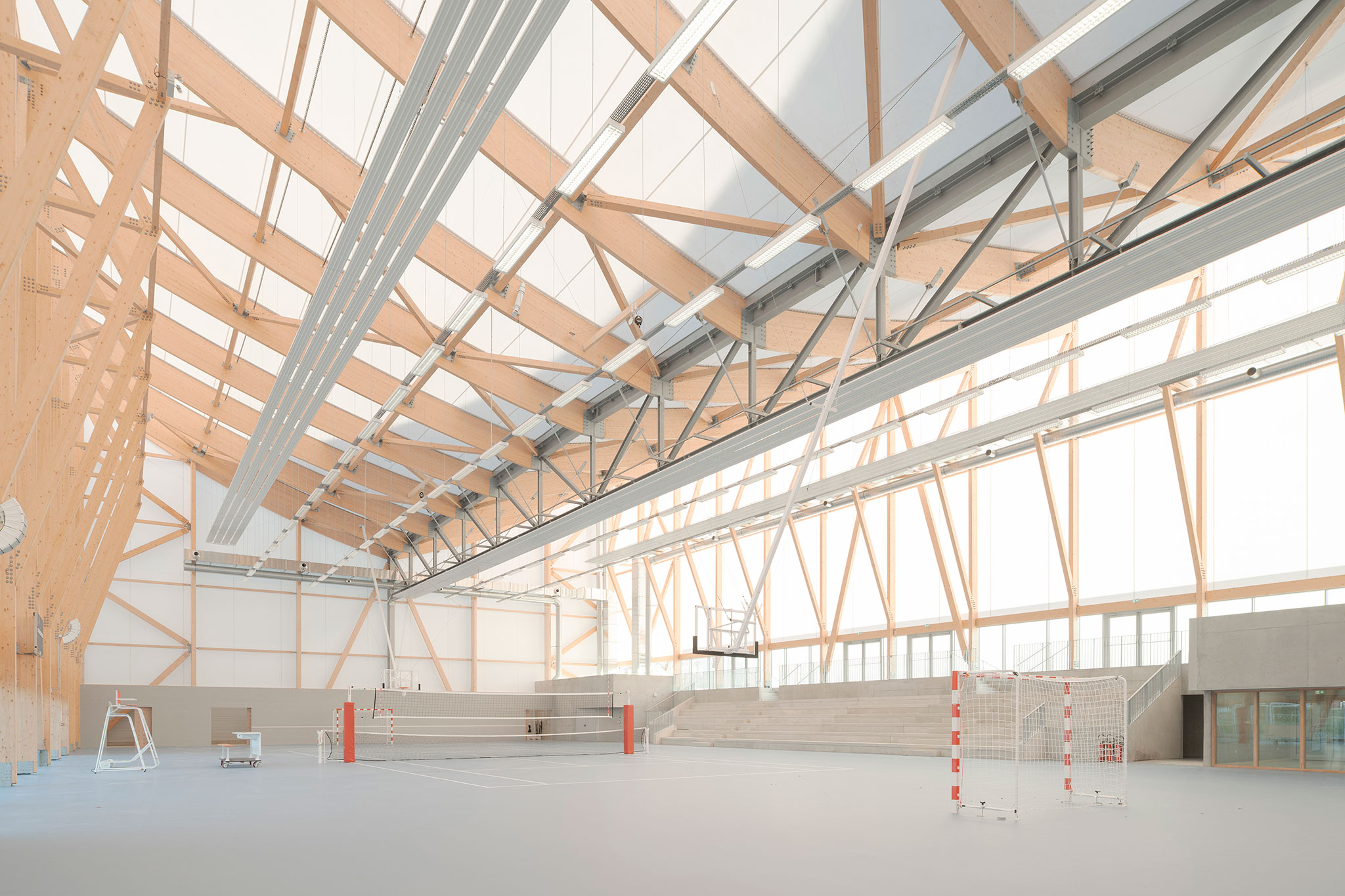
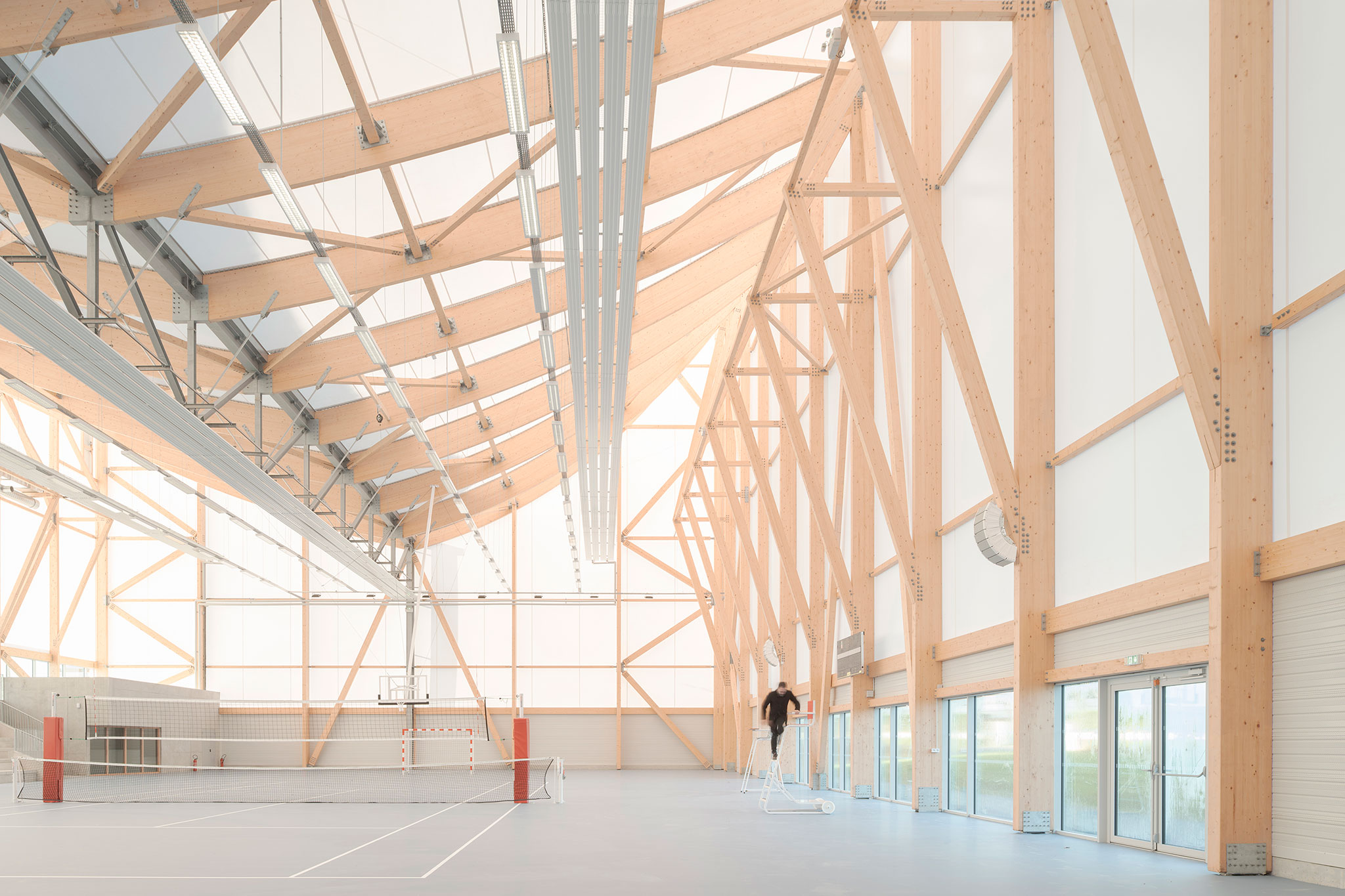
Josephine Baker - Marie-Jose Perec Sports and Cultural Centre
City.- La Bouëxière - Beuzid-ar-C’hoadoù, Brittany, France.
Architects.- Onze04, Nantes-Barcelona (Gustavo Silva-Nicoletti).
Client.- Commune de La Bouëxière (Public).
Program.- Sport & Leisure - Sports Centre, Tennis, Children & Youth.

"The project creates a new cultural and sports facility hosting regional competitions. It forms a major hub integrating existing facilities and reconnecting the area with neighbouring districts. Its textile-roof hall offers natural light and ventilation, becoming a symbolic urban landmark."
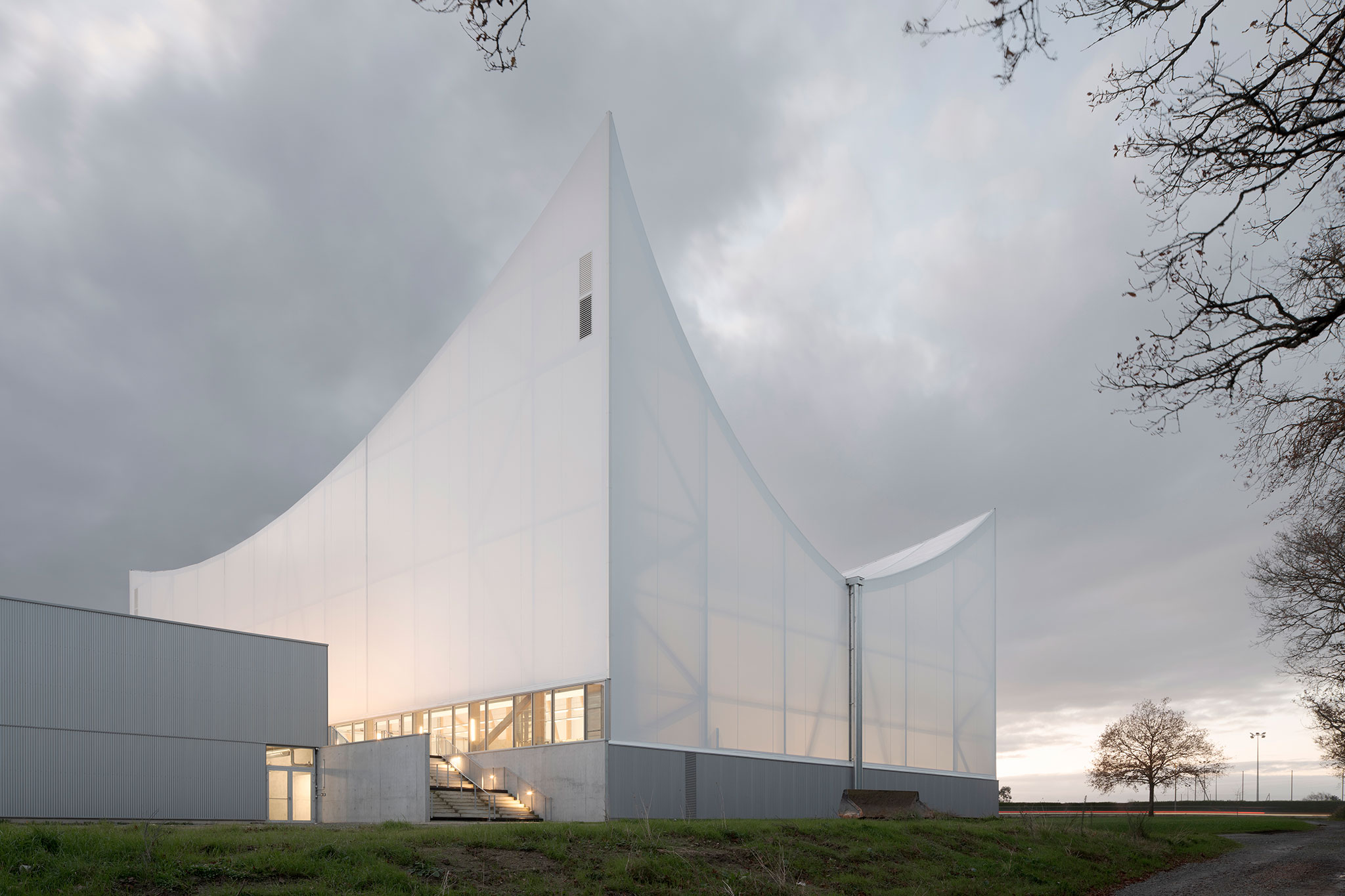
Josephine Baker - Marie-Jose Perec Sports and Cultural Centre. Photograph by Juan Cardona.

Josephine Baker - Marie-Jose Perec Sports and Cultural Centre. Photograph by Juan Cardona. 

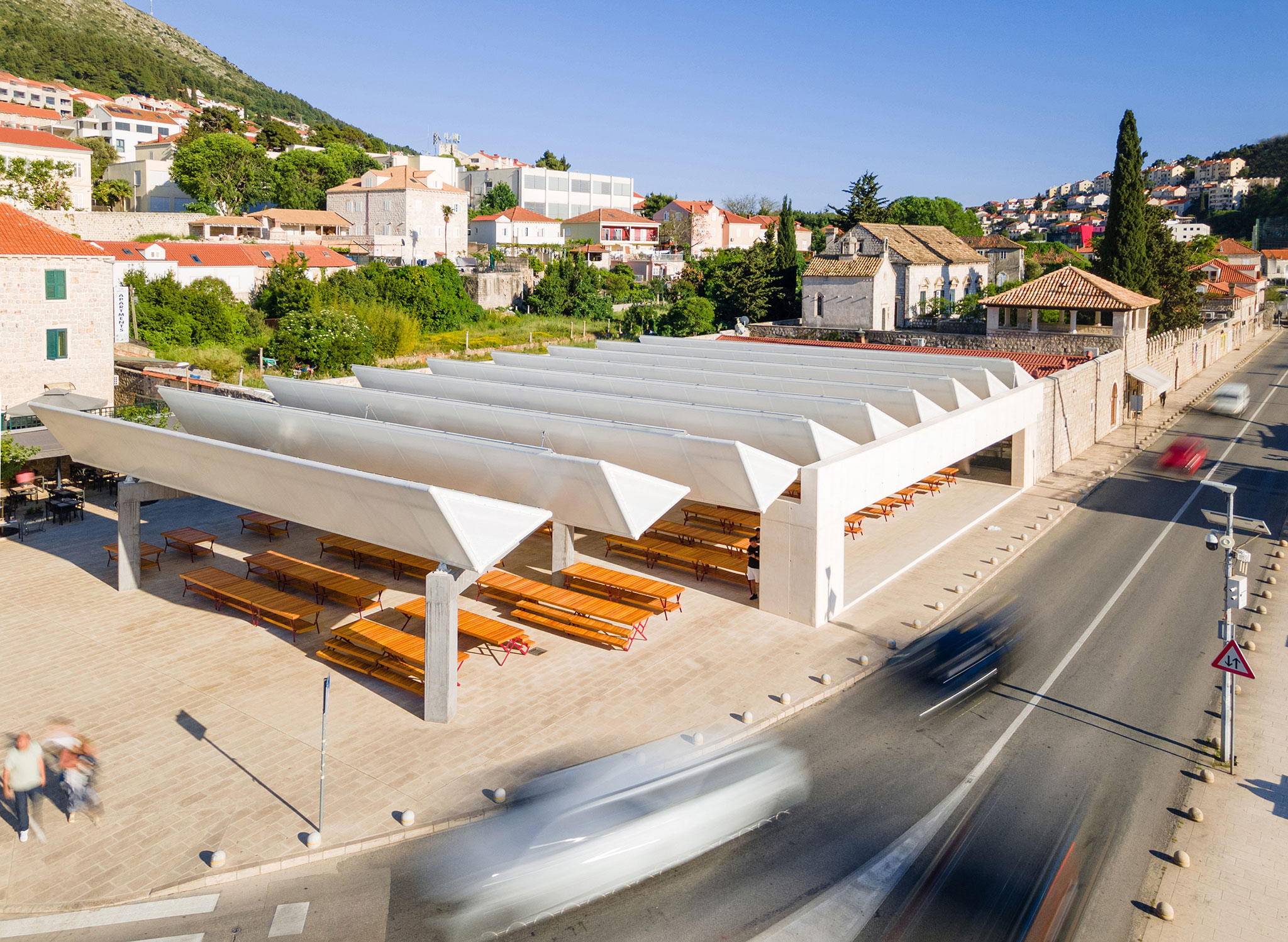
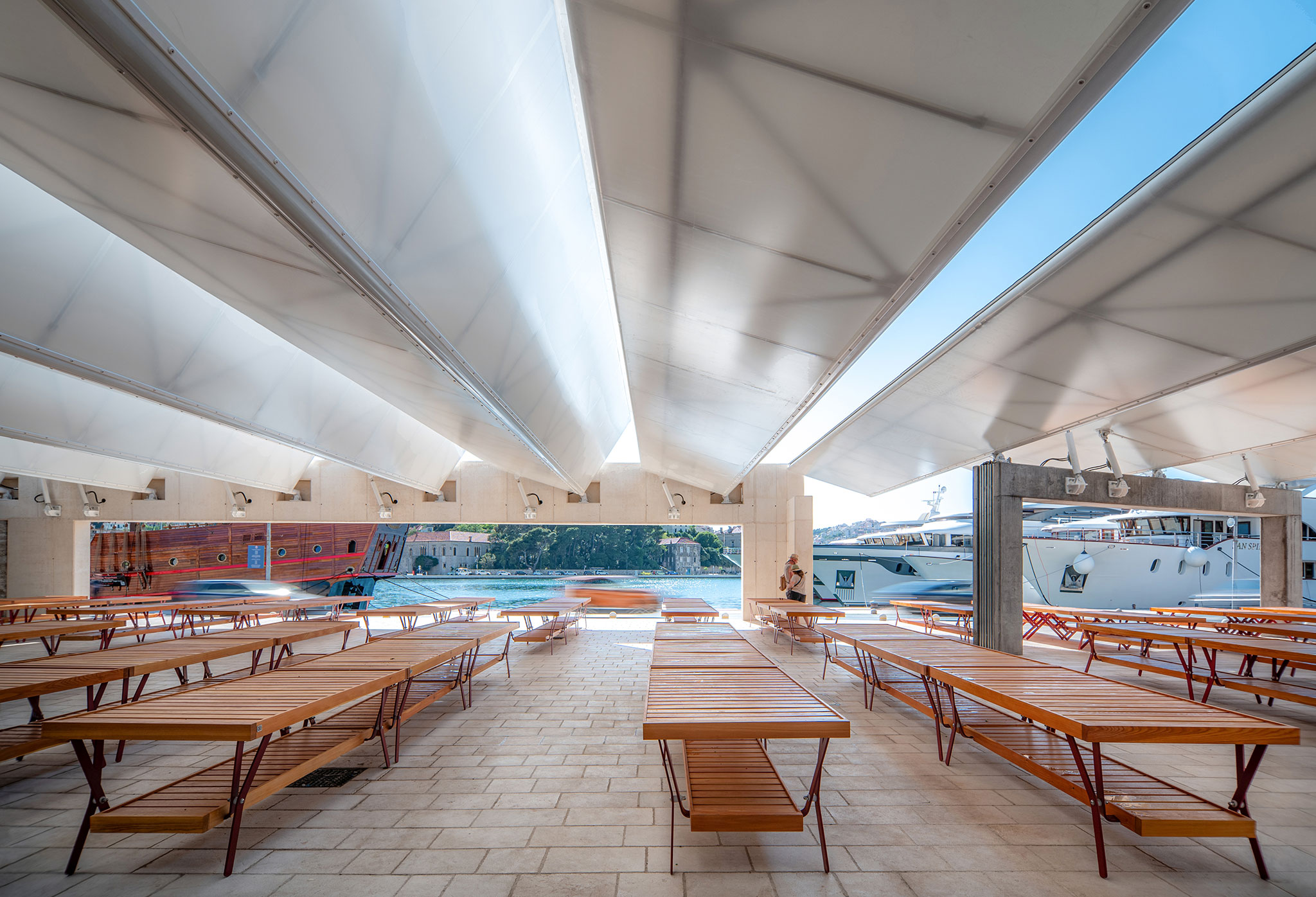
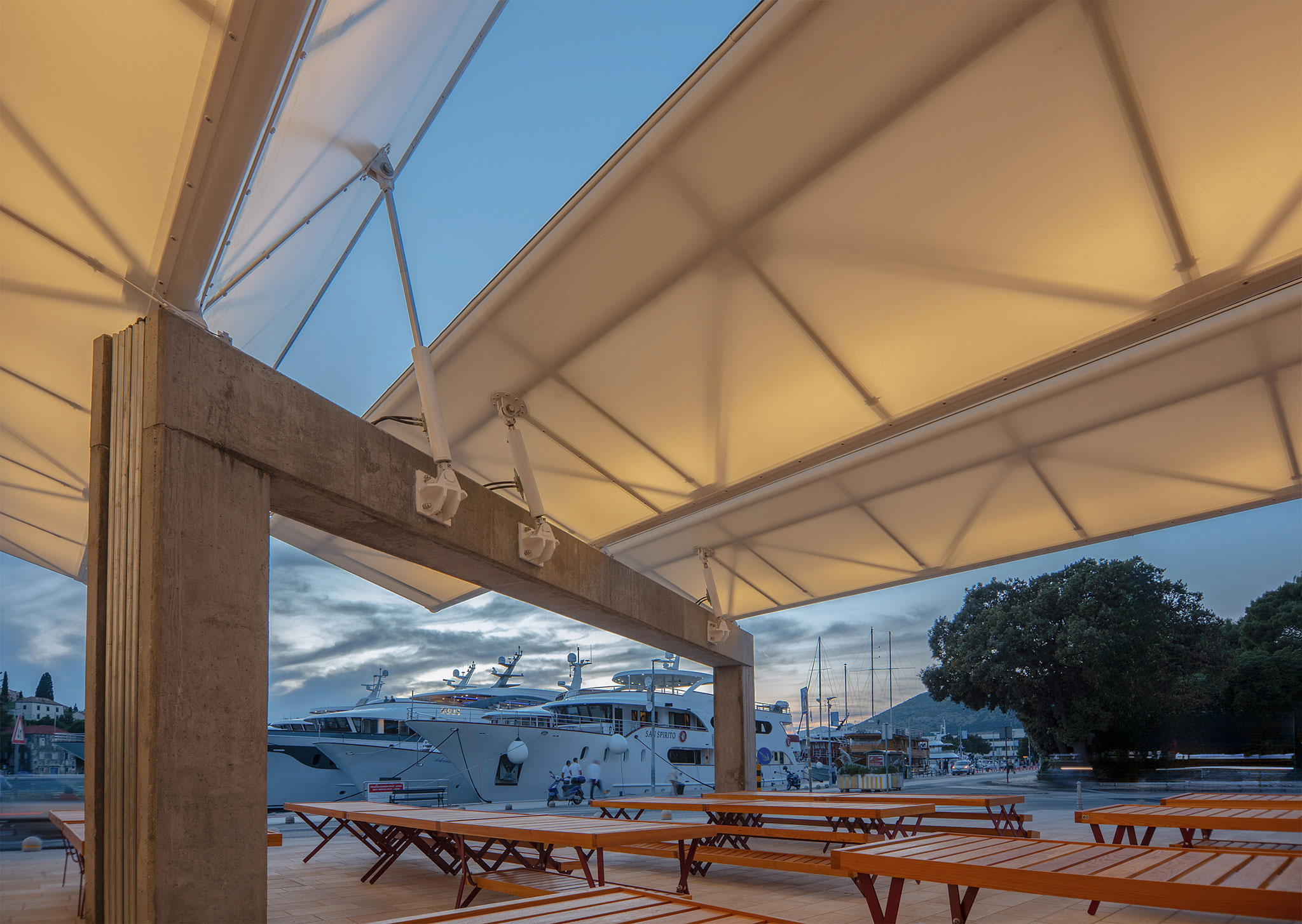
Gruž Market
City.- Dubrovnik, Adriatic Croatia, Croatia.
Architects.- ARP / Peračić-Veljačić, Split (Dinko Peračić, Miranda Veljačić).
Client.- Sanitat Dubrovnik (Public).
Program.- Commerce - Market.

"An adjustable and carefully shaped canopy/roof, lightweight and optimistic in its appearance, floats above the marketplace and articulates spatial and cultural relations. At once, it gives integrity to the market square, new life to the heritage, public climatic shelter and new identity to the city."
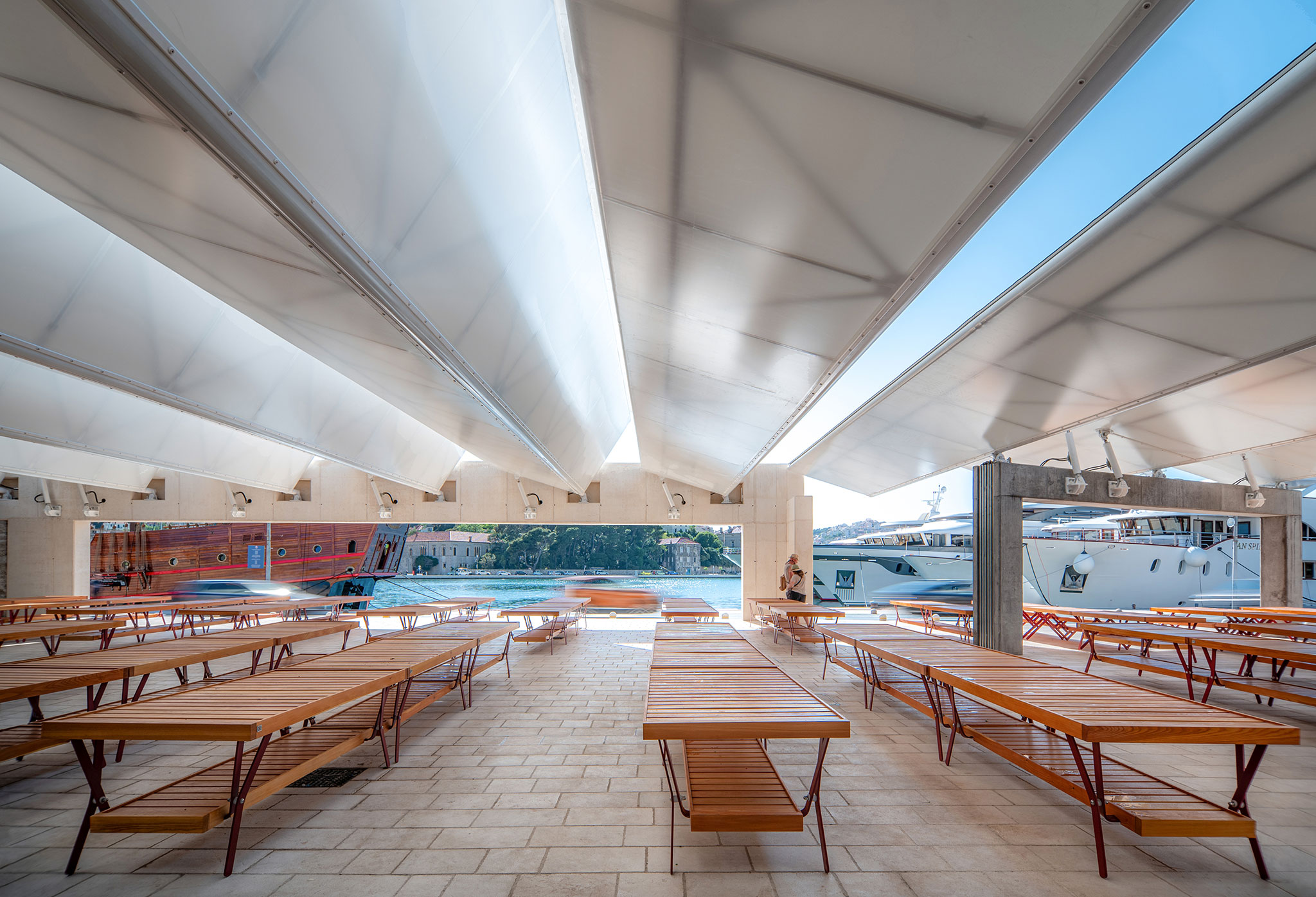
Gruž Market in Dubrovnik. Photograph by Dragan Novaković.

Gruž Market in Dubrovnik. Photograph by Dragan Novaković.

The 2 Emerging architecture finalists are:

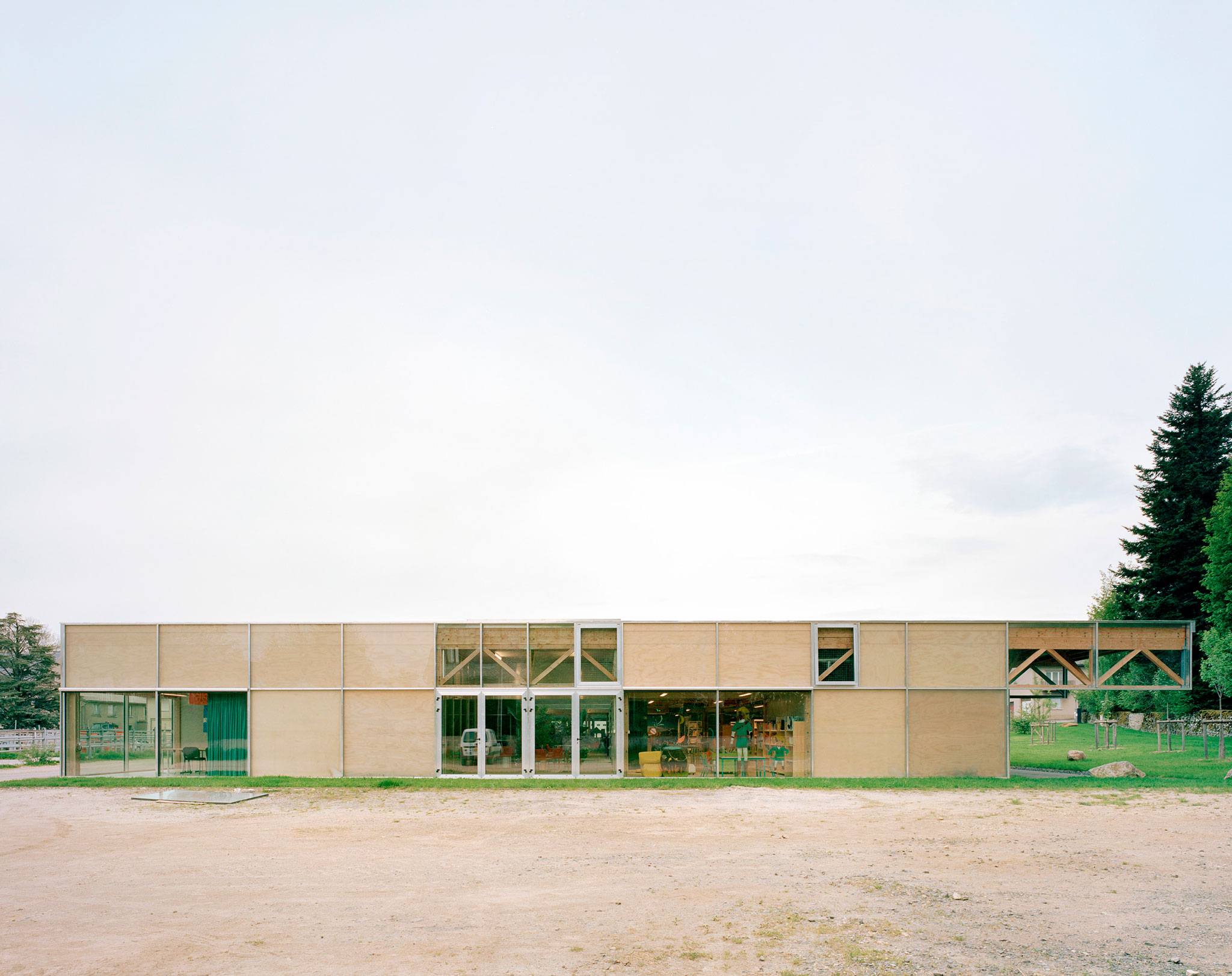
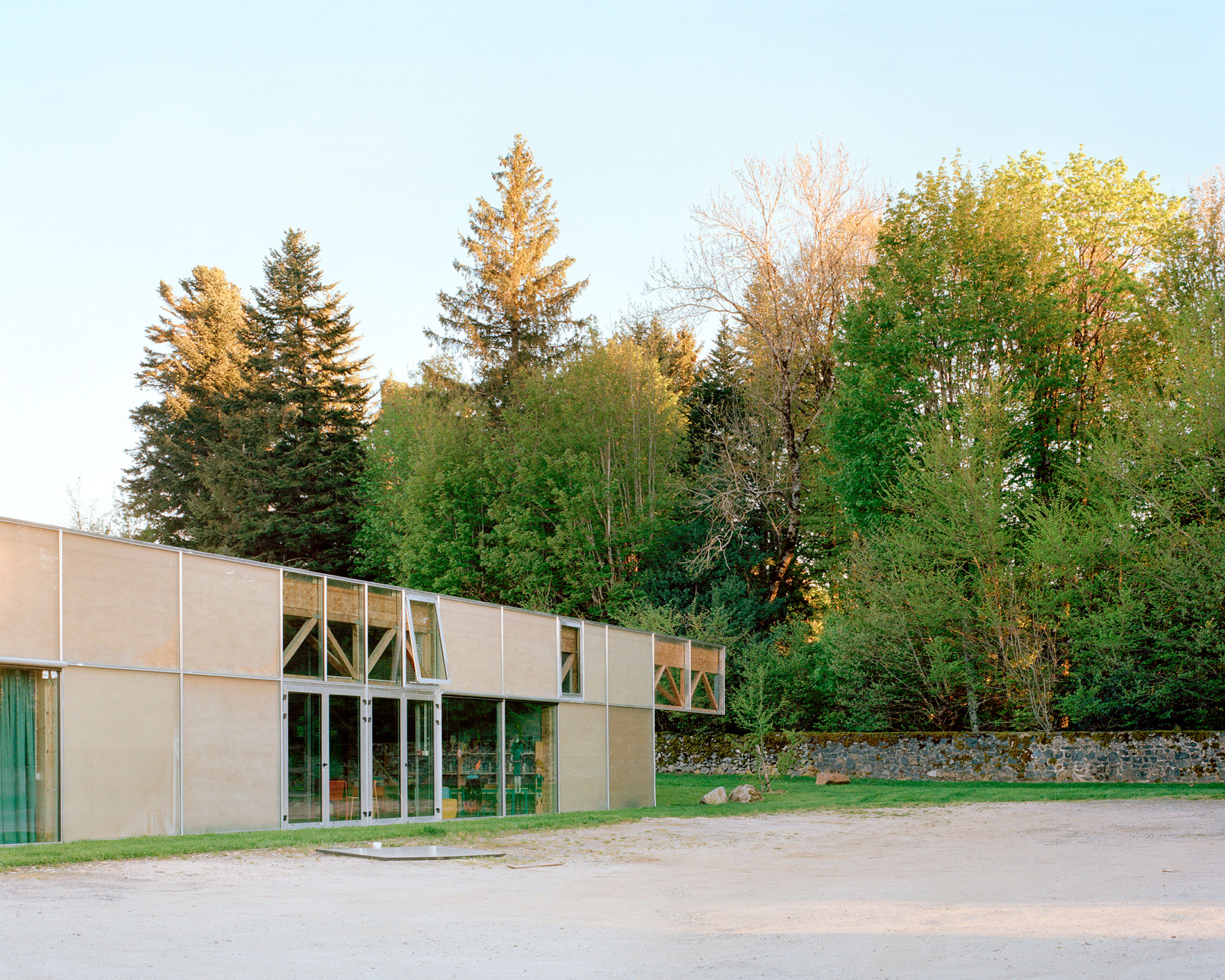
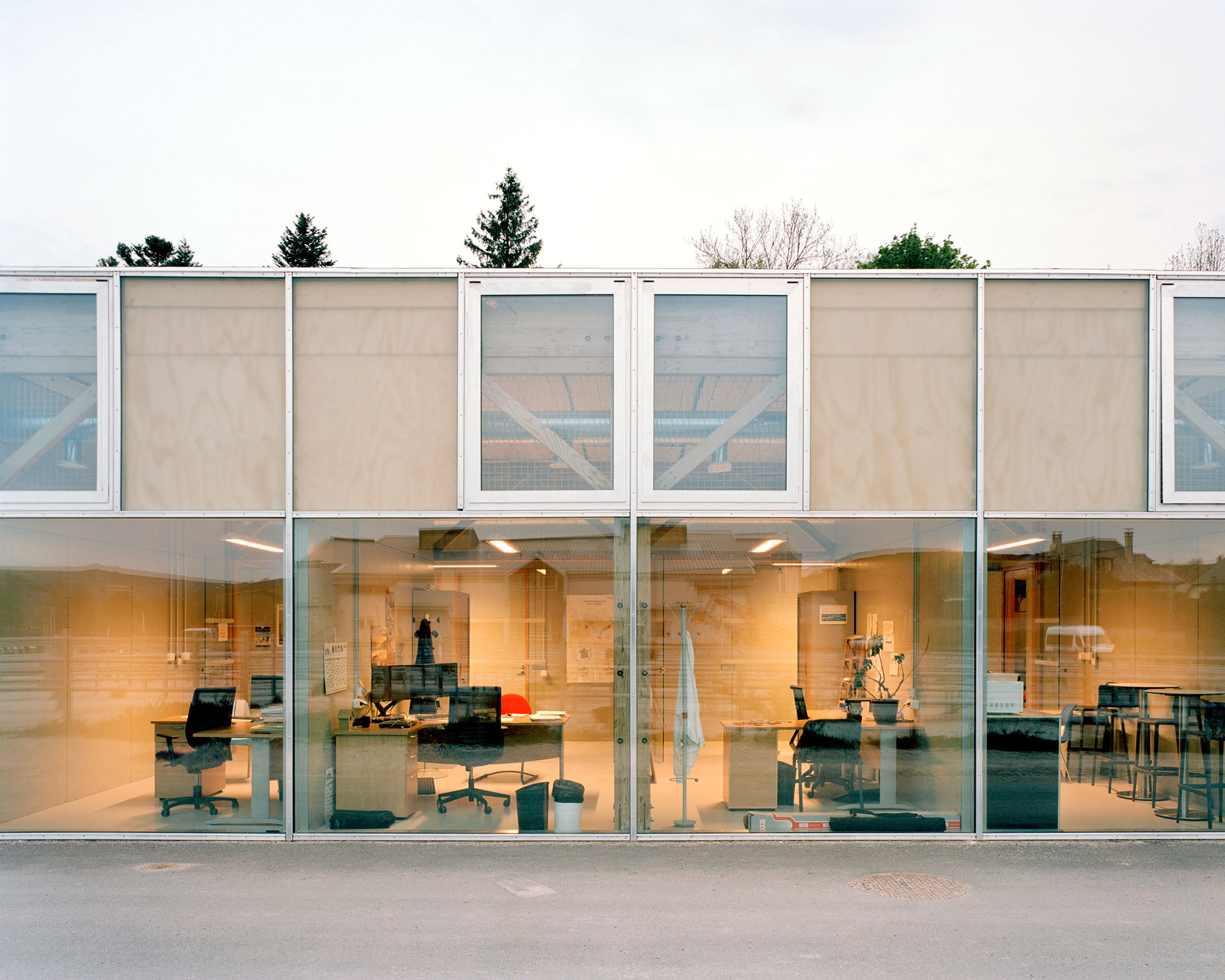
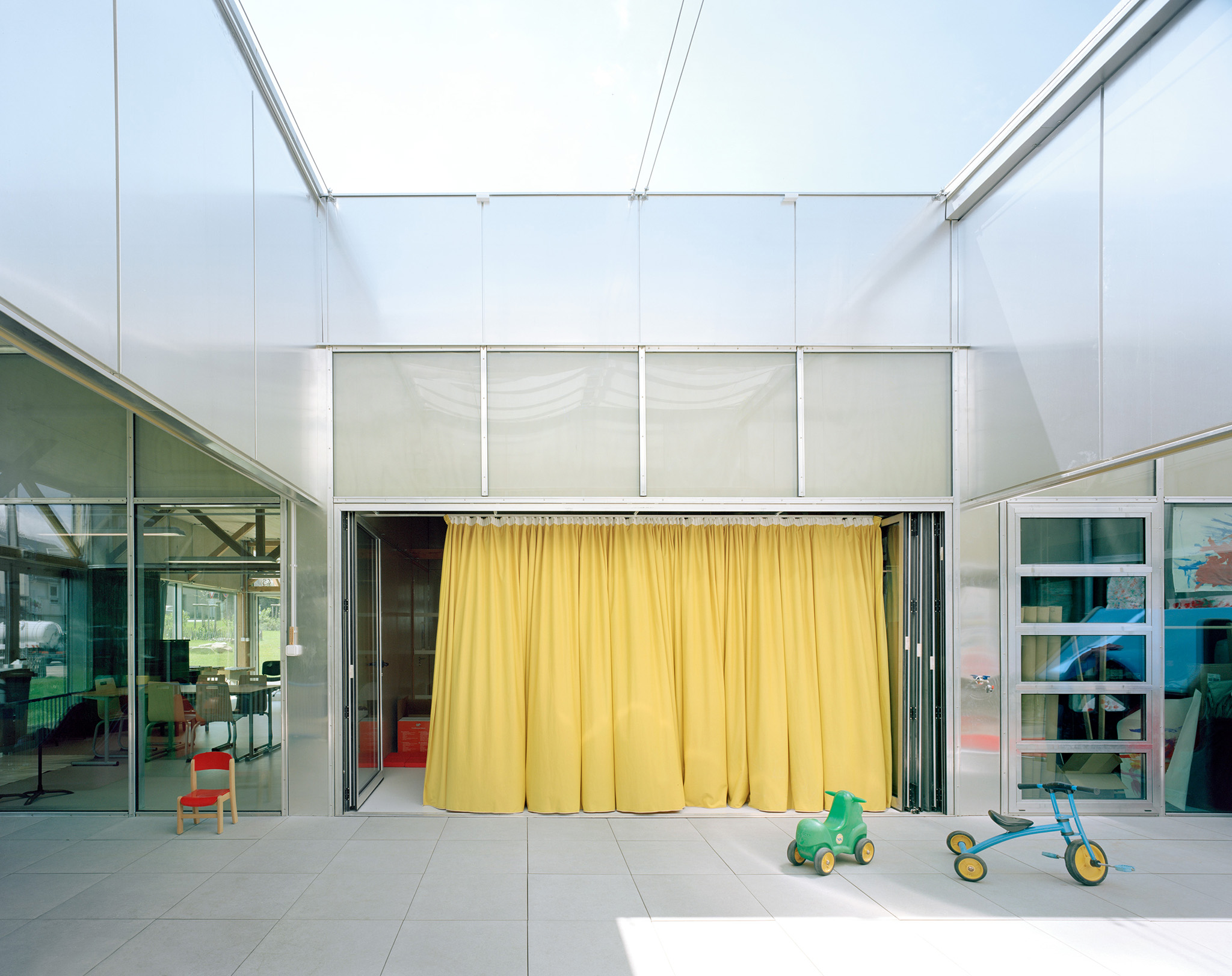
Multi-Service Cultural Centre Le Foirail
City.- Laguiole-La Guiòla, Occitanie, France.
Architects.- Betillon & Freyermuth* and Crypto Architectes, Toulouse (Raphaël Betillon Guillaume Freyermuth, Jean Baptiste Friot).
Client.- Communauté de communes Aubrac, Carladez et Viadène (Public).
Program.- Mixed Use Cultural and Social - Children & Youth, Library, Music, Civic Centre.

"A radical hall in Laguiole, open and adaptable, rooted in a proud rural territory with limited resources. Rather than imitating historical styles, the building serves as a shared public space: a flexible, functional structure that can evolve over time and support collective life and local identity. Built using local resources, with materials and uses designed to grow and change."
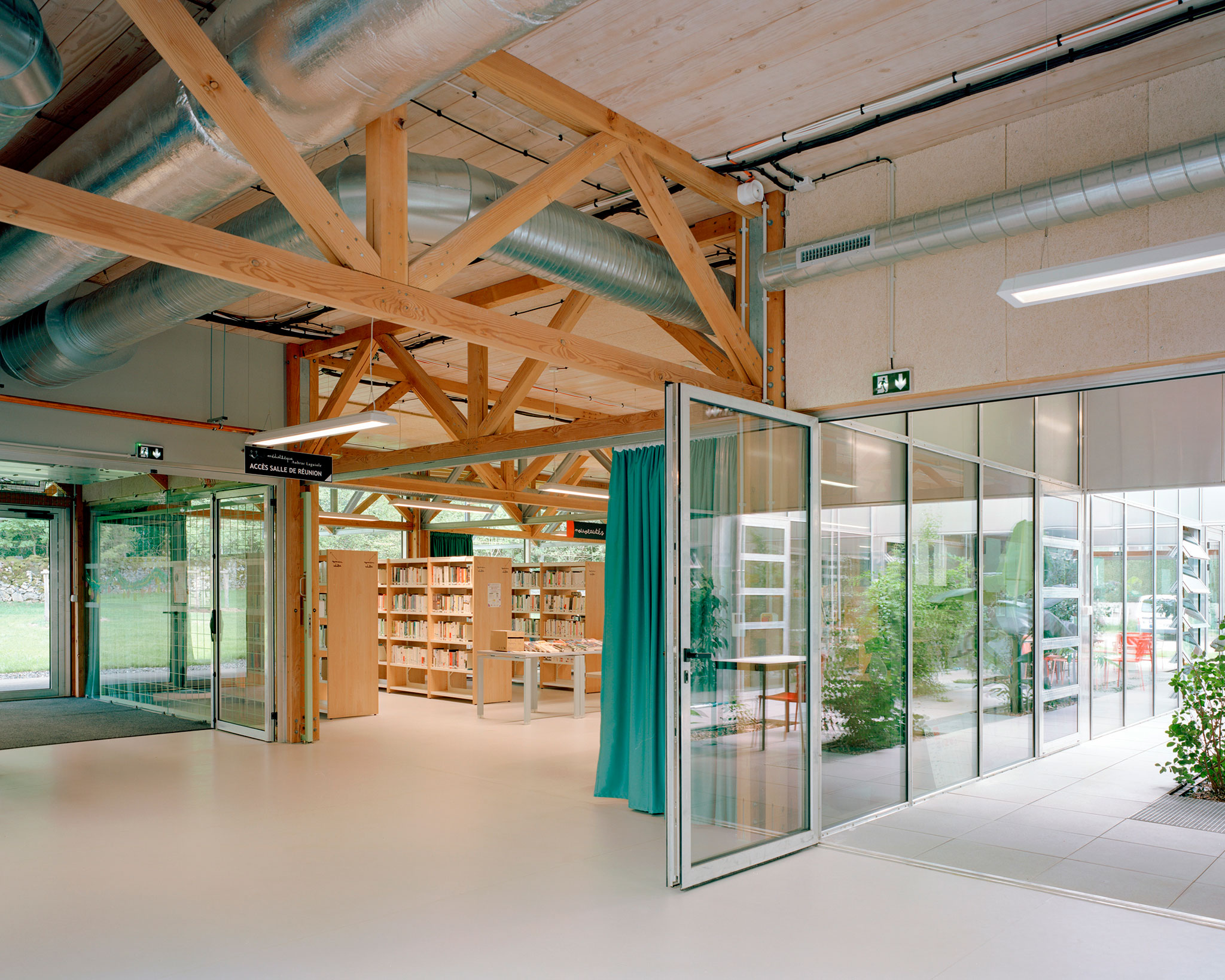
Multi Service Cultural Centre Le Foirail. Photograph by Maxime Delvaux.

Multi Service Cultural Centre Le Foirail. Photograph by Maxime Delvaux.

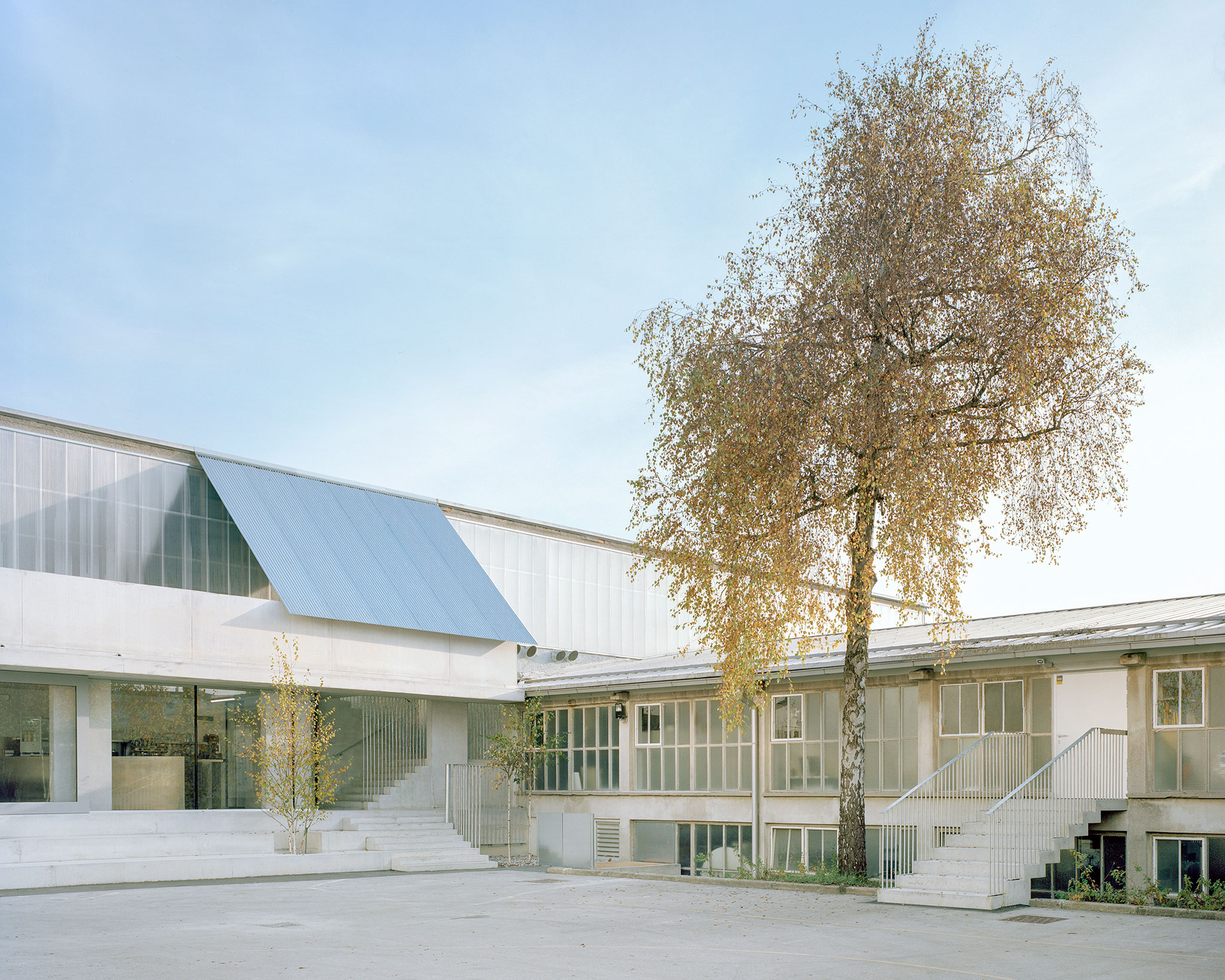
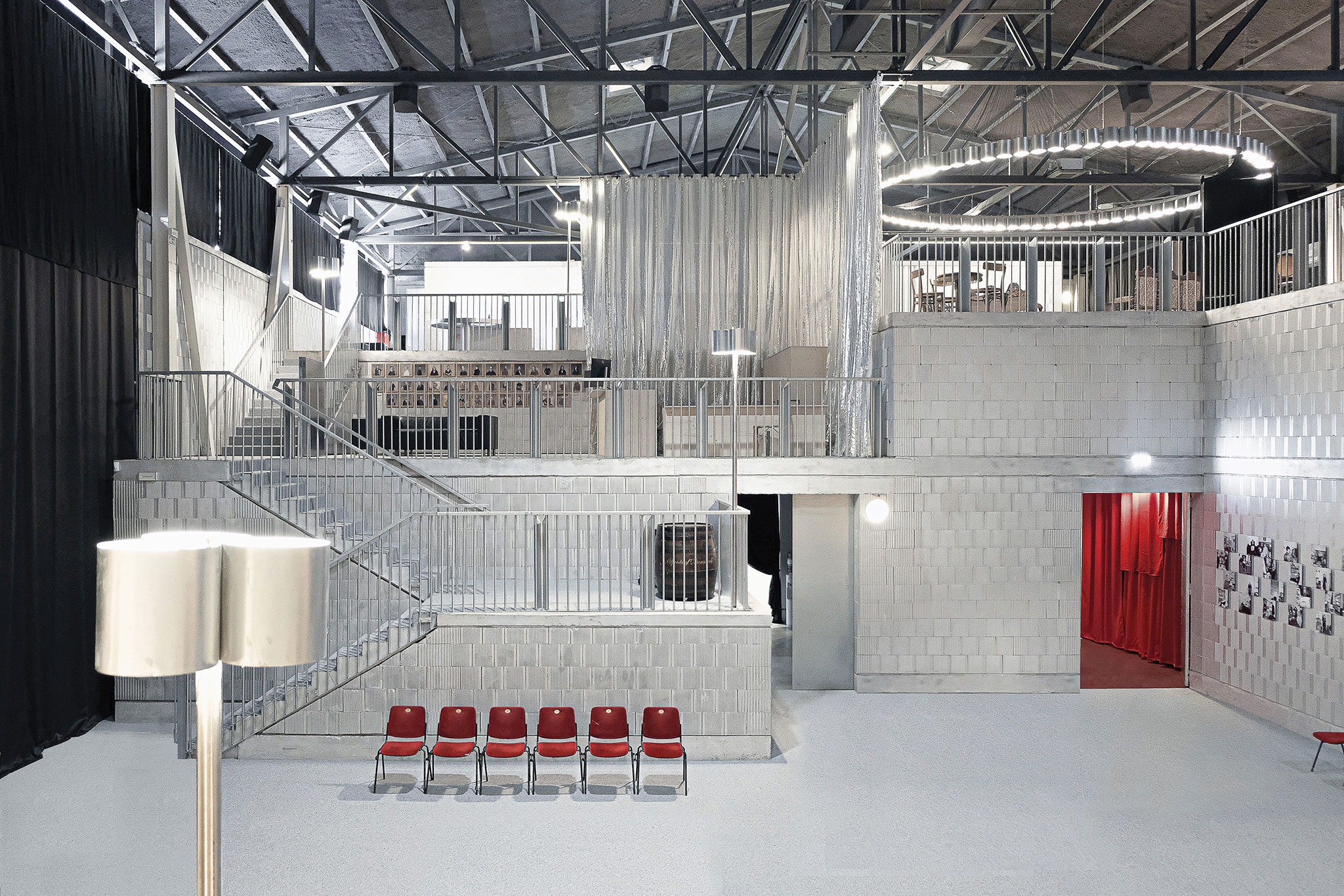
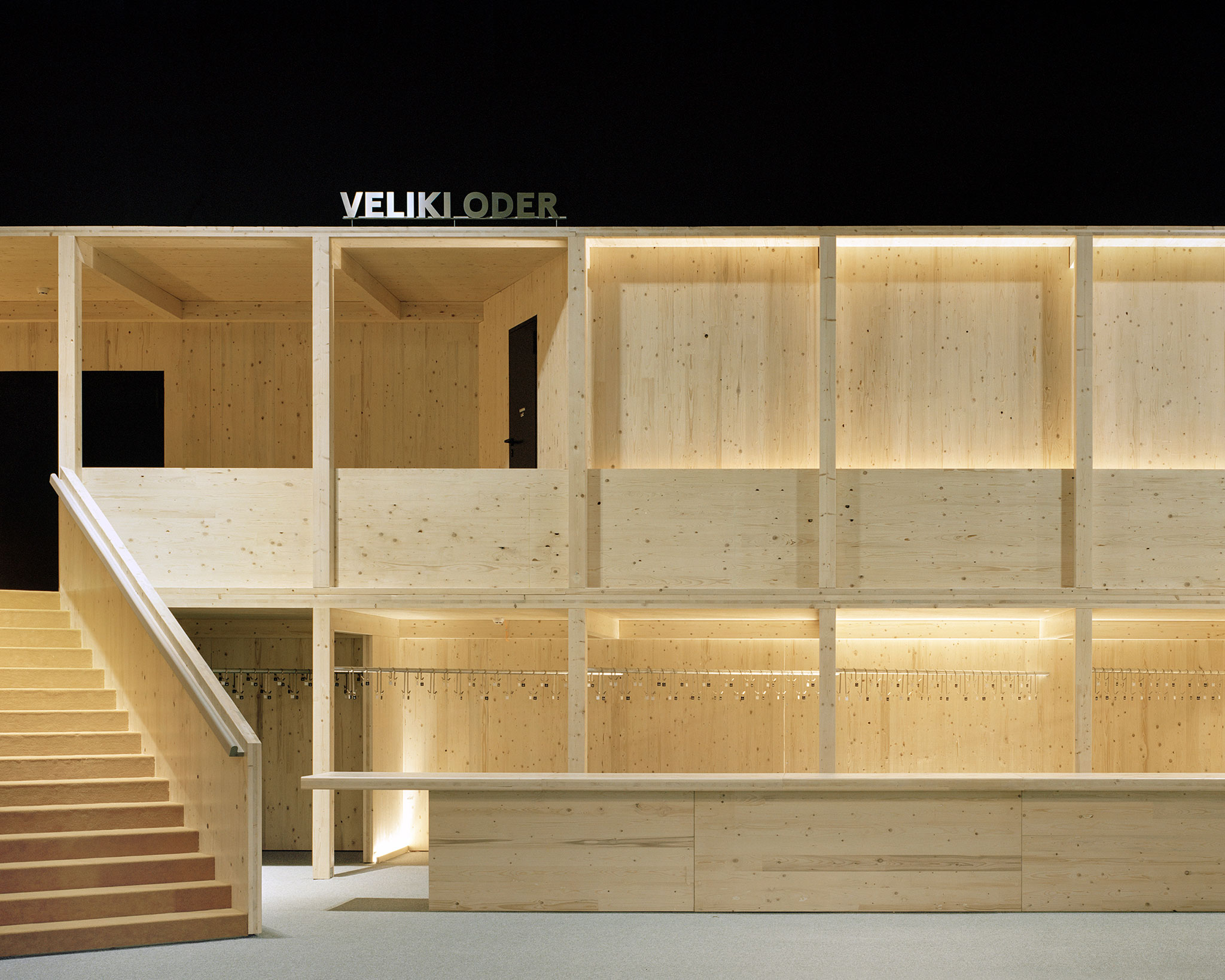
Temporary Spaces for Slovenian National Theatre Drama
City.- Ljubljana, Western Slovenia, Slovenia.
Architects.- Vidic Grohar Arhitekti, Ljubljana (Anja Vidic, Jure Grohar).
Client.- L56 d.o.o. (Mixed).
Program.- Culture - Theatre.

"The project involves the adaptive reuse of a former industrial hall as a Temporary National Theatre during the renovation of the city’s historic theatre building. Located within a complex of 1960s industrial halls on the city’s fringe, it establishes a new programatic centre. A series of low-budget interventions carried out in a short period transformed the abandoned industrial hall into a vibrant new public building."
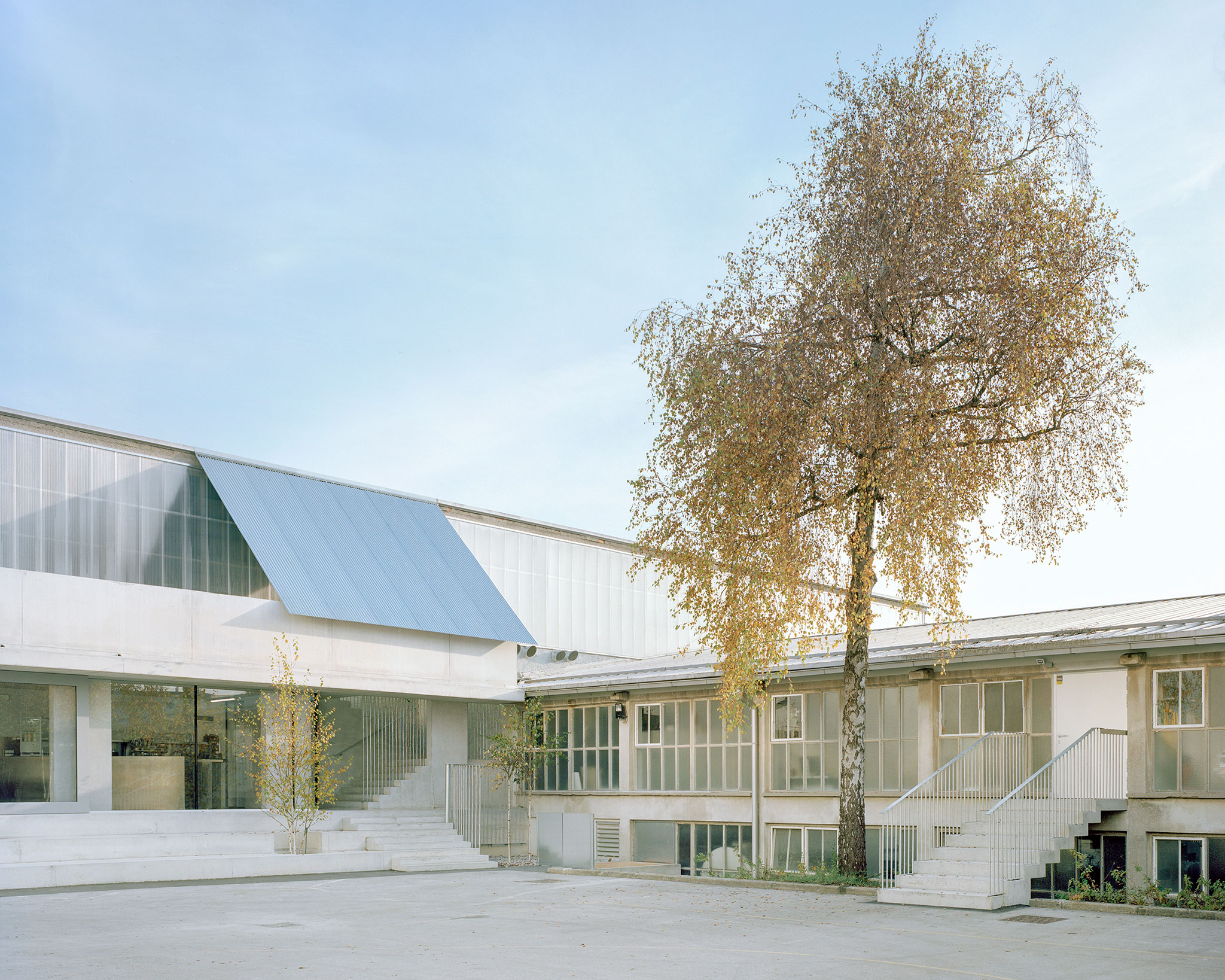
Temporary Spaces for Slovenian National Theatre Drama. Photograph by Maxime Delvaux. 
Temporary Spaces for Slovenian National Theatre Drama. Photograph by Maxime Delvaux. 
More information

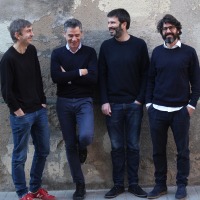
"Since spring 2019 Jo Taillieu, Inge Vinck and Jan De Vylder go their own way with jo taillieu architecten and architecten jan de vylder inge vinck. architecten de vylder vinck taillieu stays the joint and active platform for a part of the ongoing projects and future perspectives. After ten successful years, the time has come for new challenges, new projects and new perspectives for the future."

Architecten De Vylder Vinck Taillieu have built a solid work ranging from reform of housing and family houses to public and institutional buildings. The studio formed by Jan De Vylder (1968), Inge Vinck (1973) and Jo Taillieu (1971) belongs to the new generation of Belgian architects who has done a generational change in Belgian architecture, becoming one of the most interesting national architectures the current scene.

They became internationally known from various reforms carried out almost entirely in the Flemish city of Ghent: Verzameld Werk gallery, the Twiggy store, or houses 43, Rot-Ellen-Berg and Rampelken. His work cleverly combines respect for preexistences with a lyrical way of understanding architecture as DIY, as a construction inside buildings in a kind of game of Russian dolls. In his projects there are strange games of transparency, reflection (by using reflective materials), irony (with the use of local materials and techniques), optical illusions of duplicating and copying existing buildings ... and all this results in an extremely personal architecture.

Read more

Harquitectes is an architecture practice founded in Sabadell in 2000 by David Lorente Ibáñez (born in Granollers, Barcelona, ​​June 7, 1972), architect, ETSAV-UPC, 2000; Josep Ricart Ulldemolins (born in Cerdanyola del Vallès, Barcelona, ​​1973), architect, ETSAV-UPC, 1999; Xavier Ros Majó (born in Sabadell, Barcelona, ​​1972), architect, ETSAV-UPC, 1998; and Roger Tudó Galí (born in Terrassa, Barcelona, ​​1973), architect, ETSAV-UPC, 1999.

They combine their professional practice with teaching at the Faculty of Architecture of the Polytechnic University of Catalonia (ETSAV and ETSAB), as well as at ETH Zurich. and at Harvard GSD.

Among their most representative works are the ICTA-ICP research center at the Autonomous University of Barcelona; the Cristalleries Planell civic center; the Lleialtat Santsenca cultural center; social housing for IMPSOL in Gavà; the new offices for Galenicum; the Clos Pachem winery in El Priorat; and El Vapor Cortès de Prodis in Terrassa. Currently, the studio is working on the expansion of the MACBA museum, the renovation of the Teatre Arnau, the La Teixonera civic center in Vall d’Hebron, as well as the Ideal Flor cultural center and the transformation of La Foneria Reial, all in Barcelona.

Their work has been widely published and exhibited, and he has received numerous awards, including the FAD, the European Prize for Intervention in Architectural Heritage, the City of Barcelona Prize, the Erich Mendelsohn Award, the Berlin Art Prize and the CSCAE Architecture Prize, among others.

Awards.-

2025.- Re-FAD Award 2025.
2025.- Casa de la Arquitectura Award Cohesion category.
2024.- Bonaplata Award, 2024.
2018.- Prize "Detail Prize 2018"
2018.- Prize "XII Premios NAN"
2018.- Prize "XIV BEAU" Bienal Española de Arquitectura y Urbanismo.
2018.- Prize "Ciudad de Barcelona 2017"
2018.- Prize ex aequo de "Arquitectura de Ladrillo Hispalyt XIV."
2017.- Prize "Mapei a la edificación sostenible."
2017.- Prize "BB Construmat 2017."
2017.- Prize AD 2017 Architects of the year.
2016.- Prize "Mostra Arquitectura Vallès."
2016.- Prize "Wienerberger Brick Award 2016."
2016.- Prize "X BIAU" Bienal Iberoamericana de Arquitectura y Urbanismo.
2016.- Prize "XIII BEAU" Biennal Espanyola d’Arquitectura i Urbanisme.
2016.- Prize Arquitectura de Ladrillo Hispalyt XIII Edició.
2016.- Prize "Catalunya Construcció" 2016.
2015.- Prize "Ugo Rivolta" 2015.
2015.- Prize FAD de la opinión 2015.
2015.- Prize "Catalunya Construcció" 2015.
2014.- Prize "Archmarathon" 2014.
2014.- Prize Arquitectura de Cerámica ‘"Fritz Höger Preis" housing category Winner Gold
2013.- 1st Prize  A+to Best Projects Sustainable Architecture.
2013.- Prize A+ Extraordinario al Estudio Joven más Prometedor.
2012.-  Sacyr Innovación Award for ICTA-ICP Building 1102.
2012.- AJAC 2012 Award for university dwellings in Sant Cugat dle Vallès.
2012.- Hise 2012 excelencia a la innovación Award, for 712 house.
2012.- FAD 2012 Award, 712 house.
2011.- ENOR Arquitectura Joven Award for 704 Gimnasium.

Read more

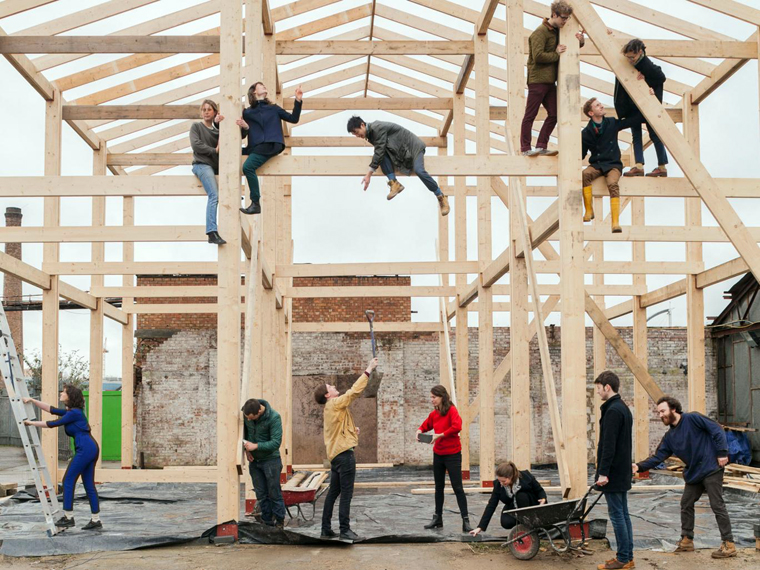
BC architects & studies & materials is an architecture practice founded by Laurens Bekemans (1986), Wes Degreef (1986), Nicolas Coeckelberghs (1986) and Ken De Cooman (1983), committed to regenerative and bioregional architecture. They design buildings that are deeply rooted in their environment and informed by material knowledge. Their projects respond to social dynamics and cultural contexts. They often emerge from hands-on processes that reconnect architecture with craftsmanship, local sourcing, and collaborative creation. Each project serves as a prototype for systemic transformation, a space to experiment, challenge norms, and rethink the architect's role. From sourcing local earth, fibers or timber to crafting elements on-site with communities and artisans, their practice is grounded in direct engagement with materials and people. Their sites become places of learning, collaboration, and shared authorship.

BC architects & studies & materials, BC stands for Brussels Cooperation and points to how BC grew - embedded within place and people. They operate through 3 legal entities registered in Belgium: BC architects bv (architecture company), BC studies vzw (non-profit education laboratory), BC materials cv (material production cooperative). BC is a hybrid practice, designing and undertaking "acts of building" towards systemic change in the construction sector. They strive for bioregional, low-tech, circular, beautiful and inclusive design. They work with their minds and their hands, undertaking activities such as community organisation, material production, contracting, teaching and prototyping. They aim to impact positively on people's ideas and the planet. They act on behalf of the generations after us.

Read more

Assemble are a collective based in London who work across the fields of art, architecture and design. They began working together in 2010 and are comprised of 18 members. Assemble’s working practice seeks to address the typical disconnection between the public and the process by which places are made. Assemble champion a working practice that is interdependent and collaborative, seeking to actively involve the public as both participant and collaborator in the on-going realization of the work.

Read more

Onze04 is an architecture studio founded in 2006 in Barcelona by Gustavo Silva-Nicoletti.

Gustavo Silva-Nicoletti holds a degree in architecture from the Escuela Tècnica Superior de Arquitectura del Vallès (ETSAV), UPC, Barcelona.

Onze04 primarily develops public development projects (facilities and social housing), which it enters through national and international competitions.

In addition to working in Spain, the firm has developed a significant portion of its projects in France since 2011.

Onze04's work has received numerous awards in Spain and France, including:

.- Finalists and Shortlisted for the FAD Architecture Awards in 2012, 2016, and 2025 (Gustavo was selected to the FAD for Ephemeral Architecture as a student in 1999).
.- Winners of the French ADC Awards in 2016 and 2020
.- Winners of the Trophées de la Construction in 2015, 2020, and 2021, among others.

Internationally, Onze04 has received the Architecture Masterprize four times (twice in 2021 and twice in 2022) and has just received the European Best Architects 2026 award.

Read more

Dinko Peračić was born in Split in 1977, where he graduated from the Classical Gymnasium. He is an architect from the Faculty of Architecture, University of Zagreb (2001) and got his master’s degree at IAAC in Barcelona (2005). He is the founder of the Architects’ Collective Platforma 9.81 and a partner in Architects’ Office ARP. He has worked as an assistant at the Faculty of Civil Engineering, Architecture and Geodesy in Split since 2008, and in 2016, he was appointed an associate professor at the Architectural Design Department.

He is the author of a series of architectural projects, with a particular focus on public spaces and buildings, especially cultural facilities. Among the completed projects, notable ones include the Faculty of Civil Engineering building in Osijek, the Market and Fish Market in Vodice, and the Museum of Modern and Contemporary Art in Rijeka. Other projects, still unrealized, such as the Youth Center in Split, Pogon Jedinstvo in Zagreb, the Market in Dubrovnik, or the Olive House in Tisno, have been more prominently presented to the public.

In 2018, he was awarded the Grand Prix of the Zagreb Salon of Architecture; in 2023, he was awarded the Grand Prix of the Zagreb Salon of Applied Arts and design; and three times he was awarded the second prize of the Zagreb Salon (2006, 2009, 2015).   He was also awarded with Piranesi award in 2015, the Architecture Medal and Conceptual Design Medal by the Croatian Chamber of Architects (2016 and 2017). He was also awarded the Bernardo Bernardi Award by the Croatian Association of Architects in 2018 and the Grand Prix BIG SEE 2022.  His works were nominated for many other national and international awards.

He has extensive experience participating in architectural competitions and has won numerous awards. He has taken part in numerous domestic and international architectural and art exhibitions. Through the programs of the association Platforma 9,81, he is involved in various research and public activities related to spatial culture. He serves as a moderator at the Days of Oris symposium in Zagreb (alongside M. Mrduljaš). He was the curator of the Days of Architecture in Sarajevo in 2018. He actively contributes to the public discourse on space and architecture through frequent public lectures, discussions, workshops, actions, published texts, and by judging urban planning and architectural competitions. At the 15th Venice Architecture Biennale in 2016, he represented Croatia as part of a team with M. Veljačić, E. Višnić, and S. Tolj with the work "we need it – we do it". Together with Miranda Veljačić, he held a solo exhibition at the 56th Zagreb Salon of Architecture.

Miranda Veljačić (born 1976, Zagreb) is a Croatian architect (from the Faculty of Architecture, University of Zagreb 2002), researcher, and cultural worker. She is a co-founder, coordinator, and current president of Platforma 9,81, one of the longest-lasting NGOs focused on architectural research and practice related to alternative and youth culture, activism, urbanism, and the heritage of modernity.

Veljačić was an editor of Oris and Čovjek i prostor, two major Croatian architecture magazines. In 2016, she represented Croatia at the Venice Biennale of Architecture together with Dinko Peračić, Emina Višnić, and Slaven Tolj.

In 1999, while still a student, Veljačić co-founded the architectural research association Platforma 9,81 in Zagreb with Dinko Peračić and Marko Sančanin, following their involvement with the European Architecture Students Assembly. She graduated from the Faculty of Architecture in Zagreb in 2002.

Since 2003, she has lived and worked in Split with her husband, Dinko Peračić, and their two children.

Platforma 9,81 is a Croatian collective of architects, theorists, designers, and urban planners operating as a non-governmental organisation that stimulates interdisciplinary debate on urban spaces, globalisation, and architectural practices. In addition to being documented online, its research was published in the 2004 book Superprivate. In 2011, the collective participated in the exhibition program Contemporary Art Archipelago, a series of site-specific works in the Turku archipelago in Finland.

Veljačić became a member of the presidency of the Association of Architects of Split in 2006 and a member of the programming committee of the Multimedia Cultural Center in Split. Her work focuses on research and elaboration for the preservation, protection, and promotion of modernist architecture, including the Senatorium in Krvavica by Rikard Marasović. In 2009, her collaborative work with Dinko Peračić on the revitalisation of the Youth Centre in Split won the Salon of Architecture Prize. This project completed work on the monumental building originally started in the 1970s by architect Frane Grgurević and left unfinished due to halted cultural funding. Over the course of 12 years, the architects reconfigured the structure, which had been squatted by various groups, to make it functional and give it a new purpose. She also co-developed, with Dinko Peračić, a project for the reconstruction of Tvornica Jedinstvo, a former factory in Zagreb, into the Regional Multifunctional Cultural Center Jedinstvo, which is still awaiting reconstruction.

At the 2016 Venice Biennale of Architecture, their collective project We Need – We Do It was documented in the catalogue Reporting from the Front, including the contribution “We need it – we do it: policy pragmatics and utopias,” as well as in the publication We Need It – We Do It, commissioned by the Ministry of Culture of the Republic of Croatia. The publication also discusses several other projects by Veljačić and her collaborators. In 2018, the project received the Grand Prize of the 53rd Zagreb Salon of Architecture.

Veljačić frequently speaks at international and local art events, presenting her architectural practice, most often in collaboration with Dinko Peračić, and advocating for public–civil partnerships and urban commons.

Read more

Vidic Grohar Arhitekti was founded in Ljubljana, Slovenia, in 2016 by Anja Vidic, assistant professor at the Ljubljana Faculty of Architecture, and Jure Grohar, a PhD architect. In their projects, they do not follow a pre-set architectural agenda, but freely develop new specific architectural, design, and curatorial solutions through the rearticulation of given situations. As design critics they were invited and held lectures at the University of Limerick, University College Dublin, MOME Budapest, TU Berlin, USI Mendrisio, TU Munich, TU Vienna and Faculty of Architecture in Ljubljana. Their work has been presented as part of the international project Objects of Fascination in Brussels (MAD Brussels) and Paris (Pavillon de l'Arsenal), and the New Praxes, New Tools event in Ljubljana (ŠKUC Gallery), Berlin (AEDES Metrolab), and Vienna (TU Vienna). Together with Mertelj Vrabič Arhitekti they were authors of The Pavilion of Slovenia at The 18th Venice Architecture Biennale 2023, which was accompanied by a catalogue (published by MAO Ljubljana). The Pavilion was remade in Freilichtmuseum Molfsee, Germany in 2024. Recently they executed a temporary National Theatre Drama in Ljubljana, Slovenia, which was awarded with the international Piranesi Award 2024 and has been shortlisted for EU Mies Award 2026.

Read more
AgwA. It is an architecture studio founded by Benoît Vandenbulcke and Harold Fallon in Brussels, Belgium. The firm has five partners: Benoît Vandenbulcke, Harold Fallon, Benoît Burquel, Hélène Joos and Nicky Vancaudenberg. The office is located in an old industrial complex, a project that itself was the result of a Neighbourhood Contract, like many of the first projects of the practice, which were the result of Neighbourhood Contracts, challenging the architects to work with very tight budgets on small urban infill sites.

They are slowly taking on larger projects and tackling more ambitious ones with great national and international recognition.
 
 
Read more
Published on: February 5, 2026
Cite:
metalocus, CAMILA DOYLET, ELVIRA PARÍS FERNÁNDEZ
"5 Architecture and 2 Emerging Architecture Finalists for the EU MIES AWARD 2026" METALOCUS. Accessed
<https://www.metalocus.es/en/news/5-architecture-and-2-emerging-architecture-finalists-eu-mies-award-2026> ISSN 1139-6415
Loading content ...
Loading content ...
Loading content ...
Loading content ...
Loading content ...
Loading content ...
Loading content ...
Loading content ...
Loading content ...
Loading content ...
Loading content ...
Loading content ...
Loading content ...
Loading content ...
Loading content ...
Loading content ...
Loading content ...
Loading content ...
Loading content ...
Loading content ...
Loading content ...
Loading content ...
Loading content ...
Loading content ...
Loading content ...
Loading content ...
Loading content ...
Loading content ...
Loading content ...
Loading content ...
Loading content ...
Loading content ...
Loading content ...
Loading content ...
Loading content ...
Loading content ...
Loading content ...
Loading content ...
Loading content ...
Loading content ...
Loading content ...
Loading content ...
Loading content ...
Loading content ...
Loading content ...
Loading content ...
Loading content ...
Loading content ...
Loading content ...
Loading content ...
Loading content ...
Loading content ...
Loading content ...
Loading content ...