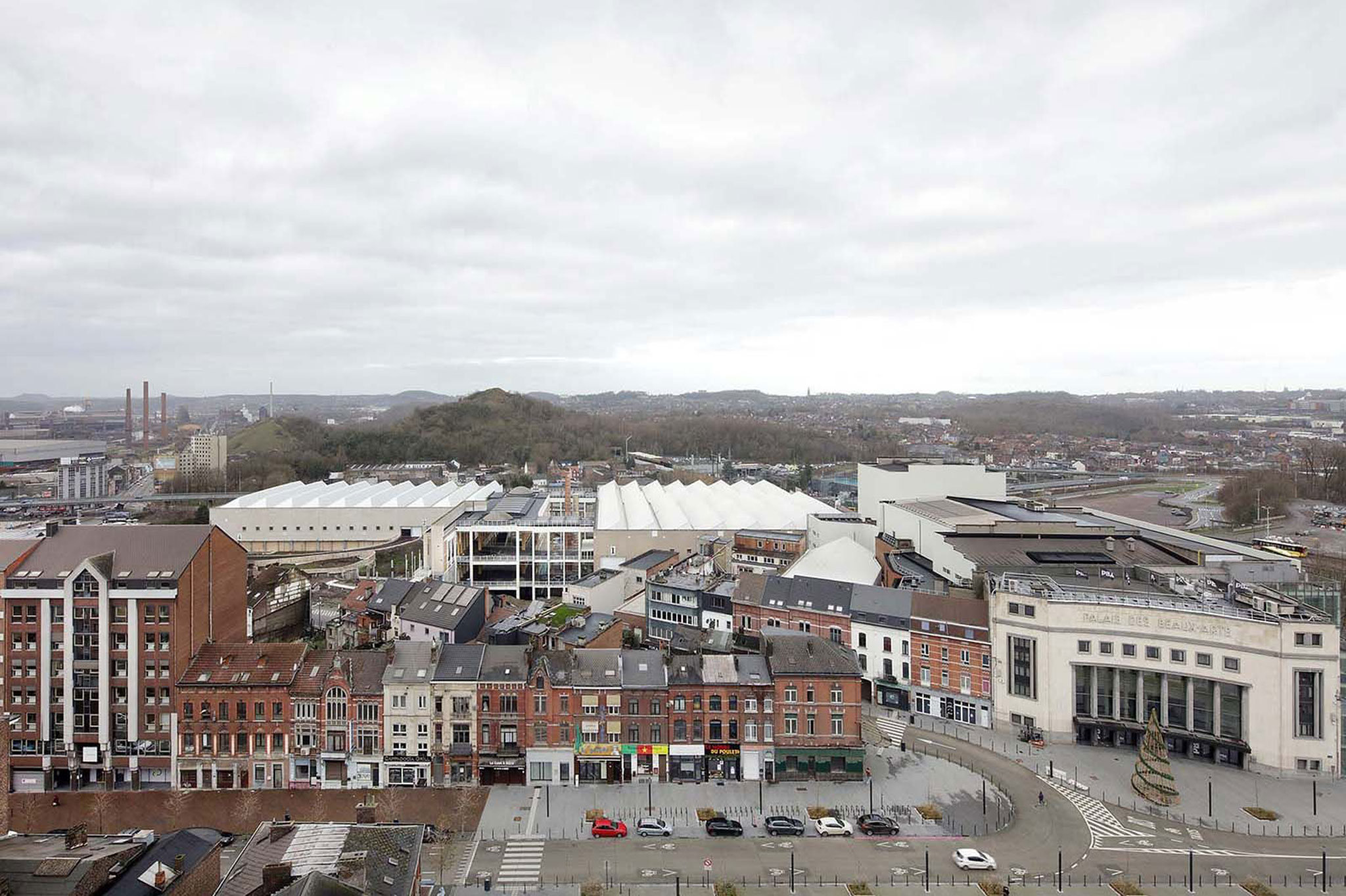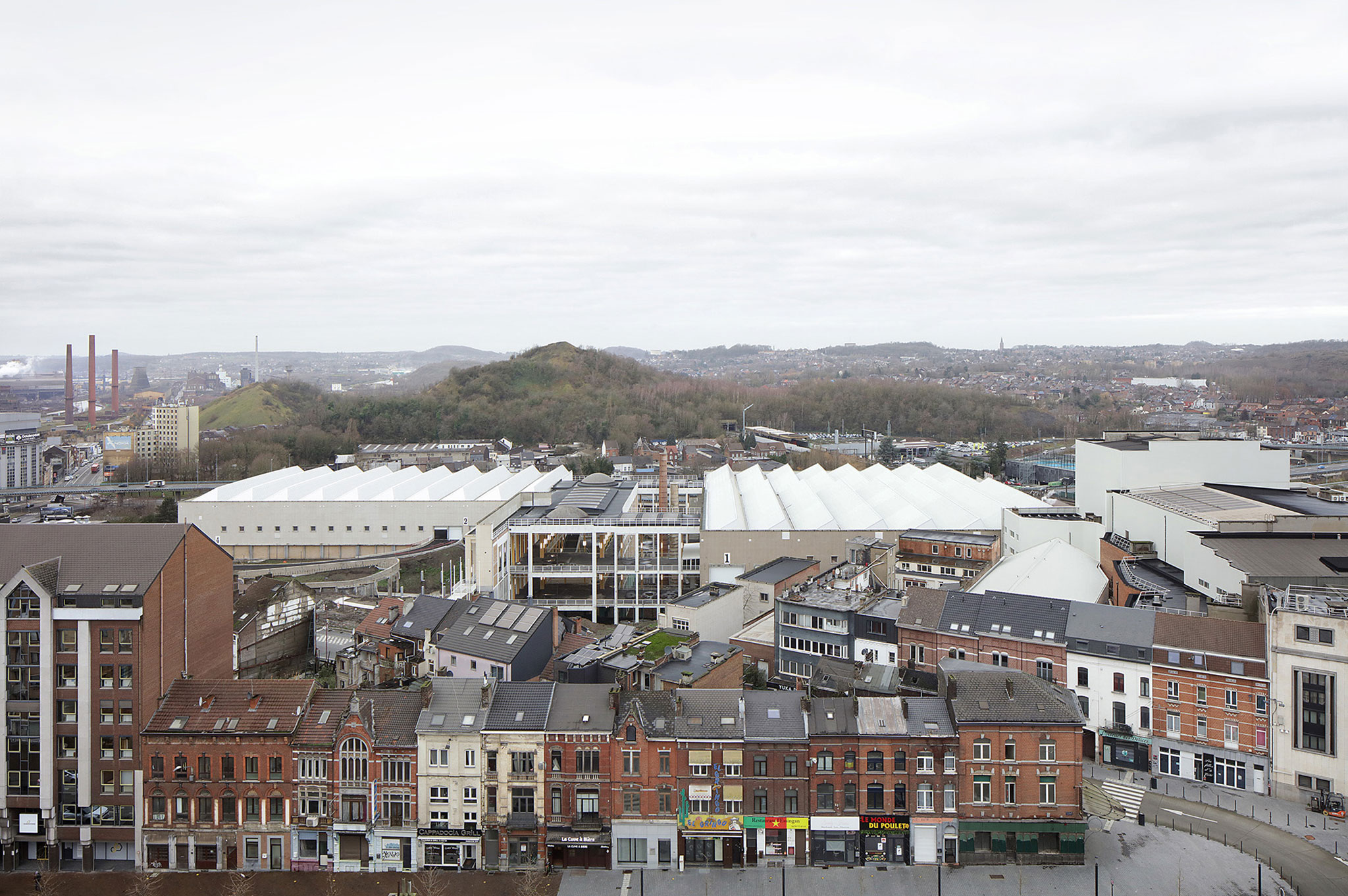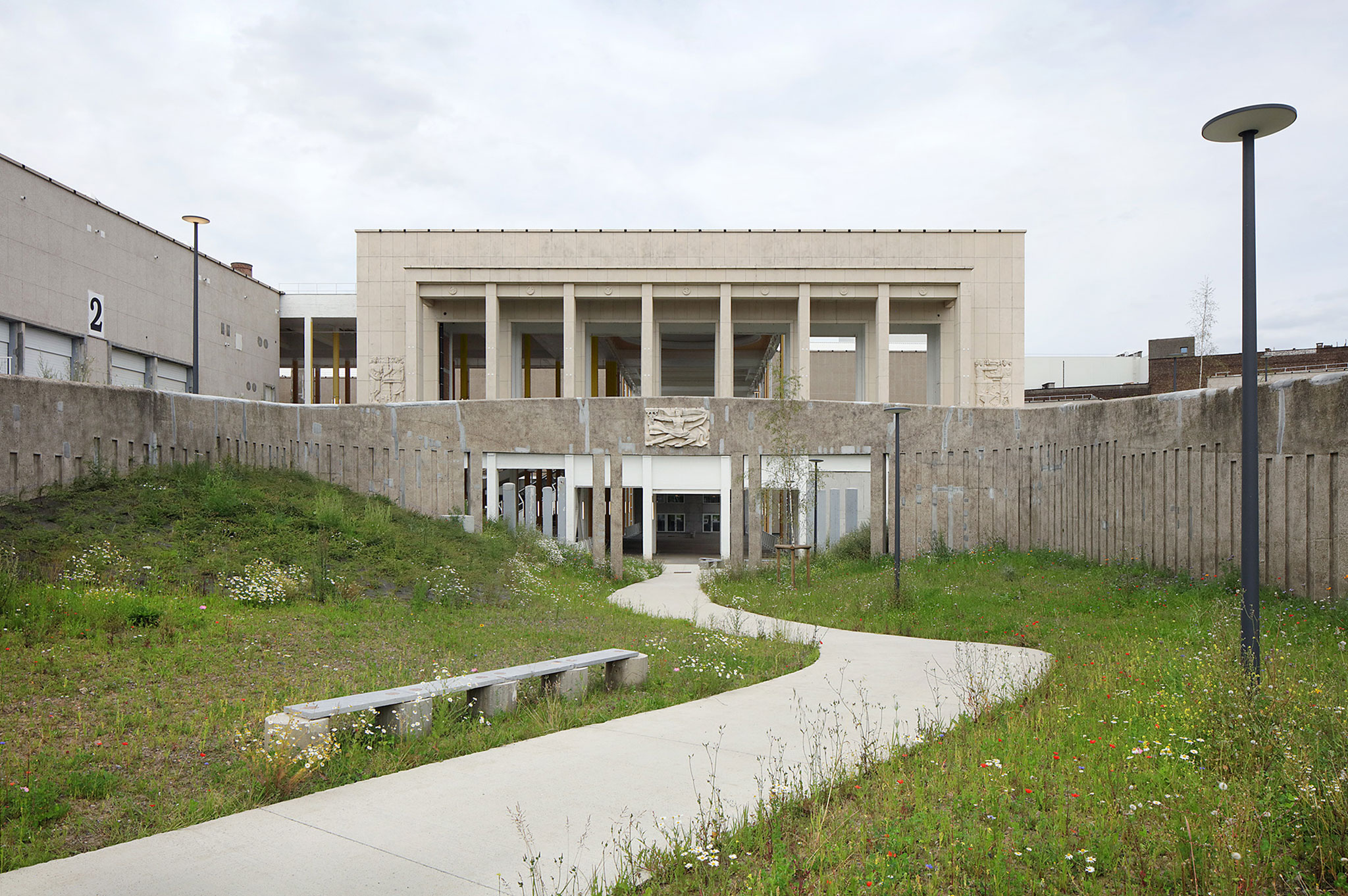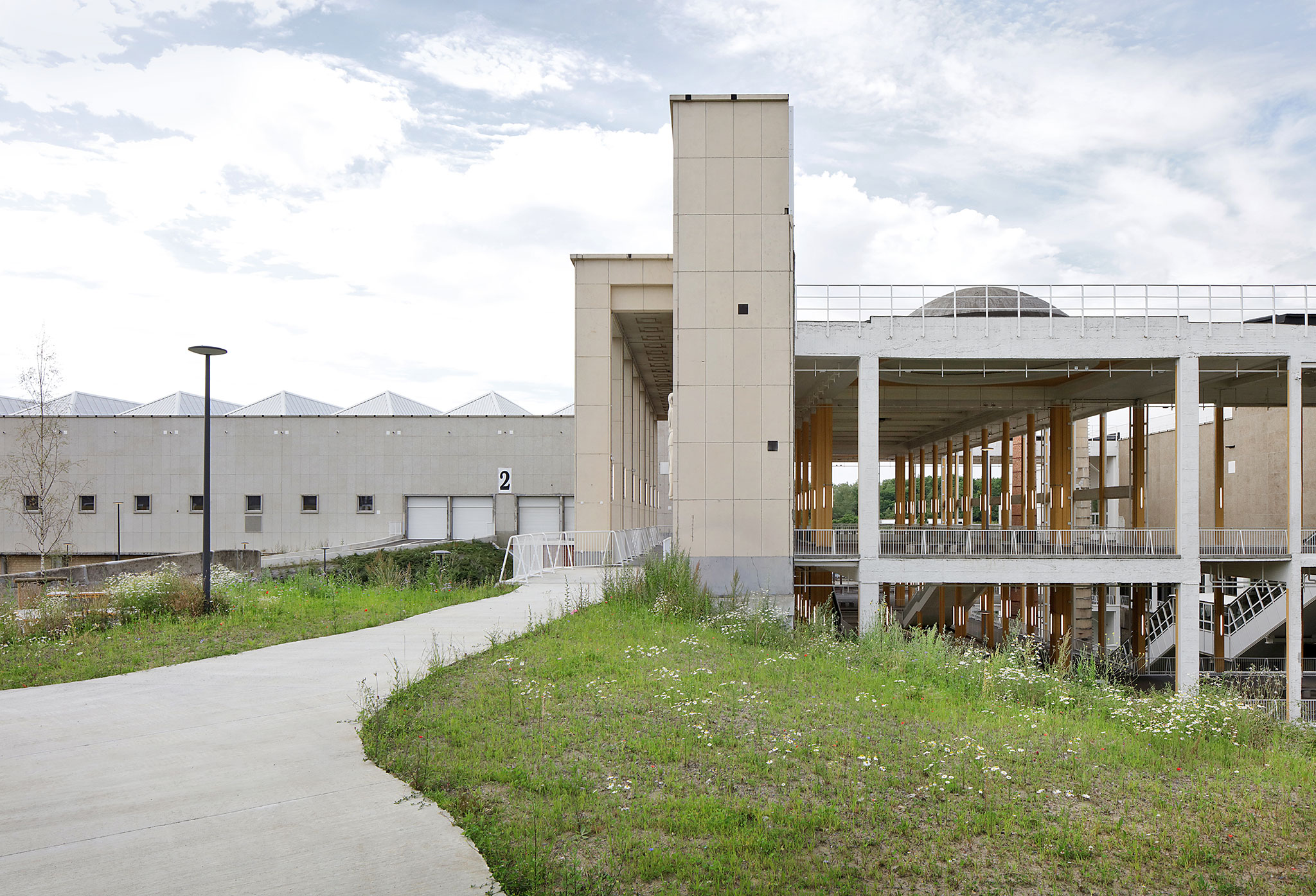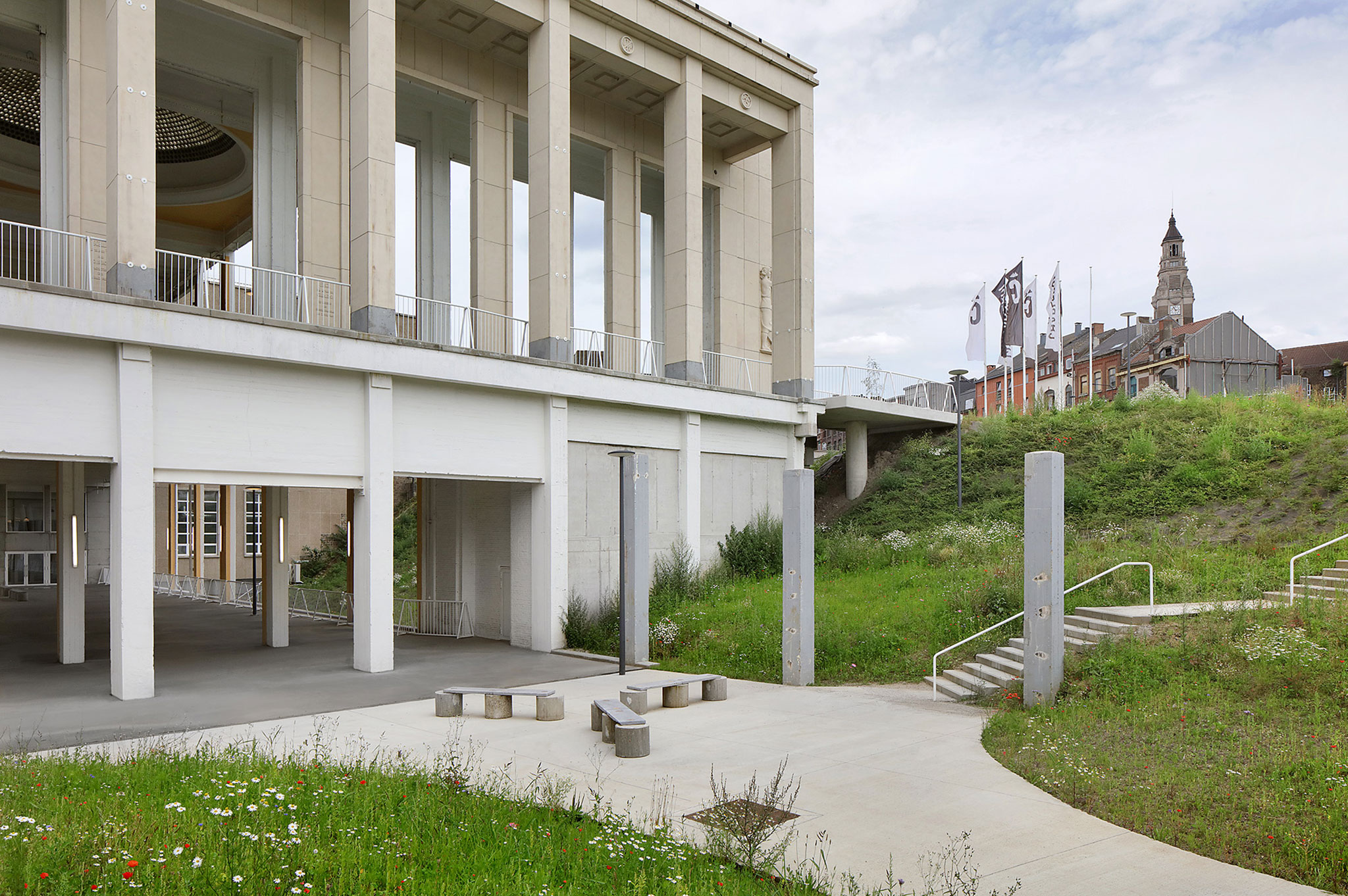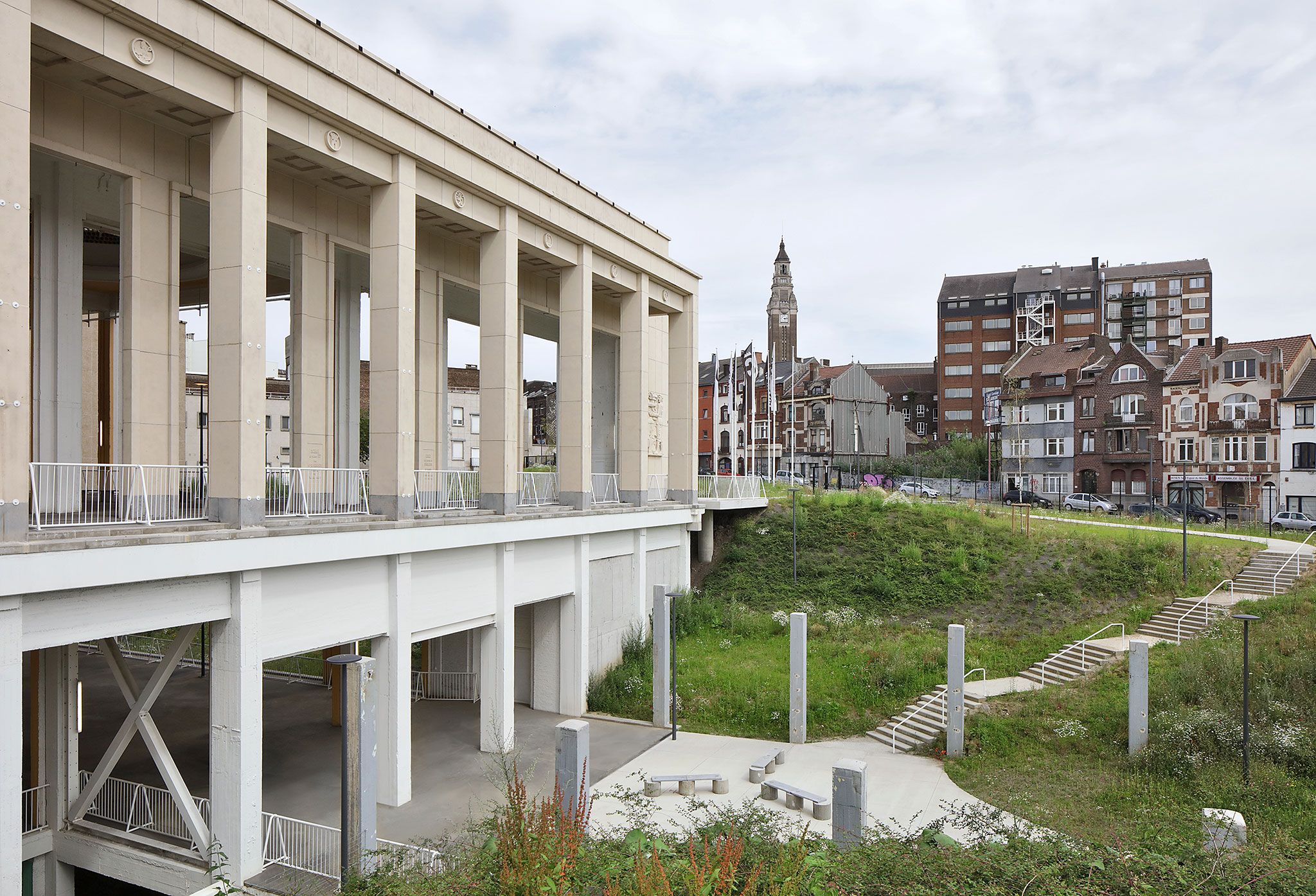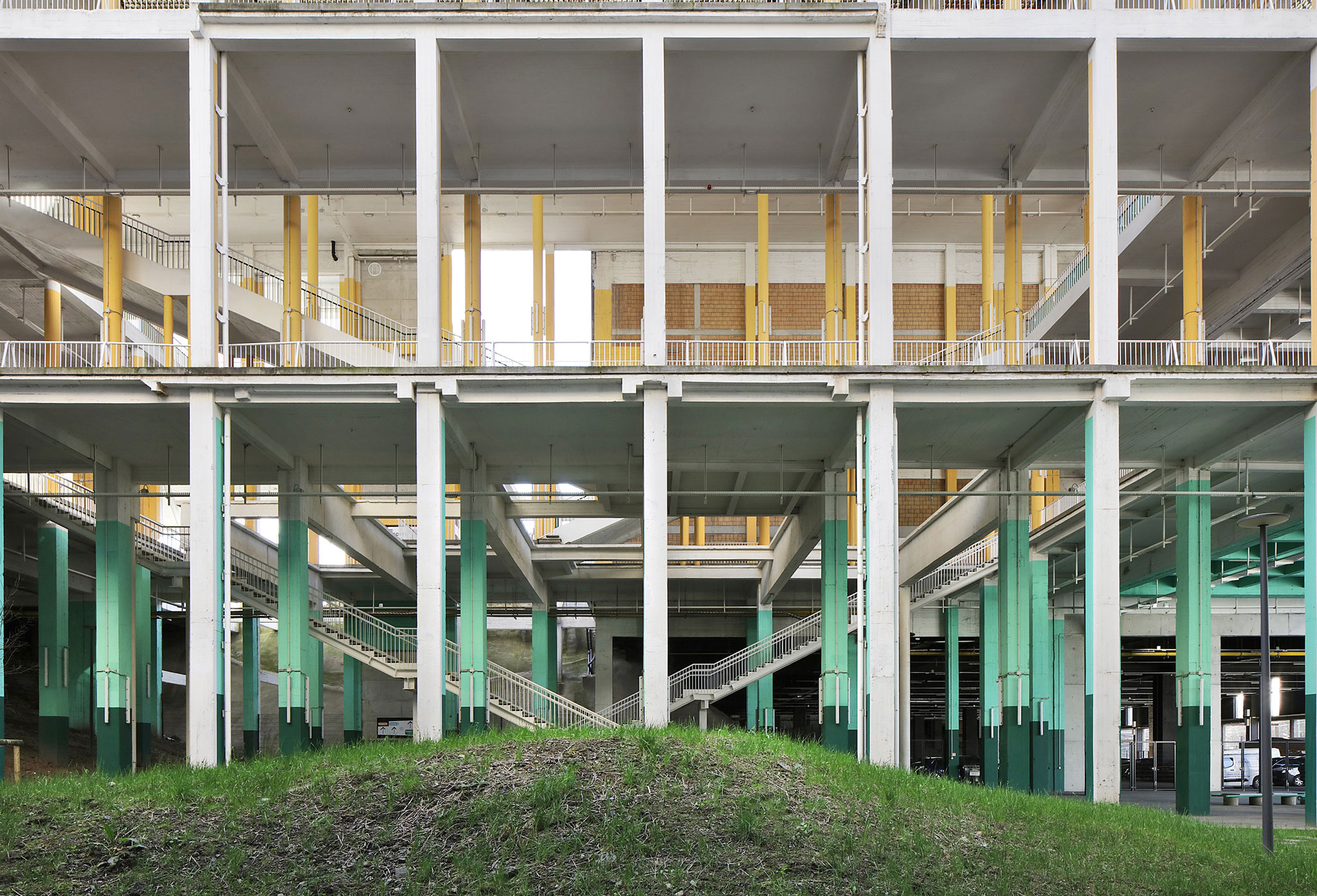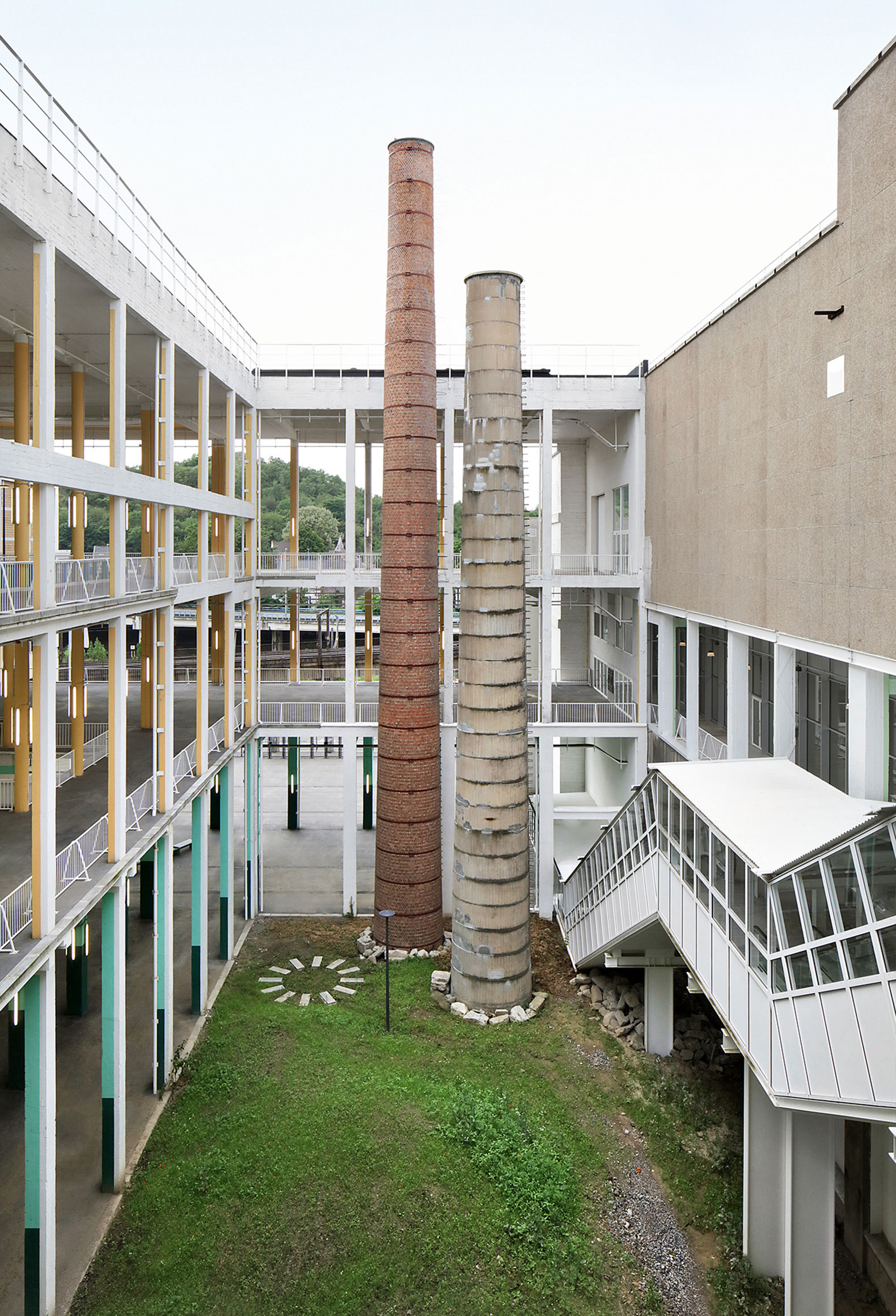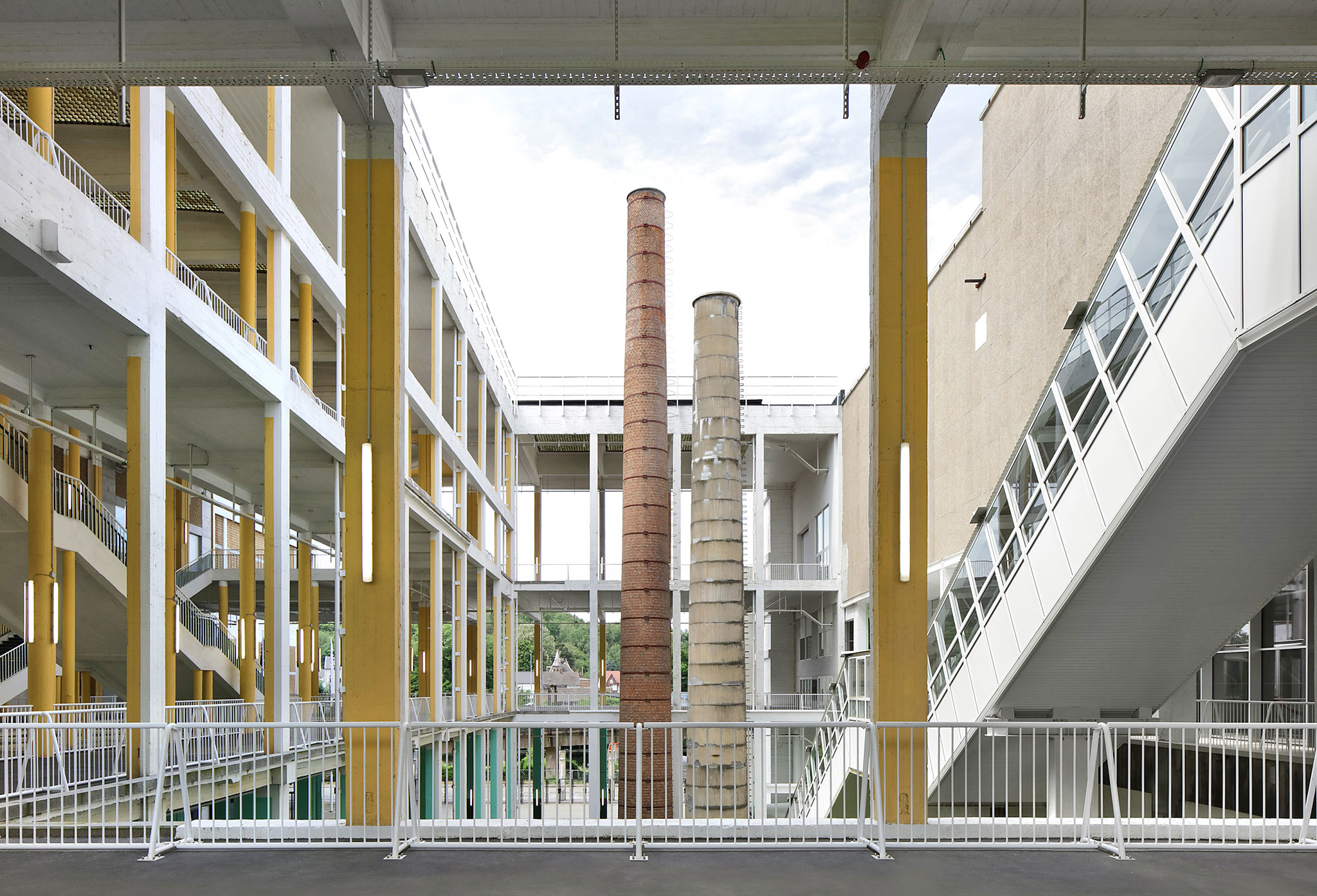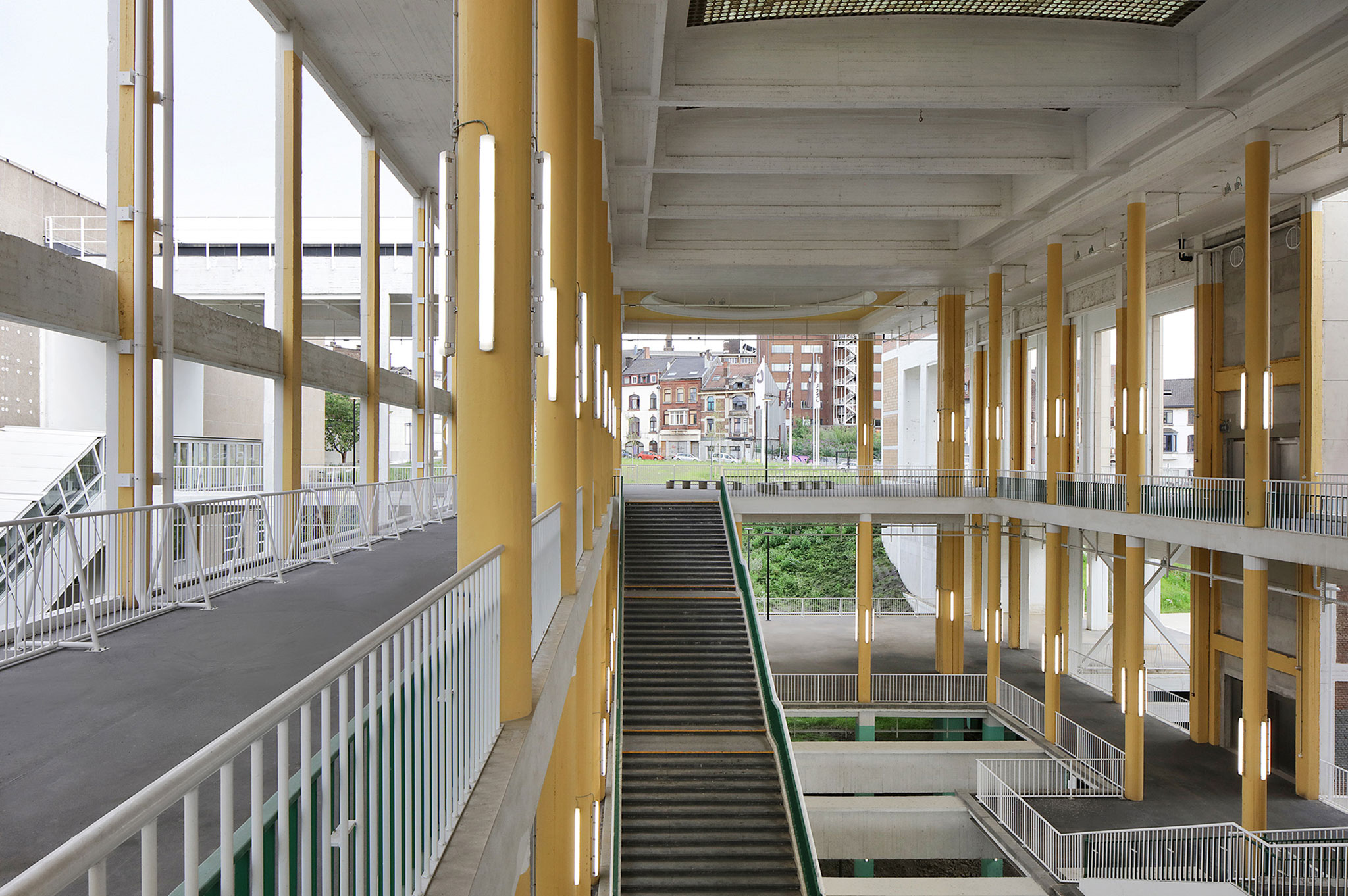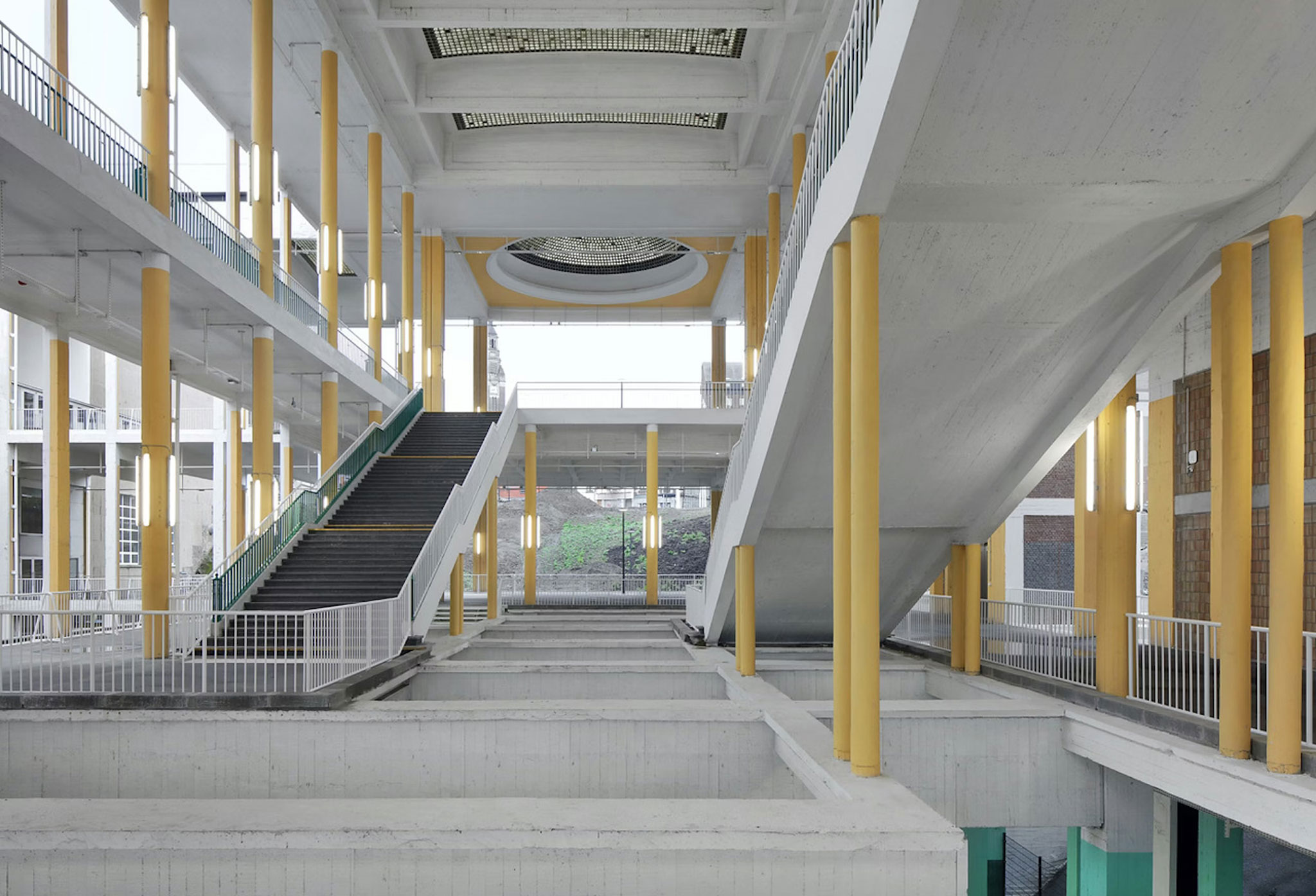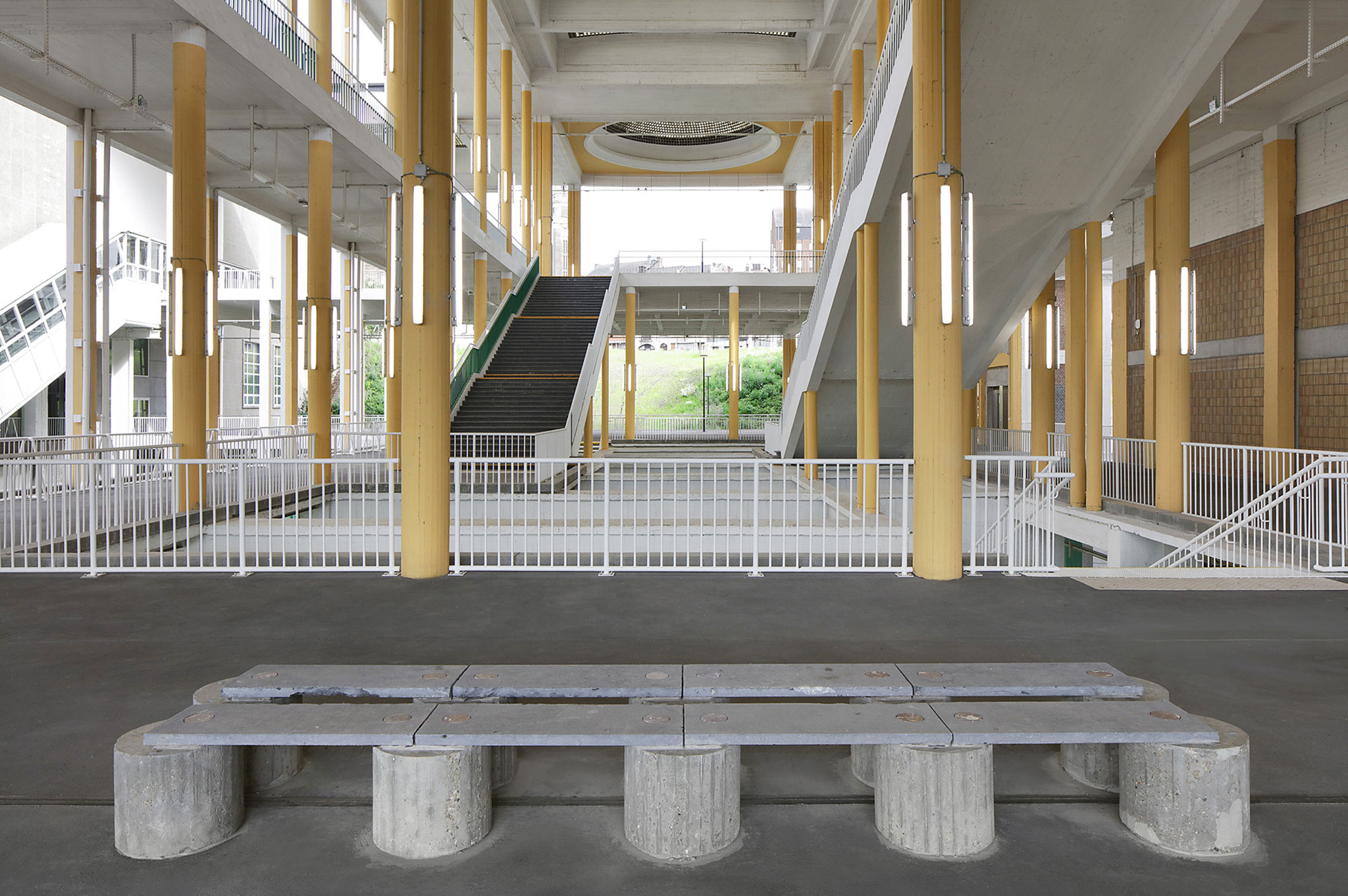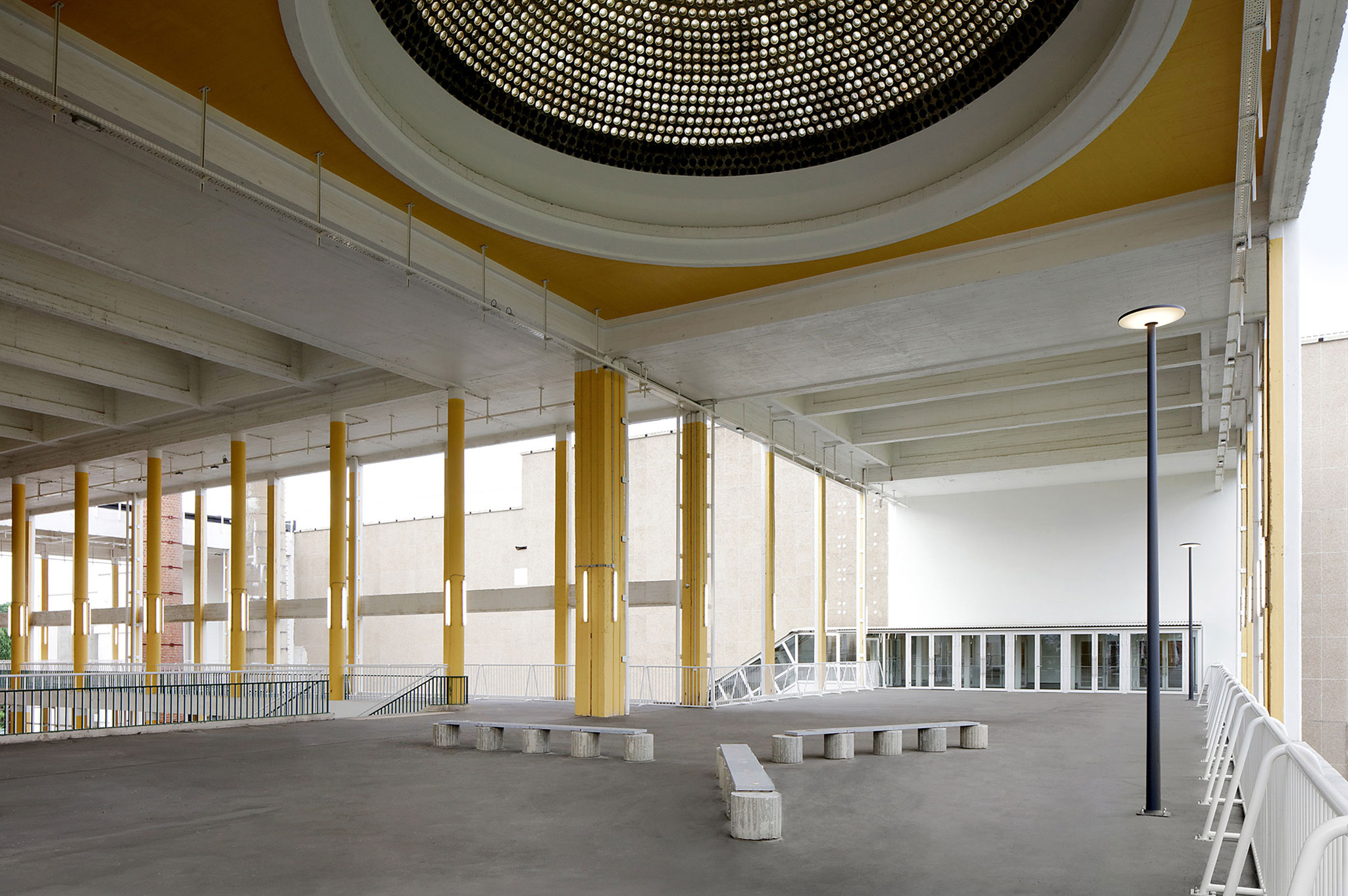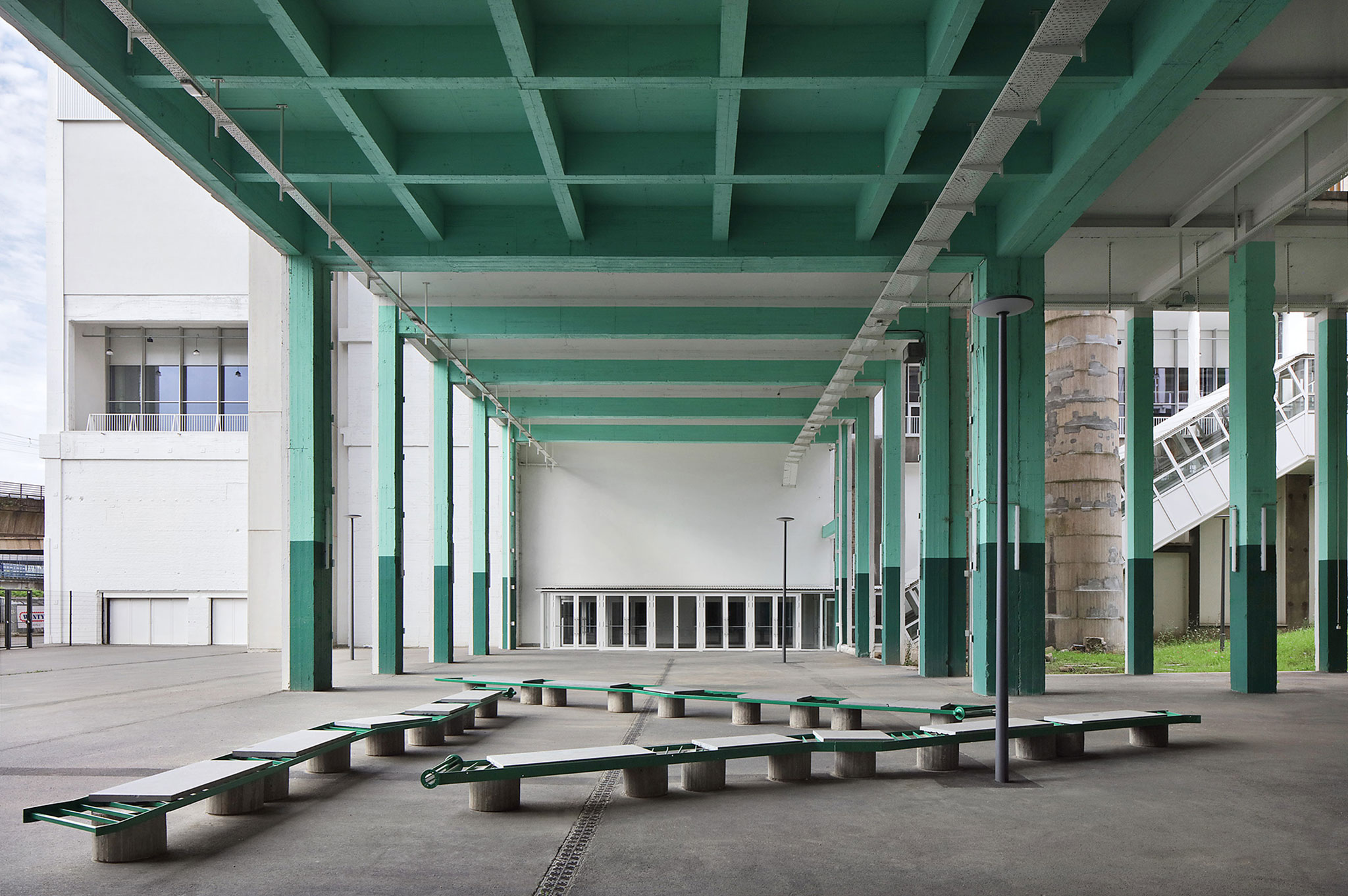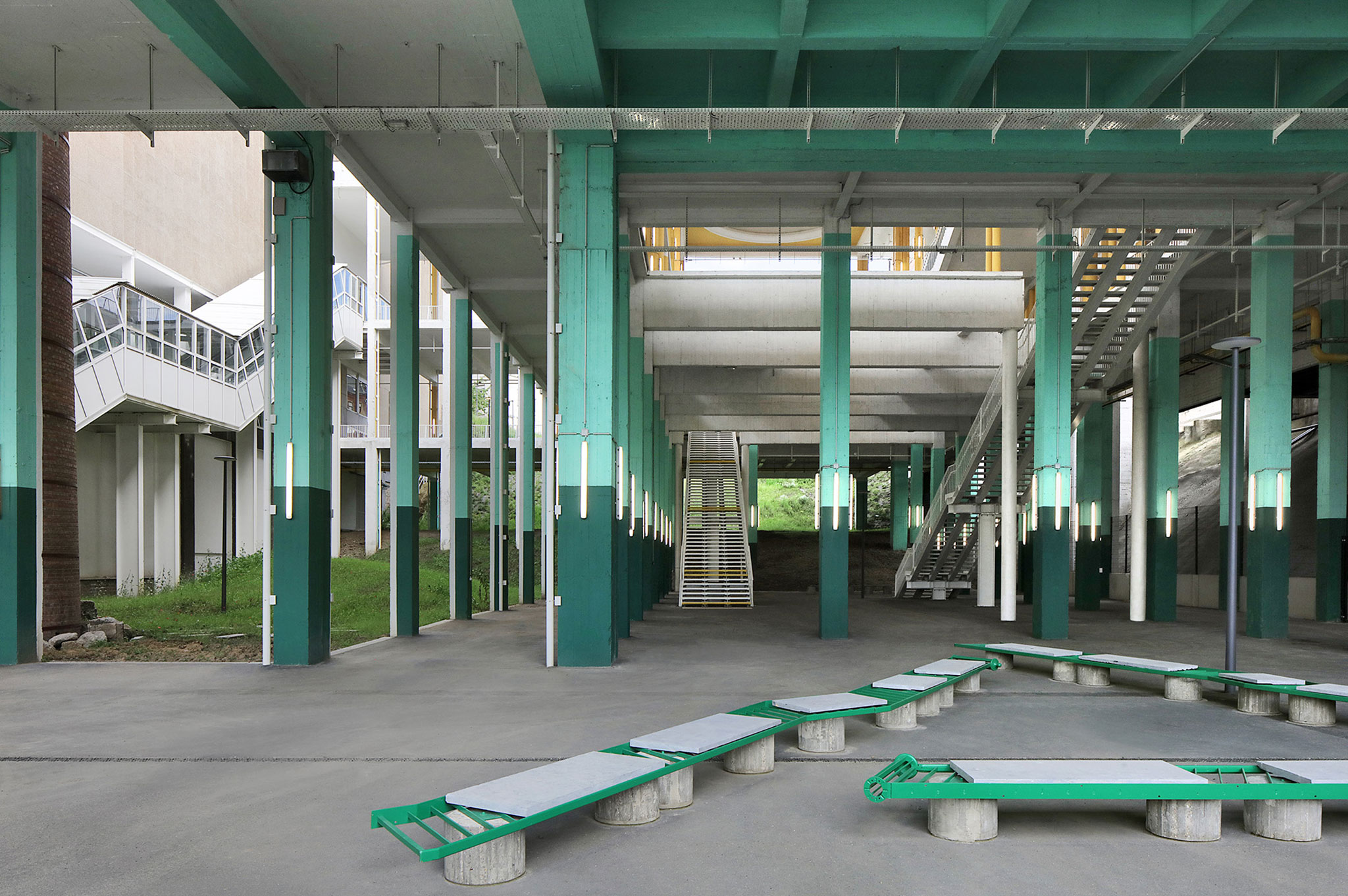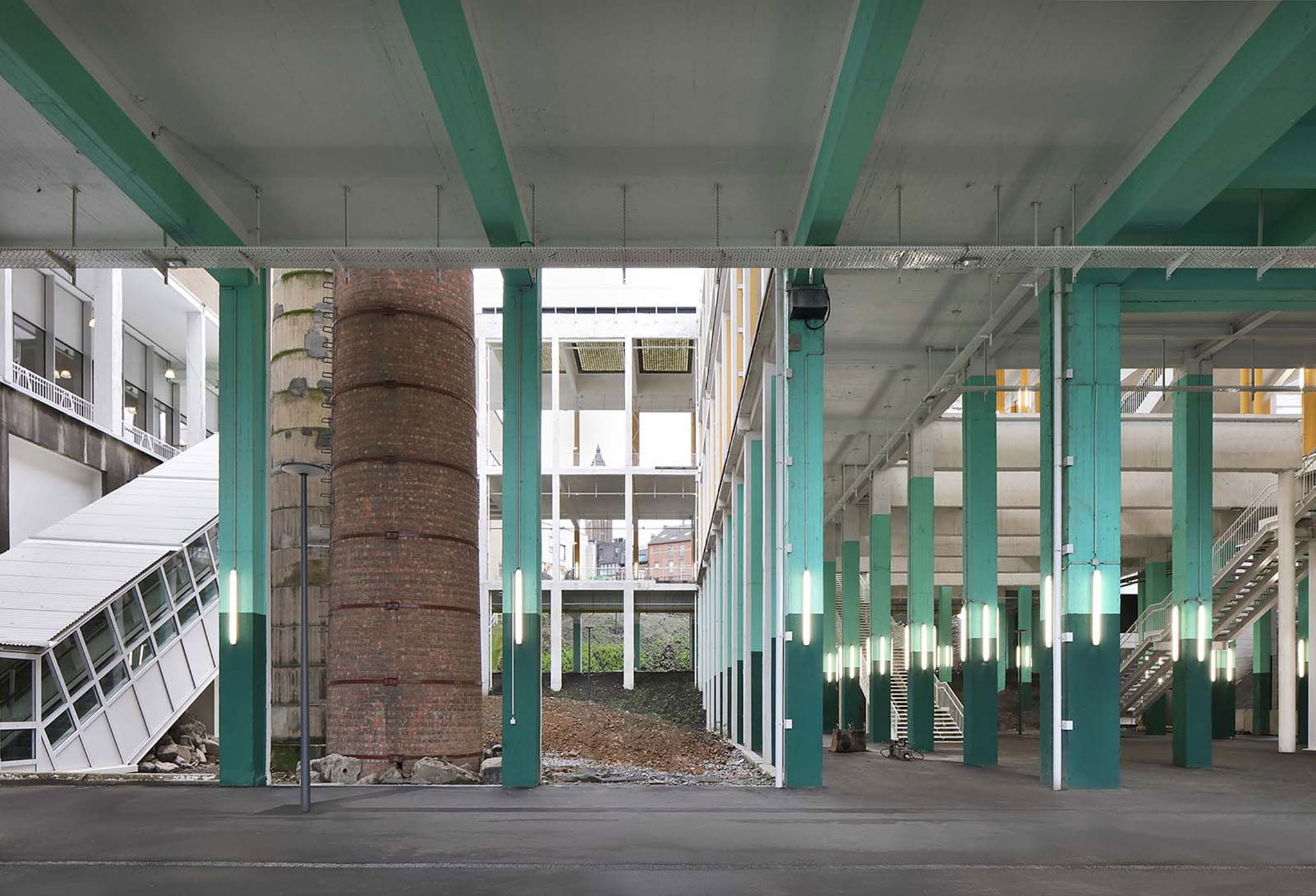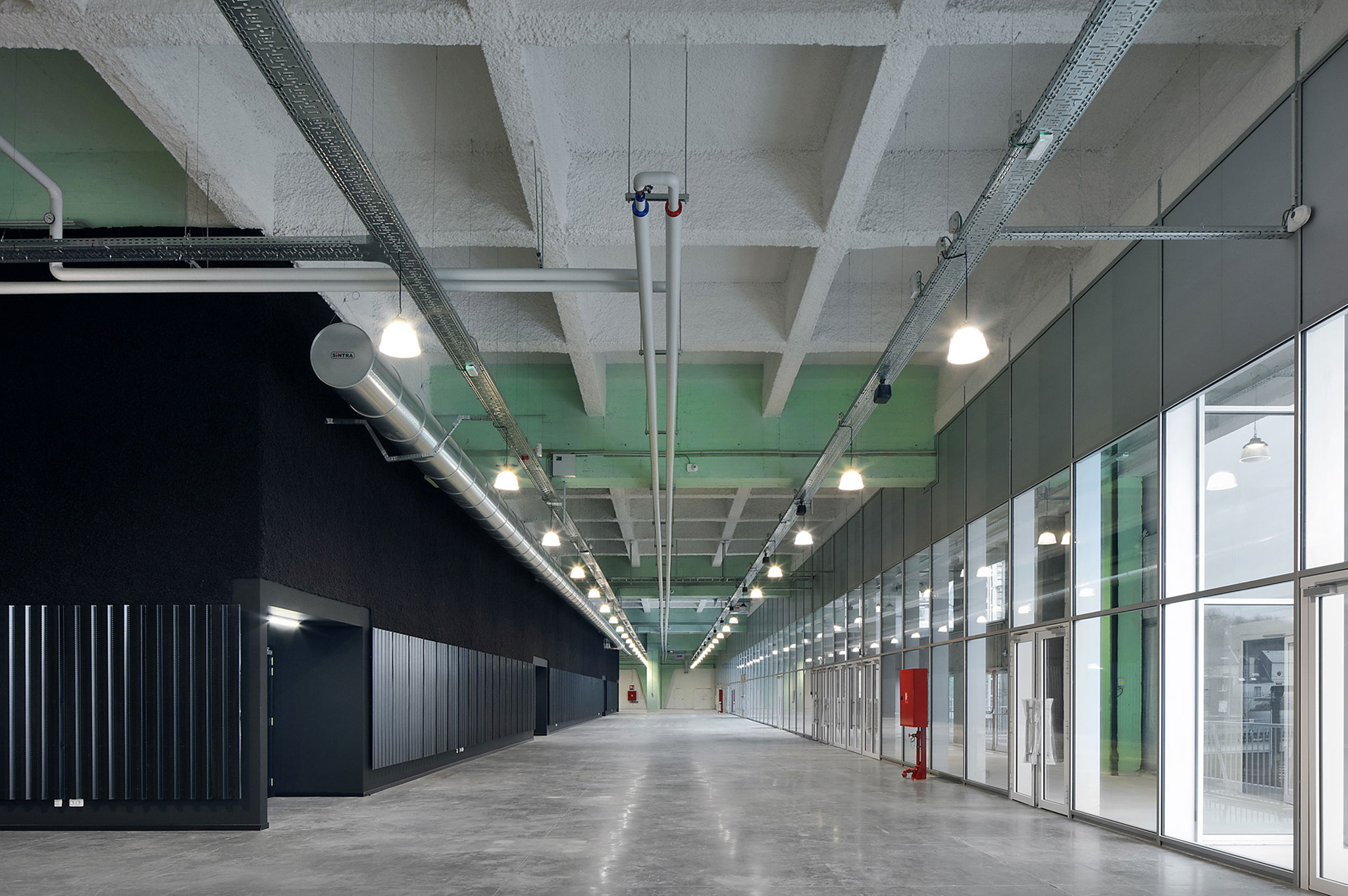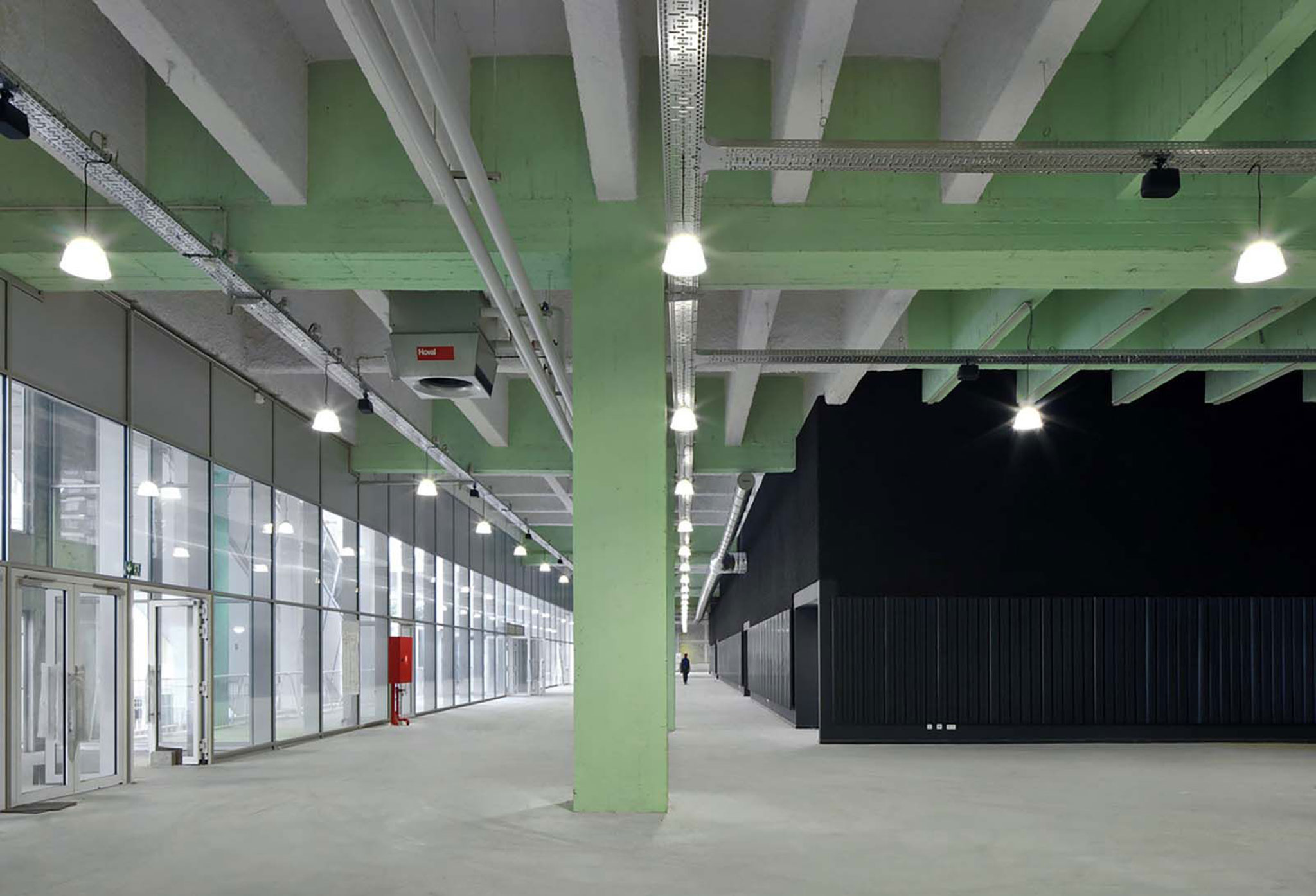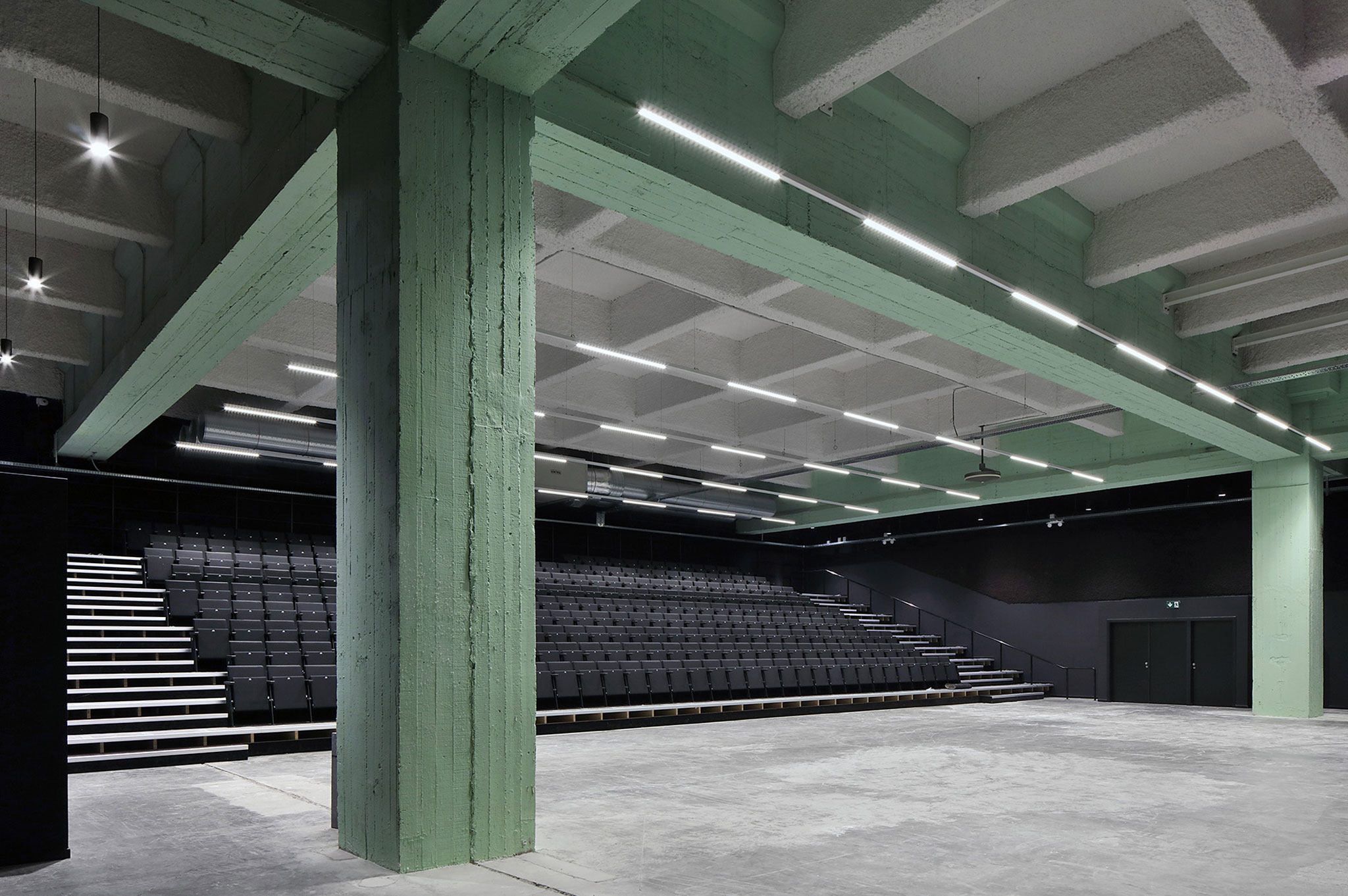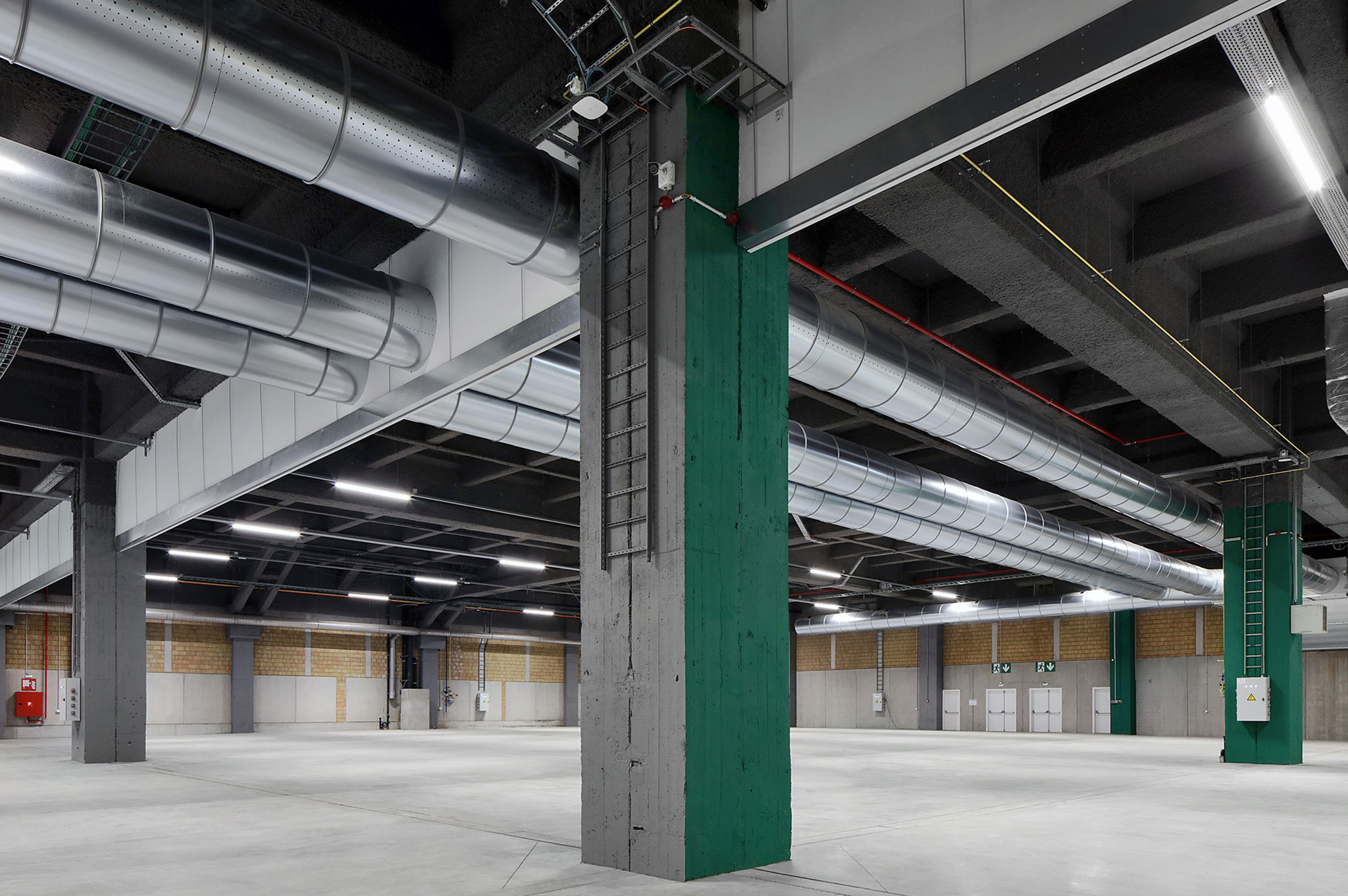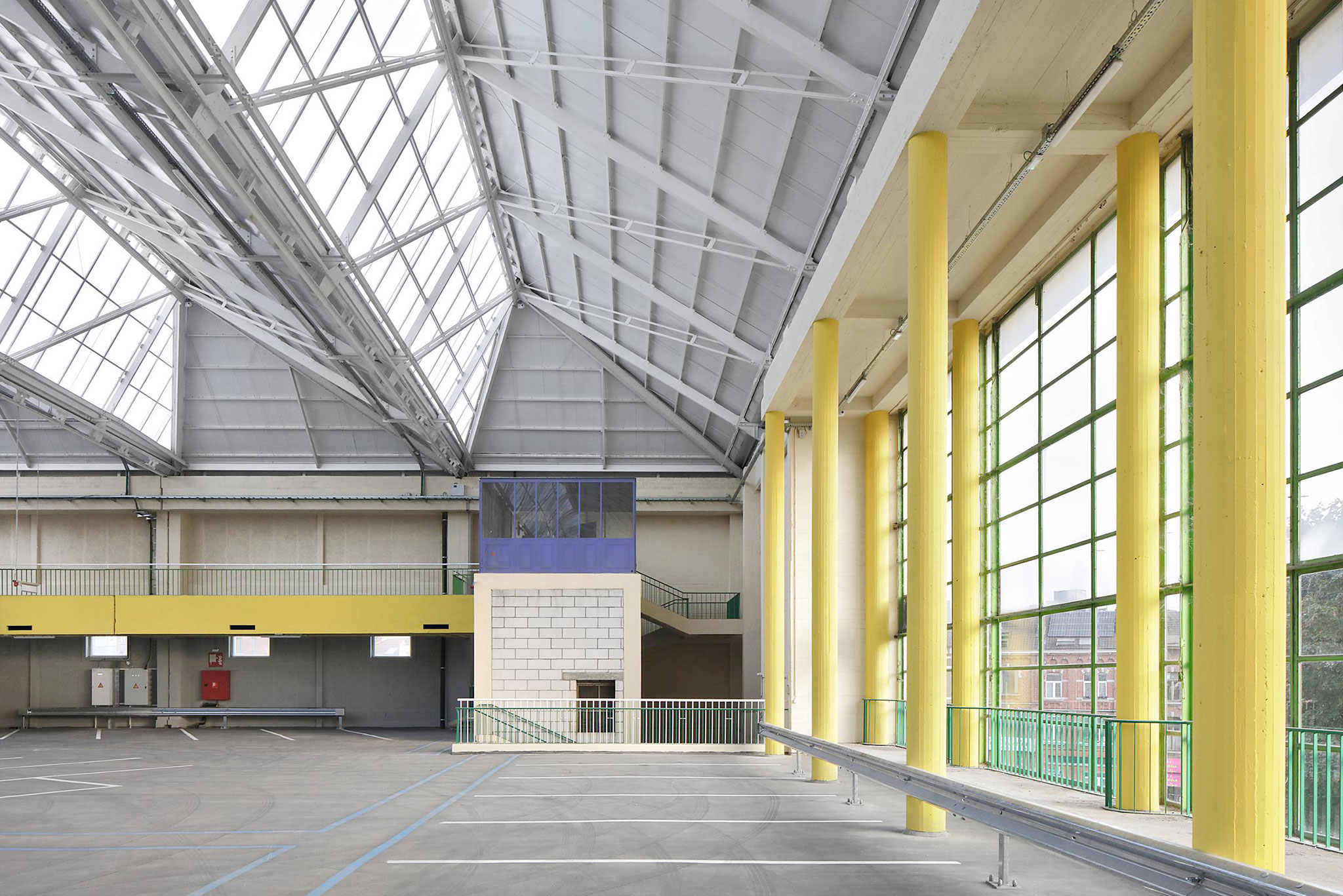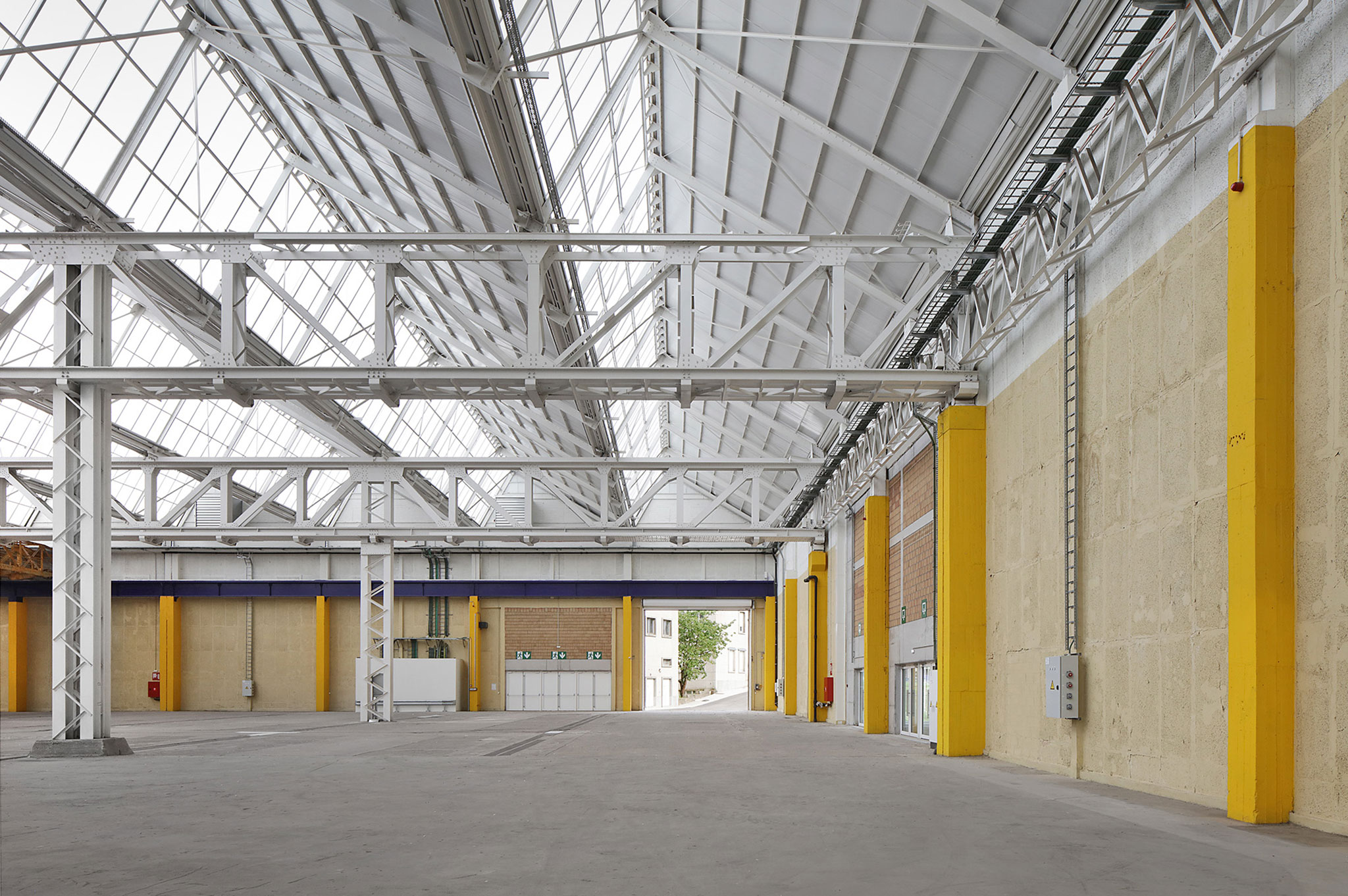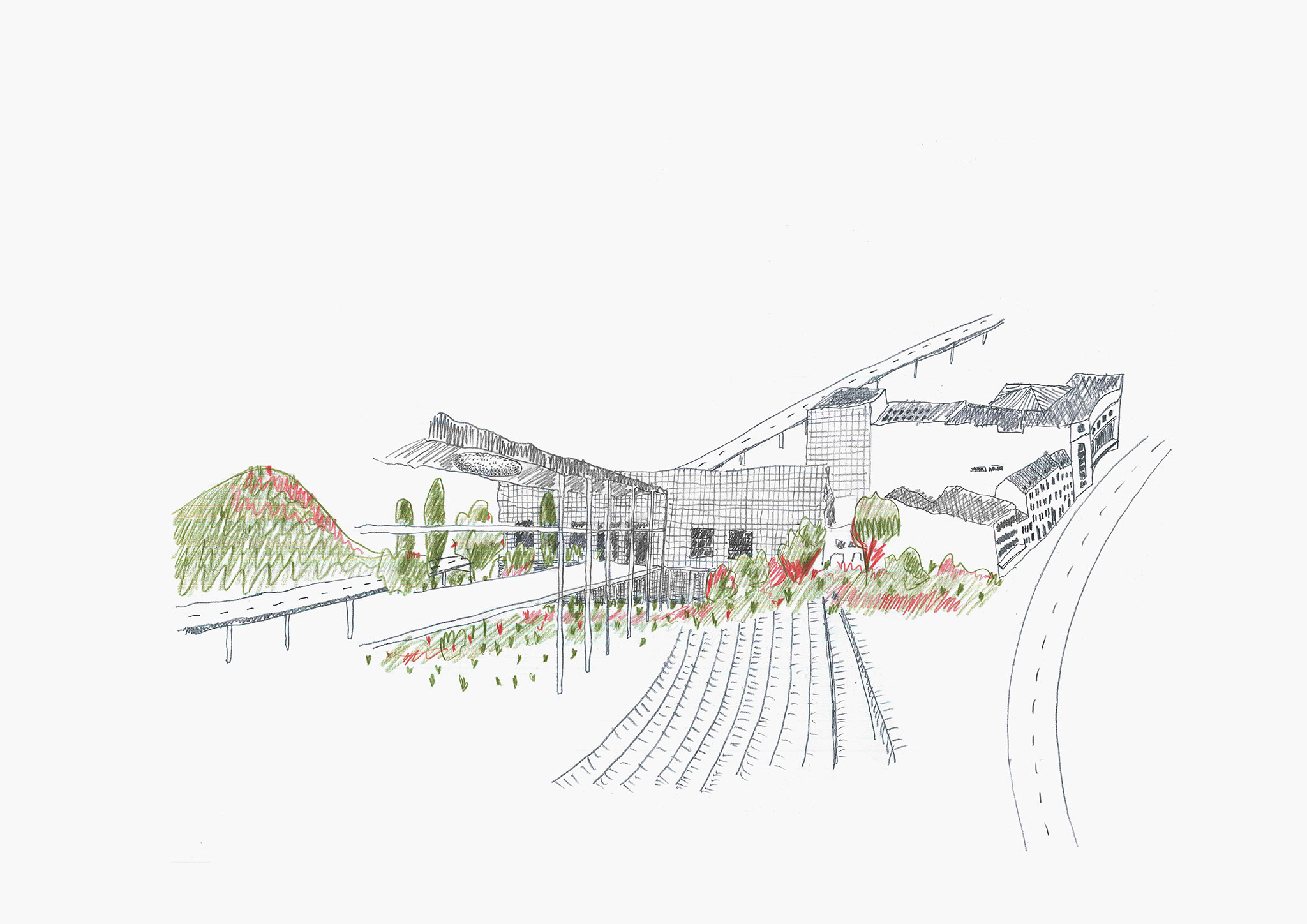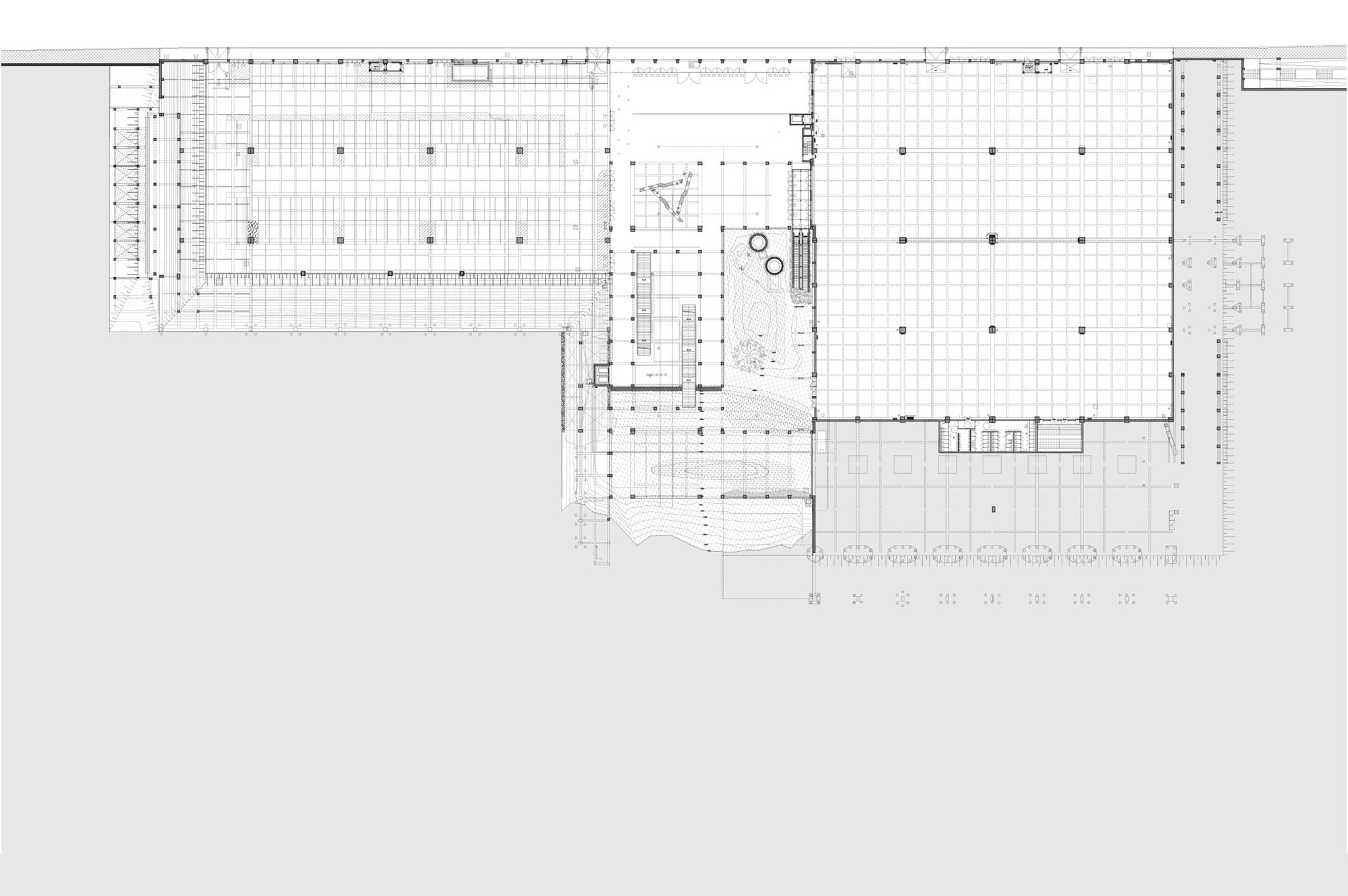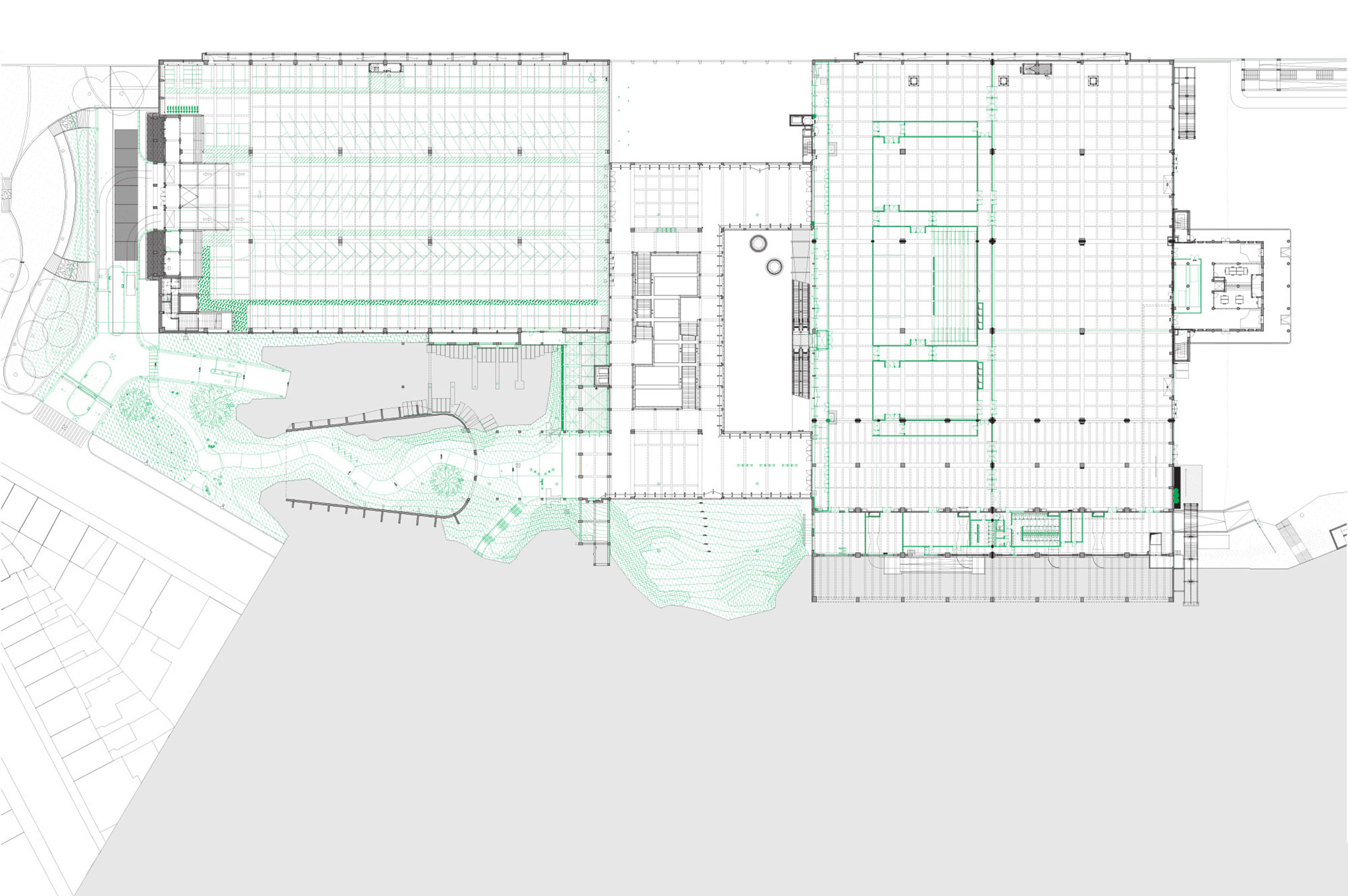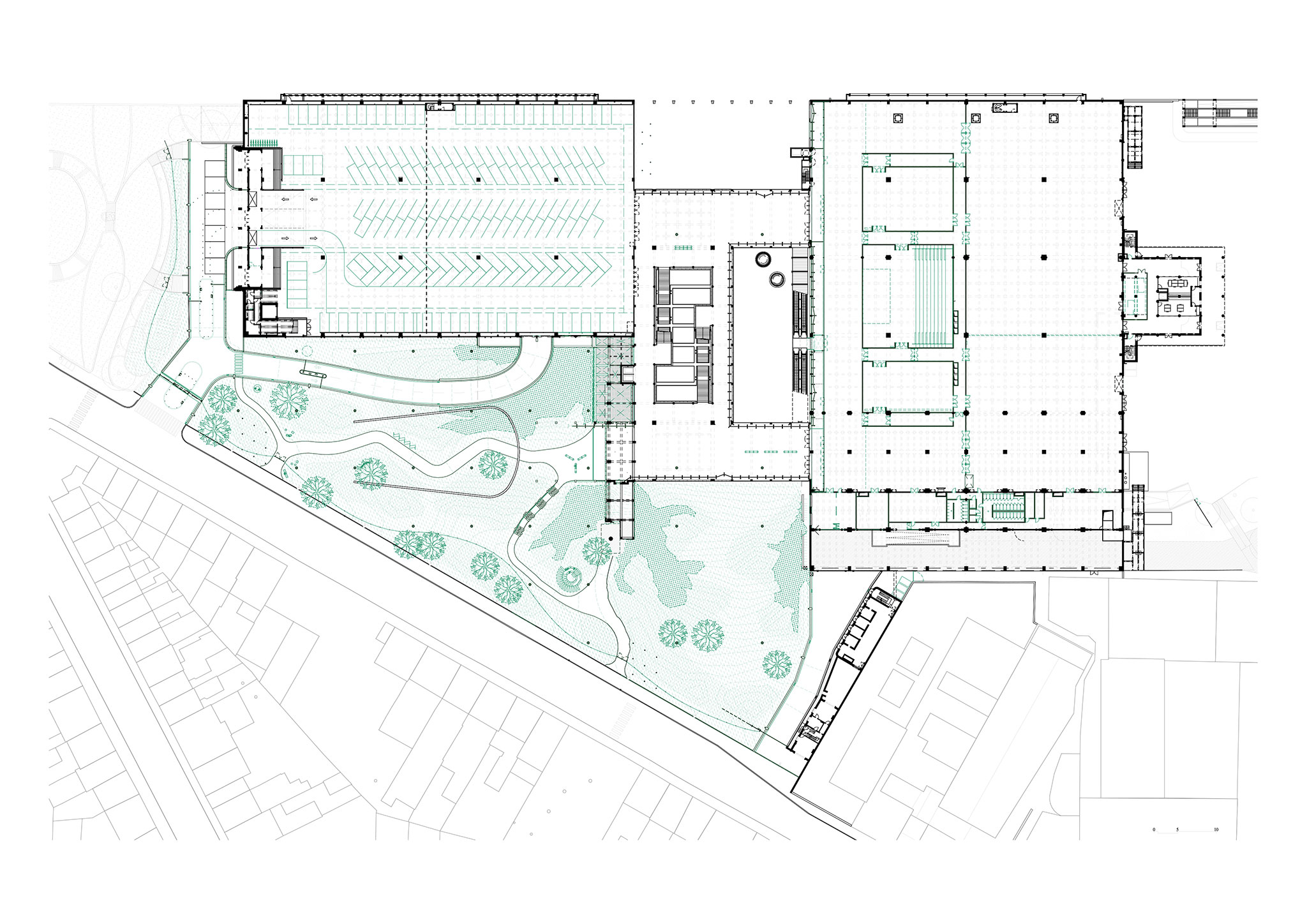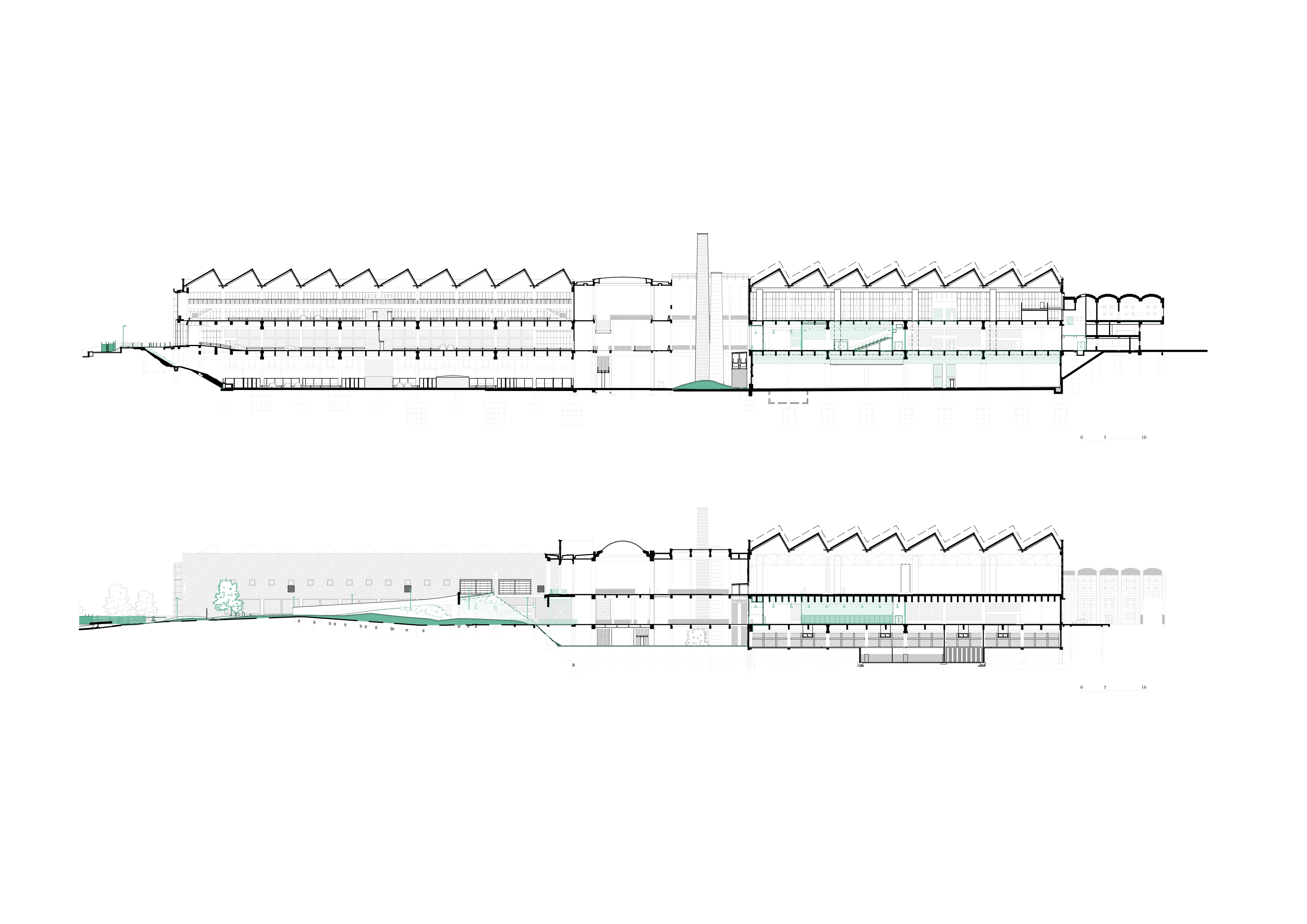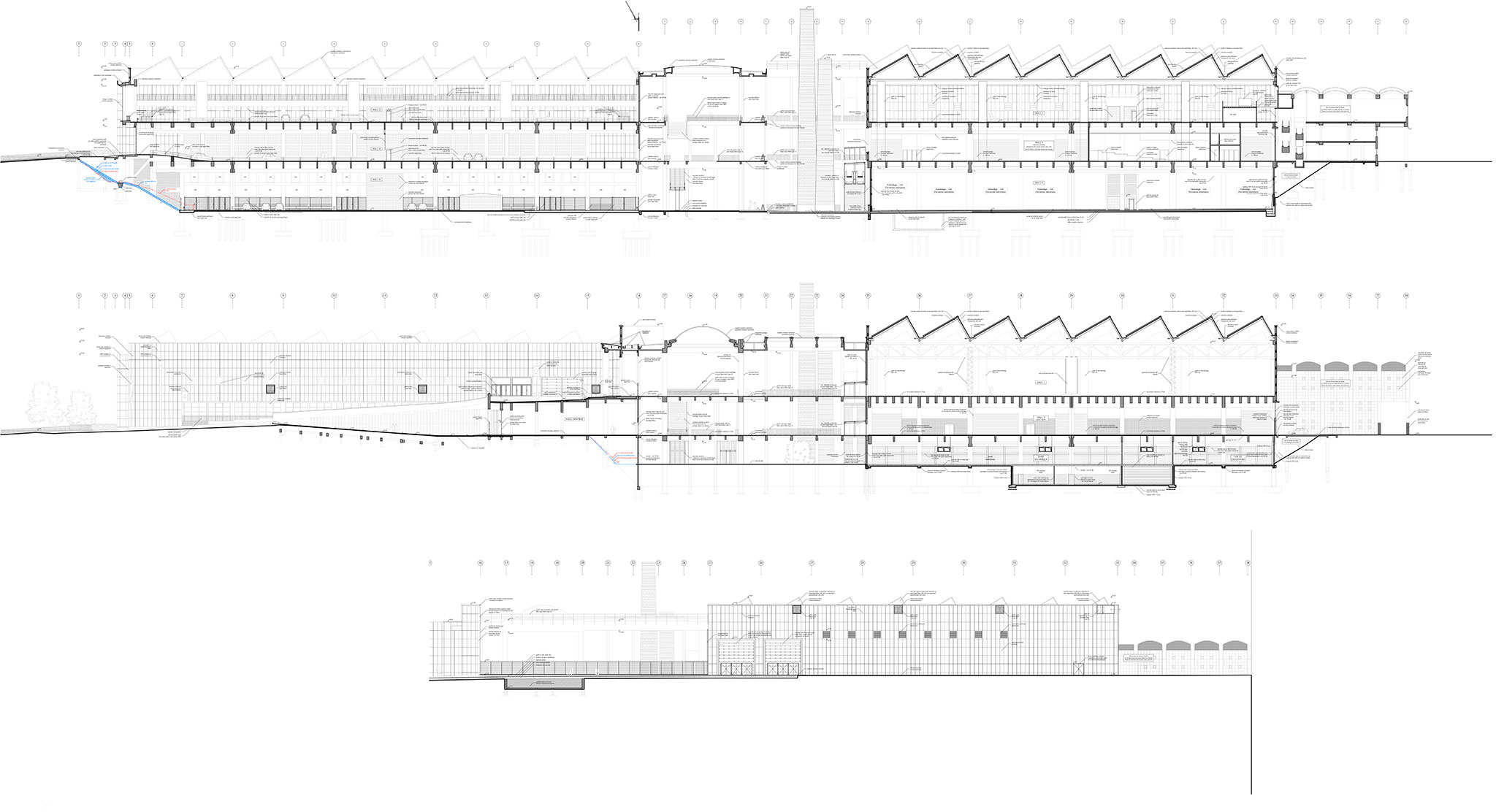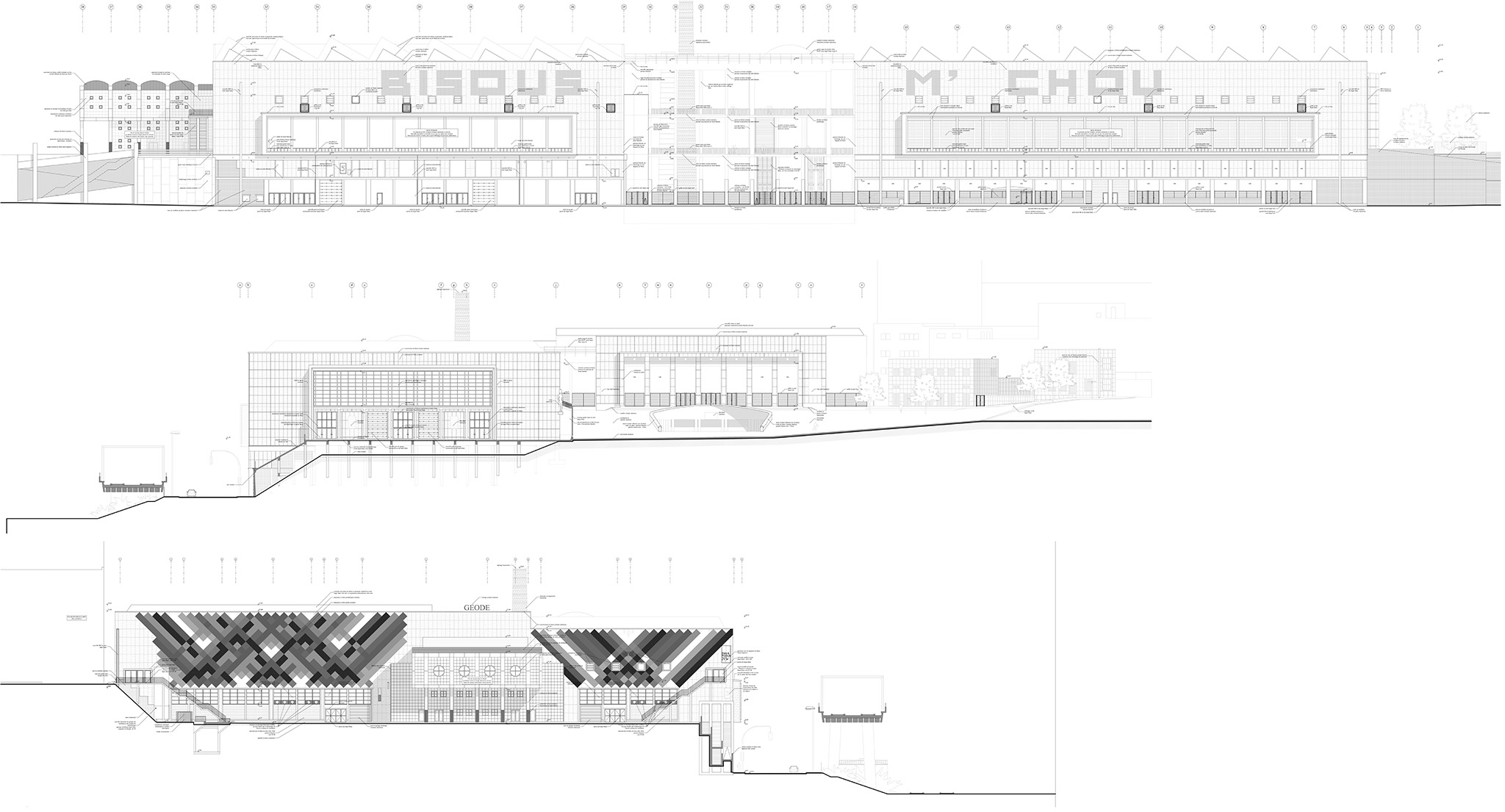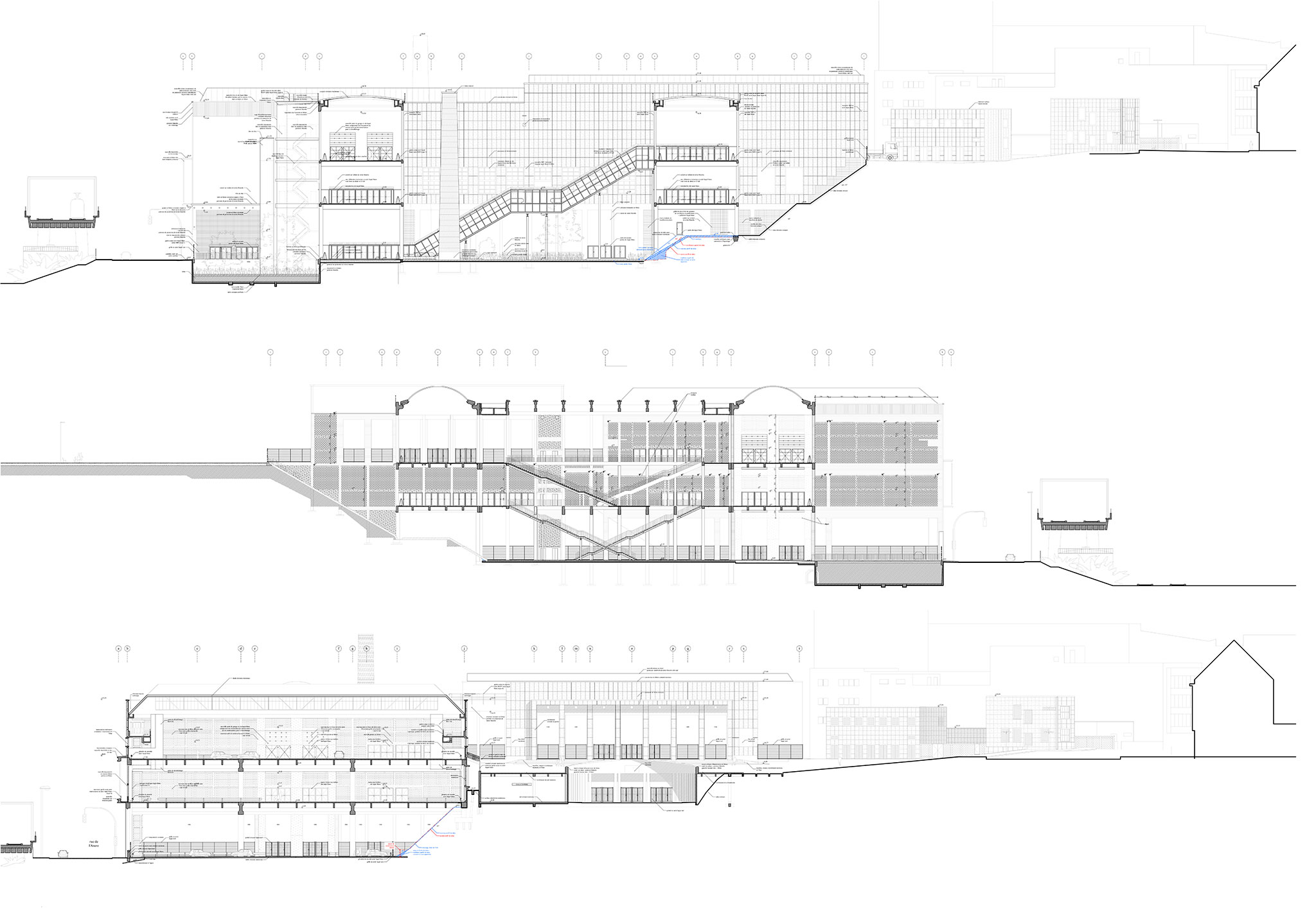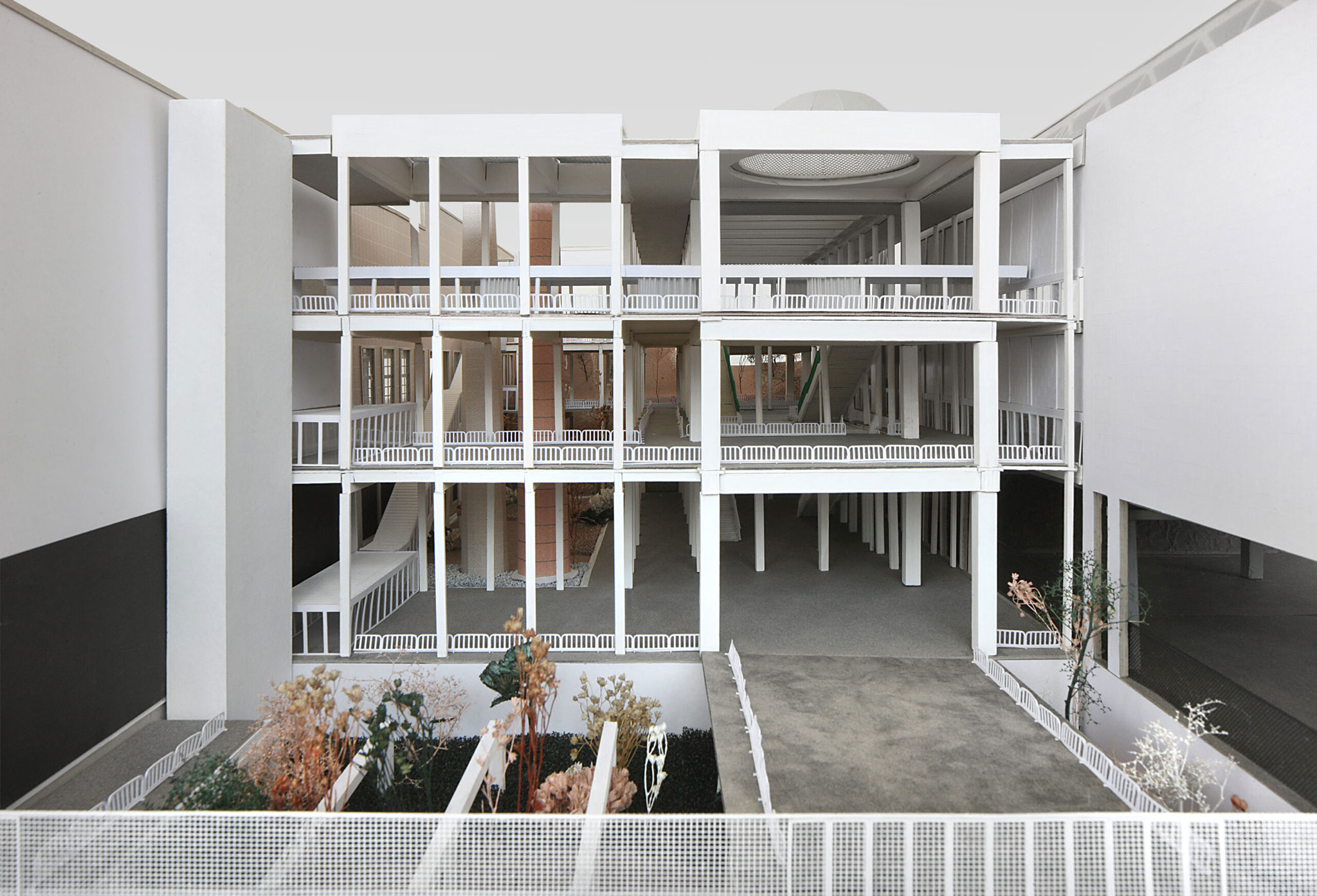
Architecten Jan de Vylder Inge Vinck and AgwA, radically redesigned the building, originally conceived in 1948 as part of the post-World War II reconstruction and inaugurated in 1954. Their approach, guided by a respectful reuse strategy, aimed to reveal and enhance the existing structure.
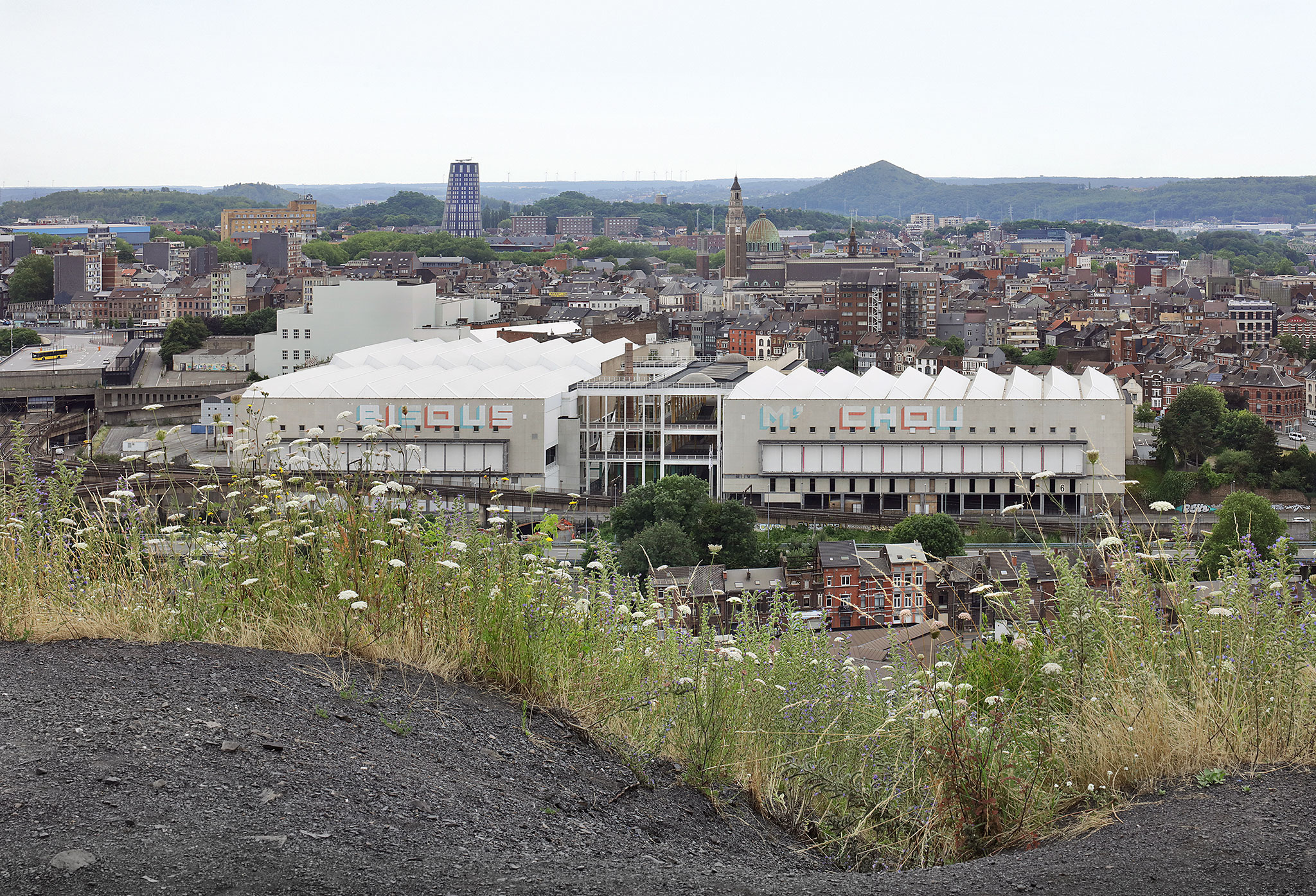
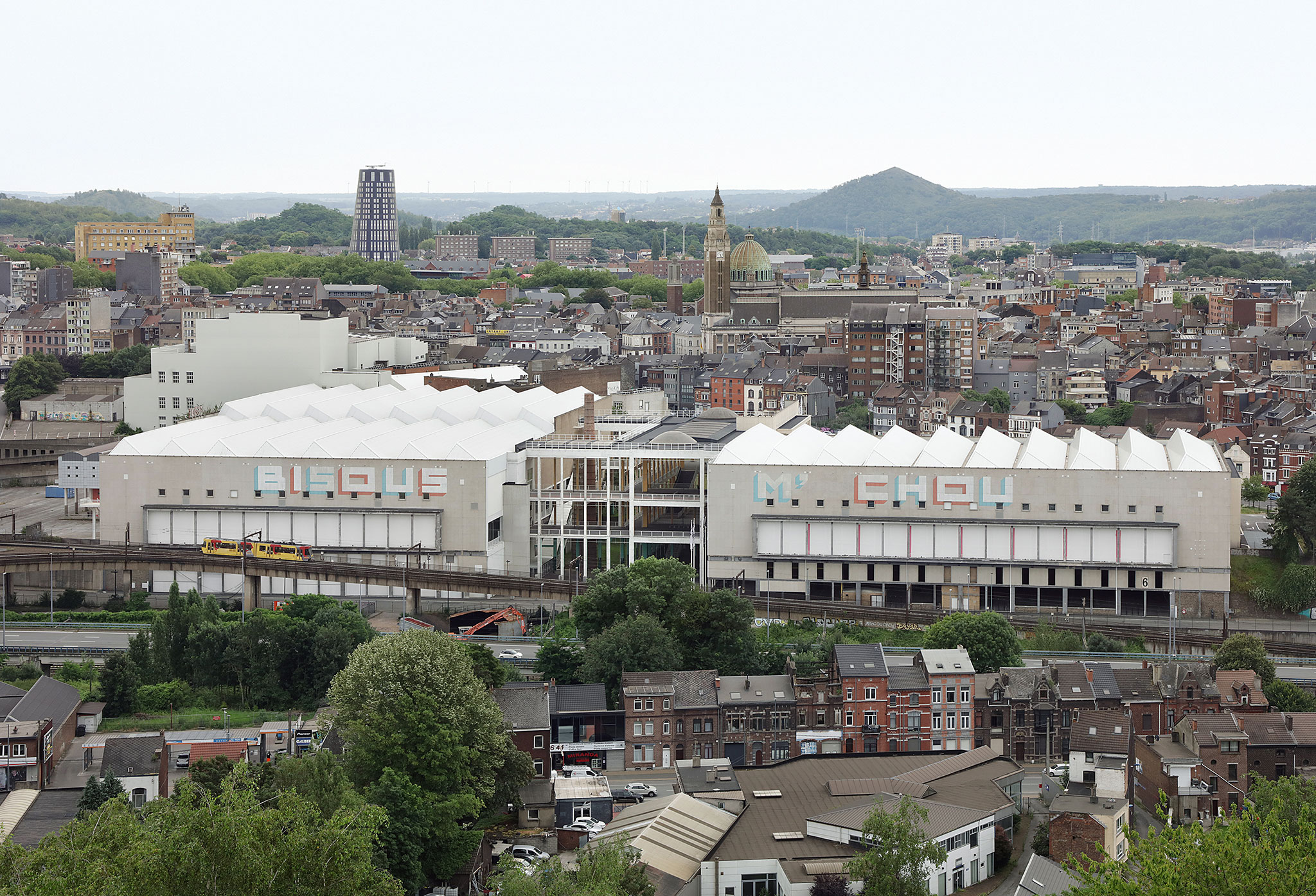
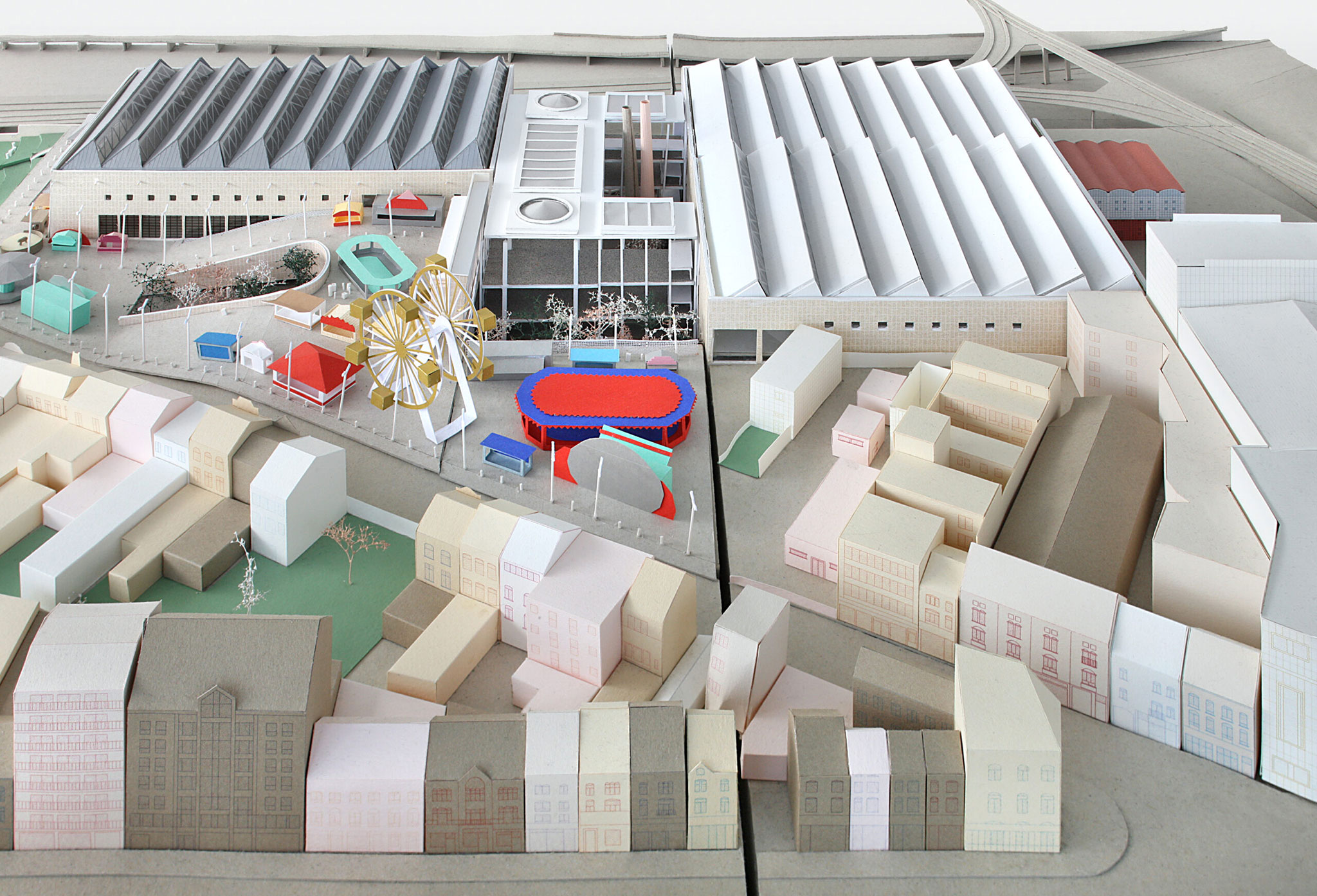
The building they encountered had been constructed in a sunken area in the western part of the city, on the site of a former factory designed by the architect Joseph André. It's 60,000 square meters, comprising two large volumes connected by a grand lobby with a sweeping staircase and a large glass dome, housed extensive exhibition halls (one with a 60-meter span) that host a wide range of events, from trade fairs and domestic exhibitions to car shows and dog shows. The lower floors had previously been used for sports facilities and a fire station.
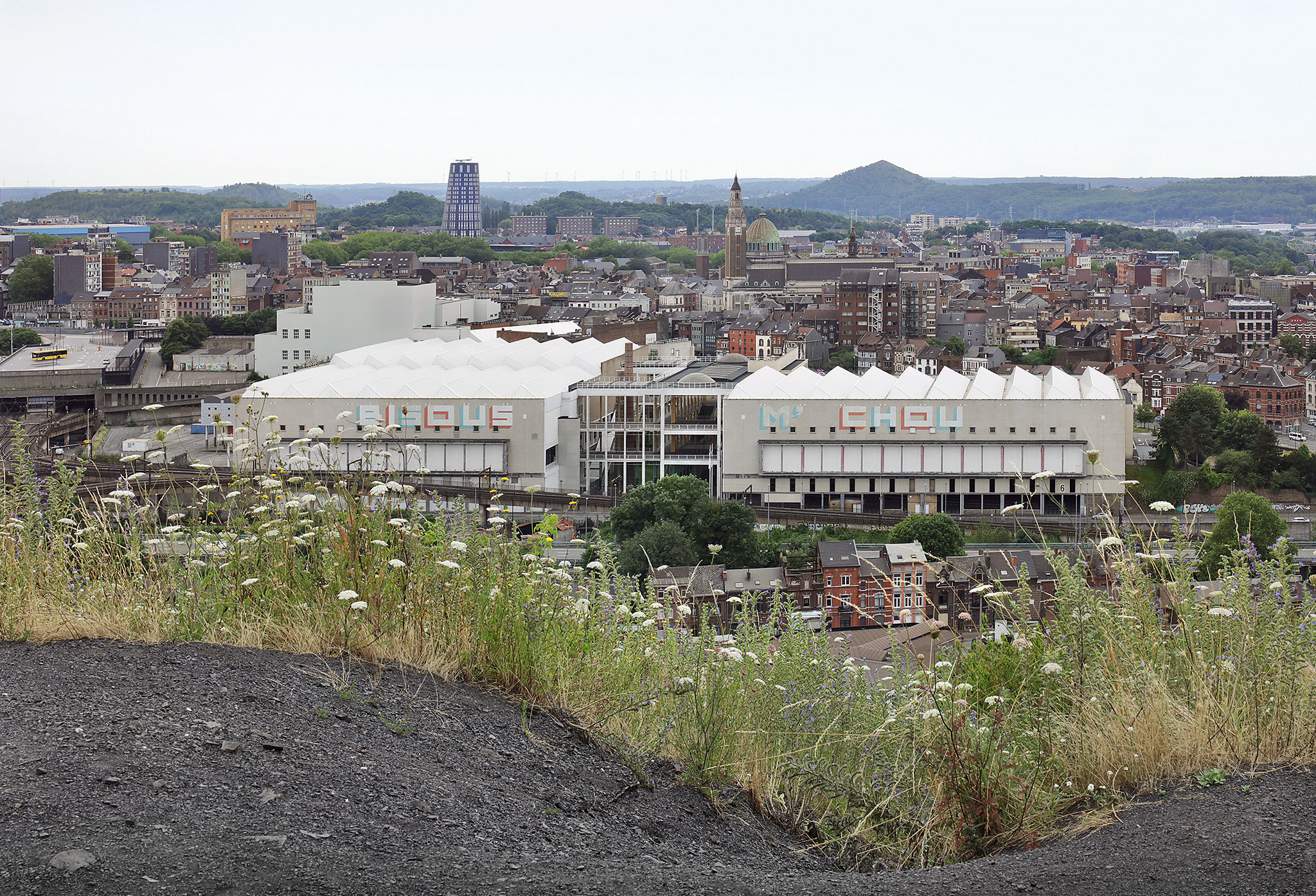
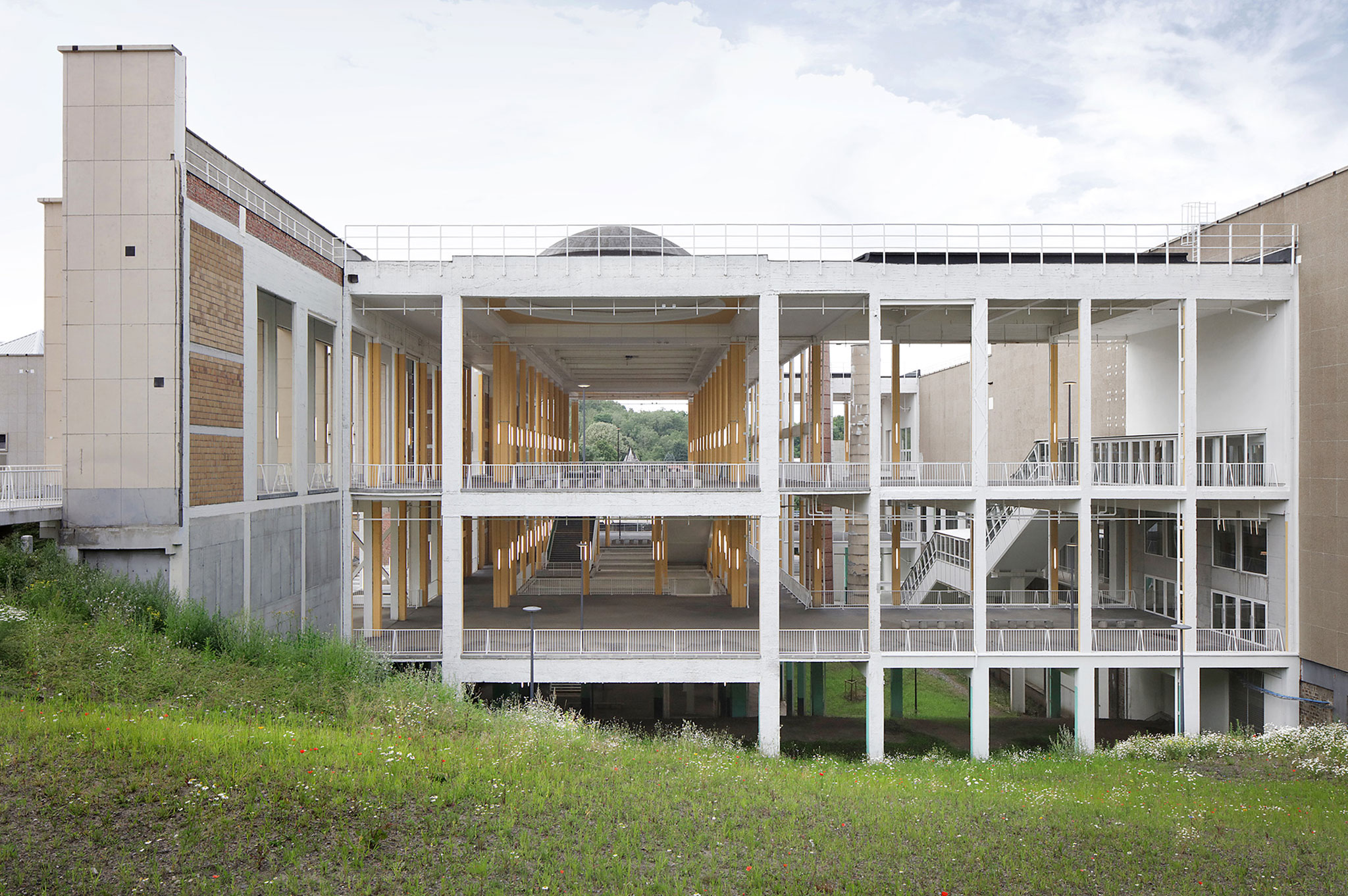
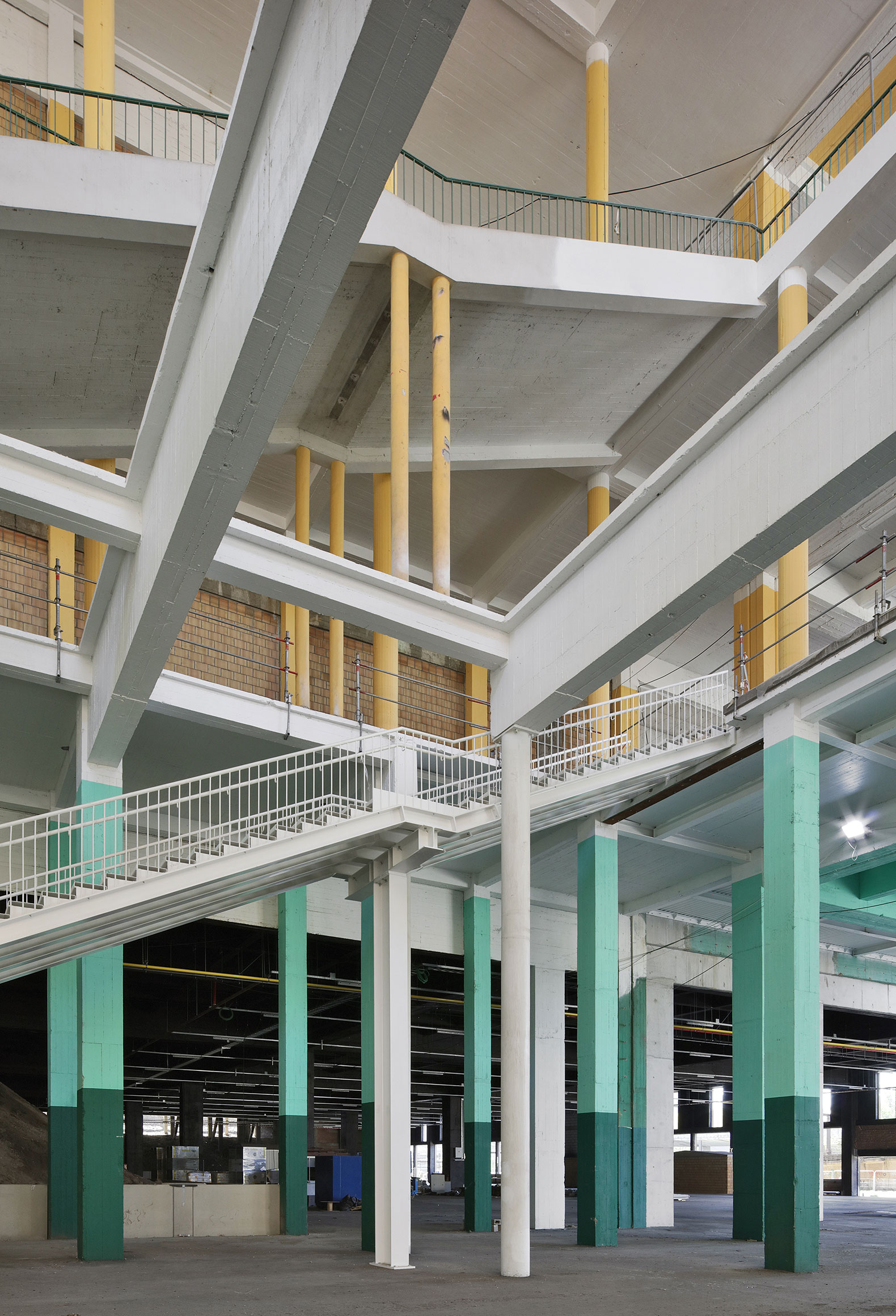
Charleroi Palais des Expositions by architecten jan de vylder inge vinck and AgwA. Photograph by Filip Dujardin.
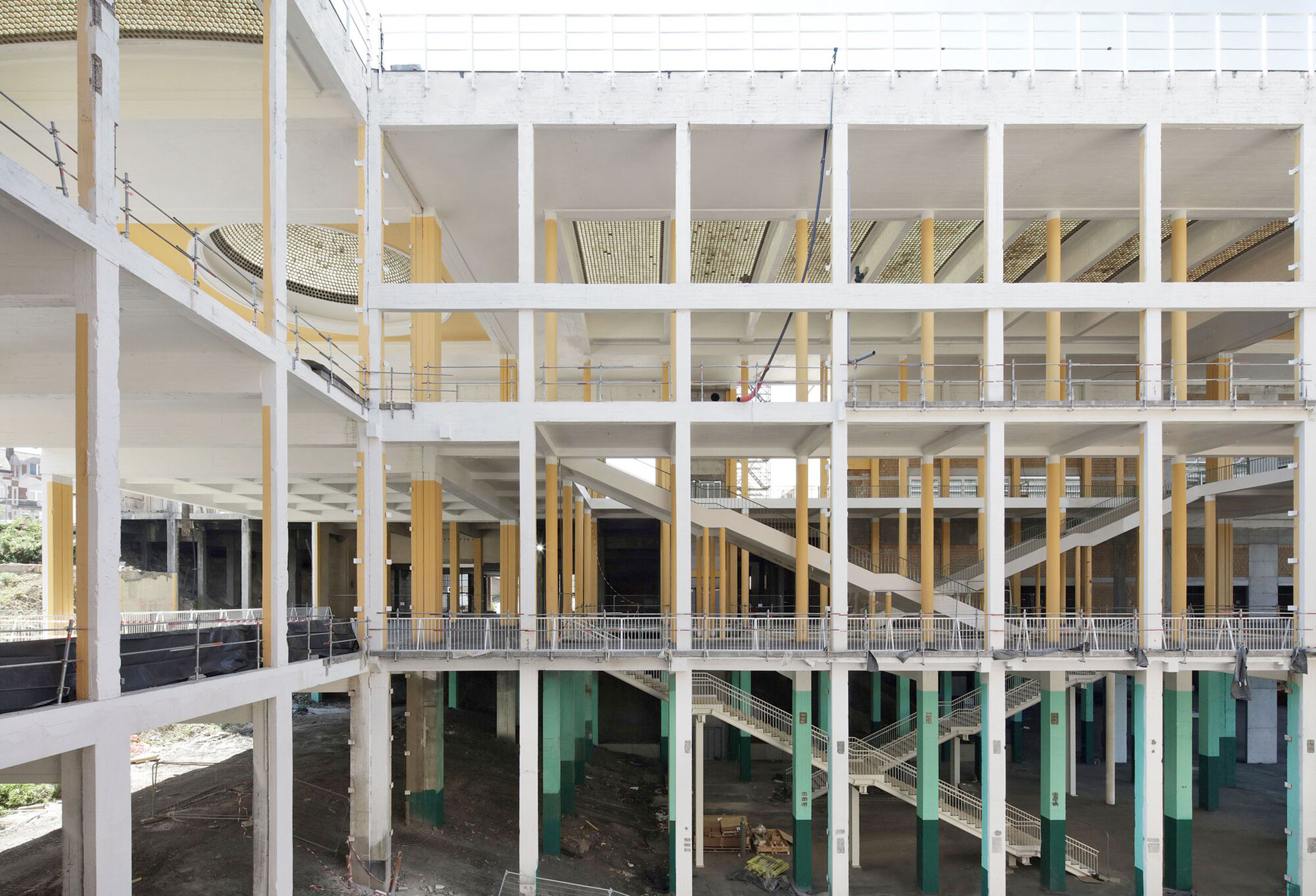
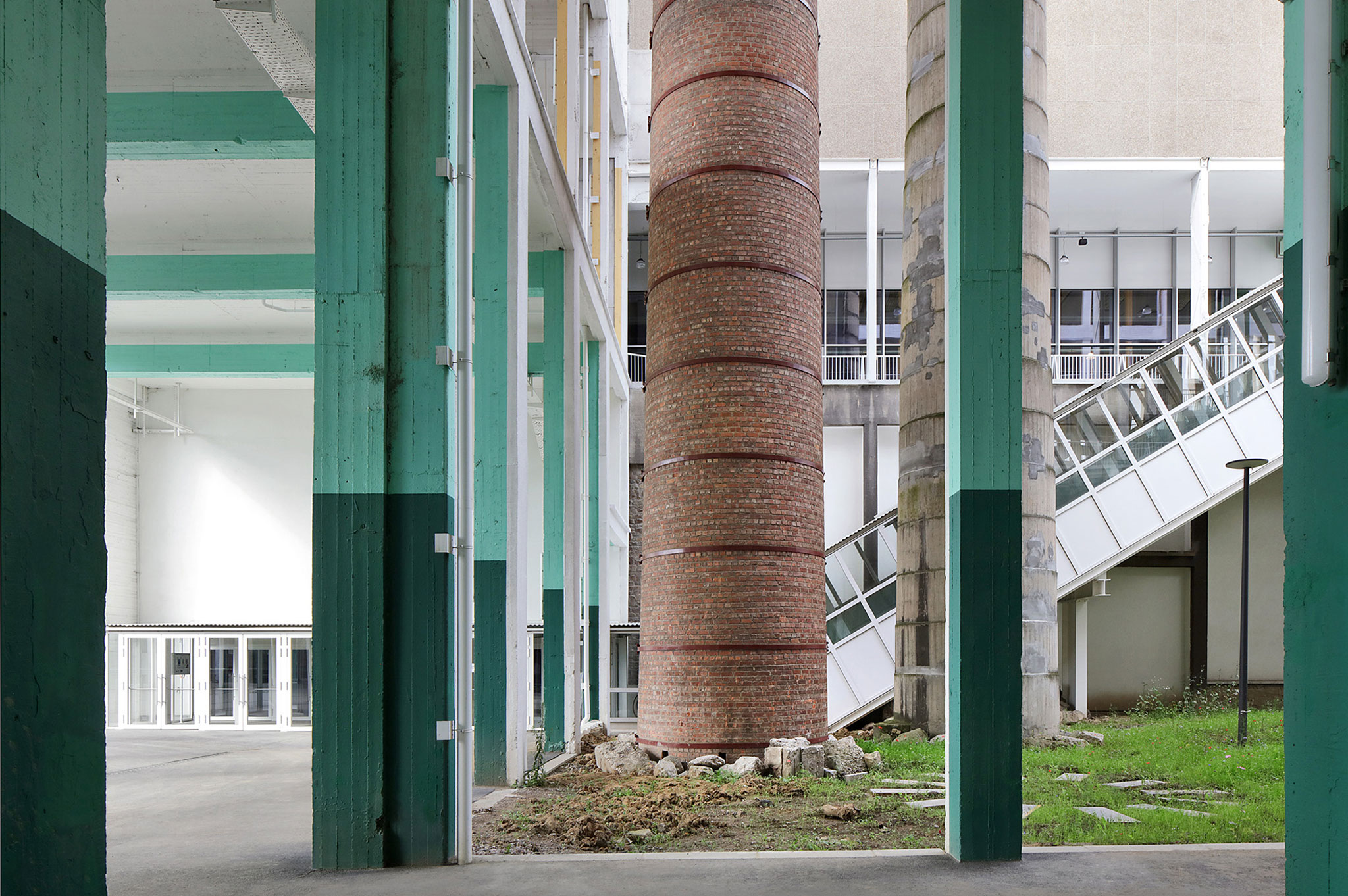
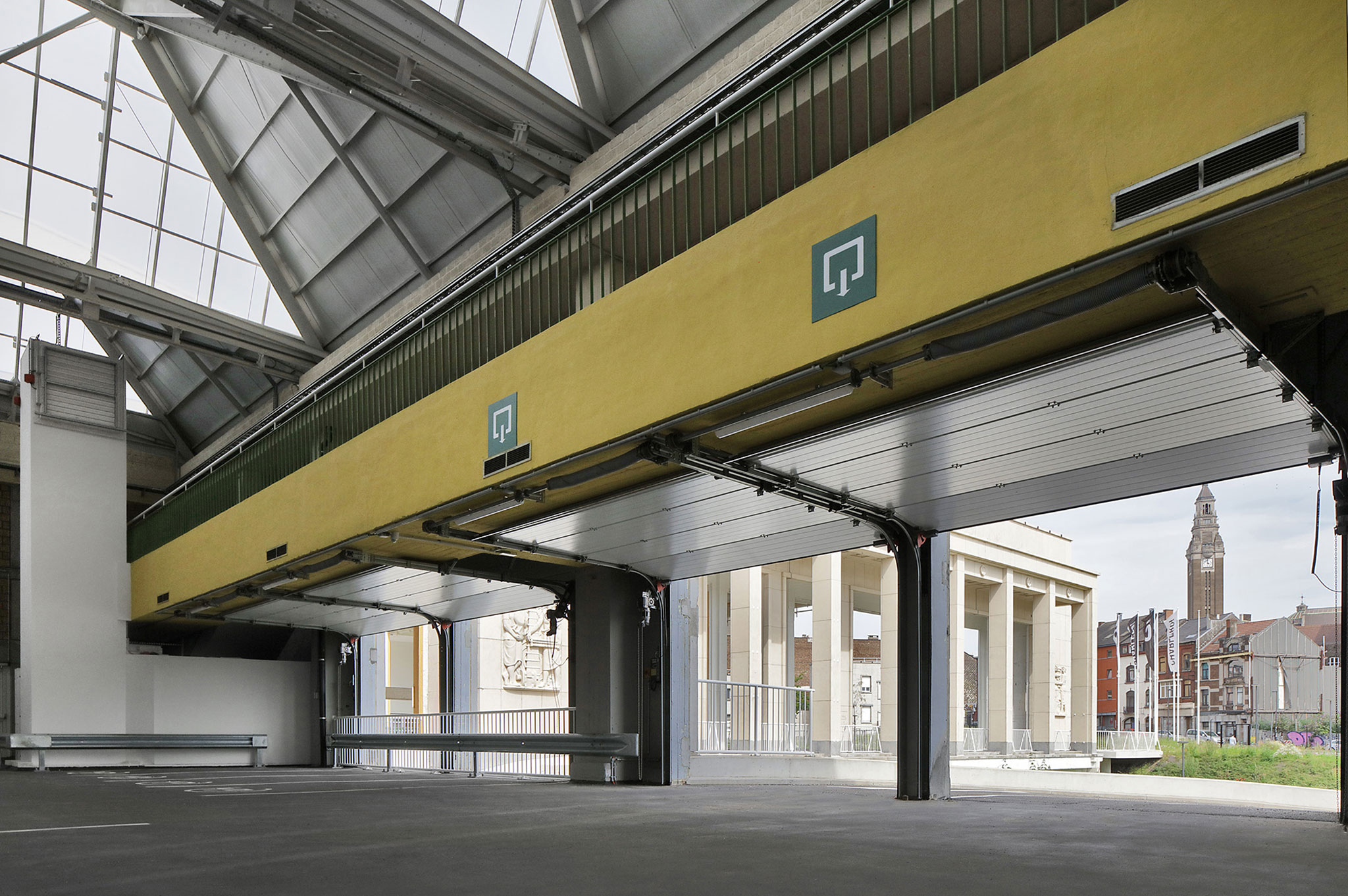
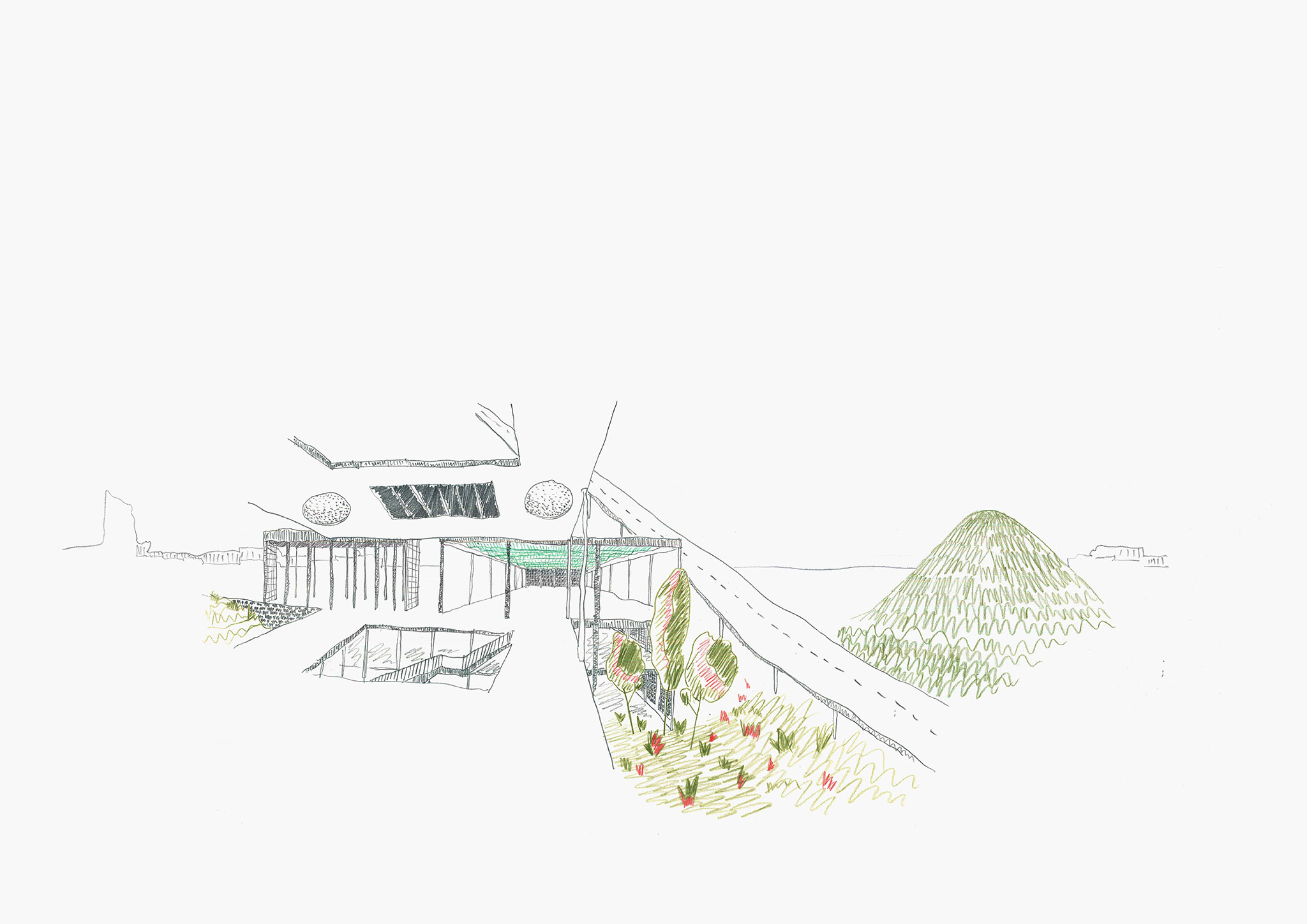
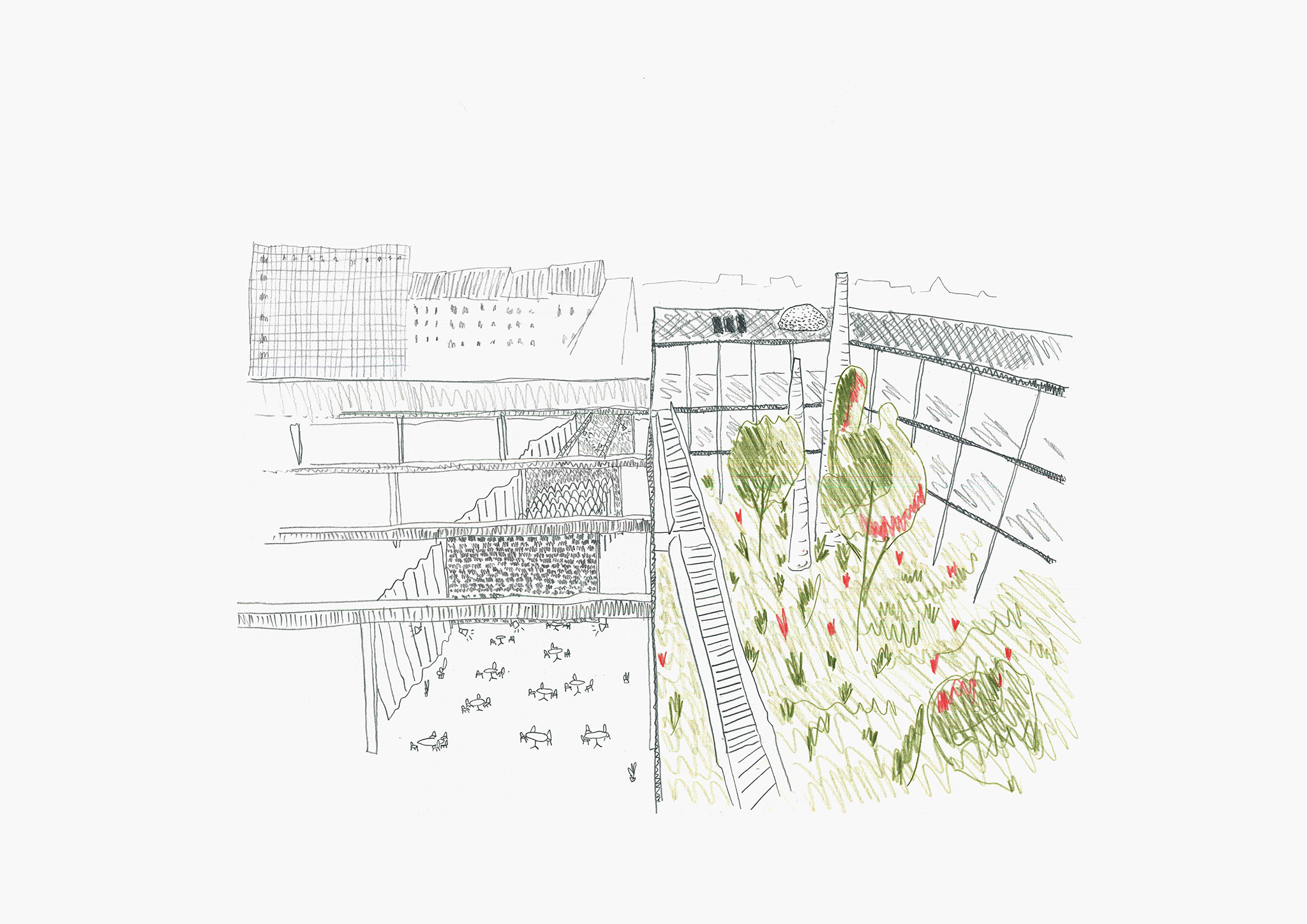
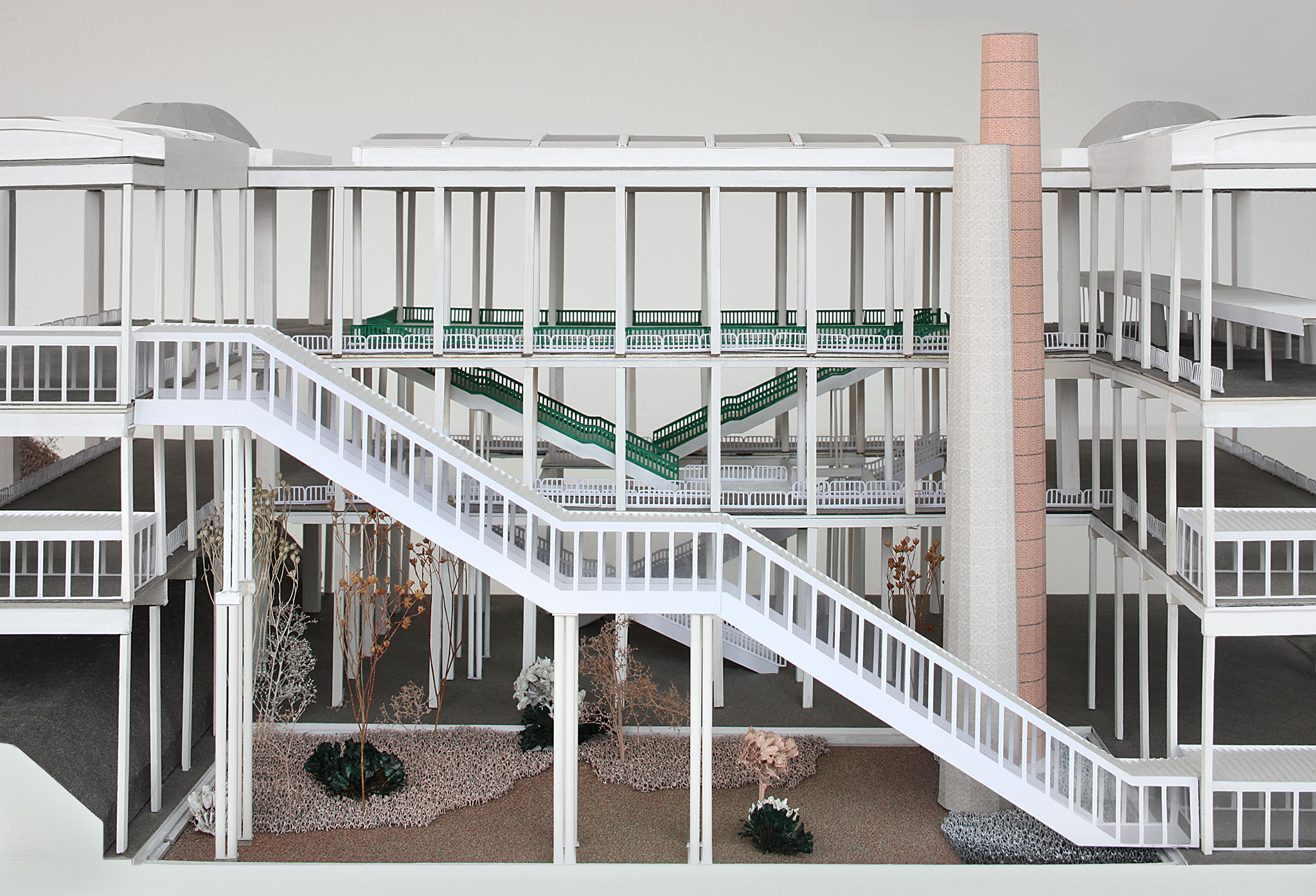
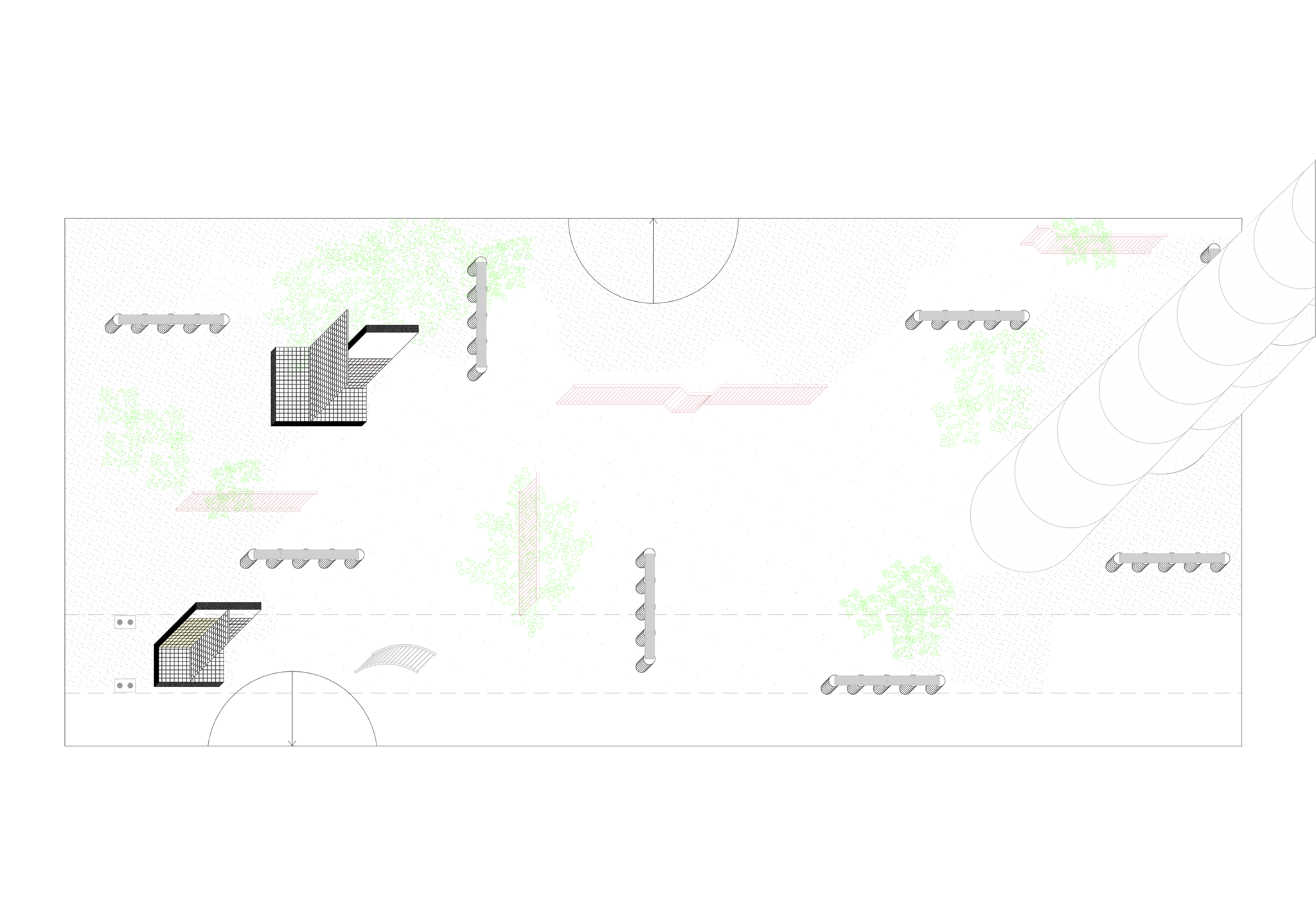
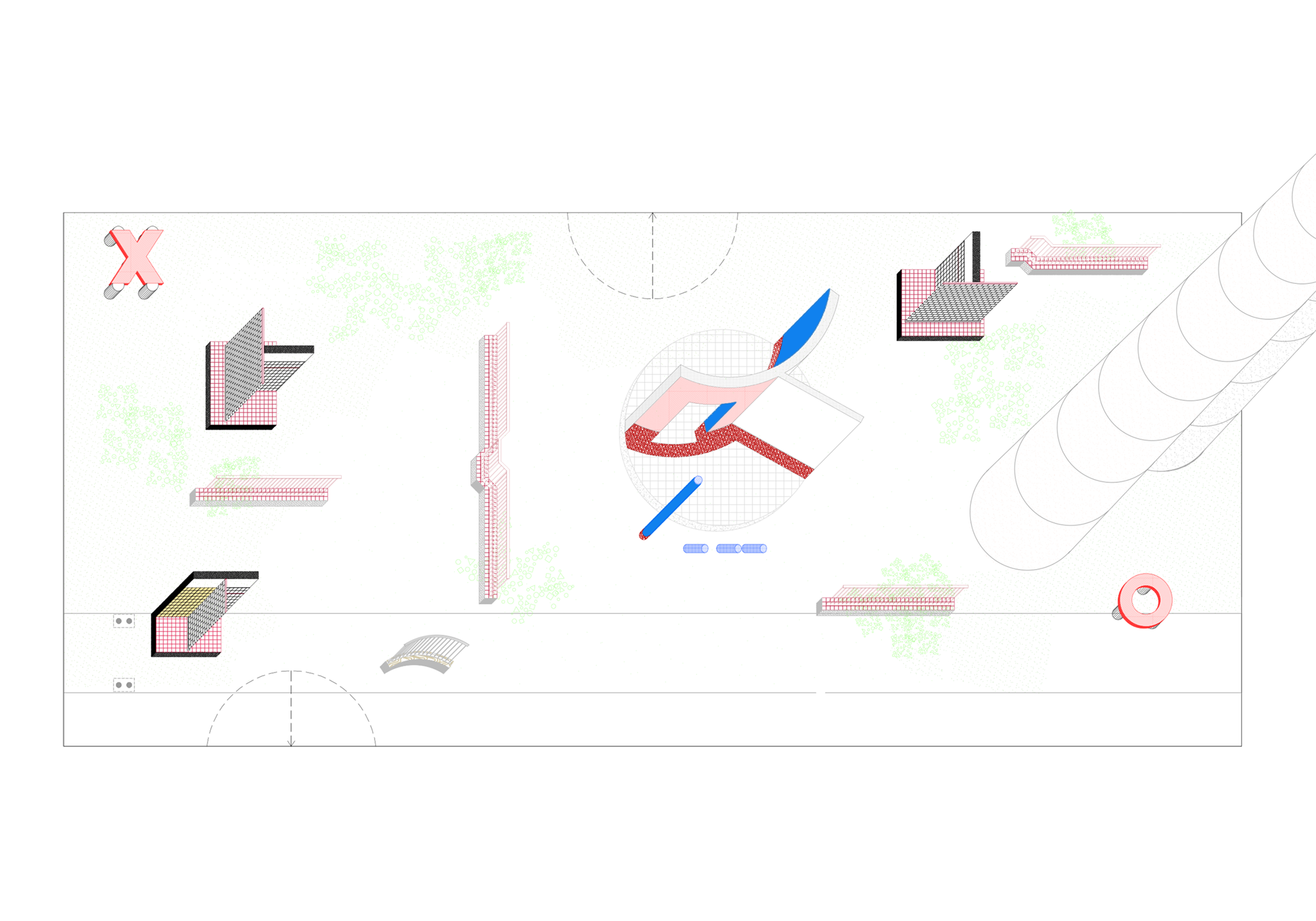
The rehabilitation project proposed by Jan de Vylder, Inge Vinck, and AgwA involved stripping the existing building. It removed the exterior walls of the lobby, transforming it into a transitional space between interior and exterior, with a series of urban platforms on three levels featuring covered viewing platforms, all within a zero-energy structure. The intervention includes a large atrium open to the lower level, which illuminates the dark ground floor with natural light and exposes previously hidden elements, such as the chimneys of the former power plant.
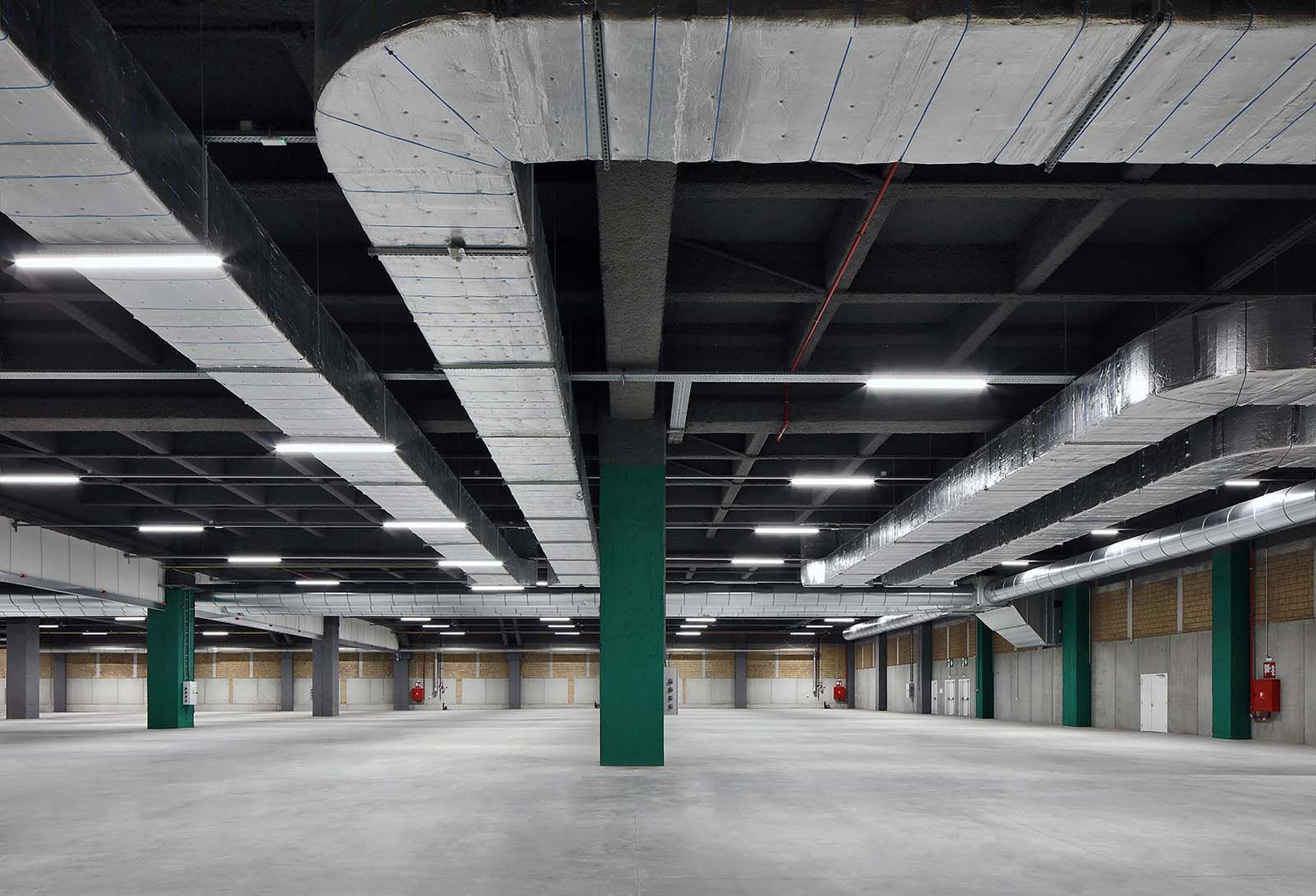
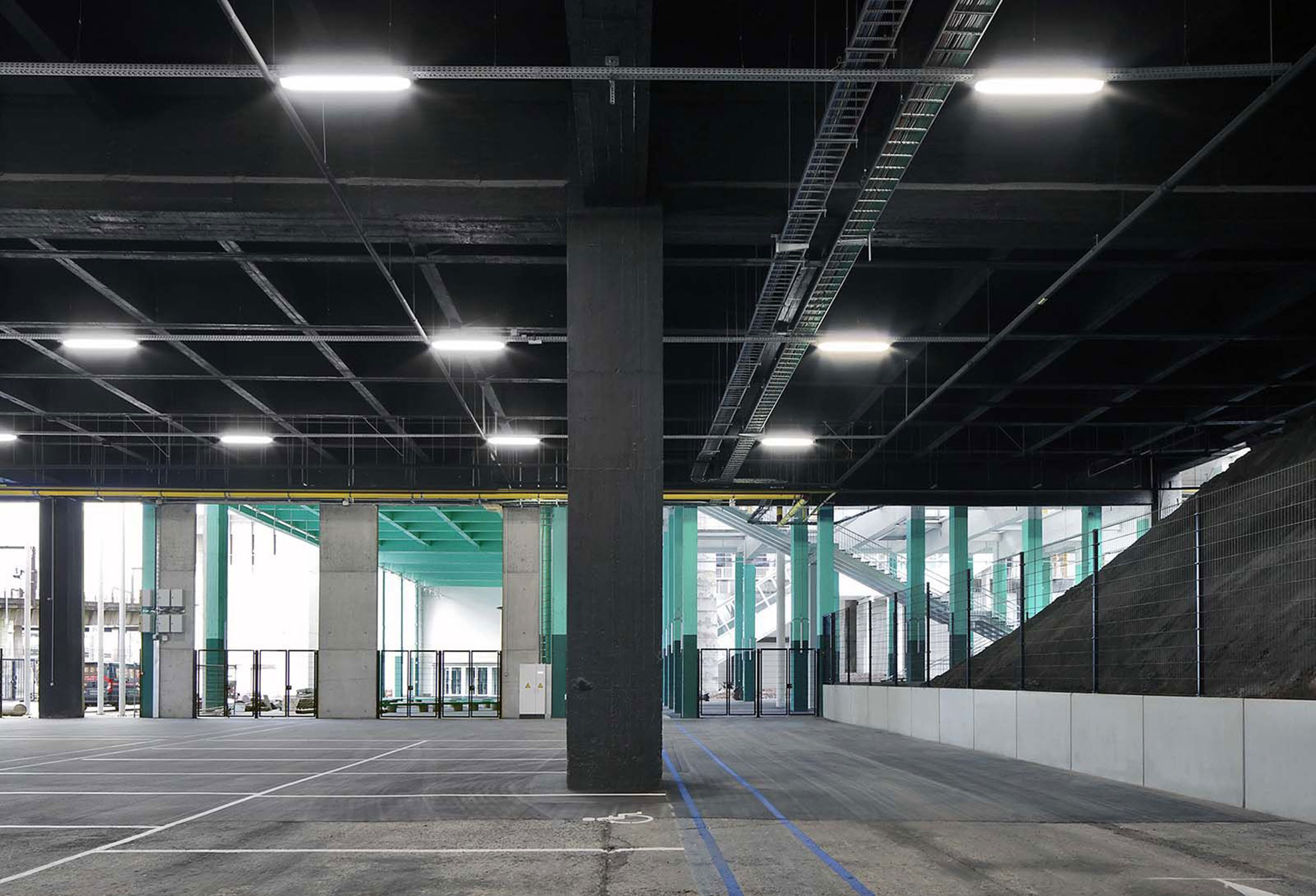
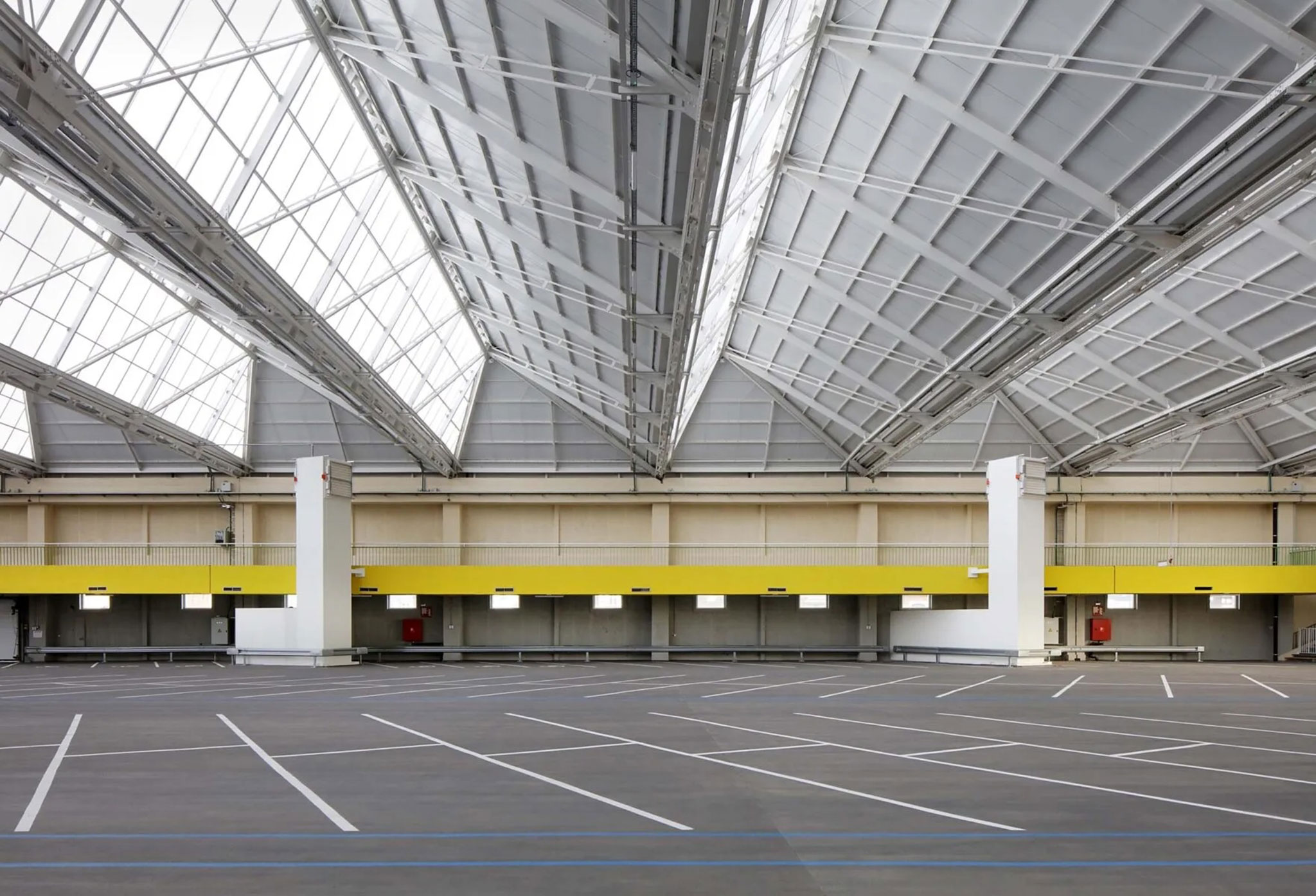
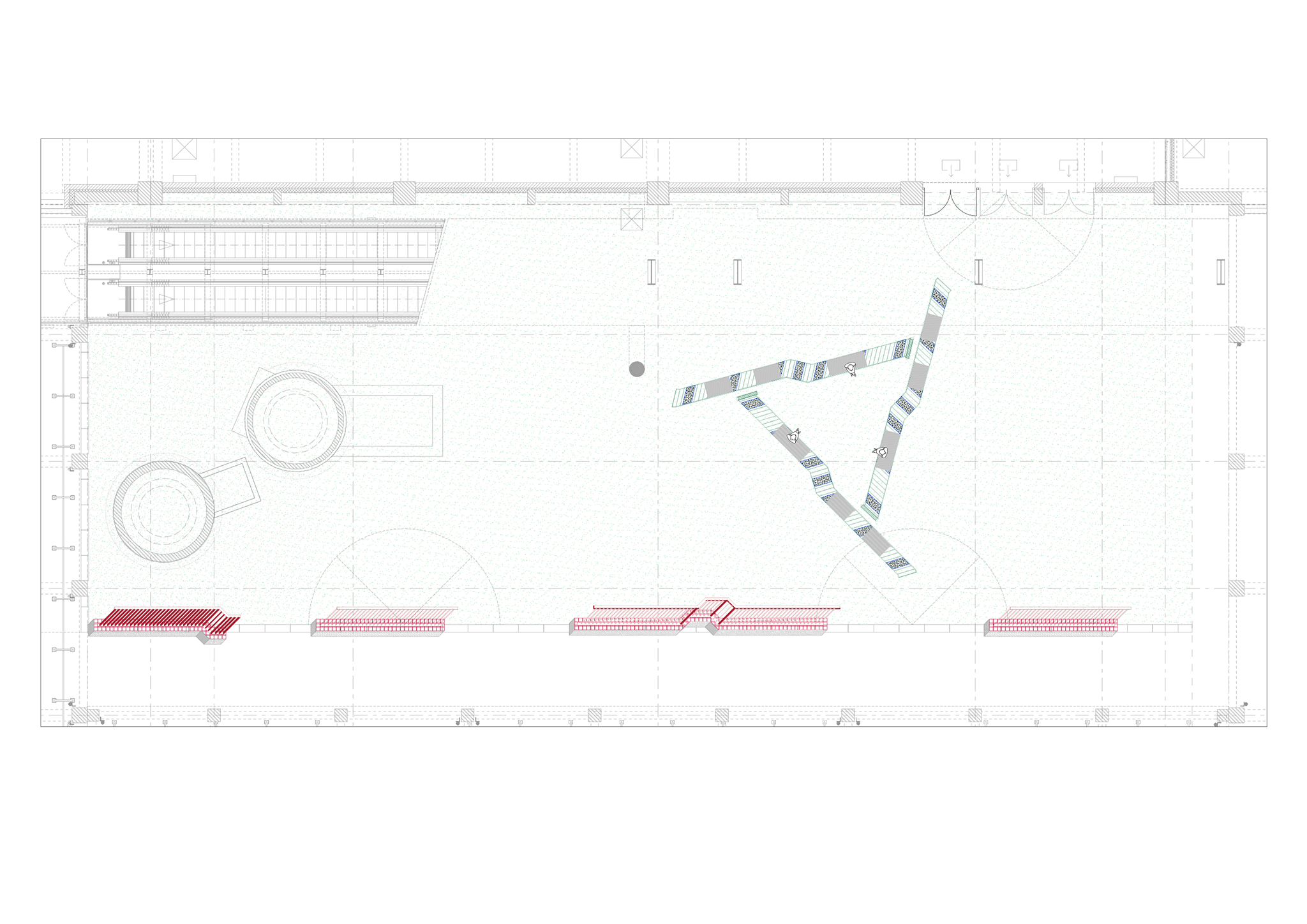
A very tight budget, tied to the European Regional Development Fund (ERDF) recovery programs, and the realization that, despite the initial proposal, only a third of the original surface area was needed, led to a rethinking of the functional program. The proposed underground parking was transformed into a multi-story parking garage in the south wing, taking advantage of the existing structure and reducing the required insulating envelope to just 25,000 m². Only the two lower floors of the north wing require climate control.
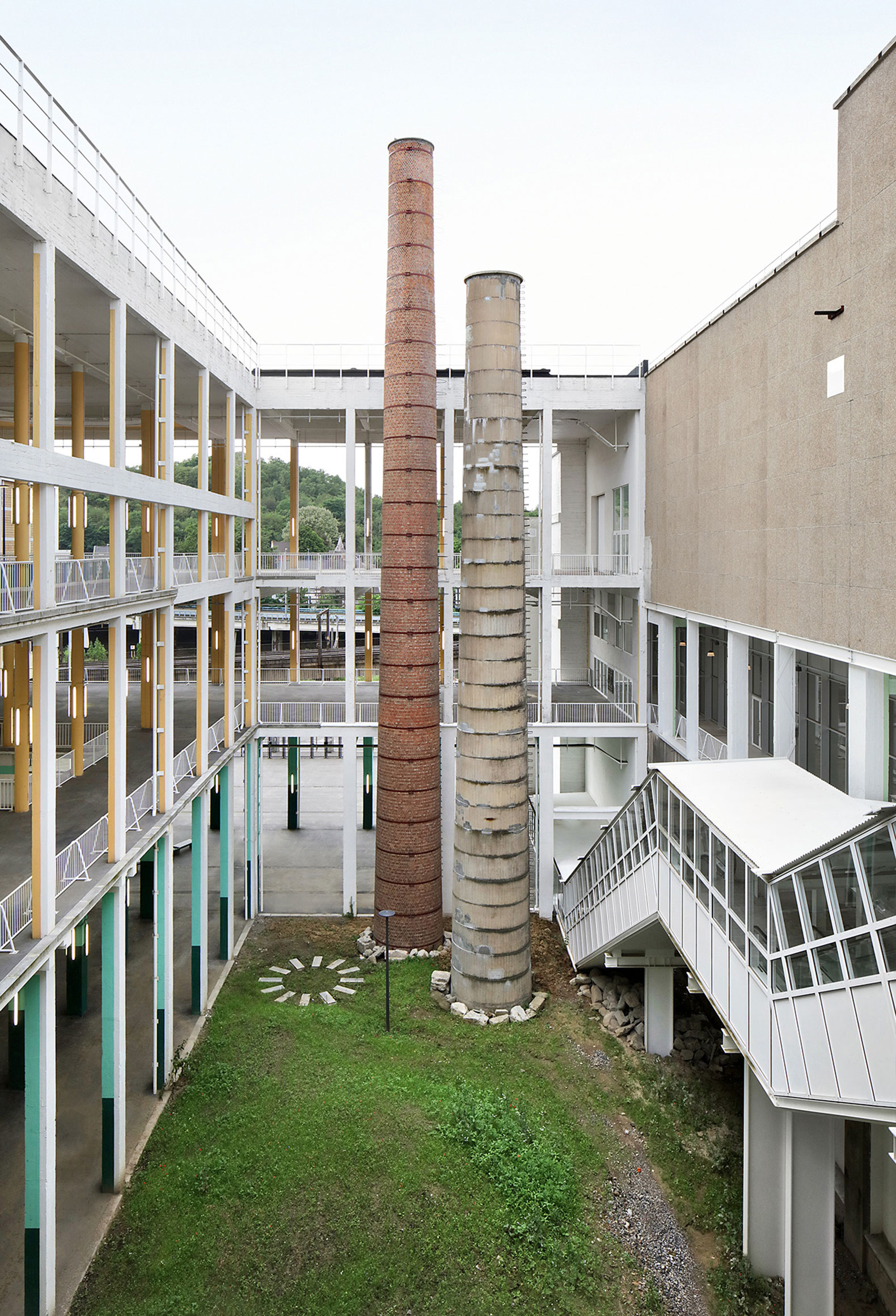
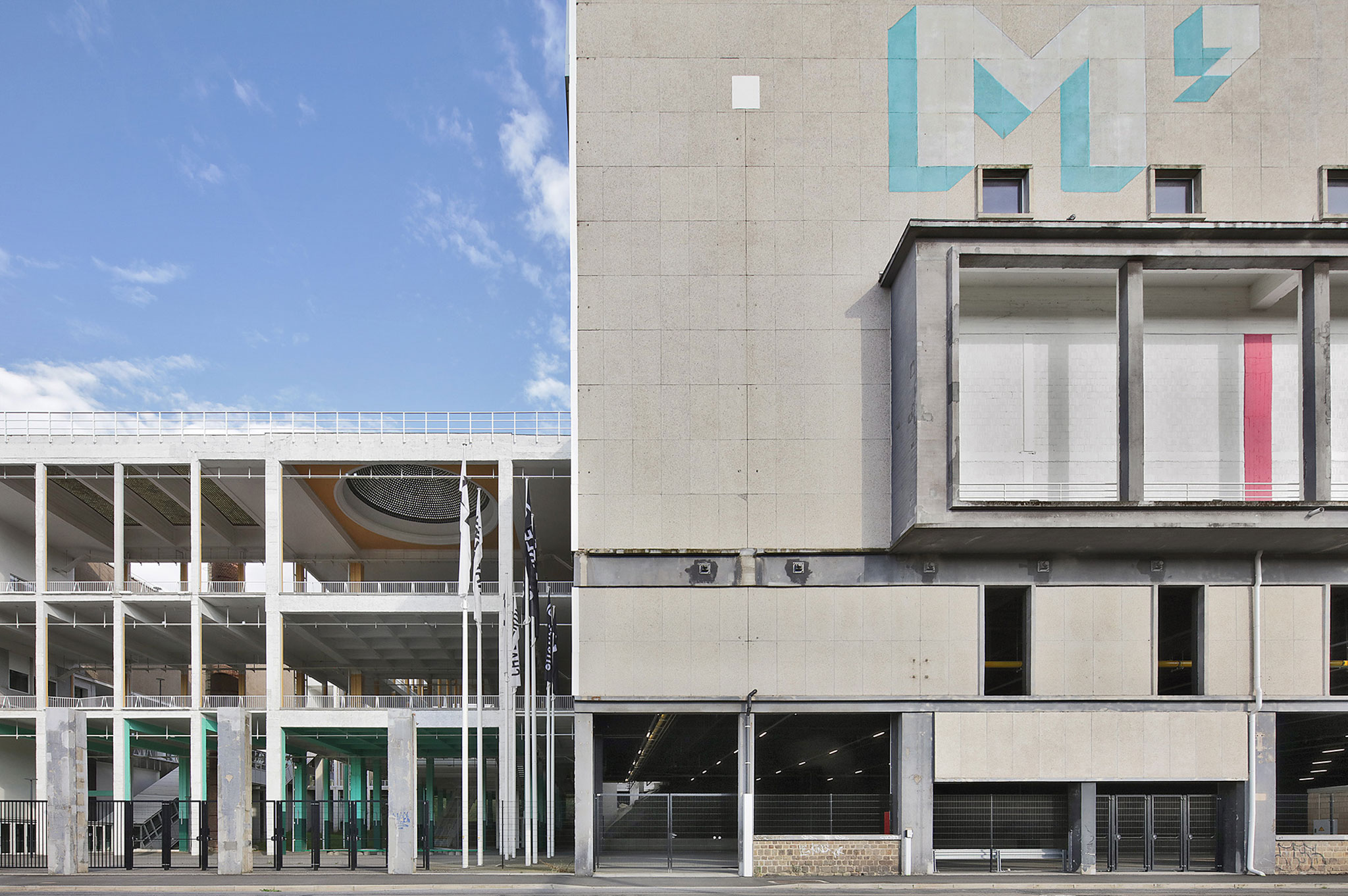
Charleroi Palais des Expositions by architecten jan de vylder inge vinck and AgwA. Photograph by Filip Dujardin.
The spoil heap on which the building stands was exposed and planted with native species to create a landscape of great ecological richness. Furthermore, during construction, the need arose to integrate a convention center.
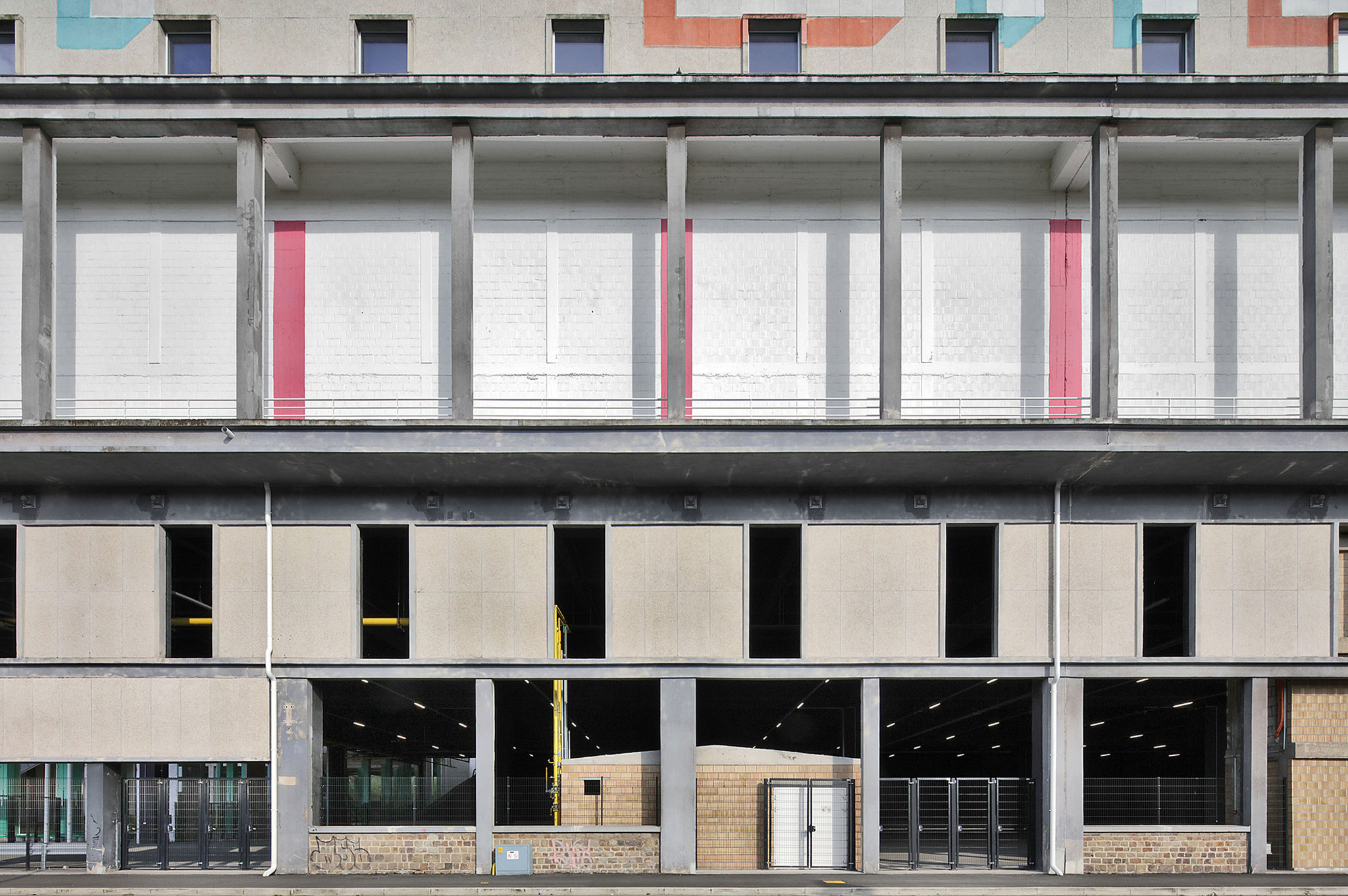
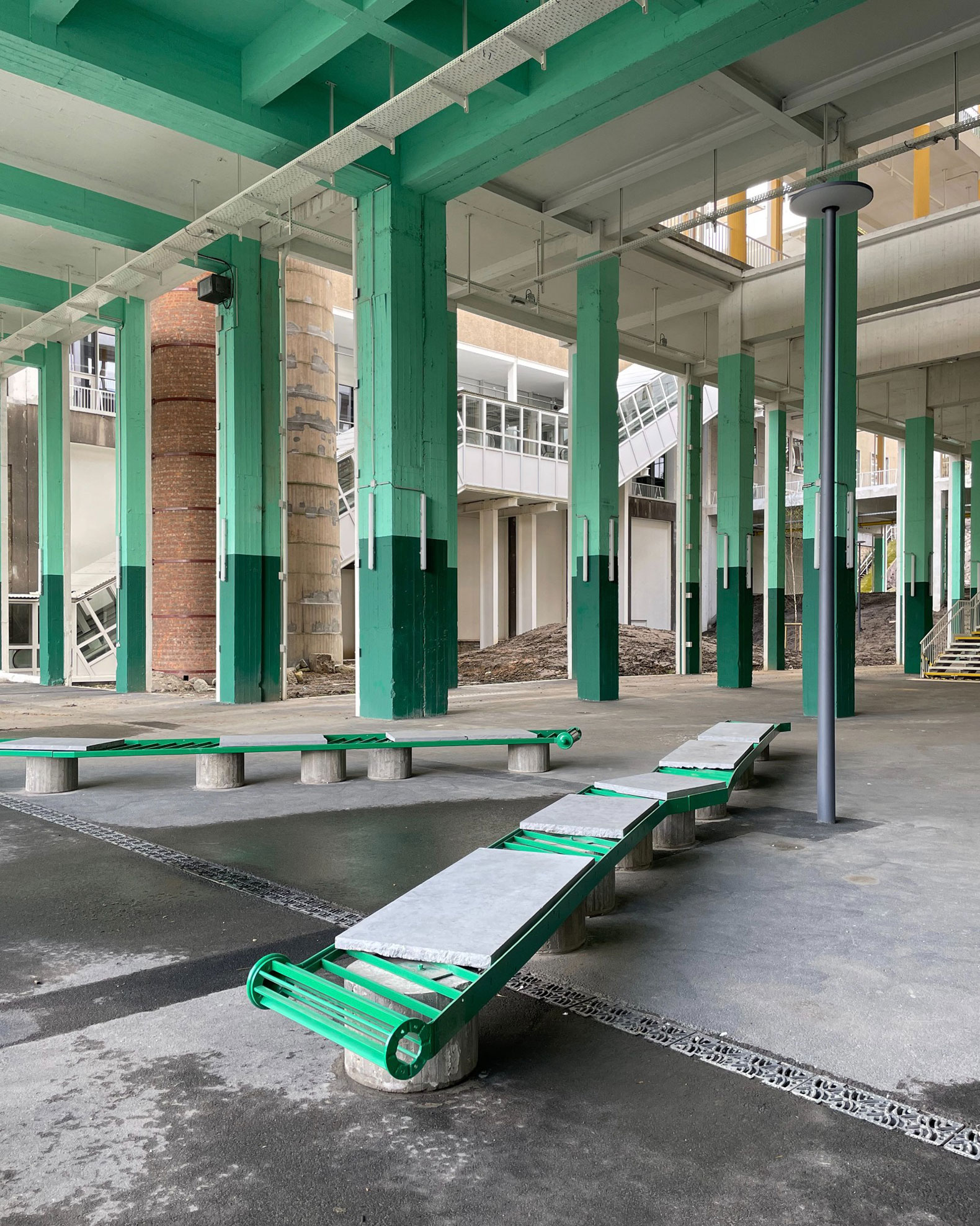
The intervention adheres to current regulations, such as doubling the green railings to meet safety standards. Demolished elements were repurposed as street furniture. The old concrete was protected with white, anti-carbonation paint. Surfaces were repainted white or with the color codes of previous uses (for example, green for the tennis courts), restoring familiarity and helping people reconnect with the building in its new form. Natural ventilation was maximized. The materials are durable and simple; the vegetation requires minimal maintenance. The building's original flexibility is enhanced and projected into the future. This renovation is not a final stage, but rather allows the building to evolve and take on new life.
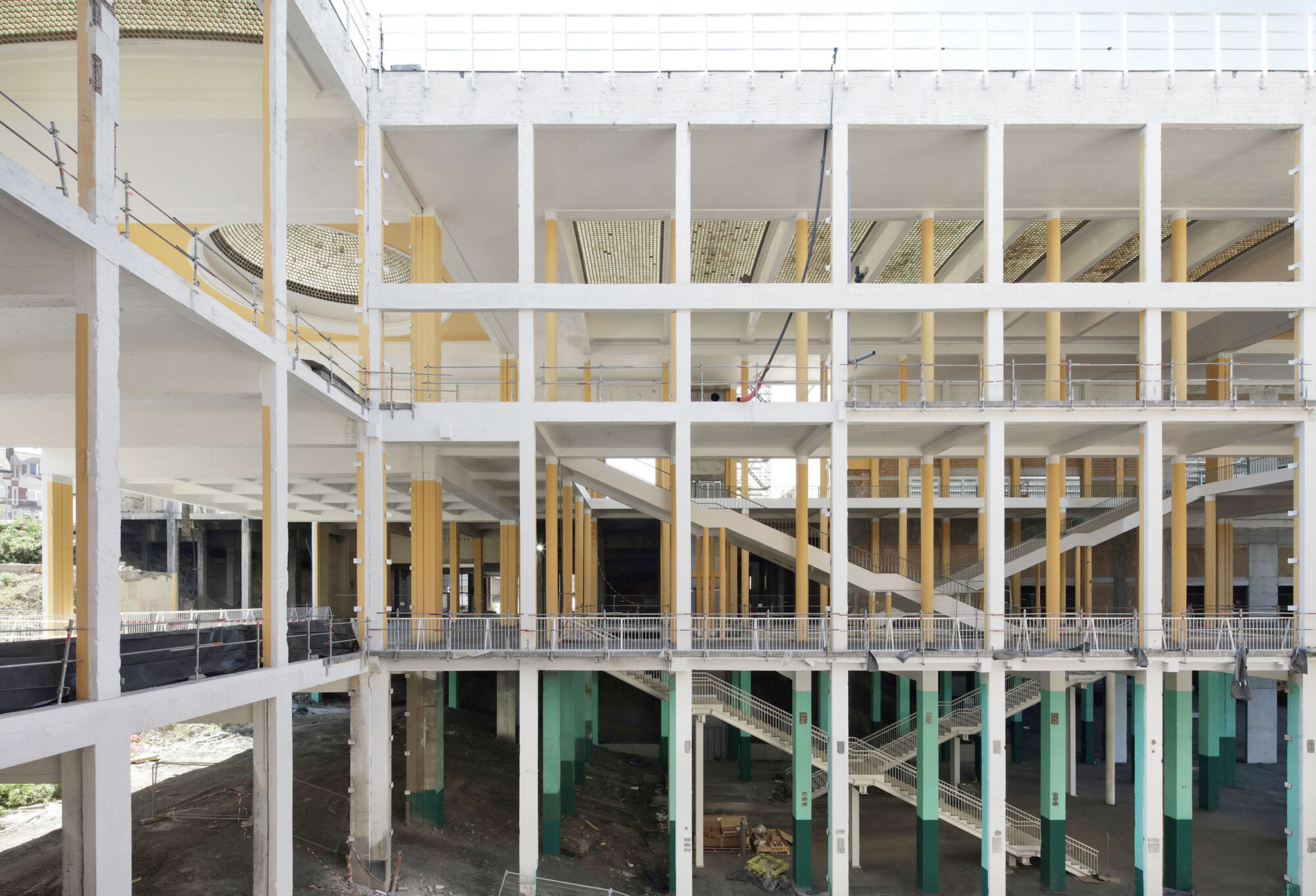
Charleroi Palais des Expositions by architecten jan de vylder inge vinck and AgwA. Photograph by Filip Dujardin.
The reflections surrounding this project led to the creation of the Oversize workshops, a multidisciplinary and inter-university initiative that lasted 3 years, between UCLouvain, KU Leuven, ULiège, ULB and TU WIEN.
The project is one of the 7 finalists for the EUmies / Mies van der Rohe Awards 2026.