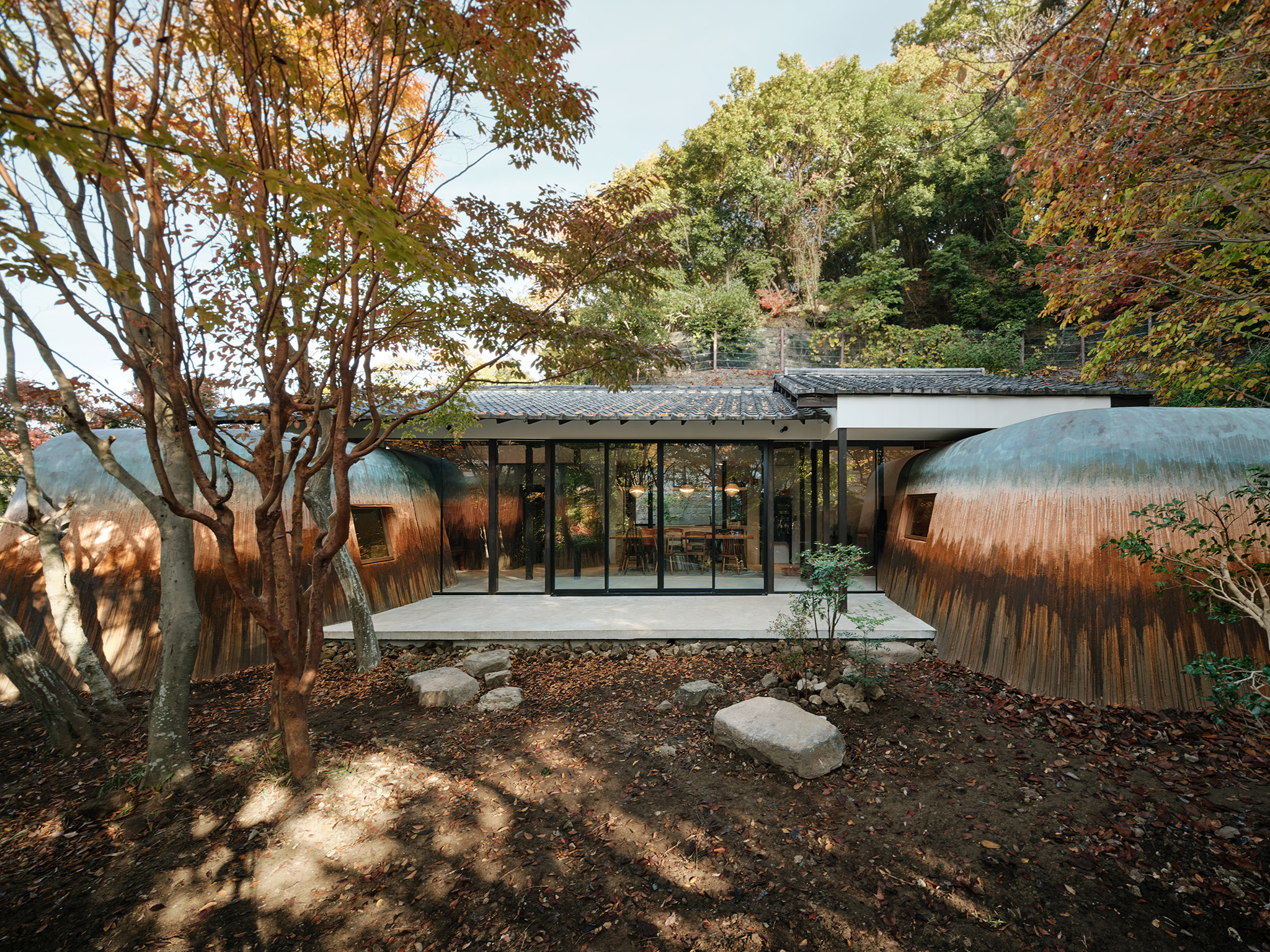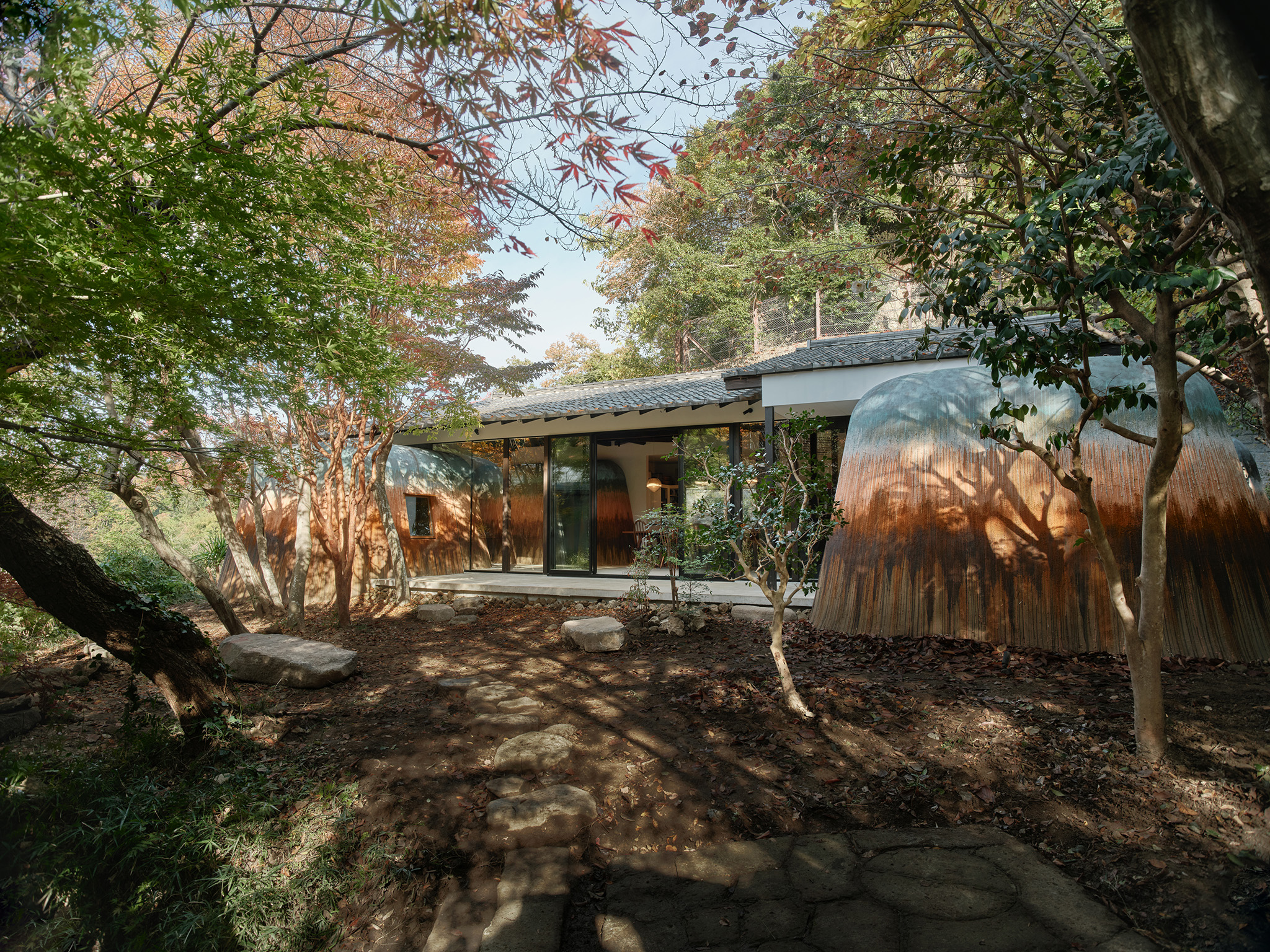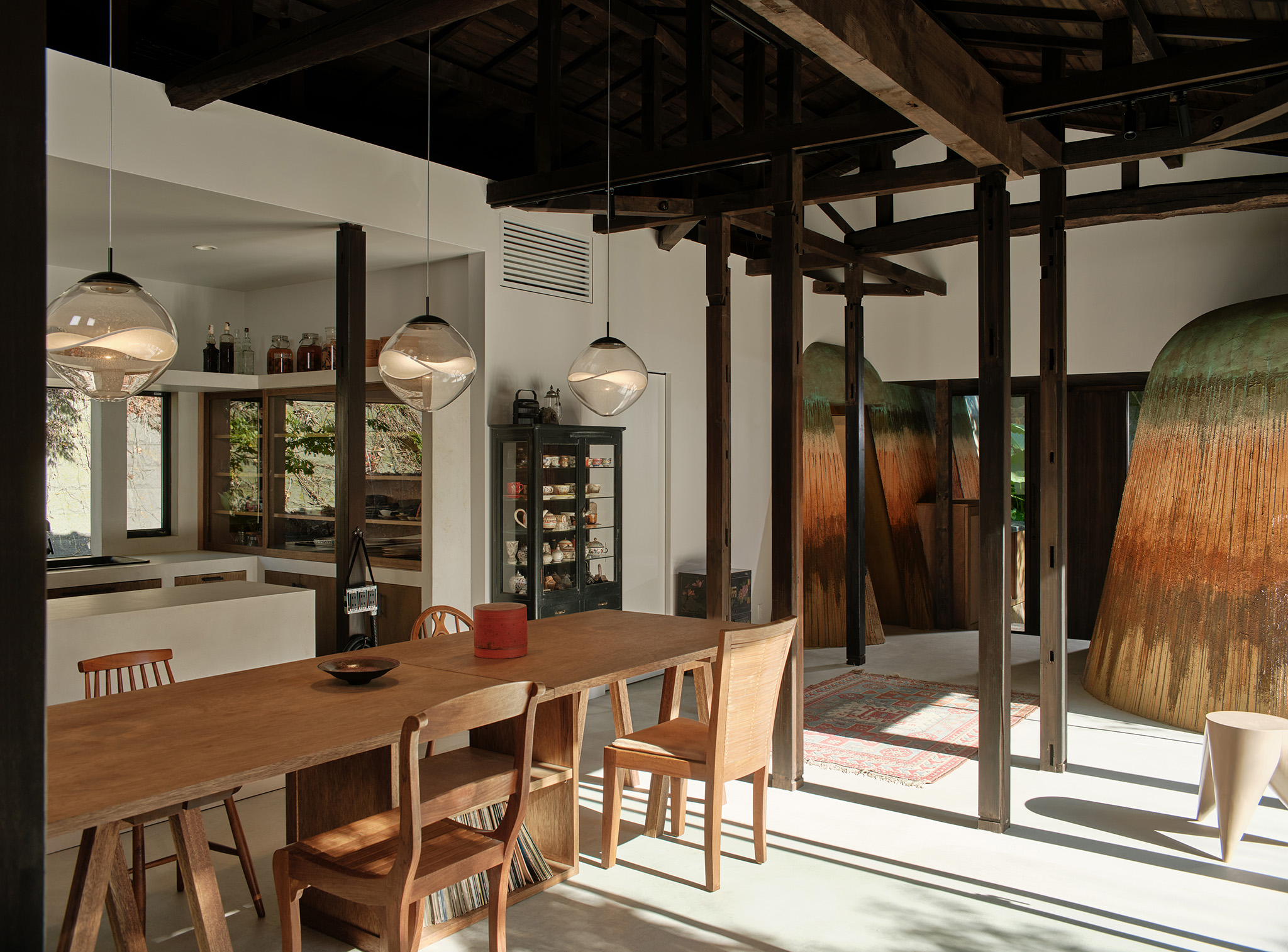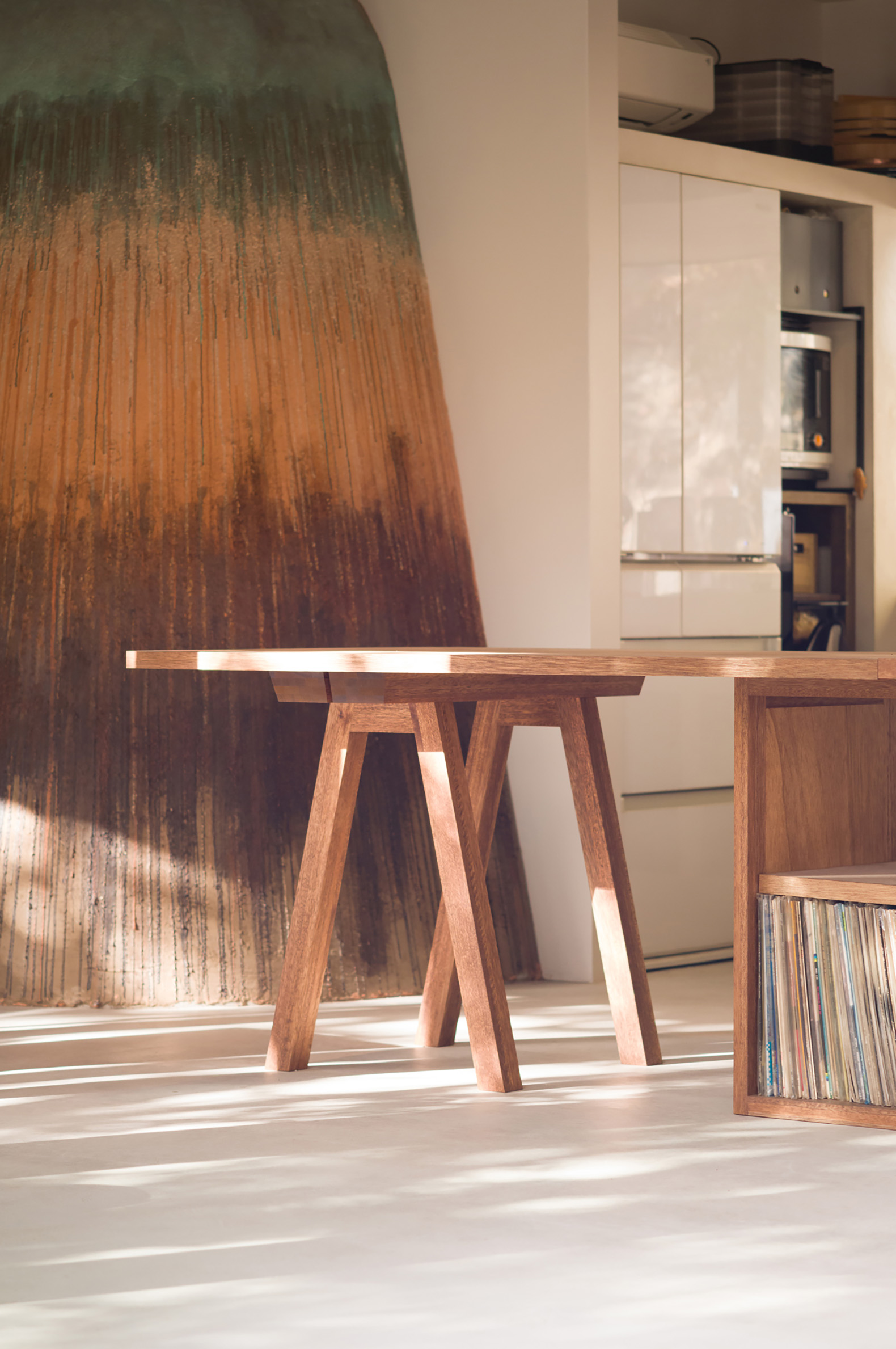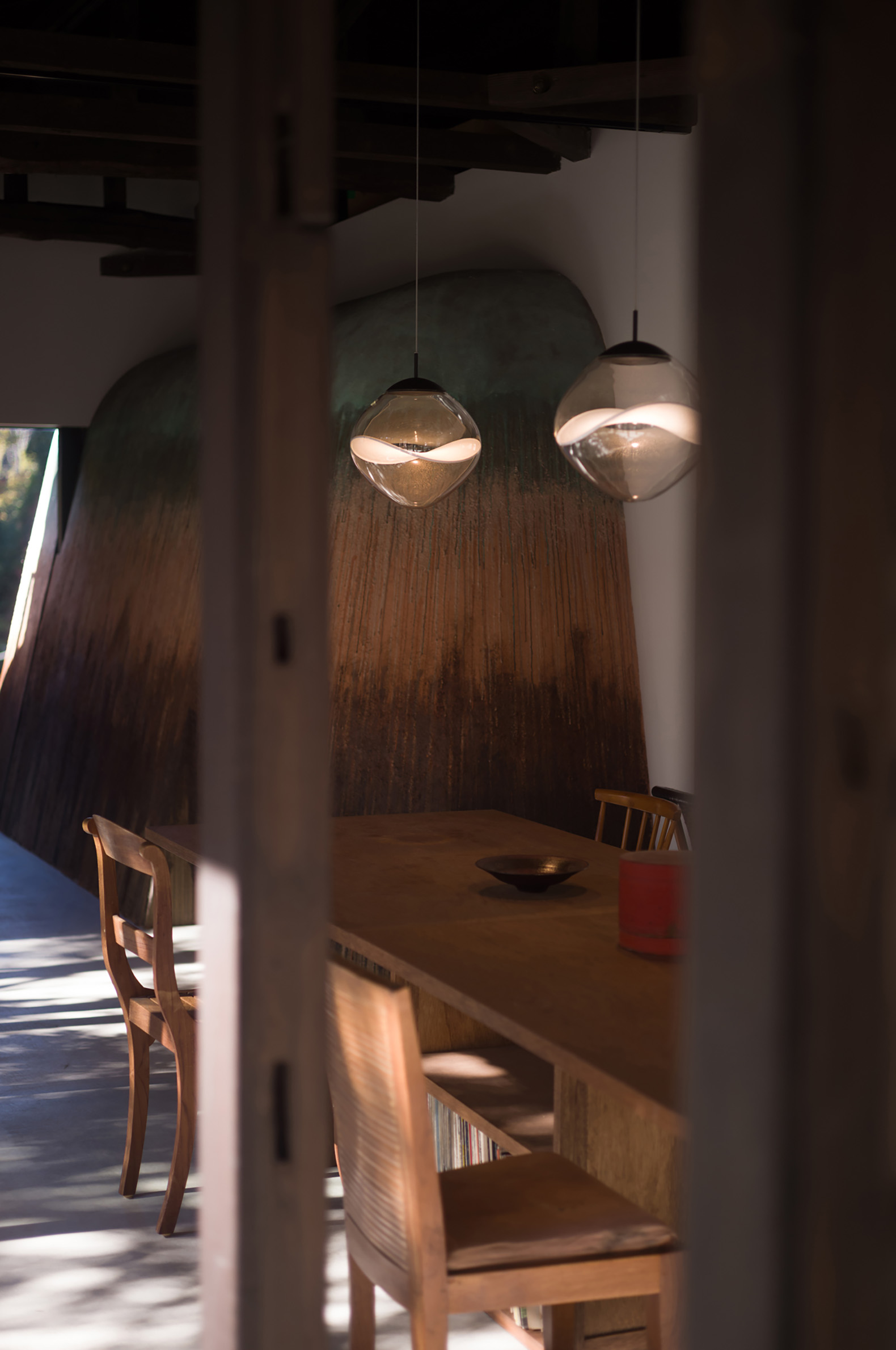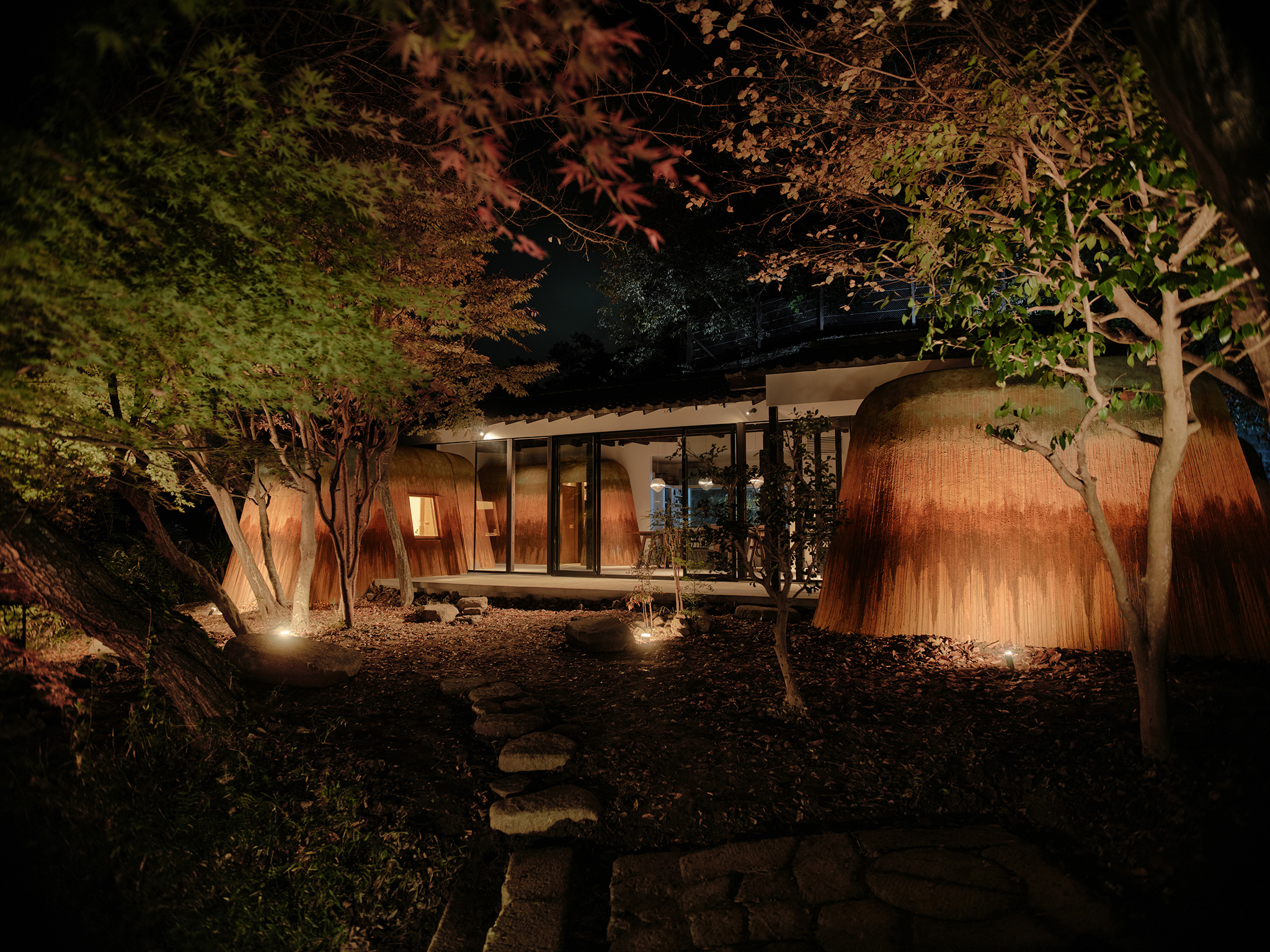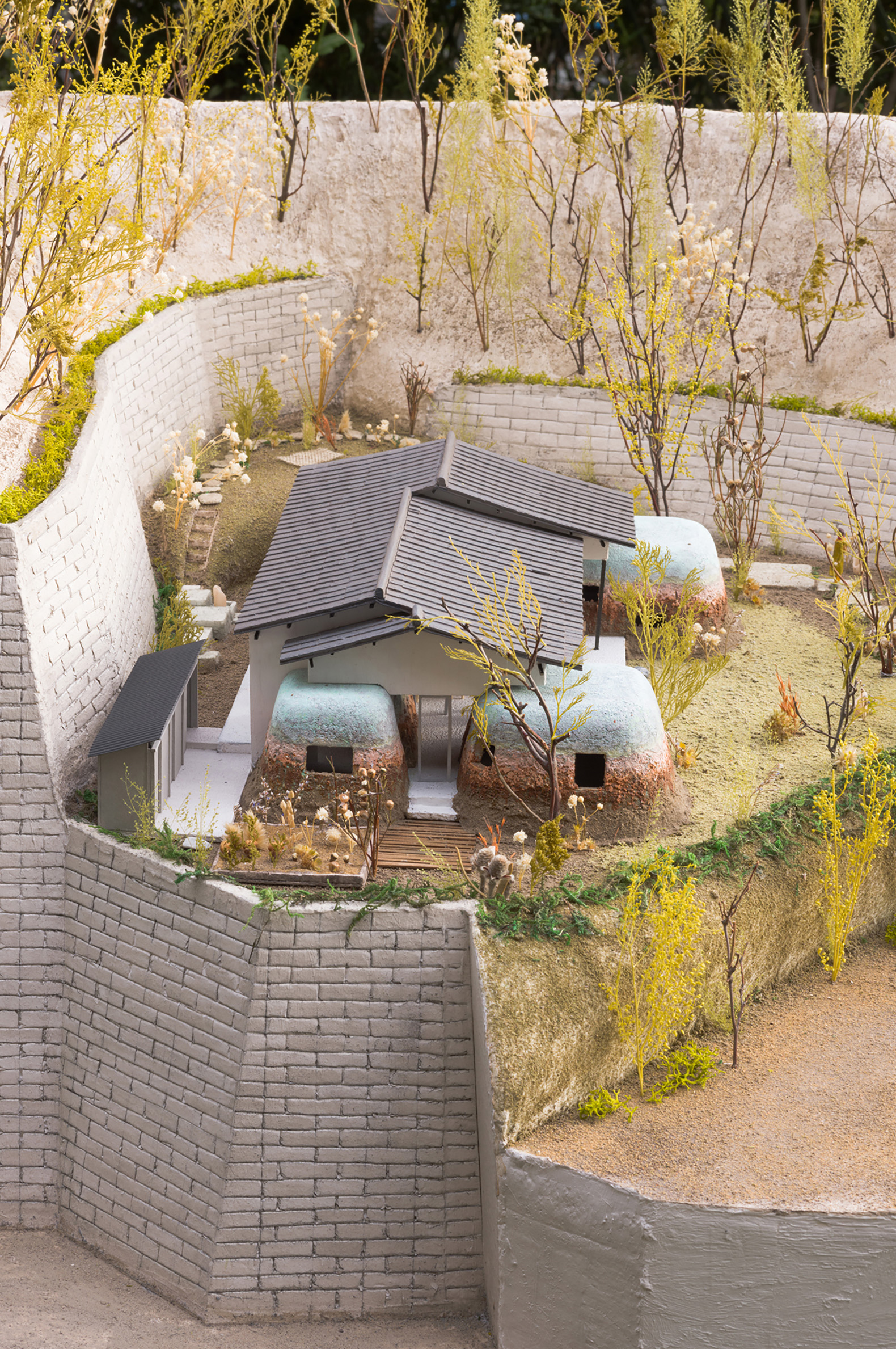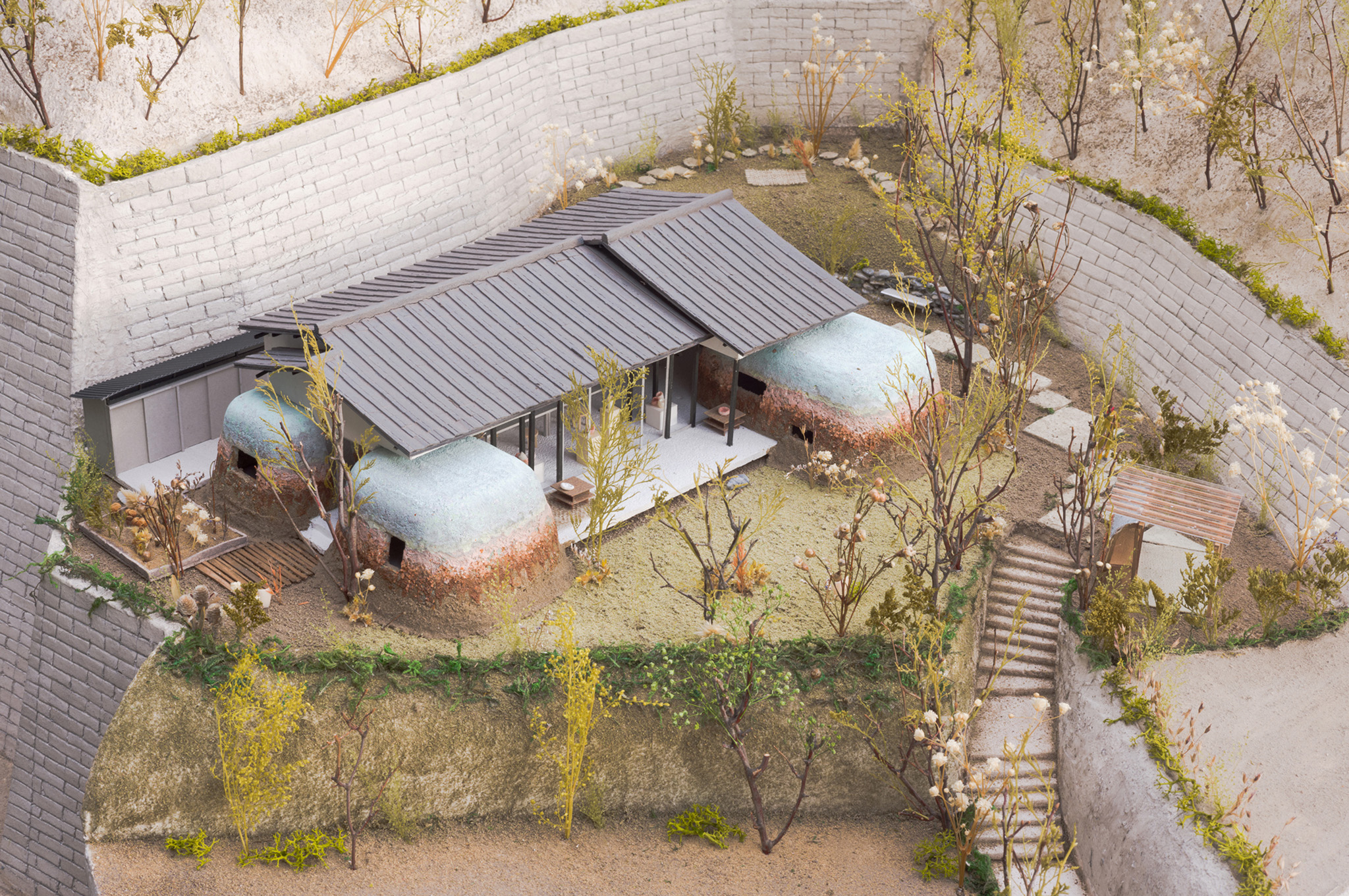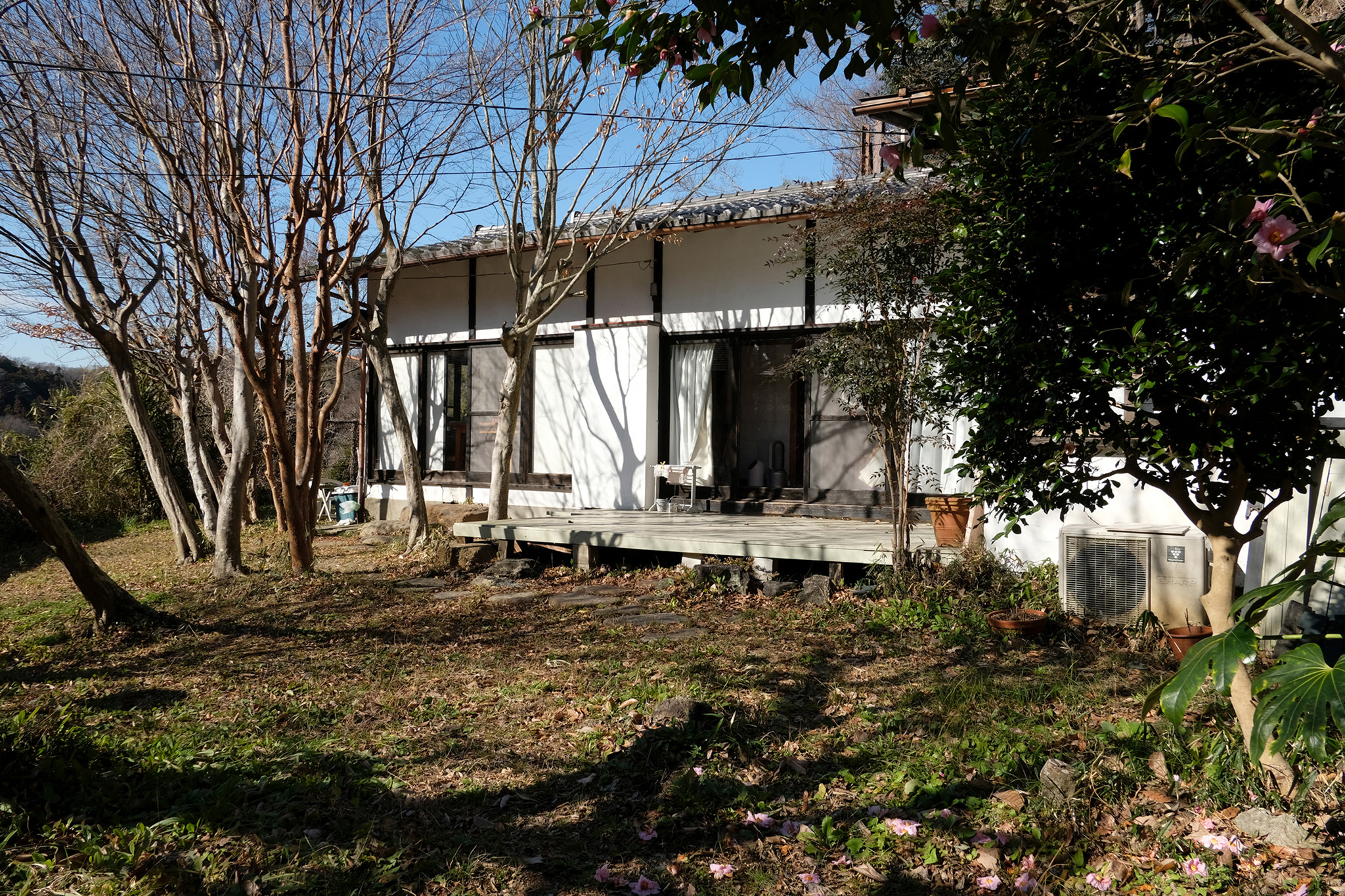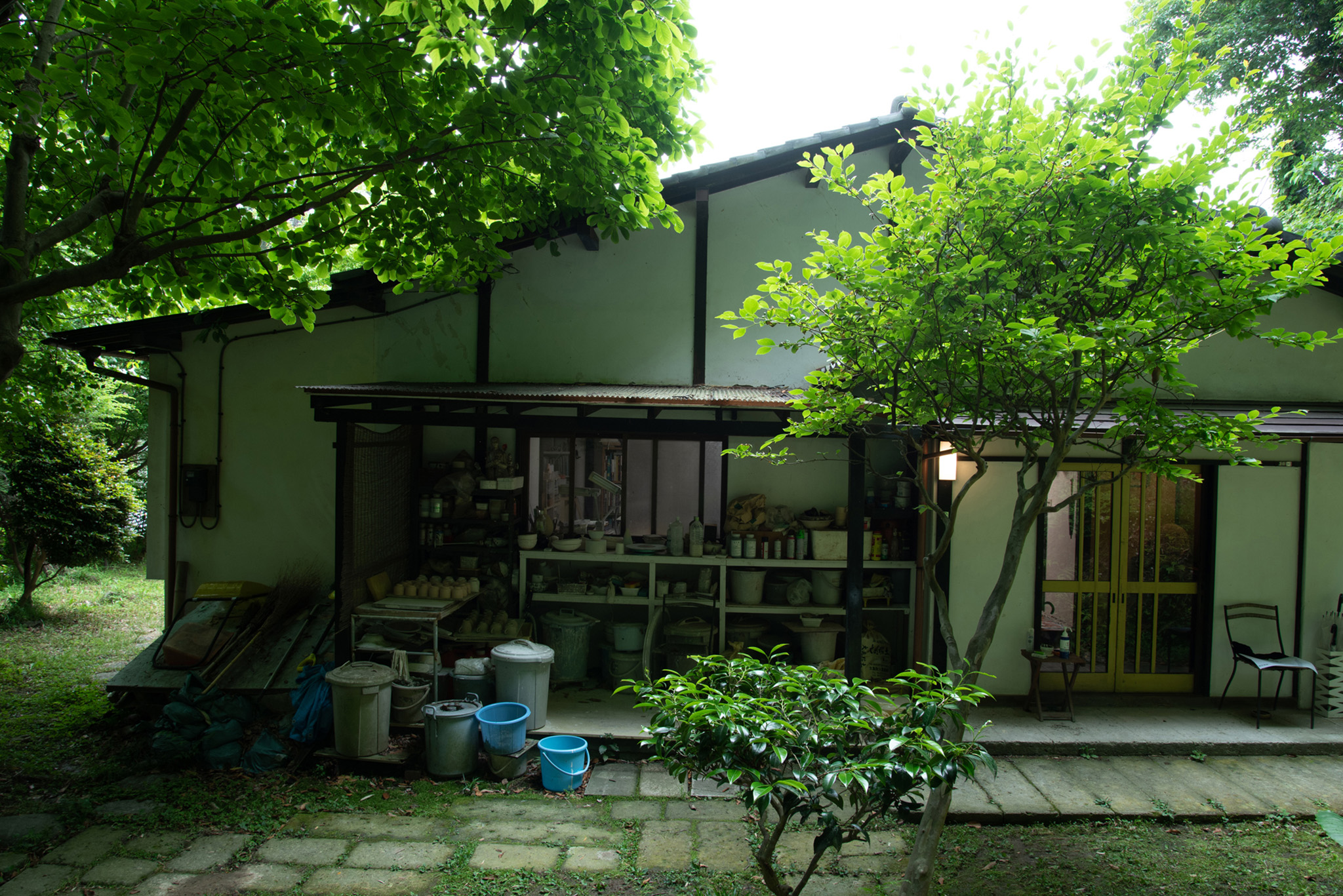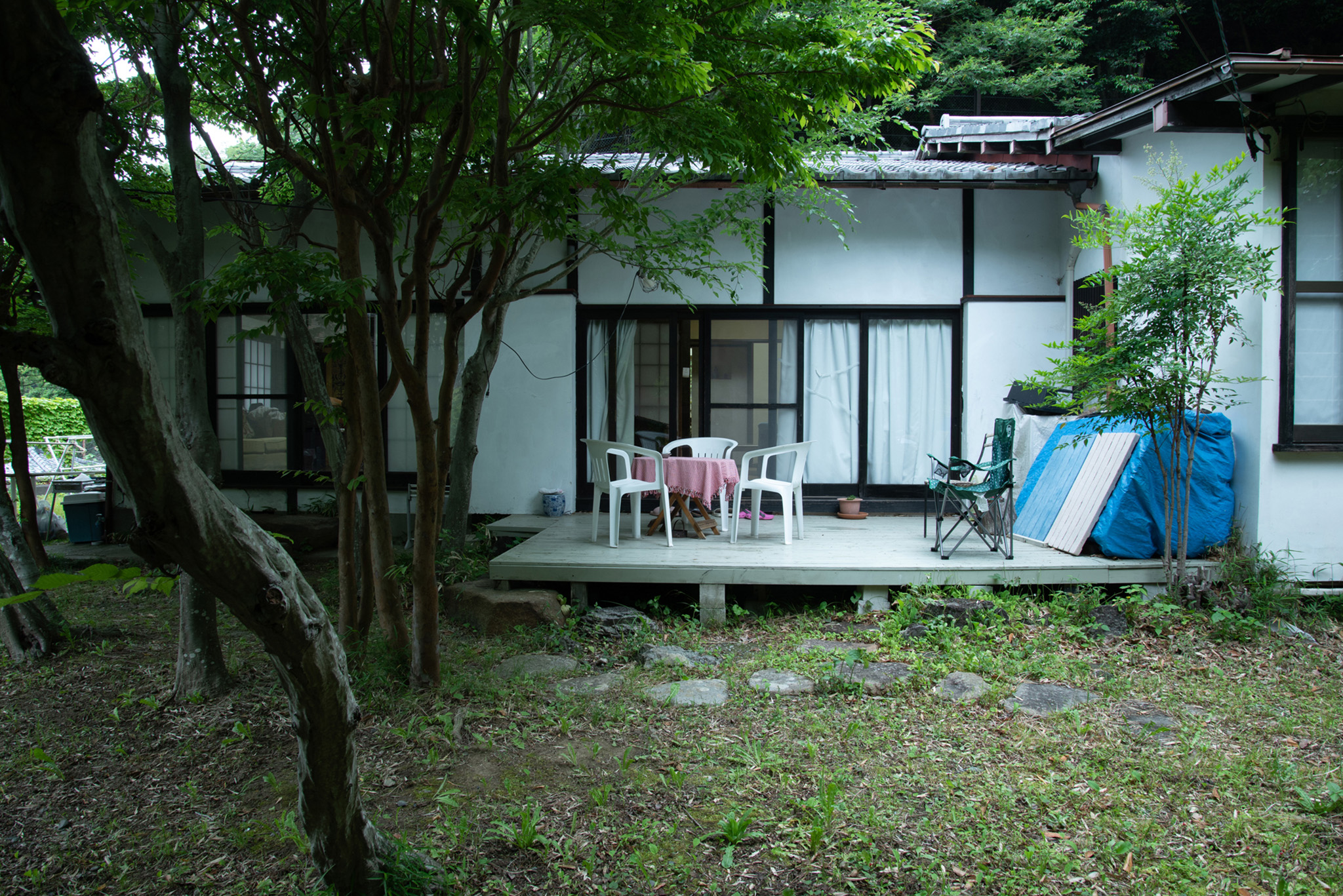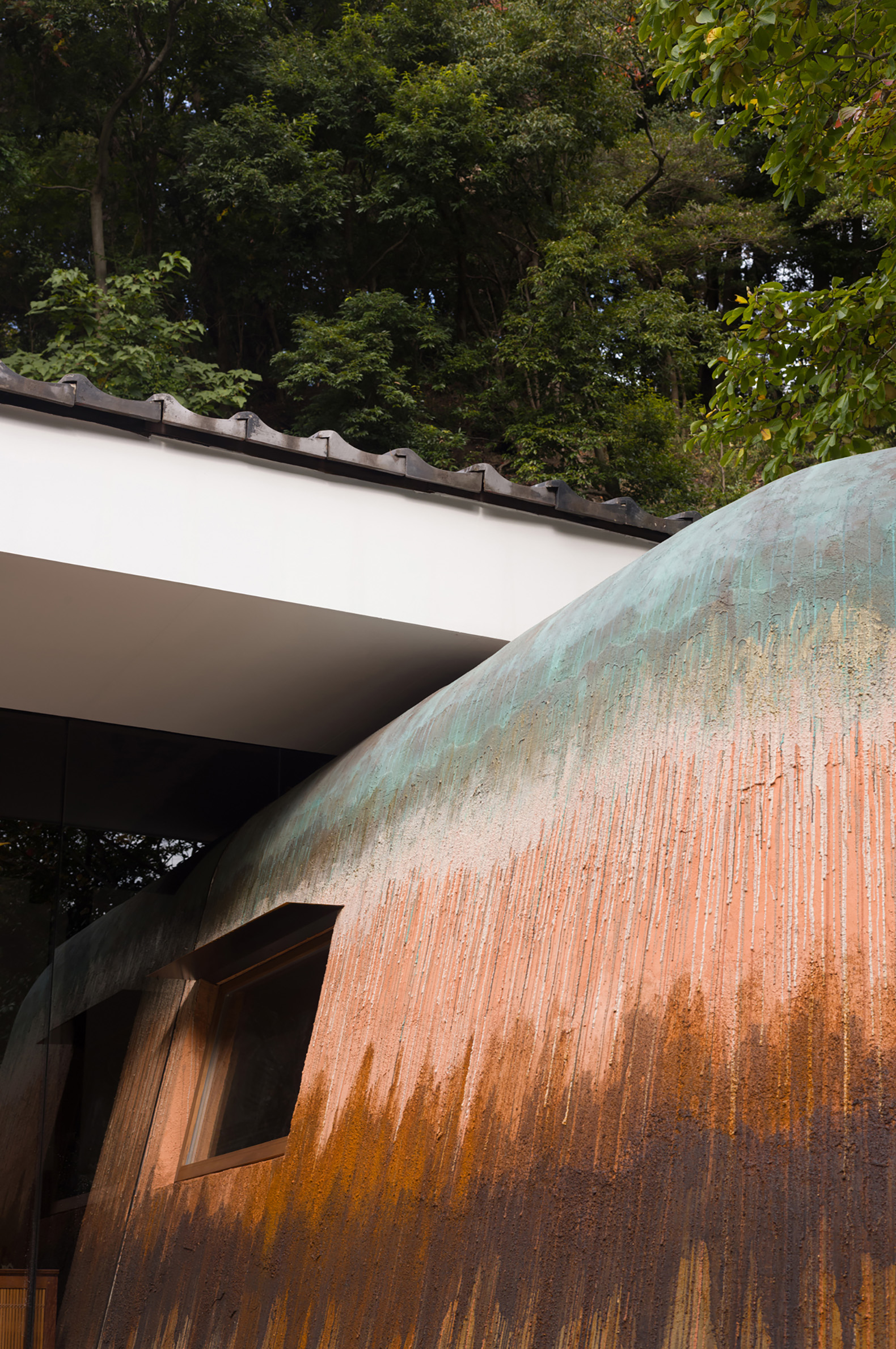
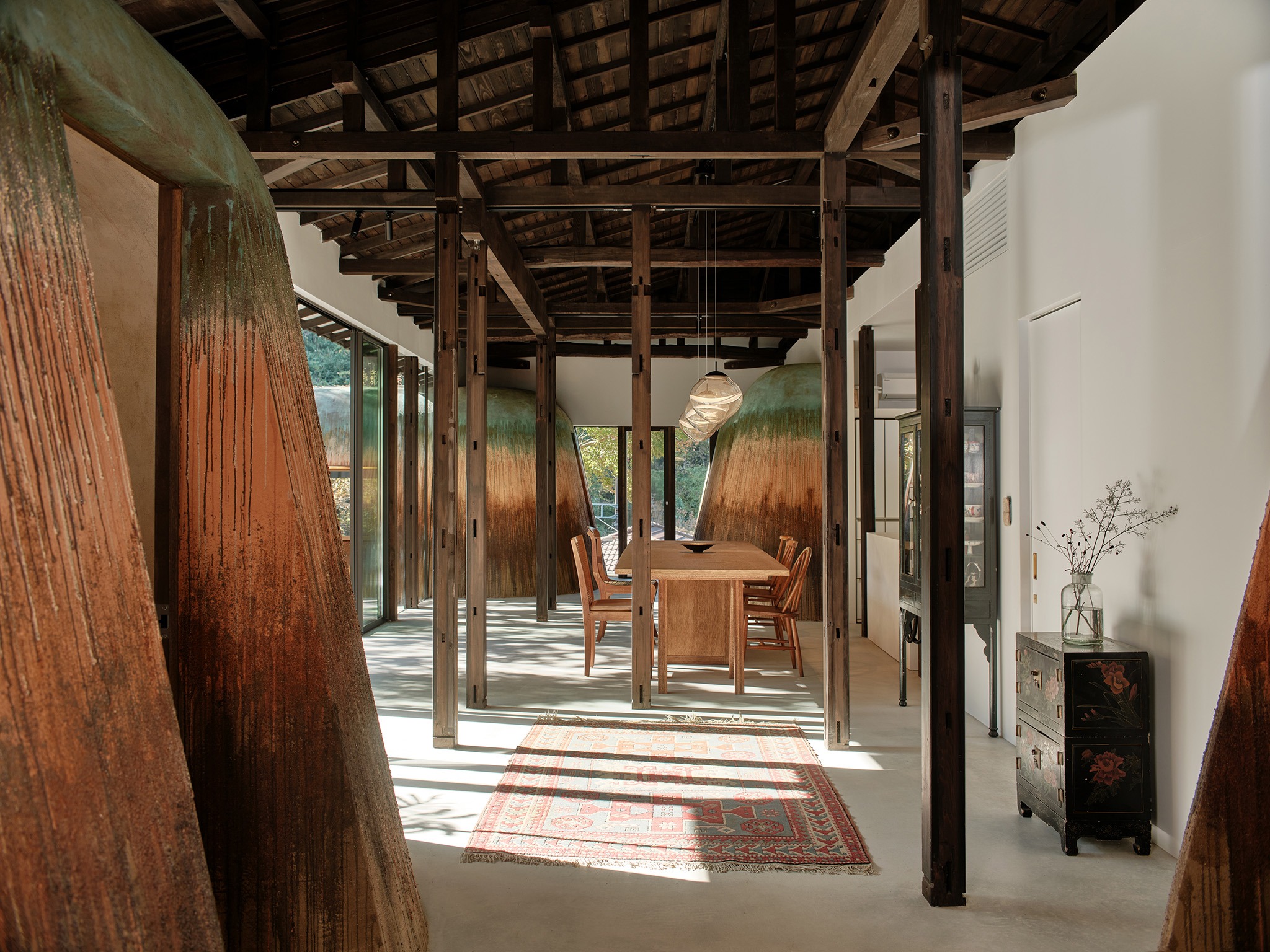
Using local earth, clay, and metal elements, the house designed by AATISMO emerges from material experimentation and shared daily life. The project envisions a way of living akin to a small settlement, exploring architecture as a mediator between the earth, craftsmanship, and home. By allowing material processes and the passage of time to shape the form, Casa Haniyasu reconsiders the direct relationship between architecture and the land.
“Hani” is an archaic Japanese word meaning "clay". In this sense, the name Casa Haniyasu pays homage to a deity from Japanese mythology associated with the earth, soil, and ceramics. Through clay as a medium, the house seeks to merge with its surroundings, transcending the boundaries between architecture, material, and craft, to become a space where living and creating remain inseparable.
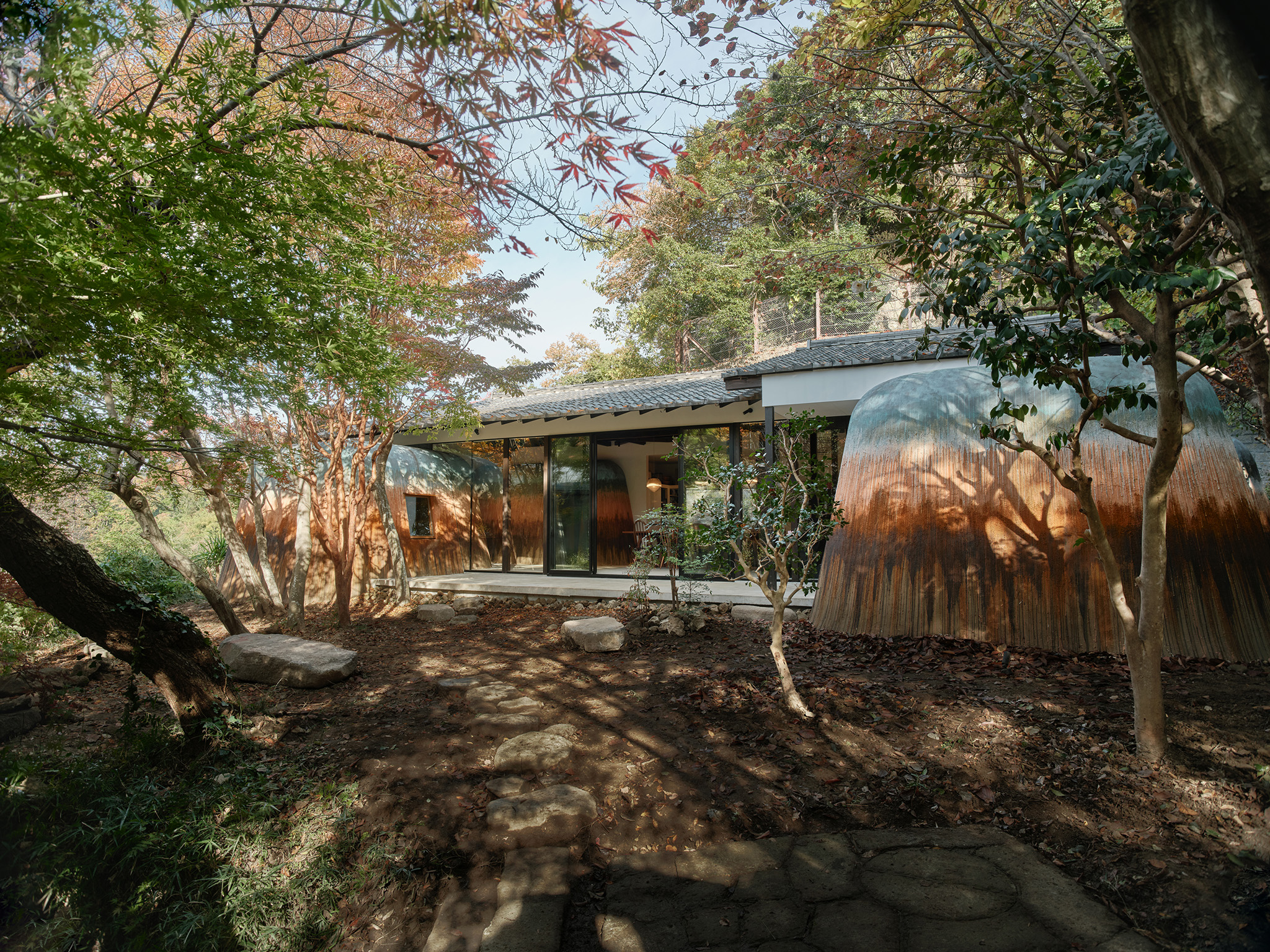
Haniyasu House by AATISMO. Photograph by Shinya Sato.
Project description by AATISMO
Haniyasu House is a two-family residence designed for our parents, who are ceramic artists, and for ourselves as architects.
About fifteen years ago, our parents moved to Kamakura in search of an environment where they could fully devote themselves to working with clay. The house is located at the edge of a valley called "yato", surrounded by cliffs into which horizontal cave tombs known as "yagura" are carved, an environment where the presence of the earth is strongly felt. To confront and respond to the way this land exists, we took "earth," humanity's most ancient material, as our central theme and brought the architecture into being.
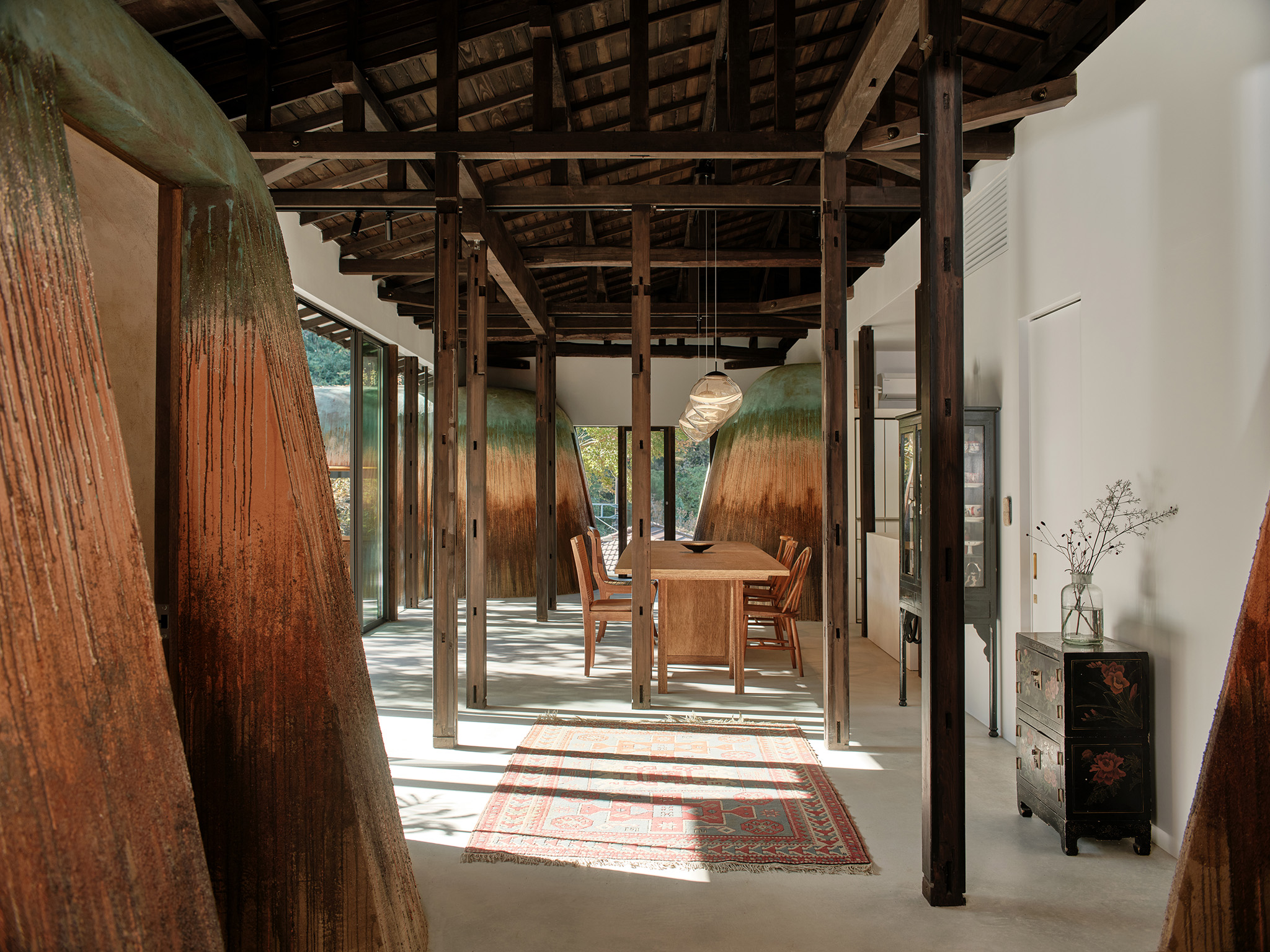
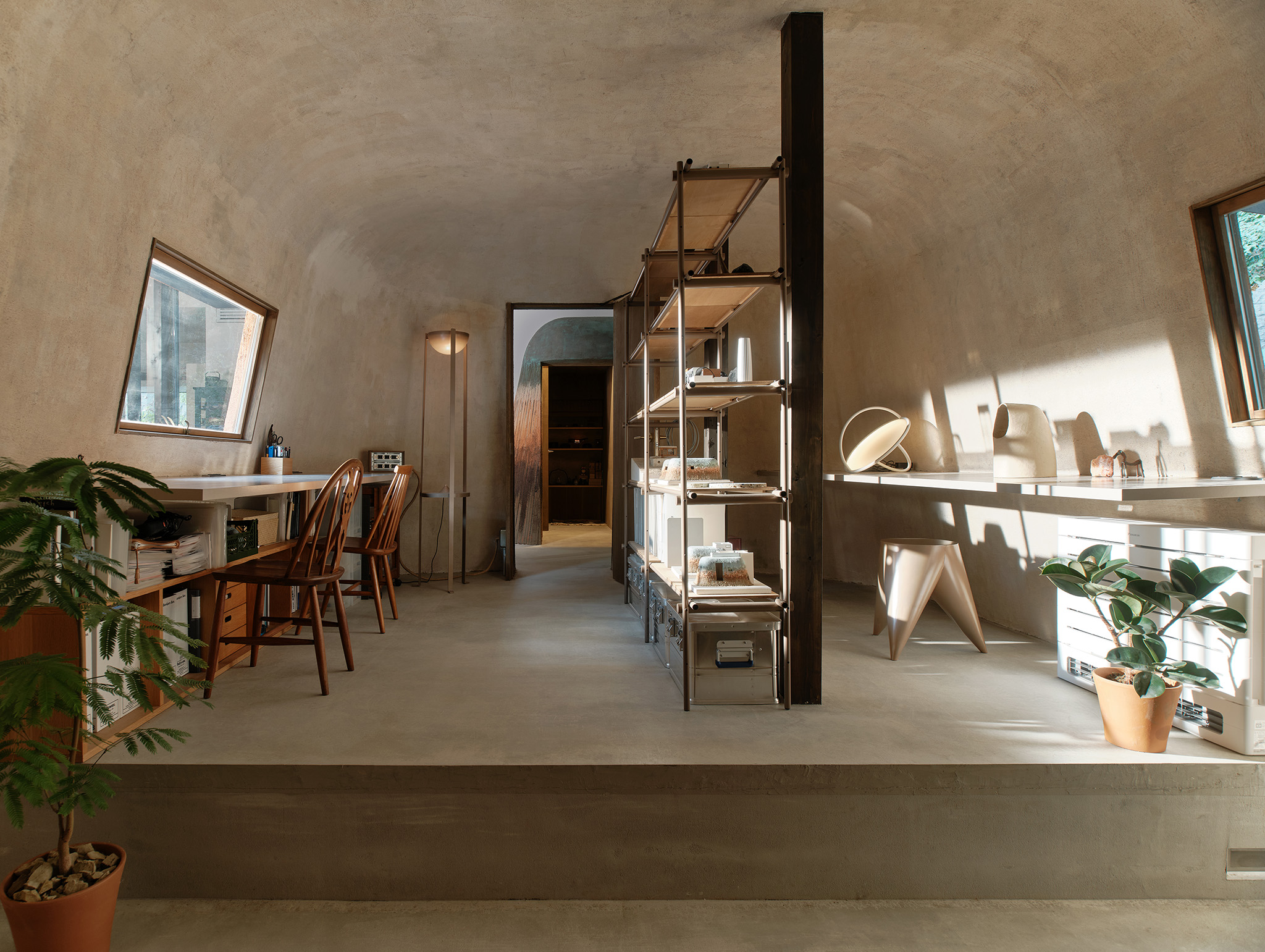
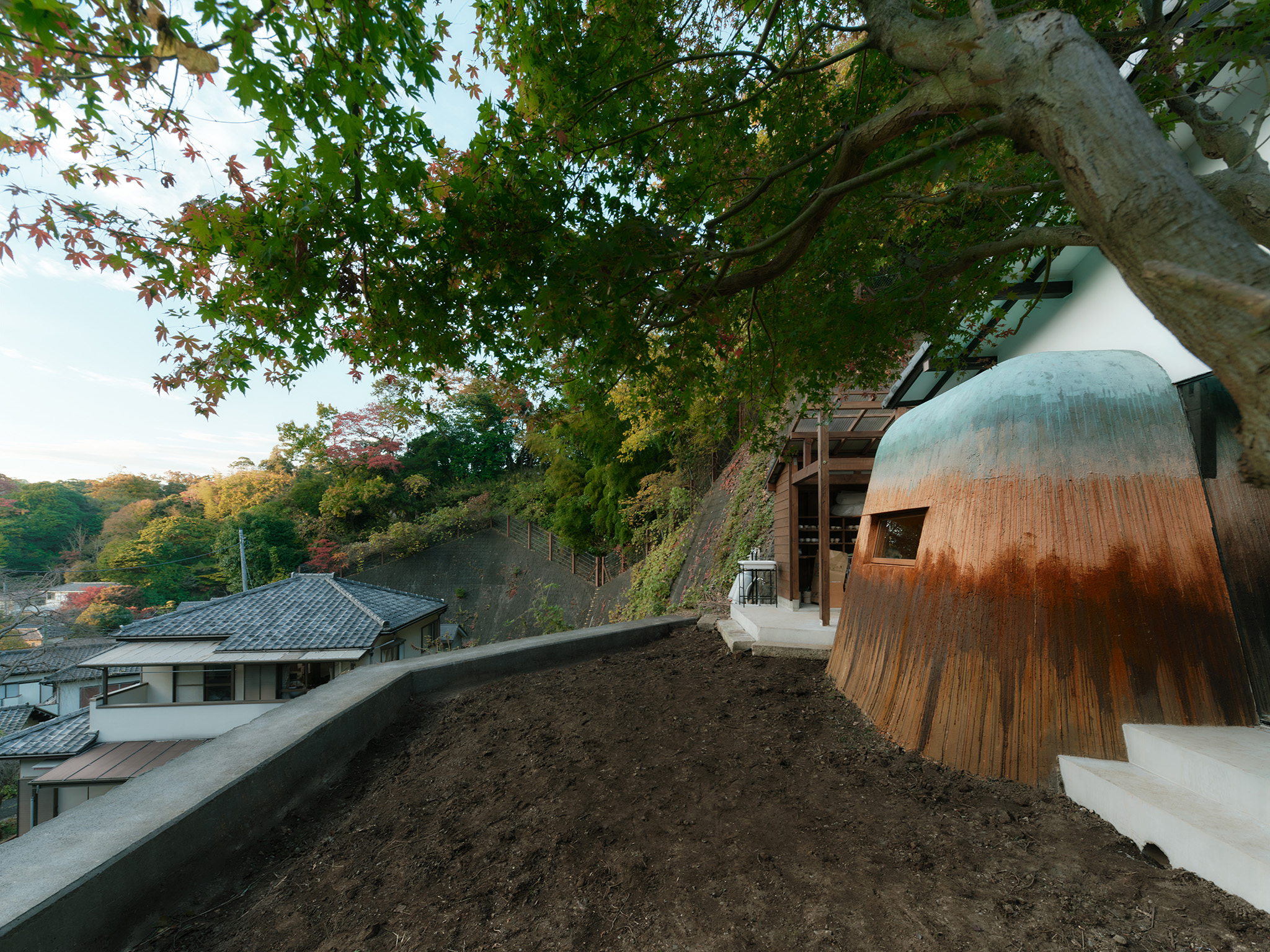
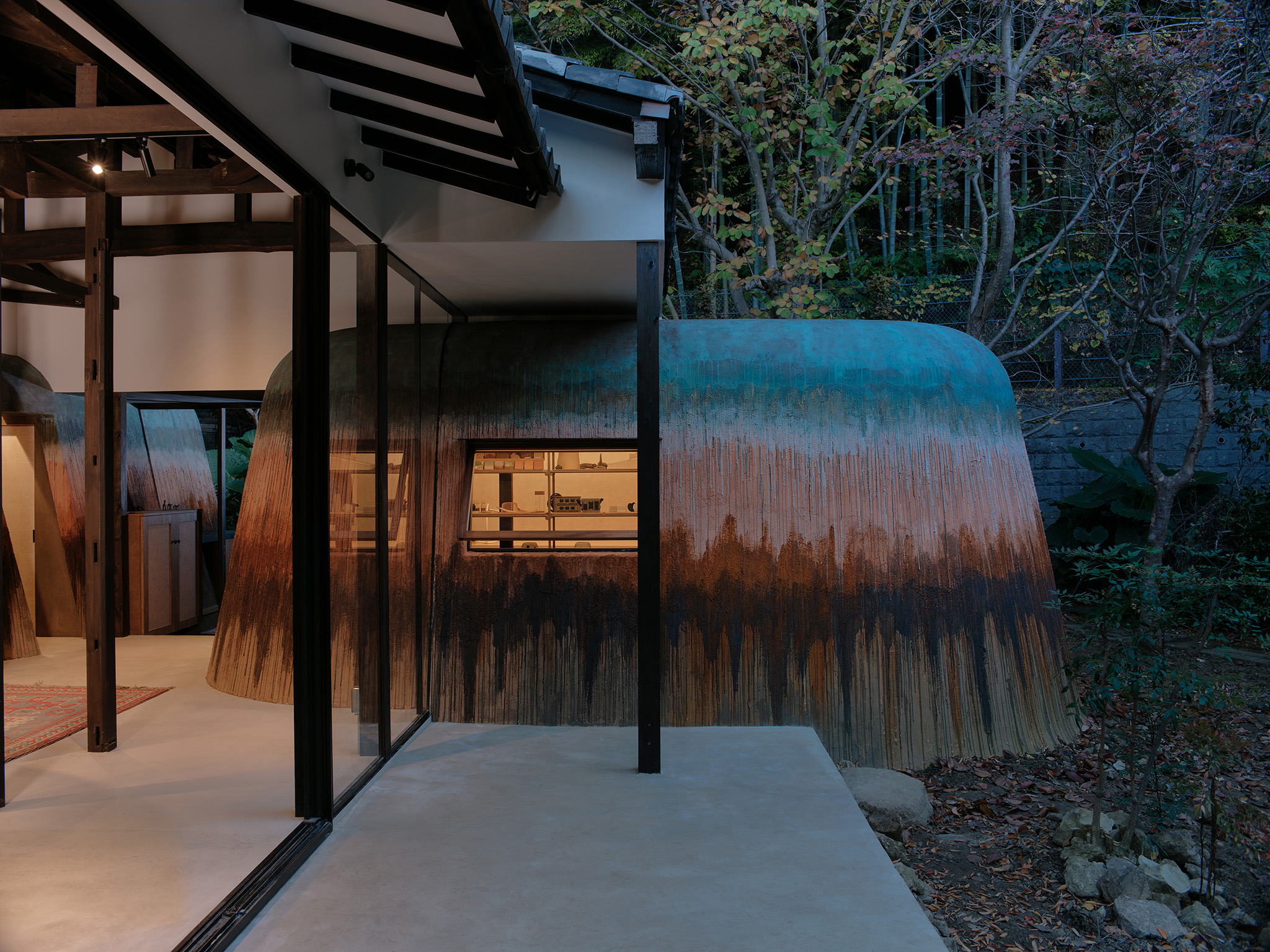
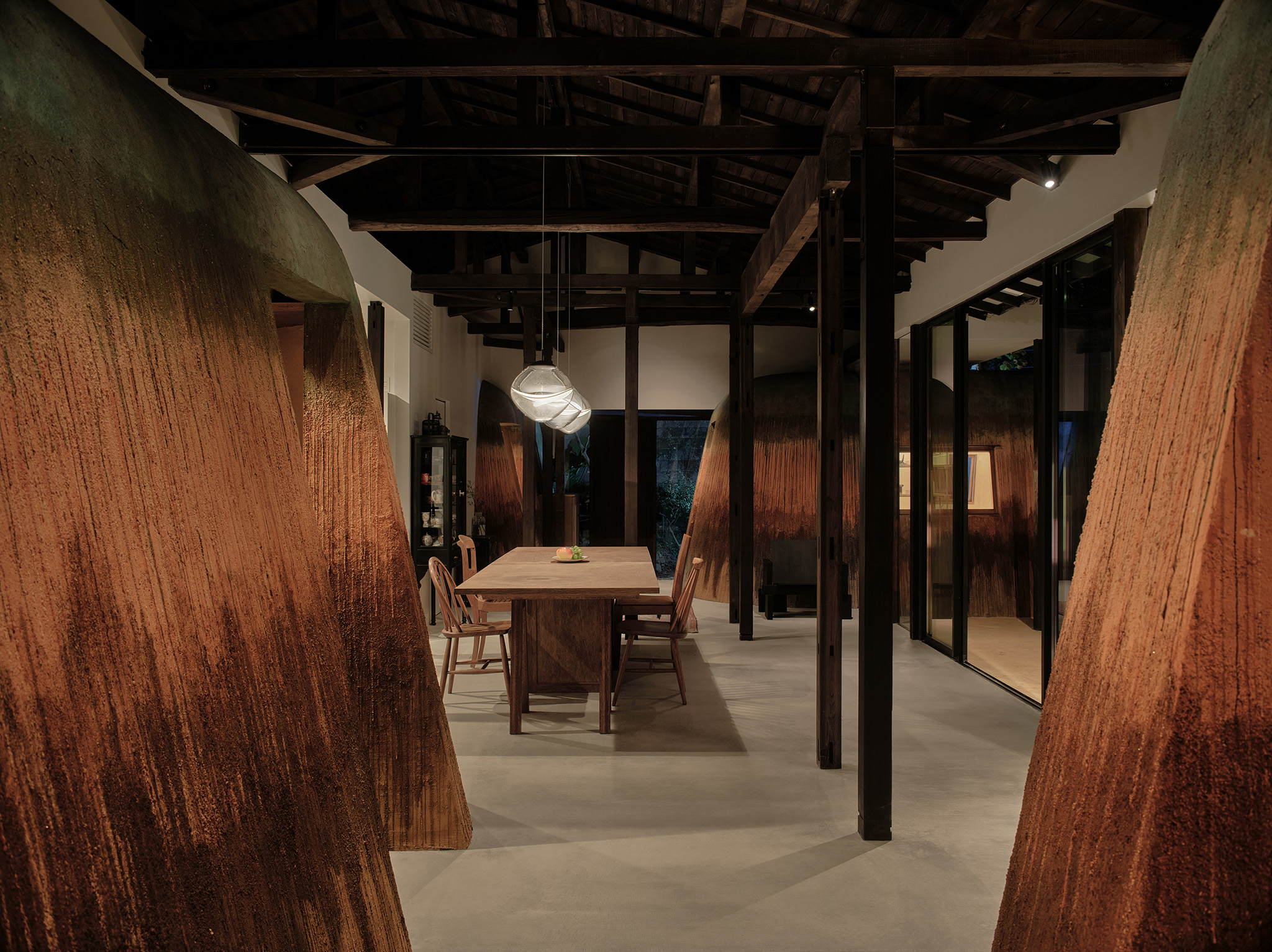
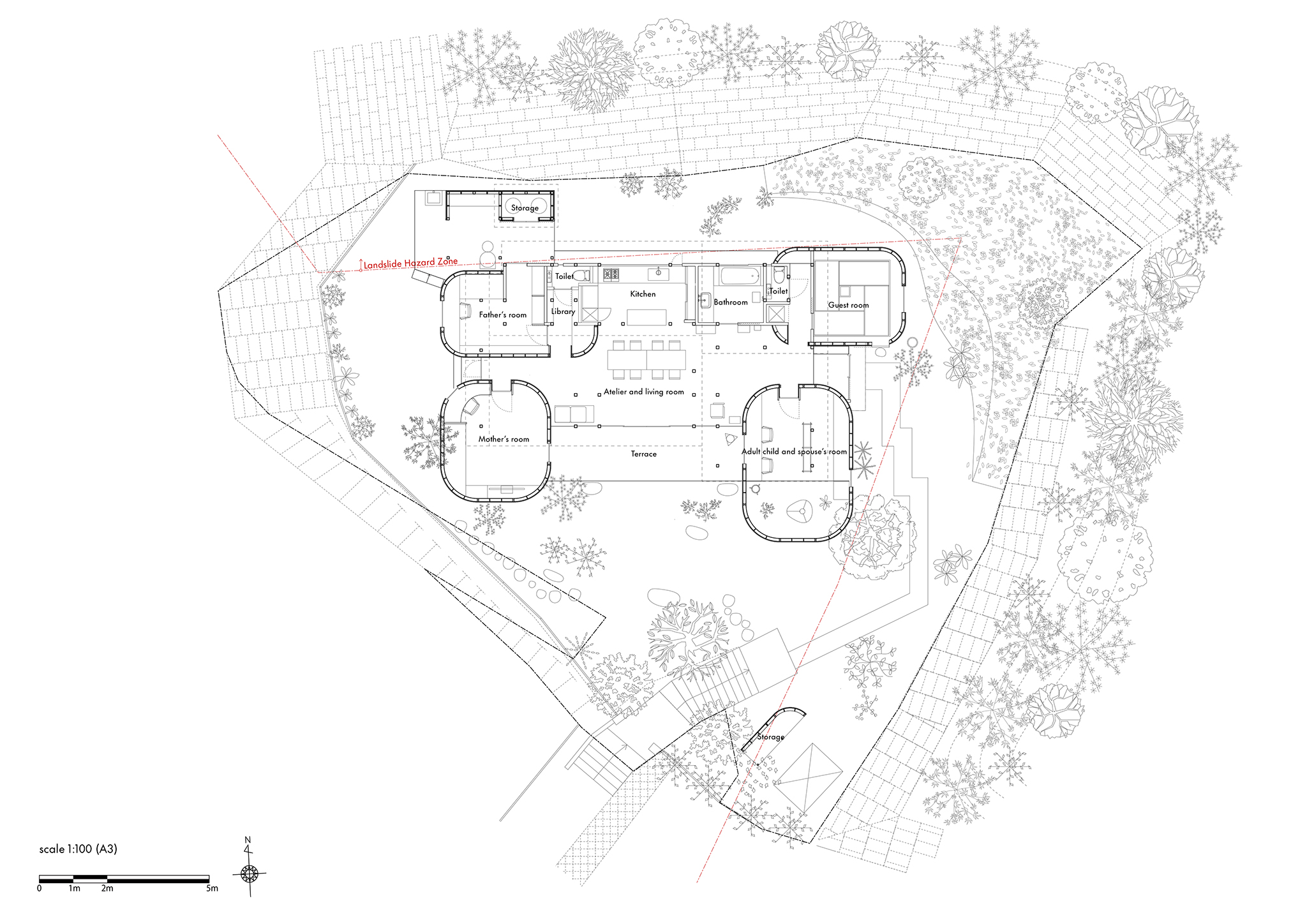
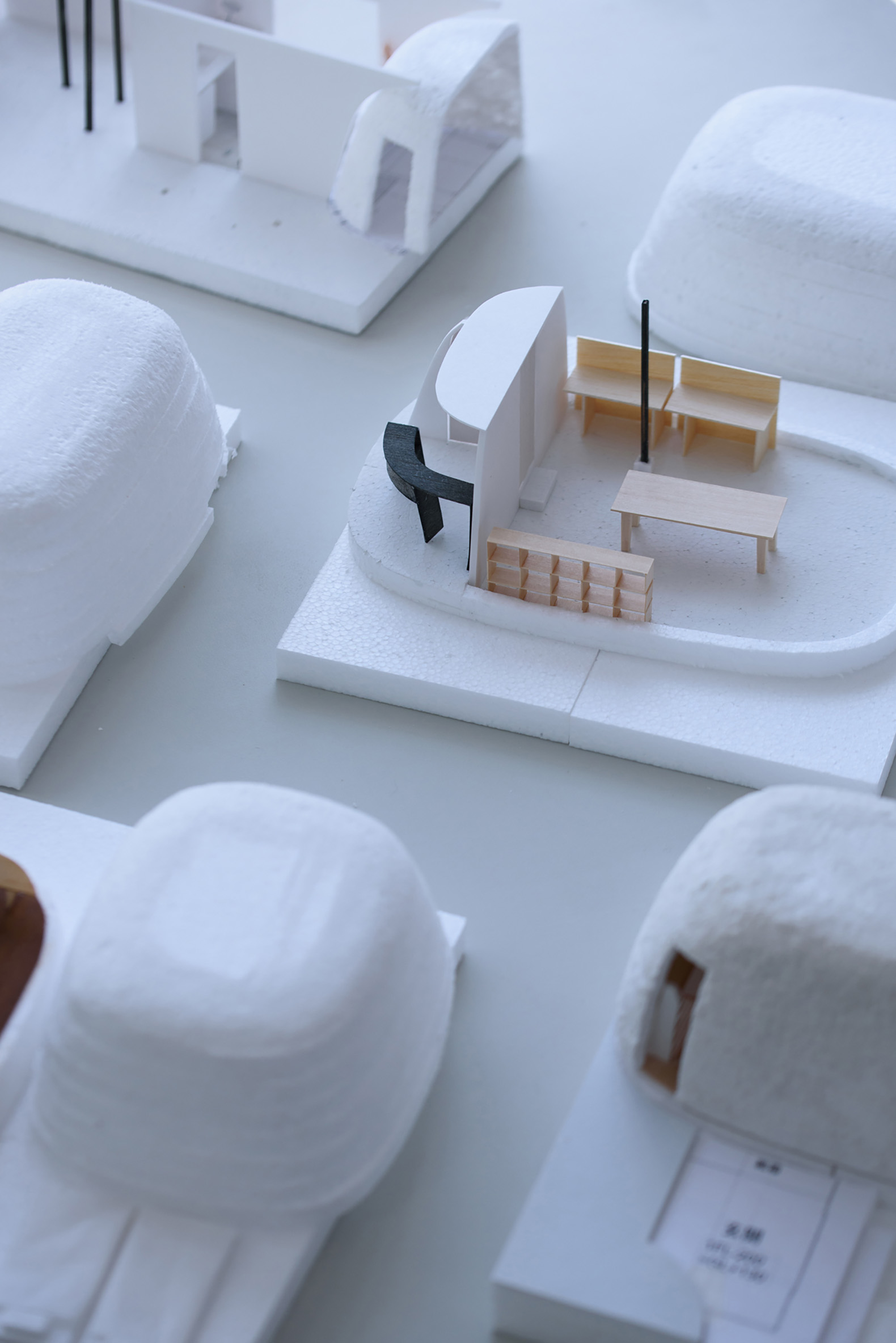
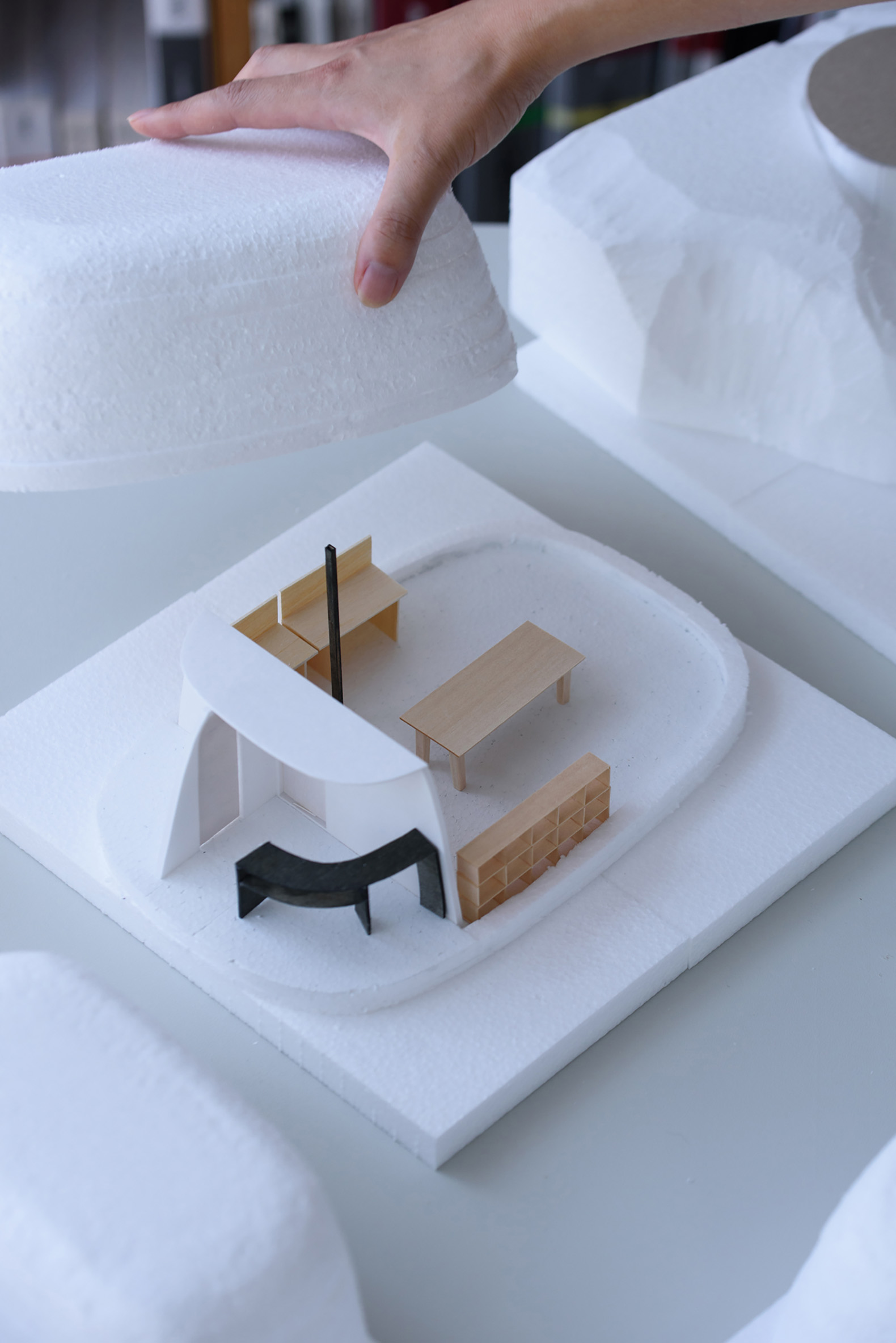
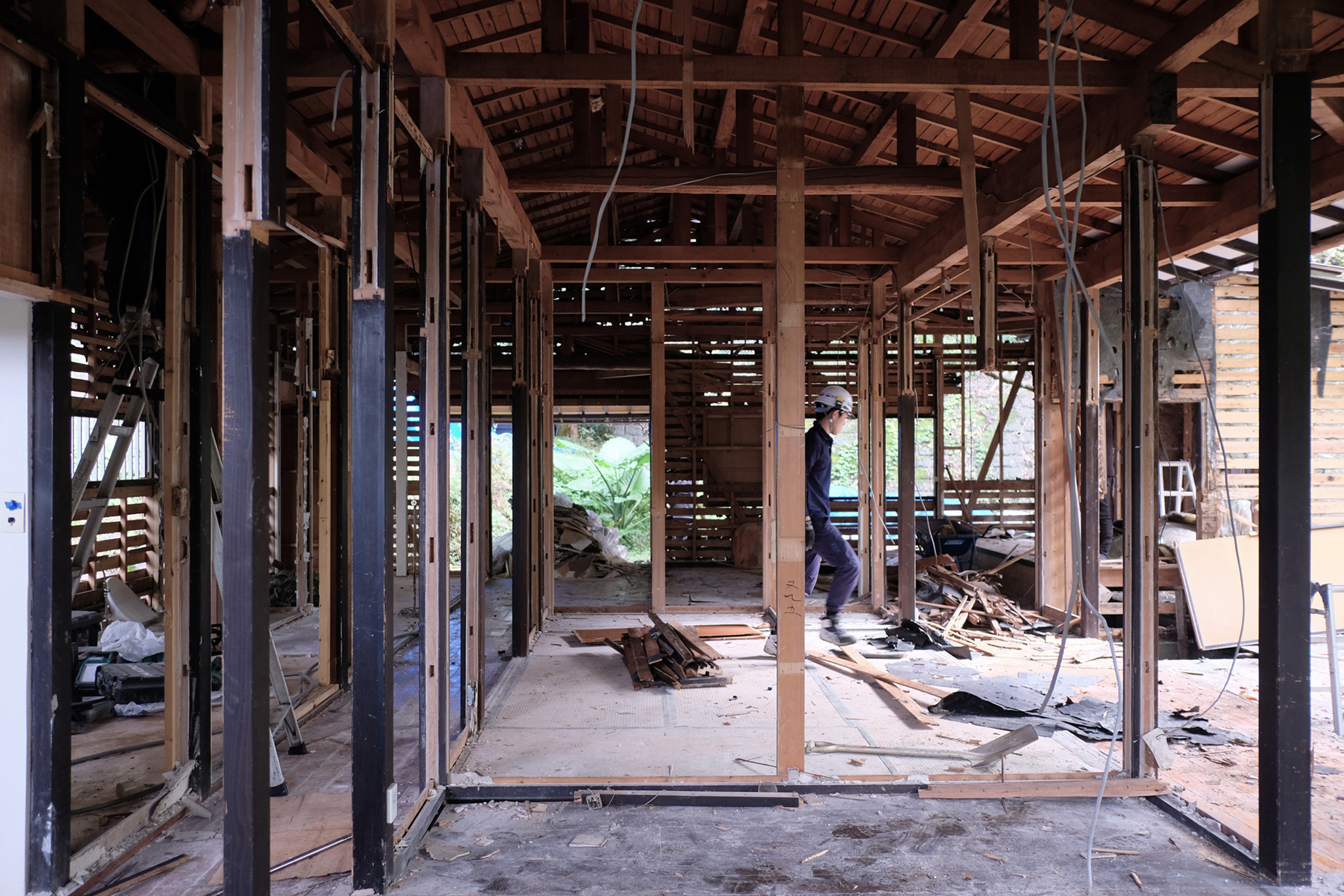
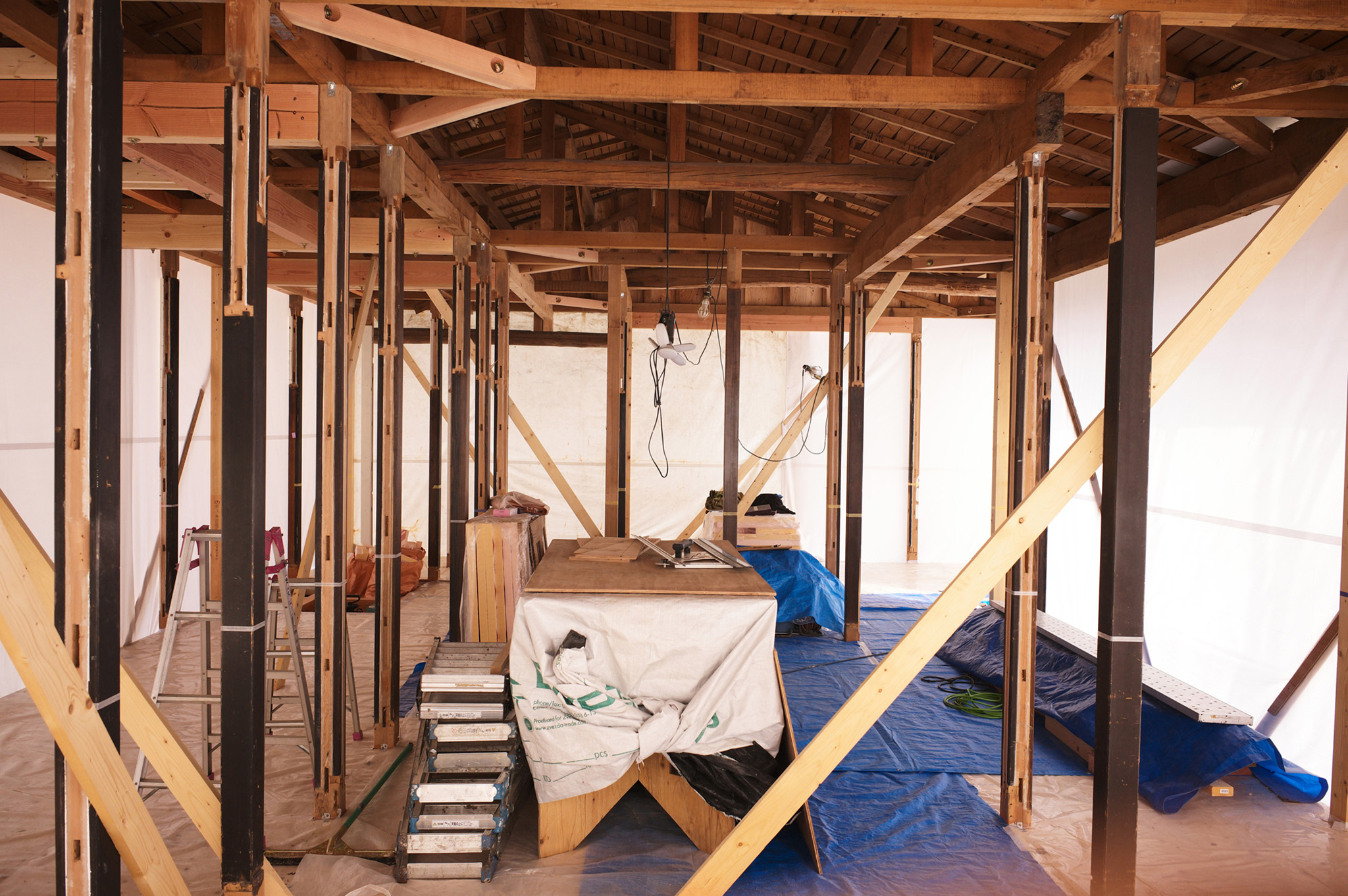
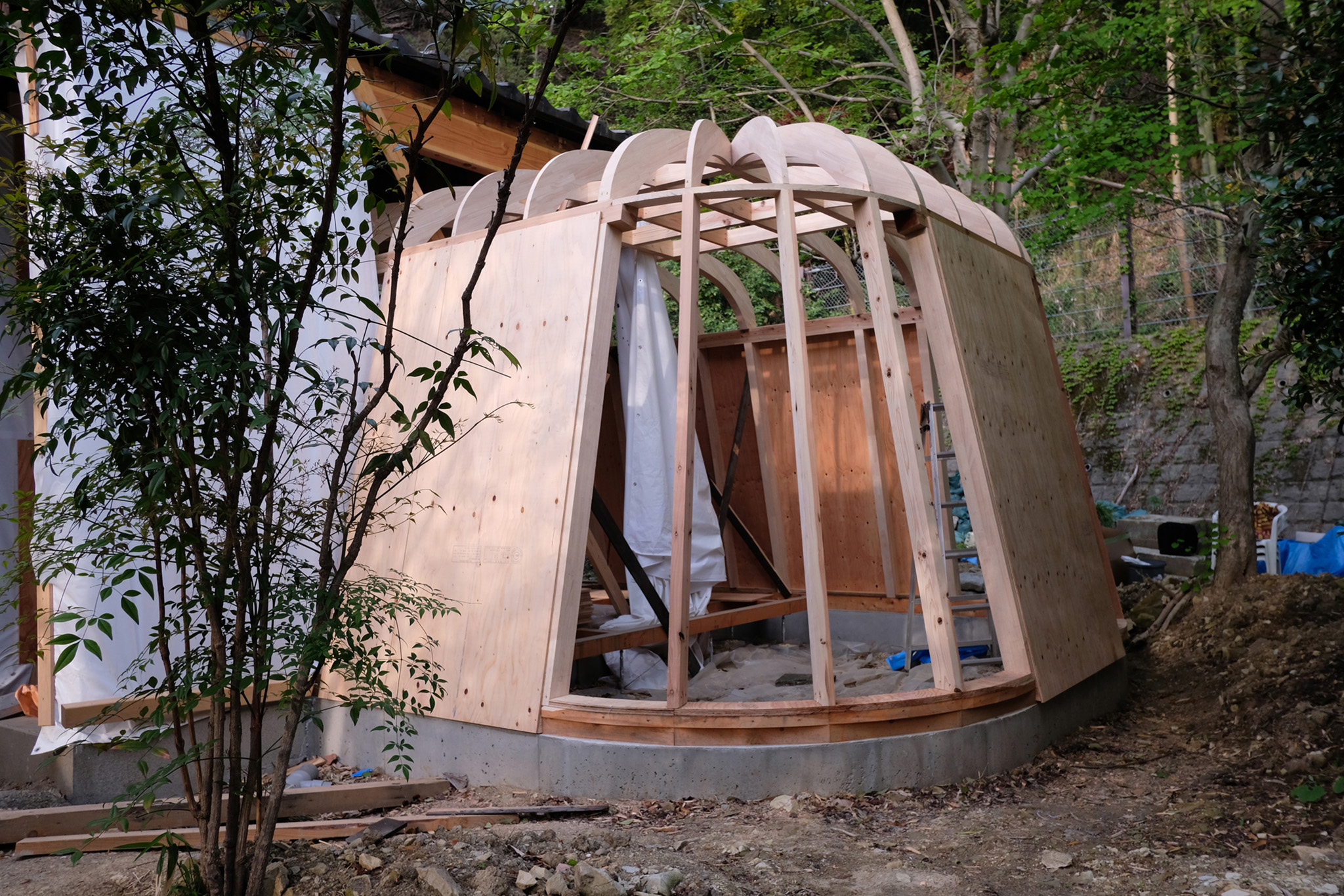
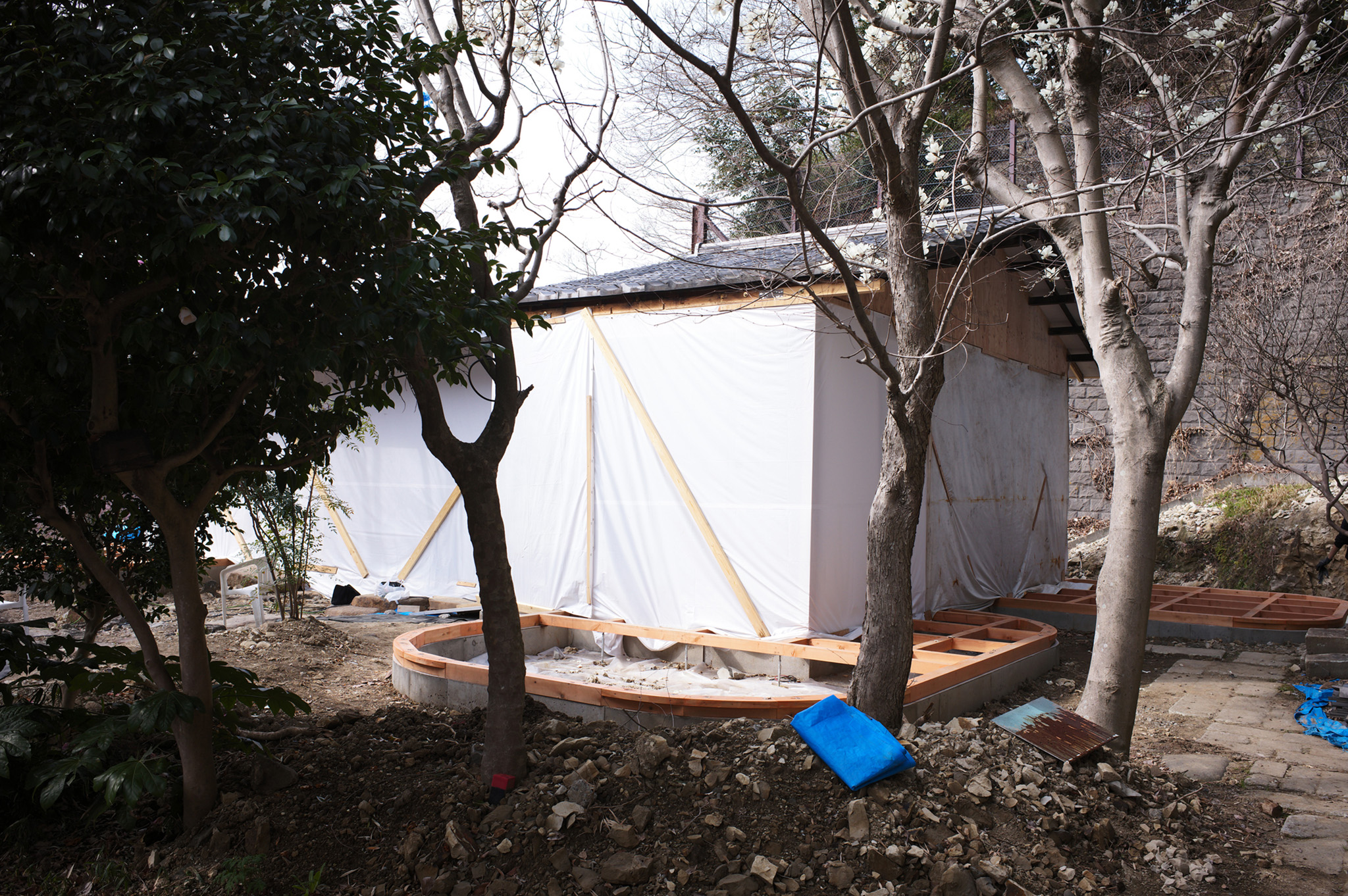
As a place suited to all of us, whose lives revolve around making, we envisioned a primordial dwelling, one from a time when living and creating were not yet separated. We stripped away the walls and ceiling of the existing house to form a single large space connected to its surrounding spaces, and added new rooms at its four corners, their forms evoking masses of earth emerging from the ground.
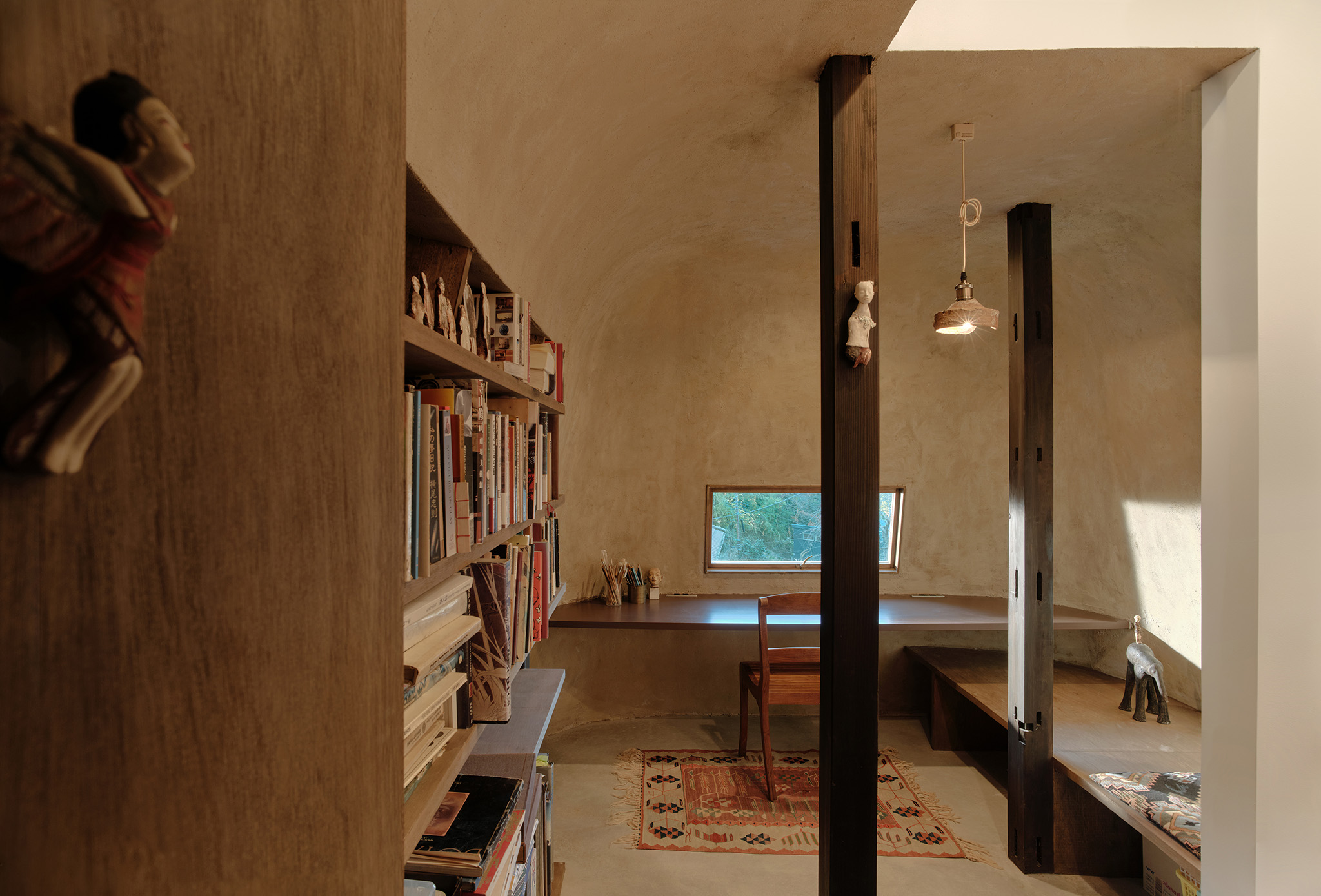
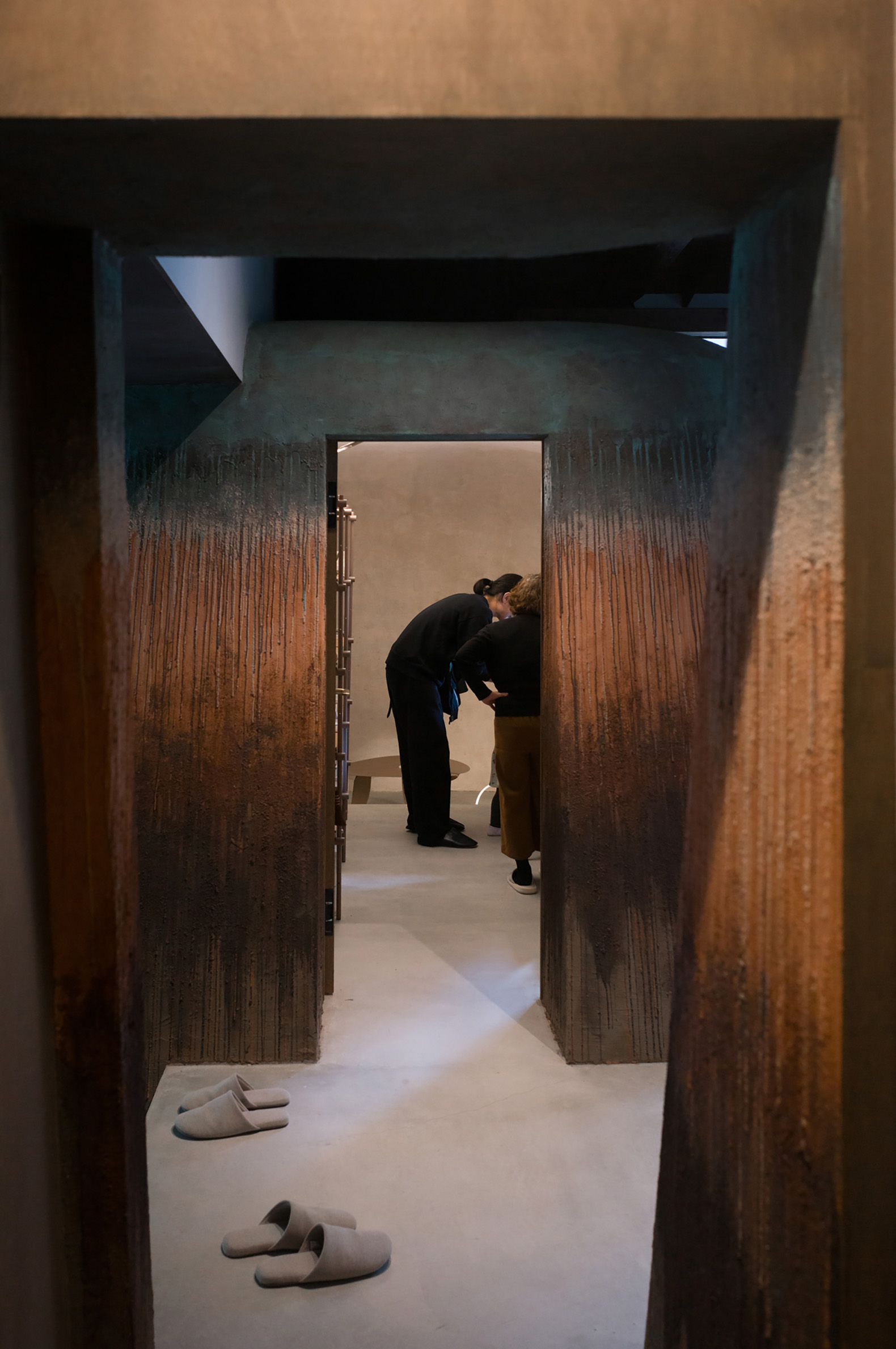
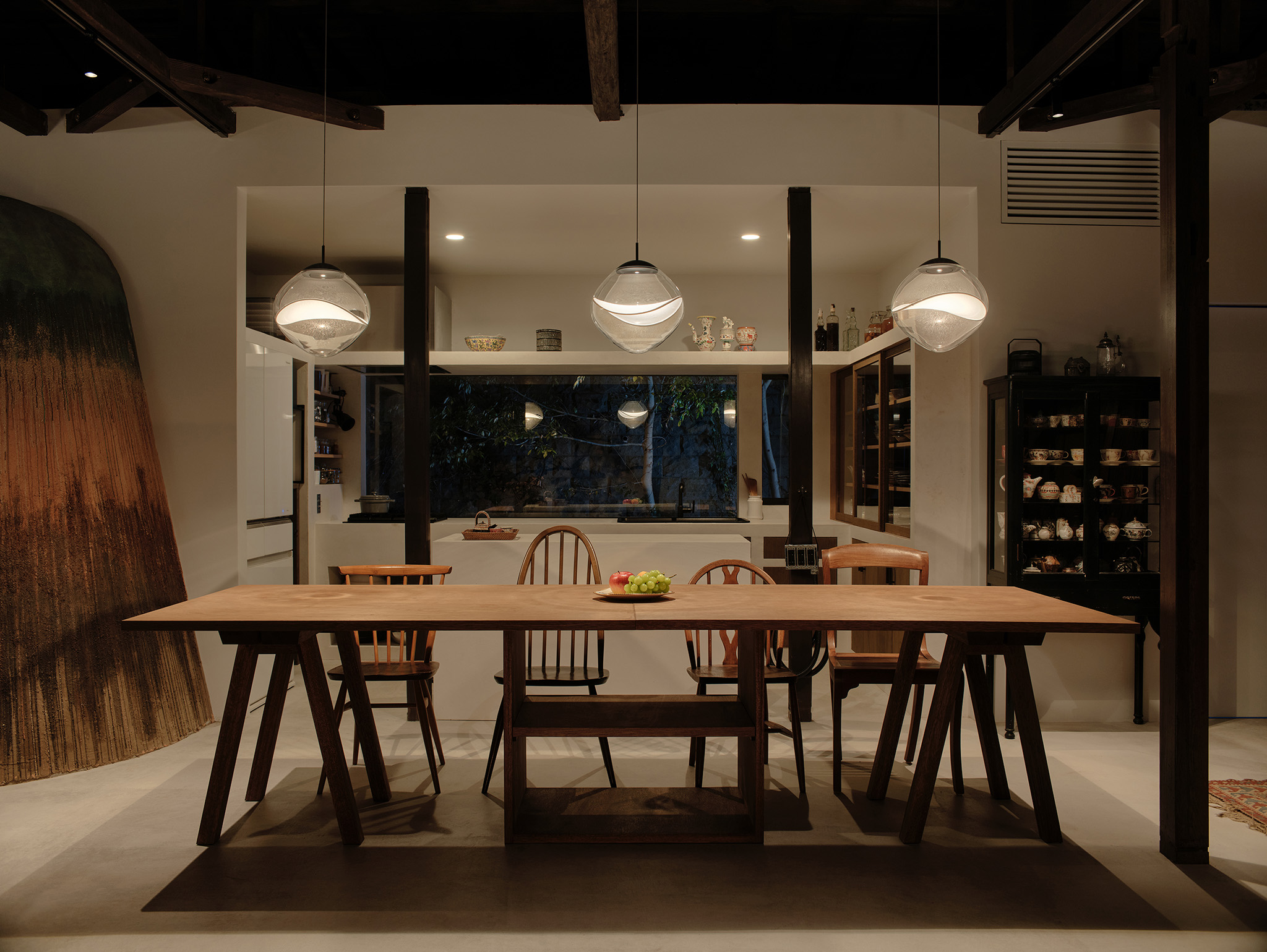
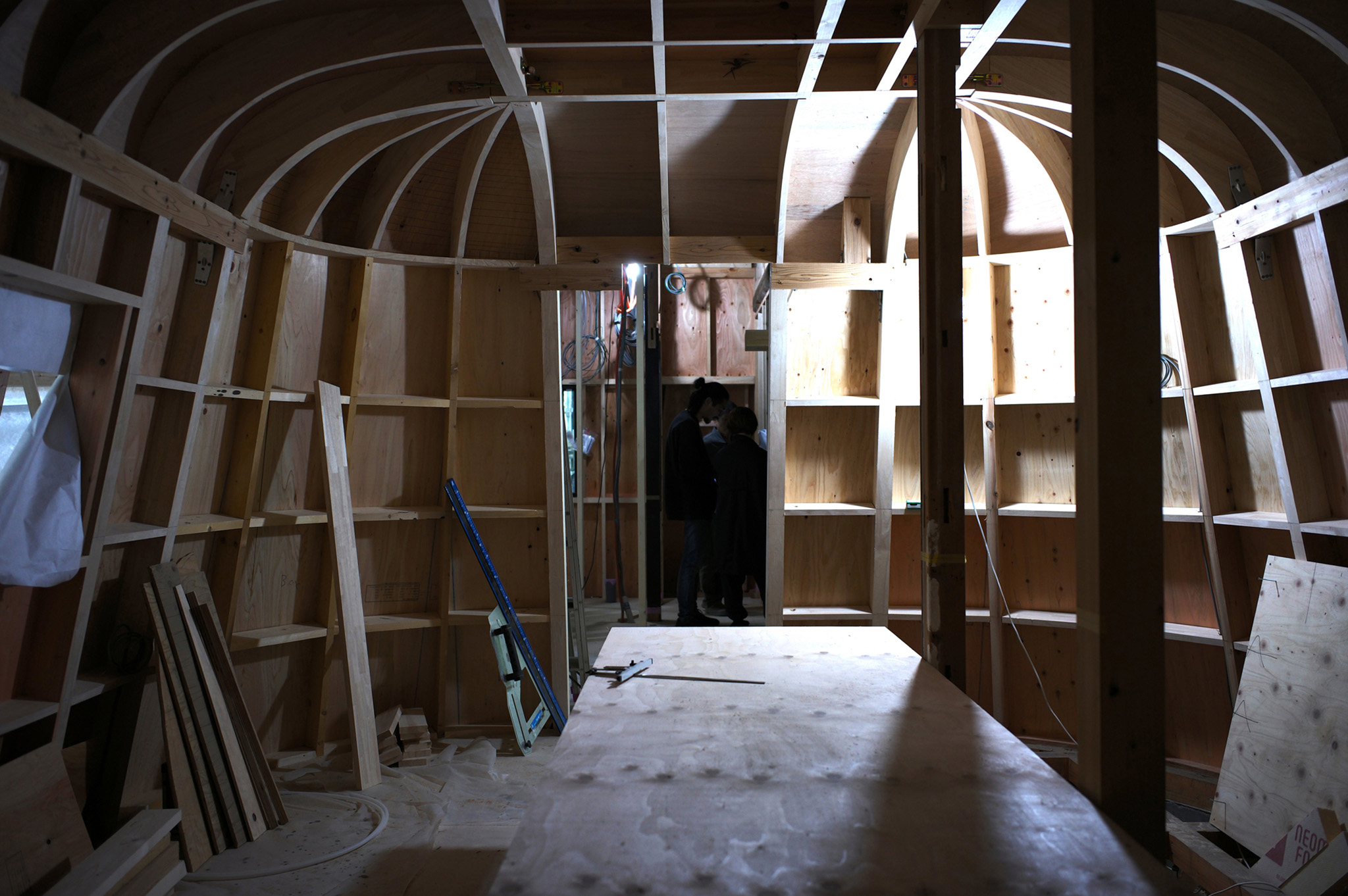
Within the added volumes, each person works and sleeps in a cave like, enclosed space, while gathering in a central, plaza-like area to converse and share meals. We imagined a way of life akin to that of a small settlement.
The name "Haniyasu House" derives from a deity in Japanese mythology who governs earth, soil, and pottery; "hani" is an archaic Japanese word meaning clay. As if offered to this deity, the house seeks to unite with the land through earth as a medium, while transcending the frameworks of land, architecture, and pottery becoming a vessel in which living and creating can remain inseparable.
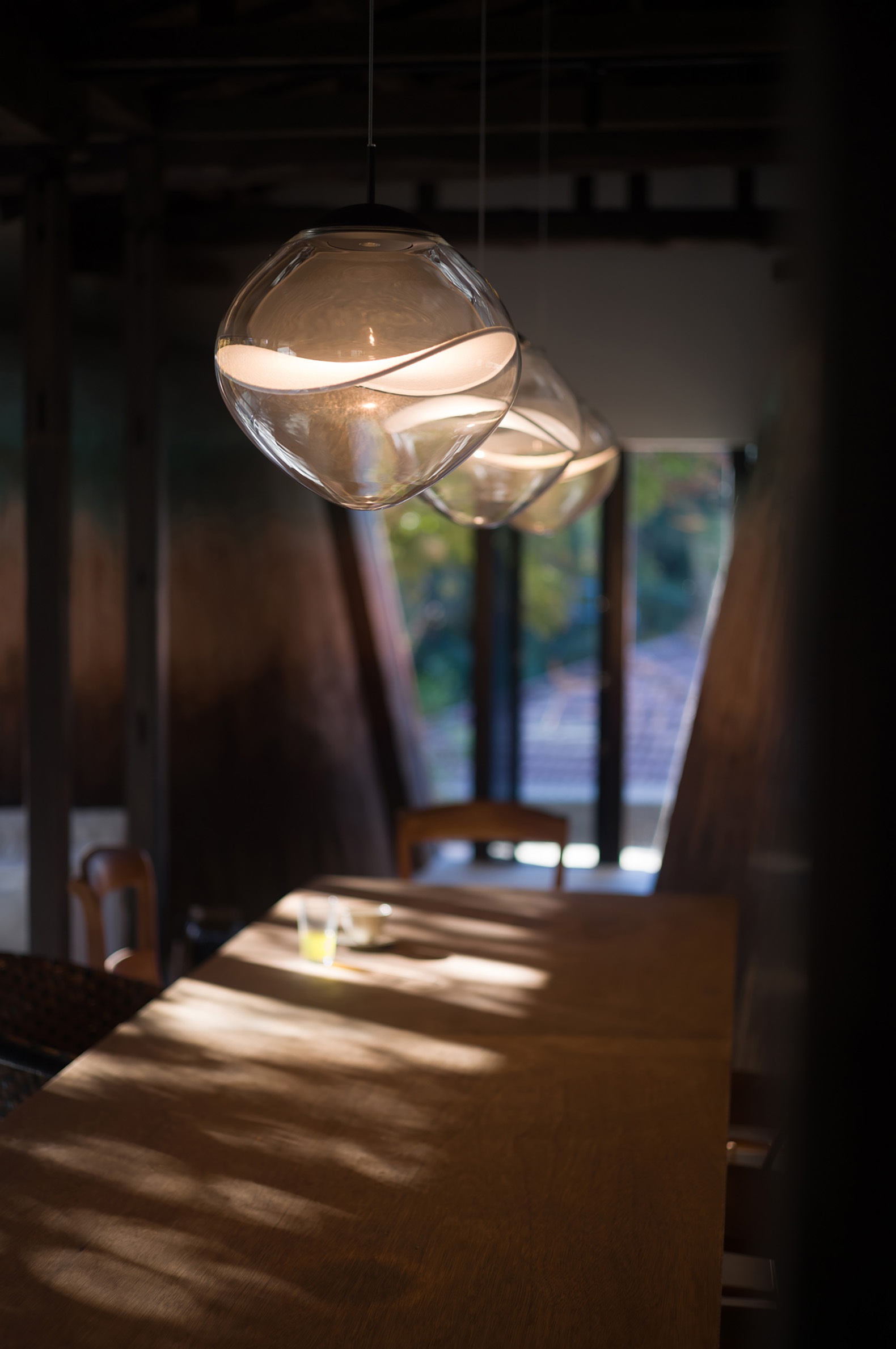
Our practice extends beyond architecture, spanning multiple disciplines, including lighting and furniture, all of which are used in this house. In the process of making them, material experimentation often becomes the starting point.
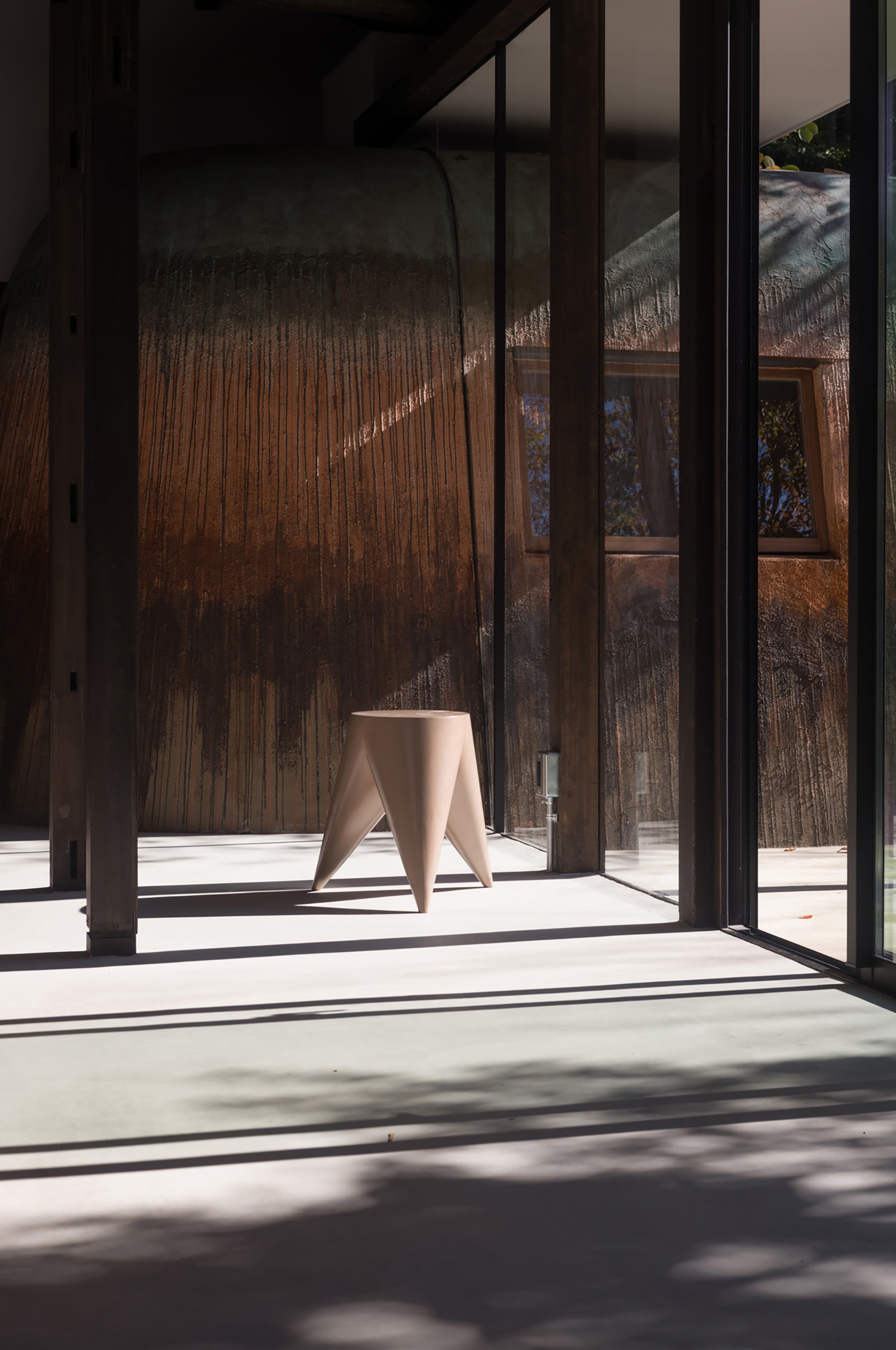
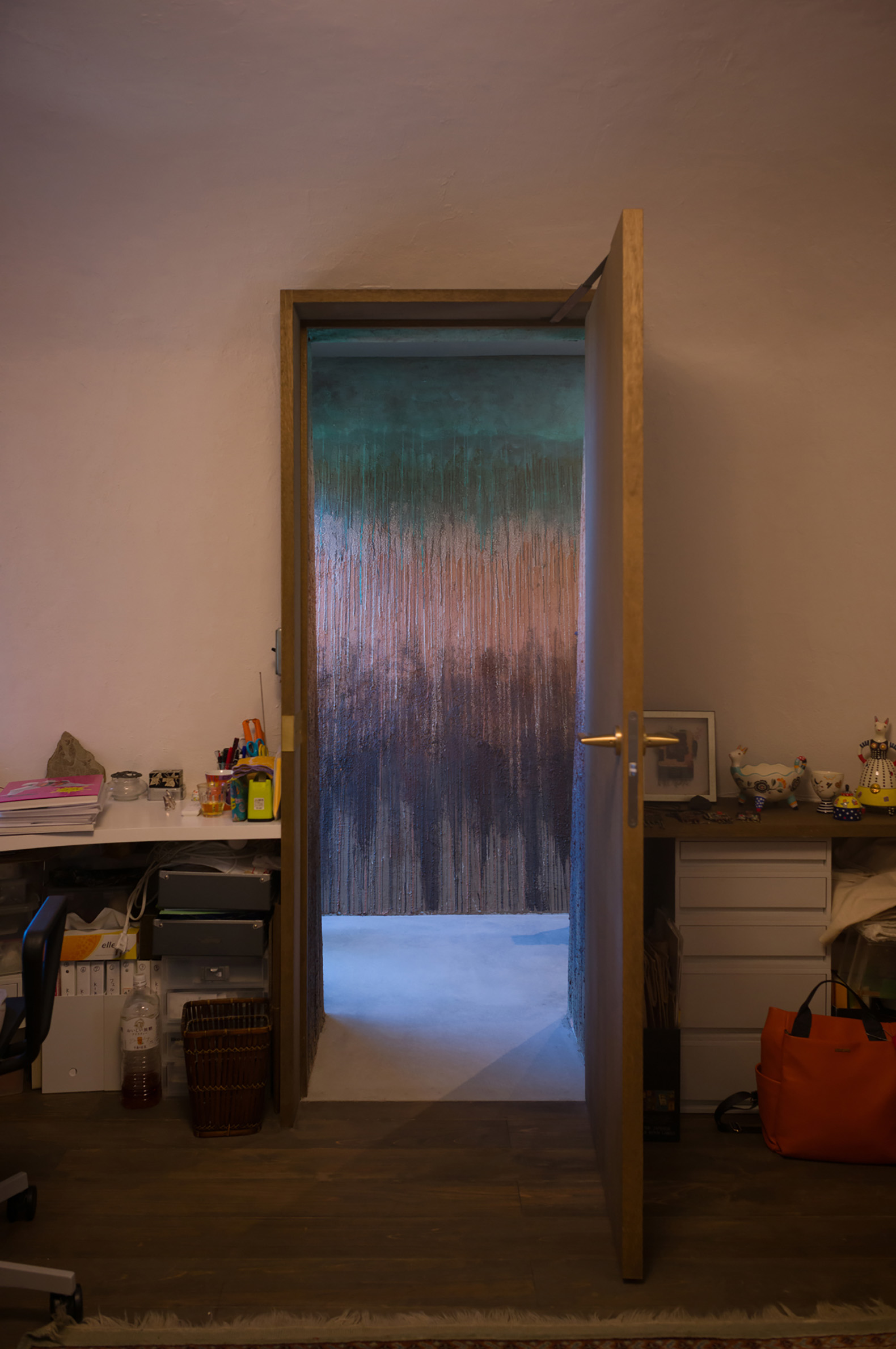
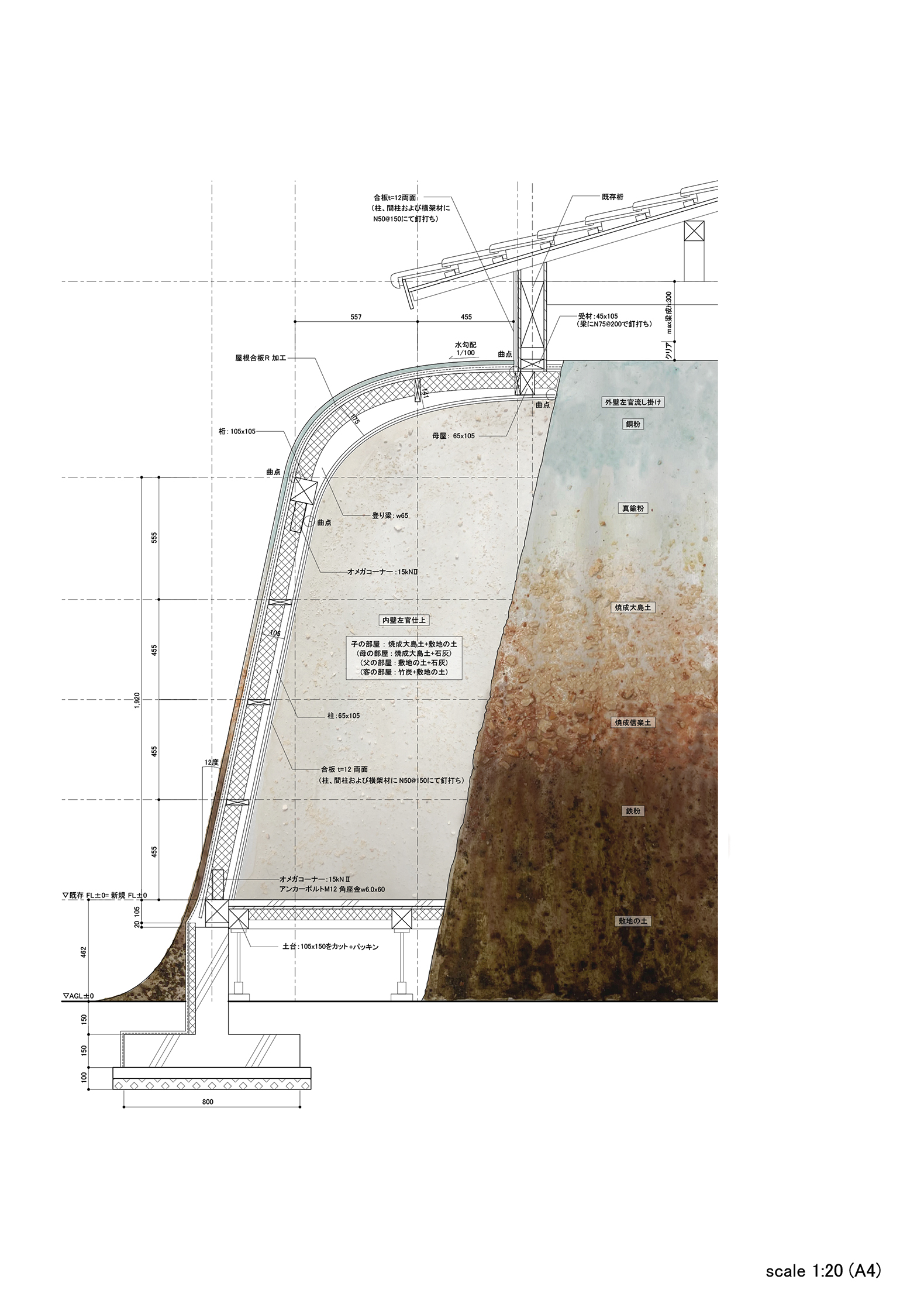
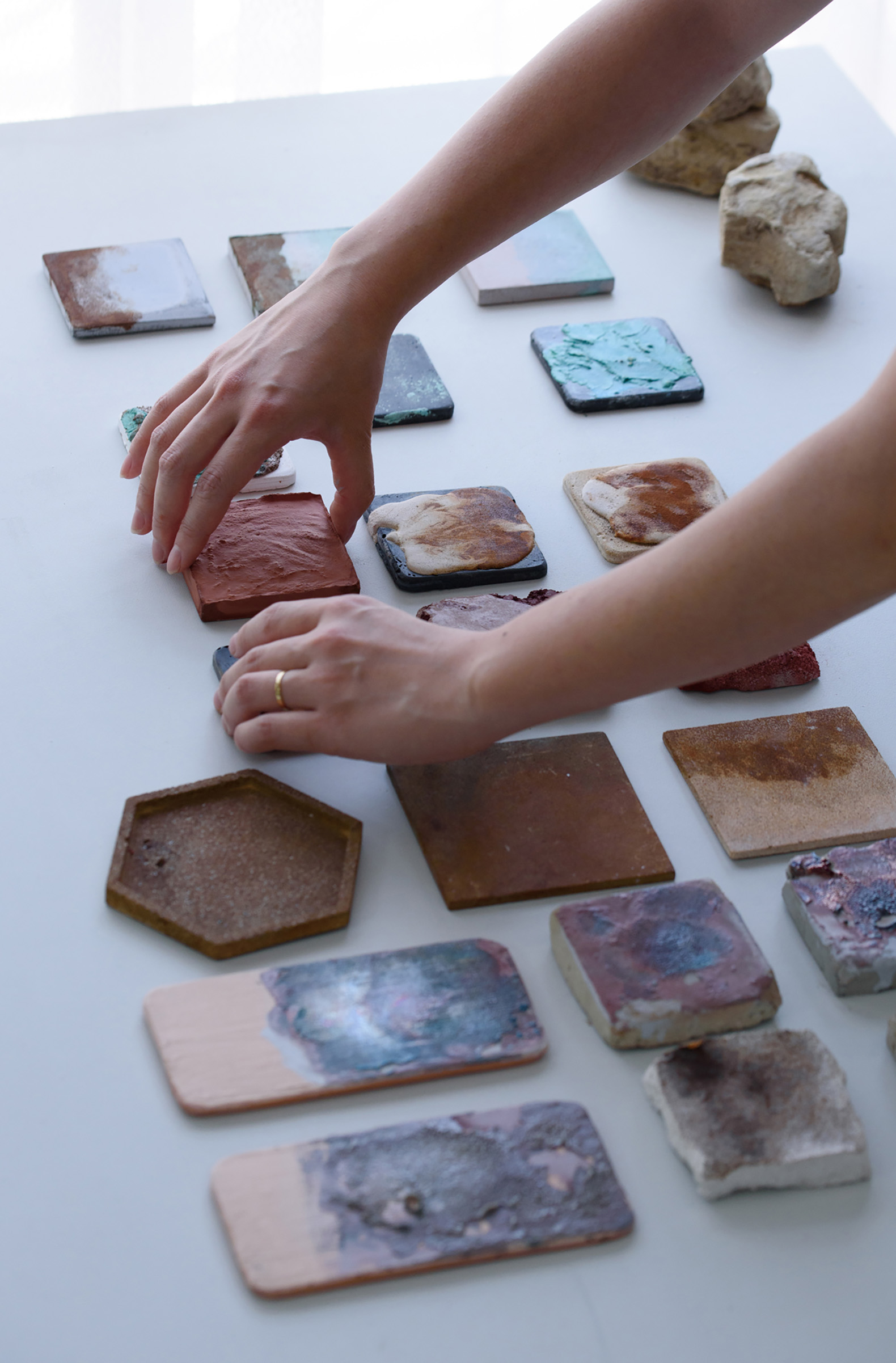
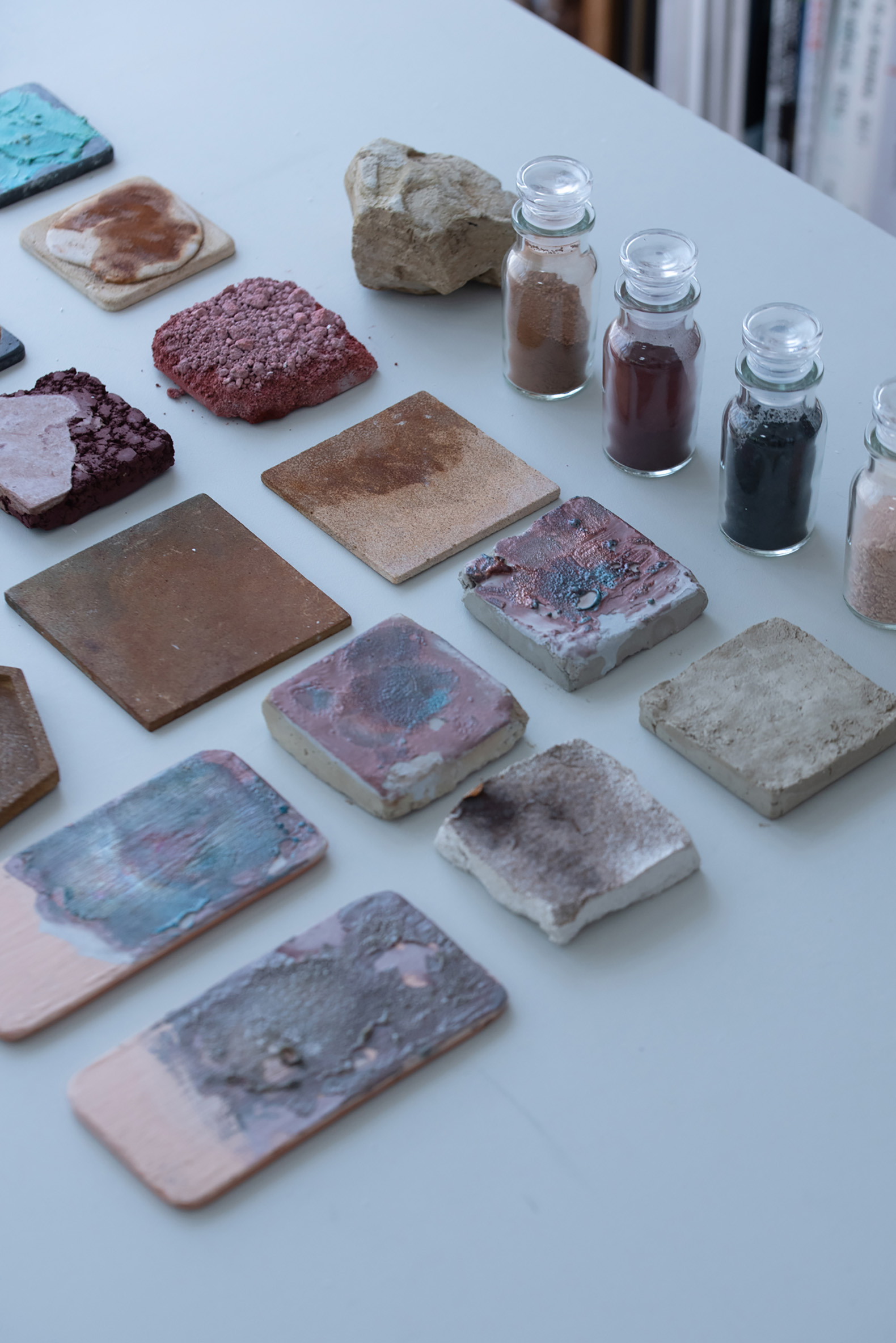
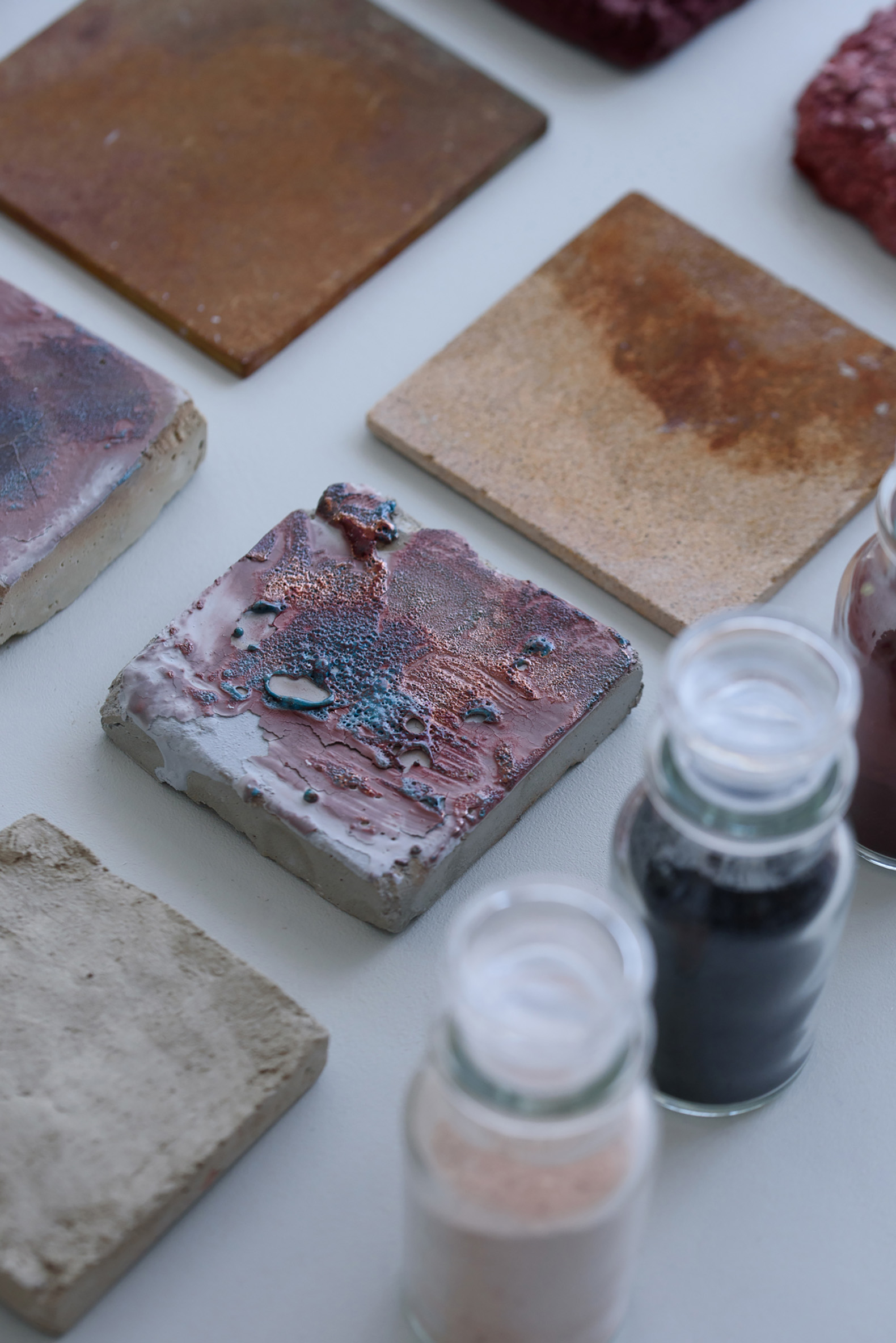
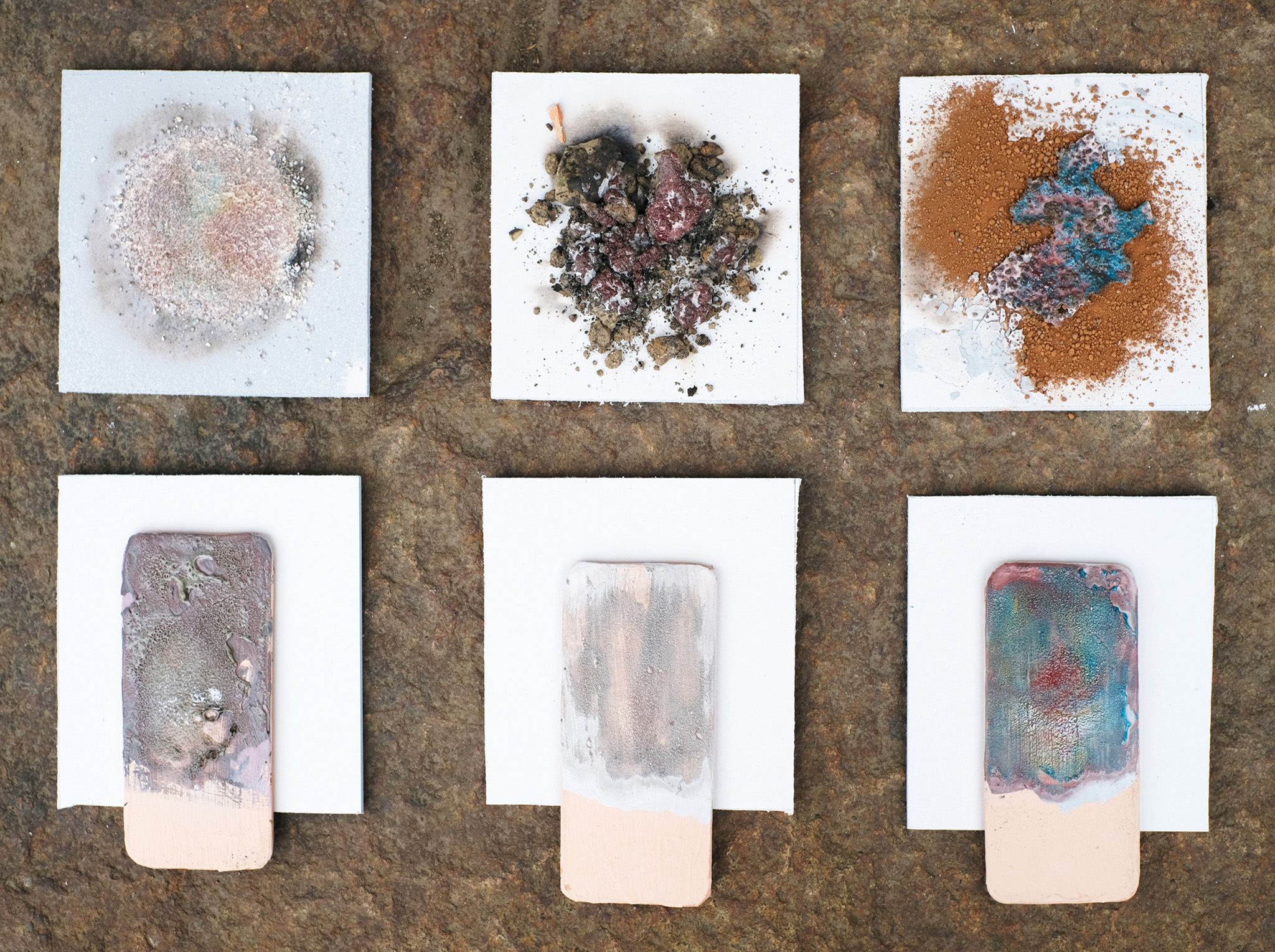
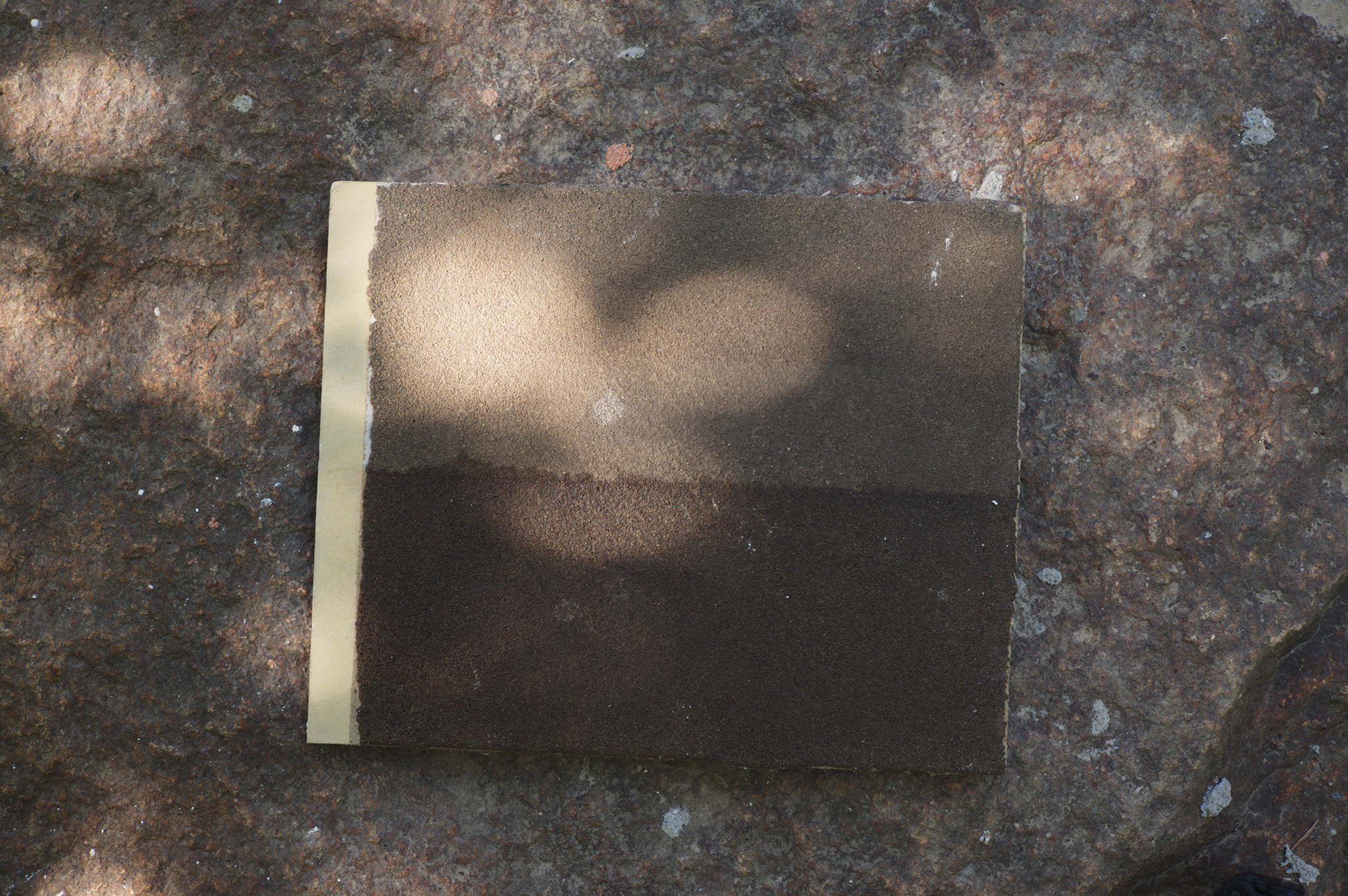
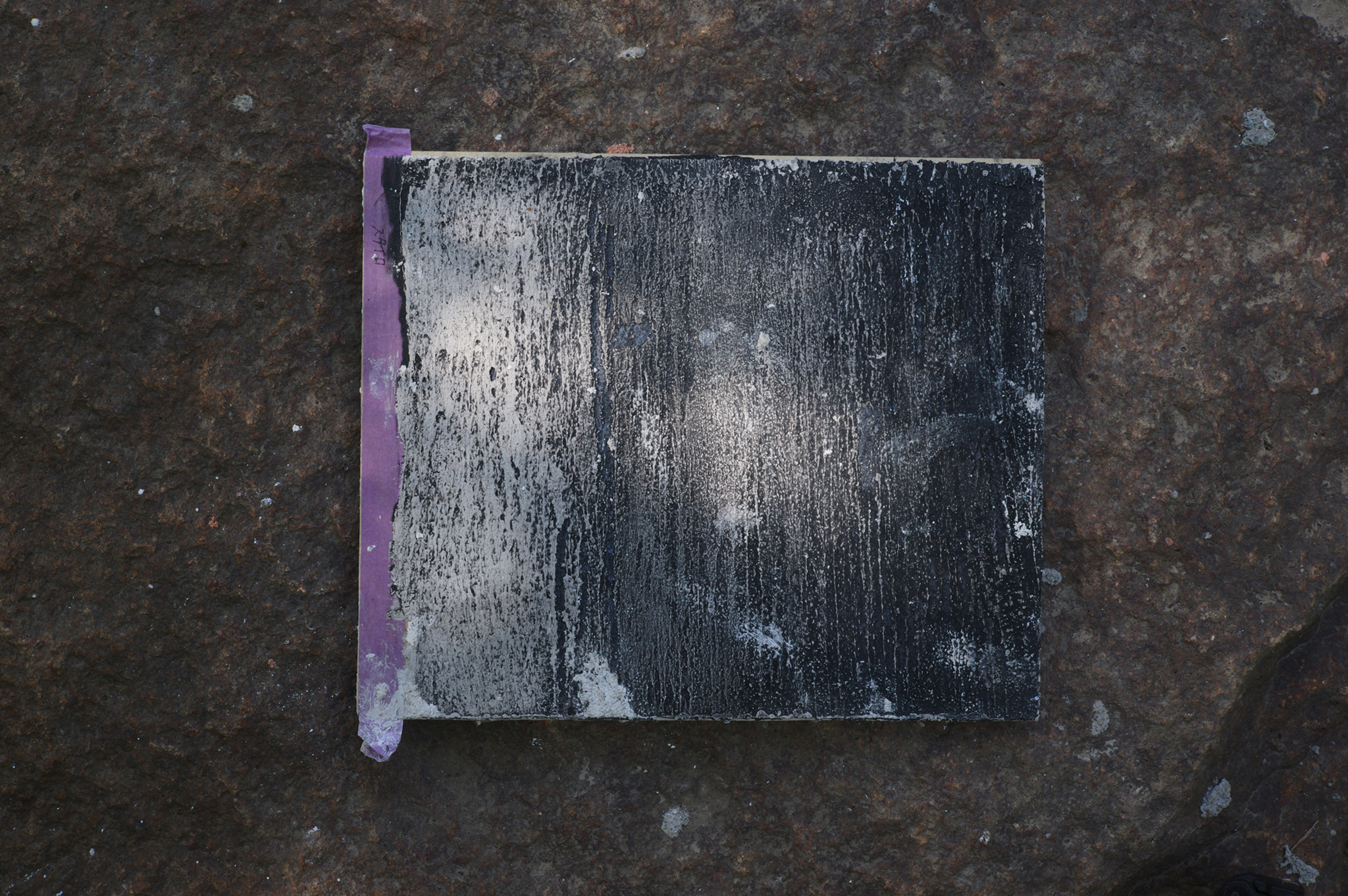
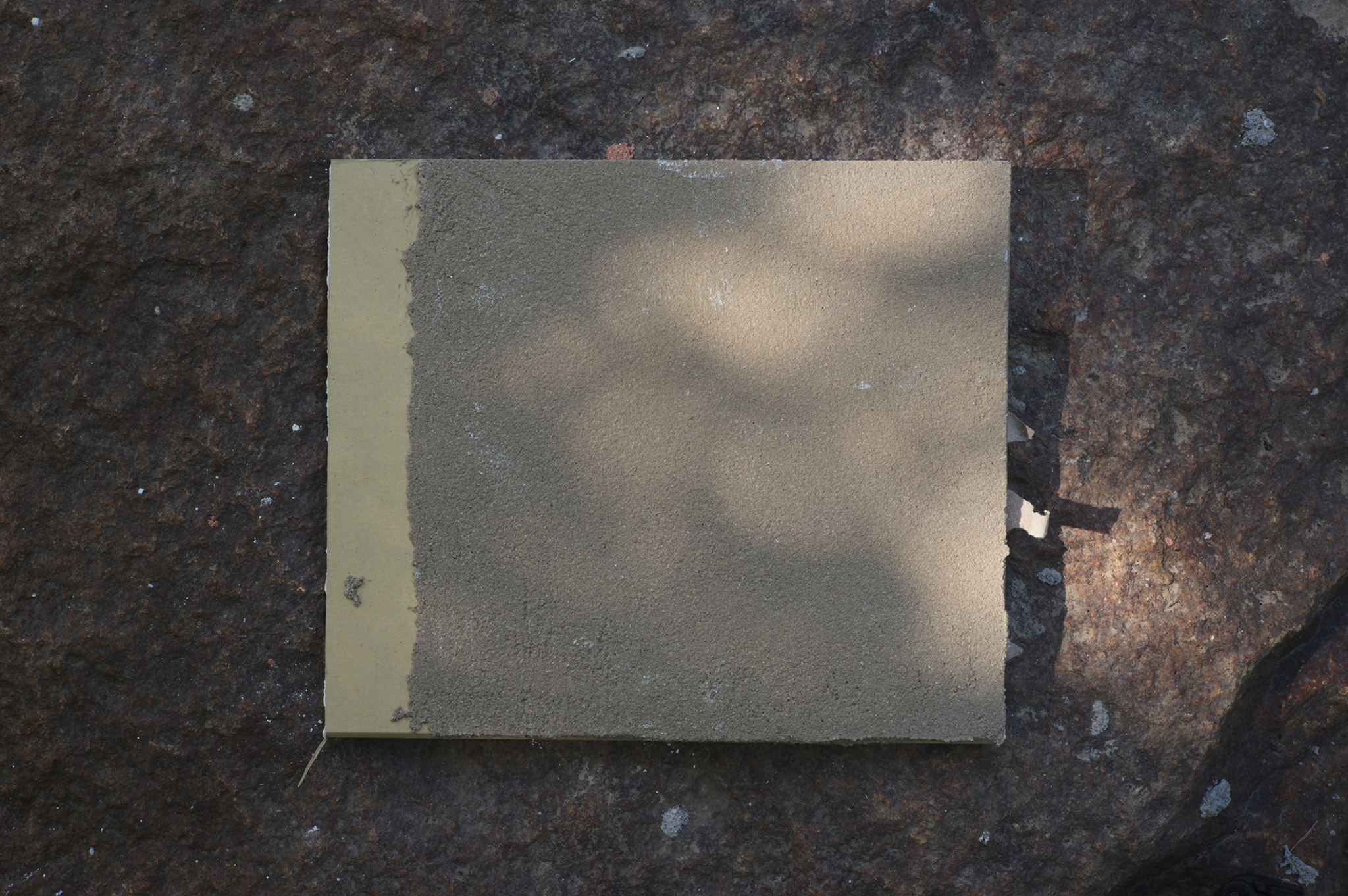
In this project as well, we considered how the architecture might emerge by directly engaging with the soil of the site and materials close at hand in my father's ceramic practice. We crushed clay-rich soil from the land, fired it in my father's kiln, applied glazes, and scorched it with burners, repeating numerous experiments in an attempt to use the colours of the earth itself as a material.
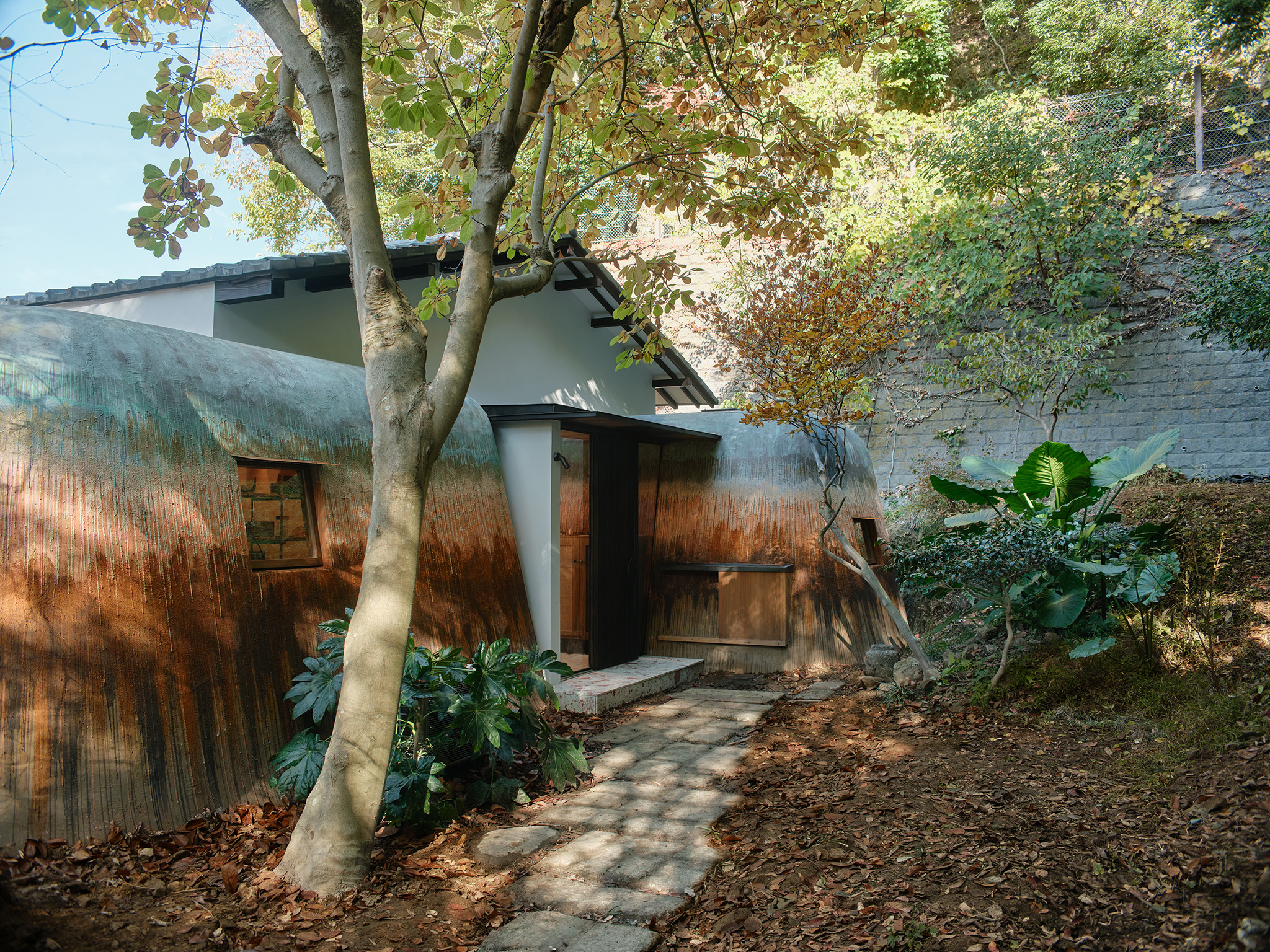
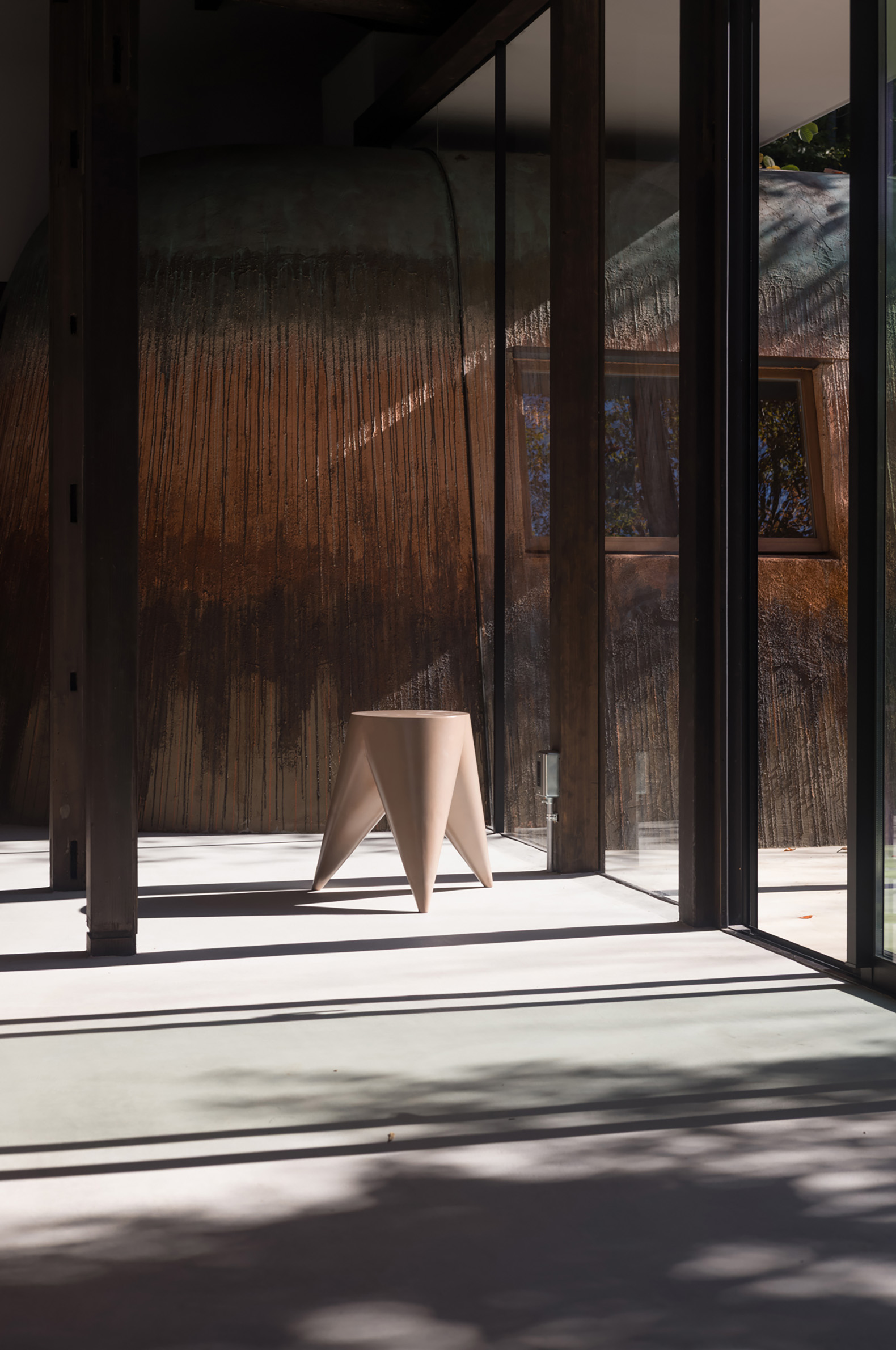
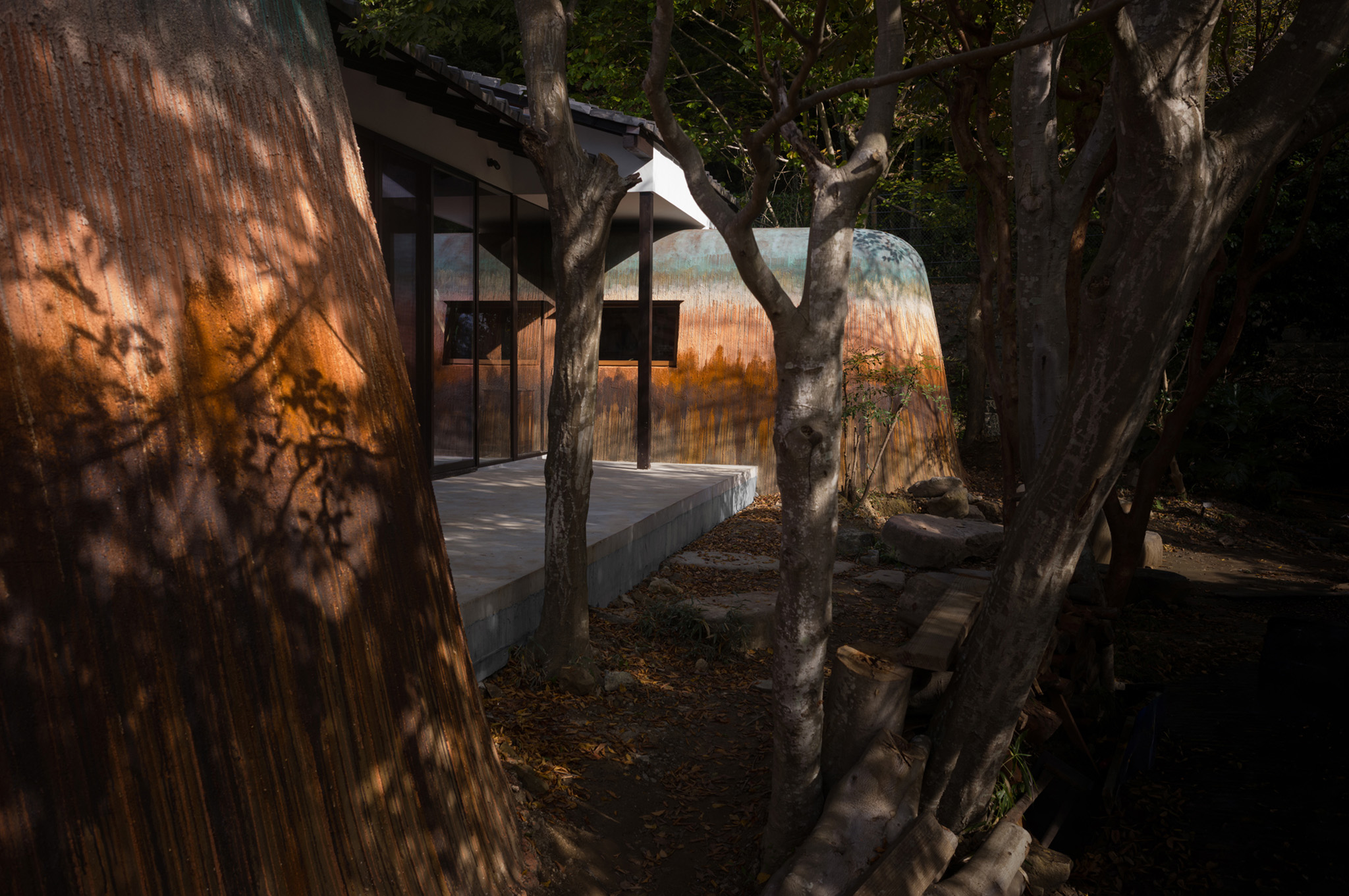
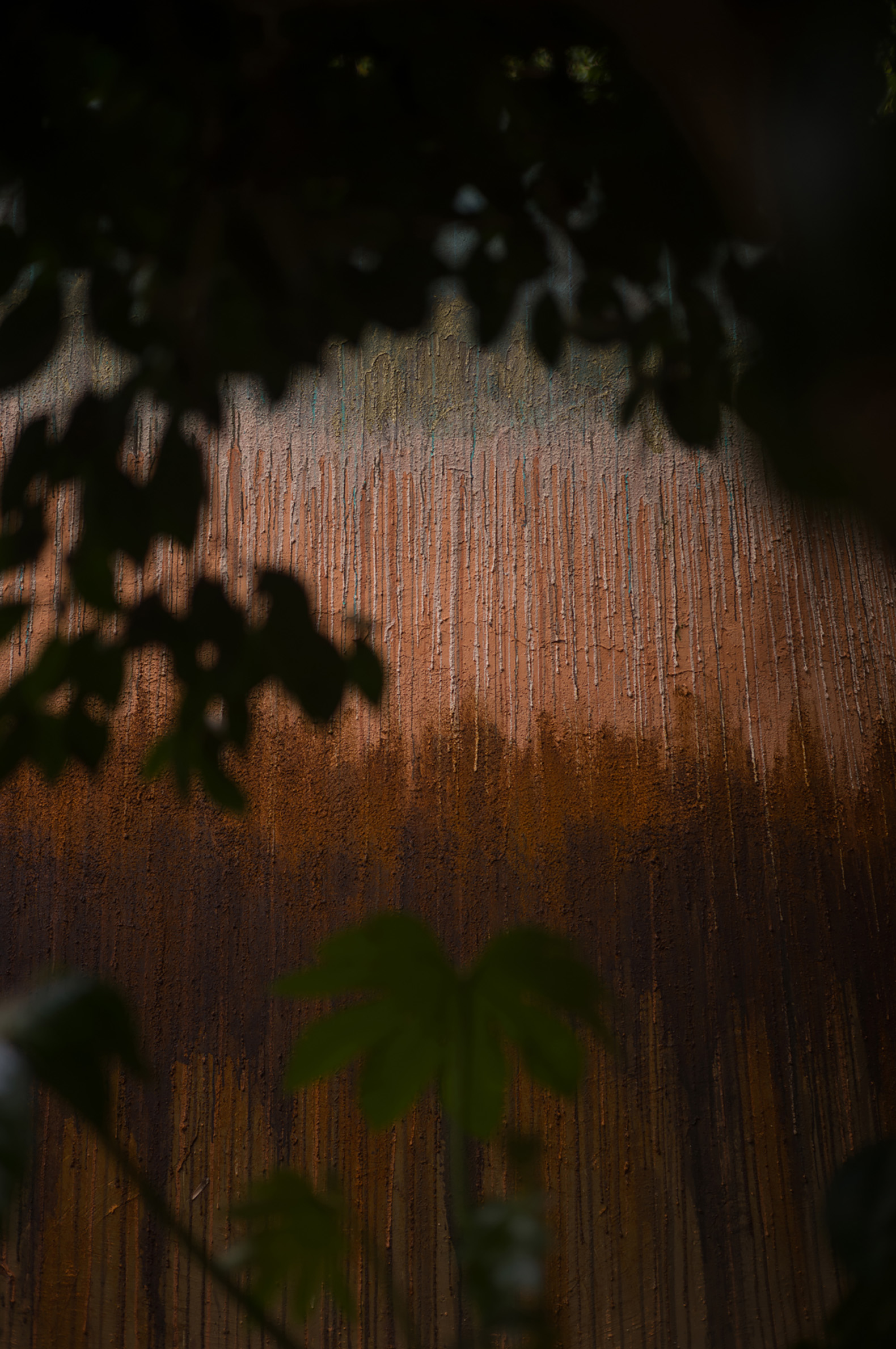
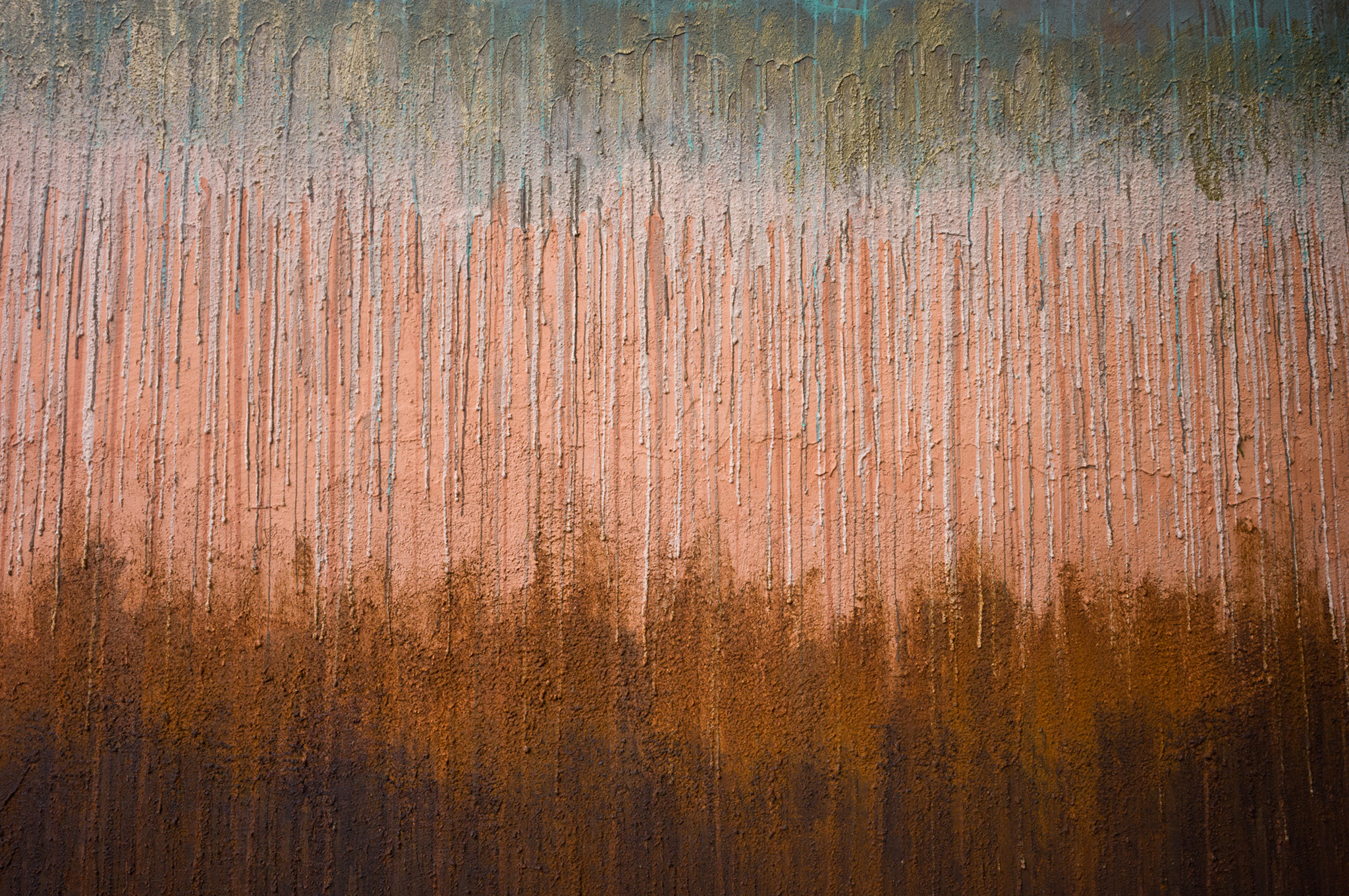
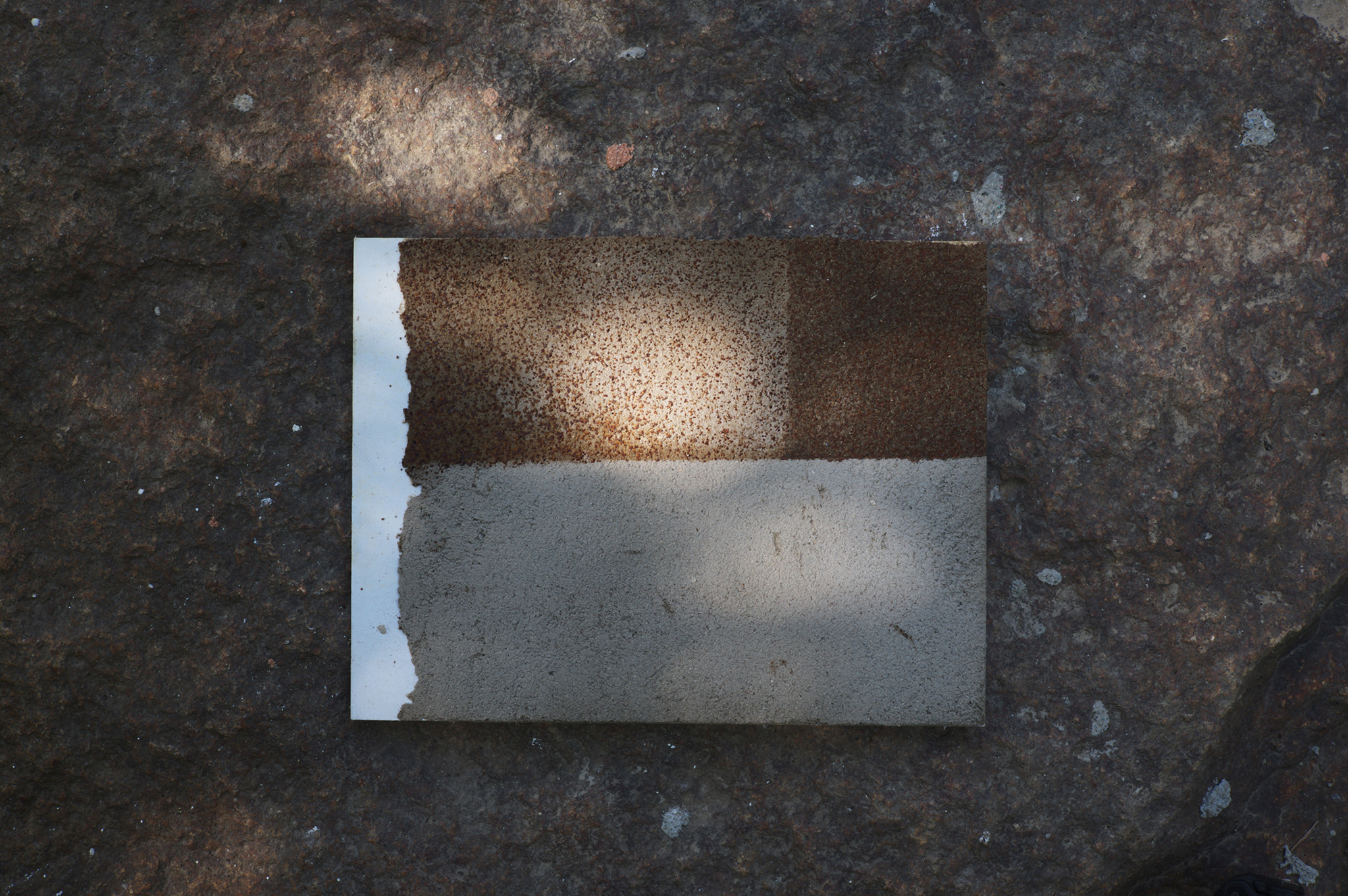
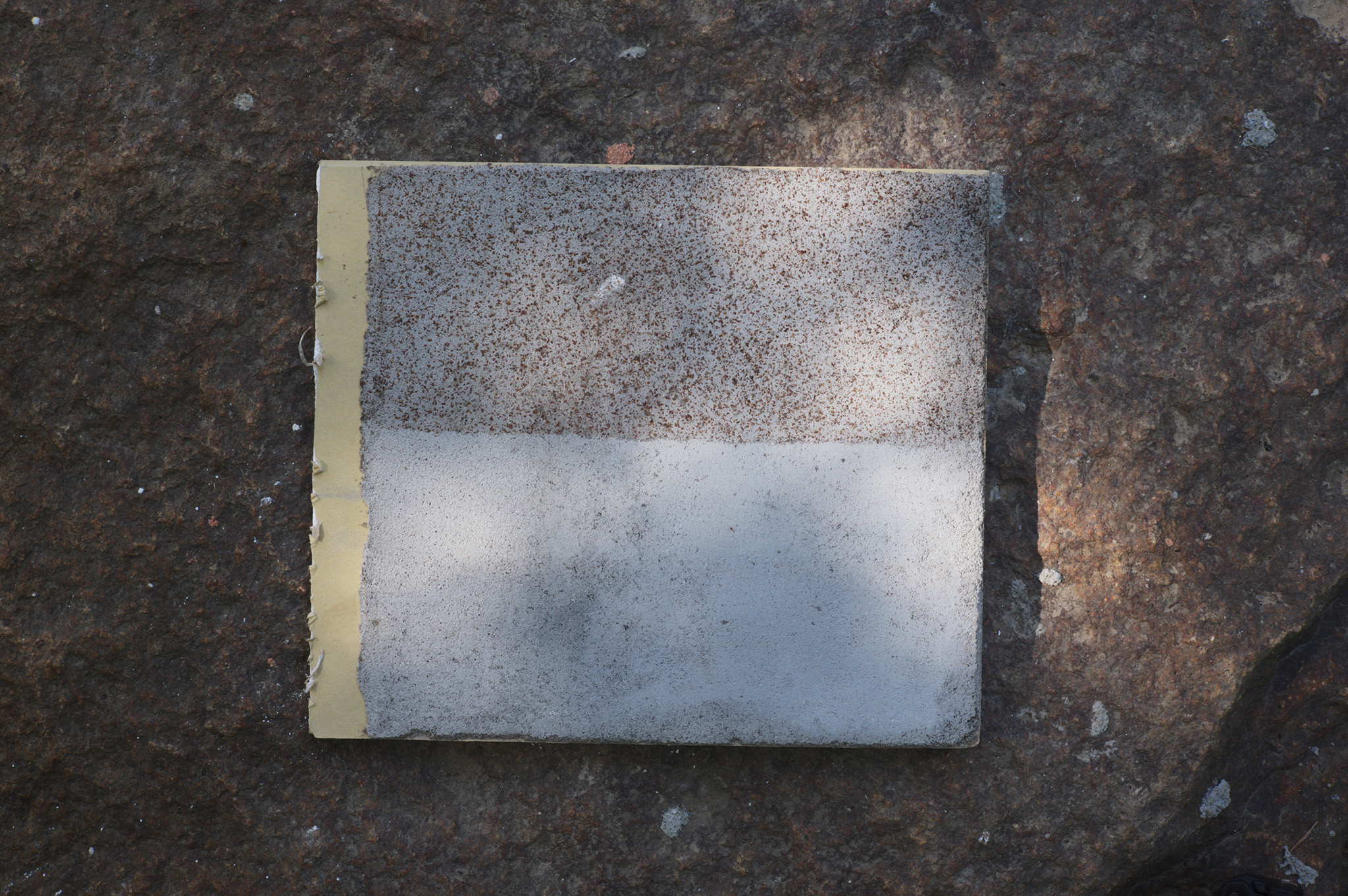
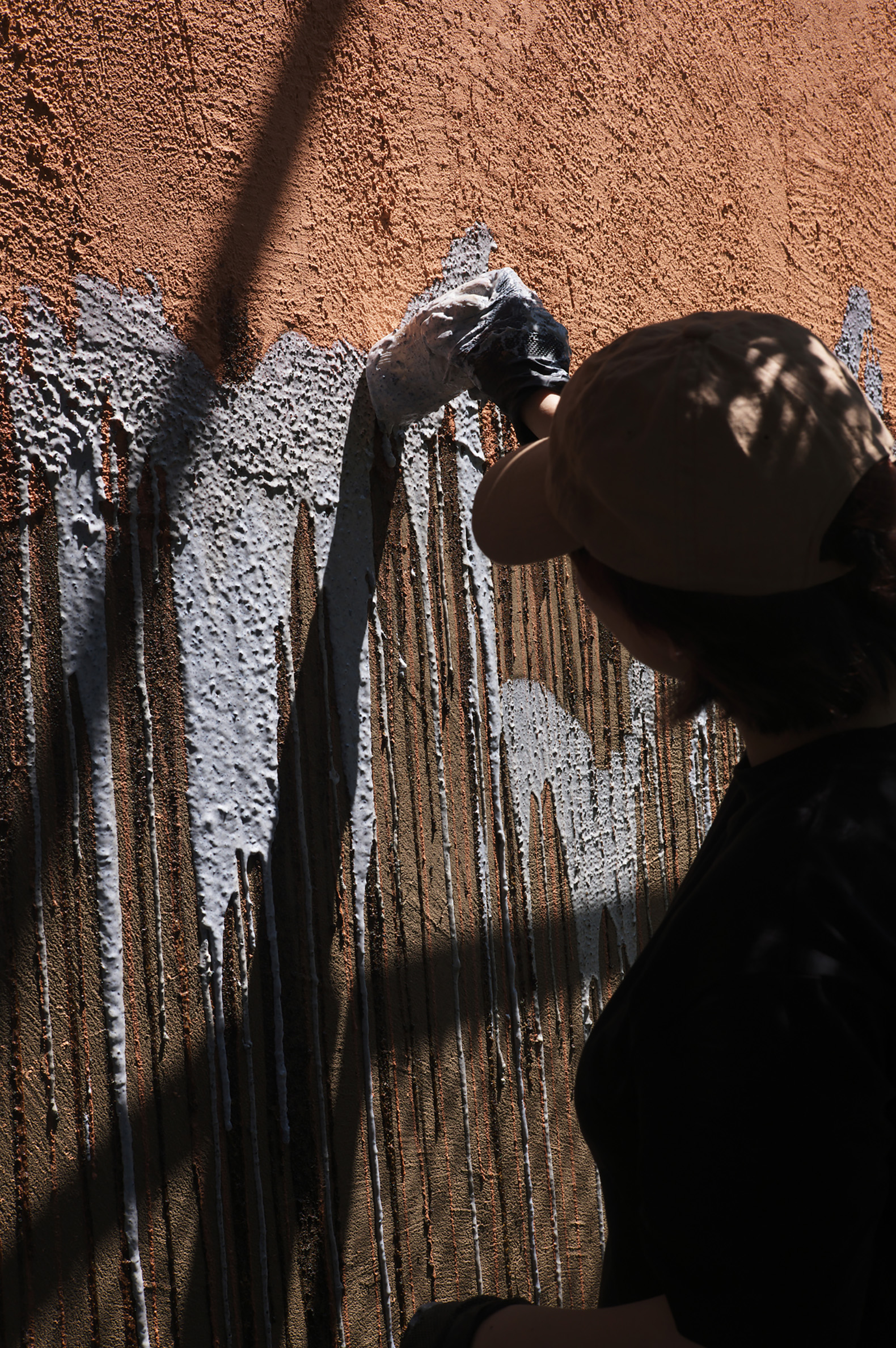
In the final process, we bisque-fired discarded clay generated through my father's making process, layered it over the soil from the site, and then poured a plaster mixed with iron and copper powder, by-products from a metal workshop, over the exterior walls of the extensions in multiple layers, like glaze, allowing oxidation to produce colour through rust.
Bearing traces of chance and time, and possessing both the complexity and rawness of ceramics and craft, this architecture, while maintaining a presence that is at once strange and natural, simultaneously dissolves from the earth into the sky, and will continue to evolve as it accepts wind, rain, and the passage of time.
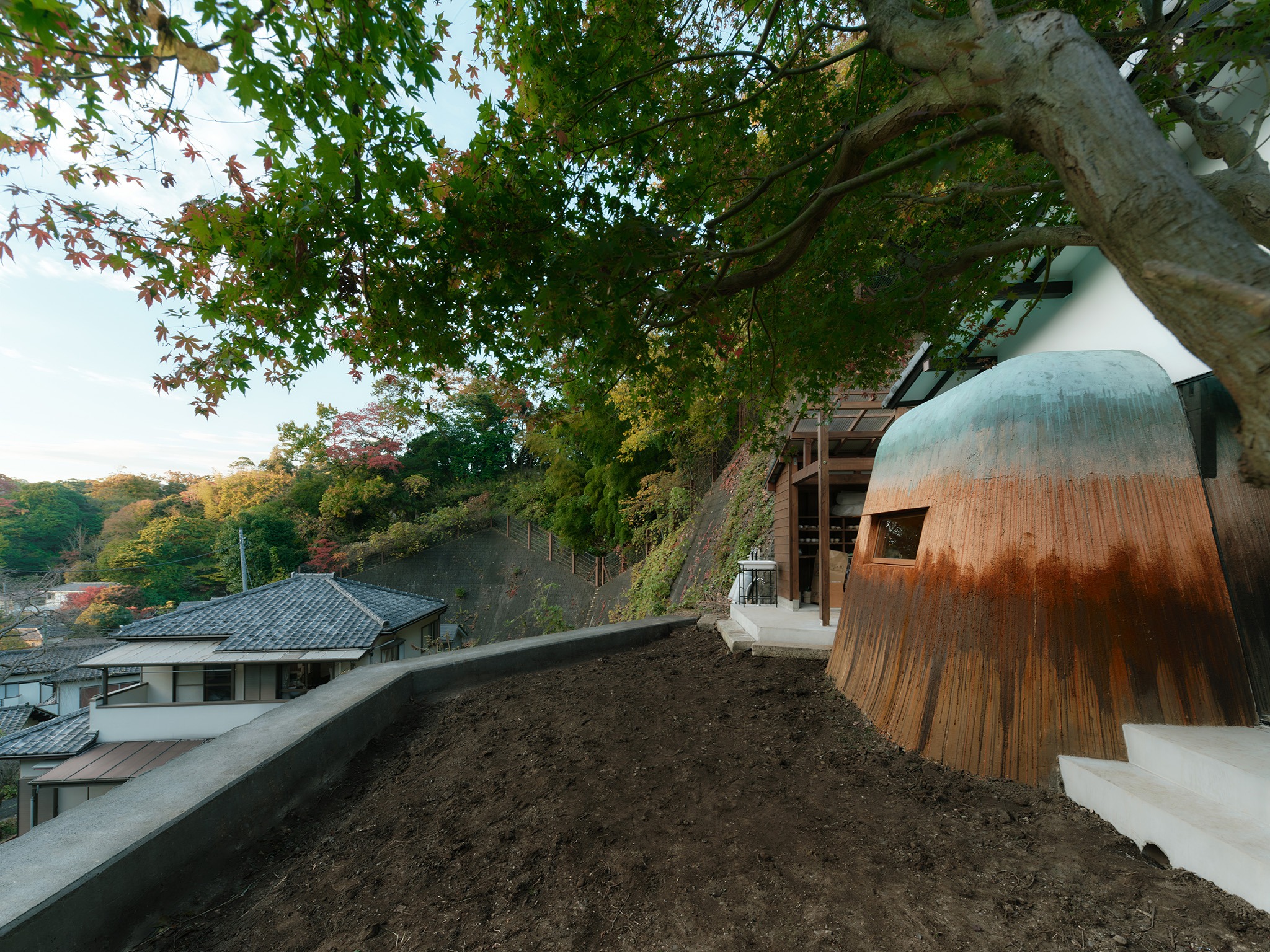
To consider underlying ways of living and making that come into view through traversing cultures and histories, and to return to material and bodily experience to engage with the materiality and time embedded in the land. Through this back-and forth, architecture moves beyond mere function and form, gaining strength as a vessel that reworks the relationship between humans and the ground.
Haniyasu House is an attempt for architecture to regain both its "material force" and a harmony between making and living.
Rooms
The four additions are used respectively as rooms for the father, the mother, the adult child and spouse, and guests. The finishes of each room were determined through on-site experimentation, producing numerous samples by combining materials in different ways and adjusting their proportions to suit the specific use and atmosphere of each space.
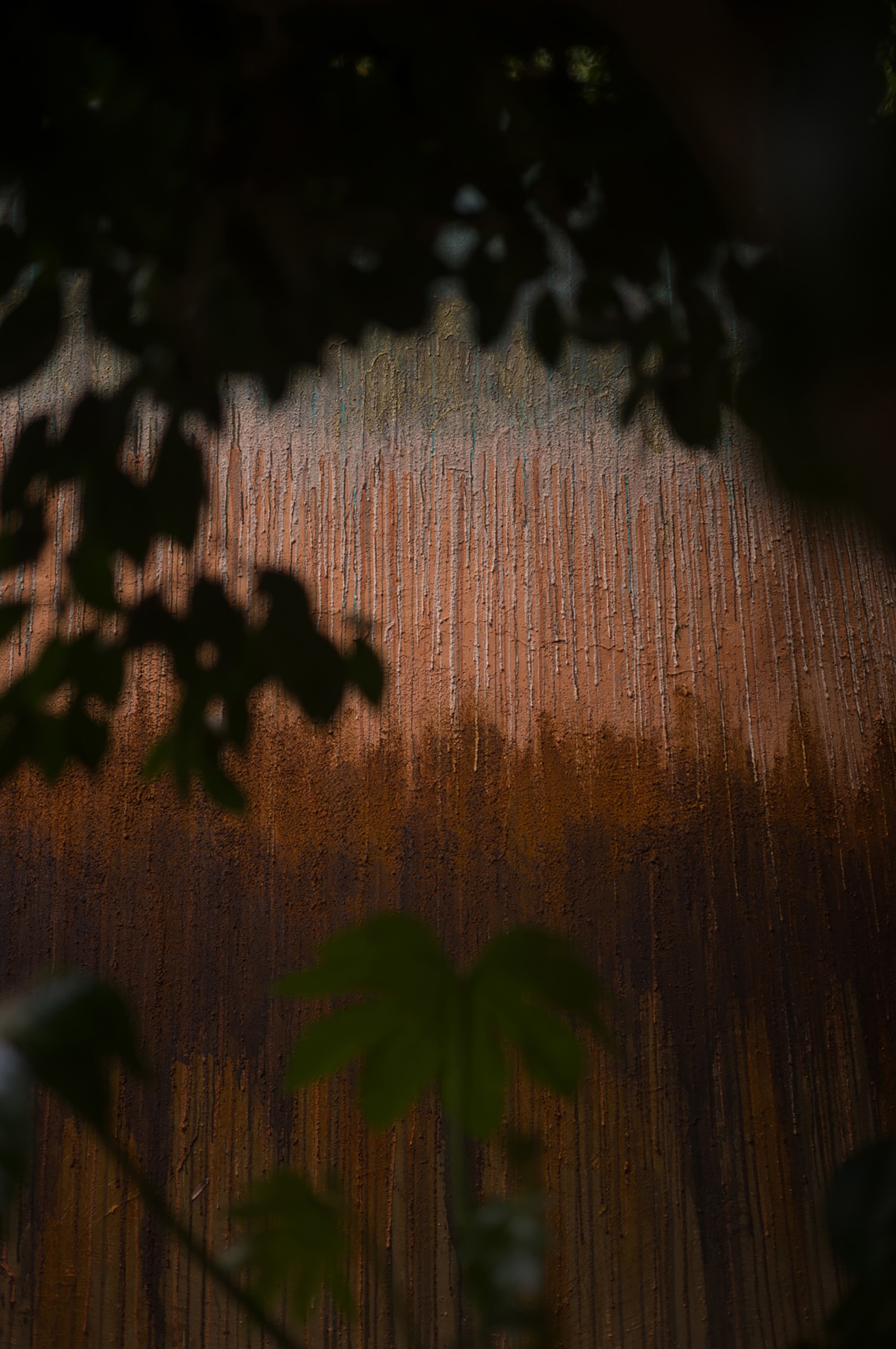
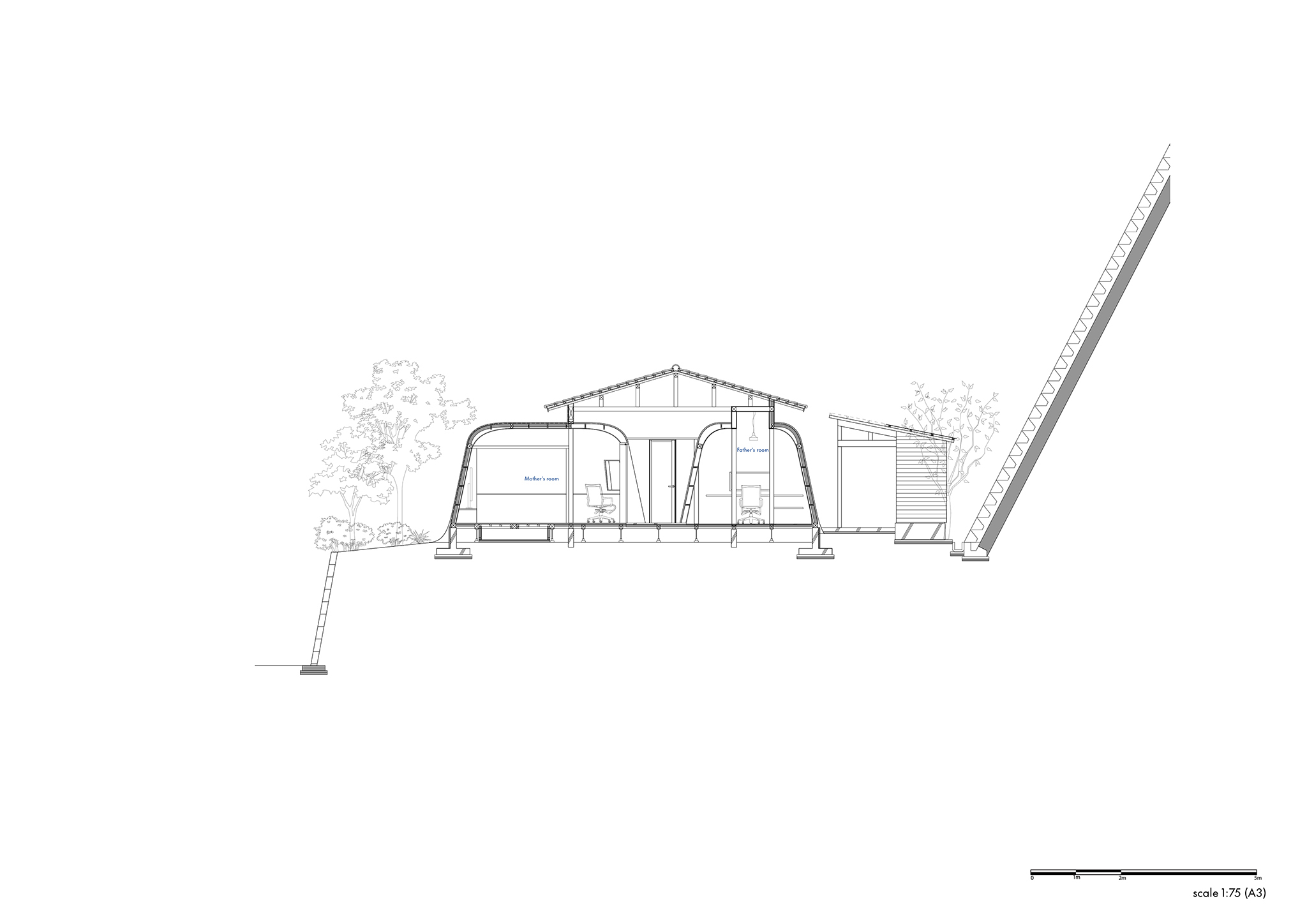
The father's room is located to the northwest and is primarily used for pottery-making. The interior is finished mainly in a deep brown tone using soil from the site, giving the space a pronounced cave like character. From the window in front of the work desk, the view opens out toward the landscape below the cliff, and the room is directly connected to the kiln area at the rear and an outdoor glazing space, allowing the entire making process to be completed within this zone. Part of the wall incorporates the structural frame as bookshelves, and a storage room and toilet are located just outside the door.
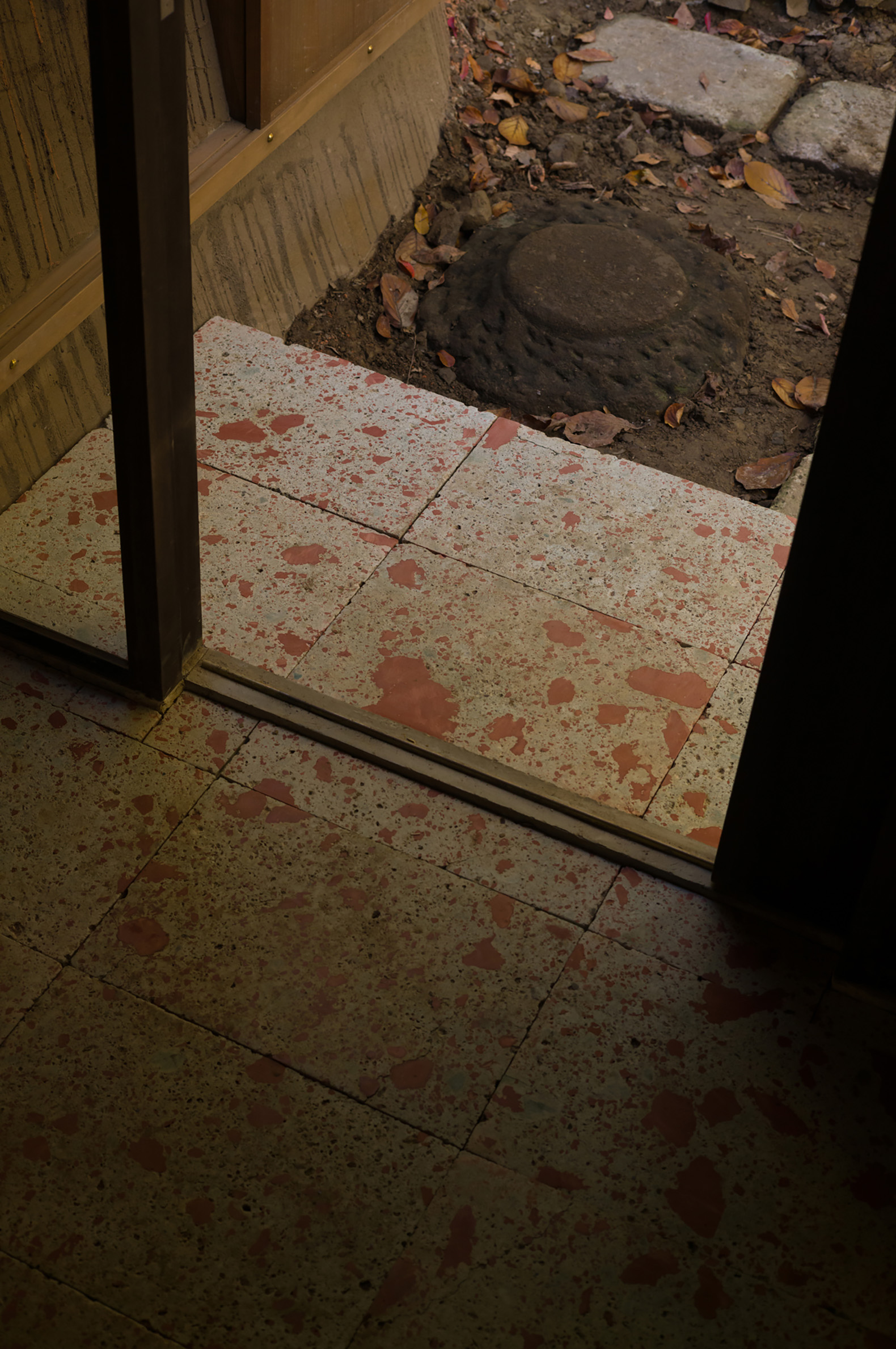
The adult child and spouse's room is located to the southeast and is the largest of the four additions. Cantilevered desks line both sides of the room, displaying many pieces of furniture and lighting that we have produced over the years. The walls are finished with three-layered coats of plaster made from site soil and bisque-fired pottery clay. In addition, the floor level is lowered and finished as an earthen floor, introducing variation to the spatial experience.
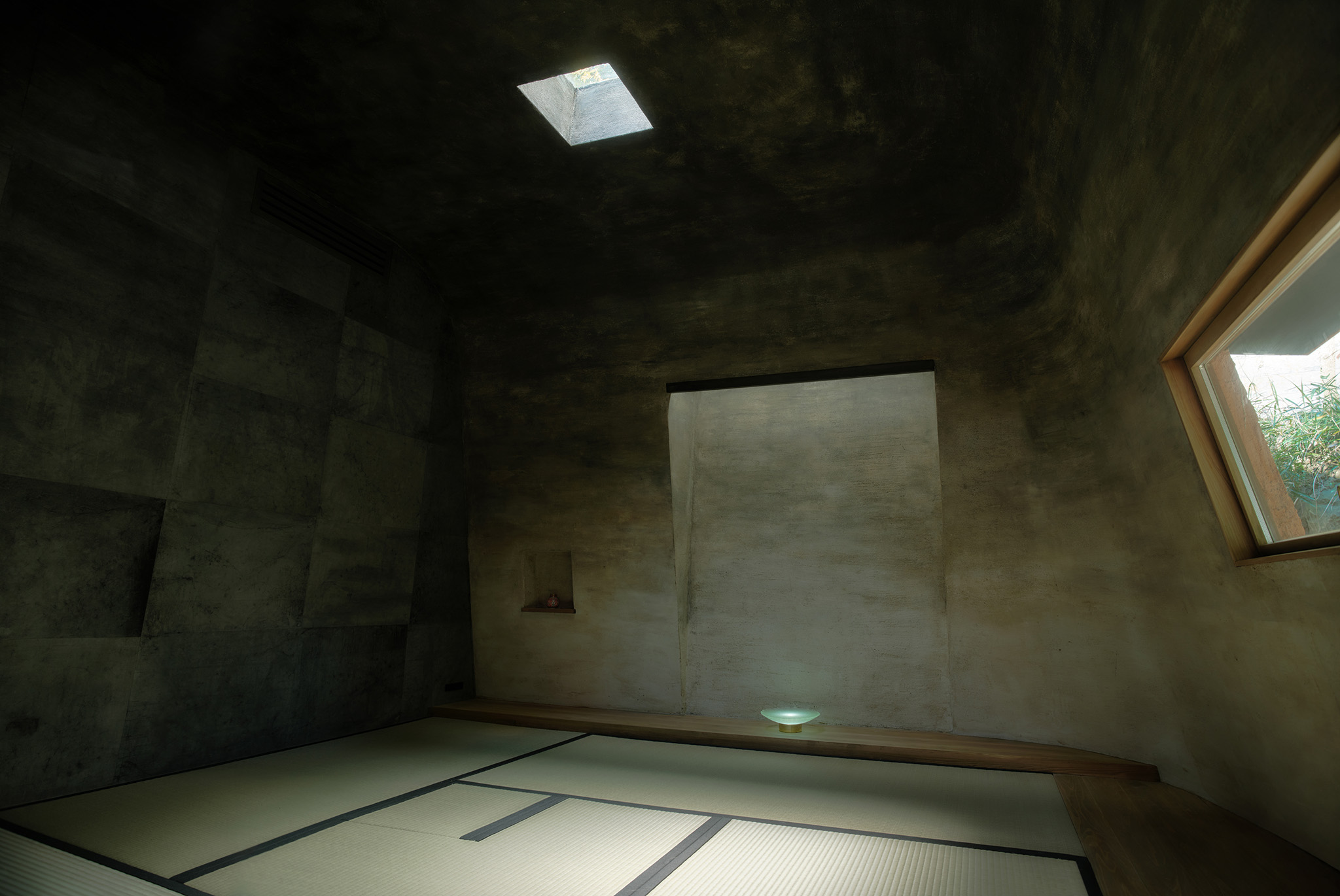
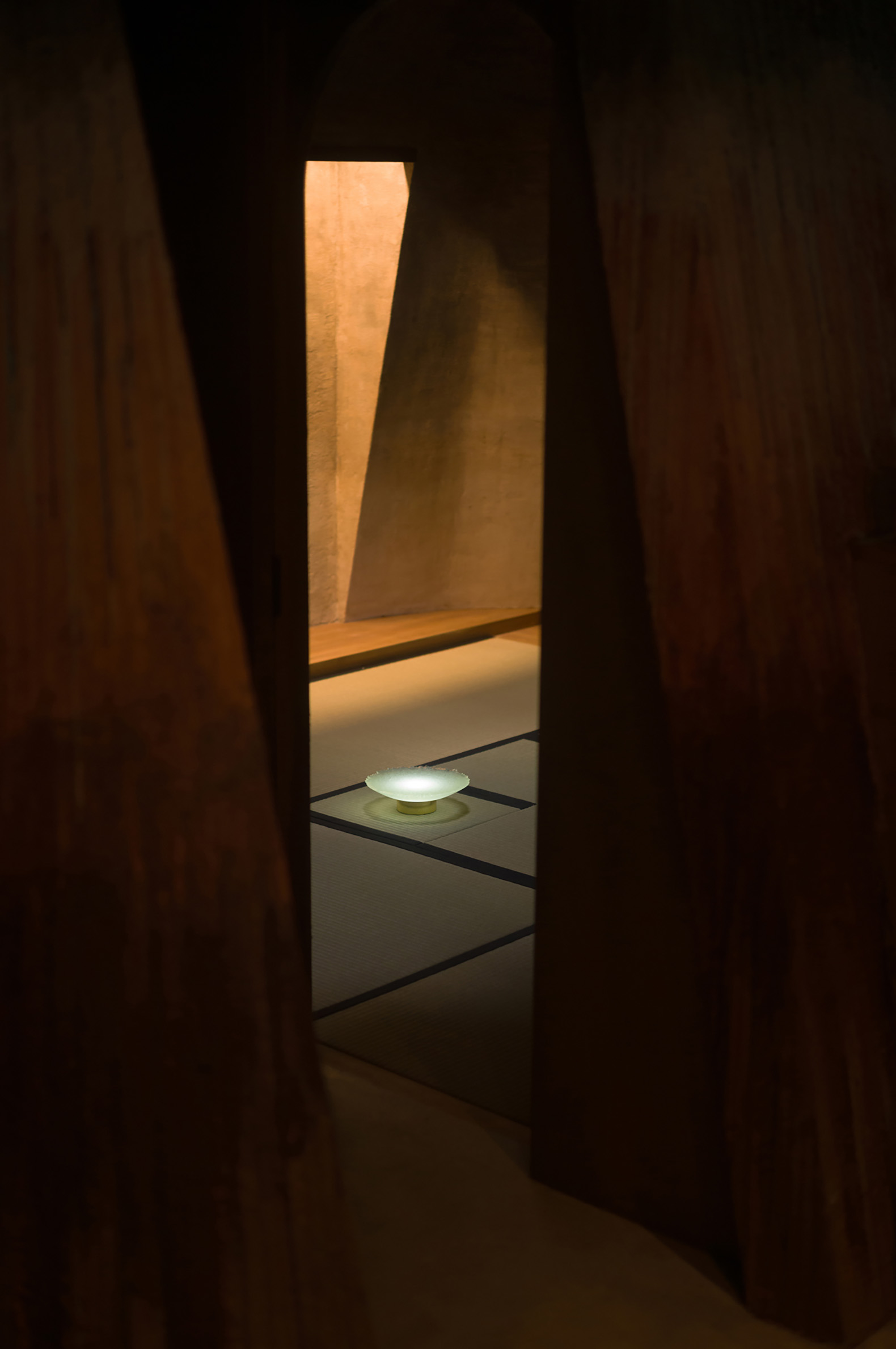
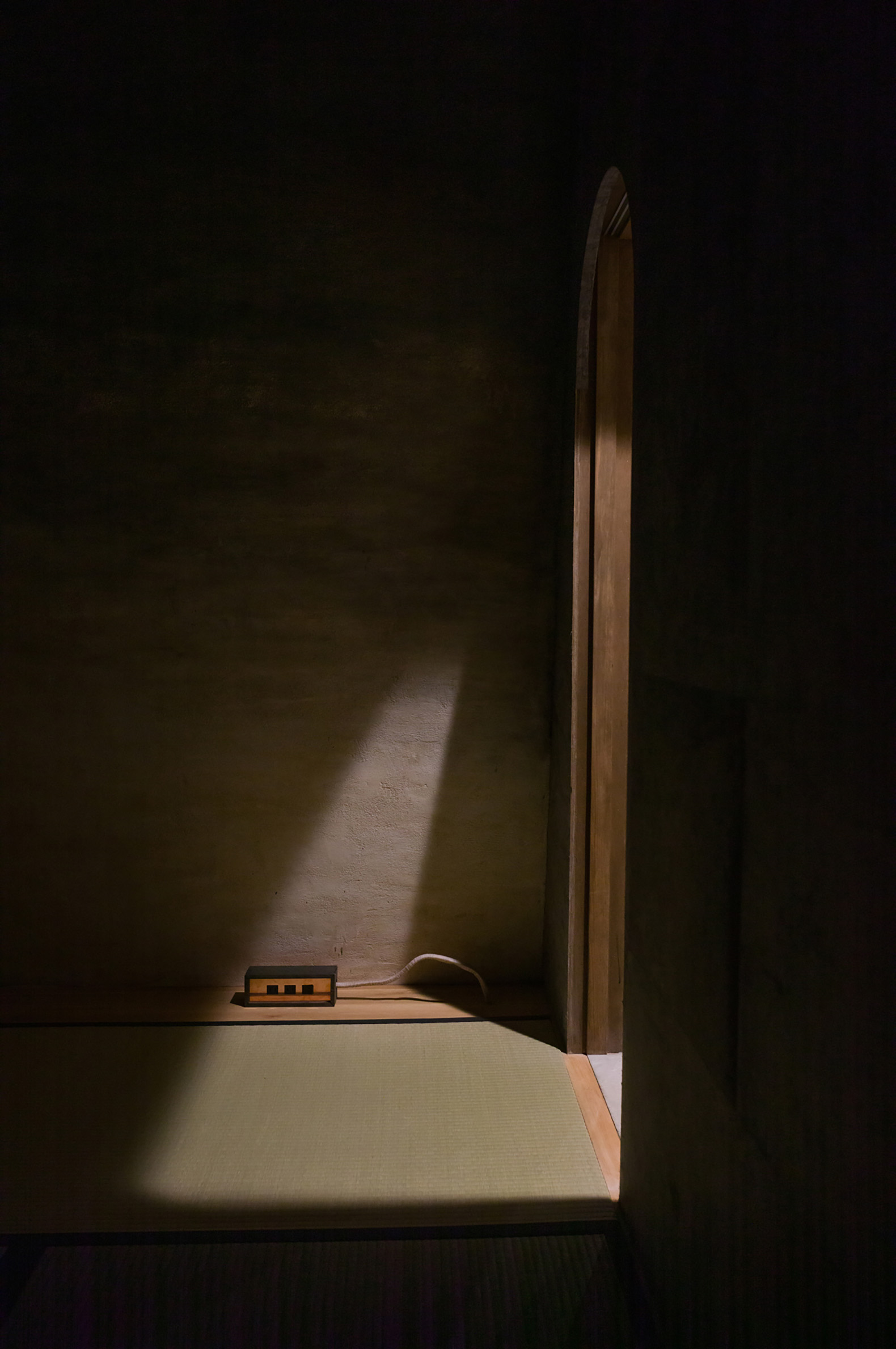
The guest room is designed as a tea room, furnished with four-and a-half tatami mats and equipped with an alcove (tokonoma), an entrance (nijiriguchi), and a preparation space located outside the sliding door (mi zuya). The walls are finished with clay-rich soil from the site mixed with bamboo charcoal, graded to become darker toward the ceiling, and illuminated from above by a skylight. The wall on the door side is finished with washi paper, similarly dyed with bamboo charcoal.
The mother's room is located to the southwest and serves as her place of making. Its finishes are based on lime mixed with bisque-fired pottery clay. With a wooden floor, underfloor storage, and built-in cabinetry, it is the most plain and restrained of the four rooms.
The kitchen, bathroom, and toilets are consolidated into a single service volume along the north side of the house. A loft is placed above this volume, with its plywood floor stiffening the structure horizontally, while the space above the ceiling is used for building services. The kitchen is constructed with plaster mixed with site soil and features a large opening that opens directly to the outdoors. The bathroom is finished with a similar material composition and includes a large window; it is conceived as a single room that integrates bathing, washing, and dressing, rather than as a purely functional space.
Construction
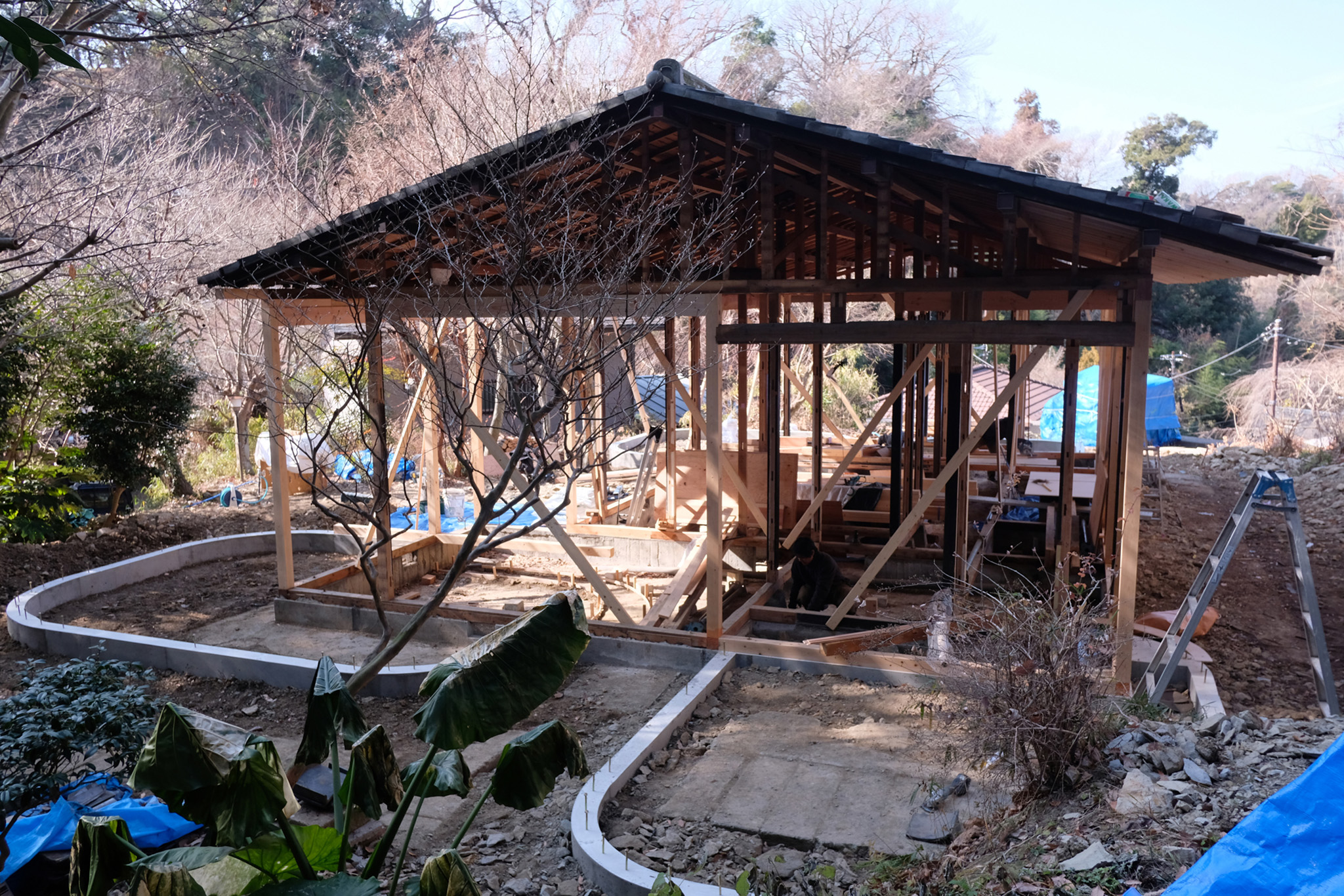
The original house is a single-story wooden structure built in 1967, located within an area surrounded by steep slopes. During a typhoon several years ago, a landslide blocked the access road, cutting off transportation and infrastructure. As part of the house was also within a high-risk zone, that portion was removed to create distance from the cliff, while structural reinforcement was achieved through the four corner extensions.
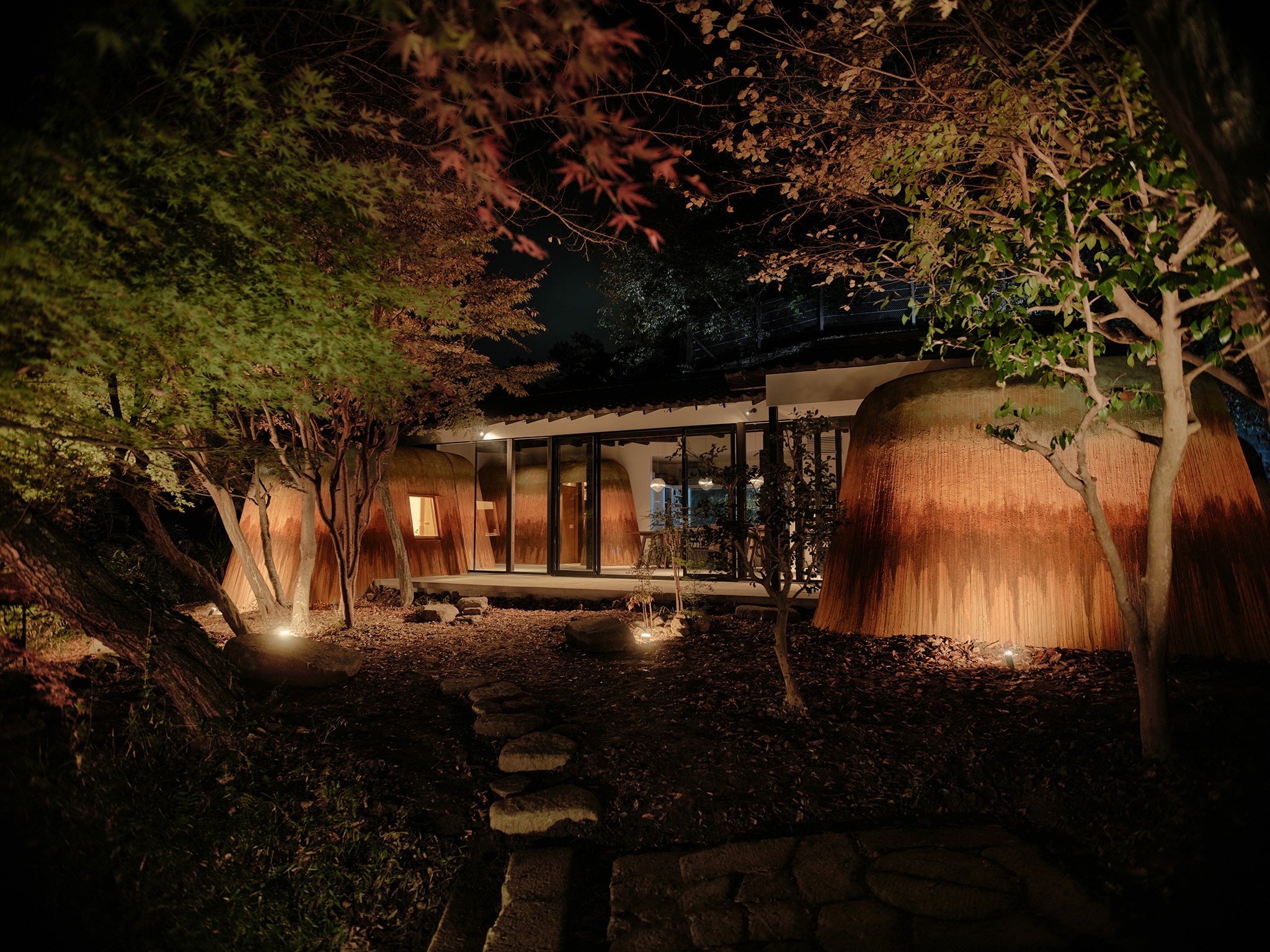
All interior walls and ceilings were removed, deteriorated sill plates were replaced, and the existing columns were largely retained to carry the vertical load of the tiled roof. However, since the original foundation consisted of unreinforced shallow footings, all seismic shear walls were concentrated and evenly distributed within the four new corner additions.