The architecture firm of Tomás Balparda and Fernando Brunel (BBOA – Balparda Brunel Oficina de Arquitectura) was commissioned to develop a single-family home project in the city of Funes, about 15 km west of downtown Rosario. The main challenge was to carry out the proposal without knowing beforehand who the end users would be.

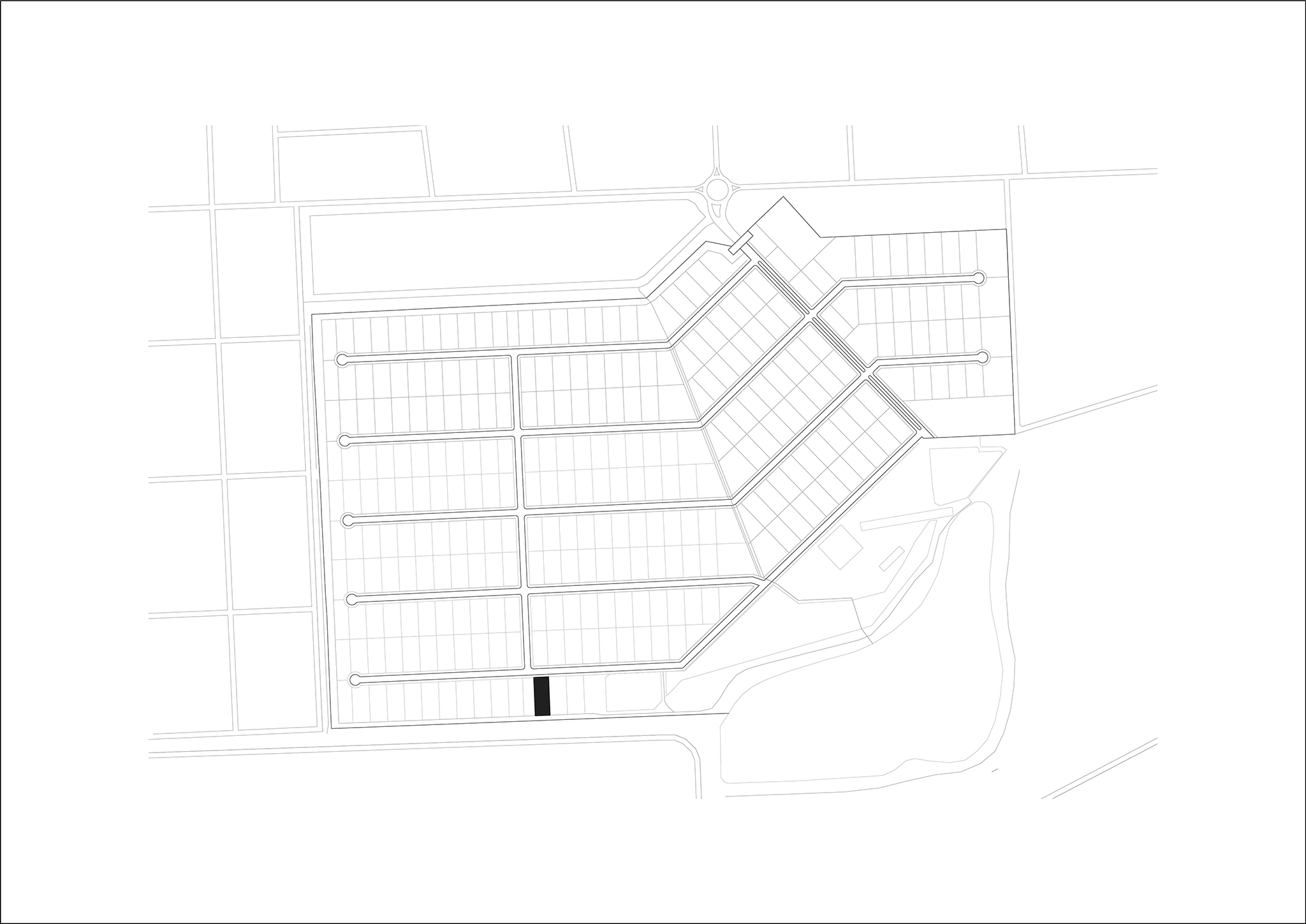
Located on a plot of approximately 800 m², the house is part of a type of urban development—the gated community—that began to take root in the city in the 1990s. This phenomenon grew unchecked and without adequate regulation, leading to a series of problems, such as the accumulation of residual open spaces around its perimeter, among others.

As a first step, the team at BBOA – Balparda Brunel Oficina de Arquitectura determined the different types of residents and family compositions that could potentially inhabit the project. Having defined the profile of the potential family group, they proposed a 285 m² house comfortably organized on two floors.

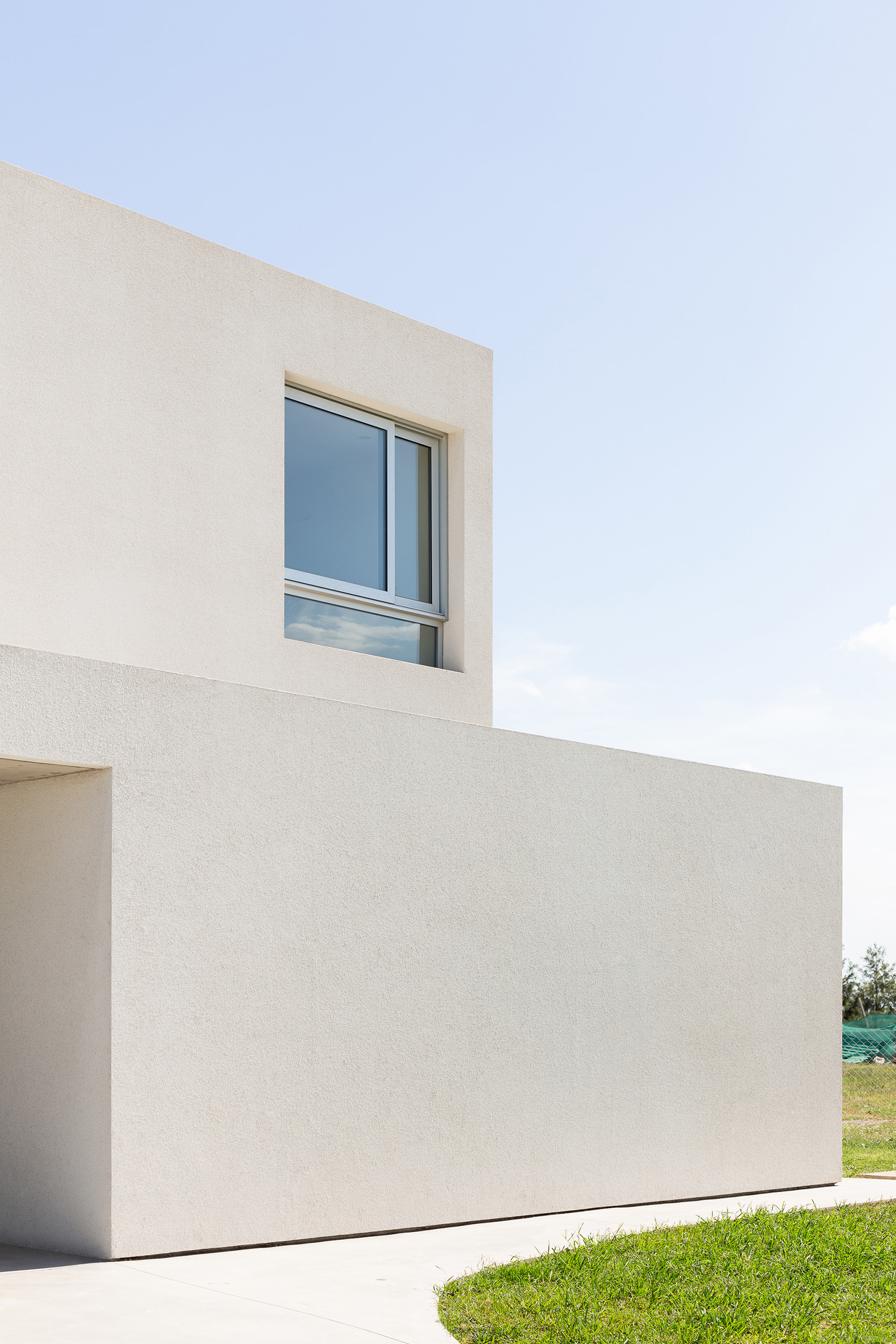
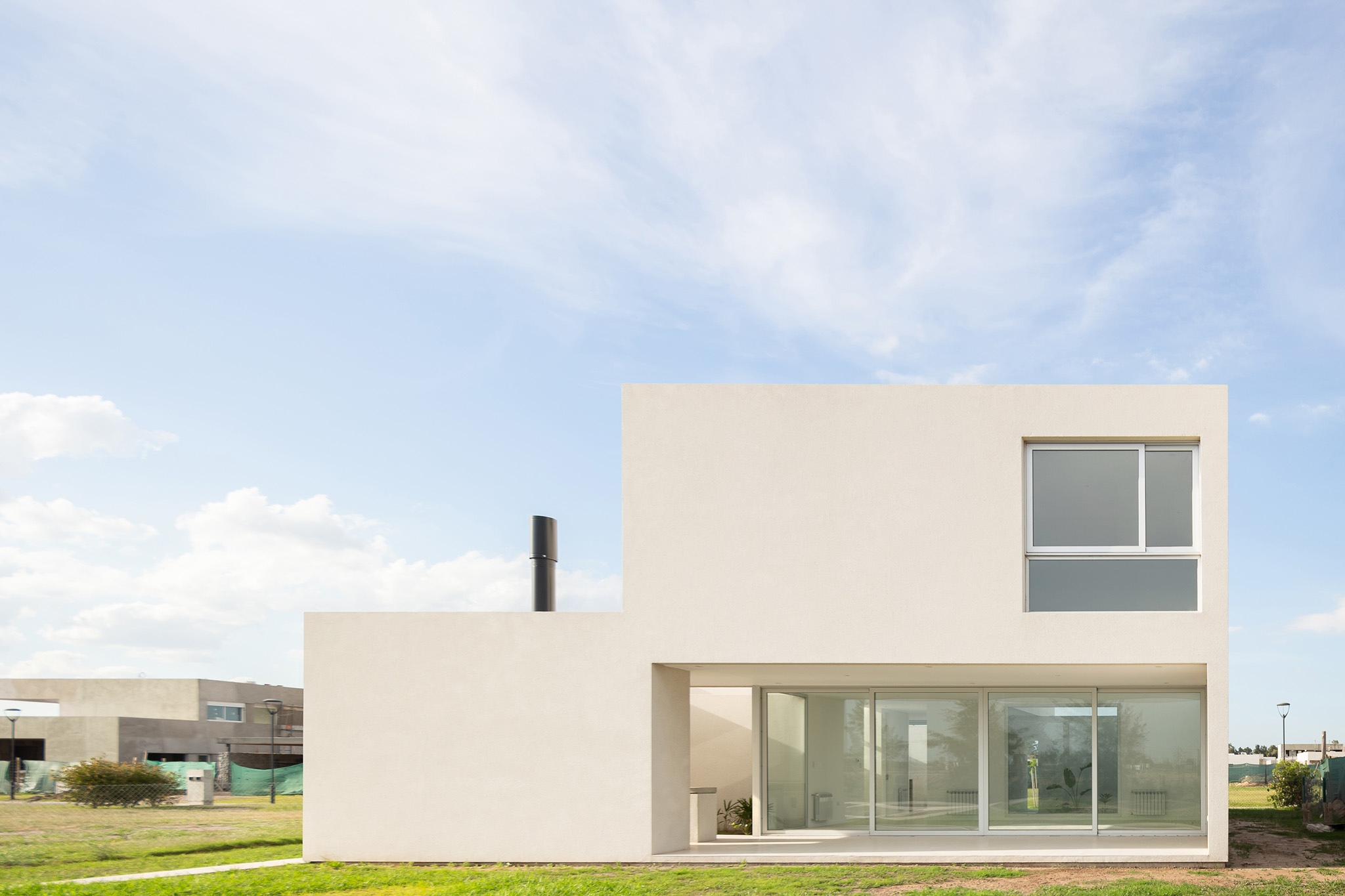
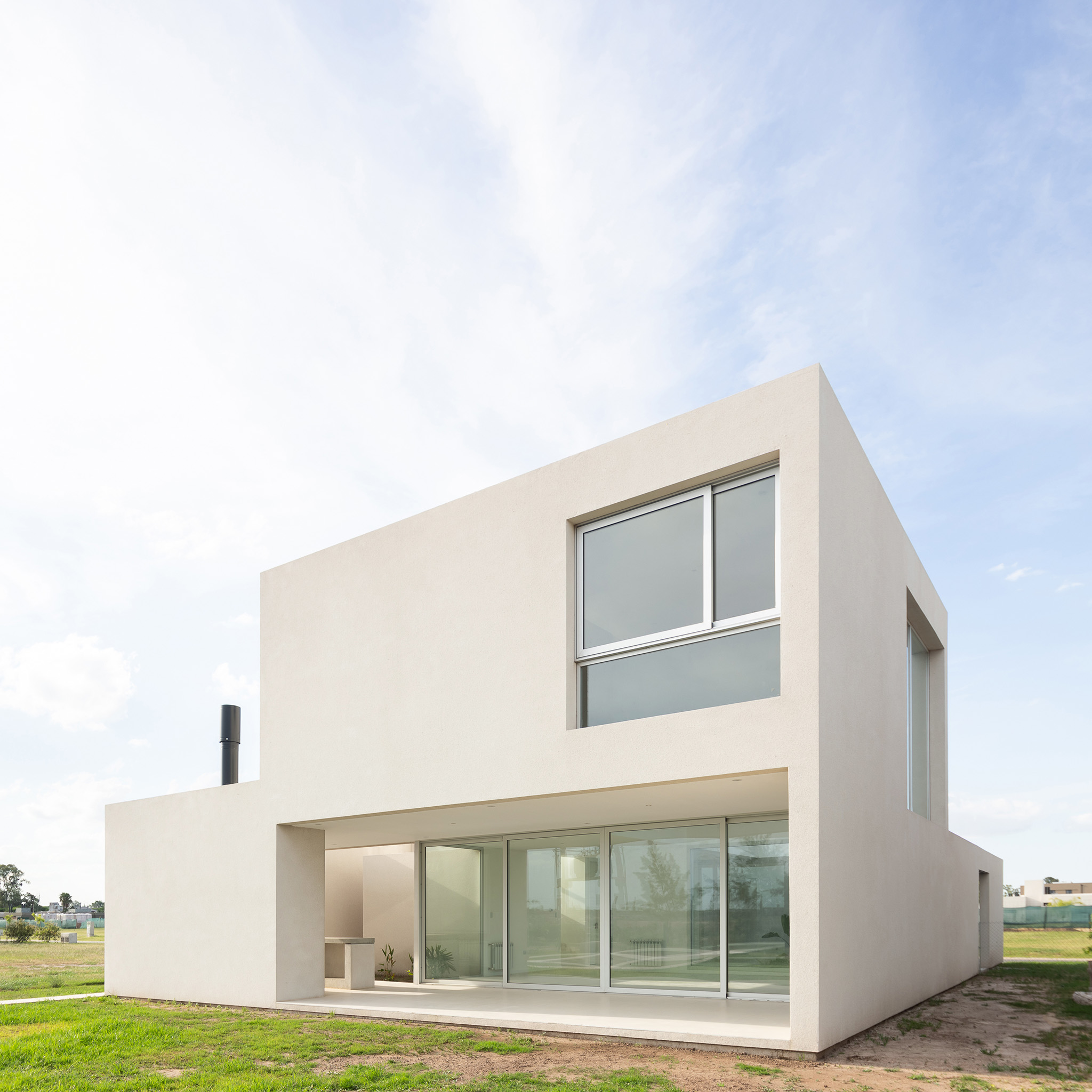
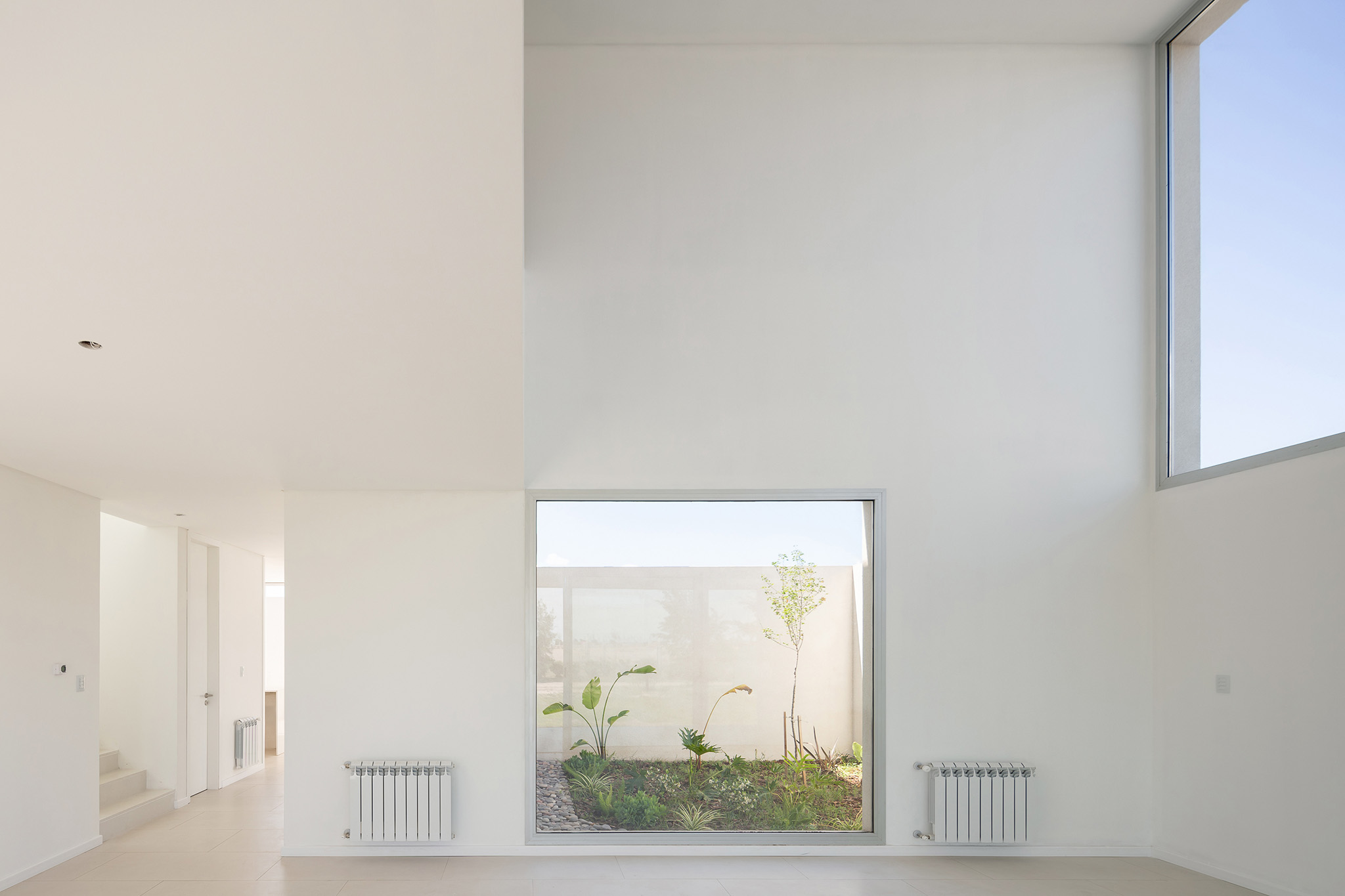
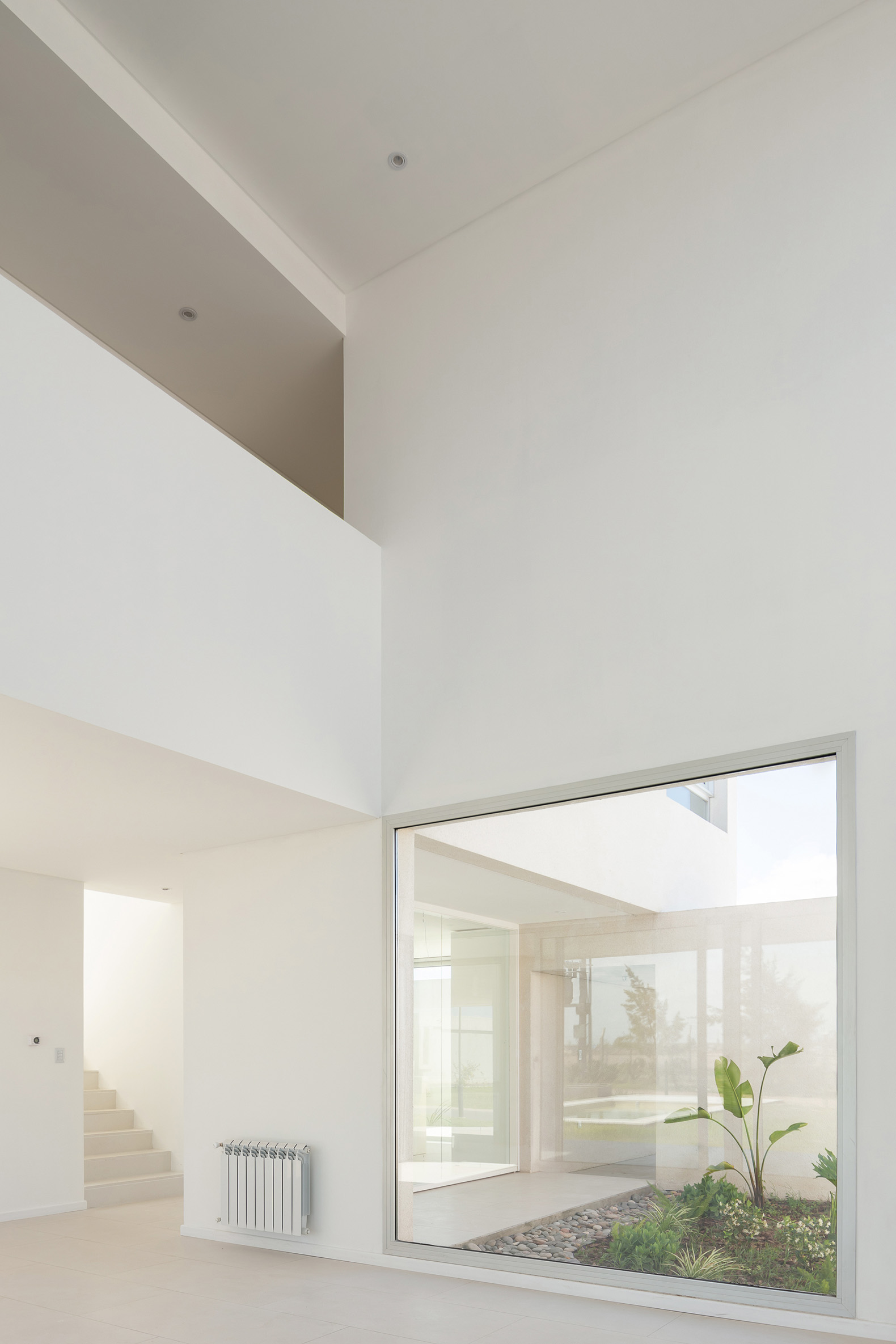
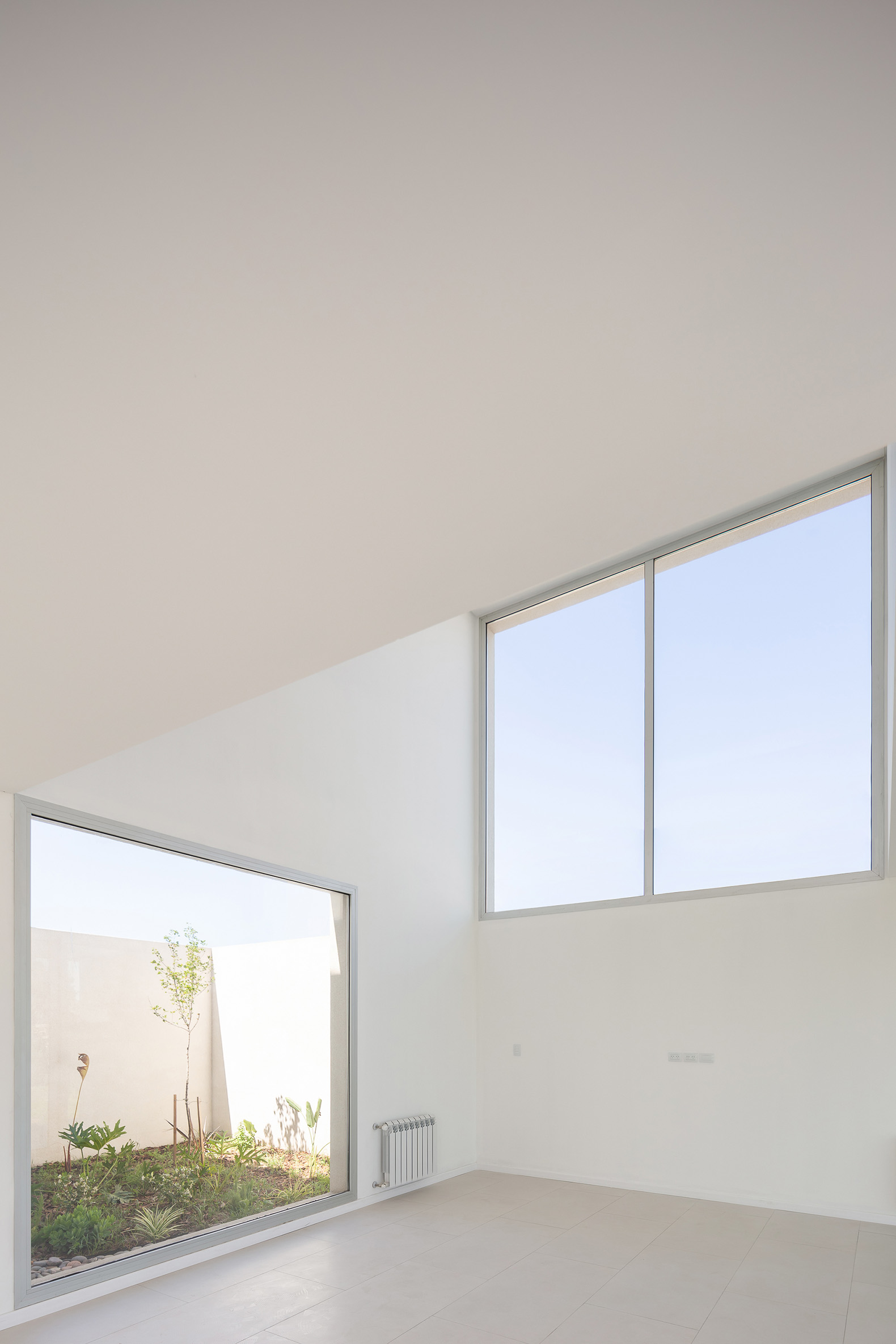
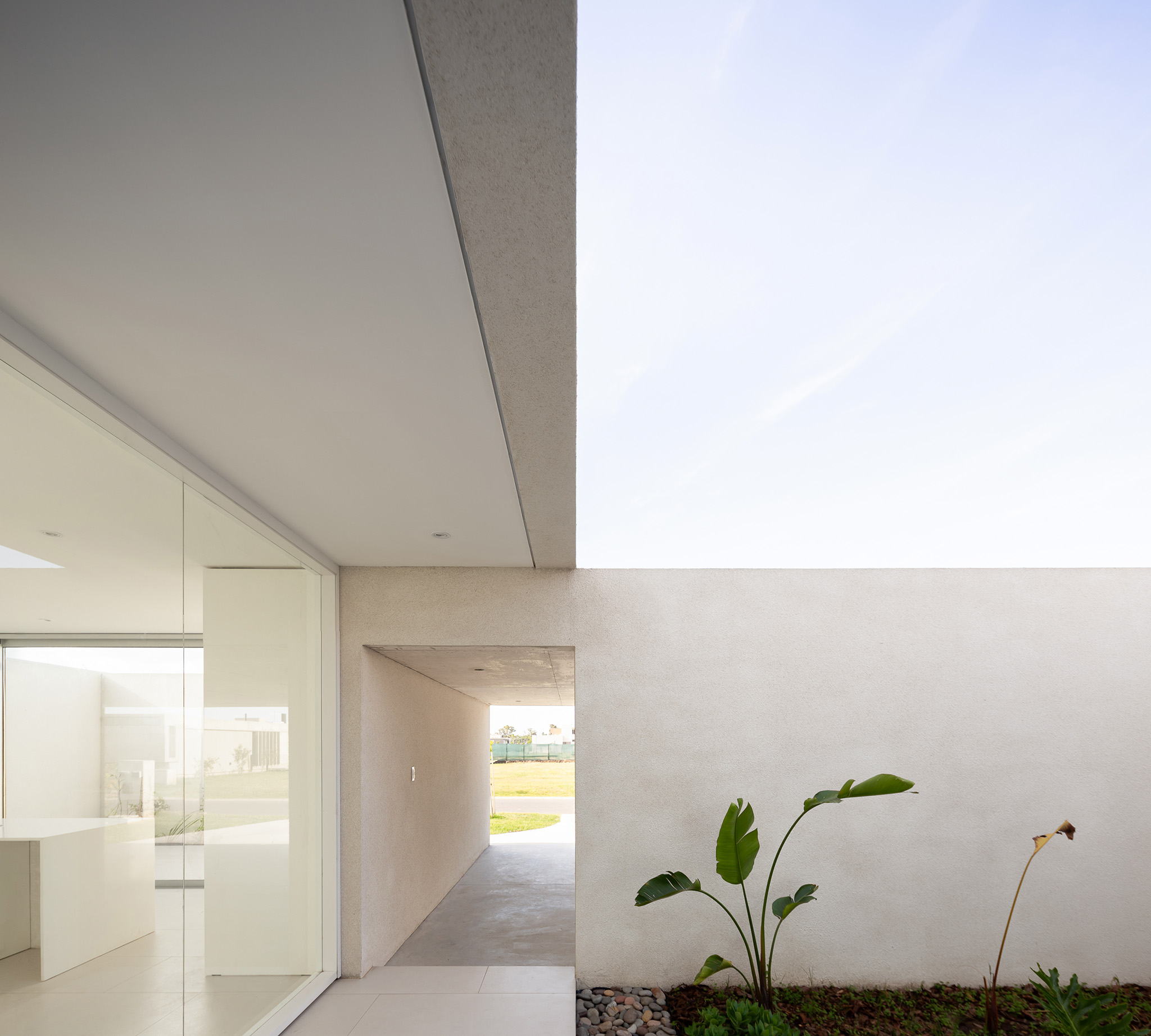
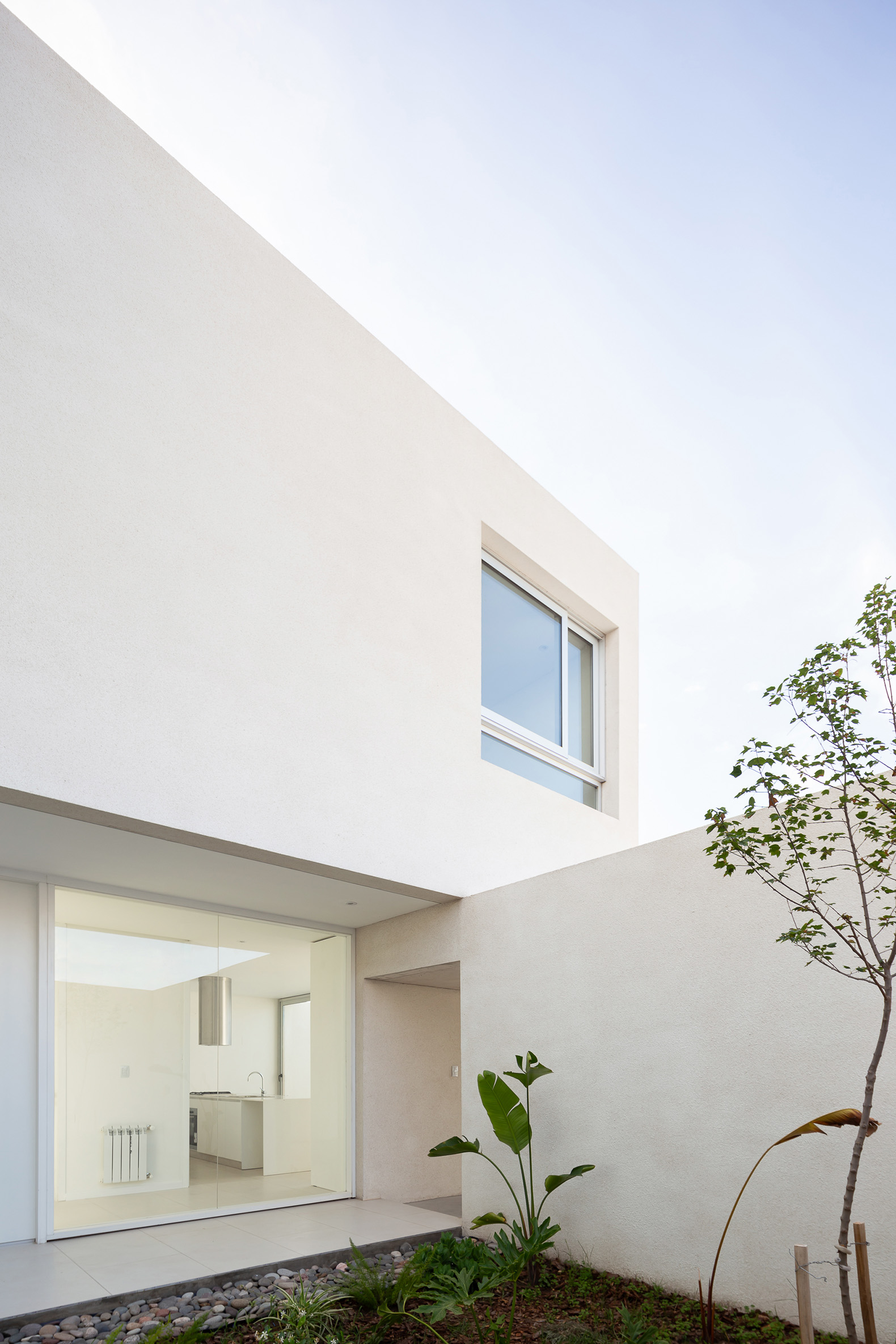
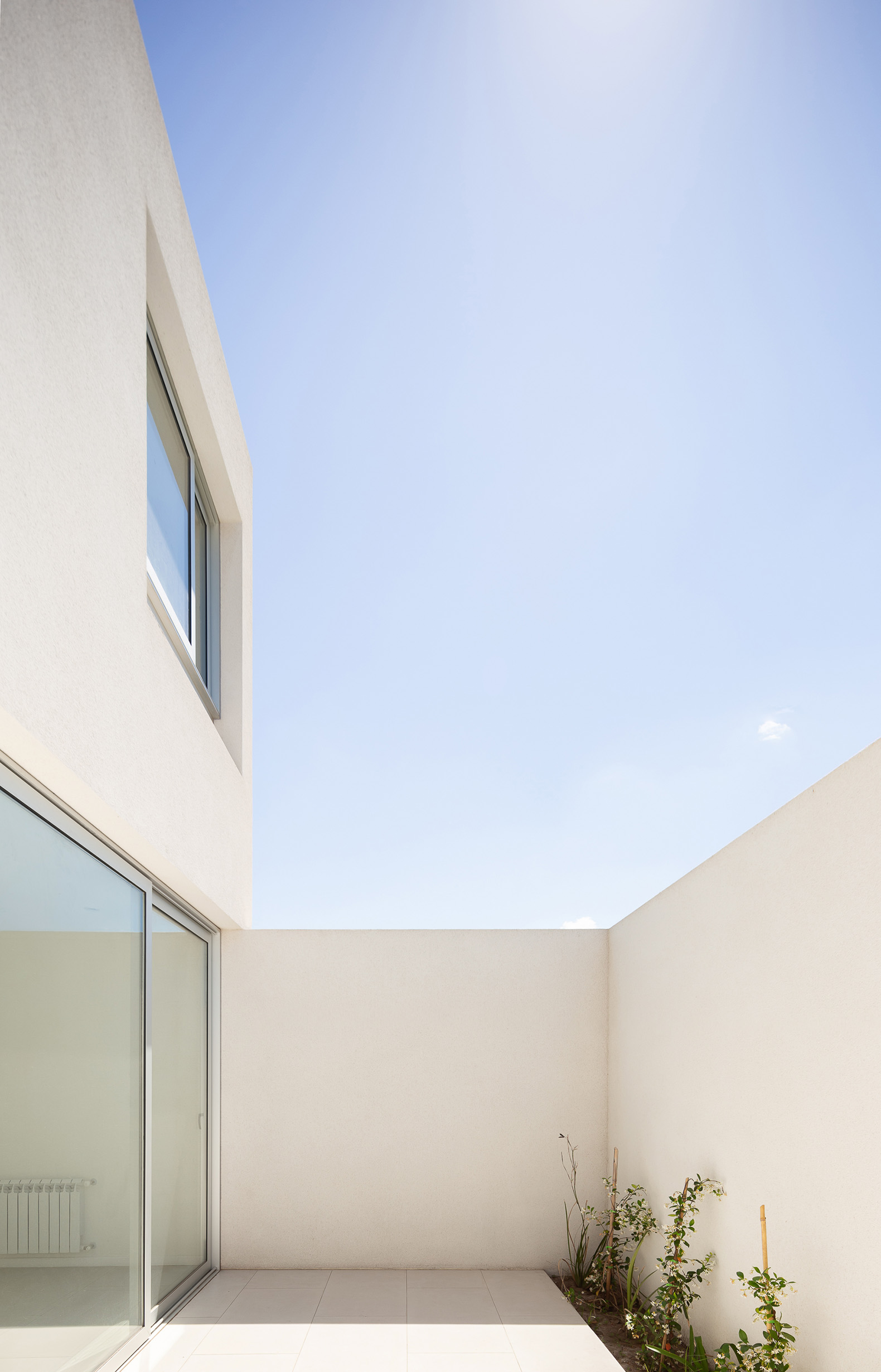
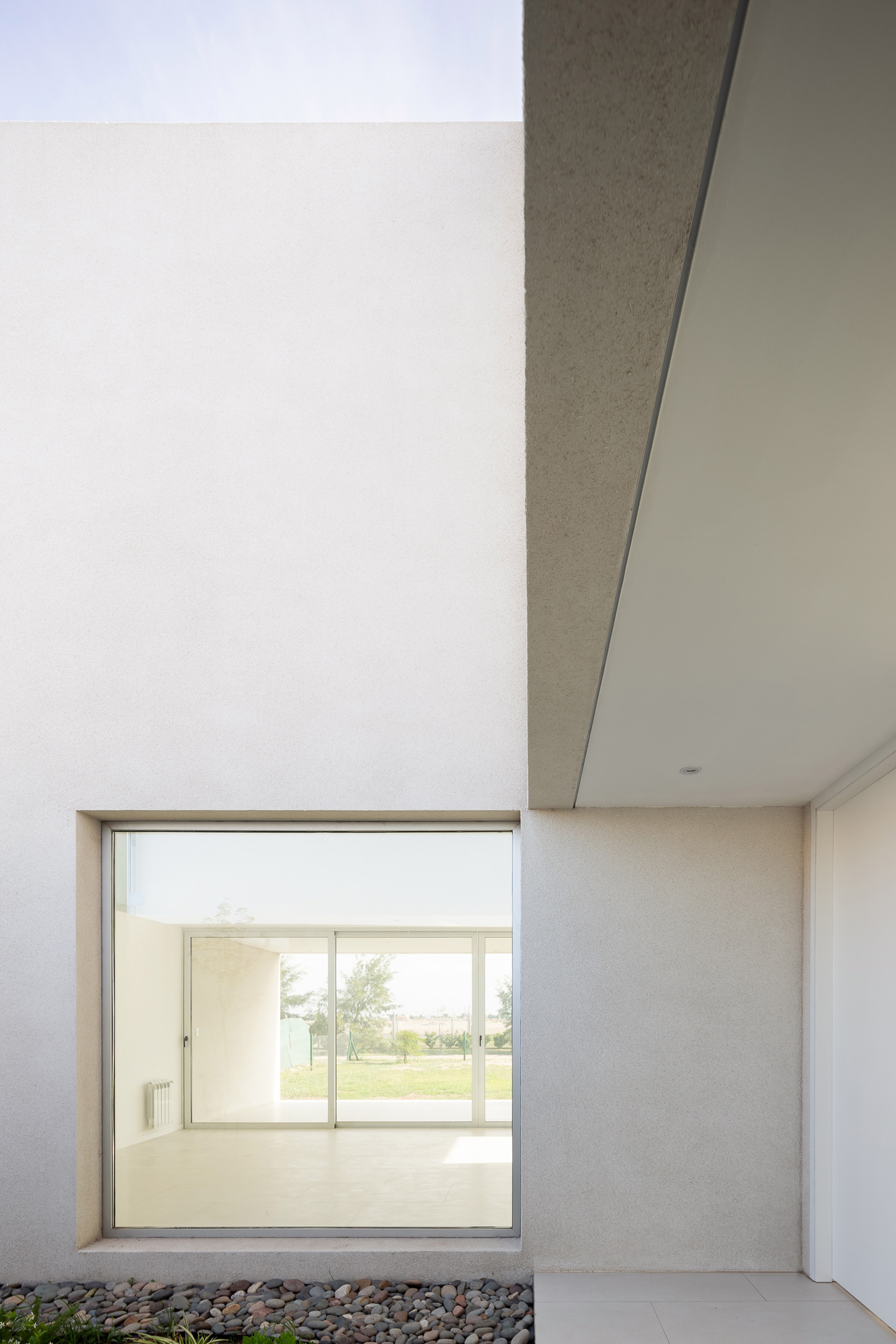
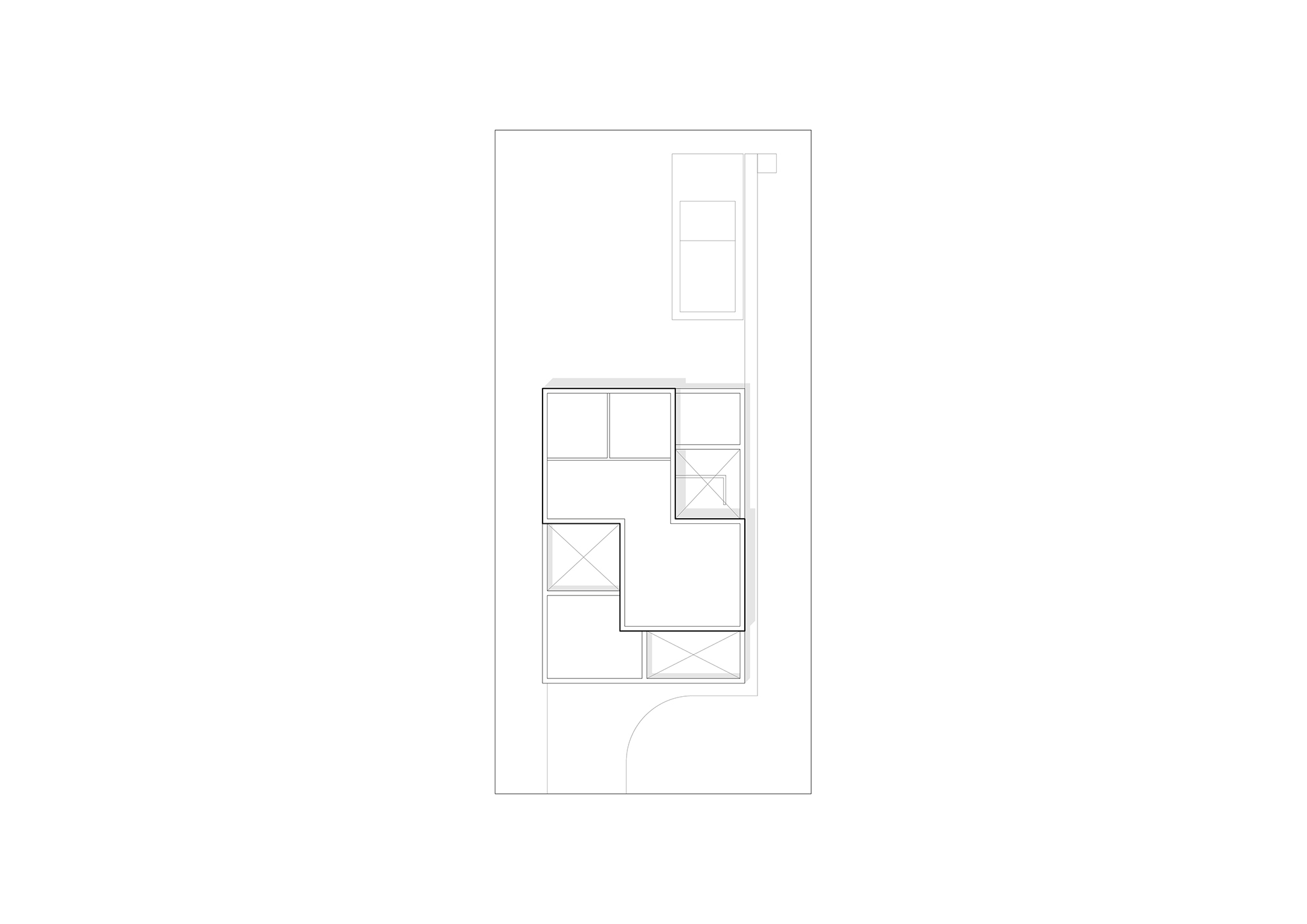
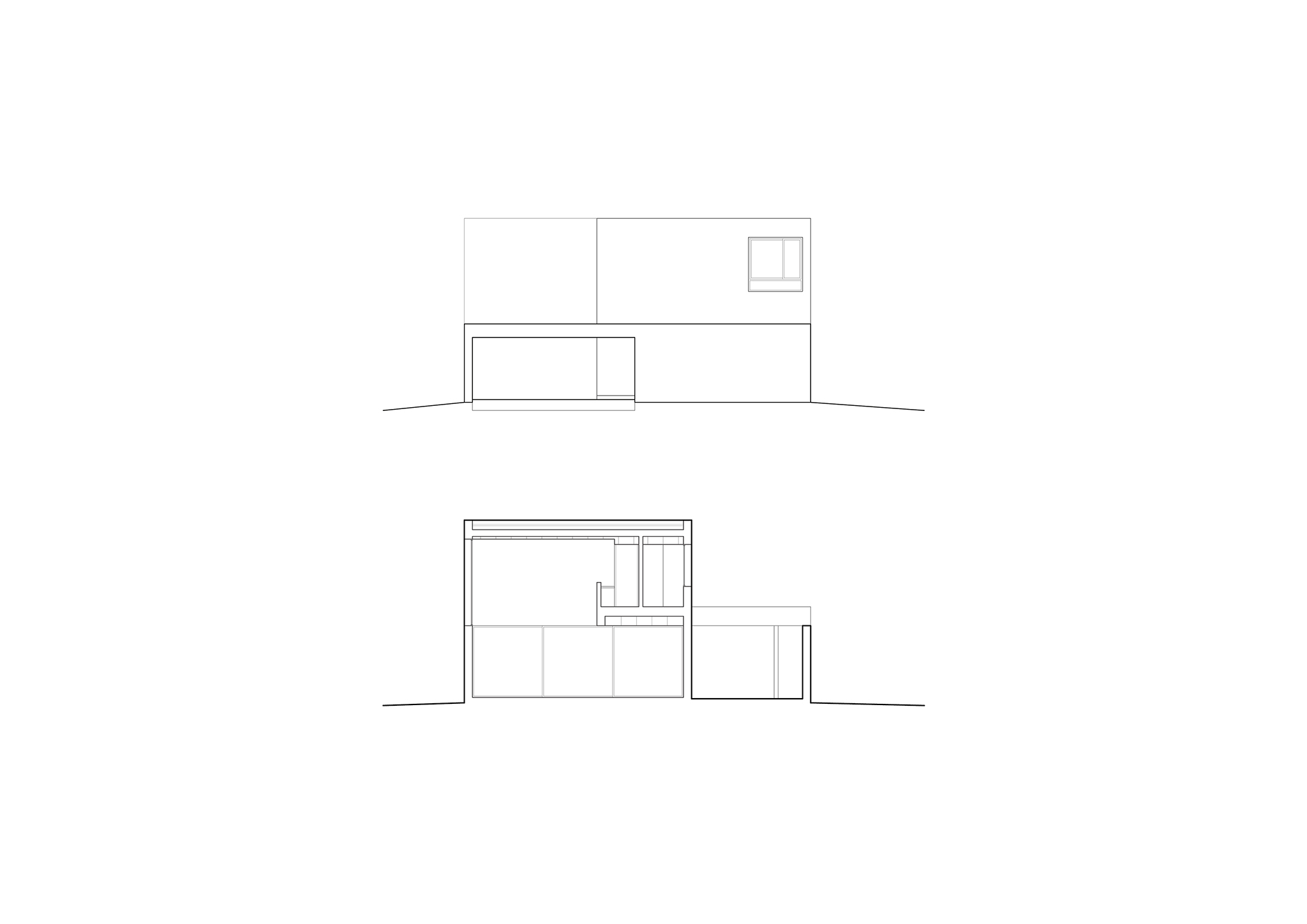
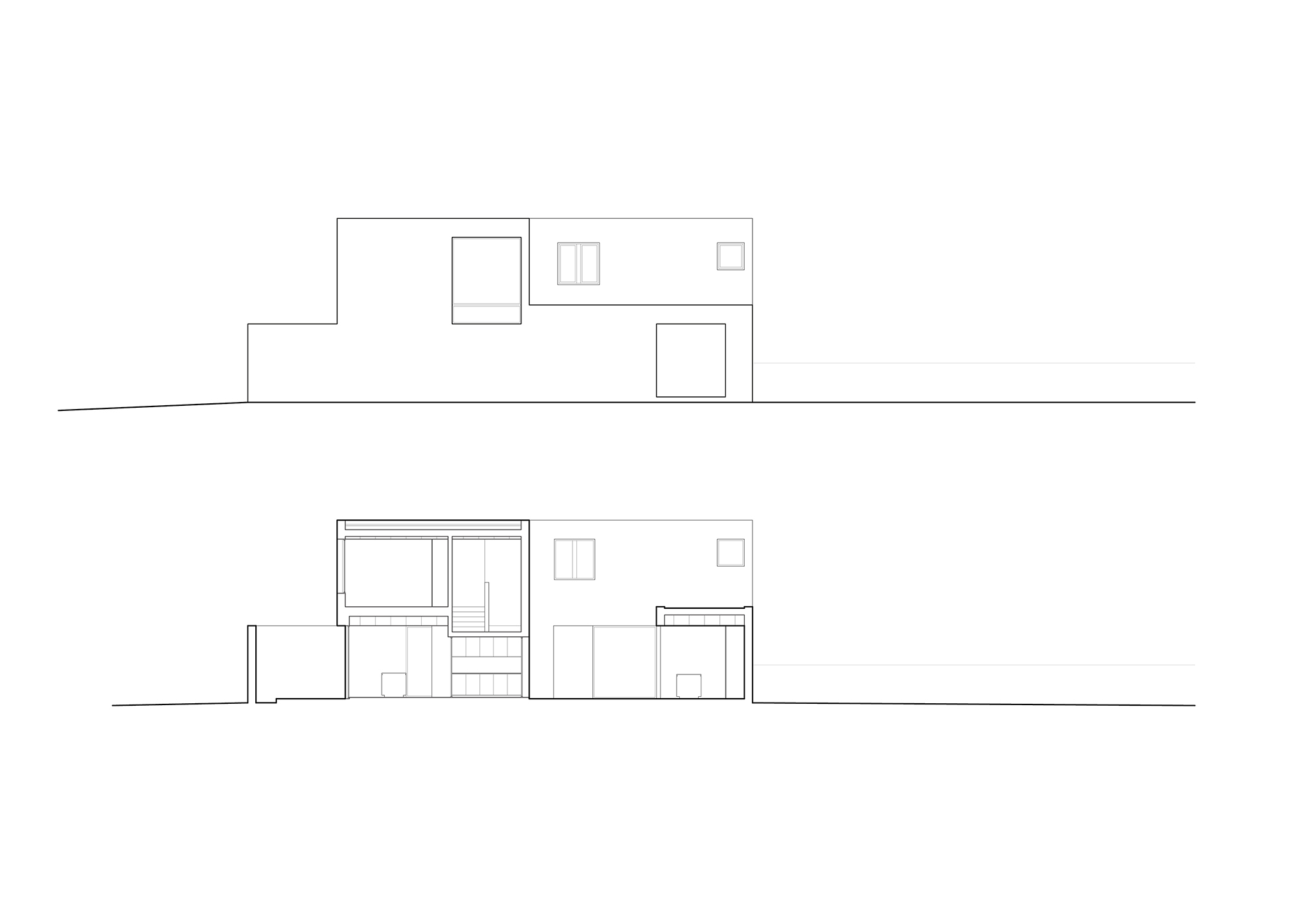
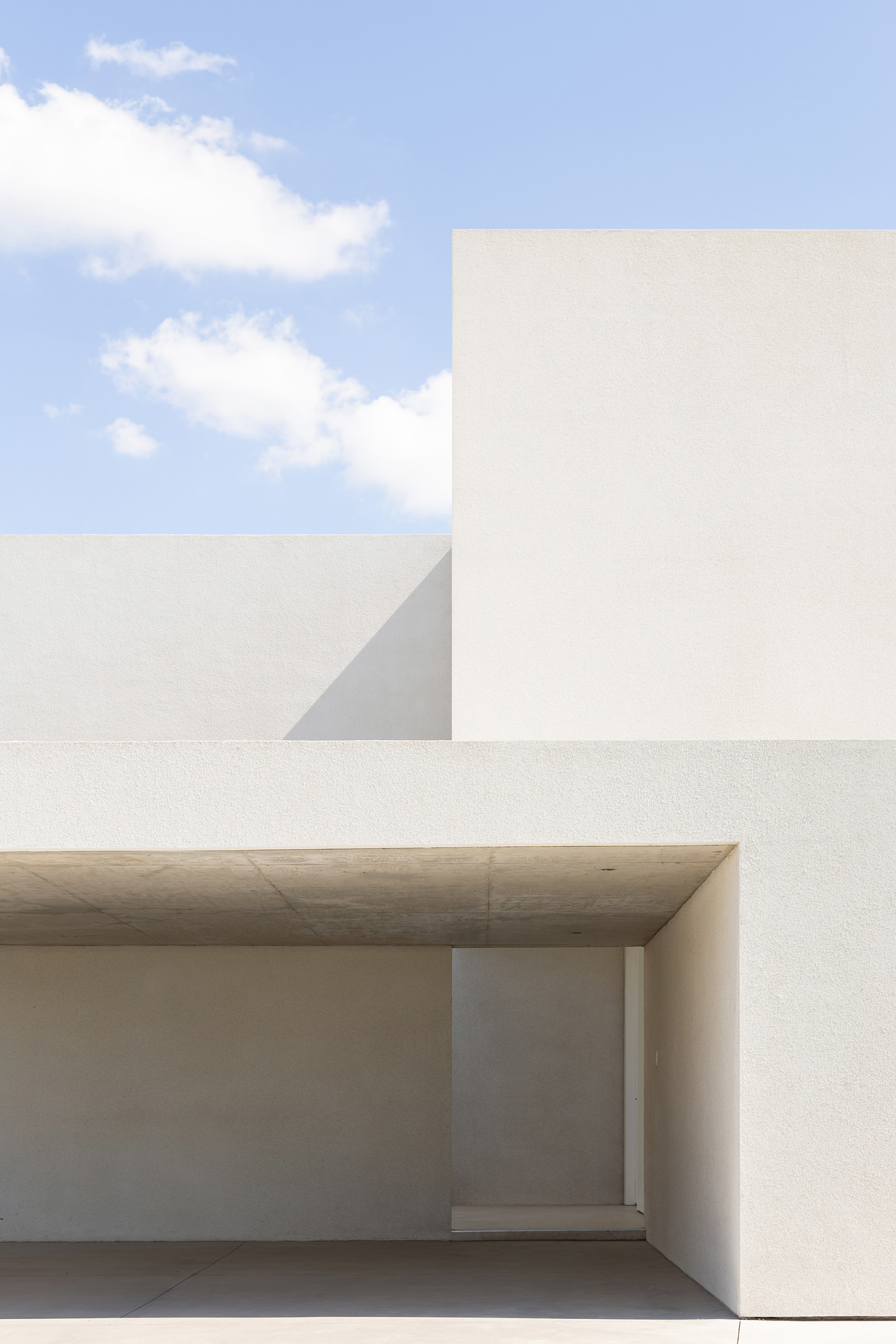
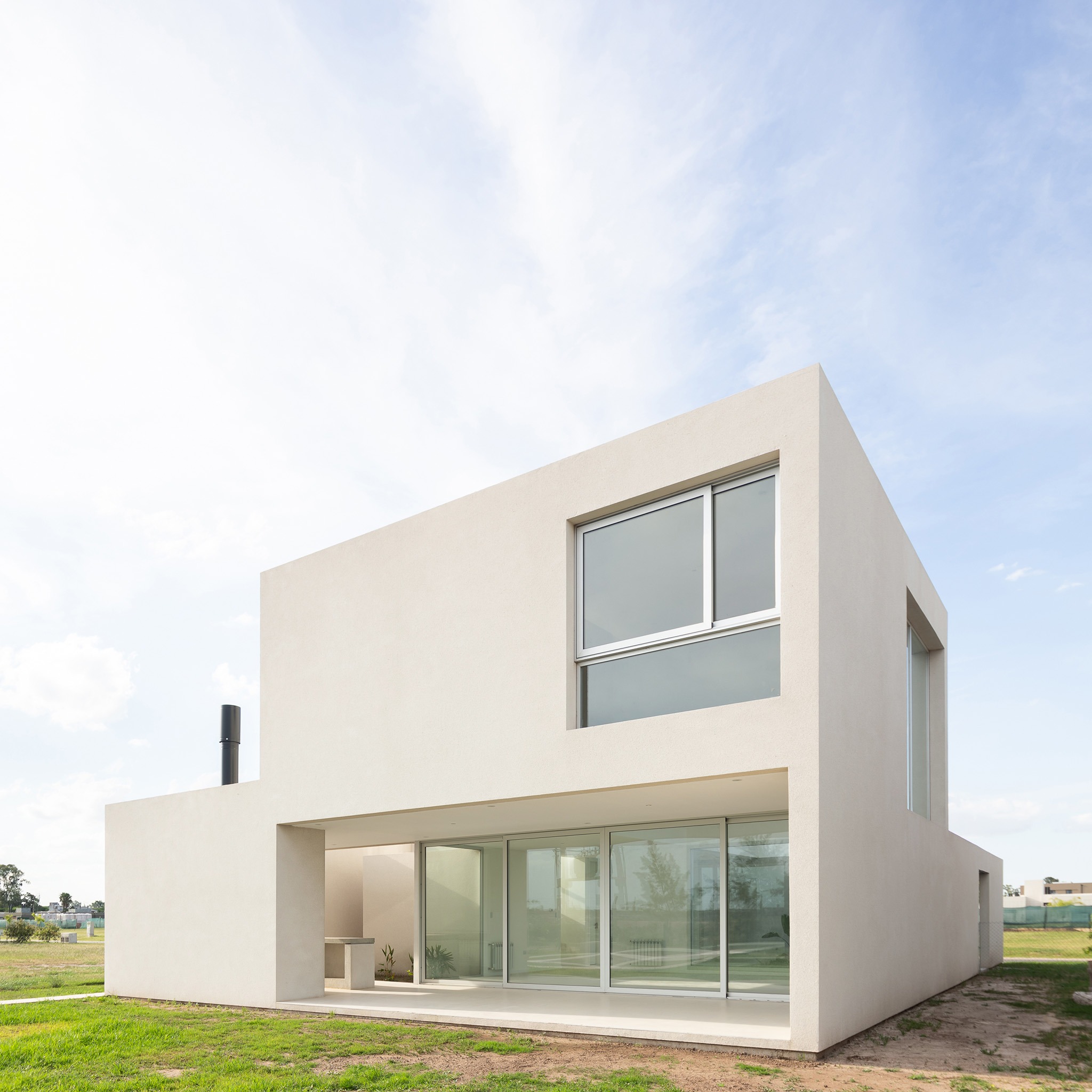
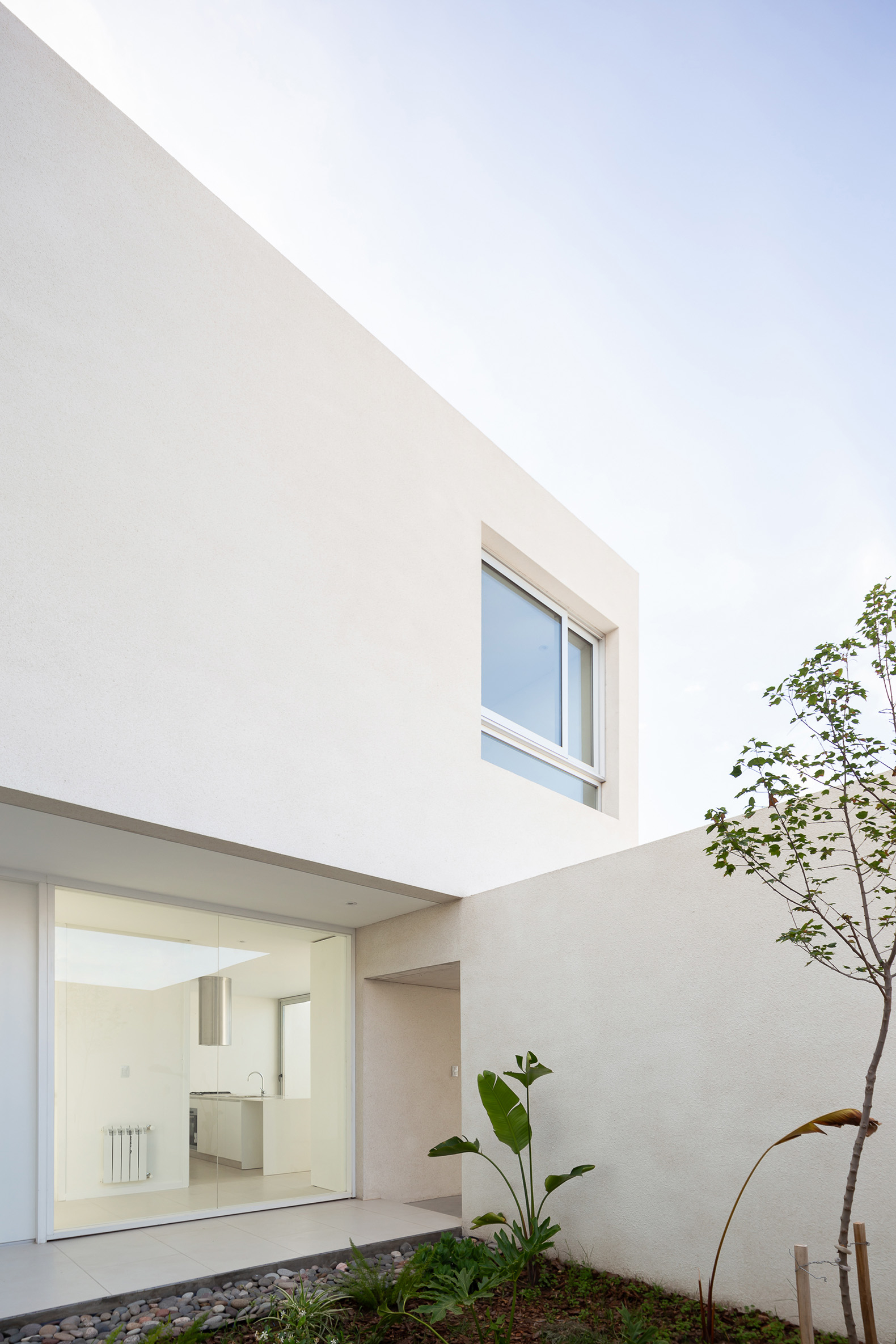
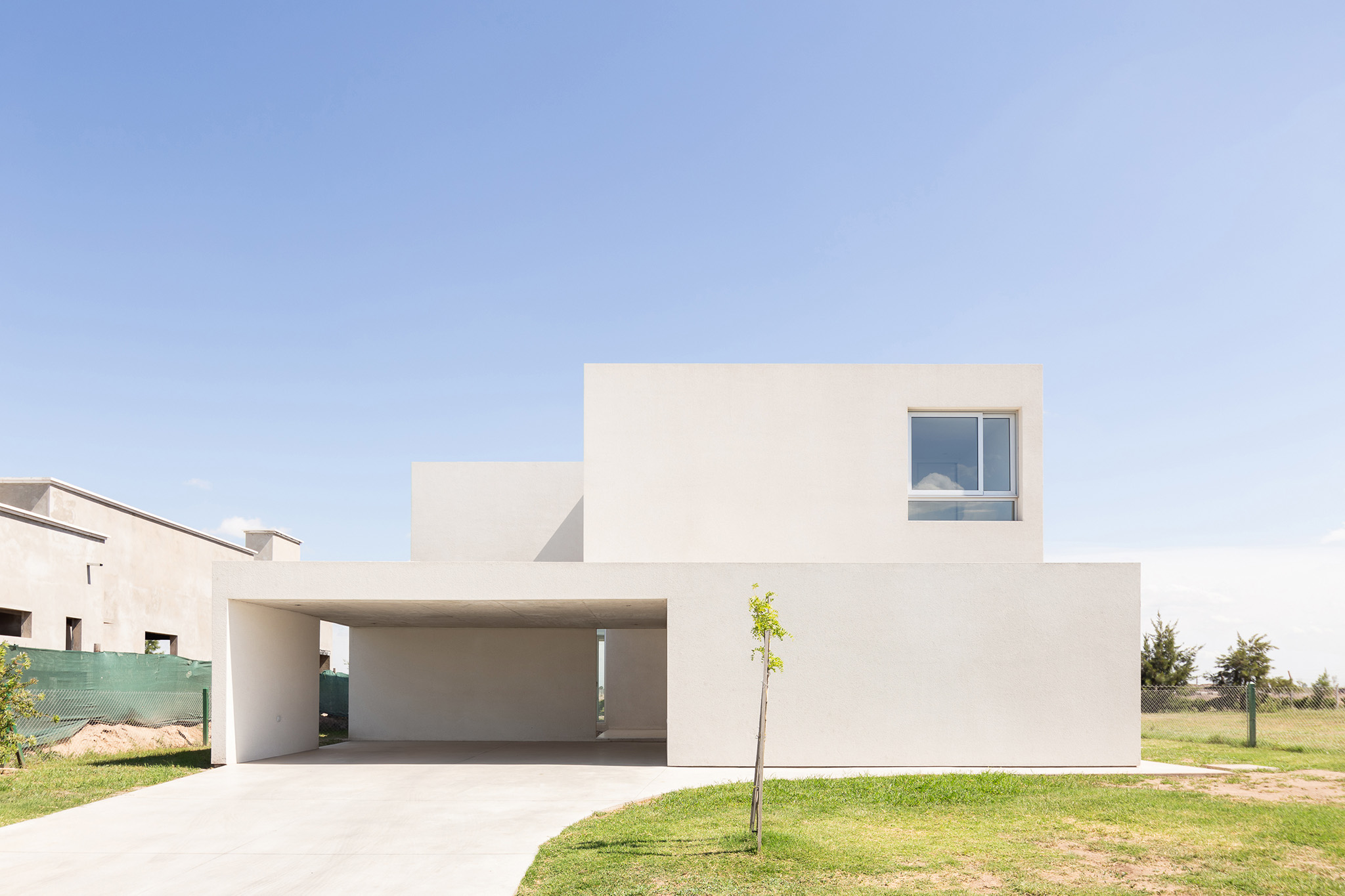
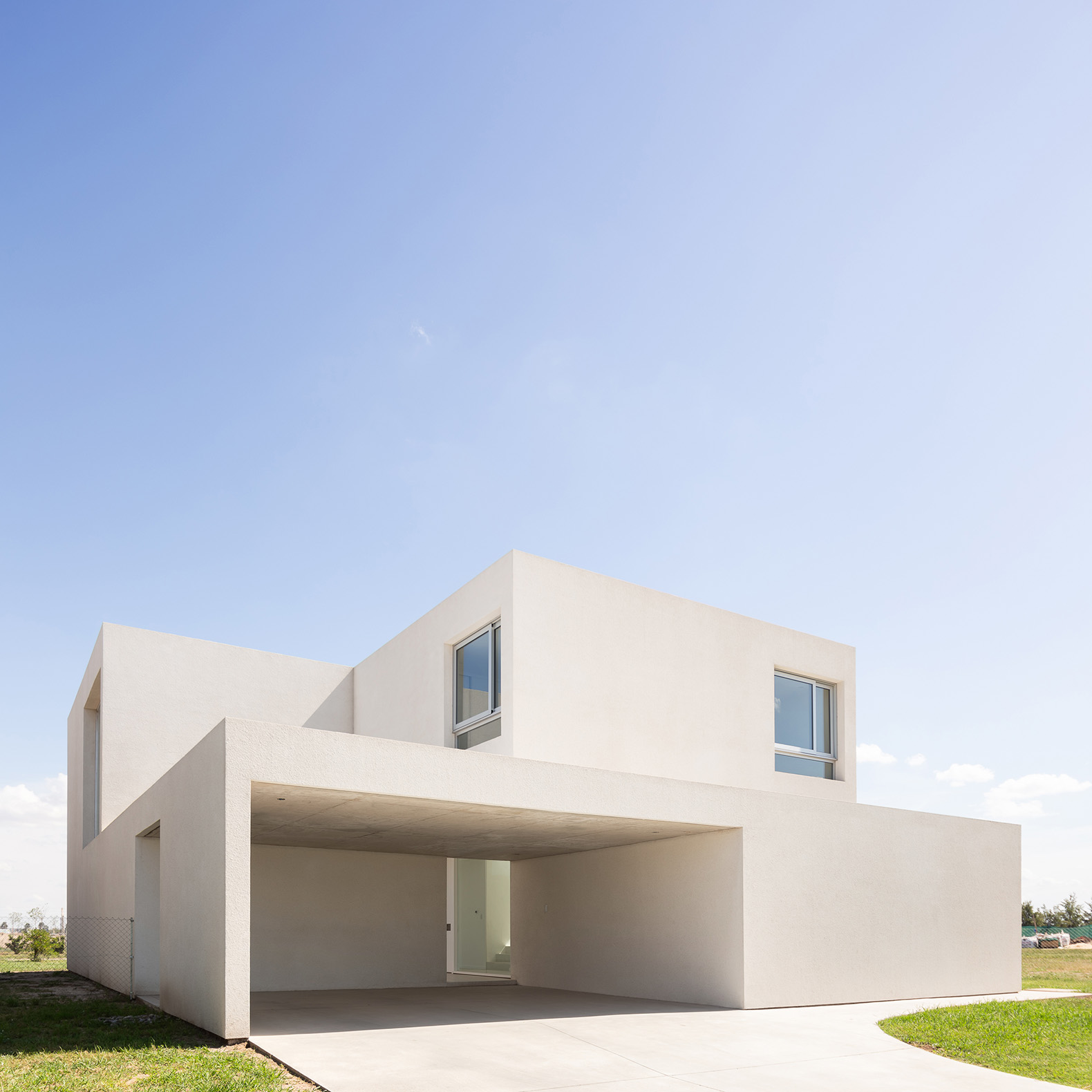
Formally, the project is summarized as a delicate and compact white volume that, for the most part, closes off from the exterior. Inside, a sequence of patios allows the living spaces to visually expand beyond their boundaries. In this way, the interiors acquire a close relationship with the exterior.

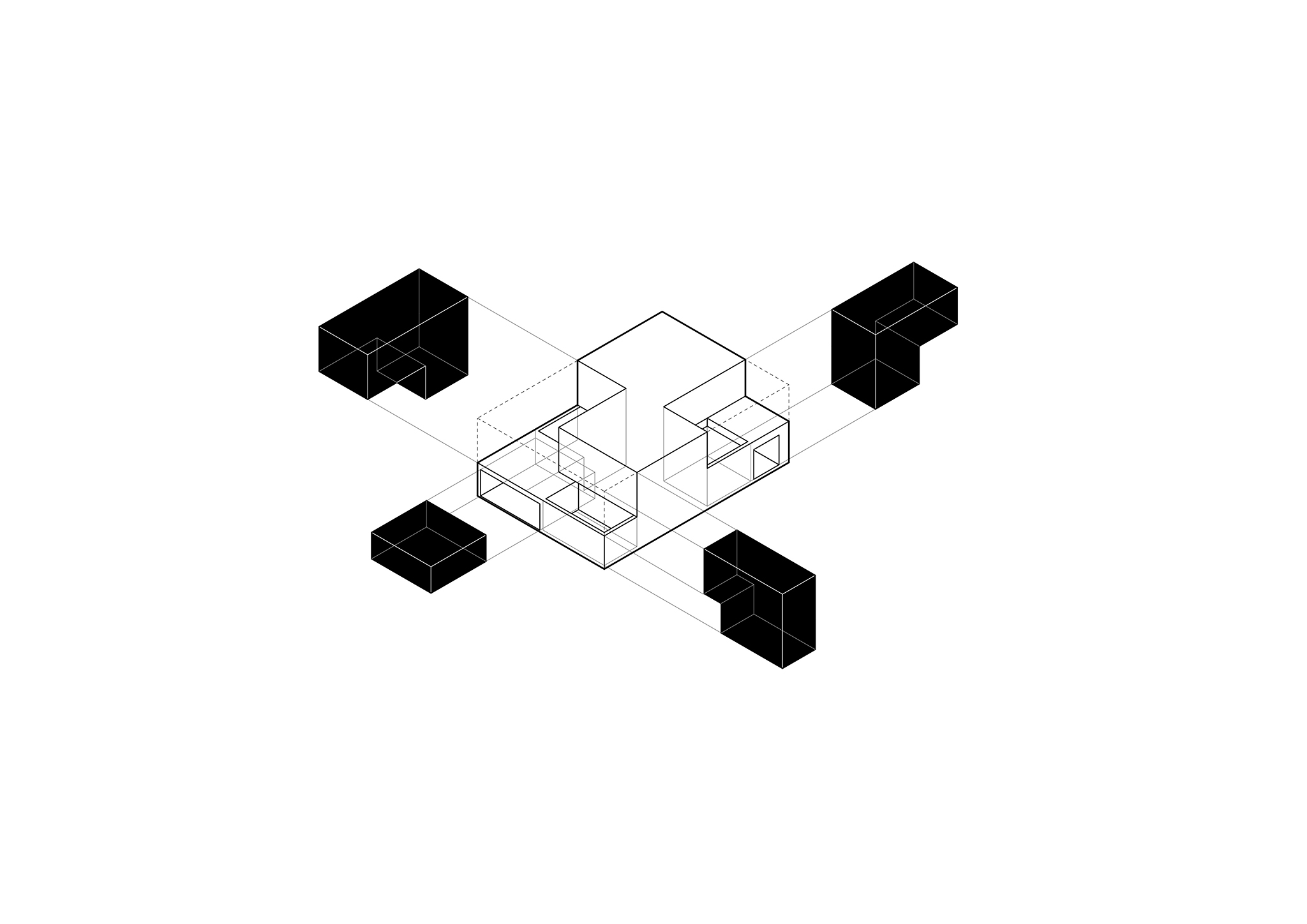
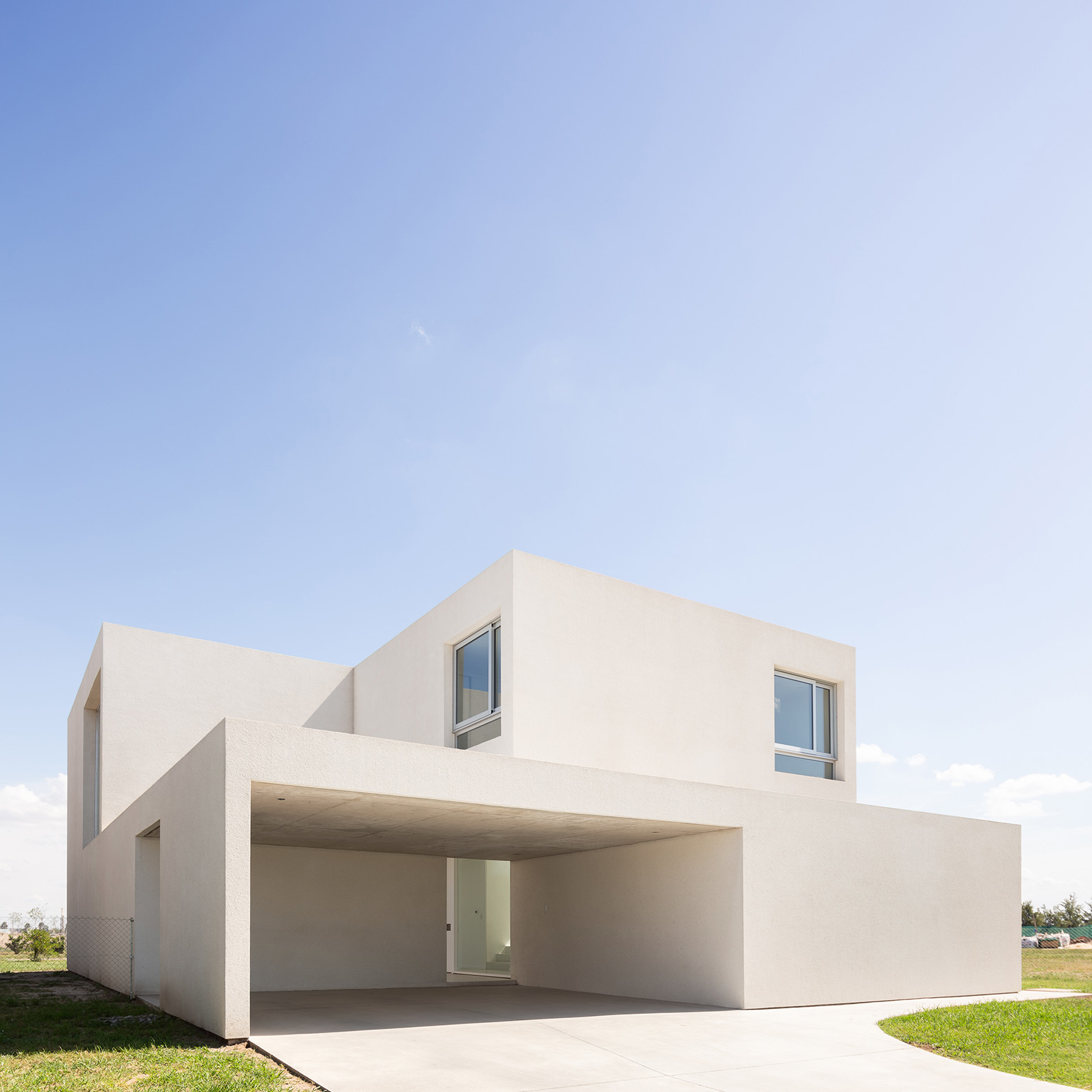
The limited distance between plots proved crucial in addressing the privacy needs of the future residents: through a deliberate volumetric subtraction, the project manages to distance itself from the neighboring buildings.
Vida U119 House by BBOA. Photograph by Ramiro Sosa.

Vida U119 House by BBOA. Photograph by Ramiro Sosa.

Project description by BBOA - Balparda Brunel Oficina de Arquitectura

Since the 1990s, Argentina has promoted a residential model with protected lots, known as "private neighborhoods," to address security issues. This phenomenon grew without adequate regulation, resulting in critical urban development with walled-off sections, generating residual spaces around them.

This project focuses on developing a single-family home in a gated community in the northwest area of ​​Rosario, Argentina. The neighborhood has lots of 800 m² each. The challenge is to design a house to be marketed by the developer without knowing the future residents.

Vida U119 House by BBOA. Photograph by Ramiro Sosa.

The project began with an analysis to determine the types of families who might live in the house, their requirements, the area necessary to ensure the development's profitability, and the ratio between built and open space permitted by the lot.

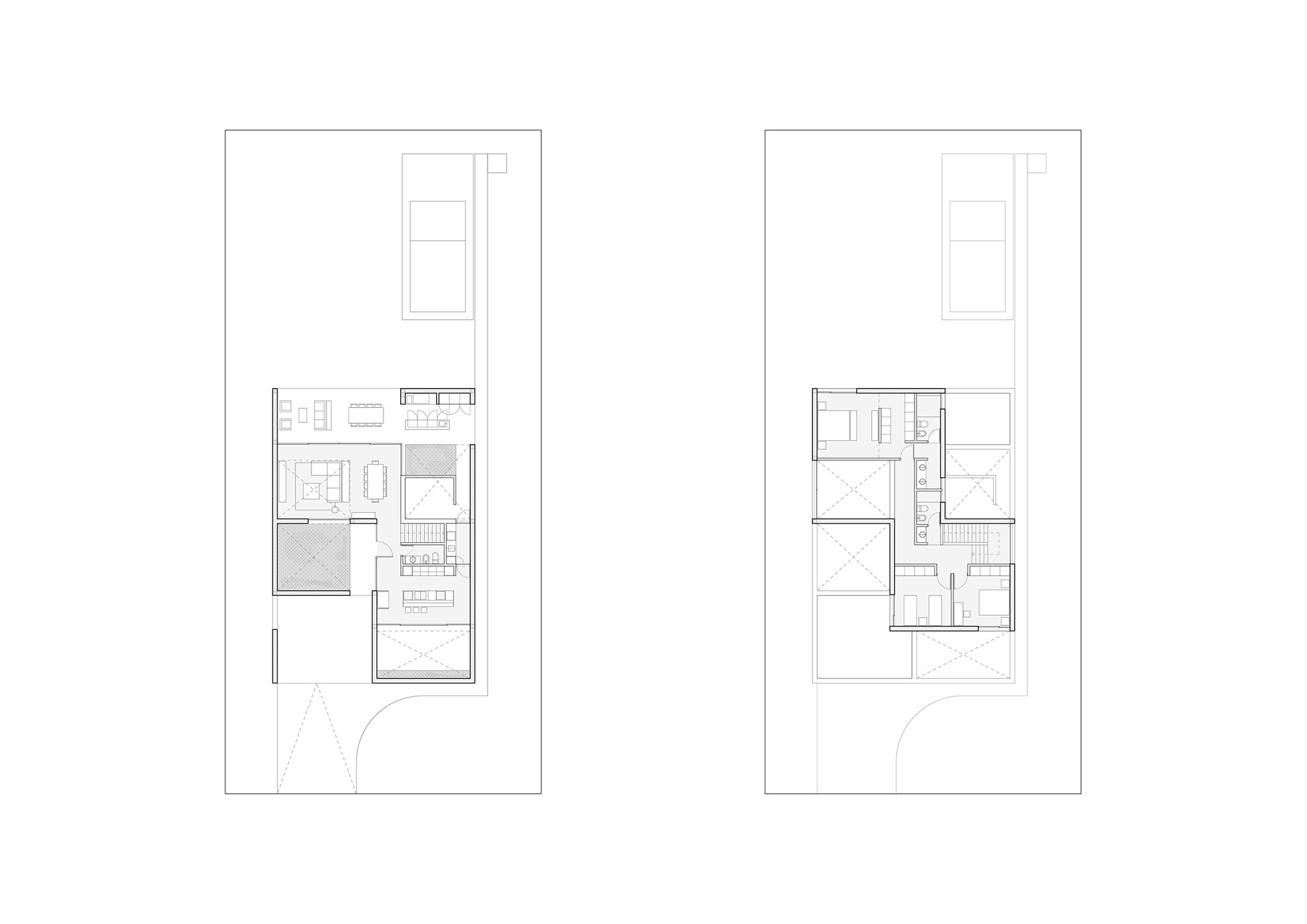
Once the profile of the potential family group was defined, the foundations were established for a 285 m² house on two levels, with a precise plan of uses and living spaces. When designing the house, challenges arose due to the narrow distances between plots. Although there is a non-buildable area between plots that guarantees detached houses, these open spaces are mostly passageways. This situation raises questions about the true 'private' nature of the lots and the ways of living on them.
Vida U119 House by BBOA. Photograph by Ramiro Sosa.

The project seeks a house that maintains a distance from adjacent buildings on the sides open to the exterior and that closes off on the sides near the property lines to improve interior privacy. Volumetric subtraction operations were carried out to verify distances to the property lines and to consider orientations for each interior space, in addition to semi-covered areas for parking and a gallery.

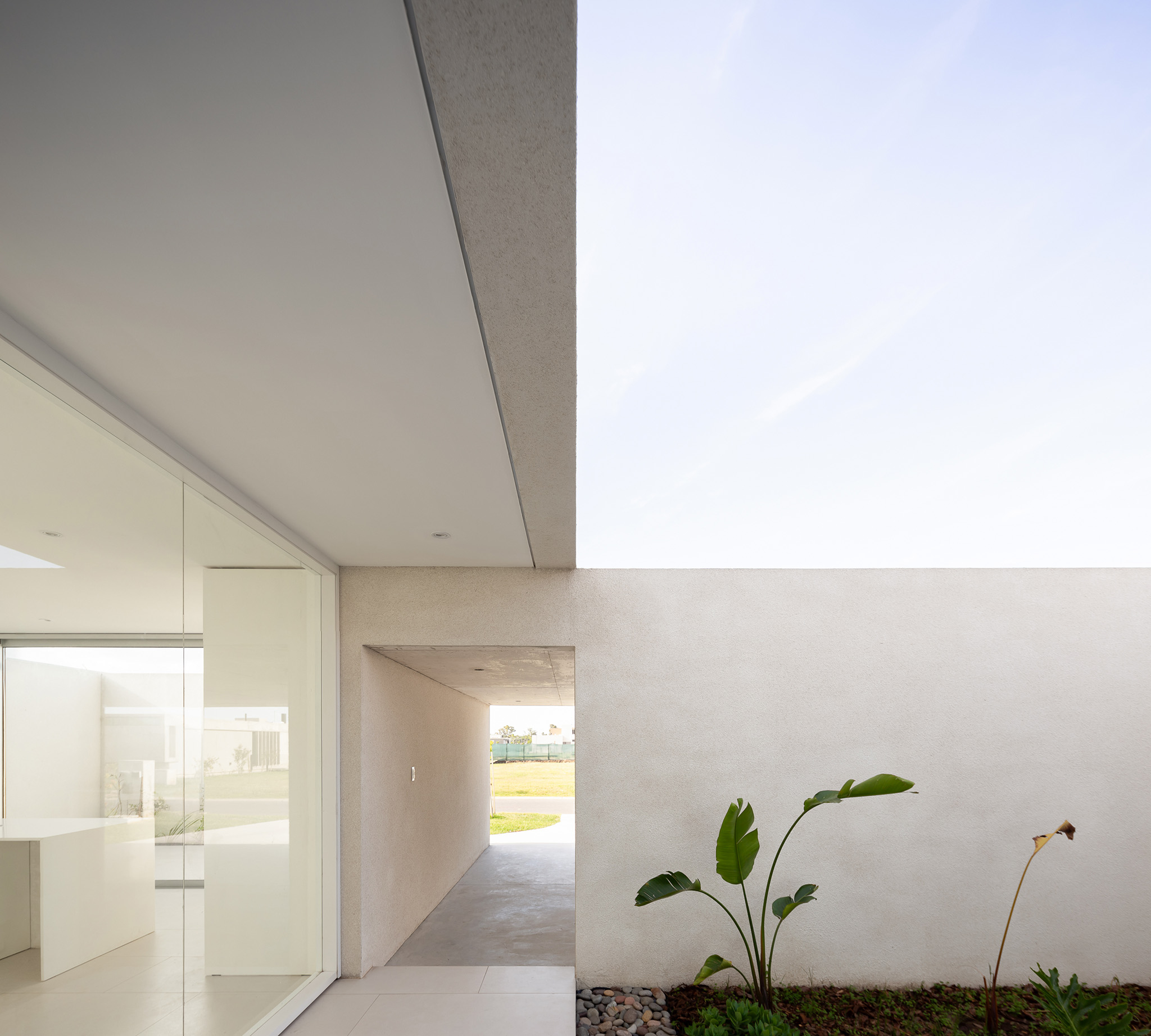
Three interior courtyards were incorporated into the social floor plan, extending the interior space into more private areas and creating a greater sense of spaciousness on the ground floor. These courtyards become virtual extensions of the interior, with visual boundaries that extend beyond the glass, providing a healthy filter for life within the collective complex.
Vida U119 House by BBOA. Photograph by Ramiro Sosa.

The house's morphological appearance is that of a completely self-contained structure. However, this perception changes radically from the inside, where the rooms acquire a direct relationship with the exterior space through the new setbacks and, fundamentally, through the courtyards.
More information

Label
Architects
Text

BBOA - Balparda Brunel Oficina de Arquitectura. Lead Architects.- Tomás Balparda, Fernando Brunel. 

+ + copy Created with Sketch.
- + copy Created with Sketch.
Label
Project team
Text

Mascetti Franco, Degiorgio Bruno, Balparda Francisco.

+ + copy Created with Sketch.
- + copy Created with Sketch.
Label
Collaborators
Text

Budget.- Daniel Moya.

+ + copy Created with Sketch.
- + copy Created with Sketch.
Label
Client
Text

MOBB Desarrollos.

+ + copy Created with Sketch.
- + copy Created with Sketch.
Label
Contractor
Text

DM Construcciones.

+ + copy Created with Sketch.
- + copy Created with Sketch.
Label
Area
Text

285 sqm.

+ + copy Created with Sketch.
- + copy Created with Sketch.
Label
Dates
Text

2023.

+ + copy Created with Sketch.
- + copy Created with Sketch.
Label
Location
Text

Funes, Santa Fe Province, Argentina.

+ + copy Created with Sketch.
- + copy Created with Sketch.
Label
Manufacturers
Text

Hipermat, Aluminios y Vidrios Group, Revear, Egger.

+ + copy Created with Sketch.
- + copy Created with Sketch.
Label
Photography
+ + copy Created with Sketch.
- + copy Created with Sketch.

Balparda Brunel Architecture Office (BBOA) is a studio established in Rosario, Argentina in 2012 by Tomás Balparda and Fernando Brunel. Their practice focuses primarily on architectural projects related to housing and its various scales.

Their scope of work extends to teaching and experimentation, and they have received several international awards, including the ADUS Saint-Gobain + FPAA International Architecture Grand Prize (Paris, 2021), a nomination for the Mies Crown Hall Americas Prize (Chicago, 2022), and selection as one of the Argentine studios participating in the BAL - Latin American Architecture Biennial (Pamplona, ​​2021). His work has been exhibited at the Venice Architecture Biennale (Venice, 2021-2023), the Chicago Architecture Biennial (Chicago, 2025), and the MATADERO Contemporary Creation Center (Madrid, 2022), among others. Some of his work has been published by national and international media outlets and publishers such as TC Cuadernos (Spain), Summa+ (Argentina), A+T (Spain), Bisman Ediciones (Argentina), and Clarín ARQ (Argentina).

The studio has given numerous lectures at the National University of Rosario, the National University of Córdoba, and the University of Buenos Aires; as well as at the Melbourne School of Design, Kingston University London, the European University of Valencia, and the Center for Higher Studies in Design of Monterrey (CEDIM).

Tomás Balparda. Architect, Faculty of Architecture, Planning and Design (UNR). I completed a Postgraduate Diploma in Architecture and Technology at Torcuato Di Tella University. I am a Chevening Scholar for the Master's in Sustainable Building Design and Performance and graduated with honors from Kingston University in London. In the field of education, I have taught at the National University of Rosario (Argentina), the Inter-American Open University (Argentina), and the Center for Higher Studies in Design in Monterrey (Mexico).

Fernando Brunel is an architect from the Faculty of Architecture, Planning and Design (National University of Rosario), graduating with third-highest honors. I completed a Postgraduate Diploma in Applied Architecture (MArch) at the European University of Valencia. In the field of education, I have taught at the National University of Rosario (Argentina), the Inter-American Open University (Argentina), and the Center for Higher Studies in Design in Monterrey (Mexico).

Read more
Published on: January 31, 2026
Cite:
metalocus, AGUSTINA BERTA
"Intentional volumetric subtraction. Vida U119 House by BBOA" METALOCUS. Accessed
<https://www.metalocus.es/en/news/intentional-volumetric-subtraction-vida-u119-house-bboa> ISSN 1139-6415
Loading content ...
Loading content ...
Loading content ...
Loading content ...
Loading content ...
Loading content ...
Loading content ...
Loading content ...
Loading content ...
Loading content ...
Loading content ...
Loading content ...
Loading content ...
Loading content ...
Loading content ...
Loading content ...
Loading content ...
Loading content ...
Loading content ...
Loading content ...
Loading content ...
Loading content ...
Loading content ...
Loading content ...
Loading content ...
Loading content ...
Loading content ...
Loading content ...
Loading content ...
Loading content ...
Loading content ...
Loading content ...
Loading content ...
Loading content ...
Loading content ...
Loading content ...
Loading content ...
Loading content ...
Loading content ...
Loading content ...
Loading content ...
Loading content ...
Loading content ...
Loading content ...
Loading content ...
Loading content ...
Loading content ...
Loading content ...
Loading content ...
Loading content ...
Loading content ...
Loading content ...
Loading content ...
Loading content ...