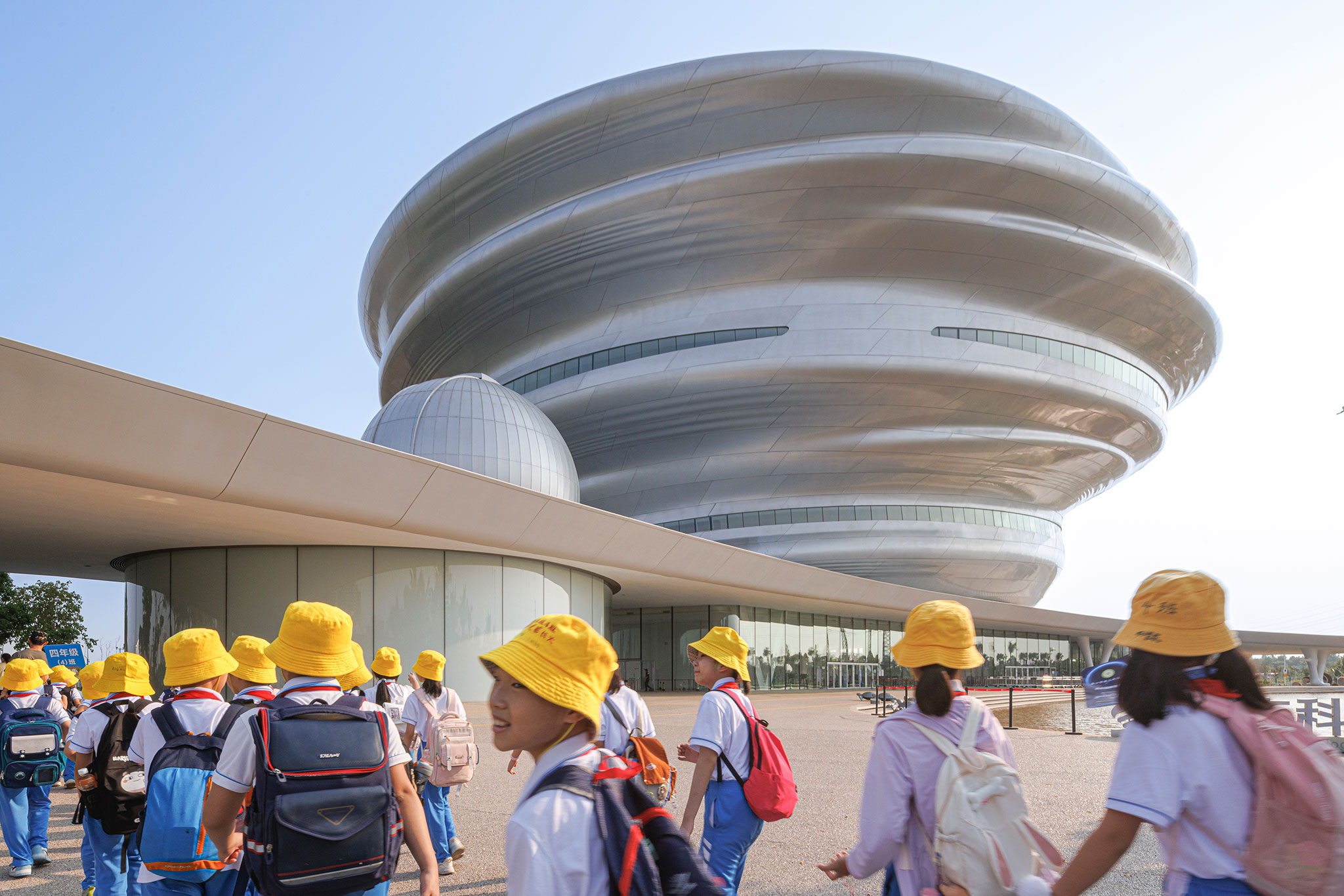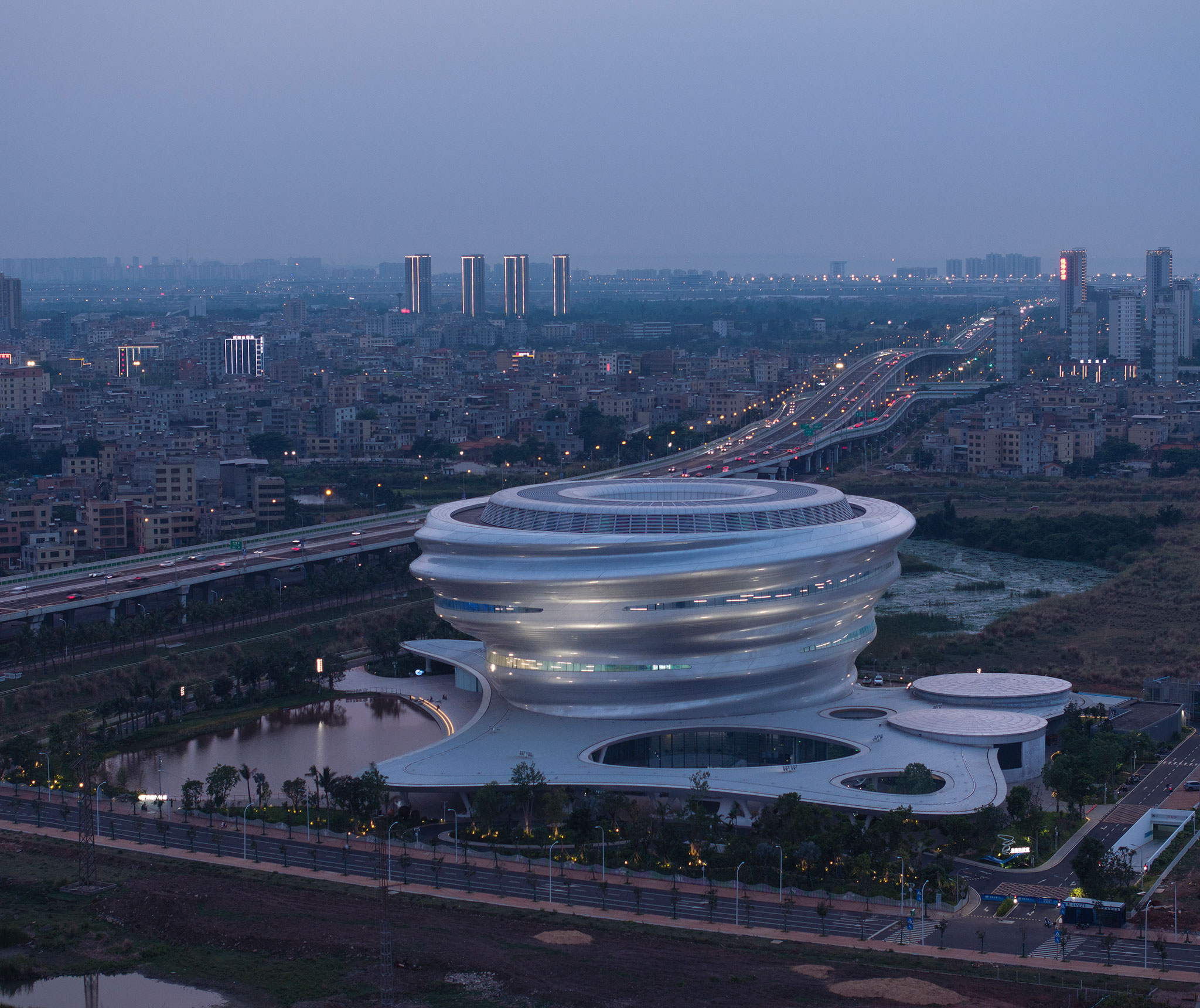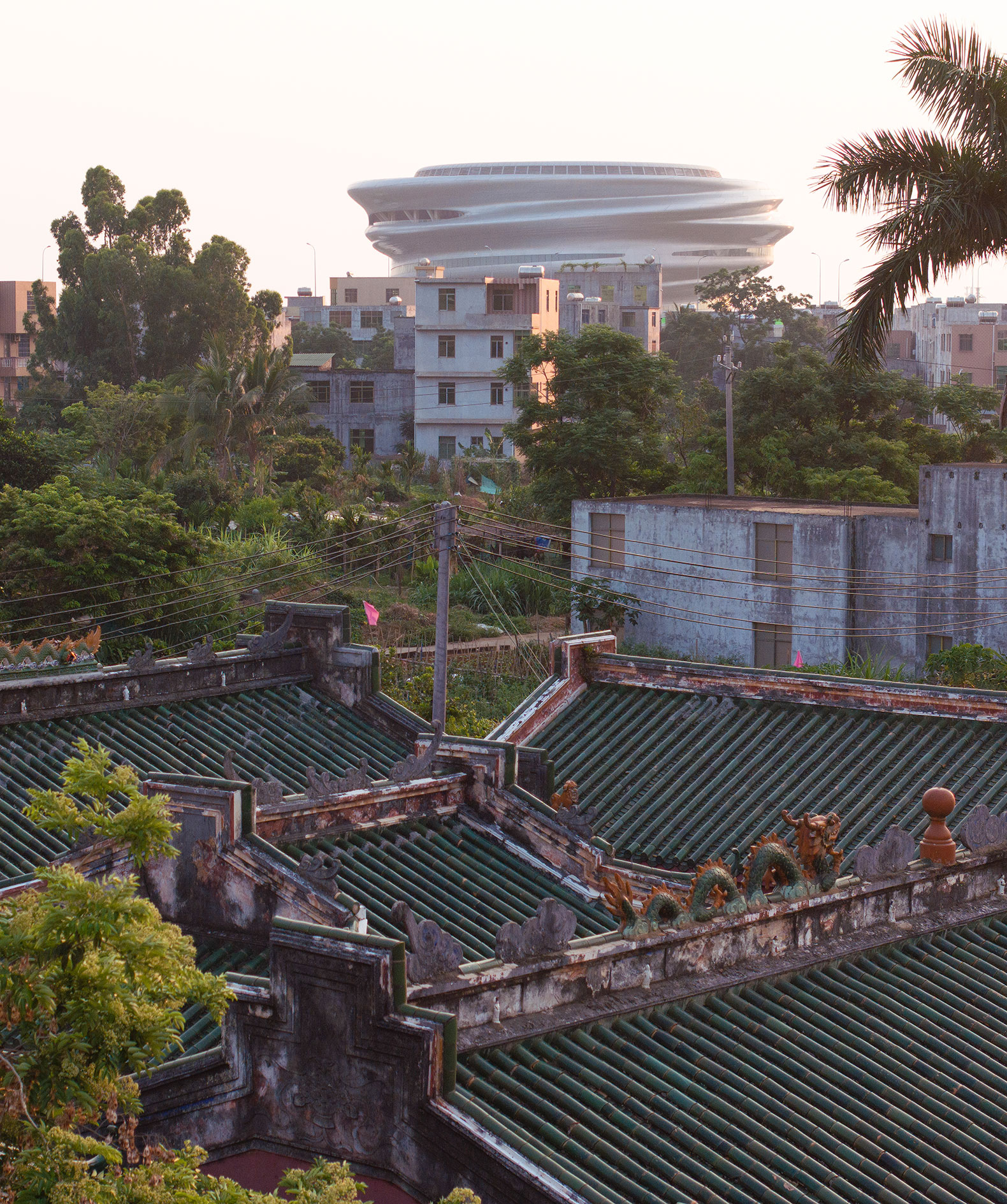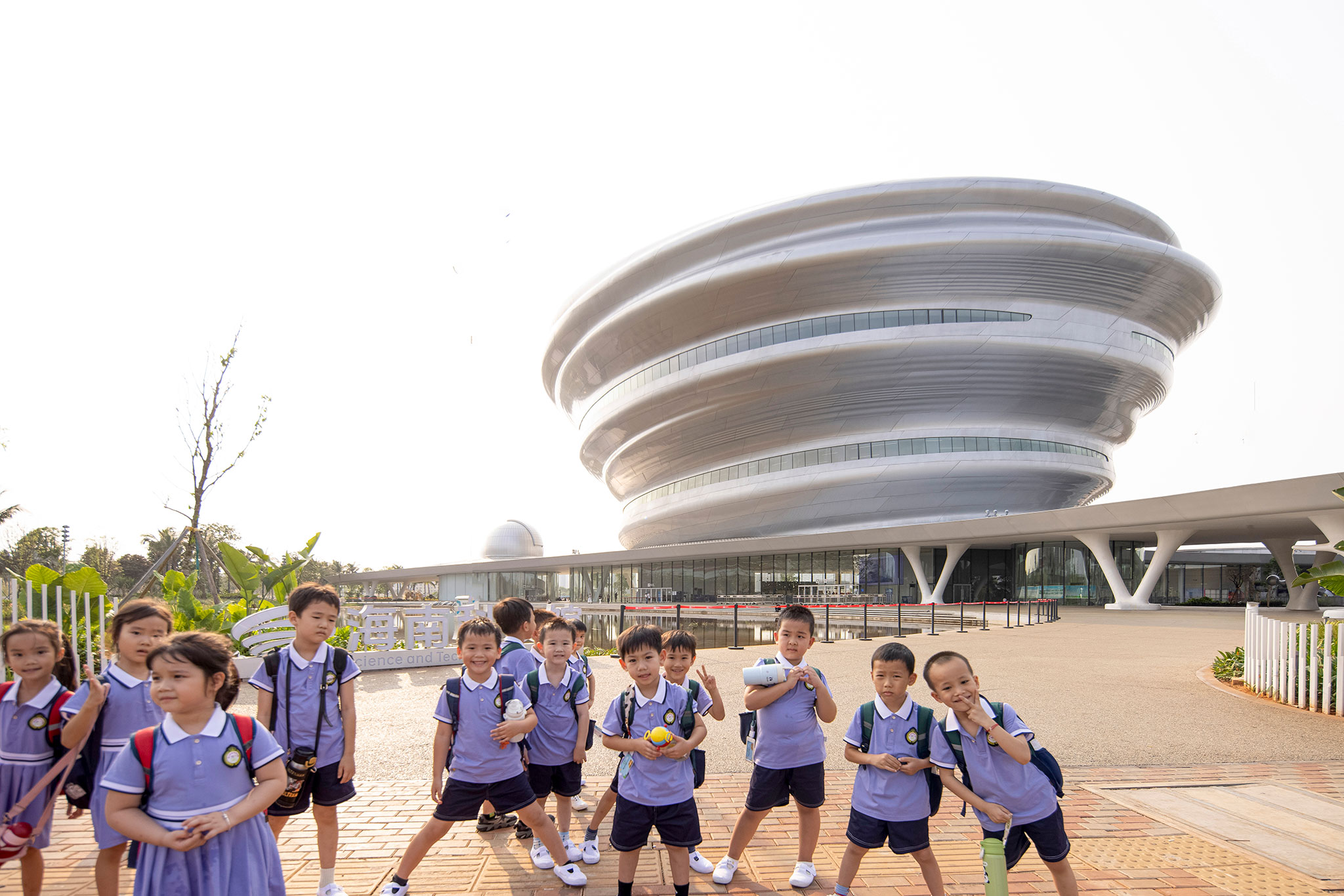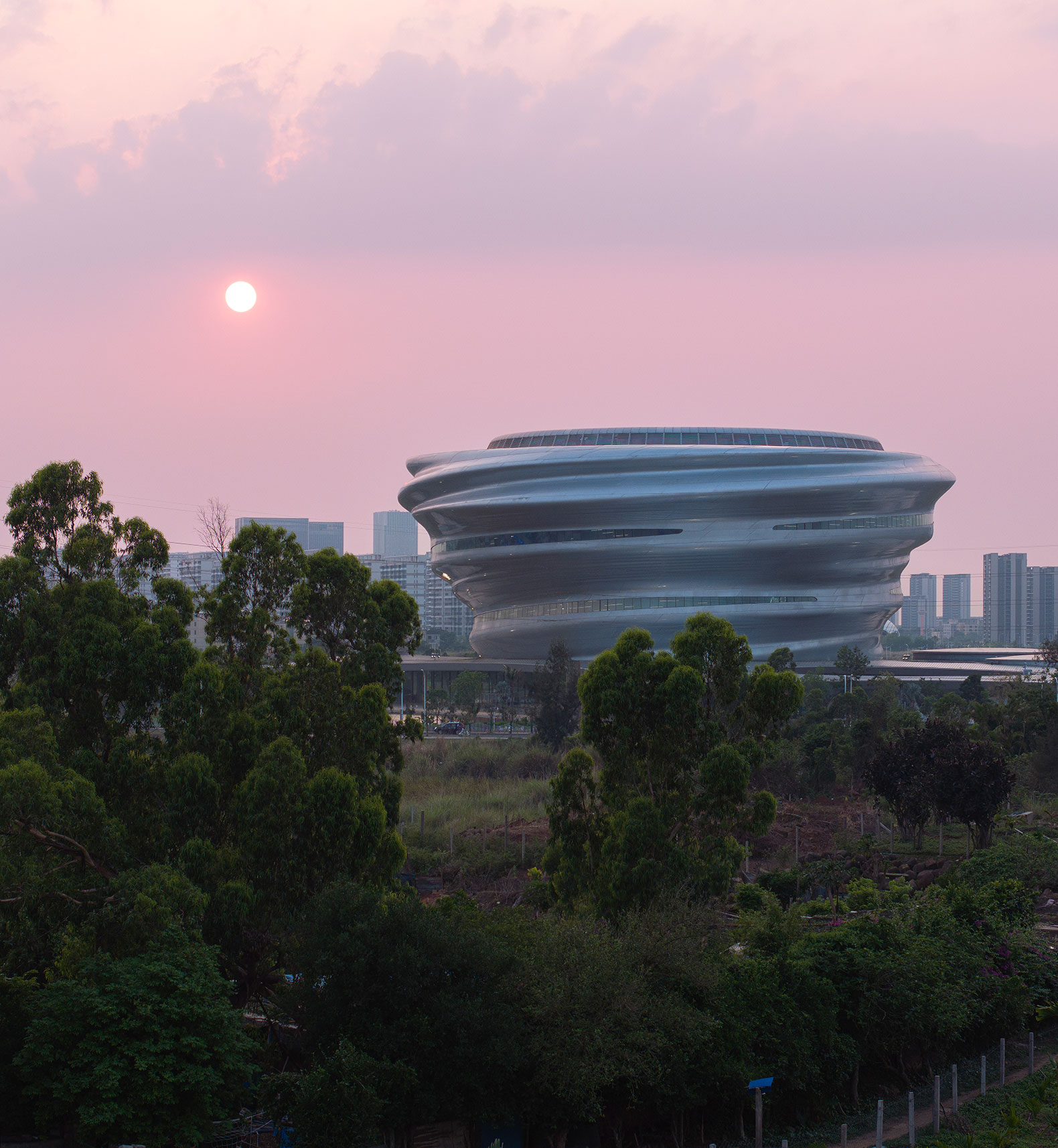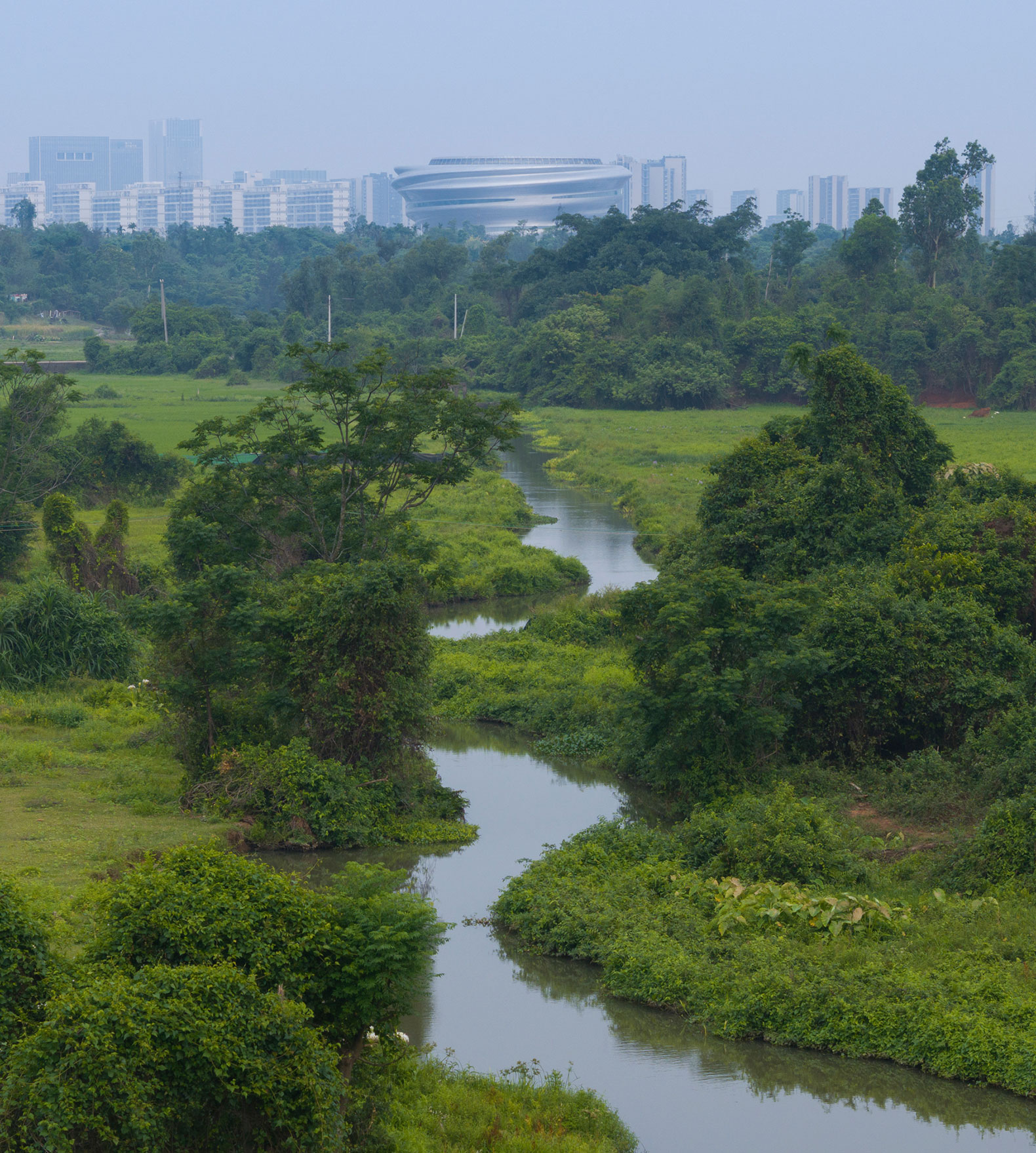
Ma Yansong and his architecture studio MAD designed the Hainan Science Museum, a cultural space on the edge of the Wuyuan River National Wetland Park in Haikou, Hainan Province, China. Since its trial opening, it has welcomed over 350,000 visitors in four months, with peak days exceeding 5,800 people.

The museum, recognized as one of the top ten public cultural centers in Hainan Province, presents science as an integral part of everyday life, quietly becoming part of China's scientific infrastructure.

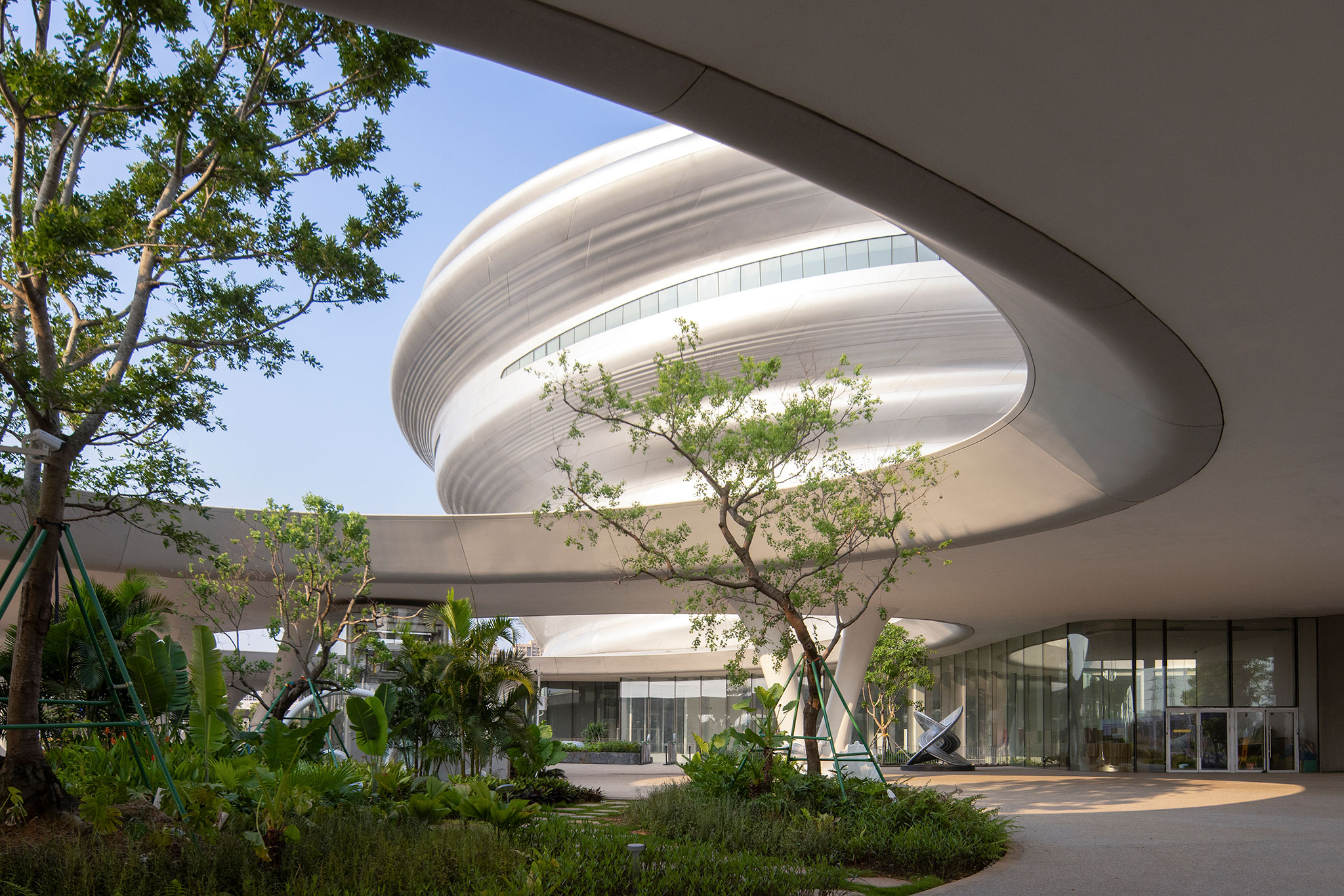
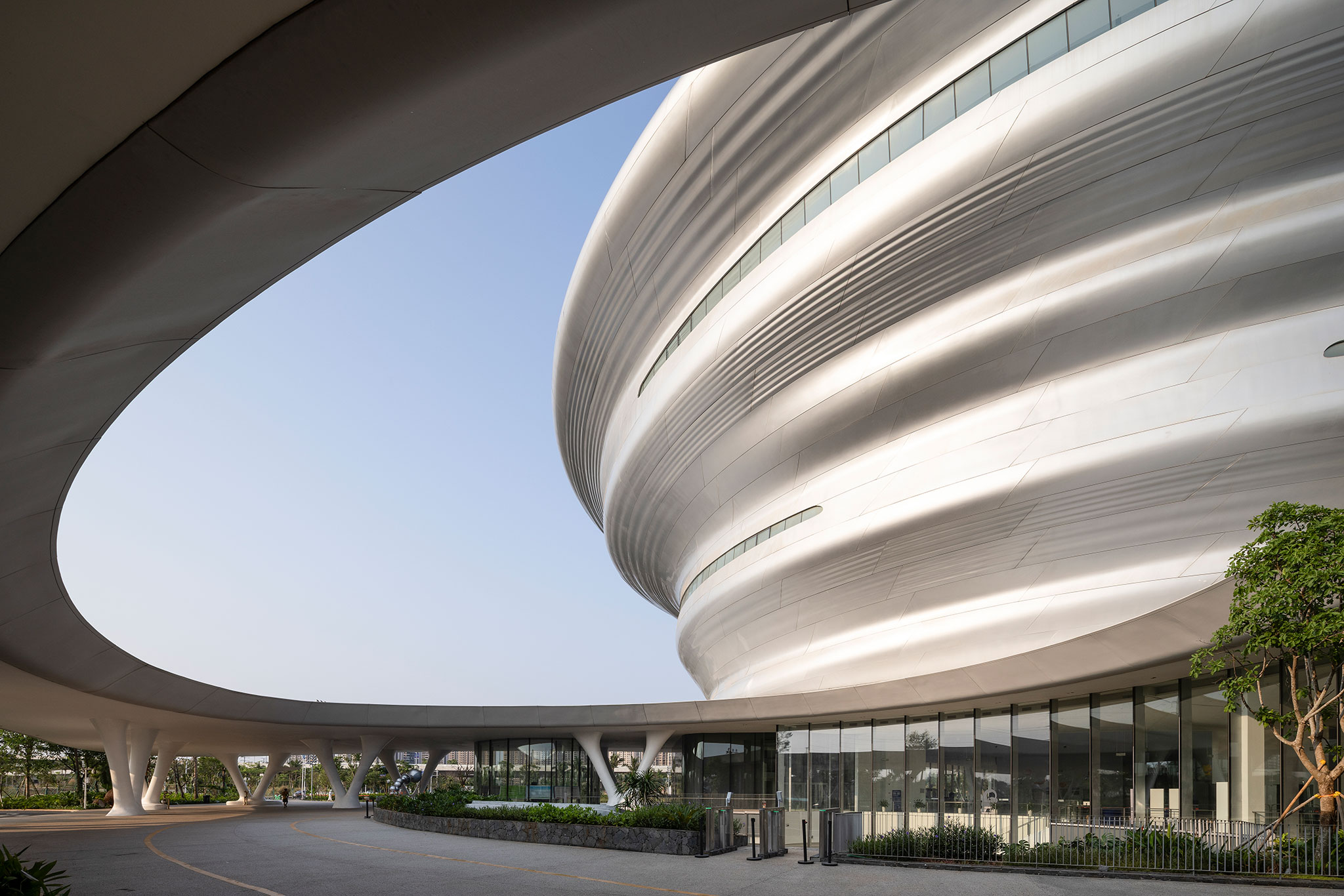
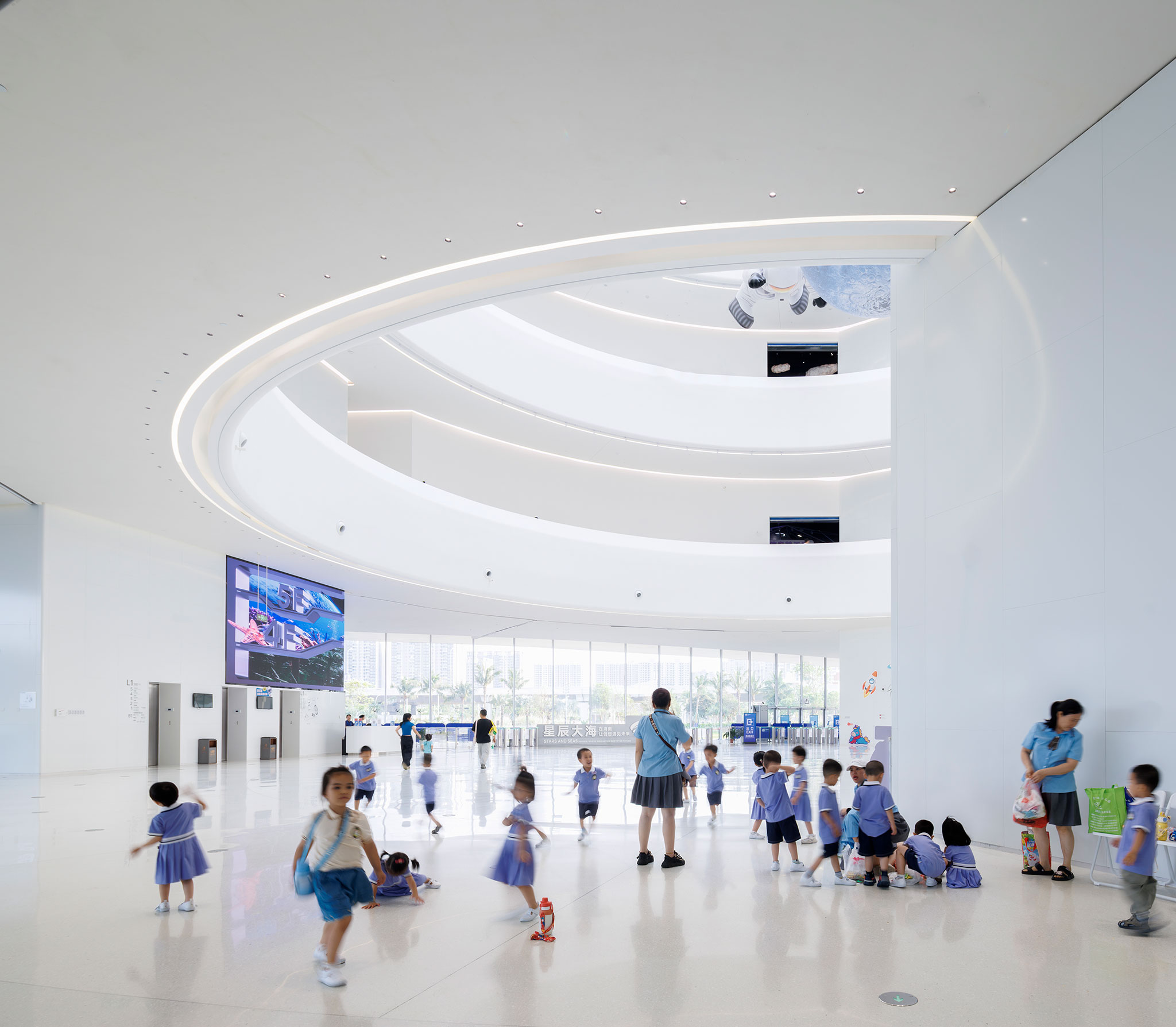
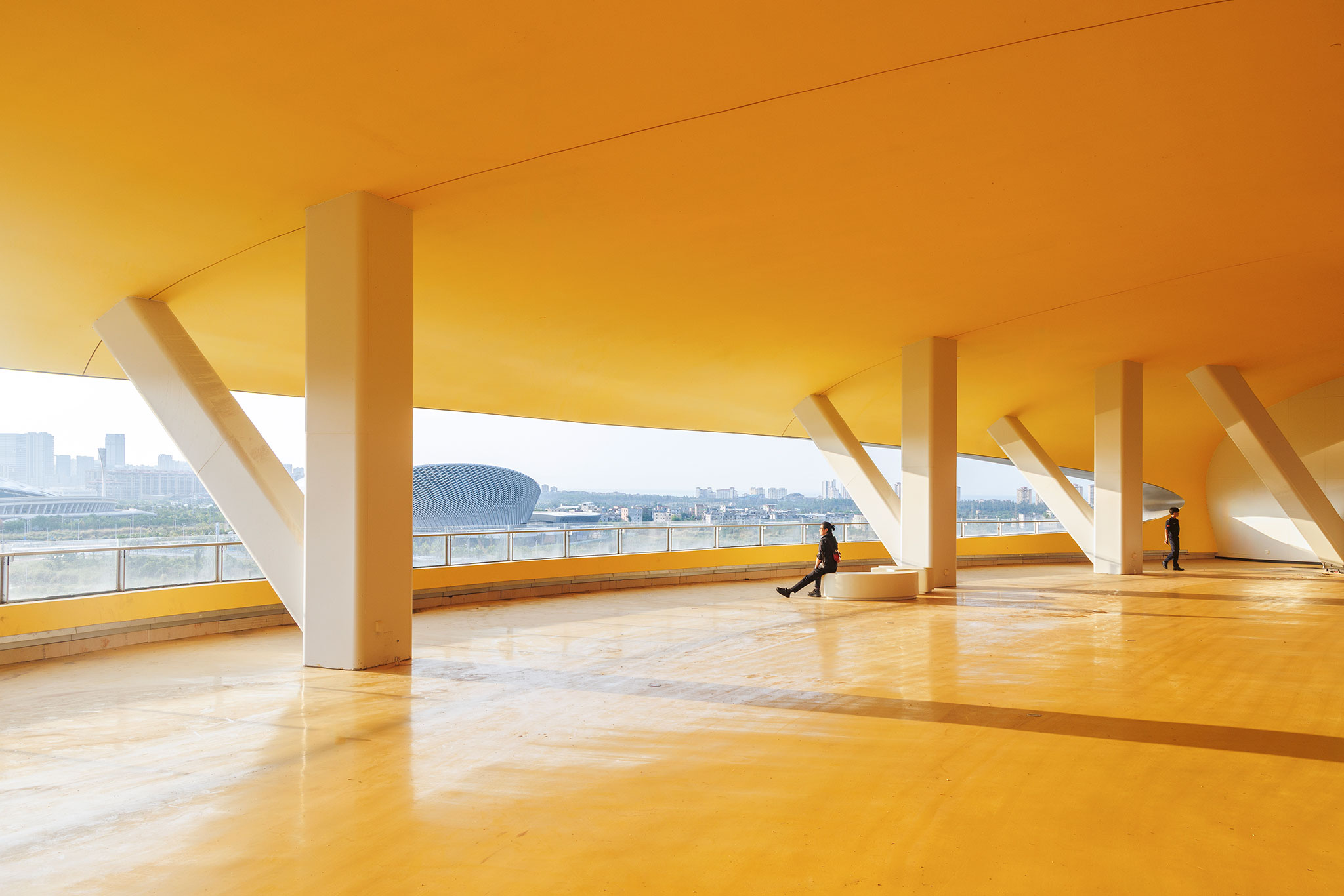
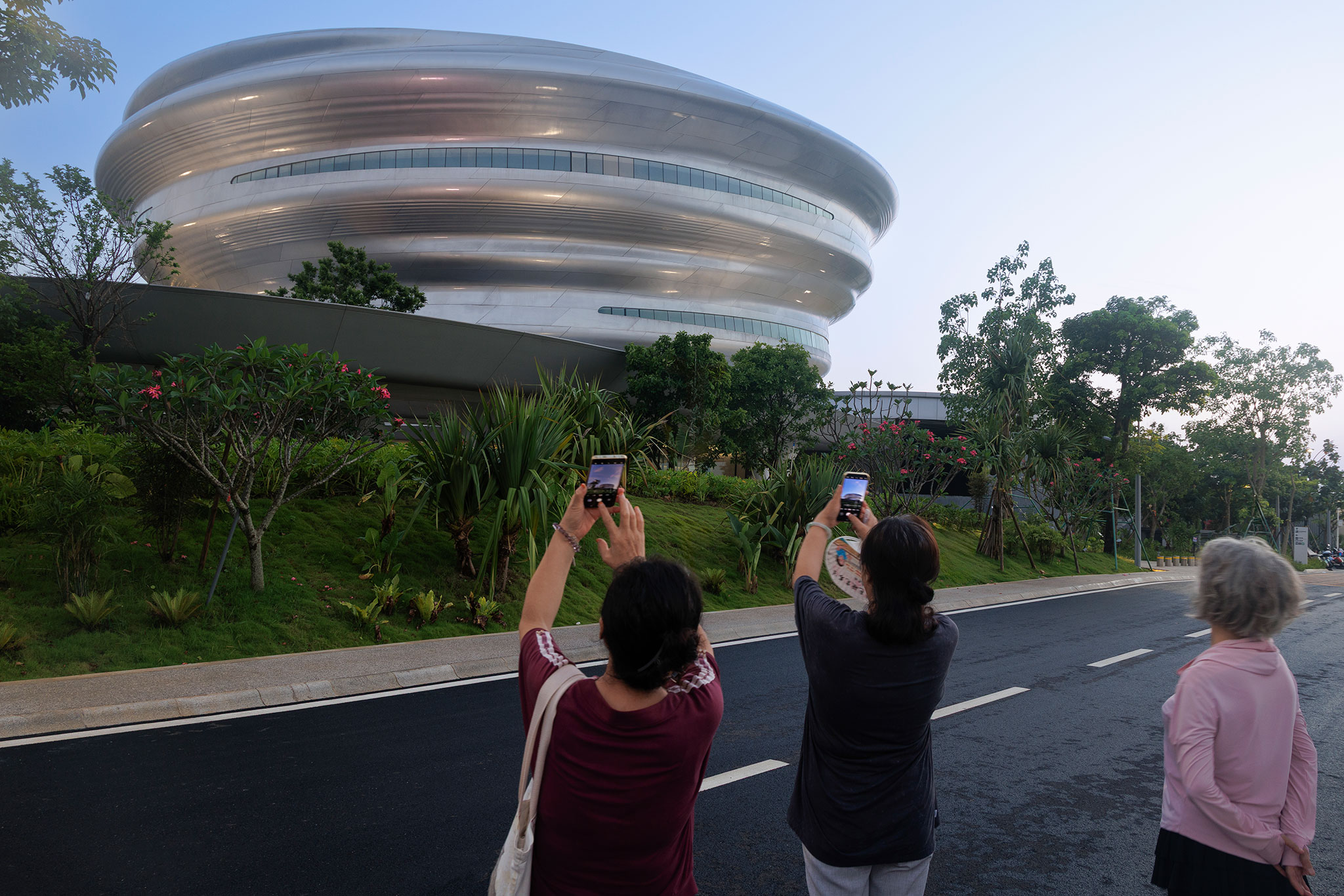
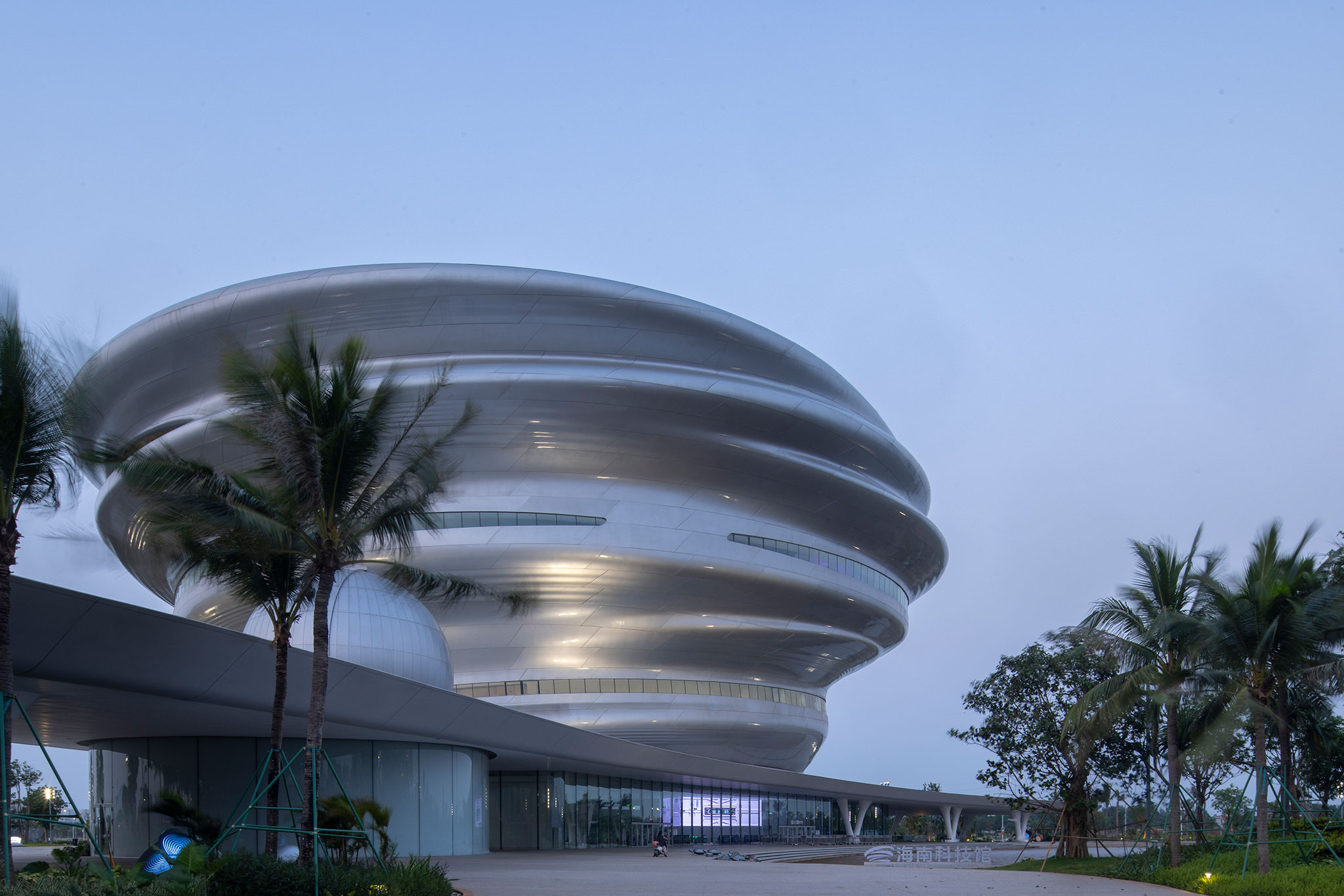
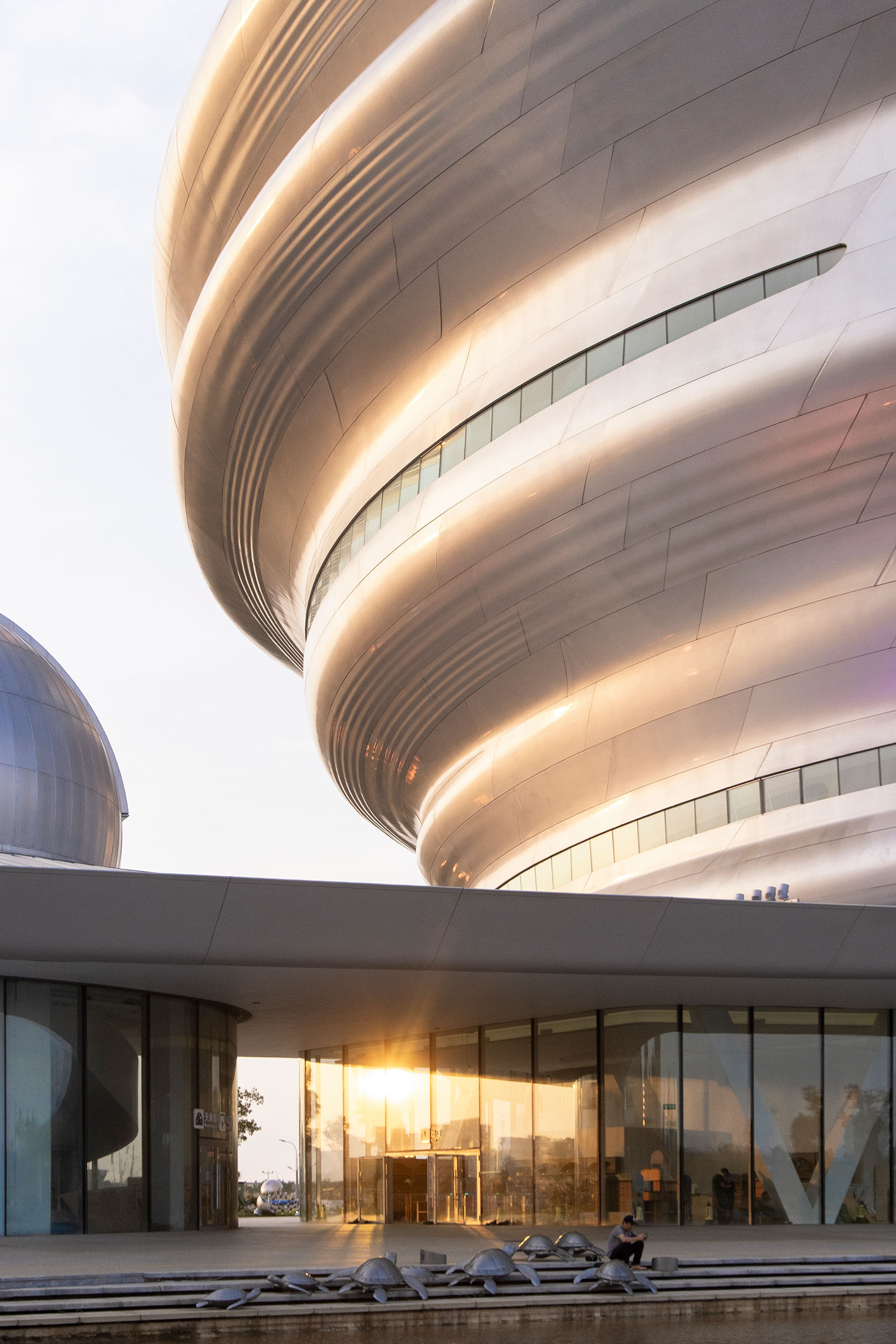
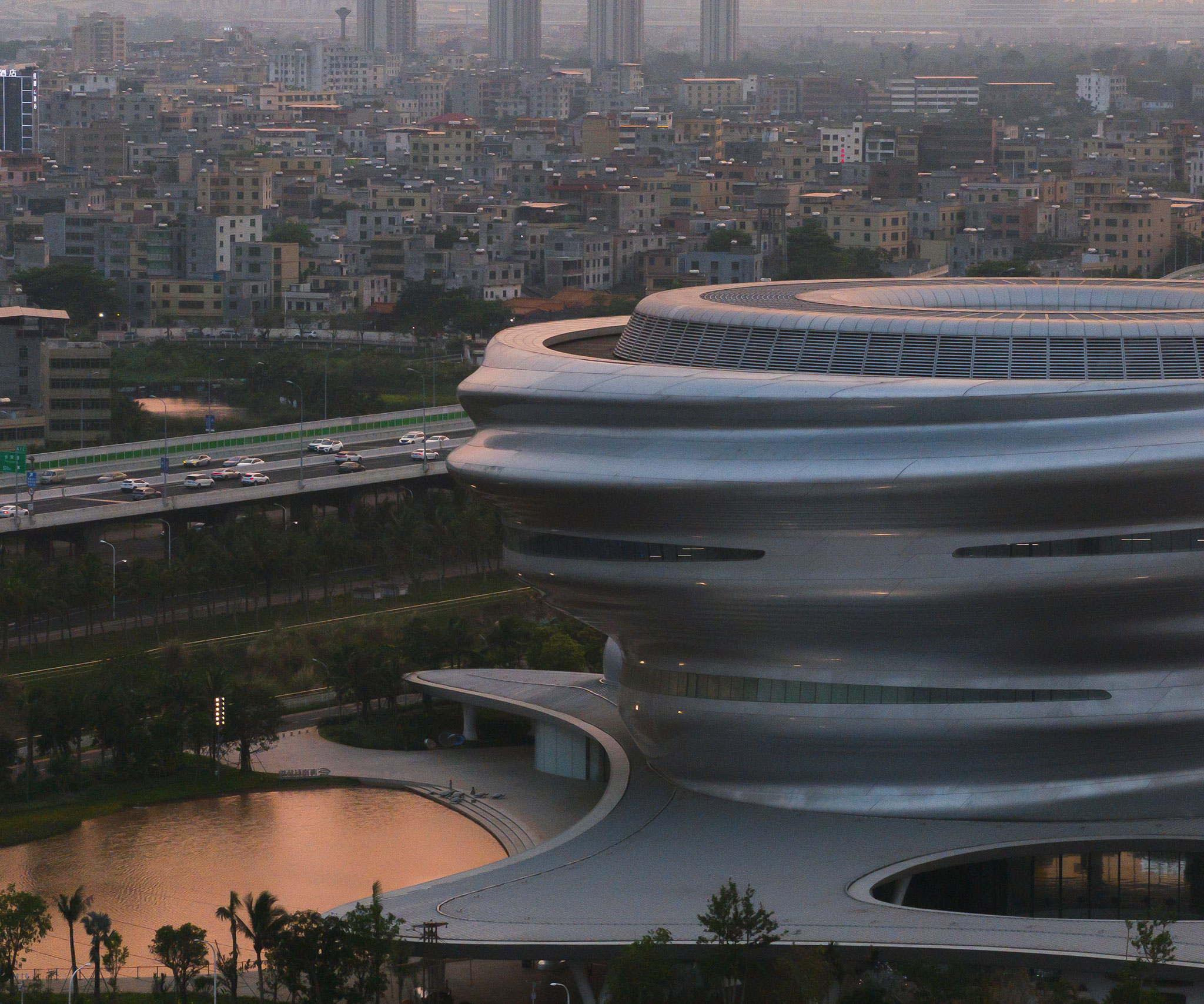
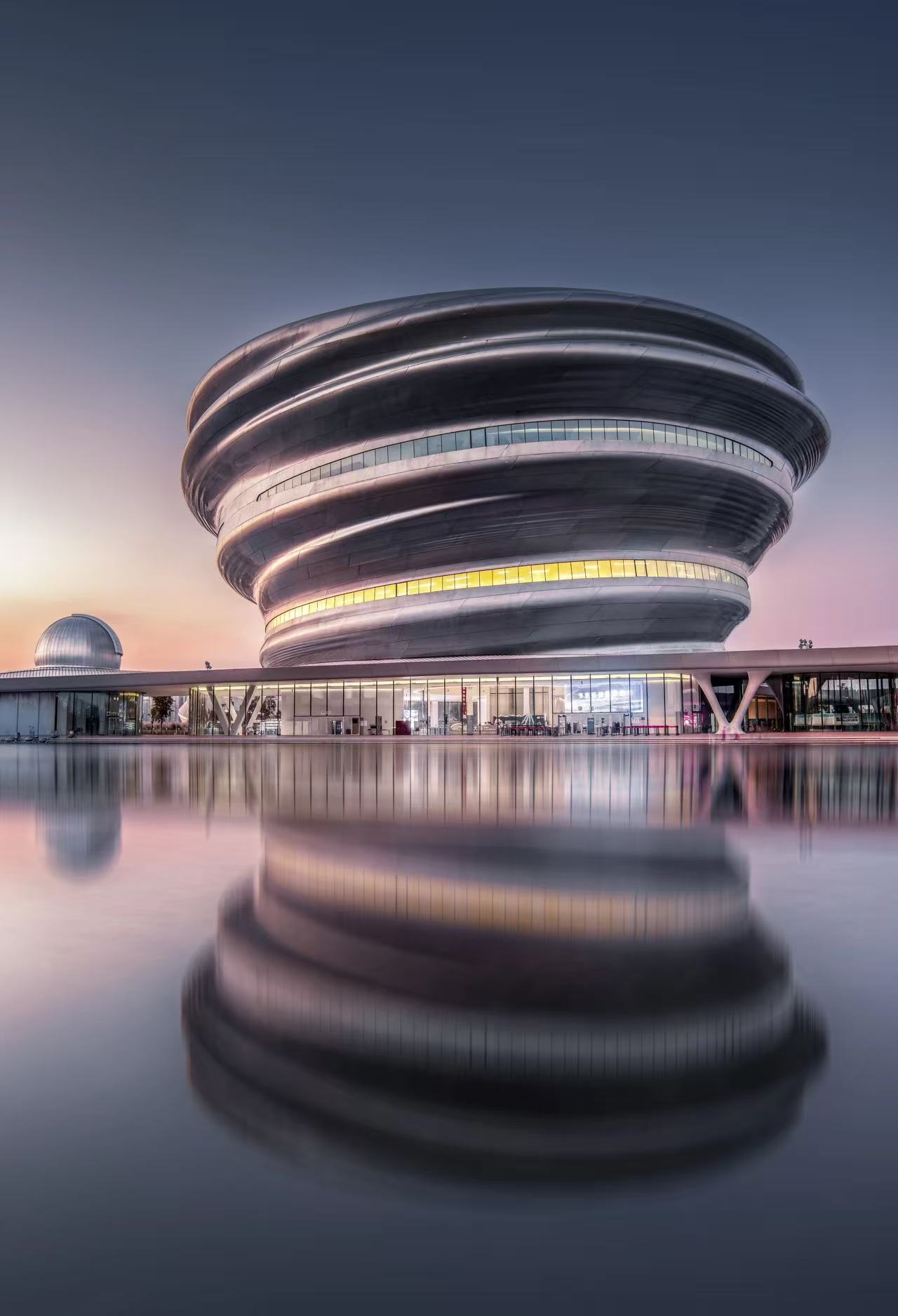
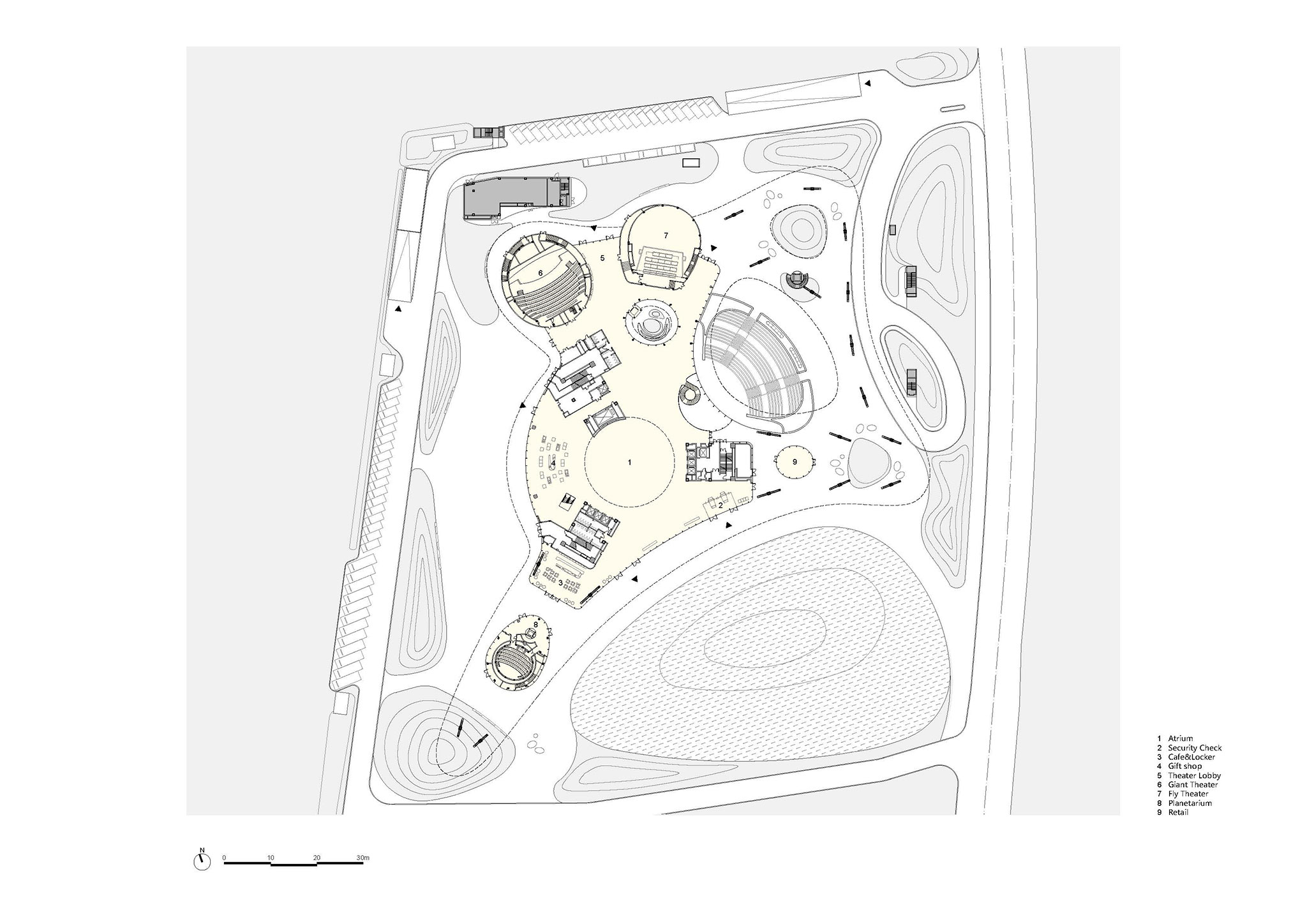
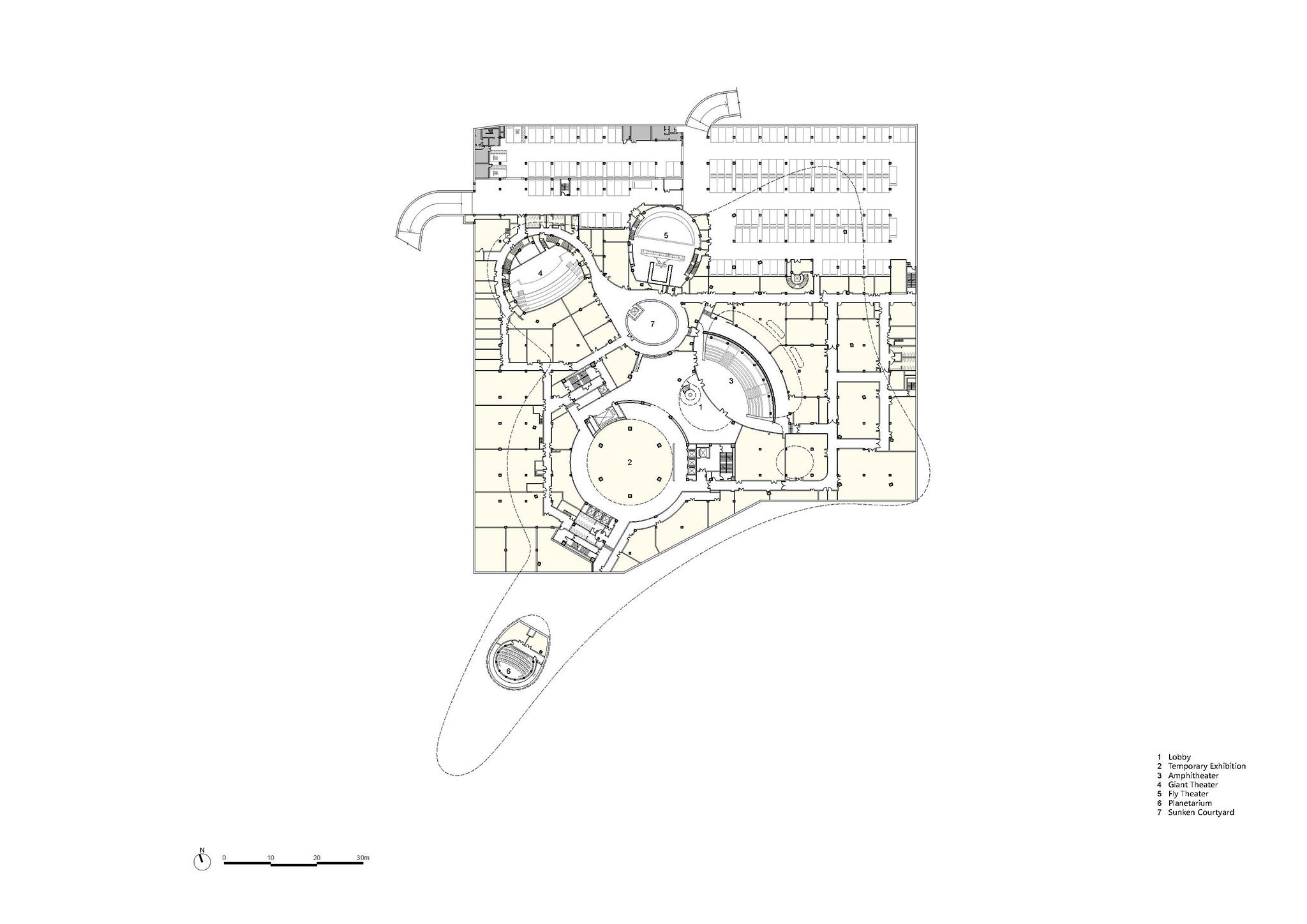
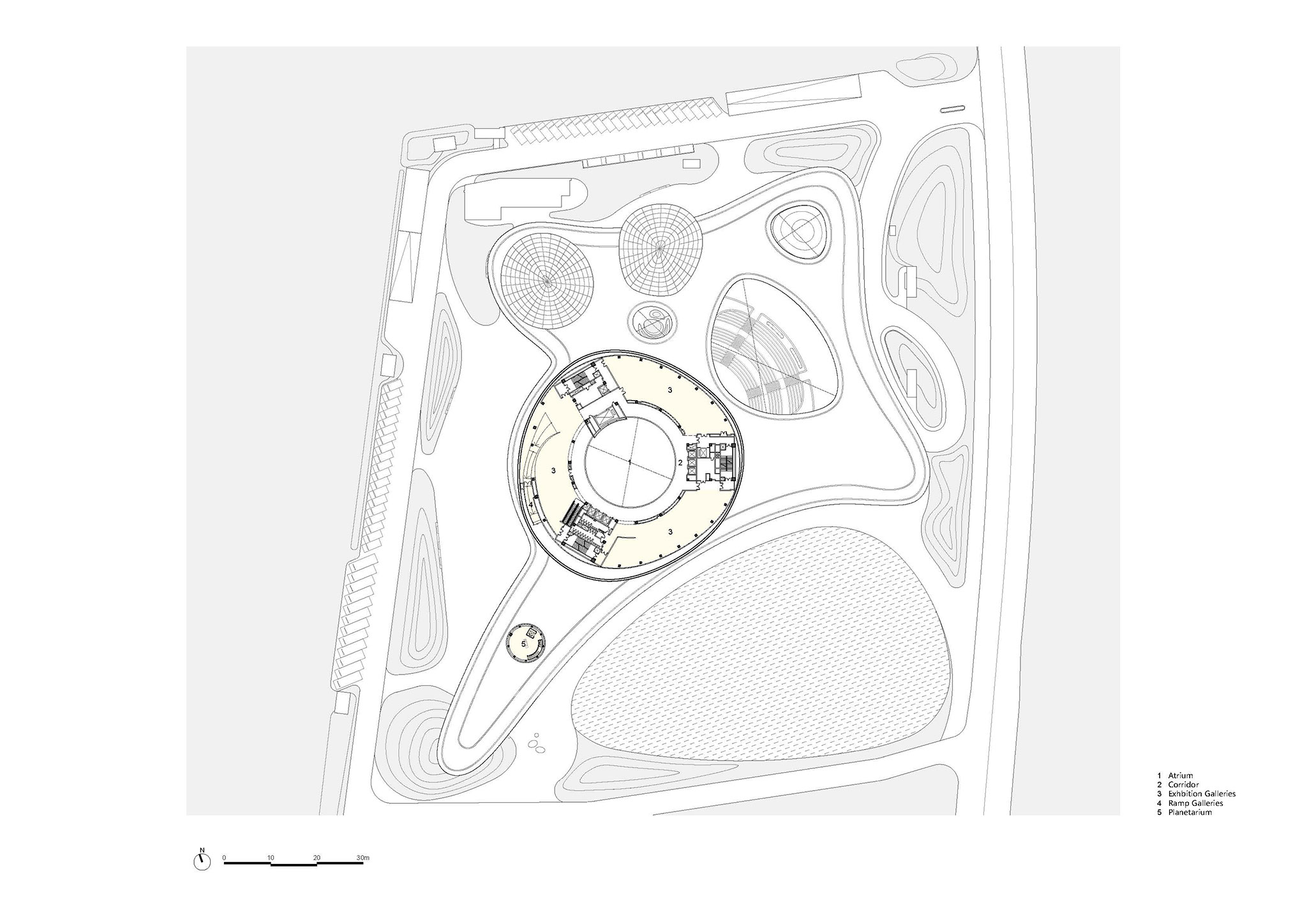
With over 30 schools and kindergartens within a three-kilometer radius, MAD conceived the building from the initial sketch as a civic infrastructure for local families. A wide canopy rises from the ground floor, shading an open plaza beneath the museum and extending the public space under the building itself. The 46,528-square-meter complex includes a planetarium, a giant-screen cinema, a sunken plaza, and shaded outdoor growing areas for hands-on teaching about plants and agriculture, all connected by a covered walkway.
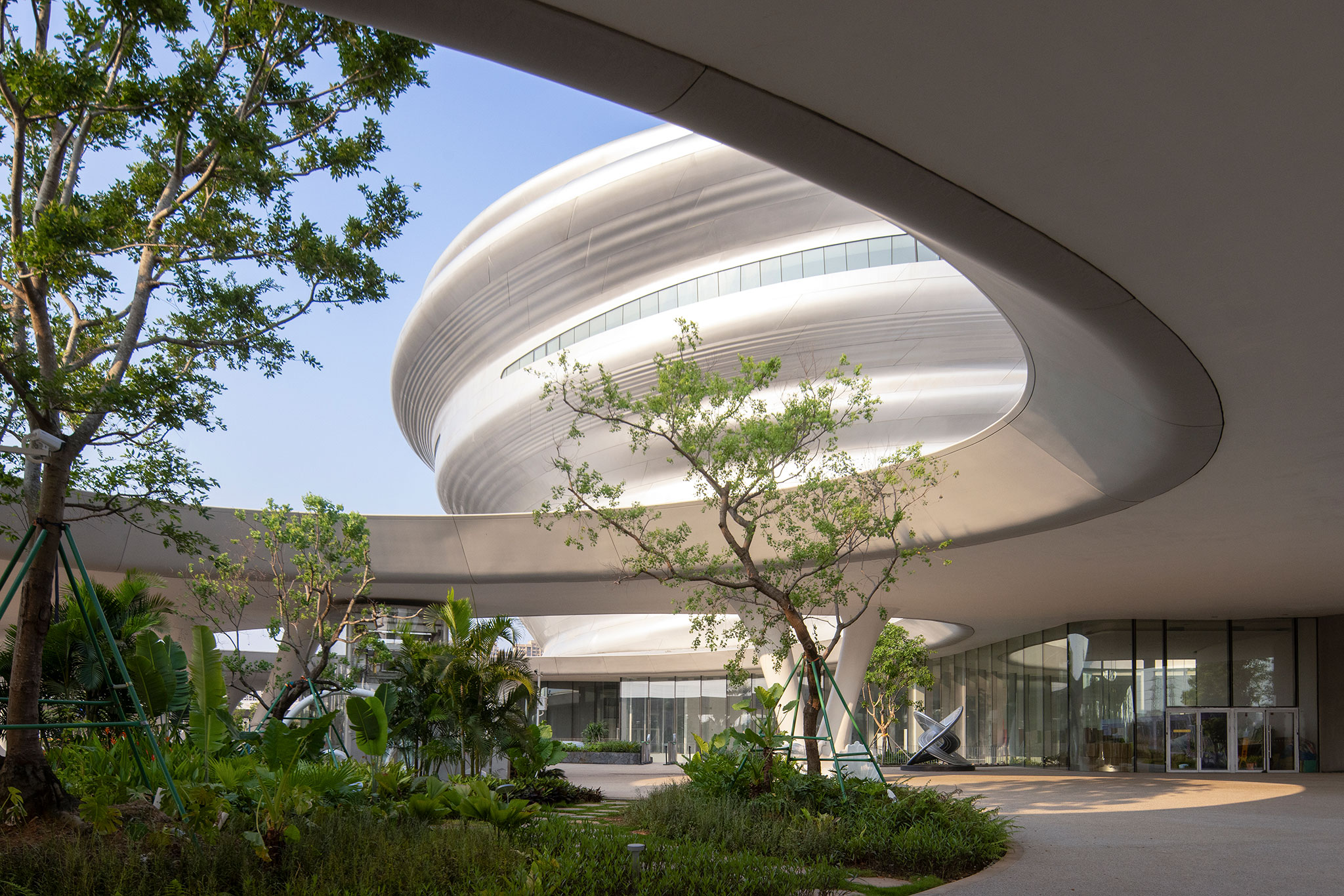
Hainan Science Museum by MAD. Photograph by Arch-Exist.

Hainan Science Museum by MAD. Photograph by Arch-Exist. 

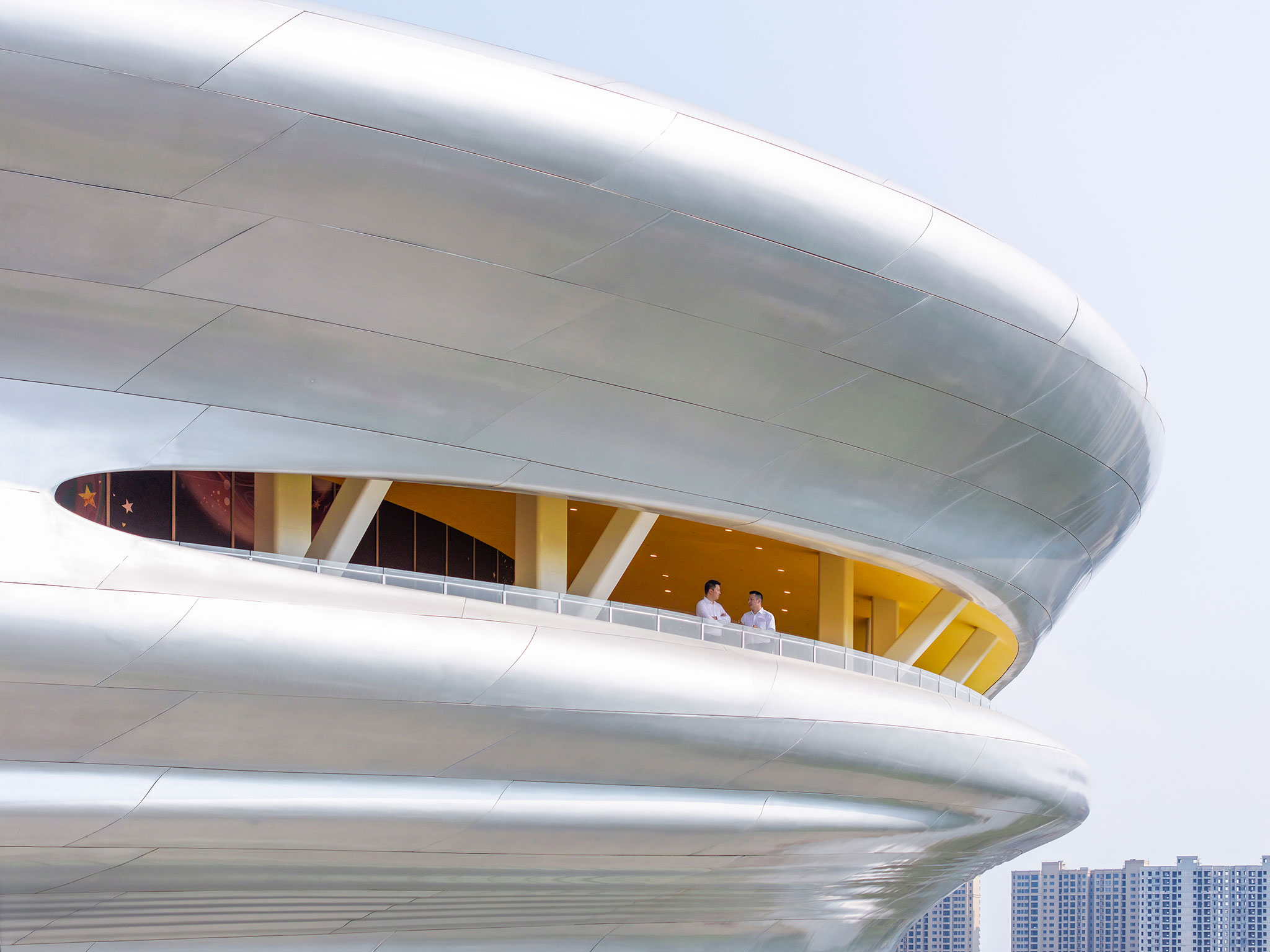
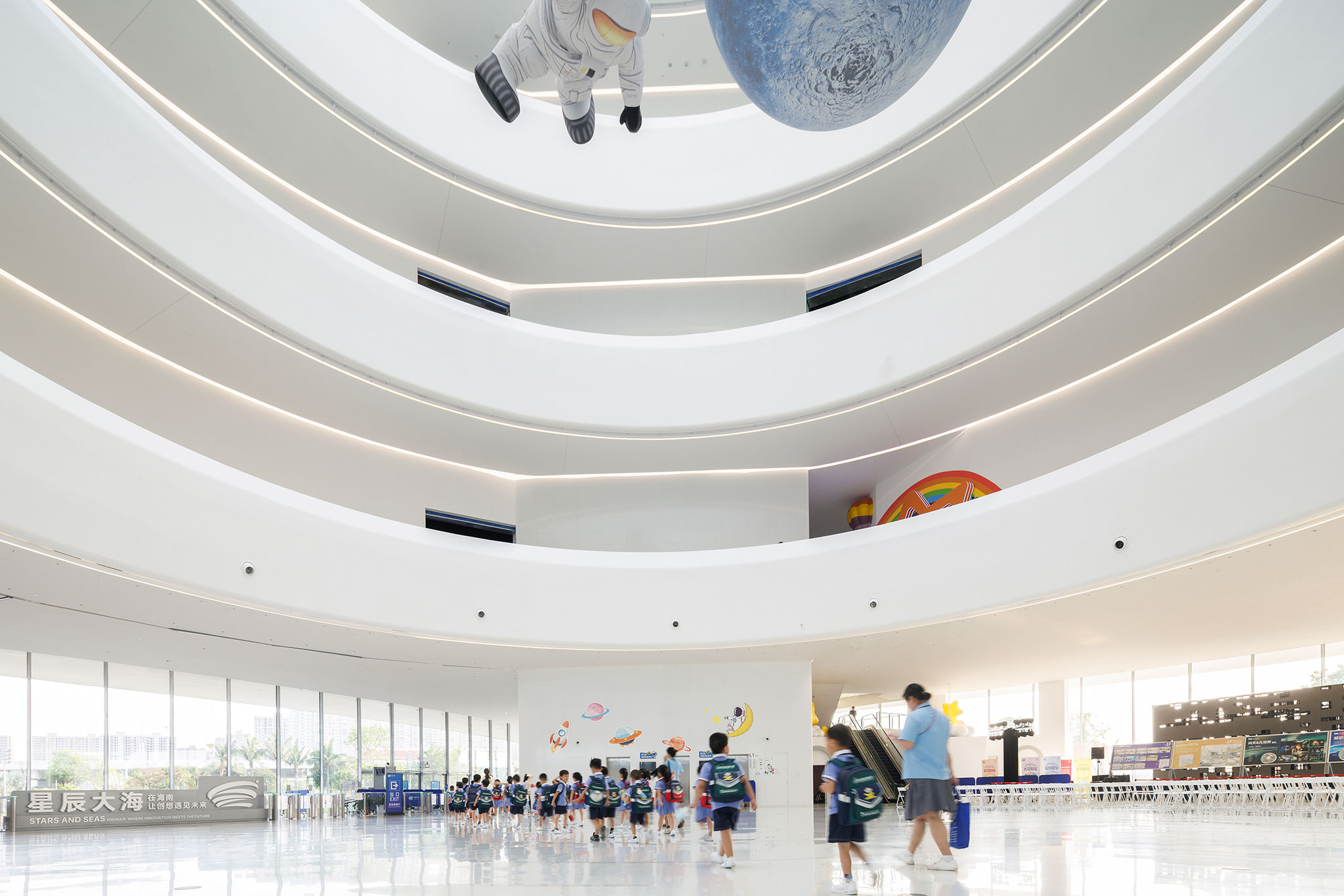
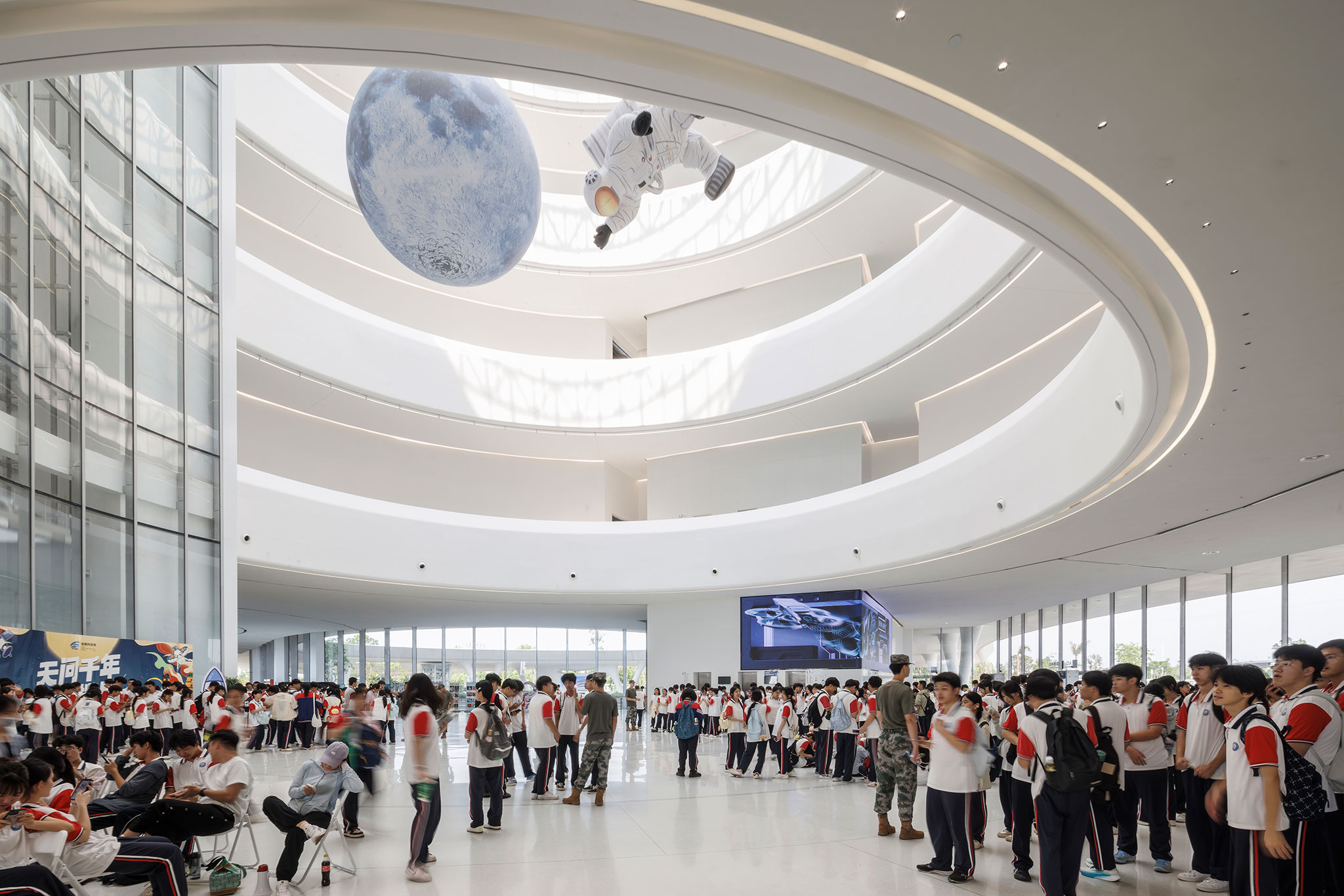
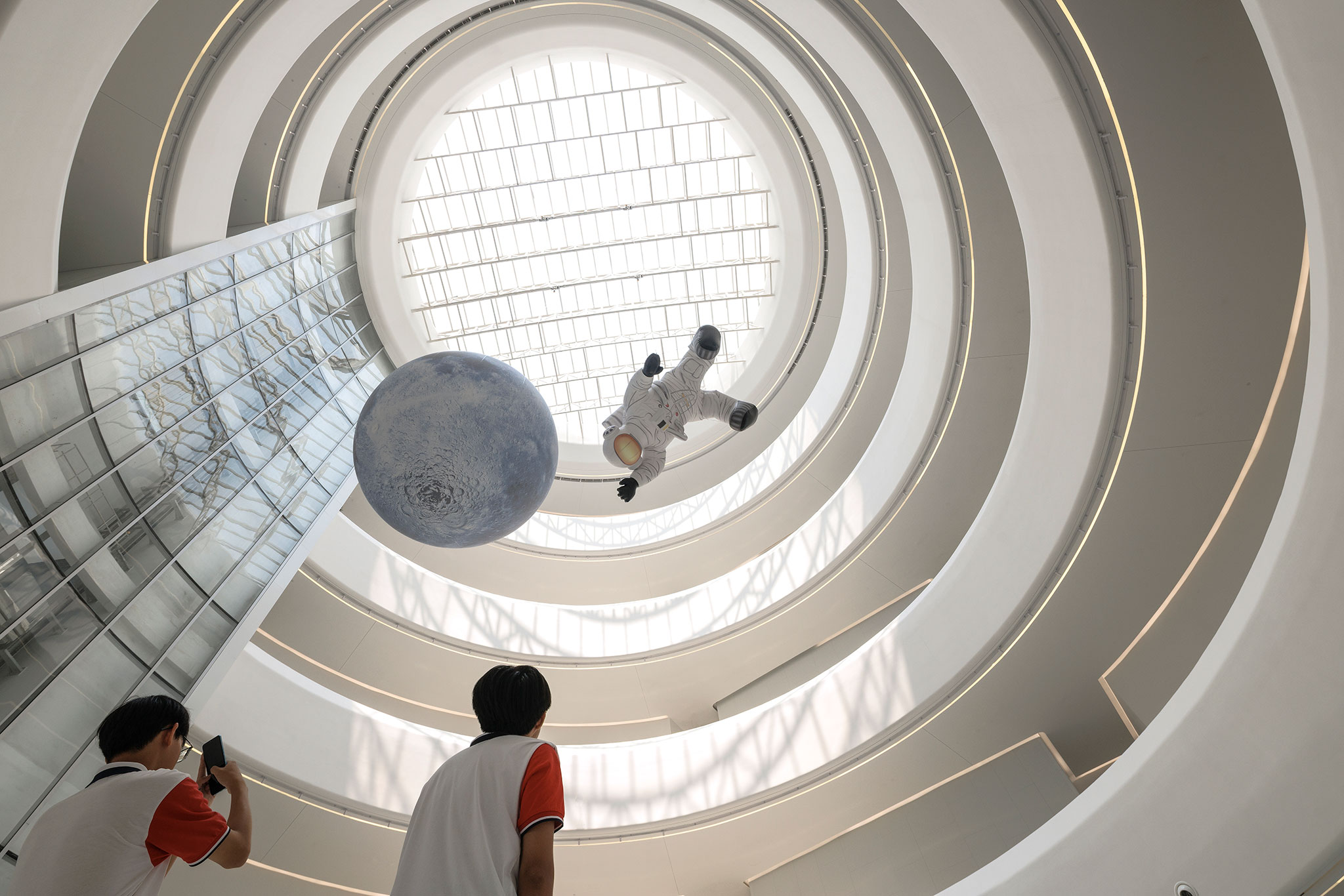
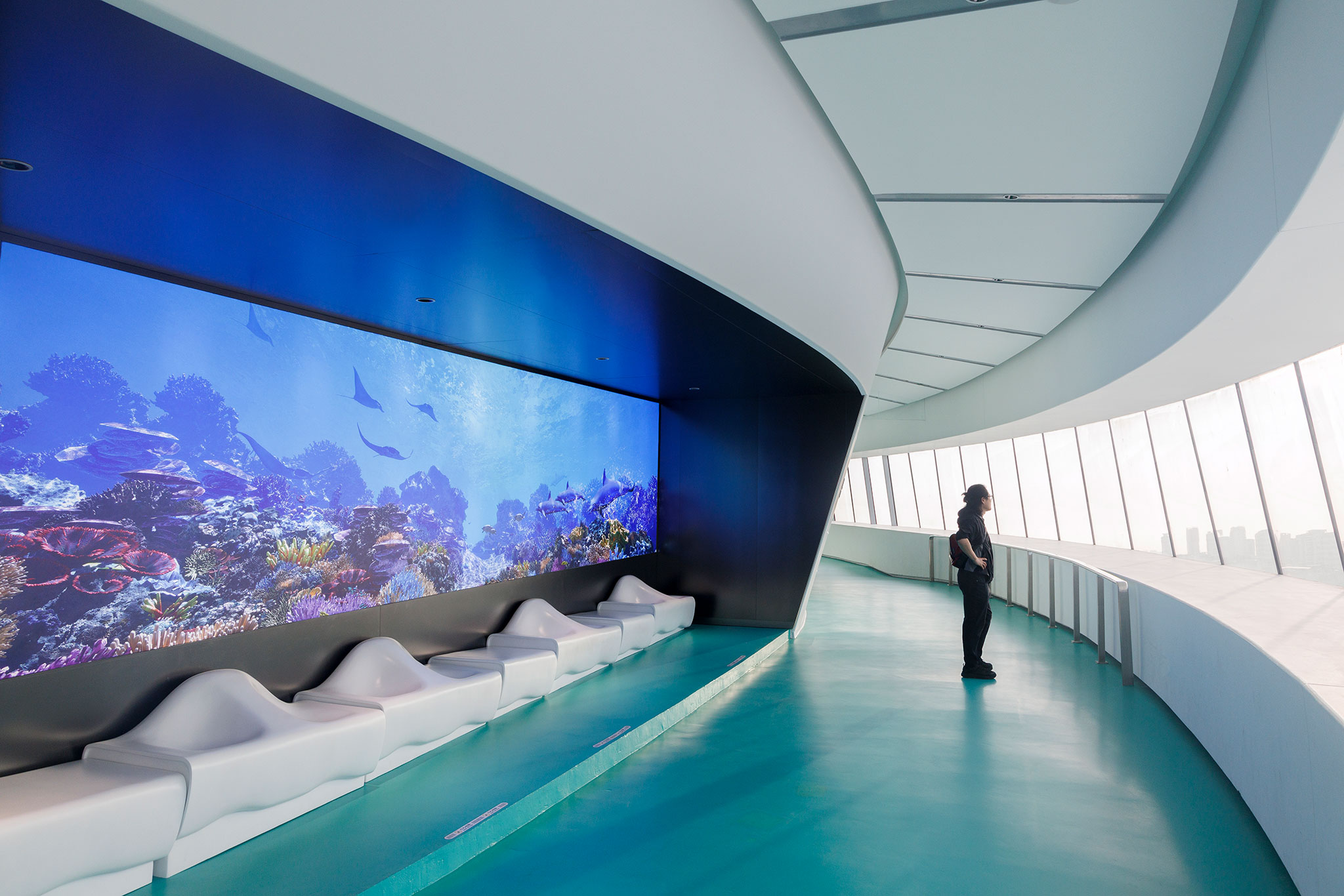
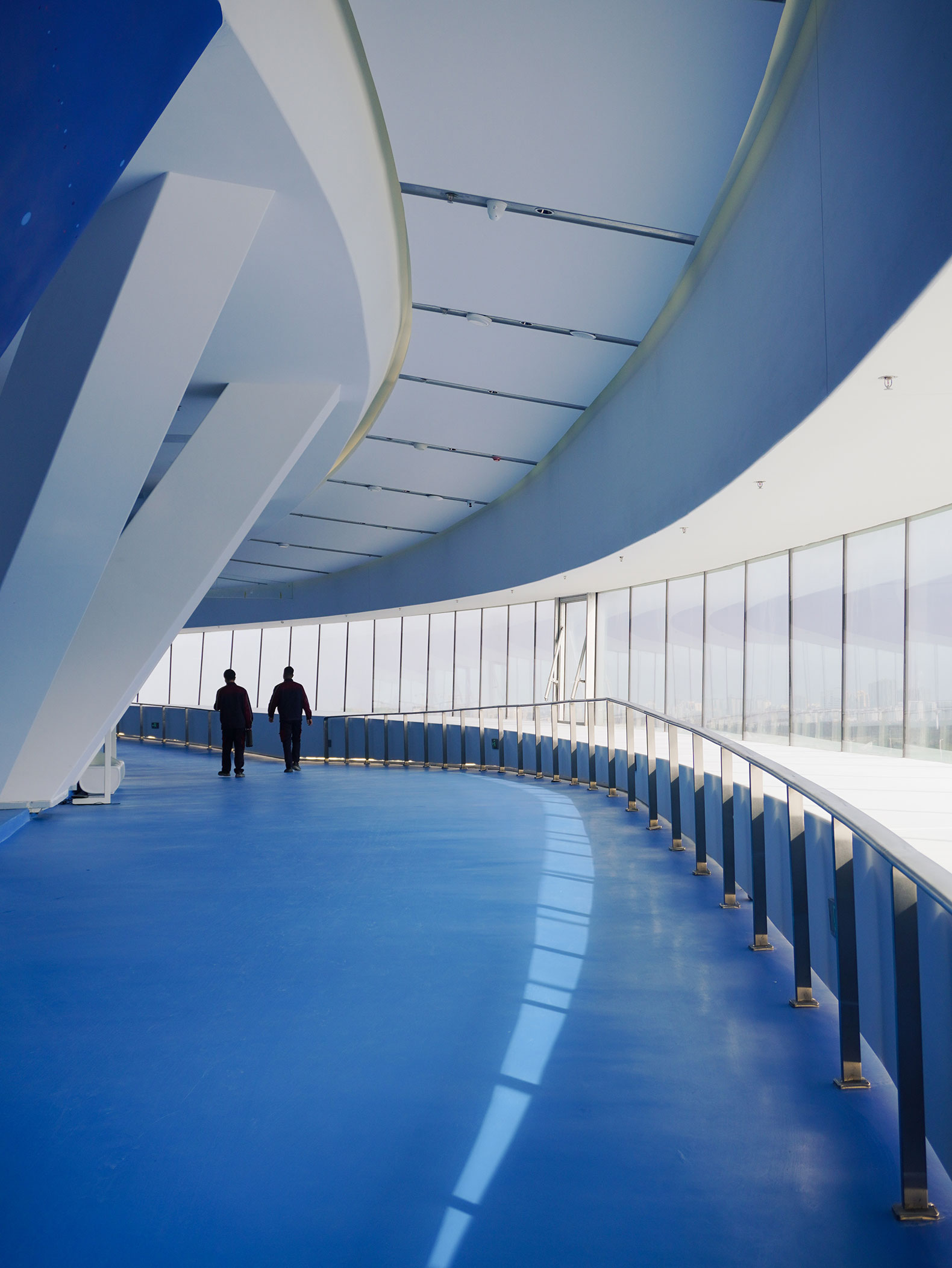
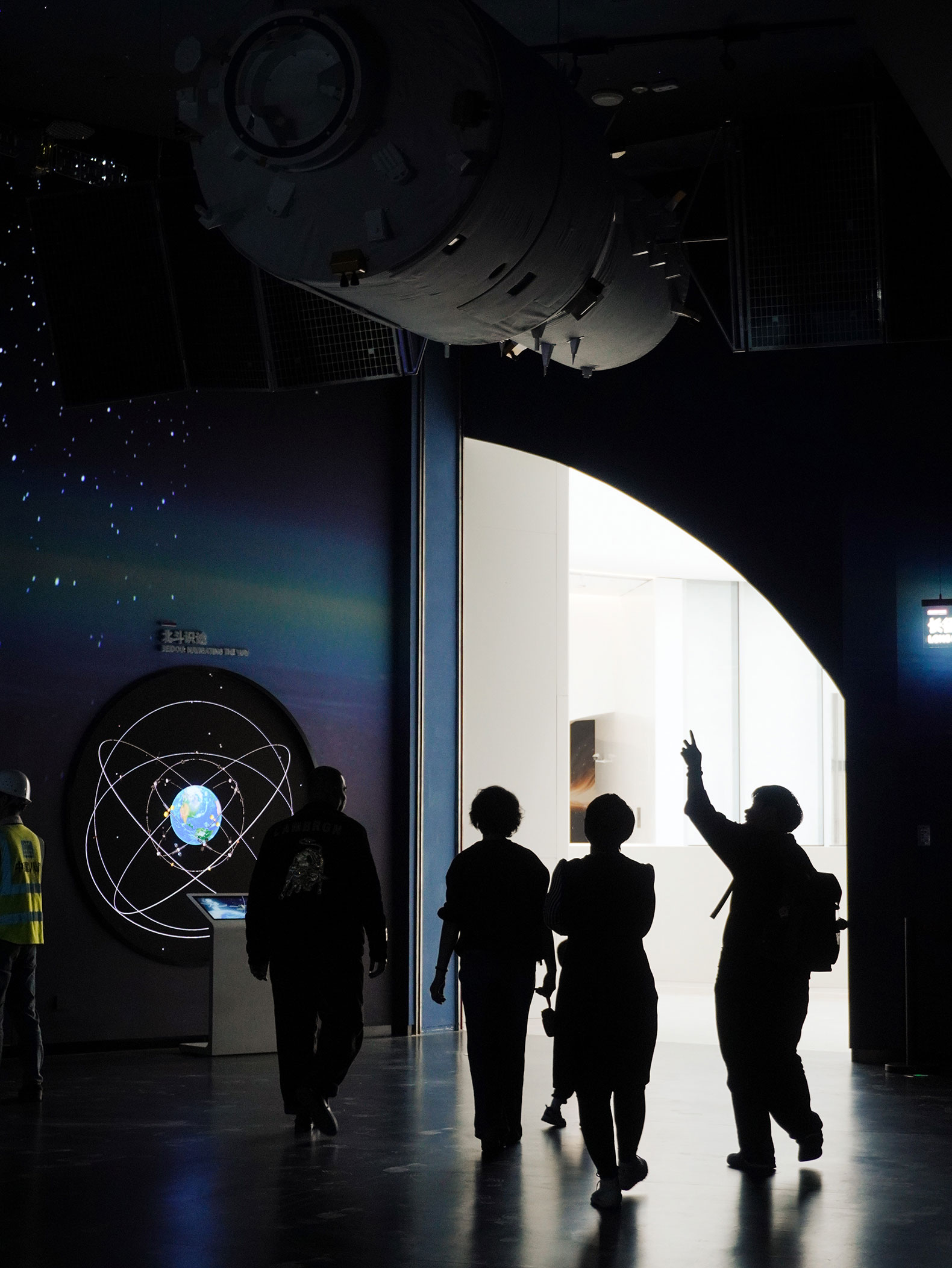
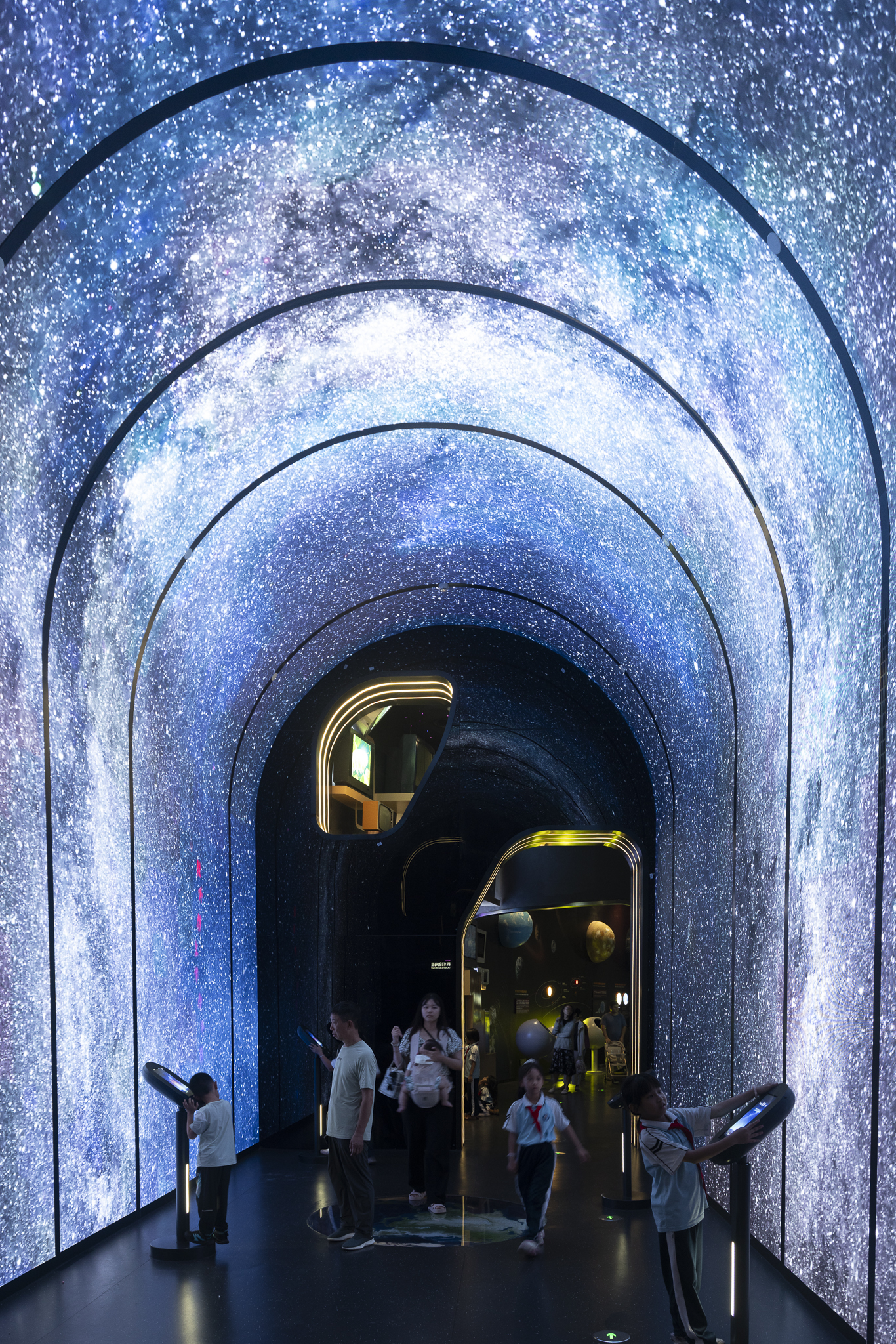
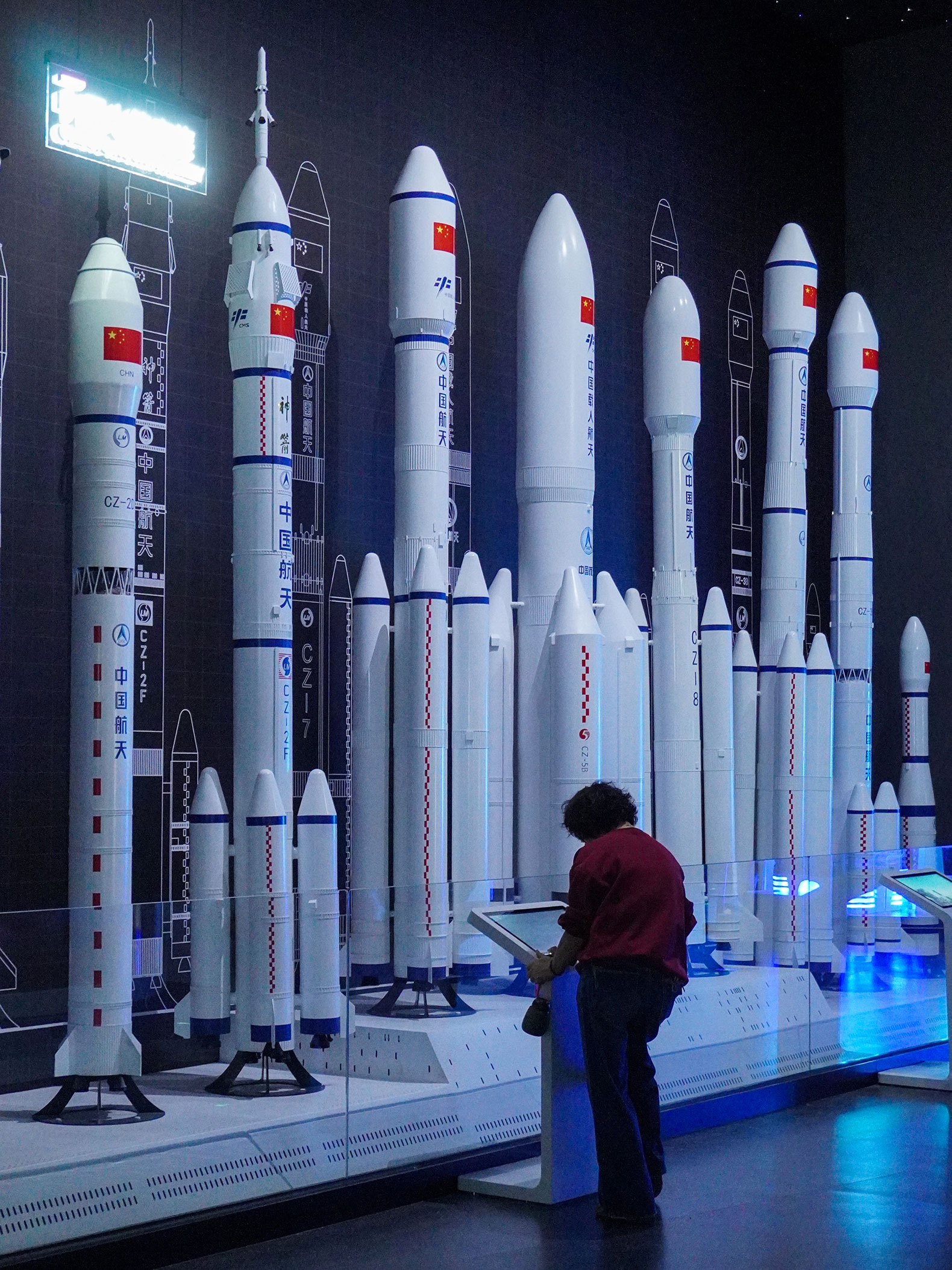
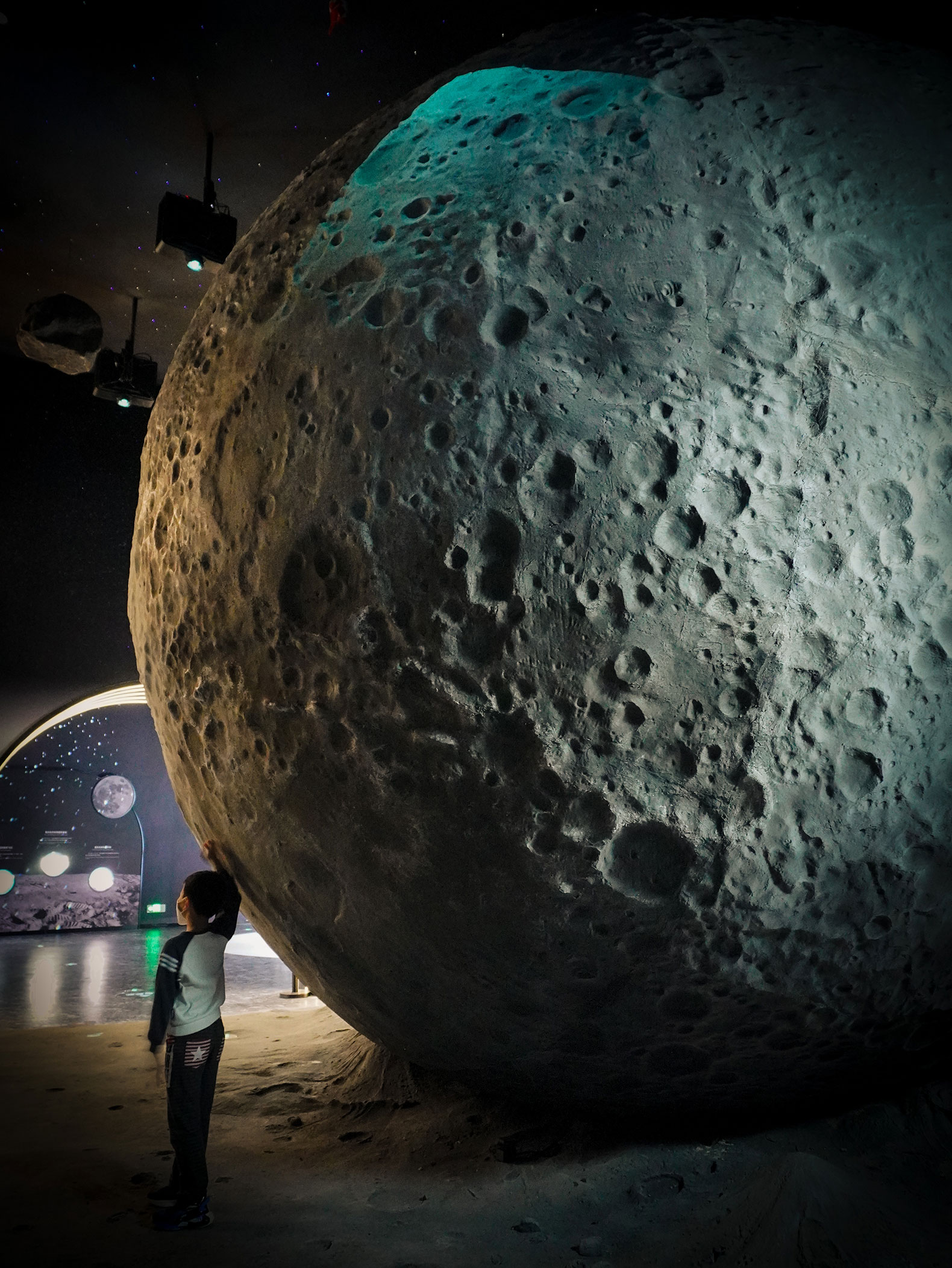
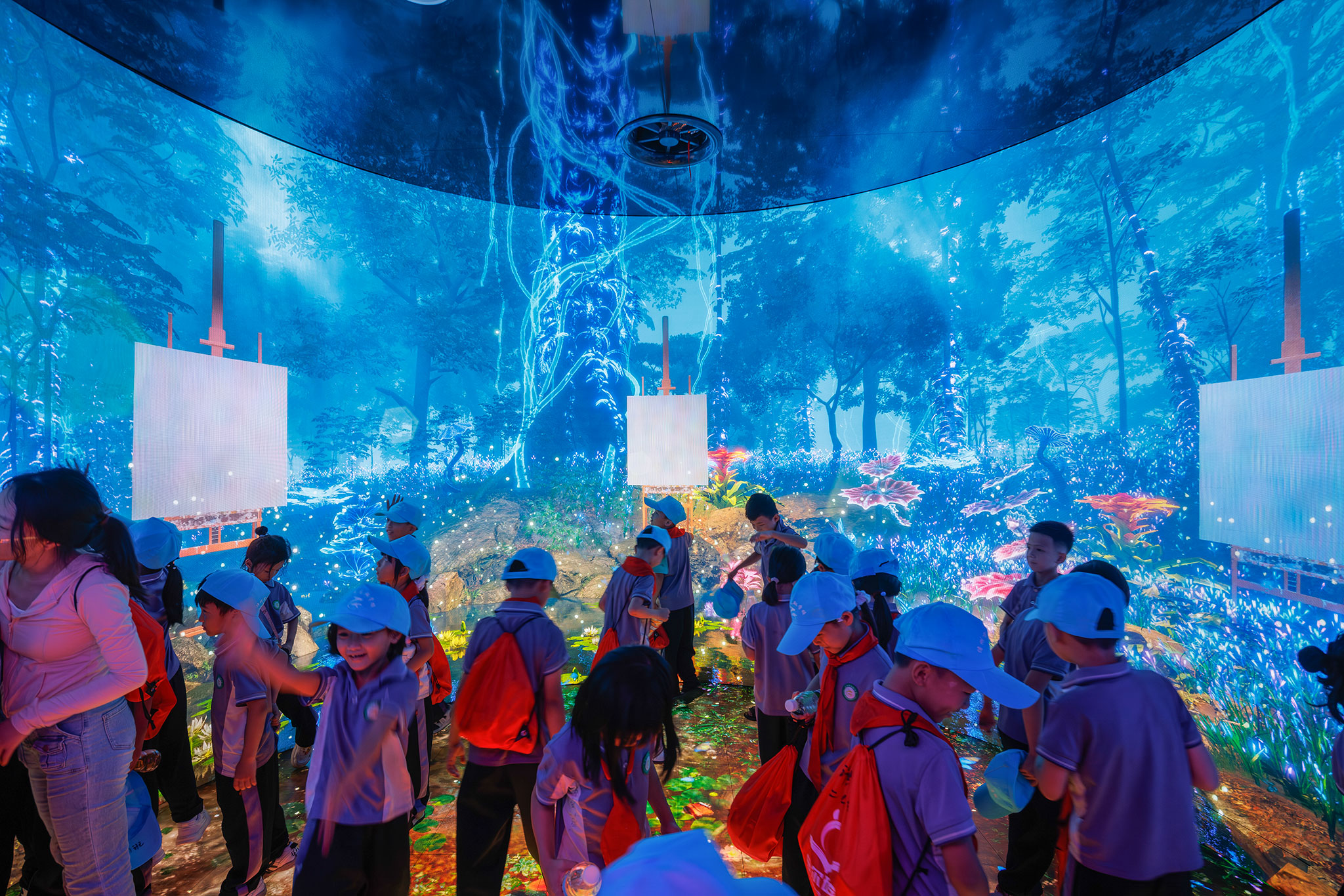
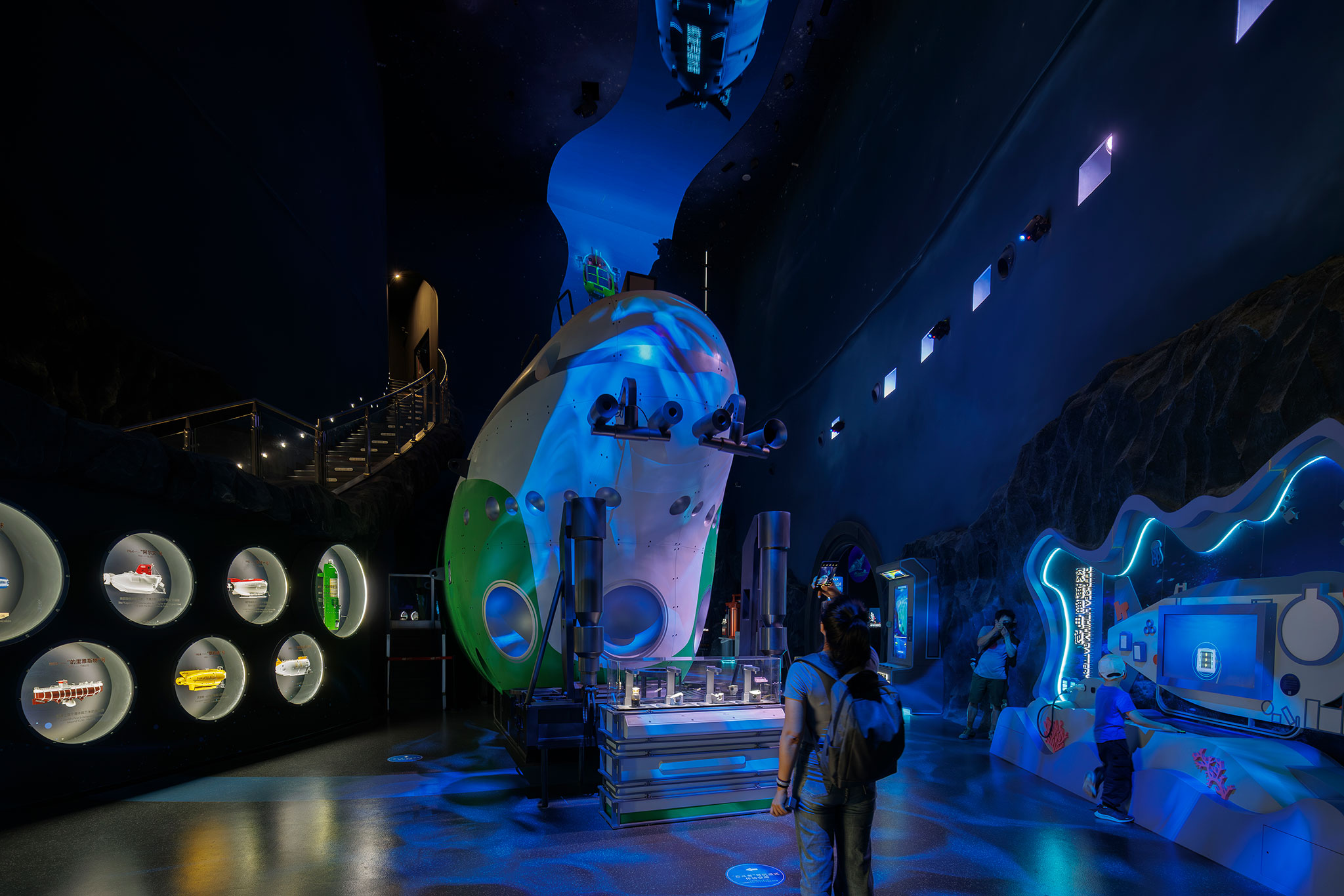
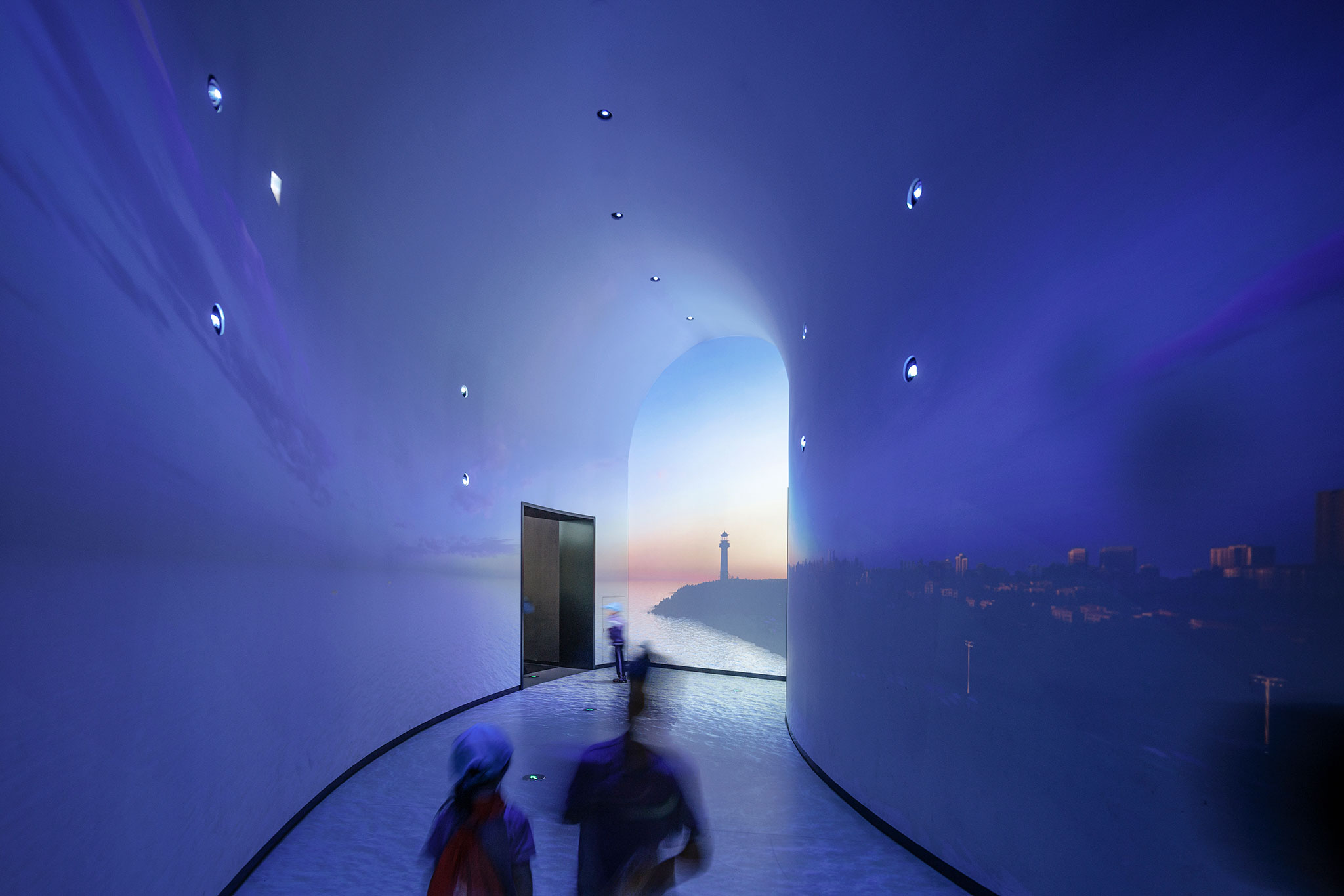
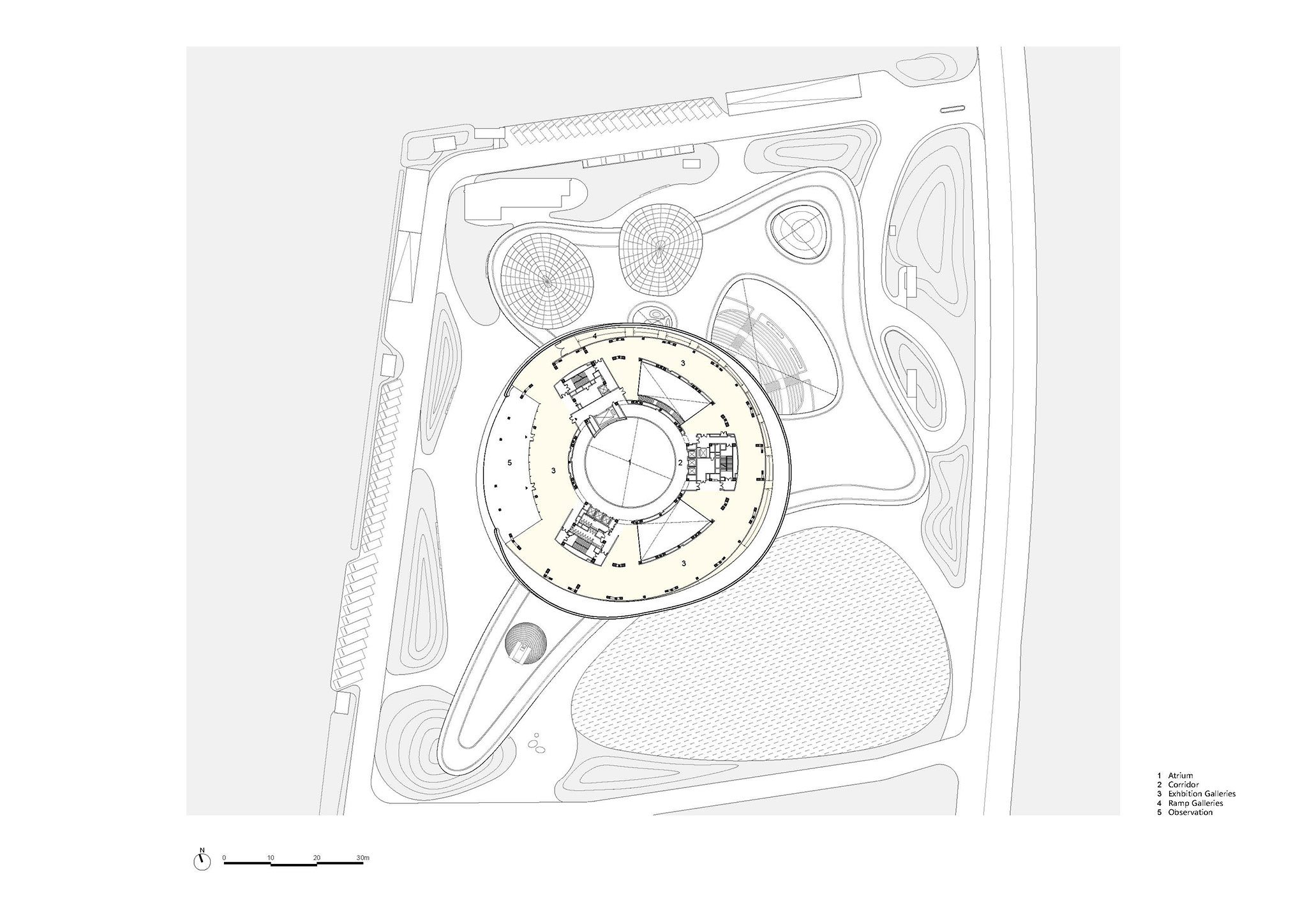
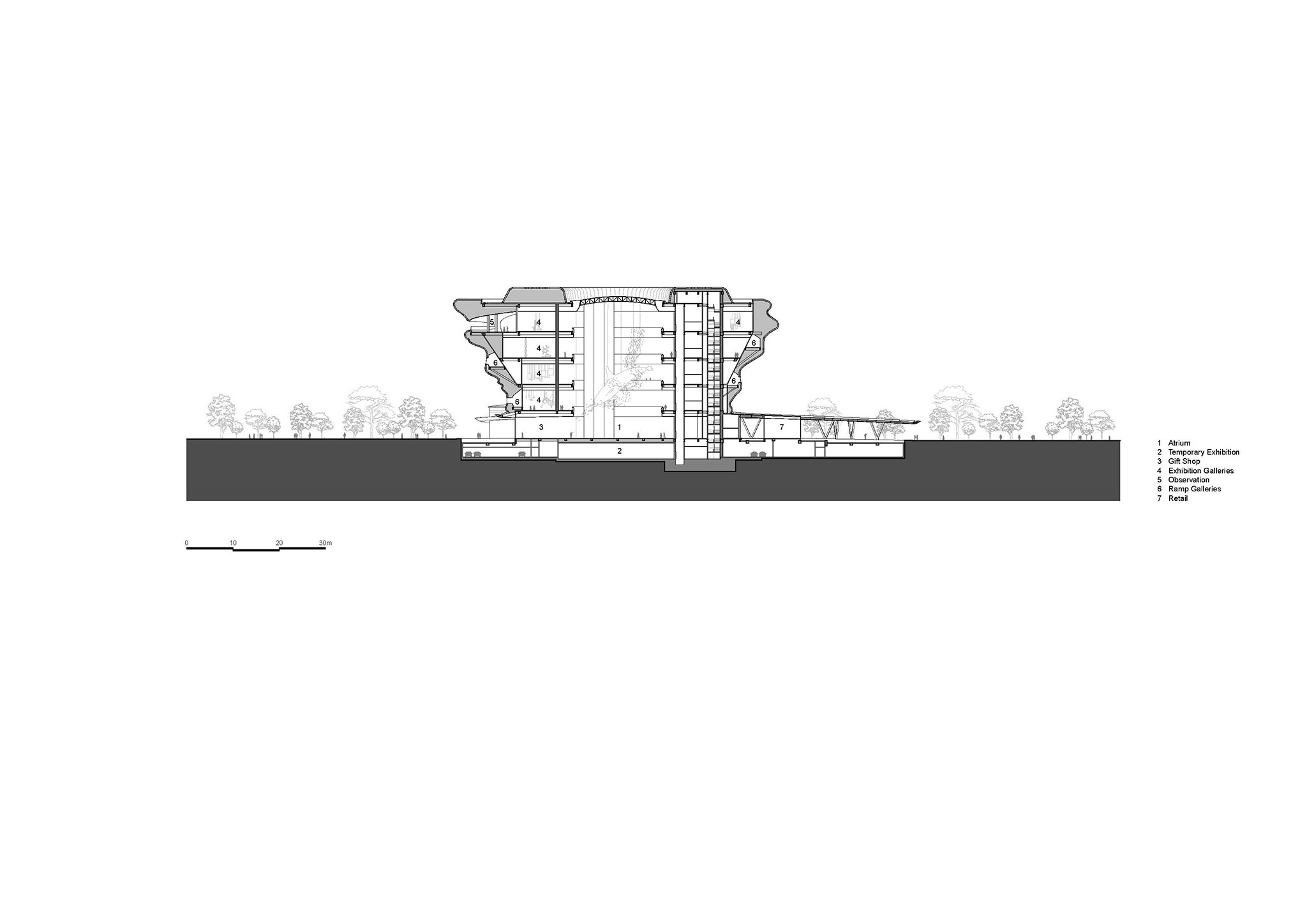
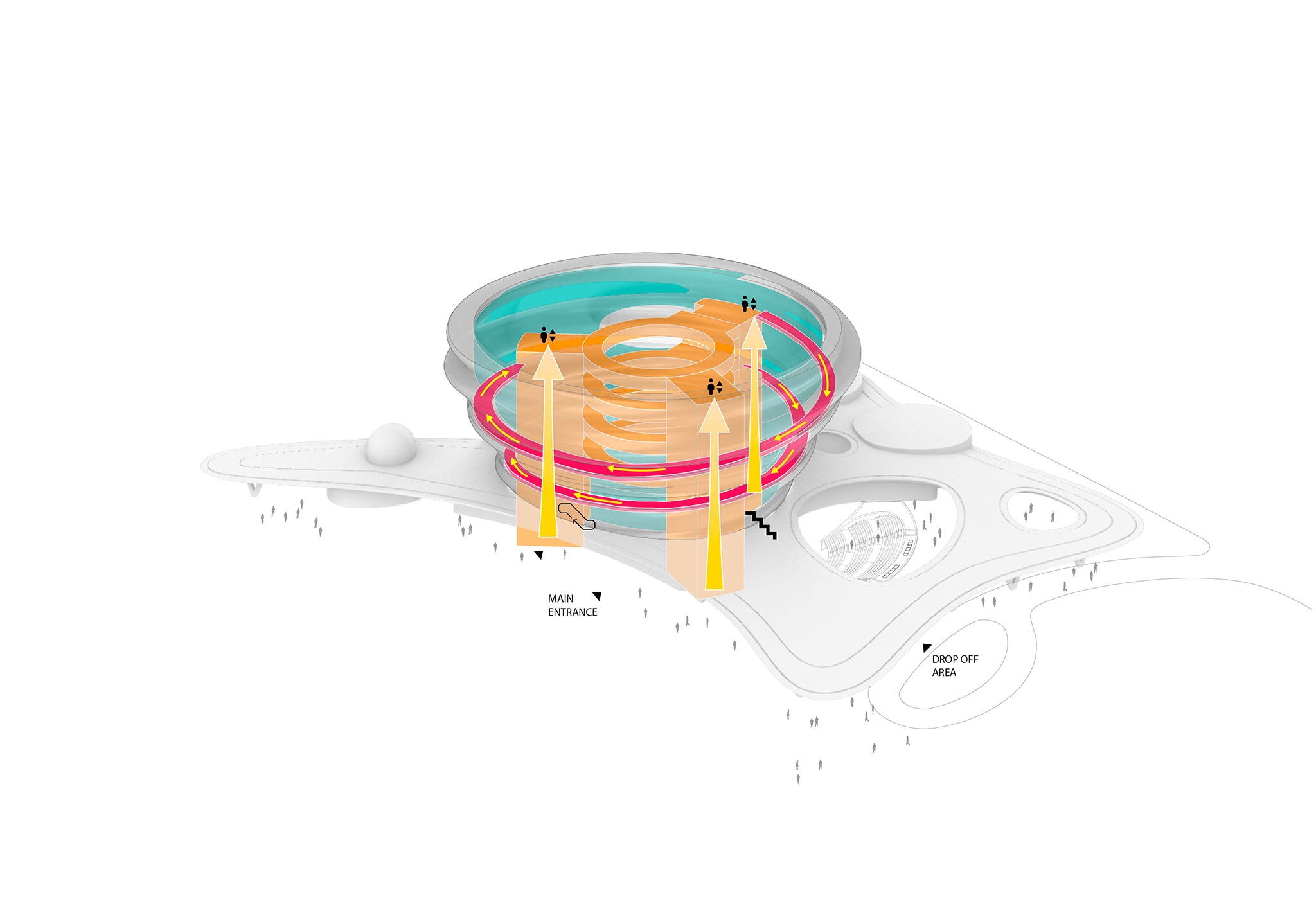
At the heart of the project is a unique spiral pathway connecting all the museum's galleries, accessible in both directions. Visitors arriving at the top descend through circular galleries, from deep space and the ocean, through rainforests and Hainan agriculture, to an interactive children's level. Those entering from the ground floor follow the same path in reverse: from touch and play, expanding outward until the cosmos unfolds around them. The themes flow into one another, and the order is chosen by the visitor.
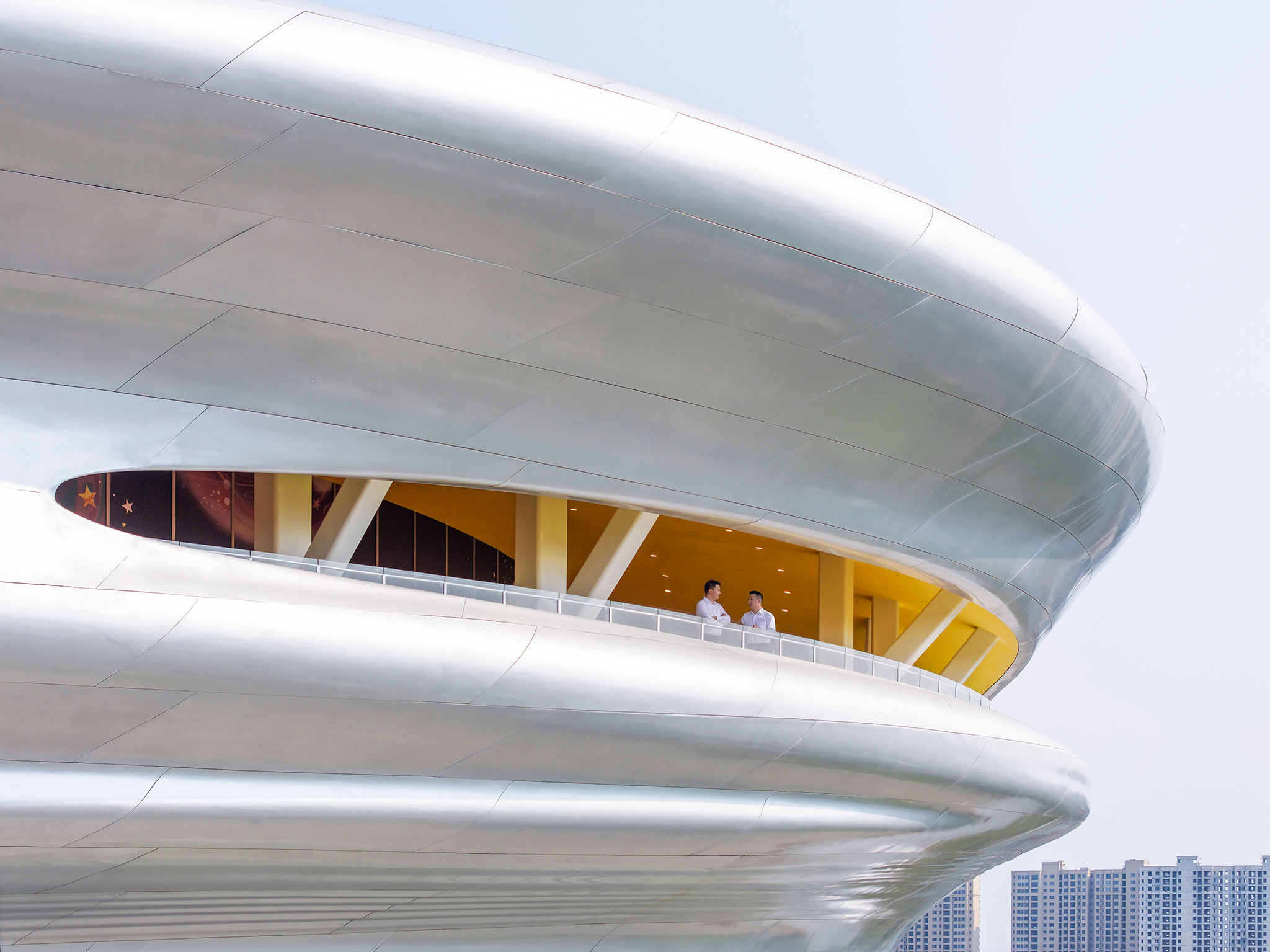
Hainan Science Museum by MAD. Photograph by Arch-Exist.

Hainan Science Museum by MAD. Photograph by Arch-Exist. 

Structurally, the entire spiral is supported by three central concrete tubes. These eliminate columns on the exhibition floors and elevate the circular volume above an open ground level, allowing the building to float above its reflecting pools and the green roof below. The exterior is clad with 843 fiber-reinforced polymer panels, forming a silvery shell that changes with the daylight, the sky, and the weather conditions.

In a way, this is the question Ma Yansong has been posing for two decades: how to make a building cease to be a mere container of content and become the content itself? The Hainan Science Museum might be his clearest answer.
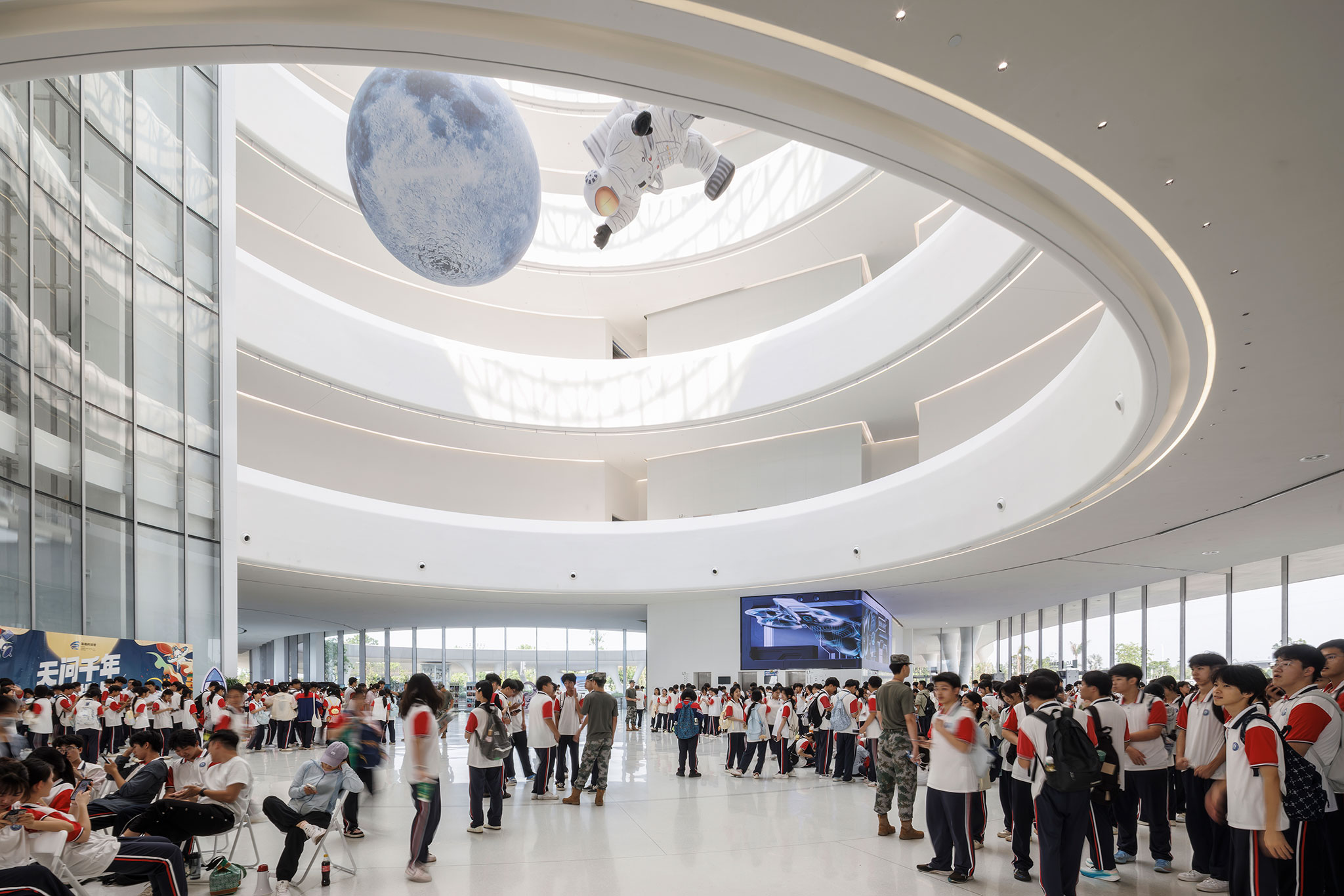
Hainan Science Museum by MAD. Photograph by Arch-Exist.

Hainan Science Museum by MAD. Photograph by Arch-Exist. 

Part of a waterfront that Ma is still designing
Together with MAD's earlier Cloudscape of Haikou, the small white reading pavilion that became a quiet phenomenon on the city's waterfront, the Hainan Science Museum extends a sequence of public buildings westward along the Haikou coast.

Two projects, one architect, one waterfront
For Ma Yansong, who has dedicated his career to advocating that Chinese cities deserve emotive, even dreamlike, public spaces, Haikou is becoming the clearest demonstration of this argument to date.
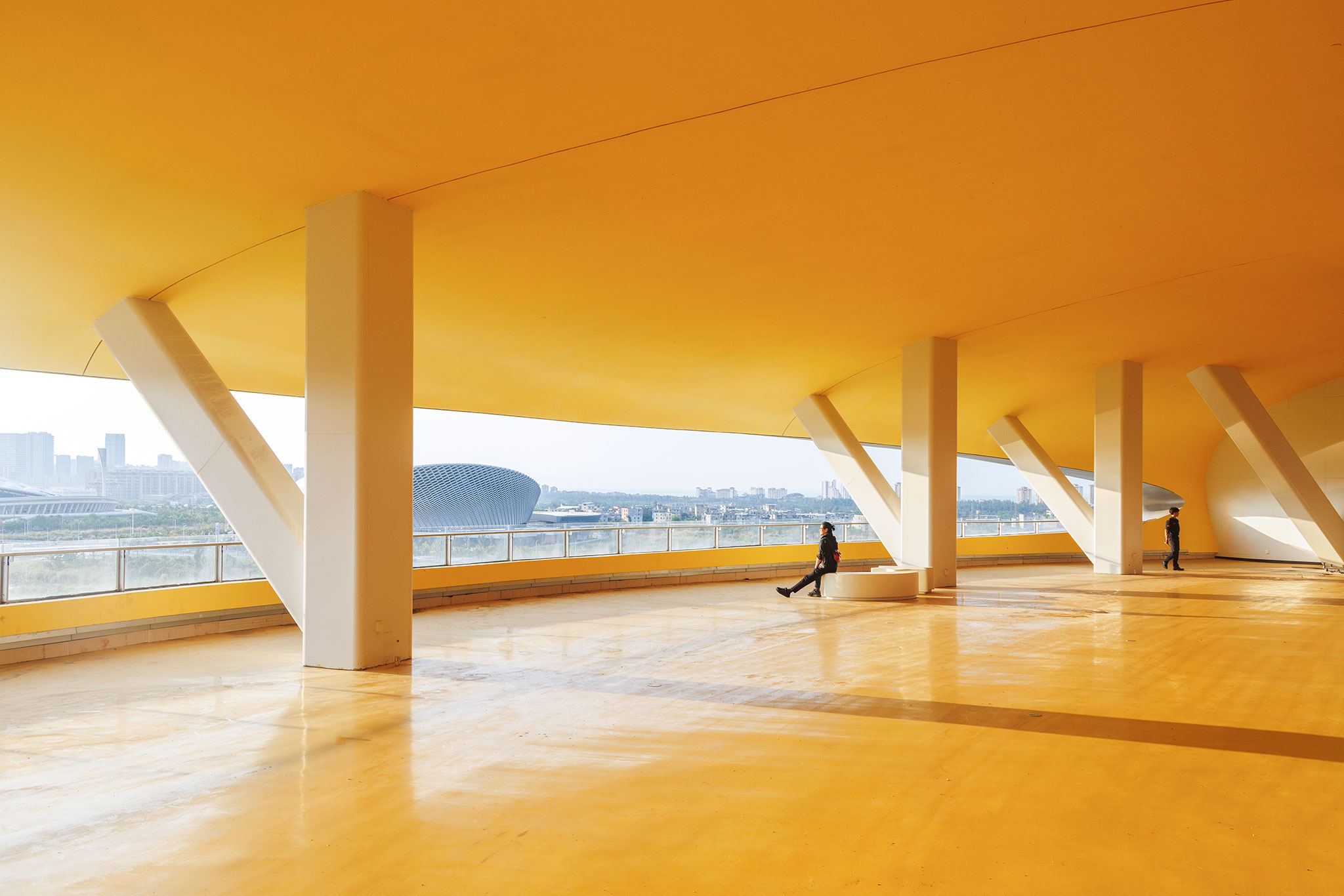
Hainan Science Museum by MAD. Photograph by Arch-Exist.

Hainan Science Museum by MAD. Photograph by Arch-Exist. 

"I wanted the project to be based on the idea of ​​fluidity and chaos: that space, function, and knowledge should flow freely into one another. Different disciplines should connect, overlap, and remain open. If artificial intelligence can already answer almost any question, the function of a science museum is no longer simply to transmit data, but to teach children how to formulate it."

Ma Yansong, Founder and Principal Partner of MAD.
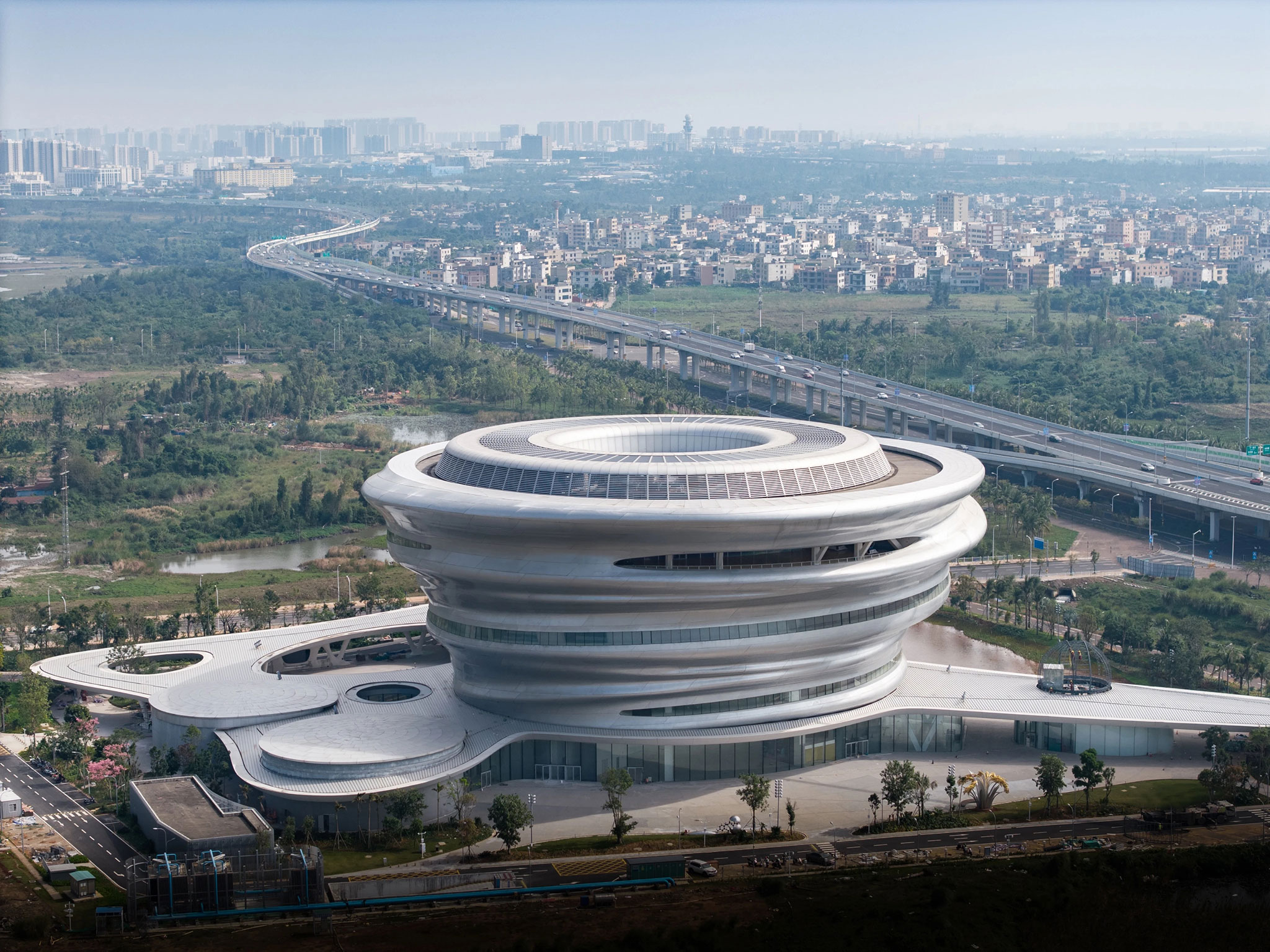
More information

Label
Architects
Text

MAD. Lead architects.- Ma Yansong, Dang Qun, Yosuke Hayano. Associate in Charge.- Fu Changrui, Kin Li, Tiffany Dahlen.
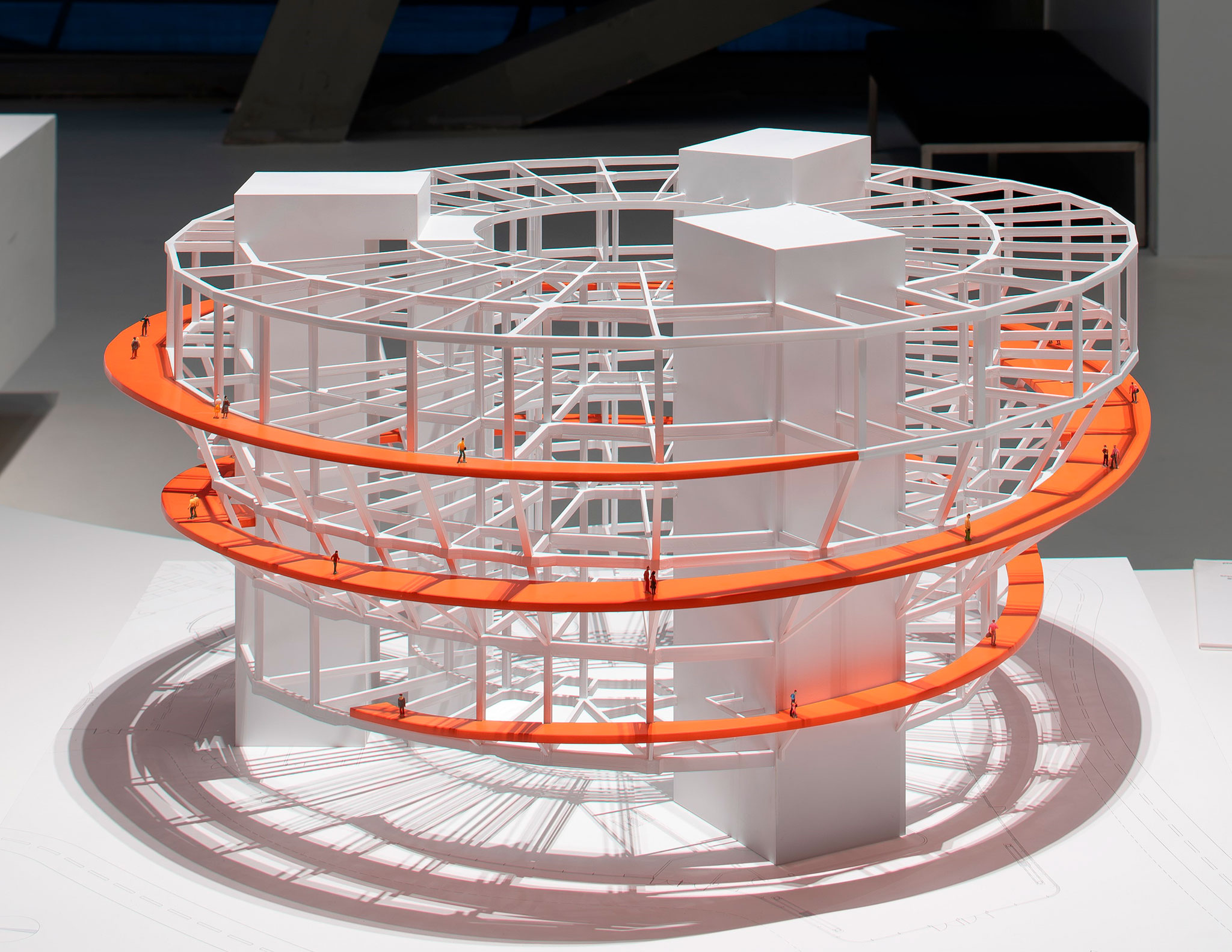
+ + copy Created with Sketch.
- + copy Created with Sketch.
Label
Project team
Text

Wang Yiding, Chen Yiwen, Sun Feifei, Pan Siyi, Wang Shuang, Lyu Dechen, Yang Xuebing, Zhu Yuhao, Reem Mosleh, Alan Rodríguez Carrillo, Anri Gyuloyan, Rozita Kahirtseva, Zheng Chengwen, Wu Qiaoling, Feng Yingying, Edgar Navarrete.

+ + copy Created with Sketch.
- + copy Created with Sketch.
Label
Collaborators
Text

Project Management.- Haikou Construction Engineering Group Co., Ltd.
Executive Architect.- CCDI Group.
Supervising Consultant.- Chongqing CCID Engineering Consulting Co., Ltd.
Facade Consultant.- RFR Shanghai.
Landscape Consultant.- EADG.
Interior Design.- MAD, CCDI Group.
Lighting Consultant.- Ning Field Lighting Design Corp., Ltd.
Signage Consultant.- CCDI Group.

+ + copy Created with Sketch.
- + copy Created with Sketch.
Label
Client
Text

Haikou Association for Science and Technology.

+ + copy Created with Sketch.
- + copy Created with Sketch.
Label
Area
Text

Gross Floor.- 46,528 sqm.
Above-ground GFA.- 27,782 sqm.
Below-ground GFA.- 18,746 sqm.

+ + copy Created with Sketch.
- + copy Created with Sketch.
Label
Dates
Text

2019 - 2026.

+ + copy Created with Sketch.
- + copy Created with Sketch.
Label
Location
Text

Haikou, Hainan Province, China.

+ + copy Created with Sketch.
- + copy Created with Sketch.
Label
Photography
Text

Arch-Exist, LUO, Moden Wang, Yang Siyi, Tal+ Baiyu.

+ + copy Created with Sketch.
- + copy Created with Sketch.

mad is a Beijing-based architecture design office dedicated to creating innovative projects. Founded by Ma Yansong in 2004, MAD Architects is led by Ma Yansong, Dang Qun, and Yosuke Hayano. It is committed to developing futuristic, organic, technologically advanced designs that embody a contemporary interpretation of the Eastern affinity for nature. With a vision for the city of the future based on the spiritual and emotional needs of residents, MAD endeavours to create a balance between humanity, the city, and the environment.

MAD's projects encompass urban planning, urban complexes, municipal buildings, museums, theatres, concert halls, and housing, as well as art and design. Their projects are located in China, Canada, France, Italy, Japan, the Netherlands, and the United States. In 2006, MAD won the design competition for the Absolute Towers in Mississauga, Canada. Through this, MAD became the first Chinese architecture firm to build a significant high-rise project abroad. In 2014, MAD was selected as the principal designer for the Lucas Museum of Narrative Art in Los Angeles, USA, becoming the first China-based architecture firm to design an overseas cultural landmark. MAD’s signature cultural projects include Ordos Museum (2011, China), Harbin Opera House (2015, China), Tunnel of Light (2018, Japan), China Philharmonic Concert Hall (under construction), Yiwu Grand Theater (under construction), FENIX Museum of Migration in Rotterdam (under construction), Cloudscape of Haikou (2021, China), and Shenzhen Bay Culture Square (under construction). Other urban projects include the Clover House kindergarten (2015, Japan), Chaoyang Park Plaza (2017, China), China Entrepreneur Forum Conference Centre (2021, China), Jiaxing Train Station (under construction), Quzhou Sports Campus (under construction), and Nanjing Zendai Himalayas Center (under construction), among others.

While practising architecture, MAD documents and discusses its reflections on architecture, culture, and arts through publications, architectural exhibitions, as well as academic lectures and presentations. MAD’s publications include Mad Dinner, Bright City, MA YANSONG: From (Global) Modernity to (Local) Tradition, Shanshui City, and MAD X. MAD has organized and participated in several contemporary art and design exhibitions, including MAD X, a solo exhibition at the Centre Pompidou in 2019; Shanshui City, at UCCA in 2014; Feelings are Facts, a spatial experience exhibition with artist Ólafur Eliasson at UCCA in 2010; and MAD in China, a solo exhibition at the Danish Architectural Center, Copenhagen in 2007. MAD has participated in significant exhibitions at several iterations of the Venice Architecture Biennale and Milan Design Week. MAD has also participated in exhibitions at the Victoria and Albert Museum (London), the Louisiana Museum of Modern Art (Copenhagen), and MAXXI (Rome). An array of MAD’s architecture models have been acquired by the Centre Pompidou and M+ Museum (Hong Kong) as part of their permanent collections.

MAD has offices in Beijing (China), Jiaxing (China), Los Angeles (USA), and Rome (Italy).

Ma Yansong, Yosuke Hayano and Qun Dand.

Read more
Published on: May 14, 2026
Cite:
metalocus, CAMILA DOYLET, ELVIRA PARÍS FERNÁNDEZ
"Fluidity and chaos. Hainan Science Museum by MAD " METALOCUS. Accessed
<https://www.metalocus.es/en/news/fluidity-and-chaos-hainan-science-museum-mad> ISSN 1139-6415
Loading content ...
Loading content ...
Loading content ...
Loading content ...
Loading content ...
Loading content ...
Loading content ...
Loading content ...
Loading content ...
Loading content ...
Loading content ...
Loading content ...
Loading content ...
Loading content ...
Loading content ...
Loading content ...
Loading content ...
Loading content ...
Loading content ...
Loading content ...
Loading content ...
Loading content ...
Loading content ...
Loading content ...
Loading content ...
Loading content ...
Loading content ...
Loading content ...
Loading content ...
Loading content ...
Loading content ...
Loading content ...
Loading content ...
Loading content ...
Loading content ...
Loading content ...
Loading content ...
Loading content ...
Loading content ...
Loading content ...
Loading content ...
Loading content ...
Loading content ...
Loading content ...
Loading content ...
Loading content ...
Loading content ...
Loading content ...
Loading content ...
Loading content ...
Loading content ...
Loading content ...
Loading content ...
Loading content ...