The two winning projects were selected from an initial group of 410 works nominated for the 2026 EUmies Awards. After an initial selection of 40 projects, the jury, accompanied by the architects, clients or developers, and users, visited 5 finalist architecture projects and 2 emerging architecture projects.
Following the jury visits to the finalist projects, they held extensive deliberations to identify the winners from a particularly strong and coherent group. Through intense exchanges and diverse perspectives, the jury recognized a common direction among the finalists: an architecture that works with existing conditions, embraces limitations, and redefines the possibilities of transformation, reuse, and repair within the contemporary European context.
Architecture 2026 Winner
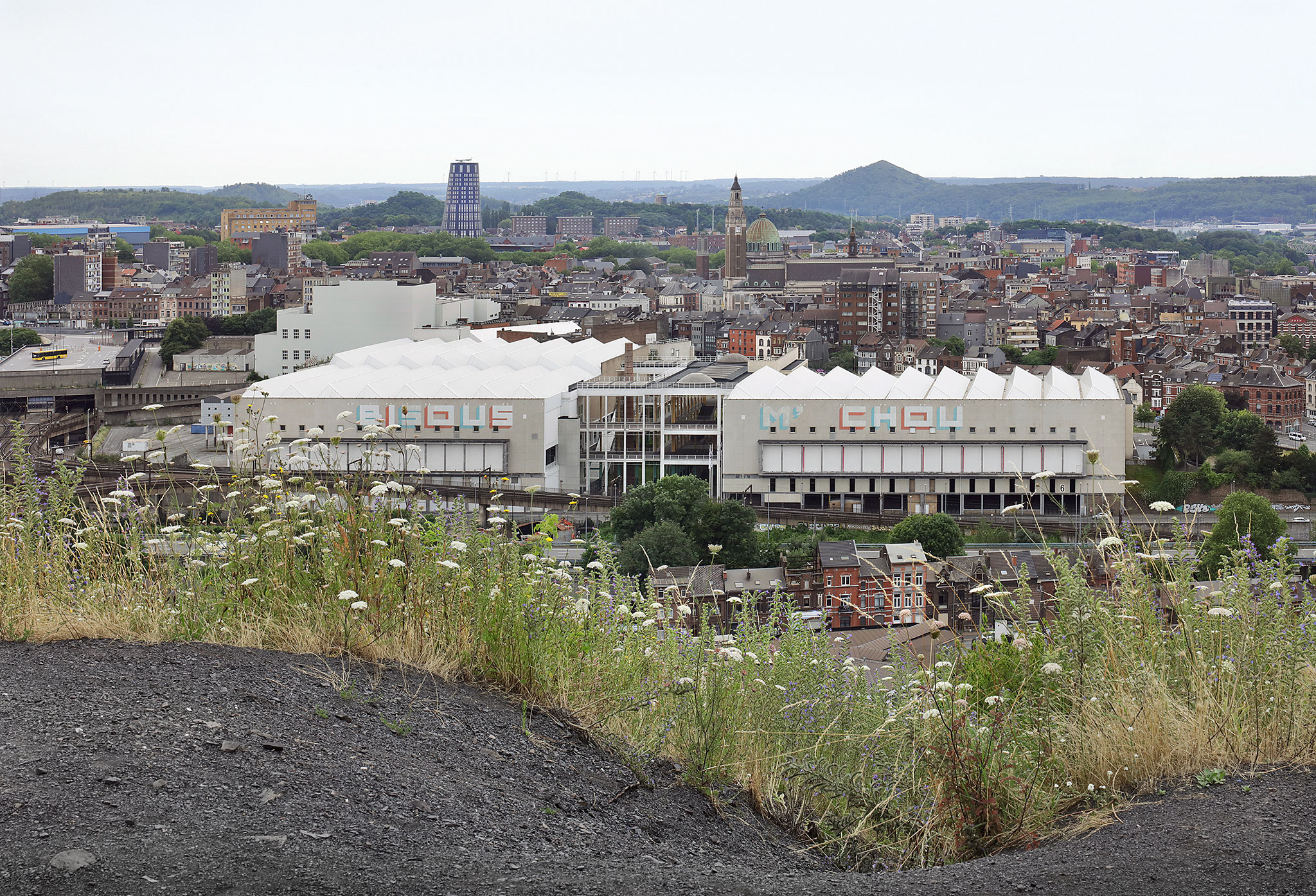
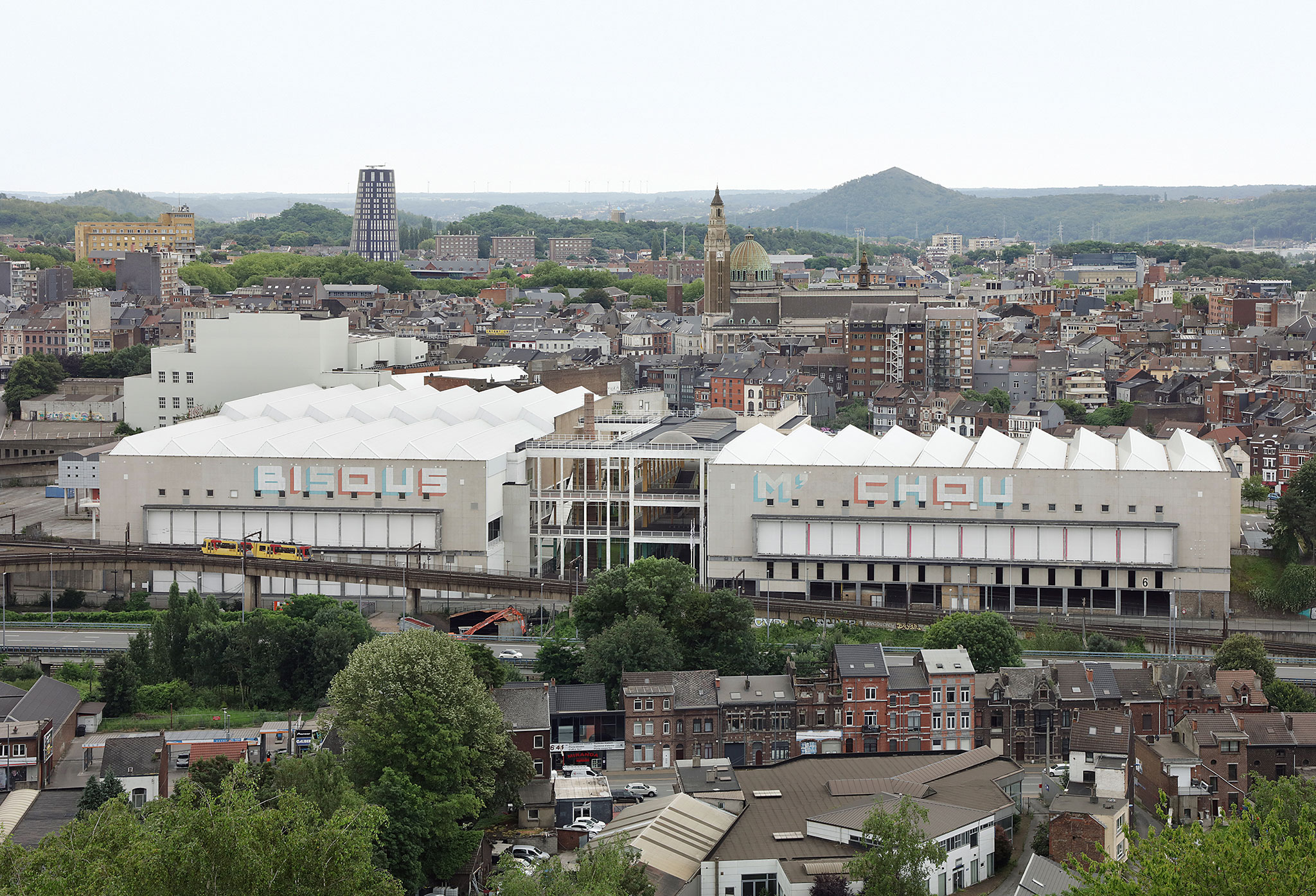
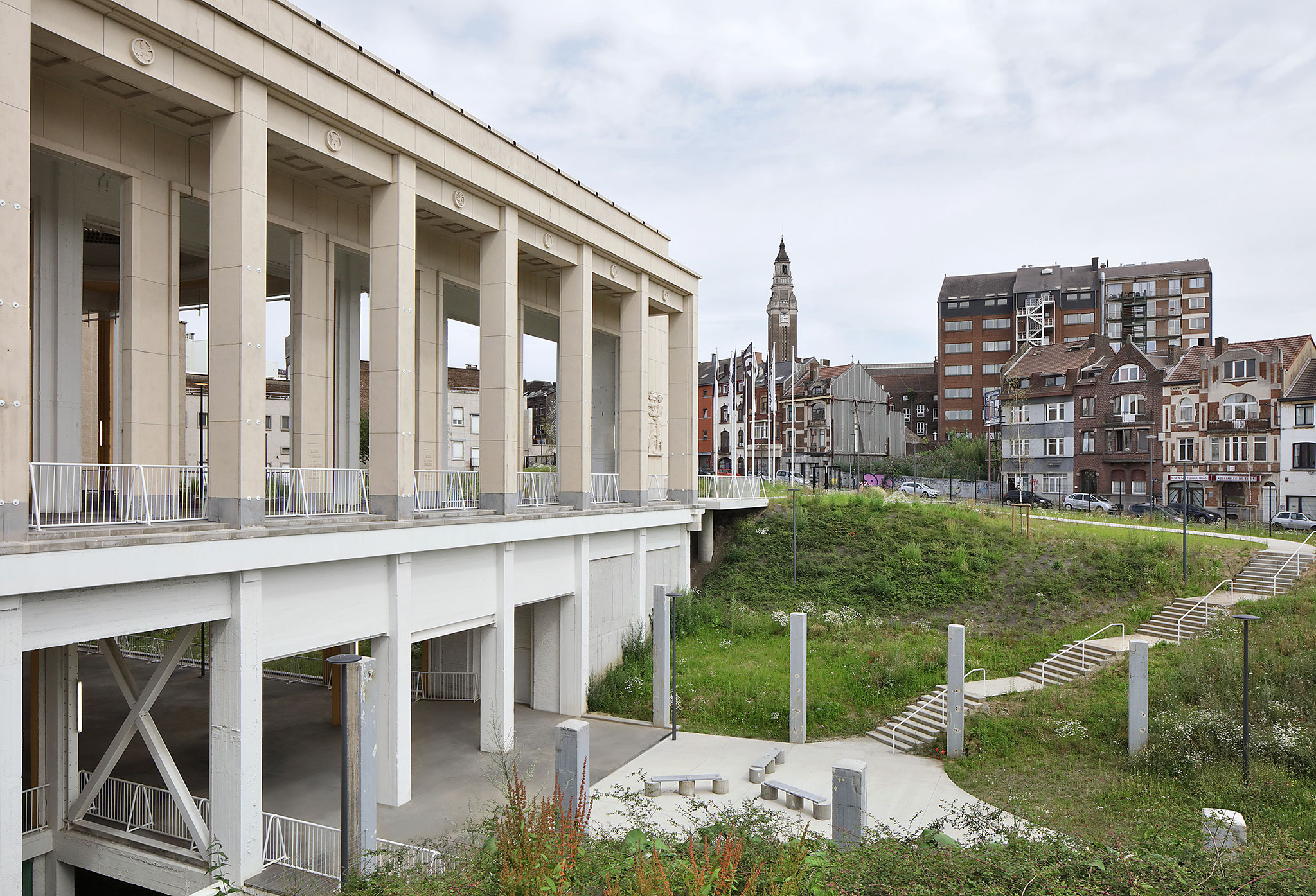
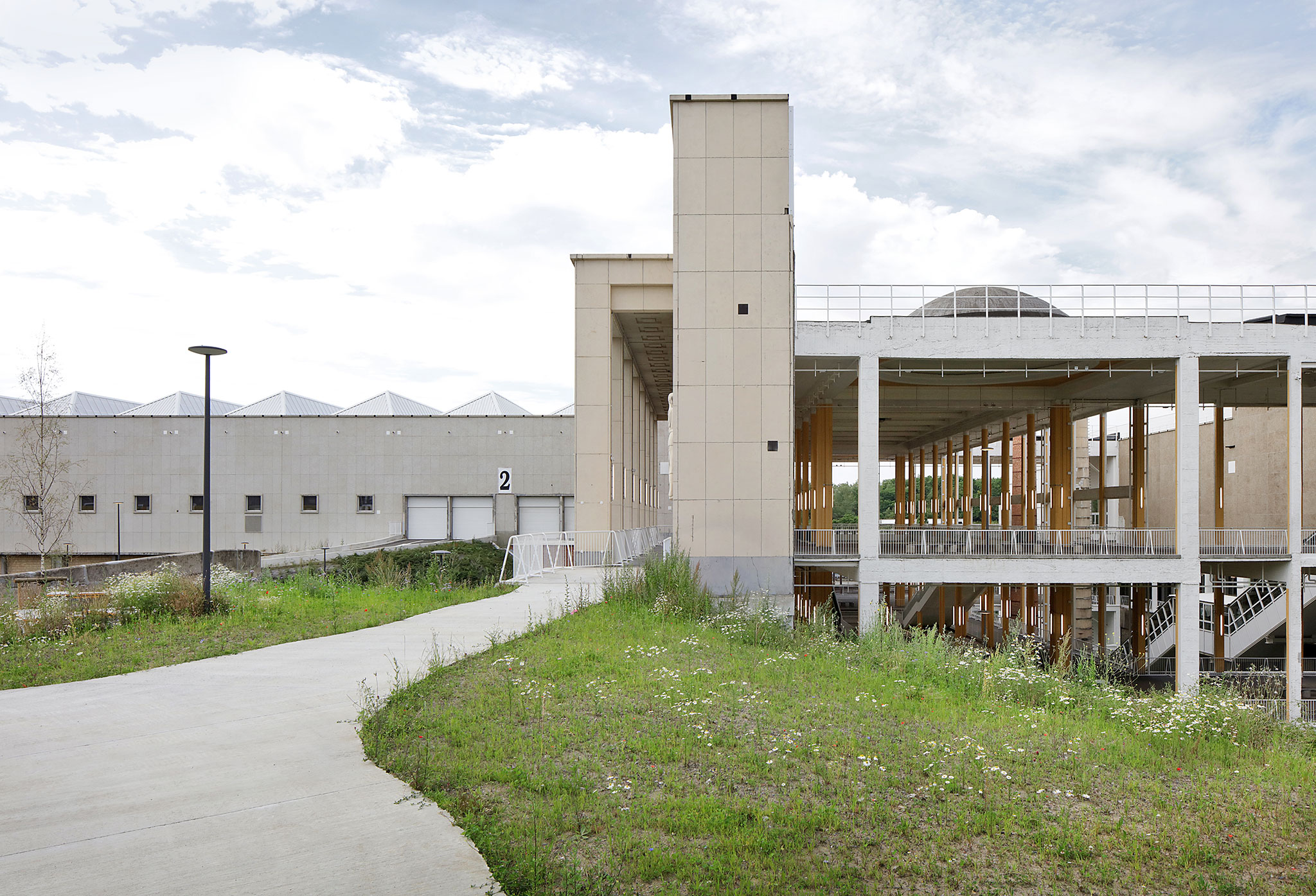
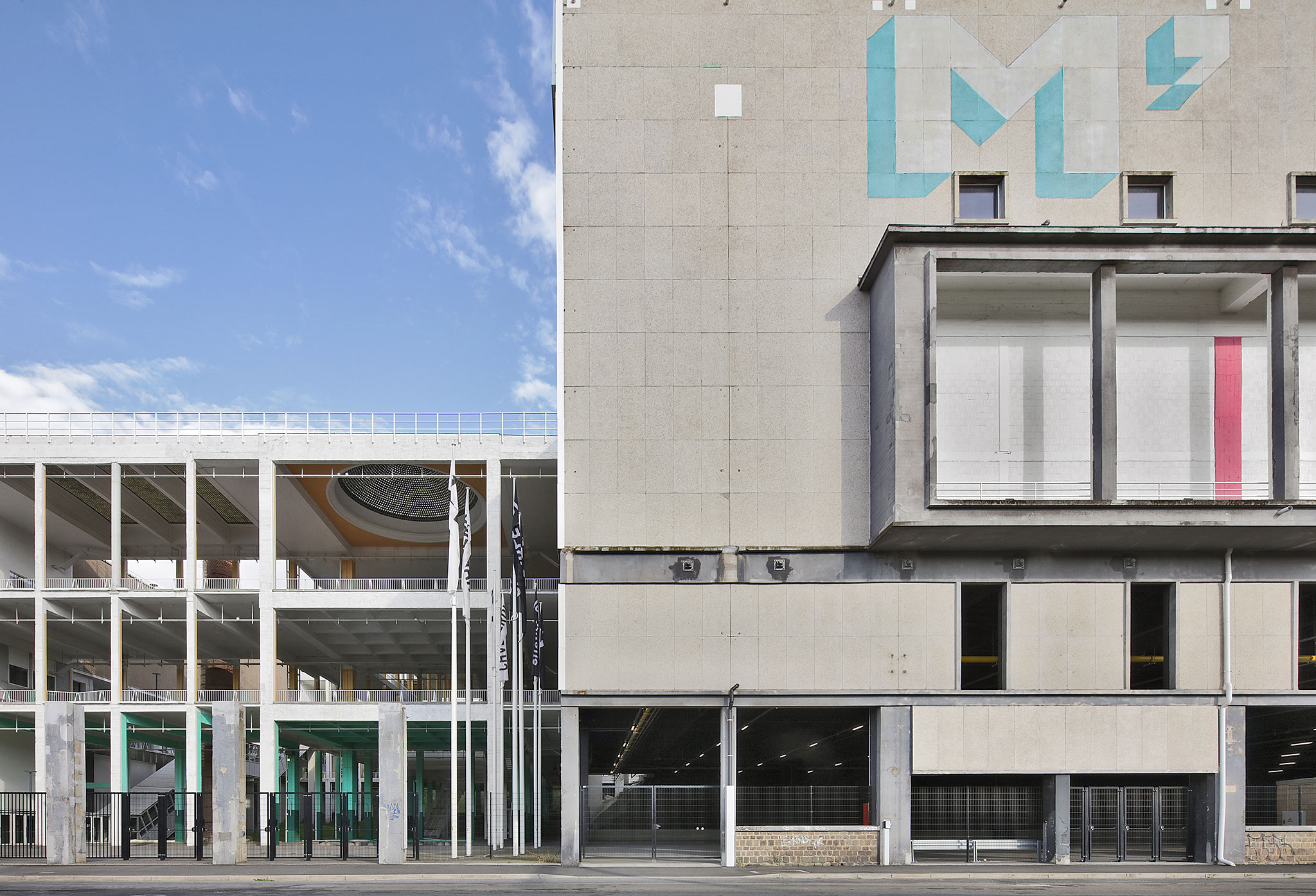
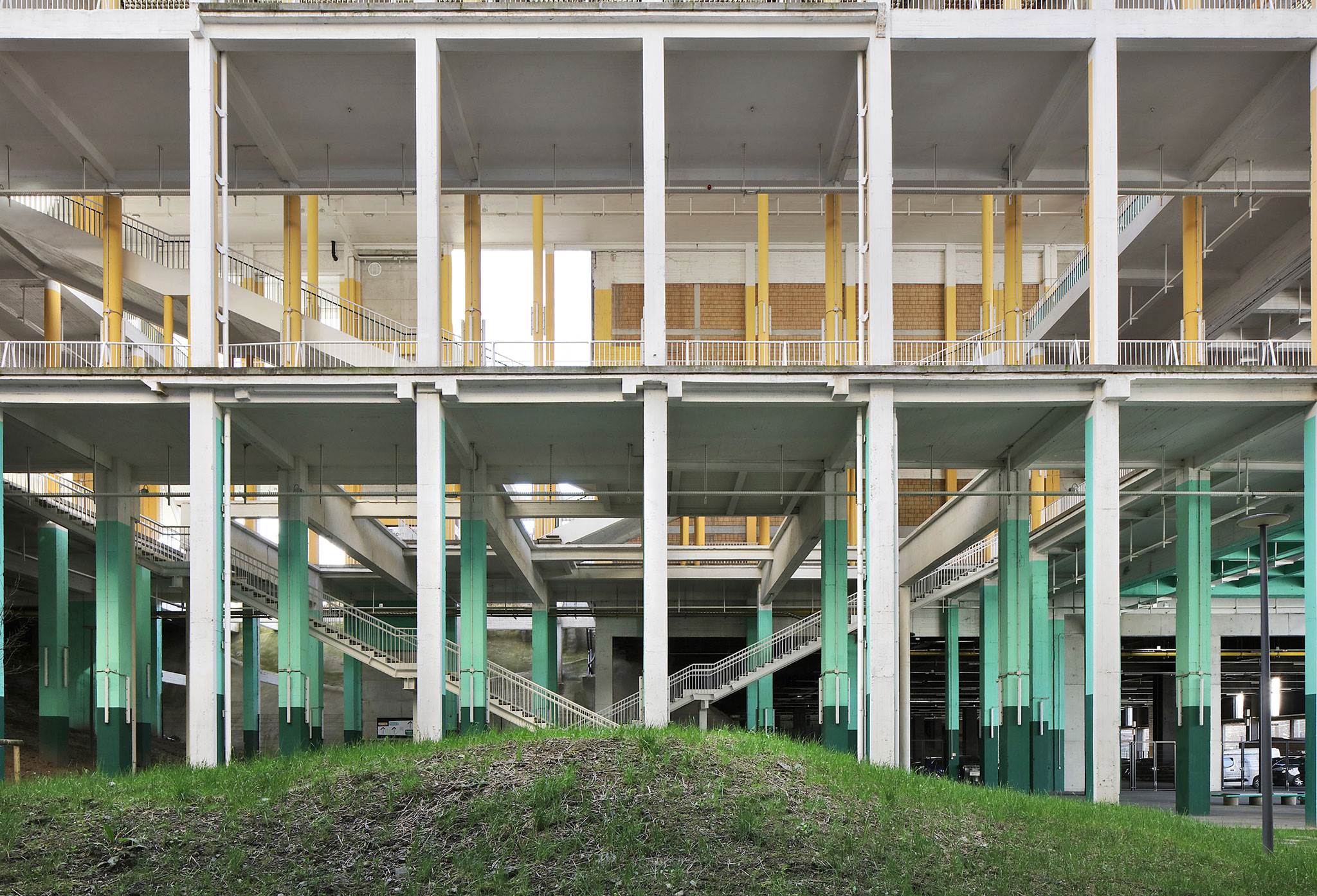
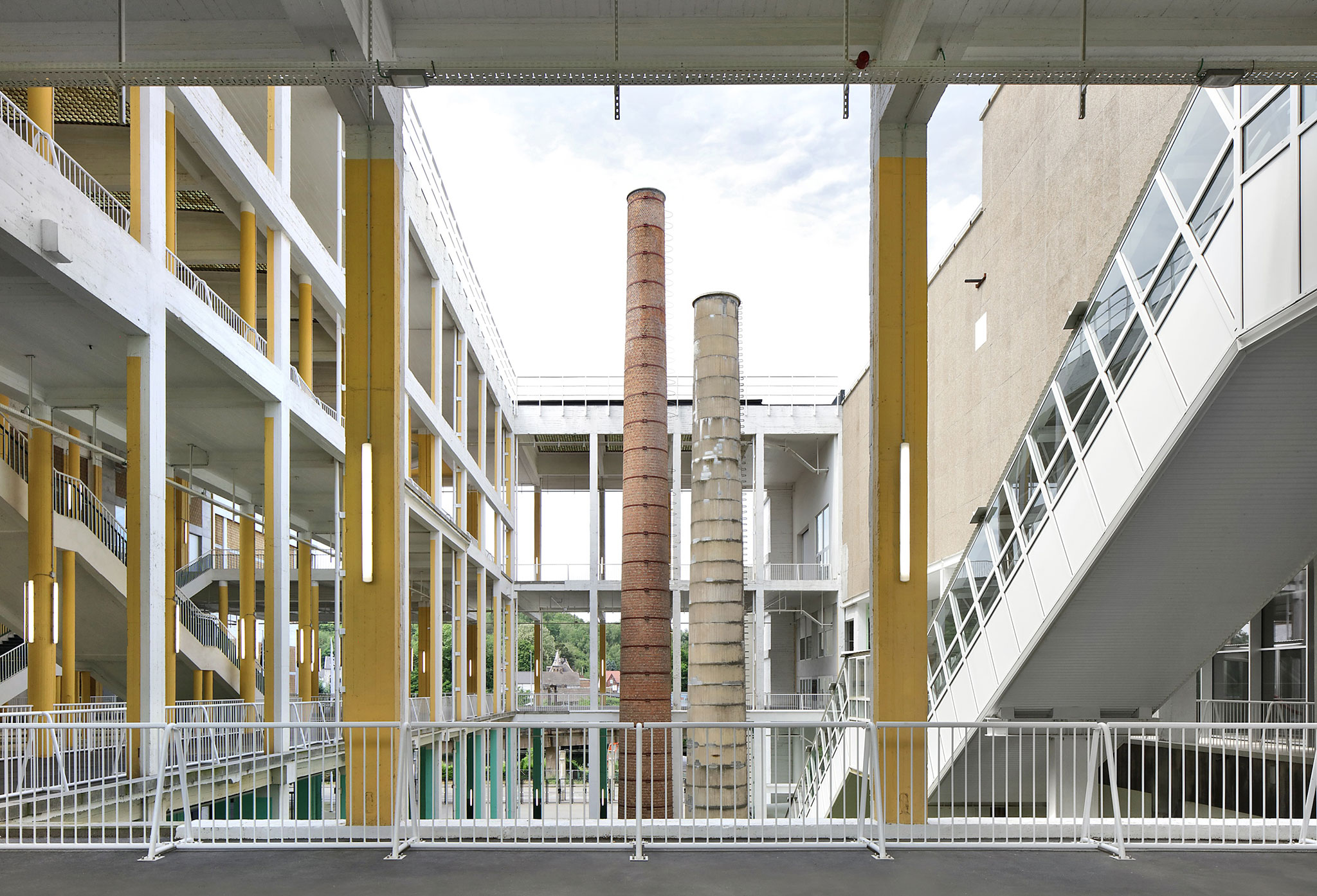
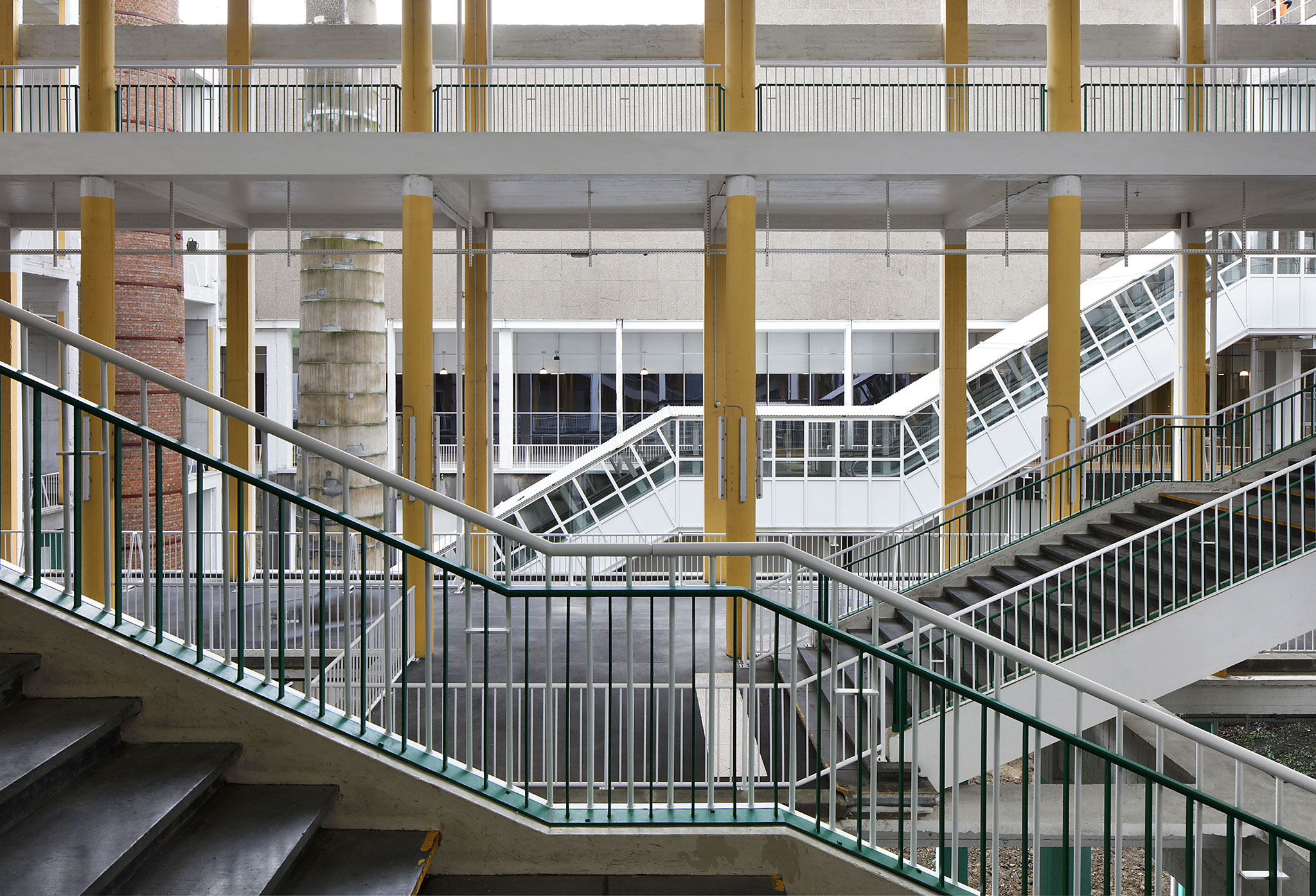
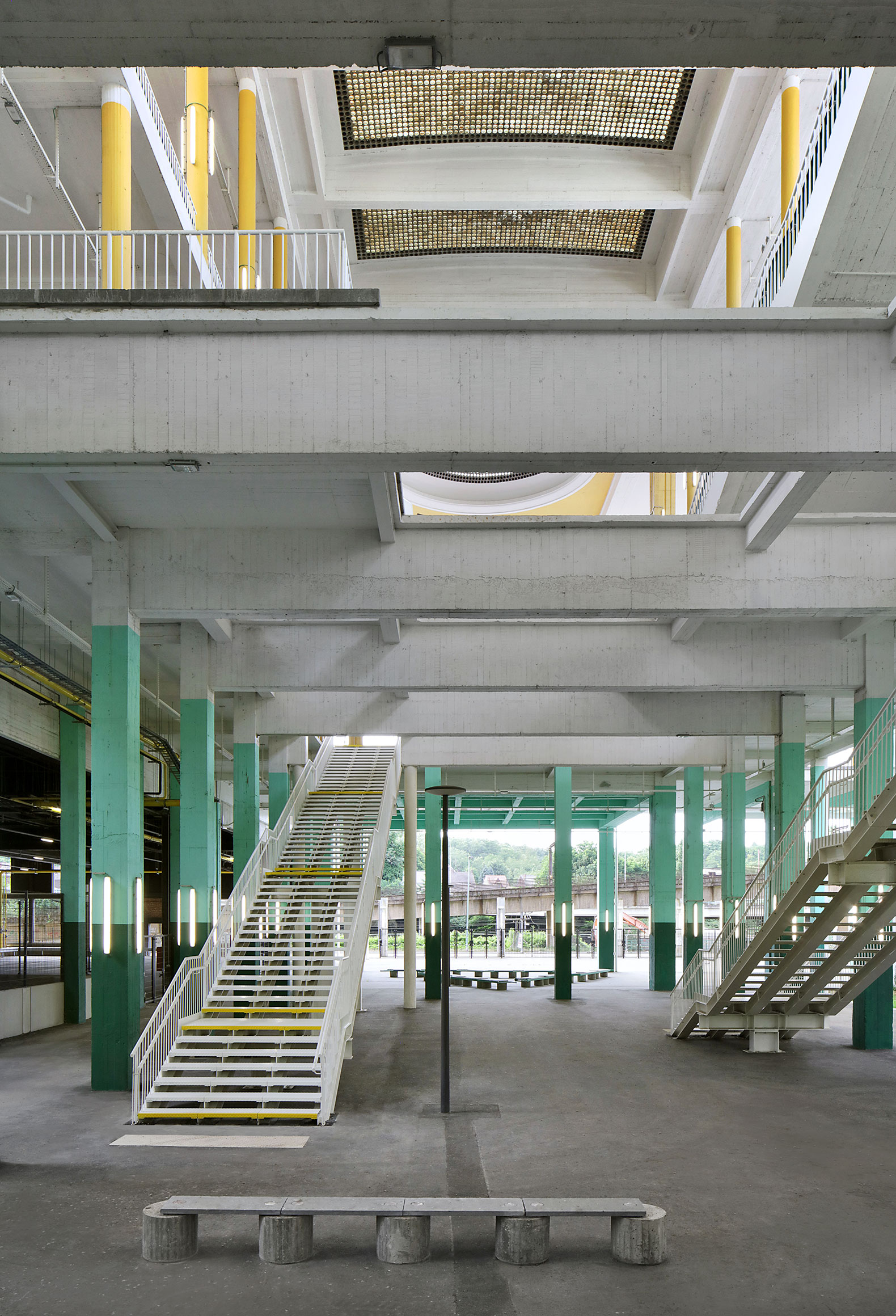
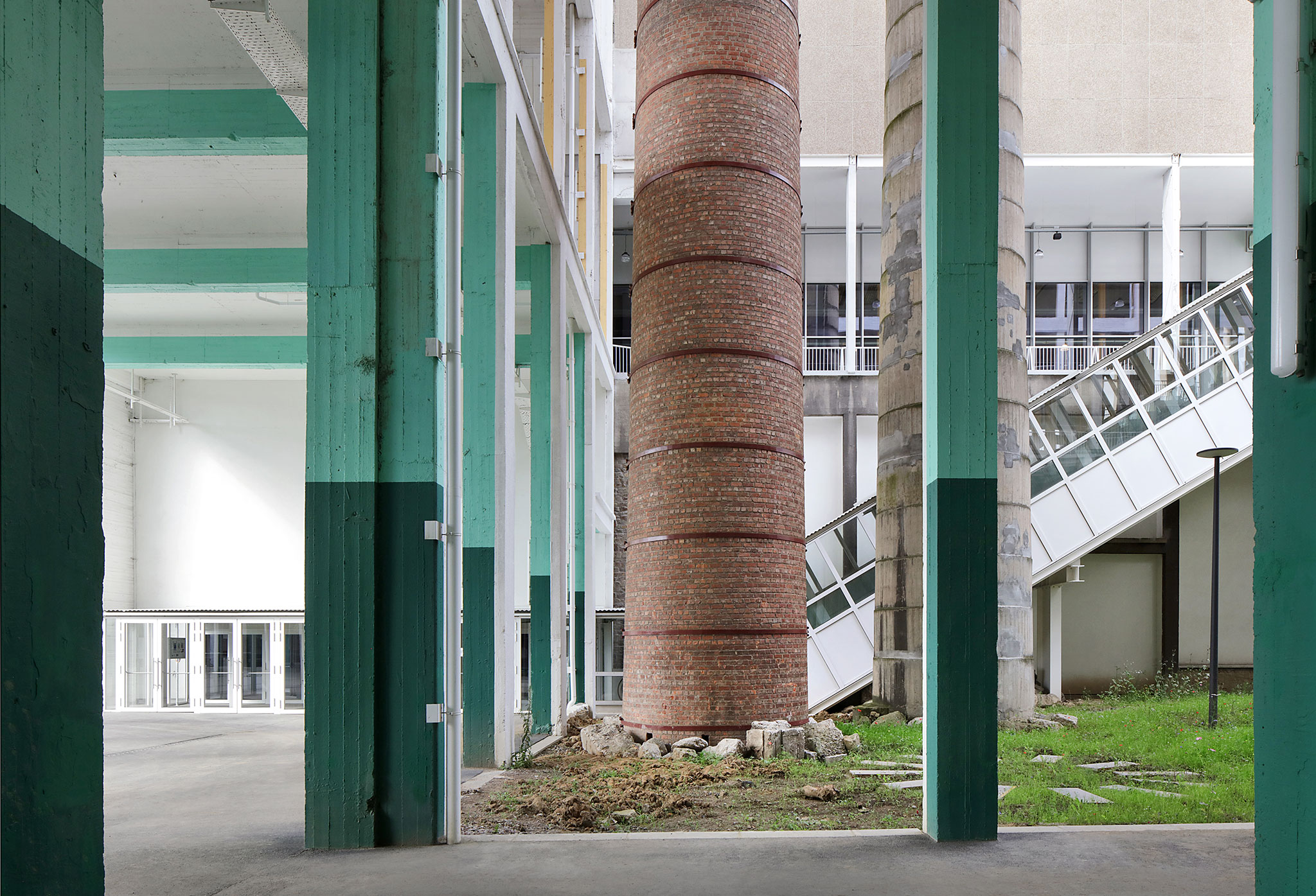
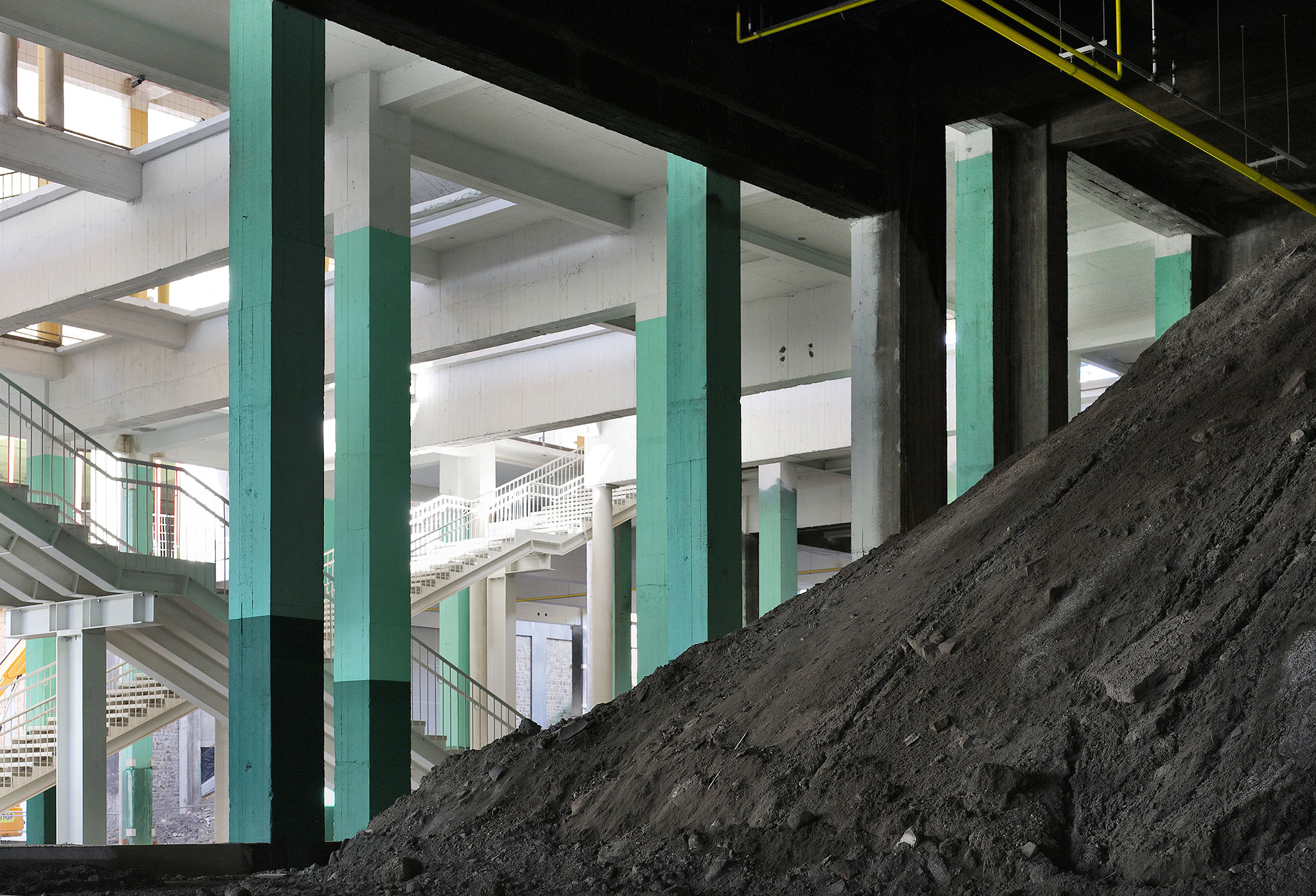
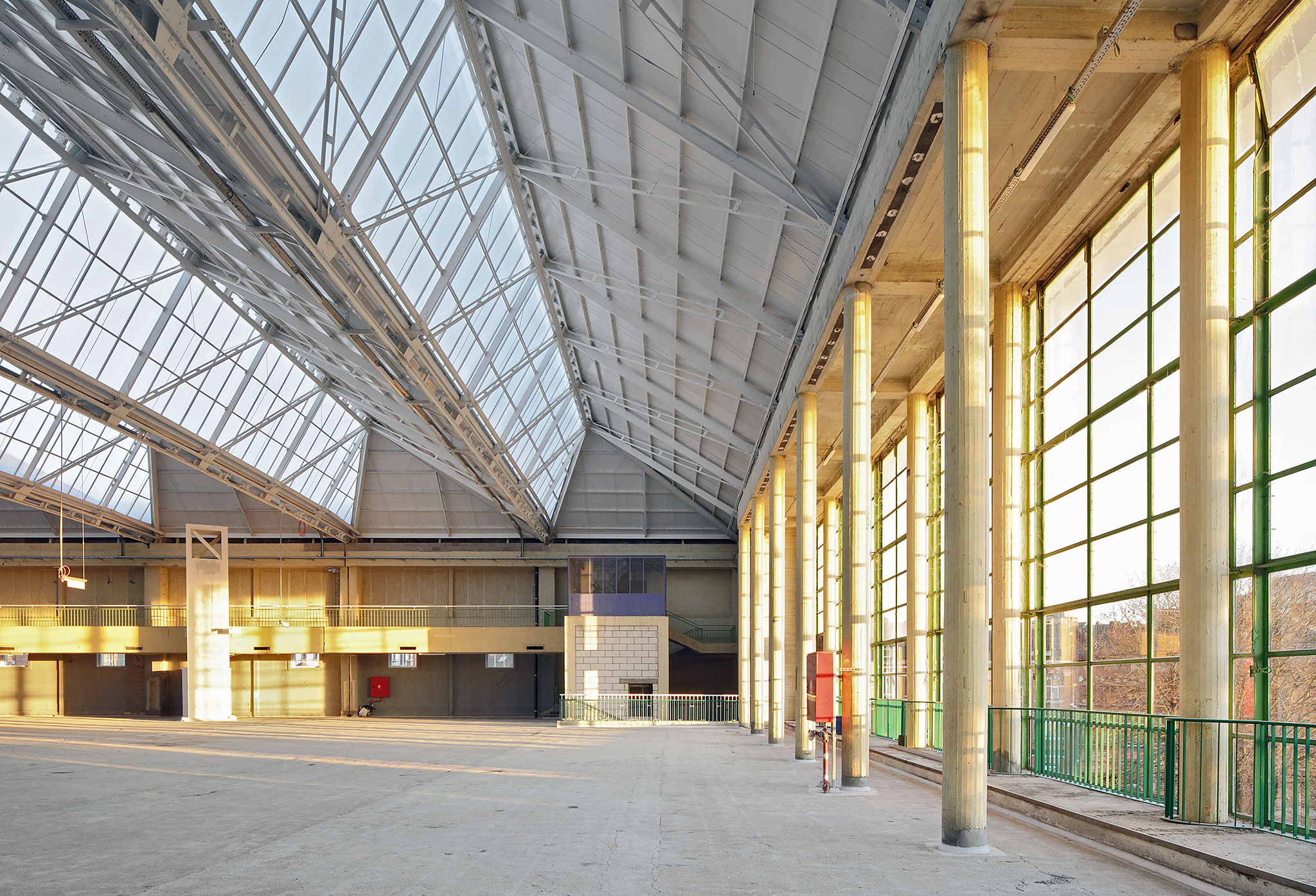
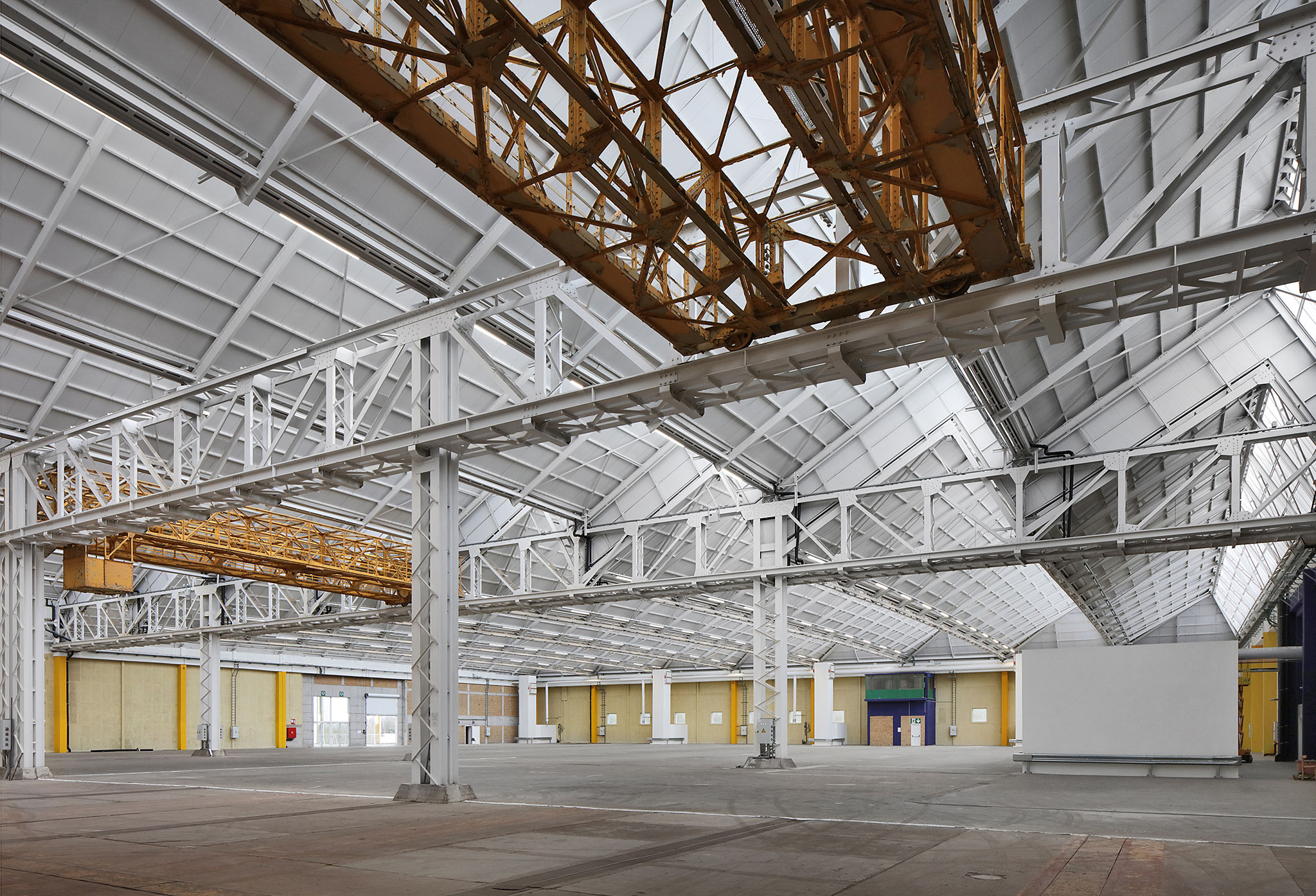
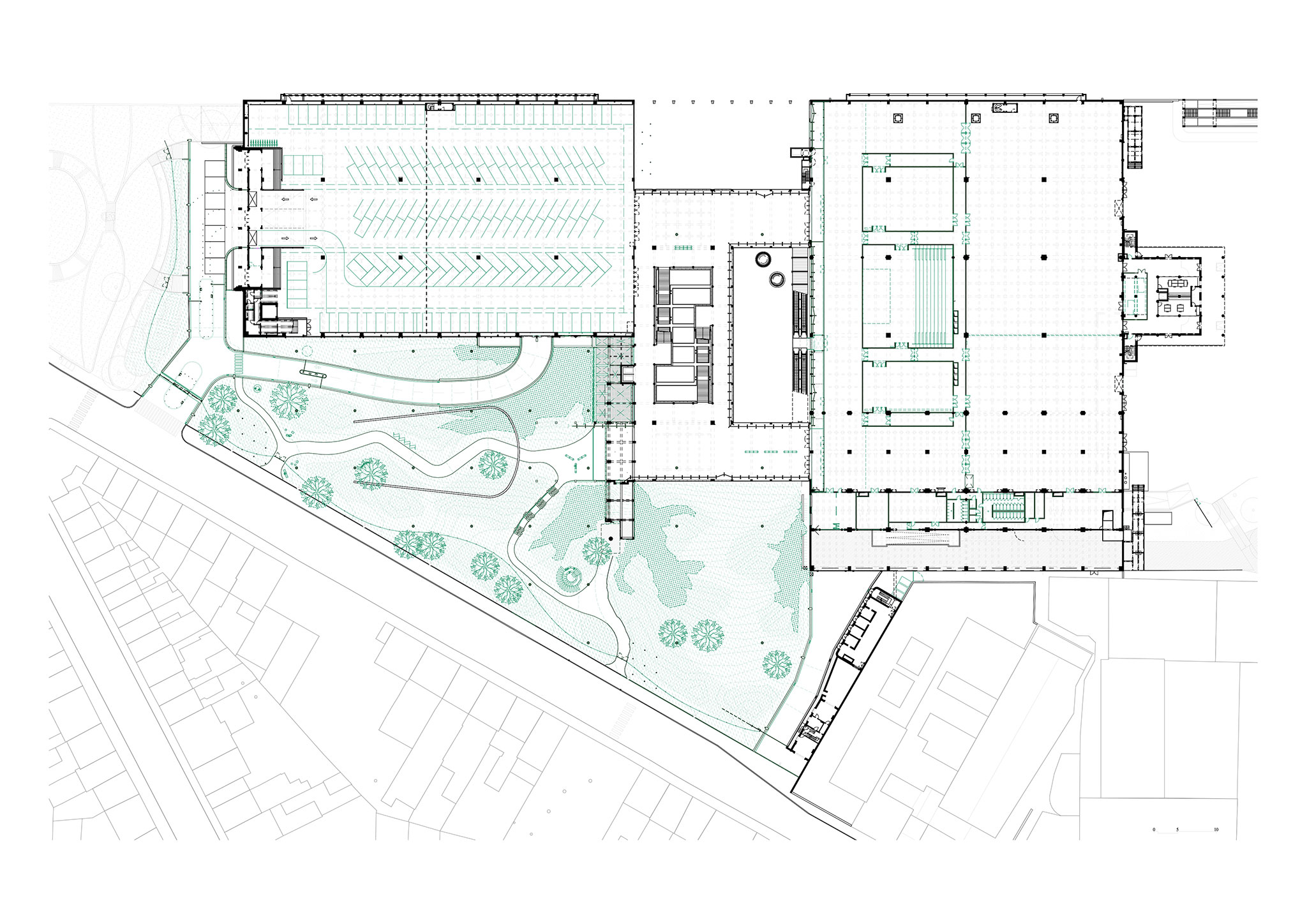
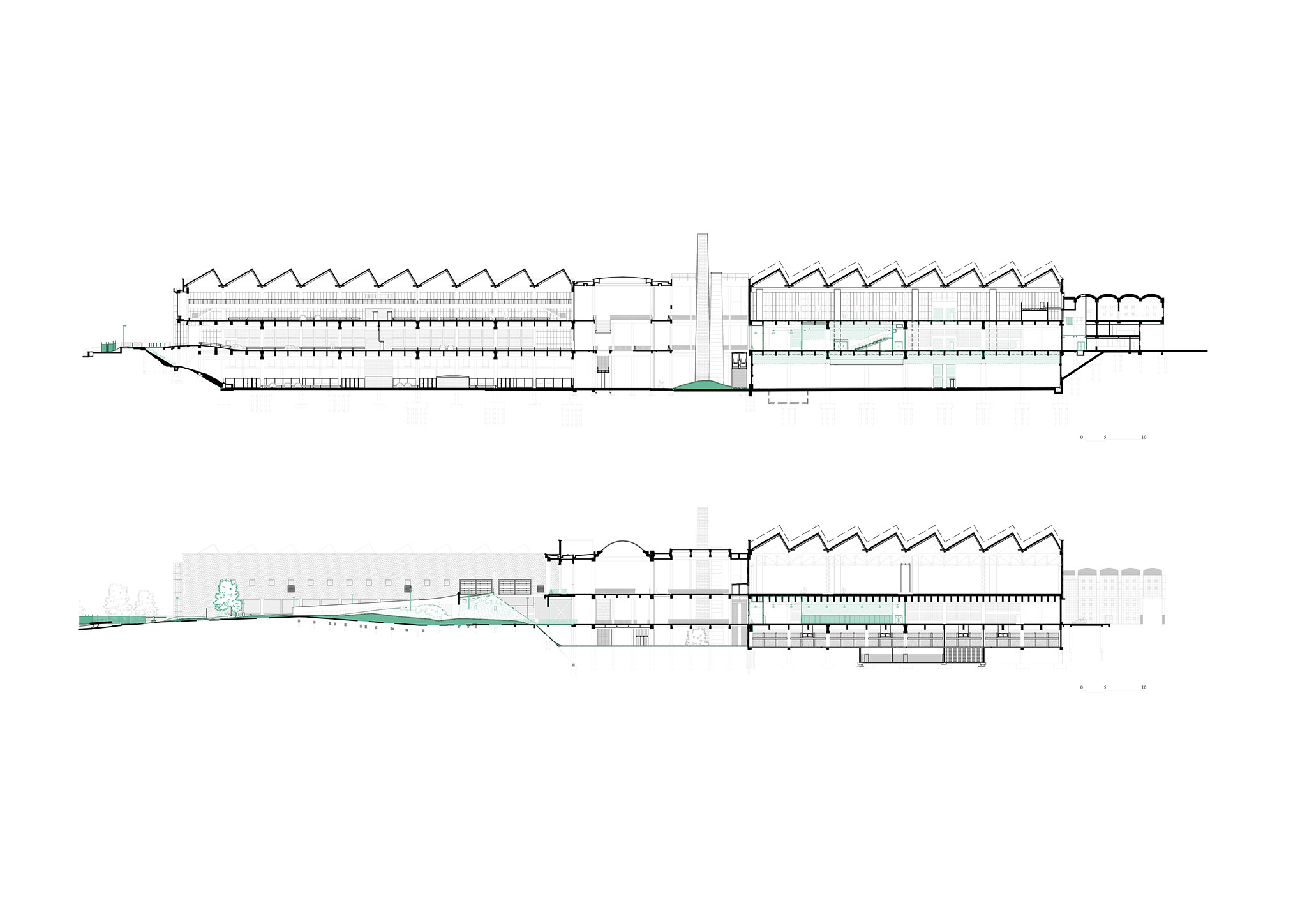
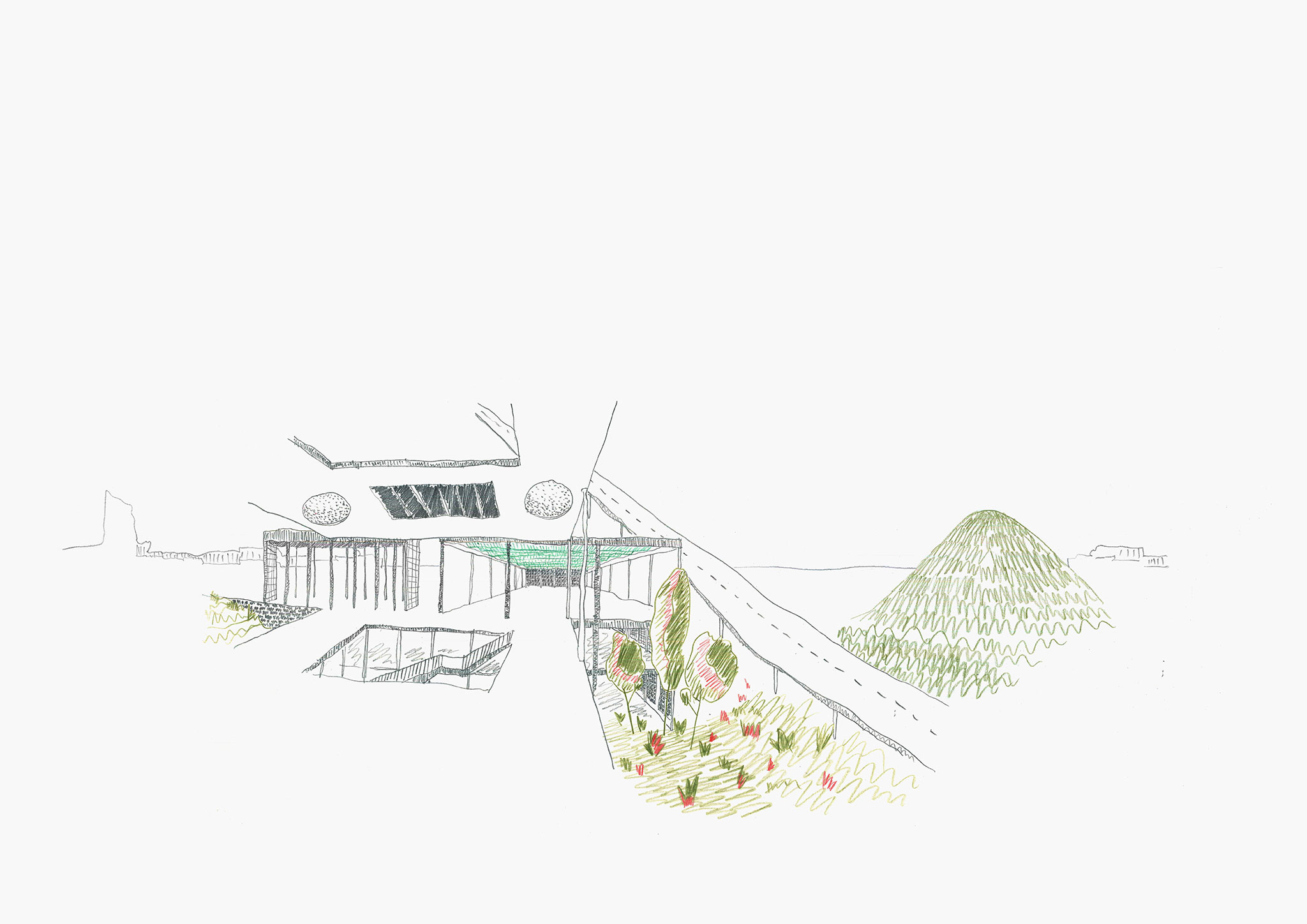
Charleroi Exhibition Palace, Charleroi, Belgium.
Architects.- AgwA (Brussels) and architecten jan de vylder inge vinck (Ghent).
Client.- City of Charleroi.
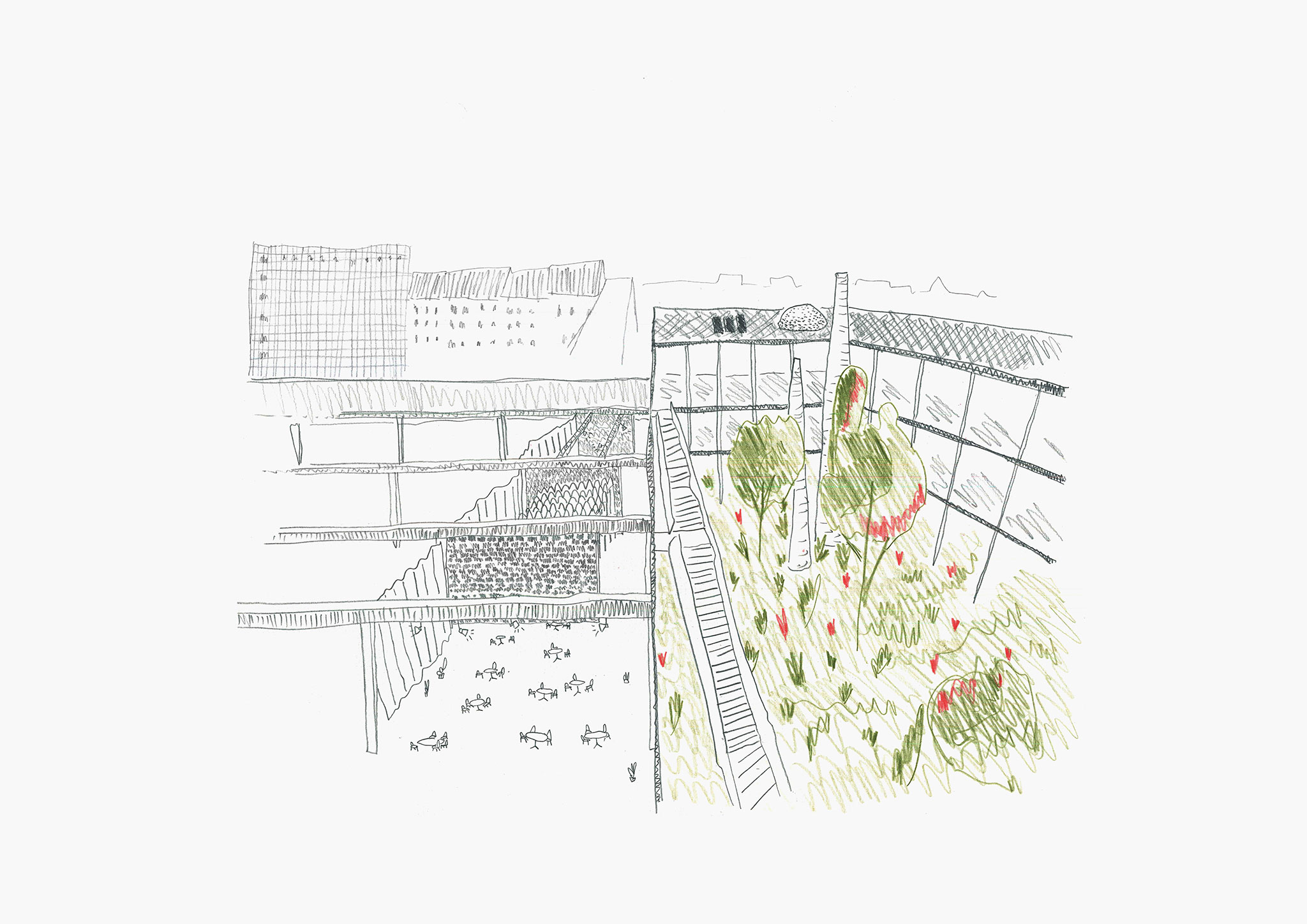
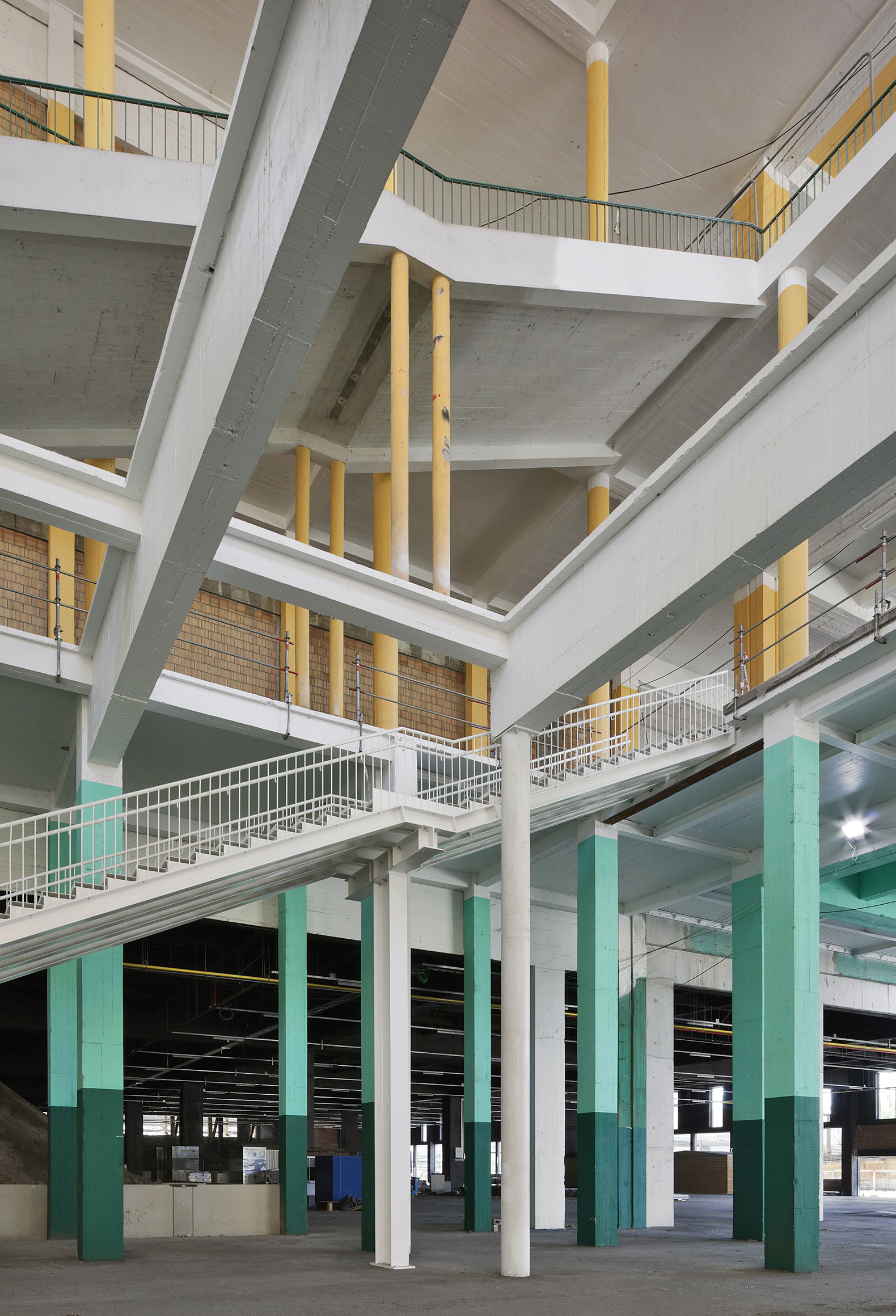
This project is awarded for its intelligent and precise transformation of a large existing exhibition building, demonstrating how architecture can work with what has already been built to open up new spatial, social, and material possibilities. Rather than replacing it, the project reactivates it, acknowledging its limitations, leveraging the building's inherent qualities, and developing a bold yet ingenious approach that turns scarcity into opportunity and repair into a powerful design strategy.
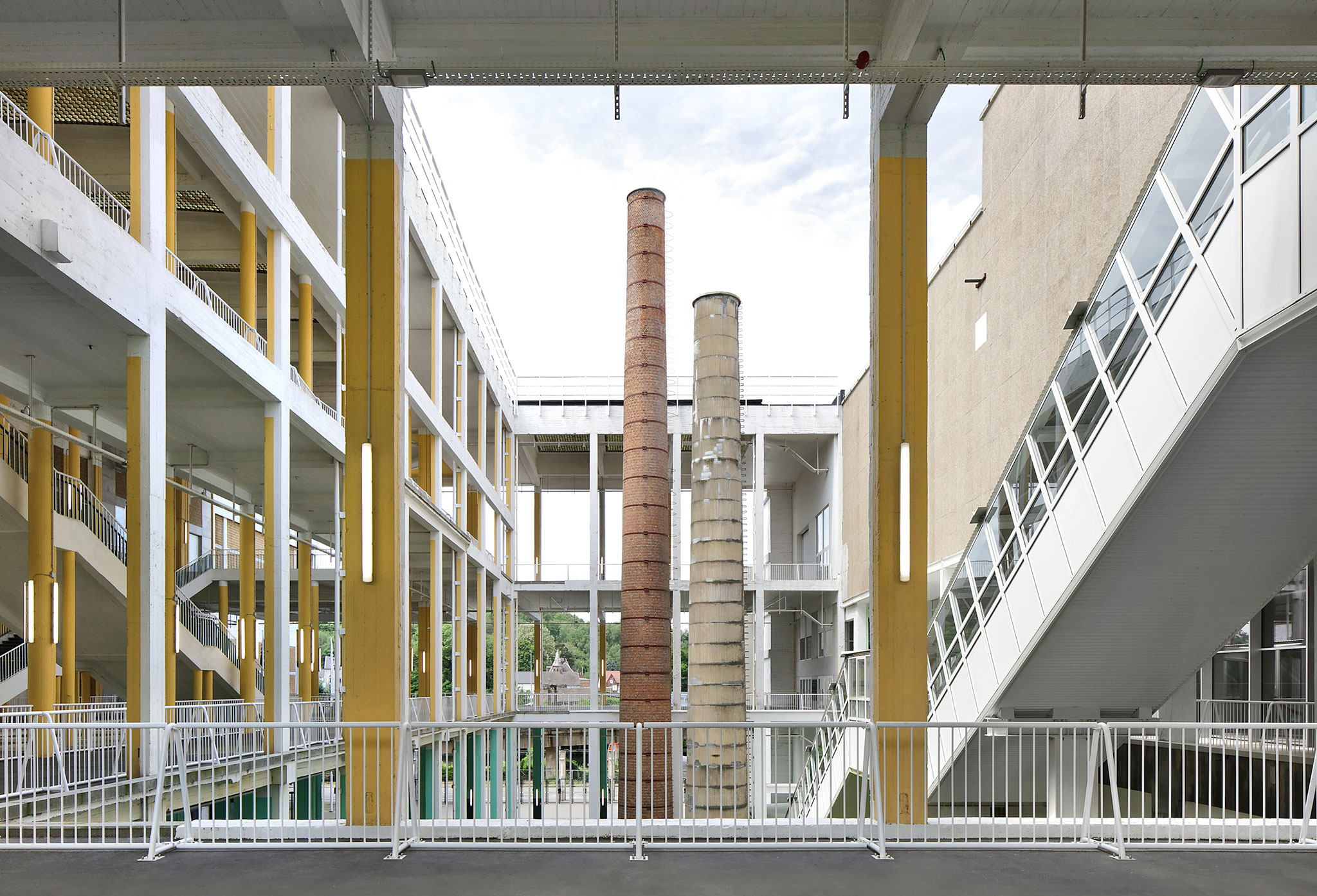
Charleroi Palais des Expositions by architecten jan de vylder inge vinck and AgwA. Photograph by Filip Dujardin.
Winner Emerging Architecture 2026
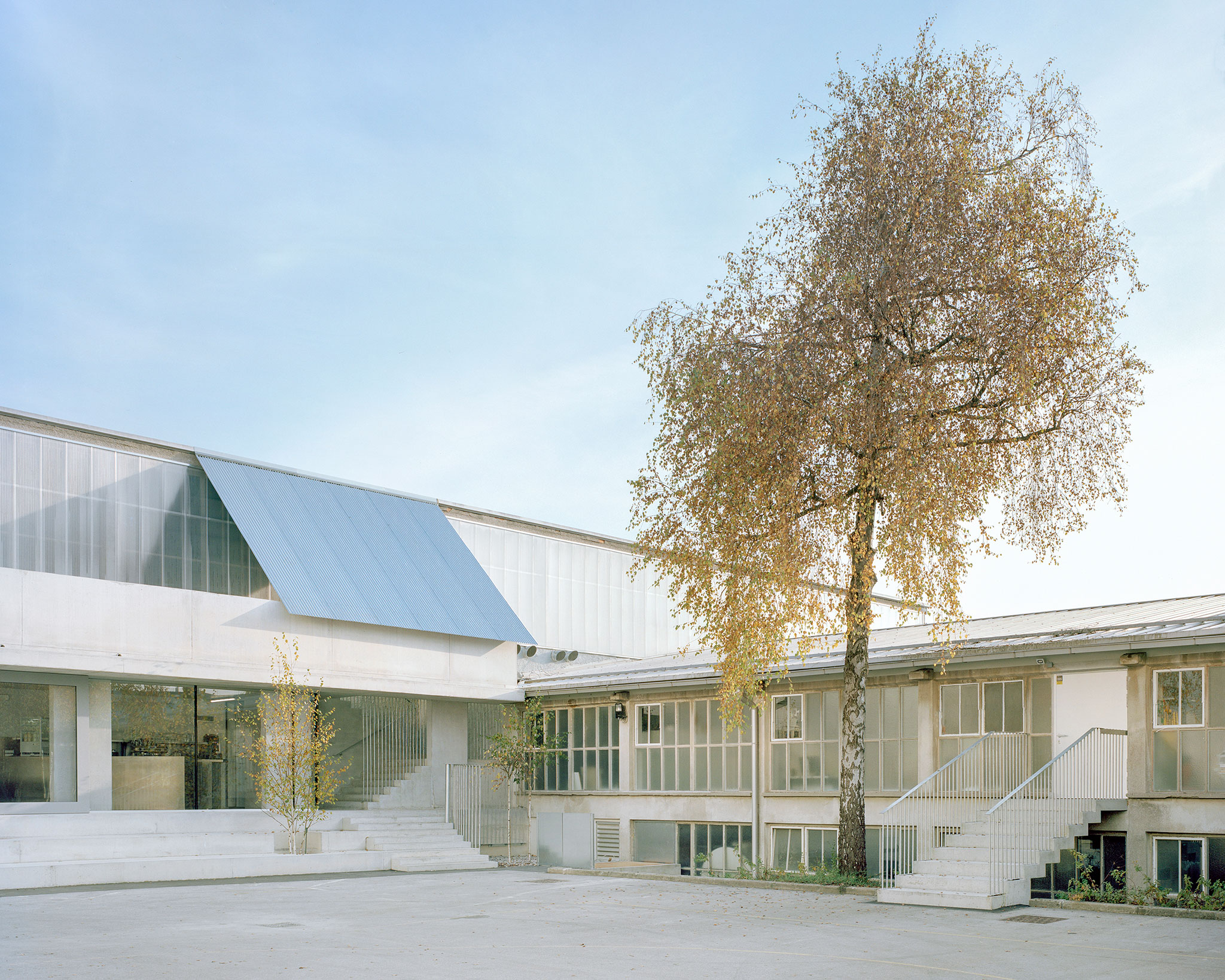
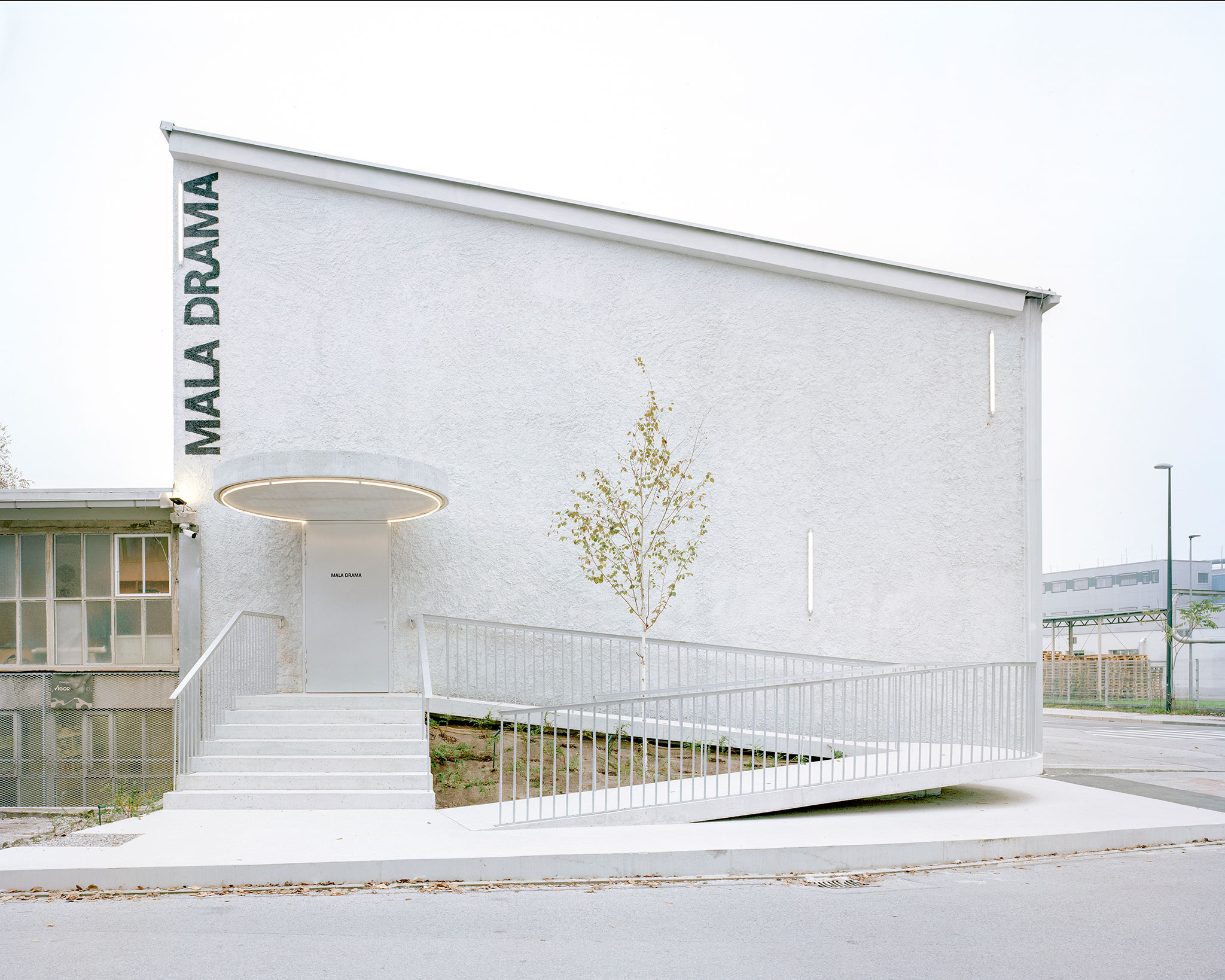
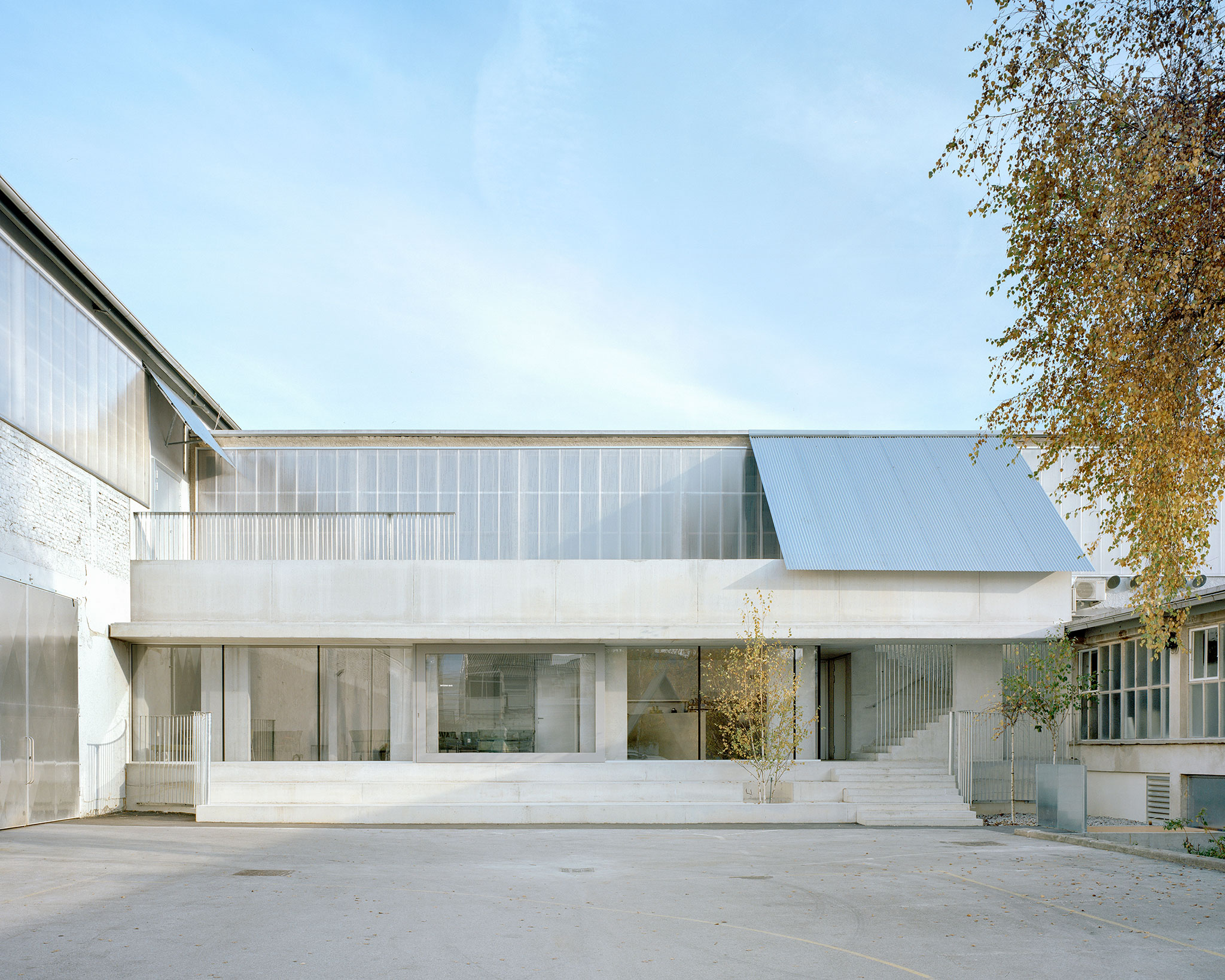
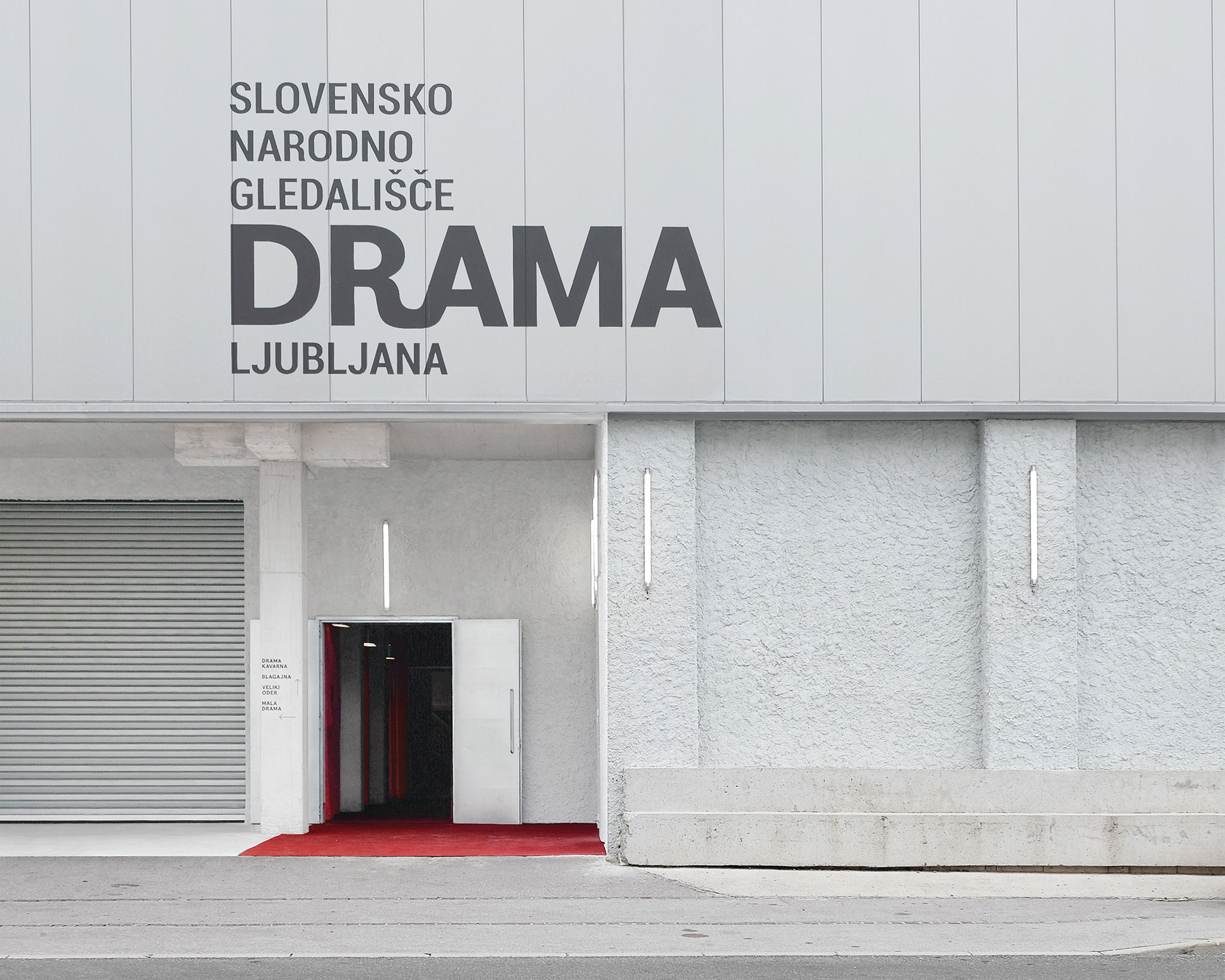
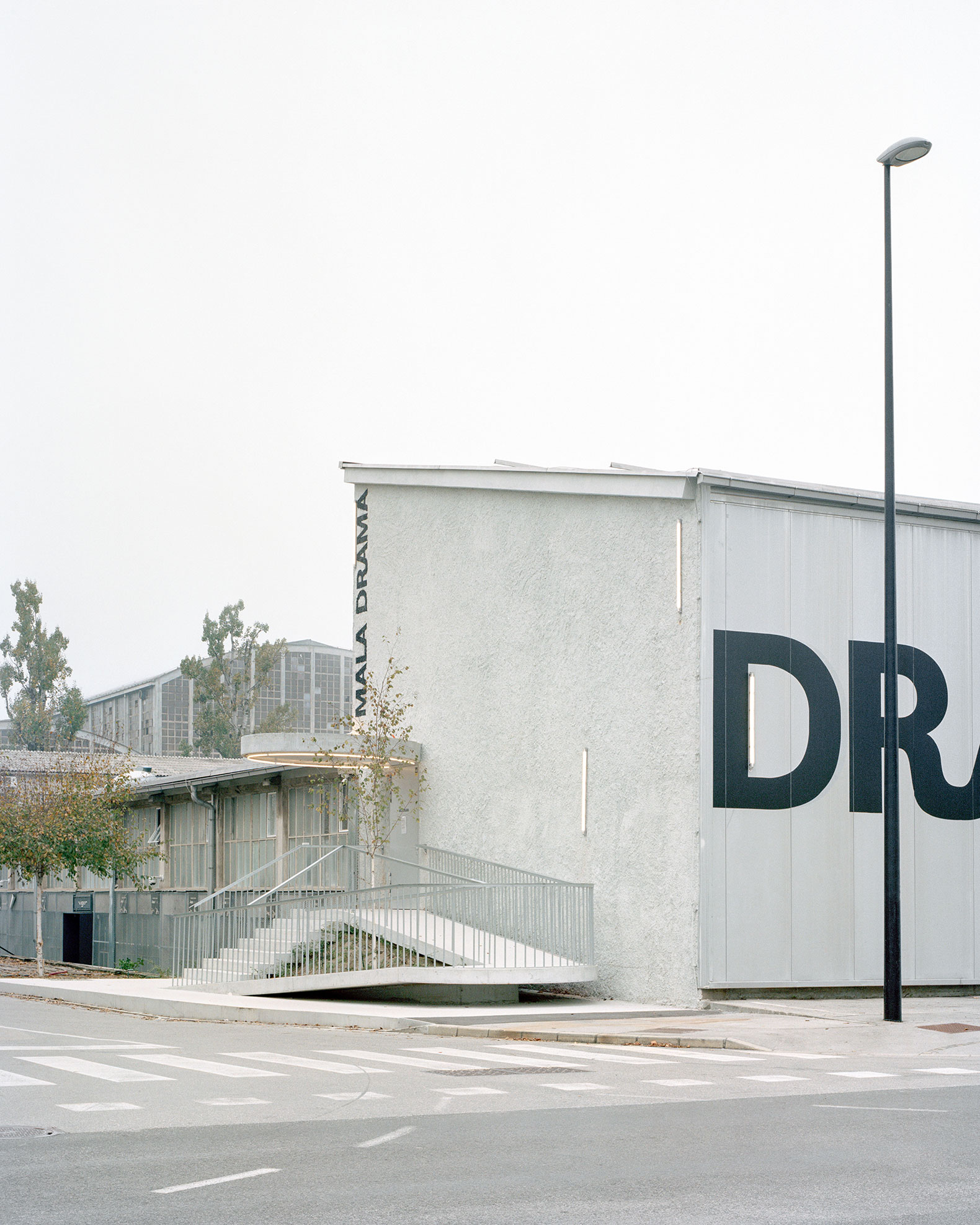
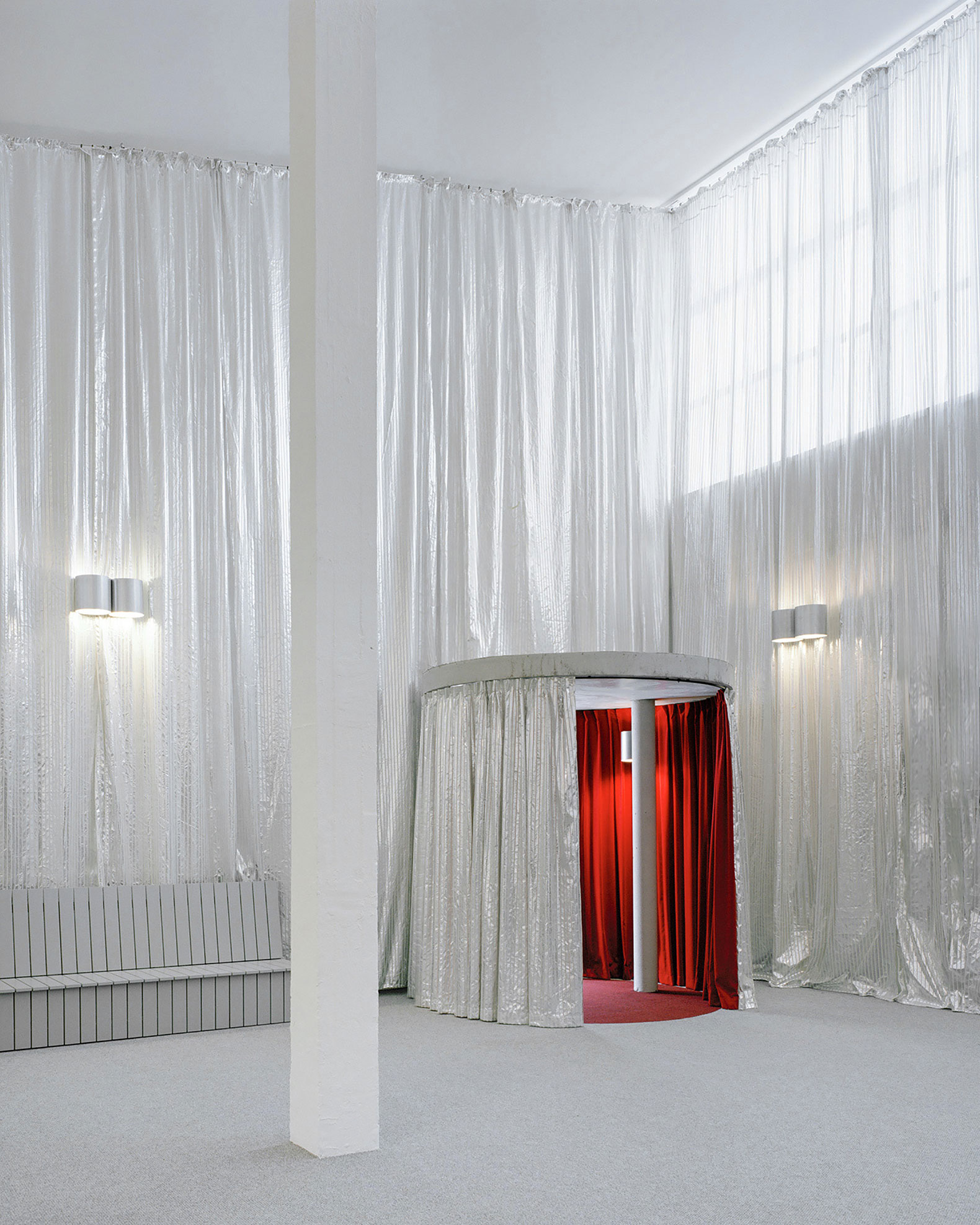
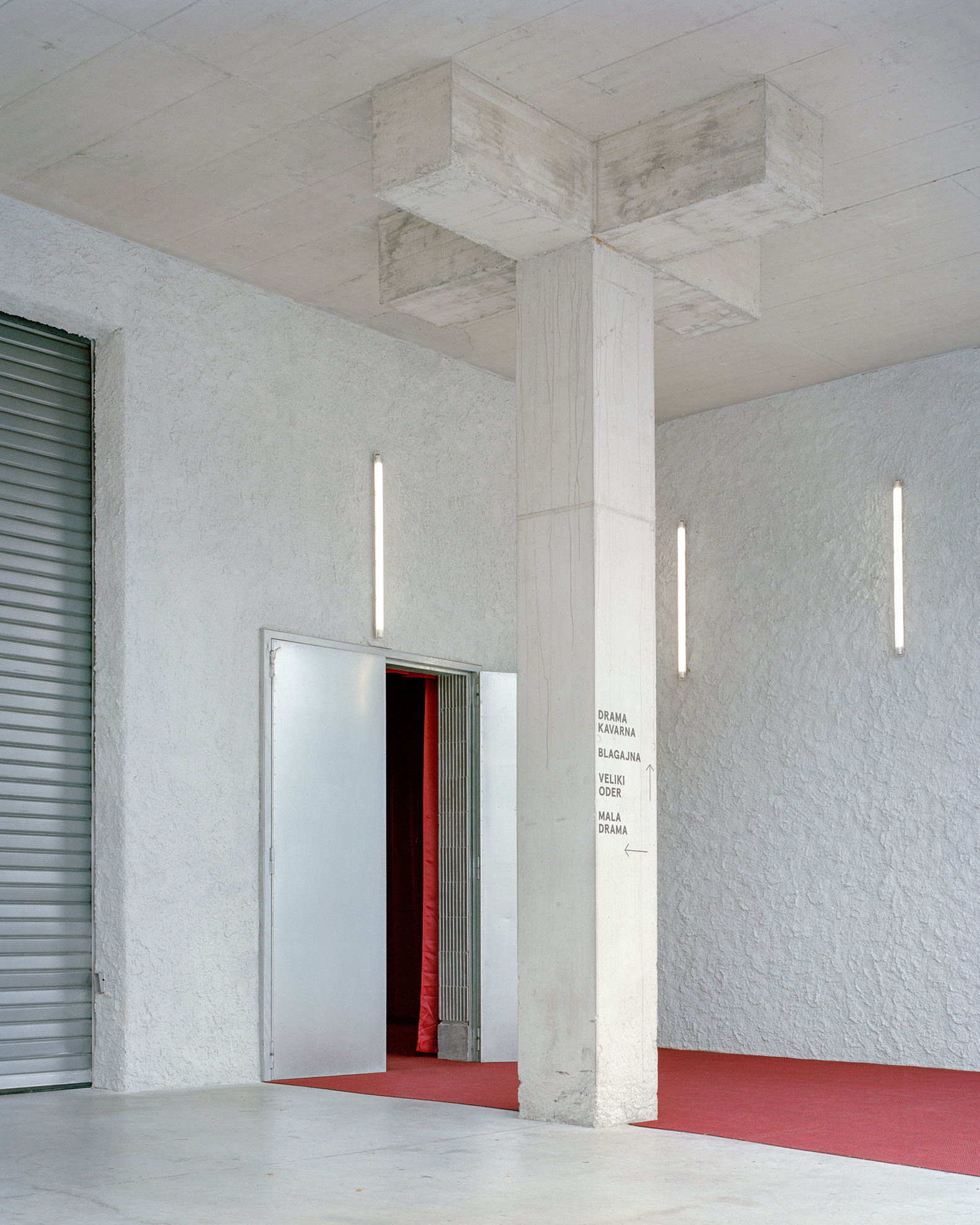
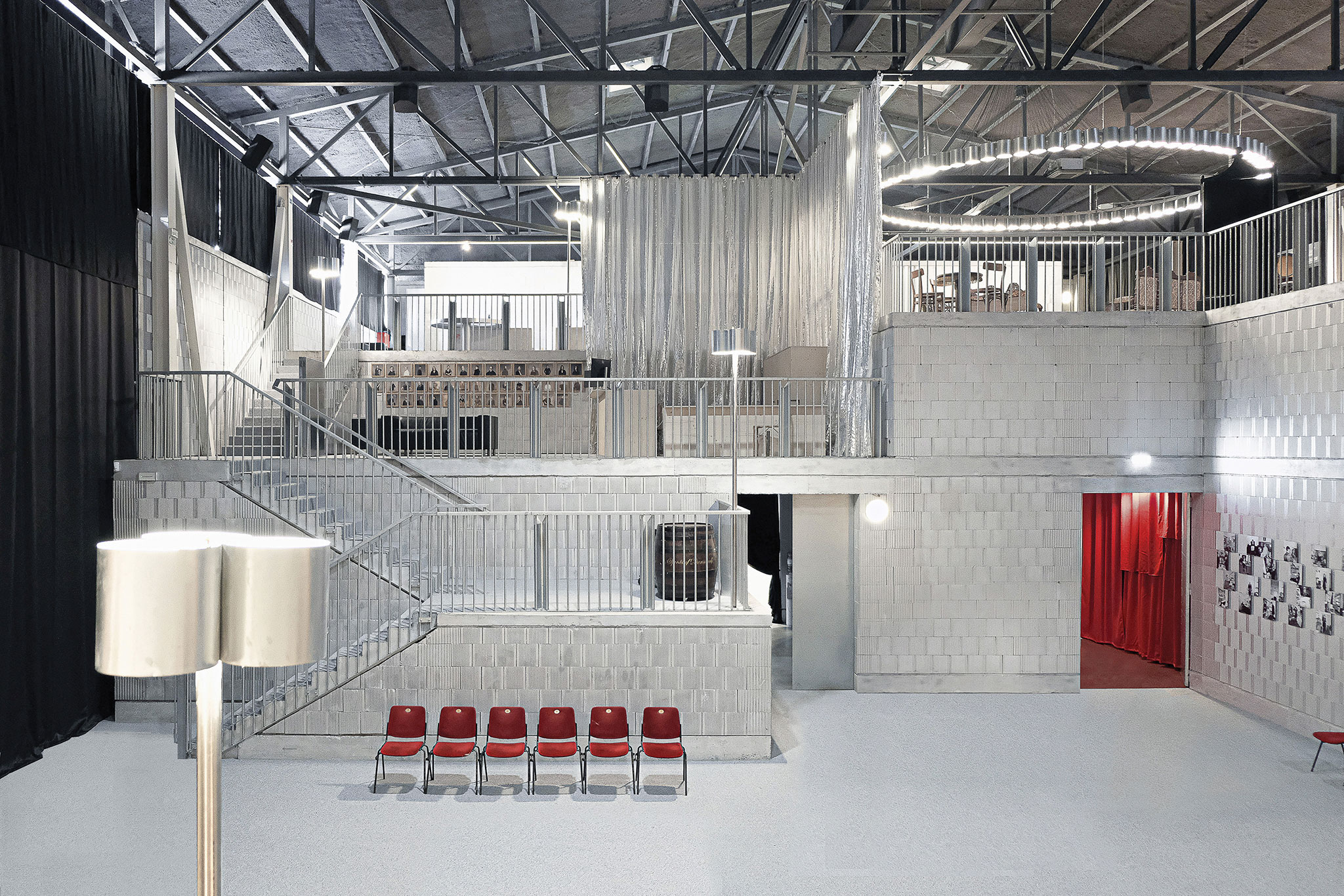
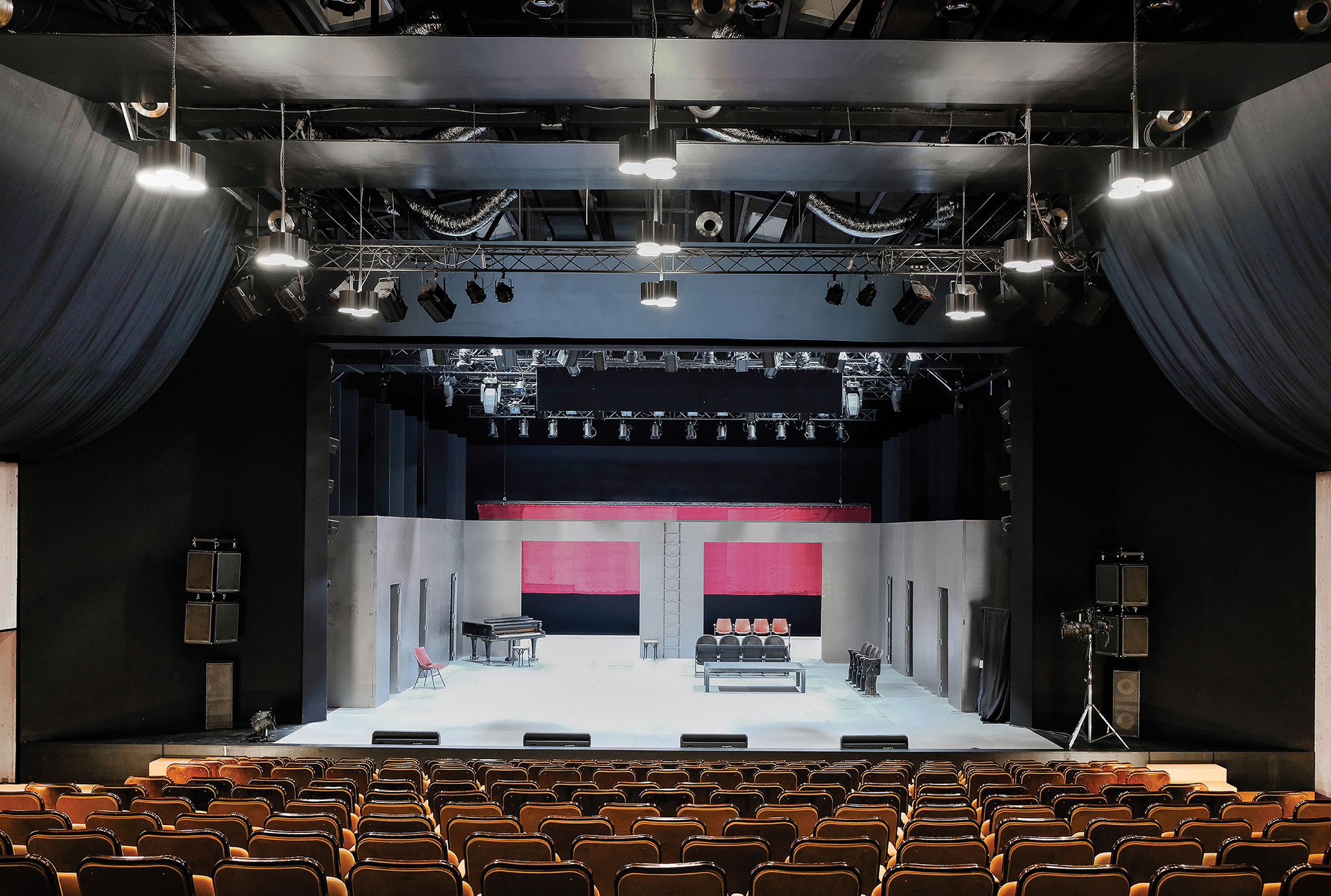
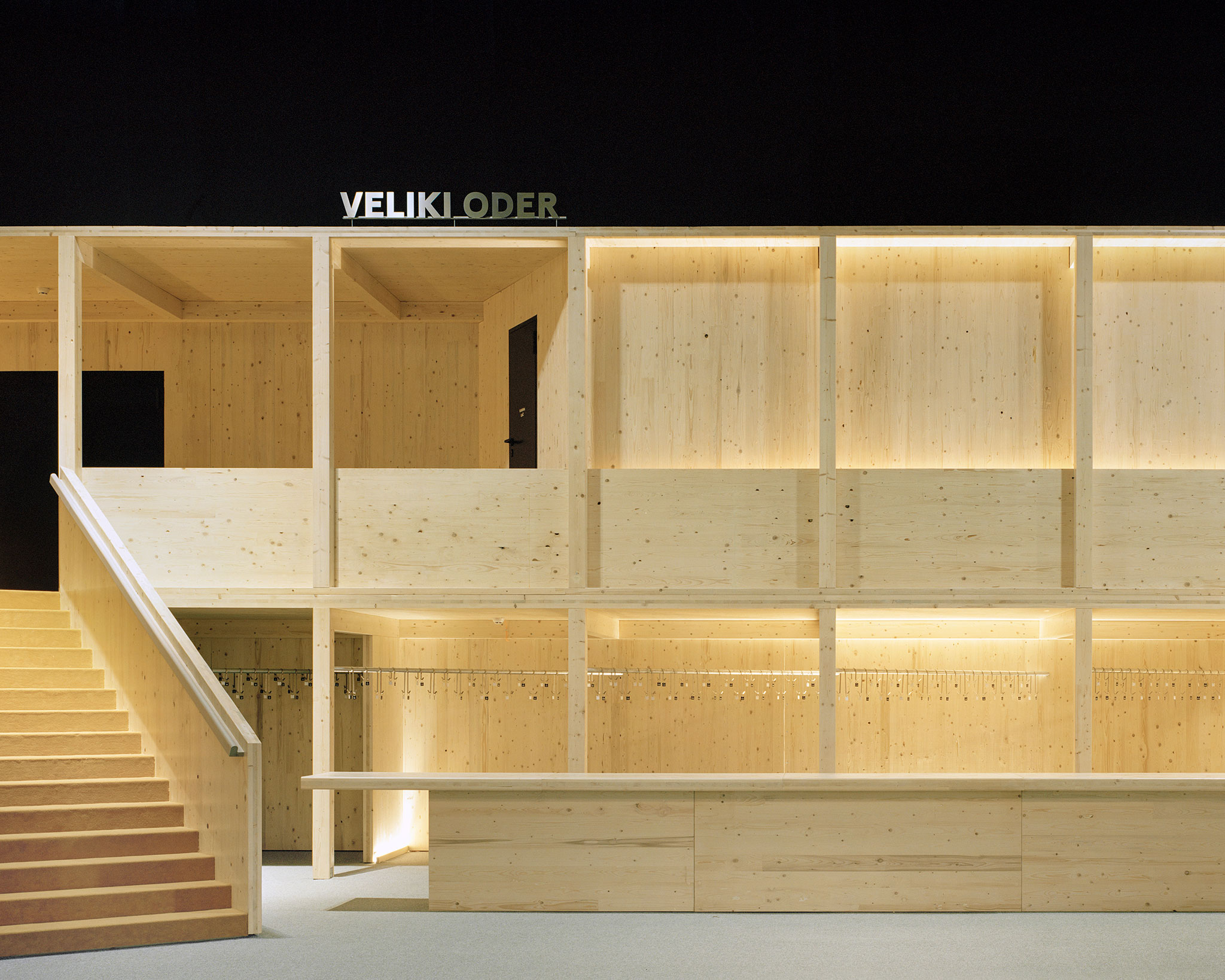
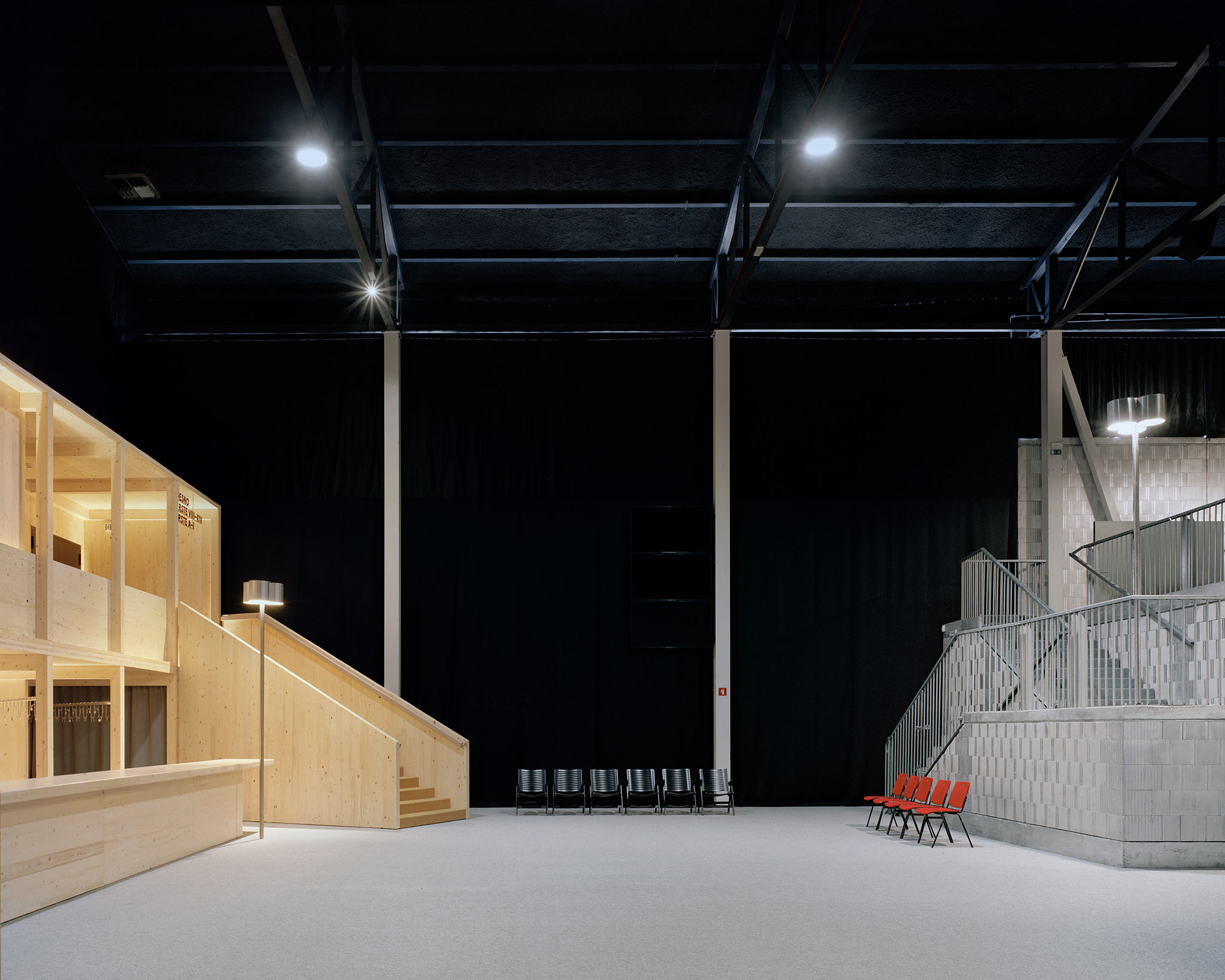
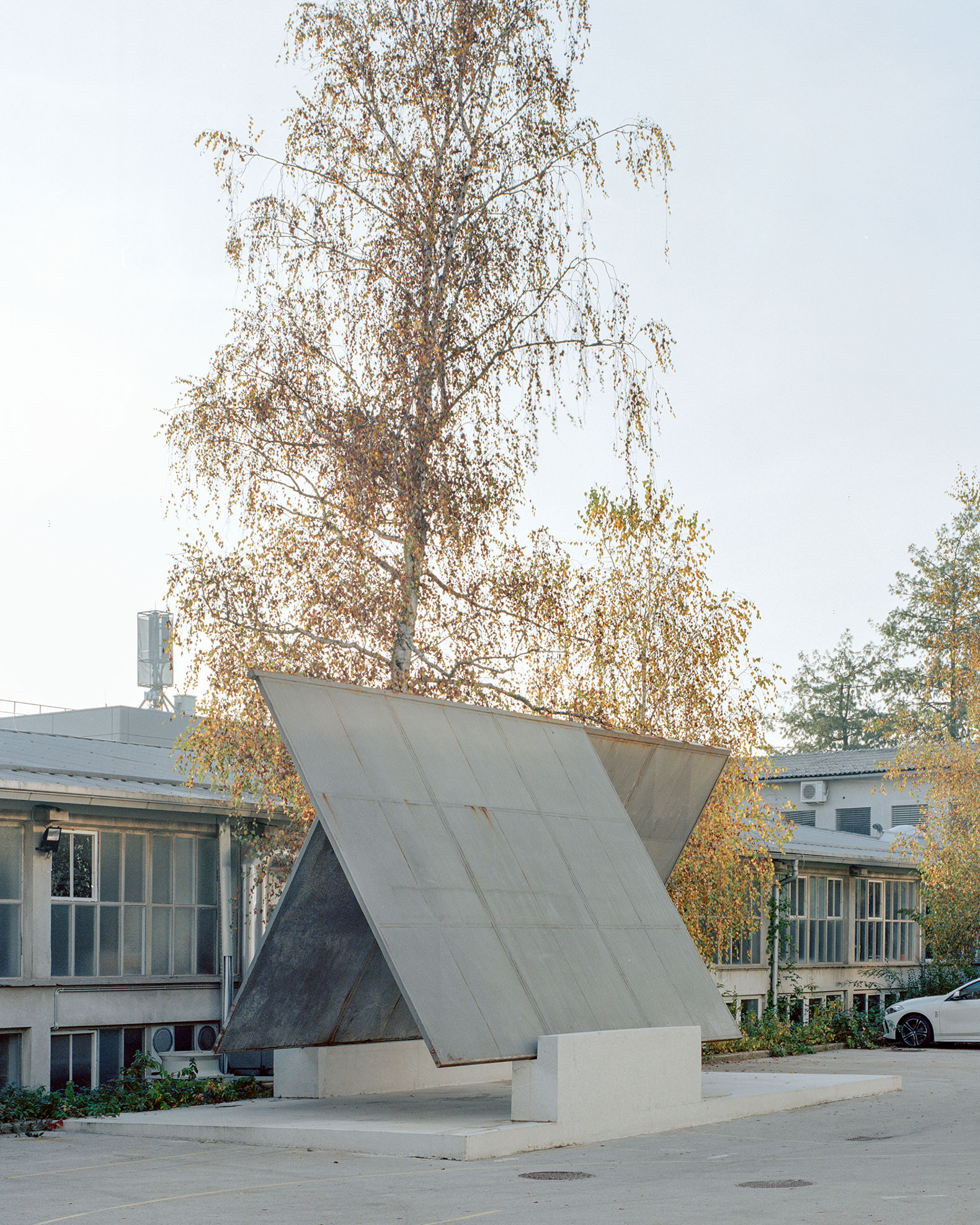
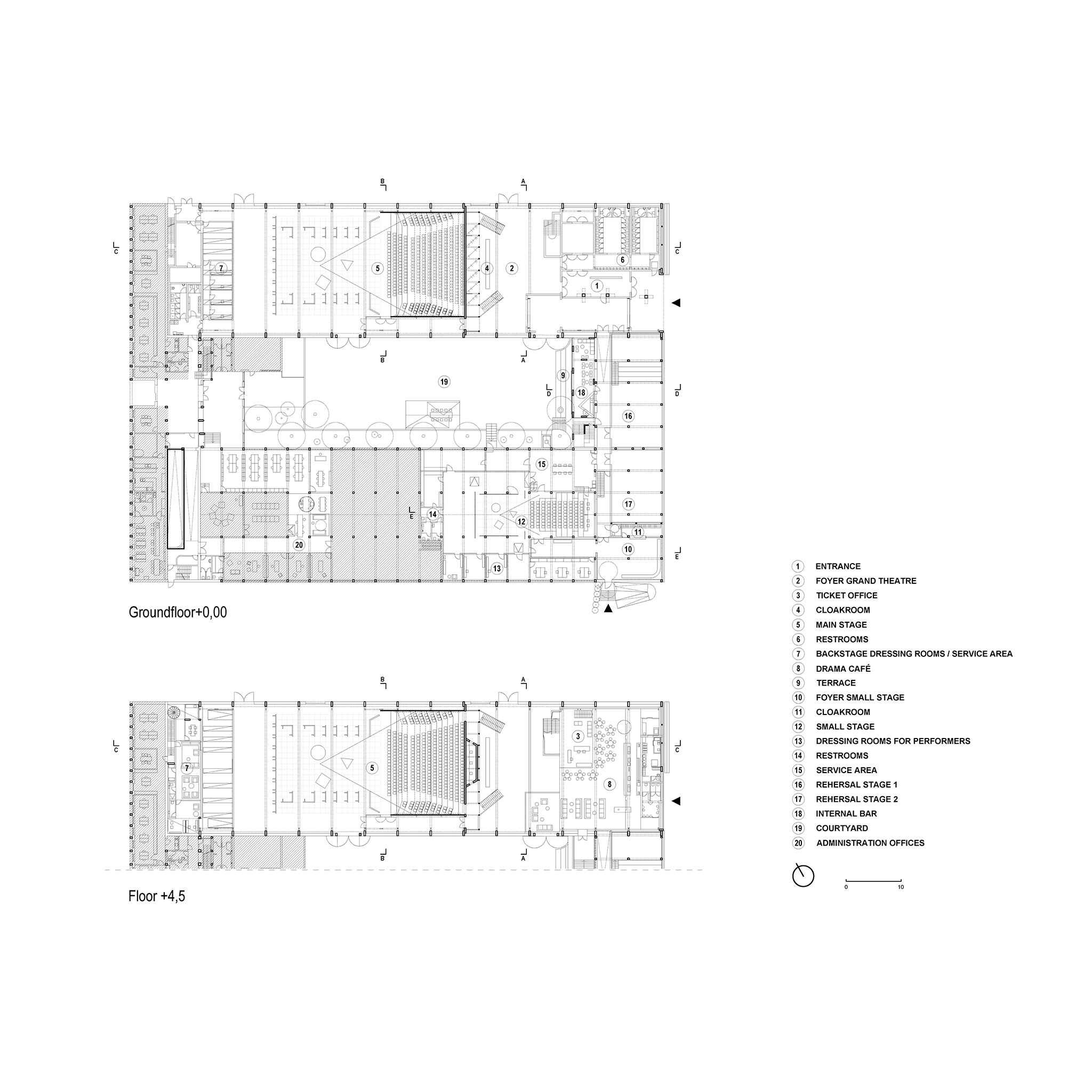
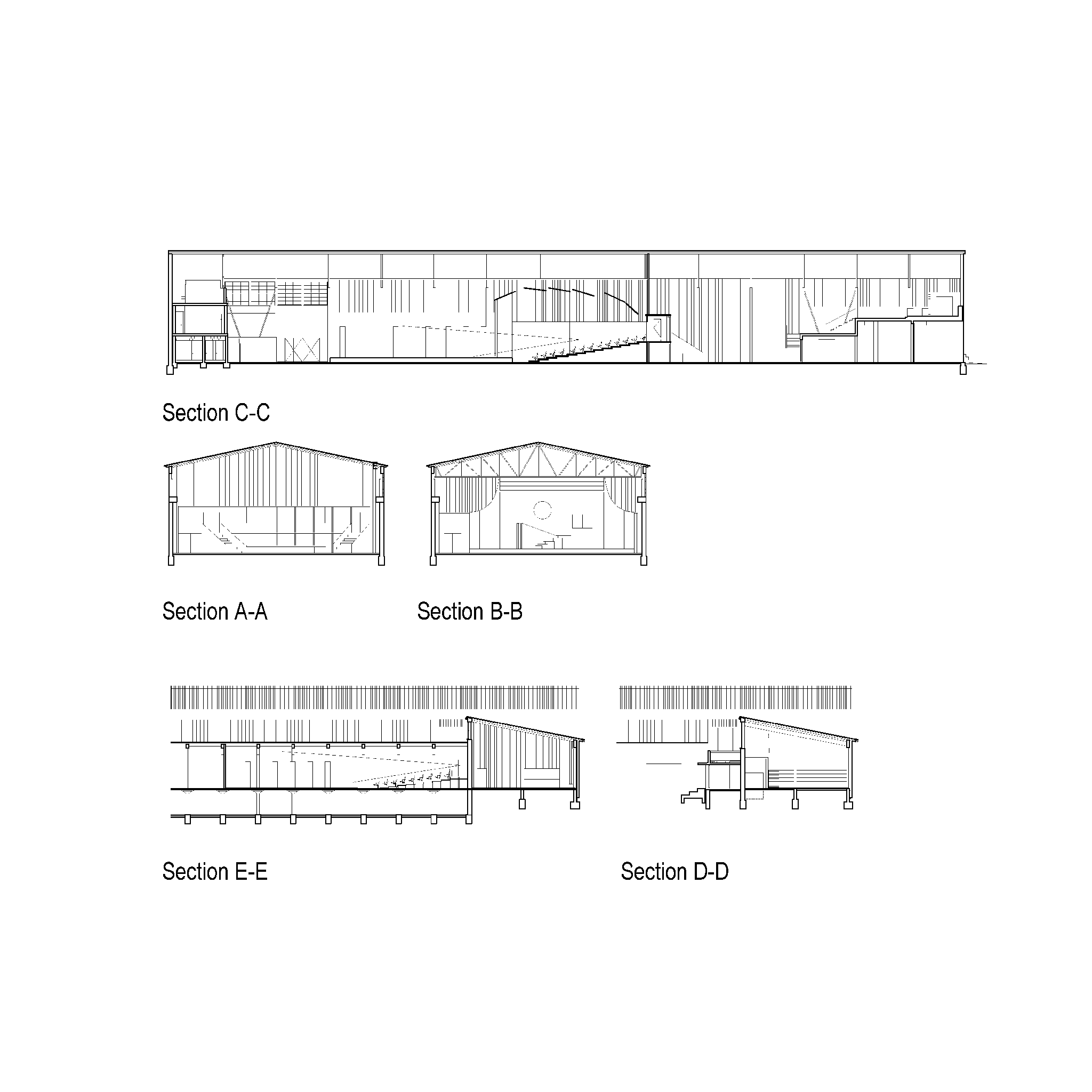
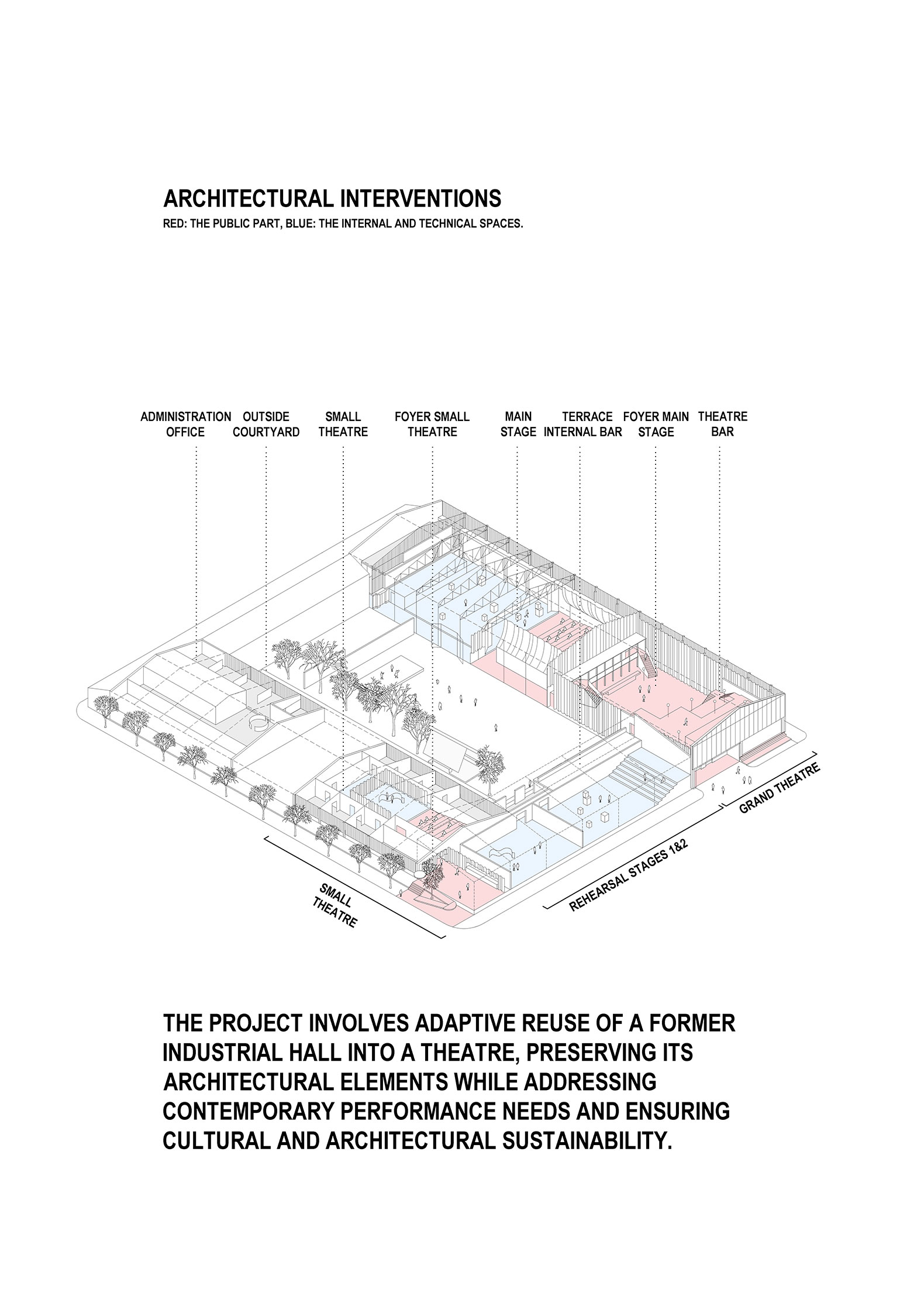
Temporary spaces for the National Theatre of Slovenia in Ljubljana, Slovenia.
Architect.- Vidic Grohar Arhitekti (Ljubljana).
Client.- L56 d.o.o.
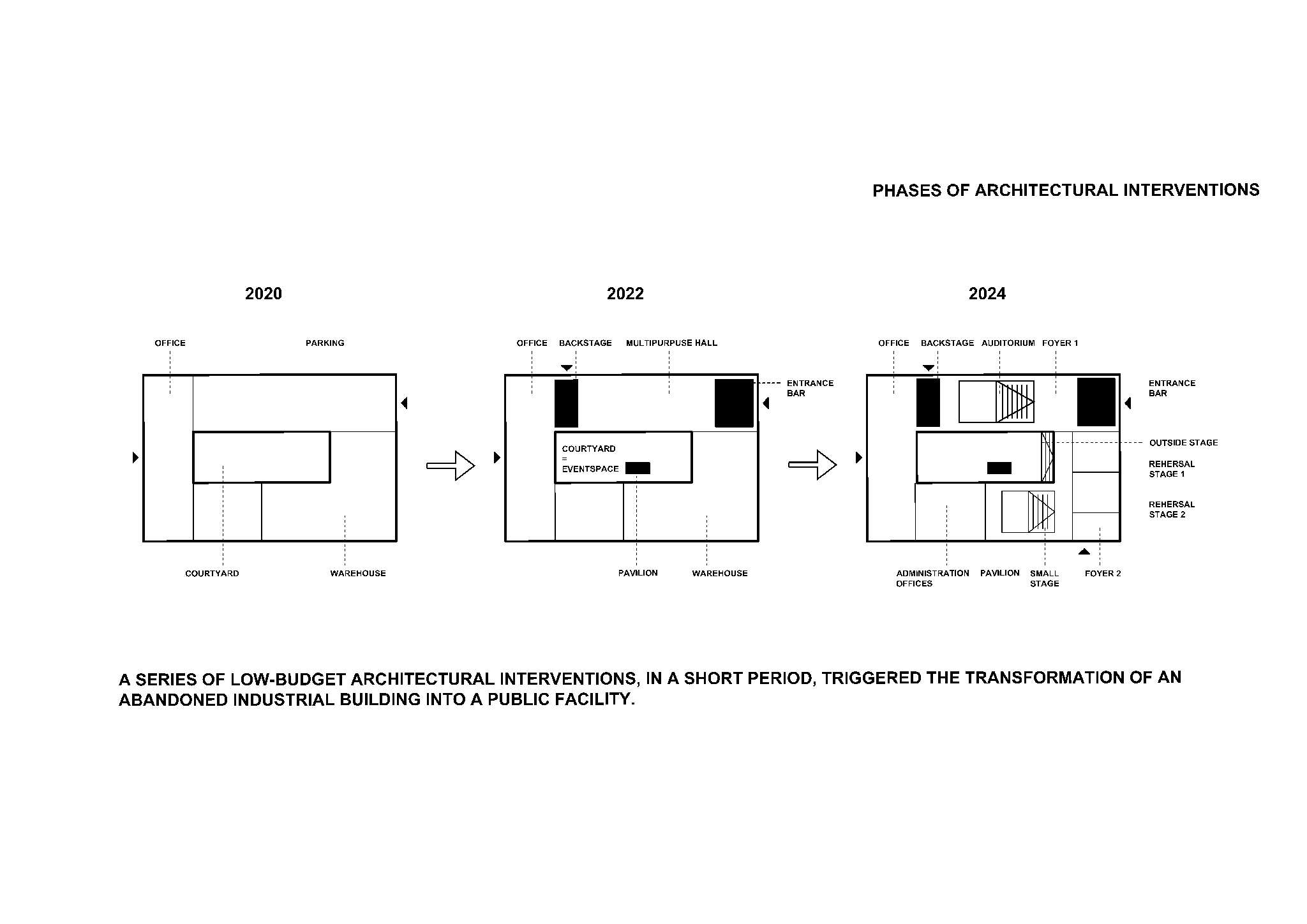
This project is awarded for its ability to transform a temporary condition into a powerful and lasting architectural statement, activating an abandoned industrial complex into a vibrant cultural infrastructure. Through a series of precise, low-budget interventions, the project redefines the relationship between permanence and reuse, creating a sequence of flexible and inclusive spaces that expand the city's cultural life, while prioritizing material intelligence and adaptability.
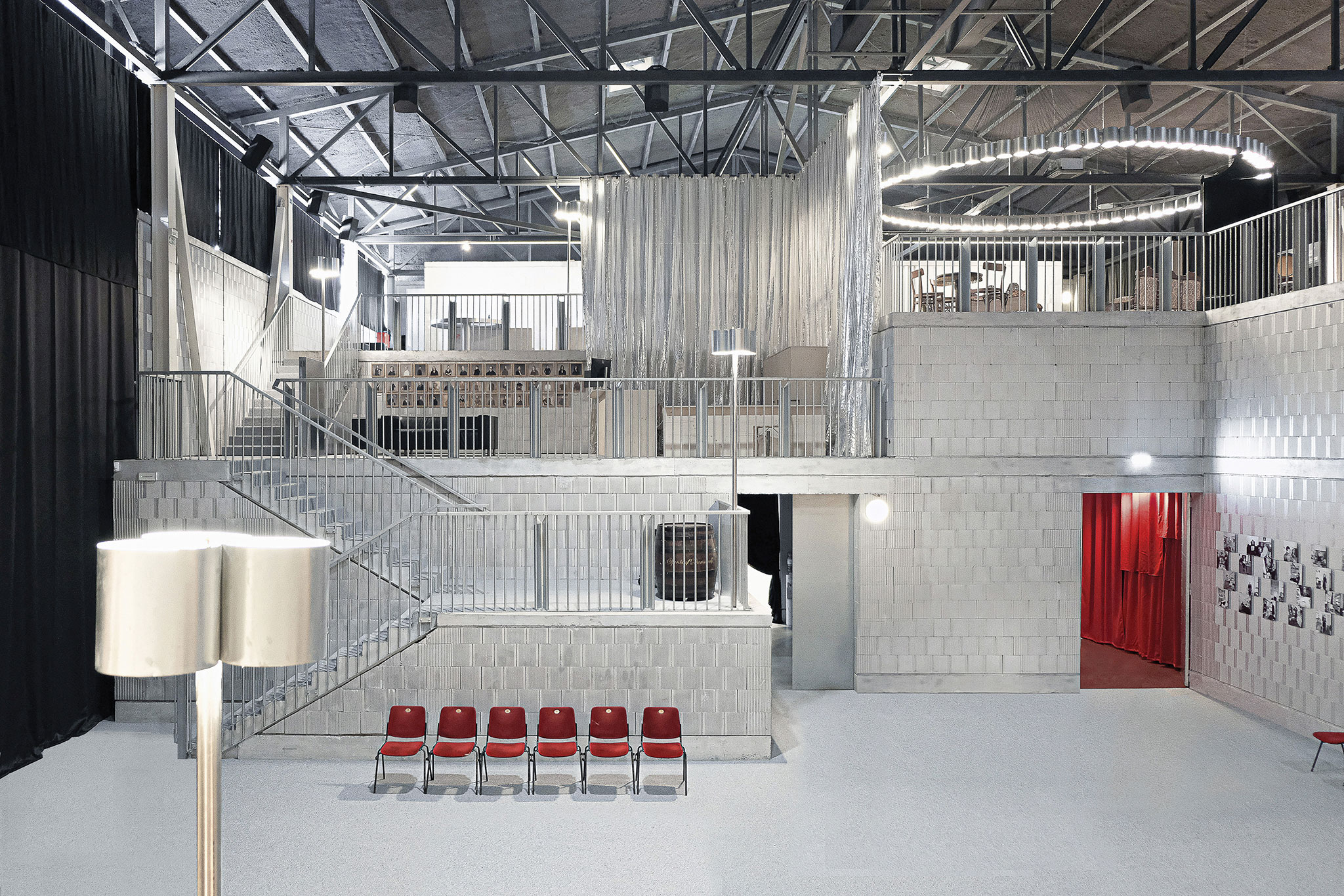
Temporary Spaces for Slovenian National Theatre Drama by Vidic Grohar Arhitekti. Photograph by Anja Vidic.
Among the finalists, several works stand out for their ability to engage with existing structures as living artifacts, opening up new possibilities between permanence and change. They propose parallel approaches to intervention in large-scale built environments, where working with what already exists becomes an engine of innovation and demonstrates how architectural intelligence can transform legacy structures into adaptable and meaningful infrastructures, capable of accommodating new uses and collective experiences.
Taken together, the finalist and winning works form a coherent body of projects that reflects the main directions shaping contemporary architecture: an architecture that embraces uncertainty, works with existing realities, and transforms limitations into opportunities. Together, they offer a critical yet optimistic vision of how architecture can address environmental, social, and economic challenges, not through excess, but through precision, ingenuity, and a renewed understanding of the value of what already exists.
The winners were announced on April 16 at the Aalto Siilo in Oulu, in the context of the European Capital of Culture 2026. The EUmies Awards Days, including the awards ceremony, will take place on May 11 and 12, 2026, at the Mies van der Rohe Pavilion and the Palau Victòria Eugènia in Barcelona, as part of Barcelona's designation as World Architecture Capital.