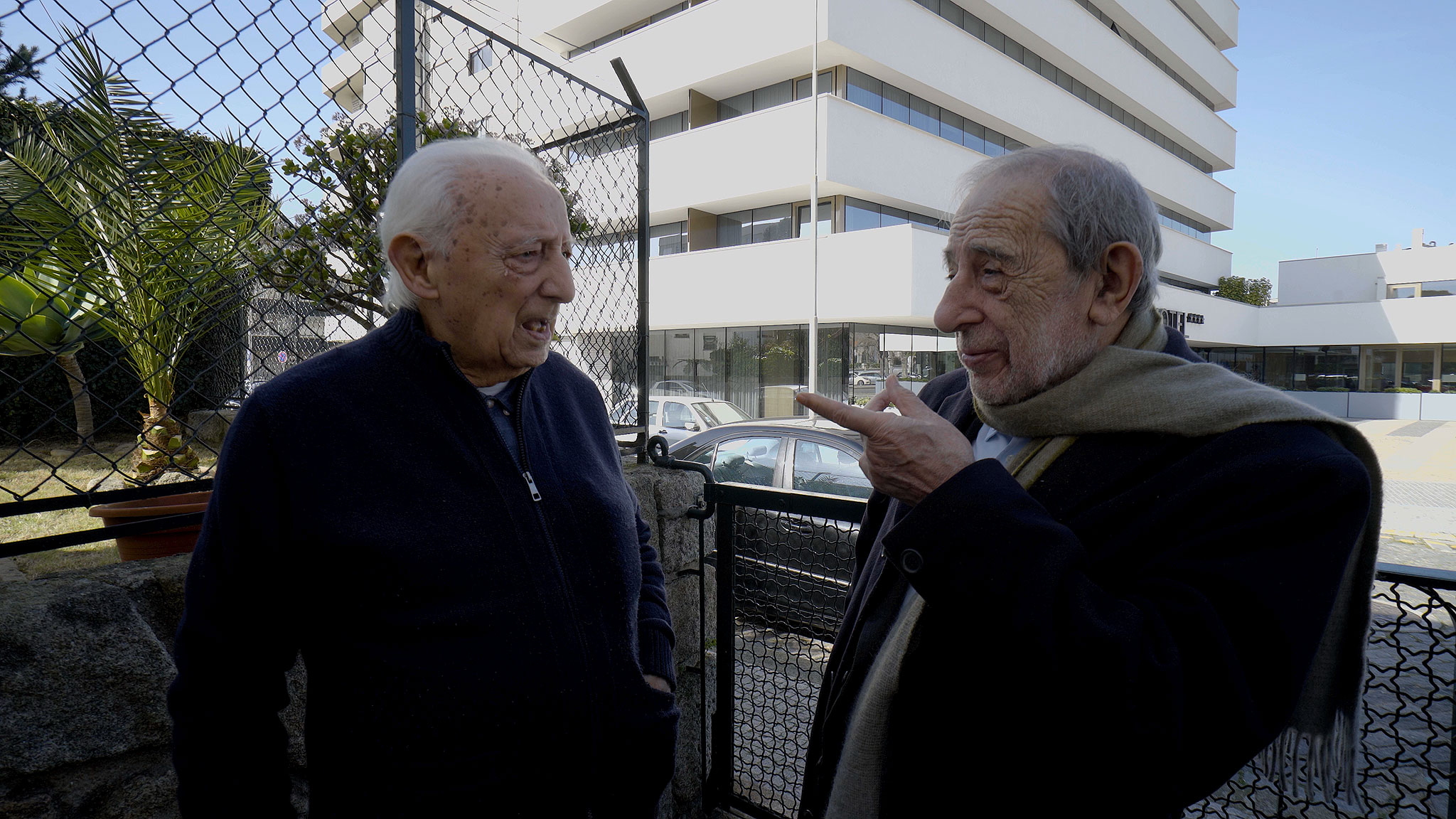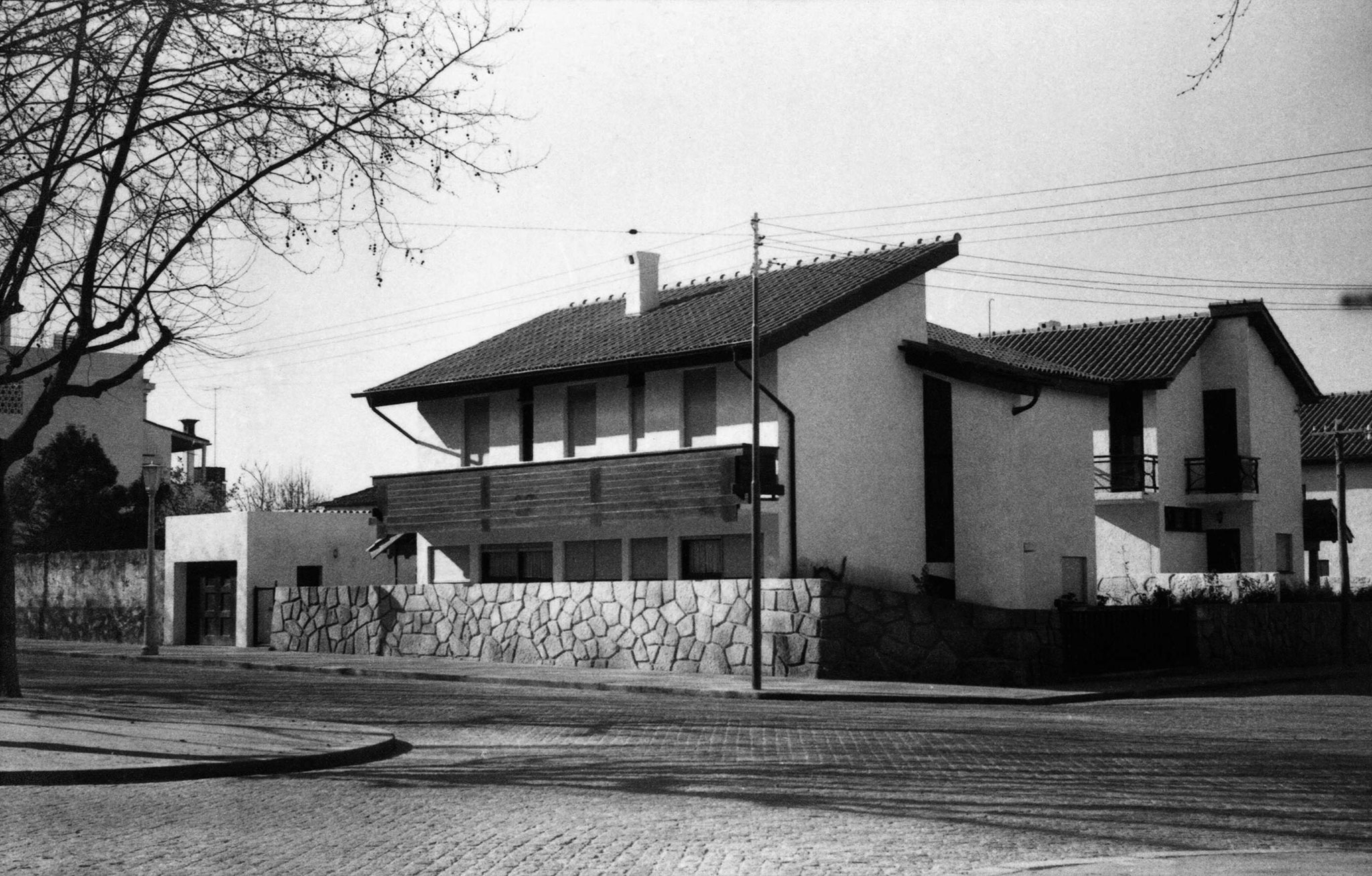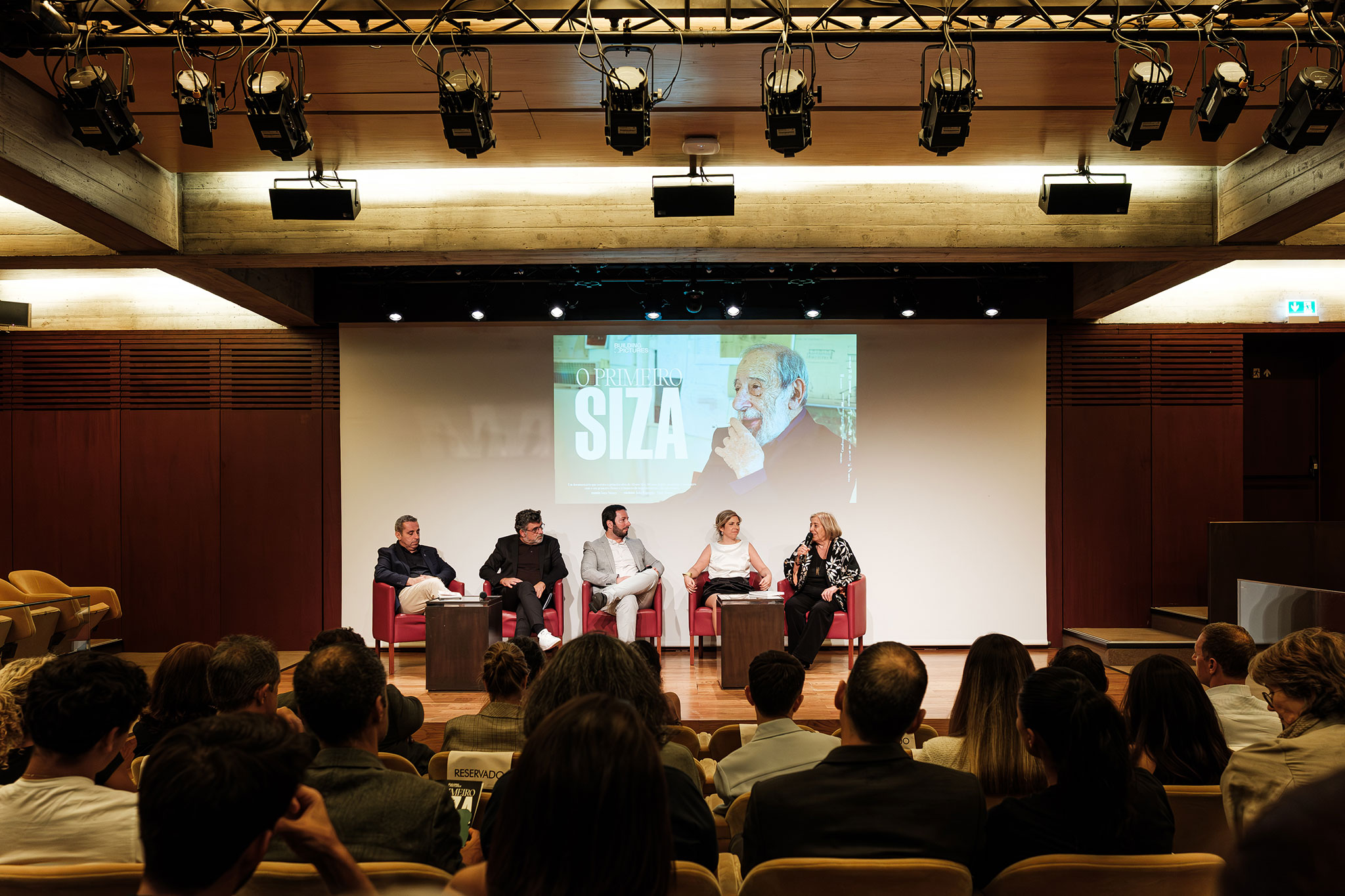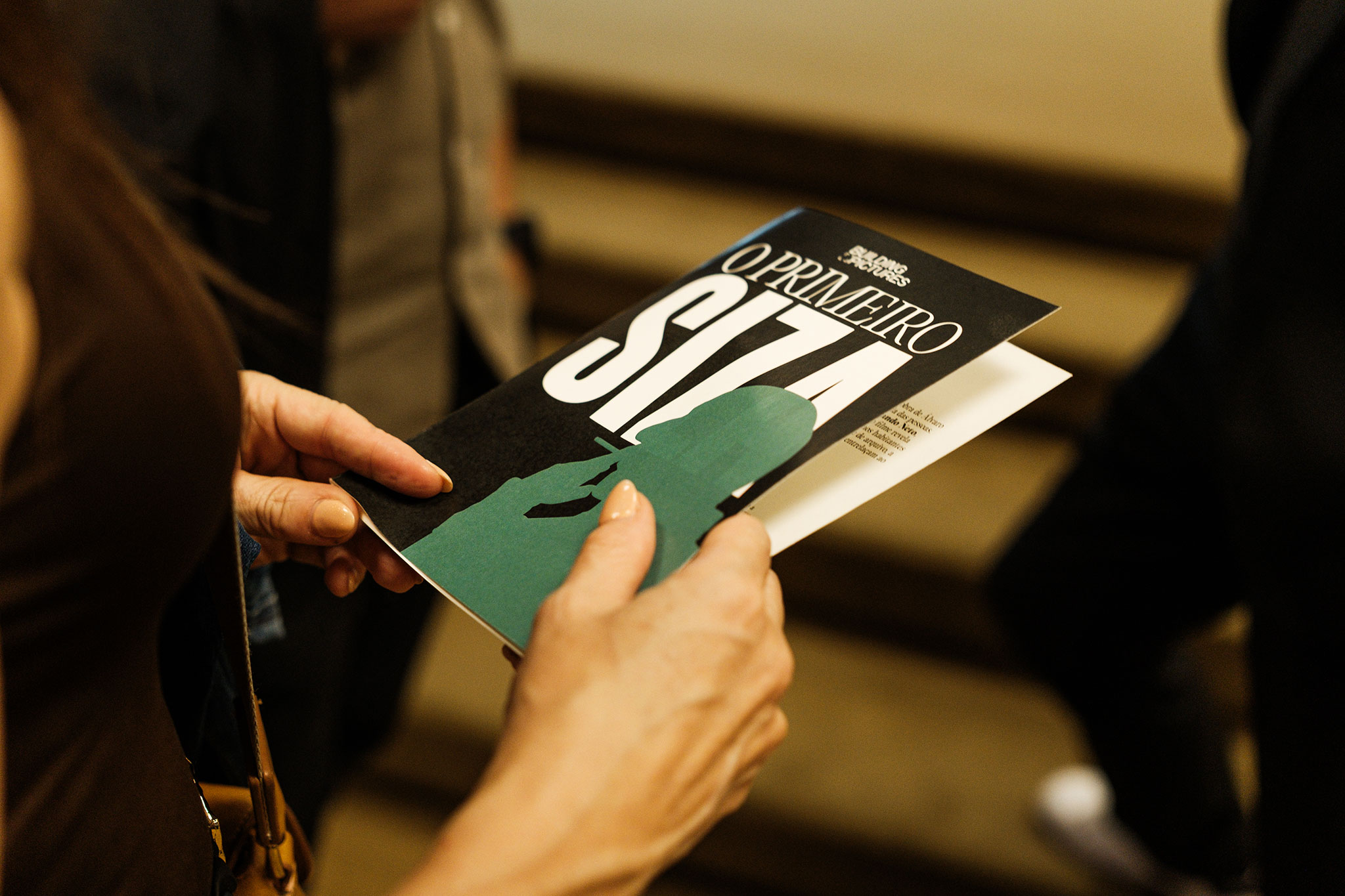
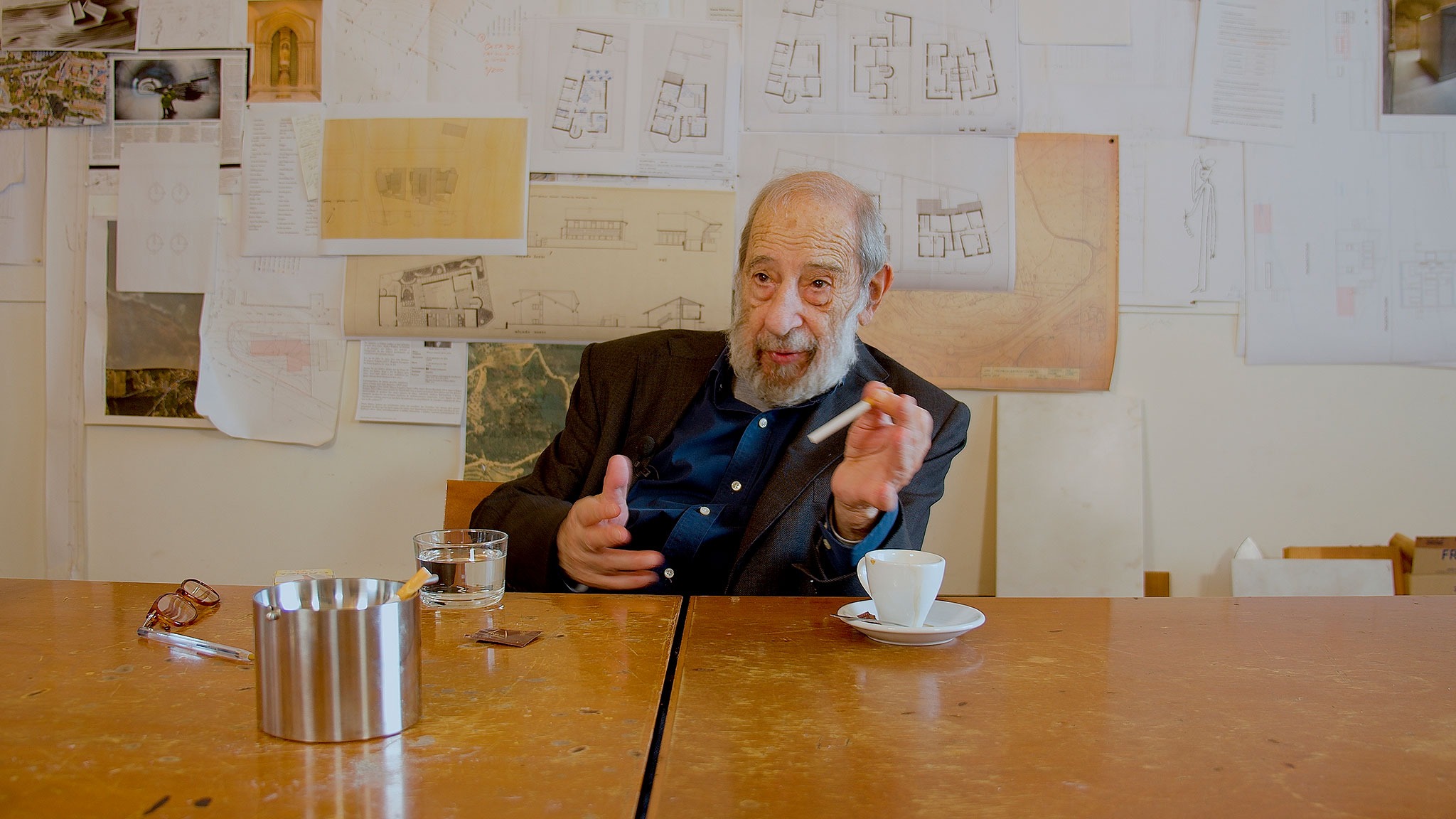
Pritzker Prize winner Álvaro Siza Vieira reunites with his first client, Fernando Neto, in the documentary "The First Siza," based on an original concept by João Rapagão and Sara Nunes, and produced by Building Pictures. Awarded at international festivals, the film explores the process behind "The Four Houses," Siza's first project, undertaken during his student years.

Sixty years after its completion, the film reflects on how this project was pivotal in the career of the iconic Portuguese architect and the impact his architecture has had on people's lives. Through carefully curated contemporary and archival footage, and a series of interviews with Siza, the residents, and critic Francesco Dal Co, the narrative explores how the houses and the lives of their inhabitants have become intertwined over time.

The reunion between Álvaro Siza and Fernando Neto reveals the participatory and profoundly human dimension of the project. The film closely follows the countless tensions and decisions the proposal demanded. Despite the dilemmas, debates, and disagreements, this project was crucial in Siza's career: it marked the beginning of an unparalleled trajectory, making him one of Portugal's most awarded architects and an internationally renowned figure. What was once considered one of "the ugliest houses in Matosinhos" was a true act of courage, both for the architect and the family, and it remains innovative and admired by visitors from all over the world.

"Anyone who comes to this film unprepared, or expecting a documentary filled with disciplinary information, will be surprised by something else — something far more special. Truly, this film is a tribute to architecture, to Siza, to Matosinhos, and to the humility of those who inhabit a house, like any one of us. (...) Without imagining how happy one can be simply by living in a good home.”

Avelino Oliveira, President of the Portuguese College of Architects.
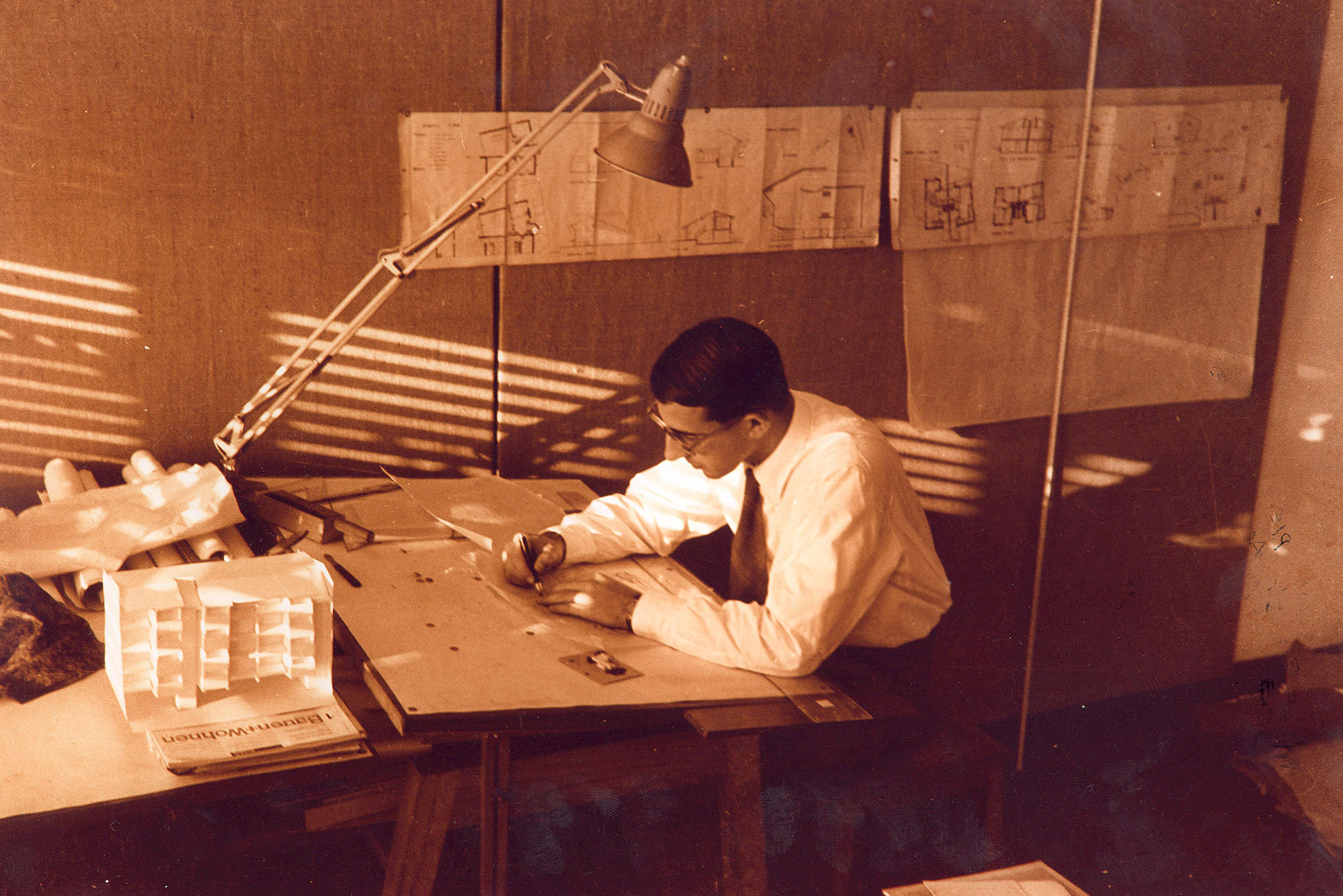
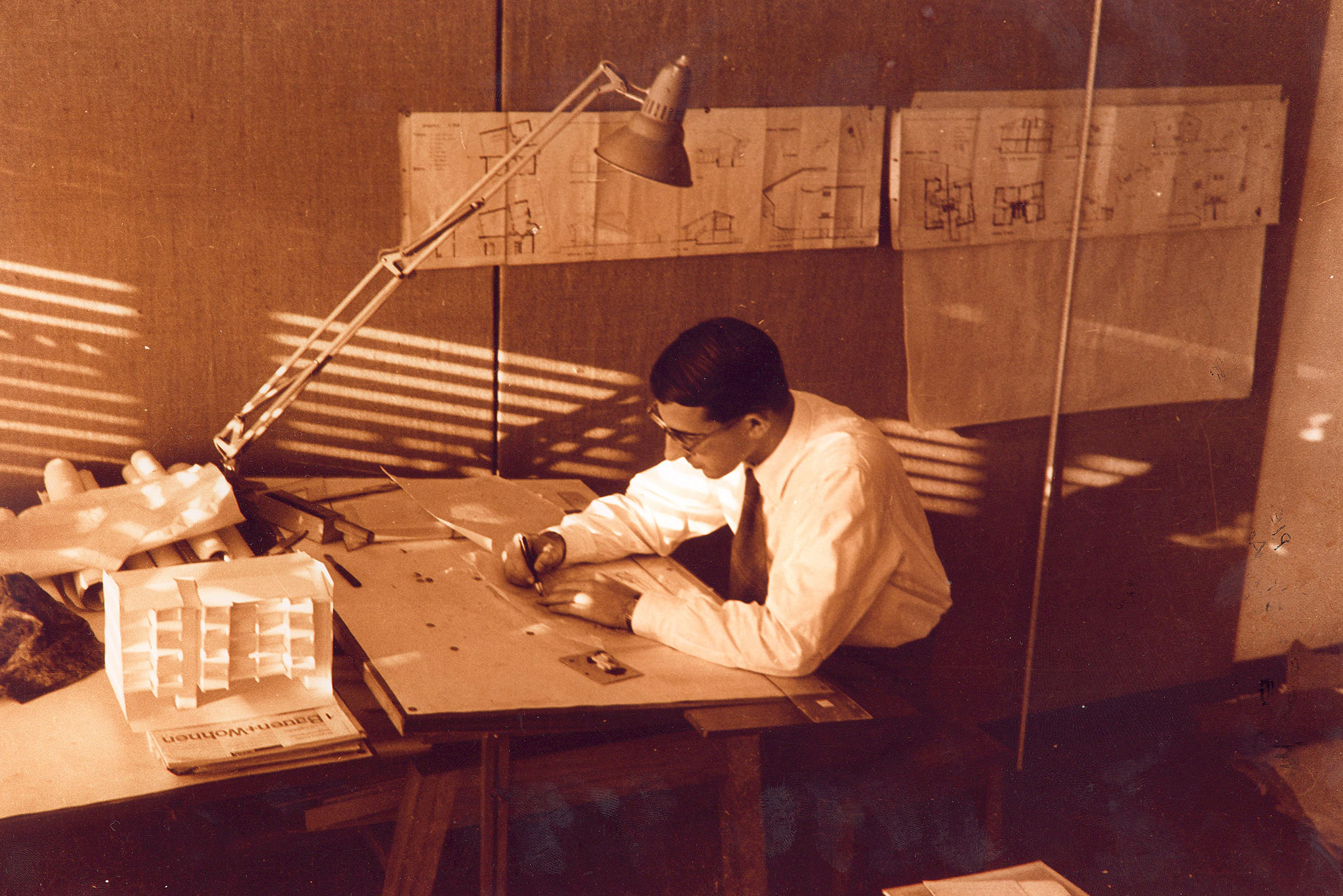
Álvaro Siza, 1952. Photograph by António Menéres.

Álvaro Siza, 1952. Photograph by António Menéres.

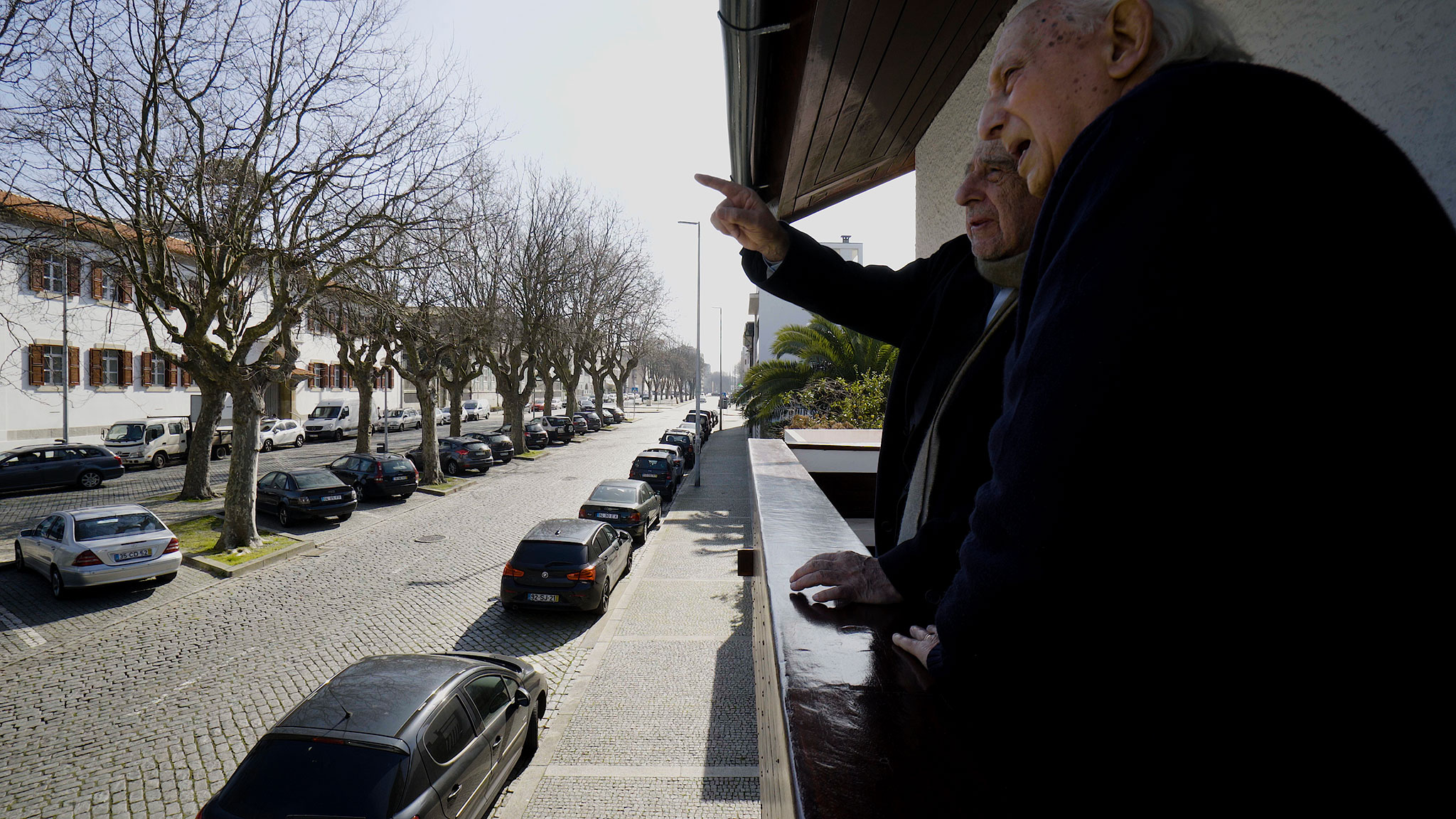
At a time when the housing crisis dominates the public debate, “The First Siza” invites us to rethink the role of architecture in our lives. Architecture, as the backdrop to everyday life, shapes our relationships, our experiences, and the way we navigate our daily routines. Every element, from the stairs to the door, tells a story: from births and romances to games, concerts, and even death.

“I believe we should, above all, question the kind of experiences we want to provide in the houses we are building. To inhabit is not just about the number of units, but the impact these spaces will have on the lives of people, their stories, their relationships.”

Sara Nunes, Director.

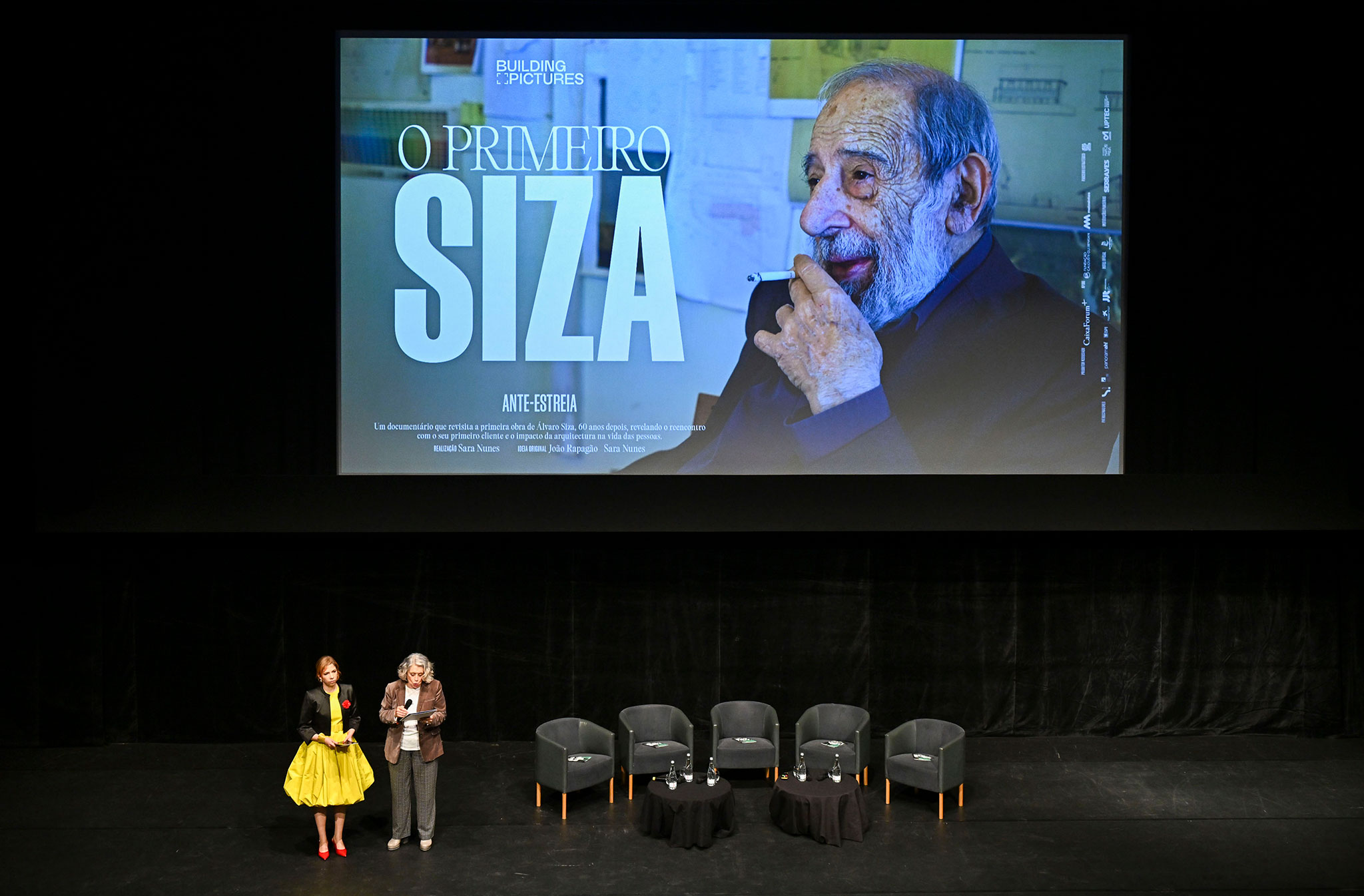
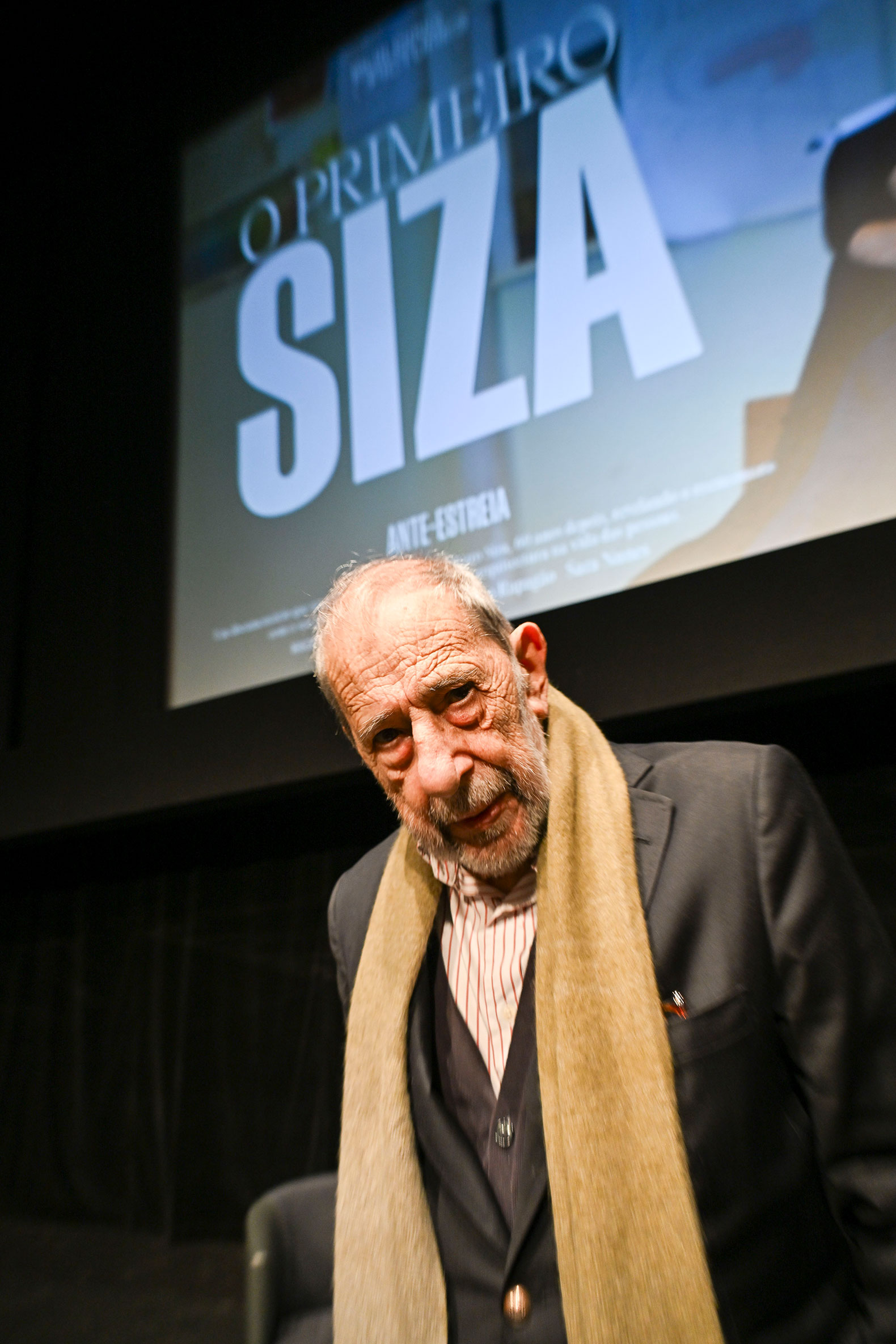
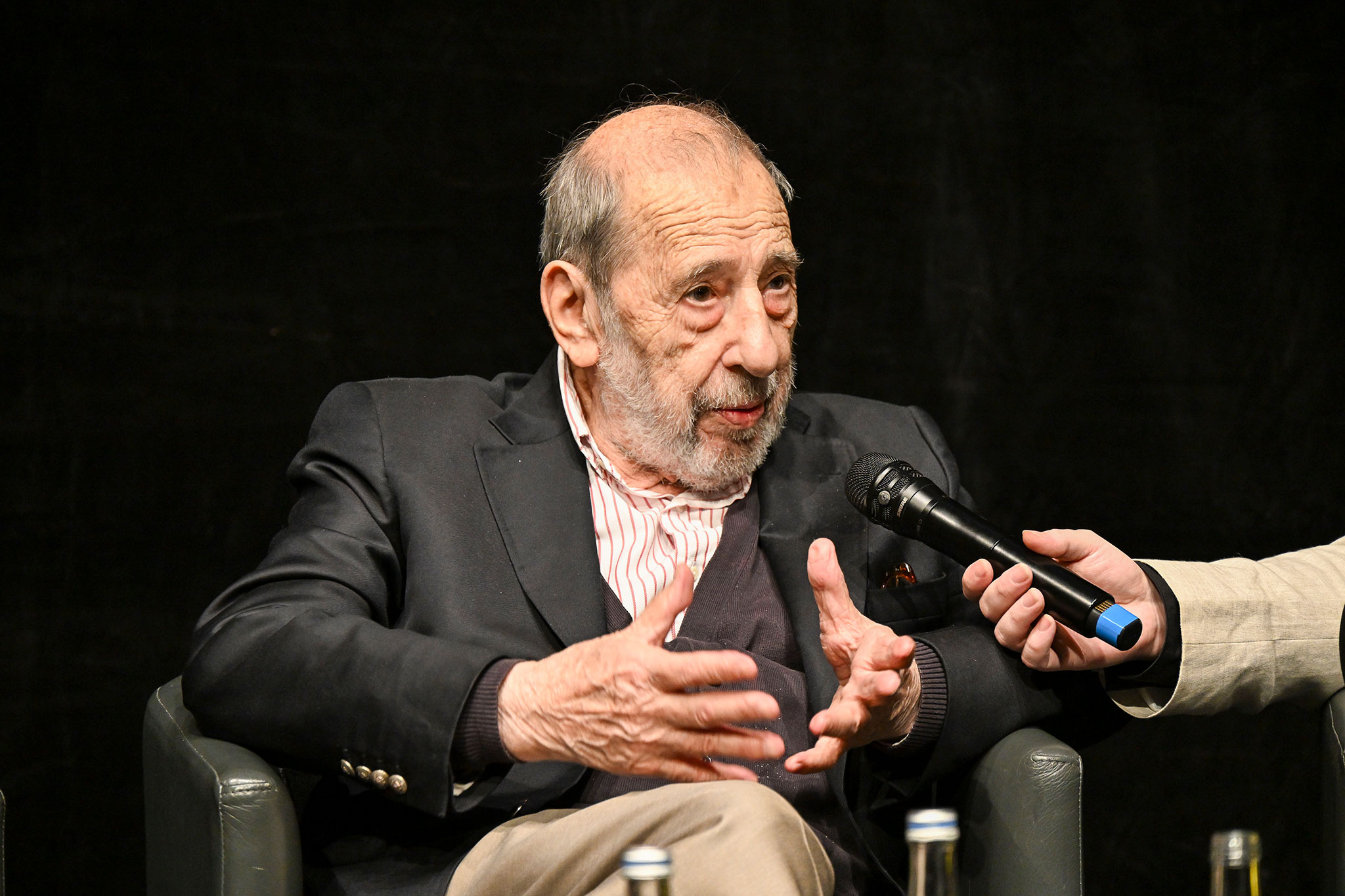
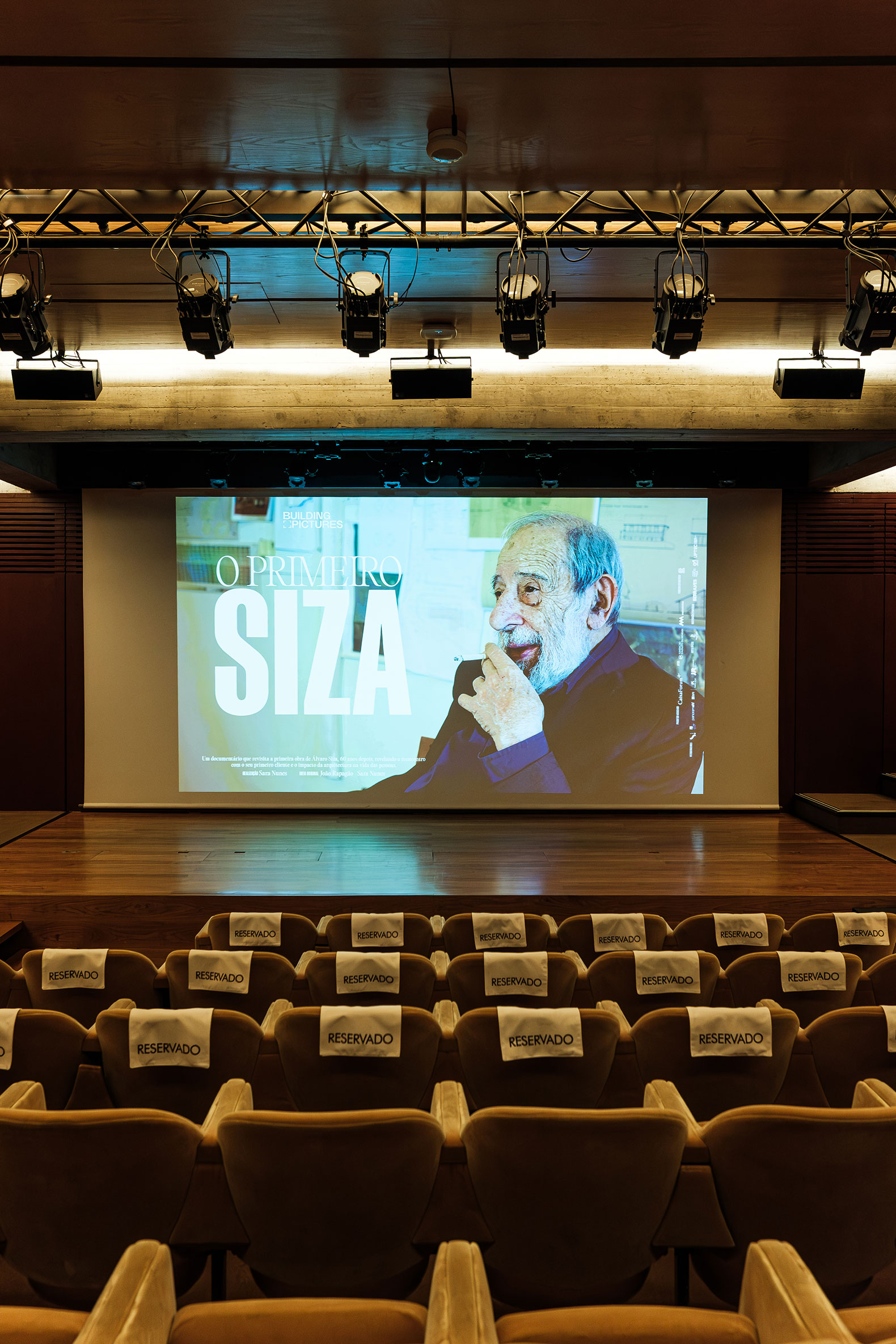
Following its preview at the Serralves Museum (Porto), with Álvaro Siza in attendance, "The First Siza" was selected for festivals in Italy, Turkey, and Sweden, and won the Best Film award at Cinema Urbana (Brasilia). It was also screened at the Power Station of Art (Shanghai), the Calouste Gulbenkian Foundation, and the CGAC (Santiago de Compostela). The film is available on the CaixaForum+ cultural platform in Portugal and Spain, and will soon be available on Filmin.
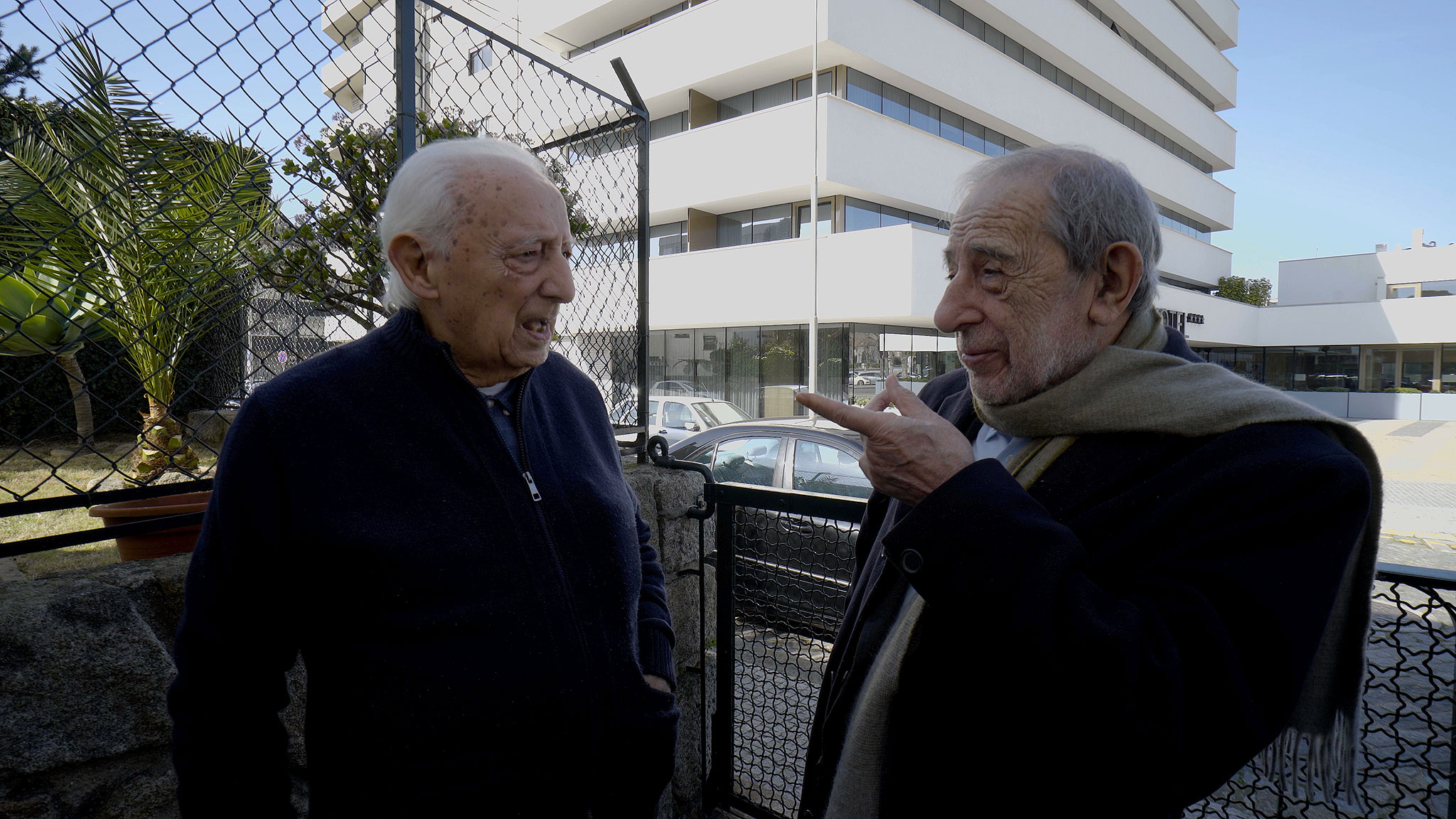
Documentary "The First Siza" by Sara Nunes. Image courtesy of Building Pictures.

Documentary "The First Siza" by Sara Nunes. Image courtesy of Building Pictures.

Sinopsis

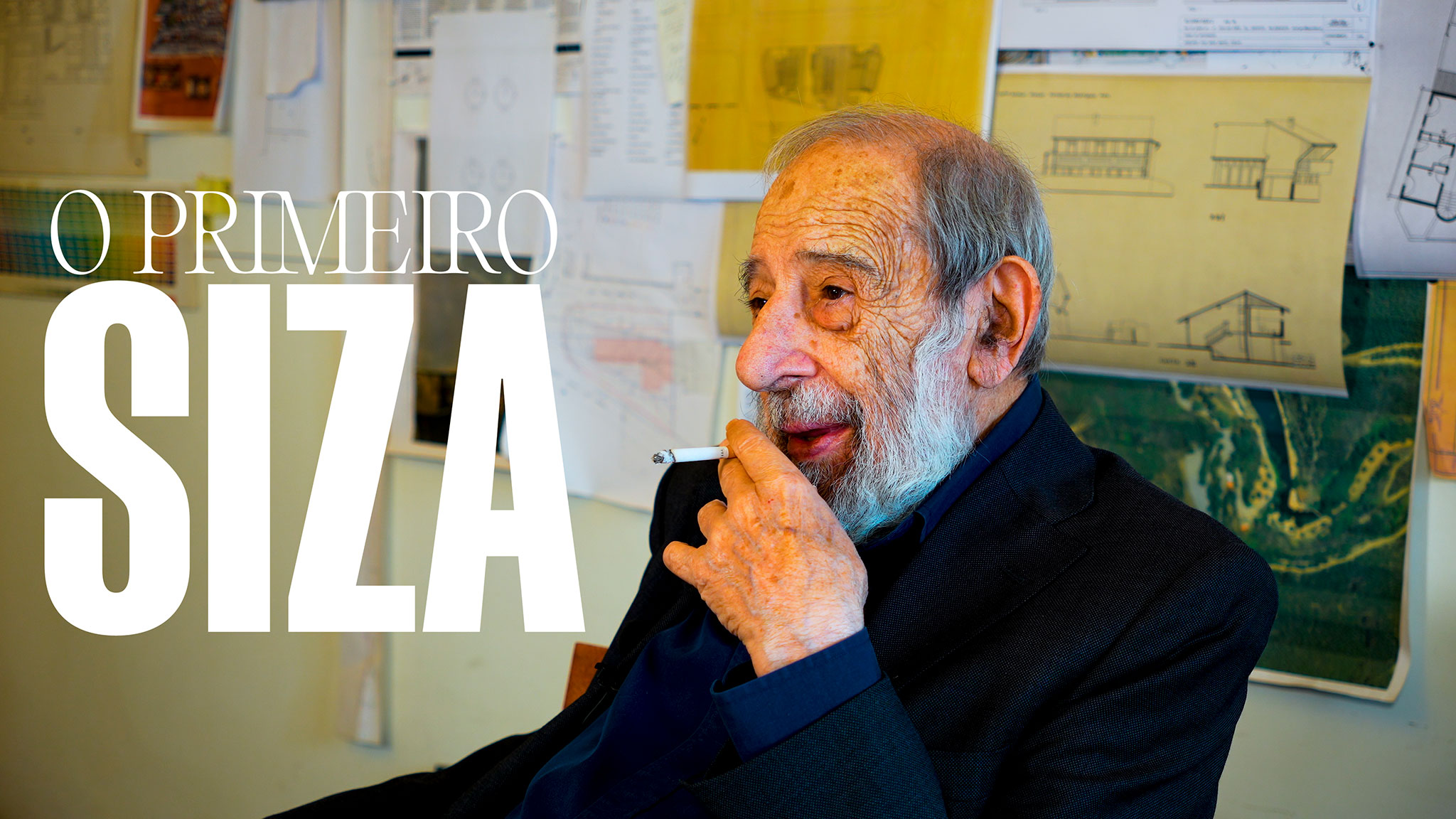
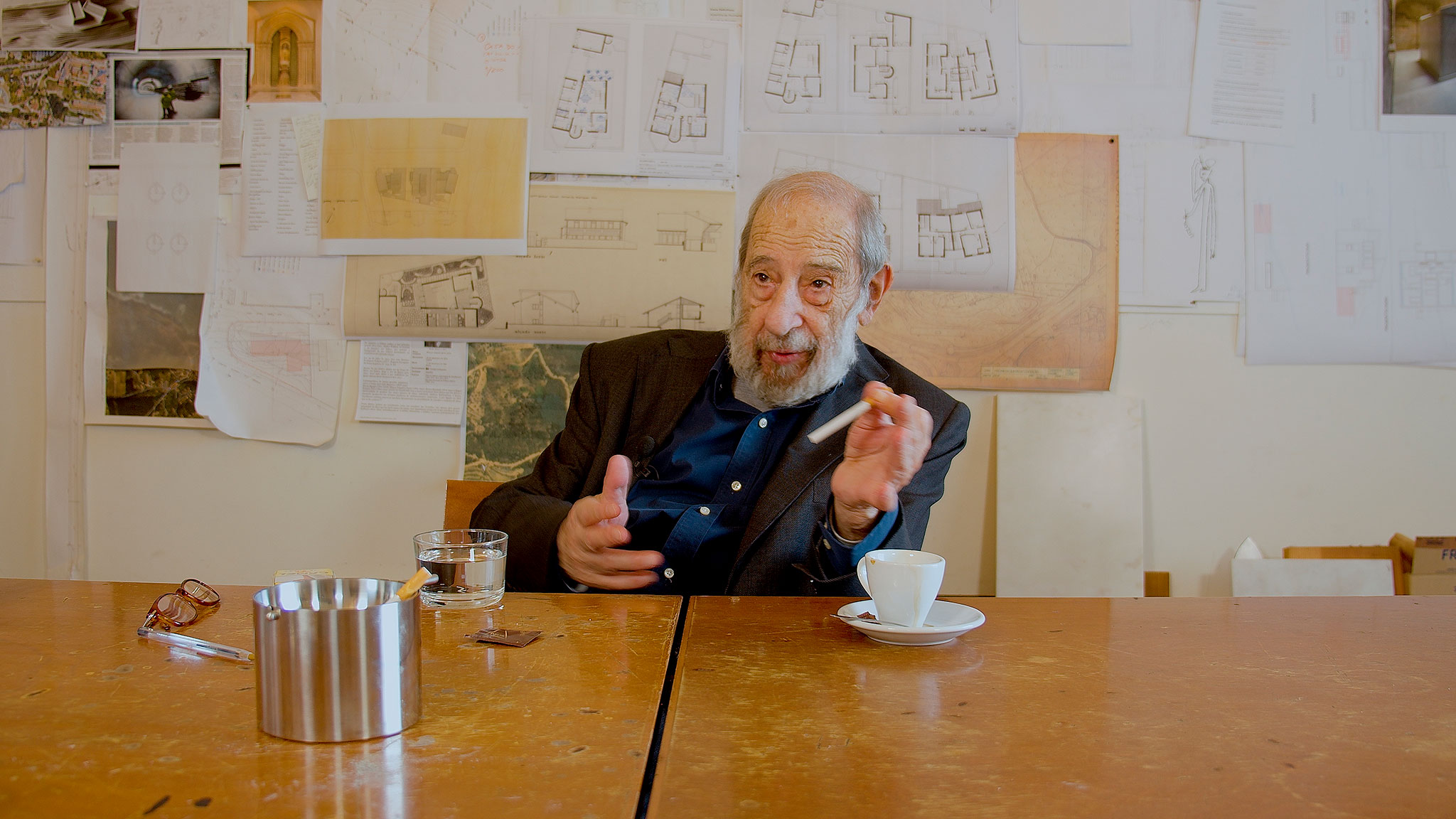
"The First Siza" is a documentary that returns to the beginning of one of the most remarkable journeys in contemporary Portuguese architecture, unveiling the Four Houses in Matosinhos — the first project by Álvaro Siza, designed while he was still a student. Through the reunion between the architect and Fernando Neto, his first client and owner of one of the houses, 60 years after their construction, the film offers a sensitive journey through time and memory, showing how architecture can quietly transform people's lives.

Blending archival footage with contemporary images, and featuring interviews with Siza, the residents, and Italian critic Francesco Dal Co, the documentary reveals the significance of this pioneering work — not only as a manifesto of an emerging architectural language, but as a lived-in space, continuously reinterpreted over the decades. What do these houses mean to those who inhabit them? And how did this early project anticipate so many of the themes that would later define Siza’s work?

Documentary "The First Siza" by Sara Nunes. Image courtesy of Building Pictures.

More than a portrait of the past, "The First Siza" is a reflection on how architecture weaves itself into daily life, routines, and personal stories. A film that listens and observes, where it is the people — with their memories, gestures, and ways of living — who are the true protagonists.
More information

Label
Original title
Text

O Primeiro Siza.

+ + copy Created with Sketch.
- + copy Created with Sketch.
Label
Directed by Dirigida por
+ + copy Created with Sketch.
- + copy Created with Sketch.
Label
Production
+ + copy Created with Sketch.
- + copy Created with Sketch.
Label
Project team
Text

Original Concept.- João Rapagão and Sara Nunes.
Original Music.- Bruno Ferreira.

+ + copy Created with Sketch.
- + copy Created with Sketch.
Label
Duration
Text

60 minutes.

+ + copy Created with Sketch.
- + copy Created with Sketch.
Label
Dates
Text

Documentary Production Period.- 2019–2025 (6 years).

+ + copy Created with Sketch.
- + copy Created with Sketch.
Label
Location
Text

Matosinhos, Portugal.

+ + copy Created with Sketch.
- + copy Created with Sketch.
Label
Photography
Text

Building Pictures, António Menéres, Tereza Siza, nvstudio, Pedro Sadio.

+ + copy Created with Sketch.
- + copy Created with Sketch.

Álvaro Joaquim Melo Siza Vieira was born in Matosinhos (near Porto), in 1933. From 1949-55 he studied at the School of Architecture, University of Porto. His first built project was finished in 1954. From 1955-58 he was collaborator of Arch. Fernando Távora. He taught at the School of Architecture (ESBAP) from 1966-69 and was appointed Professor of "Construction" in 1976. He was a Visiting Professor at the Ècole Polythéchnique of Lausanne, the University of Pennsylvania, Los Andes University of Bogotá and the Graduate School of Design of Harvard University; he taught at the School of Architecture of Porto (jubilate in 2003).

He is the author of many projects such as: the Boa Nova Tea House and Restaurant; 1200 dwellings built in Malagueira, Évora; the Superior School of Education in Setúbal, the new School of Architecture in Porto; the Library of Aveiro University; the Museum of Modern Art in Porto; the Church and Parochial Centre in Marco de Canavezes; the Pavilion of Portugal for EXPO '98 and the Pavilion of Portugal in Hannover 2000 (with Souto de Moura); the dwelling and offices complex of “Terraços de Bragança” in Lisbon; and he has rebuilt the burnt area of Chiado in Lisbon since 1988, including the projects for some buildings like Castro e Melo, Grandella, Chiado Stores, and others.

He has been coordinated the plan of Schilderswijk's recuperation in The Hague, Holland, since 1985, which finished in 89; in 1995 he finished the project for blocs 6-7-8 in Ceramique Terrein, Maastricht.

In Spain he has completed the projects for the Meteorological Centre of Villa Olimpica in Barcelona; the Museum of Contemporary Art of Galicia and the Faculty of Information Sciences in Santiago de Compostela; the Rectorate of the Alicante University; Zaida building – offices, commercial and dwelling complex in Granada; Sportive Complex Cornellà de L’lobregat in Barcelona.

Cultural Centre and auditorium for the Ibere Camargo Foundation in Brazil; Municipal Centre of Rosario in Argentina; lodging-house in the Plan of Recuperation and Transformation of Cidade Velha in Cap Vert; Serpentine Pavillion (2005) with Eduardo Souto Moura; Museum of Modern Art of Naples in Italy; Anyang Pavilion in South Korea (with Carlos Castanheira); Mimesis Museum in South Korea (with Carlos Castanheira); are to be mentioned.

He has participated in several lectures and conferences in Portugal, Spain, Italy, Germany, France, Norway, Holland, Switzerland, Austria, England, Colombia, Argentina, Brazil, Japan, Canada, United States, Romania, Greece, South Korea and Sweden.

Having been invited to participate in international competitions, he won the first place in Schlesisches Tor, Kreuzberg, Berlin (now built), at the recuperation of Campo di Marte in Venice (1985) and at the renewal of Casino and Café Winkler, Salzburg (1986); Cultural Centre for the La Defensa, Madrid (with José Paulo Santos) (1988/89); J. Paul Getty Museum, Malibu, California (with Peter Testa) (1993); Pietà Rondanini Room, Sforzesco Castell, Milan (1999); Special Plan Recoletos-Prado, Madrid (with Juan Miguel Hernandez Leon e Carlos Riaño) (2002); Toledo Hospital (Sánchez-Horneros office) (2003); “Atrio de la Alhambra” in Spain (with Juan Domingo Santos)(2010); “Parco delle Cave”, Lecce in Italy (with Carlos Castanheira) (2010).

He has participated in the competitions for Expo 92 in Sevilla, Spain (with Eduardo Souto de Moura and Adalberto Dias) (1986); for "Un Progetto per Siena", Italy (with José Paulo Santos) (1988); the Cultural Centre La Defensa in Madrid, Spain (1988/89); the Bibliothèque of France in Paris (1989/90), the Helsinki Museum (with Souto de Moura) (1992-93); Flamenco City of Xerez de la Frontera, Spain (with Juan Miguel Hernandez Leon) (2003).

From 1982 to 2010 has won many different awards and have been assigned with Medals of Cultural Merit from many country around the world. Doctor "Honoris Causa" in various European and International universities.

He is a member of the American Academy of Arts and Science; "Honorary Fellow" of the Royal Institute of British Architects; AIA/American Institute of Architects; Académie d'Architecture de France and European Academy of Sciences and Arts; Royal Swedish Academy of Fine Arts; IAA/International Academy of Architecture; American Academy of Arts and Letters.

Read more

Sara Nunes was born in 1985 in Lisbon. She obtained her Master’s degree in Architecture in 2009 from the Escola Superior Artística do Porto and the Universität Kassel (Germany). She worked for two years in Madrid as an architect (2011–2012) at Ensamble Studio. While in Madrid, she discovered her passion for cinema and, in 2013, returned to Portugal, where she founded a film production company dedicated to architecture: Building Pictures. Until 2021, she directed more than 300 short films.

In 2022, she premiered WoodStories, distinguished with awards and international selections, and the following year released Back to the City, about the rehabilitation of the Bolhão Market, also presented at festivals outside Portugal.

In May 2024, she received the Architecture Innovation Award at the Serralves Museum Auditorium, part of the Forma Awards.

In 2025, she released the film The First Siza, which had its pre-premiere at the Serralves Museum in the presence of Álvaro Siza. The documentary, portraying the architect’s first project and his reunion with his first client sixty years later, won the Best Film Award at the Cinema Urbana Festival in Brasília. It was also selected for film festivals in Turkey, Italy, Spain, and Sweden. Beyond the festival circuit, it was screened at leading cultural institutions such as the Power Station of Art in Shanghai, the Calouste Gulbenkian Foundation in Lisbon, Galician Center for Contemporary Art in Santiago de Compostela and the Barbican Centre in London.

Sara Nunes is currently working on major film projects, including the documentary In the Age of Cities, which offers a vision of the future of cities, featuring architects, artists, and designers such as Ana Aragão, Gilles Retsin, Guta Moura Guedes, Iñaqui Carnicero, Mario Cucinella, and OODA. She is also developing the film The Flying Photographer, about architecture photographer Fernando Guerra, and has recently started the development of a documentary on Eduardo Souto de Moura.

Read more
Published on: February 8, 2026
Cite:
metalocus, AGUSTINA BERTA
"Trailer for the documentary "The First Siza" by Sara Nunes" METALOCUS. Accessed
<https://www.metalocus.es/en/news/trailer-documentary-first-siza-sara-nunes> ISSN 1139-6415
Loading content ...
Loading content ...
Loading content ...
Loading content ...
Loading content ...
Loading content ...
Loading content ...
Loading content ...
Loading content ...
Loading content ...
Loading content ...
Loading content ...
Loading content ...
Loading content ...
Loading content ...
Loading content ...
Loading content ...
Loading content ...
Loading content ...
Loading content ...
Loading content ...
Loading content ...
Loading content ...
Loading content ...
Loading content ...
Loading content ...
Loading content ...
Loading content ...
Loading content ...
Loading content ...
Loading content ...
Loading content ...
Loading content ...
Loading content ...
Loading content ...
Loading content ...
Loading content ...
Loading content ...
Loading content ...
Loading content ...
Loading content ...
Loading content ...
Loading content ...
Loading content ...
Loading content ...
Loading content ...
Loading content ...
Loading content ...
Loading content ...
Loading content ...
Loading content ...
Loading content ...
Loading content ...
Loading content ...