"POETICS
You ask me what poetics are, and I think: I don't know, and I wouldn't even try too hard to know what they are, because if it were possible to know, I would lose all respect for those that turn the everyday and routine into something amazing, those that touch the beyond, that make everything that they touch sublime; those who, with much humility, find the path that leads to the palace of wisdom. I would lose my respect for those who, freely looking both inside and outside themselves, manage to partake of the greater intelligence, adventure and innocence, for those who get to the origin of things, who, running a clear and lucid risk, know how to derivate thought from the equation of reason arrive at the limit, who know how, starting from the obvious, to sense what is as yet unknown. Such a "knowledge" of poetics that makes me take respect for all those few lucky souls who, simply and without even trying, show it splendid and magic to us in their work."
Víctor López Cotelo, in Espíritu Nuevo, num. 01. Madrid, 1993.
With these words about "poetics," Víctor López Cotelo began the presentation of his proposal for the 1992 Berlin Museum competition, in an article published in the first issue of the magazine Espíritu Nuevo (1993), which I had the opportunity to co-edit with architect Alfonso Valdés. In that issue, we selected two masters (Oiza and Sota) and eleven excellent architects, among whom, naturally, was López Cotelo (a distinguished collaborator of Alejandro de la Sota), who, over time, have been recognized as masters, like their predecessors.
At that time, thirty-three years ago, López Cotelo already had international recognition, exposure, and teaching work, transmitting something that has always characterized him: rigor, sensitivity, and balance.

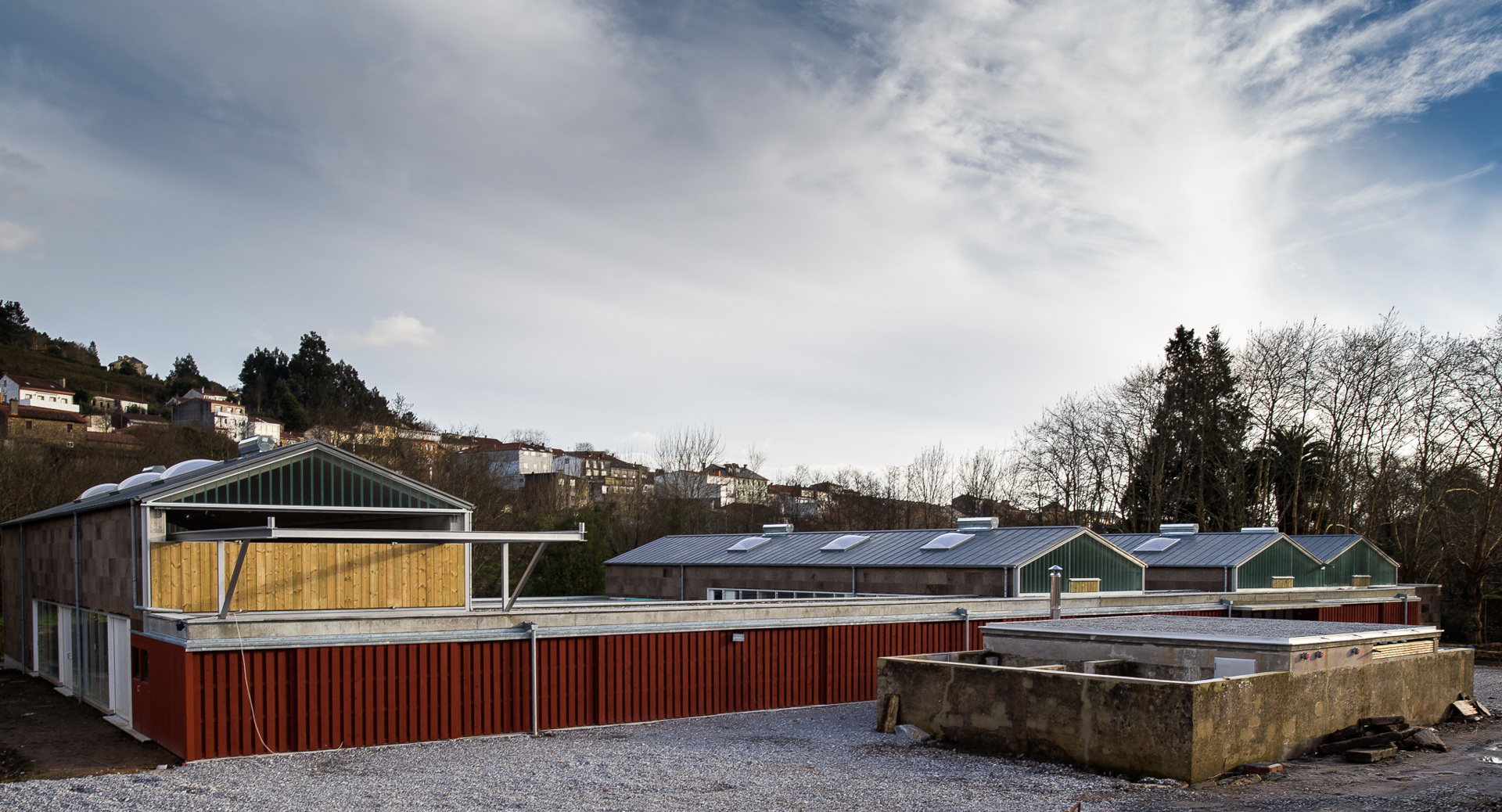
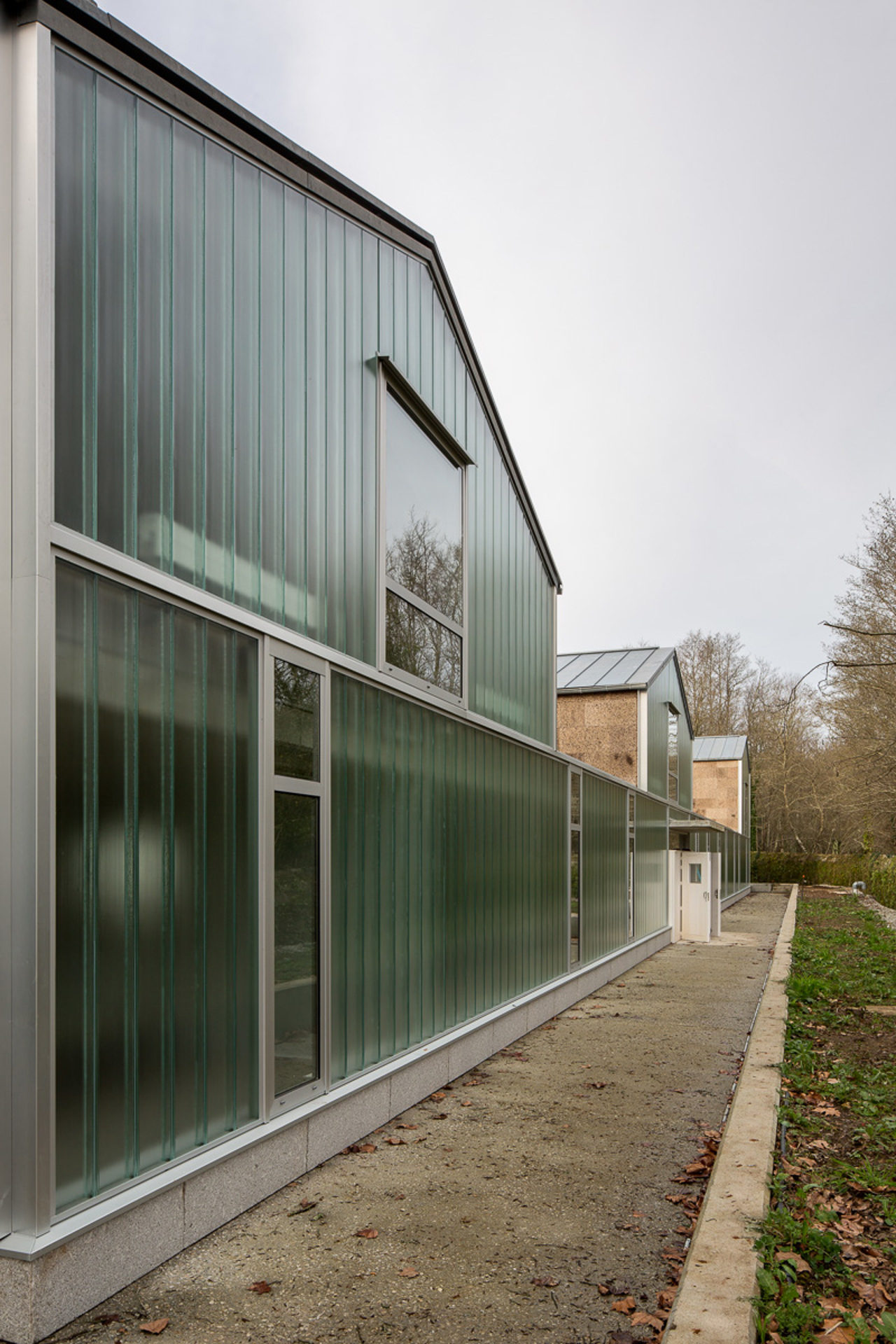
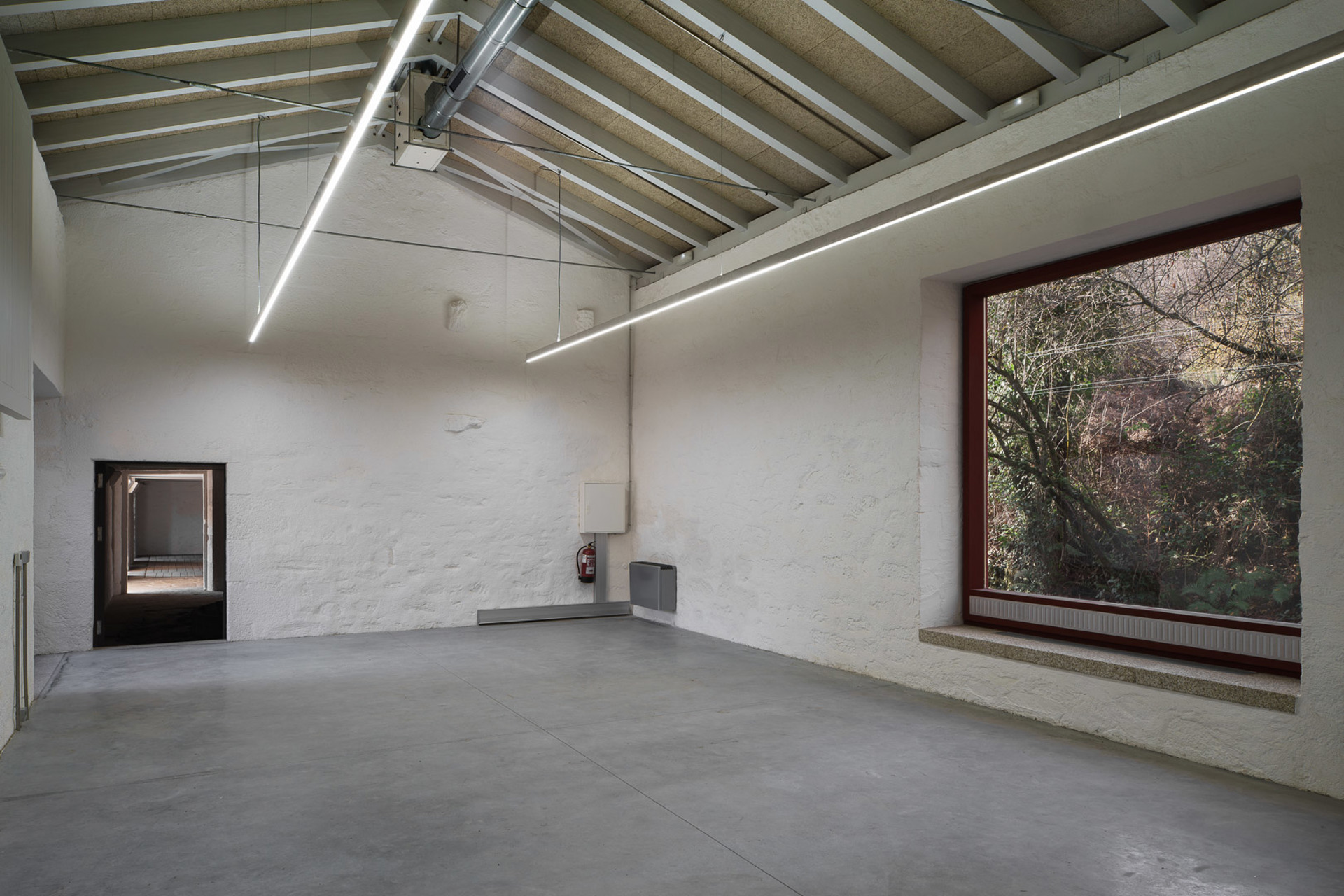
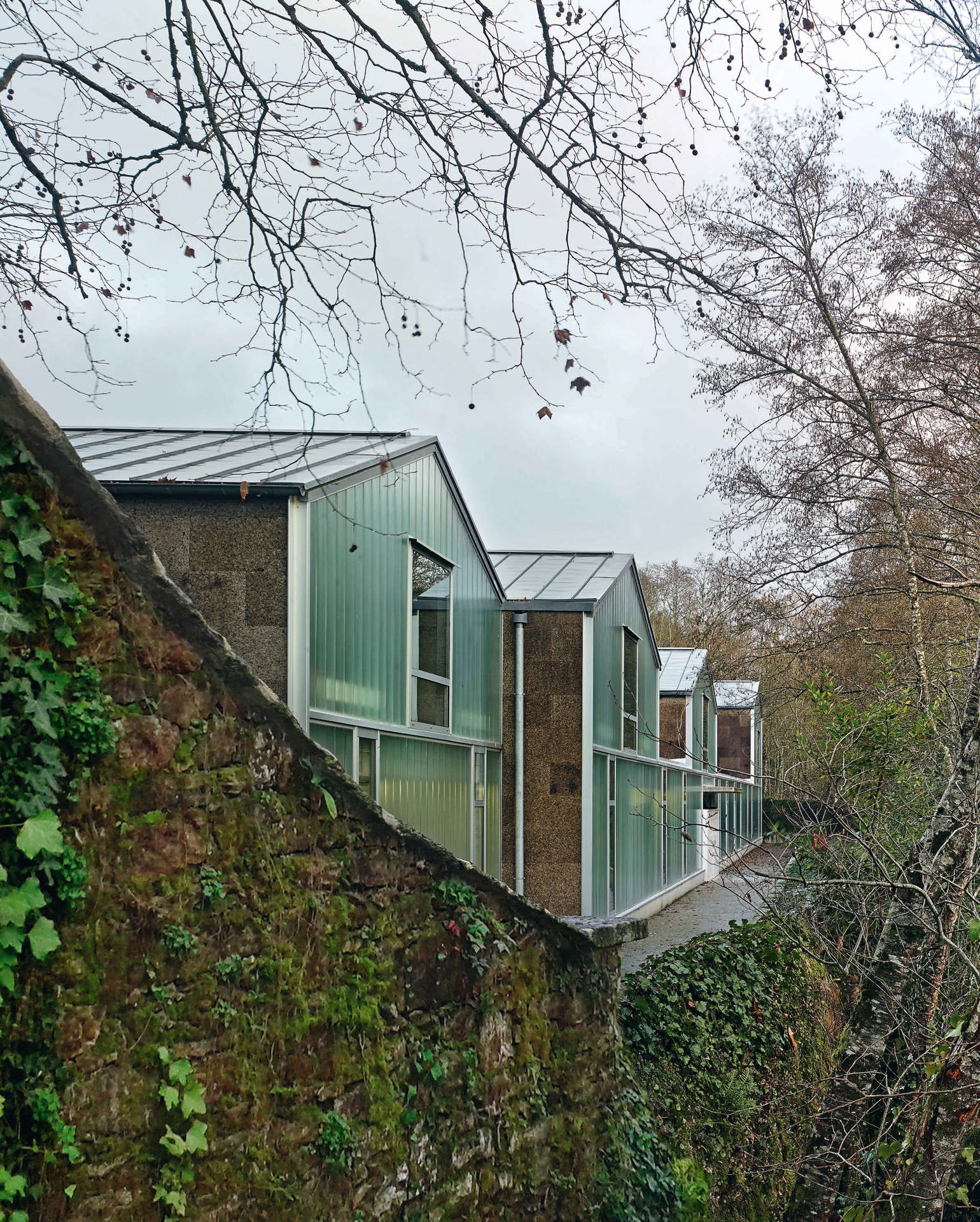
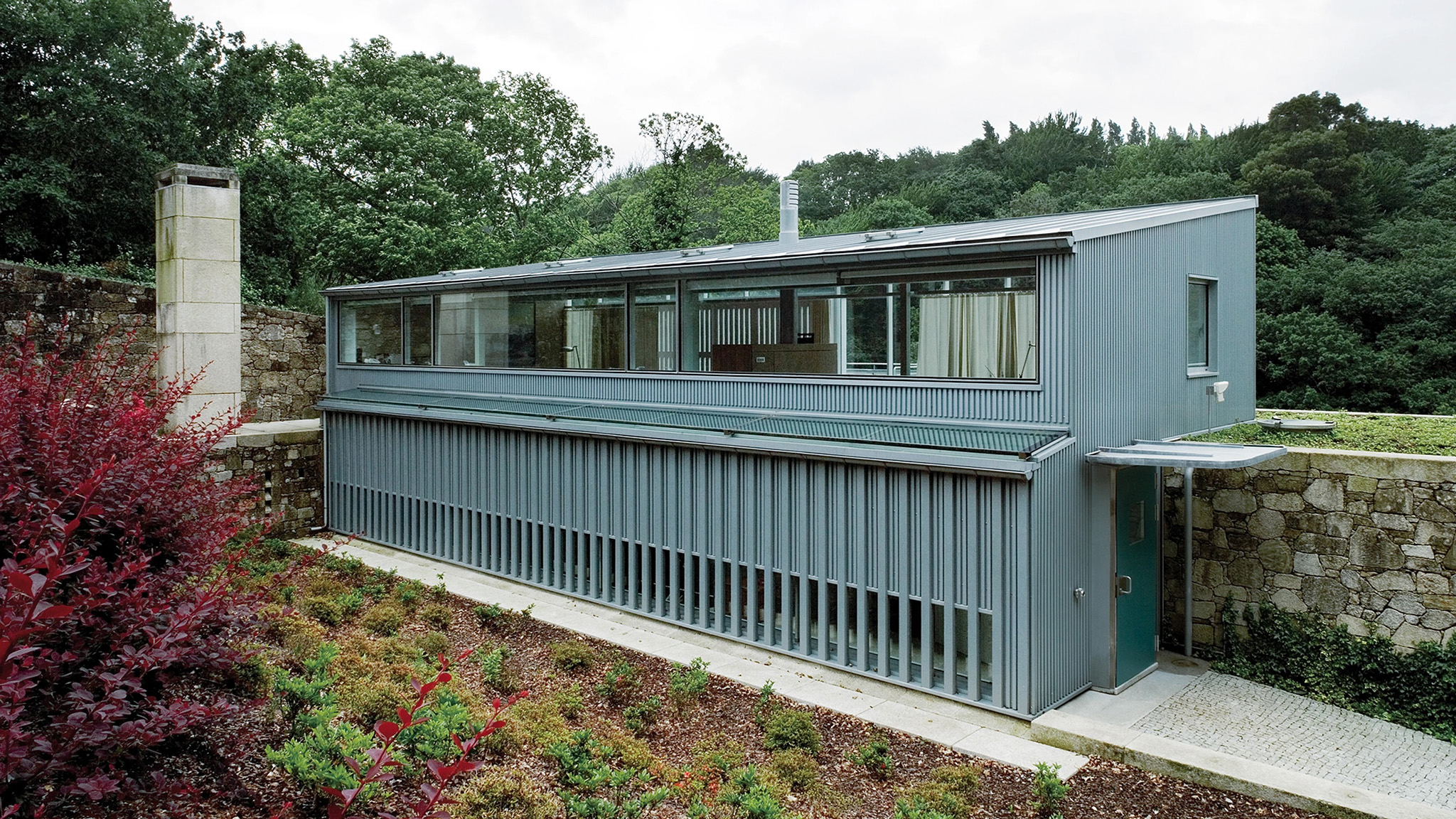
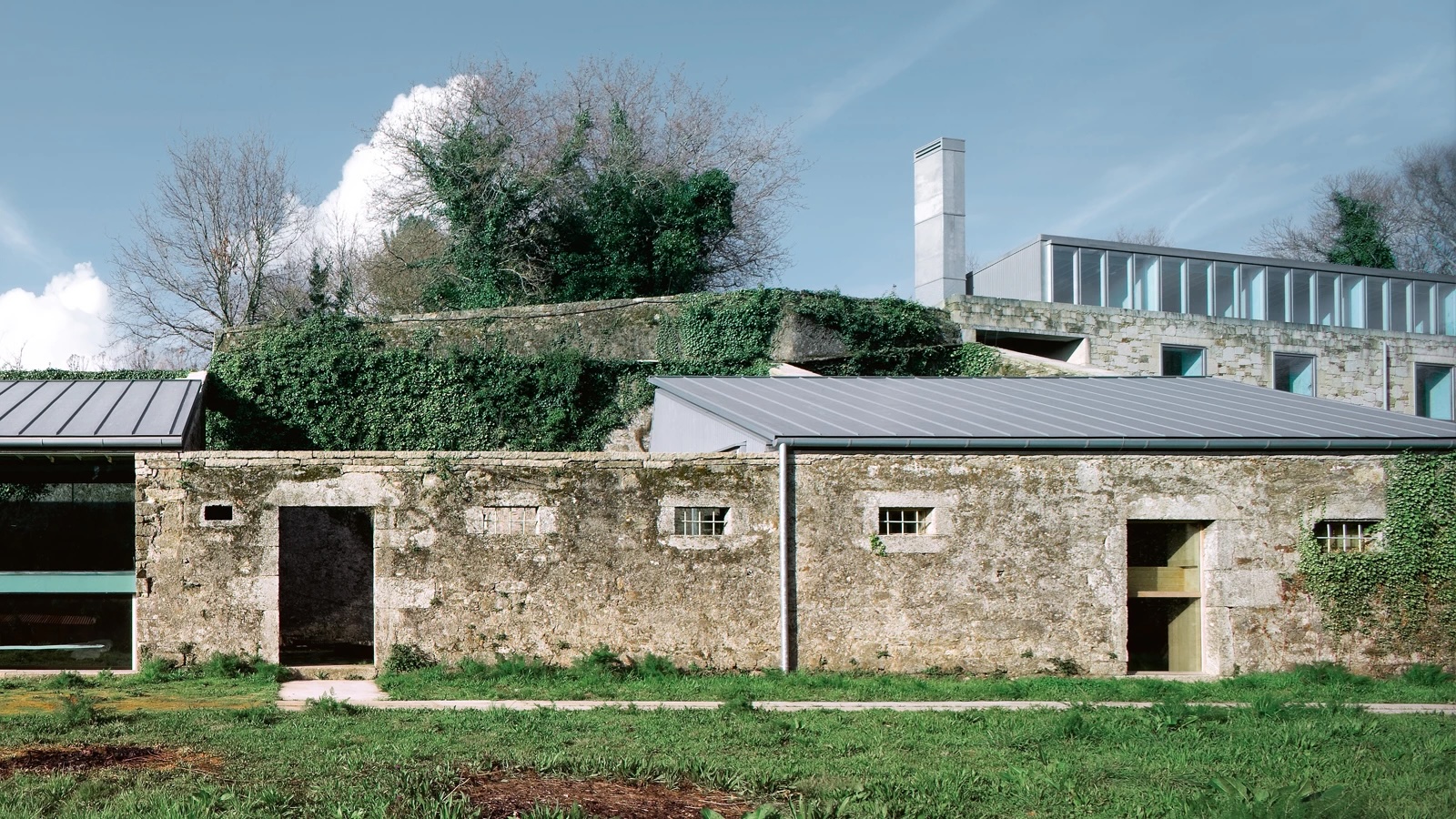
National Reference Center for Rehabilitation Training of the Construction Labor Foundation by Víctor López Cotelo and Ángel Panero Pardo. Photography by Fuco Reyes.
The text continues with words that have defined his entire career:
"What is the essence of the 'place'? Without a deep understanding of this, the problem seems irresolvable.
This place has its own will to destiny, and it holds no punches with regard to everything that impedes it."
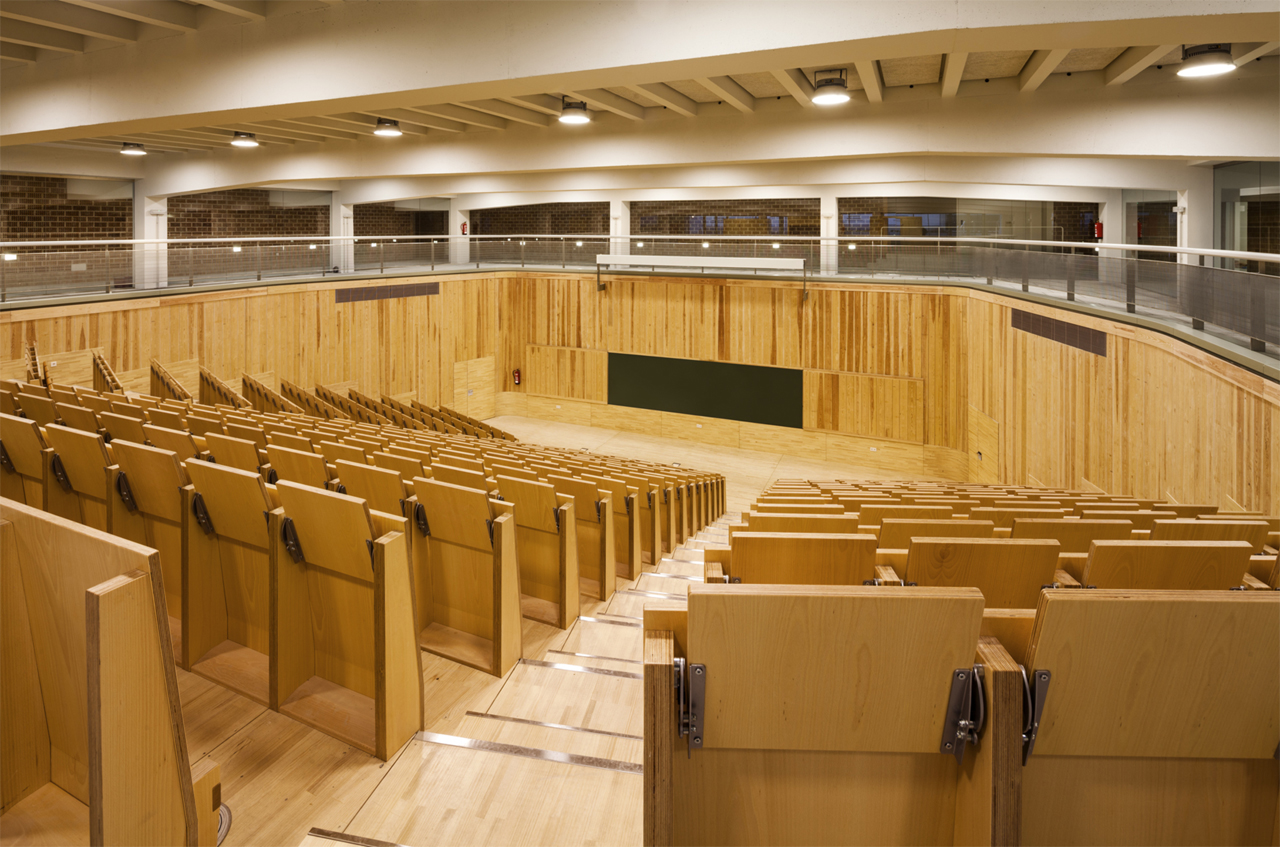
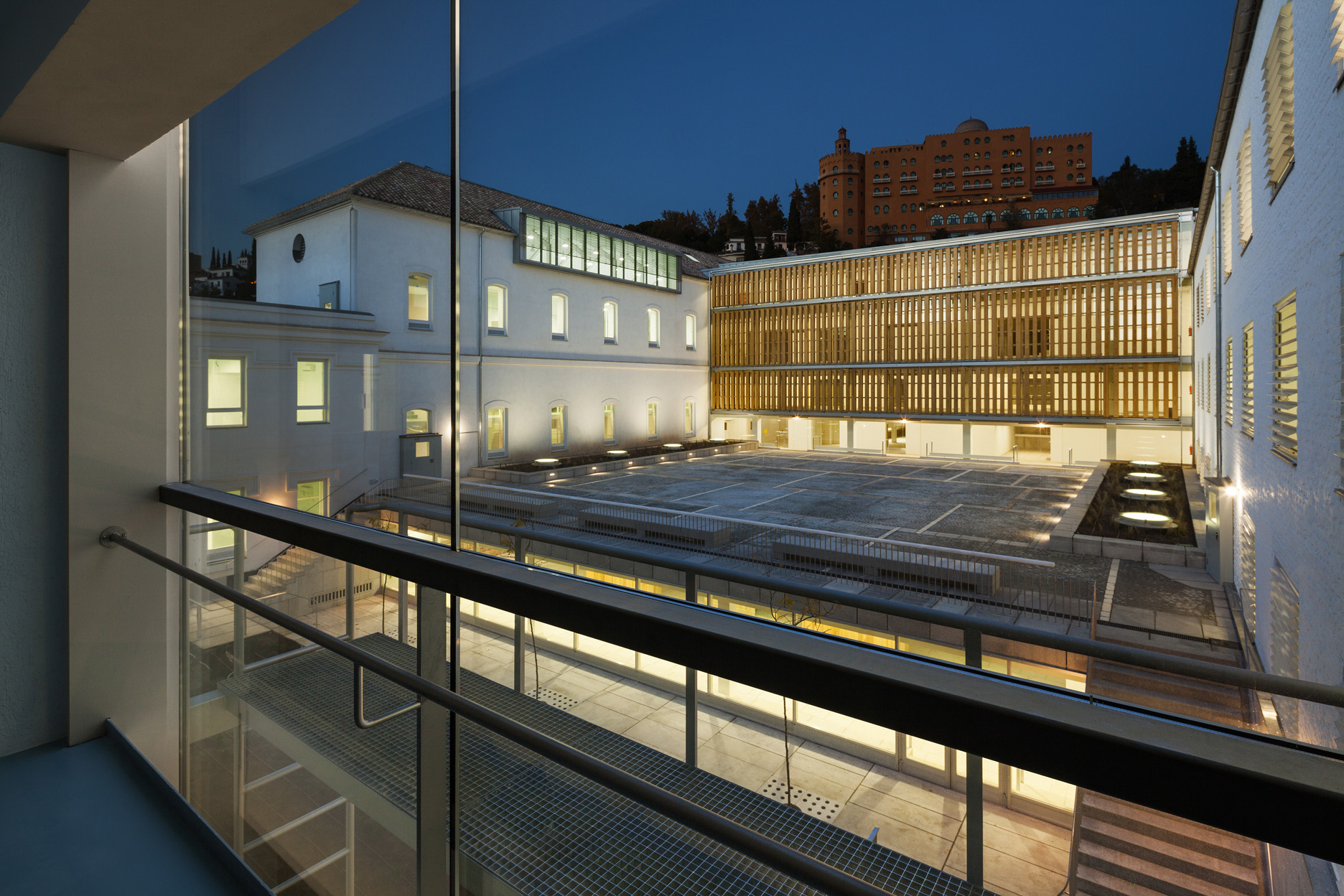
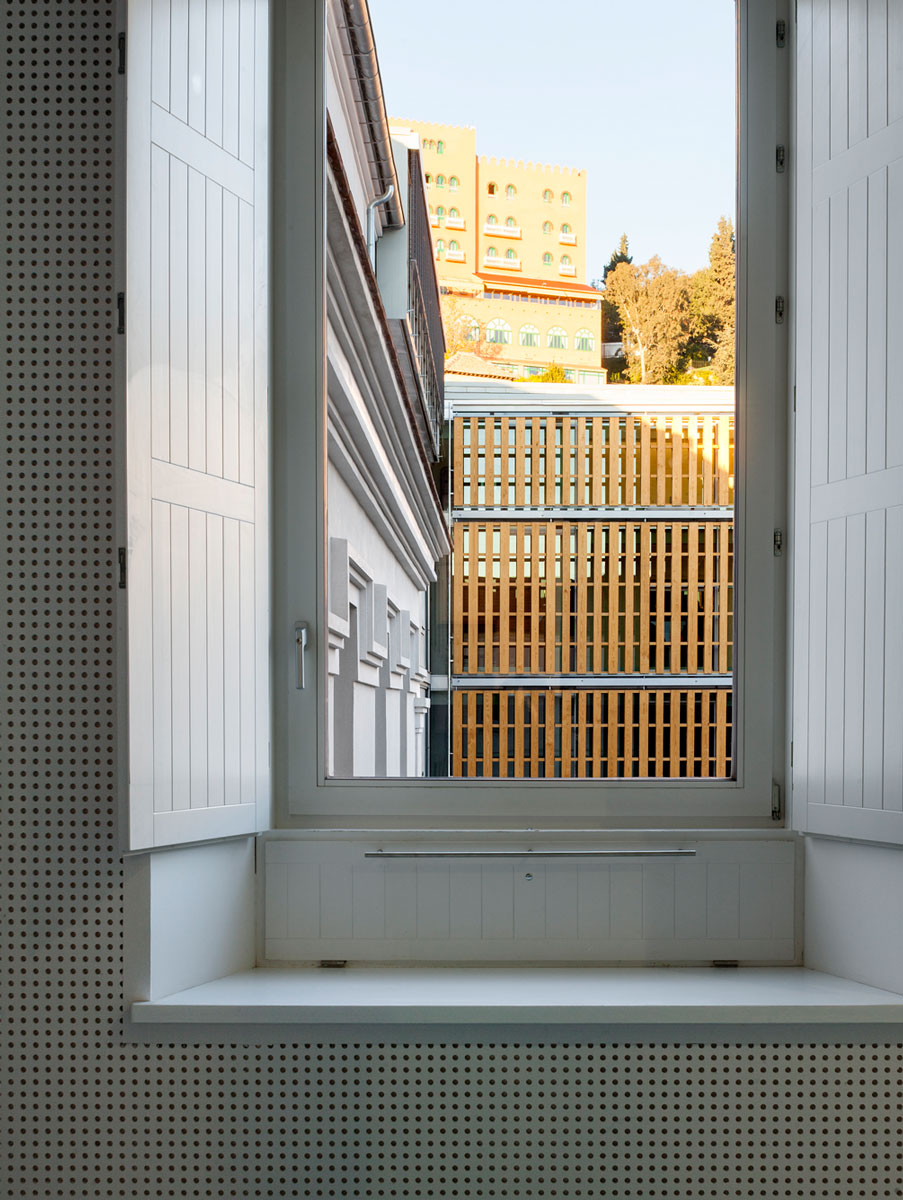
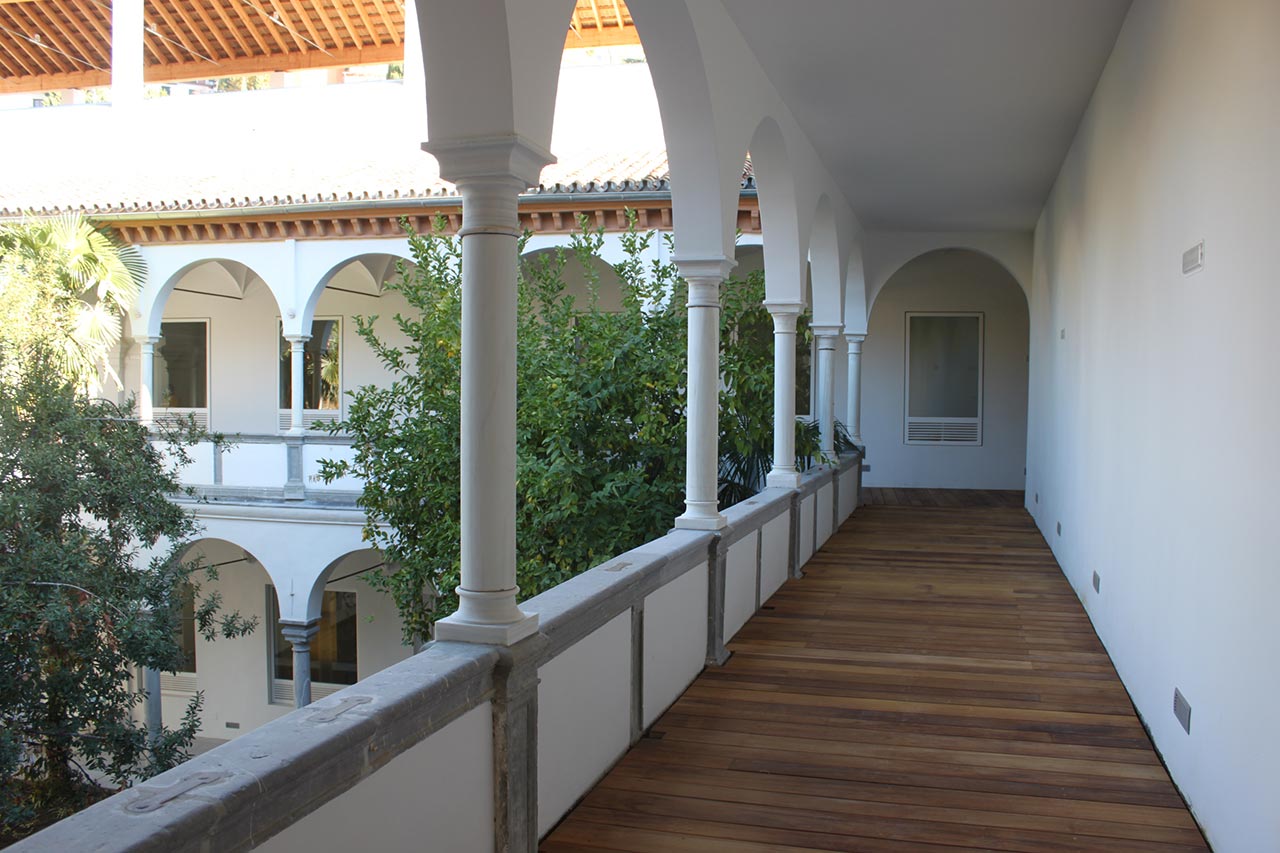
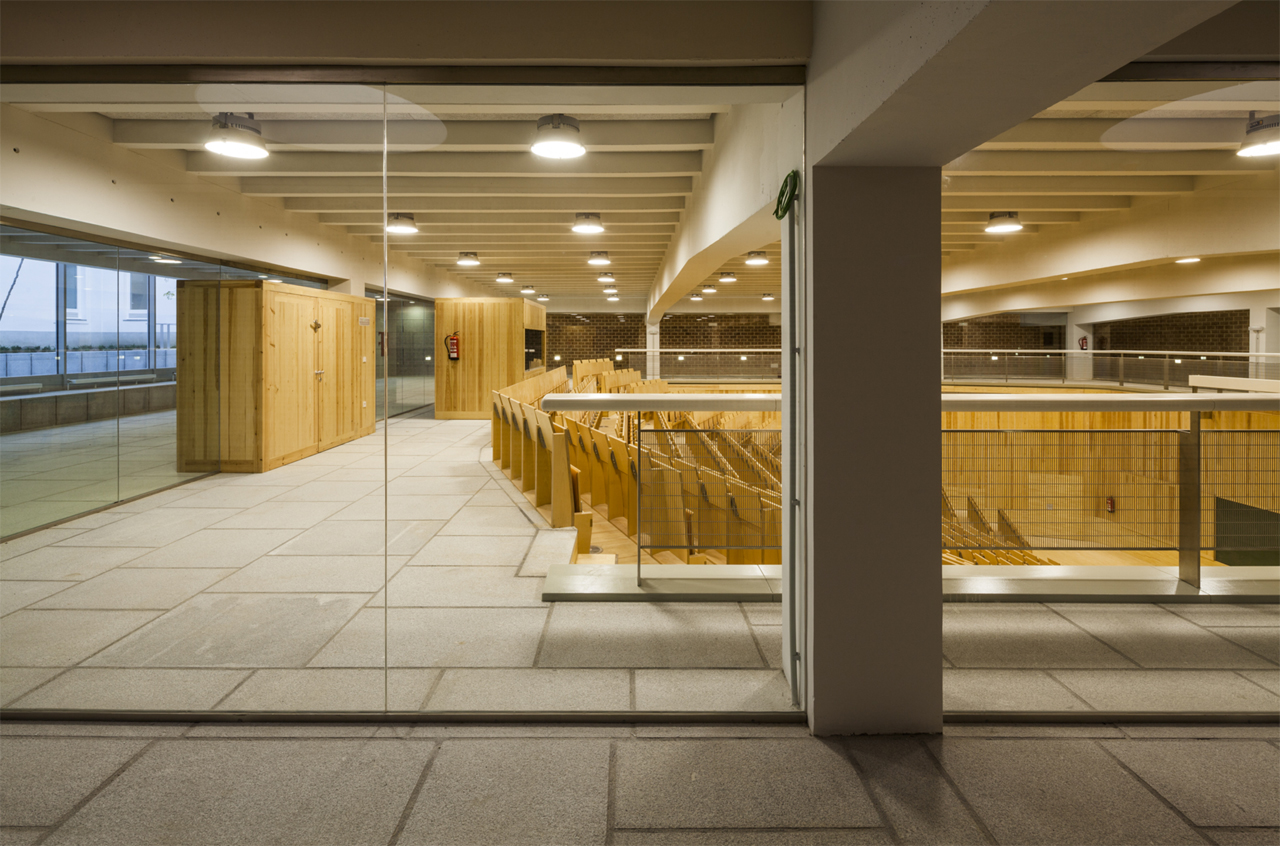
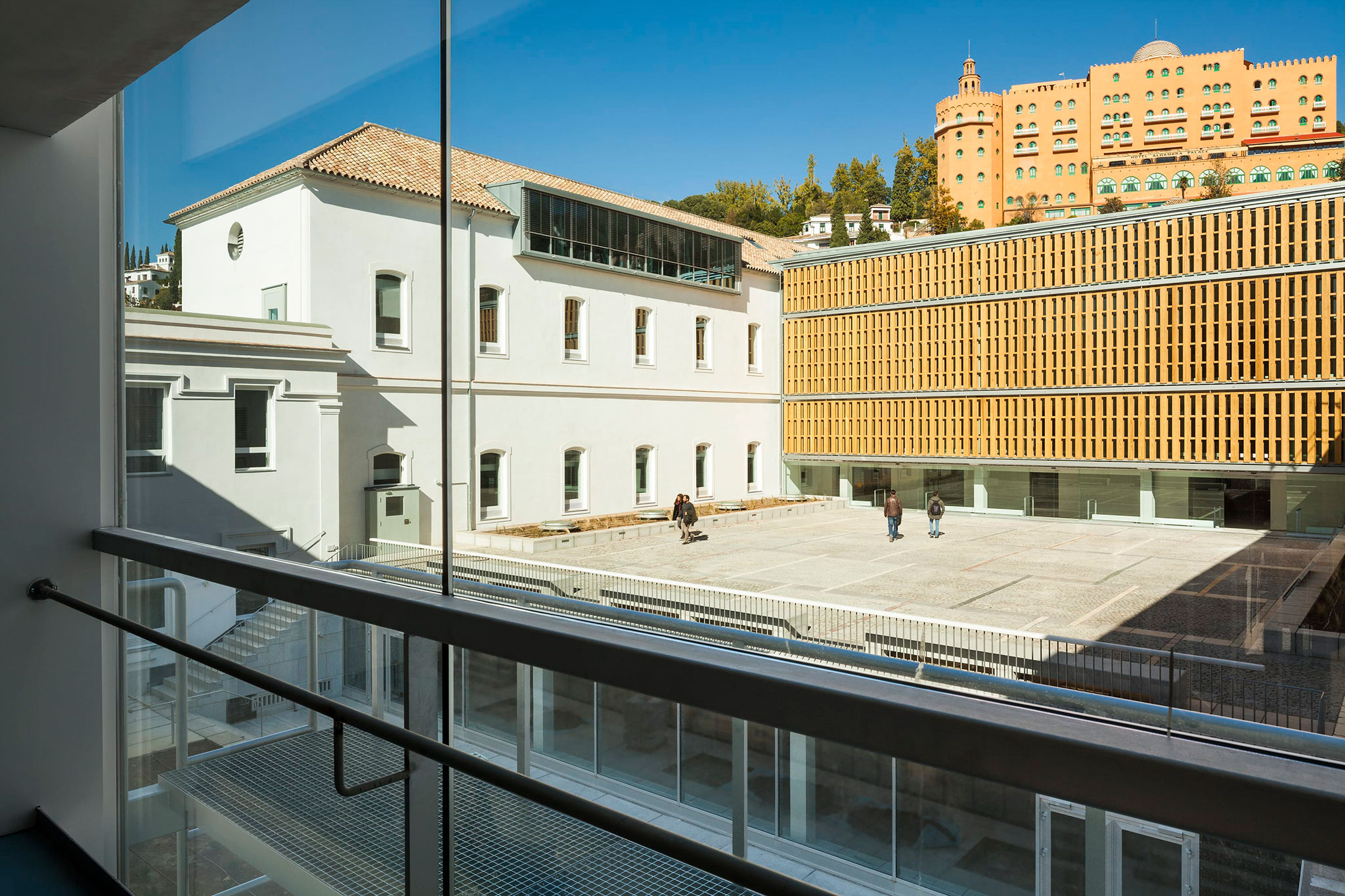
That attention to the site, expressed in the ill-fated Berlin competition, has been a constant in his work, excellently reflected in one of his most recent creations, the Granada School of Architecture, where he carried out a careful and balanced project that establishes a dialogue between the pre-existing architecture and the program required for an architecture school. Even the intelligent and brilliant decision to design the auditorium downwards, viewed from above, demonstrates the rigor applied to the construction. I will mention, as an anecdote, the transversality with which he implemented these ideas when I was told how he resolved the design of the auditorium (there was a limited budget), using extreme ingenuity with the carpenter and the furniture supplier, who told me how López Cotelo had dedicated a few hours to that discreet technology so that the design of those seats would have the best possible solution.
A silent, restrained, and resilient architecture, which once again demonstrates that good architecture needs no stridency. So now, in this time of uncontrolled verbal and theatrical stridency from much of our society, learning that a fine architect, Víctor López Cotelo, has been awarded the 2024 National Architecture Prize is extraordinary news.

Reconstruction of the former Military Hospital for the Granada School of Architecture, designed by Víctor López Cotelo. Photograph by Lluís Casals.
The award issued by the Ministry of Housing and Urban Agenda (MIVAU) highlights López Cotelo's architectural career:
"...deeply coherent and rigorous, characterized by an exceptional attention to detail and a refined sensibility. His work, restrained and without seeking prominence, boasts great spatial quality and demonstrates a singular ability to integrate the new with the pre-existing, approaching each intervention with subtlety, depth, and respect for the memory of the place."