The story of Ruth Aiko Asawa (1926–2013) is marked by a resilient origin, accompanied by the highs and lows that characterized the 20th century. Her parents were Japanese farmers who had emigrated to California, USA, and her youth was marked by World War II, as she and her family were interned in camps because of her heritage.
After the war, in 1946, anti-Japanese racial prejudice prevented her from obtaining the university degree that would have qualified her to teach art. Asawa moved to the innovative Black Mountain College (1946–1949) in North Carolina, a progressive environment where she studied and learned "to see" under the tutelage of teachers like Josef Albers, who profoundly influenced her perception of space and materials. There, the curriculum based on sensory experience and direct work with materials became the foundation of her artistic practice. It was also during this period, on a trip to Mexico in 1947, that he discovered wire baskets woven by local artisans, a technique that he assimilated and transformed to give life to his own sculptural language.
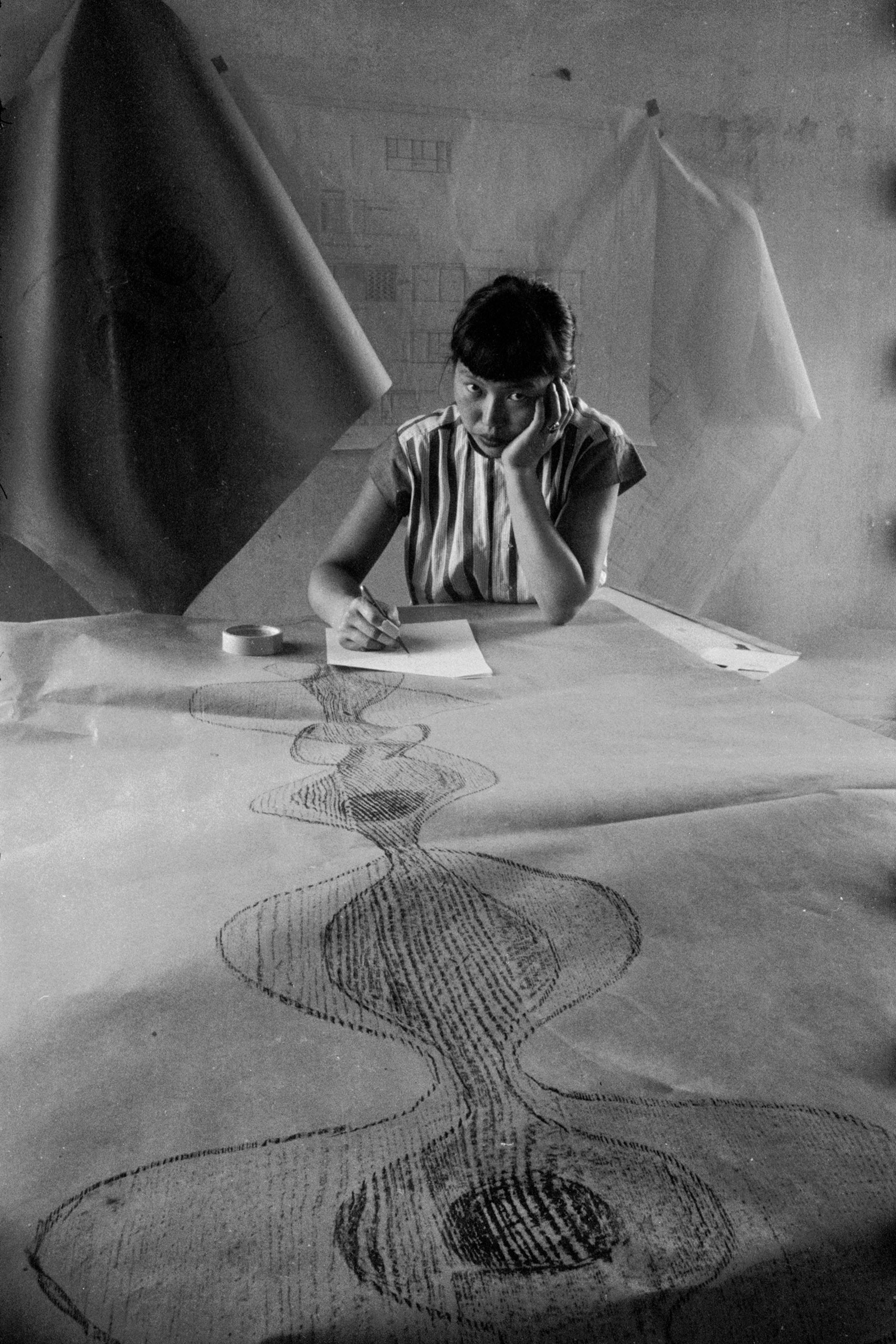
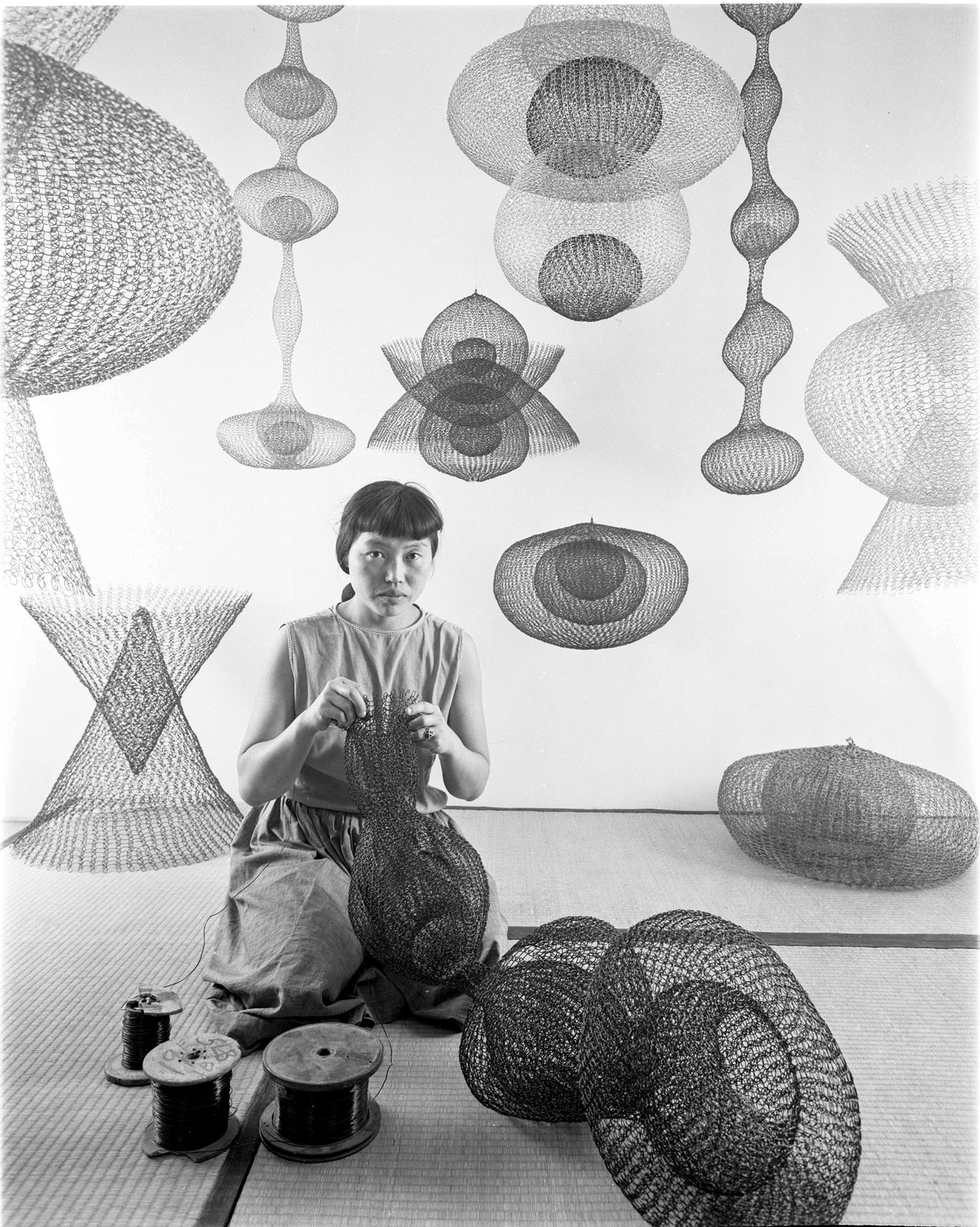
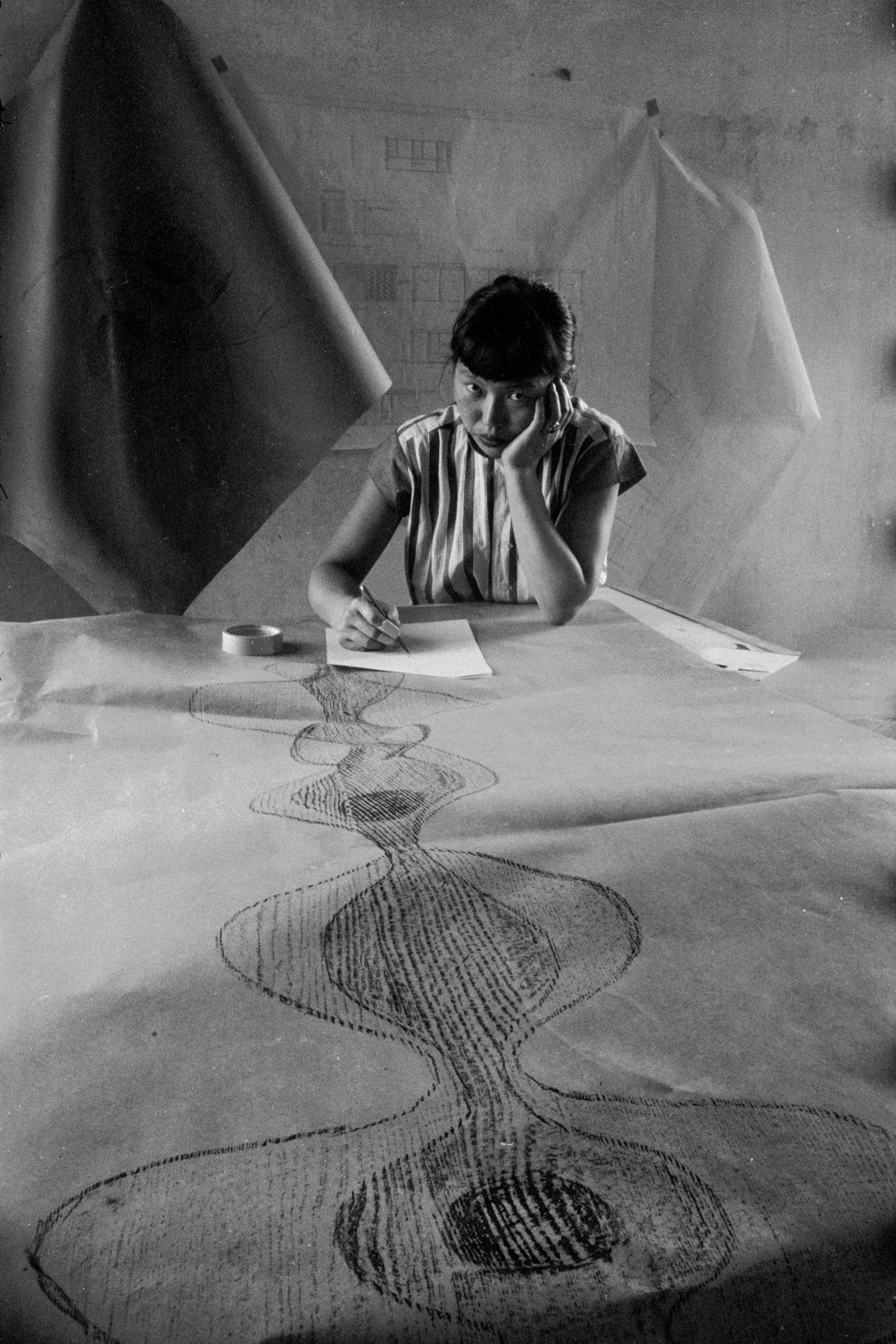 Portrait of U.S. artist and sculptor Ruth Asawa, of Japanese descent, sketching a design, 1954. Image: Nat Farbman/The LIFE Picture Collection/Shutterstock. Artwork of 2026 Ruth Asawa Lanier, Inc. Courtesy of David Zwirner.
The line that dances in the void
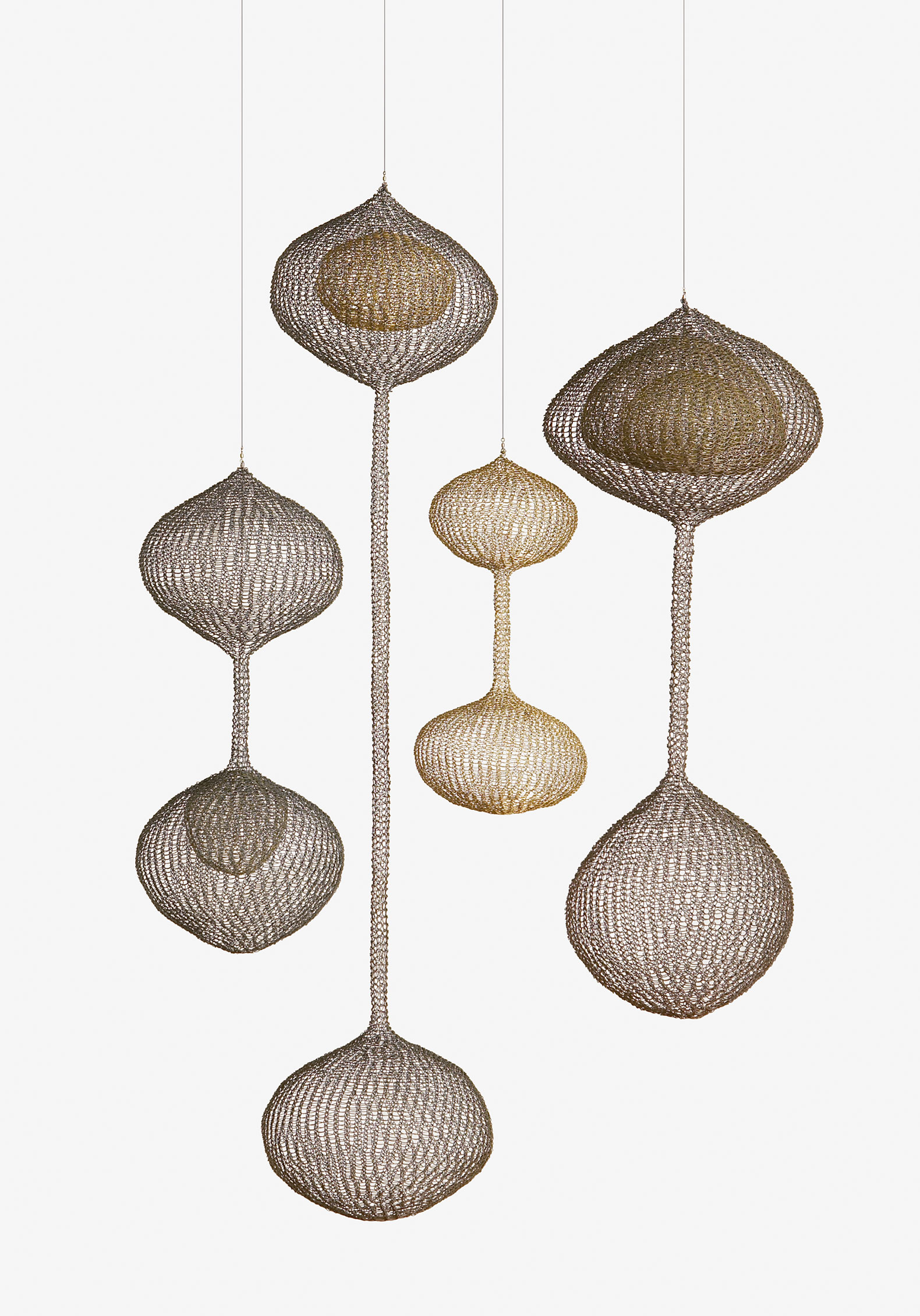
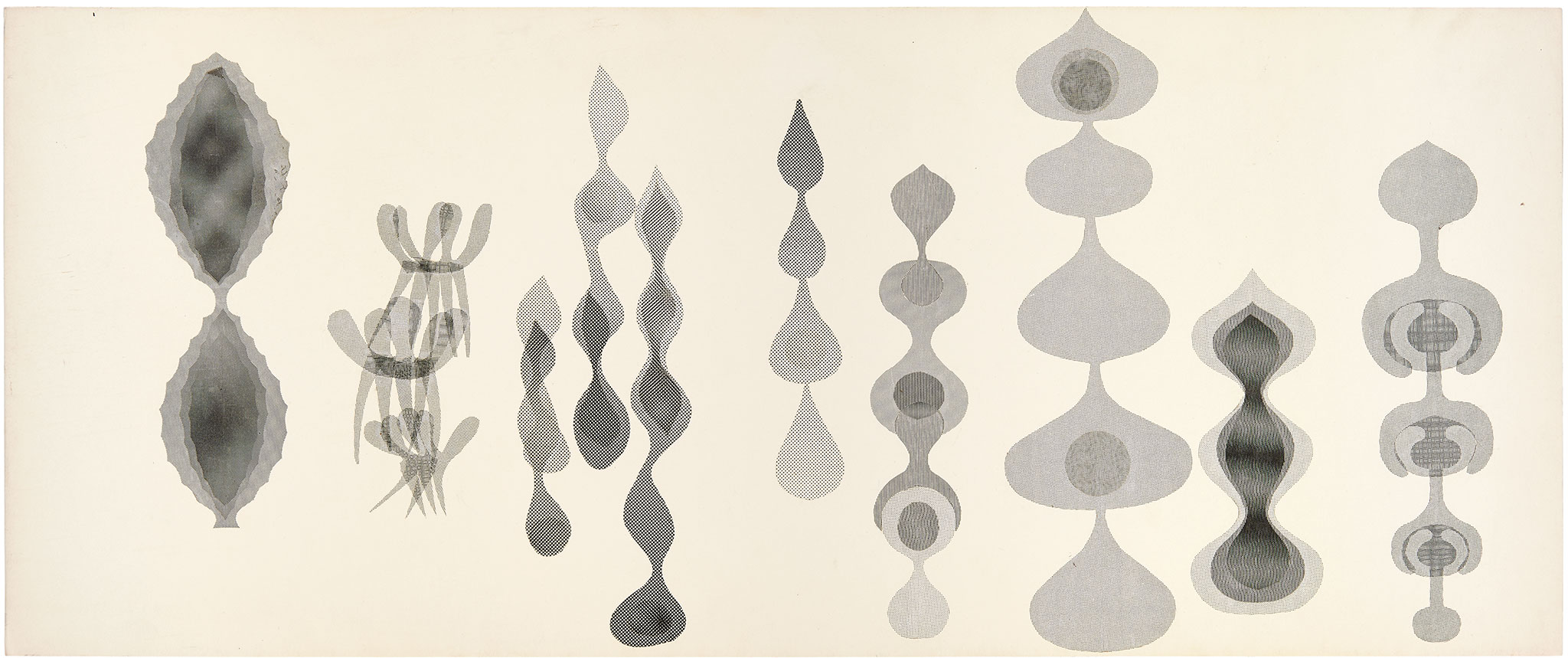
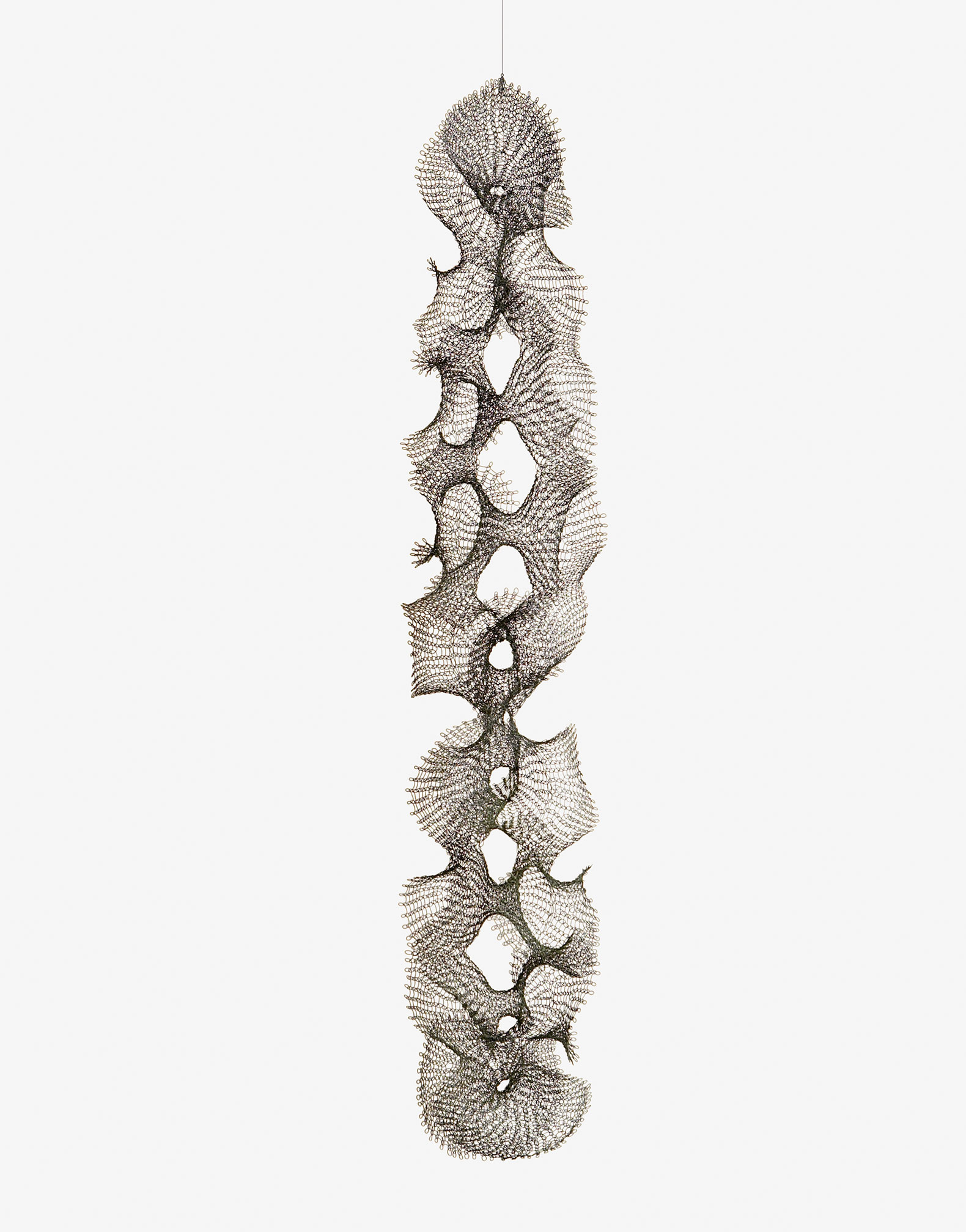
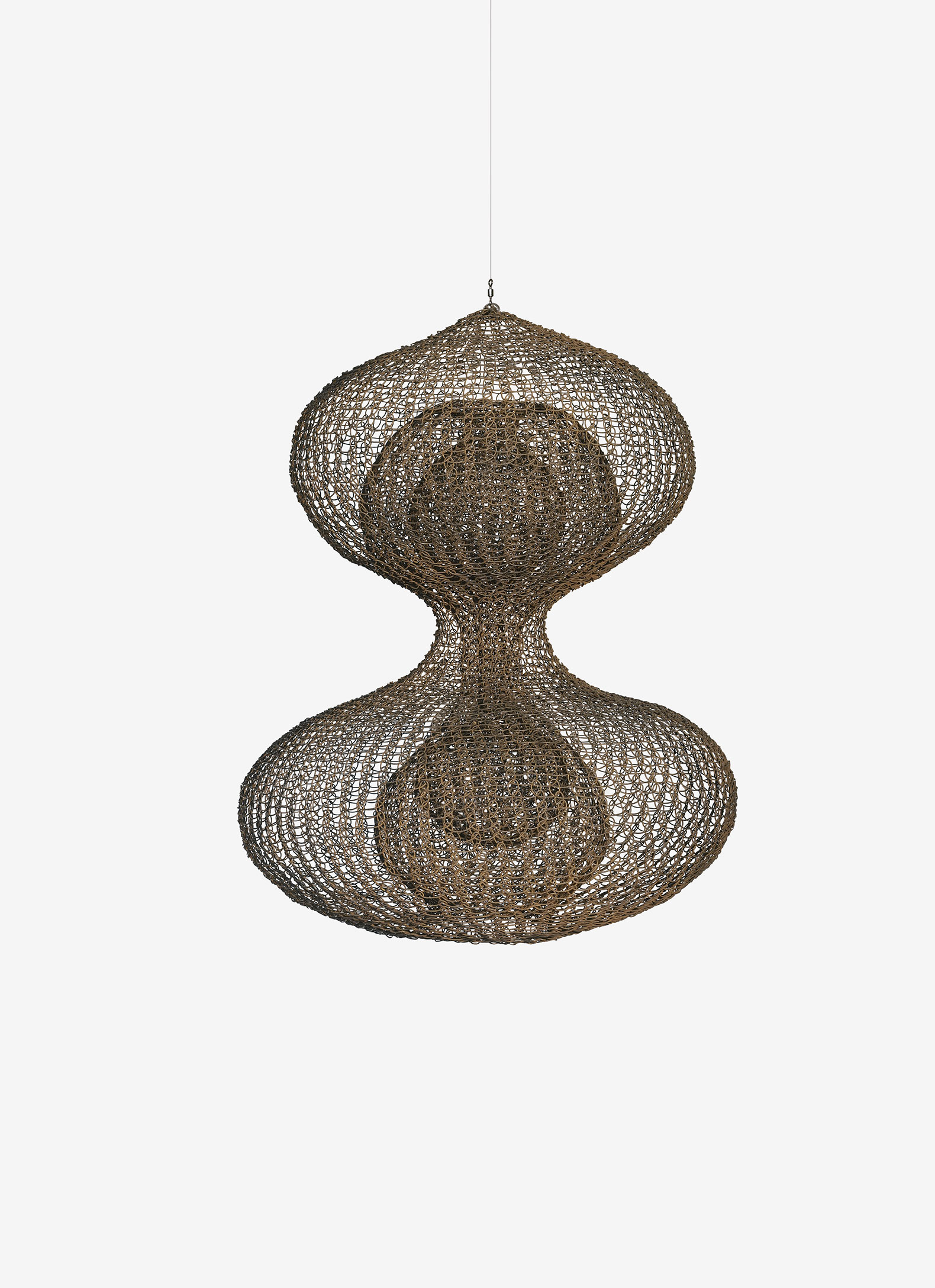
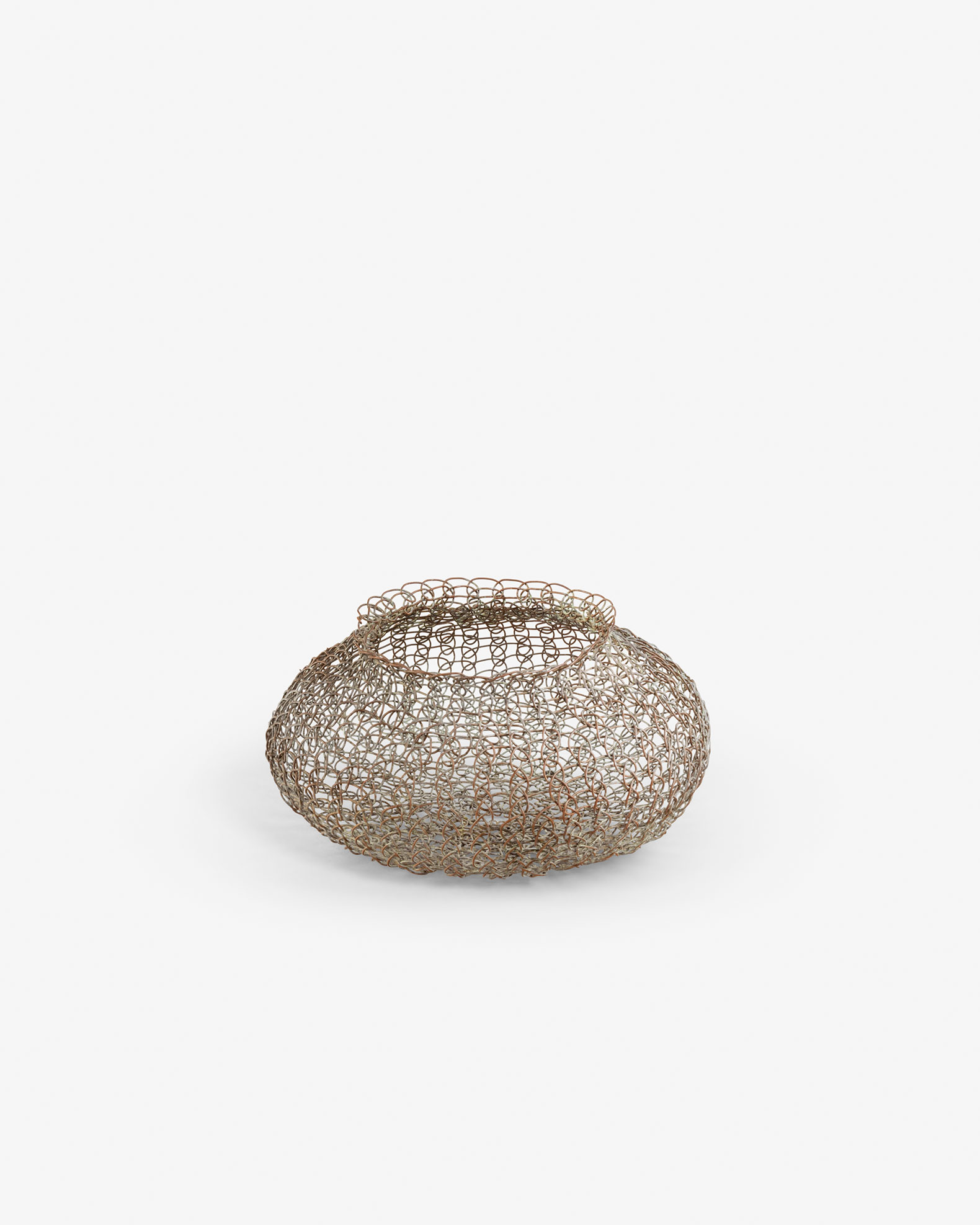
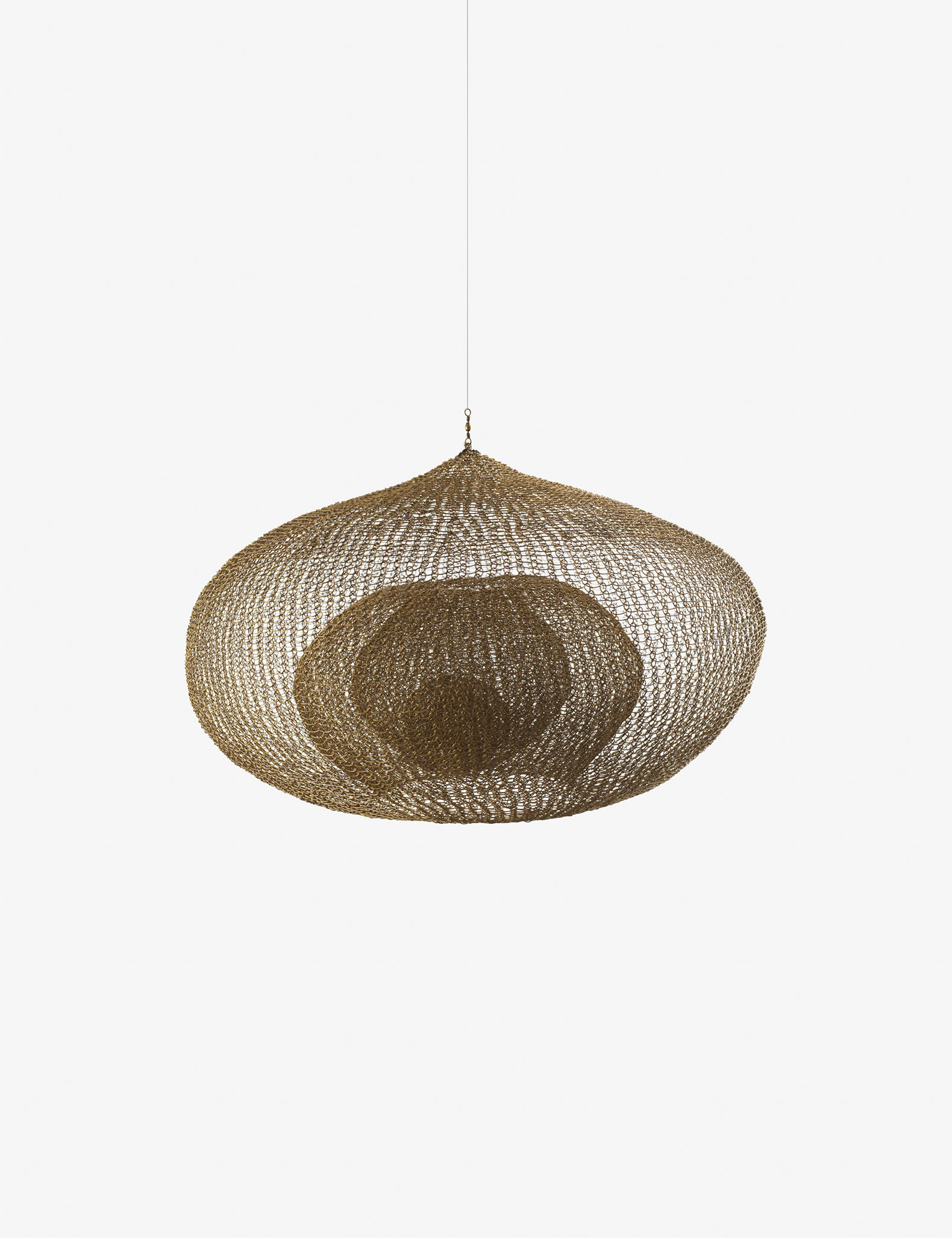
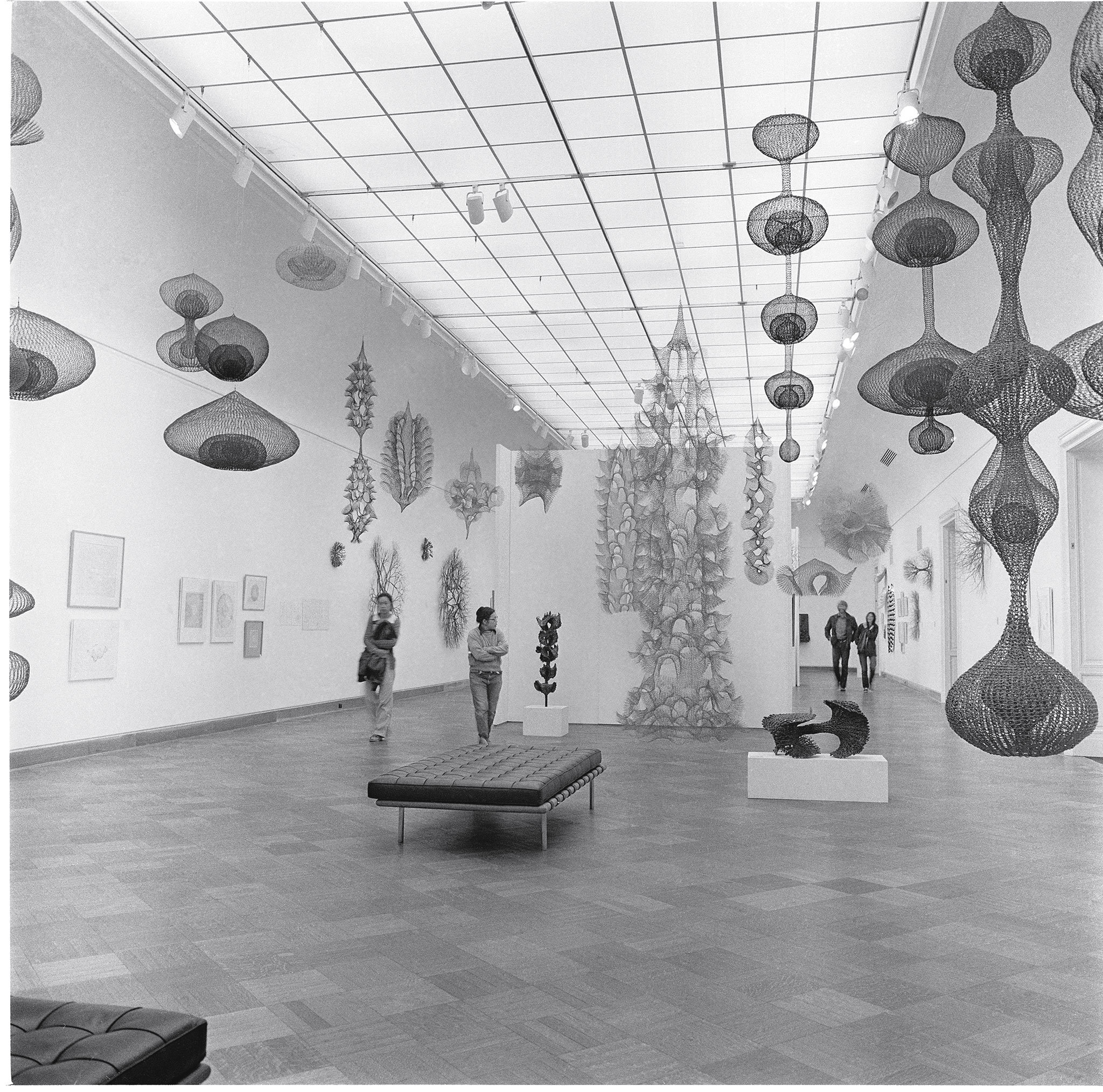
Asawa's most iconic motif emerged in the early 1950s: the "continuous form within another form." Using industrial wire, which she worked by hand into loops, the artist created structures that challenged the perception of interior and exterior. For Asawa, "everything is connected, it is continuous." Her hanging sculptures, which appear to float like metallic jellyfish, not only occupy space but also permeate it, allowing light and gaze to flow through their permeable meshes.
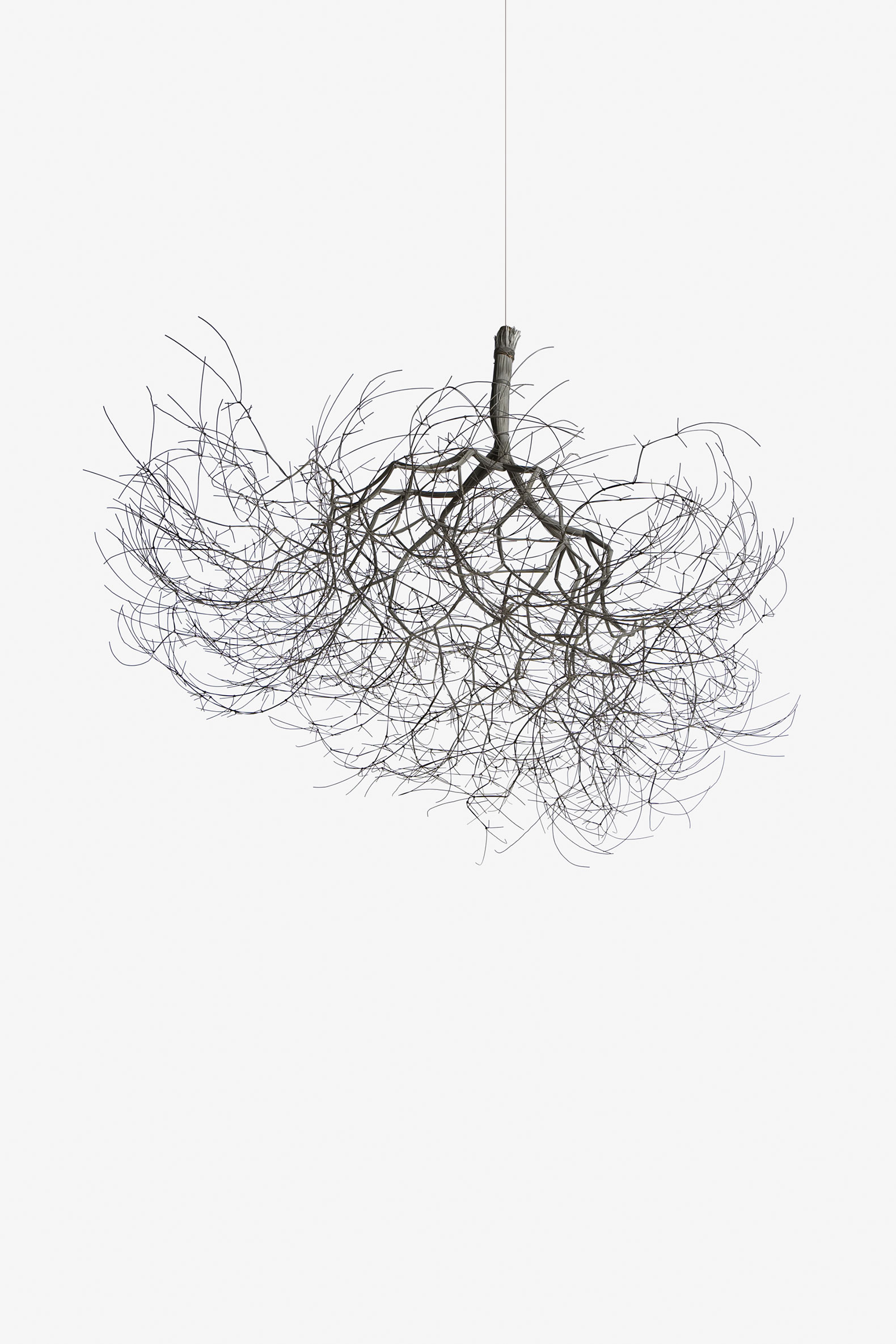
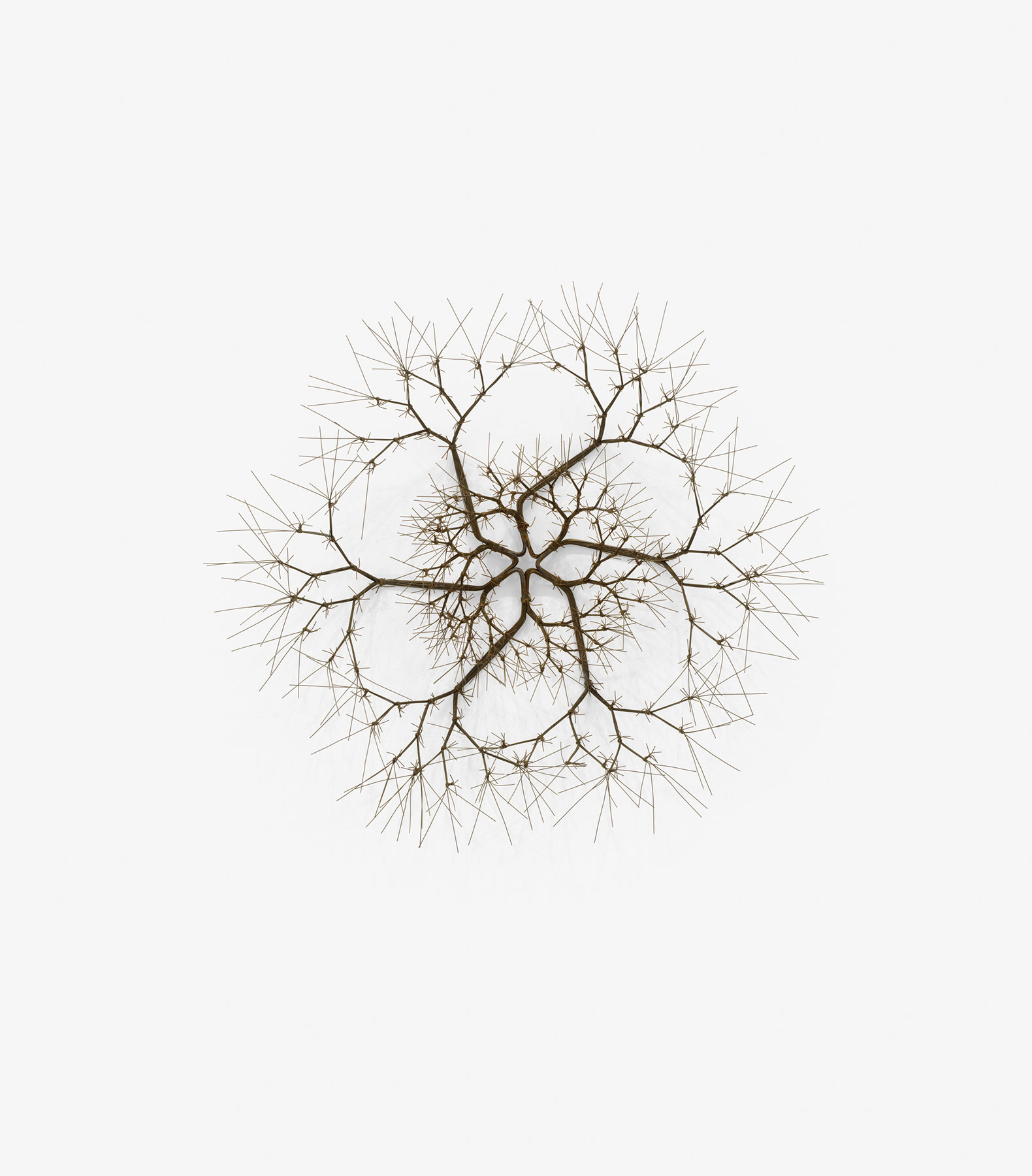
The exhibition in Bilbao highlights how these pieces transcend the boundaries between abstraction and representation. Observing her "tied wire" works, inspired by organic growth patterns, one perceives a poetic transition between the impenetrable and the porous. These pieces often originate from a geometric center that branches out organically, responding to what the artist called "what the wire dictates." This symbiosis with the natural world reflects her philosophy that nature is the best teacher.
![Ruth Asawa. Sin título (S.433, Nueve formas hiperbólicas abiertas colgantes unidas lateralmente), ca. 1958. Alambre de cobre, 193 × 38,1 × 38,1 cm. de William Roth Estate . Obra de 2026, Ruth Asawa Lanier, Inc., cortesía David Zwirner. Fotografía por Laurence Cuneo. [Untitled (S.433, Hanging Nine Open Hyperbolic Shapes Joined Laterally)], ca. 1958. Copper wire, 193 × 38.1 × 38.1 cm. From the William Roth Estate. Artwork of 2026, Ruth Asawa Lanier, Inc., courtesy David Zwirner. Photograph by Laurence Cuneo.](/sites/default/files/inline-images/metalocus_ruth-asawa_retrospectiva_12.jpg)
Ruth Asawa. Untitled (S.433, Hanging Nine Open Hyperbolic Shapes Joined Laterally), ca. 1958. Copper wire, 193 × 38.1 × 38.1 cm. From the William Roth Estate. Artwork of 2026, Ruth Asawa Lanier, Inc., courtesy David Zwirner. Photograph by Laurence Cuneo.
Her Noe Valley Home and Art as a Way of Life
One of the most fascinating aspects of Ruth Asawa is her refusal to separate the creative realm from the everyday. In 1949, she moved to San Francisco, where she married architect Albert Lanier and raised a large family of six children (Xavier, Aiko, Hudson, Adam, Addie, and Paul).
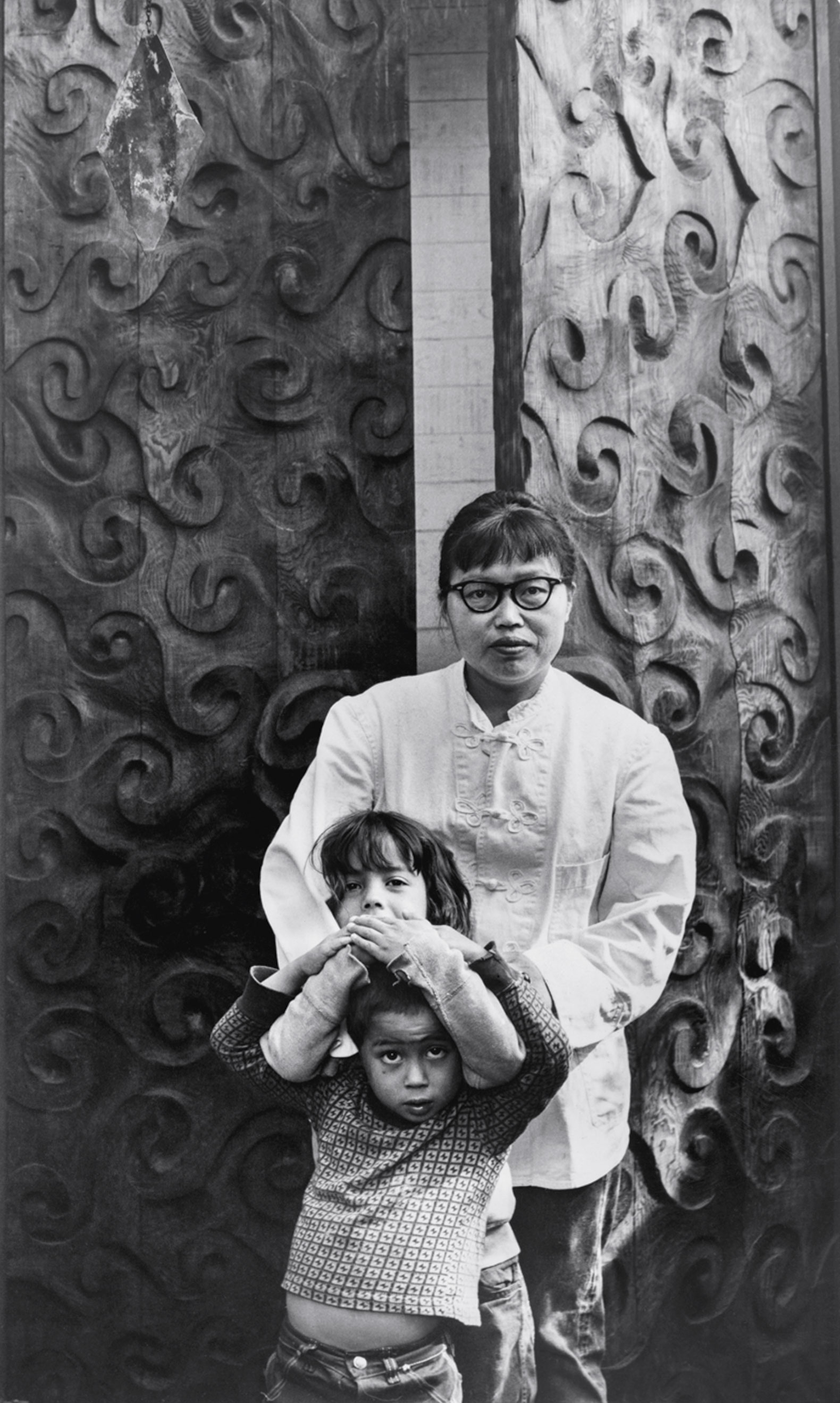
In 1960, Ruth Asawa, Albert Lanier, and their six children bought a spacious house in Noe Valley, San Francisco. Built in 1908 by Walter Ratcliff and Alfred Jacobs under the influence of Bernard Maybeck (UC Berkeley) and the Arts and Crafts movement, Lanier renovated it for a year before moving in the fall of 1961. Asawa designed the monumental doors, and the family cultivated a garden that was a constant source of inspiration for her drawings.
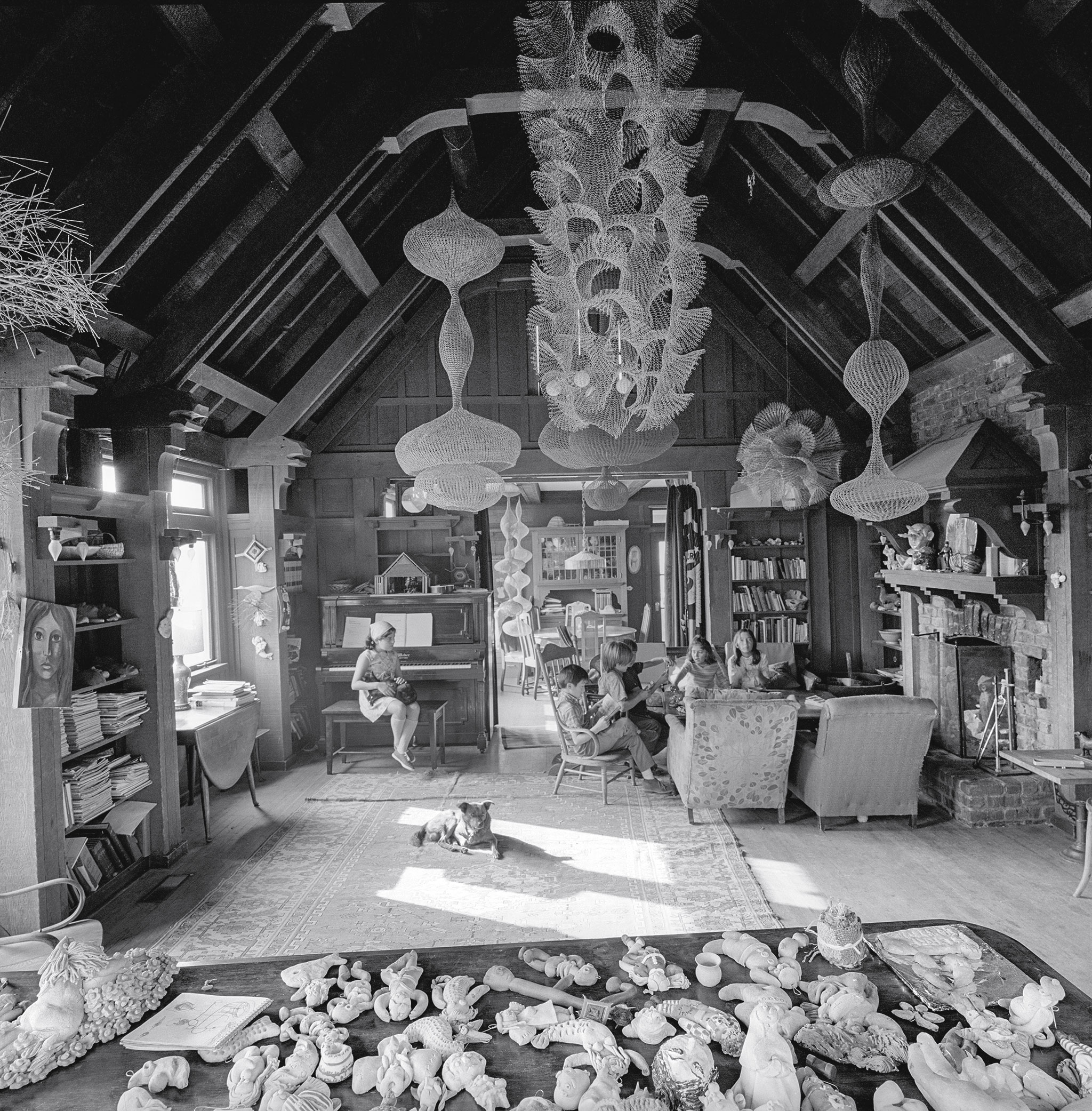
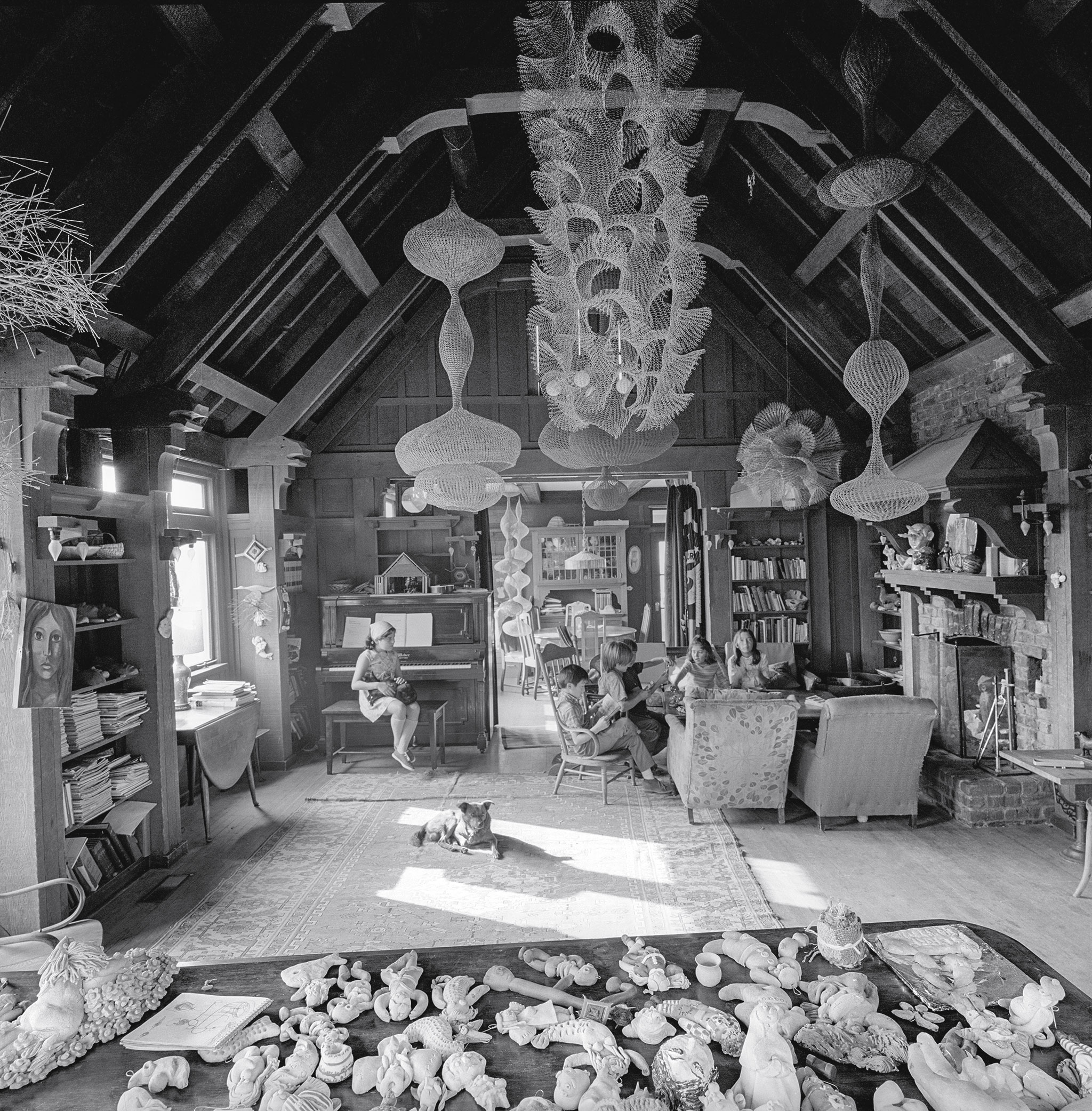 Living room of Ruth Asawa’s home in San Francisco’s Noe Valley neighbourhood, 1969. Photograph by Rondal Partridge. Photo of 2026 Rondal Partridge Archives. Artwork of 2026 Ruth Asawa Lanier, Inc., courtesy David Zwirner.
Her motto, “My house was and still is my studio,” defined a home in Noe Valley where sculptures hung from the ceiling beams while her children played or learned to draw. In this vibrant space, her creative process was the result of the organic integration of parenting and art. The heart of the home was a high-ceilinged living room where her iconic wire sculptures hung from the beams, coexisting with works by Josef Albers and ceramics by Marguerite Wildenhain. In this space, Asawa never stopped working—drawing, wire weaving, or origami—while receiving collaborators and educators, transforming her residence into an epicenter of creative activity and ongoing artistic engagement. Between 1966 and 2000, the artist made hundreds of facial casts of her visitors, documenting the social life of the home.
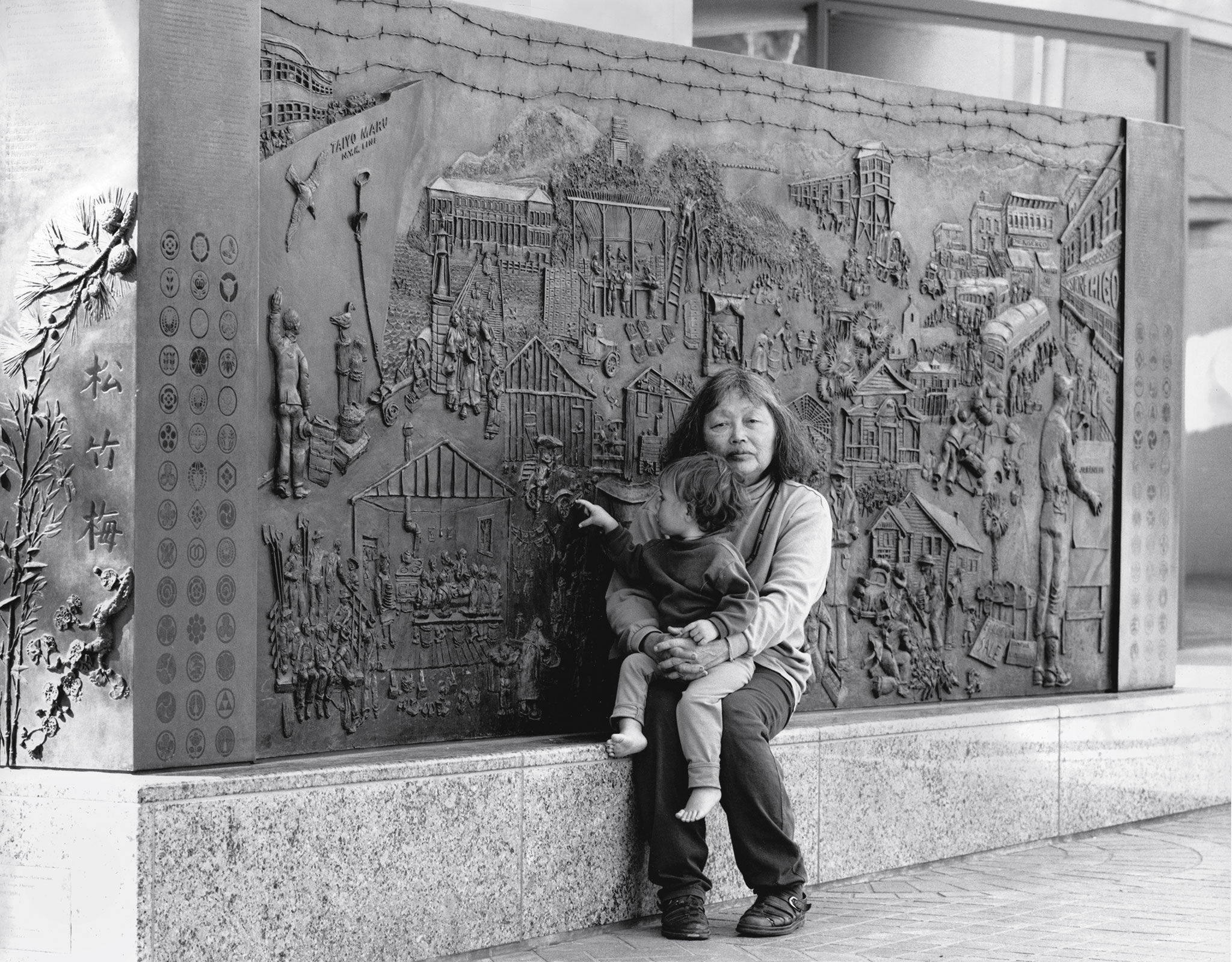
Asawa was not only a studio artist; she was a committed advocate for art education and civic engagement. During the 1960s and 1970s, he held positions at institutions such as the California Council on the Arts and led public art projects intended for "everyone to enjoy." Among his most notable commissions are the Andrea Fountain in Ghirardelli Square and the colossal Japanese American Internment Memorial in San Jose, a work that directly addresses the historical memory of his community.
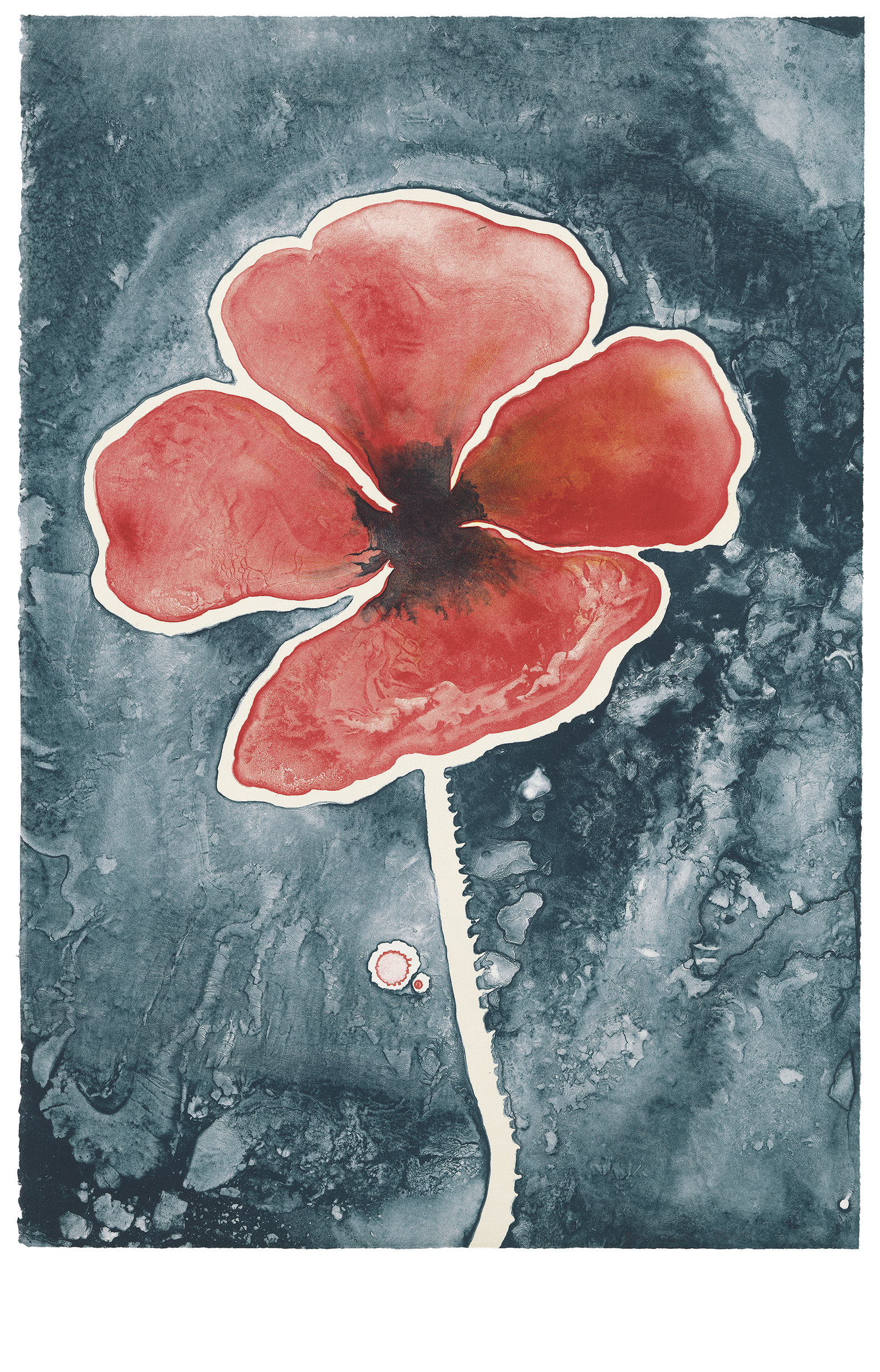
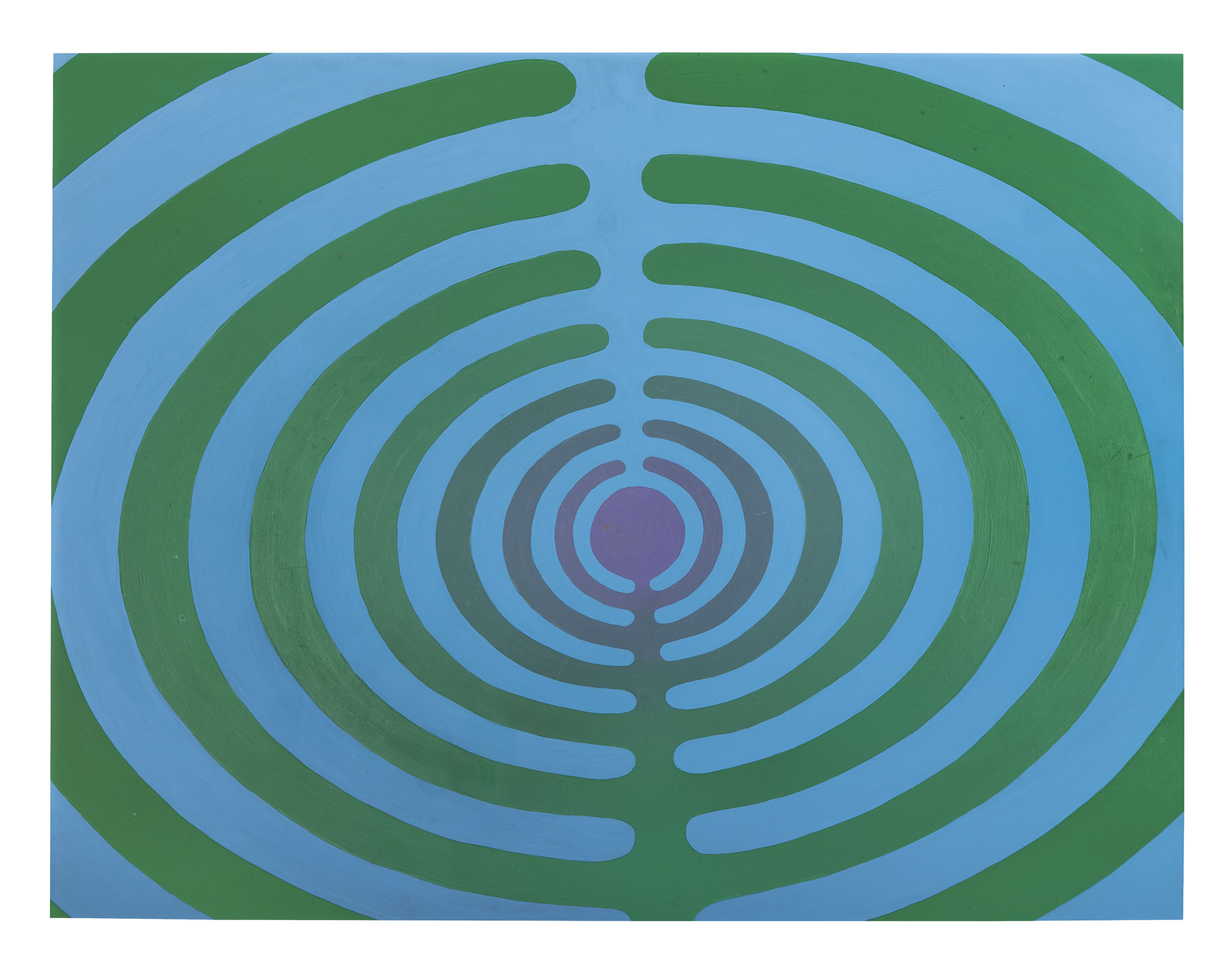
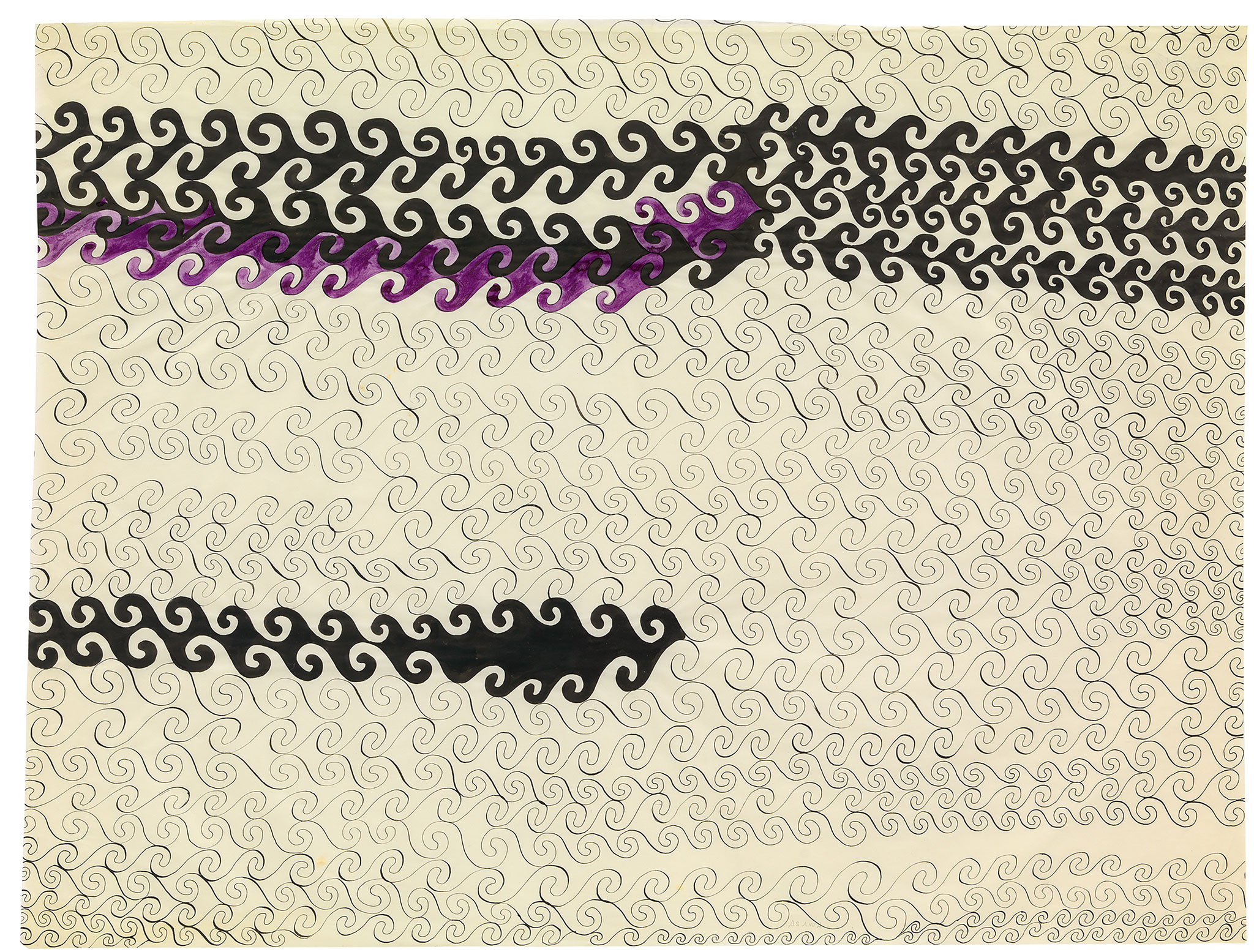
![Ruth Asawa. Amapola (TAM.1479) [Poppy (TAM.1479)], 1965; Litografía, 76,4 × 52,2 cm . Impresa y publicada por el Tamarind Lithography Workshop, Los Ángeles . Impresor del taller: Walter Gabrielson. Edición: 20 The Museum of Modern Art, Nueva York. Donación de Kleiner, Bell & Co. Derechos, 2026 Ruth Asawa Lanier, Inc., Cortesía David Zwirner ; fotografía de 2015 MoMA, NY.](/sites/default/files/inline-images/metalocus_ruth-asawa_retrospectiva_18.jpg)
Ruth Asawa. Poppy (TAM.1479), 1965; Lithograph, 76.4 × 52.2 cm. Printed and published by the Tamarind Lithography Workshop, Los Angeles. Workshop printer: Walter Gabrielson. Edition: 20 The Museum of Modern Art, New York. Gift of Kleiner, Bell & Co. Rights, 2026 Ruth Asawa Lanier, Inc., Courtesy David Zwirner; photograph 2015 MoMA, NY.
A Legacy of Generosity
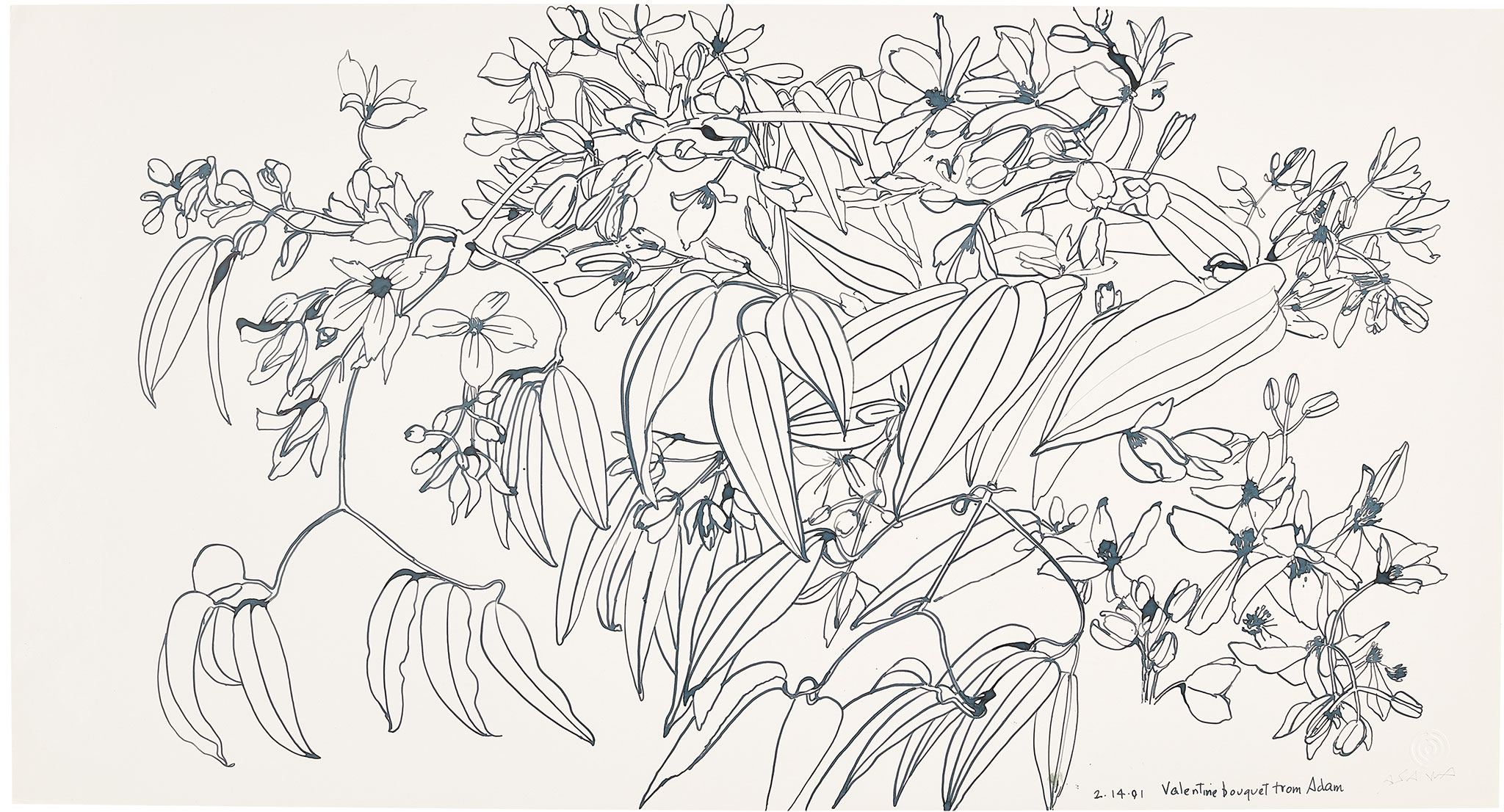
Even when her health was affected by lupus in 1985, Asawa never stopped creating. She found refuge in botanical drawing, meticulously documenting the plants in her garden. Many of these drawings were inspired by bouquets given by friends and family, transforming the act of drawing into a gesture of gratitude and connection to the present.
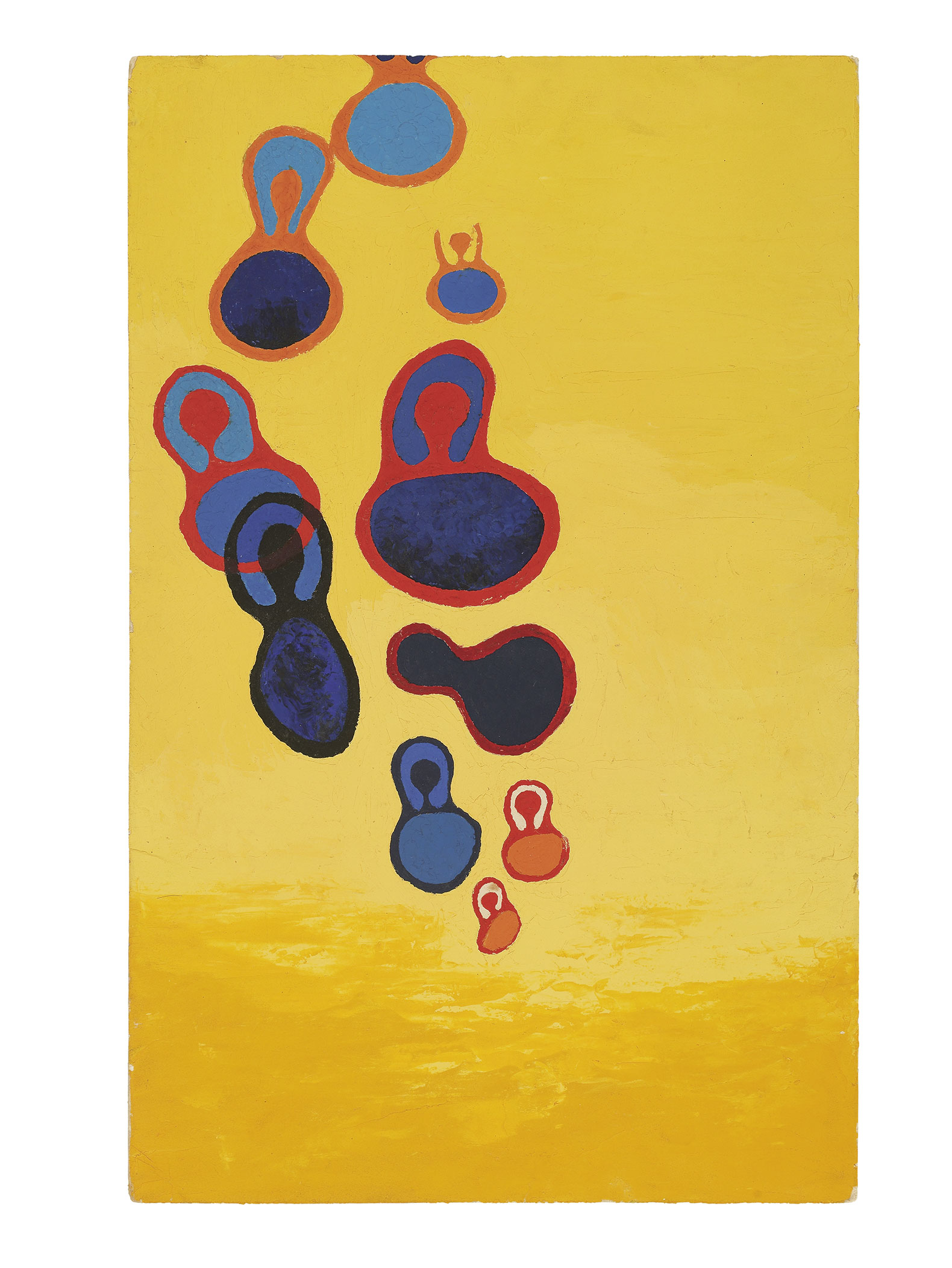
The retrospective at the Guggenheim Bilbao, which includes everything from her famous wire sculptures to origami, paintings, and clay molds, offers a comprehensive view of an artist who saw beauty in repetition and strength in transparency. Ruth Asawa taught us that art is not something separate from life, but rather the continuous thread that sustains and shapes it. Visiting this exhibition is not just about contemplating beautiful objects; it is about entering into a dialogue with a woman who, through the simple act of weaving wire, managed to give volume to the invisible.