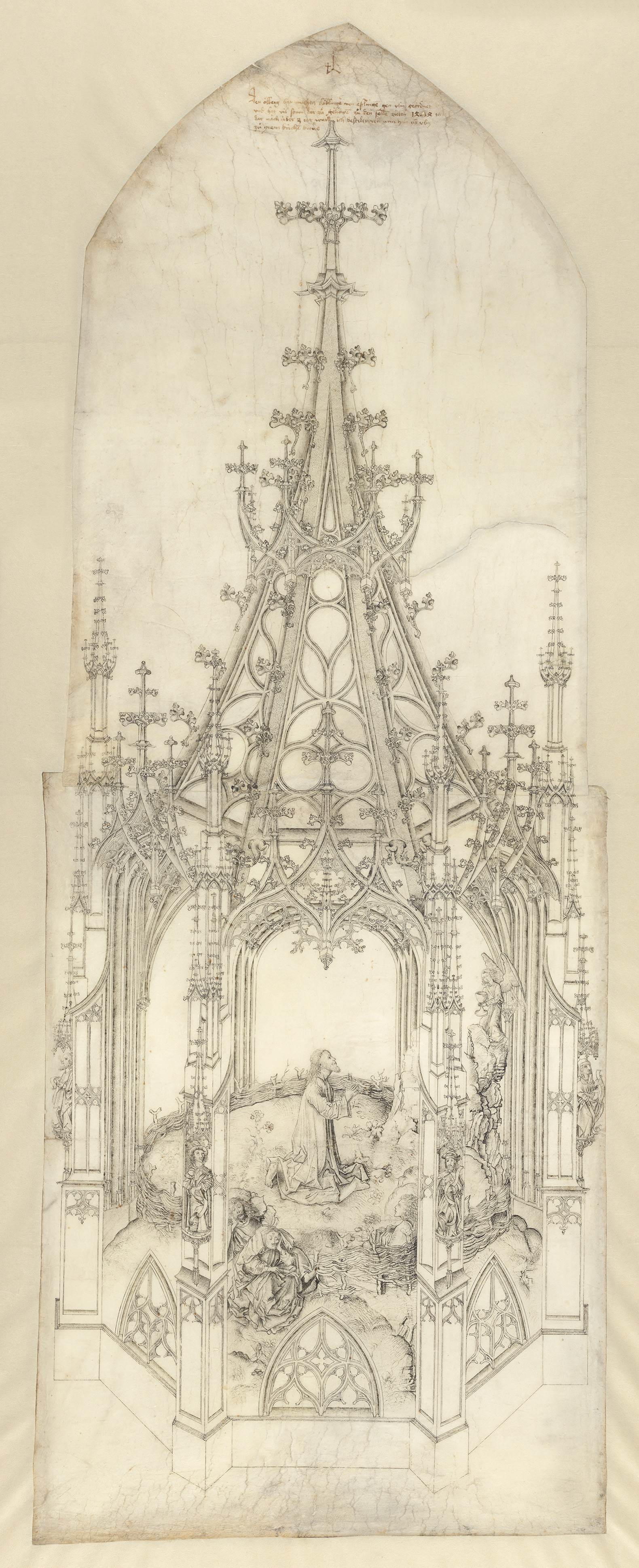
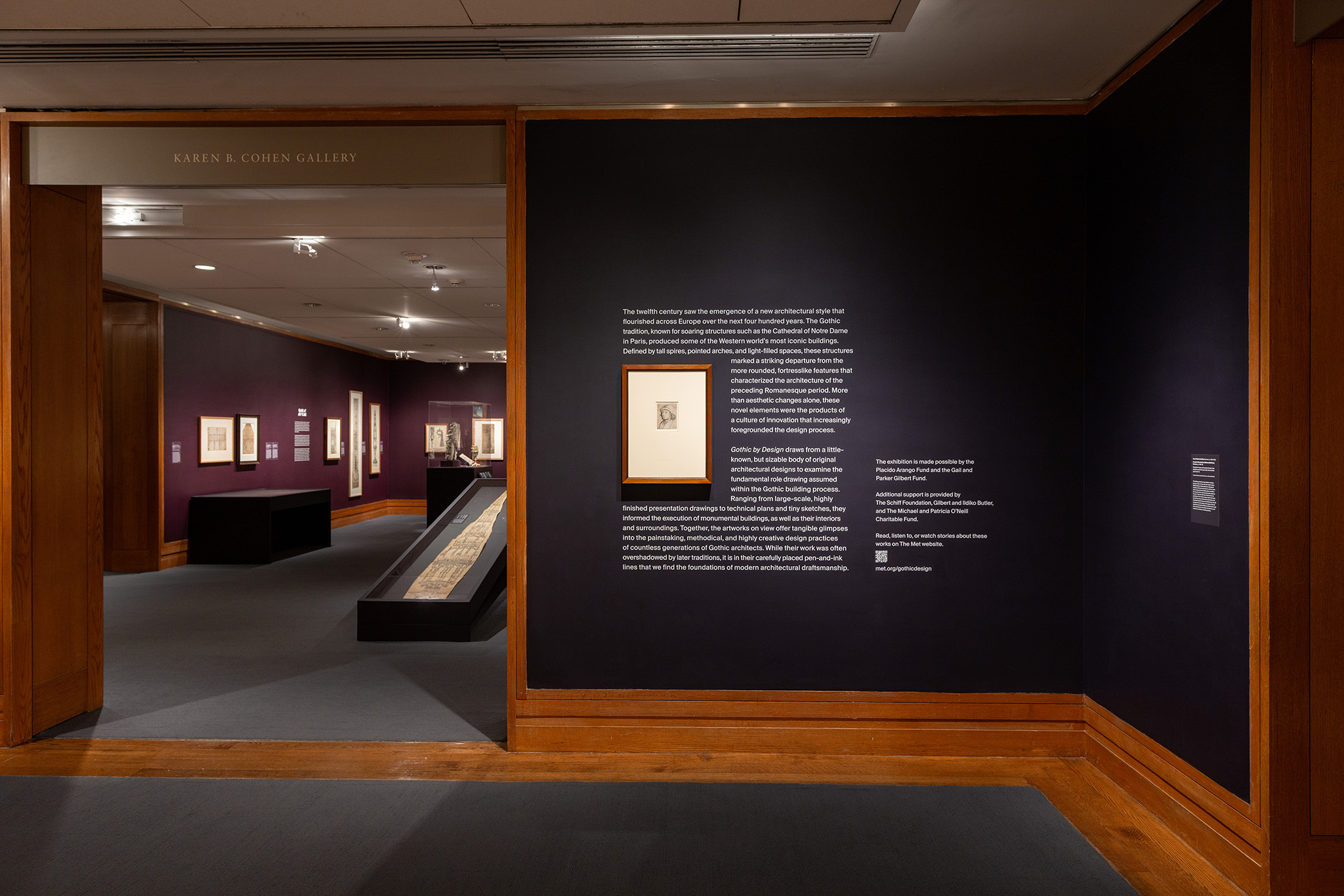
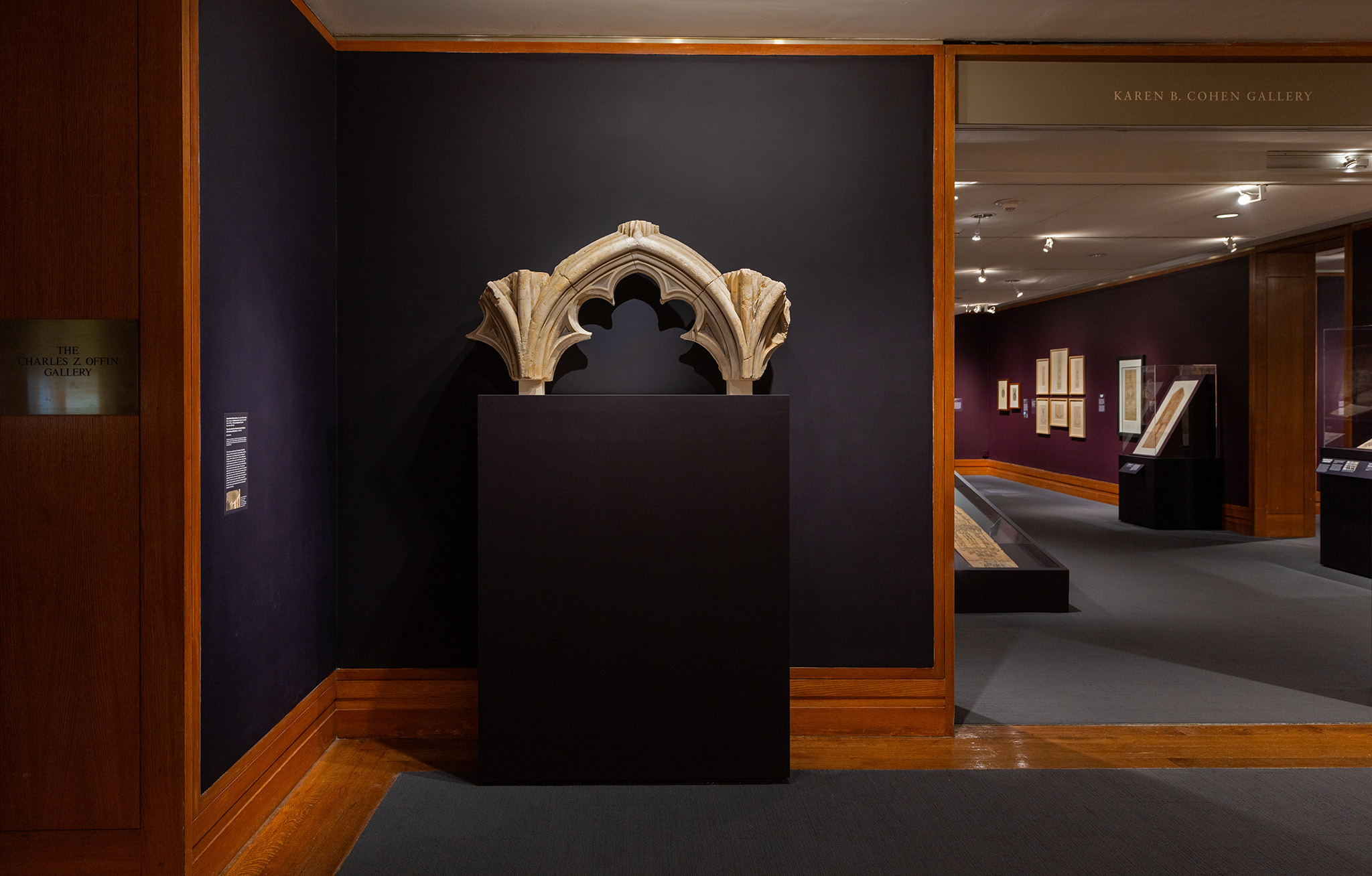
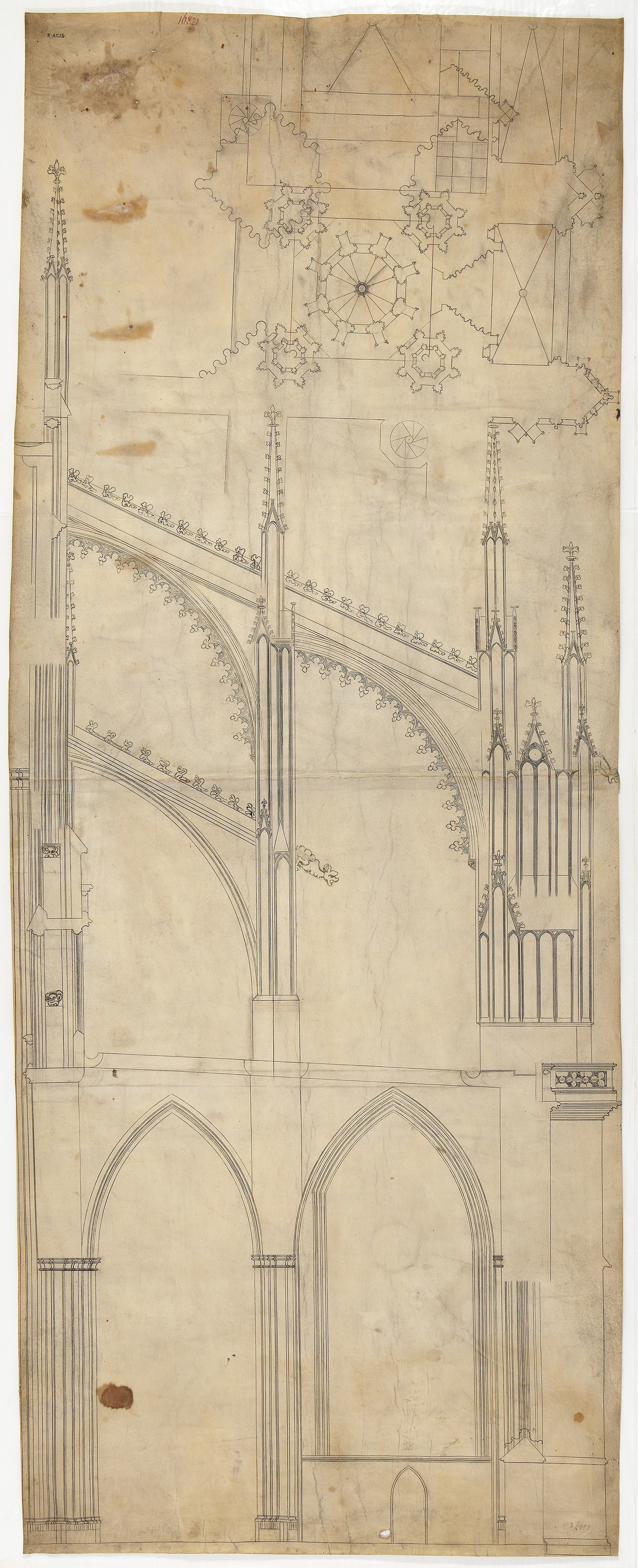
![Attributed to Erwin von Steinbach (German, born Upper Rhine region, died 1318), Partially after Master Rudolph the Elder (German, died 1276). Partial Elevation of the Facade of Strasbourg Cathedral (Drawing A’) ca. 1260–70. Pen and brown ink on parchment Fondation de l’Oeuvre Notre-Dame, in custody of Musée de l’Oeuvre Notre-Dame, Strasbourg (D.22.995.0.11 [OND 2]). Image courtesy of The Metropolitan Museum of Art.](/sites/default/files/2026-04/metalocus_met_gothic-by-design_12.jpg "Attributed to Erwin von Steinbach (German, born Upper Rhine region, died 1318), Partially after Master Rudolph the Elder (German, died 1276). Partial Elevation of the Facade of Strasbourg Cathedral (Drawing A’) ca. 1260–70. Pen and brown ink on parchment Fondation de l’Oeuvre Notre-Dame, in custody of Musée de l’Oeuvre Notre-Dame, Strasbourg (D.22.995.0.11 [OND 2]). Image courtesy of The Metropolitan Museum of Art.")
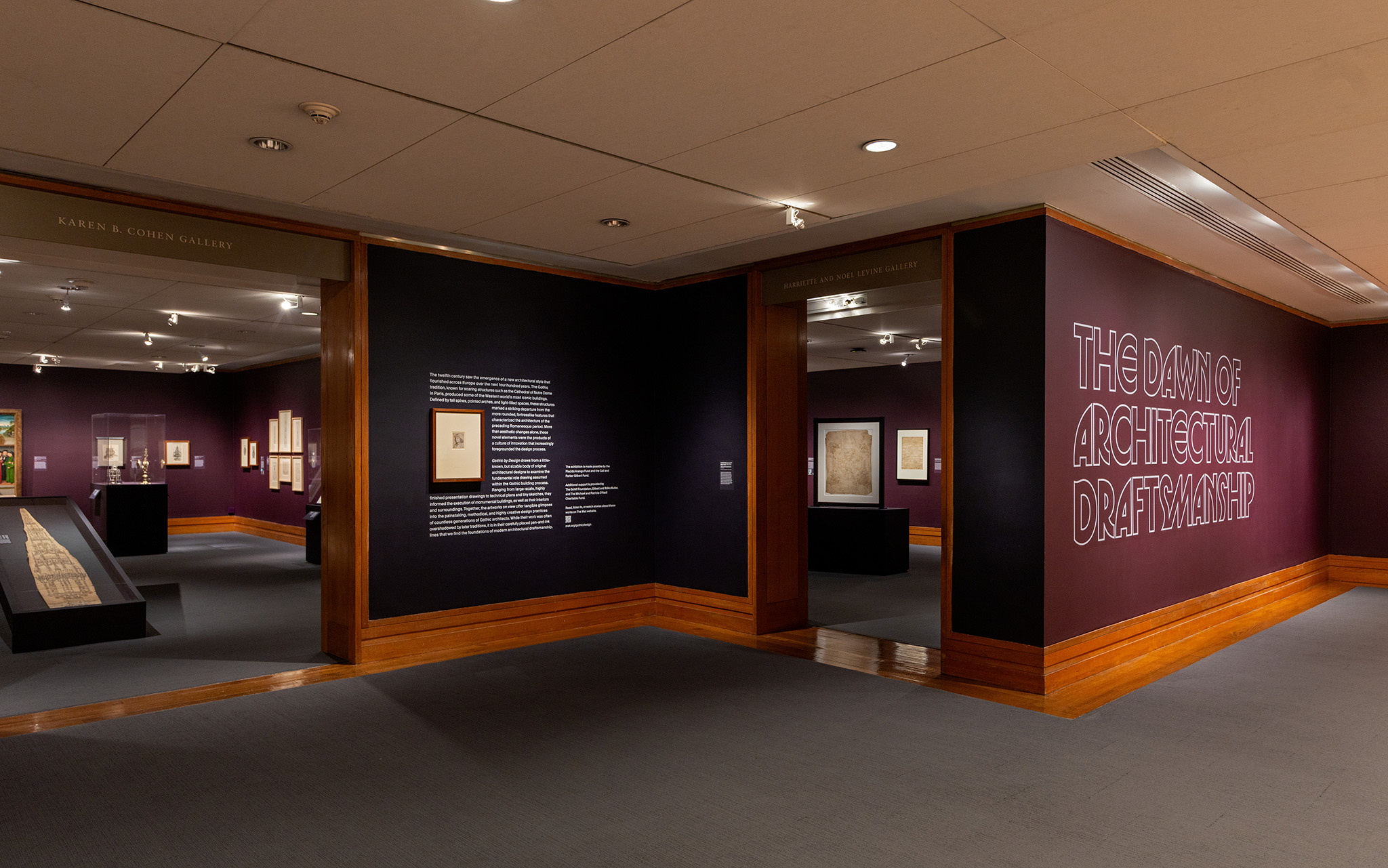
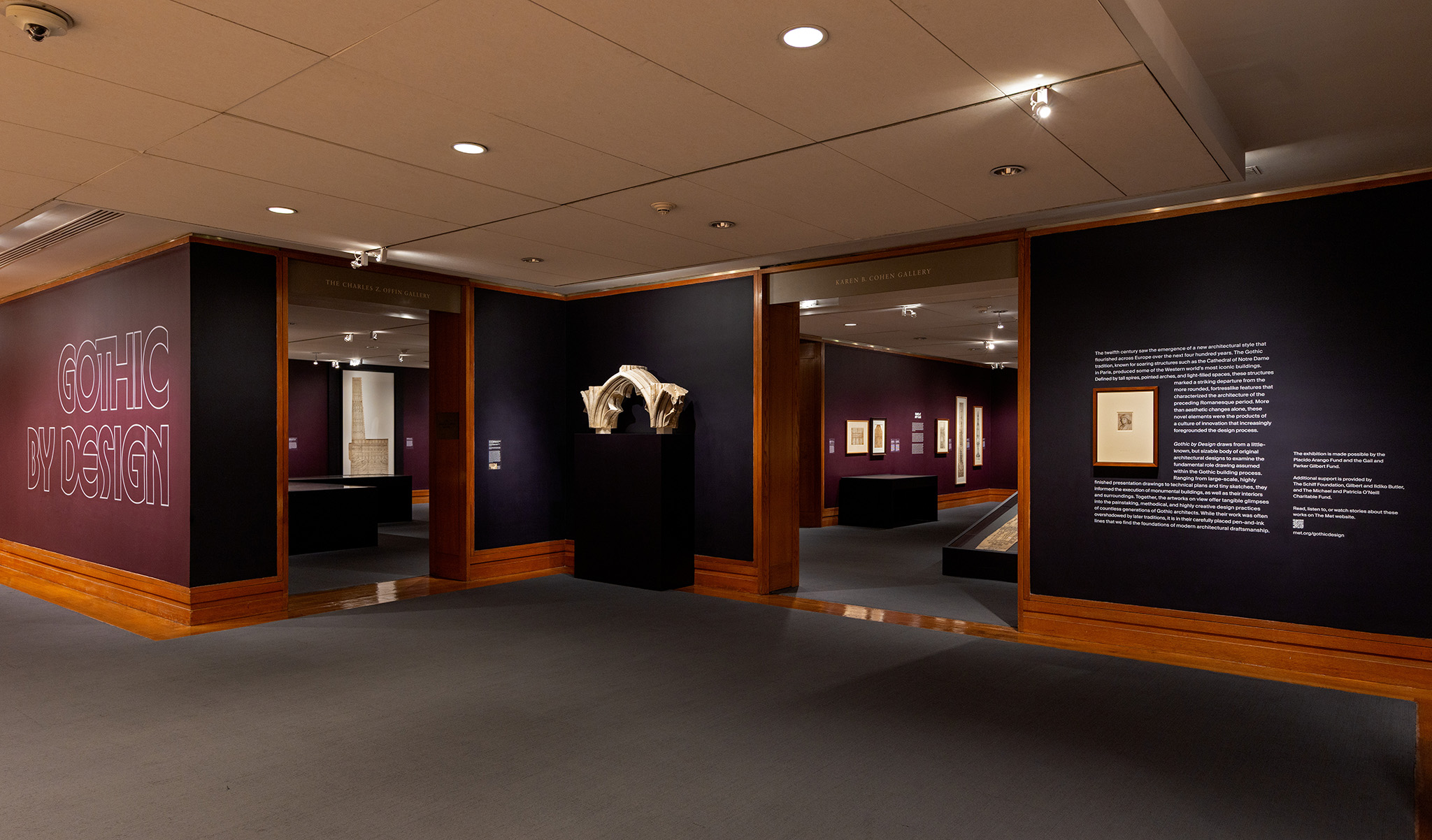
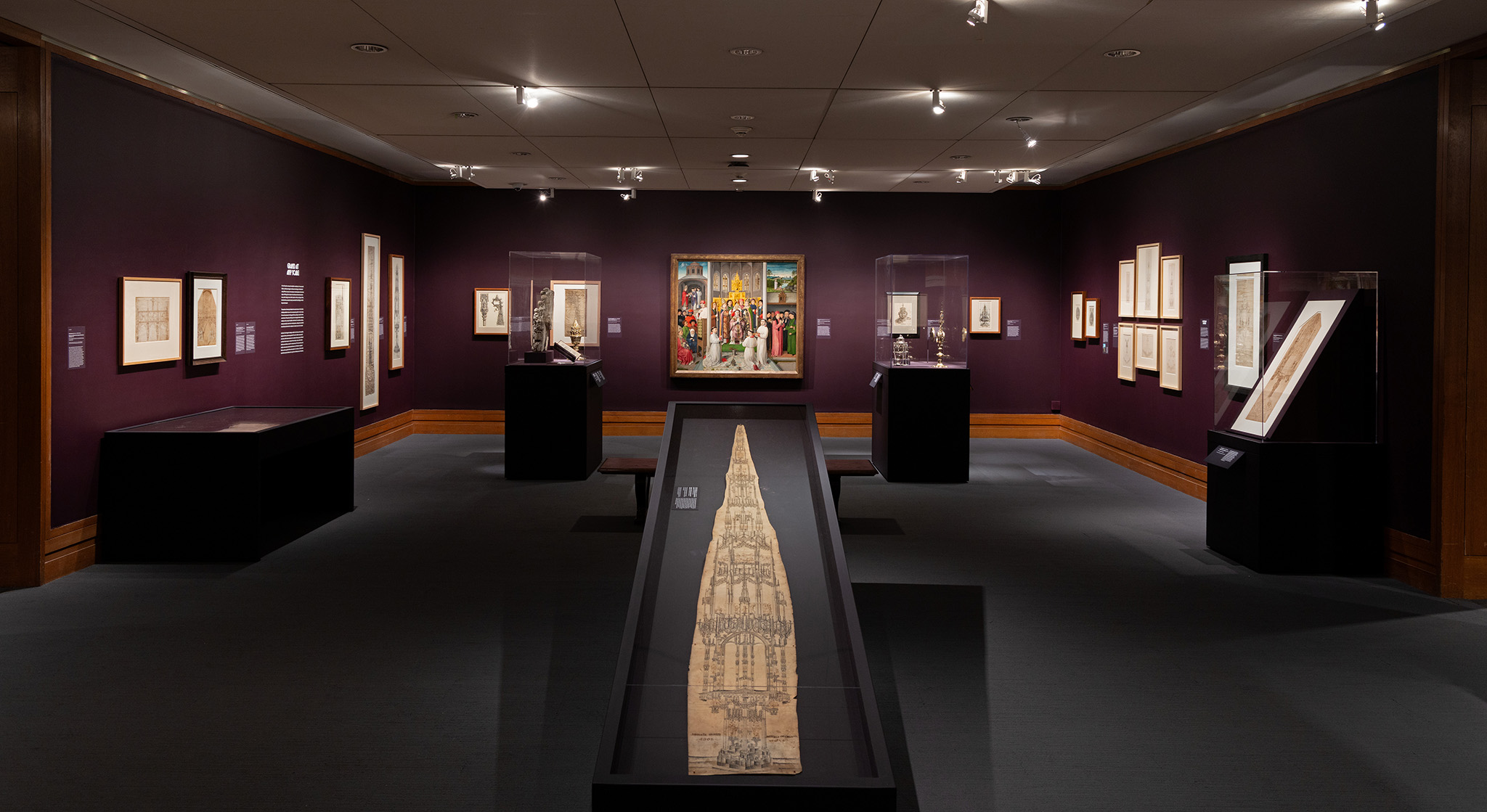
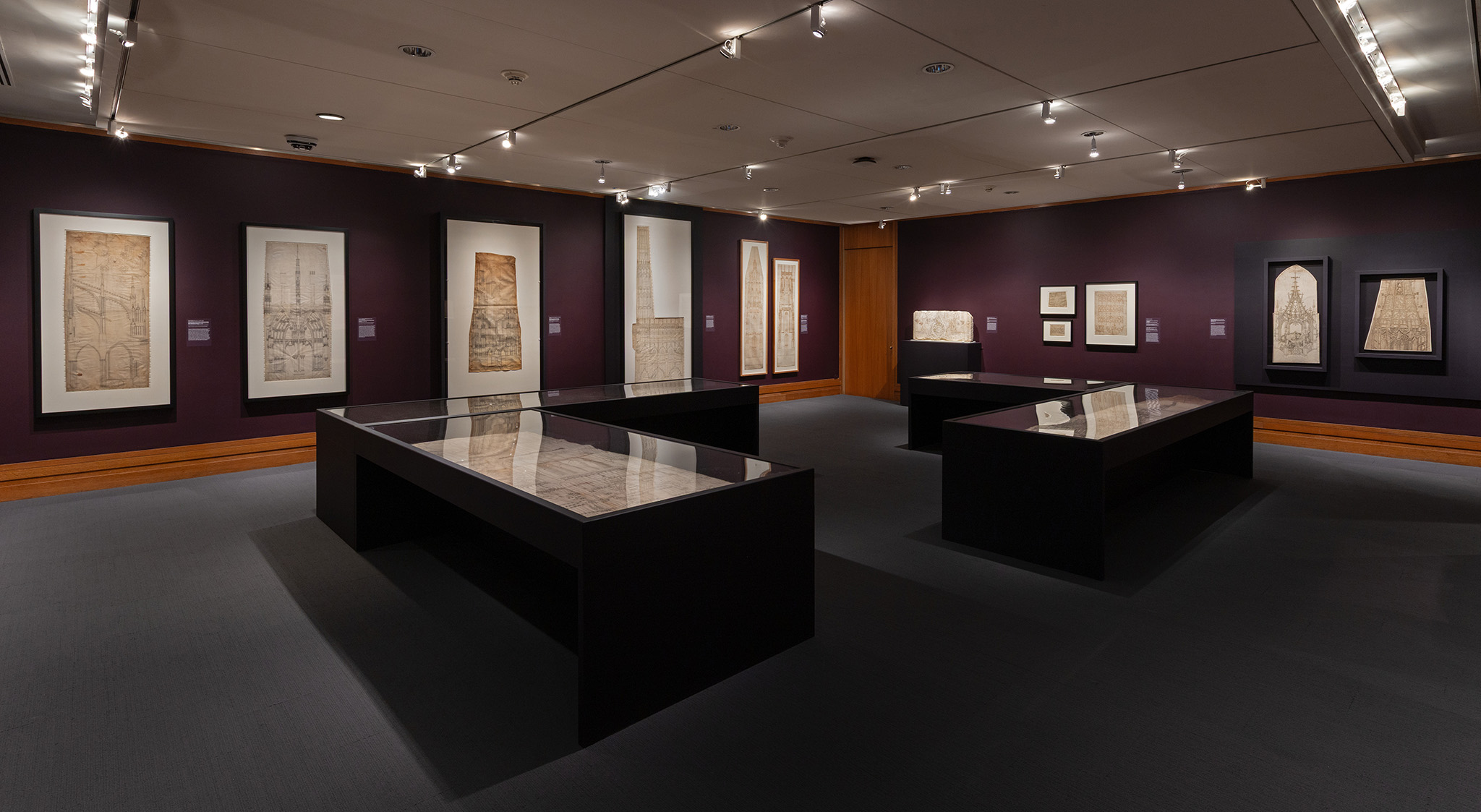
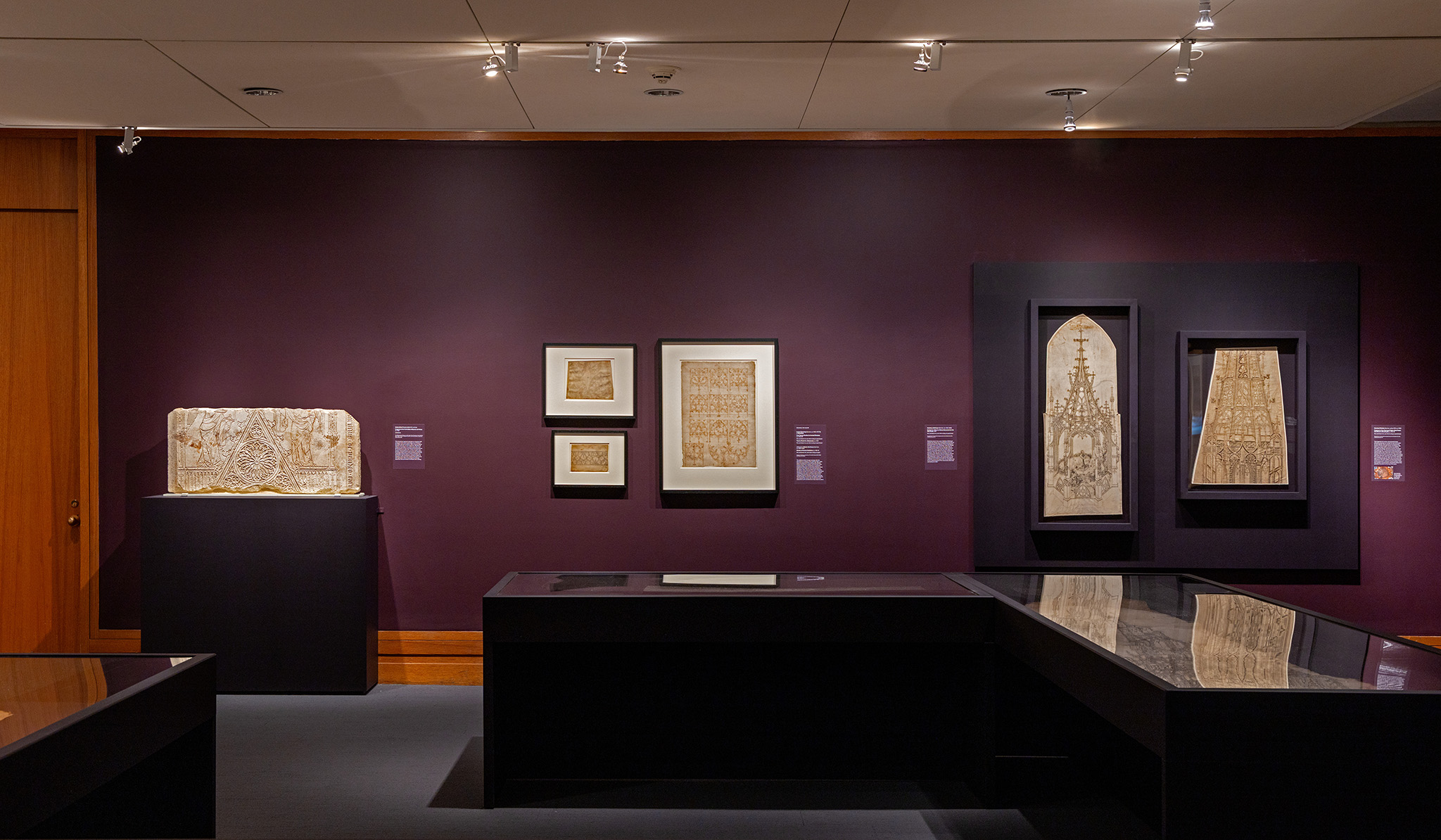
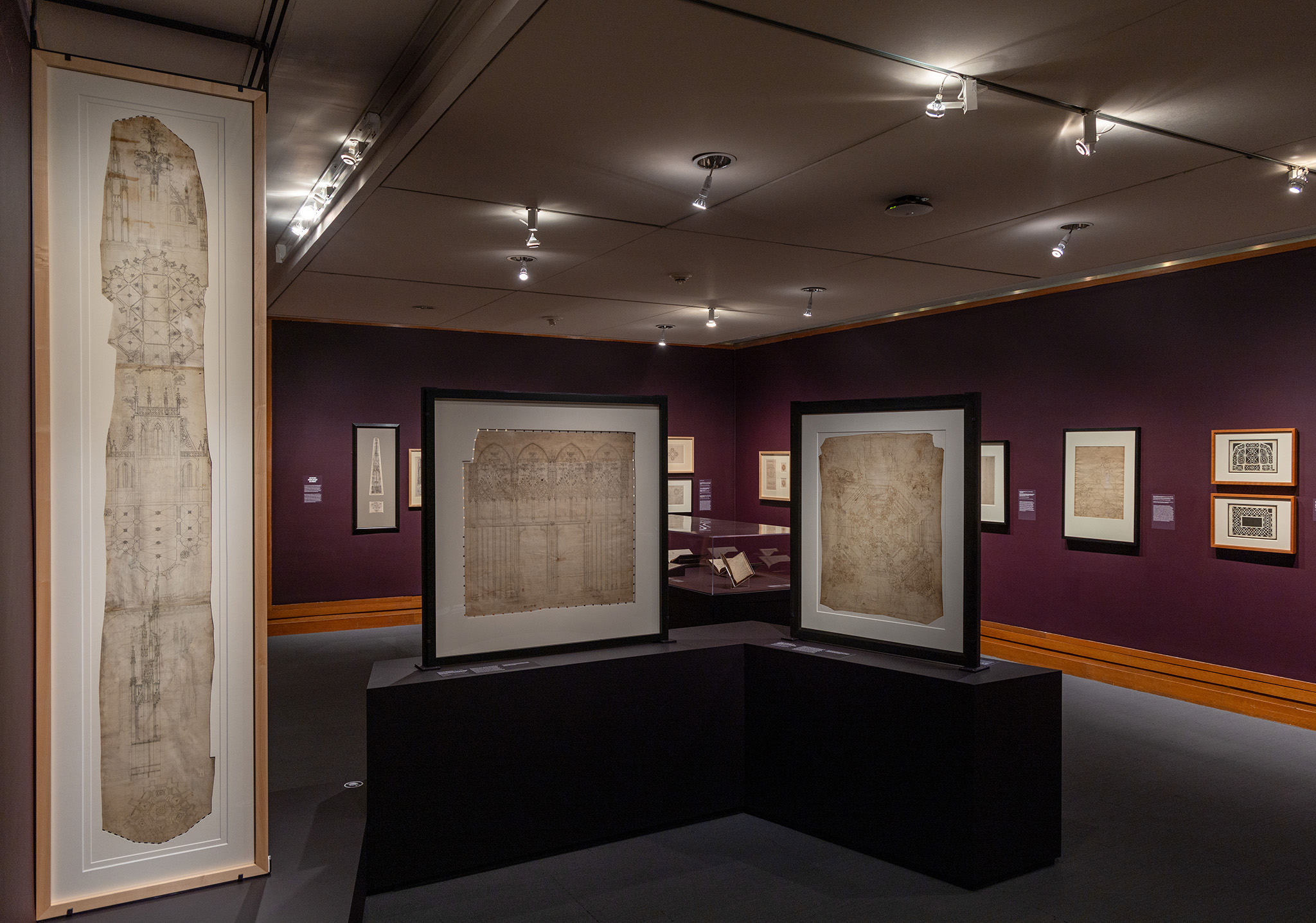
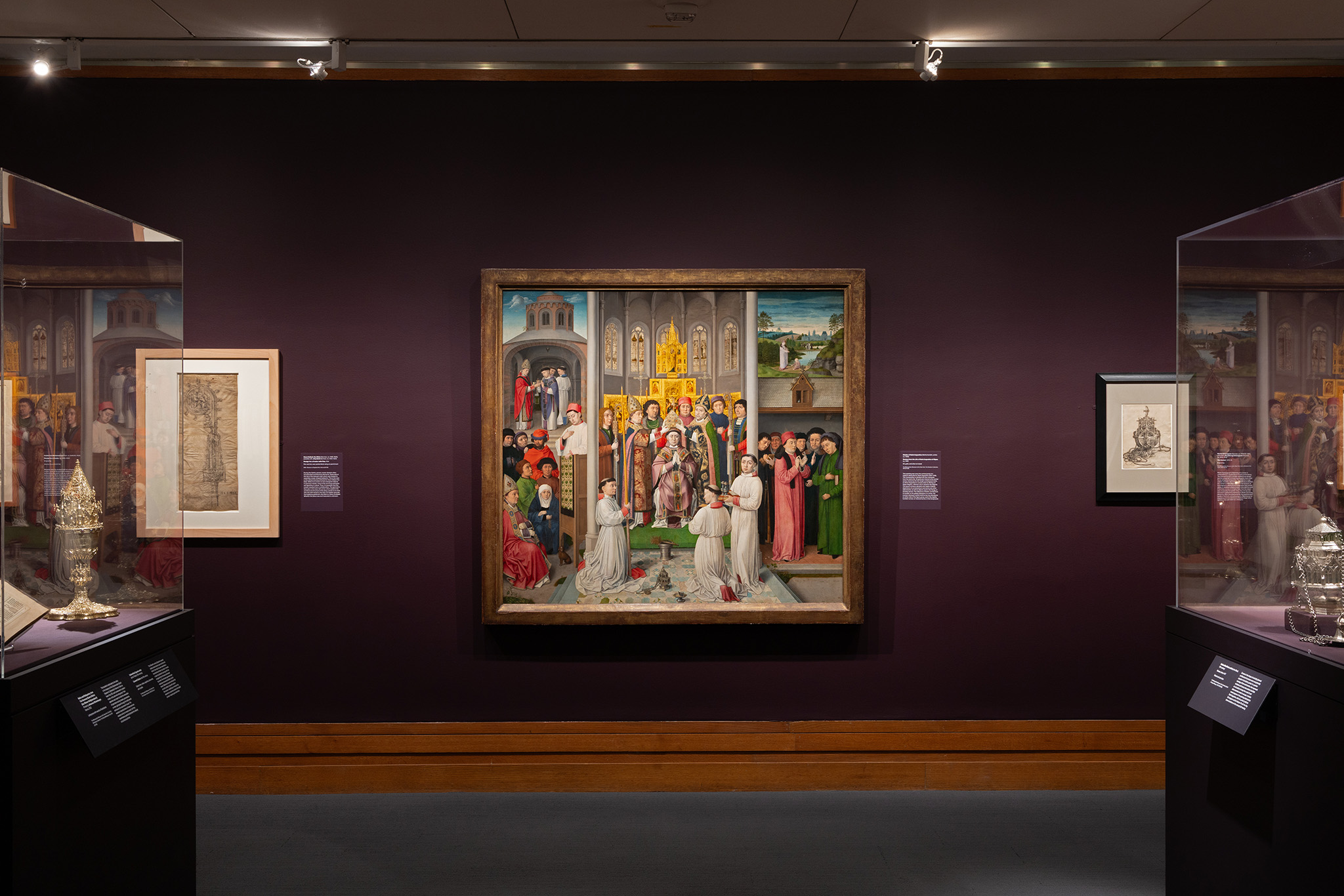
The exhibition opening at the Metropolitan Museum of Art brings together more than 90 works—including drawings, prints, manuscripts, books, gold and silver pieces, and architectural elements—from both the museum's collection and significant international loans. Many of these pieces, rarely exhibited, offer a glimpse into the creative process behind some of the most iconic buildings in the West.
“Until now, few have been given a glimpse into the meticulous design process that imbued Gothic architecture with its most sublime qualities.”
Max Hollein, The Met’s Marina Kellen French Director and Chief Executive Officer.
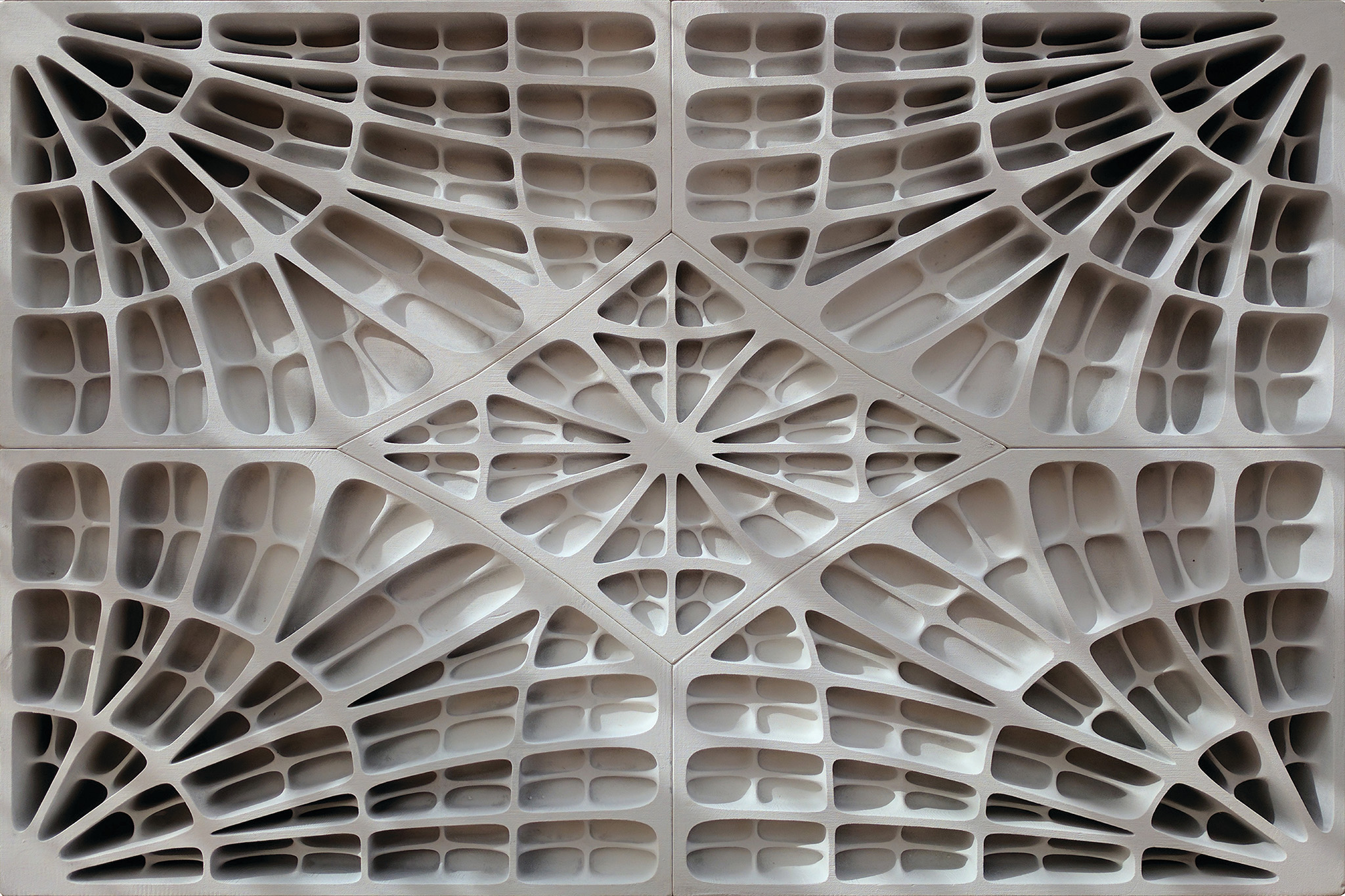
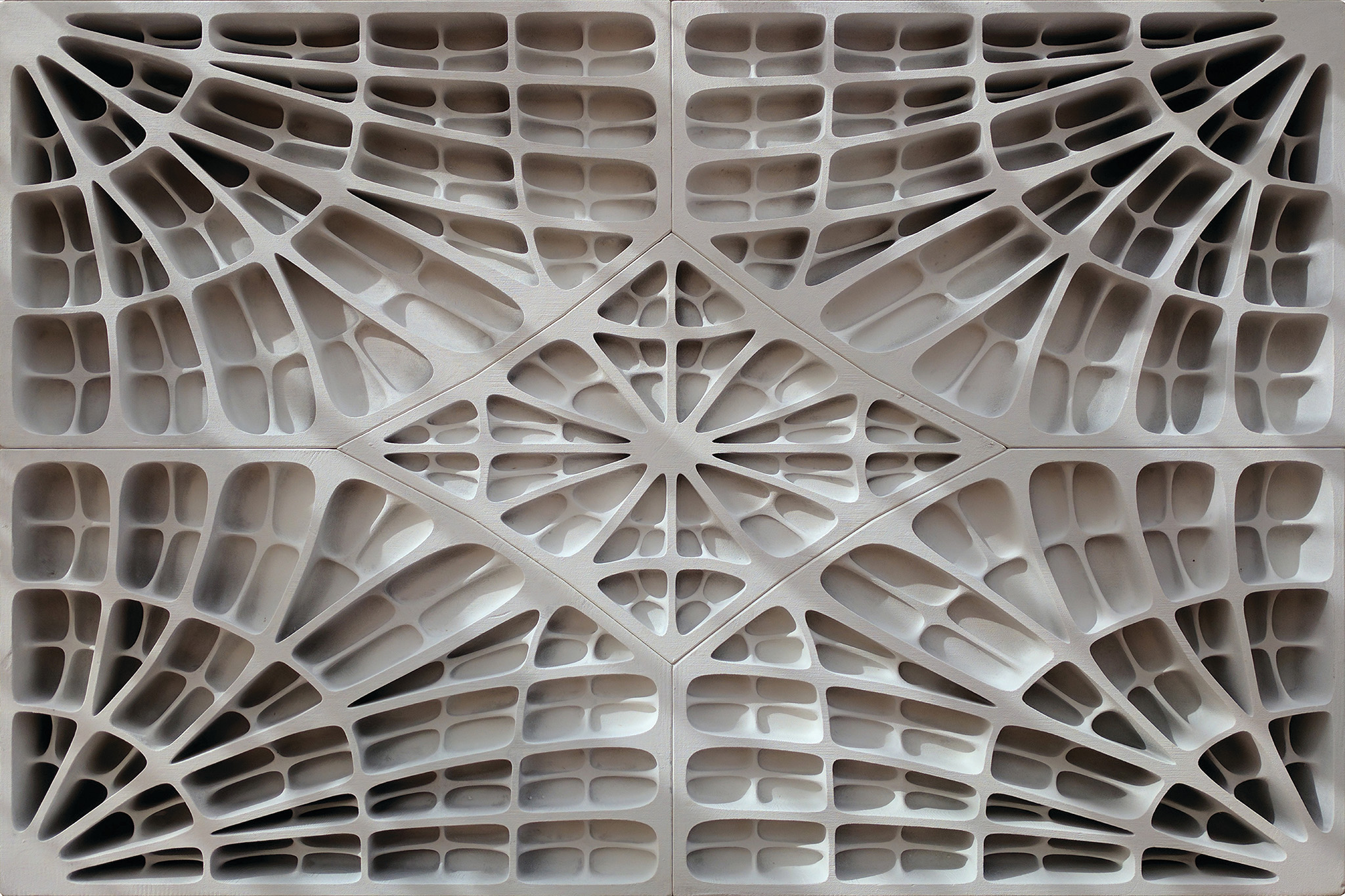
Block Research Group, ITA, ETH Zurich / Vaulted AG. Reproduction of the First Prototype of a Discrete Funicular Floor, after an Original by Matthias Rippmann 2025; original 2015. 3D-printed sand. 78 3/4 × 55 1/8 in. (200 × 140 cm). Block Research Group, Institute of Technology in Architecture (ITA), Federal Institute of Technology (ETH) Zurich / Vaulted AG Rippman Floor ETH Zurich. Image courtesy of The Metropolitan Museum of Art.
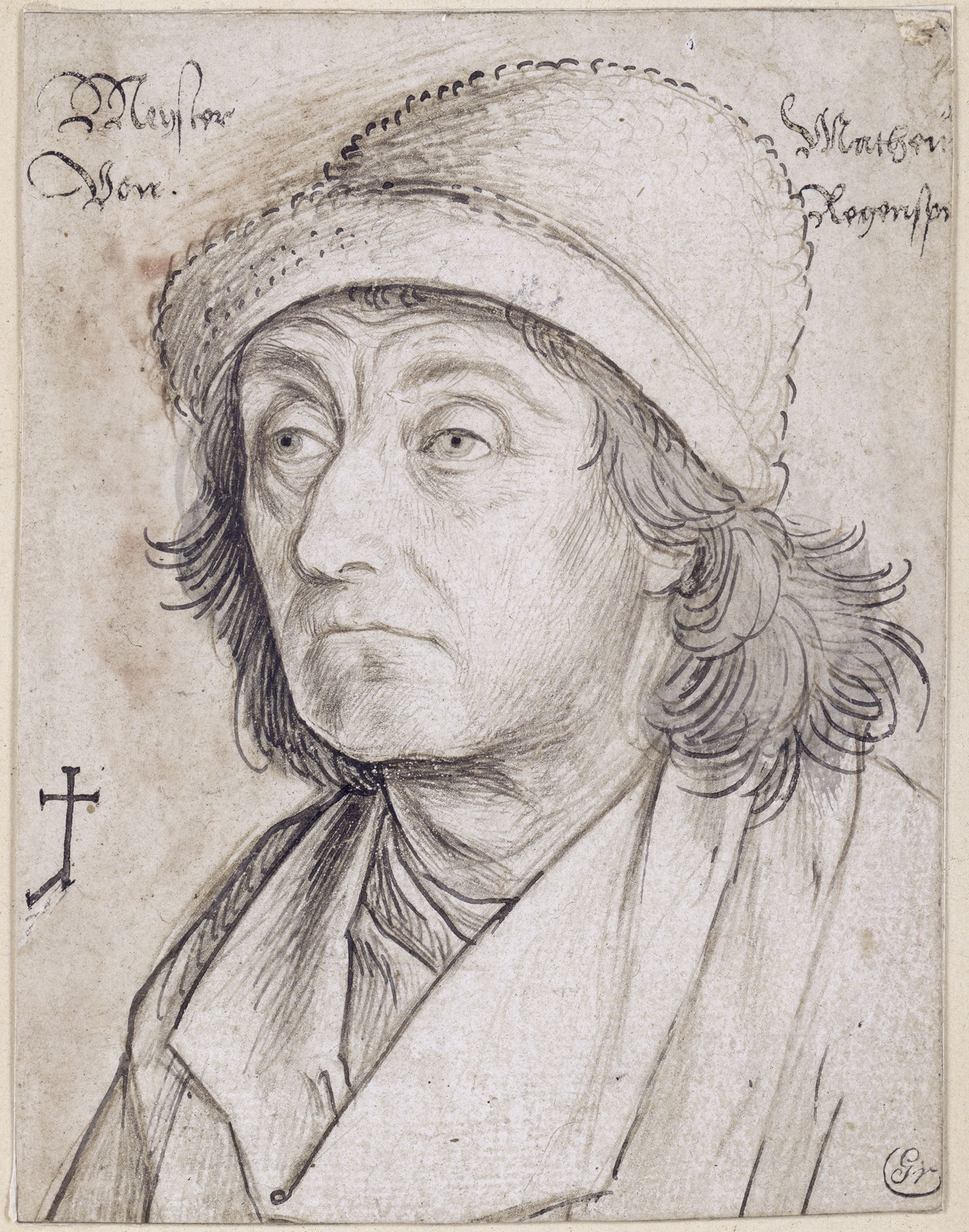
The exhibition's main objective is to highlight the fundamental role of drawing in the development of Gothic architecture, emphasizing aspects such as collaborative work, modular design, and formal experimentation. It also seeks to recognize the architects and artisans as creative agents, challenging the traditional view that has rendered them invisible throughout history.
“Offering audiences the rare opportunity to engage at length with little known, yet often monumental masterpieces of the Gothic era, the exhibition will explore themes that resonate across time and culture, including identity and legacy building, artistic development and creative exploration, and ingenuity and wit in design.”
Femke Speelberg, Curator, Department of Drawings and Prints at The Met.
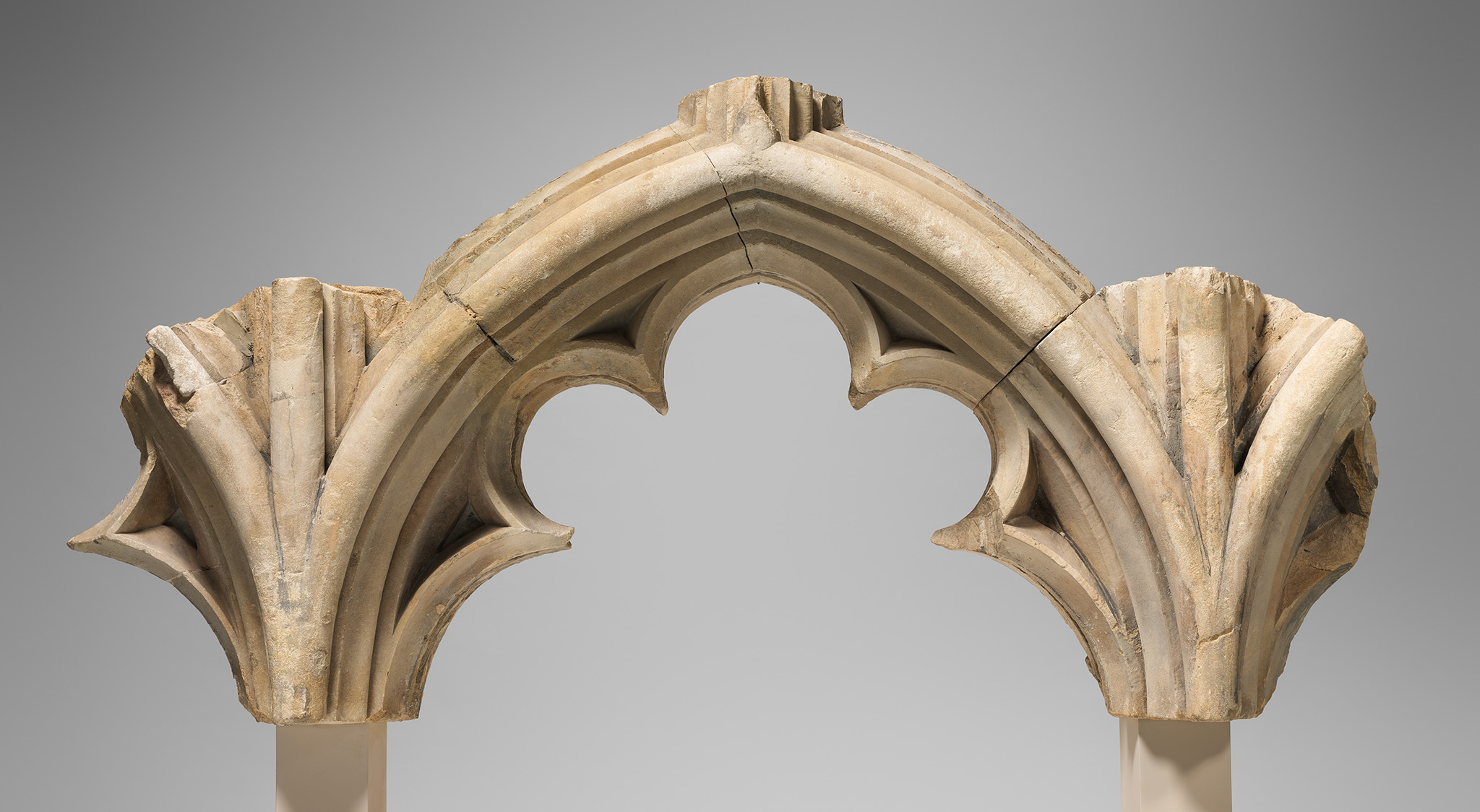
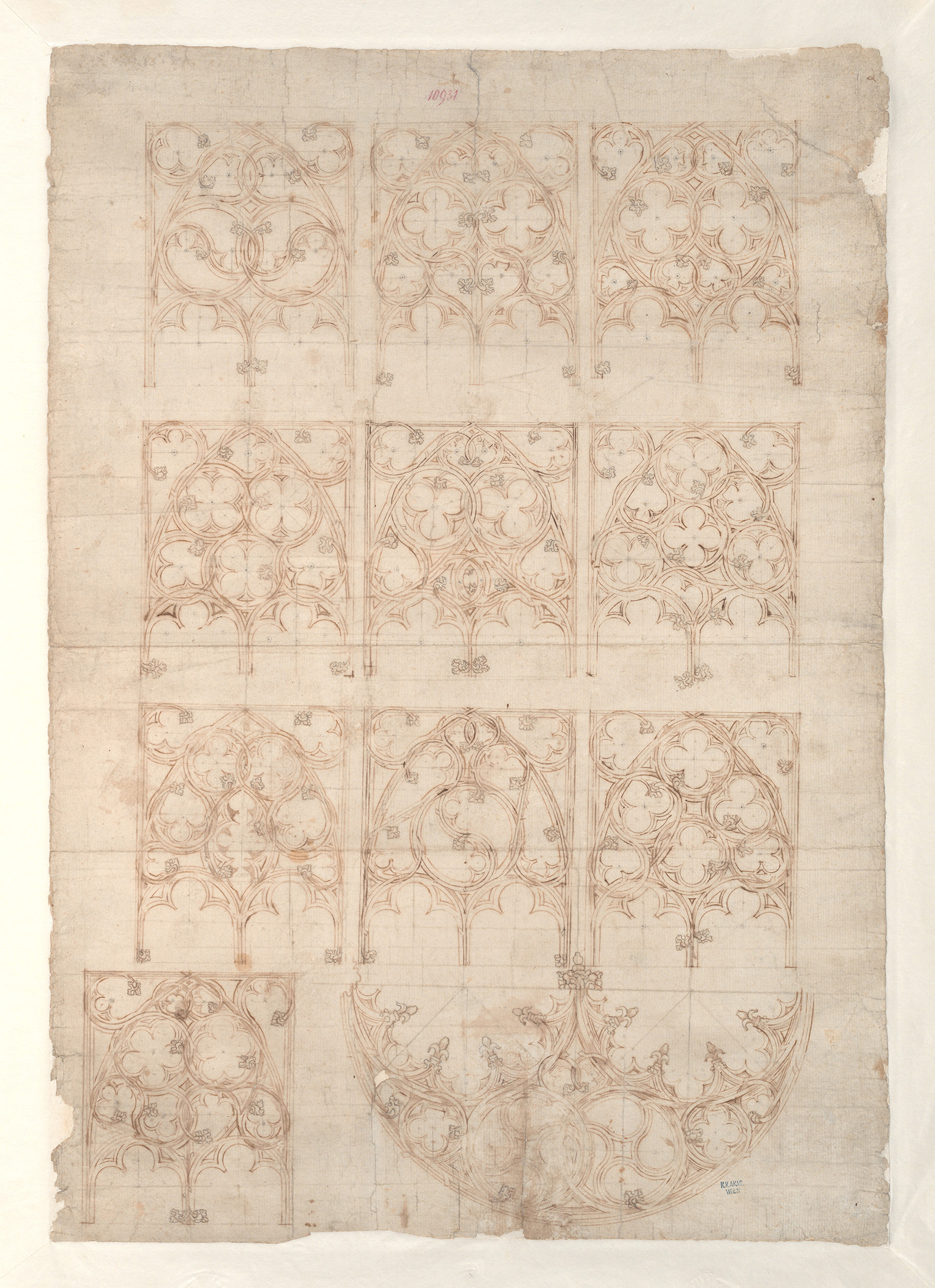
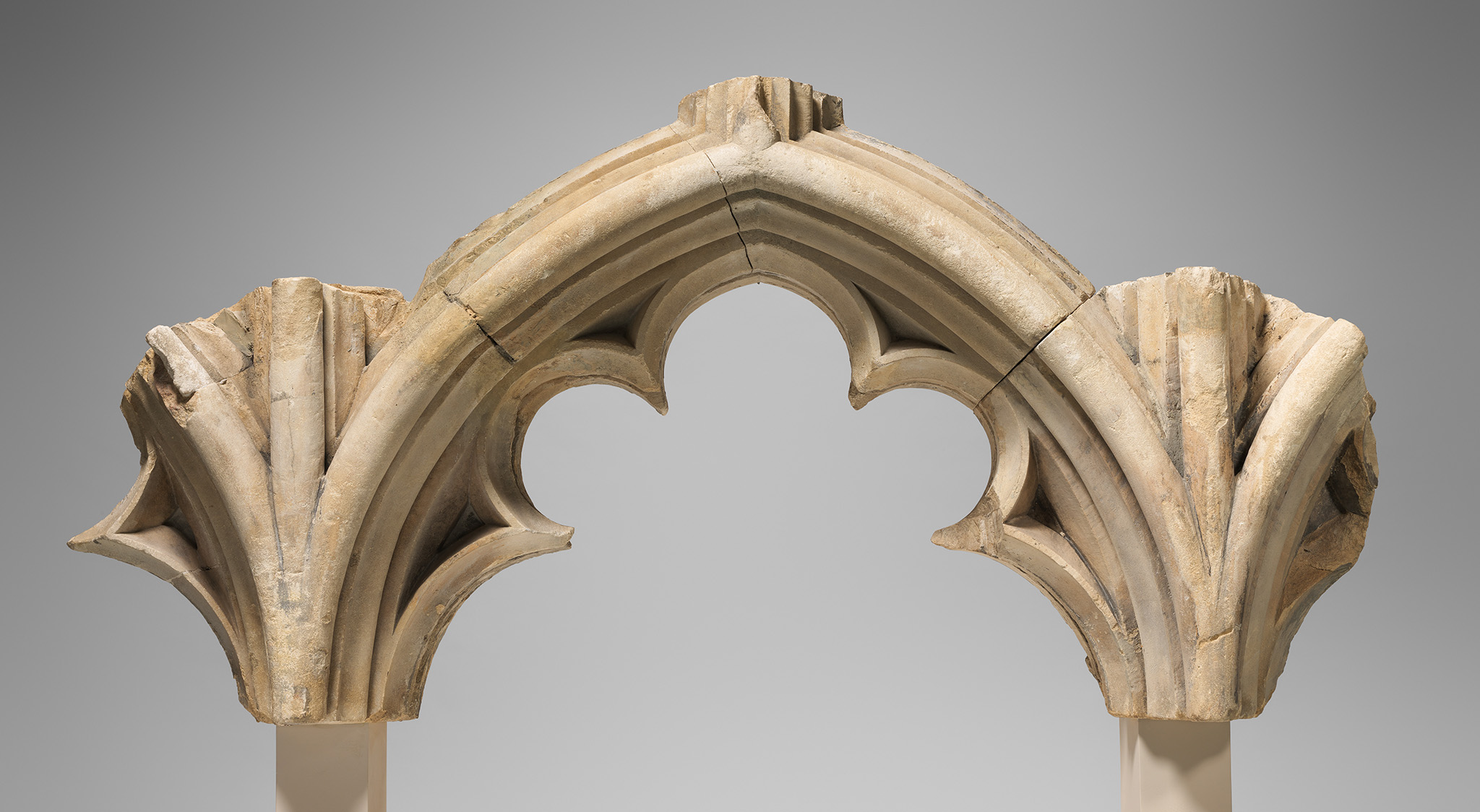
Tracery Arcade from the Great South Window of Canterbury Cathedral ca. 1426–1435. Design perhaps by Master Mason Stephen Lote, fl. 1381, d. 1417/18 and/or Master Mason Thomas Mapilton, fl. 1408-38. Image courtesy of The Metropolitan Museum of Art.
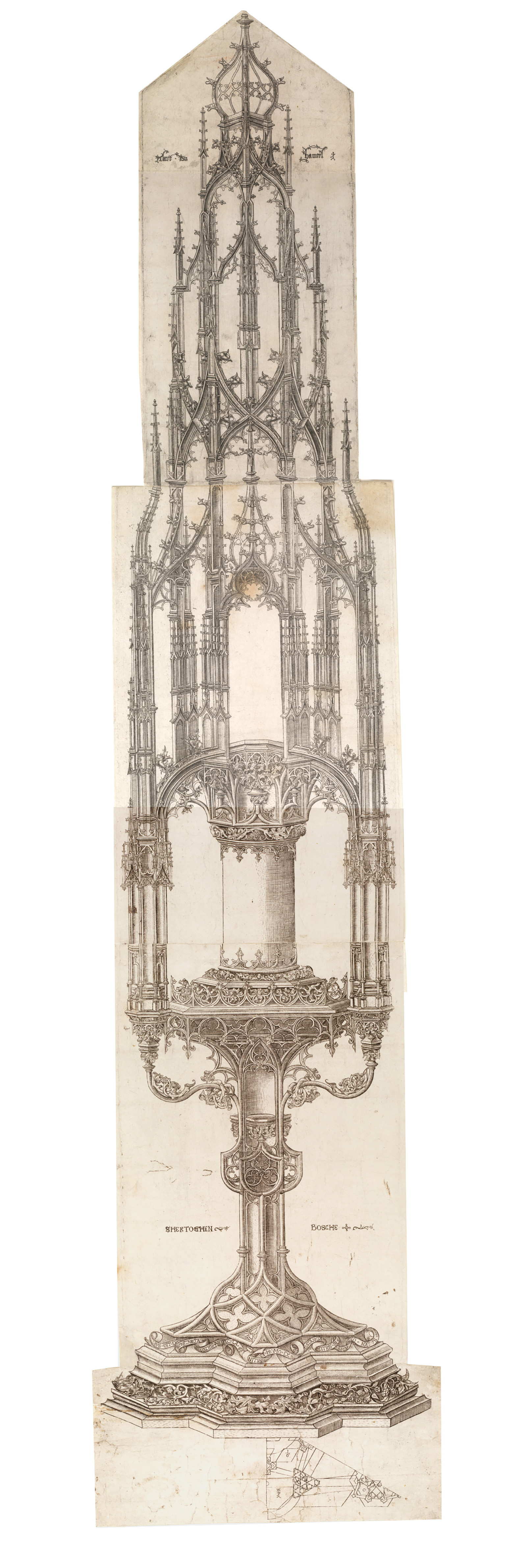
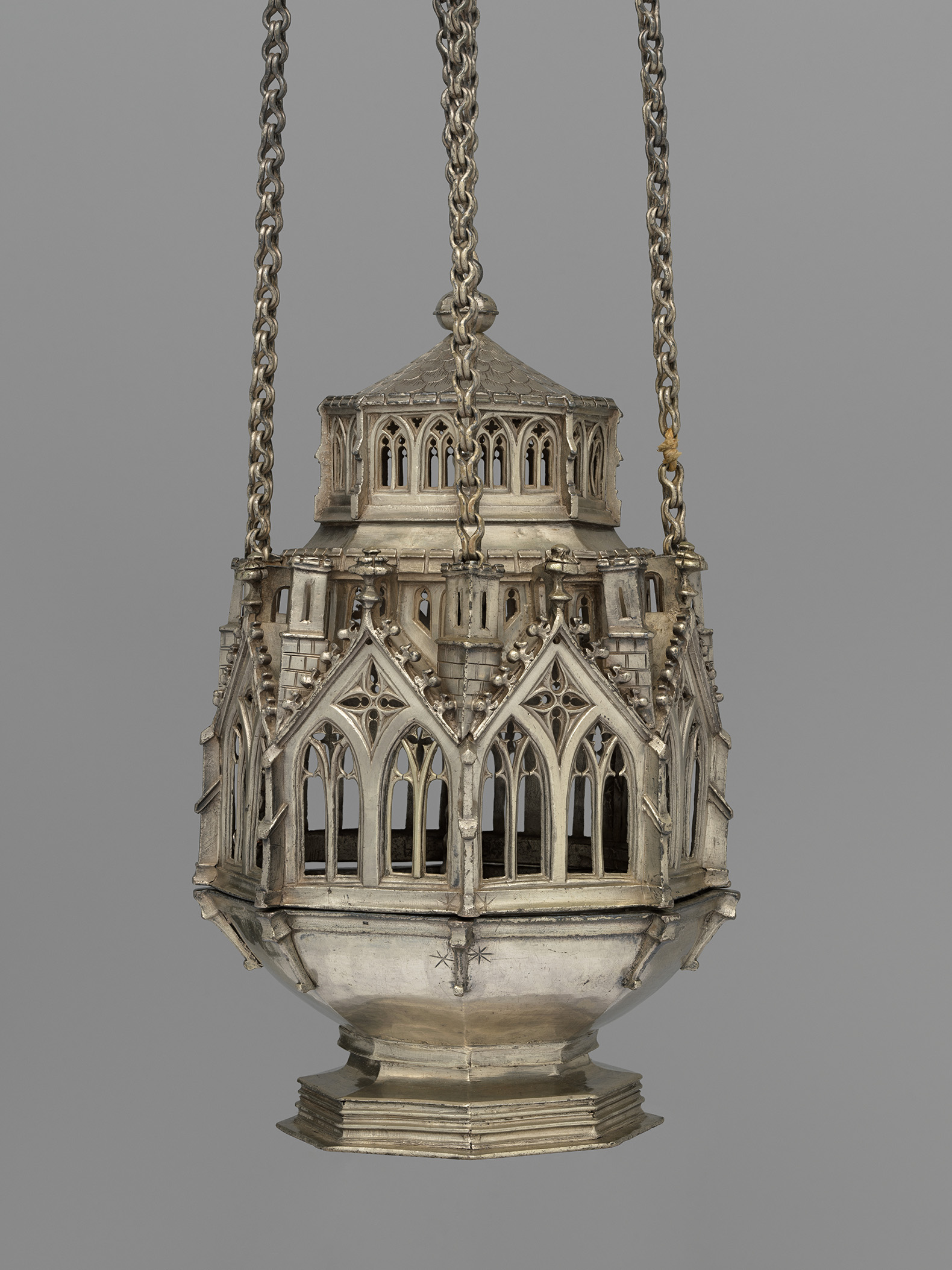
Furthermore, the exhibition seeks to shift the focus to less studied disciplines, such as drawings related to goldsmithing, highlighting the close relationship between different artistic practices. This approach allows for a reconsideration of the period’s graphic production as a broad and diverse field, beyond the conventional boundaries of architecture.
Finally, “Gothic by Design” invites reflection on the criteria of inclusion and exclusion in art history, as well as on the relationship between art, science, and technology. In this sense, it incorporates a contemporary perspective that explores the potential of Gothic principles in developing strategies for sustainable construction in the future.
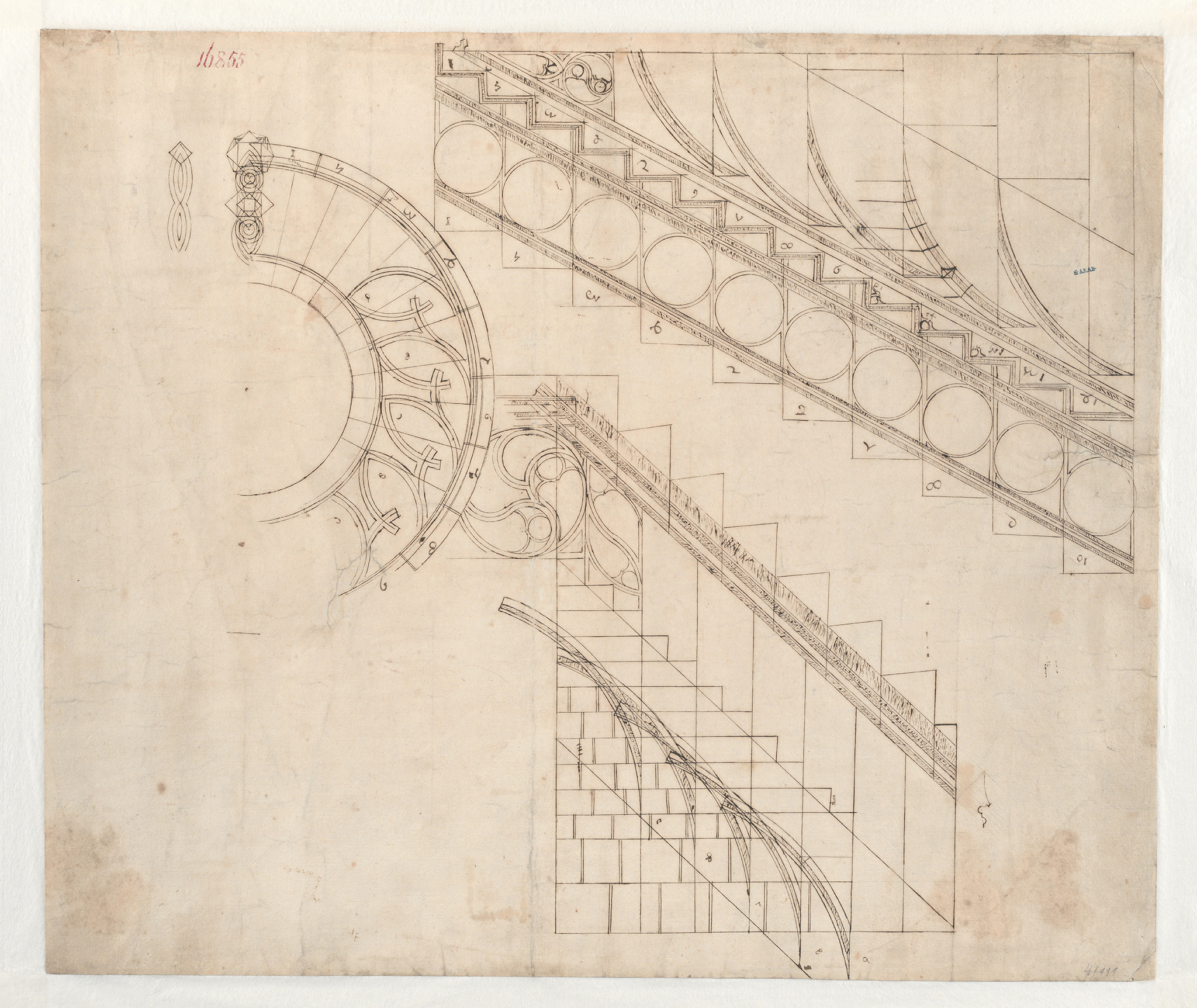
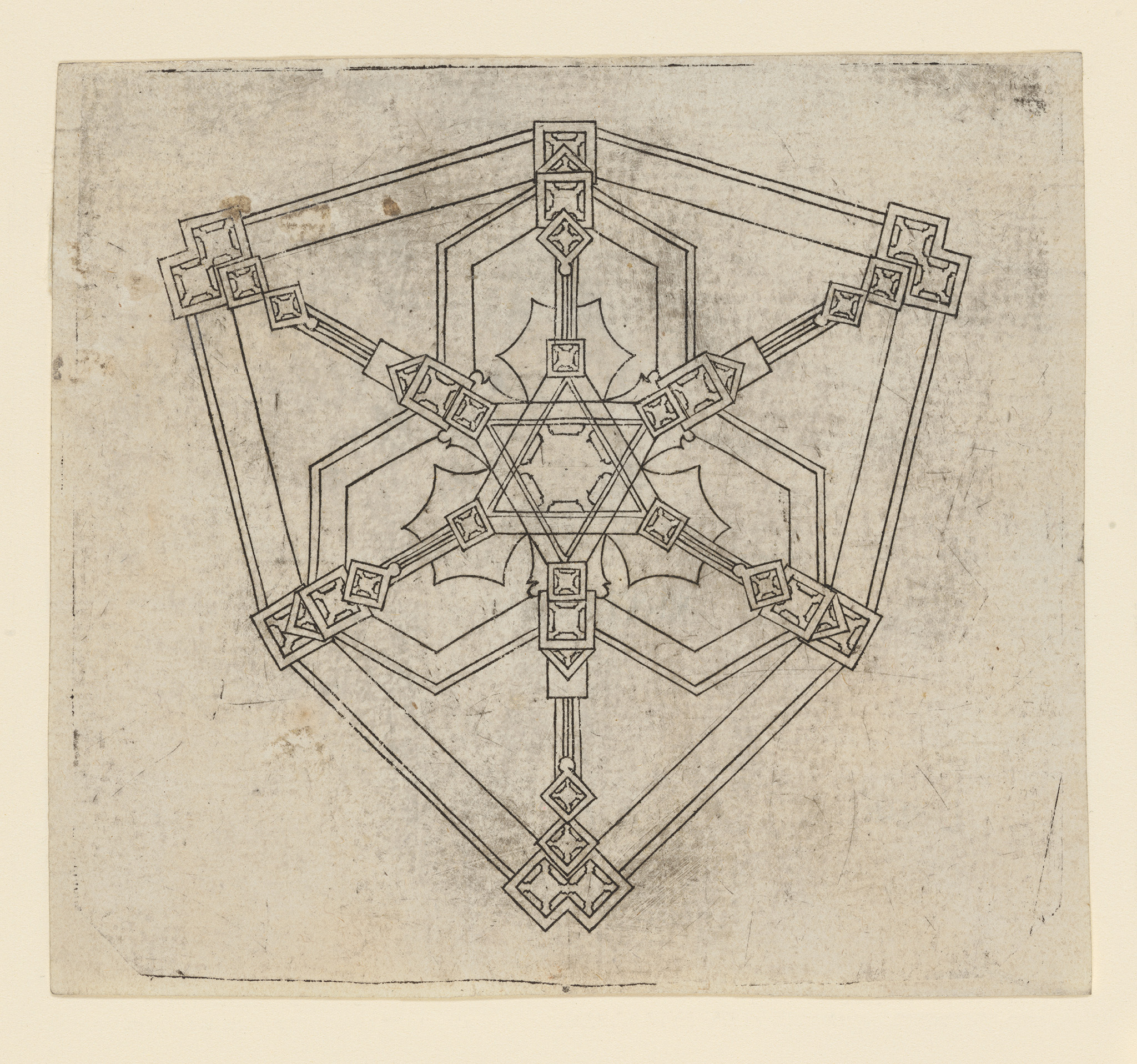
![Bernard Nonnenmacher (German, active 1520–51). Vaulting Plan for the Chapel of Saint Catherine, Strasbourg Cathedral, with Instructions for the Assemblage of the Vaulting, ca. 1542–46 Pen and brown ink over red chalk and charcoal underdrawing. 19 11⁄16 × 41 5⁄16 in. (50 × 105 cm). Fondation de l’Oeuvre Notre-Dame, in custody of Musée de l’Oeuvre Notre-Dame, Strasbourg (D.22.995.0.9 [OND 23]). Image courtesy of The Metropolitan Museum of Art.](/sites/default/files/2026-04/metalocus_met_gothic-by-design_18.jpg "Bernard Nonnenmacher (German, active 1520–51). Vaulting Plan for the Chapel of Saint Catherine, Strasbourg Cathedral, with Instructions for the Assemblage of the Vaulting, ca. 1542–46 Pen and brown ink over red chalk and charcoal underdrawing. 19 11⁄16 × 41 5⁄16 in. (50 × 105 cm). Fondation de l’Oeuvre Notre-Dame, in custody of Musée de l’Oeuvre Notre-Dame, Strasbourg (D.22.995.0.9 [OND 23]). Image courtesy of The Metropolitan Museum of Art.")