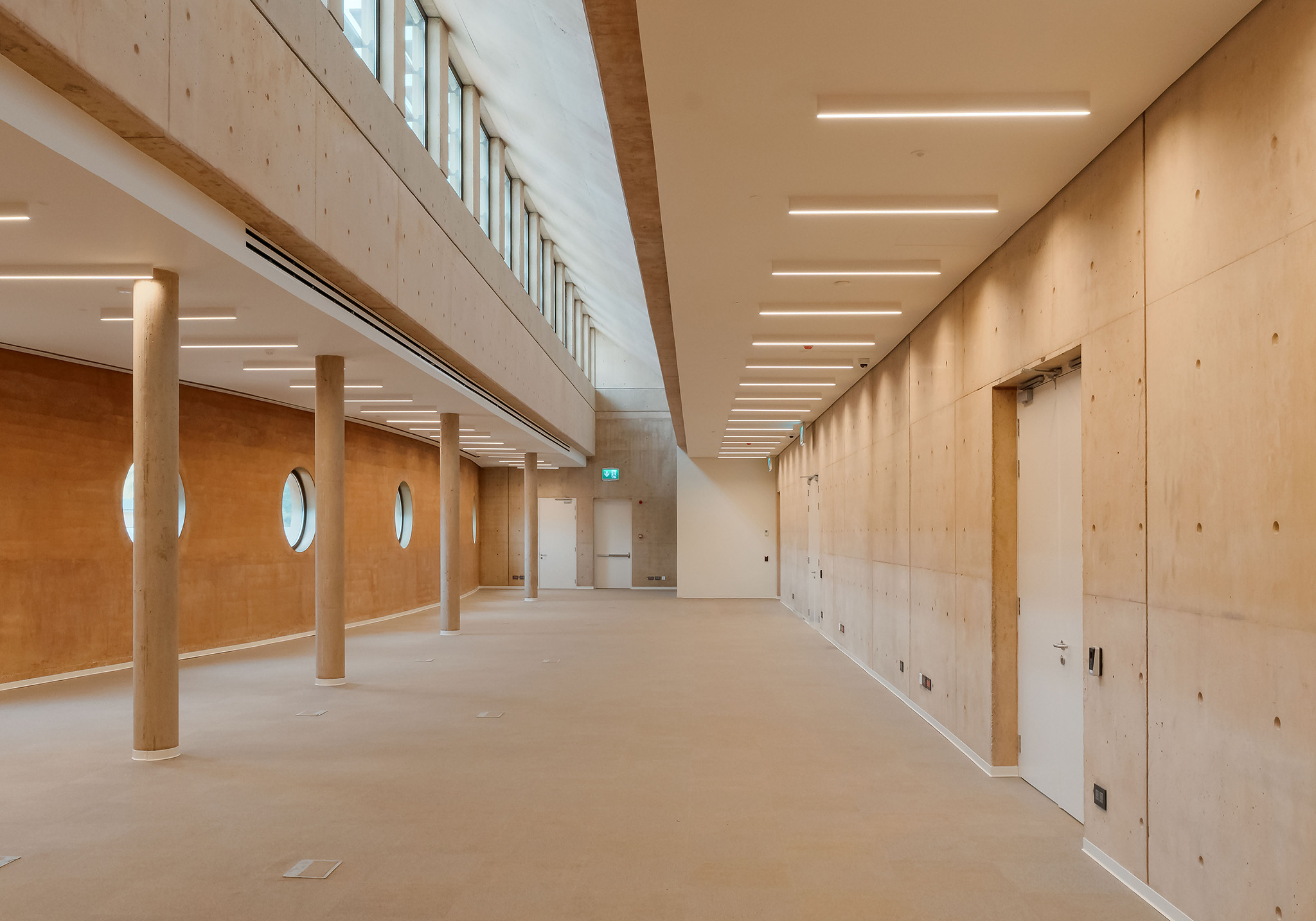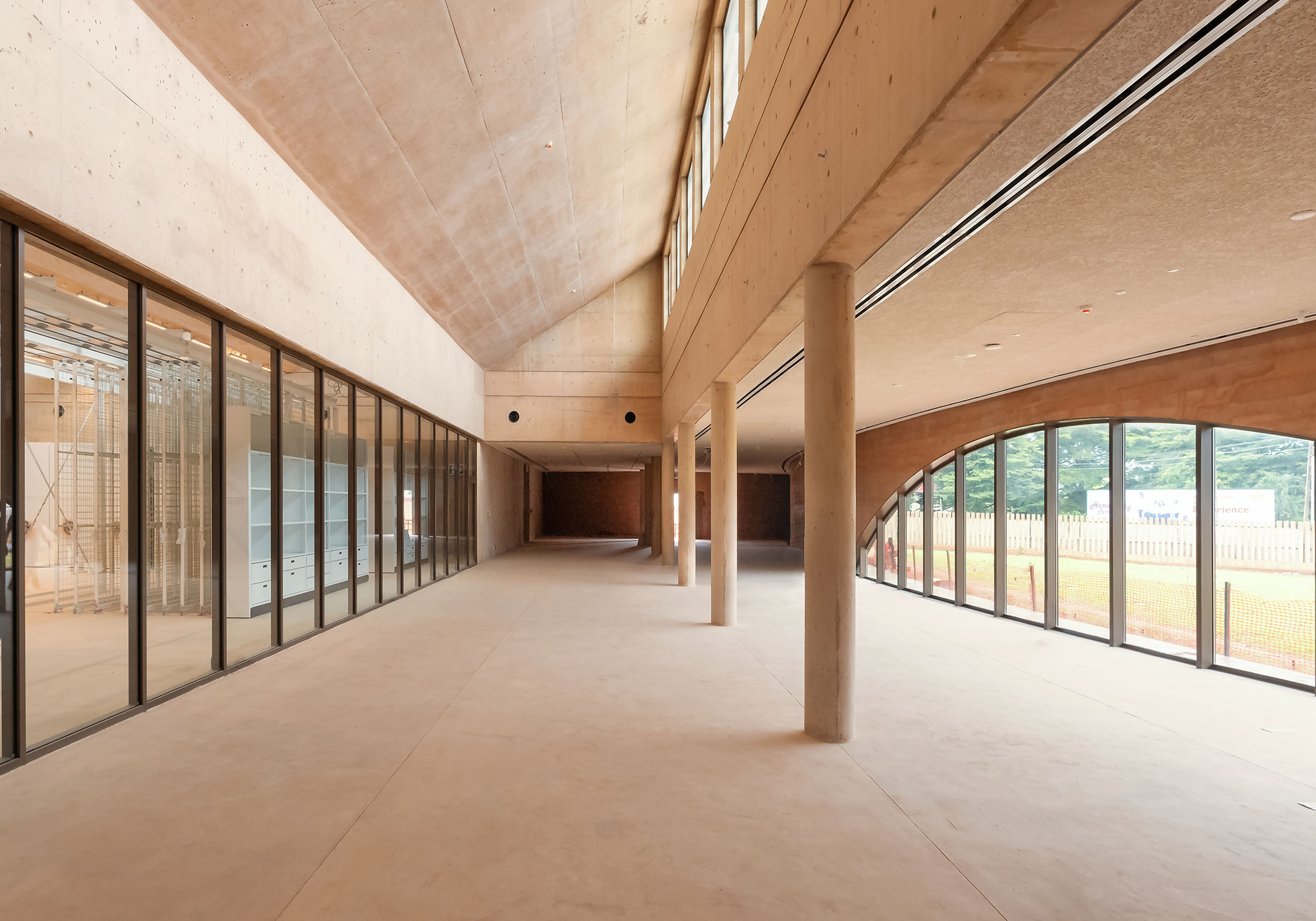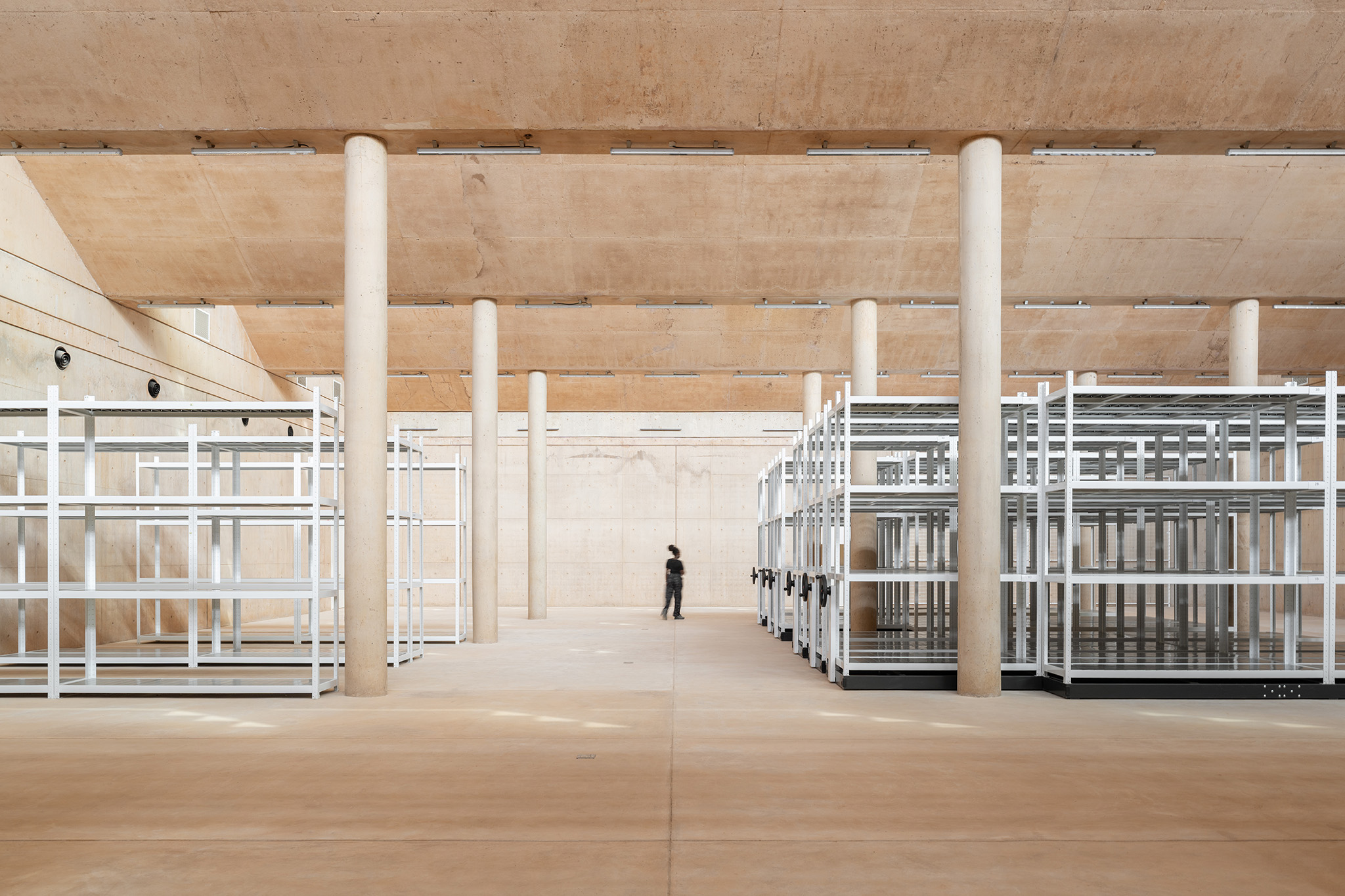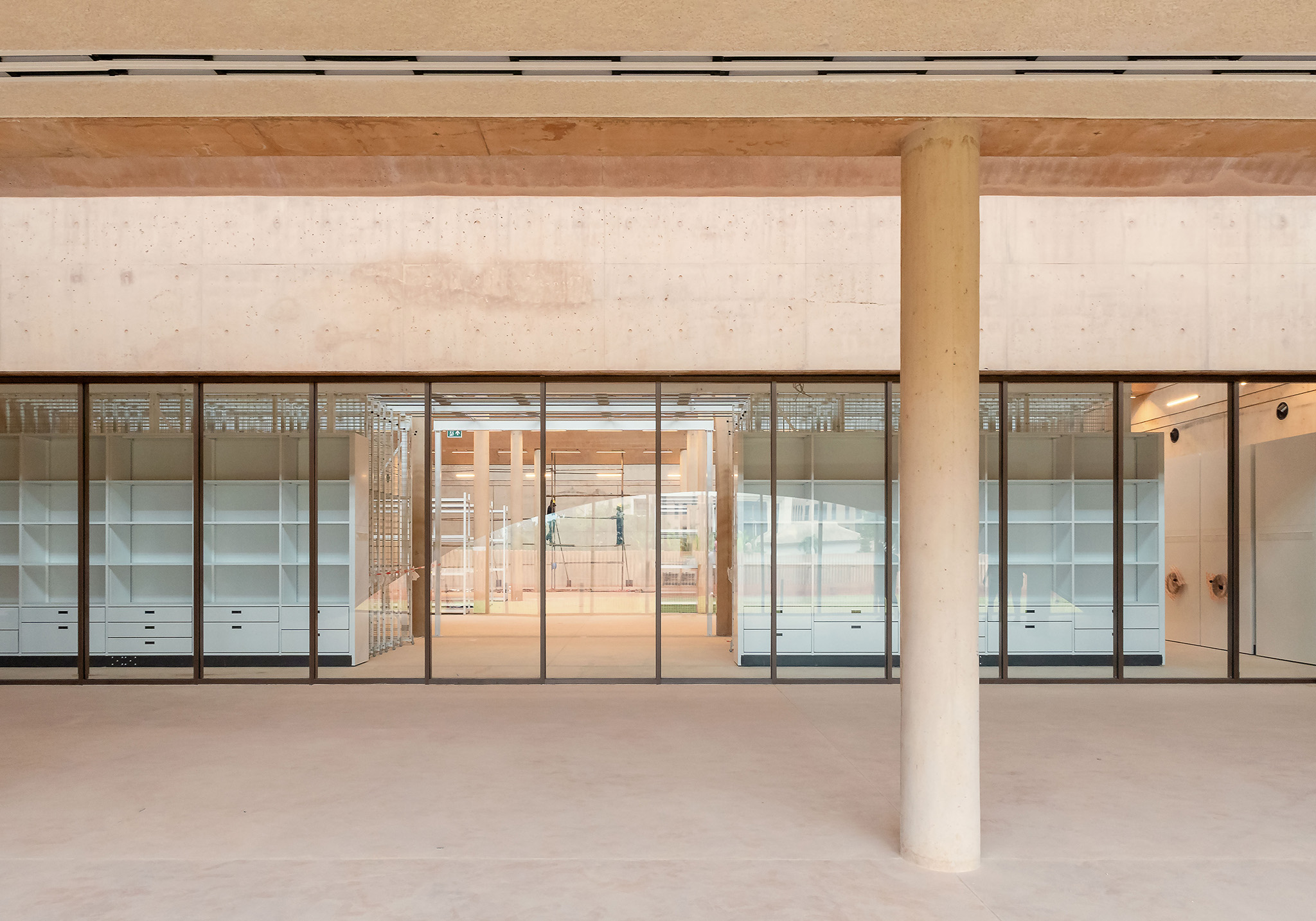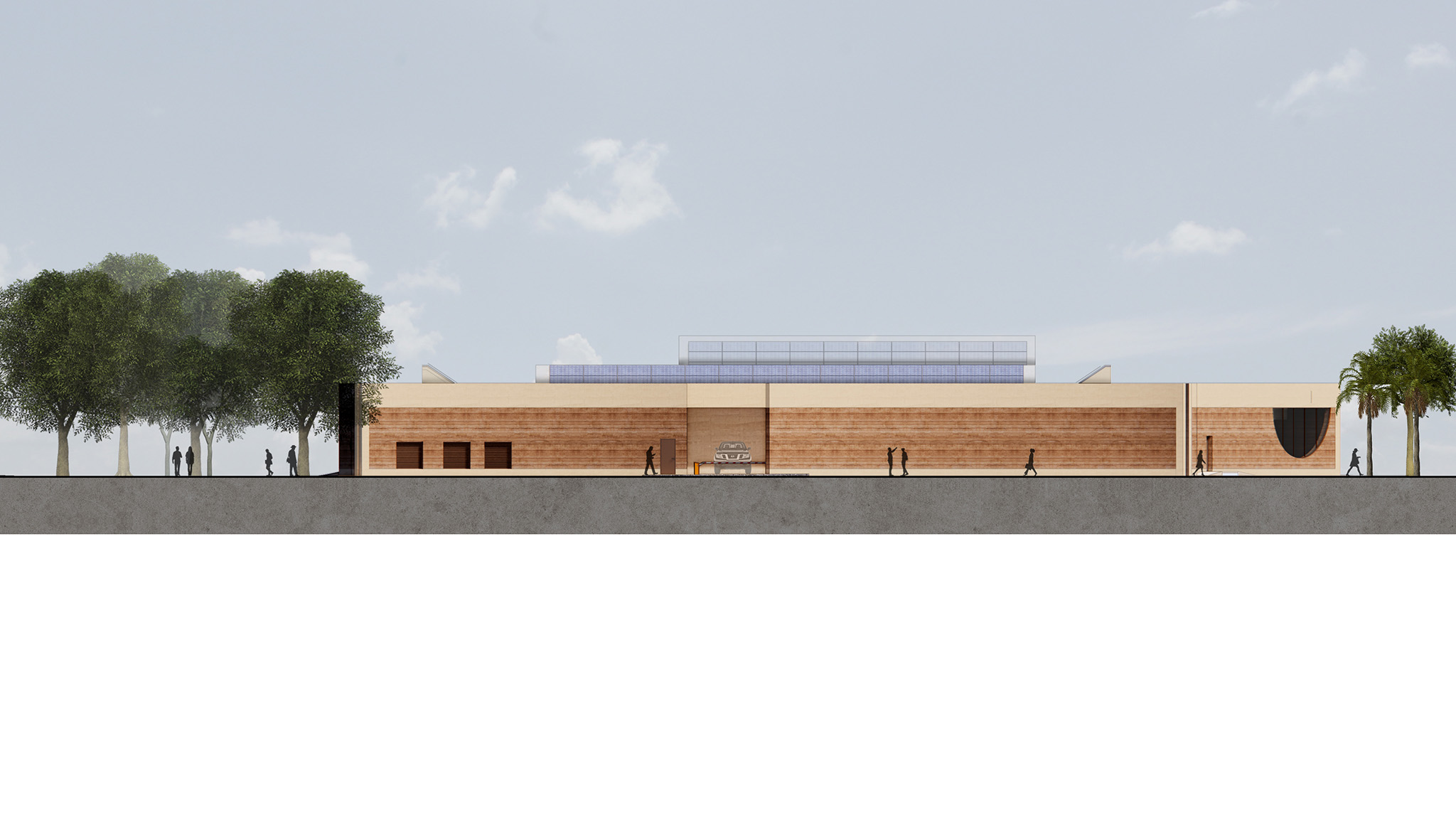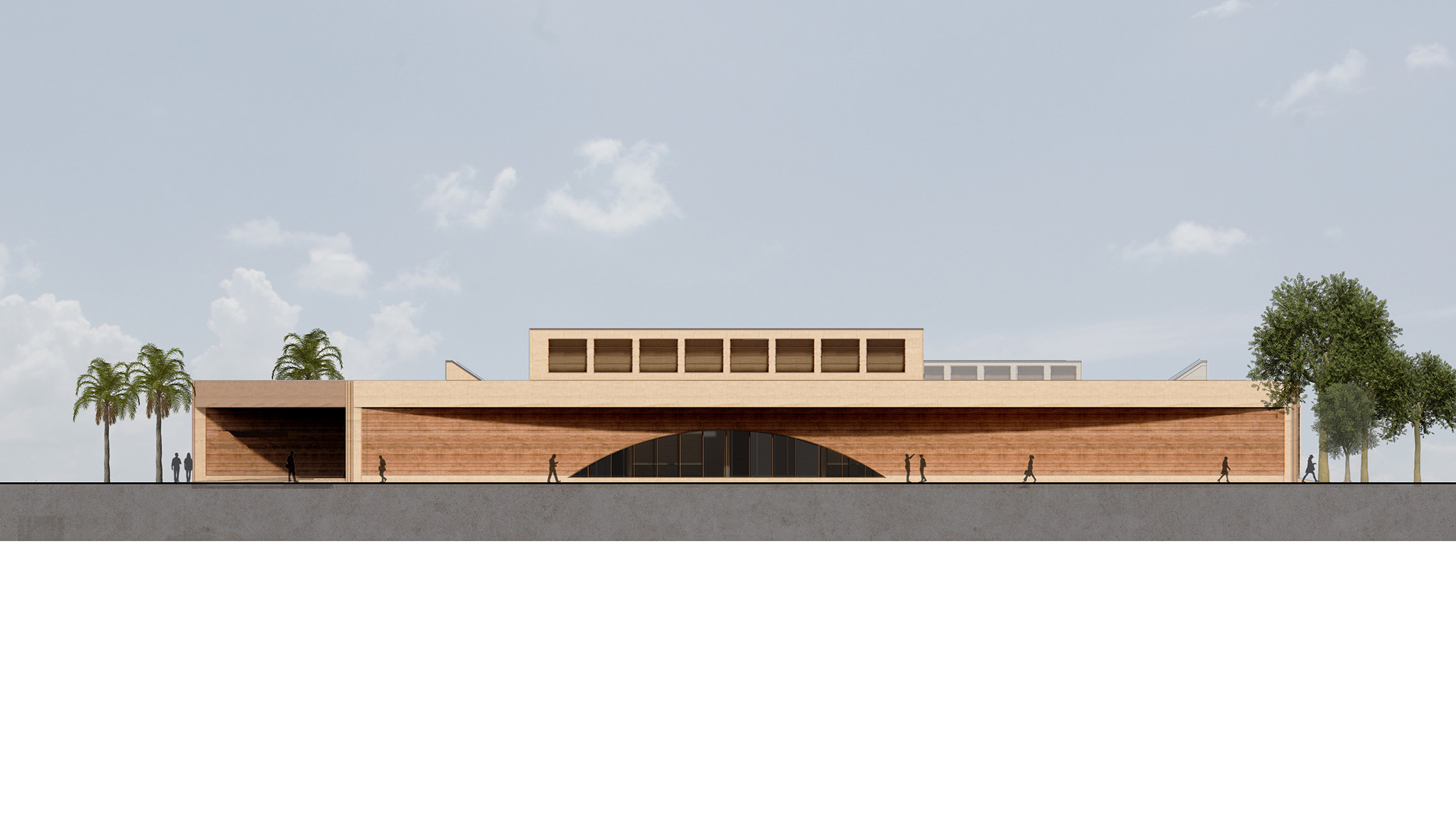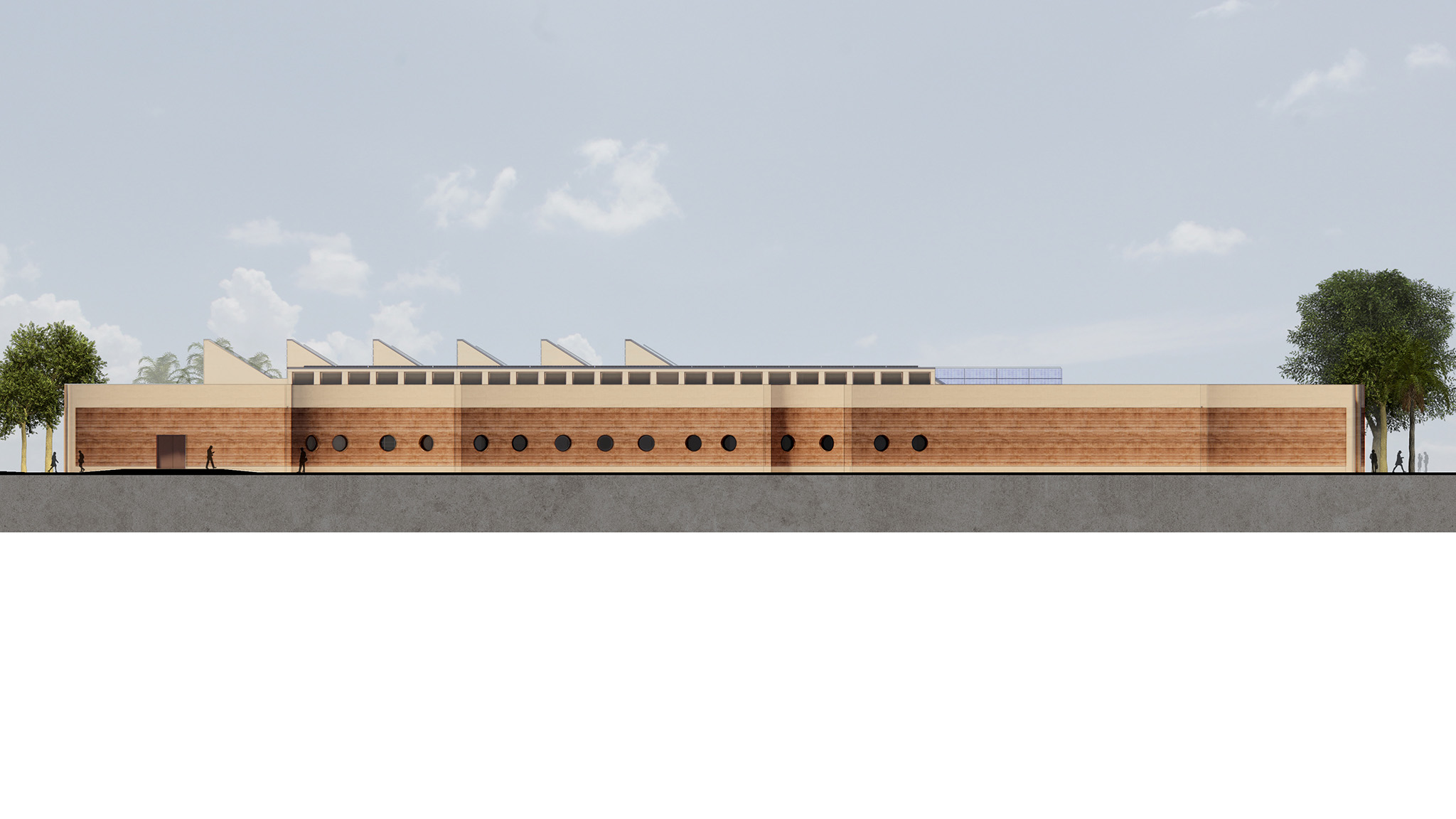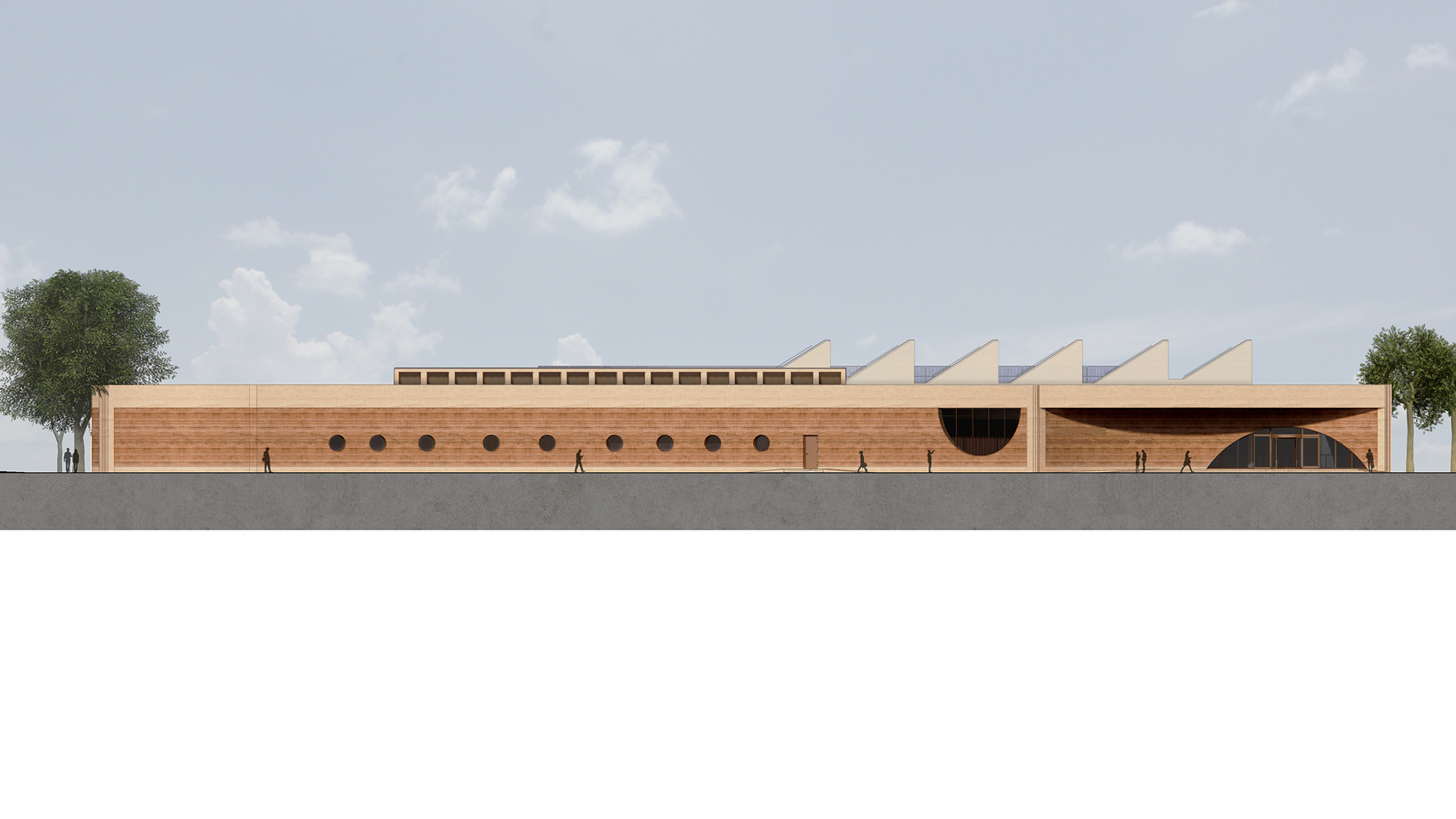
Inspired by centuries-old West African traditions, the new West African Museum of Art (MOWAA) Institute, designed by Adjaye Associates, is conceived as an infrastructure dedicated to the conservation, research, and exhibition of historical artworks and archaeological finds.

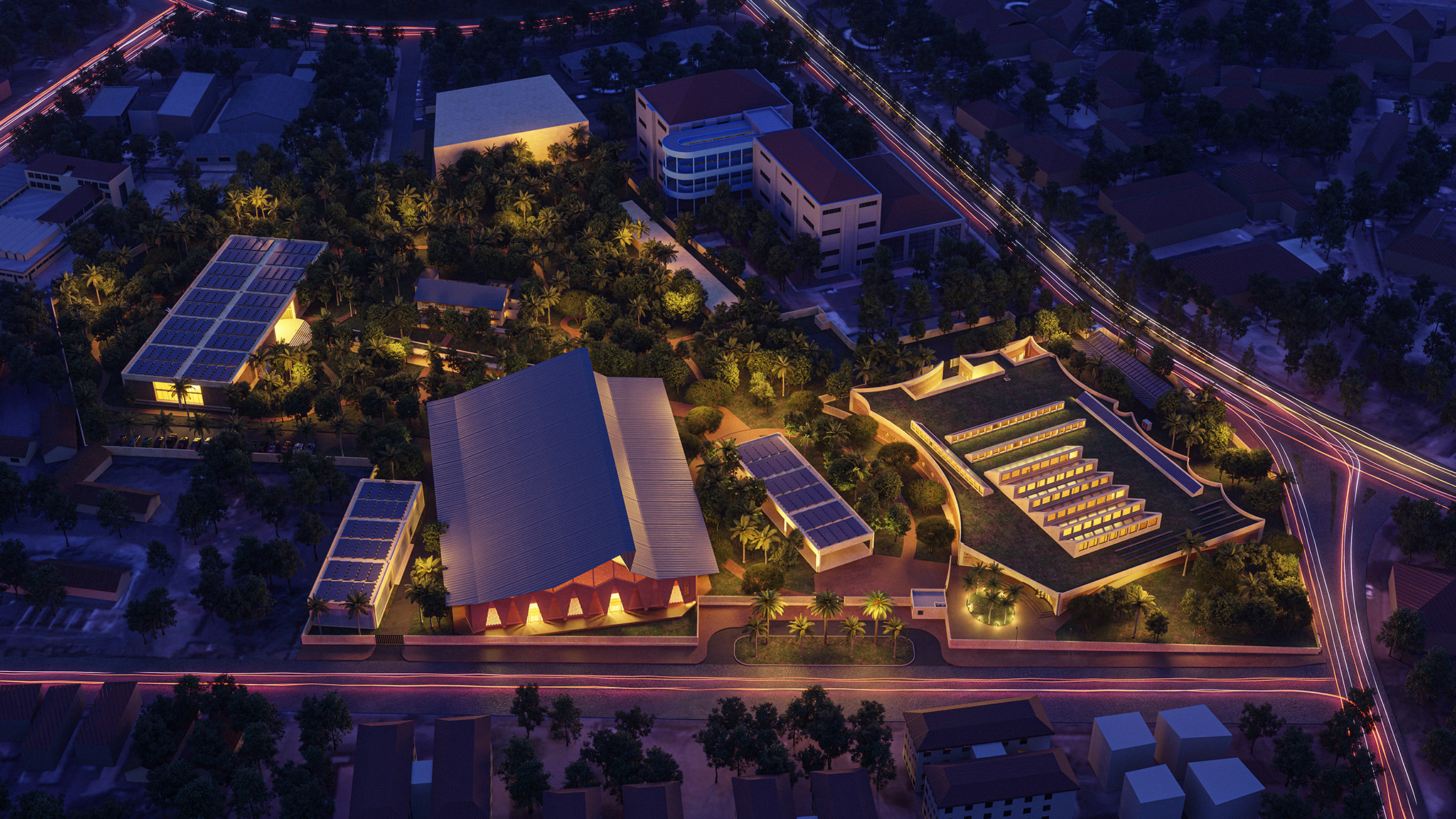
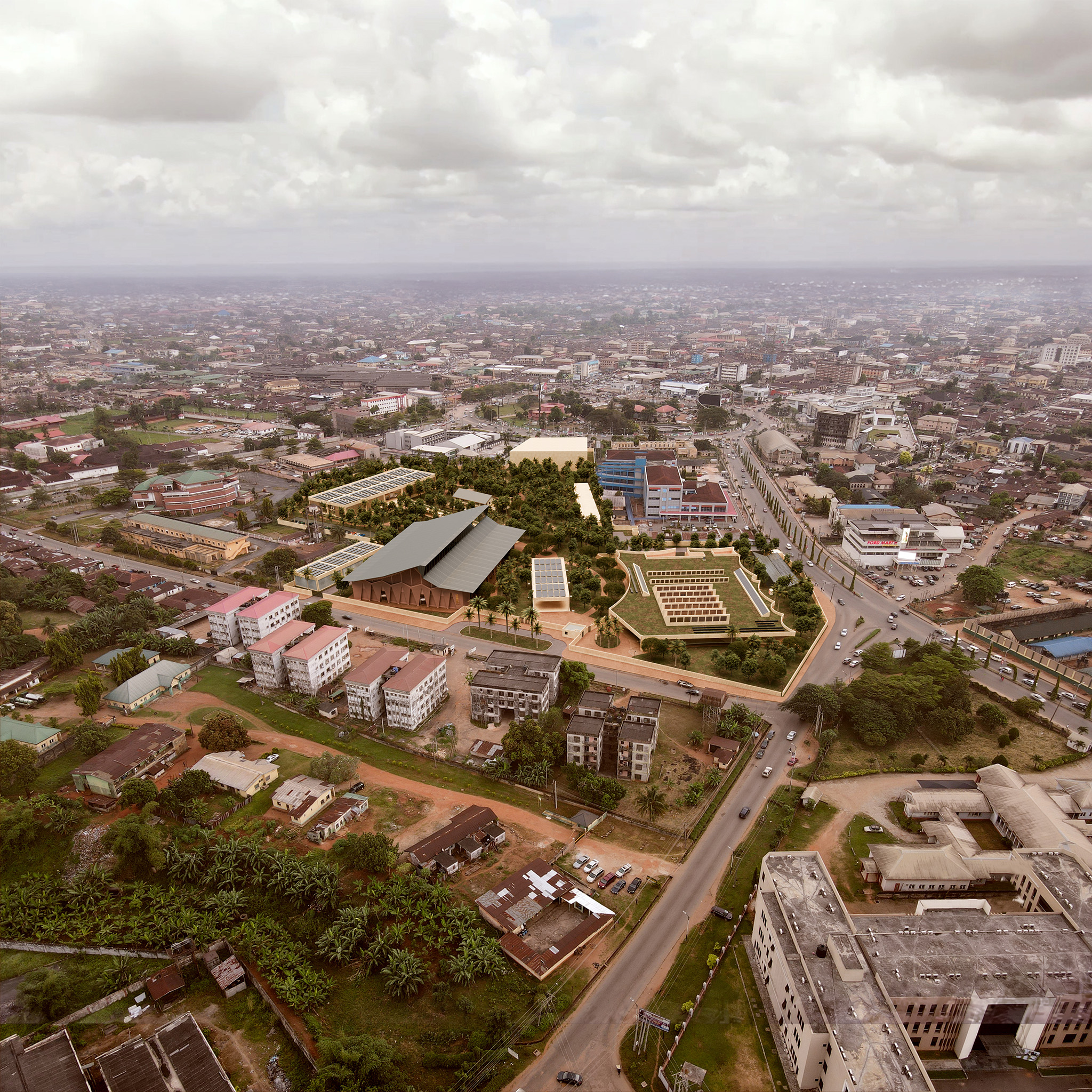
The proposal is part of the master plan for the West African Museum of Art (MOWAA) in Benin City and aims to establish itself as a building capable of forging a new link between Africa and its cultural heritage, strengthening the continent's role as custodian and promoter of its own historical artifacts.

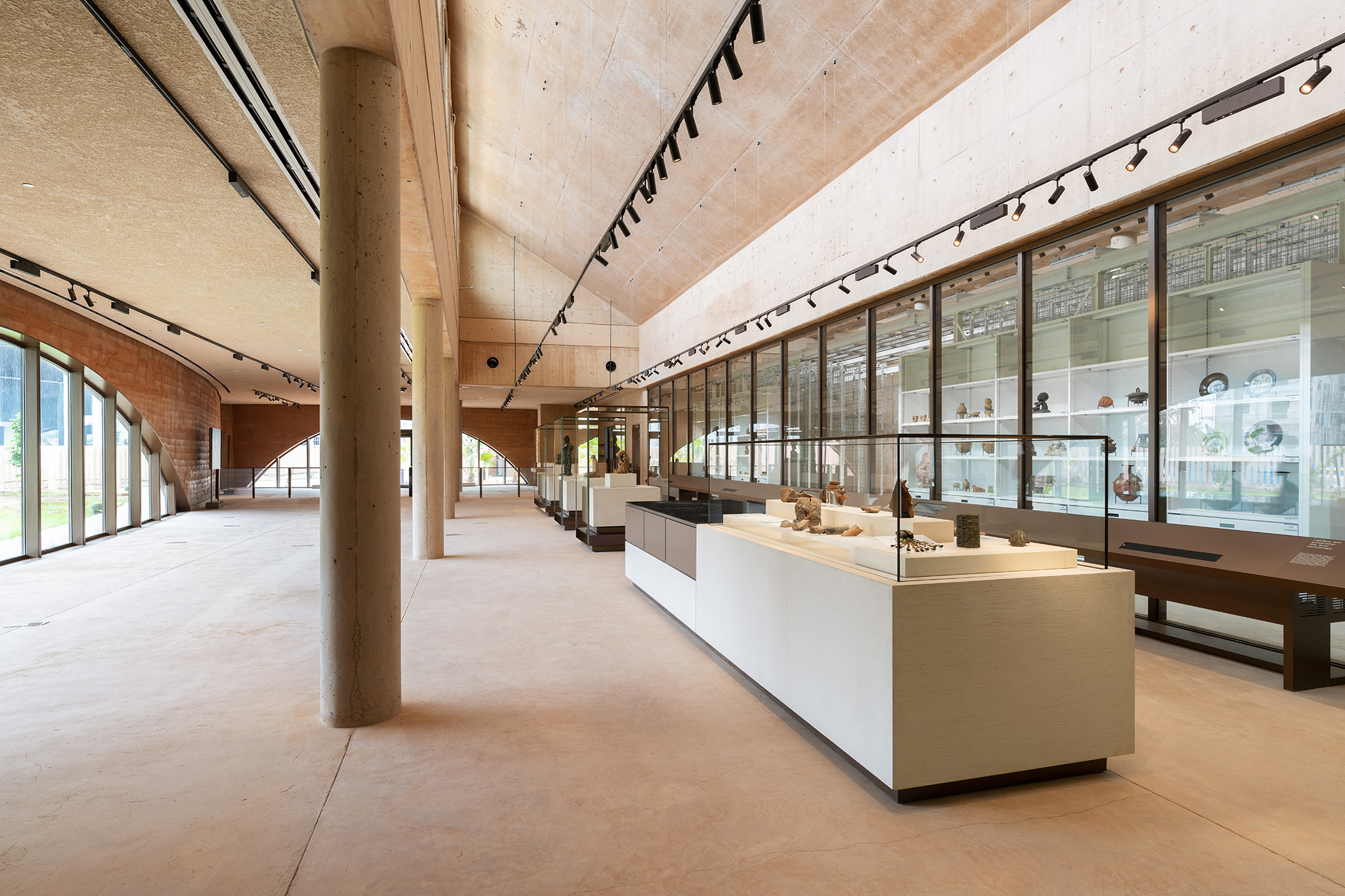
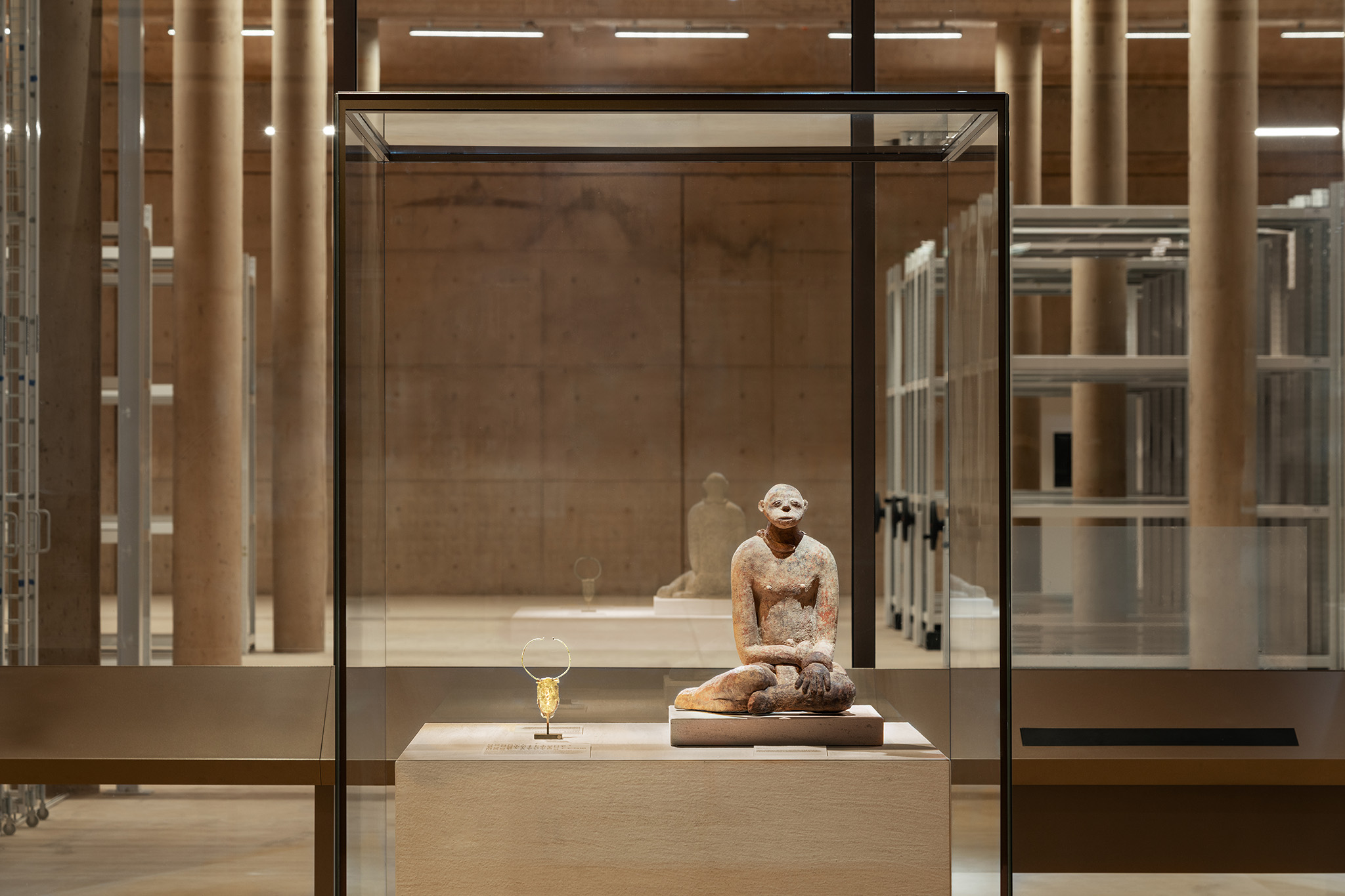
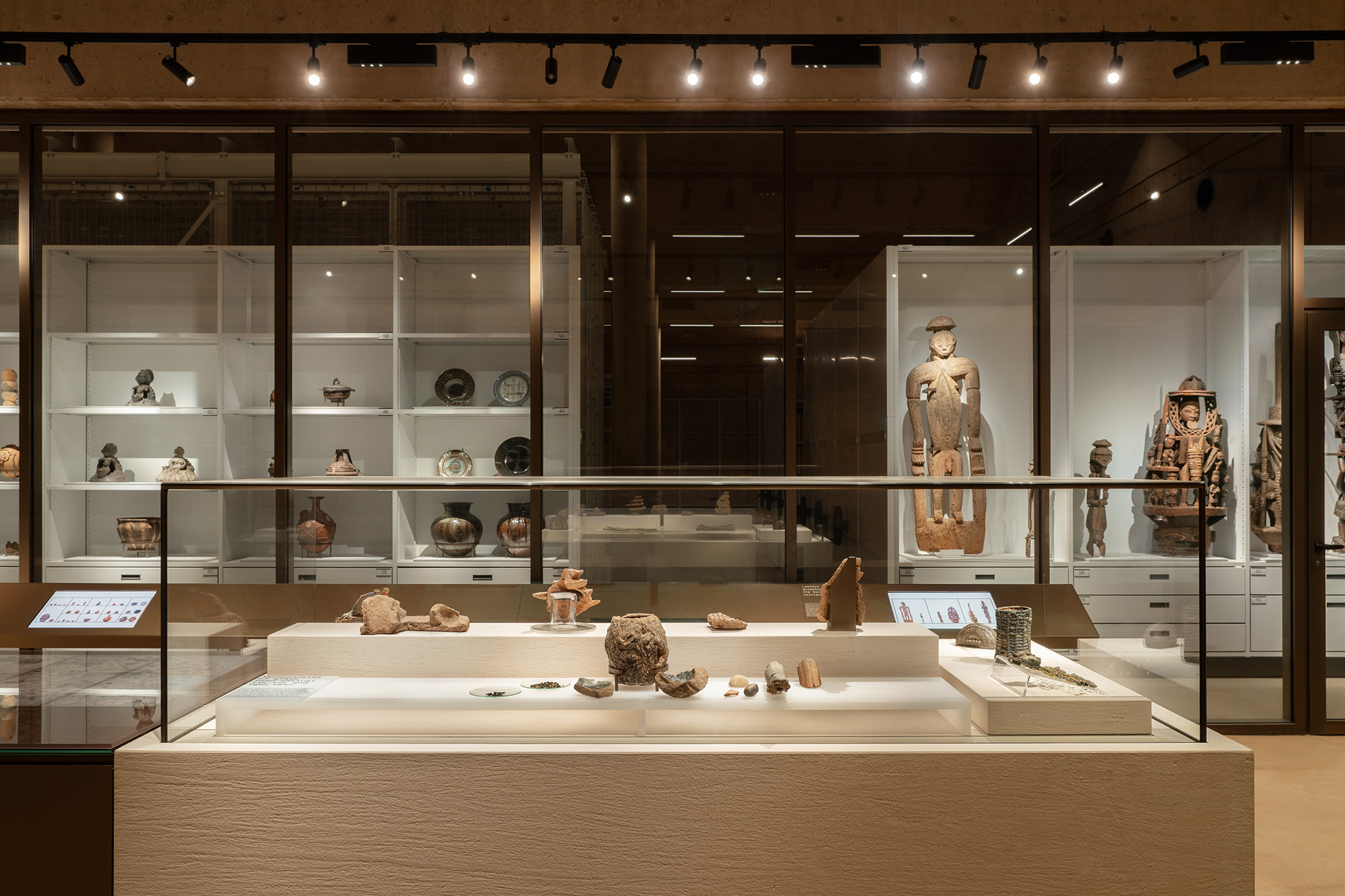
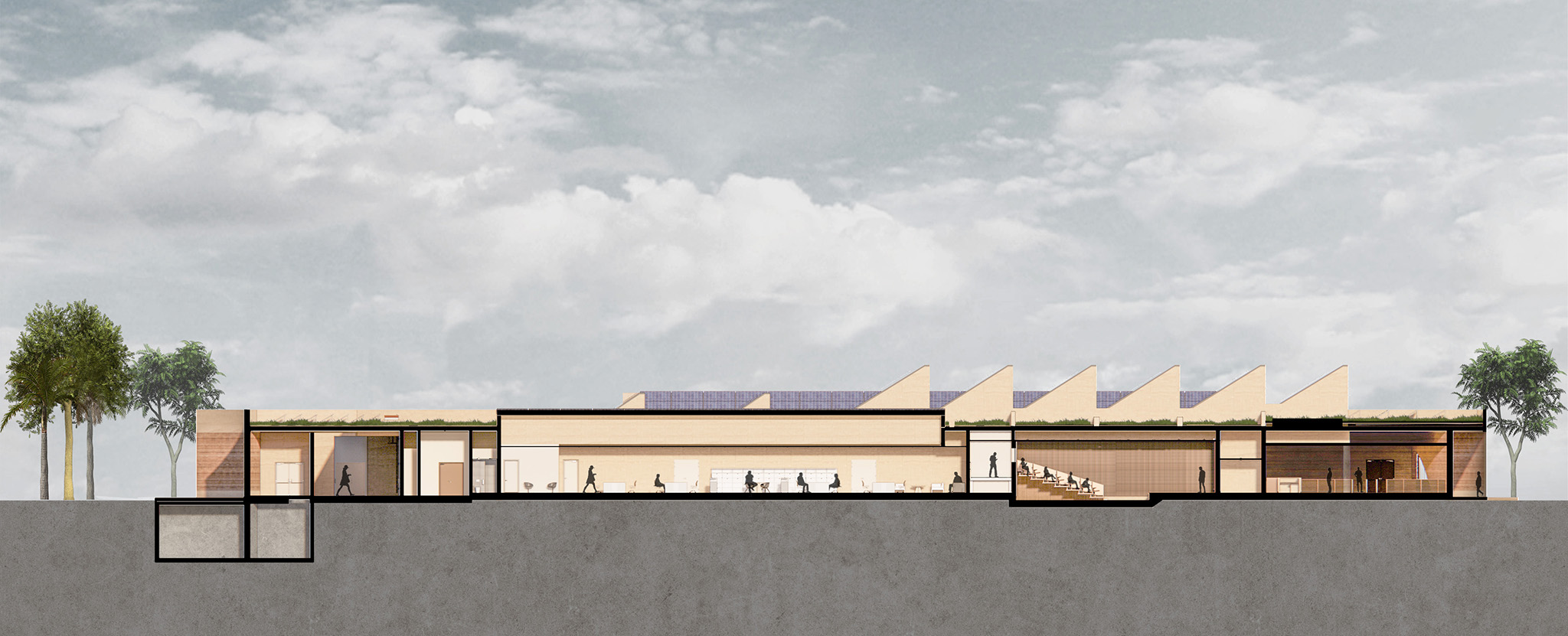
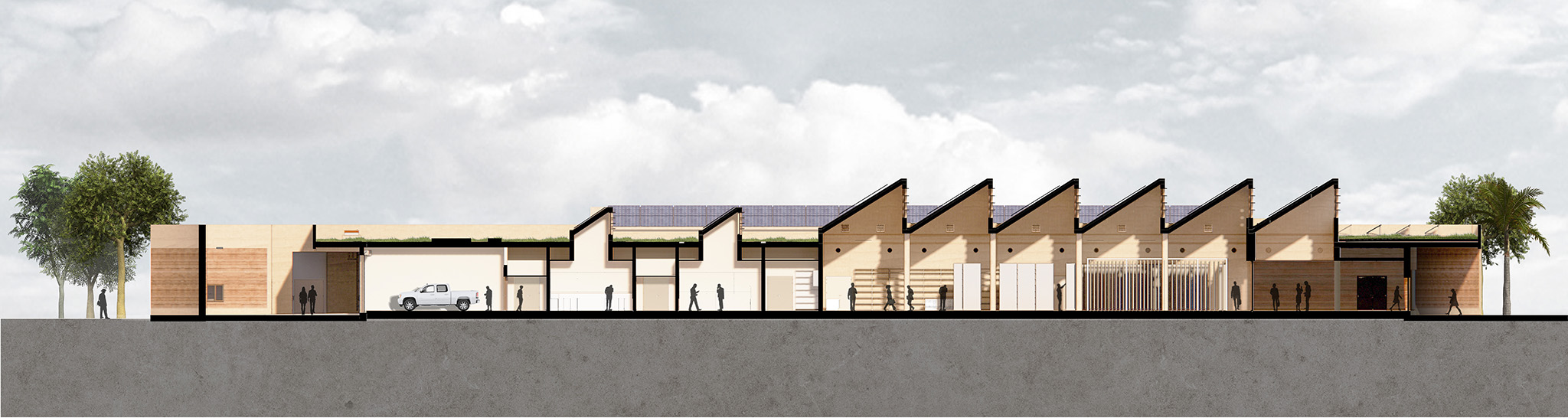
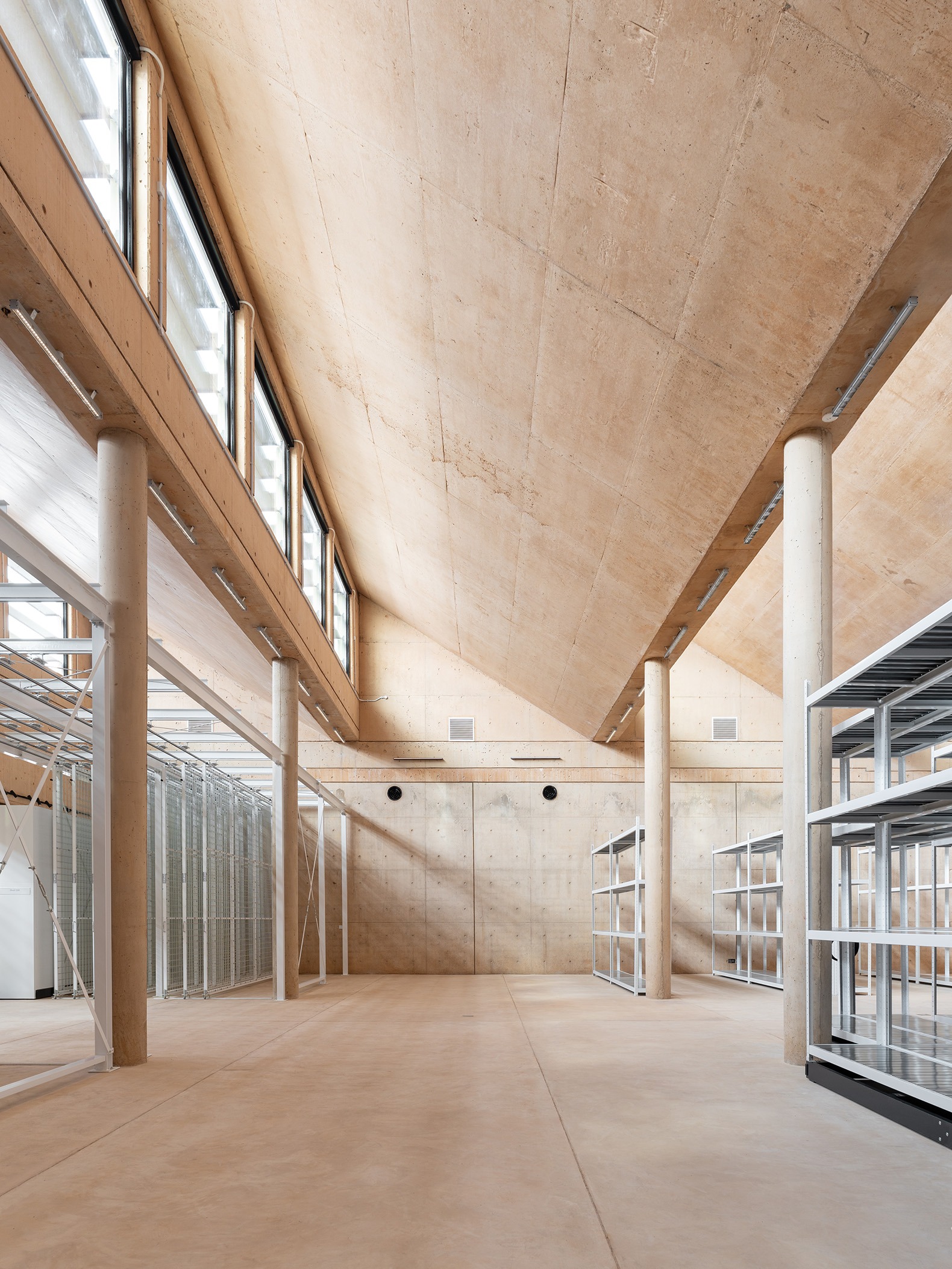
Developed on a single floor and covering an area of ​​4,450 m², the institute houses climate-controlled storage areas for restituted pieces, archaeological research laboratories, exhibition galleries, public programming spaces, a visitor center, and administrative offices. Its spatial organization prioritizes both the preservation of the objects and educational and cultural interaction with the public.

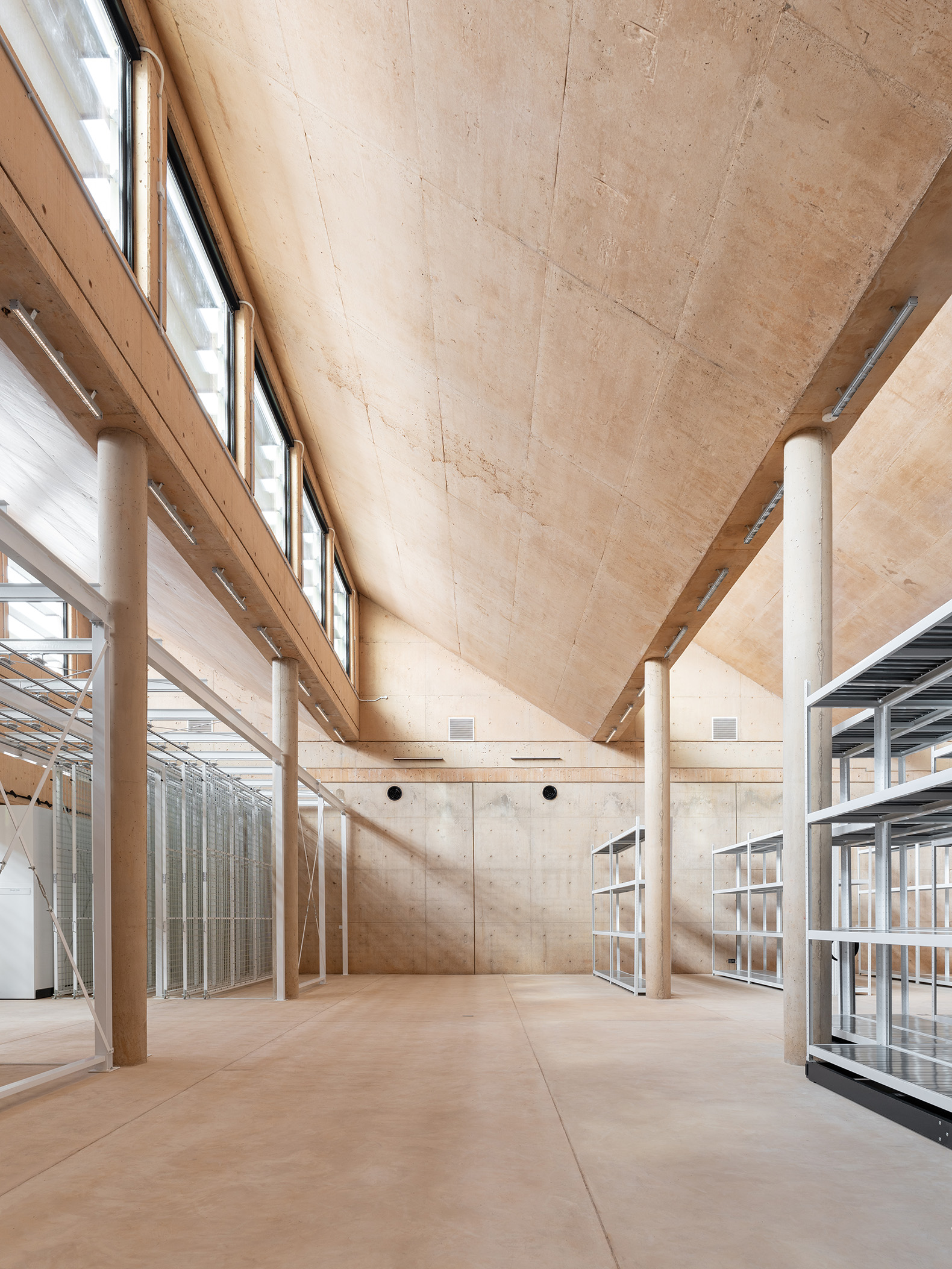
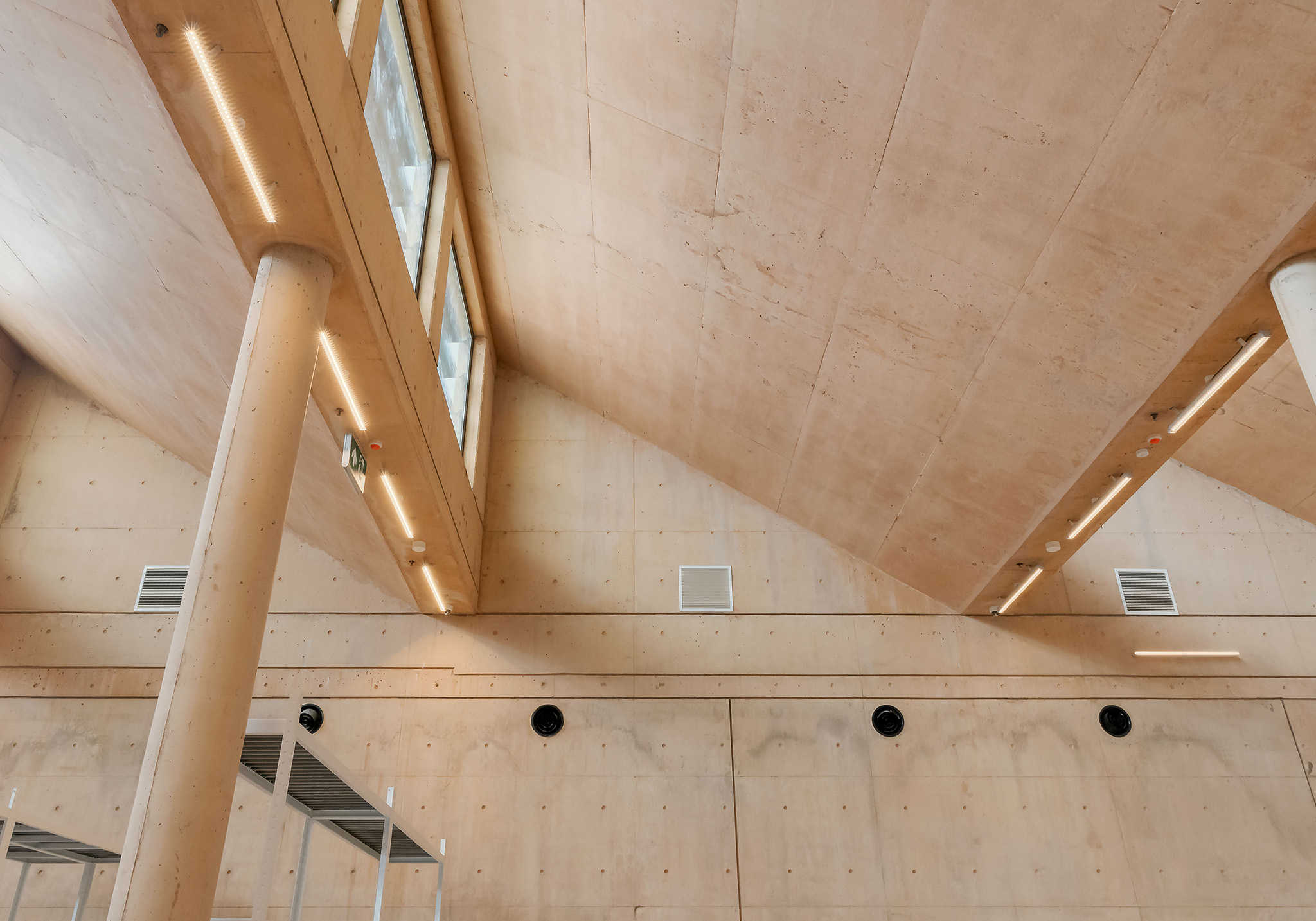
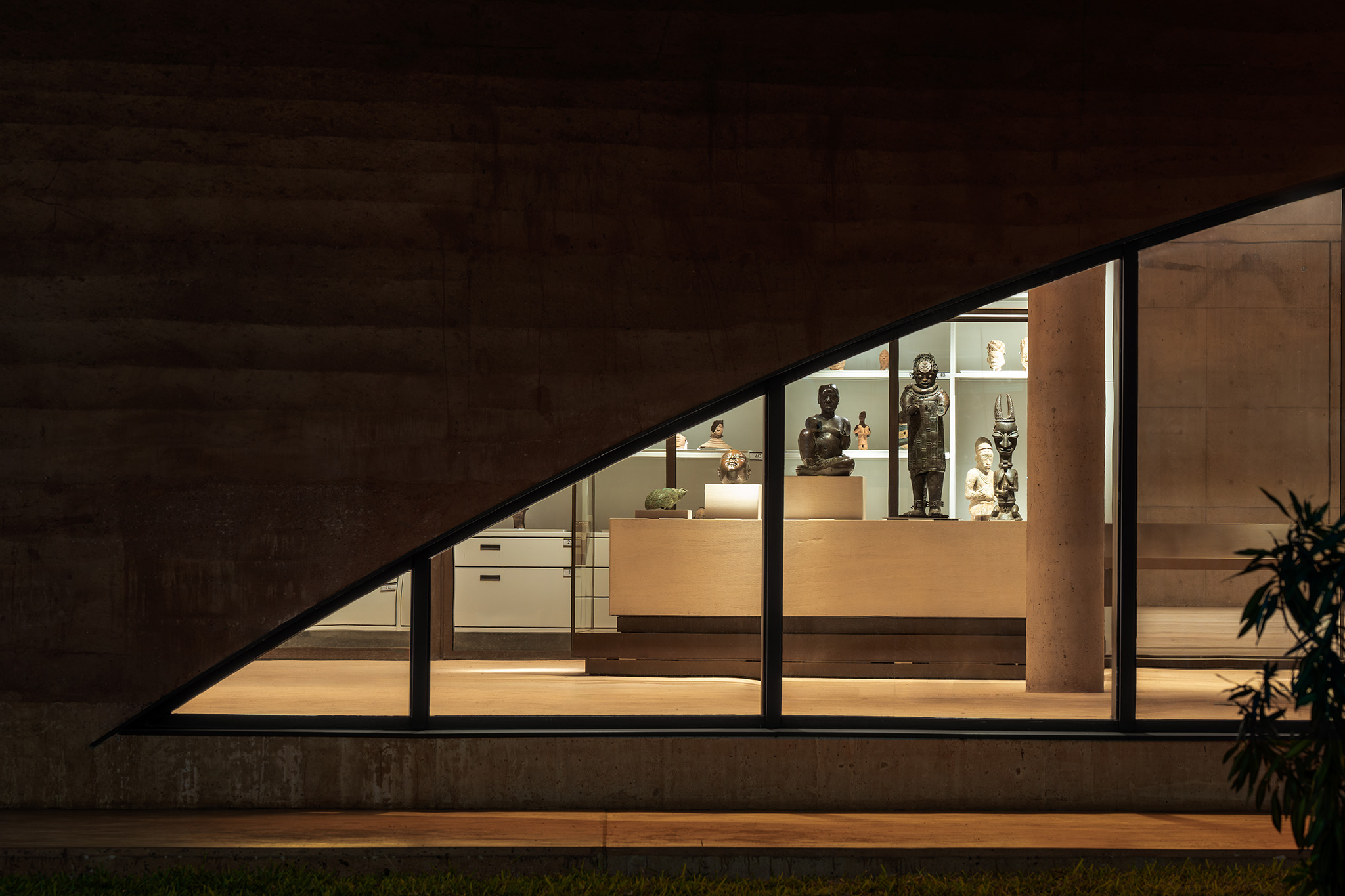
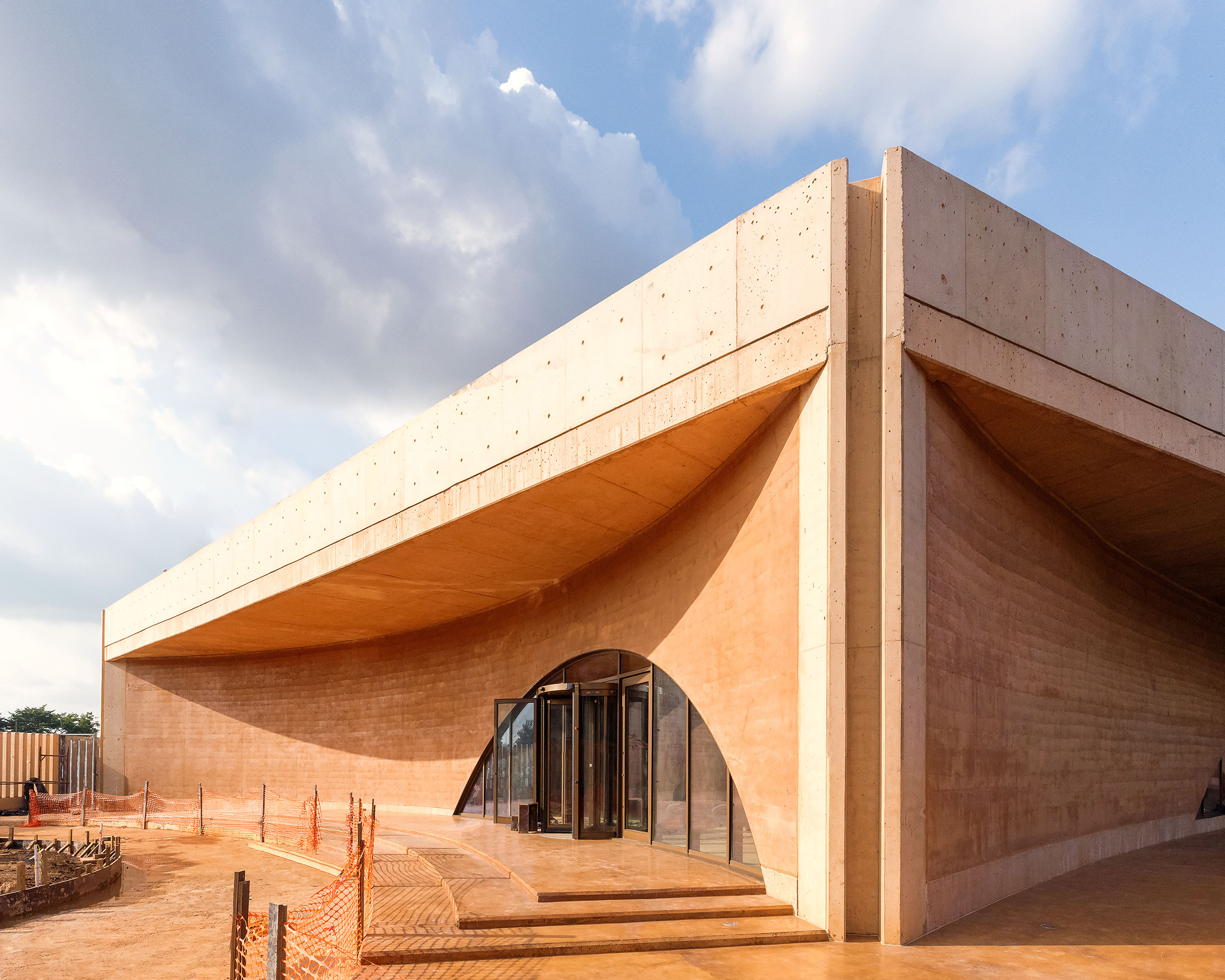
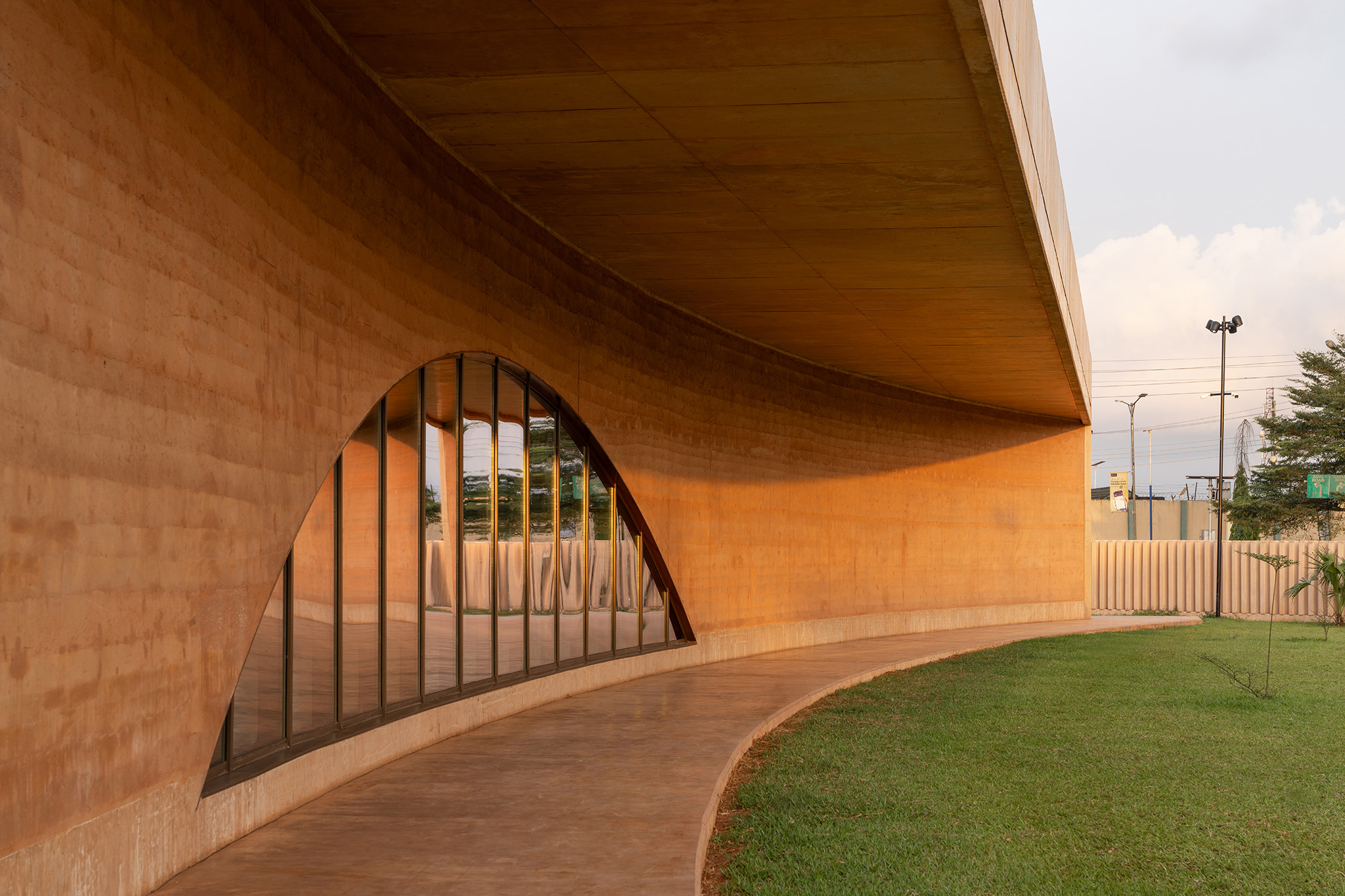
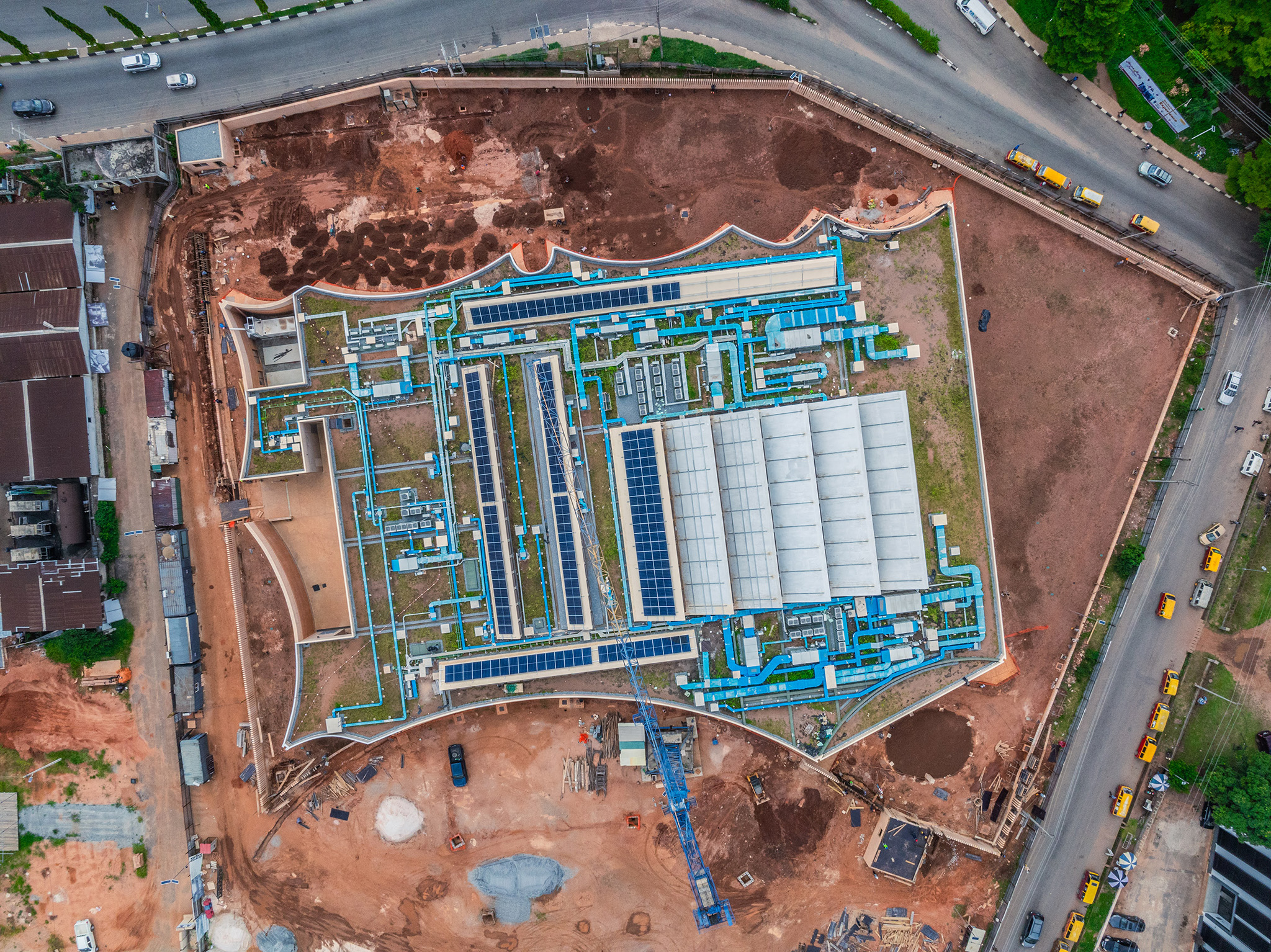
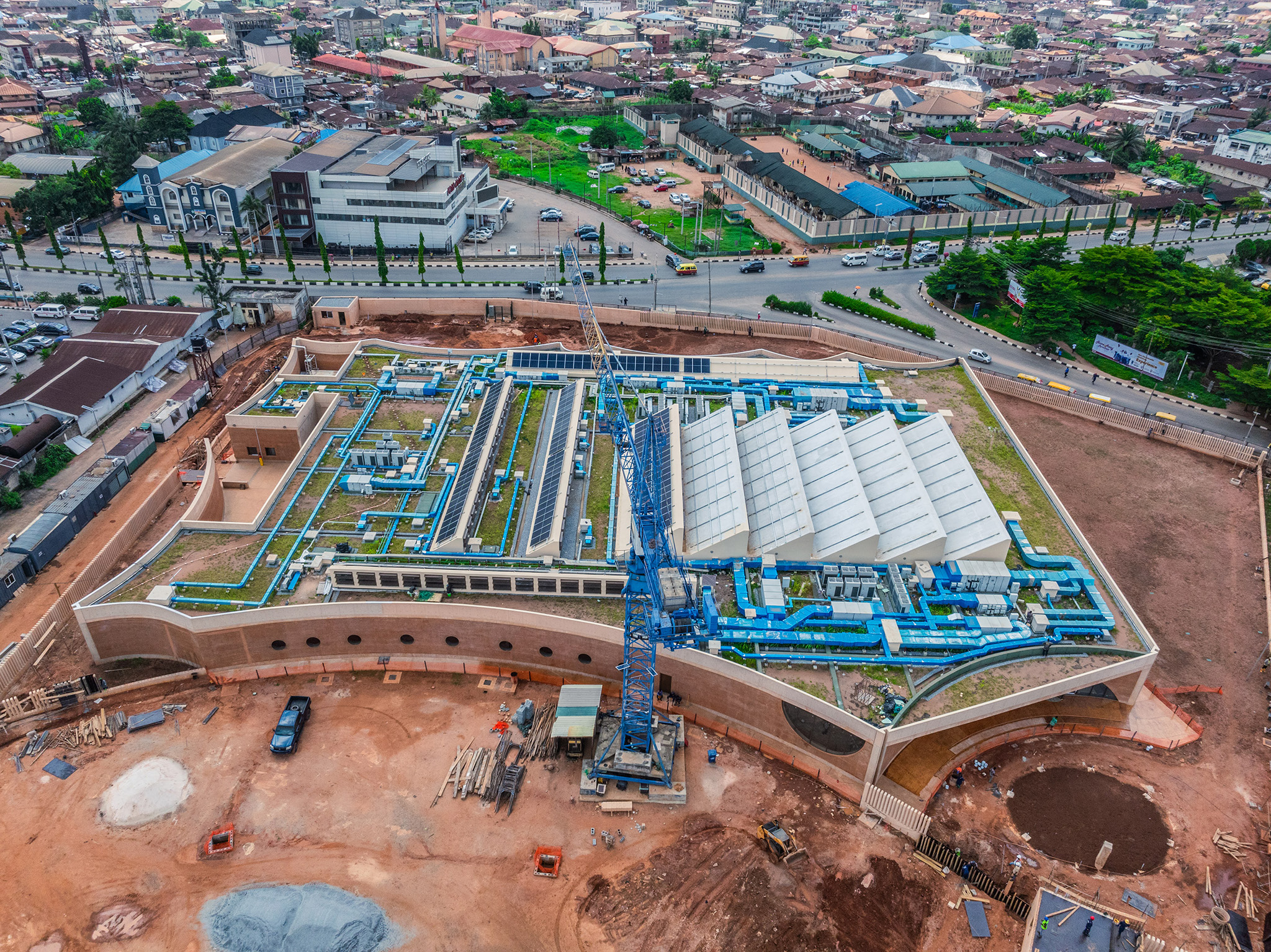
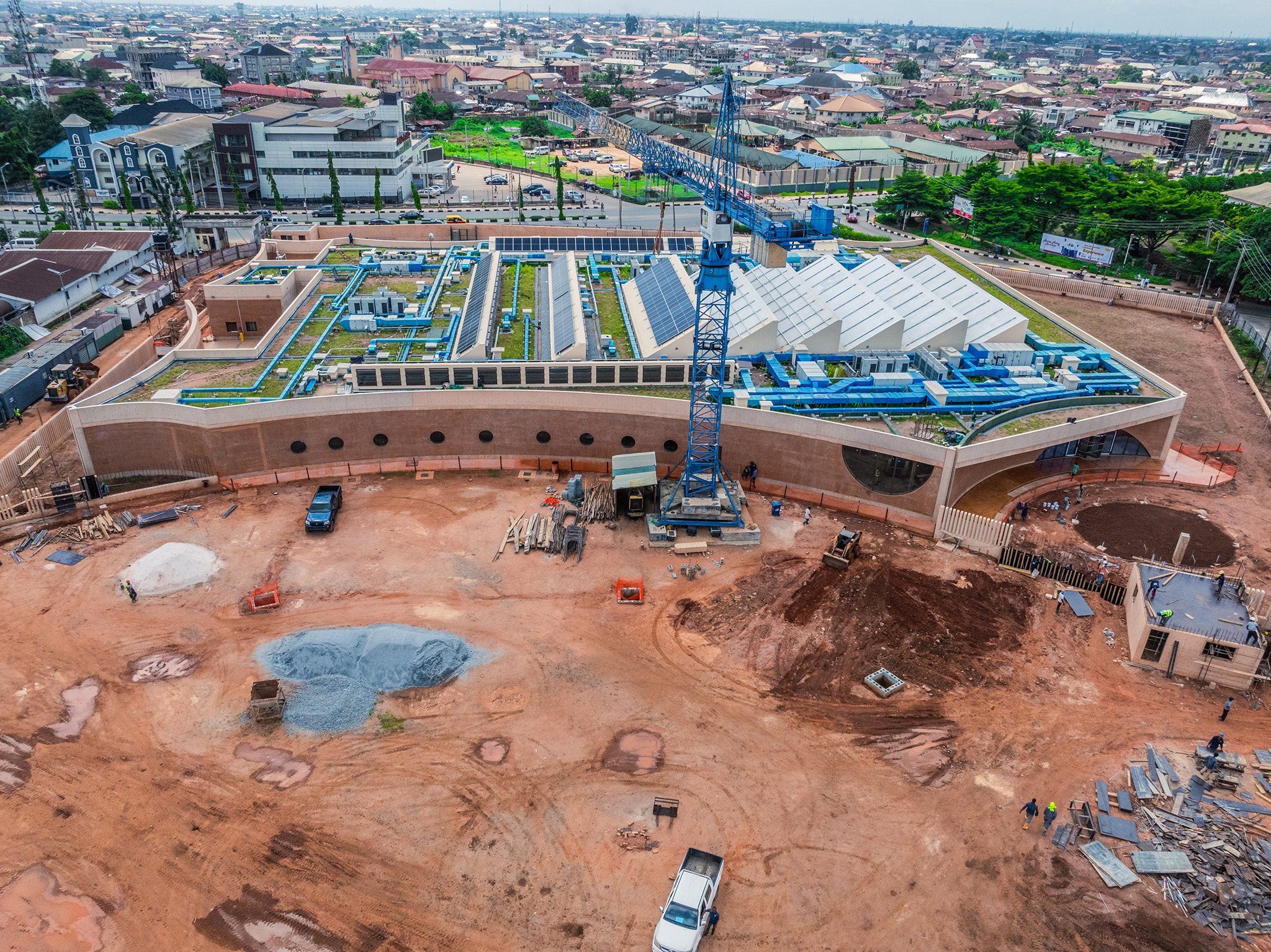
The architectural proposal by Adjaye Associates adopts a formal composition based on the idea of ​​a "box within a box," where the perimeter folds and undulations expand the views and articulate the relationship between the interior spaces. Natural light plays a fundamental role in the project: south-facing skylights illuminate the archive core and galleries, allowing for different viewing conditions for the exhibited pieces.

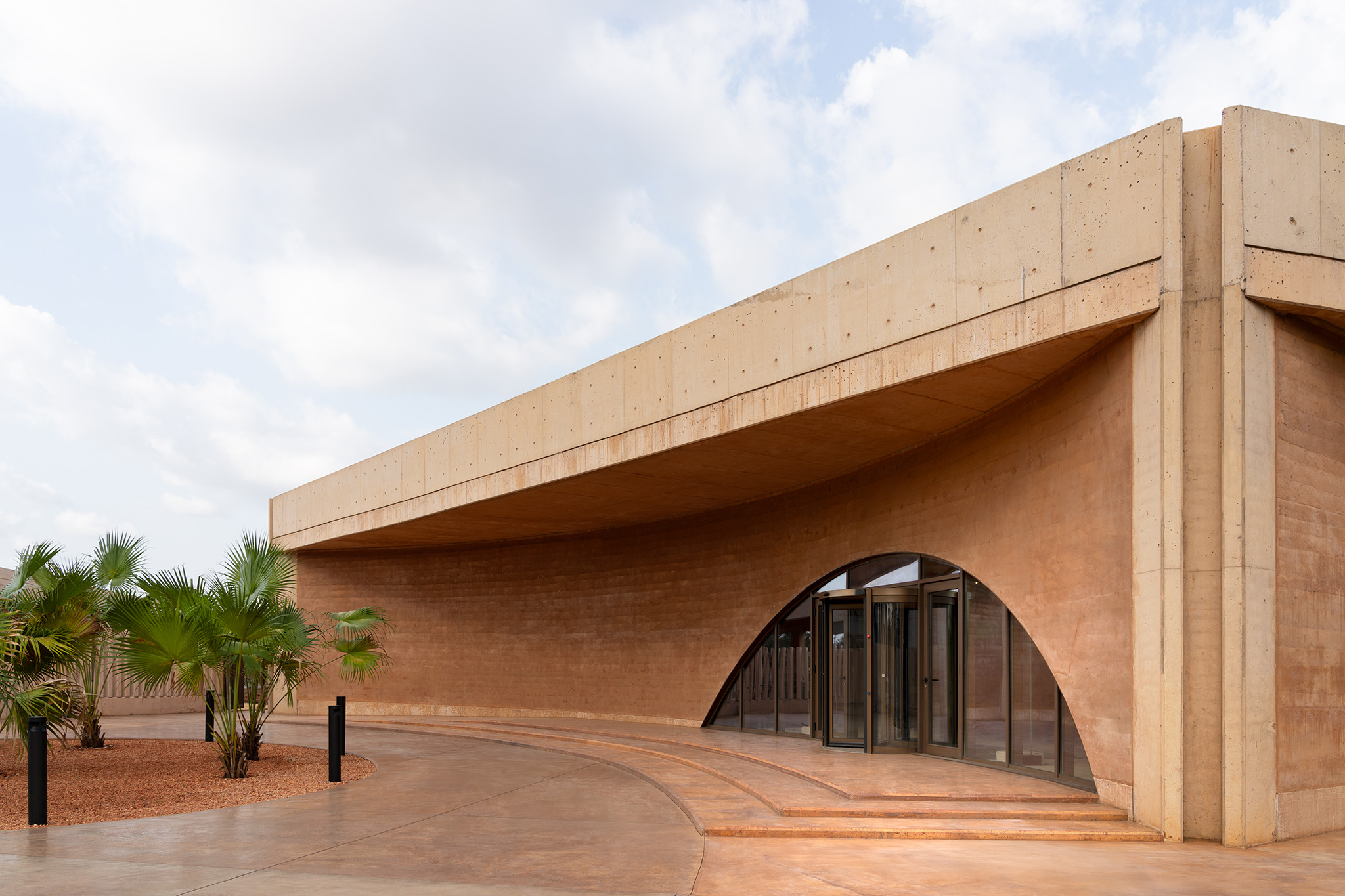
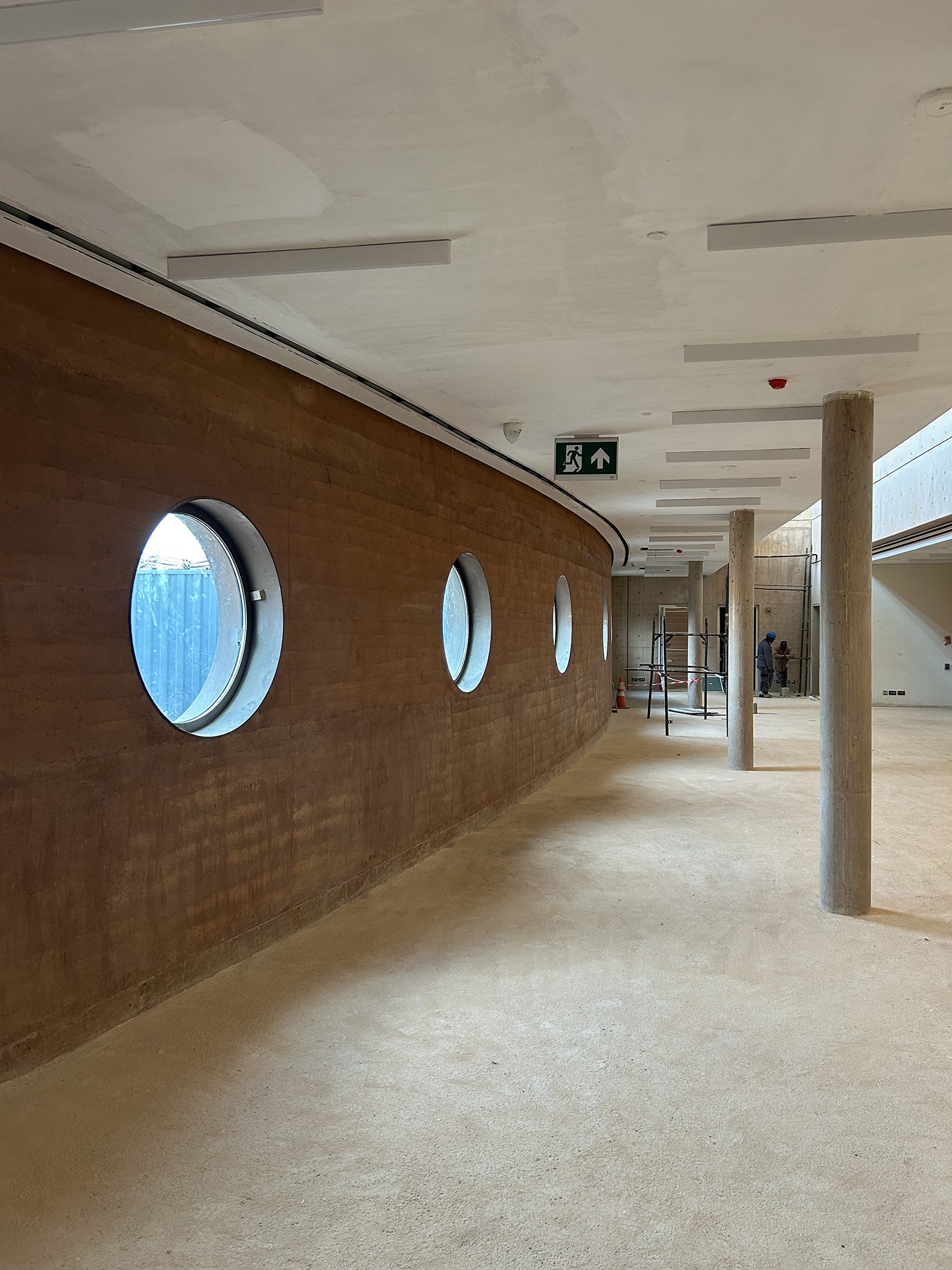
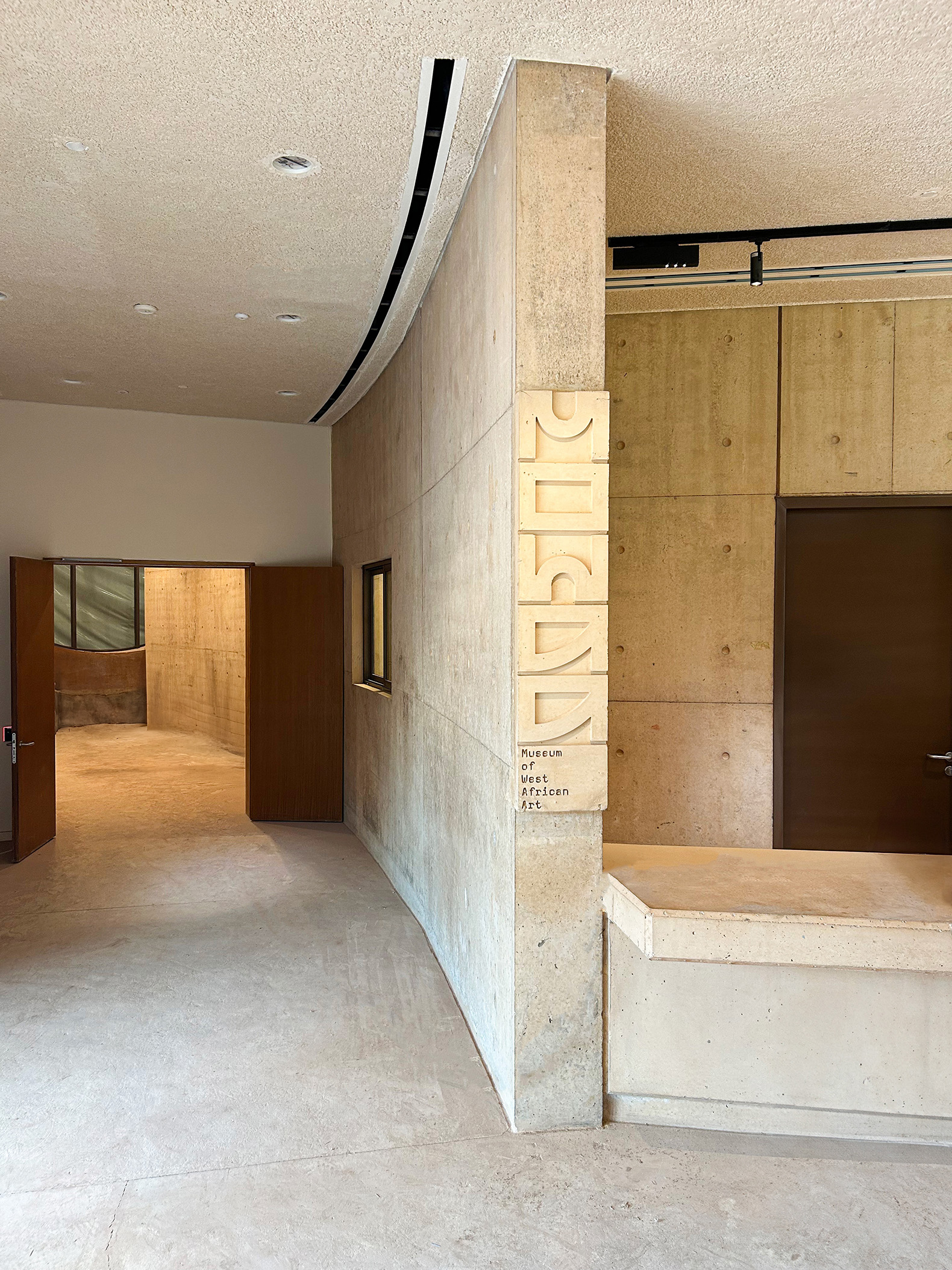
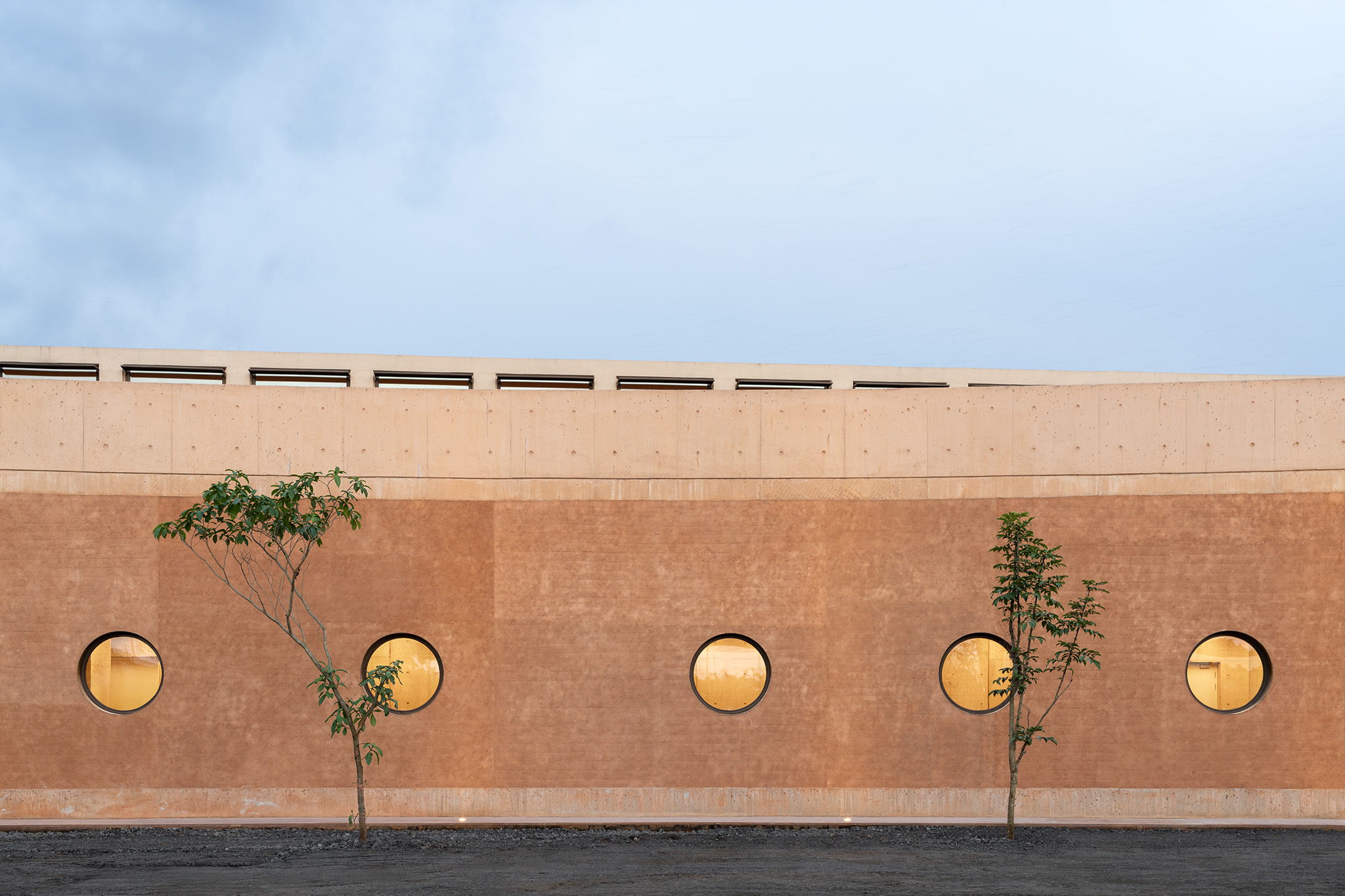
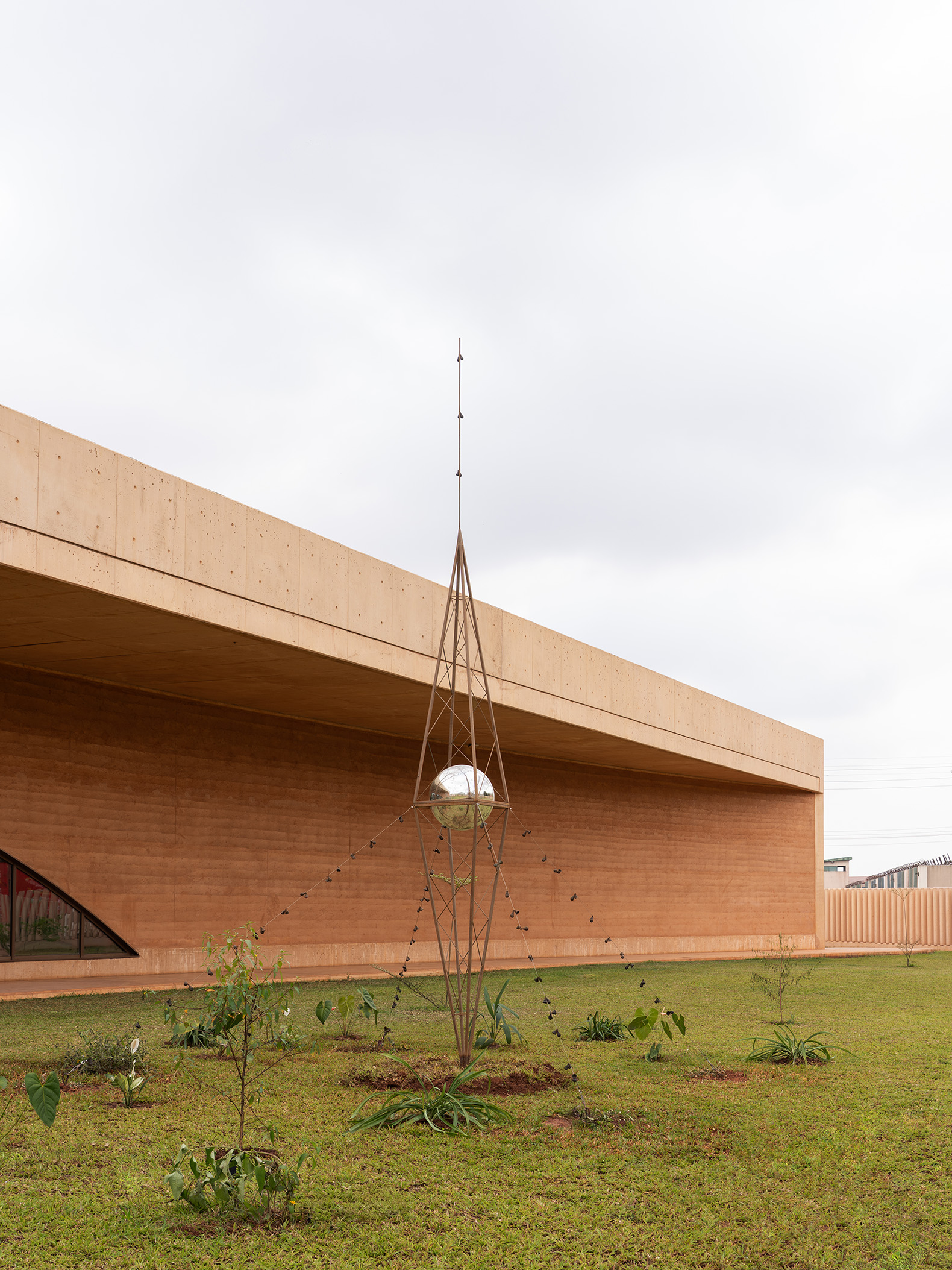
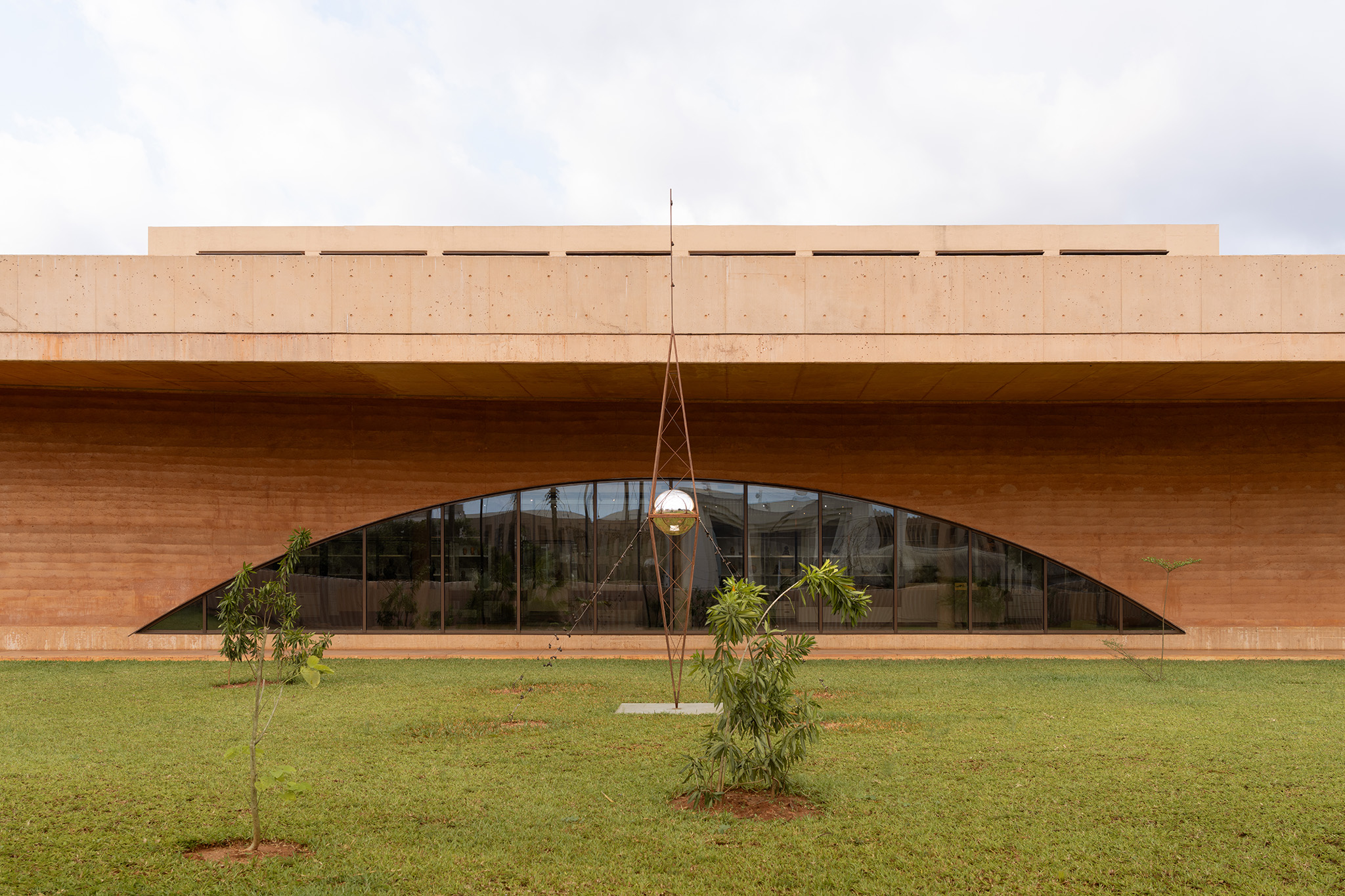
In terms of materials, the building combines locally sourced rammed earth walls with a pigmented concrete roof poured on-site, establishing a dialogue between contemporary techniques and regional construction resources. Once the Benin Cultural District is completed, the MOWAA Institute will solidify its position as a key platform for research, training, and dissemination of African artistic and historical heritage.
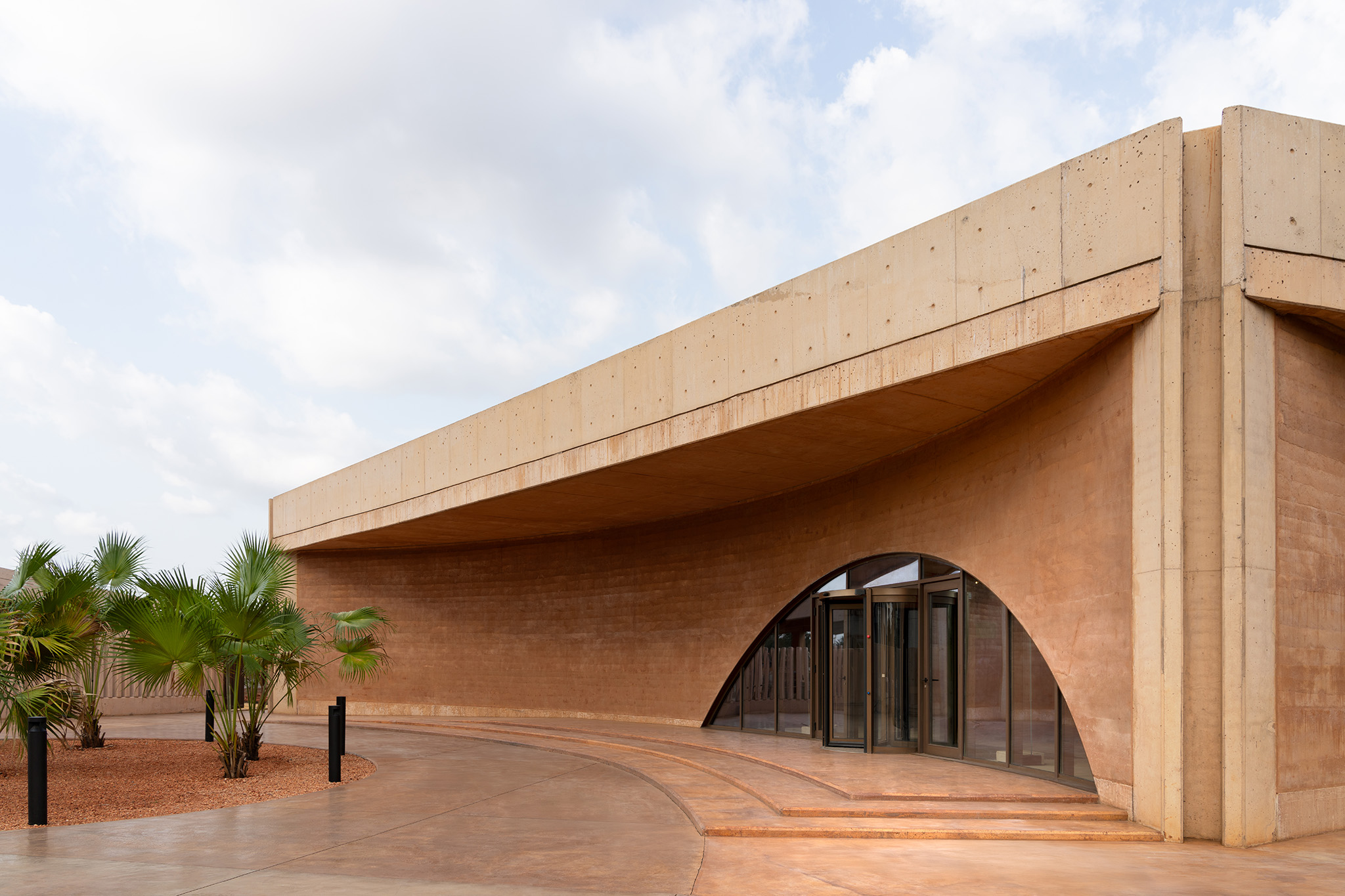
Museum of West African Art (MOWAA) Institute by Adjaye Associates. Photograph by Marco Cappelletti.

Museum of West African Art (MOWAA) Institute by Adjaye Associates. Photograph by Marco Cappelletti.

Project description by Adjaye Associates

The MOWAA Institute is the first building to open within Adjaye Associates’ masterplan for the Museum of West African Art (MOWAA) in Benin City, Edo State. Conceived as the operational heart of the campus, it anchors a new cultural landscape dedicated to research, conservation, training, and public engagement.

The single-storey 4,450 sqm building is built almost entirely from rammed earth. The structure is made from earth-coloured concrete using the local ironrich laterite to replace the fi ne aggregate so both the structure and enclosure are of the earth. Rammed earth and mud brick construction techniques draw directly from centuries-old West African traditions, reinterpreted through contemporary methods to ensure both environmental resilience and cultural continuity.

Instituto del Museo de Arte de África Occidental (MOWAA) por Adjaye Associates. Fotografía por Marco Cappelletti.
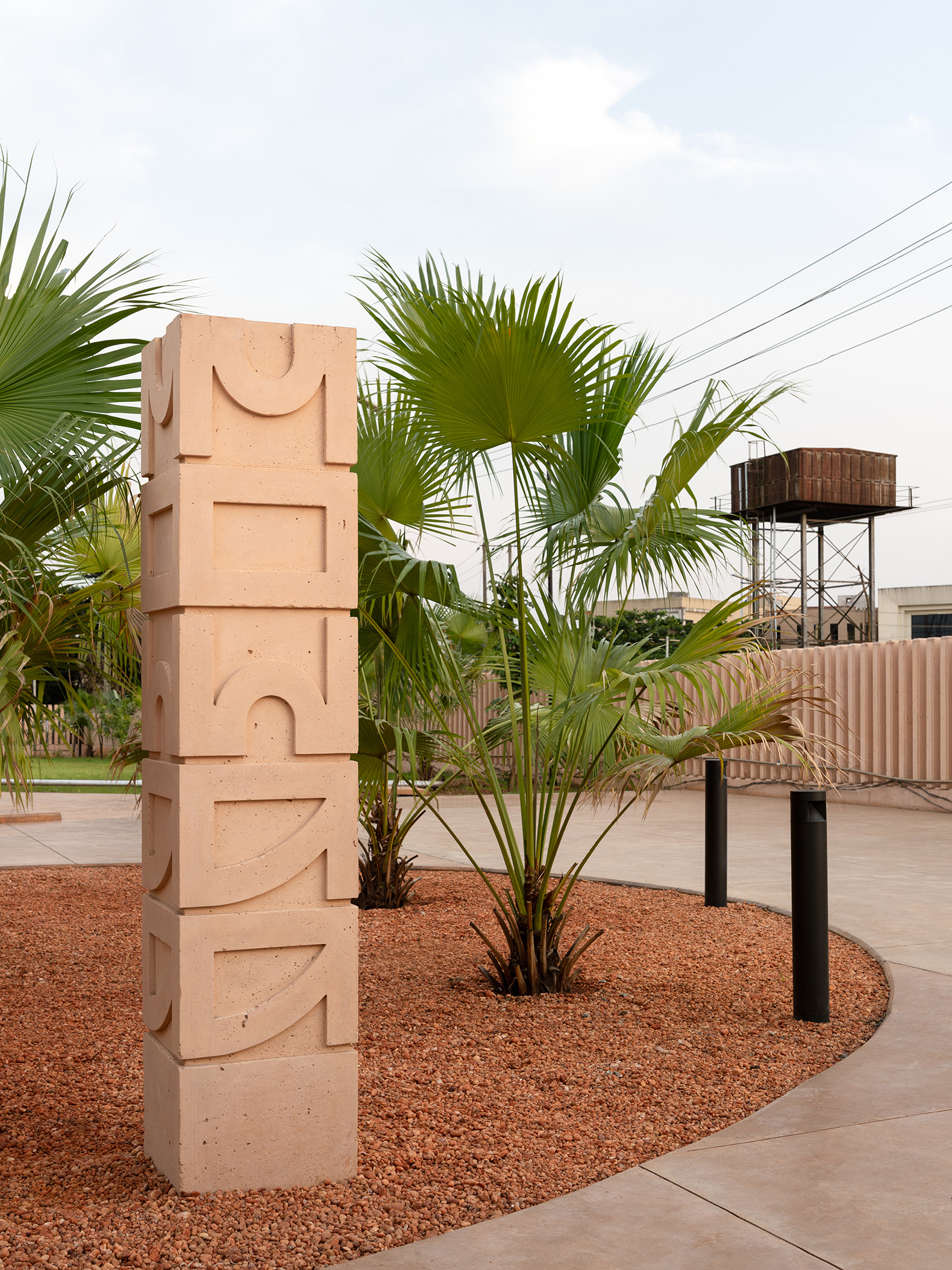
Museum of West African Art (MOWAA) Institute by Adjaye Associates. Photograph by Marco Cappelletti.

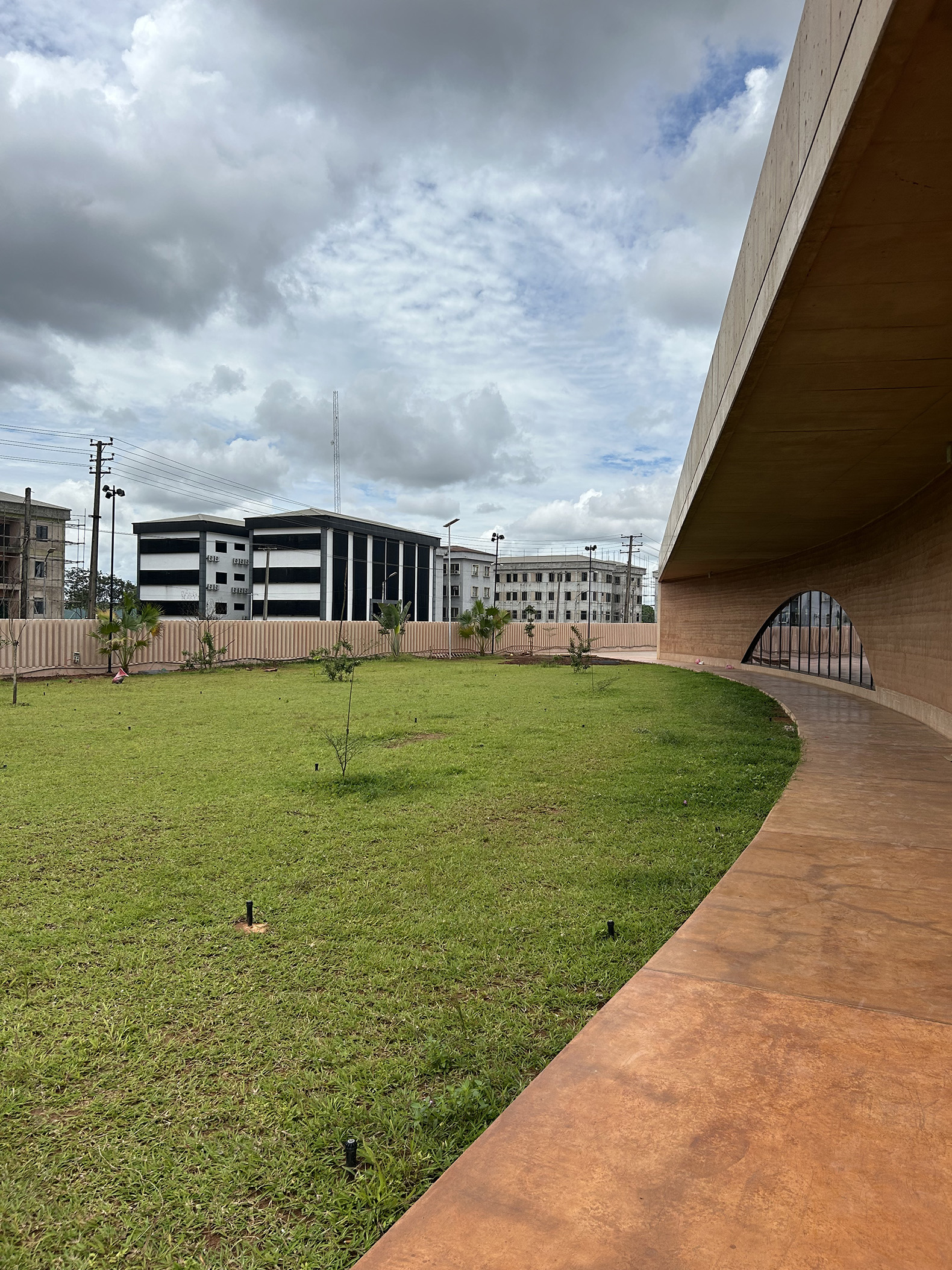
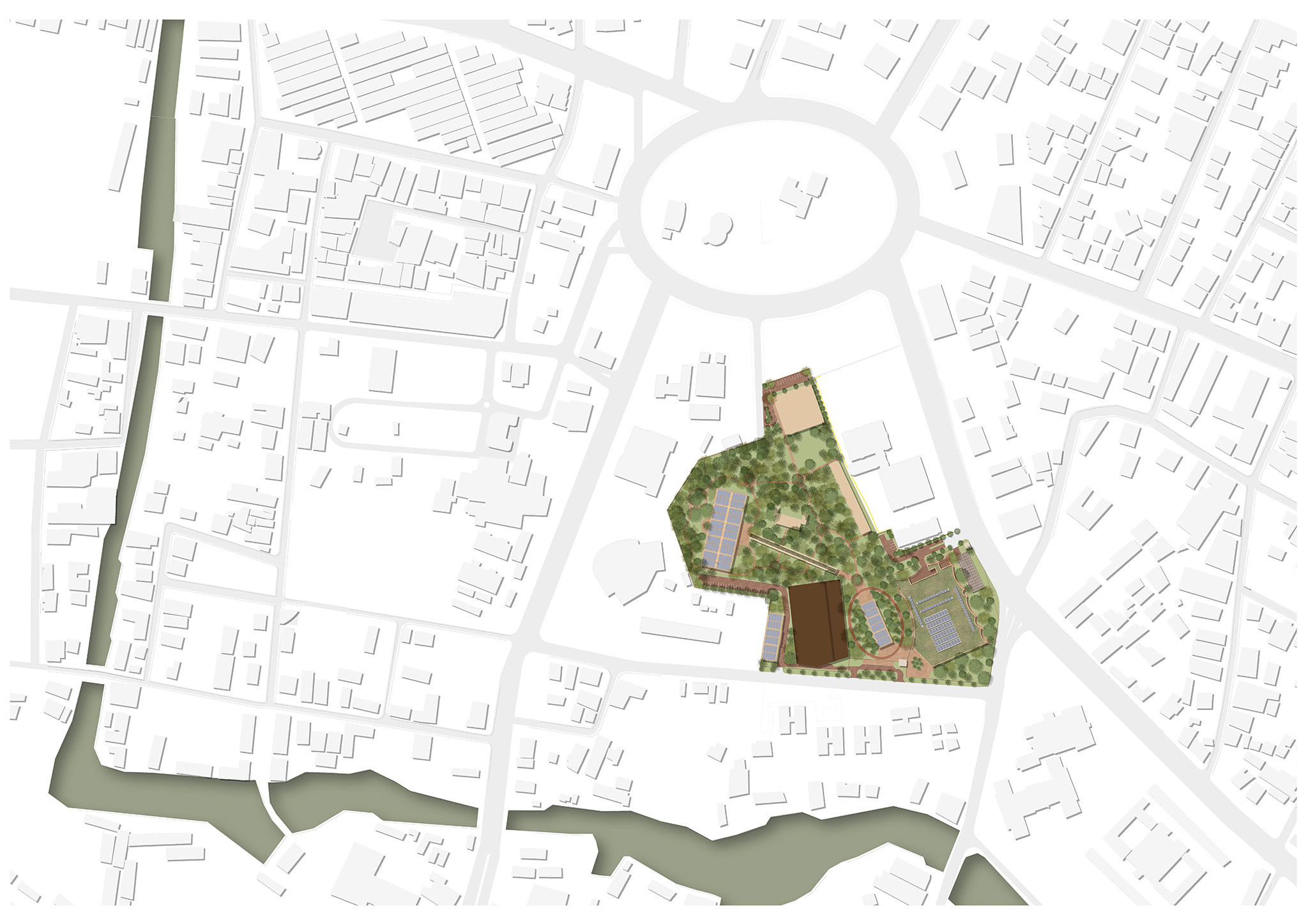
Located near the ancient Benin Walls and the historical site of the Royal Palace, the Institute stands in direct conversation with the city’s imperial past and living heritage. It deliberately moves away from the Western museum model, often linked to colonial narratives, toward a distinctly local expression of knowledge and exchange. The building’s material palette, rhythm, and spatial logic are grounded in the West African context.

Environmental performance is integral to the architecture. A self-vegetating brown roof improves biodiversity and thermal regulation. External louvres and overhangs provide passive shading, while high-performance glazing reduces heat gain. The rammed earth and glazing together provide insulation to the building to reduce the running costs of the building. Rainwater is collected for reuse, and photovoltaic panels supply a portion of the building’s energy.
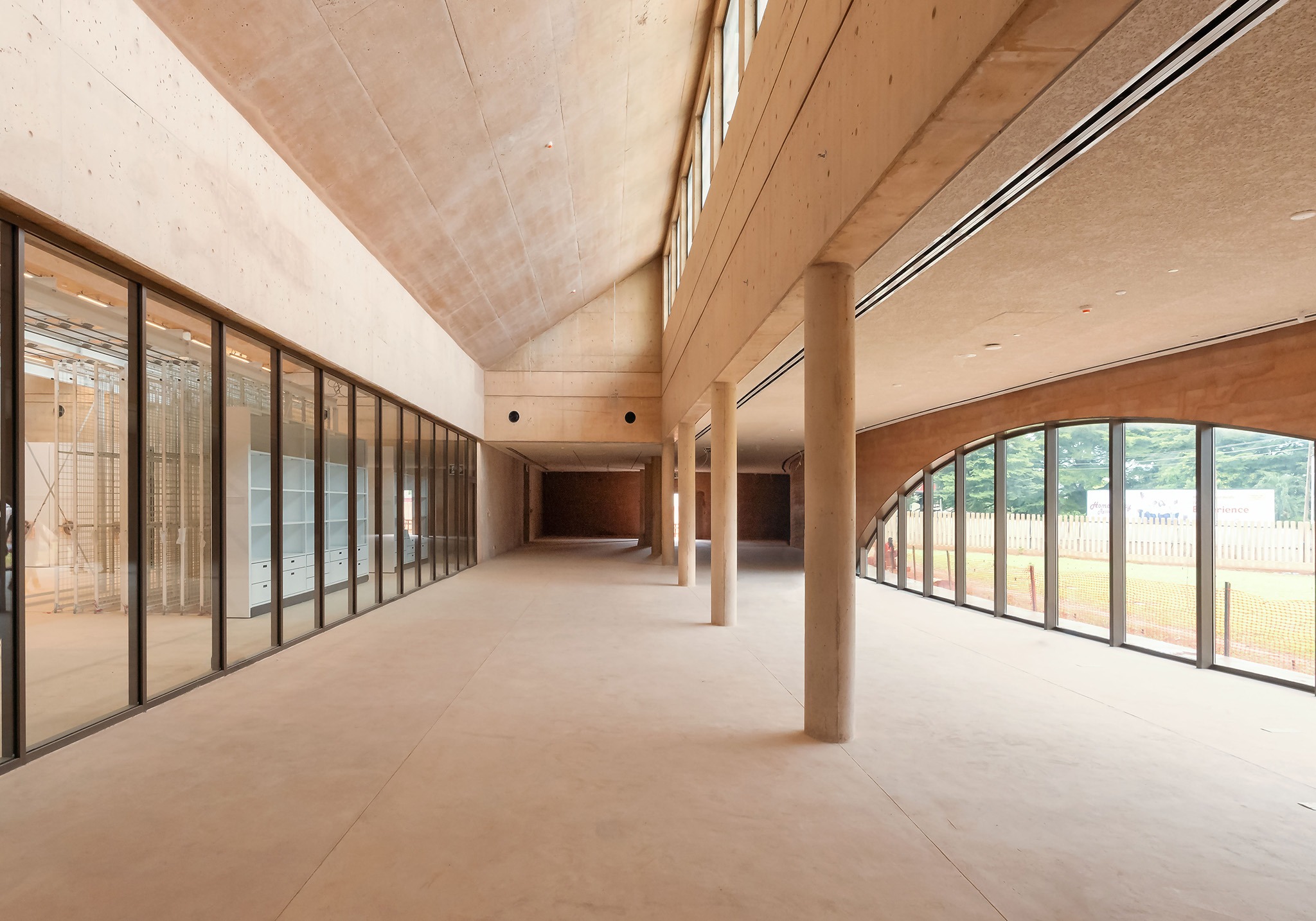
Instituto del Museo de Arte de África Occidental (MOWAA) por Adjaye Associates. Fotografía por Marco Cappelletti.
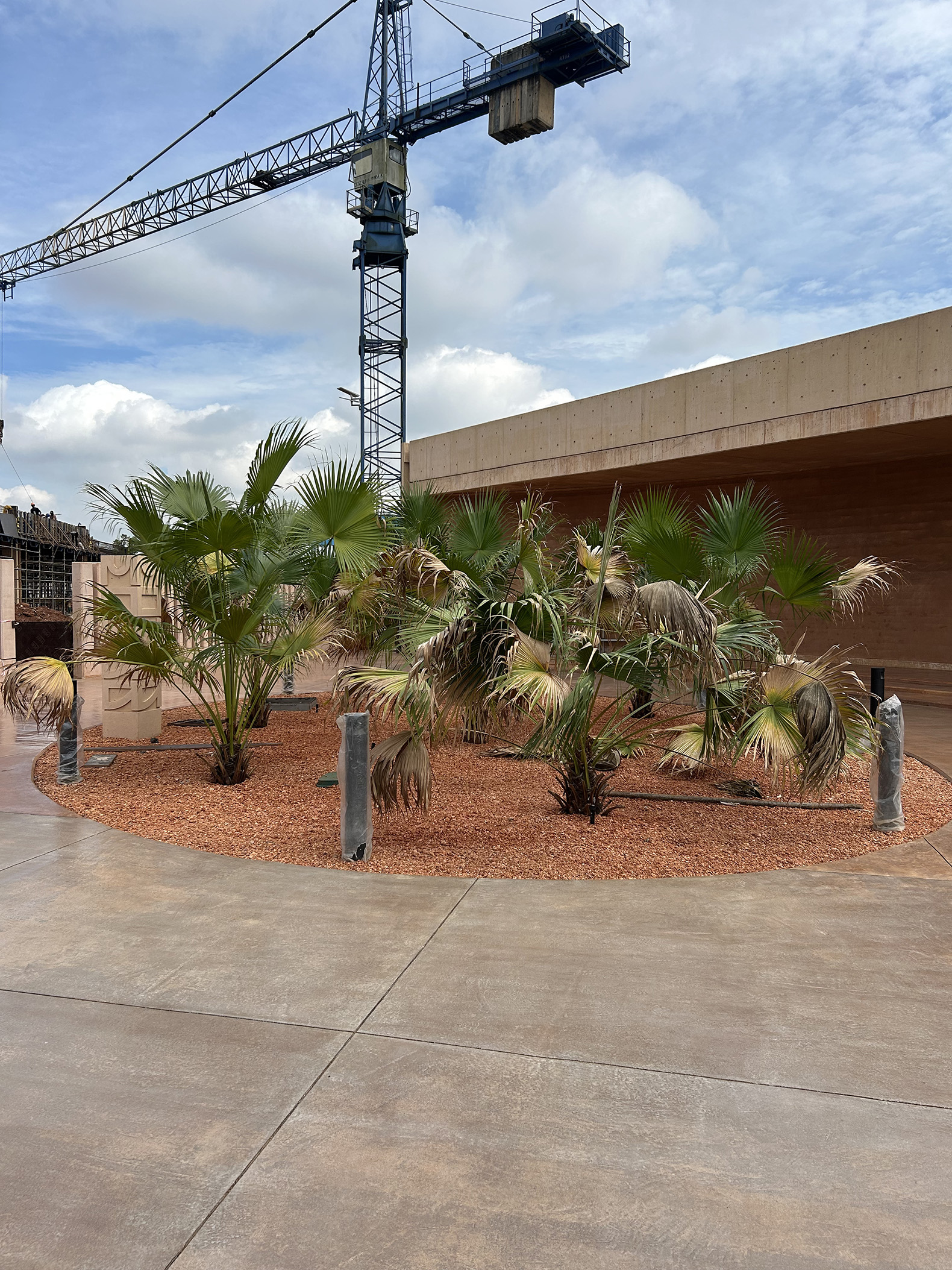
Museum of West African Art (MOWAA) Institute by Adjaye Associates. Photograph by Marco Cappelletti.

Locally sourced earth has been blended into the mix for the rammed earth walls. The material was formed on site and compacted by hand overseen by the expert rammed earth consultant from Ghana. The meticulous technique enhances the building’s sustainability as well as highlighting the craftsmanship and regional collaboration that has been integral to the project.
More information

Label
Architects
Text

Adjaye Associates. Lead Architect.- David Adjaye.

+ + copy Created with Sketch.
- + copy Created with Sketch.
Label
Collaborators
Text

Architect of Record.- MOE+ Art Architecture.
MEP Contractor.- Lambert.
Mechanical & Electrical Engineer.- AVANTIS Engineering.
Structural & Civil Engineer.- ARUP Nigeria.
Security Consultant.- Polarafpro.
Lighting Consultant.- Debbas.
Cost Consultant.- SEA Surveyors Limited.
Project Manager.- FOAB Group.
EDGE Specialist.- Green Design Africa.
Rammed Earth Specialist.- Kanea Kasa Construction Ltd. (formerly) Kasa Konsultants.

+ + copy Created with Sketch.
- + copy Created with Sketch.
Label
Client
Text

MOWAA Trust.

+ + copy Created with Sketch.
- + copy Created with Sketch.
Label
General Contractor
Text

A&K Construction.

+ + copy Created with Sketch.
- + copy Created with Sketch.
Label
Area
Text

4,450 sqm.

+ + copy Created with Sketch.
- + copy Created with Sketch.
Label
Dates
Text

2025.

+ + copy Created with Sketch.
- + copy Created with Sketch.
Label
Location
Text

Benin City, Nigeria.

+ + copy Created with Sketch.
- + copy Created with Sketch.
Label
Photography
+ + copy Created with Sketch.
- + copy Created with Sketch.

David Adjaye was born in Dar es Salaam, Tanzania, in 1966. The son of a Ghanaian diplomat who has lived in Tanzania, Egypt, Yemen, and Lebanon before moving to Britain at the age of nine, he led a privileged life and was privately educated. He earned his BA at London South Bank University, before graduating with an MA in 1993 from the Royal College of Art. In 1993, the same year of graduation, Adjaye won the RIBA Bronze Medal, a prize offered for RIBA Part 1 projects, normally won by students who have only completed a bachelor's degree.

Previously a unit tutor at the Architectural Association, he was also a lecturer at the Royal College of Art. After very short terms of work with the architectural studios of David Chipperfield (London) and Eduardo Souto de Moura (Porto), Adjaye established a practice with William Russell in 1994 called Adjaye & Russell, based in North London. This office was disbanded in 2000 and Adjaye established his own eponymous studio at this point.

Recent works include the Museum of Contemporary Art in Denver, the Nobel Peace Centre in Oslo, and the Skolkovo Moscow School of Management completed in 2010. On April 15, 2009, he was selected in a competition to design the $500 million National Museum of African American History and Culture, part of the Smithsonian in Washington, D.C., planned to open in 2015. His design features a crown motif from Yoruba sculpture.

Alongside his international commissions, Adjayes work spans exhibitions, private homes, and artist collaborations. He built homes for the designer Alexander McQueen, artist Jake Chapman, photographer Juergen Teller, actor Ewan McGregor, and artists Tim Noble and Sue Webster. For artist Chris Ofili, he designed a new studio and a beach house in Port of Spain. He worked with Ofili to create an environment for the Upper Room, which was later acquired by Tate Britain and caused a nationwide media debate. He also collaborated with artist Olafur Eliasson to create a light installation, Your black horizon, at the 2005 Venice Biennale. He has also worked on the art project Sankalpa with director Shekhar Kapur. Adjaye coauthored two seasons of BBC's Dreamspaces television series and hosts a BBC radio program. In June 2005, he presented the documentary, Building Africa: Architecture of a Continent. In 2008, he participated in Manifesta 7.

In February 2009, the cancellation or postponement of four projects in Europe and Asia forced the firm to enter into a Company Voluntary Arrangement (CVA), a deal to stave off insolvency proceedings which prevents financial collapse by rescheduling debts – estimated at about £1m – to creditors.

Adjaye currently holds a Visiting Professor post at Princeton University School of Architecture. He was the first Louis Kahn visiting professor at the University of Pennsylvania, and was the Kenzo Tange Professor in Architecture at Harvard Graduate School of Design. In addition, he is a RIBA Chartered Member, an AIA Honorary Fellow, a Foreign Honorary Member of the American Academy of Arts and Letters, and a Senior Fellow of the Design Futures Council. He also serves as member of the Advisory Boards of the Barcelona Institute of Architecture and the London School of Economics Cities programme.

The studio's first solo exhibition: "David Adjaye: Making Public Buildings" was shown at the Whitechapel Gallery in London in January 2006, with Thames and Hudson publishing the catalogue of the same name. This followed their 2005 publication of Adjaye's first book entitled "David Adjaye Houses".

Read more
Published on: June 3, 2026
Cite:
metalocus, AGUSTINA BERTA
"To treasure artistic heritage. Museum of West African Art Institute by Adjaye Associates" METALOCUS. Accessed
<https://www.metalocus.es/en/news/treasure-artistic-heritage-museum-west-african-art-institute-adjaye-associates> ISSN 1139-6415
Loading content ...
Loading content ...
Loading content ...
Loading content ...
Loading content ...
Loading content ...
Loading content ...
Loading content ...
Loading content ...
Loading content ...
Loading content ...
Loading content ...
Loading content ...
Loading content ...
Loading content ...
Loading content ...
Loading content ...
Loading content ...
Loading content ...
Loading content ...
Loading content ...
Loading content ...
Loading content ...
Loading content ...
Loading content ...
Loading content ...
Loading content ...
Loading content ...
Loading content ...
Loading content ...
Loading content ...
Loading content ...
Loading content ...
Loading content ...
Loading content ...
Loading content ...
Loading content ...
Loading content ...
Loading content ...
Loading content ...
Loading content ...
Loading content ...
Loading content ...
Loading content ...
Loading content ...
Loading content ...
Loading content ...
Loading content ...
Loading content ...
Loading content ...
Loading content ...
Loading content ...
Loading content ...
Loading content ...