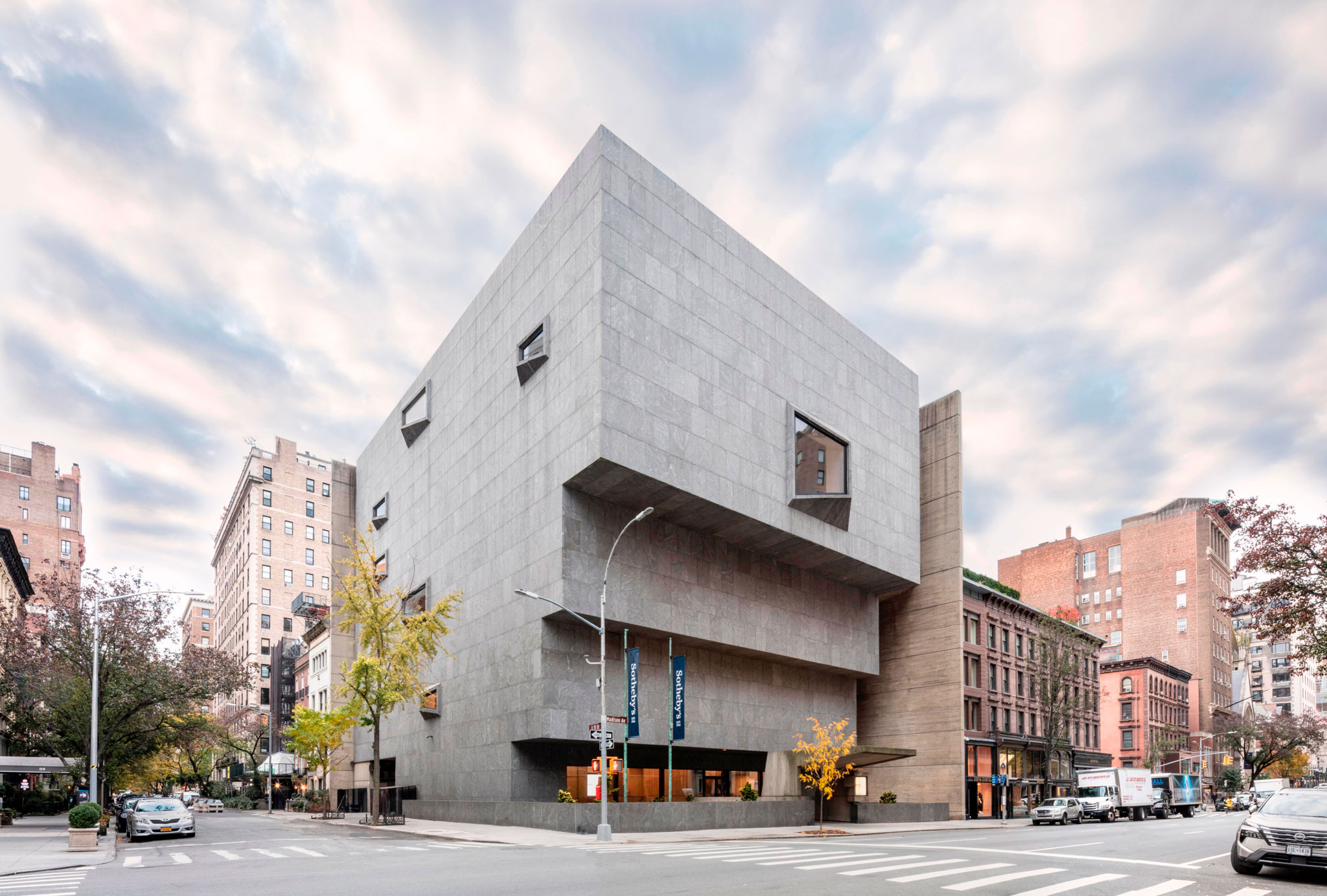
The Breuer Building has reopened as Sotheby’s new global headquarters following a meticulous renovation by the Swiss practice Herzog & de Meuron, in collaboration with the New York-based architects PBDW.

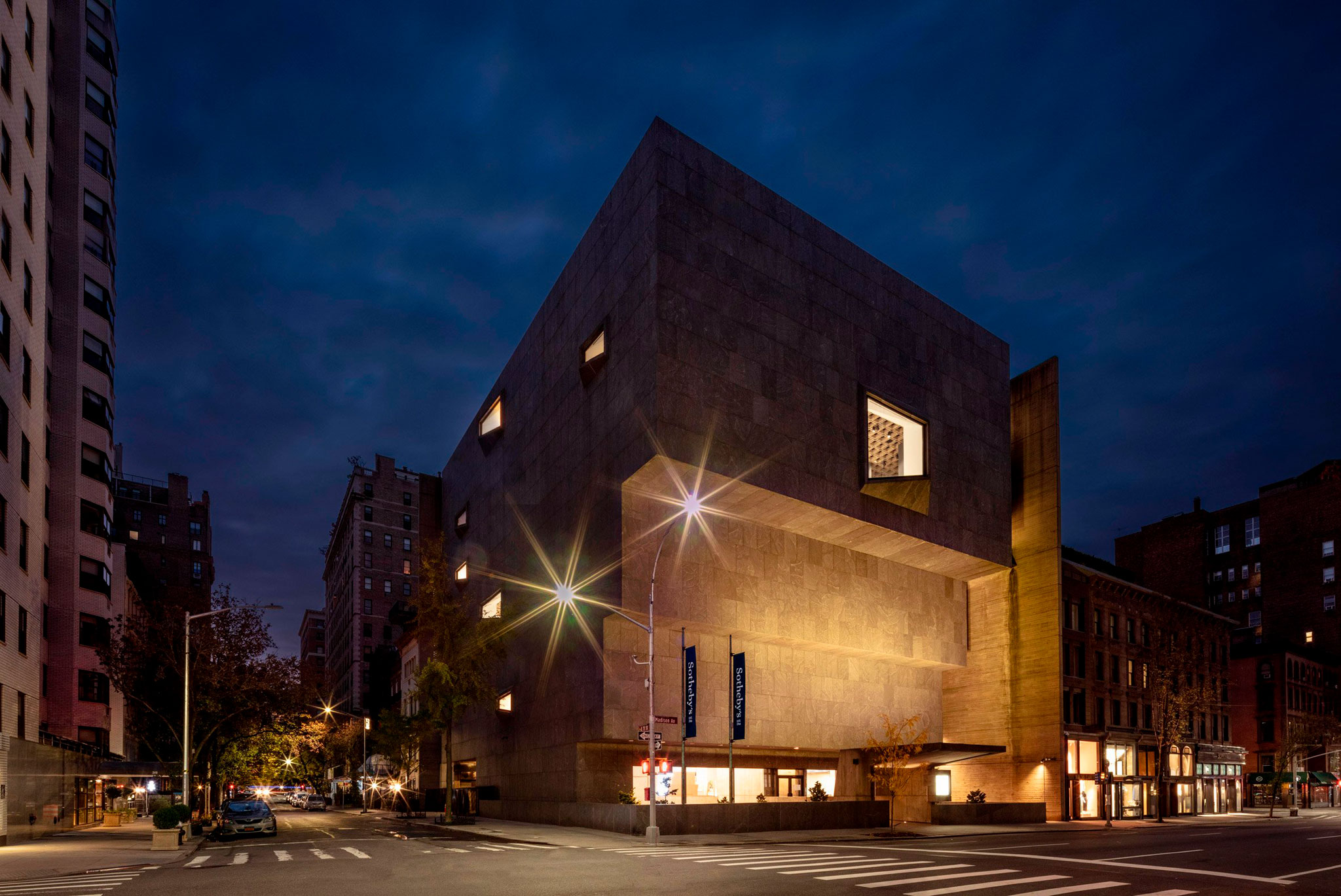
The building, located at 945 Madison Avenue in Manhattan and designed by Hungarian architect Marcel Breuer, was completed in 1966 and has always been a sanctuary for art, housing the Whitney Museum of American Art for fifty years, and later occupied for shorter periods by the collections of the Metropolitan Museum of Art (Met Breuer) and the Frick Collection.

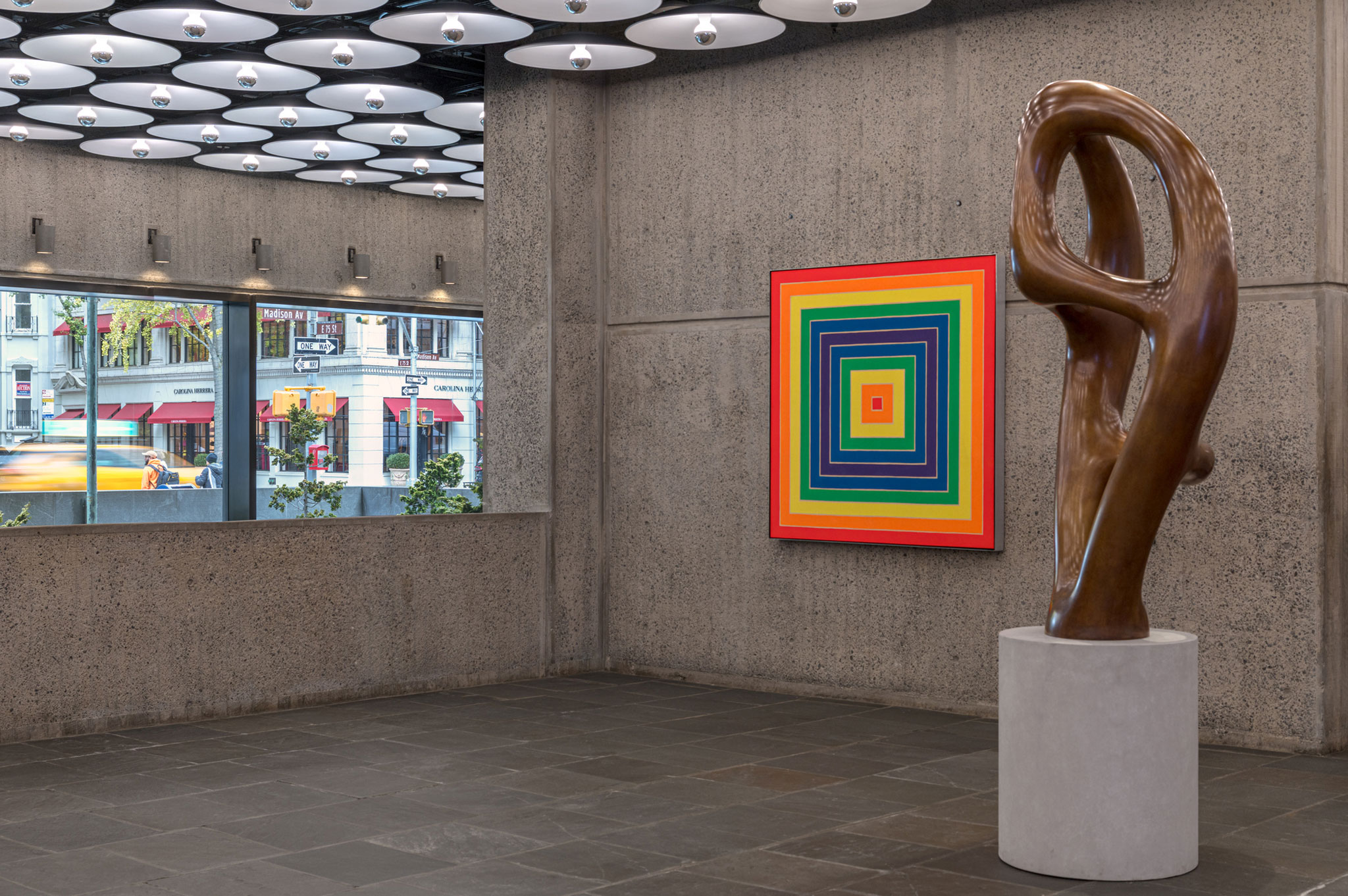
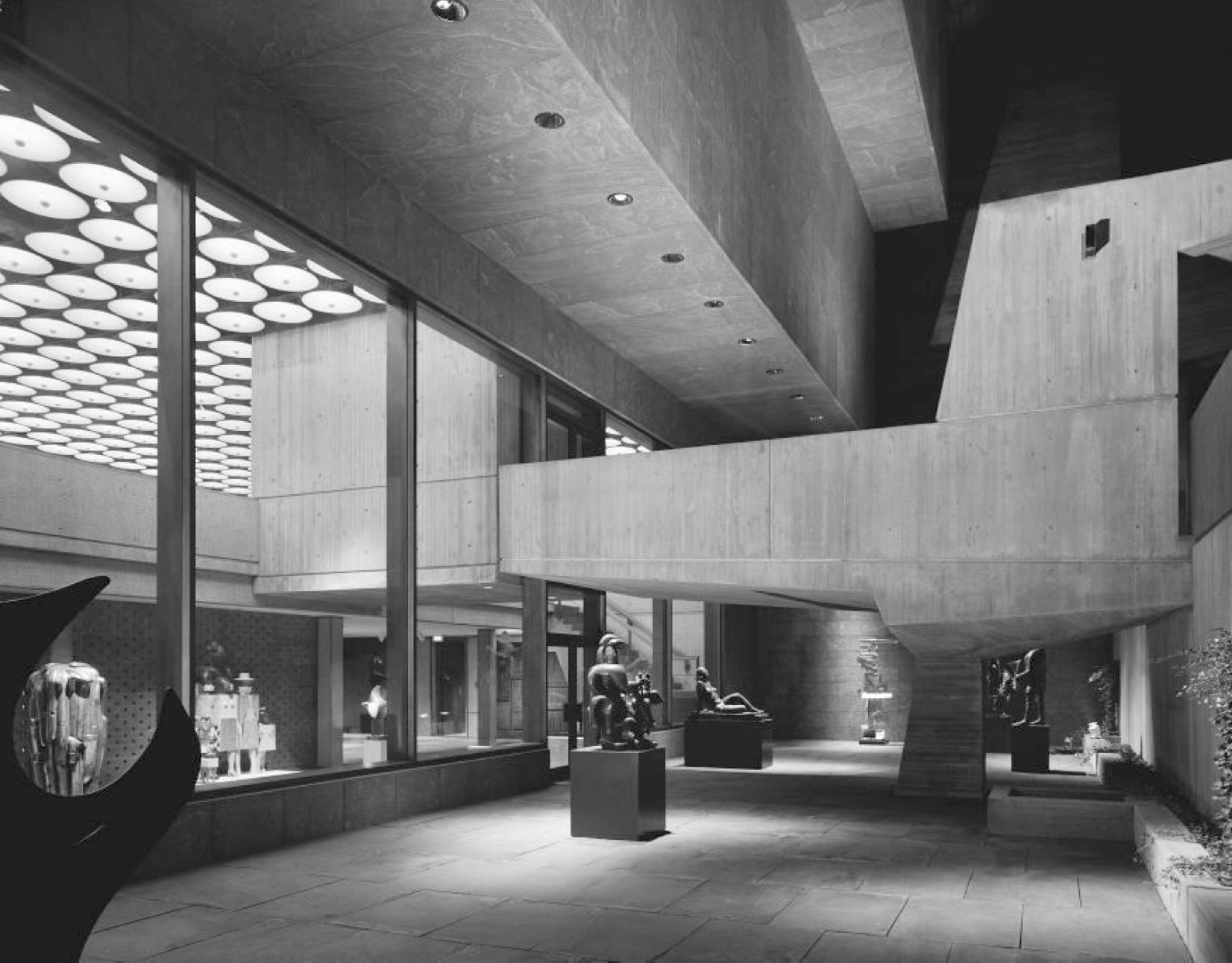
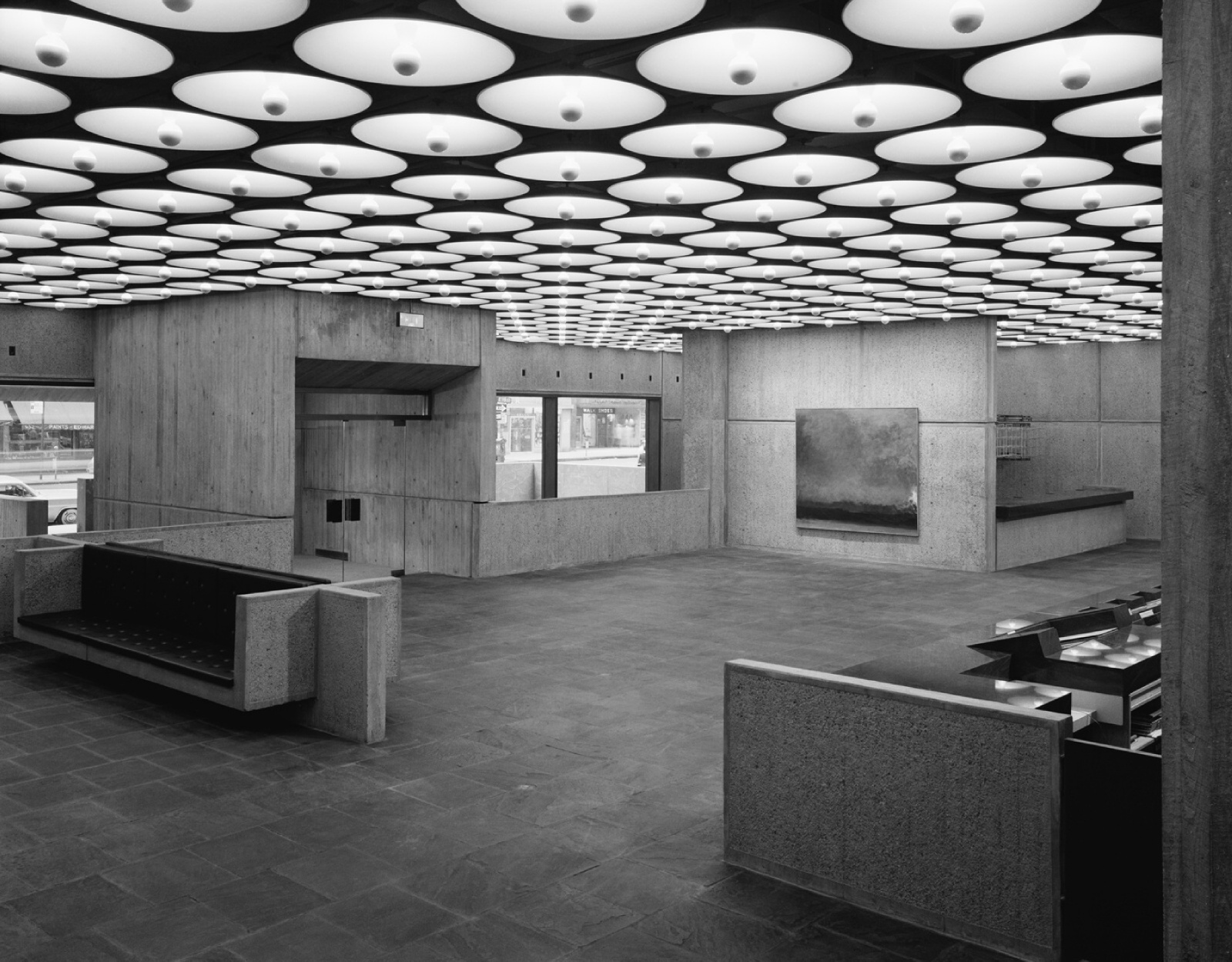
The project undertaken by Herzog & de Meuron involved the meticulous rehabilitation of this historic building, transforming it into a new space for exhibitions and auctions. Throughout the restoration process, particular attention was paid to the architect's original vision. Key elements of the original design, such as the blue stone floors, coffered concrete ceilings, sculptural staircase, and custom finishes in the lobby, were preserved. These were complemented by necessary and well-considered interventions that improve accessibility, spatial flexibility, security, and the visitor experience.

Breuer Building is a stunning architectural icon of postwar modernism, a work of art admired by all enthusiasts of modern architecture.

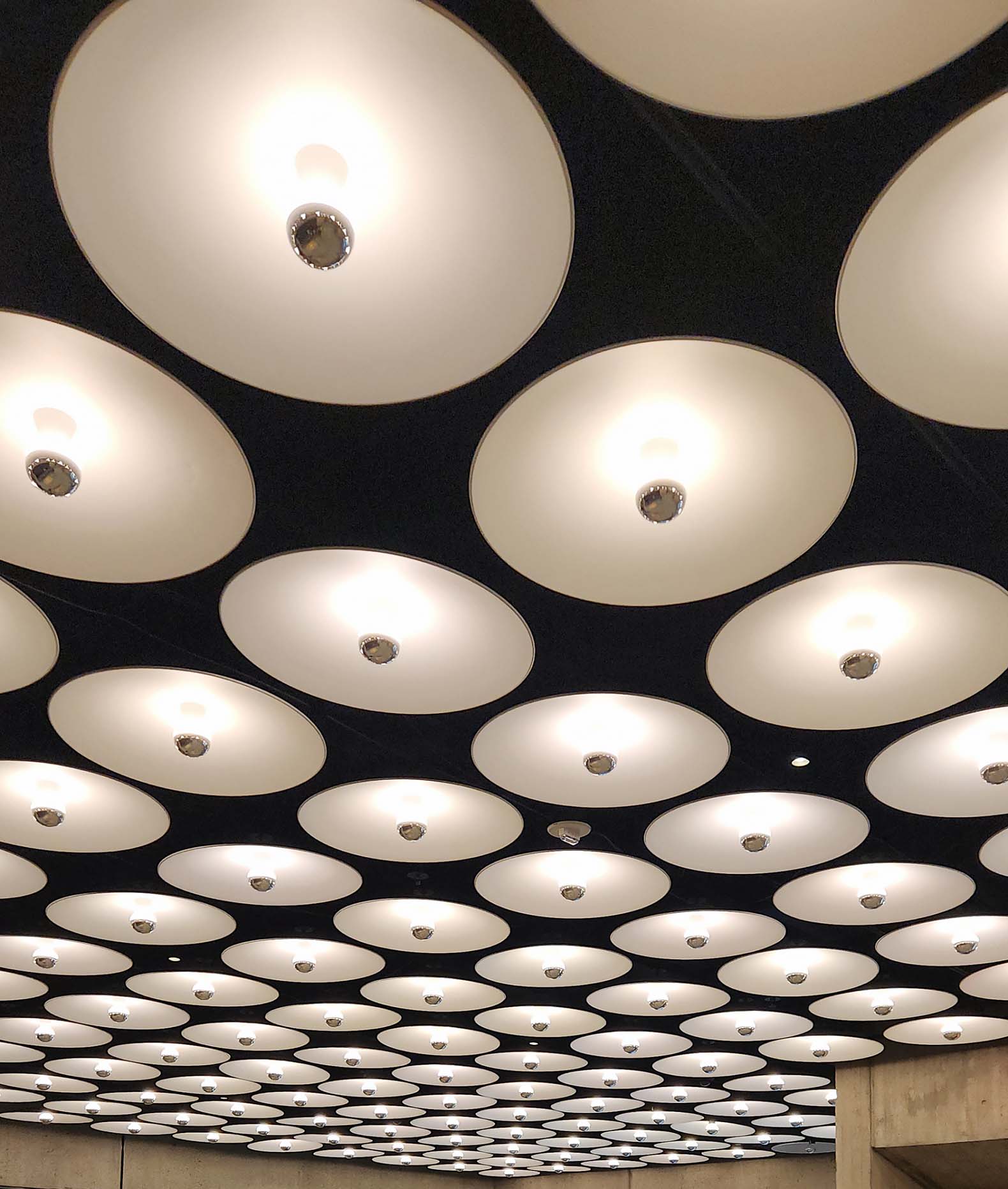
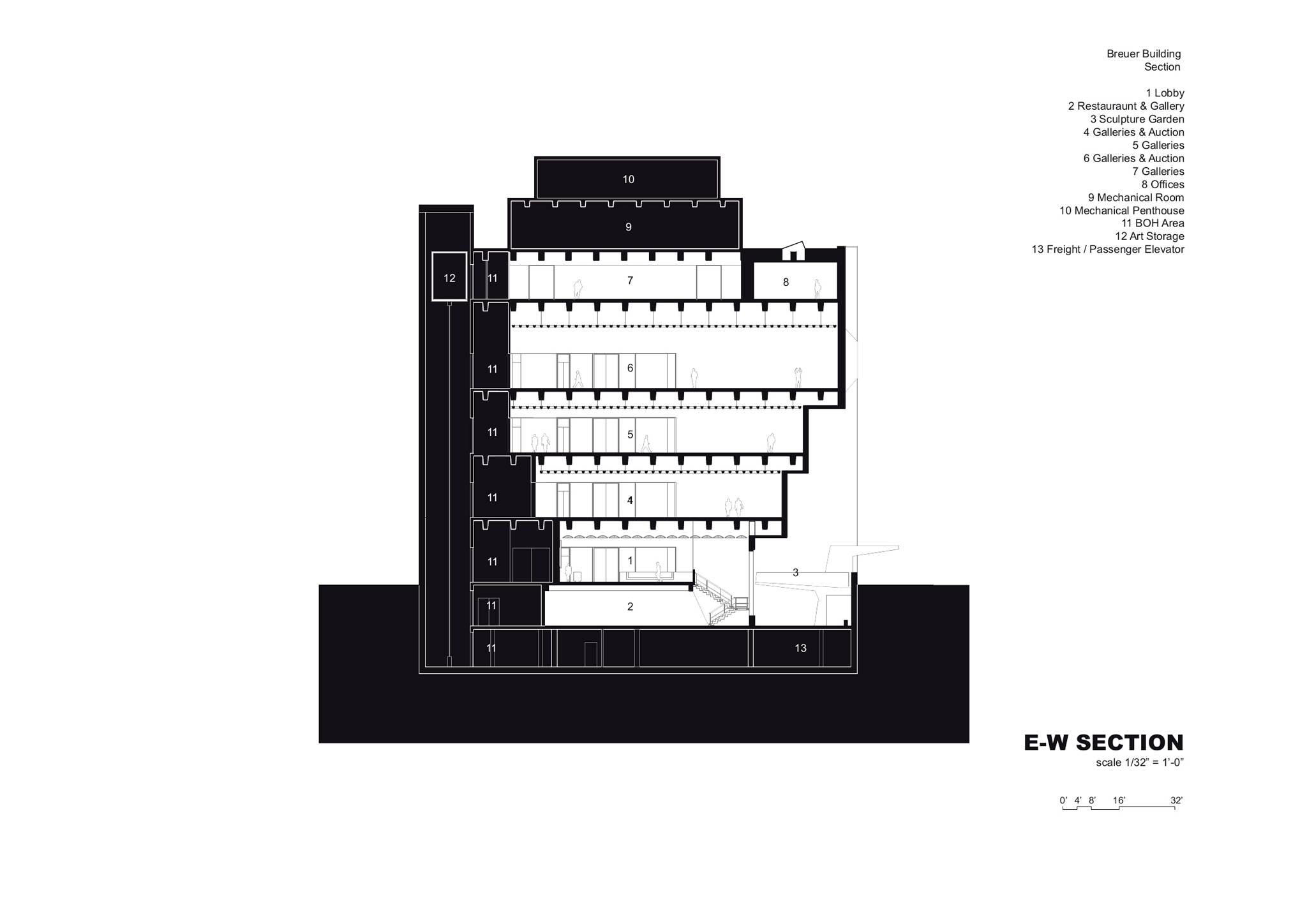
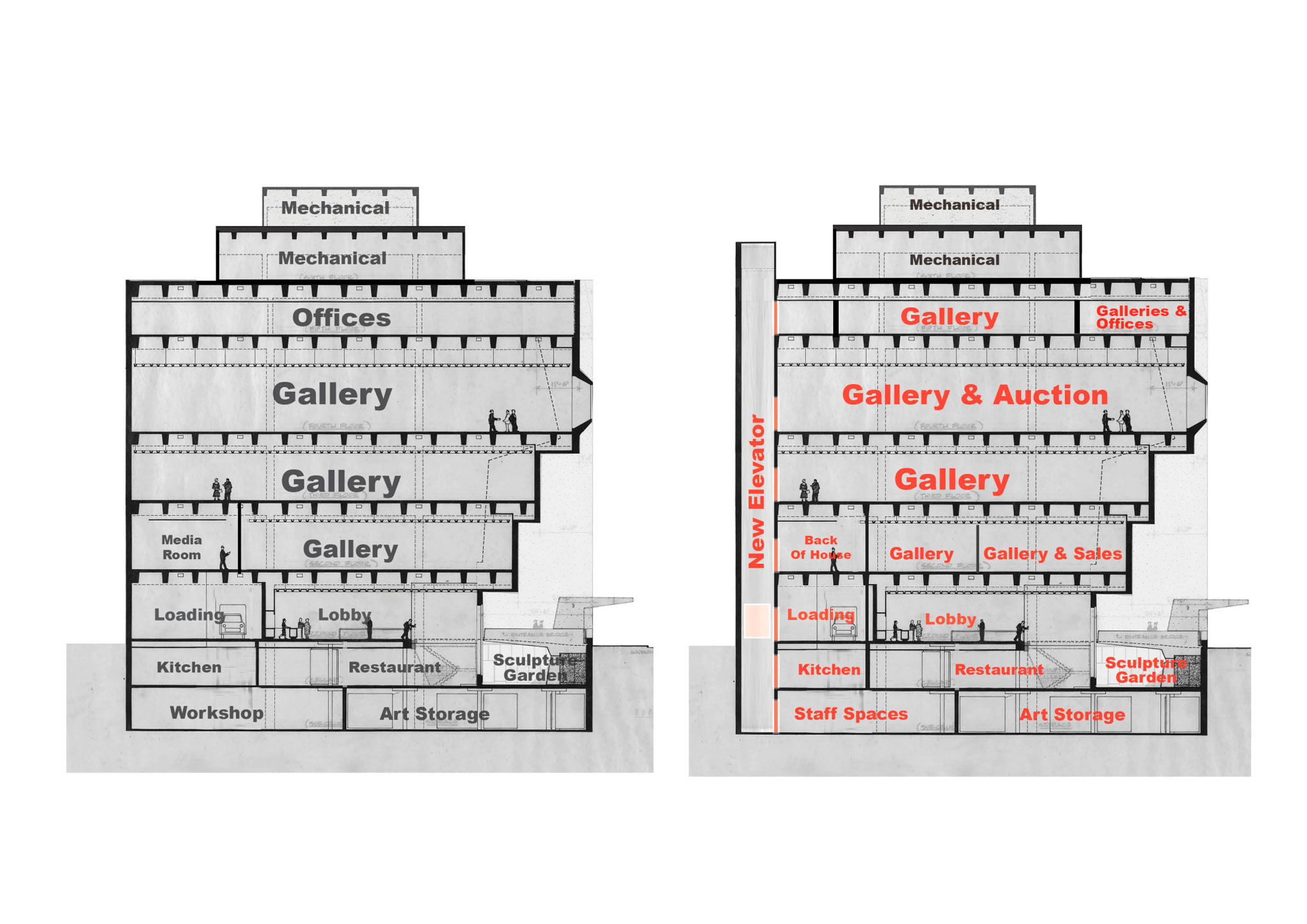
The renovation emphasized its long-term adaptability, creating a new layered lighting strategy, eliminating former office spaces, and improving exhibition possibilities and installation processes. These processes are further optimized by a new rear freight elevator that streamlines installations without disrupting the flow of visitors.

Sotheby’s fourth-floor Breuer galleries, featuring Gustav Klimt’s Blooming Meadow (Blumenwiese), Portrait of Elisabeth Lederer (Bildnis Elisabeth Lederer) and Waldabhang bei Unterach am Attersee (Forest Slope in Unterach on the Attersee), from The Leonard A. Lauder Collection [left to right]. Photography by Stefan Ruiz Courtesy of Sotheby’s.

Sotheby’s fourth-floor Breuer galleries, featuring Gustav Klimt’s Blooming Meadow (Blumenwiese), Portrait of Elisabeth Lederer (Bildnis Elisabeth Lederer) and Waldabhang bei Unterach am Attersee (Forest Slope in Unterach on the Attersee), from The Leonard A. Lauder Collection [left to right]. Photography by Stefan Ruiz Courtesy of Sotheby’s.

The transformation of the Breuer Building is the result of a close and creative collaboration between the design team and Sotheby’s, united by a shared commitment to preserving Breuer’s architectural legacy and, at the same time, re-establishing the building as a new cultural landmark in New York City.

“After a few intense months of renovation and reconstruction focused mainly on interior spaces, the Breuer Building, an extraordinary icon of postwar modernism, is open again for New Yorkers and visitors as an exceptional space to experience art. Paradoxically, our strongest architectural contribution to this building was to remain quasi-invisible, as if everything had always been there, as it presents itself at the opening today. The beauty and clarity of Breuer’s original work radiates—also in its new function—and ensures its relevance for future generations.”

Jacques Herzog
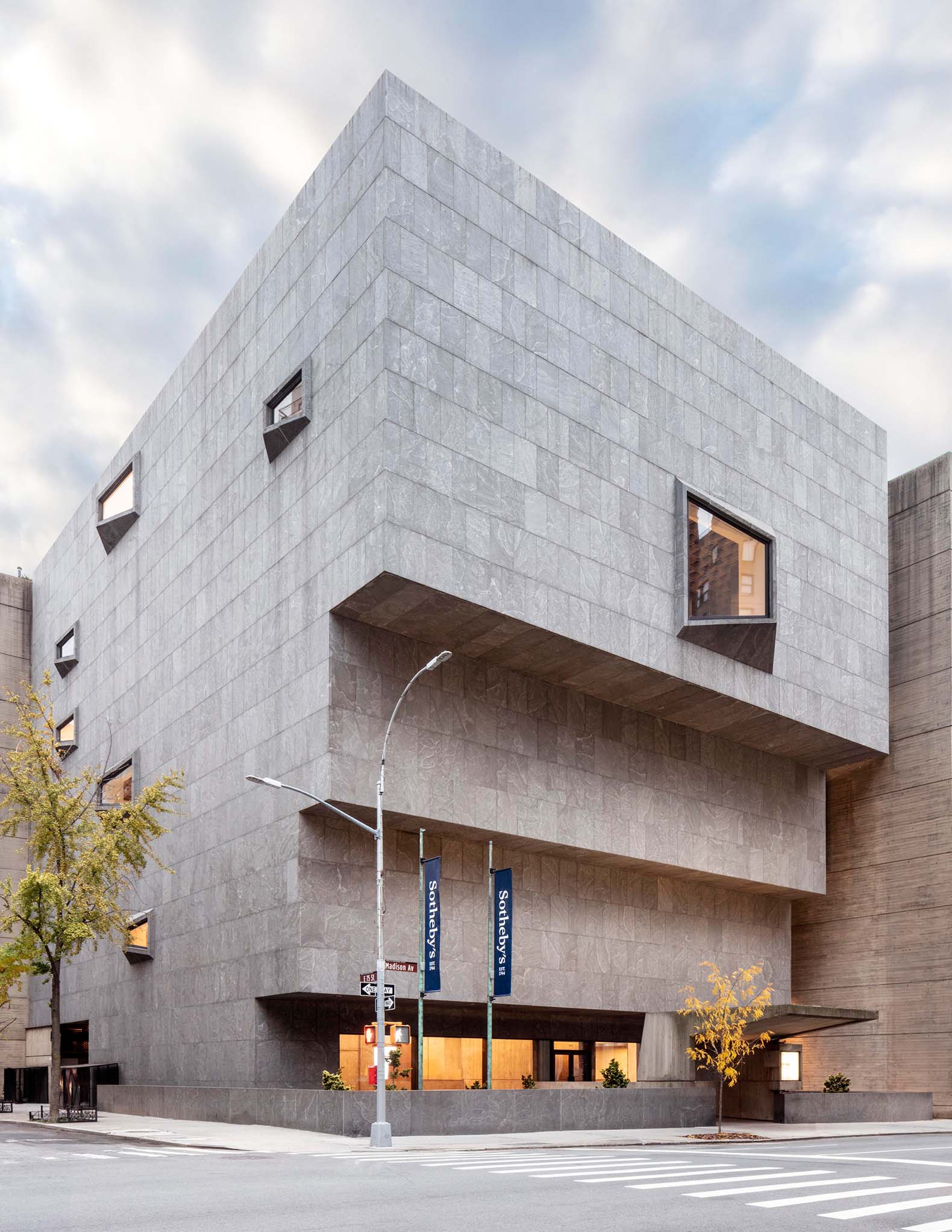
Sotheby’s new global headquarters in the iconic Marcel Breuer building in New York Photography by Stefan Ruiz Courtesy of Sotheby’s

Sotheby’s new global headquarters in the iconic Marcel Breuer building in New York. Photography by Stefan Ruiz. Courtesy of Sotheby’s.

Project description by Herzog & de Meuron

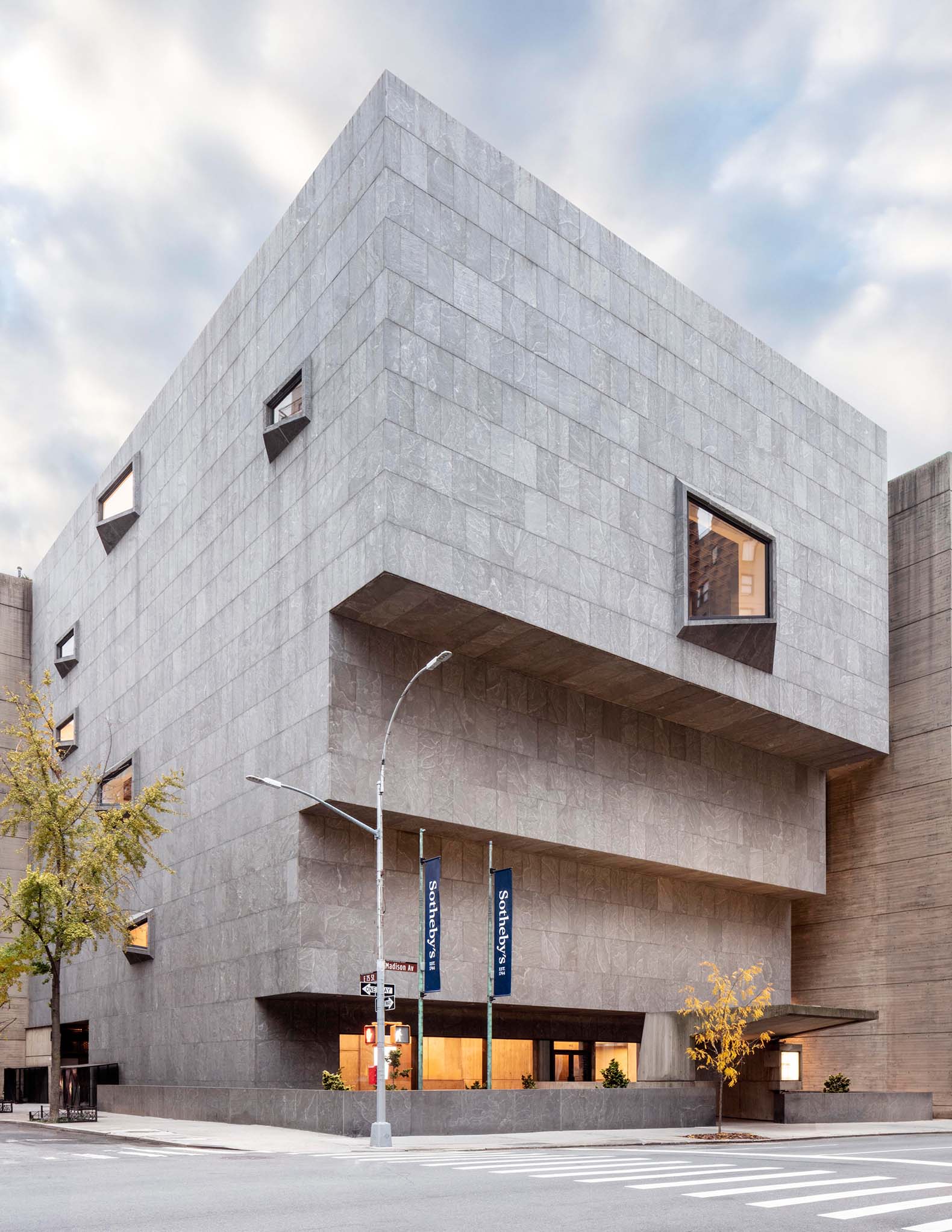
Since its opening in 1966, the Breuer Building has stood as a sanctuary for art, embodying architect Marcel Breuer’s vision to “transform the vitality of the street into the sincerity and profundity of art.” A leading figure of the Bauhaus movement, Breuer realized the integration of modern technology and artistic expression in this iconic structure, originally designed for the Whitney Museum of American Art. Its bold, inverted ziggurat form establishes a distinct presence and engages in dynamic dialogue with the urban surroundings.

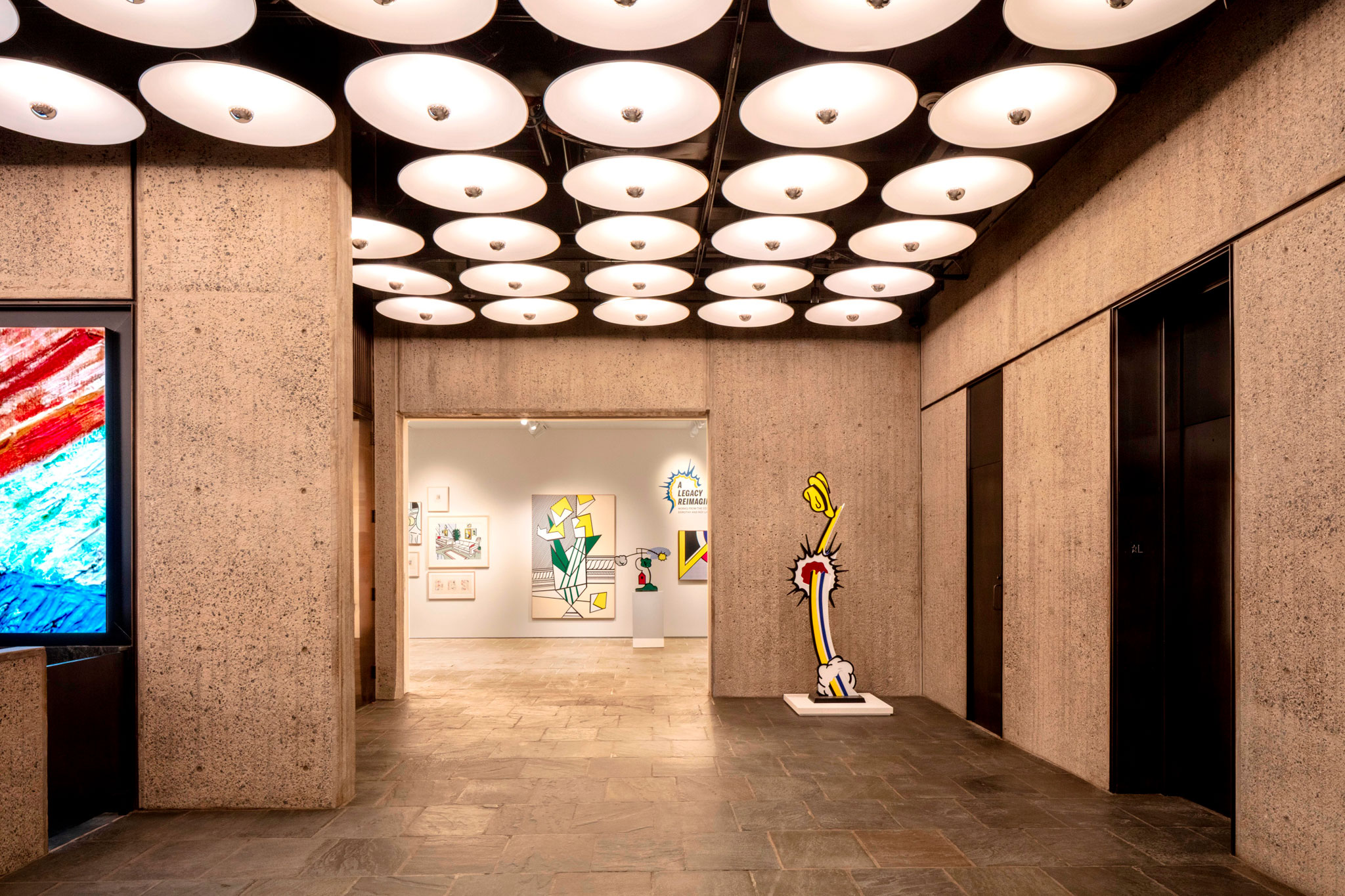
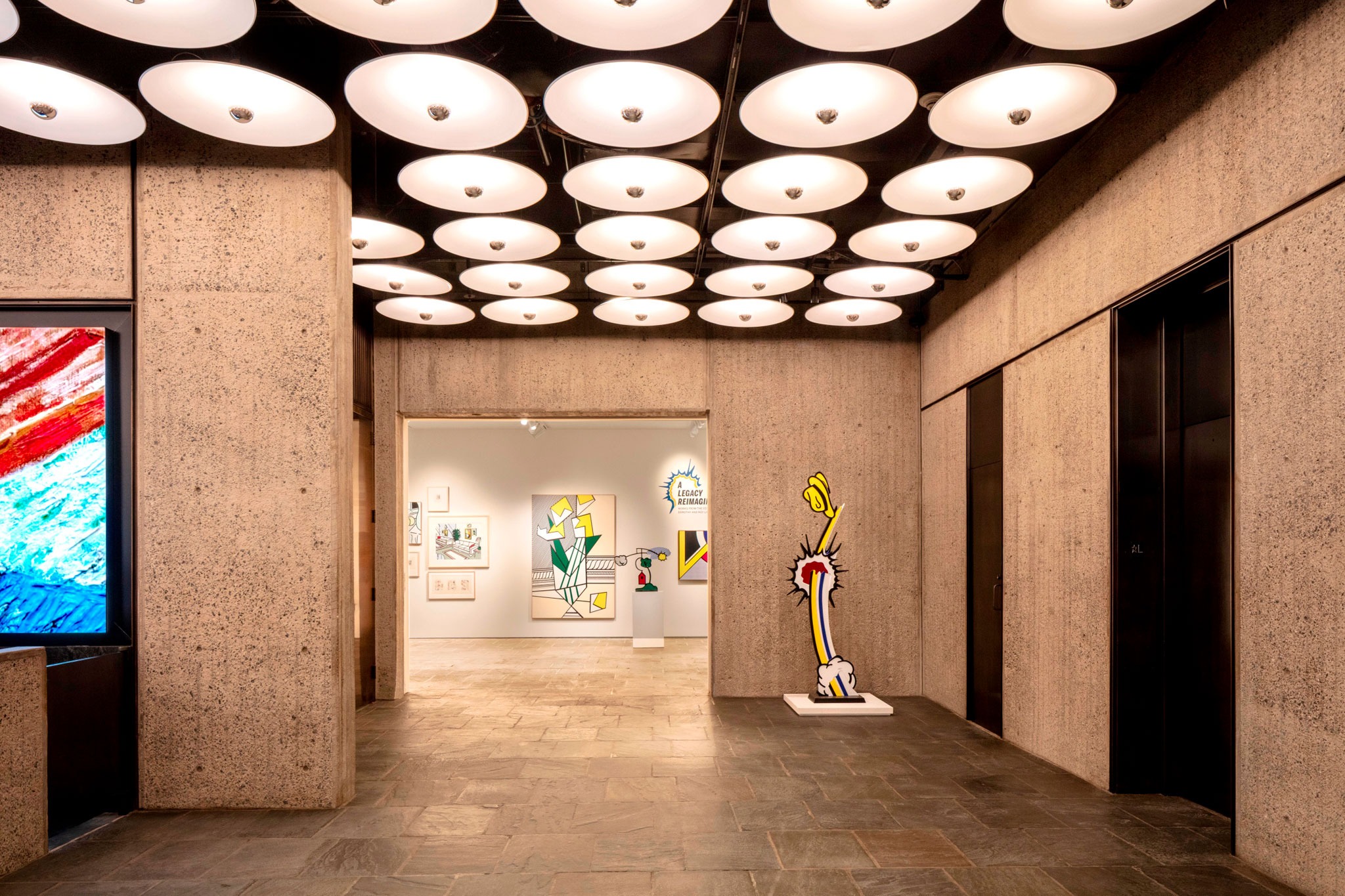
Galería del vestíbulo Breuer de Sotheby’s, con obras de la colección de Dorothy y Roy Lichtenstein. Fotografía de Stefan Ruiz. Cortesía de Sotheby’s.
Sotheby’s Breuer lobby gallery, featuring works from the Collection of Dorothy and Roy Lichtenstein. Photography by Stefan Ruiz Courtesy of Sotheby’s.

The adaptation of the Breuer Building is guided by a deep respect for its architectural significance and its enduring role as a temple to art. Over the decades, it has housed some of New York’s most significant art collections—from the Whitney to the Metropolitan Museum of Art, to the Frick, and soon, important works slated for auction at Sotheby‘s. The building readily lends itself to this next chapter as an art auction house, with many iconic spaces and programmatic uses remaining intact. The restoration follows a light-touch approach, preserving defining features while introducing subtle upgrades to meet Sotheby’s functional and operational needs, while honouring Marcel Breuer’s original design. Each found space is scrutinized and re-evaluated for its architectural and programmatic value, shaping an experience of the building that honours both continuity and transformation. The project underscores the role of preservation in safeguarding a cultural landmark while ushering it into its next era.

The overarching goal of the renovation is to amplify the building’s historical and material legacy while preparing it for use as a premier exhibition and auction venue. Defining elements—such as the bluestone floors, coffered concrete ceilings, sculptural staircase, and bespoke lobby elements and finishes—are preserved, while sensitive interventions enhance accessibility, spatial flexibility, and visitor experience.
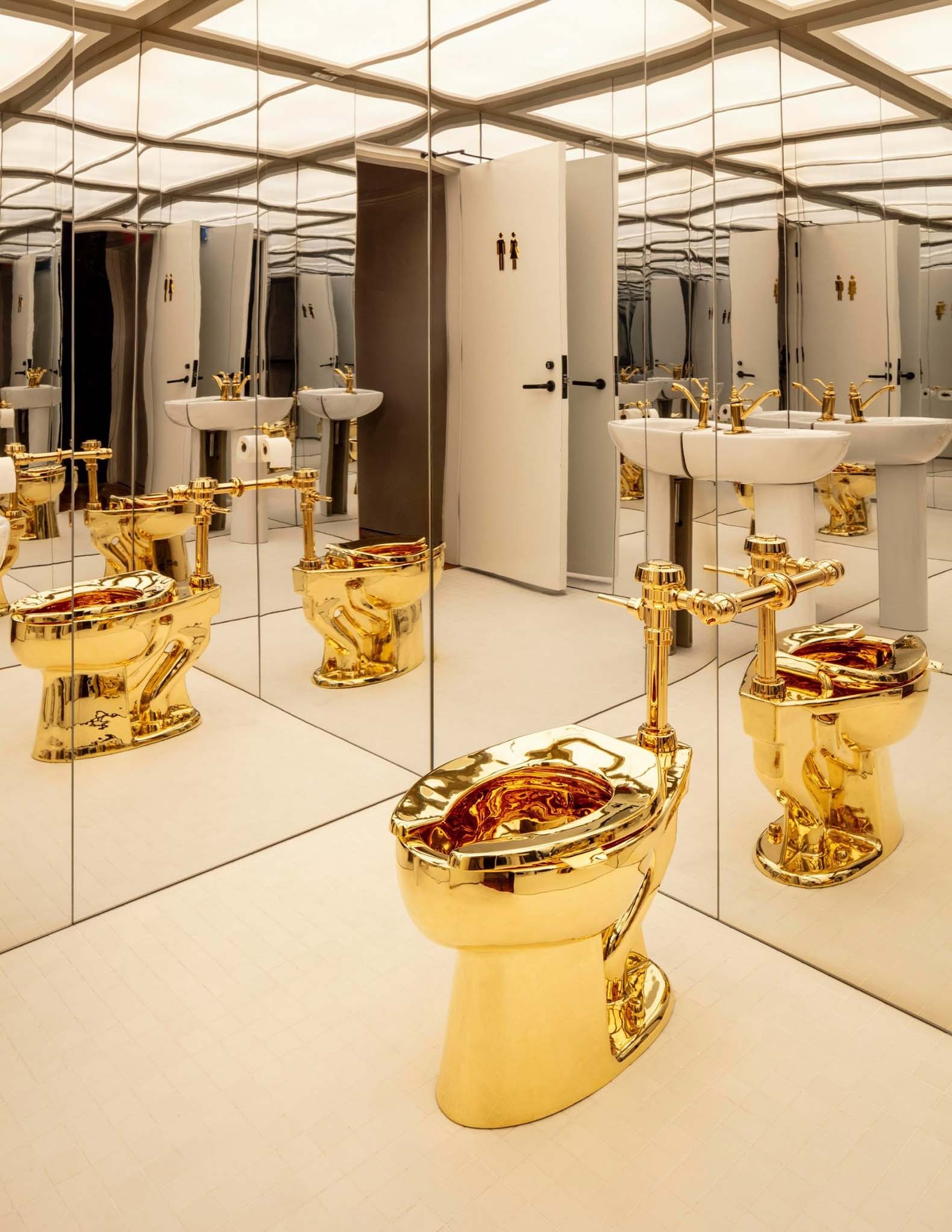
Sotheby’s immersive gallery featuring Maurizio Cattelan’s America. Photography by Stefan Ruiz; Courtesy of Sotheby’s.

Lobby
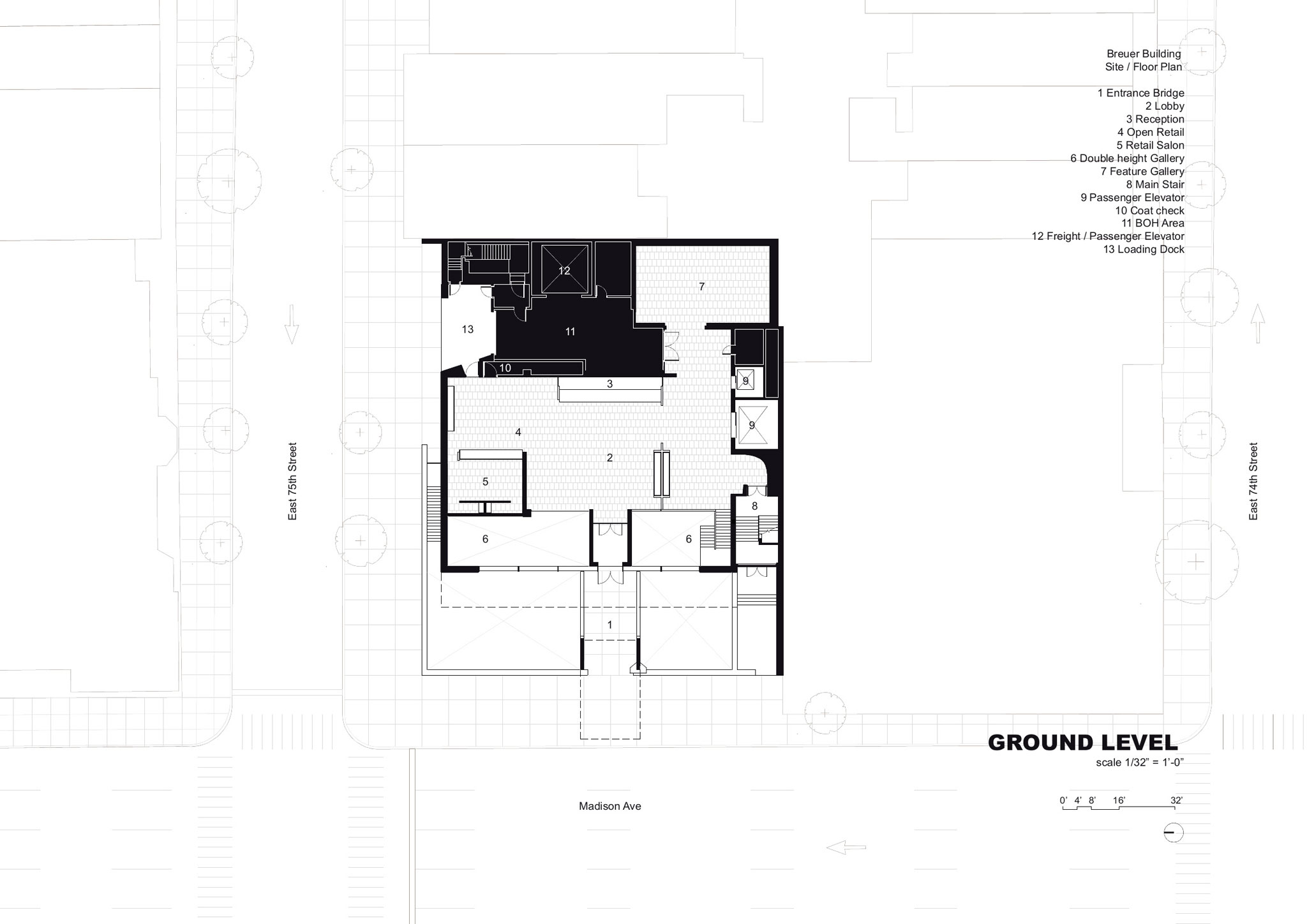
Breuer’s original lobby materials and atmosphere are retained, with select elements reinterpreted to support new functions. Benches and surface counters are transformed into display platforms and vitrines, creating a dialogue between past and present. Subtle insertions complement the existing palette of mahogany, bronze, and bushhammered concrete. Enhanced exterior lighting—including the canopy’s underside and the building’s facade—restores its social presence as a luminous beacon within the streetscape, echoing Breuer’s original vision.

Galleries
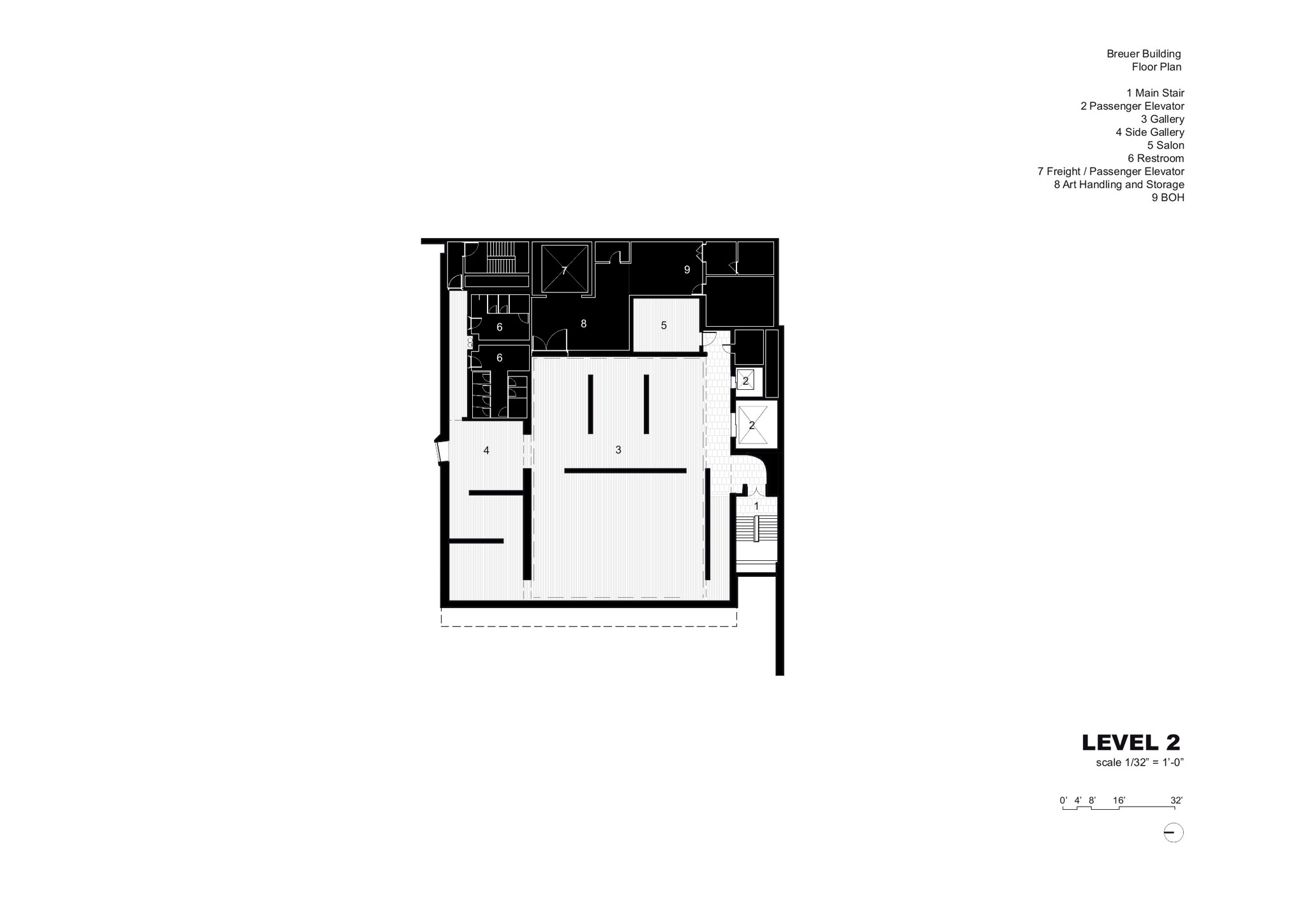
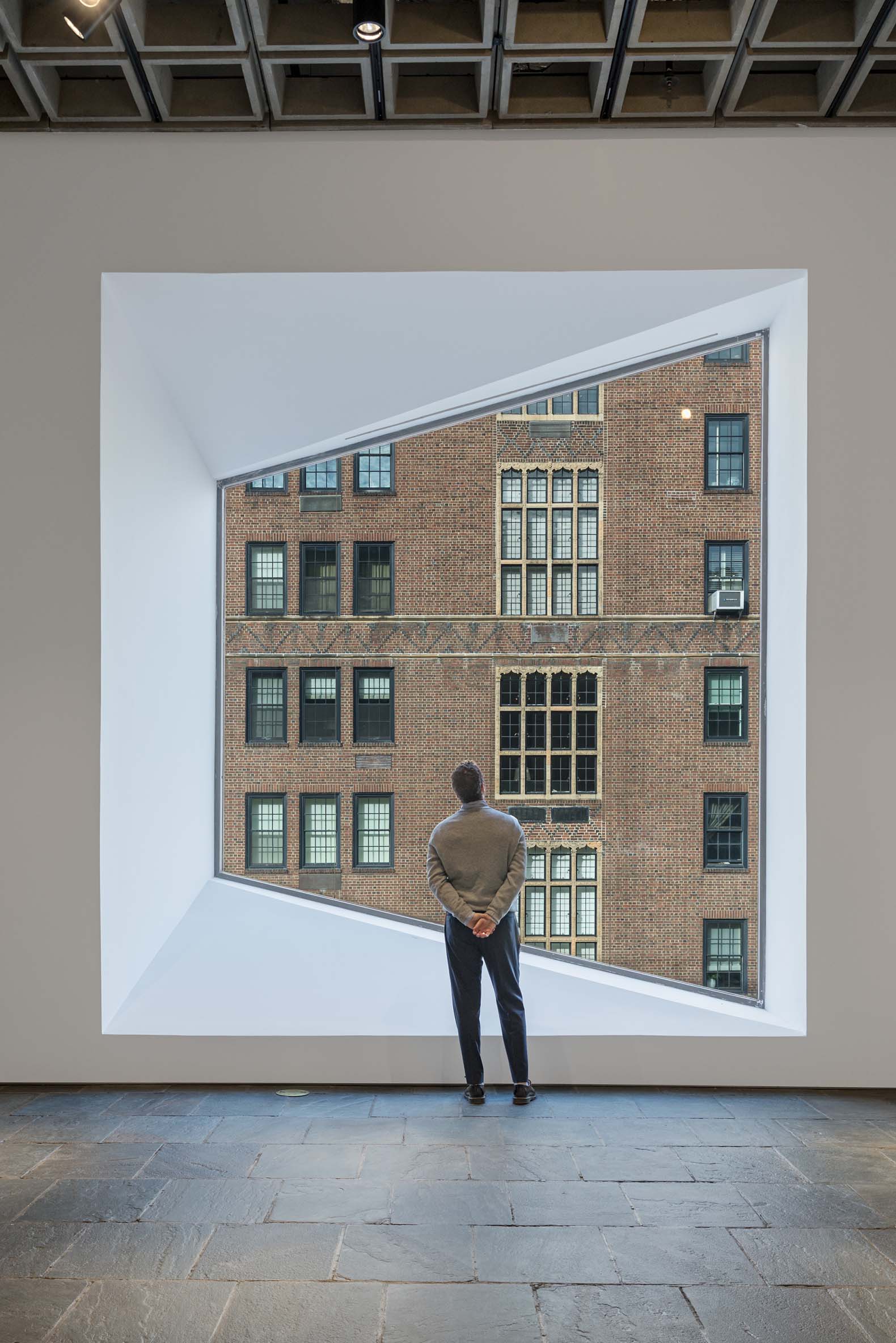
Gallery floors have been reimagined to maximize curatorial potential. A layered lighting strategy combines focused spotlights with ambient illumination, addressing formerly dim interiors and accommodating various media and exhibition scales. Each floor plan responds to Breuer’s distinctive window openings, transforming them into architectural anchors that strengthen the connection between interior and exterior. Previously inaccessible galleries have been reopened and modernized to support a broader range of exhibitions.
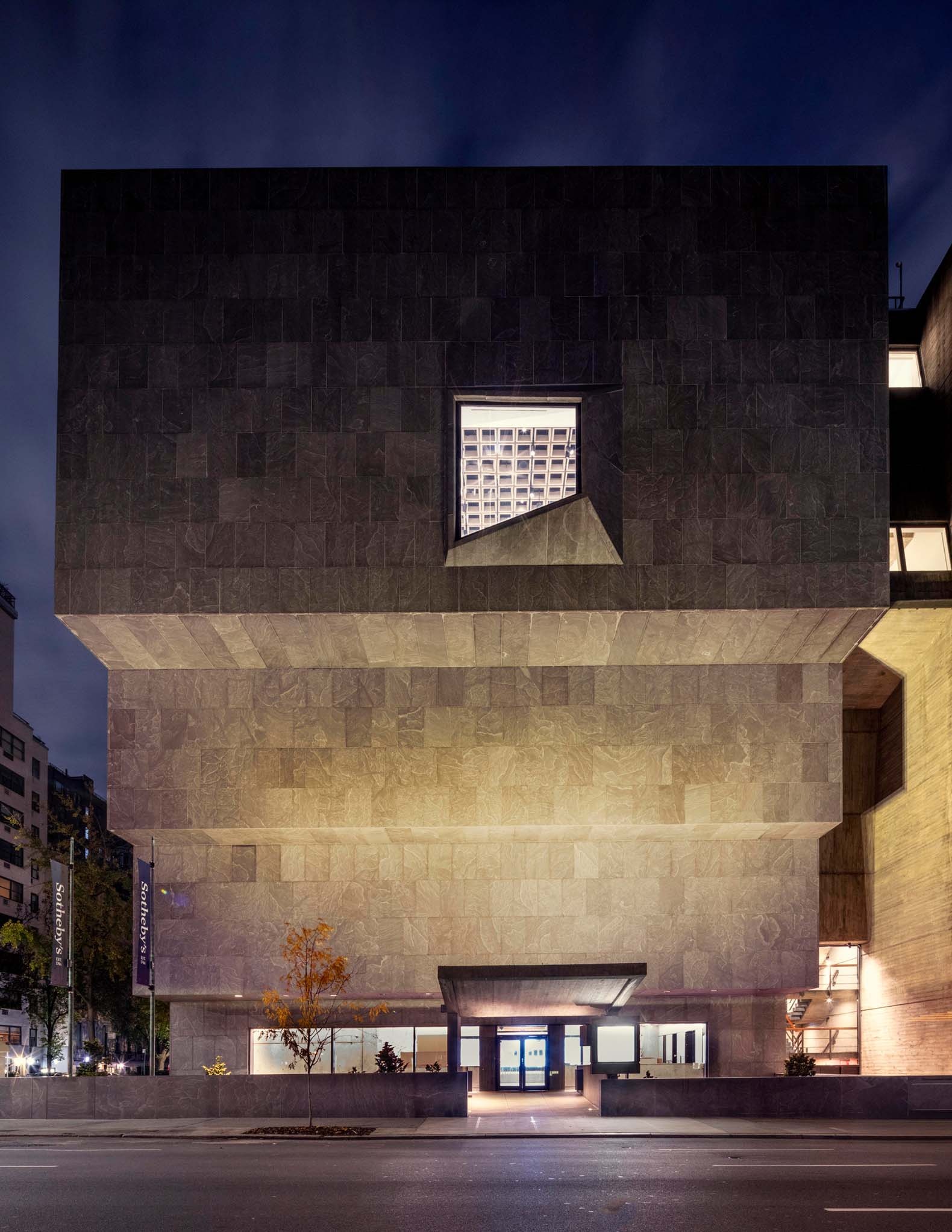
Sotheby’s new global headquarters in the iconic Marcel Breuer building in New York.. Photography by Stefan Ruiz Courtesy of Sotheby’s.

The renovation emphasizes long-term adaptability and includes the careful insertion of a new elevator within the service area of the building footprint, enabling faster installation timelines, more diverse programming, and expanded visitor capacity. Flexible gallery infrastructure ensures the building can continue to evolve alongside future curatorial demands.

The transformation of the Breuer building is the result of a close, creative partnership between the design team and Sotheby’s, united by a shared commitment to preserving Breuer’s architectural legacy while reestablishing the building as a renewed cultural landmark in New York City.

More information

Label
Architects
Text

Herzog & de Meuron. Partners.- Jacques Herzog, Pierre de Meuron. Partner in Charge.- Wim Walschap.
Local architects.- PBDW Architects.

+ + copy Created with Sketch.
- + copy Created with Sketch.
Label
Project team
Text

Philip Schmerbeck (Associate, Project Director), Jackie Bae (Associate, Project Manager), Bethany Herrmann (Project Designer), Farhad Ahmad, Marija Brdarski, Javier de Cárdenas Canomanuel, Sebastian Frowein, Nathan Mehl, Melodie Sanchez.

+ + copy Created with Sketch.
- + copy Created with Sketch.
Label
Collaborators
Text

Planning
Design Consultant.- Herzog & de Meuron Basel Ltd., Switzerland, Basel.
Executive & Preservation Architect.- Platt Byard Dovell White Architects, New York, New York, USA.
Specialist / Consulting
Structural Engineering.- Silman Structural Solution / TYLin, New York, NY, USA.
MEPFP Engineering.- AMA Group USA, New York, NY, USA.
Lighting Design: Tillotson Design Associates, New York, NY, USA.
AV & Low Voltage Consulting.- TMT Technology, New York, NY, USA.
Acoustic Consulting.- Eligator Acoustics Associates, New York, NY, USA.
Geotechnical Consulting.- Langan Engineering and Environmental Services, New York, NY, USA.
Vertical Transportation Consulting.- DTM Inc., New York, NY, USA.
Life Safety Consulting.- Homes Keogh Associates, New York, NY, USA.
Code Consulting.- Gillman Consulting Inc., New York, NY, USA.
Waterproofing Consulting & Special Inspections.- Socotec Engineering, Inc., New York, NY, USA.

+ + copy Created with Sketch.
- + copy Created with Sketch.
Label
Client
Text

Sotheby's

+ + copy Created with Sketch.
- + copy Created with Sketch.
Label
General Contractor
Text

J.T. Magen, New York, NY USA.

+ + copy Created with Sketch.
- + copy Created with Sketch.
Label
Area / dimensions
Text

Site Area.- 12,916 sqft, 1,200 m².
Gross floor area (GFA).- 78,232 sqft, 7,268 m².
GFA above ground.- 48,868 sqft, 4,540 m².
GFA below ground.- 29,363 sqft, 2,728 m².
Footprint.- 12,916 sqft, 1,200 m².
Length.- 124 ft, 38 m.
Width.- 101 ft, 31 m.
Height.- 91 ft, 28 m.

+ + copy Created with Sketch.
- + copy Created with Sketch.
Label
Dates
Text

2024-2025.

+ + copy Created with Sketch.
- + copy Created with Sketch.
Label
Location
Text
+ + copy Created with Sketch.
- + copy Created with Sketch.
Label
Photography
Text

Stefan Ruiz, Max Touhey.

+ + copy Created with Sketch.
- + copy Created with Sketch.

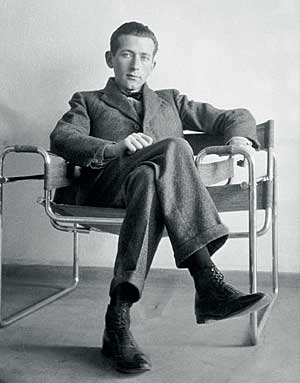
Marcel Breuer (born in Pécs, Hungary, on May 21, 1902) was educated under the Bauhaus manifesto of “total construction”; this is likely why Breuer is well known for both his furniture designs as well as his numerous works of architecture, which ranged from small residences to monumental architecture and governmental buildings. His career flourished during the Modernist period in conjunction with architects and designers such as the founder of Bauhaus, Walter Gropius, Le Corbusier and Mies van der Rohe.

Breuer began his career as a student, then a teacher at the Bauhaus, a position that he secured in 1925. Incidentally, it was also the year that Breuer earned recognition for his design of the “Wassily” chair, a tubular steel chair – sleek and functional – that represented the industrial aesthetic and formal simplicity of the Modernist period.

In 1937, he was invited by instructor and colleague Walter Gropius to become a faculty member at Harvard University in Cambridge, Massachusetts. There, he and Gropius worked together in a joint architectural firm. In 1941, Breuer split off from Gropius and opened his own practice. Much of Breuer’s early work was an exploration into post-war living. Projects like the “bi-nuclear house” were among many that were developed during this period by Breuer and his contemporaries. This was an era of the post-war boom, new materials and industries, prefabrication and the commodity of home ownership. By the 1950s, Breuer had designed approximately sixty private residences.

Breuer’s career made a turning point when he was commissioned in 1953 to design the UNESCO (United Nations Educational, Scientific and Cultural Organization) Headquarters in Paris. This public and monumental building marked Breuer’s return to Europe and public projects. It was also around this time that Breuer established a satellite office in Paris to oversee other European commissions while still working on projects in the United States.

In 1963, Breuer began work on the Whitney Museum of Art in New York City, probably one of his best-known public projects. The museum clearly speaks to Breuer’s Brutalist design tendencies – the primary use of concrete, the top-heavy form, and minimal glazing. Over the next few decades, Breuer designed housing projects, various buildings in universities and schools across the country, museums, research centers, the US Embassy in the Netherlands, and several buildings for the United States government in Washington. His design career was also filled with various iterations of the “Wassily” chair and other furnishings whose aesthetic still carries associations and influence today.

Marcel Breuer died in New York, United States, in 1981 at the age of 71.

Read more

Herzog & de Meuron Architekten is a Swiss architecture firm, founded and headquartered in Basel, Switzerland in 1978. The careers of founders and senior partners Jacques Herzog (born 1950), and Pierre de Meuron (born 1950), closely paralleled one another, with both attending the Swiss Federal Institute of Technology (ETH) in Zürich. They are perhaps best known for their conversion of the giant Bankside Power Station in London to the new home of the Tate Museum of Modern Art (2000). Jacques Herzog and Pierre de Meuron have been visiting professors at the Harvard University Graduate School of Design since 1994 (and in 1989) and professors at ETH Zürich since 1999. They are co-founders of the ETH Studio Basel – Contemporary City Institute, which started a research programme on processes of transformation in the urban domain.

Herzog & de Meuron is a partnership led by five Senior Partners – Jacques Herzog, Pierre de Meuron, Christine Binswanger, Ascan Mergenthaler and Stefan Marbach. An international team of 38 Associates and about 362 collaborators.

Herzog & de Meuron received international attention very early in their career with the Blue House in Oberwil, Switzerland (1980); the Stone House in Tavole, Italy (1988); and the Apartment Building along a Party Wall in Basel (1988).  The firm’s breakthrough project was the Ricola Storage Building in Laufen, Switzerland (1987).  Renown in the United States came with Dominus Winery in Yountville, California (1998). The Goetz Collection, a Gallery for a Private Collection of Modern Art in Munich (1992), stands at the beginning of a series of internationally acclaimed museum buildings such as the Küppersmühle Museum for the Grothe Collection in Duisburg, Germany (1999). Their most recognized buildings include Prada Aoyama in Tokyo, Japan (2003); Allianz Arena in Munich, Germany (2005); the new Cottbus Library for the BTU Cottbus, Germany (2005); the National Stadium Beijing, the Main Stadium for the 2008 Olympic Games in Beijing, China; VitraHaus, a building to present Vitra’s “Home Collection“, Weil am Rhein, Germany (2010); and 1111 Lincoln Road, a multi-storey mixed-use structure for parking, retail, a restaurant and a private residence in Miami Beach, Florida, USA (2010), the Actelion Business Center in Allschwil/Basel, Switzerland (2010). In recent years, Herzog & de Meuron have also completed projects such as the New Hall for Messe Basel Switzerland (2013), the Ricola Kräuterzentrum in Laufen (2014), which is the seventh building in a series of collaborations with Ricola, with whom Herzog & de Meuron began to work in the 1980s; and the Naturbad Riehen (2014), a public natural swimming pool. In April 2014, the practice completed its first project in Brazil: the Arena do Morro in the neighbourhood of Mãe Luiza, Natal, is the pioneering project within the wider urban proposal “A Vision for Mãe Luiza”.

Herzog & de Meuron have completed 6 projects since the beginning of 2015: a new mountain station including a restaurant on top of the Chäserrugg (2262 metres above sea level) in Toggenburg, Switzerland; Helsinki Dreispitz, a residential development and archive in Münchenstein/Basel, Switzerland; Asklepios 8 – an office building on the Novartis Campus in Basel, Switzerland; the Slow Food Pavilion for Expo 2015 in Milan, Italy; the new Bordeaux stadium, a 42’000 seat multifunctional stadium for Bordeaux, France; Miu Miu Aoyama, a 720 m² boutique for the Prada-owned brand located on Miyuki Street, across the road from Prada Aoyama, Tokyo, Japan.

In many projects the architects have worked together with artists, an eminent example of that practice being the collaboration with Rémy Zaugg, Thomas Ruff and with Michael Craig-Martin.

Professionally, the Herzog & de Meuron partnership has grown to become an office with over 120 people worldwide. In addition to their headquarters in Basel, they have offices in London, Munich and San Francisco. Herzog has explained, “We work in teams, but the teams are not permanent. We rearrange them as new projects begin. All of the work results from discussions between Pierre and me, as well as our other partners, Harry Gugger and Christine Binswanger. The work by various teams may involve many different talents to achieve the best results which is a final product called architecture by Herzog & de Meuron.”

Read more
Published on: November 20, 2025
Cite:
metalocus, ANTONIO GRAS
"Breuer Building, new Sotheby’s Madison Avenue, renovated by H&dM, opens" METALOCUS. Accessed
<https://www.metalocus.es/en/news/breuer-building-new-sothebys-madison-avenue-renovated-hdm-opens> ISSN 1139-6415
Loading content ...
Loading content ...
Loading content ...
Loading content ...
Loading content ...
Loading content ...
Loading content ...
Loading content ...
Loading content ...
Loading content ...
Loading content ...
Loading content ...
Loading content ...
Loading content ...
Loading content ...
Loading content ...
Loading content ...
Loading content ...
Loading content ...
Loading content ...
Loading content ...
Loading content ...
Loading content ...
Loading content ...
Loading content ...
Loading content ...
Loading content ...
Loading content ...
Loading content ...
Loading content ...
Loading content ...
Loading content ...
Loading content ...
Loading content ...
Loading content ...
Loading content ...
Loading content ...
Loading content ...
Loading content ...
Loading content ...
Loading content ...
Loading content ...
Loading content ...
Loading content ...
Loading content ...
Loading content ...
Loading content ...
Loading content ...
Loading content ...
Loading content ...
Loading content ...
Loading content ...
Loading content ...
Loading content ...